

-
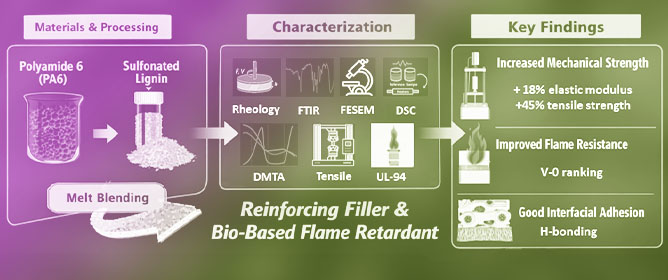
Improved Thermo-Mechanical and Flame Resistance Behaviour of Polyamide 6/Lignin Microcomposites -
Bacterial Cellulose Scaffolds for Advanced Wound Care: Immunomodulation, Mixed Biofilms, and Smart Regenerative Dressings -
Bio-Based Polymer Composites and Nanocomposites: A Sustainable Approach -
Antioxidant Potential of Waste Lignin Phenolics and Their Role in Thermo-Oxidative Stabilization of Polyurethane Materials -
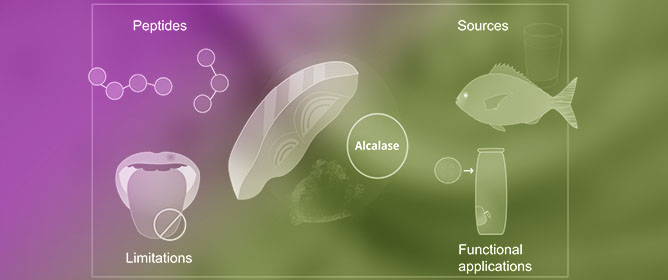
Alcalase for Food-Protein-Derived Bioactive Peptides: Trends, Gaps, and Translational Opportunities
Journal Description
Macromol
Macromol
is an international, peer-reviewed, open access journal on all aspects of macromolecular research published quarterly online by MDPI.
- Open Access— free for readers, with article processing charges (APC) paid by authors or their institutions.
- High Visibility: indexed within ESCI (Web of Science), Scopus, CAPlus / SciFinder, and other databases.
- Journal Rank: JCR - Q2 (Polymer Science) / CiteScore - Q1 (Materials Science (miscellaneous))
- Rapid Publication: manuscripts are peer-reviewed and a first decision is provided to authors approximately 23.3 days after submission; acceptance to publication is undertaken in 4.7 days (median values for papers published in this journal in the second half of 2025).
- Recognition of Reviewers: APC discount vouchers, optional signed peer review, and reviewer names published annually in the journal.
- Journal Cluster of Polymer and Macromolecular Science: Polymers, Gels, Polysaccharides, Textiles, Macromol, Microplastics and Adhesives.
Impact Factor:
4.4 (2024);
5-Year Impact Factor:
4.6 (2024)
Latest Articles
Chitosan Edible Coating, Vacuum Packaging, and Their Synergistic Effects on the Refrigerated Shelf Life of Pangas Fish (Pangasianodon hypophthalmus) Fillets
Macromol 2026, 6(2), 38; https://doi.org/10.3390/macromol6020038 (registering DOI) - 3 Jun 2026
Abstract
Fresh fish fillets are highly perishable even under refrigerated conditions due to psychrotrophic microbial growth, enzymatic activity, and lipid oxidation. This study evaluated the individual and combined effects of chitosan edible coating and vacuum packaging on the quality and shelf life of Pangasianodon
[...] Read more.
Fresh fish fillets are highly perishable even under refrigerated conditions due to psychrotrophic microbial growth, enzymatic activity, and lipid oxidation. This study evaluated the individual and combined effects of chitosan edible coating and vacuum packaging on the quality and shelf life of Pangasianodon hypophthalmus fillets stored at 4 ± 1 °C for 15 days. Four treatments were applied: uncoated aerobic (U-A), uncoated vacuum (U-V), chitosan-coated aerobic (Ch-A), and chitosan-coated vacuum (Ch-V). Quality changes were assessed through chemical, physical, microbiological, and sensory analyses. Total volatile base nitrogen (TVB-N) increased rapidly in U-A (3.5–22.4 mg N/100 g), whereas lower values were observed in Ch-V (13.3 mg N/100 g). Peroxide value (PV) increased to 1.43 meq O2/kg fat in U-A but remained lowest in Ch-V (0.77 meq O2/kg fat). Total plate count (TPC) exceeded the acceptability limit in U-A by day 15, while Ch-V remained within safe limits (6.03 log CFU/g). Coated treatments maintained more stable pH, and chitosan coating reduced moisture loss under aerobic storage. Sensory quality declined rapidly in U-A but was best preserved in Ch-V. The combined application of chitosan coating and vacuum packaging exhibited a clear synergistic effect, extending the refrigerated shelf life of fillets to at least 15 days compared with 9–12 days in uncoated samples. This approach represents an effective and eco-friendly strategy for maintaining the quality and safety of fresh fish products.
Full article
Open AccessArticle
Raman Spectroscopy of Protein–Polysaccharide Conjugates: A Comparative Study of Tree-Based Ensemble Models
by
Svetlana A. Shevtsova, Samvel A. Grigoryan, Oksana A. Mayorova, Mariia S. Saveleva and Ekaterina S. Prikhozhdenko
Macromol 2026, 6(2), 37; https://doi.org/10.3390/macromol6020037 - 3 Jun 2026
Abstract
►▼
Show Figures
Proteins with additives, especially in small quantities, are of great interest as a subject of study. Machine learning approaches implemented on Raman spectroscopy data could provide an insight into the chemical structures of such mixtures or conjugates. Although decision tree models could be
[...] Read more.
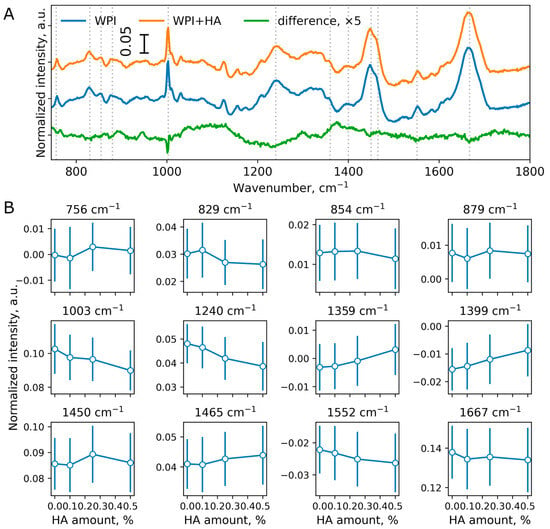
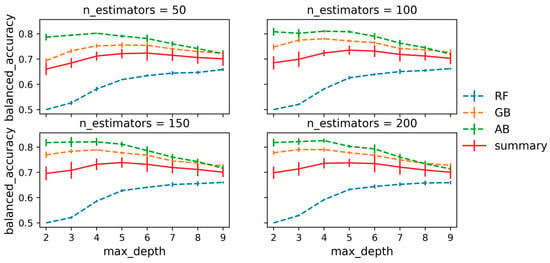
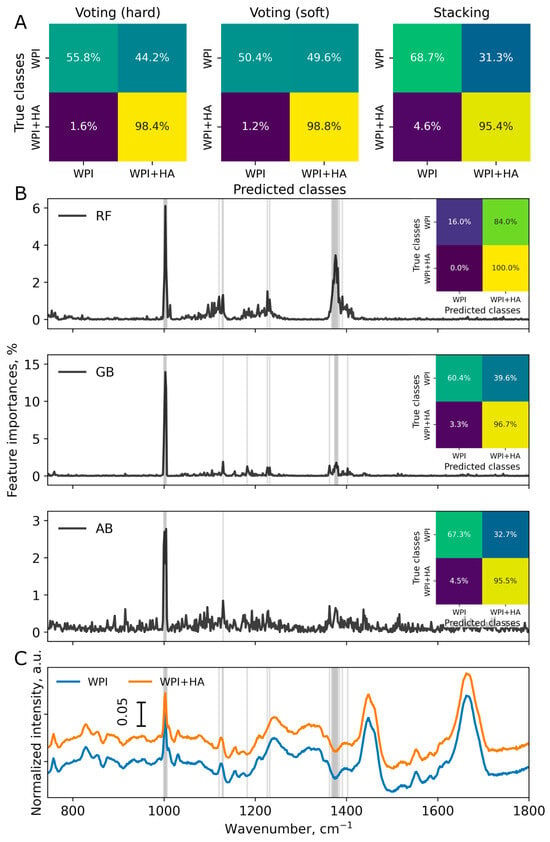
Proteins with additives, especially in small quantities, are of great interest as a subject of study. Machine learning approaches implemented on Raman spectroscopy data could provide an insight into the chemical structures of such mixtures or conjugates. Although decision tree models could be powerful in solving either classification or regression tasks and could provide accessible predictions, they are prone to overfitting. Ensemble models that implement several decision trees could overcome the determined problem. Five different model types are discussed: RandomForest, GradientBoosting, AdaBoost, Voting, and Stacking. Raman spectroscopy data of whey protein isolates (5 wt.%) with different amounts of hyaluronic acid (0, 0.1, 0.25, and 0.5 wt.%) were used as datasets. In order to generalize the results of the study, WPI samples from three different manufacturers were used. Optimization established that ensembles of 200 decision trees with a maximum depth of four were optimal. The Stacking algorithm, which used RandomForest, GradientBoosting, and AdaBoost as base models with either LogisticRegressor (classification task) or RidgeCV (regression task), was found to be the most efficient in finding differences between the whey protein isolate and its conjugates with hyaluronic acid: specificity of 68.7% and sensitivity of 95.4% (classification task); R2 = 0.764 with mean absolute error of 0.068 (regression task). According to the feature importance plots, the Raman bands that were most influential in predicting the results were 1003 cm−1 (phenylalanine, ring breath), 1125 cm−1 (rocking of NH3+), 1206 cm−1 (C–C stretching), 1240 cm−1 (amide III (β-sheet), N–H in-plane bend, C–N stretch), and 1399 cm−1 (aspartic and glutamic acids, C=O stretch of COO–). The findings of this study may contribute to the development of novel methods for quality control and analysis of complex multicomponent systems in various industrial settings. In particular, the ensemble approach can be adapted for monitoring in food processing or as a screening tool in pharmaceutical formulation development.
Full article

Figure 1
Open AccessReview
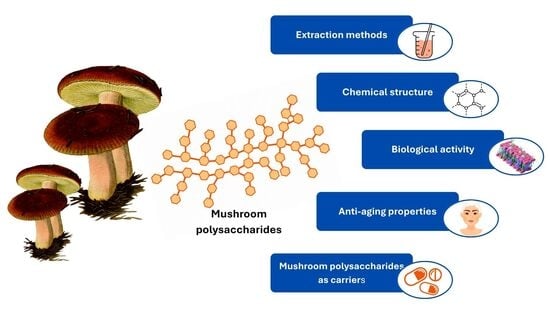
Mushroom-Derived Polysaccharides in the Modulation of Cellular Aging
by
Aleksandra Kryszak, Szymon Sip, Anna Stasiłowicz-Krzemień and Judyta Cielecka-Piontek
Macromol 2026, 6(2), 36; https://doi.org/10.3390/macromol6020036 - 2 Jun 2026
Abstract
Mushrooms have been used for centuries in traditional folk medicine for the treatment of various diseases and are valued for their health-promoting properties. This long-standing use has sparked growing scientific interest in mushrooms as a source of bioactive compounds. While mushrooms contain a
[...] Read more.
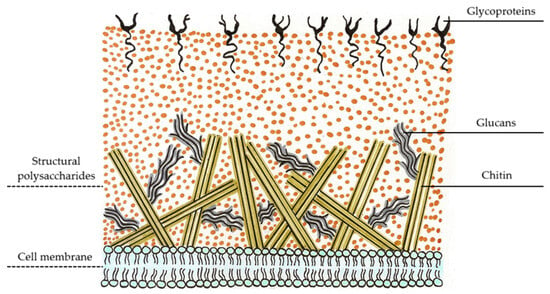
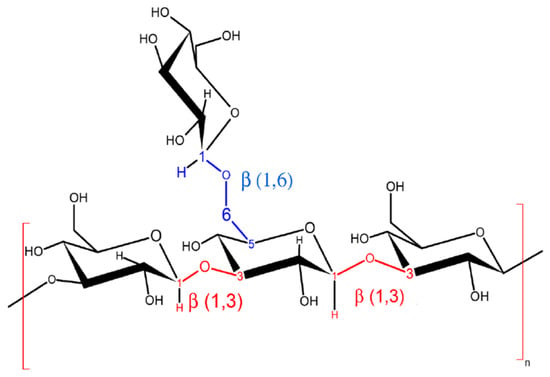
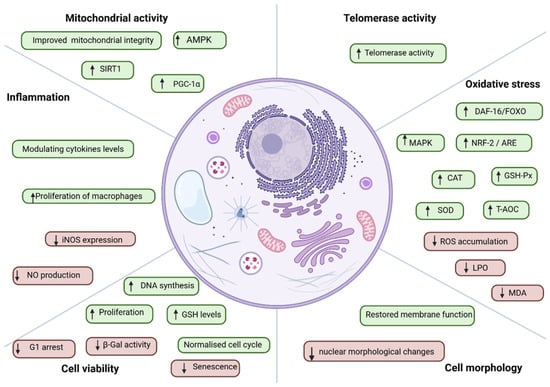
Mushrooms have been used for centuries in traditional folk medicine for the treatment of various diseases and are valued for their health-promoting properties. This long-standing use has sparked growing scientific interest in mushrooms as a source of bioactive compounds. While mushrooms contain a wide range of biologically active substances, including terpenoids, alkaloids, and glycoproteins, this review focuses specifically on polysaccharides derived from mushroom and their potential anti-aging effects at the cellular level. The evidence presented here summarizes current knowledge based on both in vitro and in vivo studies. Additionally, this review highlights the emerging potential of mushroom-derived polysaccharides as natural carriers in advanced drug delivery systems. Although several studies have investigated the use of fungal polysaccharides in combination with therapeutic agents—such as bovine serum albumin, resveratrol, paclitaxel, and quercetin—the potential of combining fungal polysaccharides with senotherapeutics remains unexplored. To fully realize the potential of mushroom-derived polysaccharides in promoting everyday health, combating cellular aging and obtaining synergistic anti-ageing effect via using mushroom polysaccharides as carriers for senolytics, further research is needed.
Full article
(This article belongs to the Special Issue Recent Trends in Carbohydrate-Based Therapeutics)
►▼
Show Figures

Graphical abstract
Open AccessReview
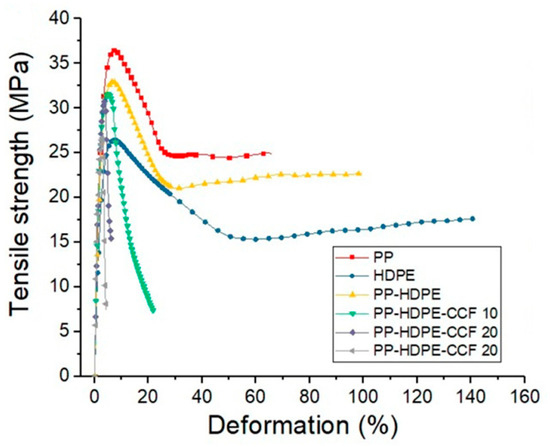
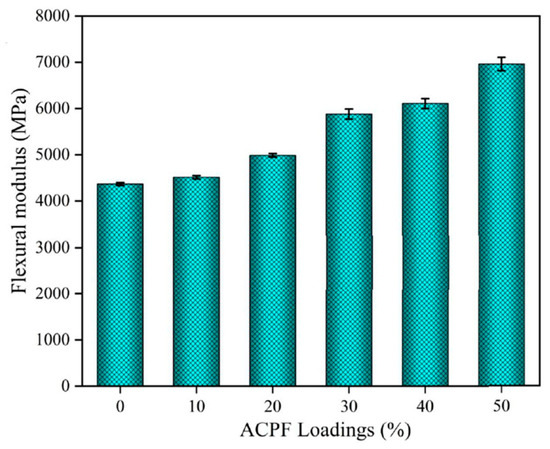
A Review on Coconut Fibre and Plastic Waste Composites for Sustainable Maritime Applications: Mechanical Properties and Environmental Resistance
by
Hanifah Widiastuti, Muhammad Hasan Albana, Adi Syahputra Purba and Naufal Abdurrahman Prasetyo
Macromol 2026, 6(2), 35; https://doi.org/10.3390/macromol6020035 - 28 May 2026
Abstract
►▼
Show Figures
The linear economic model continues to drive multidimensional environmental problems, as it generates large volumes of plastic waste, as well as agricultural by-products, such as coconut husks. On the other hand, the maritime industry still relies on conventional materials such as wood, steel,
[...] Read more.
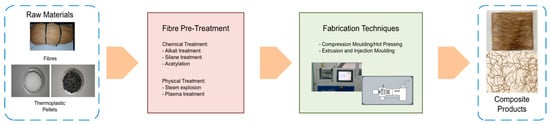
The linear economic model continues to drive multidimensional environmental problems, as it generates large volumes of plastic waste, as well as agricultural by-products, such as coconut husks. On the other hand, the maritime industry still relies on conventional materials such as wood, steel, and fibre-reinforced plastics, which have several usage challenges, including corrosion, toxicity, and difficulties associated with end-of-life management. These issues point to the need for more sustainable material options. This review examines the potential of combining coconut fibre (coir) with recycled plastics to produce a functional material for use in the maritime sector. The material is designed to add value to waste streams by providing a practical approach to reducing dependence on conventional and less sustainable resources. The review discusses fibre treatments (alkali, silane, acetylation) and fabrication methods (compression moulding, extrusion) and evaluates their impact on mechanical performance and durability. The studies show that coir–plastic composites possess highly tuneable mechanical properties. Tensile strengths are reported to range from approximately 2.4 MPa for natural resin matrices to 78 MPa for polyester hybrids, while the flexural modulus can be increased by up to 99% compared to the neat polymer blend. Fibre treatments (e.g., alkali) and fabrication methods are crucial, as they have been shown to improve tensile and flexural strength by over 40% and impact strength by 150%. However, the composites produced still show vulnerability to water absorption, UV radiation, and biofouling, which could limit their application in marine environments. To this end, several issues require further study, including long-term field validation, enhanced understanding of material fatigue, and scalable manufacturing.
Full article

Figure 1
Open AccessArticle
Photopolymerized Gelatin–PNIPAM as Injectable Hydrogel Drug Delivery Systems
by
Olga Luneva, Eugene Sivtsov, Irina Bagriy, Olga Solomakha, Yulia Nashchekina, Alexey Nikiforov, Valeria Ibragimova and Evgenia Korzhikova-Vlakh
Macromol 2026, 6(2), 34; https://doi.org/10.3390/macromol6020034 - 26 May 2026
Abstract
►▼
Show Figures
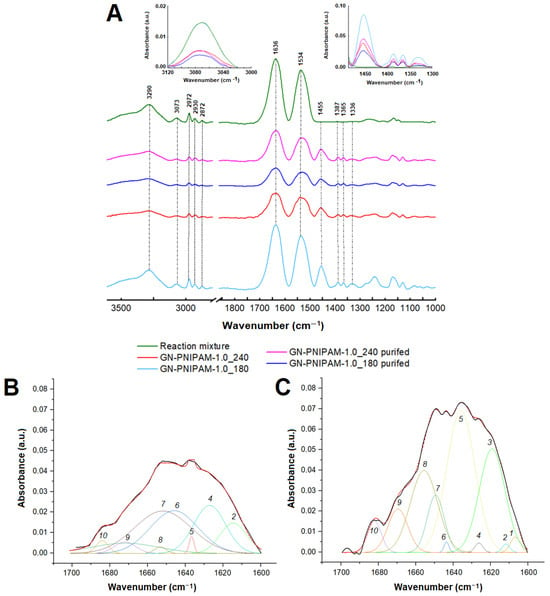
Injectable hydrogels have attracted substantial and rapidly growing interest due to their ability to be administered into cavities of any shape and provide local therapeutic treatment. This study reports the synthesis and characterization of thermosensitive microgels and hydrogels obtained via photoinitiated copolymerization of
[...] Read more.
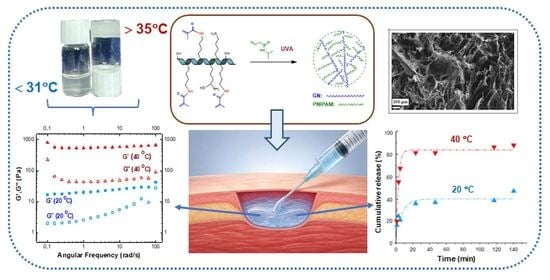
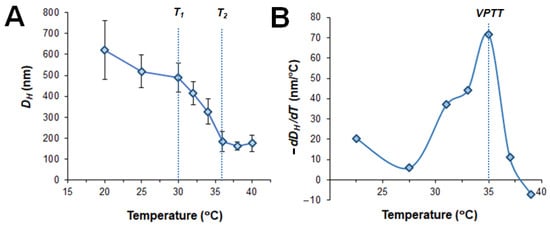
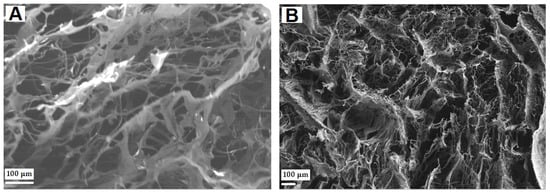
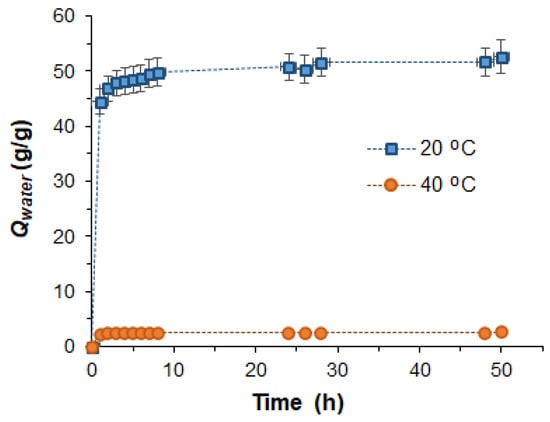
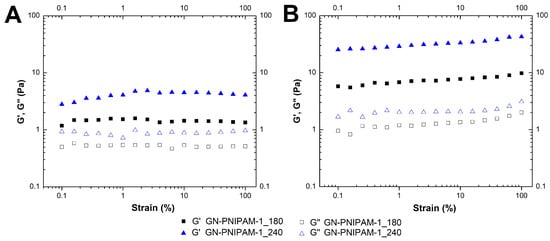
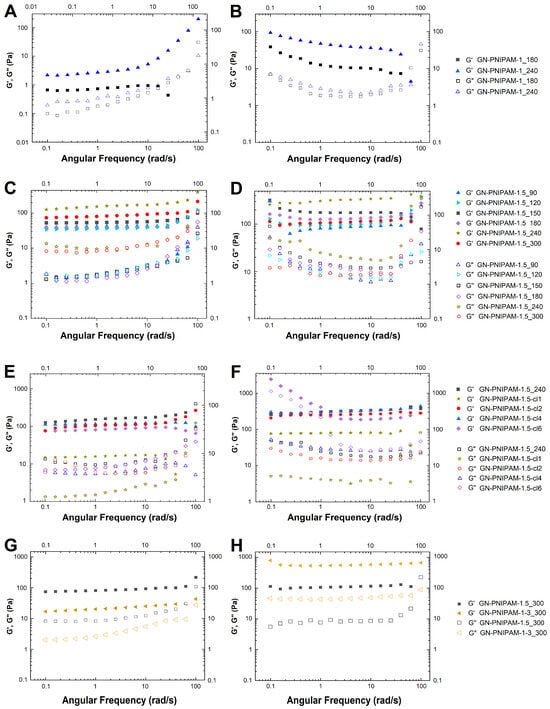
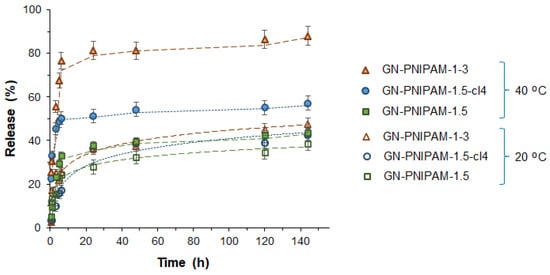
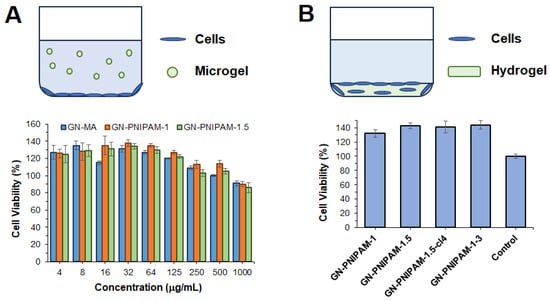
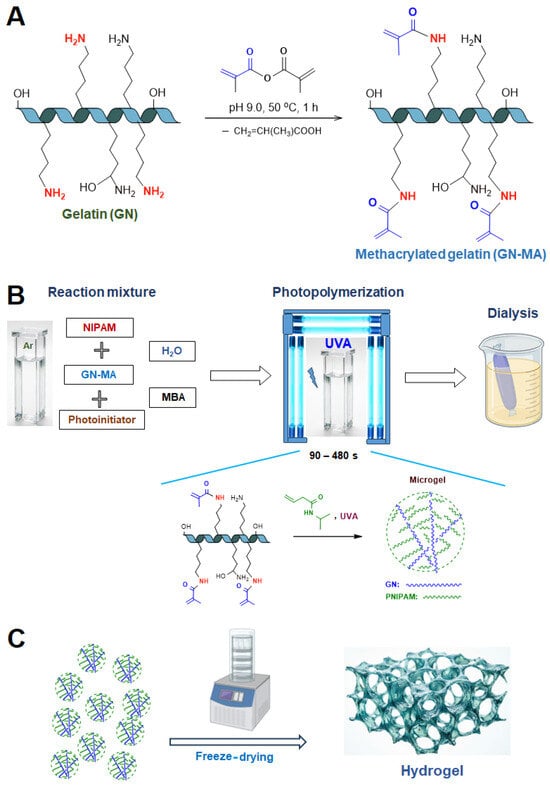
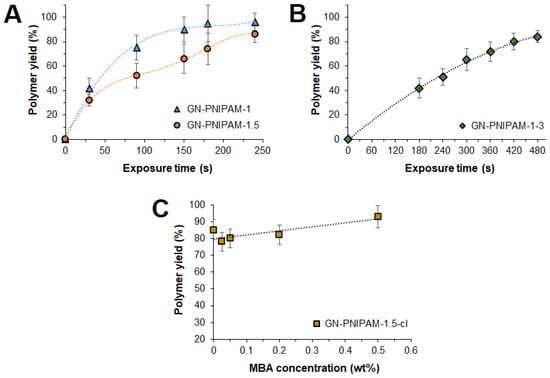
Injectable hydrogels have attracted substantial and rapidly growing interest due to their ability to be administered into cavities of any shape and provide local therapeutic treatment. This study reports the synthesis and characterization of thermosensitive microgels and hydrogels obtained via photoinitiated copolymerization of methacrylated gelatin (GN-MA) and N-isopropylacrylamide (NIPAM) in the absence and presence of N,N′-methylenebisacrylamide (MBA). The effects of monomer concentration, crosslinker content (MBA), and irradiation time on product yield, grafted chain length, and material properties were systematically investigated. Depending on the polymerization conditions, microgel samples exhibited hydrodynamic diameters in the range of 354–1022 nm at 20 °C, which decreased to 183–308 nm upon heating to 40 °C. Freeze-drying of the microgel dispersions resulted in the formation of a porous sponge-like structure with pore sizes of 50–90 µm. Rheological studies of the hydrogel properties demonstrated evident thermoresponsive behavior, with storage moduli (G′) ranging from 20 to 600 Pa, matching the mechanics of certain soft tissues. The hydrogels showed high equilibrium swelling capacity at 20 °C, which was reduced at 40 °C, as well as temperature-dependent moxifloxacin release (38–88% over 6 days) and excellent biocompatibility (>85% cell viability) with human skin fibroblasts. These findings make them promising for biomedical applications such as postoperative cavity filling and local drug delivery.
Full article

Graphical abstract
Open AccessArticle
Immunomodulatory Potential of Digestion-Derived Protein and Polysaccharide Fractions from Pleurotus spp. Cultivated on Agro-Industrial Residues
by
Eleni Dalaka, Panagiota Diamantopoulou, Ilias Diamantis, Grigorios Lytras, Despoina-Eirini Bekiari, Ioannis Politis and Georgios Theodorou
Macromol 2026, 6(2), 33; https://doi.org/10.3390/macromol6020033 - 22 May 2026
Abstract
►▼
Show Figures
Lignocellulosic agricultural residues are abundant yet underutilized despite their potential for sustainable bioconversion. This study evaluated spent mushroom substrate (SMS) from Pleurotus ostreatus cultivation and roots of leafy vegetables (RLV) as alternative substrates for Pleurotus production, using wheat straw as a control. Two
[...] Read more.
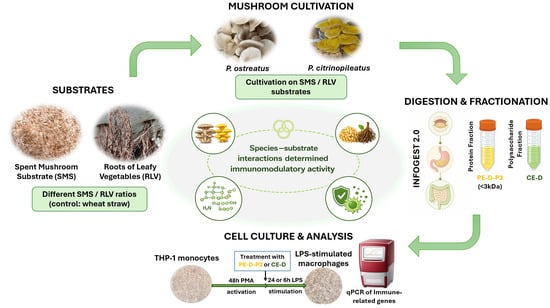
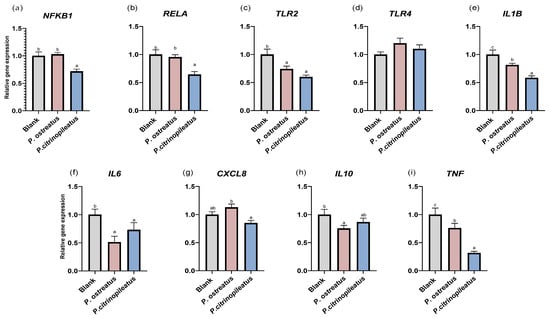
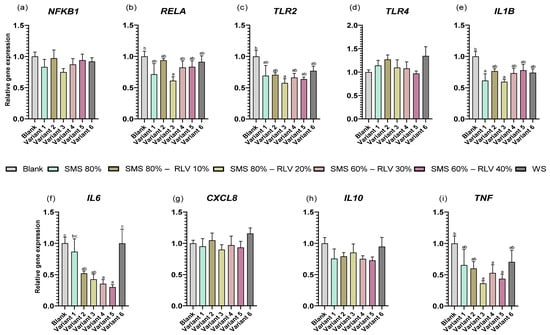
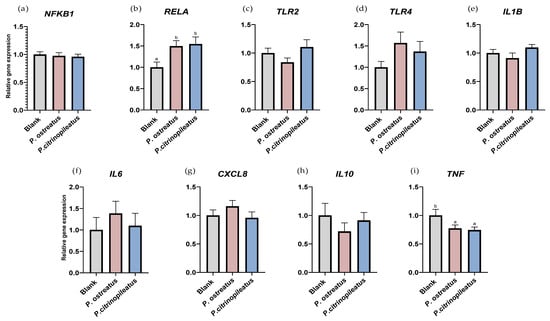
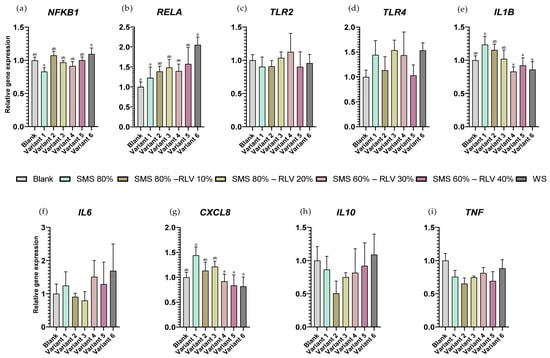
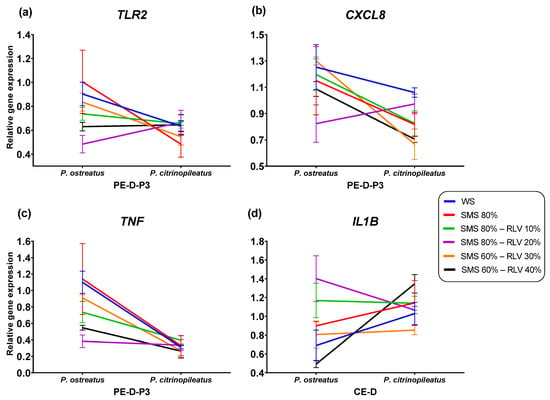
Lignocellulosic agricultural residues are abundant yet underutilized despite their potential for sustainable bioconversion. This study evaluated spent mushroom substrate (SMS) from Pleurotus ostreatus cultivation and roots of leafy vegetables (RLV) as alternative substrates for Pleurotus production, using wheat straw as a control. Two species, P. ostreatus and P. citrinopileatus, were cultivated on different SMS/RLV ratios and the immunomodulatory potential of harvested mushrooms was assessed. Specifically, protein (PE-D-P3 < 3 kDa) and carbohydrate (CE-D) fractions obtained after in vitro digestion were applied to LPS-challenged THP-1 cells and immune-related gene expression was analyzed by qPCR. Both species significantly modulated immune responses. The PE-D-P3 showed a more pronounced immunomodulatory effect, significantly downregulating IL1B, IL6 and TNF, whereas the CE-D reduced only TNF expression. Substrate composition influenced bioactivity: PE-D-P3 from SMS 80-RLV 20% resulted in the greatest reduction in IL1B, IL6 and TNF, while CE-D from SMS 60-RLV 40% reduced IL1B and CXCL8. These findings provide insights that both fungal species and substrate composition influence immunomodulatory compound production. Valorizing lignocellulosic residues through optimized mushroom cultivation represents a sustainable strategy for producing functional ingredients with applications in human and animal health, particularly for preventing inflammation-related disorders.
Full article
Graphical abstract
Open AccessArticle
Characterization of 2-Thiophene Carboxylic Acid-Halogenated Thiourea Derivatives and Their Host–Guest Interactions with 2-Hydroxypropyl-β-Cyclodextrin
by
Andreea Neacsu, Carmellina Daniela Bădiceanu, Cornelia Marinescu, Cristina Silvia Stoicescu, Ioana Leontina Gheorghe and Viorel Chihaia
Macromol 2026, 6(2), 32; https://doi.org/10.3390/macromol6020032 - 21 May 2026
Abstract
►▼
Show Figures
The increasing prevalence of drug-resistant microorganisms has prompted research into novel antimicrobial compounds, with 2-thiophene carboxylic acid thiourea derivatives showing promise for future therapeutic applications. However, the poor water solubility of these compounds limits their practical use. This study investigates the formation and
[...] Read more.
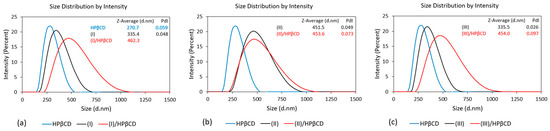
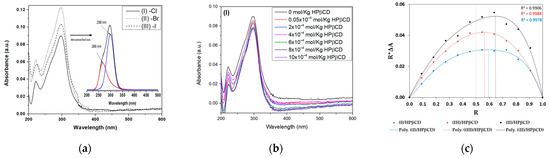
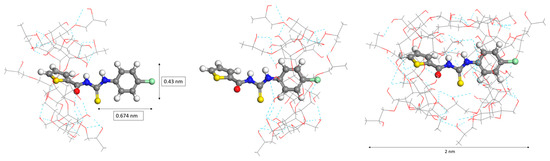
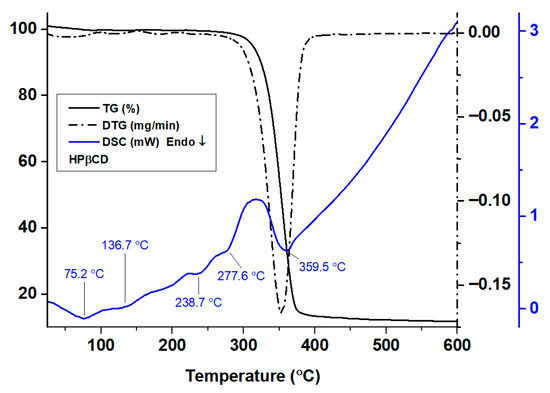
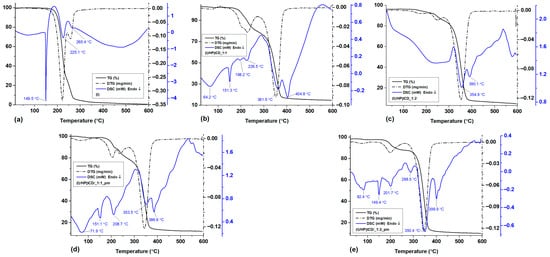
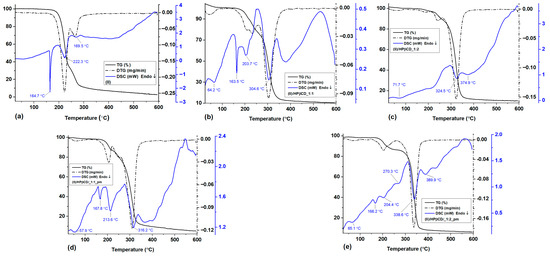
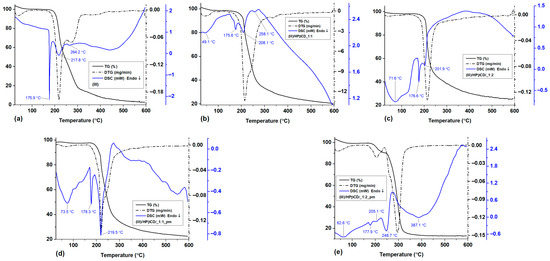
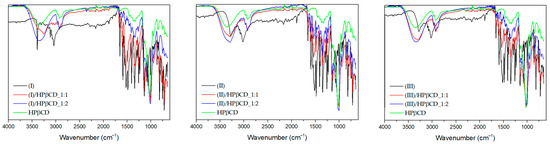
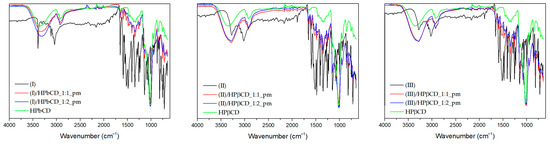
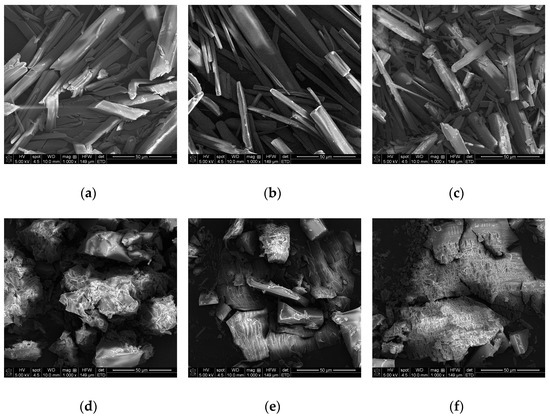
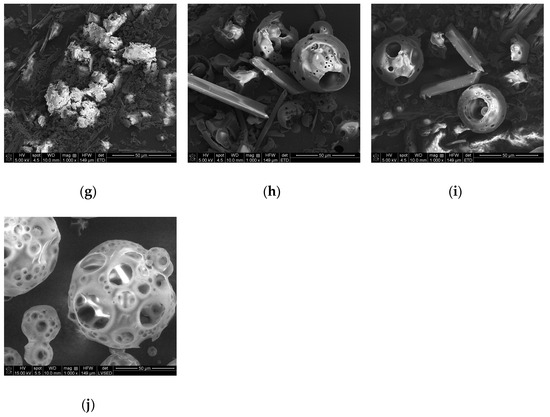
The increasing prevalence of drug-resistant microorganisms has prompted research into novel antimicrobial compounds, with 2-thiophene carboxylic acid thiourea derivatives showing promise for future therapeutic applications. However, the poor water solubility of these compounds limits their practical use. This study investigates the formation and characterization of inclusion complexes between 2-hydroxypropyl-β-cyclodextrin (HPβCD) and 2-thiophene carboxylic acid-halogenated (chlorine-, bromine-, and iodine-) thiourea derivatives, seeking to improve their physicochemical properties. The dynamic light scattering (DLS) measurements and UV-Vis spectroscopy provided information related to thiourea–HPβCD aggregates and stoichiometry. Solid-state inclusion compounds and physical mixtures were prepared in two different molar ratios (thioureas:HPβCD = 1:1 and 1:2), and the morphology of the resulting powders was observed by scanning electron microscopy (SEM). Thermogravimetry (TG) and differential scanning calorimetry (DSC) (TG-DSC) coupled analysis were used to analyze thermal profiles in the temperature range of 25 °C to 600 °C, while the spectral data obtained by Fourier transform infrared spectroscopy (FTIR) provided the characteristic vibrational bands of the pure guest molecules and data corresponding to the structural and chemical changes in the host–guest systems. The structural and thermal analyses revealed significant interactions between the host and thioureas molecules, with evidence of possible interactions involving two cyclodextrin molecules. The results demonstrate the presence of intermediate stoichiometry in the inclusion compounds, with possible enhancement of the therapeutic potential of these thiourea derivatives.
Full article

Figure 1
Open AccessReview
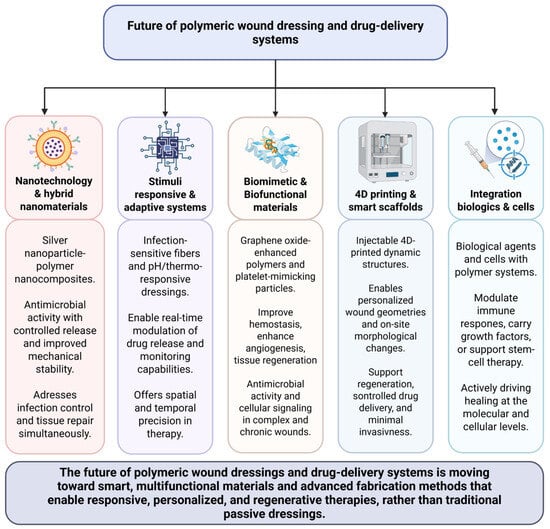
Functional Polymer-Based Dressings for Topical and Transdermal Drug Delivery: Design, Structure–Function Relationships and Biomedical Applications
by
Martyna Szyszka, Oscar Amponsah and Karolina Labus
Macromol 2026, 6(2), 31; https://doi.org/10.3390/macromol6020031 - 18 May 2026
Abstract
►▼
Show Figures
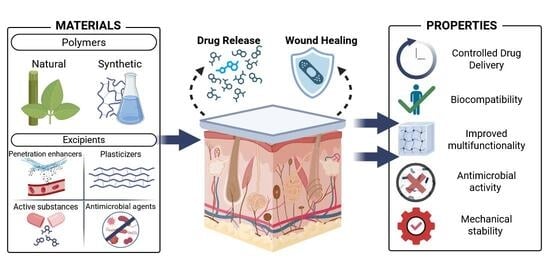
Polymer-based dressings constitute an important class of macromolecular biomaterials enabling controlled drug delivery and enhanced wound healing performance. This review summarizes recent advances in the design, fabrication, and functionalization of polymer dressings, with emphasis on natural and synthetic polymer systems applied in biomedical
[...] Read more.
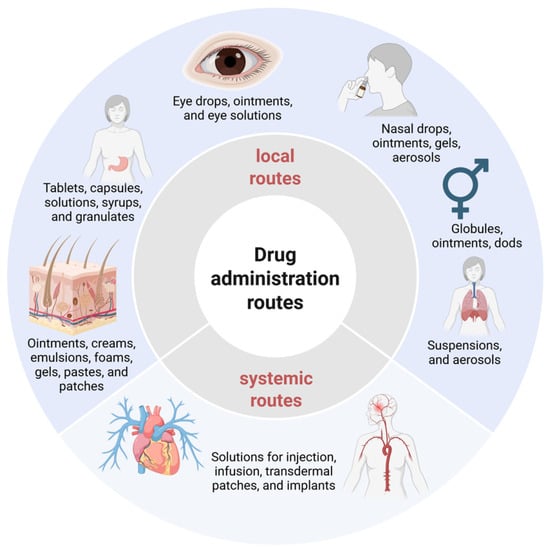
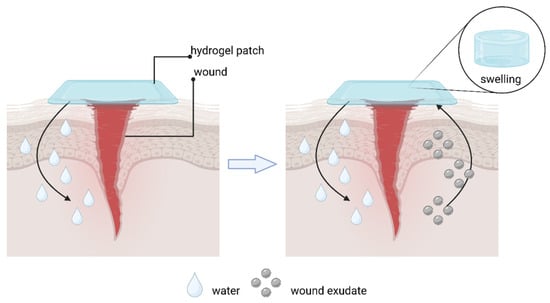
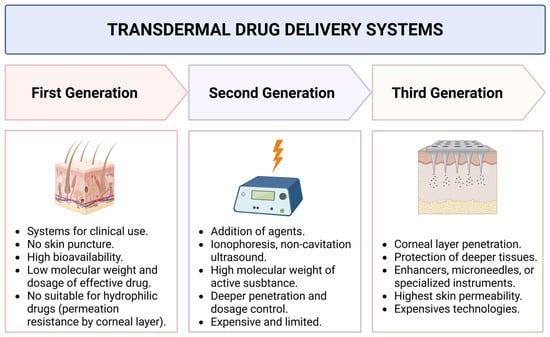
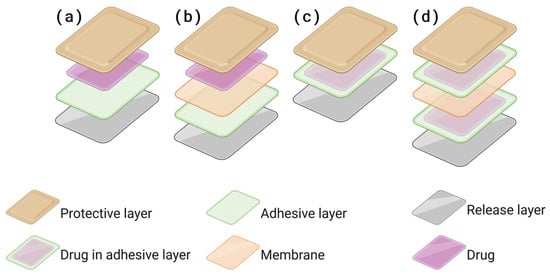
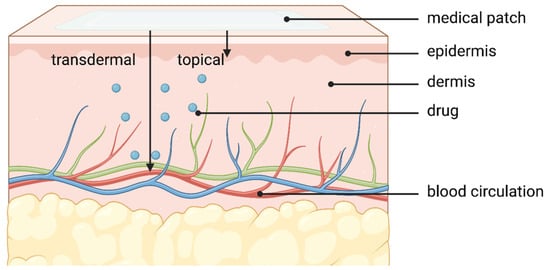
Polymer-based dressings constitute an important class of macromolecular biomaterials enabling controlled drug delivery and enhanced wound healing performance. This review summarizes recent advances in the design, fabrication, and functionalization of polymer dressings, with emphasis on natural and synthetic polymer systems applied in biomedical topical and transdermal drug administration. Key material properties, including biocompatibility, mechanical stability, porosity, and degradation behavior, are discussed in relation to drug loading capacity and release kinetics. Current fabrication strategies, such as electrospinning, hydrogel formation, casting, and multilayer assembly, are critically evaluated with respect to structural control and scalability. Particular attention is given to antimicrobial and stimuli-responsive platforms capable of dynamic interaction with the wound microenvironment. Furthermore, challenges related to long-term stability, regulatory requirements, and clinical translation are addressed. By integrating recent experimental findings, this review highlights essential structure–function relationships governing polymer dressing performance and provides design guidelines for next-generation macromolecular topical and transdermal care systems with improved multifunctionality and clinical applicability.
Full article
Graphical abstract
Open AccessReview
Integration and Challenges of Lignocellulosic Materials into Bio-Based Construction Systems
by
Elizabeth S. Vieira, Thalita Damaceno, Joana J. Costa, António G. Abreu, Margarida Calmeiro, Sofia Gouveia, P. Filipe Santos, José Junqueira, Sandra Leitão, Nuno Simões, Abel J. Duarte, Sara Fernandes, Nelson Durães and Felismina T. C. Moreira
Macromol 2026, 6(2), 30; https://doi.org/10.3390/macromol6020030 - 14 May 2026
Abstract
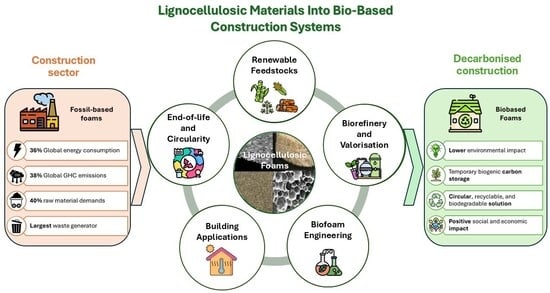
The construction sector is responsible for substantial energy consumption, greenhouse gas emissions, and resource depletion, driving the search for sustainable alternatives to conventional petroleum-based insulation materials. Lignocellulosic biomass, comprising cellulose, hemicellulose, and lignin, offers a renewable resource for the development of bio-based foams
[...] Read more.
The construction sector is responsible for substantial energy consumption, greenhouse gas emissions, and resource depletion, driving the search for sustainable alternatives to conventional petroleum-based insulation materials. Lignocellulosic biomass, comprising cellulose, hemicellulose, and lignin, offers a renewable resource for the development of bio-based foams with potential application in construction systems. This review provides a comprehensive analysis of bio-based foams tailored to building applications, positioning recent scientific advances against the technical properties of commercial synthetic insulation foams. Key performance parameters, including density, thermal conductivity, compressive strength, dimensional stability, water vapour diffusion resistance, and fire behaviour, are critically examined. Developments in lignocellulosic-based foams are discussed, highlighting processing strategies such as crosslinking, chemical modification, and hybrid reinforcement to enhance mechanical, thermal, and fire performance. The reported results demonstrate that lignin-based polyurethane and phenolic foams can achieve competitive compressive strength and thermal insulation, while cellulose-based aerogels and foams exhibit ultra-low density and promising conductivity values. However, challenges related to moisture sensitivity, fire classification, process scalability, standardisation, and market integration remain significant. Overall, lignocellulosic foams represent a promising pathway toward decarbonised, circular construction systems, provided that technical optimisation and regulatory alignment are successfully achieved.
Full article
(This article belongs to the Special Issue Advances in Starch and Lignocellulosic-Based Materials)
►▼
Show Figures

Graphical abstract
Open AccessArticle
Silver-Functionalized Silk Fibroin Films: Development and Characterization for Antibacterial Wound Dressings
by
Annalia Masi, Rebecca Pellegrino, Federica Paladini and Mauro Pollini
Macromol 2026, 6(2), 29; https://doi.org/10.3390/macromol6020029 - 12 May 2026
Abstract
►▼
Show Figures
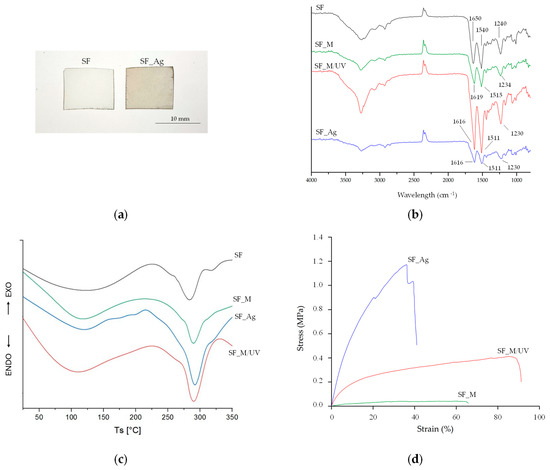
In this work, an in situ UV-assisted photoreduction was used to functionalize silk fibroin films with silver nanoparticles in order to develop antibacterial devices for wound healing applications. The process showed high efficiency (~80%) in terms of reacted silver precursor. The effects of
[...] Read more.
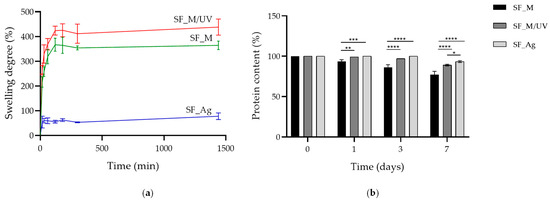
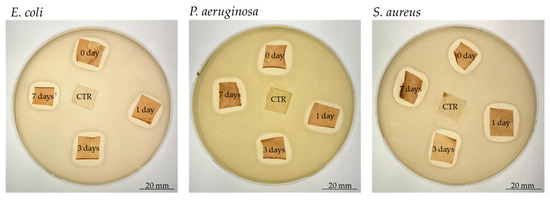
In this work, an in situ UV-assisted photoreduction was used to functionalize silk fibroin films with silver nanoparticles in order to develop antibacterial devices for wound healing applications. The process showed high efficiency (~80%) in terms of reacted silver precursor. The effects of the silver treatment on fibroin macromolecule were evaluated in function of the process parameters in terms of chemical structure, thermal and mechanical properties, swelling behavior, resistance to degradation and antibacterial activity. Silver functionalization significantly improved the mechanical properties of the films, with Young’s modulus increasing from 0.23 ± 0.04 MPa (methanol-treated samples) to 7.26 ± 0.46 MPa (silver-functionalized samples). In parallel, a marked reduction in swelling degree was observed (from ~360–420% to ~60%), indicating enhanced structural stability. The treated films also exhibited improved resistance to degradation over 7 days under physiological conditions. From a functional perspective, the materials showed strong antibacterial activity, with up to 97–98% reduction in bacterial proliferation for Pseudomonas aeruginosa and Escherichia coli, and up to 93% for methicillin-resistant Staphylococcus aureus. Overall, the results demonstrate that silver functionalization process improves the structural stability of silk fibroin while conferring sustained antibacterial activity, thus supporting their potential application as antimicrobial dressings for the treatment of superficial and low-exudate wounds.
Full article
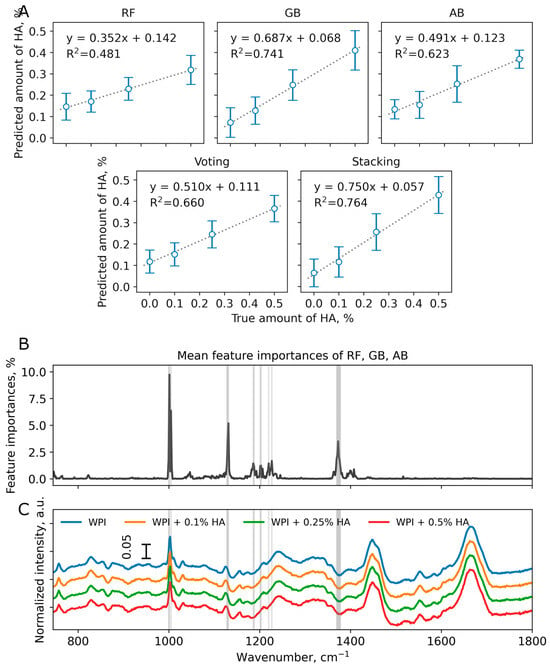
Figure 1
Open AccessReview
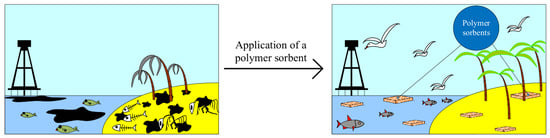
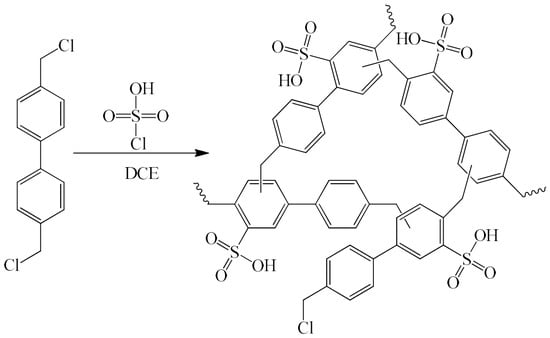
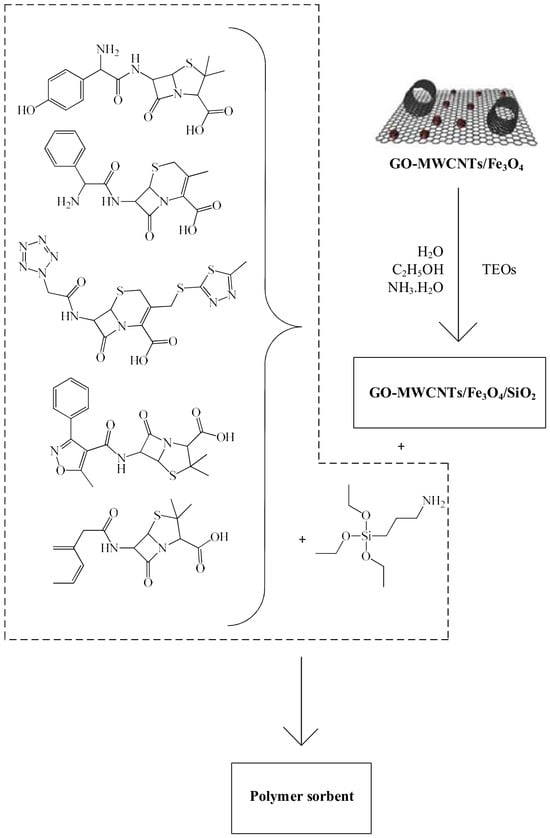
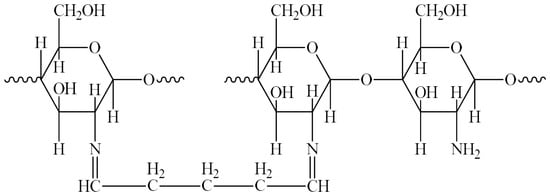
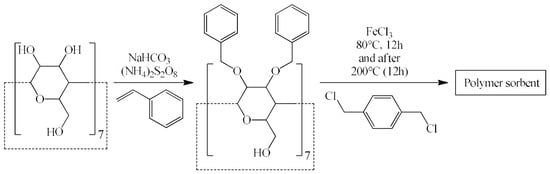
Polymeric Sorbents in Environmental Protection-Removal of Hydrocarbons and Toxic Chemical Pollutants from Water: A Review
by
Bakary Tamboura, Anastasia Konstantinova, Aleksey Kotenko and Evgeniy Chistyakov
Macromol 2026, 6(2), 28; https://doi.org/10.3390/macromol6020028 - 8 May 2026
Abstract
►▼
Show Figures
This review analyzes the advances over a five-year period in the development of polymeric sorbents for the purification of aqueous media from key classes of pollutants: hydrocarbons (crude oil, diesel fuel), organic dyes, pharmaceuticals (antibiotics), pesticides, herbicides, volatile organic compounds, and polycyclic aromatic
[...] Read more.
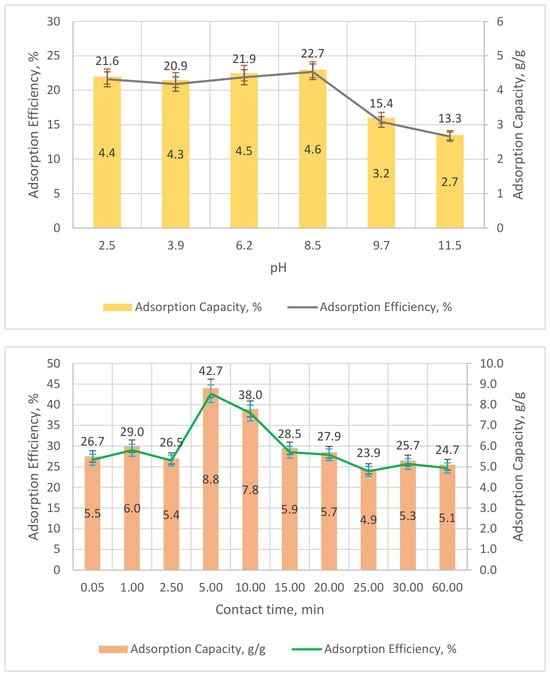
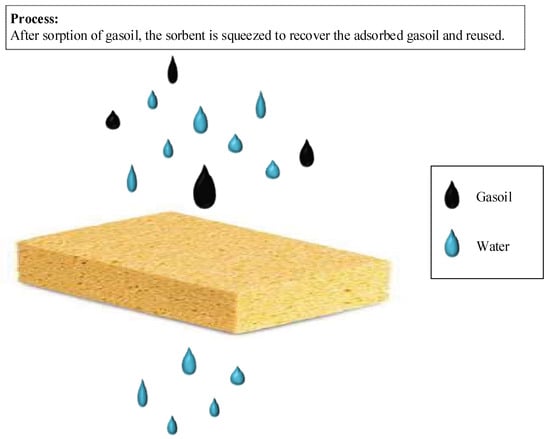
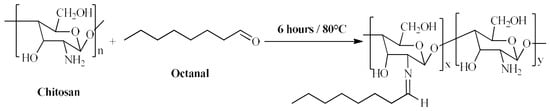
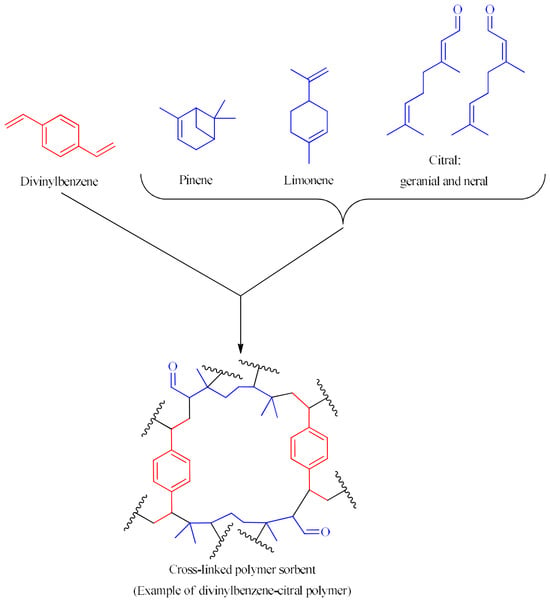
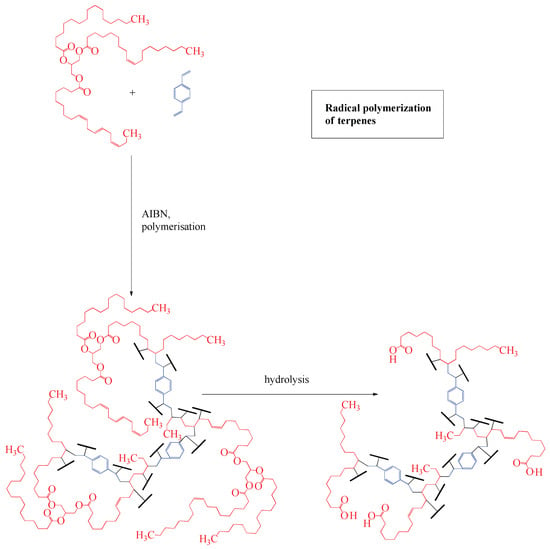
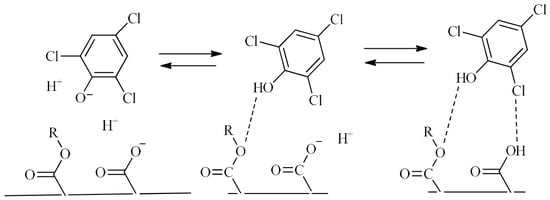
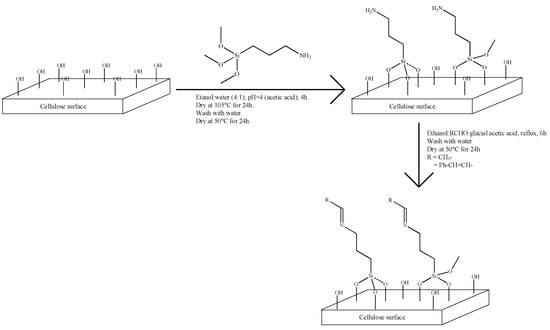
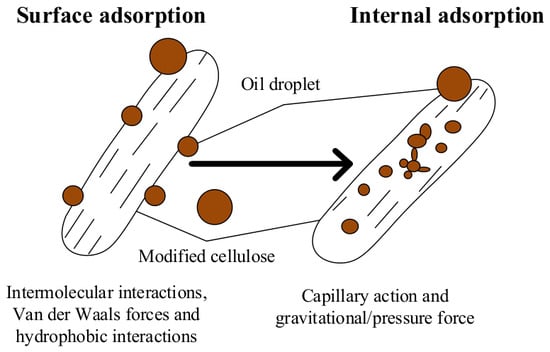
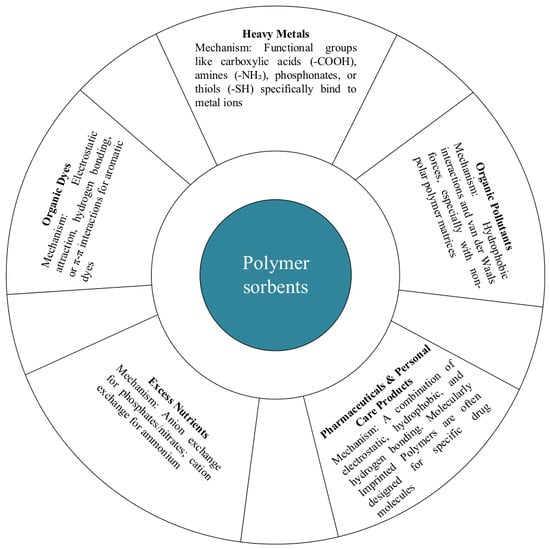
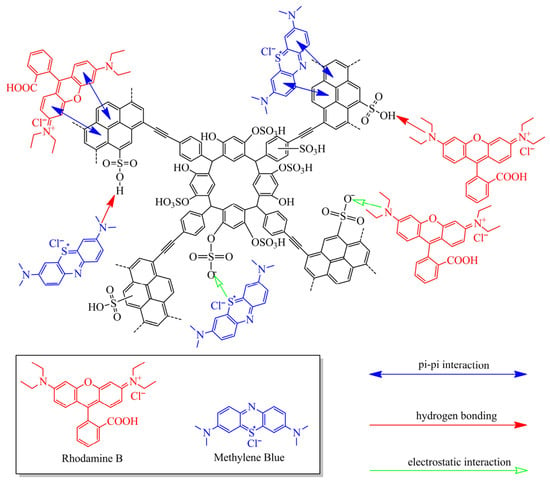
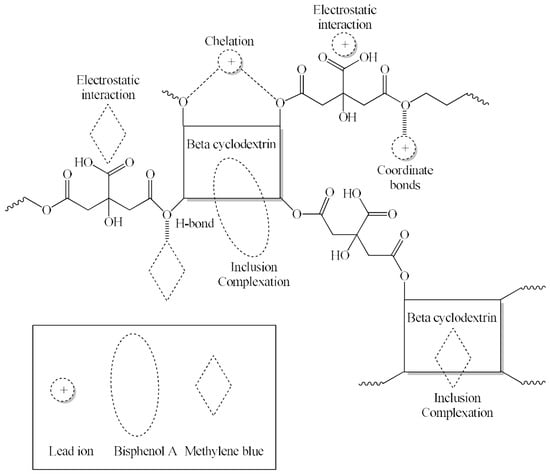
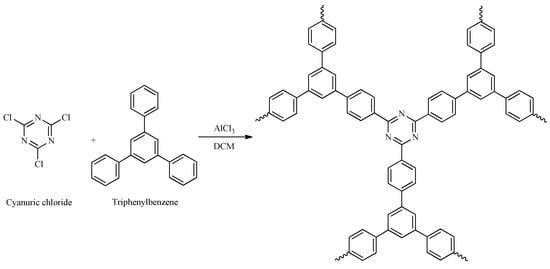
This review analyzes the advances over a five-year period in the development of polymeric sorbents for the purification of aqueous media from key classes of pollutants: hydrocarbons (crude oil, diesel fuel), organic dyes, pharmaceuticals (antibiotics), pesticides, herbicides, volatile organic compounds, and polycyclic aromatic hydrocarbons. Attention is paid to the analysis of structure-property-performance relationships, with an emphasis on comparing materials derived from renewable natural feedstocks (such as cellulose, chitosan, terpenes, vegetable oils, and aloe vera) with synthetic polymers. The analysis reveals that biopolymer-based sorbents exhibit comparable or superior sorption capacities combined with environmental safety, biodegradability, and low cost. The key sorption mechanisms include physical adsorption, hydrophobic interactions, and electrostatic interactions. Despite persisting challenges related to scalability, stability in real-world environments, and the need for efficient regeneration protocols, a convergent approach that combines the advantages of modified natural polymers and functional synthetic components appears to be the most promising strategy for developing cost-effective and sustainable technologies for the restoration of water quality.
Full article
Figure 1
Open AccessArticle
Concentration-Dependent Reinforcement and Structural Modulation of Silk Fibroin Films Induced by Mulberry Leaf Extract for Sustainable Bio-Based Materials
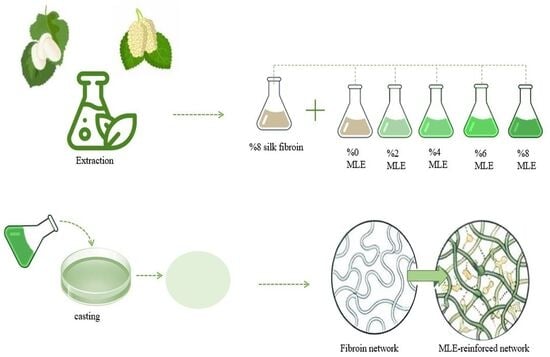
by
Fatma Tuba Kirac Demirel, Adnan Fatih Dagdelen and Yasemin Sahan
Macromol 2026, 6(2), 27; https://doi.org/10.3390/macromol6020027 - 24 Apr 2026
Abstract
►▼
Show Figures
Fibroin-based films represent a promising platform for sustainable and bio-derived materials. Existing literature has mainly focused on isolated molecules, plasticizers, or chemical cross-linkers, and the function of complex, multi-component natural extracts as structure-modulating agents in fibroin films remains poorly understood. In this study,
[...] Read more.
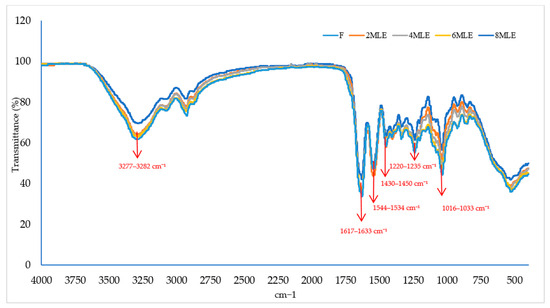
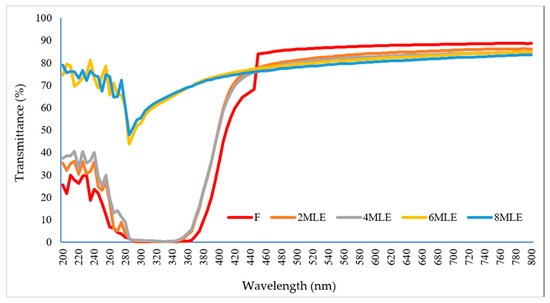
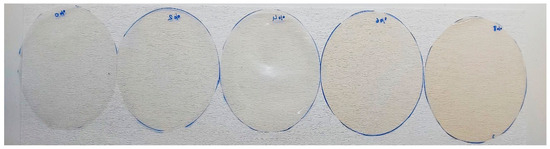
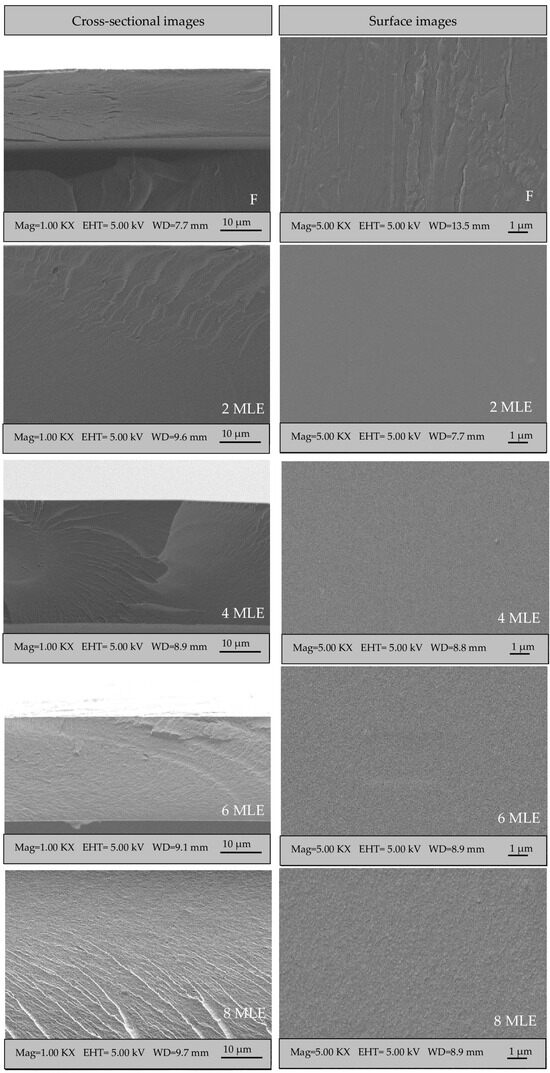
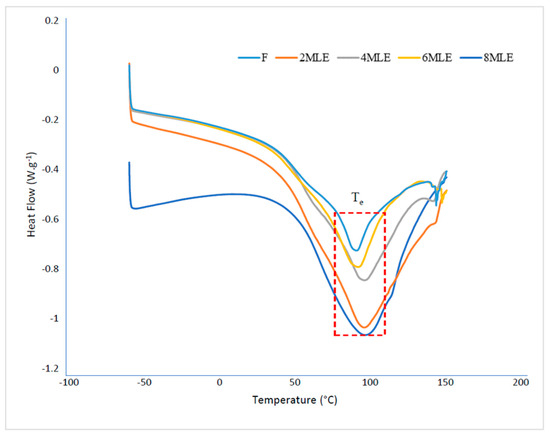
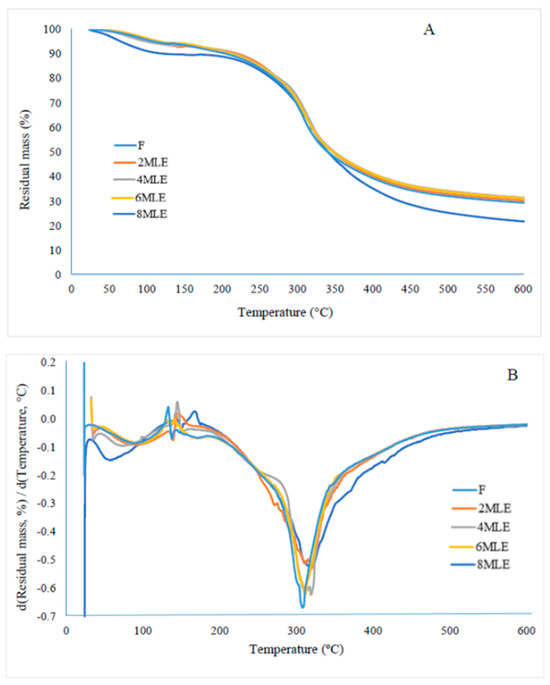
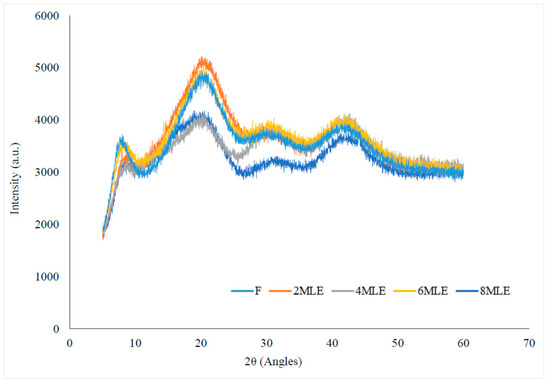
Fibroin-based films represent a promising platform for sustainable and bio-derived materials. Existing literature has mainly focused on isolated molecules, plasticizers, or chemical cross-linkers, and the function of complex, multi-component natural extracts as structure-modulating agents in fibroin films remains poorly understood. In this study, edible films containing mulberry leaf extract (MLE; 2–8 wt%) and fibroin (8 wt%) were prepared by solution casting, and their structures were investigated using spectroscopic, morphological, thermal, mechanical, and barrier property analyses. The results reveal that MLE induces concentration-dependent changes in film performance through multicomponent, non-covalent interactions with the fibroin. An approximately 187% increase in tensile strength was achieved at high MLE concentration, confirming effective physical reinforcement. The water vapor transmission rate decreased markedly from 0.888 to 0.170 g·h−1·m−2, indicating an enhanced moisture barrier, whereas oxygen permeability increased at higher extract loadings, suggesting localized chain rearrangements. High optical transparency in the visible region was maintained (79.95–83.77%), while UV response was selectively altered with extract concentration. Overall, the 8MLE formulation exhibited the most balanced performance. This study demonstrates that plant-derived extracts can serve as effective natural modifiers for tailoring fibroin film properties without inducing crystallization, offering a sustainable strategy for designing bio-based and edible protein film systems.
Full article
Graphical abstract
Open AccessArticle
Binary/Ternary Composites with Applications in Tissue Engineering
by
Luminita Nastas, Roxana Cristina Popescu, Sorin Ion Jinga and Cristina Busuioc
Macromol 2026, 6(2), 26; https://doi.org/10.3390/macromol6020026 - 20 Apr 2026
Abstract
►▼
Show Figures
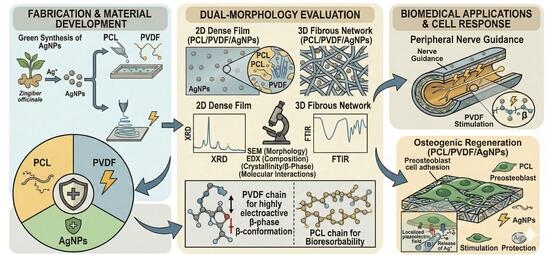
This study focuses on the development and characterization of advanced composite materials based on poly(ε-caprolactone) (PCL) and poly(vinylidene fluoride) (PVDF), with or without silver nanoparticles (AgNPs), planned for peripheral nerve or bone regeneration. The complementary properties of PCL (biocompatibility and biodegradability)
[...] Read more.
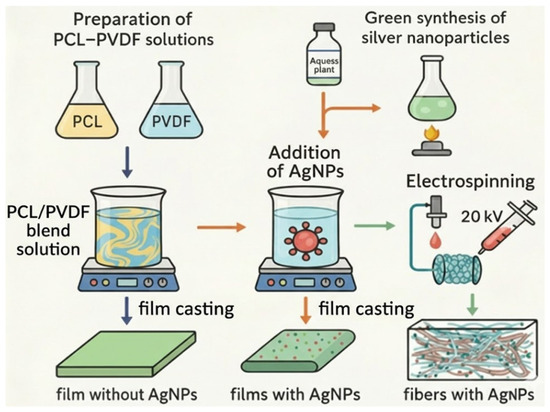
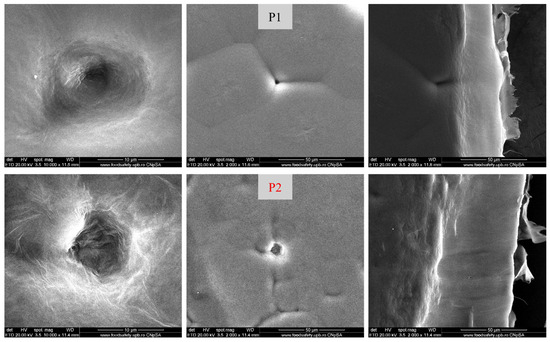
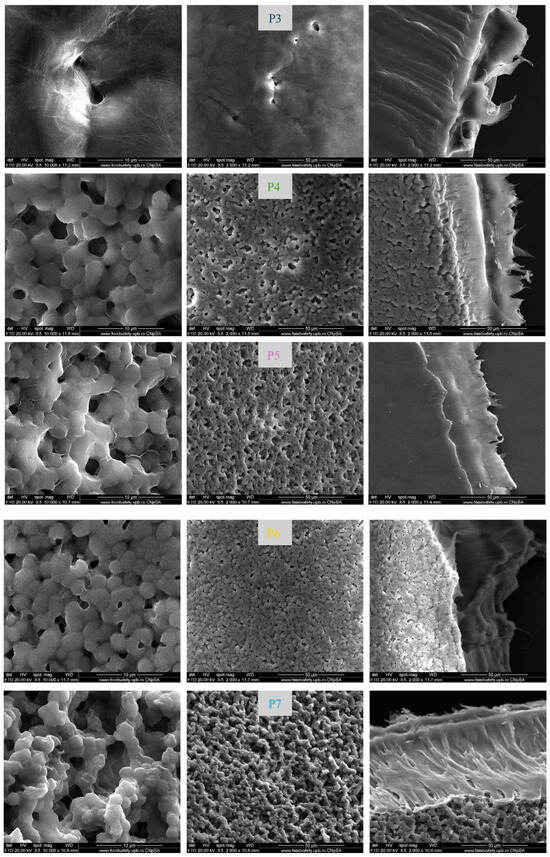
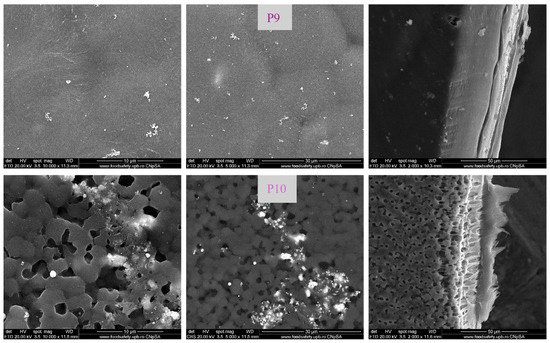
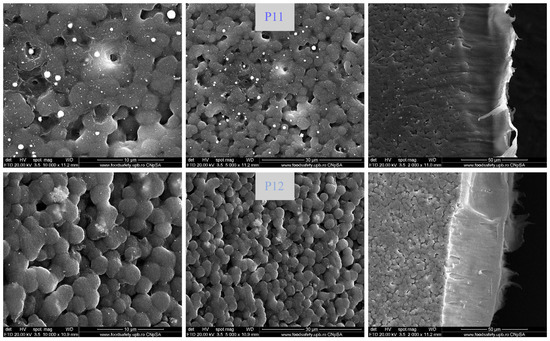
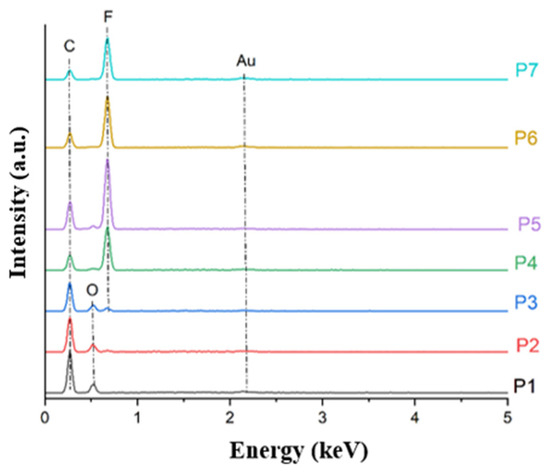
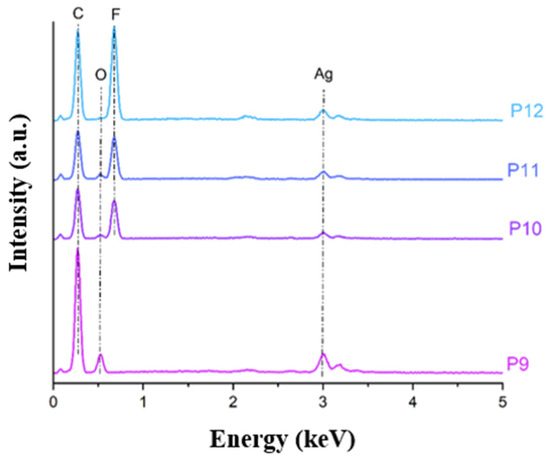
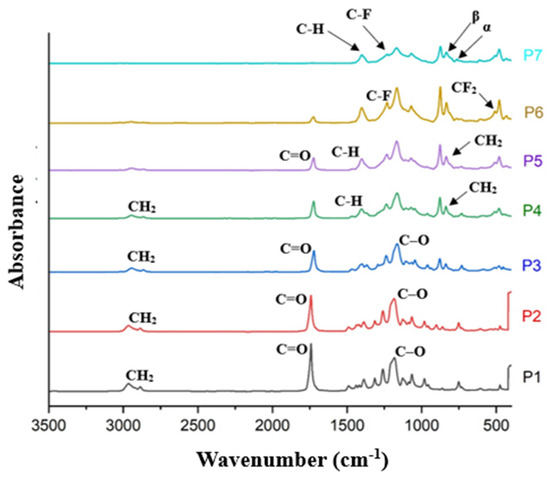
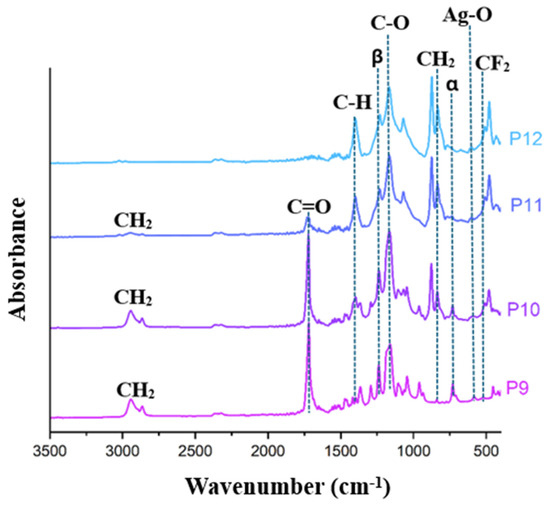
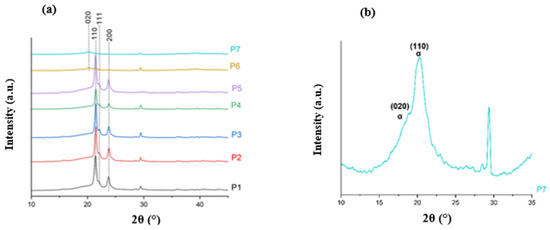
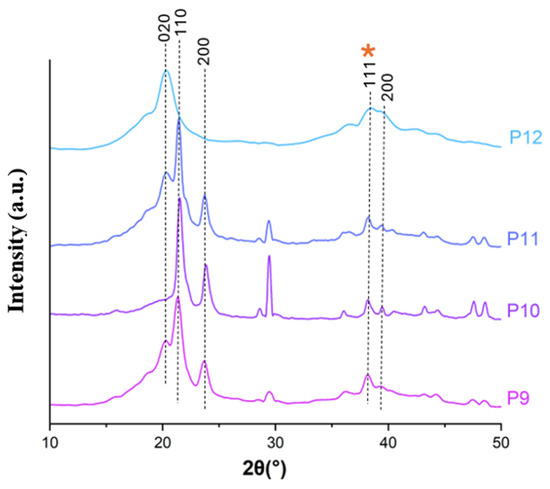
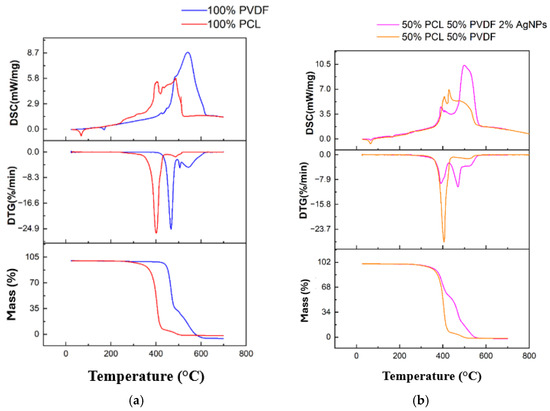
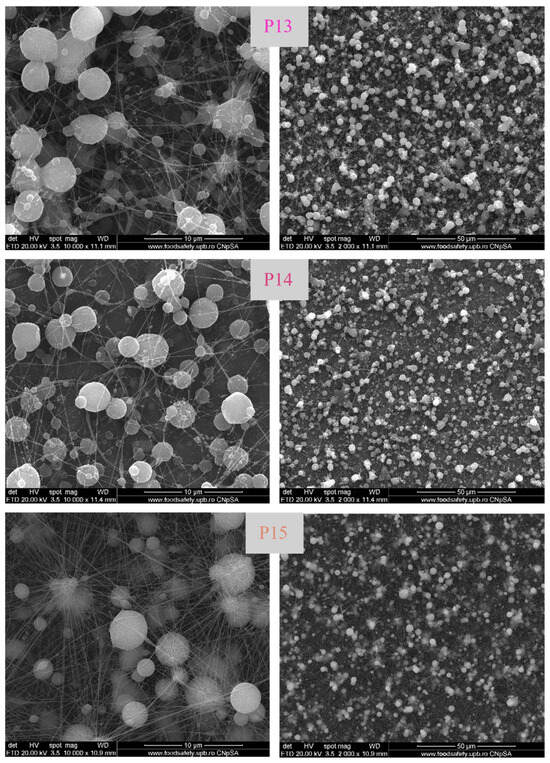
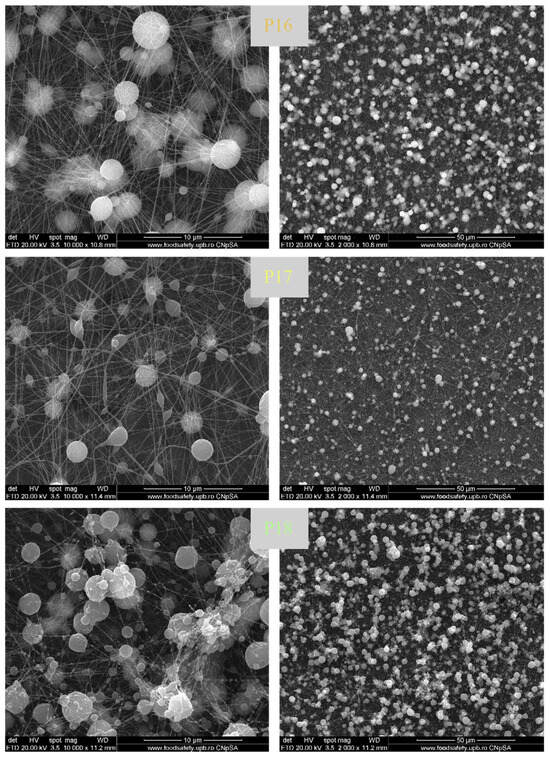
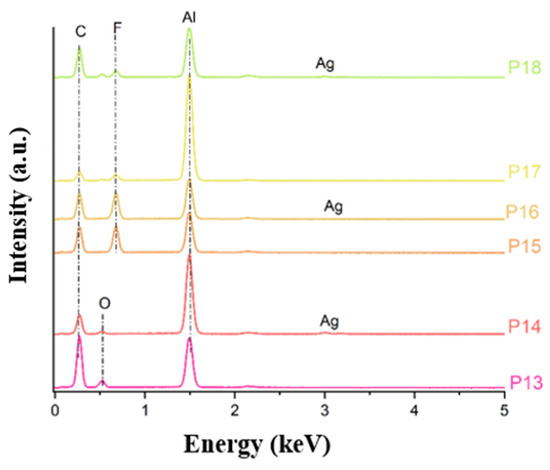
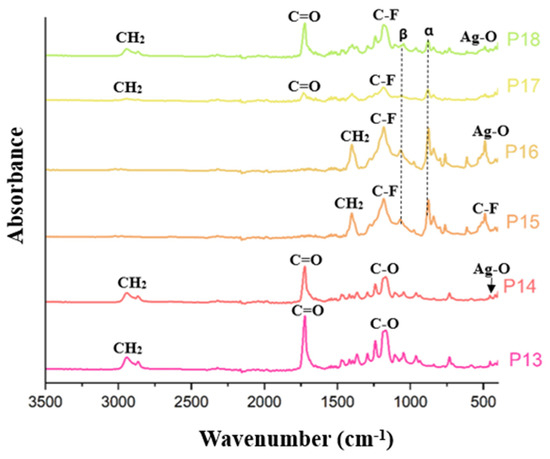
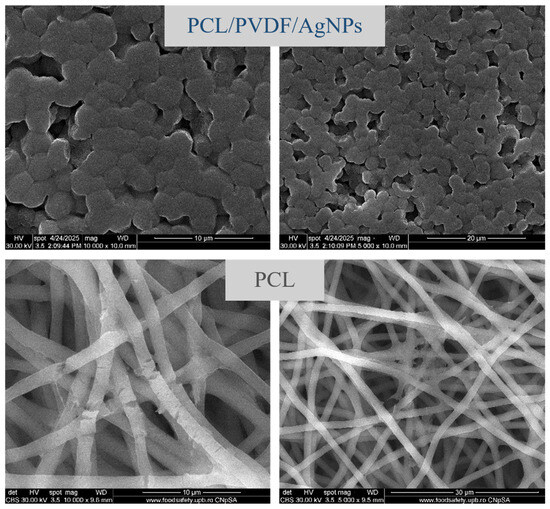
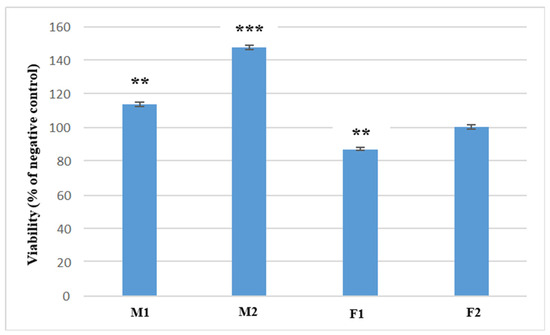
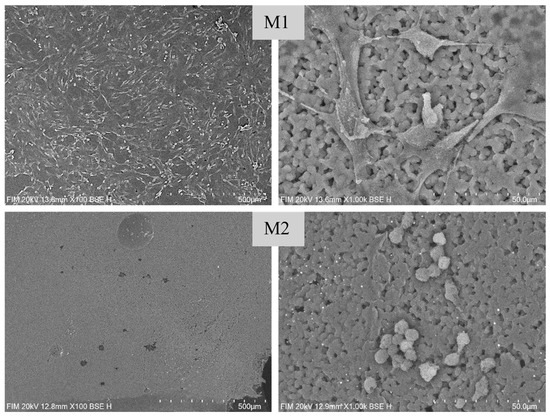
This study focuses on the development and characterization of advanced composite materials based on poly(ε-caprolactone) (PCL) and poly(vinylidene fluoride) (PVDF), with or without silver nanoparticles (AgNPs), planned for peripheral nerve or bone regeneration. The complementary properties of PCL (biocompatibility and biodegradability) and PVDF (mechanical stability and piezoelectric functionality) were exploited by blending the polymers in different ratios, resulting in binary (PCL/PVDF) and ternary (PCL/PVDF/AgNPs) composites. Green-synthesized AgNPs were integrated to enhance antimicrobial activity and to support tissue repair through improved signal transmission. Functional thin films and electrospun fibres were obtained and subjected to advanced characterization techniques, including scanning electron microscopy (SEM), energy-dispersive X-ray spectroscopy (EDX), Fourier transform infrared spectroscopy (FTIR), X-ray diffraction (XRD), and thermal analysis. The results demonstrated appropriate morphology, chemical composition, structural stability, and favourable interactions with simulated physiological media. Preliminary biocompatibility assays confirmed good cell viability, supporting the biomedical applicability of the designed scaffolds. Overall, the obtained results highlight the potential of AgNPs-functionalized PCL/PVDF binary and ternary composites as promising candidates for flexible, durable, and bioactive implants in peripheral nerve or bone regeneration.
Full article
Graphical abstract
Open AccessArticle
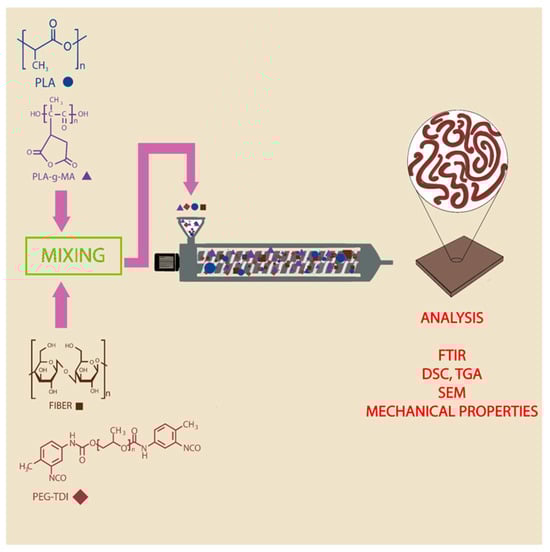
Effect of Pine Wood Flour Grafted with Poly(propylene glycol) Toluene 2,4-Diisocyanate Terminated on the Properties of Polylactic Acid Composites
by
Itzel F. Franco Jacobo, Ruben González Nuñez, Abraham G. Alvarado Mendoza, Gonzalo Canche Escamilla, Eulogio Orozco Guareño and Francisco J. Moscoso Sánchez
Macromol 2026, 6(2), 25; https://doi.org/10.3390/macromol6020025 - 14 Apr 2026
Abstract
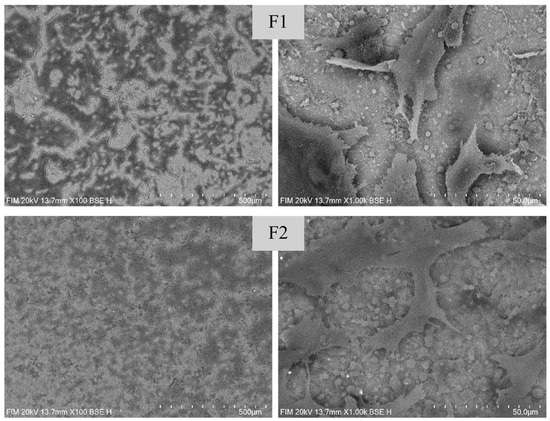
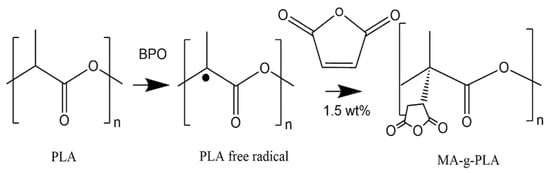
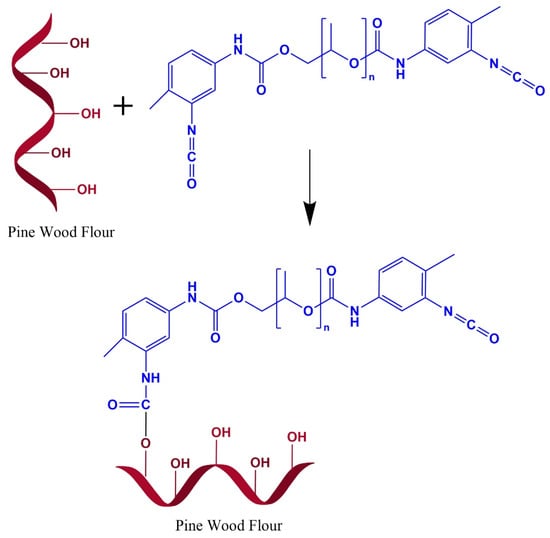
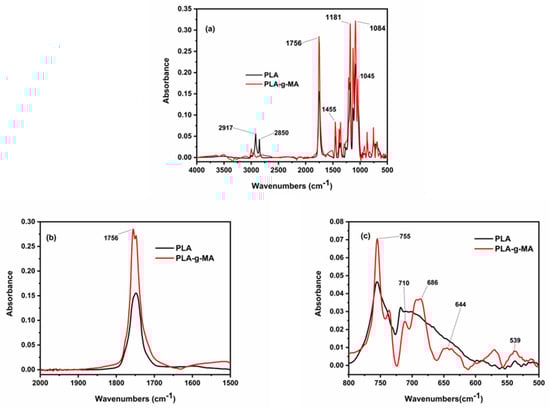
This study developed poly(lactic acid) (PLA) biocomposites reinforced with pine wood flour (10, 20, and 30 wt%) to achieve the interphase through chemical modification. Specifically, the wood flour was treated with poly(propylene glycol) toluene 2,4-diisocyanate terminated (PEGTDI), while 1 wt% poly(lactic acid)-g-maleic anhydride
[...] Read more.
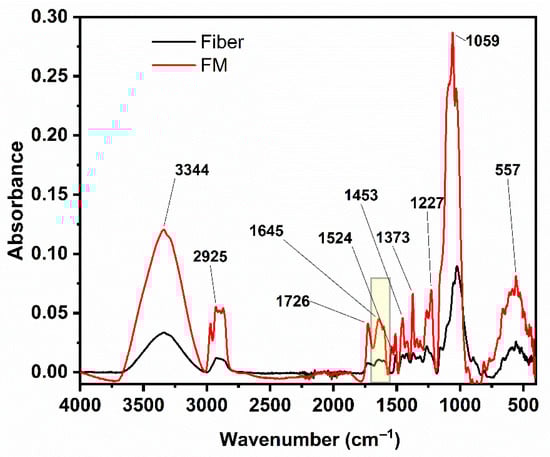
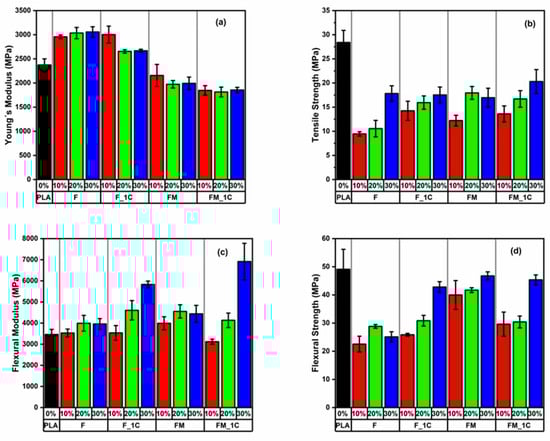
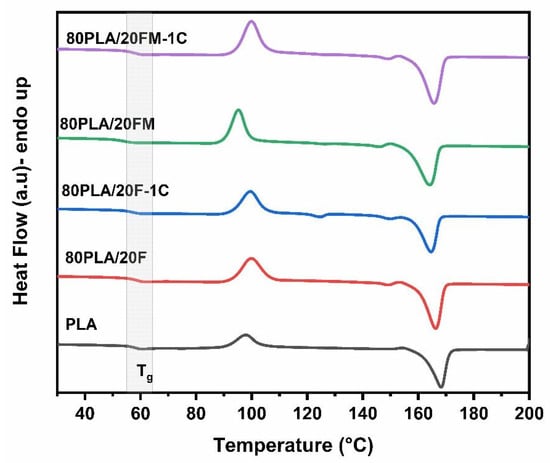
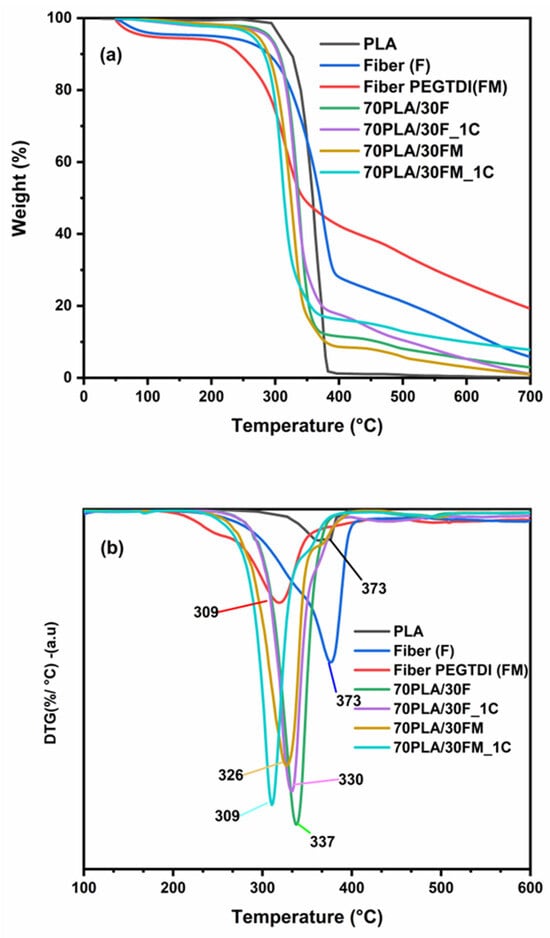
This study developed poly(lactic acid) (PLA) biocomposites reinforced with pine wood flour (10, 20, and 30 wt%) to achieve the interphase through chemical modification. Specifically, the wood flour was treated with poly(propylene glycol) toluene 2,4-diisocyanate terminated (PEGTDI), while 1 wt% poly(lactic acid)-g-maleic anhydride (PLA-g-MA) was integrated as a reactive compatibilizer during extrusion and thermocompression. Fourier-transform infrared spectroscopy (FTIR) analysis corroborated the occurrence of urethane formation and ester/anhydride linkages, as substantiated by the presence of characteristic bands indicative of surface carbamation at 1645 and 1726 cm−1. Thermal analysis revealed that both the pine wood flour and coupling agents promoted PLA crystallization; however, thermogravimetric analysis (TGA) indicated a decrease in thermal stability for functionalized composites, suggesting a trade-off between enhanced interfacial interaction and heat resistance. Mechanical testing demonstrated a significant reinforcement effect, with the Young’s modulus increasing by up to 22% in untreated composites. The coupling agents effectively optimized stress transfer at low fiber loadings (10 wt%), while flexural modulus improvements were predominant at higher loadings (20–30 wt%) regardless of treatment. These findings underscore the criticality of surface modification and compatibilizer selection for tailoring the structural and thermo-mechanical properties of PLA-based biocomposites, thereby providing a pathway for optimized performance in structural applications.
Full article
(This article belongs to the Topic Recent Advances in Composite Biomaterials)
►▼
Show Figures

Graphical abstract
Open AccessReview
Bio-Based Polymer Composites and Nanocomposites: A Sustainable Approach
by
Manuel Burelo, Selene Acosta, Zaira I. Bedolla-Valdez, Juan Alberto Ríos-González, Román López-Sandoval, Armando Encinas, Vladimir Escobar-Barrios, Itzel Gaytán and Thomas Stringer
Macromol 2026, 6(2), 24; https://doi.org/10.3390/macromol6020024 - 10 Apr 2026
Abstract
►▼
Show Figures
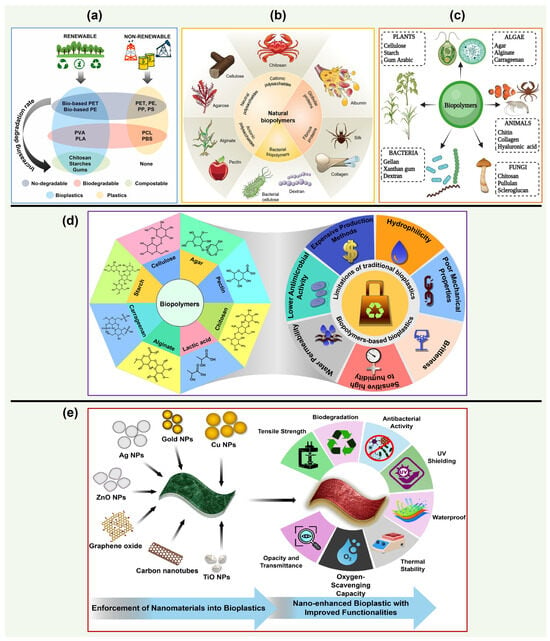
Bio-based, biodegradable, and renewable polymers offer a promising alternative to traditional synthetic polymers derived from petroleum or other non-renewable resources. However, their use is limited by suboptimal properties and high costs. Incorporating sustainable reinforcements into the polymer matrix significantly improves biopolymer performance while
[...] Read more.
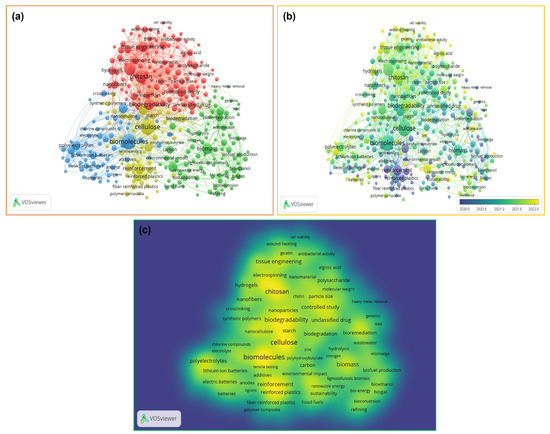
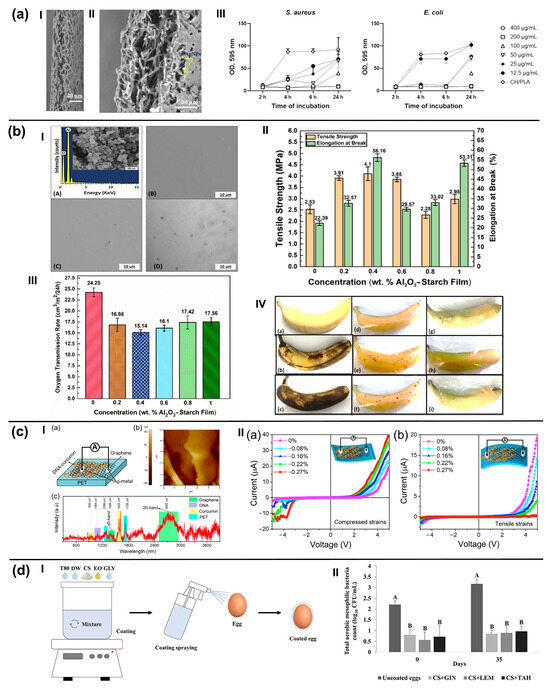
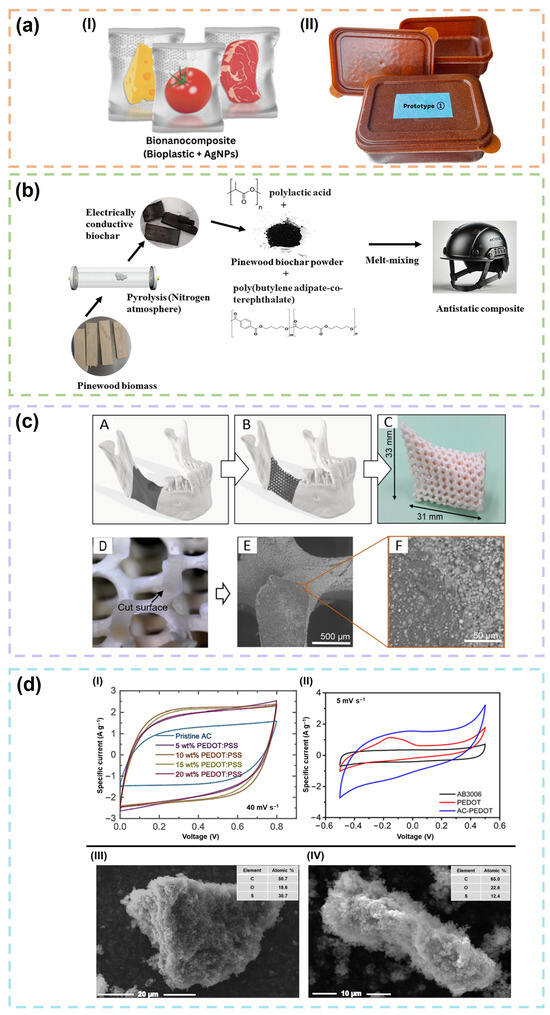
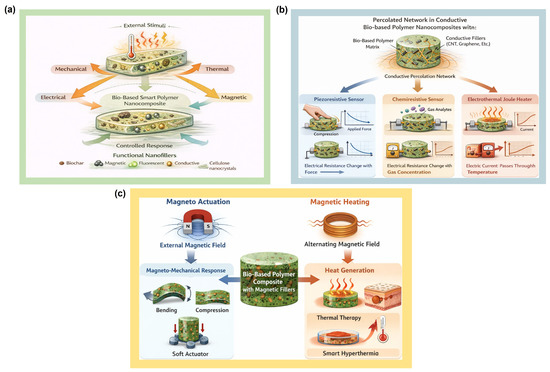
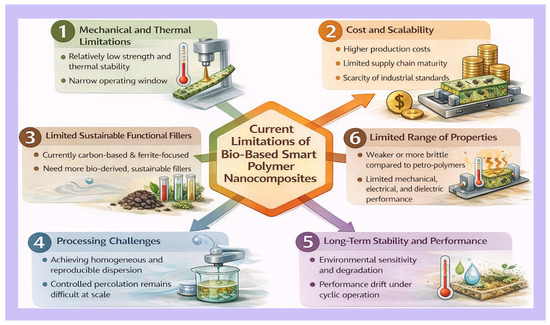
Bio-based, biodegradable, and renewable polymers offer a promising alternative to traditional synthetic polymers derived from petroleum or other non-renewable resources. However, their use is limited by suboptimal properties and high costs. Incorporating sustainable reinforcements into the polymer matrix significantly improves biopolymer performance while preserving key properties, sustainability, and cost-effectiveness. Bio-based polymeric composites have emerged as a crucial category of biopolymers, playing a key role in advancing a sustainable, circular economy. This review provides an updated overview of bio-based polymer composites and nanocomposites, focusing on reinforcement strategies using natural nanofillers and engineered nanoparticles. We summarize key synthesis and processing methods, discuss structure–property relationships, and highlight recent advances in applications such as food packaging, biomedical devices, energy systems, environmental remediation, 3D printing, and supercapacitors. Polymer nanocomposites are versatile, with their performance depending on the type, size, and interactions between the fillers and the polymer matrix. Progress in metallic, ceramic, carbon-based, natural, and hybrid fillers has improved their properties. Using bio-based polymers and renewable fillers supports sustainability. Natural nanofillers derived from renewable sources and industrial byproducts offer a sustainable approach to developing high-performance, biodegradable nanocomposites. Smart nanocomposites can react to external stimuli by integrating specialized fillers that enhance their mechanical and mobility properties. Shape memory nanocomposites can be remotely activated—using heat, electricity, magnets, or light—enabling advanced applications. Finally, we address major challenges and outline future directions for scalable, circular-material solutions, drawing on perspectives from the circular economy and life cycle assessment (LCA).
Full article
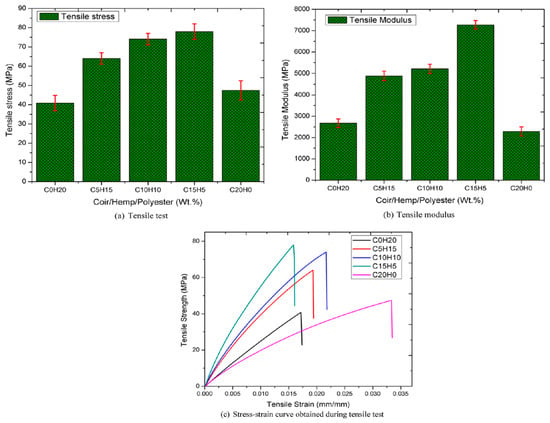
Figure 1
Open AccessReview
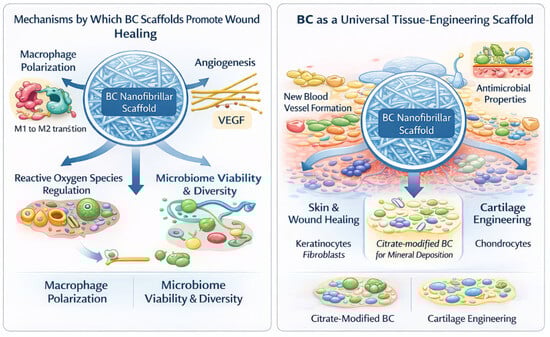
Bacterial Cellulose Scaffolds for Advanced Wound Care: Immunomodulation, Mixed Biofilms, and Smart Regenerative Dressings
by
Albert D. Luong, Moorthy Maruthapandi and John H. T. Luong
Macromol 2026, 6(2), 23; https://doi.org/10.3390/macromol6020023 - 9 Apr 2026
Cited by 1
Abstract
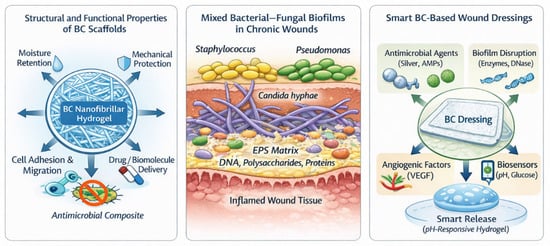
Bacterial cellulose (BC) has emerged as a structurally robust, biologically compatible, and highly adaptable biomaterial with significant potential for next-generation wound-care technologies. Its nanofibrillar, extracellular-matrix-like architecture provides exceptional moisture retention, mechanical stability, and conformability, enabling BC to function as an active scaffold rather
[...] Read more.
Bacterial cellulose (BC) has emerged as a structurally robust, biologically compatible, and highly adaptable biomaterial with significant potential for next-generation wound-care technologies. Its nanofibrillar, extracellular-matrix-like architecture provides exceptional moisture retention, mechanical stability, and conformability, enabling BC to function as an active scaffold rather than a traditional dressing. Advances in chemical modification, composite engineering, and bioactive functionalization, including antimicrobial metals, chitosan, biosurfactants, enzymes, and growth factors, have expanded BC’s therapeutic capabilities. Emerging smart BC dressings integrate biosensors, stimuli-responsive drug release, and 3D-printed architectures tailored to patient-specific wound geometries. Parallel developments in artificial intelligence (AI) are transforming BC production by optimizing bioprocessing, guiding genetic engineering, reducing culture media costs, and enabling real-time quality control, thereby improving scalability and industrial feasibility. These combined innovations position BC as a multifunctional, immunologically instructive, and digitally integrated platform for advanced regenerative wound care. This review reframes BC within the contemporary pathophysiology of chronic wounds, emphasizing its roles in immunomodulation, macrophage polarization, angiogenesis, mechanotransduction, and the disruption of mixed bacterial–fungal biofilms that characterize diabetic foot ulcers and other non-healing wounds. BC hydrogels typically contain >90–99% water and exhibit tensile strengths exceeding 200 MPa, enabling robust mechanical performance in wound environments. Advances in BC composites have demonstrated antimicrobial reductions of 3–5 log units against common chronic-wound pathogens.
Full article
(This article belongs to the Topic Advances in Nanocellulose and Related Polysaccharide-Based Nanomaterials in a Green Context)
►▼
Show Figures

Figure 1
Open AccessArticle
Optimization of Bioactive Compounds Incorporation into Nanocellulose-Based Films for Food Packaging Applications
by
Luisa L. García-Fuentevilla, David Ibarra, María E. Eugenio and Raquel Martín-Sampedro
Macromol 2026, 6(2), 22; https://doi.org/10.3390/macromol6020022 - 7 Apr 2026
Abstract
The production and use of plastics have direct consequences on the environment, such as the greenhouse gas emissions (GHGs) they cause. Therefore, it is necessary to develop materials from renewable sources with a lower environmental impact to replace plastic. In this work, films
[...] Read more.
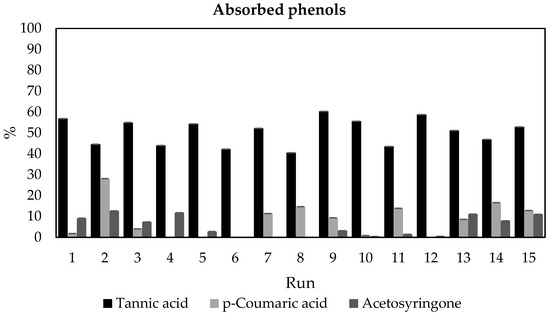
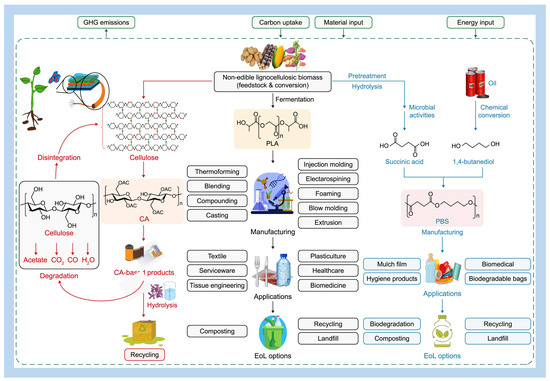
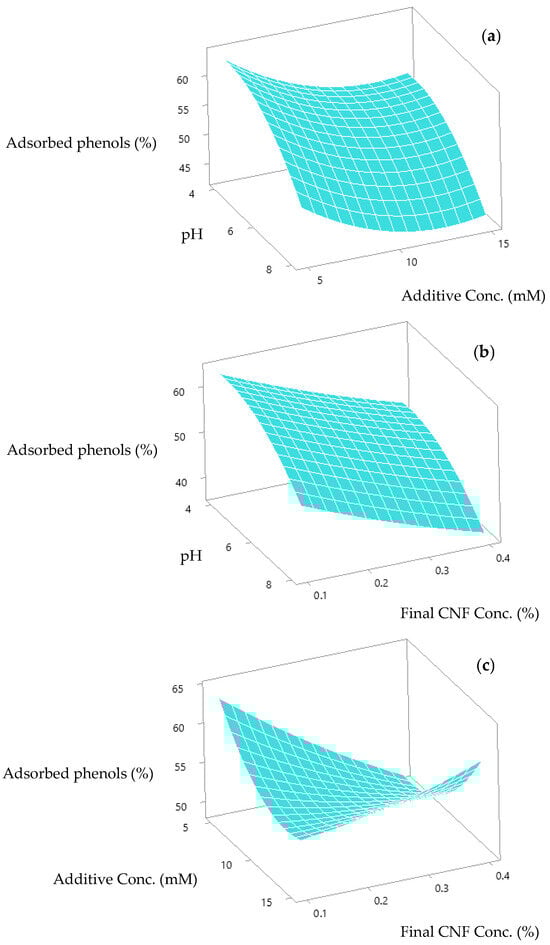
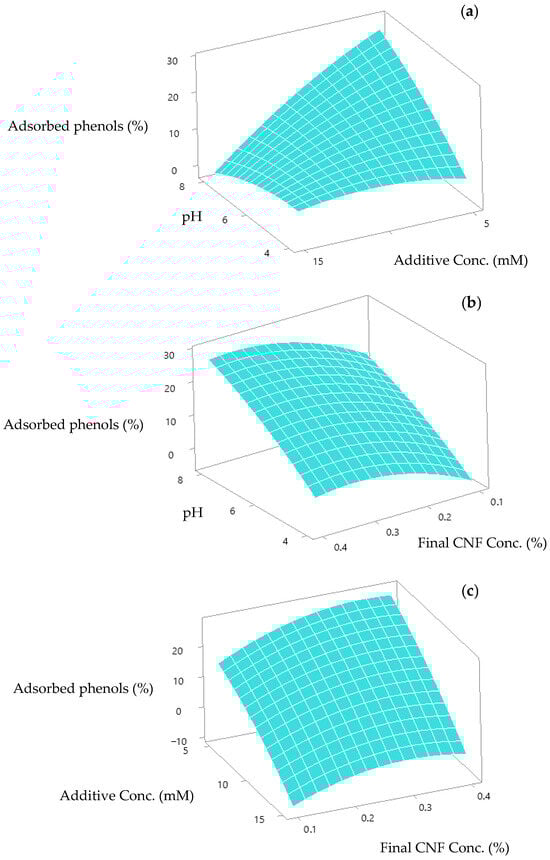
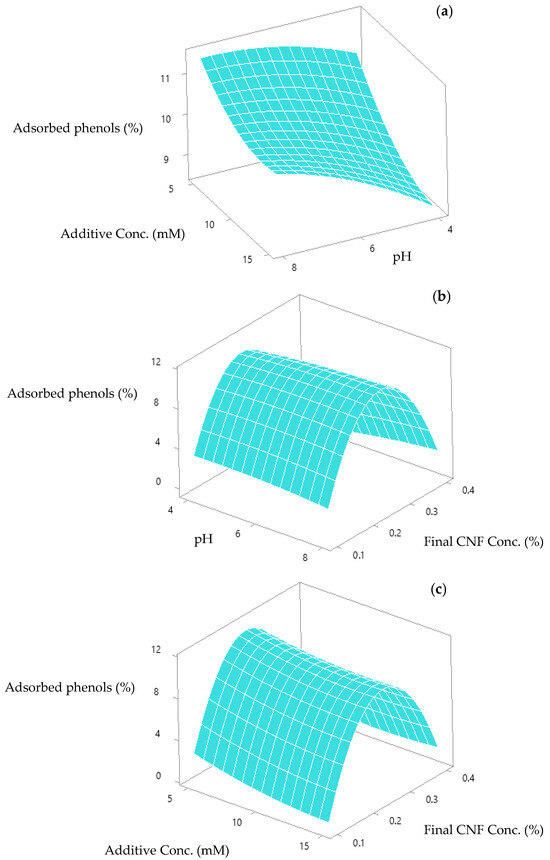
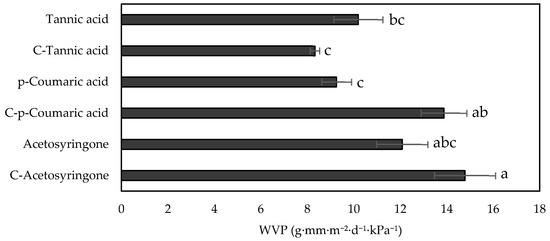
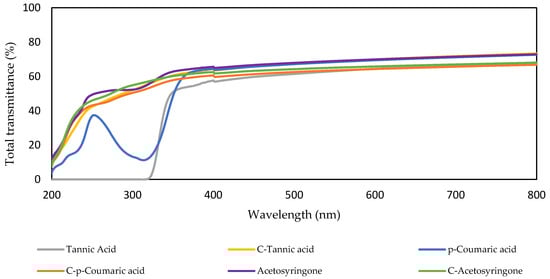
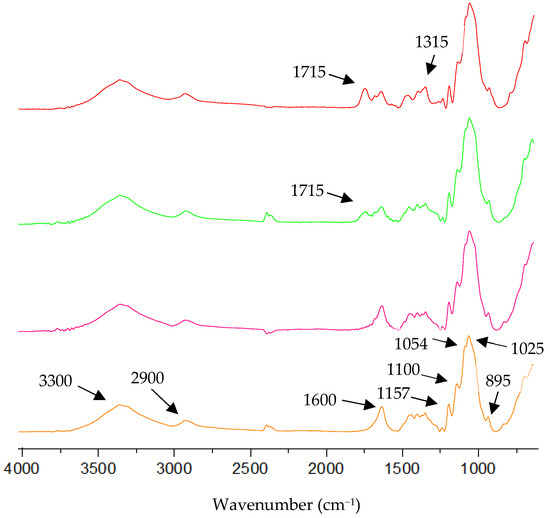
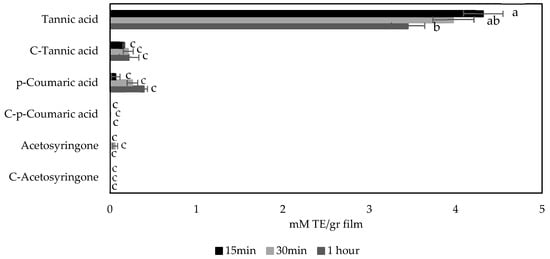
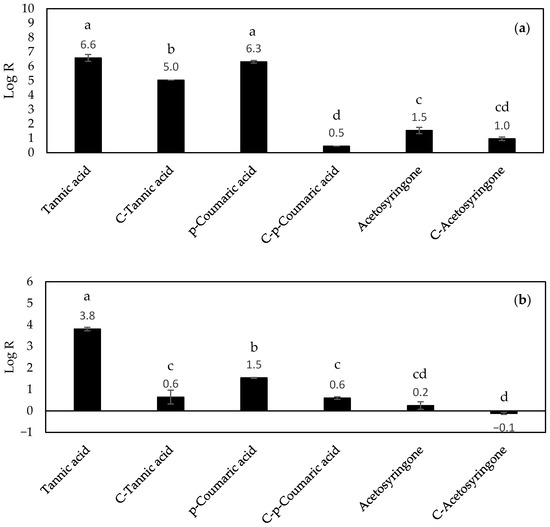
The production and use of plastics have direct consequences on the environment, such as the greenhouse gas emissions (GHGs) they cause. Therefore, it is necessary to develop materials from renewable sources with a lower environmental impact to replace plastic. In this work, films with bioactive properties have been developed from cellulose nanofibers (CNFs) and natural phenolic compounds for food packaging applications. First, the optimization of the incorporation of three different natural phenolic compounds (tannic acid, p-coumaric acid, and acetosyringone) into nanocellulose was studied using a Box–Behnken design, with the phenols adsorbed by the nanocellulose as the output variable. Once the incorporation was optimized, films containing nanocellulose and phenolic compounds were produced and characterized. Tannic acid showed the best results with regard to the optical properties of the resulting films and achieved a complete blocking of UV-B radiation, as well as adding to nanocellulose antioxidant (4.32 mM TE/g film) and antibacterial capacity (log R of 6.6 ± 0.2 and 3.8 ± 0.1 for Staphylococcus aureus and Escherichia coli, respectively), making these films a promising material for use in contact with food as a packaging material, although more in-depth studies and measures are needed to make these films viable for use in food packaging.
Full article
(This article belongs to the Special Issue Editorial Board Members’ Collection Series: Advances in Cellulose-Based Materials)
►▼
Show Figures

Figure 1
Open AccessArticle
Anti-Inflammatory Activities of Zophobas morio Larvae Lipids on Lipopolysaccharide-Induced Activated Macrophages: Reprogramming Macrophage Polarization and Attenuating Oxidative Stress
by
Ju-Hwi Park, Ha-Seong Cho, Ju-Ock Nam and Won-Young Lee
Macromol 2026, 6(2), 21; https://doi.org/10.3390/macromol6020021 - 6 Apr 2026
Abstract
►▼
Show Figures
This study investigated the structural and anti-inflammatory properties of Zophobas morio lipids (ZMLs). The fatty acid (FAs) composition showed a higher proportion of unsaturated FAs, mainly consisting of oleic (30.30%) and linoleic acids (20.05%), than saturated FAs, including palmitic (24.80%) and stearic acids
[...] Read more.
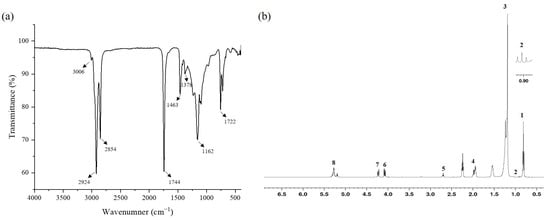
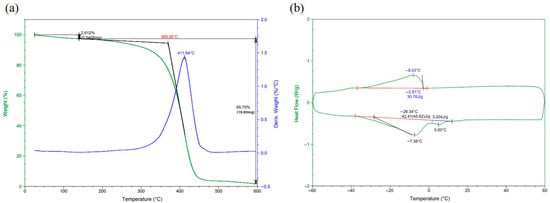
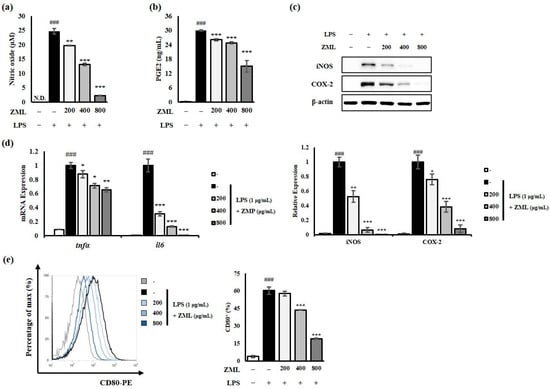
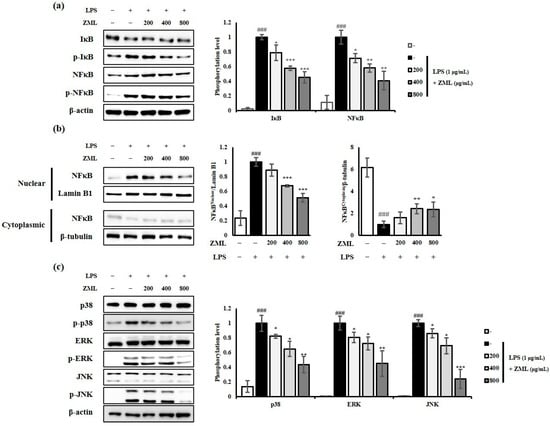
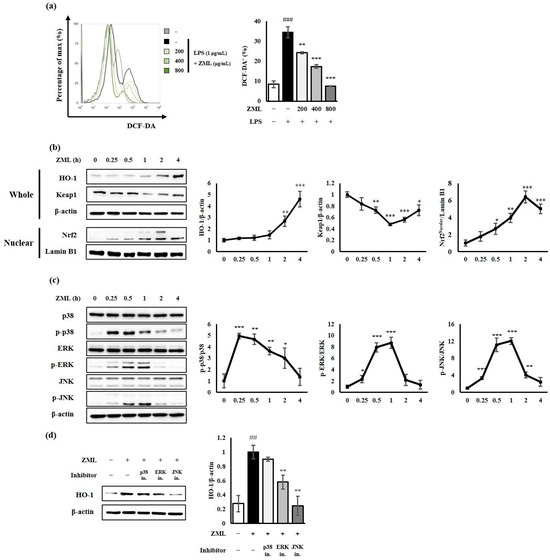
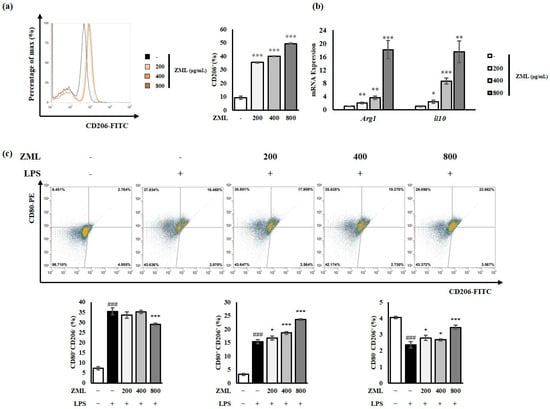
This study investigated the structural and anti-inflammatory properties of Zophobas morio lipids (ZMLs). The fatty acid (FAs) composition showed a higher proportion of unsaturated FAs, mainly consisting of oleic (30.30%) and linoleic acids (20.05%), than saturated FAs, including palmitic (24.80%) and stearic acids (12.96%). In addition, FT-IR and 1H-NMR analyses confirmed that ZML possessed a typical triglyceride structure, with long-chain alkyl groups. Thermogravimetric analysis (TGA) indicated that ZML exhibited high thermal stability, with a degradation peak at 369 °C. Differential scanning calorimetry (DSC) displayed a thermal transition at −8 °C, corresponding to the crystallization of unsaturated FAs in ZML. ZML significantly inhibits lipopolysaccharide (LPS)-induced pro-inflammatory M1 macrophage polarization by suppressing nuclear factor κB (NF-κB) and mitogen-activated protein kinase (MAPK) signaling pathways, thereby attenuating the expression of inflammatory mediators. Additionally, ZML alleviated inflammatory oxidative stress by activating the nuclear factor erythroid 2-related factor 2 (Nrf2)-mediated antioxidant pathway. Notably, ZML not only induced M2 macrophage polarization in quiescent macrophages but also reprogrammed M1 macrophages toward the anti-inflammatory M2 phenotype. These findings suggest that ZML is a natural nutritional lipid source and a potential therapeutic agent for modulating inflammatory response.
Full article

Figure 1
Open AccessArticle
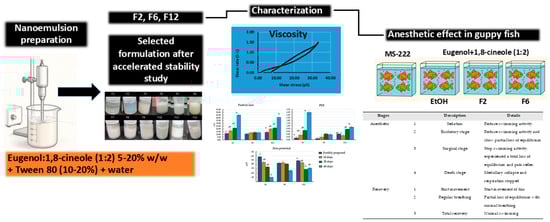
Preparation and Characterization of Eugenol and 1,8-Cineole Nanoemulsions for Enhancing Anesthetic Activity in Guppy Fish (Poecilia reticulata)
by
Surachai Pikulkaew, Saransiri Nuanmanee, Banthita Saengsitthisak, Kantaporn Kheawfu, Charatda Punvittayagul and Wasana Chaisri
Macromol 2026, 6(2), 20; https://doi.org/10.3390/macromol6020020 - 27 Mar 2026
Abstract
►▼
Show Figures
This study aimed to prepare and characterize nanoemulsions containing eugenol and 1,8-cineole using the emulsification method and to investigate their anesthetic effects on guppy fish. The optimized formulation comprised a 5–10% mixture of eugenol and 1,8-cineole in a 1:2 ratio, stabilized with 15–20%
[...] Read more.
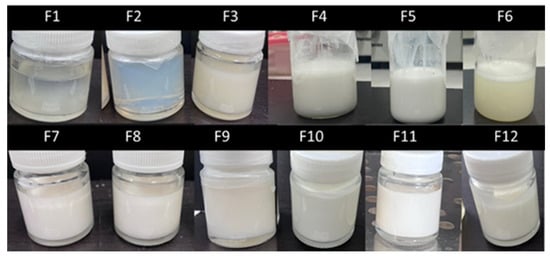
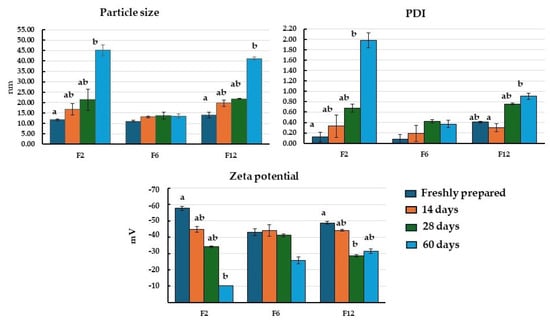
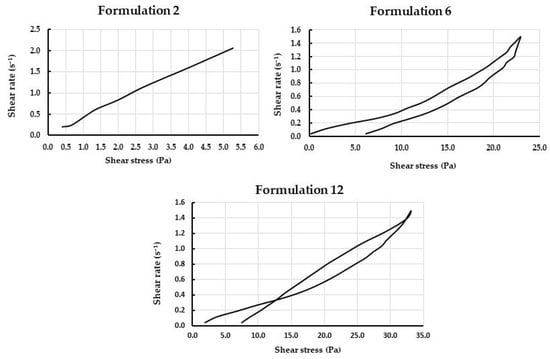
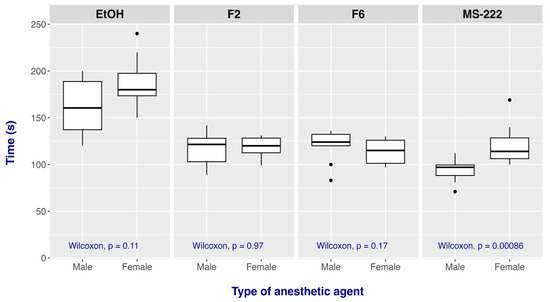
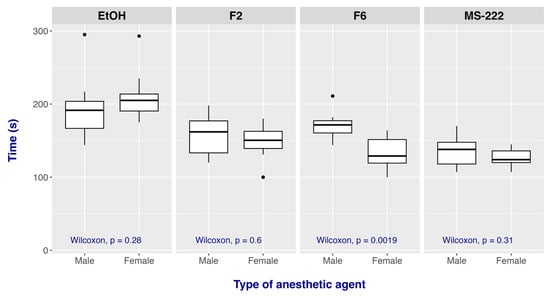
This study aimed to prepare and characterize nanoemulsions containing eugenol and 1,8-cineole using the emulsification method and to investigate their anesthetic effects on guppy fish. The optimized formulation comprised a 5–10% mixture of eugenol and 1,8-cineole in a 1:2 ratio, stabilized with 15–20% Tween 80. The selected formulations displayed mean particle sizes below 15 nm, a low polydispersity index (PDI) (<0.5), and a zeta potential that was more negative than −40 millivolts (mV), indicating stable emulsions. Their pH ranged from 6.50 to 6.63, indicating slight acidity. The formulations exhibited non-Newtonian rheology, as well as thinning under shear stress. Three formulations (F2, F6, and F12) remained stable after both accelerated and long-term stability testing. All nanoemulsions were able to induce guppy fish to the third stage of anesthesia. The nanoemulsions with concentrations of 50 mg/L and 100 mg/L eugenol effectively induced sedation and anesthesia in both sexes and reduced the induction and recovery times compared with the ethanol solution. In conclusion, this study highlights nanoemulsions as a promising drug delivery system for alternative anesthetics in aquaculture.
Full article
Graphical abstract
Open AccessReview
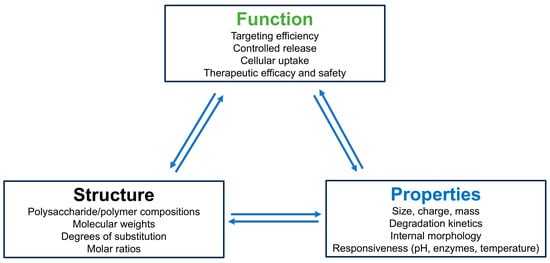
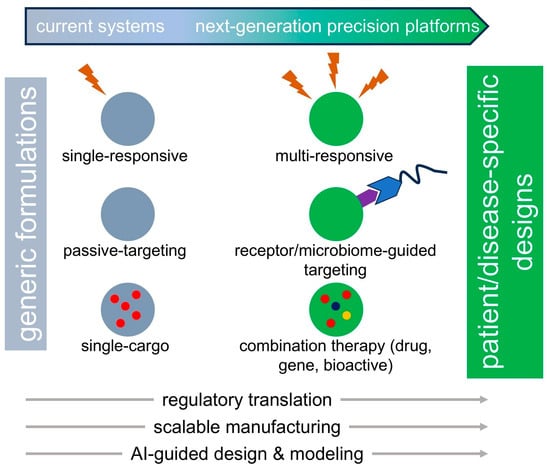
Next-Generation Polysaccharide-Based Nanocarriers for Precision Medicine: Structure–Property Principles, Responsiveness, and Therapeutic Translation
by
Ioannis Pispas and Aristeidis Papagiannopoulos
Macromol 2026, 6(1), 19; https://doi.org/10.3390/macromol6010019 - 18 Mar 2026
Cited by 1
Abstract
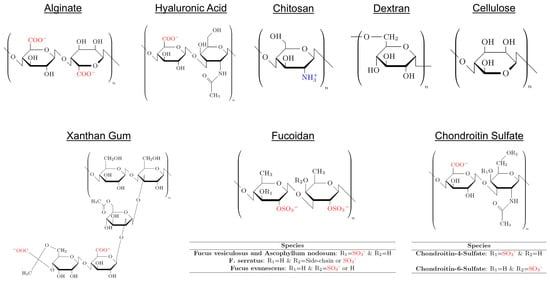
Among the most structurally diverse biomacromolecules, polysaccharides have attracted increased attention as nanocarriers for precision medicine due to their inherent biocompatibility and versatility in functionalization. Molecular features, such as monomer composition, glycosidic linkages, charge density, and chemical modification, essentially determine the nanoscale assembly
[...] Read more.
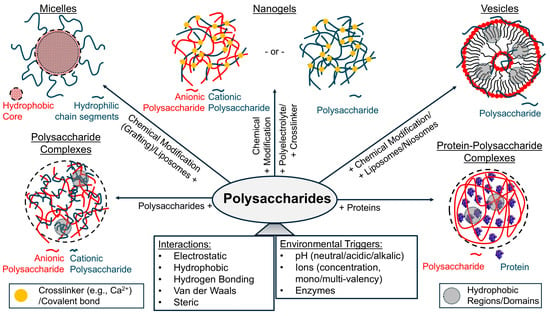
Among the most structurally diverse biomacromolecules, polysaccharides have attracted increased attention as nanocarriers for precision medicine due to their inherent biocompatibility and versatility in functionalization. Molecular features, such as monomer composition, glycosidic linkages, charge density, and chemical modification, essentially determine the nanoscale assembly process of these biopolymers, as well as their biological compatibility. This review highlights the role of these properties in the assembly process of polysaccharide-based nanocarriers leading to a variety of self-assembled nanostructures, such as polyelectrolyte complexes, protein–polysaccharide complexes, amphiphilic micelles, vesicles, hybrid systems, and nanogels, which are extensively discussed throughout the review. This review also focuses on the structure–property–function relationships of nanocarriers as applied to the rapidly developing area of precision medicine, emphasizing the problems of sustainability and reproducibility. By combining the principles of molecular engineering, supramolecular assembly, and measurable properties, this work aims to present a unified view of the molecular engineering of polysaccharide-based nanocarriers for enhanced translation potential, as well as to outline a coherent framework for the rational development of next-generation polysaccharide-based nanocarriers with improved clinical relevance.
Full article
(This article belongs to the Special Issue Recent Trends in Carbohydrate-Based Therapeutics)
►▼
Show Figures

Figure 1
Highly Accessed Articles
Latest Books
E-Mail Alert
News
Topics
Topic in
IJMS, JFB, Macromol, Materials, J. Compos. Sci., Polymers
Recent Advances in Composite Biomaterials
Topic Editors: Diego Romano Perinelli, Florentina LupascuDeadline: 30 November 2026
Topic in
Applied Nano, Macromol, Nanomaterials, Polymers, Gels
Future Trends in Polymer Science: Materials, Design, and Advanced Applications
Topic Editors: Emi Haladjova, Olya StoilovaDeadline: 30 January 2027
Conferences
Special Issues
Special Issue in
Macromol
Chitosan-Based Materials for Biomedical Applications: Derivatives and Composites
Guest Editors: Maria Bonferoni, Sara PerteghellaDeadline: 31 August 2026
Special Issue in
Macromol
Advances in Starch and Lignocellulosic-Based Materials
Guest Editor: Valentina SessiniDeadline: 31 October 2026
Special Issue in
Macromol
Advanced Functional Biomacromolecules in Biosensing
Guest Editor: Felismina Teixeira Coelho MoreiraDeadline: 30 November 2026