


Abstract
Bacterial cellulose (BC) has emerged as a structurally robust, biologically compatible, and highly adaptable biomaterial with significant potential for next-generation wound-care technologies. Its nanofibrillar, extracellular-matrix-like architecture provides exceptional moisture retention, mechanical stability, and conformability, enabling BC to function as an active scaffold rather than a traditional dressing. Advances in chemical modification, composite engineering, and bioactive functionalization, including antimicrobial metals, chitosan, biosurfactants, enzymes, and growth factors, have expanded BC’s therapeutic capabilities. Emerging smart BC dressings integrate biosensors, stimuli-responsive drug release, and 3D-printed architectures tailored to patient-specific wound geometries. Parallel developments in artificial intelligence (AI) are transforming BC production by optimizing bioprocessing, guiding genetic engineering, reducing culture media costs, and enabling real-time quality control, thereby improving scalability and industrial feasibility. These combined innovations position BC as a multifunctional, immunologically instructive, and digitally integrated platform for advanced regenerative wound care. This review reframes BC within the contemporary pathophysiology of chronic wounds, emphasizing its roles in immunomodulation, macrophage polarization, angiogenesis, mechanotransduction, and the disruption of mixed bacterial–fungal biofilms that characterize diabetic foot ulcers and other non-healing wounds. BC hydrogels typically contain >90–99% water and exhibit tensile strengths exceeding 200 MPa, enabling robust mechanical performance in wound environments. Advances in BC composites have demonstrated antimicrobial reductions of 3–5 log units against common chronic-wound pathogens.
1. Introduction
Bacterial cellulose (BC) has become one of the most versatile and intensively studied biopolymers in contemporary biomaterials research. Recent analyses describe BC as a high-purity, nanofibrillar, mechanically robust, and broadly biocompatible material with significant translational potential across biomedical domains. Reviews published from 2020 to 2025 have comprehensively examined the biosynthesis, structural organization, and physicochemical properties of BC, highlighting its potential applications in wound dressings, drug delivery systems, and tissue engineering scaffolds [1,2,3]. Additional works have examined modified and composite BC systems, highlighting chemical functionalization, hybrid materials, and emerging biomedical applications [4,5,6]. Parallel efforts have documented advances in commercial development and industrial-scale production, underscoring BC’s manufacturability and scalability for clinical use [7,8,9]. Such studies establish BC as a mature biomaterial platform with well-defined structural and functional attributes.
Despite this extensive literature, current reviews remain largely descriptive and focused on classical performance metrics such as moisture retention, mechanical strength, cytocompatibility, and the incorporation of antimicrobial or therapeutic agents. These perspectives do not fully engage with the biological and translational challenges that define modern wound care and regenerative medicine. In addition, BC has not yet been integrated into the contemporary understanding of chronic-wound pathophysiology, which is shaped by persistent inflammation, macrophage dysregulation, oxidative stress, extracellular-matrix degradation, angiogenic failure, and the increasingly recognized role of mixed bacterial–fungal biofilms, especially in diabetic foot ulcers (DFUs). Likewise, the potential of BC as an immunomodulatory scaffold, a mechanobiological interface, or a foundation for next-generation smart dressings remains underexplored. Emerging applications in advanced grafting, 3D bioprinting, biosensing, and digitally integrated wound-care pathways have also not been synthesized into a coherent conceptual framework.
This review reframes BC within the context of next-generation regenerative wound-care technologies. It emphasizes BC’s capacity to modulate immune responses, disrupt mixed microbial biofilms, support graft integration, and serve as a platform for smart, stimuli-responsive, and digitally augmented wound-care systems. By aligning BC with the biological drivers of chronicity and the technological innovations shaping future clinical practice, this review also redefines BC from a traditional biomaterial into a strategic, adaptive, and clinically relevant scaffold for complex wound environments.
2. Structural and Mechanobiological Foundations of BC
BC is distinguished from plant-derived celluloses by its exceptional purity, nanoscale architecture, and ability to form a continuous 3D hydrogel network during biosynthesis. BC, also known as bacterial nanocellulose, has been generally recognized as safe. It exhibits the unique self-assembling of secreted fibrils into nanostructured biomaterial possessing exceptional biophysical characteristics that are suitable for various biomedical applications [10]. BC is produced by various bacterial species, including Gram-negative Acetobacter (reclassified as Komagataeibacter), Rhizobium, Agrobacterium, Pseudomonas, Salmonella, Alcaligenes, and Gram-positive Sarcina ventriculi [11,12]. However, the most efficient production of BC comes from Acetobacters, e.g., A. xylinum, A. hansenii, A. pasteurianus, and Komagataeibacter europaeus. BC consists of an interconnected mesh of ribbon-like nanofibers with high crystallinity, high hydration capacity, and surface chemistry that supports extensive functionalization. These structural attributes, well documented across recent reviews, give BC a unique combination of tensile strength, flexibility, and stability under hydration, properties that are essential for scaffolds operating in dynamic wound environments [1,2,3,4,5,6,9]. Even at low concentrations, BC forms highly viscous dispersions; for example, 1% BC can reach viscosities above 10,000 Pa·s due to its entangled nanofibrillar network. This pronounced shear-thinning behavior is relevant for extrusion processes, injectable formulations, and composite hydrogel design [13].
The biosynthetic process itself contributes to BC’s distinctive architecture. Unlike plant cellulose, which requires extraction and purification, BC is synthesized extracellularly as a pure nanofibrillar matrix free of lignin, hemicellulose, and other contaminants [1,3,6]. BC exhibits a highly ordered microfibril network, with nanometer-scale diameters and higher crystallinity indices than plant-derived cellulose [2,5,9]. The resulting hydrogel contains up to 99% water, enabling excellent conformability and mechanical resilience under physiological conditions [1,4,7].
In addition to its physical properties, the nanoscale topography and mechanical attributes of BC establish it as a significant factor in wound mechanobiology. The stiffness, porosity, and fibrillar alignment of BC influence fibroblast migration, keratinocyte behavior, macrophage polarization, and extracellular-matrix (ECM) deposition. Therefore, mechanobiological interactions are increasingly recognized as central to resolving chronic inflammation and restoring tissue architecture [2,5,6]. Although most existing reviews focus on BC’s mechanical strength and biocompatibility, several note that BC’s nanofibrillar structure mimics aspects of the native extracellular matrix, providing a mechanically instructive environment for cell adhesion and proliferation [1,3,7,9].
BC’s mechanical tunability further enhances its relevance for regenerative applications. Modifications such as crosslinking, mineralization, polymer blending, and nanoparticle incorporation can adjust its tensile modulus, elasticity, and degradation behavior to match tissue-specific requirements [3,5,6,9]. These strategies have been explored to reinforce BC for load-bearing tissues, improve its integration with soft-tissue grafts, and create composite scaffolds with enhanced biological or antimicrobial functionality [2,5,6]. Therefore, these structural and mechanobiological features establish BC not only as a passive substrate but also as a mechanically instructive, biologically interactive scaffold capable of shaping cellular responses and guiding regenerative outcomes. This foundation underpins BC’s emerging roles in immunomodulation, mixed-biofilm control, graft integration, and smart wound-care technologies that remain underexplored in the current review landscape and form the focus of this article.
BC exhibits a distinctive combination of mechanical and structural properties that underpin its performance as a biomaterial. Its nanofibrillar network confers high tensile strength, with reported values averaging 241.42 ± 21.86 MPa and a Young’s modulus of 6.86 ± 0.32 GPa, placing BC among the strongest naturally derived polymer networks. The material’s exceptionally high-water content (>90%) provides a hydrated, native-like microenvironment that supports cellular viability and nutrient exchange. BC also possesses high crystallinity, reaching up to 90%, which contributes to its mechanical stability, durability, and resistance to enzymatic degradation. These combined features distinguish BC from other polysaccharide-based biomaterials and form the basis for its broad applicability in wound care, tissue engineering, and composite scaffold design [14].
A useful comparison can be made between BC and cellulose nanocrystals (CNCs), particularly carboxylated CNCs produced through controlled oxidation. CNCs share with BC a high degree of crystallinity, nanoscale dimensions, and surface chemistry that can be precisely tuned to modulate charge density, colloidal stability, and biological interactions. The one-step carboxylation strategy has demonstrated how surface-functionalized CNCs exhibit enhanced dispersibility, increased negative charge, and improved compatibility with aqueous and polymeric environments [15]. These features directly influence cell adhesion, protein adsorption, and composite formation. While BC forms a continuous, mechanically robust hydrogel network with long nanofibrils, CNCs exist as discrete rod-like nanoparticles that require incorporation into a secondary matrix to achieve structural integrity. This distinction underscores BC’s advantage as a pre-formed, load-sharing scaffold, whereas CNCs excel as reinforcing fillers or surface-active modifiers. Together, these materials represent complementary branches of nanocellulose. BC provides a macroscale, hydrated, ECM-like framework, whereas CNCs offer tunable nanoscale functionalities that can be integrated into BC composites or used to modulate its mechanical and biological performance.
3. BC as a Bioactive and Cell-Instructive Scaffold
3.1. Structural and Physicochemical Features of BC
BC exhibits distinctive properties including high crystallinity, outstanding tensile strength, and a hydrated three-dimensional network. The interconnected nanofibrils of BC create a mechanically resilient and flexible scaffold, making it well suited for applications in cartilage engineering [16]. BC’s unique combination of biocompatibility, water retention, and tunable porosity collectively supports cell adhesion, nutrient diffusion, and tissue integration [17]. The nanoscale topography of BC is particularly relevant for cell–material interactions. Nanofibrillar surfaces can modulate integrin clustering and cytoskeletal tension, consistent with mechanobiology studies showing that nanoscale roughness reduces focal adhesions and cell stiffness by enhancing integrin endocytosis [18]. These mechanistic insights elucidate why BC frequently facilitates more physiological cell morphologies compared to smoother synthetic polymers. Mechanical and structural characterization of BC should be performed only after complete purification, as alkaline treatment alone may leave residual cells or medium components. Multi-step purification strategies, including alkali, enzymatic, and oxidative treatments as described by Gromovykh et al. [19], are required for medical-grade BC.
3.2. Chemical and Structural Modification of BC
Although native BC is bioactive, its surface chemistry can be further modified to enhance cell adhesion, protein immobilization, and tissue-specific performance. BC’s abundant hydroxyl groups enable efficient protein immobilization, allowing the incorporation of growth factors, enzymes, or adhesion peptides without compromising structural integrity [20]. Citrate-modified BC scaffolds show that esterification improves mechanical resilience and osteoconductivity, making the material more suitable for bone regeneration [21]. BC can also be integrated with other polymers to create hybrid scaffolds. Strategies, such as grafting, mineralization, and blending with biopolymers (e.g., chitosan, collagen, etc.), expand BC’s functional range for applications in wound healing, bone repair, and soft tissue engineering [22].
3.3. Mechanotransduction and Cell-Instructive Properties
BC’s stiffness, porosity, and nanoscale architecture collectively influence cell phenotype through mechanotransduction pathways. Substrate stiffness regulates cytoskeletal organization, nuclear deformation, and gene expression—mechanisms directly relevant to BC scaffolds, which can be tuned from soft hydrogel-like matrices to stiffer load-bearing constructs [23]. The interplay between BC’s mechanical cues and cellular behavior is particularly important for tissues such as cartilage and bone, where mechanosensitivity governs differentiation. BC’s mechanical profile supports chondrocyte viability and matrix deposition [16], whereas newer osteogenic BC scaffolds with mechanical and immunological cues can be synergistically optimized [24].
3.4. Immunomodulatory Interactions with the Host Microenvironment
Beyond structural support, BC can modulate immune responses. BC scaffolds engineered with osteogenic and immunomodulatory cues can shift macrophage phenotypes toward pro-regenerative states, enhancing bone formation [24]. Scaffold chemistry, stiffness, and topography collectively shape macrophage polarization and downstream tissue outcomes [25]. BC’s inherent purity and endotoxin-free nature reduce inflammatory activation compared to plant-derived cellulose. However, functionalization, such as protein immobilization [20] or citrate modification [21], can further tune macrophage responses, enabling BC to serve as an immunologically “instructive” scaffold.
3.5. Tissue-Specific Applications of BC Scaffolds
In skin and wound healing, BC’s excellent moisture retention and conformability enable it to function as an effective wound dressing, promoting re-epithelialization and accelerating wound closure while maintaining a favorable microenvironment for keratinocytes and fibroblasts [26]. In bone regeneration, BC-based scaffolds can support osteogenic processes through structural and immunological mechanisms. For example, BC scaffolds can modulate the immune microenvironment to enhance osteogenesis [24], whereas citrate-modified BC improves mineralization and osteoblast activity, highlighting BC as a promising alternative to collagen or synthetic polymer matrices [21]. In cartilage tissue engineering, its stiffness and nanoscale fibrillar network support chondrocyte phenotype maintenance and extracellular matrix deposition. BC possesses sufficient mechanical integrity to serve as a scaffold for cartilage regeneration, making it suitable for load-bearing cartilage repair applications [16].
3.6. Future Directions and Translational Potential
Recent advances increasingly focus on the development of immune-instructive BC scaffolds capable of actively regulating macrophage polarization and T-cell responses, thereby improving the control of inflammation and tissue regeneration processes [24,25]. Mechanobiology informs BC design by showing that nanoscale surface features and adjustable stiffness can affect stem-cell behavior and guide lineage specification [18,23]. Another rapidly evolving direction involves the engineering of hybrid BC composites, where peptides, growth factors, or synthetic polymers are incorporated to impart tissue-specific functionality and enhance biological performance [20,22]. These innovations support the growing clinical translation of BC-based materials, particularly in wound healing, bone regeneration, and cartilage repair, where the material’s outstanding biocompatibility, structural stability, and scalable production offer clear advantages [17]. The integration of immunomodulatory design, mechanobiological control, and multifunctional composite engineering suggests that BC will play an increasingly important role in the development of advanced regenerative therapies.
4. BC Composites for Control of Mixed Bacterial–Fungal Biofilms
The multifaceted function of BC in advanced wound care is elucidated by examining its structural characteristics, interactions with polymicrobial biofilms, and suitability for incorporation into smart therapeutic dressings, as illustrated in Figure 1.
Figure 1.
A conceptual overview of BC scaffolds in advanced wound care. (Left) Structural and functional properties of BC, including moisture retention, mechanical protection, and capacity for drug delivery and antimicrobial functionalization. (Center) Mixed bacterial–fungal biofilms in chronic wounds, where interactions between Staphylococcus, Pseudomonas, and Candida hyphae contribute to persistent inflammation and antimicrobial resistance. (Right) Emerging BC-based smart wound dressings integrating antimicrobial agents, biofilm-disrupting enzymes, angiogenic factors, biosensors, and stimuli-responsive drug-release systems (The figure was created by the authors using custom graphical design tools).
4.1. Mixed Biofilms in Chronic Wounds: Clinical Relevance and Therapeutic Targeting
Chronic wounds such as DFUs frequently contain polymicrobial biofilms composed of both bacteria and Candida species. These mixed communities exhibit synergistic interactions that enhance antimicrobial tolerance, promote persistent inflammation, and impair wound closure. Although the detailed pathophysiology of bacterial–fungal synergy will be addressed later, the clinical challenge is clear. Effective wound dressings must combine physical disruption of biofilm structure with sustained antimicrobial activity. BC, with its hydrated nanofibrillar network, high conformability, and tunable surface chemistry, provides a versatile platform for engineering multifunctional dressings capable of addressing these complex microbial ecosystems.
4.1.1. Pathophysiology of Mixed Bacterial–Fungal Biofilms in Chronic Wounds
Mixed bacterial–fungal biofilms are increasingly recognized as defining features of chronic wounds, including DFUs. These polymicrobial communities exhibit cooperative behavior that enhances persistence, antimicrobial tolerance, and tissue-destructive inflammation. Among the most clinically relevant interactions are those between Candida albicans and Staphylococcus aureus, and between Candida and Pseudomonas aeruginosa, both of which contribute to chronicity and poor healing outcomes.
- -
- Candida–S. aureus Synergy. The interaction between C. albicans and S. aureus is one of the best-characterized examples of cross-kingdom synergy. These two pathogens form highly structured polymicrobial biofilms with markedly increased antimicrobial resistance compared to single-species biofilms [27]. The Candida biofilm matrix provides physical protection to S. aureus, shielding it from antibiotics and host defenses [28]. In addition, the Candida–Staphylococcus biofilm forms robust, multilayered structures on diverse surfaces, with enhanced biomass and altered architecture relative to either species alone [29]. These synergistic interactions directly contribute to the recalcitrance of DFU infections, where S. aureus is a dominant pathogen, and Candida is frequently co-isolated.
- -
- Candida–P. aeruginosa Interactions. Interactions between C. albicans and P. aeruginosa are more complex, involving both antagonistic and cooperative behavior as eicosanoids in mediating cross-kingdom signaling influence both fungal morphology and bacterial virulence [30]. Candida can suppress Pseudomonas virulence by inhibiting pyochelin and pyoverdine biosynthesis, reducing oxidative stress and tissue damage [31]. Conversely, ethanol produced by C. albicans stimulates P. aeruginosa biofilm formation through WspR-controlled pathways, creating a cyclic relationship in which phenazines and fungal metabolites reinforce each other’s persistence [32]. These dynamic interactions contribute to the metabolic and structural complexity of mixed biofilms in chronic wounds.
- -
- Biofilm-Driven Chronic Inflammation. Mixed biofilms exacerbate chronic inflammation by sustaining persistent microbial loads and releasing immunomodulatory factors. Biofilm-embedded microbes evade phagocytosis, resist antimicrobial therapy, and continuously stimulate inflammatory pathways, leading to tissue degradation and impaired healing [33,34]. Inflammatory mediators can enhance biofilm development, whereas biofilms perpetuate inflammatory signaling [35]. Chronic infections are fundamentally biofilm-driven, with persistent inflammation being both a cause and consequence of biofilm stability [36].
- -
- DFU Microbiome and Clinical Outcomes. Recent microbiome studies underscore the clinical relevance of mixed biofilms. DFUs with worse clinical outcomes harbor more complex microbial communities, including co-occurring bacteria and fungi with enhanced virulence potential [37]. Shifts in microbial community structure correlate with wound worsening and chronicity, underscoring the functional role of polymicrobial interactions in disease progression [38]. High-resolution sequencing technologies are increasingly important for identifying mixed biofilms in DFUs and guiding targeted interventions [39].
- -
- Implications for BC-Based Therapies. The cooperative actions of Candida, Staphylococcus, and Pseudomonas, together with biofilm-driven inflammation, highlight the need for wound dressings that disrupt biofilms, control inflammation, and provide long-lasting antimicrobial effects. These pathophysiological insights provide the biological rationale for the BC-based antimicrobial composites, including silver-loaded BC, chitosan-reinforced BC, AMP-functionalized BC, and plant-extract-enriched BC systems.
4.1.2. Enzymatic Strategies for Disrupting Biofilms and Their Integration with BC-Based Materials
Enzymatic biofilm disruption has emerged as a powerful strategy for overcoming the structural resilience and antimicrobial tolerance of chronic wound biofilms. Unlike conventional antimicrobials, which primarily target microbial viability, enzymes act directly on the biofilm matrix, degrading the extracellular polymers that protect embedded microbes. This approach is particularly relevant for mixed bacterial–fungal biofilms in diabetic foot ulcers, where extracellular DNA, polysaccharides, adhesins, and structural proteins form a dense, cross-linked matrix that resists penetration by antibiotics and host immune cells. Various microbial enzymes can break down biofilm structures [40]. For example, DNases degrade extracellular DNA, dispersin B targets poly-N-acetylglucosamine in S. aureus and other Gram-positives, proteases and glycosidases digest matrix proteins and polysaccharides, and quorum-quenching enzymes interfere with microbial communication involved in biofilm development. These enzymatic mechanisms weaken the physical integrity of biofilms, enhance antimicrobial penetration, and reduce microbial virulence, making them attractive adjuncts to wound-care materials.
BC provides an ideal platform for delivering such enzymes due to its high-water content, nanofibrillar structure, and capacity for covalent or non-covalent functionalization. Incorporating quorum-quenching enzymes into BC matrices alongside antimicrobial peptides enables multifunctional dressings that degrade biofilm matrix components while killing exposed microbes [41]. This dual-action strategy is valuable for mixed bacterial–fungal biofilms, where matrix degradation can expose deeply embedded Candida and bacterial cells to antimicrobial agents.
Emerging functionalization strategies further expand the potential of enzyme-based BC systems. Although not an enzymatic study per se, polymeric DNA-nanostructure-decorated cellulose nanocrystals illustrate how nucleic-acid-based architectures can be engineered for targeted, stimuli-responsive delivery [42]. These design principles can be adapted to create BC composites that release DNase or other enzymes in response to biofilm-associated cues such as pH, redox state, or enzymatic activity. Such smart, responsive systems represent a promising direction for next-generation antibiofilm dressings. These findings reinforce enzymatic strategies as a powerful complement to antimicrobial, anti-inflammatory, and bioactive functionalities. Matrix-degrading enzymes in BC composites allow targeting mixed bacterial–fungal biofilms, boosting antimicrobial effectiveness and speeding up chronic wound infection healing.
4.2. Native BC as a Barrier Material: Strengths and Limitations
Native BC exhibits excellent moisture retention, mechanical resilience, and biocompatibility, making it a widely used wound-care material. BC produced by K. intermedius supports wound closure and reduces microbial burden in diabetic mice, suggesting that BC’s physical barrier and hydration properties can indirectly suppress microbial proliferation [43]. BC can maintain a moist wound environment, promote re-epithelialization, and reduce inflammation [44,45]. Despite these advantages, native BC lacks intrinsic antimicrobial activity and can even serve as a substrate for microbial adhesion under certain conditions. This limitation has driven extensive research into BC composites incorporating antibiotics, peptides, biosurfactants, metal oxides, and plant-derived bioactives to more effectively target mixed bacterial–fungal biofilms.
4.3. BC–Silver and Metal-Based Antimicrobial Composites
Silver (Ag) remains one of the most effective broad-spectrum antimicrobials for chronic wounds, including those containing Candida. BC’s high surface area and hydroxyl-rich chemistry enable efficient incorporation of silver nanoparticles, silver phosphate, or ionic silver. Antimicrobial peptide-modified nanocellulose–silver composites exhibit potent activity against DFU-associated pathogens [46], whereas Ag-phosphate cellulose fibers effectively eliminate S. aureus relevant to DFU infection [47]. Ag dressings accelerate healing in lower-extremity ulcers, confirming their clinical relevance [48], whereas BC–AgNP composites developed between 2020 and 2025 exhibit strong antibacterial activity and favorable cytocompatibility [49]. BC nanocomposites incorporating metallic and metal-oxide nanoparticles demonstrate stability, controlled release, and synergistic antimicrobial properties [50]. These reviews establish BC–Ag systems as high-potency, broad-spectrum antimicrobial dressings suitable for mixed bacterial–fungal biofilms.
4.4. BC–Chitosan and Polymer-Based Antimicrobial Composites
Chitosan is inherently antimicrobial, hemostatic, and active against both bacteria and Candida, making it a valuable partner for BC. Notably, BC–chitosan composites have enhanced antimicrobial activity and improved mechanical properties [51,52], whereas BC–chitosan papers exhibit combined antimicrobial and antioxidant functions [53]. Chitosan/PEO (polyethylene oxide)/BC nanofibers exhibit strong antibacterial activity [54], whereas BC–chitosan biocomposites incorporating polymeric nanoparticles offer enhanced performance for modern wound dressings [55]. BC–chitosan hydrogels and beads have also improved biocompatibility and functionalization capacity [56,57]. Chitosan’s polycationic nature disrupts microbial membranes, while BC provides structural integrity and moisture retention, making these composites particularly promising for mixed biofilms where fungal and bacterial cells coexist within a shared ECM.
4.5. BC–PHMB and Biguanide-Based Antimicrobial Systems
Polyhexamethylene biguanide (PHMB) is widely used in chronic wound care due to its broad-spectrum antimicrobial activity and low cytotoxicity. Of note is the development of engineered dual-crosslinked BC hydrogels containing PHMB with strong antimicrobial activity and enhanced mechanical stability [58]. PHMB’s ability to disrupt both bacterial and fungal membranes makes BC–PHMB composites highly relevant for DFU-associated mixed biofilms.
4.6. BC Functionalized with Antimicrobial Peptides
Antimicrobial peptides (AMPs) offer potent, broad-spectrum activity with low resistance potential. BC’s hydroxyl-rich surface allows covalent grafting, adsorption, or nanoparticle-mediated loading of AMPs, such as BC functionalized with the AMP KR-12 using cellulose-binding peptides [59] and BC nanoparticles functionalized with AMPs for sustainable antimicrobial formulations [60]. ε-Poly-L-lysine has been successfully incorporated into BC wound dressings [61], whereas BC loaded with antioxidative and antimicrobial peptides effectively targets acne-associated pathogens [62]. Combining AMPs with quorum-quenching enzymes in BC creates enhanced antibacterial dressings [41]. Grafting AMPs onto microcrystalline cellulose provides mechanistic insight relevant to BC-based peptide functionalization [63]. Similarly, recombinant AMPs embedded in BC hydrogels support advanced wound-healing applications [64]. AMP-functionalized BC is particularly promising for mixed bacterial–fungal biofilms, as AMPs can target both microbial kingdoms and disrupt biofilm architecture.
4.7. BC Composites with Plant Extracts, Polyphenols, and Herbal Antimicrobials
Plant-derived antimicrobials, rich in phenolics, flavonoids, terpenes, and tannins, offer antioxidant, anti-inflammatory, and antimicrobial benefits. BC serves as an excellent carrier for these bioactives due to its high-water content and adsorption capacity. Several studies deserve a brief mention here because of the important role of herbal extracts. BC films enriched with herbal extracts can be produced using microwave-assisted extraction [65]. BC membranes loaded with plant extracts exhibit antimicrobial and antioxidant activity suitable for biomedical use [66]. Essential oils incorporated into BC effectively target Cronobacter species [67]. BC membranes containing plant extracts provide combined antimicrobial and antioxidant functions [68], whereas the combination of BC with dendrimers, chitosan, and herbal materials yields enhanced antibacterial performance [69]. Comparisons of plant-derived and bacterial-derived cellulose highlight BC’s superior purity and mechanical properties for wound healing [70]. In addition, BC–chitosan–resveratrol composite films exhibit strong antioxidant and antimicrobial activity [71]. These systems are particularly valuable for mixed biofilms, where oxidative stress, inflammation, and microbial synergy must be addressed simultaneously.
4.8. Advanced BC Functionalization Strategies for Antibiofilm Activity
Beyond traditional antimicrobial loading, BC can be engineered using advanced chemical and biological strategies. Representative examples include cell-penetrating peptide-conjugated BC nanofibrils with enhanced skin adhesion and water retention [72] and a bio-orthogonal approach combining metabolic glycoengineering and click chemistry to functionalize BC [73]. Peptide–cellulose conjugates enable elastase detection, demonstrating BC’s potential as a diagnostic biosensor [74], whereas collagen peptides immobilized on BC nanofibers improve tissue integration [75]. These strategies expand BC’s role from traditional dressing to an active, intelligent wound-care platform, which can sense, respond, and modulate the wound microenvironment.
4.9. Synthesis and Outlook
Across silver systems, chitosan composites, PHMB hydrogels, AMP-functionalized matrices, and plant-extract-loaded films, BC demonstrates exceptional versatility as a carrier, barrier, and bioactive scaffold for controlling mixed bacterial–fungal biofilms. Its nanofibrillar architecture supports sustained antimicrobial release, while its mechanical and hydration properties promote wound healing. Emerging strategies such as click chemistry, recombinant AMPs, and multifunctional composites position BC as a next-generation platform for smart, immunomodulatory, and biofilm-disruptive wound dressings. The remaining subsections on mixed biofilm pathophysiology and enzymatic antibiofilm systems will further contextualize BC’s role in addressing the complex microbial ecology of chronic wounds.
5. BC as a Platform for Advanced Grafting and Skin Substitutes
The nanofibrillar architecture of BC provides an ECM-like scaffold, while its mechanical stability, hydration capacity, and biocompatibility enable seamless integration with grafts, bioactive molecules, and living cells. In clinical practice, BC now functions across multiple roles: as an interface layer beneath autografts and split-thickness grafts, as a stand-alone BC-based graft analog that stabilizes the wound bed and supports dermal regeneration, and as a cell-carrier scaffold capable of delivering fibroblasts, keratinocytes, mesenchymal stem cells, and other regenerative cell types. Recent improvements in composite design using collagen, gelatin, hyaluronic acid, chitosan, and nanoparticles have transformed BC from a simple dressing into an active scaffold that regulates inflammation, supports angiogenesis, boosts cell adhesion, and speeds up tissue repair.
5.1. BC as a Temporary ECM for Skin Grafting and Bioengineered Skin
BC has emerged as a highly effective temporary ECM for skin grafting, burn management, and the integration of engineered skin constructs. Its nanofibrillar architecture mimics the structural organization of native collagen networks, providing a hydrated, mechanically stable scaffold that supports cellular adhesion, migration, and re-epithelialization. Based on its ability to maintain a moist wound environment, reduce pain, and promote granulation tissue formation, BC is an ideal interface material for split-thickness grafts, dermal substitutes, and composite skin constructs [44,76].
Clinical and preclinical studies reinforce BC’s suitability for graft integration, particularly for burn wounds due to its capacity to stabilize the wound bed, limit fluid loss, and support epithelial regeneration [77]. BC also meets key biomaterial requirements for reconstructive surgery, including biocompatibility, mechanical resilience, and the absence of inflammatory or cytotoxic responses [78]. Comparative evaluations show that BC dressings perform as well as, or better than, commercial dressings in promoting re-epithelialization and reducing healing time [79].
Beyond passive support, BC can be engineered to actively enhance graft performance. BC/Ag composite films enriched with GM-CSF (granulocyte-macrophage colony-stimulating factor) to accelerate healing in infected wounds through combined antimicrobial and immunostimulatory effects [80]. Its adaptability supports integration with bioactive molecules, growth factors, and antimicrobial agents for advanced wound-healing applications [81]. Several reviews [45,82,83,84] collectively underscore BC’s versatility as a wound-care platform capable of supporting graft take, reducing infection risk, and modulating the wound microenvironment.
BC also serves as a carrier for living cells, enabling the development of bioengineered skin substitutes. BC-based hydrogels can successfully deliver keratinocytes and fibroblasts to full-thickness wounds, supporting layered tissue regeneration and improved healing outcomes [85]. This cell-carrier capability positions BC as a promising scaffold for next-generation skin constructs that combine structural support with biological functionality.
5.2. BC–Collagen Composites for Enhanced Dermal Regeneration and Graft Integration
Collagen is the dominant structural protein in native skin, and its integration with BC has emerged as a powerful strategy for creating biomimetic scaffolds that support graft take, dermal regeneration, and long-term tissue remodeling. BC provides mechanical stability and moisture retention, while collagen contributes to bioactivity, cell-binding motifs, and enzymatic degradability. This synergy produces composite materials that more closely replicate the hierarchical structure of the native dermis.
Collagen-modified BC is a promising class of wound dressing with improved cellular interactions and enhanced tissue integration [44]. Similarly, BC dressings with incorporated collagen in situ and chitosan ex situ improved healing in burn wounds through enhanced fibroblast activity and antimicrobial protection [86]. BC/collagen hydrolysate composites loaded with plant extracts provide combined structural support, antioxidant activity, and antibacterial effects [87].
Composite BC–collagen scaffolds have been developed with extra biopolymers to enhance mechanical and biological properties. Adding starch to BC–collagen biocomposites increases flexibility, water absorption, and cytocompatibility [88]. A biomimetically aligned BC dressing containing PDRN (polydeoxyribonucleotide) accelerated wound closure, enhanced angiogenesis, and improved collagen deposition [89]. BC/collagen hydrogels support fibroblast proliferation and promote organized tissue regeneration, establishing a mechanistic basis for later composite designs [90].
5.3. BC–Gelatin Composites for Improved Cell Adhesion and Tissue Integration
Gelatin, a denatured collagen derivative rich in RGD (Arg-Gly-Asp)-containing motifs, enhances cell adhesion and supports tissue remodeling. When combined with BC, gelatin compensates for BC’s lack of intrinsic cell-binding sites, while BC provides mechanical stability and moisture retention. BC–gelatin systems are promising wound dressings due to their balanced mechanical and biological properties [91]. Notably, BC–gelatin composite sponges exhibited high porosity, excellent water absorption, and improved fibroblast adhesion [92]. This concept was advanced by incorporating graphene oxide into BC–gelatin hydrogels, achieving enhanced mechanical strength and antimicrobial activity [93]. Highly aligned BC/gelatin membranes combined with electrical stimulation accelerate directional cell migration and improve wound closure [94].
Multilayer BC–gelatin composites have been developed for full-thickness wound healing. BC-based hydrogels with gelatin speed up re-epithelialization and collagen formation [95], while selenium nanoparticle-decorated BC–gelatin hydrogels offer robust antibacterial, antioxidant, and anti-inflammatory effects [96].
5.4. BC–Hyaluronic Acid Composites for Hydration, Hemostasis, and Inflammation Control
Hyaluronic acid (HA) plays essential roles in hydration, inflammation modulation, and tissue repair. Integrating HA with BC produces hybrid materials that combine BC’s mechanical stability with HA’s biological activity. Oxidized BC–HA composite foams with a microporous architecture exhibit strong hemostatic activity, broad-spectrum antibacterial effects, and rapid fluid absorption [97]. HA–cellulose composite patches reduce bacterial colonization and maintain a moist wound environment [98], whereas BC–HA hybrid membranes exhibited improved elasticity, water retention, and cytocompatibility [99]. HA provides intrinsic antimicrobial and anti-inflammatory properties [100], while covalently cross-linked BC–HA hydrogels exhibit enhanced mechanical strength and stability [101].
5.5. BC–Chitin and Chitosan Composites for Antimicrobial and Hemostatic Performance
Chitin and chitosan are widely used in wound care because of their antimicrobial, hemostatic, and biocompatible properties. The incorporation of chitosan with BC results in composites that leverage the structural strengths of BC alongside the biological properties of chitosan. BC dressings with collagen in situ and chitosan ex situ impregnation significantly improved burn-wound healing [86]. Notably, the order of chitosan and collagen impregnation affects mechanical properties and biological performance [102]. The potential of BC–chitosan composites as multifunctional wound dressings with strong antimicrobial activity was reviewed [91]. BC–chitosan membranes exhibit enhanced mechanical strength and antibacterial performance [103], including the clinical relevance of chitosan–cellulose hydrogels [104] and doubly cross-linked BC–chitosan dressings with self-healing capability [105].
5.6. BC–Nanoparticle and Rare-Earth Oxide Composites for Antimicrobial and Antioxidant Activity
Nanoparticles (NPs), including metal oxides, rare-earth oxides (REOs), and carbon-based nanomaterials (carbon nanotubes, graphene oxide, caron dots, etc.), provide potent antimicrobial, antioxidant, and photodynamic properties. When integrated with BC, these nanoparticles create multifunctional wound dressings capable of addressing infection, oxidative stress, and inflammation. BC-based nanocomposites with their strong antimicrobial activity and enhanced mechanical properties were addressed [106]. Incorporating cerium oxide nanoparticles into BC/xanthan films imparts antioxidant and antimicrobial activity [107]. Similarly, CeO2/graphene oxide nanocomposites exhibited photo-induced antibacterial activity against wound pathogens, suggesting that BC–REO composites could be engineered for light-activated antimicrobial therapy [108]. REO NPs exhibit strong antimicrobial activity against multidrug-resistant bacteria, and their potential biomedical applications include antimicrobial coatings and wound dressings [109].
6. BC as a Bioactive, Immunomodulatory, and Mechanobiological Scaffold
Unlike conventional wound dressings that provide primarily passive protection, BC functions as an active scaffold that interacts with immune cells, endothelial cells, fibroblasts, and keratinocytes while maintaining a physiologically favorable microenvironment for regeneration. Its 3D nanofibrillar network resembles the native ECM, supporting tissue integration and minimizing foreign-body reactions. Combined with high porosity, excellent water-holding capacity, and mechanical stability, these features enable BC to modulate inflammation, promote angiogenesis, and support mechanobiological signaling during wound healing [7,26,81]. The major biological mechanisms through which BC scaffolds support tissue repair, including immunomodulation, angiogenesis, mechanobiological signaling, and oxidative-stress regulation, are illustrated in Figure 2.
Figure 2.
Roles of BC nanofibrillar scaffolds in wound healing and tissue engineering. (Left) Mechanisms by which BC scaffolds promote wound healing. The BC nanofibrillar scaffold modulates several biological processes, including macrophage polarization (M1–M2 transition), stimulation of angiogenesis through VEGF signaling, regulation of ROS, and maintenance of microbiome viability and diversity within the wound microenvironment. These combined effects contribute to improved tissue repair and inflammation resolution. (Right) BC as a versatile scaffold for tissue-engineering applications. The BC nanofibrillar matrix supports new blood vessel formation and exhibits antimicrobial properties while providing a favorable environment for skin regeneration involving keratinocytes and fibroblasts. In addition, chemically modified BC (e.g., citrate-modified BC) can promote mineral deposition and support specialized applications such as cartilage engineering involving chondrocytes. (The figure was created by the authors using custom graphical design tools).
6.1. Immunomodulation
The immune response is a central determinant of wound-healing outcomes, particularly in chronic wounds where prolonged inflammation disrupts tissue repair. BC-based biomaterials have strong potential to modulate immune activity and restore a balanced inflammatory microenvironment. A key mechanism involves the regulation of macrophage polarization, shifting macrophages from the pro-inflammatory M1 phenotype toward the pro-regenerative M2 phenotype. Functionalized BC scaffolds can promote this transition, accelerating wound resolution and tissue regeneration. BC scaffolds modified with bioactive components—such as hydroxyapatite or polymeric coatings—have been shown to regulate the immune microenvironment and activate regenerative signaling pathways through macrophage-mediated responses [24]. Surface-modification strategies, including protein immobilization and polymer functionalization, further enhance interactions between BC and immune cells, reducing the expression of pro-inflammatory cytokines such as TNF (tumor necrosis factor)-α, IL(interleukin)-1β, and IL-6 while supporting tissue repair [20,110].
Biomaterial-mediated immunomodulation is now central to regenerative medicine. Scaffold structure, stiffness, and surface properties affect immune pathways that regulate inflammation and tissue repair [111,112]. BC-based biomaterials therefore offer a platform capable of supporting a balanced immune response, limiting excessive inflammation while preserving essential immune functions for tissue repair and antimicrobial defense [26,113,114].
6.2. Angiogenesis
Angiogenesis is essential for wound healing because new blood vessels restore oxygen and nutrient delivery to regenerating tissues. BC scaffolds provide a porous, biocompatible microenvironment that supports endothelial cell adhesion, migration, and proliferation, thereby facilitating vascular network formation. The nanofibrillar architecture of BC promotes cell infiltration and extracellular matrix deposition, both critical for stable neovascularization. BC-based hydrogels can be engineered to actively stimulate angiogenesis through the incorporation of bioactive molecules such as vascular endothelial growth factor (VEGF), polydeoxyribonucleotide (PDRN), or metal ions like Zn2+, which activate endothelial signaling pathways involved in vascular formation [115]. BC scaffolds loaded with VEGF-containing nanoparticles or heparinized matrices have similarly demonstrated enhanced vascularization and accelerated tissue regeneration [116,117].
More advanced constructs, including aligned BC scaffolds, stem-cell-laden BC matrices, and multifunctional BC hydrogels, further amplify angiogenic responses and improve tissue integration during wound healing [89,118]. These findings show that BC can function as a structural scaffold and a delivery platform for angiogenic cues that support the formation of functional vascular networks.
6.3. Mechanobiology and Cell–Matrix Interactions
Mechanobiology plays a central role in tissue regeneration, as cells continuously sense and respond to the mechanical properties of their surrounding matrix. BC’s high tensile strength, flexibility, and adjustable stiffness make it an effective biomimetic scaffold for controlling cellular behavior. The nanofibrillar structure of BC supports cell adhesion and migration while providing mechanical cues that influence fibroblast proliferation, keratinocyte differentiation, and endothelial cell function [119]. Peptide grafting or polymer functionalization can strengthen cell interactions by boosting attachment and triggering mechanotransduction pathways that regulate cellular responses [14,110]. Recent work has also explored BC-based blends and composites designed to optimize mechanical properties for tissue engineering applications. Such materials exhibit adjustable stiffness and enhance cell–matrix interactions, thereby supporting tissue remodeling and regeneration [7,120]. Through these mechanisms, BC scaffolds influence mechanobiological signaling pathways that are essential for wound healing and functional tissue repair.
6.4. Role of BC in Chronic-Wound Pathophysiology
Chronic wounds are defined by persistent inflammation, excessive exudate, impaired angiogenesis, and sustained microbial colonization. BC-based dressings can address several of these pathological factors simultaneously due to their unique physicochemical and biological properties. The highly porous BC network absorbs substantial volumes of wound exudate while maintaining a moist environment, a key requirement for epithelial migration, autolytic debridement, and reduced pain during dressing changes [121]. Moisture retention keeps tissues from drying out and aids repair, while the dense nanofibrillar matrix shields wounds from pathogens and contaminants.
As native BC lacks intrinsic antimicrobial activity, many advanced dressings incorporate functional additives such as silver nanoparticles, antibiotics, or bioactive polymers to enhance antimicrobial performance. Functionalized BC composites have shown strong potential to promote tissue regeneration while simultaneously controlling infection in chronic wounds [26,91,122]. Clinical and translational studies further support the effectiveness of BC-based materials in managing chronic wounds, including lower-limb ulcers and other difficult-to-heal lesions [70,123]. These findings highlight BC’s capacity to address multiple pathological dimensions of chronic wounds through a combination of structural, physicochemical, and functional attributes.
6.5. Oxidative Stress and Reactive Oxygen Species Regulation
Oxidative stress is a major contributor to chronic-wound pathology, as excessive ROS damage cellular structures, disrupt extracellular-matrix remodeling, and delay tissue repair. Although native BC exhibits limited intrinsic antioxidant activity, BC-based materials can be engineered into multifunctional composites capable of regulating ROS levels during healing. Early studies demonstrated that BC–collagen composites could influence ROS-related processes involved in tissue repair [124]. More recent work has explored cellulose-based hydrogels incorporating catalytic or redox-active metal species, which enhance wound healing by modulating oxidative stress and improving cellular responses [125]. These strategies illustrate how BC can serve as a platform for integrating antioxidant or redox-regulating components, protecting tissues from oxidative damage while supporting regenerative processes.
By combining structural stability with targeted biochemical functionality, BC-based materials can mitigate oxidative stress, one of the central barriers to effective healing in chronic wounds. These mechanisms demonstrate that bacterial cellulose functions as a structural biomaterial and a multifunctional bioactive platform. It can modulate immune responses, stimulate angiogenesis, influence mechanobiological signaling, regulate oxidative stress, and improve the pathological microenvironment of chronic wounds. Through structural design and functional modification, BC-based materials can therefore serve as advanced regenerative scaffolds that address multiple biological barriers to effective wound healing.
7. Commercial Cellulose-Based Skin Dressings and Temporary Skin Substitutes
Cellulose-based wound dressings have progressed from experimental biomaterials to clinically validated products used in burn care, chronic wound management, and skin-graft donor-site treatment. Among these, nanofibrillar cellulose (NFC) hydrogels and BC membranes have received the most extensive clinical evaluation. NFC hydrogel dressings have demonstrated rapid epithelialization, reduced pain, and favorable healing outcomes in donor-site wounds, compared with conventional dressings [126]. BC membranes have been applied clinically in burns and chronic wounds, functioning as temporary skin substitutes that provide a moist, protective barrier while supporting tissue regeneration [91].
These modern clinical applications build upon early pioneering work showing that cellulose pellicles produced by Acetobacter species could serve as effective temporary skin substitutes for burn treatment [127]. Various commercial BC-based dressings, such as Biofill®, Dermafill®, Epiprotect®, XCell®, and Gengiflex®. Additionally, NFC dressings have been assessed for applications in burn care and donor-site management [128,129,130,131]. These products are primarily designed as advanced wound dressings or temporary skin substitutes rather than fully engineered dermal replacements. These membranes can absorb wound exudate while maintaining a moist environment that promotes keratinocyte migration, granulation tissue formation, and re-epithelialization. Simultaneously, the dense cellulose network functions as a physical barrier to microbial contamination while its non-adhesive properties toward newly formed tissue help minimize trauma and discomfort during dressing removal.
Clinical evaluations of microbial cellulose dressings such as Epiprotect® have reported favorable outcomes in burn treatment, including improved wound coverage and accelerated epithelialization, particularly in pediatric patients [130]. Other representative examples of commercially available cellulose dressings and their clinical applications are summarized in Table 1. These studies demonstrate that cellulose-based biomaterials have successfully transitioned from laboratory research to clinically validated wound-care technologies. Most currently available cellulose products function as bioactive wound coverings rather than permanent dermal replacements. However, ongoing research into functionalized cellulose systems, including antimicrobial, angiogenic, and drug-loaded BC composites, continues to expand their therapeutic potential in regenerative medicine and chronic wound management.
Table 1.
Clinically Used Cellulose-Based Wound Dressings and Temporary Skin Substitutes (Table created by the authors based on findings reported in the literature).
The contents in Table 1 illustrate the successful clinical translation of cellulose-based biomaterials from laboratory research to practical wound-care technologies. BC and nanofibrillar cellulose dressings combine high biocompatibility, structural stability, and excellent moisture-retention capacity, making them well suited for the management of burns, chronic wounds, and skin-graft donor sites. These products are primarily used as advanced wound dressings or temporary skin substitutes, and clinical outcomes indicate the potential of cellulose-based biomaterials. Ongoing improvements, such as adding antimicrobial agents, growth factors, and nanomaterials, are likely to broaden their applications.
8. Advanced Cellulose-Based Materials
8.1. Smart Cellulose-Based Materials
The next generation of cellulose-based biomaterials is shifting from passive wound coverage toward smart, responsive therapeutic systems capable of dynamically interacting with the wound microenvironment. Chronic wounds have disrupted pH, high ROS, increased protease activity, and ongoing microbial presence, all of which delay healing. To address these challenges, cellulose-based scaffolds are increasingly engineered to sense pathological cues and deliver therapeutic agents in a controlled, targeted manner. The high porosity, excellent water-holding capacity, and abundant surface hydroxyl groups of bacterial cellulose and nanocellulose derivatives make them ideal platforms for stimuli-responsive biomaterials [110,113,114].
8.1.1. Stimuli-Responsive Cellulose Systems
Stimuli-responsive cellulose materials undergo structural or chemical changes in response to environmental triggers such as pH shifts, oxidative stress, or enzymatic activity. Chronic wounds often feature infection and inflammation that change the biochemical environment. pH-responsive cellulose hydrogels are designed to deliver antimicrobial or anti-inflammatory agents mainly in acidic conditions found in infected wounds. ROS-responsive systems can release antioxidants or therapeutic molecules when oxidative stress increases, helping restore redox balance and protect surrounding tissues [111,112]. Such adaptive systems represent a major step toward self-regulating wound dressings capable of responding to pathological changes in real time.
8.1.2. Smart BC Dressings
BC is particularly well suited for smart wound dressings because of its hydrated nanofibrillar network, mechanical stability, and ability to host diverse bioactive agents. Functionalized BC materials have demonstrated the capacity to regulate inflammation, promote angiogenesis, and accelerate tissue regeneration in experimental wound models [115,118,121]. Antimicrobial BC composites incorporating metallic nanoparticles or bioactive molecules have shown strong activity against wound pathogens and improved healing outcomes in chronic wounds [122,123]. These multifunctional systems illustrate how BC dressings can simultaneously address infection, inflammation, oxidative stress, and impaired vascularization, key drivers of chronic wound pathology.
8.1.3. Integrated Biosensors and Conductive Cellulose Composites
A new approach embeds biosensors in cellulose-based wound dressings by adding conductive nanomaterials like graphene, carbon nanotubes, or metallic nanoparticles. These flexible composites can monitor wound conditions in real time. These conductive cellulose systems can detect pH, temperature, glucose concentration, or bacterial metabolites, providing continuous feedback on wound status and healing progression [14,120]. Sensor-integrated dressings represent a major advance toward digital, personalized wound-care technologies, enabling early infection detection and more precise therapeutic interventions.
8.1.4. Controlled Delivery of Therapeutic Agents
Cellulose-based materials are also excellent platforms for the controlled delivery of therapeutic agents, including antimicrobials, growth factors, and extracellular vesicles. The interconnected nanofibrillar structure of BC allows encapsulation and sustained release of bioactive molecules while maintaining a moist environment conducive to tissue repair. BC scaffolds incorporating vascular endothelial growth factor (VEGF) or other angiogenic factors have significantly enhanced vascularization and tissue regeneration in preclinical models [116,117].
Recent studies have also explored BC hydrogels for delivering nanoparticles and therapeutic biomolecules that promote angiogenesis and antimicrobial activity in infected wounds [118]. These developments highlight the potential of cellulose scaffolds as multifunctional delivery platforms for advanced regenerative therapies. Overall, cellulose-based biomaterials are rapidly evolving from passive wound coverings into intelligent therapeutic platforms capable of sensing, responding to, and actively modulating the wound microenvironment. This transformation opens new opportunities for next-generation regenerative wound-care technologies.
8.2. Three-Dimensional (3D) Printing
NFC examples were simply included to illustrate general principles of cellulose-based bioinks; however, BC’s long fibrils limit its direct printability. Printable BC systems typically require mechanical fibrillation to shorten fibers, blending with shear-thinning polymers, or the use of BC nanofibrils derived from disintegrated pellicles. Advances in additive manufacturing have expanded the application of cellulose-based biomaterials into 3D bioprinting and biofabrication, enabling the production of customized scaffolds for tissue engineering and wound management. Cellulose’s high strength, biocompatibility, hydrophilicity, and nanofibrillar structure make it ideal for printable bioinks and hydrogel systems. BC and nanocellulose derivatives have been explored as structural matrices capable of forming printable hydrogels with tunable rheological properties and excellent cell compatibility.
NFC hydrogels could be solidified after extrusion printing to generate stable 3D cellulose structures, establishing a foundation for cellulose-based biofabrication strategies. Subsequent studies expanded these approaches by combining cellulose with other polymers or bioactive components to enhance functionality [132]. 3D-printed antimicrobial alginate/BC composite hydrogels containing copper nanostructures demonstrate the potential of cellulose-based bioinks for antimicrobial wound dressings [133]. Nanocellulose–alginate bioinks have also enabled the successful bioprinting of living cells, including human chondrocytes, demonstrating the ability of cellulose-derived materials to support cellular viability and tissue formation during printing [134].
Recent reviews show fast advancements in cellulose-based bioinks and hydrogels for biomedical use, focusing on optimizing rheology, crosslinking, and mechanical stability for extrusion printing without losing biological function [135,136]. Parallel work has explored BC as a platform for 3D-printed scaffolds and hydrogel dressings, particularly for wound healing and regenerative medicine [137,138]. These studies suggest that BC-based printable materials can provide structural support, moisture retention, and opportunities for incorporating therapeutic agents or antimicrobial compounds. Comprehensive analyses of cellulose-based hydrogel fabrication further highlight the growing interest in integrating 3D printing with advanced wound-healing materials, enabling the production of patient-specific scaffolds with controlled architecture and biological functionality [139].
Representative examples of cellulose-based bioinks and BC composite systems for 3D bioprinting are summarized in Table 2. These studies demonstrate how cellulose nanofibrils, nanocellulose derivatives, and BC hydrogels can be engineered into printable formulations with suitable rheological behavior for extrusion-based additive manufacturing. By combining cellulose with complementary polymers, bioactive molecules, antimicrobial agents, or living cells, researchers have developed a range of bioinks capable of forming mechanically stable and biologically functional scaffolds. Key design strategies include shear-thinning formulations, hydrogel crosslinking, composite reinforcement, and incorporation of therapeutic or cellular components, enabling the fabrication of customized 3D constructs for tissue engineering and advanced wound-healing applications.
Table 2.
Representative cellulose-based bioinks and bacterial-cellulose systems investigated for 3D bioprinting and biofabrication in biomedical applications (Table created by the authors based on findings reported in the literature).
8.3. Modified BC for Wound Dressings
Native BC offers excellent biocompatibility, mechanical strength, and water-retention capacity, but its intrinsic biological activity is limited. To expand its therapeutic potential, extensive research has focused on chemical modification, biochemical functionalization, and composite engineering, transforming BC from a passive scaffold into an active wound-healing platform. Through surface modification and incorporation of bioactive components, BC dressings can be endowed with antimicrobial, anti-inflammatory, antioxidant, or hemostatic properties, enabling them to address multiple pathological features of chronic wounds. Chemical modification of BC nanofibers represents a frequently utilized approach, as it enables the introduction of reactive sites conducive to the immobilization of antimicrobial agents and therapeutic molecules. Chemically modified BC scaffolds can incorporate antimicrobial functionalities while preserving the structural integrity of the cellulose network, resulting in effective antibacterial wound dressings [140]. Cellulose derivatives such as carboxymethyl cellulose have also been extensively investigated for wound-healing applications due to their enhanced swelling behavior, moisture retention, and drug-loading capacity [141,142].
Biomolecule-functionalized cellulose matrices represent another important direction. Incorporating proteins or ECM components into cellulose scaffolds can significantly improve biological performance. Fibrin-modified cellulose materials, for example, have been shown to promote cell adhesion and accelerate wound healing by providing biochemical cues that stimulate fibroblast migration and tissue regeneration [143]. These biomimetic approaches aim to recreate aspects of the natural ECM, thereby enhancing cellular responses at the wound interface. Recent work has also focused on integrating antioxidants, anti-inflammatory agents, and other bioactive molecules into cellulose dressings to target the biochemical imbalances characteristic of chronic wounds. Ascorbic-acid-enriched cellulose matrices have been explored as antioxidant dressings capable of reducing oxidative stress while promoting collagen synthesis and tissue repair [144]. Similarly, BC composites engineered to modulate inflammatory responses have shown promising results in treating inflammatory wounds, underscoring the potential of functionalized BC as an advanced therapeutic platform [145]. These developments reflect the growing interest in engineered cellulose biomaterials that combine the structural advantages of BC with tailored biological functions. A recent review highlights chemically modified cellulose and cellulose-based composites as versatile platforms for hemostatic materials, antimicrobial dressings, and multifunctional wound-healing systems [146]. By using chemical modification and composite design, BC-based materials can be tailored to target infection, inflammation, oxidative stress, and poor tissue regeneration in chronic wounds, offering greater therapeutic benefits than native cellulose (Table 3).
Table 3.
Examples of modified cellulose-based wound dressings and their biological functions (Table created by the authors based on findings reported in the literature).
The rapid evolution of smart, functionalized, and fabricated cellulose systems demonstrates how far the field has advanced beyond traditional wound dressings. By integrating stimuli-responsive chemistries, embedded biosensors, controlled-release platforms, and 3D-printed architectures, cellulose-based materials are becoming active therapeutic technologies capable of sensing, adapting, and modulating the wound microenvironment. These innovations directly address the core pathological drivers of chronic wounds, including infection, inflammation, oxidative stress, and impaired vascularization, while offering unprecedented opportunities for personalized and digitally connected care. As cellulose engineering continues to converge with nanotechnology, bioelectronics, and regenerative medicine, the next generation of BC-based systems is poised to function not merely as protective coverings but as intelligent, regenerative interfaces that guide tissue repair. This technological trajectory sets the stage for the broader clinical translation and future therapeutic landscapes explored in the following chapter.
9. Perspectives and Future Directions for BC and Its Composites in Wound Dressing
BC has progressed from a passive wound-covering material to a bioactive, multifunctional platform capable of supporting tissue regeneration, controlling infection, and modulating the wound microenvironment. Its ultrafine 3D nanofiber network mimics the extracellular matrix, providing excellent moisture retention, high tensile strength, and a nanoporous structure that absorbs exudate while preventing maceration. These properties contribute to reduced pain, improved epithelialization, and easier clinical monitoring due to the natural translucency of BC membranes. Composite engineering continues to expand BC’s therapeutic capabilities. The integration of antimicrobial agents, including silver nanoparticles, copper oxide, or antibiotics, facilitates enhanced infection control in chronic and burn wounds. Natural polymers, including chitosan, collagen, and biosurfactants [147], enhance cell adhesion and tissue remodeling, while BC’s matrix supports the controlled release of growth factors, anti-inflammatory molecules, and other therapeutics. Recent innovations include smart dressings capable of sensing pH or temperature changes and releasing drugs on demand, as well as 3D-printed BC scaffolds tailored to patient-specific wound geometries. Although TEMPO (2,2,6,6-Tetramethylpiperidine 1-oxyl)-mediated oxidation improves printability, its high cost motivates greener alternatives such as ammonium persulfate-based carboxylation [15,148]. Advanced systems such as PHMB-releasing carboxylated nanofiber hydrogels further demonstrate the potential for prolonged antimicrobial activity [149].
Commercial BC dressings are already used for burns, diabetic ulcers, and traumatic injuries, but broader adoption still requires overcoming challenges in large-scale production, purification, and cost reduction. AI is emerging as a key enabler in this transition, addressing bottlenecks across fermentation, strain engineering, and quality control. Recent reviews highlight the rapid integration of AI into bioprocessing and microbial biotechnology [150,151,152,153,154]. Machine-learning models optimize fermentation parameters, such as pH, temperature, aeration, and nutrient supply, improving yield consistency in both static and agitated cultures. AI-assisted genomic analysis accelerates the metabolic engineering of Komagataeibacter strains, enabling the prediction of CRISPR/Cas9-based gene edits that enhance cellulose yield, crystallinity, or porosity.
In parallel, AI identifies cost-effective carbon sources, including molasses and fruit-processing waste, which can account for up to 30% of total production expenses. Predictive modeling reduces trial-and-error experimentation by forecasting BC yields under varying conditions, while AI-integrated imaging and sensor systems provide real-time monitoring of cellulose network formation and batch-to-batch quality. Together, these advances transform BC production from a slow, resource-intensive process into a scalable, data-driven, and economically viable industrial platform. As AI-enabled bioprocessing, 3D printing, and smart-dressing design continue to mature, BC is evolving into a platform technology capable of supporting personalized, responsive, and regenerative wound-healing strategies.
BC must also be considered within the broader landscape of emerging nanocellulose technologies. Carboxylated cellulose nanocrystals produced through one-step oxidation [15] and ammonium-carboxylated nanocrystalline cellulose synthesized via green, Raman-guided processes [155] represent abundant, renewable alternatives with tunable surface chemistry and strong antimicrobial potential. In parallel, carboxylated chitosan nanofibers with intrinsic antimicrobial activity [156] offer another sustainable competitor. These materials highlight the expanding range of bio-derived nanostructures that may complement or compete with BC in future wound-care and regenerative applications. The integration of these biomaterials with REOs [109], biosurfactants [147], carbon dots [157], and similar substances also represents a promising avenue for future research. As previously noted, smart conductive cellulose composites are capable of real-time monitoring of wound conditions [14,120]. Certain conducting polymers and their composites demonstrate antimicrobial properties [158] and, when integrated with cellulose, can be utilized to develop sensor-embedded dressings—representing a significant advancement toward digital, personalized wound-care technologies.
BC offers excellent biocompatibility, high water-holding capacity, and a nanofibrous structure suitable for wound healing; however, several limitations must be considered. Unmodified BC is not readily biodegradable in vivo due to the absence of endogenous cellulases, which may restrict its long-term use in certain biomedical applications [159]. Large-scale production also remains challenging, as BC yield and physicochemical properties vary with strain selection, carbon source, fermentation conditions, and purification strategy, leading to batch-to-batch inconsistencies [47,160,161]. Furthermore, because BC lacks inherent antimicrobial activity, it is commonly combined with agents such as silver nanoparticles (AgNPs). While AgNP-BC composites exhibit strong antibacterial performance and favorable wound-healing outcomes [162,163], silver can induce cytotoxicity, oxidative stress, and, in extreme cases, argyria due to tissue accumulation [164]. These effects depend on nanoparticle size, concentration, and surface chemistry, underscoring the need for careful dose optimization and controlled-release strategies [165]. Alternative antimicrobial systems—including organic agents, gold nanoparticles, copper nanoparticles, and metal oxides—may offer lower toxicity profiles depending on the application [45,166,167,168,169,170]. Overall, recognizing these limitations is essential for guiding the safe and effective design of next-generation BC-based wound dressings.
10. Concluding Remark
BC has evolved from a high-purity biopolymer into a multifunctional, immunologically active, and technologically adaptable platform for advanced wound care. Its nanofibrillar architecture, mechanical tunability, and exceptional biocompatibility enable BC to address the central barriers of chronic wounds, including inflammation, mixed biofilms, impaired angiogenesis, and disrupted mechanobiology, while its capacity for chemical modification and composite engineering expands its therapeutic reach. The integration of biosensors, stimuli-responsive drug-release systems, and 3D-printed architectures further positions BC at the forefront of smart regenerative dressings. Parallel advances in artificial intelligence are transforming BC production by optimizing fermentation, guiding strain engineering, reducing media costs, and enabling real-time quality control, thereby accelerating its transition from laboratory innovation to scalable clinical technology.
Simultaneously, BC operates within a swiftly evolving landscape of sustainable nanomaterials. Carboxylated cellulose nanocrystals produced through one-step oxidation and ammonium-carboxylated nanocrystalline cellulose synthesized via green, Raman-guided strategies exemplify renewable, high-surface-area alternatives with tunable surface chemistry and strong potential for antimicrobial and composite applications. Carboxylated chitosan nanofibers with intrinsic antimicrobial activity further illustrate the emergence of bio-derived nanostructures that may complement or compete with BC in future wound-care technologies. These advancements establish BC as an advanced platform with the capacity to enable personalized, adaptive, and regenerative wound-healing approaches. They also underscore the evolving and competitive nature of bio-based nanomaterials that are influencing future directions in biomaterials and digital health.
Author Contributions
A.D.L.; writing—original draft preparation, M.M., writing, J.H.T.L.; writing—review and editing. All authors have read and agreed to the published version of the manuscript.
Funding
This research received no external funding.
Data Availability Statement
No new data were created or analyzed in this study.
Acknowledgments
During the preparation of this manuscript/study, the authors used CoPilot (version available as of April 2026) and Chat GPT (OpenAI, accessed in 2026; version based on GPT-5 series) for the purpose of collecting information and the re-arrangement of the cited references. AI software was used for English verification and correction. The authors have reviewed and edited the output and take full responsibility for the content of this publication.
Conflicts of Interest
The author Albert D. Luong was employed by a company Innovative Wound Care (IWC, Fresno, CA, USA). The remaining authors declare that the research was conducted in the absence of any commercial or financial relationships that could be construed as a potential conflict of interest.
Abbreviations
The following abbreviations are used in this manuscript:
| AMP | Antimicrobial peptide |
| BC | Bacterial cellulose |
| CNC | Cellulose nanocrystal |
| DFU | Diabetic foot ulcer |
| ECM | Extracellular matrix |
| GM-CSF | Granulocyte-macrophage colony-stimulating factor |
| IL | Interleukin |
| NFC | Nanofibrillar cellulose |
| PEO | Polyethylene oxide |
| PDRN | Polydeoxyribonucleotide |
| PHMB | Polyhexamethylene biguanide |
| ROS | Reactive oxygen species |
| RGD | Arg-Gly-Asp |
| TEMPO | 2,2,6,6-Tetramethylpiperidine 1-oxyl |
| TNF | Tumor necrosis factor |
| VEGF | Vascular endothelial growth factor |
References
- Joseph, A.; Umamaheswari, S.; Vassou, M.C. Bacterial cellulose: A versatile biomaterial for biomedical application. Carbohydr. Res. 2025, 552, 109350. [Google Scholar] [CrossRef] [Scilit]
- Pandey, A.; Singh, M.K.; Singh, A. Bacterial cellulose: A smart biomaterial for biomedical applications. J. Mater. Res. 2024, 39, 2–18. [Google Scholar] [CrossRef] [Scilit]
- Kulshrestha, P.; Arora, A.; Aggarwal, A.; Hosseini-Bandegharaei, A.; Sudhakar, M.S.; Sah, M.K. Advances in biomedical applications of bacterial cellulose: From synthesis mechanisms to commercial innovations. World J. Microbiol. Biotechnol. 2025, 41, 132. [Google Scholar] [CrossRef] [Scilit]
- Kumari, S.; Mishra, P.; Srivastava, A. Biomedical application of bacterial cellulose: Present status and prospects. In Developments in Applied Microbiology and Biotechnology: Microbial Essentialism; Singh, R.P., Manchanda, G., Sarsan, S., Kumar, A., Panosyan, H., Eds.; Academic Press: London, UK, 2024; pp. 145–155. [Google Scholar] [CrossRef] [Scilit]
- Tang, K.Y.; Heng, J.Z.X.; Chai, C.H.T.; Chan, C.Y.; Low, B.Q.L.; Chong, S.M.E.; Loh, H.Y.; Li, Z.; Ye, E.; Loh, X.J. Modified bacterial cellulose for biomedical applications. Chem. Asian J. 2022, 17, e202200598. [Google Scholar] [CrossRef] [Scilit]
- Shrivastav, P.; Pramanik, S.; Vaidya, G.; Abdelgawad, M.A.; Ghoneim, M.M.; Singh, A.; Abualsoud, B.M.; Amaral, L.S.; Abourehab, M.A.S. Bacterial cellulose as a potential biopolymer in biomedical applications: A state-of-the-art review. J. Mater. Chem. B 2022, 10, 3199–3241. [Google Scholar] [CrossRef] [Scilit] [PubMed]
- Swingler, S.; Gupta, A.; Gibson, H.; Kowalczuk, M.; Heaselgrave, W.; Radecka, I. Recent advances and applications of bacterial cellulose in biomedicine. Polymers 2021, 13, 412. [Google Scholar] [CrossRef] [Scilit] [PubMed]
- Zhong, C. Industrial-scale production and applications of bacterial cellulose. Front. Bioeng. Biotechnol. 2020, 8, 605374. [Google Scholar] [CrossRef] [Scilit] [PubMed]
- Liu, W.; Du, H.; Zhang, M.; Liu, K.; Liu, H.; Xie, H.; Zhang, X.; Si, C. Bacterial cellulose-based composite scaffolds for biomedical applications: A review. ACS Sustain. Chem. Eng. 2020, 8, 7536–7562. [Google Scholar] [CrossRef] [Scilit]
- Sharma, C.; Bhardwaj, N.K. Bacterial nanocellulose: Present status, biomedical applications and future perspectives. Mater. Sci. Eng. C 2019, 104, 109963. [Google Scholar] [CrossRef] [Scilit]
- Brown, R.M. Cellulose structure and biosynthesis: What is in store for the 21st century? J. Polym. Sci. A Polym. Chem. 2004, 42, 487–495. [Google Scholar] [CrossRef] [Scilit]
- Lin, S.P.; Calvar, I.L.; Catchmark, J.M.; Liu, J.R.; Demirci, A.; Kuan, K.C. Biosynthesis, production and applications of bacterial cellulose. Cellulose 2013, 20, 2191–2219. [Google Scholar] [CrossRef] [Scilit]
- Vinogradov, M.I.; Makarov, I.S.; Golova, L.K.; Gromovykh, P.S.; Kulichikhin, V.G. Rheological properties of aqueous dispersions of bacterial cellulose. Processes 2020, 8, 423. [Google Scholar] [CrossRef] [Scilit]
- Girard, V.D.; Chaussé, J.; Vermette, P. Bacterial cellulose: A comprehensive review. J. Appl. Polym. Sci. 2024, 141, e55163. [Google Scholar] [CrossRef] [Scilit]
- Leung, A.C.W.; Hrapovic, S.; Lam, E.; Liu, Y.; Male, K.B.; Mahmoud, K.A.; Luong, J.H.T. Characteristics and properties of carboxylated cellulose nanocrystals prepared from a novel one-step procedure. Small 2011, 7, 302–305. [Google Scholar] [CrossRef] [Scilit] [PubMed]
- Svensson, A.; Nicklasson, E.; Harrah, T.; Panilaitis, B.; Kaplan, D.L.; Brittberg, M.; Gatenholm, P. Bacterial cellulose as a potential scaffold for tissue engineering of cartilage. Biomaterials 2005, 26, 419–431. [Google Scholar] [CrossRef] [Scilit] [PubMed]
- Ujjwal, R.R.; Slaughter, G. Advances in bacterial cellulose-based scaffolds for tissue engineering: Review. J. Biomed. Mater. Res. A 2025, 113, e37912. [Google Scholar] [CrossRef] [Scilit]
- Li, X.; Klausen, L.H.; Zhang, W.; Jahed, Z.; Tsai, C.T.; Li, T.L.; Cui, B. Nanoscale surface topography reduces focal adhesions and cell stiffness by enhancing integrin endocytosis. Nano Lett. 2021, 21, 8518–8526. [Google Scholar] [CrossRef] [Scilit]
- Gromovykh, T.I.; Sadykova, V.S.; Lutcenko, S.V.; Dmitrenok, A.S.; Feldman, N.B.; Danilchuk, T.N.; Kashirin, V.V. Bacterial cellulose synthesized by Gluconacetobacter hansenii for medical applications. Appl. Biochem. Microbiol. 2017, 53, 60–67. [Google Scholar] [CrossRef] [Scilit]
- Shishparenok, A.N.; Furman, V.V.; Dobryakova, N.V.; Zhdanov, D.D. Protein immobilization on bacterial cellulose for biomedical application. Polymers 2024, 16, 2468. [Google Scholar] [CrossRef] [Scilit]
- Salihu, R.; Abd Razak, S.I.; Sani, M.H.; Wsoo, M.A.; Zawawi, N.A.; Shahir, S. Citrate-modified bacterial cellulose as a potential scaffolding material for bone tissue regeneration. PLoS ONE 2024, 19, e0312396. [Google Scholar] [CrossRef] [Scilit]
- Sandhu, S.; Arpa, A.; Chen, X.; Kumar, R.; Jaworski, J. Engineering bacterial cellulose for diverse biomedical applications. Recent Prog. Mater. 2019, 1, 006. [Google Scholar] [CrossRef] [Scilit]
- Selig, M.; Lauer, J.C.; Hart, M.L.; Rolauffs, B. Mechanotransduction and stiffness-sensing: Mechanisms and opportunities to control cell phenotype in biomaterials. Int. J. Mol. Sci. 2020, 21, 5399. [Google Scholar] [CrossRef] [Scilit] [PubMed]
- Jiang, K.; Luo, C.; Li, Y.M.; Wang, K.; Huang, S.; You, X.H.; Liu, Y.; Luo, E.; Xu, J.Z.; Zhang, L.; et al. An immunomodulatory and osteogenic bacterial cellulose scaffold for bone regeneration via regulating the immune microenvironment. Int. J. Biol. Macromol. 2024, 281, 136375. [Google Scholar] [CrossRef] [Scilit] [PubMed]
- Jackson, J.; Samarah, H.; Palmer, W.; Kaplan, Z.; Nicodem, M.; Kumar, P.; Short, S.; Bridgham, K.; Harshyne, L.; Curry, J. The impact of biomaterial characteristics on macrophage phenotypes in tissue engineering: A review. Plast. Aesthetic Res. 2025, 12, 12. [Google Scholar] [CrossRef] [Scilit]
- Cherng, J.H.; Chou, S.C.; Chen, C.L.; Wang, Y.W.; Chang, S.J.; Fan, G.Y.; Leung, F.S.; Meng, E. Bacterial cellulose as a potential bioscaffold for effective re-epithelialization therapy. Pharmaceutics 2021, 13, 1592. [Google Scholar] [CrossRef] [Scilit]
- Harriott, M.M.; Noverr, M.C. Candida albicans and Staphylococcus aureus form polymicrobial biofilms: Effects on antimicrobial resistance. Antimicrob. Agents Chemother. 2009, 53, 3914–3922. [Google Scholar] [CrossRef] [Scilit]
- Kong, E.F.; Tsui, C.; Kucharíková, S.; Andes, D.; Van Dijck, P.; Jabra-Rizk, M.A. Commensal protection of Staphylococcus aureus against antimicrobials by Candida albicans biofilm matrix. mBio 2016, 7, e01365-16. [Google Scholar] [CrossRef] [Scilit]
- Hernandez-Cuellar, E.; Guerrero-Barrera, A.L.; Avelar-Gonzalez, F.J.; Díaz, J.M.; Salazar de Santiago, A.; Chávez-Reyes, J.; Poblano-Sánchez, E. Characterization of Candida albicans and Staphylococcus aureus polymicrobial biofilm on different surfaces. Rev. Iberoam. Micol. 2022, 39, 36–43. [Google Scholar] [CrossRef] [Scilit]
- Fourie, R.; Ells, R.; Swart, C.W.; Sebolai, O.M.; Albertyn, J.; Pohl, C.H. Candida albicans and Pseudomonas aeruginosa interaction, with focus on the role of eicosanoids. Front. Physiol. 2016, 7, 64. [Google Scholar] [CrossRef] [Scilit]
- Lopez-Medina, E.; Fan, D.; Coughlin, L.A.; Ho, E.X.; Lamont, I.L.; Reimmann, C.; Hooper, L.V.; Koh, A.Y. Candida albicans inhibits Pseudomonas aeruginosa virulence through suppression of pyochelin and pyoverdine biosynthesis. PLoS Pathog. 2015, 11, e1005129. [Google Scholar] [CrossRef] [Scilit]
- Chen, A.I.; Dolben, E.F.; Okegbe, C.; Harty, C.E.; Golub, Y.; Thao, S.; Ha, D.G.; Willger, S.D.; O’Toole, G.A.; Harwood, C.S.; et al. Candida albicans ethanol stimulates Pseudomonas aeruginosa WspR-controlled biofilm formation. PLoS Pathog. 2014, 10, e1004480. [Google Scholar] [CrossRef] [Scilit] [PubMed]
- Sahoo, K.; Meshram, S. Biofilm formation in chronic infections: A comprehensive review of pathogenesis, clinical implications, and novel therapeutic approaches. Cureus 2024, 16, e70629. [Google Scholar] [CrossRef] [Scilit] [PubMed]
- Mendhe, S.; Badge, A.; Ugemuge, S.; Chandi, D. Impact of biofilms on chronic infections and medical challenges. Cureus 2023, 15, e48204. [Google Scholar] [CrossRef] [Scilit] [PubMed]
- Ma, W.; Huang, Z.; Zhang, Y.; Liu, K.; Li, D.; Liu, Q. Interaction between inflammation and biofilm infection and advances in targeted biofilm therapy strategies. Microbiol. Res. 2025, 298, 128199. [Google Scholar] [CrossRef] [Scilit]
- Bjarnsholt, T. The role of bacterial biofilms in chronic infections. APMIS 2013, 121, 1–58. [Google Scholar] [CrossRef] [Scilit]
- Soldevila-Boixader, L.; Carrera-Salinas, A.; Mur, I.; Morata, L.; Rivera, A.; Bosch, J.; Montero-Saez, A.; Castillejo, J.M.; Benito, N.; Martí, S.; et al. Exploring the microbiome of diabetic foot ulcers: A focus on cases with a clinical worse outcome. Antibiotics 2025, 14, 724. [Google Scholar] [CrossRef] [Scilit]
- Sachdeva, C.; Prasad, S.S.; Shenoy, K.R.; Kudva, A.; Badareesh, L.; Veerabhadrappa, B.S.; Krishna, S.M.; Murali, T.S. A longitudinal profiling of microbiome of diabetic foot ulcers shows functional role of microbial communities in wound worsening and chronicity. Curr. Res. Microb. Sci. 2026, 10, 100544. [Google Scholar] [CrossRef] [Scilit]
- Schmidt, B.M. Emerging diabetic foot ulcer microbiome analysis using cutting-edge technologies. J. Diabetes Sci. Technol. 2022, 16, 353–363. [Google Scholar] [CrossRef] [Scilit]
- Al-Madboly, L.A.; Aboulmagd, A.; El-Salam, M.A.; Kushkevych, I.; El-Morsi, R.M. Microbial enzymes as powerful natural anti-biofilm candidates. Microb. Cell Factories 2024, 23, 343. [Google Scholar] [CrossRef] [Scilit]
- Aslanli, A.; Lyagin, I.; Stepanov, N.; Presnov, D.; Efremenko, E. Bacterial cellulose containing combinations of antimicrobial peptides with various quorum-quenching enzymes as a prototype of an enhanced antibacterial dressing. Pharmaceutics 2020, 12, 1155. [Google Scholar] [CrossRef] [Scilit]
- Lee, Y.; Nam, K.; Kim, Y.M.; Yang, K.; Kim, Y.; Oh, J.W.; Roh, Y.H. Functional polymeric DNA nanostructure-decorated cellulose nanocrystals for targeted and stimuli-responsive drug delivery. Carbohydr. Polym. 2024, 340, 122270. [Google Scholar] [CrossRef] [Scilit]
- Hsu, C.Y.; Lin, S.C.; Wu, Y.H.; Hu, C.Y.; Chen, Y.T.; Chen, Y.C. The antimicrobial effects of bacterial cellulose produced by Komagataeibacter intermedius in promoting wound healing in diabetic mice. Int. J. Mol. Sci. 2022, 23, 5456. [Google Scholar] [CrossRef] [Scilit] [PubMed]
- He, W.; Wu, J.; Xu, J.; Mosselhy, D.A.; Zheng, Y.; Yang, S. Bacterial cellulose: Functional modification and wound healing applications. Adv. Wound Care 2021, 10, 623–640. [Google Scholar] [CrossRef] [Scilit] [PubMed]
- Zheng, L.; Li, S.; Luo, J.; Wang, X. Latest advances on bacterial cellulose-based antibacterial materials as wound dressings. Front. Bioeng. Biotechnol. 2020, 8, 593768. [Google Scholar] [CrossRef] [Scilit] [PubMed]
- Kebede, W.B.; Zattarin, E.; Sotra, Z.; Wiman, E.; Starkenberg, A.; Ramanathan, S.K.; Rakar, J.; Gebre-Mariam, T.; Tessema, T.S.; Skog, M.; et al. Antimicrobial peptide-modified nanocellulose-silver nanoparticle composite wound dressings. ACS Appl. Nano Mater. 2026, 9, 1571–1583. [Google Scholar] [CrossRef] [Scilit]
- Blanchette, V.; Belosinschi, D.; Lai, T.T.; Cloutier, L.; Barnabé, S. New antibacterial paper made of silver phosphate cellulose fibers: A preliminary study on the elimination of Staphylococcus aureus involved in diabetic foot ulceration. Biomed Res. Int. 2020, 2020, 1304016. [Google Scholar] [CrossRef] [Scilit]
- Yi, Q.; Huang, Z.; Tang, B. Impact of silver dressings on wound healing rate in patients with lower extremity ulcers: A systematic review and meta-analysis of randomized controlled trials. Med. Princ. Pract. 2025, 34, 13–24. [Google Scholar] [CrossRef] [Scilit]
- Ibraheem, I.K.; Shaker, A.W. Bacterial cellulose–silver nanoparticle composites for antimicrobial wound dressing: A review of recent advances from 2020 to 2025. Saudi J. Life Sci. 2025, 10, 476–495. [Google Scholar] [CrossRef] [Scilit]
- Wasim, M.; Mushtaq, M.; Khan, S.U.; Farooq, A.; Naeem, M.A.; Khan, M.R.; Salam, A.; Wei, Q. Development of bacterial cellulose nanocomposites: An overview of the synthesis of bacterial cellulose nanocomposites with metallic and metallic-oxide nanoparticles by different methods and techniques for biomedical applications. J. Ind. Text. 2022, 51, 1886S–1915S. [Google Scholar] [CrossRef] [Scilit]
- Liu, K.; Wang, Y.; Liu, W.; Zheng, C.; Xu, T.; Du, H.; Yuan, Z.; Si, C. Bacterial cellulose/chitosan composite materials for biomedical applications. Chem. Eng. J. 2024, 494, 153014. [Google Scholar] [CrossRef] [Scilit]
- Strnad, S.; Zemljič, L.F. Cellulose–chitosan functional biocomposites. Polymers 2023, 15, 425. [Google Scholar] [CrossRef] [Scilit]
- Cabañas-Romero, L.V.; Valls, C.; Valenzuela, S.V.; Roncero, M.B.; Pastor, F.I.J.; Diaz, P.; Martínez, J. Bacterial cellulose–chitosan paper with antimicrobial and antioxidant activities. Biomacromolecules 2020, 21, 1568–1577. [Google Scholar] [CrossRef] [Scilit]
- Cetin, F.S.; Avci, T.; Uygur, E.; Ilhan, E.; Kaya, E.; Tinaz, G.B.; Duta, L.; Dogan, C.; Gunduz, O. Development and characterization of antimicrobial chitosan/polyethylene oxide/bacterial cellulose nanofibers. Polymers 2025, 17, 693. [Google Scholar] [CrossRef] [Scilit] [PubMed]
- Stanescu, P.O.; Radu, I.C.; Leu Alexa, R.; Hudita, A.; Tanasa, E.; Ghitman, J.; Galateanu, B.; Stoian, O.; Tsatsakis, A.; Ginghina, O.; et al. Novel chitosan and bacterial cellulose biocomposites tailored with polymeric nanoparticles for modern wound dressing development. Drug Deliv. 2021, 28, 1932–1950. [Google Scholar] [CrossRef] [Scilit] [PubMed]
- Jia, Y.; Wang, X.; Huo, M.; Zhai, X.; Li, F.; Zhong, C. Preparation and characterization of a novel bacterial cellulose/chitosan bio-hydrogel. Nanomater. Nanotechnol. 2017, 7, 1–8. [Google Scholar] [CrossRef] [Scilit]
- Kim, H.J.; Jin, J.N.; Kan, E.; Kim, K.J.; Lee, S.H. Bacterial cellulose–chitosan composite hydrogel beads for enzyme immobilization. Biotechnol. Bioproc. Eng. 2017, 22, 89–94. [Google Scholar] [CrossRef] [Scilit]
- Chanabodeechalermrung, B.; Chaiwarit, T.; Sommano, S.R.; Rachtanapun, P.; Kantrong, N.; Chittasupho, C.; Jantrawut, P. Dual crosslinked ion-based bacterial cellulose composite hydrogel containing polyhexamethylene biguanide. Membranes 2022, 12, 825. [Google Scholar] [CrossRef] [Scilit]
- van Zyl, E.M.; Coburn, J.M. Functionalization of bacterial cellulose with the antimicrobial peptide KR-12 via chimerical cellulose-binding peptides. Int. J. Mol. Sci. 2024, 25, 1462. [Google Scholar] [CrossRef] [Scilit]
- Schibeci, M.; Gaglione, R.; Russo, N.; Velotta, R.; Della Ventura, B.; Arciello, A. Enzymatically crafted bacterial cellulose nanoparticles functionalized with antimicrobial peptides toward sustainable antimicrobial formulations. Biotechnol. J. 2025, 20, e202400573. [Google Scholar] [CrossRef] [Scilit]
- Fürsatz, M.; Skog, M.; Sivlér, P.; Palm, E.; Aronsson, C.; Skallberg, A.; Greczynski, G.; Khalaf, H.; Bengtsson, T.; Aili, D. Functionalization of bacterial cellulose wound dressings with the antimicrobial peptide ε-poly-L-lysine. Biomed. Mater. 2018, 13, 025014. [Google Scholar] [CrossRef] [Scilit]
- Golonka, I.; Greber, K.E.; Oleksy-Wawrzyniak, M.; Paleczny, J.; Dryś, A.; Junka, A.; Sawicki, W.; Musiał, W. Antimicrobial and antioxidative activity of newly synthesized peptides absorbed into bacterial cellulose carrier against Acne vulgaris. Int. J. Mol. Sci. 2021, 22, 7466. [Google Scholar] [CrossRef] [Scilit]
- Sperandeo, P.; Bosco, F.; Clerici, F.; Polissi, A.; Gelmi, M.L.; Romanelli, A. Covalent grafting of antimicrobial peptides onto microcrystalline cellulose. ACS Appl. Bio Mater. 2020, 3, 4895–4901. [Google Scholar] [CrossRef] [Scilit]
- Agha, T.; Gungor, D.I.; Beyatli, Z.; Balci, G.; Kati, A. Recombinant antimicrobial peptides-embedded bacterial cellulose hydrogels for advanced wound healing. In Functionalized Nanoparticles Hydrogels for Wound Healing; Smart Nanomaterials Technology; Mandal, A.K., Sarkar, H., Vega-Baudrit, J.R., Eds.; Springer: Singapore, 2025. [Google Scholar] [CrossRef] [Scilit]
- Bodea, I.M.; Cătunescu, G.M.; Pop, C.R.; Fiț, N.I.; David, A.P.; Dudescu, M.C.; Stănilă, A.; Rotar, A.M.; Beteg, F.I. Antimicrobial properties of bacterial cellulose films enriched with bioactive herbal extracts obtained by microwave-assisted extraction. Polymers 2022, 14, 1435. [Google Scholar] [CrossRef] [Scilit]
- Fatima, A.; Yasir, S.; Khan, M.S.; Manan, S.; Ullah, M.W.; Ul-Islam, M. Plant extract-loaded bacterial cellulose composite membrane for potential biomedical applications. J. Bioresour. Bioprod. 2021, 6, 26–32. [Google Scholar] [CrossRef] [Scilit]
- Stasiak-Różańska, L.; Berthold-Pluta, A.; Aleksandrzak-Piekarczyk, T.; Koryszewska-Bagińska, A.; Garbowska, M. Antimicrobial activity against Cronobacter of plant extracts and essential oils in a matrix of bacterial cellulose. Polymers 2024, 16, 2316. [Google Scholar] [CrossRef] [Scilit] [PubMed]
- Pinto, J.C.; Novack, K.M.; Neves, E.Z.; Kumineck Junior, S.R.; Katrucha, G.P.; Silveira, V.F.; Silveira, M.L.L.; Pezzin, A.P.T.; Schneider, A.L.S.; Garcia, M.C.F.; et al. Development of bacterial cellulose membranes incorporated with plant extracts. Macromol. Symp. 2022, 406, 2200031. [Google Scholar] [CrossRef] [Scilit]
- Azarmi, R.; Ashjaran, A.; Nourbakhsh, S.; Talebian, A. Plant extract delivery and antibacterial properties of nano bacterial cellulose in the presence of dendrimer, chitosan, and herbal materials. J. Ind. Text. 2022, 52, 15280837221121977. [Google Scholar] [CrossRef] [Scilit]
- Naomi, R.; Idrus, R.B.H.; Fauzi, M.B. Plant- vs. bacterial-derived cellulose for wound healing: A review. Int. J. Environ. Res. Public Health 2020, 17, 6803. [Google Scholar] [CrossRef] [Scilit]
- Dou, H.; Wang, X.; Sun, X.; Feng, A.; Sun, T.; Dihumaer, D.; Liu, X. Construction and application of bacterial cellulose-chitosan-resveratrol composite film. J. Food Sci. Technol. 2025, 43, 137–146. [Google Scholar]
- Kim, S.; Kang, J.Y.; Balance, W.C.; Sutton, B.P.; Shin, D.H.; Jang, K.H.; Shin, M.; Kong, H.; Kim, J.W. Fabrication of cell penetrating peptide-conjugated bacterial cellulose nanofibrils with remarkable skin adhesion and water retention performance. Int. J. Pharm. 2021, 600, 120476. [Google Scholar] [CrossRef] [Scilit]
- Chen, S.; Tang, H.; Fan, X.; Li, B.; Wang, Y.; Zhou, W.; Jiang, X.; Dong, X.; Wang, Y.; Zhao, P.; et al. Bio-orthogonal functionalization of bacterial cellulose combining metabolic glycoengineering and click chemistry. Nat. Commun. 2026, 17, 2304. [Google Scholar] [CrossRef] [Scilit] [PubMed]
- Mackin, R.T.; Fontenot, K.R.; Edwards, J.V.; Prevost, N.T.; Grimm, C.; Condon, B.D.; Liebner, F.; Jordan, J.H.; Easson, M.W.; French, A.D. Synthesis and characterization of TEMPO-oxidized peptide-cellulose conjugate biosensors for detecting human neutrophil elastase. Cellulose 2022, 29, 1293–1305. [Google Scholar] [CrossRef] [Scilit]
- Wen, X.; Zheng, Y.; Wu, J.; Wang, L.; Yuan, Z.; Peng, J.; Meng, H. Immobilization of collagen peptide on dialdehyde bacterial cellulose nanofibers via covalent bonds for tissue engineering and regeneration. Int. J. Nanomed. 2015, 10, 4623–4637. [Google Scholar] [CrossRef] [Scilit] [PubMed]
- Gorgieva, S. Bacterial cellulose as a versatile platform for research and development of biomedical materials. Processes 2020, 8, 624. [Google Scholar] [CrossRef] [Scilit]
- Jabbari, F.; Babaeipour, V. Bacterial cellulose as an ideal potential treatment for burn wounds: A comprehensive review. Wound Repair Regen. 2024, 32, 323–339. [Google Scholar] [CrossRef] [Scilit]
- Jankau, J.; Błażyńska-Spychalska, A.; Kubiak, K.; Jędrzejczak-Krzepkowska, M.; Pankiewicz, T.; Ludwicka, K.; Dettlaff, A.; Pęksa, R. Bacterial cellulose properties fulfilling requirements for a biomaterial of choice in reconstructive surgery and wound healing. Front. Bioeng. Biotechnol. 2022, 9, 805053. [Google Scholar] [CrossRef] [Scilit]
- Sung, W.W.; Zeng, Y.J.; Yeh, T.M.; Chen, Y.Y.; Hsu, M.K.; Tseng, S.P.; Wang, H.Y. Comparison of wound healing efficiency between bacterial cellulose dry membrane and commercial dressings. J. Funct. Biomater. 2025, 16, 366. [Google Scholar] [CrossRef] [Scilit]
- Zhang, B.; Huang, Z.; Guo, T.; Jing, J.; Dang, Y. Accelerating infectious wound healing through bacterial cellulose/Ag composite film enriched with GM-CSF. Sci. Rep. 2025, 15, 22142. [Google Scholar] [CrossRef] [Scilit]
- Gürsoy, E.N.; Sener, K.; Külahci, M.B.; Balabanli, K.B.; Cevher, S.C. Modern strategies in wound healing: The rise of bacterial cellulose dressings. Adv. Therap. 2025, 8, e00072. [Google Scholar] [CrossRef] [Scilit]
- de Amorim, J.D.P.; da Silva Junior, C.J.G.; de Medeiros, A.D.M.; do Nascimento, H.A.; Sarubbo, M.; de Medeiros, T.P.M.; Costa, A.F.S.; Sarubbo, L.A. Bacterial cellulose as a versatile biomaterial for wound dressing application. Molecules 2022, 27, 5580. [Google Scholar] [CrossRef] [Scilit]
- Masoud, A.R.; Velisdeh, Z.J.; Bappy, M.J.P.; Pandey, G.; Saberian, E.; Mills, D.K. Cellulose-based nanofibers in wound dressing. Biomimetics 2025, 10, 344. [Google Scholar] [CrossRef] [Scilit] [PubMed]
- Dang, R.; Xu, J.; Zhang, B.; Zhao, S.; Dang, Y. Preparation of bacterial cellulose-based antimicrobial materials for wound dressing: A review. Mater. Des. 2025, 253, 113820. [Google Scholar] [CrossRef] [Scilit]
- Loh, E.Y.X.; Mohamad, N.; Fauzi, M.B.H.; Ng, M.H.; Ng, S.F.; Mohd Amin, M.C.I. Development of a bacterial cellulose-based hydrogel cell carrier containing keratinocytes and fibroblasts for full-thickness wound healing. Sci. Rep. 2018, 8, 2875. [Google Scholar] [CrossRef] [Scilit] [PubMed]
- Pasaribu, K.M.; Ilyas, S.; Tamrin, T.; Radecka, I.; Swingler, S.; Gupta, A.; Stamboulis, A.G.; Gea, S. Bioactive bacterial cellulose wound dressings for burns with collagen in-situ and chitosan ex-situ impregnation. Int. J. Biol. Macromol. 2023, 230, 123118. [Google Scholar] [CrossRef] [Scilit]
- Adan, N.O.; Tanadchangsaeng, N.; Laohaprapanon, S. Bioactive wound dressing of bacterial cellulose/collagen hydrolysate loaded with plant extract: Preparation, characterization, and antibacterial properties. J. Polym. Environ. 2025, 33, 374–384. [Google Scholar] [CrossRef] [Scilit]
- Nunes, S.B.; Hodel, K.V.S.; Sacramento, G.D.C.; Melo, P.D.S.; Pessoa, F.L.P.; Barbosa, J.D.V.; Badaró, R.; Machado, B.A.S. Development of bacterial cellulose biocomposites combined with starch and collagen and evaluation of their properties. Materials 2021, 14, 458. [Google Scholar] [CrossRef] [Scilit]
- Zhu, X.; Liu, F.; Jin, T.; Chen, H.; Chung, S.M.; Chen, C.; Lee, I.S. Biomimetic aligned bacterial cellulose dressing containing polydeoxyribonucleotide for promoting wound healing. Bioact. Mater. 2025, 54, 916–931. [Google Scholar] [CrossRef] [Scilit]
- Moraes, P.R.F.S.; Saska, S.; Barud, H.; de Lima, L.R.; Martins, V.C.A.; Plepis, A.M.G.; Ribeiro, S.J.L.; Gaspar, A.M.M. Bacterial cellulose/collagen hydrogel for wound healing. Mater. Res. 2016, 19, 106–116. [Google Scholar] [CrossRef] [Scilit]
- Horue, M.; Silva, J.M.; Berti, I.R.; Brandão, L.R.; Barud, H.D.S.; Castro, G.R. Bacterial cellulose-based materials as dressings for wound healing. Pharmaceutics 2023, 15, 424. [Google Scholar] [CrossRef] [Scilit]
- Ye, S.; Jiang, L.; Su, C.; Zhu, Z.; Wen, Y.L.; Shao, W. Development of gelatin/bacterial cellulose composite sponges as potential natural wound dressings. Int. J. Biol. Macromol. 2019, 133, 148–155. [Google Scholar] [CrossRef] [Scilit]
- Khan, M.U.A.; Stojanović, G.M.; Hassan, R.; Anand, T.J.S.; Al-Ejji, M.; Hasan, A. Role of graphene oxide in bacterial cellulose−gelatin hydrogels for wound dressing applications. ACS Omega 2023, 8, 15909–15919. [Google Scholar] [CrossRef] [Scilit] [PubMed]
- Wang, L.; Mao, L.; Qi, F.; Li, X.; Ullah, M.W.; Zhao, M.; Shi, Z.; Yang, G. Synergistic effect of highly aligned bacterial cellulose/gelatin membranes and electrical stimulation on directional cell migration for accelerated wound healing. Chem. Eng. J. 2021, 424, 130563. [Google Scholar] [CrossRef] [Scilit]
- Mohaghegh, H.; Assadi, Z.; Derakhshan, A.; Masaeli, E. Accelerating Full-Thickness Wound Healing with Bacterial Cellulose-Based Multilayer Composites. J. Pharm. Sci. 2024, 113, 754–763. [Google Scholar] [CrossRef] [Scilit] [PubMed]
- Mao, L.; Wang, L.; Zhang, M.; Ullah, M.W.; Liu, L.; Zhao, W.; Li, Y.; Ahmed, A.A.Q.; Cheng, H.; Shi, Z.; et al. Selenium nanoparticle-decorated BC/gelatin hydrogel. In situ synthesized selenium nanoparticles-decorated bacterial cellulose/gelatin hydrogel with enhanced antibacterial, antioxidant, and anti-inflammatory capabilities for facilitating skin wound healing. Adv. Healthc. Mater. 2021, 10, 2100402. [Google Scholar] [CrossRef] [Scilit]
- Liu, L.; Hu, G.; Chen, L.; Hong, F.F. A microporous hemostatic and antibacterial multifunctional composite foam wound dressing derived from oxidized bacterial cellulose. Int. J. Biol. Macromol. 2025, 327, 146928. [Google Scholar] [CrossRef] [Scilit]
- Lopez, K.M.; Ravula, S.; Pérez, R.L.; Ayala, C.E.; Losso, J.N.; Janes, M.E.; Warner, I.M. Hyaluronic acid-cellulose composites as patches for minimizing bacterial infections. ACS Omega 2020, 5, 4125–4132. [Google Scholar] [CrossRef] [Scilit]
- Lopes, T.D.; Riegel-Vidotti, I.C.; Grein, A.; Tischer, C.A.; Faria-Tischer, P.C.S. Bacterial cellulose and hyaluronic acid hybrid membranes: Production and characterization. Int. J. Biol. Macromol. 2014, 67, 401–408. [Google Scholar] [CrossRef] [Scilit]
- Della Sala, F.; Longobardo, G.; Fabozzi, A.; di Gennaro, M.; Borzacchiello, A. Hyaluronic acid-based wound dressing with antimicrobial properties for wound healing application. Appl. Sci. 2022, 12, 3091. [Google Scholar] [CrossRef] [Scilit]
- Tang, S.; Chi, K.; Xu, H.; Yong, Q.; Yang, J.; Catchmark, J.M. A covalently cross-linked hyaluronic acid/bacterial cellulose composite hydrogel for potential biological applications. Carbohydr. Polym. 2021, 252, 117123. [Google Scholar] [CrossRef] [Scilit]
- Pasaribu, K.M.; Gea, S.; Ilyas, S.; Tamrin, T.; Radecka, I. Characterization of bacterial cellulose-based wound dressing in different order impregnation of chitosan and collagen. Biomolecules 2020, 10, 1511. [Google Scholar] [CrossRef] [Scilit]
- Lin, W.C.; Lien, C.C.; Yeh, H.J.; Yu, C.M.; Hsu, S.H. Bacterial cellulose and bacterial cellulose-chitosan membranes for wound dressing applications. Carbohydr. Polym. 2013, 94, 603–611. [Google Scholar] [CrossRef] [Scilit] [PubMed]
- Alven, S.; Aderibigbe, B.A. Chitosan and cellulose-based hydrogels for wound management. Int. J. Mol. Sci. 2020, 21, 9656. [Google Scholar] [CrossRef] [Scilit] [PubMed]
- Deng, L.; Ou, K.; Shen, J.; Wang, B.; Chen, S.; Wang, H.; Gu, S. Double cross-linked chitosan/bacterial cellulose dressing with self-healing ability. Gels 2023, 9, 772. [Google Scholar] [CrossRef] [Scilit] [PubMed]
- Dogaru, A.I.; Oprea, O.C.; Isopencu, G.O.; Banciu, A.; Jinga, S.I.; Busuioc, C. Bacterial cellulose-based nanocomposites for wound healing applications. Polymers 2025, 17, 1225. [Google Scholar] [CrossRef] [Scilit]
- Mesgari, M.; Matin, M.M.; Goharshadi, E.K.; Mashreghi, M. Biogenesis of bacterial cellulose/xanthan/CeO2 nanoparticle films. Int. J. Biol. Macromol. 2024, 273, 133091. [Google Scholar] [CrossRef] [Scilit]
- Sharma, G.; Prema, D.; Venkataprasanna, K.S.; Prakash, J.; Sahabuddin, S.; Venkatasubbu, G.D. Photo induced antibacterial activity of CeO2/GO against wound pathogens. Arab. J. Chem. 2020, 13, 7680–7694. [Google Scholar] [CrossRef] [Scilit]
- Luong, A.D.; Maruthapandi, M.; Gedanken, A.; Luong, J.H.T. Rare-earth oxide nanoparticles: A new weapon against multidrug-resistant pathogens with potential wound healing treatment. Nanomaterials 2025, 15, 1862. [Google Scholar] [CrossRef] [Scilit]
- Aditya, T.; Allain, J.P.; Jaramillo, C.; Restrepo, A.M. Surface modification of bacterial cellulose for biomedical applications. Int. J. Mol. Sci. 2022, 23, 610. [Google Scholar] [CrossRef] [Scilit]
- Dixit, K.; Bora, H.; Lakshmi Parimi, J.; Mukherjee, G.; Dhara, S. Biomaterial mediated immunomodulation: An interplay of material–environment interaction for ameliorating wound regeneration. J. Biomater. Appl. 2023, 37, 1509–1528. [Google Scholar] [CrossRef] [Scilit]
- Riaz, M.; Iqbal, M.Z.; Klar, A.S.; Biedermann, T. Immunomodulatory mechanisms of chronic wound healing: Translational and clinical relevance. MedComm 2025, 6, e70378. [Google Scholar] [CrossRef] [Scilit]
- Bulkina, A.; Prilepskii, A. Bacterial cellulose: Is it really a promising biomedical material? Carbohydr. Polym. 2025, 357, 123427. [Google Scholar] [CrossRef] [Scilit]
- Tong, Y.; Cai, Y.; Wu, Y.; Zhuo, W.; Liao, J. From design to application: Advanced cellulose scaffolds for engineered tissue regeneration. Polymers 2026, 18, 614. [Google Scholar] [CrossRef] [Scilit] [PubMed]
- Han, Z.; Deng, L.; Chen, S.; Wang, H.; Huang, Y. Zn2+-loaded adhesive bacterial cellulose hydrogel with angiogenic and antibacterial abilities for accelerating wound healing. Burns Trauma 2023, 11, tkac048. [Google Scholar] [CrossRef] [Scilit] [PubMed]
- Wang, B.; Lv, X.; Chen, S.; Li, Z.; Yao, J.; Peng, X.; Feng, C.; Xu, Y.; Wang, H. Bacterial cellulose/gelatin scaffold loaded with VEGF–silk fibroin nanoparticles for improving angiogenesis in tissue regeneration. Cellulose 2017, 24, 5013–5024. [Google Scholar] [CrossRef] [Scilit]
- Wang, B.; Lv, X.; Chen, S.; Li, Z.; Yao, J.; Peng, X.; Feng, C.; Xu, Y.; Wang, H. Use of heparinized bacterial cellulose-based scaffold for improving angiogenesis in tissue regeneration. Carbohydr. Polym. 2018, 181, 948–956. [Google Scholar] [CrossRef] [Scilit]
- Wu, Y.; Jia, D.; Lu, K.; Zhang, H.; Liu, C.; Lin, Y.; Cheng, J.; Zou, Y.; Xu, H.; Chen, H.; et al. Bacterial cellulose-based dressings with photothermal bactericidal activity and pro-angiogenic ability for infected wound healing. J. Mater. Sci. Technol. 2023, 160, 76–85. [Google Scholar] [CrossRef] [Scilit]
- Bäckdahl, H.; Helenius, G.; Bodin, A.; Nannmark, U.; Johansson, B.R.; Risberg, B.; Gatenholm, P. Mechanical properties of bacterial cellulose and interactions with smooth muscle cells. Biomaterials 2006, 27, 2141–2149. [Google Scholar] [CrossRef] [Scilit]
- Raut, M.P.; Asare, E.; Syed Mohamed, S.M.D.; Amadi, E.N.; Roy, I. Bacterial cellulose-based blends and composites: Versatile biomaterials for tissue engineering applications. Int. J. Mol. Sci. 2023, 24, 986. [Google Scholar] [CrossRef] [Scilit]
- Zahel, P.; Beekmann, U.; Eberlein, T.; Schmitz, M.; Werz, O.; Kralisch, D. Bacterial cellulose—Adaptation of a nature-identical material to the needs of advanced chronic wound care. Pharmaceuticals 2022, 15, 683. [Google Scholar] [CrossRef] [Scilit]
- Savitskaya, I.S.; Shokatayeva, D.H.; Kistaubayeva, A.S.; Ignatova, L.V.; Digel, I.E. Antimicrobial and wound healing properties of a bacterial cellulose-based material containing B. subtilis cells. Heliyon 2019, 5, e02592. [Google Scholar] [CrossRef] [Scilit]
- Oliveira, G.M.; Gomes Filho, A.O.; Silva, J.G.M.D.; Silva Junior, A.G.D.; Oliveira, M.D.L.; Andrade, C.A.S.; Lins, E.M. Bacterial cellulose biomaterials for the treatment of lower limb ulcers. Rev. Colégio Bras. Cir. 2023, 50, e20233536. [Google Scholar] [CrossRef] [Scilit] [PubMed]
- Wiegand, C.; Elsner, P.; Hipler, U.C.; Klemm, D. Protease and ROS activities influenced by a composite of bacterial cellulose and collagen type I in vitro. Cellulose 2006, 13, 689–696. [Google Scholar] [CrossRef] [Scilit]
- Xu, M.; Pei, X.; Zhang, J.; Niu, C.; Wang, H.; Nie, L.; Ding, J. Double cross-linked cellulose hydrogel-supported Fe species for efficient wound healing. RSC Adv. 2025, 15, 7885–7896. [Google Scholar] [CrossRef] [Scilit] [PubMed]
- Koivuniemi, R.; Hakkarainen, T.; Kiiskinen, J.; Kosonen, M.; Vuola, J.; Valtonen, J.; Luukko, K.; Kavola, H.; Yliperttula, M. Clinical study of nanofibrillar cellulose hydrogel dressing for skin graft donor site treatment. Adv. Wound Care 2020, 9, 199–210. [Google Scholar] [CrossRef] [Scilit]
- Fontana, J.D.; De Souza, A.M.; Fontana, C.K.; Torriani, I.L.; Moreschi, J.C.; Gallotti, B.J.; De Souza, S.J.; Narcisco, G.P.; Bichara, J.A.; Farah, L.F.X. Acetobacter cellulose pellicle as a temporary skin substitute. Appl. Biochem. Biotechnol. 1990, 24, 253–264. [Google Scholar] [CrossRef] [Scilit]
- Portela, R.; Leal, C.R.; Almeida, P.L.; Sobral, R.G. Bacterial cellulose: A versatile biopolymer for wound dressing applications. Microb. Biotechnol. 2019, 12, 586–610. [Google Scholar] [CrossRef] [Scilit]
- Abazari, M.F.; Gholizadeh, S.; Karizi, S.Z.; Birgani, N.H.; Abazari, D.; Paknia, S.; Derakhshankhah, H.; Allahyari, Z.; Amini, S.M.; Hamidi, M.; et al. Recent advances in cellulose-based structures as the wound-healing biomaterials: A clinically oriented review. Appl. Sci. 2021, 11, 7769. [Google Scholar] [CrossRef] [Scilit]
- Shanks, L.A.; Cronshaw, A.; Alexander, K.S.; Davies, J.A.; O’Boyle, C.P. Evaluation of EpiProtect® microbial cellulose burns dressings in young children. Scars Burn. Heal. 2020, 6, 2059513120940503. [Google Scholar] [CrossRef] [Scilit]
- Meslier, T.; D’Antin, J.C.; Julio, G.; Roig, A. A comprehensive review of clinical studies on bacterial cellulose: From the earliest uses to contemporary innovations. Adv. Healthc. Mater. 2025, 14, e02189. [Google Scholar] [CrossRef] [Scilit]
- Håkansson, K.M.O.; Henriksson, I.C.; de la Peña Vázquez, C.; Kuzmenko, V.; Markstedt, K.; Enoksson, P.; Gatenholm, P. Solidification of 3D printed nanofibril hydrogels into functional 3D cellulose structures. Adv. Mater. Technol. 2016, 1, 1600096. [Google Scholar] [CrossRef] [Scilit]
- Gutierrez, E.; Burdiles, P.A.; Quero, F.; Palma, P.; Olate-Moya, F.; Palza, H. 3D printing of antimicrobial alginate/bacterial-cellulose composite hydrogels incorporating copper nanostructures. ACS Biomater. Sci. Eng. 2019, 5, 6290–6299. [Google Scholar] [CrossRef] [Scilit]
- Markstedt, K.; Mantas, A.; Tournier, I.; Martínez Ávila, H.; Hägg, D.; Gatenholm, P. 3D bioprinting human chondrocytes with nanocellulose-alginate bioink for cartilage tissue engineering applications. Biomacromolecules 2015, 16, 1489–1496. [Google Scholar] [CrossRef] [Scilit] [PubMed]
- Sharma, C.; Raza, M.A.; Purohit, S.D.; Pathak, P.; Gautam, S.; Corridon, P.R.; Han, S.S. Cellulose-based 3D printing bio-inks for biomedical applications: A review. Int. J. Biol. Macromol. 2025, 305, 141174. [Google Scholar] [CrossRef] [Scilit] [PubMed]
- Wang, X.; Wang, Q.; Xu, C. Nanocellulose-based inks for 3D bioprinting: Key aspects in research development and challenging perspectives in applications. Bioengineering 2020, 7, 40. [Google Scholar] [CrossRef] [Scilit] [PubMed]
- Gouripriya, D.A.; Adhikari, J.; Debnath, P.; Ghosh, S.; Ghosh, P.; Thomas, S.; Ghandilyan, E.; Gorbatov, P.; Kuchukyan, E.; Gasparyan, S.; et al. 3D printing of bacterial cellulose for potential wound healing applications: Current trends and prospects. Int. J. Biol. Macromol. 2024, 279, 135213. [Google Scholar] [CrossRef] [Scilit]
- Utoiu, E.; Manoiu, V.S.; Oprita, E.I.; Craciunescu, O. Bacterial cellulose: A sustainable source for hydrogels and 3D-printed scaffolds for tissue engineering. Gels 2024, 10, 387. [Google Scholar] [CrossRef] [Scilit]
- Tabatabaei Hosseini, B.S.; Meadows, K.; Gabriel, V.; Hu, J.; Kim, K. Biofabrication of cellulose-based hydrogels for advanced wound healing: A special emphasis on 3D bioprinting. Macromol. Biosci. 2024, 24, e2300376. [Google Scholar] [CrossRef] [Scilit]
- Orlando, I.; Basnett, P.; Nigmatullin, R.; Wang, W.; Knowles, J.C.; Roy, I. Chemical modification of bacterial cellulose for the development of an antibacterial wound dressing. Front. Bioeng. Biotechnol. 2020, 8, 557885. [Google Scholar] [CrossRef] [Scilit]
- Tudoroiu, E.E.; Dinu-Pîrvu, C.E.; Albu Kaya, M.G.; Popa, L.; Anuța, V.; Prisada, R.M.; Ghica, M.V. An overview of cellulose derivatives-based dressings for wound-healing management. Pharmaceuticals 2021, 14, 1215. [Google Scholar] [CrossRef] [Scilit]
- Kružicová, A.; Chalupová, M.; Kuzminová, G.; Parák, T.; Klusáková, J.; Sopuch, T.; Suchý, P. Effect of novel carboxymethyl cellulose-based dressings on acute wound healing dynamics. Vet. Med. 2023, 68, 403–411. [Google Scholar] [CrossRef] [Scilit]
- Bacakova, M.; Pajorova, J.; Sopuch, T.; Bacakova, L. Fibrin-modified cellulose as a promising dressing for accelerated wound healing. Materials 2018, 11, 2314. [Google Scholar] [CrossRef] [Scilit] [PubMed]
- Bukatuka, C.F.; Mbituyimana, B.; Xiao, L.; Qaed Ahmed, A.A.; Qi, F.; Adhikari, M.; Shi, Z.; Yang, G. Recent trends in the application of cellulose-based hemostatic and wound healing dressings. J. Funct. Biomater. 2025, 16, 151. [Google Scholar] [CrossRef] [Scilit] [PubMed]
- Firmanda, A.; Mahardika, M.; Fahma, F.; Amelia, D.; Pratama, A.W.; Amalia, N.; Syafri, E.; Achaby, M.E. Cellulose-enriched ascorbic acid for wound dressing application: Future medical textile. J. Appl. Polym. Sci. 2024, 141, e56013. [Google Scholar] [CrossRef] [Scilit]
- Beekmann, U.; Zahel, P.; Karl, B.; Schmölz, L.; Börner, F.; Gerstmeier, J.; Werz, O.; Lorkowski, S.; Wiegand, C.; Fischer, D.; et al. Modified bacterial cellulose dressings to treat inflammatory wounds. Nanomaterials 2020, 10, 2508. [Google Scholar] [CrossRef] [Scilit]
- Luong, A.D.; Moorthy, M.; Luong, J.H.T. Microbial biosurfactants: Antimicrobial agents against pathogens. Macromol 2026, 6, 6. [Google Scholar] [CrossRef] [Scilit]
- Lam, E.; Male, K.B.; Chong, J.H.; Leung, A.C.W.; Luong, J.H.T. Applications of functionalized and nanoparticle-modified nanocrystalline cellulose. Trends Biotechnol. 2012, 30, 283–290. [Google Scholar] [CrossRef] [Scilit]
- O-Chongpian, P.; Chaiwarit, T.; Jantanasakulwong, K.; Rachtanapun, P.; Worajittiphon, P.; Kantrong, N.; Jantrawut, P. Surface-modified carboxylated cellulose nanofiber hydrogels for prolonged release of polyhexamethylene biguanide hydrochloride (PHMB) for antimicrobial applications. Polymers 2023, 15, 3572. [Google Scholar] [CrossRef] [Scilit]
- Cruz, M.A.; Flor-Unda, O.; Avila, A.; Garcia, M.D.; Cerda-Mejía, L. Advances in bacterial cellulose production: A scoping review. Coatings 2024, 14, 1401. [Google Scholar] [CrossRef] [Scilit]
- Singhania, R.R.; Patel, A.K.; Tsai, M.L.; Chen, C.W.; Di Dong, C. Genetic modification for enhancing bacterial cellulose production and its applications. Bioengineered 2021, 12, 6793–6807. [Google Scholar] [CrossRef] [Scilit]
- Fernandes, I.A.A.; Pedro, A.C.; Ribeiro, V.R.; Bortolini, D.G.; Ozaki, M.S.C.; Maciel, G.M.; Haminiuk, C.W.I. Bacterial cellulose: From production optimization to new applications. Int. J. Biol. Macromol. 2020, 164, 2598–2611. [Google Scholar] [CrossRef] [Scilit]
- Wang, X.; Cheah, W.Y.; Srinuanpan, S.; Ng, E.P.; Juan, J.C.; Ling, T.C. Towards efficient production and application of bacterial cellulose: The progress from conventional to advanced production. Mater. Today Sustain. 2026, 33, 101299. [Google Scholar] [CrossRef] [Scilit]
- Cheng, Y.; Bi, X.; Xu, Y.; Liu, Y.; Li, J.; Du, G.; Lv, X.; Liu, L. Artificial intelligence technologies in bioprocess: Opportunities and challenges. Bioresour. Technol. 2023, 369, 128451. [Google Scholar] [CrossRef] [Scilit] [PubMed]
- Lam, E.; Leung, A.C.W.; Liu, Y.; Majid, E.; Hrapovic, S.; Male, K.B.; Luong, J.H.T. Green strategy guided by Raman spectroscopy for the synthesis of ammonium carboxylated nanocrystalline cellulose and the recovery of byproducts. ACS Sustain. Chem. Eng. 2013, 1, 278–283. [Google Scholar] [CrossRef] [Scilit]
- Luong, J.H.; Lam, E.; Leung, C.W.; Hrapovic, S.; Male, K.B. Chitin Nanocrystals and Process for Preparation Thereof. US Patent 10214596B2, 26 February 2019. [Google Scholar]
- Saravanan, A.; Maruthapandi, M.; Das, P.; Ganguly, S.; Margel, S.; Luong, J.H.T.; Gedanken, G. Applications of N-doped carbon dots as antimicrobial agents, antibiotic carriers, and selective fluorescent probes for nitro explosives. ACS Appl. Bio Mater. 2020, 3, 8023–8031. [Google Scholar] [CrossRef] [Scilit]
- Maruthapandi, M.; Saravanan, A.; Gupta, A.; Luong, J.H.T.; Gedanken, A. Antimicrobial activities of conducting polymers and their composites. Macromol 2022, 2, 78–99. [Google Scholar] [CrossRef] [Scilit]
- Palácio, S.B.; Penello, S.O.; Hodel, K.V.S.; Barbosa, W.T.; Reis, G.A.; Machado, B.A.S.; Godoy, A.L.P.C.; Tavares, M.I.B.; Mahnke, L.C.; Viana Barbosa, J.D.; et al. Commercial, non-commercial and experimental wound dressings based on bacterial cellulose: An in-depth comparative study of physicochemical properties. Fibers 2025, 13, 127. [Google Scholar] [CrossRef] [Scilit]
- Mukherjee, P.; Kamble, R.D.; Krishnan, J.B.V.; Sivaprakasam, S.; Sekharan, S. Bacterial cellulose production, scale-up, and applications: A techno-economic study of industry-ready bacterial cellulose production from industrial and agro wastes. Cellulose 2026, 33, 541–570. [Google Scholar] [CrossRef] [Scilit]
- Kaczmarek, M.; Jędrzejczak-Krzepkowska, M.; Ludwicka, K. Comparative analysis of bacterial cellulose membranes synthesized by chosen Komagataeibacter strains and their application potential. Int. J. Mol. Sci. 2022, 23, 3391. [Google Scholar] [CrossRef] [Scilit]
- Shaaban, M.T.; Zayed, M.; Salama, H.S. Antibacterial potential of bacterial cellulose impregnated with green synthesized silver nanoparticle against S. aureus and P. aeruginosa. Curr. Microbiol. 2023, 80, 75. [Google Scholar] [CrossRef] [Scilit]
- Pal, S.; Nisi, R.; Stoppa, M.; Licciulli, A. Silver-Functionalized bacterial cellulose as antibacterial membrane for wound-healing applications. ACS Omega 2017, 2, 3632–3639. [Google Scholar] [CrossRef] [Scilit]
- Steck, M.B.; Murray, B.P. Silver Toxicity. In StatPearls [Internet]; StatPearls Publishing: Treasure Island, FL, USA, 2026. Available online: https://www.ncbi.nlm.nih.gov/sites/books/NBK604211/ (accessed on 7 April 2026).
- Akhtar, M.F.; Irshad, M.; Ali, S.; Summer, M.; Noor-ul-ain-Zulfiqar; Akhter, M.F.; Akhtar, G. Understanding the silver nanotoxicity: Mechanisms, risks, and mitigation strategies. J. Nanopart. Res. 2025, 27, 89. [Google Scholar] [CrossRef] [Scilit]
- Connor, D.M.; Broome, A.M. Gold nanoparticles for the delivery of cancer therapeutics. Adv. Cancer Res. 2018, 139, 163–184. [Google Scholar] [CrossRef] [Scilit]
- Bogdanovic, U.; Lazic, V.; Vodnik, V.; Budimir, M.; Markovic, Z.; Dimitrijevic, S. Copper nanoparticles with high antimicrobial activity. Mater. Lett. 2014, 128, 75–78. [Google Scholar] [CrossRef] [Scilit]
- Khalid, A.; Ullah, H.; Ul-Islam, M.; Khan, R.; Khan, S.; Ahmad, F.; Khan, T.; Wahid, F. Bacterial cellulose-TiO2 nanocomposites promote healing and tissue regeneration in burn mice model. RSC Adv. 2017, 7, 47662–47668. [Google Scholar] [CrossRef] [Scilit]
- Joe, A.; Park, S.-H.; Kim, D.-J.; Lee, Y.-J.; Jhee, K.-H.; Sohn, Y.-K.; Jang, E.-S. Antimicrobial activity of ZnO nanoplates and its Ag nanocomposites: Insight into an ROS-mediated antibacterial mechanism under UV light. J. Solid State Chem. 2018, 267, 124–133. [Google Scholar] [CrossRef] [Scilit]
- Moniri, M.; Boroumand Moghaddam, A.; Azizi, S.; Abdul Rahim, R.; Zuhainis, S.W.; Navaderi, M.; Mohamad, R. In vitro molecular study of wound healing using biosynthesized bacteria nanocellulose/silver nanocomposite assisted by bioinformatics databases. Int. J. Nanomed. 2018, 13, 5097–5112. [Google Scholar] [CrossRef] [Scilit]
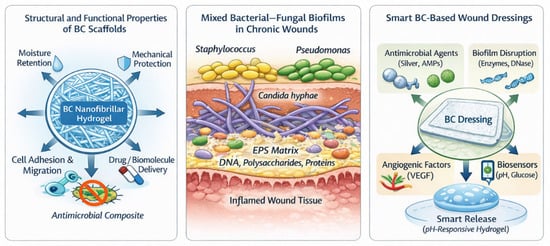
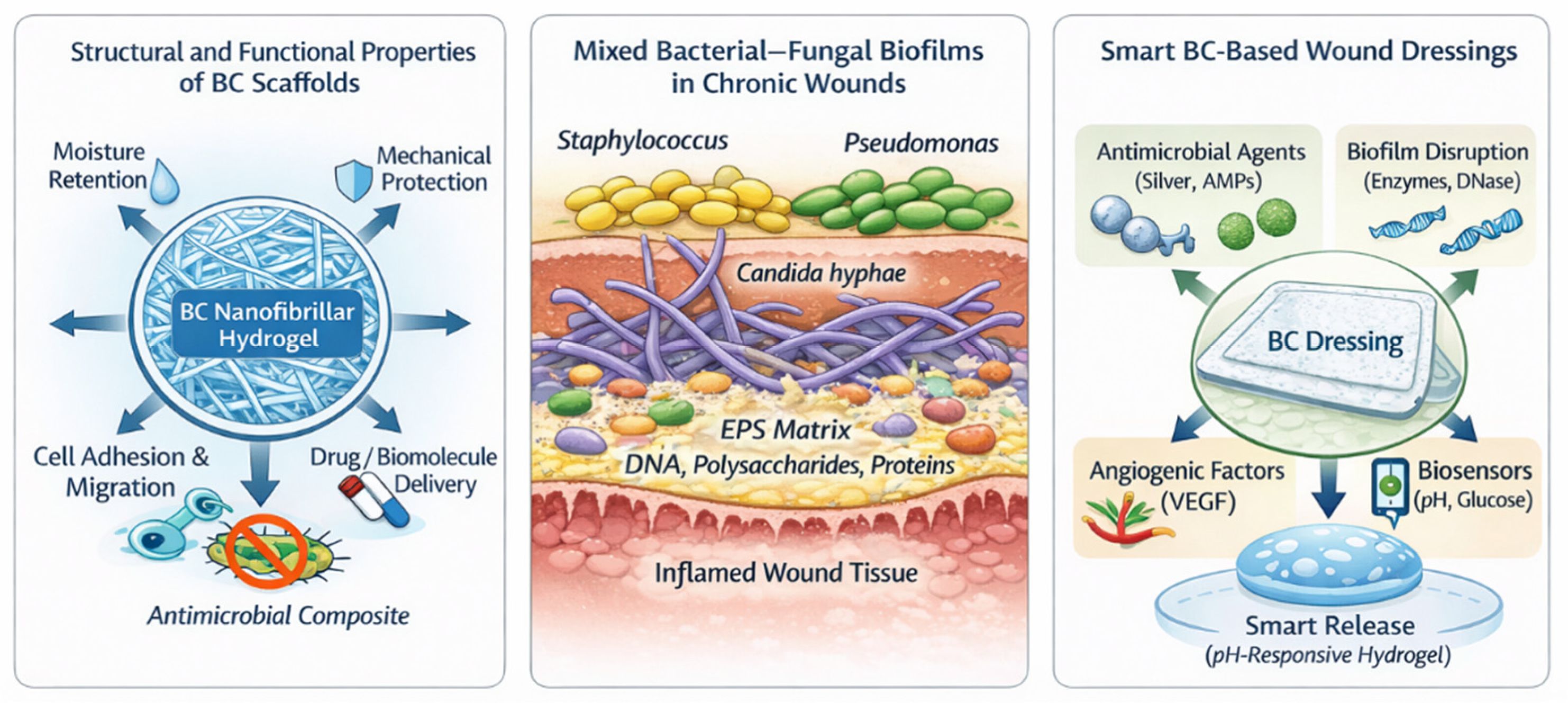
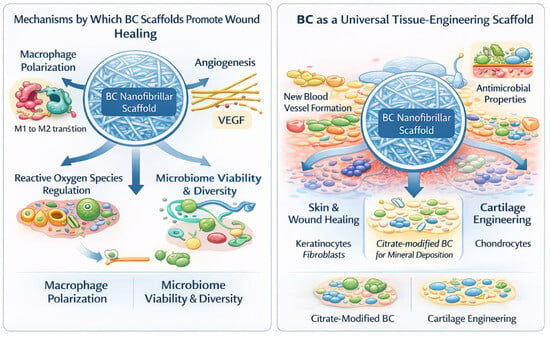
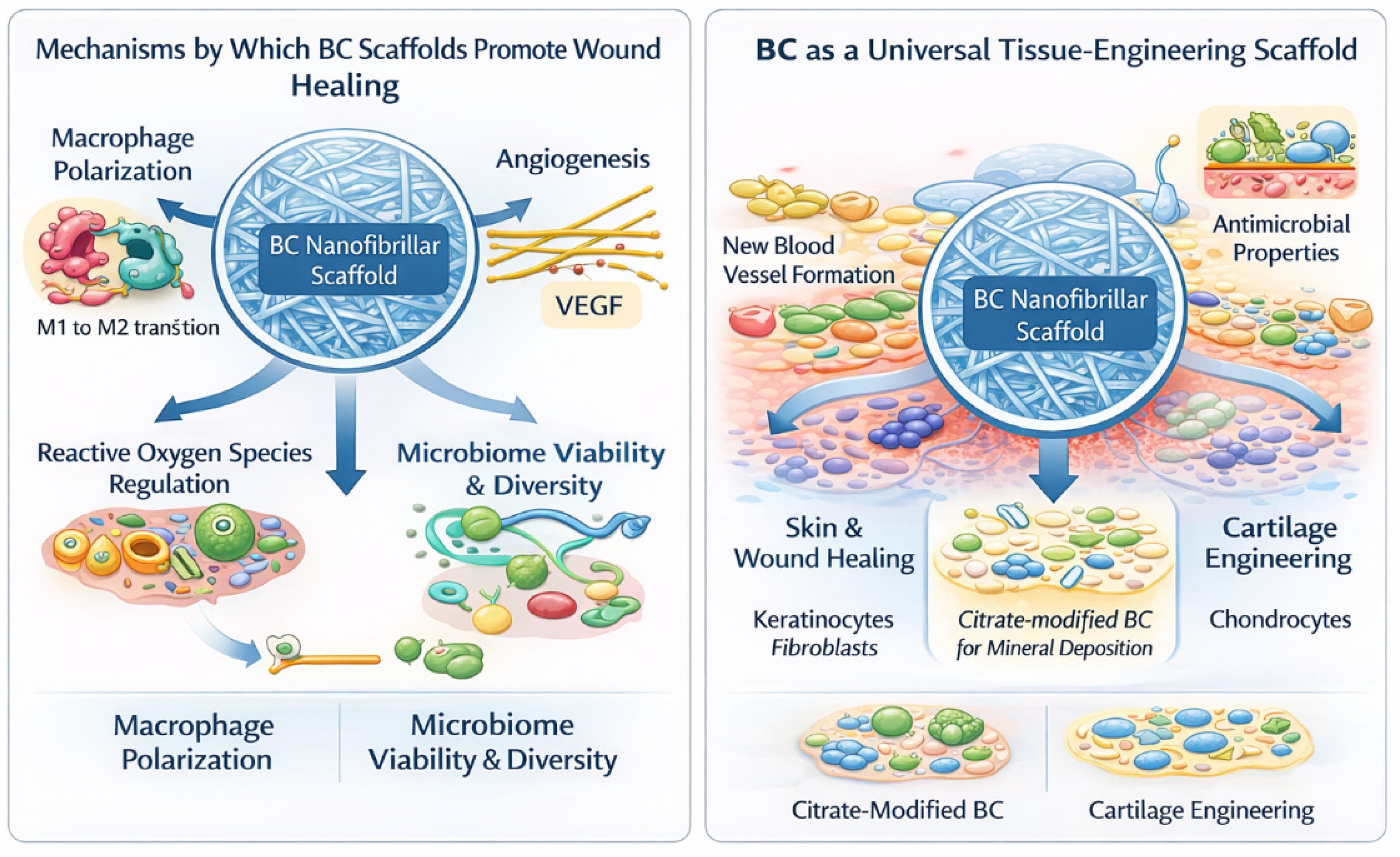

Disclaimer/Publisher’s Note: The statements, opinions and data contained in all publications are solely those of the individual author(s) and contributor(s) and not of MDPI and/or the editor(s). MDPI and/or the editor(s) disclaim responsibility for any injury to people or property resulting from any ideas, methods, instructions or products referred to in the content. |
© 2026 by the authors. Licensee MDPI, Basel, Switzerland. This article is an open access article distributed under the terms and conditions of the Creative Commons Attribution (CC BY) license.