



-
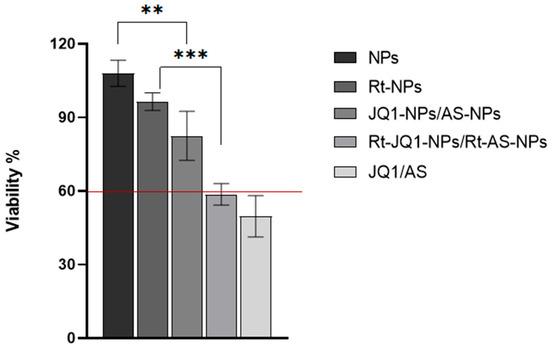
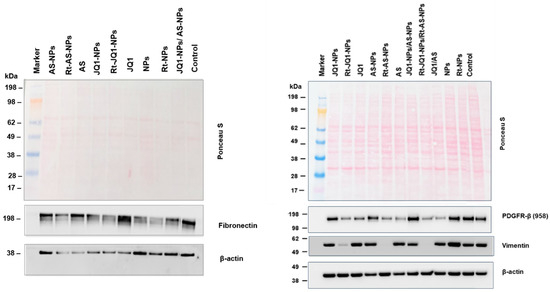
Improving Targeted Liver Fibrosis Therapy: Evaluating Retinol-Modified Nanoparticles for Targeting Activated Hepatic Stellate Cells (aHSC) and Assessing Atorvastatin- and JQ1-Loaded Nanoparticles for Effective Deactivation of aHSC -
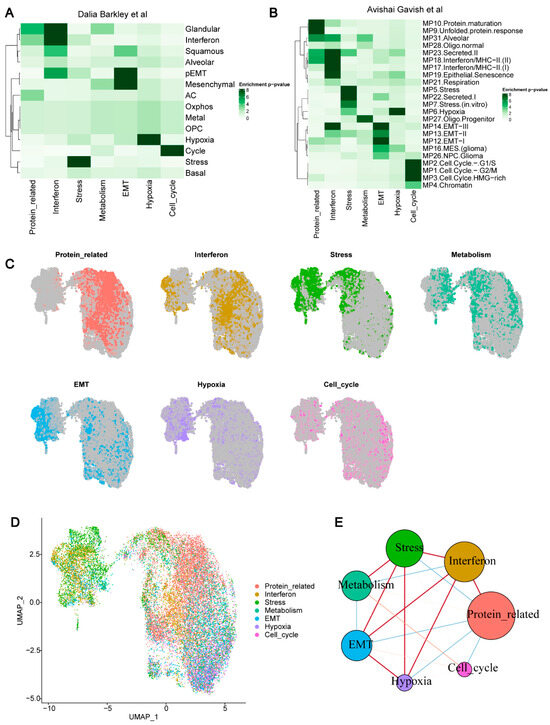
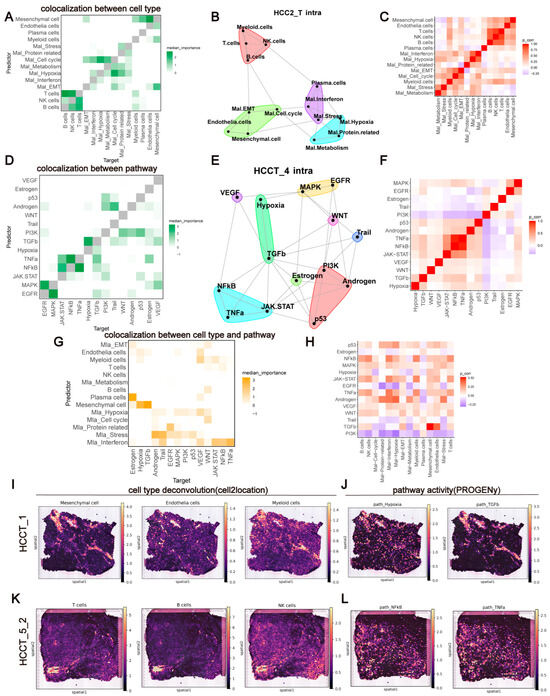
Integrative Analysis of Single-Cell and Spatial Transcriptomics Reveals Intratumor Heterogeneity Shaping the Tumor Microenvironment in Hepatocellular Carcinoma -
Gender Differences in Healthy Eating Index as Informed by the Awareness of Diagnosis of Metabolic Dysfunction-Associated Steatotic Liver Disease -
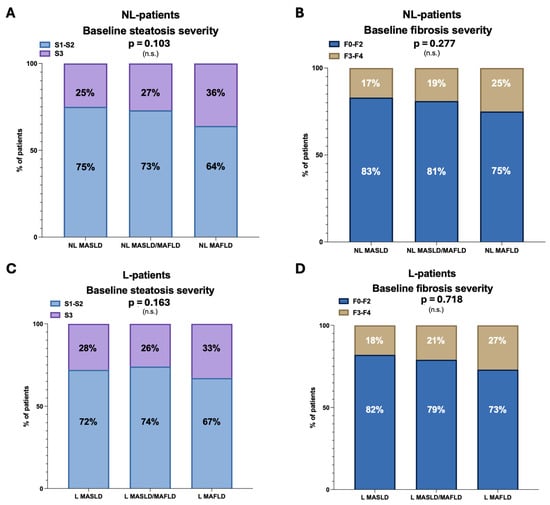
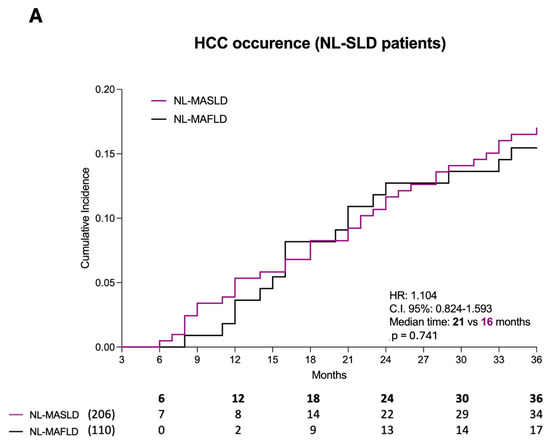
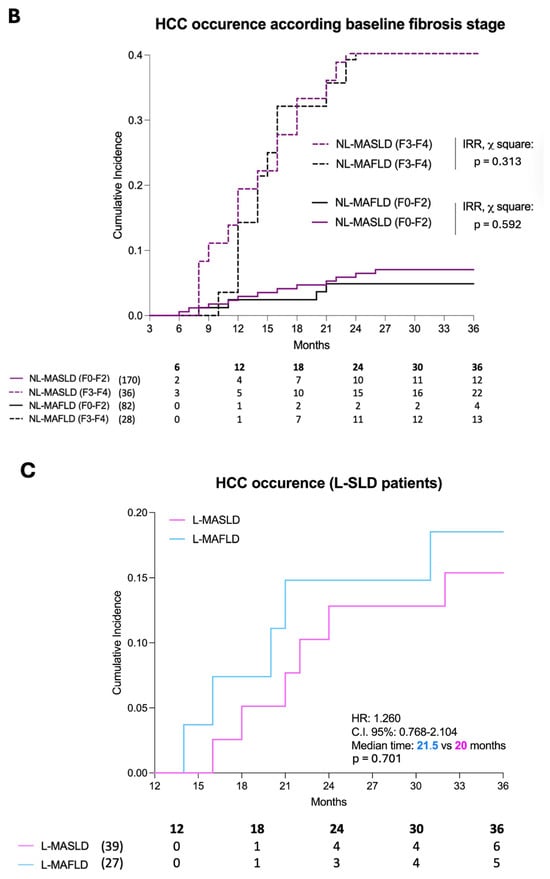
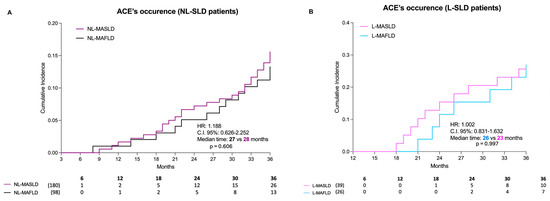
From “MAFLD” to “MASLD”: Was This Revolution Worth It? A Head-to-Head Comparison of MAFLD and MASLD Criteria in Estimating Liver Disease Progression and Cardiovascular Risk in Real Life -
Comparison of Liver Venous Deprivation Versus Portal Vein Embolization in Patients with Liver Malignancies: A Systematic Review
Journal Description
Livers
Livers
is an international, peer-reviewed, open access journal on liver science published bimonthly online by MDPI.
- Open Access— free for readers, with article processing charges (APC) paid by authors or their institutions.
- High Visibility: indexed within ESCI (Web of Science), Scopus, EBSCO, and other databases.
- Rapid Publication: manuscripts are peer-reviewed and a first decision is provided to authors approximately 27 days after submission; acceptance to publication is undertaken in 6.7 days (median values for papers published in this journal in the second half of 2025).
- Recognition of Reviewers: APC discount vouchers, optional signed peer review, and reviewer names published annually in the journal.
Impact Factor:
2.4 (2024);
5-Year Impact Factor:
2.3 (2024)
Latest Articles
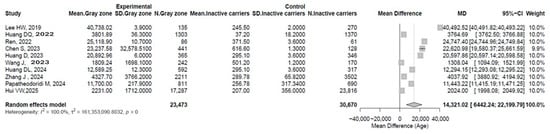
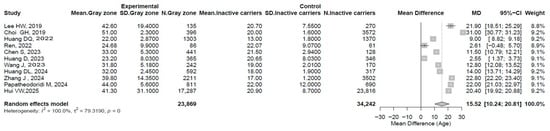
Indeterminate-Grey Zone of HBeAg-Negative Chronic Hepatitis B Is Associated with a Higher Risk of Hepatocellular Carcinoma Compared to HBeAg-Negative Chronic Infection—A Systematic Review and Meta-Analysis
Livers 2026, 6(1), 9; https://doi.org/10.3390/livers6010009 - 4 Feb 2026
Abstract
Background and Aim: The management of patients with chronic Hepatitis B Virus (HBV) HBeAg-negative infection in the indeterminate-grey zone (GZ) remains debatable. We conducted a systematic review and meta-analysis to compare these patients with those with chronic HBV HBeAg-negative infection (inactive carriers; IC/HBeAg-negative),
[...] Read more.
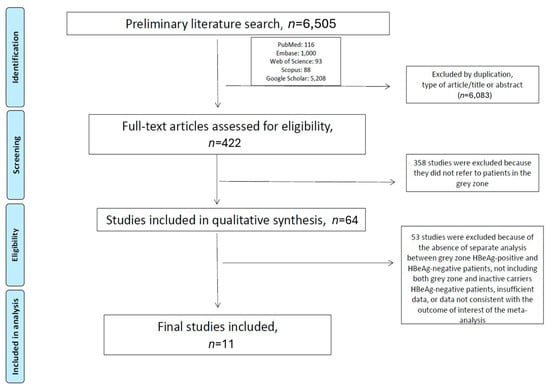
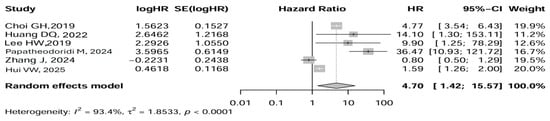
Background and Aim: The management of patients with chronic Hepatitis B Virus (HBV) HBeAg-negative infection in the indeterminate-grey zone (GZ) remains debatable. We conducted a systematic review and meta-analysis to compare these patients with those with chronic HBV HBeAg-negative infection (inactive carriers; IC/HBeAg-negative), regarding the severity of liver inflammation and fibrosis and the risk of developing hepatocellular carcinoma (HCC). Methods: A literature search was conducted to identify all published studies comparing GZ/HBeAg-negative patients with IC/HBeAg-negative patients. Data on the severity of liver inflammation and fibrosis were extracted, and pooled relative risks (RR) and 95% confidence intervals (CI) were calculated. The risk of HCC was estimated by pooled hazard ratios (HR). A random-effects meta-analysis model was performed using R v4.1.2. Results: Eleven studies were finally included. GZ/HBeAg-negative patients had significantly higher mean HBV-DNA and alanine transferase (ALT) levels, compared to their IC/HBeAg-negative counterparts (4089.9 ± 4840.5 vs. 215.9 ± 318.1 IU/mL; p = 0.0004, and 39.6 ± 26.9 IU/L and 20.1 ± 7.6 IU/L/; p < 0.0001, respectively). GZ/HBeAg-negative patients showed a trend towards a higher risk of significant liver inflammation (RR: 5.11; 95%CI: 0.68–38.33; p = 0.1), F2/F3 fibrosis (RR: 2.13; 95%CI: 0.89–5.1; p = 0.09), and cirrhosis (RR: 14.39; 95%CI: 0.5–417.08; p = 0.12), respectively, compared to IC/HBeAg-negative patients. After a median follow-up of 6.2 years, the former group demonstrated a significantly higher risk of developing HCC (HR: 4.7; 95% CI: 1.4–15.6; p < 0.0001). Conclusions: GZ/HBeAg-negative patients have a higher risk of developing HCC compared to IC/HBeAg-negative patients, which raises concerns about the potential need to initiate treatment in this patient group.
Full article
(This article belongs to the Special Issue The Surveillance, Prevention, and Treatment of Viral Hepatitis: Looking Forward to Global Elimination)
►
Show Figures
Open AccessArticle
A Multivariable Model for Predicting Intraoperative Blood Loss in Pediatric Liver Transplantation
by
Jesus de Vicente-Sanchez, Fernando Gilsanz-Rodriguez and Antonio Perez-Ferrer
Livers 2026, 6(1), 8; https://doi.org/10.3390/livers6010008 - 4 Feb 2026
Abstract
Background/Objectives: Intraoperative bleeding remains one of the major challenges in pediatric liver transplantation (PLT), contributing significantly to perioperative morbidity, transfusion-related complications, and prolonged recovery. Although viscoelastic testing has improved intraoperative hemostatic management, there are currently no validated preoperative tools capable of predicting bleeding
[...] Read more.
Background/Objectives: Intraoperative bleeding remains one of the major challenges in pediatric liver transplantation (PLT), contributing significantly to perioperative morbidity, transfusion-related complications, and prolonged recovery. Although viscoelastic testing has improved intraoperative hemostatic management, there are currently no validated preoperative tools capable of predicting bleeding risk in this vulnerable population. Methods: We conducted a prospective, single-center observational study including 43 consecutive pediatric patients who underwent orthotopic liver transplantation between May 2008 and August 2009. A comprehensive dataset encompassing demographic, clinical, biochemical, and surgical variables was collected. A multivariable linear regression model was developed to predict intraoperative blood loss (IBL). Variable selection was guided by Mallows’ Cp criterion to ensure optimal model fit and clinical interpretability. Model performance was assessed using adjusted R2, diagnostic residual analysis, and internal validation to verify regression assumptions. Results: Six independent predictors of IBL were identified: presence of ascites, prior abdominal surgery, operative time, baseline fibrinogen concentration, platelet count, and recipient weight. The final model explained 35.2% of IBL variance (adjusted R2 = 0.352; F = 7.68; p < 0.001). Model diagnostics confirmed linearity, normal distribution of residuals, and homoscedasticity, supporting its robustness and reliability. Conclusions: This multivariable model provides an interpretable, clinically applicable framework for individualized preoperative estimation of blood loss in PLT. It may assist in planning perioperative patient blood management strategies and serve as a foundation for future decision-support systems. Limitations include the single-center design and modest sample size; however, internal validation supported the stability and reliability of the model.
Full article
Open AccessArticle
Epidemiology and Clinical Outcomes in the 20-Year HepCoVe Cohort: Progress Toward Elimination of HCV Infection in North-East Italy
by
Luisa Cavalletto, Elisabetta Bernardinello, Ilenia Mezzocolli, Silvia De Carlo, Mirko Schipilliti, Eleonora Bertoli and Liliana Chemello
Livers 2026, 6(1), 7; https://doi.org/10.3390/livers6010007 - 23 Jan 2026
Abstract
Background and Objectives: The increase in rates of cirrhosis and hepatocellular carcinoma (HCC) due to HCV infection supported the implementation of screening programs for control of this infection in Italy. The HepCoVe network has collected cases with chronic hepatitis C (CHC) in the
[...] Read more.
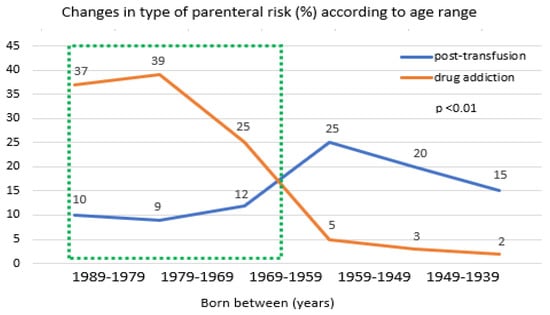
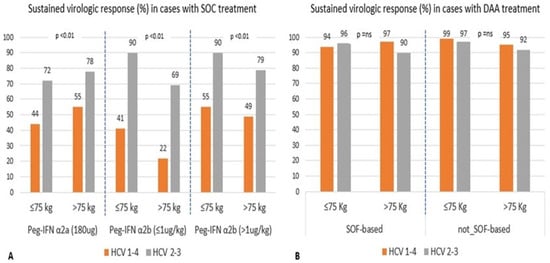
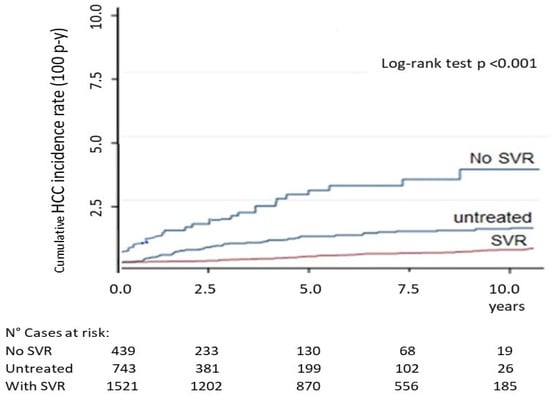
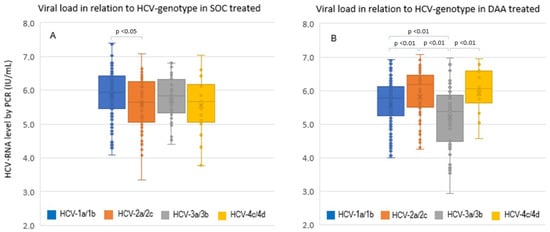
Background and Objectives: The increase in rates of cirrhosis and hepatocellular carcinoma (HCC) due to HCV infection supported the implementation of screening programs for control of this infection in Italy. The HepCoVe network has collected cases with chronic hepatitis C (CHC) in the Veneto region of North-East Italy since the 2000s. This platform allowed us to (a) compare the characteristics of the HCV cohort exposed to parenteral risk before or after 1995 (introduction of mandatory HCV testing), and (b) track the changes induced by IFN-based therapy and the novel direct-acting antivirals (DAA). Methods: From January 2000 to December 2005, 2703 prospectively recruited cases with CHC were analyzed and followed up for 16.2 ± 8.4 years, by a per protocol analysis. Results: Two epidemic waves occurred; the first, related to blood transfusions and infection with the HCV-1b and 2a/2c genotypes, affecting an elderly population, and the second, spread through drug addiction, among young people and with a prevalence of HCV-1a, 3a/3b and 4c/4d. Patients treated with DAA had more advanced liver disease; despite this, they achieved the highest SVR rate, compared to those who received an IFN-based regimen (95.1% vs. 61.5%; p < 0.01). The 10-year HCC incidence rate by KM was 0.81, 3.75, and 1.26 per 100 person-years (p-y) in cases with or without SVR and in the untreated group, respectively (p < 0.001). Conclusions: The period of exposure to HCV in Italy (born from 1939 to 1989) was supported by two epidemic waves. Unknowing cases of HCV infection are disappearing, particularly those included in the first cohort, among the “boomers”. Despite the eradication of HCV in all treated cases, antiviral therapy does not completely eliminate the risk of HCC onset.
Full article
(This article belongs to the Special Issue The Surveillance, Prevention, and Treatment of Viral Hepatitis: Looking Forward to Global Elimination)
►▼
Show Figures

Figure 1
Open AccessReview
The Liver at the Crossroads: Orchestrating Lipoprotein Dynamics and Lipid Homeostasis
by
Kayli Winterfeldt and Shadab A. Siddiqi
Livers 2026, 6(1), 6; https://doi.org/10.3390/livers6010006 - 20 Jan 2026
Abstract
►▼
Show Figures
The liver plays a central role in numerous physiological processes, with one of its most critical functions being the regulation of lipid homeostasis through both the biogenesis and secretion of very low-density lipoproteins (VLDLs) and fatty acid oxidation. By forming and secreting VLDLs,
[...] Read more.
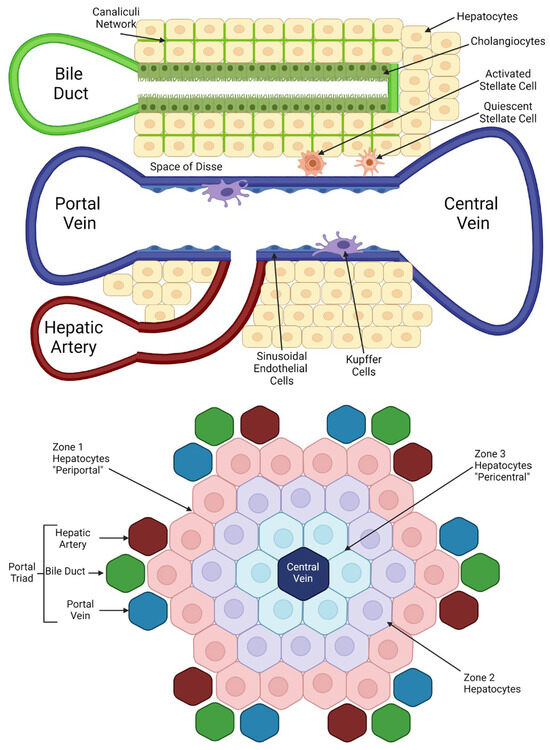
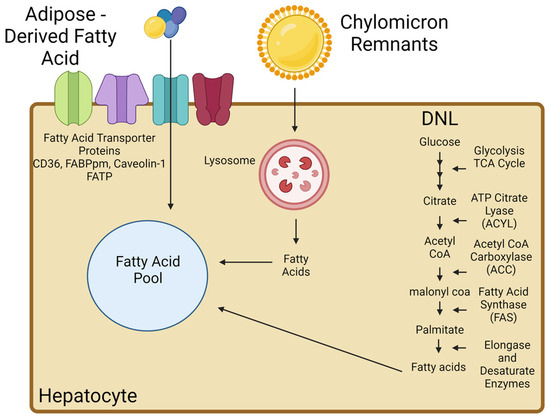
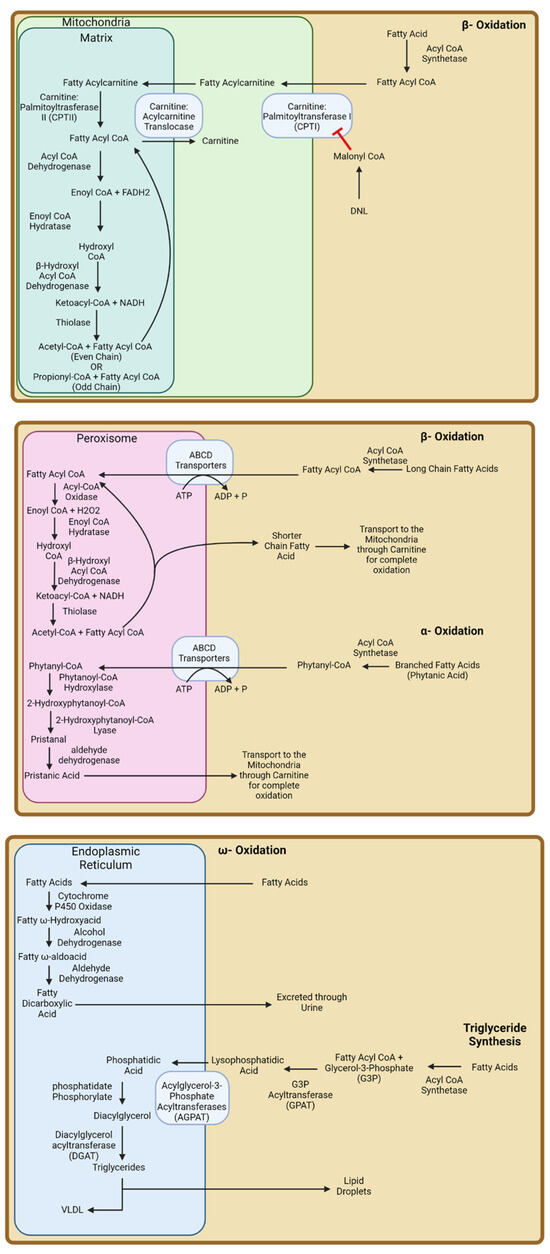
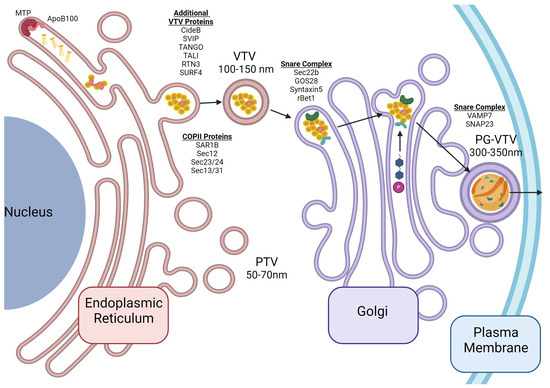
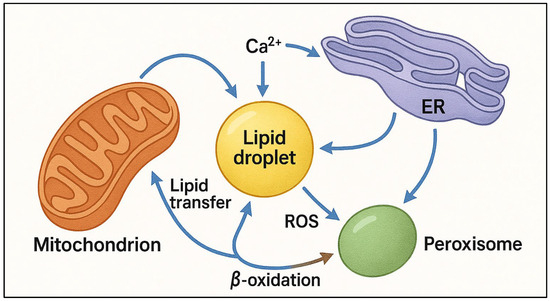
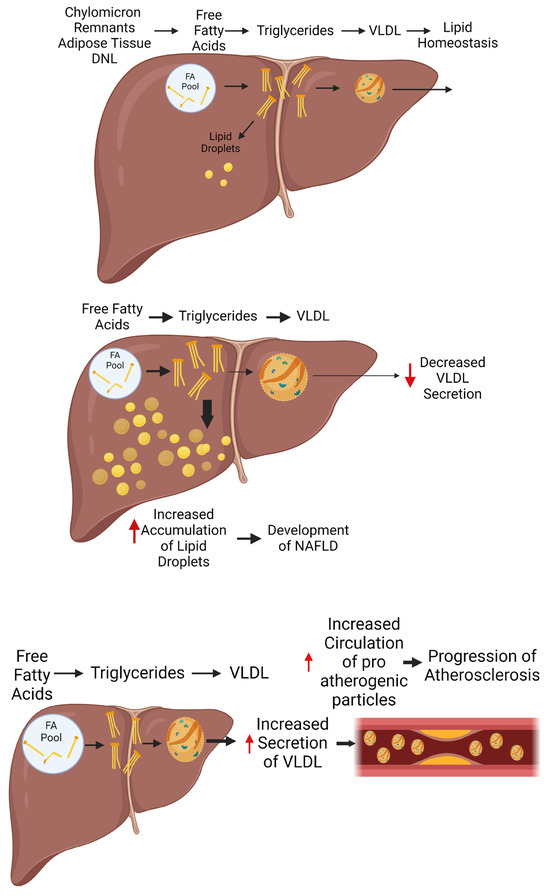
The liver plays a central role in numerous physiological processes, with one of its most critical functions being the regulation of lipid homeostasis through both the biogenesis and secretion of very low-density lipoproteins (VLDLs) and fatty acid oxidation. By forming and secreting VLDLs, the liver mitigates the influx of potentially toxic free fatty acids from the bloodstream and repurposes them for energy utilization throughout the body. Fatty acid oxidation is equally essential for maintaining hepatic lipid balance, and its disruption can lead to lipid accumulation and metabolic dysfunction-associated steatotic liver disease (MASLD), previously referred to as non-alcoholic fatty liver disease (NAFLD). Even subtle alterations in these processes can have profound health consequences, contributing to chronic liver diseases and atherosclerosis—the leading cause of cardiovascular morbidity and mortality worldwide. Despite their importance, many aspects of hepatic VLDL formation, secretion, and fatty acid oxidation remain poorly understood. This narrative review highlights the pivotal role of the liver in maintaining lipid balance, summarizes current knowledge on fatty acid uptake and processing, provides an in-depth analysis of VLDL biogenesis and secretion, and underscores the need for continued research in this critical area of human health.
Full article

Figure 1
Open AccessArticle
Completeness of Initial Laboratory Evaluation Impacts Chronic Hepatitis B Outcomes
by
Haris Imsirovic, Jui-Hsia (Cleo) Hung, Asnake Y. Dumicho, Douglas Manuel, Derek R. MacFadden and Curtis L. Cooper
Livers 2026, 6(1), 5; https://doi.org/10.3390/livers6010005 - 20 Jan 2026
Abstract
Introduction: The health care burden of chronic hepatitis B virus (CHB) infection can be reduced by appropriate workup, treatment, and monitoring. Methods: As a primary objective, we determined whether adequate initial hepatitis B virus (HBV) laboratory workup in CHB patients is associated with
[...] Read more.
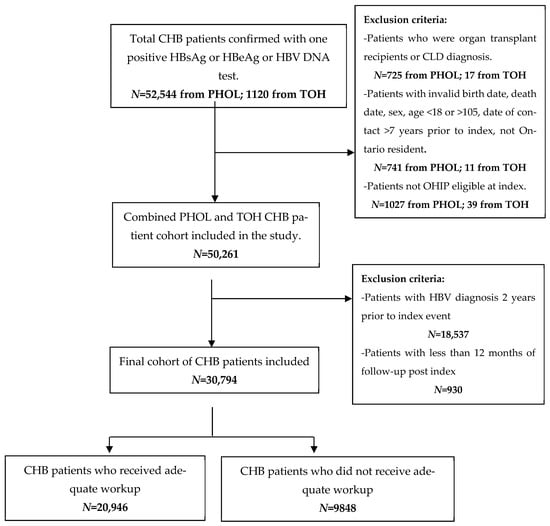
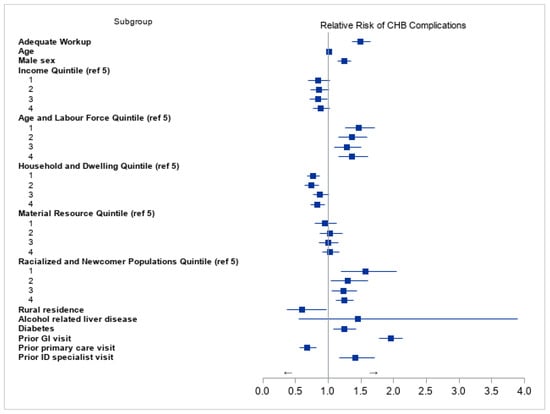
Introduction: The health care burden of chronic hepatitis B virus (CHB) infection can be reduced by appropriate workup, treatment, and monitoring. Methods: As a primary objective, we determined whether adequate initial hepatitis B virus (HBV) laboratory workup in CHB patients is associated with improved CHB complications risk. Secondary outcomes assessed included: mortality, hospitalization, emergency department, and liver specialist visits. We conducted a retrospective cohort study from 1 January 2012 to 31 December 2018. Participants were followed from 12 months post index event until outcome occurrence, death, loss of eligibility, or 31 March 2023. Health administrative data from Ontario, Canada was utilized. The study cohort included individuals with at least one positive result of either hepatitis B surface antigen, hepatitis B e antigen, or HBV DNA viral load documented during the study window. The exposure of interest was defined as adequate laboratory workup, defined as having subsequent quantitative HBV DNA, and alanine aminotransferase testing completed within 12 months of the index event. CHB-related complications were assessed using previously validated diagnostic codes. Modified Poisson regression modelling was used to estimate relative risks. Results: The study cohort consisted of 30,794 CHB patients, with a mean age 45.7 years. The majority were male (53.5%) and within the lowest two income quintiles (50.2%). In total, 68.0% underwent adequate workup. Individuals with adequate workup were more likely to be older, male, urban based, and of the highest racialized and newcomer populations quintile. The risk for CHB complications was 1.50 (95% CI 1.36–1.65) times greater among those with adequate workup. By multivariable analysis, adequate workup was associated with a lower risk of mortality (RR 0.78; 95% CI 0.69–0.87), all-cause hospitalizations (RR 0.77; 95% CI 0.74–0.80), all-cause (RR 0.77; 95% CI 0.75–0.78), and liver-related (RR 0.67; 95% CI 0.60–0.75) ED visits. Conclusions: Adequate CHB clinical workup is associated with improved patient outcomes. Our findings advocate for the comprehensive evaluation of CHB patients using key laboratory tests to optimize clinical management and improve long-term health outcomes. We identified gaps in the workup of young adults, females, and those residing in rural settings, which should be addressed to ensure equity of HBV care.
Full article
(This article belongs to the Special Issue The Surveillance, Prevention, and Treatment of Viral Hepatitis: Looking Forward to Global Elimination)
►▼
Show Figures

Figure 1

Open AccessReview
Gut Microbiota-Mediated Molecular Events in Hepatocellular Carcinoma: From Pathogenesis to Treatment
by
Costantino Sgamato, Stefano Andrea Marchitto, Debora Compare, Pietro Coccoli, Vincenzo Colace, Stefano Minieri, Carmen Ambrosio, Gerardo Nardone and Alba Rocco
Livers 2026, 6(1), 4; https://doi.org/10.3390/livers6010004 - 12 Jan 2026
Abstract
►▼
Show Figures
Background/Objectives: Hepatocellular carcinoma (HCC) is one of the most common causes of cancer and cancer-related death worldwide. Beyond the well-known factors influencing the risk of HCC, experimental data from animal models and observational human studies support a significant role of the gut microbiota
[...] Read more.
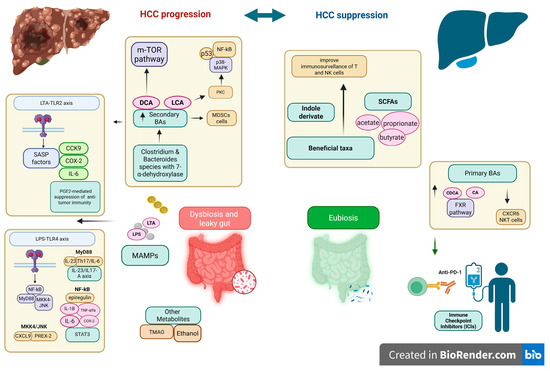
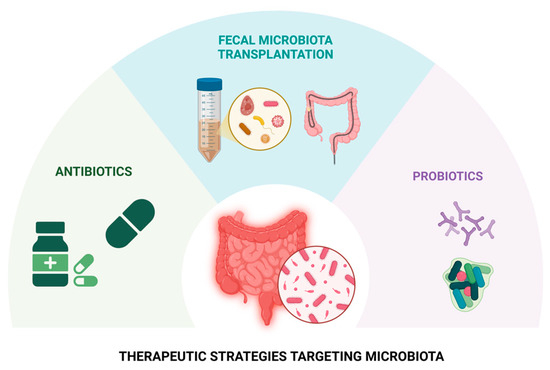
Background/Objectives: Hepatocellular carcinoma (HCC) is one of the most common causes of cancer and cancer-related death worldwide. Beyond the well-known factors influencing the risk of HCC, experimental data from animal models and observational human studies support a significant role of the gut microbiota (GM) in HCC initiation and progression. Dysbiosis and increased intestinal permeability synergistically disrupt the ‘gut–liver axis,’ exposing the liver to bacterial metabolites and microbial-associated molecular patterns, thereby contributing to hepatocarcinogenesis. While these findings have expanded our understanding of HCC pathogenesis, a critical translational gap persists as most data derive from preclinical settings, with limited validation in large-scale clinical studies. Methods: This narrative review aimed to contextualise the current evidence on the GM-HCC axis and its clinical translatability. A literature search was conducted in PubMed/MEDLINE, Scopus, and Web of Science up to July 2025 using Medical Subject Headings and related keywords, including HCC, GM, dysbiosis, intestinal permeability, gut–liver axis, microbial metabolites, inflammation/immune modulation, and microbiota-targeted interventions (probiotics, antibiotics, and faecal microbiota transplantation). Reference lists of relevant articles were also screened to identify additional studies. Results: Preclinical models consistently indicate that dysbiosis and impaired gut barrier function can promote hepatic inflammation, immune dysregulation, and pro-tumorigenic signalling through microbe-derived products and metabolite perturbations, supporting a contributory role of the GM in hepatocarcinogenesis. In humans, HCC and advanced chronic liver disease are associated with altered microbial composition and function, increased markers of intestinal permeability, and changes in bile acid and other metabolite profiles; however, reported signatures are heterogeneous across cohorts and analytical platforms. Conclusions: The GM is a biologically plausible and experimentally supported contributor to HCC initiation and progression, with potential for biomarker development and therapeutic targeting. However, clinical translation is limited by predominantly preclinical/associative evidence, interindividual variability, and non-standardised microbiome methods. Large longitudinal studies and adequately powered randomised trials are needed to establish causality, validate biomarkers, and determine whether GM modulation improves HCC prevention, detection, stratification, or outcomes.
Full article

Figure 1
Open AccessArticle
Effect of Submaximal-Dose Semaglutide on MASLD Biopsy-Free Scoring Systems in Patients with Obesity
by
Boris Focko, Martin Jozef Péč, Zuzana Miertová, Jakub Jurica, Andrej Miert, Lucia Kubíková, Peter Tudík, Norbert Nagy, Patrik Lecký, Ivana Ságová, Tomáš Bolek, Daniel Ján Havaj, Ľubomír Skladaný, Marián Mokáň and Matej Samoš
Livers 2026, 6(1), 3; https://doi.org/10.3390/livers6010003 - 5 Jan 2026
Abstract
►▼
Show Figures
Introduction: The prevalence of Metabolic Dysfunction-Associated Steatotic Liver Disease (MASLD) is rapidly increasing, possibly becoming the leading cause of chronic liver disease (CLD) in the coming years. Samaglutide (a long-acting glucagon-like peptide receptor agonist 1—GLP-1RA) therapy might be connected with an improved liver
[...] Read more.
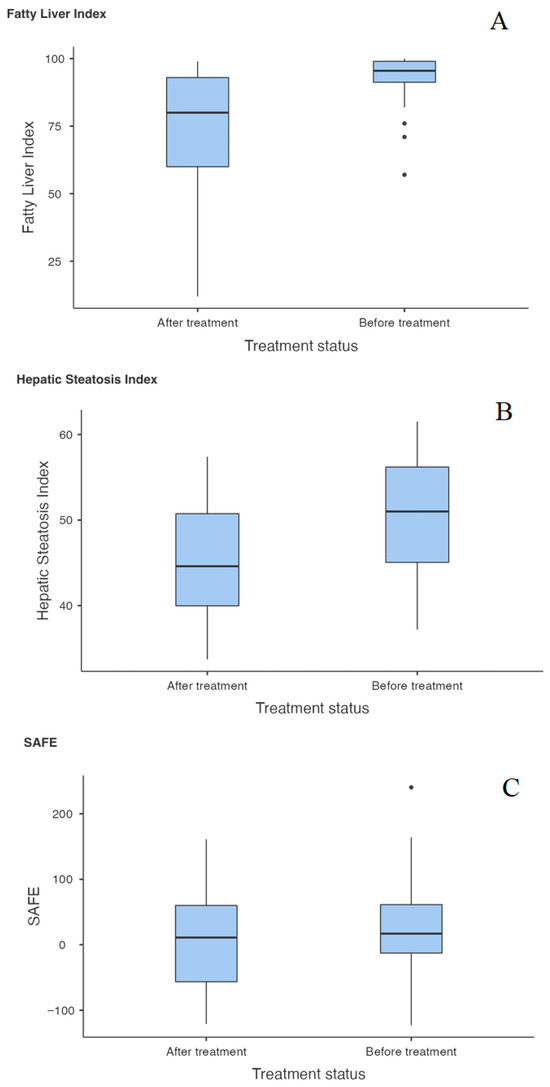
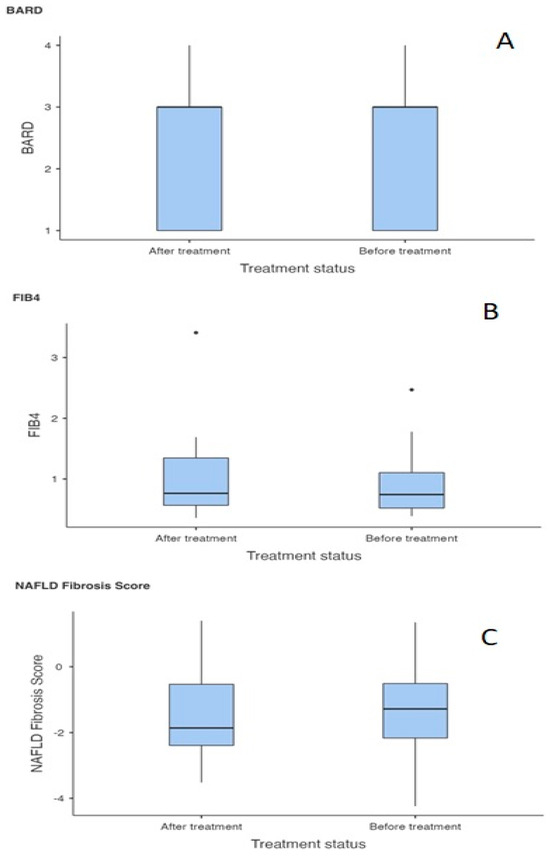
Introduction: The prevalence of Metabolic Dysfunction-Associated Steatotic Liver Disease (MASLD) is rapidly increasing, possibly becoming the leading cause of chronic liver disease (CLD) in the coming years. Samaglutide (a long-acting glucagon-like peptide receptor agonist 1—GLP-1RA) therapy might be connected with an improved liver function. The aim of the presented study was to assess the impact of semaglutide administered at submaximal doses on biopsy-free scoring systems in patients with obesity and MASLD. Methods: We performed an observational, prospective, post-marketing study. The research included 30 patients (21 being women, mean age 47 ± 14 years) with obesity (Body mass index/BMI/39.7 ± 5.78 kg/m2) and known MASLD. All patients received semaglutide dosed initially 0.25 mg s.c. weekly, which was uptitrated (to a maximal dose of 1.5 mg) over 6 months. MASLD biopsy-free scoring systems (BFSS: SAFE, Fib-4, BARD, NAFLD Fibrosis Score, Fatty Liver Index—FLI, and Hepatic Steatosis Index—HSI) were assessed before and after 6 months of therapy. Results: In this study, a significant change (decrease) in FLI (92.4 ± 9.85 vs. 75.3 ± 21.0, p < 0.001), HSI (50.7 ± 6.78 vs. 45.0 ± 6.42, p < 0.001) and SAFE score (30.8 ± 80.7 vs. 11.2 ± 81.6, p < 0.033) was observed. The changes in the remaining BFSS (BARD, Fib-4 and NAFLD Fibrosis Score) were nonsignificant (p = 0.501; p = 0.303; p = 0.503). Conclusions: In our study, administration of sub-maximally dosed semaglutide was connected with improved FLI, HIS, and SAFE BFSS, suggesting the efficacy of submaximal semaglutide for improvement in MASLD.
Full article

Figure 1
Open AccessArticle
Early-Stage Australian HCC Patients Treated at Tertiary Centres Show Comparable Survival Across Metropolitan and Non-Metropolitan Residency
by
Jonathan Abdelmalak, Simone I. Strasser, Natalie L. Ngu, Claude Dennis, Marie Sinclair, Avik Majumdar, Kate Collins, Katherine Bateman, Anouk Dev, Joshua H. Abasszade, Zina Valaydon, Daniel Saitta, Kathryn Gazelakis, Susan Byers, Jacinta Holmes, Alexander J. Thompson, Jessica Howell, Dhivya Pandiaraja, Steven Bollipo, Suresh Sharma, Merlyn Joseph, Rohit Sawhney, Amanda Nicoll, Nicholas Batt, Myo J. Tang, Stephen Riordan, Nicholas Hannah, James Haridy, Siddharth Sood, Eileen Lam, Elysia Greenhill, Daniel Clayton-Chubb, John Lubel, William Kemp, Ammar Majeed, John Zalcberg and Stuart K. Robertsadd
Show full author list
remove
Hide full author list
Livers 2026, 6(1), 2; https://doi.org/10.3390/livers6010002 - 4 Jan 2026
Abstract
►▼
Show Figures
Background: Hepatocellular carcinoma (HCC) poses a significant public health challenge in Australia, with poorer survival observed in non-metropolitan populations. This study investigated whether survival disparities persist between non-metropolitan and metropolitan patients if only those with early-stage HCC treated at metropolitan tertiary referral centres
[...] Read more.
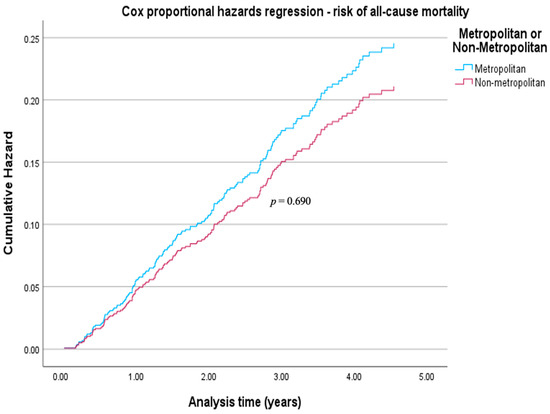
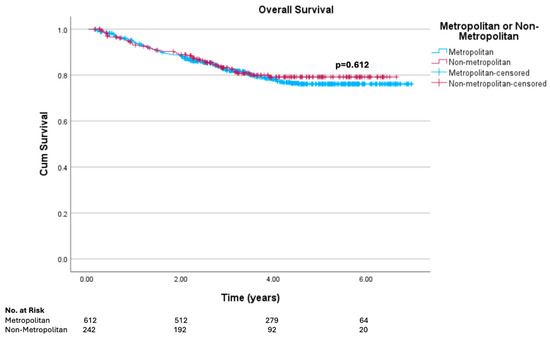
Background: Hepatocellular carcinoma (HCC) poses a significant public health challenge in Australia, with poorer survival observed in non-metropolitan populations. This study investigated whether survival disparities persist between non-metropolitan and metropolitan patients if only those with early-stage HCC treated at metropolitan tertiary referral centres are considered. Methods: We performed a retrospective cohort study across ten Australian tertiary centres involving patients with a new diagnosis of Barcelona Clinic Liver Cancer (BCLC) stage 0 or A, recorded from 1 January 2016 to 31 December 2020. Residential postcodes were entered using the Modified Monash (MM) model to define metropolitan versus non-metropolitan residence. The primary endpoint was adjusted for all-cause mortality. Results: Our study included 854 patients (metropolitan n = 612, and non-metropolitan n = 242) with a median follow-up of 42.6 months. We found no significant survival or mortality differences between the two groups with the unadjusted Kaplan–Meier survival analysis (log-rank test p = 0.612) and with the Cox proportional hazards regression analysis (adjusted HR 0.93, 95% CI 0.64–1.34, p = 0.690). As expected, tumour burden, Child–Pugh Score, and Charlson Comorbidity Index (CCI) were significant predictors of mortality. Conclusions: Our findings suggest that previously observed survival disparities may stem from delayed diagnosis and reduced access to tertiary care in non-metropolitan regions and highlight the need for improved HCC surveillance and referral pathways, particularly for rural and Indigenous communities, to mitigate geographic inequities.
Full article

Figure 1
Open AccessCommentary
Bridging the Bench-to-Bedside Gap with Multimodal Artificial Intelligence in Digestive Diseases
by
Ralf Weiskirchen
Livers 2026, 6(1), 1; https://doi.org/10.3390/livers6010001 - 2 Jan 2026
Abstract
This comment discusses a recent review by Wu and colleagues on multimodal artificial intelligence in gastroenterology and hepatology. The review outlined advancements in endoscopic, radiomics, pathologic, and multi-omics technologies. Additionally, it highlights persistent barriers, such as data heterogeneity, “black box” opacity, reimbursement uncertainty,
[...] Read more.
This comment discusses a recent review by Wu and colleagues on multimodal artificial intelligence in gastroenterology and hepatology. The review outlined advancements in endoscopic, radiomics, pathologic, and multi-omics technologies. Additionally, it highlights persistent barriers, such as data heterogeneity, “black box” opacity, reimbursement uncertainty, and third-party data security risks. The comment also discusses current payment models for autonomous algorithms and emphasizes the importance of robust governance frameworks. Beyond summarizing recent progress, this commentary proposes a pragmatic, five-point roadmap to facilitate the safe and fair deployment of multimodal artificial intelligence in digestive disease care in the future, including standardization, explainability, federated governance, equitable reimbursement, and sustainability metrics. By implementing these action items, stakeholders can transform promising algorithms into clinically validated, workflow-compatible, and economically viable tools.
Full article
Open AccessArticle
Examining Vaccination Coverage in Patients with Diagnosis of Chronic Liver Disease and Cirrhosis: A Cross-Sectional Study in Greece
by
Paschalina Dafnou, Ioannis Elefsiniotis, Theodoula Adamakidou, Nikoletta Margari, Stelios Parissopoulos, Lambrini Kourkouta, Konstantinos Giakoumidakis and Eleni Dokoutsidou
Livers 2025, 5(4), 68; https://doi.org/10.3390/livers5040068 - 16 Dec 2025
Abstract
►▼
Show Figures
Background/Objectives: Seasonal influenza, pneumococcal disease, and COVID-19 pose major public health challenges, particularly for individuals with chronic illnesses. This study examined vaccination coverage for influenza, pneumococcal disease, and SARS-CoV-2 among patients with chronic liver disease and cirrhosis and explored the sociodemographic and
[...] Read more.
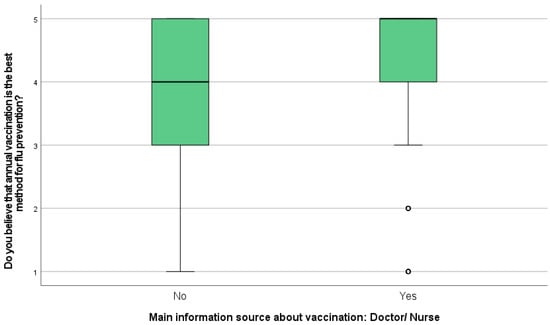
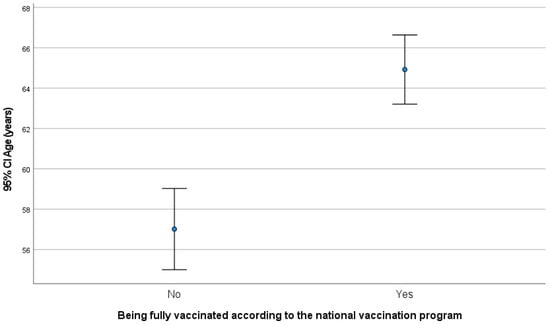
Background/Objectives: Seasonal influenza, pneumococcal disease, and COVID-19 pose major public health challenges, particularly for individuals with chronic illnesses. This study examined vaccination coverage for influenza, pneumococcal disease, and SARS-CoV-2 among patients with chronic liver disease and cirrhosis and explored the sociodemographic and clinical factors influencing it. Methods: A cross-sectional study, conducted from March 2022 to July 2023 at two university hepatology outpatient clinics in Athens, Greece. The study population consisted of patients with a diagnosis of chronic liver disease (hepatocellular carcinoma and hepatitis) and liver cirrhosis. Results: A convenience sample size of 300 patients (age ≥ 30) participated. Regarding their vaccination, 88.3% were vaccinated against SAR-COVID-19, 44.8% against pneumococcus, and 54.7% against seasonal influenza this year. Patients’ belief that annual vaccination is the best method for influenza prevention was found to be significantly higher among older patients and those with comorbidities. Additionally, patients who had been vaccinated against seasonal influenza (this year or every year), against pneumococcus, or SARS-CoV-2 agreed significantly that annual vaccination is the best method for influenza prevention. In addition, patients who were informed about vaccination by their doctor/nurse agreed significantly more with that. Multiple logistic regression found that a four times greater probability of being fully vaccinated according to the national vaccination program was found in patients who were informed about vaccination by a doctor/nurse. Moreover, as patients’ age increased, so did the probability of being fully vaccinated. Conclusions: The study’s findings are significant and can be utilized within national public health initiatives and by healthcare professionals during patient interactions, ensuring that younger patients and those apprehensive about vaccine efficacy and safety receive focused attention to facilitate adherence to annual vaccinations and all vaccines included in national programs.
Full article

Figure 1
Open AccessArticle
Metabolic Syndrome and Methotrexate-Associated Liver Injury: Insights from Elastography and Liver Biopsy Study
by
Kaila Fennell, Maya Mahmoud and Kamran Qureshi
Livers 2025, 5(4), 67; https://doi.org/10.3390/livers5040067 - 15 Dec 2025
Abstract
►▼
Show Figures
Background: Methotrexate (MTX), a widely used therapeutic agent, is associated with hepatotoxicity. While cumulative MTX dosage has historically been linked to liver injury, recent evidence highlights the potential role of metabolic syndrome (MetS) as a key contributor. Objective: We evaluate the association between
[...] Read more.
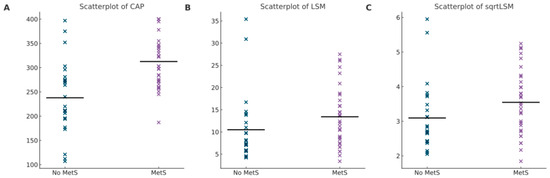
Background: Methotrexate (MTX), a widely used therapeutic agent, is associated with hepatotoxicity. While cumulative MTX dosage has historically been linked to liver injury, recent evidence highlights the potential role of metabolic syndrome (MetS) as a key contributor. Objective: We evaluate the association between MetS and MTX-associated liver injury using vibration-controlled transient elastography (VCTE) and liver biopsy in patients suspected to have MTX-related liver injury. Design: This retrospective study analyzed 59 patients with chronic MTX use who underwent VCTE in hepatology clinics between 2016 and 2024. Patients with alternative causes of liver injury were excluded. MetS was defined per standard criteria as the presence of ≥3 criteria: diabetes, hypertension, BMI ≥ 30 kg/m2, hypertriglyceridemia, or low HDL levels. Measurements: Liver stiffness measurement (LSM) and steatosis (CAP) were measured via VCTE, and liver biopsy data were reviewed for steatohepatitis. ANCOVA was used to assess the effect of MetS on liver disease while controlling for cumulative MTX dosage. Results: Of the 59 patients (mean age: 62 years; mean BMI: 34.3 kg/m2), 36 (61%) met the criteria for MetS. CAP values were significantly higher in patients with MetS (p < 0.001) independent of cumulative MTX dosage. Transformed LSM values also showed a significant association with MetS (p = 0.028). Logistic regression identified MetS as a significant predictor of biopsy-confirmed steatosis and steatohepatitis (p < 0.001) and higher NAFLD activity score (p = 0.002), whereas cumulative MTX dosage was not (p = 0.47). Conclusions: MetS is strongly associated with liver injury in chronic MTX users, independent of cumulative MTX dosage. These findings suggest metabolic factors as key mediators of MTX-induced hepatotoxicity. Prospective, multicenter studies are needed to confirm these findings and improve non-invasive monitoring strategies.
Full article

Figure 1
Open AccessProtocol
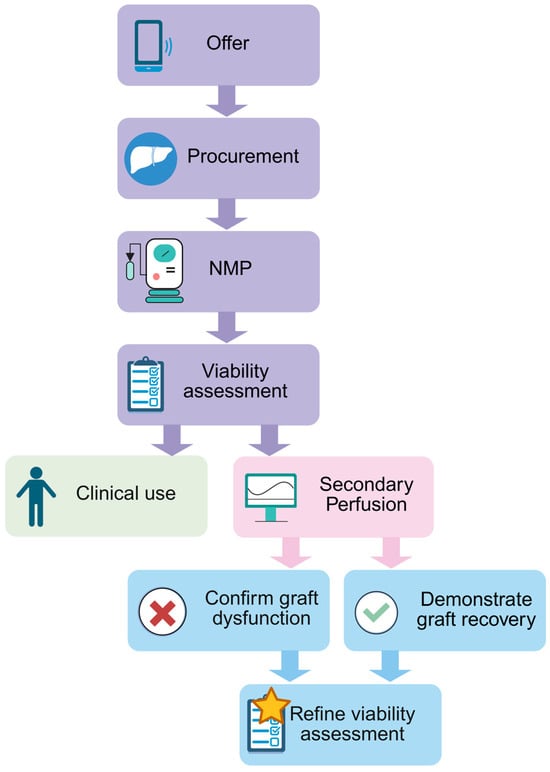
Secondary Perfusion to Model Viability of Livers Declined for Transplantation
by
Avery K. Fortier, Kimberly M. Feeney, Matthew L. Holzner, Joseph DiNorcia, Ron Shapiro, Leona Kim-Schluger, Sander S. Florman, L. Leonie van Leeuwen and M. Zeeshan Akhtar
Livers 2025, 5(4), 66; https://doi.org/10.3390/livers5040066 - 12 Dec 2025
Abstract
Background/Objectives: The donor liver shortage has created an urgent need to utilize higher-risk grafts for transplantation. Normothermic machine perfusion enables ex vivo graft assessment prior to transplantation, offering a route to expand access safely. However, proposed performance metrics often fail to differentiate dysfunctional
[...] Read more.
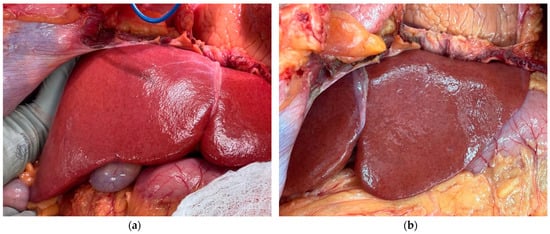
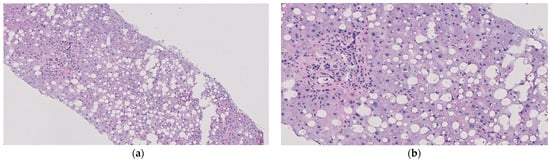
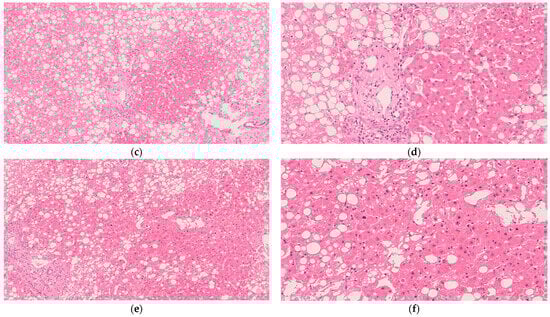
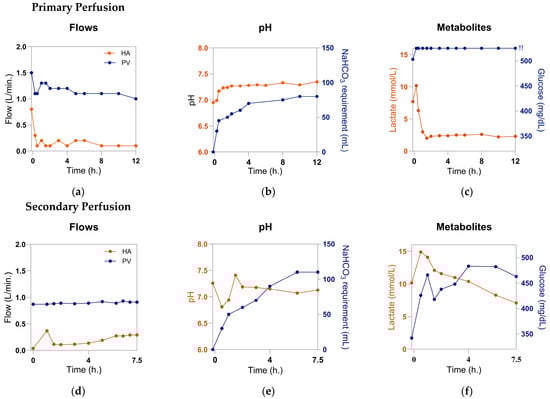
Background/Objectives: The donor liver shortage has created an urgent need to utilize higher-risk grafts for transplantation. Normothermic machine perfusion enables ex vivo graft assessment prior to transplantation, offering a route to expand access safely. However, proposed performance metrics often fail to differentiate dysfunctional grafts from functional grafts. Organs showing borderline results require careful deliberation as clinicians seek to balance recipient safety with waiting list access. The crucial question remains: are we discarding organs appropriately? Methods: To address this question, we describe a novel “secondary perfusion” model. We suggest that organs declined for transplantation after normothermic perfusion be subjected to an additional trial of cold ischemia and warm reanimation, mimicking reperfusion. Results: We present a protocol description and proof-of-concept case study using a marginal donor liver, showing how secondary perfusion enabled confirmation of predicted dysfunction. Conclusions: We share a protocol for modeling the performance of discarded organs in a recipient. We aim for this proof of concept to enable further investigation of existing viability criteria and better inform clinical decision-making.
Full article
(This article belongs to the Special Issue Transforming Liver Transplantation: Breakthroughs and Boundaries)
►▼
Show Figures

Figure 1

Open AccessReview
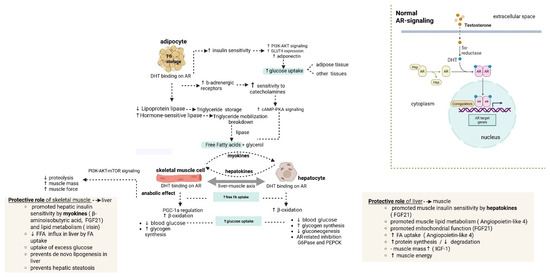
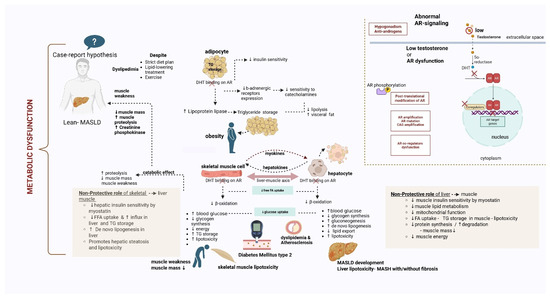
Implication of the Androgen Receptor in Muscle–Liver Crosstalk: An Overlooked Mechanistic Link in Lean-MASLD
by
Eleni Myrto Trifylli, Christiana Charalambous, Nikolaos Spiliotopoulos, Nikolaos Papadopoulos, Anastasia Oikonomou, Spilios Manolakopoulos and Melanie Deutsch
Livers 2025, 5(4), 65; https://doi.org/10.3390/livers5040065 - 8 Dec 2025
Abstract
►▼
Show Figures
Androgen receptor (AR) signaling has a pivotal role in hepatic lipid homeostasis, as well as in core metabolic functions such as lipogenesis, fatty acid oxidation, and insulin sensitivity. Dysregulation of AR function has been demonstrated in both animal and human studies to disrupt
[...] Read more.
Androgen receptor (AR) signaling has a pivotal role in hepatic lipid homeostasis, as well as in core metabolic functions such as lipogenesis, fatty acid oxidation, and insulin sensitivity. Dysregulation of AR function has been demonstrated in both animal and human studies to disrupt these crucial metabolic pathways, thereby promoting hepatic steatosis. Several causes can lead to AR dysregulation, including genetic mutations or polymorphisms, epigenetic and post-transcriptional modifications, as well as various endocrine disturbances. Prompted by a diagnostically challenging case of a lean 34-year-old male with persistent ALT-predominant transaminasemia, unexplained suboptimal dyslipidemia despite adherence to drug therapy and a healthy lifestyle, and chronically elevated creatine phosphokinase levels irrespective of statin use or exercise intensity, we highlight the overlooked mechanistic link between AR dysfunction and liver–muscle disruption in lean-MASLD patients. Considering the pivotal role of AR in liver–muscle crosstalk, we emphasize the importance of evaluating AR signaling pathways through targeted genetic testing in cases of lean-MASLD among the male population, as well as addressing other extrahepatic manifestations, such as neuromuscular diseases, closely related to AR dysfunction. This clinical strategy may ultimately optimize lean-MASLD management, particularly in view of the emerging utilization of AR-targeted therapeutic modalities, and may also facilitate the management of systemic manifestations associated with altered AR signaling pathways.
Full article

Figure 1
Open AccessReview
Transplant vs. Resection for Non-HCC Malignancies of the Liver
by
Sibi Krishna Thiyagarajan, Arielle Jacover, Alfredo Verastegui, Katherine Poruk and John A. Stauffer
Livers 2025, 5(4), 64; https://doi.org/10.3390/livers5040064 - 5 Dec 2025
Abstract
Background: Surgical resection (SR) and liver transplantation (LT) are the main curative options for non-hepatocellular carcinoma (non-HCC) liver malignancies, including colorectal liver metastases (CRLMs), intrahepatic cholangiocarcinoma (iCCA), hilar cholangiocarcinoma (hCCA), and neuroendocrine tumor liver metastases (NETLMs). Resection aims for negative margins and adequate
[...] Read more.
Background: Surgical resection (SR) and liver transplantation (LT) are the main curative options for non-hepatocellular carcinoma (non-HCC) liver malignancies, including colorectal liver metastases (CRLMs), intrahepatic cholangiocarcinoma (iCCA), hilar cholangiocarcinoma (hCCA), and neuroendocrine tumor liver metastases (NETLMs). Resection aims for negative margins and adequate hepatic reserve, while LT offers treatment for unresectable disease but is limited by donor scarcity, immunosuppression, and ethical constraints. Methods: A targeted literature search (2005–2025) was conducted using PubMed and Google Scholar with predefined MeSH terms combining “liver resection,” “hepatectomy,” and “liver transplantation” across non-HCC malignancies. Relevant studies, reviews, and guidelines were included. Results: For CRLMs, SR remains standard with 5-year overall survival (OS) up to 58%, while LT offers 60–83% in highly selected unresectable cases. In iCCA, resection achieves median survival around 40 months, and LT yields OS up to 69% in very early or neoadjuvant-controlled disease. For hCCA, the Mayo protocol combining neoadjuvant therapy with LT provides 5-year OS of 65–80%. In NETLMs, LT achieves 63–97% OS under strict criteria. Conclusions: SR remains first-line for resectable non-HCC malignancies, while LT provides superior outcomes in unresectable yet biologically favorable disease, emphasizing careful selection and organ allocation.
Full article
(This article belongs to the Special Issue Transforming Liver Transplantation: Breakthroughs and Boundaries)
Open AccessArticle
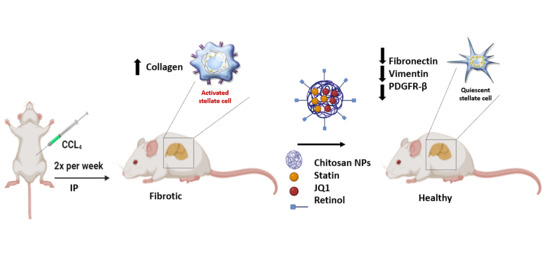
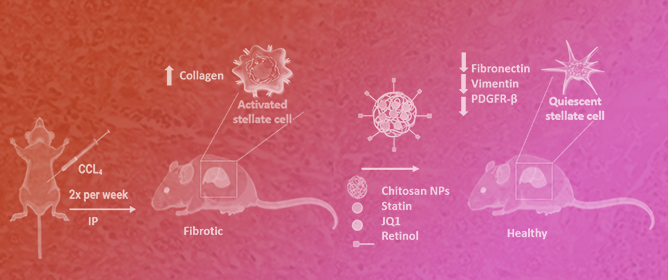
Targeted Liver Fibrosis Therapy: Evaluating Retinol-Modified Nanoparticles and Atorvastatin/JQ1-Loaded Nanoparticles for Deactivation of Activated Hepatic Stellate Cells
by
Aya A. Ezzat, Salma N. Tammam, Ralf Weiskirchen, Sarah K. Schröder-Lange and Samar Mansour
Livers 2025, 5(4), 63; https://doi.org/10.3390/livers5040063 - 5 Dec 2025
Abstract
►▼
Show Figures
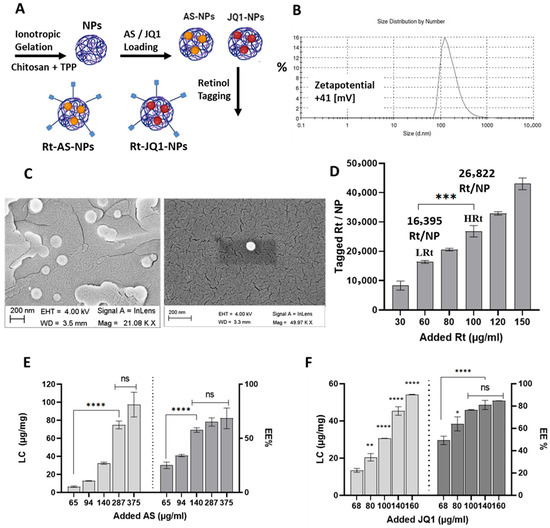
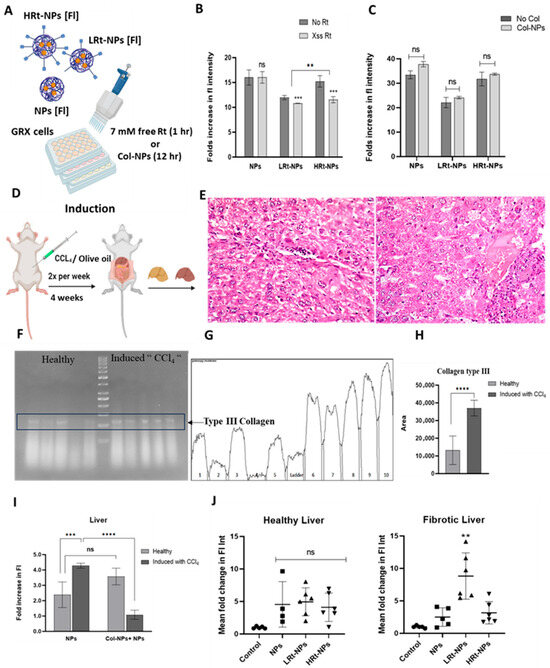
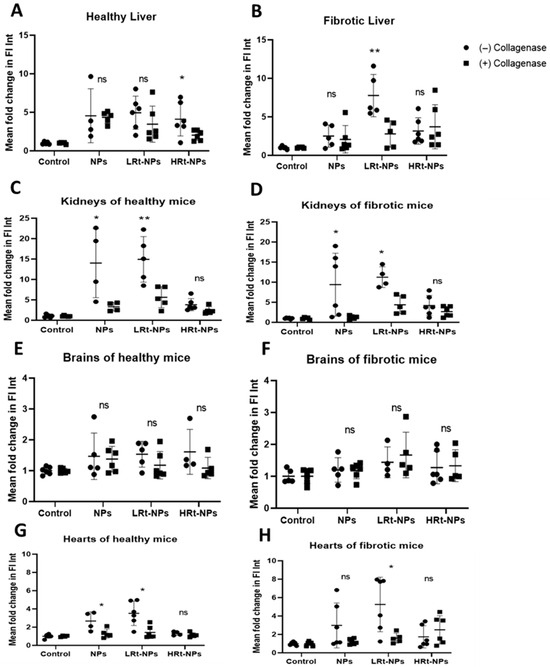
Background: Liver fibrosis is a progressive pathological condition characterized by excessive extracellular matrix deposition, driven by activated hepatic stellate cells (aHSCs). Effective therapeutic strategies require targeting aHSCs and agents capable of reversing their activated phenotype. Methods: In this study, we developed
[...] Read more.
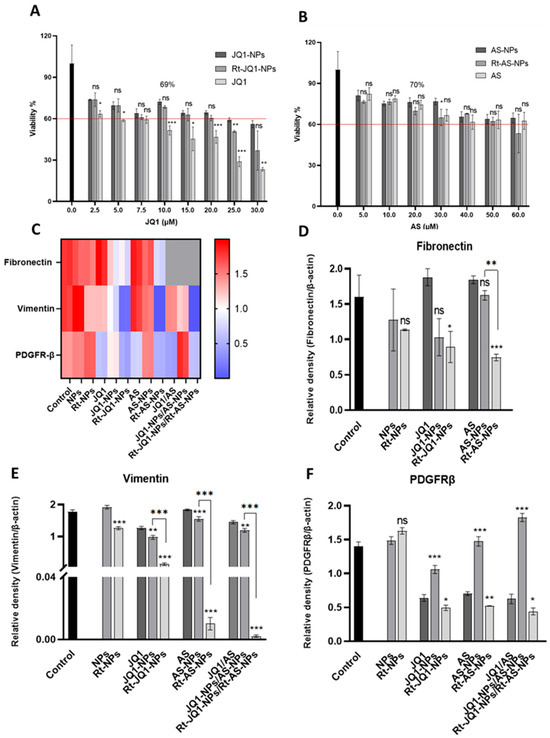
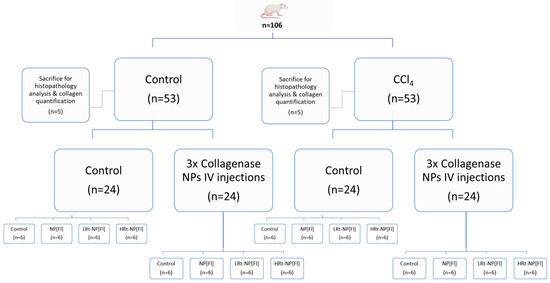
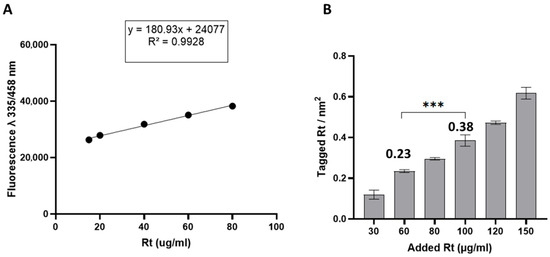
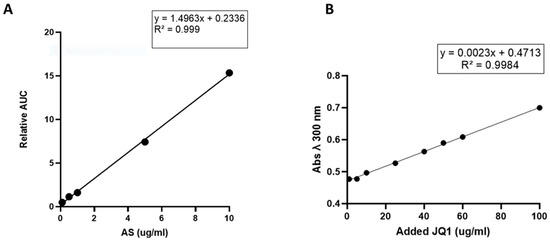
Background: Liver fibrosis is a progressive pathological condition characterized by excessive extracellular matrix deposition, driven by activated hepatic stellate cells (aHSCs). Effective therapeutic strategies require targeting aHSCs and agents capable of reversing their activated phenotype. Methods: In this study, we developed chitosan nanoparticles loaded with atorvastatin (AS) and JQ1 and functionalized them with varying densities of retinol (Rt) to exploit aHSC targeting. Results: In vitro, Rt-NPs demonstrated enhanced uptake in GRX cells, with optimal performance observed at high Rt density (HRt-NPs). In vivo biodistribution in CCl4-induced fibrotic and healthy mice revealed that LRt-NPs achieved superior hepatic accumulation in fibrotic livers compared to unmodified and HRt-NPs, underscoring the importance of optimal ligand density for targeting. Western blot analysis showed that treatment of GRX cells with Rt-AS-NPs and Rt-JQ1-NPs either individually or combined significantly reduced the expression of fibronectin, vimentin, and PDGFR-β, key markers of HSC activation, with combination therapy providing more significant effects. Conclusions: This work highlights the potential of Rt-chitosan NPs loaded with AS and JQ1 as an effective dual-drug system for targeted antifibrotic therapy, offering enhanced hepatic selectivity, improved safety, and potent aHSC deactivation.
Full article

Graphical abstract
Open AccessArticle
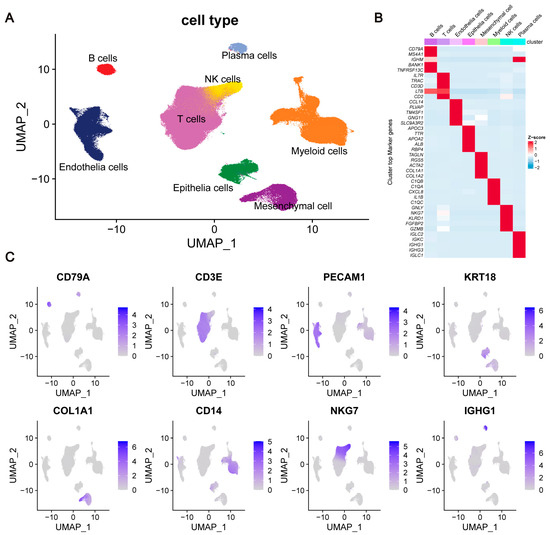
Integrative Analysis of Single-Cell and Spatial Transcriptomics Reveals Intratumor Heterogeneity Shaping the Tumor Microenvironment in Hepatocellular Carcinoma
by
Yue Liu, Guoping Dong, Jie Yu and Ping Liang
Livers 2025, 5(4), 62; https://doi.org/10.3390/livers5040062 - 1 Dec 2025
Abstract
Background: Intratumour heterogeneity (ITH) is one of the key characteristics of cancer and is closely associated with patient prognosis, treatment resistance, and tumor metastasis. Nevertheless, the study of ITH in hepatocellular carcinoma (HCC) remains limited. Methods: The present study elucidated the
[...] Read more.
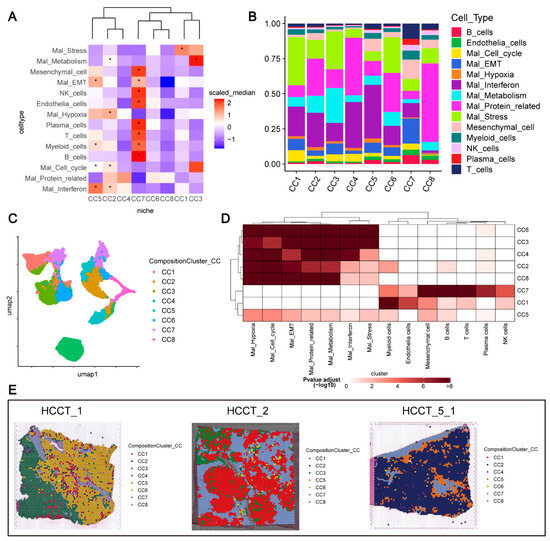
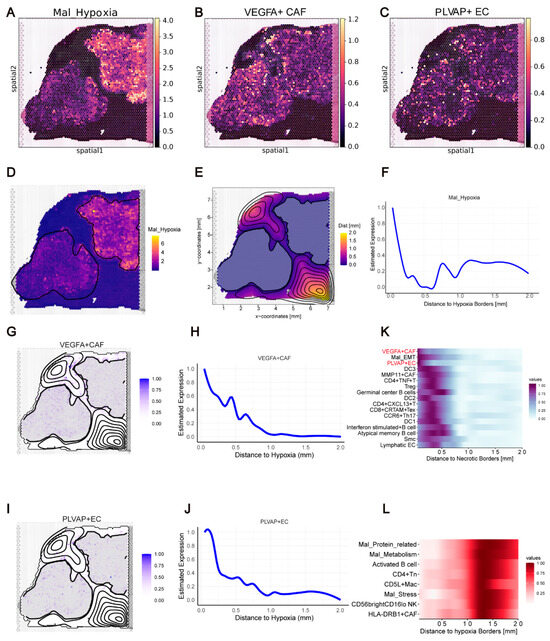
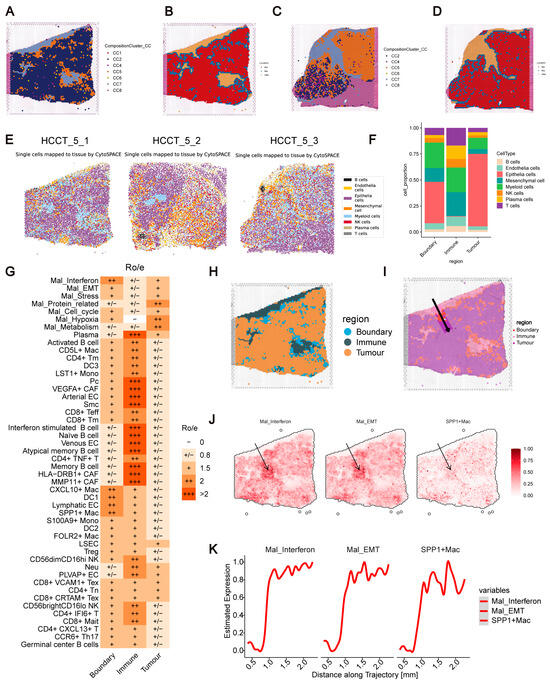
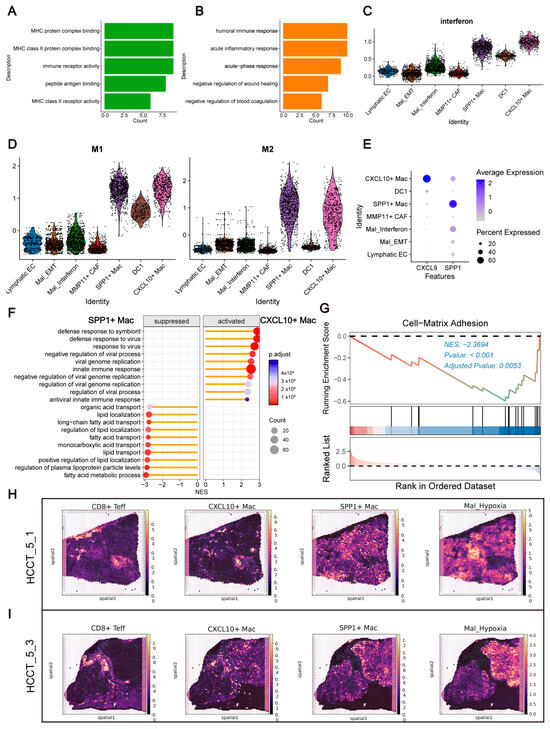
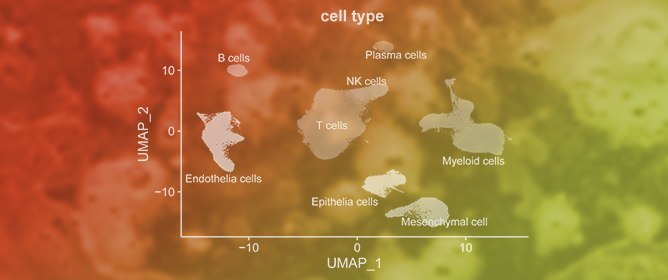
Background: Intratumour heterogeneity (ITH) is one of the key characteristics of cancer and is closely associated with patient prognosis, treatment resistance, and tumor metastasis. Nevertheless, the study of ITH in hepatocellular carcinoma (HCC) remains limited. Methods: The present study elucidated the influence of ITH on the tumor microenvironment (TME) in HCC. We applied Non-negative Matrix Factorization (NMF) analysis to a cohort of 78 single-cell RNA sequencing (scRNA-seq) HCC samples to systematically characterize ITH. Furthermore, by integrating spatial transcriptomics (ST) data from five HCC patients, we comprehensively analyzed the spatial organization and functional properties of distinct niches within HCC. We conducted a detailed analysis of the cell-type co-localization relationships within the TME and constructed a comprehensive atlas of HCC spatial organization. Results: We observed a co-localization relationship between hypoxia tumor cells, plasmalemma vesicle-associated protein (PLVAP+) endothelial cells (EC), and vascular endothelial growth factor A (VEGFA+) cancer-associated fibroblasts (CAF), suggesting a key role for hypoxia tumor cells in VEGFA+ CAF transformation and tumor angiogenesis. We identified a unique boundary region enriched with dendritic cells1 (DC1), interferon-expressing tumor cells, lymphatic EC, C–X–C Motif Chemokine Ligand 10 (CXCL10+) macrophages (Mac), and secreted phosphoprotein 1 (SPP1+) Mac located between the tumor-infiltrating immune cells and tumor regions. Furthermore, we found that CXCL10+ Mac and SPP1+ Mac, despite co-localizing in the boundary region, exhibit distinct functions, which may be attributed to their unique spatial locations, with the former being closer to the immune-infiltrated region and the latter more proximal to the tumor area. Conclusions: Our study highlights the critical role of spatial interactions between tumor cells and the microenvironment in HCC. The findings offer new insights into ITH and underscore the importance of spatial organization in understanding cancer biology and designing future precision therapies.
Full article
(This article belongs to the Special Issue Liver Cancer Heterogeneity in the Era of Single-Cell and Spatial Multiomics)
►▼
Show Figures

Figure 1

Open AccessArticle
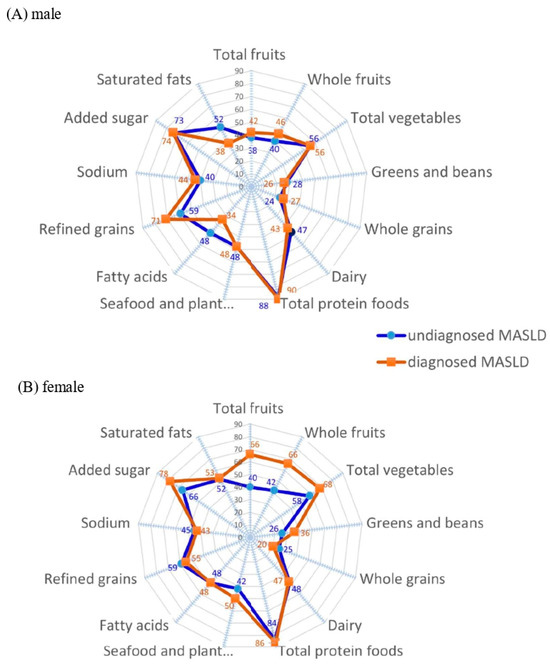
Gender Differences in Healthy Eating Index as Informed by the Awareness of Diagnosis of Metabolic Dysfunction-Associated Steatotic Liver Disease
by
Wei-Ting Lin, Madeline Novack, Suthat Liangpunsakul, Chiung-Kuei Huang, Hui-Yi Lin, Po-Hung Chen, Tung-Sung Tseng and Peng-Sheng Ting
Livers 2025, 5(4), 61; https://doi.org/10.3390/livers5040061 - 28 Nov 2025
Abstract
►▼
Show Figures
Background/Objectives: Dietary quality is a driver of metabolic dysfunction-associated steatotic liver disease (MASLD). Men and women often have different levels of adherence to medical advice, but the effect of gender on adherence to dietary advice as a function of awareness of MASLD is
[...] Read more.
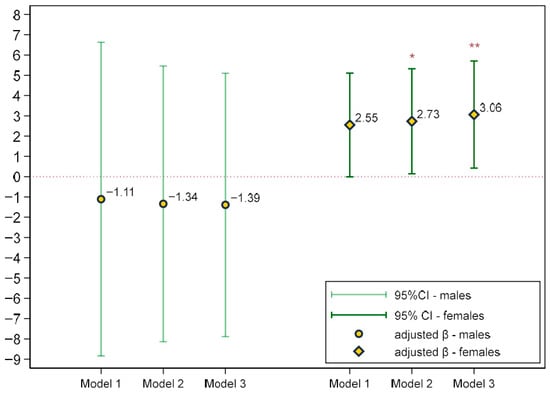
Background/Objectives: Dietary quality is a driver of metabolic dysfunction-associated steatotic liver disease (MASLD). Men and women often have different levels of adherence to medical advice, but the effect of gender on adherence to dietary advice as a function of awareness of MASLD is understudied. We aim to investigate the differences in diet quality between men and women who are aware of their diagnosis of MASLD compared to their undiagnosed counterparts. Methods: We utilized the National Health and Nutrition Examination Survey 2017–2020 to identify a nationally representative sample of subjects with MASLD, 127 of whom reported a diagnosis of MASLD (diagnosed MASLD), and 1703 of whom did not report an existing diagnosis of MASLD but met criteria of the disease based on vibration-controlled transient elastography results and cardiometabolic criteria (undiagnosed MASLD). Results: In a gender-stratified analysis of diet quality as a function of reported MASLD diagnosis, women with diagnosed MASLD were more likely than women with undiagnosed MASLD to consume less added sugar and more total and whole fruits. Women with diagnosed MASLD had a 3.06 higher healthy eating index score than undiagnosed women, after adjusting for confounders such as demographics, comorbidities, lifestyle behaviors, and metabolic risk factors. In men, total diet quality did not differ based on awareness of MASLD diagnosis. Conclusions: Women with diagnosed MASLD have superior diets compared to their undiagnosed counterparts. Gender-specific approaches to counseling and prospective studies that investigate causes of gender-driven differences in dietary behavior in the context of MASLD are needed.
Full article

Figure 1
Open AccessEditorial
Special Issue “Mechanistic and Prognostic Biomarkers in Liver Diseases”
by
Hartmut Jaeschke and Mitchell R. McGill
Livers 2025, 5(4), 60; https://doi.org/10.3390/livers5040060 - 24 Nov 2025
Abstract
Basic science is critical for understanding fundamental biological processes and disease mechanisms [...]
Full article
(This article belongs to the Special Issue Mechanistic and Prognostic Biomarkers in Liver Diseases)
Open AccessSystematic Review
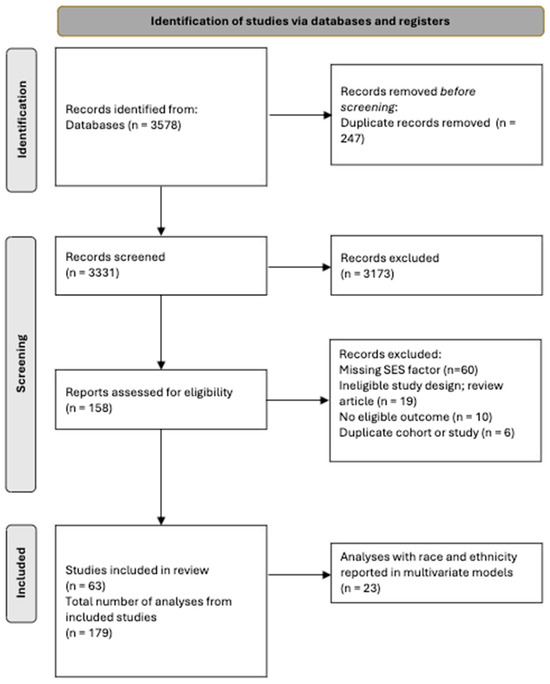
Socioeconomic Disparities Along the Cancer Continuum for Hepatocellular Carcinoma: A Systematic Review
by
Justin Ong, Vivian H. LeTran, Christopher Wong, Jonathan Tchan, Selena Zhou, Ariana Chen and Kali Zhou
Livers 2025, 5(4), 59; https://doi.org/10.3390/livers5040059 - 18 Nov 2025
Abstract
►▼
Show Figures
Background: Social determinants of health critically impact outcomes along the care continuum of patients with hepatocellular carcinoma (HCC). This systematic review summarizes the effect of socioeconomic status (SES) factors on HCC outcomes in the United States. Methods: Electronic databases were queried for the
[...] Read more.
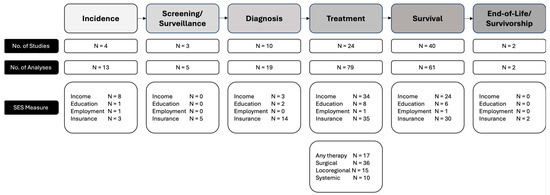
Background: Social determinants of health critically impact outcomes along the care continuum of patients with hepatocellular carcinoma (HCC). This systematic review summarizes the effect of socioeconomic status (SES) factors on HCC outcomes in the United States. Methods: Electronic databases were queried for the concepts of “liver cancer”, “health disparities”, and “socioeconomic factors” on 1 March 2021. Eligible studies included an individual- or area-level SES measure such as income, education, employment, and insurance and one of the following outcomes across the clinical continuum of HCC care: incidence, screening/surveillance, diagnosis, treatment, survival, and end-of-life. Results: Of 3331 studies screened, a total of 63 studies encompassing 179 separate analyses were included in our narrative synthesis: 13 on incidence, 5 on surveillance, 19 on diagnosis, 79 on treatment, 61 on survival, and 2 on end-of-life. Insurance was the most frequent SES measure represented (50%), followed by mostly area-level income (39%), education (9%), and employment (2%). The included studies were heterogeneous regarding both SES definitions (e.g., individual vs. area-level measures) and outcome reporting. Trends of worse outcomes were generally observed with lower indicators across all SES domains and HCC outcomes, particularly in analyses using national cancer registry data (e.g., SEER and NCDB). Unadjusted racial and ethnic disparities in outcome were attenuated in six out of 23 analyses that adjusted for an SES measure. Conclusions: Our findings highlight the need for social risk screening and interventions early in the HCC care pathway. Future research should focus on HCC surveillance and end-of-life/survivorship, with greater emphasis on examination of modifiable individual-level social determinants.
Full article

Figure 1
Open AccessArticle
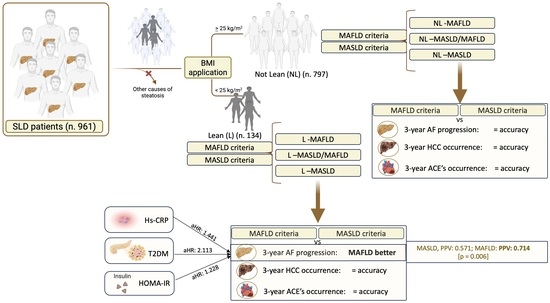
From “MAFLD” to “MASLD”: Was This Revolution Worth It? A Head-to-Head Comparison of MAFLD and MASLD Criteria in Estimating Liver Disease Progression and Cardiovascular Risk in Real Life
by
Marcello Dallio, Mario Romeo, Fiammetta Di Nardo, Carmine Napolitano, Paolo Vaia, Claudio Basile, Annachiara Coppola, Alessia Silvestrin, Giusy Senese, Marco Niosi and Alessandro Federico
Livers 2025, 5(4), 58; https://doi.org/10.3390/livers5040058 - 12 Nov 2025
Abstract
►▼
Show Figures
Background/Objectives: In the present study, the Metabolic dysfunction-associated fatty liver disease (MAFLD) and Metabolic dysfunction-associated steatotic liver disease (MASLD) diagnostic criteria were applied to evaluate the relative performance in predicting short-term advanced fibrosis (AF) progression (AFpr) and hepatocellular carcinoma (HCC), as well
[...] Read more.
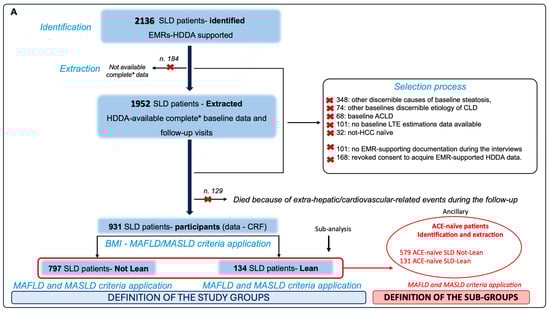
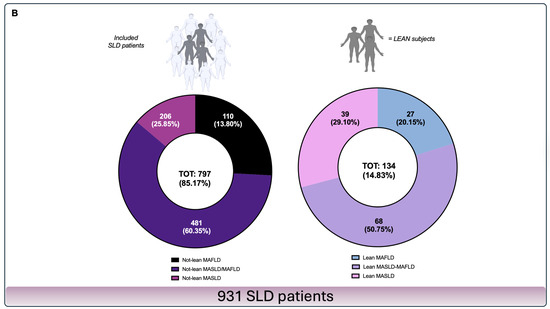
Background/Objectives: In the present study, the Metabolic dysfunction-associated fatty liver disease (MAFLD) and Metabolic dysfunction-associated steatotic liver disease (MASLD) diagnostic criteria were applied to evaluate the relative performance in predicting short-term advanced fibrosis (AF) progression (AFpr) and hepatocellular carcinoma (HCC), as well as an ancillary outcome, i.e., the occurrence of acute cardiovascular events (ACEs) in steatotic liver disease (SLD) patients. Methods: We retrospectively analyzed the data stored in the University Hospital (UH)’s Official Health Documents Digitization Archive of 931 SLD patients, with a follow-up of 3 years. Based on the Body Mass Index (BMI), patients were subdivided into lean “L” (BMI < 25 kg/m2) (n = 134) and not-lean “NL” (n = 797), and, subsequently, into NL-MASLD (n = 206), NL-MASLD/MAFLD (n = 481), NL-MAFLD (n = 110), L-MASLD (n = 39), L-MASLD/MAFLD (n = 68), and L-MAFLD (n = 27). All study outcomes (AFpr, HCC, and ACE) were primarily evaluated in NL-SLD and by conducting a sub-analysis of L-SLD individuals. Results: MASLD and MAFLD criteria similarly estimated [p = 0.076] the overall 3-year risk of AF progression in NL-SLD. In the L-SLD sub-analysis, MAFLD criteria better estimated the overall 3-year risk of AF progression [p = 0.006]. Multivariate competing risk analysis (adjusted for sex, age, diabetes, steatosis, and fibrosis severity) revealed diabetes [adjusted Hazard Ratio (aHR) = 2.113, p = 0.001], high-sensitivity C-reactive protein (aHR = 1.441; p = 0.02), and Homeostatic Model Assessment for Insulin Resistance (aHR = 1.228; p = 0.03) as being associated with AF progression in L-MAFLD. Compared to MAFLD, MASLD diagnostic criteria similarly estimated the 3-year risk of HCC occurrence both in NL [HR = 1.104, C.I. 95%: 0.824–1.593, p = 0.741] and L [HR = 1.260, C.I. 95%: 0.768–2.104, p = 0.701] patients. Finally, no significant differences were reported between the MAFLD or MASLD criteria for ACE risk occurrence in all study groups. Conclusions: The MAFLD criteria better estimate the AF progression risk, limited to L-SLD patients.
Full article

Graphical abstract
Highly Accessed Articles
Latest Books
E-Mail Alert
News
Topics
Topic in
Biomolecules, Cancers, Cells, JMP, Livers
Signaling Pathways in Liver Disease 2nd Edition
Topic Editors: Ralf Weiskirchen, Amedeo AmedeiDeadline: 20 March 2026
Topic in
Biomedicines, Current Oncology, Diagnostics, JCM, Livers, Transplantology, Gastrointestinal Disorders
Advances in Gastrointestinal and Liver Disease: From Physiological Mechanisms to Clinical Practice, 2nd Edition
Topic Editors: Davide Giuseppe Ribaldone, Gian Paolo CavigliaDeadline: 20 December 2026
Conferences
Special Issues
Special Issue in
Livers
Personalizing Hepatocellular Carcinoma: The Emerging Era of Precision Management
Guest Editors: Mario Capasso, Valentina Cossiga, Fabrizio RomanoDeadline: 28 February 2026
Special Issue in
Livers
Liver Macrophage Diversity and Functions in MASLD and ALD
Guest Editor: Adeline BertolaDeadline: 10 March 2026
Special Issue in
Livers
Into the Non-Coding RNA World of Hepatocellular Carcinoma
Guest Editors: Takeshi Suda, Nobuo WaguriDeadline: 20 March 2026
Special Issue in
Livers
Transforming Liver Transplantation: Breakthroughs and Boundaries
Guest Editors: Narendra R. Battula, Paulo MartinsDeadline: 31 March 2026