Advances in Exercise Biomechanics and Physiology
A Topical Collection in Life (ISSN 2075-1729) belonging to the section "Physiology and Pathology".
Submission Status:
Closed
|
Viewed by 18787
Share This Topical Collection
Editor
 Prof. Dr. Jose Ignacio Priego-Quesada
Prof. Dr. Jose Ignacio Priego-Quesada
E-Mail
Website1
Website2
Collection Editor
1. Research Group in Sports Biomechanics (GIBD), Department of Physical Education and Sports, University of Valencia, Valencia, Spain
2. Biophysics and Medical Physics Group, Department of Physiology, University of Valencia, Valencia, Spain
Interests: sports science; biomechanics; running biomechanics; cycling biomechanics; infrared thermography; exercise thermoregulation
Special Issues, Collections and Topics in MDPI journals
Topical Collection Information
Dear Colleague,
The purpose of this Topical Collection is to show relevant works in sports science from the biomechanical and physiological perspective. Sports biomechanics can be defined as the science which explains human movements and how forces influence this movement. However, as we know, this definition is often more extended, for example in studying the interaction between the athlete, their equipment, and their environment. Exercise physiology involves the functions and activities of organs, tissues, cells, chemical phenomena, etc. Both areas usually have the same objective in experimental studies: to improve performance and reduce injury risk. Therefore, although experimental studies sometimes focus their analyses on a specific methodology from one of these perspectives, they more often combine both sciences because their connection enables a better understanding of the research problem. We invite authors to submit papers with original results from research related to exercise biomechanics and physiology. Review manuscripts and papers with contributions regarding methodologies and advances in the technology are also invited.
Manuscripts submitted to this Topical Collection should follow some requirements:
- The main outcomes of the manuscript should be physiological or biomechanical, and exercise or its application in sport science should be present.
- Manuscripts should present an important novelty of the content and high potential impact in the relevant field of research,
- High standard of English (expression, grammar, and spelling).
- Proper design of the experiment, and methodology described detailed to guarantee the reproducibility of the study.
- Sample per analysis subgroup minimum of 10 participants. A smaller sample could be justified as long as it is a population for which it is excessively difficult to recruit more (e.g., a rare disease). For small samples, <15 participants, the effect size should be used to show that the sample is sufficient to support the results. However, it is recommended to always include the effect sizes in the data report.
- Manuscripts should present the reference of the approval by the ethical committee.
Prof. Dr. Jose Ignacio Priego-Quesada
Collection Editor
Manuscript Submission Information
Manuscripts should be submitted online at www.mdpi.com by registering and logging in to this website. Once you are registered, click here to go to the submission form. All submissions that pass pre-check are peer-reviewed. Accepted papers will be published continuously in the journal (as soon as accepted) and will be listed together on the collection website. Research articles, review articles as well as short communications are invited. For planned papers, a title and short abstract (about 250 words) can be sent to the Editorial Office for assessment.
Submitted manuscripts should not have been published previously, nor be under consideration for publication elsewhere (except conference proceedings papers). All manuscripts are thoroughly refereed through a single-anonymized peer-review process. A guide for authors and other relevant information for submission of manuscripts is available on the Instructions for Authors page. Life is an international peer-reviewed open access monthly journal published by MDPI.
Please visit the Instructions for Authors page before submitting a manuscript.
The Article Processing Charge (APC) for publication in this open access journal is 2600 CHF (Swiss Francs).
Submitted papers should be well formatted and use good English. Authors may use MDPI's
English editing service prior to publication or during author revisions.
Keywords
- sports science
- sport performance
- injury biomechanics, human movement
- kinematics
- kinetics
- sport medicine
- neuromuscular activation
- fatigue
- external load
- internal load
- muscle damage
- cardiovascular response
- exercise metabolism
- exercise thermoregulation
- extreme environments
Related Special Issue
Published Papers (11 papers)
Open AccessArticle
An Exploratory Investigation Evaluating the Impact of Fatigue-Induced Stride Length Compensations on Ankle Biomechanics among Skilled Baseball Pitchers
by
Ryan L. Crotin and Dan K. Ramsey
Cited by 4 | Viewed by 4113
Abstract
Altered propulsive and bracing ground reaction forces from lower-body fatigue significantly impact stride length to increase weakness in dynamic elbow stabilizers and risk of medial elbow injury in baseball pitchers. This work investigated altered stride length on three-dimensional ankle joint dynamics to illustrate
[...] Read more.
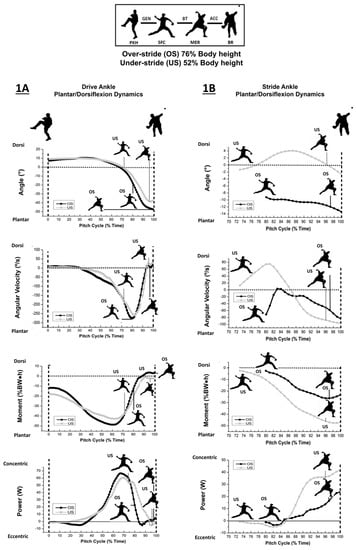
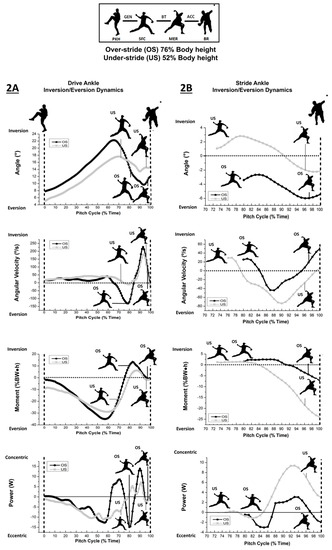
Altered propulsive and bracing ground reaction forces from lower-body fatigue significantly impact stride length to increase weakness in dynamic elbow stabilizers and risk of medial elbow injury in baseball pitchers. This work investigated altered stride length on three-dimensional ankle joint dynamics to illustrate fatigue-induced changes in ankle motion that can also be impacted by coaching errors. Nineteen pitchers (15 collegiate and 4 high school) were randomized in a crossover design study that encouraged fatigue by throwing two simulated 80-pitch games at ±25% of their desired stride length. An integrated motion-capture system with two force plates and radar gun tracked each throw. Retrospective analysis using pairwise comparisons, including effect size calculations, were undertaken to identify differences in ankle dynamics between stride length conditions for both the drive and stride leg. Longer strides were found to be more effective in drive ankle propulsion and stride-bracing mechanics. Conversely, shorter strides delayed bracing dynamics by demonstrating continued drive ankle plantar flexion moments after stride-foot contact to extend pitchers’ time in propulsion (
p < 0.001, d > 0.8). Additionally, heightened braking effects were seen during the acceleration phase of throwing with greater stride knee extension power when pitching with shorter strides (
p < 0.001, d > 0.8). The knowledge gained from this work offers new insight into compensatory stride length adaptation that impacts systemic and throwing arm-specific fatigue to maintain ball velocity, as bilateral ankle joint dynamics can be significantly affected in response to cumulative workload.
Full article
►▼
Show Figures
Open AccessArticle
Time-Course of Redox Status, Redox-Related, and Mitochondrial-Dynamics-Related Gene Expression after an Acute Bout of Different Physical Exercise Protocols
by
Ramon Alves Pires, Thiago Macedo Lopes Correia, Amanda Alves Almeida, Raildo da Silva Coqueiro, Marco Machado, Mauro Fernandes Teles, Álbert Souza Peixoto, Raphael Ferreira Queiroz and Rafael Pereira
Cited by 2 | Viewed by 3116
Abstract
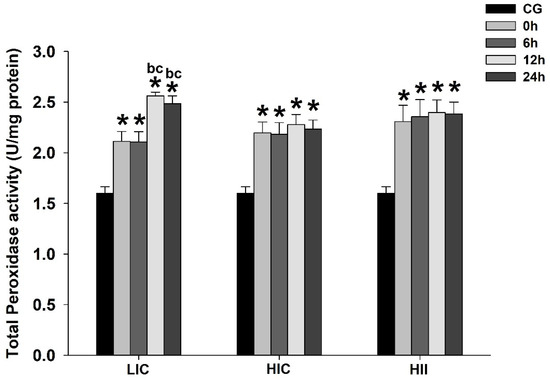
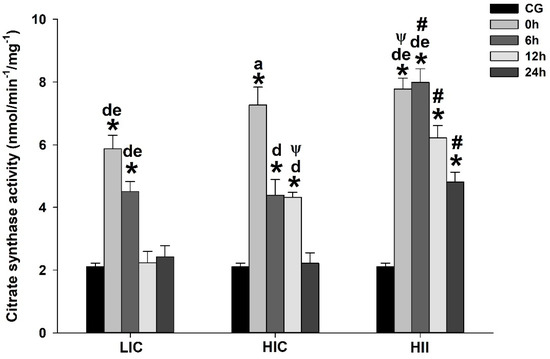
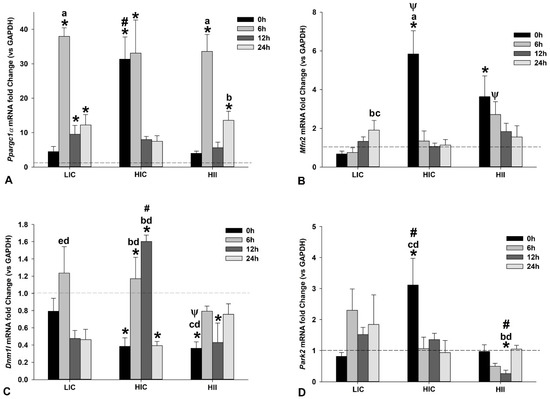
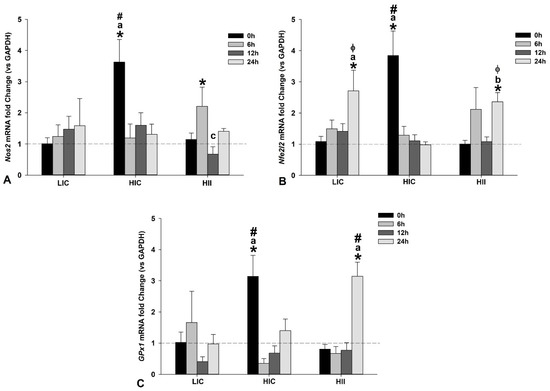
We investigated the magnitude of exercise-induced changes in muscular bioenergetics, redox balance, mitochondrial function, and gene expression within 24 h after the exercise bouts performed with different intensities, durations, and execution modes (continuous or with intervals). Sixty-five male Swiss mice were divided into
[...] Read more.
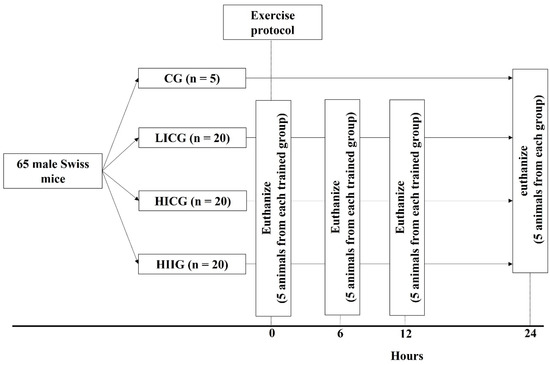
We investigated the magnitude of exercise-induced changes in muscular bioenergetics, redox balance, mitochondrial function, and gene expression within 24 h after the exercise bouts performed with different intensities, durations, and execution modes (continuous or with intervals). Sixty-five male Swiss mice were divided into four groups: one control (n = 5) and three experimental groups (20 animals/group), submitted to a forced swimming bout with an additional load (% of animal weight): low-intensity continuous (LIC), high-intensity continuous (HIC), and high-intensity interval (HII). Five animals from each group were euthanized at 0 h, 6 h, 12 h, and 24 h postexercise. Gastrocnemius muscle was removed to analyze the expression of genes involved in mitochondrial biogenesis (
Ppargc1a), fusion (
Mfn2), fission (
Dnm1L), and mitophagy (
Park2), as well as inflammation (
Nos2) and antioxidant defense (
Nfe2l2,
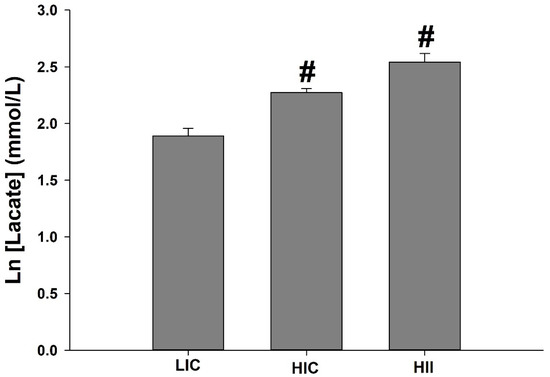
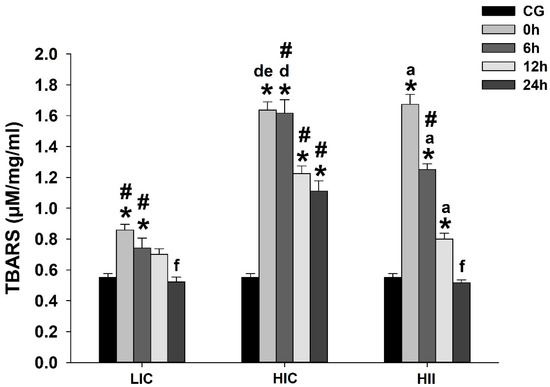
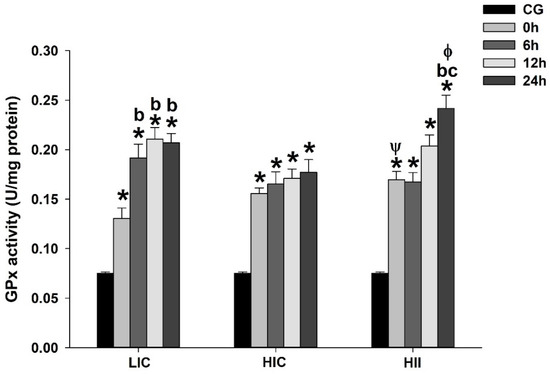
GPx1). Lipid peroxidation (TBARS), total peroxidase, glutathione peroxidase (GPx), and citrate synthase (CS) activity were also measured. Lactacidemia was measured from a blood sample obtained immediately postexercise. Lactacidemia was higher the higher the exercise intensity (LIC < HIC < HII), while the inverse was observed for TBARS levels. The CS activity was higher in the HII group than the other groups. The antioxidant activity was higher 24 h postexercise in all groups compared to the control and greater in the HII group than the LIC and HIC groups. The gene expression profile exhibited a particular profile for each exercise protocol, but with some similarities between the LIC and HII groups. Taken together, these results suggest that the intervals applied to high-intensity exercise seem to minimize the signs of oxidative damage and drive the mitochondrial dynamics to maintain the mitochondrial network, similar to low-intensity continuous exercise.
Full article
►▼
Show Figures
Open AccessArticle
Supply of Antioxidants vs. Recruit Firefighters’ Cellular Immune Status: A Randomized Double-Blinded Placebo-Controlled Parallel-Group Trial
by
José Augusto Rodrigues Santos, Tiago Azenha Rama, Domingos José Lopes da Silva, Ricardo J. Fernandes and Rodrigo Zacca
Cited by 2 | Viewed by 3471
Abstract
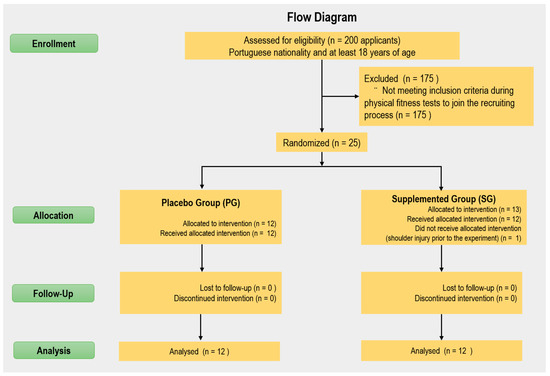
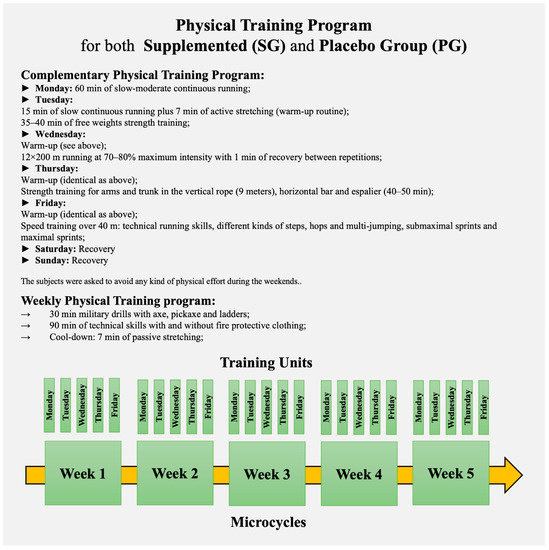
Background: Physical exercise can affect the immune system. We studied the effect of antioxidants on hematological and immune biomarkers after heavy training. Methods: 24 well-trained and well-fed male firefighters were randomly divided into supplemented and placebo groups, and tested for immunology-related variables using
[...] Read more.
Background: Physical exercise can affect the immune system. We studied the effect of antioxidants on hematological and immune biomarkers after heavy training. Methods: 24 well-trained and well-fed male firefighters were randomly divided into supplemented and placebo groups, and tested for immunology-related variables using venous blood samples in the fasting state, pre- (M1) and post- (M2) five weeks of daily micronutrient supplementation (15 mg of beta-carotene, 200 mg of vitamin C, 136 mg of vitamin E, 200 μg of selenium, 15 mg of zinc, 100 mg of magnesium). Total leukocytes and a differential count for five populations were determined using standard procedures (MAXM—Beckman Coulter Diagnostics; Brea, CA, USA). Lymphocyte subsets were determined through immunophenotyping. Results: Although all values were within the normal range for healthy adults and athletes in the supplemented group (SG), mean CD3
+CD8
+, CD8
+ and CD16
+CD56
+ decreased (
p < 0.05; small to moderate effects), while mean CD4
+, CD19
+ and CD4
+/CD8
+ increased (
p < 0.05; small effects) after five-weeks. Regarding the placebo group (PG), higher total leukocyte count (
p < 0.05; trivial effect) and natural killer cells percentage (CD16
+CD56
+;
p < 0.05; moderate effect) were observed when comparing M1 and M2. Conclusions: Antioxidants supplementation did not alter well-fed male firefighters recruit firefighters’ immune cell response during the five-week physical training program.
Full article
►▼
Show Figures
Open AccessArticle
The Effectiveness of Shoulder Mobility and Strength Programs in Competitive Water-Polo Players
by
Isaac López-Laval, Sebastian Sitko, Jaime Cantonero, Francisco Corbi and Rafel Cirer-Sastre
Cited by 6 | Viewed by 4996
Abstract
Background: Water-polo is the water sport with the highest incidence of injuries, with shoulder pain being the most common one. The understanding of risk factors and guidance on preventive measures is essential in this sport discipline. The aim of this study was to
[...] Read more.
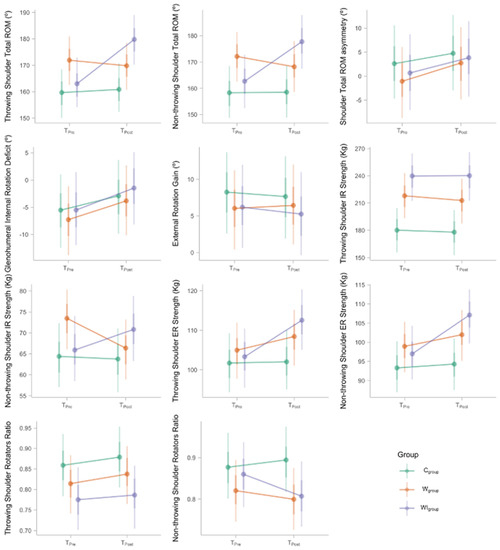
Background: Water-polo is the water sport with the highest incidence of injuries, with shoulder pain being the most common one. The understanding of risk factors and guidance on preventive measures is essential in this sport discipline. The aim of this study was to determine the effects of a specific 6-week training plan on range of motion (ROM) and joint strength levels in a group of professional water-polo players. Methods: Quasi-experimental study with a sample of 28 participants (age: 20.1 ± 2.5 years; height: 176.9 ± 6.2 cm; body mass: 74.6 ± 8.1 kg). Three study groups, which consisted of one control group and two experimental groups, were established. Two repeated measurements, pre and post intervention, were performed. During these measurements, ROM of the glenohumeral joint was analyzed both in external (ER) and internal (IR) rotation, as well as the maximal isometric strength. Conclusions: The application of a training program improved glenohumeral joint ROM. ER and IR evolve differently in both shoulders. ER improved only in the throwing arm only in the group undergoing intervention but for the non-dominant side, improvements were observed in both ER and IR, regardless of whether or not they had followed the intervention plan. No improvements were observed in either the isometric strength or contralateral asymmetries.
Full article
►▼
Show Figures
Open AccessTutorial
How to Work with Electromyography Decomposition in Practical Classes of Exercise Physiology and Biomechanics
by
Jose I. Priego-Quesada, Márcio F. Goethel, Klaus Magno Becker, Ricardo J. Fernandes and João Paulo Vilas-Boas
Cited by 6 | Viewed by 6586
Abstract
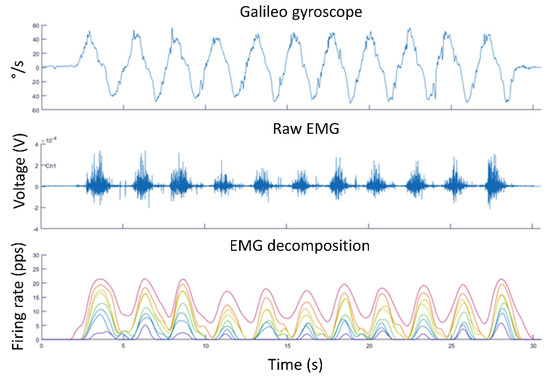
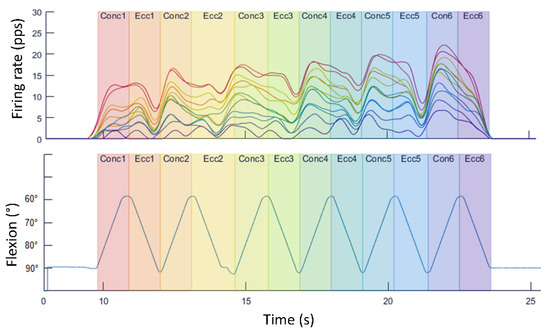
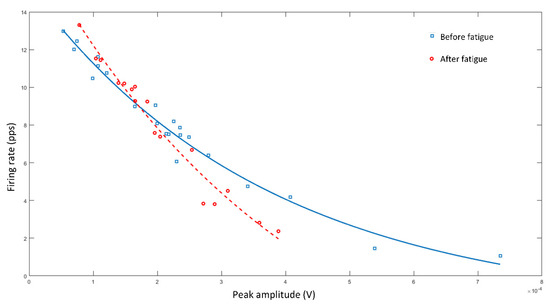
Concepts about motor unit recruitment are important learning contents in exercise physiology and biomechanics classes that are usually taught theoretically. In the last few years, great advances have occurred in the decomposition of surface electromyography, allowing the learning of theoretical contents in an
[...] Read more.
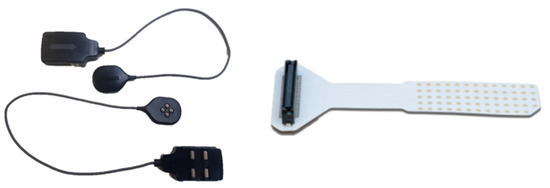
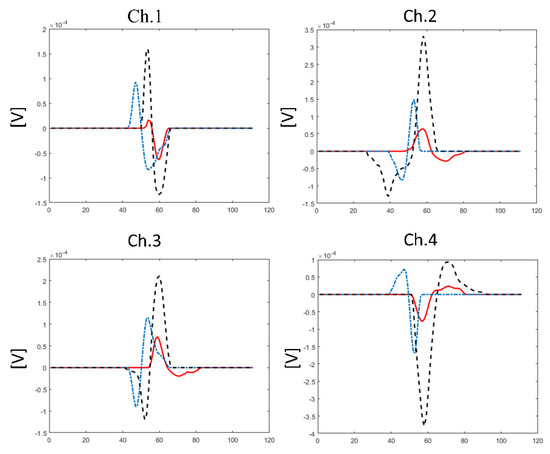
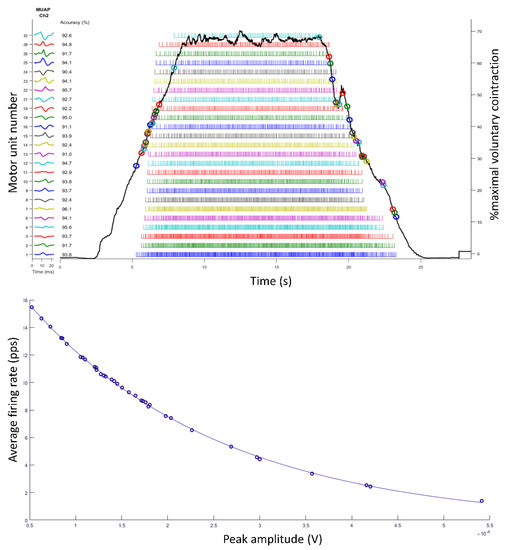
Concepts about motor unit recruitment are important learning contents in exercise physiology and biomechanics classes that are usually taught theoretically. In the last few years, great advances have occurred in the decomposition of surface electromyography, allowing the learning of theoretical contents in an experimental way. In this tutorial paper, we have described the decomposition of surface electromyography methodological aspects and examples to teach motor unit recruitment concepts in exercise physiology and biomechanics practical lessons. This work has the aim to facilitate physiology and biomechanics academics to introduce this technique in practical classes.
Full article
►▼
Show Figures
Open AccessArticle
Effects of Wearing a 50% Lower Jaw Advancement Splint on Biophysical and Perceptual Responses at Low to Severe Running Intensities
by
Filipa Cardoso, Ana S. Monteiro, João Paulo Vilas-Boas, João Carlos Pinho, David B. Pyne and Ricardo J. Fernandes
Cited by 16 | Viewed by 4901
Abstract
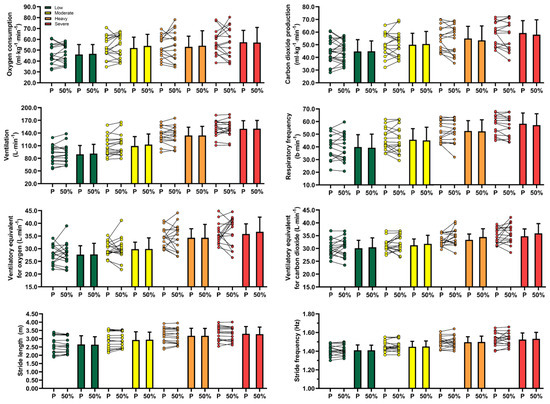
Acute ergogenic effects of wearing occlusal splints have been reported for aerobic and anaerobic exercises, but the literature centered on performance improvement by using jaw repositioning splints is scarce. We aimed to analyze the effect of wearing a 50% lower jaw advancement splint
[...] Read more.
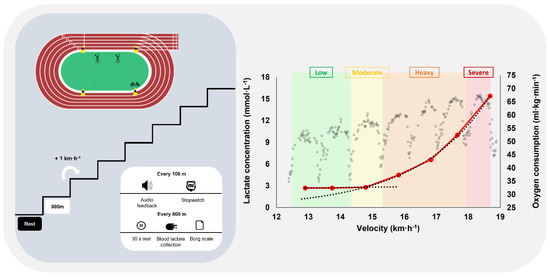
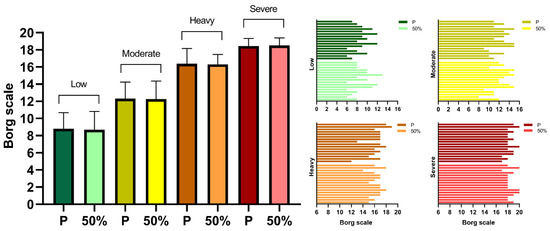
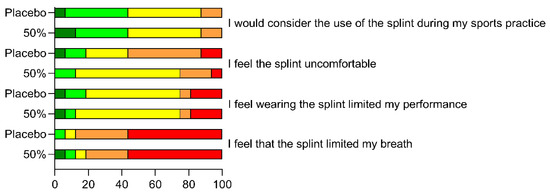
Acute ergogenic effects of wearing occlusal splints have been reported for aerobic and anaerobic exercises, but the literature centered on performance improvement by using jaw repositioning splints is scarce. We aimed to analyze the effect of wearing a 50% lower jaw advancement splint on biophysical and perceptual responses at low to severe running intensities. Sixteen middle- and long-distance runners performed twice a 7 × 800 m intermittent running protocol (with 1 km·h
−1 increments and 30 s rest periods) in an outdoor track field using two lower intraoral splints (a placebo and a lower jaw advancer). These devices were custom manufactured for each participant and a randomized and repeated measure design was used to compare conditions. No differences between placebo and lower jaw advancer were found (e.g., 52.1 ± 9.9 vs. 53.9 ± 10.7 mL·kg
−1·min
−1 of oxygen uptake, 3.30 ± 0.44 vs. 3.29 ± 0.43 m of stride length and 16 ± 3 vs. 16 ± 2 Borg scores), but small effects were sometimes observed (e.g., 109.2 ± 22.5 vs. 112.7 ± 25.2 L·min
−1 of ventilation, ES = −0.42). Therefore, this jaw advancement splint had no substantial ergogenic effect on biophysical and perceptual responses when running at different intensities.
Full article
►▼
Show Figures
Open AccessArticle
Effects of 24 h Compression Interventions with Different Garments on Recovery Markers during Running
by
Jean Carvalho, Marcos Roberto Kunzler, Jose Ignacio Priego-Quesada, Inmaculada Aparicio, Pedro Pérez-Soriano, Álvaro Sosa Machado and Felipe Pivetta Carpes
Cited by 6 | Viewed by 4874
Abstract
Compression and temperature manipulation are discussed as strategies to improve performance markers and recovery in sports. Here, we investigate the effects of compression stockings made with fabric, either combined or not with heating and cooling substances, on variables related to running performance and
[...] Read more.
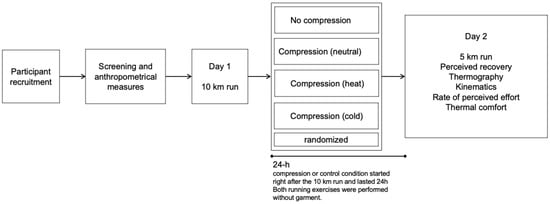
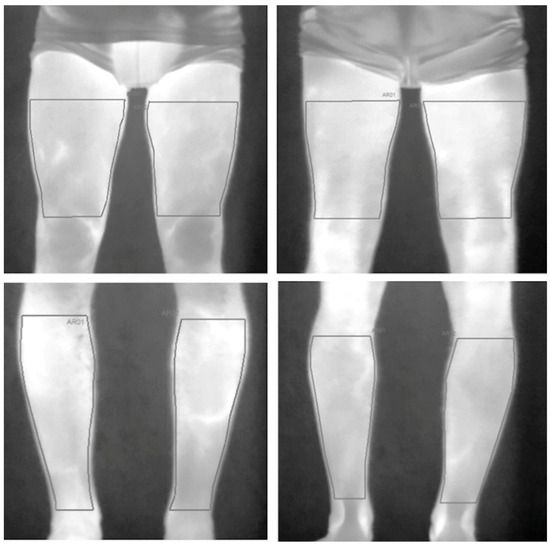
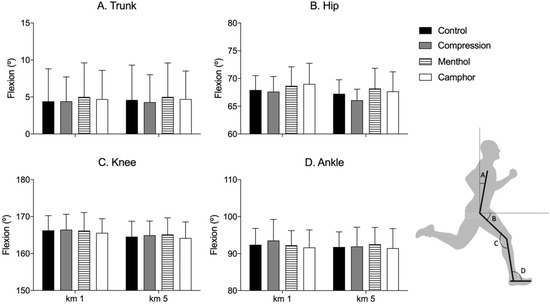
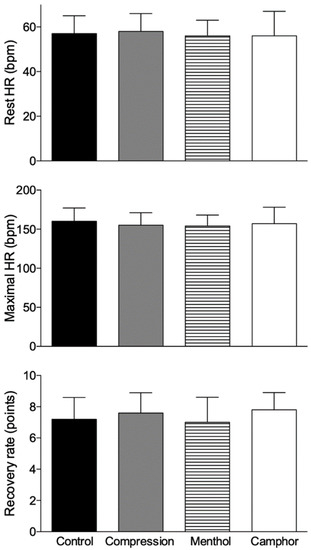
Compression and temperature manipulation are discussed as strategies to improve performance markers and recovery in sports. Here, we investigate the effects of compression stockings made with fabric, either combined or not with heating and cooling substances, on variables related to running performance and recovery. Ten trained runners (mean ± standard deviation age 45 ± 9 years old, body mass 69 ± 7 kg, height 166 ± 4 cm) with no experience of using compression garments performed an intense running session of 10 km, then wore a stocking for 24 h (randomized; without compression, compression, compression with camphor, and compression with menthol), and were evaluated on the following day, after running 5 km. The different types of compression stockings used 24 h before exercise did not affect running kinematics (
p > 0.14), skin temperature (
p > 0.05), heart rate (
p > 0.12; mean value of maximal heart rate 156 bpm), comfort perception (
p = 0.13; mean value of 7/10 points), or perception of recovery (
p = 0.13; mean value of 7/10 points). In general, there were no effects of 24 h pre-exercise lower leg compression, including those treated with menthol and camphor applications on running kinematics, skin temperature, heart rate, or recovery perception in athletes undertaking consecutive running exercises.
Full article
►▼
Show Figures
Open AccessArticle
Which Body Density Equations Calculate Body Fat Percentage Better in Olympic Wrestlers?—Comparison Study with Air Displacement Plethysmography
by
Aslı Devrim-Lanpir, Ebru Arslanoğlu Badem, Hatice Işık, Aslıhan Nefes Çakar, Banu Kabak, Bihter Akınoğlu, Tuğba Kocahan, Adnan Hasanoğlu, Thomas Rosemann and Beat Knechtle
Cited by 8 | Viewed by 6506
Abstract
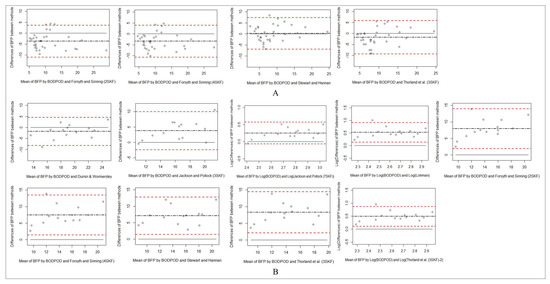
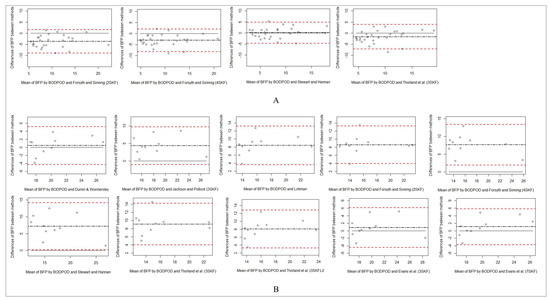
Although skinfold-derived equations seem to be practical for field application in estimating body fat percentage (BF%) and minimum body mass in Olympic wrestlers, prediction equations applied first need to be cross-validated in Olympic wrestlers to define the best prediction equation. This study aimed
[...] Read more.
Although skinfold-derived equations seem to be practical for field application in estimating body fat percentage (BF%) and minimum body mass in Olympic wrestlers, prediction equations applied first need to be cross-validated in Olympic wrestlers to define the best prediction equation. This study aimed to evaluate the most accurate field method to predict BF% in Olympic wrestlers compared to BF% estimated by air displacement plethysmography (ADP). Sixty-one male (body mass 72.4 ± 13.5 kg; height 170.3 ± 7.0 cm; body mass index (BMI) 24.9 ± 3.5 kg.m
−2; BF% 8.5 ± 4.9%) and twenty-five female wrestlers (body mass 60.3 ± 9.9 kg; height 161.3 ± 7.1 cm; BMI 23.1 ± 2.5 kg.m
−2; BF% 18.7 ± 4.7%) undertook body composition assessments including ADP and nine-site skinfold measurements. Correlations, bias, limits of agreement, and standardized differences between alterations in BF% measured by ADP and other prediction equations were evaluated to validate measures, and multiple regression analyses to develop an Olympic wrestlers-specific prediction formula. The Stewart and Hannan equation for male wrestlers and the Durnin and Womersley equation for female wrestlers provided the most accurate BF% compared to the measured BF% by ADP, with the lowest bias and presented no significant differences between the measured and predicted BF%. A new prediction equation was developed using only abdominal skinfold and sex as variables, predicting 83.2% of the variance. The findings suggest the use of the new wrestler-specific prediction equation proposed in the study as a valid and accurate alternative to ADP to quantify BF% among Olympic wrestlers.
Full article
►▼
Show Figures
Open AccessArticle
Gender Difference in Architectural and Mechanical Properties of Medial Gastrocnemius–Achilles Tendon Unit In Vivo
by
Liqin Deng, Xini Zhang, Songlin Xiao, Baofeng Wang and Weijie Fu
Cited by 30 | Viewed by 7324
Abstract
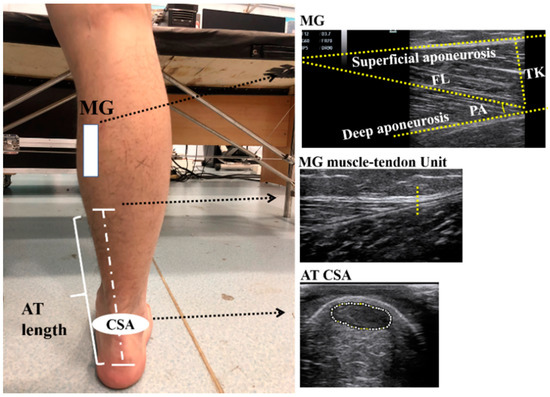
This study aims to explore whether gender differences exist in the architectural and mechanical properties of the medial gastrocnemius–Achilles tendon unit (gMTU) in vivo. Thirty-six healthy male and female adults without training experience and regular exercise habits were recruited. The architectural and mechanical
[...] Read more.
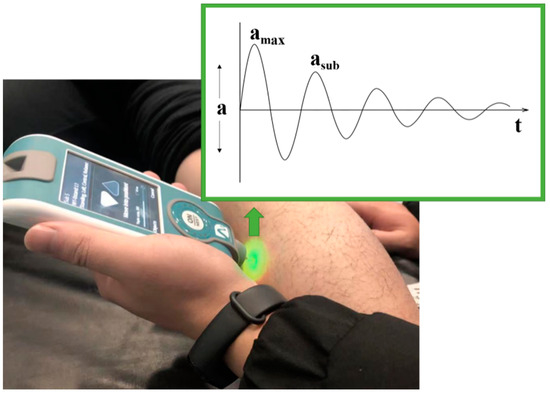
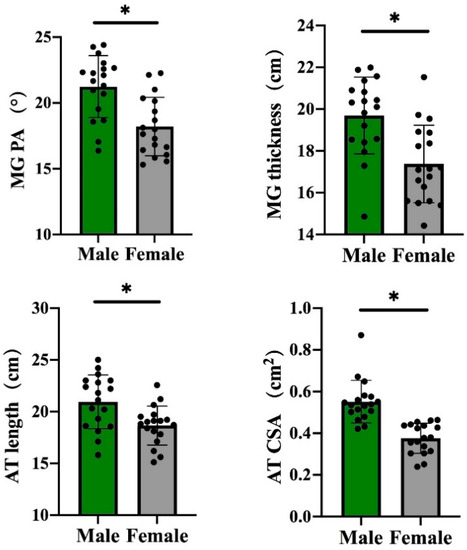
This study aims to explore whether gender differences exist in the architectural and mechanical properties of the medial gastrocnemius–Achilles tendon unit (gMTU) in vivo. Thirty-six healthy male and female adults without training experience and regular exercise habits were recruited. The architectural and mechanical properties of the gMTU were measured via an ultrasonography system and MyotonPRO, respectively. Independent
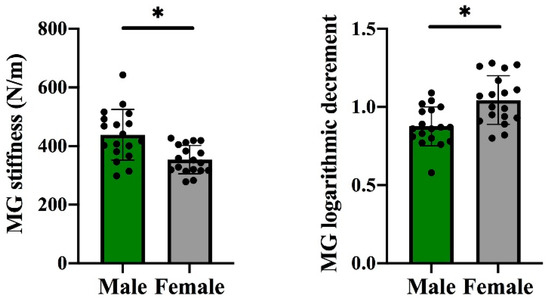
t-tests were utilized to quantify the gender difference in the architectural and mechanical properties of the gMTU. In terms of architectural properties, the medial gastrocnemius (MG)’s pennation angle and thickness were greater in males than in females, whereas no substantial gender difference was observed in the MG’s fascicle length; the males possessed Achilles tendons (ATs) with a longer length and a greater cross-sectional area than females. In terms of mechanical properties, the MG’s vertical stiffness was lower and the MG’s logarithmic decrement was greater in females than in males. Both genders had no remarkable difference in the AT’s vertical stiffness and logarithmic decrement. Gender differences of individuals without training experience and regular exercise habits exist in the architectural and mechanical properties of the gMTU in vivo. The MG’s force-producing capacities, ankle torque, mechanical efficiency and peak power were higher in males than in females. The load-resisting capacities of AT were greater and the MG strain was lesser in males than in females. These findings suggest that males have better physical fitness, speed and performance in power-based sports events than females from the perspective of morphology and biomechanics.
Full article
►▼
Show Figures
Open AccessArticle
Acute Effects on Impact Accelerations Running with Objects in the Hand
by
Roberto Sanchis-Sanchis, Alberto Encarnación-Martínez, Jose I. Priego-Quesada, Inmaculada Aparicio, Irene Jimenez-Perez and Pedro Pérez-Soriano
Cited by 1 | Viewed by 3391
Abstract
Amateur runners usually run carrying implements in their hands (keys, a mobile phone, or a bottle of water). However, there is a lack of literature about the effects of different handloads on impact accelerations. Thus, this study aimed to analyse the effects of
[...] Read more.
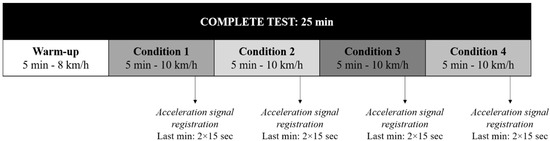
Amateur runners usually run carrying implements in their hands (keys, a mobile phone, or a bottle of water). However, there is a lack of literature about the effects of different handloads on impact accelerations. Thus, this study aimed to analyse the effects of carrying different objects in the hand on impact accelerations during running. Nineteen male recreational runners (age 24.3 ± 6.8 years, training volume of 25 ± 7.38 km/week) performed twenty minutes of running on a treadmill at 2.78 m/s with four different conditions: no extra weight, with keys, with a mobile phone, and with a bottle of water. Impact acceleration and spatio-temporal parameters were analysed through a wireless triaxial accelerometry system composed of three accelerometers: two placed in each tibia and one placed on the forehead. A higher tibia acceleration rate in the dominant leg was observed when participants ran holding both a mobile phone (
p = 0.027; ES = 0.359) and a bottle of water (
p = 0.027; ES = 0.359), compared to no extra weight. No changes were observed in peak acceleration, acceleration magnitude, and shock attenuation in any other conditions. Likewise, neither stride frequency nor step length was modified. Our results suggest that recreational runners should not worry about carrying objects in their hands, like a mobile phone or a bottle of water, in short races because their effect seems minimal.
Full article
►▼
Show Figures
Open AccessArticle
Physical Abilities in Low Back Pain Patients: A Cross-Sectional Study with Exploratory Comparison of Patient Subgroups
by
Nejc Šarabon, Nace Vreček, Christian Hofer, Stefan Löfler, Žiga Kozinc and Helmut Kern
Cited by 9 | Viewed by 4971
Abstract
An abundance of literature has investigated the association between low back pain (LBP) and physical ability or function. It has been shown that LBP patients display reduced range of motion, decreased balance ability, impaired proprioception, and lower strength compared to asymptomatic persons. The
[...] Read more.
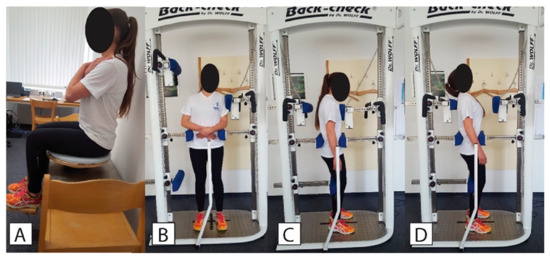
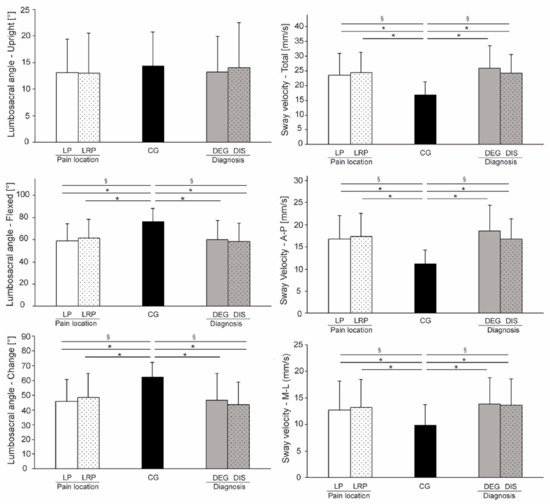
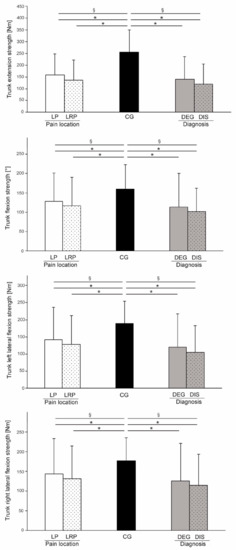
An abundance of literature has investigated the association between low back pain (LBP) and physical ability or function. It has been shown that LBP patients display reduced range of motion, decreased balance ability, impaired proprioception, and lower strength compared to asymptomatic persons. The aim of this study was to investigate the differences between LBP patients and healthy controls in terms of several physical abilities. Based on the premised that different biomechanical and physiological causes and consequences could be related to different types of LBP, a secondary exploratory attempt of the study was to examine the differences between LBP subgroups based on the pain location (local or referred) or type of pathology (discogenic or degenerative) on the level of impairment of function and ability. Participants performed range of motion tests, trunk maximal voluntary contraction force tests, a sitting balance assessment, the timed up-and-go test, the chair rise test, and the trunk reposition error test. Compared to the control group, symptomatic patients on average showed 45.7% lower trunk extension (
p < 0.001, η
2 = 0.33) and 27.7 % lower trunk flexion force (
p < 0.001, η
2 = 0.37) during maximal voluntary contraction. LBP patients exhibited decreased sitting balance ability and lower scores in mobility tests (all
p < 0.001). There were no differences between groups in Schober’s test and trunk repositioning error (
p > 0.05). No differences were observed among the LBP subgroups. The exploratory analyses are limited by the sample size and uncertain validity of the diagnostic procedures within this study. Further studies with appropriate diagnostic procedures and perhaps a different subgrouping of the LBP patients are needed to elucidate if different types of LBP are related to altered biomechanics, physiology, and function.
Full article
►▼
Show Figures