

Latest Articles

Open AccessArticle
Interaction of the Longwave and Finite-Wavelength Instability Modes of Convection in a Horizontal Fluid Layer Confined between Two Fluid-Saturated Porous Layers
Fluids 2017, 2(3), 39; doi:10.3390/fluids2030039 (registering DOI) -
Abstract
The onset of convection in a three-layer system consisting of two fluid-saturated porous layers separated by a homogeneous fluid layer is studied. It is shown that both a longwave convective regime developing in the whole system and a finite-wavelength regime of convection concentrated
[...] Read more.
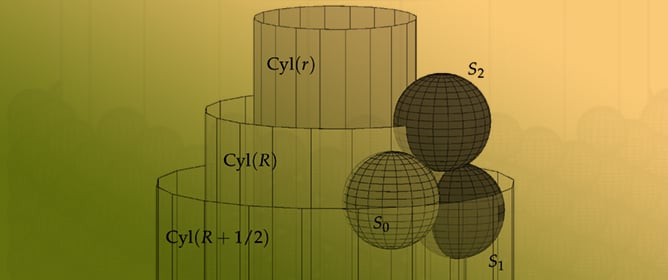
The onset of convection in a three-layer system consisting of two fluid-saturated porous layers separated by a homogeneous fluid layer is studied. It is shown that both a longwave convective regime developing in the whole system and a finite-wavelength regime of convection concentrated in the homogeneous fluid layer are possible. Due to the hydraulic resistance of the porous matrix, the flow intensity in the longwave convective regime is much lower than that in the finite-wavelength regime. Moreover, it grows at a much slower pace with the increase of the Grashof number. Because of that, the long-wave convective regime becomes unstable at small supercriticalities and is replaced by a finite-wavelength regime. Full article
Figures

Figure 1

Open AccessCommentary
Social Impact Bonds and the Perils of Aligned Interests
Adm. Sci. 2017, 7(3), 24; doi:10.3390/admsci7030024 (registering DOI) -
Abstract
Social impact bonds (SIBs) have been welcomed enthusiastically as a new funding tool for social innovation, yet also condemned as an instrument that neglects beneficiaries’ and taxpayers’ interests, opening profit opportunities in the field of social politics for smart private investors. We will
[...] Read more.
Social impact bonds (SIBs) have been welcomed enthusiastically as a new funding tool for social innovation, yet also condemned as an instrument that neglects beneficiaries’ and taxpayers’ interests, opening profit opportunities in the field of social politics for smart private investors. We will shed a more analytical light on SIBs, assuming that, like any contract, SIBs try to align interests between partners with partly converging, partly diverging goals. Thus, it remains mainly a matter of negation, and non-profit social service providers as well as public agencies should avoid particular perils and pitfalls. Full article

Open AccessFeature PaperArticle
Weak Localization and Antilocalization in Topological Materials with Impurity Spin-Orbit Interactions
Materials 2017, 10(7), 807; doi:10.3390/ma10070807 (registering DOI) -
Abstract
Topological materials have attracted considerable experimental and theoretical attention. They exhibit strong spin-orbit coupling both in the band structure (intrinsic) and in the impurity potentials (extrinsic), although the latter is often neglected. In this work, we discuss weak localization and antilocalization of massless
[...] Read more.
Topological materials have attracted considerable experimental and theoretical attention. They exhibit strong spin-orbit coupling both in the band structure (intrinsic) and in the impurity potentials (extrinsic), although the latter is often neglected. In this work, we discuss weak localization and antilocalization of massless Dirac fermions in topological insulators and massive Dirac fermions in Weyl semimetal thin films, taking into account both intrinsic and extrinsic spin-orbit interactions. The physics is governed by the complex interplay of the chiral spin texture, quasiparticle mass, and scalar and spin-orbit scattering. We demonstrate that terms linear in the extrinsic spin-orbit scattering are generally present in the Bloch and momentum relaxation times in all topological materials, and the correction to the diffusion constant is linear in the strength of the extrinsic spin-orbit. In topological insulators, which have zero quasiparticle mass, the terms linear in the impurity spin-orbit coupling lead to an observable density dependence in the weak antilocalization correction. They produce substantial qualitative modifications to the magnetoconductivity, differing greatly from the conventional Hikami-Larkin-Nagaoka formula traditionally used in experimental fits, which predicts a crossover from weak localization to antilocalization as a function of the extrinsic spin-orbit strength. In contrast, our analysis reveals that topological insulators always exhibit weak antilocalization. In Weyl semimetal thin films having intermediate to large values of the quasiparticle mass, we show that extrinsic spin-orbit scattering strongly affects the boundary of the weak localization to antilocalization transition. We produce a complete phase diagram for this transition as a function of the mass and spin-orbit scattering strength. Throughout the paper, we discuss implications for experimental work, and, at the end, we provide a brief comparison with transition metal dichalcogenides. Full article
Open AccessArticle
Design Mechanism and Property of the Novel Fluorescent Probes for the Identification of Microthrix Parvicella In Situ
Materials 2017, 10(7), 804; doi:10.3390/ma10070804 (registering DOI) -
Abstract
In this study, two novel fluorescent probes, probe A and probe B were designed, synthesized and characterized, based on Microthrix parvicella (M. parvicella) preferring to utilize long-chain fatty acid (LCFA), for the labeling of M. parvicella in activated sludge. The molecular
[...] Read more.
In this study, two novel fluorescent probes, probe A and probe B were designed, synthesized and characterized, based on Microthrix parvicella (M. parvicella) preferring to utilize long-chain fatty acid (LCFA), for the labeling of M. parvicella in activated sludge. The molecular structure of probe A and probe B include long-chain alkane and LCFA, respectively. The results indicated that probe A and probe B had a large stokes shift of 118 nm and 120 nm and high quantum yield of 0.1043 and 0.1058, respectively, which were significantly helpful for the fluorescent labeling. As probe A was more stable than probe B in activated sludge, and the fluorescence intensity keep stable during 24 h, probe A was more suitable for labeling M. parvicella in situ. In addition, through the Image Pro Plus 6 (IPP 6) analysis, a quantitative relationship was established between sludge volume index (SVI) and integral optical density (IOD) of the labeled M. parvicella in activated sludge samples. The relationship between IOD and SVI conforms to Logistic curve (R2 = 0.94). Full article
Figures

Open AccessArticle
An Advanced Characterization Method for the Elastic Modulus of Nanoscale Thin-Films Using a High-Frequency Micromechanical Resonator
Materials 2017, 10(7), 806; doi:10.3390/ma10070806 (registering DOI) -
Abstract
Nanoscale materials have properties that frequently differ from those of their bulk form due to the scale effect, and therefore a measurement technique that can take account of such material characteristics with high accuracy and sensitivity is required. In the present study, advanced
[...] Read more.
Nanoscale materials have properties that frequently differ from those of their bulk form due to the scale effect, and therefore a measurement technique that can take account of such material characteristics with high accuracy and sensitivity is required. In the present study, advanced nanomechanical metrology was developed for evaluation of elastic properties of thin-film materials. A 52 nm thick chromium (Cr) film was deposited on a high-speed micromechanical resonator using an e-beam evaporator, and the structure was excited to resonate using an ultrasonic platform. The resonant frequencies for the first and second flexural vibration modes were measured using laser interferometry, and they were compared to analytical estimation from the classical beam theory. Results show that the experimental data are in excellent agreement with the theory, within 1% of the relative error, and a mass sensitivity up to 10.5 Hz/fg was achieved. Thus, the scale effect that reduced the Young’s modulus of Cr by 49.8% compared to its bulk property was correctly recognized by the proposed method. Full article
Open AccessArticle
Wear Performance of Calcium Carbonate-Containing Knee Spacers
Materials 2017, 10(7), 805; doi:10.3390/ma10070805 (registering DOI) -
Abstract
Articulating spacers should be wear-resistant and load-bearing to avoid prolonged immobilization of the patient and to reduce morbidity. However, due to the articulation of both components, a release of cement wear particles is to be expected. The aim of this study was to
[...] Read more.
Articulating spacers should be wear-resistant and load-bearing to avoid prolonged immobilization of the patient and to reduce morbidity. However, due to the articulation of both components, a release of cement wear particles is to be expected. The aim of this study was to investigate the wear performance of a new spacer cement that contains calcium carbonate as a radio-opaque substance, in comparison to an established barium sulphate-containing spacer material, and also to characterize the amount, morphology, and size distributions of the released cement particles in detail. Force-controlled simulation was carried out on an AMTI knee simulator. The test parameters were in accordance with the standard ISO 14243-1 with a 50% reduced axial force. Tests were run for 500,000 cycles at a frequency of 1 Hz. For wear analysis, photographic documentation of the wear scars, gravimetric wear measurements and wear particle analysis were performed. The barium sulphate spacer material showed a total articular wear of 375.53 ± 161.22 mg. For the calcium carbonate-containing cement, reduced articular wear of 136.32 ± 37.58 mg was determined. Isolated cement wear particles of the barium sulphate-containing cement had a diameter of 0.429 ± 0.224 μm and were significantly larger compared to the calcium carbonate-containing cement (0.380 ± 0.216 μm, p = 0.02). The calcium carbonate-containing cement showed better wear performance in terms of gravimetric wear and particle release. Thus, calcium carbonate seems to be a promising material as a radio-opaque substrate in cement spacers. Full article
Figures

Figure 1

Open AccessFeature PaperCommentary
Stroke in Frail Older People
Geriatrics 2017, 2(3), 24; doi:10.3390/geriatrics2030024 (registering DOI) -
Abstract
The population is ageing, with the greatest proportional increase in those >80 years of age. Many of these people will be frail and at risk of stroke. Research has shown that the very old have much to benefit from hyperacute stroke intervention, but
[...] Read more.
The population is ageing, with the greatest proportional increase in those >80 years of age. Many of these people will be frail and at risk of stroke. Research has shown that the very old have much to benefit from hyperacute stroke intervention, but at the same time they suffer increased mortality. Their outcome following stroke and intervention is more often predicted by the presence of frailty rather than age alone. Intervention both in primary prevention and hyperacute stroke management needs to allow for preexisting morbidity and frailty in deciding what is and what is not appropriate, rather than an arbitrary decision on age. Frail older people are more likely to develop delirium and dysphagia combined with poor mouthcare and die, yet all of these issues are managed badly. An increased awareness of these complications of stroke in the frail older person is necessary. Full article
Figures

Figure 1

Open AccessFeature PaperArticle
Post-Fire Salvage Logging Imposes a New Disturbance that Retards Succession: The Case of Bryophyte Communities in a Macaronesian Laurel Forest
Forests 2017, 8(7), 252; doi:10.3390/f8070252 (registering DOI) -
Abstract
Post-fire salvage logging (SL) is a common management action that involves the harvesting of burnt trees. As a consequence, a large amount of biological legacies in the form of logs and other coarse woody debris are removed from the post-fire habitat, creating a
[...] Read more.
Post-fire salvage logging (SL) is a common management action that involves the harvesting of burnt trees. As a consequence, a large amount of biological legacies in the form of logs and other coarse woody debris are removed from the post-fire habitat, creating a more simplified landscape. Therefore, SL could act as an additional disturbance over that produced by fire. In this study, we seek to determine the effect of SL on the regeneration of the bryophyte community of a laurel forest from the Canary Islands (Spain). We hypothesized that SL will act as an additional disturbance and, consequently, salvaged areas will have a higher difference in community composition with respect to a reference ecosystem (RE). Mosses and liverworts were sampled 22 months after the salvage operations in salvaged plots, non-salvaged, and in an RE represented by areas of the original forest. Species richness did not differ between salvage and non-salvaged treatments. However, multivariate analysis and species-indicator analysis showed that non-salvaged plots had a composition closer to that of the RE, with a higher proportion of closed-canopy, perennial, and long-lived species, as well as some epiphytes. By contrast, salvaged plots were dominated by early-successional terrestrial species and species preferring open habitats. We conclude that post-fire SL represents an additional disturbance that further delays succession, a result that is consistent with previous studies using other taxonomic groups. SL should therefore be avoided or, if implemented, the possibility of leaving part of the post-fire biological legacies in situ should be considered. Full article
Open AccessArticle
NMR Insights into the Structure-Function Relationships in the Binding of Melanocortin Analogues to the MC1R Receptor
Molecules 2017, 22(7), 1189; doi:10.3390/molecules22071189 (registering DOI) -
Abstract
Linear and cyclic analogues of the α-melanocyte stimulating hormone (α-MSH) targeting the human melanocortin receptor 1 (MC1R) are of pharmacological interest for detecting and treating melanoma. The central sequence of α-MSH (His-Phe-Arg-Trp) has been identified as being essential for receptor binding. To deepen
[...] Read more.
Linear and cyclic analogues of the α-melanocyte stimulating hormone (α-MSH) targeting the human melanocortin receptor 1 (MC1R) are of pharmacological interest for detecting and treating melanoma. The central sequence of α-MSH (His-Phe-Arg-Trp) has been identified as being essential for receptor binding. To deepen current knowledge on the molecular basis for α-MSH bioactivity, we aimed to understand the effect of cycle size on receptor binding. To that end, we synthesised two macrocyclic isomeric α-MSH analogues, c[NH-NO2-C6H3-CO-His-DPhe-Arg-Trp-Lys]-Lys-NH2 (CycN-K6) and c[NH-NO2-C6H3-CO-His-DPhe-Arg-Trp-Lys-Lys]-NH2 (CycN-K7). Their affinities to MC1R receptor were determined by competitive binding assays, and their structures were analysed by 1H and 13C NMR. These results were compared to those of the previously reported analogue c[S-NO2-C6H3-CO-His-DPhe-Arg-Trp-Cys]-Lys-NH2 (CycS-C6). The MC1R binding affinity of the 22-membered macrocyclic peptide CycN-K6 (IC50 = 155 ± 16 nM) is higher than that found for the 25-membered macrocyclic analogue CycN-K7 (IC50 = 495 ± 101 nM), which, in turn, is higher than that observed for the 19-membered cyclic analogue CycS-C6 (IC50 = 1770 ± 480 nM). NMR structural study indicated that macrocycle size leads to changes in the relative dispositions of the side chains, particularly in the packing of the Arg side chain relative to the aromatic rings. In contrast to the other analogues, the 22-membered cycle’s side chains are favorably positioned for receptor interaction. Full article
Figures

Institutional Open Access Program (IOAP)

IOAP participants benefit from discounts and convenient payment options.

Feedback

We are keen to hear what you think about MDPI. To leave us your feedback, suggestions or questions please click here.

See what our authors and guest editors say about us.

About MDPI

MDPI.com is a platform for peer-reviewed, scientific open-access journals operated by MDPI AG, based in Basel, Switzerland. Additional offices are located in Beijing and Wuhan (China) as well as in Barcelona (Spain).

Back to Top