

-
Contextual Regulation of the Kynurenine Pathway and Its Relevance for Personalized Psychiatry -
Biomarkers in Colorectal Cancer: Clinically Relevant Diagnostic and Prognostic Molecular Features, and the Future of Precision Medicine -
Advances in Non-CPAP Management of Obstructive Sleep Apnea: Spotlight on Pharmacological Therapies
Journal Description
Journal of Personalized Medicine
is an international, peer-reviewed, open access journal on personalized medicine, published monthly online by MDPI. The Inter-American Society for Minimally Invasive Spine Surgery (SICCMI), Korean Society of Brain Neuromodulation Therapy (KBNT), American Board of Precision Medicine (ABOPM) and Brazilian Society of Personalized Medicine (SBMP) are affiliated with JPM and their members receive a discount on article processing charges.
- Open Access— free for readers, with article processing charges (APC) paid by authors or their institutions.
- High Visibility: indexed within Scopus, PubMed, PMC, Embase, and other databases.
- Journal Rank: CiteScore - Q1 (Medicine (miscellaneous))
- Rapid Publication: manuscripts are peer-reviewed and a first decision is provided to authors approximately 25 days after submission; acceptance to publication is undertaken in 5.8 days (median values for papers published in this journal in the second half of 2025).
- Recognition of Reviewers: reviewers who provide timely, thorough peer-review reports receive vouchers entitling them to a discount on the APC of their next publication in any MDPI journal, in appreciation of the work done.
Latest Articles
Recognition of Obstructive Sleep Apnea: An Exploratory Bayesian Modeling Analysis
J. Pers. Med. 2026, 16(5), 273; https://doi.org/10.3390/jpm16050273 - 19 May 2026
Abstract
►
Show Figures
Background/Objectives: Two diagnostic approaches for sleep studies are commonly used worldwide: in-laboratory polysomnography [PSG] and home sleep apnea testing [HSAT]. Although HSAT has gained increasing acceptance due to its convenience and lower cost, clinical criteria for HSAT use remain complex and cannot
[...] Read more.
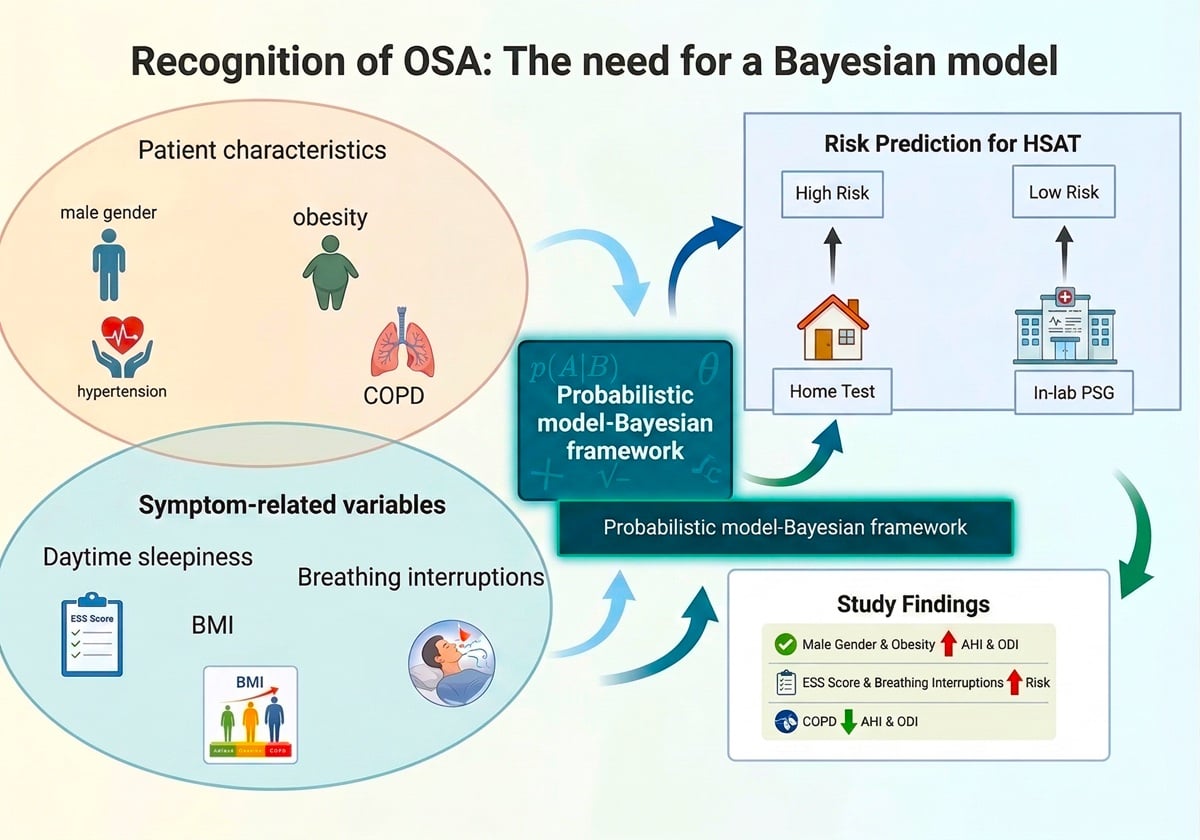
Background/Objectives: Two diagnostic approaches for sleep studies are commonly used worldwide: in-laboratory polysomnography [PSG] and home sleep apnea testing [HSAT]. Although HSAT has gained increasing acceptance due to its convenience and lower cost, clinical criteria for HSAT use remain complex and cannot be inferred directly from AHI/ODI severity indices alone. The aim of the present exploratory study was to examine associations between routinely collected demographic, clinical, and symptom-related variables and objective indices of disease severity, namely the apnea–hypopnea index [AHI] and oxygen desaturation index [ODI] as an initial, hypothesis-generating step toward future patient-level model development and validation. Methods: A retrospective observational analysis was conducted in 1100 individuals who previously underwent in lab-polysomnography [PSG] at the University Hospital of Thessaly, Greece, between 2006 and 2023. Specific demographic, clinical and symptom-related variables were included in this study [six continuous and fifteen categorical], which were analyzed in relation to AHI and ODI values. A three-step process was carried out: variable selection followed a screening and backward elimination process. Multivariable linear regression models were subsequently estimated within a Bayesian framework using Hamiltonian Monte Carlo methods. Results: Out of 1100 individuals, the mean age was 51.9 years with the predominant gender being male [76%]. Obesity [65.6%] and hypertension [40.5%] were the most common comorbidities. For AHI, male gender, body mass index [BMI], Epworth Sleepiness Scale [ESS] score, reported breathing interruptions during sleep, and chronic obstructive pulmonary disease [COPD] were significant predictors. For ODI, significant predictors included male gender, BMI, ESS score, breathing interruptions during sleep, daytime sleepiness, obesity, and COPD. COPD showed an inverse association with both indices. Conclusions: These findings support the feasibility of integrating routinely available clinical variables within a Bayesian probabilistic framework to estimate disease severity pre-test probability. The current analysis may not constitute a validated tool for HSAT versus PSG selection; however, it is an initial, hypothesis-generating step toward future model development.
Full article
Open AccessArticle
Value of Coronary CT Angiography in Ruling Out Coronary Artery Disease in Elderly Patients Candidates to TAVI
by
Mattia Alexis Amico, Andrea Taddei, Matteo Casini, Carlo Fumagalli, Manlio Acquafresca, Mario Moroni, Angela Migliorini, Francesco Meucci, Carlo Di Mario, Niccolò Marchionni, Renato Valenti and Nazario Carrabba
J. Pers. Med. 2026, 16(5), 272; https://doi.org/10.3390/jpm16050272 - 19 May 2026
Abstract
Background: Coronary computed tomography angiography (cCTA) is now indicated as a non-invasive tool for ruling out obstructive coronary artery disease (O-CAD) in patients who are candidates for transcatheter aortic valve implantation (TAVI) showing low-intermediate pre-test probability of O-CAD. In elderly and comorbid
[...] Read more.
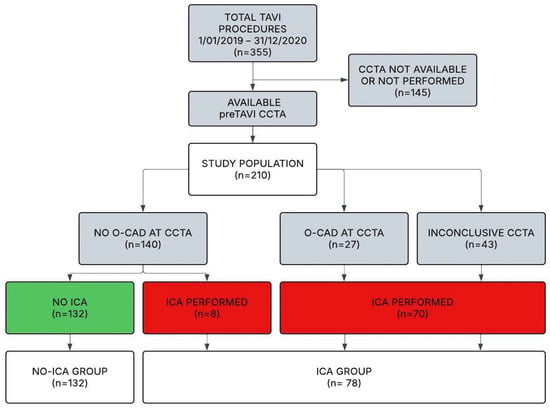
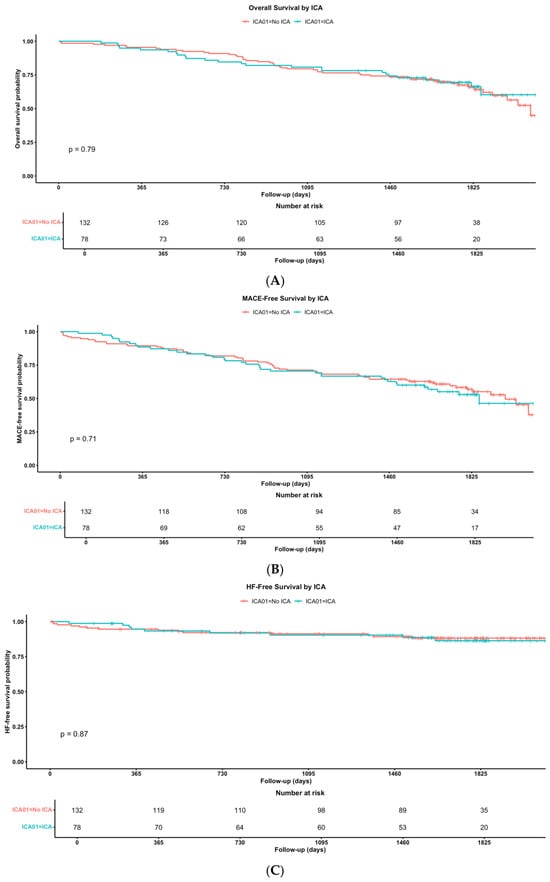
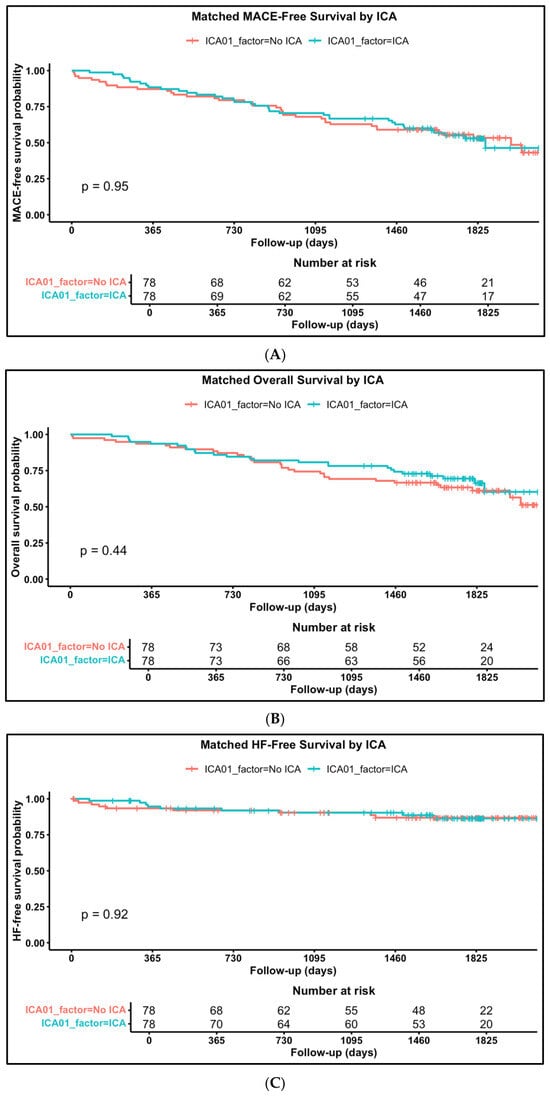
Background: Coronary computed tomography angiography (cCTA) is now indicated as a non-invasive tool for ruling out obstructive coronary artery disease (O-CAD) in patients who are candidates for transcatheter aortic valve implantation (TAVI) showing low-intermediate pre-test probability of O-CAD. In elderly and comorbid TAVI candidates, the safety and accuracy of cCTA as an alternative to invasive coronary angiography (ICA) for ruling out O-CAD remain to be established. Aim: To assess the feasibility, diagnostic accuracy, and clinical safety of cCTA for ruling out proximal O-CAD in elderly, comorbid, high-risk patients undergoing TAVI. Methods: We conducted a retrospective, single-center study including all consecutive patients with severe symptomatic aortic stenosis who underwent TAVI between January 2019 and December 2020. All patients underwent pre-TAVI cCTA. Patients with positive or non-diagnostic cCTA underwent ICA selectively (ICA group). In patients with no-O-CAD, ICA was omitted and proceeded directly to TAVI (no-ICA group). Accordingly, patients were divided into two groups: no-ICA and ICA group. Clinical follow-up was extended up to 5 years, with assessment of major adverse cardiovascular events (MACEs), mortality, heart failure hospitalizations, and unplanned revascularization. Results: Among 355 patients enrolled, 210 were included in the study. Among them, 140 (66.7%) had negative cCTA for O-CAD, and ICA was safely omitted in 132 patients (62.8%). cCTA was inconclusive in 43 patients (20.5%) and positive in 27 (12.9%). ICA confirmed O-CAD in 53 of 78 patients (67.9%) and PCI was performed in 35 of 53 (66.0%). The accuracy of cCTA for ruling in O-CAD was low (66.28%). During the follow-up period (1513 ± 508 days), the no-ICA group showed comparable outcomes to the ICA group in terms of periprocedural complications and long-term results—at both 1 and 5 years—for MACEs, heart failure hospitalizations, mortality and unplanned revascularization. Outcomes remain comparable between the two groups after performing matched-pair analyses. Conclusions: Our data show that cCTA may provide a reliable, safe, and effective alternative to ICA for ruling out obstructive CAD in elderly patients undergoing TAVI when image quality is diagnostic. A cCTA-based strategy allows deferral of ICA in most cases without compromising procedural safety or long-term clinical outcomes, enabling a personalized and tailored clinical pathway. Whether advanced CT techniques, such as CT-FFR and photon-counting CT, may help refine patient selection for invasive coronary assessment remains to be demonstrated.
Full article
(This article belongs to the Special Issue Artificial Intelligence in Cardiovascular Diseases: Toward Personalized Diagnosis and Treatment)
►▼
Show Figures

Figure 1
Open AccessSystematic Review
The Relationship Between Body Dysmorphic Disorder and Orthodontic Treatment Need: A Systematic Review
by
Theoklitos Tsaprazlis, Konstantinos Lappas, Miltiadis A. Makrygiannakis, Heleni Vastardis and Eleftherios G. Kaklamanos
J. Pers. Med. 2026, 16(5), 271; https://doi.org/10.3390/jpm16050271 - 18 May 2026
Abstract
Background: Body Dysmorphic Disorder (BDD) is characterized by an intense preoccupation with perceived flaws in physical appearance, which can influence choices related to aesthetically driven healthcare. In orthodontics, this may cause a mismatch between a person’s subjective concern about their appearance and the
[...] Read more.
Background: Body Dysmorphic Disorder (BDD) is characterized by an intense preoccupation with perceived flaws in physical appearance, which can influence choices related to aesthetically driven healthcare. In orthodontics, this may cause a mismatch between a person’s subjective concern about their appearance and the treatment need determined by established indices. Therefore, orthodontic treatment indices are crucial to ensure that interventions are clinically justified rather than primarily motivated by disproportionate appearance-related distress. Objective: To systematically review and appraise the existing evidence on the connection between BDD and orthodontic treatment need as assessed by established indices. Materials and Methods: A systematic search of five electronic databases was conducted for studies published up to March 2026 that examined the association between BDD and orthodontic treatment need. Eligible studies included individuals undergoing orthodontic treatment or seeking orthodontic care, in whom BDD was evaluated using validated instruments and treatment need was assessed using established orthodontic indices. Risk of bias was assessed using the ROBINS-E tool. Results: A total of 2743 records were identified, and four observational studies met the inclusion criteria. Due to heterogeneity in study design, assessment methods and outcomes, findings were synthesized narratively. Orthodontic treatment need was assessed using the Dental Health Component of the Index of Orthodontic Treatment Need (IOTN-DHC), the Aesthetic Component of the Index of Orthodontic Treatment Need (IOTN-AC), and the Index of Complexity, Outcome and Need (ICON). Two studies using IOTN-DHC reported a negative association between BDD and orthodontic treatment need, whereas studies using IOTN-AC and ICON found no significant relationship. Associations with sex, age, education, depression, and anxiety were inconsistent across studies. Conclusions: Current evidence suggests an inconsistent relationship between Body Dysmorphic Disorder and orthodontic treatment need, highlighting the relevance of personalized assessment in orthodontic decision-making. Given the limited number of studies and the high risk of bias, the findings should be considered preliminary, and further standardized studies are needed to clarify this association.
Full article
(This article belongs to the Special Issue Advances in Oral Health: Innovative and Personalized Approaches)
Open AccessArticle
Advancing Personalized Intrathecal Therapy: A Quasi-Experimental Study for the Evaluation of Patient Satisfaction and Pain in Ultrasound-Guided Versus Template-Guided Refill Techniques
by
Beatriz Lechuga Carrasco, Beatriz Piqueras-Sola, Nicolás Cordero Tous, Jonathan Cortés-Martín, Juan Carlos Sánchez-García, Raquel Rodríguez-Blanque and Rafael Gálvez Mateos
J. Pers. Med. 2026, 16(5), 270; https://doi.org/10.3390/jpm16050270 - 18 May 2026
Abstract
Background: Traditional refills of intrathecal infusion pumps rely on manual palpation and the use of external templates, a method that can be challenging in patients with anatomical variations or a high body mass index. Ultrasound guidance has emerged as a precision-based alternative. This
[...] Read more.
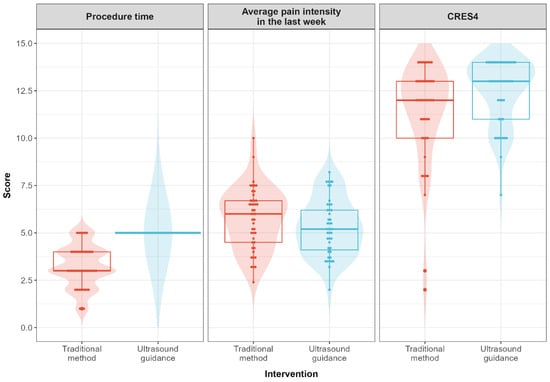
Background: Traditional refills of intrathecal infusion pumps rely on manual palpation and the use of external templates, a method that can be challenging in patients with anatomical variations or a high body mass index. Ultrasound guidance has emerged as a precision-based alternative. This study aimed to evaluate the impact of the ultrasound-guided technique versus the conventional template-based technique on patient satisfaction. Methods: A quasi-experimental before-and-after study was conducted on a cohort of 45 chronic pain patients. Immediate satisfaction with procedure duration (IPP-SQ), overall treatment efficacy (CRES-4), and pain interference via the Brief Pain Inventory (BPI) were assessed. Results: The use of ultrasound was associated with significantly higher satisfaction regarding procedure duration, with a mean score of 5.00 (95% CI: 4.35–5.65) compared to 3.22 (95% CI: 2.70–3.75) with the traditional method (p < 0.001). Overall satisfaction (CRES-4) also improved significantly (12.4 vs. 11.3; p = 0.001). Regarding patient-reported outcome measures (PROMs), the mean pain intensity in the subsequent week was lower following the ultrasound technique (mean difference −0.48; p = 0.040). Technically, no first-attempt failures were recorded under ultrasound guidance in this sample, compared to a 20% re-attempt rate observed with the manual method. Conclusions: The transition from the traditional method to ultrasound-guided refill optimizes technical precision and substantially enhances the patient experience. By reducing pain and increasing satisfaction, ultrasound guidance proves to be a valuable resource for improving procedural precision, representing an advancement toward a more personalized medicine approach.
Full article
(This article belongs to the Special Issue Towards Precision Anesthesia and Pain Management)
►▼
Show Figures

Figure 1
Open AccessArticle
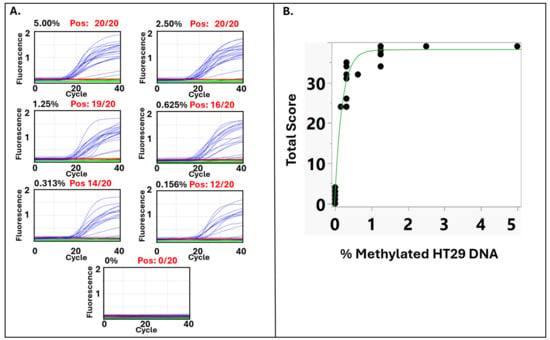
Establishment and Performance Evaluation of a Multiplexed TET2–APOBEC-Mediated cfDNA Methylation Detection Workflow Using qPCR and dPCR Readouts
by
Almudena Aguilera-Diaz, Philip B. Feinberg, Jianmin Huang, Eugene Spier, Francis Barany and Manny D. Bacolod
J. Pers. Med. 2026, 16(5), 269; https://doi.org/10.3390/jpm16050269 - 18 May 2026
Abstract
Background/Objectives: Bisulfite-based cell-free DNA (cfDNA) methylation assays enable the detection of clinically valuable epigenetic biomarkers but often cause DNA degradation and inconsistent conversion efficiency, limiting performance in low-input liquid biopsy samples. We aimed to develop and evaluate a fully enzymatic cfDNA methylation
[...] Read more.
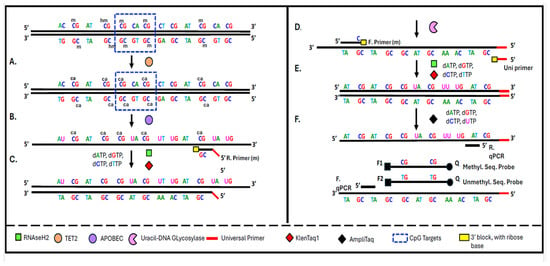
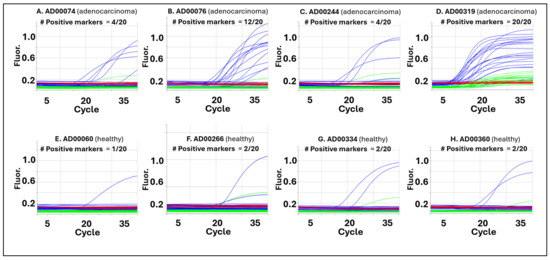
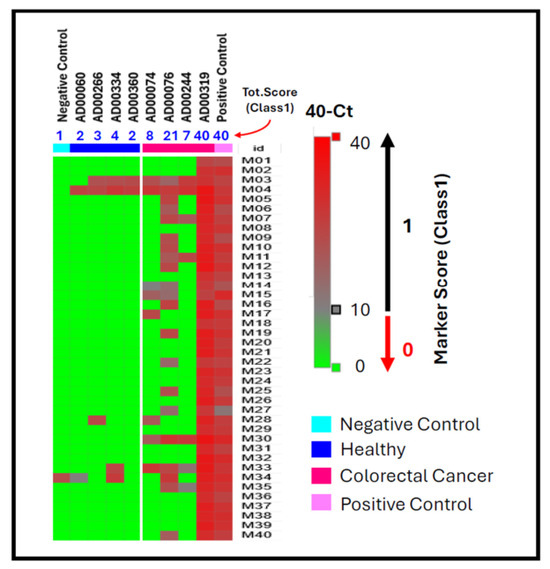
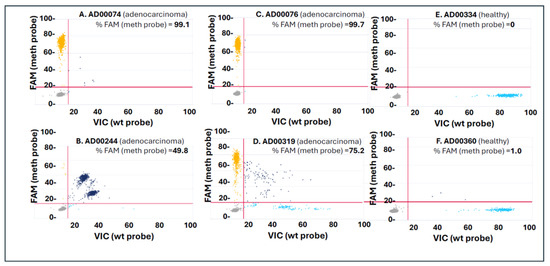
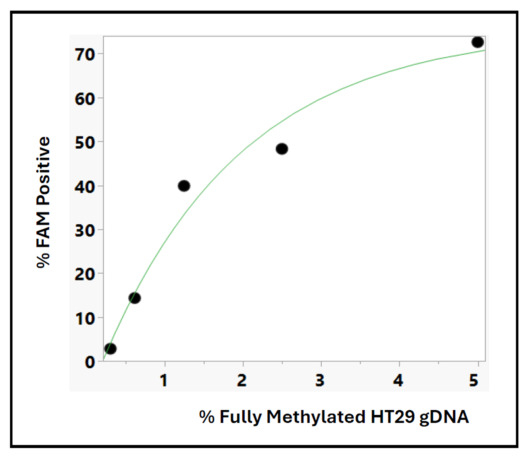
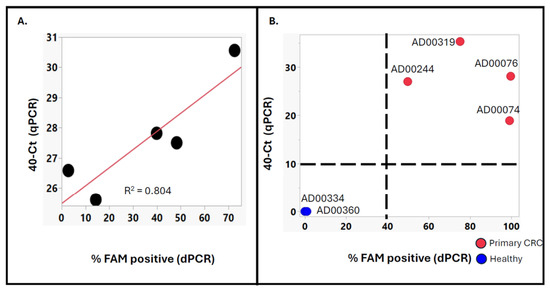
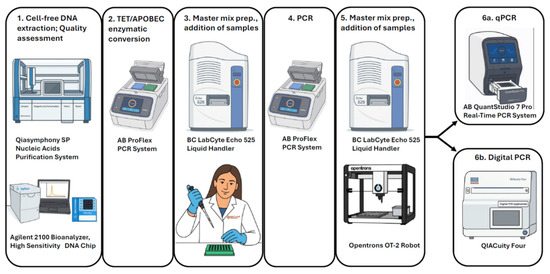
Background/Objectives: Bisulfite-based cell-free DNA (cfDNA) methylation assays enable the detection of clinically valuable epigenetic biomarkers but often cause DNA degradation and inconsistent conversion efficiency, limiting performance in low-input liquid biopsy samples. We aimed to develop and evaluate a fully enzymatic cfDNA methylation workflow that preserves DNA integrity and supports quantitative clinical detection. Methods: The assay integrates TET2-mediated oxidation and APOBEC3A deamination with RNase H2-guided primer design, uracil-DNA glycosylase error suppression, and dual-probe detection compatible with quantitative PCR (qPCR) and digital PCR (dPCR). Performance was assessed using serial dilutions of methylated HT29 DNA, unmethylated controls, and plasma cfDNA from colorectal cancer (CRC) patients and healthy donors. Analytical sensitivity, linearity, and concordance between platforms were evaluated. Results: The 40-marker panel demonstrated higher cumulative methylation scores and more frequent methylation-positive signals in CRC cfDNA compared to controls. dPCR confirmed single-molecule resolution and clear discrimination between methylated and unmethylated templates, with occasional double-positive partitions consistent with mixed allelic methylation. Signal intensity across the dilution series followed a four-parameter logistic model, achieving detection sensitivity below 0.2% methylated DNA. qPCR and dPCR results showed strong correlation across the HT29 dilution series (R2 = 0.80) and high concordance in classifying CRC and healthy samples. Conclusions: This TET2–APOBEC-based enzymatic cfDNA assay enables sensitive, quantitative, sequencing-free methylation detection under gentle conditions, supporting its application in early colorectal cancer screening and routine clinical liquid biopsy workflows.
Full article
(This article belongs to the Special Issue Liquid Biopsy: Basic Research and Clinical Utility)
►▼
Show Figures

Figure 1
Open AccessReview
Optimizing Personalized Care Through Multidisciplinary Management in Rheumatoid Arthritis-Associated Interstitial Lung Disease: A Narrative Review
by
Milica Markovic, Gemma Lepri, Marco Matucci Cerinic and Serena Guiducci
J. Pers. Med. 2026, 16(5), 268; https://doi.org/10.3390/jpm16050268 - 17 May 2026
Abstract
Background: Rheumatoid arthritis-associated interstitial lung disease (RA-ILD) is a major extra-articular manifestation of rheumatoid arthritis (RA), contributing substantially to morbidity, mortality, and patient burden. Its diagnosis and management require integration of rheumatologic, pulmonary, and radiologic perspectives. Multidisciplinary approaches may provide a practical framework
[...] Read more.
Background: Rheumatoid arthritis-associated interstitial lung disease (RA-ILD) is a major extra-articular manifestation of rheumatoid arthritis (RA), contributing substantially to morbidity, mortality, and patient burden. Its diagnosis and management require integration of rheumatologic, pulmonary, and radiologic perspectives. Multidisciplinary approaches may provide a practical framework for implementing personalized medicine by integrating clinical and immunologic heterogeneity into individualized care strategies, although real-world data remain limited. Objectives: To synthesize primary studies published between 2015 and 2025 examining diagnostic, organizational, educational, and clinical aspects of RA-ILD within a multidisciplinary care framework. Methods: A narrative review of original research was conducted using PubMed and major publisher platforms from 1 January 2015 to 30 November 2025. Search terms included “rheumatoid arthritis,” “interstitial lung disease,” “RA-ILD,” “connective-tissue disease ILD,” “multidisciplinary,” “diagnosis,” “management,” and “patient experience.” Reviews and consensus statements were excluded. Results: Fifteen articles underwent full-text review, and five primary studies met all inclusion criteria and were incorporated into the final synthesis. RA-ILD emerged as a condition requiring coordinated interpretation of imaging, pulmonary physiology, and rheumatologic features. Multidisciplinary evaluation may improve diagnostic accuracy, reduce unclassifiable ILD, and support differentiation of autoimmune-related from idiopathic disease. A global assessment of ILD multidisciplinary team practices revealed substantial variability in structures and processes. Patient-reported data demonstrated significant emotional distress and a need for clearer communication and coordinated educational support. Conclusions: Effective RA-ILD management depends on collaborative assessment across specialties. Multidisciplinary care may support diagnostic precision and provide a practical framework for personalized medicine by integrating clinical, radiologic, and immunologic heterogeneity into tailored diagnostic and therapeutic strategies.
Full article
(This article belongs to the Special Issue Rheumatoid Arthritis: New Advances in Personalized Therapies)
Open AccessArticle
Genomic Medicine Among Ophthalmologists: Knowledge, Current Practice, and Barriers
by
Walaa Bakhamees, Hend Alsafran, Hani Basher ALBalawi, Naif M. Alali, Yousef A. Alotaibi and Moustafa S. Magliyah
J. Pers. Med. 2026, 16(5), 267; https://doi.org/10.3390/jpm16050267 - 16 May 2026
Abstract
Background/Objectives: To assess the knowledge, attitudes, and practices of ophthalmologists in Saudi Arabia towards genomic medicine and genetic testing, in light of the growing significance of genomics in ophthalmology and the national transition towards precision medicine. Methods: A cross-sectional, questionnaire-based survey
[...] Read more.
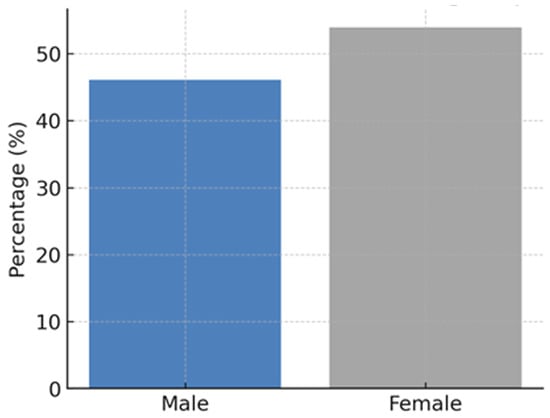
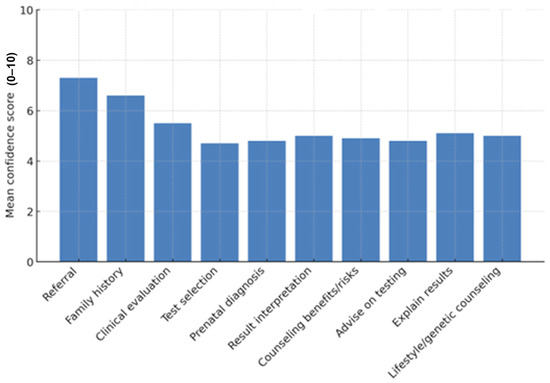
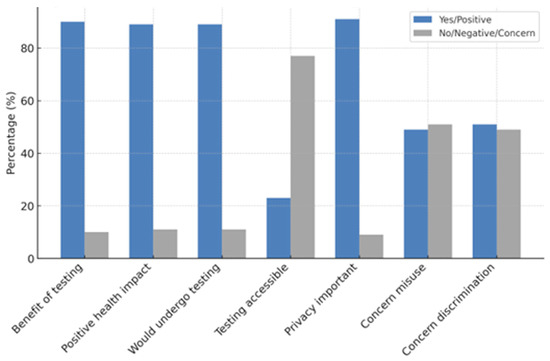
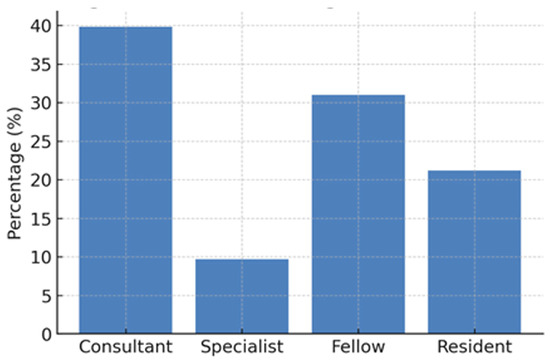
Background/Objectives: To assess the knowledge, attitudes, and practices of ophthalmologists in Saudi Arabia towards genomic medicine and genetic testing, in light of the growing significance of genomics in ophthalmology and the national transition towards precision medicine. Methods: A cross-sectional, questionnaire-based survey was conducted among ophthalmologists, including consultants, specialists, fellows, and residents, across Saudi Arabia. The questionnaire included four domains: demographics, knowledge of genomic principles and gene therapy, self-rated confidence in genetic tasks (scored 1–10), and attitudes toward genetic testing. Data were analyzed using descriptive and inferential statistics, with subgroup comparisons performed using chi-square tests and t-tests/ANOVA. Results: A total of 115 ophthalmologists participated (46% male, 54% female; mean age 34 years; mean post-board experience 4 years). Most were consultants (40%) and practiced in Riyadh (52%). Knowledge was variable: 92% correctly identified human chromosome count, and 99% recognized autosomal recessive inheritance, but only 9% answered DNA base-pairing correctly, and 54% recognized mitochondrial inheritance. Confidence was highest for referral to specialists (mean 7.3/10) and lowest for test selection and counseling (4.7/10). The internet was the primary knowledge source among our sample (65%). The majority of individuals had positive attitudes towards genomic medicine: 90% believed testing was beneficial, 89% considered it enhanced health outcomes, and 89% indicated they would undergo testing themselves. On the other hand, 77% indicated difficulty in access, 91% strongly concurred on the significance of privacy and confidentiality, and more than half expressed concerns regarding misuse and bias. Conclusions: Ophthalmologists in Saudi Arabia acknowledge the importance of genetics. Yet, there are substantial gaps in knowledge and familiarity with genomic medicine and genetic testing. To overcome these challenges, it is essential to integrate genetics into ophthalmology curricula.
Full article
(This article belongs to the Special Issue New Advances and Perspectives in Ophthalmology: Progress and Modern Challenges)
►▼
Show Figures

Figure 1
Open AccessReview
Evolving Management Approaches Toward Personalized Therapy in Acute Myeloid Leukemia: A Narrative Review
by
Pasquale Niscola, Valentina Gianfelici, Marco Giovannini, Carla Mazzone and Maria Ilaria Del Principe
J. Pers. Med. 2026, 16(5), 266; https://doi.org/10.3390/jpm16050266 - 15 May 2026
Abstract
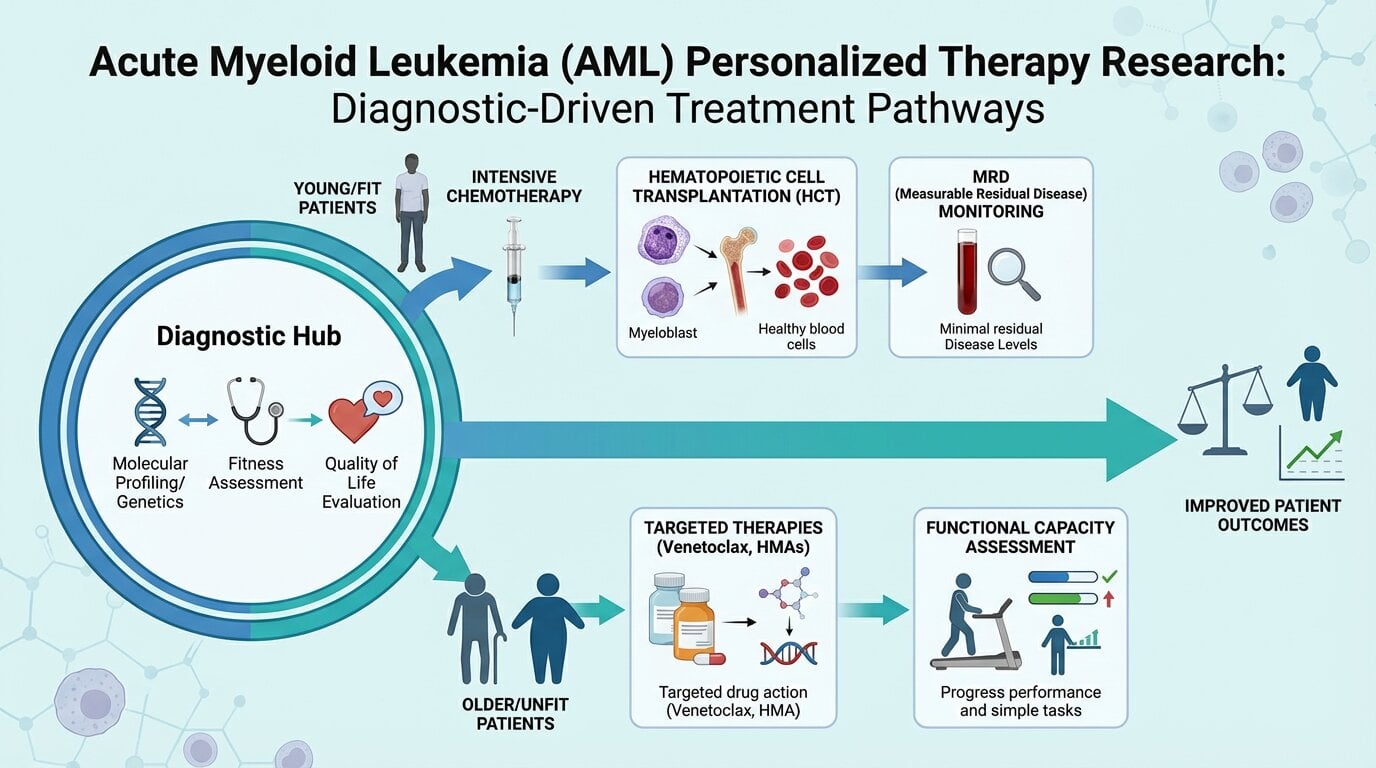
After many years of stagnation in the treatment of acute myeloid leukemia (AML), there is currently a rapid move towards personalized medicine. Improvements in molecular diagnostics, risk assessment tools, targeted therapies, overall patient fitness assessments, and quality-of-life assessments have significantly changed how patients
[...] Read more.
After many years of stagnation in the treatment of acute myeloid leukemia (AML), there is currently a rapid move towards personalized medicine. Improvements in molecular diagnostics, risk assessment tools, targeted therapies, overall patient fitness assessments, and quality-of-life assessments have significantly changed how patients are treated. Genetic and molecular analyses, risk and health assessments, and measurable residual disease (MRD) monitoring are now integral to the treatment plan for evaluating patient responses and recurrence. In this regard, lower-intensity treatments are provided to older or unfit individuals. On the other hand, younger patients are usually subjected to curative therapies such as intensive chemotherapy to induce remission. Depending on their fitness and disease risk, they can be considered for hematopoietic cell transplantation, which is done after close observation for MRD. In addition, newer therapeutic drugs and immunotherapy techniques are being applied for patient management. Tremendous strides have been made in improving the efficiency of treatment programs in the relatively new area of personalized AML therapy, with a focus on functionality.
Full article
(This article belongs to the Special Issue Acute Myeloid Leukemia: Current Progress and Future Directions)
►▼
Show Figures

Graphical abstract

Open AccessReview
Cardiac Implications of Preeclampsia: A Review
by
Beani J. Forst, Linda R. Chambliss and David S. Majdalany
J. Pers. Med. 2026, 16(5), 265; https://doi.org/10.3390/jpm16050265 - 15 May 2026
Abstract
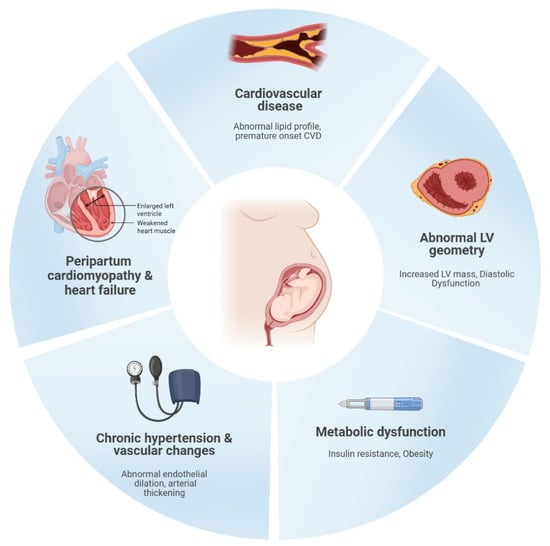
Preeclampsia (PE) is a multifactorial hypertensive disorder of pregnancy that significantly increases both short- and long-term cardiovascular risk for affected women. PE and cardiovascular disease (CVD) share common risk factors, including endothelial dysfunction, obesity, insulin resistance, and dyslipidemia. Women with a history of
[...] Read more.
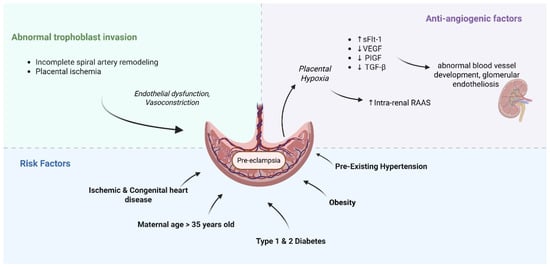
Preeclampsia (PE) is a multifactorial hypertensive disorder of pregnancy that significantly increases both short- and long-term cardiovascular risk for affected women. PE and cardiovascular disease (CVD) share common risk factors, including endothelial dysfunction, obesity, insulin resistance, and dyslipidemia. Women with a history of PE face a markedly elevated risk of chronic hypertension, heart failure, and adverse cardiac remodeling, with evidence suggestive of persistent vascular and myocardial changes after pregnancy. The complex pathophysiology of PE is multifactorial and is thought to involve a combination of abnormal placentation, immune dysregulation, and anti-angiogenic factors, which may induce permanent cardiovascular alterations. Genetic predispositions may further link PE with cardiomyopathies and peripartum cardiomyopathy. However, despite these well-established risks, standardized long-term surveillance and management strategies for women with prior PE remain lacking. Early identification and targeted intervention in women with a history of PE represent critical opportunities to mitigate future cardiovascular morbidity and mortality. This review highlights the urgent need for comprehensive, evidence-based strategies that incorporate personalized follow-up and risk stratification to improve cardiovascular outcomes in this high-risk population.
Full article
(This article belongs to the Section Personalized Medical Care)
►▼
Show Figures

Figure 1
Open AccessArticle
Dry Eye in Colombian Tomato Farmers: An Exploratory Cross-Sectional Study of Occupational Exposure Duration
by
María Catalina Morón Barreto, José-María Sánchez-González and Diana Cristina Palencia Florez
J. Pers. Med. 2026, 16(5), 264; https://doi.org/10.3390/jpm16050264 - 14 May 2026
Abstract
Background/Objectives: This study aimed to evaluate the relationship between cumulative occupational exposure and ocular surface alterations in Colombian tomato farm workers, using data collected through a cross-sectional survey. In addition, the study sought to explore how occupational exposure duration may support risk stratification
[...] Read more.
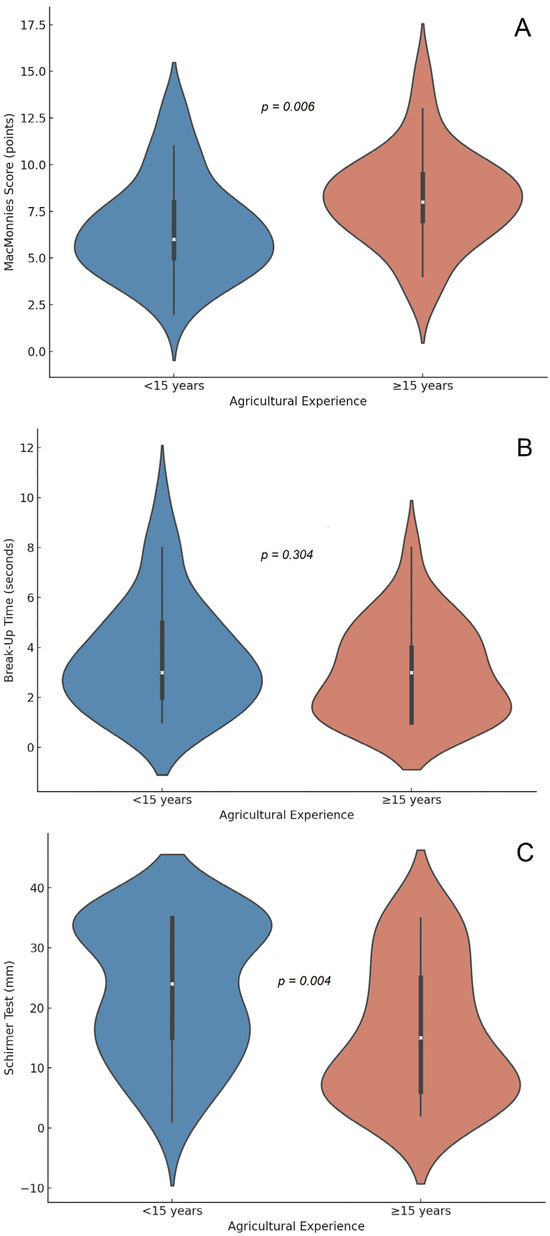
Background/Objectives: This study aimed to evaluate the relationship between cumulative occupational exposure and ocular surface alterations in Colombian tomato farm workers, using data collected through a cross-sectional survey. In addition, the study sought to explore how occupational exposure duration may support risk stratification and targeted preventive strategies in this vulnerable population. Methods: A cross-sectional observational study was conducted involving 72 tomato farm workers in Colombia. Participants were grouped according to duration of agricultural work experience (<15 years vs. ≥15 years). Clinical assessments included slit lamp examination, tear film break-up time (BUT), Schirmer test, and fluorescein staining. Subjective symptoms were evaluated using the McMonnies Dry Eye Questionnaire. Ocular surface alterations, including conjunctival changes and Meibomian gland dysfunction, were documented and statistically analyzed between groups. Results: Workers with ≥15 years of experience reported significantly higher dry eye symptom scores (McMonnies mean = 8.19 ± 2.54) than those with <15 years (mean = 6.59 ± 2.61; p = 0.006). Schirmer test scores were lower in the experienced group (16.30 ± 11.48 mm vs. 22.71 ± 11.20 mm; p = 0.018), indicating reduced tear production. Bulbar conjunctival alterations and Meibomian gland obstruction were significantly more frequent in the experienced group (p = 0.002 and p = 0.013, respectively). No significant differences were found in BUT or eyelid findings. Conclusions: Long-term agricultural work was associated with increased dry eye-related symptoms and clinical signs of ocular surface compromise among Colombian tomato farm workers. From a personalized medicine perspective, occupational exposure duration may represent a useful risk-stratification factor to identify workers who could benefit from targeted screening, preventive counseling, protective interventions, and individualized follow-up. These findings support the implementation of tailored occupational eye health strategies to reduce cumulative ocular surface damage in vulnerable rural populations.
Full article
(This article belongs to the Special Issue Personalized Ophthalmology: Optometry and Treatment)
►▼
Show Figures

Figure 1
Open AccessArticle
Semen Analysis in Men with Testicular Cancer: Insights from a Large Fertility Preservation Cohort Toward Personalized Fertility Assessment
by
Federica Cariati, Maria Grazia Orsi, Anna Maione, Francesca Bagnulo, Raffaella Di Girolamo, Luigi Carbone, Alberto Servetto, Fabrizio Farina, Roberto Bianco, Sandro Cassiano Esteves, Carlo Alviggi and Alessandro Conforti
J. Pers. Med. 2026, 16(5), 263; https://doi.org/10.3390/jpm16050263 - 14 May 2026
Abstract
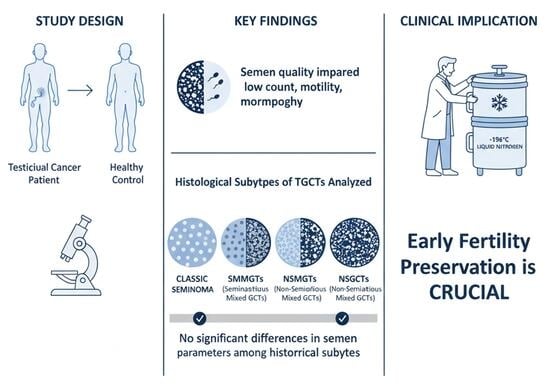
Background/Objectives: Testicular cancer accounts for approximately 1% of all male malignancies, with an incidence ranging from 1 to 10 per 100,000 men and it predominantly affects young individuals, with nearly 60% of cases diagnosed between 15 and 35 years of age. In
[...] Read more.
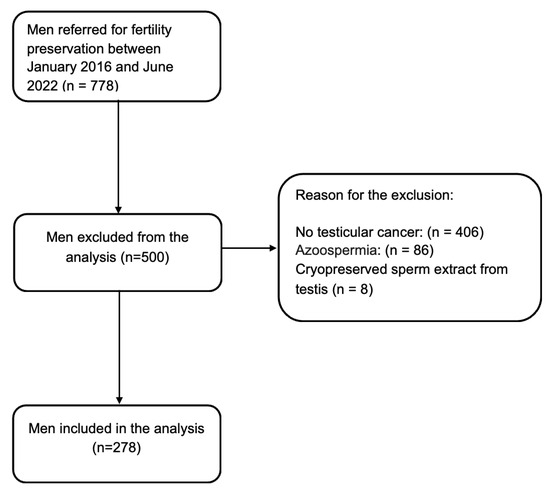
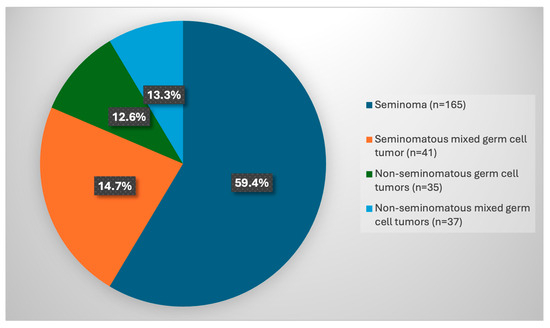
Background/Objectives: Testicular cancer accounts for approximately 1% of all male malignancies, with an incidence ranging from 1 to 10 per 100,000 men and it predominantly affects young individuals, with nearly 60% of cases diagnosed between 15 and 35 years of age. In recent decades, the incidence of testicular cancer has markedly increased, paralleling a global rise in male infertility rates. Although chemotherapy is known to adversely affect fertility, the extent to which the tumor itself and its different histological subtypes impact semen quality remains incompletely understood. The aim of this study was to evaluate semen parameters in men diagnosed with testicular cancer prior to oncological treatment and to assess the possible association between tumor histology and semen quality. Methods: This retrospective study included data from 284 men diagnosed with testicular cancer who underwent semen cryopreservation prior to surgery, chemotherapy, or radiotherapy. Data were collected between January 2016 and June 2022 at the Maternal and Child Department of the University of Naples Federico II. Histopathological classification was available for 278 patients and revealed the following distribution: 59% (165/278) classic seminoma, 14.7% (41/278) seminomatous mixed germ cell tumors, 13.3% (37/278) non-seminomatous mixed germ cell tumors, and 12.6% (35/278) non-seminomatous germ cell tumors. Results: No significant association was observed between tumor histology and abnormal semen parameters. According to World Health Organization (WHO) reference values, semen parameters in patients with testicular cancer were predominantly distributed between the 5th and 25th percentiles. Microscopic semen analysis revealed significantly lower sperm concentration, total motility, and normal morphology in cancer patients (p < 0.001; p < 0.001; and p < 0.002, respectively). Logistic regression analysis showed a significant association between age and testicular cancer risk (p < 0.001), with a negative coefficient indicating that the likelihood of developing the disease decreases with increasing age. Additionally, patients with seminoma were significantly older than those with non-seminomatous tumors: on average, 4.07 years older than those with pure non-seminoma (p = 0.007) and 5.60 years older than those with mixed non-seminoma (p < 0.001). No statistically significant age differences were observed among non-seminomatous subtypes. Conclusions: These findings underscore the importance of systematic semen evaluation in young men diagnosed with testicular cancer and highlight the critical role of fertility preservation strategies in the comprehensive management of these patients.
Full article
(This article belongs to the Section Personalized Therapy in Clinical Medicine)
►▼
Show Figures

Graphical abstract

Open AccessArticle
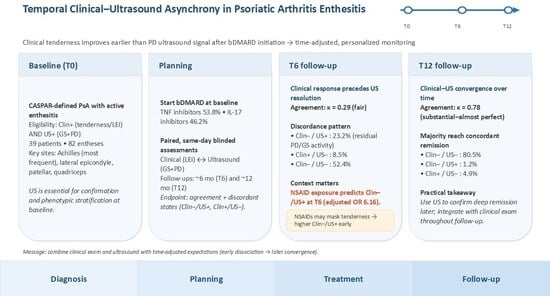
Temporal Clinical Ultrasound Asynchrony in Psoriatic Arthritis Enthesitis: Implications for Personalized Monitoring
by
Nicolò Girolimetto, Francesco Caso, Marianna Oliva, Alessandra Rai, Giorgia Citriniti, Filippo Crescentini, Luca Magnani, Olga Addimanda, Giulia Galletto, Maria Grazia Orlando, Pierluigi Macchioni, Carlo Salvarani, Francesco Ursini and Niccolò Possemato
J. Pers. Med. 2026, 16(5), 262; https://doi.org/10.3390/jpm16050262 - 13 May 2026
Abstract
Background: In psoriatic arthritis (PsA), clinical tenderness and ultrasound (US) capture distinct yet related aspects of entheseal disease activity. However, their longitudinal relationship after initiation of biologic disease-modifying antirheumatic drugs (bDMARDs), and the clinical significance of early discordance during follow-up remain unclear.
[...] Read more.
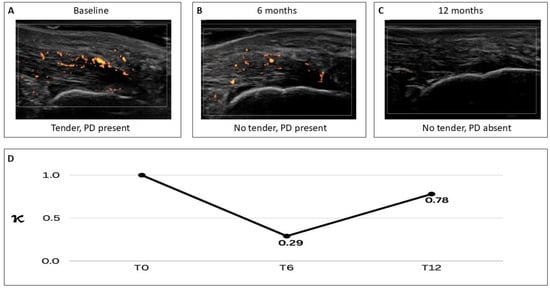
Background: In psoriatic arthritis (PsA), clinical tenderness and ultrasound (US) capture distinct yet related aspects of entheseal disease activity. However, their longitudinal relationship after initiation of biologic disease-modifying antirheumatic drugs (bDMARDs), and the clinical significance of early discordance during follow-up remain unclear. Methods: In this retrospective observational cohort study based on routinely collected medical records, patients with CASPAR-defined PsA and clinically and ultrasonographically active enthesitis at baseline (Clin+/US+) who initiated bDMARD therapy underwent paired, same-day, blinded clinical and US assessments at approximately 6 and 12 months. Agreement between clinical and US findings was quantified using Cohen’s kappa. Discordant states (Clin−/US+ and Clin+/US−) were prespecified, and predictors of Clin−/US+ status at 6 months were analyzed using models that accounted for within-patient clustering. Results: Thirty-nine patients contributed 82 entheses and were treated with either tumour necrosis factor inhibitors (53.8%) or interleukin-17 inhibitors (46.2%). At 6 months, agreement between clinical and US assessments was fair (κ = 0.286; 95% confidence interval [CI], 0.080 to 0.492), with 23.2% of entheses classified as Clin−/US+ and 52.4% as concordantly inactive. At 12 months, agreement improved to substantial-to-almost-perfect levels (κ = 0.779; 95% CI, 0.595 to 0.963), with only 1.2% of entheses remaining Clin−/US+ and 80.5% achieving concordant remission. NSAID exposure was the only significant predictor of Clin−/US+ status at 6 months in univariable analysis (odds ratio [OR], 3.82; 95% CI, 1.27 to 11.47; p = 0.017) and remained associated after multivariable adjustment (OR, 6.16; 95% CI, 1.14 to 33.2; p = 0.03). Conclusions: In PsA patients starting bDMARD therapy, clinical and US assessments of enthesitis showed partial discordance at 6 months, followed by greater convergence at 12 months. These findings suggest that clinical and imaging abnormalities may resolve asynchronously during follow-up and should therefore be interpreted in an integrated, time-aware manner. Residual US abnormalities in the setting of clinical improvement should be interpreted cautiously and within the broader clinical context.
Full article
(This article belongs to the Special Issue Challenges and Opportunities in Personalized Management of Rheumatic Diseases)
►▼
Show Figures

Graphical abstract

Open AccessReview
Quantitative Electroencephalography as a Complement to Symptom-Based Psychiatric Diagnosis: A Narrative Review
by
Francesco Amico, Scott Shannon and Steve Rondeau
J. Pers. Med. 2026, 16(5), 261; https://doi.org/10.3390/jpm16050261 - 13 May 2026
Abstract
Background: Psychiatric assessments traditionally rely on the Diagnostic and Statistical Manual of Mental Disorders (DSM) for diagnostic guidance. This approach, however, is heavily based on the identification of cluster symptoms assessed through subjective interviews and questionnaires, without adequately controlling for overlapping symptoms or
[...] Read more.
Background: Psychiatric assessments traditionally rely on the Diagnostic and Statistical Manual of Mental Disorders (DSM) for diagnostic guidance. This approach, however, is heavily based on the identification of cluster symptoms assessed through subjective interviews and questionnaires, without adequately controlling for overlapping symptoms or symptom specificity. This may lead to broad and often inaccurate diagnoses that overlook the patient’s unique experience and underlying neurobiological imbalances. As mental healthcare strives to move towards personalized medicine, incorporating more objective and precise measures of neuropsychological distress, it is essential to reduce the diagnostic and treatment inaccuracies that may stem from relying solely on empirical guidelines. This narrative review examines the limitations of the current approach and considers the potential role of quantitative electroencephalography (qEEG) as an adjunctive method that may enrich existing diagnostic processes. Methods: A structured literature search was conducted in Europe PMC on 31 January 2026. Original human studies and clinical trials in English with available abstracts were thematically selected. Results: The search yielded 1934 records, from which a focused subset of studies was selected based on direct relevance to the review themes. Conclusions: Integrating qEEG methods into traditional assessments could enhance diagnostic accuracy in psychiatric care and reduce patients’ exposure to inadequate treatments, ultimately leading to improved treatment outcomes and patient satisfaction.
Full article
(This article belongs to the Special Issue Mental Health: Diagnosis, Therapeutic Intervention and Patient Management in the Era of Personalized Medicine)
Open AccessArticle
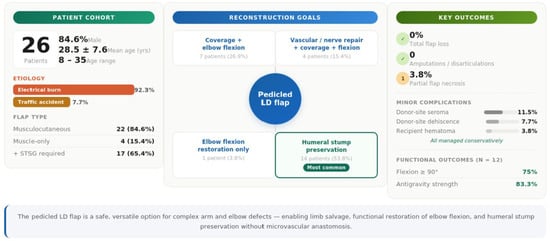
Reconstructive Goals in Arm and Elbow Defects Treated with the Pedicled Latissimus Dorsi Flap
by
Ömer Kokaçya, Umut Dalgıç, Abdullah Arslan, İbrahim Tabakan, Gazi Kutalmış Yaprak, Ahmet Cemil Dalay and Erol Kesiktaş
J. Pers. Med. 2026, 16(5), 260; https://doi.org/10.3390/jpm16050260 - 13 May 2026
Abstract
Background/Objectives: Reconstruction of complex soft-tissue defects of the arm and elbow remains challenging because of exposed neurovascular structures, wide joint mobility, and the need to preserve function. The pedicled latissimus dorsi (LD) flap remains a valuable option, particularly when recipient vessels are compromised
[...] Read more.
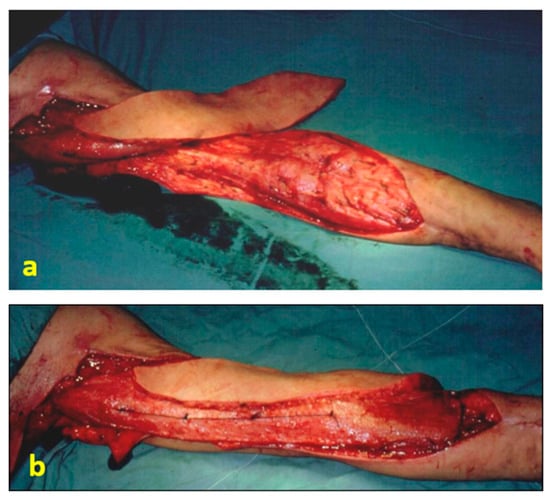
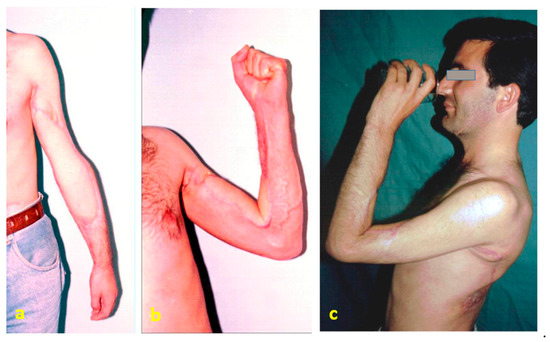
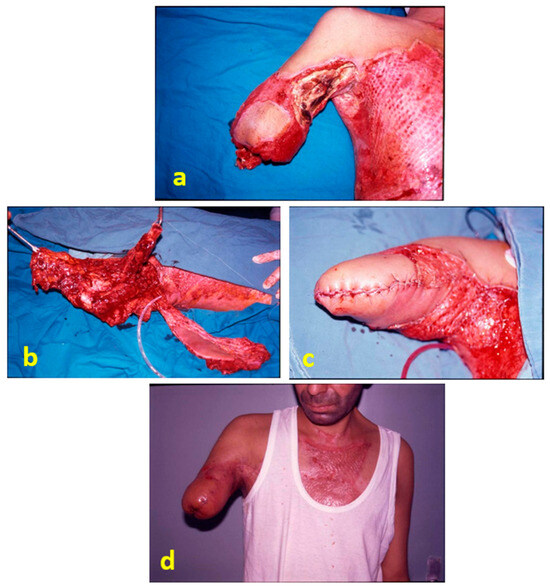
Background/Objectives: Reconstruction of complex soft-tissue defects of the arm and elbow remains challenging because of exposed neurovascular structures, wide joint mobility, and the need to preserve function. The pedicled latissimus dorsi (LD) flap remains a valuable option, particularly when recipient vessels are compromised or functional restoration is required. Given the heterogeneity of these injuries, treatment must be individualized according to each patient’s defect characteristics, functional demands, and rehabilitation goals, reflecting personalized medicine principles. This study evaluated the indications and outcomes of pedicled LD flap transfer in arm and elbow defects. Methods: All consecutive patients who underwent pedicled LD flap reconstruction for upper extremity soft-tissue defects at our institution (January 2015–January 2025) were retrospectively reviewed. Demographic data, defect etiology, flap type, reconstructive goals, complications, and functional outcomes were analyzed. Results: Twenty-six patients were included (mean age 28.5 ± 7.6 years; 84.6% male). Electrical burns were the predominant etiology (92.3%). A musculocutaneous flap was used in 22 patients (84.6%) and a muscle-only flap in 4 (15.4%); supplementary split-thickness skin grafting was required in 17 (65.4%). Reconstructive goals included elbow flexion restoration (±neurovascular repair and soft-tissue coverage) in 12 patients (46.2%) and humeral stump preservation for prosthetic use in 14 (53.8%). No total flap loss occurred. Complications included partial necrosis in 1 patient (3.8%), donor-site seroma in 3 (11.5%), wound dehiscence in 2 (7.7%), and recipient-site hematoma in 1 (3.8%). No patient required amputation or shoulder disarticulation. Conclusions: The pedicled LD flap is a reliable option for complex arm and elbow defects. By tailoring flap design, nerve management, and rehabilitation to individual patient needs, this approach exemplifies personalized reconstructive planning in upper extremity trauma.
Full article
(This article belongs to the Special Issue Personalized Plastic and Reconstructive Surgery: Challenges and Prospects)
►▼
Show Figures

Graphical abstract

Open AccessReview
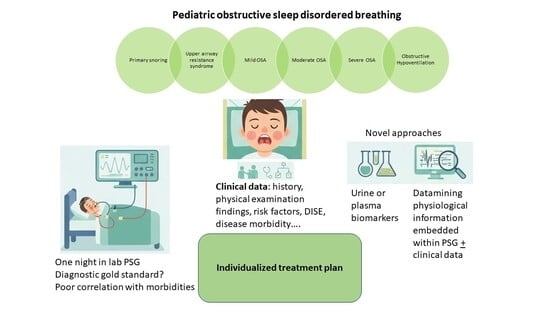
Pediatric OSA—Spectrum of the Disease and Opportunities for Personalized Interventions
by
Hui-Leng Tan, Athanasios Kaditis and David Gozal
J. Pers. Med. 2026, 16(5), 259; https://doi.org/10.3390/jpm16050259 - 12 May 2026
Abstract
Pediatric obstructive sleep-disordered breathing encompasses a wide spectrum of diagnostic clusters, including primary snoring, upper airway resistance syndrome, mild, moderate, and severe obstructive sleep apnea, and obstructive hypoventilation. Even within these classifications, the symptomatic presentation involves a large array of variations, reflecting a
[...] Read more.
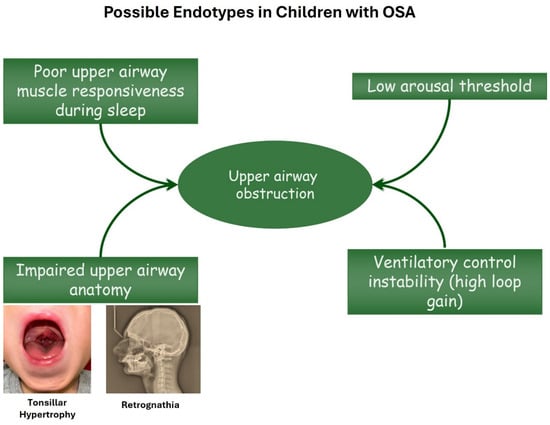
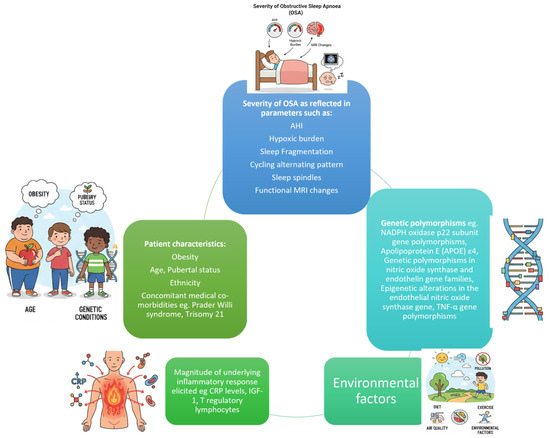
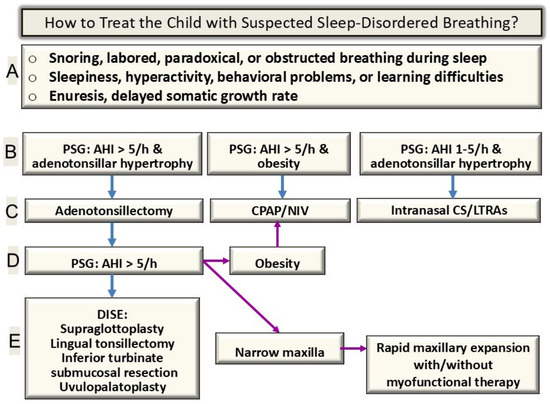
Pediatric obstructive sleep-disordered breathing encompasses a wide spectrum of diagnostic clusters, including primary snoring, upper airway resistance syndrome, mild, moderate, and severe obstructive sleep apnea, and obstructive hypoventilation. Even within these classifications, the symptomatic presentation involves a large array of variations, reflecting a wide phenotypic spectrum. Here, we aim to summarize current diagnostic criteria and explore the spectrum of disease, particularly highlighting the phenotypic variation and its potential relevance to therapeutic decisions and overall outcomes. It has become apparent that polysomnographic (PSG) indices do not correlate well with associated morbidities, even though one-night in-lab PSGs are considered the diagnostic gold standard. Novel approaches, including exploration of plasma and urine biomarkers and data-mining the physiological information embedded within the PSG, may enable the extraction of phenotypic information that can then be interpreted in conjunction with clinical data, including history, physical examination findings, risk factors, and associated disease morbidity, so that an individualized treatment plan can be optimally delineated.
Full article
(This article belongs to the Special Issue Treatment and Management of Sleep Apnea)
►▼
Show Figures

Graphical abstract
Open AccessArticle
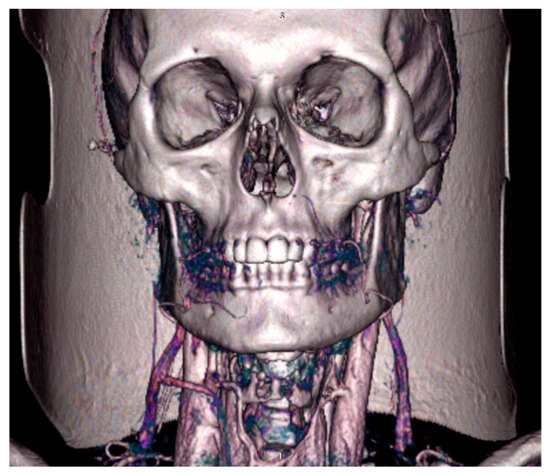
Finite-Element Computer Modeling of Spatial Displacement of the Pterygoid Venous Plexus During Mandibular Movements
by
Hadi Darawsheh, Dmitry Leonov, Sergey Dydykin, Beatrice Volel, Ellina Velichko, Irina Usmanova, Irina Lakman, Anzhela Brago, Seyedamirhossein Hosseini, Evgeniy Sosnin and Yuriy Vasil’ev
J. Pers. Med. 2026, 16(5), 258; https://doi.org/10.3390/jpm16050258 - 12 May 2026
Abstract
The safety of mandibular anesthesia is directly dependent on a precise understanding of the spatial relationships in the pterygomandibular space, particularly the risk of injury to the highly vascularized pterygoid venous plexus (PVP). In vivo studies of PVP displacement during mandibular movements face
[...] Read more.
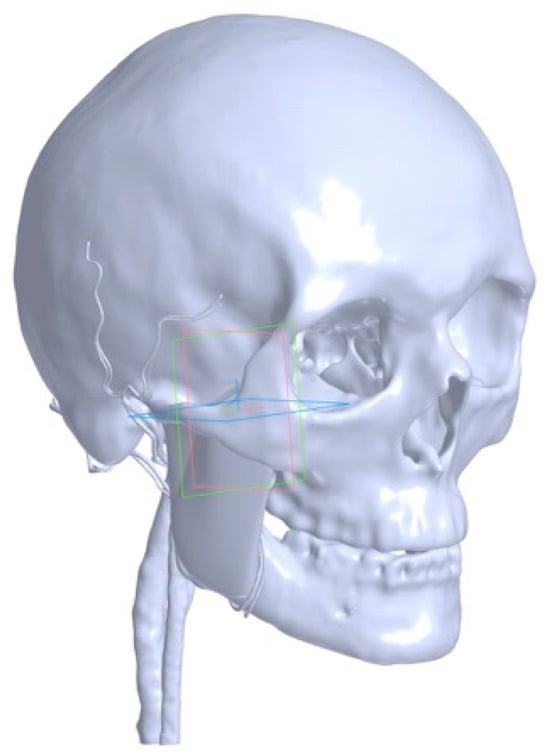
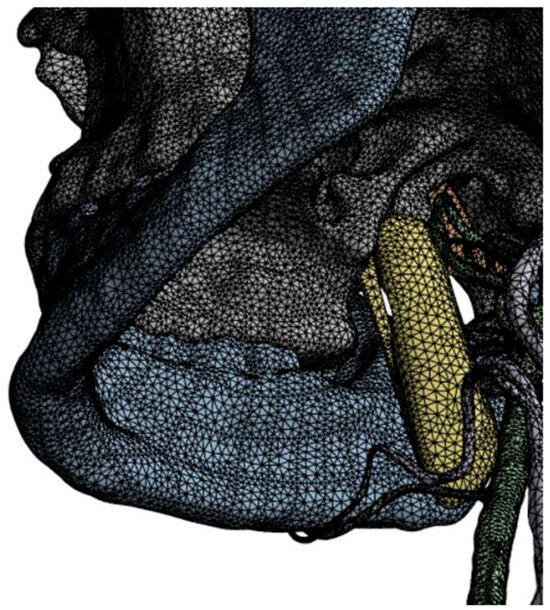
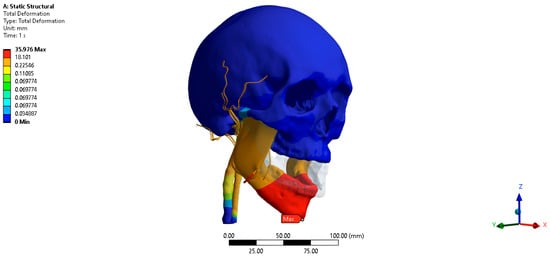
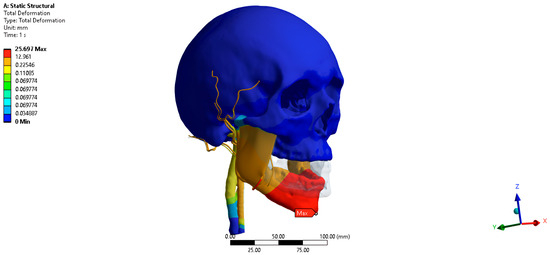
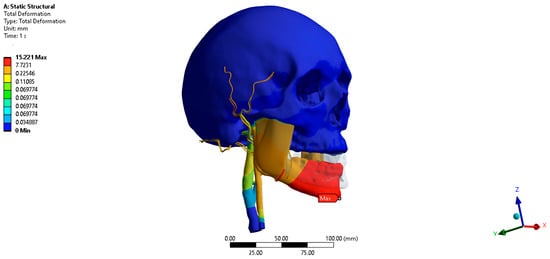
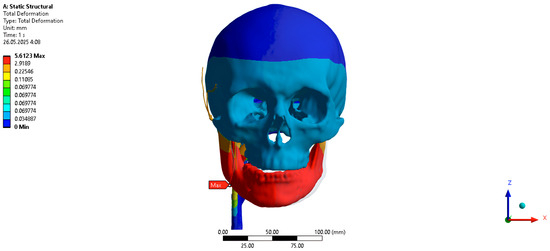
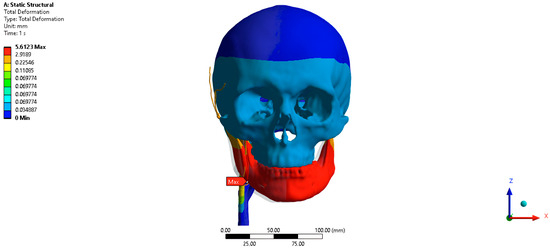
The safety of mandibular anesthesia is directly dependent on a precise understanding of the spatial relationships in the pterygomandibular space, particularly the risk of injury to the highly vascularized pterygoid venous plexus (PVP). In vivo studies of PVP displacement during mandibular movements face significant technical challenges. Objective: The study aims to study the spatial displacements of the pterygoid venous plexus during various physiological positions of the mandible using computer modeling with the finite-element method (FEM). Materials and Methods: A three-dimensional finite-element model was developed based on computed tomography data and the BodyParts3D anatomical atlas. The model included the bony structures of the skull, mandible, temporomandibular joint, masticatory muscles, and blood vessels. Simulations were performed for vertical displacements of the jaw at 15, 25, and 35 mm, as well as horizontal displacements of 5 mm to the left and right. Results: It was found that the magnitude of PVP displacement is proportional to the degree of mouth opening. The maximum total displacement (1.24 mm) was recorded at a 35 mm opening along the “posterior–medial–inferior” vector. Lateral excursions revealed asymmetry: displacement to the right caused plexus movement posteriorly, medially, and inferiorly (0.66 mm), while displacement to the left resulted in movement anteriorly, laterally, and superiorly (0.64 mm). Conclusions: This study demonstrates the significant mobility of the pterygoid venous plexus, which depends on the direction and amplitude of mandibular movements. The obtained data have important practical implications for planning regional anesthesia and minimizing the risk of iatrogenic complications. From a biomechanical perspective, maximum mouth opening produces the greatest displacement of the PVP, which may hypothetically reduce the risk of vascular puncture. Clinical studies are required to confirm this.
Full article
(This article belongs to the Special Issue Personalized Medicine and Technology in Oral Science)
►▼
Show Figures

Figure 1
Open AccessArticle
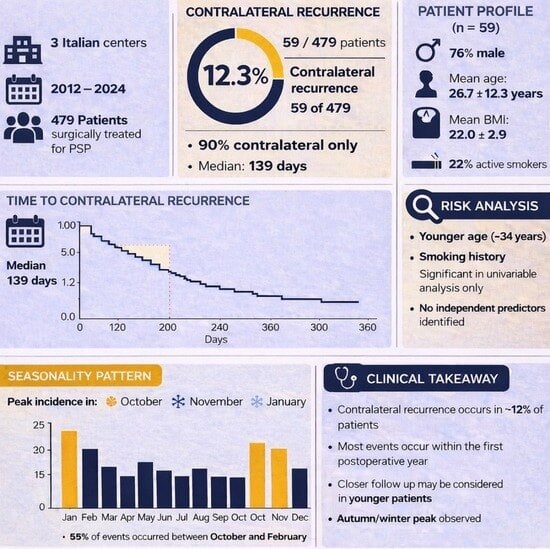
Contralateral Recurrence and Temporal Trend After First Side Surgery for Primary Spontaneous Pneumothorax: A Multicenter Analysis
by
Antonio Giulio Napolitano, Dania Nachira, Gloria Santoro, Eleonora Coviello, Maria Teresa Congedo, Marco Sanguigni, Domenico Pourmolkara, Chiara Scognamiglio, Leonardo Petracca Ciavarella, Adriana Nocera, Maria Letizia Vita, Felice Mucilli, Jacopo Vannucci, Elisa Meacci, Francesco Puma, Filippo Lococo and Stefano Margaritora
J. Pers. Med. 2026, 16(5), 257; https://doi.org/10.3390/jpm16050257 - 9 May 2026
Abstract
Background: Contralateral recurrence following surgically treated primary spontaneous pneumothorax represents clinical concern yet remains poorly understood. This study aims to expand the current understanding by evaluating a large, multicenter cohort over a 10-year period and to determine the true incidence of contralateral recurrence
[...] Read more.
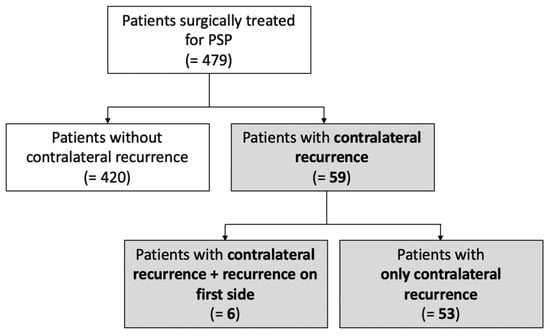
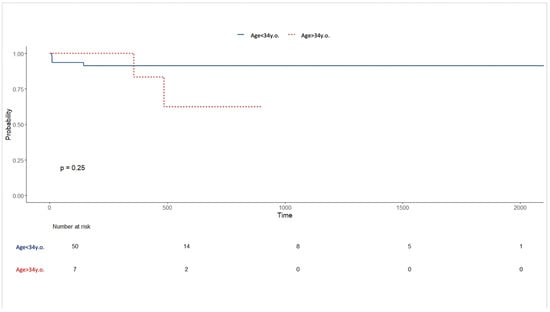
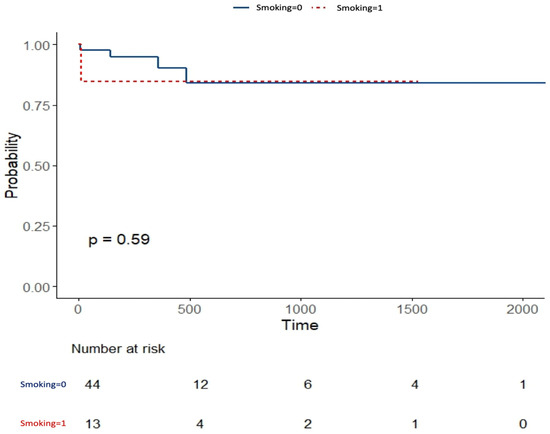
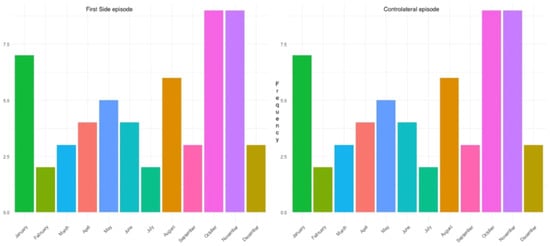
Background: Contralateral recurrence following surgically treated primary spontaneous pneumothorax represents clinical concern yet remains poorly understood. This study aims to expand the current understanding by evaluating a large, multicenter cohort over a 10-year period and to determine the true incidence of contralateral recurrence assessing the potential role of clinical factors in risk stratification. Methods: A total of 479 patients surgically treated for PSP (2012–2024) across three Italian high-volume centers were retrospectively reviewed. Secondary pneumothorax, patients <18 years old, lung emphysema or intraparenchymal large bullae, and the thoracotomy approach were excluded. The association between categorical variables and contralateral recurrence was assessed using the chi-square (χ2) test, while the association with continuous variables was evaluated using the t-test. Time to recurrence was analyzed using Kaplan–Meier survival curves. Variables with a p-value < 0.05 were considered statistically significant. Results: We identified 59 patients who experienced contralateral recurrence: 45 were males, the mean age was 26.66 ± 12.32 and the mean BMI was 22.00 ± 2.92; only 13 were active smokers. Age (p < 0.001) and smoking history (p = 0.029) were significantly associated with contralateral recurrence in univariate analysis, though these were not confirmed in multivariate analysis. Among the cohort of recurrence, 53 patients only had a recurrence on the contralateral side, with a median time to recurrence of 139 days. The incidence rate ratio (IRR) of recurrence for patients with a mean age of <34 years was 1.23, which translates to a 23% increased risk. No significant impact of age (p = 0.25), sex (p = 0.67), or smoking (p = 0.59) on the time to recurrence on the other side was observed through Kaplan–Meier analysis. The peak incidence for the first episode of PNX surgically treated and contralateral recurrence was observed in October, November and January. Conclusions: This study highlights a 12% contralateral recurrence rate after PSP surgery. Younger age is associated with earlier contralateral recurrence. Seasonality may influence recurrence patterns. Further studies should explore underlying mechanisms and preventive strategies.
Full article
(This article belongs to the Special Issue Minimally Invasive Thoracic Surgery: Risk Assessment and Personalized Perioperative Management)
►▼
Show Figures

Graphical abstract
Open AccessEditorial
Radiotherapy and Immunotherapy at a Crossroads: Mechanistic Foundations, Emerging Evidence, and a New Horizon for Precision Oncology
by
Gianluca Ferini and Stefano Forte
J. Pers. Med. 2026, 16(5), 256; https://doi.org/10.3390/jpm16050256 - 8 May 2026
Abstract
The trajectory of modern oncology is increasingly defined by the convergence of two therapeutic paradigms that were once considered only marginally related: radiotherapy and immunotherapy [...]
Full article
(This article belongs to the Special Issue Cancer Immunotherapy: Current Advancements and Future Perspectives)
Open AccessArticle
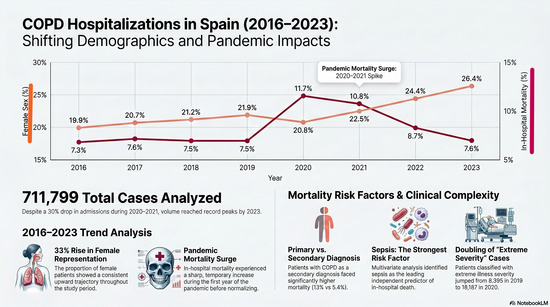
Chronic Obstructive Pulmonary Disease Hospitalization in Spain (2016–2023): Mortality Impact of Comorbidity, Sex-Based Disparities and the Impact of COVID-19
by
Maria Sanchez-McNamara, Maria-Jose Fernandez-Cotarelo, Begoña Perez-de-Paz, Lydia Rodriguez-Romero, Esther Anton-Diaz, Paz Rodriguez-Bolado, Eva Griñan-Fernandez, Victor Moreno and Cesar Henriquez-Camacho
J. Pers. Med. 2026, 16(5), 255; https://doi.org/10.3390/jpm16050255 - 8 May 2026
Abstract
Background: COPD remains a leading cause of hospitalization and mortality worldwide. This study aimed to analyze trends in COPD patients in Spain from 2016 to 2023, compare outcomes between patients with COPD as a primary versus secondary diagnosis, and identify factors associated with
[...] Read more.
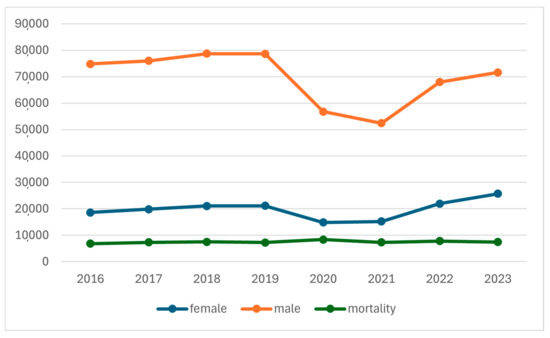
Background: COPD remains a leading cause of hospitalization and mortality worldwide. This study aimed to analyze trends in COPD patients in Spain from 2016 to 2023, compare outcomes between patients with COPD as a primary versus secondary diagnosis, and identify factors associated with in-hospital mortality. Methods: Retrospective observational study using the Spanish database CMBD. 711.799 patients were analyzed. Demographic characteristics, Charlson Comorbidity Index (CCI), complications, mortality, and hospitalization costs were also evaluated. Multivariate logistic regression was used to identify mortality risk factors. Results: The overall hospitalization rate was 20.02 per 1000 admissions. It decreased by 30% during 2020–2021 before rebounding to peak levels in 2023. The proportion of female patients increased from 19.9% (2016) to 26.4% (2023). Patients with COPD as a secondary diagnosis had higher mortality (13% vs. 5.4%, p < 0.001), greater comorbidity burden (mean CCI 3.5 vs. 2.8), and higher costs. While overall admissions dropped in 2020, mortality peaked at 11.7%, and the number of patients with extremely severe disease nearly doubled. Independent risk factors for mortality included sepsis, age ≥ 66 years, CCI ≥ 3, and COVID-19. Conclusions: Hospitalization involving COPD in Spain showed pandemic-related fluctuations with increasing clinical complexity and increasing female sex. The higher mortality and cost associated with secondary COPD diagnosis highlight the need for comprehensive risk stratification of comorbid conditions and multidisciplinary management of these patients. Early identification of sepsis and CCI scores is essential to improve clinical outcomes in the aging population.
Full article
(This article belongs to the Special Issue Advances in Infectious Disease Epidemiology)
►▼
Show Figures

Graphical abstract
Open AccessReview
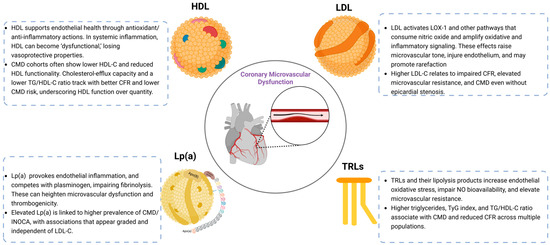
Coronary Microvascular Dysfunction and Lipid Molecules: Pathophysiological Mechanisms, Clinical Assessment, and Therapeutic Implications
by
Abdelrahman Hafez, Juan M. Farina, Kamal Awad, Milagros Pereyra Pietri, Isabel G. Scalia, Hesham Sheashaa, Fatmaelzahraa E. Abdelfattah, Mahshad Razaghi, Sherif Ahmed, Ramzi Ibrahim, David Simper, Steven J. Lester, Balaji Tamarappoo, Chadi Ayoub and Reza Arsanjani
J. Pers. Med. 2026, 16(5), 254; https://doi.org/10.3390/jpm16050254 - 6 May 2026
Abstract
Coronary microvascular dysfunction (CMD) has emerged as a crucial contributor to cardiovascular morbidity and mortality, particularly in patients with ischemia and non-obstructive coronary arteries (INOCA). The condition arises from a complex interplay of structural and functional abnormalities within the small coronary vessels, driven
[...] Read more.
Coronary microvascular dysfunction (CMD) has emerged as a crucial contributor to cardiovascular morbidity and mortality, particularly in patients with ischemia and non-obstructive coronary arteries (INOCA). The condition arises from a complex interplay of structural and functional abnormalities within the small coronary vessels, driven by underlying molecular mechanisms including endothelial nitric oxide synthase (eNOS) uncoupling, oxidative stress, and chronic inflammation. Lipid metabolism plays a central role in this pathology, especially in the setting of elevated low-density lipoprotein cholesterol (LDL-C). Furthermore, the protective capacity of high-density lipoprotein (HDL) is increasingly understood to depend on its functionality rather than absolute levels, as it can become dysfunctional and pro-inflammatory in pathological states. Emerging evidence has identified lipoprotein(a) [Lp(a)] and triglyceride-rich lipoproteins as significant, independent contributors to microvascular injury. Comprehensive clinical assessment of microvascular dysfunction therefore requires integration of advanced lipid profiling, including apolipoprotein B (ApoB), [Lp(a)], and the triglyceride-glucose (TyG) index with invasive and non-invasive measures of coronary flow reserve to more precisely stratify risk. In this narrative review, we synthesize current observational, mechanistic, and early interventional data linking diverse lipid phenotypes to coronary microvascular dysfunction. We propose a concept of lipid-driven CMD endotypes, such as ApoB-/particle overload, dysfunctional HDL, Lp(a)-mediated risk, and metabolic/TyG-high states, and map these to a practical, mechanism-informed management framework. While intensive LDL-C lowering with high-intensity statins and combination therapy remains guideline-directed care for high-risk patients, evidence for dedicated microvascular benefit from newer lipid and cardiometabolic agents is still largely hypothesis-generating. A personalized approach that aligns lipid phenotyping, CMD endotyping, and existing guideline-based therapies may help refine risk assessment and inform future trials.
Full article
(This article belongs to the Special Issue Review Special Issue: Recent Advances in Personalized Medicine)
►▼
Show Figures

Figure 1
Journal Menu
► ▼ Journal Menu-
- JPM Home
- Aims & Scope
- Editorial Board
- Reviewer Board
- Topical Advisory Panel
- Instructions for Authors
- Special Issues
- Topics
- Sections
- Article Processing Charge
- Indexing & Archiving
- Editor’s Choice Articles
- Most Cited & Viewed
- Journal Statistics
- Journal History
- Journal Awards
- Society Collaborations
- Conferences
- Editorial Office
Journal Browser
► ▼ Journal BrowserHighly Accessed Articles
Latest Books
E-Mail Alert
News
Topics
Topic in
Healthcare, JCM, JPM, Oral
Advances in Dental Health, 2nd Edition
Topic Editors: Sabina Saccomanno, Gianni GallusiDeadline: 25 July 2026
Topic in
JPM, Mathematics, Applied Sciences, Stats, Healthcare
Application of Biostatistics in Medical Sciences and Global Health
Topic Editors: Bogdan Oancea, Adrian Pană, Cǎtǎlina Liliana AndreiDeadline: 31 October 2026
Topic in
Cancers, Diagnostics, Diseases, IJMS, JPM
Advances in Genetics and Precision Medicine in Human Diseases: 2nd Edition
Topic Editors: Shun-Fa Yang, Shih-Chi SuDeadline: 14 November 2026
Topic in
JCM, JPM, Medicina, Healthcare
New Advances in Physical Therapy and Occupational Therapy, 2nd Edition
Topic Editors: Hye-Rim Suh, Suk-Chan Hahm, Hwi-Young Cho, Ki-Hun ChoDeadline: 15 December 2026
Conferences
Special Issues
Special Issue in
JPM
Novel Studies and Therapeutic Options for Skin Disease
Guest Editors: Leszek Blicharz, Mohamad GoldustDeadline: 20 May 2026
Special Issue in
JPM
Trends and Future Development in Precision Medicine
Guest Editor: Candan HizelDeadline: 20 May 2026
Special Issue in
JPM
Personalized Medicine in Oral and Maxillofacial Diseases
Guest Editors: Luís Eduardo Almeida, Waldemar D. Polido, Flavio De Alcantara CamejoDeadline: 25 May 2026
Special Issue in
JPM
Breast Cancer: Molecular Highlights, Emerging Therapies, and Promising Strategies
Guest Editor: Mariia IvanovaDeadline: 25 May 2026