

ijms-logo

Journal Browser

Journal Browser

30th Anniversary of IJMS: Updates and Advances in Biochemistry

A topical collection in International Journal of Molecular Sciences (ISSN 1422-0067). This collection belongs to the section "Biochemistry".

Viewed by 22440

Editor


grade E-Mail Website
Guest Editor
Department of NEUROFARBA, Section of Pharmaceutical and Nutraceutical Sciences, University of Florence, 50019 Florence, Italy
Interests: drug design; metalloenzymes; carbonic anhydrases; anticancer agents; antiinfectives; sulfonamides; coumarins
Special Issues, Collections and Topics in MDPI journals

Topical Collection Information

Dear Colleagues,

The collection of papers present in this anniversary issue of IJMS features some of the most interesting developments in the biochemistry field over the last decades. The huge progress made in genetics and cloning of genomes of many organisms, connected with the latest developments in structural biology and other biophysical techniques, made it possible to understand the structure and functions of many biological molecules involved in all life processes, from structural and catalytic proteins, to nucleic acids, as well as protein–protein and protein–nucleic acid complexes. This is crucial for designing tools to interfere with their function and many such molecules may become drugs or diagnostic tools. Although many of these phenomena are not yet completely understood, the significant progress that has been made is partly due to some of the crucial papers published in the bets biochemical journals, among which IJMS has strongly emerged. With the aim of stimulating a broad interest in this topic, I strongly urge scientists active in the field to read this interesting issue of the journal.

Prof. Dr. Claudiu T. Supuran
Guest Editor

Manuscript Submission Information

Manuscripts should be submitted online at www.mdpi.com by registering and logging in to this website. Once you are registered, click here to go to the submission form. Manuscripts can be submitted until the deadline. All submissions that pass pre-check are peer-reviewed. Accepted papers will be published continuously in the journal (as soon as accepted) and will be listed together on the collection website. Research articles, review articles as well as short communications are invited. For planned papers, a title and short abstract (about 250 words) can be sent to the Editorial Office for assessment.

Submitted manuscripts should not have been published previously, nor be under consideration for publication elsewhere (except conference proceedings papers). All manuscripts are thoroughly refereed through a single-blind peer-review process. A guide for authors and other relevant information for submission of manuscripts is available on the Instructions for Authors page. International Journal of Molecular Sciences is an international peer-reviewed open access semimonthly journal published by MDPI.

Please visit the Instructions for Authors page before submitting a manuscript. There is an Article Processing Charge (APC) for publication in this open access journal. For details about the APC please see here. Submitted papers should be well formatted and use good English. Authors may use MDPI's English editing service prior to publication or during author revisions.

Keywords

  • proteins
  • enzymes
  • nucleic acids
  • signal transduction
  • receptors
  • enzyme inhibition
  • drug design
  • anticancer drugs
  • antiinfectives
  • drug resistance
  • antiobesity agents
  • molecular mechanism of drugs
  • molecular pathways to pathogenesis
  • protein degradation
  • PROTACs

Published Papers (18 papers)

2026

Jump to: 2025

18 pages, 2375 KB  
Article
A Co-Expressed Cluster of Genes in the Anterior Brain of Female Crickets Activated by a Species-Specific Calling Song
by Shijiao Xiong, Chunxia Gan, Fengmin Wang, Zhengyang Li, Songwang Yi, Yaobin Lu and Xinyang Zhang
Int. J. Mol. Sci. 2026, 27(2), 706; https://doi.org/10.3390/ijms27020706 - 10 Jan 2026
Viewed by 200
Abstract
Crickets use the pulse pattern of the species-specific calling song as a primary cue for mate recognition. Here we combined transcriptome profiling of brain regions with network-based analyses in Gryllus bimaculatus exposed to silence or pulse trains known to elicit strong or weak [...] Read more.
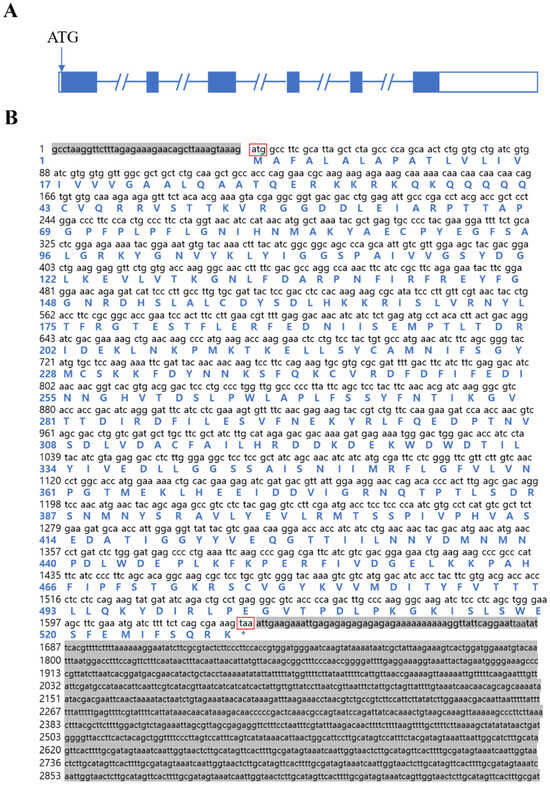
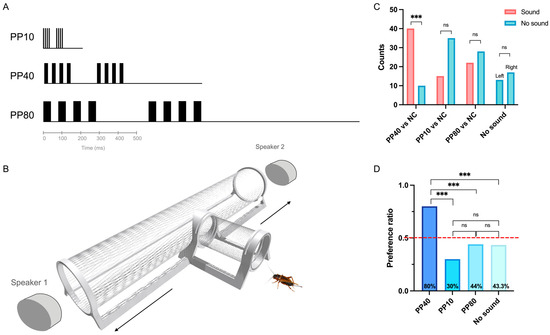
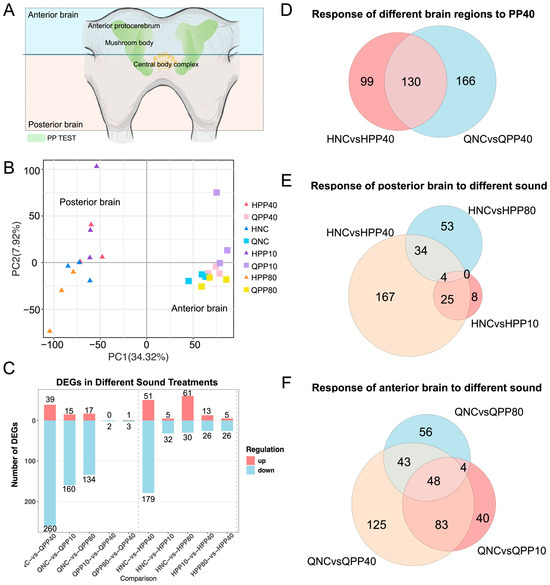
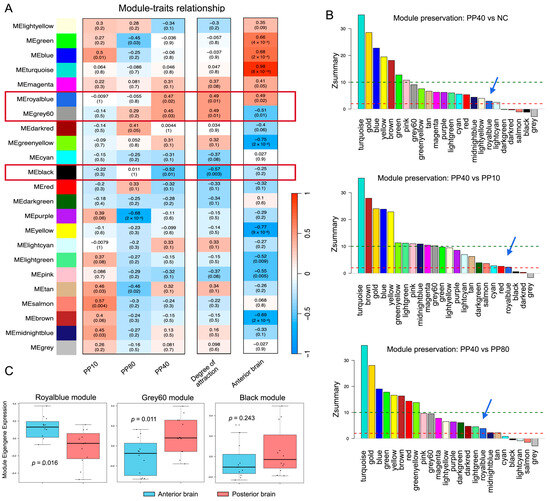
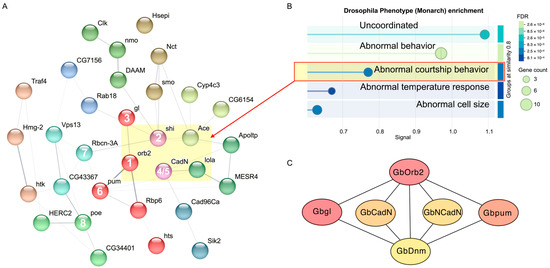
Crickets use the pulse pattern of the species-specific calling song as a primary cue for mate recognition. Here we combined transcriptome profiling of brain regions with network-based analyses in Gryllus bimaculatus exposed to silence or pulse trains known to elicit strong or weak phonotactic attraction. Acoustic stimulation triggered specific transcriptional changes in the brain, with the anterior protocerebrum showing the most pronounced and selective responses to the calling song pattern, characterized by enrichment in neuromodulatory and neurotransmitter-related pathways. Weighted gene co-expression analysis identified a specific cluster of highly co-expressed genes in the anterior brain (termed the calling song-responsive module) that responded selectively only to the calling song stimulus. Genetic network topology analysis revealed six highly connected key hub genes within the calling song-responsive module—GbOrb2, Gbgl, Gbpum, GbDnm, GbCadN, and GbNCadN. These genes showed extensive interactions with many other genes in the network, suggesting their central regulatory role in response to calling song in female crickets. These findings support the anterior brain as a central integrator of cricket auditory mate recognition cues and point to a core molecular network that likely underpins this behavior. Full article
Show Figures

Figure 1

2025

Jump to: 2026

13 pages, 1921 KB  
Article
Exploring the Activity of a Novel N-Glycosidase (EndoBI-2): Recombinant Production to Release Bioactive Glycans
by Hatice Duman, İzzet Avcı, Bekir Salih, Hacı Mehmet Kayılı, Mikhael Bechelany and Sercan Karav
Int. J. Mol. Sci. 2026, 27(1), 339; https://doi.org/10.3390/ijms27010339 - 28 Dec 2025
Viewed by 331
Abstract
The gut microbiome evolves in response to host development, health state, lifestyle, nutrition, and microbial interactions. The survival of gut microbiota depends on its ability to utilize its host-indigestible complex oligosaccharides. Certain gut microbes produce glycosidases that cleave N-glycoproteins to release N [...] Read more.
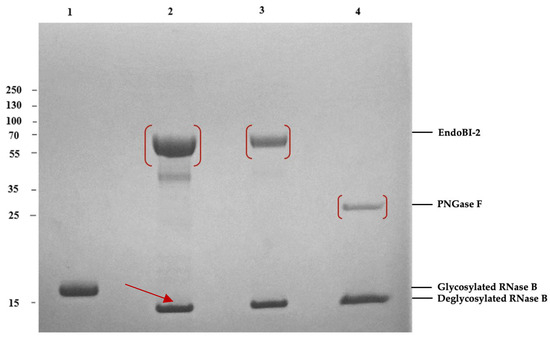
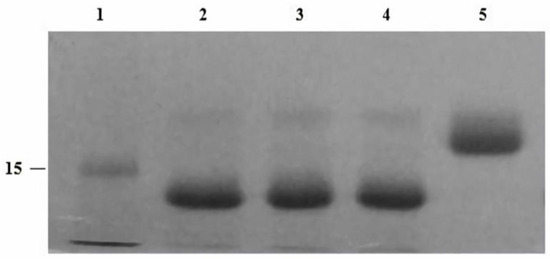
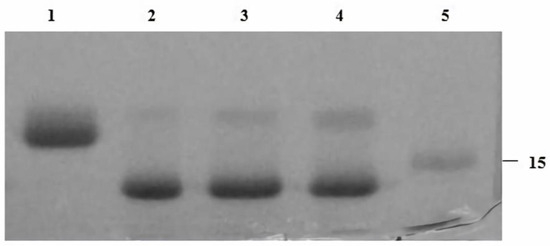
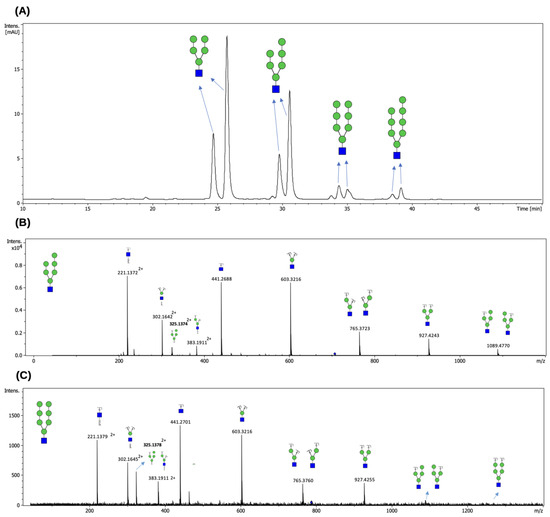
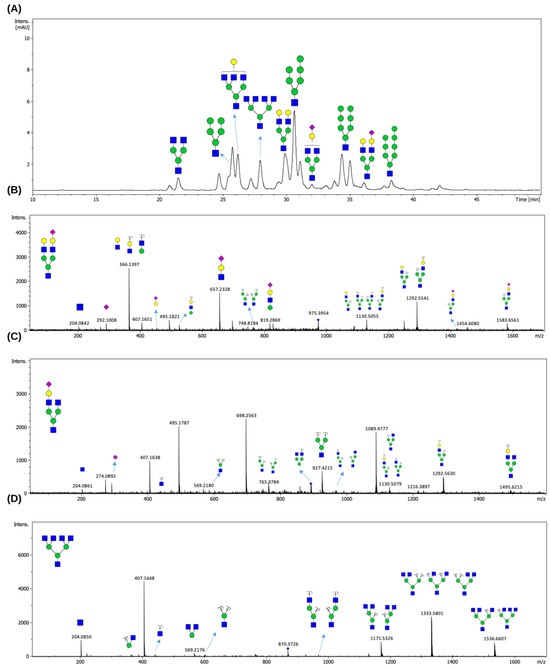
The gut microbiome evolves in response to host development, health state, lifestyle, nutrition, and microbial interactions. The survival of gut microbiota depends on its ability to utilize its host-indigestible complex oligosaccharides. Certain gut microbes produce glycosidases that cleave N-glycoproteins to release N-glycans that are then used as a carbon source. However, commercial glycosidases are inefficient and, thus, require improved deglycosylation strategies to study their functions and scale up their production. Therefore, the main objective of this study was to recombinantly produce and characterize the novel endo-β-N-acetylglucosaminidase 2 (EndoBI-2) from Bifidobacterium longum subsp. infantis (B. infantis) and to evaluate its enzymatic performance for controlled N-glycan release. Furthermore, the optimum reaction conditions for EndoBI-2 were investigated on model glycoprotein RNAse B using model glycoprotein. The released N-glycans were profiled by hydrophilic interaction liquid chromatography-fluorescence detection-quadrupole time-of-flight tandem mass spectrometry (HILIC-FLD-QTOF-MS/MS). We demonstrated that EndoBI-2 possesses a strong temperature tolerance and efficiently cleaves N-glycans under mild reaction conditions, exhibiting high activity at pH 5. These findings highlight EndoBI-2 as a robust and efficient biocatalyst for the production of bioactive N-glycans from diverse N-glycoproteins, with potential applications in glycobiotechnology. Full article
Show Figures

Figure 1

12 pages, 1753 KB  
Article
Investigation of the Binding of the Macrolide Antibiotic Telithromycin to Human Serum Albumin by NMR Spectroscopy
by Markus Rotzinger, Peter Hartmann, Barbara Muhry, Karina Stadler, A. Daniel Boese, Predrag Novak and Klaus Zangger
Int. J. Mol. Sci. 2025, 26(24), 12005; https://doi.org/10.3390/ijms262412005 - 13 Dec 2025
Viewed by 303
Abstract
The macrolide antibiotic telithromycin was developed to avoid common antibiotic resistances, yet it has been recently withdrawn from the European market due to severe side effects. Both side effects and the effectiveness of a drug can be related to the strength of its [...] Read more.
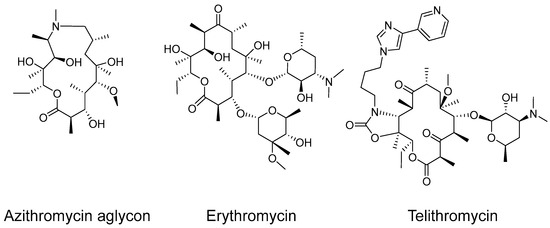
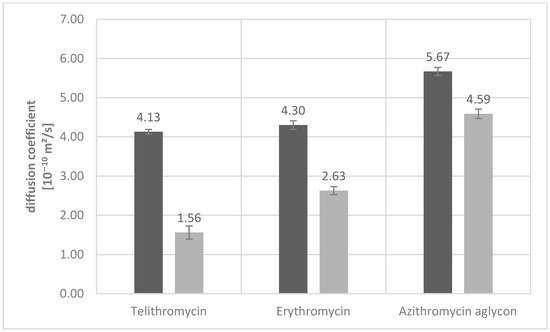
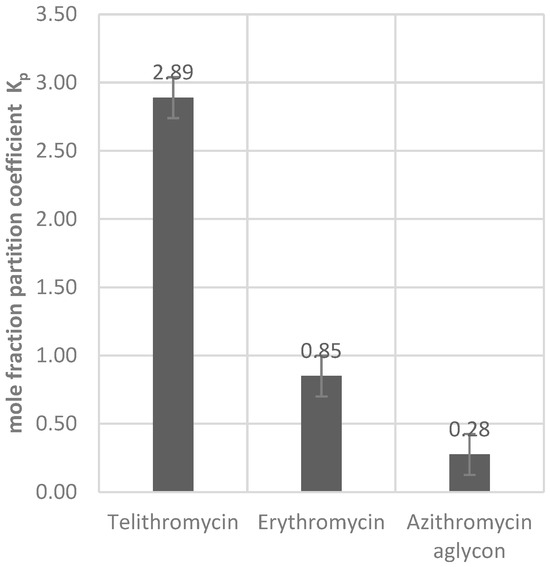
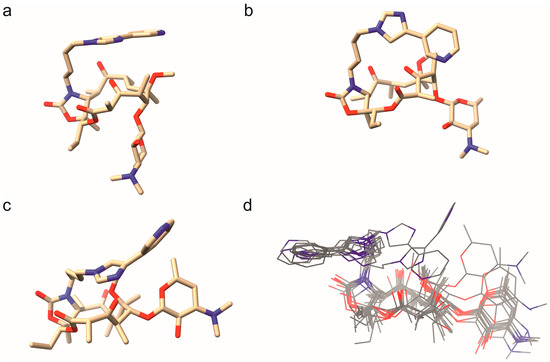
The macrolide antibiotic telithromycin was developed to avoid common antibiotic resistances, yet it has been recently withdrawn from the European market due to severe side effects. Both side effects and the effectiveness of a drug can be related to the strength of its interaction with human serum albumin (HSA). However, as of yet, interactions between telithromycin and HSA have not been thoroughly studied. In this work, we evaluate the interaction strength and structural details of telithromycin and HSA via diffusion ordered spectroscopy (DOSY) and transferred NOE measurements. The binding strengths are compared with those of related macrolides. Our results show that the interaction strength increases with the decreasing polarity of the side chains in the antibiotic. Among the tested macrolide antibiotics, telithromycin interacted the strongest with HSA. Structure calculations based on transferred NOEs, using DFT calculations, show that telithromycin adopts a specific conformation upon binding, which shields the polar moieties attached to the aglycon and enables more hydrophobic interactions with HSA. Full article
Show Figures

Figure 1

31 pages, 1586 KB  
Review
State of the Art of CAR-NK Cell Therapy in Multiple Myeloma: A Comprehensive Review of Cell Sources and Target Antigens
by Asya Bastrich, Kamilla Vinogradova, Diana Mokrousova, Anna Efremova, Oleg Makhnach and Dmitry Goldshtein
Int. J. Mol. Sci. 2025, 26(22), 11224; https://doi.org/10.3390/ijms262211224 - 20 Nov 2025
Viewed by 2373
Abstract
Multiple myeloma (MM) is a clonal malignancy of plasma cells that remains largely incurable despite major advances in proteasome inhibitors, immunomodulatory drugs, and monoclonal antibodies. Chimeric antigen receptor (CAR)-engineered immune cells have transformed the therapeutic landscape, but CAR-T cell therapy faces challenges such [...] Read more.
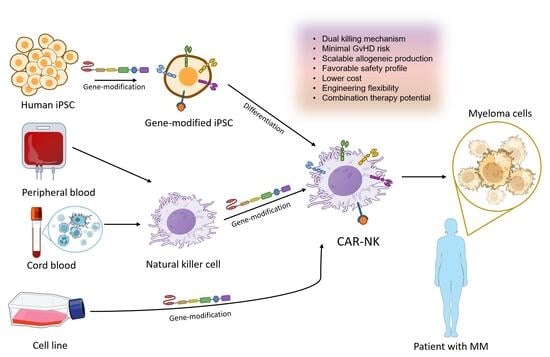
Multiple myeloma (MM) is a clonal malignancy of plasma cells that remains largely incurable despite major advances in proteasome inhibitors, immunomodulatory drugs, and monoclonal antibodies. Chimeric antigen receptor (CAR)-engineered immune cells have transformed the therapeutic landscape, but CAR-T cell therapy faces challenges such as severe cytokine release syndrome (CRS), neurotoxicity, limited persistence, and logistical complexity. In recent years, natural killer (NK) cells have emerged as a promising platform for next-generation cellular immunotherapy, offering innate antitumor activity, a reduced risk of graft-versus-host disease (GvHD), and the feasibility of “off-the-shelf” allogeneic production. This review summarizes current advances in CAR-NK cell therapy for MM, focusing on two major aspects: the diversity of cell sources—including NK-92, peripheral (PB) and cord blood (CB), and induced pluripotent stem cell (iPSC)-derived NK cells—and the expanding repertoire of target antigens such as BCMA (B-cell maturation antigen), NKG2D, CD38, CD70, SLAMF7, CD138, and GPRC5D. We highlight preclinical and early clinical studies demonstrating potent cytotoxicity, favorable safety profiles, and innovative multi-targeting strategies designed to overcome antigen escape and enhance persistence. Emerging clinical data suggest that CAR-NK cell therapy may combine the specificity of CAR recognition with the inherent safety and versatility of NK biology, offering a potential paradigm shift in the treatment of relapsed or refractory MM. Further clinical validation will determine whether CAR-NK cell therapy can achieve durable remission and complement or surpass current CAR-T modalities. Full article
Show Figures

Graphical abstract
38 pages, 1831 KB  
Review
Prebiotic and Functional Fibers from Micro- and Macroalgae: Gut Microbiota Modulation, Health Benefits, and Food Applications
by Nurdeniz Deniz, Sümeyye Sarıtaş, Mikhael Bechelany and Sercan Karav
Int. J. Mol. Sci. 2025, 26(22), 11082; https://doi.org/10.3390/ijms262211082 - 16 Nov 2025
Cited by 1 | Viewed by 1324
Abstract
Micro- and macro-algae are natural resources that attract attention in terms of their prebiotic potential and functional food applications due to their rich polysaccharide diversity. In this review, the regulatory effects of dietary fibers and polysaccharides from algae on gut microbiota, their health [...] Read more.
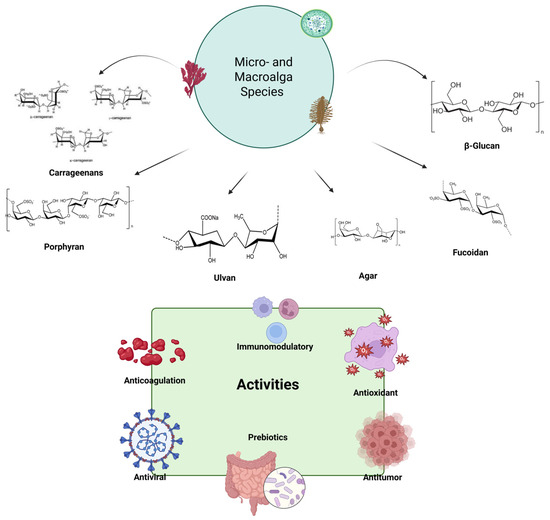
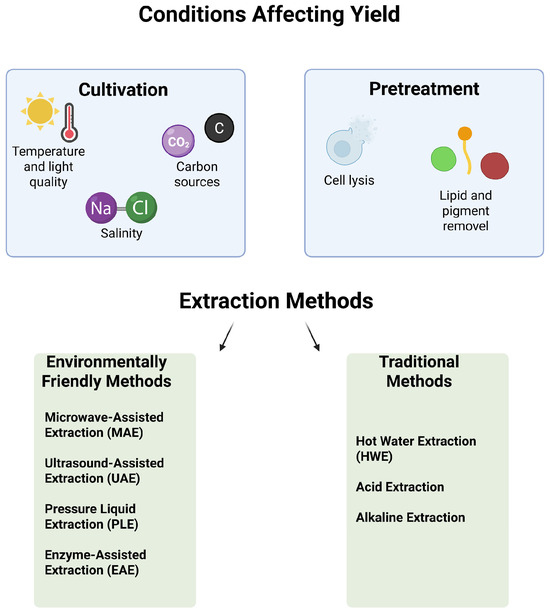
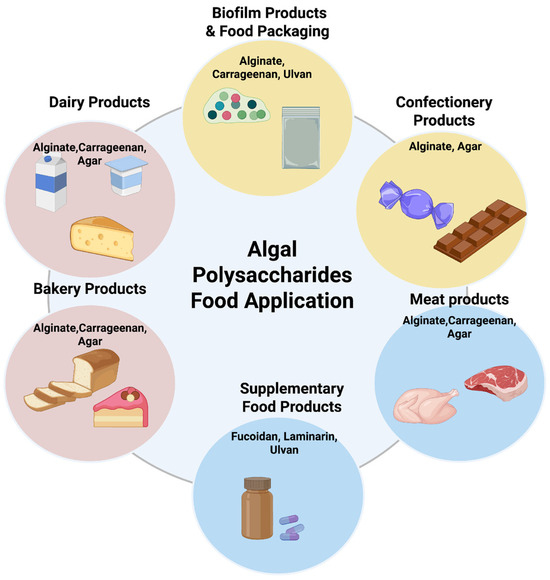
Micro- and macro-algae are natural resources that attract attention in terms of their prebiotic potential and functional food applications due to their rich polysaccharide diversity. In this review, the regulatory effects of dietary fibers and polysaccharides from algae on gut microbiota, their health benefits and their potential functions in foods are discussed in detail. Compounds such as fucoidan, laminarin, alginate, porphyran, agar, carrageenan and exopolysaccharides are examined for their interactions with the microbiota and how they support digestive health, immunity and metabolic balance through the production of short chain fatty acids. In contrast to earlier reviews, this paper offers a comprehensive comparison between sulfated and non-sulfated algal polysaccharides, incorporates updated insights on their regulatory status and safety, and highlights emerging direction for developing next-generation prebiotic formulation. The review also examines their applications in functional foods, nutraceutical effects and protective roles, and includes preclinical and clinical studies. However, some limitations such as safety of consumption, risk of heavy metal accumulation, bioavailability issues and regulatory restrictions are also addressed. New nutritional approaches, next generation prebiotic formulations and biotechnological studies are included. This review aims to comprehensively highlight the versatile potential of algal polysaccharides as functional fibers and prebiotics. While numerous studies have examined algal polysaccharides, their heterogeneous structures and safety. This review emphasized these critical gaps and proposed a rational evaluation framework for future research and functional food development. Full article
Show Figures

Figure 1

17 pages, 5153 KB  
Article
Megakaryocytic Differentiation Regulates the Permissiveness and Antiviral Response of the Megakaryocytic Erythroid Progenitor to Dengue Virus
by Diego Sait Cruz-Hernández, Francisco Javier Sánchez-Peña, Marymar Cruz-Cruz, Darío de Jesús Guillén-Morales, Martha Cristina Castillo-Soriano, Elizabeth Cruz-Altamirano, Juan Alpuche, José Bustos-Arriaga, María de Los Ángeles Romero-Tlalolini, Honorio Torres-Aguilar, Juan Carlos Rodríguez-Alba and Sergio Roberto Aguilar-Ruíz
Int. J. Mol. Sci. 2025, 26(22), 11081; https://doi.org/10.3390/ijms262211081 - 16 Nov 2025
Viewed by 532
Abstract
Dengue virus (DENV) affects not only peripheral immune cells but also hematopoietic progenitors in the bone marrow, particularly megakaryocytic precursors, which contribute to the thrombocytopenia characteristic of the disease. In this study, we evaluated the relationship between the differentiation status of the megakaryocytic [...] Read more.
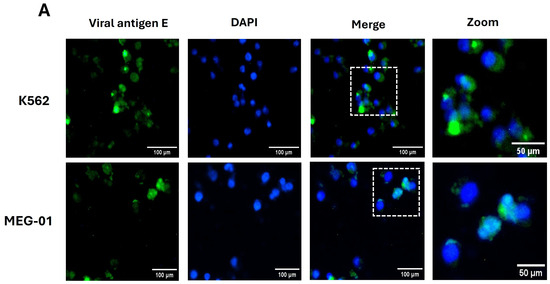
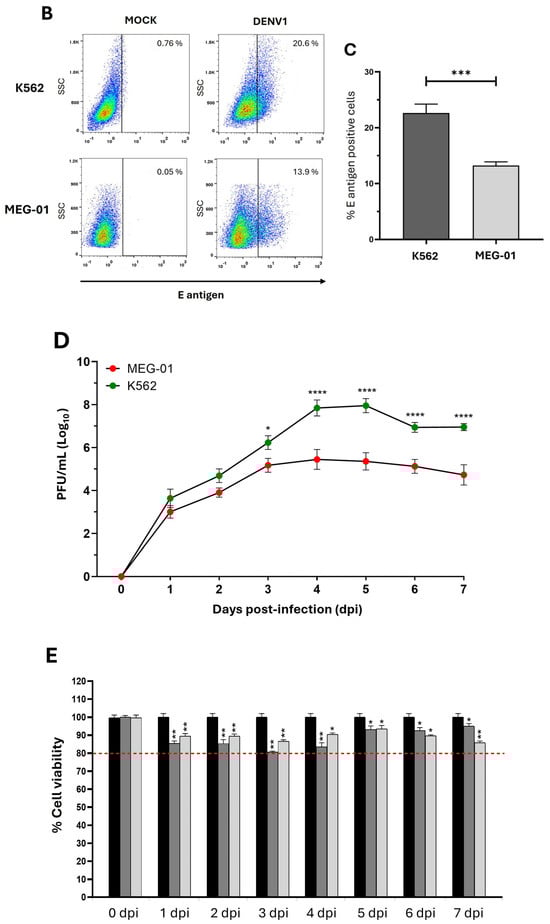
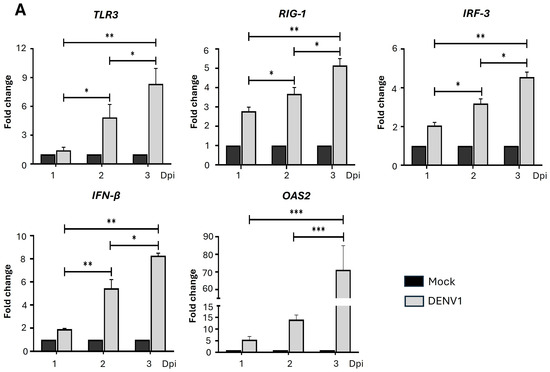
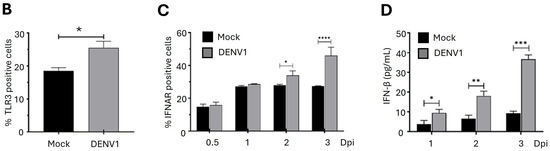
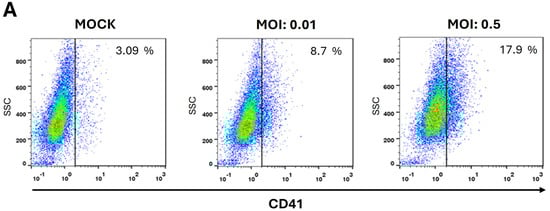
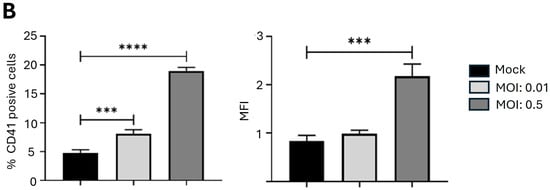
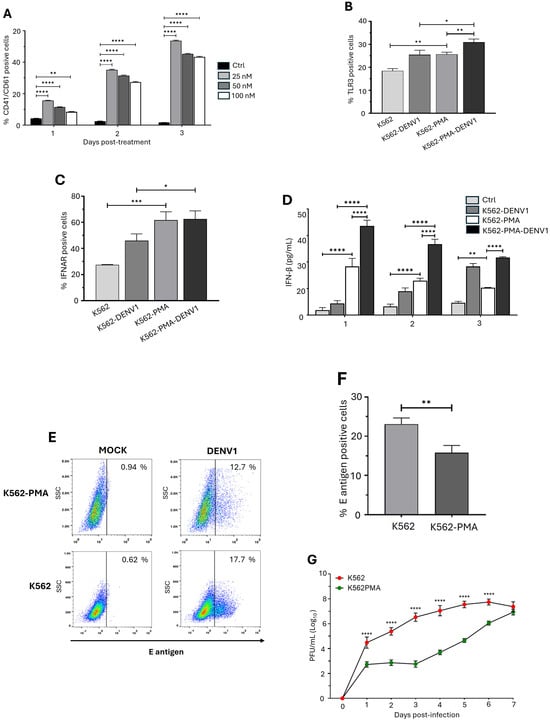
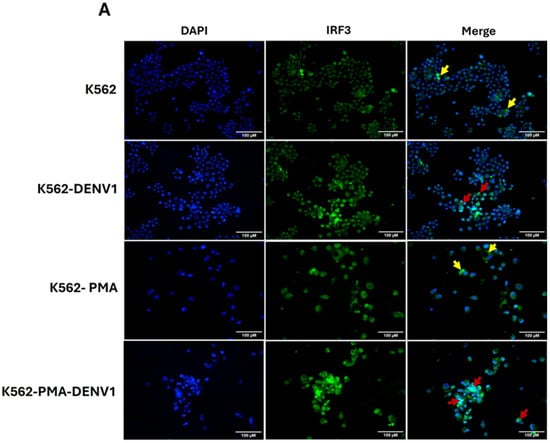
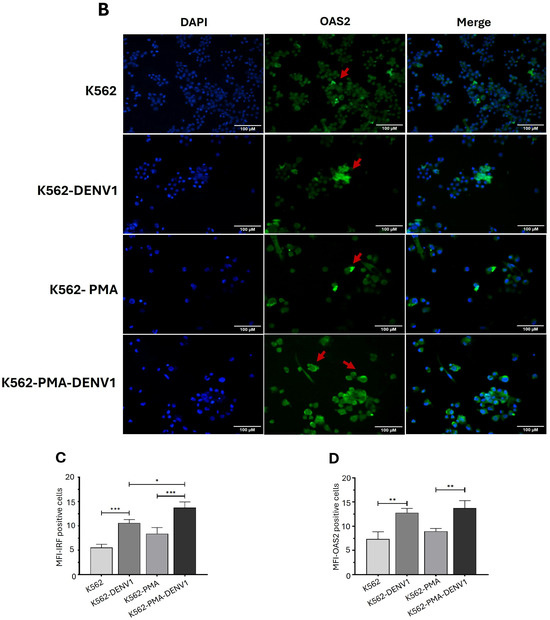
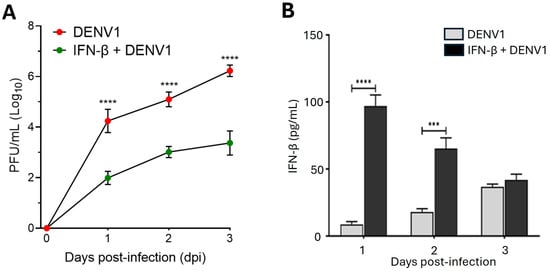
Dengue virus (DENV) affects not only peripheral immune cells but also hematopoietic progenitors in the bone marrow, particularly megakaryocytic precursors, which contribute to the thrombocytopenia characteristic of the disease. In this study, we evaluated the relationship between the differentiation status of the megakaryocytic lineage and its permissiveness and antiviral response to DENV. Our results demonstrate that the erythroid–megakaryocytic precursor (K562 cells) was more permissive to DENV infection than megakaryoblasts, as evidenced by immunofluorescence, flow cytometry, and quantification of viral particles. The antiviral response in K562 cells peaked at three days post-infection, with maximal expression of genes associated with the type I interferon (IFN-I) pathway. In vitro-induced differentiation of K562 cells reduced the initial susceptibility to DENV and enhanced the expression of Toll-like receptor 3 (TLR3) and the type I interferon receptor (IFNAR1), accelerating and intensifying IFN-β secretion, and increasing the expression of OAS2 and IRF3. Furthermore, pretreatment of K562 cells with recombinant IFN-β significantly reduced viral replication from the first day post-infection. Collectively, these findings demonstrate for the first time that the differentiation status of erythroid–megakaryocytic progenitor critically shapes their antiviral response and underscore the central role of IFN-β in the early restriction of DENV infection. Full article
Show Figures

Figure 1

28 pages, 917 KB  
Review
The Functional Role of Polyphenols Across the Human Lifespan
by Bekir Enes Koca, Sümeyye Sarıtaş, Mikhael Bechelany and Sercan Karav
Int. J. Mol. Sci. 2025, 26(22), 11074; https://doi.org/10.3390/ijms262211074 - 16 Nov 2025
Cited by 2 | Viewed by 2156
Abstract
Polyphenols are bioactive molecules that occur naturally in plants and exhibit a diverse array of properties, including antioxidant, anti-inflammatory, and anti-obesity effects, all of which have been supported by numerous studies. They are categorized into four main groups: flavonoids, phenolic acids, stilbenes, and [...] Read more.
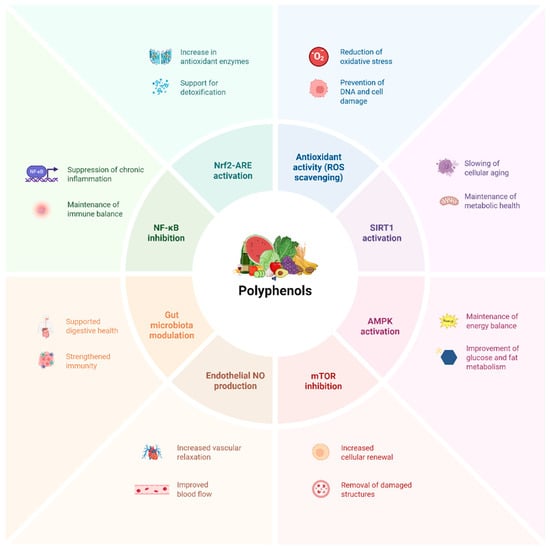
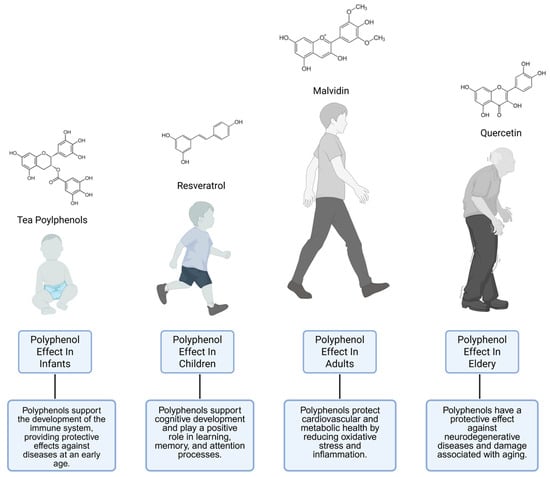
Polyphenols are bioactive molecules that occur naturally in plants and exhibit a diverse array of properties, including antioxidant, anti-inflammatory, and anti-obesity effects, all of which have been supported by numerous studies. They are categorized into four main groups: flavonoids, phenolic acids, stilbenes, and lignans. Polyphenols demonstrate a wide range of health-promoting effects throughout human life, from the womb to old age. They can exert these effects by modulating signaling pathways, regulating gut microbiota, influencing gene expression, and regulating epigenetic pathways. This comprehensive review summarizes the evidence regarding polyphenol intake across various life stages, exploring their effects on immune function, cognitive development, cardiovascular health, and healthy aging. These findings highlight the potential role of polyphenol supplementation in supporting lifelong health. It also emphasizes the significant impact of polyphenols on mental health issues and obesity, which have become more prevalent in modern life. The review also highlights the distinct requirements for each age group, due to changes in metabolic and cellular functions, as well as the age-specific effects of polyphenols. Recent in vitro, in vivo and clinical studies were reviewed to evaluate the biological effects of polyphenols. In the current literature, there are limited studies that directly compare the effects of polyphenols specific to different life stages and comprehensively address the results. This review aims to provide a framework to guide future research by evaluating the effects of polyphenols used in early life, adulthood, and old age. Full article
Show Figures

Figure 1

15 pages, 1751 KB  
Article
Monomeric and Oligomeric Decorsins of the Asian Medicinal Leech Hirudinaria manillensis
by Céline Tolksdorf, Robert Wolf, Bernhard H. Rauch, Gabriele Jedlitschky and Christian Müller
Int. J. Mol. Sci. 2025, 26(22), 11017; https://doi.org/10.3390/ijms262211017 - 14 Nov 2025
Cited by 1 | Viewed by 499
Abstract
Hematophagous leeches rely on a broad diversity of bioactive factors that interfere with the host’s defense systems to secure a successful blood meal. The most prominent examples of such factors are the antithrombotics that address either the primary hemostasis (the platelet aggregation) or [...] Read more.
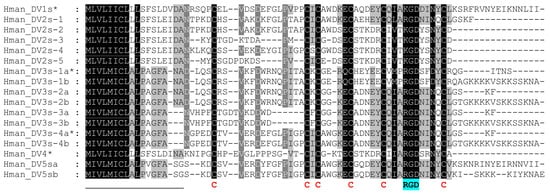
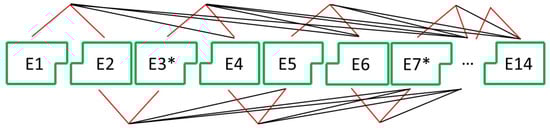
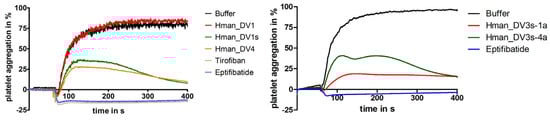
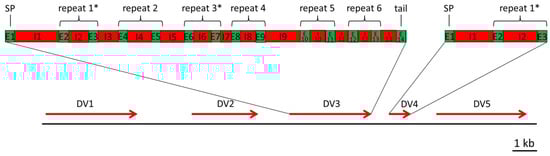
Hematophagous leeches rely on a broad diversity of bioactive factors that interfere with the host’s defense systems to secure a successful blood meal. The most prominent examples of such factors are the antithrombotics that address either the primary hemostasis (the platelet aggregation) or the secondary hemostasis (the blood coagulation). Whereas the inhibitors of platelet aggregation mainly cause continuous blood flow, coagulation inhibitors mainly keep the blood fluid within the stomach of the leech. The critical dependency of hematophagous leeches on the accurate action of all antithrombotic factors may explain the presence of multiple genes for each type of these factors that is regularly observed in leech genomes. The genome of Hirudinaria manillensis Lesson, 1842, the Asian buffalo leech, contains five individual genes that encode variants of the coagulation inhibitor hirudin. However, no genes that encode putative decorsins, the archetype of leech-derived inhibitors of platelet aggregation, have been described to date. Here, we report the identification of one monomeric and four multimeric decorsin encoding genes in the genome of H. manillensis. A selection of the putative decorsins was expressed as recombinant proteins, purified and functionally characterized. All but one of these putative decorsins displayed platelet aggregation-inhibitory potencies. Furthermore, we provide a mathematical calculation based on the mechanism of alternative pre-mRNA splicing that illustrates the potential to generate an enormous variety of different factors from one single multimeric ornatin gene. Full article
Show Figures

Figure 1

19 pages, 1279 KB  
Review
Protein Design Meets Single-Molecule Detection: Towards Programmable Nanopore Sensors
by Xintong Liu and Chunfu Xu
Int. J. Mol. Sci. 2025, 26(21), 10561; https://doi.org/10.3390/ijms262110561 - 30 Oct 2025
Cited by 1 | Viewed by 1978
Abstract
Nanopores have emerged as powerful tools for single-molecule detection, enabling real-time analysis across diverse applications in genomics and molecular diagnostics. While natural pores laid the foundation for single-molecule detection, their limited diversity has driven advances in protein engineering and, more recently, de novo [...] Read more.
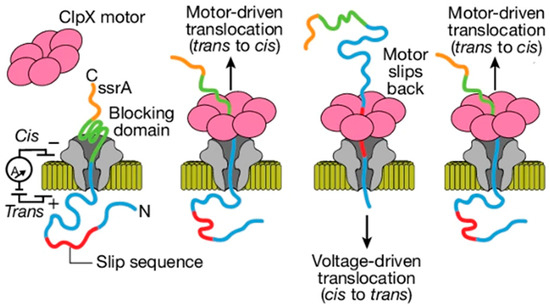
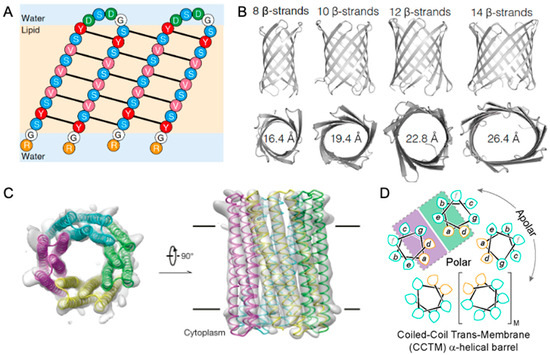
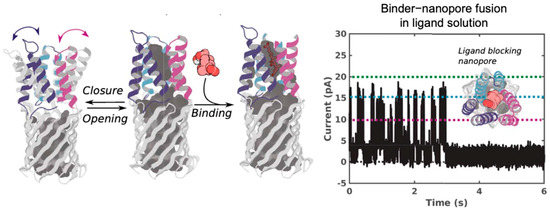
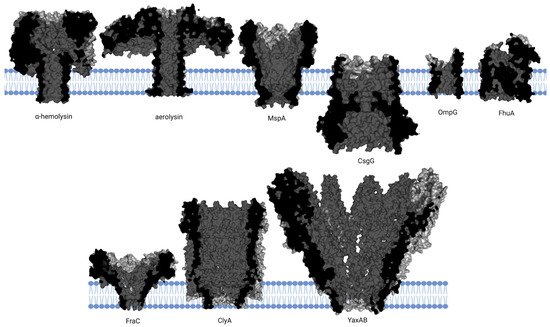
Nanopores have emerged as powerful tools for single-molecule detection, enabling real-time analysis across diverse applications in genomics and molecular diagnostics. While natural pores laid the foundation for single-molecule detection, their limited diversity has driven advances in protein engineering and, more recently, de novo design to create customizable nanopore sensors. Computational approaches now allow for the design of nanopores with tailored geometries, enhanced stability, and specific molecular recognition functions. Together, these advances are ushering in a new era of programmable nanopore sensors with broad applications in diagnostics and molecular biotechnology. Full article
Show Figures

Figure 1

33 pages, 2755 KB  
Review
Targeting the BCL2 Family: Advances and Challenges in BH3 Mimetic-Based Therapies
by Nabanita Mukherjee, James Sheetz and Yiqun G. Shellman
Int. J. Mol. Sci. 2025, 26(20), 9859; https://doi.org/10.3390/ijms26209859 - 10 Oct 2025
Cited by 2 | Viewed by 3418
Abstract
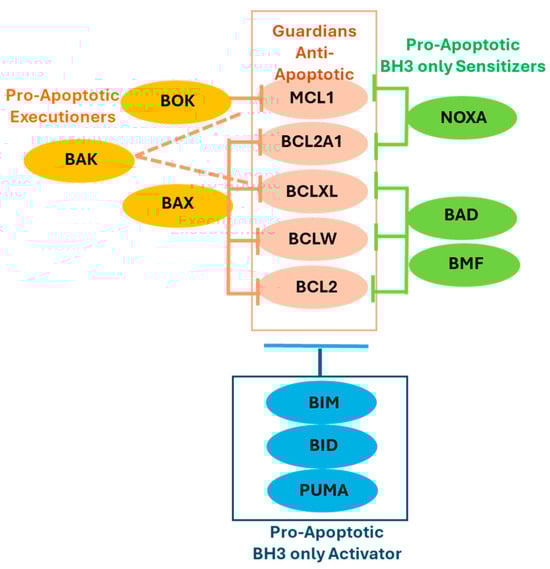
The BCL2 family of proteins plays a pivotal role in regulating apoptosis and cellular homeostasis, making them critical therapeutic targets in cancer and other diseases characterized by pathological cell survival. BH3 mimetics, small molecules that selectively inhibit anti-apoptotic BCL2 family members, have achieved [...] Read more.
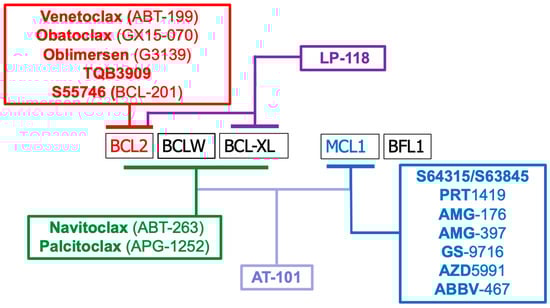
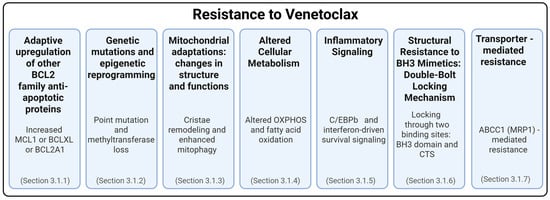
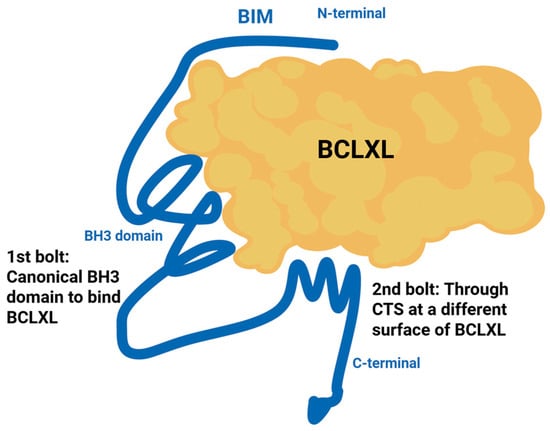
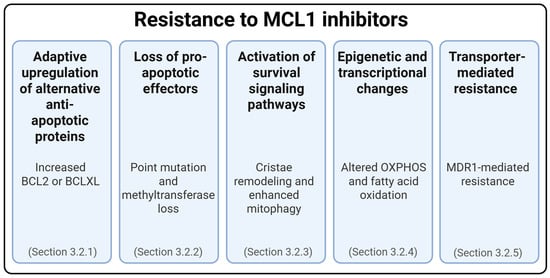
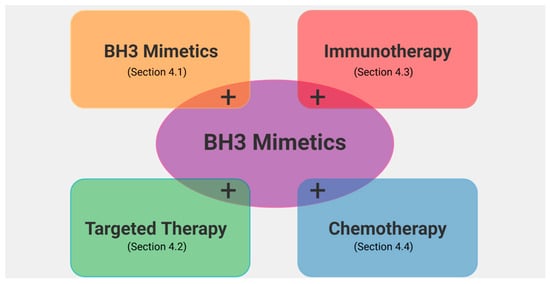
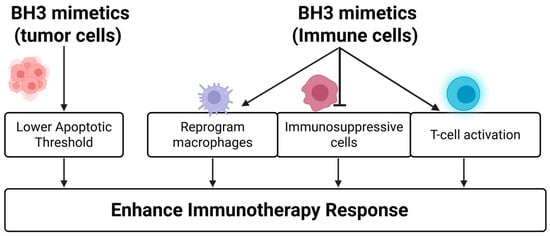
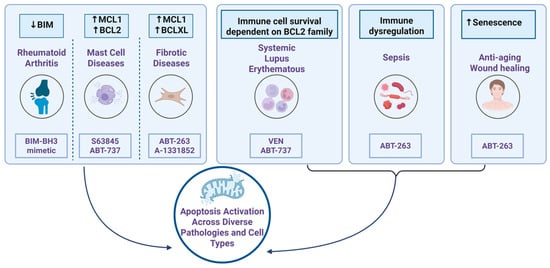
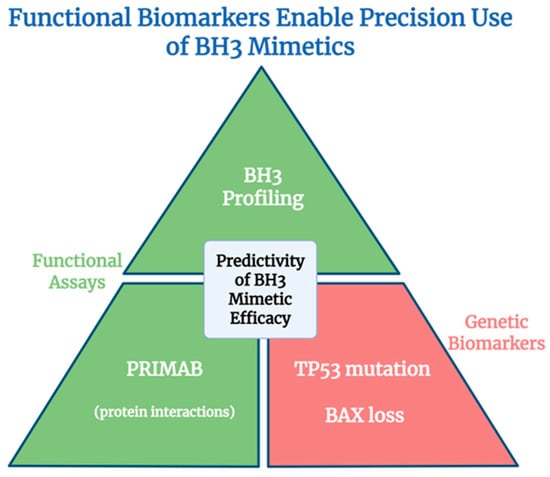
The BCL2 family of proteins plays a pivotal role in regulating apoptosis and cellular homeostasis, making them critical therapeutic targets in cancer and other diseases characterized by pathological cell survival. BH3 mimetics, small molecules that selectively inhibit anti-apoptotic BCL2 family members, have achieved significant clinical success, particularly in hematologic malignancies. However, several challenges remain, including resistance mechanisms, toxicity (such as MCL1 inhibitor-associated cardiotoxicity), and the intricate balance between apoptotic and non-apoptotic functions. This review provides a comprehensive overview of BCL2 family biology, the development and clinical application and outcomes of BH3 mimetics, and the emerging resistance mechanism known as double-bolt locking. We also examine strategies to overcome resistance, including combination therapies and immunomodulatory approaches. Beyond oncology, we highlight the expanding therapeutic potential of BH3 mimetics in autoimmune, fibrotic, and infectious diseases, as well as regenerative and anti-aging medicine. Finally, we discuss predictive biomarkers and tissue-specific responses that inform precision therapy. Together, these insights underscore the promise of BH3 mimetics and the need for continued multidisciplinary research to optimize their clinical impact. Full article
Show Figures

Figure 1

14 pages, 3474 KB  
Article
Silk Fibroin Protective Coating for Washable and Reusable Textile Electronics
by Anna Baranowska-Korczyc, Dorota Kowalczyk and Małgorzata Cieślak
Int. J. Mol. Sci. 2025, 26(20), 9848; https://doi.org/10.3390/ijms26209848 - 10 Oct 2025
Viewed by 1013
Abstract
In this study, a new way of protecting textile wearable electronics is proposed. A natural product, silk fibroin, known for its high biocompatibility, biodegradability, and low cytotoxicity, was selected to cover the functionalized fabric to improve its stability and enable washability. Silk fabric [...] Read more.
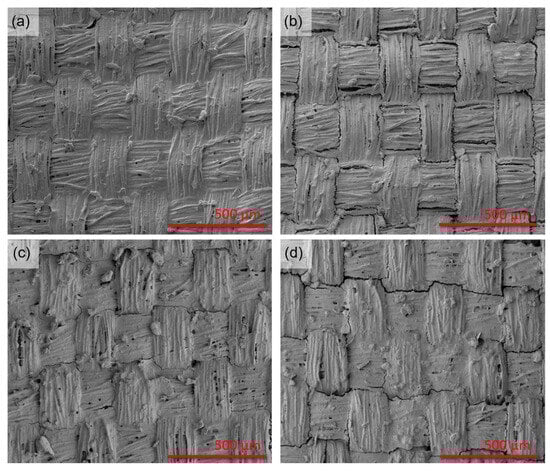
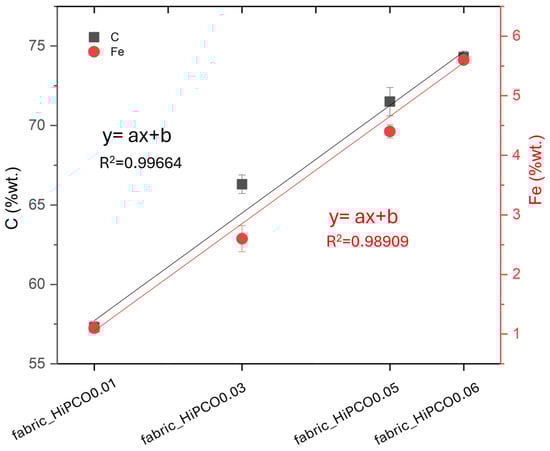
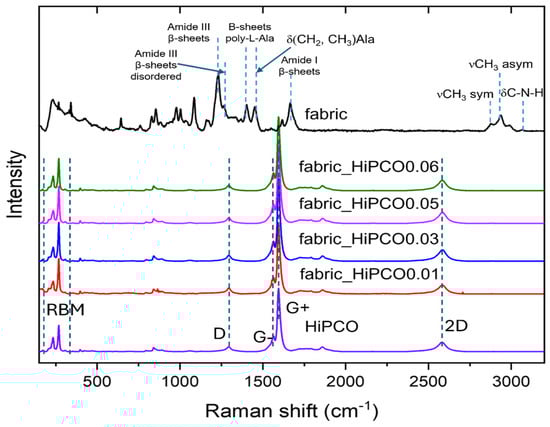
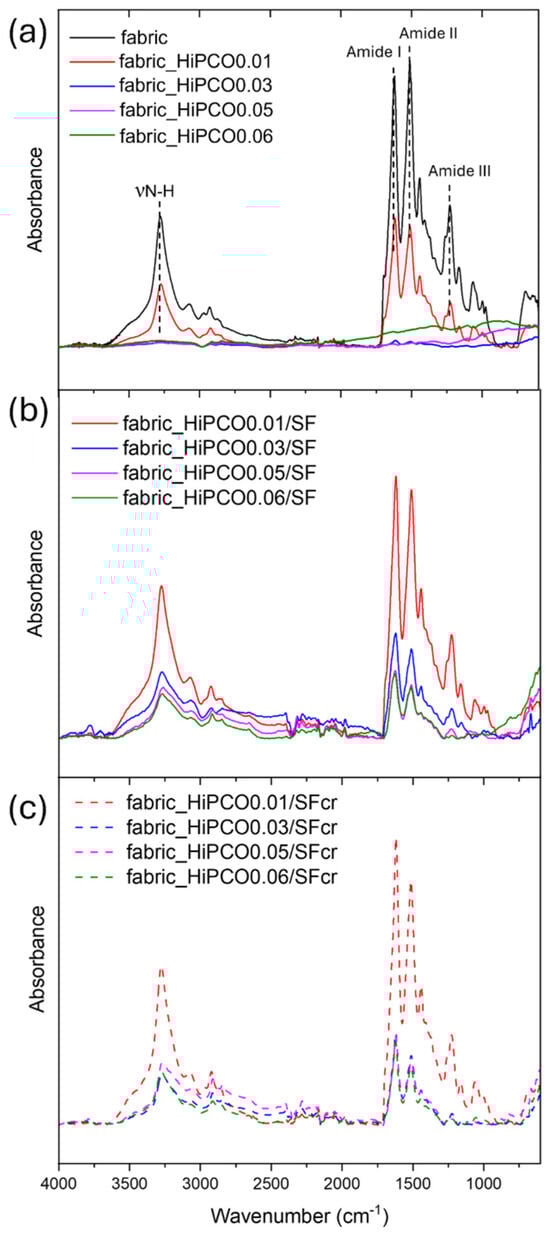
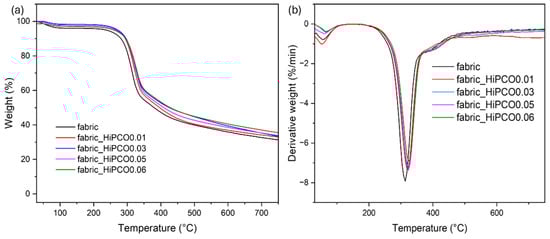
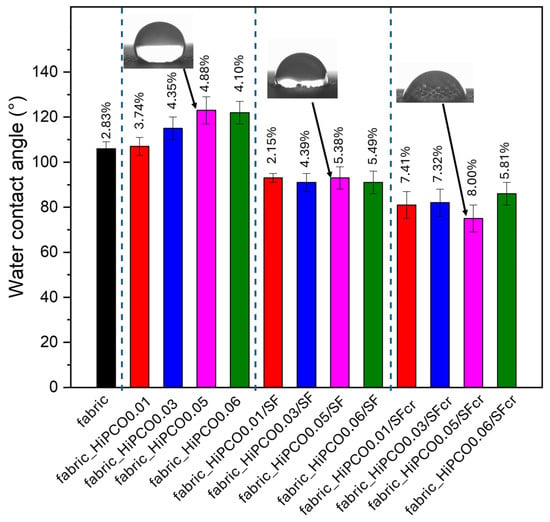
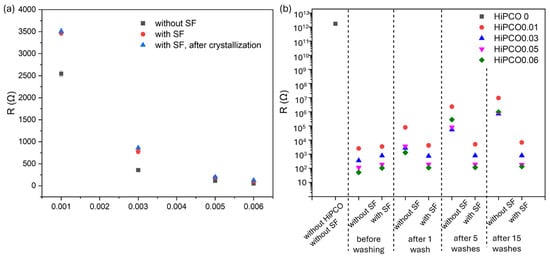
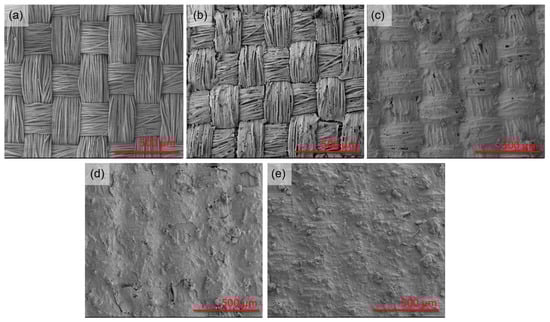
In this study, a new way of protecting textile wearable electronics is proposed. A natural product, silk fibroin, known for its high biocompatibility, biodegradability, and low cytotoxicity, was selected to cover the functionalized fabric to improve its stability and enable washability. Silk fabric was selected as a non-toxic material, suitable for further application on skin and for wearable devices. Silk fabric was functionalized with various amounts of high-pressure carbon monoxide single-walled carbon nanotubes (HiPCO SWNTs). HiPCO SWNTs made the fabric electroconductive, but they are easily washed out of the fabric. The fabric functionalized with HiPCO SWNTs was covered with silk fibroin (SF) protein, which was subsequently crystallized by ethanol vapor to make it insoluble in water. The functionalization and silk fibroin coverage processes were studied using electrical resistance measurements, infrared and Raman spectroscopies, thermogravimetric technique, and surface wettability analysis. The coverage of the fabric with crystallized silk fibroin enables the washing process. The resistance of the functionalized fabric with silk fibroin did not increase significantly. The presented silk fibroin coating can facilitate the construction of future wearable electronics, protect the electroconductive nanomaterials on the fabric surface, and make textile structures reusable. Full article
Show Figures

Figure 1

14 pages, 1285 KB  
Article
Edible Herb Aster glehni Alleviates Inflammation and Oxidative Stress in Chondrocytes by Regulating p38 and NF-κB Signaling Pathways with Partial Involvement of Its Major Component, 3,5-Dicaffeoylqunic Acid
by Jihyeon Baek, Hanhee Choi, Sung Ran Yoon, Yong Jin Jeong, Shin Young Oh, Min-Sook Kang, Haeng-Ran Kim, Han-Seung Shin and Seok-Seong Kang
Int. J. Mol. Sci. 2025, 26(19), 9691; https://doi.org/10.3390/ijms26199691 - 4 Oct 2025
Viewed by 790
Abstract
Osteoarthritis (OA) is primarily a degenerative disease triggered by joint inflammation and oxidative stress. While Aster glehni is an edible and traditionally medicinal herb, the beneficial effect of A. glehni on OA progression remains unknown. This study aimed to investigate the effect of [...] Read more.
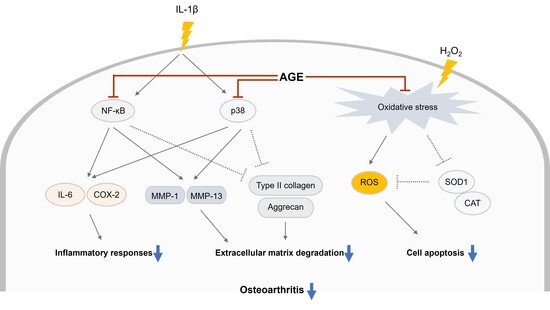
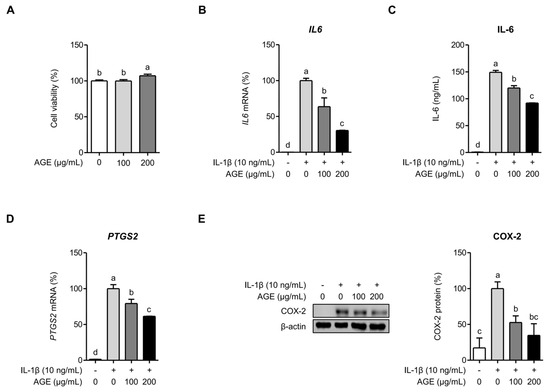
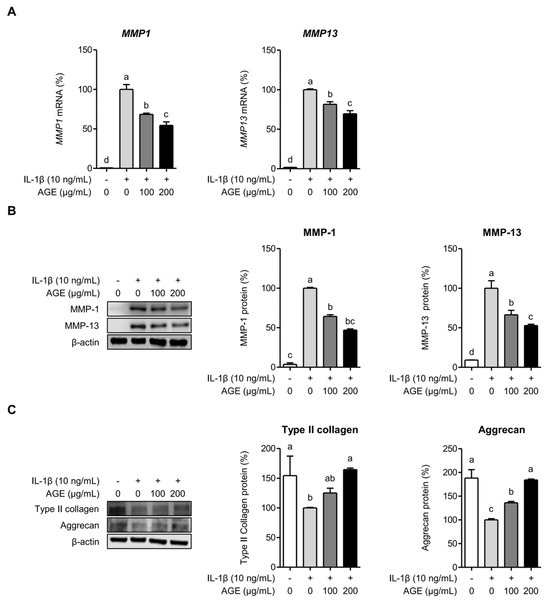
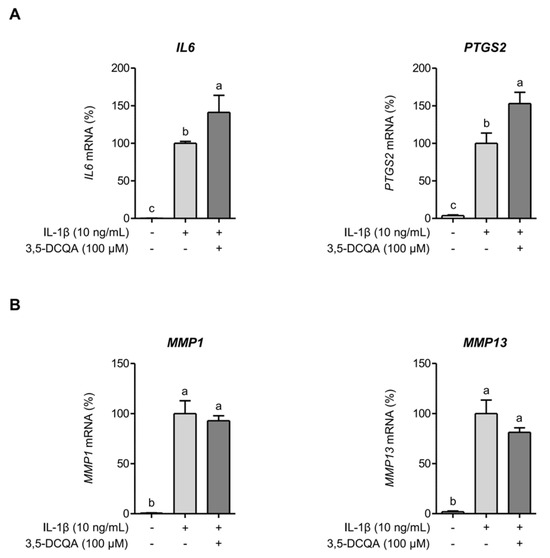
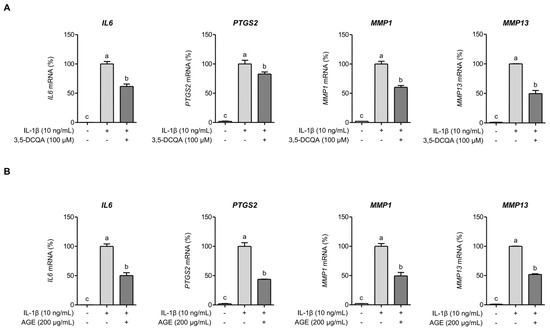
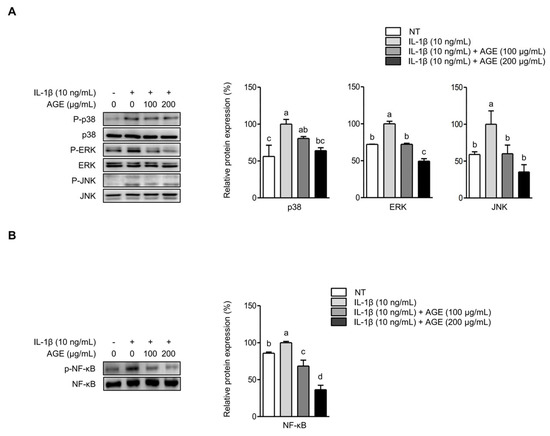
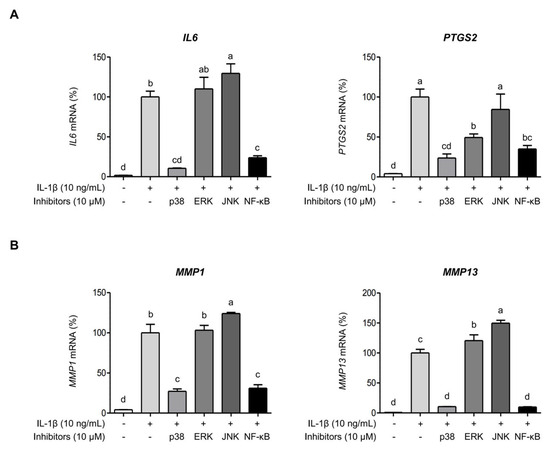
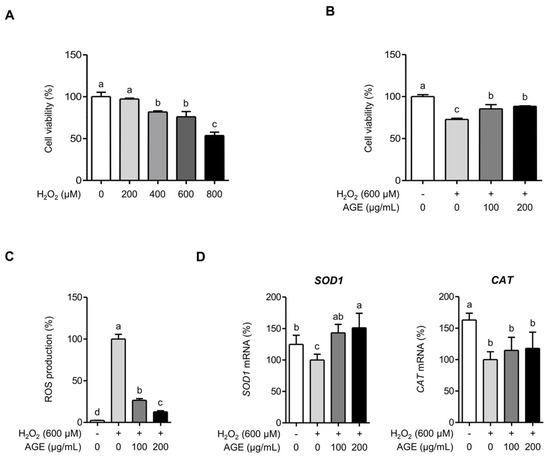
Osteoarthritis (OA) is primarily a degenerative disease triggered by joint inflammation and oxidative stress. While Aster glehni is an edible and traditionally medicinal herb, the beneficial effect of A. glehni on OA progression remains unknown. This study aimed to investigate the effect of A. glehni extract (AGE) and its primary biological compound—3,5-dicaffeoylquinic acid (3,5-DCQA)—on inflammation and oxidative stress in chondrocytes. AGE effectively inhibited the expression of interleukin (IL)-6, cyclooxygenase (COX)-2, matrix metalloproteinase (MMP)-1, and MMP-13 in chondrocytes stimulated by IL-1β for 24 h. In contrast, 3,5-DCQA did not inhibit IL-6, COX-2, and MMP expressions under the same conditions. However, when chondrocytes were stimulated by IL-1β for a short duration (6 h), 3,5-DCQA suppressed IL-6, COX-2, and MMP expressions. The inhibition of IL-6, COX-2, and MMP expressions by AGE was associated with the p38 kinase and nuclear factor-κB signaling pathways, but not ERK and JNK signaling pathways. Furthermore, AGE prevented cell apoptosis and reduced intracellular reactive oxygen species levels in chondrocytes induced by hydrogen peroxide (H2O2). AGE restored the decreased superoxide dismutase 1 and catalase mRNA expressions caused by H2O2. Collectively, AGE may protect against cartilage deterioration by inhibiting inflammation and oxidative stress, making it a promising therapeutic agent for alleviating OA. Full article
Show Figures

Graphical abstract
16 pages, 3427 KB  
Article
From Bioinformatics Analysis to Recombinant Expression: Advancing Public Health with Taenia solium Proteins
by Juana Muñoz, María Camila Jurado Guacaneme, Clemencia Ovalle-Bracho, Julián Trujillo Trujillo, Sofía Duque-Beltrán, Adriana Arévalo and Carlos Franco-Muñoz
Int. J. Mol. Sci. 2025, 26(19), 9585; https://doi.org/10.3390/ijms26199585 - 1 Oct 2025
Viewed by 989
Abstract
Taeniasis and neurocysticercosis (NCC), caused by Taenia solium, are significant public health concerns recognised by the World Health Organization (WHO) in developing countries across the Americas, Asia, and Africa. Taeniasis occurs in humans after consuming undercooked pork containing the larval stage ( [...] Read more.
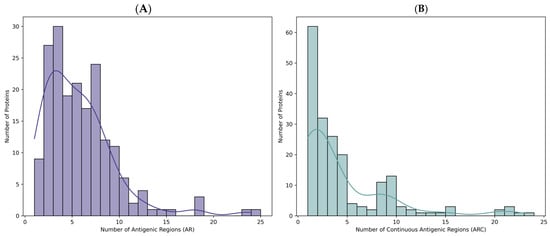
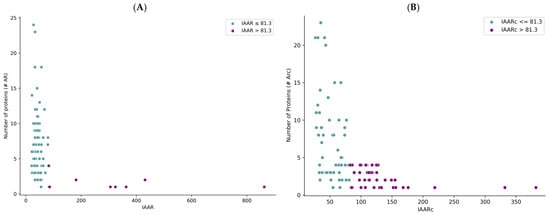
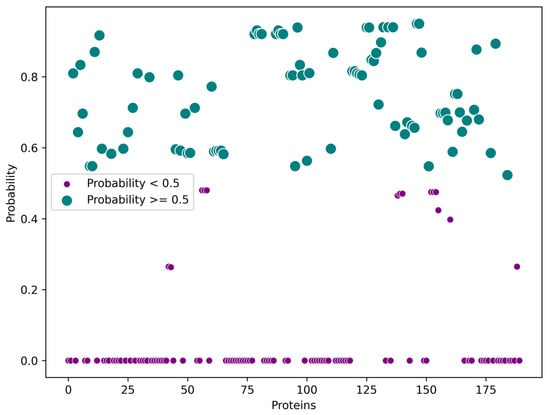
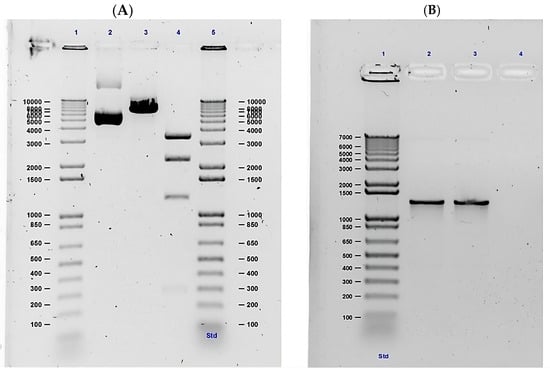
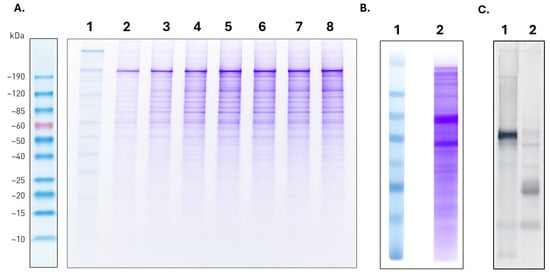
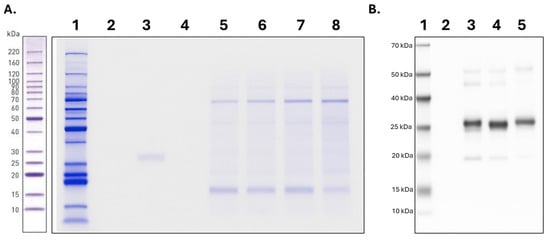
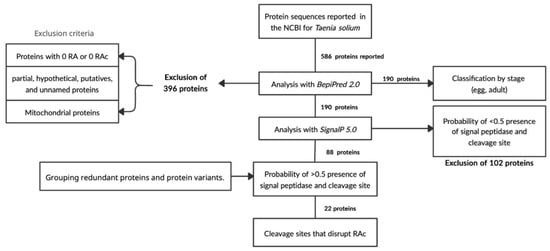
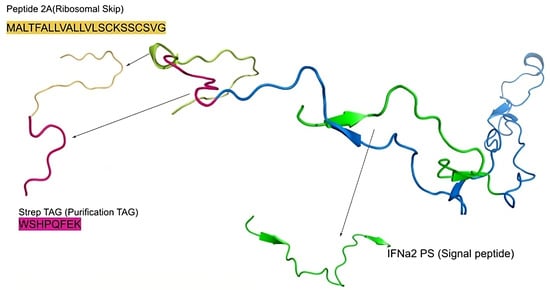
Taeniasis and neurocysticercosis (NCC), caused by Taenia solium, are significant public health concerns recognised by the World Health Organization (WHO) in developing countries across the Americas, Asia, and Africa. Taeniasis occurs in humans after consuming undercooked pork containing the larval stage (Cysticerci), which matures into the adult reproductive form in the intestine, releasing eggs through faeces. Accidental ingestion of these eggs by humans is the primary cause of NCC, a principal contributor to acquired epilepsy in endemic regions. Interrupting this transmission cycle is crucial to reducing the incidence of human NCC and porcine cysticercosis, thereby underscoring the need for accurate diagnosis and timely treatment of taeniasis. Current diagnostic tests for taeniasis, including microscopy, serology, copro-DNA, and coproantigen assays, exhibit variability in sensitivity, reproducibility, cross-reactivity, and accessibility. To overcome these limitations, bioinformatics tools were integrated with recombinant DNA technology to identify protein sequences with immunological potential. These sequences were evaluated in silico and used to construct an expression system. Subsequently, the antigens were expressed in a eukaryotic system, yielding two purified recombinant protein variants of 21 and 30 kDa. Their purification validated via Western blotting of the molecular tag, paves the way for the development of a direct immunological assay for the specific detection of Taenia solium carriers. Full article
Show Figures

Figure 1

41 pages, 3684 KB  
Review
Chrysin as a Bioactive Scaffold: Advances in Synthesis and Pharmacological Evaluation
by Chae Yun Jeong, Chae-Eun Kim, Eui-Baek Byun and Jongho Jeon
Int. J. Mol. Sci. 2025, 26(19), 9467; https://doi.org/10.3390/ijms26199467 - 27 Sep 2025
Cited by 1 | Viewed by 1388
Abstract
Chrysin (5,7-dihydroxyflavone) is a flavonoid widely distributed in propolis, honey, and various plant sources. It exhibits a wide range of pharmacological activities, including anti-inflammatory, antioxidant, anticancer, antimicrobial, and anti-diabetic effects. However, its clinical translation is hampered by poor aqueous solubility, low bioavailability, and [...] Read more.
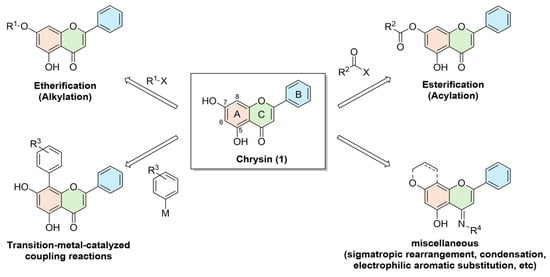
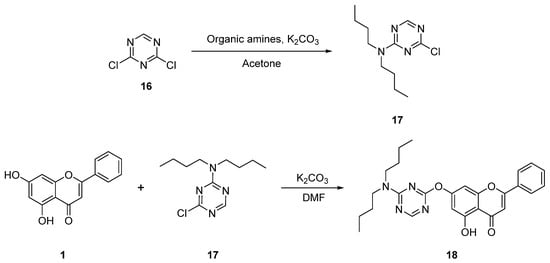
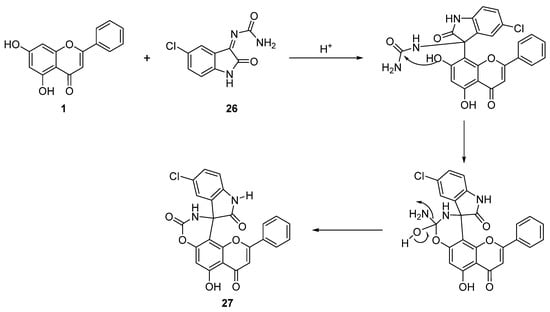
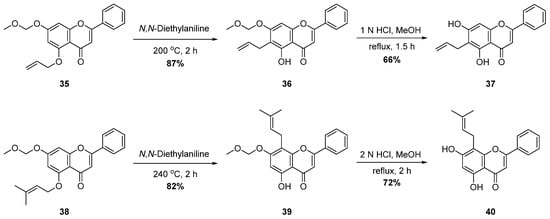
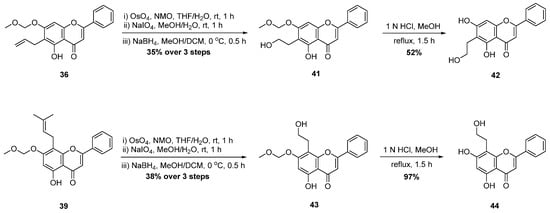
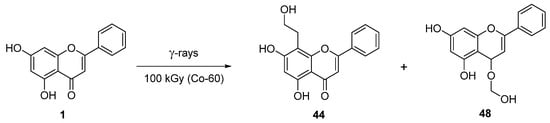
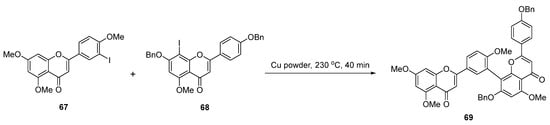
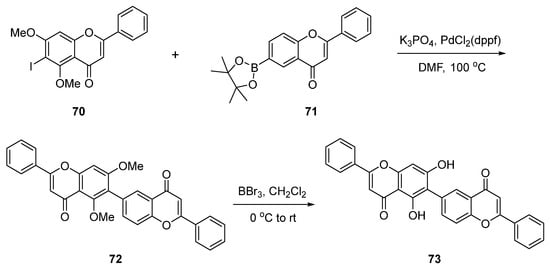
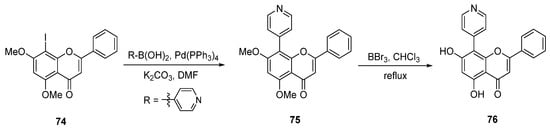
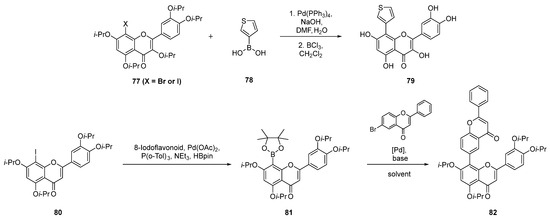
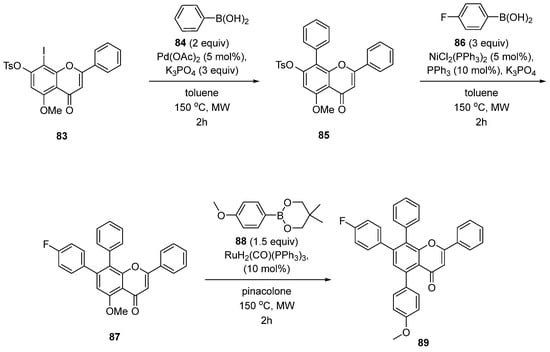
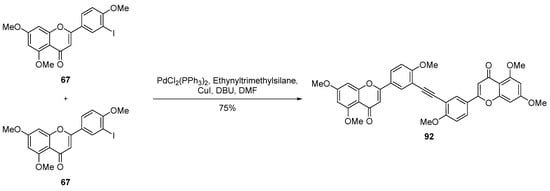
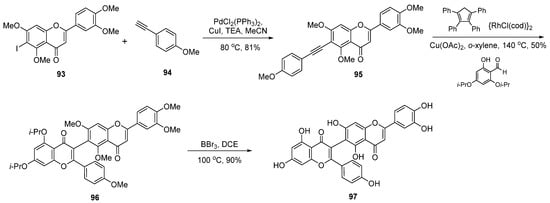
Chrysin (5,7-dihydroxyflavone) is a flavonoid widely distributed in propolis, honey, and various plant sources. It exhibits a wide range of pharmacological activities, including anti-inflammatory, antioxidant, anticancer, antimicrobial, and anti-diabetic effects. However, its clinical translation is hampered by poor aqueous solubility, low bioavailability, and rapid metabolic clearance. To address these limitations and expand the chemical space of this natural scaffold, extensive synthetic efforts have focused on generating structurally diverse chrysin derivatives that possess improved drug-like properties. This review systematically categorizes synthetic methodologies—such as etherification, esterification, transition-metal-mediated couplings, sigmatropic rearrangements, and electrophilic substitutions—and integrates them with corresponding biological outcomes. Particular emphasis is placed on recent (2020–present) advances that directly link structural modifications with pharmacological enhancements, thereby offering comparative structure–activity relationship (SAR) insights. In addition, transition-metal-catalyzed C–C bond-forming reactions are highlighted in a dedicated section, underscoring their growing role in accessing bioactive chrysin analogs previously unattainable by conventional chemistry. Unlike prior reviews that mainly summarized biological activities or broadly covered flavonoid scaffolds, this article bridges synthetic diversification with pharmacological evaluation. It provides both critical synthesis and mechanistic interpretation. Overall, this work consolidates current knowledge and suggests future directions that integrate synthetic innovation with pharmacological validation and address pharmacokinetic challenges in chrysin derivatives. Full article
Show Figures

Figure 1

19 pages, 4596 KB  
Article
Decreased Expression of a Phosphoribosylanthranilate Transferase-Encoding Gene, OsPAT1, Causes Lesion Mimics in Rice
by Jun Ren, Qingwen Zhang, Yafei Xu, Biaoming Zhang, Haitao Li, Yan Li, Haitao Zhang and Wenya Yuan
Int. J. Mol. Sci. 2025, 26(19), 9428; https://doi.org/10.3390/ijms26199428 - 26 Sep 2025
Viewed by 640
Abstract
Lesion mimic mutants (LMMs) represent valuable biological tools for investigating plant defense mechanisms and cell death. Although multiple genes triggering lesion mimic formation have been identified, the connection between the lesion mimic phenotype and primary nutrient biosynthesis remains poorly understood. In our study, [...] Read more.
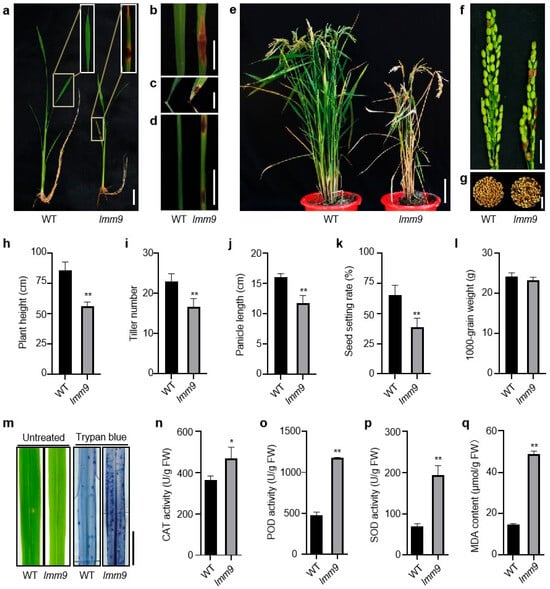
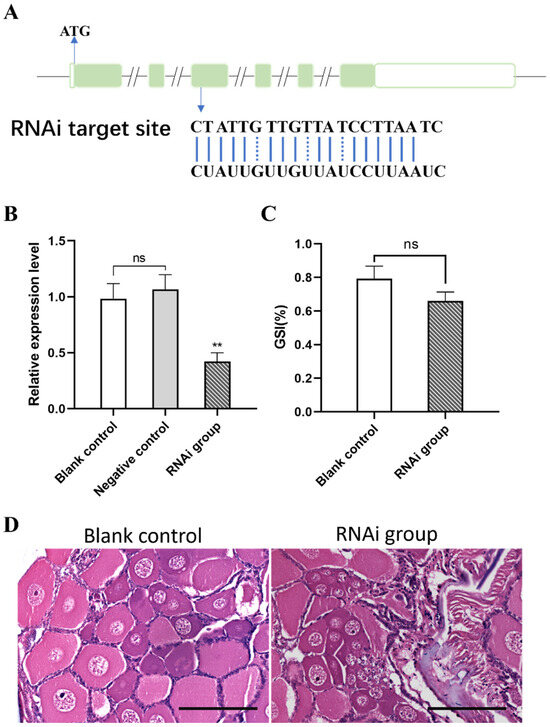
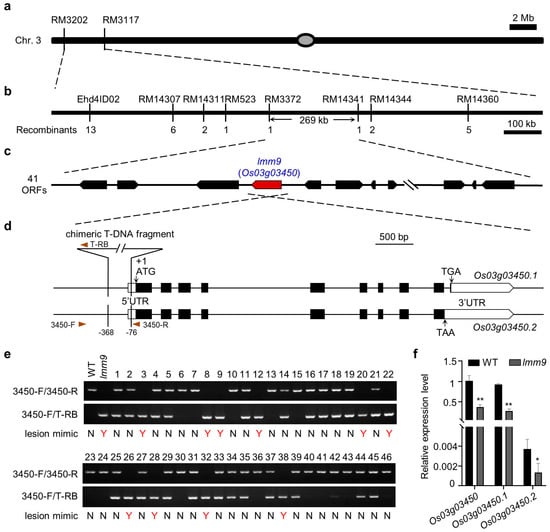
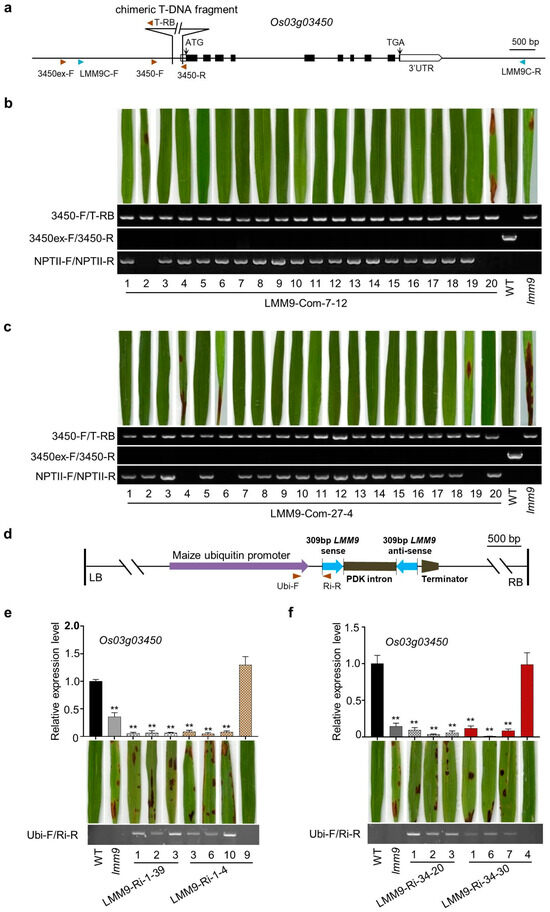
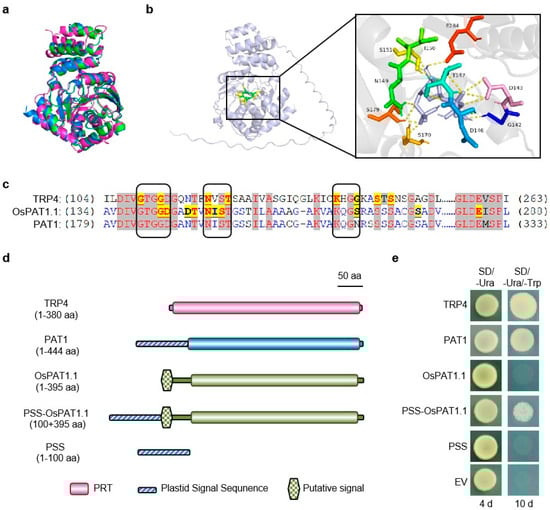
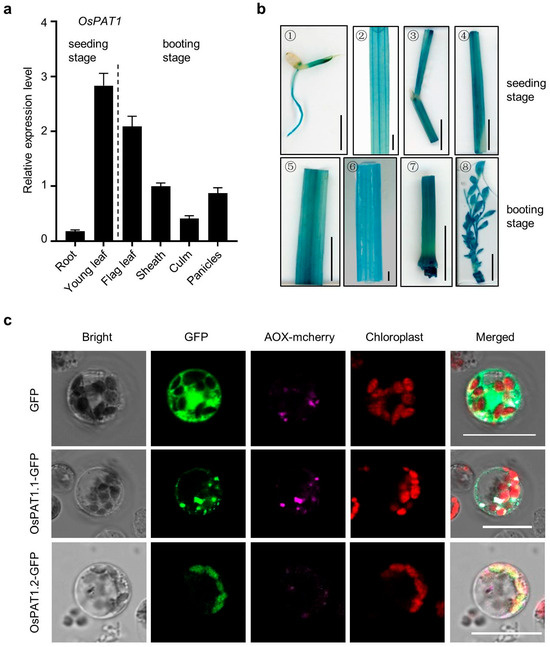
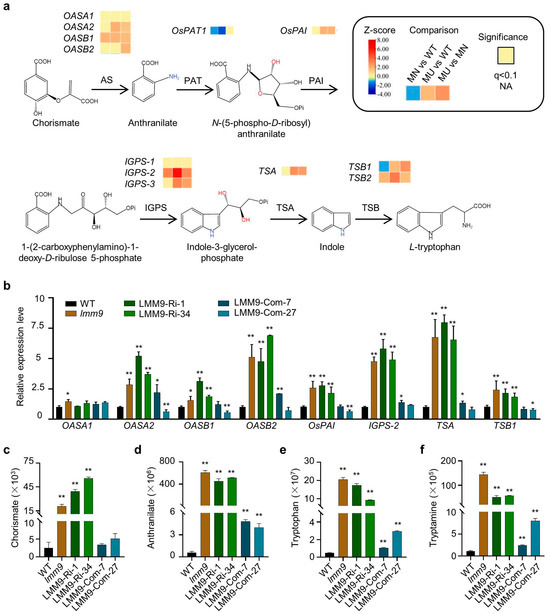
Lesion mimic mutants (LMMs) represent valuable biological tools for investigating plant defense mechanisms and cell death. Although multiple genes triggering lesion mimic formation have been identified, the connection between the lesion mimic phenotype and primary nutrient biosynthesis remains poorly understood. In our study, we characterized a novel rice LMM, lmm9, which exhibited persistent reddish-brown necrotic lesions from seedling stage to maturity, coupled with compromised agronomic traits and increased mortality rates. Map-based cloning and whole-genome sequencing identified a causal insertion in the promoter of Os03g03450/OsPAT1, the sole homolog of Arabidopsis PAT1 in rice, resulting in reduced gene expression. Genetic complementation and RNAi assays confirmed that downregulation of OsPAT1 led to lesion mimic formation in lmm9. OsPAT1 could translate into two variants—the predominant OsPAT1.1 and the C-terminal variant OsPAT1.2. Structural modeling demonstrated high conservation between OsPAT1 and yeast TRP4, and OsPAT1.1 combining the plastid signal sequence of Arabidopsis PAT1 successfully complemented the trp4 mutant in yeast. Notably, OsPAT1.1 and OsPAT1.2 showed different localization patterns, with OsPAT1.1 targeted to mitochondria and OsPAT1.2 localized to chloroplasts. Transcription analysis showed significant upregulation of tryptophan biosynthesis pathway genes in lmm9, consequently increasing the relative abundance of tryptophan and associated metabolites. Our findings provided further evidence that mutations in tryptophan biosynthetic genes can induce lesion mimic phenotypes in rice and would enhance the understanding of metabolic homeostasis in plant stress responses and cell death regulation. Full article
Show Figures

Figure 1

15 pages, 2687 KB  
Article
Recombinant Production and Characterization of a Novel α-L-Fucosidase from Bifidobacterium castoris
by Burcu Pekdemir and Sercan Karav
Int. J. Mol. Sci. 2025, 26(19), 9344; https://doi.org/10.3390/ijms26199344 - 24 Sep 2025
Viewed by 894
Abstract
α-L-fucosidases (EC 3.2.1.51) are of particular interest due to their ability to cleave terminal α-L-fucose residues from glycoconjugates, a property associated with numerous biological and therapeutic effects. They have also been investigated for their potential use in glycan remodeling, disease biomarker analysis, and [...] Read more.
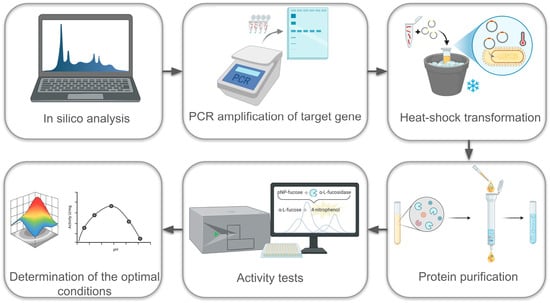
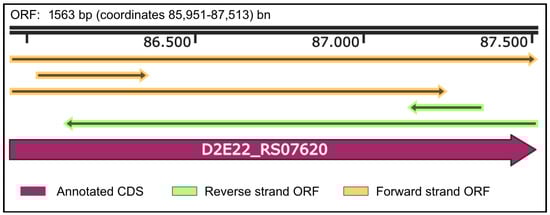
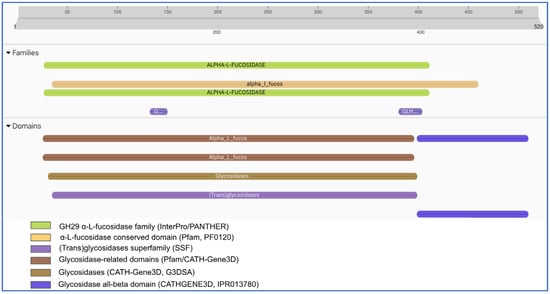
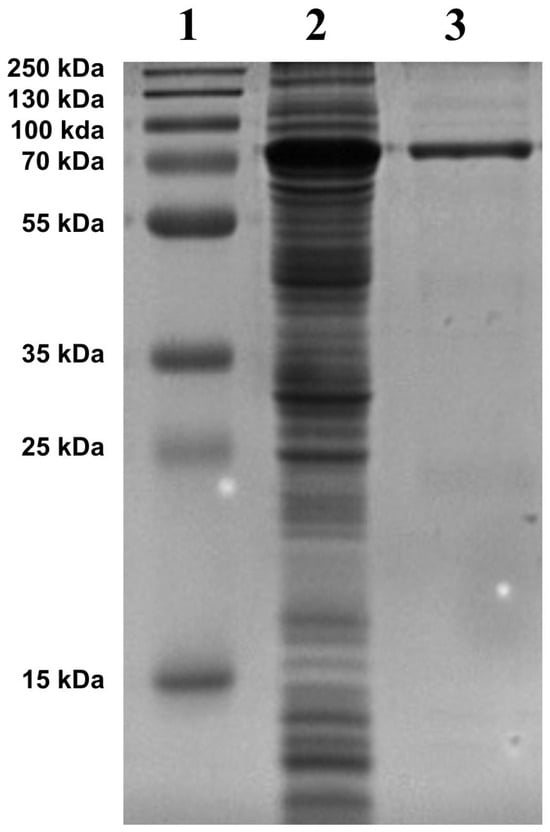
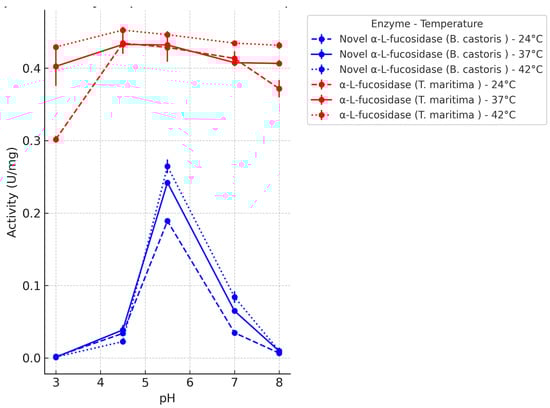
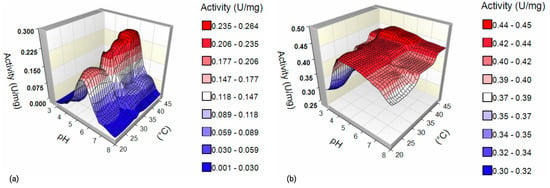
α-L-fucosidases (EC 3.2.1.51) are of particular interest due to their ability to cleave terminal α-L-fucose residues from glycoconjugates, a property associated with numerous biological and therapeutic effects. They have also been investigated for their potential use in glycan remodeling, disease biomarker analysis, and particularly as therapeutic agents in the context of fucosidosis, a rare lysosomal storage disorder, caused by a deficiency in α-L-fucosidase activity. However, limitations in enzyme availability, stability, and substrate specificity highlight the need for novel and more efficient enzyme sources. Bifidobacterium castoris (B. castor is) is a newly identified species first discovered in the beaver gut microbiota in 2019. Phylogenetic studies have revealed its advanced metabolic capacity, and genomic analyses have demonstrated its extensive carbohydrate metabolism potential. This research article focuses on the recombinant production and biochemical characterization of a novel α-L-fucosidase from B. castoris LMG (Laboratorium voor Microbiologie Gent) 30937, predicted to belong to glycoside hydrolase family 29 (GH29) according to Universal Protein Resource (UniProt) annotation. Under optimized reaction conditions the recombinant α-L-fucosidase exhibited a specific activity of 0.264 U/mg to pNP-Fuc (4-Nitrophenyl-α-L-fucopyranoside). The results indicate that the enzyme is active in the pH range of 3.0–8.0 and temperatures of 24–42 °C, but its optimum conditions are the slightly acidic pH of 5.5 and the elevated temperature of 42 °C. This profile suggests that the enzyme is adapted to acidic intestinal-like environments. This novel enzyme expands the GH29 α-L-fucosidase repertoire and offers a promising new candidate for future biotechnological applications. Full article
Show Figures

Graphical abstract
10 pages, 693 KB  
Article
Exploring the Bioactive Potential and Biocompatibility of Extracts from Agro-Industrial Residues for Cosmetic Applications
by Sandra M. Gomes, Filipa Campos, M. Cristina L. Martins, Cláudia Monteiro and Lúcia Santos
Int. J. Mol. Sci. 2025, 26(18), 9169; https://doi.org/10.3390/ijms26189169 - 19 Sep 2025
Viewed by 928
Abstract
Every year, significant amounts of agro-industrial residues are generated. These residues contain several antioxidant compounds that can be extracted and applied to cosmetic products. In this study, phenolic-rich extracts from different agro-industrial residues (chestnut shell—CS, grape seed—GS, kiwi peel—KP, onion peel—OP, and pomegranate [...] Read more.
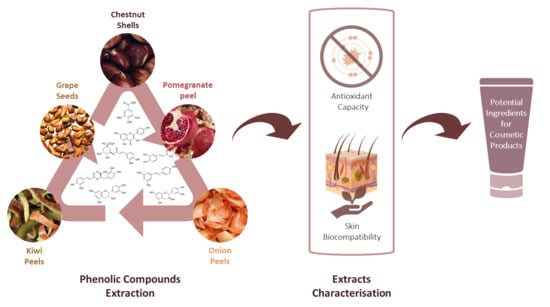
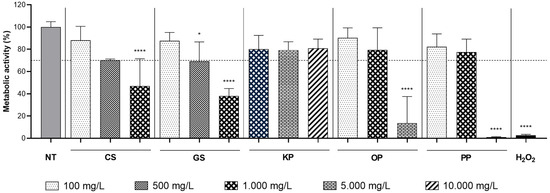
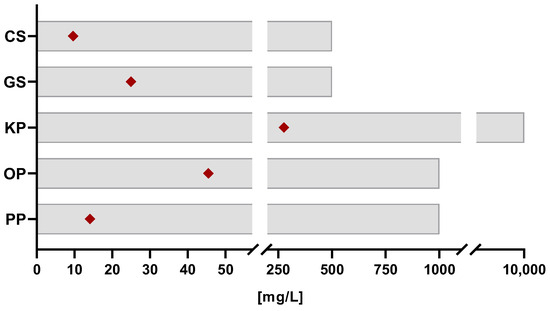
Every year, significant amounts of agro-industrial residues are generated. These residues contain several antioxidant compounds that can be extracted and applied to cosmetic products. In this study, phenolic-rich extracts from different agro-industrial residues (chestnut shell—CS, grape seed—GS, kiwi peel—KP, onion peel—OP, and pomegranate peel—PP) were obtained and their antioxidant potential and biocompatibility towards human fibroblasts (HFF-1) were evaluated. The total phenolic content ranged from 37.6 mg of gallic acid equivalents (GAE)/g for KP to 343.9 mgGAE/g for CS. Moreover, CS, GS, OP, and PP extracts exhibited strong antioxidant properties, while KP showed more moderate potential. Biocompatibility tests demonstrated that CS and GS extracts were non-cytotoxic at concentrations below 500 mg/L, while OP and PP were safe up to 1000 mg/L. KP extracts were biocompatible up to 10,000 mg/L. This work demonstrated the bioactive potential of various agro-industrial residues for application in the cosmetic industry, given their antioxidant capacity. Additionally, it was the first to establish safe application limits for Soxhlet-extracted compounds, ensuring their safety to consumers. This research emphasises the importance of evaluating the biocompatibility of each extract before its incorporation into cosmetics, as their composition is highly variable. Full article
Show Figures

Graphical abstract
29 pages, 4978 KB  
Article
HPLC-DAD-ESI/MS and 2D-TLC Analyses of Secondary Metabolites from Selected Poplar Leaves and an Evaluation of Their Antioxidant Potential
by Loretta Pobłocka-Olech, Mirosława Krauze-Baranowska, Sylwia Godlewska and Katarzyna Kimel
Int. J. Mol. Sci. 2025, 26(13), 6189; https://doi.org/10.3390/ijms26136189 - 27 Jun 2025
Cited by 1 | Viewed by 1876
Abstract
Poplar leaves (Populi folium) are a herbal remedy traditionally used for the treatment of rheumatic diseases and prostate inflammation. The aim of our study was a comprehensive identification of secondary metabolites occurring in the leaves of Populus alba, Populus × [...] Read more.
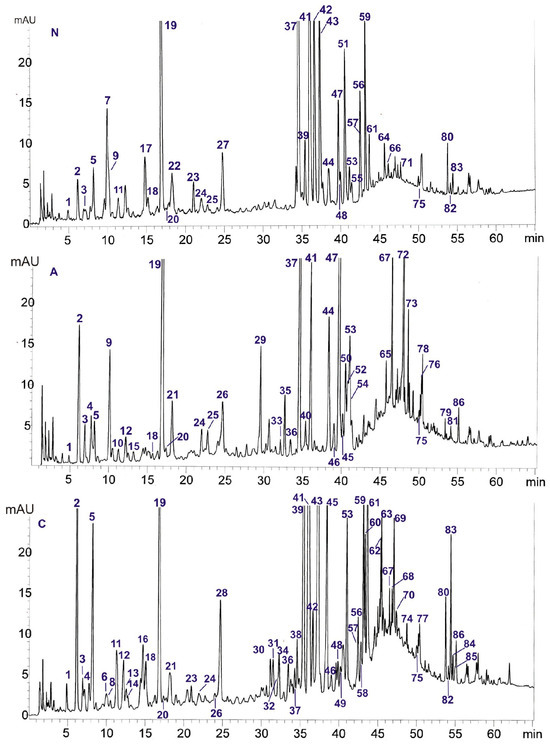
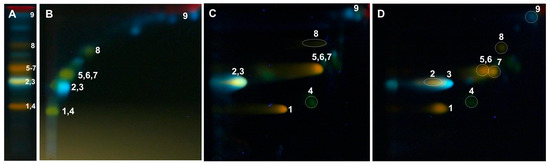
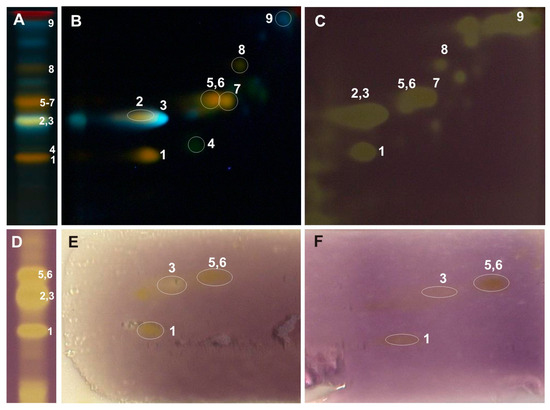
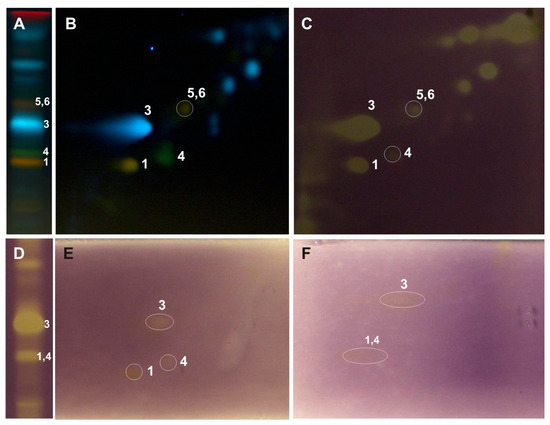
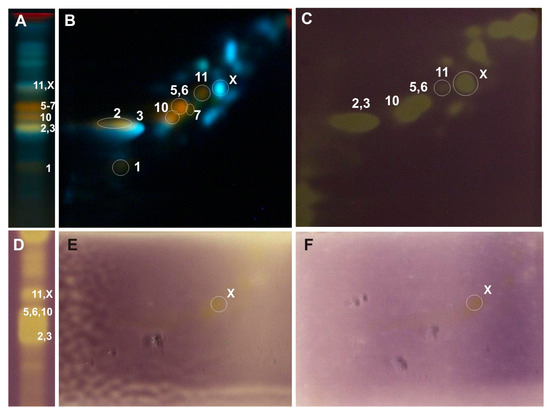
Poplar leaves (Populi folium) are a herbal remedy traditionally used for the treatment of rheumatic diseases and prostate inflammation. The aim of our study was a comprehensive identification of secondary metabolites occurring in the leaves of Populus alba, Populus × candicans, and Populus nigra, in order to search for a source of raw plant material rich in active compounds. Total salicylate (TSC), flavonoid (TFC), and phenolic compound (TPC) contents were determined, and the antioxidant potential was assessed using DPPH (2,2-diphenyl-1-picrylhydrazyl), ABTS (2,2′-azino-bis(3-ethylbenzothiazoline- 6-sulfonic acid) diammonium salt), and FRAP (ferric reducing antioxidant power) assays as well as 2D-TLC (two-dimensional thin layer chromatography) bioautography using DPPH, riboflavin-light-NBT (nitro blue tetrazolium chloride), and xanthine oxidase inhibition tests. Secondary metabolites present in the analyzed poplar leaves were identified under the developed HPLC-DAD-ESI/MS (high performance liquid chromatography with photodiode array detection and electrospray ionization mass spectrometric detection analysis conditions and using the 2D-TLC method. Among the 80 identified compounds, 13 were shown for the first time in the genus Populus. The most diverse and similar set of flavonoids characterized the leaves of P. × candicans and P. nigra, while numerous salicylic compounds were present in the leaves of P. alba and P. × candicans. All analyzed leaves are a rich source of phenolic compounds. The highest flavonoid content was found in the leaves of P. × candicans and P. nigra, while the leaves of P. alba were characterized by the highest content of salicylates. All examined poplar leaves demonstrated antioxidant potential in all the assays used, which decreased in the following order: P. nigra, P. × candicans, P. alba. Full article
Show Figures

Figure 1

Back to TopTop