Journal Description
International Journal of Environmental Research and Public Health
(IJERPH) is a transdisciplinary, peer-reviewed, open access journal that covers global health, healthcare sciences, behavioral and mental health, infectious diseases, chronic diseases and disease prevention, exercise and health related quality of life, environmental health and environmental sciences, and is published monthly online by MDPI. The International Society Doctors for the Environment (ISDE), Italian Society of Environmental Medicine (SIMA) and Environmental Health Association of Québec (ASEQ‑EHAQ) are affiliated with IJERPH and their members receive discounts on the article processing charges.
- Open Access— free for readers, with article processing charges (APC) paid by authors or their institutions.
- High Visibility: indexed within Scopus, PubMed, MEDLINE, PMC, Embase, GEOBASE, CAPlus / SciFinder, and other databases.
- Journal Rank: CiteScore - Q1 (Public Health, Environmental and Occupational Health)
- Rapid Publication: manuscripts are peer-reviewed and a first decision is provided to authors approximately 24 days after submission; acceptance to publication is undertaken in 3.8 days (median values for papers published in this journal in the first half of 2026).
- Recognition of Reviewers: reviewers who provide timely, thorough peer-review reports receive vouchers entitling them to a discount on the APC of their next publication in any MDPI journal, in appreciation of the work done.
- Testimonials: See what our editors and authors say about IJERPH.
- Sections: published in 7 topical sections.
- Journal Cluster of Public Health: International Journal of Environmental Research and Public Health, Infectious Disease Reports, Epidemiologia, Occupational Health, International Journal of Environmental Medicine (IJEM), Journal of Market Access & Health Policy (JMAHP), Hygiene, Trends in Public Health, Digital Health and Innovation (DHI), Green Health and Health Economics and Policy.
Latest Articles
Poison Apple-like Fruit Ingestion: A Case Report and Review of Manchineel Fruit Toxicity
Int. J. Environ. Res. Public Health 2026, 23(8), 1062; https://doi.org/10.3390/ijerph23081062 (registering DOI) - 16 Aug 2026
Abstract
Manchineel dermatitis, caused by the sap of the manchineel tree native to the coastlands of the Caribbean, West Africa, and Central America, has received limited attention in the literature despite significant morbidity. The toxic sap causes a burning, blistering rash and conjunctivitis, while
[...] Read more.
Manchineel dermatitis, caused by the sap of the manchineel tree native to the coastlands of the Caribbean, West Africa, and Central America, has received limited attention in the literature despite significant morbidity. The toxic sap causes a burning, blistering rash and conjunctivitis, while ingestion of the fruit may lead to oropharyngeal pain, hemodynamic instability, and gastrointestinal distress. Tourists unfamiliar with the manchineel tree may be exposed through exposure to the tree’s sap, contaminated rainwater, or ingestion of the apple-like fruit. We herein present a case of a patient who experienced prolonged symptoms of manchineel toxicity after ingestion of the manchineel fruit for several weeks. Antihistamines, corticosteroids, and a PPI were ineffective. The symptoms eventually resolved after discarding clothing and towels that had come in contact with the tree, raising the possibility that toxins may linger on fabrics. Travellers to regions in the Caribbean or Central America are at particular risk for toxicity from the Manchineel tree if unfamiliar with the associated dangers and should be counselled to avoid contact with the tree or ingesting any unfamiliar fruit on the ground. When exposures do occur, it may be reasonable to dispose of potentially contaminated fabrics to avoid recurrent exposures, particularly if recurrent symptoms are observed, as in our patient. We further contextualize manchineel toxicity within a comparative review of select tropical foodborne intoxications of plant origin (ackee, lychee, cassava, papain) and marine origin (ciguatera, scombroid, neurotoxic and diarrhetic shellfish poisonings, tetrodotoxin), distinguishing manchineel’s local irritant mechanism from the systemic toxidromes of these comparators and underscoring the absence of a specific antidote.
Full article
(This article belongs to the Special Issue Health Impacts Associated with Dietary Exposure to Chemical Contaminants and Residues)
Open AccessArticle
Associations Between Male Partner Participation, Women’s Autonomy, and Postpartum Care Seeking Among First Time Mothers, 15–24 Years, in Kinshasa, Democratic Republic of the Congo: A Cross-Sectional Analysis
by
Madeline Woo, Anastasia J. Gage, Julie H. Hernandez, Pierre Z. Akilimali and Jane T. Bertrand
Int. J. Environ. Res. Public Health 2026, 23(8), 1061; https://doi.org/10.3390/ijerph23081061 (registering DOI) - 15 Aug 2026
Abstract
The Democratic Republic of the Congo (DRC) has high maternal and neonatal mortality rates and only a third of mothers and newborns have a postpartum or postnatal care visit. Increasing male participation and enhancing women’s autonomy are strategies to increase maternal healthcare utilization,
[...] Read more.
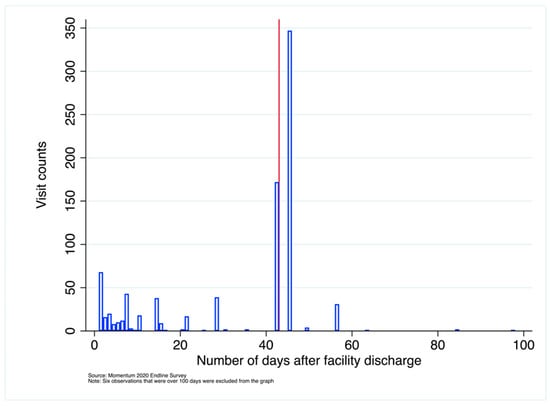
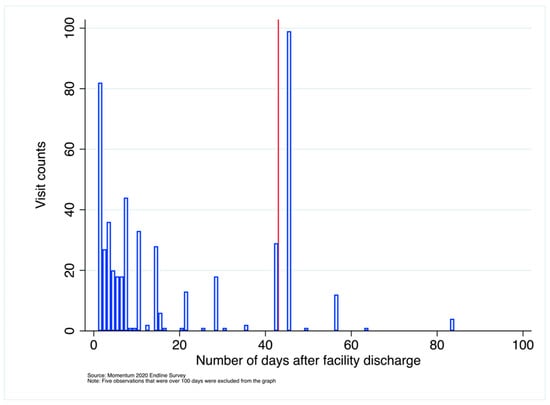
The Democratic Republic of the Congo (DRC) has high maternal and neonatal mortality rates and only a third of mothers and newborns have a postpartum or postnatal care visit. Increasing male participation and enhancing women’s autonomy are strategies to increase maternal healthcare utilization, but their applicability to first-time mothers (FTMs) in Kinshasa, DRC is unknown. We conducted a secondary analysis using cross-sectional survey data from a maternal and child health project among FTMs and their male partners in Kinshasa. The sample consisted of 1750 FTMs aged 15–24 years. The outcome variables were (1) a postpartum care visit within six weeks of facility discharge for the mother, (2) a postnatal care visit within six weeks of facility discharge for the neonate, and (3) either a postnatal or postpartum care visit within six weeks of facility discharge. Two logistic multivariate regression models were run for each outcome. The first model included all explanatory and demographic variables, and the second model added two interaction terms to test for mediation by in-union status. The male participation in maternal care index was negatively associated with all outcomes and the male participation in childcare index was positively associated with all outcomes. In-union status moderated the relationship between the male involvement indices and postpartum care for the mother but not for postnatal care for the newborn. Our findings show that the type of male participation may be meaningful for increasing postpartum and postnatal care-seeking and male partner participation initiatives need to be contextualized to prevent adverse outcomes.
Full article
(This article belongs to the Special Issue Second Edition: Health Promotion and Interventions for Marginalized Mothers and Children)
►▼
Show Figures

Figure A1
Open AccessArticle
Inter-Reader Variability in the Classification of Pneumoconiosis Using the International Labour Organization International Classification System on Chest Radiographs of Artisanal and Small-Scale Gold Miners Attending a Screening Program in Kwe Kwe District, Zimbabwe
by
Dingani Moyo, Anil Chuturgoon, Eduardo Mello De Capitani and Rajen N. Naidoo
Int. J. Environ. Res. Public Health 2026, 23(8), 1060; https://doi.org/10.3390/ijerph23081060 (registering DOI) - 15 Aug 2026
Abstract
Pneumoconiosis remains a major problem globally with a much higher burden in low- and middle-income countries (LMICs). There is increased inter-reader variability in the classification of pneumoconiosis in most LMICs. Despite the use of the International Labour Organization (ILO) International Classification System that
[...] Read more.
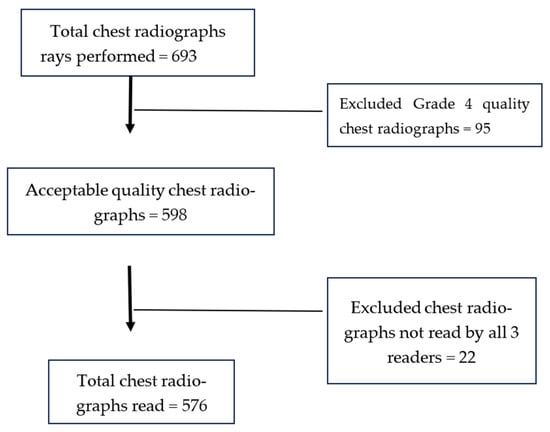
Pneumoconiosis remains a major problem globally with a much higher burden in low- and middle-income countries (LMICs). There is increased inter-reader variability in the classification of pneumoconiosis in most LMICs. Despite the use of the International Labour Organization (ILO) International Classification System that standardizes reporting of pneumoconiosis on chest radiographs, inter-reader variability persists. We aimed to assess inter-reader concordance in classifying pneumoconiosis using the ILO International Classification System among artisanal and small-scale gold miners (ASGMs) in Zimbabwe. A retrospective cross-sectional study was conducted using 576 eligible chest radiographs (dicom format). Overall agreement for binary classification was moderate (κ = 0.522, 95% CI: 0.475–0.569), with pairwise agreement ranging from moderate to substantial (κ = 0.464, 95% CI: 0.389–0.538 to κ = 0.681, 95% CI: 0.602–0.761). Agreement was consistently higher for radiographs not suggestive of pneumoconiosis, with agreement ranging from 85.9% to 94.4%. Across the four ILO profusion categories, substantial inter-reader agreement was observed, with linear weighted kappa ranging from (κ = 0.554, 95% CI: 0.483–0.625 to κ = 0.668, 95% CI: 0.598–0.739) and quadratic weighted kappa values ranging from (κ = 0.675, 95% CI: 0.604–0.747 to κ = 0.755, 95% CI: 0.685–0.826). Cross-tabulation analyses demonstrated that disagreement occurred predominantly between adjacent profusion categories. Category-specific analyses showed the highest concordance for Categories 0 and 3, while Category 1 demonstrated the poorest agreement, with κ values ranging from (κ = 0.091, 95% CI: 0.004–0.178 to κ = 0.216, 95% CI: 0.067–0.365). Inter-reader agreement was slightly higher among chest radiographs of ASGMs with previous tuberculosis treatment, with κ values ranging from (κ = 0.572, 95% CI: 0.360–0.784 to κ = 0.743, 95% CI: 0.565–0.921) than among those without with κ values ranging from (κ = 0.376, 95%C1: 0.291–0.460 to κ = 0.602, 95% C1: 0.498–0.706). These findings reflect substantial variability in classifying early or borderline pneumoconiotic changes. These findings highlight variability in radiographic interpretation and demonstrate the need for enhanced training, quality control, and consensus reading approaches in ASGMs’ screening programs.
Full article
(This article belongs to the Special Issue Modern Epidemiology of Occupational Lung Diseases)
►▼
Show Figures

Figure 1
Open AccessReview
Mapping the Public Health Landscape in Greece: Governance, Stakeholders, Data Systems, and Policy Frameworks
by
Christos Triantafyllou, Anastasia Ntikoudi, Anastasia Papachristou, Vion Psiakis, Valter R. Fonseca and Joao Breda
Int. J. Environ. Res. Public Health 2026, 23(8), 1059; https://doi.org/10.3390/ijerph23081059 - 14 Aug 2026
Abstract
Background: Public health in Greece has undergone substantial changes since the COVID-19 pandemic, while challenges related to governance, workforce distribution, regional inequalities and service organization remain. This study aimed to map the current public health landscape in Greece by examining its institutional frameworks,
[...] Read more.
Background: Public health in Greece has undergone substantial changes since the COVID-19 pandemic, while challenges related to governance, workforce distribution, regional inequalities and service organization remain. This study aimed to map the current public health landscape in Greece by examining its institutional frameworks, stakeholder roles, policy implementation and public health data systems. Methods: A structured situation analysis combining a review of peer-reviewed and gray literature, policy analysis, and stakeholder mapping was conducted. PubMed, EMBASE, and CINAHL were searched for English- and Greek-language publications issued between 2005 and 2026, supplemented by reports, legislation, and policy documents from the Greek Ministry of Health, the World Health Organization, the Organisation for Economic Co-operation and Development, the European Commission, and other relevant institutions. Results: Public health responsibilities were distributed across multiple national, regional, and local institutions, creating challenges concerning coordination and accountability. Regional and socioeconomic inequalities continued to affect access to services, while workforce shortages and skill-mix imbalances constrained public health capacity. Public health information was dispersed across different institutions and data systems, with limitations concerning standardization, accessibility, and interoperability. Recent legislation, prevention programs, and digital-health initiatives indicated increased policy attention to prevention and population health, although publicly available evidence regarding their implementation and outcomes remained limited. Conclusions: Strengthening public health in Greece requires clearer institutional responsibilities, improved coordination across governance levels, sustainable workforce planning and interoperable data systems that support routine monitoring of program coverage, equity, and population-level outcomes.
Full article
Open AccessArticle
A Data-Driven Exploratory Analysis of the Alcohol-Harm Paradox in South-East Wales
by
Elin H. Williams, Daniel Gartner, Paul R. Harper and Geraint I. Palmer-Liyu
Int. J. Environ. Res. Public Health 2026, 23(8), 1058; https://doi.org/10.3390/ijerph23081058 - 14 Aug 2026
Abstract
Alcohol consumption contributes substantially to global morbidity and mortality. The alcohol-harm paradox describes the phenomenon where more deprived areas experience higher levels of alcohol-related harms despite reporting similar or lower levels of alcohol consumption compared to less deprived areas. This paradox is particularly
[...] Read more.
Alcohol consumption contributes substantially to global morbidity and mortality. The alcohol-harm paradox describes the phenomenon where more deprived areas experience higher levels of alcohol-related harms despite reporting similar or lower levels of alcohol consumption compared to less deprived areas. This paradox is particularly evident in Gwent, South-East Wales, where more deprived areas experience greater levels of harms despite having lower annual alcohol consumption. This research aims to explore the impacts of various hypothesised contributors to the alcohol-harm paradox in Gwent. Publicly available cross-sectional data sources are used to explore health behaviours, demographics, alcohol outlet density, and proximity to alcohol-related venues. Factors are studied in relation to both annual alcohol consumption and binge drinking prevalence. Alcohol-related harms are considered in terms of alcohol-specific deaths and alcohol-attributable hospital admissions. The findings reinforce the known complexity of the alcohol-harm paradox, and suggest that it is unlikely to be attributable to a single factor. Elevated prevalence of unhealthy behaviours in more deprived areas and proximity to alcohol venues traditionally associated with cheaper alcohol emerged as potential influential factors. These exploratory findings highlight the importance of targeted public health messaging addressing an overall healthier lifestyle and less harmful consumption behaviours, to reduce alcohol-related health inequalities.
Full article
Open AccessArticle
Visceral Adiposity Is Independently Associated with Hypertension in Thai Adults: A Case–Control Study
by
Pattaraphorn Srikaew, Surachat Buddhisa, Surada Satthakarn, Nattaphol Prakobkaew, Tadsawiya Padkao, Orachorn Boonla and Piyapong Prasertsri
Int. J. Environ. Res. Public Health 2026, 23(8), 1057; https://doi.org/10.3390/ijerph23081057 - 14 Aug 2026
Abstract
Background: Hypertension is a major public health challenge and a leading contributor to cardiovascular morbidity and mortality worldwide. Although obesity is a well-established risk factor for hypertension, the body composition characteristics most strongly associated with hypertension remain unclear. This study aimed to investigate
[...] Read more.
Background: Hypertension is a major public health challenge and a leading contributor to cardiovascular morbidity and mortality worldwide. Although obesity is a well-established risk factor for hypertension, the body composition characteristics most strongly associated with hypertension remain unclear. This study aimed to investigate the associations between body composition parameters and hypertension among Thai adults. Methods: This case–control study included 208 Thai adults aged ≥18 years, comprising 103 normotensive individuals and 105 individuals with hypertension. Blood pressure indices included systolic blood pressure (SBP), diastolic blood pressure (DBP), pulse pressure (PP), mean arterial pressure (MAP), and rate-pressure product (RPP). Body composition was assessed using bioelectrical impedance analysis (BIA) and included overall and regional body composition parameters, including visceral fat level, fat mass, body fat percentage, and skeletal muscle mass. Differences between groups were examined, and multivariable logistic regression analyses were performed to identify factors independently associated with hypertension. Results: Compared with normotensive participants, individuals with hypertension were significantly older (p < 0.001) and more likely to be male (p = 0.010). They also exhibited significantly greater adiposity-related characteristics, including higher body weight (p = 0.001), body mass index (p = 0.001), body fat percentage (p = 0.023), fat mass (p < 0.001), visceral fat level (p < 0.001), and waist-to-hip ratio (p = 0.037), together with higher SBP, DBP, PP, MAP, and RPP (all p < 0.001). In Model 3, older age (OR = 1.06, 95% CI: 1.04–1.09; p < 0.001), male sex (OR = 5.35, 95% CI: 1.69–16.95; p = 0.004), and higher visceral fat level (OR = 1.16, 95% CI: 1.06–1.26; p < 0.001) were associated with hypertension, whereas skeletal muscle mass was not (OR = 1.03, 95% CI: 0.95–1.12; p = 0.438). Each one-unit increase in visceral fat level was associated with a 16% increase in the odds of hypertension. The final model demonstrated acceptable discrimination (AUC = 0.79, 95% CI: 0.72–0.85). Conclusions: A higher BIA-derived visceral fat level was associated with hypertension among Thai adults after adjustment for age, sex, and skeletal muscle mass, whereas skeletal muscle mass showed no independent association in the same model. These findings suggest that visceral fat distribution may provide complementary information in cardiometabolic assessment. However, prospective studies using imaging-based assessments are required to confirm these findings.
Full article
(This article belongs to the Special Issue Novel Exercise and Nutrition Interventions for Better Ageing and Preventing Metabolic Conditions)
Open AccessArticle
Cytocompatibility of Aqueous Garlic Extract on Human Cell Lines: Implications for Sustainability Utilization
by
Eva Masciarelli, Laura Casorri, Claudio Beni, Massimiliano Valentini, Marcella Reale and Erica Costantini
Int. J. Environ. Res. Public Health 2026, 23(8), 1056; https://doi.org/10.3390/ijerph23081056 - 14 Aug 2026
Abstract
►▼
Show Figures
Pesticides are widely recognized as hazardous chemicals with potential adverse effects on human health and the environment. Directive 2009/128/EC establishes a framework for the European Union to promote the sustainable use of pesticides and the adoption of alternative agricultural techniques. Specifically, aqueous extracts
[...] Read more.
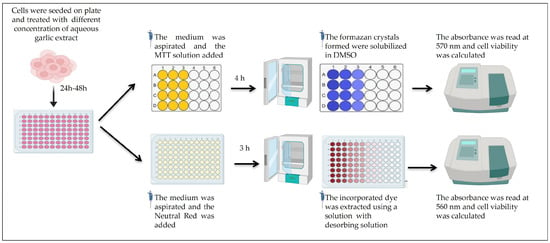
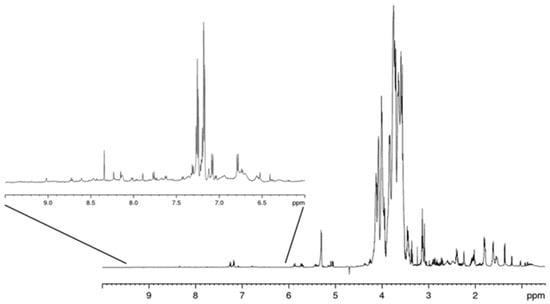
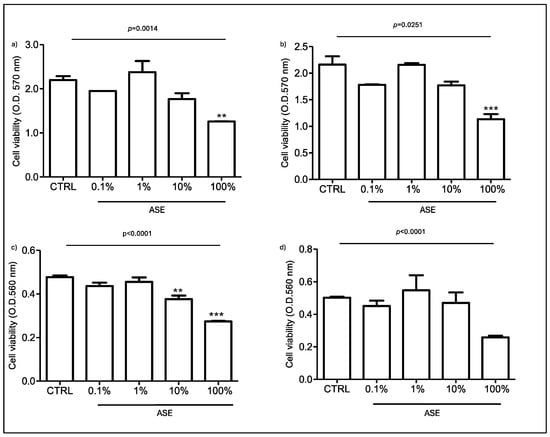
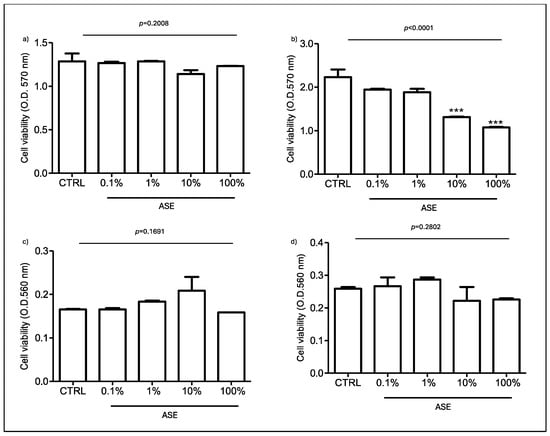
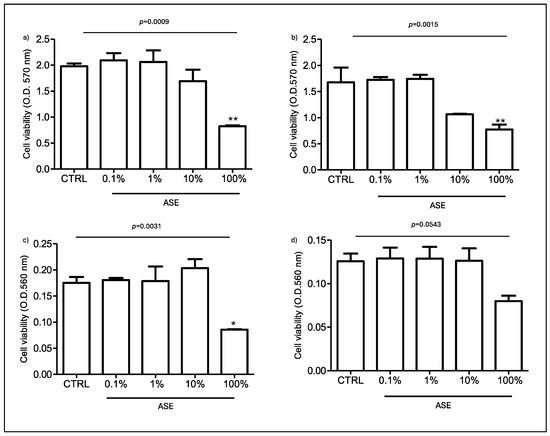
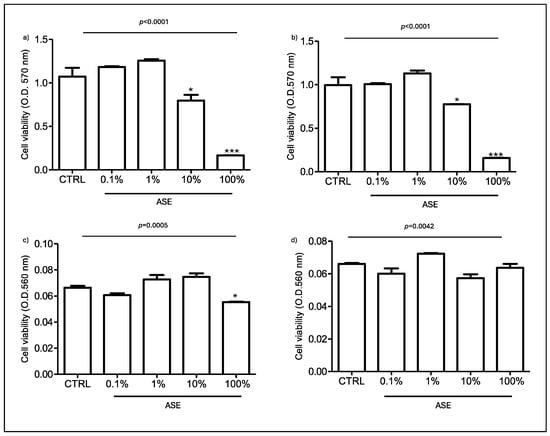
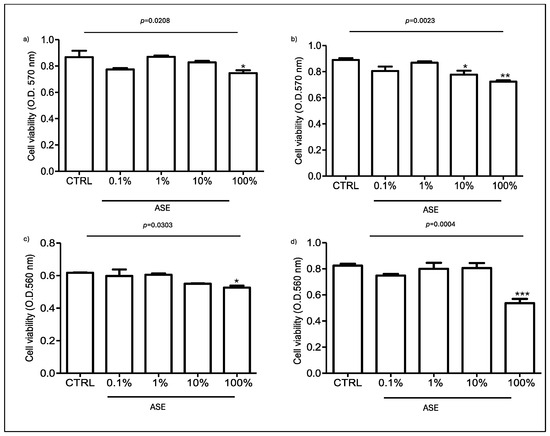
Pesticides are widely recognized as hazardous chemicals with potential adverse effects on human health and the environment. Directive 2009/128/EC establishes a framework for the European Union to promote the sustainable use of pesticides and the adoption of alternative agricultural techniques. Specifically, aqueous extracts are complex mixtures of various chemical compounds, such as terpenes, alcohols, aldehydes, and phenols, that have potential herbicidal, insecticidal, and fungicidal properties. Therefore, they can be used as an alternative to pesticides. This study examined the cytocompatibility of 100, 10, 1 and 0.1% Allium sativum L. aqueous extract (ASE) on human cell lines. The aim was to evaluate its effects on viability and cell metabolic activity through in vitro testing to verify the absence of adverse effects for operators who, when using garlic extract in agriculture, may be exposed via dermal contact or inhalation. The results showed that 1 to 0.1% do not significantly affect cell proliferation or viability in all examined cell models, while higher concentrations (≥10%) induced cell line-dependent reductions in viability. In summary, the results suggest the potential use of garlic aqueous extract as a potential low-risk alternative to synthetic pesticides and support its safety for occupational exposure of agricultural workers.
Full article

Figure 1
Open AccessArticle
Association Between Changes in Perceived Neighborhood and Cognitive Performance Within Healthy Aging in Neighborhoods of Diversity Across the Life Span (HANDLS) Black Adults
by
Alexa C. Allan, Alyssa A. Gamaldo, Roland J. Thorpe, Jr., Jennifer D. Roberts, Michele K. Evans and Alan B. Zonderman
Int. J. Environ. Res. Public Health 2026, 23(8), 1055; https://doi.org/10.3390/ijerph23081055 - 14 Aug 2026
Abstract
Perceived neighborhood characteristics are related to cognitive performance. However, limited studies have examined how changes in neighborhood characteristics relate to cognitive performance, particularly among Black adults who are likely to experience changes in their residential social and physical environments. This study examined the
[...] Read more.
Perceived neighborhood characteristics are related to cognitive performance. However, limited studies have examined how changes in neighborhood characteristics relate to cognitive performance, particularly among Black adults who are likely to experience changes in their residential social and physical environments. This study examined the association between changes in perceived neighborhood quality and concurrent, cross-sectional cognitive performance. An analytic sample of 592 Black adults (Mage = 56.22; 58% female) recruited from 13 predetermined neighborhoods in Baltimore City, Maryland, from the ongoing prospective Healthy Aging in Neighborhoods of Diversity across the Life Span (HANDLS) study, was included. In the adjusted models, uncorrected multivariable regression indicated that increases in neighborhood disorder were associated with worse attention and visual orientation (β = 0.17, p < 0.001), while increases in social cohesion and social control were associated with better performance in several tasks relating to memory, attention, executive function/reasoning, and visual orientation (βs = −0.12–−0.10, p < 0.05). Interestingly, increasing social control was also associated with slower performance on a measure of executive functioning and reasoning (β = 0.12, p < 0.05). However, after controlling for multiple comparisons, only the association between neighborhood disorder and attention and visual orientation remained significant. Study findings serve as a springboard for future research linking changes in perceived neighborhood quality and concurrent, cross-sectional cognitive performance. These results may also lend support to the investment in neighborhoods as a pathway toward better understanding the association between neighborhood perception and cognitive performance, which may relate to reductions in cognitive decline and in the likelihood of dementia among Black adults who are at greatest risk for late-course diagnosis.
Full article
Open AccessArticle
Shifting Public Interest in Liver Health, Hepatotoxic Medications, and Dietary Supplements in Kazakhstan: A Five-Year Google Trends Infodemiology Study
by
Jamilya Saparbay and Zhandos Burkitbayev
Int. J. Environ. Res. Public Health 2026, 23(8), 1054; https://doi.org/10.3390/ijerph23081054 - 14 Aug 2026
Abstract
►▼
Show Figures
Background: Drug-induced liver injury (DILI) is a leading cause of acute liver failure worldwide, yet epidemiological data from Central Asia remain scarce. Infodemiology—the study of online health information-seeking behavior—offers a novel approach to population-level health surveillance. Objective: Our aim was to investigate online
[...] Read more.
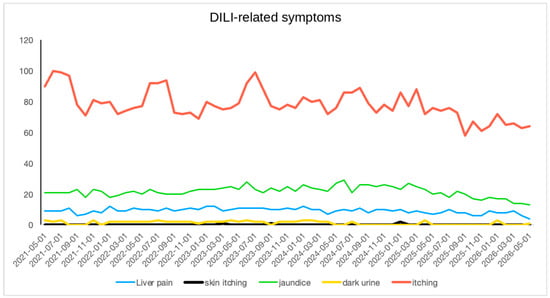
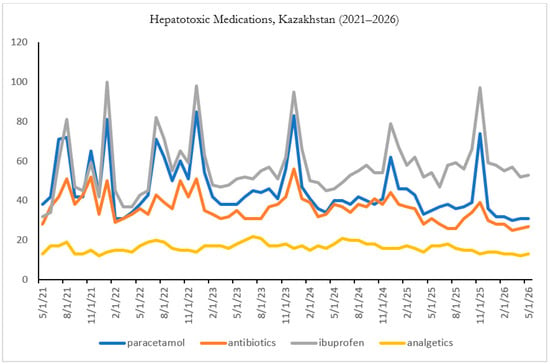
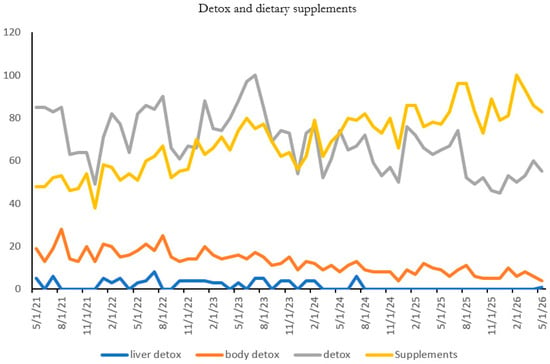
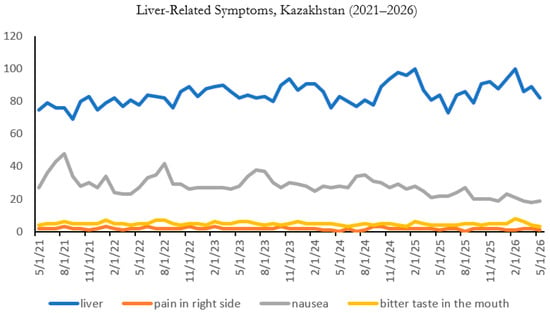
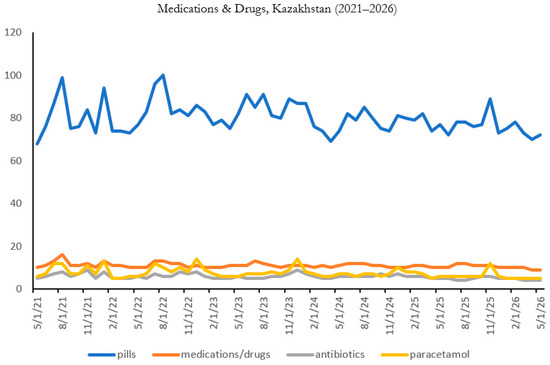
Background: Drug-induced liver injury (DILI) is a leading cause of acute liver failure worldwide, yet epidemiological data from Central Asia remain scarce. Infodemiology—the study of online health information-seeking behavior—offers a novel approach to population-level health surveillance. Objective: Our aim was to investigate online information-seeking behavior related to DILI, hepatotoxic medications, and dietary supplements among the population of Kazakhstan using Google Trends data over a five-year period. Methods: A quantitative, retrospective, observational infodemiology study was conducted using Google Trends data from Kazakhstan (May 2021–May 2026). A total of 21 search terms were organized into five thematic sets: DILI symptoms, hepatotoxic medications, self-treatment and detoxification, liver-related symptoms, and general medication queries. Sets 1–4 were searched in Russian and Set 5 in Kazakh. Descriptive statistics, the Mann–Kendall trend test, and Spearman’s rank correlation analysis were performed using PAST software version 5. Results: A statistically significant trend was identified for 20 out of 21 search terms (p < 0.05). The majority of terms showed decreasing trends over the study period. In contrast, dietary supplements (BAD) demonstrated the strongest increasing trend (S = +1275, Z = +7.93, p < 0.001). Search interest for the general term “liver” was the highest of all 21 terms (mean RSV 84.30), while specific DILI symptoms such as dark urine (mean 1.28) and skin itching (mean 0.07) showed minimal search activity. Strong positive correlations were found between paracetamol and antibiotic searches (rs = 0.812, p < 0.001), consistent with self-medication patterns. Dietary supplements showed significant negative correlations with all detox-related terms (rs = −0.650, p < 0.001). Conclusions: This is the first infodemiology study on DILI in Central Asia. The significant increase in dietary supplement searches, combined with the low public awareness of specific DILI symptoms, highlights a critical public health concern. These findings underscore the need for enhanced regulation of dietary supplements, targeted public health education, and the integration of digital surveillance tools into pharmacovigilance systems in Kazakhstan.
Full article

Figure 1
Open AccessArticle
Health Economic Assessment of PM2.5 Originating from Residential Wood Combustion—A Case Study in Northern Sweden
by
Johan Sommar, Joseph Spadaro, Christian Asker and Hans Orru
Int. J. Environ. Res. Public Health 2026, 23(8), 1053; https://doi.org/10.3390/ijerph23081053 - 13 Aug 2026
Abstract
Background: Residential wood combustion (RWC) is a major local source of fine particulate matter (PM2.5) in Nordic regions. We quantified the health impacts and economic costs of long-term exposure to PM2.5 from RWC in Västerbotten County, northern Sweden. Methods: High-resolution
[...] Read more.
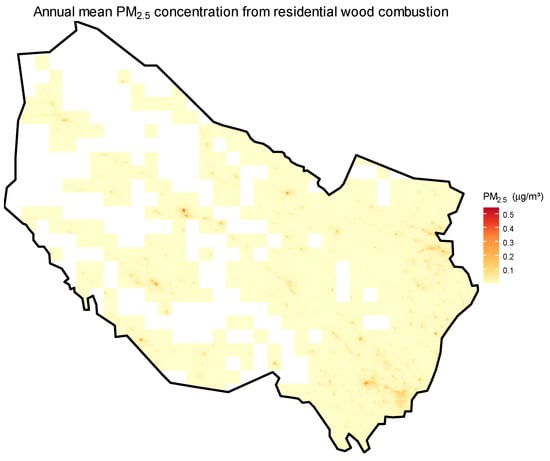
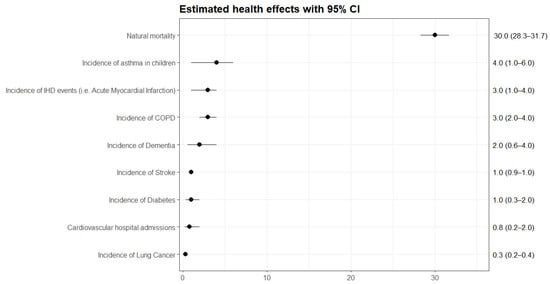
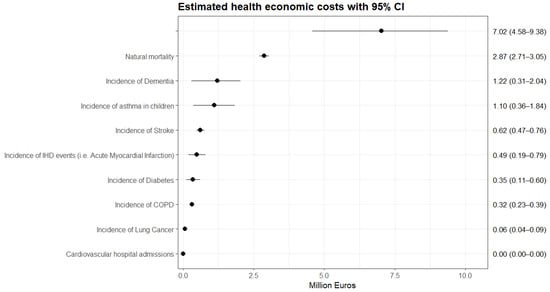
Background: Residential wood combustion (RWC) is a major local source of fine particulate matter (PM2.5) in Nordic regions. We quantified the health impacts and economic costs of long-term exposure to PM2.5 from RWC in Västerbotten County, northern Sweden. Methods: High-resolution annual mean concentrations of PM2.5 from small-scale residential heating in 2023 were obtained from a national dispersion-modelling system. Population-weighted exposure was calculated by combining grid-level concentrations with home address coordinates for the resident population. Health impact assessment (HIA) followed the framework used in Nordic studies and the VALESOR project, applying a near-source PM2.5–mortality exposure–response function with a relative risk of 1.26 per 10 µg/m3 for natural-cause mortality and VALESOR default functions for morbidity (ischaemic heart disease, stroke, COPD, lung cancer, type 2 diabetes, dementia, childhood asthma, cardiovascular hospital admissions). Attributable cases and years of life lost (YLL) were estimated, and the economic valuation used VALESOR unit costs for Sweden to derive central, low and high damage-cost estimates. Results: The population (n = 280,742)-weighted mean RWC-PM2.5 exposure was 0.16 µg/m3 (interquartile range 0.10–0.21). This was associated with an estimated 30 years of life lost (YLL) per year from natural-cause mortality, plus incident morbidity of approximately 0.3 lung cancer cases, four childhood asthma cases, three COPD cases, three IHD events, one stroke, two dementia cases, one diabetes case and 0.8 cardiovascular hospital admissions annually. The total annual health-related cost attributable to RWC-PM2.5 was about €7.0 million (95% uncertainty range €4.6–9.4 million), dominated by mortality and disutility costs. Conclusions: PM2.5 concentrations from residential wood burning are associated with health impacts costing multi-million Euros in a Nordic region, supporting policies to reduce emissions from residential wood heating and to promote cleaner heating alternatives.
Full article
(This article belongs to the Section Environmental Health)
►▼
Show Figures

Figure 1
Open AccessArticle
Mapping the Healthiness of Campus Food Environments in Nigeria: In-Store Retail and Outdoor Advertising Assessments at Selected Universities—The NigeFE Study
by
Gideon Onyedikachi Iheme, Ogechi Chinyere Nzeagwu, Anuoluwapo Funmilayo Taiwo, Uju Maryanne Onuorah, Amarachi Precious Nwonu, Temitope Bodunde Ayegbusi, Gift Isaiah, Chioma Onuoha Igboamagh, Flourish Chizurum Stephen, Nnenna Hope Ugwu and Chinyere Ikejiofor
Int. J. Environ. Res. Public Health 2026, 23(8), 1052; https://doi.org/10.3390/ijerph23081052 - 13 Aug 2026
Abstract
►▼
Show Figures
The rising burden of obesity and non-communicable diseases among young people has prompted global recommendations for healthier food environments, but evidence is limited across African universities. This study aims to assess the healthiness and spatial distribution of university food environments using in-store retail
[...] Read more.
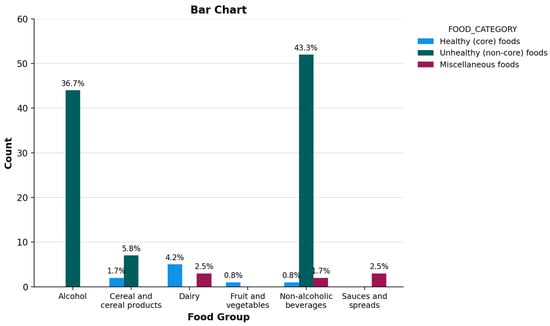
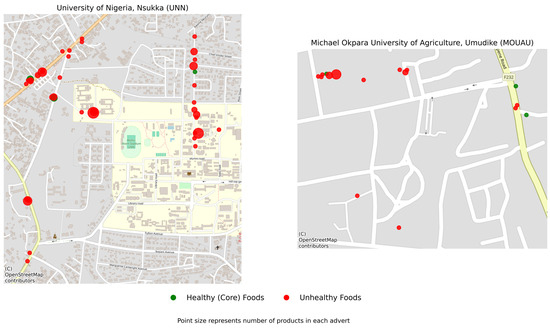
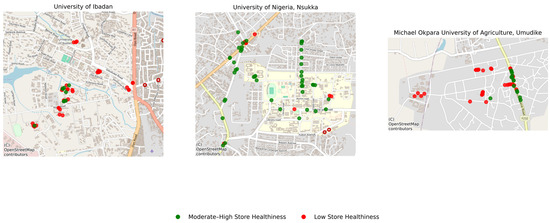
The rising burden of obesity and non-communicable diseases among young people has prompted global recommendations for healthier food environments, but evidence is limited across African universities. This study aims to assess the healthiness and spatial distribution of university food environments using in-store retail audits and outdoor food advertising assessments. Outdoor food advertisements were audited in two universities (excluding the University of Ibadan), while retail stores were assessed across three participating institutions within a 300–500 m radius of each campus. Data were collected using the INFORMAS protocol and the NEMS-S-MED in-store audit tool, respectively, alongside spatial analyses. A total of 76 food advertisements and 145 food retail stores were identified. Less than one-tenth (7.5%) of advertised products were healthy. Healthier foods in retail stores were predominantly characterised by moderately low (37.2%) and medium (31.7%) availability, while affordability was low (73.1%), resulting in over half being classified as having a low (51.7%) degree of healthiness. These differed significantly across institutions (p < 0.05), with the University of Nigeria, Nsukka (UNN) having a more diverse, spatially dispersed and healthier food environment. There is a need to restrict unhealthy food advertising and encourage vendors’ procurement and the sale of healthier foods.
Full article

Figure 1
Open AccessArticle
Training Community–Academic Teams to Use Low-Cost Air Monitors: A Mixed Method Evaluation of the RISE Communities Program
by
Mackenzie Martin, Daniel Hargraves, Patrick Ryan and Jacqueline Knapke
Int. J. Environ. Res. Public Health 2026, 23(8), 1051; https://doi.org/10.3390/ijerph23081051 - 13 Aug 2026
Abstract
Concerns regarding poor air quality in communities experiencing disproportionately high levels of air pollution frequently motivate formation of community–academic partnerships. Low-cost air monitors can assess air pollution but require specific training. The RISE Communities program was created to support partnerships in air quality
[...] Read more.
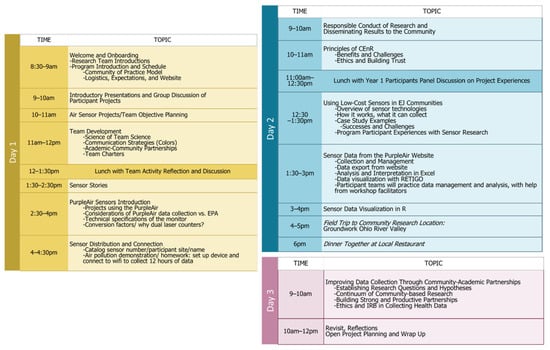
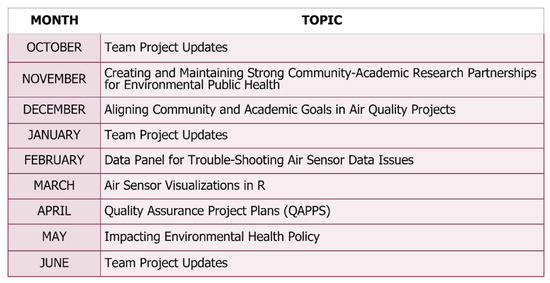
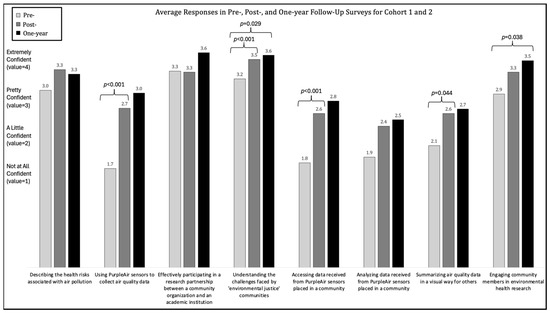
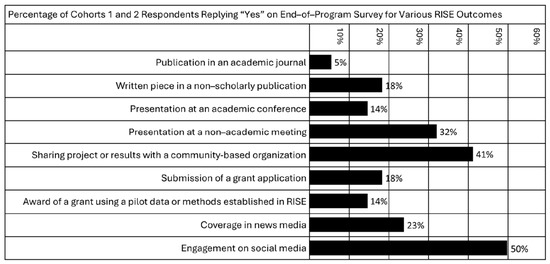
Concerns regarding poor air quality in communities experiencing disproportionately high levels of air pollution frequently motivate formation of community–academic partnerships. Low-cost air monitors can assess air pollution but require specific training. The RISE Communities program was created to support partnerships in air quality training and community-engaged research. The RISE Communities program in-person training took place in Cincinnati, OH, in summers 2023 and 2024. The training included hands-on workshops, lectures, and monthly webinars with continued expert guidance for one year following the in-person training. A mixed method evaluation included pre-, post-, and one-year follow-up surveys, webinar evaluation surveys, and focus groups at the conclusion of each cohort. Participants reported significantly increased confidence in describing the health impacts of air pollution and using low-cost air sensors. Subjective feedback commented on the need for more tailored and interactive webinars and data training. Participants agreed that the goals of the RISE Communities training program were met and skills were sustained. This mixed method evaluation study demonstrates that an immersive training program for academic and community partners resulted in significantly higher confidence levels related to community partnership, data analytics, data visualization, and achieving project planning outcomes.
Full article
(This article belongs to the Special Issue Air Pollution, Air Quality Management, and Environmental Sustainability)
►▼
Show Figures

Figure 1
Open AccessArticle
Tuberculosis- and Diabetes Mellitus-Associated Knowledge, Stigma, and Health-Seeking Behaviour in Ghana
by
Edmond Kwaku Ocloo, Adwoa Asante-Poku, Ishaque Mintah Siam, Nii Arku Laryea, Emmanuel Frimpong Gyekye, Emmanuel Afreh Kyei, Stephen Osei-Wusu, Michelle Yeboah-Manu, Eric Koka, Richard Adjei Akuffo, Daniel Okyere, Prince Asare, Augustine Asare Boadu, Emelia Konadu Danso, Phillip Tetteh, Kenneth Mawuta Hayibor, Theophilus Afum, Isaac Darko Otchere, Nelly Arthur, Sylvester Owusu Amoako, Yaw Adusi-Poku, Charlotte-Alberta Cato, Abraham Adjei, Jane Afriyie-Mensah and Dorothy Yeboah-Manuadd
Show full author list
remove
Hide full author list
Int. J. Environ. Res. Public Health 2026, 23(8), 1050; https://doi.org/10.3390/ijerph23081050 - 13 Aug 2026
Abstract
Introduction: Tuberculosis [TB] and diabetes mellitus (DM) remain major public health concerns worldwide. TB negatively affects an individual’s glucose tolerance, increasing the risk of developing DM. Similarly, DM reduces the host’s ability to fight TB infection and increases the likelihood of developing TB
[...] Read more.
Introduction: Tuberculosis [TB] and diabetes mellitus (DM) remain major public health concerns worldwide. TB negatively affects an individual’s glucose tolerance, increasing the risk of developing DM. Similarly, DM reduces the host’s ability to fight TB infection and increases the likelihood of developing TB and poor response to TB medication. This study analysed stigma and health-seeking behaviour in a sub-district of Accra Metropolis. Methods: We used a mixed-methods research approach involving a cross-sectional survey and in-depth interviews to explore community knowledge, stigma, and health-seeking behaviour related to TB and DM. A total of 437 individuals were selected for a survey using a simple random sampling technique, while 22 participants, including three TB patients, four nurses, one medical doctor, four students from a nursing and midwifery school, five students from a school of hygiene, and five community members, were involved in the study. Healthcare providers and patients were purposively selected, while students and community members were recruited through convenience sampling. Descriptive and logistic regression analyses were performed on the quantitative data using STATA, while the qualitative data were thematically analysed using the MAXQDA software. Results: Participants’ age, sex, and educational levels were significantly associated with their knowledge of TB and DM. Males were 0.600 times as likely as females to be knowledgeable about DM (95% CI: 0.386–0.934, p = 0.024). Social determinants of health, such as poverty, local beliefs, stigma, and negative attitudes from healthcare workers, may influence TB patients’ preference for traditional remedies over biomedical treatment. Conclusion: Therefore, we observed that addressing cultural barriers, stigma, and financial costs related to TB and diabetes care will help increase patients’ willingness for biomedical treatment.
Full article
Open AccessArticle
Determinants of Happiness at Work Among Nurses in Prehospital Emergency Care in Portugal: A Cross-Sectional Study
by
Sandra Neto, Anabela Afonso, José Magalhães, Márcio Silva and Elisabete Borges
Int. J. Environ. Res. Public Health 2026, 23(8), 1049; https://doi.org/10.3390/ijerph23081049 - 12 Aug 2026
Abstract
Happiness at work is an important factor associated with nurses’ wellbeing, performance, retention, and quality of care. However, evidence on workplace happiness among nurses working in prehospital emergency care remains scarce, despite the emotional demands and complexity of this setting. This study aimed
[...] Read more.
Happiness at work is an important factor associated with nurses’ wellbeing, performance, retention, and quality of care. However, evidence on workplace happiness among nurses working in prehospital emergency care remains scarce, despite the emotional demands and complexity of this setting. This study aimed to analyse overall happiness at work and its dimensions—engagement, job satisfaction, and affective organisational commitment—among nurses working in prehospital emergency care in Portugal and to identify associated sociodemographic and professional factors. A cross-sectional observational, correlational study was conducted between June and July 2025 with 103 nurses working in Portuguese prehospital emergency services. Data were collected using a sociodemographic and professional questionnaire and the Short Happiness at Work Scale. Descriptive statistics, Student’s t-test, one-way analysis of variance, and stepwise multiple linear regression were performed. Participants reported moderate levels of happiness at work (M = 4.91; SD = 0.96). Engagement had the highest mean score (M = 5.42; SD = 1.20), whereas job satisfaction had the lowest (M = 4.04; SD = 1.16). Leisure activities outside work were statistically associated with higher happiness at work. These findings should be interpreted in light of the cross-sectional design and convenience sampling, and suggest that strategies promoting wellbeing, work–life balance, and psychological recovery may contribute to occupational health among prehospital emergency nurses.
Full article
(This article belongs to the Special Issue Community Health Nursing and Public Health Approach)
Open AccessArticle
Clinical Applicability of a Terminology Subset for Monitoring Child Development from Zero Months to Age Three: An Observational Study
by
Mariane Mota Dhein, Soraia Matilde Marques Buchhorn, Maria de La Ó Ramallo Veríssimo, Francine Dutra Mattei, Sabrina do Rocio Kopietz Cremonez and Marcia Regina Cubas
Int. J. Environ. Res. Public Health 2026, 23(8), 1048; https://doi.org/10.3390/ijerph23081048 - 12 Aug 2026
Abstract
Child development monitoring by nurses enables the identification of alterations and early interventions. This study analyzed the clinical applicability of a terminology subset for monitoring the development of children aged zero to three years during nursing consultations. This is a cross-sectional, observational study
[...] Read more.
Child development monitoring by nurses enables the identification of alterations and early interventions. This study analyzed the clinical applicability of a terminology subset for monitoring the development of children aged zero to three years during nursing consultations. This is a cross-sectional, observational study that analyzed the applicability of a terminology subset. Three stages of the clinical applicability analysis method for terminology subsets were followed: development of the data collection instrument; systematic observation of 46 consultations in two Brazilian municipalities; and data organization and analysis. Nursing diagnoses, outcomes, and interventions observed at least once during a consultation were considered applicable. Of the analyzed subset, 64.7% of the diagnoses/outcomes and 21.3% of the interventions were observed during consultations and are applicable to clinical practice. Notably, the diagnosis “Child development, effective” was identified in 93% of the consultations. The data suggest the applicability of the subset in specific Brazilian primary healthcare contexts, predominantly with healthy children.
Full article
(This article belongs to the Special Issue Community Health Nursing and Public Health Approach)
Open AccessArticle
Development of a Humanistic Interprofessional Healthcare Model for a Regional Swiss Hospital Using Community-Based Participatory Action Research
by
Catherine Bolduc, Virginie Renggli, Chrystel Carrupt and Filipa Pereira
Int. J. Environ. Res. Public Health 2026, 23(8), 1047; https://doi.org/10.3390/ijerph23081047 - 12 Aug 2026
Abstract
►▼
Show Figures
Given the growing pressures on Switzerland’s healthcare system, developing innovative approaches that put humanism at the heart of care practices seems essential to respond to patients’ complex needs and to support healthcare professionals’ well-being. Although several frameworks address humanistic care or interprofessional collaboration,
[...] Read more.
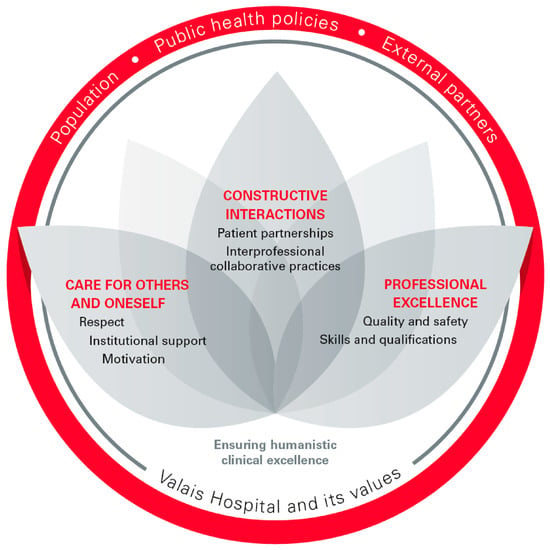
Given the growing pressures on Switzerland’s healthcare system, developing innovative approaches that put humanism at the heart of care practices seems essential to respond to patients’ complex needs and to support healthcare professionals’ well-being. Although several frameworks address humanistic care or interprofessional collaboration, few have been co-developed with healthcare professionals to guide the implementation of both dimensions at the organisational level. This article explores the development of an interprofessional healthcare model aimed at integrating humanistic values into a public hospital network in a French-speaking region of Switzerland. This community-based participatory action research involved healthcare professionals representing different hospital departments and a patient feedback unit. The study focused on the co-development of an organisational model through three iterative phases: initiation (identification of needs), diagnosis (analysis of current practices) and design (development of strategies and solutions). The model was based on the three overarching themes: Care for Others and Oneself, Constructive Interactions, and Professional Excellence. The resulting model provides an organisational framework for integrating humanistic values into interprofessional practice in a hospital setting. Its implementation and evaluation will be required to assess its effects on patient experience, professional well-being, and organisational practices.
Full article

Figure 1
Open AccessArticle
Childhood Lead Exposure in Primary Health Care Settings in Indonesia: A Cross-Sectional Study in Bogor City and Bogor Regency
by
Anna Suraya, Maryuni, Desi Aryanie, Lelitasari, Uci Sulandari, Maya Setyawati, Sari Narulita, Renan Prasta Jenie, Sri Utami Ningsih, Eni Kusrini, Agung Cahyono Triwibowo, Then Suyanti, Rooswanti Soeharno and Mrunal Shetye
Int. J. Environ. Res. Public Health 2026, 23(8), 1046; https://doi.org/10.3390/ijerph23081046 - 12 Aug 2026
Abstract
(1) Background: Lead exposure is an important preventable environmental health concern among children, especially in low- and middle-income countries. In Indonesia, evidence from routine health service settings remains limited. (2) Methods: This cross-sectional study assessed blood lead levels (BLLs) and associated factors among
[...] Read more.
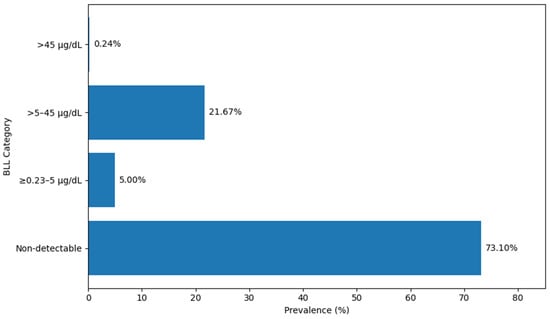
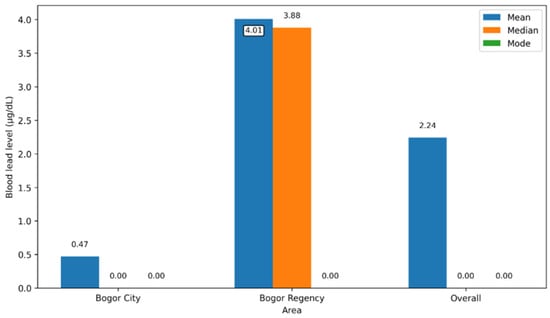
(1) Background: Lead exposure is an important preventable environmental health concern among children, especially in low- and middle-income countries. In Indonesia, evidence from routine health service settings remains limited. (2) Methods: This cross-sectional study assessed blood lead levels (BLLs) and associated factors among children aged 1–5 years attending 12 primary health care facilities in Bogor City and Bogor Regency between December 2025 and January 2026. A total of 420 children were recruited consecutively during routine services. Environmental and household risk factors were collected using structured questionnaires, and venous blood samples were analyzed using inductively coupled plasma mass spectrometry. Elevated BLL was defined as ≥5 µg/dL. (3) Results: The mean BLL was 2.24 µg/dL, and 21.9% of children had elevated BLLs. Prevalence was higher in Bogor Regency than in Bogor City (41.2% vs. 2.4%; p < 0.001) and among children residing near lead-processing activities (44.2% vs. 16.2%; p < 0.001). One child had a BLL of 66.82 µg/dL. Results were returned to caregivers and facilities; children with BLL ≥ 5 µg/dL received counselling, exposure-reduction advice, nutritional support, and follow-up planning, while the child with BLL > 45 µg/dL was urgently referred for confirmatory assessment and specialist management. (4) Conclusions: Primary healthcare–based screening can identify vulnerable children and trigger clinical, nutritional, environmental, and referral responses, although longitudinal follow-up and environmental source testing are needed.
Full article
(This article belongs to the Section Health Care Sciences)
►▼
Show Figures

Figure 1
Open AccessArticle
Determinants of PrEP Delivery Platform Choice in Adolescents and Young People: The Fast-PrEP Project in Cape Town, South Africa
by
Elzette Rousseau, Connor Bondarchuk, Keitumetse Lebelo, Luyanda Matsebula, Fiona Bennin, Pippa Macdonald, Carey Pike, Onesimo Vanto, Ntombovuyo Mathole, Lauren Fynn, Dvora Joseph Davey, Chelsea Coakley, Melissa Wallace and Linda-Gail Bekker
Int. J. Environ. Res. Public Health 2026, 23(8), 1045; https://doi.org/10.3390/ijerph23081045 - 12 Aug 2026
Abstract
Background: Effective HIV prevention in South Africa requires implementing pre-exposure prophylaxis (PrEP) service delivery options responsive to adolescents and young people (AYP) with diverse characteristics and needs. We aimed to identify characteristics associated with AYP’s choice of PrEP initiation setting. Methods: Fast-PrEP is
[...] Read more.
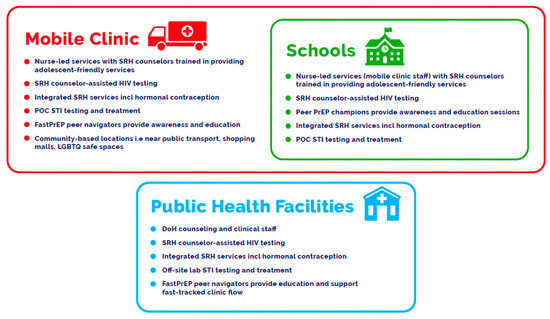
Background: Effective HIV prevention in South Africa requires implementing pre-exposure prophylaxis (PrEP) service delivery options responsive to adolescents and young people (AYP) with diverse characteristics and needs. We aimed to identify characteristics associated with AYP’s choice of PrEP initiation setting. Methods: Fast-PrEP is an ongoing phase 4 HIV prevention programme in Cape Town, South Africa. Oral PrEP (TDF/FTC) is offered to AYP (15–29 years) within sexual and reproductive health services from four community-based mobile clinics and 12 public primary healthcare facilities. Descriptive statistics and logistic regression models evaluated sociodemographic, behavioural, and clinical factors associated with PrEP initiation from mobile clinics and public health facilities in 13,807 AYP between Aug’22 and Dec’24. Results: Most AYP (70.7%; n = 9760) initiated PrEP from mobile clinics. AYP with more complex healthcare needs, such as pregnancy, parenthood, known sero-different relationships, or currently having STI symptoms, were significantly more likely to use the public health facilities. Both male and female AYP initiating PrEP at mobile clinics had four times the odds of moderate-to-severe depression. Previous PrEP experience was not associated with the choice of PrEP service delivery platform. Conclusions: Our results indicate that offering community-based PrEP alongside public sector facilities increases the reach of a diverse group of AYP who may benefit from PrEP.
Full article
(This article belongs to the Special Issue Advances and Trends in Mobile Healthcare)
►▼
Show Figures

Figure 1
Open AccessArticle
Economic Impact of Asbestos in Colombia: Estimation of the Direct and Societal Costs of Lung Cancer and Mesothelioma in 2022
by
Guillermo Villamizar, Tim Driscoll, Shane McArdle and Arthur Frank
Int. J. Environ. Res. Public Health 2026, 23(8), 1044; https://doi.org/10.3390/ijerph23081044 - 11 Aug 2026
Abstract
Asbestos exposure remains an important cause of lung cancer and mesothelioma worldwide, and the long latency of asbestos-related diseases means that health and economic consequences persist even after asbestos bans. In Colombia, the economic burden attributable to historical asbestos exposure has not been
[...] Read more.
Asbestos exposure remains an important cause of lung cancer and mesothelioma worldwide, and the long latency of asbestos-related diseases means that health and economic consequences persist even after asbestos bans. In Colombia, the economic burden attributable to historical asbestos exposure has not been comprehensively quantified. This study estimated the economic burden attributable to asbestos exposure in Colombia in 2022 using a prevalence-based cost-of-illness framework from a societal perspective. Direct medical costs were derived from a national lung cancer cost study and updated to 2022 values. Epidemiological inputs were obtained from the Global Burden of Disease (GBD) database. Mesothelioma was considered predominantly attributable to asbestos exposure, while lung cancer was adjusted using population-attributable fractions and an alternative 1:3 mesothelioma-to-lung-cancer ratio scenario. Indirect costs were estimated using the human capital approach, and disability-adjusted life year (DALY) losses were monetized using alternative willingness-to-pay thresholds. Colombia was estimated to have 150 prevalent mesothelioma cases and between 389 and 450 asbestos-attributable lung cancer cases in 2022. Direct costs ranged from USD 6.5 to 10.7 million annually, increasing to USD 16.7–23.1 million when productivity losses were included. Expanded societal valuation scenarios ranged from USD 71 million to more than USD 180 million annually. Asbestos-related malignancies continue to impose a substantial economic burden in Colombia and support the need for strengthened surveillance, long-term management of installed asbestos, and policies aimed at reducing future asbestos-related disease burden.
Full article
Open AccessArticle
Halitosis and Its Association with Sleep Quality and Psychological Factors Among University Students: A Cross-Sectional Study
by
Juliana Maria Altavista Sagretti Gallo, Amanda Rafaelly Honório Mandetta, Ana Paula Taboada Sobral, Marcela Letícia Leal Gonçalves, Mayumi Oshiro Costa, Caroline Diniz Pagani Vieira Ribeiro, Mariana Moreira Machado, Abigail Malavasi, Elaine Marcílio Santos, Cinthya Cosme Gutierrez Duran and Sandra Kalil Bussadori
Int. J. Environ. Res. Public Health 2026, 23(8), 1043; https://doi.org/10.3390/ijerph23081043 - 11 Aug 2026
Abstract
Introduction: Halitosis is a common oral condition that may negatively affect social interactions, psychological well-being, and quality of life. However, evidence regarding its association with mental health and sleep quality remains inconsistent, particularly among university students. Aim: This cross-sectional study investigated the prevalence
[...] Read more.
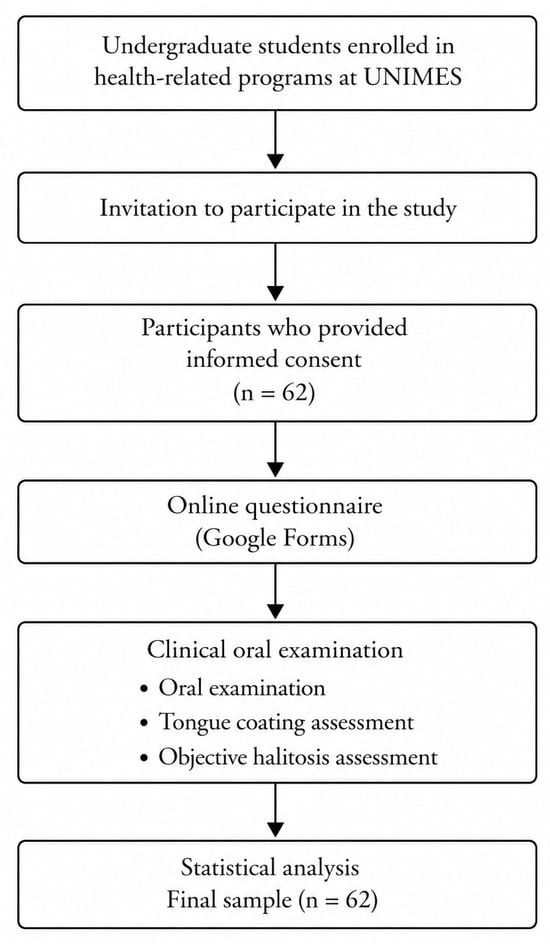
Introduction: Halitosis is a common oral condition that may negatively affect social interactions, psychological well-being, and quality of life. However, evidence regarding its association with mental health and sleep quality remains inconsistent, particularly among university students. Aim: This cross-sectional study investigated the prevalence of objectively measured halitosis and its association with tongue coating, sleep quality, and symptoms of anxiety, depression, and stress among university students from the metropolitan region of Santos, Brazil. Methods: Sixty-two Brazilian university students enrolled in health-related undergraduate programs participated in the study; most were in the first academic year (61.3%) and resided in the municipality of Santos (59.7%). Halitosis was assessed using a portable breath detector, tongue coating was evaluated using the Coated Tongue Index, sleep quality was assessed using the Pittsburgh Sleep Quality Index (PSQI), and symptoms of depression, anxiety, and stress were measured using the Depression, Anxiety and Stress Scale (DASS-21). Results: Objectively measured halitosis was identified in 25 participants (40.3%; 95% CI: 29.0–52.7%). The analyses did not provide statistically significant evidence of associations between objectively measured halitosis and tongue coating, sleep quality, or symptoms of anxiety, depression, and stress. Significant positive correlations were identified between stress and sleep disturbance, anxiety and sleep disturbance, and depression and sleep latency, daytime dysfunction, and overall sleep quality. Tongue-cleaning habits were significantly associated with the presence of halitosis, whereas oral mucosal desquamation was less frequent among participants with halitosis. Conclusion: The study did not provide statistically significant evidence of associations between objectively measured halitosis and tongue coating, sleep quality, or psychological symptoms in this population. Significant positive correlations were identified between stress and sleep disturbance, anxiety and sleep disturbance, and depression and sleep latency, daytime dysfunction, and overall sleep quality. These findings highlight the importance of objectively assessing oral malodor in epidemiological studies.
Full article
(This article belongs to the Topic Coping with Stress and Optimizing Quality of Life in Students)
►▼
Show Figures

Figure 1
Journal Menu
► ▼ Journal Menu-
- IJERPH Home
- Aims & Scope
- Editorial Board
- Reviewer Board
- Topical Advisory Panel
- Instructions for Authors
- Special Issues
- Topics
- Sections & Collections
- Article Processing Charge
- Indexing & Archiving
- Editor’s Choice Articles
- Most Cited & Viewed
- Journal Statistics
- Journal History
- Journal Awards
- Society Collaborations
- Conferences
- Editorial Office
Journal Browser
► ▼ Journal Browser-
arrow_forward_ios
Forthcoming issue
arrow_forward_ios Current issue - Vol. 23 (2026)
- Vol. 22 (2025)
- Vol. 21 (2024)
- Vol. 20 (2023)
- Vol. 19 (2022)
- Vol. 18 (2021)
- Vol. 17 (2020)
- Vol. 16 (2019)
- Vol. 15 (2018)
- Vol. 14 (2017)
- Vol. 13 (2016)
- Vol. 12 (2015)
- Vol. 11 (2014)
- Vol. 10 (2013)
- Vol. 9 (2012)
- Vol. 8 (2011)
- Vol. 7 (2010)
- Vol. 6 (2009)
- Vol. 5 (2008)
- Vol. 4 (2007)
- Vol. 3 (2006)
- Vol. 2 (2005)
- Vol. 1 (2004)
Highly Accessed Articles
Latest Books
E-Mail Alert
News
Topics
Topic in
Behavioral Sciences, Children, Healthcare, IJERPH, JFMK, Obesities
The Effect of Physical Activity on the Population's Health
Topic Editors: Stefania Paduano, Federica ValerianiDeadline: 31 August 2026
Topic in
Behavioral Sciences, Children, EJIHPE, IJERPH, Healthcare
Mental Health and the 2030 Sustainable Development Agenda: Old Problems and New Perspectives
Topic Editors: Carlos Laranjeira, Ana QueridoDeadline: 31 October 2026
Topic in
Behavioral Sciences, Healthcare, IJERPH, Social Sciences, EJIHPE
Mental Health in Trauma Survivors
Topic Editors: Hyojin Im, Asli Cennet Yalim, Gashaye Melaku Tefera, Isok KimDeadline: 30 November 2026
Topic in
Applied Sciences, Toxics, IJERPH, Biology, Cancers, Radiation
Disease Risks from Environmental Radiological Exposure
Topic Editors: Valentina Venuti, Francesco CaridiDeadline: 31 December 2026
Conferences
Special Issues
Special Issue in
IJERPH
Health Promotion Among the People with Periodontal Disease
Guest Editors: José Miguel Amenábar, Joao Paulo SteffensDeadline: 30 August 2026
Special Issue in
IJERPH
Improving the Quality of Maternity Care
Guest Editor: Ruth E. ZielinskiDeadline: 30 August 2026
Special Issue in
IJERPH
Advancing Breast Health and Breast Cancer Prevention Through Policy, Community, System and Technological Change
Guest Editors: Mi Hwa Lee, Deeonna FarrDeadline: 30 August 2026
Special Issue in
IJERPH
Bridging the Gap in Studies on the Food Environment: The State of the Art in Low- and Middle-Income Countries (LMICs): 2nd Edition
Guest Editors: Mariana Carvalho de Menezes, Larissa Loures Mendes, Ariene Silva do CarmoDeadline: 31 August 2026
Topical Collections
Topical Collection in
IJERPH
2nd Edition of Achieving Environmental Health Equity: Great Expectations
Collection Editors: Timothy E. Ford, Margaret J. Eggers