
Journal Description
International Journal of Environmental Research and Public Health
(IJERPH) is a transdisciplinary, peer-reviewed, open access journal that covers global health, healthcare sciences, behavioral and mental health, infectious diseases, chronic diseases and disease prevention, exercise and health related quality of life, environmental health and environmental sciences, and is published monthly online by MDPI. The International Society Doctors for the Environment (ISDE), Italian Society of Environmental Medicine (SIMA) and Environmental Health Association of Québec (ASEQ‑EHAQ) are affiliated with IJERPH and their members receive discounts on the article processing charges.
- Open Access— free for readers, with article processing charges (APC) paid by authors or their institutions.
- High Visibility: indexed within Scopus, PubMed, MEDLINE, PMC, Embase, GEOBASE, CAPlus / SciFinder, and other databases.
- Journal Rank: CiteScore - Q1 (Public Health, Environmental and Occupational Health)
- Rapid Publication: manuscripts are peer-reviewed and a first decision is provided to authors approximately 29.5 days after submission; acceptance to publication is undertaken in 3.9 days (median values for papers published in this journal in the second half of 2025).
- Recognition of Reviewers: reviewers who provide timely, thorough peer-review reports receive vouchers entitling them to a discount on the APC of their next publication in any MDPI journal, in appreciation of the work done.
- Testimonials: See what our editors and authors say about IJERPH.
- Sections: published in 7 topical sections.
- Companion journal: Air.
- Journal Cluster of Healthcare Sciences and Services: Geriatrics, Journal of Ageing and Longevity, Healthcare, Hospitals, Hygiene, International Journal of Environmental Research and Public Health and Nursing Reports.
Latest Articles
Developing an Index to Measure Structural Racism: Methodological Process, Challenges, and Considerations
Int. J. Environ. Res. Public Health 2026, 23(2), 200; https://doi.org/10.3390/ijerph23020200 - 3 Feb 2026
Abstract
Access to valid and reliable measures of structural racism is essential for addressing health inequities, yet few validated ecological-level indices exist for assessing structural racism affecting Black and Hispanic populations in the United States. Guided by the National Institute on Minority Health and
[...] Read more.
Access to valid and reliable measures of structural racism is essential for addressing health inequities, yet few validated ecological-level indices exist for assessing structural racism affecting Black and Hispanic populations in the United States. Guided by the National Institute on Minority Health and Health Disparities framework, our interdisciplinary team undertook the development of an ecological-level structural racism index. In the process, we encountered substantive methodological and data-related challenges that warrant explicit documentation. This paper describes the methodological process used to identify and select indicators of structural racism, including a modified Delphi consensus process involving social epidemiologists, health inequality researchers, community members, economic inequality specialists, and psychometricians. We outline a five-step approach for extracting and harmonizing geographic-level data from publicly available sources and discuss key challenges encountered, including limited availability of granular geographic data, insufficient data documentation guidelines, inconsistent reporting frequencies, and difficulties in adapting publicly available datasets for structural racism measurement. Rather than presenting a finalized index, this paper serves as a methodological guide and cautionary account for researchers seeking to develop ecological measures of structural racism, emphasizing the importance of transparency, adaptability, and rigorous data selection in advancing public health equity research.
Full article
(This article belongs to the Special Issue Health Inequities: Structural Causes, Intervention Strategies, and Methodological Challenges)
Open AccessProtocol
Back-on-Track: Protocol for Randomised Controlled Feasibility Trial of Behavioural Activation in Farmers with Mood Problems
by
Alison Kennedy, Richard Gray, Martin Jones, Anna Greene, Lauren Mitchell, Meera Senthuren, Suzy Malseed, Feby Savira, Kelly Barnes, Kate Gunn and Susan Brumby
Int. J. Environ. Res. Public Health 2026, 23(2), 199; https://doi.org/10.3390/ijerph23020199 - 3 Feb 2026
Abstract
The mental health of people living in farming communities has been identified as an important public health issue. Cumulative exposure to a range of situational factors contributes to heightened risk of poor mental health and suicide. Access to evidence-based psychological treatments is limited
[...] Read more.
The mental health of people living in farming communities has been identified as an important public health issue. Cumulative exposure to a range of situational factors contributes to heightened risk of poor mental health and suicide. Access to evidence-based psychological treatments is limited by the availability of skilled mental health professionals. The aim of this trial—co-designed by members of the farming community—is to establish the feasibility of conducting randomised controlled, trial-testing, peer-worker-delivered Behavioural Activation in the farming community. We will undertake a single-blind, parallel group, randomised controlled feasibility trial in rural Australia. People living in farming communities aged over 15 years and experiencing moderate to moderately severe depression symptoms will be included in the trial. Participants will be randomly allocated on a 1:1 ratio to 10 sessions of peer-worker-delivered behavioural activation (Back-on-Track) or a self-help workbook (Managing Stress on the Farm). Peer workers are members of the farming community that have completed training in behavioural activation and demonstrated competence. Feasibility outcomes include establishing recruitment rates, willingness to be randomised, dropout rate from trial, acceptability of peer delivered behavioural activation, and willingness to complete trial measures. The trial will contribute high quality evidence of the feasibility of undertaking a full-scale, randomised controlled trial of peer-delivered Behavioural Activation in farming communities in rural Australia.
Full article
Open AccessArticle
Association Between SARS-CoV-2–Related Experiences and Smoking Cessation in Switzerland: A Repeated Cross-Sectional Study
by
Eloïse Cuvit, Margot Guth, Semira Gonseth Nusslé, Valérie D’Acremont and Carole Clair
Int. J. Environ. Res. Public Health 2026, 23(2), 198; https://doi.org/10.3390/ijerph23020198 - 3 Feb 2026
Abstract
►▼
Show Figures
The COVID 19 pandemic may have influenced smoking behaviours, including decisions to quit smoking. This study aimed to investigate smoking cessation following the first two waves of the COVID-19 pandemic in Switzerland and to assess whether cessation differed according to participants’ SARS-CoV-2–related experiences.
[...] Read more.
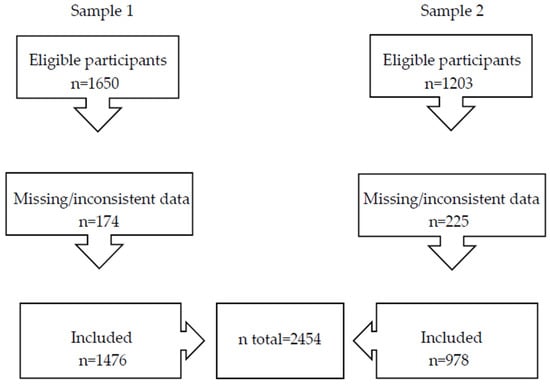
The COVID 19 pandemic may have influenced smoking behaviours, including decisions to quit smoking. This study aimed to investigate smoking cessation following the first two waves of the COVID-19 pandemic in Switzerland and to assess whether cessation differed according to participants’ SARS-CoV-2–related experiences. Data from SérocoViD, a Swiss repeated cross-sectional study comprising five surveys in the canton of Vaud, was used. A total of 2454 participants aged 15 years and older from the first (May–July 2020) and third (February 2021) surveys were included. Association between SARS-CoV-2 infection experiences and cigarette smoking cessation were analyzed using logistic regression; both factors were unadjusted and adjusted for age and gender. Overall, 21.2% of participants reported being ex-smokers, but only a small proportion of the entire study population (i.e., including both smokers and non-smokers) reported quitting during the pandemic (0.5% in the first sample, 1.5% in the second). Participants who were smokers before the pandemic and had undergone diagnostic testing for SARS-CoV-2 showed a trend toward smoking cessation during the pandemic (non-adjusted odds ratio = 2.15; 95% confidence interval: 0.79–5.87). No such trends were found with a positive diagnostic test or serological result, or with COVID-19-like symptoms. These findings suggest that individuals seeking testing may be more health-conscious, potentially contributing to smoking cessation. For these individuals, the pandemic may represent a critical opportunity to promote smoking cessation, which should be leveraged by healthcare professionals and public health policies.
Full article

Figure 1
Open AccessArticle
Cultural Self-Construal and Sustainable Mental Health in Japan: The Role of Subjective, Objective, and Autonomous Selves
by
Youngsun Yuk and Eiko Matsuda
Int. J. Environ. Res. Public Health 2026, 23(2), 197; https://doi.org/10.3390/ijerph23020197 - 3 Feb 2026
Abstract
Maintaining sustainable mental health is an increasing societal challenge in Japan, where psychological distress and sleep problems have become major public health concerns. This study examined how three culturally grounded dimensions of self-construal—Subjective Self (SS), Objective Self (OS), and Autonomous Self (AS)—relate to
[...] Read more.
Maintaining sustainable mental health is an increasing societal challenge in Japan, where psychological distress and sleep problems have become major public health concerns. This study examined how three culturally grounded dimensions of self-construal—Subjective Self (SS), Objective Self (OS), and Autonomous Self (AS)—relate to both positive and negative indicators of psychological adjustment among Japanese adults. This study aimed to examine whether internally guided forms of self-regulation (SS and AS) function as psychological resources, whereas externally guided self-regulation (OS) operates as a potential vulnerability factor in a culturally tight social context. By simultaneously examining multiple indicators of adjustment, this research clarifies how culturally shared self-regulatory patterns are linked to distress and sleep difficulties that affect large segments of the population. From a public health perspective, the findings highlight socially reinforced risk and protective patterns that can inform population-level prevention and mental health promotion in settings such as schools, workplaces, and communities, rather than relying solely on individual clinical intervention. These results underscore the importance of integrating cultural psychology into public health frameworks aimed at promoting sustainable mental health in contemporary and increasingly diverse social environments.
Full article
Open AccessArticle
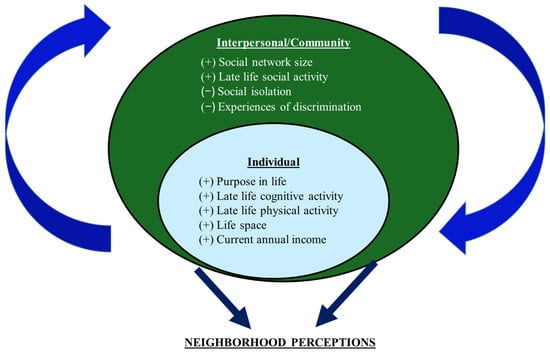
What Makes a Neighborhood? Associations Between Behavioral and Psychosocial Factors and Perceptions of Neighborhood Environments Among Community-Dwelling Older Black and Latino Adults
by
Crystal M. Glover, Ana W. Capuano, Tianhao Wang, Brittney S. Lange-Maia, David A. Bennett, David X. Marquez, Lisa L. Barnes, Julie A. Schneider and Melissa Lamar
Int. J. Environ. Res. Public Health 2026, 23(2), 196; https://doi.org/10.3390/ijerph23020196 - 3 Feb 2026
Abstract
How people perceive their neighborhoods can impact their aging trajectories, with less known regarding neighborhood perceptions among older adults from minoritized groups. This study examined the impacts of behavioral and psychosocial factors on neighborhood perceptions among non-Latino (NL) Black and Latino older adults.
[...] Read more.
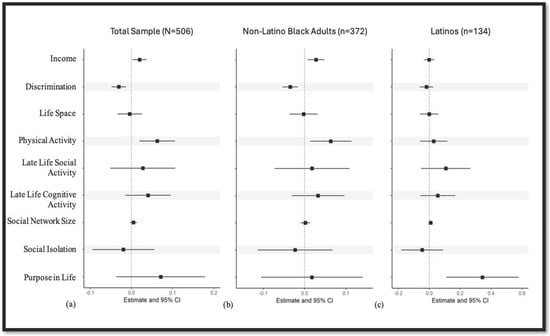
How people perceive their neighborhoods can impact their aging trajectories, with less known regarding neighborhood perceptions among older adults from minoritized groups. This study examined the impacts of behavioral and psychosocial factors on neighborhood perceptions among non-Latino (NL) Black and Latino older adults. Participants (N = 506) were NL Black (n = 372) and Latino (n = 134) older adults ( age = 79 years) without dementia. Participants completed a modified Perceptions of Neighborhood Environments Scale (mPNES; higher scores indicate more favorable perceptions) and measures of behavioral and psychosocial factors. We performed fully saturated linear regression analyses to assess how each factor related to the mPNES, followed by stepwise linear regression analyses to determine final predictive models for the full sample and each ethnoracial group. For the full sample, higher purpose in life, more physical activity, less discrimination, and higher income were associated with higher mPNES scores. For NL Black older adults, more physical activity, less discrimination, and higher income were associated with higher mPNES scores. For older Latinos, more purpose in life and a larger social network size were associated with higher mPNES scores. Distinct associations exist by ethnoracial group and suggest unique considerations to facilitate positive neighborhood perceptions among NL Black and Latino older adults.
Full article
(This article belongs to the Section Behavioral and Mental Health)
►▼
Show Figures

Figure A1
Open AccessArticle
Development of an Oral Health Index and Its Association with Oral Health-Related Quality of Life and Cardiovascular Risks: A Cross-Sectional Study
by
Vanessa Carvajal Soto, Larissa Knysak Ranthum, Luiz Felipe Manosso Guzzoni, Marcela Claudino, Eduardo Bauml Campagnoli and Marcelo Carlos Bortoluzzi
Int. J. Environ. Res. Public Health 2026, 23(2), 195; https://doi.org/10.3390/ijerph23020195 - 3 Feb 2026
Abstract
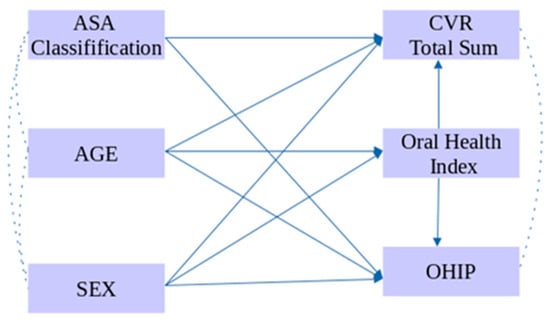
The OHI demonstrated moderate internal consistency and consistent associations with oral health-related quality of life and cardiovascular risk indicators. Objective: The primary objective was to propose and internally assess an Oral Health Index (OHI) which integrates multiple clinically assessed oral health variables. The
[...] Read more.
The OHI demonstrated moderate internal consistency and consistent associations with oral health-related quality of life and cardiovascular risk indicators. Objective: The primary objective was to propose and internally assess an Oral Health Index (OHI) which integrates multiple clinically assessed oral health variables. The secondary objective was to investigate its association with oral health-related quality of life (OHRQoL) and common clinical cardiovascular risk (CVR) factors. Material and Methods: This observational study included 191 participants. Seven parameters (tooth loss, periodontal disease, endodontic involvement, residual roots, extractions due to periodontitis, inflammatory oral mucosal diseases, and dental maintenance and rehabilitation status) were combined using Z-scores to compute the OHI, with higher scores indicating poorer oral health. CVR factors included age/sex thresholds, education level, BMI, smoking status, diabetes, hypertension, pulse pressure, and lung function. OHRQoL was assessed using the Oral Health Impact Profile. Results: Higher OHI scores were associated with poor oral health-related quality of life. Participants with cardiovascular risk factors had significantly higher OHI scores. The analysis demonstrated that the OHI was directly associated with worse oral health-related quality of life and a greater cardiovascular risk burden, independent of age, sex, and comorbidities. Conclusions: This study proposed and internally assessed the Oral Health Index, designed to integrate multiple clinical parameters into a single standardized measure of oral health. The OHI demonstrated moderate internal consistency and showed consistent associations with poorer oral health conditions, reduced oral health-related quality of life, and a greater cardiovascular risk burden.
Full article
(This article belongs to the Special Issue Oral Health Outcomes from Childhood to Adulthood)
►▼
Show Figures

Figure 1
Open AccessArticle
A Mixed Methods Evaluation of a Whole Food Plant-Based Nutrition Program for Medical Students
by
Tai Metzger, Deena Sukhon, Sophie Fisher, Zaheen Hossain and Virginia Uhley
Int. J. Environ. Res. Public Health 2026, 23(2), 194; https://doi.org/10.3390/ijerph23020194 - 31 Jan 2026
Abstract
Background/Objectives: Whole food, plant-based (WFPB) diets have been associated with reduced cardiovascular risk and enhanced overall health. However, nutrition education in medical training remains limited. This study evaluated an experiential WFPB intervention known as the “Plant Plunge.” Methods: A total of
[...] Read more.
Background/Objectives: Whole food, plant-based (WFPB) diets have been associated with reduced cardiovascular risk and enhanced overall health. However, nutrition education in medical training remains limited. This study evaluated an experiential WFPB intervention known as the “Plant Plunge.” Methods: A total of 64 medical student participants attended weekly one-hour nutrition seminars on campus led by a local nonprofit, received complimentary WFPB lunches, and were encouraged to eat a WFPB diet for four weeks. Semi-structured interviews explored program perceptions. Pre- and post-intervention assessments measured nutrition knowledge, and a post-program survey assessed attitudes toward the intervention. Results: We analyzed a total of 14 interviews, 25 pre- and post-intervention knowledge assessments, and 49 post-intervention surveys. Qualitative analysis identified seven major themes: (1) improved physical health outcomes; (2) increased awareness of nutrition’s role in medicine; (3) concerns about feasibility and accessibility of WFPB diets; (4) personal empowerment and behavioral change; (5) educational value of seminars; (6) social engagement and peer support; and (7) relevance to future clinical practice. Mean scores on the knowledge assessment significantly improved from 73.3% to 87.0% (p = 0.045) following the Plant Plunge. Survey responses revealed that 65% of participants agreed that they increased knowledge of food ingredients, 54% indicated increased likelihood of selecting plant-based options, and 43% agreed that finding WFPB foods was easy, with 16% disagreeing. Conclusions: The Plant Plunge improved medical students’ nutrition knowledge, dietary attitudes, and perceived readiness for lifestyle counseling while offering an experiential model of nutrition education. Short, experiential nutrition programs may serve as scalable approaches to strengthen nutrition training and support chronic disease prevention.
Full article
Open AccessArticle
Potential Lead Risk and Water Consumption Behavior in the Chicago Area: A Coordinated Oral Health Promotion (CO-OP) Study Analysis
by
Natalie Crnosija, Kathleen R. Diviak and Molly Martin
Int. J. Environ. Res. Public Health 2026, 23(2), 193; https://doi.org/10.3390/ijerph23020193 - 31 Jan 2026
Abstract
Municipally provided water is low-cost, considered safe in most communities, and usually fluoridated to improve oral health. Yet, many Chicago region families report relying on other water sources. We investigated if safety and quality concerns were associated with these decisions; we also investigated
[...] Read more.
Municipally provided water is low-cost, considered safe in most communities, and usually fluoridated to improve oral health. Yet, many Chicago region families report relying on other water sources. We investigated if safety and quality concerns were associated with these decisions; we also investigated whether there were spatial trends related to lead risk associated with water choice preferences. We used self-reported water consumption behavior data from the Coordinated Oral Health Promotion (CO-OP) Study, a longitudinal cohort of young children and their families. Respondents’ residences (N= 331) were geolocated at the census tract level. We evaluated associations between parent demographics, estimated lead risk and water preferences. Among those who “Never” gave their children tap water, we investigated demographic characteristics associated with viewing tap water as “Not safe”. Sixty-five percent (n = 216) of caregivers report that their child “Never” drinks tap water. Ordinal logistic regression indicates that parents aged <30 years are more likely to respond “Never” relative to “Sometimes” or “Always” (OR = 1.89; CI = 1.04, 3.40). Among those in the “Never” category, we grouped reasons into safety concerns (n = 114), observed quality concerns (n = 48), and preference (n = 40). We found that the decision not to give children municipal water is not aligned with the estimated lead risk. Understanding water consumption choice mechanisms is important for communities seeking safe and quality drinking water.
Full article
Open AccessArticle
Pupils’ Acceptance and Plate Waste of Sorghum-Based Breakfasts in South African School Feeding Programmes: A Mixed-Methods Study Across Five Provinces
by
Hema Kesa, Eridiong Onyenweaku and Alex Dimitri Tchuenchieu Kamgain
Int. J. Environ. Res. Public Health 2026, 23(2), 192; https://doi.org/10.3390/ijerph23020192 - 31 Jan 2026
Abstract
Sorghum-based porridges are a key component of breakfast meals in South African school feeding programmes. While these meals support learner nutrition and educational outcomes, their effectiveness depends on learner acceptance and the extent of plate waste. This study assessed acceptance and plate waste
[...] Read more.
Sorghum-based porridges are a key component of breakfast meals in South African school feeding programmes. While these meals support learner nutrition and educational outcomes, their effectiveness depends on learner acceptance and the extent of plate waste. This study assessed acceptance and plate waste of two sorghum-based porridges—Mabele (100% sorghum) and Morvite (pre-cooked sorghum, 75–100% depending on flavour, with possible inclusion of soya, cow’s milk, and wheat/gluten)—compared with instant maize meal, Jungle Oats (100% wholegrain oats), within the Tiger Brands Foundation breakfast programme. Patterns of waste and underlying reasons were examined across five provinces. A mixed-methods approach was used in 25 primary schools across Gauteng, KwaZulu-Natal, Limpopo, North West, and Northern Cape. Quantitative data were collected through 10-day food waste diaries completed by Volunteer Food Handlers and analysed using descriptive statistics, ANOVA, and regression models. Qualitative data were obtained from 75 semi-structured staff interviews and 25 learner focus groups, analysed thematically using ATLAS.ti version 22. Overall, food waste was low, with “no food waste” reported in over half of the observations. Acceptance of sorghum-based products varied. Morvite was generally well accepted, whereas Mabele was frequently disliked in some provinces. Key drivers of waste included food dislike, poor preparation, bland flavour, and learner absenteeism, with serving conditions and a lack of utensils as secondary factors. Although waste was modest, variability in acceptance of sorghum-based porridges suggests the need to improve preparation quality, flavour, and serving conditions to enhance programme effectiveness.
Full article
(This article belongs to the Special Issue Indigenous Foods: Bridging Tradition and Innovation for Global Nutrition and Health)
Open AccessArticle
Counterintuitive PM2.5 Increases During COVID-19 Lockdown in Ilo, Peru: Coastal Meteorology and Cardiovascular Implications
by
José Antonio Valeriano-Zapana, Mario Román Flores-Roque, Leonel Alonso Paccosonco-Sucapuca, Yudith Milagros Cari-Cari, Daniel Álvarez-Tolentino and Alex Huaman De La Cruz
Int. J. Environ. Res. Public Health 2026, 23(2), 191; https://doi.org/10.3390/ijerph23020191 - 31 Jan 2026
Abstract
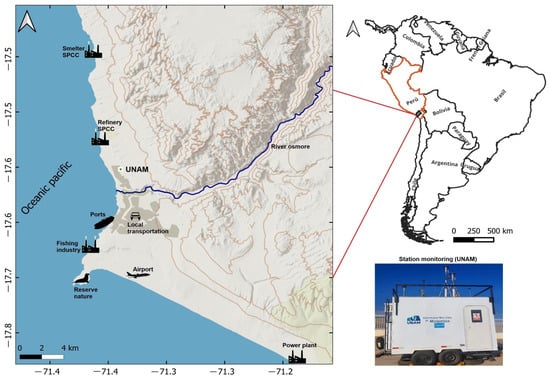
The COVID-19 pandemic created a natural experiment to assess air quality responses to emission reductions, yet evidence from Latin American coastal industrial cities remains scarce. This study examined how meteorological variability modulated the effects of COVID-19 restrictions on air quality in Ilo, a
[...] Read more.
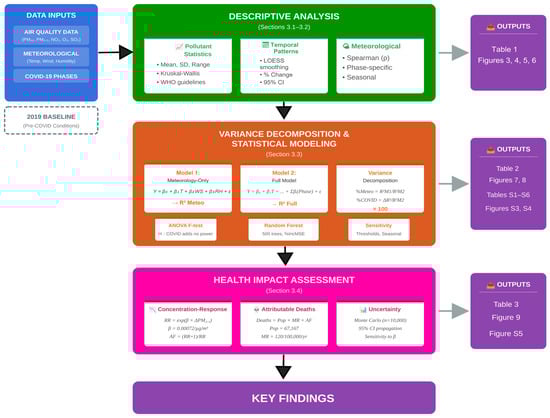
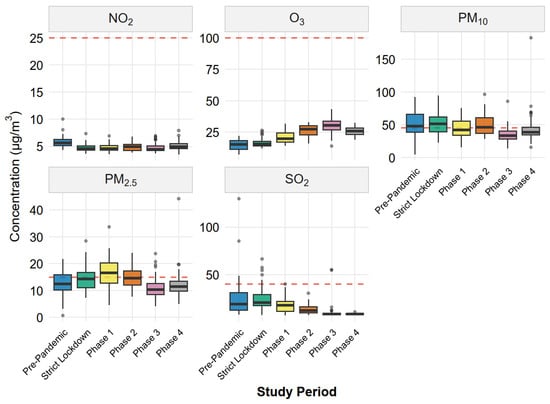
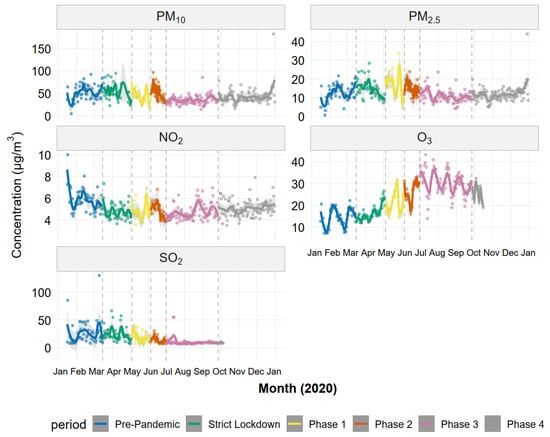
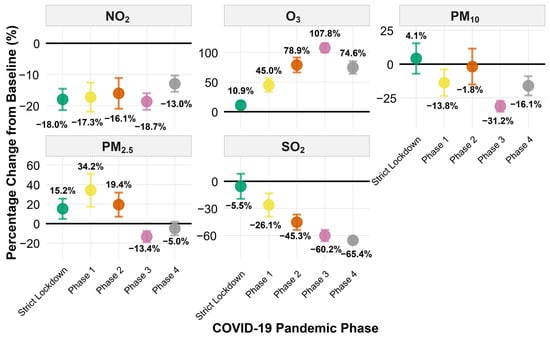
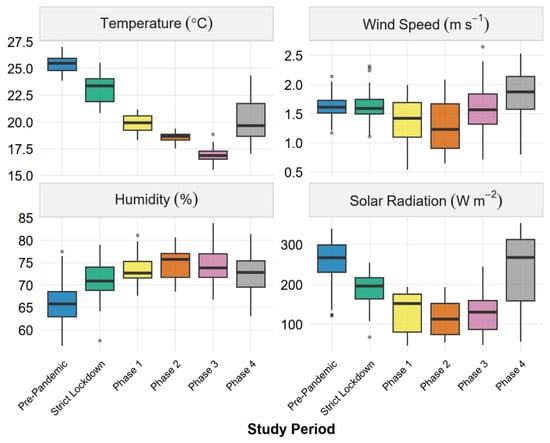
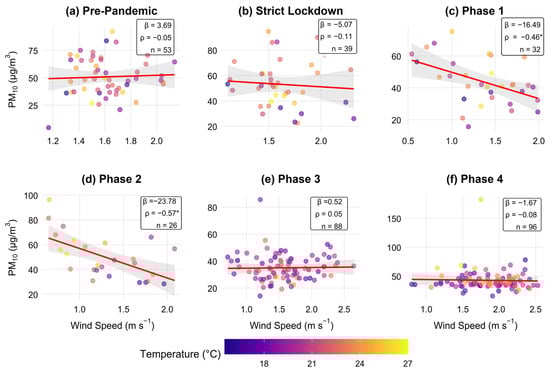
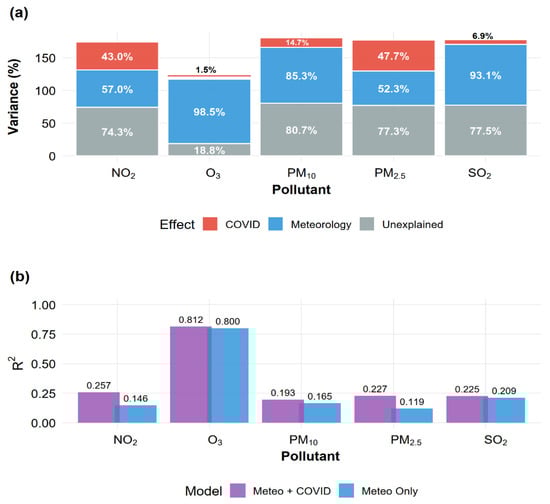
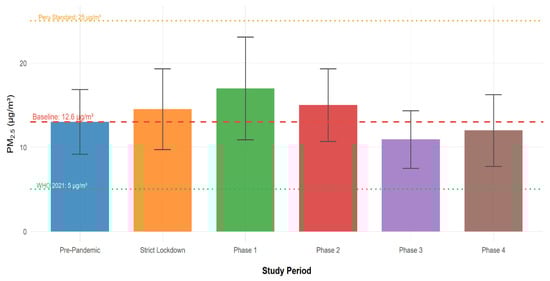
The COVID-19 pandemic created a natural experiment to assess air quality responses to emission reductions, yet evidence from Latin American coastal industrial cities remains scarce. This study examined how meteorological variability modulated the effects of COVID-19 restrictions on air quality in Ilo, a medium-sized coastal industrial city in southern Peru (~67,000 inhabitants). We analyzed daily concentrations of PM10, PM2.5, NO2, O3, and SO2 across six pandemic phases (January–December 2020) using multiple linear regression, variance decomposition, and Random Forest models. A health impact assessment translated PM2.5 changes into cardiovascular mortality estimates using Global Burden of Disease 2021 coefficients. Despite reduced anthropogenic activity, PM2.5 increased by 34% during early reopening (May–June: 16.9 vs. 12.6 µg/m3 baseline), whereas NO2 decreased consistently (13–19%), SO2 declined up to 65%, and O3 more than doubled (+108%) in austral winter. Variance decomposition revealed that O3 variability was almost entirely meteorology-driven (98%), while PM2.5 and NO2 showed balanced contributions from meteorology and restrictions (~50% each). The PM2.5 increase corresponded to approximately 3 additional cardiovascular deaths per 100,000 population annually. Coastal meteorology can counteract emission reductions, generating counterintuitive air quality responses and underscoring the need for meteorological normalization in policy evaluation.
Full article
(This article belongs to the Section Environmental Health)
►▼
Show Figures

Figure 1
Open AccessArticle
Teacher Well-Being and Burnout Resilience: Dimensional Independence, Pandemic Burden, and Profile Analysis in Primary Education
by
Sofia Christopoulou, Hera Antonopoulou, Raphael Zapantis, Evgenia Gkintoni and Constantinos Halkiopoulos
Int. J. Environ. Res. Public Health 2026, 23(2), 190; https://doi.org/10.3390/ijerph23020190 - 31 Jan 2026
Abstract
Background: Primary school teachers are experiencing unprecedented occupational stress due to technological demands, varied student needs, and the enduring psychological effects of the COVID-19 pandemic. Although burnout research is extensive globally, evidence regarding Greek primary educators remains scarce, particularly in post-pandemic contexts where
[...] Read more.
Background: Primary school teachers are experiencing unprecedented occupational stress due to technological demands, varied student needs, and the enduring psychological effects of the COVID-19 pandemic. Although burnout research is extensive globally, evidence regarding Greek primary educators remains scarce, particularly in post-pandemic contexts where Mediterranean cultural values, economic constraints, and centralized governance may yield unique patterns. Methods: This cross-sectional study examined professional burnout among 102 primary school teachers in Achaia prefecture, Greece, during autumn 2022. The Greek-validated Maslach Burnout Inventory-Educators Survey assessed emotional exhaustion, depersonalization, and personal accomplishment. The psychological impact of COVID-19 was evaluated alongside demographic and occupational factors. Analyses included descriptive statistics, nonparametric tests, correlation analyses, hierarchical clustering, and multiple regression models. Results: The sample exhibited mixed burnout profiles, with 42.2% indicating low emotional exhaustion (while 35.3% showed high levels) and 67.6% showing minimal depersonalization. Bivariate analysis revealed that the psychological burden of COVID-19 was significantly correlated with depersonalization (r = 0.339, p < 0.001) but not with emotional exhaustion (r = 0.078, ns) or personal achievement. However, multivariate regression controlling for demographic factors revealed a suppression effect: pandemic burden emerged as the strongest predictor of emotional exhaustion (β = 0.52, p < 0.001), while its association with depersonalization became non-significant. Cluster analysis identified four distinct profiles: Emotionally Strained (49.0%), Resilient (32.4%), Detached (15.7%), and At-Risk (2.9%). Gender significantly predicted emotional exhaustion (model R² = 0.136), while rural location and years of service predicted depersonalization (model R² = 0.225). Conclusions: Greek primary school teachers demonstrated remarkable resilience after the pandemic, maintaining professional effectiveness despite emotional challenges. The suppression effect observed for COVID-19 burden—significantly associated with depersonalization bivariately but with emotional exhaustion multivariately—highlights the importance of examining both direct and demographically mediated stress pathways. The dimensional independence observed, particularly personal achievement's resilience to external stressors, contests unified burnout models and indicates that targeted interventions addressing specific burnout dimensions may be more effective than holistic approaches.
Full article
(This article belongs to the Special Issue Psychosocial Impact in the Post-pandemic Era)
Open AccessSystematic Review
Effective Interventions to Prevent Breastfeeding-Related Nipple-Areolar Lesions: A Systematic Review
by
Ana Chagas, Fernanda Moura, Monise Bispo, Lays Medeiros, Isabelle Costa and Rhayssa Araújo
Int. J. Environ. Res. Public Health 2026, 23(2), 189; https://doi.org/10.3390/ijerph23020189 - 31 Jan 2026
Abstract
This study synthesizes the evidence on effective interventions for the prevention of breastfeeding-related nipple-areolar injuries. A systematic review was performed and guided by the evidence synthesis manual of the Joan Briggs Institute, carried out in six databases, with only intervention studies. Interventions with
[...] Read more.
This study synthesizes the evidence on effective interventions for the prevention of breastfeeding-related nipple-areolar injuries. A systematic review was performed and guided by the evidence synthesis manual of the Joan Briggs Institute, carried out in six databases, with only intervention studies. Interventions with a positive outcome for the prevention of nipple-areolar lesions were considered effective. Methodological quality was assessed by the Grading of Recommendations Assessment, Development and Evaluation. The final sample of 14 articles found the following to be effective strategies: educational practices (simulations and demonstrations of the breastfeeding technique, with a qualified professional or by video) and the use of peppermint (aqueous solution or gel), extra virgin olive oil, honey, guaiazulene ointment, and venix caseosa. Each intervention was used in specific situations and ways, which should be considered for use in clinical practice. The interventions discussed can help prevent nipple-areolar lesions and breastfeeding difficulties, encouraging breastfeeding.
Full article
Open AccessArticle
Metal Concentrations in Edible Leafy Vegetables and Their Potential Risk to Human Health
by
Elizabeth Kola, Linton F. Munyai, Caswell Munyai, Sydney Moyo, Farai Dondofema, Naicheng Wu and Tatenda Dalu
Int. J. Environ. Res. Public Health 2026, 23(2), 188; https://doi.org/10.3390/ijerph23020188 - 31 Jan 2026
Abstract
►▼
Show Figures
Leafy green vegetables provide important nutrients for human growth; however, human health is highly compromised through consumption of vegetables contaminated by heavy metals. Therefore, the study aimed to investigate the bioaccumulation of heavy metals in five different leafy green vegetables and soils and
[...] Read more.
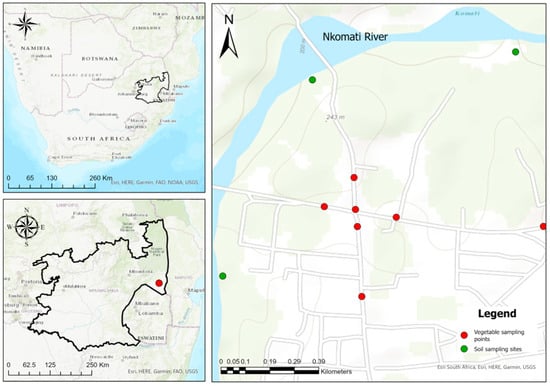
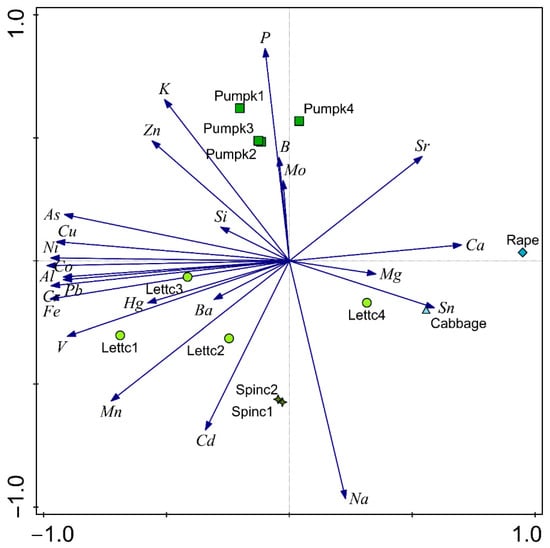
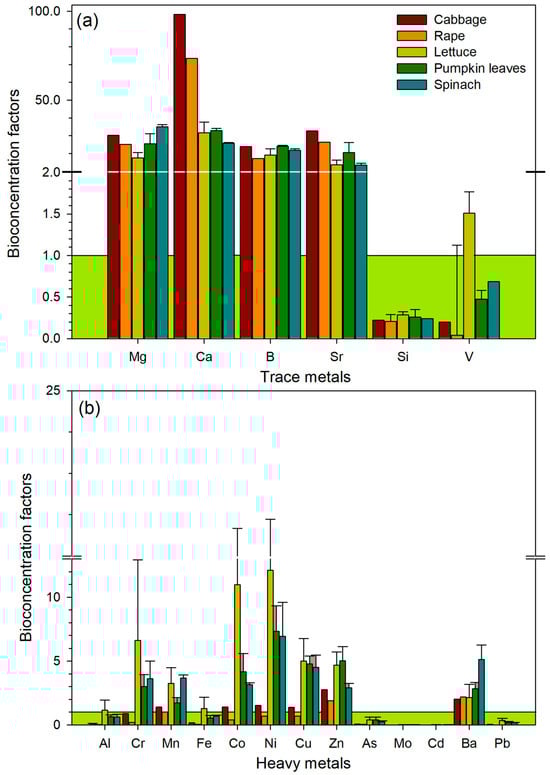
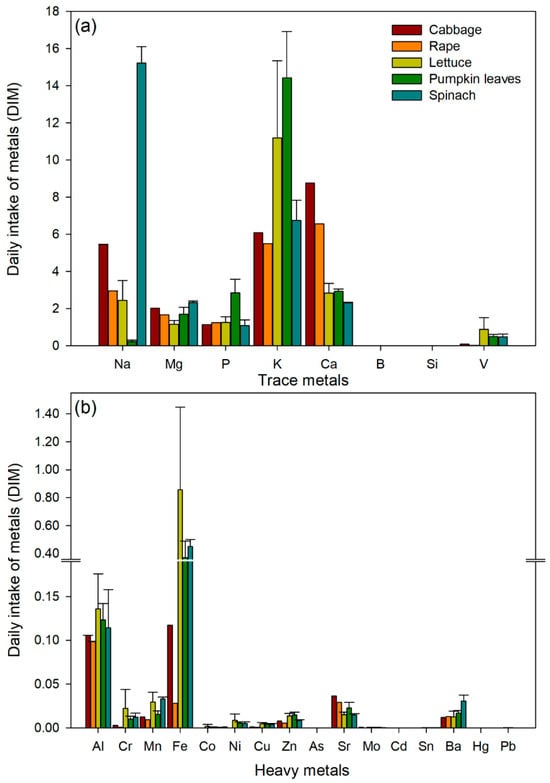
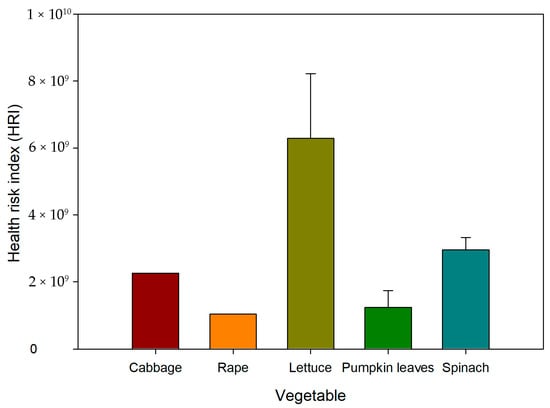
Leafy green vegetables provide important nutrients for human growth; however, human health is highly compromised through consumption of vegetables contaminated by heavy metals. Therefore, the study aimed to investigate the bioaccumulation of heavy metals in five different leafy green vegetables and soils and determine the human health risks that may arise from consuming those vegetables from Tonga town in Mpumalanga province, South Africa. Soils and five edible leafy vegetables (i.e., lettuce, cabbage, rape, pumpkin leaves, and spinach) were assessed for bio-concentration factor, daily intake of metals, health risk, and target hazard quotient across the study sites. The Si, K, Na, Ca, Mg, Al, and Fe concentrations were high in the soils. In general, vegetables exhibited elevated Ca, Fe, Si, Al, and Sr levels, although spinach had high Na concentrations. The bioconcentration factor showed the following trends: Mg > B > Si > V for trace metals and Cr > Co > Mn > Ni > B for heavy metals in lettuce, spinach, and pumpkin leaves. The human risk index for all vegetables showed that all metals were not likely to induce any health hazards to humans, and the target hazard quotient for B, Si, V, Al, Cr, Mn, Fe, Ni, Zn, and Pb showed potential for substantial health risk hazard. The findings of this study generally reveal that the concentrations of the analysed metals exceeded the permissible limits established by the World Health Organisation and the Food and Agricultural Organisation. Given the high levels of metals detected in the soil and vegetables within the study area, it is important to investigate the potential implications for human health and mitigate both acute and chronic health challenges associated with heavy metal exposure. Furthermore, this study will guide policymakers in developing improved regulations and safety standards for agricultural practices and environmental protection, particularly for vulnerable peri-urban and rural communities.
Full article

Figure 1
Open AccessArticle
Silent Scars in the Water–Energy–Food Nexus: How Resource Insecurity Shapes Women’s Mental and Reproductive Health in South Africa
by
Lucy Khofi, Blessings Nyasilia Kaunda-Khangamwa, Andisiwe Maxela, Emily Ragus and Sylvester Mpandeli
Int. J. Environ. Res. Public Health 2026, 23(2), 187; https://doi.org/10.3390/ijerph23020187 - 31 Jan 2026
Abstract
Women in resource-scarce communities navigate daily scarcity, structural neglect, and gendered violence, leaving profound but often invisible impacts on mental and reproductive health. Women play an active role in the Water–Energy–Food (WEF) space; they provide water, food, and household security daily. This study
[...] Read more.
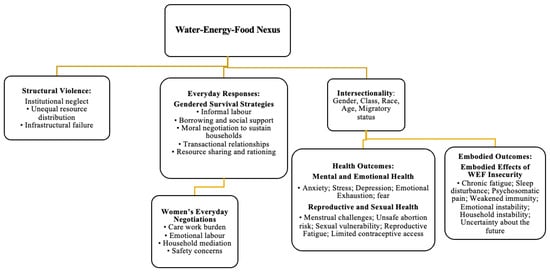
Women in resource-scarce communities navigate daily scarcity, structural neglect, and gendered violence, leaving profound but often invisible impacts on mental and reproductive health. Women play an active role in the Water–Energy–Food (WEF) space; they provide water, food, and household security daily. This study investigates how chronic deprivation across the WEF nexus shapes experiences of psychological distress, reproductive vulnerability, and social marginalization in South African settings: Lorentzville, a migrant urban informal settlement, and Mqanduli, a peri-urban Eastern Cape community. Using ethnographic methods, including in-depth interviews, focus group discussions, and participatory observation, and an analytical framework combining structural violence and feminist political ecology, we show that insecurity over water, energy, and food constrains reproductive autonomy, amplifies self-reported symptoms of anxiety and depression, and drives coping and adaptation strategies such as informal work, transactional sex, and fragile social support networks. These strategies, while mitigating immediate risks, cannot fully offset systemic harms. By foregrounding women’s lived experiences, this study extends the WEF nexus framework to include embodied, emotional, and reproductive dimensions, linking historical legacies of colonial and apartheid neglect to contemporary inequities. The findings offer critical insights for integrated health, social, and resource policy interventions that center on gender, care, and justice within environmental, wellbeing, and livelihood.
Full article
(This article belongs to the Special Issue Silent Scars: Violence, Trauma and the Health Equity of Women and Children)
►▼
Show Figures

Figure 1
Open AccessArticle
Menopausal Symptoms, Perceived Workplace Openness and Work Productivity Among Japanese Women: Baseline Findings from a Large-Scale Cohort Study
by
Makiko Arima, Yoshikuni Edagawa, Kohta Suzuki, Chikako Kawahara, Nahoko Shirato, Yoshie Miwa and Miki Izumi
Int. J. Environ. Res. Public Health 2026, 23(2), 186; https://doi.org/10.3390/ijerph23020186 - 31 Jan 2026
Abstract
►▼
Show Figures
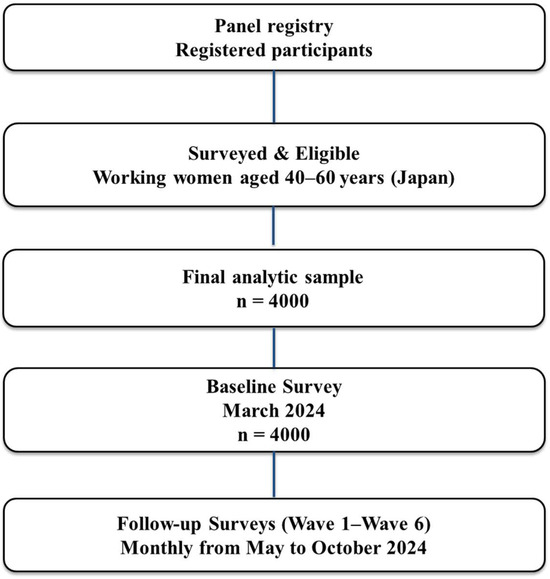
This study analyzed baseline data from a six-month longitudinal cohort to describe the demographic, occupational, and symptom profiles of Japanese working women and to examine associations between menopausal symptoms, workplace openness, and work productivity. A total of 4000 women aged 40–60 years completed
[...] Read more.
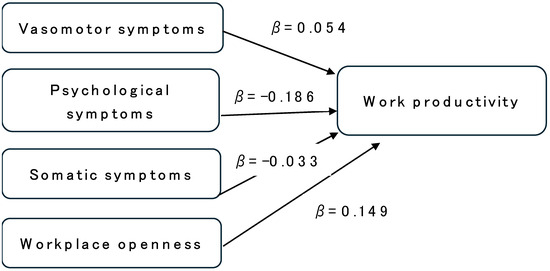
This study analyzed baseline data from a six-month longitudinal cohort to describe the demographic, occupational, and symptom profiles of Japanese working women and to examine associations between menopausal symptoms, workplace openness, and work productivity. A total of 4000 women aged 40–60 years completed the Simplified Menopause Index (SMI), a commonly used measure in Japan to assess menopausal symptoms, and the validated Health and Work Performance Questionnaire (HPQ) to assess self-rated work productivity. Multiple regression analyses were conducted, adjusting for demographic and occupational covariates. Psychological symptoms showed the strongest negative association with work productivity (β = −0.186, p < 0.001), while vasomotor symptoms showed a small positive coefficient (β = 0.054, p = 0.007). Somatic symptoms were not significant (β = −0.033, p = 0.121). Lower perceived workplace openness was associated with lower productivity (β = −0.149, p < 0.001), such that employees who felt uncomfortable or unsure about discussing health concerns reported lower productivity. Higher educational attainment, longer working hours, and longer years of service were also associated with higher productivity. These findings indicate that psychological and physical symptoms are associated with lower work functioning during midlife, while supportive organizational environments appear to be relevant in this context. These cross-sectional findings provide a foundation for future longitudinal analyses and highlight the potential relevance of workplaces that promote open health communication.
Full article

Figure 1
Open AccessArticle
The Association Between HIV Testing Modality and Antiretroviral Therapy Initiation Among Men Who Have Sex with Men in Selected Provinces of South Africa
by
Betty Sebati and Anthony Brown
Int. J. Environ. Res. Public Health 2026, 23(2), 185; https://doi.org/10.3390/ijerph23020185 - 31 Jan 2026
Abstract
Despite South Africa being the epicentre of HIV, some progress was made in the fight against HIV, i.e., the implementation of HIV programmes, provision of antiretroviral therapy (ART), etc. However, little is known about the association between HIV testing modalities and ART initiation.
[...] Read more.
Despite South Africa being the epicentre of HIV, some progress was made in the fight against HIV, i.e., the implementation of HIV programmes, provision of antiretroviral therapy (ART), etc. However, little is known about the association between HIV testing modalities and ART initiation. This study aimed to determine the association between HIV testing modalities and ART initiation among men who have sex with men (MSM) in selected provinces of South Africa. Following a retrospective cohort design, this study analysed programme data on 3345 MSM aged 16 years and older who were living with HIV and eligible for ART initiation. Logistic regression assessed the association between HIV testing modalities and ART initiation, controlling for age group, location, and the COVID-19 period. All analyses were done using SPSS version 30. Significance was set at p < 0.05. Participants who tested for HIV using the social network strategy (SNS) (98.6%) or index testing (96.3%) showed the highest proportions of ART initiation. Logistic regression showed that MSM who tested for HIV using the SNS had over 12 times higher odds of initiating ART (aOR = 12.166; 95% CI: 7.617–19.430; p < 0.001), compared to those who used a rapid test. A significant association was observed between HIV testing modalities and ART initiation, with SNS and index testing demonstrating higher odds of ART initiation.
Full article
(This article belongs to the Special Issue Progress Toward the UNAIDS 95-95-95 Targets for HIV Care Cascade)
Open AccessArticle
Occupational Cancer Mortality Trends in Brazil, 1990–2023
by
Louise Moura de Rezende, Cristiane de Oliveira Novaes, Clara Soares Rosas, Lara Barbosa de Souza Moura Canas Lara, Vitor Augusto de Oliveira Fonseca and Raphael Mendonça Guimarães
Int. J. Environ. Res. Public Health 2026, 23(2), 184; https://doi.org/10.3390/ijerph23020184 - 31 Jan 2026
Abstract
Objective: This study analyzes temporal trends in occupational cancer mortality in Brazil and its federative units from 1990 to 2023, focusing on regional and gender disparities. Methods: We conducted an ecological time-series analysis using data from the Global Burden of Disease (GBD) database.
[...] Read more.
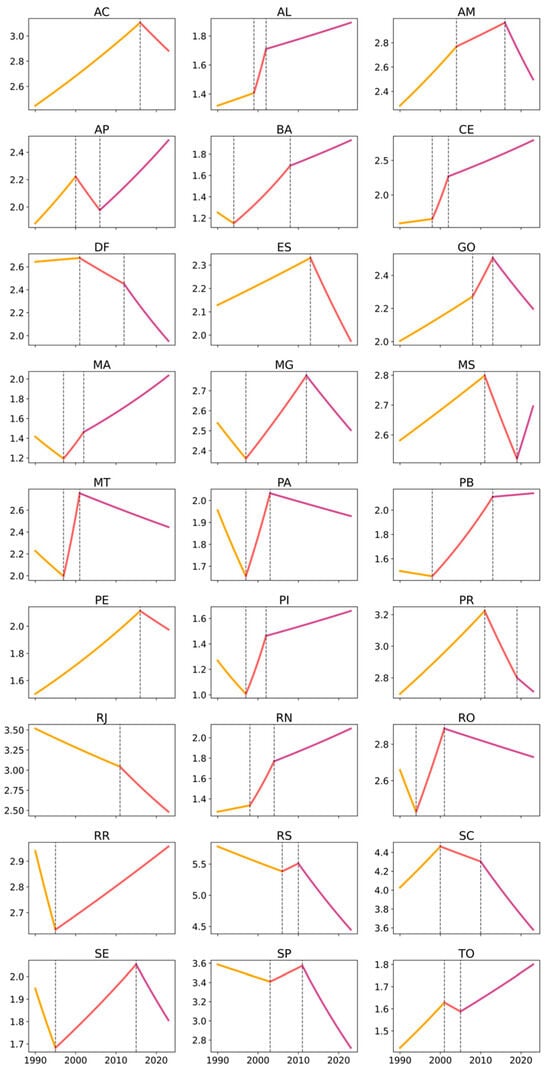
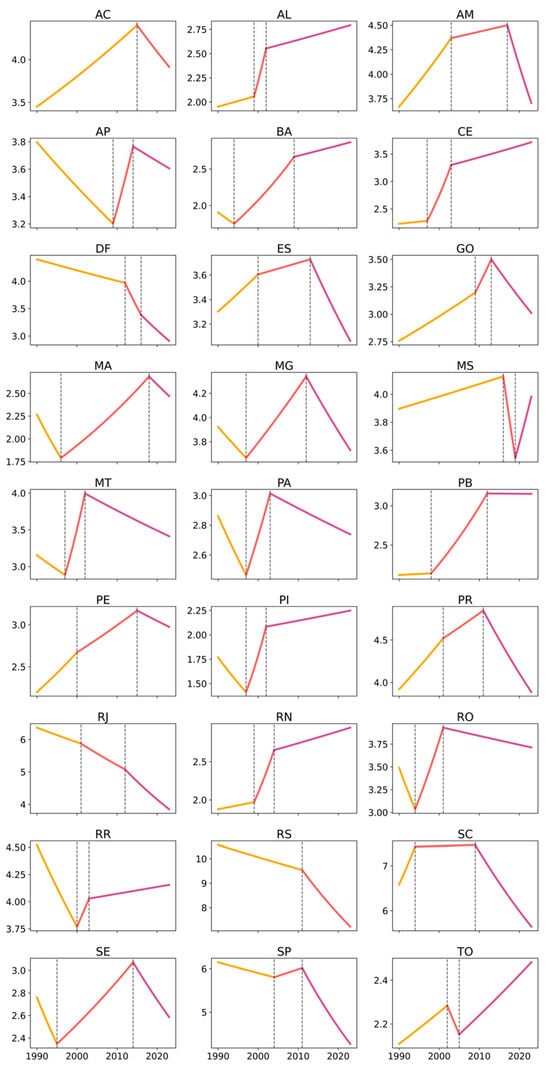
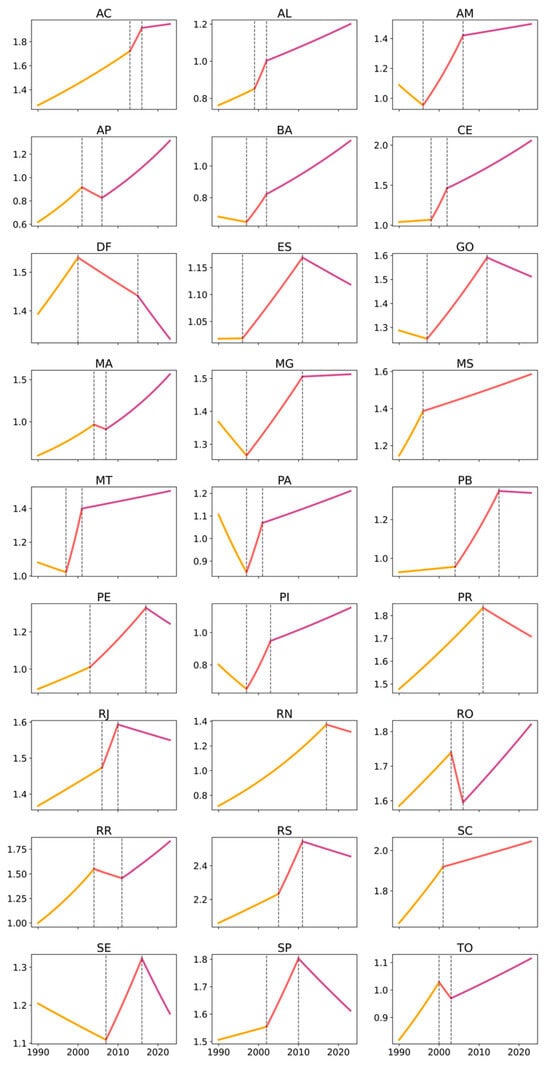
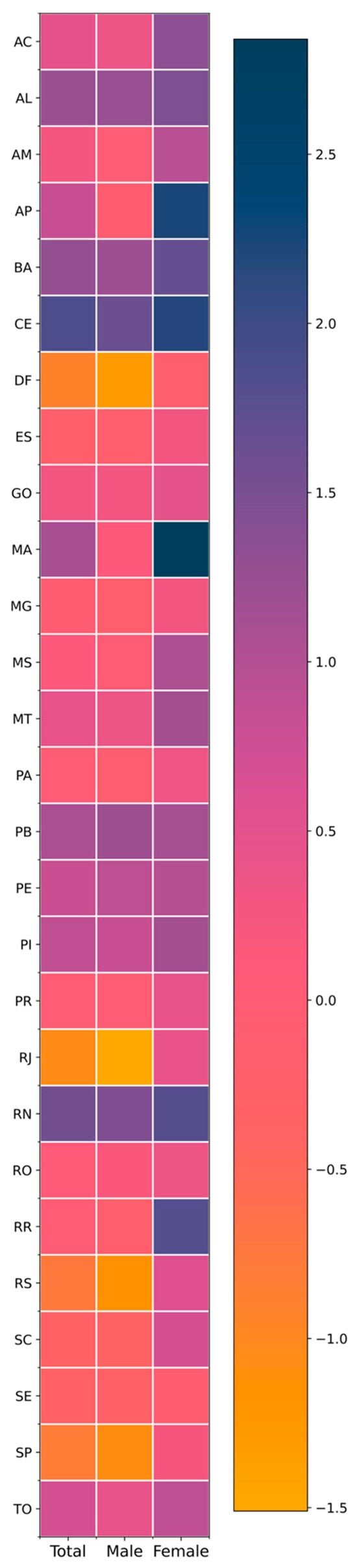
Objective: This study analyzes temporal trends in occupational cancer mortality in Brazil and its federative units from 1990 to 2023, focusing on regional and gender disparities. Methods: We conducted an ecological time-series analysis using data from the Global Burden of Disease (GBD) database. We included deaths from malignant neoplasms attributable to occupational exposures and calculated age-standardized mortality rates. We applied segmented regression with the Joinpoint Regression Program (version 5.4) to estimate the Annual Percent Change (APC) and Average Annual Percent Change (AAPC) for Brazil and its states, stratified by sex. Results: Occupational cancer mortality declined nationally (AAPC = −1.08; 95% CI: −1.37 to −0.85), with a more substantial decrease among men. Marked regional differences emerged: the South, Southeast, and Midwest regions showed consistent declines, while several states in the North and Northeast exhibited stable or rising rates, especially among women. Part of the observed recent decline coincided with the COVID-19 pandemic (2019–2023), suggesting potential underdiagnosis or underreporting. Conclusion: Brazil has experienced a national decline in occupational cancer mortality; however, regional and gender inequalities persist. Territorial, economic, and occupational contexts shape these differences. Strengthening surveillance systems, updating exposure registries, and developing policies sensitive to regional and gender disparities may contribute to improving occupational cancer prevention and control.
Full article
(This article belongs to the Section Global Health)
►▼
Show Figures

Figure 1
Open AccessArticle
Trends and Factors Associated with the Non-Use of Formal Health Services in Peru, 2015–2024
by
Miguel A. Arce-Huamani, Gustavo A. Caceres-Cuellar, Anyela Y. Guevara-Paz, Williams Carrascal-Astola, Maritza M. Ortiz-Arica and J. Smith Torres-Roman
Int. J. Environ. Res. Public Health 2026, 23(2), 183; https://doi.org/10.3390/ijerph23020183 - 31 Jan 2026
Abstract
►▼
Show Figures
Background/Objectives: Effective use of health services is essential for universal health coverage, yet many adults in Peru still forgo formal care despite illness. Evidence describing national trends and determinants of non-use of formal health services remains limited. This study aimed to estimate national
[...] Read more.
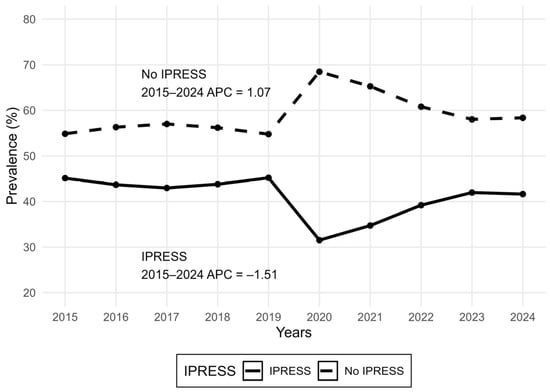
Background/Objectives: Effective use of health services is essential for universal health coverage, yet many adults in Peru still forgo formal care despite illness. Evidence describing national trends and determinants of non-use of formal health services remains limited. This study aimed to estimate national trends from 2015 to 2024 and identify factors associated with non-use among Peruvian adults. Methods: We conducted a repeated cross-sectional analysis of annual secondary microdata from the Peruvian National Household Survey (ENAHO, 2015–2024). Adults aged ≥ 18 years who reported a health problem in the last four weeks were included. Non-use was defined as not seeking care at any public or private provider (IPRESS). Survey-weighted descriptive analyses and modified Poisson regression models estimated prevalence ratios (PRs) with 95% confidence intervals, adjusting for sex, age, education, marital status, health insurance, chronic illness, disability, area, and region. Results: Among 330,165 adults, 41.5% did not use formal health services. Non-use declined until 2019, rose sharply during 2020–2021, and partially recovered thereafter. In adjusted models, non-use was lower among women (PR = 0.92; 95% CI 0.91–0.93), those with higher education (PR = 0.88; 0.86–0.90), and participants insured by EsSalud (PR = 0.65) or SIS (PR = 0.76). It was higher in the Highlands (PR = 1.07) and lower in Metropolitan Lima (PR = 0.88). Conclusions: Non-use of formal health services in Peru remains high and unequal. Expanding effective coverage, strengthening primary care, and improving health literacy are essential to achieve equitable access.
Full article

Figure 1
Open AccessArticle
Household and Environmental Determinants Influencing Atopic Dermatitis Among Young Rural Children in the Ehlanzeni District Municipality
by
Thokozani P. Mbonane
Int. J. Environ. Res. Public Health 2026, 23(2), 182; https://doi.org/10.3390/ijerph23020182 - 31 Jan 2026
Abstract
►▼
Show Figures
Background: This study aimed to determine the prevalence of atopic dermatitis (AD), as well as the determinants that contribute to its development, particularly household and environmental determinants, in young children residing in a rural area in South Africa. There is a lack of
[...] Read more.
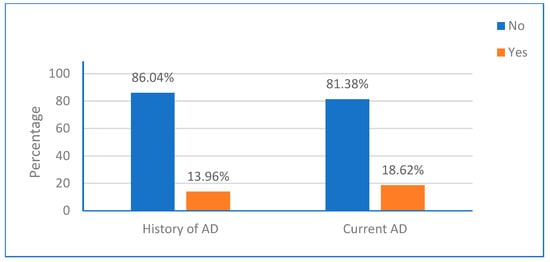
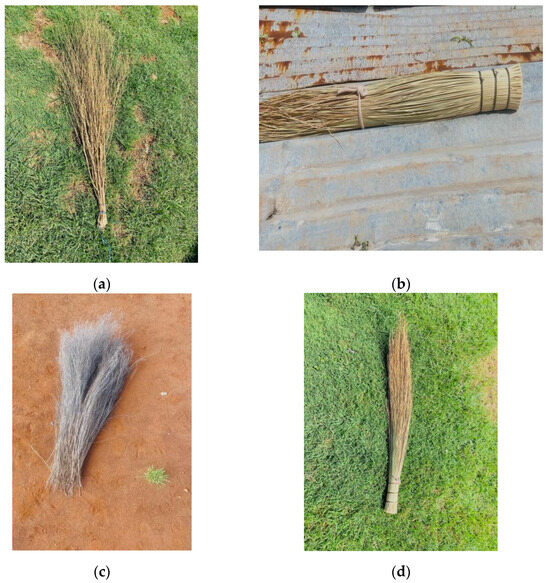
Background: This study aimed to determine the prevalence of atopic dermatitis (AD), as well as the determinants that contribute to its development, particularly household and environmental determinants, in young children residing in a rural area in South Africa. There is a lack of scientific evidence regarding the determinants, particularly environmental factors, of AD among children living in rural areas. Therefore, this study aimed to identify the household and environmental determinants influencing atopic dermatitis in young rural children in the Ehlanzeni District Municipality. Methods: A cross-sectional analytical study was conducted, wherein mothers/caregivers and their children were purposefully recruited as participants. Data collection involved the utilization of an adapted version of the International Study of Asthma and Allergies in Childhood questionnaire (ISAAC), which was then analyzed using Stata MP version 18. Result: The study included a total of 881 mothers/caregivers, with a majority of the child participants being boys (n = 477, 54.14%). The prevalence rates of historical and current AD were found to be 13.96% and 18.62%, respectively. Natural birth was found to be a protective factor for both history (Adjusted Odds Ratio [AOR]: 0.094; p < 0.001) and current (AOR: 0.261: <0.001) AD. The use of a traditional broom for sweeping the floor, exposure to household environmental tobacco smoking, and residing in a household that has ongoing renovations were associated with both history and current AD. Conclusions: These findings demonstrate that the prevalence of AD in rural areas is high among children. Consequently, there is a need to provide primary health care services, particularly for skin diseases, which are currently limited in rural areas. Additionally, environmental health services could play a crucial role in the management and control (especially proactive programs such as educational campaigns) of AD and similar conditions in rural areas.
Full article

Figure 1
Open AccessArticle
Where Inequities Emerge: Racial and Ethnic Differences Across the COVID-19 Hospitalization Continuum
by
Shaminul H. Shakib, Michael Goldsby, Seyed M. Karimi, Farzana Siddique, Farah N. Kanwal and Bert B. Little
Int. J. Environ. Res. Public Health 2026, 23(2), 181; https://doi.org/10.3390/ijerph23020181 - 31 Jan 2026
Abstract
►▼
Show Figures
COVID-19 exposed longstanding racial and ethnic inequities among underserved populations. This retrospective cohort study examined inequities across stages of the hospitalization continuum—from COVID-19 diagnosis at admission to in-hospital mortality, including mortality patterns among COVID-19 hospitalizations—among Medicaid beneficiaries in Kentucky during 2020–2021. Statewide hospitalizations
[...] Read more.
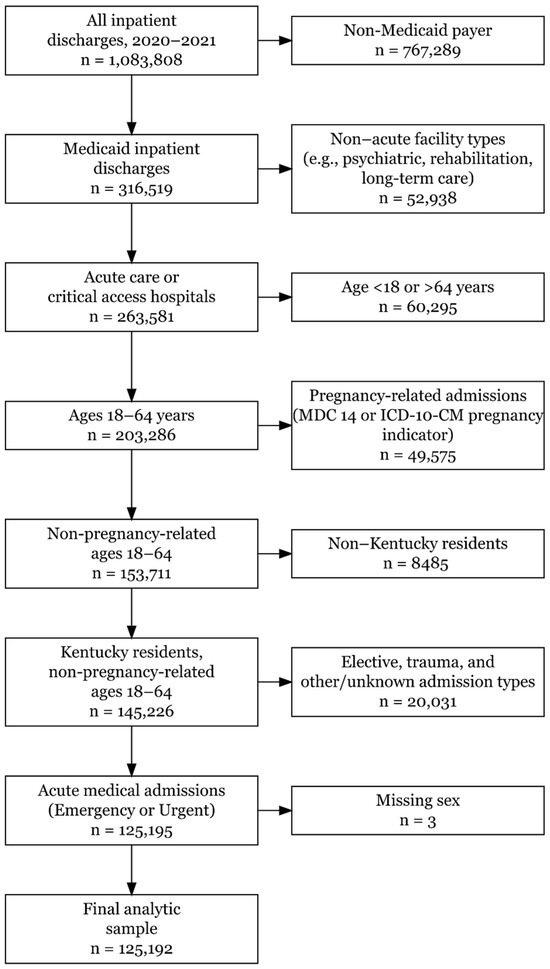
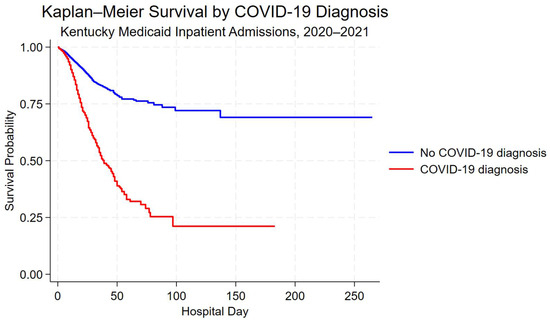
COVID-19 exposed longstanding racial and ethnic inequities among underserved populations. This retrospective cohort study examined inequities across stages of the hospitalization continuum—from COVID-19 diagnosis at admission to in-hospital mortality, including mortality patterns among COVID-19 hospitalizations—among Medicaid beneficiaries in Kentucky during 2020–2021. Statewide hospitalizations were analyzed using multivariable regression models, with propensity score matching (PSM) used as a confirmatory approach. Non-Hispanic Black patients were more likely than non-Hispanic White patients to be hospitalized with COVID-19 (adjusted odds ratio [aOR] = 1.41; 95% confidence interval [CI] = 1.26–1.59). Across the full cohort, COVID-19 hospitalizations were associated with substantially higher in-hospital mortality compared with non-COVID-19 hospitalizations (adjusted hazard ratio [aHR] = 2.38; 95% CI = 2.09–2.70). Additionally, hospitalizations among non-Hispanic Black patients had a modestly lower hazard of in-hospital mortality compared with non-Hispanic White patients (aHR = 0.81; 95% CI = 0.70–0.94). However, in analyses restricted to COVID-19 hospitalizations, adjusted estimates showed no Black–White differences in in-hospital mortality, with consistent findings from PSM analyses. These results indicate that racial inequities were more pronounced at hospital admission than during inpatient care, underscoring the importance of prevention, early diagnosis, and timely outpatient care as COVID-19 enters an endemic phase.
Full article

Figure 1
Journal Menu
► ▼ Journal Menu-
- IJERPH Home
- Aims & Scope
- Editorial Board
- Reviewer Board
- Topical Advisory Panel
- Instructions for Authors
- Special Issues
- Topics
- Sections & Collections
- Article Processing Charge
- Indexing & Archiving
- Editor’s Choice Articles
- Most Cited & Viewed
- Journal Statistics
- Journal History
- Journal Awards
- Society Collaborations
- Conferences
- Editorial Office
Journal Browser
► ▼ Journal Browser-
arrow_forward_ios
Forthcoming issue
arrow_forward_ios Current issue - Vol. 23 (2026)
- Vol. 22 (2025)
- Vol. 21 (2024)
- Vol. 20 (2023)
- Vol. 19 (2022)
- Vol. 18 (2021)
- Vol. 17 (2020)
- Vol. 16 (2019)
- Vol. 15 (2018)
- Vol. 14 (2017)
- Vol. 13 (2016)
- Vol. 12 (2015)
- Vol. 11 (2014)
- Vol. 10 (2013)
- Vol. 9 (2012)
- Vol. 8 (2011)
- Vol. 7 (2010)
- Vol. 6 (2009)
- Vol. 5 (2008)
- Vol. 4 (2007)
- Vol. 3 (2006)
- Vol. 2 (2005)
- Vol. 1 (2004)
Highly Accessed Articles
Latest Books
E-Mail Alert
News
Topics
Topic in
Brain Sciences, IJERPH, JAL, Nursing Reports, Nutrients, Healthcare
Healthy, Safe and Active Aging, 2nd EditionTopic Editors: Antonella Lopez, Andrea Bosco, Alessandro Oronzo Caffò, Elisabetta Ricciardi, Giuseppina Spano, Luigi TinellaDeadline: 28 February 2026
Topic in
Clean Technol., IJERPH, Membranes, Microorganisms, Water, Separations
Sustainable Development of Clean Water and Sanitation
Topic Editors: Rajendra Prasad Singh, Chris Zevenbergen, Dafang FuDeadline: 15 March 2026
Topic in
Applied Sciences, Toxics, IJERPH, Biology, Cancers, Radiation
Disease Risks from Environmental Radiological Exposure
Topic Editors: Valentina Venuti, Francesco CaridiDeadline: 1 April 2026
Topic in
Beverages, Dairy, Foods, IJERPH, Nutrients
Ways to Achieve Healthy and Sustainable Diets
Topic Editors: Verônica Cortez Ginani, Renata Puppin ZandonadiDeadline: 18 April 2026
Conferences
Special Issues
Special Issue in
IJERPH
Research on Global Health Economics and Policy
Guest Editors: Abayomi Oyekale, Thonaeng MolelekoaDeadline: 20 February 2026
Special Issue in
IJERPH
Health Behaviors and Mental Health Among College Students
Guest Editors: Isabella Giulia Franzoi, Gloria GuidettiDeadline: 27 February 2026
Special Issue in
IJERPH
The Effects of Extreme Temperature, Pollution, and Climate Change on Human Health
Guest Editor: Dante Roger Culqui LévanoDeadline: 28 February 2026
Special Issue in
IJERPH
Exercise in Living Environments: A Healthy Lifestyle
Guest Editor: Yongsuk SeoDeadline: 28 February 2026
Topical Collections
Topical Collection in
IJERPH
Health Behaviors, Risk Factors, NCDs and Health Promotion
Collection Editor: Stefano Campostrini
Topical Collection in
IJERPH
2nd Edition of Achieving Environmental Health Equity: Great Expectations
Collection Editors: Timothy E. Ford, Margaret J. Eggers