Journal Description
Gastrointestinal Disorders
is an international, open access, peer-reviewed journal on gastroenterology, published quarterly online by MDPI. The Robotic Global Surgical Society (TROGSS) is affiliated with Gastrointestinal Disorders and its members receive discounts on the article processing charges.
- Open Access— free for readers, with article processing charges (APC) paid by authors or their institutions; authors retain copyright.
- High Visibility: indexed within Scopus, ESCI (Web of Science), FSTA, and other databases.
- Journal Rank: CiteScore - Q2 (Immunology and Microbiology (miscellaneous))
- Rapid Publication: manuscripts are peer-reviewed and a first decision is provided to authors approximately 22.2 days after submission; acceptance to publication is undertaken in 3.4 days (median values for papers published in this journal in the second half of 2025).
- Recognition of Reviewers: reviewers who provide timely, thorough peer-review reports receive vouchers entitling them to a discount on the APC of their next publication in any MDPI journal, in appreciation of the work done.
- Reliable service: rigorous peer review and professional production.
Impact Factor:
0.8 (2024)
Latest Articles
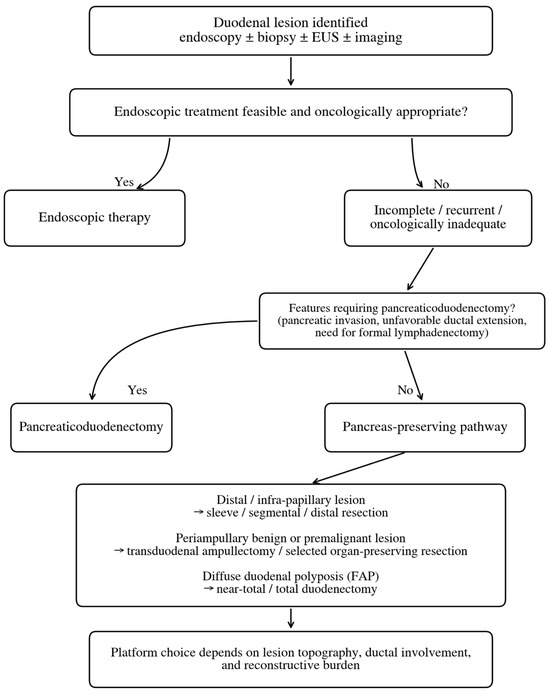
Minimally Invasive Pancreas-Preserving Duodenal Resections: Indications, Technical Strategies, and Outcomes
Gastrointest. Disord. 2026, 8(2), 25; https://doi.org/10.3390/gidisord8020025 - 18 May 2026
Abstract
Minimally invasive pancreas-preserving duodenal resection (MIPPDR) encompasses laparoscopic, robotic, and intentionally hybrid duodenal resections performed without pancreatic parenchymal excision, ranging from transduodenal local excision or ampullectomy to sleeve, segmental, subtotal, near-total, and total duodenectomy. This targeted narrative review was designed to provide a
[...] Read more.
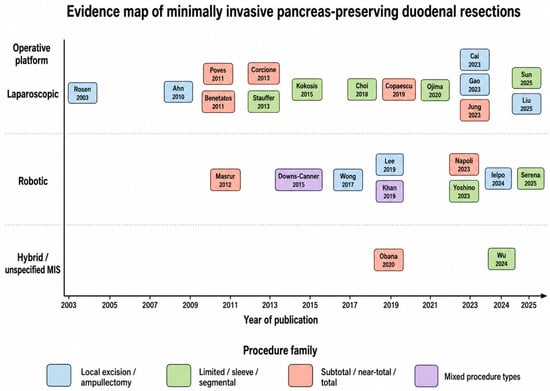
Minimally invasive pancreas-preserving duodenal resection (MIPPDR) encompasses laparoscopic, robotic, and intentionally hybrid duodenal resections performed without pancreatic parenchymal excision, ranging from transduodenal local excision or ampullectomy to sleeve, segmental, subtotal, near-total, and total duodenectomy. This targeted narrative review was designed to provide a clinically oriented synthesis of the available literature on indications, operative strategies, platform selection, reconstruction, perioperative outcomes, oncological adequacy, and functional considerations. A structured literature search was performed in PubMed/MEDLINE, Scopus, and Web of Science up to March 2026. The review focused on minimally invasive or intentionally hybrid pancreas-preserving duodenal resections reporting operative technique, perioperative outcomes, oncological outcomes, or functional sequelae. The minimally invasive literature consisted predominantly of case reports, technical notes, video articles, and small retrospective series, with substantial heterogeneity in lesion type, anatomical location, procedure extent, reconstruction, and outcome reporting. Laparoscopy appeared most reproducible for distal, infra-papillary, and limited resections with relatively low reconstructive burden, whereas robotics appeared to offer specific technical advantages for periampullary dissection, ductal identification, and intracorporeal reconstruction. However, the available evidence was insufficient to define firm comparative indications between platforms or to demonstrate superiority of one minimally invasive approach over another. Functional outcomes, despite their central relevance to the rationale of pancreas preservation, were poorly standardized and inconsistently reported. MIPPDR was therefore interpreted as a selective pancreas-preserving strategy positioned between advanced endoscopic therapy and pancreaticoduodenectomy. Future studies should adopt anatomy-based reporting, distinguish ampullary, periampullary, and distal duodenal disease, and include standardized functional endpoints.
Full article
(This article belongs to the Special Issue Minimally Invasive Surgery for Upper Gastrointestinal Tract Diseases: New Trends and Future Perspectives)
►
Show Figures
Open AccessReview
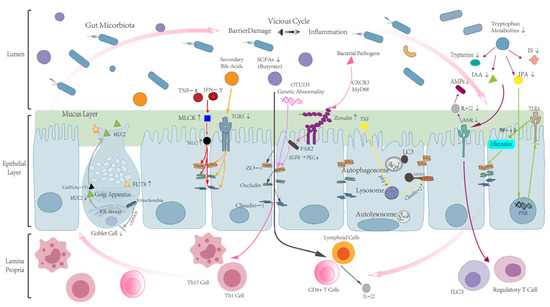
Intestinal Barrier: Mechanisms of Disruption and Strategies for Restoration in Ulcerative Colitis
by
Mei-Na Wang, Chuan-Guo Liu, Jia Pan, Xiao-Gang Pang and Hui-Min Liu
Gastrointest. Disord. 2026, 8(2), 24; https://doi.org/10.3390/gidisord8020024 - 17 May 2026
Abstract
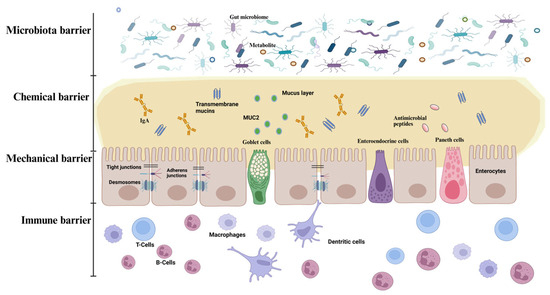
Background: Ulcerative colitis (UC) is a chronic relapsing inflammatory bowel disease. Intestinal barrier impairment represents a core pathogenic mechanism and a key therapeutic target for achieving mucosal healing and sustained remission. Methods: This narrative review summarizes intestinal barrier structure, disruption mechanisms,
[...] Read more.
Background: Ulcerative colitis (UC) is a chronic relapsing inflammatory bowel disease. Intestinal barrier impairment represents a core pathogenic mechanism and a key therapeutic target for achieving mucosal healing and sustained remission. Methods: This narrative review summarizes intestinal barrier structure, disruption mechanisms, barrier-targeted therapies, and non-invasive monitoring approaches. A reproducible literature search was conducted in PubMed, Web of Science, and ClinicalTrials.gov from 2015 to 2026. Results: Barrier disruption in UC involves genetic susceptibility, proinflammatory cytokines, zonulin-mediated tight junction injury, gut microbiota dysbiosis, decreased short-chain fatty acids and secondary bile acids, impaired autophagy, and an abnormal mucin 2 (MUC2)-dependent mucus layer. Validated non-invasive monitoring tools include fecal calprotectin/lactoferrin, intestinal ultrasound, diffusion-weighted magnetic resonance imaging (MRI), and intravoxel incoherent motion (IVIM). Emerging therapies focus on tight junction stabilization, epithelial regeneration, autophagy regulation, MUC2 restoration, and microbiota modulation. Conclusions: Intestinal barrier dysfunction drives the initiation and progression of UC. Barrier-based monitoring and targeted repair strategies improve UC management. Future studies should develop personalized therapies, precise microbiota engineering, and multi-dimensional digital evaluation systems.
Full article
(This article belongs to the Topic Advances in Comprehensive Management Strategies for Inflammatory Bowel Disease)
►▼
Show Figures

Figure 1
Open AccessSystematic Review
Artificial Intelligence in Helicobacter Pylori Infection: Diagnostic Applications and Emerging Treatment-Related Predictive Uses—A Systematic Review
by
Esteban Zavaleta-Monestel, Yennifer Villagra-Hernandez, Jeaustin Mora-Jiménez, Jorge Arturo Villalobos-Madriz, Carolina Rojas-Chinchilla, José Andrés Castro-Gamboa, Luis Guillermo Herrera-Jiménez, Sebastián Arguedas-Chacón and Christian Campos-Núñez
Gastrointest. Disord. 2026, 8(2), 23; https://doi.org/10.3390/gidisord8020023 - 16 May 2026
Abstract
►▼
Show Figures
Background: Artificial intelligence (AI) has shown growing potential in the diagnosis of H. pylori infection, particularly through automated analysis of endoscopic images. Emerging studies have also explored treatment-related predictive applications, although this evidence remains limited. The aim of this systematic review was to
[...] Read more.
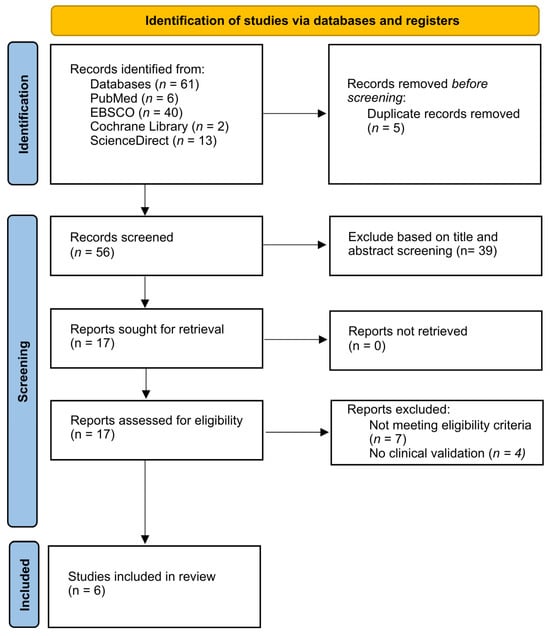
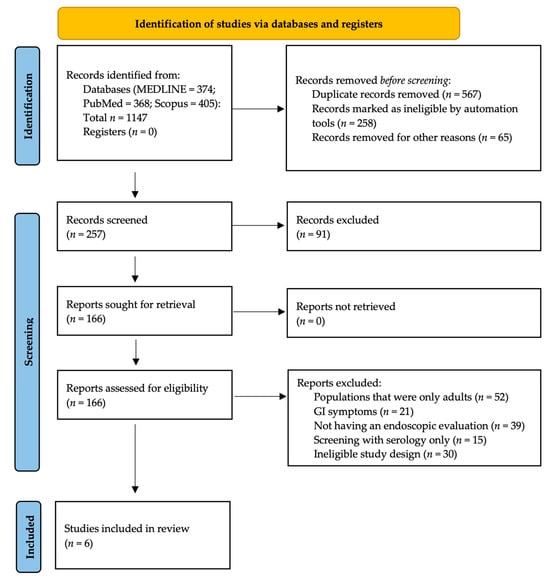
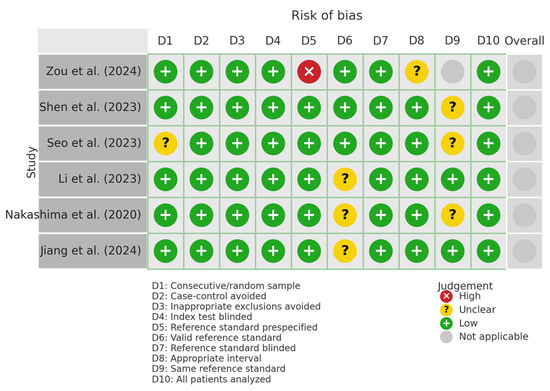
Background: Artificial intelligence (AI) has shown growing potential in the diagnosis of H. pylori infection, particularly through automated analysis of endoscopic images. Emerging studies have also explored treatment-related predictive applications, although this evidence remains limited. The aim of this systematic review was to synthesize current evidence on the use of AI in H. pylori infection, with the primary emphasis on diagnosis and secondary consideration of predictive therapeutic applications. Methods: A systematic review was conducted in accordance with PRISMA 2020 guidelines through searches in PubMed, ScienceDirect, EBSCO, and the Cochrane Library, including articles published between 2020 and 2025. Six studies that employed deep learning or machine learning models, primarily convolutional neural networks and predictive classifiers, were selected. Results: Artificial intelligence models showed consistent diagnostic performance, with accuracies ranging from 79.2% to 94%, sensitivities from 62.5% to 96%, and specificities from 79.4% to 93.4%. Convolutional neural network-based systems generally demonstrated diagnostic performance comparable to or better than that of human endoscopists, particularly among less experienced operators. Limited evidence suggests a possible role for artificial intelligence in predicting treatment failure; however, this finding is based on a single included study. Conclusions: Artificial intelligence appears to be a promising complementary tool for the diagnosis of H. pylori infection, particularly in endoscopic imaging. However, evidence regarding treatment-related and resistance-related applications remains limited and indirect, and these potential uses should therefore be considered preliminary.
Full article

Figure 1
Open AccessArticle
The Intestinal Microbiota Profile of Patients with Colon Cancer in Southern Peru: An Exploratory Regional Analysis
by
Ángel Mamani-Ruelas, Jani Pacheco-Aranibar, Johany Sánchez Guillen, Gladys Núñez-Zevallos, Jhony R. Rodríguez Mamani, Francis W. Jacobo-Valdivia, Carlos Gámez-Bernabe, Steven Criollo-Arteaga, Eusebio Walter Colque Rondon and Julio Cesar Bernabe-Ortiz
Gastrointest. Disord. 2026, 8(2), 22; https://doi.org/10.3390/gidisord8020022 - 28 Apr 2026
Abstract
►▼
Show Figures
Background/Objectives: Colorectal cancer (CRC) is a leading cause of cancer-related mortality worldwide. Emerging evidence highlights the role of the gut microbiota in the development and progression of CRC. Microbial dysbiosis is hypothesized to contribute to chronic inflammation through a variety of mechanisms,
[...] Read more.
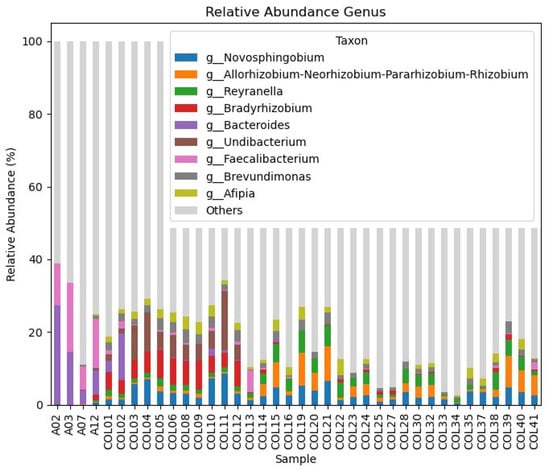
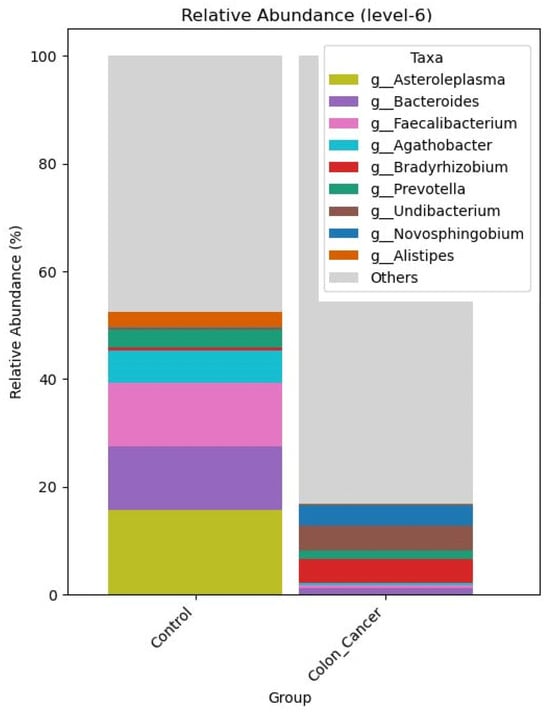
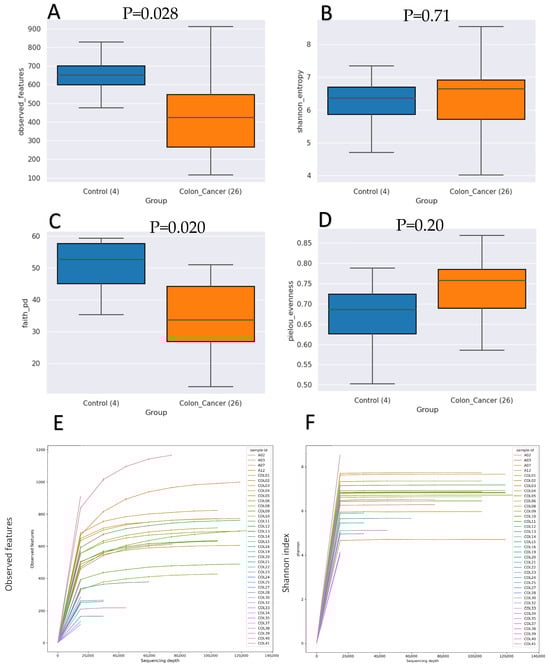
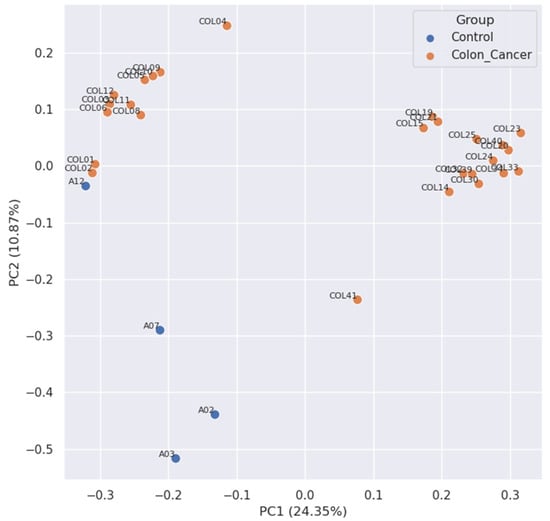
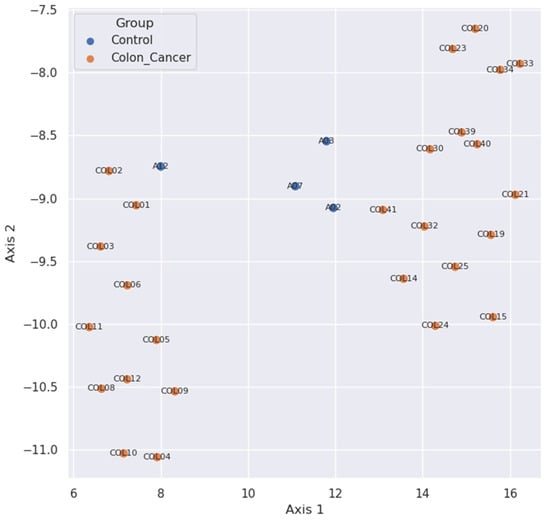
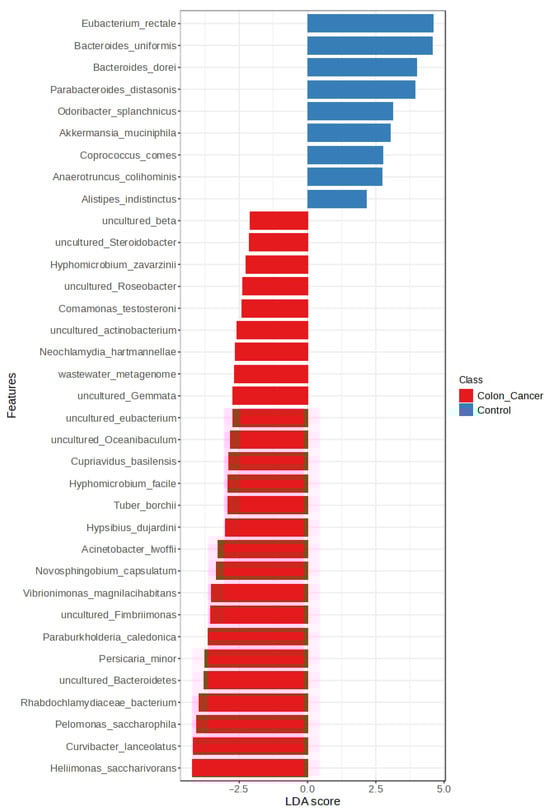
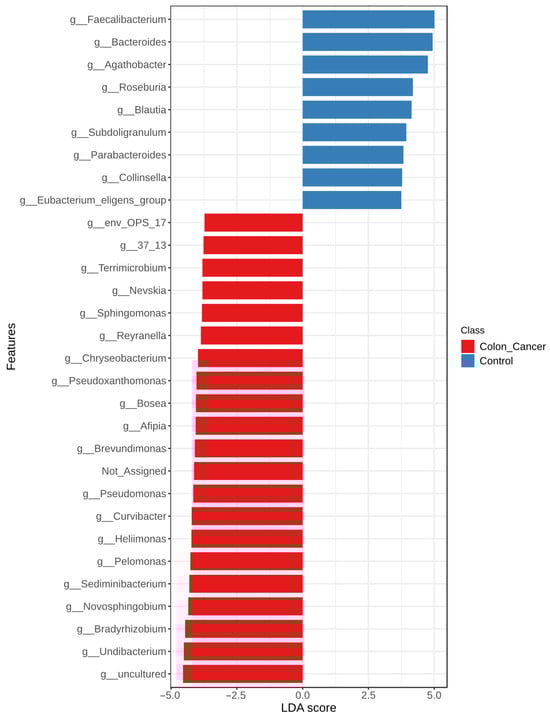
Background/Objectives: Colorectal cancer (CRC) is a leading cause of cancer-related mortality worldwide. Emerging evidence highlights the role of the gut microbiota in the development and progression of CRC. Microbial dysbiosis is hypothesized to contribute to chronic inflammation through a variety of mechanisms, such as the production of free radicals, which induce mutagenesis and immune dysregulation in the host, ultimately leading to diseases such as cancer. Methods: Tumor tissue samples or healthy mucosa tissue were collected for bacterial DNA extraction. The V3–V4 region of the 16S rRNA gene was amplified and sequenced using the Illumina MiSeq platform. Bioinformatics analysis was performed with QIIME2, including quality control, DADA2 denoising, alpha and beta diversity calculation, and taxonomic classification using the SILVA database. Results: Differences in microbial composition were observed between groups. The healthy controls exhibited high relative abundances of beneficial genera such as Faecalibacterium, Bacteroides, and Asteroleplasma, whereas the patients with CRC showed enrichment of atypical genera including Novosphingobium, Bradyrhizobium, and Undibacterium. Alpha diversity was lower in the CRC group, and clear clustering by group was observed in the beta diversity analysis. LEfSe analysis identified potential bacterial biomarkers associated with CRC at both the species and genus levels. Conclusions: The findings of this study support the hypothesis that colorectal cancer is associated with distinct alterations in gut microbiota composition, such as an increase in the Novosphingobium genus and a decrease in the Bacteroides genus. An exploratory description of these microbial profiles may aid in the development of microbiome-based diagnostic and therapeutic strategies and contribute to current knowledge of the role of the gut microbiota in CRC in southern Peru.
Full article

Figure 1
Open AccessArticle
Diagnostic Revision and Organic Disease Risk in Pediatric Rome IV Disorders of Gut–Brain Interaction: A Single-Center Retrospective Cohort
by
Silvia Caimmi, Amelia Licari, Alice Di Carlo, Giulia Fusi, Gianluigi Marseglia and Mirko Bertozzi
Gastrointest. Disord. 2026, 8(2), 21; https://doi.org/10.3390/gidisord8020021 - 20 Apr 2026
Abstract
Background: Rome IV criteria promote a symptom-based (“positive”) diagnosis of pediatric disorders of gut–brain interaction (DGBIs). In clinical practice, however, organic gastrointestinal diseases may mimic DGBIs and lead to diagnostic revision after further evaluation. We aimed to quantify the diagnostic stability of an
[...] Read more.
Background: Rome IV criteria promote a symptom-based (“positive”) diagnosis of pediatric disorders of gut–brain interaction (DGBIs). In clinical practice, however, organic gastrointestinal diseases may mimic DGBIs and lead to diagnostic revision after further evaluation. We aimed to quantify the diagnostic stability of an initial Rome IV-oriented functional diagnosis in a tertiary pediatric outpatient setting and to identify symptom phenotypes associated with a higher likelihood of later organic reclassification. Methods: We performed a single-center retrospective cohort study (2014–14 May 2021) based on outpatient chart review. Eligible patients were children and adolescents aged 0–18 years with an initial Rome IV-oriented functional diagnosis. Diagnostic reassessment was based on follow-up data, available laboratory and instrumental investigations, and/or response to exclusion therapies. Final diagnoses after reassessment were categorized as functional only, organic, or mixed. Groups were compared using Pearson’s chi-square test. Results: The cohort included 220 males (50.0%) and 220 females (50.0%), with a mean age of 8.86 ± 4.65 years. After reassessment, 343/440 (77.95%) remained functional, 73/440 (16.59%) were reclassified as organic, and 24/440 (5.45%) were classified as mixed. Final diagnosis differed by GI tract involvement (p = 0.001) and by symptom cluster (p = 0.001). Upper GI/dyspepsia-spectrum presentations showed the highest organic yield (27.03%), followed by lower abdominal pain/IBS-spectrum presentations (19.61%). Diarrhea and vomiting/cyclic vomiting each showed 16.67% organic diagnoses (mixed: 10.0% and 7.14%, respectively), whereas constipation showed the greatest diagnostic stability (98.89% functional; 1.11% organic). Functional confirmation rates were similar before and during the pandemic (77.71% vs. 78.70%; p = 0.756). Monthly case volume was higher in 2020–2021 (6.29 vs. 4.61 cases/month). Conclusions: In this tertiary cohort, about one in six children initially diagnosed with a functional disorder were later found to have an organic disease, and an additional 5% had mixed organic–functional presentations. Diagnostic revision was associated with presenting phenotype, with the highest organic yield observed in dyspepsia/upper GI presentations and the lowest in constipation. These findings support symptom-stratified evaluation and follow-up alongside Rome IV criteria.
Full article
Open AccessReview
Autoimmune Hepatitis: Emerging Frontiers in Research and Clinical Management
by
Armando Curto, Irene Scami, Giulia Gliottone, Rocco G. Iamello, Erica N. Lynch and Andrea Galli
Gastrointest. Disord. 2026, 8(2), 20; https://doi.org/10.3390/gidisord8020020 - 20 Apr 2026
Abstract
Autoimmune hepatitis (AIH) is a chronic immune-mediated liver disorder that, without treatment, can advance to fibrosis and cirrhosis. Although standard regimens with corticosteroids and thiopurines have significantly improved survival, many patients still experience relapses and drug-related toxicity, highlighting the urgent need for alternative
[...] Read more.
Autoimmune hepatitis (AIH) is a chronic immune-mediated liver disorder that, without treatment, can advance to fibrosis and cirrhosis. Although standard regimens with corticosteroids and thiopurines have significantly improved survival, many patients still experience relapses and drug-related toxicity, highlighting the urgent need for alternative strategies. Recent studies underscore AIH’s multifactorial nature, revealing intricate interactions among genetic susceptibility, environmental triggers, and dysregulated immune responses. Next-generation diagnostics, ranging from novel biomarkers to high-resolution imaging, are enhancing early detection and more precise disease classification. At the same time, multi-omics analyses and artificial-intelligence-based models are refining predictions of disease trajectory and therapeutic response. On the treatment horizon, investigational options such as targeted immunomodulators, B-cell–depleting therapies, and cell-based interventions aim to achieve durable remission while minimizing adverse effects. This review critically appraises these advances and explores how integrating epidemiological insights with cutting-edge research in pathogenesis, diagnostics, and therapy could pave the way for more personalized and effective management of AIH.
Full article
(This article belongs to the Special Issue Feature Papers in Gastrointestinal Disorders in 2025–2026)
Open AccessArticle
Assessing Antimicrobial Stewardship in Paediatric Clostridioides difficile Positivity: To Treat or Not to Treat?
by
Federico Motta, Silvia Marino, Patrizia Grassi, Alessia Migliore, Salvatore Leonardi, Giovanna Russo and Milena La Spina
Gastrointest. Disord. 2026, 8(2), 19; https://doi.org/10.3390/gidisord8020019 - 17 Apr 2026
Abstract
Background: Molecular syndromic stool panels are increasingly used in paediatric diarrheal syndromes; however, interpretation of Clostridioides difficile (C. difficile) detection remains challenging because colonisation is common in younger children. We aimed to assess the frequency of C. difficile detection using
[...] Read more.
Background: Molecular syndromic stool panels are increasingly used in paediatric diarrheal syndromes; however, interpretation of Clostridioides difficile (C. difficile) detection remains challenging because colonisation is common in younger children. We aimed to assess the frequency of C. difficile detection using a syndromic gastrointestinal panel in a paediatric tertiary-care centre and to describe the subsequent microbiological work-up and CDI-directed treatment. Methods: We conducted a retrospective single-centre study of all BioFire FilmArray Gastrointestinal (GI) panels performed at San Marco Hospital (University Hospital “G. Rodolico-San Marco”, Catania, Italy) from 1 January 2023 to 31 December 2025. Only the first C. difficile-positive result per patient was included; repeat positives within 30 days were excluded. Index-positive episodes were stratified by age (<1 year, 1 to <2 years, and ≥2 years). Data collected included co-detected pathogens, toxin A/B enzyme immunoassay (EIA) results, GeneXpert PCR findings, and CDI-directed therapy. Results: Among the 714 GI panels performed during the study period, 112 (15.7%) were positive for C. difficile. After exclusion of repeat positives, 91 index-positive episodes were analysed. Median age was 1.0 years (IQR 0.75–4.0), and 48/91 cases (52.7%) occurred in children younger than two years. Toxin A/B EIA was positive in 11/82 tested episodes (13.4%), whereas GeneXpert tcdB was positive in 75/84 episodes (89.3%). Co-detection of at least one additional enteric pathogen occurred in 40/91 cases (44.0%). CDI-directed therapy was administered in 9/91 episodes (9.9%), mainly in children aged ≥2 years. Conclusions: Detection of C. difficile by syndromic molecular panels was relatively frequent in our paediatric cohort but rarely associated with toxin positivity or the need for specific treatment. These findings suggest that many positive Nucleic Acid Amplification Test (NAAT) results may represent colonisation rather than true infection, particularly in younger children. Careful clinical interpretation of syndromic panel results is therefore essential to avoid overdiagnosis and unnecessary antimicrobial therapy.
Full article
Open AccessArticle
Prognostic Factors for Survival in Surgically Treated Patients with Gastrointestinal Stromal Tumors: A Single-Center 15-Year Retrospective Analysis
by
Hana Jazvo, Bogdan Crnokrak, Slobodan Todorovic, Jasna Gacic, Igor Nadj and Borislav Toskovic
Gastrointest. Disord. 2026, 8(2), 18; https://doi.org/10.3390/gidisord8020018 - 16 Apr 2026
Abstract
►▼
Show Figures
Background: Gastrointestinal stromal tumors (GISTs) are the most common mesenchymal tumors of the gastrointestinal tract (GIT). This study aims to report the experience in the surgical treatment of GIST patients, evaluate the prognostic factors and discuss some controversial issues regarding the significance of
[...] Read more.
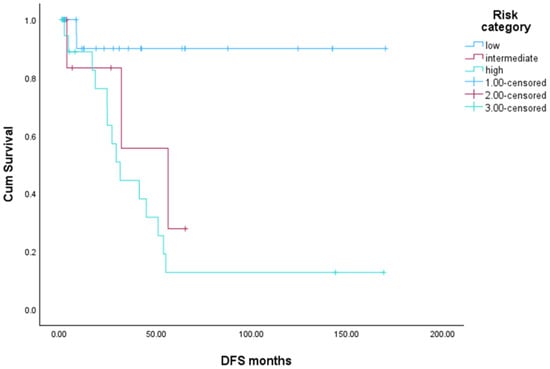
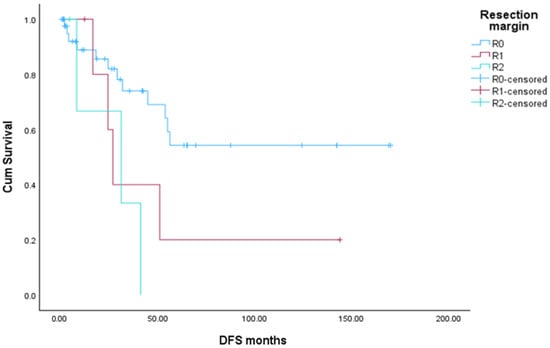
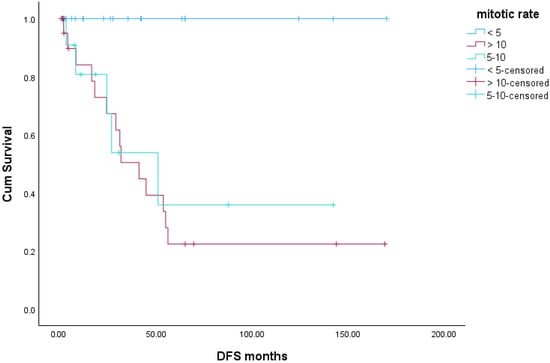
Background: Gastrointestinal stromal tumors (GISTs) are the most common mesenchymal tumors of the gastrointestinal tract (GIT). This study aims to report the experience in the surgical treatment of GIST patients, evaluate the prognostic factors and discuss some controversial issues regarding the significance of microscopically margin-negative resection in GIST patients and the importance of tumor rupture during intraoperative surgical manipulation. Methods: Fifty-four GIST patients with primary disease without metastasis were admitted and treated during the past 15 years. Patients initially presenting with metastatic lesions and those who underwent adjuvant systemic therapy prior to surgical treatment were excluded from the study. Results: The median patient follow-up was 84 weeks. The 5-year overall survival was 34.34% and disease-free survival (DFS) was 35.37%. The median DFS was 244 weeks. In multivariate analysis, survival was affected by a high mitotic rate, resection margin status and the tumor rupture occurrence. Tumor size and tumor location did not show an impact. Conclusions: Surgical resection remains the mainstay of GIST treatment. Mitotic rate, resection margin status, and the occurrence of tumor rupture were predicators for DFS in patients presenting with primary disease. Recurrence of disease after resection was predominantly intra-abdominal and involved the original tumor size and the liver.
Full article

Figure 1
Open AccessArticle
A Real-Life Evaluation of the Best Bowel Preparation Regimen Identified in the PrepRICE Trial for Capsule Endoscopies
by
Catarina Costa, Maria Manuela Estevinho, Pedro Mesquita, Rita Ferreira, Pedro Vilela Teixeira, João Santos, Ana Ponte and Rolando Pinho
Gastrointest. Disord. 2026, 8(2), 17; https://doi.org/10.3390/gidisord8020017 - 14 Apr 2026
Abstract
Background: The optimal bowel preparation regimen for a small bowel capsule endoscopy (SBCE) remains uncertain. The PrepRICE clinical trial showed that the administration of purgatives after the capsule reached the duodenum improved the mucosal visualization and diagnostic yield. However, it was limited
[...] Read more.
Background: The optimal bowel preparation regimen for a small bowel capsule endoscopy (SBCE) remains uncertain. The PrepRICE clinical trial showed that the administration of purgatives after the capsule reached the duodenum improved the mucosal visualization and diagnostic yield. However, it was limited to patients with suspected mid-gastrointestinal bleeding who met strict inclusion criteria. This work aims to report real-life results after the implementation of the new protocol and to compare them with those of the PrepRICE trial. Methods: A prospective analysis was performed on all consecutive patients who underwent an SBCE between December of 2024 and December of 2025. The quality of the small bowel visualization (QSBV), gastric transit time (GTT), small bowel transit time (SBTT), adequate visualization rate, and complete examination rate were assessed. The QSBV was evaluated according to the Brotz quantitative scale. Results: A total of 188 patients were included (52.1% male; median age 56 years [IQR 30]). The median Brotz scale scores were 9 (IQR 1), 9 (IQR 1), 8 (IQR 2), and 8 (IQR 1) in the first, second, and third terciles and overall, respectively (compared to 9, 9, 9, 9 in PrepRICE, p < 0.001). No significant differences were found in the complete examination rate (96.8% vs. 99%, p = 0.43), adequate visualization rate (91.3% vs. 92.0%, p = 0.68), GTT and SBTT. Conclusions: The real-life results were good and similar to those of the original study, with a high rate of complete examination and adequate visualization, with slightly weaker QSBV compared to that reported in the periprocedural group in the PrepRICE study yet still superior to the preprocedural groups.
Full article
(This article belongs to the Topic Evolving Role of Endoscopy in Adult and Pediatric Gastrointestinal Disorders)
Open AccessCase Report
Laparoscopic Cholecystectomy In Situs Viscerum Inversus Totalis: The Role of Indocyanine Green Fluorescence—A Case Report of Kartagener Syndrome and Narrative Review
by
Agostino Fernicola, Giuseppe Scognamiglio, Viviana Verlingieri, Luigi Ricciardelli, Andrea Paolillo, Veronika Dadaev, Moshe Argaman, Yael Ben Avraham, Felice Crocetto, Armando Calogero, Antonio Alvigi, Alessio Cece and Fahim Kanani
Gastrointest. Disord. 2026, 8(2), 16; https://doi.org/10.3390/gidisord8020016 - 30 Mar 2026
Abstract
Background: Kartagener syndrome (KS) is a rare subset of primary ciliary dyskinesia characterized by the triad of situs viscerum inversus (SVI), chronic sinusitis, and bronchiectasis. Laparoscopic cholecystectomy (LC) in patients with SVI is technically demanding because of mirror-image anatomy, while evidence supporting the
[...] Read more.
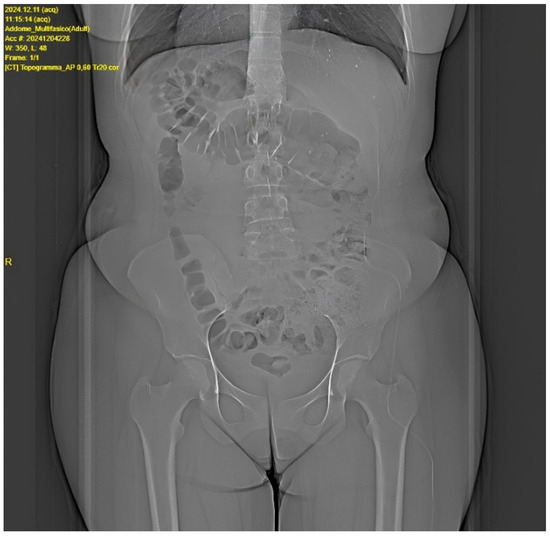
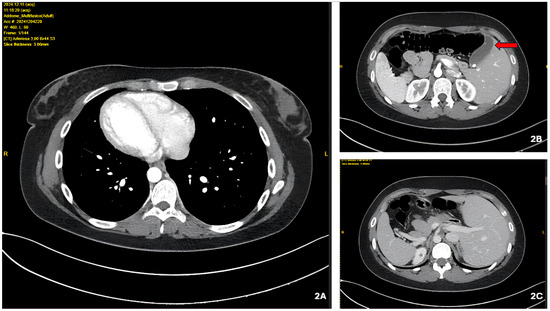
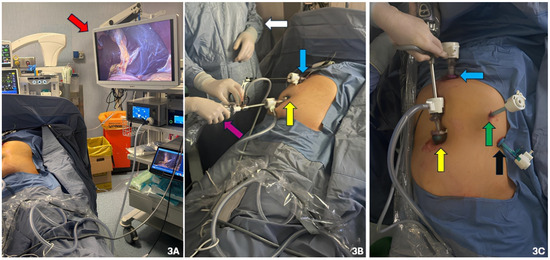
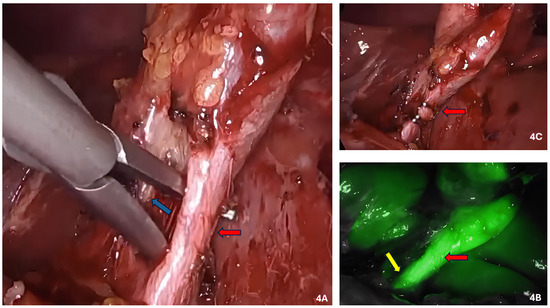
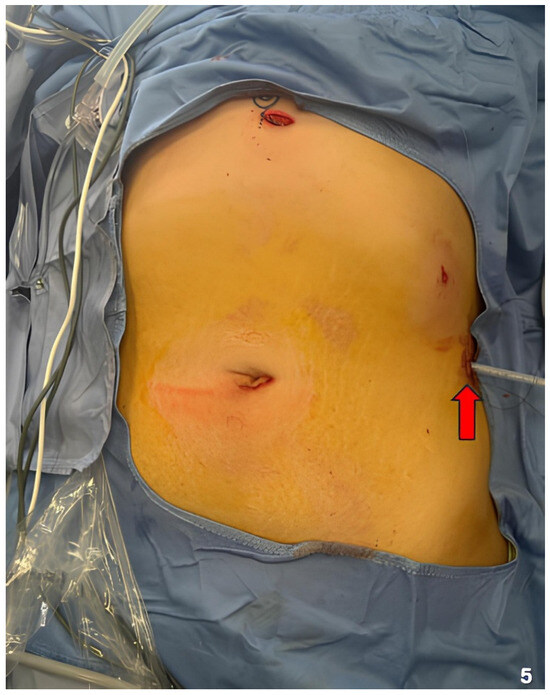
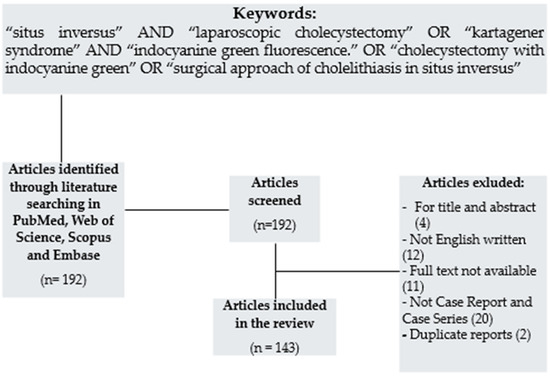
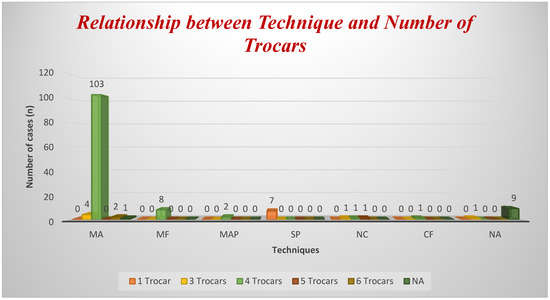
Background: Kartagener syndrome (KS) is a rare subset of primary ciliary dyskinesia characterized by the triad of situs viscerum inversus (SVI), chronic sinusitis, and bronchiectasis. Laparoscopic cholecystectomy (LC) in patients with SVI is technically demanding because of mirror-image anatomy, while evidence supporting the use of indocyanine green (ICG) fluorescence in this setting is scarce. Case Presentation: We report the case of a 25-year-old woman with KS and SVI totalis who underwent elective LC for symptomatic cholelithiasis. The procedure was performed using a mirror American approach with four trocars and near-infrared ICG fluorescence cholangiography. ICG enabled real-time visualization of biliary anatomy and facilitated intraoperative orientation. The procedure was completed laparoscopically without intraoperative or postoperative complications, and the postoperative course was uneventful. Methods: A non-systematic narrative review of the literature was conducted to identify reported cases of LC in patients with SVI, including cases associated with KS. Studies published between 1991 and 2025 were retrieved from PubMed, Web of Science, Scopus, and Embase. Data were descriptively summarized, focusing on surgical technique, trocar placement, and reported use of ICG fluorescence. Results: A total of 143 articles were included. Most cases involved isolated SVI, while KS was reported only in a minority of patients. The mirror American technique and four-trocar configuration were the most frequently adopted approaches. Only three cases, including the present report, described the use of ICG fluorescence during LC in patients with SVI or KS. Conclusions: LC in patients with SVI is feasible but technically demanding. ICG fluorescence may assist intraoperative biliary orientation in complex anatomical settings; however, current evidence is extremely limited and should be considered hypothesis-generating only.
Full article
(This article belongs to the Special Issue GastrointestinaI & Bariatric Surgery)
►▼
Show Figures

Figure 1

Open AccessArticle
Early Identification of Patients with Steroid Non-Response in Acute Severe Ulcerative Colitis: External Validation of the ASUC Score and Comparison with Established Prognostic Models
by
Pedro Mesquita, Rolando Pinho, João Carlos Silva, João Correia, Catarina Costa, Pedro Teixeira, Rita Ferreira, Ana Ponte and Teresa Freitas
Gastrointest. Disord. 2026, 8(1), 15; https://doi.org/10.3390/gidisord8010015 - 23 Mar 2026
Abstract
►▼
Show Figures
Background/Objectives: Acute severe ulcerative colitis (ASUC) affects up to one quarter of patients with ulcerative colitis and carries a substantial risk of colectomy. Early recognition of the need for escalation beyond intravenous (IV) corticosteroids is essential, yet most indices—such as the Oxford
[...] Read more.
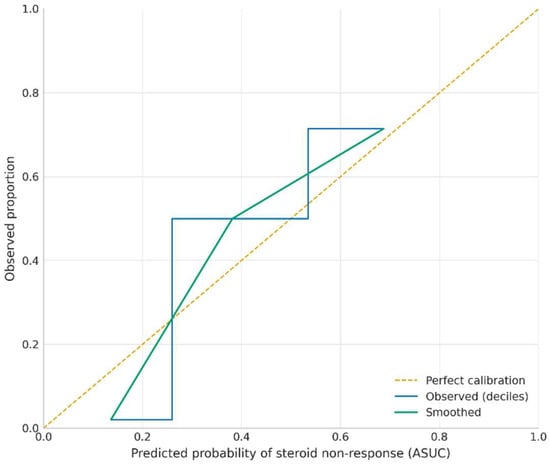
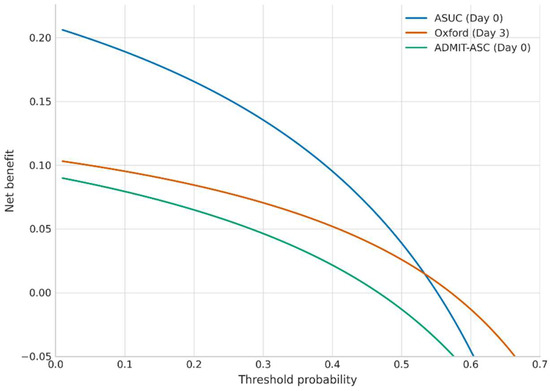
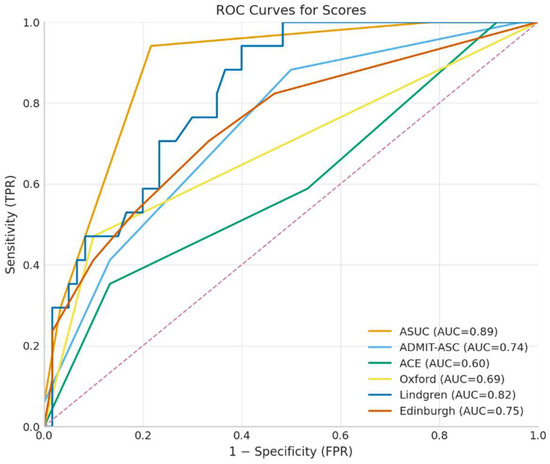
Background/Objectives: Acute severe ulcerative colitis (ASUC) affects up to one quarter of patients with ulcerative colitis and carries a substantial risk of colectomy. Early recognition of the need for escalation beyond intravenous (IV) corticosteroids is essential, yet most indices—such as the Oxford criteria—require reassessment on day 3, delaying rescue therapy. The ASUC score, based on admission albumin, C-reactive protein (CRP), endoscopic severity (Ulcerative Colitis Endoscopic Index of Severity, UCEIS), and pre-admission steroid use, was recently proposed to predict early escalation at admission. This study aimed to externally validate the ASUC score and compare its performance with established indices. Methods: We performed a single-center retrospective validation study including consecutive ASUC admissions (2015–2024). The primary outcome was escalation beyond IV steroids, defined as medical rescue therapy with infliximab or ciclosporin and/or colectomy during the index hospitalization. As a sensitivity analysis providing a more specific estimate of IV corticosteroid non-response, we repeated analyses restricting the outcome to medical rescue therapy alone. The model performance was assessed for discrimination (AUC and bootstrap-corrected 2000 resamples), calibration (intercept, slope, and Brier score), and clinical utility (decision-curve analysis). Comparator indices included Albumin-CRP-Endoscopy score (ACE), Admission Model for Acute Severe Colitis (ADMIT-ASC), Oxford Day 3, Lindgren, and Edinburgh. Predefined subgroup analyses (exploratory and underpowered) evaluated infection and biologic exposure. Results: Ninety-one admissions were included overall. The primary validation was performed in the infection-free cohort (n = 77), and infected cases (n = 14) were analyzed separately. In the infection-free cohort, 17/77 (22.1%) required escalation beyond IV steroids during the index hospitalization (medical rescue therapy and/or colectomy), and 5/91 (5.5%) underwent colectomy within 90 days. The ASUC score showed excellent discrimination (Area under the receiver-operating characteristic curve [AUC] 0.89, 95% Confidence Interval [CI] 0.81–0.95), good calibration (intercept 0.26, slope 1.29), and net clinical benefit across 30–50% thresholds. In the rescue-only sensitivity analysis, discrimination remained high (AUC 0.86, 95% CI 0.77–0.94). At a cut-off of ≥2, sensitivity 94% and specificity 78% outperformed other indices (AUC 0.62–0.83). Exploratory subgroup analyses were imprecise due to small sample sizes; discrimination was lower in the infected-only subgroup (AUC 0.71), and estimates in biologic-experienced patients were unstable because of severe imbalance. Conclusions: The ASUC score accurately identified patients likely to require escalation beyond IV steroids on the day of admission, outperforming or matching established day-3 indices. Its simplicity and reliability support its integration into early ASUC management to expedite rescue therapy and potentially improve outcomes.
Full article

Figure 1
Open AccessArticle
Impact of a Second E-Reminder on Fecal Immunochemical Test Uptake in the Flemish Colorectal Cancer Screening Program: A Quasi-Experimental Study
by
Sarah Hoeck and Thuy Ngan Tran
Gastrointest. Disord. 2026, 8(1), 14; https://doi.org/10.3390/gidisord8010014 - 4 Mar 2026
Abstract
Background: Flanders (Belgium) offers a fecal immunochemical test (FIT) biennially to citizens aged 50–74 years, but uptake is suboptimal (~50%). This study evaluated the impact of a second e-reminder on FIT uptake. Methods: We conducted a quasi-experimental study comparing FIT uptake
[...] Read more.
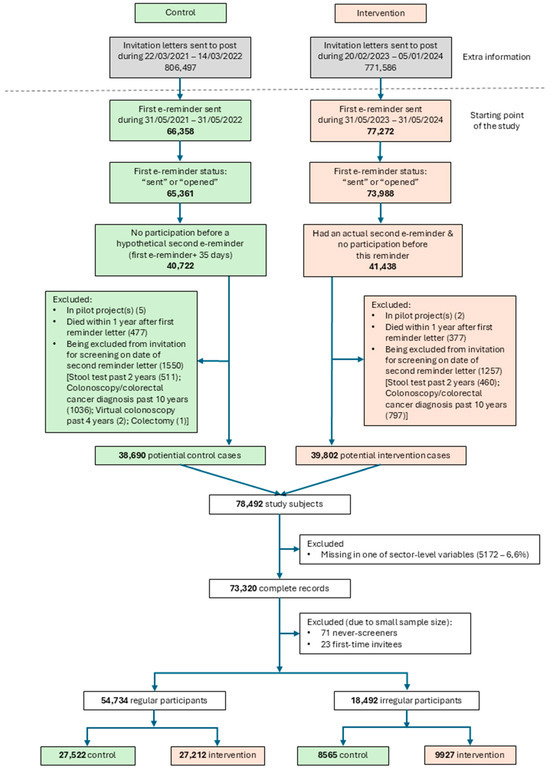
Background: Flanders (Belgium) offers a fecal immunochemical test (FIT) biennially to citizens aged 50–74 years, but uptake is suboptimal (~50%). This study evaluated the impact of a second e-reminder on FIT uptake. Methods: We conducted a quasi-experimental study comparing FIT uptake in individuals who received a first e-reminder during June 2023–May 2024 and a second e-reminder five weeks later (intervention cohort) with those who received a first e-reminder in June 2021–May 2022 without a second reminder (historical control). The study outcome was FIT uptake within one year after the first e-reminder. Analyses were stratified by screening history (regular vs. irregular participants). Results: The study population consisted of 54,734 regular (27,522 control and 27,212 intervention); and 18,492 irregular participants (8565 control and 9927 intervention). Median age was slightly lower in the intervention group (regular: 57 vs. 59 years; irregular: 62 vs. 64 years). Gender distribution was balanced (≈50% men). Regular participants receiving a second e-reminder had 80% higher probability of participation than controls (OR 1.80; 95% CI 1.73–1.86; p < 0.0001); with uptake increasing from 29.5% to 43.7%. Irregular participants with a second e-reminder had a 91% higher probability of participation compared with no second e-reminder (OR 1.91; 95% CI 1.74–2.09; p < 0.0001), with uptake increasing from 9.4% to 18.4%. Conclusions: A second e-reminder significantly increased FIT uptake among both regular and irregular participants in the Flemish colorectal cancer screening program. These findings support its use as a low-cost strategy to improve population-level screening participation.
Full article
(This article belongs to the Special Issue Feature Papers in Gastrointestinal Disorders in 2025–2026)
►▼
Show Figures

Figure 1
Open AccessReview
The Evolving Landscape of Advanced Therapies in Inflammatory Bowel Disease: Current Evidence and Emerging Targets
by
Daniele Balducci, Marta Mosca, Sabrina Monaco, Susanna Faenza, Stefano Fabiani, Fabio Cortellini, Nicola Cesaro, Gianpiero Stefanelli, Salvatore Paba, Maddalena Pecchini, Michele Montori and Marco Valvano
Gastrointest. Disord. 2026, 8(1), 13; https://doi.org/10.3390/gidisord8010013 - 24 Feb 2026
Cited by 1
Abstract
Background: Inflammatory bowel diseases (IBD), including Crohn’s disease (CD) and ulcerative colitis (UC), are chronic conditions that affect the gastrointestinal tract. Since the initial approval of infliximab (IFX), a monoclonal antibody targeting TNF-α, numerous novel therapeutic targets have been identified, and many
[...] Read more.
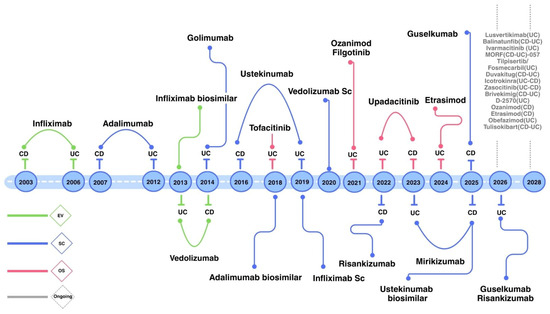
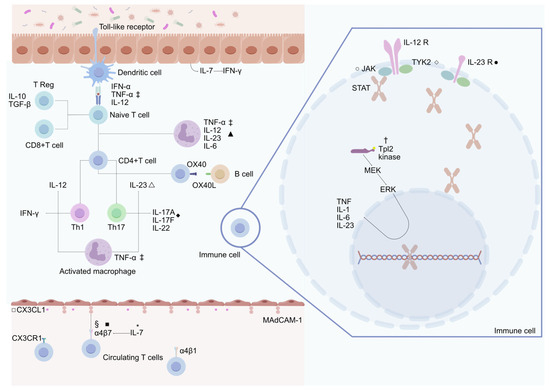
Background: Inflammatory bowel diseases (IBD), including Crohn’s disease (CD) and ulcerative colitis (UC), are chronic conditions that affect the gastrointestinal tract. Since the initial approval of infliximab (IFX), a monoclonal antibody targeting TNF-α, numerous novel therapeutic targets have been identified, and many new therapies have been approved for the treatment of IBD. Methods: We conducted a narrative review of the literature using major biomedical databases, including EMBASE, Scopus, PubMed, CENTRAL, and ClinicalTrials.gov (last search date: 10 December 2025). Results: This review summarizes the current evidence on therapies approved for IBD (both CD and UC) and provides an overview of investigational agents currently being evaluated in ongoing phase II and III clinical trials. Conclusions: Moderate optimism arises from the expanding array of therapeutic targets under investigation and from emerging treatment strategies. However, only through a deeper understanding of the pathophysiological mechanisms underlying IBD will substantial improvements in treatment outcomes be achieved for conditions that continue to impose a significant burden on patients’ quality of life.
Full article
(This article belongs to the Special Issue Novel Therapies for the Treatment of Inflammatory Bowel Disease)
►▼
Show Figures

Figure 1

Open AccessArticle
Systemic IgG/IgA Balance and Antigen-Specific Seroreactivity as Predictors of the Topographic Distribution of Helicobacter pylori-Associated Gastritis
by
Nebojsa Manojlovic, Ivana Tufegdzic, Elizabeta Ristanović, Nemanja Rancic and Stevan Manojlovic
Gastrointest. Disord. 2026, 8(1), 12; https://doi.org/10.3390/gidisord8010012 - 18 Feb 2026
Abstract
►▼
Show Figures
Background/Objectives: Helicobacter pylori infection induces a systemic humoral immune response that reflects both bacterial virulence and host immune regulation. While anti-H. pylori IgG is widely used as a marker of infection, its ability to predict the topographic distribution and biological activity of
[...] Read more.
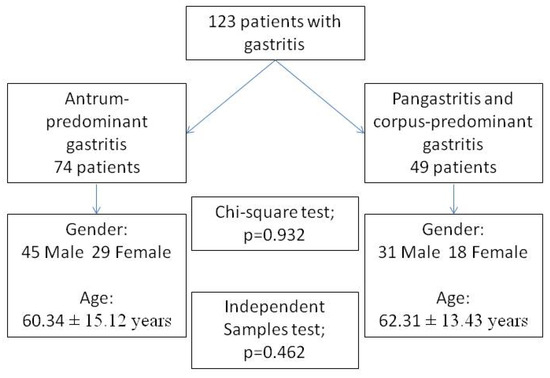
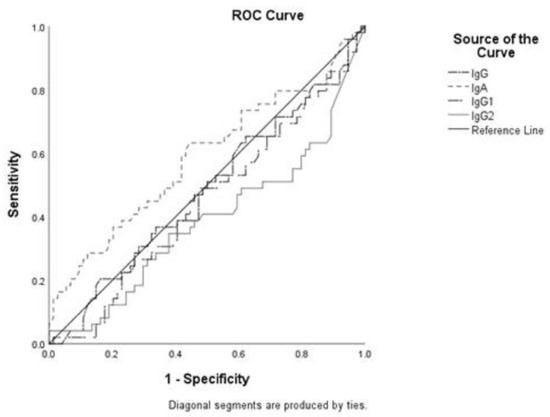
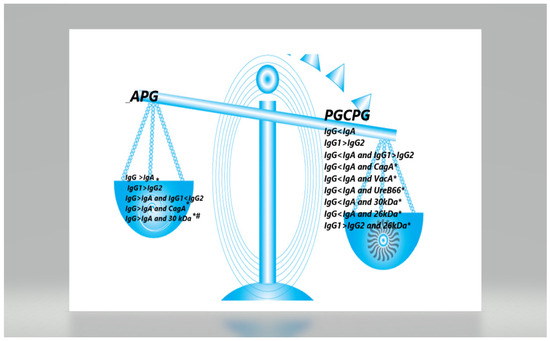
Background/Objectives: Helicobacter pylori infection induces a systemic humoral immune response that reflects both bacterial virulence and host immune regulation. While anti-H. pylori IgG is widely used as a marker of infection, its ability to predict the topographic distribution and biological activity of gastritis is limited. The objective of this study was to evaluate whether the relative predominance of systemic IgG versus IgA antibodies, IgG subclasses, and antigen-specific IgG reactivity could better reflect the features and topography of gastric inflammation. Methods: A total of 123 patients with dyspeptic symptoms, confirmed H. pylori infection, and histologically verified gastritis were included. Anti-H. pylori IgG and IgA levels were measured by ELISA, IgG1 and IgG2 subclasses by subclass-specific assays, and antigen-specific IgG reactivity (CagA, VacA, UreB66, 30 kDa, and UreA 26 kDa) by Western blot. Histopathological parameters of the antral and corpus mucosa were graded according to the updated Sydney system. Receiver operating characteristic (ROC) analysis and univariate and multivariate logistic regression were applied to identify predictors of gastritis topography. Results: Anti-H. pylori IgG levels correlated with the grade and activity of inflammation in the antrum, whereas IgA correlated with inflammatory parameters in the corpus. IgG1 and IgG2 showed limited associations with antral inflammatory activity. IgA showed the best diagnostic performance for pangastritis/corpus-predominant gastritis, while IgG2 best identified antrum-predominant gastritis. The combined serological profile defined as IgG > IgA together with 30 kDa antigen positivity was independently associated with antrum-predominant gastritis in multivariate analysis (OR 2.516; 95% CI 1.004–6.308). Conclusions: The systemic balance between IgG and IgA responses reflects the topographic distribution of H. pylori-associated gastritis. IgG predominance combined with 30 kDa antigen seropositivity represents an independent serological predictor of antrum-predominant gastritis and may improve non-invasive stratification of gastric inflammation.
Full article

Figure 1
Open AccessCase Report
Ultrastructural Features of Amoeboid Tumor Cell–Unmyelinated Nerve Fiber Interactions in Early Gastric Cancer: A Case Report Within the Context of Cancer Neuroscience
by
Valerio Caruso, Luciana Rigoli and Rosario Caruso
Gastrointest. Disord. 2026, 8(1), 11; https://doi.org/10.3390/gidisord8010011 - 10 Feb 2026
Abstract
►▼
Show Figures
Background: Perineural invasion (PNI) is a recognized pathway for cancer spread and is associated with poor outcomes in gastric cancer. However, the initial morphological characteristics of tumor–nerve interactions in early gastric cancer, particularly at the ultrastructural level, remain insufficiently defined. Case Presentation
[...] Read more.
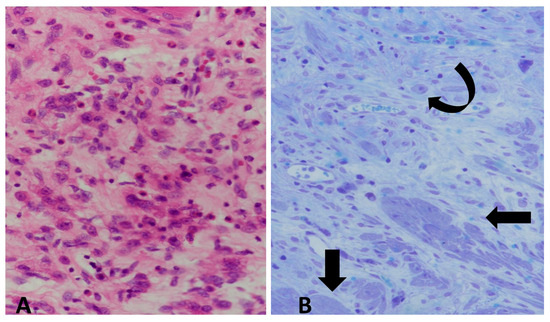
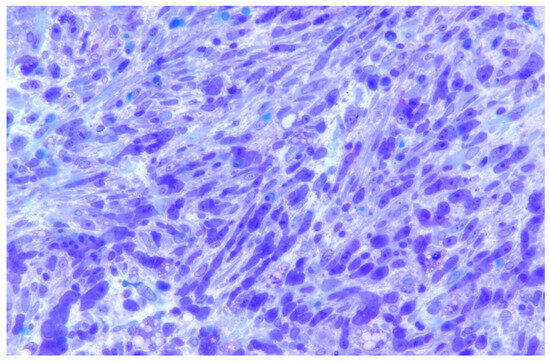
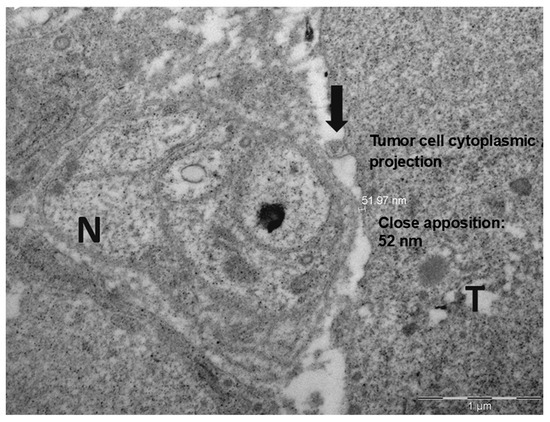
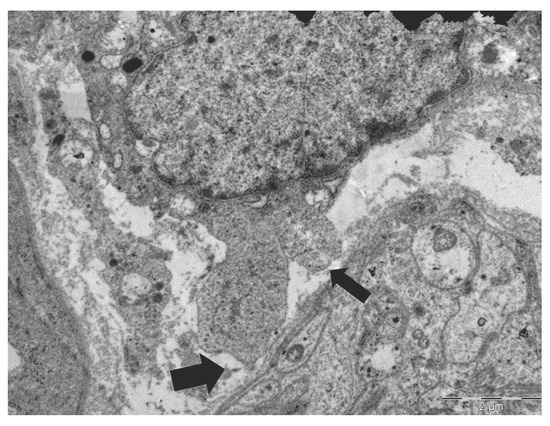
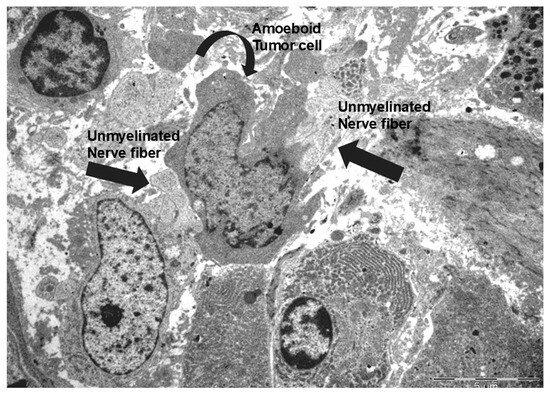
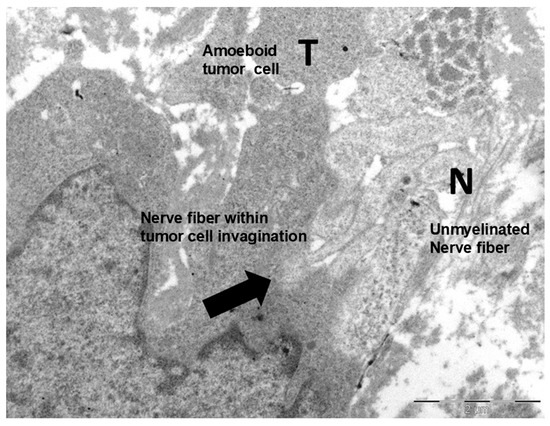
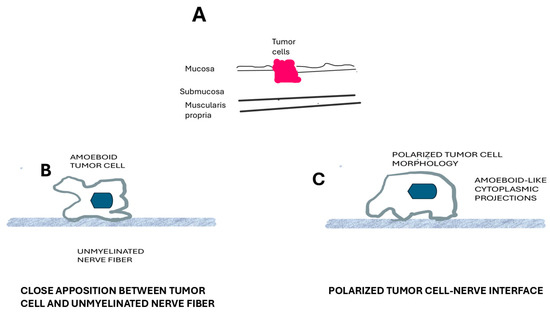
Background: Perineural invasion (PNI) is a recognized pathway for cancer spread and is associated with poor outcomes in gastric cancer. However, the initial morphological characteristics of tumor–nerve interactions in early gastric cancer, particularly at the ultrastructural level, remain insufficiently defined. Case Presentation: We report a case of a 49-year-old man diagnosed with type IIc early gastric cancer. Histological examination revealed a combined poorly cohesive carcinoma (PCC)-NOS/signet-ring cell (SRC) histotype. Tumor invasion reached the middle third of the submucosa and was accompanied by a mature desmoplastic reaction, with metastases identified in two perigastric lymph nodes (pT1bN1M0). Transmission electron microscopy (TEM) revealed unmyelinated nerve fibers embedded within the submucosal desmoplastic stroma, in close proximity to infiltrating neoplastic cells. Several tumor cells exhibited cytoplasmic projections ranging from single extensions to multiple prominent pseudopods, resulting in an amoeboid morphology. Notably, an unmyelinated nerve process was observed within a cytoplasmic invagination of an individual tumor cell. Conclusions: Taken together, these ultrastructural findings provide novel and previously undescribed morphological evidence of a specific interaction between amoeboid tumor cells and peripheral unmyelinated nerve fibers within the submucosal desmoplastic stroma of early gastric cancer. The biological and clinical significance of this interaction in the early stages of perineural invasion warrants further investigation.
Full article

Figure 1
Open AccessReview
Advances in Reversing Gastric Mucosal Atrophy: Pathological Mechanisms, Therapeutic Targets, and Clinical Strategies
by
Jianlong Chen, Huanlu Xu, Yiwen Feng and Hongzhang Shen
Gastrointest. Disord. 2026, 8(1), 10; https://doi.org/10.3390/gidisord8010010 - 30 Jan 2026
Abstract
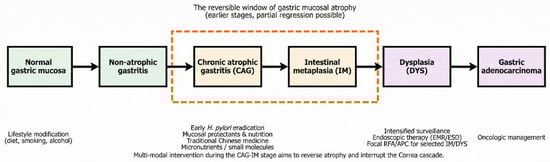
Chronic atrophic gastritis (CAG) is a key precursor in the Correa cascade leading to gastric cancer and is driven by long-standing Helicobacter pylori infection, autoimmune reactions, environmental exposures, and persistent inflammation. Emerging evidence indicates that mild to moderate atrophy and part of intestinal
[...] Read more.
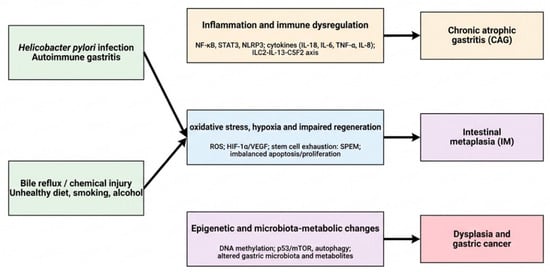
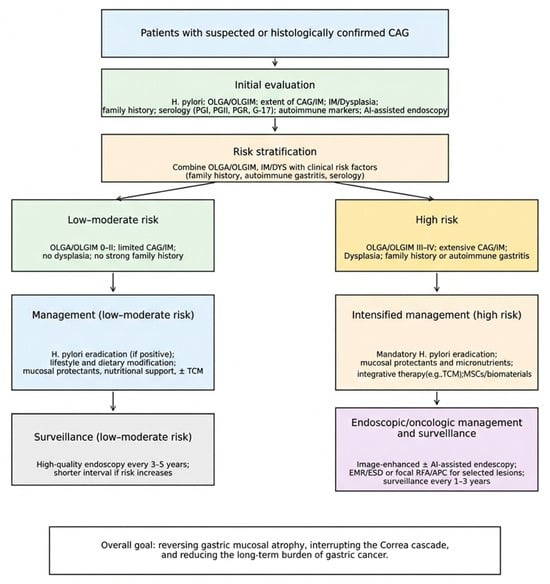
Chronic atrophic gastritis (CAG) is a key precursor in the Correa cascade leading to gastric cancer and is driven by long-standing Helicobacter pylori infection, autoimmune reactions, environmental exposures, and persistent inflammation. Emerging evidence indicates that mild to moderate atrophy and part of intestinal metaplasia exhibit a degree of reversibility when etiological eradication, microenvironmental optimization, and regenerative stimulation are achieved. This review summarizes recent advances in the pathological basis, evaluation systems, therapeutic mechanisms, and clinical management strategies of CAG. Reversibility is closely related to residual glandular reserve, stem-cell plasticity, and effective mitigation of chronic inflammation. Current assessment tools integrate OLGA/OLGIM histological staging, high-quality endoscopy with AI assistance, and serological biomarkers. Fundamental interventions include early H. pylori eradication, mucosal protective agents, micronutrients, and small-molecule drugs targeting inflammation, oxidative stress, and epithelial regeneration. Novel strategies such as mesenchymal stem cells, exosomes, and focal endoscopic therapies demonstrate regenerative potential in preclinical studies. Traditional Chinese medicine provides multi-target regulation of inflammation, apoptosis, microecology, and stem-cell-related pathways, contributing to histological improvement. Contemporary guidelines emphasize early eradication, risk-stratified surveillance, and comprehensive intervention. Future directions focus on unified evaluation criteria, long-term prospective studies, multimodal combination regimens, and integration of AI-based risk modeling to achieve precise, cancer-preventive CAG management.
Full article
(This article belongs to the Special Issue Feature Papers in Gastrointestinal Disorders in 2025–2026)
►▼
Show Figures

Figure 1
Open AccessSystematic Review
Endoscopic and Histologic Findings in Asymptomatic Children with Iron-Deficiency Anemia: A Systematic Review and Clinical Implications
by
Abdulrahman Adel Hawari, Shaly Mohammed Aljedaani, Hanan Ismail Wasaya, Arwa Alsharif, Abdulaziz Alsharif, Reem Mohammed Rara, Aseel Alomari, Sara Abdullah Magboul and Salma Ismail Daffa
Gastrointest. Disord. 2026, 8(1), 9; https://doi.org/10.3390/gidisord8010009 - 25 Jan 2026
Abstract
Background/Objectives: Iron-deficiency anemia (IDA) is a common condition in children and is frequently attributed to nutritional causes. However, gastrointestinal (GI) pathology may be present even in the absence of overt GI symptoms. The diagnostic value of endoscopic evaluation in asymptomatic pediatric patients with
[...] Read more.
Background/Objectives: Iron-deficiency anemia (IDA) is a common condition in children and is frequently attributed to nutritional causes. However, gastrointestinal (GI) pathology may be present even in the absence of overt GI symptoms. The diagnostic value of endoscopic evaluation in asymptomatic pediatric patients with IDA remains debated. This systematic review aimed to synthesize available evidence on endoscopic and histologic findings in asymptomatic children with IDA and to assess their clinical implications. Methods: A systematic review was conducted in accordance with the PRISMA 2020 guidelines, and the protocol was registered in PROSPERO. MEDLINE (via PubMed) and Scopus were searched for studies involving children and adolescents (0–18 years) with confirmed iron-deficiency anemia and no gastrointestinal symptoms who underwent endoscopic evaluation. Results: Six studies met the inclusion criteria, comprising a total of 455 pediatric patients. Upper GI endoscopy was the most commonly performed procedure. Clinically significant findings were frequently identified, including histologic features consistent with celiac disease, Helicobacter pylori-associated gastritis, and chronic inflammatory gastric changes. Histologic abnormalities were often present despite minimal or absent macroscopic endoscopic findings. The diagnostic yield of endoscopy was particularly high in older children and adolescents and in those with severe or refractory IDA. Conclusions: This systematic review demonstrates that asymptomatic children with IDA may harbor significant GI pathology detectable by endoscopic and histologic evaluation. These findings support the consideration of targeted endoscopic assessments in selected pediatric patients with unexplained or persistent IDA, even in the absence of GI symptoms.
Full article
(This article belongs to the Special Issue Pediatric Gastrointestinal Endoscopy and Surgery: Current Challenges and Future Directions)
►▼
Show Figures

Figure 1
Open AccessReview
Hydrogen and Ozone Therapies as Adjunctive Strategies for Gastrointestinal Health in Geriatric Populations
by
Joanna Michalina Jurek, Zuzanna Jakimowicz, Runyang Su, Kexin Shi and Yiqiao Qin
Gastrointest. Disord. 2026, 8(1), 8; https://doi.org/10.3390/gidisord8010008 - 23 Jan 2026
Abstract
►▼
Show Figures
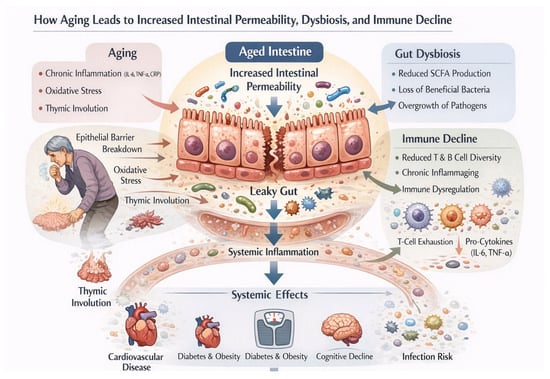
Aging is accompanied by progressive gastrointestinal structural and functional decline, increased intestinal permeability, dysbiosis, and impaired mucosal immunity, collectively elevating susceptibility to infections, chronic inflammation, and multimorbidity. These age-related changes are further exacerbated by polypharmacy, metabolic disorders, and lifestyle factors, positioning the gastrointestinal
[...] Read more.
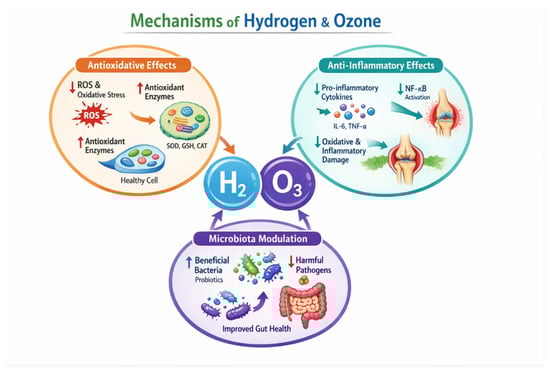
Aging is accompanied by progressive gastrointestinal structural and functional decline, increased intestinal permeability, dysbiosis, and impaired mucosal immunity, collectively elevating susceptibility to infections, chronic inflammation, and multimorbidity. These age-related changes are further exacerbated by polypharmacy, metabolic disorders, and lifestyle factors, positioning the gastrointestinal tract as a central driver of systemic physiological decline. Gut-centered interventions have emerged as critical strategies to mitigate these vulnerabilities and support healthy aging. Dietary modulation, prebiotic and probiotic supplementation, and microbiota-targeted approaches have demonstrated efficacy in improving gut microbial diversity, enhancing short-chain fatty acid production, restoring epithelial integrity, and modulating immune signaling in older adults. Beyond nutritional strategies, non-nutritional interventions such as molecular hydrogen and medical ozone offer complementary mechanisms by selectively neutralizing reactive oxygen species, reducing pro-inflammatory signaling, modulating gut microbiota, and promoting mucosal repair. Hydrogen-based therapies, administered via hydrogen-rich water or inhalation, confer antioxidant, anti-inflammatory, and cytoprotective effects, while ozone therapy exhibits broad-spectrum antimicrobial activity, enhances tissue oxygenation, and stimulates epithelial and vascular repair. Economic considerations further differentiate these modalities, with hydrogenated water positioned as a premium wellness product and ozonated water representing a cost-effective, scalable option for geriatric gastrointestinal care. Although preclinical and early clinical studies are promising, evidence in older adults remains limited, emphasizing the need for well-designed, age-specific trials to establish safety, dosing, and efficacy. Integrating dietary, microbiota-targeted, and emerging non-nutritional gut-centered interventions offers a multimodal framework to preserve gut integrity, immune competence, and functional health, potentially mitigating age-related decline and supporting overall health span in older populations.
Full article

Figure 1
Open AccessArticle
Serum CCL5 in Liver Transplant Candidates: A Potential Marker of Portal Hypertension, Not Cardiovascular Risk
by
Teodora Radu, Speranța M. Iacob, Ioana Manea and Liliana S. Gheorghe
Gastrointest. Disord. 2026, 8(1), 7; https://doi.org/10.3390/gidisord8010007 - 21 Jan 2026
Abstract
►▼
Show Figures
Background: Chemokine CCL5 may drive inflammation and vascular risk in advanced liver disease, but its cardiovascular implications are unclear. Secreted by hepatic, endothelial, macrophage, and lymphocytic cells, CCL5 is involved in cytokine regulation. Its serum levels rise in acute liver injury and hepatocellular
[...] Read more.
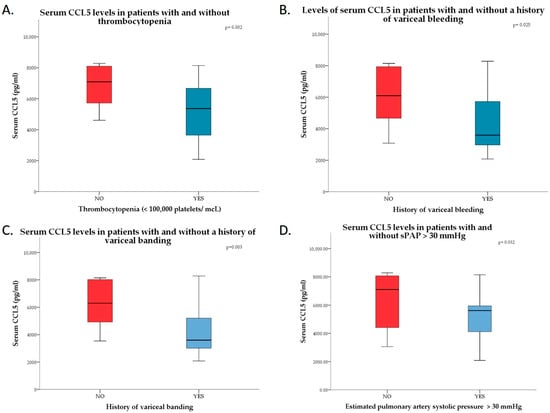
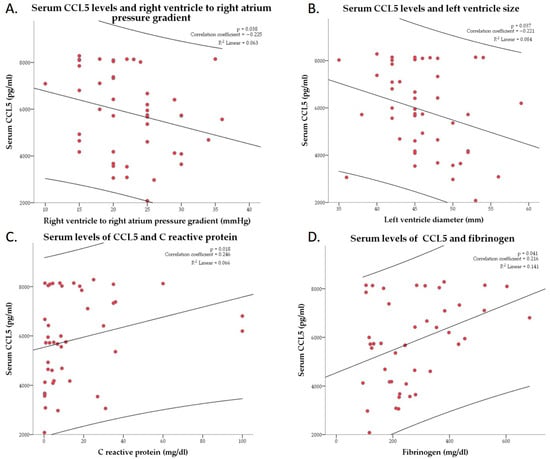
Background: Chemokine CCL5 may drive inflammation and vascular risk in advanced liver disease, but its cardiovascular implications are unclear. Secreted by hepatic, endothelial, macrophage, and lymphocytic cells, CCL5 is involved in cytokine regulation. Its serum levels rise in acute liver injury and hepatocellular carcinoma (HCC), but decline with fibrosis progression in end-stage liver disease (ESLD). CCL5 has also been linked to atherosclerosis. This study aimed to evaluate serum CCL5 levels in ESLD patients listed for liver transplantation (LT) and to assess their potential role as markers of cardiovascular (CV) risk and portal hypertension. Methods: We conducted an observational cohort study. Between 2019 and 2022, patients with ESLD evaluated for LT were enrolled. Data on liver pathology, CV risk, and laboratory parameters were collected. Serum CCL5 concentrations were measured using Sigma Aldrich® CCL5 ELISA kits (MilliporeSigma, St. Louis, MO, USA). The database was analyzed with IBM® SPSS® Statistics version 20 (Chicago, IL, USA). Results: Overall, 46 patients were included, 50% with viral hepatitis and 28.3% with alcohol-related liver disease. HCC was present in 37% of cases. The median CV risk scores (CAD_LT = 7, mCAD_LT = 7, CAR_OLT = 18) placed the population at moderate CV risk. Serum CCL5 levels did not vary significantly between viral vs. non-viral cirrhosis (5511.8 vs. 6272.5 pg/mL, p = 0.15) and were not influenced by the presence of HCC (6098.4 vs. 5771.3 pg/mL, p = 0.55). We did not detect a correlation with MELD score (p = 0.21) or CV risk scores (CAD_LT: p = 0.58; mCAD_LT: p = 0.70; CAR_OLT: p = 0.22). Patients with thrombocytopenia (<100,000/µL, 54.3%) or a history of esophageal variceal ligation had lower CCL5 levels (5170.9 vs. 6750.8 pg/mL, p = 0.002 and 4252.0 vs. 6237.5 pg/mL, p = 0.003, respectively). Similarly, patients with a history of previous variceal bleeding and spontaneous bacterial peritonitis (SBP) had lower levels of CCL5 (4373.8 vs. 6119.9 pg/mL, p = 0.02 and 3404.3 vs. 6606.7 pg/mL, p = 0.01, respectively). We found a negative correlation between CCL5 and QTc interval duration (τ = −0.216, p = 0.037), left ventricle size (LV: τ = −0.235, p = 0.027), and pulmonary artery pressure (RV/RA gradient: τ = −0.225, p = 0.03). CCL5 correlated positively with the inflammatory markers C-reactive protein (CRP) (τ = 0.246, p = 0.018) and fibrinogen (r = 0.216, p = 0.04). Conclusions: In liver transplant candidates, serum CCL5 is not associated with cardiovascular risk scores or coronary atherosclerotic burden, but is inversely associated with clinical markers of portal hypertension severity. These findings suggest that CCL5 may serve as a potential non-invasive surrogate marker of portal hypertension rather than a cardiovascular risk biomarker in ESLD.
Full article

Figure 1
Open AccessReview
Usefulness of Transanal Irrigation and Colon Hydrotherapy in the Treatment of Chronic Constipation and Beyond: A Review with New Perspectives for Bio-Integrated Medicine
by
Raffaele Borghini, Francesco Borghini, Alessia Spagnuolo, Agnese Borghini and Giovanni Borghini
Gastrointest. Disord. 2026, 8(1), 6; https://doi.org/10.3390/gidisord8010006 - 12 Jan 2026
Abstract
►▼
Show Figures
Transanal Irrigation (TAI) and Colon Hydrotherapy (CHT) represent emerging therapeutic options that may complement first-line interventions or serve as rescue treatments for chronic constipation and fecal incontinence. Their clinical utility depends on patient characteristics, specific therapeutic goals, device features, and probe type, as
[...] Read more.
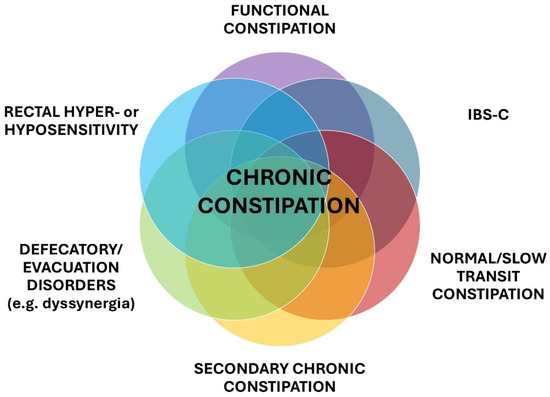
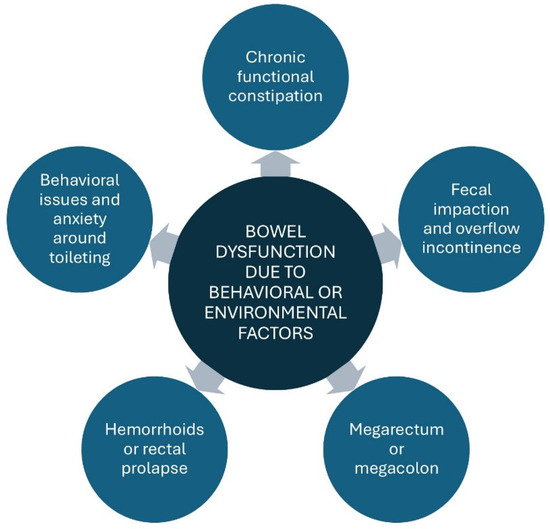
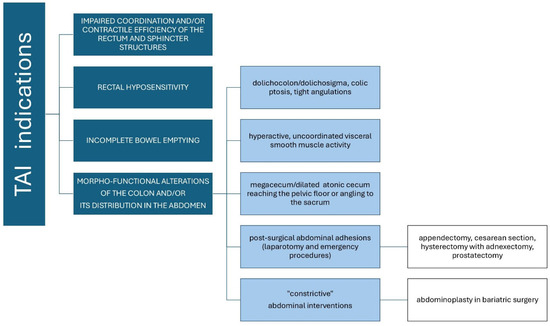
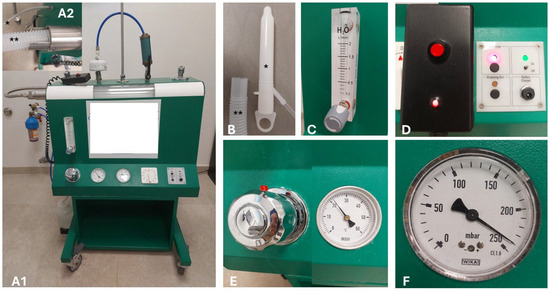
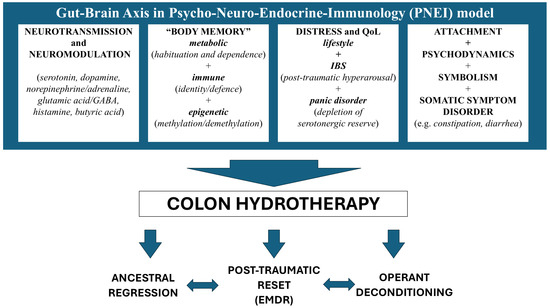
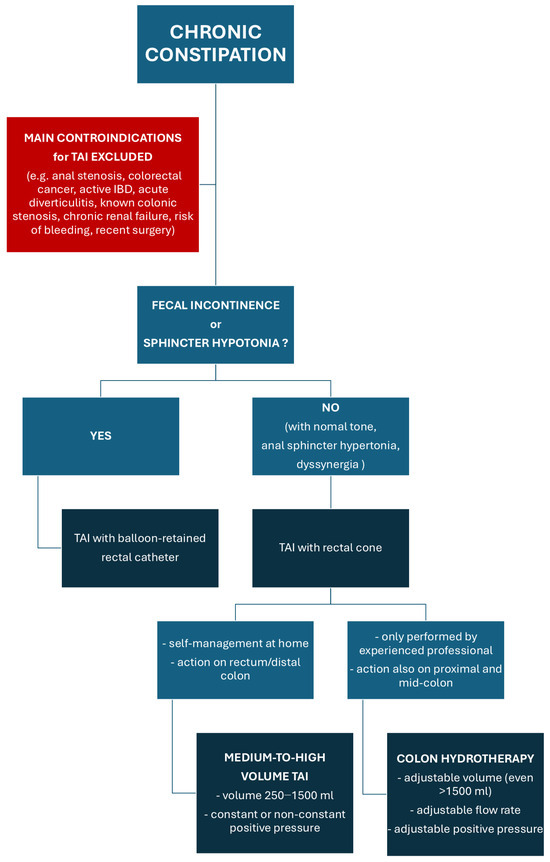
Transanal Irrigation (TAI) and Colon Hydrotherapy (CHT) represent emerging therapeutic options that may complement first-line interventions or serve as rescue treatments for chronic constipation and fecal incontinence. Their clinical utility depends on patient characteristics, specific therapeutic goals, device features, and probe type, as well as the procedural setting. This review presents the various pathophysiological contexts in which these techniques can be applied, analyzing their specific characteristics and potential pros and cons. Moreover, these interventions are also considered within a Psycho-Neuro-Endocrino-Immunological (PNEI) framework, given the potential influence of intestinal function and microbiota modulation on the bidirectional communication pathways linking the enteric nervous system, neuroendocrine regulation, immune activity, and global patient well-being. Since there is not yet enough scientific data on this topic, future research should prioritize randomized controlled trials comparing these techniques with other standard treatments (e.g., laxatives or dietary fiber) in defined patient populations. Longitudinal studies will also be essential to clarify long-term safety, potential effects on microbiota, and both risks and benefits. Standardization of technical procedures also remains a critical need, especially regarding professional competencies, operating parameters (e.g., instilled volumes and pressure ranges), and reproducible protocols. Moreover, future investigations should incorporate objective outcome measures, as colonic transit time, stool form and frequency, indices of inflammation or intestinal wall integrity, and changes to microbiome composition. In conclusion, TAI and CHT have the potential to serve as important interventions for the treatment and prevention of chronic constipation and intestinal dysbiosis, as well as their broader systemic correlates, in the setting of bio-integrated medicine.
Full article

Figure 1
Highly Accessed Articles
Latest Books
E-Mail Alert
News
Topics
Topic in
Cancers, Diagnostics, Gastrointestinal Disorders, JCM, Current Oncology
Metastatic Colorectal Cancer: From Laboratory to Clinical Studies, 2nd Edition
Topic Editors: Ioannis Ntanasis-Stathopoulos, Diamantis I. TsilimigrasDeadline: 20 August 2026
Topic in
Cancers, Diagnostics, JCM, Biomedicines, Gastrointestinal Disorders, Current Oncology, Therapeutics
Hepatobiliary and Pancreatic Diseases: Novel Strategies of Diagnosis and Treatments—Second Edition
Topic Editors: Alessandro Coppola, Roberta Angelico, Chiara MazzarelliDeadline: 25 November 2026
Topic in
Biomedicines, Current Oncology, Diagnostics, JCM, Livers, Transplantology, Gastrointestinal Disorders
Advances in Gastrointestinal and Liver Disease: From Physiological Mechanisms to Clinical Practice, 2nd Edition
Topic Editors: Davide Giuseppe Ribaldone, Gian Paolo CavigliaDeadline: 20 December 2026
Topic in
Cancers, Diagnostics, Gastrointestinal Disorders, JCM, Children
Evolving Role of Endoscopy in Adult and Pediatric Gastrointestinal Disorders
Topic Editors: Valerio Balassone, Dominique Schluckebier, Matteo Tacelli, Luigi Dall'OglioDeadline: 30 June 2027
Special Issues
Special Issue in
Gastrointestinal Disorders
Novel Therapies for the Treatment of Inflammatory Bowel Disease
Guest Editors: Angharad Vernon-Roberts, Andrew DayDeadline: 25 June 2026
Special Issue in
Gastrointestinal Disorders
GastrointestinaI & Bariatric Surgery
Guest Editors: Rodolfo Oviedo, Aman Goyal, Luigi MaranoDeadline: 25 August 2026
Special Issue in
Gastrointestinal Disorders
Minimally Invasive Surgery for Upper Gastrointestinal Tract Diseases: New Trends and Future Perspectives
Guest Editor: Giuseppe PalombaDeadline: 31 October 2026
Special Issue in
Gastrointestinal Disorders
Diagnosis and Treatment of Digestive Diseases: Emerging Mechanisms and Systemic Complications
Guest Editors: Samar Rezq, Kristin EdwardsDeadline: 30 November 2026