


Abstract
Transanal Irrigation (TAI) and Colon Hydrotherapy (CHT) represent emerging therapeutic options that may complement first-line interventions or serve as rescue treatments for chronic constipation and fecal incontinence. Their clinical utility depends on patient characteristics, specific therapeutic goals, device features, and probe type, as well as the procedural setting. This review presents the various pathophysiological contexts in which these techniques can be applied, analyzing their specific characteristics and potential pros and cons. Moreover, these interventions are also considered within a Psycho-Neuro-Endocrino-Immunological (PNEI) framework, given the potential influence of intestinal function and microbiota modulation on the bidirectional communication pathways linking the enteric nervous system, neuroendocrine regulation, immune activity, and global patient well-being. Since there is not yet enough scientific data on this topic, future research should prioritize randomized controlled trials comparing these techniques with other standard treatments (e.g., laxatives or dietary fiber) in defined patient populations. Longitudinal studies will also be essential to clarify long-term safety, potential effects on microbiota, and both risks and benefits. Standardization of technical procedures also remains a critical need, especially regarding professional competencies, operating parameters (e.g., instilled volumes and pressure ranges), and reproducible protocols. Moreover, future investigations should incorporate objective outcome measures, as colonic transit time, stool form and frequency, indices of inflammation or intestinal wall integrity, and changes to microbiome composition. In conclusion, TAI and CHT have the potential to serve as important interventions for the treatment and prevention of chronic constipation and intestinal dysbiosis, as well as their broader systemic correlates, in the setting of bio-integrated medicine.
1. Introduction
Presently, digestive disorders and intestinal dysfunction appear to be growing in frequency and prevalence, although numerical data in the literature are still quite variable. Even if there is still strong resistance to intestinal taboo topics, knowledge of the organic and non-organic issues that can influence gastrointestinal disorders is certainly increasing. In particular, efforts are being made to characterize everything that can affect proper bowel function and emptying—the approach to patients with chronic constipation is certainly highly complex, so much so that it often requires a multidisciplinary team that includes not only the gastroenterologist but also other professionals such as a neurologist, radiologist, nutritionist, and psychotherapist. Furthermore, with respect to therapeutic approaches, there is a growing need to adopt multimodal interventions that address and integrate multiple dimensions, frequently incorporating techniques that remain under active investigation.
Over time, Transanal Irrigation (TAI) techniques including and Colon Hydrotherapy (CHT) have increasingly gained ground in conventional medicine, demonstrating clinical benefits in the treatment of gastrointestinal disorders, including constipation and fecal incontinence, and improving individual health, well-being, and quality of life. Specifically, these techniques appear to positively impact not only physical and organic aspects, but also psychological, social, and economic ones, reducing social isolation and embarrassment.
Although there is still no uniformity in the techniques used and the results of studies conducted to date are still incomplete, TAI and CHT appear to have very high potential to play a key role in gastroenterological therapies and beyond.
This review examines chronic constipation through its multiple pathophysiological dimensions, including altered gastrointestinal motility and dysregulation of the gut–brain axis. It also evaluates TAI and CHT as therapeutic strategies aimed at restoring bowel function in selected patient populations. By integrating these diverse perspectives, the review highlights how chronic constipation and its treatments can be interpreted within a framework of bio-integrated medicine, which seeks to combine physiological, mechanical, and behavioral approaches to achieve more comprehensive and individualized patient care.
1.1. Intestinal Disorders and Chronic Constipation
Intestinal disorders refer to a broad range of digestive issues leading to symptoms like abdominal pain, bloating, constipation, diarrhea, and fatigue. Intestinal dysfunctions can mainly stem from: (1) functional disorders; (2) structural disorders; (3) motility disorders; (4) malabsorption; (5) infections; (6) food intolerances and allergies; (7) medications and surgery; and (8) lifestyle factors.
In these situations, it is not always easy to arrive at a correct diagnosis and establish the appropriate therapeutic pathway.
In particular, with regard to chronic constipation and functional constipation, the clinical picture appears to be particularly complex from both a symptomatic and pathophysiological standpoint. Functional constipation and Irritable Bowel Syndrome with Constipation (IBS-C) in adults have a prevalence of about 12% and 4%, respectively. According to the Rome IV criteria, functional constipation presents with specific characteristics in the 3 months preceding diagnosis, with the onset of symptoms taking place in the preceding 6 months or more. Specifically, at least two of the following symptoms must be present: straining during defecation, lumpy or hard stools (Bristol 1 or 2), sensation of incomplete evacuation, sensation of anorectal obstruction/blockage, use of manual maneuvers to evacuate (e.g., intrarectal digitation), and <3 spontaneous bowel movements per week. Furthermore, semi-formed stools are not present unless aided by laxatives, and the criteria for IBS-C are not met [1].
Chronic constipation can be divided into three subclasses based on the pathophysiological mechanisms involved, although different mechanisms may be present in the same subject and symptoms may be similar or overlapping regardless of the pathogenic mechanism [2] (Figure 1):
Figure 1.
Overlapping features of chronic constipation. The graph highlights how chronic constipation can have multiple and sometimes overlapping characteristics, even in the same patient at the same time. This makes both diagnosis and treatment very complex and challenging for clinicians. Legend: IBS-C, Irritable Bowel Syndrome with Constipation.
- (1)
- Normal transit constipation: This is the most common form, with >50% of constipated patients confirmed by radiopaque marker study, and it is often indistinguishable from IBS-C. Colonic transit falls within the normal range (20–72 h) and show normal ano-rectal function, but patients refer subjective and/or objective symptoms of constipation, mostly associated with bloating and abdominal pain. There may be disturbances in stool consistency, visceral hyposensitivity, or hypersensitivity and alterations in the Enteric Nervous System (ENS). Moreover, significantly higher scores for psychological distress, anxiety, or mood symptoms, which may affect perception of bowel function, are often reported [3].
- (2)
- Slow transit constipation (STC): This is a subtype of chronic primary constipation characterized by abnormally delayed colonic transit in response to meals, in the absence of (or in addition to) outlet obstruction. The estimated prevalence in the general population is about 2–4%. It is more common in women and often presents in younger to middle-aged adults. Because stool remains for longer in the colon, additional absorption of water occurs, resulting in harder stools and infrequent defecation [4].
The pathogenesis of STC remains incompletely understood, but probably it implies a normal resting colonic motility with a diminished motor response in the colon after a meal—there are markedly reduced high-amplitude propagated contractions, an increase in retrograde or non-propagating waves, a dysfunction in the extrinsic parasympathetic or enteric neural control (neuromuscular dysfunction with a reduced number of interstitial cells of Cajal) and/or altered neurotransmitter levels in the ENS (e.g., decreased excitatory transmitter activity) [5]. A contribution of systemic and extra-colonic dysmotility is possible, with delayed gastric or small bowel transit (generalized gastrointestinal motility disorder). Some authors include dietary and/or microbiota alterations among the causes of STC, which in turn cause fermentation changes—patients with STC, for example, show increased methane production and have impacts on short-chain fatty acid production (e.g., butyrate), which may contribute to mucosal and motility changes [4,6,7]. Colonic inertia in STC patients can be highlighted with delayed passage of radio-opaque markers through the proximal colon and can even result in chronic megacolon, with dilated and poorly compliant colon.
- (3)
- Defecatory/evacuation disorders: These are the second-most common type of chronic constipation and defecation is impaired due to functional, anatomical, or both causes. In these patients, radiological examinations reveal normal passage of radiopaque markers into the proximal colon, but they then stagnate in the rectum.
In abdominopelvic dyssynergia, an acquired/behavioral disorder, the synergistic relaxation of the puborectalis muscle and/or the external anal sphincter (EAS) fails, and coordination with abdominal straining is lost. The condition may result from inappropriate toilet habits, painful defecation, obstetric or spinal trauma, disturbances of the gut–brain axis, or psychosocial factors.
Furthermore, evacuation may also fail due to inadequate rectal propulsive forces and/or increased resistance to evacuation (e.g., anismus).
Among the most common anatomical causes are intra-anal intussusception and rectocele [8].
In addition, the main causes of secondary chronic constipation are reported in Table 1.
Table 1.
Main Causes of Secondary Chronic Constipation.
Treatment of intestinal disorders and, in particular, of chronic constipation will depend on the specific cause, but often responses to different treatments may overlap. Options may include the following:
- Dietary Changes: Excluding abnormal dietary habits, increasing fiber intake and providing adequate hydration, avoiding trigger foods, or adopting a specific diet (e.g., a low-Fermentable OligoSaccharides, Disaccharides, Monosaccharides, And Polyols (FODMAP) diet, a low-lactose diet, a low-histamine diet, or a gluten-free diet for celiac disease) [9].
- Lifestyle Adjustments: Regular exercise, stress management techniques, adequate sleep, and adequate time and an optimal environment to defecate.
- Medications: Exclude drug side-effects. Treatments to manage symptoms, reduce inflammation, or address underlying causes. In case of hard stools, the main treatments include macrogol, bulking agents, and in case of failure stimulant laxatives (Bisacodyl), prokinetic agents (Prucalopride), secretagogues (Linaclotide and Plecanatide), and bile acid transporter inhibitors (Elobixibat).
- Surgery: In more severe cases, procedures or surgery may be necessary, such as adhesiolysis, colectomy, ventropexy, and rectal resection [10].
- Other Treatments: Biofeedback techniques, particularly indicated for dyssynergic defecation, and recto-colonic water irrigation, which are still being studied by the scientific community today.
1.2. The Physiology of Defecation
It is possible to recognize the exact mechanisms involved in evacuation, which can cause constipation or altered gastrointestinal emptying. Defecation is a complex neurophysiological process involving the autonomic and somatic nervous system (SNS), smooth and skeletal muscles, and coordinated actions within the gastrointestinal tract, particularly the colon, rectum, and anus. Schematically, it is possible to distinguish four consequential phases involved in evacuation (basal, pre-expulsive, expulsive, and the end phase), but in detail they include the following [11]:
- Colonic motility and fecal transport: The process begins with the movement of fecal material from the sigmoid colon into the rectum, facilitated by haustral contractions, slow segmenting movements that mix and propel content, and mass peristalsis, powerful, high-amplitude peristaltic waves that occur a few times a day, often in response to gastrocolic reflex.
- Rectal distension and afferent signaling: As feces enter the rectum, the rectal walls stretch, activating mechanoreceptors in the rectal mucosa. This triggers afferent signals transmitted via the pelvic splanchnic nerves (S2–S4) to the sacral spinal cord. This initiates the recto-anal inhibitory reflex—the internal anal sphincter (IAS), composed of smooth muscle and controlled involuntarily by the autonomic nervous system (ANS), reflexively relaxes and this allows for a small amount of fecal material to contact the anal canal, which is richly innervated and helps the brain assess the kind of contents (solid, liquid, or gas).
- Central integration and conscious perception: The somatosensory cortex and prefrontal cortex interpret the signals and determine the appropriate time and place to defecate. Social and environmental cues influence this decision. If defecation is not appropriate, voluntary contraction of the EAS and puborectalis muscle (innervated by the pudendal nerve) prevents fecal passage.
- Voluntary Defecation Reflex: When defecation is deemed appropriate, the following occurs:
- Relaxation of the EAS and puborectalis muscle, straightening the anorectal angle.
- Increased intra-abdominal pressure via contraction of abdominal muscles and closure of the glottis (the Valsalva maneuver).
- Enhanced rectal contractions, increasing intrarectal pressure.
- These coordinated actions lead to the expulsion of feces through the anal canal.
- Post-defecation recovery: After defecation the rectum returns to baseline tone, IAS and EAS resume contraction, the anal canal closes, and feedback to the brain reduces the sense of urgency [12].
Neurological disorders, spinal cord injuries, or damage to pelvic nerves can impair defecation control, and the chronic inhibition of defecation reflexes (e.g., in social or occupational contexts) can lead to constipation. There are some techniques that can help retrain nervous reflexes involved in evacuation, such as biofeedback therapy in cases of dyssynergia. Appropriate details and insights will follow in the following chapters.
1.3. Neurogenic Bowel Dysfunction: Overview
Defecation is controlled by a complex interaction between ANS for involuntary control, SNS for voluntary control and ENS for intrinsic gut motor control. Damage at any level of these pathways can cause neurogenic bowel dysfunction (NBD), leading to constipation, fecal incontinence, and dyssynergia [13].
Spinal Cord Injuries can affect bowel function depending on the level and completeness of the lesion. They include suprasacral lesions (above S2–S4) (e.g., cervical and thoracic injuries) and sacral or infrasacral lesions (S2–S4) (e.g., cauda equina syndrome or conus medullaris injury).
Neurological disorders affecting defecation mainly include multiple sclerosis [14], Parkinson’s disease [15], diabetic autonomic neuropathy [16], stroke with lesions affecting medial frontal cortex, insula or brainstem [17], and spina bifida and Myelomeningocele.
Pelvic Nerve Injury includes pudendal neuropathy, generally caused by childbirth trauma, pelvic surgery or chronic straining, and pelvic splanchnic nerve damage (S2–S4) [8].
More details about neurogenic bowel dysfunctions are reported in Table 2.
Table 2.
Neurogenic Bowel Dysfunction Overview.
1.4. Bowel Dysfunction Due to Behavioral or Environmental Factors
Chronic inhibition of the defecation reflex, especially due to behavioral or environmental factors, can lead to progressive dysfunction of the defecation mechanism. This phenomenon may be due to social limitations (fear of public toilets, no privacy, or stigma), occupational restrictions (limited bathrooms breaks) and/or psychological reasons (stress). It is extremely common, especially in the modern lifestyles of adult patients, where it is not always possible to have a daily routine or access to private and comfortable toilets. Moreover, childhood toilet training issues can have a negative impact and lead to retention behavior. Over time, this can evolve into chronic functional constipation, impaired sensation and poor recto-anal coordination, which may require behavioral retraining, medical therapy, or even biofeedback treatment.
When a patient constantly ignores or even suppresses the urge to defecate, the following may happen:
- Desensitization of rectal stretch receptors: Repeated inhibition leads to reduced sensitivity of mechanoreceptors in the rectal wall and this increases rectal compliance (the rectum accommodates larger volumes without triggering the urge) [18].
- Disruption of recto-anal coordination (dyssynergic defecation): A learned maladaptive pattern arises where the pelvic floor and EAS contract instead of relaxing during straining. This inevitably leads to functional outlet obstruction [19].
- Fecal retention and hardening: Feces remain in the colon for longer periods, with more water reabsorbed, causing the formation of hard, dry stools and making evacuation more difficult, even when the urge is present [20].
- Habituation and loss of sensory urge: The urge to defecate weakens or disappears over time (a form of “sensory habituation”), especially common in school-aged children and elderly people with mobility or cognitive limitations [21].
Long-term consequences of bowel dysfunction due to behavioral or environmental factors are summarized in Figure 2 [13].
Figure 2.
Long-term consequences of bowel dysfunction due to behavioral or environmental factors. The graph highlights the main functional, organic/physical, and psychological/behavioral consequences.
2. Biofeedback
Biofeedback is a validated, non-invasive behavioral therapy technique that uses real-time physiological data to help individuals gain voluntary control over bodily functions that are normally automatic/involuntary. In the gastrointestinal field, biofeedback is primarily used to retrain voluntary control over anorectal and pelvic floor function, improving coordination during defecation or continence. It is essentially a learning process based on operant conditioning and guided muscle retraining, with sustained long-term benefits in properly selected patients [22].
It involves the measurement and visual/auditory feedback of specific physiological signals, including electromyographic activity of the anal sphincters and pelvic floor, intra-rectal or intra-anal pressure, balloon expulsion tests while simulating defecation, and abdominal wall activity. During the feedback loop, data are displayed for the patient in real time on a monitor. With the help of a trained therapist, the patient can identify incorrect muscle use (e.g., contracting instead of relaxing during defecation), can learn to modulate their responses (e.g., properly relax pelvic floor during straining), and may practice coordinated muscle activity with cues and reinforcement.
By exploiting neuroplasticity and motor learning, biofeedback can promote cortical reorganization and enhance sensorimotor awareness, thus it can help normalize anorectal coordination and restore the defecation reflex arc [23].
Clinical applications of biofeedback include:
- Dyssynergic defecation (functional outlet obstruction), in which patients inappropriately contract the anal sphincter or pelvic floor during defecation. Biofeedback teaches patients to relax these muscles and coordinate abdominal pushing with anal relaxation. Randomized controlled trials have shown that >70% of patients with dyssynergic defecation benefit from biofeedback therapy [24].
- Fecal incontinence: Biofeedback strengthens the EAS and improves rectal sensory discrimination. Patients learn to recognize the urge to defecate earlier and contract the sphincters more effectively [23].
- Urinary incontinence and pelvic floor dysfunction: Often used alongside physical therapy to treat mixed pelvic floor disorders. It appears to enhance muscle strength, timing, and coordination, although there are also conflicting opinions in scientific literature on this topic [25].
Biofeedback is recommended as first-line therapy for dyssynergic defecation and it is often superior to laxatives, fiber, or medication for functional constipation caused by outlet dysfunction [26]. On the other hand, this method has the limitations of requiring trained therapists and being rather time-consuming (typically 4–6 sessions or more). Furthermore, it appears to be less effective for slow transit constipation or neurological causes (e.g., spinal cord injury).
3. Transanal Irrigation (TAI)
3.1. TAI Definition
Transanal irrigation (TAI) is an emerging home-based procedure which involves a specially designed device to introduce water into the rectum and helps manage chronic constipation and fecal incontinence. The water allows a more complete emptying of the bowel than an enema and helps patients regain control over their bowel function.
TAI is primarily recommended for patients with NBD who have fecal impaction and loss of anal sphincter function, both internal and external, to activate intestinal wall receptors and pacemaker cells and stimulate peristalsis. Moreover, despite studies still being scarce, TAI is also increasingly proposed in the treatment of functional bowel disorders such as chronic idiopathic constipation, after the failure of laxatives or other conservative treatments [10,27].
3.2. TAI Mechanism of Action and Indications
Specifically, TAI is usually delivered via a rectal catheter with a balloon which is inflated to replace the function of the impaired sphincters, and peristalsis is stimulated in the colon. The balloon also triggers the recto-anal inhibitory reflex, causing IAS relaxation. The balloon is then deflated and evacuation is achieved after removal of the rectal catheter itself [28]. However, the mechanism of action of TAI appears to be more complex, involving a neuromechanical loop which adapts to consistency, shape and size of the luminal content. Unlike the proximal colon, where Colonic Migrating Motor Complexes (CMMCs) are responsible only for the content-independent spontaneous slow propulsion of soft stool, distal colon involves a content-dependent mechanism in combination with content-independent spontaneous CMMCs. This is why an empty or extremely dilated colon shows no movement and lacks normal effective propulsive activity. Moreover, a fluid infusion can generate repeated peristaltic propulsive contractions that propagate at much higher speeds than solid contents [29,30].
Therefore, with sufficient fecal content and residual colonic myogenic activity to ensure the neuromechanical mechanism of peristalsis, TAI may be indicated as described in Figure 3 [31,32].
Figure 3.
Main indications for Transanal Irrigation. The figure shows the main indications for treatment with Transanal Irrigation. Legend: TAI, Transanal Irrigation.
3.3. TAI Classification
Approaches for therapeutic colonic irrigation must consider water volume, pressure, and flow rate, which are the most important influential factors for achieving the mechanism of TAI. Currently, the average amount of irrigation fluid in the scientific literature is 700 mL, although this can range from 250 to 1500 mL or even >1500 mL.
Depending on the volume of water introduced, a subdivision into three classes of TAI has been suggested: (a) low-volume TAI < 175 mL, which includes rectal bulb, syringe, enema, and other equipment; (b) high-volume TAI > 175 mL and ≤1500 mL; (c) very high volume TAI > 1500 mL, which includes CHT. Although no formal consensus has yet been established, a volume below 175 mL is generally classified as low, as it corresponds to the typical amount delivered by a single activation of the hand reservoir in currently available TAI systems and aligns with the usual rectal capacity range of 150–250 mL. Low-volume TAI (<175 mL) primarily facilitates evacuation of the rectum and part of the sigmoid colon, whereas high-volume TAI (>175 mL) produces more extensive colonic emptying and, consequently, entails distinct clinical effects and safety considerations.
Moreover, TAI systems can be classified according to whether they use constant or non-constant water pressure; they can also be subdivided according to whether they exploit gravity (as in the case of rectoclysis) or a positive pressure < 50 mmHg or >50 mmHg. Variations in water delivery mechanisms, whether direct or indirect pumping, along with differences in water pressure, flow rate, and pressure-limiting systems, may further influence the clinical performance and safety profile of these devices [33].
Since to date there is still no uniformity in the TAI methodology (definition, equipment and devices used; pressure and volumes of liquids introduced; personnel performing the procedure; etc.), a group of experts in functional gastrointestinal and motility disorders recently proposed a possible standardized definition for the term “TAI” as a bowel management technique involving the controlled instillation of water into the rectum and distal colon. According to them, this procedure can be characterized by the following technical and procedural features [34]:
- Irrigation mechanism: Lukewarm water is introduced into the rectum and colon by means of pressure generated through either a manual or electrically driven pump, ensuring consistent flow and optimal distribution of the irrigation fluid.
- Delivery system: The irrigation medium is administered via a rectal cone or a balloon-retained rectal catheter. Inflation of the balloon serves to secure the catheter in place and minimize leakage during the procedure, particularly in individuals with impaired anal sphincter control secondary to neurological lesions or anatomical alterations of the anorectal complex. There are also TAI systems for children, which can adapt to the anatomy, comfort, and independence of the patient and include low-volume/mini systems, with a cone tip that is inserted gently into the rectum (less invasive and more suitable for younger, smaller, and more sensitive children), or balloon-anchored rectal catheters, which permit more controlled fluid delivery and may support greater autonomy in older children.
- Flow rate regulation: The irrigation flow should be maintained within a range of 200–300 mL/min. This rate has been arbitrarily established to avoid excessive intraluminal pressure that may induce abdominal cramping or reflex rectal contractions, while ensuring sufficient colonic distension to stimulate peristalsis effectively.
- Irrigation volume: The total volume of irrigation fluid typically averages 700 mL, although individual requirements may vary between 250 and 1500 mL, depending on patient tolerance, colonic capacity, and clinical objectives. In pediatric cases, volumes are generally low and weight-dependent.
- Practical implementation: The procedure is designed to be performed by the patient in a seated position, usually on a toilet, enabling a high degree of autonomy and integration into daily bowel care routines. Exceptions include pediatric patients and individuals with significant physical or cognitive limitations, who may require assistance from a caregiver or healthcare professional.
3.4. TAI Benefits
The main benefits of TAI are:
- Relief and prevention of constipation: This provides for the emptying of the lower bowel, reducing constipation and/or fecal impaction, especially in case of the failure of conservative therapies (laxatives or biofeedback training) or pelvic surgery. It may be indicated also for patients who use enemas, rectoclysis, digitation, or other manual maneuvers. TAI seems to reduce symptoms resulting from constipation or inadequate bowel movement with fecal retention, especially bloating and abdominal pain. In addition, it may also possibly reduce or prevent inflammatory conditions of the intestinal mucosa [34,35].
- Relief and prevention of fecal urgency or incontinence: By effectively emptying the bowel, TAI helps prevent uncontrolled bowel movements [36]. TAI may also be indicated for patients with idiopathic rectal hyposensitivity (not due to neurogenic bowel) presenting both symptoms of constipation and fecal incontinence [34].
- Possible improvement of gut microbiota: To date, very few studies have been conducted on the effects of TAI on the microbiota, and they have all been performed on highly selected populations. However, an increase in gut microbiota diversity and a reduction in the proportions of pro-inflammatory taxa been observed in patients with multiple sclerosis and bowel dysfunction, together with significant improvements in gastrointestinal symptoms and quality of life [37]. Positive effects have been registered also in pediatric patients affected by spina bifida who underwent TAI [38].
- Improvement of quality of life: Patients can manage their bowel function and choose the time and place for bowel movements. TAI reduces excessive time spent on bowel care, as well as reliance on toilet access. Moreover, it can give physical and psychological independence and improve quality of social life [34,39].
Regarding TAI compliance, some authors have highlighted in a single-center retrospective study a 43% adherence rate approximately one year after the training session, with training progress being the only predictive factor. Specifically, patients with fecal incontinence were the most compliant with TAI (55%), while there were no significant differences between TAI adopters and non-adopters in subjects with neurological conditions. On the other hand, a high rate of TAI discontinuation within 1 year was recorded in subjects with obstructed defecation and slow transit constipation (only one-third of them continued TAI). Although the most common reason for discontinuing TAI was lack of efficacy (41%), many of those who discontinued gave reasons related not to efficacy but to technical problems (e.g., rectal balloon bursting, water leakage or retention, anal pain or bleeding) or to formal practice constraints [40]. A similar rate of adherence to TAI (about 40%) within the first year was observed in another study conducted on an elderly population (>65 years) who was more exposed to chronic constipation and fecal incontinence [41].
To improve compliance with TAI, the experts’ position paper recommends not to completely discontinuing laxatives already being used (especially macrogol) and to perhaps use TAI as a complementary and/or “bridge” treatment towards further rehabilitation therapies. Furthermore, it is essential that the patient is monitored by an experienced healthcare professional at regular intervals; the procedure is performed daily for the first two weeks, then at least 2–3 times a week until satisfactory results are achieved, after which the frequency should be gradually reduced; and the procedure should be performed at the same time of day whenever possible, especially in the morning or after meals [34].
3.5. TAI Contraindications and Adverse Effects
The main contraindications for TAI are known anal stenosis, colorectal cancer, active chronic inflammatory bowel disease, ischemic colitis, acute diverticulitis and diverticular abscess, known colonic stenosis, chronic renal failure, congestive heart failure, risk of bleeding, <3 months after colorectal anastomosis, <4 weeks after endoscopic polypectomy, and current pregnancy. In case of known colonic stenosis or current pregnancy, low-volume TAI < 175 mL (with a cone catheter) can be used with caution, whereas high-volume TAI is contraindicated. Conditions always worthy of caution for the use of TAI include severe diverticulosis, risk of uncontrolled autonomic dysreflexia, distance < 3 months from pelvic radiation therapy and resolution of proctitis, cognitive impairment, fecaloma, previous pelvic/colorectal/anal surgery, distance < 3 months from total prostatectomy, and anticoagulant therapy (excluding aspirin and clopidogrel) [33].
Although TAI is generally considered safe, some adverse events are documented in the literature. These may be classified as minor, procedural, and rare/serious.
- (1)
- Minor complications: Abdominal cramps or discomfort, anorectal pain, minor anal/rectal bleeding, leakage of irrigation fluid, or nonspecific or vasovagal symptoms such as nausea, sweating/hot flushes, chills, flushing, headache. Reviews have shown that adverse event rates in TAI patients are similar to those in conservatively managed patients, indicating that some symptoms may stem from the underlying bowel dysfunction rather than the irrigation itself [42].
- (2)
- Procedural complications: Physiological discomfort, catheter or balloon expulsion, bursting of rectal balloons, leakage around device, difficulty in catheter insertion/removal/handling, incomplete bowel evacuation, or residual fluid retention [42].
- (3)
- Rare/serious adverse events: Bowel perforation (estimated approximately 1 in 50.000 irrigations), anorectal fibrosis/stricture due to repeated microtrauma, and autonomic dysreflexia, especially in patients with high spinal cord injury above T6 [43].
4. Colon Hydrotherapy (CHT)
Colon hydrotherapy (CHT), also called hydrocolontherapy, colonic irrigation, or colonic cleansing, is usually considered a very high-volume TAI technique, although it should more properly be defined as a “variable-volume TAI technique”, with the flow rate varying from 0 to approximately 2 L/min. To date, it has been carried out both in medical settings (also as preparation for colonoscopy) and in complementary therapy or wellness centers [44]. It involves disposable or sterilized equipment, and temperature and pressure controls. In most of cases it is performed using simple water, but sometimes colon cleansing products may contain fiber, laxatives, probiotics, or other substances especially in unconventional therapeutic contexts, raising controversy. The main characteristics of a CHT machine are shown in Figure 4.
Figure 4.
Characteristics of a colon hydrotherapy machine. (A1) General overview of the machine; (A2) details of the thinner tube (*), which transports clean water from the machine to the probe, and the larger tube (**), which transports waste material from the probe to the machine; (B) the disposable probe, with the blunt tip still attached (for rectal insertion); the distal end of the larger tube is shown alongside; (C) the flowmeter, which makes it possible to adjust the flow of clean water up to 2 L/min; (D) the remote control and the fixed panel, which make it possible to open and close the drainage system through the larger tube; (E) the manual water temperature regulator and thermometer; and (F) the manometer, which makes it possible to know the internal intestinal pressure in real time.
The most advanced and versatile systems allow for switching between “open” and “closed” circuit repeatedly during the same session, depending on the desired internal pressure, by manual command from the operator and/or the patient, by pressing a button on the control panel or remote control. Typically, there is also an automatic emergency opening system, which is activated if a certain internal safety pressure is exceeded (generally ~120 mbar) or in case of a very sudden change in internal pressure, causing an immediate reduction in internal pressure and emptying of the intestinal contents.
After perianal inspection and digital rectal examination with lubrication, a disposable conical probe is inserted approximately 10 cm into the rectum and is generally held in place by the operator or by retention systems (e.g., a disposable belt). Next, the blunt tip of the probe is removed. A thinner tube for clean water, as well as a thicker tube for waste material are attached to the probe and connected to the machine. Temperature-controlled water (generally ~37 °C) is cyclically introduced into the rectum through the probe, while the operator performs abdominal maneuvers to facilitate the fluid’s ascent through the colon. The volume of water used can vary greatly during a single session and during repeated intestinal fillings and emptyings, as the operator can adjust the incoming water flow: as already stated, it is possible to vary between 0 and 2 L/min, also depending on the patient’s condition during the same session.
When a certain internal pressure is reached (generally ~100–120 mbar) and/or the patient perceives early intestinal discomfort, the operator can give the machine the command to empty, returning the internal pressure to resting state. When this occurs, it is usually also possible for the operator and the patient to observe the outflow of the material through a transparent tube.
CHT is particularly recommended for individuals with a normotonic or hypertonic anal sphincter, or in cases of dyssynergia. However, it may have limitations in cases of sphincter hypotonia, with fluid leakage during the session once certain pressures are exceeded: internal blocking systems as in classic TAI (e.g., an inflated balloon to replace the function of the impaired sphincters) are not expected for CHT, given the potential high inflow of fluids.
The examination can last approximately 40 min and is “dynamic”, as its success is influenced by incoming water flow, internal intestinal pressure, volume and consistency of the intestinal contents (liquids, solids, and gases), contractile state of the intestinal muscles and pelvic floor (especially in cases of hypertonicity and dyssynergia), and patient stress. The role of the operator is also fundamental, as he is responsible for the appropriateness and safety of the practice and must establish a professional relationship of trust and empathy with the patient when performing such a delicate maneuver. Practitioners should be well trained and possibly with medical backgrounds [45].
4.1. CHT Benefits
Intended as an “extension” of the classic TAI, CHT shares its beneficial effects or even further enhances them. It can improve bowel motility and relieve constipation, bloating, and other digestive discomforts. In some small pilot studies, patients did experience improvements in IBS-like symptoms, reporting a greater satisfaction with their bowel movements, although a potential placebo effect cannot be excluded [46]. It seems not only to ensure mechanical cleaning and hydration of the bowel lumen, but also to stimulate intestinal motility: the gentle distension from fluid can activate stretch receptors, triggering reflexes that enhance muscular contractions of the colon. CHT also appears capable of modulating, restoring, or enhancing the intestinal microbiota, with a very high potential if integrated into a correct diagnostic–therapeutic pathway. Moreover, it can also possibly improve skin conditions, immune function, and general feeling of well-being. As already mentioned, it has also been successfully introduced as bowel preparation before colonoscopy, imaging, or surgery, when standard oral bowel preparation is insufficient or not tolerated [44].
4.2. CHT Possible Risks and Critiques
To date, the scientific basis of CHT has been limited and has needed further investigation and clarity, especially regarding potential risks. The main concerns are similar to those of TAI and include the following:
- Potential adverse effects: As in classic TAI, patients can experience mild symptoms such as cramping, abdominal pain, fullness, bloating, nausea, vomiting, perianal irritation, and soreness. On the other hand, serious adverse events including abscesses, air emboli, rectal perforations, coffee enema-associated colitis, and septicaemia are reported in some very rare cases, especially when there is a lack of adequate anamnestic collection of clinical data (e.g., regarding possible physical/anatomical, pathological, pharmacological, and psychological issues) [47].
- Potential bacterial translocation risk: Water introduced by CHT may disturb the normal flora. However, in clinical practice, intestinal cleansing appears to be effective at rebalancing the intestinal flora, especially in intestinal bacterial overgrowth, even in the absence of supplemental therapeutic support such as rifaximin or probiotics/prebiotics. Regarding the alteration of the mucosal layer, dissemination and absorption of toxins and bacteria into the body [48], this eventuality could occur very rarely and potentially only in very fragile subjects, not ideal candidates for treatment and therefore excluded a priori.
- Potential non-physiological volumes/pressures: Some CHT systems may use large volumes of water under pressures which may be more than what the colon normally experiences. This might risk barotrauma or intestinal perforation if not carried out by non-specialized personnel and/or in the absence of safety systems [49]. However, most devices today are also equipped with safety systems that open the fecal discharge system and release pressure when it increases too much or too suddenly in the colon.
- Potential electrolyte/fluid shifts: Given the exposure to large volumes of incoming water, as well as the active and passive transport of ions by the colon, alterations in fluid and electrolyte balance are possible, especially in sessions that are too frequent.
- Placebo/subjective effects: Some of the reported improvements (reduced bloating, abdominal pain, improved stool frequency and consistency, and general satisfaction) in small studies may be influenced by the placebo effect, a change in diet/hydration, or other concurrent interventions. Rigorous trials are few in number [46].
- Lack of long-term data: At the moment, there are no long-term randomized controlled trials that can confirm some of the claimed benefits.
- Lack of standardization: There is large variability in how the procedure is performed (the volume of water, the temperature, frequency, additives, equipment, and training of the practitioner), making generalization difficult.
5. Gut–Brain Axis Integrated into a Psycho-Neuro-Endocrino-Immuno-Genetic Model
5.1. Gut–Brain Axis in Developmental Phases
The latest discoveries on the “gut–brain axis” have confirmed the close relationship between the digestive system and the central nervous system, enriching the theories of psychology and psychodynamics of both developmental and adult age with suggestive confirmations. A goal that goes far beyond the expectations of the father of psychoanalysis, who hoped for the confirmation of his clinical intuitions by a “scientific psychology” based exclusively on neurophysiology.
Current perspectives increasingly recognize potential links between intestinal and psychic/psychological developmental phases. In summary, the first three years are a critical period for both attachment and the gut: (a) 0–2 months, with affective pre-attachment to primary reference figures and initial colonization of the microbiota; (b) 2–6 months, with onset of preferential affective attachment and differentiated stabilization of the microbiota; (c) 6–12 months, with separation anxiety from caregivers and food weaning, which ensure the child can explore safely; (d) 1–3 years, with a caregiver as a safe base and intestinal stability similar to adults; and (e) from 3 years onwards, with mental representations and plastic dialog of the intestine with the brain and the immune system [50,51]. From a psychodynamic perspective, the phase of psychological development most closely associated with intestinal function corresponds to what Freud defined as the “anal stage”. The functional dynamics of this phase refer to the theme of sphincter control, meant as an expression of the balance between autonomy and behavioral dependence, and achieved in holding back or letting go in response to internal or external stress. The anal phase marks the transition from a predominantly bodily relationship (oral phase) to a relationship mainly regulated by external authority.
5.2. Gut, Neurotransmission, and Neuromodulation
The gut is much more than just a digestive organ: it is a neurochemical framework that dialogs with the brain, influencing mood, behavior and mental health. Gut–brain communication takes place through the so-called “gut–brain axis” [52]. The main connections are guaranteed by vagus nerve, systemic circulation and immune system, as well as the gut microbiota.
The main neurotransmitters produced by the intestine are serotonin (90–95%), acetylcholine (90%), dopamine, glutamate, gamma-aminobutyric acid (GABA), and hystamine. Many of these do not directly cross the blood–brain barrier, but affect the brain through indirect pathways (including modulation of vagal tone and inflammation) [53].
Glutamate, the brain’s main excitatory neurotransmitter, is the ionized form of a non-essential amino acid, glutamic acid. Glutamate plays a critical role in learning and memory, synaptic transmission, and neuroplasticity [54].
Butyric acid is a short-chain fatty acid produced mainly by the fermentation of fibers in the colon by the intestinal microbiota. It is not a classic neurotransmitter but modulates the glutamate–GABA balance and enhances monoaminergic signaling. Through histone deacetylase inhibition and anti-inflammatory actions, butyrate promotes serotonergic, dopaminergic, and adrenergic homeostasis, thereby influencing mood, motivation, and stress response within the gut–brain axis through the microbiota [55].
5.3. Gut and Memory
The gut may be conceived as expressing three forms of memory: metabolic, immune and epigenetic. These three memories are also called “body memories”, and should be understood as variants of the procedural unconscious, where the introceptive and extraceptive self, according to the new neuropsychodynamic model of the mind, respectively, perceive signals from the internal and external bodily environment [56].
Metabolic memory, which consists of the body’s ability to “remember” past metabolic events, is involved, for example, in episodes of hyperglycemia; even after glycemic levels have returned to normal, inflammatory effects and intestinal dysbiosis, as well as negative metabolic response to sugar intake can persist.
Immune memory is the immune system’s ability to “remember” pathogens and respond more quickly to subsequent contact. It involves cells such as memory T and B lymphocytes, as well as intestinal microbiota, which can modulate and “educate” the immune system, especially in the first years of life. It appears that some bacteria are even able to induce immune tolerance and avoid allergies or autoimmunity [57]. On the other hand, dysbiosis can activate chronic or inappropriate immune responses that remain as a memory of the microbiota’s interaction with the environment. This scenario is possible, for example, in case of unbalanced initial nutrition education [58].
Finally, about epigenetic memory, the DNA imprinting can modify its expression without altering its sequence, through mechanisms of methylation, histone acetylation, and micro-RNA. These changes, while remaining reversible, can nevertheless persist unchanged over time and even be passed on to subsequent generations. In this regard, the intestinal microbiota can be considered a real epigenetic powerhouse, capable of activating or inhibiting genomic sequences of coding DNA, especially of proteins with enzymatic and neurotransmitter function: starting from the digestive system, microbiota can end up affecting the entire psychophysical balance of an organism [59].
To conclude, there are three synergistic and interdependent memories and an unbalanced diet can alter the microbiota, which can trigger a permanent inflammatory state. In turn, inflammation can modify directly the local metabolism and indirectly the systemic one, even trans-generationally through epigenetics. However, changing lifestyle habits seems to be able to erase the memory and make such changes reversible.
5.4. Intestine and Stress: Irritable Bowel Syndrome
Stress has a very significant impact on the gut, and this link is particularly evident in the case of IBS. This syndrome has no visible lesions or macroscopic signs of inflammations, but the symptoms are real and annoying for the patient. These symptoms often worsen with stress, even without dietary changes. A real vicious circle is activated, in which the sympathetic nervous system reacts to stress by slowing down digestion, altering intestinal motility and increasing visceral sensitivity. This can trigger or worsen IBS symptoms, which in turn generate anxiety, discomfort and frustration [60].
For many patients, learning to manage stress can significantly reduce symptoms. For this reason, there are many psychotherapeutic techniques and relaxation techniques such as hypnosis recommended in the literature, as well as regular physical activity and a targeted healthy diet. In particular, from a psychodynamic point of view, it is possible to recognize the conflictual origin of egodystonic stress that can lead to direct psychosomatic manifestations or symbolic somatic conversion [61,62].
5.5. Psychodynamics and Intestinal Symbolism
Intestinal psychodynamics refer to the unconscious processes expressed through gastrointestinal functions and dysfunctions. The intestine is considered an area of drive conflict and symbolic expression of primary emotions, linked to control and autonomy (anal phase according to Freud although some psychotherapists and psychiatrists today do not share his theories), restrained or expelled aggression, introjection and expulsion (symbolism of holding and letting go) and unconscious elaboration of object relationships (the relationship between nourishment, dependence and separation). Somatic Symptom Disorder is a psychic mechanism through which an unconscious conflict or an intolerable emotion is transformed into a bodily symptom, in order to obtain a secondary benefit. When Somatic Symptom Disorder involves the intestine, it can have many manifestations, such as constipation, spastic colitis, bloating, abdominal pain, diarrhea and nausea [63].
5.6. Colon Hydrotherapy for Gastrointestinal Disorders According to Psycho-Neuro-Endocrino-Immunology (PNEI) Model
For all “sine materia” gastrointestinal disorders, CHT may be considered a potential therapeutic approach operating at the psychosomatic interface by reducing stress and operating a real deconditioning [64]. Washing the colon with water through a rectal probe, used by some as “detoxification” or “purification”, can promote regression in the patient, who spontaneously returns to more childish emotional and behavioral modalities. CHT would produce deep emotional releases, could induce unconscious regressions, favoring the releasing of psychological and physical blocks [65].
During the treatment, the patient visualizes his feces moving away into the transparent drain tube, carried away by the water. There are several symbolisms involved in this operation: the supine position that favors ancestral regression, the return to the anal phase (attention to intestinal activity with special focus on anal sphincter through the probe), the expulsion of the “bad object” according to the object theory (feces). If guided in free associations by a possible supportive psychotherapist, the patient can let go his memories and emotions, towards a spontaneous re-elaboration of them, to identify and remove psychic blocks. During the procedure, the psychotherapist may integrate Eye Movement Desensitization and Reprocessing (EMDR) with the ordinary conversational interactions conducted by the CHT operator, to facilitate conscious access to painful memories, induce spontaneous associative processes and treat post-traumatic stress disorders. Sound stimulation and musical reward can also be used as cognitive and emotional resynchronization techniques, according to patients’ predisposition and personal tastes [66].
In conclusion, given its psycho-physical characteristics, the practice of CHT can be proposed as a therapeutic technique capable of integrating and addressing the complex cognitive-behavioral and neuro-psychodynamic issues deposited in the “three memories” (metabolic, immune and epigenetic) mentioned above, opening new scenarios on both treatment of intestinal disorders and the role of microbiota in the psycho-somatic well-being. Figure 5 shows how the multiple aspects of the gut–brain axis and the practice of CHT are potentially embedded in the Psycho-Neuro-Endocrino-Immunological (PNEI) model.
Figure 5.
Gut–brain axis and colon hydrotherapy in Psycho-Neuro-Endocrino-Immunological (PNEI) model. The figure shows how the gut–brain axis is deeply rooted in the PNEI model. The four main pillars are represented by the four boxes at the top (specifically, neurotransmission and modulation, “body memory,” stress, and psychodynamics). These four domains represent overlapping and interacting functional areas rather than strictly separated compartments. By interacting with these cardinal points, the practice of CHT, can find its integrated utility that goes well beyond mechanical colon cleansing, when practiced in the correct diagnostic-therapeutic framework. Legend: GABA, Gamma-AminoButyric Acid; EMDR, Eye Movement Desensitization and Reprocessing; IBS, Irritable Bowel Syndrome; PNEI, Psycho-Neuro-Endocrine-Immunology; QoL, quality of life.
6. Discussion
As regards chronic constipation, it is possible to hypothesize that multiple individual pathological entities such as IBS-C and functional constipation may be parts of a spectrum where symptoms, pathophysiologic mechanisms, and even responses to different treatments may overlap [2].
In this clinical/diagnostic complexity, the most recent discoveries in the field of neurophysiopathology have shed light on colonic propulsion, which is regulated by two principal neural mechanisms: the first consists of spontaneous, content-independent high-amplitude propagated contractions that occur intermittently throughout the daytime, and the second which is a content-dependent, adaptive response where colonic distension or stretch activates mucosal mechanosensitive afferent pathways [34].
Based on these principles, various techniques have been proposed over the years to perform TAI in patients with chronic constipation and fecal incontinence, although there have never been clear guidelines or uniformity in either the technique or the personnel performing it. TAI is particularly recommended after failure of first-line interventions, such as laxatives, dietary modifications and biofeedback therapy, and before considering surgical interventions, such as a colostomy or ileostomy [67]. Regular TAI can decrease time and efforts involved in bowel issues and may reduce both psychological and physical stress, such as fainting, nausea, vomiting, asthenia, hemorrhoidal complications, prolapse, etc. Currently, it is suggested by healthcare professionals as part of an integrated and multidisciplinary bowel management program for patients with severe constipation or fecal incontinence, in particular for patients with NBD, but the clinical indications can be much more numerous. In this regard, TAI has emerged as a clinically relevant and minimally invasive bowel management modality also for patients with NBD secondary to congenital anomalies such as anorectal malformations and spina bifida. In the pediatric population, TAI resulted to significantly reduce chronic constipation and fecal incontinence, with associated increases in stool form consistency and enhanced quality of life for both patients and caregivers. Prospective multicenter pediatric studies have shown sustained multidisciplinary improvements, especially in bowel function and quality-of-life metrics over both short-, mid-, and long-term follow-up periods, with a safety profile and low incidence of serious adverse events [68,69]. In adult populations with NBD resulting from spinal cord injury or long-standing congenital conditions, TAI has likewise been associated with clinically meaningful reductions in symptom burden. The mechanism of action in both pediatric and adult cohorts involves regular, controlled evacuation of the distal colon, effectively mitigating stool retention and facilitating bowel emptying. Thus, TAI can effectively decrease reliance on more invasive surgical procedures, enhance patient autonomy and long-term bowel management across the lifespan [70].
Moreover, improved intestinal emptying obtained with TAI seems to be linked to a rebalanced intestinal microbiota and beneficial effects also in other fields, such as gynecology (e.g., vaginitis, pelvic pain, dysmenorrhea, dyspareunia), urology (e.g., cystitis, prostatitis), dermatology (e.g., psoriasis), as well as surgery (e.g., severe obstructed defecation syndrome) [71,72,73,74,75,76].
A recent expert position paper has proposed some key principles of TAI, including devices that allow for an irrigation volume of approximately 250–1500 mL, using a pump and a rectal cone or a balloon-retained rectal catheter. This is generally administered independently by the patient at home, directly on the toilet, after appropriate training [34]. The positive effects of TAI have also been highlighted in the pediatric population [33]. However, even today there are mostly small studies regarding TAI, often with short follow-up and methodological limitations.
In the field of TAI techniques, the potential role of CHT has perhaps not been sufficiently explored. Since it necessarily requires the presence of an external operator and the machines can reach rather high flows and volumes (up to 2 L/min, well over 1500 mL of water per session), it may have been underestimated. However, its great advantages should be considered, particularly the ability to modulate both flow and internal pressure during the same session and to also act on the most proximal portions of the colon, using safety systems that prevent adverse events. At the same time, there are potential risks, particularly when performed by inappropriate personnel, with an inadequate or excessive frequency, or in populations with vulnerability (e.g., active inflammatory bowel disease, intestinal tumors, recent digestive tract surgery). CHT is not yet a standard procedure in therapeutic treatment and operators and patients should be cautious, ensure proper clinical oversight and consider also integrative treatments (diet, hydration, pharmacotherapy, and psychotherapy).
From a PNEI perspective, CHT is hypothesized to exert indirect physiological and psychological effects, although robust clinical evidence remains limited. By facilitating bowel evacuation and reducing symptoms such as bloating or constipation, the procedure may decrease gastrointestinal distress and influence neuroendocrine function and inflammatory signaling along the gut–brain axis. Furthermore, it may contribute to reductions in perceived stress and improvements in mood, compatibly with PNEI models of bidirectional gut–brain–immune communication. However, empirical data specifically linking CHT to measurable neuroendocrine or immunological changes are currently insufficient. High-quality clinical trials are needed to clarify these relationships and to determine the therapeutic relevance of such interventions within an integrative PNEI framework.
7. Conclusions
In conclusion, TAI and CHT can potentially be valid tools to support first-level therapies, or as rescue therapies in cases of chronic constipation. Depending on the clinical-therapeutic needs, the patient’s characteristics, the properties of the machine available, and the type of probe in use, as well as the procedure setting, it is possible to hypothesize a decision-making flowchart for treatment of chronic constipation with TAI or specifically with CHT (Figure 6).
Figure 6.
Decision-making flowchart for treatment of chronic constipation with Transanal Irrigation (TAI) and Colon Hydrotherapy (CHT). The chart illustrates how to decide to perform TAI and CHT in a patient with chronic constipation. The most appropriate technique can be determined based primarily on the patient’s and probe’s characteristics, the type of colonic action required (more distal or more proximal), and the setting (home or outpatient).
In the future, it may certainly be useful to conduct well-designed, randomized controlled trials, perhaps even comparing TAI and CHT with other standard treatments (laxatives, fiber, etc.) in specific patient populations. Longitudinal studies could also provide reassurance about long-term safety, effects on the microbiome, and more accurately estimate the prevalence of any risks or benefits. Furthermore, it is necessary to standardize the techniques, particularly with regard to the qualified professionals, and execution parameters such as volumes, pressures, water quality and any additives. Furthermore, it could be very helpful to study as many objective outcome measures as possible in response to treatment, such as colonic transit time, stool form/frequency, and quality of life scales. Any changes in inflammatory biomarkers, intestinal wall integrity, or microbiome composition should also be considered, rather than reporting only subjective symptoms.
Author Contributions
Conceptualization, R.B.; data curation, R.B., F.B., A.S., A.B. and G.B.; project administration, R.B. and F.B.; supervision, R.B., F.B. and G.B.; validation, R.B. and G.B.; visualization, R.B., F.B., A.S., A.B. and G.B.; writing—original draft, R.B., A.S. and A.B.; writing—review and editing, R.B., F.B. and G.B. All authors have read and agreed to the published version of the manuscript.
Funding
No institutional, private, or corporate financial support for the work was received.
Institutional Review Board Statement
Not applicable.
Informed Consent Statement
Not applicable.
Data Availability Statement
No new data were created or analyzed in this study. Data sharing is not applicable to this article.
Conflicts of Interest
The authors declare no conflicts of interest.
Abbreviations
The following abbreviations are used in this manuscript:
| ANS | Autonomic Nervous System |
| CHT | Colon Hydrotherapy |
| CMMCs | Colonic Migrating Motor Complexes |
| EAS | External Anal Sphincter |
| EMDR | Eye Movement Desensitization and Reprocessing |
| ENS | Enteric Nervous System |
| FODMAPs | Fermentable Oligo-saccharides, Disaccharides, Monosaccharides, and Polyols |
| GABA | Gamma-Aminobutyric Acid |
| IAS | Internal Anal Sphincter |
| IBS-C | Irritable Bowel Syndrome with Constipation |
| NBD | Neurogenic Bowel Dysfunction |
| PNEI | Psycho-Neuro-Endocrino-Immunology |
| SNS | Somatic Nervous System |
| STC | Slow Transit constipation |
| TAI | Transanal Irrigation |
References
- Barbara, G.; Cremon, C.; Bellini, M.; Corsetti, M.; Di Nardo, G.; Falangone, F.; Fuccio, L.; Galeazzi, F.; Iovino, P.; Sarnelli, G.; et al. Italian guidelines for the management of irritable bowel syndrome: Joint Consensus from the Italian Societies of: Gastroenterology and Endoscopy (SIGE), Neurogastroenterology and Motility (SINGEM), Hospital Gastroenterologists and Endoscopists (AIGO), Digestive Endoscopy (SIED), General Medicine (SIMG), Gastroenterology, Hepatology and Pediatric Nutrition (SIGENP) and Pediatrics (SIP). Dig. Liver Dis. 2023, 55, 187–207. [Google Scholar] [PubMed]
- Siah, K.T.; Wong, R.K.; Whitehead, W.E. Chronic Constipation and Constipation-Predominant IBS: Separate and Distinct Disorders or a Spectrum of Disease? Gastroenterol. Hepatol. 2016, 12, 171–178. [Google Scholar]
- Lembo, A.; Camilleri, M. Chronic constipation. N. Engl. J. Med. 2003, 349, 1360–1368. [Google Scholar] [CrossRef] [Scilit] [PubMed]
- Vlismas, L.J.; Wu, W.; Ho, V. Idiopathic Slow Transit Constipation: Pathophysiology, Diagnosis, and Management. Medicina 2024, 60, 108. [Google Scholar] [CrossRef] [Scilit]
- Bassotti, G.; Chistolini, F.; Nzepa, F.S.; Morelli, A. Colonic propulsive impairment in intractable slow-transit constipation. Arch. Surg. 2003, 138, 1302–1304. [Google Scholar] [CrossRef] [Scilit]
- Vermorken, A.J.; Andrès, E.; Cui, Y. Bowel movement frequency, oxidative stress and disease prevention. Mol. Clin. Oncol. 2016, 5, 339–342. [Google Scholar] [CrossRef] [Scilit]
- Han, K.; Kuo, B.; Khalili, H.; Staller, K. Metagenomics Analysis Reveals Unique Gut Microbiota Signature of Slow-Transit Constipation. Clin. Transl. Gastroenterol. 2024, 15, e1. [Google Scholar] [CrossRef] [Scilit]
- Bharucha, A.E.; Lacy, B.E. Mechanisms, Evaluation, and Management of Chronic Constipation. Gastroenterology 2020, 158, 1232–1249.e3. [Google Scholar] [CrossRef] [Scilit]
- Borghini, R.; Spagnuolo, A.; Donato, G.; Borghini, G. Gluten-Free Diet for Fashion or Necessity? Review with New Speculations on Irritable Bowel Syndrome-like Disorders. Nutrients 2024, 16, 4236. [Google Scholar] [CrossRef] [Scilit]
- Vitton, V.; Damon, H.; Benezech, A.; Bouchard, D.; Brardjanian, S.; Brochard, C.; Coffin, B.; Fathallah, N.; Higuero, T.; Jouët, P.; et al. Clinical practice guidelines from the French National Society of Coloproctology in treating chronic constipation. Eur. J. Gastroenterol. Hepatol. 2018, 30, 357–363. [Google Scholar] [CrossRef] [Scilit]
- Santucci, N.R.; Velez, A. Physiology of lower gastrointestinal tract. Aliment. Pharmacol. Ther. 2024, 60, S1–S19. [Google Scholar] [CrossRef] [Scilit]
- Bharucha, A.E.; Pemberton, J.H.; Locke, G.R., 3rd. American Gastroenterological Association technical review on constipation. Gastroenterology 2013, 144, 218–238. [Google Scholar] [CrossRef] [Scilit] [PubMed]
- Emmanuel, A. Neurogenic bowel dysfunction. F1000Research 2019, 8, F1000 Faculty Rev-1800. [Google Scholar] [CrossRef] [Scilit] [PubMed]
- Preziosi, G.; Gordon-Dixon, A.; Emmanuel, A. Neurogenic bowel dysfunction in patients with multiple sclerosis: Prevalence, impact, and management strategies. Degener. Neurol. Neuromuscul. Dis. 2018, 8, 79–90. [Google Scholar] [CrossRef] [Scilit] [PubMed]
- Fasano, A.; Visanji, N.P.; Liu, L.W.; Lang, A.E.; Pfeiffer, R.F. Gastrointestinal dysfunction in Parkinson’s disease. Lancet Neurol. 2015, 14, 625–639. [Google Scholar] [CrossRef] [Scilit]
- Camilleri, M. Gastrointestinal motility disorders in neurologic disease. J. Clin. Investig. 2021, 131, e143771. [Google Scholar] [CrossRef] [Scilit]
- Whitehead, W.E.; Borrud, L.; Goode, P.S.; Meikle, S.; Mueller, E.R.; Tuteja, A.; Weidner, A.; Weinstein, M.; Ye, W. Pelvic Floor Disorders Network. Fecal incontinence in US adults: Epidemiology and risk factors. Gastroenterology 2009, 137, 512–517. [Google Scholar] [CrossRef] [Scilit]
- Rao, S.S. Constipation: Evaluation and treatment of colonic and anorectal motility disorders. Gastroenterol. Clin. N. Am. 2007, 36, 687–711. [Google Scholar] [CrossRef] [Scilit]
- Bharucha, A.E.; Rao, S.S. An update on anorectal disorders for gastroenterologists. Gastroenterology 2014, 146, 37–45.e2. [Google Scholar] [CrossRef] [Scilit]
- Camilleri, M.; Ford, A.C.; Mawe, G.M.; Dinning, P.G.; Rao, S.S.; Chey, W.D.; Simrén, M.; Lembo, A.; Young-Fadok, T.M.; Chang, L. Chronic constipation. Nat. Rev. Dis. Primers 2017, 3, 17095. [Google Scholar] [CrossRef] [Scilit]
- Benninga, M.A.; Faure, C.; Hyman, P.E.; St James Roberts, I.; Schechter, N.L.; Nurko, S. Childhood Functional Gastrointestinal Disorders: Neonate/Toddler. Gastroenterology 2016, 130, 1519–1526. [Google Scholar] [CrossRef] [Scilit]
- Chiarioni, G.; Whitehead, W.E.; Pezza, V.; Morelli, A.; Bassotti, G. Biofeedback is superior to laxatives for normal transit constipation due to pelvic floor dyssynergia. Gastroenterology 2006, 130, 657–664. [Google Scholar] [CrossRef] [Scilit] [PubMed]
- Heymen, S.; Scarlett, Y.; Jones, K.; Ringel, Y.; Drossman, D.; Whitehead, W.E. Randomized controlled trial shows biofeedback to be superior to pelvic floor exercises for fecal incontinence. Dis. Colon Rectum 2009, 52, 1730–1737. [Google Scholar] [CrossRef] [Scilit] [PubMed]
- Rao, S.S.; Welcher, K.D.; Leistikow, J.S. Obstructive defecation: A failure of rectoanal coordination. Am. J. Gastroenterol. 1998, 93, 1042–1050. [Google Scholar] [CrossRef] [PubMed]
- Nunes, E.F.C.; Sampaio, L.M.M.; Biasotto-Gonzalez, D.A.; Nagano, R.C.D.R.; Lucareli, P.R.G.; Politti, F. Biofeedback for pelvic floor muscle training in women with stress urinary incontinence: A systematic review with meta-analysis. Physiotherapy 2019, 105, 10–23. [Google Scholar] [CrossRef] [Scilit]
- Rao, S.S.; Patcharatrakul, T. Diagnosis and Treatment of Dyssynergic Defecation. J. Neurogastroenterol. Motil. 2016, 22, 423–435. [Google Scholar] [CrossRef] [Scilit] [PubMed]
- Bassotti, G.; Usai Satta, P.; Bellini, M. Chronic Idiopathic Constipation in Adults: A Review on Current Guidelines and Emerging Treatment Options. Clin. Exp. Gastroenterol. 2021, 14, 413–428. [Google Scholar] [CrossRef] [Scilit]
- Rodriguez, G.; Kirshblum, S.; Thao, M.; McArthur, M.; Camilleri, M. The Functional Implications of Transanal Irrigation: Insights from Pathophysiology and Clinical Studies of Neurogenic Bowel Dysfunction. J. Clin. Med. 2024, 13, 1527. [Google Scholar] [CrossRef] [Scilit]
- Costa, M.; Wiklendt, L.; Simpson, P.; Spencer, N.J.; Brookes, S.J.; Dinning, P.G. Neuromechanical factors involved in the formation and propulsion of fecal pellets in the guinea-pig colon. Neurogastroenterol. Motil. 2015, 27, 1466–1477. [Google Scholar] [CrossRef] [Scilit]
- Spencer, N.J.; Dinning, P.G.; Brookes, S.J.; Costa, M. Insights into the mechanisms underlying colonic motor patterns. J. Physiol. 2016, 594, 4099–4116. [Google Scholar] [CrossRef] [Scilit]
- Chey, W.Y.; Chang, V.; Hoellrich, C.M.; Lee, K.Y.; Lubkin, M.; Corcoran, D.; Chang, T.M.; Chey, W.D. Mega-Cecum: An Unrecognized Cause of Symptoms in Some Female Patients with Uro-Gynecological Symptoms and Severe Slow Transit Constipation. Dig. Dis. Sci. 2017, 62, 217–223. [Google Scholar] [CrossRef] [Scilit] [PubMed]
- Chey, W.Y.; Chang, V.; Lubukin, M.; Lee, K.Y.; Hoellrich, C.M.; Chey, W.D. Mega-cecum: A novel clinical entity which explains overlapping gastrointestinal and urogynecologic symptoms in women with chronic constipation. Am. J. Gastroenterol. 2013, 108, 1665–1666. [Google Scholar] [CrossRef] [Scilit] [PubMed]
- Emmanuel, A.; Krogh, K.; Perrouin-Verbe, B.; Krassiukov, A.; Koch, S.; Mosiello, G.; Bazzocchi, G.; Christensen, P.; Rodriguez, G.; Brugaletta, C. Consensus on Safe Initiation and Monitoring of Transanal Irrigation to Optimize Adherence with Therapy. Neurogastroenterol. Motil. 2025, 37, e15011. [Google Scholar] [CrossRef] [Scilit] [PubMed]
- Bazzocchi, G.; Corazziari, E.S.; Staiano, A.; Bassotti, G.; Bellini, M.; Chiarioni, G.; D’Alba, L.; Scarpato, E. Position paper on transanal irrigation in chronic non-organic constipation. Dig. Liver Dis. 2024, 56, 770–777. [Google Scholar] [CrossRef] [Scilit]
- Raahave, D.; Christensen, E.; Loud, F.B.; Knudsen, L.L. Correlation of bowel symptoms with colonic transit, length, and faecal load in functional faecal retention. Dan. Med. Bull. 2009, 56, 83–88. [Google Scholar]
- Vollebregt, P.F.; Dekker, L.; Han-Geurts, I.J.M.; Felt-Bersma, R.J.F. Prospective cohort study of high-volume transanal irrigation in patients with constipation and/or faecal incontinence. Colorectal Dis. 2023, 25, 1658–1670. [Google Scholar] [CrossRef] [Scilit]
- Ascanelli, S.; Bombardini, C.; Chimisso, L.; Carcoforo, P.; Turroni, S.; D’Amico, F.; Caniati, M.L.; Baldi, E.; Tugnoli, V.; Morotti, C.; et al. Trans-Anal irrigation in patients with multiple sclerosis: Efficacy in treating disease-related bowel dysfunctions and impact on the gut microbiota: A monocentric prospective study. Mult. Scler. J. Exp. Transl. Clin. 2022, 8, 20552173221109771. [Google Scholar] [CrossRef] [Scilit]
- Furuta, A.; Suzuki, Y.; Takahashi, R.; Jakobsen, B.P.; Kimura, T.; Egawa, S.; Yoshimura, N. Effects of Transanal Irrigation on Gut Microbiota in Pediatric Patients with Spina Bifida. J. Clin. Med. 2021, 10, 224. [Google Scholar] [CrossRef] [Scilit]
- Rosen, H.; Robert-Yap, J.; Tentschert, G.; Lechner, M.; Roche, B. Transanal irrigation improves quality of life in patients with low anterior resection syndrome. Colorectal Dis. 2011, 13, e335–e338. [Google Scholar] [CrossRef] [Scilit]
- Bildstein, C.; Melchior, C.; Gourcerol, G.; Boueyre, E.; Bridoux, V.; Vérin, E.; Leroi, A.M. Predictive factors for compliance with transanal irrigation for the treatment of defecation disorders. World J. Gastroenterol. 2017, 23, 2029–2036. [Google Scholar] [CrossRef] [Scilit]
- Chesnel, C.; Hentzen, C.; Haddad, R.; Charlanes, A.; Le Breton, F.; Turmel, N.; Amarenco, G. Adherence to transanal irrigation in older adults: First-year assessment. Tech. Coloproctol. 2021, 25, 1055–1063. [Google Scholar] [CrossRef] [Scilit] [PubMed]
- Christensen, P.; Krogh, K.; Buntzen, S.; Payandeh, F.; Laurberg, S. Long-term outcome and safety of transanal irrigation for constipation and fecal incontinence. Dis. Colon Rectum 2009, 52, 286–292. [Google Scholar] [CrossRef] [Scilit] [PubMed]
- Morini, A.; Fabozzi, M.; Zanelli, M.; Sanguedolce, F.; Palicelli, A.; Annicchiarico, A.; Bonelli, C.; Zizzo, M. Transanal Irrigation in Patients with Low Anterior Resection Syndrome After Rectal-Sphincter-Preserving Surgery for Oncological and Non-Oncological Disease: A Systematic Review. Surg. Tech. Dev. 2024, 13, 409–425. [Google Scholar] [CrossRef] [Scilit]
- Zhang, D.; Zhao, C.; Tao, Y.; Zhang, J.; Zhang, Q.; Li, D.; Ye, P.; Yu, X.; Chen, C. Remedial colon hydrotherapy device enema as a salvage strategy for inadequate bowel preparation for colonoscopy: A retrospective cohort study. PLoS ONE 2025, 20, e0319493. [Google Scholar] [CrossRef] [Scilit]
- Taffinder, N.J.; Tan, E.; Webb, I.G.; McDonald, P.J. Retrograde commercial colonic hydrotherapy. Colorectal Dis. 2004, 6, 258–260. [Google Scholar] [CrossRef] [Scilit]
- Hsu, H.H.; Leung, W.H.; Hu, G.C. Treatment of irritable bowel syndrome with a novel colonic irrigation system: A pilot study. Tech. Coloproctol. 2016, 20, 551–557. [Google Scholar] [CrossRef] [Scilit]
- Stern, B.; Chintanaboina, J. Water-Only Colon Cleansing Causing Acute Colitis: 1401. Am. J. Gastroenterol. 2016, 111, S632–S633. [Google Scholar] [CrossRef] [Scilit]
- Seow-Choen, F. The physiology of colonic hydrotherapy. Colorectal Dis. 2009, 11, 686–688. [Google Scholar] [CrossRef] [Scilit]
- Rzouq, F.S.; Hatoum, H.H. Commercial Colon Hydrotherapy: A Common Practice with Serious Complications: 939. Am. J. Gastroenterol. 2010, 105, S340. [Google Scholar] [CrossRef] [Scilit]
- Scalabrini, A.; Mucci, C.; Northoff, G. The nested hierarchy of self and its trauma: In search for a synchronic dynamic and topographical re-organization. Front. Hum. Neurosci. 2022, 16, 980353. [Google Scholar] [CrossRef] [Scilit]
- Averina, O.V.; Danilenko, V.N. Human Intestinal Microbiota: Role in Development and Functioning of the Nervous System. Mikrobiologiia 2017, 86, 5–24. [Google Scholar] [CrossRef] [Scilit] [PubMed]
- Cryan, J.F.; O’Riordan, K.J.; Cowan, C.S.M.; Sandhu, K.V.; Bastiaanssen, T.F.S.; Boehme, M.; Codagnone, M.G.; Cussotto, S.; Fulling, C.; Golubeva, A.V.; et al. The Microbiota-Gut-Brain Axis. Physiol. Rev. 2019, 99, 1877–2013. [Google Scholar] [CrossRef] [Scilit] [PubMed]
- Gajić Bojić, M.; Aranđelović, J.; Škrbić, R.; Savić, M.M. Peripheral GABAA receptors—Physiological relevance and therapeutic implications. Pharmacol. Ther. 2025, 266, 108759. [Google Scholar] [CrossRef] [Scilit] [PubMed]
- Greenamyre, J.T. The role of glutamate in neurotransmission and in neurologic disease. Arch. Neurol. 1986, 43, 1058–1063. [Google Scholar] [CrossRef] [Scilit]
- Yassin, L.K.; Nakhal, M.M.; Alderei, A.; Almehairbi, A.; Mydeen, A.B.; Akour, A.; Hamad, M.I.K. Exploring the microbiota-gut-brain axis: Impact on brain structure and function. Front. Neuroanat. 2025, 19, 1504065. [Google Scholar] [CrossRef] [Scilit]
- Scalabrini, A.; Mucci, C.; Northoff, G. Is Our Self Related to Personality? A Neuropsychodynamic Model. Front. Hum. Neurosci. 2018, 12, 346. [Google Scholar] [CrossRef] [Scilit]
- McCoy, K.D.; Burkhard, R.; Geuking, M.B. The microbiome and immune memory formation. Immunol. Cell Biol. 2019, 97, 625–635. [Google Scholar] [CrossRef] [Scilit]
- Zheng, D.; Liwinski, T.; Elinav, E. Interaction between microbiota and immunity in health and disease. Cell Res. 2020, 30, 492–506. [Google Scholar] [CrossRef] [Scilit]
- Lin, X.; Han, H.; Wang, N.; Wang, C.; Qi, M.; Wang, J.; Liu, G. The Gut Microbial Regulation of Epigenetic Modification from a Metabolic Perspective. Int. J. Mol. Sci. 2024, 25, 7175. [Google Scholar] [CrossRef] [Scilit]
- Qin, H.Y.; Cheng, C.W.; Tang, X.D.; Bian, Z.X. Impact of psychological stress on irritable bowel syndrome. World J. Gastroenterol. 2014, 20, 14126–14131. [Google Scholar] [CrossRef] [Scilit]
- Lacy, B.E.; Pimentel, M.; Brenner, D.M.; Chey, W.D.; Keefer, L.A.; Long, M.D.; Moshiree, B. ACG Clinical Guideline: Management of Irritable Bowel Syndrome. Am. J. Gastroenterol. 2021, 116, 17–44. [Google Scholar] [CrossRef] [Scilit] [PubMed]
- Császár-Nagy, N.; Bókkon, I. Hypnotherapy and IBS: Implicit, long-term stress memory in the ENS? Heliyon 2022, 9, e12751. [Google Scholar] [CrossRef] [Scilit] [PubMed]
- Ferrari, S.; Poloni, N.; Diefenbacher, A.; Barbosa, A.; Cosci, F. From hysteria to somatic symptom disorders: Searching for a common psychopathological ground. J. Psychopathol. 2015, 21, 372–379. [Google Scholar]
- Radziwon, C.D.; Lackner, J.M. Cognitive Behavioral Therapy for IBS: How Useful, How Often, and How Does It Work? Curr. Gastroenterol. Rep. 2017, 19, 49. [Google Scholar] [CrossRef] [Scilit]
- Brook, A. Bowel distress and emotional conflict. J. R. Soc. Med. 1991, 84, 39–42. [Google Scholar] [CrossRef] [Scilit]
- Grifoni, J.; Pagani, M.; Persichilli, G.; Bertoli, M.; Bevacqua, M.G.; L’Abbate, T.; Flamini, I.; Brancucci, A.; Cerniglia, L.; Paulon, L.; et al. Auditory Personalization of EMDR Treatment to Relieve Trauma Effects: A Feasibility Study [EMDR+]. Brain Sci. 2023, 13, 1050. [Google Scholar] [CrossRef] [Scilit]
- Byrne, C.M.; Sharma, A.; Telford, K. Trans-anal irrigation should be offered to patients with severe bowel dysfunction. Br. J. Gen. Pract. 2019, 69, 136. [Google Scholar] [CrossRef] [Scilit]
- Ausili, E.; Marte, A.; Brisighelli, G.; Midrio, P.; Mosiello, G.; La Pergola, E.; Lombardi, L.; Iacobelli, B.D.; Caponcelli, E.; Meroni, M.; et al. Short versus mid-long-term outcome of transanal irrigation in children with spina bifida and anorectal malformations. Childs Nerv. Syst. 2018, 34, 2471–2479. [Google Scholar] [CrossRef] [Scilit]
- Ji, Y.; Ji, J.E.; Kim, B.; Han, S.W.; Lee, Y.S.; Kim, S.W.; Choi, E.K. Long-term outcome of transanal irrigation for individuals with spina bifida: A 12-year experience study. Tech. Coloproctol. 2024, 28, 159. [Google Scholar] [CrossRef] [Scilit]
- Loftus, C.; Wallace, E.; McCaughey, M.; Smith, E. Transanal irrigation in the management of neurogenic bowel dysfunction. Ir. Med. J. 2012, 105, 241–243. [Google Scholar]
- Mahishale, A.; Tahiliani, S.; Nayak, S. Pelvic Floor Rehabilitation in Chronic Constipation Associated with Dyspareunia: A Case Report. Altern. Ther. Health Med. 2025, 31, AT11585. [Google Scholar] [PubMed]
- Gold, D.M.; Swash, M.; Farag, A.; Ding, S.; Santoro, G.; Dodi, G. A brief physiology and pathophysiology of the anorectum based on the Integral Theory paradigm. Ann. Transl. Med. 2024, 12, 25. [Google Scholar] [CrossRef] [Scilit] [PubMed]
- Magri, V.; Boltri, M.; Cai, T.; Colombo, R.; Cuzzocrea, S.; De Visschere, P.; Giuberti, R.; Granatieri, C.M.; Latino, M.A.; Larganà, G.; et al. Multidisciplinary approach to prostatitis. Arch. Ital. Urol. Androl. 2019, 90, 227–248. [Google Scholar] [CrossRef] [Scilit] [PubMed]
- Podzemny, V.; Pescatori, L.C.; Pescatori, M. Management of obstructed defecation. World J. Gastroenterol. 2015, 21, 1053–1060. [Google Scholar] [CrossRef] [Scilit]
- Orlandi, S.; Bocus, P.; Geccherle, A.; Ruffo, G.; Ceccaroni, M. Use of transanal irrigation (TAI) in the treatment of persistent bowel disorders in patients with endometriosis: A retrospective study. Int. J. Colorectal Dis. 2024, 39, 182. [Google Scholar] [CrossRef] [Scilit]
- Brown, A.C.; Hairfield, M.; Richards, D.G.; McMillin, D.L.; Mein, E.A.; Nelson, C.D. Medical nutrition therapy as a potential complementary treatment for psoriasis—Five case reports. Altern. Med. Rev. 2004, 9, 297–307. [Google Scholar]

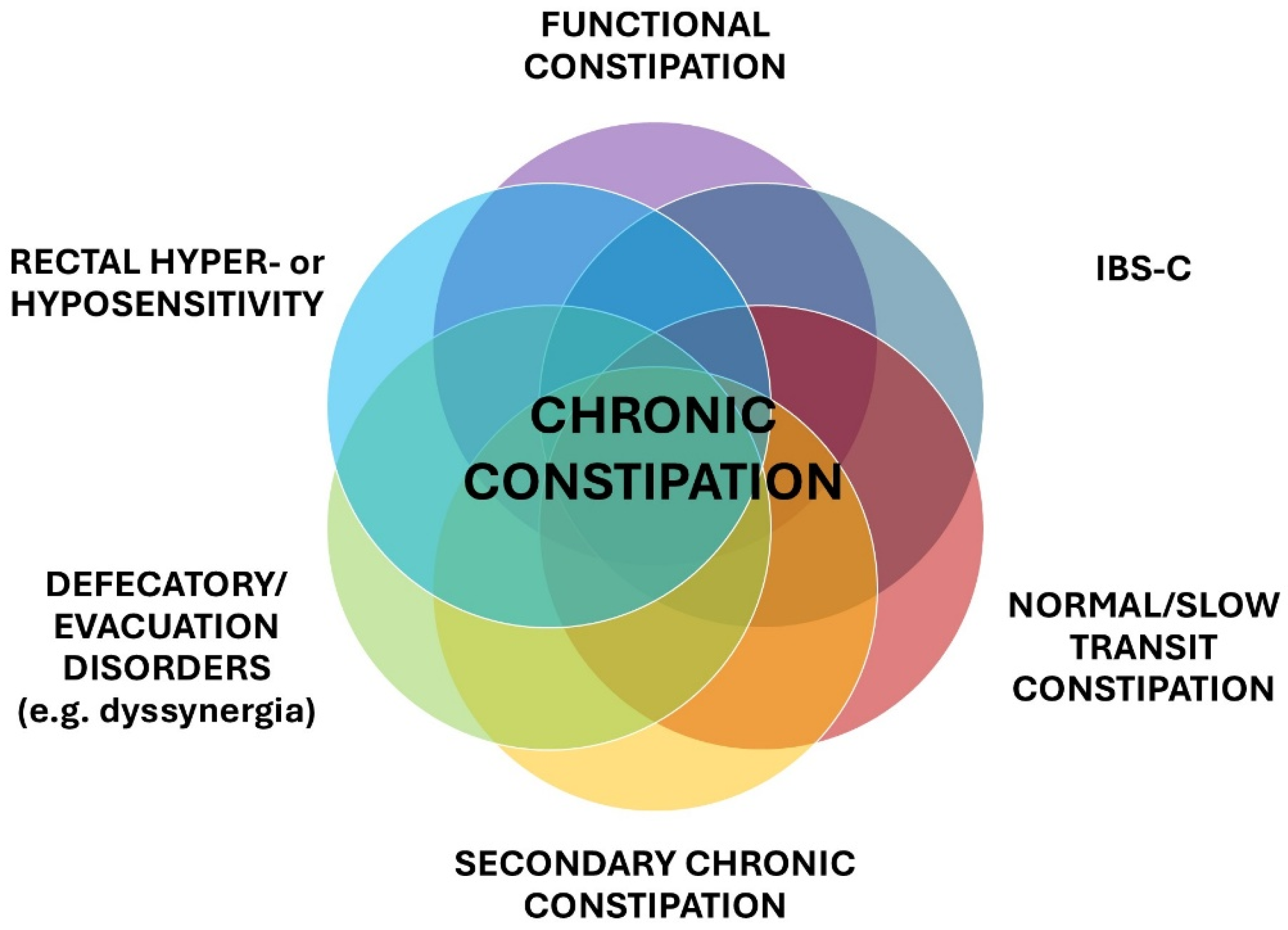

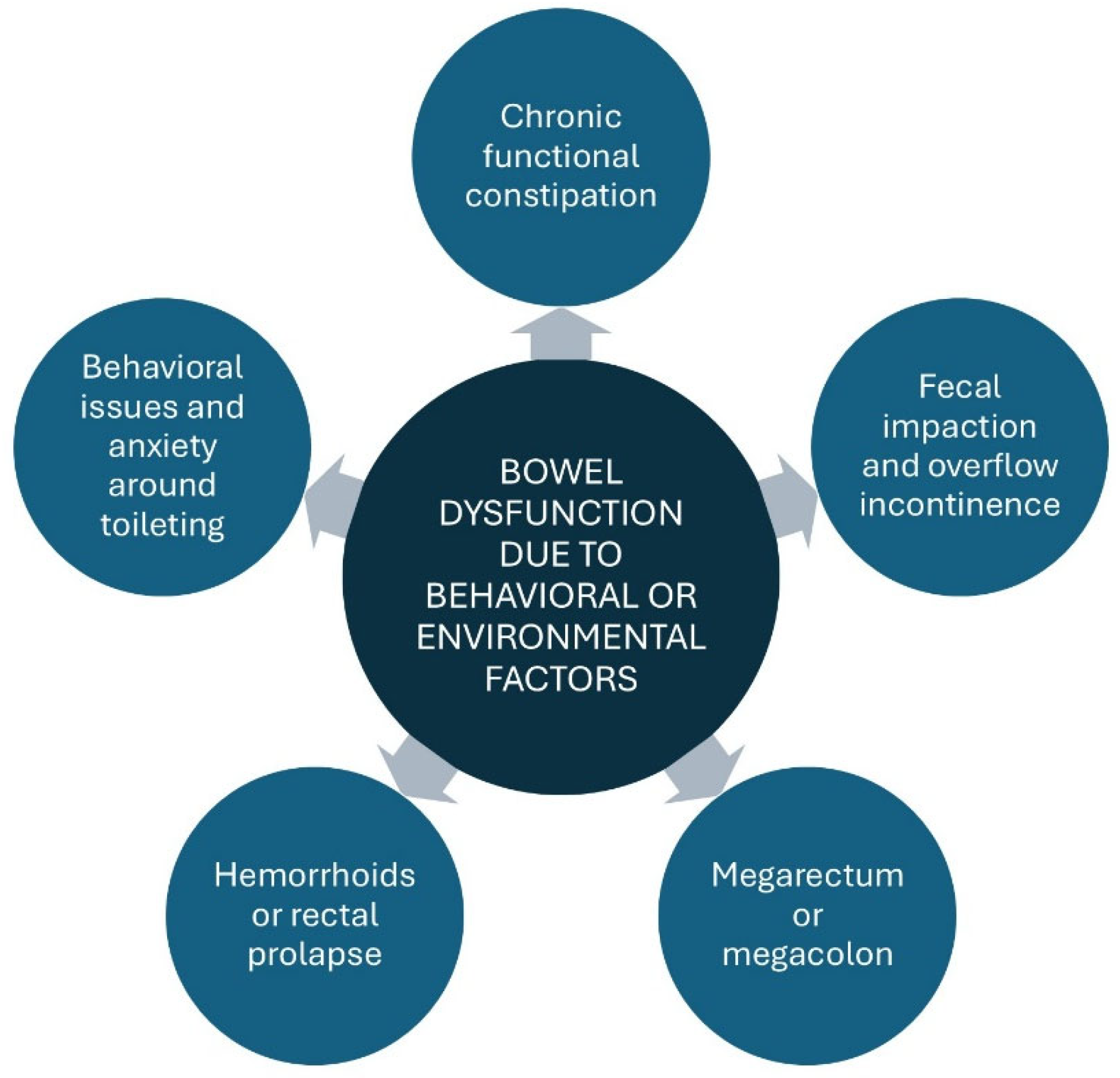

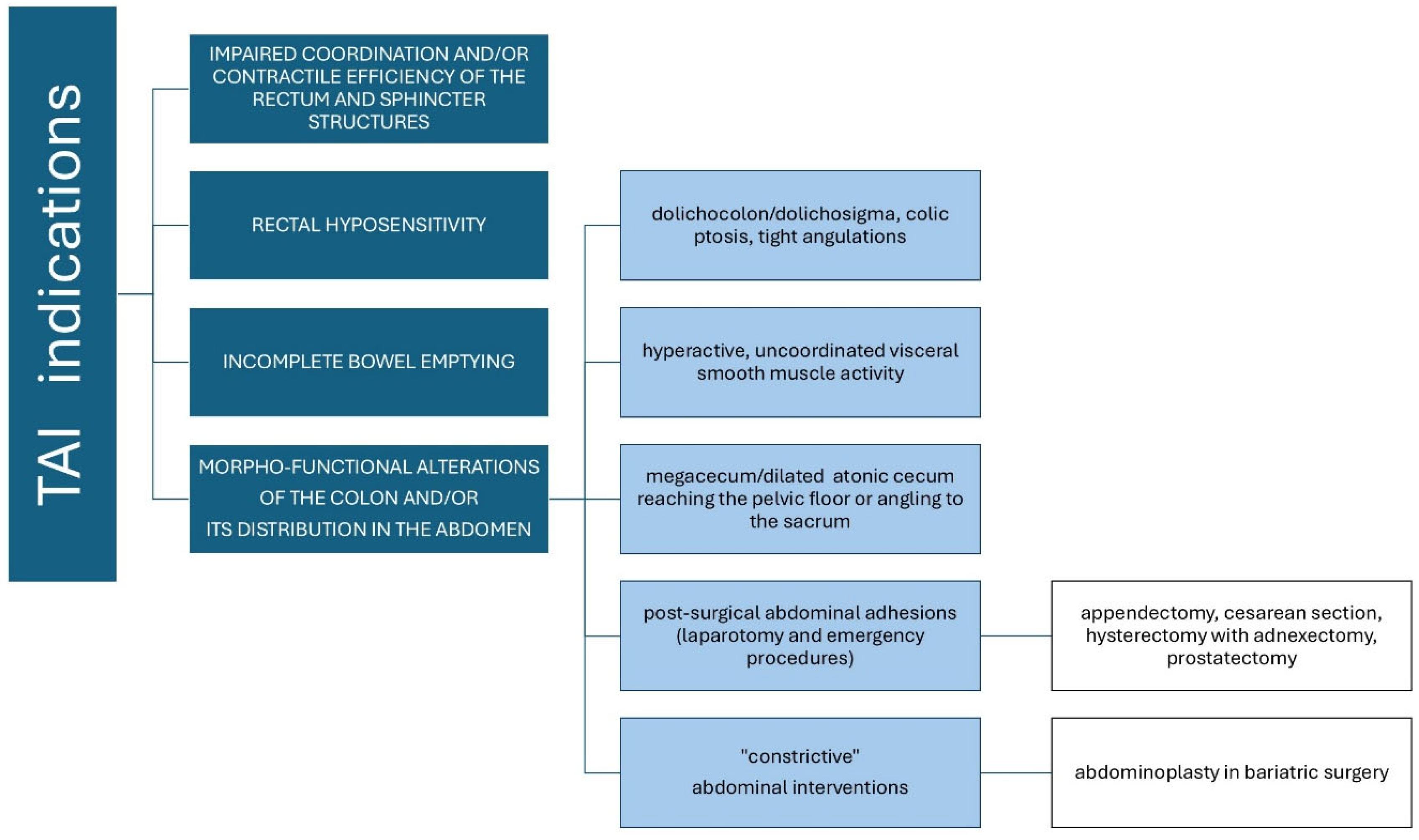

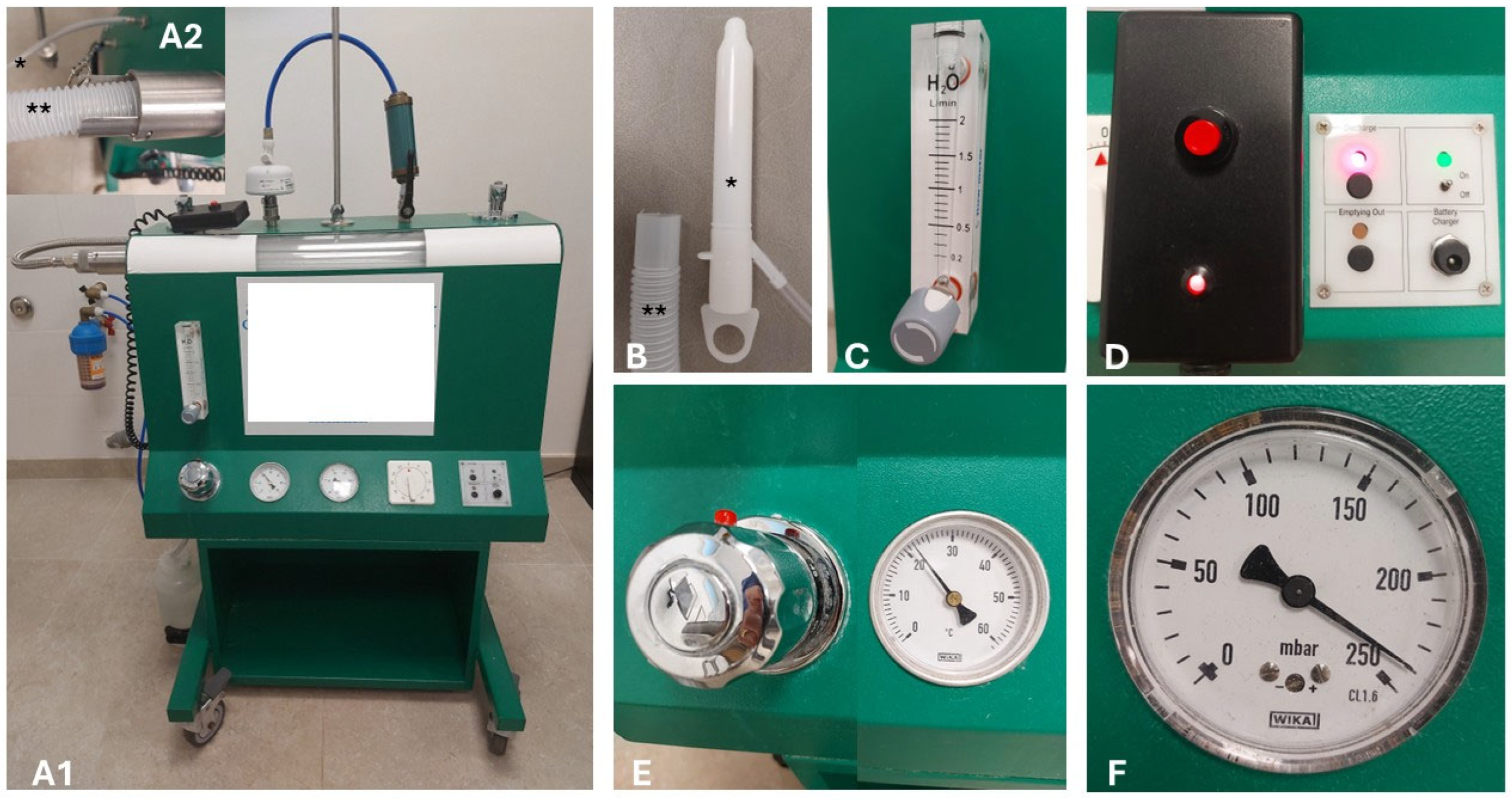

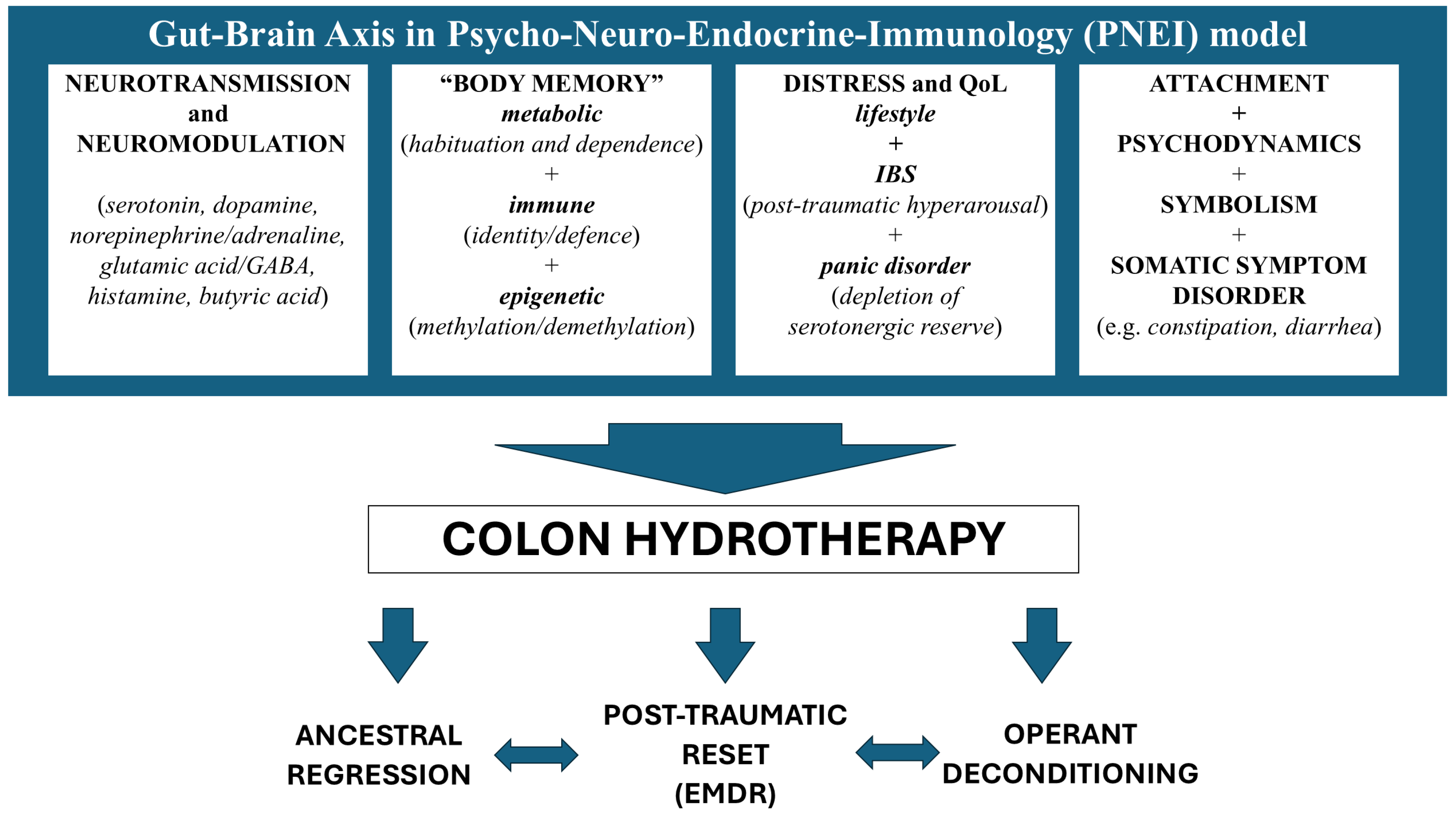

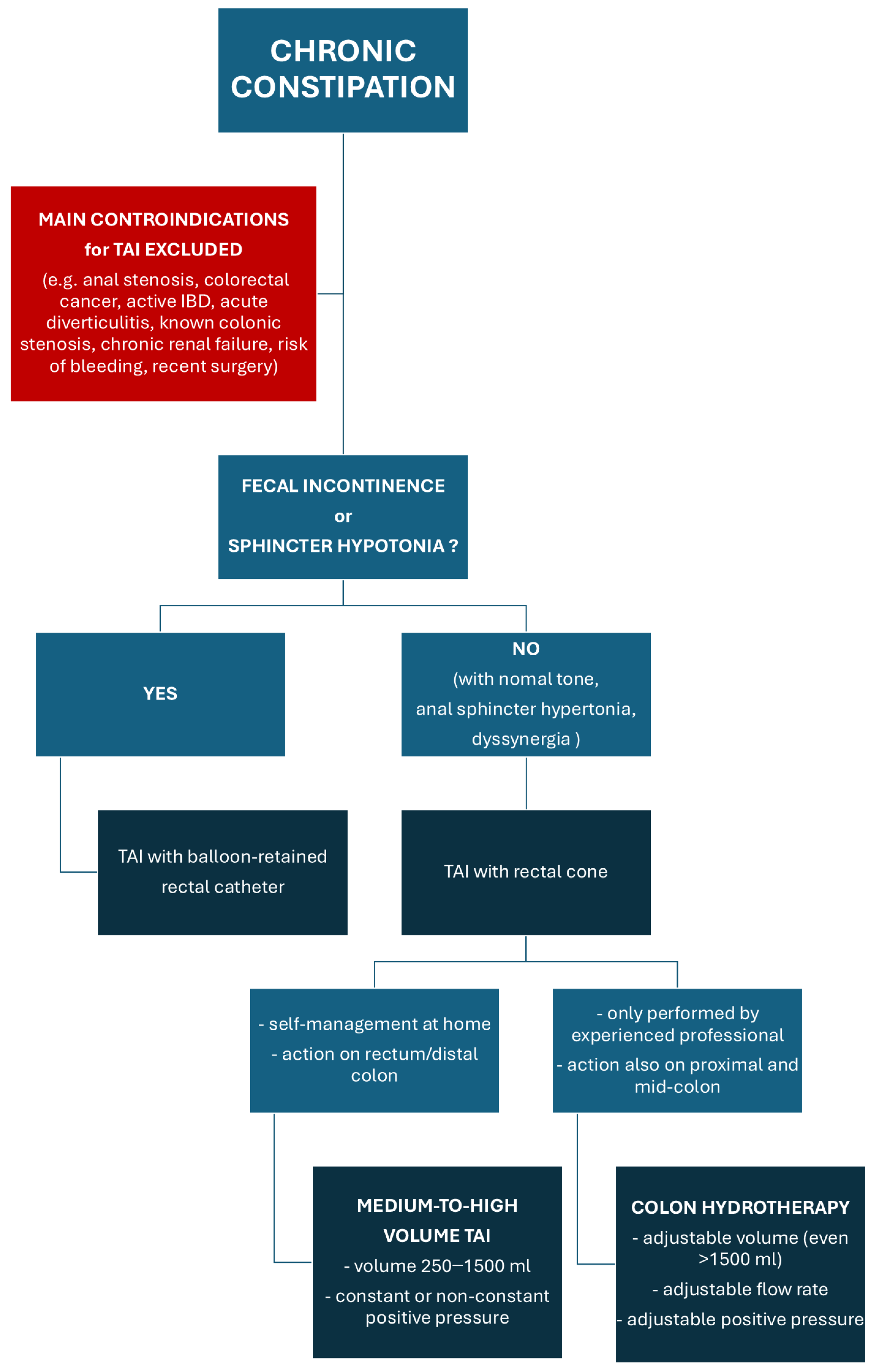

Disclaimer/Publisher’s Note: The statements, opinions and data contained in all publications are solely those of the individual author(s) and contributor(s) and not of MDPI and/or the editor(s). MDPI and/or the editor(s) disclaim responsibility for any injury to people or property resulting from any ideas, methods, instructions or products referred to in the content. |
© 2026 by the authors. Licensee MDPI, Basel, Switzerland. This article is an open access article distributed under the terms and conditions of the Creative Commons Attribution (CC BY) license.