




-
Advances in the Pharmacologic Management of MASLD -
Clinicopathological Features of Autoimmune Hepatitis Stratified by Extrahepatic Autoimmune Diseases -
Endoscopic and Hybrid Approaches for Gastric Subepithelial Tumors: Expanding the Frontiers of Minimally Invasive Therapy -
The Resistance to Traction Forces Differs Substantially Between Intestinal Parts, but Not Between In- and Outbred Strains of Mice -
The Role of Primary Care and Noninvasive Testing in the Early Diagnosis of Metabolic-Associated Steatotic Liver Disease (MASLD)
Journal Description
Gastroenterology Insights
is an international, scientific, peer-reviewed open access journal on gastrointestinal diseases published quarterly online by MDPI (since Volume 11, Issue 1 - 2020).
- Open Access— free for readers, with article processing charges (APC) paid by authors or their institutions.
- High Visibility: indexed within Scopus, ESCI (Web of Science), Embase, and other databases.
- Rapid Publication: manuscripts are peer-reviewed and a first decision is provided to authors approximately 23.8 days after submission; acceptance to publication is undertaken in 4.9 days (median values for papers published in this journal in the second half of 2025).
- Recognition of Reviewers: reviewers who provide timely, thorough peer-review reports receive vouchers entitling them to a discount on the APC of their next publication in any MDPI journal, in appreciation of the work done.
Impact Factor:
1.6 (2025);
5-Year Impact Factor:
1.5 (2025)
Latest Articles
Impact of Metabolic-Dysfunction-Associated Steatotic Liver Disease (MASLD) and Steatohepatitis (MASH) on Clostridioides difficile Inpatient Outcomes: A Propensity-Matched Study
Gastroenterol. Insights 2026, 17(2), 38; https://doi.org/10.3390/gastroent17020038 - 12 Jun 2026
Abstract
Background: Clostridioides difficile infection (CDI) remains a leading cause of hospital-acquired infection. Metabolic-dysfunction-associated steatotic liver disease (MASLD) is the most common chronic liver disease worldwide and has been associated with increased infectious susceptibility. However, whether non-cirrhotic MASLD independently worsens inpatient CDI outcomes
[...] Read more.
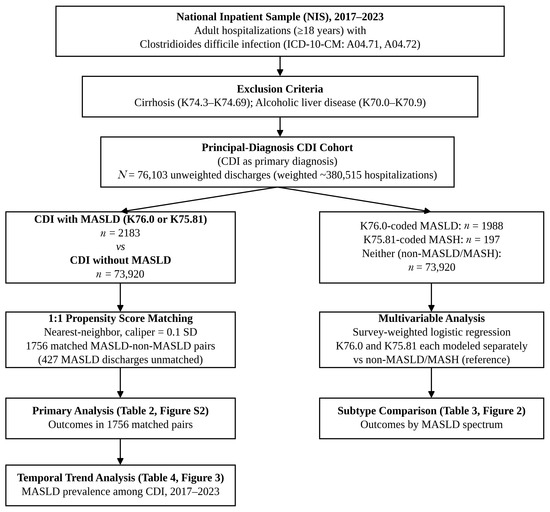
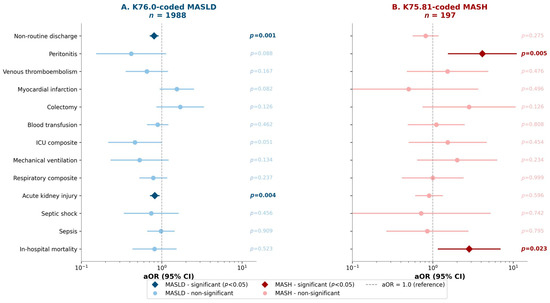
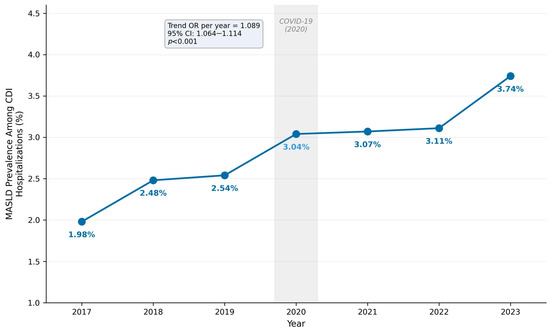
Background: Clostridioides difficile infection (CDI) remains a leading cause of hospital-acquired infection. Metabolic-dysfunction-associated steatotic liver disease (MASLD) is the most common chronic liver disease worldwide and has been associated with increased infectious susceptibility. However, whether non-cirrhotic MASLD independently worsens inpatient CDI outcomes and whether this differs across the MASLD spectrum remain unclear. Methods: We conducted a retrospective cohort study using the National Inpatient Sample (NIS) 2017–2023, identifying adult hospitalizations with a principal diagnosis of CDI. Patients with cirrhosis and alcoholic liver disease were excluded. Propensity score matching (1:1) was performed for the primary MASLD vs. non-MASLD comparison in the principal-diagnosis CDI cohort. To evaluate whether outcomes differ across the MASLD spectrum, survey-weighted multivariable logistic regression was used to compare K76.0-coded (MASLD without steatohepatitis) and K75.81-coded (MASH) hospitalizations against non-MASLD/MASH hospitalizations within the principal-diagnosis CDI cohort. The primary outcome was in-hospital mortality; secondary outcomes included complications, healthcare utilization, and discharge disposition. Results: The principal-diagnosis CDI cohort comprised 76,103 discharges (weighted ~380,515). MASLD prevalence among non-cirrhotic CDI hospitalizations nearly doubled from 1.98% in 2017 to 3.74% in 2023 (OR per year 1.089; p < 0.001). After propensity score matching (1756 pairs), MASLD was not associated with significantly higher in-hospital mortality (OR 1.252; p = 0.574) or most adverse outcomes, but was associated with lower odds of non-routine discharge (OR 0.794; p = 0.003). In the matched utilization analysis, length of stay and total charges were not significantly different, although the adjusted pre-match analysis showed higher charges among MASLD hospitalizations (+$4431; p = 0.001). Within the same principal-diagnosis cohort, K76.0-coded MASLD (n = 1988) was associated with lower odds of acute kidney injury (aOR 0.821; p = 0.004) and non-routine discharge (aOR 0.805; p = 0.001). K75.81-coded MASH (n = 197) was independently associated with higher in-hospital mortality (aOR 2.840, 95% CI 1.154–6.985; p = 0.023) and peritonitis (aOR 4.136, 95% CI 1.543–11.082; p = 0.005), although confidence intervals were wide and the number of MASH-coded hospitalizations was modest. Conclusions: The prevalence of MASLD among CDI hospitalizations is rising. Non-cirrhotic MASLD without steatohepatitis does not independently worsen inpatient CDI outcomes after adjustment, whereas K75.81-coded MASH may identify a higher-risk subgroup with increased mortality and peritonitis, pending confirmation in larger cohorts. These findings suggest that hepatic inflammatory activity, rather than steatosis alone, may drive adverse CDI outcomes and support further investigation of MASLD phenotyping in CDI risk stratification.
Full article
(This article belongs to the Section Liver)
►
Show Figures
Open AccessReview
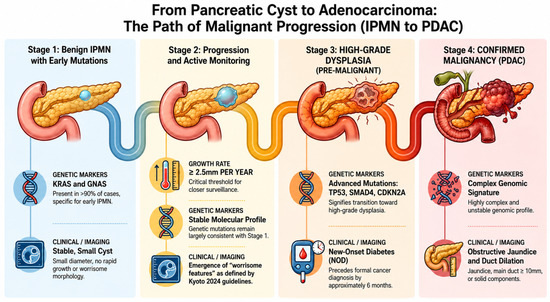
Beyond Imaging: Integrated Clinical, Endocrine, and Molecular Risk Stratification in Pancreatic Cystic Lesions: A Literature Review of Current Evidence
by
Raluca-Ioana Dascalu, Madalina Ilie, Oana-Mihaela Plotogea, Christopher Pavel, Vlad Rizescu, Deniz Günșahin, Gabriel Constantinescu, Mihai Mircea Diculescu, Bogdan Maciuceanu and Catalina Poiana
Gastroenterol. Insights 2026, 17(2), 37; https://doi.org/10.3390/gastroent17020037 - 9 Jun 2026
Abstract
Pancreatic ductal adenocarcinoma (PDAC) remains a highly lethal malignancy. The identification and management of precursor lesions, particularly the increasingly common intraductal papillary mucinous neoplasms (IPMNs), pose a significant challenge, creating a profound clinical dilemma between intercepting pancreatic ductal adenocarcinoma and avoiding surgical overtreatment.
[...] Read more.
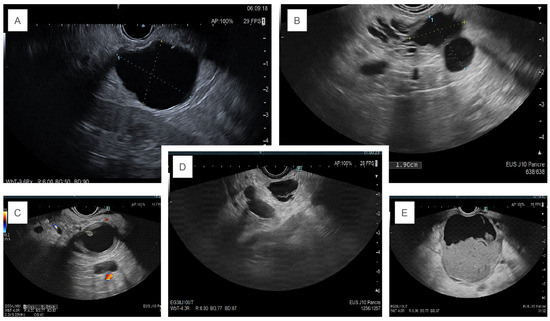
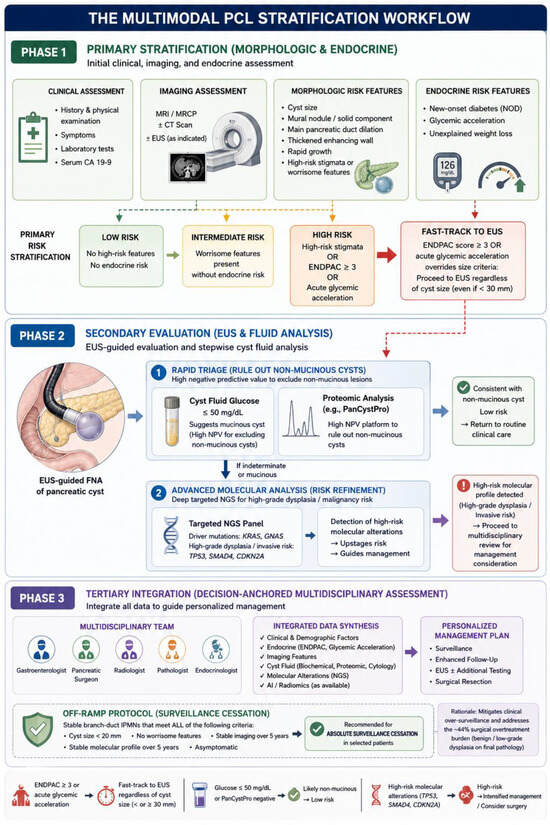
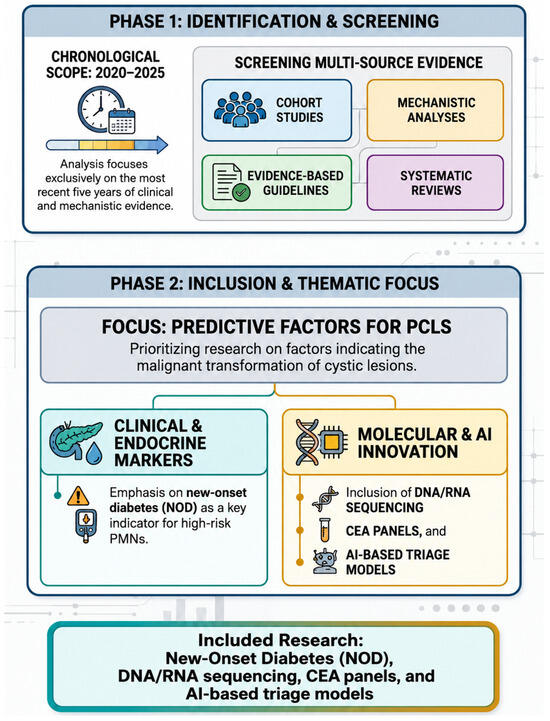
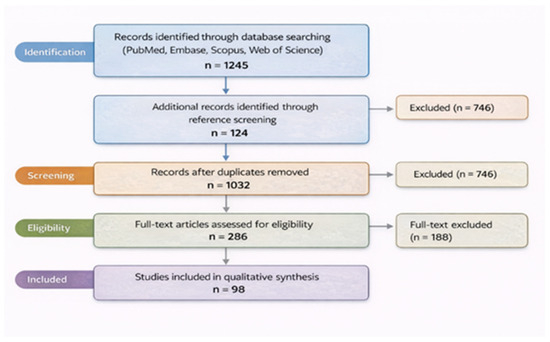
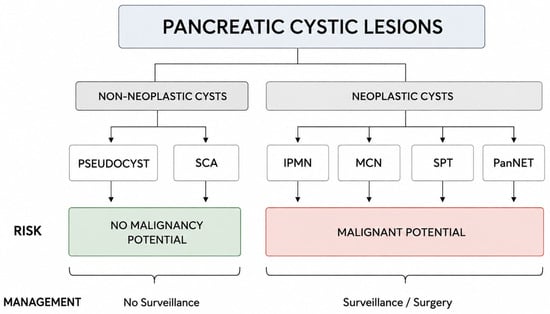
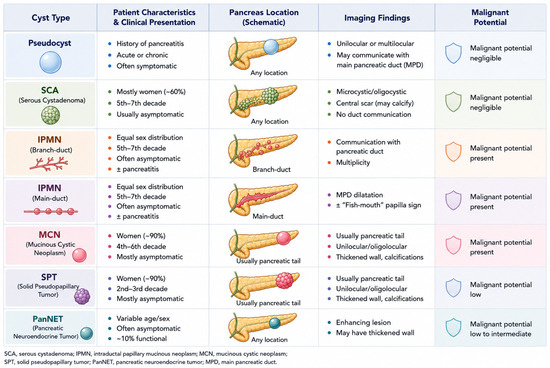
Pancreatic ductal adenocarcinoma (PDAC) remains a highly lethal malignancy. The identification and management of precursor lesions, particularly the increasingly common intraductal papillary mucinous neoplasms (IPMNs), pose a significant challenge, creating a profound clinical dilemma between intercepting pancreatic ductal adenocarcinoma and avoiding surgical overtreatment. This literature review aims to synthesize the latest evidence to facilitate a transition from purely morphology-based surveillance toward a biologically informed risk stratification paradigm. This approach could provide a personalized risk-stratification algorithm that optimizes therapeutic management and enables timely intervention for pancreatic cancer. By using PubMed, Embase, Scopus, and Web of Science, we analyzed and summarized key findings from recent literature (2020–2025), including cohort studies, mechanistic analyses, evidence-based guidelines, and systematic reviews on cyst fluid biomarkers (CEA panels, DNA/RNA sequencing), and emerging AI applications. Prospective and multicenter studies consistently report that NOD is independently associated with high-risk stigmata, cyst progression, and malignant transformation. Mechanistic research suggests a bidirectional interplay between the evolving neoplasia and pancreatic endocrine dysfunction. Updated guidelines underscore the need for more precise diagnostic algorithms. Recent work demonstrates that advanced cyst fluid markers—CEA panels, DNA/RNA sequencing, and multi-omic signatures—significantly improve diagnostic accuracy. Furthermore, explainable AI models show encouraging performance in predicting malignancy and assisting patient triage. Risk stratification in PCLs is shifting from morphology-based assessment toward integrated, multimodal approaches combining clinical, endocrine, imaging, molecular, and computational data. Recent evidence positions new-onset diabetes as a clinically accessible and biologically plausible marker of high-risk IPMNs. Similarly, molecular assays and AI-enhanced analytics provide an additional layer of diagnostic precision. The development of personalized risk prediction algorithms could improve early detection of malignancy while reducing unnecessary surgical resections.
Full article
(This article belongs to the Section Pancreas)
►▼
Show Figures

Figure 1
Open AccessReview
Endoscopic Ultrasound-Guided Gallbladder Drainage in the Treatment of Acute Cholecystitis and Malignant Biliary Obstruction: A Literature Review
by
Xinyue Zhao and Nan Ge
Gastroenterol. Insights 2026, 17(2), 36; https://doi.org/10.3390/gastroent17020036 - 6 Jun 2026
Abstract
Endoscopic ultrasound-guided gallbladder drainage (EUS-GBD) is an emerging intervention that provides a minimally invasive approach to drainage of the gallbladder, showing promising results in treating acute cholecystitis (AC) and malignant biliary obstruction (MBO). This review summarizes the current applications of EUS-GBD and compares
[...] Read more.
Endoscopic ultrasound-guided gallbladder drainage (EUS-GBD) is an emerging intervention that provides a minimally invasive approach to drainage of the gallbladder, showing promising results in treating acute cholecystitis (AC) and malignant biliary obstruction (MBO). This review summarizes the current applications of EUS-GBD and compares its clinical effectiveness with traditional methods such as percutaneous transhepatic gallbladder drainage (PT-GBD) and endoscopic transpapillary gallbladder drainage (ET-GBD). Available evidence suggests that EUS-GBD may offer potential advantages in terms of success rates and complication profiles, particularly in patients who are not candidates for surgery or those at high surgical risk. The method is effective in reducing inflammation, alleviating symptoms from obstruction, and improving patient quality of life. This article also discusses the technical evolution of EUS-GBD, its indications, complications, and its comparative advantages over other drainage techniques. These observations suggest that EUS-GBD may represent a valuable addition to the therapeutic armamentarium for selected high-risk patients.
Full article
(This article belongs to the Topic Advanced Endoscopic Ultrasound (EUS) Techniques: Current and Future Directions)
Open AccessArticle
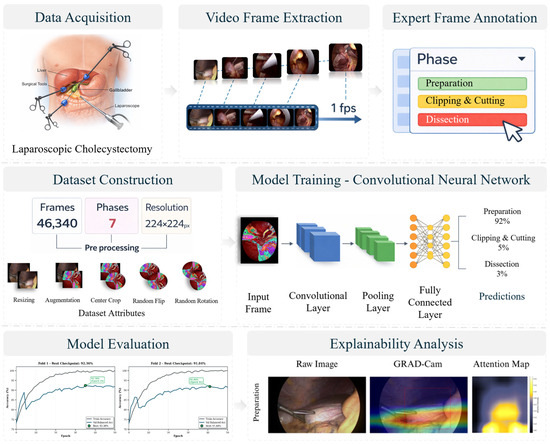
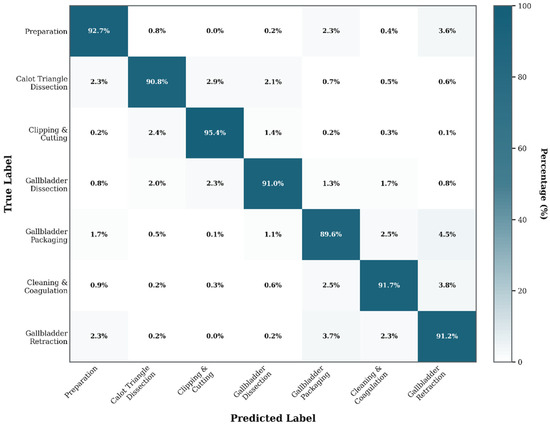
Surgical Phase Recognition in Laparoscopic Cholecystectomy Using Artificial Intelligence
by
Stefanos P. Raptis, Charalampos Theocharopoulos, Achilleas Theocharopoulos, Georgios Levantis, Dimitrios N. Varvoglis, Dimitrios C. Ziogas, Nikolaos Machairas, Georgios C. Sotiropoulos, Elissaios Kontis and Aristidis G. Vrahatis
Gastroenterol. Insights 2026, 17(2), 35; https://doi.org/10.3390/gastroent17020035 - 2 Jun 2026
Abstract
Background/Objectives: The global adoption of minimally invasive surgery has generated extensive video repositories, creating new opportunities for data-driven surgical education and quality assessment. Automated surgical phase recognition enables objective trainee evaluation, standardized competency assessment, and systematic procedural documentation. However, class imbalance in surgical
[...] Read more.
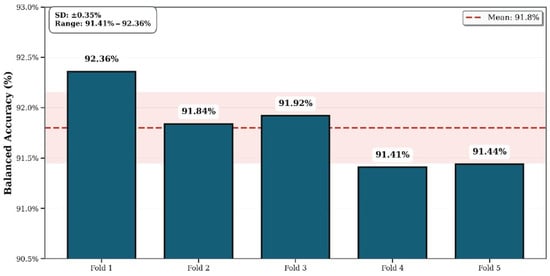
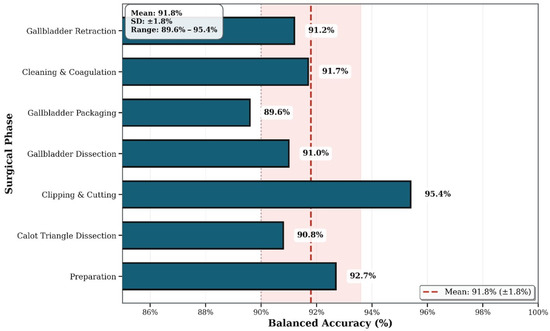
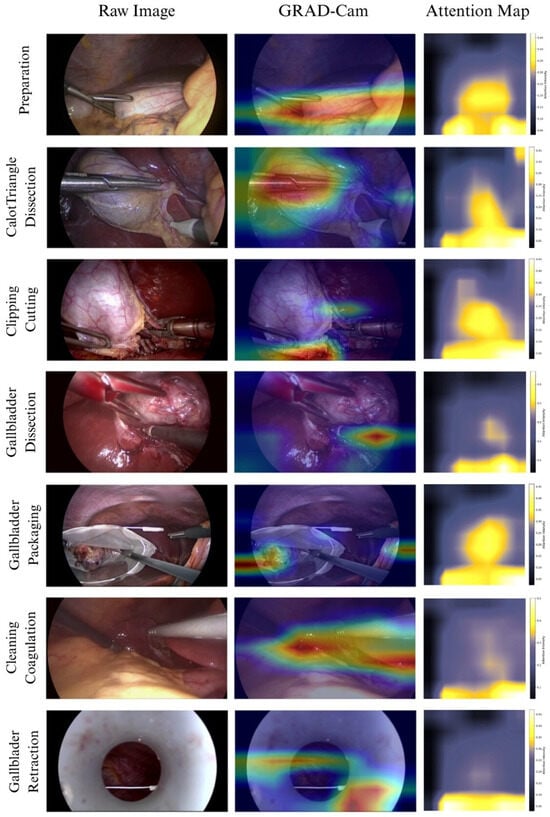
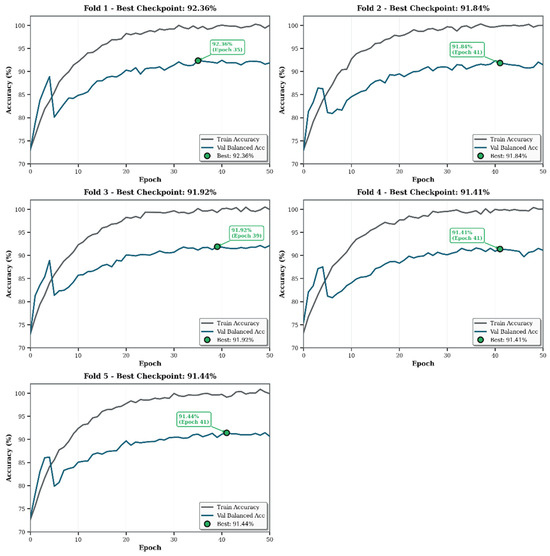
Background/Objectives: The global adoption of minimally invasive surgery has generated extensive video repositories, creating new opportunities for data-driven surgical education and quality assessment. Automated surgical phase recognition enables objective trainee evaluation, standardized competency assessment, and systematic procedural documentation. However, class imbalance in surgical workflows, where certain phases comprise 30–35% of frames while others represent only 5–10%, remains a significant challenge. This imbalance causes models to underperform on underrepresented yet clinically important phases. Methods: A retrospective analysis of laparoscopic cholecystectomy videos is performed with the implementation of a frame—based deep learning framework to develop and validate a surgical phase recognition pipeline based on ResNet-50 architecture with transfer learning. The model was designed to extract features from surgical video frames and classify them into seven distinct phases, without incorporating temporal context. We used the Cholec80 dataset and applied class balancing techniques to address inherent class imbalance. Results: The model achieved a mean balanced accuracy of 91.80% across five folds with consistent performance across all surgical phases. Per-phase F1-scores ranged from 0.89 to 0.95, demonstrating balanced classification without significant performance degradation on underrepresented phases. The confusion matrix revealed prediction errors primarily among adjacent or visually similar phases, reflecting the inherent ambiguity of surgical phase transitions. In practical terms, the model correctly identified the surgical phase in more than 9 out of 10 frames, enabling reliable automated segmentation of the operative workflow. Conclusions: This study demonstrates that artificial intelligence can reliably analyze surgical video data, achieving consistent and accurate phase recognition in laparoscopic cholecystectomy.
Full article
(This article belongs to the Section Gastrointestinal Disease)
►▼
Show Figures

Figure 1

Open AccessReview
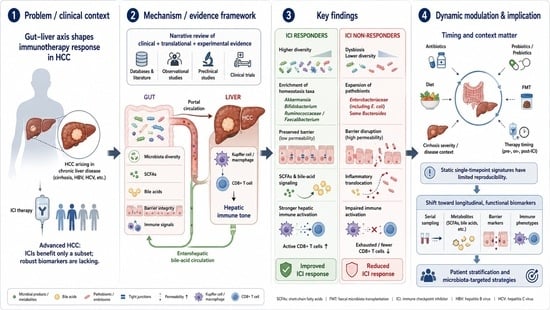
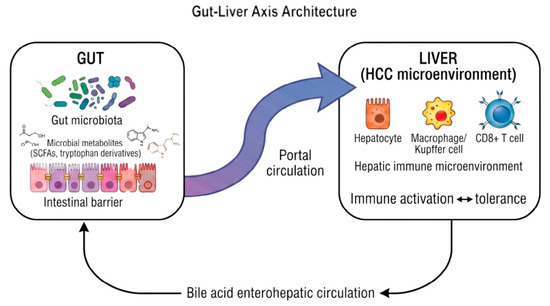
The Gut–Liver Axis in HCC Immunotherapy
by
Francesco Taliente, Agostino Maria De Rose, Paolo Maresca, Valentina Iacobelli, Andrea Campisi, Leonardo Stella, Elisabetta Creta, Francesca Romana Ponziani and Felice Giuliante
Gastroenterol. Insights 2026, 17(2), 34; https://doi.org/10.3390/gastroent17020034 - 28 May 2026
Abstract
Background/Objectives: Hepatocellular carcinoma (HCC) is the sixth most diagnosed cancer worldwide and a leading cause of cancer-related mortality. The majority of cases arise in the setting of chronic liver disease, where immune checkpoint inhibitors (ICIs) have emerged as a cornerstone of systemic therapy
[...] Read more.
Background/Objectives: Hepatocellular carcinoma (HCC) is the sixth most diagnosed cancer worldwide and a leading cause of cancer-related mortality. The majority of cases arise in the setting of chronic liver disease, where immune checkpoint inhibitors (ICIs) have emerged as a cornerstone of systemic therapy for advanced disease. However, durable clinical benefit remains limited to a minority of patients, and reproducible biomarkers of ICI response are lacking. The gut–liver axis—encompassing bidirectional exchange of microbial products, metabolites, bile acids, and immune signals—has emerged as a biologically plausible determinant of both hepatocarcinogenesis and immunotherapy response. This narrative review synthesises current evidence on the role of the gut–liver axis in HCC and ICI response and proposes a unifying conceptual framework to resolve discrepancies in the existing literature. Methods: A narrative review was conducted through systematic searches of PubMed/MEDLINE, Embase, and Web of Science. Studies were selected based on relevance to the biological mechanisms, clinical associations, and experimental models underpinning gut–liver–immune interactions in HCC, with particular emphasis on studies providing mechanistic insight, addressing immunotherapy outcomes, or highlighting temporal and context-dependent effects. Results: Observational studies consistently associate higher microbial diversity and enrichment of homeostasis-promoting taxa—including Akkermansia, Bifidobacterium, and short-chain fatty acid-producing Ruminococcaceae—with ICI responsiveness in HCC. Functional microbial outputs, particularly short-chain fatty acids and secondary bile acids, exert mechanistically grounded effects on hepatic immune tone and T cell activity that are biologically proximate to ICI effector pathways. Therapeutic modulation of the gut–liver axis through probiotics, dietary interventions, faecal microbiota transplantation, and antibiotic exposure demonstrates context-dependent effects on immune activation and ICI outcomes, with timing and disease severity emerging as critical determinants. The limited reproducibility of microbiome-immunotherapy associations across cohorts is attributable primarily to the dynamic and treatment-sensitive nature of the gut–liver axis rather than a fundamental lack of mechanistic coupling. Conclusions: The gut–liver axis in HCC is best understood as a dynamic, treatment-sensitive system rather than a static baseline trait. This reframing shifts emphasis from single-timepoint taxonomic signatures toward functional and longitudinal readouts and provides a coherent rationale for the heterogeneity observed across existing studies. Longitudinal clinical studies incorporating mechanistic endpoints and functional biomarker assessment are needed to translate this framework into clinically actionable strategies for patient stratification and microbiota-targeted intervention in HCC immunotherapy.
Full article
(This article belongs to the Collection Advances in Gastrointestinal Cancer)
►▼
Show Figures

Graphical abstract
Open AccessReview
The Evolution of MASLD Management: From Revised Nomenclature to Disease-Modifying Therapies
by
Karolina Kornatowska, Szymon Kopciał, Mateusz Wiekiera, Adrianna Wiekiera, Paweł Budzik, Mateusz Tyniec and Kamal Morshed
Gastroenterol. Insights 2026, 17(2), 33; https://doi.org/10.3390/gastroent17020033 - 25 May 2026
Abstract
Metabolic dysfunction-associated steatotic liver disease (MASLD) is the leading cause of global chronic liver disease, with a prevalence of approximately 30%. This review outlines the diagnostic transition from the exclusionary non-alcoholic fatty liver disease (NAFLD) framework to the affirmative MASLD nomenclature, which mandates
[...] Read more.
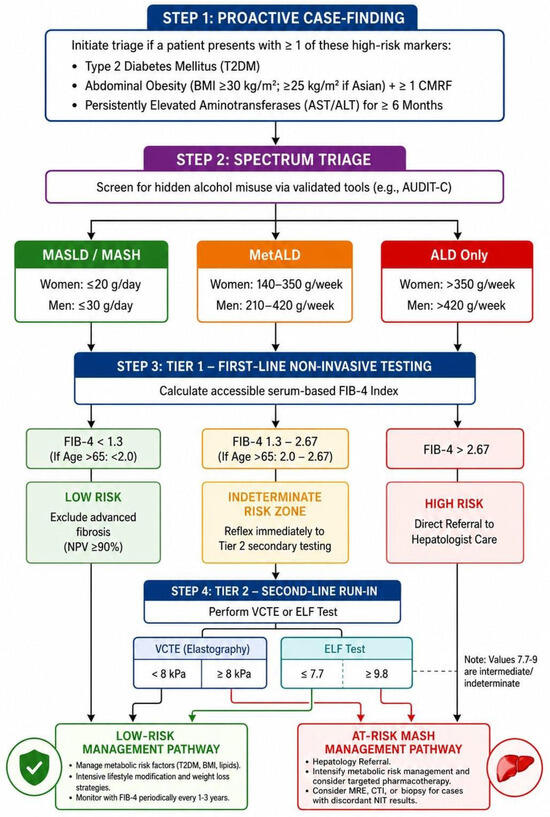
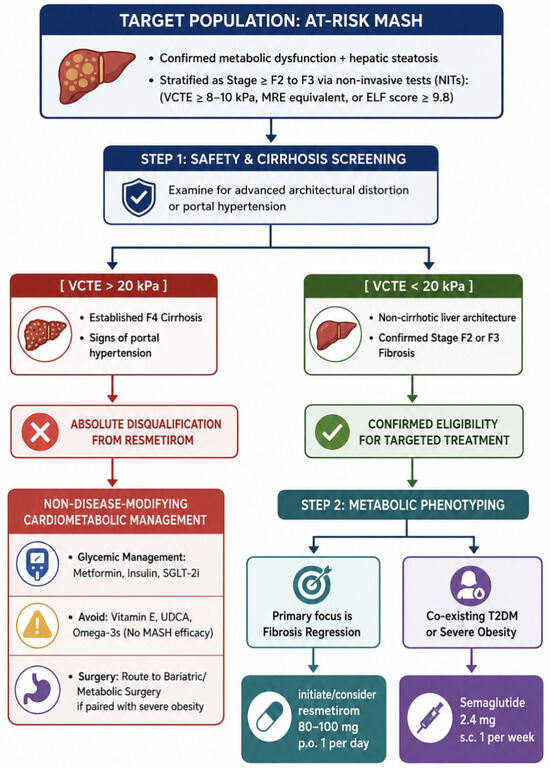
Metabolic dysfunction-associated steatotic liver disease (MASLD) is the leading cause of global chronic liver disease, with a prevalence of approximately 30%. This review outlines the diagnostic transition from the exclusionary non-alcoholic fatty liver disease (NAFLD) framework to the affirmative MASLD nomenclature, which mandates the presence of at least one of five specific cardiometabolic risk factors (CMRFs) to prioritize active pathophysiology. Beyond hepatic complications, MASLD drives systemic metabolic failure, significantly elevating risks for type 2 diabetes, hepatocellular carcinoma, and cardiovascular disease, the primary cause of mortality in this cohort. Clinical management relies on a standardized, two-tier risk-stratification pathway for advanced fibrosis. Primary care triage utilizes the Fibrosis–4 (FIB–4) index; a score < 1.3 excludes advanced disease via a high negative predictive value, whereas indeterminate or high scores require secondary validation via vibration-controlled transient elastography (VCTE) or the enhanced liver fibrosis (ELF) test to guide specialist referral. Although lifestyle modifications, principally a 7–10% weight reduction and Mediterranean diet adherence, remain foundational, management has transitioned toward disease-modifying pharmacotherapies. A pivotal breakthrough occurred with the 2024 FDA approval of resmetirom, a selective thyroid hormone receptor-beta (THR-β) agonist, for non-cirrhotic metabolic dysfunction-associated steatohepatitis (MASH) with moderate-to-advanced fibrosis. Concurrently, the emergence of GLP-1 receptor agonists and multi-incretin mimetics offers a personalized, multi-target approach simultaneously addressing hepatic inflammation, glycemic control, and adiposity.
Full article
(This article belongs to the Topic Liver Diseases: From Pathogenesis to Modern Management)
►▼
Show Figures

Figure 1
Open AccessReview
Fibrosis in Crohn’s Disease: Emerging Pathophysiological Mechanisms and New Therapeutic Targets
by
Carmen Yagüe Caballero, Cristina Polo Cuadro, Laura Almenara Michelena, Ana Royo Esteban, Santiago García-López, Pilar Corsino Roche and Diego Casas Deza
Gastroenterol. Insights 2026, 17(2), 32; https://doi.org/10.3390/gastroent17020032 - 18 May 2026
Cited by 1
Abstract
Crohn’s disease (CD) is a chronic immune-mediated inflammatory disorder characterized by transmural inflammation and a progressive course that frequently leads to structural complications such as intestinal fibrosis. Fibrostenosing disease represents a major clinical challenge, affecting up to 50% of patients over time and
[...] Read more.
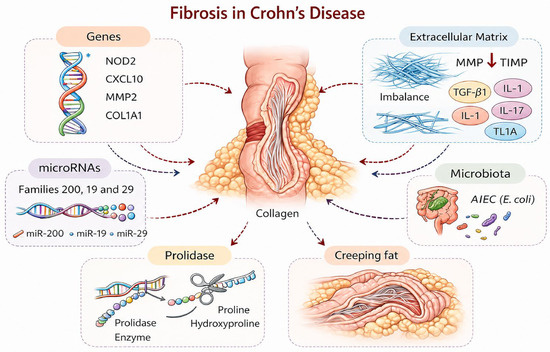
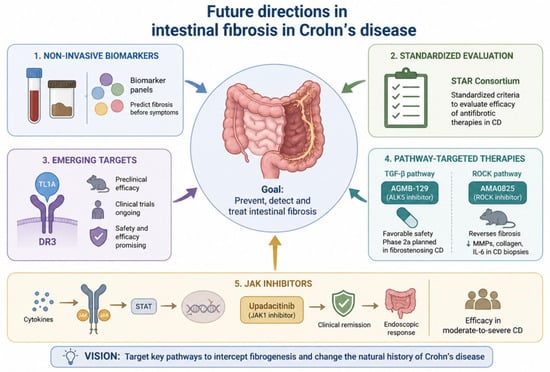
Crohn’s disease (CD) is a chronic immune-mediated inflammatory disorder characterized by transmural inflammation and a progressive course that frequently leads to structural complications such as intestinal fibrosis. Fibrostenosing disease represents a major clinical challenge, affecting up to 50% of patients over time and often requiring surgical intervention. Despite advances in anti-inflammatory therapies, no effective treatments currently exist to prevent or reverse established fibrosis. Intestinal fibrosis arises from a dysregulated tissue remodeling process driven by excessive extracellular matrix deposition and persistent activation of mesenchymal cells, particularly fibroblasts and myofibroblasts. This process is orchestrated through complex interactions between immune and non-immune cells and mediated by key signaling pathways, including transforming growth factor beta (TGF-β1) and the TL1A/DR3 axis. Genetic susceptibility, notably variants in NOD2 and other fibrosis-related genes, contributes not only to disease risk but also to phenotype progression. Epigenetic mechanisms, particularly microRNAs such as the miR-29 and miR-200 families, further modulate fibrogenesis and represent promising non-invasive biomarkers. Additionally, intestinal dysbiosis and specific microbial signatures, including reduced short-chain fatty acid-producing bacteria and the presence of adherent-invasive Escherichia coli, play a critical role in promoting fibrotic pathways. Mesenteric adipose tissue, especially creeping fat, also contributes to fibrosis through immune and metabolic signaling. Emerging biomarkers related to collagen metabolism and advances in molecular profiling are improving early detection strategies. Novel therapeutic approaches targeting fibrogenic pathways, including anti-TL1A agents, show promising preliminary results. A deeper understanding of these mechanisms is essential to develop effective antifibrotic therapies and improve long-term outcomes in CD.
Full article
(This article belongs to the Section Gastrointestinal Disease)
►▼
Show Figures

Figure 1

Open AccessArticle
Diverticulitis Misunderstood: A Ticking Time Bomb in the Colon
by
Martin Tobi, Fadi Antaki, Noreen F. Rossi, Mary-Pat Moyer, James Hatfield, Suzanne Fligiel and Mike Lawson
Gastroenterol. Insights 2026, 17(2), 31; https://doi.org/10.3390/gastroent17020031 - 9 May 2026
Abstract
Background: Historically, diverticulosis and its complications emerged with the industrial revolution and subsequent socioeconomic changes, including dietary, which went from an agrarian high-fiber to a low-fiber, processed food product. Corporeal body habitus basal metabolic index (BMI) increased exponentially, and colonic diverticulosis now involves
[...] Read more.
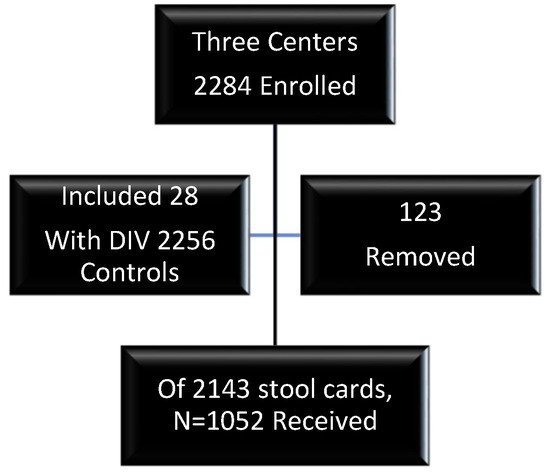
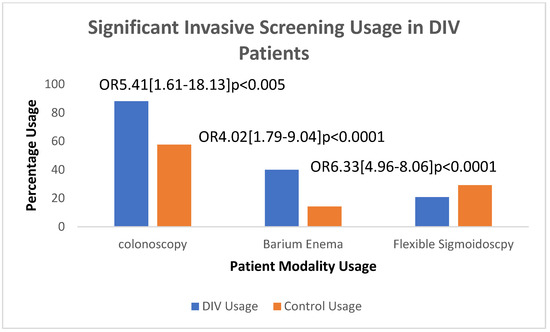
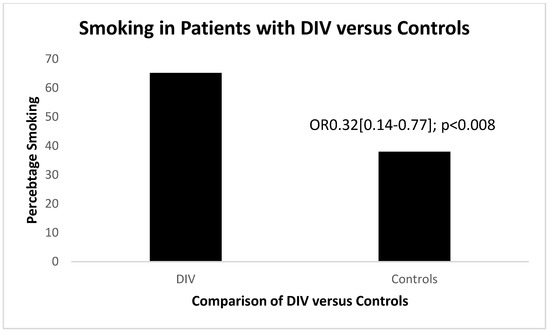
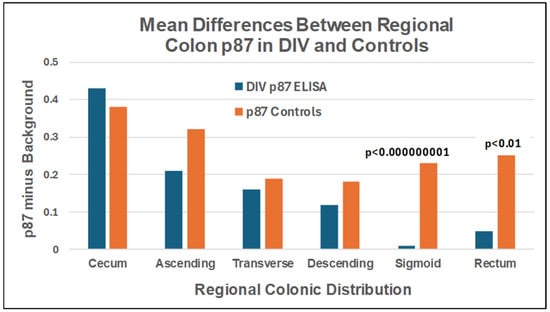
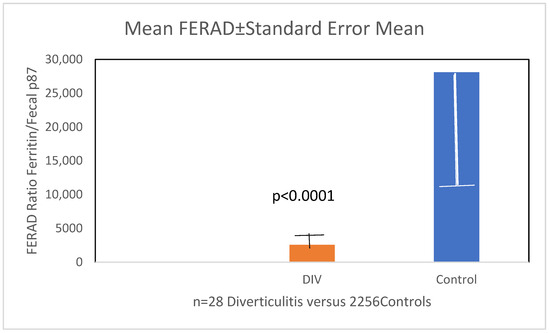
Background: Historically, diverticulosis and its complications emerged with the industrial revolution and subsequent socioeconomic changes, including dietary, which went from an agrarian high-fiber to a low-fiber, processed food product. Corporeal body habitus basal metabolic index (BMI) increased exponentially, and colonic diverticulosis now involves 70% of the population at >80 years of age. The correlation of severity in diverticulosis was predictive of diverticulitis (DIV). Methods: In the individual patient, this is very difficult to predict, so we turned to a database of patients from a colorectal neoplasia database to compare parameters those who had experienced diverticulitis with those who had no documented diverticulitis. We were able to ascertain 28 patients and compare them to 2256 controls. We used an antibody (Adnab-9) that recognizes an epitope on the p87 molecule, a product of the innate immune system (InImS) and as a denominator of serum ferritin yield the FERAD ratio and directly evaluated the expression of p87 by immunohistochemistry (IHC) in six contiguous regions of the colon. Results: The FERAD ratio was significantly lower in the diverticulitis patients, 2567 versus 18,989. IHC showed significant lower p87 in the rectosigmoid regions (p < 0.01). Significant differences were also seen in blood platelets (p < 0.036); serum creatinine (p < 0.005); 65.6% DIV smokers versus 38% controls (p < 0.008). Surprisingly there were no differences in BMI, mortality, or age. Conclusions: The InImS appears not to be active in DIV patients as compared to controls, which may predispose to DIV. Smoking also appears to predispose to DIV. Platelets are lower and creatinine higher as has been described in the literature.
Full article
(This article belongs to the Section Gastrointestinal Disease)
►▼
Show Figures

Figure 1

Open AccessArticle
A Radiological Assessment of the Angle and Distance Between the Superior Mesenteric Artery and the Abdominal Aorta: A CT Angiography-Based Morphometric Analysis
by
Balqees Al-Mahrizi, Arwa Al-Mujaini, Younis Al-Mufargi, Hamdan Al Balushi, Ahmed Mohammed Alidaroos, Eiman Al-Ajmi, Halima Albalushi, Humoud Al-Dhuhli and Srinivasa Rao Sirasanagandla
Gastroenterol. Insights 2026, 17(2), 30; https://doi.org/10.3390/gastroent17020030 - 7 May 2026
Abstract
►▼
Show Figures
Background: The distance and angle between the superior mesenteric artery (SMA) and abdominal aorta play a role in the etiology of SMA syndrome. Retroperitoneal fat has been reported to affect both the distance and angle. Very few studies have reported the normal
[...] Read more.
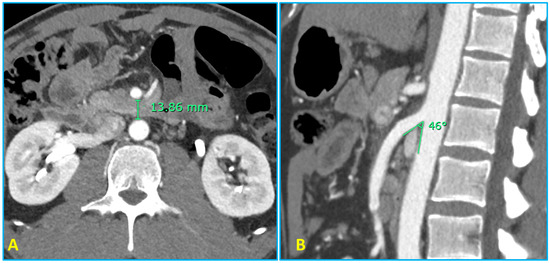
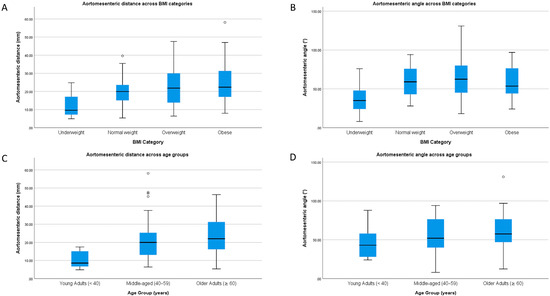
Background: The distance and angle between the superior mesenteric artery (SMA) and abdominal aorta play a role in the etiology of SMA syndrome. Retroperitoneal fat has been reported to affect both the distance and angle. Very few studies have reported the normal range of these measurements. The present study aimed to evaluate the reference values of the aortomesenteric angle (AMA) and aortomesenteric distance (AMD) in asymptomatic patients, as well as to determine the influence of age, sex, and anthropometric variables on these values. Methods: A retrospective cross-sectional study was conducted at Sultan Qaboos University Hospital. Computed tomography angiography scans of the abdomen from 141 Omani adult patients (aged ≥18 years) were included in the study. The morphometric data of the AMA and AMD were measured at the third part of the duodenum using sagittal and axial multiplanar reconstruction of CTA images. Patient data, including age, sex, height, weight, and BMI, were collected from the medical records. Statistical analyses included the Mann–Whitney U, Kruskal–Wallis H and Jonckheere–Terpstra J-T tests with significance set at p < 0.05. Results: The mean AMA was 57.16 ± 22.06°, and the mean AMD was 21.35 ± 10.25 mm. The AMD varied significantly across age groups (H = 17.29, p < 0.001) and showed a positive trend with increasing age (p = 0.001). Both AMA (p = 0.001) and AMD (p < 0.001) differed significantly across BMI categories, with significant increasing trends (p = 0.033 and p ≤ 0.001, respectively). No statistically significant differences were observed between sexes and study parameters (p > 0.05). Conclusions: The present study demonstrates that the reference values of the AMA and AMD are within the range of those reported in other populations. The variations in these values with BMI and age underscore the importance of individualized imaging interpretation and preoperative planning. The reported baseline data may enhance diagnostic accuracy and assist with surgical planning and radiological evaluation of suspected SMA syndrome.
Full article

Figure 1
Open AccessArticle
Prognostic Value of Preoperative Neutrophil Percentage to Albumin Ratio in Patients with Hepatocellular Carcinoma
by
Qianle Cheng, Dengke Jia and Yawu Zhang
Gastroenterol. Insights 2026, 17(2), 29; https://doi.org/10.3390/gastroent17020029 - 29 Apr 2026
Abstract
Objectives: To investigate the predictive value of the peripheral blood neutrophil percentage and serum albumin ratio (NPAR) for overall survival after radical resection of hepatocellular carcinoma, and to construct a nomogram prediction model. Methods: A retrospective cohort study was performed, including
[...] Read more.
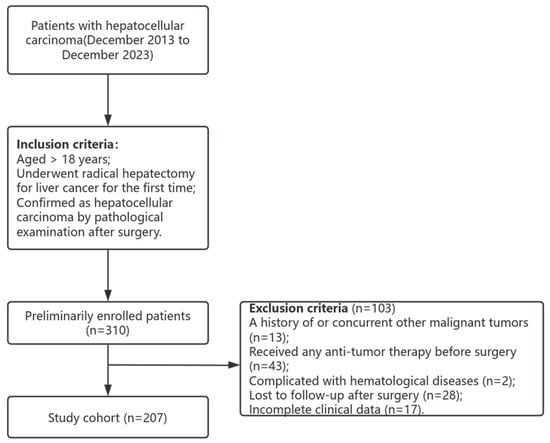
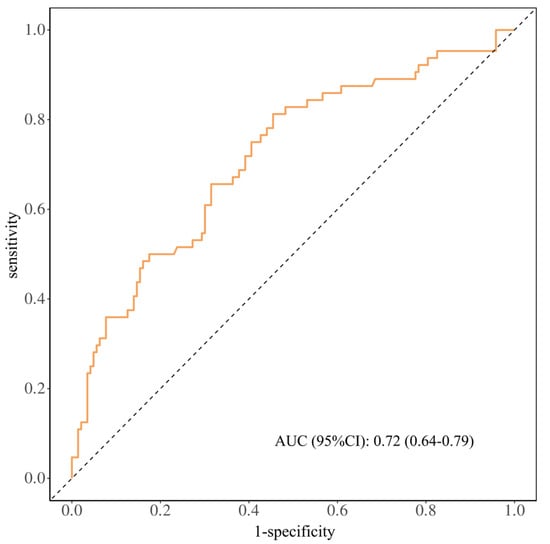
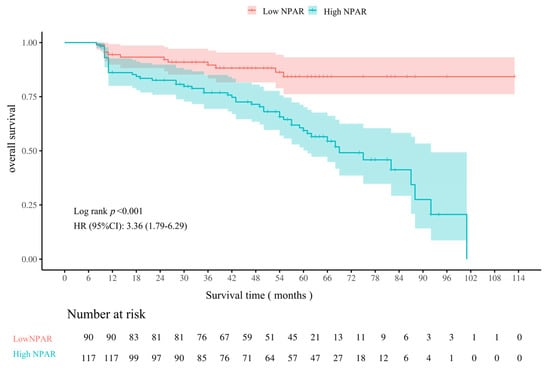
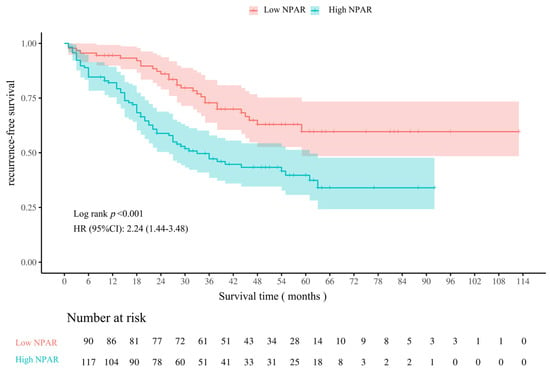
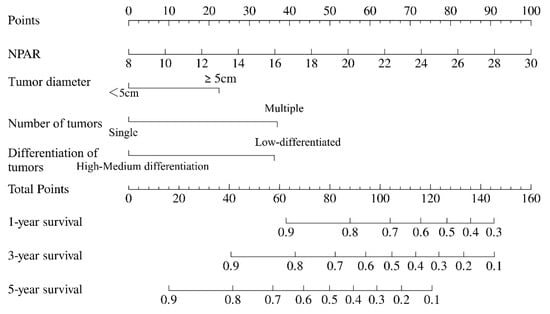
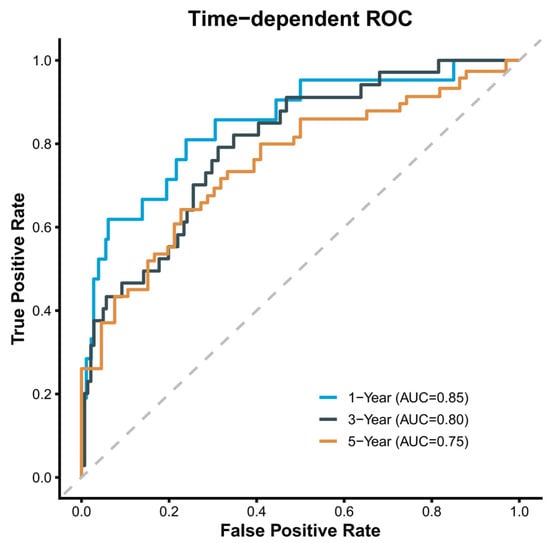
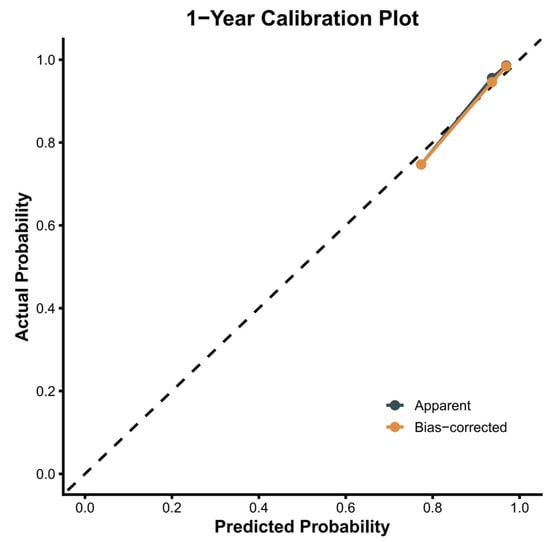
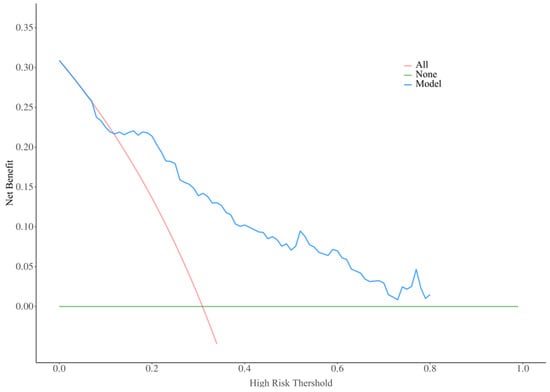
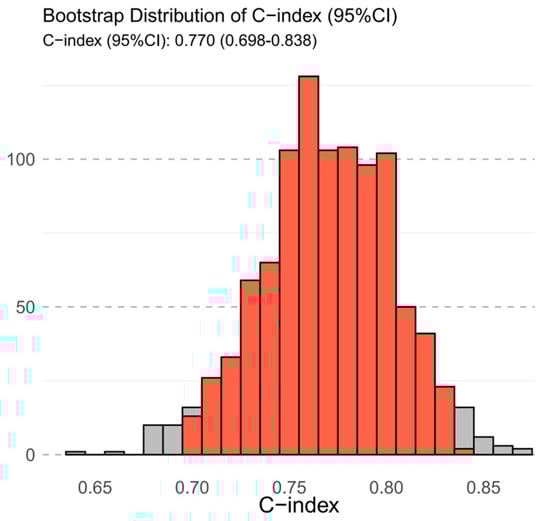
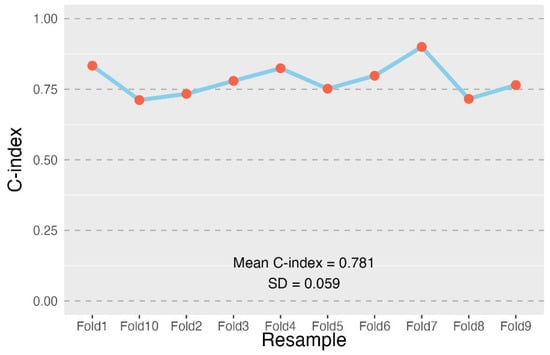
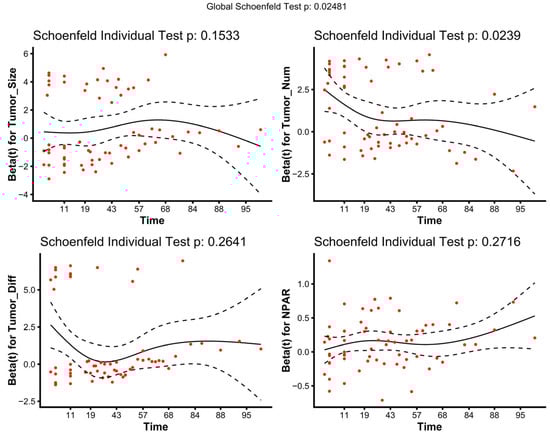
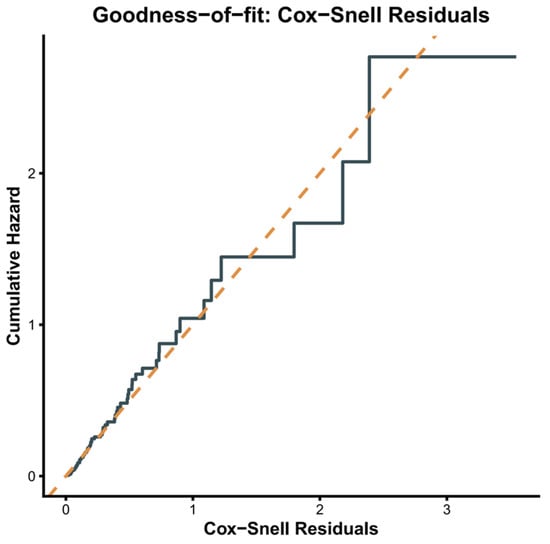
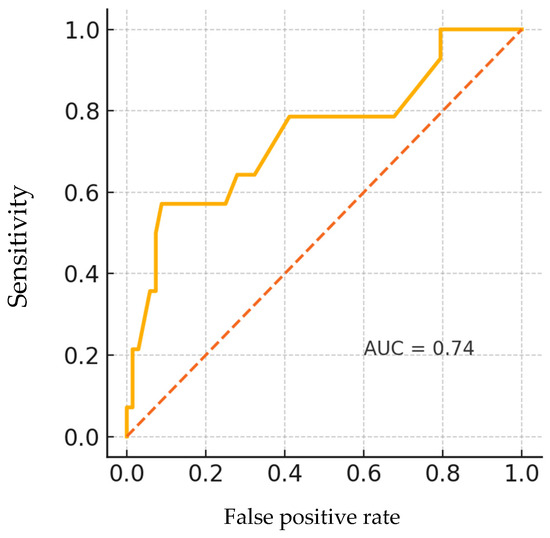
Objectives: To investigate the predictive value of the peripheral blood neutrophil percentage and serum albumin ratio (NPAR) for overall survival after radical resection of hepatocellular carcinoma, and to construct a nomogram prediction model. Methods: A retrospective cohort study was performed, including patients who underwent radical resection of hepatocellular carcinoma at the Second Hospital of Lanzhou University from 2013 to 2023. The optimal cut-off value of the NPAR was determined by a ROC curve. Kaplan–Meier and log-rank tests were used for grouping. Cox regression was used to analyze prognostic factors and construct a nomogram. Results: A total of 207 patients were included in this study. ROC curve analysis was conducted using preoperative NPAR values, and the results showed an area under the curve (AUC) of 0.72, the optimal cut-off value of the NPAR was 14.83, and the high NPAR (≥14.83) group had better overall survival and disease-free survival. Multivariable analysis showed that an NPAR ≥ 14.83, tumor diameter > 5 cm, multiple tumors, and low tumor differentiation were independent risk factors for overall survival. The C-index of the nomogram for overall survival (OS) was 0.77, indicating a moderate but clinically acceptable discriminative ability for predicting overall survival. Conclusions: Preoperative NPAR is an effective prognostic marker, and the established nomogram can accurately predict the overall survival of patients.
Full article
(This article belongs to the Section Liver)
►▼
Show Figures

Figure 1

Open AccessReview
Incidental Gastric Neuroendocrine Tumor on Histology: What Should the Gastroenterologist Do Next?
by
Elisabetta Dell’Unto, Maria Rinzivillo, Gianluca Esposito and Francesco Panzuto
Gastroenterol. Insights 2026, 17(2), 28; https://doi.org/10.3390/gastroent17020028 - 18 Apr 2026
Abstract
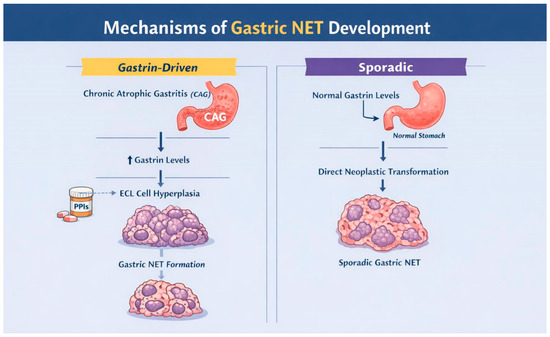
Gastric neuroendocrine tumors (NETs) are increasingly diagnosed as incidental findings during upper gastrointestinal endoscopy. For the gastroenterologist, the crucial challenge is not only at the time of endoscopic recognition but also when the pathology report states “well-differentiated gastric NET”. At that moment, the
[...] Read more.
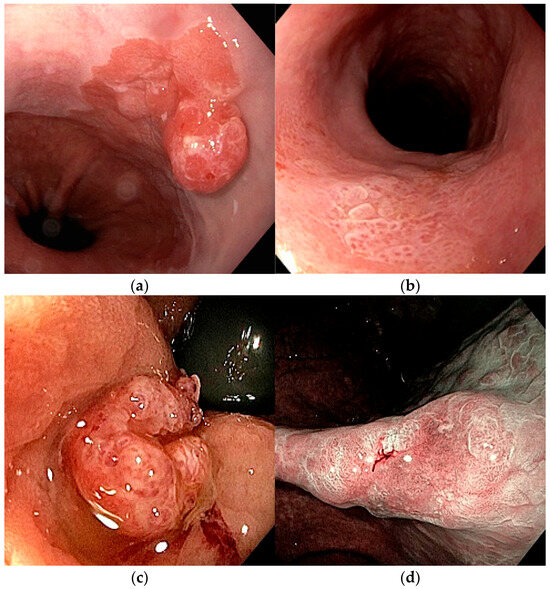
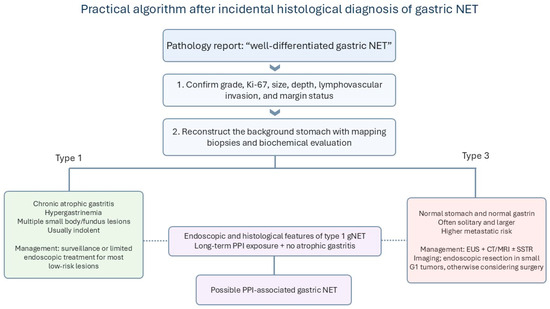
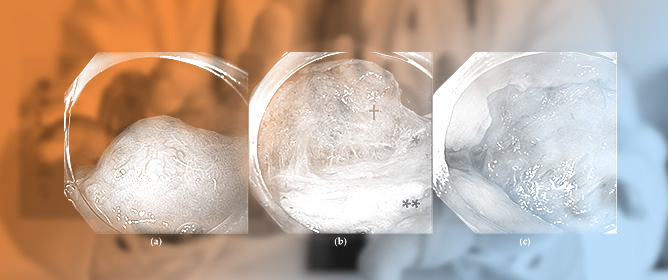
Gastric neuroendocrine tumors (NETs) are increasingly diagnosed as incidental findings during upper gastrointestinal endoscopy. For the gastroenterologist, the crucial challenge is not only at the time of endoscopic recognition but also when the pathology report states “well-differentiated gastric NET”. At that moment, the key clinical question is how to manage it correctly. Gastric NETs are biologically heterogeneous, and their management depends primarily on the pathophysiological setting in which they arise. Type 1 tumors develop in chronic atrophic gastritis and are usually indolent; type 2 tumors arise in the context of gastrinoma and MEN1; type 3 tumors are sporadic and carry a substantially higher metastatic risk. Consequently, the same histological label may correspond to profoundly different clinical scenarios. This review addresses what the gastroenterologist should do after receiving an incidental histological diagnosis of gastric NET, how to reconstruct the gastric background, when to suspect a sporadic type 3 lesion, how to select patients for endoscopic treatment versus staging or surgery, and how to interpret incomplete endoscopic resection. Particular attention is devoted to the emerging concept of proton pump inhibitor-associated gastric NETs, which may represent a distinct gastrin-driven subgroup with lower malignant potential than truly sporadic type 3 tumors. A practical algorithm and a clinicopathological comparison of the classic three gastric NET types are provided to support decision-making in daily practice.
Full article
(This article belongs to the Section Alimentary Tract)
►▼
Show Figures

Figure 1
Open AccessReview
Post-Colonoscopy Gut Microbiota Dysbiosis: Mechanisms, Clinical Consequences, and the Role of Diet in Microbiota Recovery
by
Patrycja Krynicka, Ariel Liebert, Luiza Frańczak, Wiktoria Moncznikowska, Marianna Hoffman, Amelia Żuchlińska, Wiktoria Dalak and Maria Kłopocka
Gastroenterol. Insights 2026, 17(2), 27; https://doi.org/10.3390/gastroent17020027 - 15 Apr 2026
Abstract
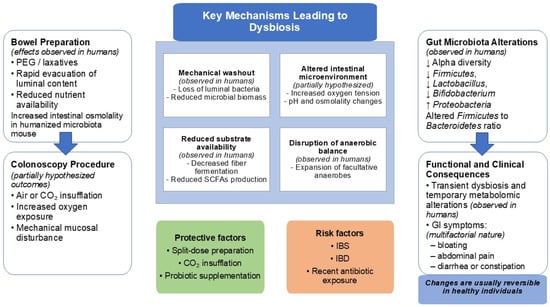
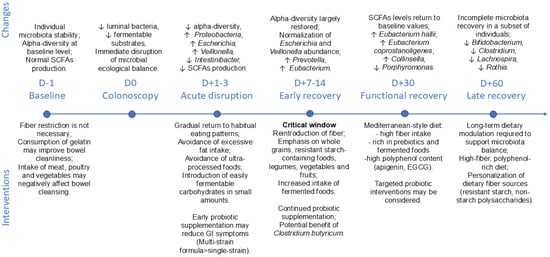
Colonoscopy is the gold standard for diagnosing and monitoring gastrointestinal diseases. However, bowel preparation, rather than the procedure itself, appears to be the main driver of transient gut microbiota disruption. Available evidence suggests that microbiota alterations after bowel preparation and colonoscopy may persist
[...] Read more.
Colonoscopy is the gold standard for diagnosing and monitoring gastrointestinal diseases. However, bowel preparation, rather than the procedure itself, appears to be the main driver of transient gut microbiota disruption. Available evidence suggests that microbiota alterations after bowel preparation and colonoscopy may persist for days to weeks and may be associated with changes in barrier function, microbial metabolism, and symptom burden in susceptible individuals. This review summarizes current knowledge on the mechanisms underlying microbial disruption induced by bowel preparation, including loss of diversity, shifts in key taxa, impairment of metabolic pathways, and alterations in immunomodulatory metabolites. It also discusses potential clinical consequences and highlights nutritional strategies that may support microbiota recovery, including dietary fiber, polyphenols, and microbiota-targeted approaches. This review also highlights current research gaps and the need for well-designed clinical studies in this field.
Full article
(This article belongs to the Section Gastrointestinal Disease)
►▼
Show Figures

Figure 1

Open AccessArticle
Non-Steroidal Anti-Inflammatory Drugs and Capsule Endoscopy—Spectrum of Presentation and Longitudinal Follow-Up
by
Nicoletta Nandi, Priya Oka, Mohamed G. Shiha, Mark E. McAlindon and Reena Sidhu
Gastroenterol. Insights 2026, 17(2), 26; https://doi.org/10.3390/gastroent17020026 - 14 Apr 2026
Abstract
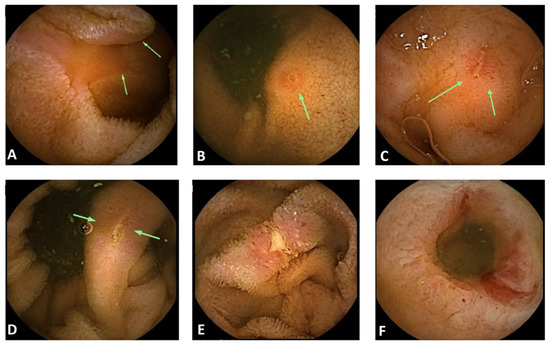
Background/Objectives: Non-steroidal anti-inflammatory drug (NSAID)-induced small bowel (SB) injuries have a variable clinical and endoscopic presentation. Limited data exists regarding their long-term outcomes, natural course, and discerning factors and differentiation from Crohn’s disease (CD). This study aims to evaluate the spectrum of presentation
[...] Read more.
Background/Objectives: Non-steroidal anti-inflammatory drug (NSAID)-induced small bowel (SB) injuries have a variable clinical and endoscopic presentation. Limited data exists regarding their long-term outcomes, natural course, and discerning factors and differentiation from Crohn’s disease (CD). This study aims to evaluate the spectrum of presentation at capsule endoscopy (CE) and outcome in patients with documented NSAID use. Methods: We retrospectively evaluated all CEs performed at our hospital from 2014 to July 2023 in patients with documented NSAID use and with SB injury on CE. Patients’ demographics, clinical and endoscopic data, CE findings and outcome were recorded. Results: A total of 52 patients (33 females; median age 54 years, IQR 41–65) with documented NSAID use who underwent CE were included. The most prominent findings were erosions (56%) and superficial (46%) and deep ulcers (21%). Median follow-up time was 16 months (IQR 4–57). A total of 26 (50%) patients underwent repeat CE after a median interval of 12 months (IQR 10–15). In 77% (n = 20) of patients, SB injury was still present, with the majority (80%) having a Lewis score of < 790. Overall, compared to the previous CE, there were no changes in 35% of cases, worse appearance in 35%, and an improvement in 30%. SB CD was diagnosed in 7 out of 26 patients on follow-up. There were no statistically significant clinical or endoscopic differences between those with NSAID enteropathy and those diagnosed with CD. Conclusions: NSAID enteropathy presents with a wide spectrum of SB injuries, which cannot be differentiated on CE images alone. This highlights the importance of the clinical picture in the diagnostic process of these patients. Furthermore, our study demonstrated that a percentage of patients still exhibit some degree of SB damage despite cessation of NSAIDs for several months.
Full article
(This article belongs to the Section Gastrointestinal Disease)
►▼
Show Figures

Figure 1

Open AccessReview
Clostridioides difficile: Modern Approaches in Pathogenesis, Diagnosis, Treatment, Prevention, Emerging Perspectives and Health Economics
by
Nikoletta T. Karavasili, Konstantinos H. Katsanos, Ioanna Nefeli Mastorogianni, Maria Veatriki Christodoulou, Georgios Manomenidis, Dimitrios Kosmidis, Anastasios Tzenalis, Albani Eleni, Stavroula Tsiara and Dimitrios K. Christodoulou
Gastroenterol. Insights 2026, 17(2), 25; https://doi.org/10.3390/gastroent17020025 - 13 Apr 2026
Abstract
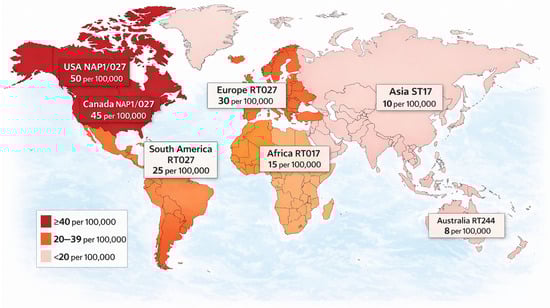
Introduction: Clostridioides difficile (C. difficile) is a major cause of antibiotic-associated diarrhea and healthcare-associated infections, with rising global incidence and severity due to the emergence of hypervirulent strains. Methods: This review synthesizes recent literature on the epidemiology, pathogenesis, diagnostic
[...] Read more.
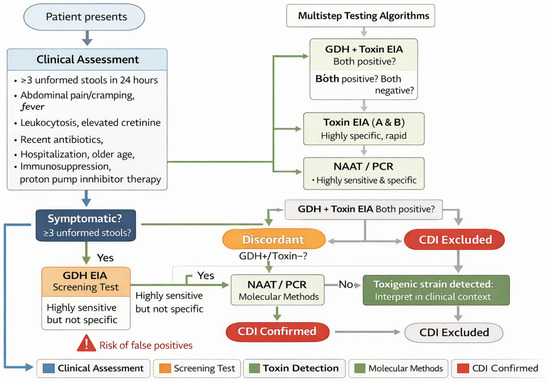
Introduction: Clostridioides difficile (C. difficile) is a major cause of antibiotic-associated diarrhea and healthcare-associated infections, with rising global incidence and severity due to the emergence of hypervirulent strains. Methods: This review synthesizes recent literature on the epidemiology, pathogenesis, diagnostic approaches, and therapeutic strategies related to C. difficile infection (CDI). Sources were selected from peer-reviewed journals, clinical guidelines, and emerging research between 2020 and 2025. Results: Advances in molecular diagnostics have improved the accuracy and speed of CDI detection. New therapeutic options such as fidaxomicin offer narrower-spectrum antibiotic activity with reduced recurrence rates. Fecal microbiota transplantation (FMT) has emerged as a highly effective option for recurrent CDI. Preventive efforts, including antibiotic stewardship programs and early-phase vaccine trials, show potential in reducing infection rates. Discussion: The management of CDI is evolving rapidly with the integration of precision diagnostics, targeted therapies, and microbiome-based interventions. Preventive strategies are critical, particularly in healthcare settings where C. difficile persists in the environment. Continued research and coordinated public health efforts are essential to reduce disease burden, improve outcomes, and limit transmission. Conclusions: Clostridioides difficile infections remain a major healthcare challenge with rising incidence and recurrent cases. Fidaxomicin has become the preferred first-line therapy. Microbiota-based therapies (like FMT, Rebyota, and Vowst) and Lipopolysaccharide Binding Protein (LBP) are highly effective for recurrent CDI prevention. Diagnostic strategies have improved with multi-step testing, enhancing accuracy and reducing overtreatment. Future focus lies in vaccines, targeted antimicrobials, and stricter prevention through antibiotic stewardship and hygiene.
Full article
(This article belongs to the Section Gastrointestinal Disease)
►▼
Show Figures

Figure 1
Open AccessArticle
Improving Prognostic Accuracy in Locally Advanced Rectal Cancer: Integrating Tumor Deposits with Lymph Node Metastases—A Retrospective Study
by
Yisong Hong, Puning Wang, Yuanhui Wu, Xiaoqiong Chen, Chuanwei Yuan, Rongzhao He, Jinxin Lin, Zhipeng Jiang, Jingjing Wu and Meijin Huang
Gastroenterol. Insights 2026, 17(2), 24; https://doi.org/10.3390/gastroent17020024 - 7 Apr 2026
Abstract
Objectives: This study aimed to investigate the impact of TDs on the survival of patients with locally advanced rectal cancer (LARC). Additionally, we propose a novel staging method that combines TDs and lymph node metastases (LNMs) to enhance prognostic accuracy. Methods: Patients with
[...] Read more.
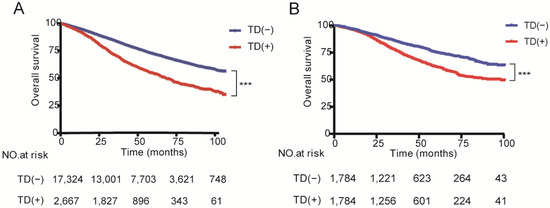
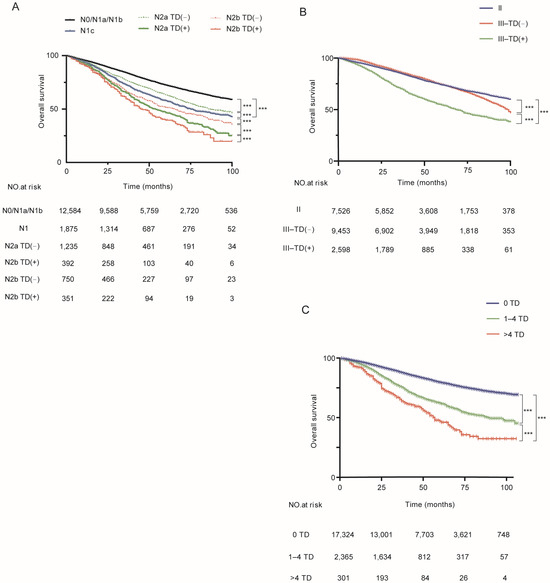
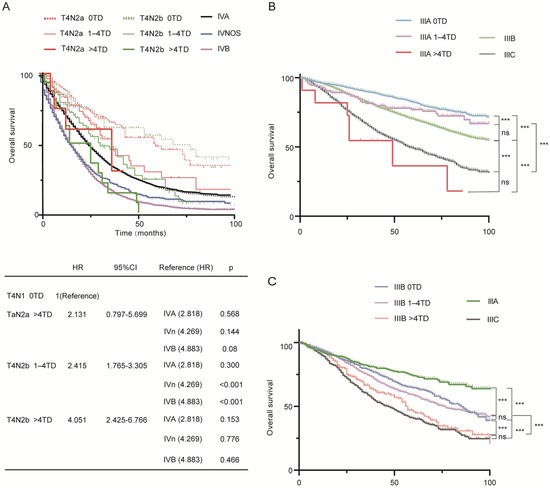
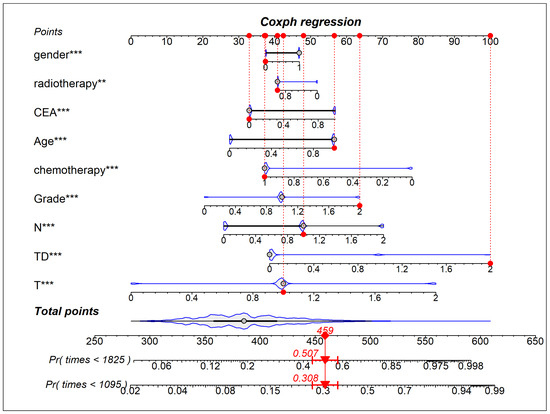
Objectives: This study aimed to investigate the impact of TDs on the survival of patients with locally advanced rectal cancer (LARC). Additionally, we propose a novel staging method that combines TDs and lymph node metastases (LNMs) to enhance prognostic accuracy. Methods: Patients with LARC were retrospectively identified from the Surveillance, Epidemiology, and End Results (SEER) database and a Sun Yat-sen University (SYSU) cohort. Propensity score matching (PSM) was utilized to minimize selection bias when evaluating TDs. We quantitatively stratified TDs counts and integrated them with regional LNMs to formulate a novel tumor node metastasis (TNM) staging system. Furthermore, a prognostic nomogram incorporating TDs was constructed and validated to predict survival. Results: Overall, 19,991 patients were included in the SEER database, with 2667 (13.3%) TDs-positive and 17,324 (86.7%) TDs-negative tumors. After PSM, multivariate Cox analysis reveals that TDs are an independent adverse prognostic factor (HR = 1.521, 95% CI: 1.366–1.693, p < 0.001). Patients with high-risk group (TDs > 4) at any TNM stage exhibit OS comparable to or worse than that of stage IIIC disease. For patients staged as T4N2M0, the high-risk group (TDs > 4) demonstrates OS equivalent to stage IV disease. The nomogram achieved C-indices of 0.713 (training cohort, n = 8586) and 0.789 (external validation cohort, n = 304), with AUCs of 0.774 (3-year) and 0.710 (5-year). Conclusions: The presence of TDs is associated with poorer OS, and integrating TDs with LNMs improves the accuracy of TNM staging. The nomogram (C-index = 0.789) provides enhanced prognostic stratification and survival prediction.
Full article
(This article belongs to the Section Gastrointestinal Disease)
►▼
Show Figures

Figure 1
Open AccessArticle
Role of Endoscopy and EUS in the Staging of Superficial GI Neoplastic Lesions
by
Thomas Togliani, Andrea Lisotti, Francesco Tomba, Arianna Massella, Anna Granato, Marina Mastromauro, Morena Tebaldi, Pietro Fusaroli and Vincenzo Giorgio Mirante
Gastroenterol. Insights 2026, 17(2), 23; https://doi.org/10.3390/gastroent17020023 - 1 Apr 2026
Abstract
Aims/Purpose: In case of superficial neoplastic GI lesions the depth of infiltration is associated with the risk of nodal metastasis and guides the choice between minimally invasive endoscopic treatments and resective surgery. The aim of the study was to compare the performance of
[...] Read more.
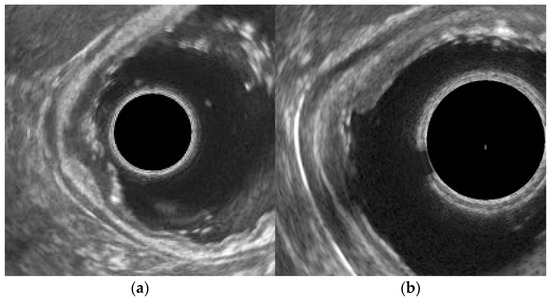
Aims/Purpose: In case of superficial neoplastic GI lesions the depth of infiltration is associated with the risk of nodal metastasis and guides the choice between minimally invasive endoscopic treatments and resective surgery. The aim of the study was to compare the performance of the endoscopic evaluation and EUS in identifying early tumors fit for endoscopic resection. Methods: Retrospective study on patients affected by early-appearing neoplastic GI lesions. We compared the high-definition endoscopic assessment of the lesions according to the Paris classification (classifying them as fit or unfit for endoscopic resection, according to guidelines) and the EUS staging (classifying them as intramucosal or submucosal) to the histological staging after resection. Results: From 4/2022 to 6/2025 57 patients were included. Lesions were located in the esophagus (19), stomach (29), and rectum (9); they underwent EMR—endoscopic mucosal resection—(six), ESD—endoscopic submucosal dissection—(29), upfront surgical resection (18), or upfront TEM—transanal endoscopic microsurgery (four); thereafter, 11 patients underwent surgery or TEM after not-radical endoscopic treatment or complications. After endoscopic assessment 42 lesions were considered fit for endoscopic resection: nine (21.4%) yielded HGD, 19 (45.3%) T1a, and 14 (33.3%) T1b; 15 were considered unfit for endoscopic resection: one (6.7%) yielded T1a, 14 (93.3%) T1b. Endoscopic accuracy for identifying intramucosal lesions (HGD or T1a) thus fit for endoscopic resection was 73.7%. EUS staged 29 lesions as uT1a: eight (27.6%) yielded HGD, 8 (27.6%) T1a, and 13 (44.8%) T1b; EUS staged 28 lesions as uT1 b: one (3.6%) yielded HGD, 12 (42.8%) T1a, and 15 (53.6%) T1b. EUS accuracy for identifying intramucosal lesions (HGD or T1a) was 54.4%, but it showed a 91.7% PPV for the N0 status. Conclusions: The endoscopic evaluation was more accurate than EUS (73.7% vs. 54.4%, p < 0.05) in distinguishing GI intraepithelial or intramucosal lesions fit for endoscopic resection, with a markedly higher NPV. EUS could rather be considered as a complementary tool to exclude suspicious lymph nodes before endoscopic resection.
Full article
(This article belongs to the Section Gastrointestinal and Hepato-Biliary Imaging)
►▼
Show Figures

Figure 1
Open AccessArticle
Predictive Factors and Treatment Outcomes in Patients with Acute Variceal Bleeding
by
Mirta Perković, Josip Vrdoljak, Joško Božić and Antonio Meštrović
Gastroenterol. Insights 2026, 17(2), 22; https://doi.org/10.3390/gastroent17020022 - 1 Apr 2026
Abstract
Background/Objectives: The study aimed to determine the demographic and clinical characteristics of patients with acute variceal bleeding and identify predictive factors associated with treatment outcomes. Methods: The retrospective study included 91 adults hospitalised for oesophageal and/or gastric variceal bleeding at the Department of
[...] Read more.
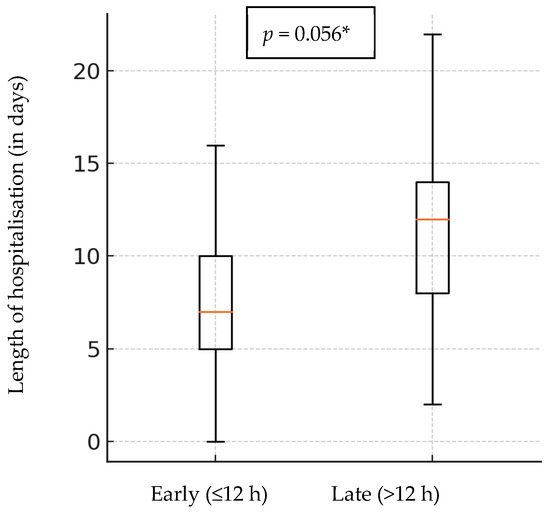
Background/Objectives: The study aimed to determine the demographic and clinical characteristics of patients with acute variceal bleeding and identify predictive factors associated with treatment outcomes. Methods: The retrospective study included 91 adults hospitalised for oesophageal and/or gastric variceal bleeding at the Department of Gastroenterology, University Hospital of Split. Data were collected on patients’ demographics, clinical characteristics and laboratory findings, as well as treatment outcomes, including length of hospital stay, need for repeat endoscopy, rebleeding, infection incidence, and six-week mortality. Results: Of the 91 patients included, 85.7% were male, and the mean age was 61 ± 9 years. Liver cirrhosis was present in 94.5% of patients, with alcoholic aetiology in 76.7% of cases. The median MELD-Na score was 15 (IQR 11–21), and more than 40% of patients were classified as Child–Pugh B. The median length of hospital stay was 8 days (IQR 5–10.5). Diagnostic EGD was performed in 94.5% of patients, with 80.2% undergoing the procedure within 12 h of admission. Vasoactive therapy was administered to 65.9% of patients, while antibiotic prophylaxis was given in 82.4%. In-hospital mortality was 16.5%, and the cumulative six-week mortality was 25.3%. The severity of liver disease (expressed by MELD-Na and Child–Pugh scores) was associated with a higher risk of in-hospital mortality (p = 0.0045 and p = 0.009, respectively). Early endoscopic intervention did not result in a statistically significant reduction in in-hospital mortality (8.7% vs. 23.5%; p = 0.104). The use of antibiotic prophylaxis, vasoactive drugs, and endoscopic ligation was not associated with lower rates of infections, repeated endoscopies, or mortality. Conclusions: There was a positive correlation between the severity of decompensated liver cirrhosis and in-hospital mortality. Early endoscopic intervention (within 12 h of admission) was not statistically significant in reducing mortality. The use of antibiotic prophylaxis was not associated with reduced mortality or lower incidence of infections. Vasoactive therapy did not significantly reduce the need for repeat endoscopic intervention. Endoscopic ligation did not decrease the likelihood of rebleeding during hospitalisation, in-hospital mortality, or the length of hospital stay.
Full article
(This article belongs to the Section Gastrointestinal Disease)
►▼
Show Figures

Figure 1
Open AccessArticle
Assessing Intestinal Inflammation: A Comparison of Immunochromatographic Tests and ELISA for Fecal Calprotectin Detection
by
Hassan Ali, Milena Peruhova, Antoaneta Mihova, Georgi V. Vasilev and Tsvetelina Velikova
Gastroenterol. Insights 2026, 17(2), 21; https://doi.org/10.3390/gastroent17020021 - 24 Mar 2026
Abstract
Background: Fecal calprotectin (FC) is a well-established, non-invasive biomarker of intestinal inflammation and is widely used to differentiate inflammatory bowel disease (IBD) from functional gastrointestinal disorders. Although enzyme-linked immunosorbent assays (ELISA) remain the reference method, rapid immunochromatographic tests (ICTs) offer important operational
[...] Read more.
Background: Fecal calprotectin (FC) is a well-established, non-invasive biomarker of intestinal inflammation and is widely used to differentiate inflammatory bowel disease (IBD) from functional gastrointestinal disorders. Although enzyme-linked immunosorbent assays (ELISA) remain the reference method, rapid immunochromatographic tests (ICTs) offer important operational advantages for point-of-care (POC) diagnostics. However, variability in analytical performance among available ICTs remains a concern. Objective: This study aimed to evaluate the diagnostic accuracy of the CerTest Calprotectin one-step card (CerTest Biotec S.L., Zaragoza, Spain) in comparison with the Actim® Calprotectin lateral flow assay and the reference Calprest® ELISA (Eurospital Diagnostics, Italy). Methods: A total of 128 fresh stool samples from patients clinically suspected of IBD were analyzed in parallel using all three assays. For the reference ELISA (Calprest®), a cutoff value of >40 µg/g was applied according to the manufacturer’s instructions. For discrepant results between assays, a cutoff of 200 ng/mL (equivalent to 200 µg hCp/g stool) was employed for ELISA Calprest® to resolve inconsistencies. The results of the lateral flow assays (CerTest® Calprotectin ICT and Actim® Calprotectin) were interpreted using their respective manufacturer-recommended thresholds. Diagnostic sensitivity, specificity, positive predictive value (PPV), and negative predictive value (NPV) were calculated using ELISA as the reference standard. Agreement between methods was assessed using Cohen’s κ coefficient. Results: Using ELISA, 47 of 128 samples (36.7%) exceeded the 40 µg/g cutoff. Compared with the Actim® assay, the CerTest card demonstrated a sensitivity of 88.0% (95% CI: 75.7–95.5), a specificity of 100.0% (95% CI: 95.4–100), and a strong agreement (κ = 0.90). When compared with ELISA, the CerTest assay showed a sensitivity of 87.2% (95% CI: 74.3–95.2), a specificity of 96.3% (95% CI: 89.6–99.2), a PPV of 93.2%, an NPV of 93.2%, and a strong agreement (κ = 0.85). Conclusions: The CerTest Calprotectin one-step card provides a rapid and reliable detection of fecal calprotectin, demonstrating a high sensitivity and specificity that are comparable to both other lateral flow assays and the ELISA reference method. These findings support the use of rapid immunochromatographic testing as a valuable tool for preliminary screening and clinical decision-making in patients suspected of IBD, while acknowledging that histology remains the gold standard for definitive diagnosis.
Full article
(This article belongs to the Special Issue Immunological Aspects of Gastrointestinal Diseases)
Open AccessReview
Immune-Mediated Colitis in the Era of Immune Checkpoint Inhibition: From Mechanisms to Clinical Management
by
Cristina Polo Cuadro, Pilar Corsino Roche, Marta Gascón Ruiz, Santiago García López, Carmen Yagüe Caballero, Ana Royo Esteban, Laura Almenara Michelena and Diego Casas Deza
Gastroenterol. Insights 2026, 17(1), 20; https://doi.org/10.3390/gastroent17010020 - 10 Mar 2026
Abstract
Immunotherapy with immune checkpoint inhibitors (ICIs) has represented a major breakthrough in the treatment of multiple solid and hematological malignancies, significantly improving survival and tumor control. However, the blockade of immune regulatory pathways such as cytotoxic T-lymphocyte-associated protein 4 (CTLA-4) and programmed cell
[...] Read more.
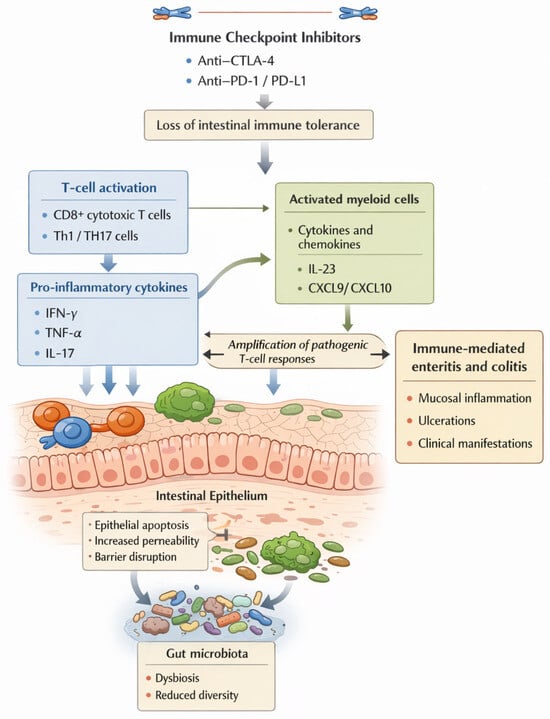
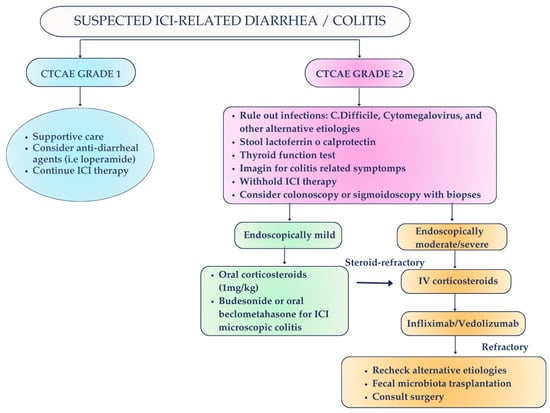
Immunotherapy with immune checkpoint inhibitors (ICIs) has represented a major breakthrough in the treatment of multiple solid and hematological malignancies, significantly improving survival and tumor control. However, the blockade of immune regulatory pathways such as cytotoxic T-lymphocyte-associated protein 4 (CTLA-4) and programmed cell death protein 1/programmed death-ligand 1 (PD-1/PD-L1) is associated with the development of immune-related adverse events, among which immune-mediated colitis (IMC) constitutes one of the most relevant gastrointestinal complications due to its frequency, potential severity, and impact on the continuation of oncologic treatment. IMC typically presents with diarrhea, abdominal pain, and gastrointestinal bleeding, and may progress to severe, life-threatening forms. Its incidence varies according to the type of ICI, and is higher with CTLA-4 inhibitors and particularly elevated with combination therapies. The pathophysiology is complex and multifactorial, involving dysregulated activation of proinflammatory T lymphocytes, impairment of immune regulatory mechanisms, disruption of the intestinal epithelial barrier, and a key modulatory role of the gut microbiota. Diagnosis requires a high index of clinical suspicion and relies on endoscopy with biopsies, given the poor correlation between clinical severity and endoscopic or histological findings. Fecal biomarkers, such as calprotectin and lactoferrin, are useful for risk stratification and disease monitoring. Treatment is based on a stepwise immunosuppressive approach, with corticosteroids as first-line therapy and biologic agents such as infliximab or vedolizumab in refractory cases. Emerging strategies, including fecal microbiota transplantation, offer new therapeutic perspectives. This article provides a comprehensive review of the current evidence on the epidemiology, pathophysiology, diagnosis, and management of IMC, as well as future challenges and opportunities in its clinical management.
Full article
(This article belongs to the Special Issue Immunological Aspects of Gastrointestinal Diseases)
►▼
Show Figures

Figure 1
Open AccessArticle
Nutritional Risk and Persistent Gastrointestinal Symptoms in COVID-19 Survivors: A Retrospective–Prospective Cohort Study
by
Albandari Bin Ammar, Nagat Eltoum, Leo Rathinaraj Antony Soundararajan, Nagwan Elhussein, Sayeda Fatima, Majid Alkhalaf, Momen Elshazley, Abdullah Alammar, Sreeja Mannickal Thankappan, Ghosoun Al-Faqiri and Abd Elmoneim Elkhalifa
Gastroenterol. Insights 2026, 17(1), 19; https://doi.org/10.3390/gastroent17010019 - 4 Mar 2026
Abstract
Background/Objectives: Gastrointestinal (GI) manifestations may persist in COVID-19 survivors, potentially worsening pre-existing conditions and increasing the risk of malnutrition. Understanding the long-term association between GI symptoms and nutritional risk is essential. This study aimed to investigate this relationship in COVID-19 survivors, regardless of
[...] Read more.
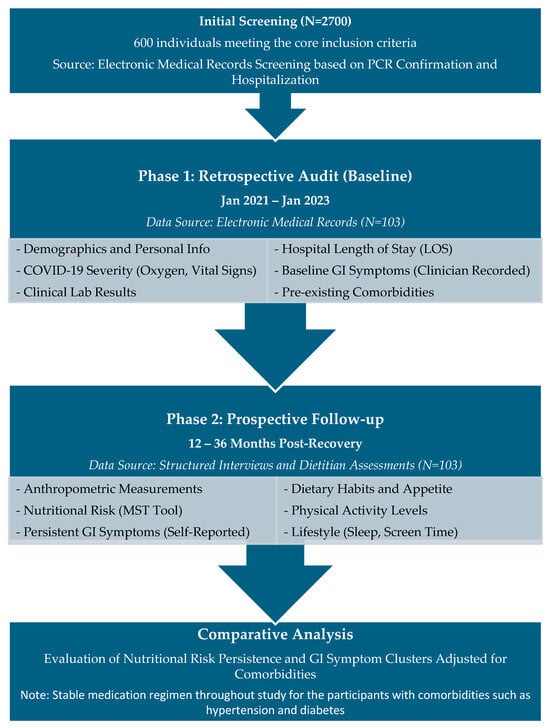
Background/Objectives: Gastrointestinal (GI) manifestations may persist in COVID-19 survivors, potentially worsening pre-existing conditions and increasing the risk of malnutrition. Understanding the long-term association between GI symptoms and nutritional risk is essential. This study aimed to investigate this relationship in COVID-19 survivors, regardless of comorbidities. Methods: A retrospective cohort study with prospective follow-up was conducted among 103 adults (52 males and 51 females) with PCR-confirmed COVID-19 admitted to King Salman Specialist Hospital, Ha’il, Saudi Arabia, between January 2021 and January 2023. Participants were grouped based on the presence of comorbidities, mainly type 2 diabetes mellitus (DM) and hypertension (HTN), and GI symptoms. Demographic characteristics, COVID-19 severity, and clinical data were obtained from medical records and structured interviews. Nutritional risk was assessed using the Malnutrition Screening Tool (MST). Statistical analysis was performed using Chi-Square tests, with p < 0.05 considered significant. Results: Over a mean follow-up of 26.6 months, 40.8% of participants reported at least one persistent GI symptom. Patients with comorbidities were older than those without comorbidities (mean age 58.24 ± 13.23 vs. 48.22 ± 14.83 years), and malnutrition risk was commonly observed in both groups during hospitalization and follow-up. The most frequently reported symptoms were abdominal pain (15.5%), diarrhea (12.6%), appetite loss (9.7%), and vomiting (7.8%), with no significant differences between groups. GI symptoms were significantly associated with reduced food intake, weight loss, and increased malnutrition risk (p < 0.05). Conclusions: Some COVID-19 survivors reported persistent GI symptoms during long-term follow-up, with no significant differences based on comorbidity status. GI symptoms were associated with nutritional risk and lifestyle changes, supporting the need for nutritional screening in post-COVID-19 care.
Full article
(This article belongs to the Section Gastrointestinal Disease)
►▼
Show Figures

Figure 1
Highly Accessed Articles
Latest Books
E-Mail Alert
News
Topics
Topic in
Cancers, Current Oncology, Diagnostics, Gastroenterology Insights
Advanced Endoscopic Ultrasound (EUS) Techniques: Current and Future Directions
Topic Editors: Bertrand V. Napoleón, Andrea Lisotti, Tawfik KhouryDeadline: 31 October 2026
Topic in
Cancers, Current Oncology, Gastroenterology Insights, Livers, Precision Oncology
Liver Diseases: From Pathogenesis to Modern Management
Topic Editors: Dimitrios Moris, Georgia Sofia KarachaliouDeadline: 15 December 2026
Topic in
Antioxidants, Cancers, Gastroenterology Insights, Life, Nutrients
Oxidative Stress and Diet: The Health Implications of Advanced Glycation and Lipid Oxidation End-Products
Topic Editors: Joseph Kanner, Ron KohenDeadline: 1 June 2027
Topic in
Gastroenterology Insights, JCM, Medical Sciences, Medicina, Surgeries, Sci
Innovations in Operative Management of Abdominal Emergencies and Traumas
Topic Editors: Carlo Vallicelli, Paola FugazzolaDeadline: 30 November 2027
Conferences
Special Issues
Special Issue in
Gastroenterology Insights
Immunological Aspects of Gastrointestinal Diseases
Guest Editor: Tsvetelina VelikovaDeadline: 31 August 2026
Topical Collections
Topical Collection in
Gastroenterology Insights
Advances in Gastrointestinal Cancer
Collection Editors: Chien-Feng Li, Ching-Chieh Yang, Nai-Jung Chiang