Review

The Evolution of MASLD Management: From Revised Nomenclature to Disease-Modifying Therapies

1
Dr. Tytus Chałubiński Specialist Hospital, 26-610 Radom, Poland
2
The Nicolaus Copernicus Provincial Multispecialty Center for Oncology and Traumatology, 90-001 Łódź, Poland
3
Norbert Barlicki Memorial Teaching Hospital No. 1 of the Medical University of Lodz, 90-153 Łódź, Poland
4
Clinical Department of Otolaryngology and Laryngological Oncology, Masovian Specialist Hospital in Radom, Casimir Pulaski University of Radom, 26-617 Radom, Poland
*
Authors to whom correspondence should be addressed.
Gastroenterol. Insights 2026, 17(2), 33; https://doi.org/10.3390/gastroent17020033
Submission received: 31 March 2026 / Revised: 14 May 2026 / Accepted: 19 May 2026 / Published: 25 May 2026
(This article belongs to the Topic Liver Diseases: From Pathogenesis to Modern Management)

Abstract

Metabolic dysfunction-associated steatotic liver disease (MASLD) is the leading cause of global chronic liver disease, with a prevalence of approximately 30%. This review outlines the diagnostic transition from the exclusionary non-alcoholic fatty liver disease (NAFLD) framework to the affirmative MASLD nomenclature, which mandates the presence of at least one of five specific cardiometabolic risk factors (CMRFs) to prioritize active pathophysiology. Beyond hepatic complications, MASLD drives systemic metabolic failure, significantly elevating risks for type 2 diabetes, hepatocellular carcinoma, and cardiovascular disease, the primary cause of mortality in this cohort. Clinical management relies on a standardized, two-tier risk-stratification pathway for advanced fibrosis. Primary care triage utilizes the Fibrosis–4 (FIB–4) index; a score < 1.3 excludes advanced disease via a high negative predictive value, whereas indeterminate or high scores require secondary validation via vibration-controlled transient elastography (VCTE) or the enhanced liver fibrosis (ELF) test to guide specialist referral. Although lifestyle modifications, principally a 7–10% weight reduction and Mediterranean diet adherence, remain foundational, management has transitioned toward disease-modifying pharmacotherapies. A pivotal breakthrough occurred with the 2024 FDA approval of resmetirom, a selective thyroid hormone receptor-beta (THR-β) agonist, for non-cirrhotic metabolic dysfunction-associated steatohepatitis (MASH) with moderate-to-advanced fibrosis. Concurrently, the emergence of GLP-1 receptor agonists and multi-incretin mimetics offers a personalized, multi-target approach simultaneously addressing hepatic inflammation, glycemic control, and adiposity.

1. Introduction

Metabolic dysfunction-associated steatotic liver disease (MASLD) is the leading cause of chronic liver disease worldwide, diagnosed by hepatic steatosis on imaging or biopsy alongside at least one cardiometabolic risk factor (hypertension, insulin resistance, dyslipidemia) and the absence of significant alcohol intake [1]. A recent meta-analysis spanning 1990–2019 estimated the global prevalence of MASLD at approximately 30%, reflecting a significant increase from around 25% in 1990–2006 to 38% in 2016–2019, with the highest burden in Latin America, followed by the Middle East and North Africa [2,3]. By 2040, MASLD is projected to affect over half of the adult population, driven heavily by insulin resistance, lipotoxicity, and visceral adiposity, with marked increases expected among women, smokers, and individuals without full metabolic syndrome [2,4].
The clinical recognition of hepatic steatosis dates to 1836 (Addison), though it was not until 1980 that Ludwig introduced “nonalcoholic steatohepatitis” (NASH), followed by Shaffer and Thaler’s introduction of “nonalcoholic fatty liver disease” (NAFLD) in 1986 [2,5,6]. To shift from an exclusionary diagnosis to positive metabolic criteria, “metabolic-associated fatty liver disease” (MAFLD) was proposed in 2020 [5,7]. Ultimately, a 2023 multi-society consensus established MASLD within a new steatotic liver disease (SLD) framework to eliminate stigma, improve pathophysiological accuracy, and clarify metabolic links. This consensus also introduced a “MetALD” category to account for patients presenting with overlapping metabolic dysfunction and moderate alcohol exposure [2,8].
The clinical burden of MASLD extends systemically. While progression to metabolic dysfunction-associated steatohepatitis (MASH), advanced fibrosis, and cirrhosis present significant hepatological challenges, cardiovascular disease (CVD) remains the leading cause of mortality in this cohort [3,6,9]. Concurrently, MASLD is outpacing viral hepatitis as the dominant driver of hepatocellular carcinoma (HCC) [10].
In a recent large-scale observational cohort study utilizing multi-system biobank registries, Jiang et al. demonstrated that MASLD is associated with increased all-cause mortality and is linked to 96 distinct diseases across multiple biological systems. It seems to be a primary driver of metabolic failure that predisposes patients to Type 2 Diabetes (T2DM) [6]. A complex, bidirectional relationship exists between NAFLD and T2DM, often featuring simultaneous clinical onset [11]. Consequently, MASLD frequently drives downstream multi-organ sequelae, including chronic kidney disease, liver cirrhosis, cardiovascular complications, and secondary anemias [6,11,12,13].
Historically, management was limited to lifestyle modifications targeting 7–10% body weight reduction, a goal rarely sustained in clinical practice [6,10]. This prolonged therapeutic deficit was underscored by the consistent failure of metformin, ursodeoxycholic acid, and dipeptidyl peptidase-4 inhibitors to achieve histological endpoints in controlled trials [11]. A definitive paradigm shift occurred with the Phase 3 MAESTRO-NASH trial of resmetirom, a selective thyroid hormone receptor-beta (THR-β) agonist. Among 966 patients, MASH resolution without fibrosis worsening was achieved in 25.9% (80 mg) and 29.9% (100 mg) of the treatment arms versus 9.7% for placebo (p < 0.001), leading to the first FDA approval for a MASH-specific therapy in 2024 [14]. Concurrently, incretin-based multi-receptor agents have expanded the therapeutic landscape by addressing glycemic control, weight loss, and hepatocyte injury [15]. Interim 2024 results from the Phase 3 ESSENCE trial demonstrated that once-weekly semaglutide (2.4 mg) achieved MASH resolution in 62.9% of subjects and fibrosis regression in 36.8%, compared to 34.3% and 22.4% for placebo, respectively (p < 0.001) [16].
This narrative review integrates current insights on the clinical evolution of MASLD relative to emerging pharmacotherapies. It evaluates the application of the revised nomenclature within diagnostic pathways and explores the integration of novel metabolic therapies into multidisciplinary, evidence-based care models.

2. Methods

This narrative review aimed to summarise current evidence on therapeutic strategies for metabolic dysfunction-associated steatotic liver disease (MASLD) and metabolic dysfunction-associated steatohepatitis (MASH), with a particular focus on nomenclature shift, screening, pharmacological treatments, and emerging disease-modifying approaches. A comprehensive literature search was conducted using the PubMed database to identify relevant studies published up to March 2026. The review was performed in accordance with the Preferred Reporting Items for Systematic Reviews and Meta-Analyses (PRISMA) principles to ensure methodological transparency and rigor.
The search strategy incorporated combinations of the following keywords: “MASLD”, “MASH”, “nomenclature”, “NAFLD”, “pathophysiology”, “screening”, “pharmacotherapy”, “GLP-1 receptor agonists”, and “resmetirom”. Eligible studies included randomized controlled trials, clinical trials, meta-analyses, and current international guidelines evaluating the efficacy and safety of therapeutic interventions in MASLD/MASH. Both open access and subscription-based full-text articles were considered.
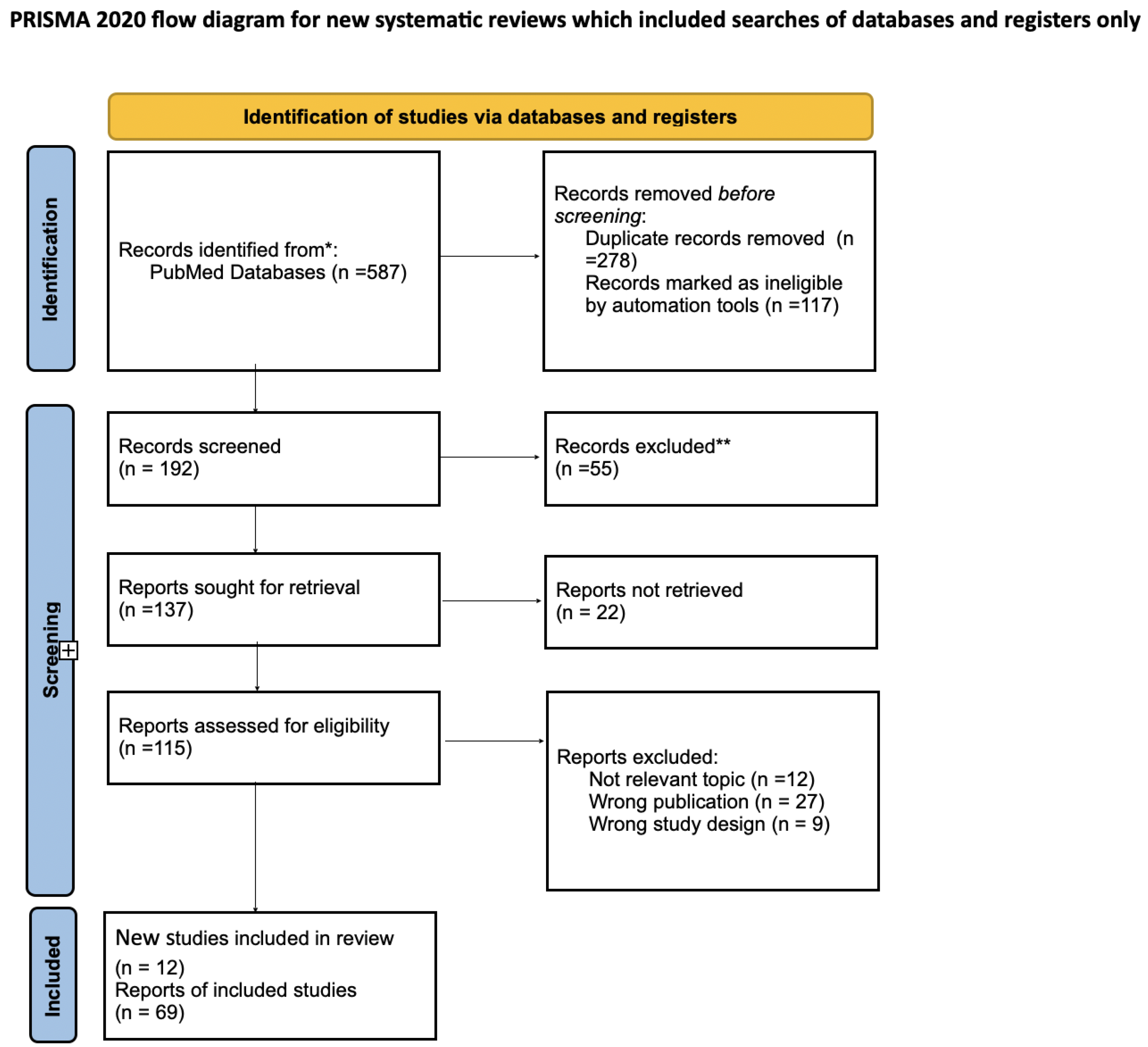
Study selection and data extraction were independently performed by multiple reviewers. Titles and abstracts were screened for relevance, followed by full-text assessment of potentially eligible studies. Discrepancies were resolved through discussion to ensure consistency. Particular attention was paid to study design, patient population, intervention type, and reported outcomes, including histological improvement, changes in liver fat content, and cardiometabolic effects. Duplicate records were identified and removed through comparison of study identifiers, including authorship, publication year, and digital object threshold identifiers (DOIs). Figure 1 presents a flowchart of the study selection process, highlighting the articles that met the inclusion criteria. AI tools (Open AI ChatGPT-5.5, Google Gemini 3.5 Flash) were used for visual drafting only; all scientific content was verified by the authors.

3. NAFLD to MASLD: Rationale, Comparative Analysis and Clinical Implications

In 2023, a multi-society international Delphi consensus formally replaced Non-alcoholic Fatty Liver Disease (NAFLD) with Metabolic Dysfunction-associated Steatotic Liver Disease (MASLD), and Non-alcoholic Steatohepatitis (NASH) with Metabolic Dysfunction-associated Steatotic Liver Disease (MASH) [8,17,18]. This transition unified global diagnostic standards, shifting the paradigm from an exclusionary framework to an affirmative diagnosis rooted in active cardiometabolic pathophysiology.

3.1. Evolution of Nomenclature and Diagnostic Framework: From NAFLD to MASLD

Historically, Non-Alcoholic Fatty Liver Disease (NAFLD) was defined by an exclusionary framework requiring objective evidence of hepatic steatosis (triglyceride accumulation in >5% of hepatocytes via imaging or histology) in the strict absence of secondary etiologies or significant alcohol consumption (≥20 g/day for women; ≥30 g/day for men) [1,6,19,20]. This legacy approach proved inadequate; by defining the pathology solely through the absence of specific factors, such as viral hepatitis, autoimmune diseases, or alcohol intake above designated thresholds, it utilized stigmatizing terminology and failed to reflect the robust mechanistic link between hepatic steatosis and cardiometabolic risk [6,8].
To address these limitations, the updated Steatotic Liver Disease (SLD) nomenclature establishes a pathophysiologically precise, affirmative diagnostic framework. Metabolic Dysfunction-Associated Steatotic Liver Disease (MASLD) replaces NAFLD, requiring documented hepatic steatosis concurrent with at least one of five cardiometabolic risk factors: overweight/obesity, type 2 diabetes mellitus (T2DM), hypertension, dyslipidemia, or insulin resistance, utilizing age-specific physiological thresholds to ensure accuracy across adult and pediatric populations [8].
To accommodate the clinical overlap of metabolic dysfunction and alcohol consumption, the consensus introduced the MetALD category for patients meeting MASLD criteria who consume moderate amounts of alcohol (weekly thresholds of 140–350 g for females; 210–420 g for males). When weekly intake exceeds these limits, the condition is classified as Alcohol-associated Liver Disease (ALD), identifying alcohol as the primary driver [7,8]. Validation studies demonstrate a near-total concordance (99.6% to 99.9%) between legacy NAFLD cohorts and the new MASLD framework due to the high prevalence of metabolic risk factors (e.g., elevated BMI, insulin resistance, hypertension) in previously diagnosed patients, thereby ensuring the continuity of longitudinal historical data [1].
Consequently, diagnostic algorithms have shifted from the exclusion of secondary causes to the active characterization of metabolic risk. The 2025 Global Consensus recommends MASLD screening and risk stratification for individuals presenting with T2DM, persistent aminotransferase elevations (≥6 months), or obesity paired with an additional cardiometabolic risk factor [17]. In these assessments, waist circumference is prioritized over BMI to account for “lean” MASLD, as central adiposity serves as a superior predictor of mortality and hepatic risk [2].
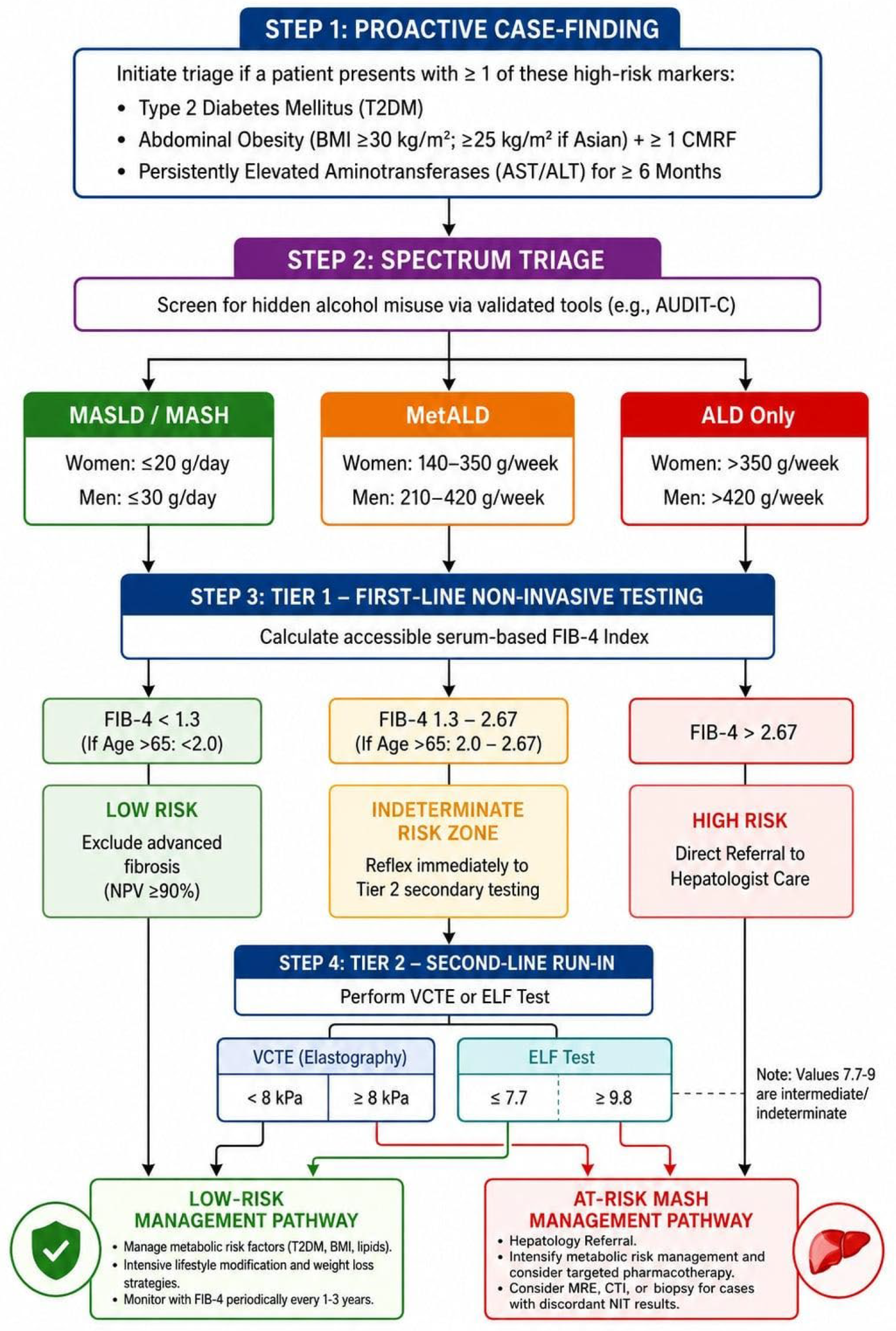
Modern guidance emphasizes systemic clinical risk assessment over mandatory imaging, relying on validated tools like the Alcohol Use Disorder Identification Test (AUDIT) to confirm that alcohol intake remains below MASLD thresholds (≤20 g/day for women; ≤30 g/day for men) and to differentiate MASLD from MetALD or ALD. Comprehensive evaluations must also screen for universal comorbidities (chronic kidney disease) and population-specific conditions (sarcopenia, polycystic ovary syndrome). Following a definitive diagnosis, risk stratification utilizing non-invasive tests (NITs) is required to predict progression to advanced fibrosis, cirrhosis, or hepatocellular carcinoma [17]. Ultimately, transitioning to this non-stigmatizing, globally supported framework improves patient-provider communication, enhances public awareness, and standardizes clinical and research settings [8] (Table 1 and Figure 2).

3.2. Definition of MASH

The transition from NASH to MASH reinforces the systemic metabolic framework of the disorder while maintaining histological continuity. MASH is defined by the presence of steatohepatitis, characterized by hepatic steatosis accompanied by lobular inflammation and hepatocellular ballooning, in individuals with at least one cardiometabolic risk factor and alcohol intake below the threshold for independent liver injury. Historically, this diagnosis required the strict exclusion of secondary factors such as specific hepatotoxic medications, environmental toxins, or co-existing conditions (e.g., Wilson’s disease, chronic viral hepatitis), while identifying obesity and type 2 diabetes as primary drivers [17,18].
MASH represents a progressive state where hepatocyte injury drives advancing fibrosis, which is the strongest predictor of clinical mortality and can eventually escalate to cirrhosis and hepatocellular carcinoma (HCC) [15,17,19]. Longitudinal natural history and observational cohort studies suggest that unchecked progression carries severe clinical consequences: up to 25% of patients with MASH develop cirrhosis, and approximately 14% of those in early fibrosis stages advance to stage 3 within 4.5 years. In patients with compensated cirrhosis, a failure to achieve fibrosis regression correlates with a tenfold increase in the probability of suffering hepatic complications [20].

3.3. Limitations of the New Nomenclature

The transition to Metabolic Dysfunction-Associated Steatotic Liver Disease (MASLD) represents a pivotal shift toward an affirmative, non-stigmatizing diagnostic framework, yet several clinical and prognostic limitations persist. A primary concern is the so-called lean MASLD gap; under the current consensus, individuals with hepatic steatosis who lack any of the five specified CMRFs are categorized as cryptogenic SLD [8] (Table 1). This classification may inadvertently marginalize a significant subset of lean patients who, despite more favorable metabolic profiles, exhibit increased risks for all-cause (HR = 2.50, 95% CI = 1.70–3.66) and diabetes-specific mortality, often exceeding those of non-lean counterparts [21]. Despite the fact that concordance between MASLD and NAFLD is high, approximately 5–7% of individuals, particularly those with lean disease (more prevalent in Asian populations), may be excluded under MASLD criteria due to the absence of metabolic features [2].
Although the introduction of the MetALD category is conceptually aligned with underlying pathophysiology, it poses practical challenges in routine clinical implementation. In particular, reliably estimating daily alcohol consumption, such as within the 20–60 g range, is difficult in standard practice, which may result in misclassification when metabolic and alcohol-related contributors coexist [22].
Moreover, the MASLD framework’s reliance on specific CMRFs may under-predict insulin resistance, as factors like HDL-C and diastolic blood pressure correlate weakly with metabolic dysfunction. Consequently, patients lacking overt CMRFs are classified as “cryptogenic”, though clinicians may designate “possible MASLD” pending confirmatory metabolic testing like HOMA-IR [8]. The application of universal CMRF criteria potentially overlooks younger patients, as early-stage metabolic dysfunction in children and young adults frequently lacks overt manifestations like hypertension or dyslipidemia [23].
Dukewich et al. reported in their observational cohort study that individual cardiometabolic risk factors (CMRFs) within MASLD exert vastly different effects on all-cause mortality, meaning that the specific type of risk factor, not just the cumulative number, critically dictates patient outcomes. For instance, data shows that hypertension carries the highest mortality risk (aHR: 1.39) followed by glucose intolerance (aHR: 1.26) and low HDL (aHR: 1.15), whereas elevated triglycerides do not significantly increase mortality risk (p = 0.39) [24].
Table 1 contrasts the exclusionary NAFLD framework with the affirmative, CMRF-based MASLD criteria, highlighting a shift toward metabolic-centered diagnosis and the integration of the MetALD subcategory. While improving specificity, this transition creates a diagnostic gap for lean or younger patients with subclinical metabolic dysfunction, who may be misclassified as cryptogenic SLD due to the absence of overt hypertension or dyslipidemia.

4. Pathophysiological Basis for Metabolic Targeting

4.1. The Pivotal Role of Insulin Resistance and Lipotoxicity

MASLD is the hepatic manifestation of systemic metabolic instability, catalyzed by adipose tissue insulin resistance (adipo-IR) and disrupted lipid–glucose homeostasis [15,25]. Excess caloric intake causes adipose tissue dysfunction, characterized by impaired lipid storage and unchecked lipolysis. This drives a continuous influx of non-esterified free fatty acids into the portal circulation, overwhelming hepatic mitochondrial β-oxidation and very-low-density lipoprotein (VLDL) export [26]. Consequently, hepatocytes accumulate lipotoxic intermediates (diacylglycerols, ceramides) that induce endoplasmic reticulum (ER) stress, mitochondrial dysfunction, and hepatocellular injury, facilitating the transition to MASH [13,26].
Sustained lipotoxic and proteotoxic stress activates key unfolded protein response (UPR) sensors (IRE1α, PERK, ATF6α). While initially adaptive, chronic activation overwhelms these mechanisms, triggering hepatocyte apoptosis and pathological extracellular vesicle release [27]. Therapeutic strategies target this adipose–hepatic axis to improve systemic insulin sensitivity: pan-PPAR agonists (lanifibranor) enhance adiponectin-mediated lipid sequestration [28], while GLP-1 receptor agonists (semaglutide) reduce caloric intake and restore metabolic homeostasis [29].

4.2. The Gut–Liver Axis

The gut–liver axis represents a bidirectional pathway disrupted by chronic metabolic stress. Gut dysbiosis, marked by reduced microbial diversity and an enrichment of pro-inflammatory taxa (Escherichia coli, Bacteroides), compromises intestinal barrier integrity [30]. Dysbiosis-induced downregulation of tight junction proteins (ZO-1, occludin) via the TLR-4/MyD88 pathway allows lipopolysaccharides (LPS) to translocate into the portal circulation. These pathogen-associated molecular patterns (PAMPs) bind hepatic TLR-4 on Kupffer cells, triggering a pro-inflammatory cytokine cascade (TNF-α, IL-6) that drives progressive hepatic fibrogenesis [7,31,32].
Incretin-based therapies stabilize this axis. GLP-1 receptor agonists modulate the microbiome by decreasing Bacteroidetes and Ruminococcus while favoring acetic acid synthesis. This is reinforced by a bile acid-microbiome circuit where microbial metabolites, such as LCA, trigger hepatic SULT2A and CA7S synthesis to sustain GLP-1 secretion and systemic glucoregulatory homeostasis [7,31].

4.3. Restoring Metabolic Flux: THR-β Agonism

Hepatic lipid homeostasis is regulated by the thyroid hormone receptor-beta (THR-β), which orchestrates mitochondrial β-oxidation and cholesterol clearance. In MASLD, impaired intrahepatic thyroid hormone signaling causes localized hepatic hypothyroidism, accelerating lipid accumulation and lipotoxic injury despite normal systemic thyroid function [33].
The landmark MAESTRO-NASH trial demonstrated that resmetirom, a liver-directed THR-β agonist, achieves significant MASH resolution and fibrosis regression at 80 mg and 100 mg doses [14]. By selectively restoring hepatic metabolic flux, resmetirom avoids systemic α-receptor-mediated cardiovascular adverse events. In March 2024, resmetirom became the first FDA-approved pharmacological treatment for MASH, establishing a therapeutic paradigm centered on direct hepatic metabolic restoration rather than weight-loss-dependent strategies [14].

4.4. Genetic Contributions to MASLD Development

Key genetic variants in PNPLA3 and TM6SF2 account for significant disease heritability but exhibit divergent metabolic phenotypes [7,20]. The PNPLA3 I148M substitution impairs lipid droplet remodeling and inhibits triglyceride mobilization, directly increasing liver fat content (LFC) [34]. Similarly, TM6SF2 variants impair VLDL assembly and secretion, resulting in intracellular lipid retention and lipotoxic stress [35]. While both variants synergize with obesity to increase the risk of fibrosis and type 2 diabetes, others, like HSD17B13, appear metabolically neutral regarding cardiovascular risk [7,20].
This heterogeneous genetic architecture underscores that hepatic steatogenesis is driven by complex gene–environment interactions rather than a uniform pathway [7]. Gene-directed precision therapies, such as COASY knockdown using antisense oligonucleotides (ASOs), offer a high-potential strategy to reduce cholesterol accumulation in liver lipid droplets, neutralize pro-fibrotic signaling, particularly in high-risk PNPLA3 I148M carriers, and halt progression to advanced liver fibrosis [36].

5. Screening Strategies for MASLD

The global surge in metabolic dysfunction-associated steatotic liver disease has catalyzed a paradigm shift, transitioning screening from a specialized hepatological concern into a critical public health priority [20,37,38]. In the current therapeutic era, clinical objectives have evolved beyond the mere identification of hepatic steatosis through histopathological examination. Instead, screening strategies aim to identify individuals at increased risk of advanced liver disease, particularly asymptomatic patients who may already have clinically significant hepatic fibrosis. The rising prevalence and significant diagnostic gap of MASLD have shifted the onus of early detection from hepatology specialists to primary care providers, underscoring the necessity of timely diagnosis to enable early intervention and mitigate disease burden [37,38]. Initial risk stratification in primary care utilizes routine laboratory-based non-invasive tests to identify low-risk patients suitable for community management; conversely, individuals with T2DM and two or more metabolic risk factors require longitudinal monitoring via NITs every 1–2 years [9,38,39].

5.1. Targeted High-Risk Populations

Departing from the concept of universal screening, the 2025 Global Consensus recommends a proactive case-finding approach, whereby the initiation of the diagnostic and risk-stratification pathway is indicated only in individuals who meet at least one of three specified clinical criteria [17]:
  • Type 2 Diabetes Mellitus: Recognized as the most significant independent driver of advanced fibrosis and MASH progression [9,17,37,40].
  • Obesity: Defined by elevated BMI, specifically when associated with broader metabolic dysfunction [17,37] and the presence of at least one cardiometabolic risk factor. These include systemic hypertension, atherogenic dyslipidemia (elevated triglycerides or low HDL-C), or impaired fasting glucose [1,17] (Table 1).
  • Persistently elevated aminotransferases: Aminotransferase elevations (AST and/or ALT) persisting for at least six months, documented in a minimum of two measurements obtained at least four weeks apart, require the exclusion of all potential causes of steatotic liver disease before further evaluation for Metabolic dysfunction-associated steatotic liver disease [17]. However, patients with MASLD may still present with normal enzyme levels despite having steatohepatitis or advanced fibrosis, while the risk of adverse outcomes, including hospitalization, mortality, and HCC, increases with the severity of hepatic fibrosis [37].
The incidental detection of hepatic steatosis on imaging modalities such as ultrasound, computed tomography, or magnetic resonance imaging is common and often represents the first indication of underlying steatotic liver disease, although the criteria for reporting and subsequent diagnostic workup remain insufficiently standardized [18]. Earlier clinical practice guidelines from the European Association for the Study of the Liver, European Association for the Study of Diabetes, and European Association for the Study of Obesity recommended that incidental identification of steatosis should prompt further assessment of its etiology and evaluation for advanced fibrosis to determine the risk of adverse hepatic and cardiometabolic outcomes [37]. In contrast, more recent global consensus recommendations indicate that the diagnosis of Metabolic dysfunction-associated steatotic liver disease may be established based on the presence of cardiometabolic risk factors and clinical context without mandatory confirmation of steatosis by imaging, reflecting an evolution in diagnostic criteria compared with earlier guidance [17].
MetALD screening requires a systematic evaluation of alcohol intake alongside metabolic risk factors, as even moderate consumption (100–200 g/week) is linked to significant fibrosis in 25.5% of patients. Given that up to 29% of presumed MASLD patients may underreport intake, screening should utilize validated tools such as the AUDIT-C, where scores exceeding 3 in men and 4 in women demonstrate high specificity (89–91%) for identifying alcohol misuse [17,22]. To ensure diagnostic accuracy, direct biomarkers such as Phosphatidylethanol (PEth) are utilized; levels ≥ 72 ng/mL indicate daily intake of ~26 g, while 200 ng/mL aligns with the 60 g/day MetALD threshold. This integrated approach, supported by indirect markers like an AST/ALT ratio > 2, allows for precise stratification across the MASLD-ALD spectrum [17,22,37].
The diagnostic integrity of MASLD screening relies on the rigorous exclusion of alternative chronic liver disease etiologies, such as viral, autoimmune, or drug-induced factors, specifically verified through sustained aminotransferase monitoring and the rule-out of significant alcohol intake, Wilson’s disease, celiac disease or lysosomal acid lipase deficiency [12,17,37,38]. Simultaneously, the 2025 Global Consensus, along with previous guidelines and studies, suggests a holistic approach that extends beyond hepatic evaluation to include the systematic assessment of secondary comorbidities, including cardiovascular disease, obstructive sleep apnea, and chronic kidney disease [12,17,18,37]. Ultimately, integrating these exclusion and comorbidity assessments ensures that clinical management effectively targets the multifaceted morbidity and metabolic drivers inherent to the disease.

5.2. First-Line Non-Invasive Testing

First-line non-invasive tests based on serum biomarkers represent a central component of fibrosis risk stratification in metabolic dysfunction-associated steatotic liver disease, particularly as liver biopsy, the diagnostic gold standard, remains invasive, costly, and unsuitable for routine screening or large-scale clinical evaluation [41]. Serum-based NITs are generally classified into indirect markers, which combine routinely available laboratory and clinical parameters, and direct markers, which reflect extracellular matrix turnover and fibrogenesis [42]. Among indirect indices, the Fibrosis-4 index (FIB-4) and the NAFLD Fibrosis Score (NFS) are the most extensively validated tools, demonstrating moderate diagnostic performance for advanced fibrosis with area under the receiver operating characteristic curve (AUROC) values typically ranging between 0.70 and 0.80 across multicentre studies and meta-analyses. Other indirect markers, including the AST-to-platelet ratio index (APRI) and the BARD (BMI, AST/ALT ratio, diabetes) score, demonstrate lower or less consistent diagnostic performance and are therefore less frequently applied in routine clinical practice [19,42,43]. Direct serum biomarkers such as the Enhanced Liver Fibrosis (ELF) test or Pro-C3-based algorithms provide higher diagnostic accuracy for advanced fibrosis (AUROC ≥ 0.80) but remain limited by cost and accessibility, restricting their widespread use in general screening strategies [42].
Contemporary clinical guidelines recommend a sequential diagnostic strategy in which FIB–4 serves as the first-line test because it relies exclusively on easily accessible variables, such as age, platelet count, and aminotransferase levels, making it inexpensive, reproducible, and readily applicable in primary care and diabetology settings [37,38,44]. A FIB–4 value < 1.3 provides a high negative predictive value (approximately ≥ 90%) for excluding advanced fibrosis, allowing clinicians to safely identify low-risk individuals who do not require additional evaluation [38,44]. Scores between 1.3 and 2.67 represent an indeterminate range requiring second-tier testing, typically through elastography or advanced biomarker panels, whereas values > 2.67 indicate a high likelihood of advanced fibrosis and warrant referral to specialist care [44]. Nevertheless, several studies indicate that the diagnostic performance of FIB–4 may be influenced by factors such as age, obesity, and type 2 diabetes, and its accuracy may decline in older populations or specific metabolic subgroups [45,46]. Fibrosis-4 Index demonstrates reduced diagnostic accuracy in individuals younger than 35 years [37].
Emerging algorithms and machine-learning-derived biomarkers, including MAF–5 and newly developed composite indices such as FIB–6, FIB–9 or FIB–12, have demonstrated improved diagnostic accuracy for advanced fibrosis compared with conventional NITs, highlighting the evolving landscape of non-invasive fibrosis assessment [37,45,47]. Despite these developments, the simplicity, low cost, and robust negative predictive value of FIB–4 continue to support its role as the cornerstone of guideline-recommended first-step evaluation in patients with MASLD, with more advanced tests reserved for subsequent risk stratification [38,44].

5.3. Second-Line Non-Invasive Testing

Second-line non-invasive tests are recommended in individuals with suspected MASLD who have indeterminate or elevated fibrosis–4 (FIB–4) scores (≥1.3, or ≥2.0 in patients older than 65 years) to identify clinically significant fibrosis and guide specialist referral [37,44]. Vibration-controlled transient elastography (VCTE) is the most widely recommended modality because of its strong histological validation and high diagnostic accuracy for advanced fibrosis and cirrhosis, with AUROC values approaching 0.90 [17,42]. Sequential assessment using FIB–4 followed by VCTE has demonstrated good prognostic performance in population-based cohorts [37]. Clinically relevant thresholds have been proposed, with liver stiffness measurement (LSM) values < 8 kPa generally excluding advanced fibrosis, whereas LSM ≥ 8 kPa suggests clinically significant fibrosis (≥F2) and should prompt referral for specialist assessment. Higher values further stratify disease severity, as LSM > 10 kPa is frequently associated with advanced fibrosis (F3–F4) and values > 15 kPa are suggestive of cirrhosis [37,44].
Alternative ultrasound-based elastography techniques, including acoustic radiation force impulse imaging and shear wave elastography, show comparable diagnostic performance but remain less extensively validated than VCTE [42]. Conventional ultrasound is useful for detecting steatosis but lacks accuracy for fibrosis staging [17]. Although magnetic resonance elastography (MRE) provides the highest diagnostic accuracy for fibrosis assessment, its routine use is limited by cost and availability [12,18]. MRI-based techniques such as proton density fat fraction (MRI-PDFF) accurately quantify hepatic steatosis but are not recommended as standalone fibrosis assessment tools [18].
Composite algorithms combining imaging and biochemical markers, including FAST (FibroScan-AST), MEFIB (magnetic resonance elastography combined with FIB–4), and MAST (magnetic resonance elastography combined with MRI-PDFF and AST), have shown promising performance for identifying at-risk MASH, although their clinical use remains largely restricted to specialized or research settings because of limited external validation [11,17,37]. Emerging multiparametric approaches integrating MRE, MRI-PDFF, and corrected T1 (cT1) demonstrated improved diagnostic performance compared with FAST and MAST in validation cohorts [48]. Advanced imaging biomarkers also show superior repeatability for monitoring disease activity compared with VCTE, although further validation is required before routine implementation [49,50].
Serum-based panels such as the enhanced liver fibrosis (ELF) test are recommended when elastography is unavailable [12,17,37]. The ELF panel demonstrates good diagnostic accuracy for advanced fibrosis, with AUROC values ≥ 0.80 [19,42]. Clinically, ELF scores < 7.7 indicate low fibrosis risk, whereas values ≥ 9.8 and >11.3 are associated with advanced fibrosis and increased risk of hepatic complications [44]. Overall, current diagnostic pathways favor a stepwise strategy in which VCTE or ELF testing follows initial FIB–4 screening, while advanced imaging techniques remain reserved for specialized settings [17,37,44].

5.4. The Sequential Screening Cascade

To optimize resource allocation and minimize unnecessary specialist referrals, modern frameworks employ a two-tier sequential diagnostic model [44,51].
  • Tier 1
For Primary Care and Routine Laboratory Assessment, the FIB–4 Index remains the globally preferred first-line triage tool due to its reliance on ubiquitous parameters (age, AST, ALT, and platelet count) [38,42,43,44]. In this screening context, a low FIB–4 threshold (<1.3) maintains an exceptional negative predictive value (NPV) reaching 90%, allowing clinicians to safely defer further specialised testing of the MASLD population [38].
  • Tier 2
Specialized Risk Stratification Patients exhibiting indeterminate (1.3–2.67) or high (>2.67) FIB-4 scores must undergo secondary validation to rule in advanced disease [17,42]:
  • Vibration-controlled transient elastography (VCTE): Serving as the primary rule-in modality, a liver stiffness measurement (LSM) < 8 kPa effectively excludes advanced disease, whereas values > 12–15 kPa indicate a high probability of advanced fibrosis or cirrhosis [9,37,42].
  • Direct Serum Biomarkers (ELF Score): In cases where VCTE is unfeasible or unreliable, frequently due to severe obesity, the enhanced liver fibrosis (ELF) score provides a validated alternative [42,43]. A score ≥ 9.8 identifies individuals at peak risk for liver-related morbidity and cardiovascular mortality [17,42,44].
Screening for Metabolic Dysfunction-Associated Steatotic Liver Disease should be initiated in individuals with type 2 diabetes, abdominal obesity (BMI ≥ 30 kg/m2; ≥25 kg/m2 in Asia) plus ≥ 1 cardiometabolic risk factor, or persistently elevated aminotransferases for >6 months, after the exclusion of significant alcohol intake (>20 g/day in women, >30 g/day in men) [17,37]. The first-line risk stratification step is the calculation of the Fibrosis-4 Index, where values < 1.3 indicate a low probability of advanced fibrosis and justify reassessment every 1–3 years, although approximately 10% of advanced cases may be missed [9,37]. Patients with FIB–4 ≥ 1.3 (or >2.0 if age > 65 years) require further evaluation, recognizing the limited positive predictive value and potential for false positives [9,37]. In this intermediate range (1.3–2.67), either immediate second-line testing with vibration-controlled transient elastography or enhanced liver fibrosis test, or reassessment after 1 year of intensified lifestyle and metabolic management, is recommended [9,12,37]. Direct referral to specialist care is warranted for FIB–4 > 2.67 or persistent enzyme elevation > 6 months, while advanced imaging such as MRE may be used when noninvasive tests are inconclusive. Liver biopsy is reserved for indeterminate cases or suspected significant fibrosis (≥F2). An ELF value ≥ 11.3 identifies individuals at the highest risk of liver-related outcomes and is associated with stage F4 (cirrhosis), guiding further management and surveillance. However, an ELF score ≥ 9.8 obligates further investigation [9,12,44] (Table 2 and Figure 2).
Liver biopsy is generally considered when non-invasive tests are inconclusive or alternative diagnoses are suspected. Histopathological evaluation is used to calculate the MASLD activity score (MAS), summing scores for steatosis (0–3), hepatocellular ballooning (0–2), and lobular inflammation (0–3). This grading, combined with a fibrosis stage ≥ F2, identifies “at-risk MASH” patients who have a higher probability of developing cirrhosis. Fibrosis is staged by scar tissue distribution: mild (F1) in sinusoids, moderate (F2) in sinusoidal and portal areas, advanced bridging (F3), and cirrhosis (F4). While non-invasive tools increasingly reduce the need for procedures, biopsy remains the definitive method to resolve diagnostic uncertainty. This framework ensures accurate identification of disease activity and risk for progression [44].
Table 2 outlines a proposed MASLD screening algorithm targeting high-risk individuals, including those with type 2 diabetes, abdominal obesity (BMI > 30 kg/m2; ≥25 kg/m2 in Asia) with ≥1 cardiometabolic risk factor, or persistent aminotransferase elevation for >6 months after the exclusion of significant alcohol intake [17,37]. Initial risk stratification is based on the Fibrosis-4 Index (FIB–4), where values < 1.3 indicate low risk and support reassessment within 1–3 years, whereas values ≥ 1.3 (or >2.0 in individuals aged > 65 years) require second-line testing [9,38,42]. Subsequent non-invasive assessment with VCTE or ELF identifies low-risk patients (LSM < 8 kPa or ELF < 7.7) and those requiring hepatology referral due to clinically significant fibrosis (VCTE ≥ 8 kPa or ELF ≥ 9.8) [9,12,37,42,44]. Indeterminate cases may undergo advanced imaging, including MRE or corrected T1 mapping, while liver biopsy is reserved for unresolved diagnostic uncertainty or suspected ≥ F2 fibrosis [9,42]. An ELF value ≥ 11.3 indicates the highest risk of advanced liver-related outcomes and supports intensified specialist management [9,12,44].

6. Treatment of MASLD/MASH

The management of Metabolic Dysfunction-Associated Steatotic Liver Disease (MASLD) requires a multidisciplinary approach integrating lifestyle modification, the optimization of metabolic comorbidities, and selected pharmacological therapies. Current guidelines emphasize that treatment goals extend beyond reducing hepatic steatosis to include resolution of steatohepatitis, fibrosis regression or stabilization, and prevention of cirrhosis and liver-related complications [17,37]. Because of the slow and heterogeneous disease course, clinical practice and trials frequently rely on histological and non-invasive surrogate markers rather than long-term outcomes [37]. Across international recommendations, lifestyle intervention remains the cornerstone of therapy, regardless of pharmacological availability [9,11,12,17,37,38,44]. In parallel, the management of obesity and type 2 diabetes is essential because these conditions strongly influence disease progression and prognosis [2,17,37,38,44]. Emerging agents, including Resmetirom, are increasingly incorporated into treatment algorithms for selected patients but remain adjunctive to lifestyle-based care [14,17].

6.1. Non-Pharmacological Treatment of MASLD/MASH

Lifestyle modification remains the foundation of MASLD management, with dietary intervention, physical activity, and behavioral support representing the core therapeutic strategies [37]. Weight reduction demonstrates a dose-dependent benefit: ≥3–5% weight loss improves steatosis, 7–10% improves inflammation, and ≥10% is generally required for fibrosis improvement [2,9,11,15,17]. However, sustained weight loss remains difficult to achieve and maintain in routine clinical practice [9,11].
Dietary recommendations focus on caloric restriction and improved nutritional quality. High intake of saturated fats, refined carbohydrates, and fructose-rich beverages is associated with disease progression [11,12,44]. Although several dietary approaches reduce liver fat, the Mediterranean diet is most consistently recommended because of its sustainability and cardiovascular benefits [11,37,44]. Current guidance supports a fiber-rich Mediterranean or plant-based dietary pattern emphasizing fruits, vegetables, legumes, nuts, olive oil, fish, and unprocessed foods [17]. Individualized and family-centered counseling may improve long-term adherence and outcomes [11,44].
Physical activity independently improves hepatic steatosis and cardiometabolic health, even without significant weight loss [37]. Current recommendations advise at least 150 min of moderate or 75 min of vigorous exercise weekly, while combined diet and exercise interventions produce the greatest reductions in liver fat [2,11,12,17,44]. Reducing sedentary behavior is also important because physical inactivity contributes to disease progression [37].
Behavioral and psychosocial factors substantially influence treatment adherence. Multidisciplinary support involving dietitians and behavioral specialists improves long-term outcomes compared with isolated counseling [9,11]. Additional measures, including smoking cessation and limiting alcohol intake, are recommended to reduce further hepatic injury [17,44]. Observational studies also suggest that coffee consumption may be associated with lower fibrosis risk, although causality remains uncertain [11,12,22,37]. Overall, lifestyle-based interventions remain indispensable in MASLD management because of their broad hepatic and systemic benefits [37] (Table 3).
Table 3 highlights the multidisciplinary nature of MASLD management, where non-pharmacological interventions serve as the essential first-line therapy [37]. Evidence consistently shows that while any degree of weight loss is beneficial, a dose-dependent relationship exists: ≥3–5% reduces steatosis, while ≥10% is typically required to drive fibrosis regression [2,11,17]. To overcome the documented challenges of long-term adherence, where fewer than half of patients maintain results, clinicians should prioritize family-centered counseling and culturally tailored nutrition plans [9,11,44]. Ultimately, combining caloric restriction with aerobic or high-intensity exercise offers the greatest reduction in liver fat and cardiovascular risk, regardless of whether a patient reaches their goal weight [12,37].

6.2. Management of Metabolic Comorbidities and Ancillary Therapies

Most contemporary guidelines emphasize that the management of Metabolic Dysfunction-Associated Steatotic Liver Disease/Metabolic Dysfunction-Associated Steatohepatitis (MASLD/MASH) should include optimal treatment of metabolic comorbidities, although many commonly used agents are not considered disease-modifying therapies for MASH itself [15]. Conventional glucose-lowering medications, including Metformin, insulin, sulfonylureas, and DPP-4 inhibitors, remain important for glycemic control but are not recommended as MASH-targeted therapies because controlled trials have not demonstrated consistent histological benefit [12,15]. Similarly, SGLT-2 inhibitors improve cardiometabolic outcomes and may modestly reduce hepatic steatosis, although current evidence is insufficient to support their specific use for MASH treatment [12,37].
Antioxidant and adjunctive therapies have shown limited disease-specific efficacy. Vitamin E may improve steatosis and necroinflammation in selected non-diabetic patients, but routine use is limited by uncertain long-term safety and potential risks, including hemorrhagic stroke and prostate cancer [12,44]. Likewise, ursodeoxycholic acid and omega-3 fatty acids have not demonstrated meaningful histological improvement and are therefore not recommended for MASH treatment [12,37].
In contrast, bariatric and metabolic surgery is consistently recommended for eligible individuals with non-cirrhotic MASH and obesity. Although not considered a direct MASH-specific therapy, substantial postoperative weight loss is associated with the improvement or resolution of steatohepatitis and a reduction in cardiometabolic risk factors [15,22,37]. Overall, current guidelines emphasize that many established therapies primarily target metabolic comorbidities, while disease-specific pharmacotherapy continues to evolve with emerging agents [15,44].

6.3. Disease-Modifying Therapies in MASLD/MASH

6.3.1. GLP-1 Receptor Agonists in the Treatment of MASLD/MASH

Glucagon-like peptide-1 receptor agonists (GLP-1 RAs) are an established therapeutic class for type 2 diabetes mellitus and obesity, with growing evidence supporting their role in metabolic dysfunction-associated steatotic liver disease (MASLD). Their mechanisms include enhancement of glucose-dependent insulin secretion, delayed gastric emptying, appetite suppression, and improved insulin sensitivity, all of which contribute to weight loss, a central driver in MASH pathogenesis. In addition, GLP-1 RAs reduce hepatic fat accumulation through decreased de novo lipogenesis and improvements in overall metabolic homeostasis, leading to favorable effects on steatosis and cardiometabolic risk profiles [15,37,52].
Among these agents, semaglutide has demonstrated the most robust clinical efficacy.
In the double-blind, Phase 3 ESSENCE randomized controlled trial involving patients with biopsy-confirmed MASH and stage F2–F3 fibrosis, semaglutide 2.4 mg weekly achieved a ≥1-stage fibrosis improvement without worsening steatohepatitis in 37% of patients, compared to 23% in the placebo group (p < 0.0001). Additionally, MASH resolution occurred in 63% and 34% of patients, respectively [15]. Consistent findings from earlier trials showed MASH resolution rates of 62.9% versus 34.3% and fibrosis improvement in 36.8% versus 22.4% (p < 0.001), reinforcing its significant histological benefits [17,44].
Semaglutide also produces substantial and sustained weight loss, with reductions of −11.1 kg (−11.7%) compared to −0.7 kg with placebo over 48–72 weeks, independent of type 2 diabetes status [53]. This weight-centric mechanism is strongly associated with improvements in liver histology, supporting the concept that metabolic modulation plays a key role in disease regression. Newer incretin-based therapies, such as tirzepatide (dual GIP/GLP-1 agonist), have demonstrated similarly promising outcomes, with MASH resolution rates reaching up to 62% versus 10% with placebo, alongside marked reductions in hepatic fat and visceral adiposity [15,44].
Evidence from larger meta-analyses supports these findings. Across 25 randomized trials (n = 2600), GLP-1 RAs reduced liver fat content by −5.21% and improved steatosis, hepatocellular ballooning, and lobular inflammation, alongside significant reductions in liver enzymes (ALT, AST, GGT) [54]. Similarly, pooled analyses of 13 RCTs (n = 1811) demonstrated increased likelihood of MASH resolution (OR 3.48, 95% CI 2.69–4.51) and fibrosis improvement (OR 1.79, 95% CI 1.37–2.35), with concurrent reductions in MRI-measured liver fat (−4.50%) [55].
Beyond liver-specific outcomes, GLP-1 RAs confer important cardiovascular and renal benefits, which is particularly relevant given that cardiovascular disease remains the leading cause of mortality in MASLD [37,44]. These agents are generally well tolerated, with gastrointestinal symptoms such as nausea, diarrhea, constipation, and vomiting being the most common adverse events [15].
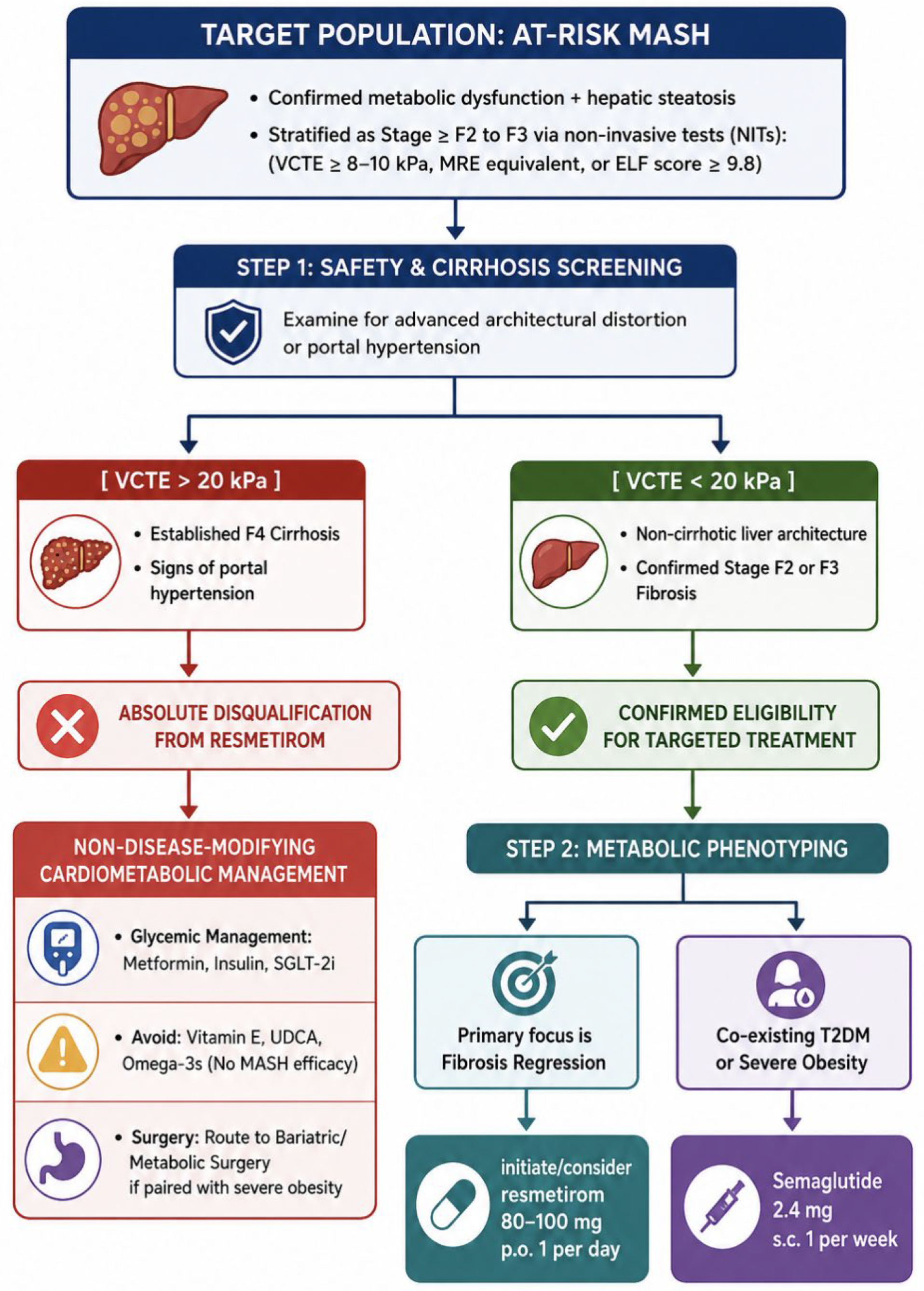
Overall, GLP-1 receptor agonists, particularly semaglutide, represent a promising therapeutic approach in MASLD, with strong evidence supporting improvements in steatosis and MASH resolution, alongside meaningful metabolic and systemic benefits. In the absence of a MASH-specific FDA mandate, GLP-1RAs remain the first-line recommendation for individuals with MASH who also require management for obesity or T2D [17] (Figure 3).

6.3.2. Dual and Multi-Receptor Incretin Agonists in the Treatment of MASLD/MASH

Incretin-based therapies play an increasingly important role in the management of metabolic dysfunction-associated steatotic liver disease and steatohepatitis, primarily through their combined metabolic and potential direct hepatic effects, including enhanced insulin secretion, appetite suppression, weight reduction, and modulation of lipid metabolism [37]. Among these, dual GLP-1/glucose-dependent insulinotropic polypeptide receptor agonists (GLP-1/GIP RAs), particularly tirzepatide, have demonstrated robust efficacy, achieving up to 47% reduction in liver fat over 52 weeks compared with 11% with insulin degludec (p < 0.001), alongside substantial weight loss reaching 20.9% in non-diabetic individuals [12]. In the phase 2b SYNERGY-NASH trial, tirzepatide induced resolution of steatohepatitis without fibrosis worsening in 44%, 56%, and 62% of patients at doses of 5, 10, and 15 mg, respectively, versus 10% with placebo (p < 0.001), while fibrosis improvement of at least one stage occurred in up to 55% compared with 30% in controls [44]. These benefits are likely driven by both weight loss-dependent and -independent mechanisms, although the precise contribution of GIP receptor agonism to hepatic outcomes remains under investigation [15].
Dual GLP-1/glucagon receptor agonists (GCGR/GLP-1 RAs), such as survodutide, offer an additional mechanistic advantage by directly targeting hepatic metabolism via glucagon-mediated increases in fatty acid oxidation, reduced lipogenesis, and enhanced energy expenditure [52,56]. In clinical trials involving 295 participants with MASH, survodutide achieved the primary endpoint of ≥2-point reduction in NAFLD activity score without fibrosis worsening across all tested doses (2.4–6.0 mg), with significant fibrosis improvement at the highest dose (p < 0.001) and liver fat reduction ≥30% in up to 67% of participants [15,52]. The dual GLP-1R/GCGR agonist pemvidutide demonstrated substantial dose-dependent reductions in liver fat content at 12 weeks (up to −68.5% vs. −4.4% with placebo), with 94.4% and 72.2% of patients achieving ≥ 30% and ≥50% reductions in liver fat, respectively. These changes were accompanied by improvements in body weight, ALT, and cT1, with no serious adverse events reported [57]. Emerging multi-agonists, including triple GLP-1/GIP/glucagon receptor agonists such as retatrutide, further extend this therapeutic paradigm, demonstrating normalization of liver fat in 90% of patients at higher doses (12 mg weekly) after 48 weeks, alongside improvements in steatohepatitis biomarkers [44].
Collectively, these data highlight that incretin-based co-agonists, particularly dual and triple receptor agonists, not only improve metabolic parameters but also achieve clinically meaningful histological endpoints, positioning them as promising disease-modifying therapies for MASLD and MASH. However, their routine use specifically for MASH is not yet endorsed, as histological evidence remains limited, long-term outcomes are still under investigation, and phase 3 trial data are pending [15,37].

6.3.3. THR-β Agonists in the Treatment of MASLD/MASH: Focus on Resmetirom

Thyroid hormone receptor-β (THR-β) agonists represent a major advancement in disease-modifying therapy for MASLD/MASH, with resmetirom emerging as the first pharmacologic agent to receive accelerated approval from the U.S. Food and Drug Administration (FDA) in March 2024 for non-cirrhotic MASH with moderate-to-advanced fibrosis (F2–F3) [15,17,38]. This liver-targeted agent selectively activates THR-β, which is highly expressed in hepatocytes, thereby enhancing fatty acid oxidation, mitochondrial function, lipophagy, and cholesterol clearance, while simultaneously reducing hepatic lipogenesis and fibrogenic signaling pathways [17,37].
Representing the highest tier of clinical evidence, the pivotal Phase 3, double-blind, randomized controlled trial (MAESTRO-NASH) evaluating 966 patients demonstrated that resmetirom achieved fibrosis improvement of at least one stage in 24–26% of treated individuals versus 14% with placebo (p < 0.001), as well as the resolution of steatohepatitis without fibrosis worsening in 26–30% compared to 10% in the placebo group. Additionally, it significantly reduced hepatic fat content by −35% to −47% (vs. −9% placebo) and lowered LDL cholesterol by −14% to −16%, highlighting both hepatic and cardiometabolic benefits [15].
Guidelines recommend considering resmetirom in non-cirrhotic patients with significant fibrosis (≥F2), particularly those identified through non-invasive tests such as vibration-controlled transient elastography ≥ 10 kPa, magnetic resonance elastography, or ELF score thresholds, without requiring liver biopsy confirmation [17,37]. Treatment should not be initiated in individuals with cirrhosis (VCTE > 20 kPa or clinical signs of portal hypertension), reflecting the current limitation of therapy to earlier disease stages. Monitoring protocols emphasize safety and efficacy assessments at 3, 6, and 12 months, including liver enzymes and tolerability, with formal evaluation of therapeutic response at 12 months using NITs rather than alanine aminotransferase (ALT) alone [17]. A ≥30% reduction in liver stiffness or hepatic fat measured via MRI-PDFF is considered a clinically meaningful response, whereas concordant worsening across two NITs defines treatment futility and warrants discontinuation [17,58].
Resmetirom demonstrates an acceptable safety profile, with predominantly mild gastrointestinal adverse effects, including diarrhea up to 33%, nausea up to 22%, minimal systemic thyroid disruption, and rare serious adverse events [37]. Long-term outcome data remain limited, although modeling studies suggest reduced 5-year risks of compensated cirrhosis (5.16% vs. 6.82% in F2), hepatocellular carcinoma (0.25% vs. 0.32%), and liver-related mortality (0.15% vs. 0.16%) compared with untreated patients, with life-year gains of up to 0.63 in F3 fibrosis [59]. Importantly, treatment response correlates strongly with ≥30% reduction in liver fat, observed in up to 96% of patients achieving MASH resolution [15].
In comparison, glucagon receptor agonists and related incretin-based co-agonists, such as dual or triple agonists, exhibit superior effects on weight loss, ALT reduction (mean difference −22.10), and MRI-PDFF decline (−46.09), but remain investigational and are not yet approved for MASH treatment [57]. While these agents primarily exert indirect hepatic benefits through metabolic modulation, resmetirom provides a more liver-specific mechanism with direct effects on lipid metabolism and fibrosis pathways, positioning it as a cornerstone therapy for appropriately selected patients [37]. Current guidelines therefore endorse resmetirom as the first-line MASH-targeted pharmacotherapy in eligible non-cirrhotic individuals, while emphasizing the need for continued research to define long-term efficacy, optimal treatment duration, and integration with emerging combination regimens [17,44] (Figure 3).

6.3.4. Emerging Multi-Target Therapies in the Treatment of MASLD/MASH

The therapeutic landscape of MASLD/MASH is rapidly evolving, with multiple agents in phase 2b and phase 3 clinical development targeting key metabolic, inflammatory, and fibrotic pathways. Among the most advanced candidates are fibroblast growth factor 21 (FGF21) analogues, particularly efruxifermin, which has completed phase 2b trials and is advancing toward phase 3 evaluation. In the 96-week phase 2b HARMONY study, efruxifermin achieved fibrosis improvement without worsening of MASH in up to 49% of patients compared to 19% with placebo, while MASH resolution without fibrosis progression occurred in up to 40% versus 19%, respectively [15]. Notably, in compensated cirrhosis (F4), it was the only therapy demonstrating significant superiority over placebo for fibrosis regression and ranked highest in network meta-analyses (SUCRA 77.44 for fibrosis improvement; 81.38 for MASH resolution) [60].
In parallel, pan-PPAR agonists such as lanifibranor, currently in phase 2b with progression toward phase 3, have shown robust histological and metabolic efficacy. Lanifibranor achieved MASH resolution without fibrosis worsening in 49% of patients versus 22% with placebo, and fibrosis improvement in 48% versus 29%, respectively [15]. Its mechanism involves broad metabolic regulation, including a reduction in intrahepatic triglyceride content by approximately 50% and significant improvements in insulin sensitivity across hepatic, muscular, and adipose tissues, alongside favorable effects on glycemic and lipid parameters [61].
Additional therapies in phase 2b development include other FGF21 analogues (pegozafermin), fatty acid synthase inhibitors (denifanstat), and incretin-based agents such as tirzepatide and survodutide. These agents have demonstrated clinically meaningful improvements in both liver histology and metabolic outcomes. A large network meta-analysis of 29 randomized controlled trials (n = 9324) identified pegozafermin, survodutide, and tirzepatide among the most effective therapies for achieving MASH resolution and fibrosis regression, based on high SUCRA rankings [62].
Importantly, emerging evidence from imaging-based endpoints further supports the efficacy of these therapies. In a network meta-analysis of 39 RCTs (n = 3311), several agents demonstrated significant reductions in hepatic fat content assessed by MRI-proton density fat fraction (MRI-PDFF), a non-invasive surrogate marker of treatment response. At 24 weeks, aldafermin (SUCRA 83.65), pegozafermin (83.46), and pioglitazone (71.67) ranked highest for absolute MRI-PDFF reduction, while efinopegdutide (67.02), semaglutide combined with firsocostat (62.43), and pegbelfermin (61.68) were most effective in achieving ≥30% fat reduction [63].
Collectively, these findings highlight a shift toward multi-target and metabolically driven therapeutic strategies, with several agents in mid-to-late stage development demonstrating consistent benefits across histological and imaging endpoints. This growing body of evidence supports the future integration of combination therapies and personalized treatment approaches in MASLD/MASH management.
Table 4 summarizes the current landscape of disease-modifying pharmacotherapies for MASLD/MASH, highlighting the transition from investigational agents to FDA-approved treatment. It categorizes therapies by their primary mechanisms, including THR-β agonists, incretin mimetics, and FGF21 analogues, while detailing key histological and imaging outcomes from pivotal trials. The summary emphasizes a shift toward multi-target metabolic strategies, notably the significant fibrosis regression seen with FGF21 analogues and the comprehensive MASH resolution achieved by dual and triple incretin agonists.

7. Pediatric MASLD: Epidemiology, Diagnostics, Risk Stratification, and Management

The rapid global rise in pediatric adiposity has driven a profound surge in childhood metabolic dysfunction-associated steatotic liver disease, which now stands as a leading cause of chronic liver disease in youth. Meta-regression models indicate that the global prevalence of MASLD among individuals aged 5 to 24 years is 7.0% (95% CI: 4.1, 11.7), climbing to approximately 13% across general pediatric cohorts and exceeding 39% in youth with obesity. Compared to adults, this population exhibits a distinct phenotype characterized by more severe baseline steatosis, a higher mortality rate than age-sex-matched peers, and a high risk of persistent, undiagnosed disease carrying over into adulthood [64]. Furthermore, pediatric MASLD accelerates systemic metabolic decay, conferring significantly greater risks for cardiovascular disease and type 2 diabetes than obesity alone, with a documented 12.3% cumulative incidence of T2DM over a mean follow-up of 3.9 years [64,65]. Clinically, a 30-unit longitudinal increase in gamma-glutamyl transferase (GGT), along with elevations in AST and ALT, serves as a concrete biomarker configuration to predict future T2DM onset [65].
To optimize long-term risk stratification across the broader MASLD spectrum, the novel, time-varying MASLD-HCC score has been validated in 77,677 patients to predict hepatocellular carcinoma development based on overweight/obesity, central adiposity, prediabetes/diabetes, fibrotic burden, age, sex, and platelets. This model demonstrates an exceptional external validation Harrell C-index of 0.93, with the high-risk cohort exhibiting a significant subdistribution hazard ratio (sHR) of 56.84 (95% CI: 12.88–250.73, p < 0.001), providing positive net benefits over traditional strategies at a 1% threshold probability for 5-year HCC risk [66].
Unlike adult pathways that utilize a two-step non-invasive test cascade, where up to 30% of patients exhibit discordant FIB-4 and liver stiffness measurement results and LSM more accurately reflects true severity, pediatric staging remains uniquely challenging [67,68]. Prospective data from 92 children within the NASH CRN database demonstrate that vibration-controlled transient elastography offers only modest precision in youth. Specifically, controlled attenuation parameter (CAP) values show no significant correlation with histological steatosis grades (p = 0.422), and median LSM values (6.0 to 8.8 kPa) only differentiate stage 0 from stage 3 (p = 0.037), yielding a low AUROC of 0.67 (sensitivity 67%, specificity 76%) for advanced fibrosis (stages 3–4) and leaving liver biopsy as the necessary diagnostic standard [67].
Consequently, pediatric therapeutic options are restricted to non-invasive lifestyle modifications due to a lack of approved disease-modifying pharmacotherapies. Meta-analyses of 31 randomized controlled trials involving 1722 youth demonstrate that a low-sugar diet provides the greatest utility, yielding substantial triglyceride reductions against usual diets (SMD: −2.44, 95% CI: −3.61, −1.27) and superior AST resolution compared to low-fat strategies (SMD: −1.02, 95% CI: −1.88, −0.16). Finally, targeted probiotic supplementation offers a safe metabolic adjunct to manage systemic lipid burdens by significantly lowering low-density lipoprotein fractions (SMD: −0.33, 95% CI: −0.65, 0.00) [69].

8. Conclusions

The transition from the exclusionary NAFLD framework to the affirmative Metabolic Dysfunction-Associated Steatotic Liver Disease (MASLD) nomenclature represents a major shift in the understanding of steatotic liver disease [1,8,17]. By incorporating cardiometabolic risk factors into the diagnostic criteria, the new framework emphasizes the underlying metabolic pathophysiology while reducing disease stigma and acknowledging overlap with alcohol-related liver injury through the MetALD category [15,17,37,44]. With MASLD projected to affect more than half of the adult population by 2040, targeted screening of high-risk groups, particularly individuals with type 2 diabetes, obesity, or persistent aminotransferase elevation, has become a major public health priority [2,4,17,37].
Current clinical strategies focus on the early identification of patients with advanced fibrosis, the strongest predictor of liver-related and cardiovascular mortality [12,15]. A stepwise approach using the FIB-4 index followed by confirmatory non-invasive testing, such as vibration-controlled transient elastography (VCTE) or the enhanced liver fibrosis (ELF) test, is now widely recommended [9,34,37,39,42]. Although lifestyle intervention and 7–10% weight reduction remain the cornerstone of management [2,9,17], the therapeutic landscape has rapidly evolved. In particular, the FDA approval of Resmetirom established the first liver-directed, disease-modifying therapy for non-cirrhotic Metabolic Dysfunction-Associated Steatohepatitis (MASH) with significant fibrosis [15,17].
In parallel, GLP-1 receptor agonists such as Semaglutide and emerging dual or triple incretin agonists have demonstrated substantial efficacy in reducing hepatic steatosis and promoting MASH resolution [15,44,52,53]. Additional investigational therapies, including fibroblast growth factor 21 analogues, pan-PPAR agonists, and FASN inhibitors, further expand the range of metabolic targets under evaluation [15,59,61,62]. Future management will likely rely on personalized combination therapies integrated with routine non-invasive risk stratification, enabling earlier and more targeted intervention to reduce the global burden of MASLD [12,15,17,37,44].

9. Limitations of the Review

While this review provides a comprehensive overview of the transition to MASLD nomenclature and emerging therapies, several limitations must be acknowledged. In addition, a substantial proportion of currently available epidemiological and prognostic evidence in MASLD derives from observational cohort studies and meta-analyses based on heterogeneous populations, which may limit causal inference and direct comparability between studies. Furthermore, several contemporary screening and therapeutic recommendations rely on expert consensus statements and surrogate histological endpoints rather than long-term liver-related or cardiovascular outcomes. First, much of the long-term histological data for novel disease-modifying agents, such as FGF21 analogues and pan-PPAR agonists, currently stems from phase 2b trials with relatively small cohorts, necessitating confirmation in larger, global phase 3 studies. Second, there is significant heterogeneity across clinical trials regarding the definition of primary endpoints, specifically the varying thresholds for MASH resolution versus fibrosis improvement, which complicates direct comparisons between therapeutic classes. Third, the majority of evidence for screening and risk stratification through non-invasive tests has been validated in Western populations; therefore, the generalizability of specific thresholds (FIB-4 and VCTE) to different ethnicities, particularly in lean phenotypes, remains an area of active investigation. Furthermore, data regarding the safety and efficacy of these emerging therapies in special populations, such as pediatric patients, the elderly, or those with decompensated cirrhosis, are currently limited. Finally, the rapid evolution of the field and the potential for publication bias in favor of positive clinical outcomes may influence the perceived efficacy of certain investigational agents.

Author Contributions

Conceptualization, K.K. and S.K.; methodology, K.K., P.B. and K.M.; software, A.W.; validation, M.W., S.K. and P.B.; formal analysis, K.K.; investigation, K.K. and M.T.; resources, M.W.; data curation, A.W.; writing—original draft preparation, K.K.; writing—review and editing, M.W.; visualization, S.K. and M.T.; supervision, K.K. and A.W.; project administration, S.K. All authors have read and agreed to the published version of the manuscript.

Funding

This research received no external funding.

Institutional Review Board Statement

Not applicable.

Informed Consent Statement

Not applicable.

Data Availability Statement

No new data were created or analyzed in this study. Data sharing is not applicable to this article.

Acknowledgments

During the preparation of this manuscript, the authors used AI tools (Open AI ChatGPT-5.5, Google Gemini 3.5 Flash) to assist in the generation of graphical materials. The authors reviewed and edited all generated content and take responsibility for the final content of this publication.

Conflicts of Interest

The authors declare no conflicts of interest.

Abbreviations

The following abbreviations are used in this manuscript:
ALDAlcohol-associated Liver Disease
ALT/ASTAlanine Aminotransferase/Aspartate Aminotransferase
BMI BodyMass Index
CMRFCardiometabolic Risk Factor
cT1Corrected T1 mapping
ELFEnhanced Liver Fibrosis test
FASNFatty Acid Synthase
FGF21Fibroblast Growth Factor 21
FIB-4Fibrosis-4 Index
GLP-1Glucagon-like Peptide-1
GLP-1RasGlucagon-like Peptide-1 Receptor Agonists
HCCHepatocellular Carcinoma
HDL-CHigh-Density Lipoprotein Cholesterol
LSMLiver Stiffness Measurement
MAFLDMetabolic-Associated Fatty Liver Disease
MASLDMetabolic Dysfunction-Associated Steatotic Liver Disease
MASHMetabolic Dysfunction-Associated Steatohepatitis
MetALDMetabolic Dysfunction and Alcohol-Associated Liver Disease
MREMagnetic Resonance Elastography
MRI-PDFFMagnetic Resonance Imaging-Proton Density Fat Fraction
NAFLDNon-Alcoholic Fatty Liver Disease
NASHNon-Alcoholic Steatohepatitis
NITNon-Invasive Test
SLDSteatotic Liver Disease
T2DMType 2 Diabetes Mellitus
THR-βThyroid Hormone Receptor-beta
VCTEVibration-Controlled Transient Elastography
CAPControlled Attenuation Parameter

References

  1. Hsu, C.L.; Loomba, R. From NAFLD to MASLD: Implications of the new nomenclature for preclinical and clinical research. Nat. Metab. 2024, 6, 600–602. [Google Scholar] [CrossRef]
  2. Younossi, Z.M.; Kalligeros, M.; Henry, L. Epidemiology of metabolic dysfunction-associated steatotic liver disease. Clin. Mol. Hepatol. 2025, 31, S32–S50. [Google Scholar] [CrossRef] [PubMed]
  3. Younossi, Z.M.; Golabi, P.; Paik, J.M.; Henry, A.; Van Dongen, C.; Henry, L. The global epidemiology of nonalcoholic fatty liver disease (NAFLD) and nonalcoholic steatohepatitis (NASH): A systematic review. Hepatology 2023, 77, 1335–1347. [Google Scholar] [CrossRef]
  4. Le, M.H.; Yeo, Y.H.; Zou, B.; Barnet, S.; Henry, L.; Cheung, R.; Nguyen, M.H. Forecasted 2040 global prevalence of nonalcoholic fatty liver disease using hierarchical bayesian approach. Clin. Mol. Hepatol. 2022, 28, 841–850. [Google Scholar] [CrossRef]
  5. Lonardo, A.; Leoni, S.; Alswat, K.A.; Fouad, Y. History of nonalcoholic fatty liver disease. Int. J. Mol. Sci. 2020, 21, 5888. [Google Scholar] [CrossRef]
  6. Chalasani, N.; Younossi, Z.; Lavine, J.E.; Charlton, M.; Cusi, K.; Rinella, M.; Harrison, S.A.; Brunt, E.M.; Sanyal, A.J. The diagnosis and management of nonalcoholic fatty liver disease: Practice guidance from the American Association for the Study of Liver Diseases. Hepatology 2018, 67, 328–357. [Google Scholar] [CrossRef]
  7. Eslam, M.; Sanyal, A.J.; George, J.; International Consensus Pan. MAFLD: A consensus-driven proposed nomenclature for metabolic associated fatty liver disease. Gastroenterology 2020, 158, 1999–2014.e1. [Google Scholar] [CrossRef] [PubMed]
  8. Rinella, M.E.; Lazarus, J.V.; Ratziu, V.; Francque, S.M.; Sanyal, A.J.; Kanwal, F.; Romero, D.; Abdelmalek, M.F.; Anstee, Q.M.; Arab, J.P. A multisociety Delphi consensus statement on new fatty liver disease nomenclature. J. Hepatol. 2023, 79, 1542–1556. [Google Scholar] [CrossRef]
  9. Kanwal, F.; Neuschwander-Tetri, B.A.; Loomba, R.; Rinella, M.E. Metabolic dysfunction-associated steatotic liver disease: Update and impact of new nomenclature on the American Association for the Study of Liver Diseases practice guidance on nonalcoholic fatty liver disease. Hepatology 2024, 79, 1212–1219. [Google Scholar] [CrossRef] [PubMed]
  10. Huang, D.Q.; El-Serag, H.B.; Loomba, R. Global epidemiology of NAFLD-related HCC: Trends, predictions, risk factors and prevention. Nat. Rev. Gastroenterol. Hepatol. 2021, 18, 223–238. [Google Scholar] [CrossRef]
  11. Rinella, M.E.; Neuschwander-Tetri, B.A.; Siddiqui, M.S.; Abdelmalek, M.F.; Caldwell, S.; Barb, D.; Kleiner, D.E.; Loomba, R. AASLD practice guidance on the clinical assessment and management of nonalcoholic fatty liver disease. Hepatology 2023, 77, 1797–1835. [Google Scholar] [CrossRef]
  12. Jiang, F.; Wang, L.; Ying, H.; Sun, J.; Zhao, J.; Lu, Y.; Bian, Z.; Chen, J.; Fang, A.; Zhang, X. Multisystem health comorbidity networks of metabolic dysfunction-associated steatotic liver disease. Med 2024, 5, 1413–1423.e3. [Google Scholar] [CrossRef] [PubMed]
  13. Sandireddy, R.; Sakthivel, S.; Gupta, P.; Behari, J.; Tripathi, M.; Singh, B.K. Systemic impacts of metabolic dysfunction-associated steatotic liver disease (MASLD) and metabolic dysfunction-associated steatohepatitis (MASH) on heart, muscle, and kidney related diseases. Front. Cell Dev. Biol. 2024, 12, 1433857. [Google Scholar] [CrossRef] [PubMed]
  14. Harrison, S.A.; Bedossa, P.; Guy, C.D.; Schattenberg, J.M.; Loomba, R.; Taub, R.; Labriola, D.; Moussa, S.E.; Neff, G.W.; Rinella, M.E. A phase 3, randomized, controlled trial of resmetirom in NASH with liver fibrosis. N. Engl. J. Med. 2024, 390, 497–509. [Google Scholar] [CrossRef]
  15. Kim, H.Y.; Rinella, M.E. Emerging therapies and real-world application of metabolic dysfunction-associated steatotic liver disease treatment. Clin. Mol. Hepatol. 2025, 31, 753–770. [Google Scholar] [CrossRef]
  16. Sanyal, A.J.; Newsome, P.N.; Kliers, I.; Østergaard, L.H.; Long, M.T.; Kjær, M.S.; Cali, A.M.G.; Bugianesi, E.; Rinella, M.E.; Roden, M. Phase 3 trial of semaglutide in metabolic dysfunction-associated steatohepatitis. N. Engl. J. Med. 2025, 392, 2089–2099. [Google Scholar] [CrossRef]
  17. Younossi, Z.M.; Zelber-Sagi, S.; Lazarus, J.V.; Wong, V.W.; Yilmaz, Y.; Duseja, A.; Eguchi, Y.; Castera, L.; Pessoa, M.G.; Oliveira, C.P. Global consensus recommendations for metabolic dysfunction-associated steatotic liver disease and steatohepatitis. Gastroenterology 2025, 169, 1017–1032.e2. [Google Scholar] [CrossRef]
  18. Hosseini Shabanan, S.; Martins, V.F.; Wolfson, T.; Weeks, J.T.; Ceriani, L.; Behling, C.; Chernyak, V.; El Kaffas, A.; Borhani, A.A.; Han, A. MASLD: What we have learned and where we need to go—A call to action. Radiographics 2024, 44, e240048. [Google Scholar] [CrossRef]
  19. Dumitrascu, D.L.; Neuman, M.G. Non-alcoholic fatty liver disease: An update on diagnosis. Med. Pharm. Rep. 2018, 91, 147–150. [Google Scholar] [CrossRef]
  20. Lekakis, V.; Papatheodoridis, G.V. Natural history of metabolic dysfunction-associated steatotic liver disease. Eur. J. Intern. Med. 2024, 122, 3–10. [Google Scholar] [CrossRef] [PubMed]
  21. Zhang, Z.; Lu, J.; Chen, M.; Dai, L.; Xiang, Y.; Liu, Z.; Cao, Y.; Sheng, W.; Li, C.; Song, D.; et al. Cause-specific mortality in lean individuals with metabolic dysfunction-associated steatotic liver disease. Lipids Health Dis. 2025, 25, 6. [Google Scholar] [CrossRef]
  22. Ayares, G.; Diaz, L.A.; Idalsoaga, F.; Alkhouri, N.; Noureddin, M.; Bataller, R.; Loomba, R.; Arab, J.P.; Arrese, M. MetALD: New perspectives on an old overlooked disease. Liver Int. 2025, 45, e70017. [Google Scholar] [CrossRef]
  23. Stroes, A.R.; Vos, M.; Benninga, M.A.; Koot, B.G.P. Pediatric MASLD: Current understanding and practical approach. Eur. J. Pediatr. 2024, 184, 29. [Google Scholar] [CrossRef]
  24. Dukewich, M.; Dodge, J.L.; Yuan, L.; Terrault, N.A. Differential effects of cardiometabolic risk factors on all-cause mortality in United States adults with metabolic dysfunction-associated steatotic liver disease (MASLD). Clin. Gastroenterol. Hepatol. 2026, 24, 1344–1353. [Google Scholar] [CrossRef] [PubMed]
  25. Sancar, G.; Birkenfeld, A.L. The role of adipose tissue dysfunction in hepatic insulin resistance and T2D. J. Endocrinol. 2024, 262, e240115. [Google Scholar] [CrossRef] [PubMed]
  26. Ipsen, D.H.; Lykkesfeldt, J.; Tveden-Nyborg, P. Molecular mechanisms of hepatic lipid accumulation in non-alcoholic fatty liver disease. Cell. Mol. Life Sci. 2018, 75, 3313–3327. [Google Scholar] [CrossRef]
  27. Venkatesan, N.; Doskey, L.C.; Malhi, H. The role of endoplasmic reticulum in lipotoxicity during metabolic dysfunction-associated steatotic liver disease (MASLD) pathogenesis. Am. J. Pathol. 2023, 193, 1887–1899. [Google Scholar] [CrossRef] [PubMed]
  28. Cooreman, M.P.; Butler, J.; Giugliano, R.P.; Zannad, F.; Dzen, L.; Huot-Marchand, P.; Baudin, M.; Beard, D.R.; Junien, J.L.; Broqua, P.; et al. The pan-PPAR agonist lanifibranor improves cardiometabolic health in patients with metabolic dysfunction-associated steatohepatitis. Nat. Commun. 2024, 15, 3962. [Google Scholar] [CrossRef]
  29. Liu, L.; Xia, Y.; Wang, B.; Zhang, Y. Efficacy of incretin-based therapies in patients with metabolic dysfunction-associated steatotic liver disease: An updated systematic review and meta-analysis of randomized controlled trials. J. Gastroenterol. Hepatol. 2025, 40, 2659–2673. [Google Scholar] [CrossRef]
  30. Ma, L.; Wang, H.; Jin, Q.; Sun, Z.; Yu, S.; Zhang, Y. The gut-liver axis: Molecular mechanisms and therapeutic targeting in liver disease. Int. J. Gen. Med. 2025, 18, 7531–7546. [Google Scholar] [CrossRef]
  31. Rochoń, J.; Kalinowski, P.; Szymanek-Majchrzak, K.; Grąt, M. Role of gut-liver axis and glucagon-like peptide-1 receptor agonists in the treatment of metabolic dysfunction-associated fatty liver disease. World J. Gastroenterol. 2024, 30, 2964–2980. [Google Scholar] [CrossRef]
  32. Cui, C.; Gao, S.; Shi, J.; Wang, K. Gut-liver axis: The role of intestinal microbiota and their metabolites in the progression of metabolic dysfunction-associated steatotic liver disease. Gut Liver 2025, 19, 479–507. [Google Scholar] [CrossRef]
  33. Ramanathan, R.; Patwa, S.A.; Ali, A.H.; Ibdah, J.A. Thyroid hormone and mitochondrial dysfunction: Therapeutic implications for metabolic dysfunction-associated steatotic liver disease (MASLD). Cells 2023, 12, 2806. [Google Scholar] [CrossRef]
  34. Petta, S.; Armandi, A.; Bugianesi, E. Impact of PNPLA3 I148M on clinical outcomes in patients with MASLD. Liver Int. 2025, 45, e16133. [Google Scholar] [CrossRef]
  35. Liu, J.; Ginsberg, H.N.; Reyes-Soffer, G. Basic and translational evidence supporting the role of TM6SF2 in VLDL metabolism. Curr. Opin. Lipidol. 2024, 35, 157–161. [Google Scholar] [CrossRef] [PubMed]
  36. Sakuma, I.; Gaspar, R.C.; Nasiri, A.R.; Dufour, S.; Kahn, M.; Zheng, J.; LaMoia, T.E.; Guerra, M.T.; Taki, Y.; Kawashima, Y. Liver lipid droplet cholesterol content is a key determinant of metabolic dysfunction-associated steatotic liver disease. Proc. Natl. Acad. Sci. USA 2025, 122, e2502978122. [Google Scholar] [CrossRef]
  37. European Association for the Study of the Liver (EASL). EASL-EASD-EASO clinical practice guidelines on the management of metabolic dysfunction-associated steatotic liver disease (MASLD). J. Hepatol. 2024, 81, 492–542. [Google Scholar] [CrossRef] [PubMed]
  38. Geary, A. Screening and management of metabolic dysfunction-associated steatotic liver disease (MASLD). JAAPA 2026, 39, 21–25. [Google Scholar] [CrossRef] [PubMed]
  39. Cusi, K.; Isaacs, S.; Barb, D.; Caprio, S.; Garvey, W.T.; Kashyap, S.; Mechanick, J.I.; Mouzaki, M.; Nadolsky, K. American Association of Clinical Endocrinology clinical practice guideline for the diagnosis and management of nonalcoholic fatty liver disease in primary care and endocrinology clinical settings. Endocr. Pract. 2022, 28, 528–562. [Google Scholar] [CrossRef]
  40. Zisis, M.; Chondrogianni, M.E.; Androutsakos, T.; Rantos, I.; Oikonomou, E.; Chatzigeorgiou, A.; Kassi, E. Linking Cardiovascular Disease and Metabolic Dysfunction-Associated Steatotic Liver Disease (MASLD): The Role of Cardiometabolic Drugs in MASLD Treatment. Biomolecules 2025, 15, 324. [Google Scholar] [CrossRef]
  41. Franck, M.; John, K.; Rau, M.; Geier, A.; Sowa, J.P.; Schattenberg, J.M.; Demir, M.; Wedemeyer, H.; Schulze-Osthoff, K.; Bantel, H. Limitations of guideline-recommended risk stratification in identifying MASLD patients for novel drug treatments. Liver Int. 2025, 45, e70281. [Google Scholar] [CrossRef] [PubMed]
  42. Zoncapè, M.; Liguori, A.; Tsochatzis, E.A. Non-invasive testing and risk-stratification in patients with MASLD. Eur. J. Intern. Med. 2024, 122, 11–19. [Google Scholar] [CrossRef]
  43. Abdelhameed, F.; Kite, C.; Lagojda, L.; Dallaway, A.; Chatha, K.K.; Chaggar, S.S.; Dalamaga, M.; Kassi, E.; Kyrou, I.; Randeva, H.S. Non-invasive scores and serum biomarkers for fatty liver in the era of metabolic dysfunction-associated steatotic liver disease (MASLD): A comprehensive review from NAFLD to MAFLD and MASLD. Curr. Obes. Rep. 2024, 13, 510–531. [Google Scholar] [CrossRef] [PubMed]
  44. Cusi, K.; Abdelmalek, M.F.; Apovian, C.M.; Balapattabi, K.; Bannuru, R.R.; Barb, D.; Bardsley, J.K.; Beverly, E.A.; Corbin, K.D.; El Sayed, N.A. Metabolic dysfunction-associated steatotic liver disease (MASLD) in people with diabetes: The need for screening and early intervention. A consensus report of the American Diabetes Association. Diabetes Care 2025, 48, 1057–1082. [Google Scholar] [CrossRef]
  45. van Kleef, L.A.; Pustjens, J.; Schattenberg, J.M.; Holleboom, A.G.; Castro Cabezas, M.; Tushuizen, M.E.; de Knegt, R.J.; Ikram, M.A.; Janssen, H.L.A.; Francque, S.M. Comparison of diagnostic accuracy and utility of non-invasive tests for clinically significant liver disease in a general population with metabolic dysfunction. Hepatology 2026, 83, 591–602. [Google Scholar] [CrossRef] [PubMed]
  46. Younossi, Z.M.; de Avila, L.; Petta, S.; Hagström, H.; Kim, S.U.; Nakajima, A.; Crespo, J.; Castera, L.; Alkhouri, N.; Zheng, M.H. Diagnostic accuracy of noninvasive tests for metabolic dysfunction-associated steatotic liver disease across age, type 2 diabetes, and obesity subgroups: A multinational study. Clin. Gastroenterol. Hepatol. 2026; Epub ahead of print. [CrossRef]
  47. Calès, P.; Canivet, C.M.; Costentin, C.; Lannes, A.; Oberti, F.; Fouchard, I.; Hunault, G.; de Lédinghen, V.; Boursier, J. A new generation of non-invasive tests of liver fibrosis with improved accuracy in MASLD. J. Hepatol. 2025, 82, 794–804. [Google Scholar] [CrossRef]
  48. Imajo, K.; Saigusa, Y.; Kobayashi, T.; Nagai, K.; Nishida, S.; Kawamura, N.; Doi, H.; Iwaki, M.; Nogami, A.; Honda, Y. Head-to-head comparison among FAST, MAST, and multiparametric MRI-based new score in diagnosing at-risk MASH. Eur. Radiol. 2025, 35, 3599–3609. [Google Scholar] [CrossRef]
  49. Fourati, O.; Manchon, P.; Garteiser, P.; Castera, L.; Dioguardi Burgio, M.; Van Beers, B.; Bedossa, P.; Albuquerque, M.; Poynard, T.; Laouenan, C. Morphometric quantification of steatosis and fibrosis in metabolic liver disease associated with type 2 diabetes. Clin. Gastroenterol. Hepatol. 2025, 24, 1354–1362. [Google Scholar] [CrossRef]
  50. Ndaa, M.; Pandya, P.K.; Swensson, J.; Samala, N.; Ajaz, S.; Joshi, D.; Ayoub, W.S.; Akisik, F. Reliable monitoring of patients with metabolic dysfunction-associated steatotic liver disease using imaging: A systematic literature review and meta-analysis on measurement repeatability. Endocr. Pract. 2026, 32, 258–267. [Google Scholar] [CrossRef]
  51. Chen, Y.; Dong, B.; Jin, X.; Liu, C.; Zheng, M.H.; Liang, X.; Sun, Y.; Lee, H.W.; Lin, H.; Tsochatzis, E. Two-step clinical care pathway to predict MASLD-related advanced fibrosis and long-term outcomes in type 2 diabetes. Gut 2026, 75, 576–587. [Google Scholar] [CrossRef]
  52. Singh, A.; Sohal, A.; Batta, A. GLP-1, GIP/GLP-1, and GCGR/GLP-1 receptor agonists: Novel therapeutic agents for metabolic dysfunction-associated steatohepatitis. World J. Gastroenterol. 2024, 30, 5205–5211. [Google Scholar] [CrossRef]
  53. Armstrong, M.J.; Okanoue, T.; Sundby Palle, M.; Sejling, A.S.; Tawfik, M.; Roden, M. Similar weight loss with semaglutide regardless of diabetes and cardiometabolic risk parameters in individuals with metabolic dysfunction-associated steatotic liver disease: Post hoc analysis of three randomised controlled trials. Diabetes Obes. Metab. 2025, 27, 710–718. [Google Scholar] [CrossRef]
  54. Wang, Y.; Zhou, Y.; Wang, Z.; Ni, Y.; Prud’homme, G.J.; Wang, Q. Efficacy of GLP-1-based therapies on metabolic dysfunction-associated steatotic liver disease and metabolic dysfunction-associated steatohepatitis: A systematic review and meta-analysis. J. Clin. Endocrinol. Metab. 2025, 110, 2964–2979. [Google Scholar] [CrossRef]
  55. Mantovani, A.; Morandin, R.; Fiorio, V.; Lando, M.G.; Stefan, N.; Tilg, H.; Byrne, C.D.; Targher, G. Glucagon-like peptide-1 receptor agonists improve MASH and liver fibrosis: A meta-analysis of randomised controlled trials. Liver Int. 2025, 45, e70256. [Google Scholar] [CrossRef]
  56. Harrison, S.A.; Browne, S.K.; Suschak, J.J.; Tomah, S.; Gutierrez, J.A.; Yang, J.; Roberts, M.S.; Harris, M.S. Effect of pemvidutide, a GLP-1/glucagon dual receptor agonist, on MASLD: A randomized, double-blind, placebo-controlled study. J. Hepatol. 2025, 82, 7–17. [Google Scholar] [CrossRef]
  57. Andonie, C.R.; Abusalameh, A.; Ismail, I.; Hodrob, T.; Ladadweh, M.; Ayesh, H. Comparative analysis of glucagon receptor agonists vs. resmetirom in MASLD and MASH: Network meta-analysis of clinical trials. Endocrinol. Diabetes Metab. 2026, 9, e70157. [Google Scholar] [CrossRef]
  58. Younossi, Z.M.; Nader, F.; Labriola, D.; Taub, R.; Racila, A.; Henry, L.; Stepanova, M. Improvement in health-related quality of life after treatment with resmetirom in patients with the spectrum of MASLD: From early MASH to MASH cirrhosis. Hepatol. Commun. 2026, 10, e00913. [Google Scholar] [CrossRef]
  59. Pennisi, G.; Di Maria, G.; Enea, M.; Vaccaro, M.; Celsa, C.; Antonucci, M.; Ciancimino, G.; Ciccioli, C.; Infantino, G.; La Mantia, C. A Markov model unveiling the impact of resmetirom on the natural history of MASLD patients: A sistematic review and meta-analysis. Liver Int. 2025, 45, e70056. [Google Scholar] [CrossRef]
  60. Souza, M.; Al-Sharif, L.; Antunes, V.L.J.; Wong, S.Y.; Huang, D.Q.; Loomba, R. Network meta-analysis: Comparison of pharmacological therapies in compensated metabolic dysfunction-associated steatohepatitis cirrhosis for fibrosis regression and MASH resolution. Aliment. Pharmacol. Ther. 2026, 63, 922–931. [Google Scholar] [CrossRef]
  61. Barb, D.; Kalavalapalli, S.; Godinez Leiva, E.; Bril, F.; Huot-Marchand, P.; Dzen, L.; Rosenberg, J.T.; Junien, J.L.; Broqua, P. Pan-PPAR agonist lanifibranor improves insulin resistance and hepatic steatosis in patients with T2D and MASLD. J. Hepatol. 2025, 82, 979–991. [Google Scholar] [CrossRef]
  62. Souza, M.; Al-Sharif, L.; Antunes, V.L.J.; Huang, D.Q.; Loomba, R. Comparison of pharmacological therapies in metabolic dysfunction-associated steatohepatitis for fibrosis regression and MASH resolution: Systematic review and network meta-analysis. Hepatology 2025, 82, 1523–1533. [Google Scholar] [CrossRef]
  63. Koh, B.; Xiao, J.; Ng, C.H.; Law, M.; Gunalan, S.Z.; Danpanichkul, P.; Ramadoss, V.; Sim, B.K.L.; Tan, E.Y.; Teo, C.B. Comparative efficacy of pharmacologic therapies for MASH in reducing liver fat content: Systematic review and network meta-analysis. Hepatology 2026, 83, 117–126. [Google Scholar] [CrossRef]
  64. Liu, Y.; Cai, S.; Yang, R.; Lin, J.; Dang, J.; Huang, T.; Li, J.; Zhu, K.; Chen, Z.; Zhang, Y. Global and regional prevalence, burden, and risk factors for MASLD in children and adolescents aged 5 to 24 years: A systematic review, meta-analysis, and modeling study. BMC Med. 2026, 24, 267. [Google Scholar] [CrossRef] [PubMed]
  65. Thai, N.Q.N.; Chun, L.F.; Newton, K.P.; Wilson, L.; Xanthakos, S.A.; Behling, C.; Salem, R.M.; Bandoli, G.; Alcaraz, J.; Crespo, N. Longitudinal analysis of liver chemistry trajectories and risk of type 2 diabetes in children with metabolic dysfunction-associated steatotic liver disease: A multicenter cohort study. Diabetes Care 2026, 49, 598–606. [Google Scholar] [CrossRef] [PubMed]
  66. Chun, H.S.; Lee, M.; Lee, H.A.; Park, E.S.; Choi, J.Y.; Baek, H.S.; Kim, T.H.; Lin, H.; Cheuk-Fung Yip, T.; Lee, H. A novel risk prediction model for hepatocellular carcinoma in MASLD: A multinational, multicenter cohort study. Clin. Gastroenterol. Hepatol. 2026, 24, 688–700.e17. [Google Scholar] [CrossRef]
  67. Nichols, L.B.; Oakes, S.G.J.; Behling, C.; Adams, K.H.; Fishbein, M.H.; Hertel, P.; Jarasvaraparn, C.; Molleston, J.P.; Mouzaki, M.; Sirlin, C.B. Vibration-controlled transient elastography in pediatric metabolic dysfunction-associated steatotic liver disease. J. Pediatr. Gastroenterol. Nutr. 2026, 82, 741–750. [Google Scholar] [CrossRef] [PubMed]
  68. Rabbat, J.; Yang, B.; Lee, H.W.; Lin, H.; Tsochatzis, E.; Petta, S.; Bugianesi, E.; Yoneda, M.; Zheng, M.H.; Hagström, H. Histological severity and hepatic outcomes in patients with metabolic dysfunction-associated steatotic liver disease and discrepant FIB-4 and liver stiffness measurement. Clin. Mol. Hepatol. 2026, 32, 289–304. [Google Scholar] [CrossRef]
  69. Zaidi, S.M.M.; Irfan, Q.; Javed, R.; Khalid, Z.; Khan, H.; Ashraf, M.H.; Alvi, M.H.; Waheed, F.; Zehra, S. Treatment modalities for metabolic dysfunction-associated steatotic liver disease (MASLD) in children and adolescents: A systematic review and meta-analysis of randomized controlled trials. Clin. Res. Hepatol. Gastroenterol. 2025, 49, 102685. [Google Scholar] [CrossRef]
Figure 1. Preferred Reporting Items of Systematic Review and Meta-analyses (PRISMA) flow chart.
Gastroent 17 00033 g001
Figure 2. Clinical management algorithm for MASLD. Graphical illustration was generated using artificial intelligence (OpenAI ChatGPT, Google Gemini) and refined by the authors on 12 May 2026.
Gastroent 17 00033 g002
Figure 3. Proposed therapeutic stratification algorithm for at-risk MASH patients eligible for resmetirom- or semaglutide-based management. Graphical illustration generated using artificial intelligence (OpenAI ChatGPT, Google Gemini) and refined by the authors, 12 May 2026.
Gastroent 17 00033 g003
Table 1. Transitioning from NAFLD to MASLD: diagnostic evolution and clinical implications.
FeatureNAFLDMASLD
Primary RequirementHepatic steatosis by imaging/biopsyHepatic steatosis by imaging/biopsy
Diagnostic PhilosophyExclusionary: Diagnosis by ruling out alcohol and secondary causesAffirmative: Requires the presence of at least one CMRF
Risk of grouping heterogeneous patients under a single diagnostic category, potentially reducing diagnostic and prognostic accuracy
Alcohol IntegrationStrict Exclusion: Categorical separation based on intake thresholdsIntegrated: Allows for MetALD (MASLD + increased alcohol intake)
Metabolic ThresholdNot required; focus on the absence of other drivers.Mandatory: Requires ≥ 1 of 5 specific CMRFs:
1. BMI ≥ 25 kg/m2 (≥ 23 kg/m2 in Asian) or waist circumference > 94 cm in men, >80 cm in women, or ethnicity adjusted
2. Fasting serum glucose ≥ 100 mg/dL (≥5.6 mmol/L) or 2 h post-load glucose level ≥ 140 mg/dL (≥7.8 mmol/L) or HbA1c ≥ 5.7% or on specific drug treatment
3. Blood pressure ≥ 130/85 mmHg or specific drug treatment
4. Plasma triglycerides ≥ 150 mg/dL (≥1.70 mmol/L) or specific drug treatment
5. Plasma HDL cholesterol < 40 mg/dL (<1.0 mmol/L) for men and <50 mg/dL (<1.3 mmol/L) for women or specific drug treatment
Lean PhenotypesCaptured by default once alcohol and secondary causes are ruled out.Labeled cryptogenic or possible SLD if CMRFs are absent
Risks a diagnostic gap for lean individuals with no overt metabolic syndrome
Pediatric UtilityBroad, but lacked age-specific metabolic granularityTailored CMRF thresholds for pediatric populations
Risk of overlooking younger adults where early metabolic dysfunction lacks overt manifestations like hypertension
BMI: Body Mass Index, CMRF: Cardiometabolic Risk Factor, HDL: High-Density Lipoprotein, MASLD: Metabolic Dysfunction-Associated Steatotic Liver Disease, MetALD: Metabolic Dysfunction and Alcohol-Associated Liver Disease, NAFLD: Non-Alcoholic Fatty Acid Liver Disease, SLD: Steatotic Liver Disease.
Table 2. Proposed screening algorithm: the two-step pathway.
StageActionClinical Criteria & Thresholds
IdentificationTargeted High-Risk ScreeningPatients with T2DM, BMI ≥ 30 kg/m2 (≥25 kg/m2 in Asia) plus ≥ 1 metabolic risk factor, or persistent aminotransferase elevation (≥6 months) after excluding significant alcohol intake.
Step 1: Rule-outCalculate FIB-4 Score≤1.3: Low risk; re-evaluate in 1–3 years.
≥1.3 (or ≥2.0 if age ≥ 65): Intermediate/High risk; proceed to Step 2.
Step 2: Rule-inPerform VCTE (LSM) or ELF TestVCTE: ≤8 kPa indicates low risk (repeat in 1–2 years); ≥8 kPa indicates significant risk/referral.
ELF: ≤7.7 indicates low risk; ≥9.8 indicates significant risk/referral (consider MRE/cT1 or biopsy).
Advanced LinkageConfirmatory Imaging (MRE, cT1)Reserved for cases with discordant non-invasive test results or to confirm histological eligibility for specialized pharmacotherapy.
BMI, Body Mass Index; cT1, Corrected T1 mapping; ELF, Enhanced Liver Fibrosis test; FIB-4, Fibrosis-4 Index; LSM, Liver Stiffness Measurement; MRE, Magnetic Resonance Elastography; T2DM, Type 2 Diabetes Mellitus; VCTE, Vibration-Controlled Transient Elastography.
Table 3. Non-Pharmacological Management of MASLD.
Intervention CategoryCore Recommendations & TargetsClinical Insights & OutcomesImplementation & Adherence Strategies
Weight ReductionTiered Histological Targets:
  • ≥3–5%: Steatosis improvement;
  • 7–10%: MASH resolution;
  • ≥10%: Fibrosis regression.
Dose–Response Relationship: Weight loss is the primary therapeutic driver, directly improving insulin sensitivity and mitigating adipose tissue lipotoxicity.Maintenance Focus: Sustained loss is clinically challenging; fewer than 10% of patients reach targets at one year, with high rates of weight regain.
Dietary PatternsGold Standard: Mediterranean or plant-based nutritional models high in monounsaturated fats and fiber.Nutrient Quality: Diets high in processed fructose, refined carbohydrates, and saturated fats are primary drivers of hepatic lipogenesis and inflammation.Personalized Nutrition: Plans should be tailored to cultural, socioeconomic, and lifestyle factors to improve long-term dietary compliance.
Physical ActivityMinimum Threshold: ≥150 min of moderate or ≥75 min of vigorous aerobic exercise per week.Weight-Independent Benefits: Exercise reduces hepatic steatosis and improves cardiometabolic markers even in the absence of significant weight loss.Modality Selection: Aerobic exercise provides general benefits, while high-intensity interval training (HIIT) may offer superior effects on fibrosis.
Behavioral SupportFramework: Multidisciplinary approach involving dietitians, psychologists, and hepatologists.Psychological Integration: Structured behavioral programs significantly outperform isolated clinical counseling in achieving histological goals.Systemic Support: Family-centered counseling is recommended to address the household clustering of MASLD and bolster the patient’s support network.
Adjunct Lifestyle FactorsSubstance Modification: Strict smoking cessation and minimization or total avoidance of alcohol intake.Hepatoprotective Factors: Regular coffee consumption (≥3 cups/day) is observationally linked to a reduced risk of advanced fibrosis.Environmental Control: Focus on reducing environmental triggers and promoting healthy sleep hygiene as a foundation for metabolic health.
Table 4. Disease-Modifying Therapies in MASLD/MASH.
Therapeutic ClassRepresentative Agent(s)Primary Mechanism of ActionKey Clinical Trial Results (Histological/Imaging)Clinical Status & Notable Features
THR-β AgonistsResmetiromSelective activation of thyroid hormone receptor-β; improves mitochondrial function & lipid clearance.Phase 3 (MAESTRO-NASH): 24–26% fibrosis improvement; 26–30% MASH resolution; 35–47% decreases liver fat.FDA Approved (March 2024) for F2–F3 fibrosis. First-line MASH-specific therapy.
GLP-1 Receptor AgonistsSemaglutideAppetite suppression, weight loss, decreases de novo lipogenesis, and improved insulin sensitivity.Phase 3 (ESSENCE): 37% fibrosis improvement; 63% MASH resolution.
Lowers liver fat by ~5.2%.
Recommended for patients with comorbid obesity or T2D. Strong CV/renal benefits.
Dual/Triple Incretin AgonistsTirzepatide (GLP-1/GIP)
Survodutide (GLP-1/GCG)
Retatrutide (Triple)
Synergistic weight loss, increases fatty acid oxidation, and massive reduction in hepatic fat content.Tirzepatide: 62% MASH resolution; 55% fibrosis improvement.
Survodutide: 67% of patients achieved ≥ 30% decrease liver fat.
Investigational for MASH. Highest SUCRA rankings for fat reduction and MASH resolution.
FGF21 AnaloguesEfruxifermin
Pegozafermin
Pleiotropic metabolic effects; increases fatty acid oxidation and decreases hepatic inflammation/fibrosis.Efruxifermin (HARMONY): 49% fibrosis improvement. Highest SUCRA (77.44) for fibrosis regression.Emerging Phase 3. Unique efficacy in compensated cirrhosis (F4).
Pan-PPAR AgonistsLanifibranorActivation of PPAR receptors, improves insulin sensitivity and reduces fibrogenesis.Phase 2b: 48% fibrosis improvement; 49% MASH resolution. ~50% decrease in intrahepatic triglycerides.Emerging Phase 3. Associated with weight gain and fluid retention as side effects.
FASN InhibitorsDenifanstatInhibition of Fatty Acid Synthase; directly targets the de novo lipogenesis pathway.Demonstrated clinically meaningful histological and metabolic improvements in Phase 2b.In clinical development. Targets the initial step of hepatic fat synthesis.
CV: Cardiovascular; FASN: Fatty Acid Synthase, FGF21: Fibroblast Growth Factor 21, GIP: Glucose-dependent Insulinotropic Polypeptide, GLP-1: Glucagon-like Peptide-1, SUCRA: Surface Under the Cumulative Ranking Curve, T2D: Type 2 Diabetes, THR-β: Thyroid Hormone Receptor-beta.
Disclaimer/Publisher’s Note: The statements, opinions and data contained in all publications are solely those of the individual author(s) and contributor(s) and not of MDPI and/or the editor(s). MDPI and/or the editor(s) disclaim responsibility for any injury to people or property resulting from any ideas, methods, instructions or products referred to in the content.