Journal Description
Complexities
Complexities
is an international, peer-reviewed, open access journal on complex systems, published quarterly online by MDPI.
- Open Access— free for readers, with article processing charges (APC) paid by authors or their institutions
- Rapid Publication: first decisions in 18 days; acceptance to publication in 7 days (median values for MDPI journals in the first half of 2026).
- Recognition of Reviewers: Reviewers whose reports are timely and of high quality receive an APC discount voucher for a future publication in an MDPI journal. Become a reviewer.
- Complexities is a companion journal of Entropy.
Latest Articles
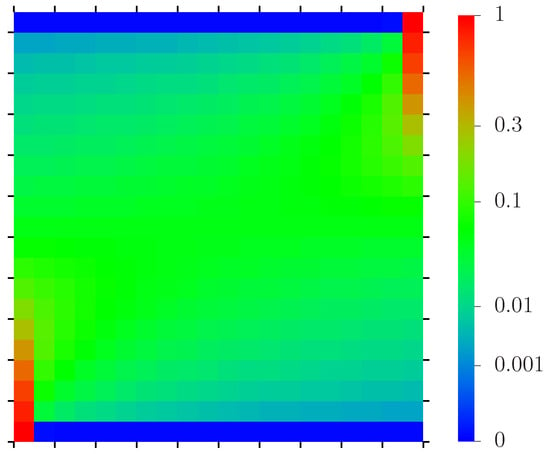
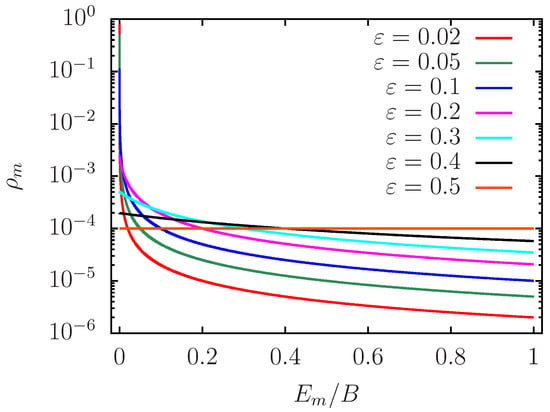
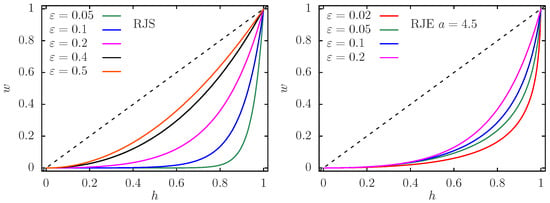
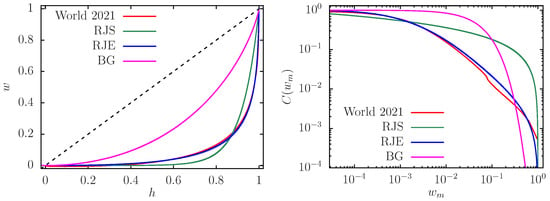
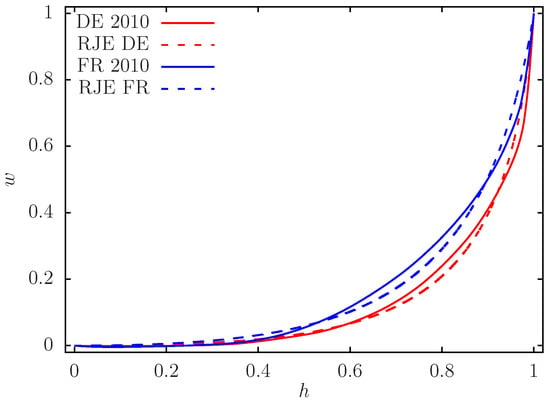
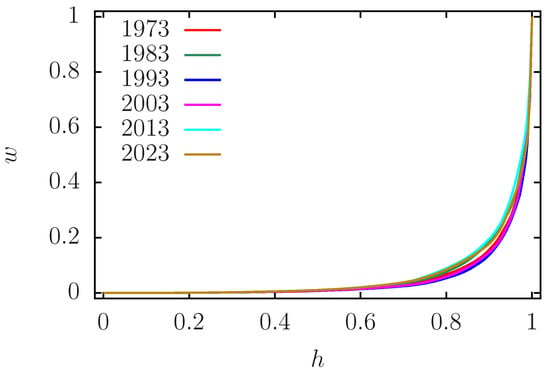
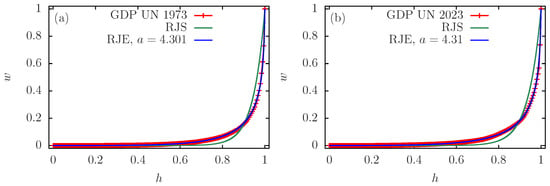
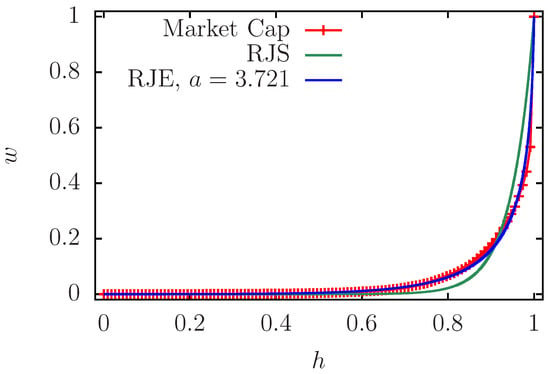
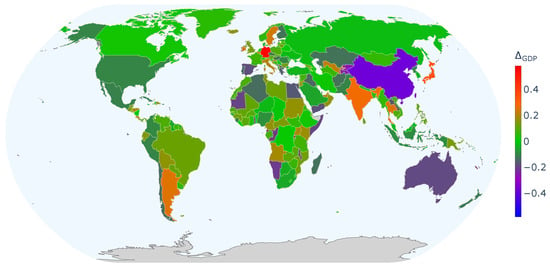
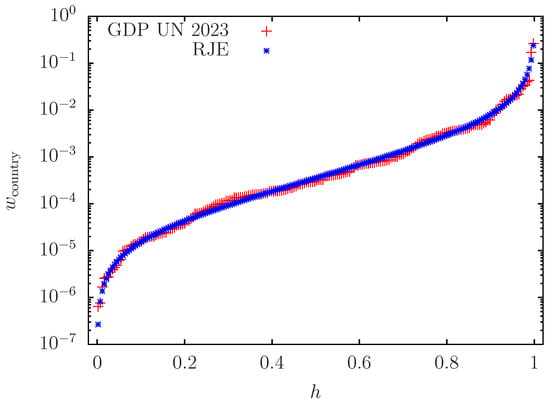
Thermodynamic Description of Wealth Inequality in the World
Complexities 2026, 2(3), 20; https://doi.org/10.3390/complexities2030020 - 8 Sep 2026
Abstract
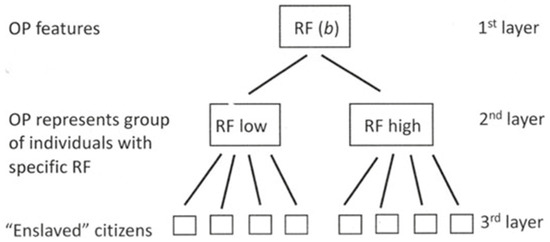
According to the recent Wealth Thermalization Hypothesis (WTH), the wealth inequality in the world is described by the Rayleigh–Jeans (RJ) thermal distribution of interacting agents in a society with social stratification. In this concept, the wealth layers of society are associated with energy
[...] Read more.
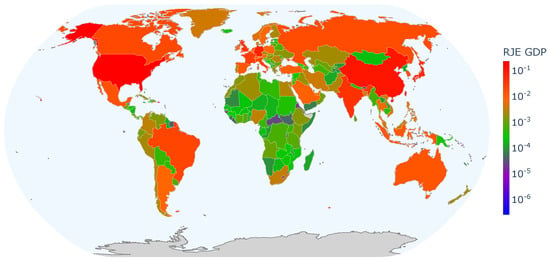
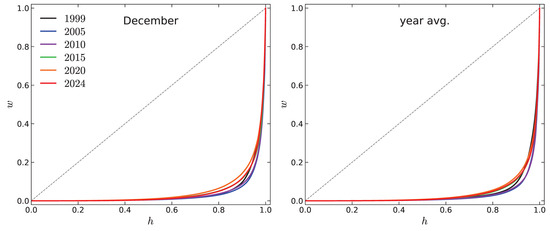
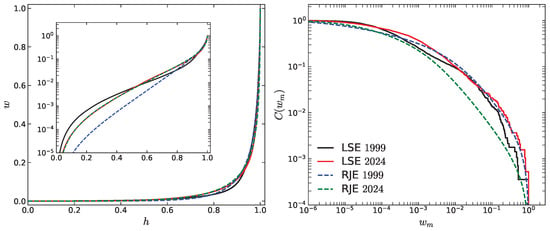
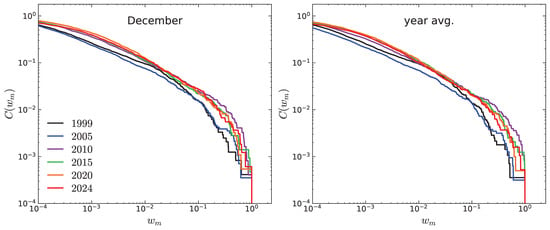
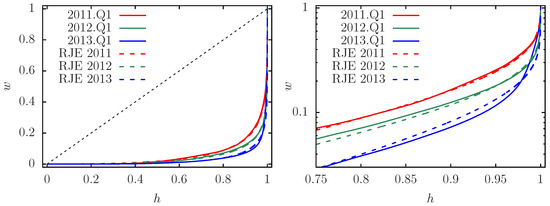
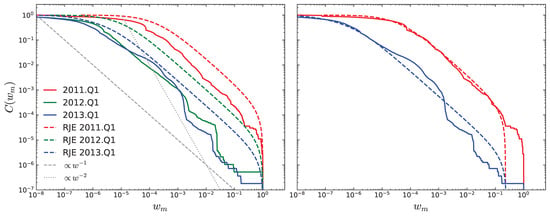
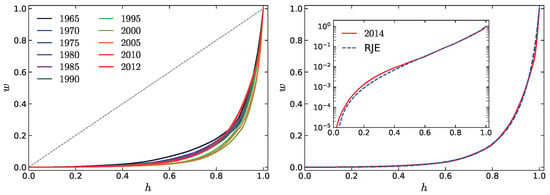
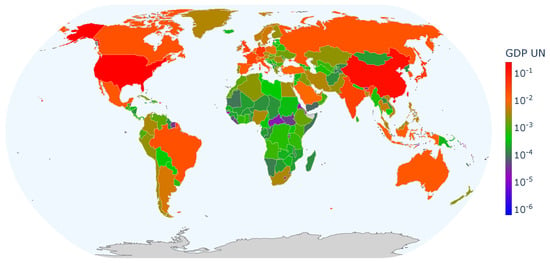
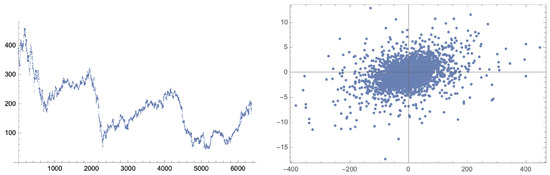
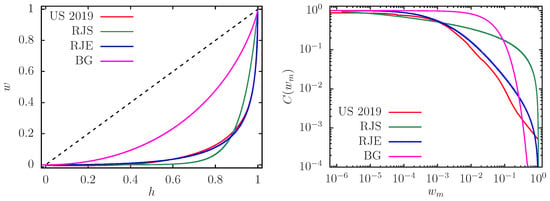
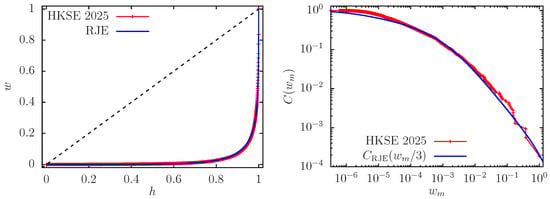
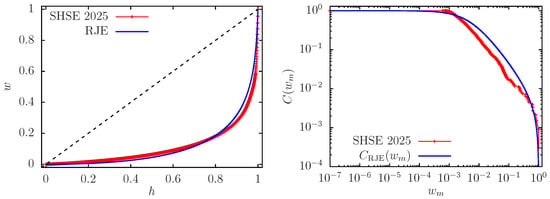
According to the recent Wealth Thermalization Hypothesis (WTH), the wealth inequality in the world is described by the Rayleigh–Jeans (RJ) thermal distribution of interacting agents in a society with social stratification. In this concept, the wealth layers of society are associated with energy levels from a nonlinear dynamical system conserving two integrals of motion—namely, total energy and the probability norm. This leads to RJ condensation and the formation of a huge poverty phase of low wealth and a tiny oligarchic phase that captures a main part of total society wealth. This RJ phenomenon has similarities with self-cleaning in multimode optical fibers and constraint-driven condensation in various physical systems. We analyze real Lorenz and Pareto curves for wealth of households in countries and the world; gross domestic product of countries; market capitalization of companies on the stock exchanges of Hong Kong, Shanghai, and London; bitcoin transactions; and world trade between countries and show that the WTH theory gives a good description of these curves. On the basis of this comparison, we argue that the RJ thermal distribution provides a universal description of wealth inequality in the world.
Full article
(This article belongs to the Special Issue Thermodynamics and Complexity)
►
Show Figures
Open AccessArticle
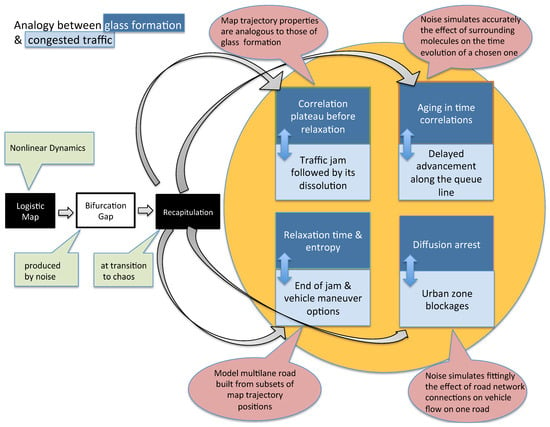
The Noise-Perturbed Onset of Chaos as a Model for Dissolution of Congested Vehicle Traffic
by
Santa Elena Tellez-Flores and Alberto Robledo
Complexities 2026, 2(3), 19; https://doi.org/10.3390/complexities2030019 - 26 Aug 2026
Abstract
►▼
Show Figures
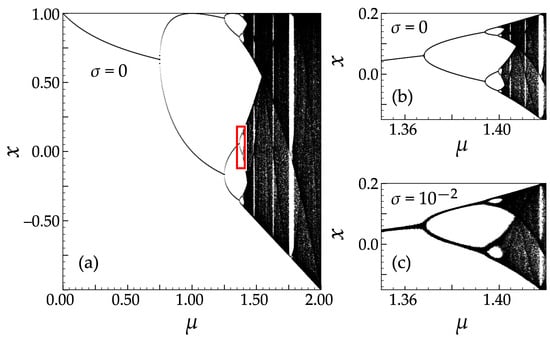
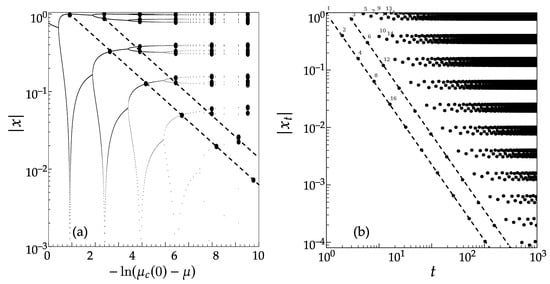
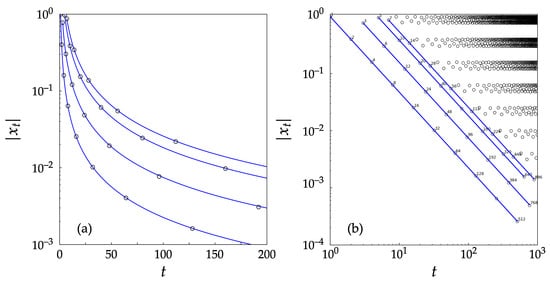
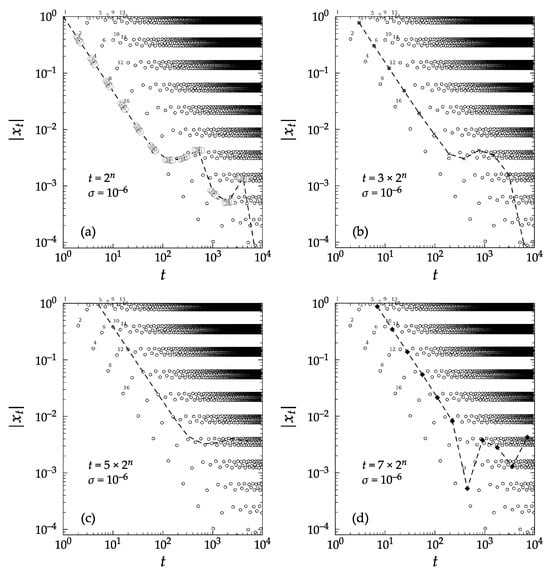
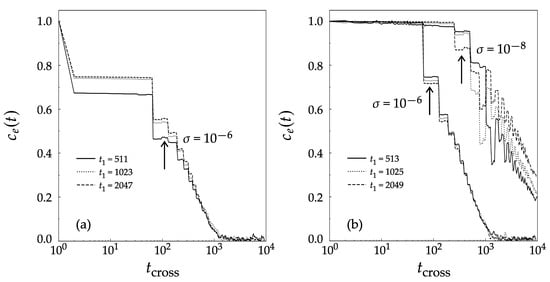
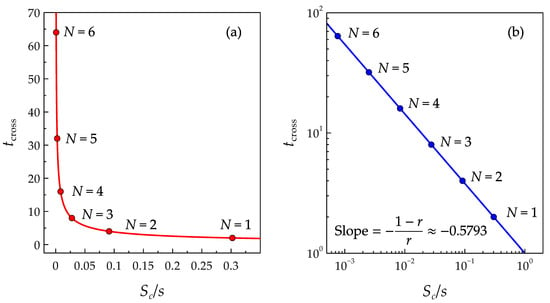
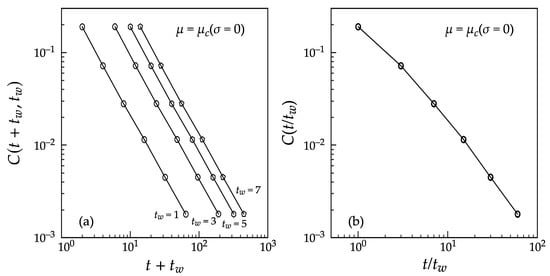
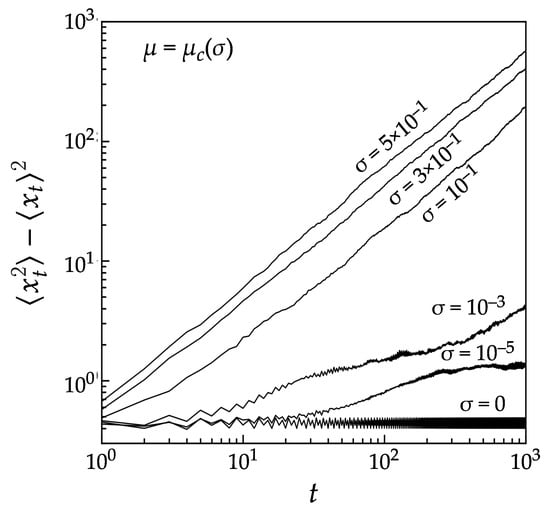
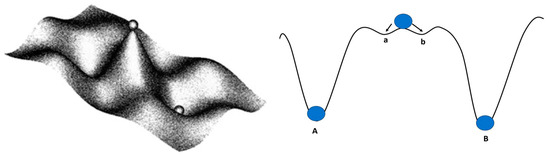
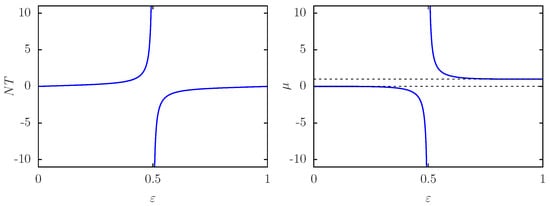
We present a nonlinear dynamical model for vehicular traffic jams and their dissolution based on the noise-perturbed onset of chaos. The model makes use of the bifurcation gap generated by addition of noise to quadratic iterated maps. The gap results from the elimination
[...] Read more.
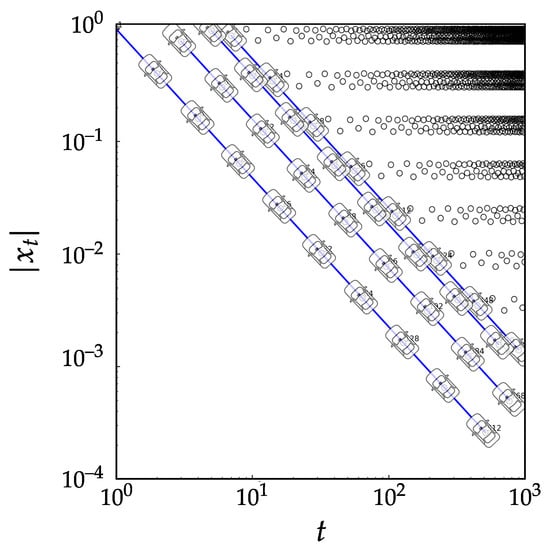
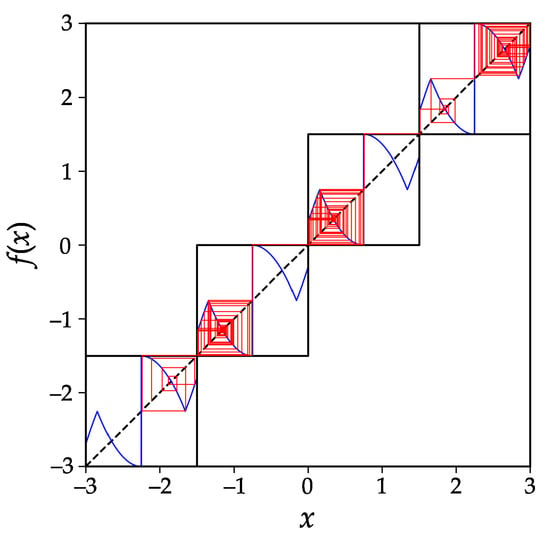
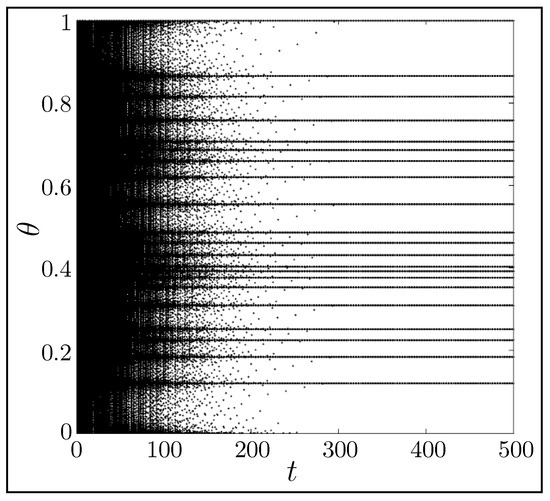
We present a nonlinear dynamical model for vehicular traffic jams and their dissolution based on the noise-perturbed onset of chaos. The model makes use of the bifurcation gap generated by addition of noise to quadratic iterated maps. The gap results from the elimination by noise of periodic and chaotic attractors with large periods and large numbers of chaotic bands, respectively. The bifurcation gap is recapitulated at the transition to chaos (vanishing Lyapunov exponent) as a crossover from noiseless to irregular, chaotic-like regimes at an iteration time with value dependent on the noise amplitude. This behavior is employed in a model (with variants) that we design for multilane road congested traffic. We highlight four main model properties that are also present in the dynamics of glass formation: (i) plateau interrupted relaxation; (ii) Adam–Gibbs empirical law; (iii) aging; and (iv) diffusion arrest. The model bridges previous studies that have indicated analogies between glassy dynamics and vehicular traffic as well as nonlinear dynamics and same-name traffic. We also discuss the connection of the model with urban multilane road networks.
Full article

Figure 1
Open AccessArticle
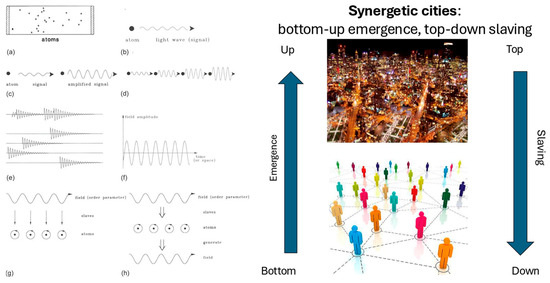
Cities Do Not Emerge from the Bottom Up
by
Juval Portugali
Complexities 2026, 2(3), 18; https://doi.org/10.3390/complexities2030018 - 24 Aug 2026
Abstract
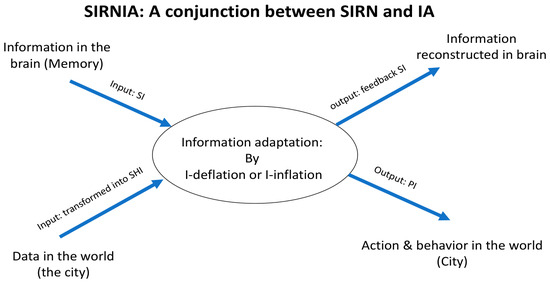
As indicated by its title, this study challenges the common view that as complex systems cities emerge from the bottom up. It suggests, firstly, that this common view is a consequence of applying the various complexity theories to the dynamics of cities by
[...] Read more.
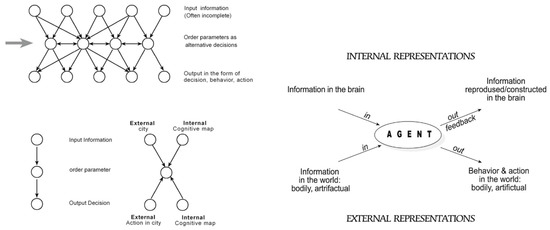
As indicated by its title, this study challenges the common view that as complex systems cities emerge from the bottom up. It suggests, firstly, that this common view is a consequence of applying the various complexity theories to the dynamics of cities by means of analogy to material media, namely to complex systems such as Benard cells or laser. Secondly, it suggests that when examining cities from first principles of human media that concern cognition, behavior and brain dynamics, cities emerge in a top-down manner. Thirdly, it suggests that the dynamics of cities are characterized by the simultaneous coexistence of bottom-up and top-down processes so that the question is not bottom-up or top-down, but rather how these apparently negating processes co-exist.
Full article
(This article belongs to the Special Issue Complexity Theories of Cities: Their Media and Their Messages)
►▼
Show Figures

Figure 1
Open AccessArticle
Survival Probability of Random Networks
by
Kevin Peralta-Martínez and José A. Méndez-Bermúdez
Complexities 2026, 2(3), 17; https://doi.org/10.3390/complexities2030017 - 7 Aug 2026
Abstract
►▼
Show Figures
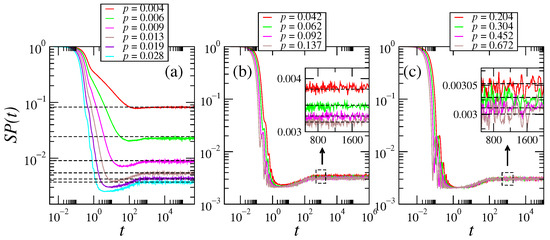
In this work, we study in detail all phases of the time evolution of a delta-like excitation in Erdös–Renyi (ER) random networks by means of the survival probability (SP): The initial decay of the SP (both, the fast decay followed by the power-law
[...] Read more.
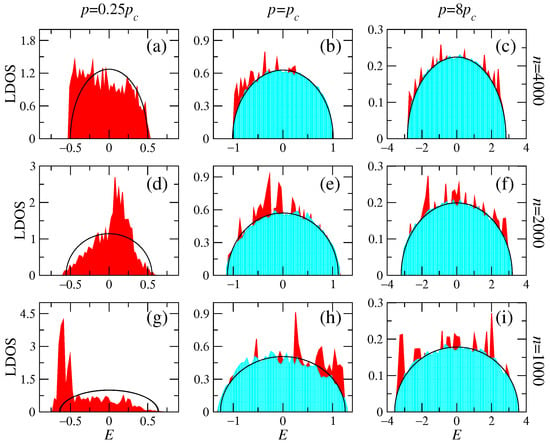
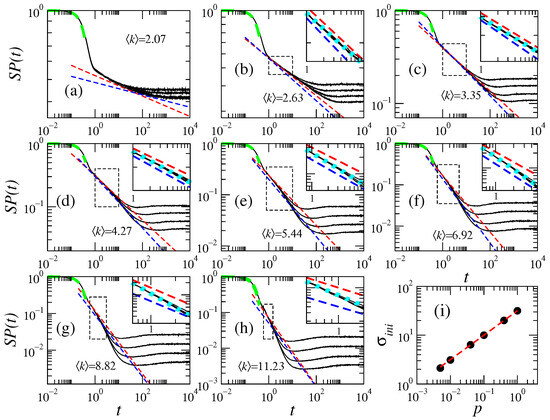
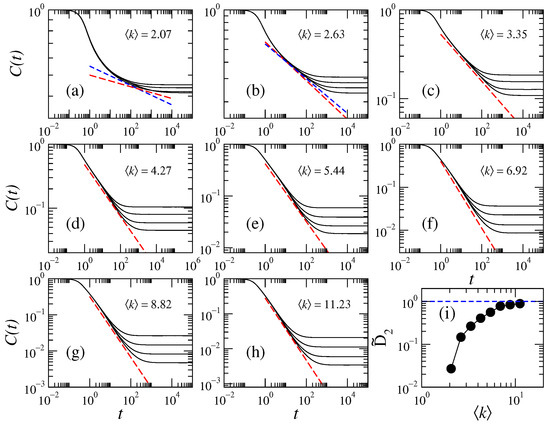
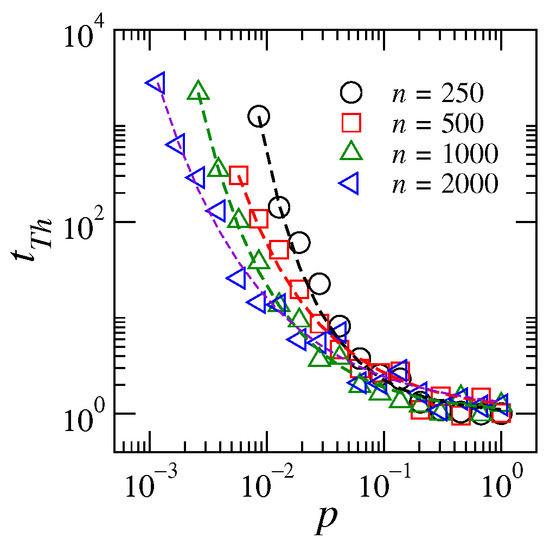
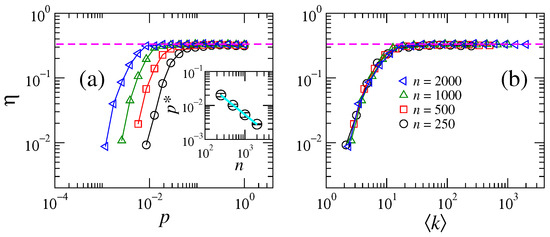
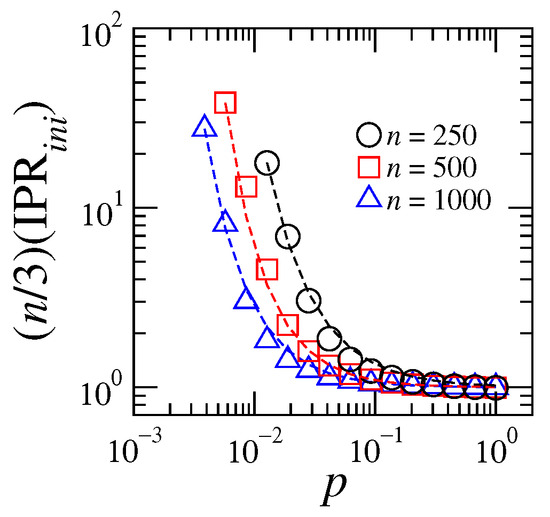
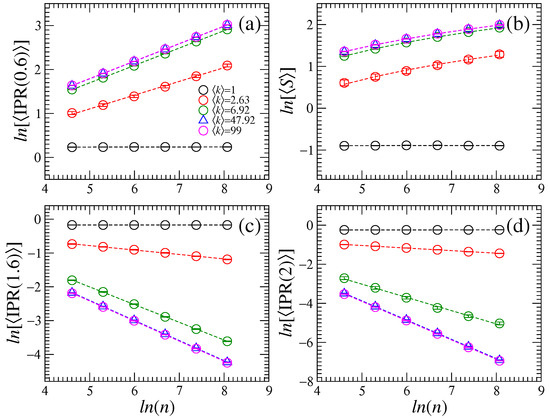
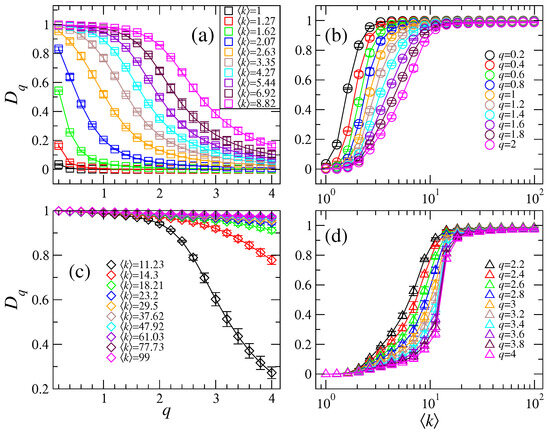
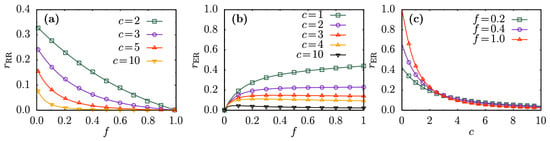
In this work, we study in detail all phases of the time evolution of a delta-like excitation in Erdös–Renyi (ER) random networks by means of the survival probability (SP): The initial decay of the SP (both, the fast decay followed by the power-law decay), the correlation hole regime (the regime between the minimum value of the SP and its saturation value), and the saturation of the SP. Specifically, we find that just before reaching the correlation hole, (i) the power-law decay of the SP is proportional to and (in a short time window) and the power-law decay of the time-averaged SP is proportional to (where and are the correlation dimension of the eigenstates of the randomly weighted adjacency matrices of the ER random networks and the correlation dimension associated with the initial state, respectively); however, this agreement is only approximate, depends on the average degree , and is limited to short time windows, and (ii) the relative depth of the correlation hole of the SP scales with the average degree (here, n and p are the size and the connection probability of the ER random networks). In addition, we show that the eigenstates of the randomly weighted adjacency matrices of ER networks display clear multifractal properties.
Full article

Figure 1
Open AccessArticle
A Simple Model for Self-Propelled Liquid Surfers
by
Ayase Kawamura, Yuki Araya, Hiroyuki Kitahata and Shinpei Tanaka
Complexities 2026, 2(3), 16; https://doi.org/10.3390/complexities2030016 - 30 Jul 2026
Abstract
►▼
Show Figures
Self-propelled liquid droplets floating on water–air interfaces can exhibit dynamics far richer than steady translation. We develop a simple nonlinear framework for such liquid surfers by connecting Marangoni-driven hydrodynamics with low-dimensional dynamical modeling. Using the Lorentz reciprocal theorem, we show that the droplet
[...] Read more.
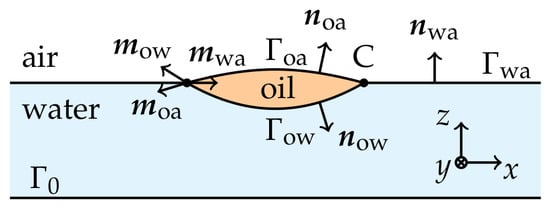
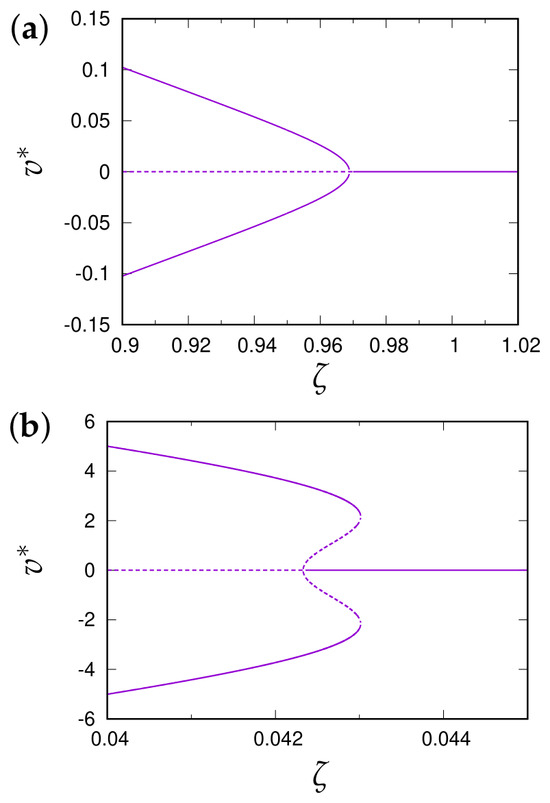
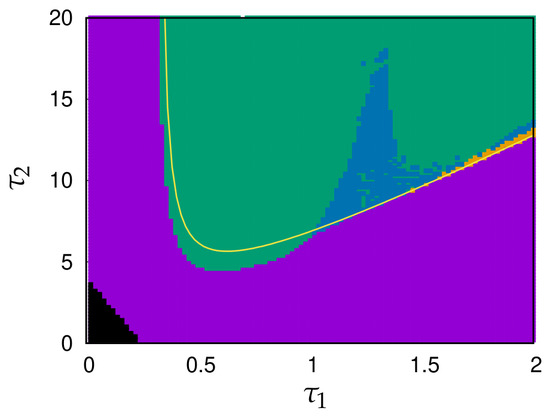
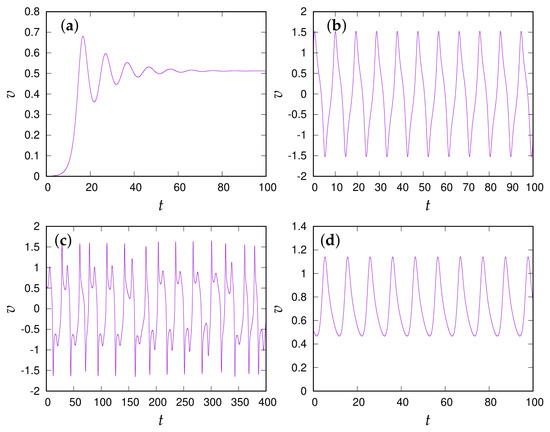
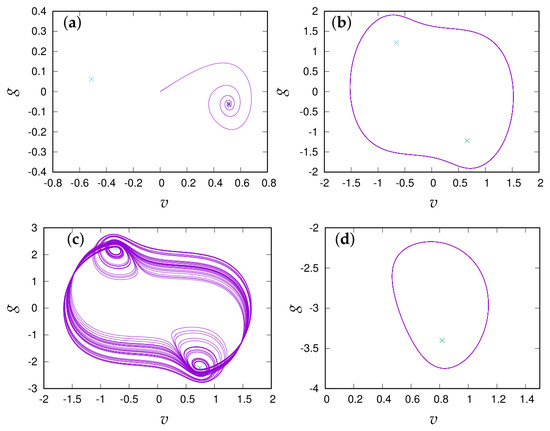
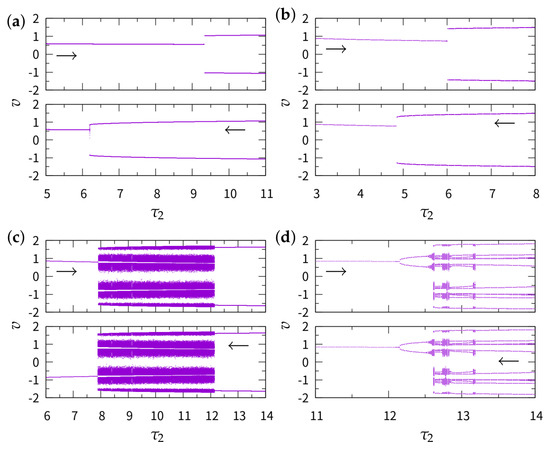
Self-propelled liquid droplets floating on water–air interfaces can exhibit dynamics far richer than steady translation. We develop a simple nonlinear framework for such liquid surfers by connecting Marangoni-driven hydrodynamics with low-dimensional dynamical modeling. Using the Lorentz reciprocal theorem, we show that the droplet velocity is determined primarily by the surface-tension difference across the droplet at the water–air interface, depending on the relaxation length scales in the concentration and velocity fields along the interface. Coupling this result with interfacial transport yields a reduced velocity equation with a pitchfork bifurcation from rest to steady propulsion. Extending the model to include two relaxing force components further yields a minimal three-variable model that reproduces stable propulsion, back-and-forth motion, and more complex dynamics. This framework provides a compact basis for understanding and classifying the dynamics of self-propelled liquid droplets.
Full article

Figure 1
Open AccessArticle
Identifying Energy Communities of Practice on Twitter: A Multiplex Network Analysis Using Graph Traversal Techniques
by
Vincenzo De Leo, Michelangelo Puliga, Martina Erba, Cesare Scalia, Andrea Filetti and Alessandro Chessa
Complexities 2026, 2(2), 15; https://doi.org/10.3390/complexities2020015 - 15 Jun 2026
Abstract
►▼
Show Figures
In this work, we inspected the friendship network on Twitter (recently rebranded as X), concentrating on individuals and organizations intertwined with the energy field. We particularly focus on seasoned professionals, corporate entities, and domain specialists, all connected through ‘following’ relationships. By meticulously examining
[...] Read more.
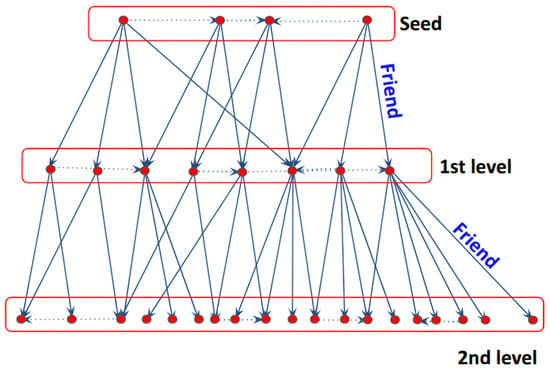
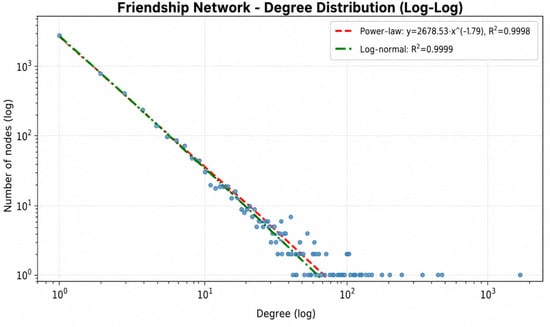
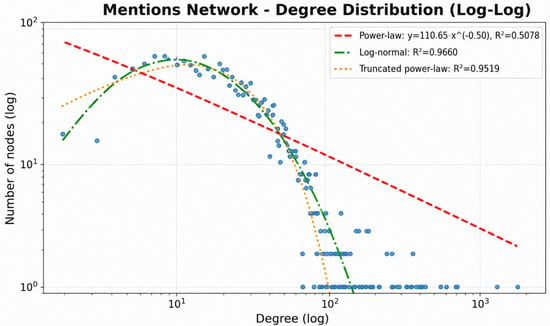
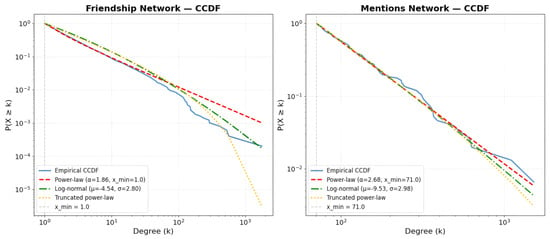
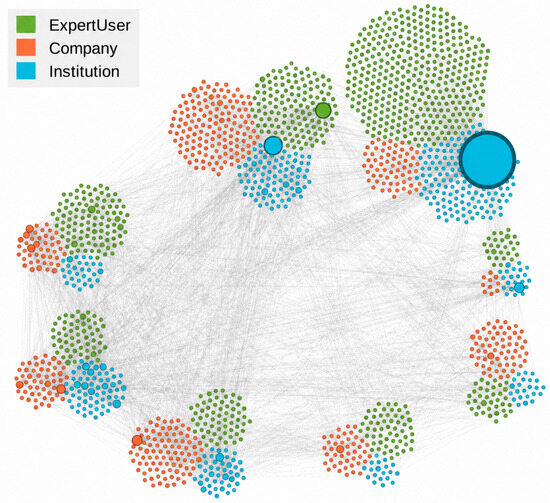
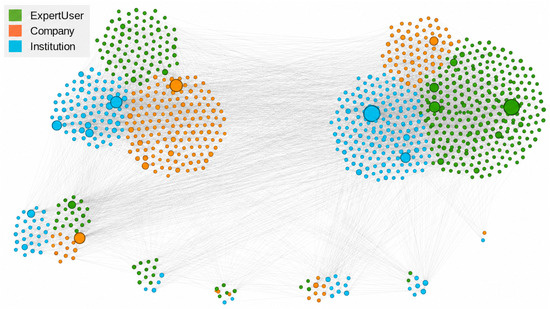
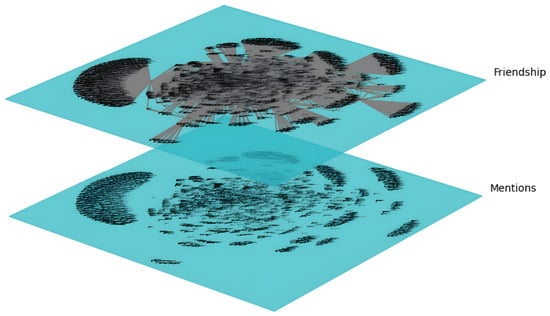
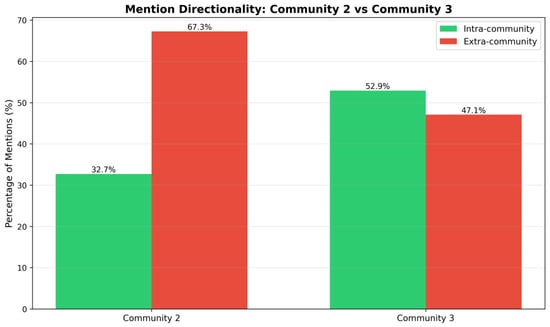
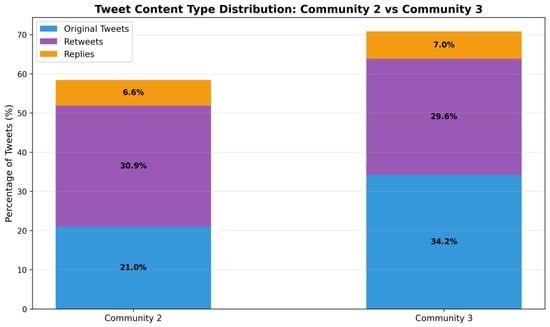
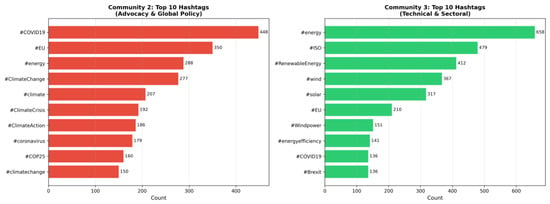
In this work, we inspected the friendship network on Twitter (recently rebranded as X), concentrating on individuals and organizations intertwined with the energy field. We particularly focus on seasoned professionals, corporate entities, and domain specialists, all connected through ‘following’ relationships. By meticulously examining these ties, we uncover several distinct groupings within the network, each defined by the unique roles its members occupy. Our analysis demonstrates that the natural emergence of such clusters on social platforms exerts a profound influence on public discourse regarding energy and other critical matters, including climate change. Furthermore, we observe that the resulting communities exhibit distinct structural properties and communication patterns, with some clusters showing lower internal engagement, which may be indicative of fragmentation dynamics in online conversations. These emergent clusters, characterized by their shared communication styles, form relatively compact communities where the exchange of information is infrequent compared to larger networks and is usually confined to accounts created for specific commercial objectives. We emphasize that our analysis focuses on a structurally coherent connected component emerging from a curated set of energy-related seed accounts, rather than attempting to reconstruct the entirety of the energy discourse on Twitter. Consequently, peripheral or weakly connected communities may be underrepresented. Additionally, by combining machine-learning-based node classification with graph-based centrality measures, we are able to characterize the roles of structurally central actors within these niche segments and analyze the connectivity patterns that define their positions. This method provides novel insights into how corporate communication unfolds on social media, offering a refreshed perspective on professional networking. Ultimately, our findings highlight the ways in which companies within the energy sector take advantage of Twitter to coordinate their initiatives, with key institutions serving as central nodes in maintaining the organization of these networks.
Full article

Figure 1
Open AccessArticle
Emergence of Memory and Program via Functional Differentiation in Evolutionary Echo State Networks with Complexity Indices
by
Hiroshi Watanabe and Ichiro Tsuda
Complexities 2026, 2(2), 14; https://doi.org/10.3390/complexities2020014 - 28 May 2026
Abstract
►▼
Show Figures
In the context of Kolmogorov complexity, the complexity of an object can be characterized by the length of the shortest algorithm required to describe or compute it. In condensed matter systems under equilibrium and nonequilibrium conditions, macroscopic properties distinct from elementary ones can
[...] Read more.
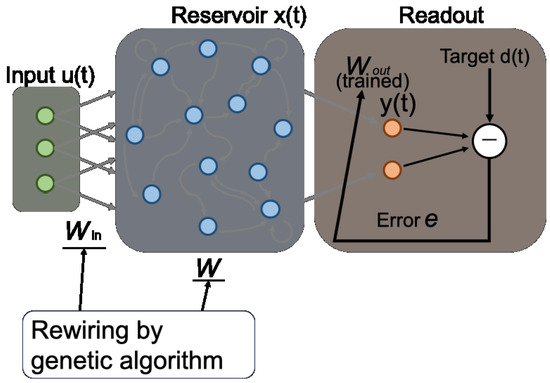
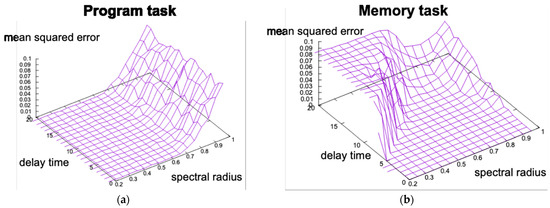
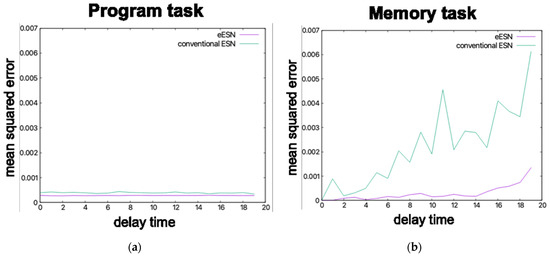
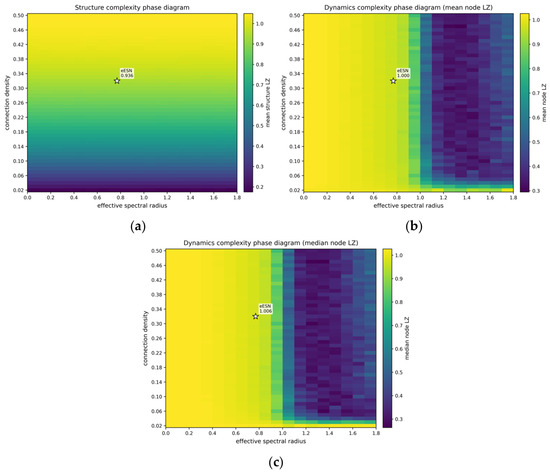
In the context of Kolmogorov complexity, the complexity of an object can be characterized by the length of the shortest algorithm required to describe or compute it. In condensed matter systems under equilibrium and nonequilibrium conditions, macroscopic properties distinct from elementary ones can emerge from large numbers of particles. Such a large system size allows system properties to change as control parameters change, producing phase transitions. Inspired by this analogy, it is natural to consider that an optimized computing system may undergo a transition from an initially random organization to a functionally organized state. In this paper, by adopting a specific multi-task setting based on a typical dynamical system, we propose an evolutionary echo state network that realizes the functional differentiation of a random neural network into two subnetworks—one specialized for memory and the other for program execution. The model suggests a minimal neural mechanism for dynamic processes that extract rules embedded in input sequences and store information over short or long time scales. Because the proposed evolutionary model is driven by constraints that jointly reduce task errors and structural redundancy, the resulting network can be regarded as an optimized descriptor of memory and program functions. To clarify the relationship between the proposed model and algorithmic complexity, we introduce Lempel–Ziv-based complexity indices for both network structure and node-wise reservoir dynamics. Although neither density, effective spectral radius, nor the Lempel–Ziv-based complexity indices were prescribed or optimized in the eESN, the evolved network exhibited structural complexity comparable to conventional ESNs in the corresponding region and slightly higher dynamical complexity. These results suggest that the advantage of eESN is not attributable to a direct maximization of complexity itself, but rather to the evolutionary organization of complexity into a functionally differentiated reservoir that supports both memory-like retention and program-like rule extraction.
Full article

Figure 1
Open AccessArticle
Strongly Clustered Random Graphs via Triadic Closure: Degree Correlations and Clustering Spectrum
by
Lorenzo Cirigliano, Gareth J. Baxter and Gábor Timár
Complexities 2026, 2(2), 13; https://doi.org/10.3390/complexities2020013 - 22 May 2026
Abstract
►▼
Show Figures
Real-world networks often exhibit strong transitivity with nontrivial local clustering spectra and degree correlations. Such features are not easily modeled in tractable network models, creating an obstacle to the theoretical understanding of such complex network structures. Here, we address this problem using a
[...] Read more.
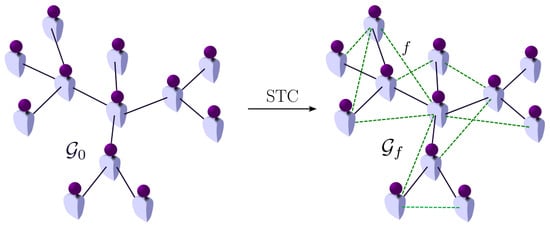
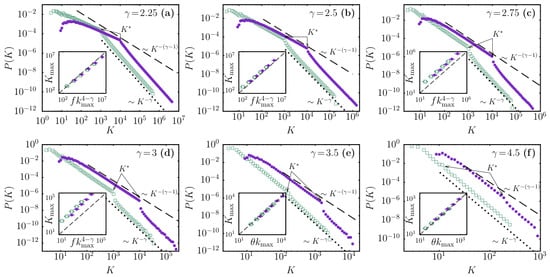
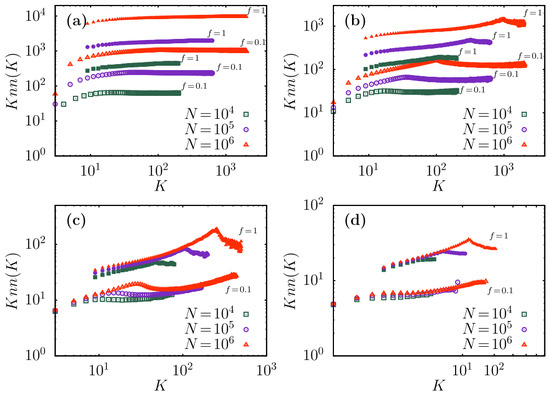
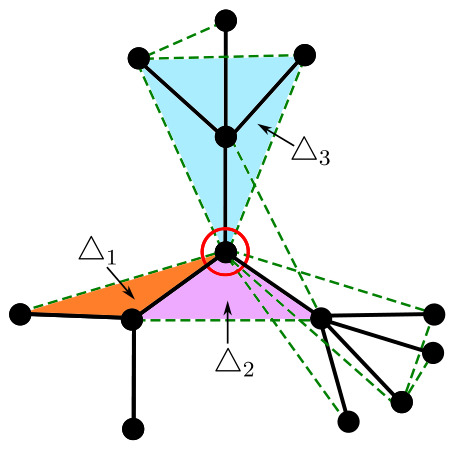
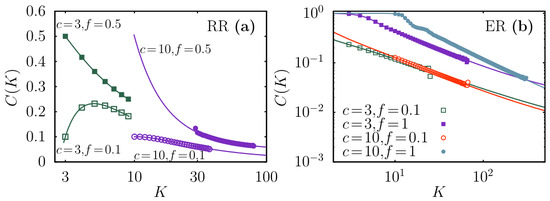
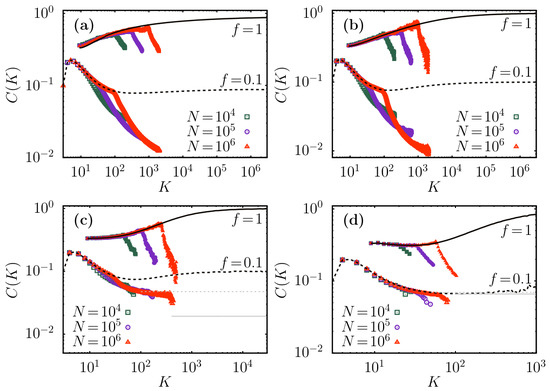
Real-world networks often exhibit strong transitivity with nontrivial local clustering spectra and degree correlations. Such features are not easily modeled in tractable network models, creating an obstacle to the theoretical understanding of such complex network structures. Here, we address this problem using a model for strongly clustered random graphs in which each triad of a random network backbone is closed with a certain probability. Despite the intricate loopy local structure of the graphs obtained, we provide exact expressions for the local clustering spectrum and the degree correlations, filling the gap in the theoretical description of this model for random graphs. In particular, we find positive degree assortativity accompanying high transitivity, and nontrivial structure in the clustering spectrum. Exact asymptotic analytical results, obtained for uncorrelated locally tree-like backbones, are complemented with extensive numerical characterization of finite-size effects.
Full article

Figure 1
Open AccessArticle
Analyzing Late Antiquity Shifts of Trade Regime in the Iberian Peninsula and Their Causes via Change Point Detection Methods
by
Juan Julián Merelo-Guervós
Complexities 2026, 2(2), 12; https://doi.org/10.3390/complexities2020012 - 16 Apr 2026
Abstract
History attempts to make sense of disparate information by trying to create discourse that lays a series of events with crisp cause–effect relationships in a sequence. Epochal shifts, such as the change from Antiquity to the Middle Ages, are especially complex since they
[...] Read more.
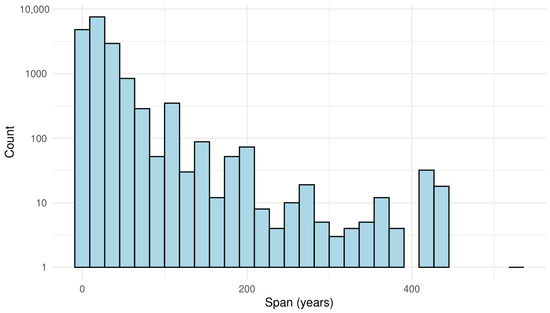
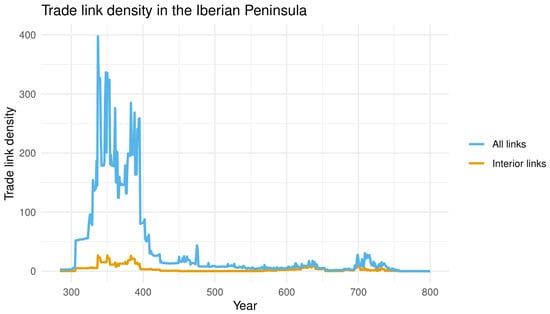
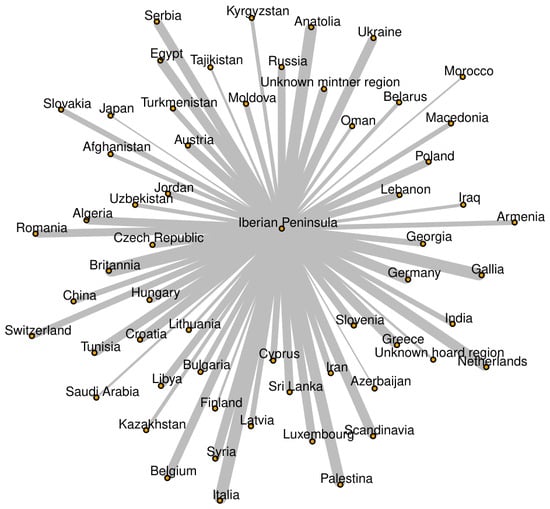
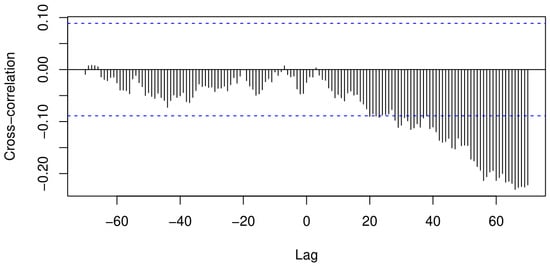
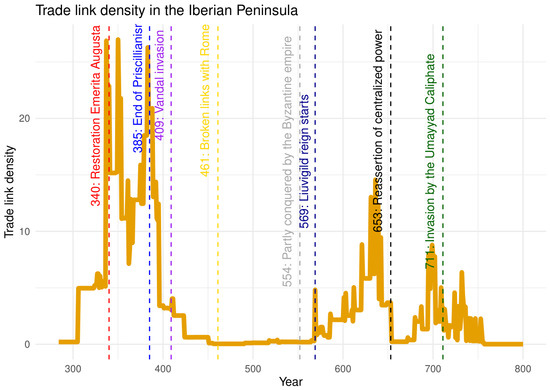
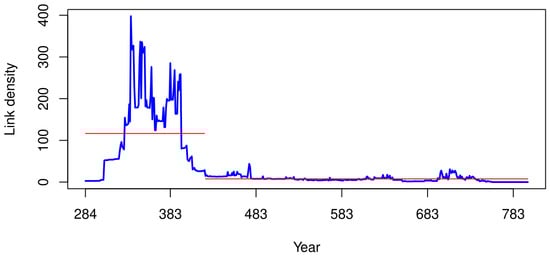
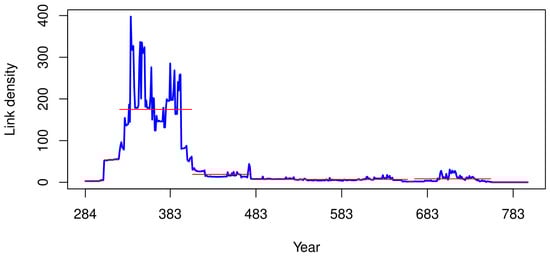
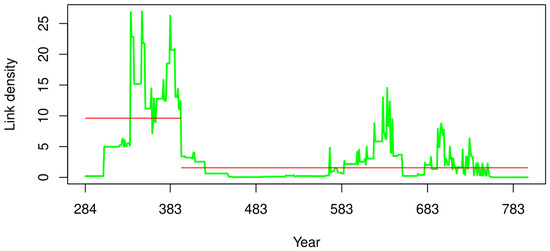
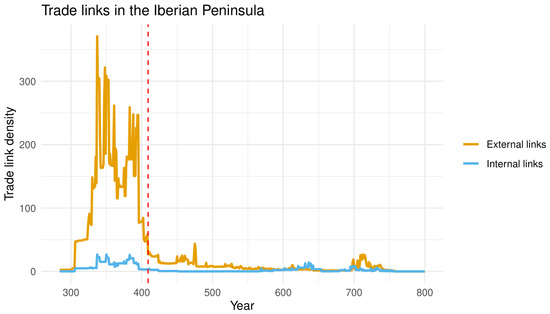
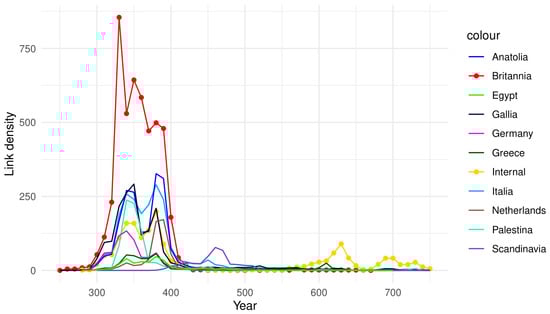
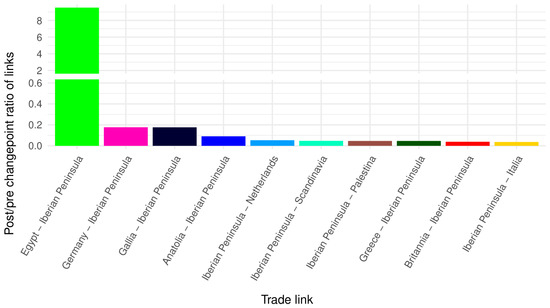
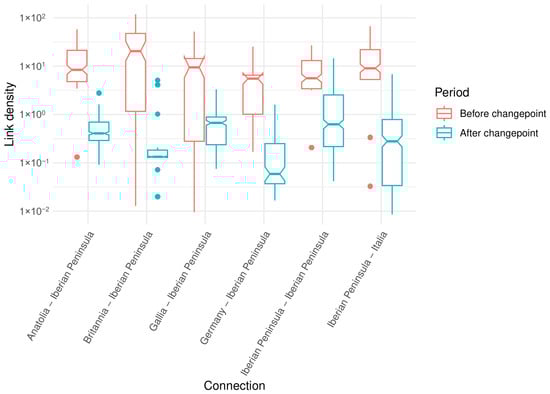
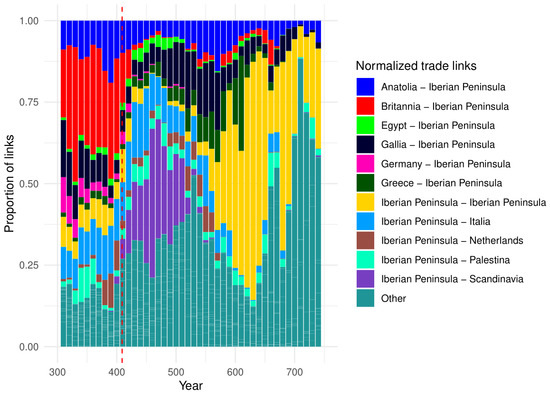
History attempts to make sense of disparate information by trying to create discourse that lays a series of events with crisp cause–effect relationships in a sequence. Epochal shifts, such as the change from Antiquity to the Middle Ages, are especially complex since they involve a large number of economic, political and even religious factors which occur over long periods and that might overlap and interact through reciprocal feedback mechanisms, making this cause–effects sequence difficult to establish. In this research we adopt a data-driven and well-established methodology to identify, with quantifiable statistical precision, the moment when this shift happened, and from there arrive at its possible causes. We will use historical coin hoard data to find out whether such a shift is detected in a peripheral part of the Roman Empire, the Iberian Peninsula. To do so, we will apply different changepoint analysis methods to a time series of trade links created from that data, and conduct a retrospective analysis based on that result, analyzing the structure of the trade networks before and after the link. Thus, we progress from identifying when the shift happened to identifying where it took place, which in turn allows us to get to investigate why it happened, namely, historical events that could have caused it. This methodology can be used to analyze epochal changes in several steps using time-stamped network data, possibly finding disregarded causes or cause–effect links that could have been overlooked by qualitative methods; in this case, we have applied it to a dataset of coin hoards either found in the Iberian Peninsula or including coins minted there, finding a changepoint in the early 5th century, which, through network analysis, has been linked to a loss of trade with the area of Britannia.
Full article
(This article belongs to the Topic Computational Complex Networks, 2nd Edition)
►▼
Show Figures

Figure 1
Open AccessPerspective
Human Mobility and Social Inequality: Limitations of Mobility Data and Future Directions
by
Xuan Luo, Peiran Zhang, Weipeng Nie, Pavel L. Kirillov, Alla G. Makhrova, Chaoyang Zhang and Liang Gao
Complexities 2026, 2(2), 11; https://doi.org/10.3390/complexities2020011 - 13 Apr 2026
Abstract
►▼
Show Figures
Human mobility is a fundamental determinant of urban spatial and social organization, profoundly influencing patterns of social interaction, integration, and inequality. However, prevailing research is constrained by mobility datasets that are often non-representative, reliant on static spatial proxies, and incapable of distinguishing physical
[...] Read more.
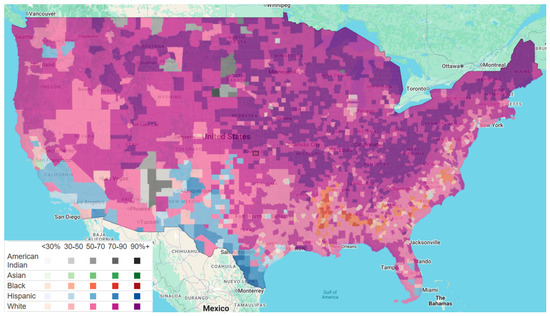
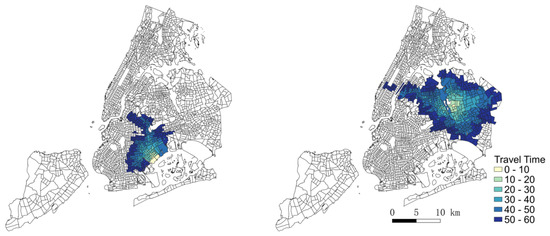
Human mobility is a fundamental determinant of urban spatial and social organization, profoundly influencing patterns of social interaction, integration, and inequality. However, prevailing research is constrained by mobility datasets that are often non-representative, reliant on static spatial proxies, and incapable of distinguishing physical co-presence from meaningful social interaction. These limitations impede a mechanistic understanding of how mobility drives core urban social phenomena such as segregation, disparity, and inequity. This perspective critically examines these empirical and theoretical blind spots, framing them around the interconnected dynamics of social mixing, segregation, disparity, inequality, and inequity. We then delineate a research agenda to transcend these limitations, focused on (1) leveraging AI and data fusion to overcome representativeness and validation bottlenecks; (2) incorporating longitudinal dynamics through deep learning models; (3) developing contextualized models of social interactions that move beyond simple co-presence; and (4) harnessing generative models to synthesize realistic mobility flows in data-scarce contexts. We argue that advancements in computational social science are essential to forge a more accurate, dynamic, and equitable understanding of human mobility’s role in shaping social inequality.
Full article

Figure 1
Open AccessPerspective
Resilience, Tipping Points, and Hysteresis
by
Peter Grindrod
Complexities 2026, 2(2), 10; https://doi.org/10.3390/complexities2020010 - 3 Apr 2026
Abstract
►▼
Show Figures
In the essay we introduce present-day systems concepts, such as resilience, tipping points, and hysteresis effects, via the concept of fast–slow dynamical systems (whether explicit in the models or implicit through bifurcation and stability behaviours). These lead naturally to ideas first propagated within
[...] Read more.
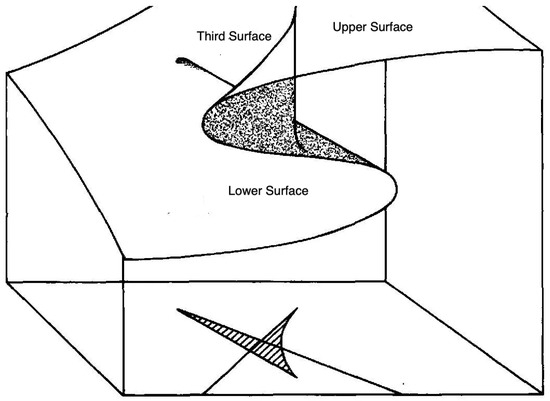
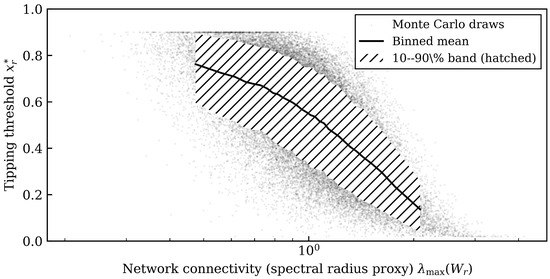
In the essay we introduce present-day systems concepts, such as resilience, tipping points, and hysteresis effects, via the concept of fast–slow dynamical systems (whether explicit in the models or implicit through bifurcation and stability behaviours). These lead naturally to ideas first propagated within catastrophe theory, fifty years ago. We discuss the historical catastrophe (the backlash) that befell such an abstract yet mathematically grounded (and thus inescapable) theory within economics and also its subsequent re-appraisal and re-adoption. Finally, we discuss some of the challenges inherent in anticipating tipping points from live systems data (observations), within systems-theoretic interpretations, and whether methods from topological data analysis might respond to them. While it is fashionable for national, governmental and policy institutions to speak of “resilience” in all manner of national systems contexts, we aver that it is foolishly inadequate to do so without an understanding and consideration of tipping points and hysteresis (sometimes termed “path dependence”), giving rise to “lock-in”.
Full article

Figure 1
Open AccessReview
Toward a Probabilistic Framework of Human Motor Control: Integrating Variability, Entropy, and Complex Systems Principles
by
Hiroki Murakami
Complexities 2026, 2(2), 9; https://doi.org/10.3390/complexities2020009 - 1 Apr 2026
Cited by 1
Abstract
►▼
Show Figures
Human motor control has long been described within traditionally deterministic frameworks that emphasize consistency and error minimization. However, accumulating evidence across motor learning, coordination dynamics, and information theory suggests that variability and uncertainty are not merely sources of noise but fundamental resources for
[...] Read more.
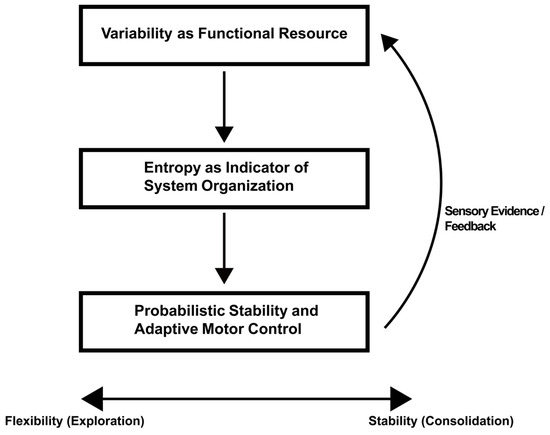
Human motor control has long been described within traditionally deterministic frameworks that emphasize consistency and error minimization. However, accumulating evidence across motor learning, coordination dynamics, and information theory suggests that variability and uncertainty are not merely sources of noise but fundamental resources for adaptive behavior. This review synthesizes theoretical, empirical, and methodological advances to propose an integrative probabilistic framework for motor control. Drawing on complex-systems theory, entropy-based analyses, and hierarchical coordination models, motor behavior is conceptualized as a self-organizing process that continuously balances stability and flexibility under uncertainty. Variability is reinterpreted as functionally regulated, supporting exploration, reorganization, and context-sensitive adaptation rather than reflecting control failure. To formalize this perspective, a Probabilistic Landscape Model is introduced, in which motor behaviors are represented as trajectories within a dynamic landscape of multiple attractors. Within this framework, entropy captures the structured organization of uncertainty, metastability enables rapid transitions between coordination states, and probabilistic stability characterizes the system’s capacity to maintain effective performance across changing constraints. Beyond synthesizing existing research, this review introduces the Probabilistic Landscape Model (PLM), a conceptual framework that integrates nonlinear coordination dynamics, entropy-based variability analysis, and probabilistic interpretations of motor behavior. By integrating insights from motor learning, sports performance, rehabilitation, and predictive processing, this review provides a unified account of adaptive motor control as an inherently probabilistic and self-organizing system. The proposed framework offers conceptual and practical implications for training design, rehabilitation strategies, and human–machine interaction in uncertain environments.
Full article

Figure 1
Open AccessArticle
A Hybrid Systems Framework for Electric Vehicle Adoption: Microfoundations, Networks, and Filippov Dynamics
by
Pascal Stiefenhofer and Jing Qian
Complexities 2026, 2(2), 8; https://doi.org/10.3390/complexities2020008 - 29 Mar 2026
Abstract
►▼
Show Figures
Electric vehicle(EV) diffusion exhibits nonlinear, path-dependent dynamics shaped by interacting economic, technological, and social constraints. This paper develops a unified hybrid systems framework that captures these complexities by integrating microfounded household choice, capacity-constrained firm behavior, local network spillovers, and multi-level policy intervention within
[...] Read more.
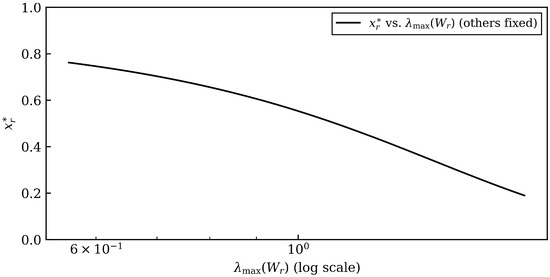
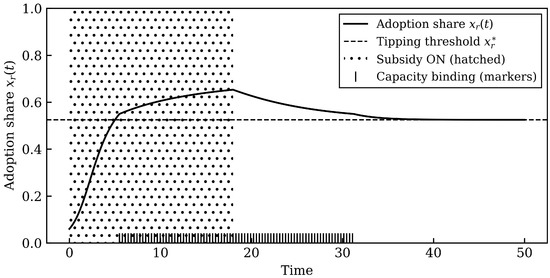
Electric vehicle(EV) diffusion exhibits nonlinear, path-dependent dynamics shaped by interacting economic, technological, and social constraints. This paper develops a unified hybrid systems framework that captures these complexities by integrating microfounded household choice, capacity-constrained firm behavior, local network spillovers, and multi-level policy intervention within a Filippov differential-inclusion structure. Households face heterogeneous preferences, liquidity limits, and network-mediated moral and informational influences; firms invest irreversibly under learning-by-doing and profitability thresholds; and national and local governments implement distinct financial and infrastructure policies subject to budget constraints. The resulting aggregate adoption dynamics feature endogenous switching, sliding modes at economic bottlenecks, network-amplified tipping, and hysteresis arising from irreversible investment. We establish conditions for the existence of Filippov solutions, derive network-dependent tipping thresholds, characterize sliding regimes at capacity and liquidity constraints, and show how network structure magnifies hysteresis and shapes the effectiveness of local versus national policy. Optimal-control analysis further demonstrates that national subsidies follow bang–bang patterns and that network-targeted local interventions minimize the fiscal cost of achieving regional tipping. Beyond theoretical characterization, the framework is structurally calibrated to match the order-of-magnitude effects reported in leading empirical and simulation-based studies, including network diffusion models, agent-based simulations, bass-type specifications, and fuel-price shock analyses. The hybrid formulation reproduces short-run percentage-point subsidy effects, long-run forecast dispersion under alternative network assumptions, and policy-induced equilibrium shifts observed in the applied literature while providing a unified geometric interpretation of these heterogeneous results through explicit basin boundaries and regime switching. The framework provides a complex systems perspective on sustainable mobility transitions and clarifies why identical national policies can generate asynchronous regional outcomes. These results offer theoretical foundations for designing coordinated, cost-effective, and network-aware EV transition strategies.
Full article

Figure A1
Open AccessArticle
On Importance Sampling and Multilinear Extensions for Approximating Shapley Values with Applications to Explainable Artificial Intelligence
by
Tim Pollmann and Jochen Staudacher
Complexities 2026, 2(1), 7; https://doi.org/10.3390/complexities2010007 - 17 Mar 2026
Abstract
►▼
Show Figures
Shapley values are the most widely used point-valued solution concept for cooperative games and have recently garnered attention for their applicability in explainable machine learning. Due to the complexity of Shapley value computation, users mostly resort to Monte Carlo approximations for large problems.
[...] Read more.
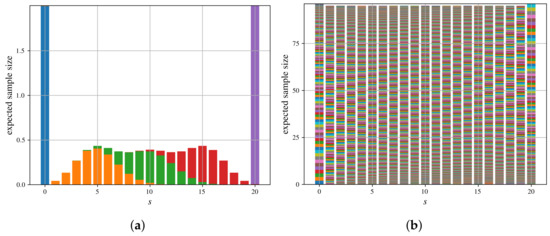
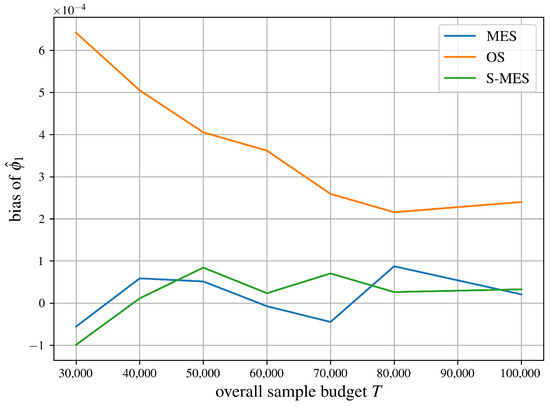
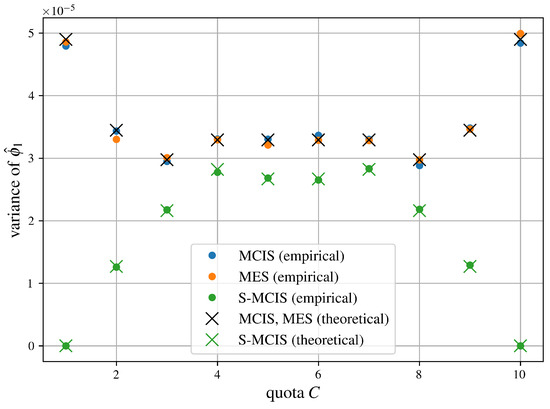
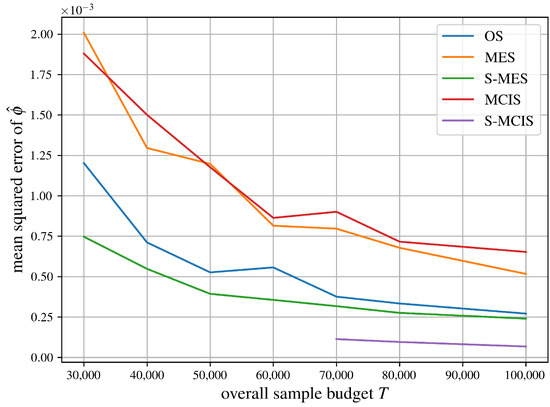
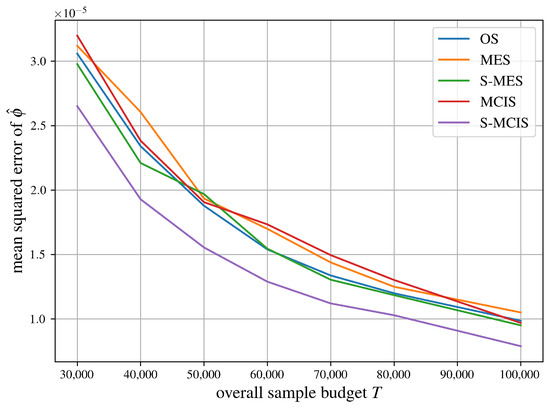
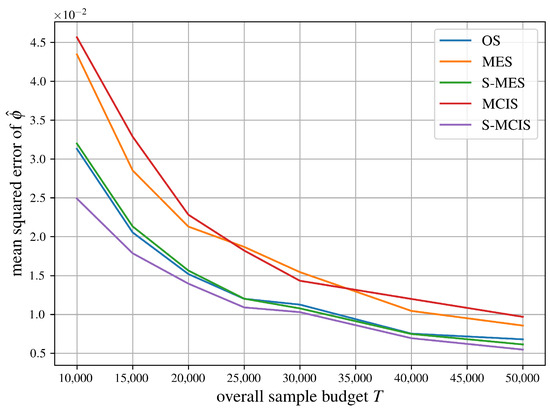
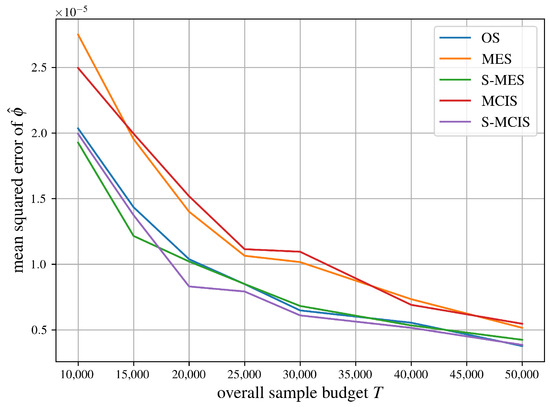
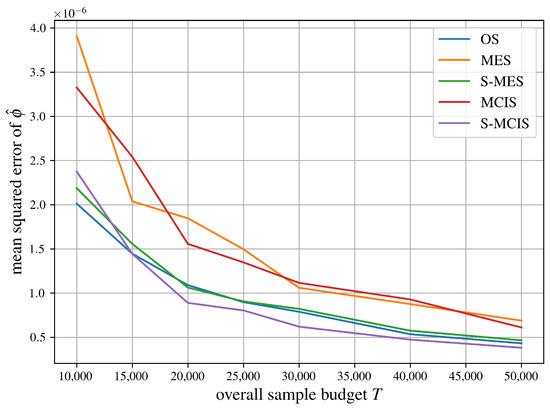
Shapley values are the most widely used point-valued solution concept for cooperative games and have recently garnered attention for their applicability in explainable machine learning. Due to the complexity of Shapley value computation, users mostly resort to Monte Carlo approximations for large problems. We take a detailed look at an approximation method grounded in multilinear extensions proposed in 2021 under the name “Owen sampling”. We point out why Owen sampling is biased and propose unbiased alternatives based on combining multilinear extensions with stratified sampling and importance sampling. Finally, we discuss empirical results of the presented algorithms for various cooperative games, including real-world explainability scenarios.
Full article

Figure 1
Open AccessArticle
Why Emergence and Self-Organization Are Conceptually Simple, Common and Natural
by
Francis Heylighen
Complexities 2026, 2(1), 6; https://doi.org/10.3390/complexities2010006 - 13 Mar 2026
Cited by 3
Abstract
►▼
Show Figures
Emergent properties are properties of a whole that cannot be reduced to the properties of its parts. Properties of a system can be defined as relations between a particular input given to a system and its corresponding output. From this perspective, whole systems
[...] Read more.
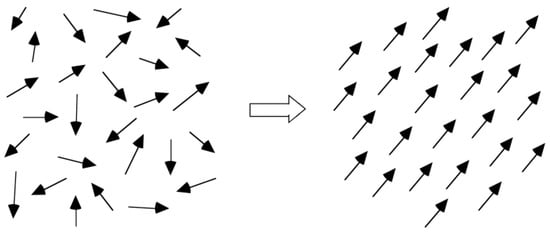
Emergent properties are properties of a whole that cannot be reduced to the properties of its parts. Properties of a system can be defined as relations between a particular input given to a system and its corresponding output. From this perspective, whole systems formed by coupling component systems have properties different from the properties of their components. Wholes tend to arise spontaneously through a process of self-organization, in which components randomly interact until they settle in a stable configuration that in general cannot be predicted from the properties of the components. This configuration constrains the relations between the components, thus defining emergent “laws” that downwardly cause the further behavior of the components. Thus, emergent wholes and their properties arise in a simple and natural manner.
Full article

Figure 1
Open AccessArticle
Thermodynamic-Complexity Duality in Constrained Equilibrium Ensembles
by
Florian Neukart
Complexities 2026, 2(1), 5; https://doi.org/10.3390/complexities2010005 - 8 Mar 2026
Abstract
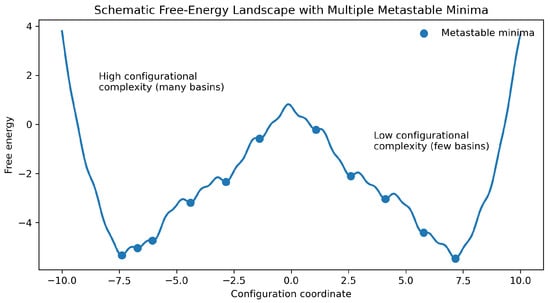
Many complex systems, particularly glasses and disordered materials, exhibit energy landscapes with exponentially many metastable states. Such landscape structure strongly influences equilibrium behavior but is not explicitly represented in standard thermodynamic state spaces. We develop a constrained equilibrium framework in which configurational complexity,
[...] Read more.
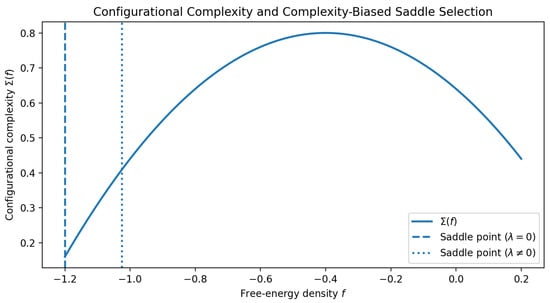
Many complex systems, particularly glasses and disordered materials, exhibit energy landscapes with exponentially many metastable states. Such landscape structure strongly influences equilibrium behavior but is not explicitly represented in standard thermodynamic state spaces. We develop a constrained equilibrium framework in which configurational complexity, defined as the logarithmic density of metastable basins, is treated as an additional macroscopic coordinate. Starting from maximum entropy with simultaneous constraints on energy and complexity, we obtain a generalized Gibbs ensemble characterized by a conjugate bias parameter. Standard thermodynamic structure remains intact, with extended relations arising as constrained equilibrium identities. A mean-field glassy example with explicit complexity function demonstrates how complexity bias shifts the saddle-point structure of the partition function and modifies equilibrium response functions. The geometric formulation further provides a diagnostic of landscape reorganization within an enlarged state space. This framework offers a systematic equilibrium description of how energy-landscape structure influences thermodynamic behavior in systems with rugged configuration spaces.
Full article
(This article belongs to the Special Issue Thermodynamics and Complexity)
►▼
Show Figures

Figure 1
Open AccessArticle
Reproducing Stylized Facts in Artificial Stock Markets with Price-Data-Trained Neural Agents
by
Qi Zhang and Yu Chen
Complexities 2026, 2(1), 4; https://doi.org/10.3390/complexities2010004 - 13 Feb 2026
Abstract
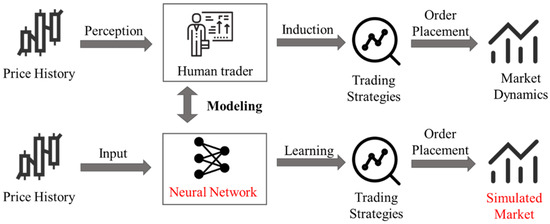
Agent-based models of financial markets often rely on a small set of hand-crafted trading rules, making it difficult to relate model heterogeneity to information that is observable in market data. We take a different standpoint and treat the design of heterogeneity as a
[...] Read more.
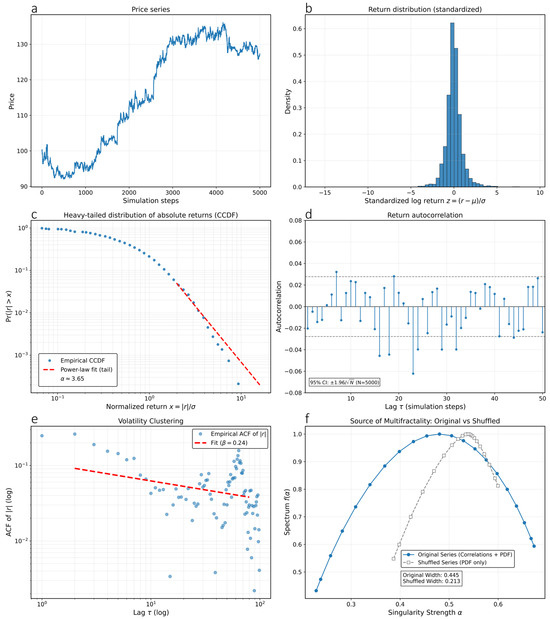
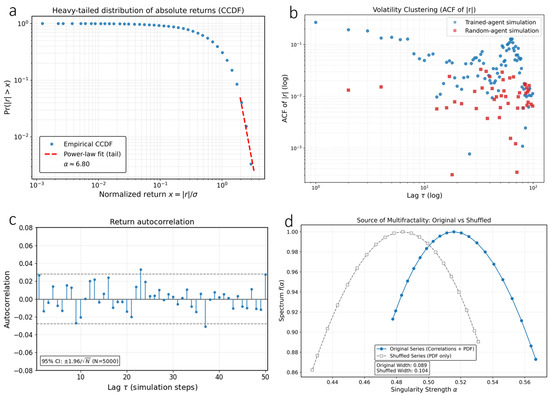
Agent-based models of financial markets often rely on a small set of hand-crafted trading rules, making it difficult to relate model heterogeneity to information that is observable in market data. We take a different standpoint and treat the design of heterogeneity as a representation problem under limited observations. In our framework, each agent’s decision rule is implemented as a neural-network mapping from recent price histories to order decisions, trained on historical index or stock price series. To describe and manipulate heterogeneity without pre-assigning mechanism labels, we introduce Fit Quality (FQ), an ex post effect-defined index summarizing how strongly each learned rule fits the price patterns it was trained on, and we use FQ solely as a coordinate for organizing agent populations and constructing controlled changes in agent composition, rather than as a measure of forecasting skill or economic performance. Using this representation, we examine whether simulations can reproduce several stylized features of return series. We also perform simple ablation experiments to assess how far the observed properties depend on the data-trained decision rules rather than on the market mechanism alone. Taken together, the framework is intended as a step toward more data-linked, representation-conscious agent-based models, in which alternative ways of organizing heterogeneity can be compared within a common market environment.
Full article
(This article belongs to the Special Issue Complexity of AI)
►▼
Show Figures

Figure 1

Open AccessPerspective
From Statistical Mechanics to Nonlinear Dynamics and into Complex Systems
by
Alberto Robledo
Complexities 2026, 2(1), 3; https://doi.org/10.3390/complexities2010003 - 13 Feb 2026
Cited by 1
Abstract
►▼
Show Figures
We detail a procedure to transform the current empirical stage in the study of complex systems into a predictive phenomenological one. Our approach starts with the statistical-mechanical Landau-Ginzburg equation for dissipative processes, such as kinetics of phase change. Then, it imposes discrete time
[...] Read more.
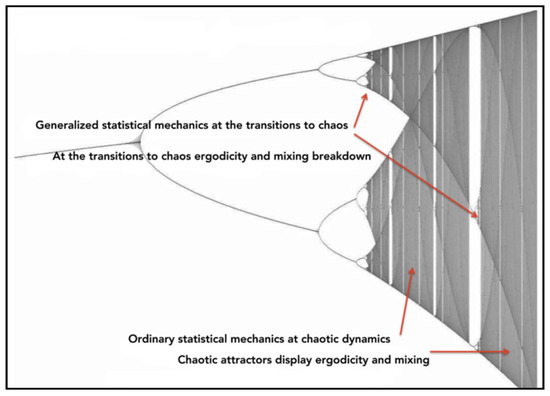
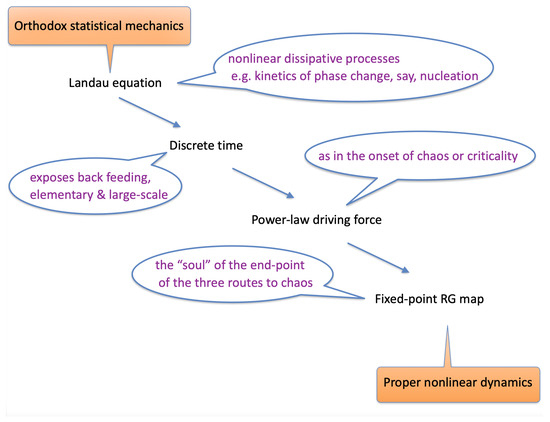
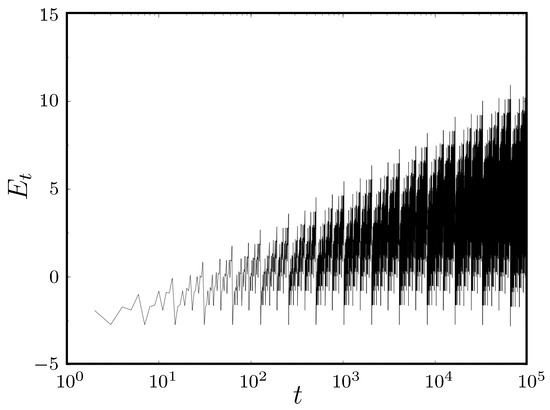
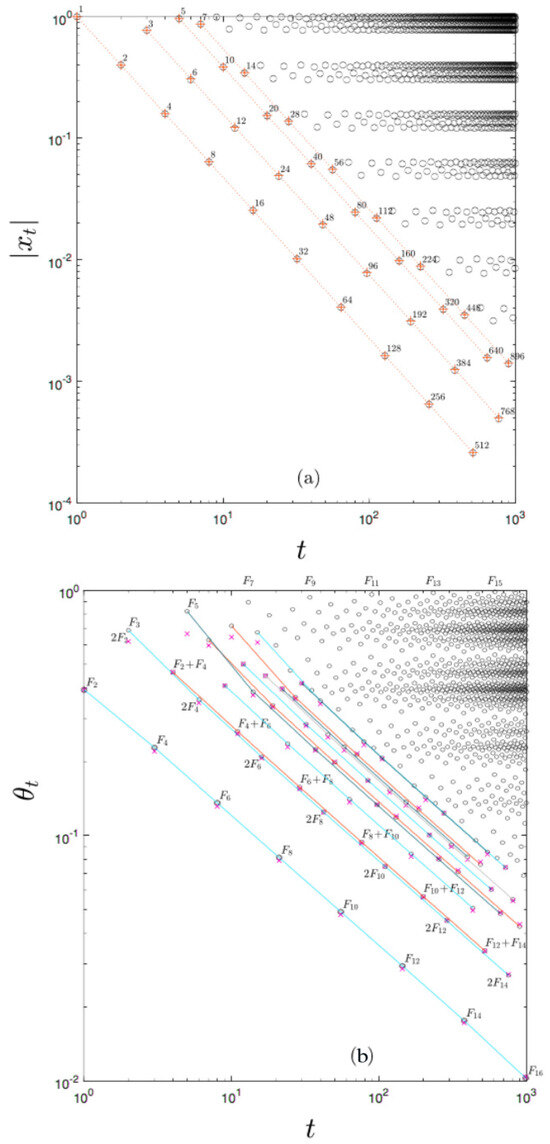
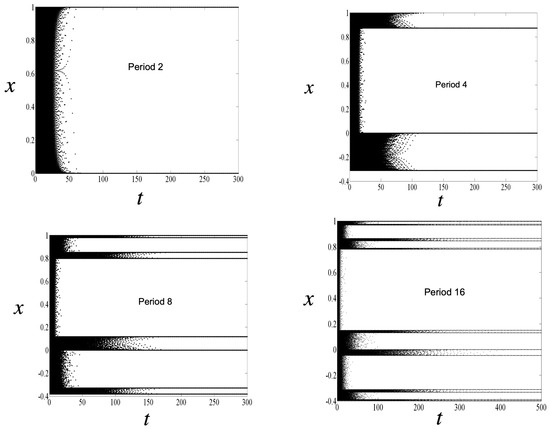
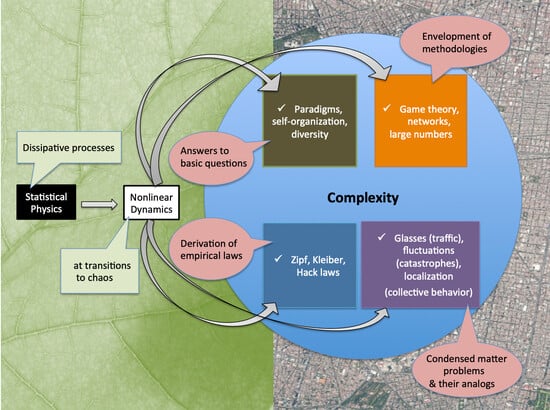
We detail a procedure to transform the current empirical stage in the study of complex systems into a predictive phenomenological one. Our approach starts with the statistical-mechanical Landau-Ginzburg equation for dissipative processes, such as kinetics of phase change. Then, it imposes discrete time evolution to explicit back feeding, and adopts a power-law driving force to incorporate the onset of chaos, or, alternatively, criticality, the guiding principles of complexity. One obtains, in closed analytical form, a nonlinear renormalization-group (RG) fixed-point map descriptive of any of the three known (one-dimensional) transitions to or out of chaos. Furthermore, its Lyapunov function is shown to be the thermodynamic potential in q-statistics, because the regular or multifractal attractors at the transitions to chaos impose a severe impediment to access the system’s built-in configurations, leaving only a subset of vanishing measure available. To test the pertinence of our approach, we refer to the following complex systems issues: (i) Basic questions, such as demonstration of paradigms equivalence, illustration of self-organization, thermodynamic viewpoint of diversity, biological or other. (ii) Derivation of empirical laws, e.g., ranked data distributions (Zipf law), biological regularities (Kleiber law), river and cosmological structures (Hack law). (iii) Complex systems methods, for example, evolutionary game theory, self-similar networks, central-limit theorem questions. (iv) Condensed-matter physics complex problems (and their analogs in other disciplines), like, critical fluctuations (catastrophes), glass formation (traffic jams), localization transition (foraging, collective motion).
Full article

Graphical abstract
Open AccessArticle
Agent-Based Modeling of Urban Agriculture: Decision-Making, Policy Incentives, and Sustainability in Food Systems
by
Thiago Joel Angrizanes Rossi, Aline Martins de Carvalho and Flavia Mori Sarti
Complexities 2026, 2(1), 2; https://doi.org/10.3390/complexities2010002 - 6 Feb 2026
Cited by 1
Abstract
►▼
Show Figures
Urban and peri-urban agriculture (UPA) has emerged as a critical strategy to address multidimensional urban challenges, including food insecurity, environmental degradation, and social inequality. Despite its potential benefits, UPA occupies a marginal position in municipal governance frameworks. Understanding how public policies and social
[...] Read more.
Urban and peri-urban agriculture (UPA) has emerged as a critical strategy to address multidimensional urban challenges, including food insecurity, environmental degradation, and social inequality. Despite its potential benefits, UPA occupies a marginal position in municipal governance frameworks. Understanding how public policies and social influence mechanisms shape consumer behavior and producer viability requires a systems-thinking approach capable of capturing complex socio-economic-ecological interactions. Therefore, we developed an agent-based model (ABM) following the ODD + D protocol to simulate urban agriculture market dynamics, incorporating producer and consumer agents within a spatially explicit grid environment representing the urban landscape. We implemented three policy interventions and conducted six complementary experiments. Education campaigns achieved the highest local market share, demonstrating strict Pareto dominance over all subsidy-based strategies. Production subsidies yielded equivalent outcomes but at a fiscal cost, reducing producer income inequality (Gini). Stress tests revealed moderate resilience to production shocks. The findings demonstrate the power of agent-based modeling to uncover policy dynamics in complex urban food systems, providing actionable evidence for sustainable urban governance.
Full article

Graphical abstract
Open AccessArticle
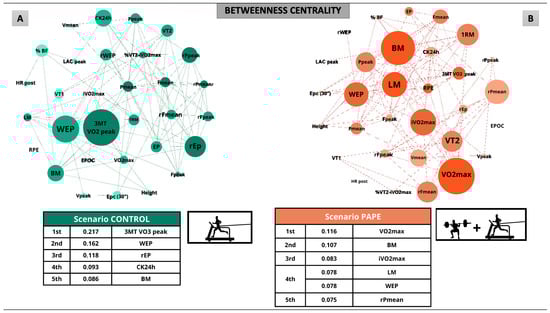
Back Squat Post-Activation Performance Enhancement on Parameters of a 3-Min All-Out Running Test: A Complex Network Analysis Perspective
by
Maria Carolina Traina Gama, Fúlvia Barros Manchado-Gobatto and Claudio Alexandre Gobatto
Complexities 2026, 2(1), 1; https://doi.org/10.3390/complexities2010001 - 14 Jan 2026
Abstract
►▼
Show Figures
This study investigated the impact of post-activation performance enhancement (PAPE) on the parameters of the 3 min all-out test (3MT) in non-motorized tethered running, applying the concept of complex networks for integrative analysis. Ten recreational runners underwent anthropometric assessments, a one-repetition maximum test
[...] Read more.
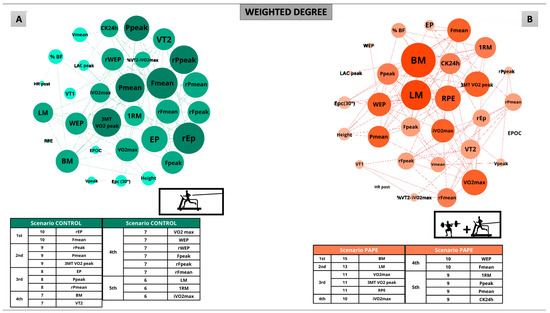
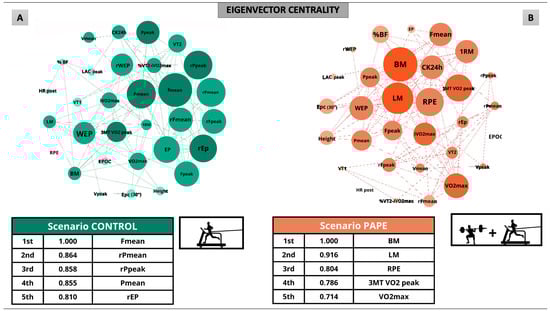
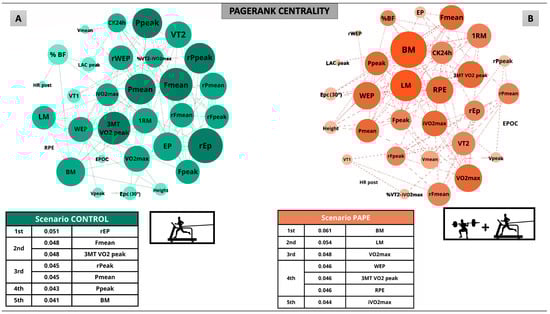
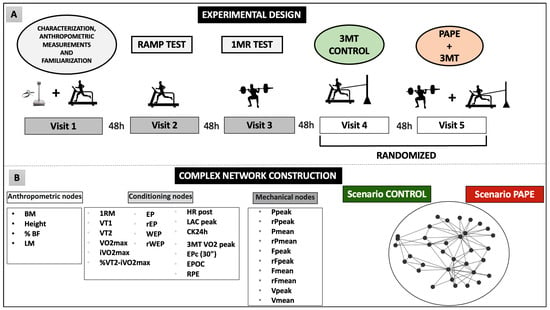
This study investigated the impact of post-activation performance enhancement (PAPE) on the parameters of the 3 min all-out test (3MT) in non-motorized tethered running, applying the concept of complex networks for integrative analysis. Ten recreational runners underwent anthropometric assessments, a one-repetition maximum test (1RM), a running ramp test, and 3MT trials under both PAPE and CONTROL conditions across five separate sessions. The conditioning activity consisted of two sets of six back squats at 60% 1RM. For each scenario, complex network graphs were constructed and analyzed using Degree, Eigenvector, PageRank, and Betweenness centrality metrics. In the PAPE condition, anthropometric parameters and parameters related to aerobic efficiency exhibited greater centrality, ranking among the top five nodes. Paired Student’s t-tests (p ≤ 0.05) revealed significant differences between conditions for end power (EP-W) (CONTROL: 407.83 ± 119.30 vs. PAPE: 539.33 ± 177.10 (effect size d = −0.84)) and end power relativized by body mass (rEP-W·kg−1) (CONTROL: 5.38 ± 1.70 vs. PAPE: 6.91 ± 2.00 (effect size d = −0.76)), as well as for the absolute and relative values of peak output power, mean output power, peak force, and mean force. These findings suggest that PAPE alters the configuration of complex networks, increasing network density, and may enhance neuromuscular function and running economy. Moreover, PAPE appears to modulate both aerobic and anaerobic contributions to performance. These results highlight the importance of network-based approaches for advancing exercise science and providing individualized strategies for training and performance optimization.
Full article

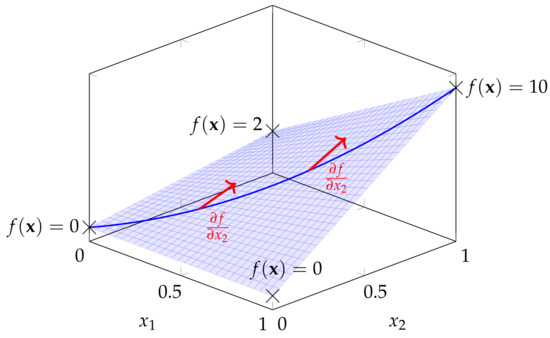
Figure 1
Highly Accessed Articles
Latest Books
E-Mail Alert
News
1 September 2026
MDPI INSIGHTS: The CEO’s Letter #38 – 2 Million Published Articles, Outstanding Reviewers, Michele Parrinello Award, AIS 2026 & WSF-12
20 August 2026
Meet Us at the 14th ESGCO Meeting—International Conference of the European Study Group on Cardiovascular Oscillations, 22–26 October 2026, Erice, Italy
Topics
Topic in
Algorithms, Complexities, Entropy, Fractal Fract, Information, Physics
Computational Complex Networks, 2nd Edition
Topic Editors: Alexandre G. Evsukoff, Yilun ShangDeadline: 31 March 2027
Topic in
Algorithms, Energies, Entropy, MAKE, Materials, Laboratories, Complexities
AI and Computational Methods for Modelling, Simulations and Optimizing of Advanced Systems: Innovations in Complexity, 2nd Edition
Topic Editors: Jaroslaw Krzywanski, Marcin Sosnowski, Karolina Grabowska, Dorian Skrobek, Anna Zylka, Agnieszka Kijo-Kleczkowska, Bashar Shboul, Tomasz CzakiertDeadline: 30 June 2027
Special Issues
Special Issue in
Complexities
Thermodynamics and Complexity
Guest Editors: Lock Yue Chew, François Gay-BalmazDeadline: 15 September 2026
Special Issue in
Complexities
Complexity Theories of Cities: Their Media and Their Messages
Guest Editors: Juval Portugali, Egbert StolkDeadline: 24 September 2026
Special Issue in
Complexities
Social Complexity: Dynamics, Emergence, and Collective Behavior in Human Systems
Guest Editors: Bosiljka Tadic, Ning Ning Chung, Yurij HolovatchDeadline: 28 February 2027
Special Issue in
Complexities
Modeling Complex Interactions Beyond Networks
Guest Editors: José Mendes, Matjaz PercDeadline: 30 April 2027