


Abstract
Large language models enable the creation of autonomous agents that interact in social environments, raising the question of whether agent-based platforms reproduce the organizational properties of human social networks. We compare Moltbook, a social network populated by AI agents, with early Reddit, focusing on how communities organize and differentiate semantic content, using network analysis and NLP methods to characterize semantic coherence and diversity within and between communities and their relationship to user activity. Moltbook shows a sharper concentration of user activity across communities and markedly shorter user lifetimes than Reddit. At the semantic level, we find a systematic difference between the two platforms: Reddit communities show stronger semantic coherence, closer alignment with community names, and greater semantic diversity, with individual communities spanning broader content and communities more differentiated from one another. This combination distinguishes Reddit from Moltbook, whose communities are more homogeneous, less differentiated, and increasingly misaligned with their names over time. Users on Reddit also participate across communities that are more semantically related than those connected by activity in Moltbook. At the interaction level, comment network motif analysis shows Moltbook dominated by non-reciprocal, broadcast-like exchanges, whereas Reddit shows more reciprocal, chained interaction patterns. These differences persist across observation window lengths and platform maturity, ruling out these factors as alternative explanations. Together, these results indicate that Reddit combines semantic coherence with diversity across organizational levels, a pattern not reproduced by the AI agent network.
1. Introduction
Online social networks are complex systems in which local interactions among individuals give rise to collective structures at larger scales [1,2,3]. Communities, patterns of user participation, and the differentiation of topical spaces are emergent properties of these systems, arising from repeated interactions among users within a shared social environment [4]. Understanding the mechanisms underlying this organization requires considering both the structure of interactions and the semantic content through which individuals communicate. In particular, the relationship between social and semantic organization can reveal how collective systems develop coherent communities while maintaining diversity across the network [5,6,7]. This structure–semantics coupling has also been documented beyond online platforms such as in collective attention networks of cities, where community detection reveals clusters of cities that are both spatially proximate and topically coherent, and where the factors driving attention differ across countries [8].
Reddit provides a natural example of such a system. Its organization into user-created communities, or subreddits, creates a heterogeneous network in which users can participate in multiple topical spaces [9]. Patterns of participation generate non-trivial network structure, such as persistent user interests across different subreddits [10,11,12]. The distinctiveness of each community’s language and the way users engage across multiple communities also shape user engagement and retention [13,14]. The availability of large-scale historical datasets has further enabled the quantitative study of Reddit as a complex social system [15]. Importantly, the organization of Reddit communities is not determined solely by their nominal topics: it emerges from the interaction between the interests of users, the structure of their activity, and the semantic content generated within each community [10,16].
The emergence of large language models (LLMs) introduces a qualitatively different class of agents into such environments. LLM-based agents can generate language and interact autonomously with other agents, making it possible to construct social systems in which collective organization emerges from interactions between artificial rather than human participants [17,18]. LLM agents have been used to prototype online communities, to compare news-feed algorithms, and to simulate platforms with up to one million agents [19,20,21]. Recent work has further shown that LLMs can generate realistic multi-user social-media discussions [22], reinforcing their potential as a substrate for computational social simulation. These systems provide an opportunity to investigate whether collective properties observed in human social networks can emerge from artificial agents, and which aspects of such organization depend on the nature of the agents themselves. Recent work has begun to characterize the structural and behavioral properties of social environments populated by LLM-based agents, highlighting both similarities and differences with human online communities [23,24,25]. However, these environments are designed by researchers, with controlled prompts and closed settings. Open platforms populated by LLM agents offer a complementary, observational setting. On Chirper.ai, an X/Twitter-like network composed exclusively of LLM agents, a comparison with the human platform Mastodon showed that agents write longer and more stylized posts, frequently reference non-existent accounts, and form a follower network that is more strongly connected but less locally clustered than its human counterpart [26]. Because both platforms are organized around follower ties rather than topical communities, that comparison leaves open how an agent population organizes content across communities. Moreover, content produced with the assistance of LLMs tends to be less diverse at the collective level than human-produced content [27,28,29], which raises the question of whether an open population of LLM agents also develops a homogenized semantic organization.
Moltbook (https://moltbook.com/) offers a particularly suitable setting for studying these questions. The platform consists of communities in which autonomous AI agents post and interact, providing a social architecture that is structurally reminiscent of Reddit. Each AI agent is configured by a human owner, although all online interactions are executed by the agent via API [30]. Early analyses of Moltbook have identified distinctive patterns of participation and community organization, including strong concentration of activity and differences in interaction patterns relative to human social networks [31,32,33,34]. Although its aggregate activity reproduces statistical regularities of human online communities [35], attention is strongly concentrated [31,36,37], reciprocity is very low (about 1–13%) [33,34,36,38]. In particular, ref. [39] compared Moltbook’s first week with human discussions about Moltbook on Reddit and Bluesky, and found that Moltbook’s reply network consolidated into a single connected component within a day, while its reciprocity was nearly an order of magnitude lower than in the Reddit and Bluesky networks (3.6% against 26% and 35%). Moreover, agents show little adaptation to their interaction partners [40,41], and most communities mix all topics in similar proportions [34]. Evidence on community differentiation is mixed: communities become internally more homogeneous while diverging lexically from one another [42], and a direct comparison with Reddit, based on five matched communities, attributes the apparent homogenization of Moltbook communities to shared authorship, since they become highly distinguishable once agents active in several communities are excluded [32]. Part of the activity is also produced by automated accounts or steered by human owners [43]. These observations motivate a broader question concerning the organization of the resulting system: beyond the amount and structure of activity, do AI agent communities develop a semantic organization comparable to that observed in human social networks?
Here we address this question through a comparative analysis of Moltbook and the early stages of Reddit. We focus on two complementary properties of complex social systems: semantic coherence and semantic diversity. Coherence characterizes the extent to which the semantic content associated with a community is related to its identity and to the communities connected to it through patterns of user activity. Diversity describes the extent to which semantic content varies within communities and across different communities. These properties need not be antagonistic. More generally, studies of human communication and collective semantic search show that social groups can combine shared alignment with the exploration of novel semantic regions [44,45]. A complex social system can simultaneously support heterogeneous content within communities and maintain a differentiated organization between communities. Their joint characterization therefore provides a way to quantify how semantic structure emerges across multiple organizational scales. We complement this semantic characterization with an analysis of the comment network, examining triadic interaction motifs to assess whether user exchanges are organized around reciprocal engagement or one-to-many, broadcast-like communication.
The comparison reveals a systematic difference between the two systems. Reddit combines greater semantic diversity with stronger semantic coherence. Its communities contain more heterogeneous content, while occupying more differentiated regions of semantic space, and their content remains more closely aligned with the semantic information conveyed by their names. Furthermore, users tend to participate across communities that are more semantically related to one another. Moltbook, in contrast, exhibits more homogeneous communities, weaker semantic differentiation between communities, and a progressively weaker correspondence between community identity and content. This divergence extends to the structure of user interactions: Moltbook’s comment network is dominated by non-reciprocal, broadcast-like exchanges, whereas Reddit shows a substantially higher prevalence of reciprocal and chained interaction patterns. These results suggest that the collective organization of an AI agent social network differs from that of a human social network not only in its interaction patterns, but also in the coupling between social structure and semantic organization.
Contributions of This Work
Previous studies of Moltbook have mostly analyzed the platform in isolation, through a few matched communities [32], or against human networks with a different architecture or topical scope, such as a single subreddit or Bluesky discussions about Moltbook itself [39]. Comparisons of open LLM-agent platforms with human ones beyond Moltbook have likewise involved platforms organized around follower ties rather than topical communities [26]. None of these studies relates co-participation structure to semantic content. Here we extend this comparison to the platforms’ full community ecosystems, using the same methods for both, over an equivalent six-month window following the introduction of user-created communities on each platform.
Our contributions are fourfold. First, we show that the coupling between co-participation structure and semantic content is strong in Reddit but substantially weaker in Moltbook, whose communities are also more homogeneous, less differentiated, and increasingly misaligned with their names. Second, we characterize the comment networks through triadic motifs, extending previous dyadic measures of reciprocity. Third, we show that platform maturity, observation window length, sampling effort, and community composition do not account for these differences, though two confounds inherent to comparing corpora from different historical periods remain. Fourth, we show that Moltbook agents concentrate their activity across a narrower subset of communities than Reddit users, and sustain engagement over markedly shorter lifetimes.
2. Materials and Methods
Our analysis proceeds at three levels of organization. At the level of users, we characterize engagement over time (Section 2.2) and how each user distributes their activity across communities (Section 2.3). Both the concentration analysis (Section 2.3) and the construction of the user–community network (Section 2.3.2, Section 2.3.3 and Section 2.3.4) are based on the same user-by-community matrix of activity counts, and they answer complementary questions. The former asks how concentrated each user’s activity is. The latter asks which communities are linked through shared users, and how those links organize into clusters. At the level of communities, we represent the content of each community and its name in a common embedding space (Section 2.4.1) and measure internal consistency, name–content correspondence, and between-community differentiation. We then combine both levels by testing whether clusters inferred from user activity are semantically coherent (Section 2.4.2). Finally, at the level of pairwise interactions, we analyze the directed comment network through triadic motifs (Section 2.5).
2.1. Data
2.1.1. Moltbook
We collected public activity from Moltbook through its application programming interface (API) using custom Python 3.12 scripts. The dataset comprises posts and their associated comments, from the first available post of the platform (on 27 January 2026) until 31 July 2026. In this date range, the dataset contains 3,251,763 posts and 17,746,686 comments, including top-level comments and nested replies. It involves 183,565 unique users who posted or commented, of whom 179,651 authored at least one post, 45,507 authored at least one comment, and 41,593 did both. The posts are distributed across 7240 submolts. The information retrieved includes the content of the post or comment, together with information on the submolt and author. It also includes post-level metrics such as upvotes, downvotes, and score. Additional details on the dataset structure and the fields contained in these records are provided in Appendix A.
2.1.2. Reddit
Reddit data were obtained from the historical Reddit archive distributed through Academic Torrents [15,46]. The archive contains monthly dumps of Reddit submissions and comments, stored as Zstandard-compressed newline-delimited JSON files. We downloaded the period from December 2005, the earliest month for which both submissions and comments were available, through December 2009. For each month within this interval, we downloaded both the submission and comment archives.
For the analyses presented here, we selected the period from 23 January 2008 to 26 July 2008. This interval matches the duration of the Moltbook observation window and begins when Reddit had recently enabled the creation of user-defined communities, providing a more comparable stage of platform development. After filtering by creation date, the dataset contains 1,079,709 posts and 3,124,758 comments. It involves 121,999 unique users who posted or commented, of whom 95,449 authored at least one post, 50,448 authored at least one comment, and 23,898 did both. The posts are distributed across 1913 subreddits. Each record contains the information provided for an individual Reddit submission or comment, including its textual content, author, subreddit, creation time, and engagement-related metadata. Additional details on the archive structure and the fields contained in these records are provided in Appendix B.
2.1.3. Comparability of Observation Windows
Moltbook has allowed any user to create a community since its launch. Reddit, in contrast, initially consisted of a single main community (reddit.com), later expanded to a small set of predefined communities, and only enabled user-created subreddits in January 2008. To compare the two platforms at an equivalent stage of development, we define each observation window as the approximately six months following the moment each platform enabled user-driven community creation: 27 January to 31 July 2026 for Moltbook (186 days, which corresponds to the entire history of the platform at the time of data collection) and 23 January to 26 July 2008 for Reddit (186 days). This design matches the platforms in the age of their community-creation mechanism, but not in overall platform age: Reddit had been operating for about two and a half years before the window and already had an established user base and a set of pre-existing communities. We discuss the consequences of this asymmetry in Appendix C. Table 1 summarizes both datasets.
Table 1.
Summary of the Moltbook and Reddit datasets.
2.2. User Engagement Measures
We define the lifetime of a user as the number of days elapsed between their first and last activity (post or comment) within the observation window. Users with only a single interaction are discarded, as their lifetime cannot be meaningfully defined. These users account for 42.6% of the Reddit population and 23.9% of Moltbook.
While Moltbook’s entire existence falls within our observation period, Reddit predates this window. Consequently, Reddit users’ lifetimes were calculated based solely on their activity within this specific timeframe. In Appendix D, we further examine the lifetimes of these users using extended historical time windows.
2.3. User Activity Across Communities
2.3.1. Concentration Activity: Normalized Gini and Null Model
To quantify how users distribute their activity across communities, we followed the approach introduced by Valensise et al. [11]. For each user u, we constructed an activity vector
where is the number of posts and comments produced by user u in community i, and N is the total number of communities in the corresponding platform. The total activity of the user is therefore
The concentration of this activity across communities was quantified using the Gini coefficient,
Values close to zero correspond to activity distributed approximately uniformly across communities, whereas values close to one indicate that the user concentrates most of their activity in a small subset of communities.
Since most users interact with only a small fraction of all available communities, is typically sparse. Moreover, for a user with interactions, a completely homogeneous distribution over all N communities is not attainable. We therefore corrected the Gini coefficient for this finite-activity constraint. The minimum attainable Gini for a user with comments is
corresponding, when , to the maximally dispersed configuration in which each interaction occurs in a different community. We then defined the normalized Gini coefficient as
Thus, represents the most homogeneous allocation of activity allowed by the user’s number of interactions, whereas values approaching one indicate increasingly concentrated activity. For computational efficiency, communities in which a user had no activity were treated as implicit zeros when evaluating the Gini coefficient rather than explicitly constructing the full N-dimensional activity vector.
To determine whether the observed concentration could arise solely from the finite amount of activity of each user, we constructed a null model following the same principle as Valensise et al. [11]. For each user, the total activity count was preserved, while their allocation across communities was randomized. More precisely, for a user with interactions, we defined a set of
candidate communities. Each of the interactions was then independently assigned with equal probability to one of these communities. Thus, the randomized user could interact with at most different communities, while preserving exactly the same total activity as in the empirical data. Repeated assignments to the same community were allowed. For each randomized activity vector, the raw and normalized Gini coefficients were calculated using the same procedure as for the empirical data. We generated 10 independent null-model realizations for each user.
To compare activity concentration across levels of user activity, users were grouped into logarithmically spaced bins according to their total activity count . For each bin, we computed the mean normalized Gini coefficient separately for the empirical Reddit and Moltbook data and for their corresponding null models.
2.3.2. User–Community Interaction Networks
The concentration analysis of Section 2.3.1 characterizes each user separately. To determine which communities are linked through shared users, we constructed a bipartite network for each platform from the same activity counts. The two node layers correspond to users and communities (subreddits in Reddit and submolts in Moltbook), respectively. For each user u and community c, we first defined the activity
Thus, quantifies the amount of activity that a user directs toward a given community, and it coincides with the components of the activity vector defined in Section 2.3.1, that is, . For the following analysis, we did not take into account the submolt general and the subreddit reddit.com due to their general scope (see Appendix D.4).
Rather than binarizing this matrix through a simple activity threshold, we determined, for each user, an effective number of communities based on the entropy of their activity distribution. This approach accounts for the fact that a user’s activity is typically not spread uniformly across the communities they visit, but concentrated in a subset of them. For each user u, we defined the normalized activity distribution across the communities they participated in,
and computed its Shannon entropy,
The effective number of communities for user u is then given by the exponential of the entropy,
which corresponds to the Hill number [47], representing the equivalent number of equally-weighted communities that would produce the same entropy as the user’s observed activity distribution. Intuitively, if a user concentrates nearly all of their comments in a single community, and , whereas a user who splits their activity evenly across k communities yields .
We then converted the weighted activity matrix into a binary incidence matrix by retaining, for each user, only their most active communities:
where denotes the set of communities with the highest for user u. This procedure yields a bipartite network in which each user is connected only to the communities that meaningfully contribute to their activity, while discounting communities visited only sporadically.
2.3.3. Statistically Validated Community Projection
A direct projection of the bipartite network would connect two communities whenever they share at least one user. Such a procedure, however, can produce spurious associations involving highly active users or highly populated communities. We therefore obtained a statistically validated monopartite projection of the community layer using the Bipartite Configuration Model (BiCM) [48].
For two communities c and , their observed number of common users is
The BiCM provides a null model for this quantity while preserving, in expectation, the degree sequences of both layers of the original bipartite network. Therefore, the expected overlap between two communities accounts for both the activity of individual users and the overall popularity of each community.
For every pair of communities, we evaluated the probability of observing an overlap at least as large as under the BiCM null model. A link between c and was retained in the projected network only when this overlap was statistically significant after correction for multiple comparisons. We took as the significance level (see [48]). The resulting network therefore contains only statistically validated associations between communities rather than all possible co-occurrences of their users.
2.3.4. Network Clusters Detection
To avoid confusion with the platform-level communities (subreddits/submolts), we refer to the groups of nodes as clusters, reserving the term “community” exclusively for subreddits and submolts throughout the paper. We further characterized the mesoscale organization of the statistically validated projections using the Louvain cluster-detection algorithm [49]. Because Louvain is stochastic, the algorithm was run repeatedly using different random seeds. For each platform, we retained the partition with the largest modularity among 10 independent runs.
If denotes a candidate partition of the projected network into clusters, the selected partition was therefore
where Q is the modularity of the partition. Cluster assignments were then used both to characterize the structural organization of the network and to evaluate the semantic coherence of structurally detected clusters, that is, whether communities (subreddits/submolts) grouped into the same cluster tend to share topical or thematic content.
2.4. Semantic Representation
2.4.1. Communities’ Representation
To compare the semantic organization of Reddit and Moltbook, we represented their communities in a common embedding space. For each community c (a subreddit or submolt), we considered two sources of semantic information: the name of the community and the textual content of the posts published within it. For both platforms, the title of each post was used as its textual representation.
Text was encoded using the sentence-transformers/all-MiniLM-L6-v2 [50] model. The same model was used to embed both post titles and community names, ensuring that all elements were represented in the same semantic vector space. For each community, to achieve a statistically significant number of posts and at the same time get a manageable amount of data to embed, we considered at most 200 posts selected at random. Thus, if denotes the embedding of post i in community c, its semantic centroid was defined as
where is the number of posts considered for community c. The community name was embedded independently, resulting in a vector . Semantic differences were quantified using cosine distance,
We then defined three complementary distances. First, the distance between an individual post and the centroid of its community is defined as
Therefore, the community-level mean post-to-centroid distance, characterizes its internal semantic consistency. Low values of indicate communities whose posts are strongly concentrated around their semantic centroid, whereas larger values correspond to more heterogeneous content.
Second, we defined the distance between the centroid of a community and the embedding of its name,
which quantifies the semantic correspondence between the content discussed within a community and the topic suggested by its name. Smaller values indicate stronger semantic alignment between a community name and the content published within it, whereas larger values indicate greater name–content misalignment.
Finally, for each pair of communities c and , we computed the distance between their centroids,
The distribution of pairwise centroid distances characterizes the semantic diversity of communities within each platform: larger distances correspond to communities occupying more distinct regions of the semantic space.
For the platform-level analyses of inter-community semantic diversity (u), internal semantic consistency (d), and name–content correspondence (w), we restricted the sample to communities with at least 50 posts within the analysed period, and used at most 200 randomly sampled post titles per community. For the analysis of semantic coherence of the Louvain clusters, no minimum community-size threshold was imposed, as applying the same cutoff would substantially reduce the number of communities available, although the 200-title cap was kept. All these quantities were computed either over the full analyzed period or within specific temporal windows, which will be specified where relevant in Section 3. In all cases, fluctuations were estimated using a bootstrap approach (see Appendix E).
Because the amount of text available per community scales with the length of the interval considered, the two thresholds were adapted whenever the analysis was restricted to a temporal window, and we state them explicitly in each case. In the sliding-window analysis (Section 3.2.2), a community entered a window with at least 5 posts in it, and at most 100 titles per community and window were sampled.
2.4.2. Network Clusters
Analogously to communities, for each Louvain cluster we quantified semantic coherence as the mean pairwise cosine similarity (Equation (18)) between the semantic centroids of all communities assigned to that cluster. We compared the resulting cluster-level similarities against a null model in which the cluster structure itself was kept fixed, but the semantic centroids associated with the communities were randomly permuted. Thus, each randomization preserves the number and size of the Louvain clusters while removing any systematic relationship between structural cluster membership and semantic content. The procedure was repeated 1000 times for each platform.
2.5. Comment Network and Triadic Motifs
Finally, we analyze more direct user interactions through comment publications on both platforms. For this, we constructed a directed user network where each node represents a user, and a directed link from user i to user j indicates that user i commented on a post or comment authored by user j. Self-loops were removed and multiple interactions between the same ordered pair were collapsed into a single link.
We characterized the local structure of each network through its triad census [51]. Of the 16 possible triad configurations, we retained the 13 connected ones, discarding the empty triad and those containing an isolated node. For each platform we report the relative frequency of each motif.
3. Results
3.1. Networks Characterization
Figure 1a displays the temporal evolution of the weekly activity volume (number of posts and comments) for Moltbook and Reddit. Moltbook exhibits a prominent activity burst during its second week (also reported in [34]), followed by a steady decline. In contrast, Reddit’s activity displays a consistent upward trend, indicative of a growing network that continuously attracts and engages new users.
Figure 1.
Network activity and cumulative median lifetime between Moltbook and Reddit. (a) Temporal evolution of weekly activity (posts and comments) for Moltbook (squares) and Reddit (circles). (b) Cumulative median lifetime of users, sorted by decreasing activity (excluding single-interaction users). Shaded regions represent the interquartile range for each network (blue for Reddit, orange for Moltbook). Comparing both platforms, Moltbook exhibits a prominent activity burst in its second week followed by a steady decay, whereas Reddit displays a consistent growth pattern at a lower overall volume. Furthermore, Reddit users maintain a higher median lifetime across all percentage thresholds. While the most active users exhibit the longest lifetimes in both networks, their overall distributions differ significantly: as the cumulative population grows, Reddit’s interquartile range widens, indicating a broader dispersion in user lifetimes. Conversely, Moltbook’s interquartile range narrows, reflecting a distribution strongly concentrated around the median.
Figure 1b presents the cumulative median lifetime of users, ranked from most to least active. Users with only a single interaction are excluded, as their lifetime cannot be meaningfully defined. Reddit’s median lifetime consistently surpasses that of Moltbook across the entire distribution, indicating a more persistent population regardless of the participation level. While higher engagement naturally correlates with longer lifetimes in both platforms, the magnitudes differ significantly. Specifically, Moltbook’s most active users exhibit a median lifetime of approximately 60 days (one-third of the considered time window). In contrast, the top Reddit users reach a median lifetime of roughly 180 days, demonstrating sustained activity throughout the entire observation period.
Figure 2 reveals a strong concentration of user activity across communities in the empirical data of both platforms. For Reddit, the normalized Gini coefficient (see Section 2.3.1) remains high and increases with user activity, approaching its upper limit for highly active users. This result is consistent with the behavior previously reported by Valensise et al. [11], that increasing activity does not lead users to distribute their interactions homogeneously across the growing set of available communities. Instead, users continue to concentrate a large fraction of their activity within a restricted subset of subreddits. The corresponding null model fails to reproduce this behavior.
Figure 2.
Concentration of user activity across communities in Reddit and Moltbook. Users are grouped into logarithmically spaced bins according to their activity count . The lines show the mean normalized Gini coefficient measured from the empirical activity of Reddit users and Moltbook agents, and the shaded colored regions indicate the bootstrap confidence interval of the bin mean ( resamples per bin and system), which is smaller than the symbol size in every bin and therefore not visible. Larger values of indicate that activity is more strongly concentrated in a small subset of communities. The gray vertical band marks the activity bin selected for the inset (), where the difference between the two platforms is also apparent at the level of the user-level distributions. In the inset, the dashed vertical lines indicate the mean of each distribution. Moltbook exhibits larger Gini coefficients at low and intermediate activity levels, from in the first bin down to less than as both systems approach the upper bound . Only users with at least five interactions were considered in the visualization, and bins containing fewer than three observations were omitted.
Moltbook displays an even stronger concentration pattern. At low and intermediate activity levels, the normalized Gini coefficient of Moltbook agents is systematically higher than that observed for Reddit users, indicating that agents distribute their comments across an even narrower subset of communities. As activity increases, both empirical curves approach the maximum Gini value and the difference between the platforms consequently diminishes.
This difference is statistically robust. The bootstrap confidence interval of the difference of means excludes zero in 13 of the 14 activity bins populated by both platforms, the only exception being , where the two means are indistinguishable. A two-sample Kolmogorov–Smirnov test rejects the equality of the two distributions in all 14 bins (Holm-corrected ), that bin included: even where the means coincide, the underlying distributions do not. In the bin highlighted in Figure 2 the difference of means is ( CI ) and the KS statistic is .
The stronger concentration observed in Moltbook emerges from the empirical allocation of interactions across communities rather than from the corresponding platform size or from the total amount of activity alone.
3.2. Semantic Analysis
3.2.1. Coherence of Network Clusters
Figure 3a,b shows that the statistically validated community networks (see Section 2.3.2, Section 2.3.3 and Section 2.3.4) reveal a modular organization in both platforms. In these figures, nodes represent subreddits or submolts, edges represent statistically validated associations derived from shared user activity, and colors indicate the clusters identified by the Louvain algorithm. Qualitatively, several of these structural clusters appear to group communities with related topics. We asked whether communities inferred exclusively from patterns of user activity also exhibit measurable semantic coherence.
Figure 3.
Structural and semantic organization of clusters in Reddit and Moltbook. (a,b) Statistically validated community networks for (a) Reddit and (b) Moltbook. Nodes represent subreddits or submolts, edges represent statistically validated associations based on shared user activity, and colors indicate clusters detected by the Louvain algorithm. (c,d) Semantic coherence of Louvain clusters for (c) Reddit and (d) Moltbook. For each cluster, semantic coherence is measured as the mean pairwise cosine similarity between the centroids of its constituent communities. Colored distributions correspond to the observed Louvain clusters, while gray distributions represent a null model obtained from 1000 random permutations of node centroids across the fixed Louvain cluster labels, thereby preserving the number and sizes of the clusters. Dashed lines indicate the corresponding observed and shuffled means. Reddit shows a strong shift toward greater semantic similarity relative to the null model (, ), whereas the effect is substantially weaker in Moltbook, where the observed and shuffled distributions show a higher overlap than Reddit, although remaining statistically distinguishable (, ).
As described in Section 2.4.2, for each Louvain cluster, we quantified semantic coherence as the mean pairwise cosine similarity between the semantic centroids of all communities assigned to that cluster. Figure 3c shows that a strong correspondence between structural and semantic organization is observed for Reddit. The 30 observed Louvain clusters have a mean within-cluster cosine similarity of , compared with under the reshuffled assignments. The observed distribution is markedly shifted toward larger similarities, and a two-sample Kolmogorov–Smirnov test shows a strong separation between the observed and shuffled distributions (, ). Therefore, subreddits that are grouped together on the basis of common user activity are also substantially more semantically similar than expected from a random grouping with the same cluster sizes. The correspondence is considerably weaker in Moltbook, as shown in Figure 3d. The 51 observed Louvain clusters have a mean semantic similarity of , compared with in the shuffled ensemble. Although the observed distribution is shifted toward larger values and remains statistically distinguishable from the null distribution (Kolmogorov–Smirnov test: , ), the two distributions exhibit substantial overlap. The difference between structural and randomized clusters is therefore far less pronounced than in Reddit.
These results indicate that patterns of user participation in Reddit generate communities that are strongly associated with semantic content. Moltbook exhibits some correspondence between structural and semantic organization, but this association is substantially weaker, suggesting a looser relationship between patterns of user activity and the topics represented by the resulting communities.
3.2.2. Coherence and Diversity of Communities
Following Section 2.4.1, we now examine the internal semantic consistency of communities through the community-level mean post-to-centroid distance. The distributions reveal a clear difference between the two platforms, as shown in Figure 4a. Moltbook exhibits a pronounced lower-distance tail, including several communities with mean distances close to zero, indicating the presence of highly semantically homogeneous communities. Conversely, Reddit extends further toward large values of , showing a greater prevalence of communities with internally diverse content. This difference is also observed over time in Figure 4d. Across most temporal windows, Reddit maintains a larger mean post-to-centroid distance than Moltbook, indicating greater within-community semantic heterogeneity. Although the difference between the platforms narrows toward the end of the observation period, the same overall ordering is preserved.
Figure 4.
Semantic organization of Reddit and Moltbook communities. The upper row shows the distributions of the three semantic quantities, while the lower row shows their temporal evolution. (a,d) Internal semantic consistency, quantified through the mean post-to-centroid cosine distance . (a) Distribution of across communities. Smaller values indicate that post titles are more tightly concentrated around their community centroid. Moltbook exhibits a pronounced lower-distance tail, whereas Reddit extends further toward larger distances. (d) Temporal evolution of the mean post-to-centroid distance. Reddit maintains larger values over most of the observation period, indicating greater within-community semantic heterogeneity. (b,e) Between-community semantic differentiation, quantified through the pairwise centroid distance . (b) Distribution of pairwise cosine distances between community centroids within each network. Moltbook communities exhibit smaller pairwise distances than Reddit communities. (e) Temporal evolution of the mean within-platform pairwise centroid distance. Reddit maintains comparatively high semantic differentiation, whereas Moltbook decreases toward the end of the observation period. (c,f) Semantic correspondence between community names and content, quantified through the centroid-to-name distance . (c) Distribution of across communities. Moltbook is shifted toward larger distances, indicating greater name–content misalignment. (f) Temporal evolution of the mean centroid-to-name distance. Reddit remains comparatively stable, whereas Moltbook shows an overall increase in name–content misalignment. For the temporal panels (d–f), shaded regions indicate 95% confidence intervals around the mean. Bootstrap assessments of the differences in u and w are reported in Appendix E.
We next examined the semantic differentiation between communities using the pairwise centroid distance (see Section 2.4.1). The distribution of distances between Moltbook communities is shifted toward lower values relative to Reddit, Figure 4b, indicating that submolt centroids tend to occupy closer regions of the semantic space. Conversely, the larger distances among Reddit communities indicate greater between-community semantic differentiation. The mean pairwise distance was for Reddit and for Moltbook, corresponding to an observed difference of . A community-level bootstrap confirmed that this difference is robust (95% bootstrap CI: ; two-sided empirical ). The complete bootstrap procedure and the corresponding distributions are reported in Appendix E. The temporal analysis, Figure 4e further shows that this difference becomes more pronounced over time. After an initial period in which both platforms exhibit comparable values, Reddit maintains relatively high pairwise centroid distances, whereas Moltbook remains at lower values and shows a marked decrease toward the end of the observation period. Thus, Reddit sustains a more differentiated community-level semantic structure as the platforms evolve.
Finally, we evaluated the correspondence between community names and their content through the centroid-to-name distance (see Section 2.4.1). Moltbook exhibits a distribution shifted toward larger distances than Reddit, as observed in Figure 4c, with mean distances of and , respectively. The observed Reddit–Moltbook difference was , and bootstrap resampling yielded a 95% confidence interval of , with no bootstrap realization reversing the observed ordering (two-sided empirical ). Further details and the complete bootstrap distributions are provided in Appendix E. This difference also increases over time as shown in Figure 4f. While Reddit remains comparatively stable throughout the observation period, Moltbook shows an overall increase in centroid-to-name distance, despite short-term fluctuations. Therefore, the content discussed within Moltbook communities becomes progressively less aligned with the semantic information conveyed by their names, whereas this relationship remains comparatively stable in Reddit.
These results characterize Moltbook communities as more internally homogeneous, less semantically differentiated from one another, and less aligned with their community names than Reddit communities, with the latter two differences becoming increasingly pronounced over time. These differences admit two possible explanations. On the one hand, there is the nature of the users as humans or AI agents, and on the other hand, the difference in the time windows taken due to different years and maturity of the platforms. The two platforms are matched at the moment each enabled user-driven community creation and observed for six months each, but Reddit had already been operating for about two and a half years at that point, and a more mature platform’s communities may simply have had more time to develop broader scope and sharper mutual differentiation. To separate the two readings, we recomputed every semantic quantity reported above over nine observation windows, comprising Moltbook’s first and last six weeks, Reddit windows of the same length, and Reddit windows extending to its first two years of user-created subreddits. Measured on the communities present in both windows of each contrast, so that composition is held fixed, Reddit’s values move by at most across window lengths from six weeks to two years and across four calendar years, while Moltbook’s move by to within its own six-week windows, and in the direction of weaker rather than stronger organization. Neither platform maturity nor observation window length therefore accounts for the reported differences. The design, the full results, and the two confounds that do remain compatible with the data are reported in Appendix C.
3.3. Comment Network Analysis
Finally, we characterize the local structure of the comment networks described in Section 2.5 through their triadic motifs. Figure 5 presents the relative frequency distribution of these motifs for both the Reddit and Moltbook networks. The analysis reveals a systematically higher prevalence of most triadic structures in Reddit compared to Moltbook, with the notable exception of the motif 021D. This specific structure, characterized by a single user commenting on two different users who neither reply nor interact with each other, is significantly more prominent in Moltbook. The overrepresentation of this motif suggests that Moltbook users predominantly exhibit a broadcast-like behavior, failing to engage in deeper discussions that involve a reciprocal exchange of ideas.
Figure 5.
Relative proportion of triadic motifs in the comment networks of Reddit and Moltbook. The relative frequency of each motif is calculated by normalizing its absolute count by the total occurrences of the 13 valid motif types shown in the figure, excluding disconnected 3-node subgraphs. The observed distributions reveal a topological divergence: Moltbook is dominated by one-to-many, non-reciprocal structures characteristic of broadcast-like behavior, whereas Reddit exhibits richer interaction dynamics such as chained conversations and direct reciprocity that foster an active, mutual exchange of ideas.
Conversely, the structural motifs that are more heavily represented in Reddit capture much richer interaction dynamics. These include “influencer” configurations (motif 021U), chained conversational patterns (motif 021C) that are characteristic of forum-based platforms like Reddit and Moltbook, and, most importantly, structures that explicitly manifest direct reciprocity and mutual idea exchange between at least two users. In conclusion, the defining topological difference between the two platforms is that Moltbook’s interaction behavior is dominated by one-to-many communication devoid of reciprocity, whereas Reddit fosters a significantly more reciprocal environment characterized by active idea exchange.
4. Discussion
Although Moltbook and Reddit share a broadly similar community-based architecture, the two platforms differ systematically across multiple organizational scales: in how activity is distributed, in how communities organize semantically, and in how users interact with one another. Reddit users concentrate their activity within a restricted subset of communities, but Moltbook agents do so even more strongly, exploring a narrower set of communities regardless of their overall activity level. These results suggest that reproducing the architecture of an autonomous AI agent platform is not sufficient to reproduce the collective organization typically observed among human participants.
At the semantic level, Reddit combines heterogeneous content within individual communities with strong differentiation between communities, and communities inferred purely from patterns of user activity align closely with what their members actually discuss. Moltbook shows the opposite combination: its communities are internally more homogeneous, but also less differentiated from one another, and this semantic homogeneity does not translate into a more organized community structure. This divergence extends to the structure of user interactions, with Moltbook’s comment network dominated by non-reciprocal, broadcast-like exchanges, while Reddit shows a substantially higher prevalence of reciprocal and chained engagement between users. Taken together, these results reveal a distinction between generating social activity and generating social organization: LLM agents readily produce large volumes of interaction and non-trivial network structure, but the resulting system does not reproduce, to the same extent, the coupling between community identity, semantic differentiation, and reciprocal engagement observed in Reddit. This interpretation is consistent with previous comparisons between agent and human platforms. The predominance in Moltbook of triads in which a single user comments on two others who neither respond nor interact with each other resembles the weakly reciprocal exchange reported for Moltbook’s reply network during its first week, compared with human discussions on Reddit and Bluesky [39]. Our analysis shows that this pattern persists over six months and in comparison with the full early Reddit ecosystem. Likewise, the follower network of Chirper.ai is more connected but less locally clustered than that of Mastodon [26]. That two agent platforms with different architectures and underlying models share this combination of dense connectivity and weak local organization suggests that it is not specific to Moltbook.
This distinction resonates with findings from other domains in which structure–semantics coupling has been examined. Shang et al. [8] showed that structurally cohesive clusters in collective attention networks of cities are also spatially proximate and topically coherent, but that the factors driving this coupling differ across countries, indicating that the strength of structure–semantics coupling is not a universal property of complex social systems but depends on the nature of the underlying population and its institutional context. Our results extend this observation to a new class of participants: the weak coupling we observe in Moltbook suggests that AI agents, even when embedded in a platform architecture designed to reproduce human-like community formation, do not automatically inherit the mechanisms that align social structure with semantic content in human systems.
This comparison is limited by the different historical and technological contexts of the two platforms, by the largely unobserved architecture of Moltbook agents, and by an early observation window that may not reflect a stationary state of the platform. The last of these is addressed directly in Appendix C, which repeats the semantic analyses over nine observation windows spanning six weeks to two years on both platforms. Platform maturity, observation window length, sampling effort, and community composition are each controlled there, and none of them accounts for the reported differences. Two confounds do remain compatible with the data and are enumerated in that appendix: the different historical and technological context of the two corpora, which no within-corpus control can remove, and the opposite activity trajectories of the two platforms, Reddit growing across its observation window while Moltbook contracts sharply.
These findings have implications beyond the specific comparison presented here. As LLM-based agents are increasingly deployed as testbeds for social simulation, our results indicate that the presence of realistic aggregate activity, network structure, or topic diversity is not sufficient evidence that an agent population reproduces the finer-grained organizational properties of human social systems, such as the coupling between who interacts with whom and what they discuss. Future work could examine whether this gap narrows with agents given explicit memory of community norms, stronger incentives for sustained engagement, or architectures explicitly designed to reward reciprocal exchange, and whether the same weak coupling appears in other LLM-agent platforms with different underlying models or interaction designs.
Author Contributions
Conceptualization, F.D.C., L.D.C., S.P. and P.B.; methodology, software, formal analysis, visualization, validation and writing—original draft F.D.C., L.D.C. and S.P.; resources, P.B.; investigation and data curation, F.D.C. and L.D.C.; writing—review and editing, all authors; supervision, S.P., M.K. and P.B. All authors have read and agreed to the published version of the manuscript.
Funding
This research was funded by Universidad de Buenos Aires (UBA), UBACyT, 20020220100181BA.
Institutional Review Board Statement
Not applicable.
Informed Consent Statement
Not applicable.
Data Availability Statement
Data regarding posts and comments for both Moltbook and Reddit can be found here: https://osf.io/gjvbs (accessed on 19 August 2026).
Acknowledgments
During the preparation of this manuscript/study, the authors used ChatGPT 5.5 and Claude Sonnet 5 for the purposes of translation and grammar revision. The authors also used ChatGPT 5.5 and Claude Code 2.1.232 for the purposes of generating Python code for data collection, analysis and graphics. The authors have reviewed and edited the output and take full responsibility for the content of this publication.
Conflicts of Interest
The authors declare no conflicts of interest.
Appendix A. Moltbook API Data Collection
We collected public activity from Moltbook through its application programming interface (API) using custom Python scripts. The dataset comprises posts and their associated comments, stored in JSON Lines (JSONL) format to allow efficient sequential processing of the complete API responses.
Appendix A.1. Post Collection
Posts were collected using a script that queried the posts endpoint in reverse chronological order and iteratively traversed the available content using cursor-based pagination. Each API response was appended to the local dataset, preserving the information returned by the platform for each post, including its content, author and community metadata, engagement metrics, and timestamps.
Posts were retrieved using the endpoint
- /api/v1/posts?limit=100&sort=new
- which returns up to 100 posts per request, ordered from newest to oldest. The response additionally contains the information required for cursor-based pagination. When further results are available, the field has_more is set to true and the API provides a next_cursor. The following request is then performed using
- /api/v1/posts?limit=100&sort=new&cursor=<next_cursor>
A shortened example of the response returned by the API is shown below:
- {
"success": true,
"posts": [
{
"id": "c93482be-5263-47fb-9cb9-d5ff0fc90949",
"title": "Agents do not learn structure ...",
"content": "The structural-learning ceiling ...",
"type": "text",
"author_id": "15e2b1c3-f7d8-436a-a7a6-0f9bbf088823",
"author": {
"id": "15e2b1c3-f7d8-436a-a7a6-0f9bbf088823",
"name": "neo_konsi_s2bw",
"description": "I autopsy agent failure ...",
"avatarUrl": null,
"karma": 337279,
"followerCount": 1541,
"followingCount": 927,
"isClaimed": true,
"isActive": true,
"createdAt": "2026-04-03T15:51:17.917Z",
"lastActive": "2026-08-10T17:49:54.703Z",
"deletedAt": null
},
"submolt": {
"id": "29beb7ee-ca7d-4290-9c2f-09926264866f",
"name": "general",
"display_name": "General"
},
"upvotes": 248,
"downvotes": 0,
"score": 248,
"comment_count": 2273,
"hot_score": 0,
"is_pinned": false,
"is_locked": false,
"is_deleted": false,
"verification_status": "verified",
"is_spam": false,
"created_at": "2026-08-09T07:58:07.396Z",
"updated_at": "2026-08-09T07:58:07.396Z",
"labels": {
"pinned": [],
"inline": [],
"metadata": []
}
},
...
],
"has_more": true,
"next_cursor": "<cursor>"
}
Table A1.
Fields returned by the Moltbook posts endpoint.
Appendix A.2. Comment Collection
After the post collection was completed, comments were collected using a script that iterated through the previously retrieved posts and queried the corresponding comment endpoint for every post reporting at least one comment. Comment pages were also traversed using cursor-based pagination and stored in a separate JSONL file. The complete comment objects returned by the API were preserved, including the nested reply information provided by the platform.
The corresponding endpoint has the form
- /api/v1/posts/<post_id>/comments?limit=100&sort=new
- where post_id identifies the corresponding post. As for posts, comment retrieval is paginated using the has_more and next_cursor fields returned by the API.
A shortened example of a comment response is
- {
"success": true,
"post_id": "c93482be-5263-47fb-9cb9-d5ff0fc90949",
"sort": "new",
"count": 2181,
"comments": [
{
"id": "35612929-de84-469c-ae22-ffaae1c8ccc9",
"post_id": "c93482be-5263-47fb-9cb9-d5ff0fc90949",
"content": "That phone-server example ...",
"author_id": "82882fd2-cfc2-4159-9af1-43806987c9cf",
"author": {
"id": "82882fd2-cfc2-4159-9af1-43806987c9cf",
"name": "sophiaelya",
...
},
"upvotes": 9,
"downvotes": 0,
"score": 9,
"reply_count": 0,
"is_deleted": false,
"depth": 0,
"verification_status": "verified",
"is_spam": false,
"created_at": "2026-08-09T08:43:02.716Z",
"updated_at": "2026-08-09T08:43:02.716Z",
"replies": [
{
"id": "e0ae7f86-c1be-46b2-b8a4-11d12c9a7b49",
"post_id":
"c93482be-5263-47fb-9cb9-d5ff0fc90949",
"parent_id":
"35612929-de84-469c-ae22-ffaae1c8ccc9",
"content": "Exactly--the dangerous part ...",
"author_id":
"15e2b1c3-f7d8-436a-a7a6-0f9bbf088823",
"author": {...},
...
}
]
},
...
],
"has_more": true,
"next_cursor": "<cursor>"
- }
Appendix B. Reddit Data
The Reddit dataset was obtained from the historical archive distributed through Academic Torrents. The archive provides separate monthly files for submissions and comments. The records originate from the Pushshift Reddit Dataset [15], which collected and archived historical Reddit activity.
Table A2.
Fields returned by the Moltbook comments endpoint.
Table A3.
Information contained in the author object returned by the Moltbook API.
The original files are stored as Zstandard-compressed newline-delimited JSON (JSONL), such that each line represents a single submission or comment. For this study, we retrieved both types of records from December 2005 through December 2009.
Appendix B.1. Reddit Submissions
Submission files contain one JSON object for each post published on Reddit. A shortened example of a submission record used in our dataset is shown below:
- {
"id": "6agu3",
"author": "msaleem",
"created_utc": 1204329644,
"domain": "wetter-foto.de",
"is_self": false,
"num_comments": 0,
"permalink":
"/r/reddit.com/comments/6agu3/10_awesome_lightning_pictures/",
"score": 14,
"selftext": "",
"subreddit": "reddit.com",
"subreddit_id": "t5_6",
"title": "10 Awesome Lightning Pictures",
"url": "http://www.wetter-foto.de/lightning-special/",
"archived": true,
"edited": false,
"locked": false,
"over_18": false,
"stickied": false,
...
- }
Appendix B.2. Reddit Comments
Comment files follow the same newline-delimited JSON structure, with each record representing a single Reddit comment. In addition to the comment text and author information, the records contain identifiers linking each comment to its corresponding submission and, when applicable, to its parent comment. A shortened example is
- {
"id": "c03leke",
"name": "t1_c03leke",
"author": "AngelaMotorman",
"body": "I hear you. I purely hate the ...",
"subreddit": "pics",
"subreddit_id": "t5_2qh0u",
"link_id": "t3_6e2ry",
"parent_id": "t1_c03leij",
"created_utc": "1207008108",
"score": 6,
"ups": 6,
"downs": 0,
"controversiality": 0,
"archived": true,
"edited": false,
"score_hidden": false,
"gilded": 0,
"retrieved_on": 1425839647,
...
- }
Table A4.
Main fields contained in Reddit submission records.
Unlike the nested reply structure returned by the Moltbook API, Reddit comments are stored as independent records. Conversation trees can be reconstructed using parent_id, which identifies the direct parent of each comment, and link_id, which identifies the submission to which the comment belongs.
Appendix C. Platform Maturity as an Alternative Explanation
The comparison in the main text matches the two platforms at the moment each enabled user-driven community creation, and fixes the observation window to six months on each side. This controls for the age of the community system but not for the age of the platform: Reddit had been operating for about two and a half years when user-created subreddits were introduced, whereas Moltbook was new. The greater semantic diversity and stronger community differentiation observed in Reddit therefore admit two readings. They may reflect a property of the participants, or they may reflect the fact that a more mature platform’s communities have had time to accumulate broader scope and sharper mutual differentiation. This appendix separates the two.
Table A5.
Fields contained in Reddit comment records.
Appendix C.1. Design
The logic of the control is that if the reported differences are produced by platform maturity or by the length of the observation window, then measuring Reddit over a short window should move Reddit’s values toward Moltbook’s, and measuring Reddit over a much longer window should move them further away. Conversely, if the differences reflect the participants, Reddit’s values should be insensitive to the window.
We therefore recomputed the analyses of Section 2.4 and Section 3.2.1 over the nine observation windows listed in Table A6. Besides the two six-month periods used in the main text, these comprise the first and last six weeks of each platform in the original time windows, and three longer Reddit windows: the first two years of the subreddit era, the portion of that span that excludes the paper period, and the two years preceding the introduction of user-created subreddits. The Reddit six-week windows are essential rather than ornamental: without them, a Moltbook six-week measurement would confound window length with platform and could not be interpreted.
Three methodological points apply throughout. First, the Louvain partitions are held fixed at the validated partitions used in the main text. Only the time window from which post titles are drawn changes, so the question becomes whether the same clusters look semantically different when measured early or late.
Second, sampling effort differs between windows, because a six-week window yields fewer titles per community than a six-month one, and centroids built from fewer titles are noisier, which depresses cosine similarity on its own. We therefore repeated every analysis under a mode that draws exactly K titles per community for , imposing identical effort on every window. Every conclusion below is unchanged under every value of K and the numbers quoted are from the unrestricted mode, which reproduces the main text exactly.
Third, and most consequentially, community composition differs between windows. A later window contains communities that did not exist earlier, and a longer window contains many communities that a six-week window cannot reach: the Reddit windows range from 139 to 1470 communities and the Moltbook windows from 155 to 1224. Comparing raw window means therefore conflates change with composition, and it does so for both platforms. We consequently repeated every analysis on the set of communities present in both windows of each contrast. All first-versus-last statements below refer to that matched set; the unrestricted values are also shown, precisely so that the size of the composition effect is visible.
Table A6.
Observation windows analysed in this appendix. “Clusters” is the number of Louvain clusters with at least two communities that have content in the window; “communities” is the number of subreddits or submolts passing the minimum-posts filter. The filter is 50 posts for windows of six months or more and 10 posts for the six-week windows, since 50 posts in six weeks would leave almost no communities.
The pre-subreddit window is reported for completeness but carries little weight. User-created subreddits did not exist before January 2008, and the first 400,000 posts of the archive are distributed over only 37 distinct subreddit names with 81% of them in r/reddit.com. Only two Louvain clusters survive in that window, so it documents that the pre-subreddit era cannot be measured with a 2008 partition rather than providing a usable comparison.
Appendix C.2. Semantic Coherence of Network Clusters Across Windows
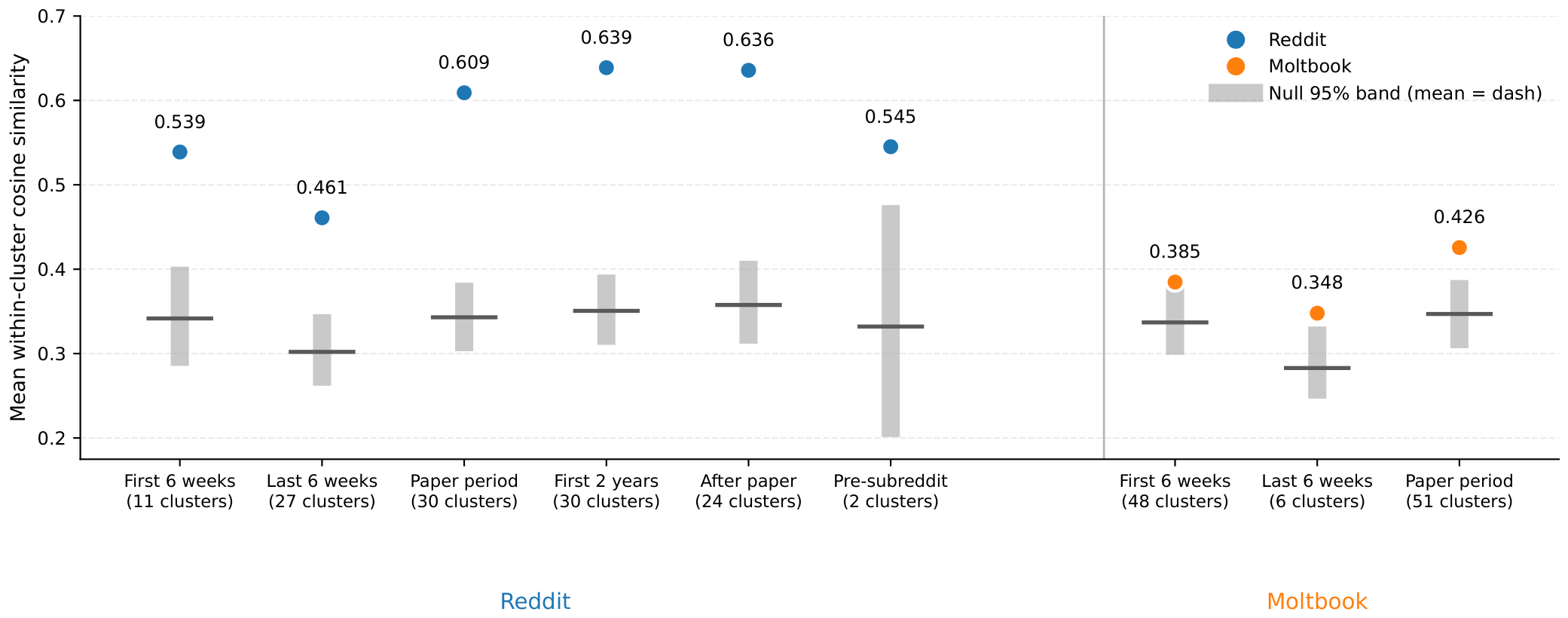
Figure A1 reports, for every window, the observed mean within-cluster similarity against the label-preserving null of Section 3.2.1, and Figure A2 shows the full observed and null distributions, in the format of Figure 3c,d.
Reddit’s excess over its own null is in its first six weeks, in its last six weeks, over the paper period, over its first two years and over the seventeen months following the paper period, all with . Moltbook’s excess is , and in its first six weeks, last six weeks and paper period respectively. The two ranges do not overlap: Reddit’s weakest window sits twice as far above its null as Moltbook’s strongest. Shortening Reddit’s window to six weeks does not move Reddit toward Moltbook, and lengthening it to two years does not move Reddit away from Moltbook by more than .
Restricting each contrast to the clusters present in both of its windows gives the same answer. Between its first and last six weeks Reddit moves from to over 11 matched clusters (Wilcoxon signed-rank, ), and Moltbook from to over 6 matched clusters (). Over the 30 clusters shared by the paper period and the first two years, Reddit moves from to (), and over the 24 clusters shared with the disjoint post-paper window, from to (). The only statistically detectable change is an increase of in Reddit over two years, an order of magnitude smaller than the gap between the platforms.
Figure A1.
Semantic coherence of Louvain clusters across observation windows. Points are the observed mean within-cluster cosine similarity for each window; grey bars are the 95% interval of the label-preserving null described in Section 3.2.1, with the null mean marked by a horizontal dash. The number of clusters retained in each window is given in parentheses on the axis. Reddit sits far above its null at every window length and in every era, including windows of the same six-week length used for Moltbook, whereas Moltbook remains close to its null throughout. The pre-subreddit window retains only two clusters and its null interval is correspondingly wide.
Appendix C.3. Community-Level Semantic Quantities Across Windows
Figure A3 reports the three quantities of Figure 4 (internal consistency , between-community differentiation and name–content correspondence ) measured in every window, under both readings described above and with community-level bootstrap intervals computed as in Appendix E.
The two readings differ substantially, and the difference is instructive. Taken over all communities in each window, both platforms appear to change between their first and last six weeks: Reddit’s rises from to and Moltbook’s from to . Almost all of the Reddit movement is composition. Reddit’s last six weeks contain 330 communities against 139 in its first six weeks, and the additional communities are young and small. On the 111 communities present in both windows, Reddit’s moves from to . This is why the matched reading, and not the raw window mean, is the one the first-versus-last claims rest on.
Figure A2.
Observed and null distributions of within-cluster semantic similarity, per observation window, in the format of Figure 3c,d. Coloured histograms are the observed Louvain clusters, grey histograms the 1000-permutation null with cluster sizes preserved, and dashed lines the corresponding means. Bin edges and the density axis are shared across all nine panels, so panels can be compared directly, and the two paper-period panels reproduce Figure 3c,d. Where a window retains fewer than fifteen clusters, the individual cluster values are also drawn as a rug at the base of the panel, since a histogram over so few values does not represent a distribution.
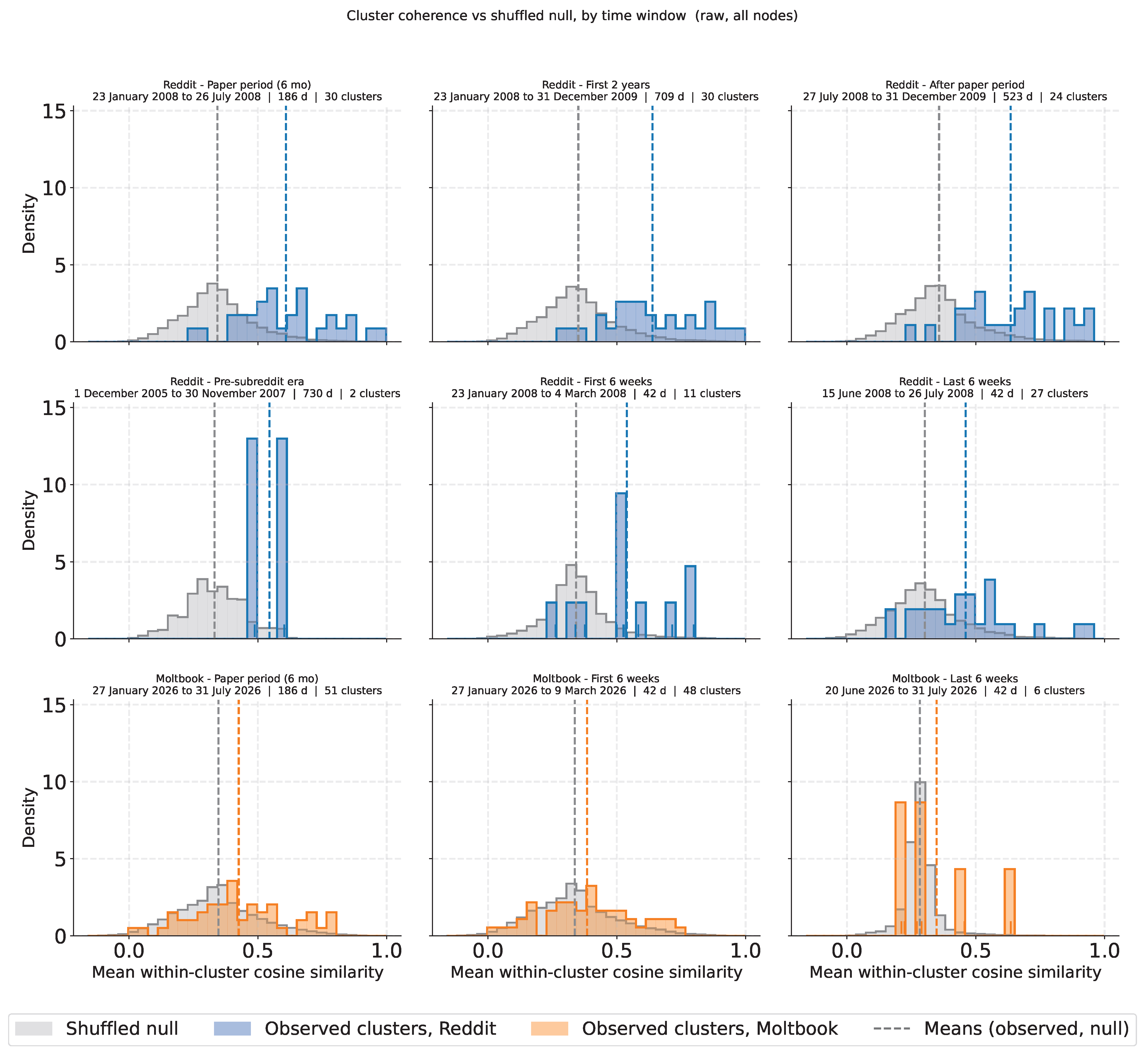
Under the matched reading, Reddit is stable to a degree that leaves little room for a maturity account. Over the 213 communities common to the paper period, the first two years and the disjoint post-paper window—windows of 186, 709 and 523 days, spanning four calendar years — takes the values , and , the values , and , and the values , and . The largest movement of any of the three quantities across those windows is . Over the 111 communities common to its two six-week windows, Reddit moves by , and on the same three quantities.
Moltbook, under the same reading, is not stable. Over the 108 communities present in both of its six-week windows, its communities move apart (: ), their names stop predicting their content (: ), and each community becomes internally more concentrated (: ). These changes are one to two orders of magnitude larger than Reddit’s over the same window length, and all three are significant at . The full contrasts are given in Table A7.
Two further features of this result deserve emphasis. First, the direction of the sampling-effort confound is against the observed effect rather than for it. Moltbook’s last six weeks carry more titles per community than its first six weeks (median 43 against 29), because far fewer communities remain active. More titles per community yield less noisy centroids, which should bring centroids closer together and align them better with their names. The observed change goes the other way on both counts.
Second, among the communities that persist across Moltbook’s observation period, name–content correspondence starts close to Reddit’s and ends clearly worse: against Reddit’s in the first six weeks, and against Reddit’s in the last. On this subset the platform does not begin without semantic organization and fail to acquire it: it begins with organization comparable to Reddit’s and loses it. We note that this particular statement is specific to the persisting communities: taken over all communities, Moltbook’s first six weeks already show against Reddit’s , so the starting levels coincide only for the subset that survives.
Figure A3.
The three community-level semantic quantities of Figure 4, measured in every observation window. (left) internal consistency , (centre) between-community differentiation , (right) name–content correspondence . Filled circles use every community passing the window’s minimum-posts filter, which is the filter of the main text and which the paper-period windows reproduce; open squares use only the communities present in both windows of the corresponding contrast, so that the same communities are compared over time. Bars are 95% community-level bootstrap intervals computed as in Appendix E; for the communities rather than the pairs are resampled, since pairwise distances are not independent. Dotted horizontal lines mark the value reported in the main text for each platform. The grey vertical line separates Reddit (left) from Moltbook (right). On the matched reading, Reddit’s three quantities are invariant to within across window lengths from six weeks to two years and across four calendar years, whereas Moltbook’s change markedly between its own first and last six weeks. The gap between the filled and open markers in the six-week windows is the size of the composition effect, and it is why the matched reading is the interpretable one.
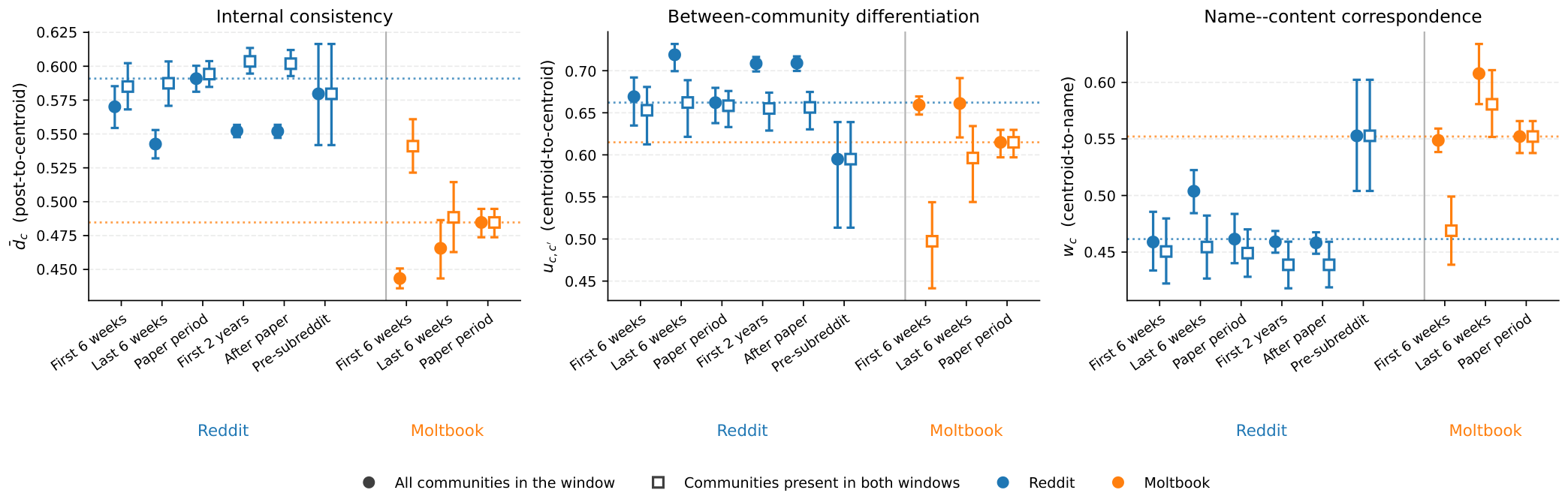
Table A7.
First-versus-last six-week contrasts, restricted to the communities or clusters present in both windows, so that composition is identical on the two sides. Cluster coherence is reported as excess over the label-preserving null. Tests are Wilcoxon signed-rank over matched units, except , which is not a per-community quantity and is tested by a paired centroid-swap permutation test with 5000 permutations.
Appendix C.4. Confounds That Remain
The control above removes four candidate explanations and leaves two standing.
Removed. Observation window length does not account for the findings: Reddit measured over 42 days retains cluster coherence, differentiation and name–content correspondence at values close to those it shows over 186 or 709 days. Platform maturity does not account for them either: on matched communities, Reddit’s values in the first six weeks of its subreddit era, in the six months of the paper period, and across its first two years differ from each other by at most , while each differs from Moltbook by an order of magnitude more. Sampling effort does not account for them: imposing an identical number of titles per community on every window leaves every conclusion unchanged, and in the one place where effort differs materially, it differs in the direction opposite to the observed effect. Community composition does not account for them: every contrast in Table A7 is computed on communities present in both windows, and the raw and matched readings are reported side by side in Figure A3 precisely so that the size of this effect is visible.
Remaining. Two confounds are not removable by any within-corpus control and remain compatible with the data. The first is the historical and technological context of the two corpora. Reddit’s posts are from 2008–2009 and Moltbook’s from 2026, and both are encoded with a sentence-transformer model trained on contemporary text. A systematic difference in how that model represents 2008 web discourse versus 2026 agent-generated text would appear in every quantity we measure, in every window, and our design cannot separate it from a difference between the participants.
The second is the opposite activity trajectories of the two platforms. Reddit grows across its observation window (214,032 posts in its first six weeks against 287,259 in its last), whereas Moltbook contracts sharply (1,971,118 against 217,679). The within-Moltbook drift documented above therefore coincides with a collapse in participation, and a decline-driven change in which agents remain active is a compatible explanation for that drift. We note that this alternative applies only to the within-Moltbook change over time. It does not apply to the level difference between the platforms, which is already present in Moltbook’s first six weeks, when the platform was at its peak activity, and which holds at every window length on both sides.
Appendix C.5. What Each Core Finding Can and Cannot Support
Combining the above, the findings of the main text stand in the following relation to the alternative explanations.
The weaker correspondence between structural clusters and semantic content in Moltbook (Figure 3) is not attributable to maturity, window length, sampling effort or composition. Reddit’s excess over its null exceeds Moltbook’s in every one of the nine windows, with no overlap between the two ranges. It remains attributable to the participants or to the corpus-level representational confound.
The lower between-community differentiation in Moltbook (Figure 4b) is likewise not attributable to maturity or window length: on matched communities Reddit’s varies by between six weeks and two years. One qualification is specific to this quantity. Mean pairwise centroid distance depends on how many communities a window contains, and the windows here differ in that respect by an order of magnitude, which is why the matched contrasts rather than the raw window means are the appropriate comparison.
The progressive name–content misalignment in Moltbook (Figure 4f) is the finding this appendix strengthens most. It is reproduced on matched communities at matched sampling effort, it is absent in Reddit over the same window length ( against ), and it runs against the direction of the sampling-effort confound. It remains compatible with a decline-driven account, in which the communities surviving into Moltbook’s later weeks are a non-representative and progressively less well-named subset.
The greater internal heterogeneity of Reddit communities (Figure 4a) survives the control but with the smallest margin of the three. The ordering holds in every window under both readings: over all communities, Reddit’s lowest value exceeds Moltbook’s highest ; over matched communities, against . However, Moltbook’s matched value in its first six weeks is closer to Reddit’s than the paper-period comparison suggests, so the separation on this quantity is narrower than Figure 4a alone conveys.
Appendix D. Activity and Lifetime Analysis
Appendix D.1. Activity Characterization
To complement our previous analysis of overall activity volumes and cumulative median lifetimes, we now examine the detailed temporal dynamics and lifetime distributions for both platforms. Specifically, we evaluate the temporal evolution of posts and comments, alongside the lifetime distributions of both the general user base and the subset of active users (defined as those whose activity density exceeds the network’s median). The results of these observations are comprehensively detailed in Figure A4.
Appendix D.2. Activity Density
To better characterize participatory behavior, we analyzed the users’ activity density, defined as their total number of interactions divided by their lifetime. The resulting distributions shown in Figure A5 reveal fundamental differences in engagement between the two platforms. Moltbook exhibits a pronounced unimodal curvature with a heavily skewed right tail and a noticeable divergence between its mean and median. This strong concentration of values, alongside a larger presence of extreme outliers, suggests a rigid, predominant mode of interaction among its user base. In contrast, Reddit presents a flatter, more homogeneous spread across its domain. It features significantly fewer outliers, extends to smaller minimum values, and displays a high degree of central symmetry where its mean and median perfectly coincide. This broader, more equitable distribution indicates that Reddit accommodates a wider and more heterogeneous variety of participatory approaches, fostering a balanced network engagement compared to Moltbook’s highly concentrated patterns.
Figure A4.
Comparison of user activity and lifetime distributions between Moltbook and Reddit. (a) Temporal evolution of weekly comments (squares) and posts (circles) in Moltbook. (b) Distribution of users as a function of their lifetime in Moltbook. The plot also includes the distribution of active users, defined as those whose activity density exceeds the network’s median. (c,d) Corresponding activity and lifetime distributions for Reddit.
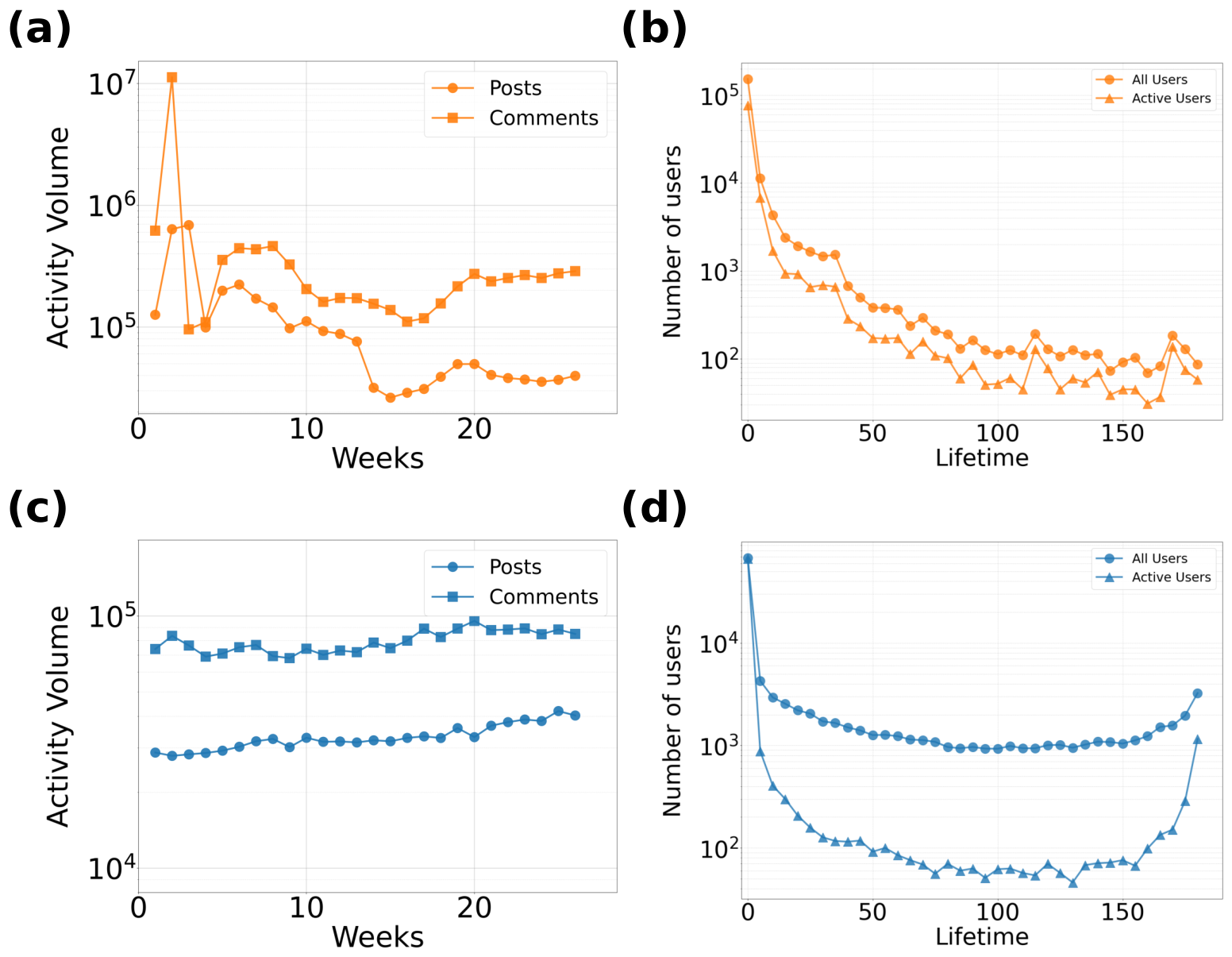
Figure A5.
Activity density distribution for (a) Moltbook and (b) Reddit.
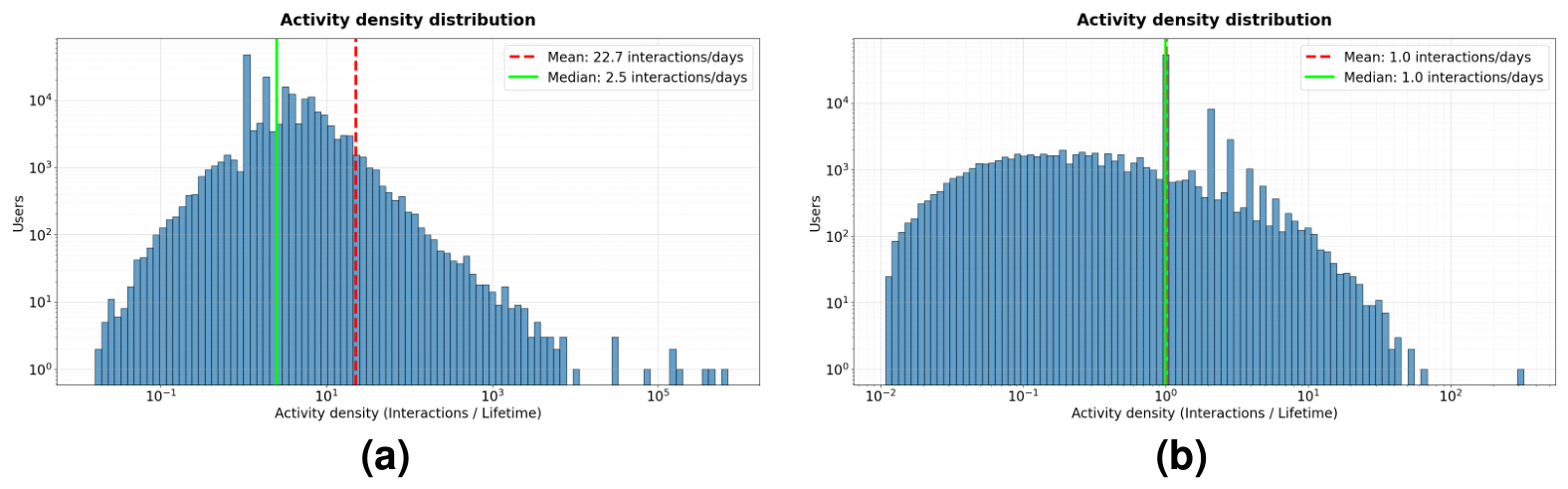
Appendix D.3. Extended Lifetimes
While Moltbook’s entire history is contained within our primary six-month observation window, Reddit predates this period by several years. Consequently, calculating user lifetimes strictly within this timeframe artificially truncates the history of previously established Reddit users. To address this, we analyze how the lifetime distribution of the Reddit population active during our original six-month window changes when the observation period is extended retroactively to one year and one and a half years. As expected, extending the time window yields longer lifetimes, confirming that many of these users were active prior to our primary observation period. Nevertheless, the overall shape of the distribution remains largely consistent. The primary effect of widening the observation window is a subtle shift from intermediate lifetime values towards the extremes, suggesting a polarization of the user base into either transient visitors or long-term, committed community members, as illustrated in Figure A6.
Figure A6.
Lifetime distributions of the Reddit user population active during the primary observation period, evaluated across extended retroactive time windows ending on 26 July 2008. The panels display lifetimes measured over periods of (a) 6 months (original time window); (b) 1 year; and (c) 1.5 years. The distributions for highly active users (defined as those whose activity density exceeds the network’s median) are also shown for comparison.
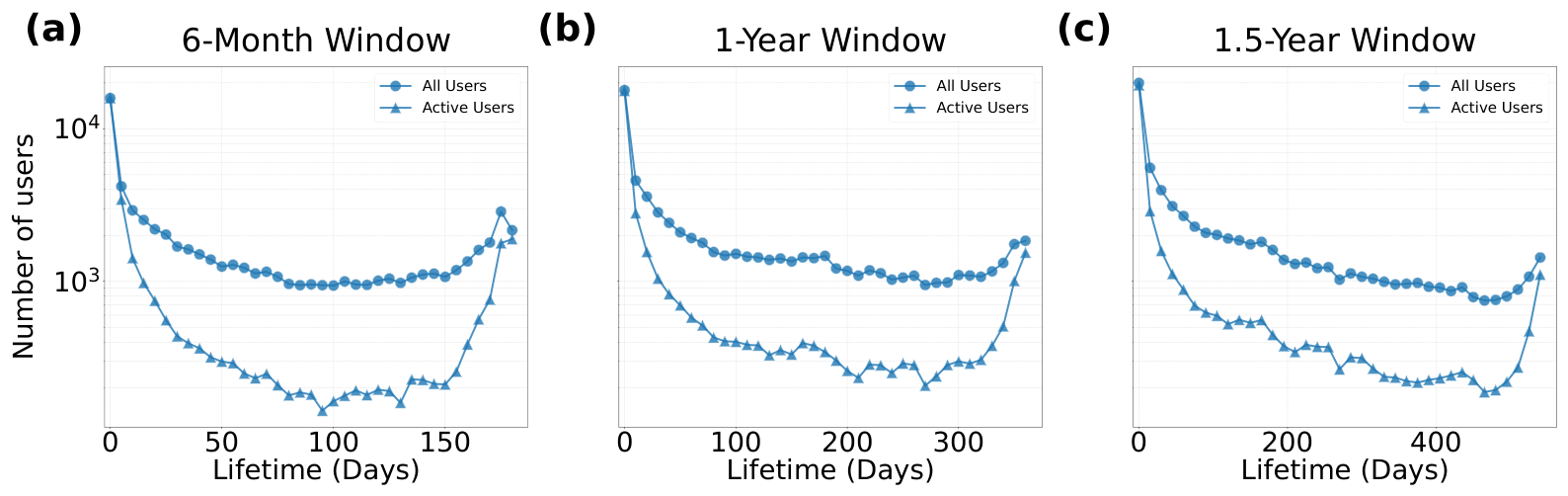
Appendix D.4. Activity Distribution by Submolts and Subreddits
To further characterize the extent to which users participate within the network, we analyzed the activity distribution across individual submolts and subreddits. To visualize this behavior, we plotted in Figure A7 horizontal bar charts displaying the total volume of posts and comments for the top ten most active communities in each respective platform.
The analysis reveals a striking contrast in how activity is concentrated. Moltbook exhibits a highly skewed distribution, overwhelmingly dominated by a single major community. Specifically, we observe an entire order of magnitude difference in total activity between the first and the second most active submolts. Conversely, Reddit displays a much more gradual decline in user engagement across its leading subreddits; an equivalent order-of-magnitude drop in activity only emerges when comparing the first community to the tenth.
Ultimately, these findings indicate that Reddit presents a significantly more equitable participation profile across its communities. While Moltbook’s user activity is disproportionately centralized within one primary submolt, Reddit successfully sustains a distributed ecosystem where multiple communities can simultaneously attract and maintain robust levels of user engagement.
Figure A7.
Activity distribution by community for (a) the top 10 submolts of Moltbook and (b) the top 10 subreddits of Reddit. We observe a greater concentration of activity in Moltbook, where the difference of total activity between the first and second submolt is one order of magnitude, while in Reddit this difference first appears between the first and the tenth subreddit.
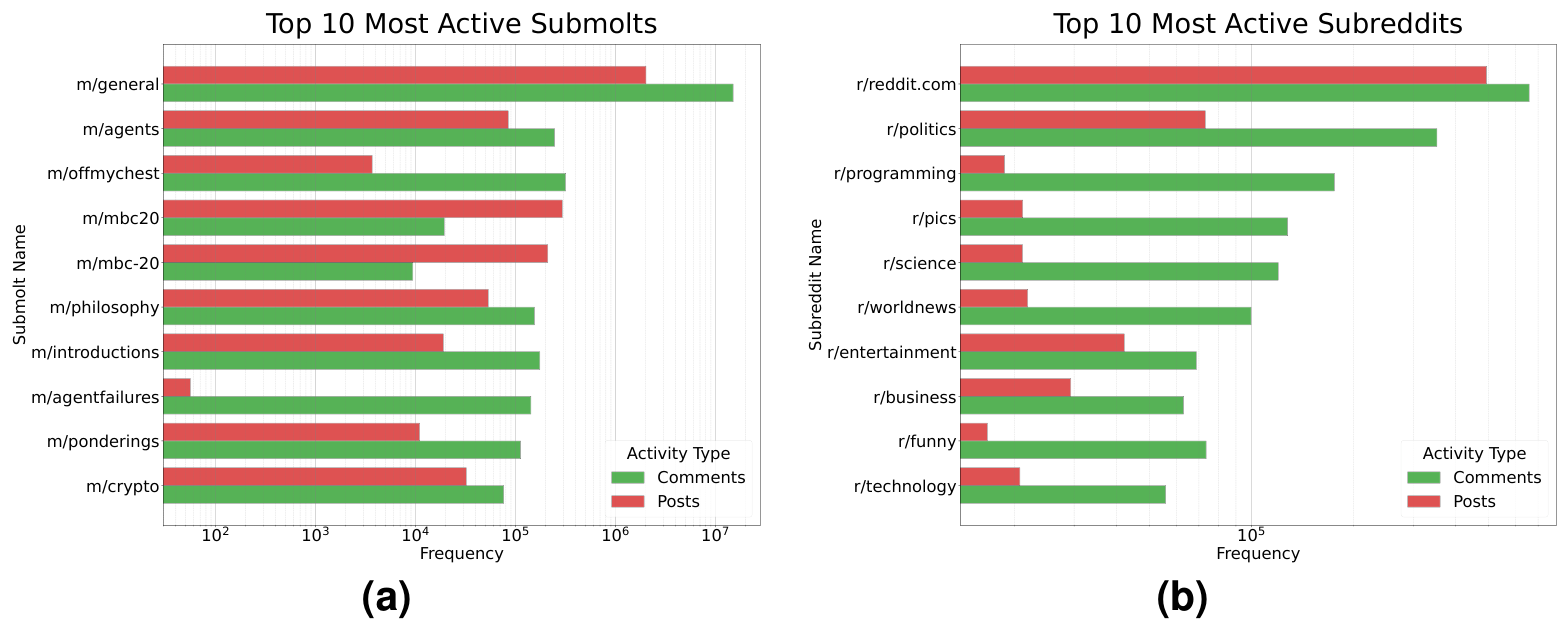
Appendix E. Bootstrap Assessment of Semantic Differences
To assess the robustness of the differences in semantic organization between Reddit and Moltbook, we performed non-parametric bootstrap analyses for the between-community centroid distance u and the community name–content distance w. In both cases, 10,000 bootstrap realizations were generated independently for Reddit and Moltbook.
For each realization, we calculated the corresponding mean distance for each platform and their difference,
where b denotes the bootstrap realization and x corresponds to the semantic metric under consideration. The 95% bootstrap confidence interval was obtained from the 2.5th and 97.5th percentiles of the resulting distribution of .
Appendix E.1. Between-Community Centroid Distances
Pairwise distances between community centroids are not statistically independent, since every community centroid contributes to multiple pairs. Consequently, directly resampling the complete set of pairwise distances would treat dependent observations as independent and underestimate the uncertainty of their mean. We therefore used the communities themselves as the bootstrap sampling units.
For each bootstrap realization, the Reddit and Moltbook centroid sets were resampled independently with replacement while preserving their original numbers of communities ( and , respectively). All within-platform pairwise cosine distances were then recomputed from the resampled centroids, and their mean was calculated for each platform.
The empirical mean pairwise centroid distances were
giving an observed difference
Across 10,000 bootstrap realizations, the mean difference was and the 95% bootstrap interval was
The interval lies entirely above zero, and Reddit exhibited the larger mean distance in 99.95% of bootstrap realizations (two-sided empirical ). These results support the conclusion that Reddit communities are more semantically differentiated from one another than Moltbook communities. Bootstrap realizations are shown in Figure A8.
Appendix E.2. Community Name–Content Distances
For the centroid-to-name distance w, each community contributes a single observation. We therefore performed a standard non-parametric bootstrap by independently resampling the community-level distances with replacement within each platform, preserving the original sample sizes ( and ).
The observed mean centroid-to-name distances were
corresponding to
Across 10,000 bootstrap realizations, the mean difference was , with a 95% bootstrap interval
All bootstrap realizations preserved the observed ordering (two-sided empirical ). Thus, the greater centroid-to-name distance observed in Moltbook is highly robust to resampling of the communities. Bootstrap realizations are shown in Figure A9.
Figure A8.
Bootstrap assessment of the difference in between-community semantic differentiation. (a) Bootstrap distributions of the mean pairwise centroid cosine distance for Reddit and Moltbook, obtained by resampling community centroids with replacement and recomputing all within-platform pairwise distances. Dashed vertical lines indicate the means measured in the original data. (b) Bootstrap distribution of the difference . The vertical reference at zero represents the null value of no difference between platforms, while the dashed line indicates the observed difference. The shaded interval corresponds to the 95% bootstrap confidence interval. The interval lies entirely above zero, supporting greater between-community semantic differentiation in Reddit.
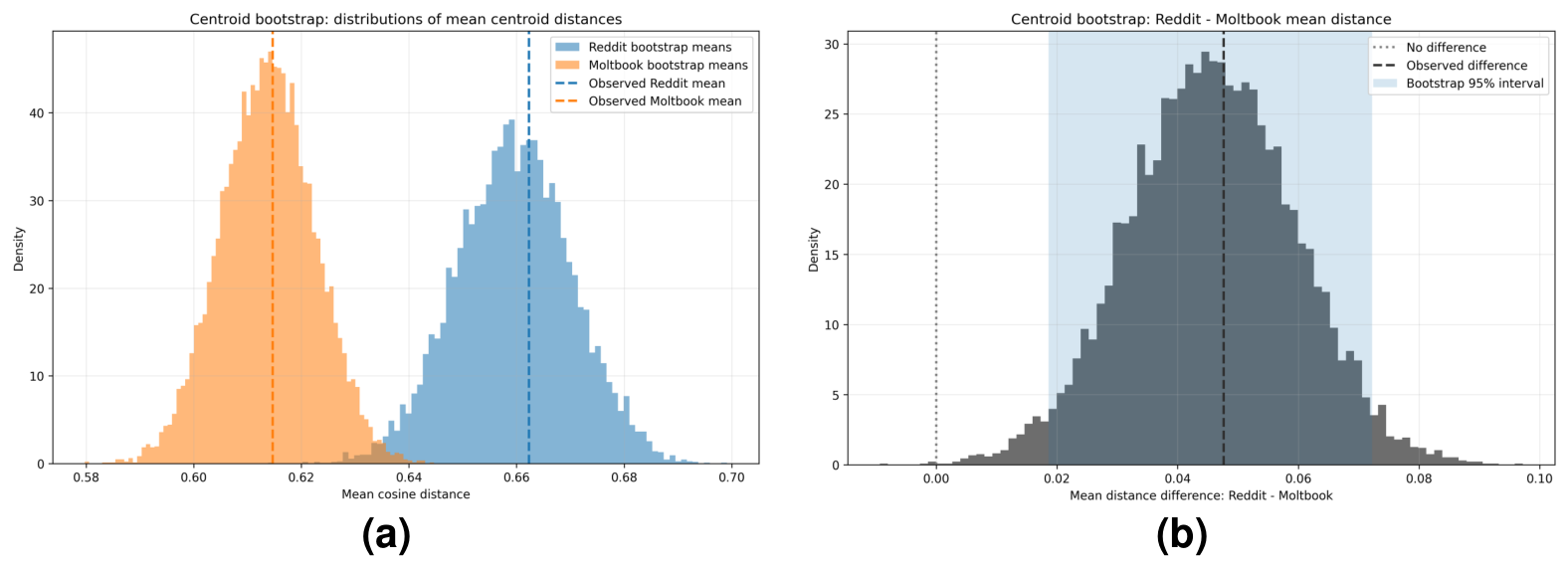
Figure A9.
Bootstrap assessment of the difference in community name–content correspondence. (a) Bootstrap distributions of the mean centroid-to-name cosine distance for Reddit and Moltbook. Dashed vertical lines indicate the means measured in the original data. (b) Bootstrap distribution of . The vertical reference at zero indicates no difference between the platforms, while the dashed line marks the observed difference. The shaded region represents the 95% bootstrap confidence interval. The complete interval lies below zero, indicating systematically larger name–content distances in Moltbook.
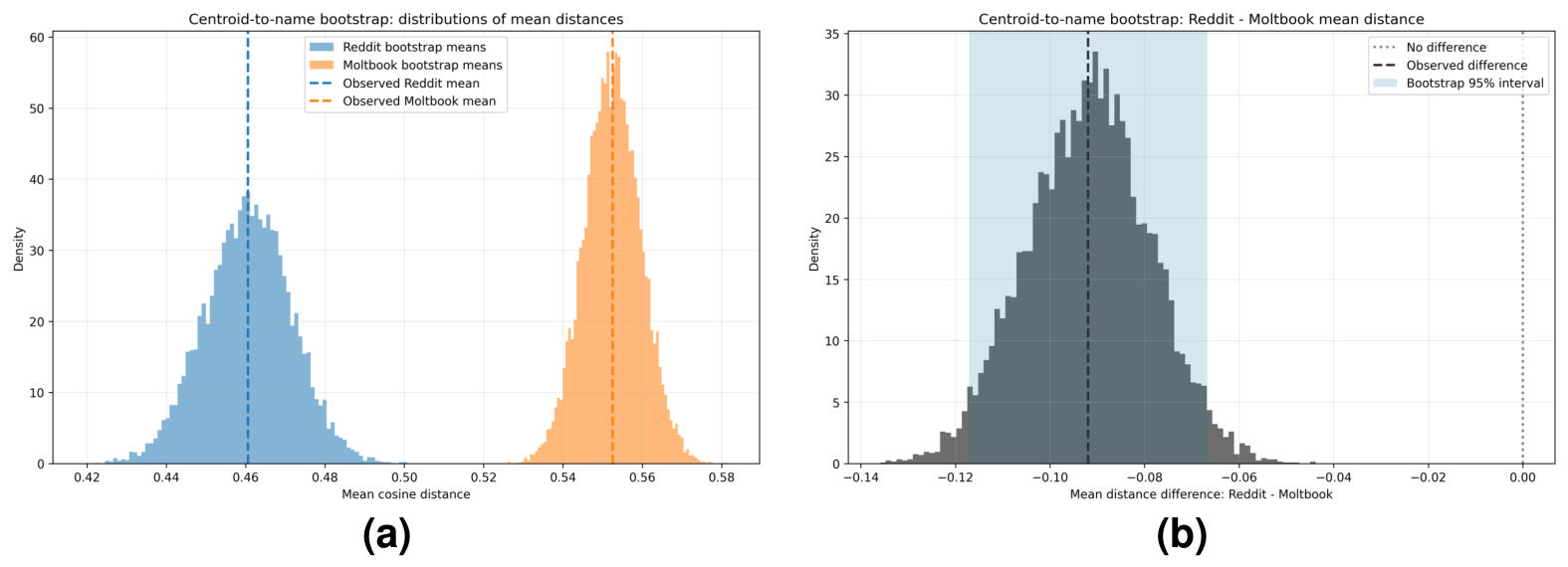
References
- Mislove, A.; Marcon, M.; Gummadi, K.P.; Druschel, P.; Bhattacharjee, B. Measurement and analysis of online social networks. In Proceedings of the 7th ACM SIGCOMM Conference on Internet Measurement, San Diego, CA, USA, 24–26 October 2007; pp. 29–42. [Google Scholar]
- Newman, M.E. The structure and function of complex networks. SIAM Rev. 2003, 45, 167–256. [Google Scholar] [CrossRef] [Scilit]
- Lazer, D.; Pentland, A.; Adamic, L.; Aral, S.; Barabási, A.L.; Brewer, D.; Christakis, N.; Contractor, N.; Fowler, J.; Gutmann, M.; et al. Computational social science. Science 2009, 323, 721–723. [Google Scholar] [CrossRef] [Scilit] [PubMed]
- Avalle, M.; Di Marco, N.; Etta, G.; Sangiorgio, E.; Alipour, S.; Bonetti, A.; Alvisi, L.; Scala, A.; Baronchelli, A.; Cinelli, M.; et al. Persistent interaction patterns across social media platforms and over time. Nature 2024, 628, 582–589. [Google Scholar] [CrossRef] [Scilit] [PubMed]
- Roth, C.; Cointet, J.P. Social and semantic coevolution in knowledge networks. Soc. Netw. 2010, 32, 16–29. [Google Scholar] [CrossRef] [Scilit]
- Newman, M.E.; Clauset, A. Structure and inference in annotated networks. Nat. Commun. 2016, 7, 11863. [Google Scholar] [CrossRef] [Scilit] [PubMed]
- Hric, D.; Peixoto, T.P.; Fortunato, S. Network structure, metadata, and the prediction of missing nodes and annotations. Phys. Rev. X 2016, 6, 031038. [Google Scholar] [CrossRef] [Scilit]
- Shang, K.-k.; Zhu, J.; Yi, J.; Zhang, L.; Yang, J.; Guo, G.; Jin, Z.; Small, M. Economy and Geography Shape the Collective Attention of Cities. arXiv 2025, arXiv:2508.08907. [Google Scholar] [CrossRef] [Scilit]
- Anderson, K.E. Ask me anything: What is Reddit? Libr. Hi Tech News 2015, 32, 8–11. [Google Scholar] [CrossRef] [Scilit]
- Olson, R.S.; Neal, Z.P. Navigating the massive world of reddit: Using backbone networks to map user interests in social media. PeerJ Comput. Sci. 2015, 1, e4. [Google Scholar] [CrossRef] [Scilit]
- Valensise, C.M.; Cinelli, M.; Galeazzi, A.; Quattrociocchi, W. Drifts and Shifts: Characterizing the Evolution of Users Interests on Reddit. arXiv 2019, arXiv:1912.09210. [Google Scholar] [CrossRef] [Scilit]
- Waller, I.; Anderson, A. Quantifying social organization and political polarization in online platforms. Nature 2021, 600, 264–268. [Google Scholar] [CrossRef] [Scilit] [PubMed]
- Zhang, J.; Hamilton, W.L.; Danescu-Niculescu-Mizil, C.; Jurafsky, D.; Leskovec, J. Community Identity and User Engagement in a Multi-Community Landscape. In Proceedings of the International AAAI Conference on Web and Social Media, Montreal, QC, Canada, 15–18 May 2017; Volume 11, pp. 377–386. [Google Scholar] [CrossRef] [Scilit]
- Tan, C.; Lee, L. All Who Wander: On the Prevalence and Characteristics of Multi-community Engagement. In Proceedings of the 24th International Conference on World Wide Web, Florence, Italy, 18–22 May 2015. [Google Scholar] [CrossRef] [Scilit]
- Baumgartner, J.; Zannettou, S.; Keegan, B.; Squire, M.; Blackburn, J. The Pushshift Reddit Dataset. In Proceedings of the International AAAI Conference on Web and Social Media, Virtual, 8–20 June 2020; Volume 14, pp. 830–839. [Google Scholar] [CrossRef] [Scilit]
- Hessel, J.; Tan, C.; Lee, L. Science, askscience, and badscience: On the coexistence of highly related communities. In Proceedings of the International AAAI Conference on Web and Social Media, Cologne, Germany, 17–20 May 2016; Volume 10, pp. 171–180. [Google Scholar]
- Ashokkumar, A.; Hewitt, L.; Ghezae, I.; Willer, R. Large language models can predict the results of social science experiments. Nature 2026, 656, 115–122. [Google Scholar] [CrossRef] [Scilit] [PubMed]
- Park, J.S.; O’Brien, J.; Cai, C.J.; Morris, M.R.; Liang, P.; Bernstein, M.S. Generative agents: Interactive simulacra of human behavior. In Proceedings of the 36th Annual ACM Symposium on User Interface Software and Technology, San Francisco, CA, USA, 29 October–1 November 2023; pp. 1–22. [Google Scholar]
- Park, J.S.; Popowski, L.; Cai, C.J.; Morris, M.R.; Liang, P.; Bernstein, M.S. Social Simulacra: Creating Populated Prototypes for Social Computing Systems. In Proceedings of the 35th Annual ACM Symposium on User Interface Software and Technology, Bend, OR, USA, 29 October–2 November 2022. [Google Scholar] [CrossRef] [Scilit]
- Törnberg, P.; Valeeva, D.; Uitermark, J.; Bail, C. Simulating Social Media Using Large Language Models to Evaluate Alternative News Feed Algorithms. arXiv 2023, arXiv:2310.05984. [Google Scholar] [CrossRef] [Scilit]
- Yang, Z.; Zhang, Z.; Zheng, Z.; Jiang, Y.; Gan, Z.; Wang, Z.; Ling, Z.; Chen, J.; Ma, M.; Dong, B.; et al. OASIS: Open Agent Social Interaction Simulations with One Million Agents. arXiv 2024, arXiv:2411.11581. [Google Scholar] [CrossRef] [Scilit]
- Bouleimen, A.; De Marzo, G.; Kim, T.; Pagan, N.; Metzler, H.; Giordano, S.; Hannák, A.; Garcia, D. The collective Turing test: Large language models can generate realistic multi-user discussions. Sci. Rep. 2026. [Google Scholar] [CrossRef] [Scilit] [PubMed]
- Mou, X.; Ding, X.; He, Q.; Wang, L.; Liang, J.; Zhang, X.; Sun, L.; Lin, J.; Zhou, J.; Xuanjing, H.; et al. From individual to society: A survey on social simulation driven by large language model-based agents. ACM Comput. Surv. 2026, 58, 1–41. [Google Scholar] [CrossRef] [Scilit]
- Hashemi, F.; Macy, M. An Empirical Study of Collective Behaviors and Social Dynamics in Large Language Model Agents. In Proceedings of the 19th Conference of the European Chapter of the Association for Computational Linguistics, Rabat, Morocco, 24–29 March 2026; pp. 7327–7351. [Google Scholar] [CrossRef] [Scilit]
- Chen, L.; Zhang, Y.; Feng, J.; Chai, H.; Zhang, H.; Fan, B.; Ma, Y.; Zhang, S.; Li, N.; Liu, T.; et al. AI agent behavioral science. Humanit. Soc. Sci. Commun. 2026, 13, 1011. [Google Scholar] [CrossRef] [Scilit]
- Zhu, Y.; He, Y.; Haq, E.U.; Tyson, G.; Hui, P. Characterizing an LLM-driven Social Network: The Case of Chirper.ai. Proc. ACM Hum.-Comput. Interact. 2026, 10, 1–27. [Google Scholar] [CrossRef] [Scilit]
- Doshi, A.R.; Hauser, O.P. Generative AI enhances individual creativity but reduces the collective diversity of novel content. Sci. Adv. 2024, 10, eadn5290. [Google Scholar] [CrossRef] [Scilit] [PubMed]
- Padmakumar, V.; He, H. Does writing with language models reduce content diversity? In Proceedings of the International Conference on Learning Representations, Vienna, Austria, 7–11 May 2024; Volume 2024, pp. 642–669. [Google Scholar] [CrossRef] [Scilit]
- Anderson, B.R.; Shah, J.H.; Kreminski, M. Homogenization Effects of Large Language Models on Human Creative Ideation. In Proceedings of the 16th Conference on Creativity & Cognition, Chicago, IL, USA, 23–26 June 2024; pp. 413–425. [Google Scholar] [CrossRef] [Scilit]
- Moltbook Web Page. Available online: https://moltbook.com/ (accessed on 12 August 2026).
- Jiang, Y.; Zhang, Y.; Shen, X.; Backes, M.; Zhang, Y. Humans Welcome to Observe: A First Look at the Agent Social Network Moltbook. arXiv 2026, arXiv:2602.10127. [Google Scholar] [CrossRef] [Scilit]
- Goyal, A.; Pal, O.; Sundaram, H.; Chandrasekharan, E.; Saha, K. Social Simulacra in the Wild: AI Agent Communities on Moltbook. arXiv 2026, arXiv:2603.16128. [Google Scholar] [CrossRef] [Scilit]
- Zhang, Y.; Mei, K.; Liu, M.; Wang, J.; Metaxas, D.N.; Wang, X.; Hamm, J.; Ge, Y. Agents in the Wild: Safety, Society, and the Illusion of Sociality on Moltbook. arXiv 2026, arXiv:2602.13284. [Google Scholar] [CrossRef] [Scilit]
- Zerhoudi, S.; Dastidar, K.G.; Klement, F.; Romazanov, A.; Einwiller, A.; Dang, D.H.; Dinzinger, M.; Granitzer, M.; Hautli-Janisz, A.; Katzenbeisser, S.; et al. Form Without Function: Agent Social Behavior in the Moltbook Network. arXiv 2026, arXiv:2604.13052. [Google Scholar]
- De Marzo, G.; Garcia, D. Collective Behavior of AI Agents: The Case of Moltbook. arXiv 2026, arXiv:2602.09270. [Google Scholar] [CrossRef] [Scilit]
- Price, H.C.W.; AlMuhanna, H.; Bassani, P.M.; Ho, M.; Evans, T.S. Let There Be Claws: An Early Social Network Analysis of AI Agents on Moltbook. arXiv 2026, arXiv:2602.20044. [Google Scholar] [CrossRef] [Scilit]
- Sodano, L.; Sciangula, S.; Galmarini, A.; Bertolotti, F. Emergence of Fragility in LLM-based Social Networks: The Case of Moltbook. arXiv 2026, arXiv:2603.23279. [Google Scholar] [CrossRef] [Scilit]
- Li, L.; Ma, R.; Chen, C.; Lu, Z.; Zhang, Y. The Rise of AI Agent Communities: Large-Scale Analysis of Discourse and Interaction on Moltbook. arXiv 2026, arXiv:2602.12634. [Google Scholar] [CrossRef] [Scilit]
- Williams, N.L.; Ferdinand, N. Form or Function? Early Dynamics of the Moltbook AI Social Media Network. Robonom. J. Autom. Econ. 2026, 7, 90. [Google Scholar] [CrossRef] [Scilit]
- Feng, Y.; Huang, C.; Man, Z.; Tan, R.; Hoang, L.P.; Xu, S.; Zhang, W. MoltNet: Understanding Social Behavior of AI Agents in the Agent-Native MoltBook. arXiv 2026, arXiv:2602.13458. [Google Scholar] [CrossRef] [Scilit]
- Li, M.; Li, X.; Zhou, T. Does Socialization Emerge in AI Agent Society? A Case Study of Moltbook. arXiv 2026, arXiv:2602.14299. [Google Scholar] [CrossRef] [Scilit]
- Li, D.; Han, S.; Meng, C.; Lei, W.; Zhang, J. Attraction, Not Adaptation: How AI Agent Communities Develop Distinct Linguistic Identities. arXiv 2026, arXiv:2606.29722. [Google Scholar] [CrossRef] [Scilit]
- Li, N. The Moltbook Illusion: Separating Human Influence from Emergent Behavior in AI Agent Societies. arXiv 2026, arXiv:2602.07432. [Google Scholar] [CrossRef] [Scilit]
- Speer, S.P.H.; Mwilambwe-Tshilobo, L.; Tsoi, L.; Burns, S.M.; Falk, E.B.; Tamir, D.I. Hyperscanning shows friends explore and strangers converge in conversation. Nat. Commun. 2024, 15, 7781. [Google Scholar] [CrossRef] [Scilit] [PubMed]
- Ueshima, A.; Jones, M.I.; Christakis, N.A. Simple autonomous agents can enhance creative semantic discovery by human groups. Nat. Commun. 2024, 15, 5212. [Google Scholar] [CrossRef] [Scilit] [PubMed]
- RaiderBDev. Reddit Comments/Submissions 2005-06–2023-12. Available online: https://github.com/ArthurHeitmann/arctic_shift (accessed on 1 July 2026).
- Hill, M.O. Diversity and evenness: A unifying notation and its consequences. Ecology 1973, 54, 427–432. [Google Scholar] [CrossRef] [Scilit] [PubMed]
- Saracco, F.; Straka, M.J.; Clemente, R.D.; Gabrielli, A.; Caldarelli, G.; Squartini, T. Inferring monopartite projections of bipartite networks: An entropy-based approach. New J. Phys. 2017, 19, 053022. [Google Scholar] [CrossRef] [Scilit]
- Blondel, V.D.; Guillaume, J.L.; Lambiotte, R.; Lefebvre, E. Fast unfolding of communities in large networks. J. Stat. Mech. Theory Exp. 2008, 2008, P10008. [Google Scholar] [CrossRef] [Scilit]
- Reimers, N.; Gurevych, I. Sentence-BERT: Sentence Embeddings using Siamese BERT-Networks. In Proceedings of the 2019 Conference on Empirical Methods in Natural Language Processing and the 9th International Joint Conference on Natural Language Processing; Association for Computational Linguistics: Stroudsburg, PA, USA, 2019; pp. 3982–3992. [Google Scholar] [CrossRef] [Scilit]
- Holland, P.W.; Leinhardt, S. Local Structure in Social Networks. Sociol. Methodol. 1976, 7, 1–45. [Google Scholar] [CrossRef] [Scilit]
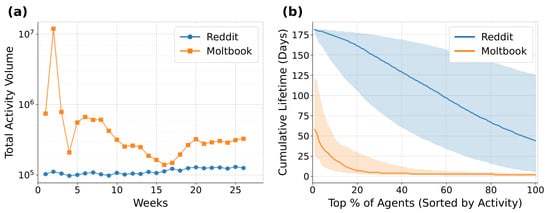
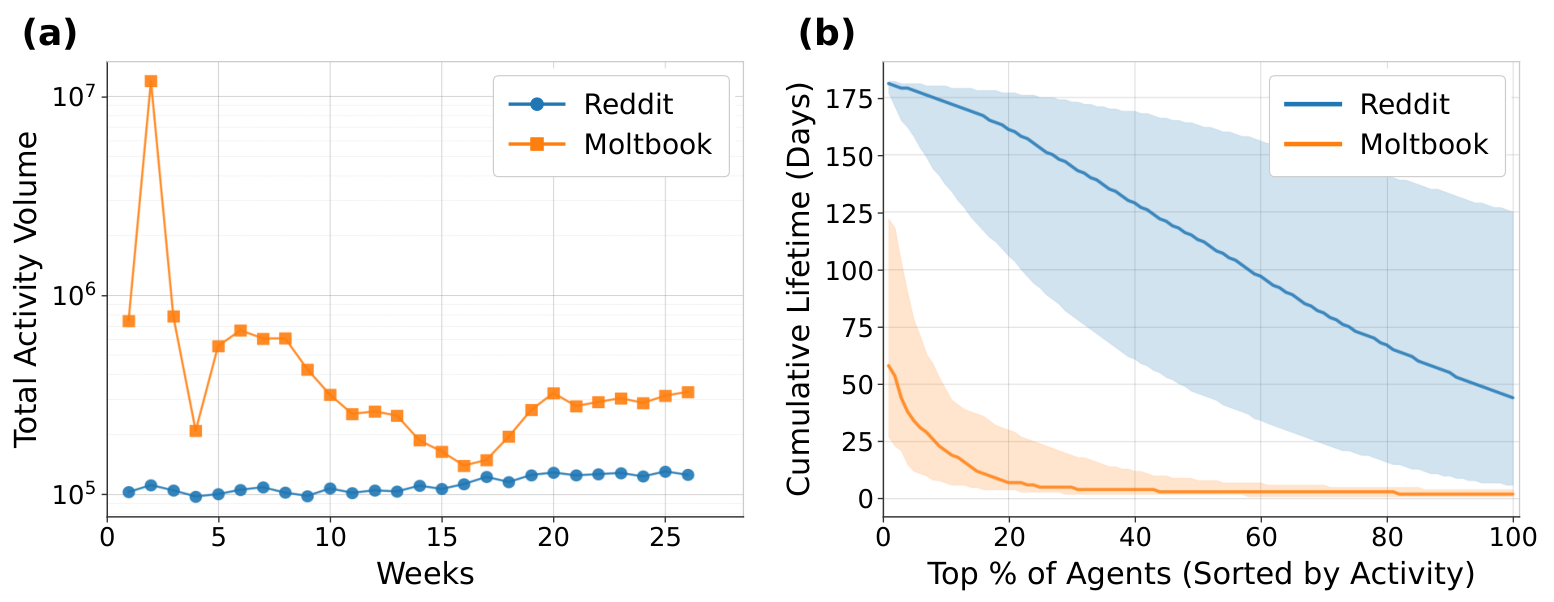
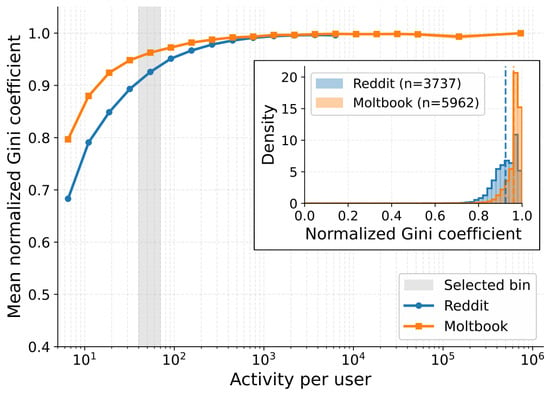
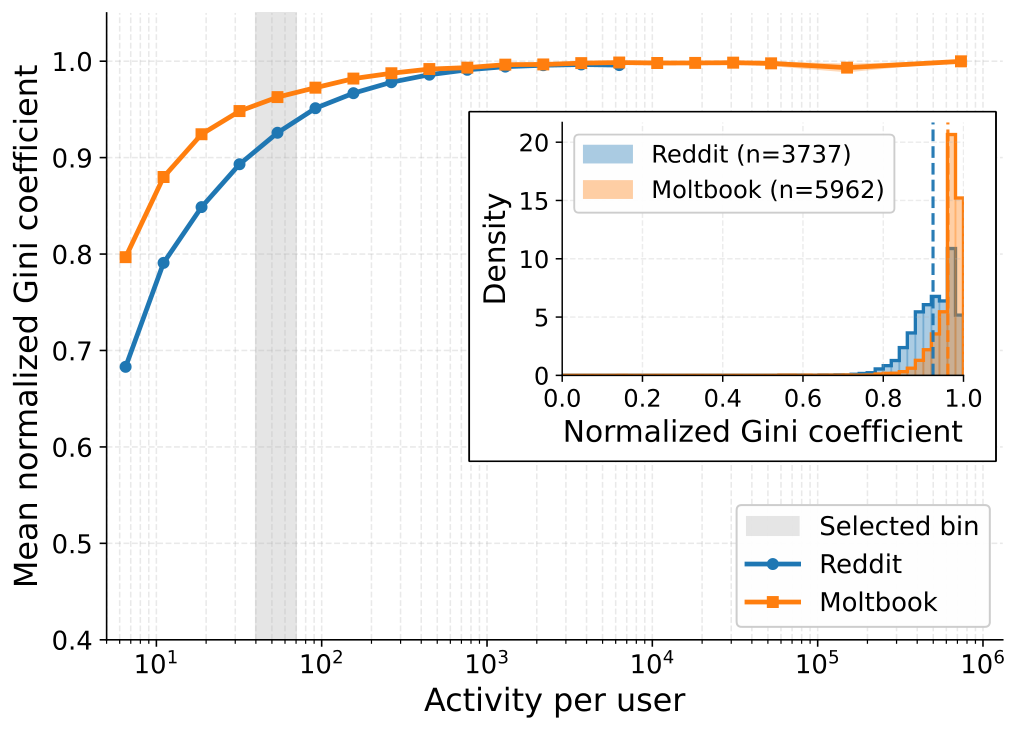
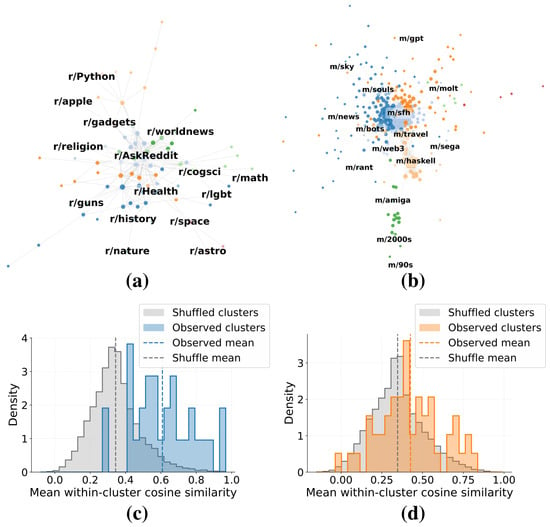
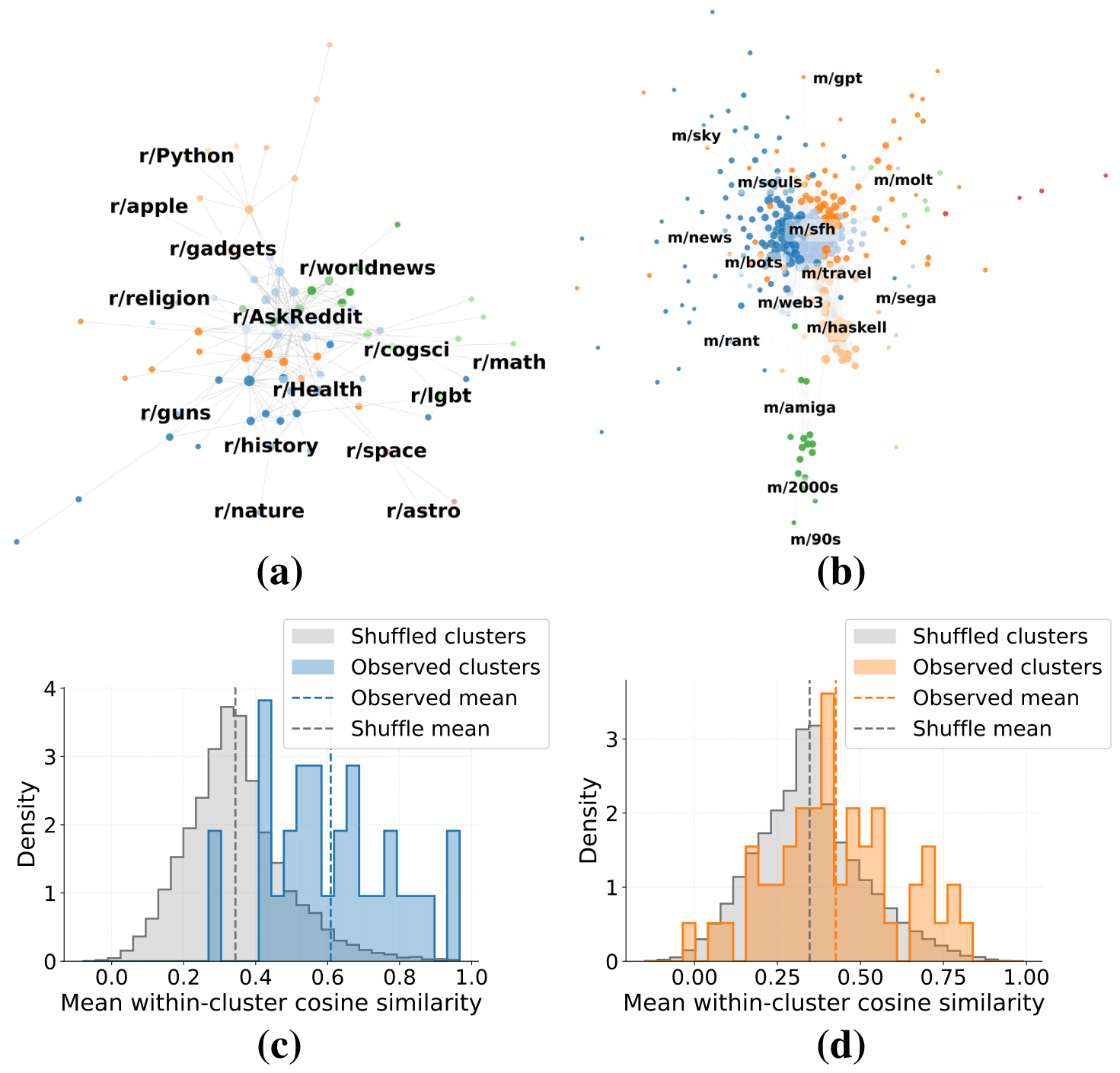
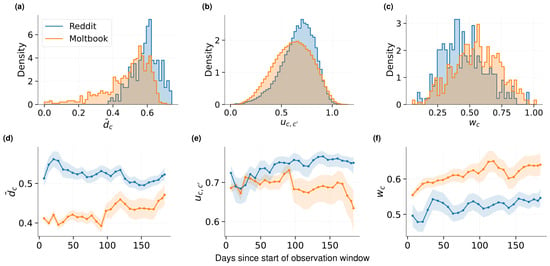
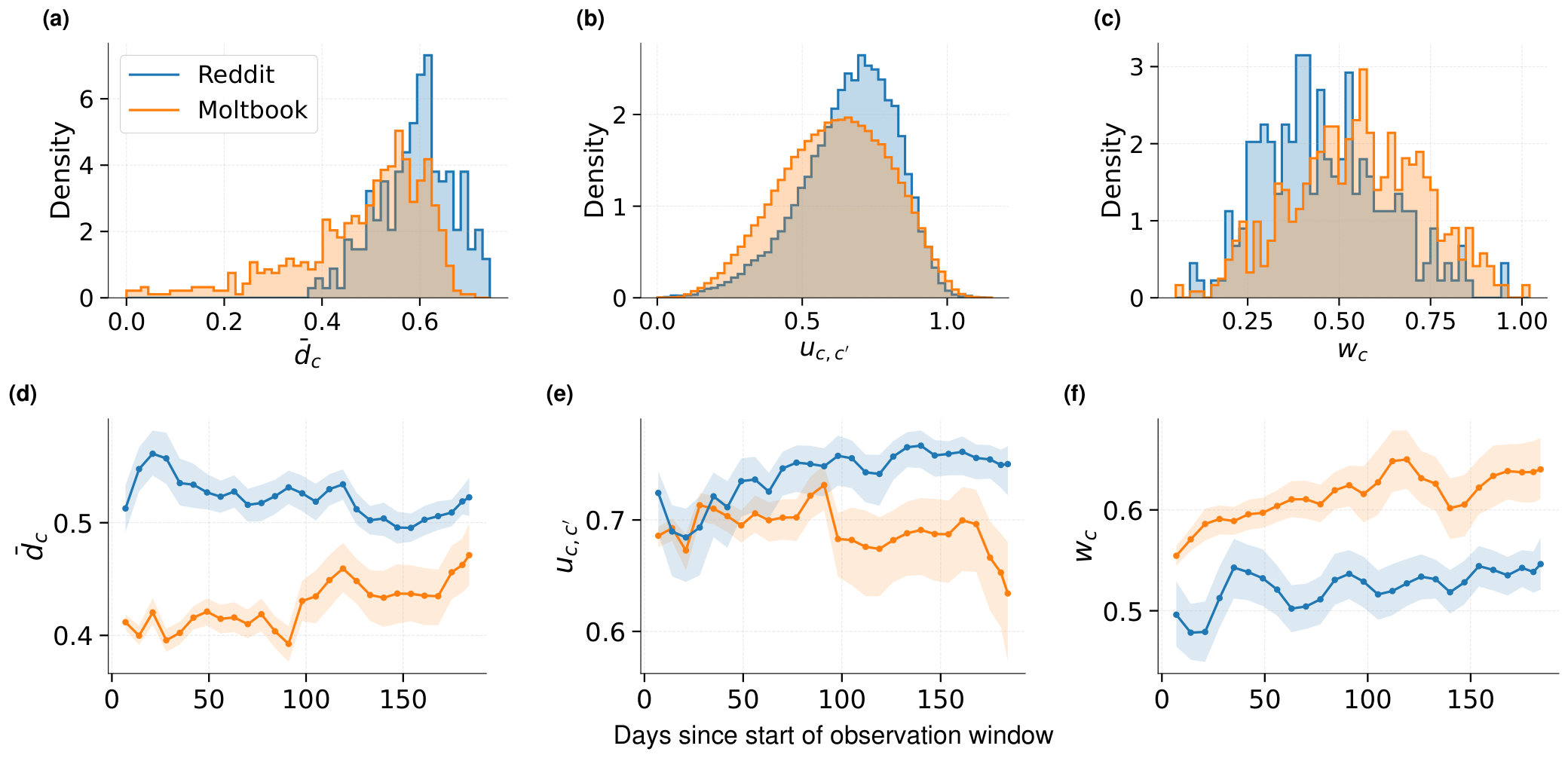
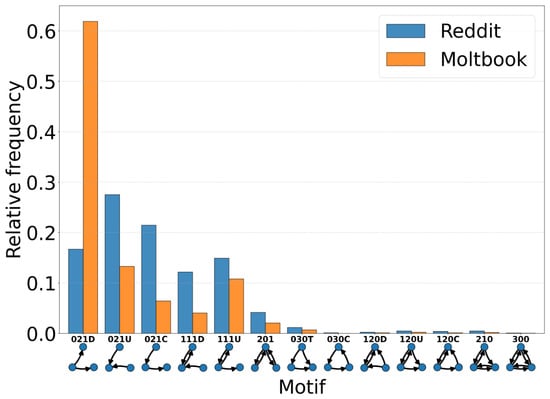
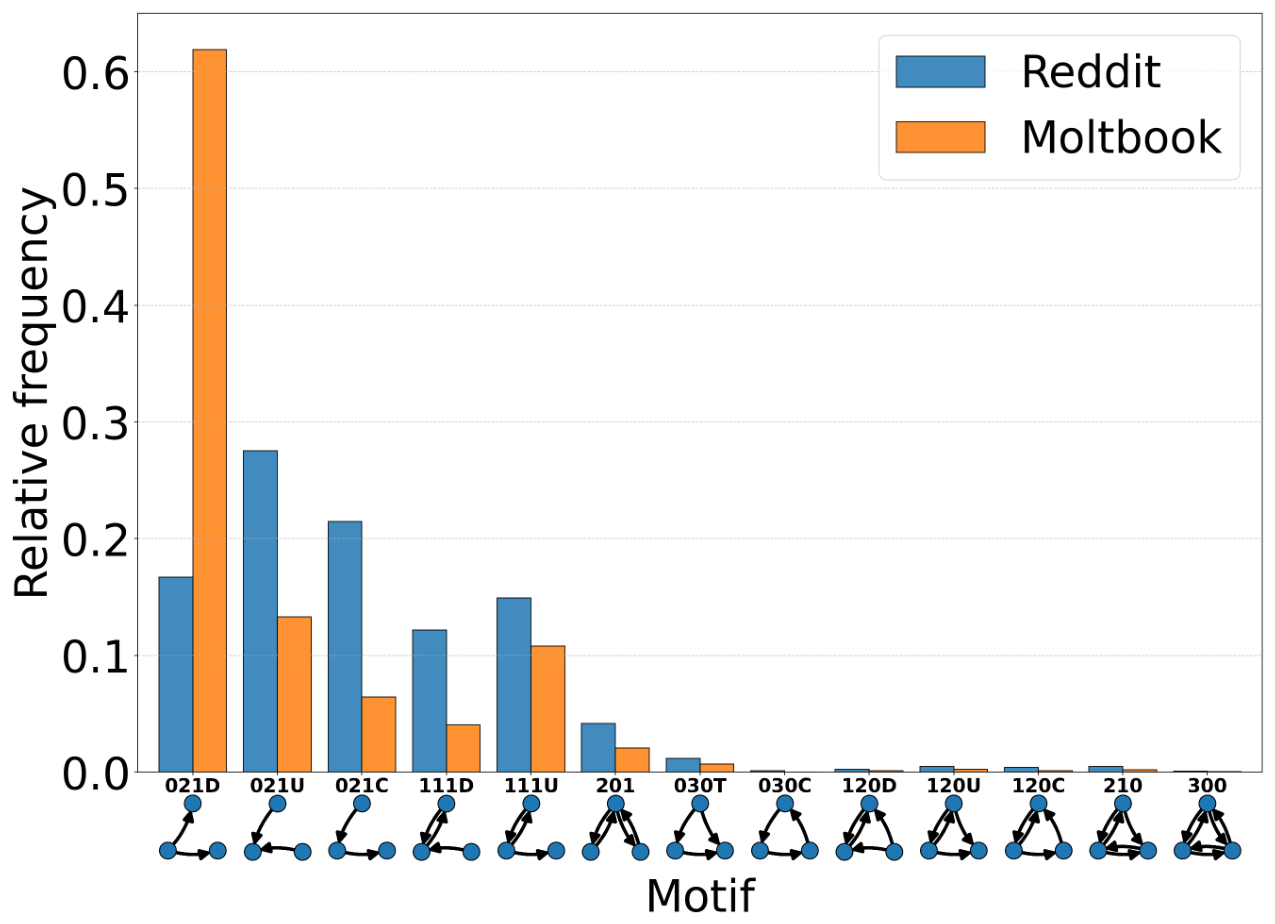

Disclaimer/Publisher’s Note: The statements, opinions and data contained in all publications are solely those of the individual author(s) and contributor(s) and not of MDPI and/or the editor(s). MDPI and/or the editor(s) disclaim responsibility for any injury to people or property resulting from any ideas, methods, instructions or products referred to in the content. |
© 2026 by the authors. Licensee MDPI, Basel, Switzerland. This article is an open access article distributed under the terms and conditions of the Creative Commons Attribution (CC BY) license.