

You are currently viewing a new version of our website. To view the old version click .

Coatings

Coatings is an international, peer-reviewed, open access journal on coatings and surface engineering, published monthly online by MDPI.
The Korean Tribology Society (KTS) and Chinese Society of Micro-Nano Technology (CSMNT) are affiliated with Coatings and their members receive discounts on the article processing charges.
Quartile Ranking JCR - Q2 (Physics, Applied)

All Articles (11,815)

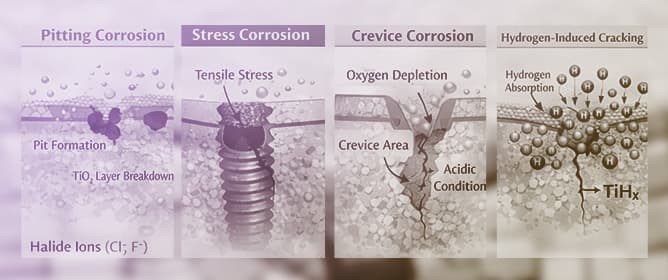
Bone is a structurally complex and dynamic tissue that plays a crucial role in mobility and skeletal stability. However, conditions such as osteoporosis, osteoarthritis, trauma-induced fractures, infections, and malignancies often necessitate the use of orthopedic and dental implants. Despite significant progress in implant biomaterials, challenges such as bacterial infection, inflammation, and loosening continue to compromise implant longevity, frequently leading to revision surgeries and extended recovery times. Smart coatings have emerged as a next-generation solution to these problems by providing on-demand, localized therapeutic responses to microenvironmental changes around implants and promoting bone regeneration. Such coatings can minimize antibiotic resistance by enabling controlled, stimulus-triggered drug release. Although the idea of using pH-sensitivity as a tool to make smart coatings is not a new thought, there are no options currently good enough to enter clinical studies. This review provides a comprehensive overview of recent advances in pH-sensitive polymers, hybrid composites, porous architectures, and bioactive linkers designed to dynamically respond to pathological pH variations at implant sites. By investigating the mechanisms of action, antibacterial and anti-inflammatory effects, and roles in bone regeneration, it is shown that the ability to provide time-dependent drug release for both short-term and long-term infections, as well as keeping the environment welcoming to the bone cell growth and replacement, is not an easy goal to reach, even with a fully biocompatable, non-toxic, and semi-biodegradable (one that releases the drug, but does not fade away) coating material compound. Reviewing all available options, including their functions and failures, finally, emerging trends, translational barriers, and future opportunities for clinical implementation are highlighted, underscoring the transformative potential of bioresponsive coatings in orthopedic and dental implant technologies.

12 December 2025

Mechanisms of infection, inflammation, and loosening on implants (sketched in biorender.com). First row: During surgery, bacteria may attach to the surface of the implant. Within the body, they start to proliferate into layers, causing the layer far from the tissue to be deprived of nutrients. These bacteria die and form a solid biofilm, which thickens and expands over the implant over time with more bacterial proliferation and dispersion. Second row: This shows the initial response of the body to the identification of bacteria in the implantation site. The activity and movement of macrophages to the infection site result in the birth of unnecessary osteoclasts, which absorb the bone and induce loosening in the contact area. Third row: The immune system may identify the implant as a harmful foreign body object that needs to be removed. Inflammation is the result of macrophage attack on the implant or inhibiting the near osteocytes’ receptors to defend. This interrupts the natural growth and maturation of osteocytes, causing loosening.

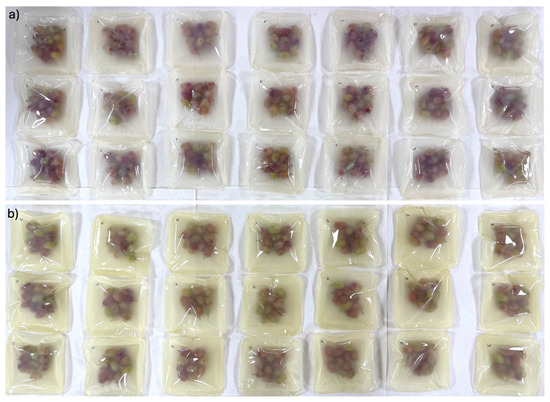
Growing concern over the environmental impact of fossil-based plastics used in food packaging has prompted new legislative action (most notably EU Regulation 2025/40, commonly referred to as the “Packaging and Packaging Waste Regulation”) demanding a transition toward more sustainable and highly functional alternatives [...]

14 December 2025

Rubber is a crucial sealing material in the petroleum industry. Due to increasingly stringent industrial development, safety performance requirements are becoming extremely high, resulting in higher oil resistance requirements for rubber. HNBR exhibits good heat resistance, high tensile strength, tear strength, and excellent wear resistance. However, a certain degree of aging will also occur in the actual service process, which will affect the service life of rubber. In order to explore the factors affecting the aging behavior of HNBR vulcanizates in an oil–water environment at 150 °C, HNBR vulcanizates were aged in an independent environment. IR (Infrared) spectroscopy analysis (FTIR), crosslinking density analysis, dynamic mechanical analysis (DMA), and scanning electron microscopy (SEM) testing were used to characterize the microstructural and morphological changes in HNBR vulcanizates before and after aging. The aging mechanism of HNBR vulcanizates in different environments was obtained. Since factors such as rubber fillers remained constant throughout the experimental process, the influence of formulation variables on aging was disregarded.

13 December 2025

Construction and Properties of Cu-/Zr-Based Thin Films on Glass Substrate

  • Yu Meng,
  • Chengcheng Zhang and
  • Xinyi Hu
  • + 1 author

A novel method for metallization of a glass substrate is proposed to improve adhesion strength between the glass and the metal layer. The Cu/glass substrate was fabricated using magnetron sputtering with the addition of nanoscale multilayer films (Zr/ZrN/Zr/ZrN/Zr/ZrN) as transition layers. The microstructure of the Cu capping layer and the interface between Cu and glass were investigated. The results indicate that the (ZrN/Zr)x gradient layer is uniform and dense, exhibiting crystalline characteristics that help optimize the interface structure. As the ZrN/Zr gradient layer thickens, the interfacial bonding strength between the metal layer and the glass substrate gradually increases. Among different periods, when the period is 3, the critical load of the Cu/(ZrN/Zr)3 stack structure is 80 N. This study provides an important strategy for designing and constructing a new type of glass substrate.

13 December 2025

News & Conferences

Issues

Open for Submission

Editor's Choice

Reprints of Collections

Polymer Thin Films
Reprint

Polymer Thin Films

From Fundamentals to Applications (Second Edition)
Editors: Mohor Mihelčič
Coatings for Cultural Heritage
Reprint

Coatings for Cultural Heritage

Cleaning, Protection and Restoration
Editors: Yumin Du

Get Alerted

Add your email address to receive forthcoming issues of this journal.

XFacebookLinkedIn
Coatings - ISSN 2079-6412