



Journal Description
Behavioral Sciences
Behavioral Sciences
is an international, peer-reviewed, open access journal on psychology, neuroscience, cognitive science, behavioral biology and behavioral genetics, published monthly online by MDPI.
- Open Access— free for readers, with article processing charges (APC) paid by authors or their institutions.
- High Visibility: indexed within Scopus, SSCI (Web of Science), PubMed, PMC, Embase, PsycInfo, and other databases.
- Journal Rank: JCR - Q2 (Psychology, Multidisciplinary) / CiteScore - Q2 (Development)
- Rapid Publication: manuscripts are peer-reviewed and a first decision is provided to authors approximately 32 days after submission; acceptance to publication is undertaken in 3.6 days (median values for papers published in this journal in the second half of 2025).
- Recognition of Reviewers: reviewers who provide timely, thorough peer-review reports receive vouchers entitling them to a discount on the APC of their next publication in any MDPI journal, in appreciation of the work done.
- Companion journal: International Journal of Cognitive Sciences
- Journal Cluster of Education and Psychology: Adolescents, AI in Education, Behavioral Sciences, Education Sciences, International Journal of Cognitive Sciences, Journal of Intelligence, Psychology International and Youth.
Impact Factor:
2.5 (2024);
5-Year Impact Factor:
2.6 (2024)
Latest Articles
A Bidimensional Model of Language Transmission in Bilingual Families: Immigrants from the Former Soviet Union in Israel
Behav. Sci. 2026, 16(5), 712; https://doi.org/10.3390/bs16050712 (registering DOI) - 6 May 2026
Abstract
This study investigates language transmission in immigrant families. The study is based on a bidimensional acculturation model, which assumes that immigrants acquire the new culture and preserve their culture of origin to different degrees. The model was tested using a stratified sample of
[...] Read more.
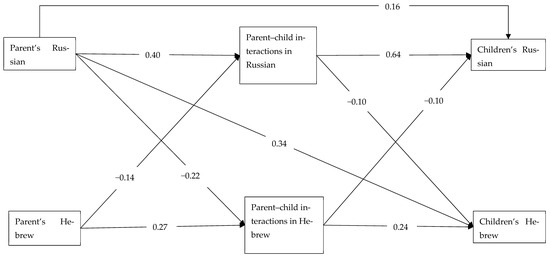
This study investigates language transmission in immigrant families. The study is based on a bidimensional acculturation model, which assumes that immigrants acquire the new culture and preserve their culture of origin to different degrees. The model was tested using a stratified sample of first-generation immigrants from the former Soviet Union in Israel whose children were born in the host country (n = 725). The assimilation pattern was observed across all components of language transmission, with Hebrew being more prevalent than Russian among parents and children, as well as in their interactions. In addition, the two languages were competitive (negatively correlated) with respect to parents’ language proficiency and parent–child interactions. However, they were complementary (non-correlated) with respect to children’s language proficiency. The hypothesized bidimensional model linking parents’ language proficiency, the frequency of parent–child interactions in a specific language, and children’s language proficiency was corroborated for both languages. In addition, positive effects of parents’ proficiency in Russian on children’s proficiency in both Russian and Hebrew were found. Finally, the duration of residence in Israel, religiosity, education, and gender affected various aspects of language transmission in immigrant families. The study’s results advance our understanding of immigrants’ language acculturation and chart new directions for language policy and practice.
Full article
(This article belongs to the Special Issue Children’s Cognitive Development in Social and Cultural Contexts)
►
Show Figures
Open AccessReview
Network Meta-Analysis of Exercise Interventions on Working Memory Capacity in College Students: A Comparative Study Based on Intervention Types
by
Shenning Zhou, Mengyao Feng, Yueyan Li and Xiangqin Song
Behav. Sci. 2026, 16(5), 711; https://doi.org/10.3390/bs16050711 (registering DOI) - 6 May 2026
Abstract
Background: Working memory is essential for college students’ academic success, yet modern sedentary and digitally distracted lifestyles threaten cognitive health. This network meta-analysis compared the effectiveness of six exercise modalities on working memory in this population. Methods: Following PRISMA-NMA guidelines (PROSPERO: CRD420261331066), we
[...] Read more.
Background: Working memory is essential for college students’ academic success, yet modern sedentary and digitally distracted lifestyles threaten cognitive health. This network meta-analysis compared the effectiveness of six exercise modalities on working memory in this population. Methods: Following PRISMA-NMA guidelines (PROSPERO: CRD420261331066), we systematically searched PubMed, Web of Science, Embase, Cochrane Library, SPORTDiscus, and CNKI for randomized controlled trials up to 13 February 2026. The primary outcome was reaction time on working memory tasks. We used frequentist random-effects network meta-analysis in Stata 18.0. Results: Thirty-five trials (2314 participants) were included. Compared to controls, significant benefits were found for aerobic exercise (SMD = −0.63, 95% CI: −0.94 to −0.32), mixed-modal training (SMD = −0.59, 95% CI: −0.92 to −0.26), HIIT (SMD = −0.56, 95% CI: −0.96 to −0.16), and resistance training (SMD = −0.48, 95% CI: −0.82 to −0.14). Ball sports and cognitive training showed no significant effects. HIIT and mixed-modal training ranked highest (SUCRA 80.3% and 76.0%). Chronic interventions (≥4 weeks) yielded larger effects than acute protocols. Direct comparisons among effective modalities revealed no significant differences. Conclusions: Aerobic-dominant exercise interventions were associated with moderate working memory improvements in college students, though the optimal type remains uncertain pending further comparative trials.
Full article
Open AccessArticle
Helmsmanship Leadership: Temporal Dynamics of High-Responsibility, Low-Visibility Governance
by
Xiuxia Liu, Lunan Li, Hangyu Zhang and Qiuhua Lin
Behav. Sci. 2026, 16(5), 710; https://doi.org/10.3390/bs16050710 - 5 May 2026
Abstract
Leadership research has long focused on the “high-visibility, high-responsibility” heroic leadership paradigm, while systematically neglecting the critical quadrant of “low-visibility, high-responsibility” (HRLV) leadership. Through ethnographic observation and in-depth interviews with Chinese dragon-boat helmsters as an extreme case, this study constructs a Helmsmanship Leadership
[...] Read more.
Leadership research has long focused on the “high-visibility, high-responsibility” heroic leadership paradigm, while systematically neglecting the critical quadrant of “low-visibility, high-responsibility” (HRLV) leadership. Through ethnographic observation and in-depth interviews with Chinese dragon-boat helmsters as an extreme case, this study constructs a Helmsmanship Leadership theoretical framework, revealing the core operating mechanisms of HRLV leadership. The framework comprises 3 interlocking dimensions: Fade—achieving silent coordination through sub-threshold interventions, decoupling influence from visibility; Fail-safe—safeguarding the system’s floor through preventive authority, with success marked by the “absence of disaster”; Fit—situational attunement and going with the flow, serving as a conduit for environmental forces rather than a controller. The systemic coupling of these 3 dimensions enables helmsters to sustain collective survival under extreme conditions of zero-error tolerance and high interdependence. This study decouples leadership from visibility, revealing how influence is generated under conditions of “not being seen.” It expands the theoretical boundaries of relational leadership, extending relationality from interpersonal interaction to the leader’s relationship with the system, with risk, and with the environment. It contributes to leadership theory a “visibility-responsibility” analytical framework, revealing the core characteristics and operating logic of the long-overlooked leadership form of “high-responsibility, low-visibility.” In doing so, it provides new analytical tools for understanding governance in high-risk, highly interdependent systems.
Full article
(This article belongs to the Topic Interdisciplinary Approaches to Sports in the 21st Century)
Open AccessArticle
Mindful Attention and Pain Appraisal During Isometric Exercise
by
Sara A. Thompson, Sarah Ullrich-French and Anne E. Cox
Behav. Sci. 2026, 16(5), 709; https://doi.org/10.3390/bs16050709 - 5 May 2026
Abstract
►▼
Show Figures
Exercise-induced pain is a common and aversive experience that can influence how individuals engage with and persist in physical activity. Pain is not solely determined by sensory input but is shaped by attentional and cognitive processes that influence how bodily sensations are interpreted
[...] Read more.
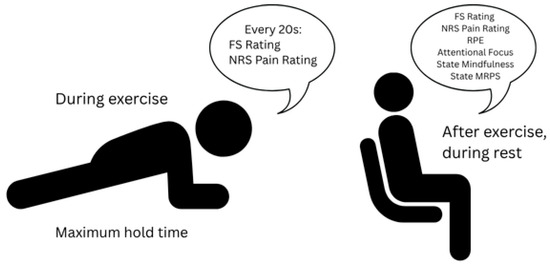
Exercise-induced pain is a common and aversive experience that can influence how individuals engage with and persist in physical activity. Pain is not solely determined by sensory input but is shaped by attentional and cognitive processes that influence how bodily sensations are interpreted during exercise. The present study examined how different modes of attentional engagement shape the cognitive appraisal of exercise-induced pain. Recreationally active adults (N = 55) were randomly assigned to use either a mindful associative attentional strategy or a cognitively engaging dissociative strategy (backward counting) during two isometric endurance tasks (forearm plank and wall-sit). Core affect, pain severity, pain tolerance, and mindful reappraisal of pain were assessed during and after exercise. Manipulation checks confirmed robust differentiation of attentional focus and state mindfulness between conditions (p < 0.05). Participants using mindful attention reported significantly higher mindful reappraisal of pain during both exercises (p < 0.05, η2 = 0.11 (plank) and 0.11 (wall sit)) and lower pain severity during the plank only (p < 0.05, η2 = 0.08 (plank)) compared to those using dissociative attention. No between-condition differences were observed for pain tolerance, perceived exertion, or core affect. These findings suggest that mindful attention may influence exercise-induced pain in part through differences in cognitive appraisal rather than disengagement from bodily sensations. By highlighting pain appraisal as a key attentional mechanism, this study contributes to a more precise understanding of how mindfulness shapes pain experiences during acute exercise.
Full article

Figure 1
Open AccessReview
Overvalued Ideas: Conceptual Analysis and Literature Review
by
Jennifer Dork, Eugene Dimenstein, Lawrence Burns and Megan Demshuk
Behav. Sci. 2026, 16(5), 708; https://doi.org/10.3390/bs16050708 - 5 May 2026
Abstract
►▼
Show Figures
The concept of the overvalued idea (OVI) has been debated since German psychiatrist Karl Wernicke coined the term in the late nineteenth century, describing it as an emotionally exaggerated yet psychologically comprehensible belief arising from normal cognitive processes that becomes central to an
[...] Read more.
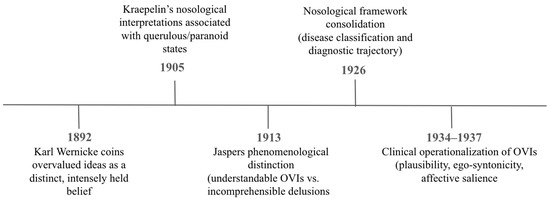
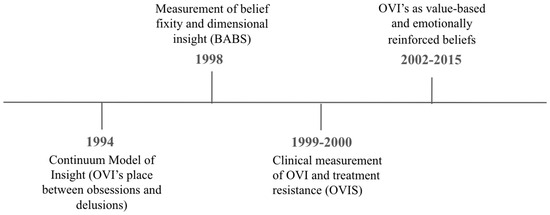
The concept of the overvalued idea (OVI) has been debated since German psychiatrist Karl Wernicke coined the term in the late nineteenth century, describing it as an emotionally exaggerated yet psychologically comprehensible belief arising from normal cognitive processes that becomes central to an individual’s mental life. Since that time, the construct has been variably reinterpreted through competing theoretical lenses, ranging from Kraepelin’s biological nosology to contemporary cognitive-behavioral and multidimensional models. Despite its clinical relevance across disorders (e.g., anorexia nervosa, body dysmorphic disorder, obsessive–compulsive disorder), overvalued ideas remain inconsistently and insufficiently defined, having been alternately treated as attenuated delusions, markers of poor insight, or disorder-specific severity indicators—interpretations that have limited theoretical coherence, measurement precision, and clinical utility. This review traces the historical evolution of the overvalued idea, clarifies enduring theoretical misinterpretations, and proposes a comprehensive, practical definition. Integrating historical and contemporary perspectives, we define an overvalued idea as a psychologically intelligible, ego-syntonic belief held with disproportionate emotional significance that dominates cognition and behavior without meeting criteria for an obsession or a delusion. We further propose that overvalued ideation is best conceptualized as a transdiagnostic mechanism through which emotionally reinforced beliefs acquire pathological dominance across disorders, a formulation that both honors Wernicke’s original insight and can be operationalized for future research, measurement, diagnosis, and treatment.
Full article

Figure 1
Open AccessArticle
The Impact of the COVID-19 Pandemic on Male Intimate Partner Violence Victims
by
Denise A. Hines, Elizabeth A. Bates and Julia Taylor
Behav. Sci. 2026, 16(5), 707; https://doi.org/10.3390/bs16050707 - 5 May 2026
Abstract
The COVID-19 pandemic contributed to more severe and frequent intimate partner violence (IPV) among victims, and less availability of services; however, this research has largely been conducted on only female victims. We investigated the COVID-19 pandemic’s contribution to more severe and frequent IPV
[...] Read more.
The COVID-19 pandemic contributed to more severe and frequent intimate partner violence (IPV) among victims, and less availability of services; however, this research has largely been conducted on only female victims. We investigated the COVID-19 pandemic’s contribution to more severe and frequent IPV among male victims, barriers to getting help, and factors contributing to both increased severity/frequency and barriers. Participants included 318 male IPV victims from English-speaking Western countries who reported being the victim of IPV during the pandemic. They completed a Qualtrics questionnaire asking about their IPV experiences, mental health, COVID-19-related experiences in general and IPV experiences in specific. Overall, 47.8% of the participants experienced an increase in frequency and/or severity of IPV victimization, with help-seeking barriers, job loss, being confined to the house with their aggressor, and prior trauma independently predicting increases. Also, 75.5% reported one or more barriers to accessing help; such barriers were independently predicted by increased severity/frequency of IPV, financial strain, relationship length, being married, using marijuana, severe depression, prior trauma, IPV stigma, and coercive control victimization. Results are discussed in terms of their consistency with the literature on female victims, and the need for gender inclusive research, service provisions, and service recommendations in light of crises such as the COVID-19 pandemic.
Full article
(This article belongs to the Special Issue Male Intimate Partner and Sexual Victimisation)
Open AccessArticle
Leverage Points for Wellbeing and Achievement in Vocational Education: A Network Analysis of Psychological Factors Across Gender and Majors
by
Maxim Likhanov, Adrien Fillon, Marie Demolliens, Anaïs Robert, Céline Darnon, Pascal Huguet, on behalf of the ProFAN Consortium and Isabelle Régner
Behav. Sci. 2026, 16(5), 706; https://doi.org/10.3390/bs16050706 (registering DOI) - 5 May 2026
Abstract
The current study aimed to investigate complex links among a large set of anxiety-related variables and identify targets for well-being interventions in a large sample of male and female vocational education training students. In total, 28 psychological constructs, such as self-esteem, parental pressure
[...] Read more.
The current study aimed to investigate complex links among a large set of anxiety-related variables and identify targets for well-being interventions in a large sample of male and female vocational education training students. In total, 28 psychological constructs, such as self-esteem, parental pressure and dissatisfaction and motivation, were assessed in four groups of VET students (mode age: 16). The sample included 3069 females in ASSP schools (nursing and caring); 2108 females and 1772 males in Commerce schools (sales and management); and 2262 males in MELEC schools (electricity and maintenance). We used Gaussian Graphical models (GGMs) that allow for building sparse models of links among multiple variables and detecting targets for interventions via the identification of the most central nodes. We showed gender differences in absolute means for some variables (higher self-esteem and math grades in males; higher anxiety and error sensitivity, but stronger endorsement of mastery approach achievement goals in females), as well as in network structure. GGMs suggested that the key nodes were self-reported math competence for females in the ASSP group, self-regulation for females in Commerce, and mastery approach goals for males in both MELEC and Commerce groups, and that these should be differentially targeted by educational interventions in these populations.
Full article
(This article belongs to the Special Issue Academic Engagement, Motivation, and Parental Support in Student Achievement)
Open AccessArticle
Negativity Bias in Depression and Anxiety: Examining the Psychometric Properties of a Modified Scrambled Sentences Task to Measure Interpretation Bias
by
Kate Rho, Ashali Kataria, Susan A. J. Birch and Joelle LeMoult
Behav. Sci. 2026, 16(5), 705; https://doi.org/10.3390/bs16050705 - 5 May 2026
Abstract
In the Scrambled Sentences Task (SST), a widely used experimental paradigm for measuring negative interpretation bias (IB), participants are shown sets of ‘scrambled’ words that can be rearranged into either negative or positive sentences. The SST is traditionally administered with time limits, cognitive
[...] Read more.
In the Scrambled Sentences Task (SST), a widely used experimental paradigm for measuring negative interpretation bias (IB), participants are shown sets of ‘scrambled’ words that can be rearranged into either negative or positive sentences. The SST is traditionally administered with time limits, cognitive load and negative mood induction. Yet, whether these procedural features are required in all contexts remains uncertain. We tested whether a modified SST (SST-M), lacking time limits, cognitive load and mood induction, can be sufficient to detect associations between IB and current psychopathology by examining validity evidence and reliability of scores. Sixty-six Canadian university students (80.3% Women) completed the SST-M and measures of anxiety, depression, negative affect, and growth mindset. Findings offer preliminary validity evidence supporting the interpretation of SST-M scores as reflecting IB in a student sample. Results yielded excellent internal consistency and expected associations with anxiety, depression, negative affect, and growth mindset. The SST-M also displayed incremental associations above and beyond demographic covariates and negative affect. Our findings suggest that IB can be reliably detected, in at least some samples, without time limits, cognitive load and mood induction. The SST-M is an easy-to-administer measure that lowers data collection barriers, providing the potential to advance research across broader populations.
Full article
Open AccessArticle
Investigating Oral Health Information Avoidance Among Chinese Young Adults: The Roles of Subjective Norms, Message Fatigue, and Loss Aversion—A Cross-Sectional Study
by
Dehuan Liu, Donghwa Chung, Yanfang Meng and Jiaqi Wang
Behav. Sci. 2026, 16(5), 704; https://doi.org/10.3390/bs16050704 - 4 May 2026
Abstract
As media users increasingly engage in defensive avoidance or disengagement from health-related content, oral health information has attracted growing attention, particularly given the tendency of Chinese young adults to avoid such content. This avoidance may constrain oral health awareness and related practices. Guided
[...] Read more.
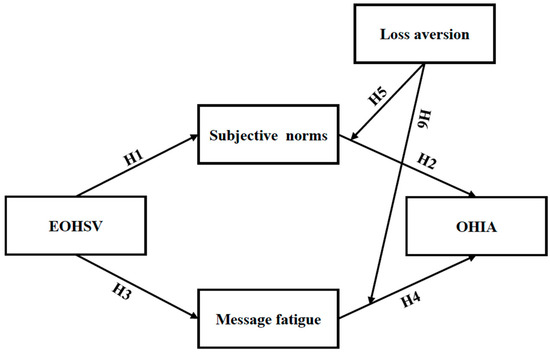
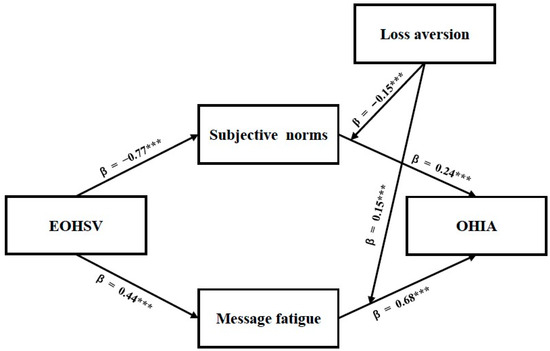
As media users increasingly engage in defensive avoidance or disengagement from health-related content, oral health information has attracted growing attention, particularly given the tendency of Chinese young adults to avoid such content. This avoidance may constrain oral health awareness and related practices. Guided by Prospect Theory, the current study examines the association between engagement with oral health short videos and oral health information avoidance among Chinese young adults, and further investigates the mediating roles of subjective norms and message fatigue, as well as the moderating role of loss aversion. Data were collected from 10 December 2025, to 10 February 2026, via an online questionnaire, yielding 306 valid responses from Chinese young adults aged 18–35. All variables were measured using five-point Likert scales. Analyses were conducted using Jamovi 2.6.44 and SPSS 29.0. Reliability and validity were assessed, and direct and indirect associations, as well as moderation effects, were examined using bootstrapping with 2000 resamples. Engagement with oral health short videos was positively associated with message fatigue. Message fatigue mediated the association between engagement and oral health information avoidance. In addition, loss aversion moderated the relationship between message fatigue and oral health information avoidance. Health promoters (i.e., content creators) and oral health professionals should adopt targeted strategies to enhance communication effectiveness. Excessive algorithm-driven exposure that is misaligned with users’ needs should be minimized. Incorporating gain-framed and supportive messaging may reduce perceived pressure and improve receptivity to oral health content.
Full article
(This article belongs to the Section Health Psychology)
►▼
Show Figures

Figure 1

Open AccessReview
Effects of Different Physical Activity Approaches on Executive Functions in Primary School Children with ADHD: A Scoping Review with Methodological Reflections
by
Gracia Cristina Villodres, Valentin Benzing and José Joaquín Muros
Behav. Sci. 2026, 16(5), 703; https://doi.org/10.3390/bs16050703 - 4 May 2026
Abstract
Children with attention deficit/hyperactivity disorder (ADHD) often exhibit deficits in executive functions (EFs), which are crucial for self-regulation and academic performance. Physical activity (PA) has emerged as a promising non-pharmacological approach to support EF development in this population. This scoping review, guided by
[...] Read more.
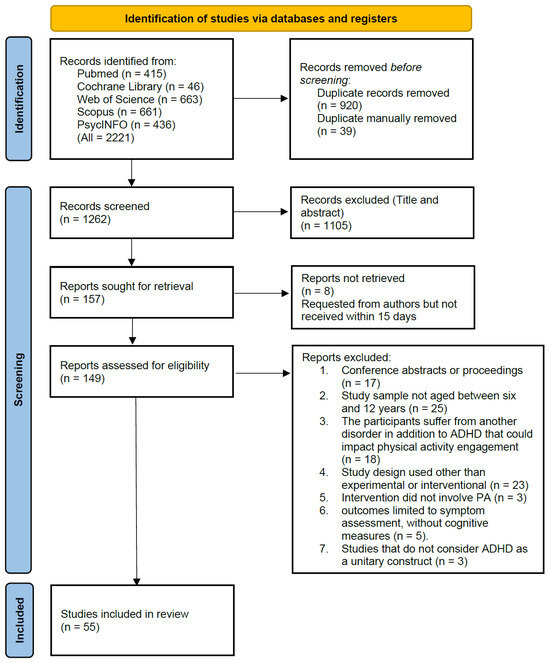
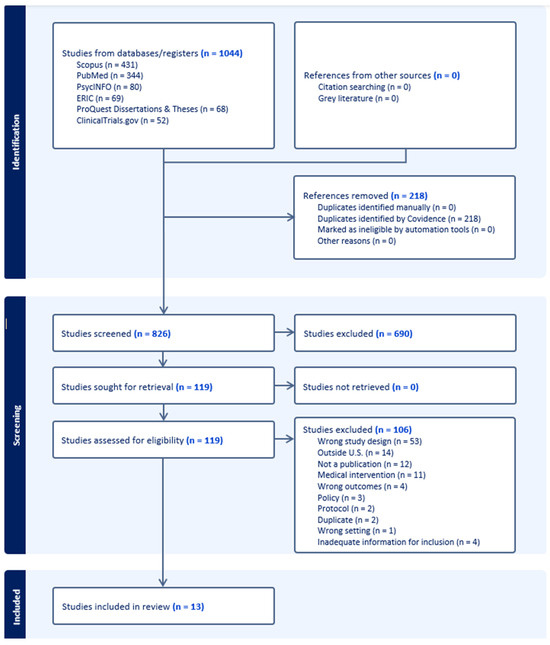
Children with attention deficit/hyperactivity disorder (ADHD) often exhibit deficits in executive functions (EFs), which are crucial for self-regulation and academic performance. Physical activity (PA) has emerged as a promising non-pharmacological approach to support EF development in this population. This scoping review, guided by the PRISMA-ScR framework, examined PA interventions aimed at improving EFs in children aged 6–12 diagnosed with ADHD. Evidence was synthesized narratively by categorizing interventions according to PA modality, intensity, and the specific EF domains targeted, whilst describing the methodological characteristics of existing studies. A systematic search of PubMed, Cochrane Library, Web of Science, Scopus, and PsycINFO up to the end of 2024 yielded 55 peer-reviewed empirical studies involving 3863 participants. Both acute and chronic PA interventions were associated with improvements in EFs, with inhibitory control most commonly enhanced, followed by working memory and cognitive flexibility. Structured sports such as swimming and football, as well as multimodal interventions including physical–cognitive training and exergames, demonstrated positive effects. Intervention efficacy was influenced by factors such as intensity, duration, cognitive engagement, and context. However, variability in study designs, small sample sizes, and lack of standardization limited comparability. These findings suggest that PA interventions can support EF development in children with ADHD, particularly when activities are cognitively engaging. Future research should address methodological limitations and explore mediators and moderators in ecologically valid and theory-driven designs.
Full article
(This article belongs to the Special Issue Executive Function in Children With ADHD)
►▼
Show Figures

Figure 1
Open AccessArticle
Remote Sensory–Cognitive Assessment in Children with Autism: Evaluating Feasibility and Performance Outcomes
by
Peige Wang, Lakshmi Kannan, Ellie Hodge, Jennie Marie Sanchez-Singh, Audrey Anna Carrillo, Sophia Milla, Katherine Meltzoff and Aaron R. Seitz
Behav. Sci. 2026, 16(5), 702; https://doi.org/10.3390/bs16050702 - 4 May 2026
Abstract
This study evaluated the feasibility of remotely administered, multi-session digital sensory–cognitive assessments in children with autism spectrum disorder (ASD). Remote assessment in ASD presents challenges, including sustaining engagement across sessions, ensuring task comprehension, and maintaining data quality in home environments. Accordingly, this study
[...] Read more.
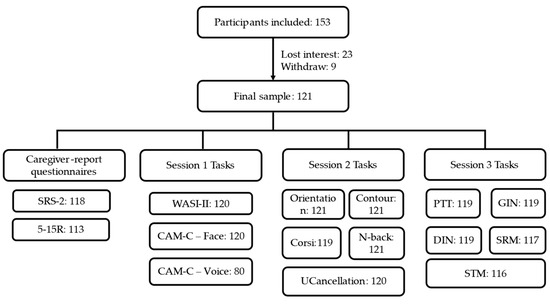
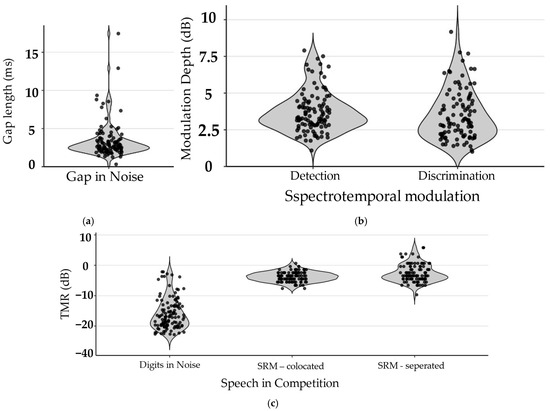
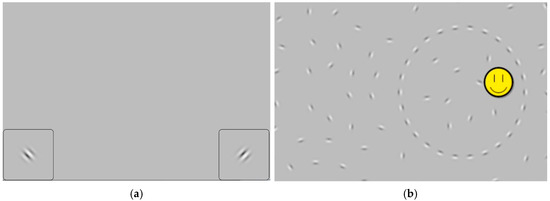
This study evaluated the feasibility of remotely administered, multi-session digital sensory–cognitive assessments in children with autism spectrum disorder (ASD). Remote assessment in ASD presents challenges, including sustaining engagement across sessions, ensuring task comprehension, and maintaining data quality in home environments. Accordingly, this study quantified feasibility through task engagement and data integrity across a multi-domain assessment battery. A total of 121 children with ASD aged 8–16 years participated. The assessment battery was administered across three remote sessions targeting emotion discrimination, visual and cognitive processing, and auditory processing. Feasibility was evaluated using a structured data-quality coding system integrating trial-level performance with qualitative observations of engagement and data integrity. Across 11 behavioral tasks, an average of 85% of participants produced usable data. Exclusions occurred across most tasks but were broadly distributed, with no single task showing disproportionately elevated failure rates. Among participants with usable data, performance distributions fell within expected ranges. These findings indicate that remote sensory–cognitive assessment is feasible in children with ASD, supporting the scalability of multi-domain digital assessments and providing a foundation for larger studies investigating individual variability across perceptual and cognitive domains.
Full article
(This article belongs to the Special Issue Early Identification and Intervention for Autism Spectrum Disorders)
►▼
Show Figures

Figure 1
Open AccessArticle
The Effect of Thermal Pain on Working Memory: Behavioral Evidence from the n-Back Task
by
Dong Dong, Koichi Hosomi, Nobuhiko Mori, Fanqing Zhou, Haruhiko Kishima and Youichi Saitoh
Behav. Sci. 2026, 16(5), 701; https://doi.org/10.3390/bs16050701 - 4 May 2026
Abstract
Pain and working memory interact bidirectionally, yet most paradigms treat pain as an extraneous distractor rather than task-relevant content. This study investigated whether thermal sensations can be encoded and updated in working memory in an n-back paradigm. Nineteen healthy adults completed visual (location)
[...] Read more.
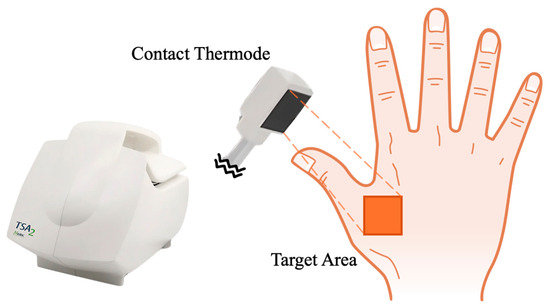
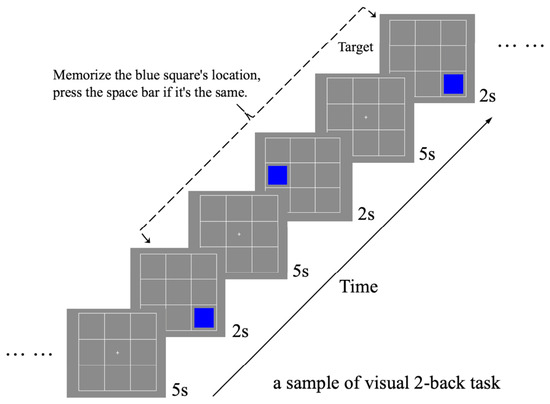
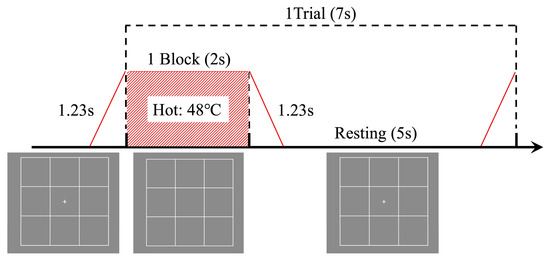
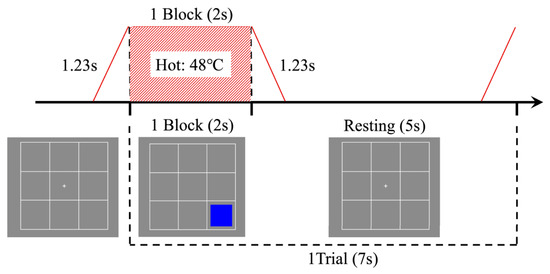
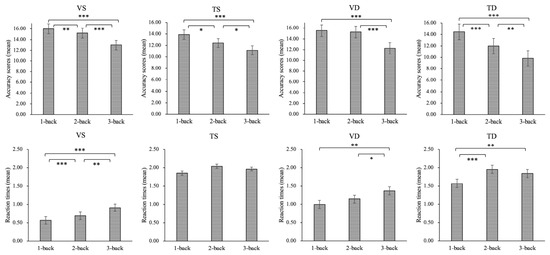
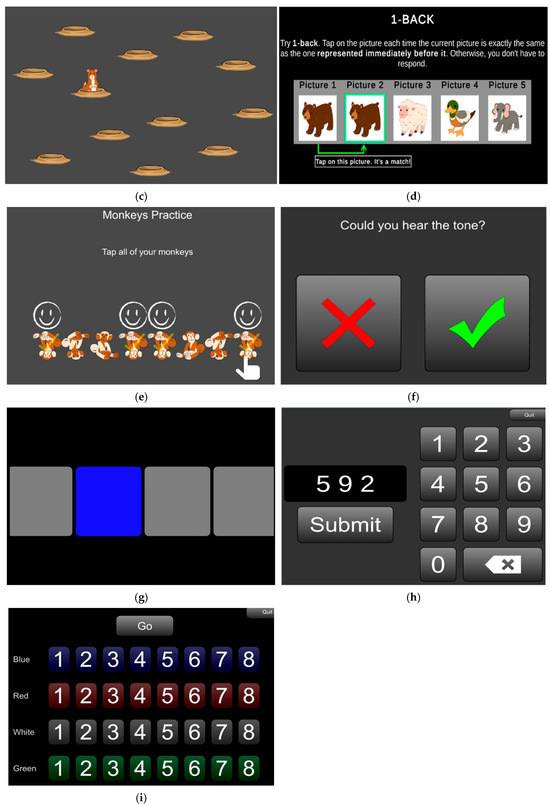
Pain and working memory interact bidirectionally, yet most paradigms treat pain as an extraneous distractor rather than task-relevant content. This study investigated whether thermal sensations can be encoded and updated in working memory in an n-back paradigm. Nineteen healthy adults completed visual (location) and thermal (temperature) single n-back tasks, cross-modal conditions with task-irrelevant distractors, and a dual n-back task across three load levels (1-, 2-, 3-back). Results showed that thermal cues consistently yielded lower accuracy and longer response times (RTs) compared to visual cues (p < 0.001, q < 0.001). While task-irrelevant thermal input tended to prolong RTs in the visual task under low load (p = 0.033, q = 0.099), task-irrelevant visual input showed a trend-level improvement in thermal-task accuracy under high load (3-back; p = 0.020, q = 0.060), consistent with a potential cross-modal effect. Qualitative data indicated that participants strategically transcoded thermal sensations into word or numerical labels to support maintenance. These findings demonstrate that pain can be operationalized as mnemonic content, though its processing incurs significant executive costs due to transcoding demands and resource competition. By shifting focus from “pain-as-interference” to “pain-as-content”, this paradigm offers a principled approach for the mechanistic study of nociceptive working memory updating and provides a foundation for quantifying cognitive interference in clinical pain populations.
Full article
(This article belongs to the Section Cognition)
►▼
Show Figures

Figure 1
Open AccessReview
Self-Expansion Activities with a Partner as One Path to Well-Being
by
Arthur Aron and Jennifer M. Tomlinson
Behav. Sci. 2026, 16(5), 700; https://doi.org/10.3390/bs16050700 - 4 May 2026
Abstract
The self-expansion model has generated hundreds of studies on the benefits of relationships for the self, but few have explicitly made the link from relationship quality to well-being. In this article we focus on how doing self-expanding activities with a romantic partner can
[...] Read more.
The self-expansion model has generated hundreds of studies on the benefits of relationships for the self, but few have explicitly made the link from relationship quality to well-being. In this article we focus on how doing self-expanding activities with a romantic partner can enhance relationship quality and, in turn, enhance well-being. First, we review the basic model; then, we present a section on the overall well-being benefits of strengthening relationships; then, we go through the various areas of study of self-expansion for couples highlighting for each the studies that show not just greater marital satisfaction, but the effect on various specific well-being effects. After one develops a relationship, one becomes accustomed to this self-expansion through including the partner into the self. As a result, the excitement of this inclusion slows over time, and thus relationships can become dull. But we argue that a major way to reinvigorate relationships is by doing novel and challenging (self-expanding) activities together with one’s partner, so that the self-expansion becomes associated with the relationship. We then briefly review many studies (experiments, daily diary, and others) supporting this principle: shared self-expanding activities increase relationship quality. Finally, we briefly discuss research showing that enhancing relationship quality increases well-being. This emphasis on well-being is important because it can help researchers understand the mechanisms behind how a specific form of improving relationships contributes to well-being.
Full article
(This article belongs to the Special Issue Experiences and Well-Being in Personal Growth)
Open AccessArticle
Rape Survivors’ Experience of the UK Criminal Justice System: A Qualitative Study
by
Hannah Shone, Alison Woodward, Helen Stevens and Peter James Hills
Behav. Sci. 2026, 16(5), 699; https://doi.org/10.3390/bs16050699 - 4 May 2026
Abstract
The conviction rate for sexual assault and rape in the UK has decreased since the 1980s. In part, this has been due to survivors’ negative experiences during their journey through the criminal justice system. While thorough reviews of the criminal justice system have
[...] Read more.
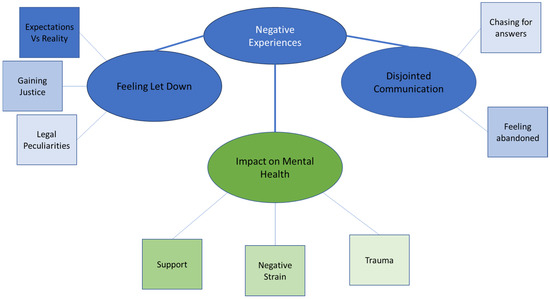
The conviction rate for sexual assault and rape in the UK has decreased since the 1980s. In part, this has been due to survivors’ negative experiences during their journey through the criminal justice system. While thorough reviews of the criminal justice system have taken place and recommendations have been made, there is a lack of psychological evaluation of the effects of this journey. In this study, we interviewed eight survivors who had gone through the criminal justice system, asking about their experiences and their impact. Thematic analysis, with triangulation, was undertaken, revealing that the negative experiences of feeling let down and the disjointed communication led to prolonged mental health difficulties. The interrelated subthemes highlighted how survivors’ expectations, potentially from seeking justice, were different from reality. Their reality of delayed, poor, and misguided communication from members of the criminal justice system made them feel abandoned, helpless, and powerless. The consequence of this was negative strain, additional trauma, and prolonged distress. These results are interpreted within a framework of the practicalities of investigating serious sexual assault and how best to support survivors of sexual violence while they are treated as witnesses under the criminal justice system in the UK.
Full article
(This article belongs to the Special Issue Collaboration and Co-Creation Research in the Behavioral Sciences: Assisting Policing and Criminal Justice Practice)
►▼
Show Figures

Figure 1
Open AccessArticle
Examination of Undesirable Behaviors Displayed by Faculty Members in the Classroom: Perspectives of Pre-Service Teachers
by
Burcu Bilir-Koca and Adil Çoruk
Behav. Sci. 2026, 16(5), 698; https://doi.org/10.3390/bs16050698 - 2 May 2026
Abstract
Effective teaching and learning in classrooms are achievable only through sound classroom management. While positive attitudes and behaviors exhibited by faculty members enhance instructional quality, undesirable behaviors may impede and negatively influence the teaching–learning process. The purpose of this study is to examine
[...] Read more.
Effective teaching and learning in classrooms are achievable only through sound classroom management. While positive attitudes and behaviors exhibited by faculty members enhance instructional quality, undesirable behaviors may impede and negatively influence the teaching–learning process. The purpose of this study is to examine the undesirable behaviors displayed by faculty members in classroom settings based on the perspectives of pre-service teachers. The study adopted a phenomenological design and was conducted with 95 pre-service teachers enrolled in the Classroom Management course at the Faculty of Education, Çanakkale Onsekiz Mart University. Data were collected through a semi-structured interview form and analyzed using content analysis. The findings revealed that undesirable faculty members’ behaviors were characterized as actions stemming from instructors’ inadequacies that negatively affect students and the overall educational process. These behaviors were categorized under four themes: instructional management, time management, communication management, and behavior management. The results indicated that undesirable behaviors predominantly originate from instructor-related factors. Pre-service teachers reported experiencing such behaviors most frequently within the theme of behavior management. These behaviors primarily diminish their motivation and negatively influence their participation and academic performance. Pre-service teachers emphasized the need for both institutional and individual measures to prevent undesirable faculty members’ behaviors.
Full article
(This article belongs to the Section Educational Psychology)
Open AccessReview
What Works to Keep Students in School? A Meta-Analysis of Interventions to Reduce School Absenteeism
by
Dan Li, Subhash Singh, Navya Jeldi, Sophie Chang, Mingze Zhu, Kylar Dailey, Aizhan Karabukayeva and Changjie Cai
Behav. Sci. 2026, 16(5), 697; https://doi.org/10.3390/bs16050697 - 2 May 2026
Abstract
(1) Background: Regular school attendance is foundational to students’ academic achievement, social-emotional development, and long-term career success. Yet chronic absenteeism continues to affect a substantial proportion of PreK-12 students in the United States, underscoring the urgent need for evidence-based interventions. (2) Methods: This
[...] Read more.
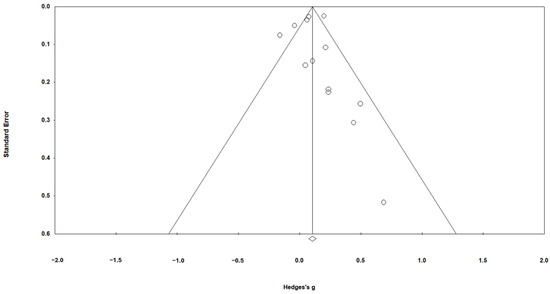
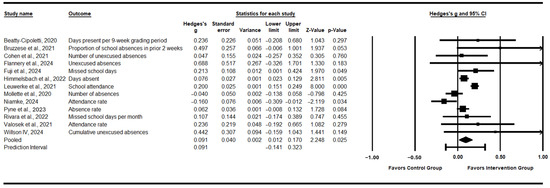
(1) Background: Regular school attendance is foundational to students’ academic achievement, social-emotional development, and long-term career success. Yet chronic absenteeism continues to affect a substantial proportion of PreK-12 students in the United States, underscoring the urgent need for evidence-based interventions. (2) Methods: This meta-analysis synthesized findings from 13 randomized controlled trials and quasi-experimental studies published between January 2020 and March 2025 and identified through six digital databases. All included studies evaluated interventions that reported school absenteeism as an outcome. Effect sizes were calculated using Hedges’ g and estimated with a random-effects model. To explain variability in effects, meta-regression analyses examined 10 moderators across the following four domains, guided by the ecological systems theory: study-level features (methodological rigor), individual-level characteristics, intervention-level characteristics, and contextual-level characteristics. (3) Results: The overall effect size was 0.091 (95% CI: 0.012–0.170), indicating a small but statistically significant reduction in absenteeism favoring intervention groups. Substantial heterogeneity was observed (I2 = 73%). Study setting emerged as the only significant moderator, with stronger effects in single-school implementations. Although other moderators were not statistically significant, variation in effect magnitudes suggests meaningful contextual and implementation differences. (4) Conclusions: These interventions produce modest but statistically reliable reductions in absenteeism, with implementation context significantly influencing effectiveness.
Full article
(This article belongs to the Special Issue A Whole-School Approach to Promote Mental Health, Equity, and Connectedness)
►▼
Show Figures

Figure 1
Open AccessArticle
Longitudinal Associations Between Adolescents’ Attachment Preferences for Parents and Peers and Their (Mal)Adjustment
by
Tomotaka Umemura, Yu Xu and Lenka Lacinová
Behav. Sci. 2026, 16(5), 696; https://doi.org/10.3390/bs16050696 - 2 May 2026
Abstract
Some adolescents prefer parents as their attachment figures, while others prefer peers, such as romantic partners and friends. However, how these attachment preferences influence (mal)adjustment is unclear. This study aimed to examine the longitudinal associations between adolescents’ preferences for attachment figures and their
[...] Read more.
Some adolescents prefer parents as their attachment figures, while others prefer peers, such as romantic partners and friends. However, how these attachment preferences influence (mal)adjustment is unclear. This study aimed to examine the longitudinal associations between adolescents’ preferences for attachment figures and their (mal)adjustment. We recruited 215 Czech adolescents (Mage = 14.02 in the 1st year, SD = 2.05, ranging between 11 and 18 years; girls = 54%) and utilized data from the adolescents’ reports of their attachment preferences in the 1st year of this project. In addition, adolescents, parents, and teachers reported adolescents’ (mal)adjustment over two years. The results showed that adolescents’ attachment preferences for mothers were longitudinally associated with lower parent-reported externalizing problems. On the other hand, attachment preferences for peers predicted lower teacher-reported internalizing problems. The findings suggest that attachment preferences for parents were linked to some more favorable adjustment outcomes, and that attachment preferences for peers may be more positively associated with adjustment when accompanied by attachment preferences for parents.
Full article
(This article belongs to the Special Issue Becoming Attached—the Process and Mechanisms of Attachment Formation in Humans and Other Animals)
Open AccessArticle
Objective Risk in Trust Decisions Under Varying Social Distance: An Exploratory fMRI Study
by
Ying Chen, Chengru Zhao and Xia Wu
Behav. Sci. 2026, 16(5), 695; https://doi.org/10.3390/bs16050695 - 2 May 2026
Abstract
Trust decisions involve both social evaluation and uncertainty processing, yet standard trust game paradigms do not fully dissociate trust-specific social computation from more general risk- and value-related processes. In this exploratory whole-brain fMRI study, we examined how objective risk and social distance were
[...] Read more.
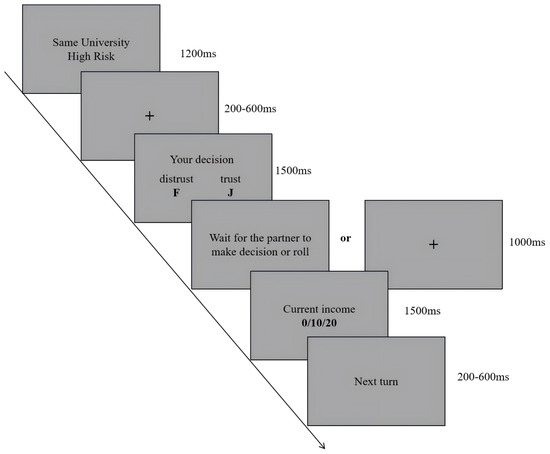
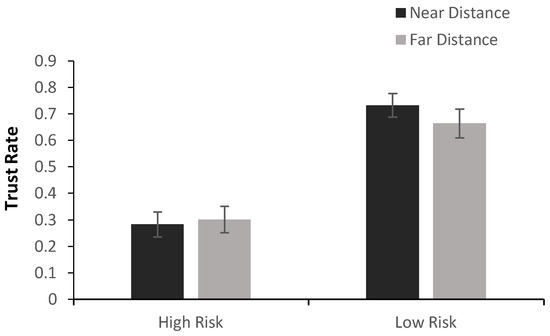
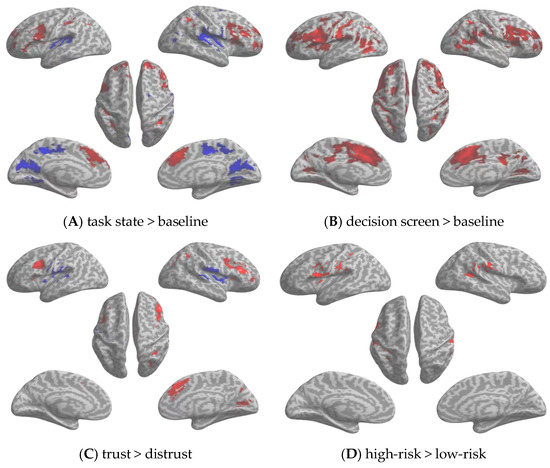
Trust decisions involve both social evaluation and uncertainty processing, yet standard trust game paradigms do not fully dissociate trust-specific social computation from more general risk- and value-related processes. In this exploratory whole-brain fMRI study, we examined how objective risk and social distance were associated with trust decisions within a 2 × 2 trust game. Twenty-three adults completed the task, and 20 were included in the fMRI analyses after exclusion for excessive head motion. Behaviorally, trust rates were significantly lower under high than low objective risk, whereas neither the main effect of social distance nor the interaction between objective risk and social distance was significant. Relative to baseline, task performance engaged prefrontal and parietal regions. Compared with distrust decisions, trust decisions were associated with greater activation in prefrontal and visual regions, along with stronger negative activation in the insula. Objective risk was associated with differential activation in temporal, supramarginal, and precentral regions. Under the present manipulation, we did not observe significant neural modulations by social distance. These findings suggest that, in this low-context paradigm, objective risk was a more robust source of behavioral and neural variation than social distance. Given the exploratory design, modest sample size, and the task’s limited ability to separate social trust from generic risk/value processing, the findings should be interpreted cautiously.
Full article
(This article belongs to the Special Issue Acting in the Moment: Decision-Making Under Risk, Delay and Forward-Looking Environments)
►▼
Show Figures

Figure 1
Open AccessArticle
The Relationship Between Physical Activity, Emotional Regulation, Psychological Stress, and Mood Among College Students: A Network Analysis Study
by
Baole Tao, Zhengwu Li, Jie Han, Tianci Lu, Hanwen Chen and Jun Yan
Behav. Sci. 2026, 16(5), 694; https://doi.org/10.3390/bs16050694 - 1 May 2026
Abstract
To examine the complex relationships among physical activity, emotion regulation, psychological stress, and mood states in college students, this study analyzed questionnaire data collected from 494 participants. Network analysis was employed to construct a global association network, compare gender differences, and characterize patterns
[...] Read more.
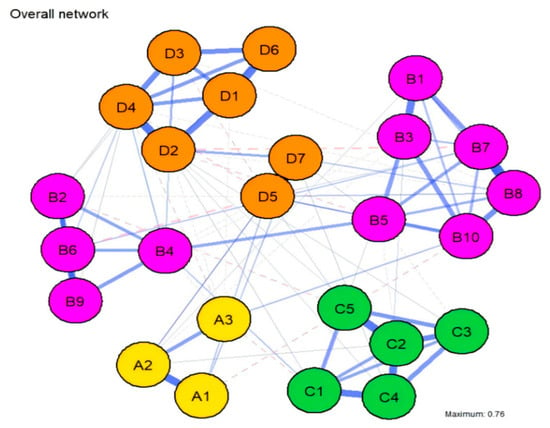
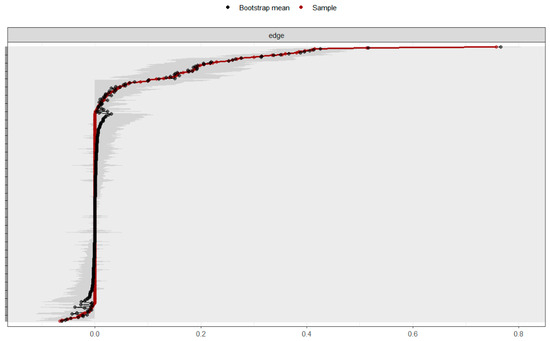
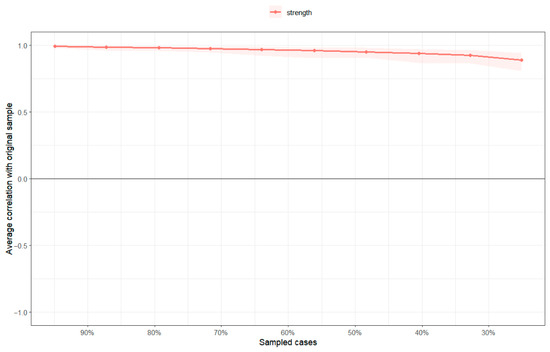
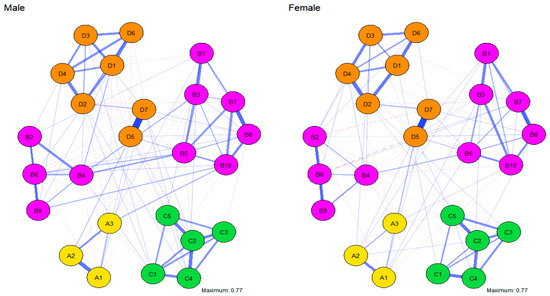
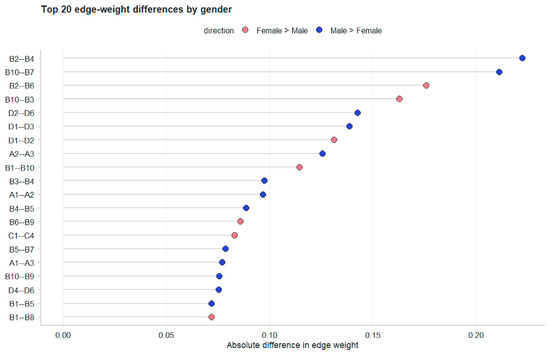
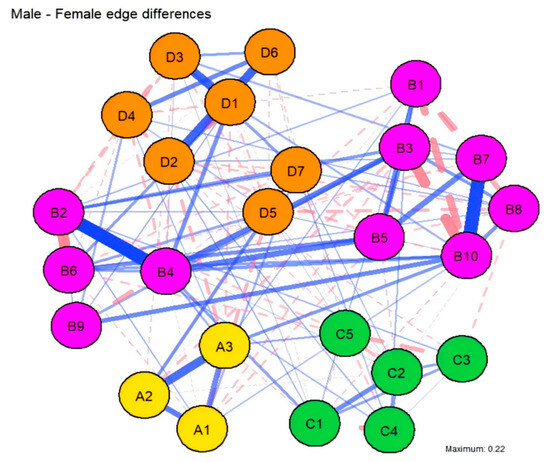
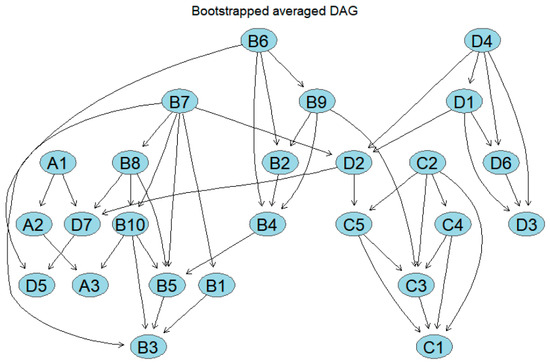
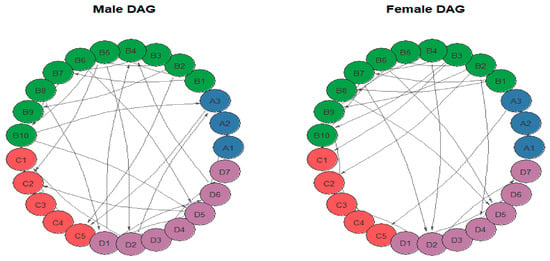
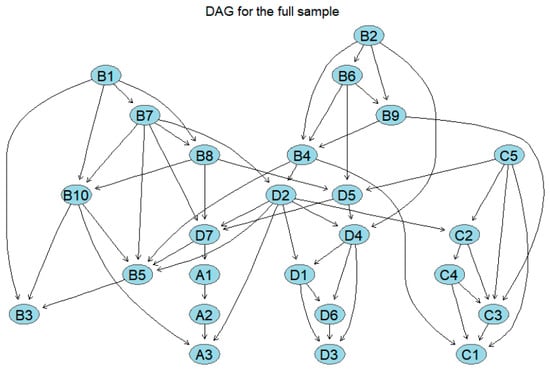
To examine the complex relationships among physical activity, emotion regulation, psychological stress, and mood states in college students, this study analyzed questionnaire data collected from 494 participants. Network analysis was employed to construct a global association network, compare gender differences, and characterize patterns of directed statistical dependencies via directed acyclic graph (DAG) analysis. The results showed that: (1) the network comprised 25 nodes and 94 non-zero edges, reflecting extensive conditional associations across the four domains; (2) bridge centrality analysis identified cognitive reappraisal, self-related emotions, and anger as key bridge nodes, with cognitive reappraisal exhibiting the highest bridge strength; (3) accuracy and stability analyses yielded a centrality stability coefficient (CS) of 0.749 for strength, indicating adequate network stability; (4) network comparison tests revealed no significant gender differences in overall network structure or global strength, although certain local edge weights differed; (5) DAG analysis suggested that stable directional dependencies were primarily concentrated within individual subsystems, with no marked structural differences observed between male and female groups. In conclusion, physical activity, emotion regulation, psychological stress, and mood states appear to constitute an interconnected psychological adaptation system. Cognitive reappraisal, self-related emotions, and anger likely serve as pivotal bridge nodes warranting priority in future longitudinal research and targeted interventions.
Full article
(This article belongs to the Section Health Psychology)
►▼
Show Figures

Figure 1
Open AccessArticle
Executive Function from Observation and Reflection Tool (EFFORT): Validation of a Culturally Adaptable and Publicly Available Item Bank in Seven Countries
by
Jelena Obradović, Ishita Ahmed, Mateus Mazzaferro, Michael J. Sulik, Dana C. McCoy, Sharon Wolf, Catherine E. Draper, Nikhit D’Sa, Steven J. Howard, Sebastián Lipina, Kavindya Thennakoon and Erfan Ghalibaf
Behav. Sci. 2026, 16(5), 693; https://doi.org/10.3390/bs16050693 - 30 Apr 2026
Abstract
Existing adult-report survey measures provide crucial information about children’s executive function (EF) development across contexts, but lack cultural relevance and ecological validity. To address these limitations, we introduce the Executive Function from Observation and Reflection Tool (EFFORT), a publicly available, open-source item bank
[...] Read more.
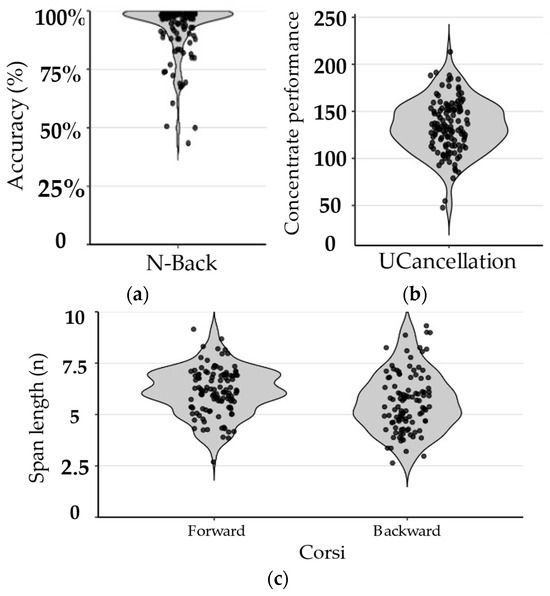
Existing adult-report survey measures provide crucial information about children’s executive function (EF) development across contexts, but lack cultural relevance and ecological validity. To address these limitations, we introduce the Executive Function from Observation and Reflection Tool (EFFORT), a publicly available, open-source item bank designed for cross-cultural adaptation that includes 32 parallel items for caregivers and teachers across six EF domains: sustained attention, response inhibition, interference suppression, working memory, cognitive flexibility, and planning/organization. EFFORT additionally includes 10 assessor report items intended for use following a structured, standardized assessment session. This study presents the first validation of the tool within seven countries (Argentina, Australia, Bangladesh, Haiti, South Africa, Sri Lanka, United States) leveraging caregiver, teacher, and assessor observations of 1738 children (aged 3–11 years). Findings revealed acceptable fit for a six-factor structure for caregiver and teacher reports that were not empirically distinct, but yielded highly reliable composites. We further validated a 12-item short form for caregivers and teachers that demonstrated strong unidimensionality, gender invariance, and age-related increases. We demonstrated significant convergence of a short-form caregiver and teacher composite with the assessor-reported measures, as well as convergence of all three adult reports with direct assessments of children’s EF skills. This new tool holds promise to advance the science of how children develop and apply EFs to accomplish everyday goals across different cultural settings and in understudied populations.
Full article
(This article belongs to the Special Issue Children’s Cognitive Development in Social and Cultural Contexts)
Journal Menu
► ▼ Journal Menu-
- Behavioral Sciences Home
- Aims & Scope
- Editorial Board
- Reviewer Board
- Topical Advisory Panel
- Instructions for Authors
- Special Issues
- Topics
- Sections
- Article Processing Charge
- Indexing & Archiving
- Editor’s Choice Articles
- Most Cited & Viewed
- Journal Statistics
- Journal History
- Journal Awards
- Conferences
- Editorial Office
Journal Browser
► ▼ Journal BrowserHighly Accessed Articles
Latest Books
E-Mail Alert
News
Topics
Topic in
Behavioral Sciences, EJIHPE, Social Sciences, J. Intell.
Personality and Cognition in Human–AI Interaction
Topic Editors: Virginia Sau Y. Kwan, Samantha McMichael, Julia BrailovskaiaDeadline: 15 June 2026
Topic in
Behavioral Sciences, Digital, Sustainability
Consumer Behavior and Sustainable Marketing Strategy in the Digital Era
Topic Editors: Antiopi Panteli, Basilis BoutsinasDeadline: 30 June 2026
Topic in
Buildings, Forests, Land, Remote Sensing, Behavioral Sciences, Sustainability
Biophilic Cities and Communities: Human-Environment Interaction and Sustainable Governance
Topic Editors: Xin-Chen Hong, Baojie He, Guangyu Wang, Zhaowu Yu, Jiang Liu, Xiong YaoDeadline: 31 July 2026
Topic in
Behavioral Sciences, Children, Healthcare, IJERPH, JFMK, Obesities
The Effect of Physical Activity on the Population's Health
Topic Editors: Stefania Paduano, Federica ValerianiDeadline: 31 August 2026
Conferences
Special Issues
Special Issue in
Behavioral Sciences
Pedagogy of Wellbeing in Higher Education: Innovating Educational Practice to Support Student Mental Health
Guest Editors: Pras Ramluggun, Tamara PowerDeadline: 10 May 2026
Special Issue in
Behavioral Sciences
Psycho-Social Aspects of Sport and Management
Guest Editor: Yair GalilyDeadline: 15 May 2026
Special Issue in
Behavioral Sciences
Social and Structural Influences on Social Identities
Guest Editor: Negin GhavamiDeadline: 18 May 2026
Special Issue in
Behavioral Sciences
Experiences and Well-Being in Personal Growth
Guest Editor: Madoka KumashiroDeadline: 19 May 2026