






You are currently viewing a new version of our website. To view the old version click .

Antioxidants

Antioxidants is an international, peer-reviewed, open access journal, and is published monthly online by MDPI.
The International Coenzyme Q10 Association (ICQ10A), Israel Society for Oxygen and Free Radical Research (ISOFRR) and European Academy for Molecular Hydrogen Research (EAMHR) are affiliated with Antioxidants and their members receive discounts on the article processing charge.
Indexed in PubMed | Quartile Ranking JCR - Q1 (Chemistry, Medicinal | Biochemistry and Molecular Biology | Food Science and Technology)

All Articles (12,191)

Oxidative Stress in Liver Metabolic Dysfunction and Diseases, with a Focus on Hepatogenic Diabetes: Effect of Alcohol Consumption

  • Martha Lucinda Contreras-Zentella,
  • Lorena Carmina Hernández-Espinosa and
  • Rolando Hernández-Muñoz

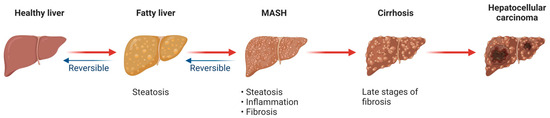
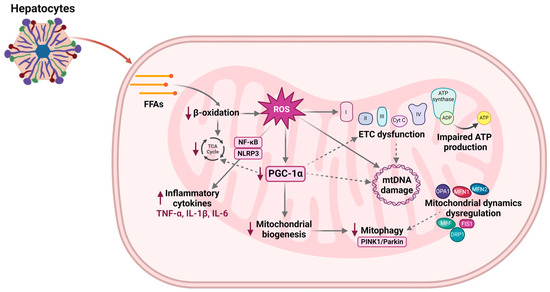
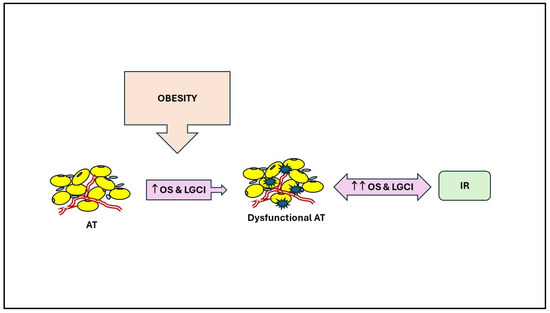
Metabolic dysfunction–associated fatty liver disease (MASLD) is associated with severe forms of liver injury, including fibrosis and cirrhosis. The main risk factors for MASLD—obesity, type 2 diabetes mellitus (T2DM), dyslipidemia, and insulin resistance (IR)—contribute to metabolic disturbances that initiate hepatic steatosis. Metabolic and alcohol-related liver disease (MetALD) describes patients with MASLD who also present alcohol-associated hepatic injury. Chronic oxidative and inflammatory stress promotes the progression of steatosis in both conditions. T2DM and chronic alcohol consumption are independent lifestyle-related risk factors for cirrhosis within the spectrum of metabolic dysfunction–related liver disease (MASLD and MetALD). The coexistence of both conditions may exacerbate hepatic pathological alterations. IR, which is frequently observed in patients with cirrhosis, can lead to the development of a condition known as hepatogenic diabetes (HD). HD is characterized by hyperinsulinemia, IR, and β-cell dysfunction occurring during the onset of cirrhosis and is associated with hepatic inflammation even in the absence of traditional metabolic risk factors such as obesity or a prior history of T2DM. In this context, alcohol intake enhances lipolysis in peripheral tissues, promotes hepatic steatosis, and aggravates metabolic dysfunction, ultimately contributing to excessive mitochondrial production of reactive oxygen species (ROS). Therefore, the present review examines the role of oxidative stress—both alcohol-related and non-alcohol–related—in the pathogenesis of HD, with particular emphasis on ethanol metabolism, oxidative stress, and their interactions in conditions such as T2DM and MetALD.

12 December 2025

Signaling pathways activated by reactive oxygen species (ROS) and their roles in pathological conditions. Mitochondrial ROS are generated through multiple mechanisms, including the activity of Electron Transport Chain Complexes I–III. In the cytoplasm, ROS production primarily depends on the NADPH oxidase (NOX) family, whose members generate superoxide via NADPH-dependent electron transfer. Additionally, the endoplasmic reticulum contributes to ROS formation by producing H2O2 through the transfer of electrons—mediated by a FAD cofactor—to molecular oxygen. Once formed, ROS activate several intracellular signaling cascades, including protein kinases and mitogen-activated protein kinases (MAPKs). In the context of insulin resistance and diabetes, ROS amplify inflammatory responses by promoting the release of proinflammatory mediators. Ethanol oxidation to acetaldehyde—catalyzed by alcohol dehydrogenase, catalase, or cytochrome P450—constitutes another major source of ROS.

Background: Prostacyclin (PGI2), an abundantly produced bioactive lipid by oviductal epithelial cells, supports preimplantation embryo development by buffering oxidative stress. However, the mechanism linking PGI2 signaling to embryonic redox control remains unclear. We investigated whether Iloprost (Ilo), a stable PGI2 analogue, enhances preimplantation embryo development by alleviating oxidative stress via activation of the Nrf2/Keap1 pathway, and whether these effects depend on Nrf2 activity using the inhibitor brusatol. Methods: Porcine embryos were treated with Ilo to model oviductal PGI2 signaling during in vitro culture. Developmental competence was evaluated by cleavage and blastocyst formation rates, and blastocyst quality by total cell number and TUNEL assays. Oxidative status was quantified by fluorescence detection of reactive oxygen species (ROS), and Nrf2 activation was assessed by nuclear localization and antioxidant-related gene expression. Results: Embryos treated with Ilo showed significantly increased blastocyst formation, reduced ROS, and upregulated antioxidant genes. Immunofluorescence confirmed increased nuclear translocation of Nrf2, indicating activation of the Nrf2/Keap1 signaling pathway. In contrast, embryos treated with brusatol showed reduced blastocyst formation, increased ROS, and downregulated antioxidant-related gene expression, whereas co-treatment with Ilo reversed these effects. Conclusions: This study demonstrates that PGI2 protects embryos by activating Nrf2/Keap1 signaling, establishing this axis as a key antioxidant defense during embryonic development and highlighting its potential to improve embryo culture systems.

12 December 2025

Effects of Iloprost (Ilo) treatment on early development of parthenogenetically activated porcine embryos. (A) Representative bright-field images (top and middle, scale bar = 100 μm) and nuclear-stained images (bottom, scale bar = 100 μm) of embryos at day 2 (cleaved embryos) and day 6 (blastocysts) after parthenogenetic activation (PA) with or without 1 μm Ilo. (B) Cleavage rate and (C) blastocyst formation rates of embryos from control and Ilo-treated groups after PA (R = 3; Con; n = 112, Ilo; n = 119). (D) Classification of blastocysts based on morphological stage: early blastocyst (EB), middle blastocyst (MB), late blastocyst (LB), and expanded blastocyst (ExB). Bar = 50 μm. (E) Proportions of different stages of blastocysts (R = 4; Con; n = 64, Ilo; n = 81). (F) Quantification of total cell numbers in the control and Ilo-treated groups (R = 3; Con; n = 112, Ilo; n = 119). (G) Representative images of terminal deoxynucleotidyl transferase-mediated dUTP-digoxygenin staining of blastocysts on day 6. Embryos were subjected to TUNEL (green, white arrow) and nuclear staining (blue). Bar = 100 μm. (H,I) Quantification of the number and proportion of apoptotic cells in the indicated groups (R = 3; Con; n = 47, Ilo; n = 46). (J) Relative expression levels of developmental potential and apoptosis-related genes and BCL2/BAX ratio in day 6 blastocysts with and without Ilo treatment (R = 5). Significant differences are represented by different letters (p < 0.05).
Glucagon-like peptide-1 receptor agonists and lifestyle interventions effectively treat overt obesity, but the benefits/risks of their combined early intervention during middle age remain unclear. This study investigated whether submaximal-dose liraglutide combined with strength–endurance training improves metabolic and liver health, focusing on hepatic oxidative stress and lipid metabolism. Male Wistar rats (16 months old) received liraglutide (L; 0.186 mg/kg/day, s.c.), training (ladder climbing with weights, 3 times/week), both (L+E) or saline for control middle-aged (C) and young adults (CY; 3–4 months old) for 7 weeks (n = 8/group). Middle-aged rats exhibited age-related changes including higher body and visceral fat, increased hepatic and serum cholesterol, hepatic ALT and glutathione imbalance, and decreased soleus muscle (p < 0.05, vs. CY). Exercise increased hepatic glycogen and oxidative stress markers and downregulated lipogenic genes, consistent with liver adaptation to training. L+E synergistically reduced body and visceral fat, hepatic and serum triglycerides, and the triglyceride–glucose index, while reducing oxidative stress (p < 0.05 vs. E, C) and lipogenic gene expression (p < 0.05 vs. C), without affecting pancreas histopathology and function parameters, muscle mass or exercise load volume. In conclusion, submaximal liraglutide safely synergized with training to enhance metabolic health, improve hepatic redox balance and triglyceride metabolism in middle-aged rats, without mitigating cholesterol rise.
12 December 2025

Schematic of the experimental design. Male Wistar rats were randomly assigned to groups (n = 8/group)—young adult (CY, 3–4 months old) and middle-aged (16 months old) groups—subdivided into control (C), liraglutide treatment (L), exercise (E), and combined liraglutide plus exercise (L+E). Rats in the liraglutide-treated groups (L and L+E) received subcutaneous injections of 0.3 mL liraglutide (Saxenda®, Novo Nordisk A/S, Bagsværd, Denmark) at a dose of 0.186 mg/kg body mass (b.m.) daily, dissolved in normal saline. The treatment started at a dose of 0.062 mg/kg/day and was increased weekly until reaching the final dose of 0.186 mg/kg/day, which was maintained for 7 weeks. The control (C and CY) and exercise (E) groups received an equal volume (0.3 mL) of the saline alone. The exercise training protocol included a two-week adaptation (climbing without weights), followed by 7 weeks of strength–endurance training involving ladder climbing (typically 4–5 times, 1 min rest, until failure) with progressive weight load (25–50% of body weight). Created in BioRender. Gizdovic, I. (2025) https://BioRender.com/31io6u5.
Background: Aging elevates reactive oxygen species (ROS) and weakens antioxidant defenses, contributing to cardiac dysfunction. The objective of this study was to determine whether sustained activation of skeletal muscle (SkM) Nrf2 preserves cardiac function during aging and to explore the underlying mechanisms, focusing on myocardial antioxidant pathways. Methods: Tamoxifen-induced SkM-specific Keap1 knockout male mice (iMS-Keap1flox/flox; SkM-Nrf2 overexpression) were divided into young wild-type (Y-WT), aged wild-type (A-WT), and aged knockout (A-KO) groups. Cardiac performance was evaluated by echocardiography and invasive hemodynamics. Myocardial proteomics identified differentially expressed proteins (DEPs) and enriched biological pathways. Results: Compared with Y-WT, A-WT mice showed impaired left ventricular function, including reduced ejection fraction, prolonged isovolumic relaxation time, blunted inotropic response to dobutamine, and elevated Tau index. These age-related deficits were partially reversed in A-KO mice. Proteomic analysis revealed 561 DEPs between A-WT and Y-WT, and 741 DEPs between A-KO and A-WT, enriched in calcium signaling, Nrf2-mediated oxidative stress response, oxidative phosphorylation, ROS detoxification, and cardiac-specific processes, such as hypertrophy, conduction, and dilated cardiomyopathy. Conclusions: Lifelong SkM-Nrf2 activation strengthens myocardial antioxidant capacity and alleviates age-related cardiac dysfunction. These data support an antioxidant crosstalk between skeletal muscle and the heart, highlighting a potential therapeutic target for aging-associated heart failure.

12 December 2025

PCR analysis of genomic DNA from the gastrocnemius (Gas), liver, and heart of iMS-Keap1flox/flox mice revealed intact floxed Keap1 allele (2954 bp) and deleted Keap1 allele segments (288 bp).

News & Conferences

Issues

Open for Submission

Editor's Choice

Reprints of Collections

New Strategies in Preventing Inflammatory and/or Oxidative Stress-Induced Damages in Ischemia-Reperfusion Injury, 2nd Edition
Reprint

New Strategies in Preventing Inflammatory and/or Oxidative Stress-Induced Damages in Ischemia-Reperfusion Injury, 2nd Edition

Editors: Borja Herrero de la Parte, Ignacio García-Alonso, Ana Alonso-Varona
Crosstalk Between Autophagy and Oxidative Stress
Reprint

Crosstalk Between Autophagy and Oxidative Stress

Editors: Marina Garcia-Macia, Álvaro F. Fernández

Get Alerted

Add your email address to receive forthcoming issues of this journal.

XFacebookLinkedIn
Antioxidants - ISSN 2076-3921