


-
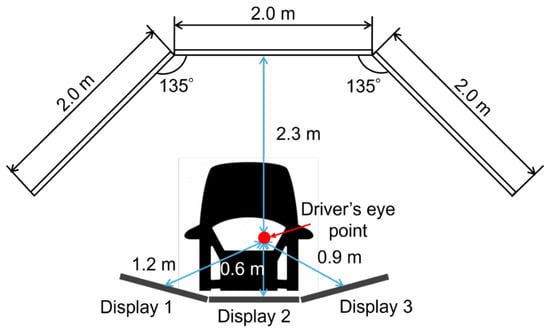
Driver Behavioural Responses to Speed Cushions: A Driving Simulator Study -
Protective Materials and Cold-Side Airflow Effects on a Thermoelectric Generator for Automotive Exhaust Energy Recovery -
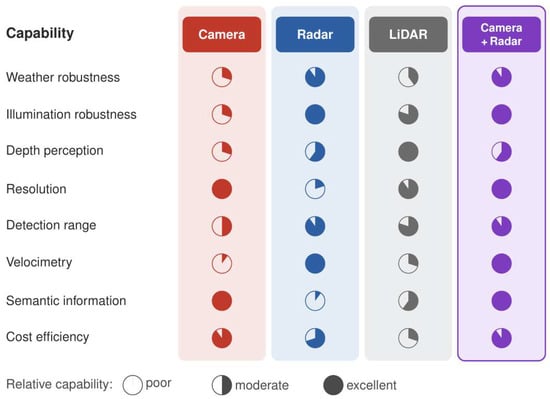
Multi-Criteria Analysis of Operating Line Selection for Hydrogen Engine PHEVs -
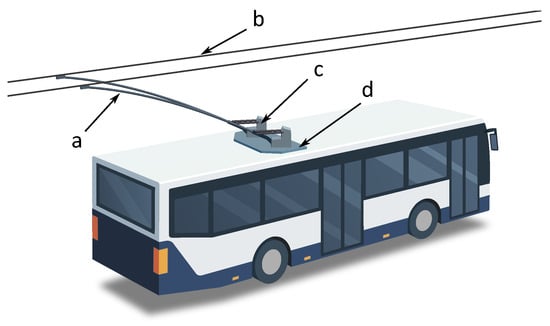
Optimisation-Based Tuning of a Triple-Loop Vehicle Controller to Mimic Professional Driver Performance in a DiL Simulator -
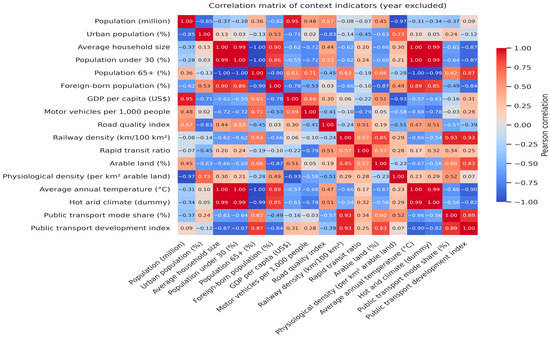
Conceptual Design and Regulatory Framework of a Modular Electric Propulsion System for Urban and Industrial Vehicles
Journal Description
Vehicles
Vehicles
is an international, peer-reviewed, open access journal on transportation science and engineering published monthly online by MDPI.
- Open Access— free for readers, with article processing charges (APC) paid by authors or their institutions.
- High Visibility: indexed within Scopus, ESCI (Web of Science), Ei Compendex, and other databases.
- Journal Rank: JCR - Q2 (Engineering, Mechanical) / CiteScore - Q1 (Automotive Engineering)
- Rapid Publication: manuscripts are peer-reviewed and a first decision is provided to authors approximately 19.7 days after submission; acceptance to publication is undertaken in 3.8 days (median values for papers published in this journal in the first half of 2026).
- Recognition of Reviewers: APC discount vouchers, optional signed peer review, and reviewer names published annually in the journal.
Impact Factor:
3.2 (2025);
5-Year Impact Factor:
3.1 (2025)
Latest Articles
Enhancing Crash Severity Prediction Using Explainable Ensemble Machine Learning and Deep Learning Approaches: A Case Study of Qassim
Vehicles 2026, 8(7), 151; https://doi.org/10.3390/vehicles8070151 - 3 Jul 2026
Abstract
Traffic crash severity modeling is an important and promising aspect of road safety research. It aims to assess how key human-, vehicle-, roadway-, and environment-related factors interact to shape severity outcomes of crashes. Existing studies in this regard have predominantly relied on traditional
[...] Read more.
Traffic crash severity modeling is an important and promising aspect of road safety research. It aims to assess how key human-, vehicle-, roadway-, and environment-related factors interact to shape severity outcomes of crashes. Existing studies in this regard have predominantly relied on traditional statistical methods and simple machine learning approaches. While statistical analysis techniques are often based on unrealistic underlying assumptions, conventional machine learning models often suffer from interpretability issues. This study proposes an interpretable crash severity prediction framework that combines machine learning and deep learning models with post hoc explainability using SHAP. The research utilizes crash data from a rapidly developing region of Qassim in the Kingdom of Saudi Arabia. Crash severity was classified into three groups: fatal, injury, and property damage only (PDO). Four predictive models were developed and evaluated. These include: Random Forest (RF), Support Vector Machine (SVM), Feedforward Neural Network (FFNN), and Gradient-Boosting Machine (GBM). Various performance metrics, including accuracy, balanced accuracy, macro F1-score, and ROC–AUC, were used to assess the model. Descriptive statistical analysis showed that speeding, head-on collisions, wrong-way driving, blown-out tires, and driver fatigue are the major causes of fatal injuries. Empirical results revealed that the proposed prediction models achieved an accuracy ranging between 0.94 and 0.96 for the test data, with the RF model slightly outperforming the other models. Model interpretability analysis indicated that crash severity is significantly influenced by parameters such as crash cause, type, speed, and roadway type. The proposed framework demonstrated the effectiveness of machine learning (ML) and deep learning (DL) approaches for crash severity prediction and provides practical insights to support roadway safety interventions and policy development aimed at reducing severe and fatal crashes.
Full article
(This article belongs to the Section Safety and Security in Vehicles)
Open AccessArticle
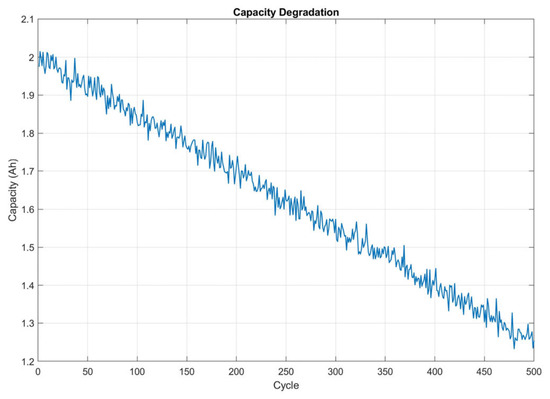
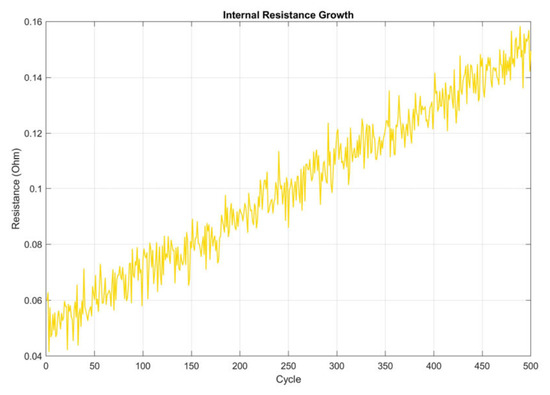
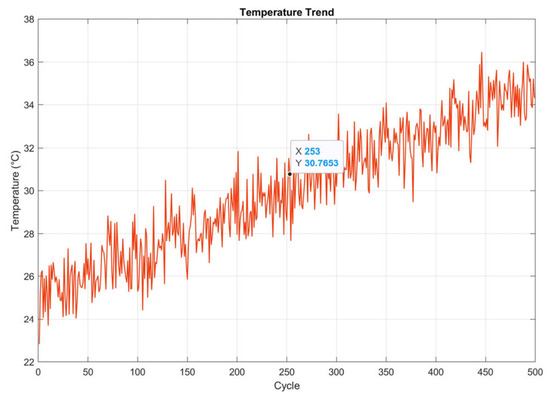
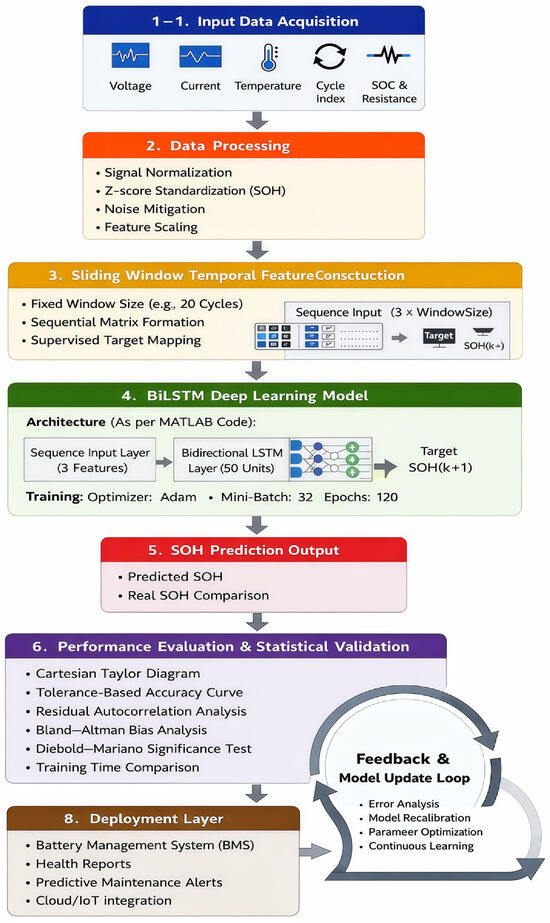
A Data-Driven AI Framework for Monitoring Lithium-Ion Battery Health Using Secondary Operational Data
by
Vimal Singh Bisht, Nikhil Kushwaha, Nitin Sundriyal, Sandeep Sunori, Oscar Salas-Peña and José Angel Barrios
Vehicles 2026, 8(7), 150; https://doi.org/10.3390/vehicles8070150 - 1 Jul 2026
Abstract
►▼
Show Figures
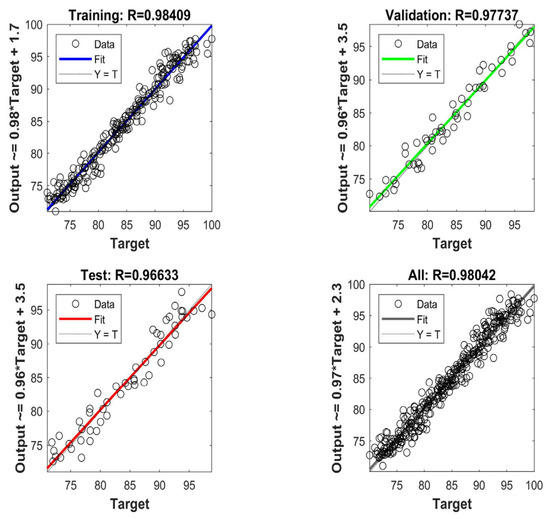
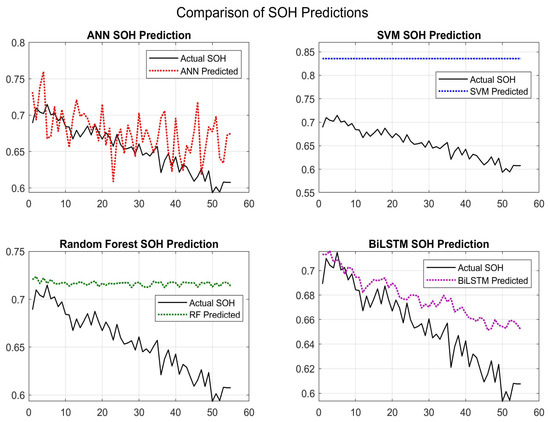
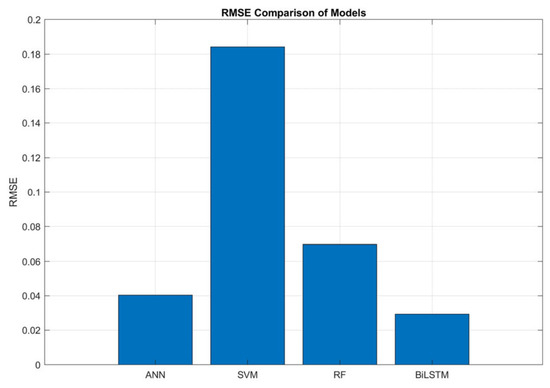
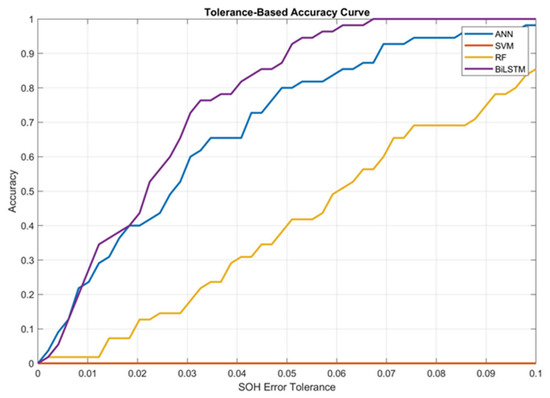
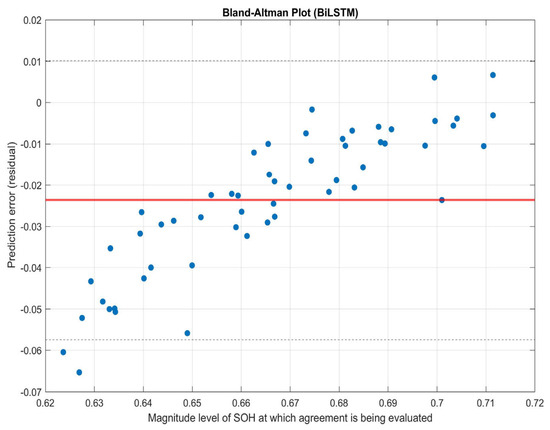
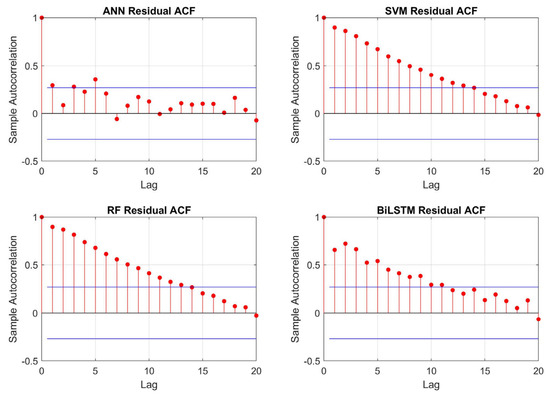
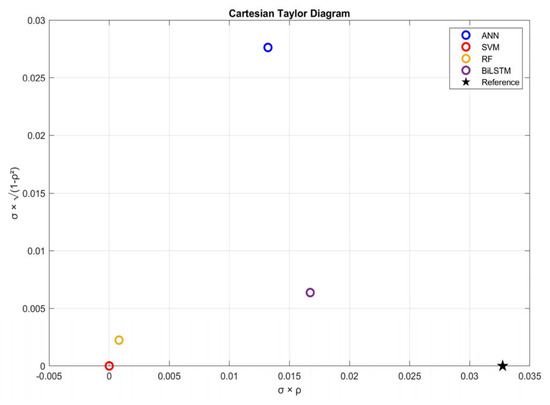
An AI-based methodology was developed for estimating the state-of-health (SOH) of lithium-ion batteries based on secondary operational data and benchmarked with ANN, SVM, RF, and BiLSTM models. The proposed framework was evaluated by using tolerance-based accuracy, Bland–Altman agreement analysis, residual autocorrelation diagnostics, and
[...] Read more.
An AI-based methodology was developed for estimating the state-of-health (SOH) of lithium-ion batteries based on secondary operational data and benchmarked with ANN, SVM, RF, and BiLSTM models. The proposed framework was evaluated by using tolerance-based accuracy, Bland–Altman agreement analysis, residual autocorrelation diagnostics, and Cartesian Taylor diagram comparison. The BiLSTM model was the best among the tested models for SOH prediction, with the least prediction error, best agreement with the reference SOH values, and near-white-noise residual behavior. The framework was further extended to Remaining Useful Life (RUL) prediction, where the BiLSTM model showed the most consistent overall performance. We also propose a residual-based anomaly detection as a potential extension of the battery monitoring framework. However, a quantitative evaluation of anomaly detection is out of scope in this study due to the lack of labeled anomaly data in the CALCE dataset. The proposed framework is validated by complementary statistical diagnostics, providing a robust and practical framework for non-intrusive battery health monitoring.
Full article

Figure 1
Open AccessArticle
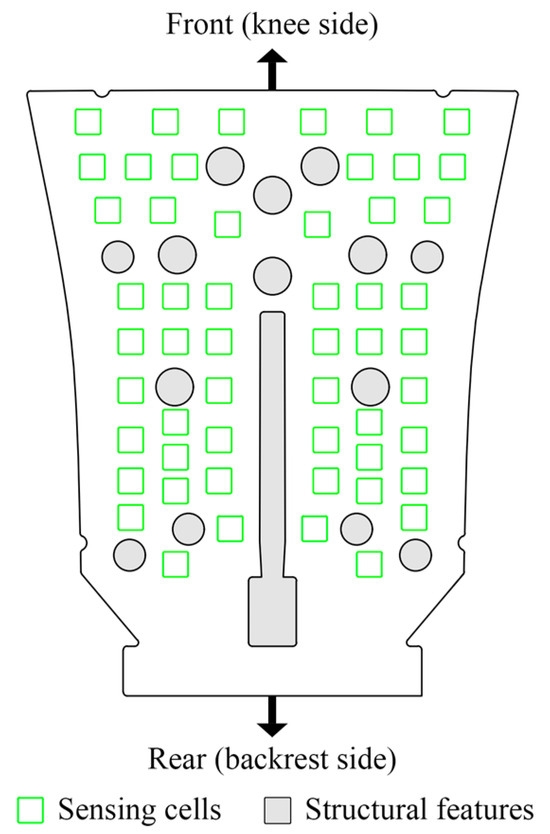
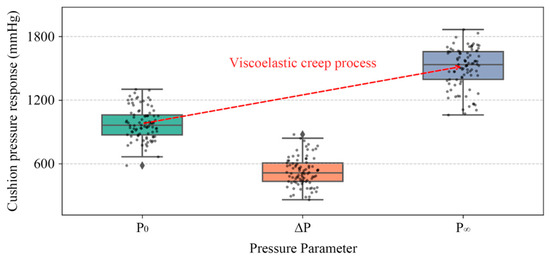
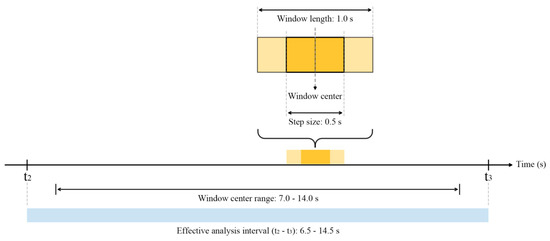
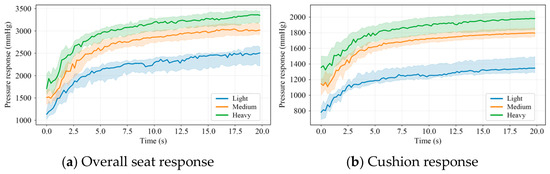
Creep-Induced Temporal Drift Modeling and Compensation of Automotive Seat Pressure Signals for Short-Term Occupant Weight Classification
by
Jun Ma, Zhanpeng Hu and Mingyang Guo
Vehicles 2026, 8(7), 149; https://doi.org/10.3390/vehicles8070149 - 1 Jul 2026
Abstract
►▼
Show Figures
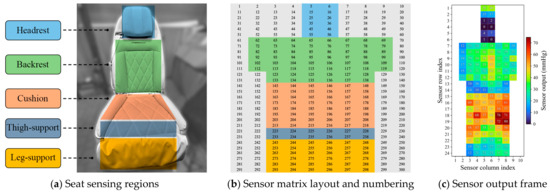
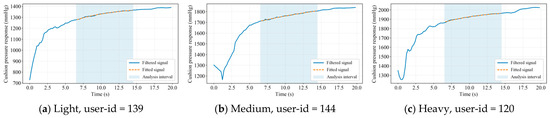
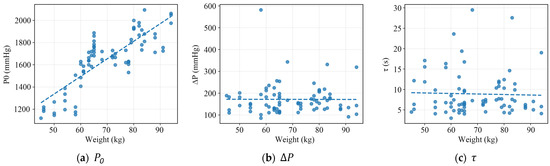
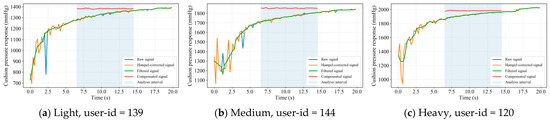
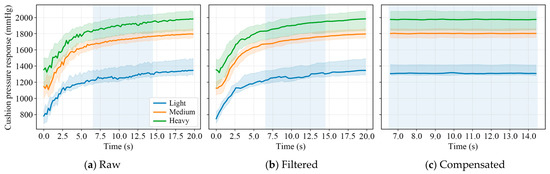
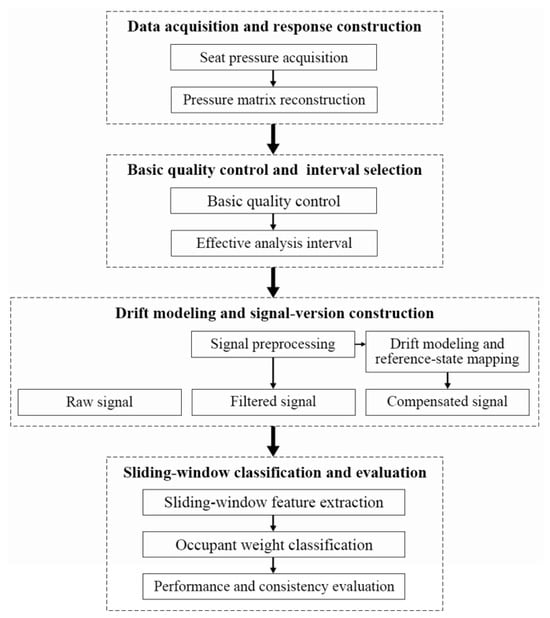
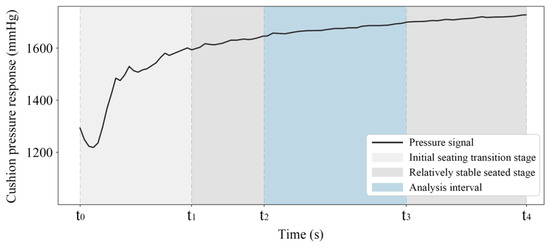
Automotive seat pressure sensing provides a non-invasive modality for occupant state recognition and adaptive seat functions in intelligent cockpits. However, creep-induced temporal drift after seating may reduce the reliability of short-term occupant weight classification. This study analyzed 90 cushion pressure records from 30
[...] Read more.
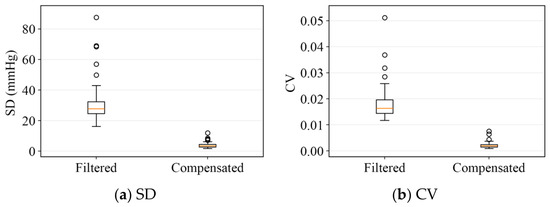
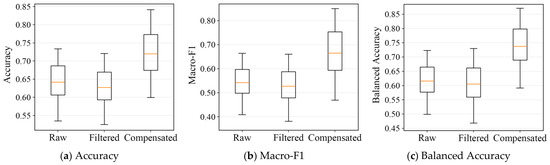
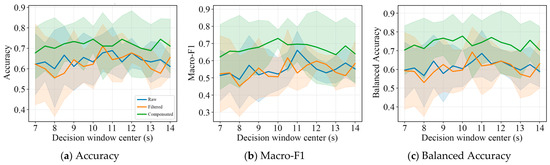
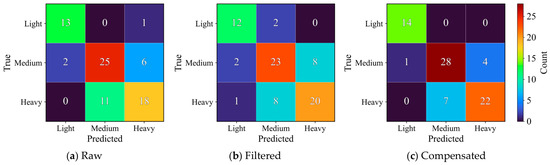
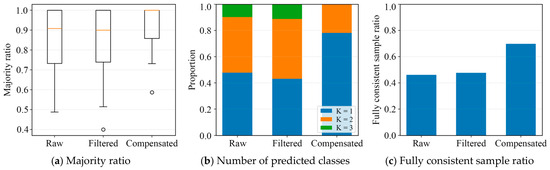
Automotive seat pressure sensing provides a non-invasive modality for occupant state recognition and adaptive seat functions in intelligent cockpits. However, creep-induced temporal drift after seating may reduce the reliability of short-term occupant weight classification. This study analyzed 90 cushion pressure records from 30 participants, each obtained from a 20 s controlled seated trial. A single-exponential model characterized the early pressure evolution, and a reference-state mapping method compensated for temporal drift. A random forest classifier using cumulative cushion pressure features from sliding windows was adopted to compare raw, filtered, and compensated signals. A total of 76 records met the fitting quality criteria. Compared with raw signals, compensated signals increased accuracy, Macro-F1, and balanced accuracy by 13.1%, 22.7%, and 17.9%, respectively, with improved prediction consistency across windows. These results suggest that drift compensation improves temporal feature comparability and supports more stable short-term occupant weight classification under controlled seated conditions.
Full article

Figure 1
Open AccessArticle
Real-Time Tire–Road Friction Coefficient Estimation for Four-Wheel-Independent-Drive Electric Vehicles Using a Piecewise Gain-Scheduled Observer and Neural Networks
by
Qian Shi and Haotian Li
Vehicles 2026, 8(7), 148; https://doi.org/10.3390/vehicles8070148 - 30 Jun 2026
Abstract
►▼
Show Figures
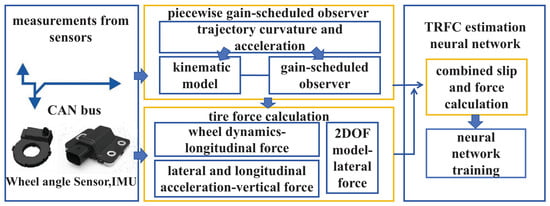
Four-wheel-independent-drive electric vehicles are gaining increasing research attention due to their comprehensive dynamic performance. Real-time tire–road friction coefficient information contributes to the development of adaptive control algorithms and active safety control systems for such vehicles. However, traditional tire models widely adopted in existing
[...] Read more.
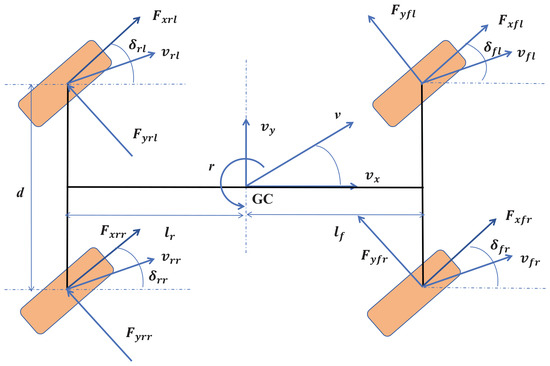
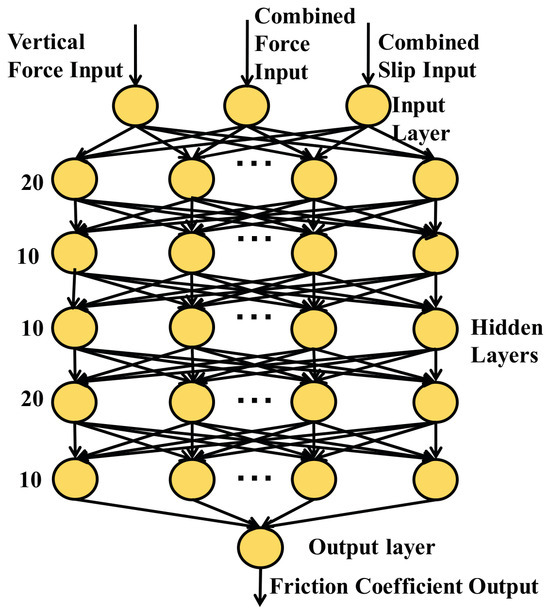
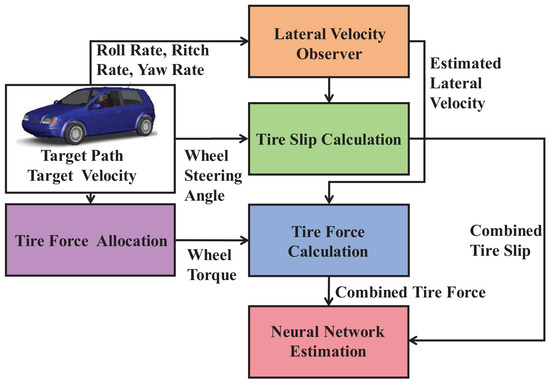
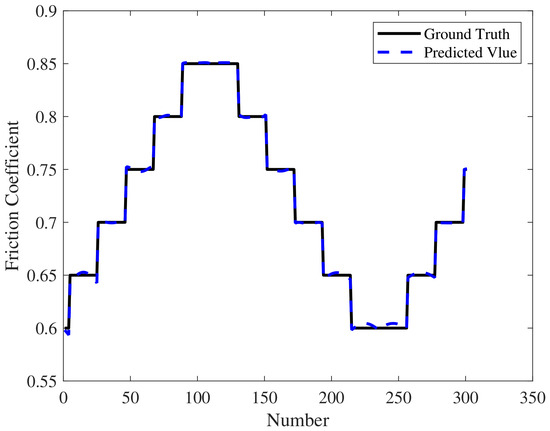
Four-wheel-independent-drive electric vehicles are gaining increasing research attention due to their comprehensive dynamic performance. Real-time tire–road friction coefficient information contributes to the development of adaptive control algorithms and active safety control systems for such vehicles. However, traditional tire models widely adopted in existing estimation methods may fail to match practical tire characteristics accurately. Furthermore, lateral velocity serves as a critical state variable for tire–road friction coefficient estimation, whereas existing lateral velocity observers using low-cost inertial measurement unit sensors suffer from degraded estimation performance under complex driving maneuvers. To address the above challenges, this paper proposes a three-stage friction coefficient estimation framework. Firstly, vehicle lateral velocities are estimated via a piecewise gain-scheduled observer using inertial measurement unit measurements. Secondly, tire slip ratios are calculated based on the observed lateral velocities; meanwhile, the longitudinal, lateral and vertical forces of each tire are reconstructed. Lastly, tire force and slip information under combined slip conditions are acquired, and a multilayer perceptron neural network is established to achieve individual tire–road friction coefficient estimation. The simulation results verify the numerical feasibility and preliminary effectiveness of the proposed estimation method under ideal simulation conditions.
Full article

Figure 1
Open AccessArticle
LSTM-Predicted Sliding Mode Control for String-Stable Vehicle Platooning in Mixed Traffic Flow
by
Mei Cao and Qingman Fan
Vehicles 2026, 8(7), 147; https://doi.org/10.3390/vehicles8070147 - 30 Jun 2026
Abstract
To address the issues of slow response to preceding vehicles and poor string stability in distributed platoon control of connected and autonomous vehicles (CAVs) under mixed traffic flow, this paper proposes a sliding mode control method based on LSTM trajectory prediction, denoted as
[...] Read more.
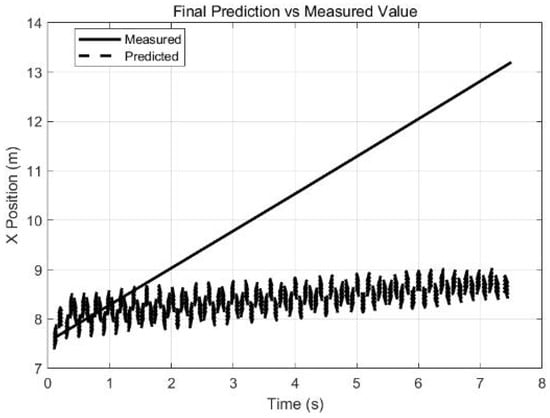
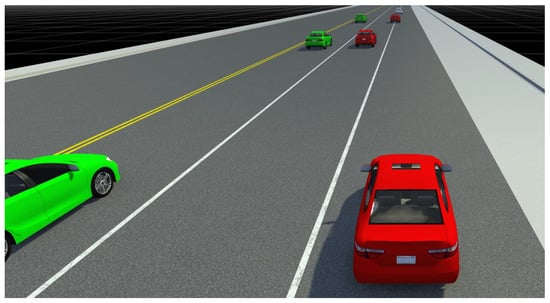
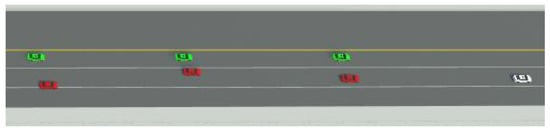
To address the issues of slow response to preceding vehicles and poor string stability in distributed platoon control of connected and autonomous vehicles (CAVs) under mixed traffic flow, this paper proposes a sliding mode control method based on LSTM trajectory prediction, denoted as LSTM-SMC, within a multi-agent framework. The LSTM model is trained using the HighD naturalistic driving dataset to achieve high-precision prediction of the leader vehicle’s trajectory over a horizon of 3 s, with root mean square errors (RMSE) of 8.52 m in the X-direction and 0.896 m in the Y-direction. The predicted trajectory information is converted into a preview error and embedded directly into the design of the sliding surface, enabling each following vehicle to anticipate disturbances before they propagate. A diminishing preview gain strategy ( , , ) is employed to suppress error propagation along the platoon, while a saturation function is introduced to eliminate chattering and ensure smooth control inputs. Three simulation scenarios—prescribed leading, HDV (human-driven vehicle) leading, and curved road scenario—are constructed to validate the proposed method against traditional constant time headway (CTH) control, pure sliding mode control (SMC), and LSTM-MPC. Results demonstrate that under extreme conditions, the proposed method reduces the speed RMSE of the 3rd following vehicle by 18.3% compared to CTH and by 39.7% compared to SMC. Under HDV leading conditions, all string stability amplification factors are less than 1, and the position RMSE of the 3rd vehicle is only 5.03 m in the curved road scenario. Compared with LSTM-MPC, the proposed LSTM-SMC achieves comparable tracking accuracy while reducing computational cost by 1.43–3.51×. The proposed method achieves a native integration of prediction and robust control, significantly improving tracking accuracy, string stability, and computational efficiency across diverse operating conditions in mixed traffic flow.
Full article
(This article belongs to the Special Issue Trajectory Tracking of Autonomous Vehicles)
►▼
Show Figures

Figure 1
Open AccessArticle
Staged GT3 Setup Optimization with Setup-Conditioned Telemetry Response Modeling in Simulation
by
Shanmukha Srivathsav Satujoda and Kevin Huggins
Vehicles 2026, 8(7), 146; https://doi.org/10.3390/vehicles8070146 - 28 Jun 2026
Abstract
Optimizing a high-fidelity GT3 race car setup is a serious dimensional, nonlinear problem in which small changes to mechanical parameters can affect lap time, handling balance, and vehicle stability. Existing motorsport AI studies largely emphasize racing line optimization, autonomous control, race strategy, or
[...] Read more.
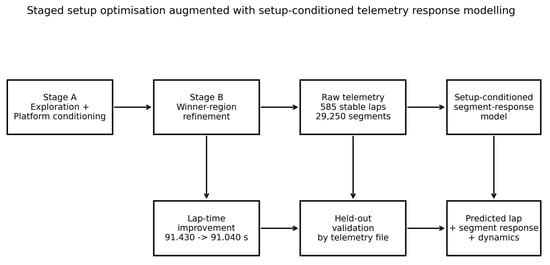
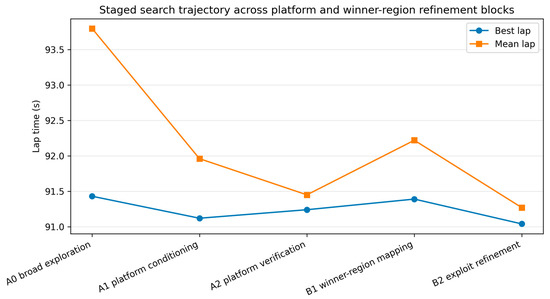
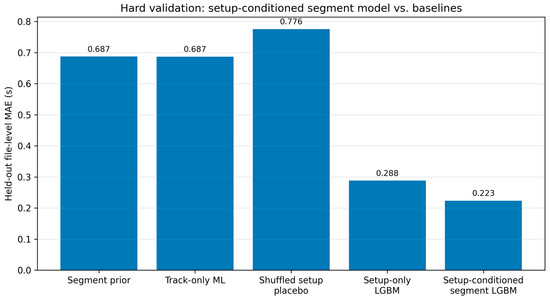
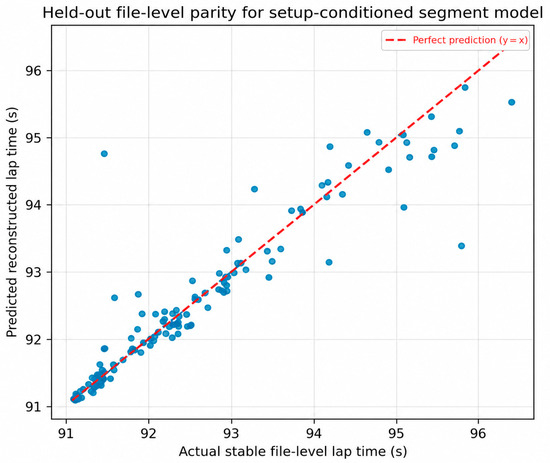
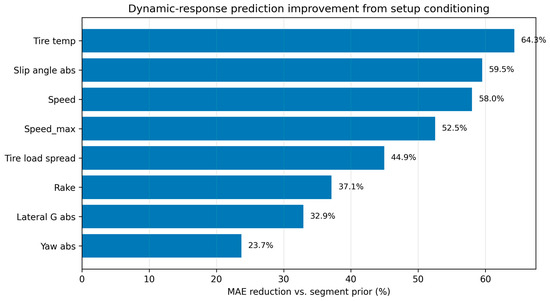
Optimizing a high-fidelity GT3 race car setup is a serious dimensional, nonlinear problem in which small changes to mechanical parameters can affect lap time, handling balance, and vehicle stability. Existing motorsport AI studies largely emphasize racing line optimization, autonomous control, race strategy, or offline vehicle dynamics estimation, while the mechanical setup layer is often treated as fixed or tuned manually. This paper presents a staged simulator-based setup optimization framework augmented with setup-conditioned telemetry response modeling. Using the virtual BMW Z4 GT3 vehicle model implemented within the Assetto Corsa (v1.16.4) simulation environment as a controlled GT3 test platform, 134 setup configurations were evaluated at the Red Bull Ring under a fixed simulator AI driving policy. The staged search improved the best lap time from 91.430 s to 91.040 s, corresponding to a 0.390 s reduction. To move beyond a single aggregate lap-time claim, the full telemetry corpus was processed into 585 stable laps and 29,250 track-position segment samples. A setup-conditioned LightGBM model was trained to predict segment time and local vehicle response metrics from setup parameters and segment context, using five-fold GroupKFold validation by telemetry file to avoid random row leakage. The setup-conditioned segment model reconstructed held-out file-level lap time with 0.223 s mean absolute error and Spearman correlation of 0.961, outperforming a setup-only model at 0.288 s, a track-only segment model at 0.687 s, and a shuffled-setup placebo at 0.776 s. The same setup-conditioned model also improved the prediction of segment-level speed, slip angle, tire load spread, rake (defined here as rear-front ride height difference), tire temperature, yaw response, and lateral acceleration. These results show that high-frequency telemetry can support not only staged setup search, but also quantifiable learning of where and how setup changes alter vehicle behavior around the lap.
Full article
(This article belongs to the Special Issue Vehicle Design Processes, 3rd Edition)
►▼
Show Figures

Figure 1
Open AccessEditorial
Emerging Solutions and Technologies for Smart Mobility and Vehicle Safety in Transportation
by
Eva Michelaraki and George Yannis
Vehicles 2026, 8(7), 145; https://doi.org/10.3390/vehicles8070145 - 28 Jun 2026
Abstract
The rapid evolution of transportation technologies and the growing integration of artificial intelligence (AI) are transforming the landscape of road safety and smart mobility [...]
Full article
(This article belongs to the Special Issue Emerging Solutions and Technologies for Smart Mobility and Vehicle Safety in Transportation)
Open AccessArticle
Topology Design, Multi-Objective Optimization, and Dynamic Performance Evaluation of a PCM-Buffered SOFC-MGT Hybrid Powertrain for Heavy-Duty Trucks
by
Saeed Shirazi, Majid Ghassemi and Mahmoud Chizari
Vehicles 2026, 8(7), 144; https://doi.org/10.3390/vehicles8070144 - 27 Jun 2026
Abstract
Decarbonizing heavy-duty logistics requires powertrains that integrate novel topology design, degradation-aware optimization, and robust dynamic performance under real-world operational loads. While solid oxide fuel cells offer high efficiency, their application in transportation is hindered by thermal fatigue. This study proposes a novel hybrid
[...] Read more.
Decarbonizing heavy-duty logistics requires powertrains that integrate novel topology design, degradation-aware optimization, and robust dynamic performance under real-world operational loads. While solid oxide fuel cells offer high efficiency, their application in transportation is hindered by thermal fatigue. This study proposes a novel hybrid powertrain topology integrating a metal-supported solid oxide fuel cell (SOFC), a micro gas turbine (MGT), and an aluminum–silicon phase change material (PCM) thermal buffer. A high-fidelity dynamic model is developed and coupled with a multi-objective optimization framework to size the PCM buffer and battery pack, balancing capital expenditure and system lifetime. Furthermore, a degradation-aware energy management strategy based on a thermal state-of-charge metric is introduced. Simulations over a 10 h dynamic drive cycle indicate that the optimal configuration (120 kg PCM, 80 kWh battery) extends the SOFC’s simulated remaining useful life to 38,400 h, a 2.5-fold improvement over unbuffered systems. Concurrently, the proposed energy management strategy reduces the MGT mechanical wear index by 98% compared to conventional load-following strategies. The system demonstrates robust performance across ambient temperatures from −20 °C to +45 °C and achieves a 22% reduction in projected capital expenditure compared to standard proton exchange membrane fuel cell powertrains. This topology offers a highly durable and economically viable pathway for next-generation zero-emission heavy-duty vehicles. This work addresses a critical gap in the literature: the lack of integrated thermal buffering and degradation-aware control strategies for high-temperature fuel cell systems in dynamic vehicular applications. By coupling a physical latent heat buffer with a novel Thermal-SOC-proportional Energy Management Strategy, the proposed architecture directly targets the primary degradation mechanisms that have historically impeded SOFC commercialization in heavy-duty transport.
Full article
(This article belongs to the Special Issue Advanced Vehicle Powertrain Control and Energy Management Strategies)
Open AccessArticle
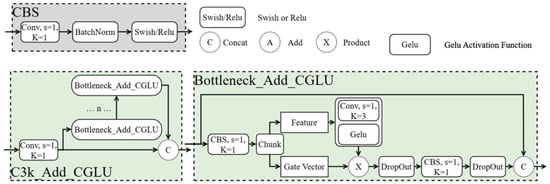
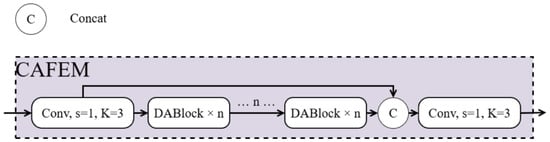
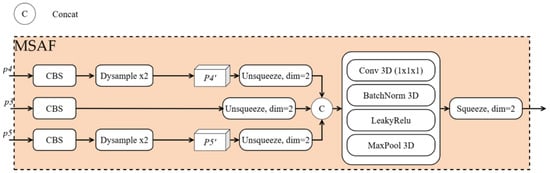
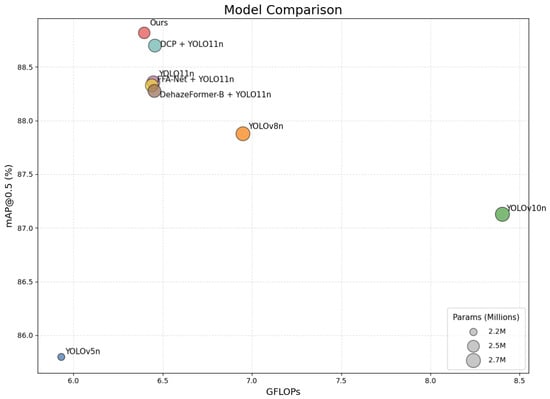
YOLO-GCM: A Lightweight Detector-Side Feature Enhancement Framework for Foggy Traffic Object Detection
by
Jia Wang and Hu Huang
Vehicles 2026, 8(7), 143; https://doi.org/10.3390/vehicles8070143 - 24 Jun 2026
Abstract
►▼
Show Figures
Foggy traffic scenes pose significant challenges for object detection because reduced contrast, blurred object boundaries, and the loss of local details weaken discriminative feature representations. These degradations are particularly detrimental to lightweight detectors used in intelligent transportation and vehicle perception systems, where both
[...] Read more.
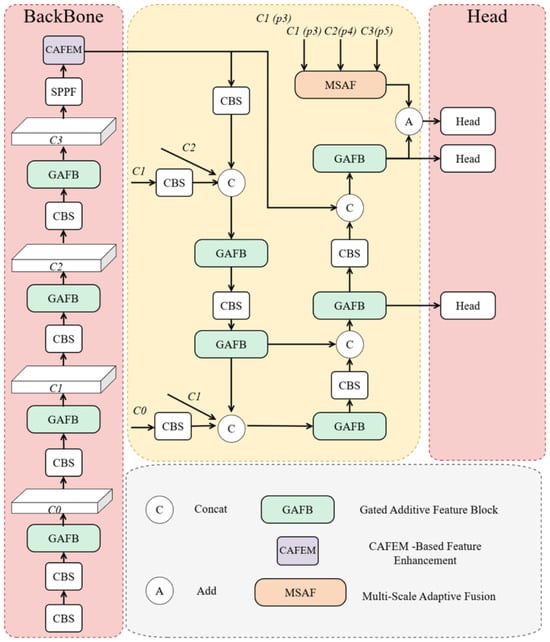
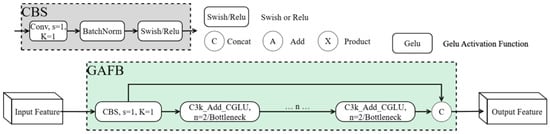
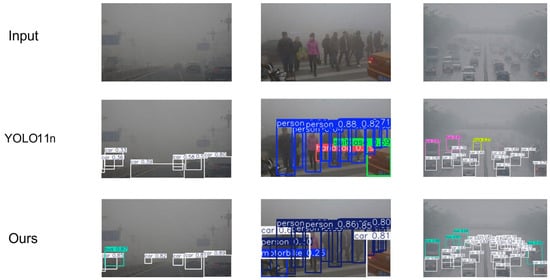
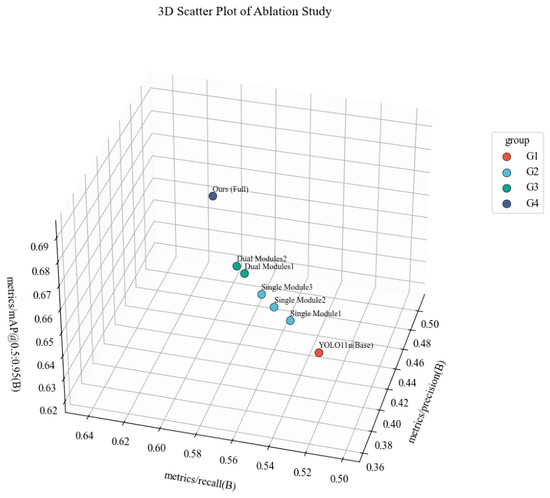
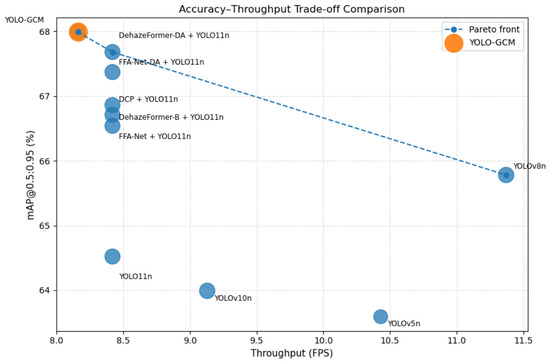
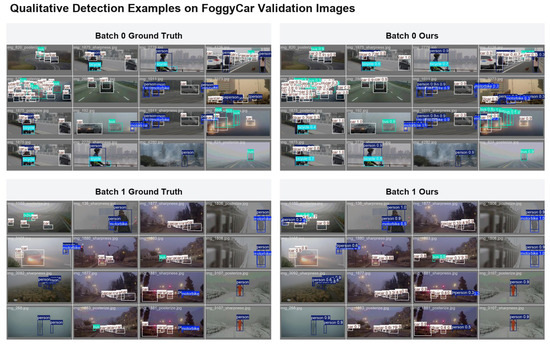
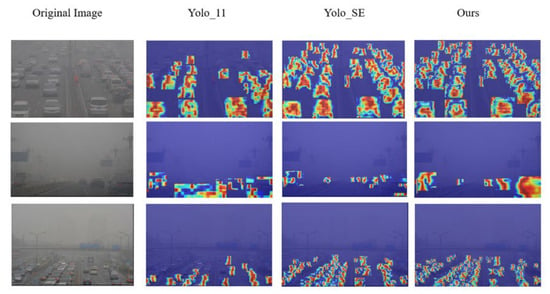
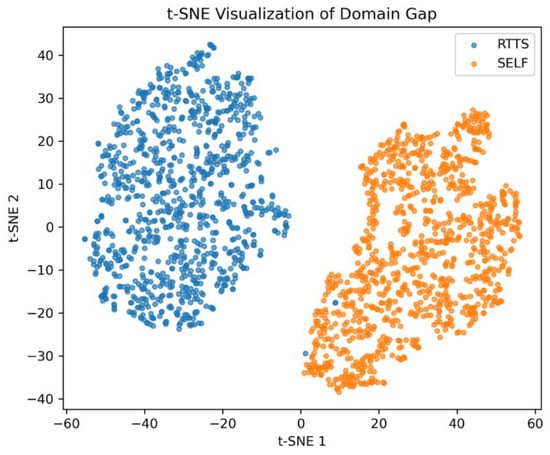
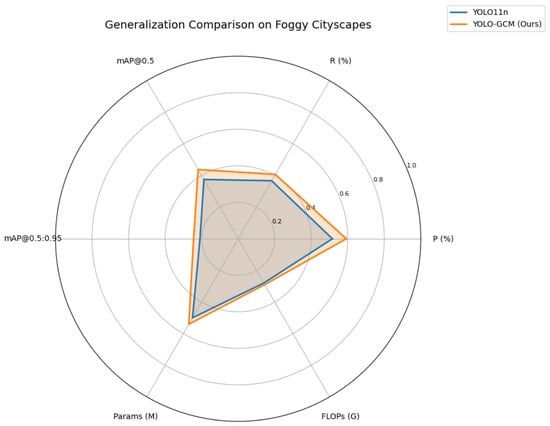
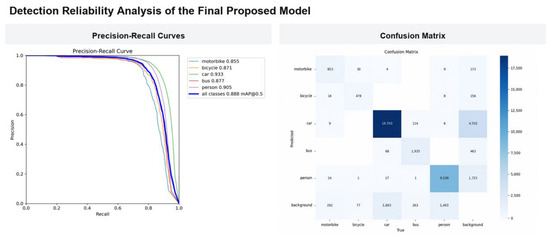
Foggy traffic scenes pose significant challenges for object detection because reduced contrast, blurred object boundaries, and the loss of local details weaken discriminative feature representations. These degradations are particularly detrimental to lightweight detectors used in intelligent transportation and vehicle perception systems, where both accuracy and real-time efficiency are required. To address this problem, this paper proposes YOLO-GCM, a lightweight detector-side feature enhancement framework built upon YOLO11n. Instead of relying on an external image dehazing stage, YOLO-GCM improves the internal feature representation of the detector through three complementary modules: a gated additive feature block (GAFB) for adaptive channel-wise feature selection and noise suppression, a context-aware feature enhancement module (CAFEM) for strengthening high-level semantic context, and a multi-scale adaptive fusion (MSAF) module for enhancing cross-scale feature interaction. By integrating these modules into a unified one-stage detector, the proposed method improves detection robustness under low-visibility traffic conditions while maintaining a compact architecture. Experiments on the FoggyCar dataset show that YOLO-GCM achieved 89.81% mAP@0.5 and 67.99% mAP@0.5:0.95, outperforming standard YOLO baselines and dehazing-assisted detection pipelines under a consistent evaluation protocol. Additional evaluation on Foggy Cityscapes further verified the generalization capability of the proposed method under domain shift. The results demonstrate that detector-side feature enhancement provides an effective and efficient alternative to multi-stage dehazing-plus-detection pipelines for foggy traffic object detection. These findings can provide useful guidance for the development of robust and efficient perception modules in roadside monitoring, intelligent transportation systems, and vehicle-assisted driving applications under adverse weather conditions.
Full article

Figure 1
Open AccessArticle
Impact of Powertrain Type and Thermal Management on Real Driving Emissions of HEVs and GDI Vehicles
by
Zoltán Szávicza, Dániel Pup, Péter Raffai and Zsolt Maldrik
Vehicles 2026, 8(7), 142; https://doi.org/10.3390/vehicles8070142 - 24 Jun 2026
Abstract
►▼
Show Figures
The transport sector plays a significant role in air pollution, and real-world emissions measurements are becoming increasingly important. In this study, emissions from a turbocharged, direct-injection gasoline internal combustion engine (ICE) vehicle and a port fuel injection (PFI) hybrid electric vehicle (HEV) were
[...] Read more.
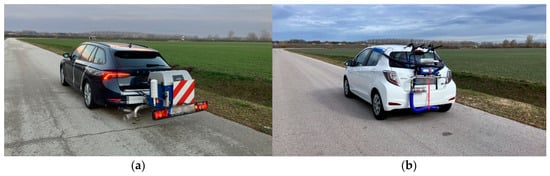
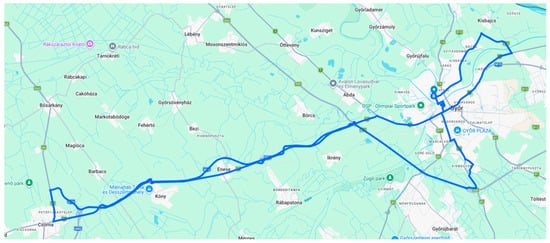
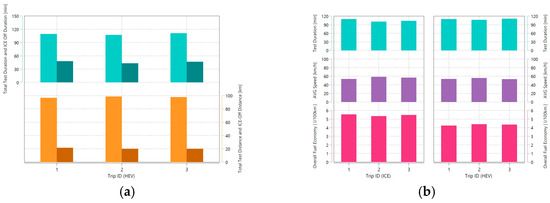
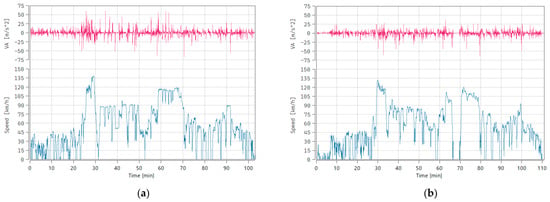
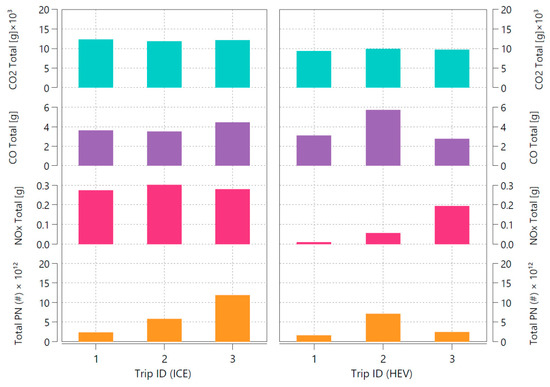
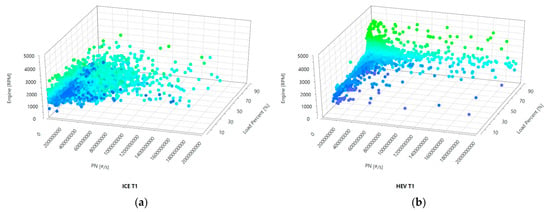
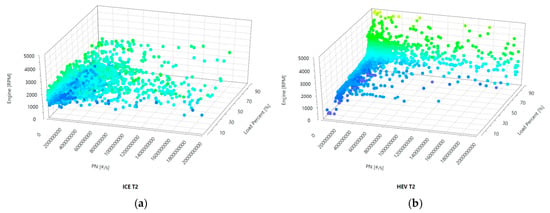
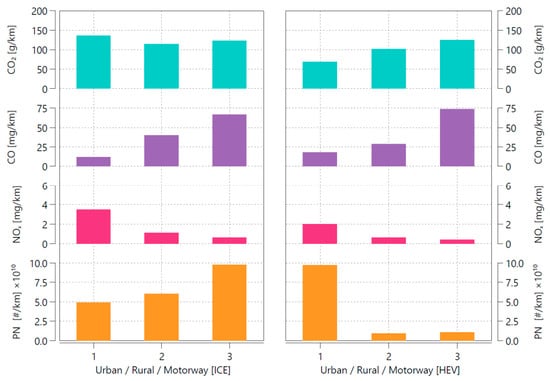
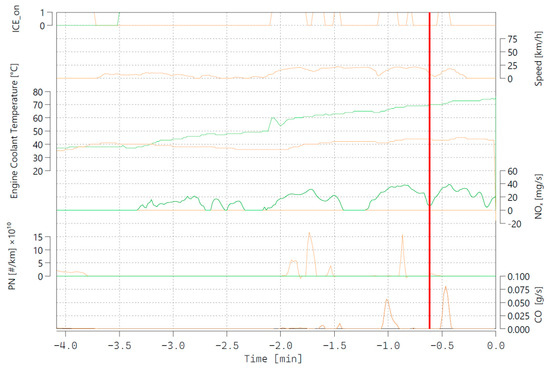
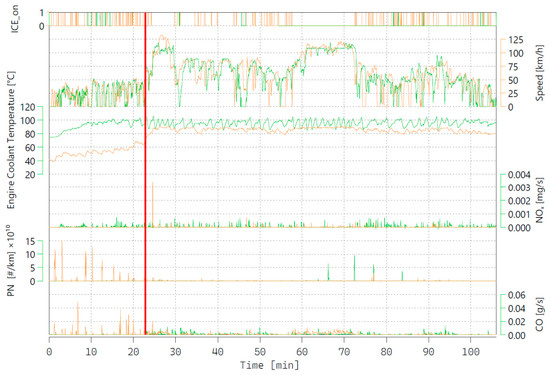
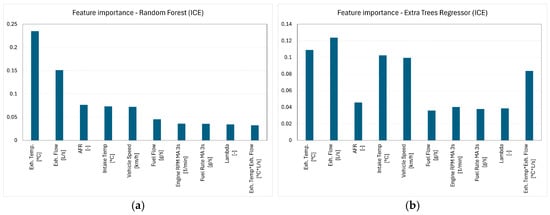
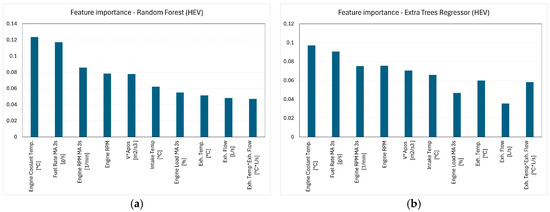
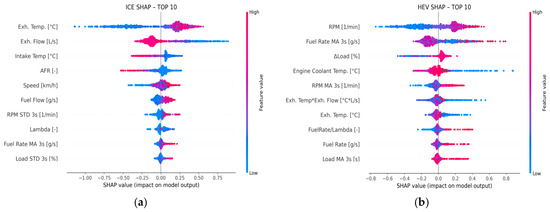
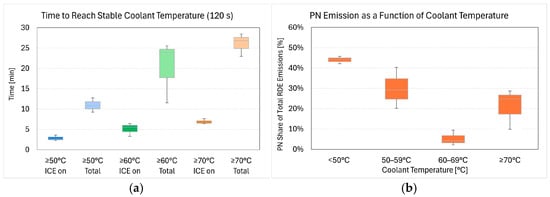
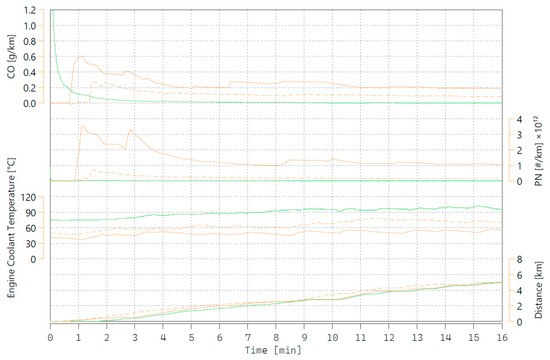
The transport sector plays a significant role in air pollution, and real-world emissions measurements are becoming increasingly important. In this study, emissions from a turbocharged, direct-injection gasoline internal combustion engine (ICE) vehicle and a port fuel injection (PFI) hybrid electric vehicle (HEV) were compared using a portable emissions measurement system (PEMS) under real-world driving conditions. The CO2, CO, NOx, and PN emissions of the two vehicles were measured in urban, rural, and motorway sections. HEV CO2 emissions were ~20% lower than ICE emissions in the entire Real Driving Emissions (RDE) cycle, while in urban operation, they were almost 50% lower. PN emissions were lower for HEV in rural and motorway sections than for ICE, but significant PN peaks occurred during the early urban phase, attributable to the slower engine warm-up of the HEV. Machine learning analysis (Random Forest and Extra Trees Regressor) indicated that coolant temperature was the dominant driver of HEV PN emissions. The results indicate that powertrain characteristics and thermal management strongly influence real-world driving emissions, highlighting their importance for the further development of hybrid vehicles.
Full article

Figure 1
Open AccessArticle
Affective Responses of Young Male Drivers to Cut-In Events Under SAE Level 1 Braking Assistance: A Preliminary Simulator Study
by
Shunpei Kawaguchi and Toshiya Arakawa
Vehicles 2026, 8(7), 141; https://doi.org/10.3390/vehicles8070141 - 23 Jun 2026
Abstract
Unexpected cut-in events may elicit driver anger even when braking is partly supported by driver-assistance systems. This preliminary simulator study examined whether SAE Level 1 longitudinal braking assistance alters affective responses to dangerous cut-in events. Ten young male licensed drivers completed three within-subject
[...] Read more.
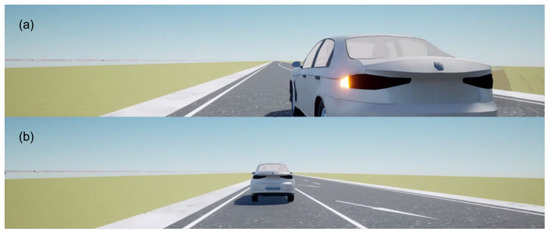
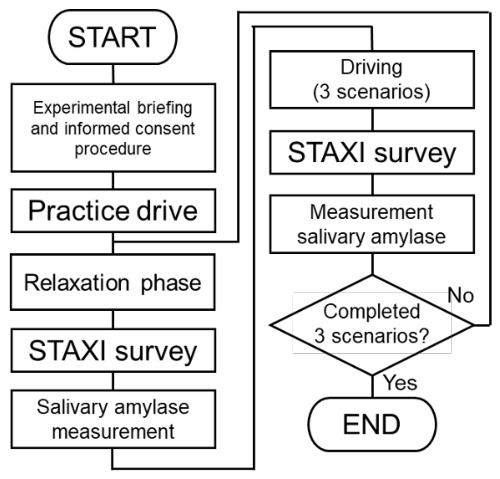
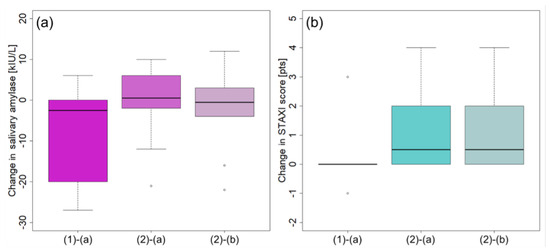
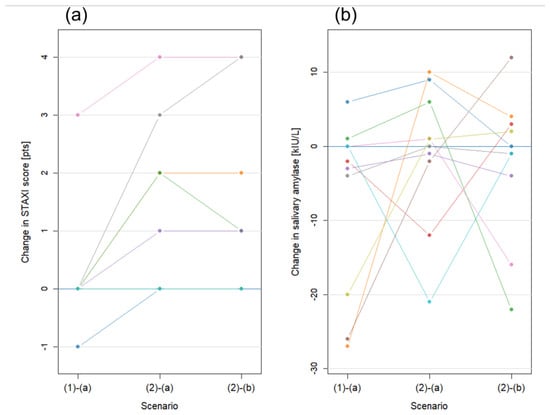
Unexpected cut-in events may elicit driver anger even when braking is partly supported by driver-assistance systems. This preliminary simulator study examined whether SAE Level 1 longitudinal braking assistance alters affective responses to dangerous cut-in events. Ten young male licensed drivers completed three within-subject scenarios: manual driving without a cut-in, manual driving with a dangerous cut-in, and SAE Level 1 braking assistance with a dangerous cut-in. STAXI State Anger and salivary amylase were measured before and after each scenario. STAXI State Anger showed an overall scenario effect (p = 0.0045), but Holm-corrected post hoc comparisons were not statistically significant. In particular, the data did not indicate an anger-reducing effect of braking assistance compared with manual driving during the same cut-in event. Salivary amylase showed no significant scenario effect (p = 0.273). These preliminary findings suggest that physical braking assistance alone may be insufficient to mitigate anger-related responses to sudden cut-in events, and they motivate future controlled studies of cognitive support and system intent communication in ADAS contexts.
Full article
(This article belongs to the Section Safety and Security in Vehicles)
►▼
Show Figures

Figure 1
Open AccessReview
Automotive Noise, Vibration, and Harshness (NVH): A Thematic Literature Review
by
Waleed Faris
Vehicles 2026, 8(6), 140; https://doi.org/10.3390/vehicles8060140 - 22 Jun 2026
Abstract
Automotive Noise, Vibration, and Harshness (NVH) has emerged as a critical interdisciplinary field influencing vehicle performance, passenger comfort, brand perception, and regulatory compliance. This thematic literature review synthesizes key research trends, methodological approaches, and technological developments shaping contemporary NVH studies. Drawing on 255
[...] Read more.
Automotive Noise, Vibration, and Harshness (NVH) has emerged as a critical interdisciplinary field influencing vehicle performance, passenger comfort, brand perception, and regulatory compliance. This thematic literature review synthesizes key research trends, methodological approaches, and technological developments shaping contemporary NVH studies. Drawing on 255 scholarly and industry sources, the review identifies five dominant themes: (1) sources and characterization of noise and vibration in internal combustion, hybrid, and electric vehicles; (2) advanced modeling and simulation techniques—including finite element analysis, statistical energy analysis, and machine learning–based prediction models; (3) materials, components, and structural optimization strategies for NVH mitigation; (4) the rapidly evolving landscape of electric and autonomous vehicle NVH; and (5) emerging active noise and vibration control technologies and data-driven diagnostics. The analysis highlights a definite shift toward holistic, data-driven, and multi-physics approaches, driven by lightweighting imperatives, widespread electrification, and increasingly stringent occupant comfort expectations. Key gaps in current research—including the need for unified evaluation metrics, real-time in-vehicle NVH monitoring, closer integration of subjective psychoacoustic perception with objective physical measurement, and validated simulation workflows for novel EV architectures—are identified and discussed. This review provides a consolidated and expanded framework for understanding contemporary NVH research directions and articulates opportunities for transformative innovation in next-generation vehicle development.
Full article
Open AccessArticle
Designing a National Household Travel Survey for Saudi Arabia: A Framework for Understanding Urban Mobility and Infrastructure Development
by
Thaar Alqahtani and Fawzan Alfawzan
Vehicles 2026, 8(6), 139; https://doi.org/10.3390/vehicles8060139 - 20 Jun 2026
Abstract
►▼
Show Figures
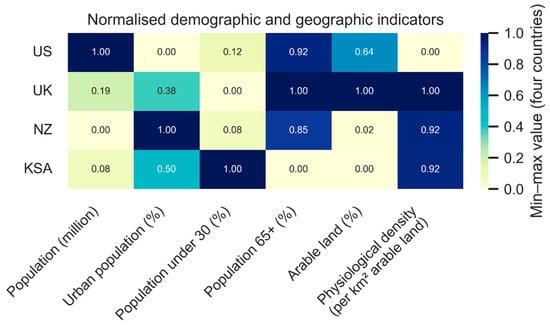
Saudi Arabia currently lacks a nationally representative, multi-day National Household Travel Survey comparable to the US, UK, or New Zealand programmes; existing official data products focus on aggregate road-transport indicators or general household statistics rather than detailed day-to-day travel diaries. This study develops
[...] Read more.
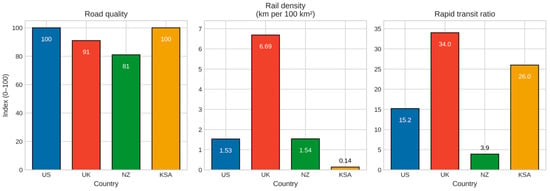
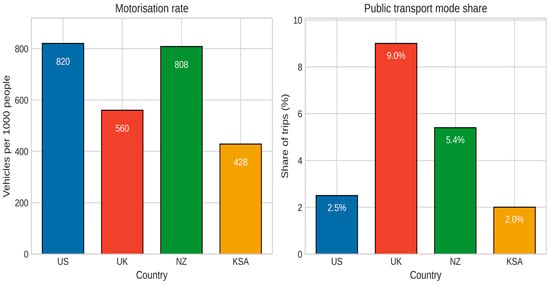
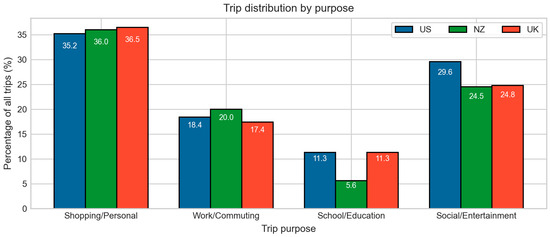
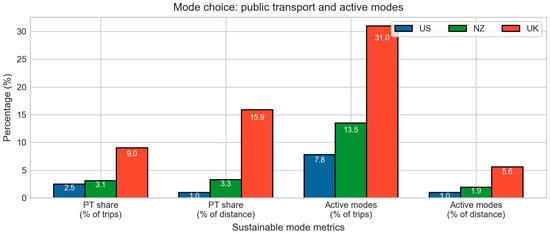
Saudi Arabia currently lacks a nationally representative, multi-day National Household Travel Survey comparable to the US, UK, or New Zealand programmes; existing official data products focus on aggregate road-transport indicators or general household statistics rather than detailed day-to-day travel diaries. This study develops a benchmark-driven framework for NHTS–KSA by comparing Saudi demographic, geographic, infrastructure, climate, and mobility indicators with those of the United States, United Kingdom, and New Zealand, and by systematically assessing 15 survey-design indicators across their national household travel surveys. Context benchmarking identifies the United States as the closest for highway-oriented interurban structure and motorisation level, New Zealand for geography and demographic structure (in particular, near-identical physiological density on limited arable land), and the United Kingdom as the most aspirationally aligned benchmark for the multimodal mobility patterns Saudi Arabia aims to develop under Vision 2030. Design benchmarking shows that the three surveys are closely matched in aggregate similarity but lead on distinct elements: New Zealand on diary length and integrated passive tracking, the US on digital tools and emerging-behaviour modules, and the UK on interviewer-led recruitment and multimodal analysis, a pattern that proves robust to plausible variation in individual scores. The resulting NHTS–KSA blueprint specifies a statistically justified, stratified multistage annual household sample, a two-day diary with rolling 12-month fieldwork, interviewer-assisted recruitment, a digital-first diary with optional GPS tracking, and modules on long-distance travel, telework, e-commerce, gendered mobility, accessibility, safety, and environmental attitudes. While preserving international comparability, the framework provides the data foundation required to steer public-transport investment, demand-management measures, and land-use policies in line with Saudi Arabia’s Vision 2030 objectives for sustainable, inclusive, and smart mobility.
Full article

Figure 1
Open AccessArticle
Encoder-Based Speed Estimation of BLDC Motors for Accurate Positioning of Current Collectors: A Case Study on Automated Overhead Wire Connection for Trolleybuses
by
Regina Deisling, Robert Dehnert, Christian Koch, Melanie Schmaltz, Bernhard Schaaf-Christmann, Jan Messerschmidt, Ramiz Dilji and Bernd Tibken
Vehicles 2026, 8(6), 138; https://doi.org/10.3390/vehicles8060138 - 19 Jun 2026
Abstract
The electrification of public transportation requires reliable and efficient technologies for energy transfer. Trolleybus systems represent a promising solution, as they combine high energy efficiency with reduced battery requirements. However, a central technical challenge is the precise and automatic positioning of the flexible
[...] Read more.
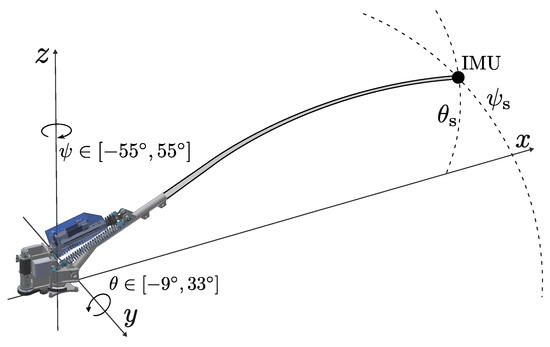
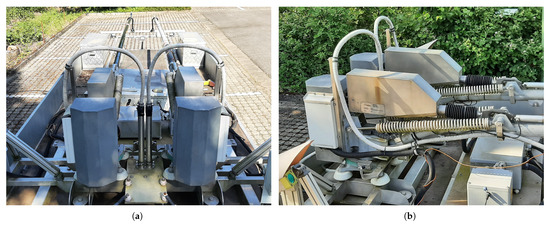
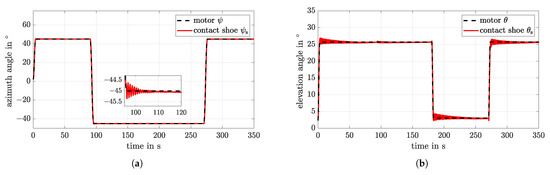
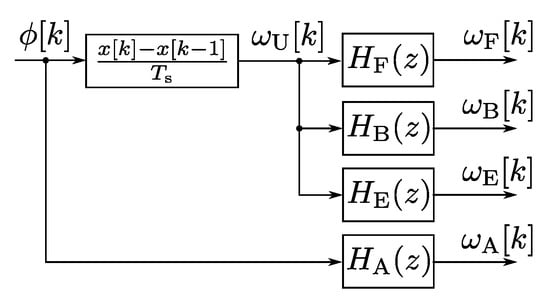
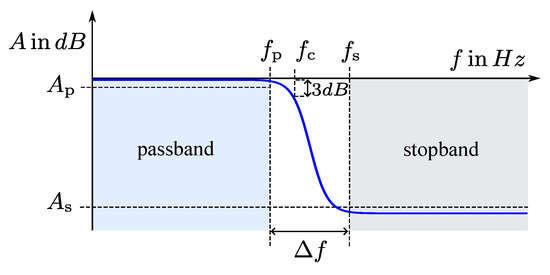
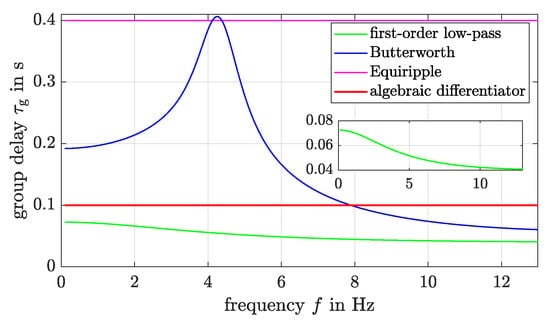
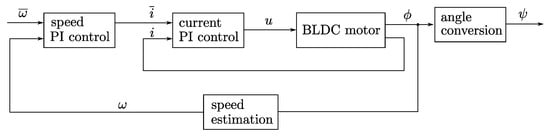
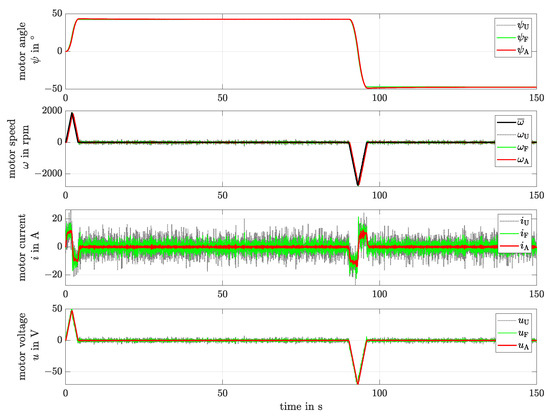
The electrification of public transportation requires reliable and efficient technologies for energy transfer. Trolleybus systems represent a promising solution, as they combine high energy efficiency with reduced battery requirements. However, a central technical challenge is the precise and automatic positioning of the flexible current collector poles that connect to the overhead line. During positioning through motor actuation, the current collector shoe is caused to oscillate by external disturbances and the movement itself. To reduce oscillations, the current collectors need to be damped actively by respective actuation. This task critically depends on accurate and fast motor speed estimation for real-time control of the actuating motors. Since motor speed is not measured directly in the system, it has to be estimated from the encoder-based motor position, which introduces sensitivity to measurement noise and requires filtering. This work investigates four practical estimation approaches in the context of trolleybus applications. These include discrete-time numerical differentiation combined with FIR and IIR filtering and a modern algebraic differentiation approach. These estimation methods are evaluated under identical experimental conditions and predefined filter specifications focusing on noise suppression and time delay characteristics. The most promising approaches are further validated in closed-loop operation with respect to measurement noise-induced variations in the control input and motor speed tracking accuracy. The results demonstrate that algebraic differentiation achieves a favorable balance between noise suppression, latency, and filter order for the considered current collector system. It therefore provides a suitable basis for real-time deployment in the investigated current collector positioning control and for future active oscillation damping strategies.
Full article
(This article belongs to the Topic Design and Control of Electrical Machines for Electric Vehicles)
►▼
Show Figures

Figure 1
Open AccessSystematic Review
Radar-Camera Extrinsic Calibration for Roadside Infrastructure: A Systematic Review
by
Zeynab Rokhi and Ali Emadi
Vehicles 2026, 8(6), 137; https://doi.org/10.3390/vehicles8060137 - 19 Jun 2026
Abstract
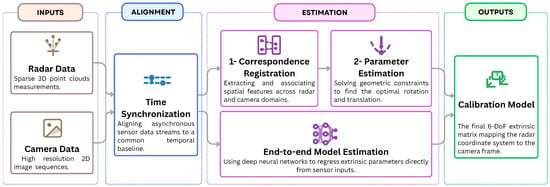
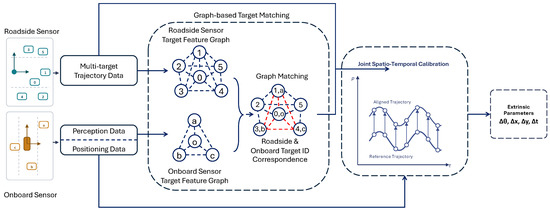
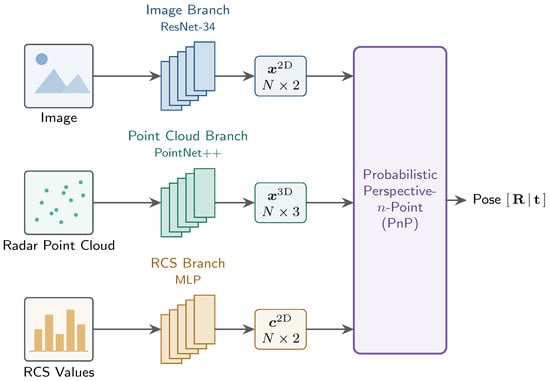
The growth of Intelligent Transportation Systems (ITS) has made high-quality perception data from multi-sensor setups essential. Pairing millimeter-wave (mmW) radar with a monocular camera is a common way to recover three-dimensional information about the environment, but aligning the two is difficult because sparse
[...] Read more.
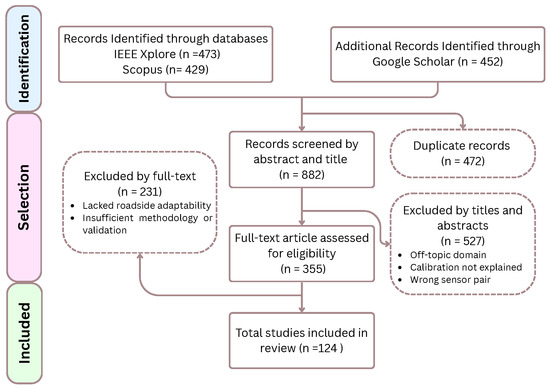
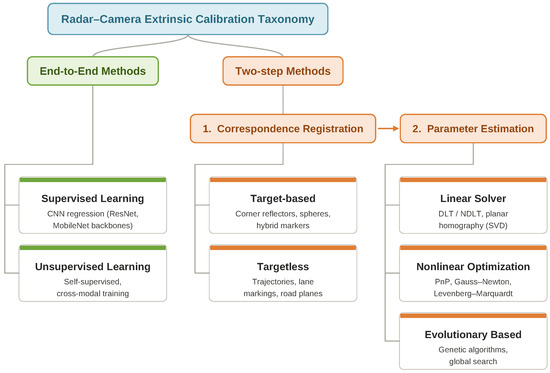
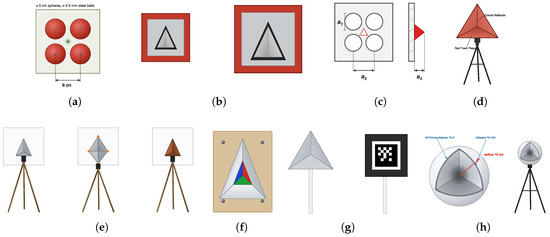
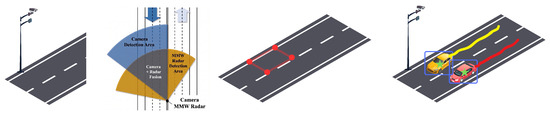
The growth of Intelligent Transportation Systems (ITS) has made high-quality perception data from multi-sensor setups essential. Pairing millimeter-wave (mmW) radar with a monocular camera is a common way to recover three-dimensional information about the environment, but aligning the two is difficult because sparse radar point clouds and dense camera images differ sharply in how they sense a scene. The problem grows more severe in roadside infrastructure, where the high mounting elevation introduces perspective distortion that vehicle-mounted systems rarely face. This paper presents a systematic review, conducted under the Preferred Reporting Items for Systematic Reviews and Meta-Analyses (PRISMA) guidelines, of radar-camera extrinsic calibration for fixed roadside infrastructure, organizing existing work into a taxonomy that separates traditional two-stage pipelines from recent end-to-end learning frameworks. Because methods designed specifically for roadside units remain scarce, the review also covers vehicle- and robot-mounted methods whose static-sensor formulation carries over to fixed roadside deployment. For the two-stage pipeline, the analysis covers target-based and targetless correspondence registration along with the optimization techniques and algorithmic assumptions behind parameter estimation. The end-to-end learning literature shows a clear shift toward self-supervised and fusion-based models, some of which report real-time performance. The review also compares the metrics and procedures used to quantify calibration accuracy. Progress is evident, but robustness in cluttered urban environments remains an open challenge, and the paper closes by outlining future directions, arguing that standardized roadside benchmarks are needed before scalable, targetless calibration can mature.
Full article
(This article belongs to the Special Issue Vehicle Systems and Road Infrastructure Integration for Smarter Transportation Systems)
►▼
Show Figures

Figure 1
Open AccessArticle
A Multi-Modal AI System for Detecting Pedestrians Lying on the Road: Simulation-Based Safety and Injury Risk Analysis
by
Nick Barua and Masahito Hitosugi
Vehicles 2026, 8(6), 136; https://doi.org/10.3390/vehicles8060136 - 18 Jun 2026
Abstract
Introduction: Pedestrians lying on the road—collapsed through medical emergency, intoxication, or displacement following a prior collision—represent a disproportionately lethal and underaddressed category in road traffic safety. Forensic database analyses derived from Japan’s national police records document a fatality rate of 33.0% for collisions
[...] Read more.
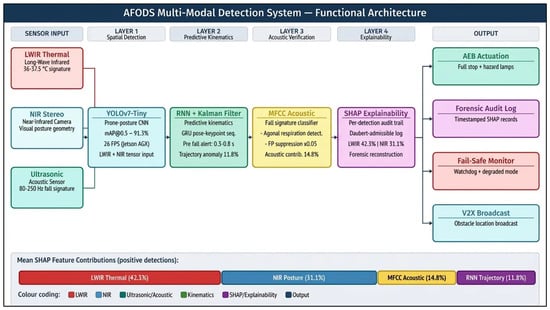
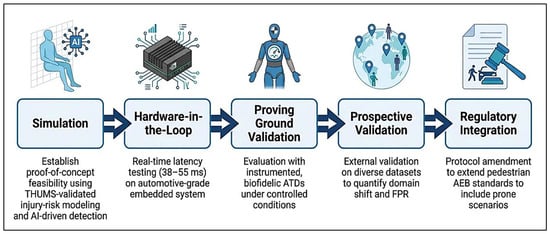
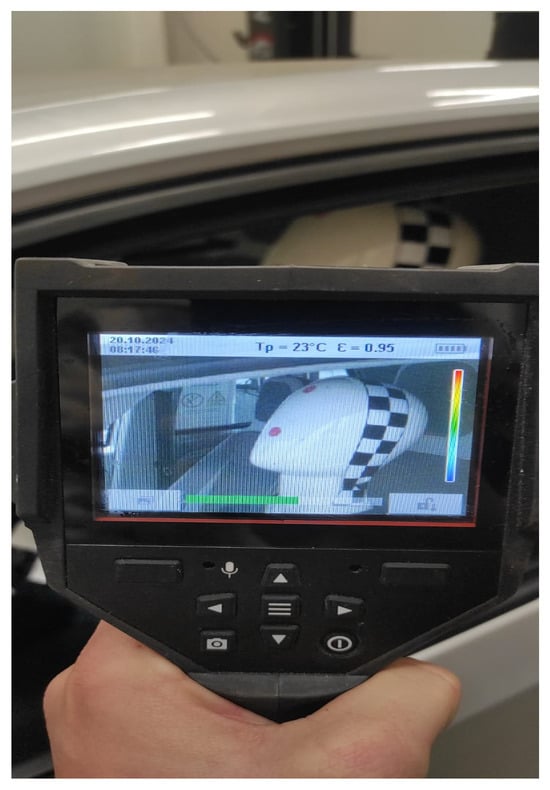
Introduction: Pedestrians lying on the road—collapsed through medical emergency, intoxication, or displacement following a prior collision—represent a disproportionately lethal and underaddressed category in road traffic safety. Forensic database analyses derived from Japan’s national police records document a fatality rate of 33.0% for collisions involving pedestrians lying on the road, more than double the rate for upright pedestrian collisions. Standard Advanced Driver-Assistance Systems (ADAS) yield a True Positive Rate (TPR) of only 21.4% for detecting pedestrians lying on the road under night conditions—a classification gap of 73.3 percentage points. Methods: In simulation trials, we evaluated the Advanced Falling Object Detection System (AFODS—where “falling object” denotes the low-profile human form at road level, distinguishing the prone pedestrian from the upright postures addressed by conventional ADAS) on a composite dataset of 3200 annotated fall events and 12,000 negative samples (training/validation), with 320 independent controlled simulation trials used for performance evaluation, spanning real-world, forensic-reconstruction, and Total Human Body Model for Safety (THUMS)-validated synthetic scenarios. No physical prototype has been evaluated; all performance data are derived from simulation, and 37.5% of positive samples are synthetically generated. These simulation conditions represent a first feasibility demonstration pending real-world hardware validation. This paper introduces three original contributions absent from prior work: a three-stage quantitative injury-risk model, a formal ISO 26262 Hazard Analysis and Risk Assessment (HARA), and a medicolegal SHAP interpretability framework. The injury-risk model translated detection latency via impact velocity to Head Injury Criterion (HIC) and estimated fatal injury probability (AIS ≥ 5); these model outputs should be interpreted as exploratory estimates pending ATD validation. Reporting follows principles consistent with the TRIPOD statement. Results: Under clear daytime conditions, AFODS demonstrated a TPR of 98.2% (95% CI: 97.4–98.8%) in simulation, decreasing to 95.6% under night dry-road conditions and 89.4% under night rain. The system achieved an AUC of 0.981 and a mean end-to-end latency of 46.5 ms, representing a 76.8 percentage-point improvement in simulation over the monocular RGB baseline (p < 0.001). The injury-risk model projects a reduction in estimated fatal head injury probability from 66.2% (Monte Carlo mean) (no detection, 50 km/h full-speed impact) to 0.7% under AFODS worst-case night/rain conditions, and to ≈0% under clear daytime simulation conditions. Conclusions: A 73.3 percentage-point classification gap places pedestrians lying on the road outside the effective detection envelope of current ADAS, compounded by the systematic exclusion of non-upright postures from regulatory test protocols and benchmark datasets. AFODS supports proof-of-concept feasibility under simulation conditions. Three translational steps are required: prototype validation on real-world hardware using instrumented Anthropomorphic Test Devices (ATDs); prone-posture biomechanical injury modelling using HIC and BrIC criteria; and regulatory extension of pedestrian AEB test standards to non-upright scenarios.
Full article
(This article belongs to the Topic Safe Automotive Systems: Trends, Opportunities, and Challenges)
►▼
Show Figures

Figure 1
Open AccessArticle
Air-Curtain Microclimate Control for Energy-Efficient HVAC Operation in Electric Vehicles
by
Daria Sachelarie, Andrei Ionut Dontu, Adrian Sachelarie, Aristotel Popescu, Lamara Achitei and George Achitei
Vehicles 2026, 8(6), 135; https://doi.org/10.3390/vehicles8060135 - 18 Jun 2026
Abstract
This paper investigates the potential of localized air-curtain microclimate control to reduce HVAC energy consumption in electric vehicles while maintaining occupant thermal comfort. The study compares conventional full-cabin cooling with driver-focused and passenger-focused air-curtain configurations under controlled ambient conditions of 32 °C. The
[...] Read more.
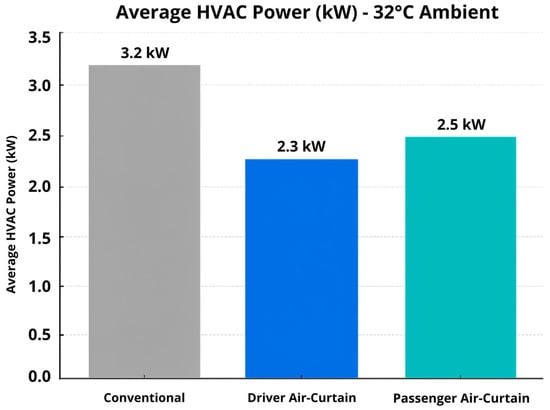
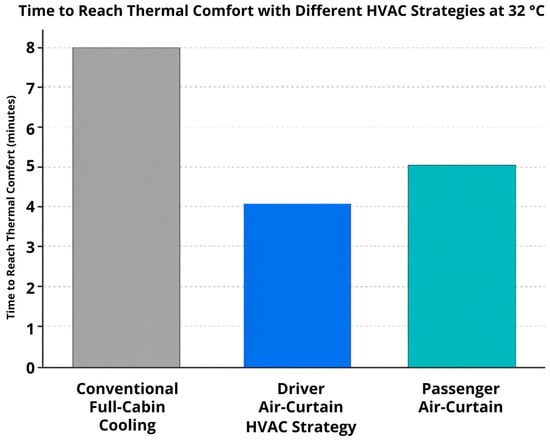
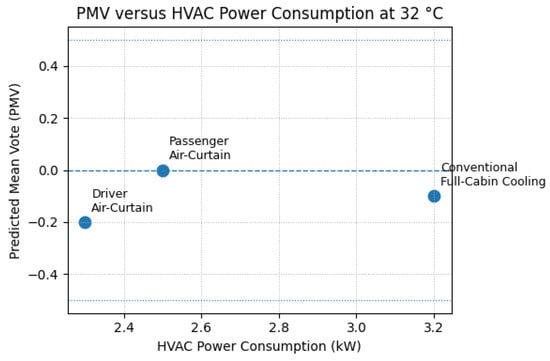
This paper investigates the potential of localized air-curtain microclimate control to reduce HVAC energy consumption in electric vehicles while maintaining occupant thermal comfort. The study compares conventional full-cabin cooling with driver-focused and passenger-focused air-curtain configurations under controlled ambient conditions of 32 °C. The experimental framework combines analytical airflow and heat-transfer modeling with comparative HVAC performance evaluation using power consumption, time to reach thermal comfort, and Predicted Mean Vote (PMV) analysis. The results show that the air-curtain configurations reduce HVAC power consumption from 3.2 kW for conventional cooling to 2.3 kW and 2.5 kW for the driver- and passenger-focused configurations, corresponding to energy savings of approximately 22–28%. In addition, localized airflow significantly accelerates thermal comfort attainment, reducing stabilization time from 8 min to 4–5 min while maintaining PMV values within acceptable comfort limits. The findings demonstrate that occupant-centered air-curtain microclimate strategies can improve HVAC energy efficiency, reduce auxiliary energy demand, and support more sustainable and range-efficient operation of next-generation electric vehicles.
Full article
(This article belongs to the Special Issue Intelligent Mobility and Sustainable Automotive Technologies, 2nd Edition)
►▼
Show Figures

Figure 1
Open AccessArticle
A Control Method for Dual Motor Redundant Steer System Based on Zeroing Neural Networks
by
Dequan Zeng, Lingang Yang, Min Xiong, Akos Odry, Larisa Rybak, Dmitry Malyshev, Jiawen Sun, Yiming Hu and Jinwen Yang
Vehicles 2026, 8(6), 134; https://doi.org/10.3390/vehicles8060134 - 16 Jun 2026
Abstract
The reliability of the steering system directly impacts the safety of autonomous driving. Addressing the issue of trajectory deviation easily caused by motor failure in redundant steer-by-wire (SBW) systems, this paper aims to improve vehicle tracking accuracy under fault conditions. A hierarchical fault-tolerant
[...] Read more.
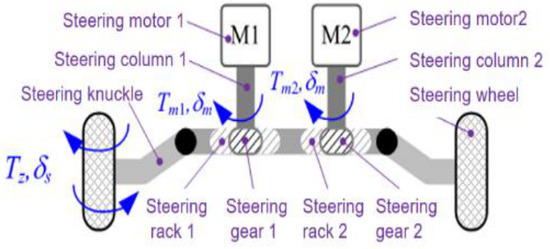
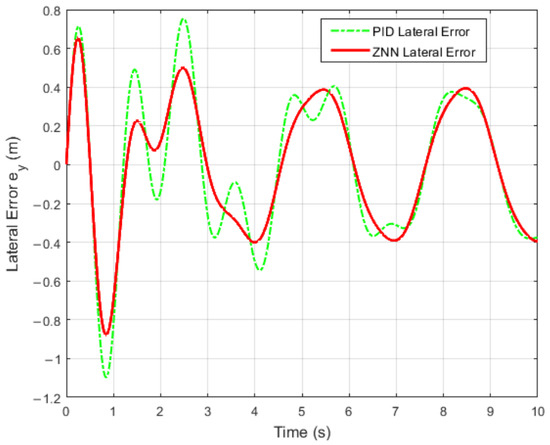
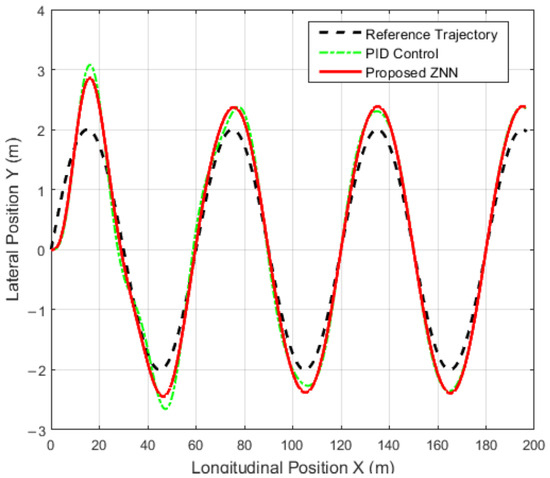
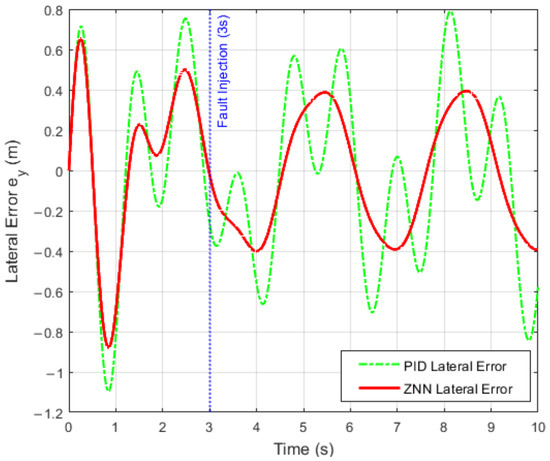
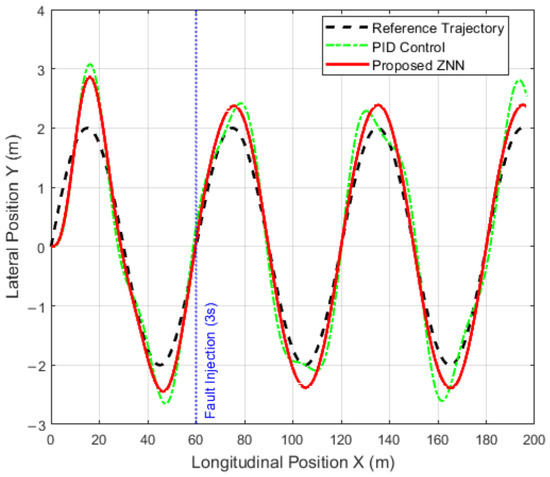
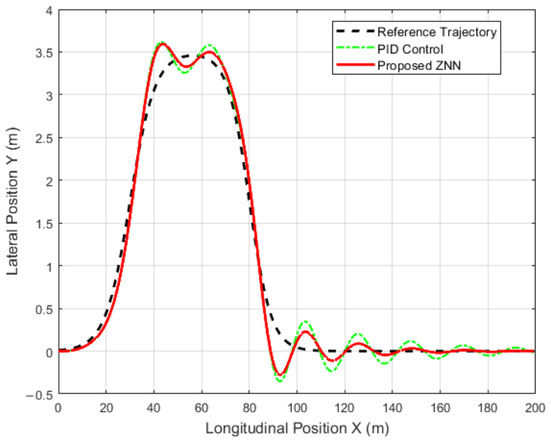
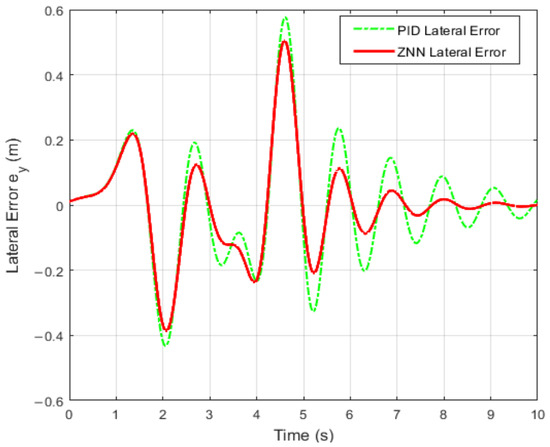
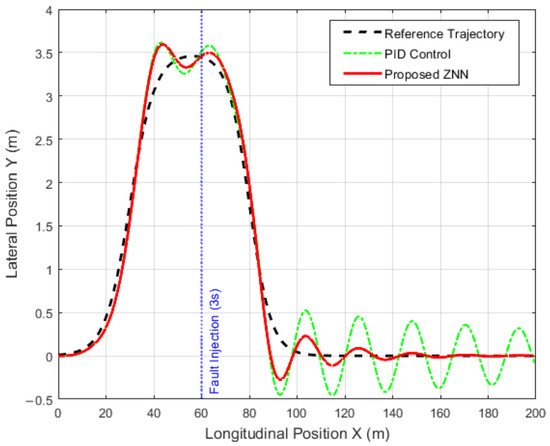
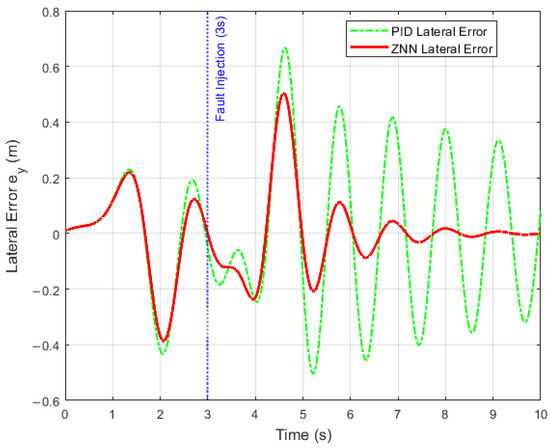
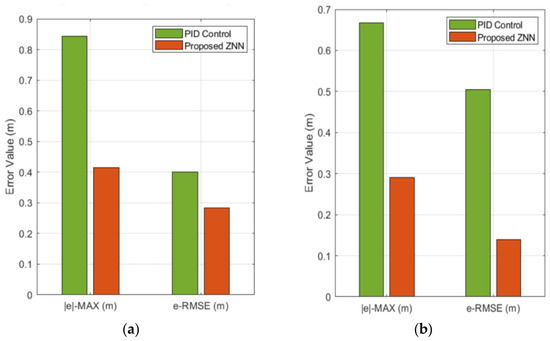
The reliability of the steering system directly impacts the safety of autonomous driving. Addressing the issue of trajectory deviation easily caused by motor failure in redundant steer-by-wire (SBW) systems, this paper aims to improve vehicle tracking accuracy under fault conditions. A hierarchical fault-tolerant control strategy based on a zeroing neural network (ZNN) is proposed: the upper layer uses the Stanley algorithm for path planning, while the lower layer designs a ZNN controller with preset performance constraints, and instantaneous power reconfiguration is achieved through Jacobi pseudo-inverse. Simulation results show that under high-speed lane changes and sinusoidal conditions, this strategy can achieve millisecond-level task reassignment, and compared to PID control, the maximum absolute error of lateral tracking under fault conditions is reduced by over 50%, and the root mean square error is reduced by over 30%. This method effectively improves driving safety and trajectory fidelity when actuators fail.
Full article
(This article belongs to the Special Issue Trajectory Tracking of Autonomous Vehicles)
►▼
Show Figures

Figure 1
Open AccessArticle
Fatigue Analysis of Commercial-Vehicle Lateral Stabilizer Bar Based on Load Decomposition Method
by
Jiwei Zhang, Ziting Huang, Liang Li, Jun Zeng, Hui Yuan and Changcheng Yin
Vehicles 2026, 8(6), 133; https://doi.org/10.3390/vehicles8060133 - 16 Jun 2026
Abstract
As a core component for restraining cab roll, the lateral stabilizer bar bears continuous complex alternating loads during vehicle operation, making it highly susceptible to fatigue failure that may trigger severe traffic accidents. Therefore, fatigue analysis of the lateral stabilizer bar is of
[...] Read more.
As a core component for restraining cab roll, the lateral stabilizer bar bears continuous complex alternating loads during vehicle operation, making it highly susceptible to fatigue failure that may trigger severe traffic accidents. Therefore, fatigue analysis of the lateral stabilizer bar is of great significance. To address the drawbacks of conventional direct load testing, such as difficult sensor arrangement and long test cycles, this paper proposes a fatigue-load decomposition and life evaluation method, combining multi-body dynamics and virtual iteration. Firstly, target signal spectra of the frame are obtained via real-vehicle road tests, and a high-precision system dynamic model is established with key suspension parameters. Subsequently, virtual iteration technology is adopted to accurately inverse-solve load spectra at critical points of the lateral stabilizer bar. Finally, the finite element model of the lateral stabilizer bar is validated through modal tests, and the fatigue life and vulnerable regions of the lateral stabilizer bar are predicted using the material S-N curve. Compared with traditional physical testing methods, the proposed method effectively avoids barriers to direct testing under complex operating conditions. It not only greatly reduces testing difficulty and time costs but also ensures the accuracy of load extraction and system analysis.
Full article
(This article belongs to the Section Safety and Security in Vehicles)
►▼
Show Figures

Figure 1
Open AccessArticle
An Augmented Deep Koopman Operator-Based MPC for Steering Control of High-Speed Electric Tracked Vehicles
by
Hao Zhong, Ming Zhuang, Weida Wang, Liuquan Yang, Chao Yang, Mingjun Zha and Xuelong Du
Vehicles 2026, 8(6), 132; https://doi.org/10.3390/vehicles8060132 - 11 Jun 2026
Abstract
With advances in electric drive technology, electric tracked vehicles (ETVs) have emerged as a promising solution for high-mobility ground vehicles. However, under high-speed steering conditions, the equivalent motor load inertia varies significantly, introducing strong nonlinear and time-varying characteristics into the ETV that may
[...] Read more.
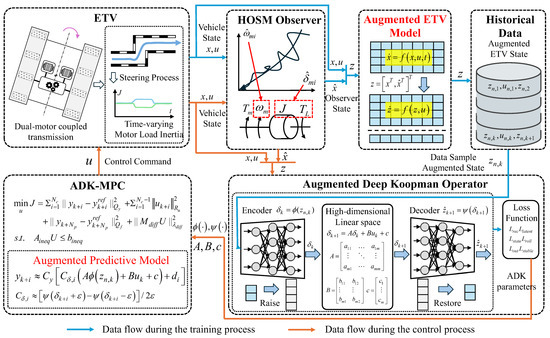
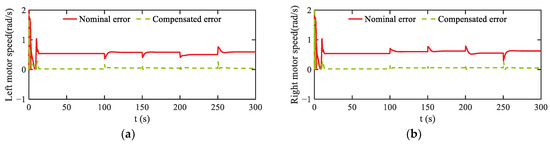
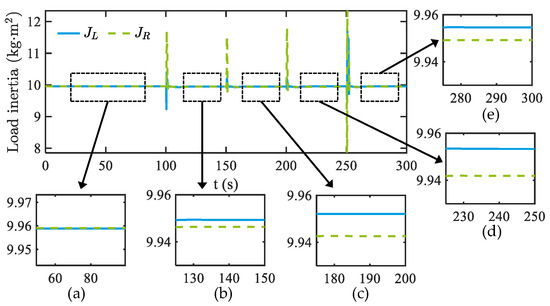
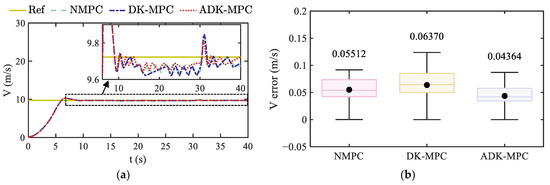
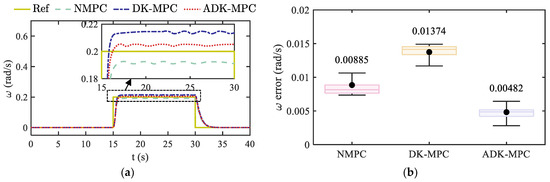
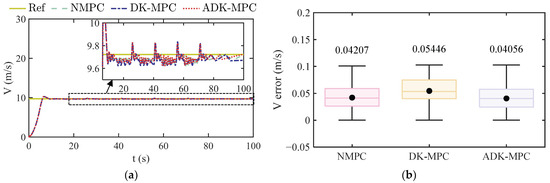
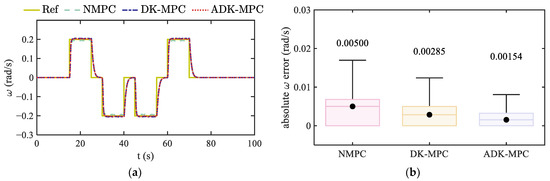
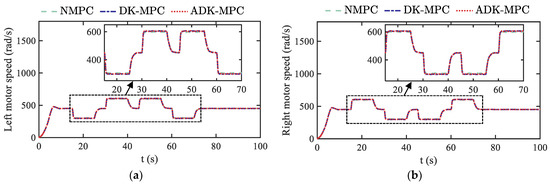
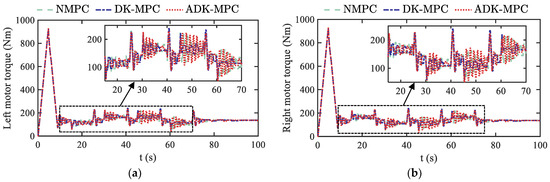
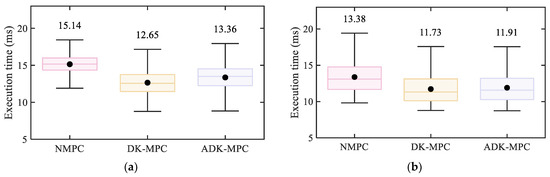
With advances in electric drive technology, electric tracked vehicles (ETVs) have emerged as a promising solution for high-mobility ground vehicles. However, under high-speed steering conditions, the equivalent motor load inertia varies significantly, introducing strong nonlinear and time-varying characteristics into the ETV that may induce lateral instability and even rollover. To address this issue, a novel augmented deep Koopman operator-based model predictive control (ADK-MPC) method is proposed. First, a high-order sliding-mode (HOSM) observer is designed to estimate the lumped load disturbances associated with the time-varying equivalent motor load inertia. Then, the estimated disturbances are introduced as an augmented state into the DK operator to construct a data-driven augmented model. The proposed model transforms the nonlinear dynamics into a lifted linear time-invariant representation in the augmented-state space while capturing the dominant nonlinear characteristics. Based on the ADK model, an ADK-MPC controller is developed to convert the nonlinear optimization problem into a quadratic programming problem, thereby improving steering stability and reducing computational complexity. Simulation results under steering conditions indicate that the proposed method achieves better yaw rate tracking and lower computational cost than nonlinear MPC. The yaw rate tracking error is reduced by 45.5%, while the average solving time is shortened by 11.7%.
Full article
(This article belongs to the Special Issue Energy Management Strategy of Hybrid Electric Vehicles)
►▼
Show Figures

Figure 1
Highly Accessed Articles
Latest Books
E-Mail Alert
News
Topics
Topic in
Drones, Electronics, Eng, JMSE, Robotics, Sensors, Vehicles
Advanced Technologies and Applications for Unmanned Systems
Topic Editors: Jinchao Chen, Chao Chen, Yingjie ZhangDeadline: 31 July 2026
Topic in
Electricity, Energies, Resources, Vehicles
Transforming Integrated Energy Systems: Modeling, Simulation and Optimal Operation with Digital Twin
Topic Editors: Yang Gao, Shi Chen, Zhiyuan Tang, Xiaolong Jin, Licheng Wang, Yiwei Qiu, Jinrui TangDeadline: 30 September 2026
Topic in
Agriculture, Energies, Vehicles, Sensors, Sustainability, Urban Science, Applied Sciences, Algorithms
Sustainable Energy Systems
Topic Editors: Luis Hernández-Callejo, Carlos Meza Benavides, Jesús Armando Aguilar JiménezDeadline: 31 October 2026
Topic in
Applied Sciences, Machines, Sensors, Vehicles, Designs
Vehicle Dynamics and Control, 2nd Edition
Topic Editors: Francis F. Assadian, Junnian WangDeadline: 30 November 2026
Conferences
Special Issues
Special Issue in
Vehicles
Next-Generation Power Electronics and Charging Technologies for Electric Vehicles
Guest Editors: Jingfang Wang, Yuefeng Liao, Chenwei MaDeadline: 20 July 2026
Special Issue in
Vehicles
Novel Solutions for Transportation Safety, 2nd Edition
Guest Editors: Tai-Jin Song, Yao ChengDeadline: 31 July 2026
Special Issue in
Vehicles
Intelligent Vehicle Infrastructure Cooperative System (IVICS)
Guest Editor: Tao ChenDeadline: 31 July 2026
Special Issue in
Vehicles
Accessible Electric and Autonomous Vehicles: Designing for Inclusion and Mobility
Guest Editors: Sivashankar Sivakanthan, Rory A. CooperDeadline: 15 August 2026