Article

Driver Behavioural Responses to Speed Cushions: A Driving Simulator Study

Department of Engineering, University of Messina, Contrada di Dio, 98158 Messina, Italy
*
Author to whom correspondence should be addressed.
Vehicles 2026, 8(5), 112; https://doi.org/10.3390/vehicles8050112

Submission received: 29 January 2026 / Revised: 10 May 2026 / Accepted: 14 May 2026 / Published: 16 May 2026

Abstract

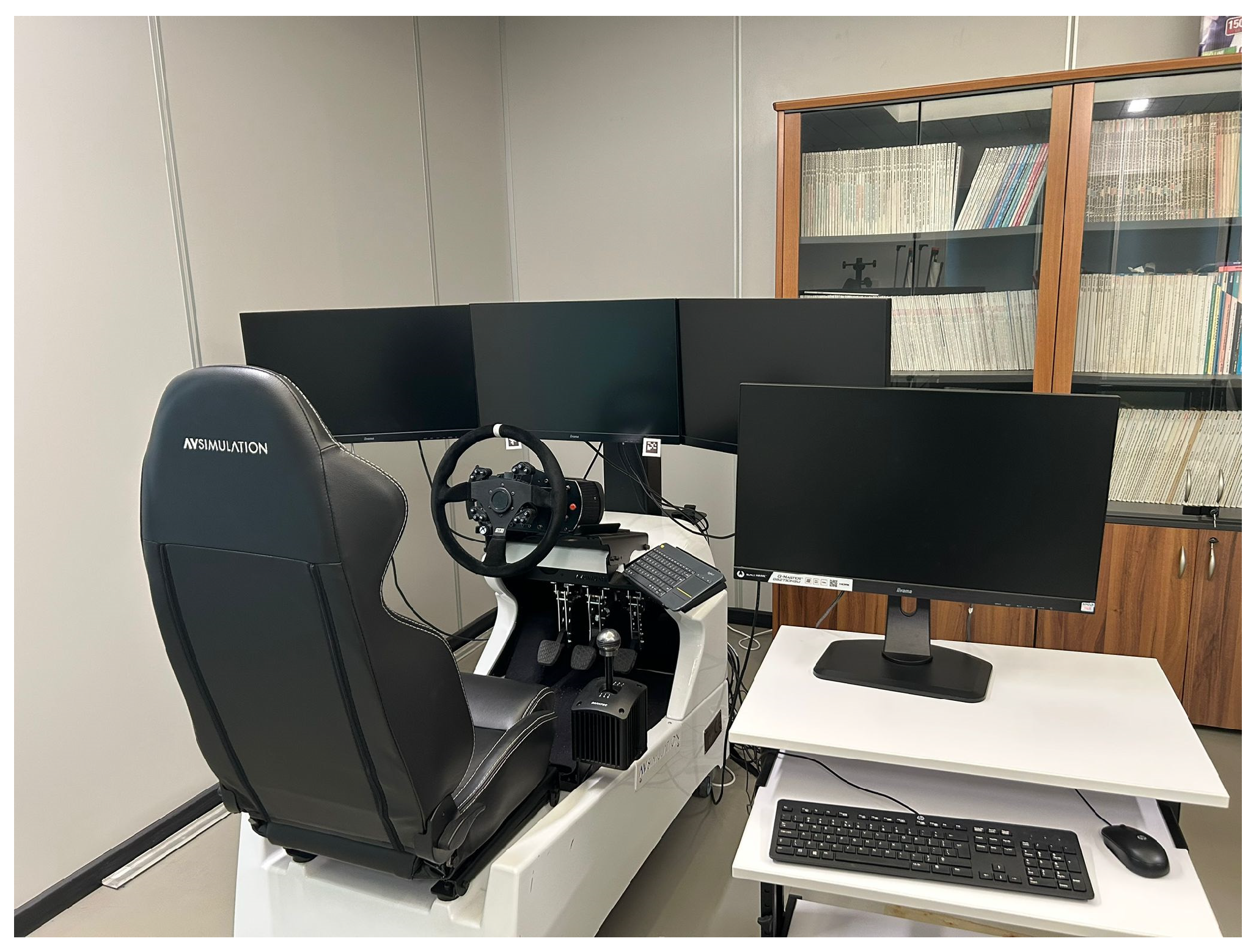
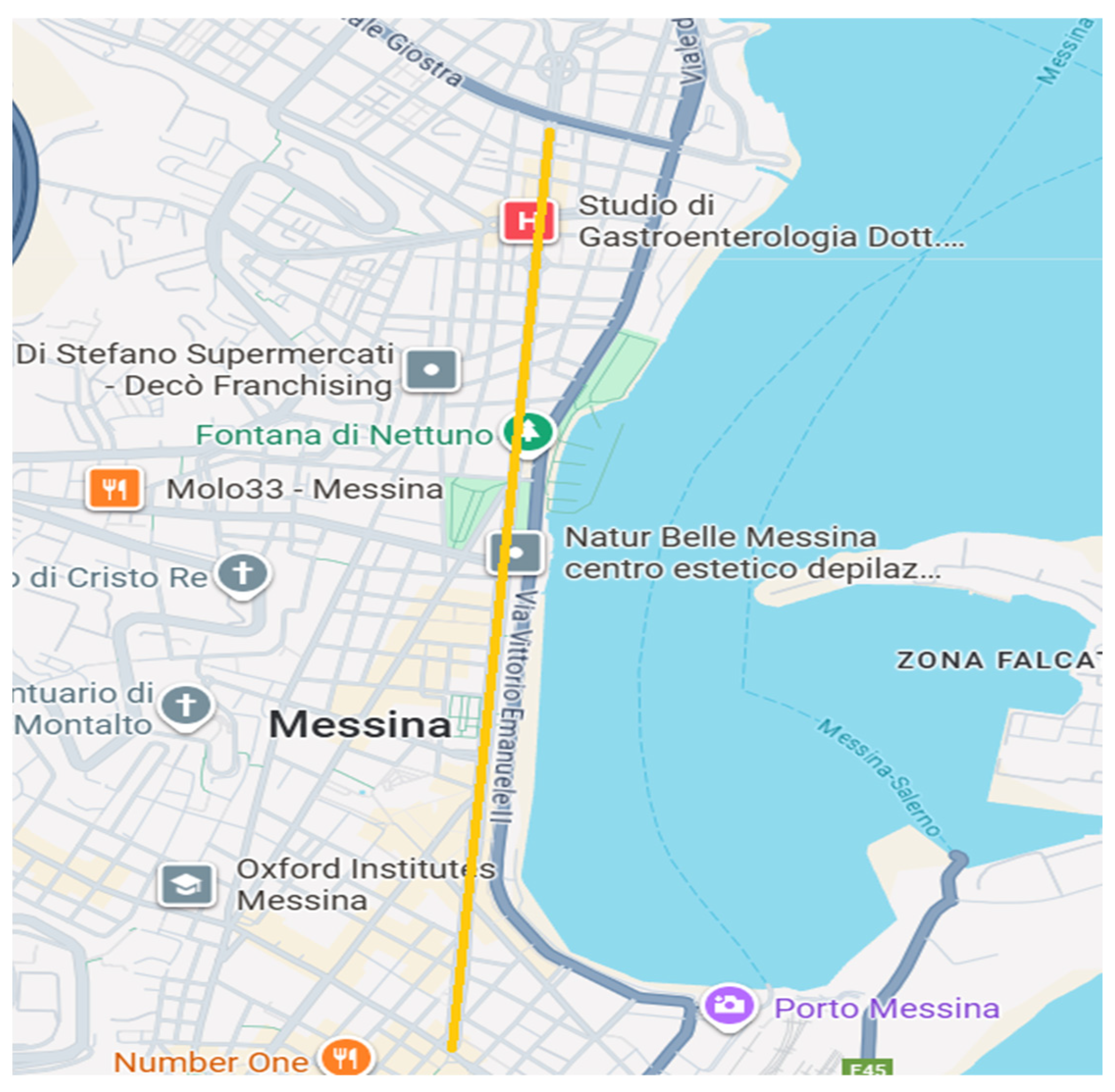
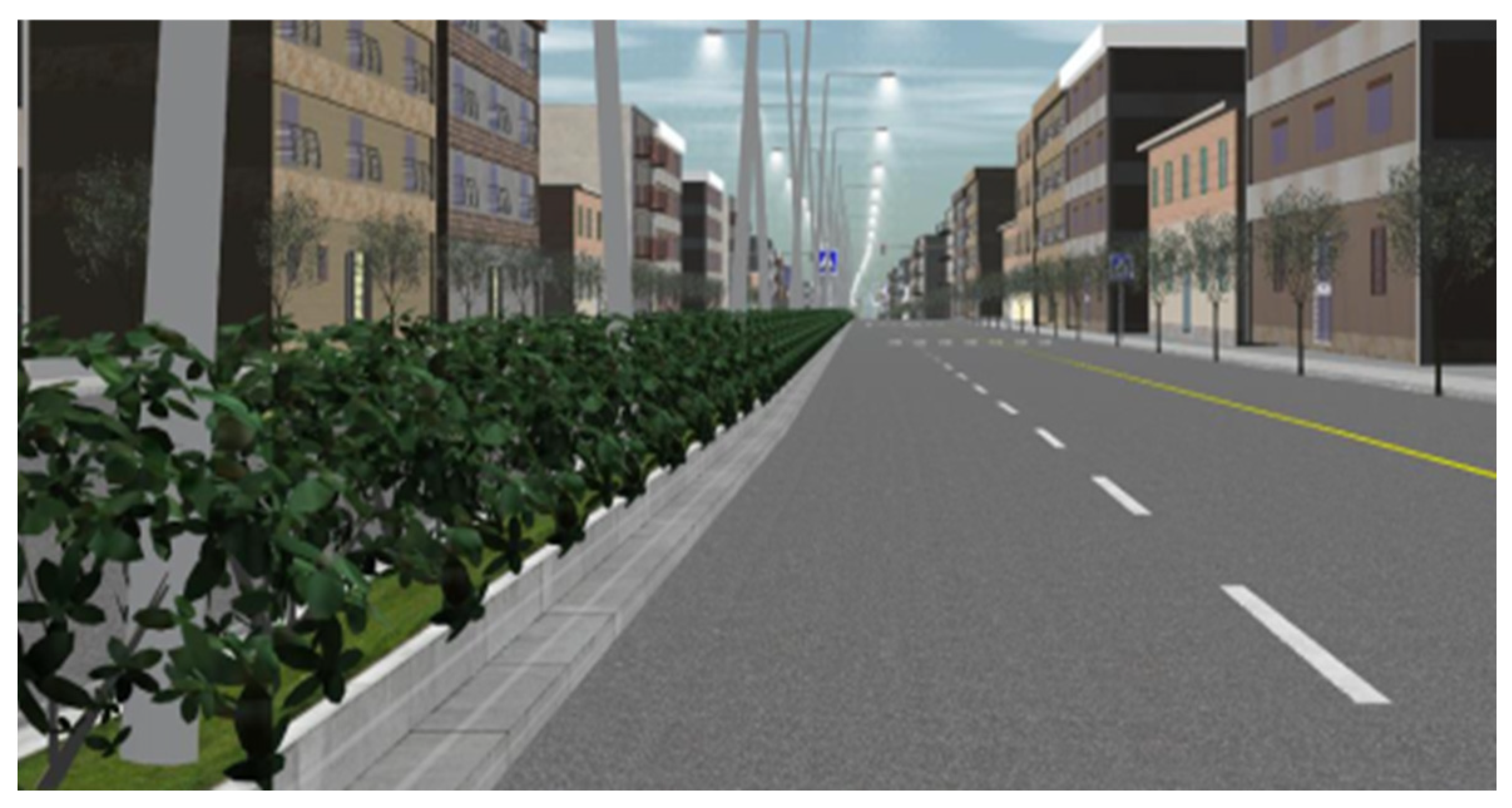
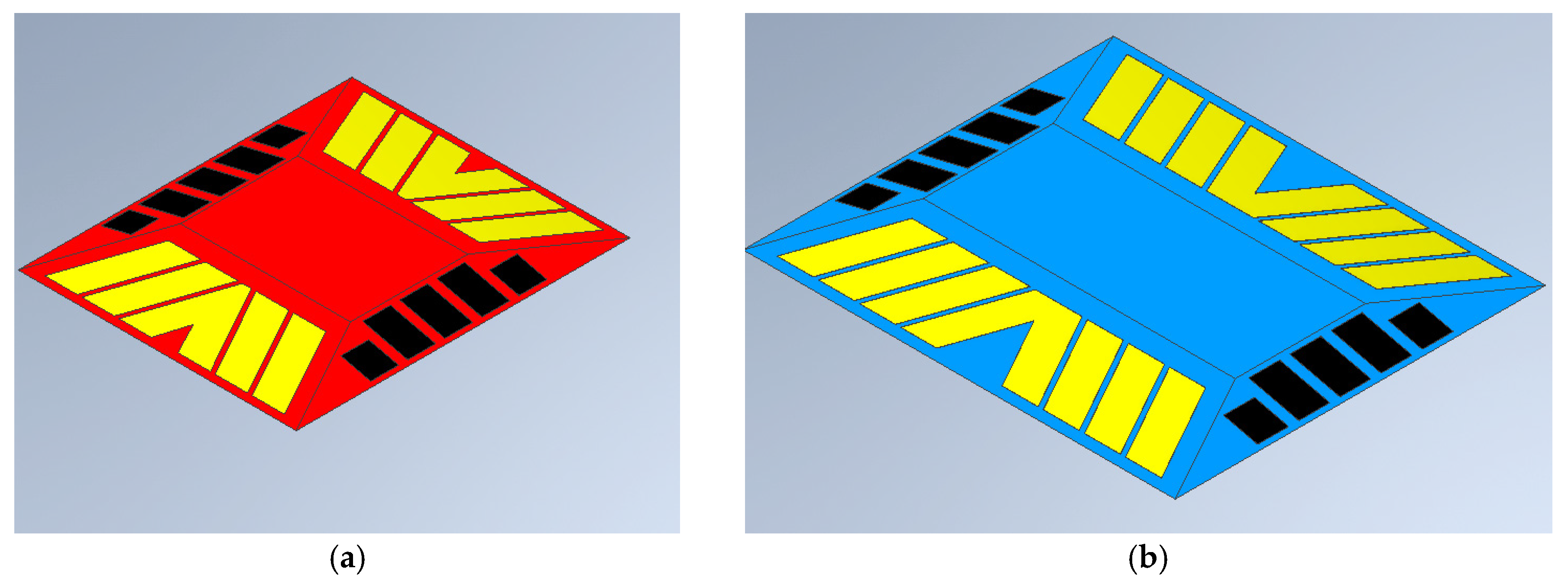
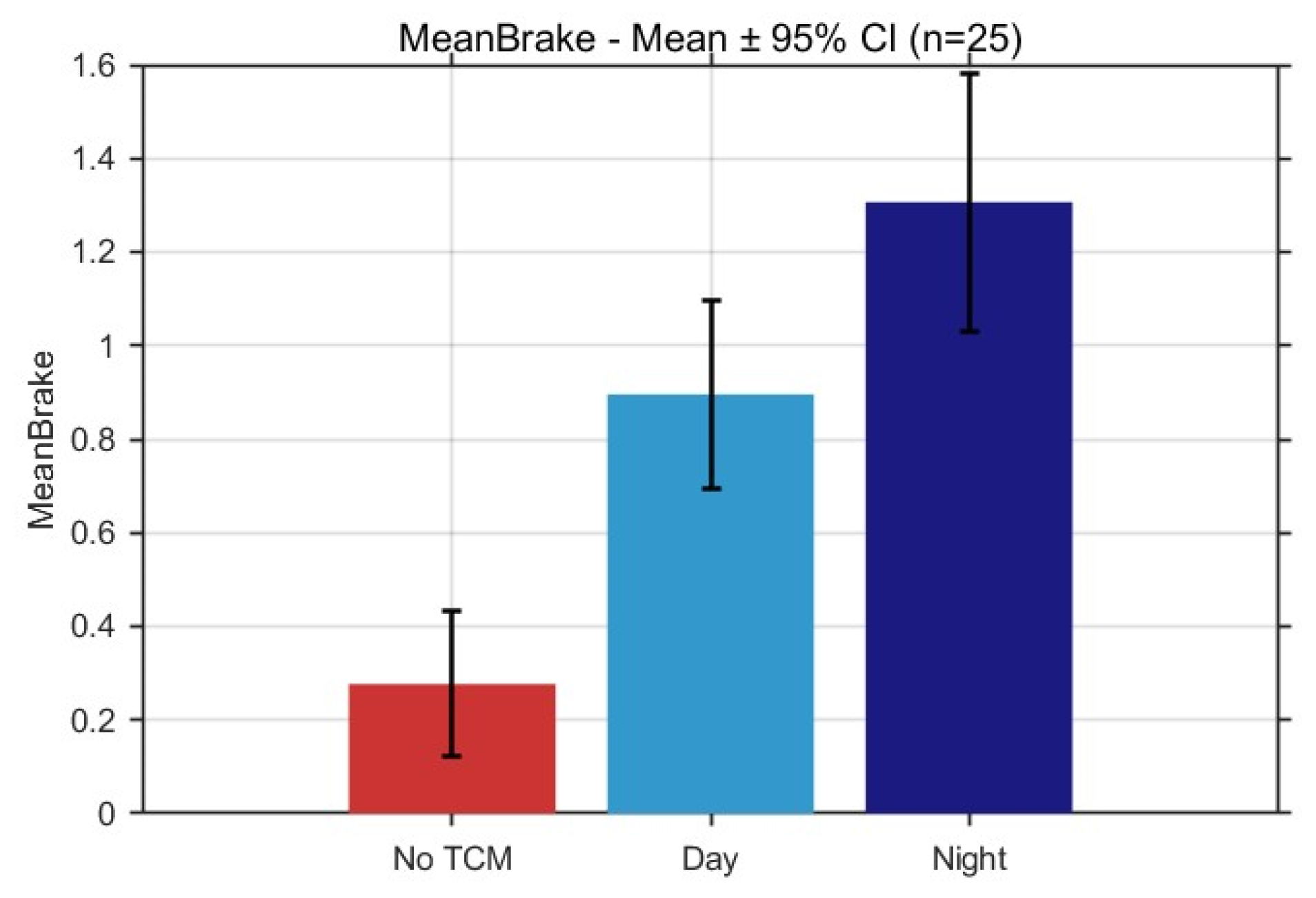
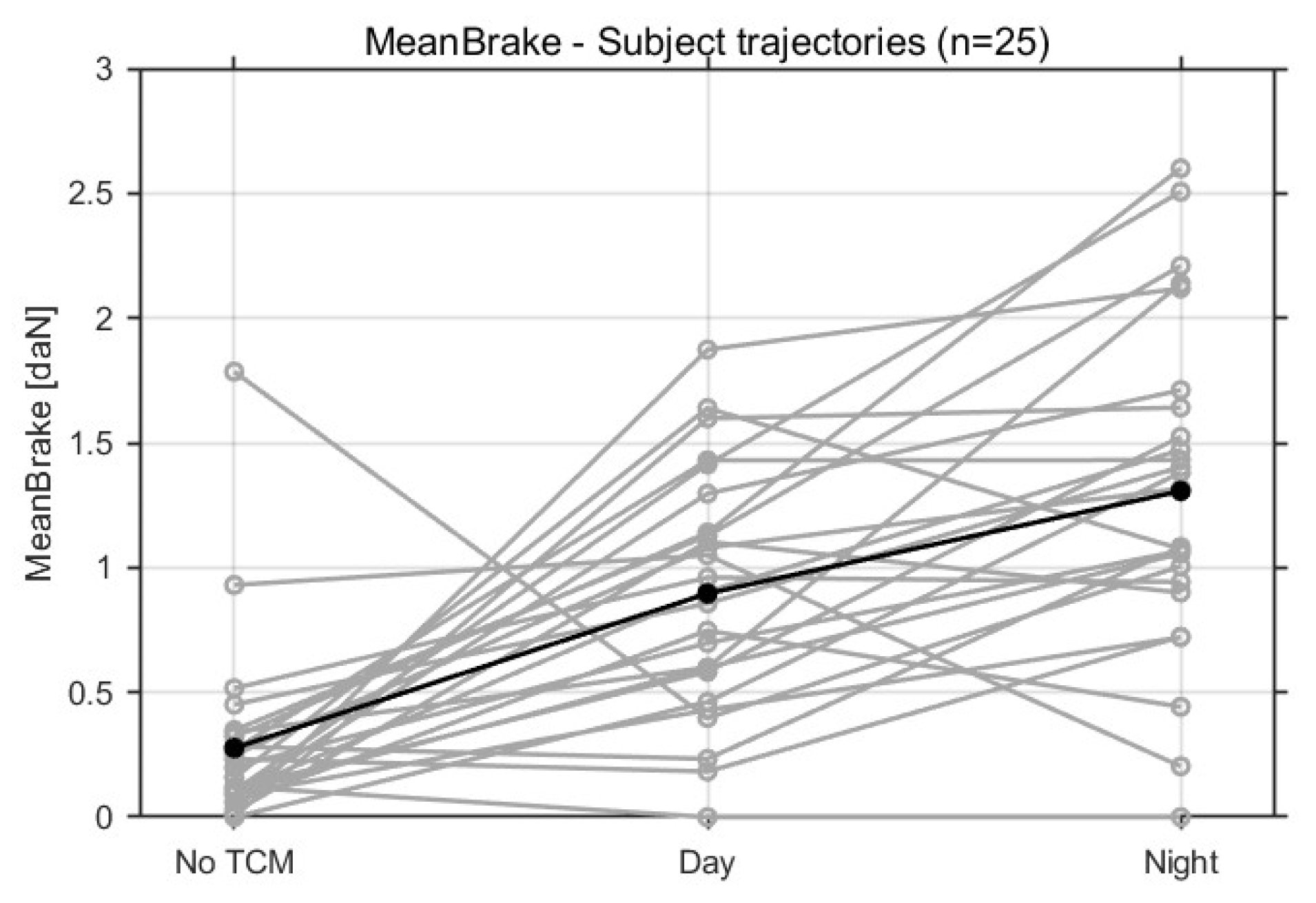
Traffic calming devices (TCMs) are widely implemented to reduce urban vehicle speeds; however, their influence on drivers’ direct control inputs remains underexplored. This study examines how drivers redistribute braking, throttle and steering inputs in the presence of speed cushions, extending driver–infrastructure interaction assessment beyond speed-only metrics. A driving simulator reproduced an urban corridor in Messina (Italy). Twenty-five drivers completed three scenarios: baseline without traffic calming (No TCM), daytime with speed cushions and nighttime with speed cushions. Cushion colour (red/blue) and width (1.5, 1.8, 2.1 m) were varied. Vehicle telemetry was analyzed using repeated-measures ANOVA with corrected post hoc tests and partial η2 as effect size. The analysis was complemented by paired within-subject comparisons, bootstrap confidence intervals and additional transient indicators computed on travelled-distance windows to support transparent effect interpretation without replacing the RM-ANOVA framework. Compared with No TCM, speed cushions increased mean braking (+224% Day, +372% Night) and reduced the mean normalized throttle input by approximately 55%, with stronger braking at night. Width primarily influenced throttle release and steering corrections, whereas colour modulated braking under reduced visibility. Despite limitations related to sample size and simulation, the findings provide actionable evidence for contexts where cushion width and colour are not standardized.
Keywords: traffic calming; speed cushions; driving simulator; driving behaviour; human–vehicle interaction; driver control adaptation; vehicle control; urban road safety; vehicle telemetry traffic calming; speed cushions; driving simulator; driving behaviour; human–vehicle interaction; driver control adaptation; vehicle control; urban road safety; vehicle telemetry