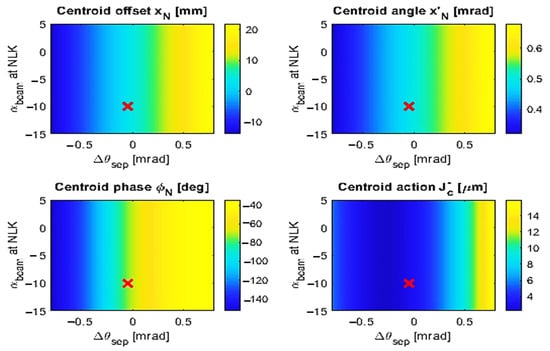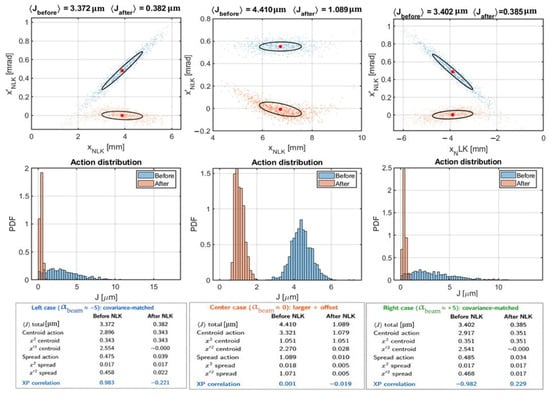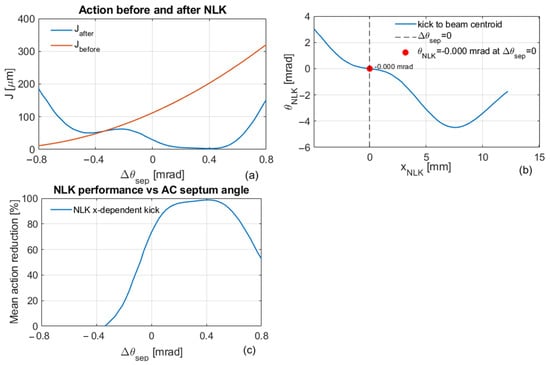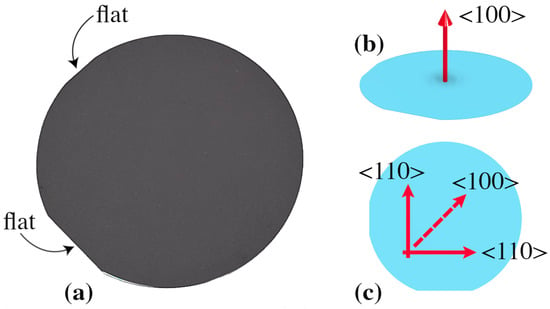





-
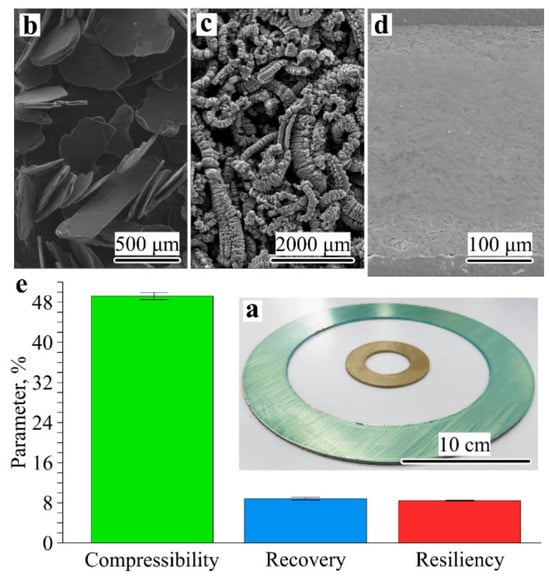
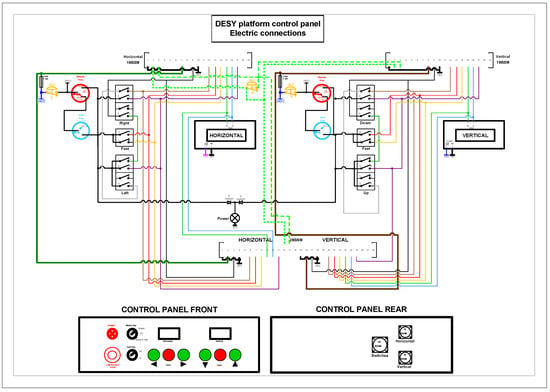
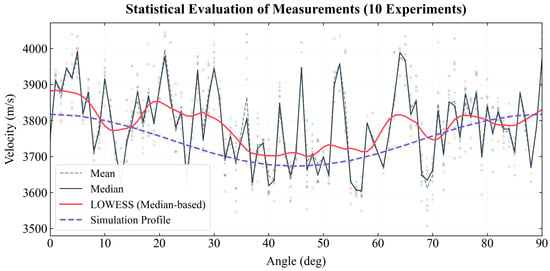
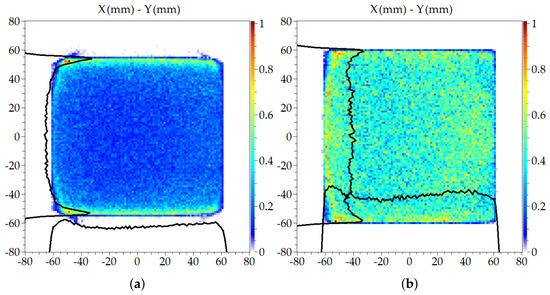
Synchronous Biaxial Straining of Foils and Thin Films with In Situ Capabilities -
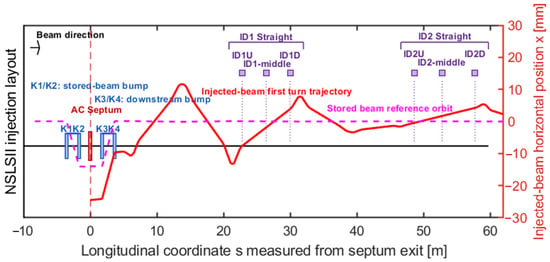
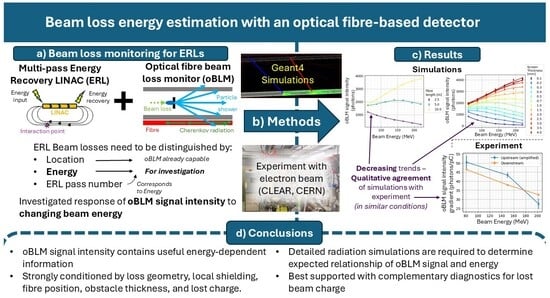
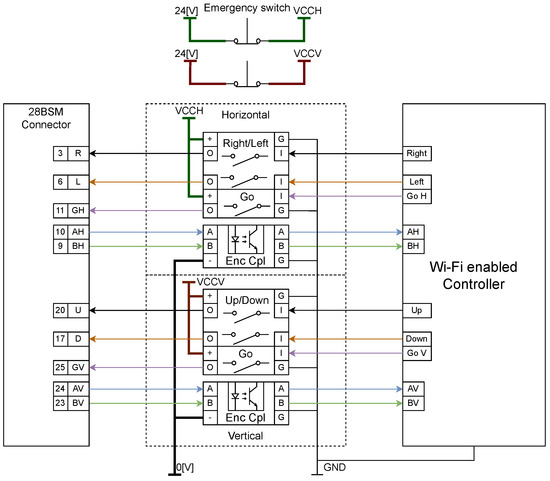
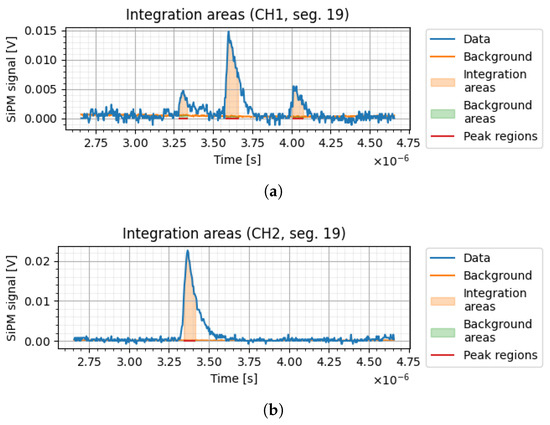
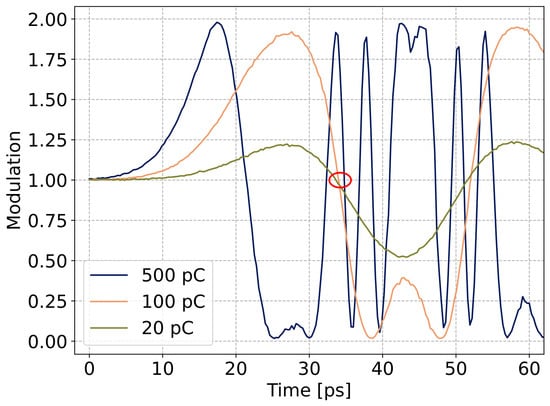
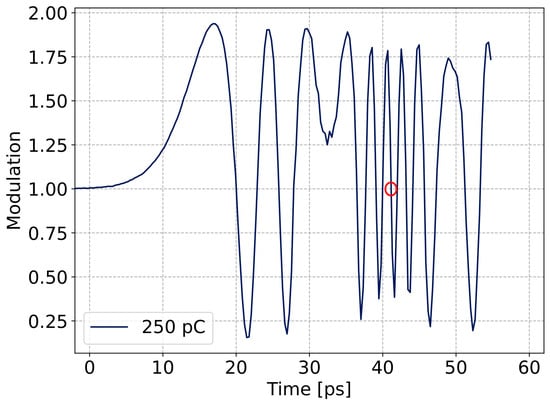
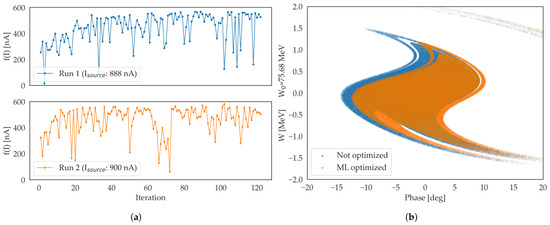
Designing a Femtosecond-Resolution Bunch Length Monitor Using Coherent Transition Radiation Images -
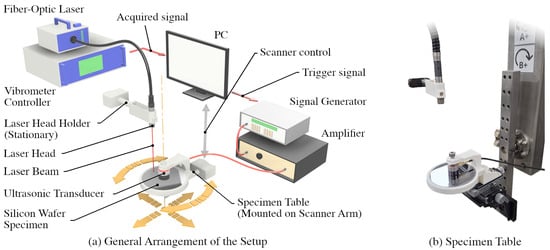
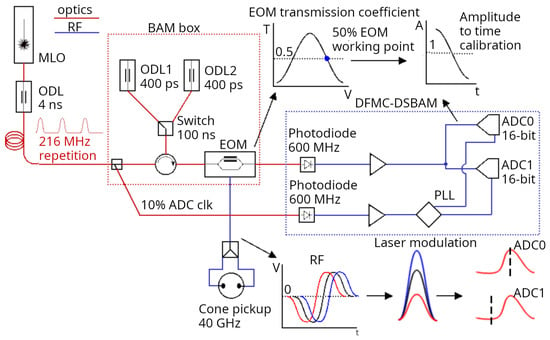
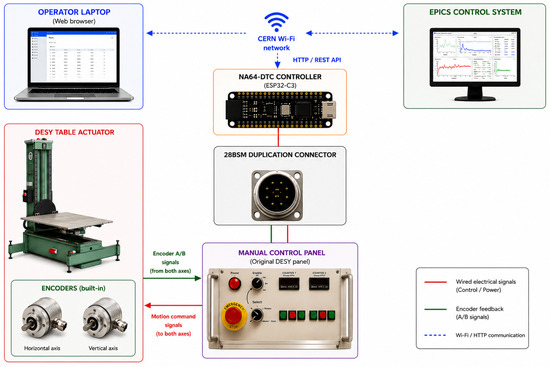
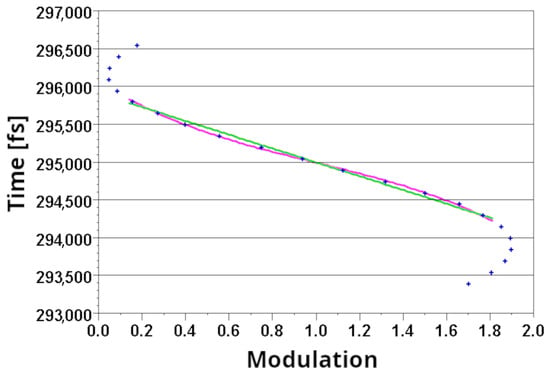
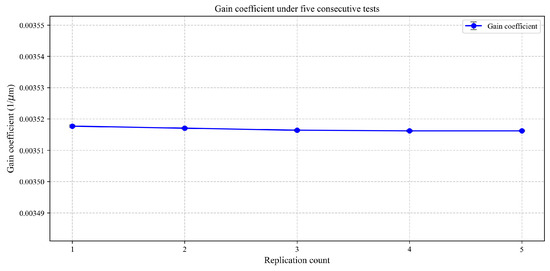
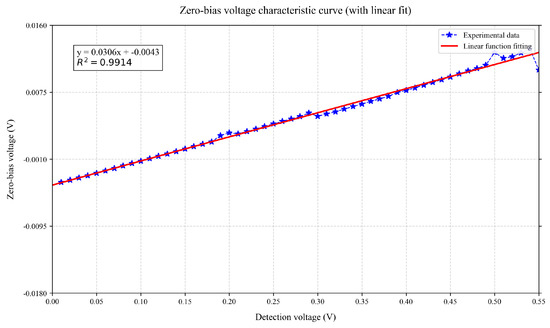
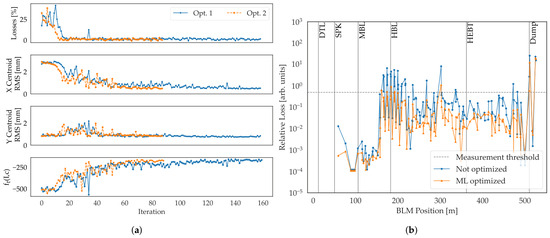
A Broad Photon Energy Range Multi-Strip Imaging Array Based upon Single Crystal Diamond Schottky Photodiode -
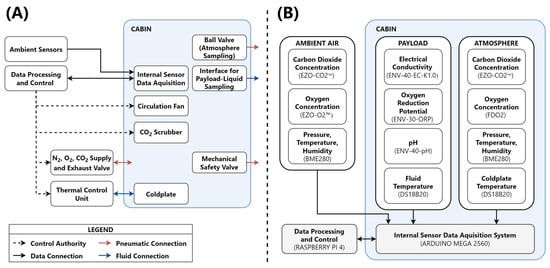
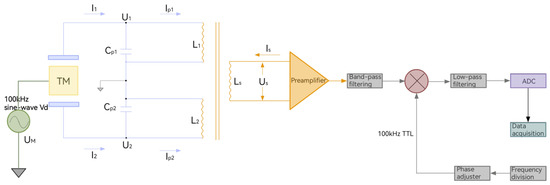
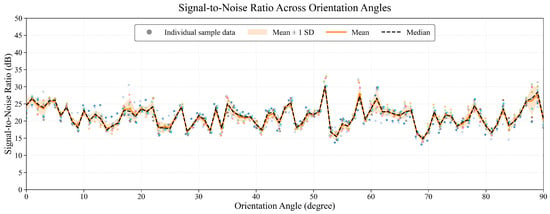
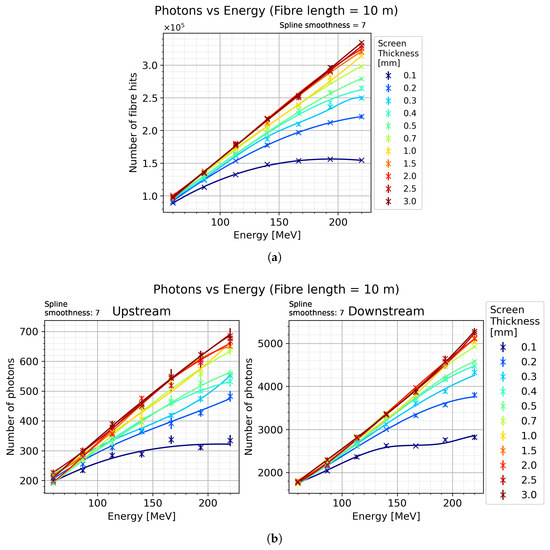
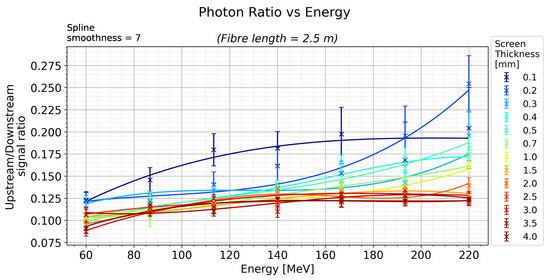
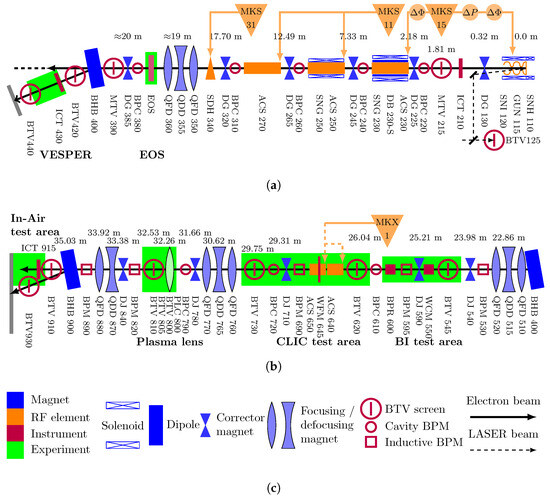
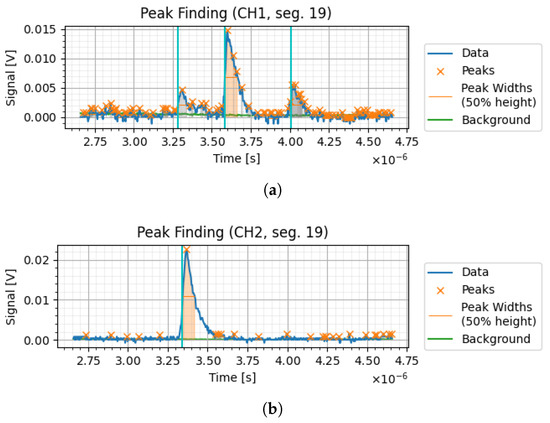
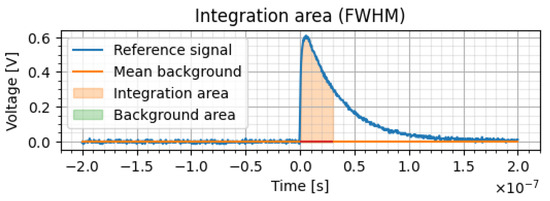
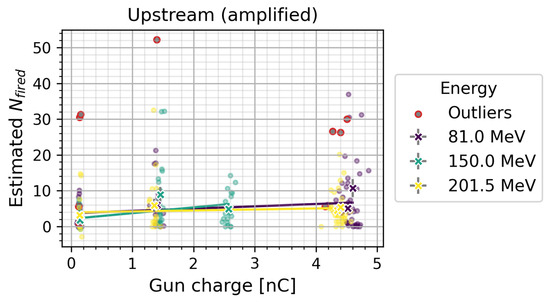
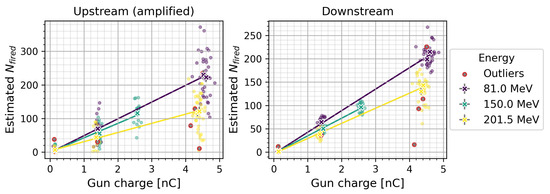
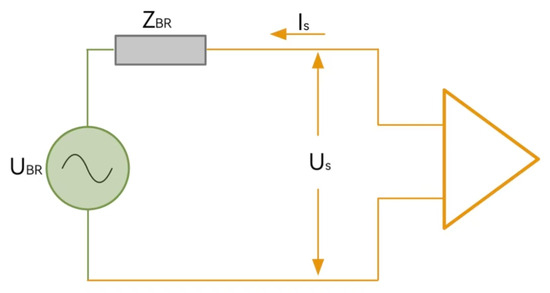
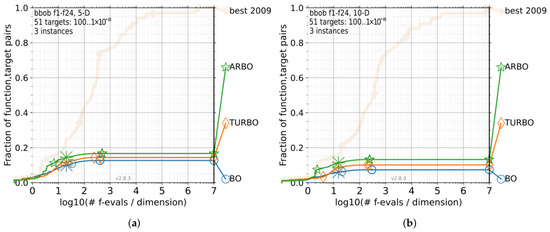
Real-Time Dose Monitoring via Non-Destructive Charge Measurement of Laser-Driven Electrons for Medical Applications -
LBT Italia: Current Achievements and Future Directions
Journal Description
Instruments
Instruments
is an international, peer-reviewed, open access journal on scientific instrumentation and its related methods and theory, published quarterly online by MDPI.
- Open Access— free for readers, with article processing charges (APC) paid by authors or their institutions.
- High Visibility: indexed within ESCI (Web of Science), Scopus, Inspec, CAPlus / SciFinder, INSPIRE, and other databases.
- Rapid Publication: manuscripts are peer-reviewed and a first decision is provided to authors approximately 22.8 days after submission; acceptance to publication is undertaken in 3.9 days (median values for papers published in this journal in the second half of 2025).
- Recognition of Reviewers: reviewers who provide timely, thorough peer-review reports receive vouchers entitling them to a discount on the APC of their next publication in any MDPI journal, in appreciation of the work done.
- Journal Cluster of Instruments and Instrumentation: Actuators, AI Sensors, Instruments, Micromachines and Sensors.
Latest Articles
A Systematic Review of Deep Reinforcement Learning for Legged Robot Locomotion
Instruments 2026, 10(1), 8; https://doi.org/10.3390/instruments10010008 - 30 Jan 2026
Abstract
Legged robot locomotion remains a critical challenge in robotics, demanding control strategies that are not only dynamically stable and robust but also capable of adapting to complex and changing environments. deep reinforcement learning (DRL) has recently emerged as a powerful approach to automatically
[...] Read more.
Legged robot locomotion remains a critical challenge in robotics, demanding control strategies that are not only dynamically stable and robust but also capable of adapting to complex and changing environments. deep reinforcement learning (DRL) has recently emerged as a powerful approach to automatically generate motion control policies by learning from interactions with simulated or real environments. This study provides a systematic overview of DRL applications in legged robot control, emphasizing experimental platforms, measurement techniques, and benchmarking practices. Following PRISMA guidelines, 27 peer-reviewed studies published between 2018 and 2025 were analyzed, covering model-free, model-based, hierarchical, and hybrid DRL frameworks. Our findings reveal that reward shaping, policy representation, and training stability significantly influence control performance, while domain randomization and dynamic adaptation methods are essential for bridging the simulation-to-real-world gap. In addition, this review highlights instrumentation approaches for evaluating algorithm effectiveness, offering insights into sample efficiency, energy management, and safe deployment. The results aim to guide the development of reproducible and experimentally validated DRL-based control systems for legged robots.
Full article
Open AccessArticle
Evaluation of Gap and Flush Inspection Algorithms in a Portable Laser Line Triangulation System Through Measurement System Analysis (MSA)
by
Guerino Gianfranco Paolini, Sara Casaccia, Matteo Nisi, Cristina Cristalli and Nicola Paone
Instruments 2026, 10(1), 7; https://doi.org/10.3390/instruments10010007 - 26 Jan 2026
Abstract
The shift toward Industry 5.0 places human-centred and digitally integrated metrology at the core of modern manufacturing, particularly in the automotive sector, where portable Laser Line Triangulation (LLT) systems must combine accuracy with operator usability. This study addresses the challenge of operator-induced variability
[...] Read more.
The shift toward Industry 5.0 places human-centred and digitally integrated metrology at the core of modern manufacturing, particularly in the automotive sector, where portable Laser Line Triangulation (LLT) systems must combine accuracy with operator usability. This study addresses the challenge of operator-induced variability by evaluating how algorithmic strategies and mechanical support features jointly influence the performance of a portable LLT device derived from the G3F sensor. A comprehensive Measurement System Analysis was performed to compare three feature extraction algorithms—GC, FIR, and Steger—and to assess the effect of a masking device designed to improve mechanical alignment during manual measurements. The results highlight distinct algorithm-dependent behaviours in terms of repeatability, reproducibility, and computational efficiency. More sophisticated algorithms demonstrate improved sensitivity and feature localisation under controlled conditions, whereas simpler gradient-based strategies provide more stable performance and shorter processing times when measurement conditions deviate from the ideal. These differences indicate a trade-off between algorithmic complexity and operational robustness that is particularly relevant for portable, operator-assisted metrology. The presence of mechanical alignment aids was found to contribute to improved measurement consistency across all algorithms. Overall, the findings highlight the need for an integrated co-design of algorithms, calibration procedures, and ergonomic aids to enhance repeatability and support operator-friendly LLT systems aligned with Industry 5.0 principles.
Full article
(This article belongs to the Special Issue Instrumentation and Measurement Methods for Industry 4.0 and IoT)
►▼
Show Figures

Figure 1
Open AccessArticle
A Procedure for Performing Reproducibility Assessment of the Accuracy of Impact Area Classification for Structural Health Monitoring in Aerospace Structures
by
Luciano Chiominto, Giulio D’Emilia, Antonella Gaspari, Emanuela Natale, Francesco Nicassio and Gennaro Scarselli
Instruments 2026, 10(1), 6; https://doi.org/10.3390/instruments10010006 - 26 Jan 2026
Abstract
The principal objective of this work is to develop an optimized procedure that guarantees the reproducibility of results across different applications and laboratories, facilitating potential field applications of methodologies for Structural Health Monitoring in aerospace structures. The focus is to accurately detect and
[...] Read more.
The principal objective of this work is to develop an optimized procedure that guarantees the reproducibility of results across different applications and laboratories, facilitating potential field applications of methodologies for Structural Health Monitoring in aerospace structures. The focus is to accurately detect and localize impact areas on planar structures using in situ transducers and Machine Learning (ML) techniques. The research concentrates on an aluminum plate where impacts are generated by metal spheres of different masses dropped from a fixed height. The resulting Lamb waves are detected by PZT sensors glued on the surface. Various data processing and feature extraction algorithms are implemented and compared to extract the differences in Time of Flight (ΔToF). The obtained features are used for training ML classification models. Then, the influence of various parameters in signal acquisition and data processing are assessed along with the reproducibility of the results. For this reason, an interlaboratory comparison is conducted in which the trained models are applied to data collected under varying conditions. The experimental results show that the most influencing factors for impact area classification are the algorithm for ΔToF estimation, the number of training points used in ML models, the type of classification model, the distribution of the impact points on the component, and their balance in the classification area. This evidence suggests approaches for reducing both issues, therefore improving the reproducibility of results.
Full article
(This article belongs to the Special Issue Instrumentation and Measurement Methods for Industry 4.0 and IoT)
►▼
Show Figures

Open AccessArticle
Button Sample Holders for Infrared Spectroscopy
by
Robert L. White
Instruments 2026, 10(1), 5; https://doi.org/10.3390/instruments10010005 - 26 Jan 2026
Abstract
The design features and applications of button sample holders are described. The similarities and contrasts between the button method and the transmission cell and attenuated total reflection techniques are discussed. Different button sample holder analysis methodologies are outlined, and examples are provided for
[...] Read more.
The design features and applications of button sample holders are described. The similarities and contrasts between the button method and the transmission cell and attenuated total reflection techniques are discussed. Different button sample holder analysis methodologies are outlined, and examples are provided for mid-infrared spectroscopy measurements of solids, liquids, and pastes. Results obtained for 10-nonadecanone powder, a vitamin C tablet, a soil sample, and poly(methyl methacrylate) are used to illustrate different solid sample analysis approaches. Time-dependent spectrum variations detected during evaporation of a blood drop are elucidated and spectra obtained from different quantities of liquid chlorobenzene loaded into buttons and transmission cells are characterized. Infrared spectra derived from three toothpaste brands are compared and a sample perturbation study to identify temperature-dependent changes to the structure of poly(bisphenol A carbonate) is provided as an example of variable temperature infrared spectroscopy.
Full article
(This article belongs to the Section Optical and Photonic Instruments)
►▼
Show Figures

Figure 1
Open AccessArticle
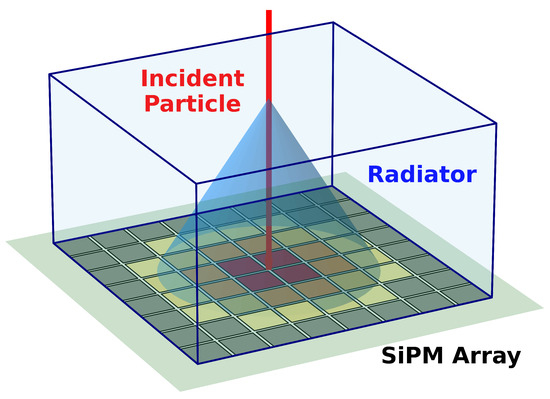
Characterization of the Extraction System of Supersonic Gas Curtain-Based Ionization Profile Monitor for FLASH Proton Therapy
by
Farhana Thesni Mada Parambil, Milaan Patel, Narender Kumar, Bharat Singh Rawat, William Butcher, Tony Price and Carsten P. Welsch
Instruments 2026, 10(1), 4; https://doi.org/10.3390/instruments10010004 - 25 Jan 2026
Abstract
FLASH radiotherapy requires real-time, non-invasive beam monitoring systems capable of operating under ultra-high dose rate (UHDR) conditions without perturbing the therapeutic beam. In this work, we characterized the extraction system of Supersonic Gas Curtain-based Ionization Profile Monitor (SGC-IPM) for its capabilities as a
[...] Read more.
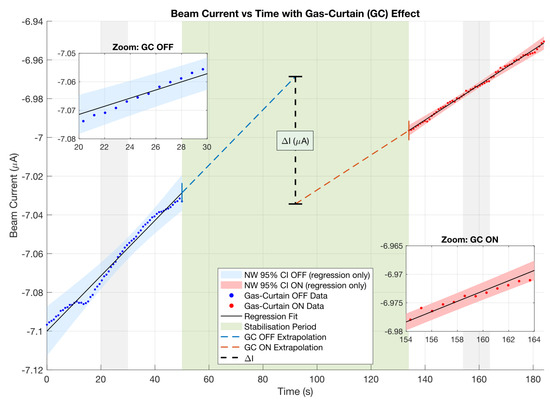
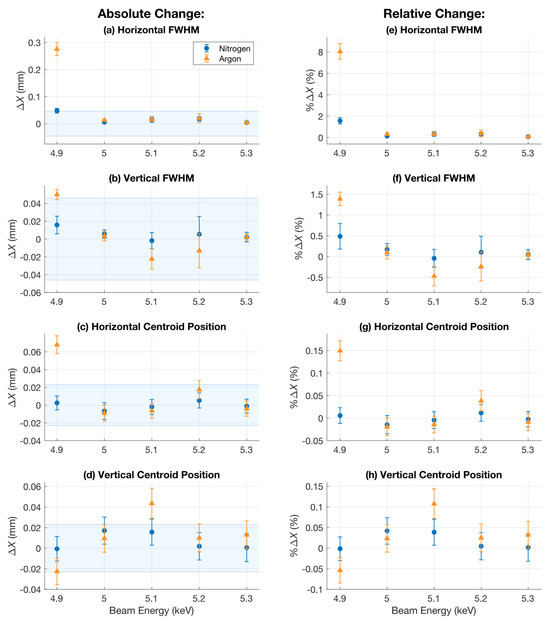
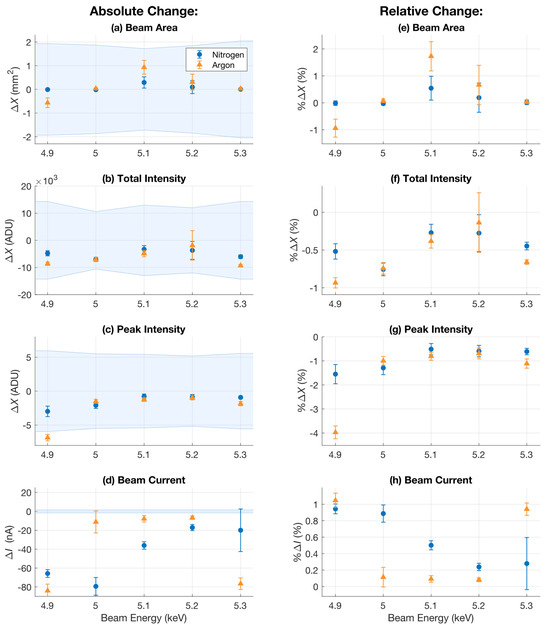
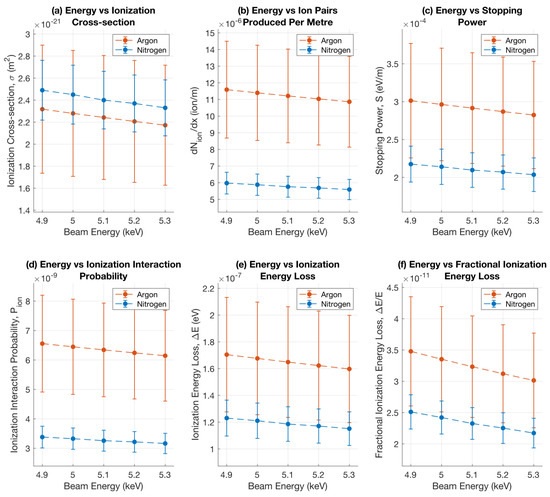
FLASH radiotherapy requires real-time, non-invasive beam monitoring systems capable of operating under ultra-high dose rate (UHDR) conditions without perturbing the therapeutic beam. In this work, we characterized the extraction system of Supersonic Gas Curtain-based Ionization Profile Monitor (SGC-IPM) for its capabilities as a transverse beam profile and position monitor for FLASH protons. The monitor utilizes a tilted gas curtain intersected by the incident beam, leading to the generation of ions that are extracted through a tailored electrostatic field, and detected using a two stage microchannel plate (MCP) coupled to a phosphor screen and CMOS camera. CST Studio Suite was employed to conduct electrostatic and particle tracking simulations evaluating the ability of the extraction system to measure both beam profile and position. The ion interface, at the interaction region of proton beam and gas curtain, was modeled with realistic proton beam parameters and uniform gas curtain density distributions. The ion trajectory was tracked to evaluate the performance across multiple beam sizes. The simulations suggest that the extraction system can reconstruct transverse beam profiles for different proton beam sizes. Simulations also supported the system’s capability as a beam position monitor within the boundary defined by the beam size, the dimensions of the extraction system, and the height of the gas curtain. Some simulation results were benchmarked against experimental data of 28 MeV proton beam with 70 nA average beam current. This study will further help to optimize the design of the extraction system to facilitate the integration of SGC-IPM in medical accelerators.
Full article
(This article belongs to the Special Issue Plasma Accelerator Technologies)
►▼
Show Figures

Figure 1

Open AccessArticle
Scalable Relay Switching Platform for Automated Multi-Point Resistance Measurements
by
Edoardo Boretti, Kostiantyn Torokhtii, Enrico Silva and Andrea Alimenti
Instruments 2026, 10(1), 3; https://doi.org/10.3390/instruments10010003 - 31 Dec 2025
Abstract
In both research and industrial settings, it is often necessary to expand the input/output channels of measurement instruments using relay-based multiplexer boards. In research activities in particular, the need for a highly flexible and easily configurable solution frequently leads to the development of
[...] Read more.
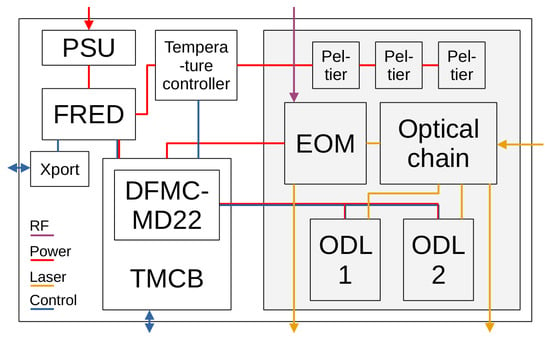
In both research and industrial settings, it is often necessary to expand the input/output channels of measurement instruments using relay-based multiplexer boards. In research activities in particular, the need for a highly flexible and easily configurable solution frequently leads to the development of customized systems. To address this challenge, we developed a system optimized for automated direct current (DC) measurements. The result is based on a switching platform that simplifies measurement procedures that require instrument routing. The platform is based on a custom-designed circuit board controlled by a microcontroller. We selected bistable relays to guarantee contact stability after switching. We finally developed a system architecture that allows for straightforward expansion and scalability by connecting multiple platforms. We share both the hardware design source files and the firmware source code on GitHub with the open-source community. This work presents the design and development of the proposed system, followed by the performance evaluation. Finally, we present a test of our designed system applied to a specific case study: the DC analysis of complex resistive networks through multi-point resistance measurements using only a single voltmeter and current source.
Full article
(This article belongs to the Section Sensing Technologies and Precision Measurement)
Open AccessArticle
Shoulder Muscle Strength Assessment: A Comparative Study of Hand-Held Dynamometers and Load Cell Measurements
by
Carla Antonacci, Arianna Carnevale, Letizia Mancini, Alessandro de Sire, Pieter D’Hooghe, Michele Mercurio, Rocco Papalia, Emiliano Schena and Umile Giuseppe Longo
Instruments 2026, 10(1), 2; https://doi.org/10.3390/instruments10010002 - 20 Dec 2025
Abstract
Accurate measurement of shoulder muscle strength is important for diagnosis, treatment planning, and monitoring recovery. Hand-held dynamometers (HHDs) are widely used in clinical practice but are affected by operator strength, patient positioning, and device stabilization, particularly under high-load conditions. No previous study has
[...] Read more.
Accurate measurement of shoulder muscle strength is important for diagnosis, treatment planning, and monitoring recovery. Hand-held dynamometers (HHDs) are widely used in clinical practice but are affected by operator strength, patient positioning, and device stabilization, particularly under high-load conditions. No previous study has directly compared HHD measurements with a reference load cell in a rigid serial configuration or evaluated the effect of different load cell signal processing strategies on the final strength value. The aim of this study was to compare HHD measurements with those obtained from a reference load cell in a rigid serial configuration and to assess how different signal processing strategies applied to load cell data influence the final outcomes. A custom 3D-printed support was developed to align a commercial HHD and a load cell in series, ensuring identical loading conditions. Measurements were performed under two conditions: (i) application of known weights (9.81–98.10 N) and (ii) standardized strength tasks in five healthy volunteers. Agreement between instruments was evaluated using Bland–Altman analysis and Root Mean Square Error (RMSE). In static validation (i.e., experiments applying know weights), the load cell demonstrated stable performance, with standard deviations below 1% of the applied load. HHD variability increased with load, with RMSE rising from 0.55 N at 9.81 N to 5.06 N at 98.10 N. In human testing, the HHD consistently underestimated muscle strength compared with the load cell, with mean differences ranging from −15 N to −19 N, over exerted force ranges of approximately 20–90 N. Overall, the load cell provided stable reference measurements, while the choice of signal processing strategy influenced the results: plateau-phase analysis tended to reduce systematic bias but did not consistently narrow the limits of agreement.
Full article
(This article belongs to the Special Issue Instrumentation and Measurement Methods for Industry 4.0 and IoT)
►▼
Show Figures

Figure 1
Open AccessArticle
Gamma and Neutron Irradiation Effects on Wavelength Shifting Materials for Nuclear and High Energy Physics Applications
by
Jessica Scifo, Beatrice D’Orsi, Francesco Filippi, Silvia Cesaroni, Andrea Colangeli, Ilaria Di Sarcina, Basilio Esposito, Davide Flammini, Stefano Loreti, Daniele Marocco, Guglielmo Pagano, Adriano Verna and Alessia Cemmi
Instruments 2026, 10(1), 1; https://doi.org/10.3390/instruments10010001 - 20 Dec 2025
Abstract
►▼
Show Figures
Wavelength-shifting (WLS) materials are used in radiation detectors to convert ultraviolet photons into visible light, enabling improved photon detection in systems such as scintillators and optical diagnostics for nuclear fusion devices. However, the long-term performance of these materials under radiation is still a
[...] Read more.
Wavelength-shifting (WLS) materials are used in radiation detectors to convert ultraviolet photons into visible light, enabling improved photon detection in systems such as scintillators and optical diagnostics for nuclear fusion devices. However, the long-term performance of these materials under radiation is still a critical issue in high-dose environments. In this work, we investigated the radiation tolerance of three WLS compounds (TPB, NOL1, and SB2001), each deposited on reflective substrates (ESR and E-PTFE), resulting in six distinct WLS/substrate systems. The samples underwent gamma irradiation at absorbed doses of 100 kGy, 500 kGy, and 1000 kGy, as well as fast neutron (14.1 MeV) irradiation up to a fluence of 1.9 × 10¹³ n/cm2. Qualitative photoluminescence and reflectance measurements were performed before and after irradiation to assess changes in optical performance. Gamma exposure caused spectral broadening in several samples, particularly those with TPB and SB2001, with variations of the two metrics used to compare the performance of the materials exceeding 10% at the highest doses. Neutron-induced effects were generally weaker and did not exhibit a clear fluence dependence. Reflectance degradation was also observed, with variations depending on both the WLS material and the deposition method. These findings contribute to the understanding of WLS material stability under radiation and support their qualification for use in optical components exposed to harsh nuclear environments.
Full article

Graphical abstract
Open AccessArticle
Design of Spectrometer Energy Measurement Setups for the Future EuPRAXIA@SPARC_LAB and SSRIP Linacs
by
Danilo Quartullo, David Alesini, Alessandro Cianchi, Francesco Demurtas, Luigi Faillace, Giovanni Franzini, Andrea Ghigo, Anna Giribono, Riccardo Pompili, Lucia Sabbatini, Angelo Stella, Cristina Vaccarezza, Alessandro Vannozzi and Livio Verra
Instruments 2025, 9(4), 34; https://doi.org/10.3390/instruments9040034 - 17 Dec 2025
Abstract
EuPRAXIA@SPARC_LAB is an FEL (Free-Electron Laser) user facility currently under construction at INFN-LNF in the framework of the EuPRAXIA collaboration. The electron beam will be accelerated to 1 GeV by an X-band RF linac followed by a plasma wakefield acceleration stage. This high-brightness
[...] Read more.
EuPRAXIA@SPARC_LAB is an FEL (Free-Electron Laser) user facility currently under construction at INFN-LNF in the framework of the EuPRAXIA collaboration. The electron beam will be accelerated to 1 GeV by an X-band RF linac followed by a plasma wakefield acceleration stage. This high-brightness linac requires diagnostic devices able to measure the beam parameters with high accuracy and resolution. To monitor the beam energy and its spread, magnetic dipoles and quadrupoles will be installed along the linac, in combination with viewing screens and CMOS cameras. Macroparticle beam dynamics simulations have been performed to determine the optimal energy measurement setup in terms of accuracy and resolution. Similar diagnostics evaluations have been carried out for the spectrometer installed at the 100 MeV RF linac of the radioactive beam facility SSRIP (IFIN-HH, Romania), whose commissioning, foreseen for 2026, will be performed by INFN-LNF in collaboration with IFIN-HH. Optics measurements have been performed to characterize the resolution and magnification of the optical system that will be used at SSRIP, and probably also at EuPRAXIA@SPARC_LAB, for beam energy monitoring.
Full article
(This article belongs to the Special Issue Selected Papers from the 14th International Beam Instrumentation Conference (IBIC2025))
►▼
Show Figures

Figure 1

Open AccessArticle
Deep-Learning-Based Bearing Fault Classification Using Vibration Signals Under Variable-Speed Conditions
by
Luca Martiri, Parisa Esmaili, Andrea Moschetti and Loredana Cristaldi
Instruments 2025, 9(4), 33; https://doi.org/10.3390/instruments9040033 - 4 Dec 2025
Abstract
Predictive maintenance in industrial machinery relies on the timely detection of component faults to prevent costly downtime. Rolling bearings, being critical elements, are particularly prone to defects such as outer race faults and ball spin defects, which manifest as characteristic vibration patterns. In
[...] Read more.
Predictive maintenance in industrial machinery relies on the timely detection of component faults to prevent costly downtime. Rolling bearings, being critical elements, are particularly prone to defects such as outer race faults and ball spin defects, which manifest as characteristic vibration patterns. In this study, we introduce a novel bearing vibration dataset collected on a testbench under both constant and variable rotational speeds (0–5000 rpm), encompassing healthy and faulty conditions. The dataset was used for failure classification and further enriched through feature engineering, resulting in input features that include raw acceleration, signal envelopes, and time- and frequency-domain statistical descriptors, which capture fault-specific signatures. To quantify prediction uncertainty, two different approaches are applied, providing confidence measures alongside model outputs. Our results demonstrate the progressive improvement of classification accuracy from 87.2% using only raw acceleration data to 99.3% with a CNN-BiLSTM (Convolutional Neural Network–Bidirectional Long Short-Term Memory) ensemble and advanced features. Shapley Additive Explanation (SHAP)-based explainability further validates the relevance of frequency-domain features for distinguishing fault types. The proposed methodology offers a robust and interpretable framework for industrial fault diagnosis, capable of handling both stationary and non-stationary operating conditions.
Full article
(This article belongs to the Special Issue Instrumentation and Measurement Methods for Industry 4.0 and IoT)
►▼
Show Figures

Figure 1

Open AccessFeature PaperArticle
RF Characterization and Beam Measurements with Additively Manufactured Fast Faraday Cups
by
Stephan Klaproth, Rahul Singh, Samira Gruber, Lukas Stepien, Herbert De Gersem and Andreas Penirschke
Instruments 2025, 9(4), 32; https://doi.org/10.3390/instruments9040032 - 28 Nov 2025
Abstract
►▼
Show Figures
The early stages of most particle accelerator chains produce sub-ns bunches with velocities in the range of 1% to 20% of the speed of light. Fast Faraday Cups (FFCs) are designed to measure the longitudinal charge distribution of these short bunches of free
[...] Read more.
The early stages of most particle accelerator chains produce sub-ns bunches with velocities in the range of 1% to 20% of the speed of light. Fast Faraday Cups (FFCs) are designed to measure the longitudinal charge distribution of these short bunches of free charges. Coaxial designs have been utilized at the GSI Helmholtz Centre for Heavy Ion Research (GSI)’s linear accelerator UNILAC to characterize ion bunches with bunch lengths ranging from a few hundred ps to a few ns. The typical design goals are to avoid the pre-field of the charges and to suppress secondary electron emission (SEE) while preserving the capability of bunch-by-bunch measurements. This contribution presents a novel FFC design manufactured using additive manufacturing, e.g., laser powder bed fusion (LPBF), and compares it with a traditionally produced FFC. The article highlights the design process, RF characterization, and selected measurements with ion beam carried out at GSI.
Full article

Figure 1
Open AccessArticle
Synchronous Biaxial Straining of Foils and Thin Films with In Situ Capabilities
by
Michael Pegritz, Philipp Payer, Alice Lassnig, Stefan Wurster, Megan J. Cordill and Anton Hohenwarter
Instruments 2025, 9(4), 31; https://doi.org/10.3390/instruments9040031 - 26 Nov 2025
Abstract
►▼
Show Figures
A common method to examine the reliability of thin films and small volumes of irradiated materials being used in aerospace, energy, and protective coating applications is biaxial straining. With such tests, the fracture and deformation mechanisms occurring under multi-axial stress states can be
[...] Read more.
A common method to examine the reliability of thin films and small volumes of irradiated materials being used in aerospace, energy, and protective coating applications is biaxial straining. With such tests, the fracture and deformation mechanisms occurring under multi-axial stress states can be investigated, which can strongly differ from the simpler uniaxial one. However, devices that can apply a precise and synchronously applied biaxial strain tend to be too large for foils or thin films and do not allow for additional observation methods to be applied to examine film fracture or deformation during the test. A prototype device that can apply synchronous equi-biaxial and semi-biaxial strains and can be combined with multiple in situ methods is introduced. The device is light and compact in design, which allows it to be mounted on optical light microscopes, atomic force microscopes, inside scanning electron microscopes, and even on X-ray beamlines for reflection or transmission measurements. Additionally, digital image correlation was utilized in two geometries to measure strains on a local or global level. The possible errors associated with the device and experiments on polyimide foils and a 100 nm tungsten film on polyimide are presented.
Full article

Figure 1
Open AccessCommunication
Conceptual Study on the Implementation of NRTA for Industrial Applications
by
Melissa Azzoune, Ludovic Mathieu, Ngoc Duy Trinh, Mourad Aïche, Laurence Villatte, Fabrice Piquemal, Lionel Tondut and Sylvain Pelletier
Instruments 2025, 9(4), 30; https://doi.org/10.3390/instruments9040030 - 26 Nov 2025
Abstract
Neutron Resonance Transmission Analysis (NRTA) is a non-destructive technique allowing the elemental and isotopic characterization of materials and objects. This study represents a first step toward understanding the NRTA technique and developing a novel compact system adapted for industrial applications. The industrial feasibility
[...] Read more.
Neutron Resonance Transmission Analysis (NRTA) is a non-destructive technique allowing the elemental and isotopic characterization of materials and objects. This study represents a first step toward understanding the NRTA technique and developing a novel compact system adapted for industrial applications. The industrial feasibility of the NRTA was assessed by simulating a compact system using the Monte Carlo code MCNP 6.1. Neutron transmission spectra were generated for various metallic samples, ranging from 0.1 mm to 1 cm in thickness, and analyzed using a home-developed quantification method that incorporates nuclear cross sections from the ENDF/B-VIII.0 library and accounts for instrumental resolution. For this first study, an idealized configuration was considered, with a 0 µs pulsed neutron source and a Gaussian resolution function, to validate the methodology under a simple controlled condition. The results demonstrate that the areal densities of isotopes of Uranium and Plutonium can be determined with relative deviations below 10%, even under compact measurement conditions. This study validates the characterization method and represents a first step toward the continued development of an industrial NRTA prototype for rapid, non-destructive isotopic control of nuclear materials.
Full article
(This article belongs to the Special Issue Instrumentation and Measurement Methods for Industry 4.0 and IoT)
►▼
Show Figures

Figure 1

Open AccessArticle
Designing a Femtosecond-Resolution Bunch Length Monitor Using Coherent Transition Radiation Images
by
Ana Guisao-Betancur, Joseph Wolfenden, Erik Mansten, Sara Thorin, Johan Lundquist, Oliver Grimm and Carsten P. Welsch
Instruments 2025, 9(4), 29; https://doi.org/10.3390/instruments9040029 - 25 Nov 2025
Abstract
Ultrashort bunch length measurements are crucial for characterizing electron beams in short-pulse accelerators, including novel accelerators like EuPRAXIA and those used for free-electron lasers (FELs). This work provides an overview of the design process and the current status of a single-shot bunch length
[...] Read more.
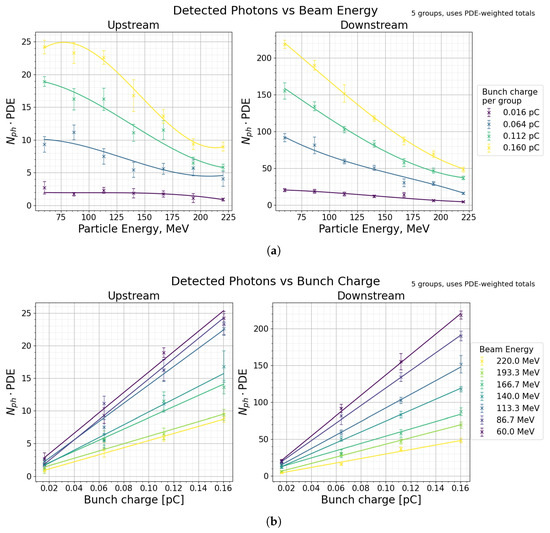
Ultrashort bunch length measurements are crucial for characterizing electron beams in short-pulse accelerators, including novel accelerators like EuPRAXIA and those used for free-electron lasers (FELs). This work provides an overview of the design process and the current status of a single-shot bunch length monitor prototype based on a broadband spatial imaging system for coherent transition radiation (CTR), which was recently installed at the MAX IV short-pulse facility (SPF). The THz-based imaging system was designed using optical system simulation software for full bunch simulation. CTR images were captured experimentally, followed by image analysis for comparison with reference bunch length data from the transverse deflecting cavity (TDC). This paper presents the conceptualization and design choices for the optical system of the bunch length monitor, the current experimental set-up, the installation details, and preliminary positive observations confirming the potential of this method as a novel approach to bunch length monitoring using spatial CTR images and a scalar technique, with potential for future bunch profile measurements.
Full article
(This article belongs to the Special Issue Plasma Accelerator Technologies)
►▼
Show Figures

Figure 1
Open AccessArticle
Geant4-Based Characterization of Muon, Electron, Photon, and Hadron Signals from Atmospheric Showers in a Water Cherenkov Detector
by
Luiz Augusto Stuani Pereira and Raiff Hugo Santos
Instruments 2025, 9(4), 28; https://doi.org/10.3390/instruments9040028 - 24 Nov 2025
Abstract
Cherenkov radiation is a widely used detection mechanism in high-energy and astroparticle physics experiments, particularly in water-based detectors operated by leading cosmic-ray observatories. Its popularity stems from its robustness, cost-effectiveness, and high detection efficiency across a broad range of environmental conditions. In this
[...] Read more.
Cherenkov radiation is a widely used detection mechanism in high-energy and astroparticle physics experiments, particularly in water-based detectors operated by leading cosmic-ray observatories. Its popularity stems from its robustness, cost-effectiveness, and high detection efficiency across a broad range of environmental conditions. In this study, we present a detailed Monte Carlo characterization of a Water Cherenkov Detector (WCD) using the Geant4 simulation toolkit as a general, experiment-independent reference for understanding detector responses to secondary cosmic-ray particles. The detector is modeled to register secondary particles produced by the interaction of high-energy cosmic-ray primaries with the Earth’s atmosphere, which give rise to extensive air showers composed of hadronic, electromagnetic, and muonic components capable of reaching ground level. By simulating the differential energy spectra and angular distributions of these particles at the surface, we evaluate the WCD response in terms of energy deposition, Cherenkov photon production, photoelectron generation at the photomultiplier tube, and the resulting charge spectra. The results establish a systematic and transferable baseline for detector performance characterization and particle identification, providing a physically grounded reference that can support calibration, trigger optimization, and analysis efforts across different WCD-based experiments.
Full article
(This article belongs to the Special Issue Instruments for Astroparticle Physics)
►▼
Show Figures

Figure 1

Open AccessArticle
Evaluation of a Low-Power Computer Vision-Based Positioning System for a Handheld Landmine Detector Using AprilTag Markers
by
Adam D. Fletcher, Edward Cheadle, John Davidson, Daniel Conniffe, Frank Podd and Anthony J. Peyton
Instruments 2025, 9(4), 27; https://doi.org/10.3390/instruments9040027 - 7 Nov 2025
Abstract
►▼
Show Figures
A positioning system employing visual fiducial markers (AprilTags) has been implemented for use with handheld mine detection equipment. To be suitable for a battery-powered real-time application, the system has been designed to operate at low power (<100 mW) and frame rates between 30
[...] Read more.
A positioning system employing visual fiducial markers (AprilTags) has been implemented for use with handheld mine detection equipment. To be suitable for a battery-powered real-time application, the system has been designed to operate at low power (<100 mW) and frame rates between 30 and 50 fps. The system has been integrated into an experimental dual-mode detector system. Position-indexed metal detector and ground-penetrating radar data from laboratory and field trials are presented. The accuracy and precision of the vision-based system are found to be 1.2 cm and 0.5 cm, respectively.
Full article

Figure 1
Open AccessArticle
A Broad Photon Energy Range Multi-Strip Imaging Array Based upon Single Crystal Diamond Schottky Photodiode
by
Claudio Verona, Maurizio Angelone, Marco Marinelli and Gianluca Verona-Rinati
Instruments 2025, 9(4), 26; https://doi.org/10.3390/instruments9040026 - 28 Oct 2025
Abstract
►▼
Show Figures
A multi-strip detector made of synthetic single crystal diamond (SCD), based on a p-type/intrinsic diamond/Schottky metal transverse configuration and operating at zero bias voltage, was developed for imaging from extreme UV (EUV) to soft X-rays. The photodetector was patterned with 32 strips made
[...] Read more.
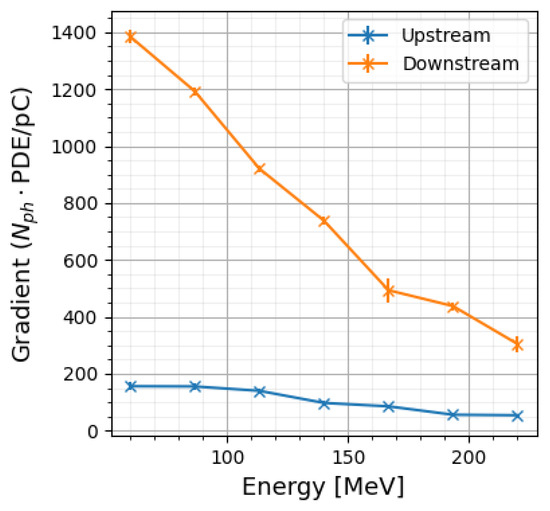
A multi-strip detector made of synthetic single crystal diamond (SCD), based on a p-type/intrinsic diamond/Schottky metal transverse configuration and operating at zero bias voltage, was developed for imaging from extreme UV (EUV) to soft X-rays. The photodetector was patterned with 32 strips made of boron-doped diamond directly deposited, by means of the CVD technique and the standard lithographic technique, on top of the HPHT diamond growth substrate. The width of each strip and the gap between two adjacent strips were 100 μm and 20 μm, respectively. The strips were embedded in intrinsic SCD of an active area of 3.2 × 2.5 mm2, also deposited using the CVD technique in a separate growing machine. In the present structure, the prototype photodetector is suitable for 1D imaging. However, all the dimensions above can be varied depending on the applications. The use of p-type diamond strips represents an attempt to mitigate the photoelectron emission from metal contacts, a non-negligible problem under EUV irradiation. The detector was tested with UV radiation and soft X-rays. To test the photodetector as an imaging device, a headboard (XDAS-DH) and a signal processing board (XDAS-SP) were used as front-end electronics. A standard XDAS software was used to acquire the experimental data. The results of the tests and the detector’s construction process are presented and discussed in the paper.
Full article

Figure 1
Open AccessArticle
Real-Time Dose Monitoring via Non-Destructive Charge Measurement of Laser-Driven Electrons for Medical Applications
by
David Gregocki, Petra Köster, Luca Umberto Labate, Simona Piccinini, Federico Avella, Federica Baffigi, Gabriele Bandini, Fernando Brandi, Lorenzo Fulgentini, Daniele Palla, Martina Salvadori, Simon Gerasimos Vlachos and Leonida Antonio Gizzi
Instruments 2025, 9(4), 25; https://doi.org/10.3390/instruments9040025 - 23 Oct 2025
Abstract
Laser-accelerated electron beams, in the so-called Very High-Energy Electron (VHEE) energy range, are of great interest for biomedical applications. For instance, laser-driven VHEE beams are envisaged to offer suitable compact accelerators for the promising field of FLASH radiotherapy. Radiobiology experiments carried out using
[...] Read more.
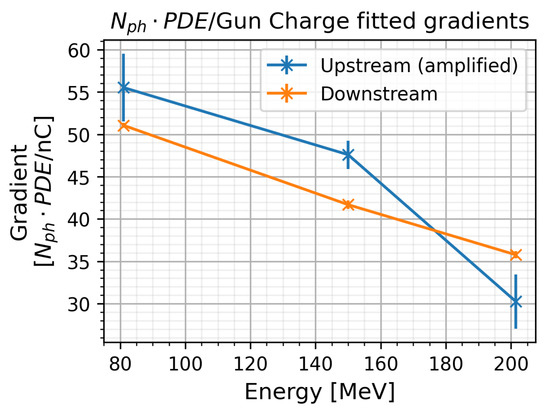
Laser-accelerated electron beams, in the so-called Very High-Energy Electron (VHEE) energy range, are of great interest for biomedical applications. For instance, laser-driven VHEE beams are envisaged to offer suitable compact accelerators for the promising field of FLASH radiotherapy. Radiobiology experiments carried out using laser-driven beams require the real-time knowledge of the dose delivered to the sample. We have developed an online dose monitoring procedure, using an Integrating Current Transformer (ICT) coupled to a suitable collimator, that allows the estimation of the delivered dose on a shot-to-shot basis under suitable assumptions. The cross-calibration of the measured charge with standard offline dosimetry measurements carried out with RadioChromic Films (RCFs) is discussed, demonstrating excellent correlation between the two measurements.
Full article
(This article belongs to the Special Issue Plasma Accelerator Technologies)
►▼
Show Figures

Figure 1
Open AccessArticle
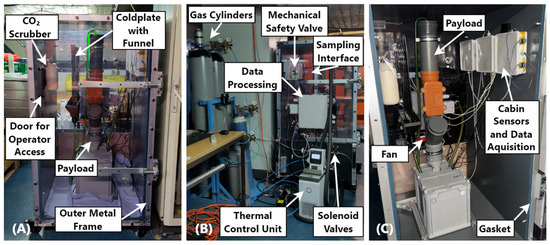
LBT Italia: Current Achievements and Future Directions
by
Silvia Tosi, Ester Marini, Felice Cusano, Andrea Rossi, Roberto Speziali and Roberta Carini
Instruments 2025, 9(4), 24; https://doi.org/10.3390/instruments9040024 - 21 Oct 2025
Abstract
►▼
Show Figures
The Large Binocular Telescope (LBT) is a world-leading astronomical observatory, where the Italian partnership has played an important role in increasing the telescope’s productivity, both through an optimized observing strategy and through peer-reviewed publications that are well recognized by the international astronomical community.
[...] Read more.
The Large Binocular Telescope (LBT) is a world-leading astronomical observatory, where the Italian partnership has played an important role in increasing the telescope’s productivity, both through an optimized observing strategy and through peer-reviewed publications that are well recognized by the international astronomical community. This manuscript provides an updated overview of the active and past instruments at LBT, together with key usage statistics. In particular, we analyze the operational performance recorded in the LBT Italia night logs during INAF’s observing time and assess the scientific impact of each instrument. Between 2014 and 2025, LBT Italia produced an average of 14 refereed publications per year, based on an annual average of 311 h of on-sky time. This corresponds to approximately 2.2 nights of telescope time per publication. The results of this analysis are placed in an international context to evaluate the competitiveness of LBT, and we outline future perspectives for scientific exploitation.
Full article

Figure 1
Open AccessFeature PaperArticle
A Two-Plane Proton Radiography System Using ATLAS IBL Pixel-Detector Modules
by
Hendrik Speiser, Claus Maximillian Bäcker, Johannes Esser, Alina Hild, Marco Iampieri, Ann-Kristin Lüvelsmeyer, Annsofie Tappe, Helen Thews, Kevin Kröninger and Jens Weingarten
Instruments 2025, 9(4), 23; https://doi.org/10.3390/instruments9040023 - 14 Oct 2025
Abstract
Accurate knowledge of a patient’s anatomy during every treatment fraction in proton therapy is an important prerequisite to ensure a correct dose deposition in the target volume. Adaptive proton therapy aims to detect those changes and adjust the treatment plan accordingly. One way
[...] Read more.
Accurate knowledge of a patient’s anatomy during every treatment fraction in proton therapy is an important prerequisite to ensure a correct dose deposition in the target volume. Adaptive proton therapy aims to detect those changes and adjust the treatment plan accordingly. One way to trigger a daily re-planning of the treatment is to take a proton radiograph from the beam’s-eye view before the treatment to check for possible changes in the water equivalent thickness (WET) along the path due to daily changes in the patient’s anatomy. In this paper, the Two-Plane Imaging System (TPIS) is presented, comprising two ATLAS IBL silicon pixel-detector modules developed for the tracking detector of the ATLAS experiment at CERN. The prototype of the TPIS is described in detail, and proof-of-principle WET images are presented, of two-step phantoms and more complex phantoms with bone-like inlays (WET 10 to 40 mm). This study shows the capability of the TPIS to measure WET images with high precision. In addition, the potential of the TPIS to accurately determine WET changes over time down to 1 mm between subsequently taken WET images of a changing phantom is shown. This demonstrates the possible application of the TPIS and ATLAS IBL pixel-detector module in adaptive proton therapy.
Full article
(This article belongs to the Special Issue Medical Applications of Particle Physics, 2nd Edition)
►▼
Show Figures

Figure 1
Journal Menu
► ▼ Journal Menu-
- Instruments Home
- Aims & Scope
- Editorial Board
- Reviewer Board
- Instructions for Authors
- Special Issues
- Topics
- Sections & Collections
- Article Processing Charge
- Indexing & Archiving
- Editor’s Choice Articles
- Most Cited & Viewed
- Journal Statistics
- Journal History
- Journal Awards
- Conferences
- Editorial Office
Journal Browser
► ▼ Journal BrowserHighly Accessed Articles
Latest Books
E-Mail Alert
News
Topics
Conferences
Special Issues
Special Issue in
Instruments
Instrumentation and Measurement Methods for Industry 4.0 and IoT
Guest Editor: Mauro SerpelloniDeadline: 28 February 2026
Special Issue in
Instruments
Applied Metrology and Instrumentation for Emerging Technologies
Guest Editors: Milena Martarelli, Sabatina Criscuolo, Valentina BelloDeadline: 28 February 2026
Special Issue in
Instruments
Medical Applications of Particle Physics, 2nd Edition
Guest Editor: Ivor FleckDeadline: 31 March 2026
Special Issue in
Instruments
Microelectronics and Photonics Design, Technology and Instrumentation
Guest Editors: Christos Riziotis, Matthias Bucher, George KonstantinidisDeadline: 31 May 2026
Topical Collections
Topical Collection in
Instruments
Selected Papers from Instruments’ Editorial Board Members
Collection Editor: Antonio Ereditato