
Journal Description
Hygiene
Hygiene
is an international, peer-reviewed, open access journal on healthcare epidemiology, public health and environmentally-related hygiene, published quarterly online by MDPI. We also welcome submissions with a focus on best practices that help maintain health and prevent the spread of diseases.
- Open Access— free for readers, with article processing charges (APC) paid by authors or their institutions.
- High Visibility: indexed within ESCI (Web of Science), Scopus and other databases.
- Journal Rank: CiteScore - Q2 (Immunology and Microbiology (miscellaneous))
- Rapid Publication: manuscripts are peer-reviewed and a first decision is provided to authors approximately 28.7 days after submission; acceptance to publication is undertaken in 5.6 days (median values for papers published in this journal in the second half of 2025).
- Recognition of Reviewers: APC discount vouchers, optional signed peer review, and reviewer names published annually in the journal.
- Journal Cluster of Healthcare Sciences and Services: Geriatrics, Journal of Ageing and Longevity, Healthcare, Hospitals, Hygiene, International Journal of Environmental Research and Public Health and Nursing Reports.
Latest Articles
Trajectory Patterns of Hygiene Training Effectiveness Across Three Instructional Modes
Hygiene 2026, 6(1), 5; https://doi.org/10.3390/hygiene6010005 - 26 Jan 2026
Abstract
Background: Hygiene and food-safety training is a critical public health strategy for preventing contamination and promoting safe food-handling practices in community settings. This study evaluated the long-term effectiveness of In-person, Online, and Hybrid instructional modes in enhancing hygiene and food-safety competencies among trainees
[...] Read more.
Background: Hygiene and food-safety training is a critical public health strategy for preventing contamination and promoting safe food-handling practices in community settings. This study evaluated the long-term effectiveness of In-person, Online, and Hybrid instructional modes in enhancing hygiene and food-safety competencies among trainees in Ilocos Norte, Philippines. Methods: Using a longitudinal quasi-experimental design, performance was measured at 12, 24, and 36 months across four domains: Personal Health & Hygiene, Food Hazards, Cleaning and Sanitation, and Good Manufacturing Practices. A total of 384 students met all inclusion criteria and completed the full series of evaluations. Descriptive and inferential statistical analyses were employed. Results: Competency scores increased significantly over time in all instructional modes (p < 0.001). Hybrid learners demonstrated the highest early longitudinal gains at 12 months (mean score, M = 20.88), compared with In-person (M = 10.28) and Online (M = 10.57). At 36 months, Online learners achieved the highest performance (M = 19.50), indicating stronger long-term retention. Effect size analysis using eta squared (η2) showed large effects for Cleaning and Sanitation (η2 = 0.196), Good Manufacturing Practices (η2 = 0.115), and overall performance (η2 = 0.138). Standardized Mean Change (SMC) indicated substantial improvement across modes, with Hybrid showing the greatest early change (SMC = 41.76 at 12 months) and Online exhibiting the strongest long-term improvement (SMC = 38.80 at 36 months). Training Efficiency Index (TEI) identified In-person instruction as most efficient (TEI = 30.55), followed by Online (29.49) and Hybrid (19.56). Linear Mixed-Effects Regression confirmed significant main effects of Time (β = 4.82, p < 0.001) and Mode (β = 3.97, p < 0.001), as well as a significant Time × Mode interaction (β = −1.42, p < 0.01). Conclusions: The findings indicate that Hybrid instruction supports rapid early competency gains, while Online instruction yields superior long-term mastery of hygiene and food-safety competencies. These results provide evidence-based guidance for optimizing hygiene training programs in community and public health contexts.
Full article
(This article belongs to the Section Food Hygiene and Safety)
Open AccessArticle
A Cross-Sectional Assessment of Oral Health and Quality of Life Among Dental Patients at a Public Special Care Center in Greece: A Cross-Sectional Study
by
Eirini Thanasi, Maria Antoniadou, Petros Galanis and Vasiliki Kapaki
Hygiene 2026, 6(1), 4; https://doi.org/10.3390/hygiene6010004 - 12 Jan 2026
Abstract
Background: Despite its crucial role in overall health, oral health is frequently overlooked within healthcare systems, partly due to the misconception that oral diseases are neither life-threatening nor directly disabling. This perception has led to an underestimation of the psychological, social, and economic
[...] Read more.
Background: Despite its crucial role in overall health, oral health is frequently overlooked within healthcare systems, partly due to the misconception that oral diseases are neither life-threatening nor directly disabling. This perception has led to an underestimation of the psychological, social, and economic burden associated with oral diseases. Τhe present study aimed to assess oral health status and oral health-related quality of life among dental patients attending a public Special Care Center in Greece. Methods: A cross-sectional study was conducted among 400 dental patients aged 18 years and older who visited a public Special Care Center for a routine check-up or a dental problem between September and October 2024. Data was collected through personal interviews and clinical examinations after informed consent was obtained. Oral health-related quality of life was evaluated using the Oral Health Impact Profile-14 (OHIP-14) and the Oral Impacts on Daily Performance (OIDP) questionnaires. Categorical variables were presented as absolute and relative frequencies, while quantitative variables were summarized as mean, standard deviation, median, minimum, and maximum. Normality was assessed using the Kolmogorov–Smirnov test. Bivariate analyses and multivariate linear regression models were performed, with statistical significance set at p < 0.05. Statistical analyses were conducted using IBM SPSS 23.0. Results: The majority of participants were female (56.3%) with a mean age of 50.4 years (SD = 14.9). Overall oral health-related quality of life was moderate (OHIP-14: Mean = 21.0, SD = 14.8; OIDP: Mean = 14.0, SD = 12.8). Patients who attended the center due to a dental problem reported significantly poorer oral health outcomes than those attending routine check-ups (p < 0.001). Poorer self-rated oral health, having ≥12 missing teeth, prosthetic restoration, and foreign nationality were significantly associated with worse oral health-related quality of life. Conclusions: Dental patients attending the Special Care Center demonstrated moderate oral health status, which was associated with psychological distress, physical disability, and social limitations. These findings underline the need for targeted public oral health interventions, especially for vulnerable population groups.
Full article
(This article belongs to the Section Public Health and Preventive Medicine)
Open AccessArticle
Antibiotic Resistance Patterns of Escherichia coli from Children’s Sandpits in Durban, South Africa: A Point Prevalence Study
by
Tasmiya Rangila, Andiswa Zondo, Andiswa Mtshali, Najiha Ismail Suleman Tar, Uzair Shabbir Dada, Etando Ayukafangha and Akebe Luther King Abia
Hygiene 2026, 6(1), 3; https://doi.org/10.3390/hygiene6010003 - 11 Jan 2026
Abstract
►▼
Show Figures
Background/Objectives: Although children’s playgrounds foster physical, cognitive and emotional health, sandpits can harbour antibiotic-resistant bacteria, representing a health concern for kids. Therefore, this point prevalence study investigated the presence and antimicrobial resistance of Escherichia coli in sandpits at four schools in Durban
[...] Read more.
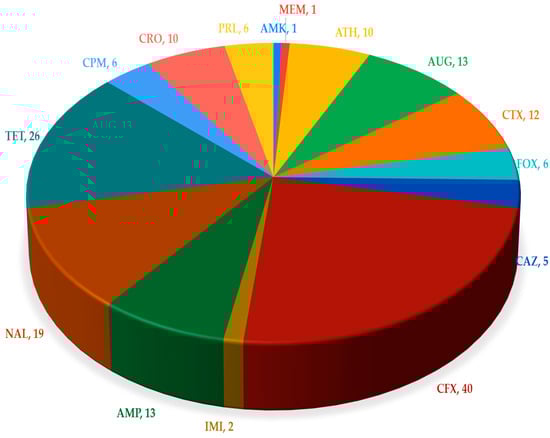
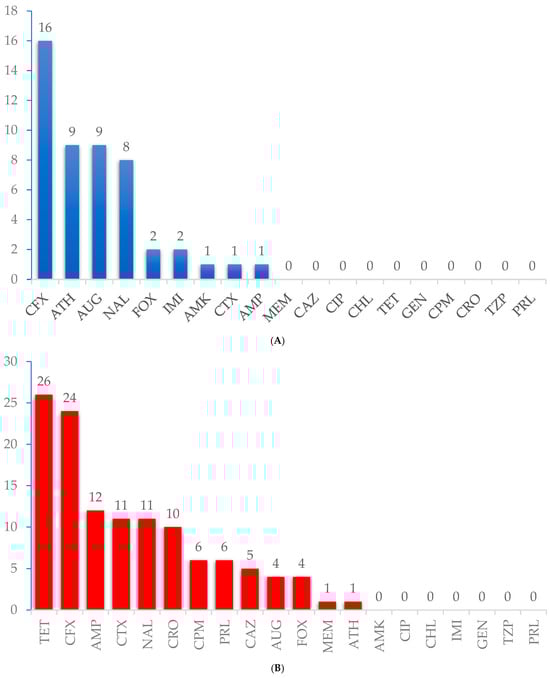
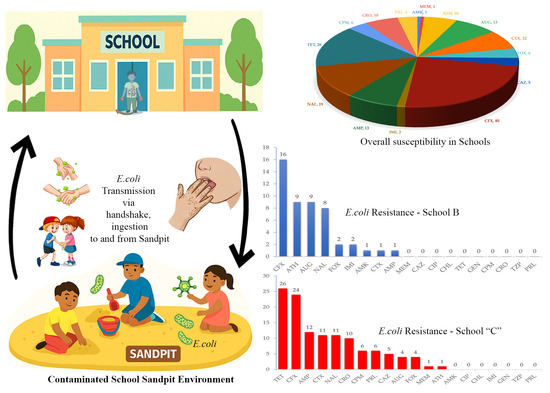
Background/Objectives: Although children’s playgrounds foster physical, cognitive and emotional health, sandpits can harbour antibiotic-resistant bacteria, representing a health concern for kids. Therefore, this point prevalence study investigated the presence and antimicrobial resistance of Escherichia coli in sandpits at four schools in Durban to ascertain the potential risk to schoolchildren and inform school authorities of the need to prevent such occurrences. Methods: Twenty samples were collected from schools on a single day. E. coli was isolated using colilert-18® and confirmed using PCR. Antibiotic susceptibility testing was performed against 19 antibiotics using the disc diffusion method and Clinical and Laboratory Standards Institute (CLSI) guidelines. Results: E. coli was detected in 2/4 schools (50%), yielding 100 pure isolates. Of these, 71% (31 Site B and 40 Site C isolates) were resistant to at least one of the antibiotics tested, displaying 36 antibiograms. The highest resistance was to CFX (n = 40), and the lowest was to AMK and MEM (n = 1). All isolates were susceptible to CIP, CHL, GEN and TZP. At Site B, the highest resistance was against CFX (n = 16) and the lowest against AMK, CTX and NAL (n = 1). The highest resistance at Site C was against TET (n = 26), and the lowest against ATH and AUG (n = 1). Twenty isolates (20%) were multidrug-resistant, displaying resistance to at least one antibiotic from 3 classes. Conclusions: These results show that children with poor hygiene practices could get sick from playing in sandpits. Schools must change their sand regularly and ensure that sandpits are constantly exposed to the sun.
Full article

Graphical abstract
Open AccessArticle
Domestic Food Safety Risks: A Two-Year Assessment of Refrigerator Hygiene and Egg Contamination
by
Ana Rita Barata, Beatriz Ferreira, Patrícia Oliveira, Hugo Guedes, Maria José Saavedra and Gonçalo Almeida
Hygiene 2026, 6(1), 2; https://doi.org/10.3390/hygiene6010002 - 9 Jan 2026
Abstract
Background: Domestic refrigeration and egg handling are key factors in ensuring household food safety. Inadequate temperature control and poor hygiene in refrigerators can promote the survival and growth of foodborne pathogens. This study aimed to (i) characterize refrigerator temperature profiles and surface microbial
[...] Read more.
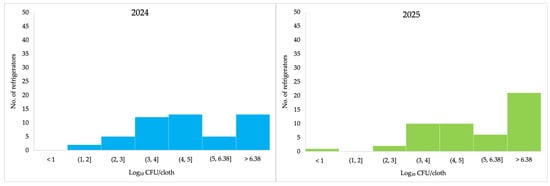
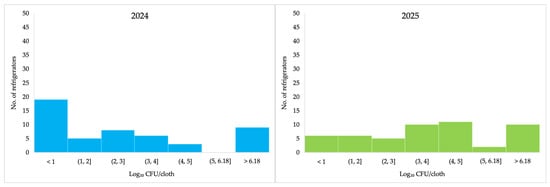
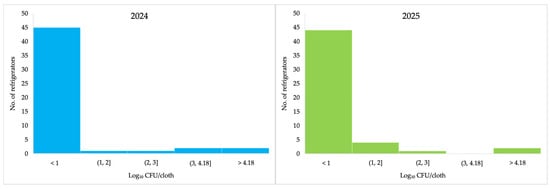
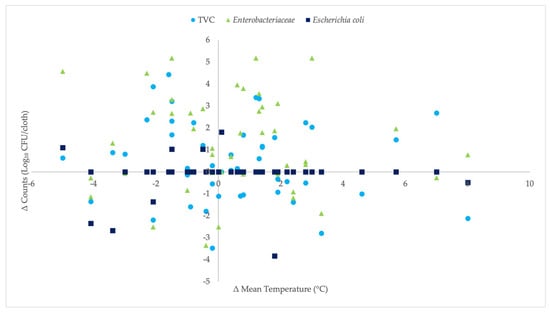
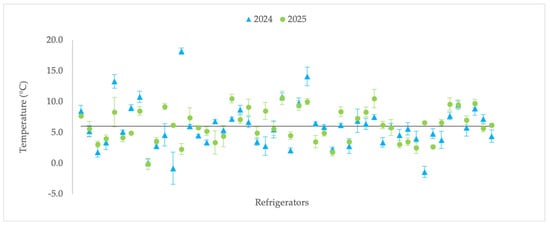
Background: Domestic refrigeration and egg handling are key factors in ensuring household food safety. Inadequate temperature control and poor hygiene in refrigerators can promote the survival and growth of foodborne pathogens. This study aimed to (i) characterize refrigerator temperature profiles and surface microbial contamination and (ii) screen eggs and egg-storage areas for the presence of Salmonella spp. and Campylobacter spp. Methods: Fifty domestic refrigerators were monitored twice in 2024 and 2025 in Porto, Portugal. The temperatures were continuously logged on the lowest shelf, which was swabbed for microbiological analysis. Surface hygiene was evaluated using total viable counts (TVC), Enterobacteriaceae, and Escherichia coli enumerated following ISO methods. Detection of pathogens Listeria monocytogenes, Salmonella spp., and Campylobacter spp. was performed using real-time PCR. Eggs (n = 92 in 2024; n = 88 in 2025), and domestic egg storage areas (total n = 76) were screened for Salmonella and Campylobacter. Results: The mean refrigerator temperatures were 6.0 ± 0.5 °C in 2024 and 6.1 ± 0.5 °C in 2025; 44% and 50% of the units, respectively, exceeded the recommended 6 °C threshold. In 2025, 31 (62%) and 33 (66%) refrigerators showed higher TVC and Enterobacteriaceae counts compared to 2024, whereas E. coli was only detected sporadically. L. monocytogenes, Salmonella spp., or Campylobacter spp. were not recovered from the refrigerator surfaces. Likewise, Salmonella and Campylobacter were not detected in any of the eggs or egg-storage sites. Indicator microorganism’s counts were not associated with the mean temperature. Conclusions: The absence of correlation between ΔT and Δ microbial counts suggests that behaviour-driven hygiene factors, rather than the relatively small year-to-year temperature differences observed, are more influential in determining household bioburden. Maintaining refrigerator temperatures ≤ 6 °C together with simple hygiene practices remains essential for reducing household food safety risks.
Full article
(This article belongs to the Section Food Hygiene and Safety)
►▼
Show Figures

Figure 1
Open AccessArticle
Tapirira obtusa Bark as a Natural Agent for Inflammation Reduction and Infection Control in Orotracheal Tubes
by
Soraia Salman, Josy Goldoni Lazarini, Daniel Saraiva Lopes, Tatiane Tiemi Macedo, Diego Romario-Silva, Maria Ligia Rodrigues Macedo, Pedro Luiz Rosalen, Rosemary Matias, Severino Matias de Alencar and Janaina de Cássia Orlandi Sardi
Hygiene 2026, 6(1), 1; https://doi.org/10.3390/hygiene6010001 - 5 Jan 2026
Abstract
►▼
Show Figures
Background: Tracheostomy procedures are associated with increased risk of nosocomial infections due to microbial colonization and biofilm formation on tube surfaces. These biofilms contribute to persistent infections and hinder clinical recovery. Plant-derived products have gained interest as alternative strategies for preventing device-associated infections.
[...] Read more.
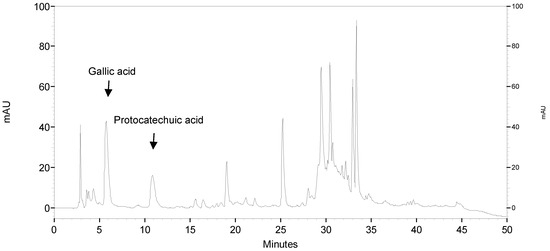
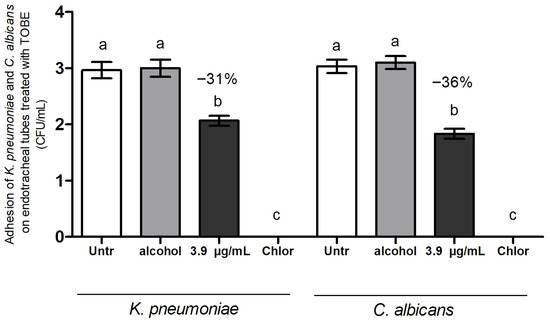
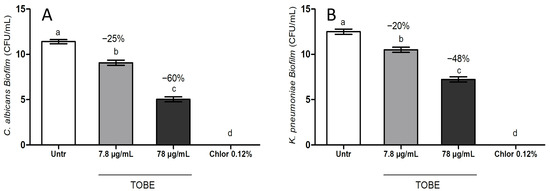
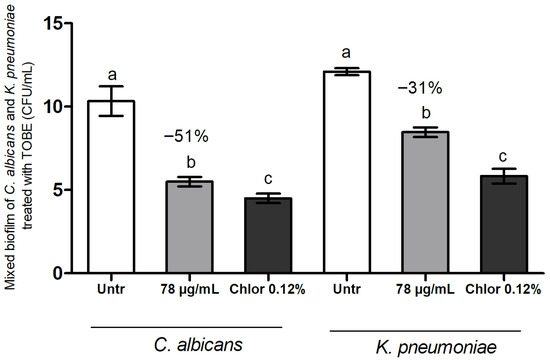
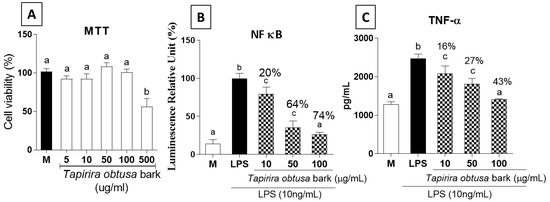
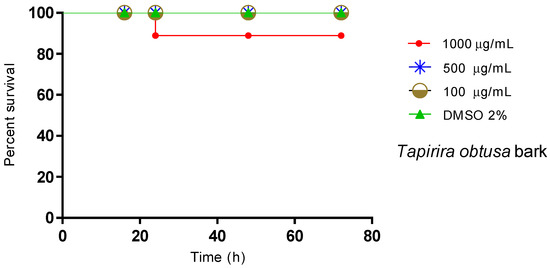
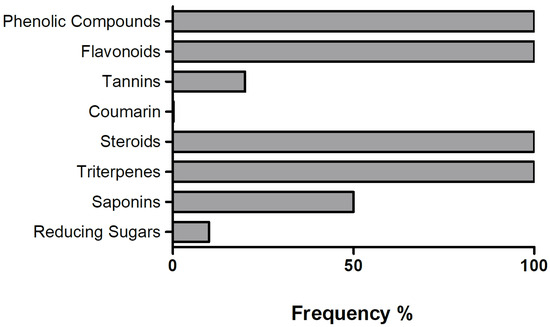
Background: Tracheostomy procedures are associated with increased risk of nosocomial infections due to microbial colonization and biofilm formation on tube surfaces. These biofilms contribute to persistent infections and hinder clinical recovery. Plant-derived products have gained interest as alternative strategies for preventing device-associated infections. Methods: This study evaluated the phytochemical composition and the antimicrobial, anti-adherent, antibiofilm, anti-inflammatory, antioxidant, and toxicity properties of Tapirira obtusa bark extract (TOBE). Antimicrobial activity was determined by minimum inhibitory concentrations (MICs). Biofilm formation and microbial viability were assessed in mono- and mixed-species biofilms. Anti-inflammatory effects were evaluated by NF-κB inhibition and TNF-α quantification. Antioxidant activity was measured using the DPPH assay. Phytochemical analysis identified major bioactive groups, and toxicity was tested in the Galleria mellonella model. Results: TOBE exhibited notable antimicrobial activity, with MIC values between 3.9 and 31.25 µg/mL. At 78 µg/mL, the extract significantly reduced biofilm biomass and microbial viability (p < 0.05). TOBE also downregulated NF-κB activation and decreased TNF-α levels. Antioxidant assays confirmed radical-scavenging capacity. Phytochemical screening revealed phenolics, flavonoids, and tannins, and toxicity results indicated a safe profile. Conclusion: TOBE effectively inhibits microbial growth and biofilm development on orotracheal tube surfaces while exhibiting anti-inflammatory and antioxidant properties without detectable toxicity. These findings support its potential as a plant-based adjunct for preventing tracheostomy-related infections and improving patient outcomes.
Full article

Figure 1
Open AccessReview
Presence of Major Bacterial Foodborne Pathogens in the Domestic Environment and Hygienic Status of Food Cleaning Utensils: A Narrative Review
by
Antonia Mataragka, Rafaila Anthi, Zoi-Eleni Christodouli, Olga Malisova and Nikolaos D. Andritsos
Hygiene 2025, 5(4), 60; https://doi.org/10.3390/hygiene5040060 - 18 Dec 2025
Abstract
Ensuring optimal food hygiene is essential for food safety and preventing foodborne illness, although the importance of food hygiene is often overlooked in the household kitchen setting. Adequate, good hygiene practices in the domestic environment are equally important as their implementation in any
[...] Read more.
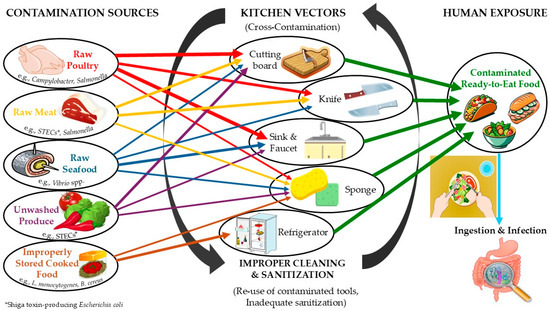
Ensuring optimal food hygiene is essential for food safety and preventing foodborne illness, although the importance of food hygiene is often overlooked in the household kitchen setting. Adequate, good hygiene practices in the domestic environment are equally important as their implementation in any other food preparation environment, like in the food industry. The current review encompasses research data on the prevalence and isolation of major foodborne pathogenic bacteria (Campylobacter, Salmonella, Listeria monocytogenes, Staphylococcus aureus, Escherichia coli pathotypes, and Clostridium perfringens) from household kitchen equipment, as well as food cleaning utensils used in the kitchen, such as sponges, brushes, dishcloths, and hand towels. The most common bacterial pathogen present in the domestic environment is S. aureus. The latter can be transmitted orally, either via direct hand contact with contaminated kitchen surfaces and/or cleaning utensils, or indirectly through the consumption of contaminated food due to cross-contamination during food preparation (e.g., portioning prepared meat on the same cutting board surface and with the same knife previously used to cut fresh leafy vegetables). Moreover, research findings on the hygiene of food cleaning utensils demonstrate that (i) sponges have the highest microbial load compared to all other cleaning utensils, (ii) brushes are less contaminated and more hygienic than sponges, thus safer for cleaning cutlery and kitchen utensils, and (iii) kitchen dishcloths and hand towels positively contribute to cross-contamination since they are frequently used for multiple purposes at the same time (e.g., drying hands and wiping/removing excess moisture from dishes). Finally, the present review clearly addresses the emerging issue of antimicrobial resistance (AMR) in bacterial pathogens and the role of the domestic kitchen environment in AMR dissemination. These issues add complexity to foodborne risk management, linking household practices to broader AMR stewardship initiatives.
Full article
(This article belongs to the Section Food Hygiene and Safety)
►▼
Show Figures

Figure 1
Open AccessReview
Efficacy of Chlorhexidine-Impregnated Dressings Compared to Standard Dressings in Preventing CLABSI/CRBSI and Catheter Colonization in Pediatric Patients: A Literature Review
by
Gabriele Poletti, Alessia Mariani, Stefano Brovarone, Alessandro Libretti, Livio Leo, Bianca Masturzo and Alessandro Messina
Hygiene 2025, 5(4), 59; https://doi.org/10.3390/hygiene5040059 - 17 Dec 2025
Abstract
The central venous catheter (CVC) is essential in the management of pediatric patients, allowing the administration of medications, parenteral nutrition, and other treatments. However, its use carries a high risk of central-line-associated bloodstream infections (CLABSI) and catheter-related bloodstream infections (CRBSI). Advanced chlorhexidine-impregnated dressings
[...] Read more.
The central venous catheter (CVC) is essential in the management of pediatric patients, allowing the administration of medications, parenteral nutrition, and other treatments. However, its use carries a high risk of central-line-associated bloodstream infections (CLABSI) and catheter-related bloodstream infections (CRBSI). Advanced chlorhexidine-impregnated dressings have been developed to reduce bacterial colonization, but their effectiveness in the pediatric population remains uncertain. The aim of this review is to evaluate the effectiveness of chlorhexidine-impregnated dressings compared to standard dressings in reducing CLABSI, CRBSI, and CVC colonization in pediatric patients. Randomized clinical trials published between 2005 and 2021 in PubMed, CINAHL, and Embase, in Italian or English, were selected. Methodological quality was assessed using the Joanna Briggs Institute (JBI) checklist. Relevant data were extracted and summarized in tables. Four studies, including a total of 733 pediatric patients (367 intervention, 366 control), were included. None reported a statistically significant reduction in CLABSI/CRBSI with the use of chlorhexidine-impregnated dressings. However, two studies showed a significant reduction in catheter colonization in the intervention group. Current evidence does not support a superior effect of chlorhexidine-impregnated dressings in preventing CLABSI/CRBSI in pediatric patients, although they may reduce catheter colonization. Randomized trials with larger samples and specific methodologies are needed to clarify the true clinical impact.
Full article
(This article belongs to the Section Infectious Disease Epidemiology, Prevention and Control)
Open AccessReview
Period Poverty Among Black, Hispanic and Low-Income Communities in the United States: Challenges and Recommendations
by
Anuli Njoku, Mousa Al-Hassan, Sharaban Tohura and Kayla Garcia
Hygiene 2025, 5(4), 58; https://doi.org/10.3390/hygiene5040058 - 17 Dec 2025
Abstract
►▼
Show Figures
Period poverty refers to the lack of access to or affordability of menstrual hygiene supplies such as sanitary products and the inaccessibility of washing facilities, waste disposal and educational materials. Period poverty can significantly affect menstruating individuals’ physical, mental, and reproductive health and
[...] Read more.
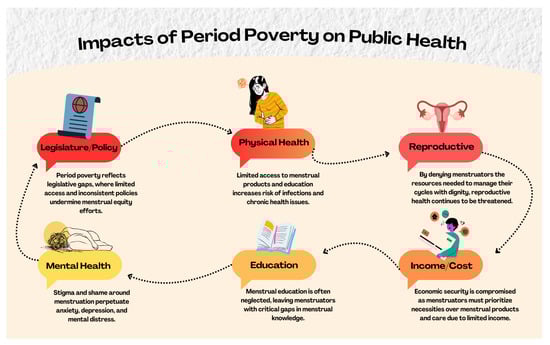
Period poverty refers to the lack of access to or affordability of menstrual hygiene supplies such as sanitary products and the inaccessibility of washing facilities, waste disposal and educational materials. Period poverty can significantly affect menstruating individuals’ physical, mental, and reproductive health and emotional wellbeing; negatively impact educational outcomes; cause financial strain; result in absenteeism from work and school; create barriers to healthcare access; and perpetuate poor health outcomes for generations. Barriers to menstrual equity include lack of access to period support, cost, poor sanitary facilities, lack of education, social and cultural stigma, and legal restrictions. Therefore, it is crucial to actively advocate for initiatives to increase access to menstrual hygiene products, raise public awareness, and educate individuals on safe menstrual practices. Approximately 500 million girls and women worldwide and an estimated 16.9 million people in the United States experience period poverty, with the issue being particularly common among marginalized groups such as Black or Hispanic menstruating individuals and those who are homeless, living in poverty, of low income, or attending college. This article investigates the physical, psychological, educational and social impacts of inequitable access to menstrual products, menstrual education, and sanitation facilities among menstruating individuals who are Black, Hispanic or of low income within the United States. We examine the threat this poses to health equity and propose recommendations to address this pervasive issue.
Full article

Figure 1
Open AccessArticle
Assessing the Self-Reported Level of Food Hygiene Knowledge and Practices Among Cookery Teachers in Northern Philippines
by
Shareen Kate A. Gamiao, Marie Dale R. Soriano, Realyn Q. Salvador, Ian Mark A. Catacutan, Hanna Jeoselle A. Padua, Shaira Vita Mae G. Adviento, Tricia Mae A. Sagucio, Ann Kirsten C. Malapit and Mark R. Limon
Hygiene 2025, 5(4), 57; https://doi.org/10.3390/hygiene5040057 - 7 Dec 2025
Cited by 1
Abstract
Background: In the Philippine basic education system, particularly in Technology and Livelihood Education (TLE) Cookery classes, teachers are at the forefront of promoting proper food hygiene. However, systemic challenges such as the absence of standardized policies, outdated training, and lack of resources hinder
[...] Read more.
Background: In the Philippine basic education system, particularly in Technology and Livelihood Education (TLE) Cookery classes, teachers are at the forefront of promoting proper food hygiene. However, systemic challenges such as the absence of standardized policies, outdated training, and lack of resources hinder their effectiveness. To address this gap, this study aimed to assess the food hygiene knowledge and practices of cookery teachers and provides localized evidence to address the lack of division-level hygiene policies. Methods: A descriptive research design supported by qualitative interviews was employed. In total, 69 junior and senior high school cookery teachers from three school divisions in Ilocos Norte participated. A researcher-made survey questionnaire and an interview guide were used to gather data, which were analyzed using descriptive and inferential statistics. Participant testimonies were integrated to enrich the quantitative findings. Results showed high levels of food hygiene knowledge ( 3.48; Highly Competent) and practices ( 3.80; Highly Competent). Despite these strengths, notable gaps were identified in technical areas such as temperature control, cold storage, and specific aspects of personal hygiene. Conclusions: Interviews highlighted the need for a formal institutional hygiene policy to support teachers’ implementation of safe food-handling practices. All computed p-values were below 0.01, indicating significant correlations between demographic variables and both knowledge and practices. The correlation values ranged from r = 0.039 to r = 0.342, suggesting weak to moderate positive relationships and indicating that hygiene behaviors are influenced by multiple factors rather than demographics alone. Based on the findings, the study recommends institutionalizing the proposed policy brief, providing adequate resources, and implementing continuous professional development for Cookery teachers. The study’s scope is limited to Northern Philippines.
Full article
Open AccessArticle
CAD/CAM Education Experience and Utilization Competency of Dental Hygiene and Dental Technology Students: A Comparative Study
by
Hye-Min Ku, Jong-Woo Kim and Mi-Kyoung Jun
Hygiene 2025, 5(4), 56; https://doi.org/10.3390/hygiene5040056 - 5 Dec 2025
Abstract
Background: The use of computer-aided design and manufacturing (CAD/CAM) technology is rapidly expanding in modern dentistry. However, differences may exist in educational experiences and utilization competencies between dental hygiene and dental technology students. Objectives: This study aimed to assess CAD/CAM educational exposure and
[...] Read more.
Background: The use of computer-aided design and manufacturing (CAD/CAM) technology is rapidly expanding in modern dentistry. However, differences may exist in educational experiences and utilization competencies between dental hygiene and dental technology students. Objectives: This study aimed to assess CAD/CAM educational exposure and competencies by major and grade level. Methods: A cross-sectional online survey was conducted with 464 undergraduate students in Korea. The questionnaire covered general characteristics, CAD/CAM education experience, and competencies in scanning, CAD design, CAM operation, and post-processing. Data were analyzed using descriptive statistics, independent-samples t-tests, and correlation analysis. Results: A total of 464 valid responses were analyzed. Dental technology students reported significantly higher experience with CAD/CAM education compared with dental hygiene students (p < 0.001). Scanning, CAD design, CAM operation, and post-processing competency were all significantly higher among dental technology students and senior (3–4 year) students compared with dental hygiene and junior (1–2 year) students (p < 0.001). CAD/CAM competencies varied significantly by major and grade level. Conclusions: These findings emphasize the need to strengthen CAD/CAM training in dentistry curricula and to promote interdisciplinary digital dentistry education to prepare practice-ready graduates for a digitized clinical environment.
Full article
Open AccessArticle
Antimicrobial Resistance Profiles of Bacteria Isolated from Households in Greater Letaba Municipality, South Africa
by
Mapula Luckyjane Molewa, Lee Heine, Tobias George Barnard and Nisha Naicker
Hygiene 2025, 5(4), 55; https://doi.org/10.3390/hygiene5040055 - 27 Nov 2025
Abstract
Background: Environmental surfaces are key reservoirs for pathogen transmission, with the survival of bacteria on fomites influenced by factors such as temperature, humidity, and microbial interactions. This study aimed to determine microbial surface contamination and to determine the antimicrobial resistance profile of bacteria
[...] Read more.
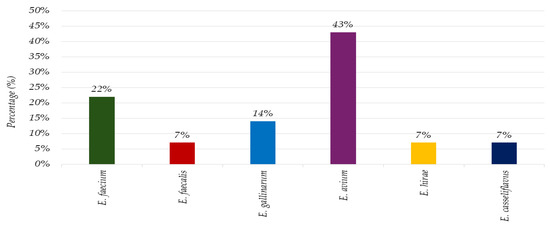
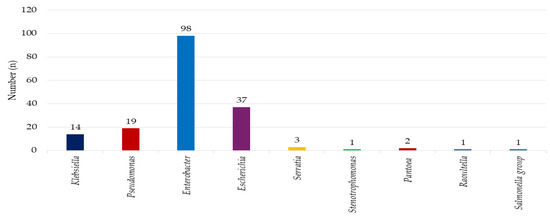
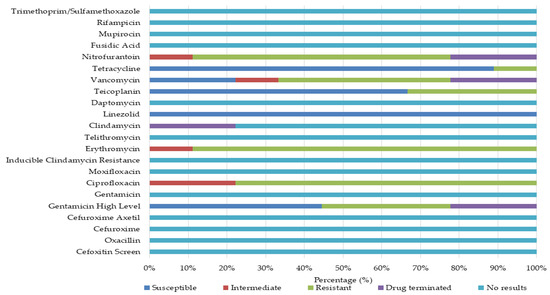
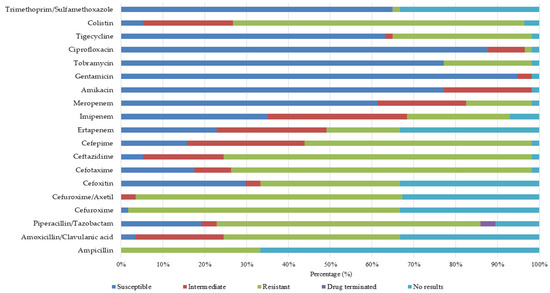
Background: Environmental surfaces are key reservoirs for pathogen transmission, with the survival of bacteria on fomites influenced by factors such as temperature, humidity, and microbial interactions. This study aimed to determine microbial surface contamination and to determine the antimicrobial resistance profile of bacteria isolated from the indoor surface where the presence of cockroaches was observed in households of the Greater Letaba Municipality (GLM), South Africa. Methods: Swab samples were collected from kitchen countertops and food storage areas with visible cockroach activity. Bacteria were isolated and identified using standard microbiological methods, and antimicrobial susceptibility testing (AST) was conducted with the Vitek® Automated 2 system. Results: Of the 120 samples collected, 82 (68%) showed bacterial growth, resulting in 190 isolates. The majority of isolates (93%) were Gram-negative, comprising Klebsiella, Pseudomonas, Enterobacter, Escherichia, Serratia, Stenotrophomonas, Pantoea, Raoultella, and Salmonella species, with 98% demonstrating multidrug resistance (MDR) to multiple antibiotics. Resistance was particularly high against gentamicin (94%), fluoroquinolones (88%) and amikacin (77%). Among Gram-positive isolates, all belonged to the Enterococcus species, with 22% being resistant to one or two of the tested antimicrobial agents and 78% exhibiting MDR. Conclusions: The study revealed a high prevalence of antibiotic resistance in both Gram-positive and Gram-negative bacteria isolated from household surfaces. The spread of antibiotic-resistant pathogens via environmental surfaces presents a significant risk to human health, safety, and well-being.
Full article
(This article belongs to the Section Environmental Health)
►▼
Show Figures

Figure 1
Open AccessArticle
In Vitro Disinfection Efficacy Assay on Giardia duodenalis Cysts
by
Manuela Kirchner, Cora Delling and Arwid Daugschies
Hygiene 2025, 5(4), 54; https://doi.org/10.3390/hygiene5040054 - 25 Nov 2025
Abstract
Background: The cysts of the protozoan parasite Giardia duodenalis, which targets a broad spectrum of hosts including humans, can withstand environmental conditions for months, making effective disinfectant measures crucial for minimizing the infection burden. Previous investigations concerning disinfection efficacy were based on
[...] Read more.
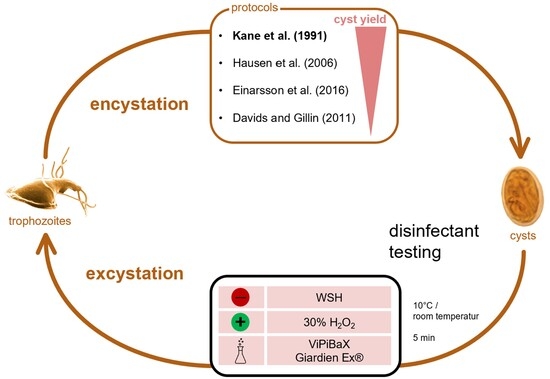
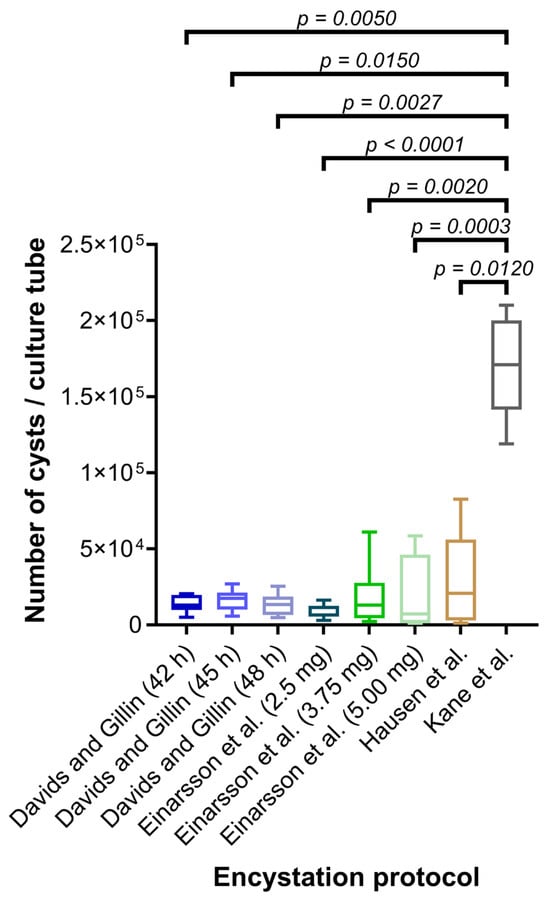
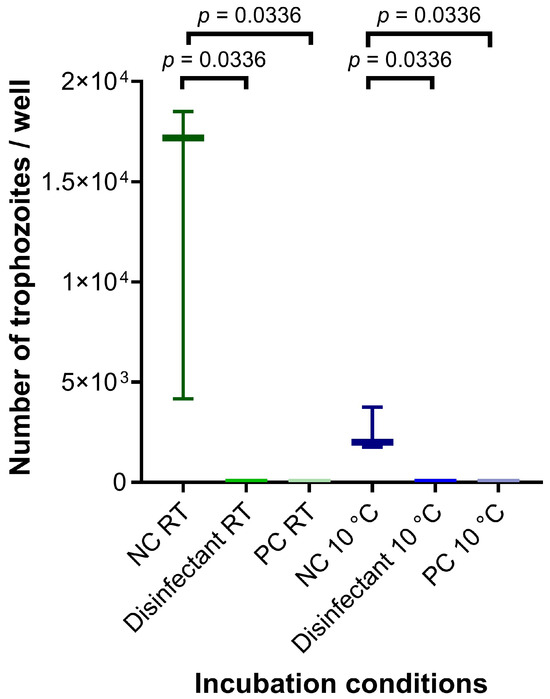
Background: The cysts of the protozoan parasite Giardia duodenalis, which targets a broad spectrum of hosts including humans, can withstand environmental conditions for months, making effective disinfectant measures crucial for minimizing the infection burden. Previous investigations concerning disinfection efficacy were based on cysts from fecal/water samples or animal models, which are either unfit for standardized procedures or related to ethical concerns. Methods: To perform standardized in vitro disinfectant testing, four different encystation protocols were compared firstly. The protocol with the highest efficacy in our hands (1.7 × 10⁵ cysts per tube) was used for the production of cysts to establish a disinfectant assay. Therefore, it was used for the production of cysts to establish a dis-infectant efficacy assay. After incubation with a commercial disinfectant (ViPiBaX Giardien Ex®) or 30% hydrogen peroxide solution (H2O2) at 10 °C and room temperature, parasite cyst viability was evaluated by the yield of trophozoites obtained by the applied excystation protocol. Results: Only untreated Giardia cysts, which were used as a negative con-trol, released trophozoites. The protocol established for the evaluation of cyst viability delivered reproducible results and appeared suitable for testing the inactivation of cysts by chemical disinfection. Conclusions: Under the given conditions, the disinfectant ViPiBaX Giardien Ex® and H2O2 inactivated Giardia cysts.
Full article
(This article belongs to the Section Veterinary, Livestock, and Biosafety)
►▼
Show Figures

Graphical abstract
Open AccessArticle
Impact of COVID-19 on Social, Economic, and Health Interventions for Tuberculosis and Leprosy
by
Lissa Aoki, Juliana de Carvalho Rodrigues, Ingrid Bertollini Lamy, Glaucia Luciano da Veiga, Beatriz da Costa Aguiar Alves, Edimar Cristiano Pereira, Luiz Vinicius de Alcantara Sousa and Fernando Luiz Affonso Fonseca
Hygiene 2025, 5(4), 53; https://doi.org/10.3390/hygiene5040053 - 15 Nov 2025
Abstract
Introduction: The COVID-19 pandemic disrupted social interactions, family dynamics, and economic stability, disproportionately affecting vulnerable populations. Tuberculosis and leprosy perpetuate poverty and, once manifested, hinder socioeconomic development due to their high potential for disability. Methodology: This study analyzed the impact of the COVID-19
[...] Read more.
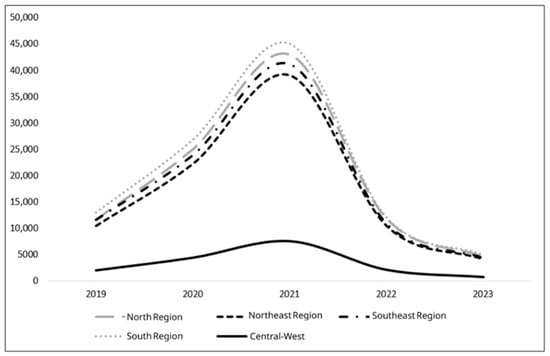
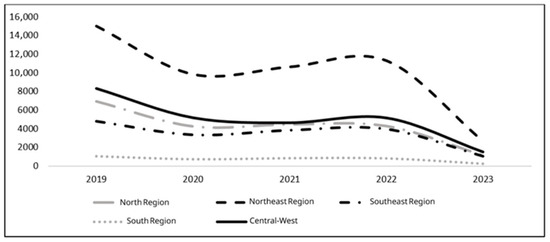
Introduction: The COVID-19 pandemic disrupted social interactions, family dynamics, and economic stability, disproportionately affecting vulnerable populations. Tuberculosis and leprosy perpetuate poverty and, once manifested, hinder socioeconomic development due to their high potential for disability. Methodology: This study analyzed the impact of the COVID-19 pandemic using DATASUS health data and assessed the influence of socioeconomic interventions (SAGICAD data) on tuberculosis and leprosy case notifications in Brazil. A correlation analysis was performed between regional diagnoses and variables such as Bolsa Família (a national social welfare program), BCG vaccination coverage, and COVID-19 immunization rates, applying Pearson’s correlation test. Results: No significant correlations were found between COVID-19 vaccination rates and tuberculosis/leprosy diagnoses. However, a strong negative correlation (p < 0.05) was observed between BCG (Bacillus Calmette–Guérin) vaccination coverage and leprosy incidence in the Northern region. The findings also suggest that social assistance programs such as Bolsa Família play a pivotal role in preventing infectious diseases in vulnerable areas. Conclusions: Understanding the complex interplay between socioeconomic determinants and public health outcomes is essential for guiding future research and informing health policies, including potential revisions to social programs and vaccination protocols.
Full article
(This article belongs to the Section Health Promotion, Social and Behavioral Determinants)
►▼
Show Figures

Figure 1
Open AccessArticle
Medication Adherence in Kosovo—Healthcare Key Opinion Creators’ Perspective
by
Lindita Aliaga, Armend Aliaga, Katarina Smilkov, Zorica Naumovska, Marija Darkovska Serafimovska and Darinka Gjorgieva Ackova
Hygiene 2025, 5(4), 52; https://doi.org/10.3390/hygiene5040052 - 10 Nov 2025
Abstract
Medication non-adherence remains a major challenge in healthcare systems worldwide, with significant implications for patient outcomes and healthcare costs. This study explored the perceptions and practices of Key Opinion Creators (KOCs) in Kosovo regarding medication adherence. Using a qualitative approach, 15 participants representing
[...] Read more.
Medication non-adherence remains a major challenge in healthcare systems worldwide, with significant implications for patient outcomes and healthcare costs. This study explored the perceptions and practices of Key Opinion Creators (KOCs) in Kosovo regarding medication adherence. Using a qualitative approach, 15 participants representing hospitals, pharmacies, academia, pharmaceutical companies, insurance, and professional associations were surveyed through open-ended questionnaires. Findings reveal the absence of clear national policies or guidelines dedicated to adherence, limited monitoring systems, and insufficient institutional support. While KOCs recognize healthcare professionals’ (HPs) role in patient education, counseling, and monitoring, they also stressed that their engagement is often fragmented and lacks standardized reporting mechanisms. Technology and innovation were identified as promising tools to improve adherence, but their application is limited by inadequate infrastructure and resources. Key barriers include a lack of guidelines, financial and human resource constraints, low patient education, and disparities across demographic groups. The study highlights the urgent need for coordinated policies, stronger inter-professional collaboration, targeted interventions, and integration of digital health solutions to strengthen medication adherence practices in Kosovo.
Full article
Open AccessReview
Ensuring Fish Safety Through Sustainable Aquaculture Practices
by
Camila Carlino-Costa and Marco Antonio de Andrade Belo
Hygiene 2025, 5(4), 51; https://doi.org/10.3390/hygiene5040051 - 5 Nov 2025
Cited by 2
Abstract
Sustainable aquaculture is increasingly vital to meet global protein demands while ensuring fish product safety and environmental stewardship from a One Health perspective. This review addresses fish hygiene as a comprehensive, multi-stage challenge encompassing water quality management, pathogen control, antimicrobial stewardship, feeding practices,
[...] Read more.
Sustainable aquaculture is increasingly vital to meet global protein demands while ensuring fish product safety and environmental stewardship from a One Health perspective. This review addresses fish hygiene as a comprehensive, multi-stage challenge encompassing water quality management, pathogen control, antimicrobial stewardship, feeding practices, humane slaughter, post-harvest handling, and monitoring systems. We examined current practices and technologies that promote hygienic standards and reduce contamination risks across production cycles. The integration of biosecurity measures and alternative health-promoting agents contributes to disease prevention and reduces reliance on antimicrobials. Responsible drug administration aligned with regulatory frameworks minimizes residues and antimicrobial resistance. Feeding strategies incorporating sustainable and safe ingredients further support fish health and product quality. Critical control points during slaughter and post-harvest processing ensure microbial safety and prolong shelf life. Advanced monitoring and traceability systems enable real-time oversight and enhance food safety assurance. Finally, certification programs and robust regulatory policies are essential to standardize practices and facilitate access to international markets. Collectively, these strategies foster sustainable aquaculture that safeguards public health, maintains ecological integrity, and supports economic viability. This holistic approach positions fish hygiene not as a final quality check, but as an integral, continuously managed component of responsible aquaculture production.
Full article
Open AccessSystematic Review
Oral Hygiene Care of Older Adults and Caregiver Education: A Systematic Review
by
Dachel Martínez Asanza, Anuli Njoku, Snehal Baviskar, Marian A. Evans and Kamel Mouloudj
Hygiene 2025, 5(4), 50; https://doi.org/10.3390/hygiene5040050 - 3 Nov 2025
Abstract
►▼
Show Figures
Background: There is a need to develop comprehensive guidelines to encourage the promotion of oral hygiene care among older adults and to assist caregivers in this endeavor, taking into consideration the specific challenges that arise from aging, comorbidities and caregiving. Methods: This review
[...] Read more.
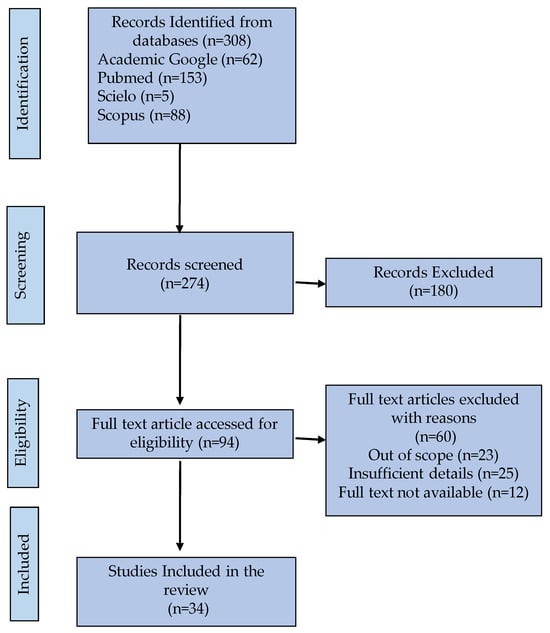
Background: There is a need to develop comprehensive guidelines to encourage the promotion of oral hygiene care among older adults and to assist caregivers in this endeavor, taking into consideration the specific challenges that arise from aging, comorbidities and caregiving. Methods: This review was conducted by searching across relevant literature from meta-databases including Academic Google, PubMed, Scielo and Scopus for studies published from 2020 to 2024. PRISMA guidelines were followed. We included articles that described oral hygiene methods, caregiver education and mechanization status of older adults. Common themes, best practices, and gaps in current guidelines were tracked using extracted and analyzed data. Results: The review revealed multiple factors affecting the oral hygiene of older adults, with themes relating to physical impairment, cognitive dysfunction, and caregiver involvement. Highlighted between the approaches are individualized therapy for oral hygiene, caregiver education, and the use of technology to improve adherence to oral hygiene. Barriers like dental care access, underlying medical conditions complicating dental treatments, and cost considerations were identified. Conclusions: The findings emphasize the necessity of clear recommendations that can help caregivers and advance dental care for older adults.
Full article

Figure 1
Open AccessArticle
The Effectiveness of Phosphate-Based Bioactive Glass on Candida albicans Adherence in Dental Soft Lining Material (In Vitro Study)
by
Nada Hussien Ielewi and Faiza M. Abdul-Ameer
Hygiene 2025, 5(4), 49; https://doi.org/10.3390/hygiene5040049 - 21 Oct 2025
Abstract
Background: Denture stomatitis (DS) represents an oral fungal infection induced by Candida albicans, impacting approximately 70% of the individuals who use removable acrylic dentures. Researchers suggest that the high level of the Candida species, particularly Candida albicans (C. albicans), is the
[...] Read more.
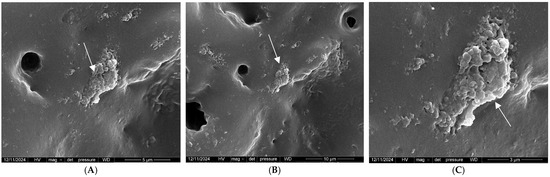
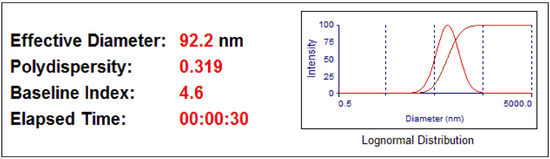
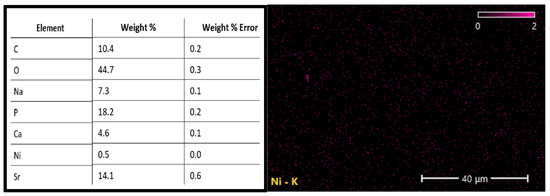
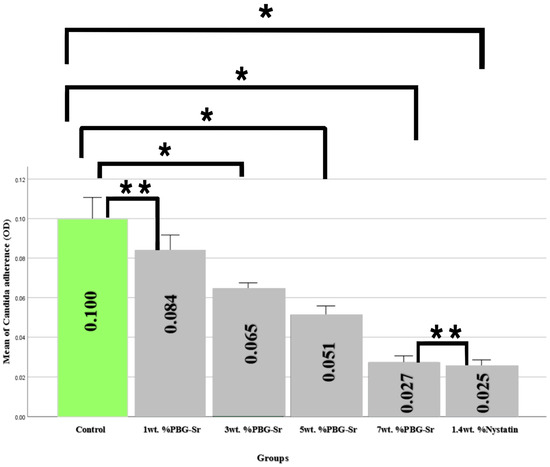
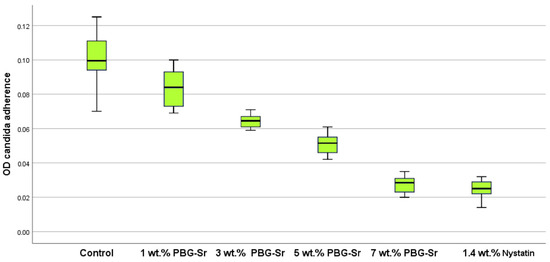
Background: Denture stomatitis (DS) represents an oral fungal infection induced by Candida albicans, impacting approximately 70% of the individuals who use removable acrylic dentures. Researchers suggest that the high level of the Candida species, particularly Candida albicans (C. albicans), is the predominant etiological factor of DS. Consequently, the development of a soft liner with antifungal activity might significantly enhance its therapeutic applicability. This in vitro study evaluates the impact of phosphate bioactive glass reinforced heat-cured acrylic-based soft liner on the candidal activity in this material. Method: Specimens (10 mm × 2 mm disc-like) were required for the selected test; PBG-Sr nano-powder was synthesized and added to the soft liner at percentages of 1 wt.%, 3 wt.%, 5 wt.%, and 7 wt.%. The candidal adherence test was investigated, and characterization was performed by X-ray diffraction analysis, field emission scanning electron microscopy, energy dispersive X-ray spectroscopy mapping, and particle size analysis. The resulting data were analyzed with one-way ANOVA followed by Dunnett’s test. Results: Candidal adherence in the 1 wt.%, 3 wt.%, 5 wt.%, and 7 wt.% PBG-Sr subgroups had decreased values in comparison to the control (0 wt.%), with the 7 wt.% subgroup demonstrating the lowest count of C. albicans (0.027), close to the nystatin group. Conclusions: PBG-Sr can diminish C. albicans adhesion in soft lining materials, and a soft liner containing PBG-Sr (7 wt.%) showed the most effective activity against C. albicans in the soft liner. Soft liners infused with bioactive glass may have the potential to assist those struggling with denture stomatitis, providing patients with enhanced therapeutic qualities.
Full article
(This article belongs to the Section Oral and Dental Hygiene)
►▼
Show Figures

Figure 1
Open AccessArticle
Young Health Workers in Training and Biological Risk: Are We Doing Enough? Reflections on Injuries at the University of Campania ‘L.Vanvitelli’
by
Anna Rita Corvino, Elpidio Maria Garzillo, Daniele Guida, Simona Signoriello, Giuseppe Porciello, Antonio Arnese, Antonella Palucci and Monica Lamberti
Hygiene 2025, 5(4), 48; https://doi.org/10.3390/hygiene5040048 - 17 Oct 2025
Abstract
►▼
Show Figures
Healthcare workers, particularly those in training, face significant exposure to biological risks, including needlestick and sharps injuries, which remain a critical occupational hazard. This study examines the incidence and nature of such injuries among young healthcare trainees at the University of Campania “L.Vanvitelli,”
[...] Read more.
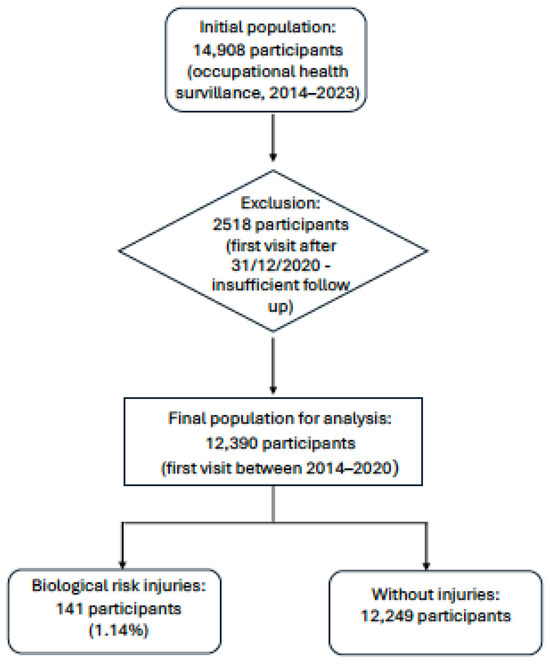
Healthcare workers, particularly those in training, face significant exposure to biological risks, including needlestick and sharps injuries, which remain a critical occupational hazard. This study examines the incidence and nature of such injuries among young healthcare trainees at the University of Campania “L.Vanvitelli,” with the aim of providing useful information for designing an effective preventive program. From 2014 to 2023, a study population of 14,908 health students was subject to health surveillance, of which 141 workers suffered an occupational injury. Needlestick injuries were most common (67.4%). Surgical residents were the most affected subgroup (24.8%). Injuries occurred more frequently after the first year of training (74.5%). Multivariate logistic regression showed significantly higher odds of injury for nursing students (OR = 8.673; 95% CI: 3.196–35.634) and residents (OR = 50.726; 95% CI: 17.789–214.279) compared to medical students. The findings underscore the urgent need for enhanced risk management strategies, targeted education programs, and stricter adherence to safety regulations to protect this vulnerable population.
Full article

Figure 1
Open AccessArticle
Consumer Awareness of Microbial Contamination and Identification of Key Pathogenic Bacteria in Lip Cosmetic Testers
by
Myoung-Hee Kim, Ho-Jin Jeong and Young Sun Hwang
Hygiene 2025, 5(4), 47; https://doi.org/10.3390/hygiene5040047 - 8 Oct 2025
Abstract
►▼
Show Figures
Background: With the increasing popularity and diversification of cosmetic products, an expanding number of retail stores are providing in-store testers to allow consumers to try products before purchasing. However, growing concerns have been raised about microbial contamination and the associated risk of infection
[...] Read more.
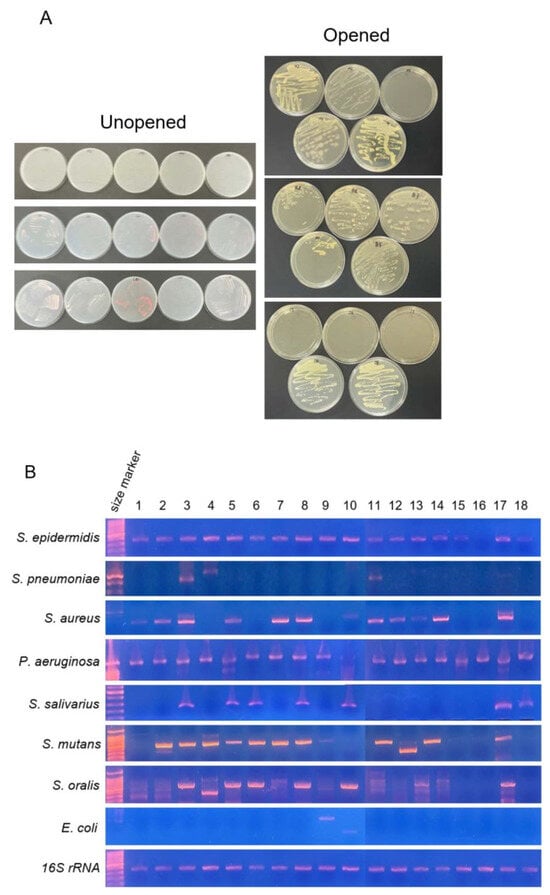
Background: With the increasing popularity and diversification of cosmetic products, an expanding number of retail stores are providing in-store testers to allow consumers to try products before purchasing. However, growing concerns have been raised about microbial contamination and the associated risk of infection due to the shared use of these testers. This study aimed to investigate consumer awareness and perceived susceptibility to microbial infection associated with the use of lip cosmetic testers, and to identify major pathogenic bacteria, thereby offering evidence to support the need for improved hygiene management practices. Methods: The survey examined the use of lip cosmetic testers and related side effects, as well as perceptions of product hygiene and microbial contamination. Awareness of microbial infection and consumer sensitivity to product safety were measured using a five-point Likert scale. Microorganisms were detected through PCR analysis of genomic DNA. Results: Among 134 respondents, 95% had previously used lip cosmetic testers, and 90% recognized the potential for microbial contamination. Sensitivity to product safety was not significantly associated with sociodemographic factors. However, susceptibility to microbial infection from tester use was significantly higher among participants of older age and with higher education levels. PCR analysis of lip cosmetic testers revealed frequent detection of Staphylococcus epidermidis and Pseudomonas aeruginosa. Other detected bacteria included Streptococcus oralis, Streptococcus salivarius, Streptococcus pneumoniae, and Escherichia coli, all of which are known to cause oral and respiratory infections. Conclusions: The analysis revealed that the majority of individuals who have used lip cosmetic testers expressed a high level of concern regarding product contamination and the potential for infection. Multiple pathogenic bacteria linked to oral and respiratory diseases were identified in the opened tester products. These findings underscore the necessity of establishing regulatory guidelines for the management of lip cosmetic testers and highlight the importance of enhancing consumer awareness regarding hygiene practices.
Full article

Figure 1
Open AccessReview
The Mother—Infant Symbiosis: A Novel Perspective on the Newborn’s Role in Protecting Maternal Breast Health
by
Darío de Jesús Guillén-Morales, Isabel Cruz-Cortés, Taurino Amilcar Sosa-Velazco and Alba Soledad Aquino-Domínguez
Hygiene 2025, 5(4), 46; https://doi.org/10.3390/hygiene5040046 - 3 Oct 2025
Abstract
Breastfeeding is a complex biological system and a bidirectional physiological dialogue in which the infant may contribute to maternal breast health. This review synthesizes current evidence, clearly separating established findings from emerging hypotheses, to examine the possible infant-driven mechanisms that influence hormonal and
[...] Read more.
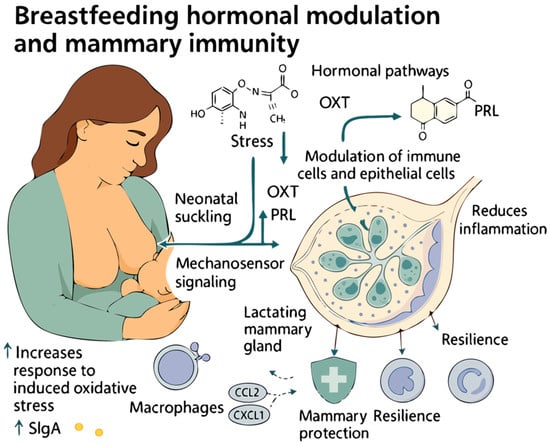
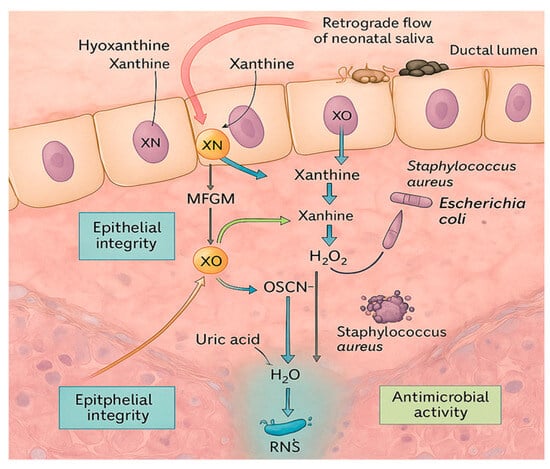
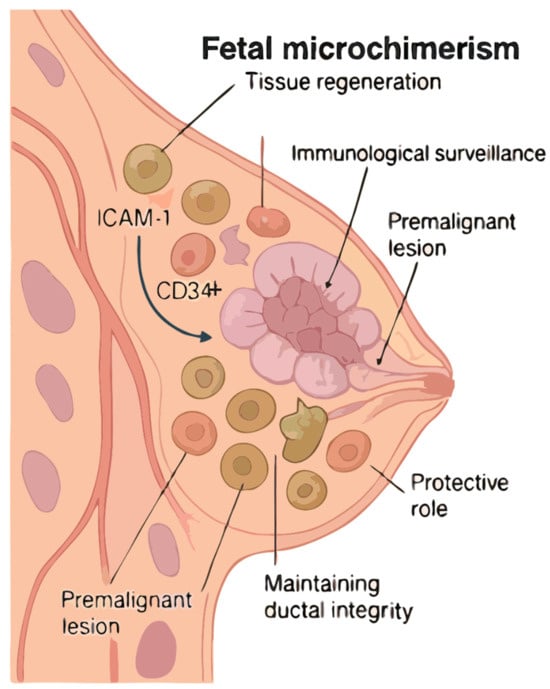
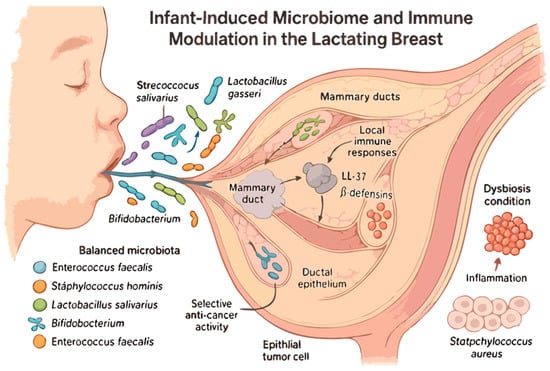
Breastfeeding is a complex biological system and a bidirectional physiological dialogue in which the infant may contribute to maternal breast health. This review synthesizes current evidence, clearly separating established findings from emerging hypotheses, to examine the possible infant-driven mechanisms that influence hormonal and immune homeostasis in the mammary gland. We evaluate how neonatal suckling coordinates interconnected hormonal reflexes and immune activity, and we explore the hypothesis that the retrograde flow of infant saliva to the breast tissue could activate maternal enzymatic defenses, particularly the xanthine oxidase and lactoperoxidase systems. We also consider the activation of antimicrobial peptides through direct contact at the nipple and areola, including cathelicidin and defensins, as well as the potential roles of fetal microchimerism and microbial transfer from the infant’s mouth in strengthening breast resilience. Although much of the evidence remains indirect and based on in vitro and animal models, the convergence of data supports a reformulated conceptual model that presents the infant as an active physiological partner rather than a passive recipient of milk. Recognizing this shift has important clinical implications for the prevention of inflammatory conditions such as mastitis, the improvement of breastfeeding support strategies, and the optimization of maternal and infant health outcomes. The review also identifies significant gaps in current knowledge and cautiously proposes hypotheses to explore these mechanisms. While preliminary, this framework offers an original perspective that may guide future research and open new paths in the study of human lactation biology.
Full article
(This article belongs to the Section Food Hygiene and Safety)
►▼
Show Figures

Figure 1
Highly Accessed Articles
Latest Books
E-Mail Alert
News
Topics
Conferences
Special Issues
Special Issue in
Hygiene
Advances in Digital Technologies for Preventive and Personalized Oral Healthcare
Guest Editor: Gianna Maria NardiDeadline: 20 April 2026
Special Issue in
Hygiene
Technologies for Hygiene and Infection Control in Veterinary Medicine in a Post-Pandemic World
Guest Editors: Ana Cláudia Coelho, Luís Cardoso, Paula OliveiraDeadline: 20 May 2026
Special Issue in
Hygiene
Current Trends and New Challenges in Occupational Medicine and Industrial Hygiene
Guest Editors: Andrea Cattaneo, Giovanni De Vito, Davide Campagnolo, Francesca BorghiDeadline: 30 June 2026
Special Issue in
Hygiene
The Challenge of Disinfection and Sterilization in Veterinary Practice
Guest Editors: Ana Cláudia Coelho, Luís Cardoso, Paula OliveiraDeadline: 10 July 2026