Journal Description
Grasses
Grasses
is an international, peer-reviewed, open access journal on all fundamental and applied fields of grass, published quarterly online by MDPI.
- Open Access— free for readers, with article processing charges (APC) paid by authors or their institutions.
- High Visibility: indexed within Scopus and other databases.
- Rapid Publication: manuscripts are peer-reviewed and a first decision is provided to authors approximately 26.5 days after submission; acceptance to publication is undertaken in 12.5 days (median values for papers published in this journal in the second half of 2025).
- Recognition of Reviewers: APC discount vouchers, optional signed peer review, and reviewer names published annually in the journal.
- Grasses is a companion journal of Agriculture and Agronomy.
- Journal Cluster of Agricultural Science: Agriculture, Agronomy, Horticulturae, Soil Systems, AgriEngineering, Crops, Seeds, Grasses, Agrochemicals and AI and Precision Agriculture.
Latest Articles
Effect of Grazing Intensity and Frequency on Forage Accumulation and Agronomic Characteristics of Tropical Mixed Pastures
Grasses 2026, 5(1), 15; https://doi.org/10.3390/grasses5010015 - 20 Mar 2026
Abstract
►
Show Figures
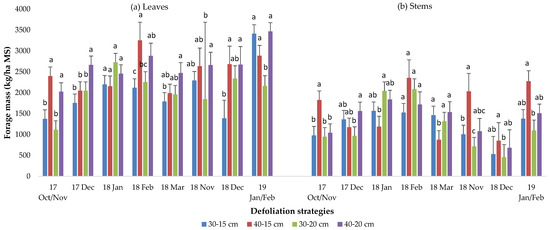
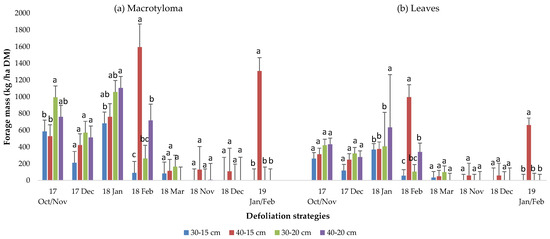
This study evaluated combinations of defoliation frequencies and intensities to identify grazing strategies that optimize forage accumulation and morphological composition in mixed pastures of Marandu palisadegrass (Urochloa brizantha cv. Marandu) with the legume Macrotyloma axillare. Treatments consisted of pre-grazing heights of
[...] Read more.
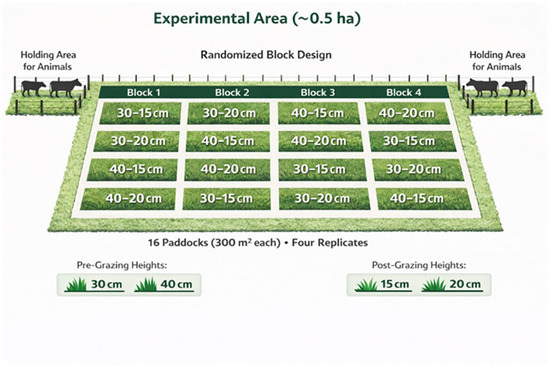
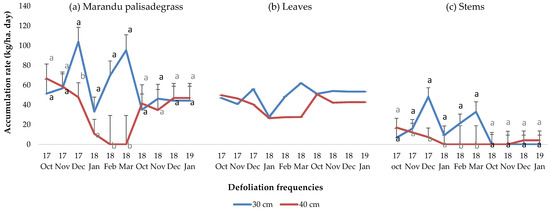
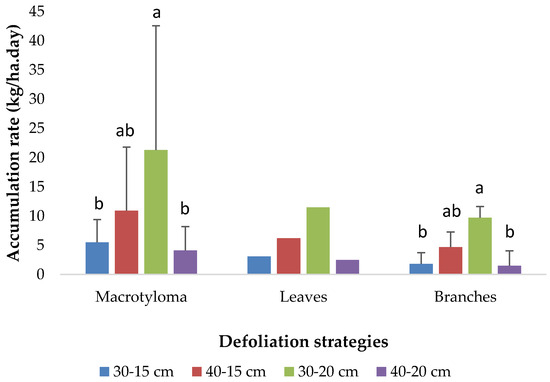
This study evaluated combinations of defoliation frequencies and intensities to identify grazing strategies that optimize forage accumulation and morphological composition in mixed pastures of Marandu palisadegrass (Urochloa brizantha cv. Marandu) with the legume Macrotyloma axillare. Treatments consisted of pre-grazing heights of 30 and 40 cm (defining defoliation frequency) combined with post-grazing heights of 15 and 20 cm (defoliation intensity), in a 2 × 2 factorial randomized block design with four repetitions. Forage accumulation rate, morphological component mass, and leaf area index (LAI) were evaluated under rotational stocking. The highest forage accumulation rates of grass and its stems occurred at a pre-grazing height of 30 cm. A taller pre-grazing height (40 cm) resulted in greater pre-grazing forage mass, leaf and stem mass of Marandu palisadegrass and LAI, but it also increased the amount of dead material and post-grazing stem mass. The greatest Macrotyloma forage accumulation occurred under grazing strategies of 30–20 cm and 40–15 cm. Lenient defoliation (20 cm post-grazing height) favored post-grazing leaf mass, whereas severe defoliation (15 cm) favored stem mass. Marandu palisadegrass showed higher LAI at 40 cm pre-grazing height (4.7) than at 30 cm (3.6), with slightly greater values under 20 cm (4.3) than 15 cm (4.1) post-grazing height, while Macrotyloma axillare exhibited low LAI. Across all grazing strategies, the legume mass decreased over time. Therefore, future studies should explore alternative grazing strategies and periodic reseeding of Macrotyloma axillare to maintain its presence in mixed tropical pastures.
Full article
Open AccessArticle
Understanding Suboptimal Temperature Stress Tolerance Mechanisms in Grasses via Integrated Analysis of Leaf Elongation Dynamics and Photosynthetic Traits
by
María Carolina Michelini, Santiago Javier Maiale, Beatriz Wyss and Andrés Alberto Rodríguez
Grasses 2026, 5(1), 14; https://doi.org/10.3390/grasses5010014 - 11 Mar 2026
Abstract
►▼
Show Figures
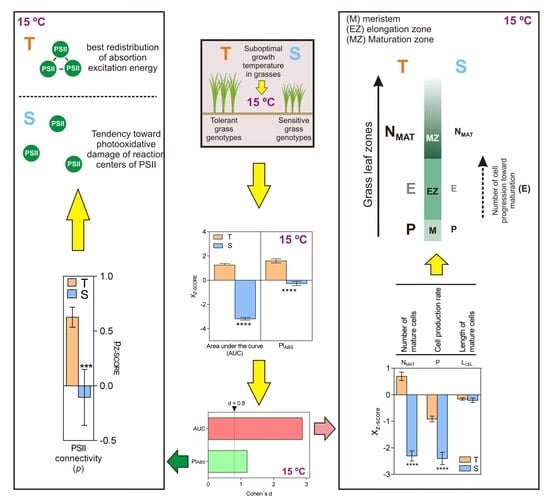
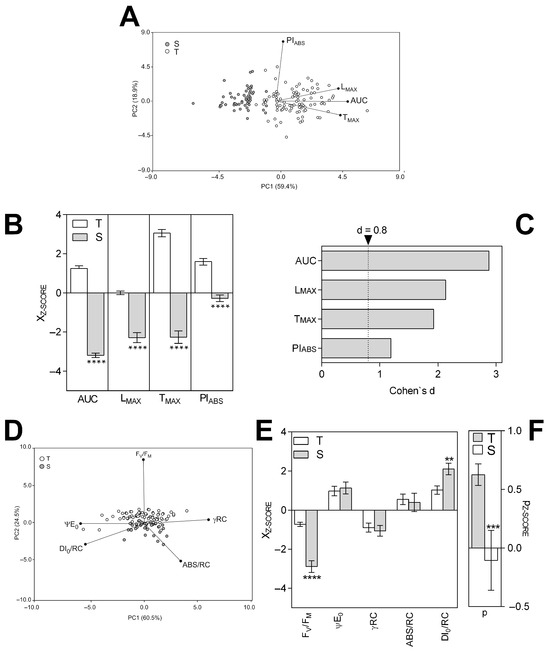
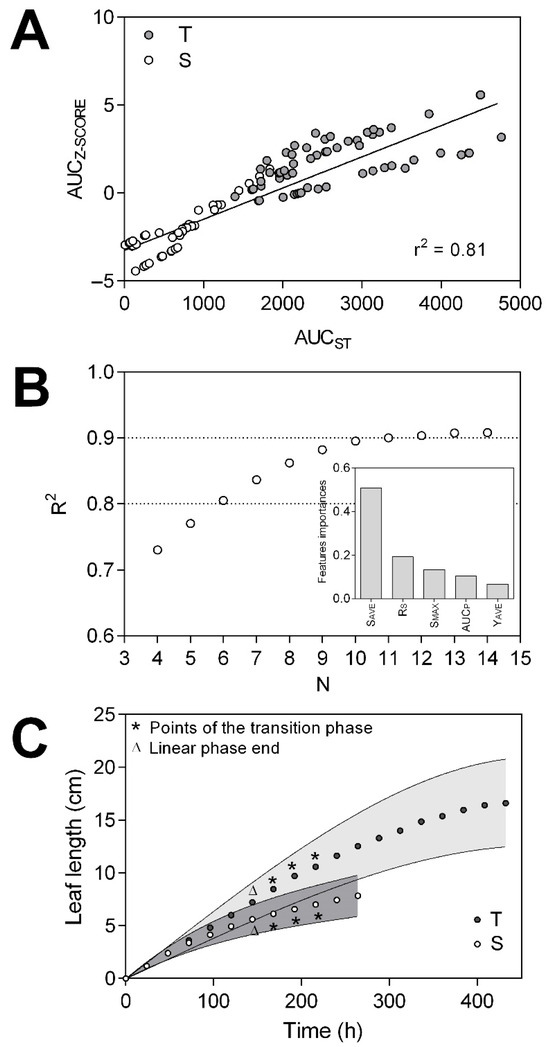
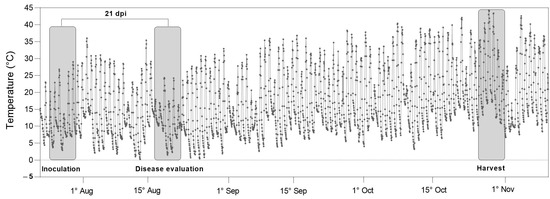
Stress caused by suboptimal temperatures (ST) represents a stress that limits growth in all grasses without inhibiting their activity and induces alterations in photosynthetic performance. We evaluated the responses of photosynthetic parameters and leaf elongation between two groups of grass genotypes with different
[...] Read more.
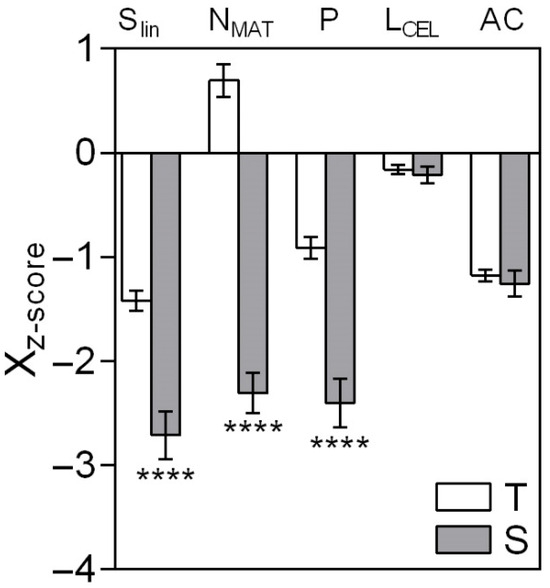
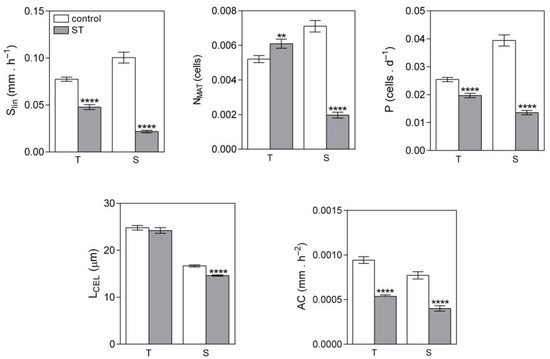
Stress caused by suboptimal temperatures (ST) represents a stress that limits growth in all grasses without inhibiting their activity and induces alterations in photosynthetic performance. We evaluated the responses of photosynthetic parameters and leaf elongation between two groups of grass genotypes with different levels of tolerance to ST, belonging to phylogenetically distant species. Responses to ST depended on the type of parameter and on the genotypic group. Leaf elongation traits showed discriminatory power, especially the area under the leaf elongation curve, which integrated the early and transient effects of stress over time. The photosynthetic parameter PIABS showed lower discriminatory power compared with the area under the leaf elongation curve. However, a deeper analysis of other photosynthetic parameters revealed an increase in energetic connectivity between Photosystem II centers in tolerant, but not in sensitive, genotypes. A subsequent analysis of leaf and cellular parameters of early leaf elongation dynamics indicated that ST reduced meristematic activity in all genotypes, but the tolerant genotype group maintained a greater accumulation of mature cells compared with the sensitive genotype group. Overall, the results suggested a response to ST in tolerant genotypes, but not in sensitive genotypes, related to the early dynamics of leaf and cellular growth parameters to partially compensate for the restrictive effect of ST on leaf elongation not recorded. In parallel, they also indicated a response of the tolerant genotypes to ST in terms of photosynthetic parameters, probably as a pathway to maintain cellular homeostasis, to prevent photooxidative damage in PSII under stress. However, the relationship between both responses does not appear to be strictly linear, but rather would be mediated by coordinated adjustments in the temporal dynamics of growth, suggesting a functional integration between photosynthetic performance and the cellular mechanisms that regulate leaf expansion under ST stress.
Full article

Graphical abstract
Open AccessArticle
Germination and Initial Development of Pennisetum glaucum in Response to Saline and Thermal Stress
by
Cleber Pereira Alves, Baltazar Cirino Junior, Ana Karlla Penna Rocha, Joyce Naiara Da Silva, Domingos Sávio Marques de Menezes Vieira, Danielle da Silva Eugênio, Cintya Mikaelly Pereira Gaia Souza, Maurício Luiz De Mello Vieira Leite, Monalisa Alves Diniz Da Silva and Thieres George Freire da Silva
Grasses 2026, 5(1), 13; https://doi.org/10.3390/grasses5010013 - 9 Mar 2026
Abstract
►▼
Show Figures
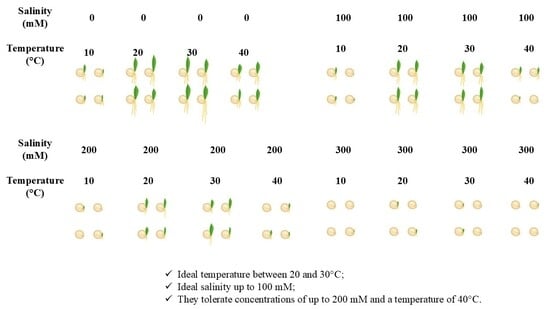
When subjected to a combination of abiotic stresses in the field, such as saline and thermal stress, plants can suffer devastating effects on their development. Regarding millet, little is known about the effects of temperature and salinity on its germination and initial development.
[...] Read more.
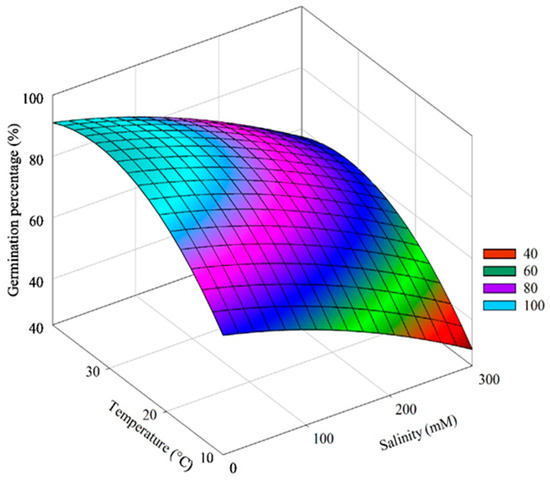
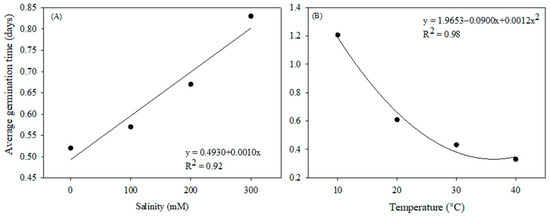
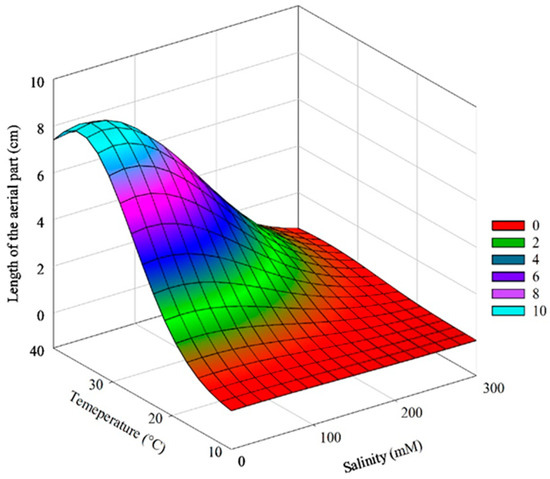
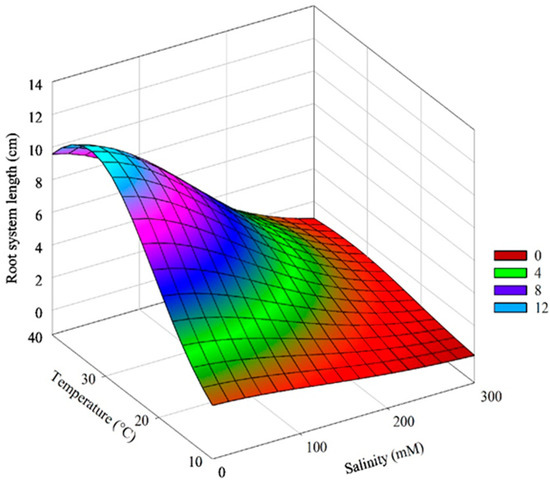
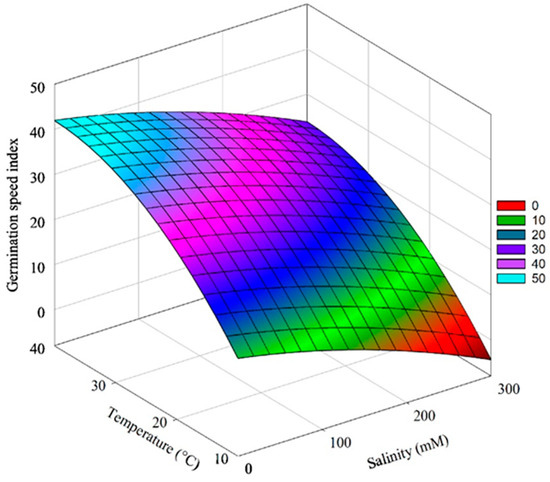
When subjected to a combination of abiotic stresses in the field, such as saline and thermal stress, plants can suffer devastating effects on their development. Regarding millet, little is known about the effects of temperature and salinity on its germination and initial development. Therefore, the objective of this study was to evaluate the germination responses and initial development of millet seedlings subjected to thermal and saline stresses. The experiment was conducted in a completely randomized design with 16 treatments in a 4 × 4 factorial scheme, four salinity levels (0.0—control, 100, 200, and 300 mM) and four temperatures (10, 20, 30, and 40 °C). The germination percentage, average germination time, germination speed index, shoot length, and primary root length of seedlings were evaluated. The different salinity concentrations and temperatures significantly influenced all the variables studied, gradually reducing with increasing salinity and decreasing temperature, with optimal ranges at higher temperatures and lower salinity levels. It is concluded that the ideal conditions for germination and initial development of millet are as follows: a temperature between 20 and 30 °C and the absence of salinity. They tolerate concentrations of up to 200 mM and temperatures of 40 °C. On the other hand, high salinity and low temperature can delay and/or inhibit germination.
Full article

Graphical abstract
Open AccessArticle
Diagnosing Early Establishment of Hybrid Sorghum in Response to Seeding Rates Using UAV-Based Remote Sensing and Soil ECa Analysis
by
Gonçalo Tavares Póvoas, Luís Silva, Susana Dias, Paola D’Antonio, Fernando Cebola Lidon, João Serrano and Luís Alcino Conceição
Grasses 2026, 5(1), 12; https://doi.org/10.3390/grasses5010012 - 7 Mar 2026
Abstract
►▼
Show Figures
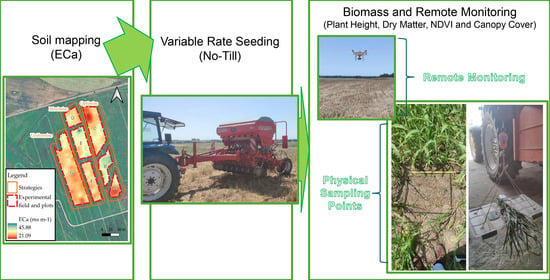
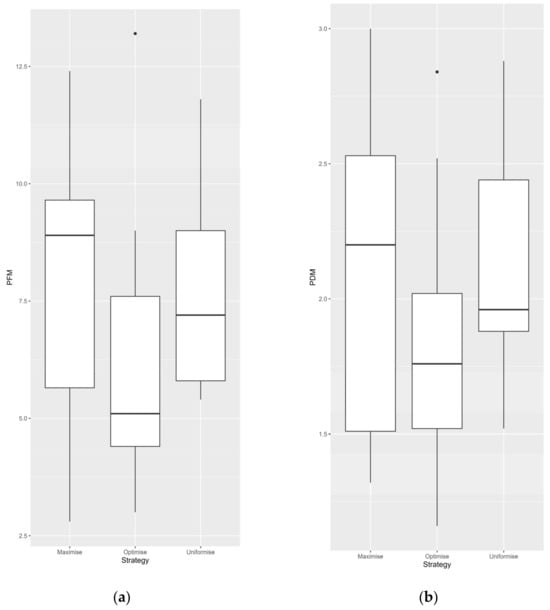
Sorghum is a resilient crop important for sustainable intensification in semi-arid regions, yet the impact of variable seeding rates on its early development remains under-researched. This research investigated the early establishment of hybrid sorghum under three seeding strategies, ”Uniformise” (medium density across all
[...] Read more.
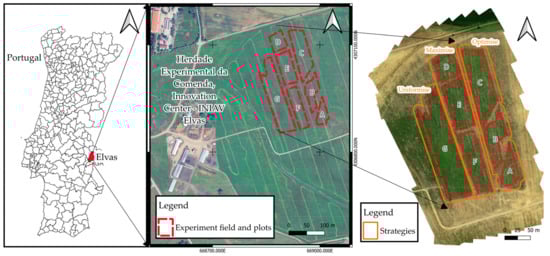
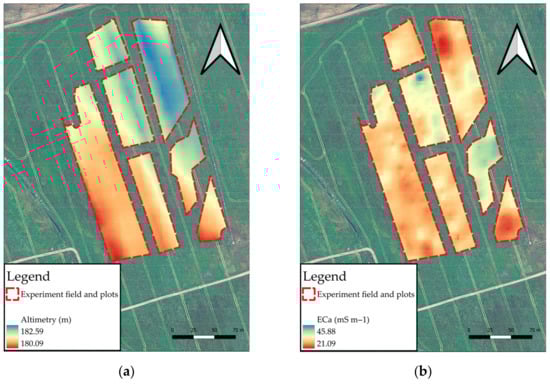
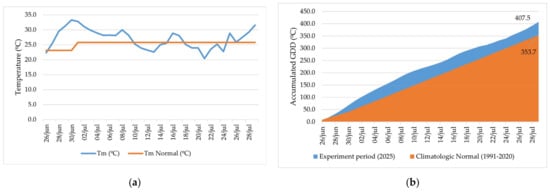
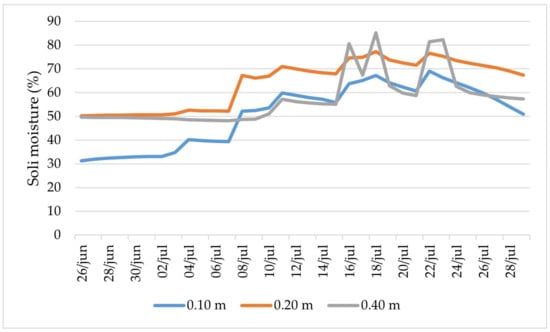
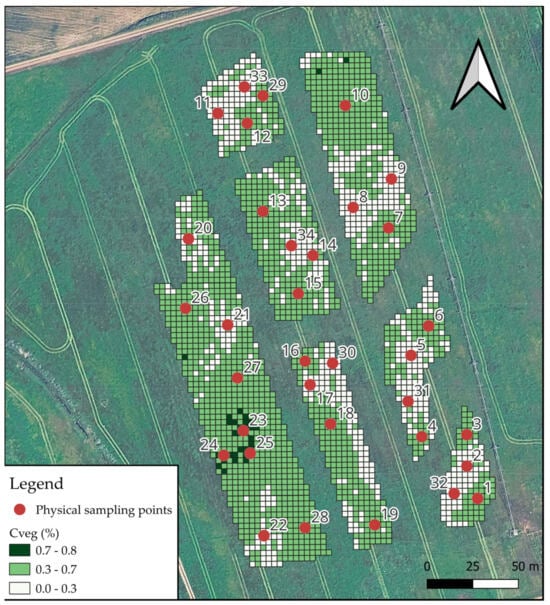
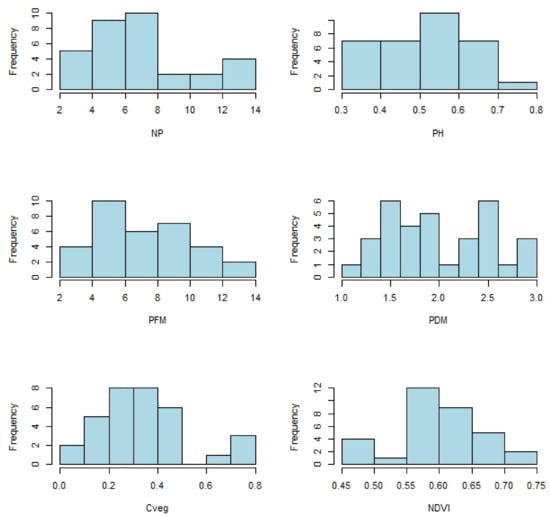
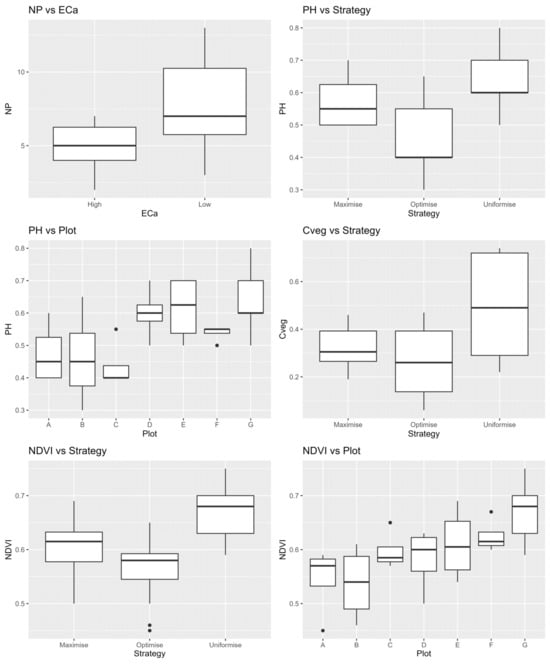
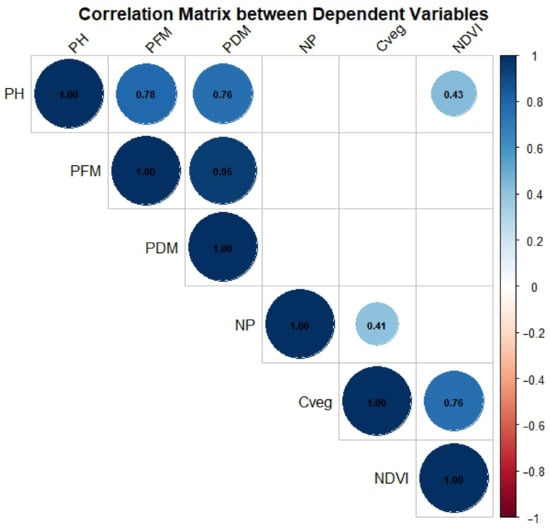
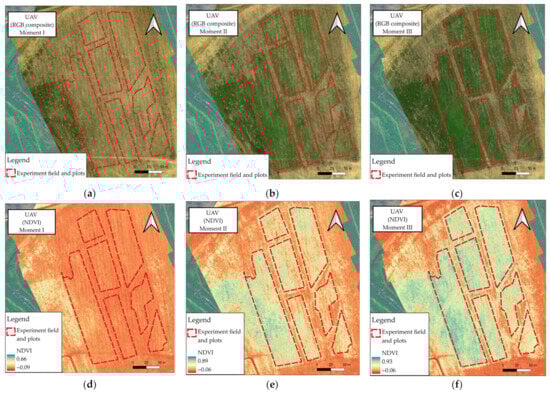
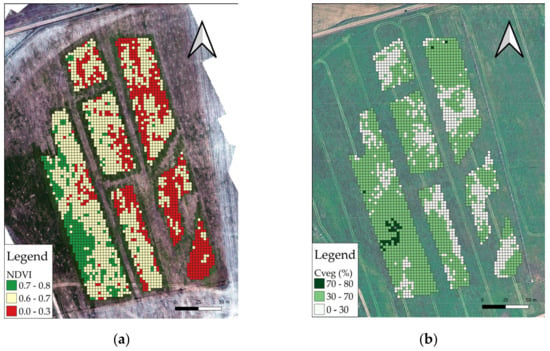
Sorghum is a resilient crop important for sustainable intensification in semi-arid regions, yet the impact of variable seeding rates on its early development remains under-researched. This research investigated the early establishment of hybrid sorghum under three seeding strategies, ”Uniformise” (medium density across all zones), “Optimise” (increased density in low-soil apparent Electrical Conductivity (ECa)), and “Maximise” (increased density in high-soil ECa), at the Herdade da Comenda (Innovation Center—Elvas, Portugal). Crop performance was monitored over 33 days, the established window for safe direct grazing, using Unmanned Aerial Vehicle (UAV) multispectral imagery to derive the Normalised Difference Vegetation Index (NDVI) and Canopy Cover (Cveg), alongside physical sampling of plant height and biomass. Statistical analysis revealed that both the seeding strategy and soil variability significantly affected early growth. The “Uniformise” strategy recorded the highest plant height, NDVI, and Cveg values, whereas the “Optimise” strategy performed the poorest. Additionally, an accumulation of 407.5 Growing Degree-Days (GDDs; °C) accelerated the phenological cycle by five days relative to the climatological normal. Despite differences in vegetative vigour, no statistically significant variations were observed in final biomass across the strategies. These results indicate that while the “Uniformise” approach provided a more balanced environment for early establishment under these specific Mediterranean conditions, the lack of biomass differentiation highlights the potential for resource optimisation. The study demonstrates that UAV-based remote sensing is a useful diagnostic tool to identify these spatial limitations, providing the data to refine variable-rate seeding (VRS) algorithms and improve the economic efficiency of precision sowing.
Full article

Graphical abstract
Open AccessArticle
Assessment of the Impact of Fusarium spp. on the Brachypodium distachyon–Fusarium Pathosystem: Insights into Barley and Wheat Susceptibility
by
Florencia Arroyo, Mauro Martínez, Agustín Arata, Marie Dufresne, Sebastián Stenglein and María Inés Dinolfo
Grasses 2026, 5(1), 11; https://doi.org/10.3390/grasses5010011 - 2 Mar 2026
Abstract
►▼
Show Figures
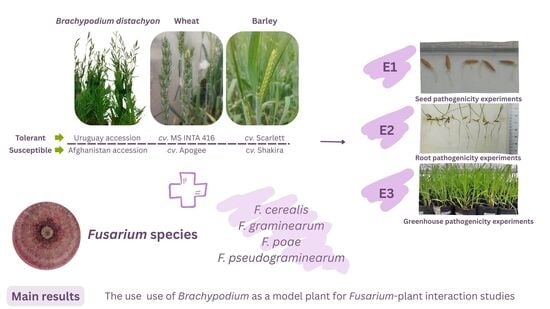
Brachypodium distachyon has become a widely studied model plant due to its small genome, ease of cultivation under controlled conditions, and value for synteny and molecular studies. Regarding disease, Fusarium is one of the main fungal genera infecting cereal crops, F. cerealis, F.
[...] Read more.
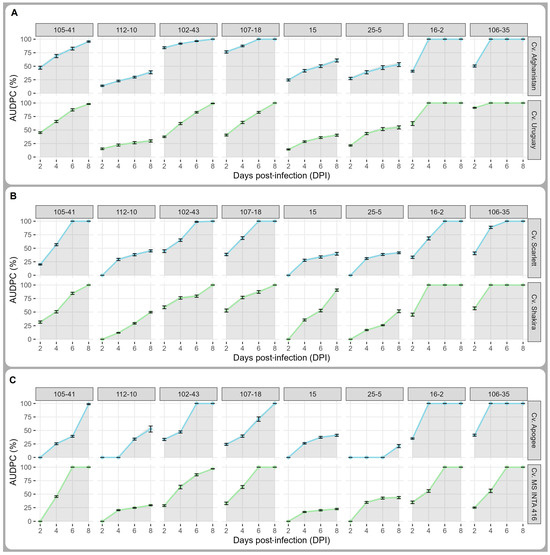
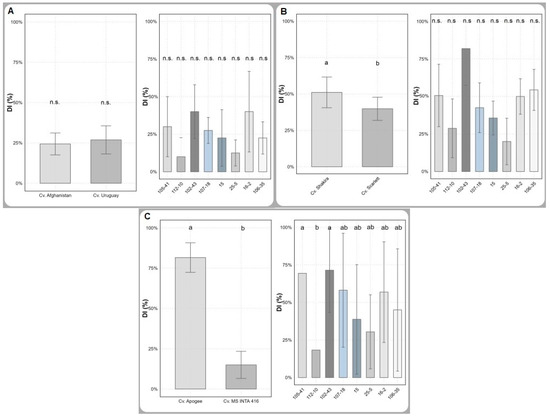
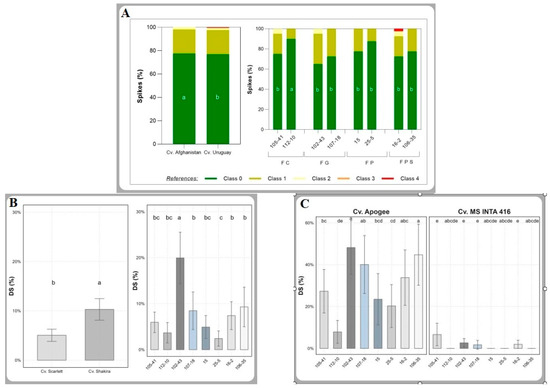
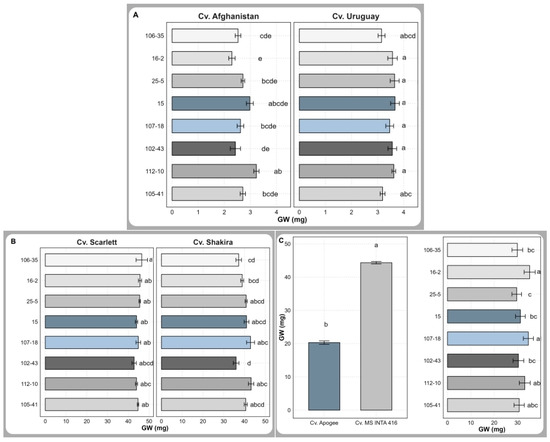
Brachypodium distachyon has become a widely studied model plant due to its small genome, ease of cultivation under controlled conditions, and value for synteny and molecular studies. Regarding disease, Fusarium is one of the main fungal genera infecting cereal crops, F. cerealis, F. graminearum, F. poae, and F. pseudograminearum being isolated frequently from several agricultural regions. Therefore, the present study aimed to evaluate three pathosystems, combining three hosts (B. distachyon, barley, and wheat) with four Fusarium species to confirm the use of B. distachyon in Fusarium–crop system models. Three controlled experiments were performed to assess the impact on seeds, roots, and spikes. Variables such as germination inhibition, McKinney’s index, percentage of necrosis, area under the disease progress curve, disease incidence, disease severity, and grain weight were measured. Regarding Fusarium species, the results confirm that F. pseudograminearum could be more aggressive on roots, while F. graminearum affects spikes more severely. In contrast, F. cerealis and F. poae are generally moderate to weak pathogens with irregular behaviour depending on the plant species or genotype. No clear varietal resistance pattern emerged except for wheat genotypes with a known resistance/susceptibility QTL. The present study highlights the importance of using multiple experiments for accurate phenotype characterisation, as relying on a single technique is insufficient. In conclusion, the results presented in the manuscript provide valuable insights into Fusarium spp.–B. distachyon interactions and resistance selection based on seed, root, and spike assessments. Moreover, this work confirmed the use of Brachypodium as a model plant for Fusarium–plant interaction studies.
Full article

Graphical abstract
Open AccessArticle
Characterizing and Mapping the Grassland Vegetation of the Colombian Orinoquia
by
Larry Niño, Orlando Rangel, Diego Giraldo-Cañas, Daniel Sánchez-Mata and Vladimir Minorta-Cely
Grasses 2026, 5(1), 10; https://doi.org/10.3390/grasses5010010 - 25 Feb 2026
Abstract
►▼
Show Figures
This study presents a high-resolution mapping of grassland phytosociological alliances in the Colombian Orinoquia by integrating multi-source remote sensing data (Landsat-8 optical and Sentinel-1 SAR) with environmental variables within a Random Forest classification framework. Based on 292 rigorously classified vegetation plots, we modeled
[...] Read more.
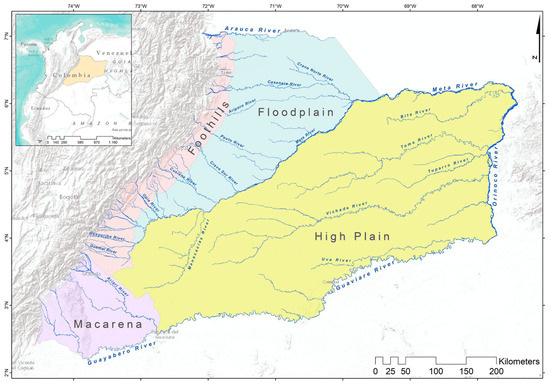
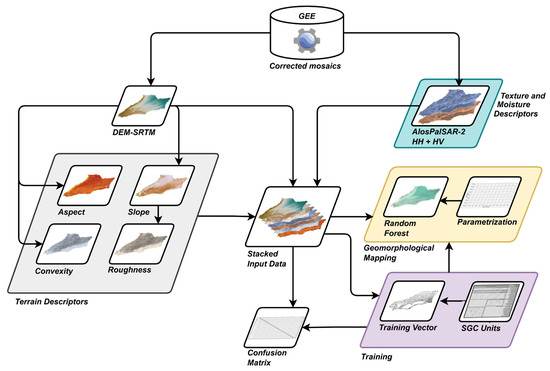
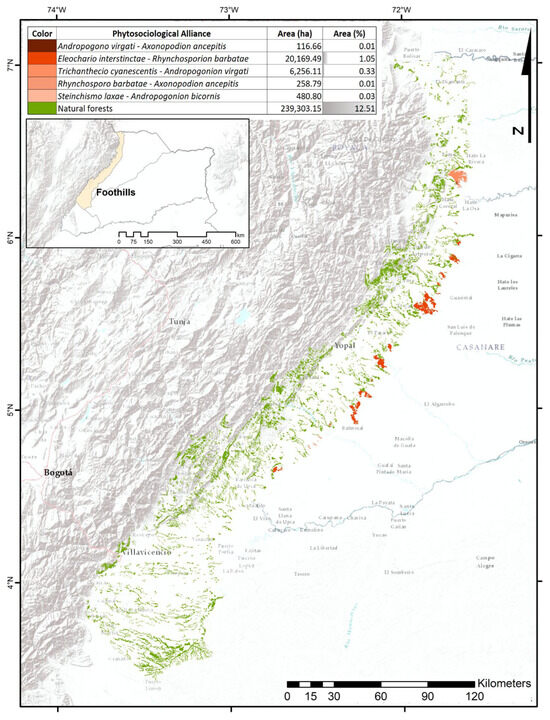
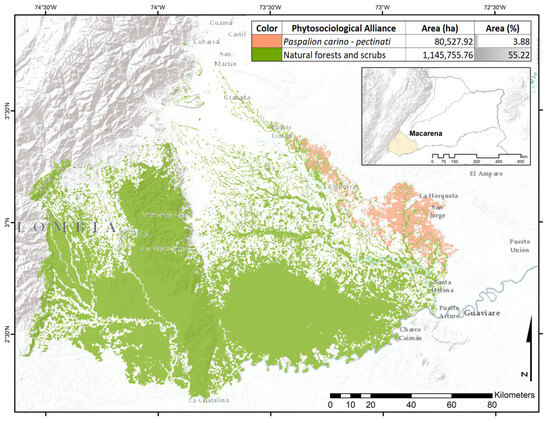
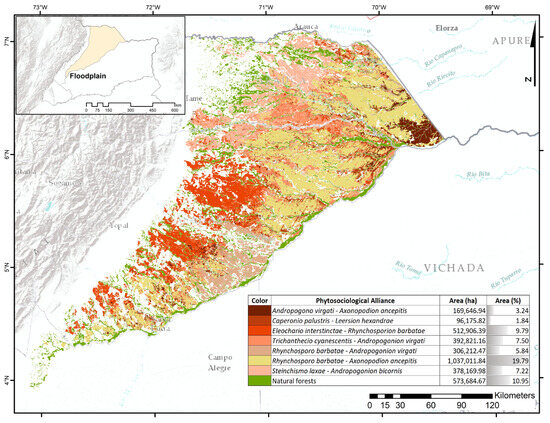
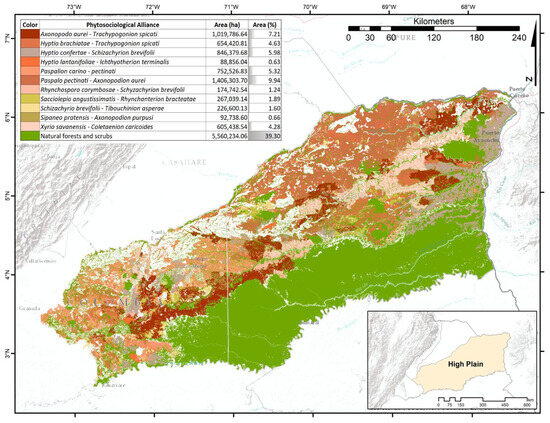
This study presents a high-resolution mapping of grassland phytosociological alliances in the Colombian Orinoquia by integrating multi-source remote sensing data (Landsat-8 optical and Sentinel-1 SAR) with environmental variables within a Random Forest classification framework. Based on 292 rigorously classified vegetation plots, we modeled the distribution of 18 alliances across dominant geomorphological units: the alluvial plain (north) and the high plain (south-central). Results demonstrate that natural vegetation covers 73.74% of the region, with grasslands (41.55%) representing a more extensive formation than forests (32.19%). The alliances Paspalo pectinati–Axonopodion aurei (6.02%) and Axonopodo aurei–Trachypogonion spicati (4.37%) were identified as the most widespread. Ecological analysis revealed a pronounced dominance of C4 Poaceae species, particularly in alliances such as Sipaneo pratensis–Axonopodion purpusi (60% C4 diagnostic species), reflecting adaptations to seasonal moisture stress and high irradiance. Our methodology demonstrates that coupling phytosociological field data with multi-sensor remote sensing achieves high classification accuracy (79–87%), providing a robust tool for moving beyond descriptive vegetation mapping toward a comprehensive understanding of grassland distribution patterns at regional scales.
Full article

Figure 1
Open AccessArticle
Effects of Restoration on Community Biomass and Its Allocation in a Patchy Alpine Meadow
by
Yuting Jin, Changbin Li, Tongtong Deng, Jie Hu, Xilai Li and Yuanwu Yang
Grasses 2026, 5(1), 9; https://doi.org/10.3390/grasses5010009 - 14 Feb 2026
Abstract
►▼
Show Figures
The degradation of alpine meadows on the Qinghai–Tibet Plateau has seriously affected the structure and productivity of grassland communities. In this experiment, a sample area was set up in Keqihetan of Zexiong Village, Youganning Town, Henan County, Mongolian Autonomous Prefecture. The degraded alpine
[...] Read more.
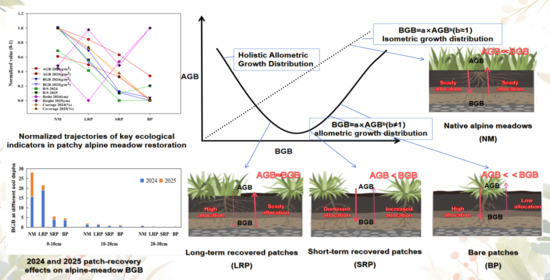
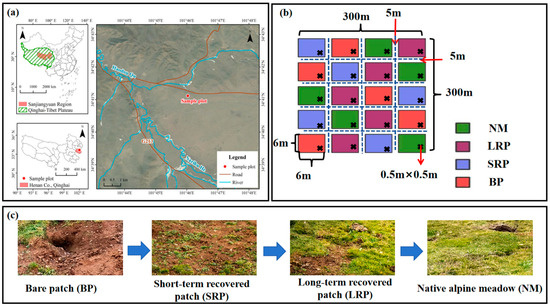
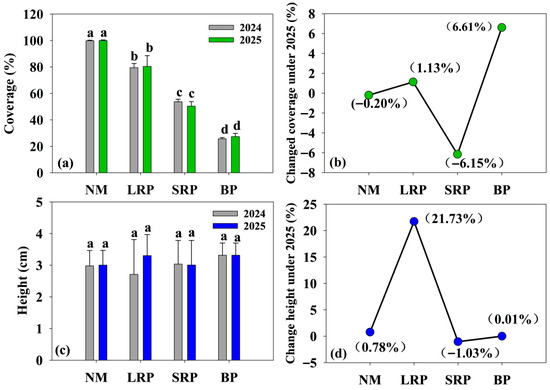
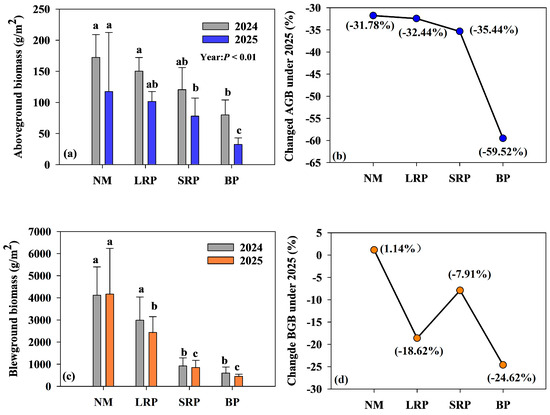
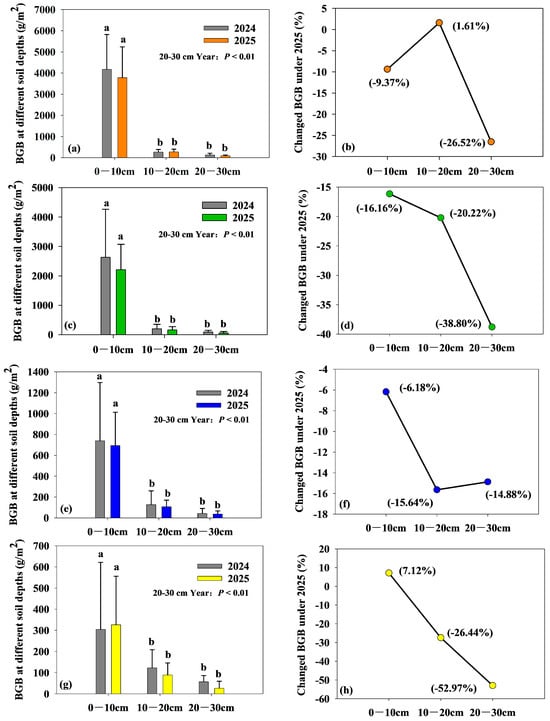
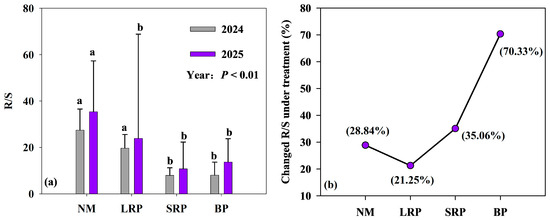
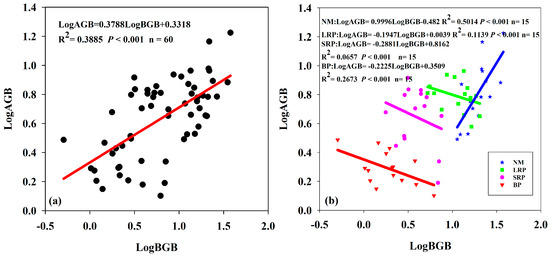
The degradation of alpine meadows on the Qinghai–Tibet Plateau has seriously affected the structure and productivity of grassland communities. In this experiment, a sample area was set up in Keqihetan of Zexiong Village, Youganning Town, Henan County, Mongolian Autonomous Prefecture. The degraded alpine meadow was divided into three plaque types, bare patches (BP), short-term recovered patches (SRP), and long-term recovered patches (LRP), and Native alpine meadows (NM) as controls, in order to reveal the effects of grassland degradation on community structure and aboveground/belowground biomass allocation in alpine meadow. Here, we measured total biomass (TCB), aboveground biomass (AGB), belowground biomass (BGB), and root/shoot ratio (R/S) of alpine meadows on the Qinghai–Tibetan Plateau and investigated plant community cover and height. The results showed that with the restoration of the patchy alpine meadow, the height decreased first and then increased, the amount of AGB increased first and then decreased, while the coverage and BGB increased in turn, and BGB decreased with the deepening of soil depth. We also found that R/S decreased first and then increased with the patch recovery of the alpine meadow. The overall distribution of AGB and BGB belongs to allometric growth distribution, but the native meadow belongs to isometric growth distribution, while other recovery stages belong to allometric growth distribution. By studying the biomass and its distribution of degraded grassland, we can understand the impact of grassland degradation on the community structure and productivity of the alpine meadow.
Full article

Graphical abstract
Open AccessArticle
Frequency Distribution of Sward Heights and Forage Species Composition in Different Integrated Crop–Livestock Systems
by
Renata Franciéli Moraes, Daniela Maria Martin, Arthur Pontes Prates, Carolina Bremm, Paulo Cesar de Faccio Carvalho, Lucas Aquino Alves, Leandro Bittencourt de Oliveira and Anibal de Moraes
Grasses 2026, 5(1), 8; https://doi.org/10.3390/grasses5010008 - 9 Feb 2026
Abstract
►▼
Show Figures
Sward height is a practical indicator for defining management targets that reflect pasture structure. The complexity of integrated systems, including the coexistence of trees, crops, and livestock, can modify animal grazing distribution and microhabitat conditions, leading to different degrees of sward heterogeneity and
[...] Read more.
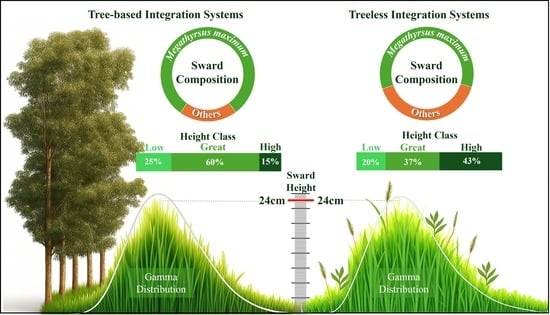
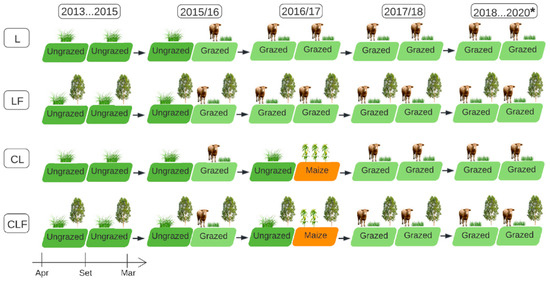
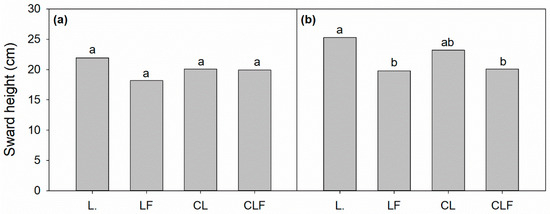
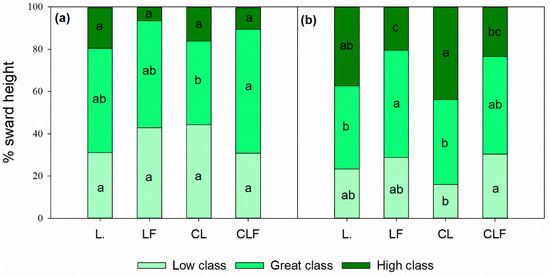
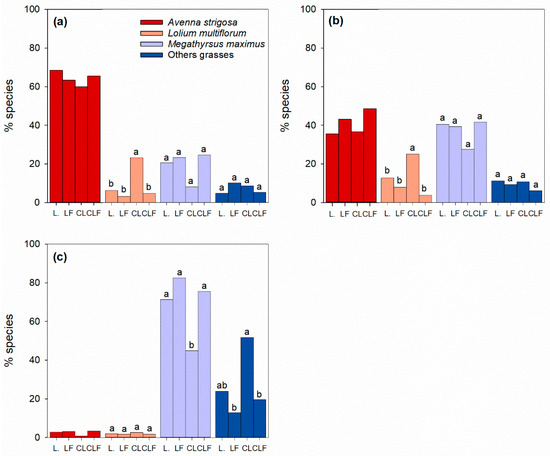
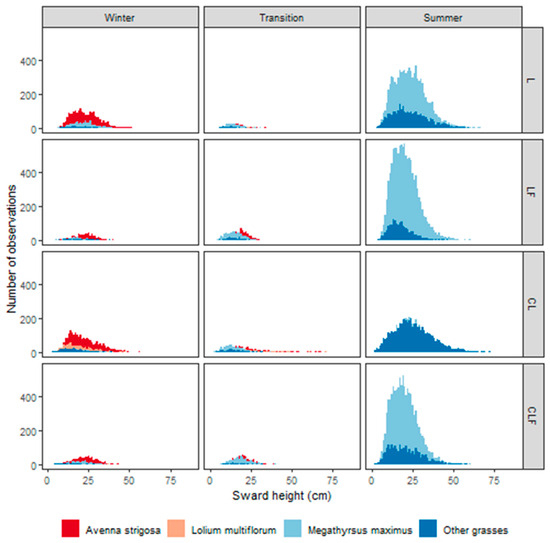
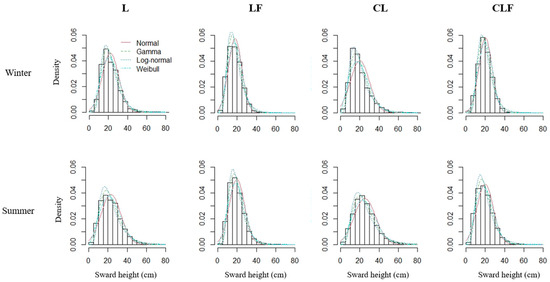
Sward height is a practical indicator for defining management targets that reflect pasture structure. The complexity of integrated systems, including the coexistence of trees, crops, and livestock, can modify animal grazing distribution and microhabitat conditions, leading to different degrees of sward heterogeneity and botanical composition. This study investigated sward-height distribution and species composition in four systems: livestock (L), livestock–forestry (LF), crop–livestock (CL), and crop–livestock–forestry (CLF). Data were collected over two years in pastures of black oat (Avena strigosa Schreb.), Aries grass (Megathyrsus maximus cv. Aries), Italian ryegrass (Lolium multiflorum Lam.), and other tropical grasses during summer, transition, and winter. Sward heights were classified into three categories (low, optimal, high) according to seasonal thresholds (winter: <18.0; 18–29.9; >30 cm; summer: <15.0; 15–24.9; >25 cm) and fitted to four probability distributions (normal, log-normal, Gamma, Weibull). Management based on target-height maintained 46% of observations within the optimal class, a satisfactory proportion for continuous stocking systems where structural heterogeneity is inherent. The CL system presented greater species diversity due to a higher frequency of Italian ryegrass and other grasses. Across systems and seasons, the Gamma distribution provided the best fit for sward-height frequencies. These findings offer a practical statistical tool for evaluating grazing management efficiency.
Full article

Graphical abstract
Open AccessArticle
Isolation of Novel Fungal Endophytes from Wild Relatives of Barley (Hordeum vulgare L.) and In Vitro Screening for Plant Growth Promotion and Antifungal Activity
by
Diego D. Bianchi and Trevor R. Hodkinson
Grasses 2026, 5(1), 7; https://doi.org/10.3390/grasses5010007 - 5 Feb 2026
Abstract
►▼
Show Figures
There is an urgent demand for sustainable agricultural practices that minimize environmental impacts and reduce the reliance on synthetic pesticides and fertilizers. Endophytes represent a largely untapped resource of beneficial microorganisms with multiple potential applications as natural biocontrol agents and promoters of plant
[...] Read more.
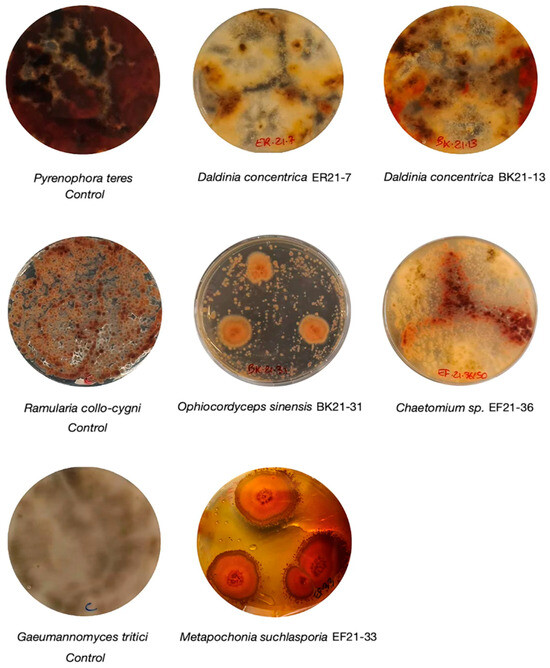
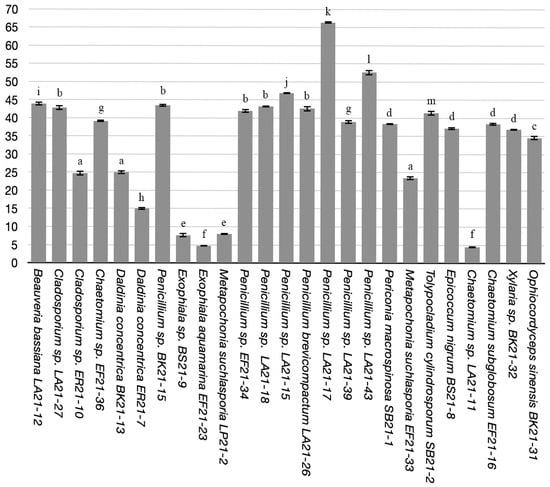
There is an urgent demand for sustainable agricultural practices that minimize environmental impacts and reduce the reliance on synthetic pesticides and fertilizers. Endophytes represent a largely untapped resource of beneficial microorganisms with multiple potential applications as natural biocontrol agents and promoters of plant growth and development. This paper aimed at identifying new fungal strains and performing a series of preliminary in vitro screenings to evaluate their potential use for plant-growth promotion and antifungal activity. A total of 102 fungal endophytes were isolated from different plant tissues of seven wild relatives of barley (Brachypodium sylvaticum, Bromus hordeaceus, Bromus sterilis, Elymus farctus, Elymus repens, Leymus arenarius and Lolium perenne) that were sourced from 22 contrasting wild habitats. Fungal endophytes were isolated using standard culture-based methods and identified via DNA barcoding of the nrITS marker. Based on a literature search, a sub-group of endophytes were selected and evaluated for indole-3-acetic acid (IAA) synthesis, ammonia production and phosphorous (P) solubilization. From these, 15 endophytes were also tested for antifungal activity against Ramularia collo-cygni, Pyrenophora teres, and Gaeumannomyces tritici. All the endophytes were positive for ammonia production at variable rates, but no P solubilization nor IAA synthesis without L-tryptophan were observed. On the contrary, five promising isolates (2 Daldinia concentrica, Metapochonia suchlasporia, Chaetomium sp., and Ophiocordyceps sinensis) had mean pathogen growth inhibition rates above 80%, compared to the untreated negative controls. To the best of our knowledge, this study is the first published report that investigates natural antagonism against Ramularia collo-cygni and expands the list of endophytic strains with natural antagonism on the tested cereal pathogens. Results are discussed in the context of endophytes application to barley cultivation within the European regulatory framework.
Full article

Figure 1
Open AccessArticle
African Grass Invasion Threatens Tropical Wetland Biodiversity: Experimental Evidence from Echinochloa pyramidalis Invasion in a Mexican Ramsar Site
by
Hugo López Rosas and Patricia Moreno-Casasola
Grasses 2026, 5(1), 6; https://doi.org/10.3390/grasses5010006 - 4 Feb 2026
Abstract
►▼
Show Figures
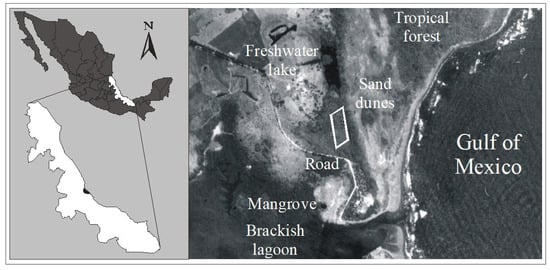
African grasses deliberately introduced for cattle forage have become among the most destructive invaders of tropical wetlands globally, yet invasion mechanisms and management strategies remain poorly understood. We conducted field experiments examining competition dynamics between the invasive African grass Echinochloa pyramidalis and native
[...] Read more.
African grasses deliberately introduced for cattle forage have become among the most destructive invaders of tropical wetlands globally, yet invasion mechanisms and management strategies remain poorly understood. We conducted field experiments examining competition dynamics between the invasive African grass Echinochloa pyramidalis and native wetland species in La Mancha, Mexico—a Ramsar site of international importance. Experiment 1 tested invasion potential within native Sagittaria lancifolia zones using four treatments: control, herbicide removal, E. pyramidalis transplant, and combined removal + transplant. Repeated-measures ANOVA showed significant treatment and time effects on invasion success, with vegetation removal facilitating invasion (relative importance value increasing from 0 to 149.4 ± 26.6 after 18 months) while transplants alone failed to establish (RIV < 7.0). Sagittaria maintained 35–48% biomass across treatments, demonstrating coexistence capacity. Experiment 2 examined natural invasion of the vegetation ecotone over 49 months. Mixed-effects models revealed that E. pyramidalis increased dominance in its zone (β = 9.98, z = 4.77, p < 0.001) but showed minimal expansion into the adjacent Sagittaria habitat, indicating propagule limitation rather than competitive exclusion as the invasion constraint. Sagittaria removal within E. pyramidalis zones significantly reduced invasion temporal increase (β = −6.44, z = −2.18, p = 0.030), suggesting biotic resistance. Results demonstrate that E. pyramidalis possesses invasion potential but requires disturbance to overcome establishment barriers. These findings support prevention-based management prioritizing disturbance limitation in intact wetlands and demonstrate that hydrological management maintaining permanent flooding (>30 cm depth) can effectively control established invasions by exploiting C4 photosynthetic limitations. Conservation implications for Mexican coastal wetlands—which lack legal protection equivalent to mangroves despite comparable ecosystem services—are discussed. These findings inform evidence-based management of African grass invasions in tropical wetlands worldwide.
Full article

Figure 1
Open AccessArticle
Selection of Morphoagronomic Traits for Screening Tropical Forage Genotypes for Waterlogging Tolerance Under Controlled Conditions
by
Clemeson Silva de Souza, Marcio de Oliveira Martins, Liana Jank, Sanzio Carvalho Lima Barrios, Carlos Mauricio Soares de Andrade, Márcia Silva de Mendonça and Giselle Mariano Lessa de Assis
Grasses 2026, 5(1), 5; https://doi.org/10.3390/grasses5010005 - 15 Jan 2026
Abstract
►▼
Show Figures
Poorly drained pastures in tropical America are recurrently degraded by Marandu Death Syndrome (MDS), affecting beef and dairy production. This study screened genotypes of Megathyrsus maximus and Urochloa spp. for waterlogging tolerance under controlled conditions to identify discriminant, easily measurable morphoagronomic traits suitable
[...] Read more.
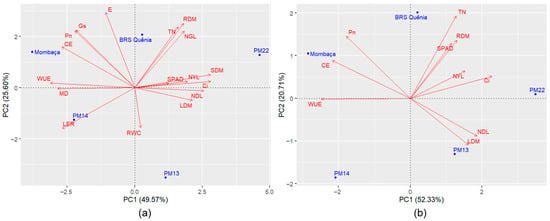
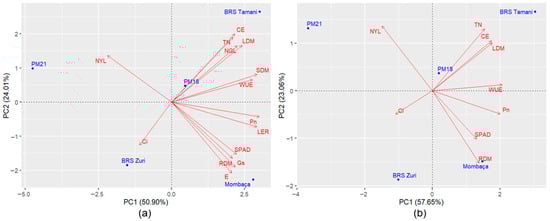
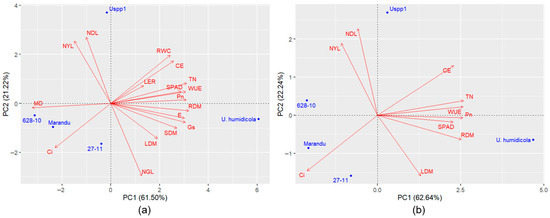
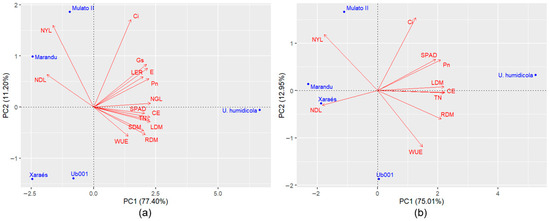
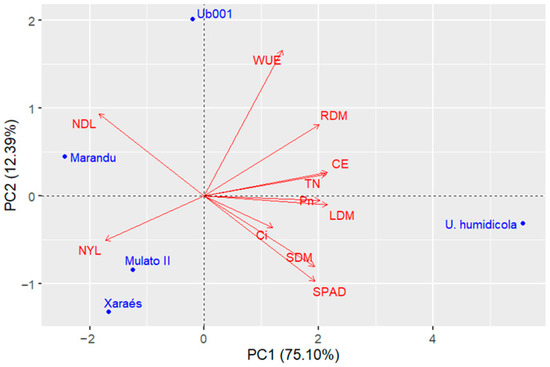
Poorly drained pastures in tropical America are recurrently degraded by Marandu Death Syndrome (MDS), affecting beef and dairy production. This study screened genotypes of Megathyrsus maximus and Urochloa spp. for waterlogging tolerance under controlled conditions to identify discriminant, easily measurable morphoagronomic traits suitable for breeding programs. Four experiments were conducted in factorial arrangement (five genotypes × two water regimes, with four replications), where morphoagronomic and physiological variables were analyzed using multivariate techniques. The first two principal components explained 75.17–88.60% of the total variation and stayed above 70% after variable reduction, without significantly altering genotype dispersion. Physiological responses showed a strong correlation with morphoagronomic traits. The most informative traits were the number of yellow and senescent leaves, number of tillers, SPAD index, leaf dry mass, and root dry mass. Genotypes were grouped by tolerance level. Among M. maximus, ‘Mombaça’ was the most tolerant, while PM13 and PM21 were the least. In Urochloa spp., U. humidicola cv. Tully was the most tolerant and ‘Marandu’ the least tolerant. Screening under controlled conditions is an alternative to distinguish genotypes with contrasting tolerance; however, because controlled environments do not fully reproduce the multifactorial nature of MDS, this approach is recommended only for early stages of breeding programs. Nevertheless, field evaluations on poorly drained soils under grazing remain essential to confirm tolerance to MDS.
Full article

Figure 1
Open AccessReview
Grasses of Campos Rupestres: Diversity, Functions and Perspectives for Seedling Production and Ecological Restoration
by
Alessandra Rodrigues Kozovits, Maurílio Assis Figueiredo and Maria Cristina Teixeira Braga Messias
Grasses 2026, 5(1), 4; https://doi.org/10.3390/grasses5010004 - 13 Jan 2026
Abstract
The Campos Rupestres, ancient and nutrient-poor mountaintop ecosystems in Brazil, harbor exceptional biodiversity and endemism but face severe threats from mining and urban expansion. Native grasses (Poaceae), represented by nearly 300 documented species—many of them poorly studied—are fundamental elements of these ecosystems. They
[...] Read more.
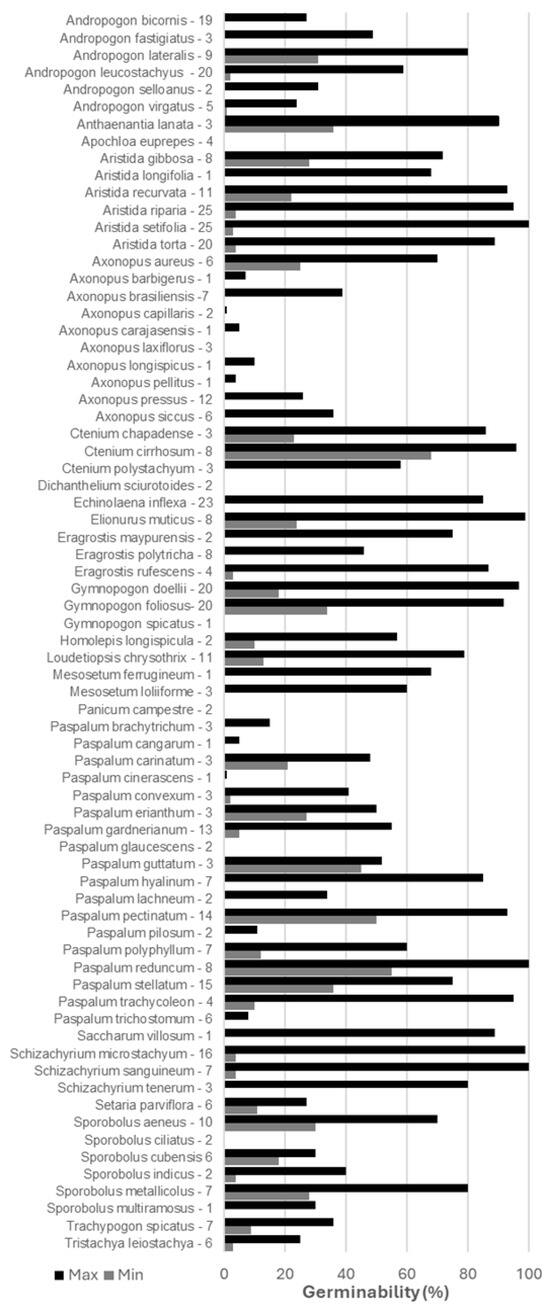
The Campos Rupestres, ancient and nutrient-poor mountaintop ecosystems in Brazil, harbor exceptional biodiversity and endemism but face severe threats from mining and urban expansion. Native grasses (Poaceae), represented by nearly 300 documented species—many of them poorly studied—are fundamental elements of these ecosystems. They provide critical ecological services, including soil stabilization, enhancing carbon storage and nutrient cycling, regulating water availability, and resilience to disturbances. This review synthesizes current knowledge on the diversity, functions, and propagation of Campos Rupestres grasses, with emphasis on their potential in ecological restoration. Despite their ecological importance, large-scale use of native grasses remains incipient, constrained by limited knowledge of reproductive biology, low seed viability, and scarce commercial seed availability. Advances in propagation include seedling and plug production, vegetative propagation, and rescue/reintroduction strategies, which have shown promising results in post-mining restoration. However, reliance on seed collection from natural populations risks depleting already limited genetic resources, highlighting the need for ex situ production systems. Expanding research on taxonomy, ecology, and cost-effective propagation methods, alongside supportive policy and market development, is crucial for integrating native grasses as cornerstone species in restoration programs. Bridging these gaps will enhance biodiversity conservation and restoration in one of the world’s most threatened megadiverse systems.
Full article
(This article belongs to the Special Issue Feature Papers in Grasses)
►▼
Show Figures

Figure 1
Open AccessFeature PaperArticle
Growth and Mineral Nutrition of Two Accessions of the Coastal Grass Species Leymus arenarius Under Chloride and Nitrate Salinity Conditions
by
Andis Karlsons, Anita Osvalde, Una Andersone-Ozola, Astra Jēkabsone and Gederts Ievinsh
Grasses 2026, 5(1), 3; https://doi.org/10.3390/grasses5010003 - 7 Jan 2026
Cited by 1
Abstract
►▼
Show Figures
Functional properties of coastal halophytes are important for development of salt-tolerant cash crop cultures. The study of salt tolerance in coastal dune-building grass Leymus arenarius holds significant importance for its application in land reclamation, soil stabilization, and enhancing crop resilience to salinity stress.
[...] Read more.
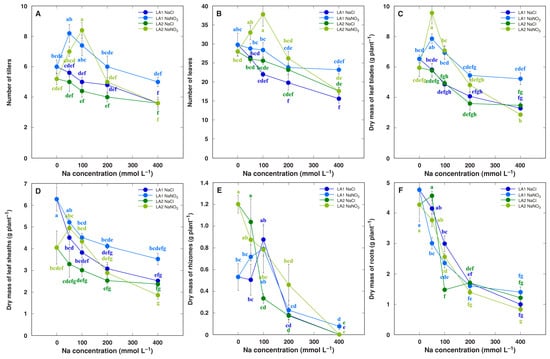
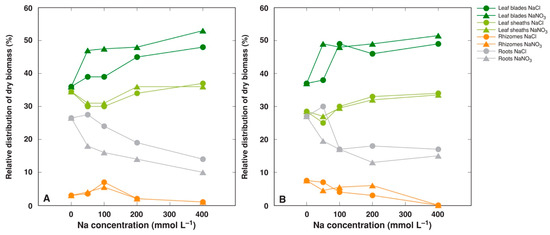
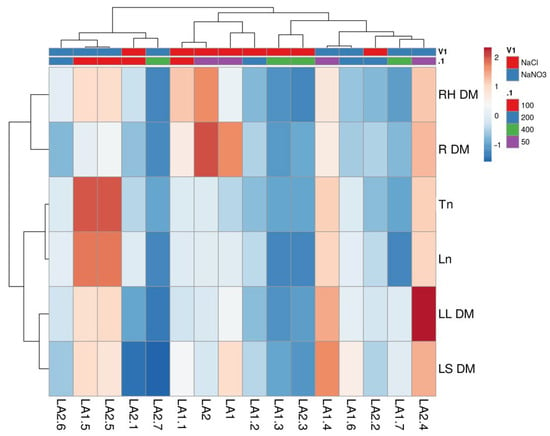
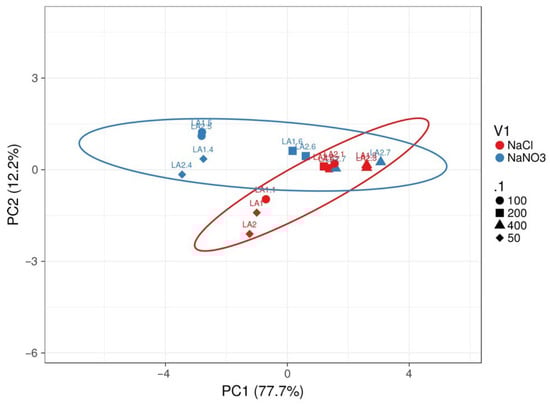
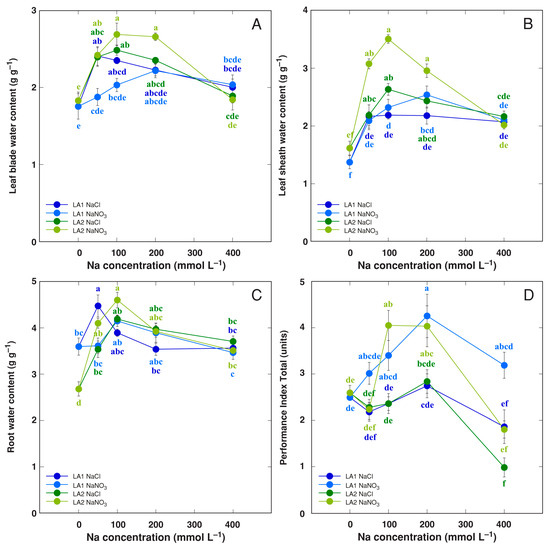
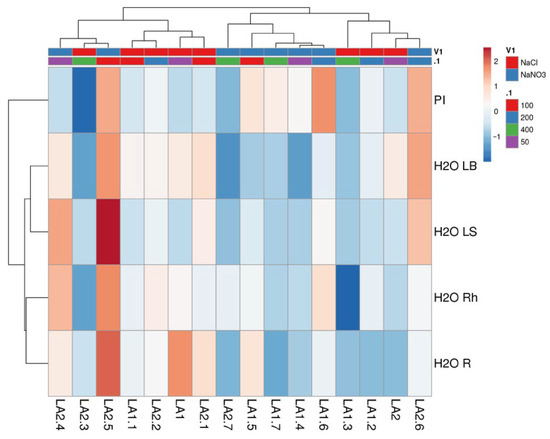
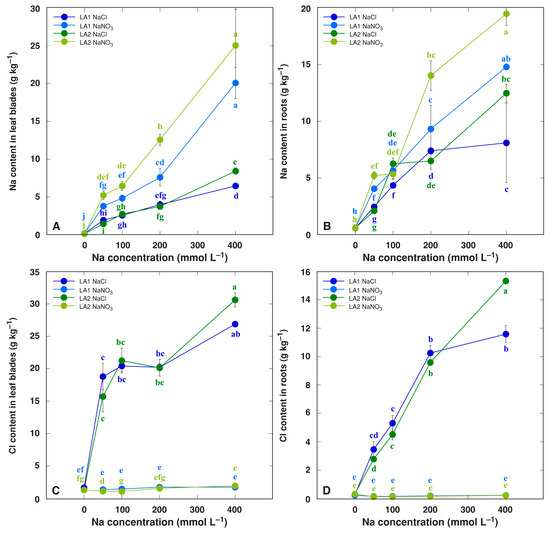
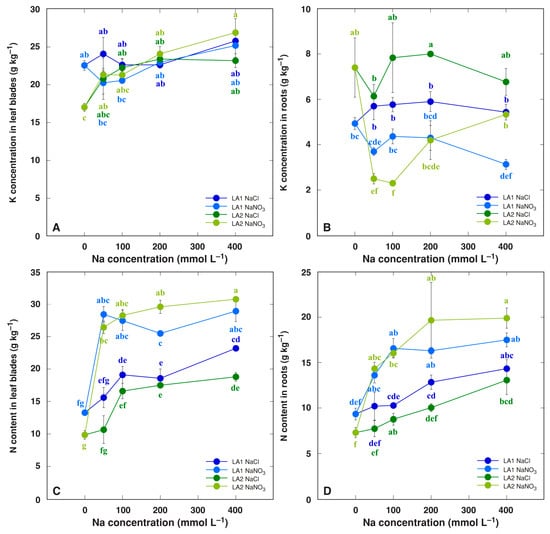
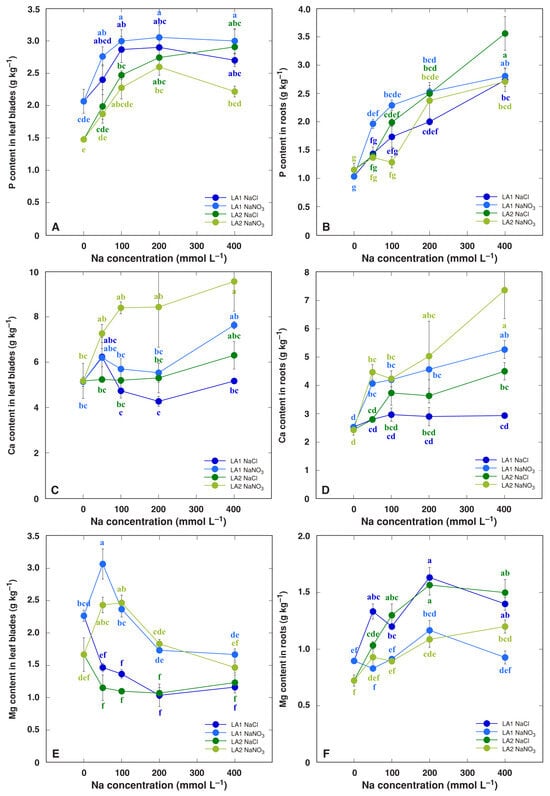
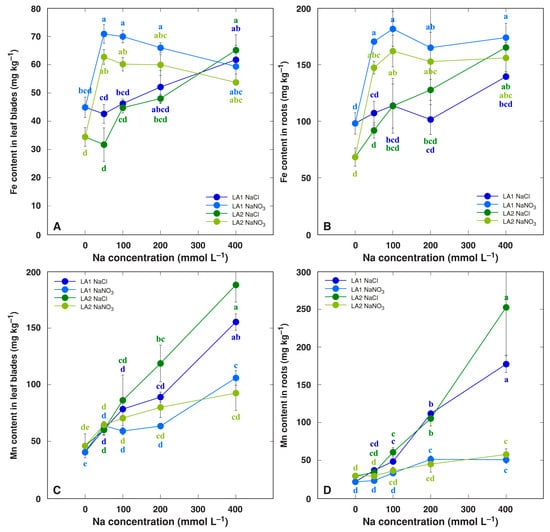
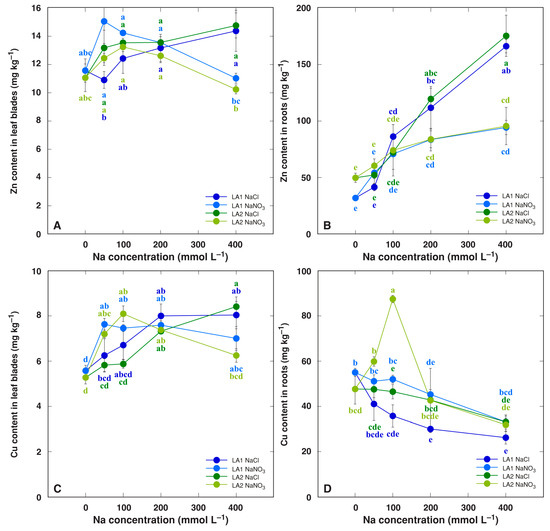
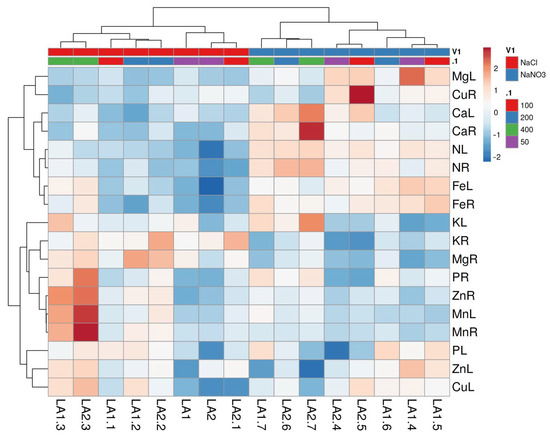
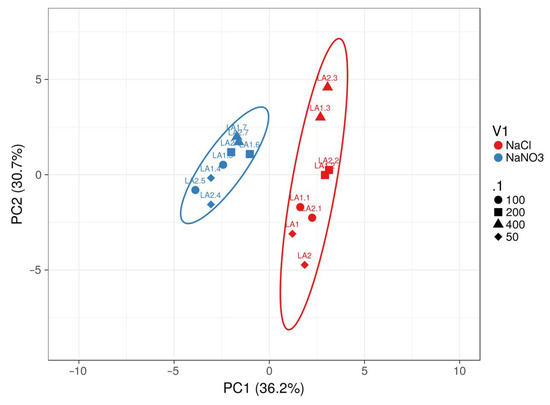
Functional properties of coastal halophytes are important for development of salt-tolerant cash crop cultures. The study of salt tolerance in coastal dune-building grass Leymus arenarius holds significant importance for its application in land reclamation, soil stabilization, and enhancing crop resilience to salinity stress. We used two accessions (LA1 and LA2) of L. arenarius to compare effects of salinity caused by NaCl and NaNO3 on growth, ion accumulation and mineral nutrition in controlled conditions. L. arenarius plants exhibited high tolerance to sodium salts, with distinct effects on growth and development observed between chloride and nitrate treatments. While both salts negatively impacted root biomass, nitrate treatment (50–100 mmol L−1) increased leaf number and biomass in LA2 plants, whereas chloride treatment decreased tiller and leaf sheath biomass. Despite individual variations, salinity treatments showed comparable effects on traits like tiller and leaf count, as well as leaf blade and sheath biomass. Salinity increased water content in leaf blades, sheaths, and roots, with LA2 plants showing the most pronounced effects. Chlorophyll a fluorescence measurements indicated a positive impact of NaNO3 treatment on photosynthesis at intermediate salt concentrations, but a decrease at high salinity, particularly in LA2 plants. The accumulation capacity for Na+ in nitrate-treated plants reached 30 and 20 g kg−1 in leaves and roots, respectively. In contrast, the accumulation capacity in chloride-treated plants was significantly lower, approximately 10 g kg−1, in both leaves and roots. Both treatments increased nitrogen, phosphorus, and manganese concentrations in leaves and roots, with varying effects on calcium, magnesium, iron, zinc, and copper concentrations depending on the type of salt and tissue. These findings highlight the potential of L. arenarius for restoring saline and nitrogen-contaminated environments and position it as a valuable model for advancing research on salt tolerance mechanisms to improve cereal crop resilience.
Full article

Figure 1
Open AccessReview
Drought-Resilience in Mexican Drylands: Integrative C4 Grasses and Forage Shrubs
by
Ma. Enriqueta Luna-Coronel, Héctor Gutiérrez-Bañuelos, Daniel García-Cervantes, Alejandro Espinoza-Canales, Luis Cuauhtémoc Muñóz-Salas and Francisco Javier Gutiérrez-Piña
Grasses 2026, 5(1), 2; https://doi.org/10.3390/grasses5010002 - 6 Jan 2026
Abstract
Grassland-based livestock systems across Mexico’s arid and semi-arid belt are increasingly exposed to drought, degrading forage reliability, and soil function. This review synthesizes evidence on native C4 grasses and forage shrubs as complementary building blocks of drought-resilient swards. We searched Web of Science,
[...] Read more.
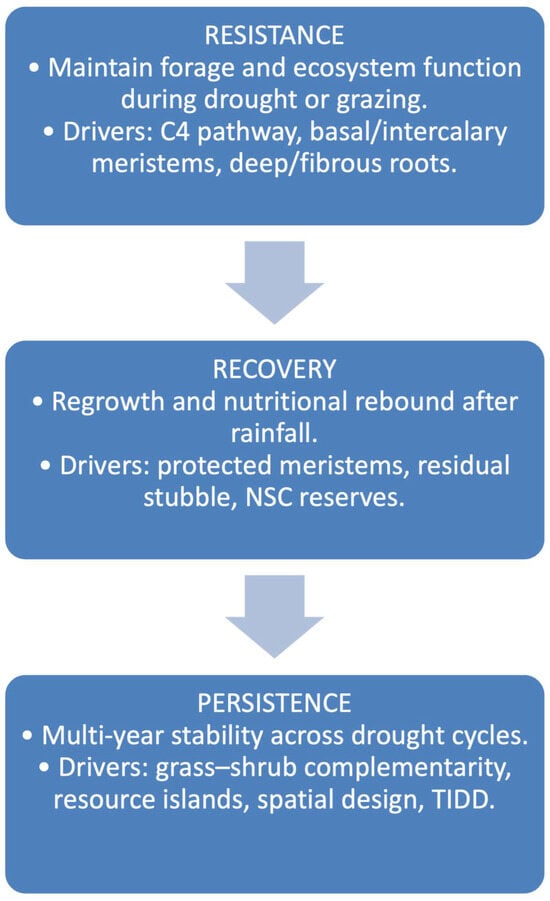
Grassland-based livestock systems across Mexico’s arid and semi-arid belt are increasingly exposed to drought, degrading forage reliability, and soil function. This review synthesizes evidence on native C4 grasses and forage shrubs as complementary building blocks of drought-resilient swards. We searched Web of Science, Scopus, CAB Abstracts and key grey sources (USDA/NRCS Plant Guides, USFS FEIS, Tropical Forages, SNICS) for 1990–2025 studies in English/Spanish. Dominant native grasses (Bouteloua spp., Hilaria belangeri, Digitaria californica, Trichloris crinita, Sporobolus airoides, Panicum hallii) provide high warm-season digestibility and structural cover via C4 physiology, basal/intercalary meristems, and deep/fibrous roots. Forage shrubs (Atriplex canescens, Desmanthus bicornutus, Leucaena leucocephala, Flourensia cernua, Prosopis spp.) bridge the dry-season protein/energy gap and create “resource islands” that enhance infiltration, provided anti-nutritional risks (mimosine/DHP, tannins, salts/oxalates, terpenoids) are managed by dose and diet mixing. We integrate these findings into a Resistance–Recovery–Persistence framework and translate them into operations: (i) site-matching rules for species/layouts, (ii) PLS (pure live seed)-based seed specifications and establishment protocols, (iii) grazing TIDD (timing–intensity–distribution–duration) with a practical monitoring dashboard (CP targets, stubble/cover thresholds, NDVI/SPEI triggers). Remaining bottlenecks are seed quality/availability and uneven extension; policy alignment on PLS procurement and regional seed increase can accelerate adoption. Mixed native grass–shrub systems are a viable, scalable pathway to strengthening drought resilience in Mexican rangelands.
Full article
(This article belongs to the Special Issue Advances in Grazing Management)
►▼
Show Figures

Figure 1
Open AccessArticle
Forage Yield of Megathyrsus maximus Cultivars Managed with Two Fertilization Rates in a Sequential Cropping System
by
Matheus Silva Rodrigues, Hemython Luis Bandeira do Nascimento, Darliane de Castro Santos, Bárbara Vieira de Freitas, Victória Caroline Sousa Rosa, Tiago do Prado Paim, Jaqueline Balbina Gomes Ferreira, Stéfany Oliveira de Souza, Victória Santos Souza and Patrick Bezerra Fernandes
Grasses 2026, 5(1), 1; https://doi.org/10.3390/grasses5010001 - 5 Jan 2026
Abstract
In the oilseed–cereal–forage system, information on the performance of grasses of the genus Megathyrsus maximus and on the optimal fertilization levels for forage production is still scarce. Therefore, this study aimed to evaluate forage yield (FY) of pastures established in crop succession systems
[...] Read more.
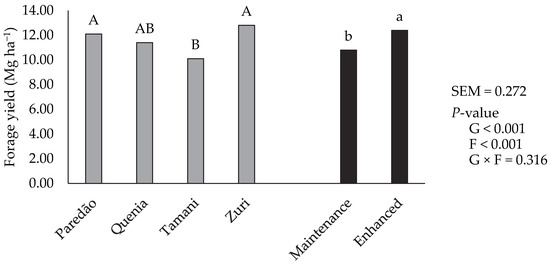
In the oilseed–cereal–forage system, information on the performance of grasses of the genus Megathyrsus maximus and on the optimal fertilization levels for forage production is still scarce. Therefore, this study aimed to evaluate forage yield (FY) of pastures established in crop succession systems and subjected to two fertilization regimes during the 2020 and 2021 growing seasons, in the municipality of Rio Verde, Brazil. The experiment evaluated four M. maximus cultivars (Paredão, Zuri, Quênia, and Tamani) under two fertilization rates: maintenance (50, 50, 20, and 3.2 kg ha−1 year−1 of N, K, S, and micronutrients, respectively) and enhanced (150, 150, 40, and 6.4 kg ha−1 year−1, respectively). The Zuri cultivar showed a higher daily forage accumulation rate and greater forage leaf mass compared with the other cultivars. In addition, the Zuri and Paredão cultivars achieved the highest FY, reaching 12.80 and 12.10 Mg ha−1, respectively. The Tamani cultivar exhibited a lower neutral detergent fiber concentration and a higher total digestible nutrient concentration, indicating its potential for systems that prioritize higher forage nutritive value. Zuri and Paredão maximize forage yield in crop succession systems, while enhanced fertilization increases yield by 15%, with adoption dependent on economic feasibility.
Full article
(This article belongs to the Special Issue The Role of Forage in Sustainable Agriculture)
►▼
Show Figures

Figure 1
Open AccessArticle
Bermudagrass Quality and Nitrogen Uptake After One Soil Surfactant and Fertilizer Application
by
Mica McMillan, Kimberly Moore, Marco Schiavon, Lyn Gettys, John Cisar and Karen Williams
Grasses 2025, 4(4), 53; https://doi.org/10.3390/grasses4040053 - 15 Dec 2025
Abstract
Nitrogen (N) uptake of managed turfgrasses in sand rootzones is of particular importance as it relates to reducing N leaching, reducing or maximizing N fertilizer applications, and optimizing overall plant quality. Two greenhouse experiments were conducted to determine if the inclusion of a
[...] Read more.
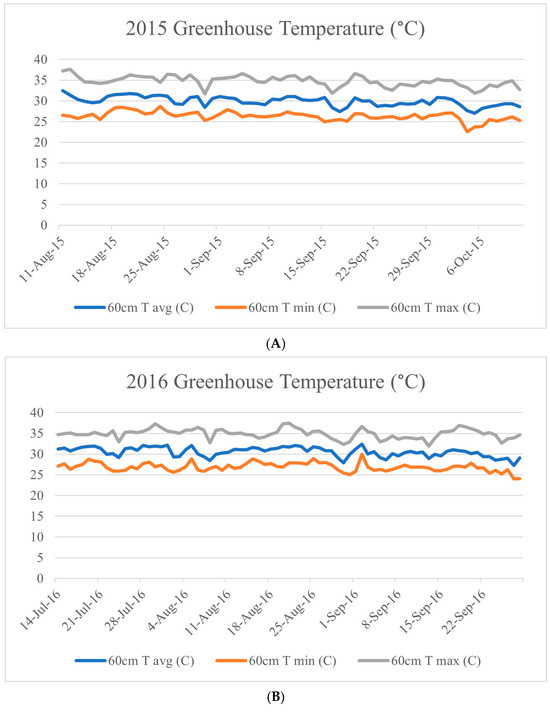
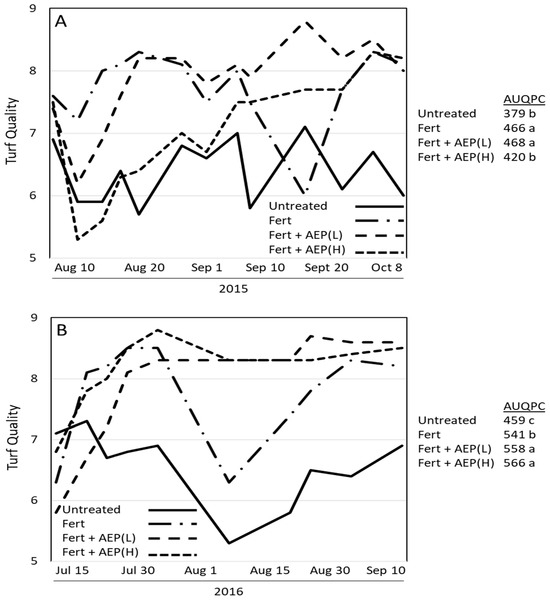
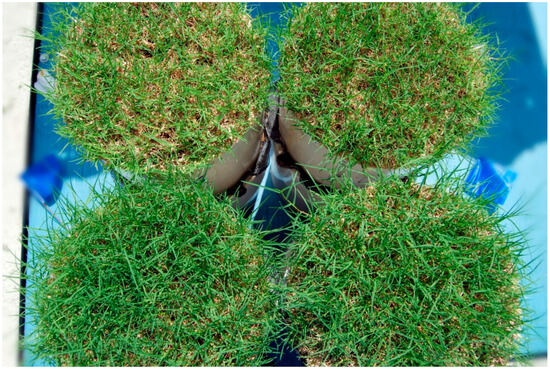
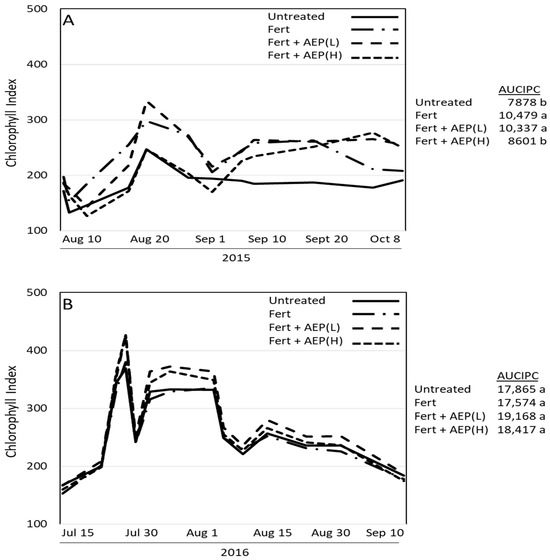
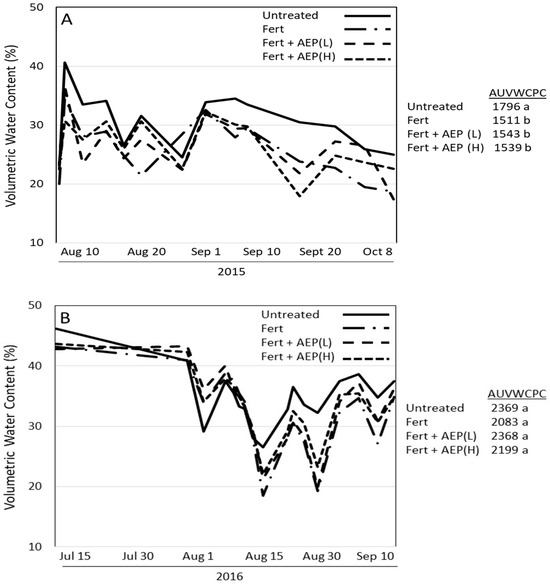
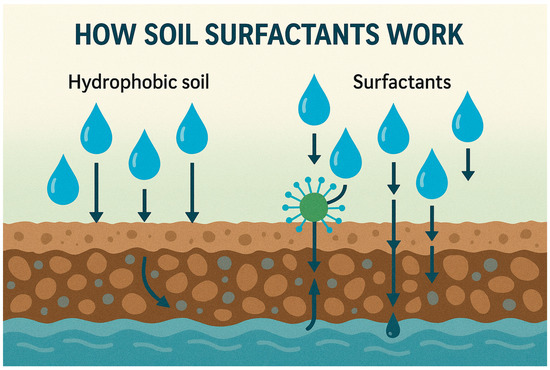
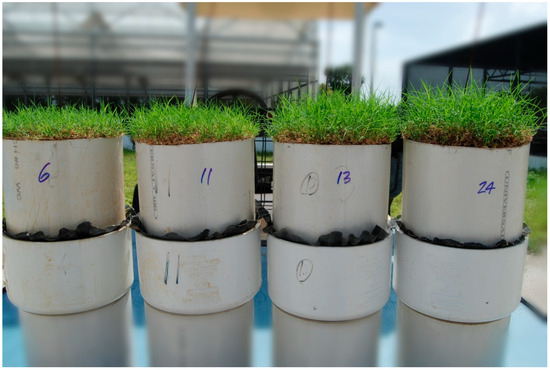
Nitrogen (N) uptake of managed turfgrasses in sand rootzones is of particular importance as it relates to reducing N leaching, reducing or maximizing N fertilizer applications, and optimizing overall plant quality. Two greenhouse experiments were conducted to determine if the inclusion of a one-time application of soil surfactant tank-mixed with ammonium sulfate fertilizer (FERT) improved fertilizer longevity and bermudagrass (Cynodon dactylon L. Pers. × C. transvaalensis Burtt-Davy, cv. ‘TifEagle’) quality (TQ), yield, leaf N content, N uptake (NUP), chlorophyll index (CI), and volumetric water content (VWC) under deficit irrigation. An untreated, fertilizer-only (Fert) (49 kg N·ha−1), and non-ionic alkylpolyglycoside/ethylene oxide-propylene oxide (AEP) was tank-mixed with fertilizer at two rates, Fert+AEP(L) (1.17 L·ha−1) or Fert+AEP(H) (1.75 L·ha−1), to determine rate efficacy. In 2015, Fert and Fert+AEP(L) significantly increased TQ and CI, while in 2016, both AEP (L and H) significantly increased only TQ. VWC was significantly greater in untreated in 2015. At the end of the trials in 2015 and 2016, yield and NUP were significantly greater in Fert+AEP(H) and Fert+AEP(L), respectively, but leaf N content was not statistically significant between all fertilizer treatments. The role of surfactants in prolonging fertilizer effectiveness under deficit irrigation warrants further investigation.
Full article
(This article belongs to the Special Issue Innovations in Turfgrass Management for Enhanced Sustainability and Conservation)
►▼
Show Figures

Figure 1
Open AccessArticle
The Influence of Meteorological Variability on Herbaceous Biomass Production in a Sahelian Semiarid Savanna Ecosystem (Dahra, Ferlo, Senegal)
by
Ousmane Diatta, Torbern Tagesson, Ousmane Ndiaye, Mohamed Badji and Simon Taugourdeau
Grasses 2025, 4(4), 52; https://doi.org/10.3390/grasses4040052 - 10 Dec 2025
Abstract
►▼
Show Figures
Savanna ecosystems of the Sahel are heavily affected by climate change, leading to drier subtropical regions. These ecosystems play a fundamental role in food security of the region, so that an improved understanding of how these ecosystems are affected by these weather events
[...] Read more.
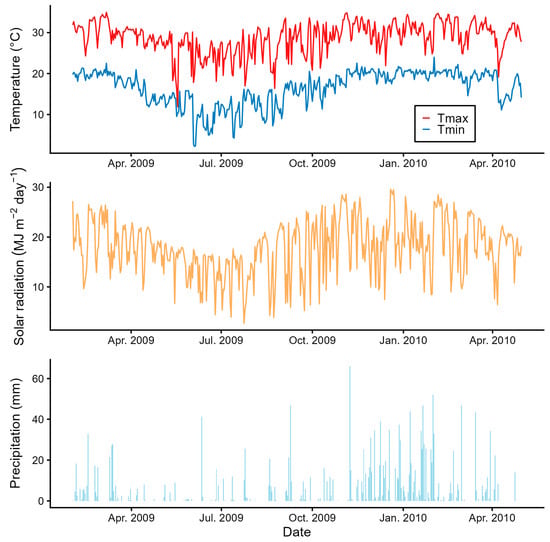
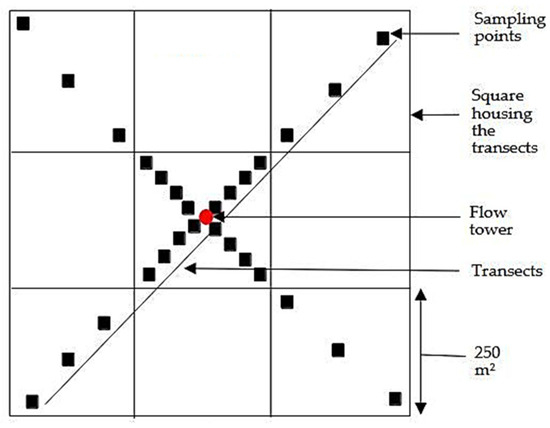
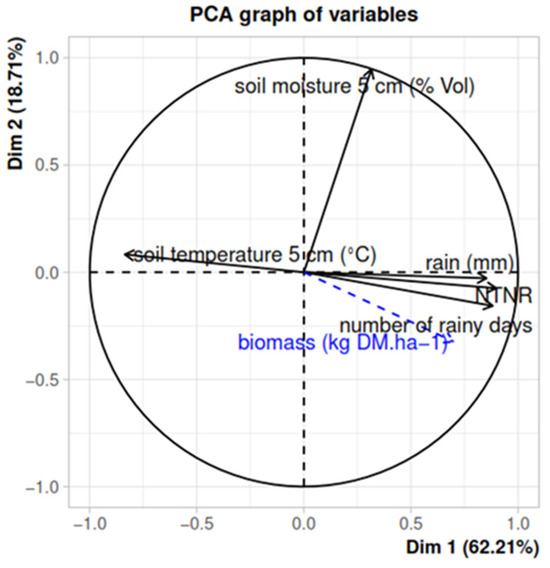
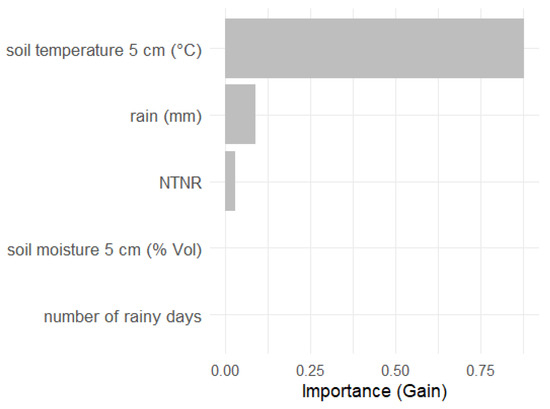
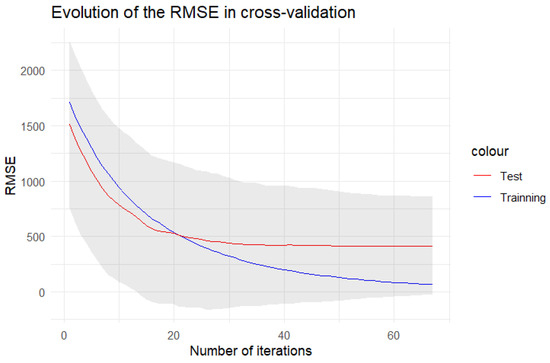
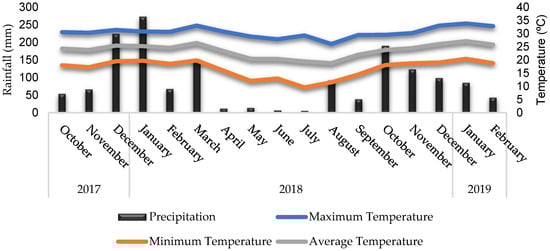
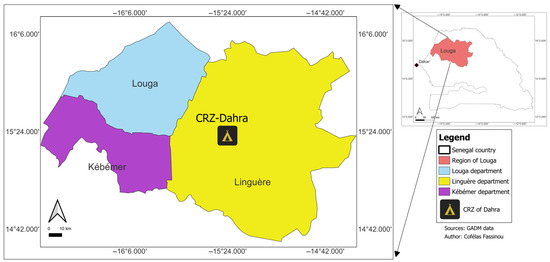
Savanna ecosystems of the Sahel are heavily affected by climate change, leading to drier subtropical regions. These ecosystems play a fundamental role in food security of the region, so that an improved understanding of how these ecosystems are affected by these weather events is thereby critical. Several studies have assessed the herbaceous production level, dynamics during the rainy season, and biotic and abiotic factors that could impact this production. Some authors argue that rain is the main factor positively influencing the biomass production in semi-arid areas where the rainfall ranges between 200 and 750 mm. This study aims to assess the contribution of some meteorological variables to biomass production in a Sahelian semiarid savannah. From 2008 to 2018, rainfall (mm), soil moisture (%), soil temperature (°C) at 5 cm depth, number of times there was no rain (NTNR), number of rainy days, and the herbaceous biomass were monitored. The contributions of meteorological variables to biomass production were calculated using the XGBoost regression model. The most influential meteorological parameters on herbaceous biomass production are soil temperature, amount, and distribution of rainfall.
Full article

Figure 1
Open AccessArticle
Multivariate Analysis of the Bioclimatic and Soil Determinants That Model the Distribution of Bidens pilosa L. in Veracruz, Mexico
by
Luis Ángel Barrera-Guzmán, Juan Guillermo Cruz-Castillo, Juan Ángel Tinoco-Rueda, Héctor Tecumshé Mojica-Zárate, Jorge Cadena-Iñiguez, Gabriela Ramírez-Ojeda, Jhusua David Reina-García and Juan Miguel Morales-Téllez
Grasses 2025, 4(4), 51; https://doi.org/10.3390/grasses4040051 - 9 Dec 2025
Abstract
►▼
Show Figures
Bidens pilosa L. is a cosmopolitan and invasive weed that strongly impacts agricultural systems in tropical regions. In Veracruz, Mexico, its presence extends mainly across mid-elevation zones where coffee, maize, and sugarcane are cultivated. This study characterized the bioclimatic and edaphic determinants of
[...] Read more.
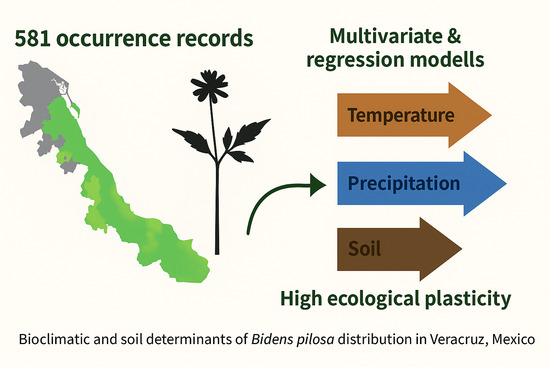
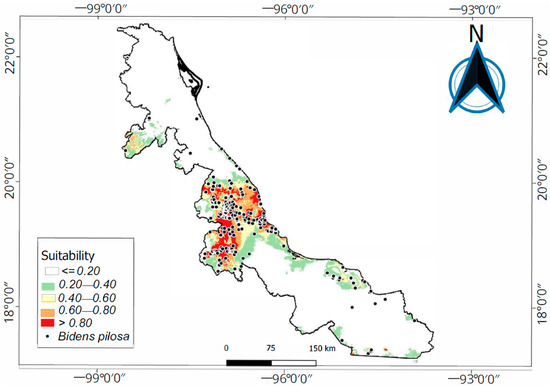
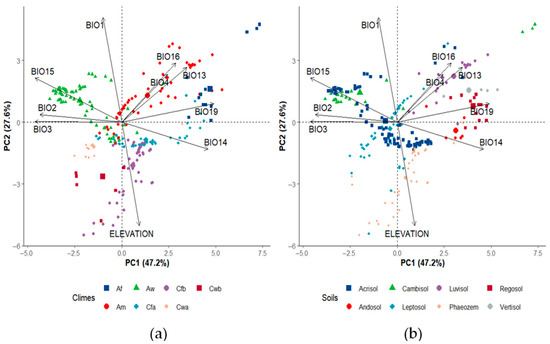
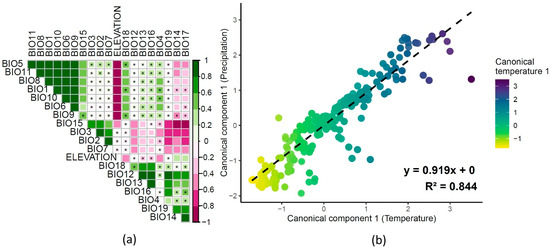
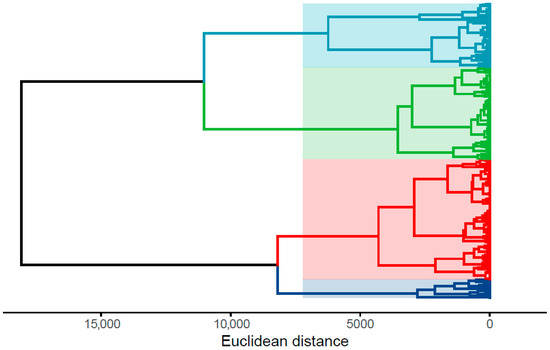
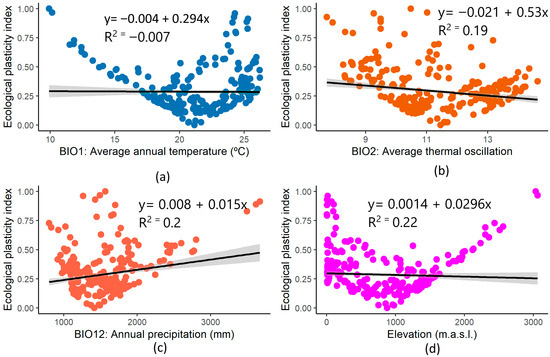
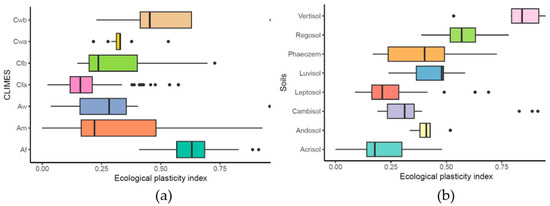
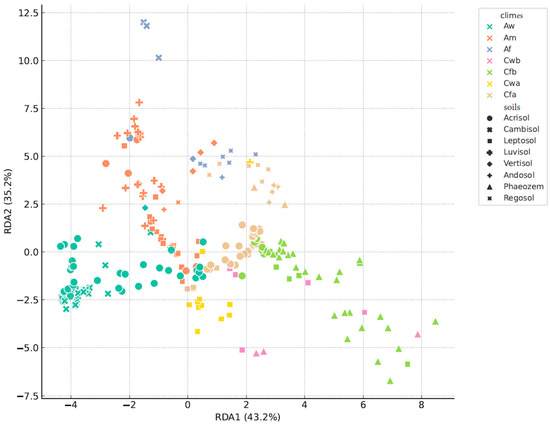
Bidens pilosa L. is a cosmopolitan and invasive weed that strongly impacts agricultural systems in tropical regions. In Veracruz, Mexico, its presence extends mainly across mid-elevation zones where coffee, maize, and sugarcane are cultivated. This study characterized the bioclimatic and edaphic determinants of B. pilosa distribution using 581 georeferenced occurrences combined with 19 bioclimatic variables, elevation, and soil data. A Maxent model revealed the highest habitat suitability (0.65–1.0) in the central mountainous region between 800 and 1500 m.a.s.l., particularly under temperate–humid climates (Cfa, Cfb) and Acrisol–Leptosol soils. Principal component and redundancy analyses showed that annual precipitation (BIO12), precipitation of the driest month (BIO14), and temperature seasonality (BIO4) explained 74.7% of the total environmental variance. Cluster analysis identified four distinct ecological groups, confirming broad ecological plasticity. These findings indicate that B. pilosa is not randomly distributed but structured along climatic and soil gradients, with precipitation and elevation as major determinants of its ecological niche. Understanding these relationships provides a quantitative framework for predicting its expansion under future climate scenarios and for designing targeted management strategies in tropical agroecosystems.
Full article

Graphical abstract
Open AccessArticle
Application of the AgS (Agricultural Crop Simulator) Model to Simulate the Biomass Production of Marandu Palisadegrass Managed Under Rotational Stocking with Cattle
by
Fernando Oliveira Bueno, Santiago Vianna Cuadra, Monique Pires Gravina de Oliveira, Fabiani Denise Bender, José Ricardo Macedo Pezzopane, Patricia Menezes Santos, Sandra Furlan Nogueira, Luciana Gerdes and Flavia Maria de Andrade Gimenes
Grasses 2025, 4(4), 50; https://doi.org/10.3390/grasses4040050 - 4 Dec 2025
Abstract
►▼
Show Figures
The use of plant growth simulation models, such as the Agricultural Crop Simulator (AgS), can support planning and management decisions in pasture-based animal production systems. AgS is a biophysical model that is being developed to focus on crops relevant to the Brazilian economy.
[...] Read more.
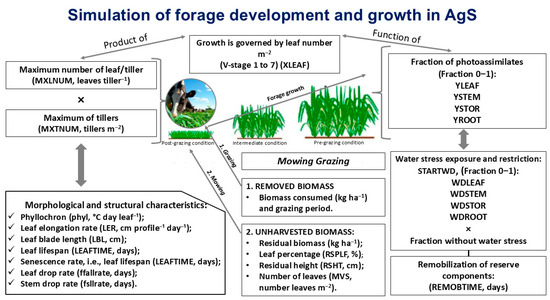
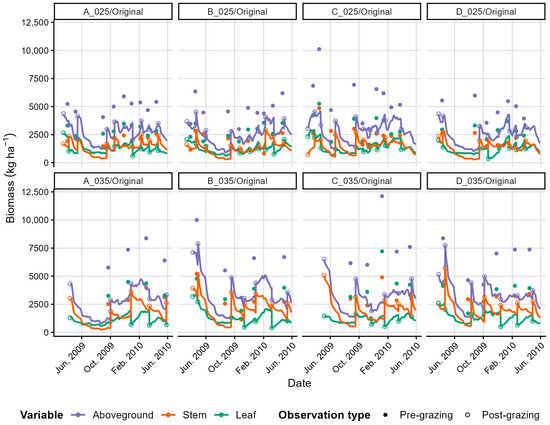
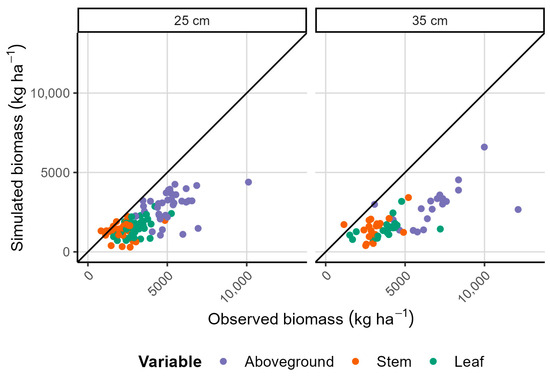
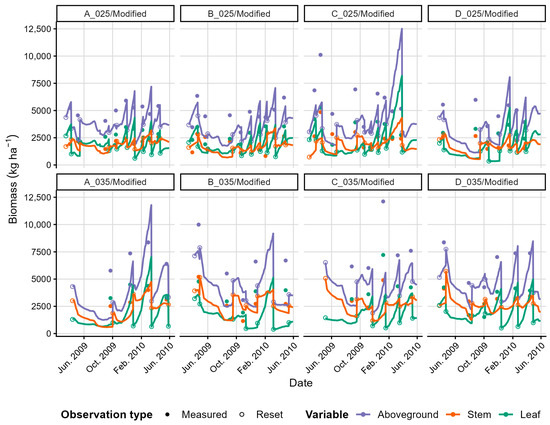
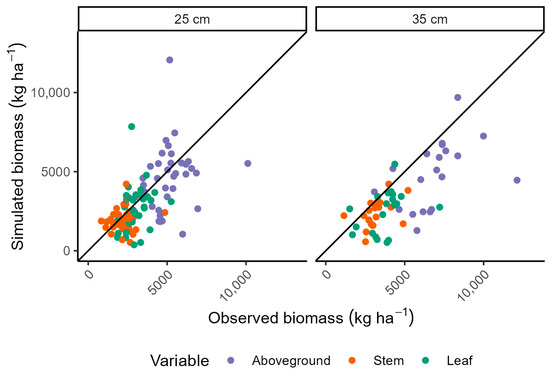
The use of plant growth simulation models, such as the Agricultural Crop Simulator (AgS), can support planning and management decisions in pasture-based animal production systems. AgS is a biophysical model that is being developed to focus on crops relevant to the Brazilian economy. Originally, the model was parameterized for Marandu palisadegrass (Urochloa brizantha cv. Marandu) under continuous stocking method and cutting regimes. The objective of this study was to parametrize and evaluate the performance of AgS in simulating Marandu palisadegrass biomass production under rotational stocking methods. Field data from an experiment assessing pre-grazing heights of Marandu palisadegrass grazed by beef cattle was used to evaluate the model. The simulations initially underestimated leaf and total biomass production, regardless of pre-grazing height. These results suggested that differences between cutting and grazing methods make additional model calibration necessary. Differences related to regrowth of leaves were addressed and the new calibration resulted in higher biomass allocation to leaves and stems, reducing the mean error in the 25 cm treatment from −1.001 to −253 kg ha−1 and the rRMSE from 41% to 34%. AgS showed potential for simulating rotational stocking after adjustments were made, and future calibrations should consider different management and environmental conditions.
Full article

Figure 1
Open AccessArticle
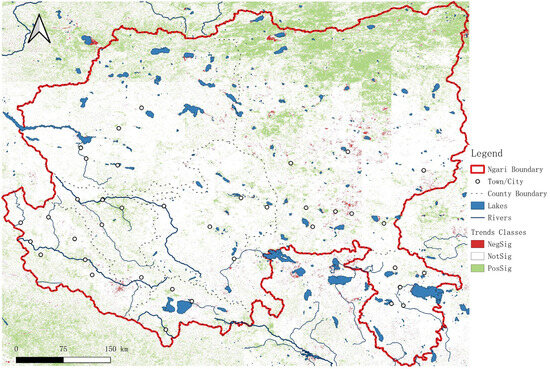
Grassland NDVI in Ngari Prefecture, Tibet Autonomous Region Remains Dominantly Increasing After Filtering Out Climatic Effects (2000–2024)
by
Haishan Niu, Tsechoe Dorji and Shiping Wang
Grasses 2025, 4(4), 49; https://doi.org/10.3390/grasses4040049 - 3 Dec 2025
Abstract
►▼
Show Figures
Numerous studies indicate that the Tibet Autonomous Region’s grasslands have experienced widespread greening since remote sensing data became available. While climate warming and moistening can drive this trend, there is growing interest in quantifying the effect of non-climatic factors, including human activities. A
[...] Read more.
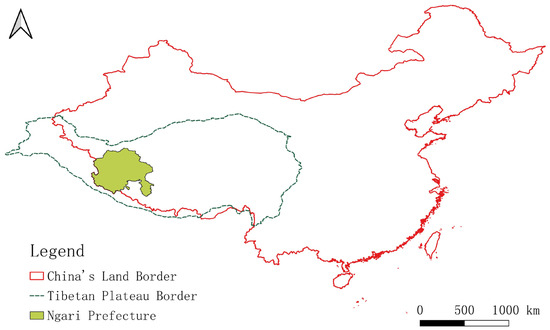
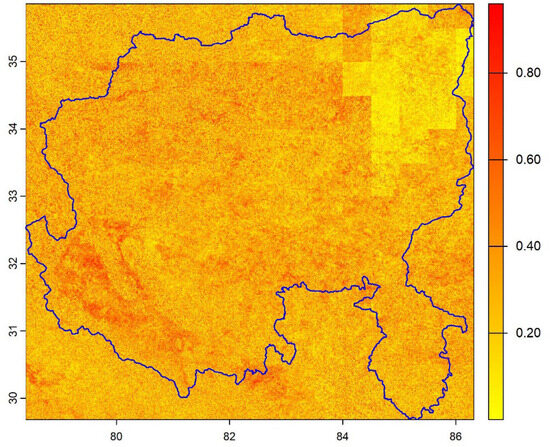
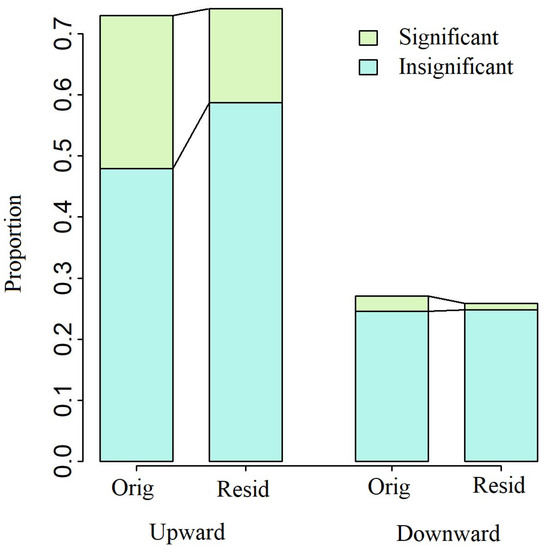
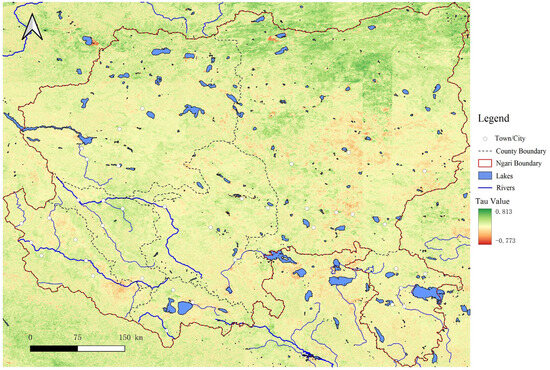
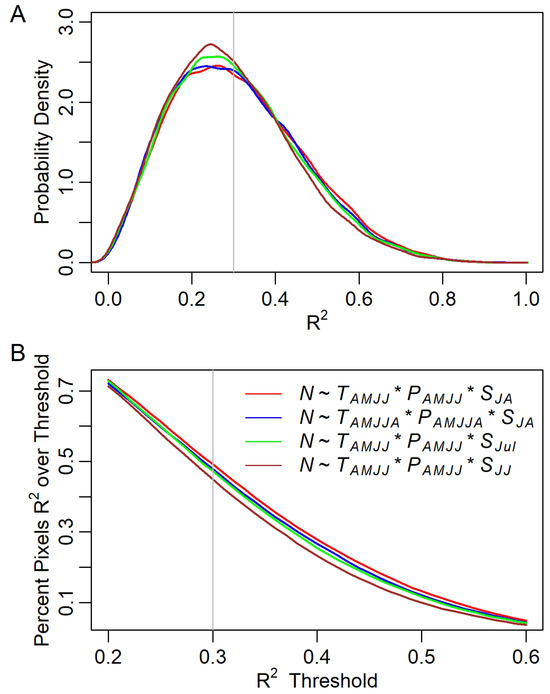
Numerous studies indicate that the Tibet Autonomous Region’s grasslands have experienced widespread greening since remote sensing data became available. While climate warming and moistening can drive this trend, there is growing interest in quantifying the effect of non-climatic factors, including human activities. A widely used method estimates these effects by comparing potential and actual vegetation productivity. This study focuses on Ngari, a region constrained by both temperature and moisture. We constructed a multiple regression model using climate variables to predict NDVI and to achieve a good fit for as many pixels as possible. Residual trends, analyzed via the Kendall Tau method, reflect vegetation dynamics after removing climatic effects—a form of statistical control. Results show that grassland NDVI in Ngari increased overall (2000–2024), with 73% of pixels showing a positive Kendall Tau (among them 34% were significant at p < 0.05). The best-performing model used July–August SPEI, April–July precipitation, and mean temperature. After removing climate effects, pixels with a positive Kendall Tau rose to 74.1% (among them 21% were significant at p < 0.05), indicating that non-climatic factors exerted a net positive influence on Ngari’s grassland trends from 2000 to 2024.
Full article

Figure 1
Highly Accessed Articles
Latest Books
E-Mail Alert
News
Topics
Topic in
Atmosphere, Drones, Forests, Grasses, Land, Sustainability
Big Data Analytics for Climate and Human Impacts on Terrestrial Ecosystems
Topic Editors: Qing Zhang, Qingfu LiuDeadline: 31 May 2026
Topic in
Agronomy, Climate, Crops, Grasses, Horticulturae, Land, Plants
Reframing Strategies for a Low Carbon Future in Agricultural Systems
Topic Editors: M. Ibrahim Khalil, Bruce OsborneDeadline: 8 October 2026
Topic in
Agriculture, Agronomy, Grasses, Microorganisms, Plants, Biology
Evaluating the Functional Value of Agroecosystems under Different Management Scenarios
Topic Editors: Yuan Li, Yangzhou Xiang, Jihui Tian, Fuhong MiaoDeadline: 31 December 2026
Topic in
Agronomy, Diversity, Ecologies, Grasses, Sustainability
Effective Strategies for Rangeland Conservation and Sustainable Management
Topic Editors: Apostolos P. Kyriazopoulos, Tong Li, Huakun Zhou, Jing Zhang, Lan LiDeadline: 29 March 2027
Conferences
Special Issues
Special Issue in
Grasses
Advances in Grazing Management
Guest Editors: Colin Tobin, Edward J. RaynorDeadline: 31 August 2026
Special Issue in
Grasses
Feature Papers in GrassesGuest Editor: Fabio GrestaDeadline: 31 December 2026
Special Issue in
Grasses
Advances in Sustainable Turfgrass Management—2nd Edition
Guest Editors: Marco Fontanelli, Mino SportelliDeadline: 31 December 2026