


Abstract
Grassland-based livestock systems across Mexico’s arid and semi-arid belt are increasingly exposed to drought, degrading forage reliability, and soil function. This review synthesizes evidence on native C4 grasses and forage shrubs as complementary building blocks of drought-resilient swards. We searched Web of Science, Scopus, CAB Abstracts and key grey sources (USDA/NRCS Plant Guides, USFS FEIS, Tropical Forages, SNICS) for 1990–2025 studies in English/Spanish. Dominant native grasses (Bouteloua spp., Hilaria belangeri, Digitaria californica, Trichloris crinita, Sporobolus airoides, Panicum hallii) provide high warm-season digestibility and structural cover via C4 physiology, basal/intercalary meristems, and deep/fibrous roots. Forage shrubs (Atriplex canescens, Desmanthus bicornutus, Leucaena leucocephala, Flourensia cernua, Prosopis spp.) bridge the dry-season protein/energy gap and create “resource islands” that enhance infiltration, provided anti-nutritional risks (mimosine/DHP, tannins, salts/oxalates, terpenoids) are managed by dose and diet mixing. We integrate these findings into a Resistance–Recovery–Persistence framework and translate them into operations: (i) site-matching rules for species/layouts, (ii) PLS (pure live seed)-based seed specifications and establishment protocols, (iii) grazing TIDD (timing–intensity–distribution–duration) with a practical monitoring dashboard (CP targets, stubble/cover thresholds, NDVI/SPEI triggers). Remaining bottlenecks are seed quality/availability and uneven extension; policy alignment on PLS procurement and regional seed increase can accelerate adoption. Mixed native grass–shrub systems are a viable, scalable pathway to strengthening drought resilience in Mexican rangelands.
1. Introduction
Grassland-based livestock systems are vital for food production and rural livelihoods in Mexico’s arid and semi-arid regions, which together cover over 60% of the national territory [1]. These landscapes are increasingly exposed to climate variability and change, mainly through more frequent, longer, and more severe droughts, which cascade into impacts on forage availability, animal productivity, and household income [2]. In this context, native forage resources, especially drought-resilient C4 grasses and browse shrubs, provide a practical way to enhance system stability by maintaining ground cover, reducing seasonal nutritional gaps, and improving soil–water function.
Degradation of rangelands in northern and central Mexico has become a major ecological and productive concern. Interacting drivers—overgrazing, erratic rainfall, limited vegetation cover, and poor pasture management—reduce herbaceous biomass, accelerate erosion, and heighten livelihood vulnerability [3,4]. At the same time, Mexico’s native flora provides a workable portfolio: dominant dryland grasses such as Bouteloua gracilis, B. eriopoda, Pleuraphis mutica, Sporobolus airoides/wrightii and B. curtipendula show ecological plasticity and forage value across the Chihuahuan Desert states, while characteristic shrubs including Flourensia cernua, Prosopis spp., Larrea tridentata and Atriplex canescens underpin dry-season function and soil–water processes; additional legumes such as Desmanthus bicornutus can complement diets and restoration in suitable sites [5,6,7].
Despite this biological capital, integration into production systems remains limited by seed availability and quality, dormancy issues, establishment failures, and gaps in extension and policy support [8,9,10]. We argue that mixed forage designs, combining site-matched native grasses with selected shrubs, can enhance drought resilience through functional complementarity in water use, phenology, rooting depth, and nutritional output [11,12,13].
Drought resilience in rangeland systems can be mechanistically interpreted through a resistance–recovery–persistence framework widely used in dryland ecology (Figure 1). Resistance refers to the capacity of vegetation to maintain structure and function—including forage production, cover and nutritive value—during water deficits or grazing pressure. Recovery describes the rate at and extent to which plants or swards regain biomass, cover and functional integrity following disturbance or drought. Persistence represents long-term survival and the ability to maintain populations and ecosystem functions across multiple drought cycles, reflecting traits such as deep rooting, dormancy capacity, protected meristems, and stable recruitment. Together, this framework provides a coherent lens for evaluating native grasses and forage shrubs in Mexican drylands, because species contribute differently to short-term resistance under rain-use stress, to seasonal or post-drought recovery, and to multi-year persistence under grazing and climatic variability. In this review, we use this framework to interpret species portfolios and management options rather than as the primary axis of organization, because functional traits and site-matching are the dominant drivers of suitability across Mexico’s heterogeneous arid and semi-arid landscapes.
Figure 1.
Resistance–Recovery–Persistence (R–R–P) framework summarizing the mechanisms through which native C4 grasses and forage shrubs contribute to drought resilience in Mexican drylands. Arrows denote the hypothesized causal pathways from management interventions and forage components to ecosystem processes and drought-resilience outcomes across drought and recovery phases.
The aim and contribution of this review are as follows: this review synthesizes current evidence on native drought-tolerant grasses and forage shrubs in Mexico and develops a trait-based, management-ready framework for their integration into grassland livestock systems to improve drought resilience. We (i) summarize ecological and productive roles of key species; (ii) present safe-use guidance for anti-nutritional compounds; (iii) detail seed quality and establishment requirements using pure live seed (PLS) specifications; and (iv) outline spatial configuration and grazing rules that translate species portfolios into resilient swards. We close by identifying adoption barriers and a practical monitoring agenda to track resistance, recovery, and persistence outcomes under drought.
Ecological and Productive Challenges in Mexican Arid and Semi-Arid Grasslands
Mexico’s arid and semi-arid grasslands face a convergence of ecological and productive challenges that threaten the sustainability of extensive livestock systems. These ecosystems, which dominate northern and central regions of the country, are characterized by low, erratic precipitation; high evapotranspiration; and shallow, erosion-prone soils, which together constrain primary production and forage reliability [14,15]. Forage supply depends largely on native vegetation and varies strongly with the timing and amount of rainfall associated with the North American Monsoon [16].
In recent years, drought episodes have become more frequent and severe across large portions of Mexico, including northern states, in association with warming trends and hydroclimatic variability; national monitoring repeatedly reports extensive drought coverage [2,17]. Drought depresses herbaceous productivity, shifts phenology, and heightens livestock vulnerability via forage shortfalls—patterns documented for semi-arid grasslands in north-central Mexico where precipitation legacies drive inter-annual carbon balance [18]. Risks are most acute in rainfed systems with limited capacity for supplemental feed or irrigation.
In many rangeland areas, human-driven pressures further exacerbate degradation. Overgrazing, especially during the dry season, leads to loss of palatable species and promotes soil compaction, reducing water infiltration and root development, and increasing erosion [19,20]. At many sites, these trends coincide with woody plant encroachment (e.g., Larrea tridentata, Prosopis glandulosa), which alters soil–plant–water dynamics and reduces herbaceous cover and forage availability [21,22]. Land-use change compounds the problem: in mineral-rich states such as Zacatecas and Coahuila, mining activities generate contaminated tailings and remove native vegetation, undermining ecological function and productive capacity of surrounding rangelands [23,24].
At the social and institutional level, adaptation is also constrained. Smallholders frequently lack access to native, drought-resilient seed and technical support; procurement rules often under-specify seed quality (purity, germination, dormancy), and drought governance emphasizes crisis response over preparedness. Regional evidence highlights gaps along the native seed supply chain, while vulnerability mapping in Mexico pin-points socio-environmental hotspots exposed to drought [25,26].
Overall, these interacting drivers have clear implications for management. Climate-driven drought, grazing pressure, woody encroachment, land-use change, and weak seed/extension systems interact to reduce forage productivity, ecological resilience, and rural livelihoods. Addressing these challenges calls for ecosystem-based strategies—trait-based portfolios of drought-resilient native grasses, strategic shrub/legume mixes, and quality-assured, site-matched seed (PLS)—coupled with spatial configuration and grazing management that stabilize herbaceous cover and seasonal nutrition [16,21,25].
Given these ecological and productive constraints, we conducted a structured review of native C4 grasses, forage shrubs, and rangeland management arrangements, as described in Section 2 (Methods).
2. Methods (Literature Search and Synthesis)
Our guiding question was: Which native C4 grasses and forage shrubs, and which management arrangements (spacing, grazing, seed systems) improve drought resilience—defined as resistance, recovery, and persistence—in Mexican arid and semi-arid rangelands.
We searched Web of Science Core Collection, Scopus, CAB Abstracts, and Google Scholar (first 200 hits per query) for records published 1990–2025 in English or Spanish. The temporal range was selected because systematic and methodologically comparable studies on forage ecology, dryland restoration, and functional traits in Mexican arid and semi-arid systems only began to appear consistently after the early 1990s. Search results in each database were sorted by relevance, and we screened the first 200 hits per query. This ceiling follows common narrative-review practice to capture the most relevant, high-impact records while maintaining a manageable screening volume. A pilot pass showed diminishing returns beyond ~150–200 records per query. To minimize omission risk, we issued complementary query formulations across databases and performed backward/forward snowballing from all included papers. To capture applied management guidance used by practitioners, we also screened grey literature from USDA-NRCS Plant Guides/Technical Notes, USFS FEIS species syntheses, Tropical Forages (CIAT/ILRI) species sheets, and Mexican regulatory sources (e.g., SNICS). Reference lists of included studies were snowballed.
Search strings (examples).
(grass OR shrub OR forage)
(grass OR grasses OR bouteloua OR hilaria OR trichloris OR sporobolus) AND (semi-arid OR arid OR chihuahuan) AND (forage OR nutrit OR CP OR digest*) AND (Mexico OR Mexican)
(atriplex OR “fourwing saltbush” OR desmanthus OR leucaena OR flourensia OR prosopis) AND (browse OR shrub OR “forage shrub”)* AND (intake OR tannin OR mimosine OR oxalat* OR digest* OR methane)*
(graz OR “row spacing” OR hedgerow OR “resource island*”)* AND (rest OR deferment OR stubble OR “browse height”)
(seed OR PLS OR “pure live seed” OR dorman* OR scarification)* AND (establish OR drill OR broadcast)* AND (Mexico OR “semi-arid”).
2.1. Inclusion Criteria
To be included in the review, studies must (i) focus on Mexico or biophysically comparable North American drylands, defined here as arid and semi-arid regions with similar aridity indices (AI < 0.5), annual precipitation below 400 mm, and vegetation dominated by C4 perennial grasses and xerophytic shrubs—including the Chihuahuan Desert, Sonoran Desert, and southern Great Basin; (ii) report on at least one focal species (native C4 grass or forage shrub) or management lever (spacing, grazing, seed establishment); (iii) provide quantitative or well-documented qualitative outcomes for forage value, animal response, vegetation/soil function, or establishment success. We included trials, long-term observations, syntheses, and species sheets with primary data or transparent sourcing.
2.2. Exclusion Criteria
Greenhouse/pot studies without field relevance; non-ruminant nutrition; purely taxonomic notes; reseeding with exclusively exotic species unless used as a comparator; duplicate records were excluded from the review.
2.3. Screening and Extraction
Two-stage screening (title/abstract; full text) was performed; disagreements were resolved by discussion. From each study we extracted: location/biome; species/ecotype; treatment (e.g., inclusion%, spacing, sowing depth); outcomes (CP, NDF/ADF/IVDMD, ADG/milk, cover/infiltration/erosion proxies, establishment rate); and key covariates (rainfall, soil texture/EC/pH, grazing regime). A summary table (Table 1) documents the screening steps, including records identified, screened, excluded with reasons, and retained for synthesis. Information summarized in Table 2 (species traits, site-matching attributes, and management relevance) was extracted directly from the primary studies included in the review or from authoritative species syntheses when primary data were explicitly referenced. Only attributes consistently reported across multiple studies were retained to ensure comparability.
Table 1.
Summary of records identified and screened.
Because many studies spanned multiple domains (C4 grasses, forage shrubs, grazing management, seed systems), we opted for a transparent screening table rather than a rigid PRISMA flow diagram, which can misrepresent integrative reviews where evidence does not subdivide cleanly across categories.
2.4. Synthesis Approach
Given heterogeneity in designs and metrics, we used narrative synthesis structured by (i) trait group (C4 grasses vs. shrubs), (ii) outcome domain (forage quality/quantity, animal performance, soil/hydrology), and (iii) management lever (seed/establishment, spatial configuration, grazing). Where comparable measures existed, we report ranges and direction of effect (↑, ↓, —).
3. Results: Synthesized Evidence from the Reviewed Studies
This section presents the outcomes of the literature review, summarizing the empirical patterns, species-level evidence, functional traits, and management responses reported across the studies included in our synthesis.
3.1. Native Grasses: Evidence on Functional Traits Relevant to Drought Resilience
Mexico possesses a wide diversity of native grass species adapted to arid and semi-arid conditions, many of which are underutilized in productive systems. These grasses have evolved morphological and physiological traits that enable them to survive under water-limited environments, making them valuable resources for sustainable forage systems under increasing drought stress [27].
Among the most prominent genera in dryland regions are Bouteloua, Hilaria, Trichloris, and Sporobolus. Species such as Bouteloua curtipendula (sideoats grama), Hilaria belangeri (curly mesquite), and Trichloris crinita (false Rhodes grass) are widely distributed across northern Mexico and are characterized by their tolerance to prolonged dry periods, low fertility soils, and grazing pressure [28,29,30]. These grasses exhibit deep and fibrous root systems, early phenological development, and the capacity to enter dormancy under extreme conditions [31].
3.2. Grass Species Portfolio Identified in the Reviewed Literature as Priority Candidates
A trait-based lens clarifies why native grasses underpin drought-resilient forage systems in Mexican drylands. First, the dominance of C4 photosynthesis among key genera (e.g., Bouteloua, Hilaria, Trichloris, Sporobolus, Digitaria) confers higher photosynthetic capacity and water-use efficiency at high temperature and light, typical of arid/semi-arid rangelands [32,33,34,35]. Second, morpho-anatomical traits—basal and intercalary meristems positioned near the soil surface, fibrous/deeper root systems, and the ability to enter dormancy—buffer plants against water deficits and defoliation; notably, leaf bases and meristematic tissues rank among the most dehydration-tolerant organs in grasses, enabling survival through severe dry spells [36]. Third, defoliation responses depend on meristem location and the balance between current photosynthesis and non-structural carbohydrates (NSC): moderate defoliation with adequate residual leaf area supports rapid regrowth from current assimilates, whereas severe and frequent defoliation forces reliance on NSC at the expense of root growth and tiller recruitment [37,38]. Finally, intra-group variation matters: C4 grass lineages differ in hydraulic and leaf economic traits related to aridity niches [39,40], and Mexico harbors locally adapted ecotypes (e.g., Bouteloua curtipendula) whose genetic structure and environmental niches should guide site-matched seed sourcing [28,41]. Together, selecting and combining species by functional traits—photosynthetic pathway (C3/C4), growth form (bunch vs. stoloniferous), rooting depth, phenology/dormancy, and grazing tolerance—provides a mechanistic, locally adaptable basis for mixtures that stabilize forage supply across wet–dry periods while sustaining ground cover and soil function, avoiding severe defoliation by maintaining residual leaf area to protect basal meristems and speed recovery [37].
The portfolio—that is, the set of functionally complementary native grasses identified as priority candidates for drought-resilient forage systems—prioritizes widely distributed C4 grasses in northern Mexico with evidence of suitability under water stress and poor soils. Recent niche-modeling and eco-geographic analyses highlight Bouteloua curtipendula, B. gracilis, B. eriopoda, Pleuraphis mutica, Sporobolus airoides/S. wrightii, plus regional complements such as Hilaria belangeri, Digitaria californica, and Trichloris crinita [28,42,43].
Evidence from the reviewed studies identifies several species as strong candidates across contrasting soil–climate conditions. Pleuraphis mutica (tobosa) dominates clayey plains and forms dense swards that stabilize surfaces, while Sporobolus airoides/S. wrightii (alkali sacatons) perform well on saline–alkaline flats and are frequently used in erosion-control and revegetation projects [44]. Bouteloua gracilis, B. eriopoda, and B. curtipendula remain the structural backbone of many Chihuahuan grasslands, combining grazing resilience with drought tolerance when adequate residual biomass is maintained. Hilaria belangeri (curly mesquite) persists on shallow or rocky soils, offering reliable though moderate forage yields [45]. Digitaria californica provides early-season palatability and has well-documented seed-increase and establishment protocols [46], whereas Trichloris crinita (feather fingergrass) contributes genetic and physiological variation useful for restoration under drought and salinity stress [29].
Regarding seed origin and establishment, evidence indicates that using local ecotypes or short-distance transfers guided by genetic structure and niche dynamics is preferable when feasible [41,42]. For rainfed establishment: prepare a clean, firm seedbed; sow ~0.5–1.5 cm deep (up to 2.0 cm for larger seeds) depending on seed size; calibrate by pure live seed (PLS); ensure firm seed–soil contact (roller/cultipacker). Both native-seed drill or broadcast + firming can work if early competition is controlled; field trials report comparable outcomes when execution is correct [47]. Plan post-seeding rest (≥1 wet-season) before full grazing loads.
Table 2.
Native C4 grasses for Mexican semi-arid rangelands: key traits, site match, seasonal forage value, and recommended use.
3.3. Forage Value and Nutritional Constraints in Grasses
Across Mexico’s drylands, native C4 grasses deliver good nutritive value during the growing season, but quality declines sharply as stands mature and dry, driven by rising cell-wall fractions (NDF/ADF), lignification, and shorter “green windows” [57,58]. In northeastern Mexico, multi-species trials showed crude protein (CP) grand means near 10–14% (100–140 g kg−1 DM) in the wet season, with higher effective DM degradability (EDDM) in summer–autumn than winter–spring [58].
Hilaria belangeri (curly mesquite) can peak near ~13% CP in late summer and drop to ~2% CP by early winter, illustrating the magnitude of seasonal decline in arid climates [45]. Digitaria californica typically shows ~6–13% CP and high NDF (~69–75%) with ~42% in vitro DM digestibility, reinforcing the need to time use to vegetative stages [46,59]. Sporobolus airoides contributes reliable cover on saline–alkaline flats but “does not cure as a palatable winter feed,” so target green-season use or pair with complementary forages [44,51].
A broader pattern across these grasses is that as the season advances, NDF/ADF increase and CP/digestibility fall, a pattern seen in Mexico and in Great Basin datasets [57,60]. When diet CP < ~7% DM, rumen bacteria and intake are constrained, explaining reduced performance on dormant C4 swards [61,62]. In Mexican trials, several grasses met maintenance CP (~7%) year-round, but energy (ME/EDDM) often limited performance in the dry season—hence the value of strategic supplementation and/or protein-richer companions [58]. At pasture scale, favor defoliation timing that keeps a fraction of the sward in vegetative or early-reproductive stages (higher CP/IVDMD) and protect residual leaf area to support regrowth. On saline–alkaline or shallow soils, assign site-matched species (S. airoides, H. belangeri, Bouteloua spp.) and align grazing with their best nutritive windows [58].
3.4. Seeds Systems, Establishment, and Adoption
Several patterns identified in this section reflect broadly recognized mechanisms across dryland ecosystems worldwide, such as the dominance of C4 grasses under high-temperature regimes, grazing-mediated shifts in functional composition, and the formation of resource islands under shrub cover. Where relevant, we indicate when these trends are consistent with global dryland literature and when they represent novel or region-specific features of Mexican arid and semi-arid rangelands. Novel insights mainly arise from locally adapted ecotypes, pronounced soil salinity gradients, and management legacies (e.g., continuous grazing, low-input seed systems) that shape species performance in ways not fully described for other North American deserts.
A reliable supply of high-quality native seed remains the most frequently cited bottleneck for scaling revegetation and drought-resilient forage systems [9,25]. Effective seed systems integrate (i) selection and innovation (trait- and site-matched species/ecotypes), (ii) production and increase (field multiplications, seed banks), (iii) market access, (iv) quality assurance (identity, purity, viability), and (v) an enabling environment (procurement standards, extension, and policy). Comparative assessments for Latin America highlight gaps along the native seed supply chain—particularly for C4 grasses—leading to inconsistent availability and variable lot quality [25]. These responses mirror patterns observed in the Chihuahuan, Sonoran, and Patagonian drylands, yet the magnitude and direction of the effects in our synthesis reflect region-specific traits and management histories unique to Mexican systems.
Regarding seed origin, where feasible, use local ecotypes or short-distance transfers guided by genetic structure and environmental niche analyses to sustain performance and persistence [28,41]. This “site-matching” approach reduces maladaptation risks (phenology mismatch, poor establishment) and supports long-term stand stability.
Similarly, ensuring seed quality is essential. Specify purchases and seeding rates in Pure Live Seed (PLS) to normalize across lots (PLS = %purity × %germination), and require labels/analyses reporting purity, germination, dormant/hard seed, and test dates [63,64]. For many warm-season C4 grasses, post-maturation after-ripening, scarification/etching, and moisture-temperature control can reduce dormancy and improve field emergence [65]. Without these controls—and without early weed/cover management—projects can lose 50–90% of seed to failed establishment, stressing already constrained supply chains [66].
For field establishment under rainfed conditions, prepare a clean, firm seedbed; sow ~0.5–1.5 cm deep (species-dependent); calibrate mixtures by PLS; ensure firm seed–soil contact (roller/cultipacker); and control early competition. Comparative field trials show that native-seed drills and broadcast + firming can perform comparably when execution is rigorous [47]. Plan post-seeding deferment (≥one wet-season cycle) before full stocking. At program level, adoption accelerates when procurement mandates PLS-based specs and native content, and when demonstration plots de-risk decisions for producers [25].
At the regulatory level, Mexico’s legal/certification framework (e.g., Ley Federal de Producción, Certificación y Comercio de Semillas—LFPCCS; SNICS procedures) provides categories and grading rules to safeguard genetic identity and quality. Aligning procurement and extension with these schemes improves traceability and trust [10,67].
In practical terms, adoption hinges on the right seed, specified the right way, and sown the right way: site-matched origin; PLS-based lots with dormancy addressed; strict establishment protocols; planned deferment; and supportive procurement/extension that reduce producer risk.
3.5. Practical Synthesis and Decision Rules
Native C4 grasses provide the trait-based backbone for drought-resilient forage in Mexican drylands: basal/intercalary meristems, deep/fibrous roots, and dormancy sustain stands under heat and water stress, yielding high nutritive value in the growing season but a predictable protein/energy decline in the dry season [32,57,58,68]. The practical implication is straightforward: anchor the sward with native grasses in rains and early post-rains, and deliberately close the dry-season gap with protein-richer shrubs/legumes or targeted supplements, timed by phenology. Scaling this strategy depends on site-matched seed sources (local/short-distance ecotypes), PLS-specified lots with dormancy managed, and rigorous establishment + deferment, supported by procurement/extension that de-risk adoption [9,25,28,41,47]. Routine monitoring (e.g., NDVI trends, seasonal drought indices) should guide grazing windows and rest periods so that mixtures deliver stable forage while maintaining ground cover and soil function.
Operationally, key takeaways include: (i) anchor with native C4 grasses; (ii) close the dry-season gap with shrub/legume protein or supplementation; (iii) insist on site-matched, PLS seed and strict establishment + deferment; (iv) use simple indicators (CP/NDF by season, NDVI/SPEI) to time use and rest.
4. Forage Shrubs in Mexican Livestock Systems: Roles, Adaptation, and Limitations
Forage shrubs occupy a distinct ecological and nutritional niche in Mexican drylands and therefore require separate treatment from native C4 grasses. Whereas grasses structure the herbaceous layer and drive seasonal forage supply, shrubs buffer protein and energy gaps during the dry season, modify microclimate, and contribute to soil stability and nutrient retention. Their contributions, however, are mediated by species-specific traits, secondary compounds, establishment constraints, and strong environmental filters. This section synthesizes the evidence on the functional roles, species portfolios, nutritional constraints, establishment requirements, and environmental fit of forage shrubs in arid and semi-arid Mexican livestock systems.
4.1. Functional Traits and Ecological Roles of Forage Shrubs
In Mexico’s arid and semi-arid rangelands, forage shrubs complement native C4 grasses by buffering the dry-season feed gap with relatively protein-rich biomass and by providing ecosystem functions that underpin system stability. Beyond browse, shrubs can moderate microclimate, enhance infiltration and soil stability, and contribute to carbon storage within silvopastoral mosaics—benefits documented for drylands and, specifically, for livestock landscapes in Mexico [69].
Across Mexico’s drylands, shrubs act as a dry-season buffer that complements native C4 grasses. As herbaceous stands senesce and crude protein (CP) declines, many browse species retain higher CP and provide minerals and secondary compounds that can stabilize diets—especially for goats and mixed small-ruminant systems [70]. In northern Mexico, goats consistently incorporate 45–62% shrubs year-round, underscoring their functional importance when green grass is scarce [71].
Saltbush (Atriplex canescens) illustrates the seasonal function of shrubs in Mexican drylands: it retains useful protein and minerals during the cool–dry season, when grasses senesce, although its high ash/Na content requires free access to water and pairing with low-salt energy feeds [72,73,74].
Shrub legumes such as Desmanthus bicornutus contribute protein and, in some cases, functional tannins; their performance in warm semi-arid environments and positive responses in mixed diets support their role as dry-season protein supplements [75,76,77,78].
Leucaena leucocephala provides high crude protein and strong regrowth capacity but is constrained by mimosine/DHP toxicity risks and frost sensitivity, requiring warm sites and careful management (gradual adaptation, mixed diets) [79,80].
Prosopis pods offer fermentable energy and can help close seasonal energy gaps when combined with adequate protein and fiber, provided inclusion levels are moderate [81,82].
Secondary compounds shape safe use. Flourensia cernua contains terpenoids and sesquiterpene lactones that may reduce intake when fed alone or at high inclusion, which favors mixed diets and timing to palatable phenophases [70,83]. By contrast, low–moderate condensed tannins in some legumes can improve rumen protein use and sometimes reduce methane, though responses vary with dose and context [83,84,85].
In synthesis, shrubs in semi-arid Mexican systems should be planned as seasonal complements: Atriplex (winter CP + minerals, with water access), Desmanthus or Leucaena (protein lift where climate allows), and Prosopis pods (energy pulses) blended with native grasses. This mix targets the predictable dry-season protein/energy gap, while respecting species-specific constraints (salt load, anti-nutritional factors) and animal class (goats vs. sheep vs. cattle).
4.2. Species Portfolio: Forage Shrubs
A workable portfolio in Mexican drylands includes halophytes (e.g., Atriplex canescens), nitrogen-fixing legumes (Desmanthus bicornutus, Leucaena leucocephala), aromatic/composite shrubs (e.g., Flourensia cernua), and pod-producing trees (Prosopis spp.). Atriplex canescens is widely used in northern Mexico and retains useful crude protein (≈8–14%+) into the cool/dry season while tolerating salinity and drought [6,72]. Legume shrubs can lift dietary CP and, in the case of Desmanthus, have shown animal-performance gains when intercropped with buffelgrass and favorable in situ degradability [75,76]. Prosopis pods supply fermentable energy (high TDN, sugars) and are used opportunistically in many drylands [74,81].
Our portfolio prioritizes shrubs that close the dry-season gap and broaden site coverage across Mexican semi-arid rangelands. Halophytes such as Atriplex canescens supply winter protein and vitamins on saline–alkaline flats; leguminous shrubs (Desmanthus bicornutus, Leucaena leucocephala) lift dietary CP where warm, frost-safe sites allow, with attention to tannins or mimosine management; aromatic composites like Flourensia cernua add browse and landscape functions but require mixed inclusion to avoid intake depression; and pod-producers (Prosopis spp.) provide fermentable energy pulses that pair well with protein sources. In practice, shrubs are seasonal complements to native C4 grasses rather than stand-alone feeds. Species-to-site assignment and safe use—including inclusion ranges, anti-nutritional constraints, water needs for halophytes, and establishment options—are summarized in Table 3.
Table 3.
Forage shrubs for Mexican semi-arid rangelands: seasonal role, adaptation traits, safe-use notes, site-matching, and practical management.
4.3. Forage Value and Anti-Nutritional Constraints
Designing shrub-based diets in Mexican semi-arid systems requires attention to a short list of compounds that affect intake, rumen function, and animal health. Mimosine → DHP in Leucaena leucocephala can depress intake and affect thyroid function in non-adapted stock; rumen adaptation (incl. Synergistes jonesii) and mixed diets reduce risk. Condensed tannins (CT) in shrub legumes such as Desmanthus bicornutus can improve rumen protein use at moderate doses but lower intake/digestibility when excessive. Terpenoids/sesquiterpene lactones in Flourensia cernua drive aversiveness at high inclusion; thus, use only as a minor, mixed component. Saltbush (Atriplex canescens) foliage carries high ash/Na and variable oxalates, increasing water need and discouraging exclusive feeding; it is best as a protein–mineral complement alongside low-salt energy feeds with free water available. Prosopis pods contain tannins/low alkaloids and can support energy supply when processed and kept to moderate inclusion; prolonged heavy reliance is undesirable. While Dalea bicolor was not evaluated for specific secondary compounds in the Zacatecas study, its profile and producer use in semi-arid rangelands support deployment as a moderate-inclusion protein complement alongside grasses [89].
Operationally, the rules that emerge from the reviewed evidence are: (i) mix shrubs with grasses/other forages; (ii) manage dose; and (iii) ensure adaptation and monitoring (animal class, season, water availability, and diet balance). All species-specific limits, seasonal windows, and mitigations are summarized in Table 4.
Table 4.
Anti-nutritional compounds in key forage shrubs and practical inclusion limits for Mexican semi-arid systems.
Leucaena leucocephala combines high CP with mimosine/DHP toxicity risks and frost sensitivity—constraints that require rumen inoculation/management and warm sites [79,80]. Flourensia cernua (tarbush) provides browse and landscape functions but contains terpenoids/sesquiterpene lactones that can depress intake if used as a sole feed [83]. Practical use therefore emphasizes mixtures, moderate inclusion, and phenology-timed grazing. Moreover, scaling shrub options depends on seed/seedling supply chains (quality-assured, site-matched) and targeted extension—recognized bottlenecks across Latin America’s native seed sector [25].
4.4. Seed Systems and Establishment Requirements of Shrubs
Shrub establishment in Mexican semi-arid rangelands fails most often for three reasons: (i) seed-lot quality (excess hard seed/dormancy, low purity/viability), (ii) mismatched depth/timing relative to rainfall pulses, and (iii) early competition from weeds or existing grasses. To reduce risk, specify purchases and seeding rates in pure live seed (PLS = %purity × %germination) and require labels reporting purity, germination, hard seed (dormant), test date, and weed status [10,64]. Dormancy management is species-specific—e.g., scarification is mandatory for hard-seeded legumes such as Desmanthus; for halophytes such as Atriplex, shallow placement and firm seed–soil contact buffer salt/water spikes at the surface [75,87].
Sowing windows align with climate and species: late fall/very early spring for Atriplex canescens; early rainy season for warm-season legumes (Desmanthus, Leucaena). Depths are shallow (≈0.5–2.0 cm) and should be measured after firming. Where shrubs are interseeded into grass, use a suppressive strip/sod-seeding approach and defer grazing through the first wet season. Species-level specifications—windows, depths, dormancy preparations, rates/layouts, and deferment rules—are summarized in Table 5, which also lists minimum seed specifications to standardize procurement across suppliers.
Table 5.
Establishment matrix and minimum seed specifications for focal shrubs in Mexican semi-arid rangelands.
4.5. Spatial Configuration and Grazing Management
Design principles. Spatial layout determines how shrubs contribute to forage, soil protection, and water use. Well-spaced rows or patches can create resource islands—zones of higher infiltration and nutrients that support understory grasses—without letting woody dominance suppress herbaceous cover [74,87]. Nurse-shrub effects (microclimate buffering, safe-site creation) are strongest under moderate stress and in designs that retain inter-row grass for ground cover and water capture [12,105].
4.5.1. Row/Patch Geometry (By Shrub Type)
Leucaena hedgerows (warm, frost-free sites). Single or twin rows 50–100 cm apart with row centers ~7–10 m optimize animal intake while maintaining a grass sward between rows. Narrower than ~7 m risks grass suppression from shade; much wider than ~10 m lowers shrub availability per hectare unless inter-row cropping is intended. Twin rows help control canopy height and even out gaps [88].
Operational tip: keep stock water outside leucaena paddocks to distribute grazing and protect rows; use crash grazing or mechanical topping to keep the canopy within browse height.
Atriplex canescens (fourwing saltbush) belts or clusters (semi-arid saline/alkaline sites). For forage + erosion control, within-row 1.8–2.4 m × between-row 2.4–3.0 m spacings are common; in seed-production blocks, maintain about 1 male: 5 females, with males on the windward side [87]. Clumped “island” patches across slopes slow wind/water erosion and create run-on zones for the inter-patch grasses [106].
Desmanthus bicornutus rows/strips (interseeded into grass). Establish in cultivated strips or via sod-seeding after slashing + brief grass suppression; 0.5–1.0 m row spacing within the strip is workable, while the grass inter-row preserves most ground cover. Target a grass–legume mosaic: legumes for dry-season CP, grasses for energy and soil cover [75].
4.5.2. Encroachment vs. Facilitation
Shrubs improve infiltration and nutrient retention beneath canopies (fertile islands), but unchecked proliferation can reduce herbaceous biomass and homogenize landscapes [106,107]. Nurse effects peak at intermediate stress and decline if shrub density over-shades or captures disproportionate run-on [12,105]. Hence, designed heterogeneity—rows/patches with permanent grass alleys—is preferred over broadcast shrub dominance.
4.5.3. Grazing Management (TIDD)
Effective grazing management in mixed grass–shrub systems hinges on four linked dimensions: timing, intensity, distribution, and duration/structural control.
Timing and duration. Defer grazing in newly established shrub rows through the first wet season (or until woody stems lignify for Leucaena) to avoid plant loss and slow recovery [75,88].
Intensity (residual biomass). In Chihuahuan Desert grasslands, light–moderate use (≈25–35% of key grasses) and maintaining black grama ≥~7–8 cm (~3 in) stubble are linked to better perennial grass persistence and animal performance under drought [108].
Distribution of use. Strategic placement of water and mineral sites helps draw animals across inter-row grass (keep troughs away from shrub lines). Use fencing/paddock subdivisions to rotate access and prevent chronic patch-grazing of the shrub belt [88,109].
Canopy control. In hedgerow systems, prevent Leucaena from growing above browse height to reduce shading of grass; twin rows and periodic high-density pulses (“crash grazing”) help maintain height and stimulate leafy regrowth [88].
4.5.4. Rules of Thumb
In practice, several field-tested guidelines help maintain productive grass-shrub mosaics in dry and semi-dry Mexican systems. Grass alleys should remain functional; for example, Leucaena performs best with row-centers at 7–10 m; Desmanthus in narrow strips with vigorous grass between; Atriplex in belts/patches aligned with erosive wind/water paths. Protecting ground cover is essential: maintaining more than 60–70% grass cover going into dry season and avoid removing grass below ~3 in on black grama-type sites improves stability under drought. Rotation schedules that alternate pulses of use with adequate rest allow shrub zones to cover, particularly after rainfall events that trigger succulent regrowth. Finally, adaptive monitoring, diet composition (shrub proportion), browse height, and inter-row grass vigor, supports timely adjustments in spacing, rest periods, or shrub canopy control.
4.6. Environmental Fit
Environmental fit determines whether forage shrubs persist and function in Mexican drylands, because performance depends on matching climate windows—such as frost exposure and rainfall timing—and edaphic filters such as salinity, alkalinity, soil texture, and profile depth. Halophytes like Atriplex canescens tolerate saline–alkaline conditions and perform reliably with 200–360 mm annual precipitation, whereas warm-season legumes including Desmanthus and Leucaena require neutral to alkaline soils and frost-free growing seasons to maintain productivity [75,80,87]. Fourwing saltbush, in particular, is well suited to the saline or alkaline basins and piedmonts common across northern Mexico. It thrives on fine to dense clays from sea level to approximately 2400 m and remains most productive where rainfall falls between 200 and 360 mm; saline flats, fan toeslopes, and alkali benches are the most appropriate environments, whereas persistently waterlogged clays should be avoided [74,87].
Warm neutral–alkaline clays and loams instead favor Desmanthus bicornutus, a shrub legume adapted to medium to heavy soils with neutral to alkaline pH. It performs best where summer rains supply establishment moisture and winters remain mild, while performance declines on lighter or acidic soils. Alluvial terraces and vertisols in semi-arid lowlands represent its strongest environmental match [75,110]. In contrast, Leucaena leucocephala requires frost-free, fertile, and well-drained soils with pH above 5.5—ideally in neutral or alkaline ranges. The species suffers chilling or frost injury on high plateaus and cold-air basins, so it should be restricted to warm valleys or coastal-influenced zones; while hybrids improve cold tolerance marginally, all Leucaena options still require minimal frost exposure [80,88].
Other shrubs occupy distinct niches. Flourensia cernua (tarbush) dominates fine-textured, often saline or alkaline soils within Chihuahuan Desert basins and also persists on shallow or stony calcareous substrates with limited runoff capture. It is best used as patch- or strip-browse to provide nurse effects rather than as a primary forage resource [94,111]. Meanwhile, Prosopis species, particularly P. laevigata, fit deep alluvial soils, where their deep-rooted, drought-tolerant morphology enables persistence under semi-arid conditions. Seedlings tolerate moderate salinity (successful establishment under EC < ~5 dS m−1, with natural populations found at much higher values in Mexican basins), making Prosopis suitable for alluvial plains and mildly saline landscapes where pods can supply fermentable energy during feed shortages [97,112].
4.7. Decision Rules for Planning and Practical Synthesis
Effective planning begins by screening sites through their main abiotic filters. On saline or alkaline flats (EC > 4 dS m−1; pH ≥ 7.8), Atriplex is the most reliable option, with Prosopis added where soils are deeper. Neutral–alkaline clays with warm summers favor Desmanthus established in strips, complemented by Prosopis on alluvial profiles, while frost-free and fertile sites can support Leucaena hedgerows as long as cold-air basins and exposed plateaus are avoided. Climatic thresholds refine these choices: where annual frost days exceed ~5–10 or sub-zero events are common, Leucaena should be excluded or restricted to thermal refugia, and Atriplex or Desmanthus prioritized instead; where rainfall remains below ~250–300 mm and soils show salinity, Atriplex belts or patches are the most dependable option. Regardless of species choice, designs should maintain a functional shrub–grass mosaic in which rows or patches of shrubs are interspersed with grass alleys, allowing systems to capture nurse effects such as improved infiltration and moderated microclimate without suppressing herbaceous production [106,107].
5. Monitoring and Decision Metrics (Operational Toolkit)
Use these simple, low-cost indicators (Table 6) to steer grazing and evaluate whether the grass–shrub design is delivering drought resilience. Targets are indicative; adjust to animal class, site, and goals.
Table 6.
Monitoring metrics for drought-resilient grass–shrub swards: field indicators, targets, sampling frequency, and decision cues.
Forage quality: collect a grab/clipped composite of the grazed stratum; analyze by rapid NIR where available or lab Kjeldahl/Dumas.
Structure/cover: measure stubble height at rotation exit; assess perennial grass cover by point-intercept or fixed photo-plots pre- and post-wet season.
Shrub use: monitor browse height band in hedgerows and estimate diet shrub % by scan sampling during the dry season.
Remote sensing and drought: track NDVI monthly (non-declining across the dry season; rebound after rains) and trigger a conservative plan when SPEI ≤ −1.
Water–salt management (saltbush paddocks): keep trough EC < 2–3 dS m−1 for small ruminants; if EC rises, provide alternative water and reduce saltbush access hours.
6. Adoption and Seed Systems/Policy Alignment
Scaling drought-resilient swards built on native C4 grasses and forage shrubs depends as much on seed systems and institutional incentives as on biological suitability. Adoption stalls when producers cannot procure site-matched, quality-assured seed, when dormancy and establishment risks are not managed, and when tenders ignore PLS specifications [9,25]. Although the resistance–recovery–persistence framework provides an informative lens for interpreting drought resilience, species in Mexican drylands rarely map neatly into single categories. Their contribution to each resilience component changes with site attributes, phenology, grazing intensity, and seed provenance. Accordingly, this section focuses on operational enablers of adoption—seed quality, procurement, certification, supply chains, extension strategies, and policy levers—rather than classifying species by R–R–P type.
On the producer side, adoption begins with a clear diagnosis of the site, using salinity, alkalinity, soil texture and depth, frost exposure, and rainfall patterns to select suitable grass–shrub mixtures. Once species are chosen, successful establishment hinges on purchasing seed using PLS-based specifications and requiring laboratory certificates that report purity, germination, dormant (hard) seed, test date, and weed status. Dormancy management is essential for hard-seeded legumes such as Desmanthus, whereas Atriplex establishment benefits from high-vigor lots and shallow placement that minimize exposure to surface salt spikes [64,75,80,87]. Establishment should follow strict protocols: clean, firm seedbeds; shallow seeding (0.5–2.0 cm); competition control through sod-seeding or temporary suppression; and deferred grazing for at least one wet season (or until stems lignify in Leucaena). Operational management then relies on timing–intensity–distribution–duration (TIDD) principles and simple monitoring indicators (CP/NDF, stubble height, cover, NDVI/SPEI). As mixtures mature, producers benefit from keeping seed lot records, layout diagrams, and seasonal performance metrics to iteratively refine species combinations and timing.
At the program level, procurement standards are central to scaling. Public tenders should mandate that seed be purchased and paid by PLS, include complete laboratory testing (purity, germination, dormant seed, weed status), and document dormancy reduction treatments where applicable. Declaring provenance supports site-matching and traceability, and applying these standards protects budgets and improves establishment outcomes [63,64,65,66,67].
Certification and legal alignment also matter. The SNICS framework and the LFPCCS certification scheme provide categories that safeguard genetic identity and lot quality (Table 7). Even for non-certified native lots—common in community harvests—programs should require PLS-based testing, provenance records, and weed-free declarations. Strengthening seed supply further requires regional seed banks, foundation plots in ranches and universities, and local increase programs for priority species such as Bouteloua curtipendula, B. gracilis, Hilaria belangeri, Desmanthus bicornutus, and Atriplex canescens. Access to testing services (ISTA-style purity/germination/hard seed) and a public registry of lot data would lower transaction costs and reduce fraud. Financial tools such as germination warranties, rebates tied to protocol compliance, and micro-credit for native seed packages can buffer establishment risks.
Table 7.
Key Mexican seed-policy instruments relevant to native grasses and forage shrubs, with operational bottlenecks.
Extension strategies are equally critical. Demonstration strips comparing grasses with and without Desmanthus, Atriplex belts on saline toeslopes, and Leucaena hedgerows in warm valleys help de-risk decisions for producers. One-page checklists on PLS, dormancy, and layout geometry simplify technical adoption. Field days timed to seasonal phenology allow producers to observe forage quality windows and safe inclusion levels for shrubs, while peer-to-peer networks support ongoing troubleshooting.
Policy levers can accelerate uptake by making PLS mandatory in public tenders, tying subsidies to site-matching matrices rather than generic mixtures, funding regional increase plots, and embedding monitoring indicators—cover, CP levels, NDVI, SPEI—into program evaluation frameworks. Aligning animal-health guidance for Leucaena (e.g., Synergistes jonesii adaptation and dietary mixing) within shrub-adoption packages enhances safety in suitable climates. Successful adoption is reflected in measurable outcomes: the majority of public seed purchases meeting PLS standards, improved establishment rates after 12–18 months, paddocks maintaining functional cover and dry-season diet quality, stable NDVI during drought years, and producers rotating two or more shrub functional types within a few seasons.
7. Research Gaps and Priority Agenda
Despite clear evidence that native C4 grasses and forage shrubs can stabilize forage supply and ecosystem function under drought, several critical knowledge gaps constrain confident scaling in Mexican drylands. First, trait–environment relationships remain under-characterized: key functional traits—such as rooting depth, meristem protection, dormancy behavior, secondary compounds, and salinity or frost tolerance—have not been consistently mapped against Mexico’s abiotic filters (aridity, frost days, EC/pH, soil texture). Stronger trait–environment datasets would improve site-matching, clarify species’ contributions to resistance, recovery, and persistence, and guide seed-transfer distances.
Second, seed systems remain a bottleneck. Hard-seeded legumes such as Desmanthus require localized research on dormancy-breaking regimes, while Atriplex establishment under saline crusting demands better vigor and pre-conditioning protocols. Mexico-specific PLS × dormancy × vigor studies are essential for developing standardized labels, minimum testing requirements, and extension-ready guidance.
Third, establishment science under rainfall variability is thin. Few operational trials evaluate sowing depth, soil firming, sod-seeding strategies, or broadcast-plus-rolling protocols across soil types and monsoon-like rainfall pulses. These data are needed to reduce establishment failure risk and refine practical seeding windows.
Fourth, long-term grass–shrub interactions remain insufficiently quantified. The balance between facilitation (infiltration, shade, nutrient islands) and competition (light interception, water capture) at operational spacings—Leucaena hedgerows, Atriplex belts, Desmanthus strips—needs multi-year measurement of cover, infiltration, soil carbon, and forage quality windows to refine design rules.
Fifth, nutritional ecology and safe-inclusion limits require Mexico-specific evidence. Dose–response relationships for tannin-bearing legumes, mimosine-containing shrubs, and Prosopis energy pulses remain largely extrapolated from external literature. Trials across goats, sheep, and cattle are necessary to identify inclusion thresholds that optimize performance and methane outcomes without compromising intake or health.
Sixth, adaptive grazing management under drought triggers is understudied. Thresholds linking residual stubble, browse height, NDVI decline, and SPEI anomalies to timing–intensity–distribution–duration decisions must be validated regionally to operationalize drought-responsive grazing.
Finally, socio-economic and institutional questions remain. Producer constraints—seed access, risk tolerance, capital, technical know-how—interact with policy frictions in procurement, certification, and extension. Structured adoption studies, partial-budget analyses, and evaluation of PLS-based tender clauses would support evidence-based policy reform.
Collectively, these gaps define a high-value research agenda that links functional traits to design, establishment, management, and resilience outcomes. Addressing them will strengthen the scientific and operational foundations needed to scale drought-resilient grass–shrub mosaics across Mexico’s arid and semi-arid rangelands.
8. Conclusions
Mexican drylands face intensifying drought cycles that depress forage reliability, compromise animal performance, and erode rangeland function. Evidence synthesized in this review shows that resilience can be intentionally designed by combining native C4 grasses with carefully selected forage shrubs, provided that species are site-matched, seedlots meet PLS and dormancy specifications, and grazing is adaptively managed.
Native C4 grasses supply the core of resistance and recovery through high water-use efficiency, protected meristems, and root systems that stabilize cover and support rapid regrowth after rainfall. Complementary shrubs such as Atriplex, Desmanthus, Leucaena, Flourensia, and Prosopis bridge predictable dry-season nutritional gaps, create resource islands that enhance infiltration, and contribute to longer-term persistence within grass–shrub mosaics.
Resilience emerges from functional complementarity rather than single-species solutions. Designs that maintain grass alleys, deploy shrubs in rows or patches rather than broadcast dominance, and align spacing with local water–light regimes consistently outperform undifferentiated mixtures. Safe use of shrubs depends on dose and context: mimosine/DHP, condensed tannins, terpenoids, and high ash loads are manageable under mixed diets, inclusion thresholds, and staged adaptation.
Seed systems remain the principal bottleneck. Adoption accelerates when procurement is standardized on pure live seed, dormancy reduction is documented, provenance is declared, and establishment protocols—including deferment through at least one wet season—are enforced. Aligning public tenders with SNICS categories and PLS-based clauses increases establishment success and reduces failure risk.
Grazing resilience hinges on timing, intensity, distribution, and duration (TIDD), supported by simple monitoring cues such as crude protein seasonality, stubble height, perennial grass cover, NDVI trajectories, and drought indices (e.g., SPEI). These indicators operationalize resistance, recovery, and persistence on the ground.
Site-matching rules provide clear direction: Atriplex for saline flats, Desmanthus for warm neutral–alkaline clays, Leucaena for frost-safe fertile valleys, Prosopis for deep alluvium, and Flourensia as a minor but functionally important browse component. Adoption is accelerated not by exhortation but by program design—mandatory PLS clauses, regional seed-increase plots, and demonstration strips that reduce producer risk.
This strategy does not eliminate vulnerability to extreme multi-year droughts or seed-market instability. However, the trait-based design and management pathway outlined here offers a coherent, scalable approach to building drought-ready grass–shrub mosaics across Mexico’s arid and semi-arid rangelands. A focused research agenda—seed zones and dormancy, spacing × hydrology, dose–response by animal class, and drought-trigger rules—can further narrow uncertainty and strengthen long-term rangeland resilience.
Author Contributions
Conceptualization, H.G.-B. and M.E.L.-C.; Methodology, H.G.-B., M.E.L.-C., D.G.-C., A.E.-C., L.C.M.-S. and F.J.G.-P.; Software, H.G.-B. and M.E.L.-C.; Validation, H.G.-B., M.E.L.-C., D.G.-C., A.E.-C., L.C.M.-S. and F.J.G.-P.; Formal analysis, H.G.-B. and M.E.L.-C.; Investigation, H.G.-B., M.E.L.-C., D.G.-C., A.E.-C., L.C.M.-S. and F.J.G.-P.; Resources, H.G.-B., M.E.L.-C., D.G.-C., A.E.-C., L.C.M.-S. and F.J.G.-P.; Data curation, M.E.L.-C. and H.G.-B.; Writing—original draft preparation, H.G.-B. and M.E.L.-C.; Writing—review and editing, H.G.-B., M.E.L.-C., D.G.-C., A.E.-C., L.C.M.-S. and F.J.G.-P.; Visualization, H.G.-B. and M.E.L.-C.; Supervision, H.G.-B.; Project administration, H.G.-B.; Funding acquisition, H.G.-B. All authors have read and agreed to the published version of the manuscript.
Funding
This research received no external funding.
Data Availability Statement
The original contributions presented in this study are included in the article. Further inquiries can be directed to the corresponding author.
Conflicts of Interest
The authors declare no conflicts of interest.
References
- INEGI. Conjunto de datos vectoriales de climas de los Estados Unidos Mexicanos. Instituto Nacional de Estadística y Geografía. 2021. Available online: https://www.inegi.org.mx/ (accessed on 20 May 2025).
- CONAGUA. Informe de sequías en México: Monitoreo 2022–2023. Comisión Nacional del Agua. 2023. Available online: https://smn.conagua.gob.mx/es/climatologia/monitor-de-sequia/monitor-de-sequia-en-mexico (accessed on 12 May 2025).
- Arévalo, J.R.; González-Montelongo, C.; Encina-Domínguez, J.A.; García, E.; Mellado, M. Changes in Richness and Species Composition after Five Years of Grazing Exclusion in an Endemic Pasture of Northern Mexico. Land 2022, 11, 1962. [Google Scholar] [CrossRef] [Scilit]
- Huber-Sannwald, E.; Ribeiro Palacios, M.; Arredondo Moreno, J.T.; Braasch, M.; Martinez Pena, R.M.; de Alba Verduzco, J.G.; Monzalvo Santos, K. Navigating challenges and opportunities of land degradation and sustainable livelihood development in dryland social–ecological systems: A case study from Mexico. Philos. Trans. R. Soc. B Biol. Sci. 2012, 367, 3158–3177. [Google Scholar] [CrossRef] [Scilit]
- Álvarez, J.L.; Arroyo, S.I.; Cervantes, J.N.; Narváez, S. (Eds.) Plan de Acción Para la Conservación de Los Pastizales de Durango: Malpaís y Cuchillas de la Zarca; Pronatura Noreste: Monterrey, México, 2024; 88p. [Google Scholar]
- Castillo-Quiroz, D.; Gutierrez-Luna, R.; Avila-Flores, D.Y.; Castillo-Reyes, F.; Sáenz-Ceja, J.E. Atriplex canescens (Pursh) Nutt. a multifunctional species of the semi-arid zones of north America: A review. Rev. Mex. Cienc. For. 2021, 12, 4–26. [Google Scholar] [CrossRef] [Scilit]
- Desmond, M.; Montoya, J.A. Status and Distribution of Chihuahuan Desert Grasslands in the United States and Mexico; USDA Forest Service Proceedings RMRS-P-40; USDA Forest Service: Washington, DC, USA, 2006.
- Bautista-Ramírez, E.; González-Santos, R. The Seeds of the Mexican Countryside. Agro Product. 2024, 17, 27–36. [Google Scholar] [CrossRef] [Scilit]
- Pedrini, S.; Dixon, K.W. International Principles and Standards for Native Seeds in Ecological Restoration. Restor. Ecol. 2020, 28, 286–303. [Google Scholar] [CrossRef] [Scilit]
- SNICS (Servicio Nacional de Inspección y Certificación de Semillas). Seed Grading Rules and Procedures. 2020. Available online: https://www.gob.mx/snics/acciones-y-programas/reglas-para-la-calificacion-de-semillas-240518 (accessed on 14 June 2025).
- Geißler, K.; Heblack, J.; Uugulu, S.; Wanke, H.; Blaum, N. Partitioning of water between differently sized shrubs and potential groundwater recharge in a semiarid savanna in Namibia. Front. Plant Sci. 2019, 10, 1411. [Google Scholar] [CrossRef] [Scilit]
- Jankju, M. Role of Nurse Shrubs in Restoration of an Arid Rangeland: Effects of Microclimate on grass establishment. J. Arid. Environ. 2013, 89, 103–109. [Google Scholar] [CrossRef] [Scilit]
- Ward, D.; Wiegand, K.; Getzin, S. Walter’s two-layer hypothesis revisited: Back to the roots! Oecologia 2013, 172, 617–630. [Google Scholar] [CrossRef] [Scilit]
- Búrquez, A.; Martínez-Yrízar, A.; Miller, M.E.; Rojas, K.; Quintana, M.A.; Yetman, D. Mexican Grasslands and the Changing Aridlands of Mexico: An Overview and a Case Study in Northwestern Mexico. In The Future of Arid Grasslands: Identifying Issues, Seeking Solutions; Proc. RMRS-P-3; USDA Forest Service: Fort Collins, CO, USA, 1998. Available online: https://www.fs.usda.gov/rm/pubs/rmrs_p003/rmrs_p003_021_032.pdf (accessed on 26 June 2025).
- Delgado-Ramírez, G.; Bolaños-González, M.A.; Quevedo-Nolasco, A.; López-Pérez, A.; Estrada-Ávalos, J. Estimation of reference evapotranspiration in a semi-arid region of Mexico. Sensors 2023, 23, 7007. [Google Scholar] [CrossRef] [Scilit] [PubMed]
- Adams, D.K.; Comrie, A.C. The North American Monsoon. Bull. Am. Meteorol. Soc. 1997, 78, 2197–2213. [Google Scholar] [CrossRef] [Scilit]
- López-Teloxa, L.C.; Monterroso-Rivas, A.I. A Spatio-Temporal Analysis of the Frequency of Droughts in Mexico’s Forest Ecosystems. Forests 2024, 15, 1241. [Google Scholar] [CrossRef] [Scilit]
- Delgado-Balbuena, J.; Arredondo, J.T.; Loescher, H.W.; Pineda-Martínez, L.F.; Carbajal, J.N.; Vargas, R. Seasonal Precipitation Legacy Effects Determine the Carbon Balance of a Semiarid Grassland. J. Geophys. Res. Biogeosci. 2019, 124, 987–1000. [Google Scholar] [CrossRef] [Scilit]
- Centeri, C. Effects of Grazing on Water Erosion, Compaction and Infiltration on Grasslands. Hydrology 2022, 9, 34. [Google Scholar] [CrossRef] [Scilit]
- Návar, J.; Synnott, T.J. Soil Infiltration and Land Use in Linares, N.L., Mexico. Terra Latin. 2000, 18, 255–262. [Google Scholar]
- Archer, S.R.; Andersen, E.M.; Predick, K.I.; Schwinning, S.; Steidl, R.J.; Woods, S.R. Woody Plant Encroachment: Causes and Consequences. In Rangeland Systems; Briske, D.D., Ed.; Springer: Cham, Germany, 2017; pp. 25–84. [Google Scholar] [CrossRef] [Scilit]
- Martínez, A.J.; López-Portillo, J. Growth and architecture of small honey mesquites under jackrabbit browsing: Overcoming the disadvantage of being eaten. Ann. Bot. 2003, 92, 365–375. [Google Scholar] [CrossRef] [Scilit]
- Escareño-Juarez, E.; Fernández-Saavedra, R.; Gómez-Mancebo, M.B.; Barrado, A.; Cardona, A.; Rucandio, I. Radioactivity Levels and Heavy Metal Concentration in Mining Areas in Zacatecas, Mexico. Toxics 2024, 12, 818. [Google Scholar] [CrossRef] [Scilit]
- Escot-Espinoza, V.M.; Rodríguez-Márquez, S.; Briseño-Bugarín, J.; López-Luna, M.A.; Flores de la Torre, J.A. Presence of Potentially Toxic Elements in Historical Mining Areas in the North-Center of Mexico and Possible Bioremediation Strategies. Toxics 2024, 12, 813. [Google Scholar] [CrossRef] [Scilit]
- Atkinson, R.J.; Thomas, E.; Roscioli, F.; Cornelius, J.P.; Zamora-Cristales, R.; Franco Chuaire, M.; Alcázar, C.; Mesén, F.; Lopez, H.; Ipinza, R.; et al. Seeding Resilient Restoration: An Indicator System for the Analysis of Tree Seed Systems. Diversity 2021, 13, 367. [Google Scholar] [CrossRef] [Scilit]
- Ortega-Gaucin, D.; De la Cruz Bartolón, J.; Castellano Bahena, H.V. Drought Vulnerability Indices in Mexico. Water 2018, 10, 1671. [Google Scholar] [CrossRef] [Scilit]
- García-Moya, E.; Romero-Manzanares, A.; Cuevas-Guzmán, R. Native grass species for dryland restoration: Taxonomy, adaptation and agroecological value. Pastizales México 2021, 43, 15–29. [Google Scholar]
- Álvarez-Holguín, A.; Morales-Nieto, C.R.; Corrales-Lerma, R.; Ochoa-Rivero, J.M.; Ponce-García, O.C.; Prieto-Amparán, J.A.; Vega-Mares, J.H.; Villarreal-Guerrero, F. Grass Species with Potential for Rangelands Restoration in Northern Mexico: An Assessment with Environmental Niche Modeling. Sci. Rep. 2024, 14, 6318. [Google Scholar] [CrossRef] [Scilit] [PubMed]
- Kozub, P.C.; Cavagnaro, J.B.; Cavagnaro, P.F. Exploiting Genetic and Physiological Variation of the Native Forage Grass Trichloris crinita for Revegetation in Arid and Semi-Arid Regions: An Integrative Review. Grass Forage Sci. 2018, 73, 257–271. [Google Scholar] [CrossRef] [Scilit]
- Quero-Carrillo, A.R.; Villanueva-Avalos, J.F.; Enríquez-Quiroz, J.F.; Morales-Nieto, C.R.; Bolaños-Aguilar, E.D.; Castillo-Huchim, J.; Herrera-Cedano, F. Manual de evaluación de recursos genéticos de gramíneas y leguminosas forrajeras. In INIFAP-CIRPAC. Campo Experimental Santiago Ixcuintla. Folleto Técnico; Instituto Nacional de Investigaciones Forestales, Agrìcolas y Pecuarias: Mexico City, Mexico, 2012; 41p. [Google Scholar] [CrossRef] [Scilit]
- Volaire, F.; Norton, M. Summer dormancy in perennial temperate grasses. Ann. Bot. 2006, 98, 927–933. [Google Scholar] [CrossRef] [Scilit]
- Osborne, C.P.; Sack, L. Evolution of C4 Plants: A New Hypothesis for an Interaction of CO2 and Water Relations Mediated by Plant Hydraulics. Philos. Trans. R. Soc. B Biol. Sci. 2012, 367, 583–600. [Google Scholar] [CrossRef] [Scilit]
- Taylor, S.H.; Ripley, B.S.; Woodward, F.I.; Osborne, C.P. Drought Limitation of Photosynthesis Differs between C3 and C4 Grass Species in a Comparative Experiment. Plant Cell Environ. 2011, 34, 65–75. [Google Scholar] [CrossRef] [Scilit]
- Taylor, S.H.; Franks, P.J.; Hulme, S.P.; Spriggs, E.; Christin, P.-A.; Edwards, E.J.; Woodward, F.I.; Osborne, C.P. Photosynthetic Pathway and Ecological Adaptation Explain Stomatal Trait Diversity amongst Grasses. New Phytol. 2012, 193, 387–396. [Google Scholar] [CrossRef] [Scilit]
- Way, D.A.; Katul, G.G.; Manzoni, S.; Vico, G. Increasing Water Use Efficiency along the C3 to C4 Evolutionary Pathway: A Stomatal Optimization Perspective. J. Exp. Bot. 2014, 65, 3683–3693. [Google Scholar] [CrossRef] [Scilit] [PubMed]
- Cardozo, G.A.; Barkaoui, K.; Hidalgo-Galvez, M.D.; Volaire, F. Phenotypic Plasticity of Water-Related Traits Reveals Boundaries to the Adaptive Capacity of a Dominant European Grass Species under Increased Drought. Environ. Exp. Bot. 2024, 228, 105970. [Google Scholar] [CrossRef] [Scilit]
- Briske, D.D.; Richards, J.H. Physiological Responses of Individual Plants to Grazing: Current Status and Ecological Significance. In Ecological Implications of Livestock Herbivory in the West; Vavra, M., Laycock, W.A., Pieper, R.D., Eds.; Society for Range Management: Denver, CO, USA, 1994; pp. 147–176. [Google Scholar]
- Briske, D.D.; Richards, J.H. Plant Responses to Defoliation: A Physiological, Morphological and Demographic Evaluation. In Wildland Plants: Physiological Ecology and Developmental Morphology; Bedunah, D.J., Sosebee, R.E., Eds.; Society for Range Management: Denver, CO, USA, 1995; pp. 635–710. [Google Scholar]
- Liu, H.; Osborne, C.P. Water Relations Traits of C4 Grasses Depend on Phylogenetic Lineage, Photosynthetic Pathway and Habitat Water Availability. J. Exp. Bot. 2015, 66, 761–773. [Google Scholar] [CrossRef] [Scilit]
- Pathare, V.S.; Sonawane, B.V.; Koteyeva, N.; Cousins, A.B. C4 Grasses Adapted to Low Precipitation Habitats Show Traits Related to Greater Mesophyll Conductance and Lower Leaf Hydraulic Conductance. Plant Cell Environ. 2020, 43, 1897–1910. [Google Scholar] [CrossRef] [Scilit]
- Álvarez-Holguín, A.; Morales-Nieto, C.R.; Corrales-Lerma, R.; Prieto-Amparán, J.A.; Villarreal-Guerrero, F.; Sánchez-Gutiérrez, R.A. Genetic Structure and Temporal Environmental Niche Dynamics of Sideoats Grama [Bouteloua curtipendula (Michx.) Torr.] Populations in Mexico. PLoS ONE 2021, 16, e0254566. [Google Scholar] [CrossRef] [Scilit]
- Morales-Nieto, C.R.; Villarreal-Guerrero, F.; Jurado-Guerra, P.; Ochoa-Rivero, J.M.; Prieto-Amparán, J.A.; Corrales-Lerma, R.; Pinedo-Álvarez, A.; Álvarez-Holguín, A. Environmental Niche Dynamics of Bouteloua gracilis Ecotypes in Northern Mexico: Genetic Structure and Implications for Restoration Management. Plants 2022, 11, 684. [Google Scholar] [CrossRef] [Scilit]
- Ramírez-Ojeda, N.; Ramírez-Segura, E.; Barrera-Guzmán, L.Á.; Vázquez-González, A. Ecogeography and Climate Change in Forage Grasses in Mexico. Grasses 2024, 3, 110–129. [Google Scholar] [CrossRef] [Scilit]
- Johnson Kathleen, A. Sporobolus airoides; U.S. Department of Agriculture, Forest Service, Rocky Mountain Research Station, Fire Sciences Laboratory (Producer): Fort Collins, CO, USA, 2000. Available online: https://www.fs.usda.gov/database/feis/plants/graminoid/spoair/all.html (accessed on 3 June 2025).
- USDA-FSFEIS Forest Service; Fire Effects Information System (FEIS). Species: Hilaria belangeri. 2024. Available online: https://www.fs.usda.gov/database/feis/plants/graminoid/hilbel/all.html (accessed on 12 May 2025).
- USDA-NRCS; James, E. “Bud” Smith Plant Materials Center. Release Brochure for PMT-389 Arizona Cottontop [Digitaria californica]. 2022. Available online: https://www.nrcs.usda.gov/plantmaterials/txpmcrb14043.pdf (accessed on 23 May 2025).
- Pawelek, K.A.; Smith, F.S.; Falk, A.D.; Clayton, M.K.; Haby, K.W.; Rankin, D.W. Comparing Three Common Seeding Techniques for Pipeline Vegetation Restoration: A Case Study in South Texas. Rangelands 2015, 37, 99–105. [Google Scholar] [CrossRef] [Scilit]
- USDA/NRCS. Sideoats grama Bouteloua curtipendula (Michx.) Torr. Plant Fact Sheet. 2002. Available online: https://plants.usda.gov/DocumentLibrary/factsheet/pdf/fs_bocu.pdf (accessed on 12 May 2025).
- USDA/NRCS Plant Fact Sheet Blue Grama Bouteloua gracilis (Willd. Ex Kunth.) Lag. Ex Griffiths. 2006. Available online: https://plants.usda.gov/DocumentLibrary/factsheet/pdf/fs_bogr2.pdf (accessed on 12 May 2025).
- Simonin, K.A. Bouteloua eriopoda. In Fire Effects Information System; U.S. Department of Agriculture, Forest Service, Rocky Mountain Research Station, Fire Sciences Laboratory (Producer): Fort Collins, CO, USA, 2000. Available online: https://www.fs.usda.gov/database/feis/plants/graminoid/bolrob/all.html (accessed on 20 June 2025).
- USDA/NRCS Plant Materials Program. Alkali sacaton Sporobolu airoides (Torr.) Plant Guide. 2003. Available online: https://plants.usda.gov/DocumentLibrary/plantguide/pdf/cs_spai.pdf (accessed on 15 June 2025).
- Lowry, D.B.; Hernandez, K.; Taylor, S.H.; Meyer, E.; Logan, T.L.; Barry, K.W.; Chapman, J.A.; Rokhsar, D.S.; Schmutz, J.; Juenger, T.E. The Genetics of Divergence and Reproductive Isolation between Ecotypes of Panicum hallii. New Phytol. 2015, 205, 402–414. [Google Scholar] [CrossRef] [Scilit]
- Rominger, J.M. Setaria macrostachya Kunth, Flora of North America. 2021. Available online: https://floranorthamerica.org/Setaria_macrostachya (accessed on 22 June 2025).
- Hershdorfer, M. Plant Guide for Plains Lovegrass (Eragrostis intermedia A.S. Hitchc.); USDA Natural Resources Conservation Service, Tucson Plant Materials Center: Tucson, AZ, USA, 2009.
- Wolf, M. Plant Guide for bush muhly (Muhlenbergia porteri); USDA-Natural Resources Conservation Service, Tucson Plant Materials Center: Tucson, AZ, USA, 2019.
- Brakie, M.R. Plant Guide for Buffalograss [Bouletoua dactyloides (Nutt.) J.T. Columbus]; USDA Natural Resources Conservation Service, East Texas Plant Materials Center: Nacogdoches, TX, USA, 2013.
- Ganskopp, D.; Bohnert, D. Nutritional Dynamics of Seven Northern Great Basin Grasses. J. Range Manag. 2001, 54, 640–647. Available online: https://agsci.oregonstate.edu/sites/agscid7/files/eoarc/attachments/479.pdf (accessed on 22 June 2025). [CrossRef] [Scilit]
- Ramírez, R.G.; González-Rodríguez, H.; Morales-Rodríguez, R.; Cerrillo-Soto, A.; Juárez-Reyes, A.; García-Dessommes, G.J.; Guerrero-Cervantes, M. Chemical Composition and Dry Matter Digestion of Some Native and Cultivated Grasses in Mexico. Czech J. Anim. Sci. 2009, 54, 150–162. Available online: https://cjas.agriculturejournals.cz/pdfs/cjs/2009/04/02.pdf (accessed on 23 June 2025). [CrossRef] [Scilit]
- NRC/Feedipedia. Arizona cottontop (Digitaria californica). 2016. Available online: https://www.feedipedia.org/node/606 (accessed on 12 June 2025).
- Chilcoat, K.E. Effects of grazing intensity and advancing season on chemical composition and in vitro organic matter disappearance in steers grazing mixedgrass prairie. J. Anim. Sci. 2016, 94, 3–4. [Google Scholar] [CrossRef] [Scilit]
- NASEM National Academies of Sciences, Engineering, and Medicine. Nutrient Requirements of Beef Cattle, 8th ed.; National Academies Press: Washington, DC, USA, 2016. [Google Scholar] [CrossRef] [Scilit]
- Van Soest, P.J. Nutritional Ecology of the Ruminant, 2nd ed.; Chapter on protein thresholds and fibre–digestibility relationships; Cornell University Press: Ithaca, NY, USA, 1994. [Google Scholar]
- Hoag, J.C. Calculating Seeding Rates and Pure Live Seed (PLS). In NRCS Plant Materials Technical Note; Natural Resources Conservation Service: Washington, DC, USA, 2004. [Google Scholar]
- NRCS–USDA Understanding Pure Live Seed (PLS). Technical Note; Natural Resources Conservation Service: Washington, DC, USA, 2021.
- Kildisheva, O.A.; Dixon, K.W.; Silveira, F.A.O.; Chapman, T.; Di Sacco, A.; Mondoni, A.; Turner, S.R.; Cross, A.T. Dormancy and Germination: Making Every Seed Count in Restoration. Restor. Ecol. 2020, 28, S256–S265. [Google Scholar] [CrossRef] [Scilit]
- Merritt, D.J.; Dixon, K.W. Restoration Seed Banks—A Matter of Scale. Science 2011, 332, 424–425. [Google Scholar] [CrossRef] [Scilit]
- Cámara de Diputados. LFPCCS (Ley Federal de Producción, Certificación y Comercio de Semillas); Cámara de Diputados: Ciudad de México, México, 2018. [Google Scholar]
- Taylor, S.H.; Ripley, B.S.; Martin, T.; De-Wet, L.-A.; Woodward, F.I.; Osborne, C.P. Physiological Advantages of C4 Grasses in the Field: A Comparative Experiment Demonstrating the Importance of Drought. Glob. Change Biol. 2014, 20, 1992–2003. [Google Scholar] [CrossRef] [Scilit]
- Aryal, D.R.; Morales-Ruiz, D.E.; López-Cruz, S.; Tondopó-Marroquín, C.N.; Lara-Nucamendi, A.; Jiménez-Trujillo, J.A.; Pérez-Sánchez, E.; Betanzos-Simon, J.E.; Casasola-Coto, F.; Martínez-Salinas, A.; et al. Silvopastoral systems and remnant forests enhance carbon storage in livestock-dominated landscapes in Mexico. Sci. Rep. 2022, 12, 16769. [Google Scholar] [CrossRef] [Scilit]
- Van den Bosch, S.; Guevara, J.C.; Tacchini, J.C.; Estevez, O.R. Nutrient Content of Browse Species in the Arid Rangelands of the Mendoza plain, Argentina. J. Arid. Environ. 1997, 37, 285–298. [Google Scholar] [CrossRef] [Scilit]
- Mellado, M.; Olvera, A.; Quero, A.; Mendoza, G. Diets of prairie dogs, goats, and sheep on a desert rangeland. Rangel. Ecol. Manag. 2005, 58, 373–379. [Google Scholar] [CrossRef] [Scilit]
- Marquart, S.J.; Kinucan, R.J.; Davis, D.I. Dry Matter Digestibility of Fourwing Saltbush (Atriplex canescens) Mixed with Blue Grama (Bouteloua gracilis). Texas J. Agric. Nat. Resour. 1992, 5, 121–126. Available online: https://bri.sulross.edu/wp-content/uploads/2016/12/Marquart_1992_digestability.pdf (accessed on 19 June 2025).
- Ben Salem, H.; Norman, H.C.; Nefzaoui, A.; Mayberry, D.E.; Pearce, K.L.; Revell, D.K. Potential use of oldman saltbush (Atriplex nummularia Lindl.) in sheep and goat feeding. Small Rumin. Res. 2010, 91, 13–28. [Google Scholar] [CrossRef] [Scilit]
- Howard, J.L. Atriplex canescens. In Fire Effects Information System; U.S. Department of Agriculture, Forest Service, Rocky Mountain Research Station, Fire Sciences Laboratory (Producer): Fort Collins, CO, USA, 2003. Available online: https://www.fs.usda.gov/database/feis/plants/shrub/atrcan/all.html (accessed on 20 June 2025).
- Tropical Forages. Desmanthus bicornutus. Australian Centre for International Agricultural Research. 2017. Available online: https://tropicalforages.info/text/entities/desmanthus_bicornutus.htm (accessed on 20 June 2025).
- Mwangi, F.W.; Charmley, E.; Adegboye, O.A.; Gardiner, C.P.; Malau-Aduli, B.S.; Kinobe, R.T.; Malau-Aduli, A.E.O. Chemical Composition and In Situ Degradability of Desmanthus spp. Forage Harvested at Different Maturity Stages. Fermentation 2022, 8, 377. [Google Scholar] [CrossRef] [Scilit]
- Suybeng, B.; Charmley, E.; Gardiner, C.P.; Malau-Aduli, B.S.; Malau-Aduli, A.E.O. Supplementing Northern Australian Beef Cattle with Desmanthus Tropical Legume Reduces In Vivo Methane Emissions. Animals 2020, 10, 2097. [Google Scholar] [CrossRef] [Scilit]
- Black, J.L.; Davison, T.M.; Box, I. Methane Emissions from Ruminants in Australia: Mitigation Potential and Applicability of Mitigation Strategies. Animals 2021, 11, 951. [Google Scholar] [CrossRef] [Scilit]
- De Angelis, A.; Gasco, L.; Parisi, G.; Danieli, P.P. A Multipurpose Leguminous Plant for the Mediterranean Countries: Leucaena leucocephala as an Alternative Protein Source: A Review. Animals 2021, 11, 2230. [Google Scholar] [CrossRef] [Scilit]
- Tropical Forages. Leucaena leucocephala. Australian Centre for International Agricultural Research. 2017. Available online: https://tropicalforages.info/pdf/leucaena_leucocephala.pdf (accessed on 25 June 2025).
- Sawal, R.K.; Ratan, R.; Yadav, S.B.S. Mesquite (Prosopis juliflora) Pods as a Feed Resource for Livestock—A Review. Asian-Australas. J. Anim. Sci. 2004, 17, 719–725. [Google Scholar] [CrossRef] [Scilit]
- Almeida, B.J.; Bagaldo, A.R.; Soares Junior, M.S.F.; da Silva, C.S.; de Araújo, F.L.; Silva Junior, J.M.; Silva, R.V.M.M.; Lima, M.V.S.; Leite, L.C.; Bezerra, L.R.; et al. Inclusion Prosopis juliflora Pod Meal in Grazing Lambs Diets: Performance, Digestibility, Ingestive Behavior and Nitrogen Balance. Animals 2022, 12, 428. [Google Scholar] [CrossRef] [Scilit]
- Estell, R.E.; Tellez, M.; Fredrickson, E.; Anderson, D.; Havstad, K.; Remmenga, M. Extracts of Flourensia cernua Reduce Consumption of Alfalfa Pellets by sheep. J. Chem. Ecol. 2001, 27, 2275–2285. [Google Scholar] [CrossRef] [Scilit]
- Patra, A.K.; Saxena, J. Exploitation of dietary tannins to improve rumen metabolism and ruminant nutrition. J. Sci. Food Agric. 2011, 91, 24–37. [Google Scholar] [CrossRef] [Scilit]
- Mueller-Harvey, I.; Bee, G.; Dohme-Meier, F.; Hoste, H.; Karonen, M.; Kölliker, R.; Waghorn, G.C. Benefits of condensed tannins in forage legumes fed to ruminants: Importance of structure, concentration, and diet composition. Crop Sci. 2019, 59, 861–885. [Google Scholar] [CrossRef] [Scilit]
- Ma, D.; He, Z.; Bai, X.; Wang, W.; Zhao, P.; Lin, P.; Zhou, H. Atriplex canescens, a valuable plant in soil rehabilitation and forage production. A review. Sci. Total Environ. 2022, 804, 150287. [Google Scholar] [CrossRef] [Scilit] [PubMed]
- Ogle, D.G.; St John, L.; Tilley, D.; Lair, K. Plant Guide for Fourwing saltbush (Atriplex canescens); USDA-Natural Resources Conservation Service, Aberdeen, ID Plant Materials Center: Washington, DC, USA, 2020.
- Shelton, M.; Dalzell, S.; Tomkins, N.; Buck, S. Leucaena—The Productive and Sustainable Forage Legume; Meat and Livestock Australia: North Sydney, NSW, Australia, 2021; 93p. Available online: https://era.dpi.qld.gov.au/id/eprint/9425/ (accessed on 26 June 2025).
- García-Cervantes, D.; Gutiérrez-Bañuelos, H.; Reveles-Torres, L.R.; Muro-Reyes, A.; Gutiérrez-Piña, F.J.; Echavarría Chairez, F.G.; Sánchez Gutiérrez, R.A. Bromatological and nutritional profile of Dalea bicolor (Willdenow) at semi-arid regions of Zacatecas, Mexico. Rev. Fitotec. Mex. 2023, 46, 321–325. [Google Scholar] [CrossRef] [Scilit]
- Tropical Forages. Acaciella spp. Australian Centre for International Agricultural Research. 2017. Available online: https://tropicalforages.info/text/entities/acaciella_spp.htm (accessed on 20 June 2025).
- McSweeney, C.S.; Collins, E.M.C.; Blackall, L.L.; Seawright, A.A. A review of anti-nutritive factors limiting potential use of Acacia angustissima as a ruminant feed. Anim. Feed. Sci. Technol. 2008, 147, 158–171. [Google Scholar] [CrossRef] [Scilit]
- Naumann, H.D.; Tedeschi, L.O.; Zeller, W.E.; Huntley, N.F. The role of condensed tannins in ruminant animal production: Advances, limitations and future directions. Rev. Bras. Zootec. 2017, 46, 929–949. [Google Scholar] [CrossRef] [Scilit]
- King, D.W.; Estell, R.E.; Fredrickson, E.L.; Havstad, K.M.; Wallace, J.D.; Murray, L.W. Effects of Flourensia cernua ingestion on intake, digesta kinetics, and ruminal fermentation of sheep consuming tobosa. J. Range Manag. 1996, 49, 325–330. [Google Scholar] [CrossRef] [Scilit]
- de Rodríguez, D.J.; Hernández-Castillo, F.D.; Solís-Gaona, S.; Rodríguez-García, R.; Rodríguez-Jasso, R.M. Flourensia cernua DC: A plant from Mexican semiarid regions with a broad spectrum of action for disease control. In Integrated Pest Management and Pest Control, Current and Future Tactics; InTech: Rijeka, Croatia, 2012; pp. 639–650. [Google Scholar]
- Zhong, J.; Lu, P.; Wu, H.; Liu, Z.; Sharifi-Rad, J.; Setzer, W.N.; Suleria, H.A. Current insights into phytochemistry, nutritional, and pharmacological properties of Prosopis plants. Evid. Based Complement. Altern. Med. 2022, 2022, 2218029. [Google Scholar] [CrossRef] [Scilit] [PubMed]
- Hernández-Ruiz, J.; Aguilar-Marcelino, L.; Marín, J.A.H.; Avalos, A.M.C.; Huerta, I.A.; Arriaga, A.I.M. Use of Prosopis on Feed Nutrition: Challenges and Opportunities; Abbas, R.Z., Akhtar, T., Asrar, R., Khan, A.M.A., Saeed, Z., Eds.; Complementary and Alternative Medicine: Feed Additives; Unique Scientific Publishers: Faisalabad, Pakistan, 2024; pp. 163–170. [Google Scholar] [CrossRef] [Scilit]
- Peña-Avelino, L.Y.; Pinos-Rodríguez, J.M.; Juárez-Flores, B.I.; Yáñez-Estrada, L. Effects of Prosopis laevigata pods on growth performance, ruminal fermentation and blood metabolites in finishing lambs. S. Afr. J. Anim. Sci. 2016, 46, 360–365. [Google Scholar] [CrossRef] [Scilit]
- Loh, Z.H.; Ouwerkerk, D.; Klieve, A.V.; Hungerford, N.L.; Fletcher, M.T. Toxin Degradation by Rumen Microorganisms: A Review. Toxins 2020, 12, 664. [Google Scholar] [CrossRef] [Scilit]
- Halliday, M.J.; Giles, H.E.; Padmanabha, J.; McSweeney, C.S.; Dalzell, S.A.; Shelton, H.M. The efficacy of a cultured Synergistes jonesii inoculum to control hydroxypyridone toxicity in Bos indicus steers fed leucaena/grass diets. Anim. Prod. Sci. 2018, 59, 696–708. [Google Scholar] [CrossRef] [Scilit]
- Barros-Rodríguez, M.; Sandoval-Castro, C.A.; Solorio-Sánchez, J.; Sarmiento-Franco, L.A.; Rojas-Herrera, R.; Klieve, A.V. Leucaena leucocephala in ruminant nutrition. Trop. Subtrop. Agroecosys. 2014, 17, 173–183. [Google Scholar] [CrossRef] [Scilit]
- Rahman, M.M.; Abdullah, R.B.; Wan Khadijah, W.E. A review of oxalate poisoning in domestic animals: Tolerance and performance aspects. J. Anim. Physiol. Anim. Nutr. 2013, 97, 605–614. [Google Scholar] [CrossRef] [Scilit]
- Smith, A.H.; Wallig, M.A.; Seigler, D.S.; Odenyo, A.A.; McSweeney, C.S.; Mackie, R.I. Ameliorating the toxic effects of Acacia angustissima with polyethylene glycol in rats. Anim. Feed. Sci. Technol. 2003, 106, 165–174. [Google Scholar] [CrossRef] [Scilit]
- Feedipedia. Mesquite (Prosopis juliflora)—Feeding Recommendations. Available online: https://www.feedipedia.org/node/562 (accessed on 25 September 2025).
- Tabosa, I.M.; Riet-Correa, F.; Barros, S.S.; Summers, B.A.; Simões, S.V.D.; Medeiros, R.M.T.; Nobre, V.M.T. Neurohistologic Lesions in Cattle Intoxicated by Prosopis juliflora Pods. Toxicon 2006, 48, 110–116. Available online: https://pubmed.ncbi.nlm.nih.gov/16966447/ (accessed on 20 June 2025).
- Pueyo, Y.; Moret-Fernández, D.; Arroyo, A.I.; De Frutos, A.; Kéfi, S.; Saiz, H.; Alados, C.L. Plant nurse effects rely on combined hydrological and ecological components in a semiarid ecosystem. Ecosphere 2016, 7, e01514. [Google Scholar] [CrossRef] [Scilit]
- Schlesinger, W.H.; Raikes, J.A.; Hartley, A.E.; Cross, A.F. On the Spatial Pattern of Soil Nutrients in Desert Ecosystems. Ecology 1996, 77, 364–374. [Google Scholar] [CrossRef] [Scilit]
- Eldridge, D.J.; Bowker, M.A.; Maestre, F.T.; Roger, E.; Reynolds, J.F.; Whitford, W.G. Impacts of Shrub Encroachment on Ecosystem Structure and Function: Towards a global synthesis. Ecol. Lett. 2011, 14, 709–722. [Google Scholar] [CrossRef] [Scilit] [PubMed]
- Holechek, J.; Galt, D. Grazing Intensity Guidelines; Natural Resources Conservation Service; USDA: Fort Collins, CO, USA, 2000; p. 113.
- Spackman, C.; Ward, M. Grazing Management Considerrations on New Mexico Rangelands; NMSU: Las Cruces, NM, USA, 2024; p. CR-709. [Google Scholar]
- Gardiner, C.; Bielig, L.; Schlink, A.; Coventry, R.; Waycott, M. Desmanthus a new pasture legume for the dry tropics. In Proceedings of the 4th International Crop Science Congress, Brisbane, QLD, Australia, 26 September–1 October 2004. [Google Scholar]
- Mata, R.; Bye, R.; Linares, E.; Macías, M.; Rivero-Cruz, I.; Pérez, O.; Timmermann, B.N. Phytotoxic compounds from Flourensia cernua. Phytochemistry 2003, 64, 285–291. [Google Scholar] [CrossRef] [Scilit] [PubMed]
- Heuzé, V.; Tran, G.; Boval, M.; Renaudeau, D. Mesquite (Prosopis juliflora). Feedipedia, a Programme by INRAE, CIRAD, AFZ and FAO. Available online: https://feedipedia.org/node/554 (accessed on 11 May 2015).
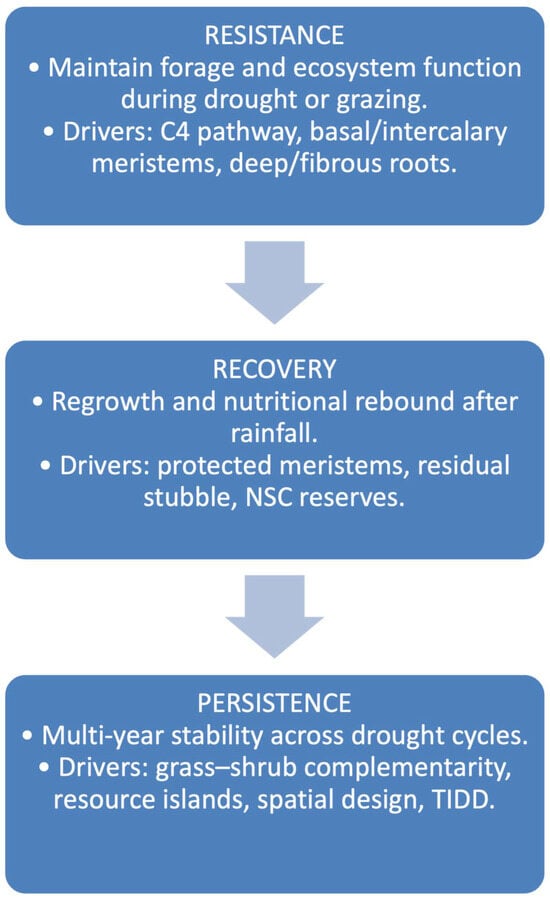
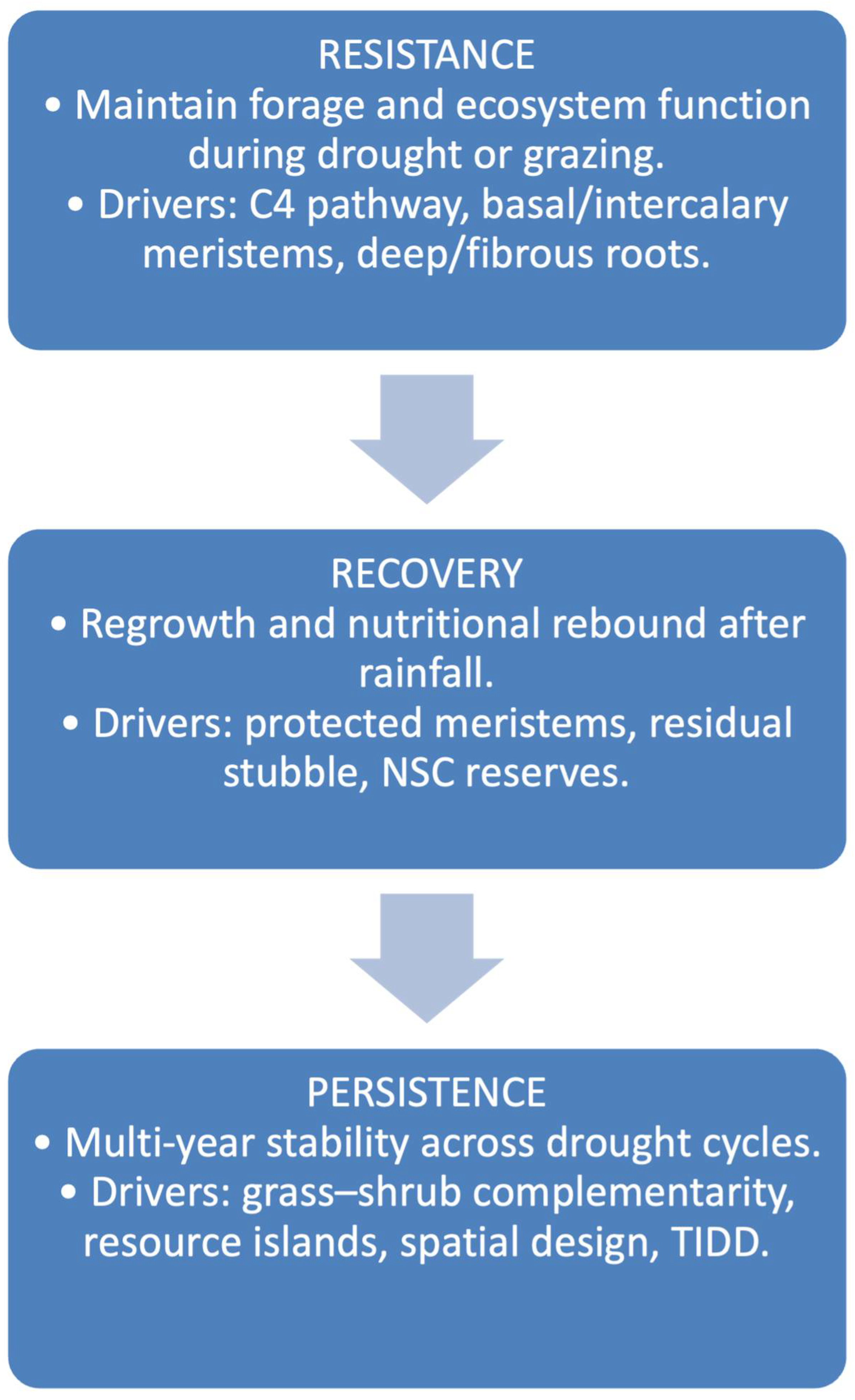

Disclaimer/Publisher’s Note: The statements, opinions and data contained in all publications are solely those of the individual author(s) and contributor(s) and not of MDPI and/or the editor(s). MDPI and/or the editor(s) disclaim responsibility for any injury to people or property resulting from any ideas, methods, instructions or products referred to in the content. |
© 2026 by the authors. Licensee MDPI, Basel, Switzerland. This article is an open access article distributed under the terms and conditions of the Creative Commons Attribution (CC BY) license.