


Abstract
This article reports an exploratory, small-cohort mixed-methods case study of how an e-learning platform and a virtual reality (VR) workshop simulator can be integrated into a traditional craft apprenticeship without displacing workshop-based learning. Drawing on the Craeft glassblowing Pilot 1 at the European Centre for Research and Training in Glassmaking (CERFAV), it reports a two-phase mixed-methods study contrasting a Traditional Augmented (TA) group, which used a Craeft e-learning platform and a VR glassblowing simulator, with a Traditional (T) control group following the standard Certificate of Professional Competence (CPC) program. Quantitative data from formative assessments and CPC examination results are combined with qualitative feedback, satisfaction surveys, self-assessment questionnaires, and interviews with apprentices and trainers. In Phase 1, where digital tools were deployed in a separate mode alongside existing instruction, the e-learning platform was perceived as pedagogically valuable, but descriptive differences in assessment outcomes were limited and uneven, with greater score dispersion in the TA group. In Phase 2, redesigned hybrid usage scenarios assigned distinct and complementary roles to the e-learning platform, VR, and workshop practice within an iterative learning cycle, and the descriptive results suggest more consistent patterns of higher scores for the TA group in cross-cutting theoretical subjects, with less variance in their scores. Qualitative analyses show that apprentices adopt a pragmatic stance towards digital tools, using the e-learning platform primarily for revision and exam preparation and VR for workshop discovery and tool recognition, while maintaining a strong attachment to material practice. The study suggests that, in small, high-stakes craft VET program, the perceived value of virtual learning environments depends less on their intrinsic properties than on their orchestration within coherent hybrid designs and on trainers’ capacity to align them with authentic tasks and assessment regimes. All findings should be interpreted as exploratory given the small sample size (n < 20), non-random group assignment, and potential self-selection biases.
1. Introduction
Craft occupations such as glassblowing rely heavily on tacit, embodied knowledge, often described as tacit experimental craft knowledge, traditionally transmitted through practical apprenticeship and intensive workshop-based training. Within European vocational education and training (VET) systems, this mode of learning has come under increasing pressure from broader digitalization agendas and expectations that VET should integrate e-learning, simulations, and other digital tools to improve flexibility, efficiency, and access. At the same time, there is a growing recognition that in practice-oriented fields, digital technologies must complement rather than replace authentic material engagement if they are to contribute meaningfully to skill formation.
Recent work on blended and hybrid learning in VET suggests that combining online and face-to-face modalities can support learner autonomy, engagement, and workplace readiness, provided that instructional design, assessment, and workplace tasks are carefully aligned. Studies on virtual and extended reality environments in vocational contexts report benefits for safe practice, exposure to complex equipment, and drills for handling rare or hazardous situations, while also emphasizing that simulations need to be embedded in coherent pedagogical scenarios and supported by VET instructors. However, empirical evidence remains limited for traditional craft domains where the feel of materials, the micro-dynamics of bodily movement, and the situated interplay between craftsperson, tools, and environment play a central role in learning. In such contexts, the question is not simply whether digital tools “work” in general, but how they are appropriated by apprentices and trainers within the specific temporal rhythms, assessment regimes, and identities of craft VET programs.
Glassblowing is a paradigmatic example of an embodied craft taught through apprenticeship in dedicated training centers and workshops. In France, CERFAV offers a two-year alternating program preparing apprentices for the Certificate of Professional Competence (CPC), combining periods in companies with intensive “clusters” of center-based instruction. As part of the Horizon Europe project Craeft (“Craft Understanding, Education, Training, and Preservation for Posterity and Prosperity”), CERFAV implemented an experimental intervention (Pilot 1) to explore how digital tools were integrated into, and perceived within, the learning process of second-year glassblowing apprentices, rather than to test a predefined intervention effect.
This article examines the integration of e-learning and VR tools in a formal craft apprenticeship program. Focusing on the second-year cohort at CERFAV, it seeks to characterize how apprentices appropriate these tools within the rhythm of their training, what descriptive differences in learning outcomes can be observed in comparison with a traditional control group, and how participants articulate the relationship between digital and material dimensions of craft learning.
Within this broader literature, empirical work on blended and immersive tools in traditional craft apprenticeships remains scarce. Existing studies tend to focus either on larger industrial or technical domains (e.g., welding, machining, automotive) [1,2] or on museum and informal learning contexts rather than small, high-stakes VET programs [3]. As a result, we know little about how e-learning and VR tools are actually appropriated in crafts such as glassblowing, where cohorts are very small, national examinations impose rigid assessment frameworks, and embodied interaction with hot glass and workshop tools is central to identity formation and competence [4,5,6]. This study addresses this gap by examining how an e-learning platform and a VR workshop simulator are integrated into a two-year glassblowing apprenticeship leading to a Certificate of Professional Competence (CPC), and by analyzing (a) how apprentices and trainers appropriate these tools within existing institutional rhythms, (b) what descriptive differences in learning outcomes emerge between a Traditional Augmented and a Traditional pathway, and (c) how participants negotiate digitalization while maintaining a strong attachment to material, workshop-based practice.
To address these aims, the study is guided by the following research questions:
- How do second-year glassblowing apprentices in a CPC program appropriate e-learning and VR tools when these are integrated into a hybrid training design during center-based clusters?
- What differences, if any, in learning outcomes emerge between apprentices who use hybrid digital tools (Traditional Augmented group) and those who follow traditional training only (Traditional group), as reflected in formative assessments and final CPC examination results?
- How do apprentices and trainers negotiate the tension between the introduction of digital tools and their strong attachment to material practice and workshop-based learning in glassblowing VET?
2. Background and Related Work
This study draws on three main strands of research, which also structure our research questions: work on situated and embodied learning in craft VET, which frames how apprentices and trainers relate digital tools to workshop practice (RQ3); instructional design research on cognitive load and multimedia or VR learning, which informs expectations about learning outcomes (RQ2); and studies of blended and immersive technologies in VET, which underpin the design of hybrid usage scenarios and the ways in which tools are appropriated (RQ1 and RQ2). In this section we briefly review each strand to situate the Craeft glassblowing pilot within current debates on the digitalization of craft apprenticeships.
2.1. Situated Learning, Communities of Practice, and Craft VET (RQ3)
Research in vocational and craft education has consistently shown that learning is deeply embedded in authentic activities, social relations, and material environments, rather than being a matter of acquiring decontextualized knowledge [4]. Classical work on apprenticeship and communities of practice argues that novices learn through legitimate peripheral participation in shared work settings, gradually moving toward fuller participation as they take on not only technical routines but also the values, identities, and tacit norms of the craft community [4]. From this perspective, tools and artefacts are seen as mediating structures that shape how knowledge is enacted and shared, rather than as neutral carriers of information [4].
Traditional craft trades offer clear examples of this situated, embodied character of learning. Ethnographic and practice-based studies of craft apprenticeship underline the importance of demonstration, shared attention to material transformations, and subtle, multi-sensory feedback (visual, thermal, haptic, acoustic) in the transmission of skills [5,6]. In glassblowing, the changing relationship between the craftsperson’s body, the viscosity of hot glass, the timing of rotations, and the affordances of workshop tools has been described as a form of “thinking in action” that cannot be fully captured in verbal or textual form [4]. The Craeft educational kit builds on this tradition by arguing that some aspects of “craftsmanship”, understood here as tacit experimental craft knowledge, remain difficult to convey through classroom-based or text-based instruction alone [4].
Within European VET systems, apprenticeship-based learning has increasingly been combined with school-based or center-based provision, leading to hybrid arrangements that must reconcile the temporal rhythms and assessment regimes of formal schooling with the more open-ended, contingent nature of workshop learning [7]. In this context, discussions about digitalization focus less on whether digital tools are useful in general and more on whether they can support learning without displacing the central role of material engagement in the development of professional identity and competence [4]. These questions are central to RQ3, which examines how apprentices and trainers negotiate the introduction of digital tools while maintaining a strong attachment to workshop-based practice.
2.2. Cognitive Load Theory and Multimedia/VR Instructional Design (RQ2)
Whereas situated learning approaches emphasize the social and material embedding of knowledge, instructional design research addresses how learners’ cognitive architecture constrains the design of multimedia and immersive tools. Cognitive Load Theory (CLT) distinguishes between intrinsic load, which stems from the inherent complexity of the material; extraneous load, which is created by suboptimal instructional design; and germane load, which supports the construction of new schemas [8]. In complex domains such as glassblowing, where learners must coordinate multiple interacting elements (for example, temperature, timing, tool use, and body posture), CLT suggests that poorly designed digital resources can overload working memory, whereas well-structured materials can help learners manage complexity and gradually automate procedures [8].
Research on modality and redundancy further develops these ideas. Studies show that presenting complementary information through different channels (for example, narrated animation) can reduce cognitive load when each channel contributes distinct elements, but that redundant or poorly synchronized information (such as identical text and speech) can increase load and impair learning [8,9,10]. Similar effects have been reported in immersive VR settings, where visual richness and interactivity can be helpful but may also draw attention away from key instructional cues [8,11]. Work on the expertise-reversal effect adds that formats that support novices (such as heavily guided worked examples) may become inefficient or even counter-productive for more experienced learners, who require more open-ended problem-solving opportunities [8,12].
The Craeft educational kit uses CLT and related principles as design heuristics for its digital tools [8]. The quiz-first model implemented in the e-learning platform is intended to activate prior knowledge and focus attention before new content is introduced, while limiting redundancy by distributing information across videos, diagrams, and explanatory text rather than repeating the same content in multiple modes. The glassblowing VR simulator is conceived as a way of reducing intrinsic load at the orientation phase, by familiarizing novices with the spatial layout of the workshop and the names of tools, but it is also recognized as a potential source of extraneous load or redundancy for apprentices who already know the workshop and need fine-grained haptic feedback for gesture refinement. These considerations inform RQ2, which looks at descriptive differences in learning outcomes between apprentices who use the hybrid digital tools and those who follow the traditional program.
2.3. Blended and Hybrid Learning in VET (RQ1 and RQ2)
A further body of work examines blended and hybrid learning in vocational and professional education. Many studies report that combining online and face-to-face modalities can support learner autonomy, engagement, and flexibility, particularly when asynchronous resources such as videos, quizzes, or simulations are used to prepare for or extend in-person sessions [13,14]. In VET, blended approaches have been shown to help integrate workplace learning with school-based curricula, giving apprentices the opportunity to revisit theoretical content at their own pace and to relate it more directly to workplace tasks [15].
At the same time, this literature emphasizes that blended learning is not effective by default. Its impact depends on how well online activities are aligned with overall instructional goals, the sequencing of tasks, and the requirements of assessment and workplace practice [13,14]. Studies in fields such as health, engineering, and technical trades note that learners quickly disengage from online components they perceive as peripheral or duplicative, and that teachers often need sustained support to redesign courses so that hybrid formats are genuinely integrated rather than simply added on [13,16]. These challenges are especially acute in small-cohort, high-stakes programs such as CPC-level craft apprenticeships, where time is limited and both learners and trainers must prioritize activities that clearly contribute to examination success and employability.
Within this broader literature, there are relatively few studies that focus specifically on traditional crafts. Existing work tends to concentrate either on more industrial or technical areas such as welding, machining, or automotive trades [15,17], or on museum and informal learning contexts rather than formal VET program [18]. As a result, there is limited evidence on how blended and hybrid designs function when cohorts are small, when crafts have a strong cultural and identity dimension, and when national examinations impose rigid assessment frameworks. The Craeft glassblowing pilot contributes to this gap by examining a hybrid design in a real, high-stakes apprenticeship program with fewer than twenty apprentices per cohort, where experimentation must not jeopardize access to a recognized qualification [1]. This work is relevant both to RQ1, which focuses on how apprentices appropriate e-learning and VR tools in hybrid clusters, and to RQ2, which considers how such designs relate to observable learning outcomes.
2.4. VR and Immersive Technologies in Vocational Education (RQ1 and RQ2)
Finally, there is a growing literature on VR and other immersive technologies in VET. Studies describe benefits such as safe exposure to hazardous situations, opportunities to rehearse rare or high-risk procedures, and increased motivation and engagement among learners [19,20]. VR has, for example, been used to train emergency responses, to operate complex machinery, and to practice procedural tasks in areas ranging from construction safety to healthcare and aviation [21,22]. These applications highlight VR’s ability to provide controlled, repeatable scenarios that would be difficult or costly to reproduce in real settings.
However, recent work that combines CLT with methods such as eye-tracking and EEG shows that immersive environments can also generate additional cognitive load, particularly when visual scenes are cluttered, when instructions are poorly integrated into the environment, or when textual and auditory information is redundant [11,23]. Some studies report redundancy and expertise-reversal effects in VR: rich multimodal guidance may support novices, but can distract or hinder more experienced learners [11,23,24]. Several authors also stress that VR seldom replaces physical training in VET; rather, it is most effective as a complementary layer for orientation, procedural familiarization, or debriefing, typically in combination with real-world practice [19,22].
Within the domain of intangible cultural heritage and traditional crafts, VR and mixed reality have mainly been used for demonstration and documentation—for instance, mixed-reality glassblowing demonstrations or virtual reconstructions of craft processes in museums [18]. These studies show that immersive media can convey aspects of gesture, rhythm, and spatial organization that are hard to capture in text or still images, while also recognizing that material feel and haptic feedback remain largely unavailable in current consumer systems [18,25]. There is still, however, a lack of systematic, program-level evaluations of how VR tools influence learning trajectories, assessment outcomes, and everyday practice in formal VET. Most existing craft-related VR studies are short-term trials or public demonstrations, rather than multi-cluster interventions embedded in two-year qualification programs. By examining the reception and use of VR and e-learning tools over two phases of a full academic year, and by combining quantitative assessment data with qualitative feedback, the present study addresses this methodological gap in relation to RQ1 and RQ2.
2.5. Summary: Positioning the Craeft Pilot
Taken together, these strands of research suggest that digital technologies in craft VET need to be considered at the intersection of situated practice, cognitive constraints, and instructional design. Work on situated and embodied learning highlights that glassblowing apprenticeships are grounded in workshop communities and material engagement; CLT and multimedia research point to the importance of managing cognitive load and avoiding redundancy in e-learning and VR design; and studies on blended learning show that hybrid formats are most beneficial when digital and physical activities are carefully aligned with authentic tasks and assessments.
Against this background, the Craeft glassblowing pilot offers a mixed-methods examination of how an e-learning platform and a VR workshop simulator are used within a small-cohort, high-stakes apprenticeship program, and of how different usage scenarios, from separated to more integrated hybrid modes, shape their perceived value and observable learning outcomes. More specifically, it investigates (RQ1) how apprentices use e-learning and VR tools when these are incorporated into hybrid training clusters, (RQ2) what descriptive differences in learning outcomes can be seen between a Traditional Augmented and a Traditional group, and (RQ3) how apprentices and trainers negotiate the relationship between digital tools and workshop-based craft learning.
3. Educational Program and Technical Infrastructure
3.1. Glassblowing Program and Digitalization Context
The intervention took place within the second year of the glass and crystal art apprenticeship program at the European Centre for Research and Training in Glass (CERFAV) in France. The program alternates periods of company-based apprenticeship with center-based “clusters” in which apprentices attend intensive sessions in the glassblowing workshop and complete cross-cutting subjects such as general technology; health, safety, and environment (HSE); and technical drawing. The Certificate of Professional Competence (CPC) is provided after the program is completed.
Within the Horizon Europe Craeft project, CERFAV served as a reference case for exploring how digital tools could be integrated into such a craft apprenticeship without displacing core workshop practice. The glassblowing Pilot 1 was designed “to measure the impact of digital tools on the learning process” and to test hybrid usage scenarios in which e-learning and Virtual Reality (VR) tools would complement, rather than replace, traditional instruction.
3.2. E-Learning Platform (CLT)
The first core component of the Craeft technical infrastructure was an e-learning platform linked to the Craeft Authoring Platform and the Craeft Studio ecosystem. The e-learning platform was designed to support the cross-cutting theoretical subjects of the CPC curriculum by providing structured online modules aligned with existing teaching sequences. Modules covered, among others, the workshop environment, machinery and equipment, hand tools, glass composition and operating temperatures, HSE principles, general technology topics, and technical drawing. Each module combined several types of resources: explanatory videos filmed in the workshop, interactive quizzes, diagrams and schematics, and downloadable documents, organized to accompany the progression toward the CPC examination. Learners could use the platform to review course content, prepare for formative tests, and revisit key safety and process information independently.
Technically, the platform was accessible through a standard web browser, allowing asynchronous access from various locations (“everywhere at any time” in the terminology of the teaching kit), provided that a suitable device and internet connection were available. While both the Traditional (T) and Traditional Augmented (TA) groups had institutional access to computers and non-Craeft digital resources, only apprentices in the TA group were explicitly guided and encouraged to use the platform as part of scheduled activities during clusters and as a support for their self-directed working hours and personal projects.
The platform also provided trainers with facilities to create and manage quizzes and to track completion, which made it possible to compile formative assessment results for comparison between groups. As part of the teaching kit developed in Craeft, the platform was presented as one element. An exemplary course as implemented in the platform is presented in Figure 1.
Figure 1.
A segment of a learning unit illustrating a craft technique using images and structured explanatory text.
3.3. VR Glassblowing Workshop Simulator
The second key component was a VR glassblowing workshop simulator V1.0, developed within Craeft to provide a virtual representation of the CERFAV hot shop (see Figure 2). The simulator allowed users to move through a three-dimensional reconstruction of the workshop; identify, name and get information on tools and machines; and perform a limited set of operations, with particular emphasis on the “Gathering” gesture at the furnace. Its purpose was to familiarize apprentices with the spatial organization of the workshop and to offer a low-risk environment for cognitive rehearsal of basic sequences before working with molten glass.
Figure 2.
Screenshot of the Craeft VR glassblowing workshop simulator used at CERFAV.
The simulator ran on a Meta Quest 2 VR headset connected to a dedicated computer and was used in a classroom or lab space at CERFAV where other apprentices could observe on a projected screen while one user interacted with the system. Trainers and apprentices treated the VR simulator primarily as an orientation and demonstration tool, a way to “get an idea” of the workshop and operations, rather than as a substitute for hands-on glasswork.
4. Methodology
4.1. Overview
This study adopted an exploratory, small-cohort mixed-methods quasi-experimental design embedded in an authentic apprenticeship programme. At the programme level, the design contrasted two parallel training pathways: A Traditional Augmented (TA) pathway, in which apprentices were offered structured access to an e-learning platform and a VR workshop simulator alongside existing instruction, and a Traditional (T) pathway, which followed the standard CERFAV Certificate of Professional Competence (CPC) curriculum without these Craeft tools being foregrounded. Group allocation was quasi-experimental rather than random: in Phase 1, apprentices self-selected the TA or T pathways under institutional and scheduling constraints, while in Phase 2, a new cohort was organised administratively into TA and T groups to fit timetable and workshop availability. Quantitative data (formative assessment scores and CPC results) were collected concurrently with qualitative materials (on-the-spot feedback, questionnaires, and interviews), and the two strands were integrated at the interpretation stage to triangulate how digital tools were appropriated and how they related to descriptive learning outcomes.
A central feature of the Craeft intervention was the design of hybrid usage scenarios that specified how the e-learning platform and the VR simulator would be combined with traditional teaching and workshop practice. Rather than simply adding digital tools on top of existing instruction, the teaching kit proposed an “ideal” model in which each tool had a defined role within a blended sequence of activities. This model distinguished three phases in the development of apprentices’ personal projects: “I get informed”, “I model”, and “I practice” (see Figure 3).
Figure 3.
The “Get Informed–Model–Practice” hybrid learning cycle.
In the “I get informed” phase, apprentices were expected to use the e-learning platform to acquire or refresh theoretical knowledge on workshop safety, equipment, and processes, and to prepare for cross-cutting subject assessments. In “I model”, they developed and refined the design and process of their individual glass pieces, sometimes using digital design tools (e.g., 3D modeling in the FabLab) in addition to sketches and physical mock-ups. Finally, in “I practice”, they carried out the making phase in the workshop, which could be preceded by VR rehearsal of specific actions such as the furnace pick-up, depending on the availability of the simulator and the constraints of the timetable.
The digital tools modalities table (see Table 1) describes, for each Craeft tool, the typical location, time, and synchronicity of use. For example, the e-learning platform was positioned as an asynchronous resource accessible “everywhere at any time”, especially before and after workshop sessions, while the VR simulator was positioned as a synchronous tool used during workshop or project sessions, in the presence of a trainer. The table also indicated how the tools connect: the e-learning platform feeds into the apprentice studio and Craeft Studio for project documentation and evaluation, and the simulator feeds back into workshop practice through enhanced familiarity with equipment and procedures.
Table 1.
Digital tools modalities.
In the glassblowing Pilot 1, these usage scenarios were adapted to the constraints of the CERFAV program and the small group sizes. During pilot clusters, TA apprentices attended sessions that combined a reminder of the Craeft project, guided discovery and use of the digital tools, individual interviews on their personal projects, and workshop time. Over the course of the two phases, feedback from apprentices and trainers led to a shift from merely superimposing digital tools on existing teaching toward more integrated hybrid sequences; for example, using the e-learning platform systematically before specific assessments and aligning VR sessions more closely with upcoming workshop tasks. In this sense, the hybrid usage scenarios described here functioned both as a design blueprint and as a set of implementation hypotheses that were progressively refined between Phase 1 (separated deployment) and Phase 2 (integrated hybrid deployment).
4.2. Research Design
This study employs a mixed-methods quasi-experimental design situated within an authentic glassblowing apprenticeship program. The design is informed by situated learning theory [1], which holds that craft knowledge is inseparable from the communities of practice and physical environments in which it is produced, and by cognitive load theory [8], which distinguishes between the explicit, propositional knowledge that digital tools can efficiently support, such as safety procedures, process sequences, and technical terminology and the tacit, embodied knowledge that remains anchored in direct workshop experience. This dual theoretical foundation guided both the structure of the digital learning intervention described in Section 3 and the selection of assessment instruments, which needed to capture theoretical learning outcomes as well as apprentices’ perceptions of the material and practical dimensions of their training.
The study was implemented in two sequential phases at CERFAV over the 2024–2025 academic year. Participants were second-year apprentices preparing for their Certificate of Professional Competence (CPC), which they passed in June 2025. The apprenticeship takes place over two years, alternating between time spent in the company with the apprenticeship master and time spent in the training center, which we will call a cluster. It is during some of these training center clusters that Pilot 1 was tested.
In Phase 1 (September 2024–January 2025), the Craeft digital tools were introduced across three center-based cluster periods (clusters 7, 8, and 9), with two to three two-hour sessions per cluster dedicated to the TA group, alongside individual project follow-up interviews conducted with apprentices from both groups. The primary aim of this phase was to measure initial tool reception and collect first formative assessment data for comparison between the T and TA groups. In Phase 2 (March–November 2025), the intervention was revised based on Phase 1 feedback: hybrid usage scenarios were redesigned to more tightly interweave digital and workshop activities, and additional data were gathered through a further round of formal assessment comparisons, project follow-up interviews, an informal video elicitation experiment, and structured trainer debriefings.
Phase 1 involved the second-year cohort preparing for the CPC examination held in June 2025. All Phase 1 formative assessments and CPC results reported in this article refer to this cohort. Phase 2 involved the incoming second-year cohort in the subsequent academic cycle and therefore represents a different group of apprentices. As a result, descriptive differences between Phase 1 and Phase 2 cannot be interpreted as longitudinal effects over time, but rather as patterns observed in two distinct cohorts under different implementation conditions.
4.3. Participants
Participants were second-year apprentices enrolled in the Certificate of Professional Competence (CPC) in glass and crystal art at CERFAV, preparing for the final examination in June 2025. All had completed a first year of alternating company-based and center-based training before entering the study. At the project presentation session held at the end of their first year (June 2024), the full cohort was informed of the Craeft experiment and invited to volunteer for one of two conditions on a self-selection basis. Random assignment was not feasible given institutional constraints and the characteristically small cohort sizes of specialized craft apprenticeship programs in France, where centers such as CERFAV operate with annual cohorts typically numbering fewer than twenty apprentices per specialization [1,26]. This self-selection into the TA pathway constitutes a potential source of bias and is revisited in the Limitations (Section 6.5).
The resulting participant groups are summarized in Table 2. In Phase 1, 17 apprentices took part in the project follow-up interviews, specifically 5 in the Traditional Augmented (TA) group and 12 in the Traditional (T) group, with attendance varying slightly across clusters due to absences. In Phase 2, the groups were reconstituted with the incoming second-year cohort: 12 apprentices in the TA group and 7 in the T group. For quantitative comparisons of CPC examination results, only those apprentices who sat all relevant exam components were included in the analysis. A group of CERFAV glassblowing trainers additionally participated in a dedicated VR simulator trial in September 2025 followed by individual semi-structured interviews, constituting a distinct qualitative data source on the practitioner perspective. An overview of the participants’ flow is presented in Figure 4.
Table 2.
Participant overview by phase and group.
Figure 4.
The participant flow diagram.
4.4. Data Collection
Data collection combined quantitative and qualitative instruments to address the three research questions from complementary angles. Table 3 provides a summary of all instruments, the groups to which each was administered, and its primary analytical function.
Table 3.
Overview of data collection instruments.
4.4.1. Quantitative Instruments
Formative assessment scores in general technology, HSE, and technical drawing were compiled from marks recorded by subject trainers as part of regular curriculum evaluation and were not instruments specially designed for the study. They served as an observable indicator of whether access to the e-learning platform corresponded to any differences in theoretical performance between groups. CPC final examination marks were collected across four components: general technology, prevention–health–environment (PHE), making, and overall average, reported separately for the T and TA groups. Self-assessment and satisfaction questionnaires for both the e-learning platform and the VR simulator used Likert-type closed items measuring perceived ease of use, usefulness, and comfort, administered at the end of each cluster period for TA apprentices.
4.4.2. Qualitative Instruments
On-the-spot feedback was documented by trainers during plenary sessions and sub-group workshops at the initial project presentation and at subsequent tool sessions; contributions were organized under three axes—positive points, points for improvement, and open comments. Personal project follow-up interviews were conducted individually with all apprentices (T and TA) at each cluster using a structured interview guide (Annex 2); recordings were transcribed using noScribe v0.5 automated transcription software and anonymized by participant initials prior to coding. In Phase 2, a group of CERFAV trainers participated in a VR simulator trial followed by a recorded group discussion, and key subject trainers gave individual semi-structured interviews centered on perceived tool usefulness and integration with workshop instruction.
4.5. Data Analysis
4.5.1. Descriptive Quantitative Analysis
Given the small and structurally unbalanced group sizes which is a feature characteristic of specialized craft VET programs [1,26], all quantitative data were analyzed descriptively, allowing an approach that is well established in small-scale mixed-methods VET research. For each subject or CPC examination component, mean scores and standard deviations were calculated separately for the TA and T groups and compared. No inferential statistical tests were applied. Observed differences are therefore interpreted as exploratory, context-bound trends rather than as evidence of causal impact. Where relevant, the proportion of scores above threshold values (e.g., above 14/20) is reported to characterize distributional patterns beyond central tendency.
4.5.2. Descriptive Qualitative Analysis
Qualitative materials were analyzed using a thematic coding framework developed iteratively within the Craeft project and consistent with established procedures for reflexive thematic analysis in educational research [27]. The analysis proceeded in four stages: (1) transcription and organization of raw data into structured three-column tables (positive points/points for improvement/comments); (2) inductive identification of recurring themes through semantic grouping; (3) construction and systematic application of a stable coding scheme; and (4) frequency counting per code to establish the relative weight of each theme within each dataset. Two researchers with backgrounds in vocational education and HCI carried out the coding. They first co-developed the codebook on a subset of transcripts, discussed and refined category boundaries, and then applied the agreed scheme to the full dataset. Initial coding was supported by AI-assisted text analysis using large language models (Claude and Mistral), which were employed to suggest potential groupings of segments and to flag infrequent themes. All AI-generated suggestions were checked against the original transcripts, and final codes were assigned manually by the researchers. Disagreements were resolved through discussion until consensus was reached; no automated coding decisions were accepted without human review. This procedure ensured accuracy and full traceability from each code back to the source data.
The coding framework comprised two thematic clusters. For digital tool evaluation (e-learning and VR simulator): Pedagogical and didactic effectiveness (PDE), Ergonomics and accessibility (ERA), Exhaustiveness of content (EXC), Linking theory and practice (LTP), Pedagogical engineering (PEN), Technical and professional fidelity (FIT), VR ergonomics (EVR), and Practical aspects and security (PAS). For apprentice project practices: Mixed and pragmatic use of tools (MXU), Relationship with the material (RTM), Opportunities and limitations of digital tools (OLD), Subcontracting of digital tasks (SCD), Learning to use digital tools (DTL), Complexity of digital tools (CDT), and Collaboration with peers (CWP). Initial coding was supported by AI-assisted text analysis (Claude and Mistral language models) and subsequently reviewed and corrected manually to ensure accuracy and full traceability to the source data.
4.6. Ethical Considerations
The study was conducted within the institutional framework of CERFAV and the Horizon Europe Craeft project (Grant Agreement No. 101094349). Participation in both conditions and in all data collection activities was voluntary; apprentices chose their group freely and could withdraw from any data collection procedure without consequence for their CPC training pathway or examination standing. All participant data were anonymized prior to analysis, with individuals identified only by coded initials in interview transcripts and by group-level aggregation in quantitative reporting. The intervention was designed on the explicit principle that no apprentice’s access to a full and nationally recognized CPC program would be compromised, and digital tools were introduced as supplements to, not replacements for, core workshop instruction.
5. Results
This section presents the findings from both phases of the glassblowing pilot experiment in four sub-sections: (Section 5.1) initial reception at project presentation; (Section 5.2) quantitative outcomes from formative assessments and the CPC final examination; (Section 5.3) qualitative findings on apprentices’ perceptions and practices across all cluster periods; and (Section 5.4) trainer perspectives on tool integration and the informal Phase 2 experiments. Results are reported in line with the descriptive analytical approach set out in Section 4 and are interpreted as indicative trends rather than confirmed causal effects.
5.1. Initial Reception: Project Presentation (June 2024)
The Craeft project and its digital tools were presented to the full apprentice cohort at the end of their first year (June 2024), prior to the start of the experiment. This session served both as an introduction and as a co-design moment, with apprentices invited to contribute feedback on expectations, concerns, and proposals through a structured sub-group workshop.
Reception was intellectually engaged but critically mixed. Apprentices raised substantive questions about the medium and long-term challenges of digitizing craft skills, the risk of being “dispossessed” of their trade knowledge, and the practical maturity of the tools being proposed. Specific observations included: skepticism about the VR workshop simulator from those with prior glassblowing experience (‘Simulation too far removed from the reality of the workshop’); a demand for design tools directly linked to production rather than simulation; and a clear attachment to physical material practice as a professional identity marker. More constructive expectations centered on the e-learning platform as a reference portal for technical knowledge, and on the value of the project follow-up system for tracking individual development.
This baseline reception indicates that apprentices entered the experiment with a pragmatic, professionally grounded evaluative stance, often summarized in the question: “What’s it going to do for me?” This stance recurs in later feedback on both the e-learning platform and the VR simulator.
5.2. Quantitative Outcomes: Formative Assessments and CPC Examination
5.2.1. Phase 1 Formative Assessments
The first quantitative comparison between the TA and T groups was conducted during cluster 7 (September 2024), using a formative assessment in General Technology, a cross-cutting subject covered by the e-learning platform. The TA group (n = 4, one apprentice absent) recorded a mean score of 11.00/20 (SD = 6.63), compared with 10.18/20 (SD = 3.09) for the T group (n = 12). While the TA group’s mean was marginally higher, the substantially elevated standard deviation (more than twice that of the T group) indicated considerable internal variance within the test group. The highest mark in the TA group was 18/20 and the lowest 2/20, compared with 17/20 and 4/20 respectively for the T group, indicating greater dispersion within the TA group in this small sample. One possible hypothesis is that platform use may have been taken up more intensively by some apprentices than others, thereby amplifying performance differences, but given the very small, self-selected groups and the presence of outliers and absences, this remains speculative. The full-year mean results at cluster 10 consolidated this pattern across all three cross-cutting subjects, as shown in Table 4.
Table 4.
Phase 1 year-mean formative assessment results by group.
The TA group outperformed the T group in General Technology (marginally) and technical drawing (notably: +1.60 points), while performing slightly below it in HSE. The technical drawing difference is the most substantively notable finding: this subject is the one most directly supported by design and modelling tools within the e-learning platform. In General Technology and HSE, the TA group’s standard deviation was at least twice that of the T group, indicating greater dispersion within the TA group.
5.2.2. Phase 2 Formative Assessments
In Phase 2, the cluster 7 general technology formative assessment was conducted in October 2025 with the new second-year cohort (TA: n = 12; T: n = 7). The TA group recorded a mean of 15.33/20 (SD = 2.65), compared with 13.67/20 (SD = 2.73) for the T group and a full promotion mean of 14.24/20 (SD = 2.64). Given the small, quasi-experimentally allocated and unbalanced groups, these differences are descriptive and should be interpreted cautiously. Three features of this Phase 2 result are descriptively notable when set against Phase 1. First, the TA group’s advantage over the T group (+1.66 points) was larger than in Phase 1 and was observed in a somewhat larger TA group. Second, the standard deviations of the TA and T groups were nearly identical (2.65 vs. 2.73), indicating that, in this cohort, score dispersion was similar across groups. Third, the overall promotion mean (14.24) situated both groups within a credible performance range, providing contextual information for interpreting the group means.
5.2.3. CPC Final Examination Results
The CPC final examination results (June 2025) constitute the highest-stakes and most ecologically valid quantitative measure in the study, representing the nationally validated endpoint of the two-year glassblowing apprenticeship. The examination comprised four components analyzed in the study: General Technology, Prevention Health Environment (PHE), making (practical), and overall CPC average. Results for the Phase 1 cohort are presented in Table 5, with figures calculated both including and excluding absent or partially exempt candidates. Given the small cohort (n = 17) and the quasi-experimental allocation to TA and T groups, the following comparisons are descriptive only and are not used to draw statistical inferences.
Table 5.
CPC final examination results by group—Phase 1 cohort.
Ranges reflect computations with and without absent/partially exempt candidates.
The results present a differentiated picture across components. In General Technology, the T group outperformed the TA group by 1.71 points (14.71 vs. 13.00), reversing the slight TA advantage seen in the Phase 1 formative assessments. In PHE, the result is strikingly different: the TA group outperformed the T group by 3.15 points (17.00 vs. 13.85), also with lower variance (SD = 1.41 vs. 1.89), with the TA group’s mean situating considerably above the promotion mean of 14.50. The PHE component covers health, safety, and environmental regulations, a subject area covered in a consistent and comprehensive manner in the e-learning platform. In the practical making component, mean scores were relatively similar across groups, with the T group slightly higher than the TA group (15.61 vs. 14.14).
Taken together, the CPC results indicate a modest overall advantage for the T group, despite the TA group’s strong performance in PHE. Given the small, self-selected and unbalanced groups, these differences cannot be interpreted as causal effects of the intervention.
5.3. Qualitative Findings: Apprentices’ Perceptions of the Craeft Digital Tools
5.3.1. The E-Learning Platform—Phase 1
Cluster 7. The first systematic thematic analysis of e-learning platform feedback was conducted after cluster 7 (September–October 2024). The analysis of feedback and satisfaction questionnaire comments yielded four main themes (Table 6). In Table 6, Table 7 and Table 8, ‘coded occurrences’ refer to individual coded segments of feedback or interview text, not to participants; a single participant may contribute multiple occurrences per theme.
Table 6.
e-Learning platform thematic analysis—Phase 1, cluster 7 (n = 71 coded occurrences).
Table 7.
VR simulator thematic analysis—Phase 1, cluster 9 (n = 69 coded occurrences).
Table 8.
VR simulator thematic analysis—Phase 2, cluster 7 (n = 64 coded occurrences).
The dominant finding was strong appreciation for the quality and variety of learning materials, particularly the combination of instructional videos, quizzes with auto-correction, and interactive assessments: ‘The questionnaires and explanatory videos are the site’s best asset’ [PDE-1]; ‘interactive videos, initial tests’ [PDE-1]. The ‘quiz-first’ model, which assessed prior knowledge before presenting new content, was specifically appreciated as a productive cognitive activation strategy. Navigation and interface issues constituted the second most prominent theme, with apprentices identifying the absence of breadcrumb navigation and difficulties in locating courses within the platform structure: ‘No breadcrumb trail, no possibility of going back in the tree structure when you are in a course’ [ERA-1]; ‘Quite complicated to find your way around the platform, I find it a bit scattered’ [ERA-2]. Content completeness generated significant feedback centered on gaps in technical drawing material and the excessive pace of certain instructional videos: ‘In some courses there are things missing [technical drawing], there are gaps, a video is not enough to understand everything’ [EXC-1]. The theme of theory–practice linkage (LTP), while the least frequent in code count, was analytically the most conceptually significant: ‘Making the link between the videos and the workshop’ [LTP-1] was articulated as an unmet but fundamental need, directly echoing the situated learning framework underpinning this study [1]. The usefulness of the e-learning platform for apprentices’ personal projects was consistently rated as limited—not as a criticism of the tool, but as a correct recognition that the platform is a learning and revision tool, not a design or production tool.
Cluster 9. The cluster 9 analysis (January 2025) drew on 46 coded occurrences and showed both continuity and evolution relative to cluster 7. The quality of learning materials remained the dominant positive theme (14 occurrences, all positive), while navigation and content organization showed a more balanced profile—with both positive comments (‘The sessions are well organized’ [ERA-2]; ‘It’s very easy to find your way around the different courses’ [ERA-2]) and points for improvement (‘Organization not super clear if you don’t know the site’ [ERA-1]; ‘A bit hard to find your way around and know where to go at first’ [ERA-1])—indicating iterative improvement had partially resolved the navigation issues raised at cluster 7. New feedback in the content exhaustiveness theme included requests for art history and glass culture modules (‘Add a general culture or art history section’ [EXC-3]) and criticism of technical video pacing (‘Video of the oval layout too fast, difficult to understand’ [EXC-2]). The assessment structure generated differentiated feedback: while auto-corrected quizzes remained appreciated (‘Quizzes + auto correction’ [PDE-3]), apprentices began requesting variation in question sets (‘The questions are always the same, it would be nice if they were given randomly’ [PDE-3]) and clarification of multi-answer quiz logic. The self-assessment questionnaire for cluster 9 showed stability in platform adoption relative to cluster 7, with improvements in account customization and consistent scores on navigation, interpreted as reflecting genuine familiarization.
5.3.2. The E-Learning Platform—Phase 2
In Phase 2 cluster 7 (October 2025), the TA group increased to 12 apprentices. Platform adoption presented no significant difficulties, with the main qualification being the need to understand the structural logic of a Moodle-based platform before autonomous use became fluent. Key findings from Phase 2 e-learning platform evaluation extended and confirmed Phase 1 results: the platform was valued as a discovery tool for other craft techniques beyond glassblowing (a capacity not explored in Phase 1), as a structured revision tool for transversal examination subjects, and as a repository of reference content. The HSE trainer’s trial use of the e-learning platform for pre-session preparation demonstrated potential for a flipped classroom model, though the trainer acknowledged he had not yet received formal training in this pedagogical approach—a finding that points to the importance of trainer professional development as a condition for effective platform integration.
5.3.3. The VR Glassblowing Workshop Simulator—Phase 1
Cluster 7. Initial VR simulator feedback from cluster 7 produced 16 coded occurrences, with pedagogical engineering (PEN, 44%) and technical fidelity (FIT, 38%) emerging as the two dominant themes. The dominant sub-theme under PEN was learning structure (PEN-1, 25%), reflecting apprentices’ requests for explicit task objectives and guided progression: ‘Setting objectives (small tasks), e.g., making a glass drop’ [PEN-1]; ‘Having tutorials—e.g., making a cup guided through the steps (process)’ [PEN-2]. Under technical fidelity, physical simulation and gesture reproduction were rated equally (FIT-1 and FIT-2, 19% each), with feedback centering on the simulator’s inability to accurately reproduce glass viscosity behavior and the imprecision of hand controller inputs for pipe manipulation. Self-assessment questionnaire results showed that navigating the interface, using the Oculus headset, and appropriating the virtual environment were manageable for most TA apprentices, while the manipulation of virtual blowing tools received the lowest mastery ratings, attributed to the imprecision of tool grasping and the gap between virtual and real physics.
Cluster 9. By cluster 9, the VR simulator had received substantial technical updates between sessions. The cluster 9 analysis drew on 69 coded occurrences across three themes, indicating a shift in the feedback structure (Table 7).
The most analytically significant finding in the cluster 9 data is the distribution of positive versus improvement-oriented feedback within the FIT theme: of 25 FIT occurrences, only 3 were positive, with 22 classified as points for improvement or comments. Most critically, the FIT-2 sub-theme (reproduction of movements) generated 8 occurrences, all without exception coded as points for improvement—the highest proportion of critical feedback of any single code across the entire dataset. Representative verbatim feedback illustrates the consistency and clarity of this finding: ‘Be able to turn the cane with the left-hand controller’ [FIT-2]; ‘The movements are not easy to manage’ [FIT-2]; ‘Real practice is better because you can feel them’ [FIT-2]. The workshop tour and tool identification functions, by contrast, continued to receive positive feedback under PEN-2 (pedagogical objectives: 11 positives out of 15 occurrences): ‘It’s a good way to get an idea of what you’re getting into before your first workshop experience’ [PEN-2].
The cluster 9 data also confirmed a significant design tension around scaffolding: apprentices expressed strongly divergent preferences for guided versus free-exploration modes, with the most constructive suggestion pointing towards an adaptive model: ‘A more guided scenario with levels of difficulty’; ‘Free access for those who already know and more guided access for beginners’ [PEN-1]. The user interface (EVR-1) attracted both appreciation for spatial navigation and card-based tool information, and requests for more intuitive interaction design, improved information display, and the ability to physically interact with all tools in the virtual workshop.
5.3.4. The VR Glassblowing Workshop Simulator—Phase 2
In Phase 2 cluster 7 (October 2025), nine of the eleven present TA apprentices completed the VR satisfaction survey. The analysis of 64 coded occurrences produced the following distribution (Table 8).
The PEN-2 sub-theme (pedagogical objectives) emerged as the single most frequent code in the Phase 2 VR dataset (18 occurrences, 13 positive, 5 improvement-oriented), reflecting consolidated appreciation of the simulator’s value as a workshop orientation and process discovery tool: ‘I think so, what’s great are the little explanatory notes and the opportunity to experiment’ [PEN-2]; ‘For someone who knows nothing about glassblowing, this may help them understand the principle’ [PEN-2]. This finding, consistent with Phase 1, points to a clearly validated use case: the VR simulator as a pre-practical orientation and vocabulary-building tool for novice apprentices.
Critically, the gesture-learning application of the simulator remained clearly and unanimously rejected by experienced apprentices. The FIT-2 sub-theme (reproduction of movements) generated 8 occurrences, of which 7 were points for improvement—reproducing with remarkable consistency the Phase 1 cluster 9 result. Representative quotations from Phase 2 make the finding especially clear: ‘No, not really, gestures are difficult to reproduce in VR’ [FIT-2]; ‘No, the app won’t tell us if we know anything, so if we’re not being monitored, it’s almost counterproductive’ [FIT-2]; ‘It’s handy for tools but not at all for gestures’ [FIT-2]. In contrast, one positive response (‘Yes’ [FIT-2]) came from a non-glassblowing apprentice within the TA group (a stained glass specialist), consistent with the interpretation that the simulator’s gesture-learning value is primarily relevant to those who lack prior embodied workshop experience.
The EVR-1 sub-theme (user interface) showed a globally positive profile (15 occurrences: 11 positive, 2 improvements, 2 comments), with appreciation for spatial navigation and tool information cards offset by requests for greater graphical fidelity and more physical interaction supports: ‘More developed graphics and more physical supports (cane simulator with sensors)’ [EVR-1]; ‘Complex to get to grips with at first and then you understand it relatively well as you go along’ [EVR-1]. The adaptive scaffolding demand from Phase 1 was explicitly reproduced in Phase 2: ‘Guided for beginners, but more freedom for those who are already experienced’ [PEN-1].
During Phase 2 cluster 8, the most recent version of the VR simulator was tested only with the glassblowing sub-group of the TA group (4 of 6 glassblowers present), following technical improvements by the simulator development partner. The main findings from the follow-up interview confirmed the cluster 7 pattern: general appreciation for the discovery and workshop-orientation function; specific recognition of the tool’s value for people with no prior contact with fire or workshop environments; and continued clear identification of sensorial feedback limitation and physics imprecision as barriers to using the simulator for trained gesture acquisition.
5.3.5. Apprentices’ Digital Tool Practices: Project Follow-Up Themes Across All Clusters
The project follow-up interviews, conducted with both TA and T apprentices at each cluster period across both phases, constitute the richest longitudinal qualitative dataset in the study. Taken together across all cluster periods, they produce a highly consistent thematic portrait of how glassblowing apprentices relate to, integrate, and evaluate digital tools in their professional practice.
Cluster 8—Phase 1. The three dominant themes were: Mixed and pragmatic use [MXU] (TA: 8; T: 7 occurrences); Learning how to use digital tools [DTL] (TA: 5; T: 1); Relationship with the material [RTM] (TA: 1; T: 2). MXU’s dominance from the first follow-up cluster confirms that apprentices approach digital tools as part of an undifferentiated toolbox, using them—including Craeft tools, FabLab equipment, 3D printers, laser cutters, and parametric CAD—on the basis of task-specific utility rather than technological preference. Of the five TA apprentices, four planned to use a digital tool in their personal project, including VR organic modeling and parametric 3D modeling; notably, one apprentice had already finalized and committed her shape design through VR modeling. The DTL theme’s much higher occurrence in the TA group (5 vs. 1) reflects the additional learning curve introduced by Craeft-specific tool adoption—an expected but important finding for planning future integration.
Cluster 9—Phase 1. The thematic structure shifted notably, with Opportunities and limitations of digital tools [OLD] becoming the dominant theme (TA: 12; T: 15 occurrences), alongside the appearance of Subcontracting [SCD] and Complexity [CDT] as significant themes (TA and T: 2 occurrences each). The emergence of SCD as a distinct pattern is analytically important: apprentices who needed 3D modelling for their projects, but lacked either the time or the motivation to master the tools themselves, systematically delegated this work to FabLab staff or digitally skilled peers. This behavior was observed in both T and TA groups and represents a pragmatic strategy for accessing digital capabilities without the cognitive investment in tool learning—a strategy that reveals the true cost of digital tool adoption in a craft VET context where workshop time is at a premium.
Cluster 10—Phase 1. As the academic year neared completion and the CPC examination approached, the thematic profile broadened and diversified. Opportunities and limitations [OLD] and Collaboration with peers [CWP] emerged as co-dominant themes (TA and T: 4–5 occurrences each), followed equally by MXU, RTM, SCD, and DTL (3 occurrences each per group). The appearance of CWP as a major theme at this stage reflects an important finding: collaboration with technically skilled peers and FabLab experts became the primary mechanism through which apprentices resolved their encounters with digital complexity. This parallels the SCD pattern from cluster 9 but extends it: rather than pure subcontracting, apprentices at cluster 10 showed a more genuinely collaborative model of peer-assisted digital practice.
A corpus-level quantitative indicator further contextualizes these themes: across the full project follow-up transcripts (39,458 words), the word ‘digital’ appeared 47 times, ‘computer’ 27 times, ‘3D’ 17 times, and ‘laser cutting’ only 7 times. The low frequency of these terms relative to the total word count shows that explicit references to digital tools are relatively infrequent in the corpus.
Phase 2 cluster 7. In the larger Phase 2 cohort (n = 19), the project follow-up data confirmed and amplified all major trends from Phase 1. The three most frequent themes were MXU (TA: 13; T: 11), OLD (TA: 12; T: 15), and RTM (TA: 6; T: 6), followed by digital tool learning and subcontracting themes. The equal frequency of RTM across T and TA groups (6 vs. 6) is particularly significant: it confirms that the TA group’s relationship with material and physical practice was not diminished by digital tool exposure, and that attachment to the craft material is a shared professional value rather than a marker of digital resistance. Apprentices in Phase 2 articulated this clearly: the attachment to material is described as ‘a professional life choice’, not a rejection or ignorance of digital tools.
5.4. Phase 2 Informal Experiments and Trainer Perspectives
5.4.1. Video Elicitation
Video elicitation was introduced in Phase 2 as an informal additional experiment, outside the formal T/TA group comparison framework. More specifically, Vermersch’s methodology inspired our empirical video elicitation practices in the informal Phase 2 experiments, but we did not conduct explicitation interviews in the strict sense of his methodology [17]. Our process involved apprentices using first-person or GoPro camera footage of their own glassblowing gestures as a basis for structured reflective analysis, either individually or with a trainer. While quantitative evaluation was not conducted, observational findings indicated strong potential: apprentices showed heightened engagement when reviewing their own technique, and trainers identified the approach as particularly valuable for making tacit gesture knowledge explicit and discussable without requiring simultaneous workshop practice. The key implementation challenge identified was the need for structured pedagogical guidance to lead video debriefing sessions effectively—without such guidance, video review risked becoming passive rather than analytically productive.
5.4.2. Hybrid Mode Experiment
A hybrid mode session was tested informally with Créateurs Verriers students (artistically oriented, not CPC apprentices) and with first-year apprentices, integrating e-learning platform modules, VR simulator sessions, and direct workshop practice within a single pedagogically sequenced learning scenario. The results, though qualitative, indicated that the combination of digital preparation and immediate physical practice produced a stronger sense of purpose and relevance for the digital components than either tool used in isolation—consistent with the original Phase 1 diagnosis that tool superimposition is structurally less effective than tool synergy. These informal findings directly informed the redesigned Phase 2 hybrid usage scenarios documented in the Educational Kit version 2.
5.4.3. Trainer Perspectives
In September 2025, a group of experienced CERFAV glassblowing trainers—representing profiles ranging from 50+ years of practice to younger practitioners—participated in a group VR simulator trial followed by a recorded group discussion, and participated in individual semi-structured interviews centered on tool integration and pedagogical impact.
Trainer perspectives converged on several key positions. On the VR simulator, all trainers recognized its legitimate value for pre-workshop orientation and vocabulary-building for complete beginners, and specifically for reducing anxiety among those intimidated by fire and industrial equipment. A senior trainer with over 50 years of practice described video review as ‘useful for analyzing errors (e.g., correcting cives) and accelerating learning’, while a younger trainer emphasized its value for tracing apprentices’ progress over time. The senior trainer insisted that gesture transmission requires physical material presence as a non-negotiable condition. They also acknowledged the tool’s interest but noted that its relevance diminished rapidly once apprentices had gained basic workshop familiarity. On the e-learning platform, the HSE trainer characterized it principally as a revision and engagement lever (a lever for engagement) with effectiveness depending entirely on the quality of trainer-guided hybridization. The platform’s potential for a flipped classroom approach was noted but identified as requiring specific trainer training in the methodology before it could be implemented reliably.
Video elicitation, tested informally in Phase 2, was the tool that generated the strongest and most unanimously positive response from trainers, valued for enabling reflexive analysis of gestural practice and for creating a documentary record of apprentices’ developmental trajectories. Its use was however conditional on structure: ‘Its use must be targeted and structured to avoid digital overload and preserve human contact’. All three trainers converged on the broader principle that digital tools require deliberate integration into pedagogical sequences—that provision of the tool itself, without accompanying scenario design and trainer professional development, is insufficient to produce learning impact.
5.4.4. Community Platform Reception
The Craeft community portal was presented to apprentices during Phase 2 cluster 7 and received positive reception as a concept, principally valued as a professional reference tool distinct from general social media platforms. Apprentices expressed interest in using it to identify and contact specialist craftspeople for technical advice, to discover other craft techniques, and to access a curated repository of trade knowledge. Specific improvement requests included: a higher proportion of video content relative to text articles; labeling of users by technical level (trainee, self-taught, expert); multilingual accessibility; and moderation controls. The tool’s credibility relative to general social networks was cited as a significant attraction. Apprentices described it as ‘more reassuring than other all-comers social networks’, suggesting an unmet need for a trusted professional community infrastructure within the craft trades.
6. Discussion
This exploratory, small-cohort mixed-methods case study examined how an e-learning platform and a VR workshop simulator were appropriated within a high-stakes glassblowing apprenticeship, rather than attempting to demonstrate intervention effects. Quantitative patterns across formative assessments and CPC examination results were mixed and must be interpreted cautiously, given the very small, self-selected and structurally unbalanced cohorts; all statistical comparisons are therefore descriptive and exploratory rather than inferential. Descriptively, the Traditional Augmented (TA) group showed clear advantages only in specific components such as PHE, where alignment between platform content and curriculum objectives was strongest, while qualitative analyses converged on three themes: apprentices used the e-learning platform mainly for revision and exam preparation; they valued the VR simulator primarily for orientation and tool recognition; and both apprentices and trainers maintained a strong attachment to embodied, workshop-based practice as the core of craft learning.
6.1. Appropriation of E-Learning and VR Within a Hybrid Design (RQ1)
The first research question concerned how second-year glassblowing apprentices appropriate e-learning and VR tools when these are integrated into a hybrid training design during centre-based clusters. The results show that apprentices engage with the e-learning platform and the VR simulator in distinct, tool-specific ways that are consistent across clusters and phases.
For the e-learning platform, thematic analyses highlighted strong appreciation of pedagogical effectiveness, particularly the quality of learning materials and the quiz-first assessment structure. Apprentices described explanatory videos and quizzes with auto-correction as the platform’s main strengths and used these features to support revision and exam preparation, especially in General Technology and HSE, in line with work showing that well-designed asynchronous modules can consolidate propositional knowledge in VET when content is tightly aligned with assessment demands [13,15]. At the same time, they pointed to navigation issues and gaps in content (technical drawing, art history, glass culture), echoing blended-learning studies where usability and information architecture influence sustained engagement [1,14]. Across both phases, the platform was consistently understood as a learning and revision tool rather than a design tool, suggesting that apprentices developed a relatively precise mental model of its pedagogical role [13].
Appropriation of the VR simulator was more ambivalent but highly coherent. Apprentices and trainers converged on a positive role for VR as an orientation and discovery tool for novices—supporting familiarisation with workshop layout, tool names, and the general atmosphere of the hot shop—consistent with research that identifies low-risk familiarisation and procedural preview as robust use cases for VR in vocational settings [19,21]. In contrast, the simulator was strongly rejected as a tool for gesture transmission among experienced apprentices: the “reproduction of movements” code generated almost exclusively critical feedback, and participants repeatedly stressed that real practice was superior because it provided material feel and precise control of glass behaviour, in line with findings that current consumer-grade VR lacks the haptic fidelity required for high-level manual skill acquisition [22,25]. This phase-sensitive pattern (VR being perceived as helpful for novices with no workshop experience, but redundant or even distracting for second-year apprentices already immersed in material practice) closely matches the expertise-reversal effect described in CLT research, where instructional formats that benefit beginners become less efficient or counter-productive for more advanced learners [8,12].
Project follow-up interviews extend this picture by showing that apprentices adopt a pragmatic, mixed-use stance towards digital tools more broadly. They use whichever tools (Craeft, FabLab, or other institutional resources) serve their immediate project needs, subcontract more complex digital tasks when time or skills are lacking, and collaborate with technically stronger peers, a pattern that resonates with studies reporting that VET learners integrate digital tools opportunistically rather than out of intrinsic technological enthusiasm [4,28]. In this context, pragmatism is not a sign of resistance but a rational response to tight schedules and high assessment stakes: tools are appropriated insofar as they demonstrably help with examination preparation, project execution, or professional identity building.
6.2. Learning Outcomes and the Role of Hybrid Design (RQ2)
The second research question asked what differences, if any, in learning outcomes emerge between the TA and T groups, and how these relate to the hybrid design. Here the results are nuanced and strictly descriptive.
In Phase 1, where digital tools were introduced mainly in separated mode—added on top of existing teaching without systematic integration—quantitative outcomes were mixed. In cluster 7 General Technology, the TA group achieved a slightly higher mean than the T group but with much higher variance; in this small, self-selected sample, one possible hypothesis is that platform use was taken up more intensively by some apprentices than others, contributing to greater performance dispersion, although other factors such as outliers, absenteeism, or pre-existing differences cannot be ruled out.
Over the full year, the TA group outperformed the T group notably in Technical Drawing, a subject directly supported by platform resources and design tools, but not in General Technology or HSE, where differences were small or favored the T group. In the CPC exam, the TA group performed substantially better than the T group in PHE, a component supported by rich HSE resources on the platform, but worse in General Technology and overall average, with no clear advantage in the practical “making” component. Taken together, and within the limits of small, unbalanced groups, these patterns are compatible with a content–tool alignment effect, whereby subjects directly supported by targeted modules show the clearest descriptive TA advantages.
These differences must be interpreted cautiously, and the study explicitly refrains from causal claims, treating them as indicative trends only. Nonetheless, they align with concerns in the blended-learning literature that adding online resources without reshaping overall course design can exacerbate inequalities in self-regulation and digital literacy [13,16]. In Phase 1, a plausible reading is that digital tools in separated mode were used more effectively by apprentices who were already more autonomous or digitally confident, while offering less systematic support to less autonomous learners, thereby contributing to the observed wider dispersion [14].
In Phase 2, the quantitative pattern differed: the TA group showed higher mean scores in General Technology and similar dispersion to the T group, in a context where hybrid usage scenarios had been redesigned. In the cluster 7 General Technology assessment, the TA group obtained a higher mean with a standard deviation almost identical to that of the T group, indicating that, in this cohort, higher TA scores were not accompanied by greater dispersion. This shift is interpretable as being related to more systematic pre-session use of platform modules (a flipped-classroom logic) for HSE and General Technology, and to clearer timing of VR and platform activities relative to assessments, which made the links between digital work and tangible outcomes more transparent [8,13]. However, because Phase 2 involved a different, quasi-experimentally allocated and small, unbalanced cohort, this should be treated as a tentative hypothesis rather than a demonstrated effect. Qualitative data support this reading: apprentices in Phase 2 continued to value the platform for exam preparation and began to treat it as part of their normal learning repertoire, while trainers experimented with assigning specific modules as preparatory homework and framed the VR simulator explicitly as an orientation and vocabulary-building tool rather than a gesture trainer.
Overall, these patterns are consistent with a central claim of the Craeft project and of blended-learning research more broadly: the effectiveness of digital tools in VET depends less on their intrinsic properties than on their orchestration within a coherent hybrid design [13,15]. When e-learning and VR were used in separated mode, benefits were uneven and sometimes accompanied by increased variance; once their functions were clarified and sequenced in relation to workshop practice and assessments, they played more consistent supportive roles, particularly for theoretical and orientation-related learning.
6.3. Negotiating Digitalisation and Material Attachment (RQ3)
The third research question concerned how apprentices and trainers negotiate the introduction of digital tools in relation to a strong attachment to material, workshop-based learning. The Craeft data show that this negotiation is critical, ongoing, and central to the perceived legitimacy of digital innovations.
From the outset, apprentices expressed critical interest rather than straightforward enthusiasm: they were curious about digital tools but questioned the “digitisation of craft skills”, the risk of being “dispossessed” of trade knowledge, and the maturity and usefulness of the proposed tools. This stance aligns with observations that craft VET learners evaluate digital innovations through the lens of professional identity and legitimacy [5,7], as well as with situated learning accounts that define community membership through shared engagement in authentic tasks and mastery of historically valued ways of working [1]. Across both phases, qualitative data show that neither the platform nor VR weakened apprentices’ attachment to material practice. The relationship-with-material code appeared with similar frequency in T and TA groups, and apprentices repeatedly described “being in touch with the material” and “working with fire and glass” as central to their professional choice and sense of learning.
Trainers largely shared and reinforced this position. They recognised the potential of VR and video elicitation for analysis and reflection—reviewing specific operations, discussing errors, and tracing progress over time—but insisted that gesture transmission requires physical material presence and cannot be outsourced to digital systems. They also stressed the importance of avoiding “digital overload” and preserving workshop time and human contact, echoing cognitive-load-oriented recommendations to avoid adding extraneous tasks that do not support schema construction [8,9].
The phenomenon of subcontracting digital tasks further illustrates how digitalisation is negotiated in practice. Rather than all apprentices being expected to become proficient 3D modellers, those whose projects required complex digital fabrication often relied on FabLab staff or digitally skilled peers, effectively distributing digital labour while keeping glassblowing at the centre of individual learning trajectories. This pattern resonates with studies in other VET contexts where digital tools are treated as shared resources within a community of practice rather than as uniform individual competencies [15,28]. Overall, the Craeft pilot suggests that in small, identity-rich craft programmes, digitalisation is likely to be negotiated, selective, and conditional: apprentices and trainers accept e-learning and VR where these clearly support exam preparation, safety, or project ambition, but resist uses that appear to threaten the primacy of workshop experience or to dilute the embodied, communal aspects of craft learning.
6.4. Implications for the Design of Digital Tools in Craft VET
Several implications for the design and implementation of digital tools in craft VET follow from these findings. First, digital tools should be assigned explicit, differentiated roles within the learning sequence, rather than being introduced as generic add-ons. In the Craeft pilot, the modalities framework and the “Get informed—Model—Practice” cycle offered one such blueprint: e-learning for theoretical knowledge and exam preparation in asynchronous mode; design tools and FabLab resources for project modelling; VR for orientation and tool discovery; and video elicitation for reflective analysis. This kind of role clarity helps manage cognitive load and supports meaningful integration of digital activities into apprentices’ learning trajectories [8,9].
Second, trainer professional development and co-design emerge as critical conditions. The most promising hybrid configurations in Phase 2—flipped use of the platform for HSE and General Technology, targeted VR sessions before workshop entry, and structured video-elicitation debriefings—arose when trainers actively engaged with the tools and adapted them to their pedagogy. However, trainers also reported a lack of formal preparation for flipped-classroom approaches and for orchestrating video-based reflection, reflecting wider evidence that teacher readiness is a major determinant of blended-learning success [14,16]. For craft VET, supporting trainers to design hybrid scenarios that respect workshop rhythms and assessment requirements appears essential.
Third, the results suggest that VR should be positioned carefully in craft programmes. Its main comparative advantages lie in pre-exposure to complex workshop environments, vocabulary-building and tool identification, and, potentially, replay and visualisation for discussion. Claims that VR can substitute for hands-on practice in transmitting complex gestures are not supported by these data and remain difficult to reconcile with current limitations of haptic technology [22,25]. Designers and policymakers should therefore temper expectations and invest in making VR excel at what it does well, as part of a broader hybrid design.
Finally, the Craeft pilot illustrates that small, high-stakes craft programmes require modest but robust evaluation strategies. Descriptive statistics, complemented by rich qualitative feedback, can yield meaningful insights even when random assignment and large samples are impossible. Combining formative assessments, exam data, thematic analysis, and iterative redesign of usage scenarios offers a pragmatic model for evidence-informed innovation under these constraints [28,29].
6.5. Limitations and Directions for Future Research
Several limitations of this study point to directions for further work. The small and unbalanced sample sizes in both phases limit statistical power and mean that group differences must be treated as exploratory [30]. Group assignment was based on self-selection or administrative constraints rather than randomisation, raising the possibility of systematic differences in digital motivation or confidence between TA and T apprentices. The study also focuses on a single institution and national context, so comparative research across different VET systems and crafts would be valuable for examining how institutional factors mediate hybrid design [7,16]. Finally, promising elements such as video elicitation and the Craeft community portal were only implemented informally in Phase 2; dedicated design-based research cycles could systematically test and refine these components, for example by comparing different formats and timings of video debriefing sessions or analysing patterns of use and networking on the community portal over time [4,18].
Despite these limitations, the Craeft glassblowing pilot offers rare, longitudinal evidence on the integration of e-learning and VR in a traditional craft apprenticeship. It suggests that the main added value of digital tools in this context lies not in generic performance gains but in carefully targeted support for specific learning functions: the e-learning platform as a structured resource for revision, exam preparation, and cross-cutting theoretical subjects; the VR simulator as an orientation and vocabulary-building tool that can reduce anxiety around workshop entry but cannot substitute for embodied gesture learning; and video-based approaches as scaffolds for reflective analysis. Rather than offering a general verdict on “what works”, the study provides situated insights into how digital tools are appropriated in a small, high-stakes craft apprenticeship and under what conditions they are perceived as useful. For practitioners and policy-makers, a central implication is that investing in trainer professional development and hybrid scenario design is at least as important as acquiring new tools: without deliberate orchestration and alignment with assessment and workshop practice, digital tools risk remaining peripheral layers rather than integrated components of craft learning.
7. Conclusions
This exploratory, small-cohort mixed-methods study examined the integration of an e-learning platform and a VR glassblowing workshop simulator within a formal craft apprenticeship program, contrasting a Traditional Augmented (TA) group with access to Craeft tools and a Traditional (T) group following the standard curriculum. Across both phases, apprentices appropriated the tools in differentiated ways: the e-learning platform was consistently valued as a high-quality resource for theoretical learning and CPC exam preparation, while the VR simulator was recognized as a useful orientation and discovery tool for novices but rejected as a medium for transmitting fine motor gestures. Descriptive quantitative results suggested that under separated deployment in Phase 1, digital tools were associated with uneven and sometimes contradictory patterns in assessment outcomes, whereas in Phase 2, when tools were embedded in deliberately designed hybrid scenarios, the TA group showed more consistent advantages in cross-cutting theoretical subjects without increased score dispersion.
These findings support the view that in small, high-stakes craft VET programs, the contribution of digital tools depends less on their intrinsic features than on their pedagogical orchestration within hybrid learning designs. Simply superimposing e-learning platform and VR on existing teaching risks exacerbating differences in self-regulation and digital literacy; by contrast, assigning each tool a specific role in an iterative “get informed–model–practice” cycle, aligned with workshop practice and assessments, appears to enhance theoretical learning and workshop readiness while preserving the centrality of material engagement [8]. The study also shows that apprentices and trainers are willing to integrate digital tools when they clearly support exam success, safety, and project ambition, but maintain a strong, explicit attachment to the workshop as the primary site of craft learning—an attachment that should be treated as a design constraint rather than a barrier to innovation [4].
For policy and practice, the Craeft glassblowing pilot points to three priorities. First, investment in digital infrastructure for craft VET should be matched by investment in trainer professional development and co-design capacity, enabling instructors to develop hybrid scenarios that respect program constraints and cognitive load principles [8]. Second, expectations regarding VR should be calibrated towards its demonstrated strengths—orientation, vocabulary building, and reflective analysis through video elicitation—rather than imagined as a replacement for hands-on practice in transmitting complex gestures [4]. Third, evaluation of digital interventions in craft VET is likely to remain based on realistic, small-N designs that combine descriptive quantitative indicators with rich qualitative feedback, allowing institutions to iteratively refine hybrid models in context. While the results are necessarily context-bound, they offer an empirically grounded framework for thinking about how e-learning and immersive tools can support, rather than undermine, the situated, embodied character of craft learning in glassblowing and related crafts.
Author Contributions
Conceptualization, N.C., D.A., P.F.S., N.P. and X.Z.; methodology, N.C., D.A., N.P. and X.Z.; software, J.W.K., N.P. and X.Z.; validation, N.C., D.A. and X.Z.; formal analysis, N.C., D.A., P.F.S., J.W.K., N.P. and X.Z.; investigation, N.C., D.A., P.F.S., J.W.K., N.P. and X.Z.; resources, N.C., D.A., P.F.S., J.W.K., N.P. and X.Z.; data curation, N.C., D.A., P.F.S., J.W.K., N.P. and X.Z.; writing—original draft preparation, N.C., D.A., P.F.S., J.W.K., N.P. and X.Z.; writing—review and editing, N.C., D.A., P.F.S., J.W.K., N.P. and X.Z.; visualization, P.F.S., J.W.K., N.P. and X.Z.; supervision, N.C., N.P. and X.Z.; project administration, D.A., P.F.S., N.P. and X.Z.; funding acquisition, N.P. and X.Z. All authors have read and agreed to the published version of the manuscript.
Funding
This research was funded by the European Commission in the context of the Horizon Europe research and innovation program in the project Craeft, grant number 101094349.
Institutional Review Board Statement
The study was conducted in accordance with the Declaration of Helsinki, and approved by the Ethics Committee of the Foundation for Research and Technology Hellas (protocol code 165/30-1-2023) on 10 January 2023.
Informed Consent Statement
Informed consent was obtained from all subjects involved in the study.
Data Availability Statement
The data presented in this study are available upon request from the corresponding author. The data are not publicly available due to privacy considerations relating to the small, identifiable participant cohort.
Acknowledgments
The authors would like to thank the apprentices and trainers at CERFAV who participated in the study, and all partners of the Horizon Europe Craeft project consortium.
Conflicts of Interest
Authors Peiman Fallahian Sichani and Johan Winther Kristensen were employed by the company KHORA. The remaining authors declare that the research was conducted in the absence of any commercial or financial relationships that could be construed as a potential conflict of interest.
Abbreviations
The following abbreviations are used in this manuscript:
| CDT | Complexity of Digital Tools |
| CLT | Cognitive Load Theory |
| CWP | Collaboration with Peers |
| DTL | Learning to Use Digital Tools |
| ERA | Ergonomics and Accessibility |
| EVR | VR Ergonomics |
| EVR-1 | User Interface |
| EVR-2 | 3D Navigation |
| EVR-3 | Functionality/Accessibility—Organization of Space |
| EXC | Exhaustiveness of Content |
| FIT | Technical and Professional Fidelity |
| FIT-1 | Physical Simulation |
| FIT-2 | Reproduction of Movements |
| FIT-3 | Technical Accuracy |
| LTP | Linking Theory and Practice |
| MXU | Mixed and Pragmatic Use of Tools |
| OLD | Opportunities and Limitations of Digital Tools |
| PAS | Practical Aspects and Security |
| PDE | Pedagogical and Didactic Effectiveness |
| PEN | Pedagogical Engineering |
| PEN-1 | Learning Structure |
| PEN-2 | Pedagogical Objectives |
| RTM | Relationship with the Material |
| SCD | Subcontracting of Digital Tasks |
References
- Garrison, D.R.; Vaughan, N.D. Blended Learning in Higher Education: Framework, Principles, and Guidelines; Jossey-Bass: San Francisco, CA, USA, 2008. [Google Scholar]
- Vermersch, P. L’Entretien d’Explicitation, 9th ed.; ESF Éditeur: Paris, France, 2019. [Google Scholar] [CrossRef] [Scilit]
- Cedefop. How Many Apprentices Are There in the EU? European Centre for the Development of Vocational Training: Thessaloniki, Greece, 2021; Available online: https://www.cedefop.europa.eu/files/4196_en.pdf (accessed on 20 April 2026).
- Lave, J.; Wenger, E. Situated Learning: Legitimate Peripheral Participation; Cambridge University Press: Cambridge, UK, 1991. [Google Scholar]
- Sennett, R. The Craftsman; Yale University Press: New Haven, CT, USA, 2008. [Google Scholar]
- Ingold, T. Making: Anthropology, Archaeology, Art and Architecture; Routledge: Abingdon, UK, 2013. [Google Scholar]
- Billett, S. Vocational Education: Purposes, Traditions and Prospects; Springer: Dordrecht, The Netherlands, 2011. [Google Scholar] [CrossRef] [Scilit]
- Sweller, J.; Ayres, P.; Kalyuga, S. Cognitive Load Theory; Springer: New York, NY, USA, 2011. [Google Scholar]
- Mayer, R.E. Multimedia Learning, 2nd ed.; Cambridge University Press: Cambridge, UK, 2009. [Google Scholar]
- Kalyuga, S.; Chandler, P.; Sweller, J. Incorporating Learner Experience into the Design of Multimedia Instruction. J. Educ. Psychol. 1999, 91, 126–136. [Google Scholar] [CrossRef]
- Makransky, G.; Terkildsen, T.S.; Mayer, R.E. Adding immersive virtual reality to a science lab simulation causes more presence but less learning. Learn. Instr. 2019, 60, 225–236. [Google Scholar] [CrossRef] [Scilit]
- Kalyuga, S. Expertise Reversal Effect and Its Implications for Learner-Tailored Instruction. Educ. Psychol. Rev. 2007, 19, 509–539. [Google Scholar] [CrossRef] [Scilit]
- Graham, C.R. Emerging Practice and Research in Blended Learning. In Handbook of Distance Education, 3rd ed.; Moore, M.G., Ed.; Routledge: New York, NY, USA, 2013; pp. 333–350. [Google Scholar]
- Boelens, R.; De Wever, B.; Voet, M. Four Key Challenges to the Design of Blended Learning: A Systematic Literature Review. Educ. Res. Rev. 2017, 22, 1–18. [Google Scholar] [CrossRef] [Scilit]
- Tynjälä, P. Perspectives into Learning at the Workplace. Educ. Res. Rev. 2008, 3, 130–154. [Google Scholar] [CrossRef] [Scilit]
- Maclean, R.; Wilson, D. (Eds.) International Handbook of Education for the Changing World of Work: Bridging Academic and Vocational Learning; Springer: Dordrecht, The Netherlands, 2009. [Google Scholar] [CrossRef] [Scilit]
- Radianti, J.; Majchrzak, T.A.; Fromm, J.; Wohlgenannt, I. A Systematic Review of Immersive Virtual Reality Applications for Higher Education: Design Elements, Lessons Learned, and Research Agenda. Comput. Educ. 2020, 147, 103778. [Google Scholar] [CrossRef] [Scilit]
- Ringas, C.; Tasiopoulou, E.; Kaplanidi, D.; Partarakis, N.; Zabulis, X.; Patsiouras, N.; Stefanidi, E.; Adami, I.; Ntoa, S.; Papagiannakis, G. Traditional Craft Training and Demonstration in Museums. Heritage 2022, 5, 431–459. [Google Scholar] [CrossRef] [Scilit]
- Freina, L.; Ott, M. A Literature Review on Immersive Virtual Reality in Education: State of the Art and Perspectives. In Proceedings of the 11th International Scientific Conference eLearning and Software for Education (eLSE), Bucharest, Romania, 23–24 April 2015; pp. 1–8. [Google Scholar] [CrossRef] [Scilit]
- Jensen, L.; Konradsen, F. A Review of the Use of Virtual Reality Head-Mounted Displays in Education and Training. Educ. Inf. Technol. 2018, 23, 1515–1529. [Google Scholar] [CrossRef] [Scilit]
- Lee, J.; Choi, H. The Application of Virtual Reality for Safety Training in Construction. Saf. Sci. 2019, 120, 550–559. [Google Scholar] [CrossRef] [Scilit]
- Fracaro, S.G.; Glassey, J.; Bernaerts, K.; Wilk, M. Immersive technologies for the training of operators in the process industry: A Systematic Literature Review. Comput. Chem. Eng. 2022, 160, 107691. [Google Scholar] [CrossRef] [Scilit]
- Liu, T.-C.; Wang, H.-Y.; Liang, J.-C.; Chan, T.-W.; Ko, H.-W.; Yang, J.C. Studying the Effect of Redundancy in a Virtual Reality Classroom. Educ. Technol. Res. Dev. 2021, 69, 1183–1200. [Google Scholar] [CrossRef] [Scilit]
- Baceviciute, S.; Lucas, G.; Terkildsen, T.; Makransky, G. Investigating the Redundancy Principle in Immersive Virtual Reality Environments: An Eye-Tracking and EEG Study. J. Comput. Assist. Learn. 2022, 38, 120–136. [Google Scholar] [CrossRef] [Scilit]
- Nimkulrat, N.; Oussoren, A.; Day Fraser, H.; Doyle, K. Collaborative Craft through Digital Fabrication and Virtual Reality. In Proceedings of the Research Through Design 2019, Newcastle upon Tyne, UK, 19–22 March 2019. [Google Scholar] [CrossRef]
- Cedefop. Spotlight on VET France; European Centre for the Development of Vocational Training: Thessaloniki, Greece, 2024; Available online: https://www.cedefop.europa.eu/en/publications/8141 (accessed on 20 April 2026).
- Braun, V.; Clarke, V. Using Thematic Analysis in Psychology. Qual. Res. Psychol. 2006, 3, 77–101. [Google Scholar] [CrossRef] [Scilit]
- Lee, H.; Bonk, C.J. Collaborative Learning in the Workplace: Practical Issues and Concerns. Int. J. Adv. Corp. Learn. 2014, 7, 10–17. [Google Scholar] [CrossRef] [Scilit]
- Chan, S. Digitally Enabling ‘Learning by Doing’ in Vocational Education: Enhancing ‘Learning as Becoming’ Processes; Springer Nature: Singapore, 2021. [Google Scholar]
- Aedo, C.; Hentschel, J.; Luque, J.; Moreno, M. From Occupations to Embedded Skills: A Cross-Country Comparison; Policy Research Working Papers; World Bank Group: Washington, DC, USA, 2013. [Google Scholar]
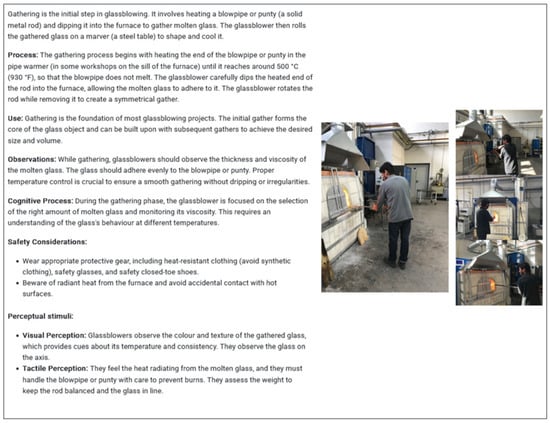
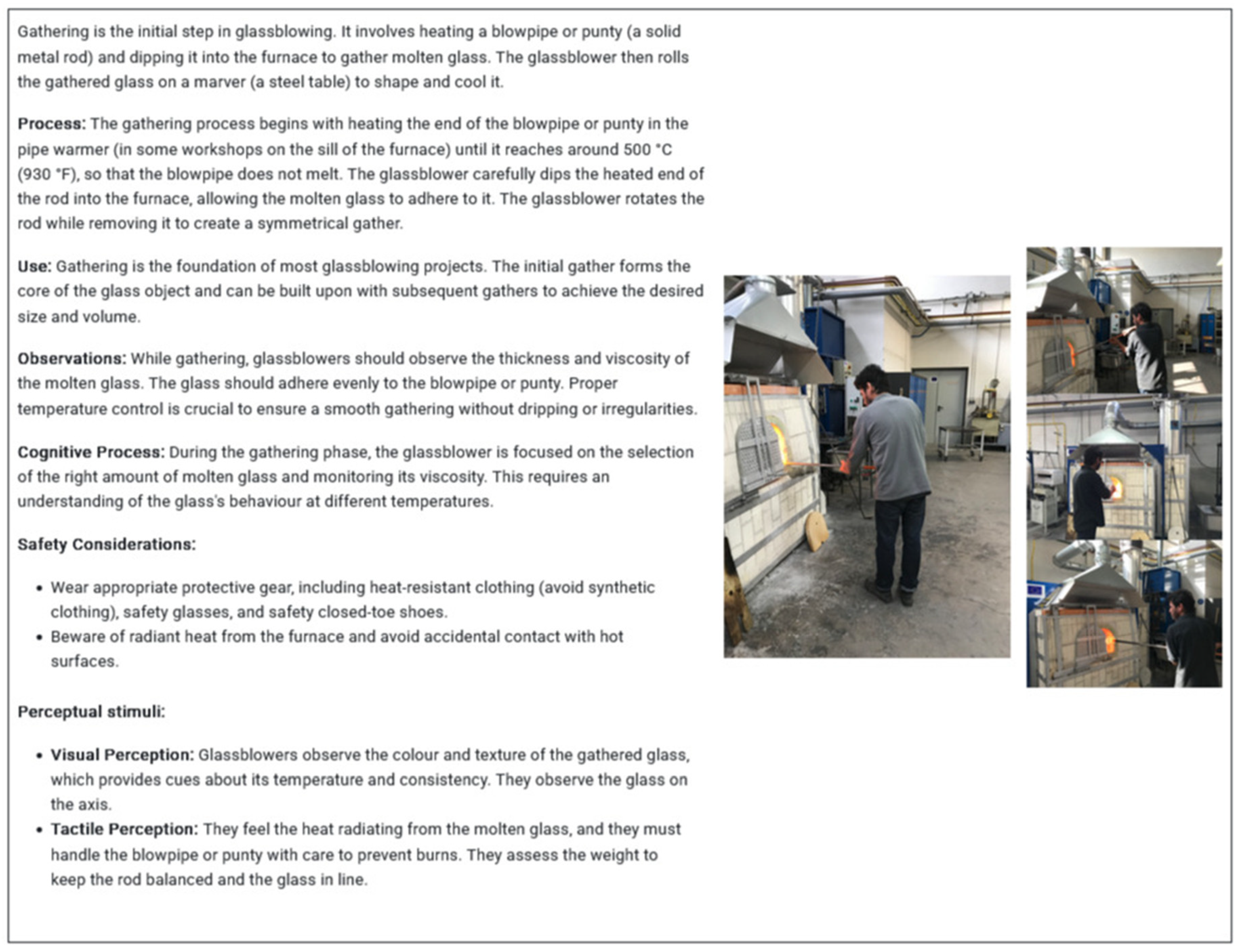
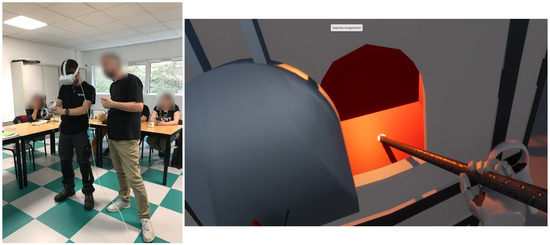
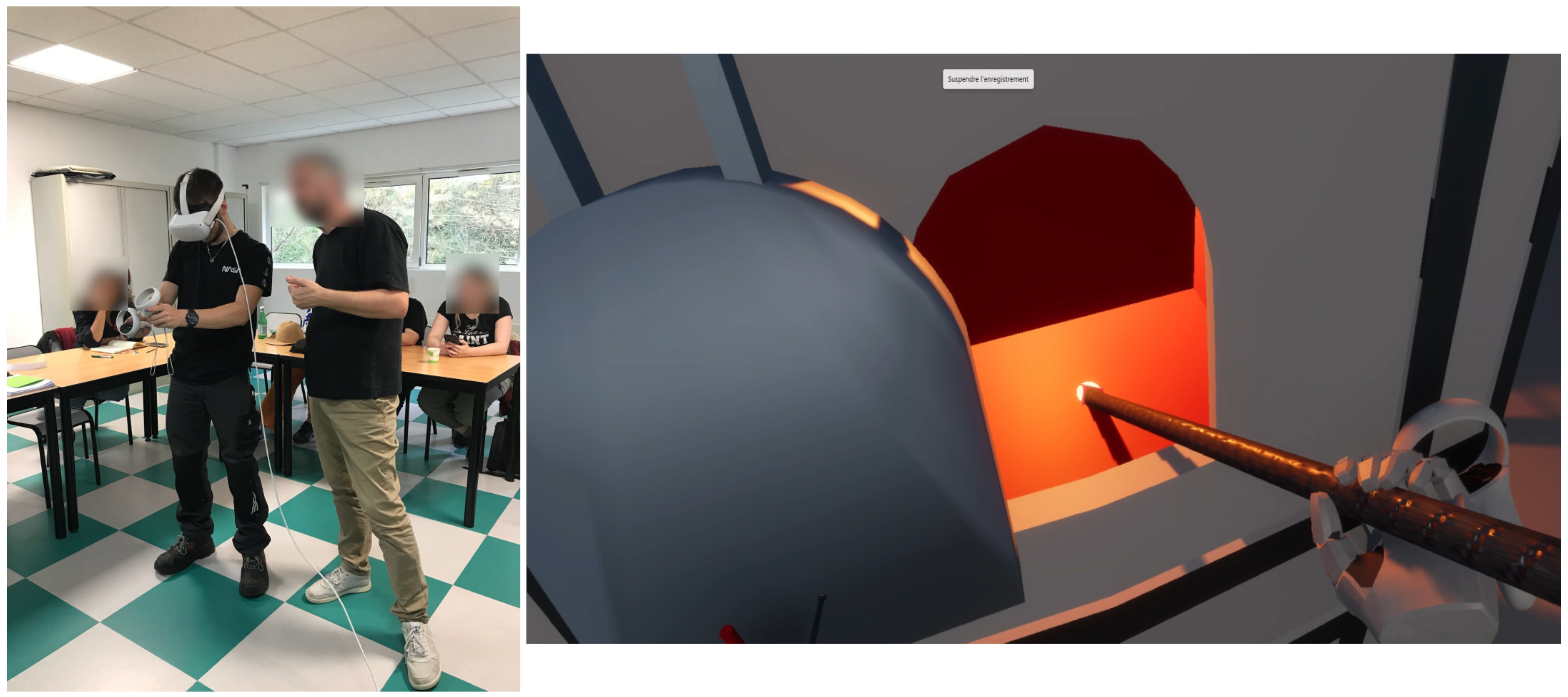
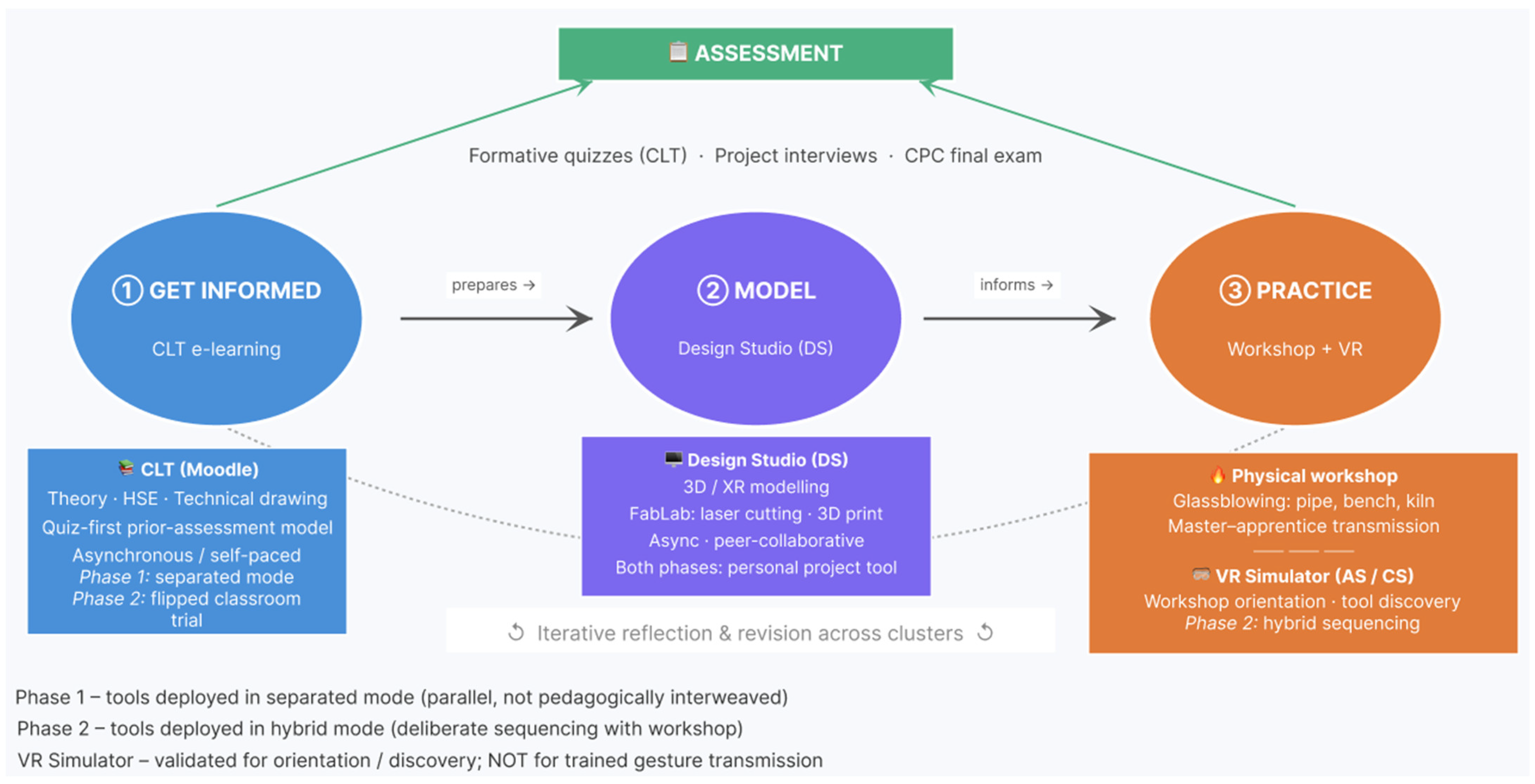
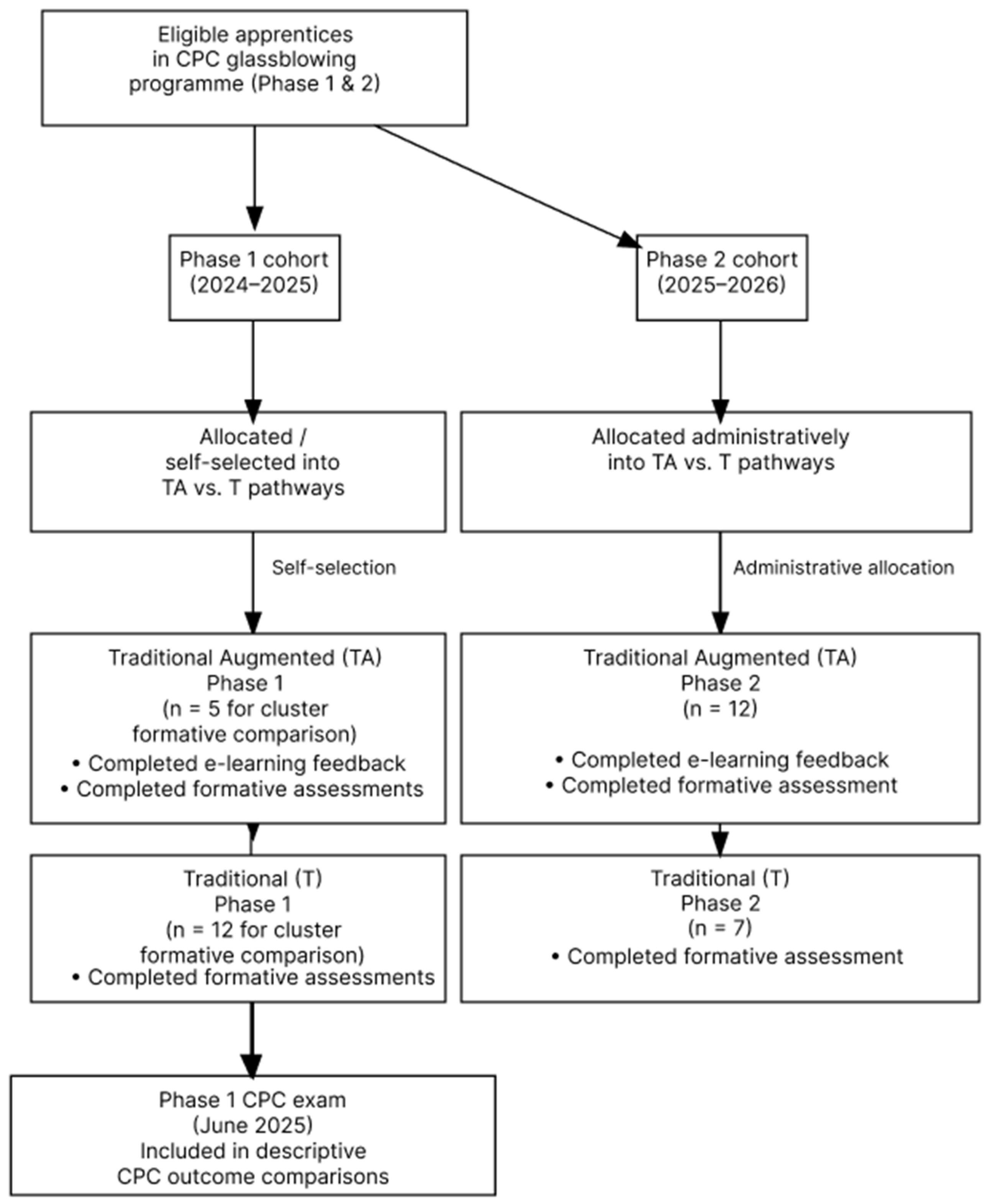

Disclaimer/Publisher’s Note: The statements, opinions and data contained in all publications are solely those of the individual author(s) and contributor(s) and not of MDPI and/or the editor(s). MDPI and/or the editor(s) disclaim responsibility for any injury to people or property resulting from any ideas, methods, instructions or products referred to in the content. |
© 2026 by the authors. Licensee MDPI, Basel, Switzerland. This article is an open access article distributed under the terms and conditions of the Creative Commons Attribution (CC BY) license.