


Abstract
Waterproofing is crucial for maintaining the structural integrity and extending the longevity of buildings. However, traditional waterproofing materials possess limitations, including restricted durability, complex installation procedures, and environmental pollution, making them insufficient to meet the advanced waterproofing demands of modern buildings under complex conditions. Superhydrophobic materials, characterized by a water contact angle greater than 150° and a water sliding angle less than 10°, exhibit low surface energy, self-cleaning properties, and corrosion resistance due to their distinctive micro–nano structure and chemical composition, thereby serving as an innovative high-performance solution for building waterproofing and helping address some limitations of traditional waterproofing technologies. This review systematically elucidates the fundamental wetting theory and formation mechanisms of superhydrophobic materials, categorizes superhydrophobic materials used in building waterproofing mainly according to substrate type, discusses their modification strategies and key functional components, and conducts a detailed analysis of their application scenarios, performance advantages, and engineering test data in the waterproofing of concrete structures, steel structures, and building envelope materials (wood, stone, building coatings). Furthermore, this review analyzes the technical bottlenecks, performance limitations, and industrialization challenges associated with the current practical application of superhydrophobic building waterproofing materials, and outlines future development trends and engineering application strategies from the perspectives of material performance optimization, cost control, construction technology enhancement, and standardization.
1. Introduction
In the natural environment, water is one of the most prevalent and aggressive degradation agents affecting building structures [1,2]. Its penetration into concrete can promote the corrosion of embedded steel bars and the expansion of corrosion products, resulting in structural cracking, spalling, and a reduction in load-bearing capacity [3]. For steel structures, water combined with oxygen and corrosive ions can trigger electrochemical corrosion, resulting in the thinning of steel members and even brittle fracture [4,5]. For building envelope materials such as wood and stone, water penetration can cause material deformation, weathering, decay and discoloration, directly affecting the service performance and decorative effect of the envelope [6,7]. Consequently, waterproofing is a critical component of civil engineering construction, serving as the primary defense to ensure the durability and operational safety of building structures [8]. Traditional building waterproofing materials are mainly divided into two categories, i.e., waterproofing membranes (e.g., bituminous membranes and polymer membranes) and waterproof coatings (e.g., polyurethane coatings, epoxy coatings) [9,10,11,12]. Although these materials have been extensively utilized in engineering practice, their inherent defects have become increasingly pronounced in light of the stringent demands of modern building waterproofing [11]. Traditional waterproof coatings exhibit limitations including inadequate impermeability, short service life, and environmental pollution due to organic solvents [13,14,15]. Furthermore, the construction of traditional waterproof materials relies heavily on manual labor, resulting in low efficiency and challenging quality control, making it difficult to align with the trend toward modern industrialized construction [16].
After billions of years of evolution, natural organisms have developed remarkable superhydrophobic surface properties [17,18,19,20]. The classic “lotus effect” reveals the underlying mechanism of superhydrophobicity, i.e., the synergistic effect of the micro–nano hierarchical rough structure and the low-surface-energy waxy substances, which makes water droplets form a spherical shape on the surface and slide off rapidly, without substantial wetting or adhesion [18]. Superhydrophobic surfaces are generally defined as surfaces with a water contact angle (WCA) greater than 150° and a sliding angle (SA) lower than 10°, which endow materials with excellent waterproofing performance [21,22]. In the field of building waterproofing, superhydrophobic materials can fundamentally reduce the contact area and adhesion between water and the building surface through their unique surface properties, thereby effectively inhibiting the penetration of water and corrosive media into the interior of building structures [23,24,25]. Consequently, extensive studies have been conducted on the preparation of superhydrophobic materials suitable for building substrates, the improvement of interface bonding strength, and the enhancement of environmental durability [26,27].
Because superhydrophobic materials have shown considerable potential to address the durability, maintenance, and environmental concerns associated with conventional building waterproofing systems, it is necessary to reassess their progress from the perspective of practical building applications rather than surface wettability alone. In recent years, numerous superhydrophobic systems have been developed for cement-based substrates, steel structures, wood, stone, and architectural coatings [23,28,29,30]. However, these studies are often discussed separately according to material type or preparation method, and direct comparisons among different substrates, functional designs, and service environments remain limited. More importantly, many reported materials achieve excellent water repellency under controlled laboratory conditions, but their mechanical robustness, interfacial adhesion, weather resistance, construction adaptability, and long-term reliability under real outdoor exposure are not always sufficiently demonstrated. In this regard, a high WCA alone is far from enough to determine whether a superhydrophobic material can function as an effective building waterproofing system. A clearer connection is therefore required between wetting theory, surface/interface design, durability evaluation, and engineering feasibility. Thus, this review begins with the fundamental definition and theoretical foundations of superhydrophobicity. It then categorizes superhydrophobic materials for building waterproofing according to substrate type, modification approach, and key functional components, and analyzes their application characteristics, performance advantages, and experimental outcomes in concrete structures, steel structures, and building envelope materials such as wood and stone. Furthermore, this review identifies the major technical bottlenecks, performance limitations, and industrialization barriers that currently restrict practical implementation. Finally, future development directions and engineering application strategies are discussed in terms of durability enhancement, environmental sustainability, cost control, construction technology, and standardization.
2. Basic Physical Concepts of Superhydrophobicity
The theoretical foundation of superhydrophobicity is grounded in the classical wetting theory of solid–liquid interfaces. When a liquid comes into contact with a solid surface, it spreads to a certain extent on the solid surface, and the degree of spreading of the liquid reflects the wettability of the solid. Therefore, a scientific description of the spreading state of a liquid on a solid surface can accurately characterize the wettability of the solid surface. In 1805, Thomas Young introduced the concept of the contact angle, defining it as follows: at equilibrium among the gas, liquid, and solid phases, the angle (θ) formed between the tangent to the gas–liquid interface and the solid–liquid boundary line at the three-phase contact point. By introducing the contact angle into the framework of interface science, Young established the classical equilibrium equation of interfacial tension, i.e., the Young equation [31].
where γSV, γSL, and γLV represent the interfacial tensions of solid–gas, solid–liquid, and liquid–gas phases, respectively, and θ denotes the equilibrium contact angle of the liquid on the solid surface. Young’s Equation elucidates the intrinsic relationship between the surface energy of solid materials and the contact angle, indicating that a lower surface energy corresponds to a larger contact angle and enhanced hydrophobic performance.
However, Young’s equation is only applicable to ideal smooth and chemically homogeneous surfaces and often fails to describe the wettability of rough surfaces. For the same material under identical conditions, rough and smooth surfaces exhibit different contact angles. To better characterize the wetting behavior of liquid droplets on rough surfaces, Robert N. Wenzel, in 1936, introduced surface roughness into the interfacial tension equilibrium for the first time, modifying Young’s equation, and proposed the well-known Wenzel equation [32].
where θ* denotes the apparent contact angle on the rough surface of the material, r is the roughness factor, and θ is the intrinsic contact angle on the smooth surface of the material. The roughness factor r is defined as the ratio of the actual area of the rough surface to its corresponding projected flat area, which is theoretically greater than 1. According to the Wenzel model, hydrophilic materials become more hydrophilic after roughening, whereas hydrophobic materials become more hydrophobic. However, the Wenzel model also has limitations, i.e., when describing surfaces with high roughness, the value of cos θ* may exceed 1, in which case the Wenzel model becomes invalid.
In 1944, A. B. D. Cassie and S. Baxter advanced the theory of wetting on rough surfaces to more accurately characterize the wetting behavior of hydrophobic rough surfaces [33]. They assumed that a rough surface constitutes a composite surface uniformly composed of small patches of materials with varying chemical compositions. On this basis, they proposed the well-known Cassie–Baxter model, in which the area fractions of the different material patches are incorporated into Young’s equation.
where f1 and f2 are the area fractions of component 1 and component 2 on the material surface, respectively, satisfying f1 + f2 = 1; and θ1 and θ2 are the intrinsic contact angles corresponding to the two components. When one of the components is air, the corresponding contact angle of air is 180°, giving cosθ2 = −1, and Equation (3) can be rewritten as:
The Cassie–Baxter model is mainly applicable to hydrophobic rough material surfaces. An increase in surface roughness corresponds to a larger apparent contact angle. This model serves as the fundamental theoretical basis for the design and fabrication of superhydrophobic materials, with the “air cushion” effect being the defining characteristic of a superhydrophobic surface. In 2003, David Quéré et al. studied the conversion mechanism between the Wenzel state and the Cassie–Baxter state of a liquid on a rough surface, which indicated that the superhydrophobic surface in the stable Cassie–Baxter state is the key to ensuring the long-term stability of the hydrophobic performance of materials [34].
Micro–nano hierarchical structures and low-surface-energy chemicals serve as the foundation for achieving superhydrophobicity [18]. By constructing composite micro- and nanoscale rough structures on material surfaces, a large number of tiny, discontinuous voids can be generated. These voids enable stable air entrapment, forming a continuous air cushion between the liquid and solid surface, which markedly reduces the actual contact area between water droplets and the material surface. The introduction of low-surface-energy species further lowers the surface free energy of the material, effectively suppressing droplet spreading and wetting. Common low-surface-energy modifiers employed in waterproof building materials include silanes, siloxanes, stearic acid, fluorine-containing compounds, and similar substances [35,36,37,38]. These modifiers can form stable low-surface-energy coatings on material surfaces via chemical bonding (e.g., covalent bonds, hydrogen bonds) or physical adsorption.
In addition to static water contact angle and sliding angle, wetting hysteresis is an important parameter for evaluating the dynamic water-repellent behavior of superhydrophobic surfaces. Contact angle hysteresis (CAH) is generally defined as the difference between the advancing contact angle (θA) and the receding contact angle (θR).
Experimentally, θA and θR can be obtained by gradually increasing and decreasing the droplet volume, or by tilting the substrate until the front and rear contact angles of the droplet are recorded. A low CAH usually indicates weak contact-line pinning, low liquid–solid adhesion, and easier droplet removal, whereas a high CAH suggests stronger surface adhesion caused by chemical heterogeneity, roughness defects, pore penetration, or partial transition from the Cassie–Baxter state to the Wenzel state [39]. Therefore, CAH and sliding angle provide complementary information to static WCA and are particularly useful for assessing self-cleaning ability, anti-fouling performance, and durability of building waterproofing surfaces.
Surface free energy analysis provides a more quantitative way to understand why a surface becomes hydrophobic or superhydrophobic. In general, the wettability of a solid surface depends not only on its geometric roughness, but also on the intermolecular interactions between the solid and the testing liquid. For a low-surface-energy surface, water droplets tend to minimize their contact with the substrate, leading to a larger contact angle. To estimate the surface free energy of a solid, the contact angles of several probe liquids with known surface tension components, such as water, diiodomethane, glycerol, ethylene glycol, or formamide, are usually measured. The obtained contact angle values are then fitted using theoretical models to calculate the surface free energy components of the solid surface.
The Owens–Wendt model is one of the most widely used methods for evaluating surface free energy. It divides the total surface free energy into a dispersive component and a polar component:
where γ is the total surface free energy, γd represents the dispersive component mainly associated with nonpolar van der Waals interactions, and γp represents the polar component related to dipole–dipole, hydrogen-bonding, or other polar interactions. Based on the Young–Dupré relationship, the Owens–Wendt equation can be expressed as:
where γL is the surface tension of the testing liquid, θ is the measured contact angle, and are the dispersive and polar components of the solid surface free energy, and and are the corresponding components of the testing liquid. By using at least two liquids with known and values, and of the solid surface can be calculated [40]. For superhydrophobic building materials, this model can help determine whether improved water repellency mainly originates from reduced polar interactions, increased nonpolar character, or the combined effect of surface chemistry and roughness.
The van Oss–Chaudhury–Good approach further separates the surface free energy into Lifshitz–van der Waals and acid–base components:
where γLW is the Lifshitz–van der Waals component, γAB is the acid–base component, γ+ is the electron-acceptor component, and γ− is the electron-donor component. In this model, the contact angle equation is generally written as:
where the subscripts S and L represent the solid and liquid phases, respectively. Compared with the Owens–Wendt model, this approach provides more detailed information on polar acid–base interactions and is useful for analyzing surfaces containing hydroxyl groups, siloxane groups, fluorinated chains, metal oxides, or other chemically heterogeneous components [41]. However, for rough, porous, or highly heterogeneous building substrates, liquid penetration and surface defects may distort the apparent contact angle. Therefore, surface free energy analysis should be interpreted carefully, preferably using smooth reference coatings or comparative measurements under identical testing conditions.
3. Superhydrophobic Materials for Building Waterproofing
Superhydrophobic materials demonstrate unique application characteristics and significant performance advantages when used for waterproofing various building structures, such as concrete and steel, as well as envelope materials such as wood and stone. This section offers a detailed analysis of the application methods, performance benefits, and related engineering effectiveness of superhydrophobic materials in various building waterproofing contexts.
3.1. Cement-Based Superhydrophobic Materials
Since concrete structures are the main load-bearing components of modern buildings, the improvement of their waterproof performance is crucial to ensuring the service life and structural safety of buildings. As the most extensively investigated superhydrophobic waterproofing materials for buildings, those developed through surface modification or bulk modification of traditional cement-based materials are suitable for waterproofing primary load-bearing structures such as concrete roofs, exterior walls, basements, and bridge decks. These modified materials can be well integrated with cement-based substrates, effectively improving the impermeability, freeze–thaw resistance and corrosion resistance of concrete structures.
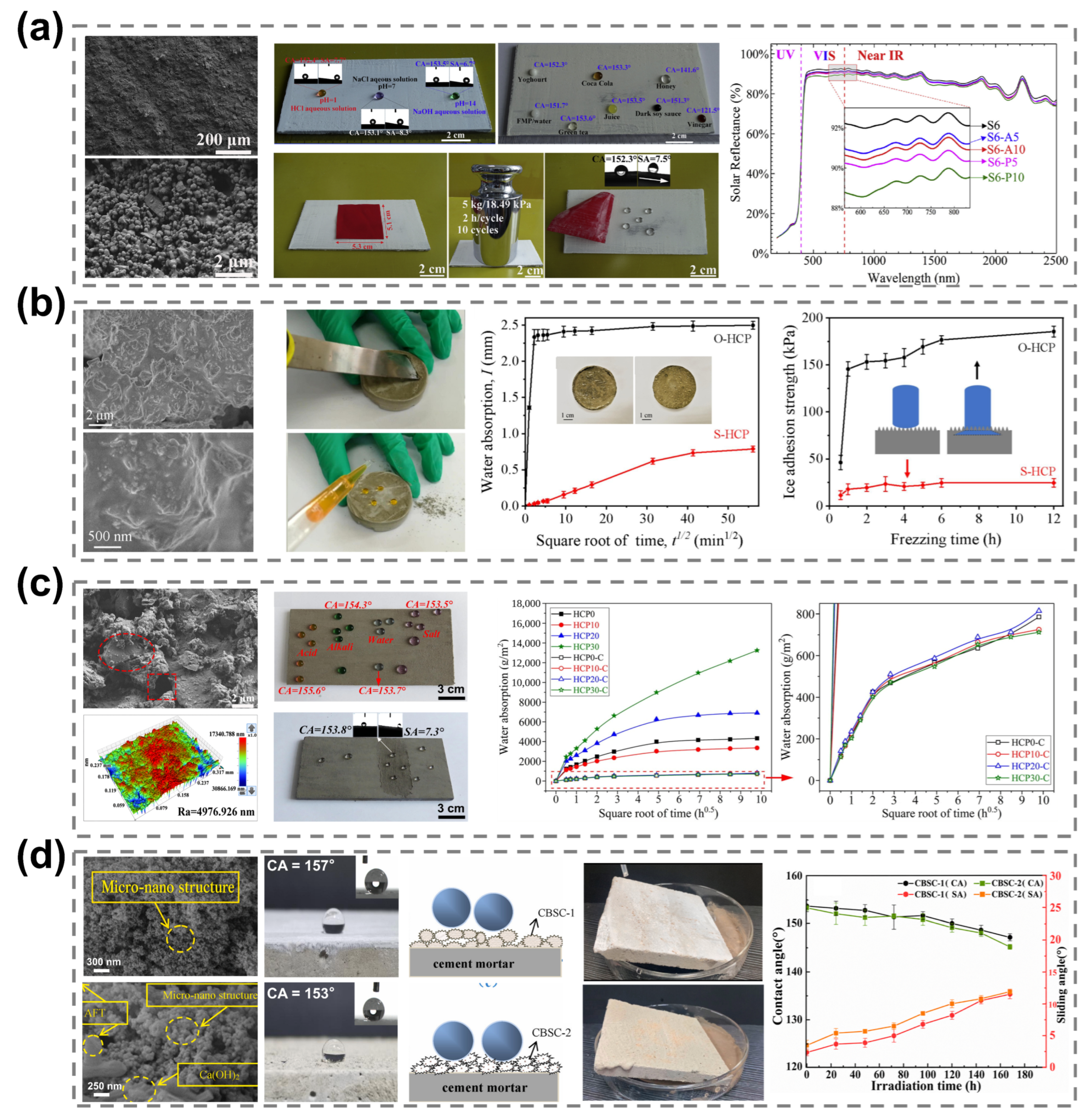
In 2020, a team from Nanchang Hangkong University used white Portland cement as the base material, room-temperature vulcanized silicone rubber (RTV) as the hydrophobic agent, and titanium dioxide as the solar-reflective filler to prepare a cement-based coating with superhydrophobicity, self-cleaning and high reflectivity via a one-step brushing method [42]. As shown in Figure 1a, the coating exhibited superhydrophobicity after curing at ambient conditions for 24 h, with a WCA of 153.1° and an SA of 7.8°. It exhibits wear resistance, temperature-variation resistance, and UV resistance, with an infrared reflectance of 0.867 and a solar reflectance of 0.67, suitable for long-term building cooling. The team from the Chinese Academy of Sciences utilized the nanostructure of cement hydration products and prepared mechanically stable superhydrophobic hardened cement pastes only through surface modification with perfluorodecyltriethoxysilane (PFDTES) without incorporating additives into the cement matrix, and the WCA is greater than 150° [43]. As illustrated in Figure 1b, the material has a much lower cumulative water absorption than ordinary hardened cement paste (68% lower), decreasing from 2.5 mm for O-HCP to 0.8 mm for S-HCP after 52 h immersion, an ice adhesion strength of less than 20 kPa, excellent anti-icing performance, and is resistant to abrasion, tape peeling, file scratching, and 168 h of UV aging. Another study replaced part of cement with foundry dust (FD), an industrial solid waste, to prepare FD/cement-based composites and superhydrophobic coatings [44]. When the FD content is 10%, the composite retains more than 90% of its flexural and compressive strength. As shown in Figure 1c, using polydimethylsiloxane (PDMS) as the hydrophobic agent, the coating has a WCA of 154.1° and an SA of 6.1°, more than 76% reduction in water absorption, excellent mechanical stability and repairability, realizing the combination of solid waste resource utilization and superhydrophobic function.
In 2024, a team from Beijing University of Civil Engineering and Architecture constructed a double-layer superhydrophobic coating consisting of a micro–nano rough structure layer and a hydroxyl silicone oil-modified epoxy resin/PTFE low-surface-energy slurry [45]. Diamond micro-powder/hydrophobic nano-silica was selected as the micro–nano substrate. Compared with traditional silane treatment, the coating had 19.41%, 18.36%, 43.17% and 87.47% improvement in acid corrosion resistance, UV-radiation resistance, abrasion resistance and deicer freeze–thaw resistance, respectively, and its skid resistance met airport pavement specifications, making it suitable for pavement concrete protection. A team from Chongqing Jiaotong University adopted a green sol–gel method, using nano-silica, N-octyltriethoxysilane and silane coupling agent as raw materials to prepare coatings through brushing and nylon-mesh replication processes [46]. The optimal sample has a WCA of 153° and a SA of 4°. The coating has significantly better self-cleaning, chemical stability and UV-radiation resistance than ordinary concrete, and the synergistic effect of micro–nano hierarchical structure and low-surface-energy achieves superhydrophobicity (Figure 1d).
Figure 1.
Representative advances in cement-based superhydrophobic materials for building waterproofing. (a) Cement-based solar-reflective superhydrophobic coating with self-cleaning and robustness. (b) Mechanically stable superhydrophobic hardened cement paste with reduced water absorption and anti-icing performance. (c) Foundry dust/Portland cement-based superhydrophobic coating combining solid-waste reuse, water repellency, and mechanical repairability. (d) Sol–gel-derived cement-based superhydrophobic coating with self-cleaning, chemical stability, and UV-radiation resistance. Reproduced with permission from refs. [42,43,44,46]. Copyright 2020 and 2024, Elsevier.
In 2025, research on cement-based superhydrophobic materials further focused on silica-fume modification, composite modifiers, and surface construction strategies, with particular emphasis on mechanical durability, environmental stability, compatibility with cement matrices, and practical functions such as corrosion resistance, freeze–thaw resistance, and long-term protection [47,48].
Overall, cement-based superhydrophobic materials have evolved from simple surface water-repellent treatments toward integrated strategies involving roughness construction, low-surface-energy modification, matrix compatibility, and functional durability [13,42,43,44,45,46,47,48]. The physicochemical design of these systems is strongly influenced by the alkaline, porous, and hydration-active nature of cement-based substrates. Calcium silicate hydrate, calcium hydroxide, and other hydration products provide abundant hydroxyl-rich surfaces and capillary pores, which are favorable for silane/siloxane bonding and nanoparticle anchoring, but also create pathways for water and ion transport [13,43,47]. Therefore, effective cement-based superhydrophobic systems should not only reduce surface energy and construct air-retaining micro–nano roughness, but also maintain compatibility with cement hydration, pore structure, vapor transport, mechanical strength, and skid resistance [42,43,44,45,46,47,48]. A high WCA alone is therefore insufficient to demonstrate engineering applicability. Future studies should pay more attention to the coupling between superhydrophobic modification, cement hydration products, interfacial bonding, and durability under coupled outdoor conditions such as moisture, salt, UV radiation, temperature variation, freeze–thaw cycles, and deicing salts.
3.2. Steel-Based Superhydrophobic Materials
Although steel structures offer the advantages of high strength, light weight, and rapid construction, they are highly susceptible to electrochemical corrosion in humid, rainy, and marine environments. Specifically, the corrosion rate of steel structures generally accelerates with increasing environmental humidity and corrosive ion concentration [49]. Superhydrophobic coatings for steel structures are specifically designed to combat electrochemical corrosion in humid environments and are suitable for waterproofing and protecting steel-structure workshops, high-rise buildings, bridges, and marine steel structures against corrosion. By forming both physical and chemical barriers on the steel surface, these coatings not only prevent water and oxygen from contacting the steel but also resist the erosion caused by corrosive ions, thereby achieving the dual functions of waterproofing and corrosion protection [50].
In 2021, Tsygankova et al. fabricated superhydrophobic coatings on St3 steel surfaces via nanosecond infrared laser texturing followed by ozone–ultraviolet treatment and fluorosilane modification [51]. The coatings achieved a WCA of 172.6 ± 1.2° and provided complete corrosion protection for 100 days in 100% humidity atmospheres containing paired or combined CO2, H2S, and NH3 corrosion stimulants at livestock building concentrations. The contact angle only decreased slightly to 162–167°, and no corrosion weight loss was observed, while uncoated steel suffered severe corrosion.
In 2022, two major advances were reported. Moradi and Rezaei developed superhydrophobic polypropylene/graphene oxide nanocomposite coatings on mild steel with maleic anhydride-grafted polypropylene as a compatibilizer [52]. The optimized coating (1.5 g PP, 1.5 g PP-g-MAH and 2 mg GO) showed a WCA of 166°, 800 times higher corrosion resistance than pure polypropylene, and significantly improved compactness. Molecular dynamics simulations verified that graphene oxide increased coating density from 0.80 to 0.85 g cm−3 and suppressed water diffusion (Figure 2a). Also in 2022, Shi et al. utilized stearic acid-modified superhydrophobic steel slag as a cement replacement in mortar [53]. With 1% stearic acid modification, the steel slag reached a WCA of 153°; mortar containing 20% superhydrophobic steel slag showed a 31% lower cumulative water absorption at 90 h and improved corrosion resistance, while additions below 10% maintained mechanical strength.
Figure 2.
Representative steel-based superhydrophobic coatings for building waterproofing and protection. (a) Polypropylene/graphene oxide nanocomposite coating on carbon steel with enhanced superhydrophobicity and corrosion resistance. (b) Green fire-proof and superhydrophobic coating integrating self-cleaning, anti-corrosion, durability, and passive fire protection. (c) Durable multifunctional coating constructed from M-ALHP@ZIF-8 and SiO2, showing water repellency, anti-corrosion, mechanical stability, and fire protection. (d) Bio-based superhydrophobic coating based on phytic acid/ZIF-8 hybrids and TiO2, combining surface functionality with passive fire-proof performance. Reproduced with permission from refs. [52,54,55,56]. Copyright 2022, 2024 and 2025, Elsevier.
In 2024, Tang et al. proposed a one-step spraying method to prepare biomimetic green, fireproof and superhydrophobic multifunctional coatings for steel structures, using epoxy/silicone resin as binders and cyclodextrin-based flame retardant and expandable graphite as fillers [54]. As shown in Figure 2b, the coating presented a WCA of 153.9° and SA of 8°, with excellent self-cleaning and anti-corrosion properties; after 1 h of flame testing, the backside temperature of coated steel was reduced to 269 °C, and the peak heat release rate decreased by 68.8%. Another 2024 study by the same team constructed superhydrophobic multifunctional coatings via one-step spraying, incorporating hydrophobic aluminum hypophosphite@ZIF-8 and SiO2 nanoparticles [55]. The coating reached a WCA of 162.4° and SA of 2.8°, showed outstanding mechanical durability and chemical stability, and lowered the steel backside temperature to 181 °C after 1 h of flame impact, with 51.7% and 59.5% reductions in peak and total heat release rates, respectively (Figure 2c).
In 2025, Li et al. developed bio-based robust superhydrophobic coatings via one-step spraying for steel structures, using phytic acid/melamine/ZIF-8 hybrid flame retardants and hydrophobic TiO2 as functional fillers [56]. As illustrated in Figure 2d, the coating achieved a WCA of 162.3° and SA of 3°, maintained superhydrophobicity after 5 m abrasion and 250 tape-peeling cycles, and exhibited acid-alkali resistance. During flame testing, the coated steel reached an equilibrium backside temperature of 203.2 °C, demonstrating balanced passive fireproofing and surface functionality.
In 2026, Li et al. further developed a nacre- and mussel-inspired multi-level fireproof superhydrophobic coating for steel structures by constructing a sandwich-like EP/S-MMT@P@PU@Z/m-TiO2/PDMS system [57]. The coating exhibited a WCA of 161 ± 1.3° and a SA of 2 ± 0.2°, and retained superhydrophobicity after 40 m sandpaper abrasion and 1000 tape-peeling cycles. Benefiting from the semi-cured EP anchoring layer and PDMS encapsulation, the coating showed improved mechanical robustness while maintaining fire protection, with a backside temperature of only 265.1 °C after 1 h flame impact.
For steel-based substrates, recent studies indicate a clear shift from corrosion-resistant water barriers to multifunctional protective systems integrating anti-corrosion, self-cleaning, mechanical durability, and passive fireproofing [50,51,52,53,54,55,56,57]. Different from porous mineral substrates, steel is a dense and electrochemically active substrate, and its waterproofing performance is closely related to the suppression of interfacial charge transfer, oxygen diffusion, and corrosive ion penetration [49,50]. Therefore, the coating strategy for steel should emphasize continuous barrier formation, strong interfacial adhesion, defect tolerance, and stable low-surface-energy outer layers. Micro–nano roughness and hydrophobic chemistry can reduce water adhesion and delay electrolyte contact, but corrosion protection also depends on the integrity of the coating and its ability to resist scratches, cracks, welding-related defects, and thermal stress [51,52,53,54,55,56,57]. Moreover, the incorporation of flame-retardant fillers, inorganic nanoparticles, and hydrophobic modifiers may enhance multifunctionality but may also affect coating flexibility, adhesion, and repairability [54,55,56,57]. Future research should therefore establish clearer relationships among surface wettability, interfacial bonding, electrochemical corrosion resistance, mechanical damage tolerance, fire protection, and field maintenance.
3.3. Wood-Based Superhydrophobic Materials
Wood is a porous hydrophilic material, and water penetration can induce swelling, dimensional instability, decay, cracking, and discoloration. Wood-based superhydrophobic materials generally construct micro–nano hierarchical rough structures and low-surface-energy interfaces on wood surfaces, thereby reducing the solid–liquid contact area and suppressing water penetration. These treatments are expected to improve water repellency, self-cleaning ability, mildew resistance, dimensional stability, and weathering resistance while extending the service life of wooden building components.
In 2020, Li et al. developed a high-strength, lightweight, and superhydrophobic structural wood (SH-Wood) through a top-down strategy involving delignification, in situ growth of nano-SiO2, and hot-compression densification [58]. The hierarchical micro–nano structure was constructed by sandpaper-induced micro-roughness and uniformly dispersed ~100 nm hydrophobic SiO2 nanoparticles, yielding a static WCA of 159.4° and an SA of 3°. Densification aligned cellulose nanofibers into a dense laminated structure, boosting tensile strength to 384.2 MPa (7 times that of natural wood) and impact toughness to 6.18 J·cm−2 (7 times higher). The SH-Wood showed extremely low water absorption, with a weight percent gain of only 5.3% after 24 h immersion and a spring-back efficiency of 1.8%, along with outstanding mechanical robustness: it retained superhydrophobicity after 40 sandpaper abrasion cycles under 200 g load. It also exhibited strong acid/alkali resistance, with minimal weight change after 7 days of corrosion testing, and a specific strength nearly three times that of conventional high-strength steel. This green, scalable method integrated ultrahigh mechanical performance, low density, and durable superhydrophobicity, making the material a promising renewable alternative to steel in lightweight construction and structural applications. In 2020, Zhao et al. developed a high-performance, frost-resistant wood material by constructing omni-surface hydrophobicity [59]. The preparation process included delignification, hydrophobic modification with chain-like silica nanoparticles and fluorosilane, and hot-pressing densification. The outer surface exhibited a WCA of 156 ± 4°, and the torn inner surface remained hydrophobic with a WCA of 124 ± 4°, while the flexural strength was increased fourfold to 228 MPa. This omni-surface hydrophobic structure significantly suppressed water intrusion and volumetric expansion during freeze–thaw cycles, providing outstanding frost resistance and dimensional stability for applications in cold and humid environments.
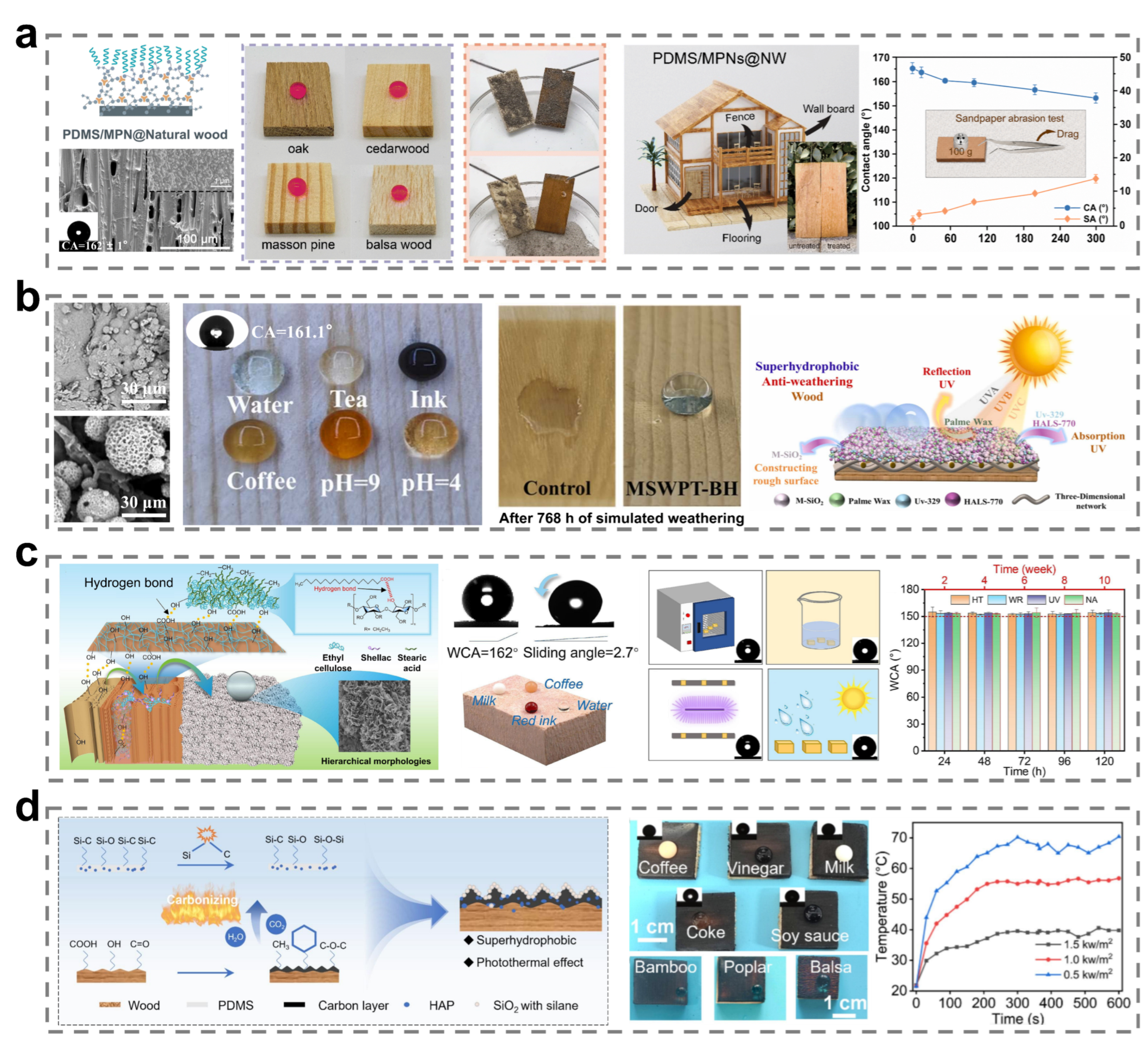
In 2023, Gao et al. systematically reviewed the preparation and application of superhydrophobic wood surfaces. Common fabrication methods—including immersion, spray-coating, hydrothermal synthesis, dip-coating, deposition, and sol–gel processes—were summarized, all aiming to construct hierarchical micro–nano roughness and lower surface energy [60]. Functional applications were extended to antifungal/antibacterial activity, oil/water separation, flame retardancy, UV-radiation resistance, electromagnetic interference shielding, photocatalysis, and anti-icing. The review indicated that combining multiple preparation strategies was beneficial to improve durability, and future development was directed toward green, scalable, and mechanically robust systems. Also in 2023, Liu et al. proposed a nature-inspired universal strategy using metal–phenolic networks (MPNs) and polydimethylsiloxane (PDMS) [61]. As shown in Figure 3a, rutin was used as a polyphenol ligand to chelate with Fe3+, Fe2+, Al3+, or Cu2+ to form nanoscale rough structures, followed by low-surface-energy modification. The optimized sample achieved a WCA of 164.6° and a SA of 4.2°, with self-cleaning performance, chemical resistance, and mechanical stability under sandpaper abrasion, tape peeling, and ultrasonic washing. This method was applicable to both polyphenol-rich and polyphenol-free wood species. Cao et al. further constructed a superhydrophobic coating on wood varnish using a one-step brushing technique based on ZIF-8/paraffin/HDTMS. At a ZIF-8/HDTMS ratio of 5:1, the coating reached a WCA of 153°, maintained a light transmittance of about 80%, and still showed WCA above 150° after 10 abrasion cycles, providing a rapid strategy for transparent and self-cleaning wood surface protection [62]. Sun et al. developed an environmentally robust flame-retardant and superhydrophobic coating for wood by combining an intumescent flame-retardant layer with a PDMS/modified SiO2 protective layer [63]. The treated wood achieved WCA above 154° and SA below 5°, while showing self-extinguishing behavior, LOI of 31.0%, UL-94 V0 rating, and stable flame retardancy after water immersion.
In 2024, Yao et al. prepared durable colored superhydrophobic wood-based coatings using a “spraying–sanding–spraying” method, in which KH560-modified iron oxide particles served as pigments and roughness-building components, while EP/PDMS acted as the binder and low-surface-energy matrix [64]. The final coating achieved a WCA of 159°, retained superhydrophobicity after 50 sandpaper abrasion cycles, and could be repaired by respraying the topcoat, making it suitable for decorative and protective applications in wooden buildings. Gong et al. converted fast-growing poplar wood into a green structure–decoration integrated material for prefabricated buildings [65]. Compression densification at 60% reduction reduced surface roughness from 11.07 μm to 0.75 μm, enabling direct digital printing without sanding. Subsequent spraying of nano-SiO2/PDMS waterproof emulsion formed a bionic hierarchical structure, yielding a WCA of approximately 139°. After waterproofing treatment, CWwr-Ply showed a water absorption of 11.22% and a water absorption thickness swelling rate of 8.48% after boiling in water at 63 °C for 3 h, much lower than the water absorption values of CK-Ply (38.33%) and CW-Ply (46.53%). After 24 h immersion at room temperature, the water absorption rates of CKwr-Ply and CWwr-Ply were 23.91% and 21.48%, respectively. The modified wood showed significantly reduced water absorption and thickness swelling rate, and its modulus of elasticity and modulus of rupture remained above the highest structural grade requirements after water immersion and redrying. In the same year, a novel two-step strategy was reported to fabricate weathering-resistant hydrophobic wood, extending service life by enhancing photostability, water repellency, and surface bonding strength, thereby reducing degradation caused by outdoor humidity and UV radiation [66].
In 2025, several breakthroughs were achieved in multifunctional integration. As shown in Figure 3b, a fluorine-free superhydrophobic coating was developed for wooden construction materials, offering enhanced weatherability, UV protection, and mechanical robustness without fluorine-containing reagents [67]. Meanwhile, a durable superhydrophobic coating with self-healing properties was prepared, enabling room-temperature self-healing after acid/alkali exposure to restore water repellency and extend service life (Figure 3c) [68]. Another study achieved exceptional flame-retardant, ultra-strong, tough, and superhydrophobic self-cleaning wood by combining inorganic flame-retardant fillers and hierarchical hydrophobic structures, balancing mechanical performance, fire safety, and surface functionality [69]. Additionally, a superhydrophobic, self-cleaning, highly weather-resistant composite coating was constructed on bamboo scrimber using wood wax oil and POTS-modified zeolitic imidazolate framework-8 (ZIF-8), improving outdoor durability and antifouling performance for engineered wood–bamboo composites [70].
Figure 3.
Representative superhydrophobic wood-based materials for building waterproofing and outdoor protection. (a) Nature-inspired superhydrophobic wood constructed by metal–phenolic networks and PDMS modification, showing water repellency, self-cleaning, anti-fouling, and mechanical/chemical durability. (b) Fluorine-free superhydrophobic coating for wooden construction materials, integrating modified SiO2, wax, PDMS-based components, and UV stabilizers for enhanced weather resistance and ultraviolet protection. (c) Sustainable superhydrophobic wood prepared through EC/shellac and EC/SA self-assembly, exhibiting self-healing ability, self-cleaning performance, and improved durability. (d) Pyrolysis-driven superhydrophobic wood/bamboo with a photothermal carbon layer, enabling moisture resistance, outdoor durability, and solar-assisted anti-icing/de-icing. Reproduced with permission from ref. [61]. Copyright 2023, Royal Society of Chemistry. Reproduced with permission from refs. [67,68,71]. Copyright 2025 and 2026, Elsevier.
These studies also indicate that environmentally friendly treatments have become an important direction for wood and wood-composite substrates. Compared with conventional fluorinated modifiers, fluorine-free or low-toxicity systems based on siloxanes, waxes, stearic acid, shellac, cellulose derivatives, and bio-based components are more attractive for wooden building materials because they can reduce environmental persistence and potential ecological risks. For example, fluorine-free SiO2/wax/PDMS-based coatings have been reported to provide superhydrophobicity, weather resistance, UV protection, and mechanical robustness for wooden construction materials [67]. Sustainable EC/shellac and EC/stearic acid self-assembled systems can also endow wood with superhydrophobicity, self-healing ability, and enhanced durability [68]. In addition, wood wax oil/ZIF-8-based composite coatings have been used to improve the outdoor durability and antifouling performance of engineered wood–bamboo composites [70]. These studies suggest that greener wood-protection strategies should focus on reducing fluorinated chemicals while maintaining water repellency, coating durability, breathability, and compatibility with wood deformation.
In 2026, Su et al. proposed a pyrolysis-driven “one-stone-two-birds” tactic to fabricate durable superhydrophobic wood and bamboo with photothermal effects [71]. As demonstrated in Figure 3d, by thermally decomposing a pre-coated PDMS/HAP layer, PDMS was converted into silica nanoparticles with surface silane groups, while a photothermal carbon layer was simultaneously formed on the wood surface. The treated wood achieved a WCA of 160.5° and maintained durability against sandpaper abrasion, water impact, chemical corrosion, and UV radiation. Under one-sun illumination, the surface temperature rapidly increased to 55.3 °C, allowing ice crystals to slide off within 8 s, thereby integrating passive anti-icing and active photothermal deicing for outdoor wooden building materials.
In the case of wood-based materials, superhydrophobic design has gradually expanded from simple water repellency to integrated structural strengthening, dimensional stabilization, flame retardancy, weather resistance, and photothermal anti-icing [58,59,60,61,62,63,64,65,66,67,68,69,70,71]. The coating strategy for wood is governed by its naturally porous, anisotropic, and hygroscopic structure, which contains abundant hydroxyl groups and interconnected cell lumens. These features facilitate coating penetration and chemical interaction with modifiers, but they also make wood highly sensitive to moisture-induced swelling, biological degradation, cracking, and surface aging [58,59,60,68]. Therefore, wood-based superhydrophobic systems should not rely only on an external low-surface-energy layer, but should also consider hierarchical roughness, penetration depth, interfacial compatibility, dimensional deformation, and vapor exchange [61,62,63,64,65,66,67,68,69,70,71]. Excessively dense or highly hydrophobic surface layers may suppress liquid water uptake, but they may also affect breathability, coating penetration, color, transparency, and compatibility with wood deformation. Future wood-based systems should therefore balance superhydrophobicity with breathability, dimensional adaptability, flame safety, aesthetic preservation, and environmentally benign fabrication.
3.4. Stone-Based Superhydrophobic Materials
Stone curtain walls are an essential architectural envelope system. Prolonged water penetration, combined with atmospheric pollutants, causes serious problems such as surface discoloration, efflorescence, and physical weathering, significantly compromising both structural durability and aesthetic appeal [72]. Stone-based superhydrophobic materials are specialized modification formulations designed for decorative building envelopes, such as stone curtain walls (marble, granite) and exterior wall coatings, aimed at addressing critical challenges like water ingress, pollution-induced weathering, and aesthetic degradation, while preserving the original surface texture and decorative integrity.
In 2021, Cao et al. developed a nanoparticle-free superamphiphobic coating via one-step amidation of 3-perfluoroether-amidopropylsilane (Si-PFE) [73]. Applied on porous stones such as Lecce stone and Pietra Serena, the coating achieved water and oil contact angles above 150° with contact angle hysteresis below 10°, showing high water inhibition efficiency (>90%) and preserved vapor permeability. For treated Lecce stone, only 0.08 g, 0.14 g, and 0.20 g of water were absorbed after 30 min, 1 h, and 2 h, respectively, and the water absorption after 24 h remained as low as 0.93 g, corresponding to a WIE of 91%. For treated Pietra Serena, about 0.54 g of water penetrated after 24 h, corresponding to a WIE of 71%. It exhibited strong chemical resistance (pH 2.9–14.0), mechanical robustness against abrasion and tape peeling, and stable performance under outdoor exposure, making it suitable for in situ heritage protection without altering substrate appearance. Also in 2021, Adamopoulos et al. proposed a nanoparticle-free TEOS-based superhydrophobic coating by co-hydrolysis of tetraethyl orthosilicate (TEOS) and 1H,1H,2H,2H-perfluorooctyl triethoxysilane (FAS) [74]. Coated marble reached a WCA over 170° and SA below 5°, reducing capillary water absorption by 74.3% with only 15.6% vapor permeability loss. The coating remained stable under water immersion, wide pH range, salt crystallization, and 70 days of outdoor aging, and could be applied to glass, brass, wood, and other substrates with negligible color change on light-colored stones.
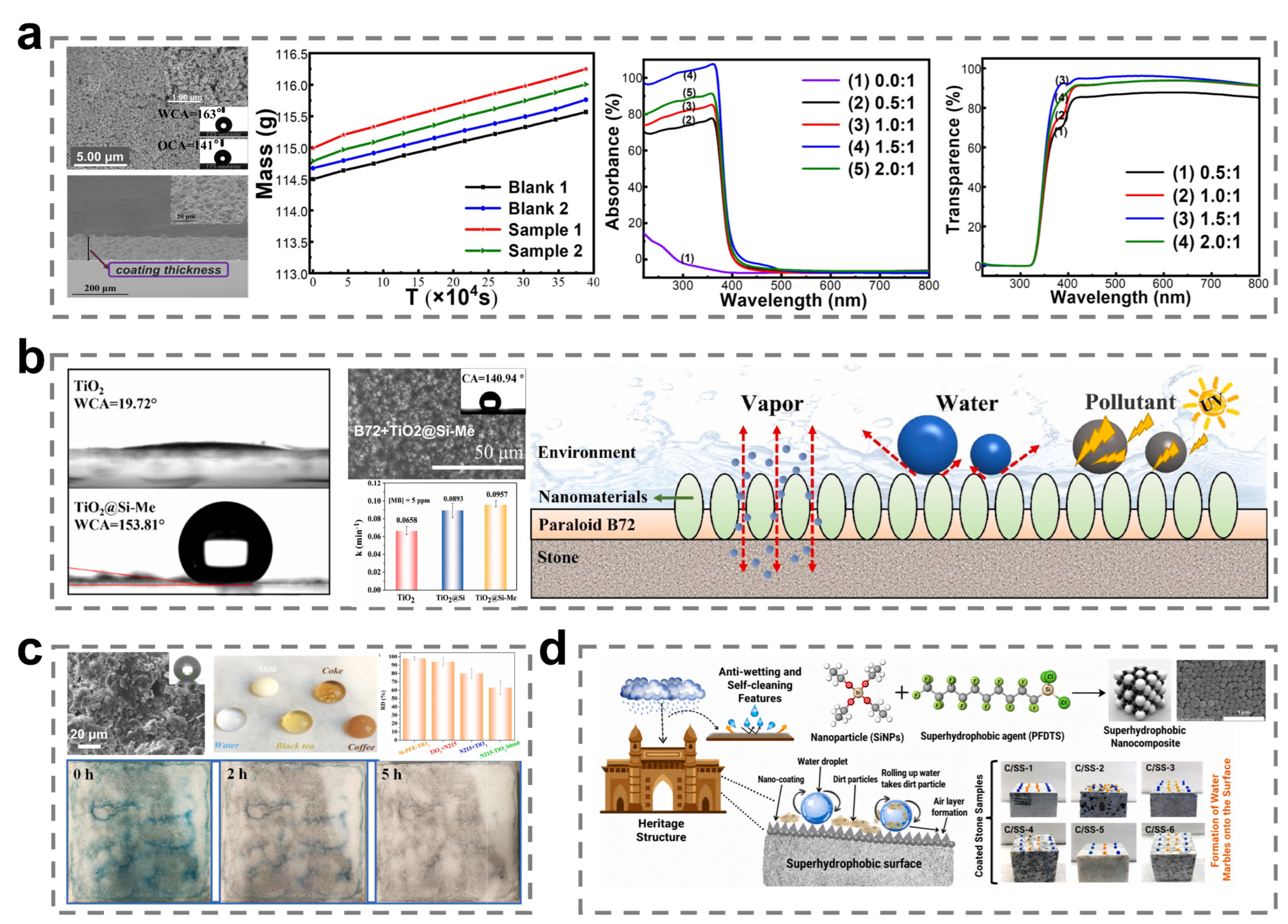
In 2022, Chai et al. fabricated a ZnO/SiO2-based amphiphobic nanocomposite coating (FZS) crosslinked with a silane coupling agent and modified by fluorocarbon [75]. As shown in Figure 4a, optimized at a ZnO/SiO2 mass ratio of 3:2, the coating delivered WCA above 160° and oil contact angle above 140°, with nearly 100% UV absorption. It maintained excellent amphiphobicity after 300 h of UV irradiation and long-term temperature-humidity cycles, forming a hierarchical micro–nano structure that enhanced weathering resistance for outdoor sandstone relics. In the same year, another study reported a TiO2-based superhydrophobic coating for stone building surfaces, which combined self-cleaning and anti-corrosion functions [76]. In this work, TiO2 nanoparticles were first coated with a SiO2 shell and then grafted with methyl groups to form superhydrophobic TiO2@Si-Me core–shell nanoparticles, which were dispersed in Paraloid B72 and applied onto marble surfaces. Compared with pure TiO2, the TiO2@Si-Me system showed higher methylene blue adsorption and degradation efficiencies, improved surface roughness, maintained vapor permeability, and reduced color change after UV aging, providing a more stable photocatalytic self-cleaning coating for stone protection (Figure 4b).
In 2023, Cao et al. designed a multifunctional Si-PFE-TiO2 nanocomposite coating for building stone conservation, covalently bonded through Ti-O-Si linkages [77]. With a low coating dosage of 8.5 g m−2, it achieved WCA above 155°, water inhibition efficiency over 88%, and high vapor retention. The coating showed 91% methylene blue photodegradation efficiency under UV light and significantly enhanced antibacterial activity against E. coli and S. aureus, 1.32–1.94 times higher than pure nano-TiO2. It also demonstrated strong mechanical and chemical stability, suitable for acid rain-prone environments (Figure 4c). Also in 2023, Manoudis et al. tuned a commercial silane product into superamphiphobic coatings by combining fluoropolymer and SiO2 nanoparticles [78]. The optimal 6P/1F/2Si coating displayed water and oil contact angles above 150° with low hysteresis on marble, stable under UV aging, rain erosion, acid rain, freeze–thaw cycles, and tape peeling. This method was versatile and applicable to marble, sandstone, granite, steel, and copper, offering a scalable strategy for heritage protection.
In 2024, researchers optimized commercial hydrophobic coating application processes for natural stone protection, mainly by regulating coating application number and coating/substrate temperature to improve hydrophobic effectiveness, aesthetic compatibility, and durability [79]. The optimized coatings maintained stable hydrophobicity under accelerated aging, suitable for practical stone-protection applications. Another 2024 study developed a robust siloxane resin and hydrophobic calcium carbonate nanoparticle composite superhydrophobic coating for limestone [80]. The inorganic–organic hybrid structure enhanced surface roughness and bonding strength, delivering high water repellency, salt resistance, and weathering stability. In the capillary water absorption test, the water absorption coefficient of untreated limestone was 31.50 ± 3.92 g m−2 s−1/2, whereas it decreased to 1.51 ± 0.44 g m−2 s−1/2 for KSE-treated limestone and further to 0.81 ± 0.40 g m−2 s−1/2 for the superhydrophobic composite-treated limestone. These results indicate effective reduction in water penetration and mitigation of salt crystallization damage.
In 2025, Liu et al. developed an environmentally stable FAS-SiO2/resin hybrid superhydrophobic coating for outdoor sandstone heritage protection [81]. The coating combined FAS-17-modified SiO2 nanoparticles with fluorocarbon resin and PMMA, forming a semi-transparent hierarchical porous structure by one-step spraying. It achieved a WCA of 157.4° and low SA, while retaining vapor permeability and limited color change. The coating also showed stable superhydrophobicity after UV aging, acid rain, salt immersion, high/low-temperature exposure, tape peeling, and sand impact, providing a durable multi-barrier strategy for sandstone protection.
In 2026, a durable highly hydrophobic multifunctional nanocoating was developed for long-term stone heritage protection, integrating water repellency, self-cleaning behavior, and reduced water absorption [82]. As shown in Figure 4d, the SiNPs/PFDTS hierarchical nanocomposite structure significantly enhanced resistance to wet-dry cycles, saline exposure, and marine-simulated environments. Surface water uptake tests showed that the water absorption of modified specimens was reduced by about 63–77.5% after 24 and 48 h exposure. In immersion tests, the water absorption of the original stone samples ranged from 2.7% to 6.8%, whereas that of most coated specimens decreased to 0.19–0.28%; even for the highly porous SS-2 specimen, the absorption after modification was only 0.35%. These results provide quantitative evidence for long-term protection against water ingress in complex outdoor environments.
Figure 4.
Representative superhydrophobic and hydrophobic nano-coatings for stone building and heritage protection. (a) ZnO/SiO2-based amphiphobic coating for sandstone heritage protection, combining hierarchical nanoparticle roughness with fluorinated modification to achieve water/oil repellency, UV resistance, and weathering stability. (b) TiO2@Si-Me/Paraloid B72 composite coating for stone building surfaces, in which methyl-modified TiO2 core–shell nanoparticles improve hydrophobicity while enabling photocatalytic self-cleaning. (c) Si-PFE-TiO2 nanocomposite coating for building stones, integrating durable superhydrophobicity with enhanced photocatalytic and antimicrobial functions for sustainable stone maintenance. (d) SiNPs/PFDTS hydrophobic nanocoating for stone-built heritage structure, showing reduced water penetration, self-cleaning behavior, and durability under wet–dry cycling and saline/marine exposure. Reproduced with permission from ref. [75]. Copyright 2022, American Chemical Society. Reproduced with permission from refs. [76,77,82]. Copyright 2022, 2023 and 2026, Elsevier.
For stone-based substrates, recent studies have moved beyond simple water repellency toward multifunctional protection involving superamphiphobicity, photocatalytic self-cleaning, antibacterial activity, salt resistance, and weathering stability [23,72,73,74,75,76,77,78,79,80,81,82]. The design principle for stone protection differs from that for cement, steel, and wood because building stones have diverse mineral compositions, pore structures, surface colors, and historical or decorative values [23,72]. Their waterproofing performance is mainly governed by capillary water uptake, salt crystallization, pollutant deposition, acid rain corrosion, and freeze–thaw damage [72,73,74,75,76,77,78,79,80,81,82]. Therefore, effective stone coatings should form stable low-surface-energy interfaces and air-retaining rough structures while avoiding pore blockage, color change, and loss of vapor permeability [73,74,75,76,77,78,79,80,81,82]. For photocatalytic or antibacterial coatings, the activity of TiO2, ZnO, or other nanoparticles must also be balanced with substrate compatibility and long-term optical stability [75,76,77]. Future stone-based systems should place greater emphasis on substrate-specific adhesion, optical compatibility, vapor transport, resistance to coupled weathering factors, and environmentally acceptable low-surface-energy chemistries. Such considerations are essential for translating superhydrophobic stone coatings from laboratory demonstrations to reliable architectural and heritage-protection applications.
4. Challenges and Outlook
As demonstrated in Figure 5, superhydrophobic materials have shown great potential for building waterproofing because of their water repellency, self-cleaning ability, corrosion resistance, and multifunctional protection. However, the transition from laboratory-scale demonstrations to practical engineering applications remains challenging. The key challenges can be summarized as durability, performance balance, environmental sustainability, engineering feasibility, and standardization. These issues are closely related to the long-term stability of hierarchical micro–nano structures, interfacial adhesion with building substrates, compatibility with construction processes, and reliability under complex service environments [23,42,43,44,45,46,47,48,49,50,51,52,53,54,55,56,57,58,59,60,61,62,63,64,65,66,67,68,69,70,71,72,73,74,75,76,77,78,79,80,81,82].
Figure 5.
Logic framework of challenges and outlook for superhydrophobic building waterproofing materials.
Durability is still the most critical issue for superhydrophobic building waterproofing materials. Many reported coatings can maintain high WCA and low SA under specific laboratory tests, but real building environments involve coupled factors such as rain erosion, ultraviolet radiation, freeze–thaw cycles, salt attack, acid rain, mechanical wear, and temperature fluctuation. Under these conditions, fragile surface roughness may be damaged, low-surface-energy components may be gradually lost, the trapped air layer may collapse, and water repellency may decline. Current studies have attempted to improve durability by constructing hierarchical inorganic–organic composite structures, introducing robust binders, enhancing interfacial bonding, and combining superhydrophobicity with abrasion resistance, UV resistance, chemical stability, or self-healing properties [42,43,44,45,46,47,48,54,55,56,57,61,62,63,64,65,66,67,68,69,70,71,73,74,75,76,77,78,79,80,81,82]. Nevertheless, most durability tests are still performed under simplified or single-factor conditions, whereas actual outdoor service usually involves multiple simultaneous degradation factors. Therefore, future studies should focus more on long-term waterproofing stability under coupled mechanical and environmental stresses.
Another major challenge is the balance between superhydrophobicity and substrate-specific requirements. For building applications, a coating or modified material must not only repel water, but also maintain mechanical strength, vapor permeability, adhesion, skid resistance, fire safety, aesthetic compatibility, and environmental stability. This balance is particularly important because different building substrates have different physicochemical characteristics. Cement-based materials require compatibility with hydration products, capillary pores, and vapor transport [13,42,43,44,45,46,47,48]. Steel substrates require continuous barrier protection, electrochemical corrosion resistance, and damage tolerance [49,50,51,52,53,54,55,56,57]. Wood-based materials require dimensional adaptability, breathability, flame safety, and compatibility with swelling and shrinkage [58,59,60,61,62,63,64,65,66,67,68,69,70,71]. Stone-based materials require preservation of vapor permeability, surface color, texture, and historical or decorative appearance [23,72,73,74,75,76,77,78,79,80,81,82]. Therefore, simply increasing surface roughness or lowering surface energy is not sufficient. Future research should emphasize integrated interface design, in which surface wettability, substrate bonding, structural durability, and multifunctional performance are optimized simultaneously.
Environmental sustainability is another important issue, especially regarding the use of fluorine-containing low-surface-energy modifiers. Fluorinated silanes and fluoropolymers are widely used because C-F bonds can effectively reduce surface energy and help achieve stable water repellency. However, their high cost, environmental persistence, and potential ecological concerns restrict large-scale application in building waterproofing, where large-area coating and long-term environmental exposure are involved. To address this issue, recent studies have explored fluorine-free or low-fluorine strategies, including siloxane-based systems, PDMS modification, stearic acid treatment, wax-based coatings, bio-based modifiers, and inorganic–organic hybrid coatings [38,39,40,41,53,56,67,68]. These approaches are important for reducing environmental burden while maintaining water repellency and durability. However, fluorine-free systems often show lower surface-energy reduction or weaker long-term stability than fluorinated systems. Future research should therefore develop greener low-surface-energy chemistries that can simultaneously satisfy waterproofing performance, durability, cost efficiency, and environmental safety.
Engineering feasibility also requires greater attention. Many current methods, including spraying, dipping, brushing, sol–gel treatment, laser texturing, and template-assisted fabrication, are effective on small and regular laboratory samples, but may be difficult to apply uniformly on large, rough, vertical, or complex building components. In practical construction, coating thickness, curing conditions, substrate pretreatment, environmental temperature and humidity, worker operation, and repairability can all influence final waterproofing performance. Recent studies have attempted to simplify fabrication through one-step spraying, brushing, room-temperature curing, and scalable sol–gel or emulsion-based methods [42,43,44,45,46,47,48,54,55,56,57,67,73,74,75,76,77,78,79,80,81,82]. These methods are more compatible with building construction than complex laboratory techniques. However, pilot-scale verification, field exposure tests, and maintenance strategies remain insufficient. Therefore, future work should place more emphasis on low-cost raw materials, simple construction processes, large-area coating uniformity, repairable surface design, and compatibility with existing building maintenance procedures.
The lack of standardized evaluation methodologies is also a major barrier to practical application. At present, many studies still rely heavily on static WCA and SA to demonstrate superhydrophobicity, but these parameters alone cannot fully reflect waterproofing reliability under real service conditions. As discussed in Section 2, contact angle hysteresis and surface free energy analysis can provide additional information on liquid–solid adhesion and surface physicochemical interactions [35,36,37]. For building waterproofing, evaluation should further include water absorption, vapor permeability, adhesion strength, abrasion resistance, tape-peeling resistance, chemical stability, UV aging, freeze–thaw resistance, salt resistance, corrosion resistance, fire safety, and long-term outdoor exposure. For water absorption in particular, both absolute values and relative reductions should be reported, such as mass gain, water uptake per unit area, capillary water absorption coefficient, sorptivity, or water absorption rate under a defined immersion or capillary absorption time. Reporting only percentage reductions may obscure the initial absorption level of the untreated substrate and makes direct comparison among cement-based, wood-based, and stone-based materials difficult. Although many reviewed studies have already introduced some of these tests, the testing conditions, sample sizes, aging protocols, and performance criteria vary significantly among different reports [42,43,44,45,46,47,48,49,50,51,52,53,54,55,56,57,58,59,60,61,62,63,64,65,66,67,68,69,70,71,72,73,74,75,76,77,78,79,80,81,82]. This makes it difficult to compare different materials directly or to judge their engineering applicability. Therefore, a standardized and scenario-based evaluation system is urgently needed for superhydrophobic building waterproofing materials.
In the future, superhydrophobic building waterproofing materials should develop toward high durability, environmental sustainability, multifunctional integration, engineering scalability, and standardized evaluation. More importantly, the evaluation system should shift from simple contact angle testing to scenario-based durability assessment, including adhesion strength, abrasion resistance, chemical stability, freeze–thaw resistance, corrosion resistance, vapor permeability, and long-term outdoor performance. Only by establishing a clear connection between surface design, interfacial chemistry, substrate characteristics, service durability, construction feasibility, and standardized evaluation can superhydrophobic materials move from attractive laboratory concepts toward reliable and practical building waterproofing technologies.
5. Conclusions
Superhydrophobic materials for building waterproofing have received increasing attention in recent years, and various systems have been developed for cement-based substrates, steel structures, wood, stone, and related building coatings. Through the construction of hierarchical micro–nano rough structures and the introduction of low-surface-energy components, these materials can achieve high water repellency and, in many cases, additional functions such as self-cleaning, corrosion resistance, flame retardancy, anti-icing, and weather resistance. Compared with conventional waterproofing materials, superhydrophobic systems offer feasible strategies for improving the durability and service safety of buildings under complex environmental conditions. Existing studies have shown that superhydrophobic design is broadly applicable to different building substrates and has gradually evolved from simple waterproofing toward multifunctional protection.
Nevertheless, several limitations still restrict practical application. Many current studies remain at the laboratory scale, with insufficient attention to long-term durability, mechanical robustness, interfacial adhesion, and construction adaptability. In many cases, a high WCA is still regarded as the primary indicator of successful design, whereas the compatibility between superhydrophobic treatment and practical engineering requirements is not fully evaluated. In addition, different substrates impose different functional constraints, making it difficult to apply a single design principle universally. These limitations indicate that the current research focus has shifted from merely constructing water-repellent surfaces to coordinating durability, multifunctionality, environmental compatibility, and engineering feasibility.
Future studies should place greater emphasis on durable and defect-tolerant hierarchical interfaces, greener low-surface-energy chemistries, multifunctional integration, standardized evaluation methods, and pilot-scale application pathways. In particular, integrating waterproofing with corrosion resistance, anti-icing, flame retardancy, self-healing, and stimulus-responsive functions is expected to become an important direction for next-generation building waterproofing systems. More importantly, future progress should focus on bridging the gap between surface science and engineering practice. By combining material innovation with long-term service evaluation, practical construction technology, and economic feasibility, superhydrophobic materials may provide more reliable solutions for modern building waterproofing.
Author Contributions
Conceptualization, Y.Q., C.L., D.G. and C.Y.; investigation, Y.Q. and S.M.; resources, D.G. and C.Y.; writing—original draft preparation, Y.Q. and C.L.; writing—review and editing, Y.R., W.L., D.G. and C.Y.; supervision, Y.R. and W.L.; funding acquisition, Y.R., W.L., D.G. and C.Y. All authors have read and agreed to the published version of the manuscript.
Funding
This research was funded by the National Natural Science Foundation (22575010), the CNPC Innovation Fund (2022DQ02-0611), and the Sinopec Science and Technology Development Project (226123).
Institutional Review Board Statement
Not applicable.
Informed Consent Statement
Not applicable.
Data Availability Statement
No new data were created or analyzed in this study.
Conflicts of Interest
Authors Yue Ru, Wenlu Liu and Dali Gao were employed by the company SINOPEC (Beijing) Research Institute of Chemical Industry Co., Ltd. The remaining authors declare that the research was conducted in the absence of any commercial or financial relationships that could be construed as a potential conflict of interest.
References
- Kurpińska, M.; Haustein, E. Experimental Study of the Resistance to Influence of Aggressive Liquids on Lightweight Concrete. Materials 2021, 14, 4185. [Google Scholar] [CrossRef] [Scilit] [PubMed]
- Zhang, Z.; Zhao, Z.; Liu, X.; Sheng, S.; Han, J.; Liu, Z.; Yu, C.; Ras, R.H.A.; Niu, S.; Ning, Y.; et al. Robust Flexible Superhydrophobic Film with Skin-Inspired Gradient Design. Adv. Mater. 2025, 37, e13238. [Google Scholar] [CrossRef] [Scilit] [PubMed]
- Bazán, A.M.; Gálvez, J.C.; Reyes, E.; Galé-Lamuela, D. Study of the Rust Penetration and Circumferential Stresses in Reinforced Concrete at Early Stages of an Accelerated Corrosion Test by Means of Combined SEM, EDS and Strain Gauges. Constr. Build. Mater. 2018, 184, 655–667. [Google Scholar] [CrossRef] [Scilit]
- Zhang, Y.; Wang, Z.; Zhang, Y.; Li, L.; Guo, P.; Wang, A. Unraveling Corrosion and Tribocorrosion Mechanisms of Stainless Steel in Chloride/Bromide Media: The Dual Role of Corrosion Products. Corros. Sci. 2026, 262, 113643. [Google Scholar] [CrossRef] [Scilit]
- Abdo, H.S.; Seikh, A.H.; Mohammed, J.A.; Luqman, M.; Ragab, S.A.; Almotairy, S.M. Influence of Chloride Ions on Electrochemical Corrosion Behavior of Dual-Phase Steel over Conventional Rebar in Pore Solution. Appl. Sci. 2020, 10, 4568. [Google Scholar] [CrossRef] [Scilit]
- Guan, X.; Wang, Y.; Yang, X.; Xu, B.; Song, J.; Zha, X.; Han, C. Green Fabrication of Mechanically Robust Superhydrophobic Wood: Natural Polyphenols-Derived Covalent-Inorganic Coatings for Enhanced Durability. J. Clean. Prod. 2025, 525, 146522. [Google Scholar] [CrossRef] [Scilit]
- Peng, N.; Shi, W.; Jiang, L.; Li, X.; Hong, J.; Sun, B. Mechanisms and Effects of the Water Seepage Environment on the Deterioration of Stone Cultural Relics. NPJ Herit. Sci. 2026, 14, 11. [Google Scholar] [CrossRef] [Scilit]
- Xiang, T.; Lv, Z.; Wei, F.; Liu, J.; Dong, W.; Li, C.; Zhao, Y.; Chen, D. Superhydrophobic Civil Engineering Materials: A Review from Recent Developments. Coatings 2019, 9, 753. [Google Scholar] [CrossRef] [Scilit]
- Huang, S.; Wang, L.; Li, Y.; Liang, C.; Zhang, J. Novel Ti3C2Tx MXene/Epoxy Intumescent Fire-retardant Coatings for Ancient Wooden Architectures. J. Appl. Polym. Sci. 2021, 138, 50649. [Google Scholar] [CrossRef] [Scilit]
- Wang, X.; Zhang, W.; Yan, Y.; Wang, J.; Wang, X. Evaluation on Fabrication and Properties of Composite Polyurethane Coatings with Wollastonite Partially Substituting for Rutile Titanium Dioxide. Trans. Tianjin Univ. 2019, 25, 293–300. [Google Scholar]
- Wang, J.; Li, X.; Sun, G.; Ma, X.; Du, H. Experimental Investigation on the Performance of SBS-Modified Asphalt Waterproofing Membrane by Thermo-Oxidative Aging and Freeze–Thaw Cycle. Polymers 2024, 16, 2593. [Google Scholar] [CrossRef] [Scilit] [PubMed]
- Jiang, Y.; He, B.; Zhao, J.; Pei, H.; Liu, J.; Wang, H. Influence of Novel Polymer Waterproofing Membrane on Mechanical Properties of Tunnel Lining Structure. Constr. Build. Mater. 2022, 360, 129579. [Google Scholar] [CrossRef] [Scilit]
- Zhao, J.; Gao, X.; Chen, S.; Lin, H.; Li, Z.; Lin, X. Hydrophobic or Superhydrophobic Modification of Cement-Based Materials: A Systematic Review. Compos. Part B Eng. 2022, 243, 110104. [Google Scholar] [CrossRef] [Scilit]
- Eires, R.; Camões, A.; Jalali, S. Enhancing Water Resistance of Earthen Buildings with Quicklime and Oil. J. Clean. Prod. 2017, 142, 3281–3292. [Google Scholar] [CrossRef] [Scilit]
- Wang, Z.; Xu, K.; Li, X.; Wang, Q.; Wang, J.; Zhao, S.; Yang, W.; Zeng, F.; Sun, Z. Synergistic Enhancement of Polymer–Cement Waterproof Coatings by Silane-Functionalized Cellulose Nanofibril. Materials 2026, 19, 1583. [Google Scholar] [CrossRef] [Scilit] [PubMed]
- Webb, A.L. Energy Retrofits in Historic and Traditional Buildings: A Review of Problems and Methods. Renew. Sustain. Energy Rev. 2017, 77, 748–759. [Google Scholar] [CrossRef] [Scilit]
- Zhang, L.; Zhang, C.; Sun, Y.; Yang, Q.; Guo, Z.; Wang, X.; Wang, K.; Zhang, L.; Liu, K.; Niu, S.; et al. Bioinspired Underwater Gas Diffusion Enhanced by Superaerophilic Stripe. Chin. Chem. Lett. 2026, 37, 111720. [Google Scholar] [CrossRef] [Scilit]
- Feng, L.; Li, S.; Li, Y.; Li, H.; Zhang, L.; Zhai, J.; Song, Y.; Liu, B.; Jiang, L.; Zhu, D. Super-Hydrophobic Surfaces: From Natural to Artificial. Adv. Mater. 2002, 14, 1857–1860. [Google Scholar] [CrossRef] [Scilit]
- Sun, Y.; Zhang, C.; Guo, Z.; Liu, K.; Jiang, L.; Yu, C. Desert Beetle Inspired Heterogeneous Electrode for Large Current Density Hydrogen Evolution Reaction. Adv. Funct. Mater. 2025, 35, 2425150. [Google Scholar] [CrossRef] [Scilit]
- Gao, X.; Jiang, L. Water-Repellent Legs of Water Striders. Nature 2004, 432, 36. [Google Scholar] [CrossRef] [Scilit] [PubMed]
- Callies, M.; Quéré, D. On Water Repellency. Soft Matter 2005, 1, 55. [Google Scholar] [CrossRef] [Scilit]
- Wang, S.; Liu, K.; Yao, X.; Jiang, L. Bioinspired Surfaces with Superwettability: New Insight on Theory, Design, and Applications. Chem. Rev. 2015, 115, 8230–8293. [Google Scholar] [CrossRef] [Scilit] [PubMed]
- Chen, H.; Cao, Y.; Wang, C.; Tie, F.; Dong, W.; Camaiti, M.; Baglioni, P. Superhydrophobic Surfaces for the Sustainable Maintenance of Building Materials and Stone-Built Heritage: The Challenges, Opportunities and Perspectives. Adv. Colloid Interface Sci. 2025, 335, 103343. [Google Scholar] [CrossRef] [Scilit] [PubMed]
- Gurumukhi, Y.; Chavan, S.; Sett, S.; Boyina, K.; Ramesh, S.; Sokalski, P.; Fortelka, K.; Lira, M.; Park, D.; Chen, J.-Y.; et al. Dynamic Defrosting on Superhydrophobic and Biphilic Surfaces. Matter 2020, 3, 1178–1195. [Google Scholar] [CrossRef] [Scilit]
- Shao, H.; Wang, D.; Song, J.; Shi, Z.; Yin, K.; Shen, Y.; Zhang, B.; Xu, L.; Guo, J.; Yang, J.; et al. Superhydrophobicity With Self-Adaptive Water Pressure Resistance and Adhesion of Pistia Stratiotes Leaf. Adv. Mater. 2025, 37, 2412702. [Google Scholar]
- Zhang, R.; Yang, Z.; Yue, W.; Wang, J.; Li, L.; Liu, B.; Hou, C. Strength-Preserving Hydration-Bonded Superhydrophobic Interface for Robust UHPC Surfaces. Constr. Build. Mater. 2026, 517, 145777. [Google Scholar] [CrossRef] [Scilit]
- Xu, K.; Ren, S.; Song, J.; Liu, J.; Liu, Z.; Sun, J.; Ling, S. Colorful Superhydrophobic Concrete Coating. Chem. Eng. J. 2021, 403, 126348. [Google Scholar] [CrossRef] [Scilit]
- Ragheb, D.M.; Zaki, M.M.; Mahgoub, F.M.; Sadik, W.A.; Mohamed, M.E. Sustainable Superhydrophobic Coating Based on In-Situ Electrodeposited Ni-Al Layered Double Hydroxide for Enhanced Corrosion Protection of Steel. Sci. Rep. 2026, 16, 12184. [Google Scholar] [CrossRef] [Scilit] [PubMed]
- Lv, X.-S.; Cao, W.-X.; Fan, D.; Yio, M.; Lu, J.-X.; She, W.; Liu, T.; Banthia, N.; Poon, C.S. In Situ Self-Constructing Superhydrophobic Foam Concrete Driven by CO2 Activation: Towards Intelligent Self-Protective Response. Cem. Concr. Compos. 2026, 171, 106642. [Google Scholar] [CrossRef] [Scilit]
- Sheng, S.; Zhang, Z.; Zhao, Z.; Ning, Y.; Yu, C.; Liu, K.; Jiang, L. Photo/Electro-Thermal Superhydrophobic Wood with Phase Change Materials for Highly Efficient Anti-/Deicing. Adv. Funct. Mater. 2025, 35, 2424897. [Google Scholar] [CrossRef] [Scilit]
- Young, T. An Essay on the Cohesion of Fluids. Philos. Trans. R. Soc. Lond. 1832, 1, 171–172. [Google Scholar] [CrossRef] [Scilit]
- Wenzel, R.N. Resistance of solid surfaces to wetting by water. Ind. Eng. Chem. 1936, 28, 988–994. [Google Scholar] [CrossRef] [Scilit]
- Cassie, A.B.D.; Baxter, S. Wettability of Porous Surfaces. Trans. Faraday Soc. 1944, 40, 546. [Google Scholar] [CrossRef] [Scilit]
- Lafuma, A.; Quéré, D. Superhydrophobic States. Nat. Mater. 2003, 2, 457–460. [Google Scholar] [CrossRef] [Scilit] [PubMed]
- Kurbanova, A.; Myrzakhmetova, N.; Akimbayeva, N.; Kishibayev, K.; Nurbekova, M.; Kanagat, Y.; Tursynova, A.; Zhunussova, T.; Seralin, A.; Kudaibergenova, R.; et al. Superhydrophobic SiO2/Trimethylchlorosilane Coating for Self-Cleaning Application of Construction Materials. Coatings 2022, 12, 1422. [Google Scholar] [CrossRef] [Scilit]
- Carrascosa, L.A.M.; Zarzuela, R.; Botana-Galvín, M.; Botana, F.J.; Mosquera, M.J. Achieving Superhydrophobic Surfaces with Tunable Roughness on Building Materials via Nanosecond Laser Texturing of Silane/Siloxane Coatings. J. Build. Eng. 2022, 58, 104979. [Google Scholar] [CrossRef] [Scilit]
- Wang, D.; Ma, C.; Liu, J.; Li, W.; Shang, W.; Peng, N.; Wen, Y. Corrosion Resistance and Anti-Soiling Performance of Micro-Arc Oxidation/Graphene Oxide/Stearic Acid Superhydrophobic Composite Coating on Magnesium Alloys. Int. J. Miner. Metall. Mater. 2023, 30, 1128–1139. [Google Scholar] [CrossRef] [Scilit]
- Gao, Q.; Wu, X.; Shi, F. Novel Superhydrophobic NIR Reflective Coatings Based on Montmorillonite/SiO2 Composites for Energy-Saving Building. Constr. Build. Mater. 2022, 326, 126998. [Google Scholar] [CrossRef] [Scilit]
- Good, R.J. Contact Angle, Wetting, and Adhesion: A Critical Review. J. Adhes. Sci. Technol. 1992, 6, 1269–1302. [Google Scholar] [CrossRef] [Scilit]
- Owens, D.K.; Wendt, R.C. Estimation of the Surface Free Energy of Polymers. J. Appl. Polym. Sci. 1969, 13, 1741–1747. [Google Scholar] [CrossRef] [Scilit]
- Van Oss, C.J.; Chaudhury, M.K.; Good, R.J. Interfacial Lifshitz-van Der Waals and Polar Interactions in Macroscopic Systems. Chem. Rev. 1988, 88, 927–941. [Google Scholar] [CrossRef] [Scilit]
- Wang, F.; Xie, T.; Ou, J.; Xue, M.; Li, W. Cement Based Superhydrophobic Coating with Excellent Robustness and Solar Reflective Ability. J. Alloys Compd. 2020, 823, 153702. [Google Scholar] [CrossRef] [Scilit]
- Shen, C.; Zhu, Y.; Shi, W.; He, K.; Xiao, X.; Xu, X.; Shi, J.; Xu, G. Mechanically Stable Superhydrophobic Surface on Cement-Based Materials. Chem. Phys. 2020, 538, 110912. [Google Scholar] [CrossRef] [Scilit]
- Wang, F.; Xie, T.; Lei, S.; Ou, J.; Li, W.; Xue, M.; Huang, D. Preparation and Properties of Foundry Dust/Portland Cement Based Composites and Superhydrophobic Coatings. Constr. Build. Mater. 2020, 246, 118466. [Google Scholar] [CrossRef] [Scilit]
- Zhao, Z.; Qi, S.; Suo, Z.; Hu, T.; Hu, J.; Liu, T.; Gong, M. Development of a Superhydrophobic Protection Mechanism and Coating Materials for Cement Concrete Surfaces. Materials 2024, 17, 4390. [Google Scholar] [CrossRef] [Scilit] [PubMed]
- Zhao, Y.; Wang, J.; Hu, M.; Niu, Y.; Liang, N. Fabrication of Cement-Based Superhydrophobic Coatings with Enhanced Self-Cleaning Property, Chemical Stability, and UV-Radiation Resistance. J. Build. Eng. 2024, 91, 109606. [Google Scholar] [CrossRef] [Scilit]
- Cui, L.; Chen, S.; Liao, B.; Chen, D.; Lv, Z.; Zhang, S.; Guo, M.; Rong, H.; Xiang, T. Silica Fume Modified Superhydrophobic Cement-Based Materials with Enhanced Anti-Corrosion Property and Its Mechanism. Constr. Build. Mater. 2025, 489, 142405. [Google Scholar] [CrossRef] [Scilit]
- Yu, S.; Li, L.; Zhou, C.; Lan, S. Superhydrophobic Property of Cement Mortar with Polydimethylsiloxane Modifier and a Rough Surface. Case Stud. Constr. Mater. 2025, 22, e04333. [Google Scholar] [CrossRef] [Scilit]
- Ha, M.-G.; Heo, C.-J.; Ahn, J.-H. Monitoring for Relative Effect of Corrosive Environmental Factor on Corrosion Rate for Steel Structural Details. J. Build. Eng. 2023, 78, 107565. [Google Scholar] [CrossRef] [Scilit]
- Fihri, A.; Bovero, E.; Al-Shahrani, A.; Al-Ghamdi, A.; Alabedi, G. Recent Progress in Superhydrophobic Coatings Used for Steel Protection: A Review. Colloids Surf. Physicochem. Eng. Asp. 2017, 520, 378–390. [Google Scholar] [CrossRef] [Scilit]
- Tsygankova, L.E.; Uryadnikov, A.A.; Dorokhov, A.V.; Knyazeva, L.G.; Shel, N.V.; Rodionova, L.D. Protection of Steel with a Superhydrophobic Coating against Atmospheric Corrosion in Conditions of Livestock Buildings. Int. J. Corros. Scale Inhib. 2021, 10, 1638–1645. [Google Scholar] [CrossRef] [Scilit]
- Moradi, M.; Rezaei, M. Construction of Highly Anti-Corrosion and Super-Hydrophobic Polypropylene/Graphene Oxide Nanocomposite Coatings on Carbon Steel: Experimental, Electrochemical and Molecular Dynamics Studies. Constr. Build. Mater. 2022, 317, 126136. [Google Scholar] [CrossRef] [Scilit]
- Shi, Z.; Wang, Q.; Li, X.; Lei, L.; Qu, L.; Mao, J.; Zhang, H. Utilization of Super-Hydrophobic Steel Slag in Mortar to Improve Water Repellency and Corrosion Resistance. J. Clean. Prod. 2022, 341, 130783. [Google Scholar] [CrossRef] [Scilit]
- Tang, Z.; Gao, M.; Zhang, Z.; Su, X.; Li, Y.; Han, Z.; Lv, X.; He, J.; Li, H.; Zheng, Z.; et al. Biomimetic Construction of Green, Fire-Proof and Super-Hydrophobic Multifunctionality-Integrated Coatings via One-Step Spraying Method for Steel Structures. Colloids Surf. Physicochem. Eng. Asp. 2024, 683, 133056. [Google Scholar] [CrossRef] [Scilit]
- Tang, Z.; Gao, M.; Li, H.; Zhang, Z.; Su, X.; Li, Y.; Han, Z.; Lv, X.; He, J.; Zheng, Z.; et al. Facile and Effective Construction of Superhydrophobic, Multi-Functional and Durable Coatings on Steel Structure. Compos. Part B Eng. 2024, 287, 111850. [Google Scholar] [CrossRef] [Scilit]
- Li, H.; Wu, X.; Tang, Z.; Zhang, M.; Zheng, Z.; Liu, Y. One-Step Biomimetic Construction of Bio-Based, Robust and Superhydrophobic Coatings for Simultaneously Enhancing the Surface Functionality and Passive Fire-Proof of Steel Structures. Constr. Build. Mater. 2025, 496, 143815. [Google Scholar] [CrossRef] [Scilit]
- Li, H.; Zhang, M.; Wu, X.; Tang, Z.; Zheng, Z.; Liu, Y.; Qu, Y. Biomimetic and Interface-Engineering Construction of Durable, Multifunctionality-Integration, Fireproof and Superhydrophobic Coatings with a Multi-Level System for Steel Structure. Mater. Today Chem. 2026, 53, 103553. [Google Scholar] [CrossRef] [Scilit]
- Li, Y.; Chen, C.; Song, J.; Yang, C.; Kuang, Y.; Vellore, A.; Hitz, E.; Zhu, M.; Jiang, F.; Yao, Y.; et al. Strong and Superhydrophobic Wood with Aligned Cellulose Nanofibers as a Waterproof Structural Material. Chin. J. Chem. 2020, 38, 823–829. [Google Scholar] [CrossRef] [Scilit]
- Zhao, Y.; Qu, D.; Yu, T.; Xie, X.; He, C.; Ge, D.; Yang, L. Frost-Resistant High-Performance Wood via Synergetic Building of Omni-Surface Hydrophobicity. Chem. Eng. J. 2020, 385, 123860. [Google Scholar] [CrossRef] [Scilit]
- Gao, X.; Wang, M.; He, Z. Superhydrophobic Wood Surfaces: Recent Developments and Future Perspectives. Coatings 2023, 13, 877. [Google Scholar] [CrossRef] [Scilit]
- Liu, S.; Zhu, M.; Huang, Y.; Yu, Y.; Yu, W.; Lv, B. A Nature-Inspired Strategy towards Superhydrophobic Wood. J. Mater. Chem. A 2023, 11, 25875–25886. [Google Scholar] [CrossRef] [Scilit]
- Cao, S.; Cheng, S.; Wang, P.; Ge, S.; Cai, L.; Cai, J. Construction and Characterization of Superhydrophobic Wood Coatings Using One-Step Technique. Colloid Interface Sci. Commun. 2023, 57, 100757. [Google Scholar] [CrossRef] [Scilit]
- Sun, R.-Y.; Wang, F.; Li, C.-B.; Deng, Z.-P.; Song, F.; Wang, Y.-Z. Formulation of Environmentally Robust Flame-Retardant and Superhydrophobic Coatings for Wood Materials. Constr. Build. Mater. 2023, 392, 131873. [Google Scholar] [CrossRef] [Scilit]
- Yao, X.; Zhang, H.; Wang, H.; Zhang, Y.; Zhong, L.; Chen, M.; Wu, Y. Construction of Durable, Colored, Superhydrophobic Wood-Based Surface Coatings Using the Sand-In Method. ACS Appl. Mater. Interfaces 2024, 16, 61123–61134. [Google Scholar] [CrossRef] [Scilit] [PubMed]
- Gong, R.; Qi, Y.; Lian, C.; Gao, X.; Yao, F.; Srinivasan, V.; Liu, Y.; Liu, B.; Dong, X. Developing Poplar Wood into a Green Structure-Decoration Integrated Material for Prefabricated Wooden Building Application. J. Build. Eng. 2024, 90, 109386. [Google Scholar] [CrossRef] [Scilit]
- Chang, S.; Yao, L.; Wang, Z.; Wang, X. Novel Two-Step Strategy for the Construction of Weathering-Resistant Hydrophobic Wood to Extend Its Service Life. Prog. Org. Coat. 2024, 186, 107985. [Google Scholar] [CrossRef] [Scilit]
- Guo, S.; Qu, J.; Xing, D. Fluorine-Free Superhydrophobic Coating for Wooden Construction Materials: Enhanced Weather Resistance and UV Protection. Constr. Build. Mater. 2025, 505, 144838. [Google Scholar] [CrossRef] [Scilit]
- Wang, X.; Huang, Y.; Wang, S.; Lei, W.; Wu, J.; Yu, W. Sustainable Superhydrophobic Wood with Self-Healing Properties and Enhanced Durability. Chem. Eng. J. 2025, 504, 159000. [Google Scholar] [CrossRef] [Scilit]
- Gu, F.; He, X.; Wei, Y.; Niu, X.; Cai, Z.; Jiang, B.; Zhu, J.Y.; Wang, W. Exceptional Flame-Retardant, Super Strong/Tough, and Superhydrophobic/Self-Cleaning Wood. Mater. Today 2025, 90, 132–142. [Google Scholar] [CrossRef] [Scilit]
- Yan, X.; Lin, X.; Huang, Y.; Hong, Y.; Liu, Z.; Zhang, Z.; Liu, L.; Tian, J.; Qi, F.; Huang, L.; et al. A Method for Constructing a Superhydrophobic, Self-Cleaning, Highly Weather-Resistant Composite Coating on Bamboo Scrimber Using Wood Wax Oil and Zeolitic Imidazolate Framework-8. Sustain. Mater. Technol. 2025, 46, e01688. [Google Scholar] [CrossRef] [Scilit]
- Su, J.; Huang, M.; Wu, J.; Wu, J.; Yang, Y.; Yu, Y.; Yang, R. A One-Stone-Two-Birds Tactic: Pyrolysis-Driven Durable Superhydrophobic Wood/Bamboo with Photothermal Effect for Outdoor Ice Prevention. Prog. Org. Coat. 2026, 214, 109999. [Google Scholar] [CrossRef] [Scilit]
- Lettieri, M.; Masieri, M.; Frigione, M. Novel Nano-Filled Coatings for the Protection of Built Heritage Stone Surfaces. Nanomaterials 2021, 11, 301. [Google Scholar] [CrossRef] [Scilit] [PubMed]
- Cao, Y.; Salvini, A.; Camaiti, M. One-Step Fabrication of Robust and Durable Superamphiphobic, Self-Cleaning Surface for Outdoor and in Situ Application on Building Substrates. J. Colloid Interface Sci. 2021, 591, 239–252. [Google Scholar] [CrossRef] [Scilit] [PubMed]
- Adamopoulos, F.G.; Vouvoudi, E.C.; Pavlidou, E.; Achilias, D.S.; Karapanagiotis, I. TEOS-Based Superhydrophobic Coating for the Protection of Stone-Built Cultural Heritage. Coatings 2021, 11, 135. [Google Scholar] [CrossRef] [Scilit]
- Yumei, C.; Gang, W.; Pei, S.; Luo, H.; Xichen, Z.; Biao, Z.; Zhu, J. Nanosized ZnO/SiO2-Based Amphiphobic Coatings for Stone Heritage Protection. ACS Appl. Nano Mater. 2022, 5, 18708–18717. [Google Scholar] [CrossRef] [Scilit]
- Bai, X.; Yang, S.; Tan, C.; Jia, T.; Guo, L.; Song, W.; Jian, M.; Zhang, X.; Zhang, Z.; Wu, L.; et al. Synthesis of TiO2 Based Superhydrophobic Coatings for Efficient Anti-Corrosion and Self-Cleaning on Stone Building Surface. J. Clean. Prod. 2022, 380, 134975. [Google Scholar] [CrossRef] [Scilit]
- Cao, Y.; Salvini, A.; Camaiti, M. Multi-Functional TiO2-Based Nanocomposite Coating with Durable Superhydrophobicity and Enhanced Photocatalytic and Antimicrobial Properties for the Sustainable Maintenance of Building Stones. Constr. Build. Mater. 2023, 404, 133139. [Google Scholar] [CrossRef] [Scilit]
- Manoudis, P.N.; Chughtai, Z.; Tsiridis, V.; Evgenidis, S.P.; Spathis, P.K.; Karapantsios, T.D.; Karapanagiotis, I. Tuning the Wettability of a Commercial Silane Product to Induce Superamphiphobicity for Stone Protection. Coatings 2023, 13, 700. [Google Scholar] [CrossRef] [Scilit]
- Hashim, H.; Dias, L.; Martins, S.; Pires, V.; Costa, M.; Barrulas, P. Optimization of the Application of Commercial Hydrophobic Coatings for Natural Stone Protection and Preservation. Heritage 2024, 7, 3495–3510. [Google Scholar] [CrossRef] [Scilit]
- Gkrava, E.; Tsiridis, V.; Manoudis, P.; Zorba, T.; Pavlidou, E.; Konstantinidis, A.; Karapantsios, T.D.; Spathis, P.K.; Karapanagiotis, I. A Robust Superhydrophobic Coating of Siloxane Resin and Hydrophobic Calcium Carbonate Nanoparticles for Limestone Protection. Mater. Today Commun. 2024, 38, 108393. [Google Scholar] [CrossRef] [Scilit]
- Liu, Y.; Chang, Y.; Zhang, Y.; Li, Y.; Hou, W.; Zhu, S.; Hang, K.; Han, G. Environmentally Stable Superhydrophobic Coating via FAS-SiO2/Resin Hybridization for Multi-Barrier Protection of Outdoor Sandstone Heritage. Constr. Build. Mater. 2025, 494, 143376. [Google Scholar] [CrossRef] [Scilit]
- Peddinti, P.R.T.; Puppala, H.; Kim, B.; Karmakar, S.; Syed, V.; Selvasembian, R.; Kwon, Y.-N.; Ray, S.S. Durable hydrophobic multifunctional nanocoating for long-term protection of stone built heritage. Colloids Surf. Physicochem. Eng. Asp. 2026, 729, 138895. [Google Scholar] [CrossRef] [Scilit]
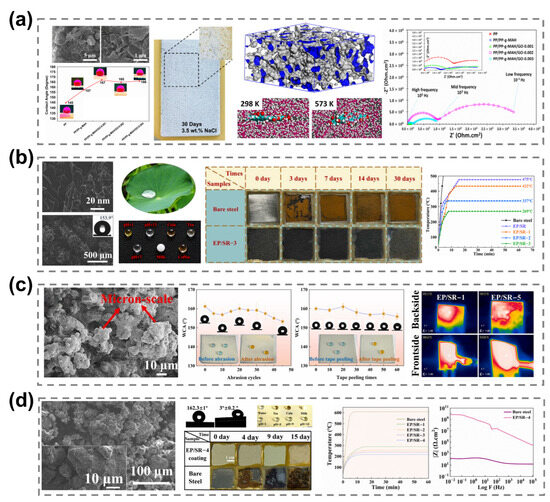
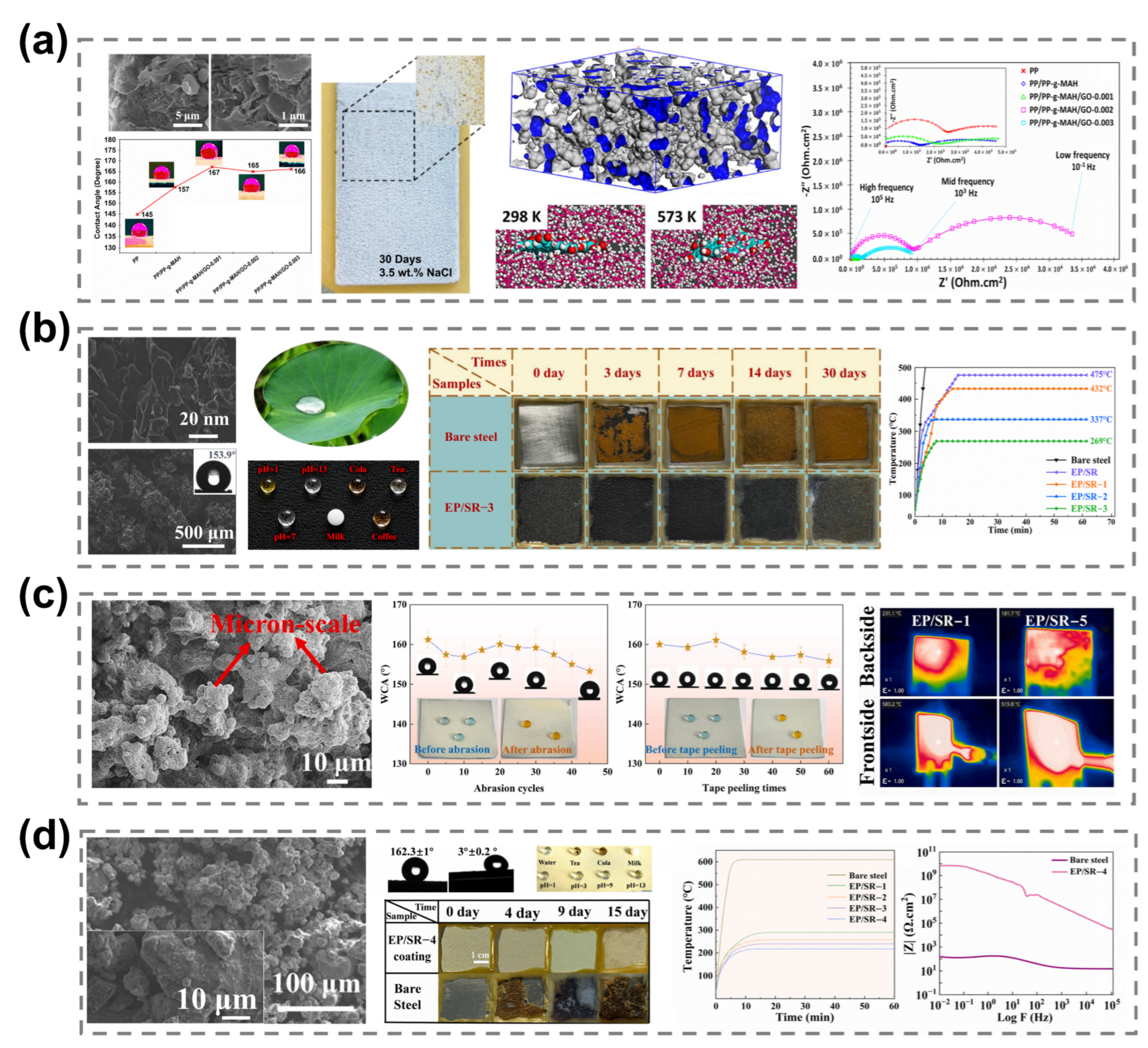
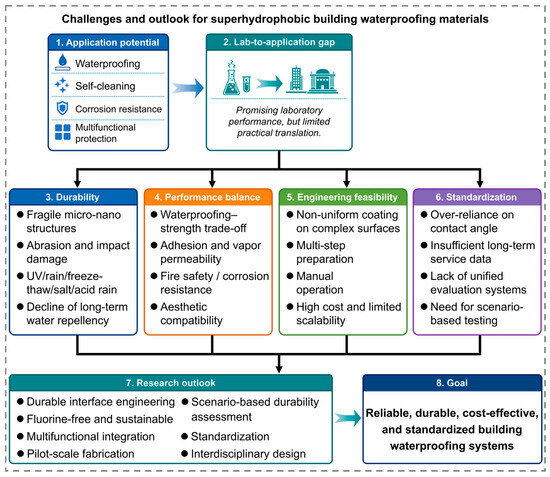
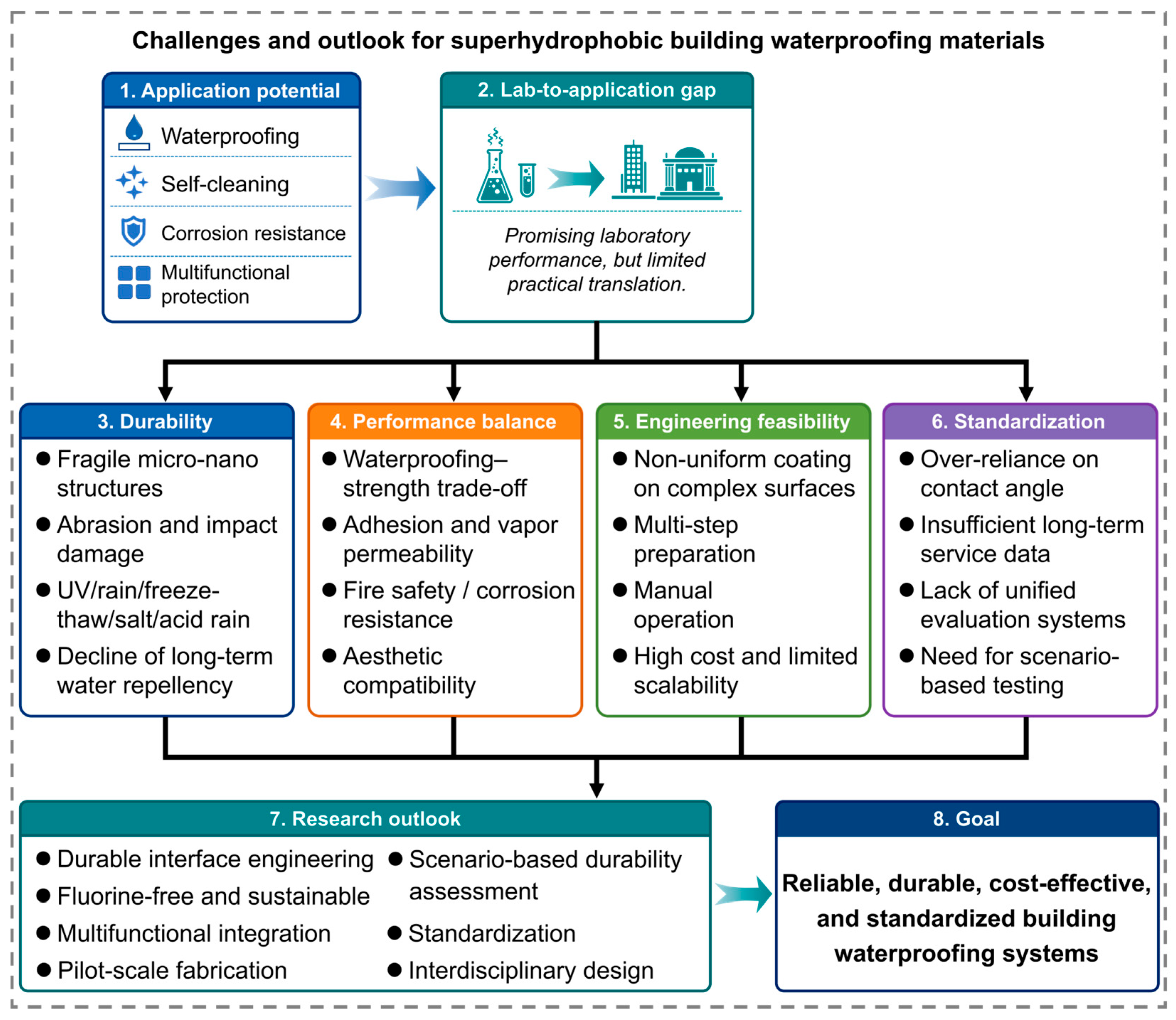
Disclaimer/Publisher’s Note: The statements, opinions and data contained in all publications are solely those of the individual author(s) and contributor(s) and not of MDPI and/or the editor(s). MDPI and/or the editor(s) disclaim responsibility for any injury to people or property resulting from any ideas, methods, instructions or products referred to in the content. |
© 2026 by the authors. Licensee MDPI, Basel, Switzerland. This article is an open access article distributed under the terms and conditions of the Creative Commons Attribution (CC BY) license.