


Abstract
Thailand’s ceramic manufacturing tradition possesses a long and distinguished history, reflecting the nation’s rich cultural heritage, artistic excellence, and capacity for technological adaptation. Traditional Thai ceramics extend beyond their functional purposes, serving as important expressions of indigenous knowledge, craftsmanship, social values, and religious beliefs that have been transmitted across generations. While preserving their distinctive Thai characteristics, these ceramic traditions have continuously evolved through cultural exchanges with neighboring civilizations, particularly China and India, as well as later influences from the West. Among the various decorative techniques employed in Thai ceramics, stamping and hand-painted ornamentation are recognized as two of the most significant methods, contributing to the aesthetic and cultural value of ceramic works. These techniques enable ceramic products to embody both artistic expression and practical functionality by harmoniously integrating aesthetic design with reliable craftsmanship. In contemporary manufacturing environments, traditional stamping and painting methods are increasingly integrated with semi-automated processes and advanced ceramic machinery to enhance production efficiency while preserving cultural authenticity. This study proposes an Internet of Things (IoT)-based control system for ceramic stamping and painting machines, designed to support remote operation, real-time monitoring, and performance evaluation, with particular attention given to response time and error characteristics. By incorporating sensors, controllers, and networked communication technologies into ceramic manufacturing equipment, the proposed system establishes a meaningful connection between intelligent automation and traditional artistic practices.
1. Introduction
Ceramics serve both practical and symbolic functions, making them one of the most enduring forms of material culture in human society. In Thailand, traditional ceramics are closely associated with indigenous technological knowledge, artistic expression, religious beliefs, and social life. Archaeological evidence indicates that ceramic production in Thailand has continued for nearly a millennium, with significant developments occurring during the Sukhothai and Ayutthaya periods. Among the most prominent ceramic traditions are Sangkhalok ceramics, which were produced in kiln complexes such as Si Satchanalai and widely traded throughout Southeast Asia [1,2]. These ceramics are distinguished by their harmonious natural motifs, impressed and incised decorative patterns, and characteristic celadon glazes. Another notable ceramic tradition is Benjarong ware, which is renowned for its intricate hand-painted designs, vibrant multicolored enamel decoration, and historical association with royal patronage. Together, these ceramic traditions exemplify both artistic sophistication and the high level of process control achieved through generations of experience-based craftsmanship [3,4].
Traditional Thai ceramics extend beyond their role as cultural artifacts, serving as tangible expressions of local knowledge and wisdom. The selection of materials, forming techniques, decorative practices, and firing processes have been carefully adapted to locally available resources and cultural traditions over generations. Among the various decorative methods employed in Thai ceramics, stamping and painting have remained particularly significant due to their ability to convey symbolic and cultural identities while supporting the practical requirements of ceramic production.
Stamping is one of the earliest and most widely practiced decorative techniques in traditional Thai pottery. The process involves the use of stamps, typically crafted from wood, clay, or metal, to impress carved patterns onto soft or leather-hard clay surfaces. Common stamped motifs include lotus flowers, geometric designs, and flame-inspired Kanok patterns, each of which carries symbolic meanings associated with Buddhism, prosperity, and harmony with nature.
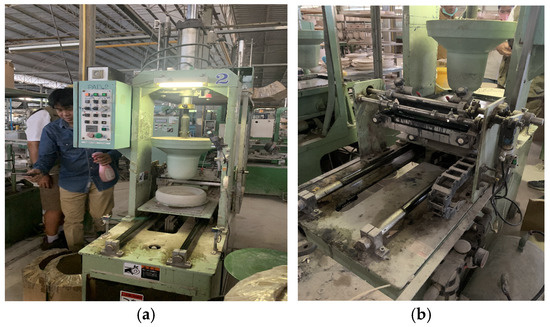
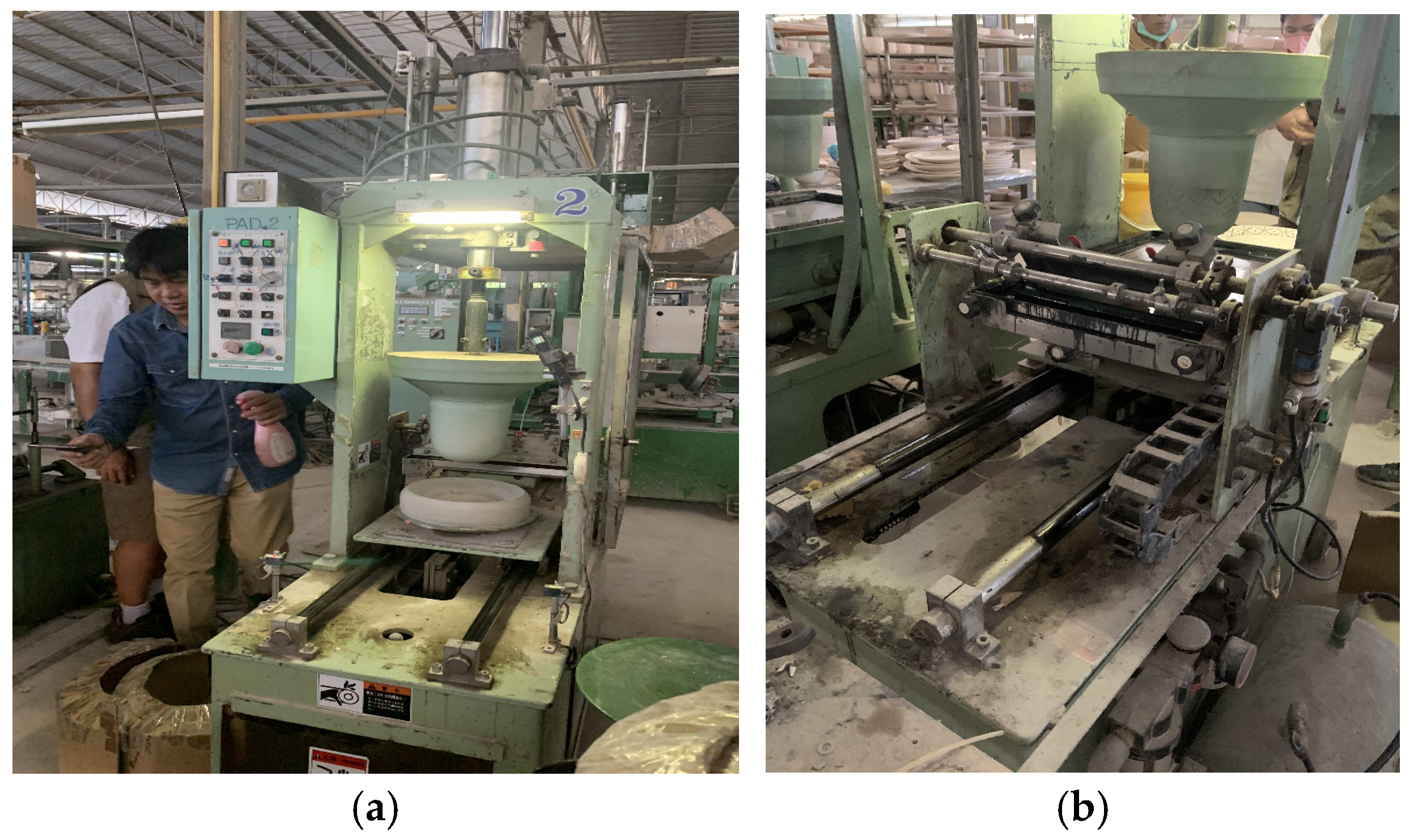
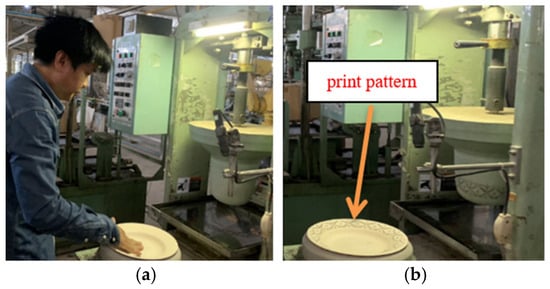
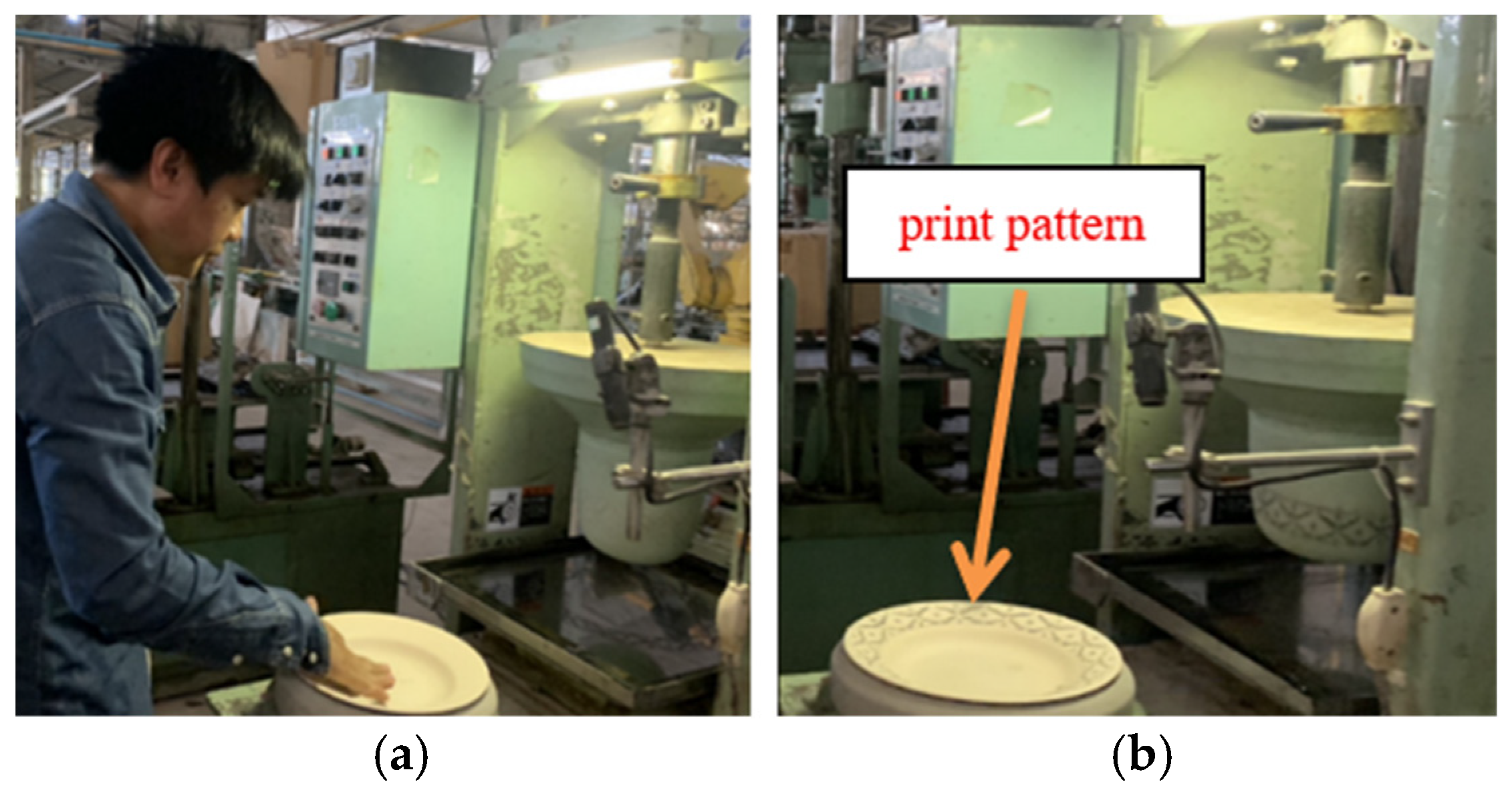
Figure 1 Manufacturing perspective of the ceramic stamping and painting workflow, stamping is a semi-repeatable process that requires precise control of pressure, alignment, and timing to ensure consistent decorative quality. In traditional ceramic production, these parameters are primarily regulated through the skill, experience, and craftsmanship of artisans. While manual stamping remains highly effective for small-scale production and the preservation of traditional aesthetics, its limited production capacity, susceptibility to fatigue-related inconsistencies, and inherent variability present challenges in meeting the efficiency and quality requirements of modern manufacturing environments [5,6,7].
Figure 1.
Ceramic stamping and painting: (a) machine; (b) paint tray dispenser.
Painting is regarded as one of the most expressive decorative techniques in Thai ceramics, particularly in traditional pottery. This process, which is typically performed after bisque firing, involves the application of mineral-based pigments using fine brushes to create intricate and multi-layered designs. It requires excellent hand–eye coordination, stable motion control, and a deep cultural understanding of motifs, proportions, and symbolic meanings [8,9]. Although painting allows for a high degree of artistic individuality, it is highly sensitive to process variations, such as fluctuations in speed, uneven brush pressure, and changes in pigment flow. These characteristics make painting a significant process-control challenge, particularly when production is scaled up while maintaining consistent quality and cultural authenticity.
The pigment used for underglaze ceramic decoration is typically applied to biscuit-fired ceramic bodies. For optimal results, the ceramic pieces should be bisque-fired at approximately 800 °C prior to the application of the underglaze colors. After decoration, the pieces are coated with a transparent glaze by either dipping or spraying and subsequently fired at a temperature range of 1200–1250 °C. This firing process allows the glaze to mature and permanently encapsulate the decorative pigments beneath the glazed surface [10,11].
Underglaze ceramic pigments are typically applied to bisque-fired ceramic bodies and subsequently covered with a transparent glaze. The quality and visual appearance of the underglaze decoration are influenced by several factors, particularly the thickness and transparency of the glaze layer, which affect the intensity and clarity of the resulting colors. Compared with overglaze decoration, underglaze decoration offers superior durability, as the pigments are protected beneath the glaze layer and are therefore less susceptible to wear, fading, or surface damage during use [12].
The wetting process of the covering glaze plays a crucial role in enhancing the full color development of underglaze decorations composed of modified oxide pigments. These pigments generally contain a small amount of glaze material, referred to as a flux, which facilitates their integration with the overlying glaze layer and promotes adhesion to the ceramic body. For optimal decorative quality, the glaze should preserve the clarity of the design outlines and avoid excessive absorption of the pigment colors. Fritted glazes and other low-temperature glazes are generally considered suitable for this purpose, whereas raw glazes are typically less appropriate. Furthermore, glazes containing high levels of boric oxide may adversely affect the sharpness of the decoration, often resulting in blurred or less distinct patterns.
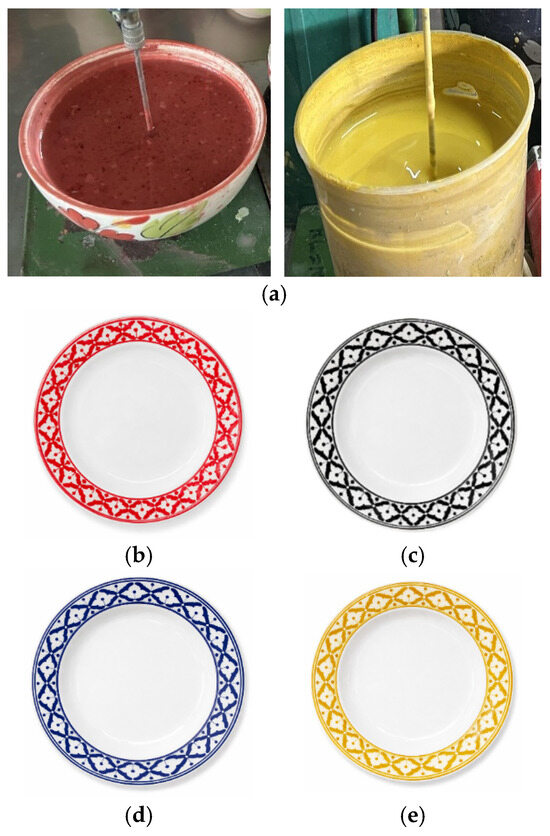
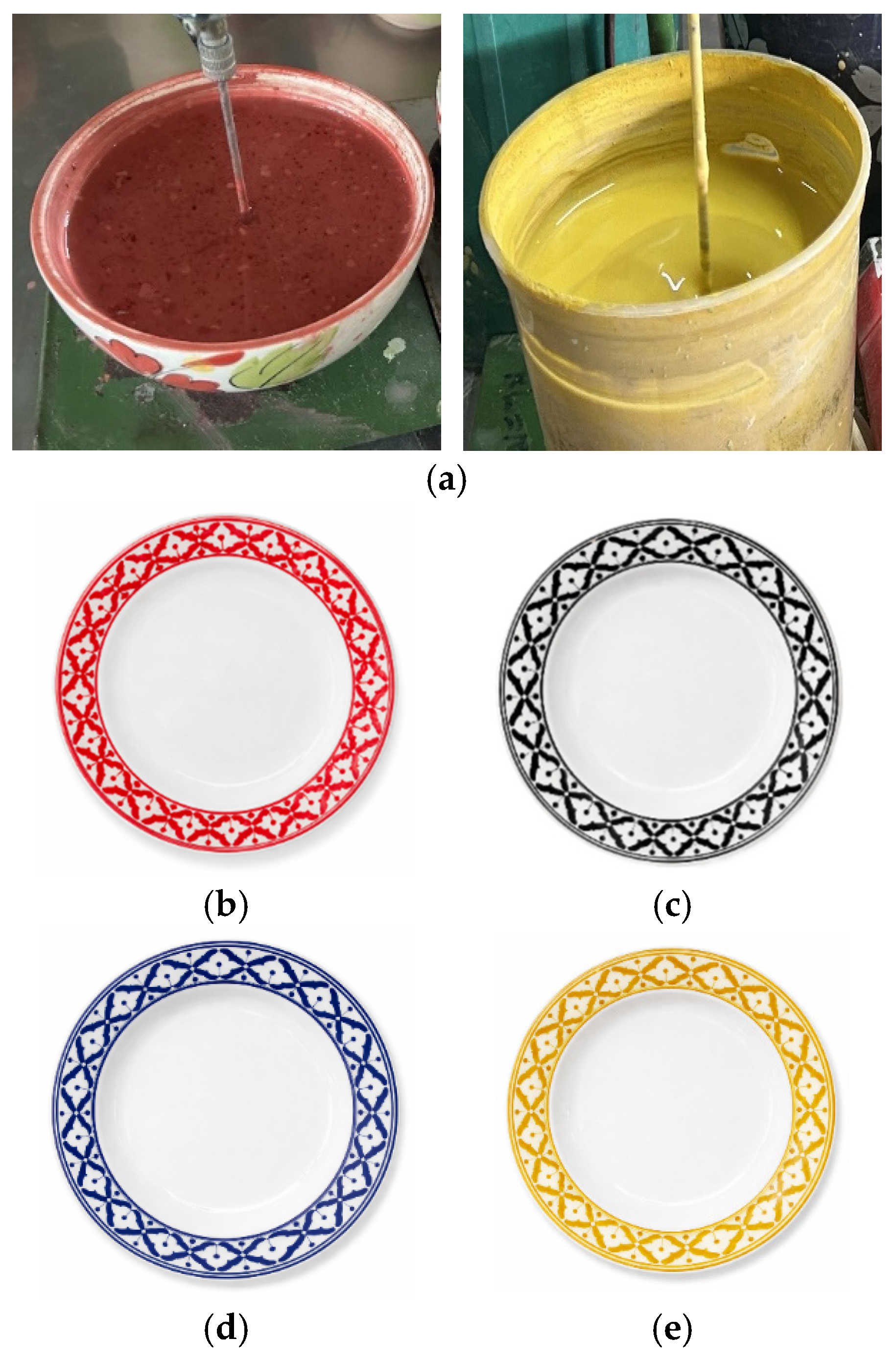
Manufacturers of ceramic pigments typically specify the maximum firing temperatures of their products in technical catalogs and product documentation. In many cases, the same ceramic stain can be used for underglaze decoration, in-glaze coloration, and glaze staining applications [13,14]. However, the thermal stability of ceramic pigments varies considerably. Many colors may become muted, altered, or otherwise affected during reduction firing, while others exhibit a more limited firing temperature range. The firing characteristics and temperature limitations of selected ceramic pigments are illustrated in Figure 2.
Figure 2.
(a) Mixing the underglaze color. Catalog images for the products: (b) red underglaze color; (c) black underglaze color; (d) blue underglaze color; and (e) yellow underglaze color.
The Internet of Things (IoT), which enables physical equipment to connect, share data, and be controlled across digital networks, has emerged as a crucial enabling technology for Industry 4.0. IoT enables performance improvement, predictive maintenance, remote control, and real-time monitoring in production systems. IoT integration creates a cyber-physical system where sensors, controllers, actuators, and cloud platforms cooperate in ceramic stamping and painting machines [15]. Embedded sensors (force, position, timing), microcontrollers or edge devices, wireless communication protocols, and web-based visualization dashboards are examples of typical IoT components.
Through the integration of the Internet of Things (IoT), conventional ceramic machinery can be transformed into intelligent manufacturing systems capable of data logging, adaptive control, and remote monitoring. In ceramic stamping applications, IoT technologies enable the precise regulation of critical process parameters, including pressing force, dwell time, and cycle frequency. Real-time feedback from sensors supports consistent stamping depth and alignment, while controllers execute operational commands received from cloud-based interfaces. This integration enhances process reliability, improves production consistency, and facilitates efficient supervision of ceramic manufacturing operations.
Underglaze testing based on specific gravity (Spg) is conducted to evaluate color clarity and the effectiveness of underglaze decoration. To determine the optimal formulation, five to six specific gravity levels are typically prepared and assessed. The recommended operating range generally lies between 1.35 and 1.55, while experimental evaluations are commonly performed within a broader range of 1.20 to 1.60. Underglaze suspensions with low specific gravity often result in pale and less distinct colors due to insufficient pigment deposition. In contrast, excessively high specific gravity may lead to overly thick applications, poor flow characteristics, and surface defects, thereby affecting the overall quality of the decoration.
To determine the optimal consistency of the ceramic color mixture, systematic testing is essential. A commonly adopted starting formulation consists of 100 parts pigment powder mixed with approximately 70–120 parts water, depending on the desired application properties. Proper particle refinement and thorough mixing are critical factors in achieving a homogeneous suspension. Processes such as milling, sieving, and effective dispersion contribute significantly to improving color uniformity and application quality. To ensure reliable and comparable results, test samples should be applied to ceramic tiles under standardized conditions, followed by uniform glazing and firing using identical firing schedules.
Table 1 summarizes the experimental conditions and corresponding results, which are described in detail below.
Table 1.
Specific gravity of underglaze samples.
- Spg 1.20, color intensity very light, edge sharpness poor, and defects none/slight.
- Spg 1.30, color intensity light, edge sharpness fair, and defects slight bleeding.
- Spg 1.40, color intensity medium, edge sharpness good, and defects minimal.
- Spg 1.50, color intensity strong, edge sharpness very good, and defects none.
- Spg 1.60, color intensity very strong, edge slight blur, and defects possible defects.
- Spg 1.70, color intensity too dense, edge poor flow, and defects cracking/thick layer.
Ceramic manufacturing equipment can be enhanced and transformed into intelligent systems through the integration of data logging, adaptive control, and remote monitoring capabilities enabled by the Internet of Things (IoT). IoT technology facilitates the precise regulation of critical pressing parameters in ceramic stamping processes, including applied force, dwell time, and cycle frequency. Real-time data acquired from sensors provide continuous feedback to ensure consistent stamping depth and accurate alignment, while controllers execute operational commands received from cloud-based management interfaces. This integration contributes to improved process reliability, product consistency, and overall manufacturing efficiency.
The objectives of this research are as follows: (1) to integrate IoT-based monitoring and control technologies and process monitoring; (2) to evaluate the effectiveness of the proposed system, process control performance, and product quality improvement; (3) to reduce human intervention and enhance operational efficiency by implementing automated process monitoring and control.
2. Materials and Methods
Silicone pad printing, also known as pad printing or pad stamping, is a decorative process in which a soft elastomeric pad transfers ceramic media, such as underglaze colors, overglaze colors, glaze inks, slip-based materials, and ceramic pigments, from a patterned carrier onto the surface of a ceramic product. Due to its inherent flexibility and elasticity, the pad can conform effectively to ceramic surfaces with curved or irregular geometries, enabling the accurate transfer of decorative patterns onto a wide variety of ceramic items, including plates, bowls, mugs, tiles, figurines, and sculptures [16].
2.1. Material and Design
In the ceramics industry, silicone pad printing, also known as rubber pad printing, is a popular decorative method for adding text, patterns, logos, or images to ceramic surfaces. Ink is picked up from a patterned plate and precisely transferred onto ceramic objects using a soft, flexible silicone rubber pad, even whether the surfaces are curved, uneven, or textured as shown in Figure 3. Tableware, decorative ceramics, sanitary ware, and artisan or industrial ceramic products are particularly well suited for this technique [17,18]. The step design of silicone pad or rubber pad printing can be described as follows:
Figure 3.
Silicone pad or rubber pad printing.
Regarding buckling or bending risk (critical for a height of 40 cm), this is the most important “extra” topic for a tall pad: even if axial stiffness is enough, the pad can bend sideways under small misalignment or angled force. A simplified buckling check with classic Euler buckling is used for linear elastic columns. Rubber is nonlinear, but we can still use the concept to ensure successful stamping.
Euler buckling load can be described as follows:
where = second moment of area (circular).
depends on the end condition (approximately 1 for pinned, 0.5 fixed). For a rubber pad in a holder, where the top is loaded by plate (semi-fixed), and the bottom is fixed in a holder that is fixed free or fixed pinned, use .
Let us compute for :
Use , .
- Condition 1: Conservative, K = 2
The numerator is as follows:
The denominator is as follows:
Therefore,
Condition 2: Guided or Holder, K = 1
Denominator:
Putting it together, a complete worked design is as follows:
- Pad height ;
- Pad diameter ;
- Dome height dome radius ;
- Target pressure ;
- Effective rolling contact diameter ;
- Compression ;
- Approach angle ;
- Material hardness target: Shore A 35, .
- Step 1: Force
Add margin ×1.8:
Round:
- Use 800–1000 N capability.
- Step 2: Minimum stiffness
If , :
Step 3: Estimated axial stiffness
Step 4: Shear from angle
At , :
Step 5: Recommended cylinder (pneumatic 0.6 MPa)
For :
Therefore, for ~46 mm, the following standards should be selected:
- Ø 50 mm pneumatic cylinder (minimum);
- If you want more margin (or pressure loss): Ø 63 mm.
These calculations confirmed that the silicone pad operated within a safe mechanical region under all tested pressure levels. The IoT platform subsequently monitored process variables and provided remote supervision and data logging, while the mechanical calculations were used as supporting engineering analyses rather than as real-time feedback variables.
2.2. Pneumatic Control System
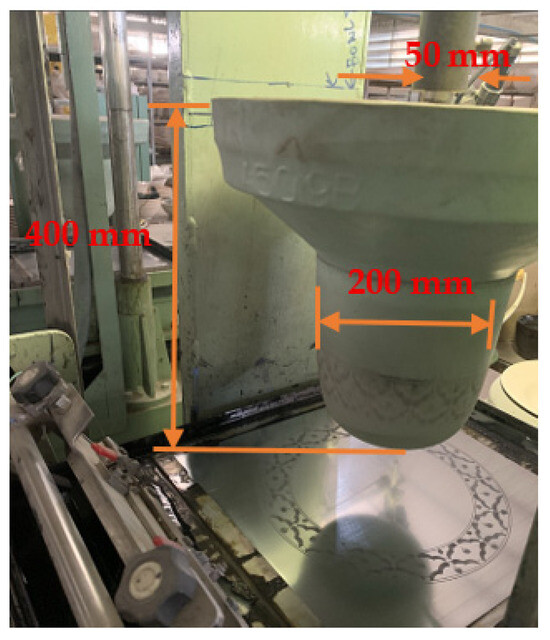
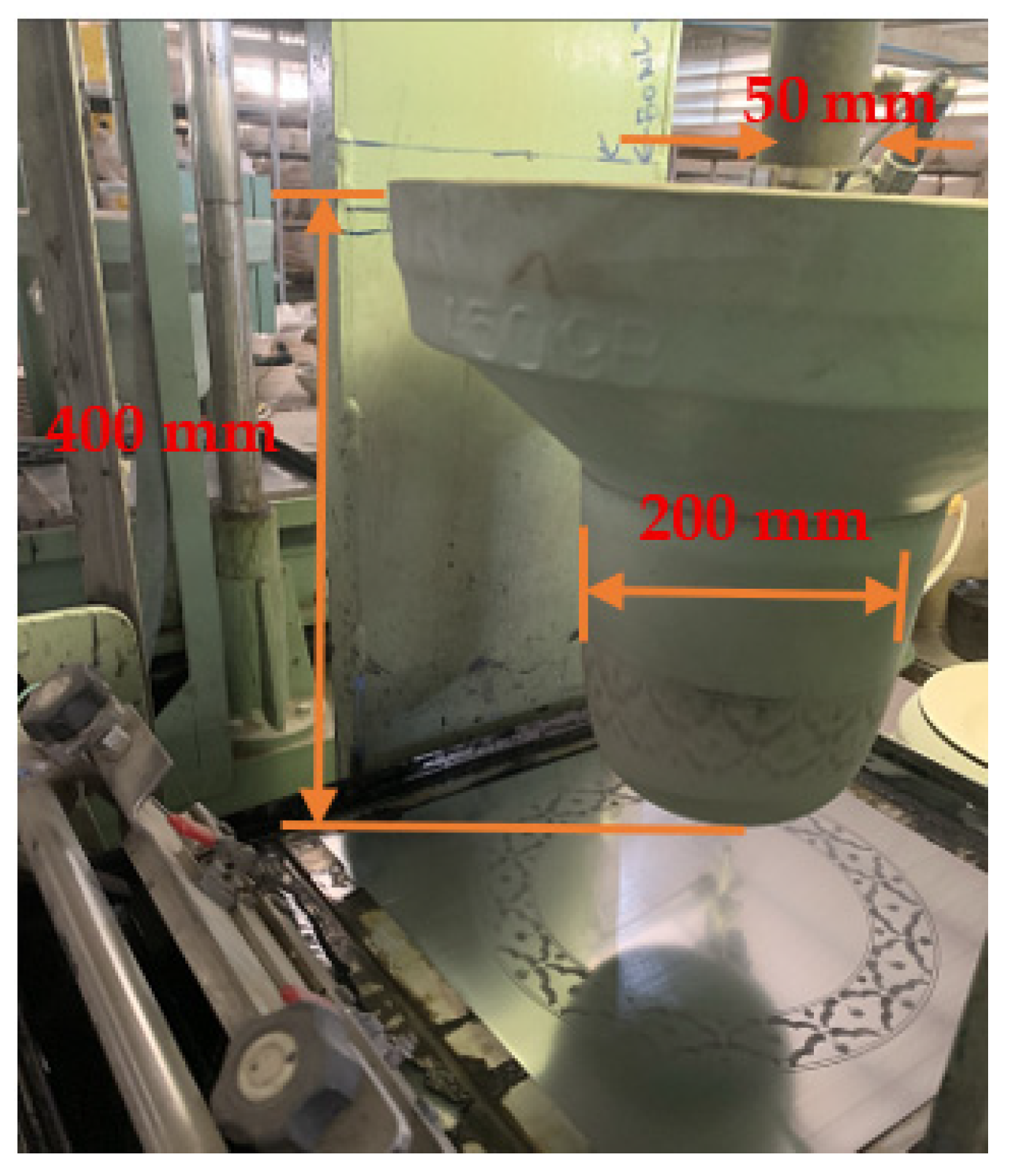
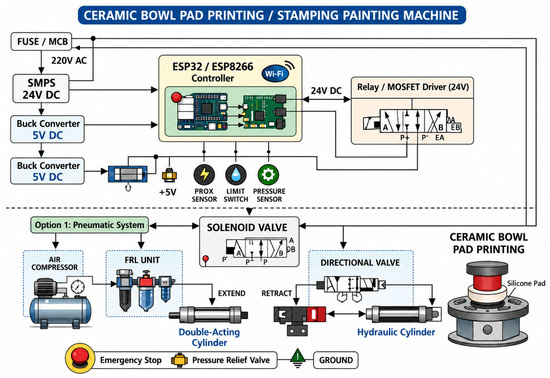
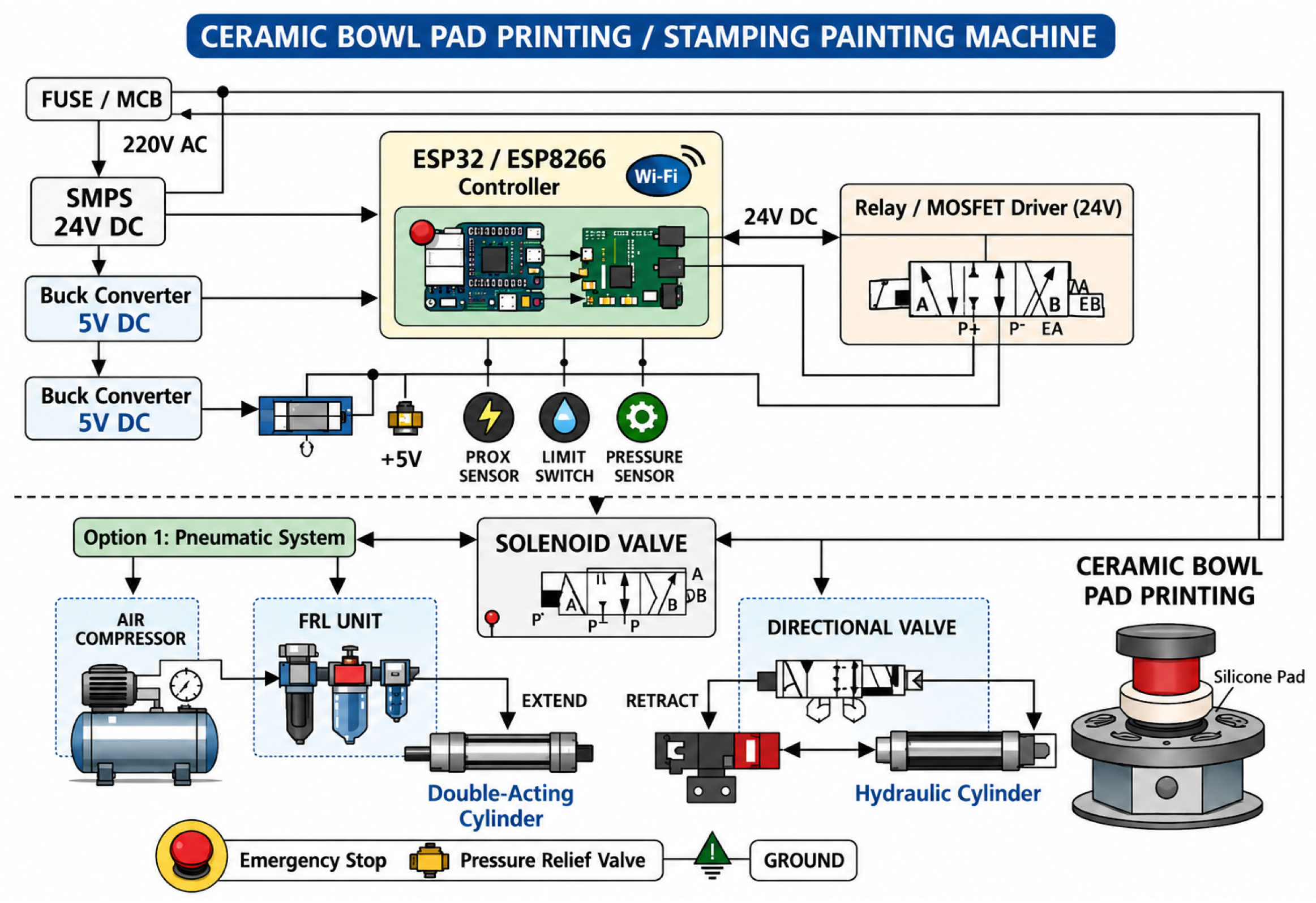
A common actuation and control method in industrial automation, particularly for stamping, pressing, clamping, and printing processes, is the pneumatic control system [19]. Pneumatics are favored over hydraulic systems in stamping applications such ceramic pad printing, metal stamping, rubber pressing, and surface coating because of their quick reaction, clean operation, affordability, and built-in safety. The ceramic bowl pad printing and stamping painting machine used in this study is shown in Figure 4.
Figure 4.
Control system architecture.
Traditional pneumatic systems are rapidly being combined with microcontrollers, like ESP32, to provide digital control, monitoring, data logging, and remote operation as embedded systems and Internet of Things (IoT) technologies improve [20]. Pneumatic stamping systems can function with either open-loop control or closed-loop control, depending on system complexity and performance requirements [21].
2.3. Internet of Things (IoT)
Traditional, labor-intensive craftsmanship has given way to smart manufacturing methods that prioritize productivity, traceability, and quality consistency in the ceramic sector. Painting and stamping are two of the most important ceramic decoration techniques since they have a direct impact on the market value, brand identification, and product aesthetics. Traditional ceramic stamping and painting equipment is primarily operated by hand or by standalone automation, which frequently results in variable quality, little flexibility, and challenges with production performance monitoring.
By making it possible to remotely manage, monitor, and optimize ceramic stamping and painting processes in real time, the Internet of Things (IoT) offers a revolutionary solution. IoT-based systems facilitate intelligent decision making, predictive maintenance, and smooth integration into smart production environments by integrating sensors, controllers, communication networks, and data platforms [22]. The concepts, system architecture, control methods, and advantages of IoT-controlled and monitored ceramic stamping and painting equipment are described in this section.
2.3.1. Integration of HTML, CSS, and JavaScript in IoT Systems
Software architecture is essential for dependable experimentation, methodical data collecting, and repeatable outcomes in research-focused Internet of Things (IoT) devices [23]. The web-based application layer, which serves as the main human–machine interface (HMI) for researchers and operators, is built on the software components HTML, CSS, and JavaScript.
Hypertext Markup Language (HTML) is used for establishing experimental controls, parameter inputs, and data visualization elements. HTML offers a standardized and organized framework. Its application promotes repeatability, a crucial prerequisite for scientific study, and guarantees consistency in experimental setup over several trials. HTML decreases uncertainty in user interaction and allows for controlled experimentation by clearly arranging inputs and outputs [24].
The research interface’s usability, readability, and security are all improved with Cascading Style Sheets (CSS). CSS reduces human error and enhances operator consistency during data collection through responsive design, color-coded system states, and well-designed layouts. Such visual clarity greatly enhances the validity and reproducibility of experimental outcomes in long-duration or high-frequency tests.
JavaScript is the IoT research platform’s primary logic and communication engine. Through the use of web-based communication protocols like HTTP, WebSocket, and MQTT via backend services, it permits real-time data sharing between devices, servers, and user interfaces [25,26]. Additionally, JavaScript facilitates event handling, automatic data logging, dynamic data visualization, and experiment state management, all of which are critical for accurate experimental control and high-resolution monitoring.
The Appendix A contains the entire source code written in HTML, CSS, and JavaScript to guarantee transparency and reproducibility.
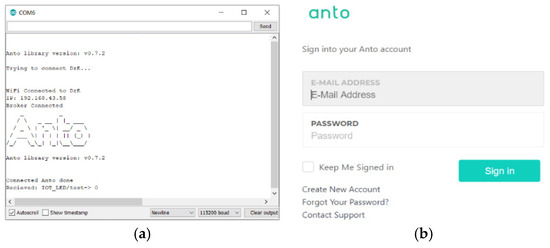
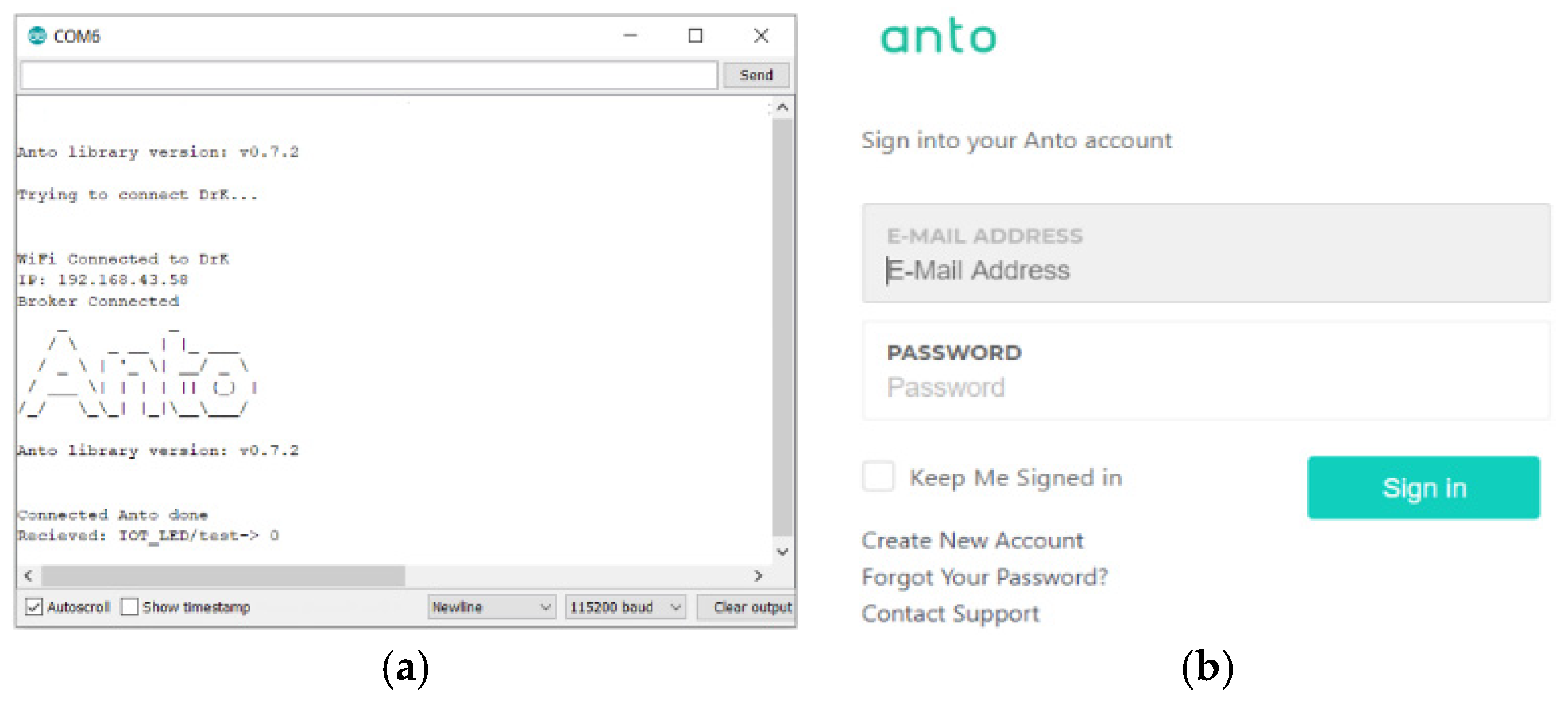
Pad stamping and painting equipment used in ceramic decoration is controlled and monitored by the suggested system using Internet of Things (IoT) technology. Figure 5 illustrates the Anto.io web platform to provide real-time remote operation, monitoring, and data logging, the system incorporates an ESP32 microcontroller.
Figure 5.
Signal connection with Anto.IO: (a) connected Anto.IO; (b) login at www.anto.io.
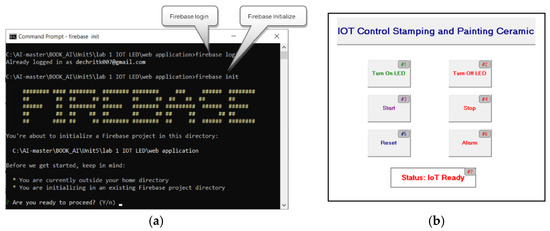
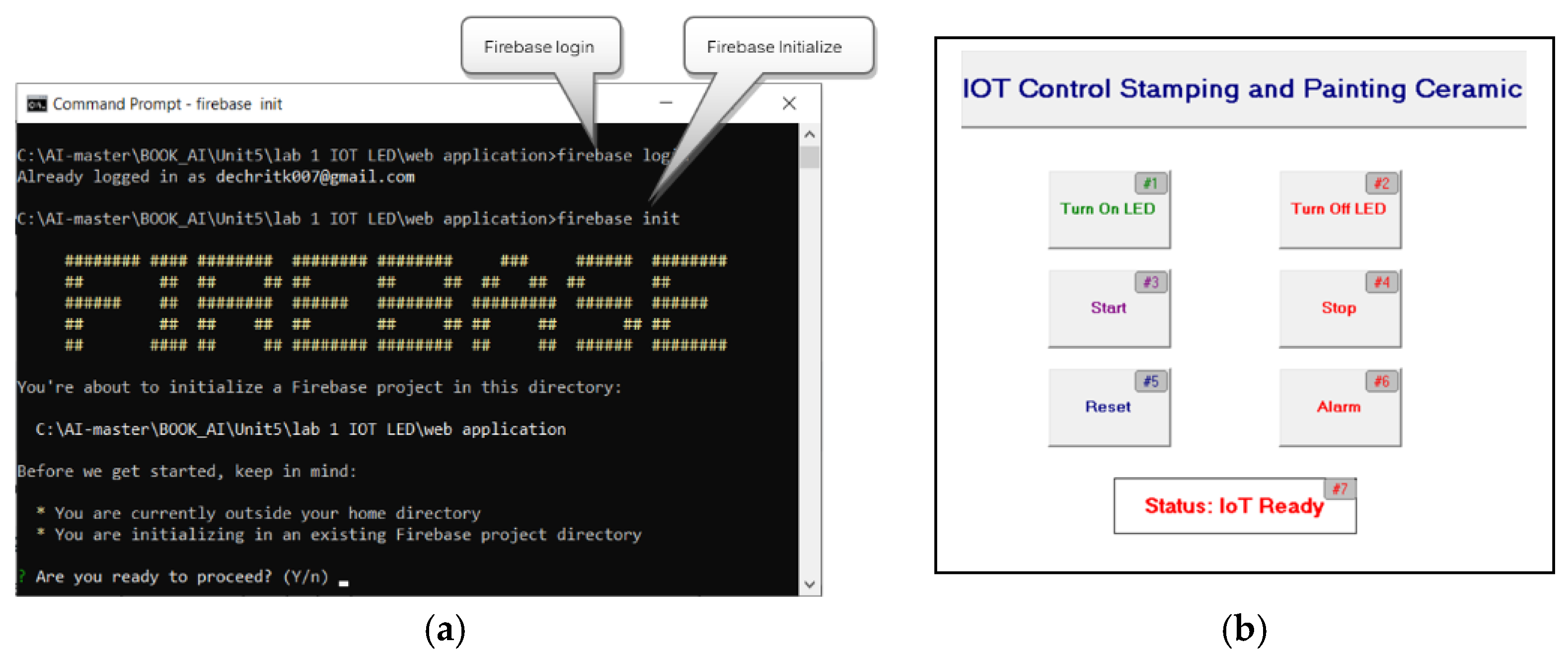
The ESP32 synchronizes with Firebase while maintaining a constant connection to the Wi-Fi network as shown in Figure 6. Real-time interpretation and execution are used for control commands including start, stop, reset, and cycle mode [27]. To produce consistent printing quality, the microprocessor makes sure that pad contact pressure, dwell time, and retraction are timed precisely. Figure 6 illustrates the Firebase Realtime Database employed for real-time data storage and synchronization in this study.
Figure 6.
IoT control: (a) configure and deploy Firebase hosting sites; (b) IoT control.
2.3.2. Software in the Internet of Things System
This software shows that source code in an Internet of Things system combines web-based technologies, server-side processing, and embedded programming. In contemporary IoT applications, intelligent monitoring, automation, and control are made possible by the coordinated operation of various software components, as shown in Appendix A.
3. Experiment and Results
Designing ceramic plates and bowls with high strength, low porosity, and thermal stability requires a thorough chemical examination of the stoneware bodies. This aids in figuring out the ratios of oxides and minerals that regulate appearance, mechanical characteristics, and fire behavior. Table 2 shows the typical chemical composition of stoneware used in this study.
Table 2.
Typical chemical composition of stoneware.
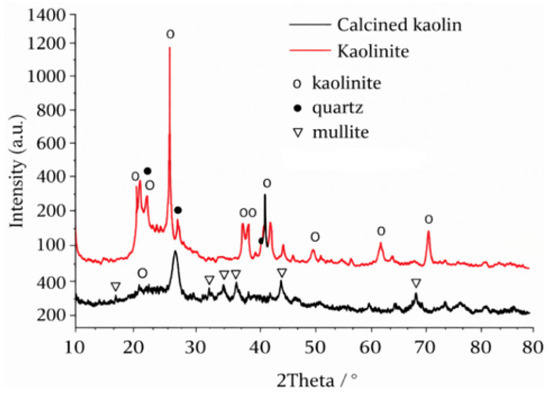
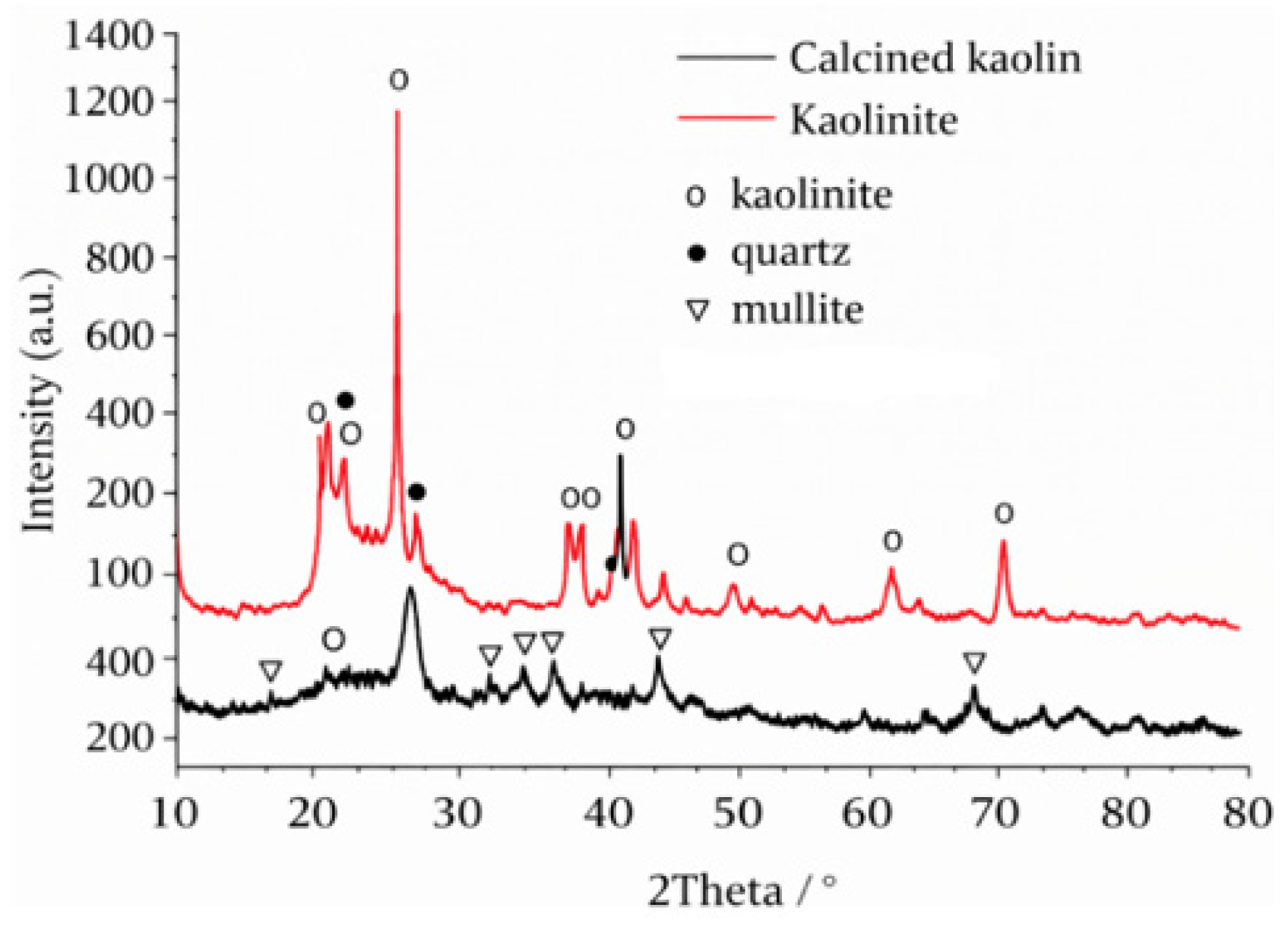
In order to regulate the composition–structure–property relationship for ceramic plates and bowls, chemical examination of stoneware bodies is essential. The material can be tuned for high strength, low porosity, and superior surface quality by examining oxides (SiO2, Al2O3, fluxes) and phase evolution using X-ray diffraction (XRD) [28], as shown in Figure 7.
Figure 7.
The experiment via X-ray diffraction, kaolinite, quartz, mullite, and metakaolin.
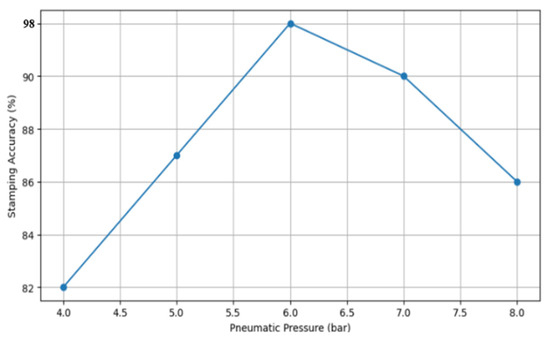
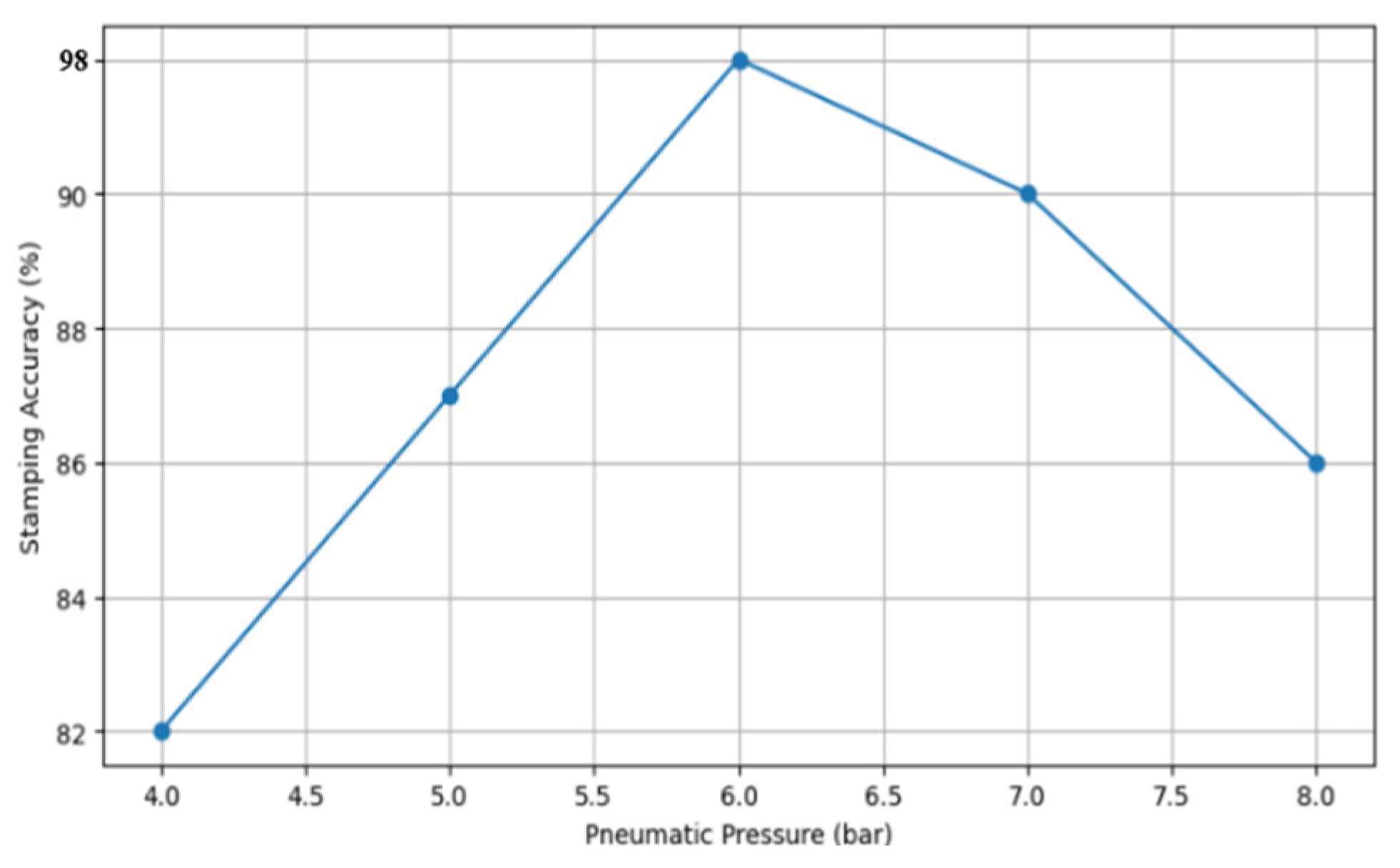
The outcomes of the experiment demonstrated that the Internet-of-Things-based ceramic stamping system could efficiently monitor and regulate the stamping pressure in real time and adjust the pneumatic pressure to various levels, including 4, 5, 6, 7, and 8 bar. The method attained roughly 98% accuracy at 6 bar, which was the highest stamping accuracy. Stamping accuracy was defined as the degree of conformity between the transferred pattern on the ceramic surface and the reference pattern stored in the system. For each air pressure condition (4–8 bar), ten ceramic samples were produced and evaluated. The stamped patterns were captured using a high-resolution digital camera under controlled lighting conditions to ensure consistency during image acquisition.
The acquired images were processed using image analysis techniques. First, the images were converted into grayscale and subjected to threshold segmentation to isolate the stamped region from the background. The resulting pattern was then aligned with the reference template, and the overlapping area between the two patterns was calculated. Stamping accuracy was determined as the percentage of matching pixels relative to the total area of the reference pattern, as expressed by:
Accuracy (%) = (Matched Pattern Area/Reference Pattern Area) × 100
The average accuracy value was calculated from ten repeated trials for each pressure level. This approach provided an objective and quantitative assessment of stamping quality, minimizing subjective errors associated with manual visual inspection.
Excessive pressure led to deformation and surface flaws, whereas reduced pressure resulted in incomplete stamping [29]. As a result, incorporating IoT technology into ceramic production can enhance process control, lower errors, and promote smart manufacturing as shown in Figure 8.
Figure 8.
IoT control of ceramic stamping and painting. (a) preparing the workpiece; (b) finished workpiece.
The force used per unit area by a pneumatic system to press a mold onto a ceramic body is referred to as pressure in ceramic stamping. The pneumatic pressure used during the ceramic stamping process, as shown in Figure 9.
Figure 9.
The connection between stamping accuracy and pneumatic pressure.
The experimental findings show a direct correlation between stamping accuracy in the ceramic stamping process and pneumatic pressure. The stamping accuracy increased dramatically from 82% to 98% as the pressure increased from 4 bar to 6 bar, suggesting that higher pressure improves mold contact and pattern formation. At 6 bar, which may be regarded as the ideal operating state for this device, the maximum accuracy was attained. Figure 10 shows the results of the painting and stamping processes obtained under the calculated pressing force.
Figure 10.
Result from painting and stamping.
In operations like ceramic forming, powder metallurgy, and stamping, one should apply enough pressure to reach complete mold contact without going above the material strength limit. The quality of the finished product is greatly influenced by the pneumatic pressure used during ceramic stamping, as shown in Table 3.
Table 3.
Pressure’s impact on stamping performance.
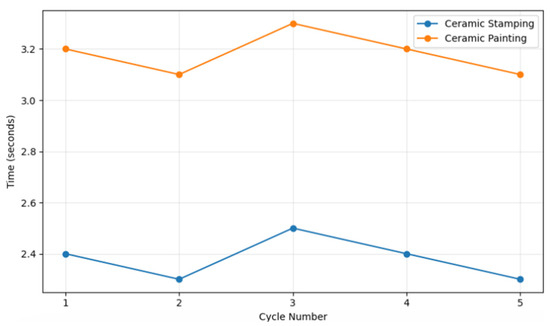
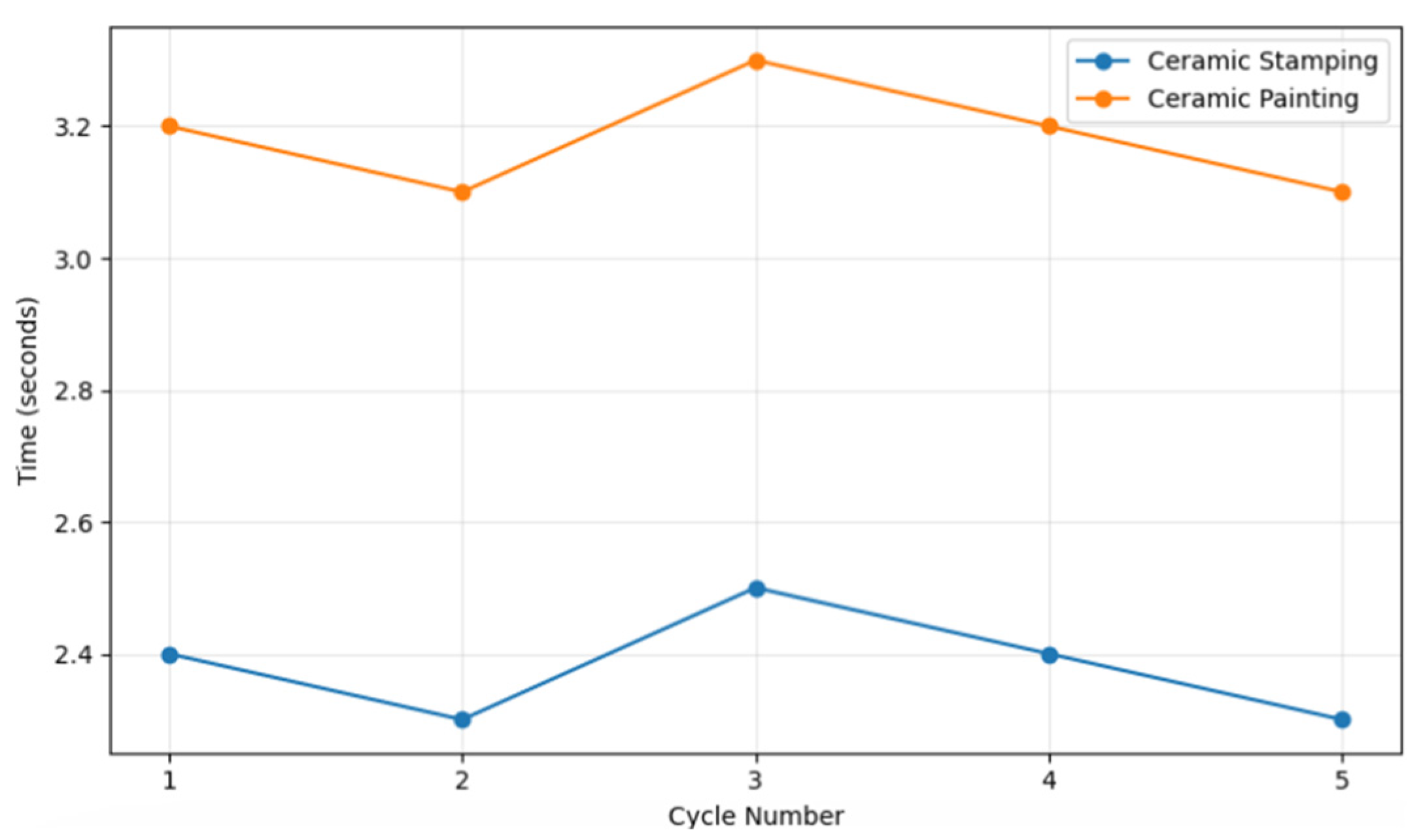
The ceramic stamping and painting cycle refers to the sequence of operations required to transform raw ceramic material into a finished decorative product, as shown in Table 4.
Table 4.
Ceramic stamping and painting cycle time.
The ceramic stamping and painting cycle consists of a series of interconnected manufacturing stages that collectively determine the quality of the final ceramic product. As illustrated in Figure 11, the production workflow begins with ceramic preparation, followed by stamping, painting, drying, quality inspection, and product completion. The proposed IoT-based monitoring and control system enables real-time supervision and process management throughout each stage of the production cycle, thereby enhancing operational efficiency, process reliability, and product consistency, as shown in Figure 11.
Figure 11.
Cycle time of ceramic stamping and painting.
3.1. Analyzing Accuracy Statistically
The accuracy of ceramic product classification during the stamping and painting operations is the main focus of the results section. Statistical analysis and repeatability tests were carried out to improve the findings’ dependability, producing accuracy values of 82%, 87%, 98%, 90%, and 86%, with measures defined as follows:
Mean accuracy:
Standard deviation (SD):
Repeatability statistics:
The findings show that operational circumstances, especially pneumatic pressure, have an impact on the classification accuracy of ceramic stamping and painting operations. At the ideal pressure of 6 bar, the system’s accuracy reached a maximum of 98%, with an average of 88.6%. Moderate variability (SD = 5.8%) was found by the statistical analysis, suggesting that process characteristics had an impact on system performance. The stability and dependability of the suggested IoT-based control system, however, were confirmed by repeatability tests carried out under ideal circumstances, which produced extremely consistent results with little variation (±1%).
3.2. Finite Element Analysis and Software
Finite element analysis, or FEA, is a popular numerical method for simulating structural analysis, deformation, natural frequencies, heat transmission, and other physical phenomena with a particular model. Lagrange’s principle, which holds that a system is in equilibrium when the total potential energy of deformation is reduced, is the foundation of FEA [30]. In order to evaluate parameters like stress, strain, and temperature at certain nodal points, a continuous domain is discretized into a finite number of elements. The applied loads used in the finite element analysis are presented in Table 5.
Table 5.
Finite element analysis as load applied.
The results indicate that displacement, strain, and stress increased progressively with the applied load. Specifically, the maximum displacement increased from approximately 6.8 mm at a load of 785 N to 13.6 mm at 1571 N, while the corresponding strain increased from 6% to 12%. These findings suggest a stable and predictable deformation response within the investigated loading range. At lower load levels, the relatively limited deformation may reduce the conformity between the silicone pad and the ceramic surface, potentially resulting in less uniform pressure distribution and, consequently, reduced stamping accuracy.
Curved shell stress:
where 7.5 MPa, and the parameters are as follows:
- Painting pressure: 0.6 MPa;
- Radius: 0.1 m;
- Thickness: 0.008 m.
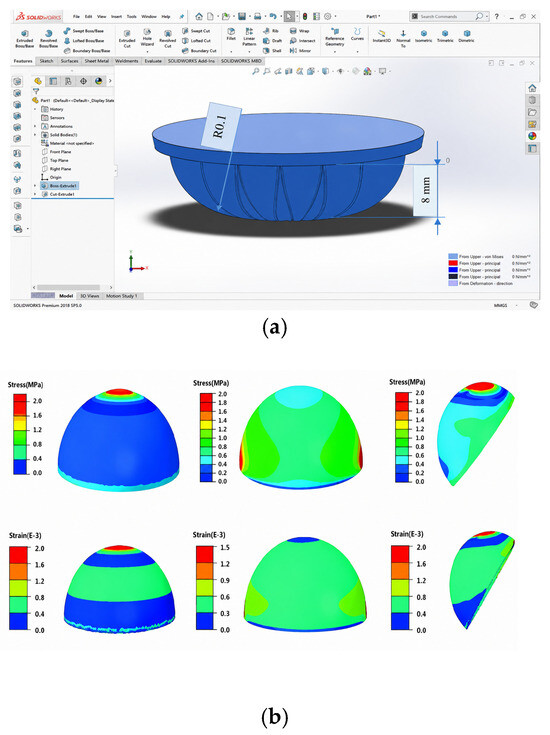
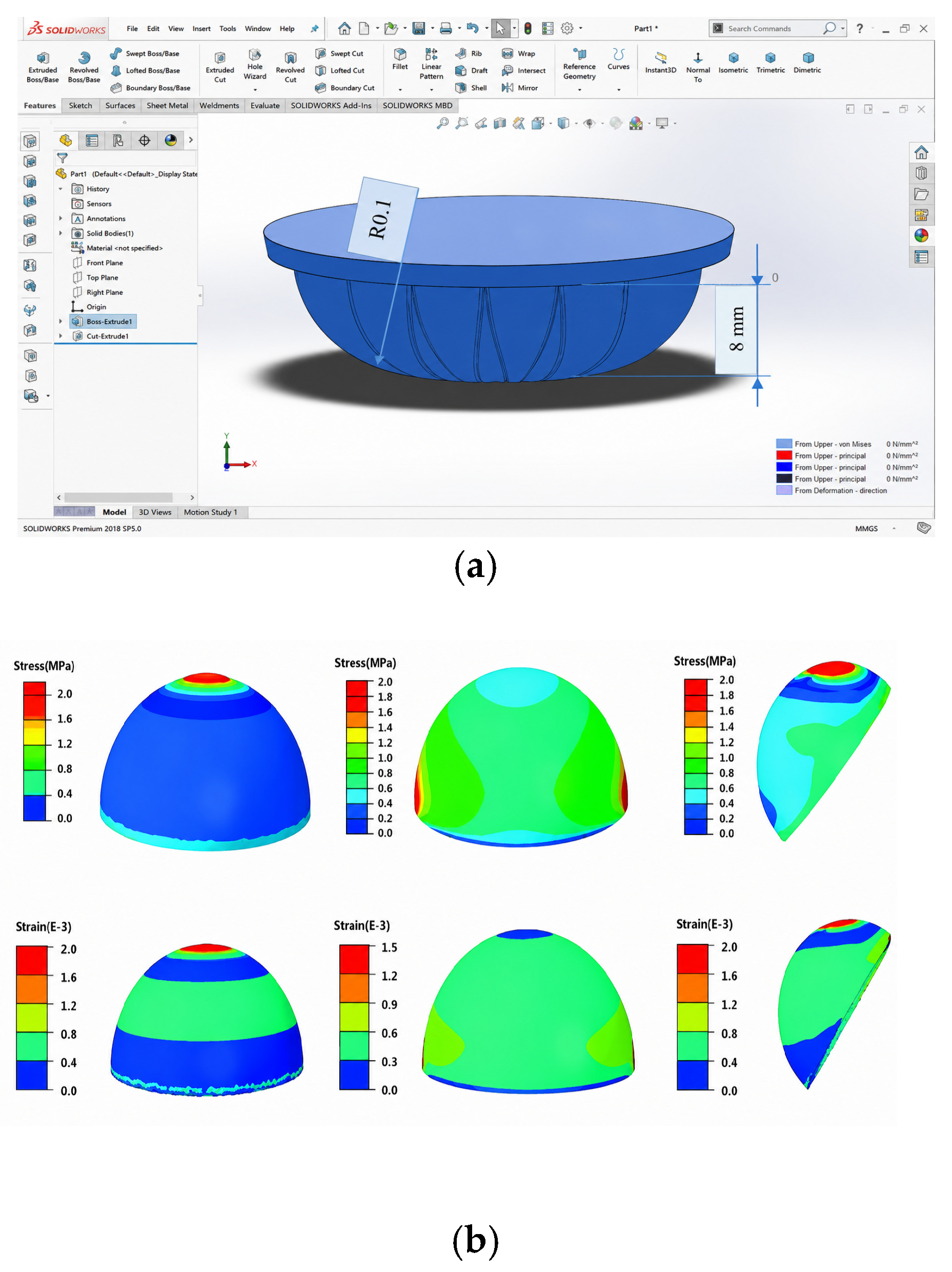
The finite element formulation developed for the painting of ceramic bowls incorporates the effects of pressure loading, curved shell behavior, and the brittle characteristics of ceramic materials. The governing equations indicate that both shell thickness and curvature play significant roles in influencing the stress distribution within the structure. The results suggest that appropriate control of geometric parameters and pneumatic pressure contributes substantially to maintaining structural integrity and minimizing the risk of damage during the painting process as shown in Figure 12.
Figure 12.
FEA simulations: (a) drawing; (b) FEA estimated curved surface.
The FEA results were not only used to evaluate the mechanical behavior of the silicone pad under different loading conditions but also served as a guideline for optimizing the stamping process parameters. Specifically, the stress, strain, and deformation distributions obtained from the simulations were analyzed to identify the operating range that provided sufficient contact between the silicone pad and the ceramic surface while avoiding excessive deformation that could distort the transferred pattern.
The simulation results indicated that increasing the applied load improved contact uniformity. However, excessive loading produced larger pad deformation, which could negatively affect pattern sharpness and dimensional accuracy. Based on these findings, the optimal operating pressure range was selected and subsequently implemented in the IoT-based control system. The pressure sensors and controllers were configured to maintain the stamping force within this range, thereby ensuring consistent pattern transfer quality and reducing process variability.
Furthermore, the FEA results were incorporated into a virtual reality visualization platform to assist operators in understanding the relationship between applied pressure, pad deformation, and stamping quality. This integration enabled more effective process monitoring and parameter adjustment, contributing to improved production reliability and product consistency.
3.3. Results
The findings indicate a positive correlation between pneumatic pressure and stamping accuracy in the ceramic stamping process. The stamping accuracy improved significantly from 82% to 98% as the applied pressure increased from 4 bar to 6 bar, suggesting that an appropriate increase in pressure enhances mold-to-surface contact and facilitates more precise pattern formation as follows.
- At 4 bar of pressure, accuracy is roughly 82%.
- At 5 bar, accuracy rises to roughly 87%.
- At 6 bar, accuracy reaches its maximum value of almost 98%.
- At 7 bar, accuracy drops to roughly 90%.
- At 8 bar, accuracy further declines to roughly 86%.
As a result, the findings show that pressure optimization is crucial and that more pressure does not always translate into better performance. Rather, the system reaches its greatest efficiency and product quality within an ideal range around 6 bar.
4. Conclusions
The experimental results indicate that the implementation of IoT-based management and monitoring systems has a notable influence on process variation and overall production quality in ceramic stamping and painting operations. The analysis suggests that variations in key process parameters, particularly pneumatic pressure and environmental conditions, may significantly affect the precision and consistency of the finished products. These findings highlight the potential benefits of real-time monitoring and control in enhancing process stability and product quality.
Variations in pressure were observed to affect the quality of the stamped patterns, with excessive pressure potentially causing deformation and defects, while insufficient pressure may lead to incomplete pattern formation. The results further indicate that an operating pressure of approximately 6 bar achieved the highest level of accuracy and the lowest degree of variation among the tested conditions. In addition, the implementation of the IoT-based monitoring and control system facilitated real-time pressure tracking and adjustment, thereby enhancing process stability and improving the consistency of product quality.
The success of this research will be assessed through a comprehensive evaluation framework incorporating both quantitative and qualitative indicators, including system accuracy, operational stability, real-time monitoring capability, production performance, reduction in material waste, and enhancement of product quality. The findings obtained from the evaluation are expected to demonstrate the feasibility, practicality, and effectiveness of the proposed approach, thereby supporting its potential application in industrial ceramic stamping and painting processes.
Overall, the proposed IoT-based monitoring and control system appears promising for industrial applications. The industrial reliability of the proposed IoT system was evaluated based on its ability to continuously monitor and control the ceramic stamping and painting processes under actual operating conditions. The system demonstrated stable communication between sensors, controllers, and the cloud-based monitoring platform, enabling real-time acquisition and transmission of process data with minimal latency.
The IoT architecture was designed to support continuous operation through automated data logging, remote monitoring, and immediate feedback control. These features reduce the likelihood of human error and enable rapid detection of abnormal operating conditions, thereby improving process consistency and production reliability. Furthermore, the system maintained stable performance throughout the experimental trials without significant communication failures or data loss.
The integration of IoT technology also provides scalability for industrial applications, as additional sensors and control modules can be incorporated into the existing framework. Therefore, the proposed system demonstrates promising reliability for supporting smart manufacturing environments and Industry 4.0 implementations in ceramic production.
Furthermore, this research will identify and define suitable success parameters for evaluating the performance and effectiveness of the developed IoT-based controlling and monitoring system.
Author Contributions
Conceptualization, S.K.; Methodology, B.M.; Software, D.M.; Validation, S.T. and S.K.; Formal analysis, S.E.; Investigation, S.T.; Resources, S.E.; Writing—original draft, B.M. All authors have read and agreed to the published version of the manuscript.
Funding
This research was supported by PK Ceramic Co., Ltd., which provided financial support for collaborative research and experimental validation of the IoT-based control and monitoring system for the ceramic stamping and painting processes.
Data Availability Statement
The original contributions presented in this study are included in this article. Any further inquiries regarding the data or materials presented in this study may be directed to the corresponding author.
Acknowledgments
The authors would like to express their sincere gratitude to the PK ceramics company in Lampang Province, Thailand and all engineering and staff of the research team for their invaluable support, cooperation, and contributions throughout this study. Their assistance and dedication were instrumental in the successful completion of this research on the development of an IoT-based control and monitoring system for industrial ceramic stamping and painting processes.
Conflicts of Interest
The funding sponsors had no role in the design of the study; in the collection, analyses, or interpretation of data; in the writing of the manuscript; or in the decision to publish the results.
Appendix A
- HTML Code1 <!doctype html>2 <html lang="en">3 <head>4 <!-- Required meta tags -->5 <meta charset="utf-8">6 <meta name="viewport" content="width=device-width, initial- scale=1, shrink-to-fit=no">7 <!-- Bootstrap CSS -->8 <link rel="stylesheet" href="https://stackpath.bootstrapcdn.9 com/bootstrap/4.3.1/css/bootstrap.min.css" integrity="sha384-1110 ggOyR0iXCbMQv3Xipma34MD+dH/1fQ784/j6cY/iJTQUOhcWr7x911 JvoRxT2MZw1T" cross origin="anonymous">12 <link rel="stylesheet" href="index.css">13 <title>IOT - Lab 1</title>14 </head>15 <body>16 <div class="container">17 <header>18 <div class="row heading">19 <div class="col">20 <h1>IOT CONTROL Stamping and Painting Ceramic</h1>21 </div>22 </div>23 </header>24 <main>25 <div class="row ">26 <div class="col">27 <button type="button" class="btn btn-warning" onclick="turn_on()">Turn On LED</button>28 <button type="button" class="btn btn-info" onclick="turn_off()">Turn Off LED</button>29 <button type="button" class="btn btn-warning" onclick="turn_start()">Start</button>30 <button type="button" class="btn btn-info" onclick="turn_stop()">Stop</button>31 <button type="button" class="btn btn-warning" onclick "turn_Reset">Reset</button>32 <button type="button" class="btn btn-info" onclick="turn_Alarm()">Alarm</button>33 </div>34 </div>35 <div class="row">36 <div class="col">37 <h5 id="status">Status: Ready</h5>38 </div>39 </div>40 </main>41 <footer>42 <label>example 1: IOT Control</label>43 </footer>44 </div>45 <!-- Optional JavaScript -->46 <!-- jQuery first, then Popper.js, then Bootstrap JS -->47 <script src="index.js"></script>48 <script src="https://code.jquery.com/jquery-3.3.1.slim.min.js" integrity="sha384-49 q8i/X+965DzO0rT7abK41JStQIAqVgRVzpbzo5smXKp4YfRvH+8abtTE1Pi6jizo"50 crossorigin="anonymous"></script>51 <script src="https://cdnjs.cloudflare.com/ajax/libs/popper.js/1.14.7/umd/popper.min.js"52 integrity="sha384-53 UO2eT0CpHqdSJQ6hJty5KVphtPhzWj9WO1clHTMGa3JDZwrnQq4sF86dIHNDz0W1"54 crossorigin="anonymous"></script>55 <script src="https://stackpath.bootstrapcdn.com/bootstrap/4.3.1/js/bootstrap.min.js"56 integrity="sha384-JjSmVgyd0p3pXB1rRibZUAYoIIy6OrQ6VrjIEaFf/nJGzIxFDsf4x0xIM+57 B07jRM" crossorigin="anonymous"></script>58 </body>59 </html>CSS Code1 .heading{2 text-align: center;3 background-color: rgb(64, 81, 97);4 color: rgb(255, 255, 255);5 }6 .container{7 max-width: 880px;8 }9 .row{10 text-align: center;11 }12 .col{13 margin-top: 40px;14 margin-bottom: 40px;15 text-align: center;16 }17 .btn{18 width: 100px;19 height: 100px;20 padding: 20px;21 margin:30px;22 }23 footer{24 max-height: 80px;25 text-align: center;26 color: rgb(43, 42, 42);27 padding-top: 7px;28 padding-bottom: 7px;29 }30 .mobile{31 display: none;32 }33 @media (max-width: 1199.98px) {34 .desktop{35 display: none;36 }37 .mobile{38 display: block;39 }40 }JavaScript Code1 function turn_on(){2 var xhttp = new XMLHttpRequest();3 xhttp.onreadystatechange = function(){4 if (this.readyState == 4 & this.status == 200){5 console.log(this.responseText);6 var respond_split = this.responseText.split(",");7 var result = respond_split[0].split(":");8 if(result[1].slice(1,result[1].length-1) == "true")9 {10 document.getElementById("status").innerHTML= "Status: turn on LED complete";11 }12 }13 };14 xhttp.open("GET","https://api.anto.io/channel/set/xqLO5GWZbW3qxteUCiby15 19BmxvhuZgkrK99KjkAE/IOT_LED/test/1",true);16 xhttp.send();17 }18 function turn_off(){19 var xhttp = new XMLHttpRequest();20 xhttp.onreadystatechange = function(){21 if (this.readyState == 4 & this.status == 200){22 console.log(this.responseText);23 var respond_split = this.responseText.split(",");24 var result = respond_split[0].split(":");25 if(result[1].slice(1,result[1].length-1) == "true")26 {27 document.getElementById("status").innerHTML= "Status: turn off LED complete";28 }29 }30 };31 xhttp.open("GET","https://api.anto.io/channel/set/xqLO5GWZbW3qxteUCiby32 19BmxvhuZgkrK99KjkAE/IOT_LED/test/0",true);33 xhttp.send();34 }
References
- Li, L. A Study of Dali-Sukhothai Cross-cultural Ceramic Art Creation. Asian J. Arts Cult. 2022, 22, 254415. [Google Scholar]
- Gong, B.M.; Sukpasjaroen, K.; Chankoson, T. Ancient Ceramic Culture and Technological Characteristics of Xiaopi Kiln Ceramics. Arts 2022, 11, 34. [Google Scholar] [CrossRef] [Scilit]
- Soodsang, N. Effects of Community Based Learning in Ceramic, Sakraloke’ Sukhothai. Asian Soc. Sci. 2017, 13, 41. [Google Scholar] [CrossRef] [Scilit]
- Alonso-Olazabal, A.; Quirós Castillo, J.A.; Zuluaga, M.C.; Ortega, L.Á. Glazed Pottery Throughout the Middle and Modern Ages in Northern Spain. Heritage 2025, 8, 24. [Google Scholar] [CrossRef] [Scilit]
- Jonsson, C.J.; Stolt, R.; Elgh, F. Design knowledge in design of progressive stamping tools: A qualitative study. Proceeding Des. Soc. 2021, 1, 1053–1062. [Google Scholar] [CrossRef] [Scilit]
- Terzaghi, K. Principles of Soil Mechanics: A Summary of Experimental Studies of Clay and Sand; McGraw-Hill: New York, NY, USA, 1926. [Google Scholar]
- Mitchell, J.K.; Soga, K.; O’Sullivan, C. Fundamentals of Soil Behavior; John Wiley & Sons: Hoboken, NJ, USA, 2025; ISBN 978-1-119-83231-7. [Google Scholar]
- Ying, B. Application of Traditional Painted Decoration and modern Technology in Ceramic Art Design. Int. Inf. Syst. Eng. Manag. 2025, 10, 731–742. [Google Scholar] [CrossRef] [Scilit]
- Brown, R.M. The Ceramics of South-East Asia: Their Dating and Identification; Oxford University Press: Oxford, UK, 2009. [Google Scholar]
- Rajhi, W.; Ayadi, B.; Alghamdi, A.; Messaoudene, N. An Anisotropic Elastic-plastic Model for the Optimization of a Press Machine’s Auxiliary orktable Plate Thickness. Eng. Technol. Appl. Sci. Res. 2018, 8, 2764–2769. [Google Scholar] [CrossRef] [Scilit]
- Cooper, E. The Potter’s Book of Glaze Recipes; University of Pennsylvania Press: Philadelphia, PA, USA, 2010. [Google Scholar]
- Wang, T.; Zhu, T.; Feng, Z.; Fayard, B.; Pouyet, E.; Cotte, M.; De Nolf, W.; Salomé, M.; Sciau, P. Synchrotron radiation-based multi-analytical approach for studying underglaze color: The microstructure of Chinese Qinghua blue decors (Ming dynasty). Anal. Chim. Acta 2016, 928, 20–31. [Google Scholar] [CrossRef] [Scilit] [PubMed]
- Neklyudova, T.L.; Kryuchkov, Y.N.; Rusovich-Yugai, L.H.; Pervozvanskaya, O.A. Structure and Properties of Cobalt-Containing Underglaze Color for Gzhel Porcelain. Glass Ceram. 2023, 80, 190–194. [Google Scholar] [CrossRef] [Scilit]
- Velde, B. Uses of Clays. In Introduction to Clay Minerals: Chemistry, Origins, Uses and Environmental Significance; Velde, B., Ed.; Springer: Dordrecht, The Netherlands, 1992; pp. 164–176. ISBN 978-94-011-2368-6. [Google Scholar]
- Priyanka, E.B.; Maheswari, C.; Thangavel, S. IoT based field parameters monitoring and control in press shop assembly. Internet Things 2018, 3–4, 1–11. [Google Scholar] [CrossRef] [Scilit]
- Molinari, C.; Conte, S.; Zanelli, C.; Ardit, M.; Cruciani, G.; Dondi, M. Ceramic pigments and dyes beyond the inkjet revolution: From technological requirements to constraints in colorant design. Ceram. Int. 2020, 46, 23854–23878. [Google Scholar] [CrossRef] [Scilit]
- Enríquez, E.; Reinosa, J.J.; Fuertes, V.; Fernández, J.F. Advances and challenges of ceramic pigments for inkjet printing. Ceram. Int. 2022, 48, 27567–27580. [Google Scholar] [CrossRef] [Scilit]
- Kingery, W.D.; Bowen, H.K.; Uhlmann, D.R. Introduction to Ceramics, 2nd ed.; John Wiley & Sons: New York, NY, USA, 1991. [Google Scholar]
- Davis, S. Pneumatic Actuators. Actuators. 2018, 7, 62. [Google Scholar] [CrossRef] [Scilit]
- Surya Tutuko, J.; Prawoto, A.; Ratnaningsih, D.; Edy Kristiyono, A.; Dai Robbi, S. Air Compressor Design and Construction With Esp32 Based Microcontroller Monitoring System. Int. J. Sci. Environ. 2026, 6, 1134–1140. [Google Scholar] [CrossRef] [Scilit]
- Mulyadi, C.D.; Rosdiana, D.; Lukman, A.; Belo, E.G.; Wijaya, W.; Sani, W. Design of Metal Stamp Machine using Pneumatic Power with PLC Control. In Proceedings of the IEEE 17th International Conference on Telecommunication Systems, Services, and Applications (TSSA) 2023, Lombok, Indonesia, 12–13 October 2023; pp. 1–6. [Google Scholar]
- Lai, H.; Surip, S.S.B.; Lin, Z.; Deng, W. Application of Intelligent Manufacturing Technology in the Ceramic Industry: Innovative Practices to Improve Efficiency and Environmental Performance. Pertanika J. Sci. Technol. 2025, 1, 67–72. [Google Scholar] [CrossRef] [Scilit]
- Zhao, Z.; Li, T.; Yu, Z.; Li, J. Design and Application of an Intelligent Control System for Ceramic Kiln Exhaust Covers Based on 5G and IoT Technology. Int. J. Plant Eng. Manag. 2025, 30, 146–160. [Google Scholar]
- Pérez-Solano, J.J.; Ruiz-Canales, A. Data Collection and Remote Control of an IoT Electronic Nose Using Web Services and the MQTT Protocol. Sensors 2025, 25, 4356. [Google Scholar] [CrossRef] [Scilit] [PubMed]
- Hassan, J.A.; Jasim, B.H. Design and implementation of internet of things-based electrical monitoring system. Bull. Electr. Eng. Inform. 2021, 10, 3052–3063. [Google Scholar] [CrossRef] [Scilit]
- Mitrović, N.; Ðorđević, M.; Veljković, S.; Danković, D. Implementation of WebSockets in ESP32 Based IoT Systems. In Proceedings of the 2021 15th International Conference on Advanced Technologies, Systems and Services in Telecommunications (TELSIKS), Nis, Serbia, 20–22 October 2021; pp. 1–6. [Google Scholar]
- Zambrano-Mieles, J.; Tupac-Yupanqui, M.; Mari-Loardo, S.; Vidal-Silva, C. Integrating ESP32-Based IoT Architectures and Cloud Visualization to Foster Data Literacy in Early Engineering Education. Computers 2026, 15, 51. [Google Scholar] [CrossRef] [Scilit]
- Davel, C.; Bassiri-Gharb, N.; Correa-Baena, J.-P. Machine leaning in X-ray diffraction for Materials discovery and characterization. Matter 2025, 8, 102272. [Google Scholar] [CrossRef] [Scilit]
- Khonthon, S.; Muangmeesri, B.; Maneetham, D. Advanced working system for coating ceramic workpieces with industrial robots. Int. J. Innov. Res. Sci. 2025, 8, 1721–1737. [Google Scholar] [CrossRef] [Scilit]
- Rahman, M.; Maeda, T.; Osada, T.; Ozaki, S. Finite Element Analysis of R-Curve Behavior in Ceramic Using the Damage Model Based on the Cohesive- Zone Relationship. Int. J. Ceram. Eng. Sci. 2025, 7, e70025. [Google Scholar] [CrossRef] [Scilit]

Disclaimer/Publisher’s Note: The statements, opinions and data contained in all publications are solely those of the individual author(s) and contributor(s) and not of MDPI and/or the editor(s). MDPI and/or the editor(s) disclaim responsibility for any injury to people or property resulting from any ideas, methods, instructions or products referred to in the content. |
© 2026 by the authors. Licensee MDPI, Basel, Switzerland. This article is an open access article distributed under the terms and conditions of the Creative Commons Attribution (CC BY) license.