Article

Selection and Development of Nontoxic Nonproteolytic Clostridium botulinum Surrogate Strains for Food Challenge Testing

by
Marijke Poortmans
1,
Kristof Vanoirbeek
1,
Martin B. Dorner
2 and
Chris W. Michiels
1,*
1
Department of Microbial and Molecular Systems, KU Leuven, 3000 Leuven, Belgium
2
Robert Koch Institute, ZBS3-Biological Toxins, Seestr. 10, 13353 Berlin, Germany
*
Author to whom correspondence should be addressed.
Foods 2022, 11(11), 1577; https://doi.org/10.3390/foods11111577

Submission received: 8 April 2022 / Revised: 18 May 2022 / Accepted: 23 May 2022 / Published: 27 May 2022
(This article belongs to the Topic Food Processing and Preservation)

Abstract

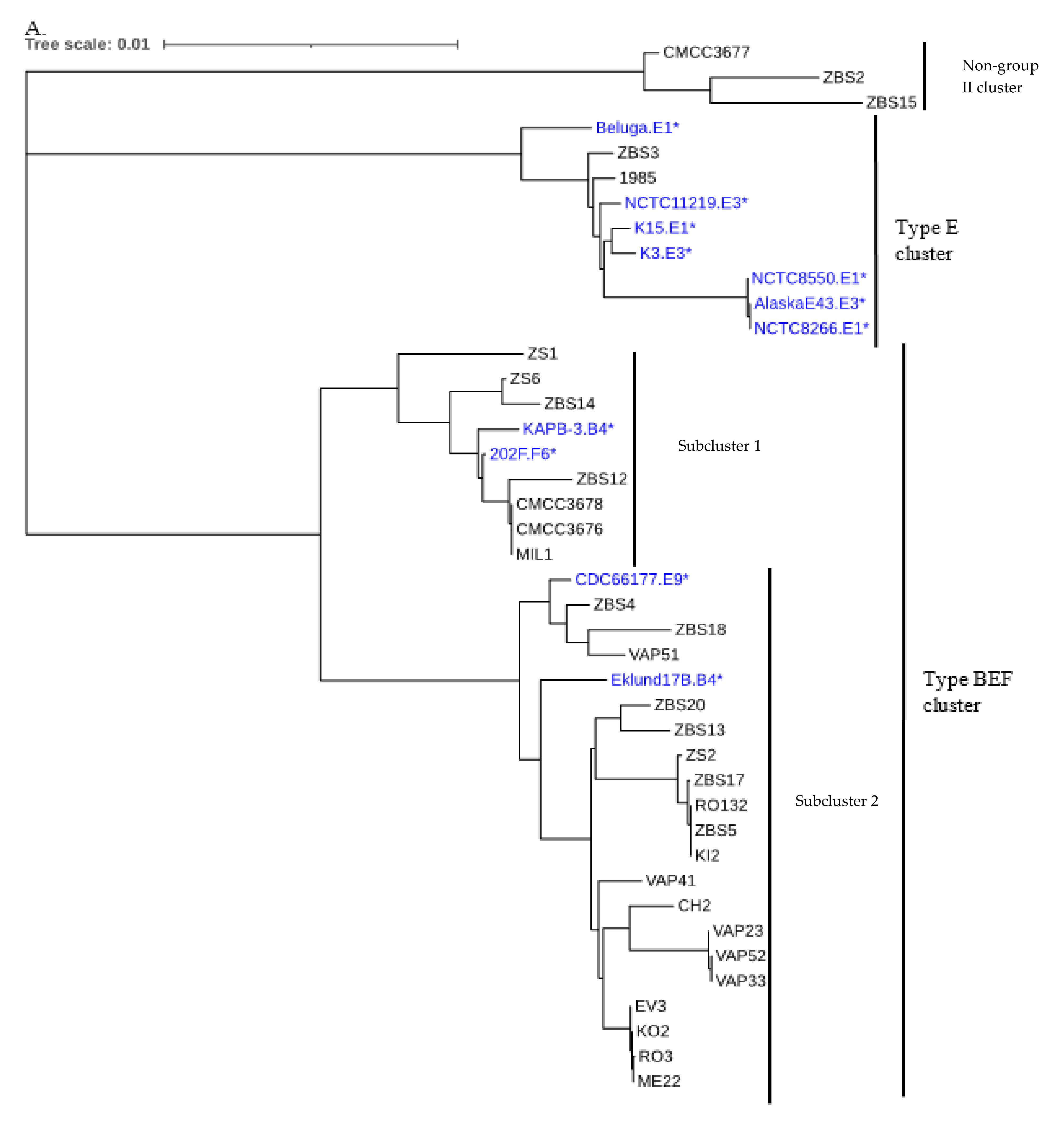
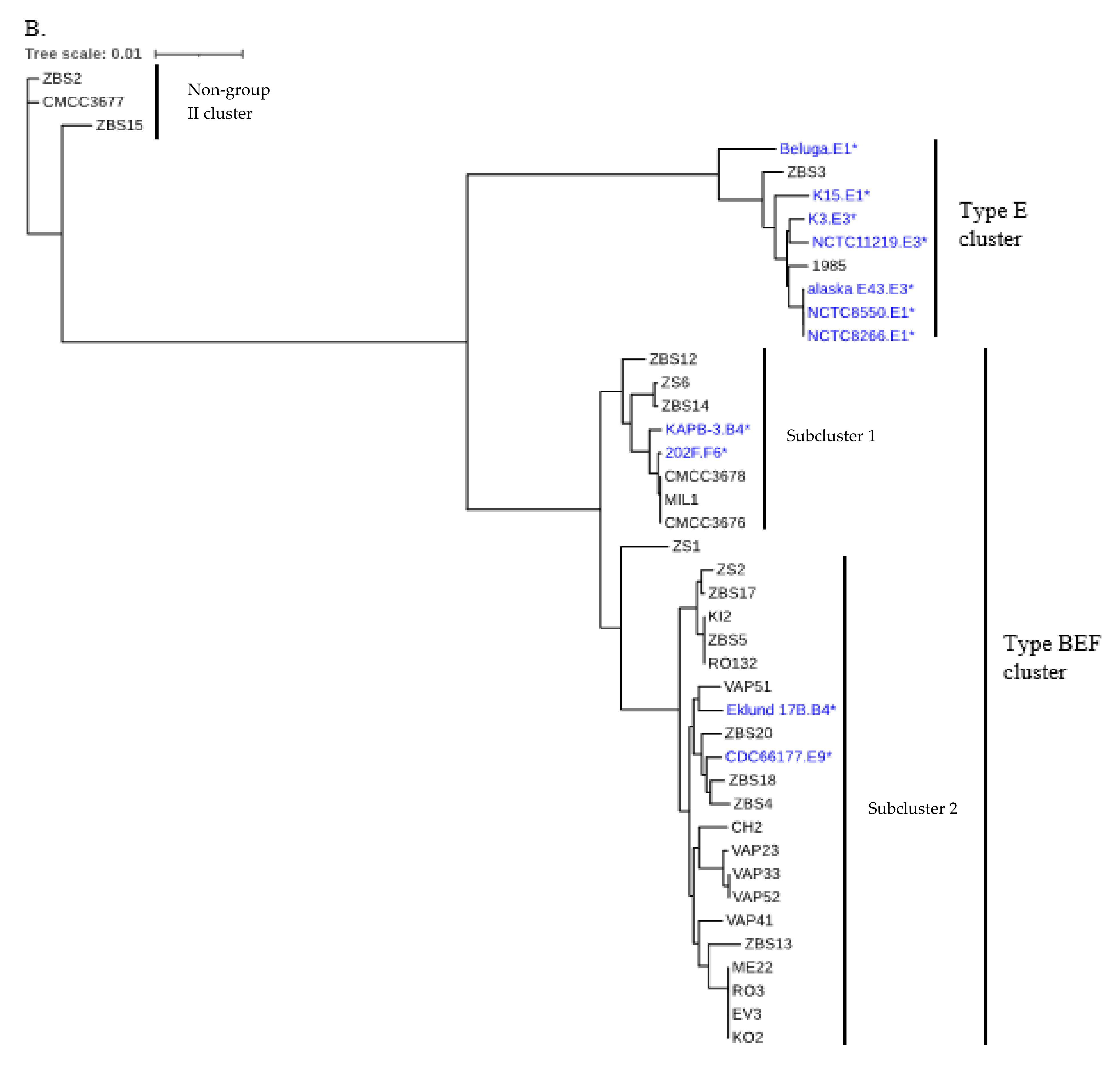
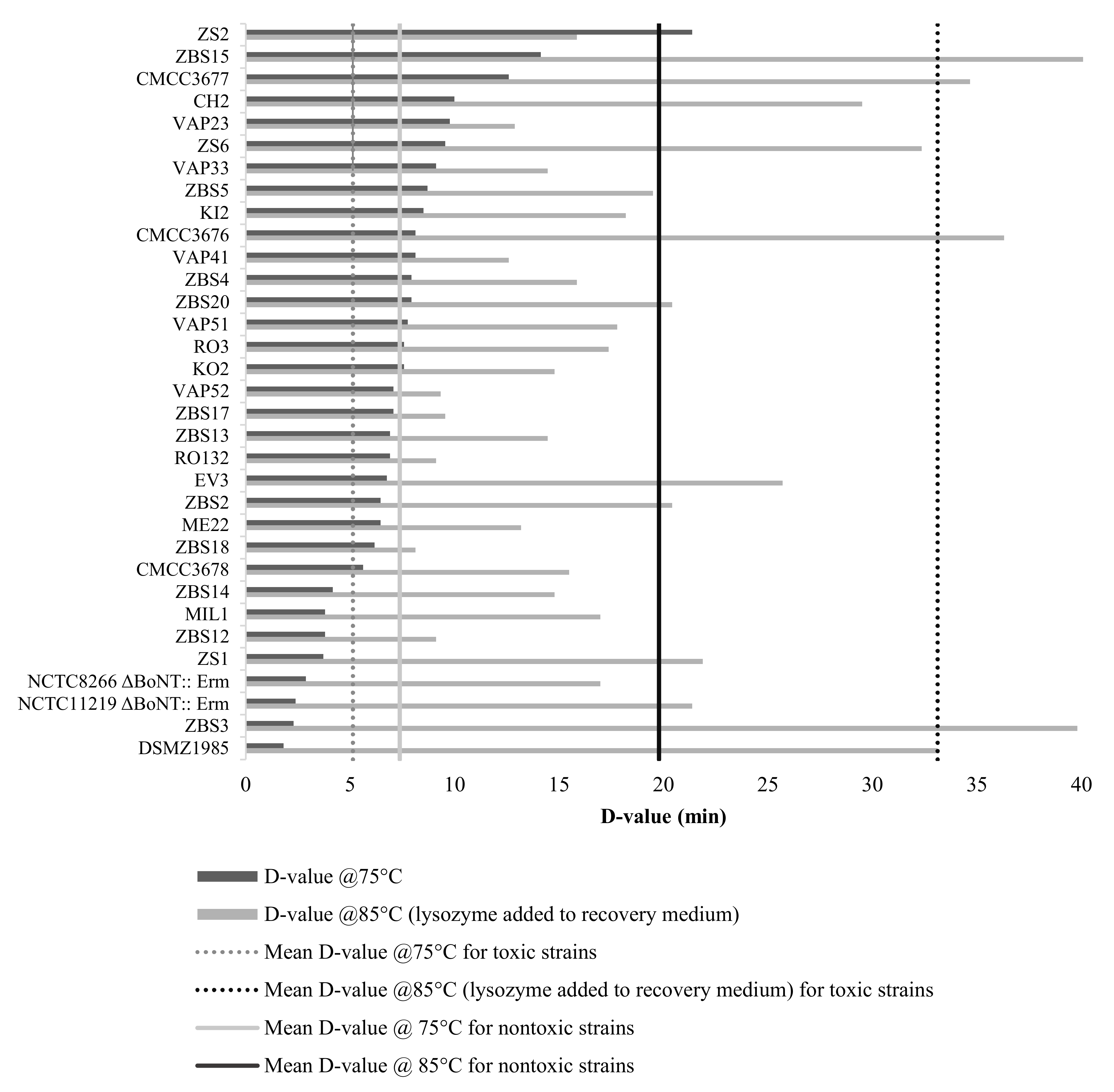
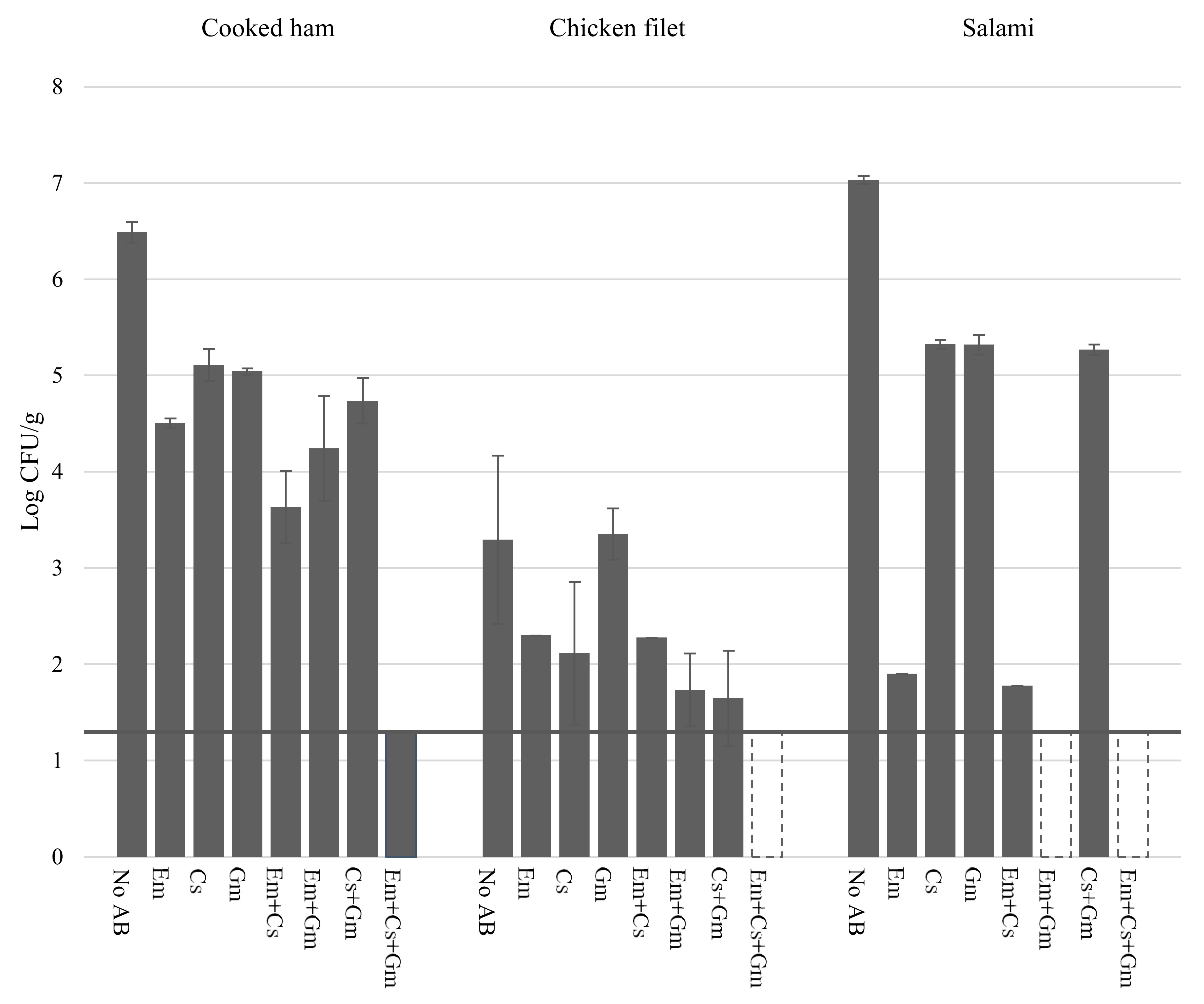
Clostridium botulinum causes severe foodborne intoxications by producing a potent neurotoxin. Challenge studies with this pathogen are an important tool to ensure the safety of new processing techniques and newly designed or modified foods, but they are hazardous and complicated by the lack of an effective selective counting medium. Therefore, this study aimed to develop selectable nontoxic surrogate strains for group II, or nonproteolytic, C. botulinum, which are psychotropic and hence of particular concern in mildly treated, refrigerated foods. Thirty-one natural nontoxic nonproteolytic strains, 16 of which were isolated in this work, were characterized in detail, revealing that 28 strains were genomically and phenotypically indistinguishable from toxic strains. Five strains, representing the genomic and phenotypic diversity of group II C. botulinum, were selected and successfully equipped with an erythromycin (Em) resistance marker in a defective structural phage gene without altering phenotypic features. Finally, a selective medium containing Em, cycloserine (Cs), gentamicin (Gm), and lysozyme (Ly) was developed, which inhibited the background microbiota of commercial cooked ham, chicken filet, and salami, but supported spore germination and growth of the Em-resistant surrogate strains. The surrogates developed in this work are expected to facilitate food challenge studies with nonproteolytic C. botulinum for the food industry and can also provide a safe alternative for basic C. botulinum research.
Keywords: nonproteolytic Clostridium botulinum; food challenge studies; surrogate strains; nontoxic; selective medium nonproteolytic Clostridium botulinum; food challenge studies; surrogate strains; nontoxic; selective medium