


Abstract
As artificial intelligence (AI) becomes increasingly integrated into organizational processes to enhance efficiency, decision-making, and innovation, aligning AI systems with human teams remains a major challenge to realizing their full potential. Although academic interest is growing, the conceptual landscape of human–AI relationships remains fragmented. This study employs a bibliometric co-word analysis of 4093 peer-reviewed documents indexed in Scopus to map the intellectual structure of the field. Using a strategic diagram, we assess the relevance and maturity of five major thematic clusters identified in the field. Results highlight the structural dominance of Human–AI Interactions (Centrality: 1595), Human–AI Collaboration (1150), and Teaming and Augmentation (1131) as foundational themes, while Conversational AI (655), and Ethics and Responsibility (431) emerge as specialized domains. Based on the analysis, we propose a conceptual framework that classifies human–AI relationships into four categories—symbiotic, augmented, assisted, and substituted intelligence—according to the level of AI autonomy and human involvement. Rather than providing prescriptive guidance for practitioners, this framework is intended primarily as a scholarly contribution that clarifies the conceptual landscape and supports future theoretical and empirical work. While potential implications for organizational contexts can be inferred, these are secondary to the study’s main goal of offering a research-based synthesis of the field. Ultimately, our work contributes to academic consolidation by offering conceptual clarity and highlighting opportunities for future research, while underscoring the critical need for ethical alignment and interdisciplinary dialogue to guide future AI adoption.
1. Introduction
The field of artificial intelligence (AI) continues to expand globally. According to the AI Index 2025, the volume of AI publications has doubled over the past decade [1], with cross-disciplinary impact across multiple domains [2]. Generative AI (GAI) accounts for much of this momentum: the release of foundation models such as ChatGPT in late 2022 catalyzed academic interest and opened new research agendas [3]. However, despite this expansion, a key barrier to realizing the field’s full potential is the conceptual ambiguity surrounding the human–AI relationship [2,4]. Persistent conflation of constructs “cooperation,” “collaboration,” “interaction,” and “teamwork”, blurs theoretical boundaries [5] and hinders a shared understanding across disciplines. This heterogeneity spans approaches ranging from Hybrid Intelligence, which emphasizes the augmentation of human capabilities, to Human–AI Teaming, which positions AI as an active team member [6,7]. The absence of terminological precision and integrative frameworks hampers cumulative knowledge, fosters field fragmentation, and limits the translation of evidence into practice [6,8]. In this study, ‘fragmented field’ refers to a structural condition characterized by high terminological dispersion, limited cross-cluster connectivity, the prevalence of isolated hyperspecialized niches, and the absence of ‘motor themes’ capable of articulating cumulative knowledge [9].
Despite growing interdisciplinary interest in human–AI relationships, empirical findings remain inconsistent, with studies reporting contradictory results regarding collective cognition, coordination, trust, and performance in human–AI teams versus human-only teams [4,10]. Recent meta-analyses show that while human–AI combinations can improve individual performance (augmented intelligence), they rarely surpass the best individual agent, human or artificial, especially when contextual and task variables are considered [10]. These inconsistencies are not merely technical; they reveal theoretical disagreements about core concepts such as collaboration, agency, autonomy, and symbiosis [11,12]. Therefore, advancing this field requires technological innovation and a systematic effort to clarify its conceptual foundations and align its uses with ethical, organizational, and social goals.
The conceptual ambiguity surrounding human–AI relationships also has significant practical consequences. Adoption frameworks promoted by industry players like Gartner [13], Microsoft [14], and PwC [15] use similar terminology but differ significantly in how they define the role of AI within human interaction. This disparity translates into incompatible implementation approaches, causes confusion among decision-makers, and complicates the alignment of AI strategies with organizational objectives [8]. As a result, academic literature and industrial discourse continue to frame AI primarily as a functional tool, without offering clear guidelines on when it should act as an autonomous agent or collaborator in hybrid teams [16,17]. This lack of consensus hinders the development of sustainable and integrated strategies for organizational transformation.
This study maps the intellectual structure of the human–AI relationships through a bibliometric co-occurrence analysis of 4093 academic documents. The guiding question is: How is knowledge about human–AI relationships structured, and what are the main conceptual perspectives that can guide organizational transformation strategies? Using a quantitative network approach, the study characterizes the field’s fragmentation, revealing hyper-specialized themes and an absence of driving themes. The principal contribution is a conceptual framework grounded in bibliometric evidence that links levels of AI autonomy and the degree of human involvement to thematic trajectories, thereby providing a strategic bridge between research and practice and enabling a more coherent and effective path toward organizational transformation.
This article is organized into four sections. Section 2 details the methodology, including document search, selection, and analysis. Section 3 presents the bibliometric trends and characterizes the intellectual structure of the field using strategic diagrams. Section 4 introduces the resulting conceptual framework and identifies its key perspectives and implications for AI adoption. The article concludes with a synthesis of findings and recommendations for future research.
2. Materials and Methods
The co-word analysis method provides a powerful bibliometric tool for understanding the structure of research within a specific domain [18]. By focusing on the co-occurrence of keywords across academic publications, this technique reveals the thematic clusters and conceptual linkages that define a field. In this study, co-word analysis is employed to examine the relationships between humans and artificial intelligence in academic literature. This method allows for a systematic exploration of how key concepts develop and interrelate, making it especially useful for identifying dominant themes and emerging trends [9]. This is achieved by constructing networks of keywords that appear together frequently, enabling a visualization of how different ideas and technological developments are connected within the scientific discourse.
To ensure a rigorous methodological approach, this study follows a structured workflow consisting of data collection, keyword selection, and network visualization. Each step is designed to minimize biases and maximize the clarity of thematic relationships in human–AI research.
2.1. Data Collection
Data was collected from the Scopus database, a widely recognized and trusted source for bibliometric analysis due to its extensive coverage of high-quality, peer-reviewed literature [19]. Scopus provides a strong balance between academic rigor and reproducibility—features that Google Scholar does not consistently ensure [20], while also offering broader literature coverage than the Web of Science, whose scope is comparatively more limited [21].
There is no universally accepted terminology that fully captures the diverse ways in which humans and AI interact (see, for a recent approximation [22]). Consequently, our search strategy prioritized high-level terms to capture the field’s diversity without imposing a priori theoretical biases. We employed the term “human–AI” broadly to encompass various interaction forms—such as collaboration, symbiosis, or teaming—allowing these specific dynamics to emerge organically from the data rather than pre-selecting them via the search string. Complementarily, we incorporated ‘human-centric AI’ given its frequent use in the literature and its ability to capture the normative and design-oriented dimensions of the field. Regarding data accuracy, preliminary pilot searches revealed “false positives” where terms appeared adjacent solely due to punctuation (e.g., “human. AI” or “human: AI”) rather than a semantic relationship. Therefore, we rigorously excluded these syntactic variants to reduce noise. The final search sentence was structured as follows:
TITLE-ABS-KEY (“human-cent* ai” OR “human-cent* artificial intelligence” OR (“human-ai” AND NOT ({human ai} OR {human. ai} OR {human, ai} OR {human: ai} OR {human; ai} OR {humans ai} OR {humans. ai} OR {humans, ai} OR {humans: ai} OR {humans; ai})) OR (“human-artificial intelligence” AND NOT ({human artificial} OR {human. artificial} OR {human, artificial} OR {human: artificial} OR {human; artificial} OR {humans artificial} OR {humans. artificial} OR {humans, artificial} OR {humans: artificial} OR {humans; artificial} OR {humans), artificial}))).
This approach allows for a precise and unbiased selection of literature on human-centered approaches to AI and the diverse relationships between humans and artificial intelligence. By focusing exclusively on AI-specific terminology, the search deliberately excluded general human–machine interaction (HMI) and broader sociotechnical literature. This narrowing was essential to isolate the relational dynamics unique to AI, such as agency, autonomy, and teaming, and to ensure the analysis accurately reflects the distinct intellectual structure of the human–AI domain.
The search was conducted on 3 February 2025, yielding a dataset of 4093 documents (see the records in the Supplementary Materials section, Excel File S1). No publication date filters were applied, enabling the natural temporal evolution of the terminology to emerge. The resulting dataset spans from 2011, when the first relevant records appear, through early 2025. This corpus offers a robust foundation for an in-depth analysis of the key themes, approaches, and trends in human–AI research.
2.2. Keyword Selection
A critical component of co-word analysis is ensuring that the selected keywords accurately represent the thematic landscape of literature. From the collected documents, 7910 raw keywords were extracted based on author-defined terms. To refine this dataset, a thesaurus was developed to standardize terminology and improve consistency across the corpus. The construction of the thesaurus followed these criteria [23]:
- Singular and plural variations were unified (e.g., “chatbots” standardized to “chatbot”).
- Acronyms were consolidated with their full terms (e.g., “hci” unified with “human–computer interaction”).
- Hyphenated terms and format variants were standardized (e.g., “cocreation” converted to “co-creation”).
- Closely related or synonymous terms were merged into a single representative term (e.g., “cooperation human/ai” into “human–AI cooperation”).
- General terms and those not contributing substantively to thematic analysis were removed (e.g., “methodology,” “survey”).
After applying the thesaurus, 7687 unique words were obtained. To ensure the relevance of the analysis, only those appearing at least 10 times were retained, resulting in a final network comprising 124 nodes.
2.3. Network Visualization
To construct and analyze the co-occurrence network, we used VOSviewer (version 1.6.19), a specialized bibliometric visualization tool [24]. In this network, nodes represent keywords, and their size reflects their frequency in the corpus. Edges illustrate co-occurrence relationships, with thickness indicating the number of documents in which two keywords appear together.
The extracted keywords were filtered through the thesaurus, and a co-occurrence matrix was generated using VOSviewer. To ensure a clear representation of thematic relationships, the LinLog normalization algorithm was applied, with attraction and repulsion parameters set to 1 and 0, respectively. The VOS clustering algorithm then identified clusters of related keywords, grouping them into cohesive thematic units. We used the default parameters for cluster resolution (1.00) and minimum cluster size (1) to ensure consistency in the network analysis (see the resulting network in Section 3.2).
2.4. Analysis
The analysis of the co-word network was multifaceted, aiming to uncover both broad trends and developments. First, a statistical overview of the corpus was conducted based on metadata extracted from Scopus and processed using Microsoft Excel to understand the volume of published documents over time, the most prominent journals, the most frequently cited documents, and the leading institutions contributing to this research domain. This quantitative analysis established a baseline for understanding the primary trends and impact of research on human–AI relationships.
Subsequently, a descriptive analysis was conducted to examine the internal composition of each identified cluster. To this end, the nodes of each cluster were filtered into subnetworks and reprocessed using VOSviewer, which allowed the detection of potential subthemes (the resulting subnetworks are not shown). This procedure provided a granular view of the internal structure and thematic orientation of the clusters, enabling the identification of emerging subthemes and specific research lines within the broader categories.
Finally, a strategic diagram [25] was used to analyze the dynamics of thematic clusters based on centrality and density metrics (calculated with a custom Excel macro using the network data exported from VOSviewer). Following the methodological approach by Pourhatami et al. [26], Centrality () measures the strength of external interactions of a cluster with other parts of the network and is calculated as:
where denotes nodes in cluster , represents nodes in all other clusters , and is the weight of the edge between them. is assigned when nodes and are unconnected, and when an edge links them.
Density () represents the internal cohesion of the cluster and is defined as the proportion of existing links relative to the maximum possible number of links among the nodes within the cluster:
where is the total number of edges within cluster . These metrics categorize themes into four quadrants (see the strategic diagram in Section 3.3): Motor themes (Quadrant 1), which are well-developed and influential topics with high centrality and density; Highly developed but isolated themes (Quadrant 2), specialized areas with strong internal cohesion but limited influence on the broader network; Emerging or declining themes (Quadrant 3), topics that are either gaining prominence or losing relevance due to their low centrality and density; and Basic and transversal themes (Quadrant 4), widely connected but weakly cohesive foundational topics. Crucially, this diagram serves as a maturity indicator: the absence of motor themes (Quadrant 1) empirically characterizes a field at an early stage, defined by high exploration (centrality) but limited theoretical consolidation (density). The strategic diagram provides a structured framework for understanding the thematic landscape and its potential evolution in research on human–AI relationships, enabling us to move beyond simple frequency counts to quantify the field’s intellectual structure and identify, based on network topology, which themes are emerging, mature, or isolated.
3. Results
3.1. Trends of Human–AI Relationships Research
Figure 1 illustrates the exponential growth of the field, which surged from 2020 to reach 1649 publications in 2024. This rise is primarily driven by the emergence of GAI [27] and the digitalization accelerated by COVID-19 [17,28]. Crucially, since our search had no temporal restrictions, this post-2020 concentration represents an empirical finding rather than a sampling bias. It confirms that the discourse on ‘Human–AI’ relationships is distinct from the longer-standing Human–Computer Interaction (HCI) tradition. The field has effectively shifted from interacting with tools to collaborating with agents, a transition fueled by deep learning and generative models.
Figure 1.
Documents by year. Source: Own elaboration based on Scopus data.
More than half of all publications in the field of human–AI relationships are found in conference proceedings (2237 documents), significantly outpacing articles published in specialized journals (1424 articles). This trend suggests that academic conferences are the primary venues for disseminating technological and methodological advancements at a faster pace. As shown in Table 1, prominent journals in this field—such as the International Journal of Human–Computer Interaction and Computers in Human Behavior—are also highly influential, with the latter’s high H-index of 245 underscoring the academic impact and growing relevance of this field.
Table 1.
Leading journals that publish research on human–AI relationships (1424 journal articles from 4093 documents). Source: Own elaboration based on Scopus and Scimago data.
The impact of human–AI interaction research is reflected in the increasing citation of key studies that have shaped the development of the field. As shown in Table 2, the most cited articles address fundamental topics, such as AI integration in medicine [28] and the development of GAI [27], which have exceeded 1000 citations. Furthermore, Jarrahi’s review on human–AI symbiosis in organizational decision-making [29] highlights the growing interest in leadership automation and AI-driven management. The research also demonstrates a significant impact in AI explainability, with studies by Amershi et al. and Shin et al. exploring trust and acceptance of explainable AI systems [30,31]. Additionally, Liao et al. research on user experience design for explainable AI [32] underscores the importance of making these systems more accessible and intuitive for human users.
Table 2.
Most cited papers. Source: own elaboration based on Scopus data.
Table 3 shows leadership in human–AI relation research is shared between prestigious universities and corporate innovation centers. Four major research streams have emerged within this landscape, each characterized by strong institutional ties, thematic specialization, and limited interconnections.
Table 3.
Leading institutions in document publication. Source: Own elaboration based on Scopus data.
Carnegie Mellon University leads in publication volume (135 documents), establishing itself as a key institution in studying human–AI relation in education and adaptive learning. Researchers such as Kenneth Holstein and Vincent Aleven have demonstrated that integrating unobservable variables in AI enhances educational decision-making. Their work also shows that human–AI complementarity optimizes K-12 teaching, promoting an approach where AI functions as a co-educator rather than merely a tool [37,38].
Microsoft Research and IBM Research constitute another major hub, with 80 and 67 documents, respectively. Their work focuses primarily on AI explainability and trustworthiness in organizational and production environments, positioning them within the explainability-oriented cluster [5]. Within this group, Vera Liao is a prolific and highly cited researcher at Microsoft Research, leading key studies on how human intuition influences trust in AI and its impact on decision-making [39,40,41]. Her research has also explored the role of conditional delegation in human–AI interaction and how individuals assess the reliability of AI models in critical scenarios. Similarly, the influential team of Justin D. Weisz (23 documents), Michael Muller (21 documents), and Wang D. (19 documents) from IBM Research focuses on human–AI collaboration strategies, algorithmic transparency, and optimizing decision-making in business environments.
With 68 documents, Clemson University has built a strong research community dedicated to studying human–AI team dynamics and trust in autonomous systems. Leading this field, Nathan McNeese (34 documents) and Beau Schelble (17 documents) investigate how user perception affects the effectiveness of human–AI collaboration. Their publications emphasize human–AI interaction from a teamwork perspective, exploring collaboration dynamics and socio-emotional factors [42]. This focus places them within the human-oriented cluster [5].
Finally, Delft University of Technology and Google LLC (Alphabet) contribute an innovative perspective on human–AI interaction in digital environments. Researchers such as Ujwal Gadiraju (15 documents) at Delft have advanced the study of AI in collaborative work platforms, while at Google LLC, Bernstein (10 documents) explores the impact of AI on human behavior on digital technology platforms.
3.2. Intellectual Structure of Human–AI Relationships
The literature on artificial intelligence is extensive. However, the growing use of AI to augment human capabilities has recently intensified the need to explore more deeply the challenges, possibilities, and implications of human–AI systems [10]. The co-occurrence network presented in Figure 2 captures the intellectual structure of research on human–AI relationships. Five clusters were identified: Human–AI Interactions, Teaming and Augmentation, Human–AI Collaboration, Conversational AI, and Ethics and Responsibility. Each cluster represents a key but emerging dimension of the relationships between humans and intelligent systems. Each cluster was extracted and partitioned using VOSviewer. The results allowed highlighted emerging subthemes that indicate the fragmented yet developing nature of research on human–AI relationships. The resulting subnetworks are not shown. (From this point forward, clusters or themes will be labeled as C1, C2, etc.; subclusters will be highlighted in italics, and node references will appear in single quotes.)
Figure 2.
Co-occurrence network of human–AI relationships.
Table 4 presents the nodes with the highest frequency for each cluster. The bold and underlined entries highlight the main forms of human–AI relationships identified in the corpus. Overall, the network reflects a developing field where these relationships intersect with technical challenges and ethical considerations, underscoring the need for a robust theoretical framework to guide its understanding.
Table 4.
Top 10 nodes with the highest frequency for each cluster.
3.2.1. Human–AI Interactions
C.1. Human–AI Interactions underscore the importance of developing AI systems that are understandable to their users. The concept of interaction generically captures the various forms of relationships between humans and artificial intelligence [5]. The cluster structure reflects two closely related subclusters: explainability and human-in-the-loop. The first subcluster stresses the need for ‘transparency’ in ‘human–AI interaction[s]’. This approach, known as ‘explainable ai’ (XAI) [43], provides visibility into how an AI system makes decisions and predictions, explaining the rationale behind its actions and highlighting the strengths and weaknesses of the decision-making process (‘decision support system’, ‘human–AI decision-making’) [44]. The presence of terms such as ‘interpretability’ and ‘fairness’ demonstrates an interest in making algorithmic decisions accessible, while concepts such as ‘bias’ and ‘trust calibration’ reflect the efforts to mitigate bias and calibrate user trust [45,46,47].
The second subcluster underscores the importance of human involvement (‘human-in-the-loop’) in the decision-making processes of AI systems (i.e., ‘machine learning’, ‘deep learning’, ‘reinforcement learning’) [48]. Approaches such as ‘interactive machine learning’ emphasize the necessity of creating interactive communication channels between users and AI models, encouraging user participation at all stages of their development [6]. Furthermore, the cluster connects with specific fields—including ‘autonomous driving’, ‘healthcare’, and ‘radiology’—illustrating that explainability and human involvement are crucial in applications where AI directly affects human safety and well-being [49,50,51]. This also underscores existing tensions in the acceptance of automation, a phenomenon known as ‘algorithm aversion’ [52].
3.2.2. Teaming and Augmentation
This cluster, C2, explores how teaming and augmentation are reshaping the integration between humans and intelligent systems, particularly in areas such as decision-making and interaction design, where these approaches are gaining traction. While thematically diverse, all subthemes within this cluster converge around a common, cross-cutting issue: trust—a central factor influencing the effectiveness and acceptance of human–AI systems [53].
Four main subclusters are identified within this cluster: decision-making, human–AI teaming, augmentation, and interaction design. In the context of ‘decision-making’, ‘trust’ plays a pivotal role in shaping how humans interact with AI systems, particularly in terms of ‘human-agent interaction’ and ‘human–AI cooperation’. Trust here is influenced by factors such as the system’s ‘autonomy’—which can enhance performance but also raise ‘uncertainty’—and AI’s confidence in its predictions. The user’s reliance on the system is also key, as it determines whether humans accept or challenge AI recommendations based on their perceived risk and reliability.
The human–AI teaming subcluster (covering variants such as ‘human-agent teaming’, ‘human-autonomy teaming’, ‘teamwork’) focuses on structured relationships where humans and (partially) autonomous AI systems, whether embodied (e.g., robots) or embedded (e.g., software), work interdependently towards shared goals [5]. This teaming approach accelerates decision-making by combining the rapid data processing and analytical capacities of AI with the creativity and abstract reasoning of humans [54]. Trust is both a prerequisite for and an outcome of effective teaming, requiring careful engineering [54] and ongoing understanding [55]. Key nodes such as ‘mental model’ and ‘situation awareness’ emphasize the need for mutual understanding and anticipation between humans and AI, strengthening team performance [56,57].
In the augmentation subcluster, the focus shifts to enhancing human capabilities through AI, rather than replacing them. ‘[A]ugmentation’ refers to human–AI systems that outperform humans working alone by optimizing task execution and decision-making [10]. Traditionally seen as the opposite of ‘automation’, current research suggests these concepts are increasingly complementary [58]. While ‘automation’ reduces human involvement by fully delegating tasks to AI, ‘augmentation’ integrates AI as a support to human capabilities. Both approaches can coexist, driving competitive and social benefits [ibid]. Effective integration in this space often depends on the ‘socio-technical systems’ that structure AI ‘adoption’ [59], with ‘human factors’, especially trust, being crucial for successful outcomes [60].
Finally, the interaction design subcluster centers on optimizing ‘human–computer interaction[s]’ through ‘design’ strategies such as ‘agency’, ‘anthropomorphism’, and ‘human-centered design’ [33,61]. By incorporating elements like ‘visualization’ and ‘safety’ [62], designers aim to create intuitive and trustworthy environments that enable seamless integration between humans and AI.
3.2.3. Human–AI Collaboration
C3. Human–AI Collaboration is among the most dynamic in the network, integrating the synergy between humans and AI [6] with the transformative impact of generative technologies [63,64]. It unfolds across four interconnected subcluster, each highlighting unique yet interwoven dimensions of this collaboration and its impact on creativity, problem-solving, and innovation.
The first subcluster explores multiple types of collaboration, shifting from basic interactions to deeper interdependences [65]. Terms such as ‘collective intelligence’, ‘human–AI partnership’, ‘human–AI symbiosis’, and ‘hybrid intelligence’ highlight the growing perception of AI as an active force that operates in synergy with humans in decision-making, ideation, and problem-solving [16,66,67]. While the concept of interaction captured generic relationships, this shift in language contributes to more elaborate collaboration frameworks.
The second subcluster, generative systems, captures the emergence of GAI in recent years. Nodes like ‘generative ai’, ‘large language model’, and ‘ChatGPT’ indicate the growing influence of AI-generated content across various domains [68]. The increasing adoption of generative models in education and design is reflected in terms like ‘education’, ‘human–AI co-creation’, and ‘ai literacy’ [69,70], while ‘prompt engineering’ and ‘innovation’ illustrate AI’s role in reshaping creative methodologies [3,71].
The third subcluster, co-creativity, focuses on the creative dimension of human–AI collaboration. Concepts such as ‘creativity’, ‘creativity support tool’, ‘co-creativity’, ‘storytelling’, and ‘sensemaking’ emphasize AI’s role as a co-creator rather than a passive tool, expanding human creative potential [72,73]. This subtheme has been largely developed thanks to GAI. While GAI still has limitations in prediction tasks and decision-making, one of its primary applications lies in novel content generation.
The fourth subtheme, AI impacts, highlights how AI-enabled collaboration is transforming work, learning, and design [29,74,75]. Concepts such as ‘future of work’, ‘learning analytics’, ‘design fiction’, and ‘co-design’ illustrate AI’s growing role in reconfiguring professional and creative environments, influencing how knowledge is structured, labor is organized, and design evolves.
3.2.4. Conversational AI
C4. Conversational AI focuses on the convergence of conversational technologies with user experience optimization, incorporating both technical and emotional aspects of human–machine interaction. It is structured into three subthemes that reflect different approaches and applications.
The first subcluster, personalized and empathetic AI, examines personalization and the emotional dimension of interactions. Nodes like ‘personalization’ and ‘affective computing’ highlight efforts to tailor systems to individual user characteristics, integrating contextual and emotional elements [76,77]. The inclusion of ‘multimodal’ suggests the expansion of communication channels, while ‘social robot’, ‘emotion’, and ‘empathy’ reflect the trend toward humanizing interfaces, fostering more natural and empathetic interactions [78,79].
The second subcluster focuses on user experience. With ‘chatbot’ and ‘user experience’ as dominant nodes, this area underscores efforts to develop digital agents that enable seamless and satisfying interactions [80]. The presence of ‘conversational agent’ reinforces the role of these systems in simulating natural dialogues, while ‘mental health’ [81] and ‘social media’ [82] suggest applications in well-being and social communication, demonstrating their potential to reshape digital interactions.
The third subtheme addresses the technological foundations of conversational interactions. ‘[N]atural language processing’ serves as the central element, emphasizing the role of language algorithms in understanding and generating text [27]. Additionally, conversational ai’ and ‘language model’ highlight advancements toward more sophisticated systems, while the emergence of ‘COVID-19’ suggests an acceleration in the adoption of these tools [83]. Finally, ‘human–AI communication’ reinforces the need for clear and effective exchanges between humans and machines [84].
3.2.5. Ethics and Responsibility
C5. Ethics and Responsibility focuses on the ethical frameworks and governance practices required for the responsible development and deployment of AI systems. It consists of three interconnected subthemes that highlight both theoretical and applied dimensions of AI ethics.
The first two subclusters are AI ethics and responsible AI. Key concepts such as ‘ai ethics’, ‘trustworthiness’, and ‘responsible ai’ form the foundation of discussions on integrating ethical considerations from the early stages of AI design [85,86]. These principles highlight that AI should not only be technically advanced but also socially equitable and transparent. Additional aspects such as ‘privacy’ and ‘participatory design’ reinforce the need to protect personal data and involve diverse stakeholders in AI development, ensuring active participation to identify and mitigate potential biases or risks [87,88]. The presence of ‘big data’ further underscores the challenges of managing large-scale information responsibly, where accuracy and accountability are crucial to prevent discriminatory outcomes [89].
The third subcluster, sustainable industry, expands the discussion to the industrial and socioeconomic dimensions of AI ethics and responsibility. Nodes such as ‘Industry 5.0’ and ‘Industry 4.0’ reflect the transformation of production models, while ‘sustainability’ and ‘smart manufacturing’ highlight efforts to integrate sustainable development and operational efficiency into digitalization processes [90]. This subcluster illustrates how AI ethics extends beyond software and decision-making, directly influencing emerging industrial paradigms that seek to balance innovation, efficiency, and social and environmental responsibility [90].
3.3. Strategic Diagram
Figure 3 shows for each cluster its level of internal development and its relative importance within the network, according to centrality (Equation (1)) and density (Equation (2)) metrics, respectively. The number of nodes and connections for each cluster and the metrics used to construct the strategic diagram are shown in Table 5. The diagram axes were calculated based on the arithmetic average of centralities and densities (992.40, 0.4368).
Figure 3.
Strategic diagram of the co-occurrence network, showing themes mapped by centrality and density across four quadrants (I–IV).
Table 5.
Network metrics used in the development of the strategic diagram.
The strategic diagram highlights the absence of clusters in Quadrant 1. This confirms that the field is at an early stage: researchers are simultaneously exploring multiple high-centrality approaches (Quadrant 4) that have not yet matured into cohesive and consolidated thematic cores (Motor Themes). This can be attributed to the relatively recent systematic exploration of human–AI relationships (see, for example, [22]). Given the novelty of the field, the community is investigating multiple approaches and methodologies that often overlap and evolve in parallel. As a result, no single theme has yet achieved both high centrality and density. In this context, the development of taxonomies and conceptual frameworks becomes essential for structure and advancing the field.
The absence of clusters in quadrant 3—typically associated with underdeveloped and low-centrality themes—can be explained by two factors. First, although no time restriction was applied to the search, the corpus is overwhelmingly concentrated in the past five years, which makes the presence of declining topics unlikely. Second, because cluster positioning in the strategic diagram is relative to the other clusters, those with comparatively low centrality do not fall into quadrant 3. Instead, their position shifts toward other quadrants, often closer to quadrant 1, when evaluated against clusters with stronger centrality.
In quadrant 2, the clusters C4. Conversational AI and C5. Ethics and Responsibility are found, characterized by high density and low centrality. This indicates that they are specialized themes with limited influence on the other clusters in the network. However, the reasons for their position in this quadrant differ. C4. Conversational AI is an applied topic focused on the design and implementation of conversational chatbots and associated user experience criteria. On the other hand, C5. Ethics and Responsibility adopts a broader theoretical perspective, addressing the implications of AI use and its various forms of interaction with humans.
Finally, in quadrant 4, three clusters are found: C1. Human–AI Interactions, C2. Teaming and Augmentation, and C3. Human–AI Collaboration. These clusters exhibit high centrality but relatively low internal cohesion. C1. Human–AI Interactions has the highest centrality within the network and the lowest density, due to containing the nodes with the highest link strength in the network (‘human–AI interaction’ and ‘explainable ai’), which establish multiple and intense edges with other clusters. Meanwhile, the C2. Teaming and Augmentation, and C3. Human–AI Collaboration clusters are positioned closer to the diagram’s origin, suggesting that they may increase their internal cohesion in the coming years and evolve into motor themes within quadrant 1. Together, these three clusters address fundamental and transversal aspects for the entire network, including key concepts such as ‘human–AI interaction’, ‘human–AI collaboration’, ‘explainable ai’, ‘trust’, and ‘generative ai’.
4. Discussion
The strategic diagram (Figure 3) confirms the fragmentation of the literature on the human–AI relationship. On the one hand, hyperspecialization predominates: Clusters 2 and 4 (ethics and responsibility, conversational AI) comprise mature themes that function as silos, limiting interdisciplinary integration. On the other hand, the absence of driving themes indicates a lack of shared conceptual frameworks, a persistent limitation in the field [6]. In parallel, the clusters that structure the human–AI relationship (C1, C2, C3) behave as bandwagon themes: broadly cited, cross-cutting notions with low internal density and insufficient development [5]. Taken together, this fragmentation reduces coherence and hinders the emergence of a unified, operational understanding of the human–AI relationship.
To address this gap, the following section introduces an integrative framework designed to offer a coherent and operational account of human–AI interaction. This framework is grounded in empirical patterns of co-occurrence and thematic centrality observed within the bibliometric structure of bandwagon-type clusters [9,26]. Its purpose is to contribute to the delimitation of key concepts, methodological tools, and widely cited terms which, while currently serving as general references, hold the potential to evolve into standalone research lines and become foundational pillars of the emerging knowledge domain.
4.1. Conceptualizing Human–AI Relationships
The evolution of conceptual frameworks in the human–AI domain reveals a theoretical transition from instrumental task delegation models toward co-creation architectures. While Licklider’s foundational vision (cited by [29]) idealized symbiosis, its subsequent operationalization—dominated by Parasuraman et al.’s delegation approaches (cited by [33]), the ‘human-in-the-Loop’ paradigm [48], and Shneiderman’s HCAI [33]—prioritized hierarchical supervision and risk mitigation. With the sophistication of algorithmic capabilities, this perspective yielded to interdependent ‘teaming’ architectures and models of hybrid and collective intelligence [6,7,91], introducing dynamics of distributed cognitive collaboration. This trajectory converges in the most recent literature, which integrates synergistic symbiosis [22], structural co-creation [92,93], and Generative AI adoption [94]. Each of these approaches captures distinct modes of interaction that vary in AI autonomy, the distribution of agency and control, and the purpose of collaboration, collectively reflecting the increasing conceptual complexity of the field.
To systematize this fragmented landscape, we propose a two-dimensional conceptual model that classifies the highest-occurrence and highest-link-strength nodes observed in clusters C1, C2, and C3. The model is organized along two axes: AI autonomy (initiative) and human involvement (distribution of agency and control), the two poles of sociotechnical interaction as operationalized by Zhang et al. [11]. The autonomy axis emerges inductively from the concentration and co-occurrence patterns of nodes associated with passive, reactive, collaborative, and autonomous agency frameworks identified in these clusters [42,91]. The human involvement axis formalizes the locus of authority and the mechanisms of control, ranging from supervision and approval to shared control and adjustable autonomy [6,16], likewise evidenced across these clusters.
The intersection of these axes yields a typology of four intelligence archetypes: symbiotic intelligence, augmented intelligence, assisted intelligence, and substituted intelligence (see Figure 4).
Figure 4.
Conceptual Framework. Source: Own elaboration.
Each quadrant represents a distinctive pattern of sociotechnical interaction, ranging from configurations in which AI operates as a tool under human supervision (assisted intelligence), to collaborative scenarios where humans and AI systems co-evolve through shared agency (symbiotic intelligence). While the archetypes are conceptually grounded in thematically differentiated clusters, their convergence within the same quadrant of the strategic diagram (see Figure 3) suggests that they are not mutually exclusive. Rather, they may be interdependent and capable of coexisting within a single organization, depending on the type of process, operational context, or strategic objective. This perspective stands in contrast to maturity-based or progressive models such as those proposed by Gartner [13] and Microsoft [14] which tend to depict AI evolution as a sequence of discrete stages or fixed levels of integration [11,95]. Although these frameworks provide valuable guidance for strategic planning, they often oversimplify the relational complexity inherent in human–AI interaction. Similarly, frameworks that classify collaboration solely by task type or predefined roles fail to capture the bidirectional, adaptive, and evolving nature of these relationships, which unfold dynamically over time and require flexible coordination mechanisms [4,96].
In contrast, our typology integrates these partial perspectives by positioning them within a coherent relational structure. For example, isolated concepts such as “co-creation” [91], “collaborative intelligence” [17], or “levels of integration” [6] are logically located within our framework, enabling a more unified conceptual vocabulary and analytical consistency for future research in human–AI relationships.
We now present the four intelligence archetypes, which synthesize the main configurations of human–AI relationships according to the axes of autonomy and involvement.
4.1.1. Symbiotic Intelligence
Symbiotic intelligence refers to a deeply collaborative approach in which humans and AI engage in mutual learning, co-evolution, and the amplification of each other’s capabilities. This mode is empirically supported by cluster C3. Human–AI Collaboration, which—despite its internal fragmentation into subthemes such as collaboration types, generative systems, and co-creativity—occupies a central position in the strategic map (centrality: 1150) (Figure 3). Its prominence underscores the pivotal role of collaborative dynamics in shaping the emerging intellectual structure of the field.
The high-frequency thematic nodes associated with Cluster C3 (see Table 4) characterize this archetype by its high AI autonomy and shared human involvement. Defined by cooperative AI agency and distributed control, this configuration is particularly suitable for dynamic, high-complexity environments that require innovation, adaptability, and joint creative effort [11,92]. From a managerial perspective, symbiotic intelligence offers high strategic value through mutual learning; however, the primary trade-off involves governance complexity. Organizations must implement sophisticated mechanisms to coordinate distributed agency and ensure transparency, mitigating the risk of over-reliance on AI in contexts where ethical oversight remains non-delegable.
Three distinct modes of collaboration shape this intelligence archetype. First is synergistic symbiosis, where human and algorithmic agents develop interdependent cognitive processes that lead to innovation and enhanced organizational performance [8,29]. This dynamic relationship facilitates role flexibility, co-adaptation, and shared decision-making [6,96]. Second is hybrid intelligence, which integrates human competencies, such as emotional understanding, intuition, and contextual reasoning, with AI’s data-driven analytic capabilities [7]. Implemented through hybrid intelligence systems, this model fosters continuous feedback loops and adaptive decision-making in uncertain environments [97]. Third, co-creation redefines creativity as a shared process: humans contribute expert knowledge and intent, while AI generates multiple design alternatives, adapts to feedback, and accelerates creative processes [91,98].
Within this archetype, AI is integrated into the workflow so that tasks are carried out jointly, with humans and machines assuming clearly defined yet complementary roles. Control is shared, and decisions emerge through a collaborative process. This configuration aligns with business process collaboration and co-creation models proposed by Frenette and Liu, which highlight teamwork as a core principle [91,92]. It also resonates with the human integration perspective advanced by Puerta-Beldarrain and colleagues, who describe deeper forms of human incorporation into AI systems [6].
These collaboration modes form a hybrid cognitive infrastructure that emphasizes co-learning, reciprocal performance enhancement, and emergent intelligence. Symbiotic intelligence, therefore, is not merely an evolutionary step in AI adoption but a shift toward a human-centric paradigm consistent with Industry 5.0 priorities [99].
4.1.2. Augmented Intelligence
Augmented intelligence enhances human capabilities through AI support in decision-making and problem-solving, particularly in complex and ambiguous environments. This archetype aligns with cluster C2. Teaming and Augmentation and includes key terms such as ‘human–AI teaming’ (156), ‘human–computer interaction’ (141), ‘human–AI cooperation’ (32), and ‘trust’ (169), the latter being crucial for enabling effective collaboration (Table 4).
Augmented intelligence refers to human–AI collaboration aimed at enhancing decision-making in complex environments. This archetype, aligned with Cluster C2, emphasizes synergy grounded in trust, cooperation, and flexible task allocation. The high-frequency nodes in this cluster reinforce a model where proactive AI agency is coupled with conditional human control [5,11], positioning this form of interaction as optimal for contexts where uncertainty is moderate and both computational efficiency and human insight are required. The literature agrees that, unlike automation, augmentation strengthens human capabilities such as judgment, intuition, and ethical reasoning [2,17] by integrating AI’s computational efficiency. Consequently, the human role is redefined, preserving agency in ambiguous contexts where algorithmic input complements, but does not replace human decision-making.
Anchored in the augmentation subcluster, this archetype fuses human strengths—intuition, contextual awareness, and judgment—with AI’s computational power [96,100]. Augmented intelligence supports humans by enhancing analytical in-sight, reducing cognitive strain, and improving decision accuracy [67,101]. This concept allows for various human–AI interaction patterns: AI can propose options while humans decide, or both agents can jointly participate in decision-making processes. These dynamics mirror the development of shared mental models (SMMs) where roles, goals, and responsibilities are collaboratively constructed and adapted over time [11,42].
Despite its potential, empirical evidence suggests mixed outcomes. A review of 106 studies found that hybrid teams often underperform compared to the best-performing individual agent (g = −0.23) [10]. Challenges include the lack of explainable AI models [48,96], organizational inertia [94] and algorithmic bias that may reinforce systemic in-equalities [8]. To be effective, augmented intelligence requires ethically grounded frameworks that ensure human agency, foster trust, and promote equitable outcomes [86,95].
From a managerial standpoint, augmented intelligence significantly expands cognitive capacity and operational throughput. The critical trade-off lies between efficiency and accountability: if human oversight becomes passive due to automation bias, the benefits of augmentation are undermined, creating liability gaps. Therefore, adoption requires protocols that enforce active human verification of AI outputs.
4.1.3. Assisted Intelligence
Assisted intelligence refers to AI systems that operate as decision-support tools under continuous human supervision. This archetype is associated with Cluster C1. Human–AI Interactions, one of the central dimensions in the field’s structure (Figure 3), encompasses subthemes such as human-in-the-loop, explainable AI, and interpretability. At this level, AI functions as a cognitive assistant, complementing human capabilities without taking control of the process (semi-active AI agency) [11]. Final decisions and actions remain under human responsibility, ensuring complete control over the interaction.
This model aligns with the philosophy of Human-Centered Artificial Intelligence [33] and the Human-in-the-Loop principle [48], both of which emphasize the importance of meaningful human oversight and the preservation of autonomy in technological systems. Subthemes such as explainability and interpretability are essential to ensure that assisted interaction fosters trust and under-standing [30,32]. Overall, assisted intelligence represents an early form of Human–AI synergy grounded in supervision, transparency, and human accountability.
Three core features define this archetype. First, human judgment remains the ultimate authority: AI complements but does not replace decision-making. For instance, in healthcare, professionals use AI-generated recommendations as supportive input yet re-main fully accountable for their actions, their professional judgment is augmented rather than replaced [96]. Second, transparency and explainability are essential: AI systems must produce interpretable outputs that align with user expectations and foster trust [45,46,48]. Third, task automation enables AI to process and analyze large volumes of data efficiently while preserving meaningful human oversight throughout the process [102].
While assisted intelligence offers tangible benefits such as interactive data exploration, greater task efficiency, and reduced cognitive load, it also presents notable risks. Excessive reliance on AI can weaken human critical thinking, and limited interpretability may hinder professional adoption [7,103]. Mitigating these risks requires a strategy that integrates human control and system transparency. This includes involving domain experts early in the design process through methods like Interactive Machine Learning and Machine Teaching and creating transparent interfaces that improve user understanding [48,95]. In parallel, organizations must foster double literacy that combines awareness of human cognition and knowledge of AI mechanisms [17,69]. Robust training programs help develop this capacity, preparing professionals to act as interpreters who assess AI outcomes through ethical and human-centered perspectives.
From a managerial perspective, assisted intelligence enables incremental process improvements without demanding major changes in governance or oversight structures. However, its limited capacity for adaptation and innovation may constrain its strategic value in more dynamic environments. The key managerial trade-off is between maintain-ing human control and accepting the slower pace of transformation this model entails.
4.1.4. Substituted Intelligence
Substituted intelligence refers to scenarios of full automation, where AI systems operate autonomously and make decisions with minimal or no human intervention. According to Zhang et al. [11], this archetype is defined by a reactive form of AI agency, in which systems operate based on predefined inputs and rules, exhibiting limited capacity for contextual interpretation
In practice, substituted intelligence entails complete process automation, as seen in algorithmic management and recommendation systems [104]; full delegation of responsibility, where final decisions rest exclusively with AI [2,8]; and task optimization through machine learning and predictive modeling [105]. Its effectiveness depends on the specificity of the decision space, the interpretability and replicability of outcomes, the speed of decision-making, and the capacity to evaluate multiple options without human constraints.
In the business environment, the adoption of substituted intelligence redefines organizational intelligence by transferring both the generation of intelligent actions (syntropy) and the reduction in errors (entropy), functions traditionally performed by humans, to autonomous algorithmic systems [106]. Its primary benefit manifests in low-uncertainty scenarios, where its capacity to operate with minimal intervention translates into competitive advantages [17,67]. Advancements in machine learning and deep learning underpin this optimization power. These technologies drive the efficiency of autonomous systems that have transformed sectors like e-commerce.
However, the implementation of substituted intelligence entails significant risks in high-uncertainty contexts. Its limited adaptability and operational opacity, a challenge directly related to explainability, can undermine trust in the systems [40]. Furthermore, the complete delegation of decision-making poses profound ethical, governance, and oversight challenges, as responsibility shifts from humans to algorithms [8,107] (p. 163). These risks are so significant that they are driving an academic and business debate on the need to establish control mechanisms, such as “guardrails” and algorithmic audits, as well as favor models of coexistence instead of a total replacement of human intervention [108,109].
It is essential to note that, although substituted intelligence reflects a logic of re-placement, academic discourse is increasingly shifting toward models of coexistence and complementarity between humans and artificial Intelligence [109], emphasizing approaches in which AI supports rather than replaces human agency [7,8]. This transition raises key questions about the balance between autonomy and human involvement—issues that are central to the subsequent intelligence concepts proposed within this framework.
4.2. Limitations
This study revealed how human–AI relationships are currently structured and confirmed that the field remains emergent but fragmented. Despite these conditions, the analysis conducted allowed us to establish the conceptual framework presented. Nonetheless, several limitations should be acknowledged. First, the bibliometric methodology employed—based on co-occurrence analysis—captures the structural topology of the literature (i.e., thematic cohesion and influence) but cannot fully account for the specific theoretical debates, interpretative nuances, or contextual details. Second, the exclusive reliance on the Scopus database, while ensuring quality and consistency, may have restricted coverage of relevant works indexed in other repositories, as well as influential contributions disseminated through conference proceedings, industry reports, or preprints. Third, the focus on frequency and co-occurrence tends to privilege well-established or frequently cited terms, potentially underrepresenting emerging concepts that have not yet achieved critical mass in the literature. Finally, because co-word analysis does not benefit from manual filtering, the search query was designed to capture as much relevant literature as possible while minimizing irrelevant results. Nevertheless, this approach may have excluded significant studies on human–AI relationships that do not employ the selected keywords explicitly.
These limitations highlight the importance of complementary research approaches. Qualitative methods such as discourse analysis, case studies, or expert interviews could uncover interpretive and organizational dimensions of human–AI relationships that bibliometric techniques alone cannot reveal. Likewise, longitudinal and mixed-method designs would provide a deeper understanding of how conceptualizations evolve over time and across different domains of application.
4.3. Future Research Directions
Building on these findings, future research should adopt complementary approaches to address the limitations of bibliometric analysis and deepen understanding of human–AI relationships. Qualitative methods such as discourse analysis, case studies, and expert interviews could reveal interpretive and organizational dimensions that quantitative techniques alone cannot capture. Longitudinal and mixed-method designs would also help trace how conceptualizations evolve over time and across different domains of application, particularly as GAI and other frontier technologies reshape the field. Beyond methodological expansion, future studies should examine how different archetypes of human–AI relationships—symbiotic, augmented, assisted, and substituted—affect organizational dynamics in specific sectors such as healthcare, education, technology or creative industries. Developing robust metrics to evaluate the effectiveness, challenges, and ethical implications of hybrid human–AI teams will be essential for translating conceptual advances into actionable strategies. Moreover, as symbiotic intelligence gains prominence, research should further explore how reciprocal collaboration models between humans and AI can optimize decision-making, foster innovation, and support sustainable knowledge generation. Finally, given the strong emphasis on ethics and responsibility observed in the intellectual structure of the field, future agendas must integrate critical perspectives on transparency, accountability, and trust to ensure that human–AI systems evolve in socially beneficial ways.
5. Conclusions
This study has mapped the intellectual structure of research on human–AI relationships, identifying five key thematic areas: C1. Human–AI Interactions, C2. Teaming & Augmentation, C3. Human–AI Collaboration, C4. Conversational AI, and C5. Ethics & Responsibility. While these categories reflect dominant perspectives in the literature and emerging concerns regarding AI integration in organizational contexts, the findings indicate that the field remains fragmented, lacking a central core that defines its development. This suggests that research on human–AI relationships is still in a phase of expansion and diversification, with multiple potential trajectories for future evolution. However, the sustained growth of publications and the progressive convergence of C1, C2, and C3 signal a likely consolidation of the field around these conceptual axes.
The analysis of the strategic diagram reveals a scattered thematic distribution that poses critical barriers to the field’s advancement. Beyond merely confirming structural fragmentation, this configuration actively restricts interdisciplinary integration, as dominant themes—specifically ethics and responsibility (C5) and conversational AI (C4)—operate as isolated silos. Furthermore, the central themes representing the human–AI relationship (C1, C2, and C3) lack the internal cohesion and sufficient conceptual depth to guide the domain’s development. This dispersion, combined with the absence of motor themes, prevents the construction of consensus on terms and concepts shared by both researchers and practitioners.
Against this backdrop, our analysis advances a conceptual framework that synthesizes the dispersed constructs found in the structurally dominant clusters. From these patterns, we derived four archetypes of intelligence—Symbiotic, Augmented, Assisted, and Substituted—which offer an integrative lens for understanding the strategic configurations through which humans and AI interact. Unlike operational taxonomies focused on task types or maturity levels, this framework articulates the relational and organizational dimensions of human–AI interdependence, thereby addressing longstanding conceptual ambiguities.
The proposed archetypes extend current theoretical efforts in several ways. First, they address the coordination failures identified by Vaccaro et al. [10] by prescribing balanced governance configurations that reduce synergy losses in hybrid systems. Second, while Zhang et al. [11] emphasize distributed agency at an operational level, our archetypes elevate these mechanisms to a strategic plane, clarifying how authority, control, and autonomy should be allocated across organizational contexts. Third, by linking Liu’s interaction-oriented design modes [92] with Frenette’s task-division perspective [91], the framework offers a coherent account of how interaction patterns map onto organizational structures. Finally, by incorporating the mutual-learning dimension highlighted by Mao et al. [94], our model reinforces an Industry 5.0 perspective in which technological evolution leads not to replacement but to the strategic management of cognitive interdependence.
These theoretical contributions also entail practical implications. Effective adoption of the four archetypes requires going beyond basic digital literacy toward cultivating human capabilities such as intuition, judgment, and domain expertise, ensuring that AI augments rather than diminishes human agency. Equally critical is the establishment of algorithmic auditing and governance mechanisms that safeguard fairness, accountability, and transparency, allowing organizations to navigate the trade-offs between efficiency and responsible use of AI systems.
Importantly, the four archetypes should not be understood as mutually exclusive or sequential. Organizations will deploy all four simultaneously, in different proportions and with varying emphases depending on their processes, strategic priorities, and maturity. For example, automating routine processes through substituted intelligence can free valuable time and cognitive resources, enabling employees to amplify creative and analytical capacities through augmented or symbiotic intelligence. Conversely, assisted intelligence frameworks may remain essential in high-stakes domains where explainability and human oversight are indispensable.
In sum, by clarifying the structural fragmentation of the field and by offering a unifying model grounded in bibliometric evidence, this study contributes to the consolidation of human–AI research. The four intelligence archetypes provide a coherent vocabulary and an organizationally relevant perspective that can guide future theoretical development and empirical inquiry, supporting the transition from conceptual dispersion to a more cumulative and strategically oriented understanding of human–AI relationships.
Finally, future research should empirically validate the four archetypes across diverse industrial sectors through longitudinal and comparative designs. Such studies are essential for understanding how organizations configure and recalibrate combinations of symbiotic, augmented, assisted, and substituted intelligence over time, rather than transitioning through them as linear stages. Because our framework conceptualizes human–AI relationships as coexisting strategic configurations whose proportions shift in response to task complexity, governance mechanisms, and organizational capabilities, empirical work should examine how these mixtures evolve, stabilize, or generate tensions in real operational environments.
Supplementary Materials
The following supporting information can be downloaded at: https://www.mdpi.com/article/10.3390/technologies14020083/s1, Excel File S1. Records extracted from Scopus.
Author Contributions
Conceptualization, N.A.G.-C., D.Y.R.C., F.R.-S., R.Z.-T. and A.M.N.; methodology, N.A.G.-C., D.Y.R.C., F.R.-S., R.Z.-T. and A.M.N.; software, N.A.G.-C.; validation, N.A.G.-C., D.Y.R.C., F.R.-S., R.Z.-T. and A.M.N.; formal analysis, N.A.G.-C., D.Y.R.C., F.R.-S., R.Z.-T. and A.M.N.; investigation, N.A.G.-C., D.Y.R.C., F.R.-S., R.Z.-T. and A.M.N.; resources, N.A.G.-C., D.Y.R.C., F.R.-S., R.Z.-T. and A.M.N.; data curation, N.A.G.-C. and D.Y.R.C.; writing—original draft preparation, N.A.G.-C., D.Y.R.C., F.R.-S., R.Z.-T. and A.M.N.; writing—review and editing, N.A.G.-C., D.Y.R.C., F.R.-S., R.Z.-T. and A.M.N.; visualization, N.A.G.-C.; supervision, R.Z.-T.; project administration, R.Z.-T.; funding acquisition, D.Y.R.C. and R.Z.-T. All authors have read and agreed to the published version of the manuscript.
Funding
This research was funded by Fondo Nacional de Financiamiento para la Ciencia, Tecnología y la Innovación Francisco José de Caldas, grant number 0352-937-100909, and the APC was funded by Colegio de Estudios Superiores de Administración—CESA, grant number 112721-132-2024.
Data Availability Statement
The data are contained within the article and supplementary material.
Conflicts of Interest
The authors declare no conflict of interest.
References
- Maslej, N.; Fattorini, L.; Perrault, R.; Gil, Y.; Parli, V.; Kariuki, N.; Capstick, E.; Reuel, A.; Brynjolfsson, E.; Etchemendy, J.; et al. The AI Index 2025 Annual Report. 2025. Available online: https://hai.stanford.edu/assets/files/hai_ai_index_report_2025.pdf (accessed on 10 November 2025).
- Nguyen, T.; Elbanna, A. Understanding Human-AI Augmentation in the Workplace: A Review and a Future Research Agenda. Inf. Syst. Front. 2025. [Google Scholar] [CrossRef] [Scilit]
- Sedkaoui, S.; Benaichouba, R. Generative AI as a Transformative Force for Innovation: A Review of Opportunities, Applications and Challenges. Eur. J. Innov. Manag. 2024, in press. [Google Scholar] [CrossRef] [Scilit]
- Zercher, D.; Jussupow, E.; Heinzl, A. When AI Joins the Team: A Literature Review on Intragroup Processes and Their Effect on Team Performance in Team-AI Collaboration. In ECIS 2023 Research Papers; Article 307; AIS Electronic Library: Kristiansand, Norway, 2023; Available online: https://aisel.aisnet.org/ecis2023_rp/307 (accessed on 16 September 2025).
- Berretta, S.; Tausch, A.; Ontrup, G.; Gilles, B.; Peifer, C.; Kluge, A. Defining Human-AI Teaming the Human-Centered Way: A Scoping Review and Network Analysis. Front. Artif. Intell. 2023, 6, 1250725. [Google Scholar] [CrossRef] [Scilit]
- Puerta-Beldarrain, M.; Gomez-Carmona, O.; Sanchez-Corcuera, R.; Casado-Mansilla, D.; Lopez-De-Ipina, D.; Chen, L. A Multifaceted Vision of the Human-AI Collaboration: A Comprehensive Review. IEEE Access 2025, 13, 29375–29405. [Google Scholar] [CrossRef] [Scilit]
- Cui, H.; Yasseri, T. AI-Enhanced Collective Intelligence. Patterns 2024, 5, 101074. [Google Scholar] [CrossRef] [Scilit]
- Islami, X.; Mulolli, E. Human–Artificial Intelligence in Management Functions: A Synergistic Symbiosis Relationship. Appl. Artif. Intell. 2024, 38, 2439615. [Google Scholar] [CrossRef] [Scilit]
- Callon, M.; Courtial, J.-P.; Turner, W.A.; Bauin, S. From Translations to Problematic Networks: An Introduction to Co-word Analysis. Soc. Sci. Inf. 1983, 22, 191–235. [Google Scholar] [CrossRef] [Scilit]
- Vaccaro, M.; Almaatouq, A.; Malone, T. When Are Combinations of Humans and AI Useful? Nat. Hum. Behav. 2024, 8, 2293–2303. [Google Scholar] [CrossRef] [Scilit] [PubMed]
- Zhang, S.; Wang, H.; Yi, X. Exploring Collaboration Patterns and Strategies in Human-AI Co-creation through the Lens of Agency: A Scoping Review of the Top-tier HCI Literature. arXiv 2025, arXiv:2507.06000. [Google Scholar] [CrossRef] [Scilit]
- Walther, C.C. Human Leadership for Humane Technology: The New AI—Agency Ignited; Springer Nature: Cham, Switzerland, 2024; 339p. [Google Scholar]
- Gartner. When to Augment Decisions with Artificial Intelligence: Guides for Effective Business Decision Making; Gartner, Inc.: Stamford, CT, USA, 2025. [Google Scholar]
- Vorvoreanu, M.; Heger, A.; Passi, S.; Dhanorkar, S.; Kahn, Z.; Wang, R. Responsible AI Maturity Model; Microsoft Research: Redmond, WA, USA, 2023; Available online: https://www.microsoft.com/en-us/research/publication/responsible-ai-maturity-model/ (accessed on 22 July 2025).
- PwC. Sizing the Prize: PwC’s Global Artificial Intelligence Study: Exploiting the AI Revolution; PricewaterhouseCoopers: London, UK, 2017; Available online: https://www.pwc.com/gx/en/issues/analytics/assets/pwc-ai-analysis-sizing-the-prize-report.pdf (accessed on 22 July 2025).
- Gupta, P.; Nguyen, T.N.; Gonzalez, C.; Woolley, A.W. Fostering Collective Intelligence in Human–AI Collaboration: Laying the Groundwork for COHUMAIN. Top. Cogn. Sci. 2025, 17, 189–216. [Google Scholar] [CrossRef] [Scilit]
- Kolbjørnsrud, K. Designing the Intelligent Organization: Six Principles for Human–AI Collaboration. Calif. Manag. Rev. 2024, 66, 44–64. [Google Scholar] [CrossRef] [Scilit]
- van Eck, N.J.; Waltman, L. Visualizing Bibliometric Networks. In Measuring Scholarly Impact: Methods and Practice; Ding, Y., Rousseau, R., Wolfram, D., Eds.; Springer: Cham, Switzerland, 2014; pp. 285–320. [Google Scholar] [CrossRef] [Scilit]
- Baas, J.; Schotten, M.; Plume, A.; Côté, G.; Karimi, R. Scopus as a Curated, High-Quality Bibliometric Data Source for Academic Research in Quantitative Science Studies. Quant. Sci. Stud. 2020, 1, 377–386. [Google Scholar] [CrossRef] [Scilit]
- Gusenbauer, M.; Haddaway, N.R. Which Academic Search Systems Are Suitable for Systematic Reviews or Meta-Analyses? Evaluating Retrieval Qualities of Google Scholar, PubMed, and 26 Other Resources. Res. Synth. Methods 2020, 11, 181–217. [Google Scholar] [CrossRef] [Scilit]
- Singh, V.K.; Singh, P.; Karmakar, M.; Leta, J.; Mayr, P. The Journal Coverage of Web of Science, Scopus and Dimensions: A Comparative Analysis. Scientometrics 2021, 126, 5113–5142. [Google Scholar] [CrossRef] [Scilit]
- Akata, Z.; Balliet, D.; de Rijke, M.; Dignum, F.; Dignum, V.; Eiben, G.; Fokkens, A.; Grossi, D.; Hindriks, K.; Hoos, H.; et al. A Research Agenda for Hybrid Intelligence: Augmenting Human Intellect with Collaborative, Adaptive, Responsible, and Explainable Artificial Intelligence. Computer 2020, 53, 18–28. [Google Scholar] [CrossRef] [Scilit]
- Gomez-Cruz, N.A.; Montes, J.; Anzola, D. Interactions between Innovation and Digital Transformation: A Co-Word Analysis. IEEE Access 2022, 10, 111607–111622. [Google Scholar] [CrossRef] [Scilit]
- van Eck, N.J.; Waltman, L. Software Survey: VOSviewer, a Computer Program for Bibliometric Mapping. Scientometrics 2010, 84, 523–538. [Google Scholar] [CrossRef] [Scilit] [PubMed]
- Law, J.; Bauin, S.; Courtial, J.-P.; Whittaker, J. Policy and the Mapping of Scientific Change: A Co-Word Analysis of Research into Environmental Acidification. Scientometrics 1988, 14, 251–264. [Google Scholar] [CrossRef] [Scilit]
- Pourhatami, A.; Kaviyani-Charati, M.; Kargar, B.; Baziyad, H.; Kargar, M.; Olmeda-Gómez, C. Mapping the Intellectual Structure of the Coronavirus Field (2000–2020): A Co-Word Analysis. Scientometrics 2021, 126, 6625–6657. [Google Scholar] [CrossRef] [Scilit] [PubMed]
- Ray, P.P. ChatGPT: A Comprehensive Review on Background, Applications, Key Challenges, Bias, Ethics, Limitations and Future Scope. Internet Things Cyber-Phys. Syst. 2023, 3, 121–154. [Google Scholar] [CrossRef] [Scilit]
- Rajpurkar, P.; Chen, E.; Banerjee, O.; Topol, E.J. AI in Health and Medicine. Nat. Med. 2022, 28, 31–38. [Google Scholar] [CrossRef] [Scilit] [PubMed]
- Jarrahi, M.H. Artificial Intelligence and the Future of Work: Human–AI Symbiosis in Organizational Decision Making. Bus. Horiz. 2018, 61, 577–586. [Google Scholar] [CrossRef] [Scilit]
- Amershi, S.; Weld, D.; Vorvoreanu, M.; Fourney, A.; Nushi, B.; Collisson, P.; Suh, J.; Iqbal, S.; Bennett, P.N.; Inkpen, K.; et al. Guidelines for Human–AI Interaction. In Proceedings of the 2019 CHI Conference on Human Factors in Computing Systems (CHI ’19), Glasgow, UK, 4–9 May 2019; Association for Computing Machinery: New York, NY, USA, 2019. Paper 3. pp. 1–13. [Google Scholar] [CrossRef] [Scilit]
- Shin, D. The Effects of Explainability and Causability on Perception, Trust, and Acceptance: Implications for Explainable AI. Int. J. Hum.–Comput. Stud. 2021, 146, 102551. [Google Scholar] [CrossRef] [Scilit]
- Liao, Q.V.; Gruen, D.; Miller, S. Questioning the AI: Informing Design Practices for Explainable AI User Experiences. In Proceedings of the 2020 CHI Conference on Human Factors in Computing Systems (CHI ’20), Honolulu, HI, USA, 25–30 April 2020; Association for Computing Machinery: New York, NY, USA, 2020; pp. 1–15. [Google Scholar] [CrossRef] [Scilit]
- Shneiderman, B. Human-Centered Artificial Intelligence: Reliable, Safe, and Trustworthy. Int. J. Hum.–Comput. Interact. 2020, 36, 495–504. [Google Scholar] [CrossRef] [Scilit]
- Pelau, C.; Dabija, D.C.; Ene, I. What Makes an AI Device Human-like? The Role of Interaction Quality, Empathy and Perceived Psychological Anthropomorphic Characteristics in the Acceptance of Artificial Intelligence in the Service Industry. Comput. Hum. Behav. 2021, 122, 106855. [Google Scholar] [CrossRef] [Scilit]
- Liu, X.; Rivera, S.C.; Moher, D.; Calvert, M.J.; Denniston, A.K.; Ashrafian, H.; Beam, A.L.; Chan, A.W.; Collins, G.S.; Deeks, A.D.; et al. Reporting Guidelines for Clinical Trial Reports for Interventions Involving Artificial Intelligence: The CONSORT-AI Extension. Nat. Med. 2020, 26, 1364–1374. [Google Scholar] [CrossRef] [Scilit]
- Ahmed, I.; Jeon, G.; Piccialli, F. From Artificial Intelligence to Explainable Artificial Intelligence in Industry 4.0: A Survey on What, How, and Where. IEEE Trans. Ind. Inf. 2022, 18, 5031–5042. [Google Scholar] [CrossRef] [Scilit]
- Holstein, K.; Aleven, V. Designing for Human–AI Complementarity in K–12 Education. AI Mag. 2022, 43, 239–248. [Google Scholar] [CrossRef] [Scilit]
- Holstein, K.; De-Arteaga, M.; Tumati, L.; Cheng, Y. Toward Supporting Perceptual Complementarity in Human–AI Collaboration via Reflection on Unobservables. Proc. ACM Hum.-Comput. Interact. 2023, 7, 152. [Google Scholar] [CrossRef] [Scilit]
- Sun, J.; Liao, Q.V.; Muller, M.; Agarwal, M.; Houde, S.; Talamadupula, K.; Weisz, J.D. Investigating Explainability of Generative AI for Code through Scenario-Based Design. In Proceedings of the 27th International Conference on Intelligent User Interfaces (IUI ’22), Helsinki, Finland, 22–25 March 2022; Association for Computing Machinery: New York, NY, USA, 2022; pp. 212–228. [Google Scholar] [CrossRef] [Scilit]
- Liao, Q.V.; Pribić, M.; Han, J.; Miller, S.; Sow, D. Question-Driven Design Process for Explainable AI User Experiences. arXiv 2021, arXiv:2104.03483. [Google Scholar] [CrossRef] [Scilit]
- Lai, V.; Chen, C.; Smith-Renner, A.; Liao, Q.V.; Tan, C. Towards a Science of Human–AI Decision Making: An Overview of Design Space in Empirical Human-Subject Studies. arXiv 2023, arXiv:2112.11471. [Google Scholar]
- Zhang, R.; McNeese, N.J.; Freeman, G.; Musick, G. “An Ideal Human”: Expectations of AI Teammates in Human–AI Teaming. In Proceedings of the ACM on Human–Computer Interaction, New York, NY, USA, 26 April–1 May 2025; Association for Computing Machinery: New York, NY, USA, 2020; Volume 4; Article 246, pp. 1–25. [Google Scholar] [CrossRef] [Scilit]
- Rai, A. Explainable AI: From Black Box to Glass Box. J. Acad. Mark. Sci. 2020, 48, 137–141. [Google Scholar] [CrossRef] [Scilit]
- Schemmer, M.; Hemmer, P.; Nitsche, M.; Kühl, N.; Vössing, M. A Meta-Analysis of the Utility of Explainable Artificial Intelligence in Human–AI Decision-Making. In Proceedings of the 2022 AAAI/ACM Conference on AI, Ethics, and Society, Madrid, Spain, 20–22 October 2025; Association for Computing Machinery: New York, NY, USA, 2022; pp. 617–622. [Google Scholar] [CrossRef] [Scilit]
- Thieme, A.; Cutrell, E.; Morrison, C.; Taylor, A.; Sellen, A. Interpretability as a Dynamic of Human–AI Interaction. Interactions 2020, 27, 40–45. [Google Scholar] [CrossRef] [Scilit]
- Naiseh, M.; Al-Thani, D.; Jiang, N.; Ali, R. Explainable Recommendation: When Design Meets Trust Calibration. World Wide Web 2021, 24, 1857–1884. [Google Scholar] [CrossRef] [Scilit] [PubMed]
- Hagras, H. Toward Human-Understandable, Explainable AI. Computer 2018, 51, 28–36. [Google Scholar] [CrossRef] [Scilit]
- Mosqueira-Rey, E.; Hernández-Pereira, E.; Alonso-Ríos, D.; Bobes-Bascarán, J.; Fernández-Leal, Á. Human-in-the-Loop Machine Learning: A State of the Art. Artif. Intell. Rev. 2023, 56, 3005–3054. [Google Scholar] [CrossRef] [Scilit]
- Oberste, L.; Heinzl, A. User-Centric Explainability in Healthcare: A Knowledge-Level Perspective of Informed Machine Learning. IEEE Trans. Artif. Intell. 2023, 4, 840–857. [Google Scholar] [CrossRef] [Scilit]
- Ning, H.; Yin, R.; Ullah, A.; Shi, F. A Survey on Hybrid Human–Artificial Intelligence for Autonomous Driving. IEEE Trans. Intell. Transp. Syst. 2022, 23, 6011–6026. [Google Scholar] [CrossRef] [Scilit]
- Li, M.D.; Little, B.P. Appropriate Reliance on Artificial Intelligence in Radiology Education. J. Am. Coll. Radiol. 2023, 20, 1126–1130. [Google Scholar] [CrossRef] [Scilit]
- Turel, O.; Kalhan, S. Prejudiced against the Machine? Implicit Associations and the Transience of Algorithm Aversion. MIS Q. 2023, 47, 1369–1394. [Google Scholar] [CrossRef] [Scilit]
- Vereschak, O.; Bailly, G.; Caramiaux, B. How to Evaluate Trust in AI-Assisted Decision Making? A Survey of Empirical Methodologies. Proc. ACM Hum.-Comput. Interact. 2021, 5, 3476068. [Google Scholar] [CrossRef] [Scilit]
- Ezer, N.; Bruni, S.; Cai, Y.; Hepenstal, S.; Miller, C.; Schmorrow, D. Trust Engineering for Human–AI Teams. Proc. Hum. Factors Ergon. Soc. Annu. Meet. 2019, 63, 322–326. [Google Scholar] [CrossRef] [Scilit]
- Zhang, G.; Chong, L.; Kotovsky, K.; Cagan, J. Trust in an AI versus a Human Teammate: The Effects of Teammate Identity and Performance on Human–AI Cooperation. Comput. Hum. Behav. 2023, 139, 107536. [Google Scholar] [CrossRef] [Scilit]
- Endsley, M.R. Supporting Human–AI Teams: Transparency, Explainability, and Situation Awareness. Comput. Hum. Behav. 2023, 140, 107574. [Google Scholar] [CrossRef] [Scilit]
- Andrews, R.W.; Lilly, J.M.; Srivastava, D.; Feigh, K.M. The Role of Shared Mental Models in Human–AI Teams: A Theoretical Review. Theor. Issues Ergon. Sci. 2023, 24, 129–175. [Google Scholar] [CrossRef] [Scilit]
- Kumar, A.; Bhattacharyya, S.; Krishnamoorthy, B. Automation–Augmentation Paradox in Organizational Artificial Intelligence Technology Deployment Capabilities: An Empirical Investigation for Achieving Simultaneous Economic and Social Benefits. J. Enterp. Inf. Manag. 2023, 36, 1556–1582. [Google Scholar] [CrossRef] [Scilit]
- Hevner, A.; Storey, V. Research Challenges for the Design of Human–Artificial Intelligence Systems (HAIS). ACM Trans. Manag. Inf. Syst. 2023, 14, 1–18. [Google Scholar] [CrossRef] [Scilit]
- Chignell, M.; Wang, L.; Zare, A.; Li, J. The Evolution of HCI and Human Factors: Integrating Human and Artificial Intelligence. ACM Trans. Comput.–Hum. Interact. 2023, 30, 17. [Google Scholar] [CrossRef] [Scilit]
- Xie, Y.; Zhu, K.; Zhou, P.; Liang, C. How Does Anthropomorphism Improve Human–AI Interaction Satisfaction: A Dual-Path Model. Comput. Hum. Behav. 2023, 148, 107878. [Google Scholar] [CrossRef] [Scilit]
- Karvonen, H.; Heikkilä, E.; Wahlström, M. Safety Challenges of AI in Autonomous Systems Design—Solutions from a Human Factors Perspective Emphasizing AI Awareness. In Engineering Psychology and Cognitive Ergonomics: Cognition and Design; Proceedings of the 17th International Conference, EPCE 2020, Copenhagen, Denmark, 19–24 July 2020; Harris, D., Li, W.-C., Eds.; Springer: Cham, Switzerland, 2020; Volume 12187, pp. 147–160. [Google Scholar] [CrossRef] [Scilit]
- Ooi, K.-B.; Tan, G.W.-H.; Al-Emran, M.; Al-Sharafi, M.A.; Capatina, A.; Chakraborty, A.; Dwivedi, Y.K.; Huang, T.-L.; Kar, A.K.; Lee, V.-H.; et al. The Potential of Generative Artificial Intelligence across Disciplines: Perspectives and Future Directions. J. Comput. Inf. Syst. 2025, 65, 76–107. [Google Scholar] [CrossRef] [Scilit]
- Jovanović, M.; Campbell, M. Generative Artificial Intelligence: Trends and Prospects. Computer 2022, 55, 107–112. [Google Scholar] [CrossRef] [Scilit]
- Wilson, J.; Daugherty, P. Collaborative Intelligence: Humans and AI Are Joining Forces. Harv. Bus. Rev. 2021, 96, 114–123. [Google Scholar]
- Peeters, M.M.M.; van Diggelen, J.; van den Bosch, K.; Bronkhorst, A.; Neerincx, M.A.; Schraagen, J.M.; Raaijmakers, S. Hybrid Collective Intelligence in a Human–AI Society. AI Soc. 2021, 36, 217–238. [Google Scholar] [CrossRef] [Scilit]
- Bao, Y.; Gong, W.; Yang, K. A Literature Review of Human–AI Synergy in Decision Making: From the Perspective of Affordance Actualization Theory. Systems 2023, 11, 442. [Google Scholar] [CrossRef] [Scilit]
- Patil, D.D.; Dhotre, D.R.; Gawande, G.S.; Mate, D.S.; Shelke, M.V.; Bhoye, T.S. Transformative Trends in Generative AI: Harnessing Large Language Models for Natural Language Understanding and Generation. Int. J. Intell. Syst. Appl. Eng. 2024, 12, 309–319. [Google Scholar]
- Chen, B.; Zhu, X.; Díaz del Castillo, H.F. Integrating Generative AI in Knowledge Building. Comput. Educ. Artif. Intell. 2023, 5, 100184. [Google Scholar] [CrossRef] [Scilit]
- Brusilovsky, P. AI in Education, Learner Control, and Human–AI Collaboration. Int. J. Artif. Intell. Educ. 2024, 34, 122–135. [Google Scholar] [CrossRef] [Scilit]
- Han, Y.; Qiu, Z.; Cheng, J.; Ray, L.C. When Teams Embrace AI: Human Collaboration Strategies in Generative Prompting in a Creative Design Task. In Proceedings of the 2024 CHI Conference on Human Factors in Computing Systems (CHI ’24), Honolulu, HI, USA, 11–16 May 2024; Association for Computing Machinery: New York, NY, USA, 2024; Paper 176, pp. 1–10. [Google Scholar] [CrossRef] [Scilit]
- Wan, Q.; Hu, S.; Zhang, Y.; Wang, P.; Wen, B.; Lu, Z. “It Felt Like Having a Second Mind”: Investigating Human–AI Co-Creativity in Prewriting with Large Language Models. Proc. ACM Hum.-Comput. Interact. 2024, 8, 3637361. [Google Scholar] [CrossRef] [Scilit]
- Mahmud, B.; Hong, G.; Fong, B. A Study of Human–AI Symbiosis for Creative Work: Recent Developments and Future Directions in Deep Learning. ACM Trans. Multimed. Comput. Commun. Appl. 2023, 20, 47. [Google Scholar] [CrossRef] [Scilit]
- Järvelä, S.; Nguyen, A.; Hadwin, A. Human and Artificial Intelligence Collaboration for Socially Shared Regulation in Learning. Br. J. Educ. Technol. 2023, 54, 1057–1076. [Google Scholar] [CrossRef] [Scilit]
- Hughes, R.T.; Zhu, L.; Bednarz, T. Generative Adversarial Networks–Enabled Human–Artificial Intelligence Collaborative Applications for Creative and Design Industries: A Systematic Review of Current Approaches and Trends. Front. Artif. Intell. 2021, 4, 604234. [Google Scholar] [CrossRef] [Scilit]
- Farahmand, F. Commonsense for AI: An Interventional Approach to Explainability and Personalization. AI Soc. 2025, 40, 3673–3681. [Google Scholar] [CrossRef] [Scilit]
- Cuadra, A.; Wang, M.; Stein, L.A.; Jung, M.F.; Dell, N.; Estrin, D.; Landay, J.A. The Illusion of Empathy? Notes on Displays of Emotion in Human–Computer Interaction. In Proceedings of the 2024 CHI Conference on Human Factors in Computing Systems (CHI ’24), Honolulu, HI, USA, 11–16 May 2024; Association for Computing Machinery: New York, NY, USA, 2024. Article 446. pp. 1–18. [Google Scholar] [CrossRef] [Scilit]
- Juquelier, A.; Poncin, I.; Hazée, S. Empathic Chatbots: A Double-Edged Sword in Customer Experiences. J. Bus. Res. 2025, 188, 115074. [Google Scholar] [CrossRef] [Scilit]
- Hildt, E. What Sort of Robots Do We Want to Interact With? Reflecting on the Human Side of Human–Artificial Intelligence Interaction. Front. Comput. Sci. 2021, 3, 671012. [Google Scholar] [CrossRef] [Scilit]
- Kim, J.S.; Kim, M.; Baek, T.H. Enhancing User Experience with a Generative AI Chatbot. Int. J. Hum.–Comput. Interact. 2025, 41, 651–663. [Google Scholar] [CrossRef] [Scilit]
- Sharma, A.; Lin, I.W.; Miner, A.S.; Atkins, D.C.; Althoff, T. Human–AI Collaboration Enables More Empathic Conversations in Text-Based Peer-to-Peer Mental Health Support. Nat. Mach. Intell. 2023, 5, 46–57. [Google Scholar] [CrossRef] [Scilit]
- Wang, S.; Kim, K.J. Content Moderation on Social Media: Does It Matter Who and Why Moderates Hate Speech? Cyberpsychol. Behav. Soc. Netw. 2023, 26, 527–534. [Google Scholar] [CrossRef] [Scilit] [PubMed]
- Lv, C.; Guo, W.; Yin, X.; Liu, L.; Huang, X.; Li, S.; Zhang, L. Innovative Applications of Artificial Intelligence during the COVID-19 Pandemic. Infect. Med. 2024, 3, 100095. [Google Scholar] [CrossRef] [Scilit] [PubMed]
- Pan, W.; Liu, D.; Meng, J.; Liu, H. Human–AI Communication in Initial Encounters: How AI Agency Affects Trust, Liking, and Chat Quality Evaluation. New Media Soc. 2024, 27, 5822–5847. [Google Scholar] [CrossRef] [Scilit]
- Tahaei, M.; Constantinides, M.; Quercia, D.; Kennedy, S.; Muller, M.; Stumpf, S.; Liao, Q.V.; Baeza-Yates, R.; Aroyo, L.; Holbrook, J.; et al. Human-Centered Responsible Artificial Intelligence: Current and Future Trends. In Proceedings of the 2023 CHI Conference on Human Factors in Computing Systems (CHI EA ’23), Hamburg, Germany, 23–28 April 2023; Association for Computing Machinery: New York, NY, USA, 2023. Article 515. pp. 1–4. [Google Scholar] [CrossRef] [Scilit]
- Schelble, B.G.; Lopez, J.; Textor, C.; Zhang, R.; McNeese, N.J.; Pak, R.; Freeman, G. Towards Ethical AI: Empirically Investigating Dimensions of AI Ethics, Trust Repair, and Performance in Human–AI Teaming. Hum. Factors 2022, 66, 1037–1055. [Google Scholar] [CrossRef] [Scilit]
- Pisoni, G.; Díaz-Rodríguez, N.; Gijlers, H.; Tonolli, L. Human-Centered Artificial Intelligence for Designing Accessible Cultural Heritage. Appl. Sci. 2021, 11, 870. [Google Scholar] [CrossRef] [Scilit]
- Lepri, B.; Oliver, N.; Pentland, A. Ethical Machines: The Human-Centric Use of Artificial Intelligence. iScience 2021, 24, 102249. [Google Scholar] [CrossRef] [Scilit] [PubMed]
- Pisoni, G.; Molnár, B. Data Management and Enterprise Architectures for Responsible AI Services. In Open Science in Engineering (REV 2023), Lecture Notes in Networks and Systems; Auer, M.E., Langmann, R., Tsiatsos, T., Eds.; Springer: Cham, Switzerland, 2023; Volume 76, pp. 879–888. [Google Scholar] [CrossRef] [Scilit]
- Pappas, I.O.; Mikalef, P.; Dwivedi, Y.K.; Jaccheri, L.; Krogstie, J. Responsible Digital Transformation for a Sustainable Society. Inf. Syst. Front. 2023, 25, 945–953. [Google Scholar] [CrossRef] [Scilit]
- Frenette, J. Human–AI Collaboration Models: Frameworks for Effective Integration of Human. Oversight and AI Insights in Business Processes. Int. J. Res. Appl. Sci. Eng. Technol. 2024, 12, 1475–1487. [Google Scholar] [CrossRef] [Scilit]
- Liu, Z. Human–AI Co-Creation: A Framework for Collaborative Design in Intelligent Systems. arXiv 2025, arXiv:2507.17774. [Google Scholar]
- Singh, S.; Hindriks, K.; Heylen, D.; Baraka, K. A Systematic Review of Human–AI Co-Creativity. arXiv 2025, arXiv:2506.21333. [Google Scholar]
- Mao, Y.; Rafner, J.; Wang, Y.; Sherson, J. HI-TAM: A Hybrid Intelligence Framework for Training and Adoption of Generative Design Assistants. Front. Comput. Sci. 2024, 6, 1460381. [Google Scholar] [CrossRef] [Scilit]
- Walther, C.C. WHAT: Optimizing Natural and Artificial Assets to Thrive in a Hybrid Society. In Human Leadership for Humane Technology; Walther, C.C., Ed.; Palgrave Macmillan: Cham, Switzerland, 2024; pp. 247–290. [Google Scholar] [CrossRef] [Scilit]
- Lebovitz, S.; Lifshitz-Assaf, H.; Levina, N. To Engage or Not to Engage with AI for Critical Judgments: How Professionals Deal with Opacity When Using AI for Medical Diagnosis. Organ. Sci. 2022, 33, 126–148. [Google Scholar] [CrossRef] [Scilit]
- Venigandla, K.; Vemuri, N.; Vemuri, N. Hybrid Intelligence Systems Combining Human Expertise and AI/RPA for Complex Problem Solving. Int. J. Innov. Sci. Res. Technol. 2024, 9, 2066–2075. [Google Scholar] [CrossRef] [Scilit]
- Mao, Y.; Rafner, J.; Wang, Y.; Sherson, J. A Hybrid Intelligence Approach to Training Generative Design Assistants: Partnership between Human Experts and AI-Enhanced Co-Creative Tools. In HHAI 2023: Augmenting Human Intellect; Lukowicz, P., Mayer, S., Koch, J., Shawe-Taylor, J., Tiddi, I., Eds.; IOS Press: Amsterdam, The Netherlands, 2023; pp. 108–123. [Google Scholar] [CrossRef] [Scilit]
- Breque, M.; De Nul, L.; Petridis, A. Industry 5.0: Towards a Sustainable, Human-Centric and Resilient European Industry. In Factories of the Future: Technological Advancements in the Manufacturing Industry; Wiley: Hoboken, NJ, USA, 2023; pp. 21–45. [Google Scholar]
- Pileggi, S.F. Ontology in Hybrid Intelligence: A Concise Literature Review. Future Internet 2024, 16, 268. [Google Scholar] [CrossRef] [Scilit]
- Steyvers, M.; Kumar, A. Three Challenges for AI-Assisted Decision-Making. Perspect. Psychol. Sci. 2023, 19, 722–734. [Google Scholar] [CrossRef] [Scilit]
- Asmar, M.; Al-Rob, I.A.A. Application of Artificial Intelligence in Business Decision Making: Insight from Literature Review. In Achieving Sustainable Business through AI, Technology Education and Computer Science; Hamdan, A., Ed.; Springer: Cham, Switzerland, 2024; pp. 125–135. [Google Scholar] [CrossRef] [Scilit]
- Shrestha, Y.R.; Krishna, V.; von Krogh, G. Augmenting Organizational Decision-Making with Deep Learning Algorithms: Principles, Promises, and Challenges. J. Bus. Res. 2021, 123, 588–603. [Google Scholar] [CrossRef] [Scilit]
- Raisch, S.; Krakowski, S. Artificial Intelligence and Management: The Automation–Augmentation Paradox. Acad. Manag. Rev. 2021, 46, 192–210. [Google Scholar] [CrossRef] [Scilit]
- Shrestha, Y.R.; Ben-Menahem, S.M.; von Krogh, G. Organizational Decision-Making Structures in the Age of Artificial Intelligence. Calif. Manag. Rev. 2019, 61, 66–83. [Google Scholar] [CrossRef] [Scilit]
- McBreen, B.; Silson, J.; Bedford, D. Capacity Building for Organizational Intelligence and Analytics. In Organizational Intelligence and Knowledge Analytics; Emerald: Bingley, UK, 2022; pp. 115–123. [Google Scholar] [CrossRef] [Scilit]
- Chong, J.; Sin, C.; Kathiarayan, V. The Role of Artificial Intelligence in Strategic Decision-Making: Opportunities, Challenges, and Implications for Managers in the Digital Age. Int. J. Manag. Commer. Innov. 2023, 11, 73–79. [Google Scholar] [CrossRef]
- Stanford University. Introduction to the AI Index Report 2024; Stanford Institute for Human-Centered Artificial Intelligence: Stanford, CA, USA, 2024. Available online: https://hai.stanford.edu/ai-index/2024-ai-index-report (accessed on 6 March 2025).
- Bankins, S.; Ocampo, A.C.; Marrone, M.; Restubog, S.L.D.; Woo, S.E. A Multilevel Review of Artificial Intelligence in Organizations: Implications for Organizational Behavior Research and Practice. J. Organ. Behav. 2024, 45, 159–182. [Google Scholar] [CrossRef] [Scilit]
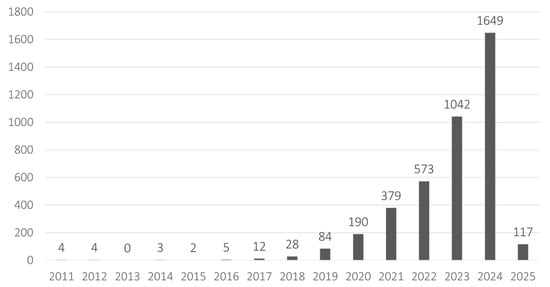
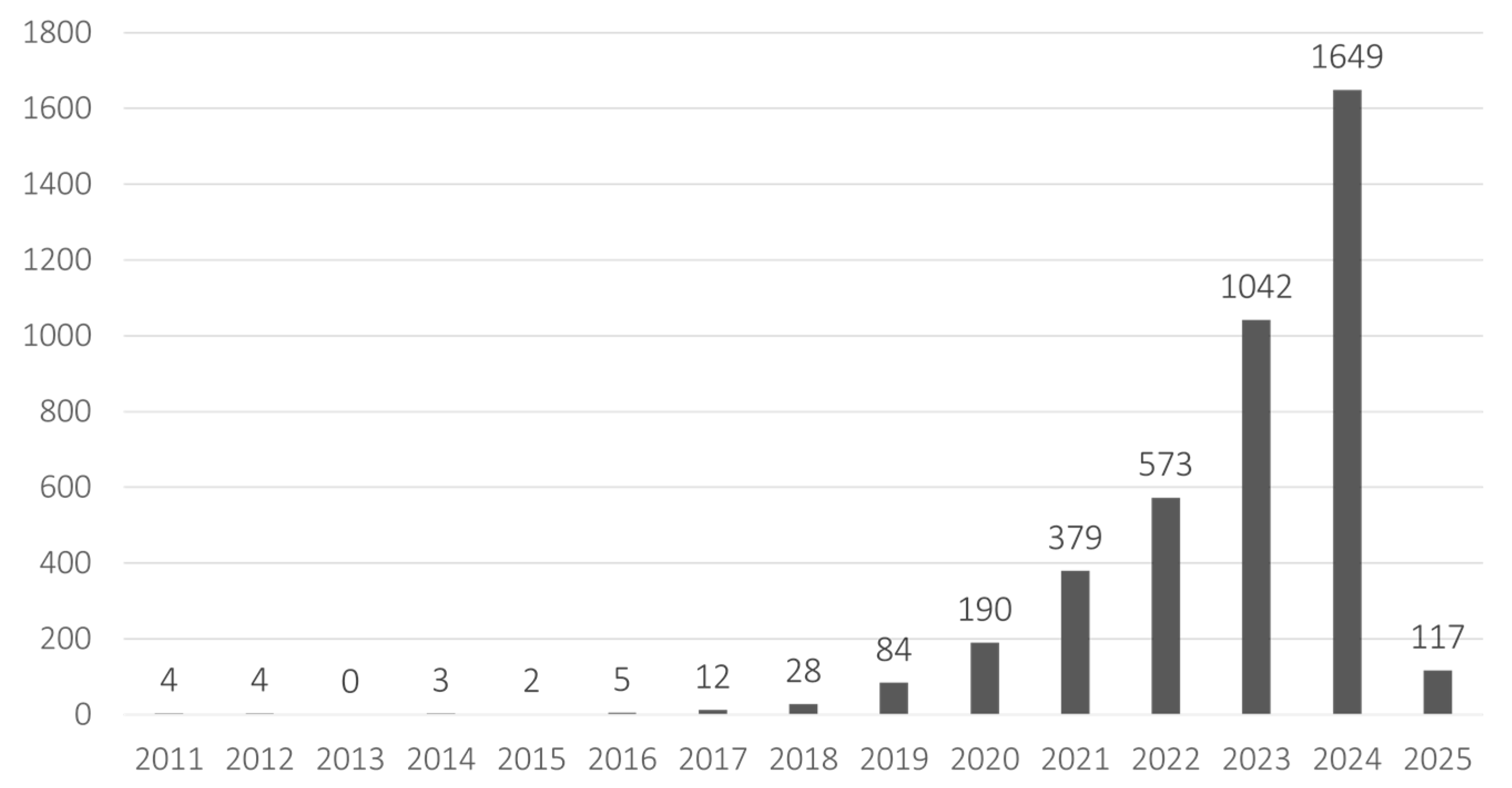

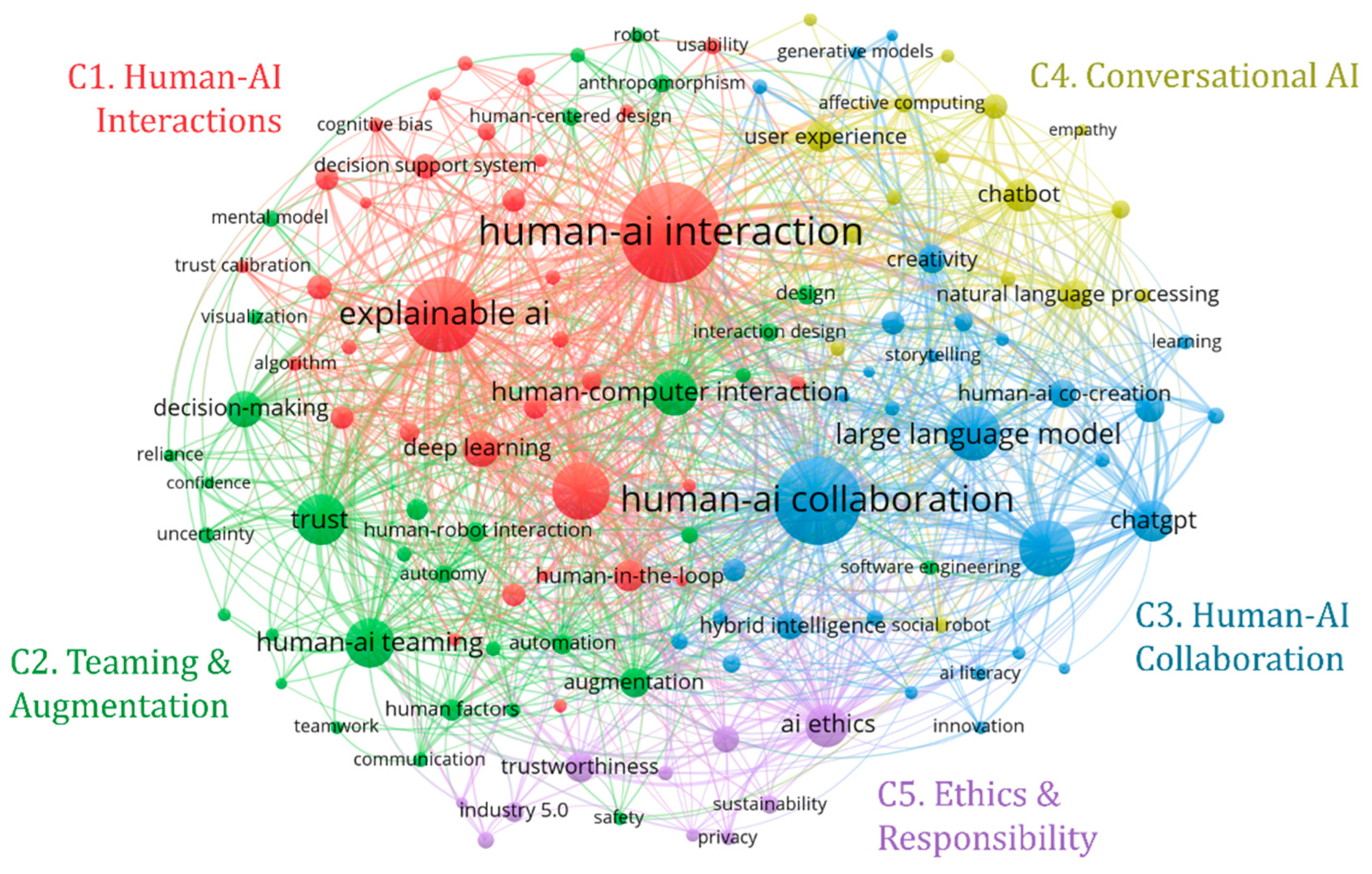
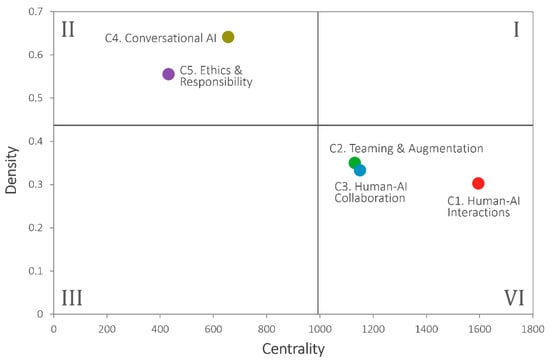
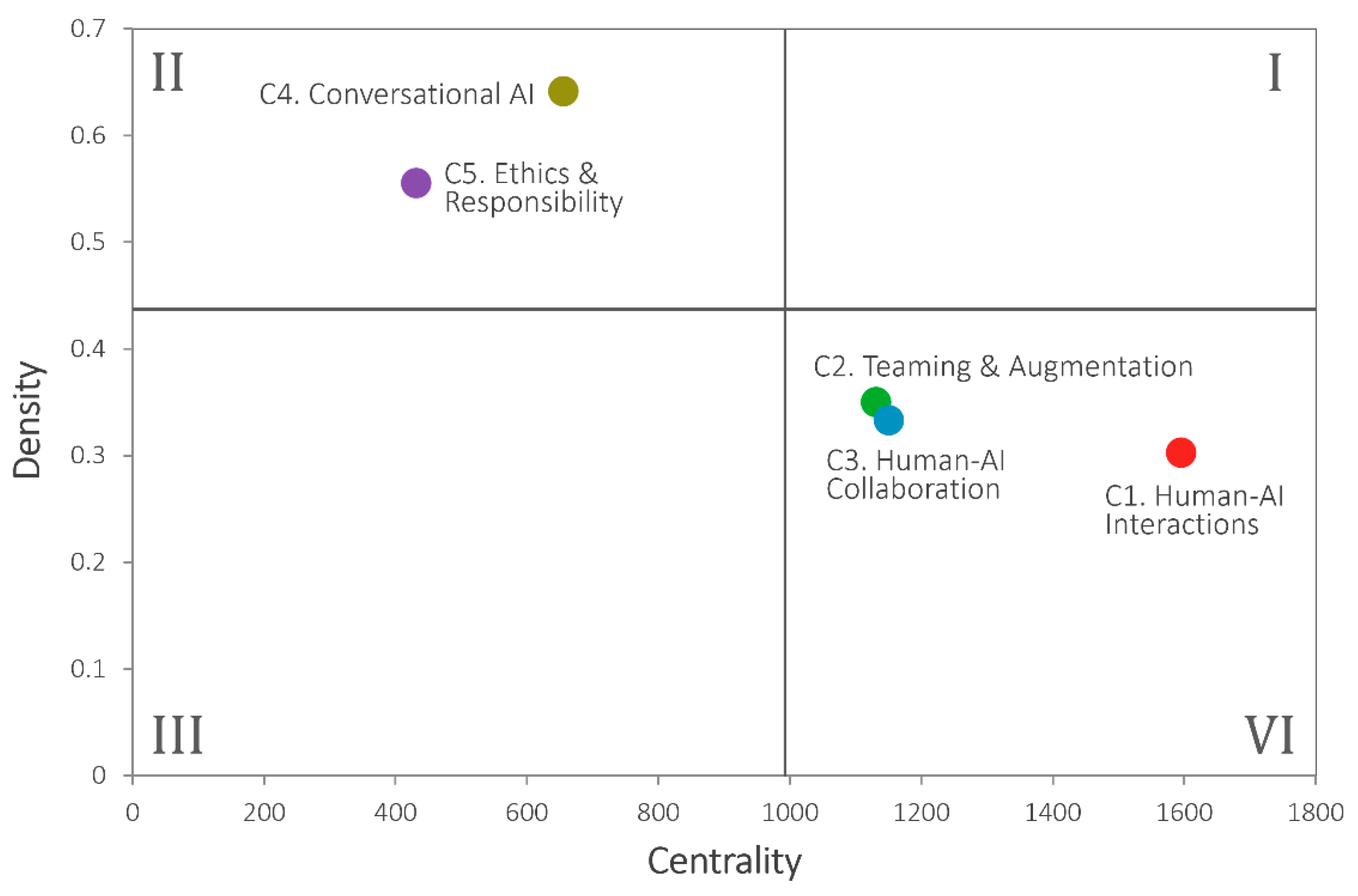

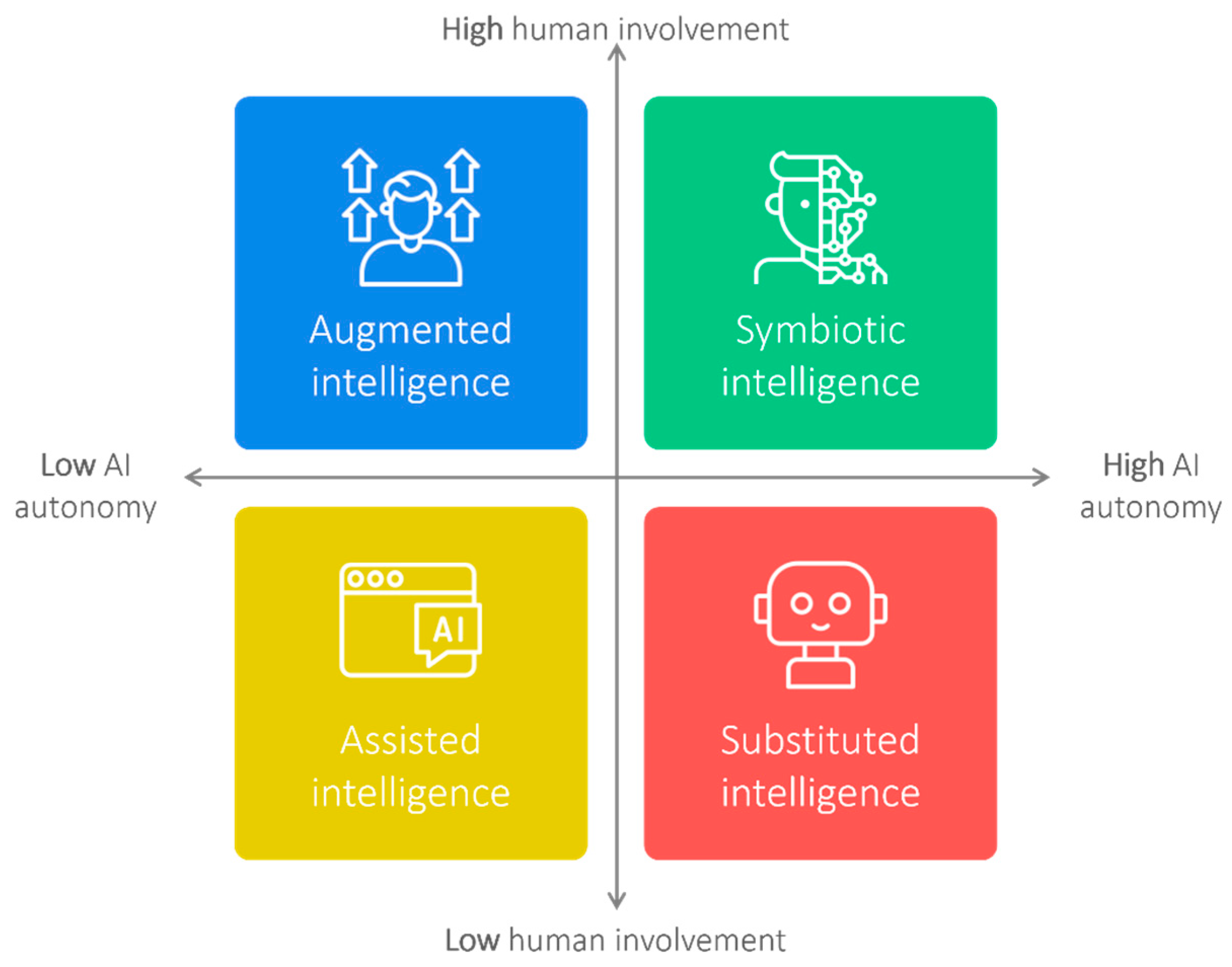

Disclaimer/Publisher’s Note: The statements, opinions and data contained in all publications are solely those of the individual author(s) and contributor(s) and not of MDPI and/or the editor(s). MDPI and/or the editor(s) disclaim responsibility for any injury to people or property resulting from any ideas, methods, instructions or products referred to in the content. |
© 2026 by the authors. Licensee MDPI, Basel, Switzerland. This article is an open access article distributed under the terms and conditions of the Creative Commons Attribution (CC BY) license.