Article

Study of Slip Effects in Reverse Roll Coating Process Using Non-Isothermal Couple Stress Fluid
1
Faculty of Materials and Manufacturing, College of Mechanical Engineering and Applied Electronics Technology, Beijing University of Technology, Beijing 100124, China
2
Department of Mechanical Engineering, Faculty of Mechanical Engineering and Ship Technology, Gdańsk University of Technology, Narutowicza 11/12, 80-233 Gdańsk, Poland
3
Department of Mathematical Sciences, University of Lakki Marwat, Lakki Marwat 28420, Pakistan
4
Department of Mathematics, Faculty of Sciences, King Abdulaziz University, Jeddah 21589, Saudi Arabia
*
Author to whom correspondence should be addressed.
Coatings 2021, 11(10), 1249; https://doi.org/10.3390/coatings11101249

Submission received: 8 September 2021 / Revised: 4 October 2021 / Accepted: 11 October 2021 / Published: 14 October 2021
(This article belongs to the Section Liquid–Fluid Coatings, Surfaces and Interfaces)

Abstract

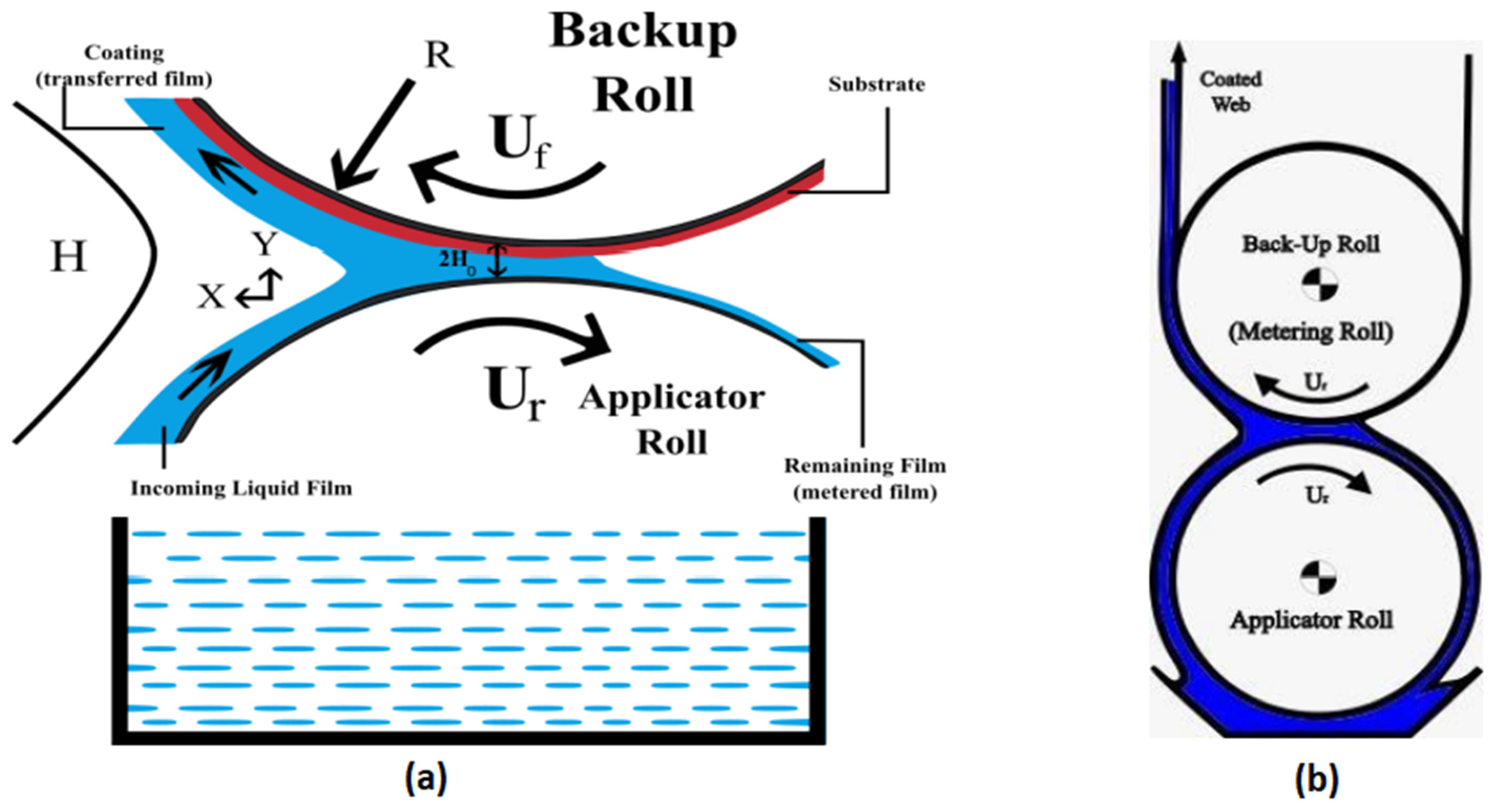
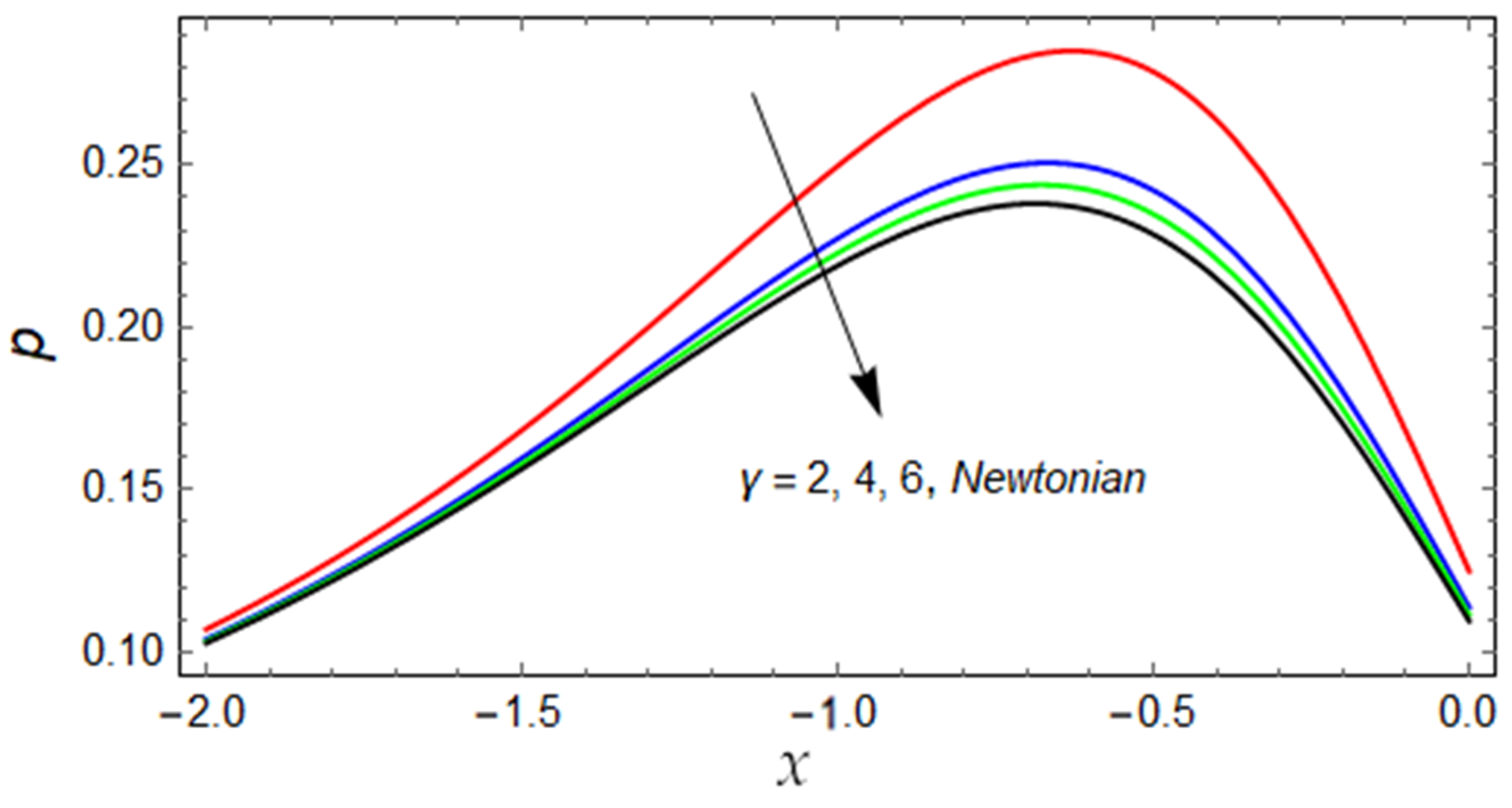
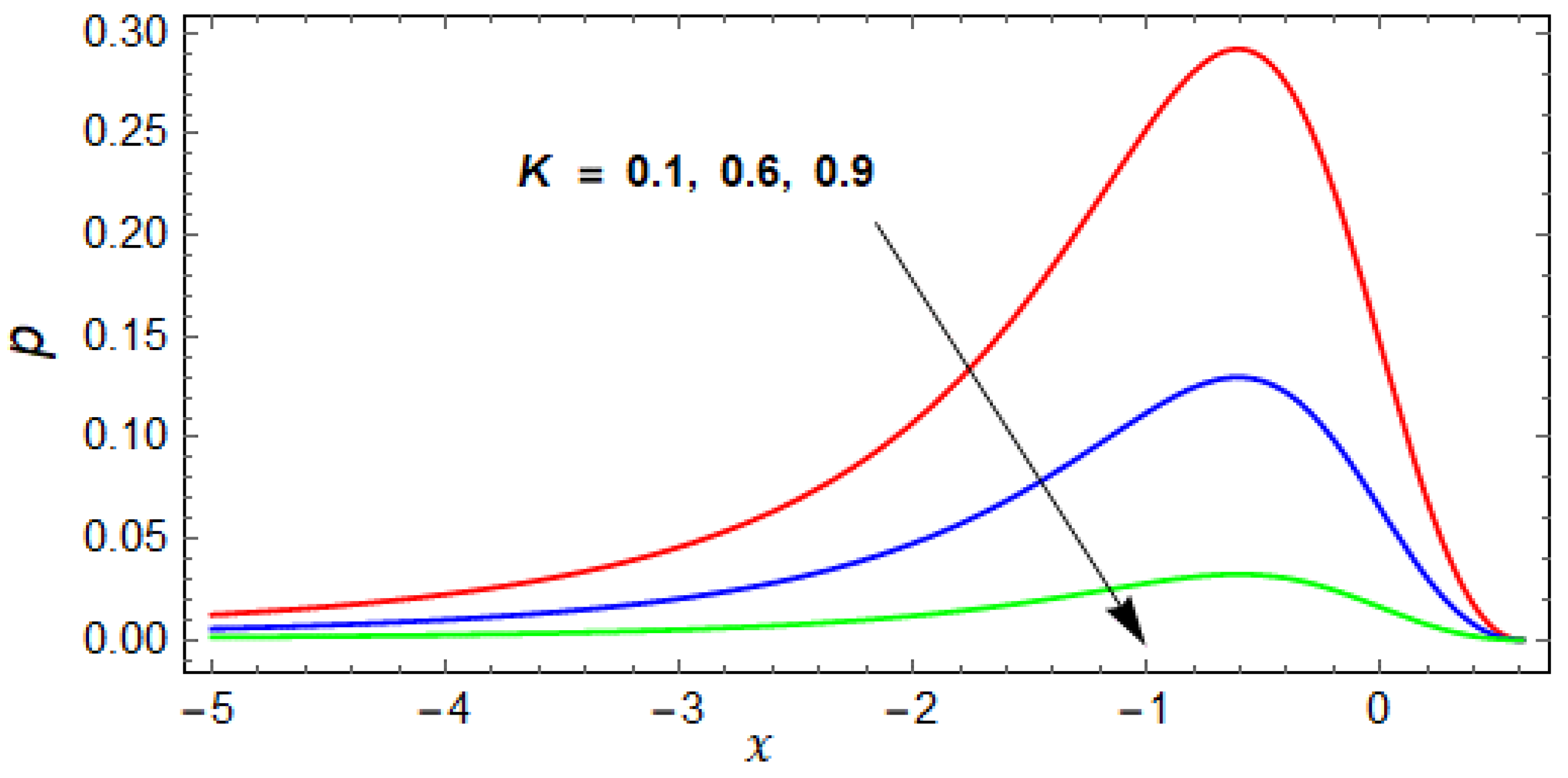
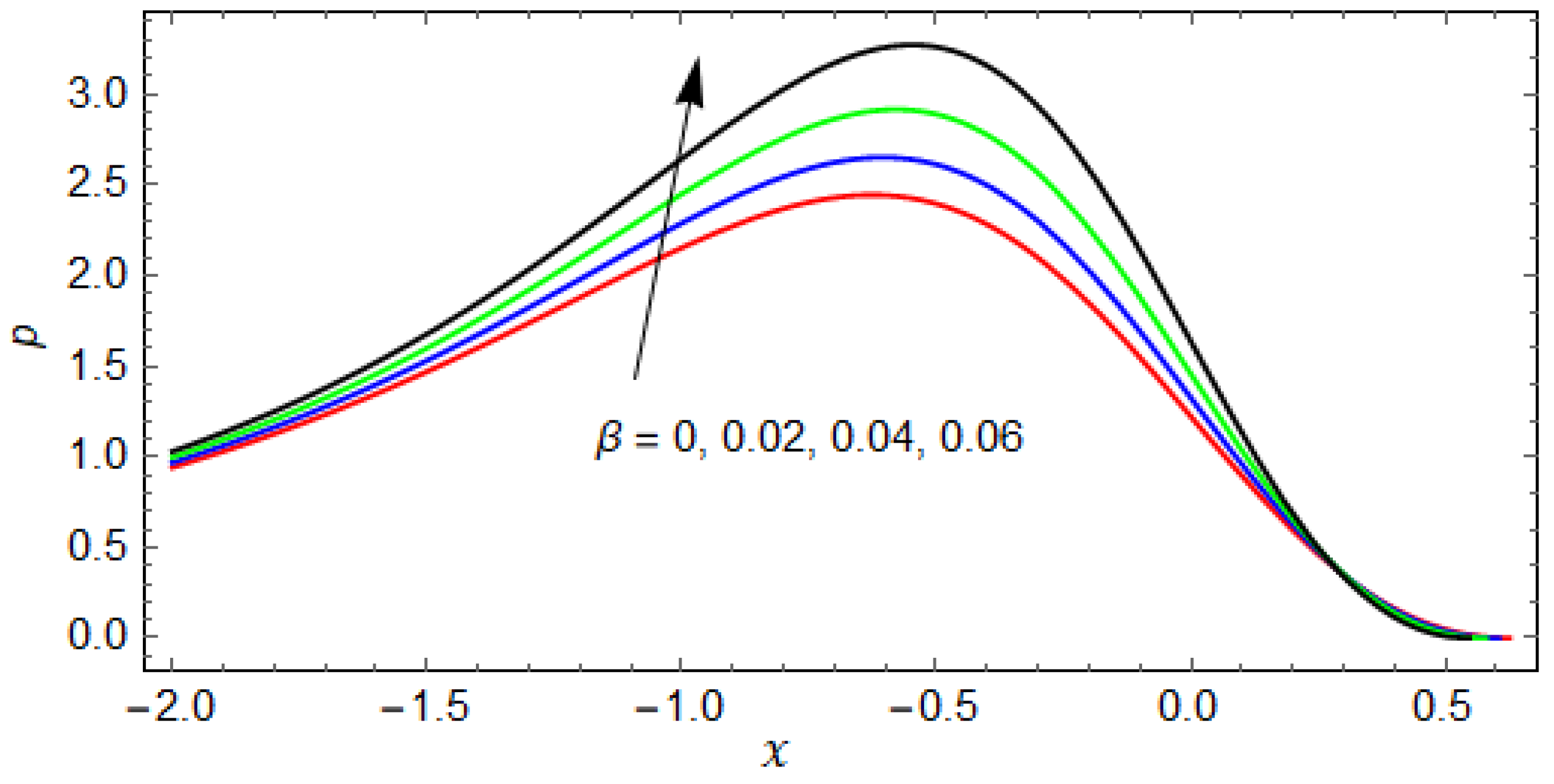
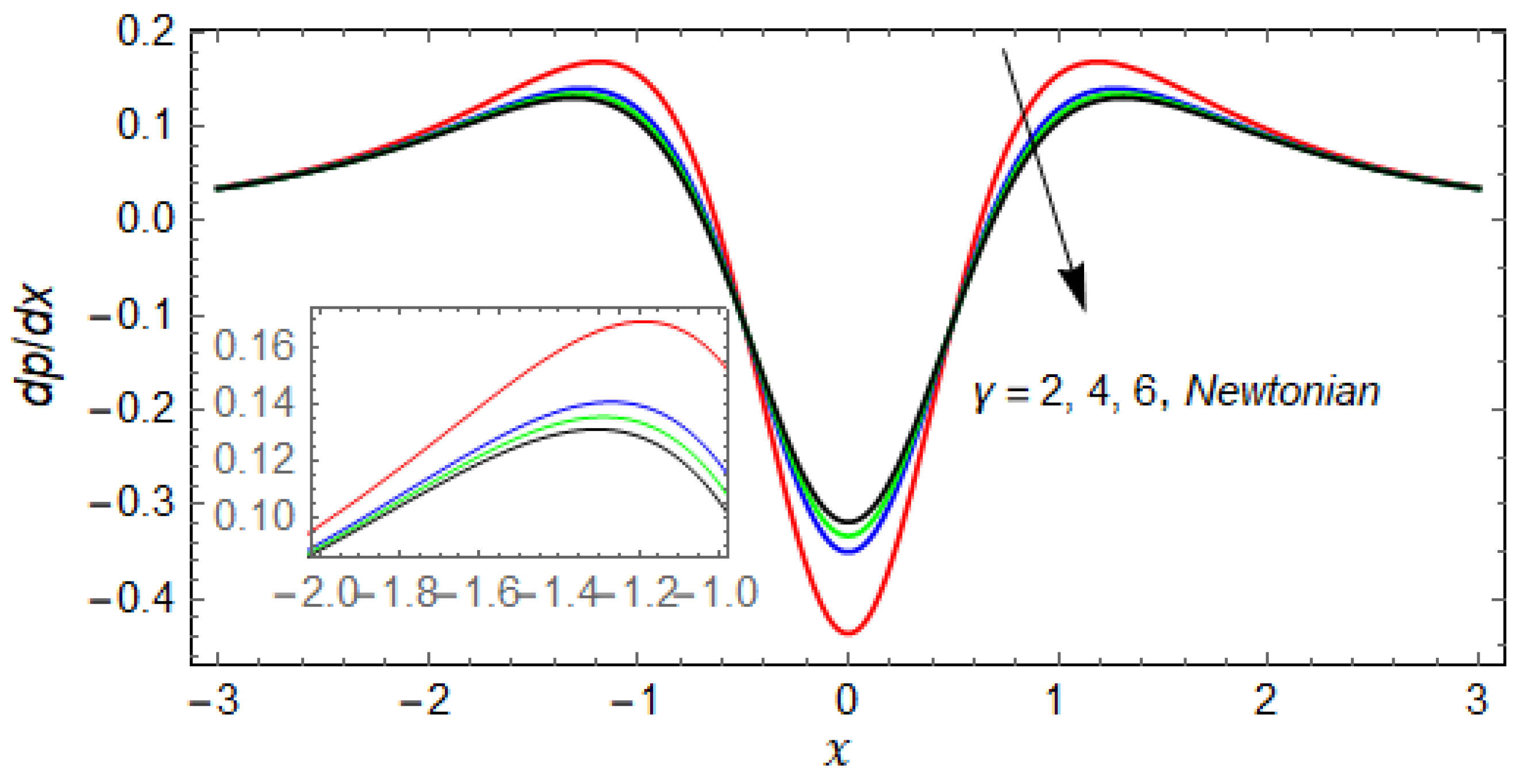
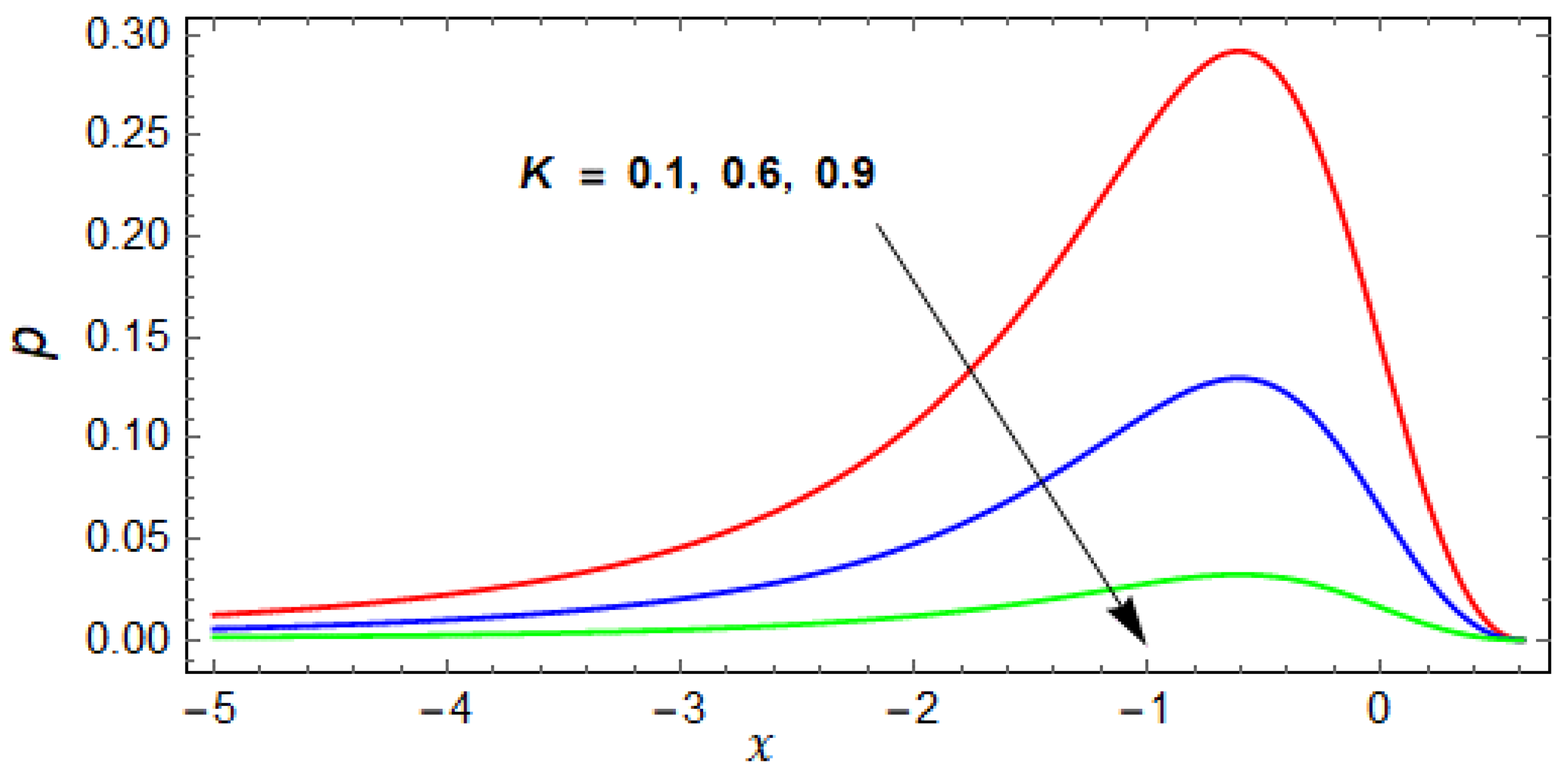
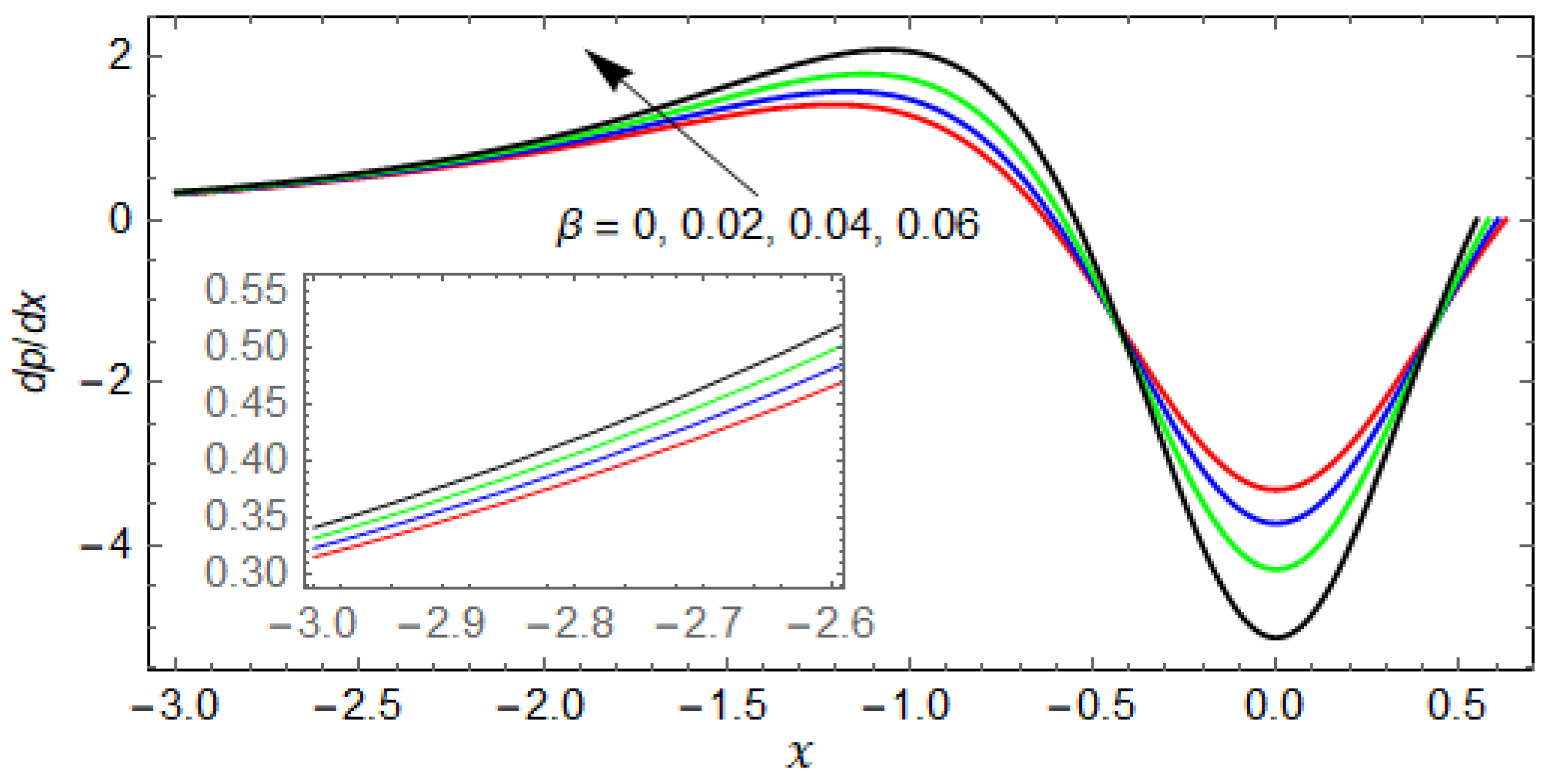
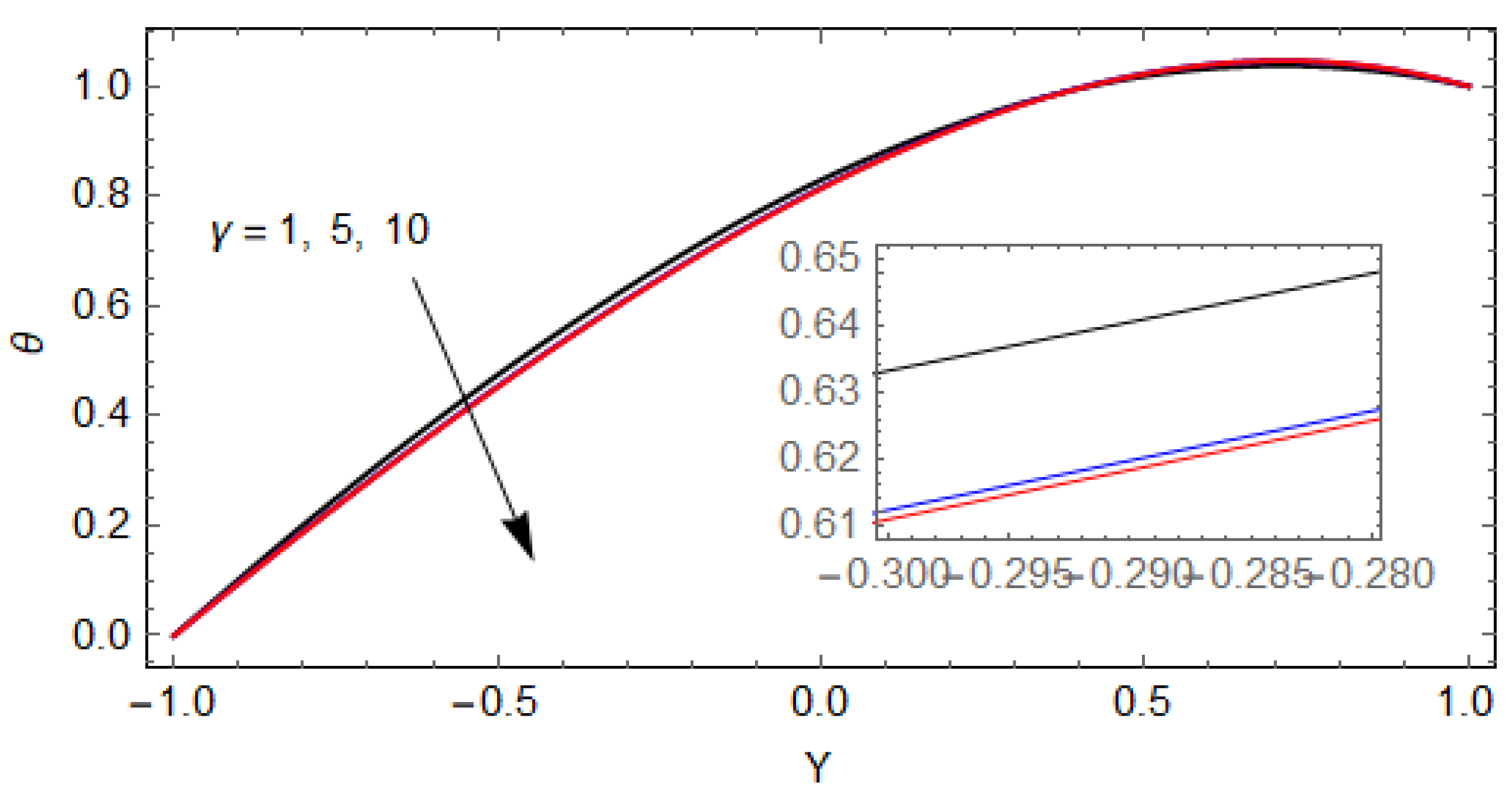
The non-isothermal couple stress fluid inside a reverse roll coating geometry is considered. The slip condition is considered at the surfaces of the rolls. To develop the flow equations, the mathematical modelling is performed using conservation of momentum, mass, and energy. The LAT (lubrication approximation theory) is employed to simplify the equations. The closed form solution for velocity, temperature, and pressure gradient is obtained. While the pressure and flow rate are obtained numerically. The impact of involved parameters on important physical quantities such as temperature, pressure, and pressure gradient are elaborated through graphs and in tabular form. The pressure and pressure gradient decreases for variation of the couple stress parameter and velocity ratio parameter K. While the variation of the slip parameter increases the pressure and pressure gradient inside the flow geometry. Additionally, flow rate decreases for the variation of the slip parameter as fluid starts moving rapidly along the roller surface. The most important physical quantity which is responsible for maintaining the quality of the coating and thickness is flow rate. For variation of both the couple stress parameter and the slip parameter, the flow rate decreases compared to the Newtonian case, consequently the coating thickness decreases for the variation of the discussed parameter.
Keywords: couple stress fluid; non-isothermal flow; slip condition; heat transfer; lubrication approximation theory (LAT); reverse roll coating; shooting technique; analytic solution couple stress fluid; non-isothermal flow; slip condition; heat transfer; lubrication approximation theory (LAT); reverse roll coating; shooting technique; analytic solution