Hawthorn (Crataegus monogyna Jacq.): A Review of Therapeutic Potential and Applications



Abstract
1. Introduction
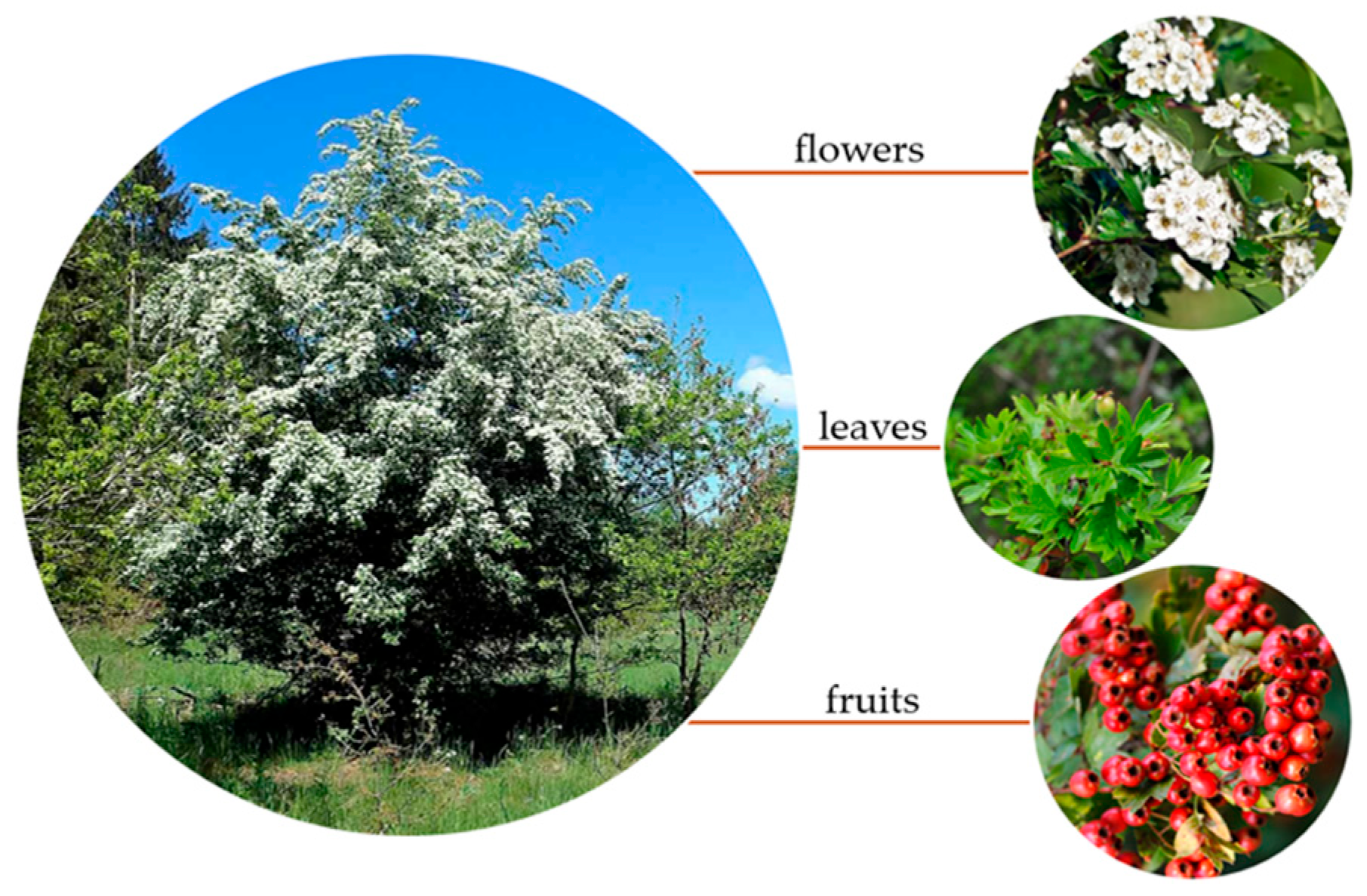
2. Botanical Characteristics
- Crataegus monogyna Jacq.
- Crataegus laevigata (Poir.) DC.
- Crataegus douglasii Lindl.
- Crataegus submollis Sarg.
- Crataegus succulenta Schrad. ex Link
- Crataegus azarolus L.
- Crataegus punctata Jacq.
- Crataegus sanguinea Pall.
3. Chemical Composition and Nutritional Value
4. Selected Biologically Active Compounds and Their Properties
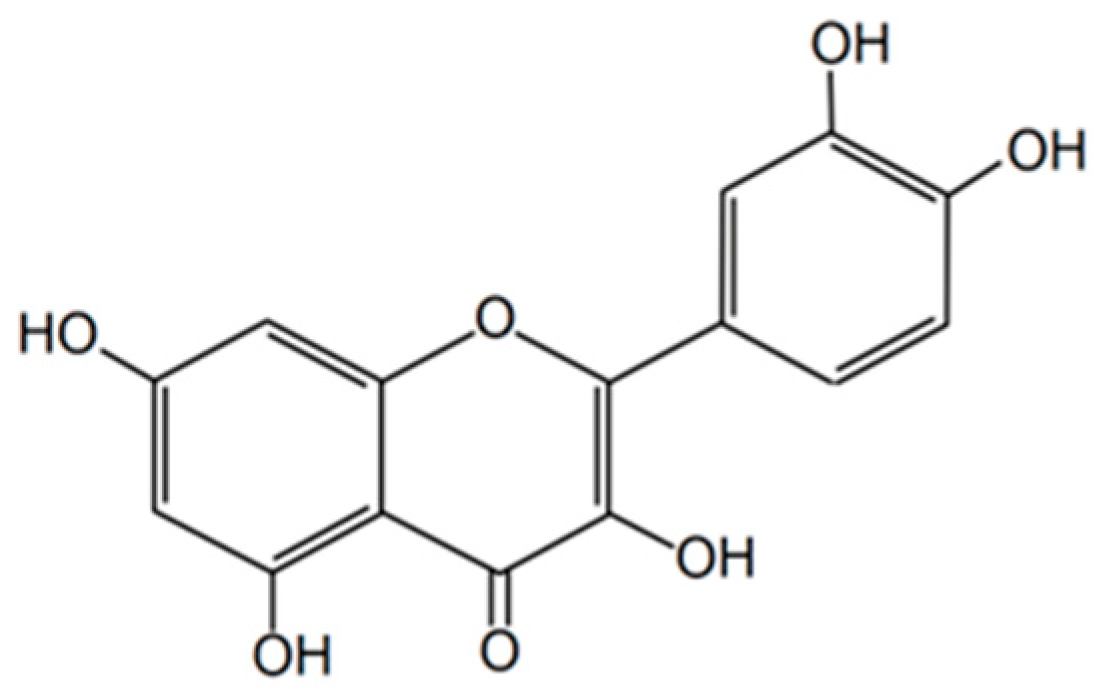
4.1. Polyphenols
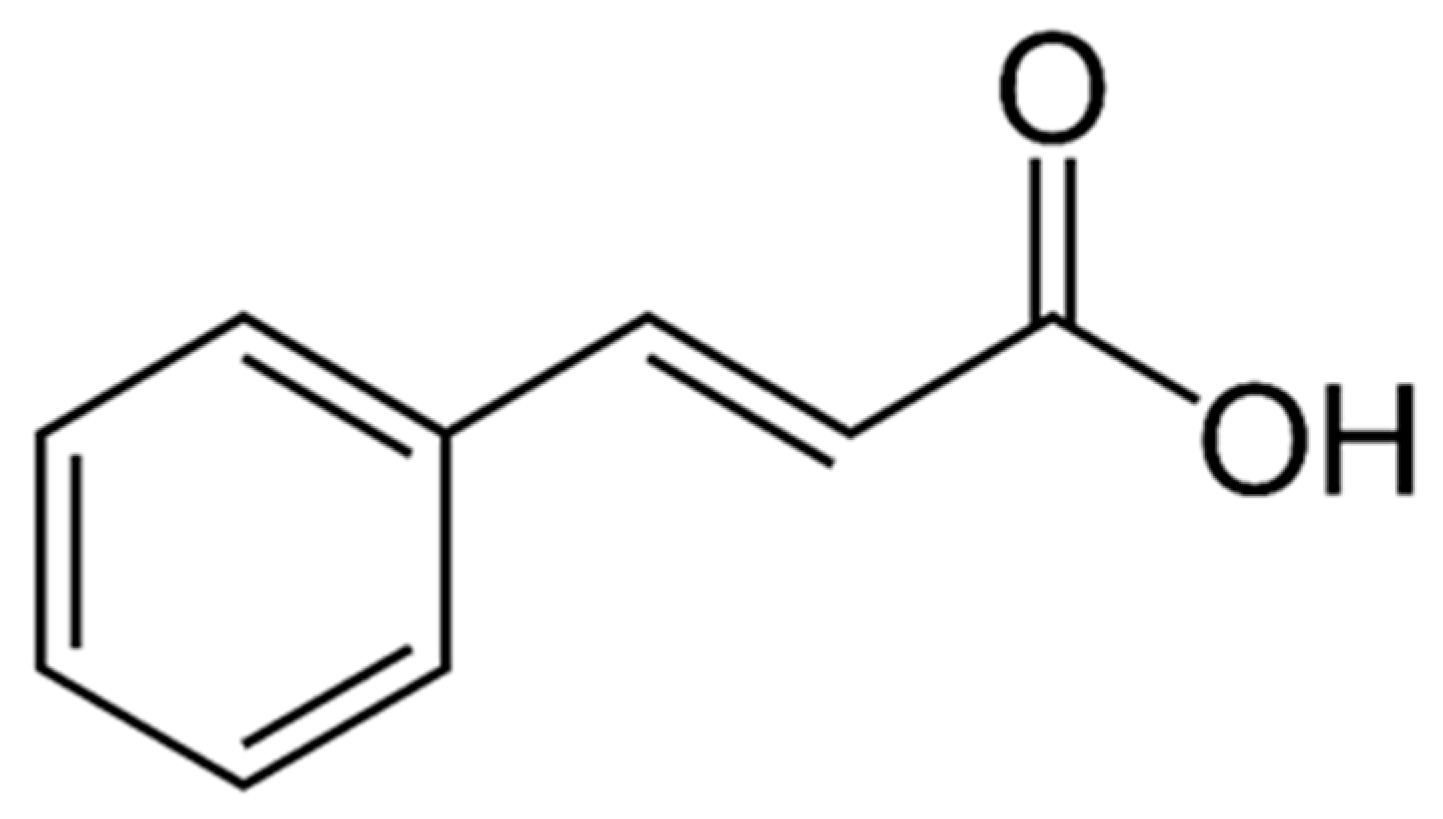
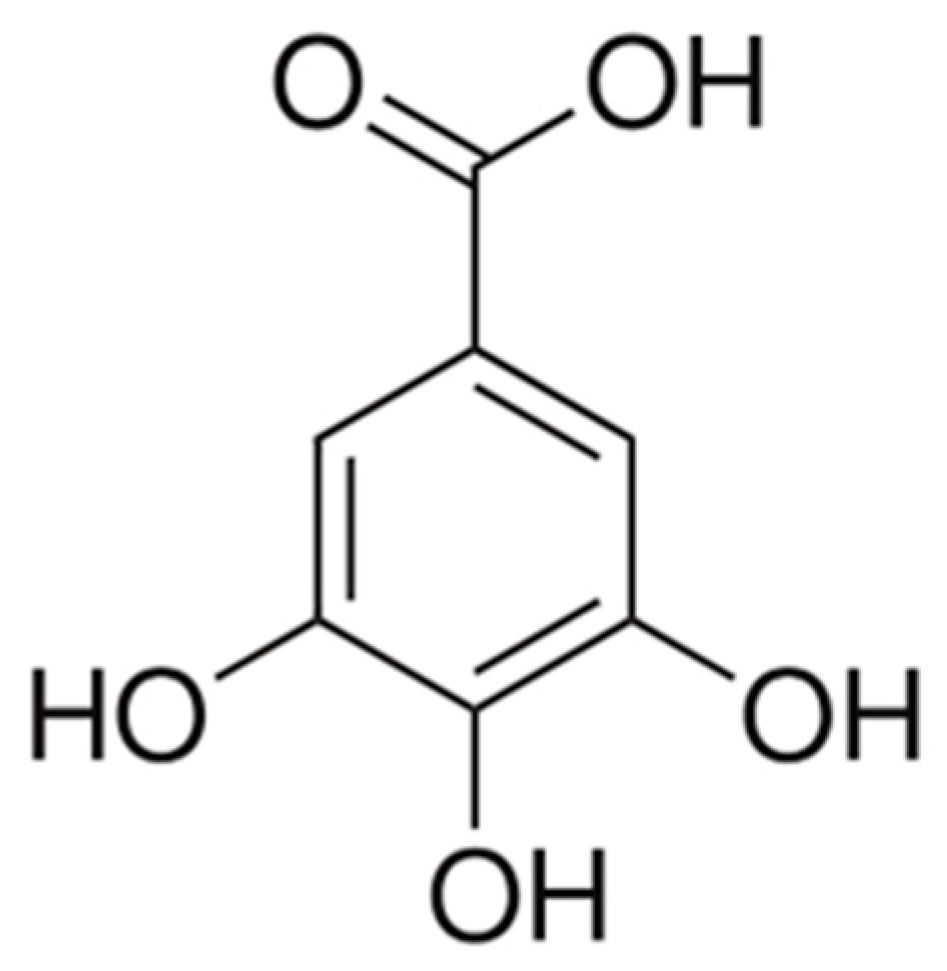
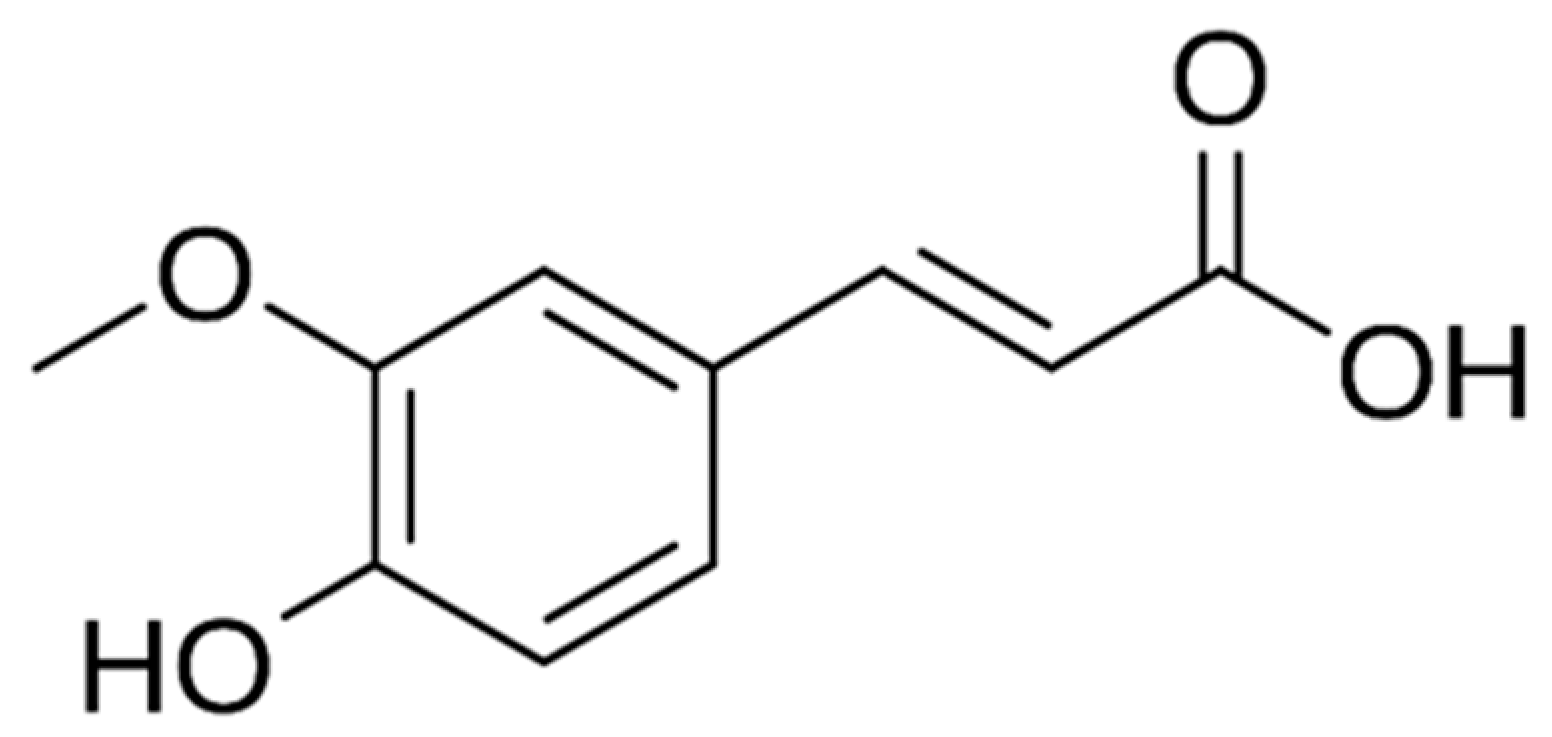
4.2. Phenolic Acids
4.3. Anthocyanins
5. Medicinal Properties of Hawthorn
5.1. Impact on Lipid Metabolism
5.2. Benefits for the Cardiovascular System
5.3. Neuroprotection
5.4. Anticarcinogenic Effects
6. Conclusions
Author Contributions
Funding
Institutional Review Board Statement
Informed Consent Statement
Data Availability Statement
Conflicts of Interest
Abbreviations
| CE | catechin equivalent |
| COX-2 | cyclooxygenase-2 |
| DW | dry weight |
| FA | fatty acids |
| GAE | gallic acid equivalent |
| IL-6 | interleukin-6 |
| MAP | mean arterial pressure |
| MAPK | mitogen-activated protein kinase |
| NF-κB | nuclear factor kappa B |
| PHBA | p-hydroxybenzoic acid |
| PUFAs | polyunsaturated fatty acids |
| QEE | quercetin equivalent |
| ROS | reactive oxygen species |
| RUE | rutoside equivalent |
| SBP | systolic blood pressure |
References
- Stabnikova, O.; Stabnikov, V.; Paredes-López, O. Wild Edible Plants, Berries, Mushrooms, and Seaweeds in Food Production. In Wild Edible Plants; CRC Press: Boca Raton, FL, USA, 2025; pp. 1–47. [Google Scholar]
- Zhang, J.; Chai, X.; Zhao, F.; Hou, G.; Meng, Q. Food applications and potential health benefits of hawthorn. Foods 2022, 11, 2861. [Google Scholar] [CrossRef] [Scilit] [PubMed]
- Katanić Stanković, J.S.; Mićanović, N.; Grozdanić, N.; Kostić, A.Ž.; Gašić, U.; Stanojković, T.; Popović-Djordjević, J.B. Polyphenolic profile, antioxidant and antidiabetic potential of medlar (Mespilus germanica L.), blackthorn (Prunus spinosa L.) and common hawthorn (Crataegus monogyna Jacq.) fruit extracts from Serbia. Horticulturae 2022, 8, 1053. [Google Scholar] [CrossRef] [Scilit]
- Mousa, A.M.; Allemailem, K.S. Could hawthorn have a cardioprotective impact against obesity-induced cardiac injury in rats via antioxidant, hypolipidemic, anti-inflammatory, antiapoptotic, and antifibrotic properties? Tissue Cell 2025, 93, 102673. [Google Scholar] [CrossRef] [Scilit] [PubMed]
- Erkek, B.; Yaman, M.; Sümbül, A.; Demirel, S.; Demirel, F.; Coşkun, Ö.F.; Say, A.; Eren, B.; Aydin, A.; Eroglu, A. Natural diversity of Crataegus monogyna Jacq. in northeastern Türkiye encompassing morphological, biochemical, and molecular features. Horticulturae 2025, 11, 238. [Google Scholar] [CrossRef] [Scilit]
- Kotsou, K.; Magopoulou, D.; Chatzimitakos, T.; Athanasiadis, V.; Bozinou, E.; Sfougaris, A.I.; Lalas, S.I. Enhancing the nutritional profile of Crataegus monogyna fruits by optimizing the extraction conditions. Horticulturae 2024, 10, 564. [Google Scholar] [CrossRef] [Scilit]
- Yalçın Dokumacı, K.; Uslu, N.; Hacıseferoğulları, H.; Örnek, M.N. Determination of some physical and chemical properties of common hawthorn (Crataegus monogyna Jacq. var. monogyna). Erwerbs-Obstbau 2021, 63, 99–106. [Google Scholar] [CrossRef] [Scilit]
- Cheng, Y.; Liu, Z.; Yang, J.; Zhao, H.; Chao, Z. Metabolomics analysis of physicochemical properties associated with quality deterioration in insect-infested hawthorn berries. Food Chem. 2024, 459, 140374. [Google Scholar] [CrossRef] [Scilit]
- Cheng, Y.; Liu, Z.; Yang, J.; Chao, Z. UPLC-ESI-QTRAP-MS/MS identification and antioxidant activity of hawthorn with different infestation levels. BMC Chem. 2025, 19, 256. [Google Scholar] [CrossRef] [Scilit]
- Nabavi, S.F.; Habtemariam, S.; Ahmed, T.; Sureda, A.; Daglia, M.; Sobarzo-Sánchez, E.; Nabavi, S.M. Polyphenolic composition of Crataegus monogyna Jacq.: From chemistry to medical applications. Nutrients 2015, 7, 7708–7728. [Google Scholar] [CrossRef] [Scilit]
- Cui, M.; Cheng, L.; Zhou, Z.; Zhu, Z.; Liu, Y.; Li, C.; Liao, B.; Fan, M.; Duan, B. Traditional uses, phytochemistry, pharmacology, and safety concerns of hawthorn (Crataegus genus): A comprehensive review. J. Ethnopharmacol. 2024, 319, 117229. [Google Scholar] [CrossRef] [Scilit]
- Nazhand, A.; Lucarini, M.; Durazzo, A.; Zaccardelli, M.; Cristarella, S.; Souto, S.B.; Silva, A.M.; Severino, P.; Souto, E.B.; Santini, A. Hawthorn (Crataegus spp.): An updated overview on its beneficial properties. Forests 2020, 11, 564. [Google Scholar] [CrossRef] [Scilit]
- Hu, Y.; Chen, X.; Hu, M.; Zhang, D.; Yuan, S.; Li, P.; Feng, L. Medicinal and edible plants in the treatment of dyslipidemia: Advances and prospects. Chin. Med. 2022, 17, 113. [Google Scholar] [CrossRef] [Scilit] [PubMed]
- Edwards, J.E.; Brown, P.N.; Talent, N.; Dickinson, T.A.; Shipley, P.R. A review of the chemistry of the genus Crataegus. Phytochemistry 2012, 79, 5–26. [Google Scholar] [CrossRef] [Scilit] [PubMed]
- Martinelli, F.; Perrone, A.; Yousefi, S.; Papini, A.; Castiglione, S.; Guarino, F.; Cicatelli, A.; Aelaei, M.; Arad, N.; Gholami, M.; et al. Botanical, phytochemical, anti-microbial and pharmaceutical characteristics of hawthorn (Crataegus monogyna Jacq.), Rosaceae. Molecules 2021, 26, 7266. [Google Scholar] [CrossRef] [Scilit]
- Belabdelli, F.; Bekhti, N.; Piras, A.; Benhafsa, F.M.; Ilham, M.; Adil, S.; Anes, L. Chemical composition, antioxidant and antibacterial activity of Crataegus monogyna leaves’ extracts. Nat. Prod. Res. 2022, 36, 3234–3239. [Google Scholar] [CrossRef] [Scilit]
- Ez-Zahra Amrati, F.; Mssillou, I.; Boukhira, S.; Djiddi Bichara, M.; El Abdali, Y.; Galvão de Azevedo, R.; Mohamed, C.; Slighoua, M.; Conte, R.; Kiokias, S.; et al. Phenolic Composition of Crataegus monogyna Jacq. extract and its anti-inflammatory, hepatoprotective, and antileukemia effects. Pharmaceuticals 2024, 17, 786. [Google Scholar] [CrossRef] [Scilit]
- Sun, J.; Gao, G.; Gao, Y.; Xiong, J.; Li, X.; Guo, X.; Zhang, Y. Experimental research on the in vitro antitumor effects of Crataegus sanguinea. Cell Biochem. Biophys. 2013, 67, 207–213. [Google Scholar] [CrossRef] [Scilit]
- Żurek, N.; Karatsai, O.; Rędowicz, M.J.; Kapusta, I.T. Polyphenolic compounds of crataegus berry, leaf, and flower extracts affect viability and invasive potential of human glioblastoma cells. Molecules 2021, 26, 2656. [Google Scholar] [CrossRef] [Scilit]
- Attard, E.; Attard, H. Hawthorn: Crataegus oxyacantha, Crataegus monogyna and related species. Nonvit. Nonminer. Nutr. Suppl. 2019, 2019, 289–293. [Google Scholar] [CrossRef] [Scilit]
- Mironeasa, S.; Sanduleac, E.; Ungureanu-Iuga, M. Physico-chemical characteristics, antioxidant activity and mineral content of hawthorn fruits from Suceava County. Food Environ. Saf. J. 2016, 15, 108. [Google Scholar]
- Özderin, S. Chemical properties, antioxidant, and antimicrobial activities of fruit extracts of Crataegus monogyna var. odemisii. BioResources 2024, 19, 1542–1557. [Google Scholar] [CrossRef] [Scilit]
- Parzhanova, A.; Yanakieva, V.; Vasileva, I.; Momchilova, M.; Dimitrov, D.; Ivanova, P.; Tumbarski, Y. Physicochemical, antioxidant, and antimicrobial properties of three medicinal plants from the western part of the rhodope mountains, Bulgaria. Life 2023, 13, 2237. [Google Scholar] [CrossRef] [Scilit] [PubMed]
- Keser, S.; Celik, S.; Turkoglu, S.; Yilmaz, Ö.; Turkoglu, I. The investigation of some bioactive compounds and antioxidant properties of hawthorn (Crataegus monogyna subsp. monogyna Jacq). J. Intercult. Ethnopharmacol. 2014, 3, 51–55. [Google Scholar] [CrossRef] [Scilit] [PubMed]
- Dekić, V.; Ristić, N.; Dekić, B.; Ristić, M. Phenolic and flavonoid content and antioxidant evaluation of hawthorn (Crataegus monogyna Jacq.) fruits and leaves extracts. Univ. Thought Publ. Nat. Sci. 2020, 10, 20–25. [Google Scholar] [CrossRef] [Scilit]
- Barros, L.; Carvalho, A.M.; Ferreira, I.C. Comparing the composition and bioactivity of Crataegus monogyna flowers and fruits used in folk medicine. Phytochem. Anal. 2011, 22, 181–188. [Google Scholar] [CrossRef] [Scilit]
- Cristea, E.; Ghendov-Mosanu, A.; Pintea, A.; Sturza, R.; Patras, A. Color stability and antioxidant capacity of Crataegus monogyna jacq. berry extract influenced by different conditions. Horticulturae 2024, 10, 1184. [Google Scholar] [CrossRef] [Scilit]
- Pawlaczyk-Graja, I. Polyphenolic-polysaccharide conjugates from flowers and fruits of single-seeded hawthorn (Crataegus monogyna Jacq.): Chemical profiles and mechanisms of anticoagulant activity. Int. J. Biol. Macromol. 2018, 116, 869–879. [Google Scholar] [CrossRef] [Scilit]
- Öztürk, N.; Tunçel, M. Assessment of phenolic acid content and in vitro antiradical characteristics of hawthorn. J. Med. Food 2011, 14, 664–669. [Google Scholar] [CrossRef] [Scilit]
- Tahirović, A.; Bašić, N. Phenolic content and antioxidant activity of Crataegus monogyna L. fruit extracts. Work. Fac. For. Univ. Sarajevo 2014, 2, 29–40. [Google Scholar] [CrossRef] [Scilit]
- Živanović, N.; Simin, N.; Lesjak, M.; Orčić, D.; Mimica-Dukić, N.; Svirčev, E. Comparative study between homemade and commercial hawthorn (Crataegus spp.) extracts regarding their phenolic profile and antioxidant activity. J. Serb. Chem. Soc. 2024, 89, 603–616. [Google Scholar] [CrossRef] [Scilit]
- Turnalar Ülger, T.; Oçkun, M.A.; Guzelmeric, E.; Sen, N.B.; Sipahi, H.; Özhan, Y.; Kan, Y.; Yesilada, E. Comprehensive analysis of the chemical and bioactivity profiles of endemic Crataegus turcicus Dönmez in comparison with other Crataegus species. Molecules 2023, 28, 6520. [Google Scholar] [CrossRef] [Scilit] [PubMed]
- Paun, G.; Neagu, E.; Albu, C.; Alecu, A.; Seciu-Grama, A.-M.; Radu, G.L. Antioxidant and antidiabetic activity of Cornus mas L. and Crataegus monogyna fruit extracts. Molecules 2024, 29, 3595. [Google Scholar] [CrossRef] [Scilit] [PubMed]
- Seğmenoğlu, M.S.; Çenet, M. Biochemical properties of Crataegus monogyna jacq. fruit extract and effect on the A549 lung cancer cell line. Kuwait J. Sci. 2024, 51, 100146. [Google Scholar] [CrossRef] [Scilit]
- Gavrila, A.I.; Damian, E.J.; Rosca, A.; Calinescu, I.; Hodosan, C.; Popa, I. Optimization of microwave-assisted extraction of polyphenols from Crataegus monogyna L. Antioxidants 2025, 14, 357. [Google Scholar] [CrossRef] [Scilit] [PubMed]
- Przybylska-Balcerek, A.; Stuper-Szablewska, K. Selected metabolites of biofunctional importance from edible fruits of forest shrubs. Molecules 2025, 30, 73. [Google Scholar] [CrossRef] [Scilit]
- Bernatoniene, J.; Masteikova, R.; Majiene, D.; Savickas, A.; Kevelaitis, E.; Bernatoniene, R.; Dvorácková, K.; Civinskiene, G.; Lekas, R.; Vitkevicius, K.; et al. Free radical-scavenging activities of Crataegus monogyna extracts. Medicina 2008, 44, 706–712. [Google Scholar] [CrossRef] [Scilit]
- Akcan, T.; Estévez, M.; Rico, S.; Ventanas, S.; Morcuende, D. Hawberry (Crataegus monogyna Jaqc.) extracts inhibit lipid oxidation and improve consumer liking of ready-to-eat (RTE) pork patties. J. Food Sci. Technol. 2017, 54, 1248–1255. [Google Scholar] [CrossRef] [Scilit]
- Abuashwashi, M.A.; Palomino, O.M.; Gómez-Serranillos, M.P. Geographic origin influences the phenolic composition and antioxidant potential of wild Crataegus monogyna from Spain. Pharm. Biol. 2016, 54, 2708–2713. [Google Scholar] [CrossRef] [Scilit]
- Martín-García, B.; Razola-Díaz, M.D.C.; Gómez-Caravaca, A.M.; Benítez, G.; Verardo, V. Setup of an ultrasonic-assisted extraction to obtain high phenolic recovery in Crataegus monogyna leaves. Molecules 2021, 26, 4536. [Google Scholar] [CrossRef] [Scilit]
- Oancea, A.G.; Saracila, M.; Vlaicu, P.A.; Varzaru, I.; Untea, A.E.; Dragomir, C. Assessment of the antioxidant potential of blackthorns and hawthorns: Comparative analysis and potential use in ruminants’ nutrition. Separations 2024, 11, 275. [Google Scholar] [CrossRef] [Scilit]
- Özcan, M.; Hacıseferoğulları, H.; Marakoğlu, T.; Arslan, D. Hawthorn (Crataegus spp.) fruit: Some physical and chemical properties. J. Food Eng. 2005, 69, 409–413. [Google Scholar] [CrossRef] [Scilit]
- Liu, Y.; Chen, L.; Shen, G.; Gu, Y.; Guo, Y.; Han, J. Altitude-driven variations in nutritional, bioactive, and mineral profiles of hawthorn (Crataegus spp.). Foods 2025, 14, 241. [Google Scholar] [CrossRef] [Scilit] [PubMed]
- Radi, F.Z.; Bencheikh, N.; Anarghou, H.; Bouhrim, M.; Alqahtani, A.S.; Hawwal, M.F.; Noman, O.M.; Bnouham, M.; Zair, T. Quality control, phytochemical profile, and biological activities of Crataegus monogyna Jacq. and Crataegus laciniata Ucria fruits aqueous extracts. Saudi Pharm. J. 2023, 31, 101753. [Google Scholar] [CrossRef] [Scilit] [PubMed]
- Wen, L.; Guo, X.; Liu, R.H.; You, L.; Abbasi, A.M.; Fu, X. Phenolic contents and cellular antioxidant activity of Chinese hawthorn “Crataegus pinnatifida”. Food Chem. 2015, 186, 54–62. [Google Scholar] [CrossRef] [Scilit] [PubMed]
- Żurek, N.; Kapusta, I.; Cebulak, T. Content of polyphenolic compounds and biological activity of berries, leaves and flowers of Crataegus L. Acta Univ. Cibiniensis Ser. E Food Technol. 2023, 27, 35–52. [Google Scholar] [CrossRef] [Scilit]
- Lu, M.; Zhang, L.; Pan, J.; Shi, H.; Zhang, M.; Li, C. Advances in the study of the vascular protective effects and molecular mechanisms of hawthorn (Crataegus anamesa Sarg.) extracts in cardiovascular diseases. Food Funct. 2023, 14, 5870–5890. [Google Scholar] [CrossRef] [Scilit]
- Zorniak, M.; Porc, M.P.; Krzemiński, T.F. Hawthorn revisited: Time- and dose-dependent cardioprotective action of WS-1442 special extract in the reperfusion-induced arrhythmia model in rats in vivo. J. Physiol. Pharmacol. 2019, 70, 307–314. [Google Scholar] [CrossRef] [Scilit]
- Du, W.; Fan, H.-M.; Zhang, Y.-X.; Jiang, X.-H.; Li, Y. Effect of flavonoids in hawthorn and vitamin C prevents hypertension in rats induced by heat exposure. Molecules 2022, 27, 866. [Google Scholar] [CrossRef] [Scilit]
- Tian, C.; Liu, X.; Chang, Y.; Wang, R.; Yang, M.; Liu, M. Rutin prevents inflammation induced by lipopolysaccharide in RAW 264.7 cells via conquering the TLR4-MyD88-TRAF6-NF-κB signaling pathway. J. Pharm. Pharmacol. 2021, 73, 110–117. [Google Scholar] [CrossRef] [Scilit]
- Choi, S.S.; Park, H.R.; Lee, K.A. A comparative study of rutin and rutin glycoside: Antioxidant activity, anti-inflammatory effect, effect on platelet aggregation and blood coagulation. Antioxidants 2021, 10, 1696. [Google Scholar] [CrossRef] [Scilit]
- Zaragozá, C.; Monserrat, J.; Mantecón, C.; Villaescusa, L.; Álvarez-Mon, M.A.; Zaragozá, F.; Álvarez-Mon, M. Binding and antiplatelet activity of quercetin, rutin, diosmetin, and diosmin flavonoids. Biomed. Pharmacother. 2021, 141, 111867. [Google Scholar] [CrossRef] [Scilit] [PubMed]
- Choi, J.H.; Kim, D.W.; Park, S.E.; Lee, H.J.; Kim, K.M.; Kim, K.J.; Kim, M.K.; Kim, S.J.; Kim, S. Anti-thrombotic effect of rutin isolated from Dendropanax morbifera Leveille. J. Biosci. Bioeng. 2015, 120, 181–186. [Google Scholar] [CrossRef] [Scilit] [PubMed]
- Sheu, J.R.; Hsiao, G.; Chou, P.H.; Shen, M.Y.; Chou, D.S. Mechanisms involved in the antiplatelet activity of rutin, a glycoside of the flavonol quercetin, in human platelets. J. Agric. Food Chem. 2004, 52, 4414–4418. [Google Scholar] [CrossRef] [Scilit] [PubMed]
- Wang, Z.; Guan, Y.; Yang, R.; Li, J.; Wang, J.; Jia, A.Q. Anti-inflammatory activity of 3-cinnamoyltribuloside and its metabolomic analysis in LPS-activated RAW 264.7 cells. BMC Complement. Med. Ther. 2020, 20, 329. [Google Scholar] [CrossRef] [Scilit]
- PubChem Structure Search. Available online: https://pubchem.ncbi.nlm.nih.gov/search/help_search.html (accessed on 1 June 2025).
- Żurek, N.; Biernacka, B.; Nizioł, Ł.; Kapusta, I. Berries, Leaves, and Flowers of Six Hawthorn Species (Crataegus L.) as a Source of Compounds with Nutraceutical Potential. Molecules 2024, 29, 5786. [Google Scholar] [CrossRef] [Scilit]
- Rice-Evans, C.A.; Miller, N.J.; Paganga, G. Structure–antioxidant activity relationships of flavonoids and phenolic acids. Free Radic. Biol. Med. 1996, 20, 933–956. [Google Scholar] [CrossRef] [Scilit]
- Liu, L.; Barber, E.; Kellow, N.J.; Williamson, G. Improving quercetin bioavailability: A systematic review and meta-analysis of human intervention studies. Food Chem. 2025, 477, 143630. [Google Scholar] [CrossRef] [Scilit]
- Almeida, A.F.; Borge, G.I.A.; Piskula, M.; Tudose, A.; Tudoreanu, L.; Valentová, K.; Williamson, G.; Santos, C.N. Bioavailability of quercetin in humans with a focus on interindividual variation. Compr. Rev. Food Sci. Food Saf. 2018, 17, 714–731. [Google Scholar] [CrossRef] [Scilit]
- Murakami, Y.; Kawata, A.; Ito, S.; Katayama, T.; Fujisawa, S. Radical-scavenging and anti-inflammatory activity of quercetin and related compounds and their combinations against RAW264.7 cells stimulated with Porphyromonas gingivalis Fimbriae. Relationships between anti-inflammatory activity and quantum chemical parameters. In Vivo 2015, 29, 701–710. [Google Scholar]
- Boots, A.W.; Wilms, L.C.; Swennen, E.L.; Kleinjans, J.C.; Bast, A.; Haenen, G.R. In vitro and ex vivo anti-inflammatory activity of quercetin in healthy volunteers. Nutrition 2008, 24, 703–710. [Google Scholar] [CrossRef] [Scilit]
- Maciel, R.M.; Costa, M.M.; Martins, D.B.; França, R.T.; Schmatz, R.; Graça, D.L.; Duarte, M.M.; Danesi, C.C.; Mazzanti, C.M.; Schetinger, M.R.; et al. Antioxidant and anti-inflammatory effects of quercetin in functional and morphological alterations in streptozotocin-induced diabetic rats. Res. Vet. Sci. 2013, 95, 389–397. [Google Scholar] [CrossRef] [Scilit] [PubMed]
- Velázquez, K.T.; Enos, R.T.; Narsale, A.A.; Puppa, M.J.; Davis, J.M.; Murphy, E.A.; Carson, J.A. Quercetin supplementation attenuates the progression of cancer cachexia in ApcMin/+ mice. J. Nutr. 2014, 144, 868–875. [Google Scholar] [CrossRef] [Scilit] [PubMed]
- Steiner, J.; Davis, J.; McClellan, J.; Enos, R.; Carson, J.; Fayad, R.; Nagarkatti, M.; Nagarkatti, P.; Altomare, D.; Creek, K.; et al. Dose-dependent benefits of quercetin on tumorigenesis in the C3(1)/SV40Tag transgenic mouse model of breast cancer. Cancer Biol. Ther. 2014, 15, 1456–1567. [Google Scholar] [CrossRef] [Scilit] [PubMed]
- Lee, H.H.; Lee, S.; Shin, Y.S.; Cho, M.; Kang, H.; Cho, H. Anti-cancer effect of quercetin in xenograft models with EBV-associated human gastric carcinoma. Molecules 2016, 21, 1286. [Google Scholar] [CrossRef] [Scilit]
- Yuan, Z.P.; Chen, L.J.; Fan, L.Y.; Tang, M.H.; Yang, G.L.; Yang, H.S.; Du, X.B.; Wang, G.Q.; Yao, W.X.; Zhao, Q.M.; et al. Liposomal quercetin efficiently suppresses growth of solid tumors in murine models. Clin. Cancer Res. 2006, 12, 3193–3199. [Google Scholar] [CrossRef] [Scilit]
- Shi, Y.; Pu, D.; Zhou, X.; Zhang, Y. Recent progress in the study of taste characteristics and the nutrition and health properties of organic acids in foods. Foods 2022, 11, 3408. [Google Scholar] [CrossRef] [Scilit]
- Qiu, X.; Zhang, Y.; Zhou, Y.; Li, G.-H.; Feng, X.-S. Progress in pretreatment and analysis of organic acids: An update since 2010. Food Chem. 2021, 360, 129977. [Google Scholar] [CrossRef] [Scilit]
- Nešić, M.; Marković, M.; Trajković, R.; Pavlović, D.; Ilić, M.; Mitić, V.; Stankov-Jovanović, V. Total content of organic acids in plants from fire affected forest. Biol. Nyssana 2010, 1, 65–69. [Google Scholar]
- Wang, Y.; Hao, R.; Guo, R.; Nong, H.; Qin, Y.; Dong, N. Integrative analysis of metabolome and transcriptome reveals molecular insight into metabolomic variations during hawthorn fruit development. Metabolites 2023, 13, 423. [Google Scholar] [CrossRef] [Scilit]
- Kuczkowiak, U.; Petereit, F.; Nahrstedt, A. Hydroxycinnamic acid derivatives obtained from a commercial Crataegus extract and from authentic Crataegus spp. Sci. Pharm. 2014, 82, 835–846. [Google Scholar] [CrossRef] [Scilit]
- Liu, L.; Hudgins, W.R.; Shack, S.; Yin, M.Q.; Samid, D. Cinnamic acid: A natural product with potential use in cancer intervention. Int. J. Cancer 1995, 62, 345–350. [Google Scholar] [CrossRef] [Scilit] [PubMed]
- Niero, E.L.O.; Machado-Santelli, G.M. Cinnamic acid induces apoptotic cell death and cytoskeleton disruption in human melanoma cells. J. Exp. Clin. Cancer Res. 2013, 32, 31. [Google Scholar] [CrossRef] [Scilit] [PubMed]
- Mnafgui, K.; Derbali, A.; Sayadi, S.; Gharsallah, N.; Elfeki, A.; Allouche, N. Anti-obesity and cardioprotective effects of cinnamic acid in high fat diet-induced obese rats. J. Food Sci. Technol. 2015, 52, 4369–4377. [Google Scholar] [CrossRef] [Scilit]
- Safaeian, L.; Asghari-Varzaneh, M.; Alavi, S.S.; Halvaei-Varnousfaderani, M.; Laher, I. Cardiovascular protective effects of cinnamic acid as a natural phenolic acid: A review. Arch. Physiol. Biochem. 2025, 131, 52–62. [Google Scholar] [CrossRef] [Scilit] [PubMed]
- Alirezalu, A.; Ahmadi, N.; Salehi, P.; Sonboli, A.; Alirezalu, K.; Mousavi Khaneghah, A.; Barba, F.J.; Munekata, P.E.S.; Lorenzo, J.M. Physicochemical characterization, antioxidant activity, and phenolic compounds of hawthorn (Crataegus spp.) fruits species for potential use in food applications. Foods 2020, 9, 436. [Google Scholar] [CrossRef] [Scilit]
- Jurikova, T.; Sochor, J.; Rop, O.; Mlcek, J.; Balla, S.; Szekeres, L.; Adam, V.; Kizek, R. Polyphenolic profile and biological activity of Chinese hawthorn (Crataegus pinnatifida) fruits. Molecules 2012, 17, 14490–14509. [Google Scholar] [CrossRef] [Scilit]
- Zhang, L.L.; Zhang, L.F.; Xu, J.G. Chemical composition, antibacterial activity and action mechanism of different extracts from hawthorn (Crataegus pinnatifida). Sci. Rep. 2020, 10, 8876. [Google Scholar] [CrossRef] [Scilit]
- Ogiwara, T.; Satoh, K.; Kadoma, Y.; Murakami, Y.; Unten, S.; Atsumi, T.; Sakagami, H.; Fujisawa, S. Radical scavenging activity and cytotoxicity of ferulic acid. Anticancer Res. 2002, 22, 2711–2717. [Google Scholar]
- Maistro, E.L.; Angeli, J.P.; Andrade, S.F.; Mantovani, M.S. In vitro genotoxicity assessment of caffeic, cinnamic and ferulic acids. Genet. Mol. Res. 2011, 10, 1130–1140. [Google Scholar] [CrossRef] [Scilit]
- Choi, J.H.; Park, J.K.; Kim, K.M.; Lee, H.J.; Kim, S. In vitro and in vivo antithrombotic and cytotoxicity effects of ferulic acid. J. Biochem. Mol. Toxicol. 2018, 32, e22004. [Google Scholar] [CrossRef] [Scilit]
- Salau, V.F.; Erukainure, O.L.; Olofinsan, K.A.; Msomi, N.Z.; Ijomone, O.K.; Islam, M.S. Ferulic acid mitigates diabetic cardiomyopathy via modulation of metabolic abnormalities in cardiac tissues of diabetic rats. Fundam. Clin. Pharmacol. 2023, 37, 44–59. [Google Scholar] [CrossRef] [Scilit] [PubMed]
- Wang, E.J.; Wu, M.Y.; Lu, J.H. Ferulic Acid in animal models of Alzheimer’s disease: A systematic review of preclinical studies. Cells 2021, 10, 2653. [Google Scholar] [CrossRef] [Scilit] [PubMed]
- Sung, J.H.; Cho, E.H.; Cho, J.H.; Won, C.K.; Kim, M.O.; Koh, P.O. Identification of proteins regulated by ferulic acid in a middle cerebral artery occlusion animal model-a proteomics approach. J. Vet. Med. Sci. 2012, 74, 1401–1407. [Google Scholar] [CrossRef] [Scilit]
- Kaur, M.; Velmurugan, B.; Rajamanickam, S.; Agarwal, R.; Agarwal, C. Gallic acid, an active constituent of grape seed extract, exhibits anti-proliferative, pro-apoptotic and anti-tumorigenic effects against prostate carcinoma xenograft growth in nude mice. Pharm. Res. 2009, 26, 2133–2140. [Google Scholar] [CrossRef] [Scilit] [PubMed]
- Kawada, M.; Ohno, Y.; Ri, Y.; Ikoma, T.; Yuugetu, H.; Asai, T.; Watanabe, M.; Yasuda, N.; Akao, S.; Takemura, G.; et al. Anti-tumor effect of gallic acid on LL-2 lung cancer cells transplanted in mice. Anti-Cancer Drugs 2001, 12, 847–852. [Google Scholar] [CrossRef] [Scilit] [PubMed]
- Sanchez-Martin, V.; Plaza-Calonge, M.d.C.; Soriano-Lerma, A.; Ortiz-Gonzalez, M.; Linde-Rodriguez, A.; Perez-Carrasco, V.; Ramirez-Macias, I.; Cuadros, M.; Gutierrez-Fernandez, J.; Murciano-Calles, J.; et al. Gallic acid: A natural phenolic compound exerting antitumoral activities in colorectal cancer via interaction with g-quadruplexes. Cancers 2022, 14, 2648. [Google Scholar] [CrossRef] [Scilit]
- Guimaraes, T.A.; Farias, L.C.; Fraga, C.A.; Feltenberger, J.D.; Melo, G.A.; Coletta, R.D.; Souza Santos, S.H.; de Paula, A.M.; Guimaraes, A.L. Evaluation of the antineoplastic activity of gallic acid in oral squamous cell carcinoma under hypoxic conditions. Anti-Cancer Drugs 2016, 27, 407–416. [Google Scholar] [CrossRef] [Scilit]
- Shruthi, S.; Mumbrekar, K.D.; Rao, B.S.S.; Shenoy, B.K. Gallic acid: A polyphenolic compound potentiates the therapeutic efficacy of cisplatin in human breast cancer cells. Toxicol. Res. 2023, 12, 544–550. [Google Scholar] [CrossRef] [Scilit]
- Hong, R.; Lim, S.C.; Lee, T.B.; Han, S.I. Anticancer effect of gallic acid on acidity-induced invasion of MCF7 breast cancer cells. Nutrients 2023, 15, 3596. [Google Scholar] [CrossRef] [Scilit]
- Shruthi, S.; Shenoy, K.B. Gallic acid: A promising genoprotective and hepatoprotective bioactive compound against cyclophosphamide induced toxicity in mice. Environ. Toxicol. 2021, 36, 123–131. [Google Scholar] [CrossRef] [Scilit]
- Erdogan, M.K.; Usca, A.B. Gallic acid enhances olaparib-induced cell death and attenuates Olaparib resistance in human osteosarcoma U2OS cell line. Curr. Issues Mol. Biol. 2025, 47, 104. [Google Scholar] [CrossRef] [Scilit] [PubMed]
- Şeker, M.E.; Erdoğan, A.; Ay, E. Comparative analysis of phenolic, carotenoid, and elemental profiles in three Crataegus species from Şebinkarahisar, Türkiye: Implications for nutritional value and safety. Molecules 2025, 30, 2934. [Google Scholar] [CrossRef] [Scilit] [PubMed]
- Pap, R.; Pandur, E.; Jánosa, G.; Sipos, K.; Agócs, A.; Deli, J. Lutein exerts antioxidant and anti-inflammatory effects and influences iron utilization of BV-2 microglia. Antioxidants 2021, 10, 363. [Google Scholar] [CrossRef] [Scilit] [PubMed]
- Cui, N.; Yang, C.; Chen, X.; Zhang, J.; Zhang, L. Anti-oxidative and anti-inflammatory effects of different lutein isomers in Caco-2 cell model. Food Biosci. 2023, 53, 102646. [Google Scholar] [CrossRef] [Scilit]
- Ahn, Y.J.; Kim, H. Lutein as a modulator of oxidative stress-mediated inflammatory diseases. Antioxidants 2021, 10, 1448. [Google Scholar] [CrossRef] [Scilit]
- Sasaki, M.; Ozawa, Y.; Kurihara, T.; Noda, K.; Imamura, Y.; Kobayashi, S.; Ishida, S.; Tsubota, K. Neuroprotective effect of an antioxidant, lutein, during retinal inflammation. Investig. Ophthalmol. Vis. Sci. 2009, 50, 1433–1439. [Google Scholar] [CrossRef] [Scilit]
- Li, S.Y.; Fung, F.K.C.; Fu, Z.J.; Wong, D.; Chan, H.L.; Lo, A.C.Y. Anti-inflammatory effects of lutein in retinal ischemic/hypoxic injury: In vivo and in vitro studies. Investig. Ophthalmol. Vis. Sci. 2012, 53, 5976–5984. [Google Scholar] [CrossRef] [Scilit]
- Arab Firozjae, A.; Shiran, M.R.; Ajami, A.; Farzin, D.; Rashidi, M. Lutein improves remyelination by reducing of neuroinflammation in C57BL/6 mouse models of multiple sclerosis. Heliyon 2024, 10, e39253. [Google Scholar] [CrossRef] [Scilit]
- Ghasemi, F.; Navab, F.; Rouhani, M.H.; Amini, P.; Shokri-Mashhadi, N. The effect of lutein and zeaxanthine on dyslipidemia: A meta-analysis study. Prostaglandins Other Lipid Mediat. 2023, 164, 106691. [Google Scholar] [CrossRef] [Scilit]
- Chung, R.W.S.; Leanderson, P.; Lundberg, A.K.; Jonasson, L. Lutein exerts anti-inflammatory effects in patients with coronary artery disease. Atherosclerosis 2017, 262, 87–93. [Google Scholar] [CrossRef] [Scilit]
- Zhou, J.; Zhao, D.; Wang, N.; Zeng, Z.; Wang, C.; Hao, L.; Peng, X. Effects of lutein supplementation on inflammatory biomarkers and metabolic risk factors in adults with central obesity: Study protocol for a randomized controlled study. Trials 2020, 21, 32. [Google Scholar] [CrossRef] [Scilit]
- Żółnowska, I.; Gostyńska-Stawna, A.; Stawny, M. Molecular mechanisms underlying hepatoprotective activity of lutein in the context of intestinal failure-associated liver disease. Pharmacol. Res. 2024, 209, 107421. [Google Scholar] [CrossRef] [Scilit]
- Phan, M.A.T.; Bucknall, M.; Arcot, J. Effect of different anthocyanidin glucosides on lutein uptake by caco-2 cells, and their combined activities on anti-oxidation and anti-inflammation in vitro and ex vivo. Molecules 2018, 23, 2035. [Google Scholar] [CrossRef] [Scilit]
- Prathyusha, P.; Viswanathan, G.; Tomcy, A.T.; Binitha, P.P.; Bava, S.V.; Sindhu, E.R. Lutein and inflammation: A comprehensive review of its mechanisms of action. Explor. Drug Sci. 2025, 3, 100885. [Google Scholar] [CrossRef] [Scilit]
- Cheng, H.M.; Koutsidis, G.; Lodge, J.K.; Ammar, W.; Siervo, A.M.; Jose, L. Lycopene and tomato and risk of cardiovascular diseases: A systematic review and meta-analysis of epidemiological evidence. Crit. Rev. Food Sci. Nutr. 2019, 59, 141–158. [Google Scholar] [CrossRef] [Scilit] [PubMed]
- Shafe, M.O.; Gumede, N.M.; Nyakudya, T.T.; Chivandi, E. Lycopene: A potent antioxidant with multiple health benefits. J. Nutr. Metab. 2024, 2024, 6252426. [Google Scholar] [CrossRef] [Scilit] [PubMed]
- Yamaguchi, M. Carotenoids: Properties, Effects and Diseases; Nova Science Publishers: New York, NY, USA, 2010; p. 125. [Google Scholar]
- Bacanli, M.; Başaran, N.; Başaran, A.A. Lycopene: Is it beneficial to human health as an antioxidant? Turk. J. Pharm. Sci. 2017, 14, 311–318. [Google Scholar] [CrossRef] [Scilit]
- Saini, R.K.; Rengasamy, K.R.R.; Mahomoodally, F.M.; Keum, Y.S. Protective effects of lycopene in cancer, cardiovascular, and neurodegenerative diseases: An update on epidemiological and mechanistic perspectives. Pharmacol. Res. 2020, 155, 104730. [Google Scholar] [CrossRef] [Scilit]
- Petyaev, I.M.; Dovgalevsky, P.Y.; Klochkov, V.A. Effect of lycopene supplementation on cardiovascular parameters and markers of inflammation and oxidation in patients with coronary vascular disease. Food Sci. Nutr. 2018, 6, 1770–1777. [Google Scholar] [CrossRef] [Scilit]
- Tierney, A.C.; Rumble, C.E.; Billings, L.M.; George, E.S. Effect of dietary and supplemental lycopene on cardiovascular risk factors: A systematic review and meta-analysis. Adv. Nutr. 2020, 11, 1453–1488. [Google Scholar] [CrossRef] [Scilit]
- Song, B.; Liu, K.; Gao, Y.; Zhao, L.; Fang, H.; Li, Y.; Pei, L.; Xu, Y. Lycopene and risk of cardiovascular diseases: A meta-analysis of observational studies. Mol. Nutr. Food Res. 2017, 61, 1601009. [Google Scholar] [CrossRef] [Scilit] [PubMed]
- Thies, F.; Mills, L.M.; Moir, S.; Masson, L.F. Cardiovascular benefits of lycopene: Fantasy or reality? Proc. Nutr. Soc. 2017, 76, 122–129. [Google Scholar] [CrossRef] [Scilit] [PubMed]
- Kulawik, A.; Cielecka-Piontek, J.; Zalewski, P. The importance of antioxidant activity for the health-promoting effect of lycopene. Nutrients 2023, 15, 3821. [Google Scholar] [CrossRef] [Scilit] [PubMed]
- Shao, F.; Gu, L.; Chen, H.; Liu, R.; Huang, H.; Ren, G. Comparation of hypolipidemic and antioxidant effects of aqueous and ethanol extracts of Crataegus pinnatifida fruit in high-fat emulsion-induced hyperlipidemia rats. Pharmacogn. Mag. 2016, 12, 64–69. [Google Scholar] [CrossRef] [Scilit]
- Han, X.; Zhao, W.; Zhou, Q.; Chen, H.; Yuan, J.; Xiaofu, Z.; Zhang, Z. Procyanidins from hawthorn (Crataegus) alleviate lipid metabolism disorder via inhibiting insulin resistance and oxidative stress, normalizing the gut microbiota structure and intestinal barrier, and further suppressing hepatic inflammation and lipid accumulation. Food Funct. 2022, 13, 7901–7917. [Google Scholar] [CrossRef] [Scilit]
- Fan, H.; Yan, M.; Jing, Y.; Li, Z.; He, Y.; Li, Z.; Song, J.; Wu, L. Effect and mechanism of polysaccharide from Crataegus pinnatifida on nonalcoholic fatty liver disease. J. Funct. Foods 2025, 129, 106876. [Google Scholar] [CrossRef] [Scilit]
- Kwok, C.Y.; Wong, C.N.Y.; Yau, M.Y.C.; Yu, P.H.F.; Au, A.L.S.; Poon, C.C.W.; Seto, S.W.; Lam, T.Y.; Kwan, Y.W.; Chan, S.W. Consumption of dried fruit of Crataegus pinnatifida (hawthorn) suppresses high-cholesterol diet-induced hypercholesterolemia in rats. J. Funct. Foods 2010, 2, 179–186. [Google Scholar] [CrossRef] [Scilit]
- Zhang, J.; Liang, R.; Wang, L.; Yan, R.; Hou, R.; Gao, S.; Yang, B. Effects of an aqueous extract of Crataegus pinnatifida Bge. var. major N.E.Br. fruit on experimental atherosclerosis in rats. J. Ethnopharmacol. 2013, 148, 563–569. [Google Scholar] [CrossRef] [Scilit]
- Song, J.; Kim, D.Y.; Lee, H.S.; Rhee, S.Y.; Lim, H. Efficacy of Crataegus extract mixture on body fat and lipid profiles in overweight adults: A 12-week, randomized, double-blind, placebo-controlled trial. Nutrients 2024, 16, 494. [Google Scholar] [CrossRef] [Scilit]
- Martino, E.; Collina, S.; Rossi, D.; Bazzoni, D.; Gaggeri, R.; Bracco, F.; Azzolina, O. Influence of the extraction mode on the yield of hyperoside, vitexin and vitexin 2′-O-rhamnoside from Crataegus monogyna Jacq. (hawthorn). Phytochem. Anal. 2008, 19, 534–540. [Google Scholar] [CrossRef] [Scilit]
- Anıl, S.; Ersoy, E.; Tavlı, Ö.F.; Daci, A.; Topal, G.; Dönmez, A.A.; Melikoğlu, G. Innovative findings on three endemic Crataegus spp. from Türkiye: Flavonoid-enriched extracts with cardiovascular benefits demonstrated by reduction of oxidative and inflammatory markers on rat aorta tissue. Nat. Prod. Res. 2025, 1, 1–12. [Google Scholar] [CrossRef] [Scilit] [PubMed]
- Ravikumar, H.; Lin, C.B.; Hui, C.Y.; Hui, M.S. Bioassay-guided fractionation of antioxidants from Crataegus monogyna (common hawthorn) and its role in treating cardiovascular disease using H9c2 rat myoblast cardiac cell line. J. Posit. Sch. Psychol. 2022, 6, 3205–3218. [Google Scholar]
- Kazemi, E.; Mansoursamaei, A.; Bijan, M.; Hosseinzadeh, A.; Namavar, H.; Masroor, M.J.; Sheibani, H. Effect of Crataegus oxyacantha on high blood pressure: A randomized single-blind controlled trial. Adv. Integr. Med. 2025, 12, 100421. [Google Scholar] [CrossRef] [Scilit]
- Obikeze, K.; Gainsford, G.; Kamaar, M.; Mbewe, R.; Palmer, M.; Wilsnach, N. Crataegus monogyna and Centella asiatica extracts as inhibitors of cathepsin S. Adv. Pharmacol. Pharm. 2022, 10, 247–252. [Google Scholar] [CrossRef] [Scilit]
- Arslan, R.; Bektas, N.; Bor, Z.; Sener, E. Evaluation of the antithrombotic effects of Crataegus monogyna and Crataegus davisii in the carrageenan-induced tail thrombosis model. Pharm. Biol. 2015, 53, 275–279. [Google Scholar] [CrossRef] [Scilit]
- Saoudi, M.; Salem, R.B.S.B.; Salem, M.B.; Brahmi, N.; Badraoui, R.; Nasri, M.; El Feki, A. Beneficial effects of Crataegus oxyacantha extract on neurobehavioral deficits and brain tissue damages induced by an insecticide mixture of deltamethrin and chlorpyrifos in adult wistar rats. Biomed. Pharmacother. 2019, 114, 108795. [Google Scholar] [CrossRef] [Scilit]
- Karaküçük, M.; Deniz, F.S.S.; Dönmez, A.A.; Orhan, E. Neurobiological effect of thirty-five Crataegus taxa (Hawthorn) growing in Turkey and Iran through cholinesterase and tyrosinase inhibition and antioxidant assays. In Proceedings of the 5th International Eurasian Congress on Natural Nutrition, Healthy Life & Sport, Ankara, Turkey, 2–6 October 2019. [Google Scholar]
- Karapetyan, M.A.; Adamyan, N.Y.; Shushanyan, R.A.; Karapetyan, A.F. Antioxidant effects of Crataegus laevigata on rat’s brain under hypobaric hypoxia-induced oxygen deficiency. Neurochem. J. 2023, 17, 477–481. [Google Scholar] [CrossRef] [Scilit]
- Mohammed, M.T.; Kadhim, S.M.; Abbood, S.M. Study of some Crataegus leaves component and effect of their aqueous extract on oxidative stress during ischemia reperfusion brain damage. Drug Invent. Today 2020, 14, 718–721. [Google Scholar]
- Kombiyil, S.; Sivasithamparam, N.D. In vitro anti-cancer effect of Crataegus oxyacantha berry extract on hormone receptor positive and triple negative breast cancers via regulation of canonical wnt signaling pathway. Appl. Biochem. Biotechnol. 2023, 195, 2687–2708. [Google Scholar] [CrossRef] [Scilit]
- Barzegarparay, F.; Najafzadehvarzi, H.; Pourbagher, R.; Parsian, H.; Ghoreishi, S.M.; Mortazavi-Derazkola, S. Green synthesis of novel selenium nanoparticles using Crataegus monogyna extract (SeNPs@CM) and investigation of its toxicity, antioxidant capacity, and anticancer activity against MCF-7 as a breast cancer cell line. Biomass Conv. Bioref. 2024, 14, 25369–25378. [Google Scholar] [CrossRef] [Scilit]






| Component | Part of the Plant | Content | References |
|---|---|---|---|
| Main components | |||
| Moisture | Fruit | 68–69% DW | [7,21] |
| Crude protein | Fruit | 3.06–3.50% DW | [7,21] |
| Crude fat | Fruit | 0.80–1.22% DW | [7,21] |
| Crude ash | Fruit | 1.75–2.77% DW | [7,21] |
| Total carbohydrates | Fruit | 24.81–91.99 DW | [21,26] |
| Fatty acids | |||
| Lauric acid | Fruit | 0.24–1.91% FA | [22,26] |
| Palmitic acid | Fruit | 10.50–13.73% FA | [22,26] |
| Linoleic acid | Fruit | 17.53–49.6% FA | [22,26] |
| Oleic acid | Fruit | 13.92–30.6% FA | [22,26] |
| Stearic acid | Fruit | 2.40–2.43% FA | [22,26] |
| Eicosanoic acid | Fruit | 1.28–1.63% FA | [22,26] |
| Macro- and microelements | |||
| Ca | Fruit | 58.04–126.39 mg/100 g | [7,21] |
| Mg | Fruit | 27.83–93.49 mg/100 g | [7,21] |
| Na | Fruit | 5.71–26.40 mg/100 g | [7,21] |
| Cu | Fruit | 0.32–0.87 mg/100 g | [7,21] |
| Fe | Fruit | 0.08–6.22 mg/100 g | [7,21] |
| Se | Fruit | 0.16–0.49 mg/100 g | [7,21] |
| Zn | Fruit | 0.09–0.59 mg/100 g | [7,21] |
| Polyphenols | |||
| Total polyphenol | Fruit | 9350–9570 μg GAE/g DW | [7,27] |
| Total polyphenol | Flowers | 1155.4 μM GAE/g DW | [28] |
| Total polyphenol | Leaves | 343540–365110 μg GAE/g DW | [25,29] |
| Flavonoids | |||
| Total flavonoids | Fruit | 392–6250 μg GAE/g DW | [27,30] |
| Total flavonoids | Flower | 5398–21700 μg/g DW | [24,26] |
| Total flavonoids | Leaves | 89780–122980 μg RUE/g DW | [24,25] |
| Flavonols | |||
| Flavonols | Fruit | 2113.27–4880 μg QEE/g DW | [27,31] |
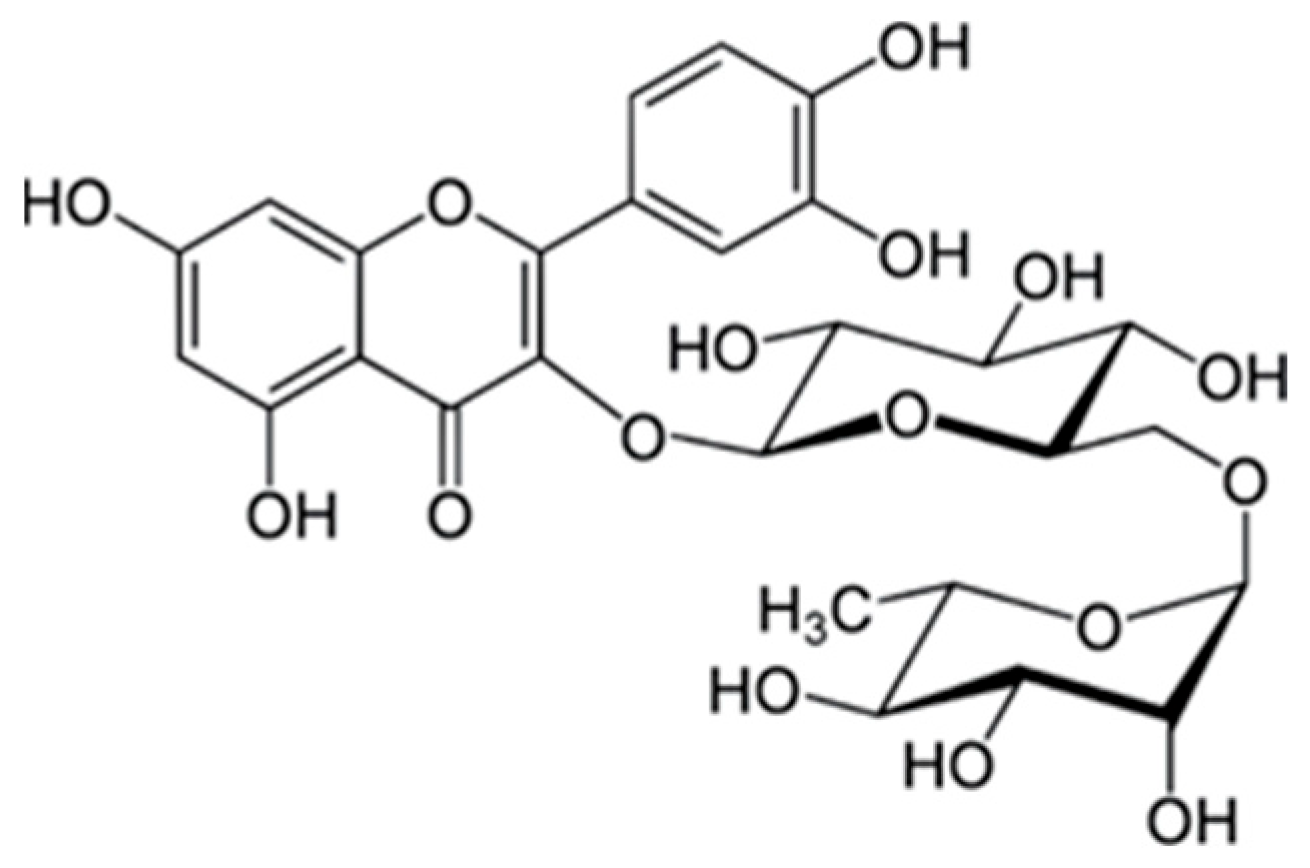
| Rutoside | Fruit | 15.70–745 μg/g DW | [5] |
| Rutoside | Flower | 340–2115 μg/g DW | [24,32] |
| Rutoside | Leaves | 512–1670 μg/g DW | [24,32] |
| Quercetin | Fruit | 17.98–50.01 μg/g DW | [33,34] |
| Quercetin | Flower | 92690 μg/g DW | [24] |
| Quercetin | Leaves | 106240 μg/g DW | [24] |
| Myricetin | Fruit | 27.98 μg/g DW | [33] |
| Myricetin | Flower | Trace | [24] |
| Myricetin | Leaves | 47 μg/g DW | [24] |
| Kaempferol | Fruit | 15.99 μg/g DW | [33] |
| Kaempferol | Flower | Trace | [24] |
| Kaempferol | Leaves | 2 μg/g DW | [24] |
| Hyperoside | Leaves | 115.90–136.60 μg/g DW | [35] |
| Flavan-3-ols (flavanols) | |||
| Procyanidins | Fruits | 26.15 μg/g DW | [30] |
| Catechin | Fruit | 43–1210 μg/g DW | [6,27] |
| Epicatechin | Fruit | 81–1168 μg/g DW | [6,27] |
| Flavones | |||
| Apigenin | Flower | 6 μg/g DW | [24] |
| Apigenin | Leaf | 10 μg/g DW | [24] |
| Naringenin | Fruit | 0.26 μg/g DW | [34] |
| Naringenin | Flower | 18 μg/g DW | [24] |
| Naringenin | Leaves | 4 μg/g DW | [24] |
| Vitexin | Leaves | 42.50–104 μg/g DW | [35] |
| Phenolic acids | |||
| Cinnamic acid | Fruit | 3880 μg CAE/g DW | [27] |
| Ferulic acid | Fruit | 11–400 μg/g DW | [5,6,27] |
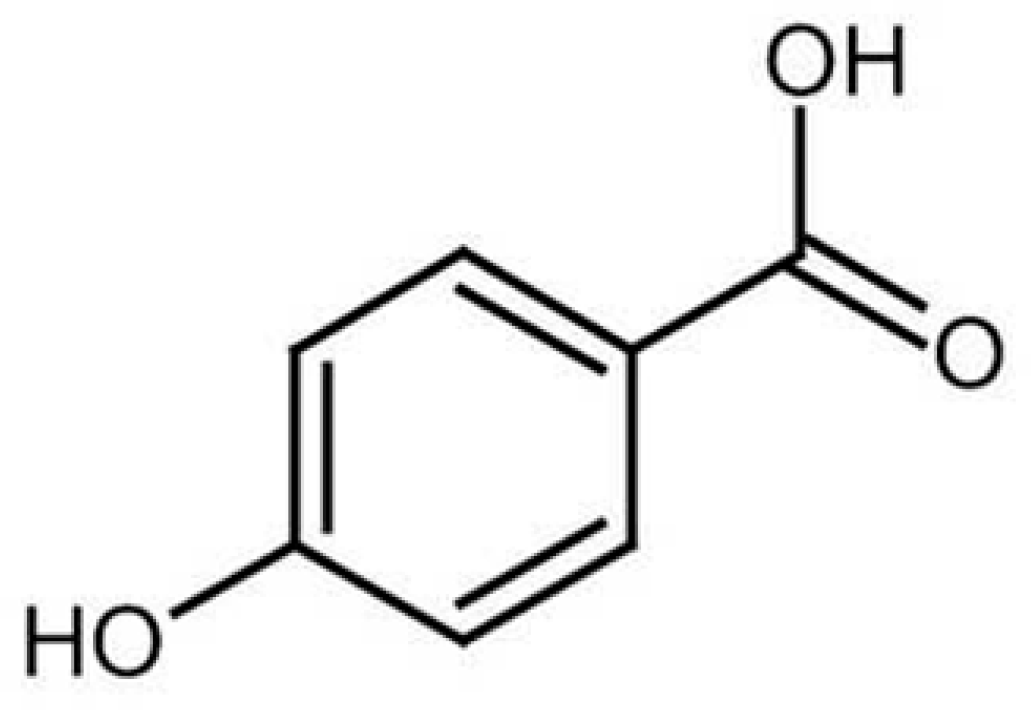
| p-hydroxybenzoic acid | Fruit | 9–360 μg/g DW | [5,27] |
| Vanillic acid | Fruit | 5–719 μg/g DW | [6,27] |
| Anthocyanins | |||
| Total anthocyanins | Fruit | 21.3 μg/g DW | [36] |
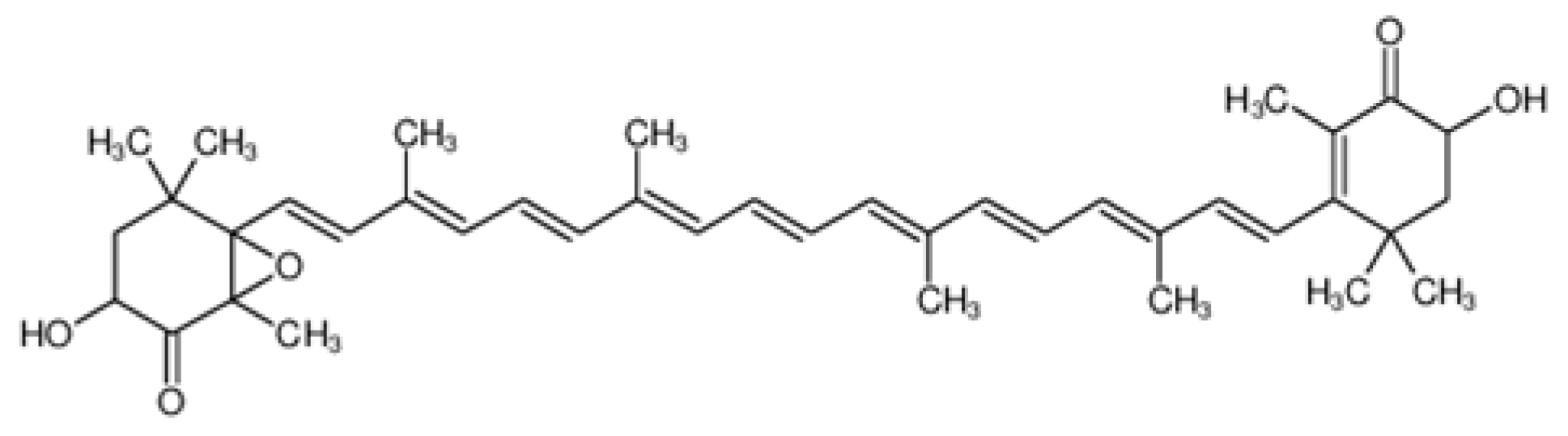
| Total carotenoids | Fruit | 21150–420 μg/g DW | [27,36] |
| Delphinidin | Fruit | 17.23 μg/g DW | [33] |
| Cyanidin | Fruit | 19.71 μg/g DW | [33] |
| Mutatoxanthin | Fruit | 0.62 μg/g DW | [27] |
| Lutein | Fruit | 0.64 μg/g DW | [27] |
| α-cryptoxanthin | Fruit | 0.45 μg/g DW | [27] |
| β-cryptoxanthin | Fruit | 0.46 μg/g DW | [27] |
| cis-β-carotene | Fruit | 0.28 μg/g DW | [27] |
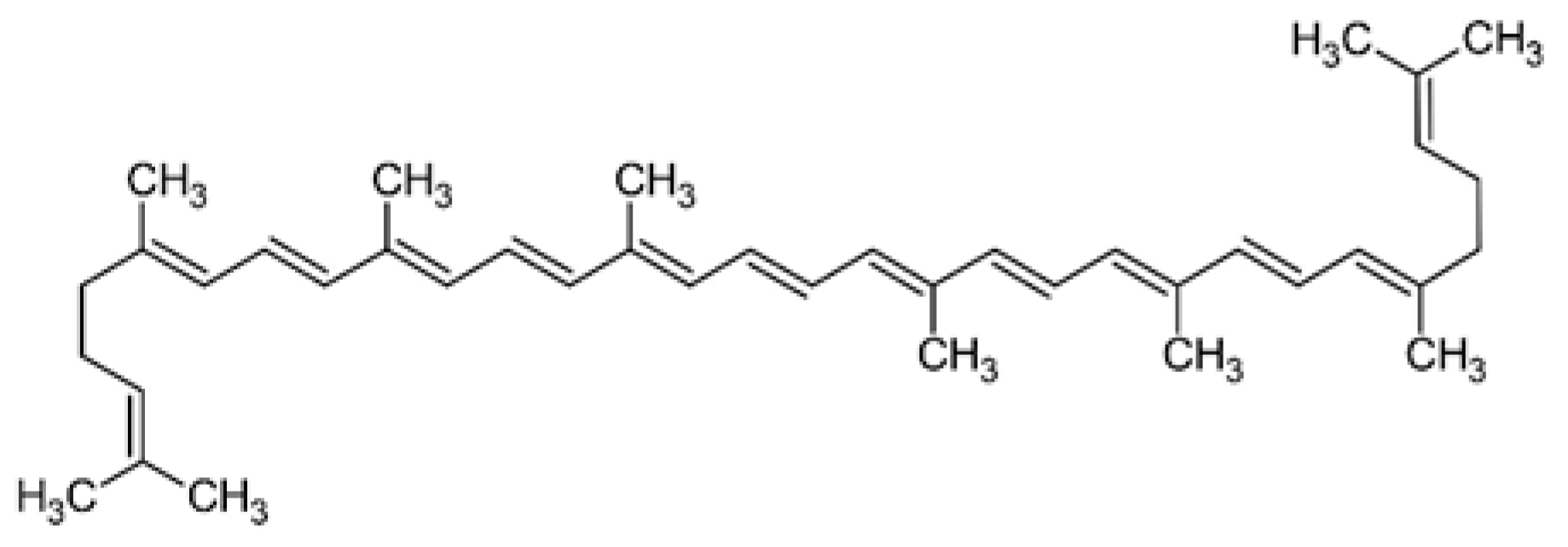
| Lycopene | Fruit | 0.27 μg/g DW | [27] |
Disclaimer/Publisher’s Note: The statements, opinions and data contained in all publications are solely those of the individual author(s) and contributor(s) and not of MDPI and/or the editor(s). MDPI and/or the editor(s) disclaim responsibility for any injury to people or property resulting from any ideas, methods, instructions or products referred to in the content. |
© 2026 by the authors. Licensee MDPI, Basel, Switzerland. This article is an open access article distributed under the terms and conditions of the Creative Commons Attribution (CC BY) license.
Share and Cite
Kępińska-Pacelik, J.; Biel, W. Hawthorn (Crataegus monogyna Jacq.): A Review of Therapeutic Potential and Applications. Molecules 2026, 31, 226. https://doi.org/10.3390/molecules31020226
Kępińska-Pacelik J, Biel W. Hawthorn (Crataegus monogyna Jacq.): A Review of Therapeutic Potential and Applications. Molecules. 2026; 31(2):226. https://doi.org/10.3390/molecules31020226
Chicago/Turabian StyleKępińska-Pacelik, Jagoda, and Wioletta Biel. 2026. "Hawthorn (Crataegus monogyna Jacq.): A Review of Therapeutic Potential and Applications" Molecules 31, no. 2: 226. https://doi.org/10.3390/molecules31020226
APA StyleKępińska-Pacelik, J., & Biel, W. (2026). Hawthorn (Crataegus monogyna Jacq.): A Review of Therapeutic Potential and Applications. Molecules, 31(2), 226. https://doi.org/10.3390/molecules31020226