

Energy Poverty and Income Inequality
Topic Information
Dear Colleagues,
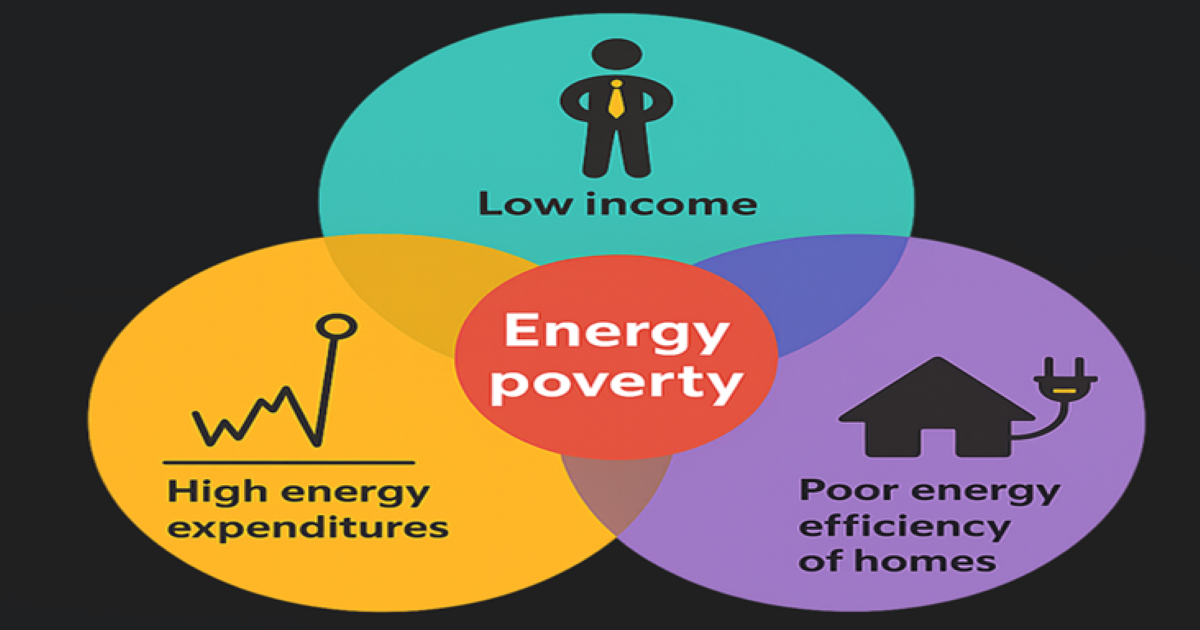
Over the past decade, civil society organisations and the scientific community have exerted sustained pressure on the EU policy agenda to address energy poverty, which affects around 17% of the population. This issue has far-reaching consequences for public health systems, the environment, labour productivity, education, social cohesion, and overall well-being. Given its complex and multidimensional nature, the current energy crisis has drawn significant attention from policymakers, researchers, and industry experts seeking solutions to mitigate energy poverty at global, European, and national levels.
Viewing income inequality as a contributing factor is particularly relevant in the current context, which is marked by the risk of a major global economic downturn. During financial crises, income disparities tend to widen amid slowing economic growth and rising unemployment, especially among low-income groups. Income inequality also affects energy poverty indirectly through its impact on economic growth. Policies that simultaneously reduce income inequality and stimulate economic growth can help alleviate energy poverty. Moreover, income inequality can distort energy markets, limiting access to essential energy services for disadvantaged groups. Greater inequality is also associated with poorer housing conditions and reduced financial capacity to cover heating and electricity costs.
On the other hand, energy poverty exacerbates inequality through its negative effects, including economic vulnerability, health issues, diminished well-being, and environmental degradation caused by practices such as deforestation.
We invite researchers to contribute original research articles and comprehensive reviews that address challenges related to energy poverty–income inequality nexus. Topics of interest include, but are not limited to:
- Impact of income inequality on energy poverty;
- Multidimensional energy poverty: integrating income distribution and social vulnerability;
- Energy justice and income inequalities in modern economies;
- Household income disparities and energy access;
- Policy responses to energy poverty under increasing income inequality;
- Targeting energy poverty: the role of income redistribution policies;
- Household energy vulnerability in low-income regions;
- Renewable energy adoption and income inequality: impacts on energy poverty;
- Energy poverty, income inequality, and well-being: a socioeconomic perspective;
- Energy deprivation and social inequality: household-level insights.
Prof. Dr. Mihaela Simionescu
Prof. Dr. Olimpia Neagu
Topic Editors
Keywords
- energy poverty
- income inequality
- energy vulnerability
- energy access
- income redistribution policies
Participating Journals


90,985 Articles
Launched in 2011
2.9Impact Factor
6.1CiteScore
38 DaysMedian Time to Publication
Q2Highest JCR Category Ranking

2,264 Articles
Launched in 2013
2.3Impact Factor
5.2CiteScore
49 DaysMedian Time to Publication
Q2Highest JCR Category Ranking

63,590 Articles
Launched in 2008
3.9Impact Factor
8.3CiteScore
42 DaysMedian Time to Publication
Q3Highest JCR Category Ranking

28,051 Articles
Launched in 2013
2.3Impact Factor
5.4CiteScore
39 DaysMedian Time to Publication
Q1Highest JCR Category Ranking

647 Articles
Launched in 2019
4.1Impact Factor
5.4CiteScore
66 DaysMedian Time to Publication
Q1Highest JCR Category Ranking

107,273 Articles
Launched in 2009
4.1Impact Factor
8.9CiteScore
45 DaysMedian Time to Publication
Q2Highest JCR Category Ranking