Journal Description
Tourism and Hospitality
is an international, peer-reviewed, open access journal on all aspects of tourism and hospitality, published monthly online by MDPI.
- Open Access— free for readers, with article processing charges (APC) paid by authors or their institutions.
- High Visibility: indexed within Scopus, EBSCO, and other databases.
- Rapid Publication: manuscripts are peer-reviewed and a first decision is provided to authors approximately 18.7 days after submission; acceptance to publication is undertaken in 5.7 days (median values for papers published in this journal in the second half of 2025).
- Journal Rank: CiteScore - Q1 (Social Sciences (miscellaneous))
- Recognition of Reviewers: APC discount vouchers, optional signed peer review, and reviewer names published annually in the journal.
Latest Articles
From Experience to Expectation: Assessing the Adoption and Future Potential of Robots in Nautical Tourism Marinas
Tour. Hosp. 2026, 7(5), 142; https://doi.org/10.3390/tourhosp7050142 - 12 May 2026
Abstract
►
Show Figures
Stakeholders in the tourism system, recognizing the importance of digitalization and the adoption of modern technological solutions, are increasingly integrating artificial intelligence into their operations, including the use of autonomous robots. These initiatives should primarily aim to enhance the customer experience by simplifying
[...] Read more.
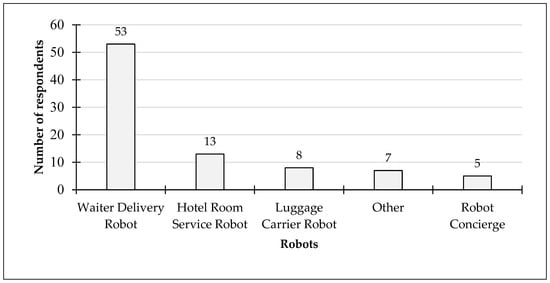
Stakeholders in the tourism system, recognizing the importance of digitalization and the adoption of modern technological solutions, are increasingly integrating artificial intelligence into their operations, including the use of autonomous robots. These initiatives should primarily aim to enhance the customer experience by simplifying and streamlining procedures, while allowing tourism employees to devote more attention to guests. Nautical tourism is a specific form of tourism in which the Republic of Croatia is a global leader; however, it also faces a shortage of qualified staff. Marinas, as the most significant stakeholders within the nautical tourism sector, are the first to invest in the development of innovative solutions. In addition to reviewing the theoretical framework, this paper emphasizes primary research. The aim of the research was to examine the attitudes and habits of nautical tourism guests regarding the adoption of new technologies in marinas, as well as their willingness to use autonomous robots. Given the decision to develop and implement autonomous robots in business operations, the research was conducted among users of nautical services in one of the most modern nautical tourism ports in Croatia and the Mediterranean. A structured online questionnaire was used. The results indicate users’ readiness for the immediate adoption of autonomous robots in certain services, providing a direct incentive for stronger implementation of similar solutions among other stakeholders. This research also suggests that Croatia has the potential to become a technological hub for smart nautical tourism.
Full article
Open AccessArticle
The Adoption of Social Innovation in Rural Tourism in Morocco: Towards Sustainable and Equitable Tourism
by
Abdelilah Sadqaoui, Mohammed Bougroum and Hamid Zahir
Tour. Hosp. 2026, 7(5), 141; https://doi.org/10.3390/tourhosp7050141 - 12 May 2026
Abstract
►▼
Show Figures
The development of sustainable tourism in rural areas brings new challenges in terms of innovation and social inclusion. In this context, this study examines the adoption of social innovation by managers of rural guesthouses in Morocco. The objective is to identify the factors
[...] Read more.
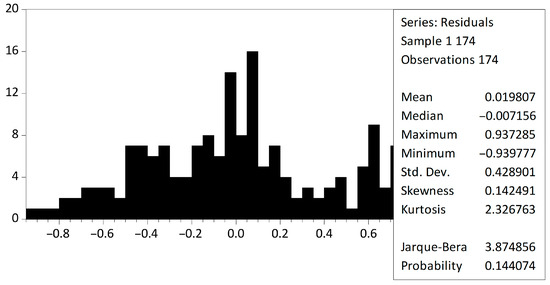
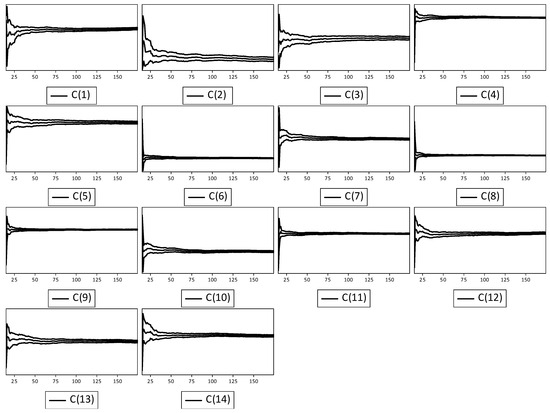
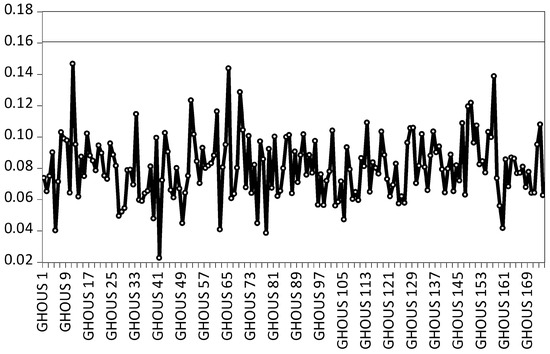
The development of sustainable tourism in rural areas brings new challenges in terms of innovation and social inclusion. In this context, this study examines the adoption of social innovation by managers of rural guesthouses in Morocco. The objective is to identify the factors that influence their intention to adopt such practices, which may strengthen local cohesion, enhance cultural resources, and meet visitors’ expectations regarding sustainability. The analysis draws on the conceptual framework of the diffusion of innovation, which allows for the exploration of perceptions related to the relative advantage, compatibility, ease of use, visibility, and trialability of innovative practices. The research is based on a questionnaire survey conducted with a sample of 174 managers. The data collected underwent confirmatory factor analysis to validate the theoretical dimensions of the model, and were then analyzed using an ordered Logit model to account for the ordinal nature of the dependent variable measuring the intention to adopt. The empirical results indicate that several perceived factors—namely the superiority of the innovation, its economic or symbolic benefits, its cultural compatibility, its simplicity of understanding and use, and the visibility of its effects—have a significant influence. Other dimensions, such as technical compatibility or risk perception, do not show a notable effect. The study also highlights the role of education level and gender in the propensity to adopt social innovation.
Full article

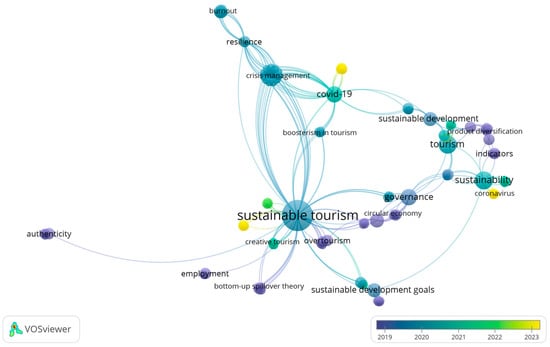
Figure 1
Open AccessArticle
Sustainable Hospitality in Protected Areas: The Role of Perceived Eco-Social Performance in Fostering Community Pro-Sustainable Tourism Intention Through Community Environmental Attachment
by
Henricus Kurniawan Elang Kusumo, Diena M. Lemy, Meitolo Hulu, Johannes Kurniawan and Juliana Juliana
Tour. Hosp. 2026, 7(5), 140; https://doi.org/10.3390/tourhosp7050140 - 12 May 2026
Abstract
This research examines how community support for sustainable tourism development is influenced by sustainable hospitality in protected park areas. This relationship focuses primarily on the effect of perceived eco-social performance (ESP) as an enhancement of the community’s perceived location-specific environmental attachment (CEA), leading
[...] Read more.
This research examines how community support for sustainable tourism development is influenced by sustainable hospitality in protected park areas. This relationship focuses primarily on the effect of perceived eco-social performance (ESP) as an enhancement of the community’s perceived location-specific environmental attachment (CEA), leading to increased pro-sustainable tourism intentions through CEA. Despite the growing focus on sustainability within hospitality industries, there remains very little scholarly research that explores how local communities perceive sustainable hospitality practices and how these perceptions then manifest as emotional attachment, followed by behavioural support. To achieve the stated goal, researchers employed an explanatory sequential mixed-methods design to collect quantitative survey data from residents living in close proximity to a protected area destination, and the quantitative data were used separately to develop qualitative insights into residents’ support for sustainable tourism initiatives. Findings of this study reveal that perceived ESP significantly enhances CEA, providing an impetus for increased PSTI (via direct and indirect pathways) for communities in close proximity to a protected area destination. CEA further enhances PSTI significantly and acts as a significant mediator in the relationship between perception and behavioural support for sustainable tourism. Qualitative findings further indicate that eco-social hospitality practices fulfil the following: develop community pride; increase the sense of environmental responsibility among the community; and create opportunities for actively supporting sustainable tourism. These findings demonstrate that, while sustainable hospitality practices generate observable actions, they also create deeper psychological connections between communities and their environment. The cumulative findings from this study contribute to a greater understanding of how ESP can strategically contribute to growing the number of communities supporting sustainable tourism through the creation of CEA, thereby expanding the overall community’s intention to support sustainable tourism development.
Full article
(This article belongs to the Special Issue Sustainable, Smart and Inclusive Perspectives in Tourism and Hospitality)
Open AccessArticle
Brewing Precarity: Human Resource Challenges, Informal Labor Regimes, and Workforce Sustainability in Emerging Coffee Tourism Destinations: A Case Study from Bajawa, Flores, Indonesia
by
Rudy Pramono, Juliana Juliana and Yosep Dudedes Timba
Tour. Hosp. 2026, 7(5), 139; https://doi.org/10.3390/tourhosp7050139 - 12 May 2026
Abstract
►▼
Show Figures
Coffee tourism has emerged as a significant niche within community-based tourism development across the Global South, promising economic diversification and cultural preservation. Yet the human resource foundations of this sector remain under-theorized relative to those of marketing and the supply chain. This study
[...] Read more.
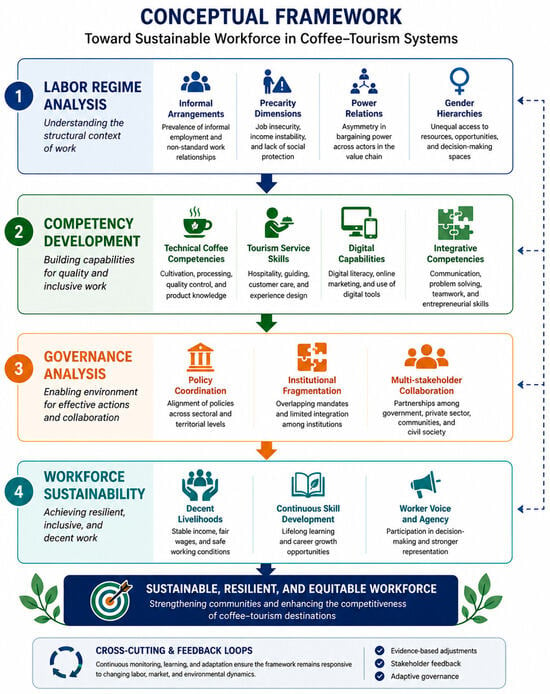
Coffee tourism has emerged as a significant niche within community-based tourism development across the Global South, promising economic diversification and cultural preservation. Yet the human resource foundations of this sector remain under-theorized relative to those of marketing and the supply chain. This study examines the human resource challenges confronting coffee tourism development in Bajawa, Flores, Indonesia—an emerging destination strategically positioned within national tourism priorities. Drawing on qualitative research including in-depth interviews with 42 informants (coffee farmers, tourism workers, village officials, private sector facilitators, and NGO representatives), document analysis, and field observations, the study suggests that workforce sustainability in coffee tourism is undermined by three intersecting dynamics: precarious labor regimes characterized by casualization and income instability; significant skill gaps across the coffee–tourism nexus; and institutional fragmentation wherein state programs, private sector initiatives, and customary labor systems operate without coherent coordination. The findings highlight that human resource challenges are not merely technical capacity deficits but are produced through informal labor arrangements, unequal power relations, and governance fragmentation. The study contributes theoretically by extending precarity scholarship to emerging destination contexts and proposing an integrative framework linking labor regimes, competency development, and workforce sustainability.
Full article

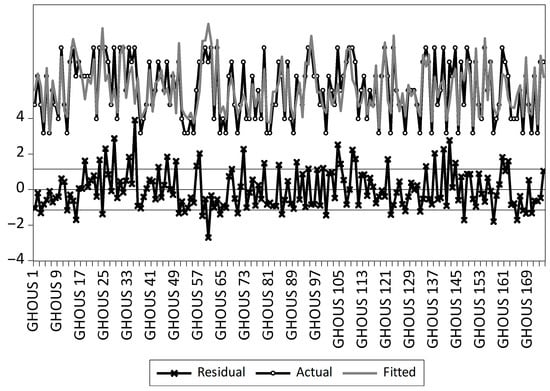
Figure 1
Open AccessArticle
Competency-Based Training Framework for Hotel Management: A Delphi Study
by
María del Pilar Puente-Martínez and Ángeles Bueno-Villaverde
Tour. Hosp. 2026, 7(5), 138; https://doi.org/10.3390/tourhosp7050138 - 12 May 2026
Abstract
The transformation of the hospitality industry has increased the demand for managerial profiles capable of integrating technical, strategic, and socio-emotional competencies. However, a persistent gap remains between the competencies required by the labor market and those developed through formal education. This study aims
[...] Read more.
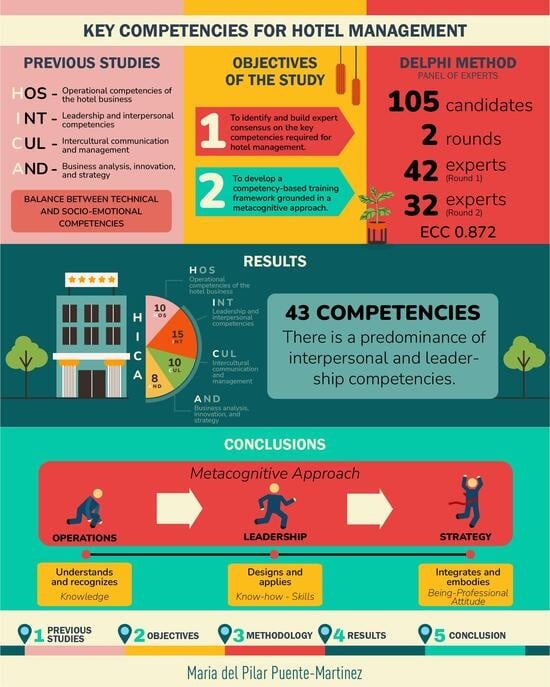
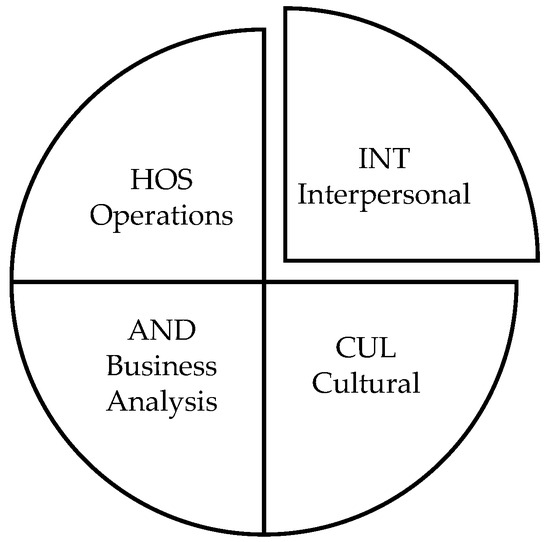
The transformation of the hospitality industry has increased the demand for managerial profiles capable of integrating technical, strategic, and socio-emotional competencies. However, a persistent gap remains between the competencies required by the labor market and those developed through formal education. This study aims to identify and validate the core competencies of hotel management and to translate them into a structured training proposal. A two-round Delphi study was conducted with senior hotel management experts (n = 42 in round 1; n = 32 in round 2), using a competency matrix derived from prior research. Quantitative analysis included frequency distributions, weighted scores, and consensus indicators. The results show a high level of consensus stability (3.1% disagreement), leading to a final matrix of 43 competencies organized into four dimensions: operational, interpersonal, cultural-communicative, and strategic. Interpersonal and leadership competencies emerged as the most prominent, highlighting their structural role in effective managerial performance. Based on these findings, a progressive training framework is proposed, structured around three domains (operations, leadership, and strategy) and supported by a metacognitive pathway that integrates planning, monitoring, and evaluation processes. This study contributes to the professionalization of hotel management by providing an empirically grounded competency model and a coherent framework for aligning educational programs with industry demands.
Full article
(This article belongs to the Collection State-of-the-Art Reviews in Tourism and Hospitality)
►▼
Show Figures

Graphical abstract
Open AccessArticle
Visitor Typologies and Spatially Differentiated Management in Highly Visited Coastal Protected Landscapes
by
Kristijan Breznik, Truls Engström and Mitja Gorenak
Tour. Hosp. 2026, 7(5), 137; https://doi.org/10.3390/tourhosp7050137 - 11 May 2026
Abstract
►▼
Show Figures
Coastal protected landscapes are increasingly becoming subject to high and diverse recreational use, creating complex challenges for balancing visitors’ experience with ecological protection. While visitor segmentation has been widely applied in tourism research, its integration with spatially differentiated management in frequently used natural
[...] Read more.
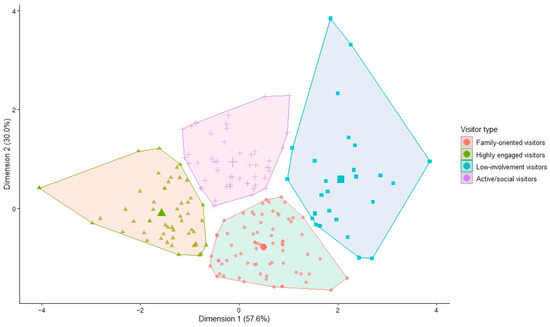
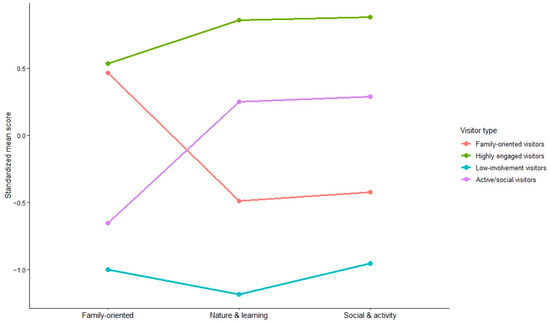
Coastal protected landscapes are increasingly becoming subject to high and diverse recreational use, creating complex challenges for balancing visitors’ experience with ecological protection. While visitor segmentation has been widely applied in tourism research, its integration with spatially differentiated management in frequently used natural areas remains limited. This study addresses this gap by examining visitor heterogeneity in a highly visited coastal protected landscape in Norway. Using survey data combined with behavioral indicators, an exploratory factor analysis identifies three core motivational dimensions: nature experience and environmental learning, social interaction and activity, and family-oriented recreation. Building on these dimensions, a cluster analysis reveals four distinct visitor typologies ranging from low-involvement to highly engaged users. The results demonstrate that visitor segments are primarily differentiated by psychographic characteristics, while socio-demographic and behavioral variables provide limited explanatory power. Importantly, the identified typologies correspond to distinct patterns of use and experiential expectations, offering a robust basis for differentiated management strategies. The findings highlight the need to move beyond uniform management approaches towards segment-specific interventions, particularly in landscapes dominated by experienced, locally based users. By linking motivational structures to spatial and managerial implications, this study contributes to advancing visitor research and provides practical insights for managing recreational pressure in protected coastal environments.
Full article

Figure 1
Open AccessArticle
How Narrative-Related Stimuli Shape Revisit Intention in Theme Park Tourism: The Mediating Roles of Emotional Resonance and Satisfaction—The Case of Fantawild Theme Parks in China
by
Jing Zhao, Songyu Jiang and Jirawan Deeprasert
Tour. Hosp. 2026, 7(5), 136; https://doi.org/10.3390/tourhosp7050136 - 10 May 2026
Abstract
Theme park tourism has become a trend and brings huge profits; however, how Fantawild, a representative theme park in China, can attract tourists to return remains to be explored. Given the substantial economic value of repeat visitors for theme parks, this study focuses
[...] Read more.
Theme park tourism has become a trend and brings huge profits; however, how Fantawild, a representative theme park in China, can attract tourists to return remains to be explored. Given the substantial economic value of repeat visitors for theme parks, this study focuses on revisit intention rather than general tourist behavior. Drawing on the Stimulus–Organism–Response (S-O-R) framework as the theoretical foundation, this study examines how narrative-based experiences influence visitors’ revisit intention to Fantawild as a theme park tourism destination. Data were collected from 573 visitors to Fantawild in China and analyzed using structural equation modeling. The results show that storytelling does not directly influence revisit intention but instead operates through emotional resonance and satisfaction, indicating a fully mediated mechanism. Emotional resonance also indirectly affects revisit intention through satisfaction. In addition, marketing activities, fond travel memories, and IP appeal significantly enhance emotional and evaluative responses, which in turn drive revisit intention. These findings provide a clearer understanding of the affective and cognitive mechanisms underlying narrative immersion and offer practical implications for improving visitor engagement, repeat visitation, and retention in theme park tourism.
Full article
Open AccessEditorial
Advancing Geotourism in a Time of Global Uncertainty
by
Carlos Neto de Carvalho and Ross Dowling
Tour. Hosp. 2026, 7(5), 135; https://doi.org/10.3390/tourhosp7050135 - 9 May 2026
Abstract
The Special Issue Geotourism: The Tourism of Geology and Landscape has brought together a diverse set of perspectives that collectively illustrate the rapid evolution of geotourism as both a research field and a practical approach to sustainable tourism development[...]
Full article
(This article belongs to the Special Issue Geotourism: The Tourism of Geology and Landscape)
Open AccessArticle
Tourist Expenditure Profiles in World Heritage Cities: A Conditional Inference Tree Approach
by
Juan Ignacio Pulido-Fernández, Yaiza López-Sánchez, Jairo Casado-Montilla and Isabel Carrillo-Hidalgo
Tour. Hosp. 2026, 7(5), 134; https://doi.org/10.3390/tourhosp7050134 - 8 May 2026
Abstract
This study examines the relationship between sociodemographic factors and total tourist expenditure in the medium-sized UNESCO World Heritage Cities of Úbeda and Baeza, Spain. Using primary data from a structured survey of 1657 visitors, expenditure was analyzed across nine categories. The methodological approach
[...] Read more.
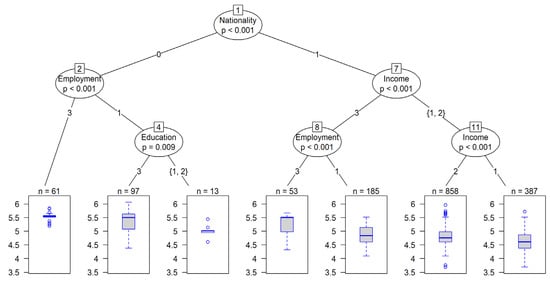
This study examines the relationship between sociodemographic factors and total tourist expenditure in the medium-sized UNESCO World Heritage Cities of Úbeda and Baeza, Spain. Using primary data from a structured survey of 1657 visitors, expenditure was analyzed across nine categories. The methodological approach combined descriptive statistics, non-parametric tests, and a Conditional Inference Tree (CTree) model to identify hierarchical segmentation patterns. The analysis revealed seven distinct visitor segments, with nationality as the strongest predictor, followed by employment status, income, and education. Foreign tourists, particularly retired individuals with university degrees, consistently showed higher expenditure levels, especially in accommodation and shopping. Domestic tourists displayed more heterogeneous spending profiles, influenced mainly by income and employment status. Accommodation, food, and shopping dominated expenditure structures across segments, while transport and recreation played a secondary role. By applying an interpretable CTree approach, the study uncovers interaction-based expenditure profiles that are often overlooked in conventional analyses, thereby offering a more nuanced basis for identifying high-spending tourists and informing destination management strategies.
Full article
(This article belongs to the Special Issue Customer Behavior in Tourism and Hospitality)
►▼
Show Figures

Figure 1
Open AccessArticle
Digital Tools and Rural Tourism Competitiveness Under Conditions of Tourism Disruption: Evidence from Consumer Perspectives
by
Baiba Rivza, Inita Kindzule-Millere, Laura Pole, Sandija Zeverte-Rivza, Gunta Grinberga-Zalite, Ksenija Furmanova and Liga Paula
Tour. Hosp. 2026, 7(5), 133; https://doi.org/10.3390/tourhosp7050133 - 7 May 2026
Abstract
Tourism is highly exposed to external shocks such as pandemics, geopolitical instability, and security-related disruptions, which particularly affect small and rural enterprises. Although digital tools are frequently discussed as mechanisms supporting tourism competitiveness under conditions of tourism disruption, consumer-centred evidence remains limited. This
[...] Read more.
Tourism is highly exposed to external shocks such as pandemics, geopolitical instability, and security-related disruptions, which particularly affect small and rural enterprises. Although digital tools are frequently discussed as mechanisms supporting tourism competitiveness under conditions of tourism disruption, consumer-centred evidence remains limited. This study examines how consumers in Latvia evaluate digital tools and which factors they associate with rural tourism competitiveness and improvement priorities. The study is guided by a conceptual framework in which digital tools function as intermediary mechanisms linking conditions of tourism disruption to rural tourism competitiveness through consumer perceptions of accessibility, convenience, and trust. A mixed-methods CATI survey (N = 1004) was conducted in February–April 2025, combining statistical analysis of closed-ended responses with thematic analysis of consumer-defined competitiveness and improvement priorities derived from open-ended questions. The results show that age is the main factor differentiating evaluations of digital tools, while regional and settlement-type differences remain weak. Online booking and digital payments are valued across all age groups, whereas tools such as virtual tours show stronger age-related variation. When discussing competitiveness, respondents most frequently refer to institutional conditions, promotion, pricing, and digital tools as key competitiveness dimensions. However, when identifying improvements, priorities shift toward diversification of tourism offers and physical accessibility. Digital tools remain important and are primarily associated with practical functions such as booking, payments, information access, and online visibility that make rural tourism offers easier to find and use. The findings highlight the growing role of digital accessibility and information transparency as foundational conditions for rural tourism competitiveness under conditions of tourism disruption and uncertainty.
Full article
(This article belongs to the Special Issue Tourism Event and Management)
Open AccessArticle
Modeling Tourist Affinities and Mediated Loyalty in Protected Natural Areas Using Fuzzy Logic
by
Miriam Edith Pérez-Romero, María de la Cruz del Río-Rama, José Álvarez-García and Driselda Sánchez-Aguirre
Tour. Hosp. 2026, 7(5), 132; https://doi.org/10.3390/tourhosp7050132 - 6 May 2026
Abstract
This study analyzes tourist loyalty in the Monarch Butterfly Biosphere Reserve by integrating affinity-based segmentation and the Forgotten Effects Theory within a fuzzy logic framework. The objective was to identify how visitor affinities condition the indirect construction of loyalty in contexts of high
[...] Read more.
This study analyzes tourist loyalty in the Monarch Butterfly Biosphere Reserve by integrating affinity-based segmentation and the Forgotten Effects Theory within a fuzzy logic framework. The objective was to identify how visitor affinities condition the indirect construction of loyalty in contexts of high environmental complexity. Data were collected through a structured questionnaire administered to 316 tourists using a non-probabilistic sampling approach. Using the Pichat Algorithm and the Forgotten Effects Theory, the research captured gradual membership patterns and mediated relationships that conventional models often overlook. Results indicate that, while age, particularly Generation X, acts as a connecting axis, postgraduate education levels generate a polarization of visitor perceptions across segments. Significant forgotten effects (up to 0.30) were identified, suggesting that variables such as satisfaction, entertainment, and relaxation act as mediating mechanisms between learning, perceived value, and the intention to revisit. This study suggests that loyalty is not constructed directly but is indirectly shaped by affinity-based visitor structures. It recommends that management strategies evolve toward environmental edutainment models and that marketing efforts be diversified according to differentiated visitor profiles. These findings demonstrate the utility of fuzzy logic for the strategic management of high-value ecological destinations.
Full article
Open AccessArticle
Managing Multiple Customer Interactions: Exploring Customer Reactions and Gender Differences in Response to Employee-to-Other Customer Interaction Quality in the Social Servicescape
by
Youngsun Sean Kim, Bosul Yoo, Danni Wang, Se Jin Kim and Chanho Song
Tour. Hosp. 2026, 7(5), 131; https://doi.org/10.3390/tourhosp7050131 - 6 May 2026
Abstract
Cultivating high-quality interactions between customers and employees has become a central concern for both researchers and practitioners. However, most studies have primarily centered on examining and enhancing the quality and effectiveness of direct interactions between employees and customers. Building upon social influence theory,
[...] Read more.
Cultivating high-quality interactions between customers and employees has become a central concern for both researchers and practitioners. However, most studies have primarily centered on examining and enhancing the quality and effectiveness of direct interactions between employees and customers. Building upon social influence theory, this study diverges by investigating how interactions among employees and other customers, along with their quality, impact the service perceptions of observing customers within the social servicescape. Using a 2 × 2 × 2 between-subjects experimental design with 384 participants, this study provides the first empirical evidence that the interaction quality among other social actors in a shared service environment significantly influences the perceived customer orientation and service quality for observing customers. Hypotheses were tested using multivariate analysis of variance (MANOVA). Importantly, this effect persists even when the observing customers themselves are not directly involved in the interactions with either the service provider or the other customer. Additionally, the study uncovers a noteworthy gender difference in how individuals respond to the quality of interactions between employees and other customers. Furthermore, the findings suggest that an observing customer’s prior emotional attachment to the service provider does not significantly interact with the effects of employee-to-other customer interaction quality, indicating that the underlying expectation for interaction quality in the social servicescape remains consistent regardless of the customer’s preexisting relationship with the service provider.
Full article
(This article belongs to the Special Issue Customer Behavior in Tourism and Hospitality)
Open AccessArticle
The Adoption of E-Ticketing for Sustainable Tourism: Perceived Influence of Technological, Socio-Economic, and Administrative Factors
by
Md Shahzalal, Sumon Mahmud, Md. Soleman Mollik, Mohammad Sahabuddin, Zokir Mamadiyarov and Mosab I. Tabash
Tour. Hosp. 2026, 7(5), 130; https://doi.org/10.3390/tourhosp7050130 - 6 May 2026
Abstract
►▼
Show Figures
While the adoption of e-ticketing has been studied in various disciplines, few studies have examined tourists’ intention to adopt e-ticketing for visiting small island and valley tourism sites. This study extends the Technology Acceptance Model and the Theory of Planned Behavior by incorporating
[...] Read more.
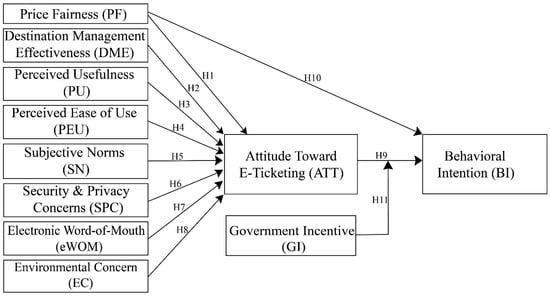
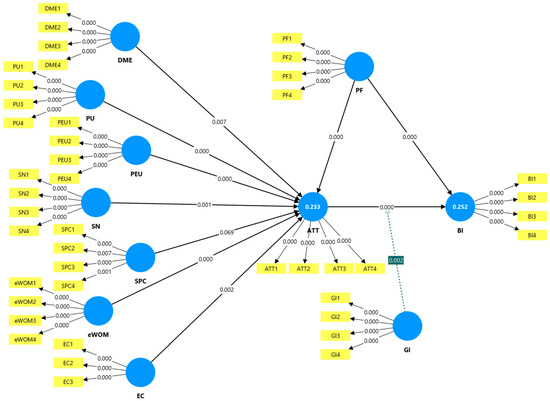
While the adoption of e-ticketing has been studied in various disciplines, few studies have examined tourists’ intention to adopt e-ticketing for visiting small island and valley tourism sites. This study extends the Technology Acceptance Model and the Theory of Planned Behavior by incorporating security and privacy concerns, price fairness, electronic word-of-mouth, destination management effectiveness, government incentives, and environmental concern to examine the antecedents of tourists’ behavioral intention to adopt e-ticketing. Data were collected from 375 purposively sampled on-street respondents in Sajek Valley and Saint Martin’s Island, Bangladesh. The data were analyzed using partial least squares structural equation modeling. The findings show that perceived usefulness, price fairness, subjective norms, perceived ease of use, environmental concern, and destination management effectiveness affect tourists’ attitudes toward e-ticketing adoption. However, security and privacy concerns have a negative but statistically insignificant influence on attitudes. Attitude is a significant determinant of behavioral intention, and government incentives moderate the relationship between attitude and behavioral intention. The study offers implications for policymakers, online marketers, and destination managers.
Full article

Figure 1
Open AccessArticle
Digital Gastrodiplomacy: A Multimodal Semiotic Analysis of How YouTube Food Travel Vlogs Construct Destination Image in Uzbekistan
by
Iroda Mukhammadieva
Tour. Hosp. 2026, 7(5), 129; https://doi.org/10.3390/tourhosp7050129 - 5 May 2026
Abstract
This study investigates how YouTube food travel vloggers semiotically construct destination images and potentially function as informal culinary ambassadors through gastrodiplomacy mechanisms, using Uzbekistan as a case study of emerging tourism markets. Although digital content creators are increasingly recognised as shaping tourism flows,
[...] Read more.
This study investigates how YouTube food travel vloggers semiotically construct destination images and potentially function as informal culinary ambassadors through gastrodiplomacy mechanisms, using Uzbekistan as a case study of emerging tourism markets. Although digital content creators are increasingly recognised as shaping tourism flows, a systematic understanding of the multimodal semiotic mechanisms through which food travel vlogs construct destination meanings remains limited. Using multimodal discourse analysis, this study examines six YouTube food travel videos on Uzbekistan (over 28 million combined views) from two prominent creators. The analysis integrates Kress and van Leeuwen’s visual grammar, Halliday’s systemic functional linguistics, van Leeuwen’s sound semiotics, and Norris’s multimodal interaction analysis to code a 60-segment corpus. Comparative analysis reveals 25 notable differences in semiotic features between the two creators, identifying two distinct semiotic profiles. Vlogger 1 primarily follows a parasocial intimacy model marked by direct gaze (89.2%), frequent second-person address (78.4%), and comparatively minimal editing. In contrast, Vlogger 2 adopts a cinematic documentary model characterised by first-person narration (56.5%), constructed visuals (60.9%), and gastronomic heritage narratives (34.8%). Despite these divergences, shared conventions centred on food composition, upbeat music, positive evaluation, and sharing gestures indicate a stable semiotic grammar of food travel vlogging. Analysis further reveals that orientalist dynamics and resistance to orientalism coexist within the same representational practice phenomenon termed ‘layered orientalism’, with distinct implications for how emerging destinations are mediated to international audiences. These findings suggest that digital content creators may employ distinct semiotic strategies that could function as informal culinary ambassadors through gastrodiplomacy mechanisms, potentially constructing destination awareness and cultural meaning for international audiences. This study contributes to theory on multimodal destination image construction and offers implications for how emerging tourism destinations might leverage multi-creator strategies to build culturally grounded destination brands.
Full article
Open AccessArticle
When Does Leverage Become Dangerous? Threshold Effects and Post-COVID Financial Fragility of Turkish Tourism Firms
by
Yeşim Helhel
Tour. Hosp. 2026, 7(5), 128; https://doi.org/10.3390/tourhosp7050128 - 4 May 2026
Abstract
►▼
Show Figures
This study examines the nonlinear, threshold-dependent relationship between financial leverage and firm performance in publicly traded tourism firms in Turkey, and investigates how this relationship has evolved under post-COVID-19 multi-shock conditions. The main aim of the research is to identify the thresholds at
[...] Read more.
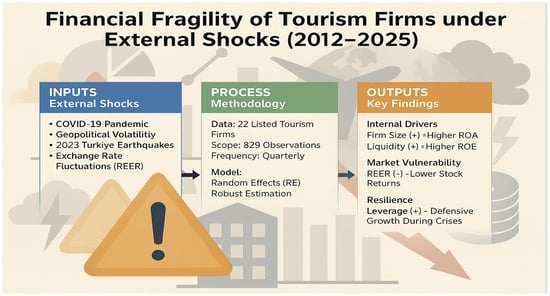
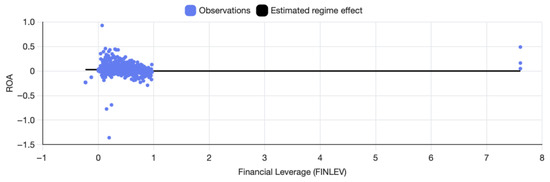
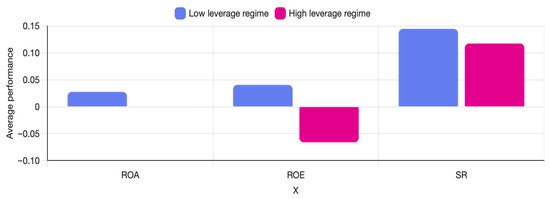
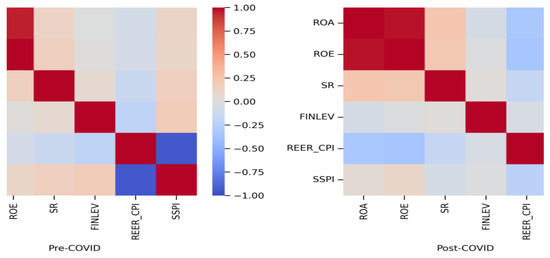
This study examines the nonlinear, threshold-dependent relationship between financial leverage and firm performance in publicly traded tourism firms in Turkey, and investigates how this relationship has evolved under post-COVID-19 multi-shock conditions. The main aim of the research is to identify the thresholds at which borrowing becomes a source of financial vulnerability and to analyse how this process deepens under macroeconomic shocks. For this purpose, quarterly panel data covering the period from Q1 2012 to Q1 2025 for 22 tourism firms listed on Borsa Istanbul were used. Firm performance was measured through accounting-based indicators Return on Asset(ROA) and Return on Equity(ROE), and a market-based indicator (stock returns). In the empirical analysis, both the random-effects panel regression model and the endogenous-threshold panel regression methods were applied. The findings indicate that the relationship between financial leverage and performance is nonlinear, and a significant regime change occurs when the leverage ratio exceeds approximately 60–70%. In the post-COVID-19 period, both accounting-based and market-based performance indicators under high-leverage regimes became more sensitive to financial vulnerability. Additionally, the effects of the real effective exchange rate and the service sector price index on firm performance have strengthened in the post-crisis period. The study reveals that financial fragility in the tourism sector is a structural feature sensitive to thresholds and crisis regimes rather than temporary shocks. In this regard, the research highlights the limits of debt-based growth strategies and contributes to early warning mechanisms for policymakers, investors, and firm managers.
Full article

Graphical abstract
Open AccessArticle
Tourist Perception of Sustainable Community-Based Tourism: A Structural Model of Authenticity, Integral Sustainability and Ethical Co-Design
by
María del Carmen Avendaño-Rito, Sandra Nelly Leyva-Hernández, Paola Miriam Arango-Ramírez, Eduardo Cruz-Cruz and Adrián Martínez-Vargas
Tour. Hosp. 2026, 7(5), 127; https://doi.org/10.3390/tourhosp7050127 - 2 May 2026
Abstract
Sustainable Community-Based Tourism (SCBT) has been predominantly assessed from residents’ perspectives, leaving unexplored how tourists perceive and validate community sustainability. This study analyzes the influence of three SCBT dimensions, authenticity and community empowerment, integral sustainability, and ethical co-design, on tourist experience. Using Partial
[...] Read more.
Sustainable Community-Based Tourism (SCBT) has been predominantly assessed from residents’ perspectives, leaving unexplored how tourists perceive and validate community sustainability. This study analyzes the influence of three SCBT dimensions, authenticity and community empowerment, integral sustainability, and ethical co-design, on tourist experience. Using Partial Least Squares Structural Equation Modeling (PLS-SEM), we analyzed 341 responses from Mexican tourists with experience in indigenous community destinations in Oaxaca. Results show that integral sustainability is the strongest predictor of tourist experience, followed by ethical co-design. Notably, authenticity and community empowerment exhibit a significant inverse relationship, suggesting tensions between genuine local governance and visitor expectations. These findings position tourists as external validators of SCBT and challenge the linear authenticity–experience relationship assumed in classic literature, highlighting the need for heritage interpretation strategies that mediate this interaction. The study provides evidence from underrepresented Latin American indigenous contexts, addressing theoretical and geographical gaps in sustainable tourism research.
Full article
(This article belongs to the Special Issue The Power of Experience: Competitiveness, Engagement and Sustainable Tourism)
Open AccessArticle
A Holistic Approach to Customer Journey Management: Driving Satisfaction and Competitive Advantage in Tourism
by
Carmen R. Santos, Sofía Blanco-Moreno, Ciarán Ó hAnnracháin and Nuran Bayram-Arlı
Tour. Hosp. 2026, 7(5), 126; https://doi.org/10.3390/tourhosp7050126 - 2 May 2026
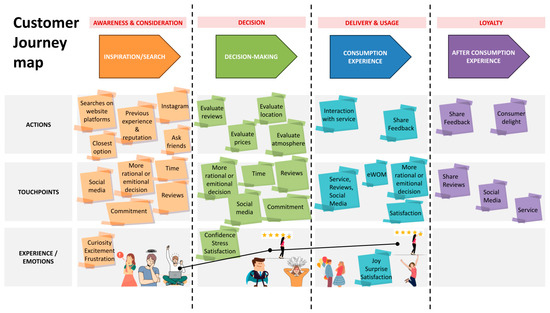
Abstract
The purpose of this study is to develop and propose a holistic, stage-based conceptual framework for Customer Journey Management, addressing a critical gap in the literature that lacks a diagnostic and strategic tool to analyze the full journey across all phases, particularly within
[...] Read more.
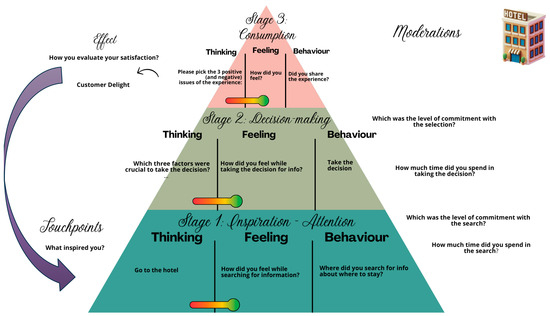
The purpose of this study is to develop and propose a holistic, stage-based conceptual framework for Customer Journey Management, addressing a critical gap in the literature that lacks a diagnostic and strategic tool to analyze the full journey across all phases, particularly within the tourism sector. Using a conceptual modeling approach grounded in a systematic literature review, the study synthesizes existing theories, Service-Dominant Logic and Customer Experience Theory, to propose a new theoretical-practical model (The Pyramid Model) and a measurement tool (Questionnaire/Grid). The framework integrates cognitive, emotional, and behavioral dimensions across the pre-, during-, and post-consumption stages. A comprehensive Questionnaire/Grid systematically maps and measures the impact of critical touchpoints on customer outcomes such as satisfaction and consumer delight. The model pioneers a quantifiable diagnostic tool that translates theory into managerial action, offering service managers a clear methodology to audit journeys, allocate resources, and drive customer delight and sustainable competitive advantage.
Full article
(This article belongs to the Special Issue Emerging Trends in Tourism)
►▼
Show Figures

Figure 1
Open AccessArticle
Building People-Centred Organisational Resilience in Remote and Highly Seasonal Tourism
by
Verena Karlsdóttir
Tour. Hosp. 2026, 7(5), 125; https://doi.org/10.3390/tourhosp7050125 - 30 Apr 2026
Abstract
Tourism and hospitality organisations in remote, highly seasonal Arctic and sub-Arctic destinations face persistent workforce instability, multicultural team dynamics, and well-being risks that threaten service reliability and organisational continuity. Previous research has focused mainly on destination- and community-level resilience, while giving less attention
[...] Read more.
Tourism and hospitality organisations in remote, highly seasonal Arctic and sub-Arctic destinations face persistent workforce instability, multicultural team dynamics, and well-being risks that threaten service reliability and organisational continuity. Previous research has focused mainly on destination- and community-level resilience, while giving less attention to how resilience is built within tourism organisations through everyday workforce-related practices. This study examines people-centred organisational resilience through a qualitative comparative design in two northern contexts: Iceland and Finnish Lapland. The empirical material comprised semi-structured interviews in Iceland and interviews, organisational documents, and field observations in Finnish Lapland, collected in autumn 2025. The data were analysed using thematic analysis. The findings identify four recurring resilience mechanisms: leadership under seasonal and environmental pressure; employee experience across employment phases; living conditions and belonging; and ethical governance. Here, “mechanisms” refers not simply to broad topics but to organisational processes through which recurring practices support resilience in remote, highly seasonal tourism settings. Together, these mechanisms show that resilience in remote tourism is built not only through operational flexibility or crisis response, but through people-centred organisational practices that support continuity, coordination, safety, and trust across seasons. The study contributes a workforce-centred extension of resilience theory in tourism and offers a comparative account of how these mechanisms operate across two northern tourism settings.
Full article
Open AccessArticle
Machine Learning-Based Sentiment Analysis of Glamping Reviews in South Korea
by
Md Rokibul Hasan, Bristy Akter, Valentierrano Rezka Rizaldin, Narariya Dita Handani and Rianmahardhika Sahid Budiharseno
Tour. Hosp. 2026, 7(5), 124; https://doi.org/10.3390/tourhosp7050124 - 30 Apr 2026
Abstract
Glamping tourism has expanded rapidly as travelers increasingly seek nature-based experiences combined with comfort and privacy, particularly in the post-COVID-19 period. Online reviews provide a valuable source of insight into how guests perceive such experiential accommodation, yet large-scale, data-driven analyses of glamping sentiment
[...] Read more.
Glamping tourism has expanded rapidly as travelers increasingly seek nature-based experiences combined with comfort and privacy, particularly in the post-COVID-19 period. Online reviews provide a valuable source of insight into how guests perceive such experiential accommodation, yet large-scale, data-driven analyses of glamping sentiment remain limited. This study applies machine-learning techniques to classify customer sentiment expressed in online reviews of glamping sites in South Korea. A total of 3233 reviews were collected from ten leading glamping locations on Naver Map, cleaned, and translated from Korean to English. Sentiment labels (negative, neutral, and positive) were generated using VADER (Valence Aware Dictionary and sEntiment Reasoner), a lexicon-based sentiment scoring tool validated for short informal texts and the labeled corpus was subsequently used to train and evaluate six supervised classifiers. Six supervised classifiers—Naïve Bayes, k-Nearest Neighbors, Random Forest, Logistic Regression, Gradient Boosting, and Support Vector Machine (SVM)—were trained and evaluated through stratified ten-fold cross-validation using accuracy, AUC, F1-score, and Matthews Correlation Coefficient (MCC). Results indicate that SVM achieved the strongest overall discriminatory performance, particularly in identifying minority sentiment classes under substantial class imbalance. These findings suggest that automated sentiment classification holds practical potential for supporting evidence-based service monitoring and reputation management in glamping tourism, although further validation in operational settings is needed before deployment can be recommended.
Full article
Open AccessArticle
Cultural Proximity in Domestic Tourism: A Configurational Analysis of Experiential Structure in Protected Areas
by
Eddy-Antonio Castillo-Montesdeoca, Giovanni Herrera-Enríquez, Danny Zambrano-Vera and Diego Sande-Veiga
Tour. Hosp. 2026, 7(5), 123; https://doi.org/10.3390/tourhosp7050123 - 30 Apr 2026
Abstract
This study advances a configurational perspective on domestic tourism in protected areas by introducing the Applied Cultural Proximity Model (ACPM). While dominant tourism frameworks rely on causal relationships grounded in cultural distance, novelty, and outcome-based evaluation, domestic tourism remains theoretically underdeveloped despite being
[...] Read more.
This study advances a configurational perspective on domestic tourism in protected areas by introducing the Applied Cultural Proximity Model (ACPM). While dominant tourism frameworks rely on causal relationships grounded in cultural distance, novelty, and outcome-based evaluation, domestic tourism remains theoretically underdeveloped despite being embedded in shared symbolic systems and cultural familiarity. To address this gap, the study conceptualizes tourism experience as a multidimensional configuration of interrelated dimensions, emphasizing patterns of covariance rather than causal relationships. The ACPM specifies six experiential domains—natural, cultural, administrative, accessibility, complementary, and communication—modeled as a system of covarying latent constructs within culturally proximate contexts. A sequential exploratory mixed-methods design was employed. The qualitative phase supported construct specification, and the quantitative phase analyzed data from 1113 domestic tourists visiting Cotopaxi National Park using Confirmatory Factor Analysis and covariance-based Structural Equation Modeling. Results support a six-dimensional measurement model with satisfactory reliability and validity (CFI = 0.95; RMSEA = 0.064). Significant positive associations among all dimensions indicate a coherent covariance structure. Natural attributes exhibit higher perceptual salience within the covariance structure, while cultural and communication dimensions occupy a central position within the experiential configuration. The study contributes by modeling tourism experience as a relational system and positioning cultural proximity as an interpretive condition, providing a non-causal framework for understanding experiential organization in domestic tourism.
Full article
(This article belongs to the Special Issue Cultural Tourism in the Digital Age: Evolving Trends in Marketing and Consumer Behavior)
Highly Accessed Articles
Latest Books
E-Mail Alert
News
Topics
Topic in
Climate, Heritage, Tourism and Hospitality, Sustainability, Conservation
(World) Heritage Sites and Values in Danger: Climate-Change Related Challenges and Transformation
Topic Editors: Matthias Ripp, Christer Gustafsson, Rohit JigyasuDeadline: 30 May 2026
Topic in
Businesses, Economies, Humanities, Land, Sustainability, Tourism and Hospitality, Urban Science
Human–Environmental Relations: Ecotourism and Sustainability
Topic Editors: Tamara Gajić, Minja Bolesnikov, Aleksandar ErcegDeadline: 15 July 2026
Topic in
Administrative Sciences, Behavioral Sciences, Sustainability, Tourism and Hospitality, Healthcare
Developing Sustainable Tourism-Based Elderly Care: Meeting Urban Care Needs and Enhancing Elderly Well-Being
Topic Editors: Yu Pan, Chris RyanDeadline: 31 December 2026
Conferences
Special Issues
Special Issue in
Tourism and Hospitality
Food, Place, and Emotion: Authenticity and Innovation in Culinary Tourism
Guest Editors: Guojun Zeng, Zheng ChenDeadline: 30 May 2026
Special Issue in
Tourism and Hospitality
Geotourism: Towards Geoconservation and Economic Beneficiation
Guest Editors: Khodani Matshusa, Llewellyn LeonardDeadline: 31 May 2026
Special Issue in
Tourism and Hospitality
Inclusive and Accessible Tourism: Strategies for Equitable Experiences
Guest Editors: Iordanis Kotzaivazoglou, Vasiliki Vrana, Sofia GkaraneDeadline: 31 May 2026
Special Issue in
Tourism and Hospitality
Challenges and Development Opportunities for Tourism in Rural Areas
Guest Editor: Anita Silvana Ilak PeršurićDeadline: 1 June 2026
Topical Collections
Topical Collection in
Tourism and Hospitality
State-of-the-Art Reviews in Tourism and HospitalityCollection Editors: Brian Garrod, Leonard Jackson, Joseph L. Scarpaci, Alan Fyall