
Sci. Pharm. 2026, 94(2), 32; https://doi.org/10.3390/scipharm94020032 - 22 Apr 2026
Abstract
►
Show Figures
Improving the dissolution and solubility of poorly water-soluble drugs remains a major challenge in drug development. Solid dispersion (SD) techniques offer an effective strategy by which to enhance the bioavailability of BCS Class II drugs such as ivermectin (IVM). This study aimed to
[...] Read more.
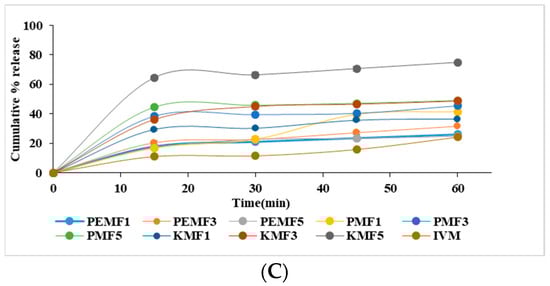
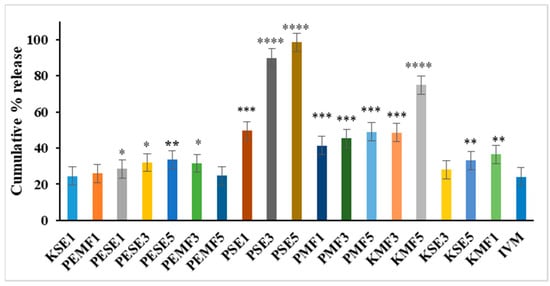
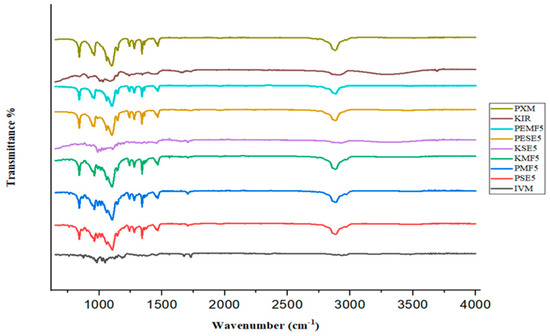
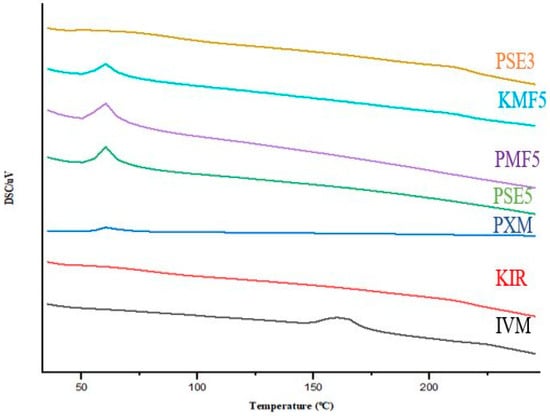
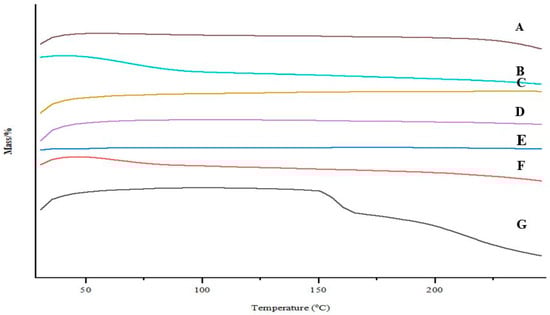
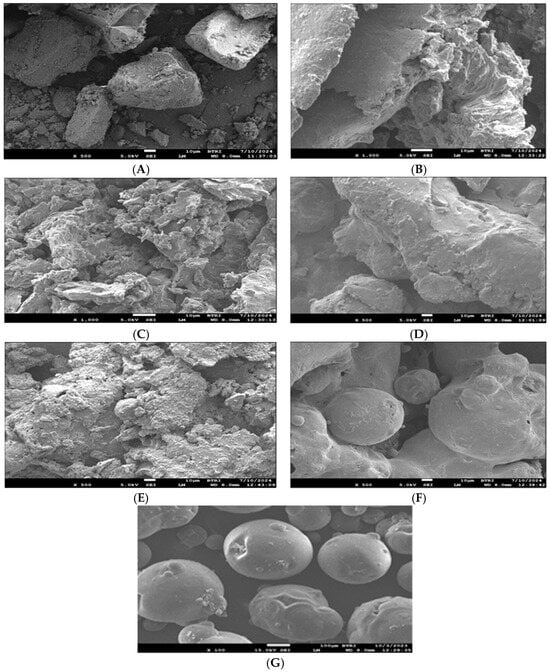
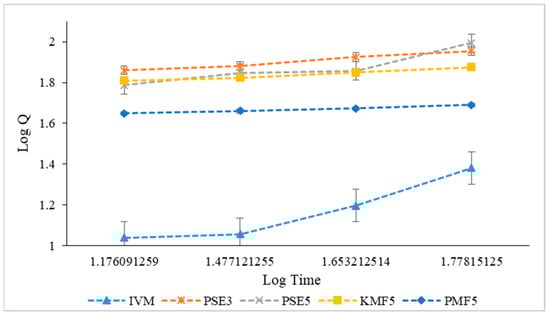
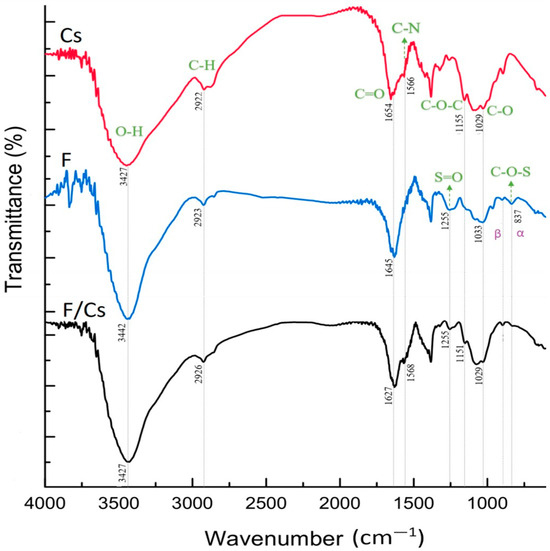
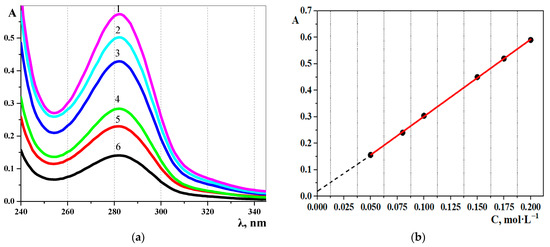
Improving the dissolution and solubility of poorly water-soluble drugs remains a major challenge in drug development. Solid dispersion (SD) techniques offer an effective strategy by which to enhance the bioavailability of BCS Class II drugs such as ivermectin (IVM). This study aimed to develop and validate stability-indicating analytical methods for the quantification of IVM and to evaluate the performance of the formulated SDs. A novel RP-HPLC and a UV spectrophotometric method were developed and validated in accordance with ICH guidelines. IVM SDs were prepared via physical mixing (PM), solvent evaporation (SE), and melt fusion (MF) using Poloxamer 188, Kollicoat® IR, and PEG 6000 at respective ratios of 1:1, 1:3, and 1:5. Dissolution studies showed a marked enhancement in drug release from SDs prepared by SE and MF methods compared with pure IVM. Among all formulations, the Poloxamer 188-based binary SD prepared by the SE method at a 1:5 ratio exhibited the highest dissolution (98.55% at 60 min), with release kinetics following anomalous (non-Fickian) transport (n = 0.681) according to the Korsmeyer–Peppas model. Solid-state characterization evidenced by FTIR, DSC, TGA, and SEM confirmed the transformation of IVM from its crystalline form to an amorphous state. Future studies will focus on the in vivo evaluation of the optimized IVM SD formulations.
Full article
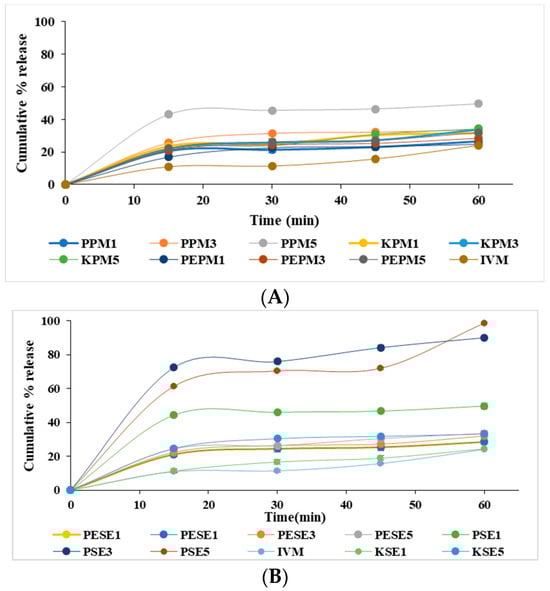
Figure 1