



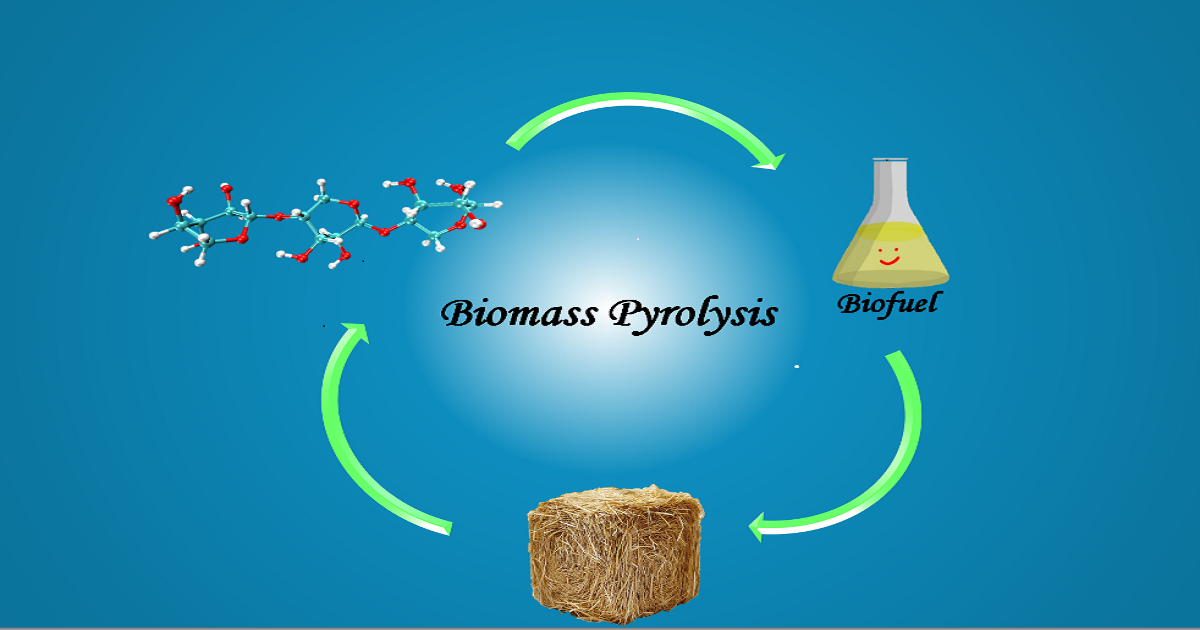
Biomass Pyrolysis Characterization and Energy Utilization

A Special Issue of Processes (ISSN 2227-9717) belonging to the section "Energy Systems".

Deadline for manuscript submissions: 30 January 2027 | Viewed by 12089
Editors


E-Mail Website
Guest Editor
School of Physics, Trinity College Dublin, D02 PN40 Dublin, Ireland
Interests: polymer science; material science; biomaterials; organic chemistry; physical chemistry; kinetic modeling; machine learning
Special Issues, Collections and Topics in MDPI journals

E-Mail Website
Guest Editor
Facultad de Ingeniería, Universidad de San Sebastián, Santiago 8420524, Chile
Interests: organic synthesis; physical chemistry; thermal-induced reactions; chemical reactivity; organic chemistry; density functional theory; algorithm development; topology

Special Issue Information

Dear Colleagues,

Biomass pyrolysis is a rapidly advancing field attracting growing attention from both academia and industry because this thermal process converts organic residues into valuable chemicals and fuels. This highlights the potential of biomass as an abundant and renewable source of carbon and hydrogen; it is estimated to provide up to 147 exajoules by 2030, which is equivalent to approximately 36% of current global energy consumption.

Despite the significant progress made, the commercial deployment of sustainable bioproducts, such as advanced biofuels, remains limited. Key challenges include multi-scale complexities, the absence of unified kinetic models, limitations in experimental tools for product detection and identification, and a fundamental lack of understanding regarding catalytic effects and interactions among the primary biomass components (cellulose, hemicellulose, and lignin).

This Special Issue aims to consolidate recent breakthroughs in biomass pyrolysis and energy utilization, advancing the current state-of-the-art by compiling pioneering theoretical insights and engineering applications. We warmly invite original research articles and reviews that explore advances across a wide range of disciplines, including but not limited to the following topics:

  • Quantum and molecular mechanics approaches.
  • Thermogravimetric analysis and pyrolysis kinetics.
  • Mass spectrometry and product characterization.
  • Machine learning frameworks for reaction prediction and modeling.

Through this initiative, we seek to foster interdisciplinary collaboration and accelerate innovation in the development of sustainable, bio-based energy solutions.  

Dr. Leandro Ayarde-Henríquez
Prof. Dr. Eduardo Chamorro
Guest Editors

Manuscript Submission Information

Manuscripts should be submitted online at www.mdpi.com by registering and logging in to this website. Once you are registered, click here to go to the submission form. Manuscripts can be submitted until the deadline. All submissions that pass pre-check are peer-reviewed. Accepted papers will be published continuously in the journal (as soon as accepted) and will be listed together on the special issue website. Research articles, review articles as well as short communications are invited. For planned papers, a title and short abstract (about 250 words) can be sent to the Editorial Office for assessment.

Submitted manuscripts should not have been published previously, nor be under consideration for publication elsewhere (except conference proceedings papers). All manuscripts are thoroughly refereed through a single-anonymized peer-review process. A guide for authors and other relevant information for submission of manuscripts is available on the Instructions for Authors page. Processes is an international peer-reviewed open access semimonthly journal published by MDPI.

Please visit the Instructions for Authors page before submitting a manuscript. The Article Processing Charge (APC) for publication in this open access journal is 2400 CHF (Swiss Francs). Submitted papers should be well formatted and use good English. Authors may use MDPI's English editing service prior to publication or during author revisions.

Keywords

  • biomaterials
  • polymer science
  • clean energy production
  • pyrolysis mechanisms
  • low-carbon technologies
  • circular bio-economies
  • physical chemistry
  • algorithm development
  • kinetic modeling
  • machine learning applications

Benefits of Publishing in a Special Issue

  • Ease of navigation: Grouping papers by topic helps scholars navigate broad scope journals more efficiently.
  • Greater discoverability: Special Issues support the reach and impact of scientific research. Articles in Special Issues are more discoverable and cited more frequently.
  • Expansion of research network: Special Issues facilitate connections among authors, fostering scientific collaborations.
  • External promotion: Articles in Special Issues are often promoted through the journal's social media, increasing their visibility.
  • Reprint: MDPI Books provides the opportunity to republish successful Special Issues in book format, both online and in print.

Further information on MDPI's Special Issue policies can be found here.

Published Papers (12 papers)

Order results
Result details
Select all
Export citation of selected articles as:

Research

Jump to: Review

17 pages, 3909 KB  
Article
Development and Characterization of Biomaterials Produced with Fungal Mycelium on Agroindustrial Residues
by Ian Rangel, Gustavo Verissimo, Taila Veloso, Joana Santos, Fernando Mata, Marliane de Cassia Soares da Silva and Meirielly Jesus
Processes 2026, 14(19), 3094; https://doi.org/10.3390/pr14193094 - 27 Sep 2026
Viewed by 117
Abstract
Production of synthetic plastics has increased substantially and shows no global signs of decline despite environmental concerns; today, annual production exceeds 450 million tons. In the search for more sustainable alternatives, several approaches have been explored, including biomaterials based on fungal mycelium combined [...] Read more.
Production of synthetic plastics has increased substantially and shows no global signs of decline despite environmental concerns; today, annual production exceeds 450 million tons. In the search for more sustainable alternatives, several approaches have been explored, including biomaterials based on fungal mycelium combined with organic agricultural waste. In this study, the influence of two types of agricultural waste on the properties of a mycelium-based biocomposite was investigated. Two experiments were conducted using Pleurotus ostreatus, chopped banana leaves, coffee husks, and a 1:1 mixture of these two residues. The fungus colonized the substrates, binding the dispersed particles and giving rise to versatile materials. The colonized samples were then oven-dried, cut to size, and subjected to mechanical testing, swelling tests, scanning electron microscopy, and colorimetric analysis. The resulting materials exhibited low density, compressive strength, Young’s modulus, and swelling degree, with values ranging from 130 to 254 kg/m3, 29 to 268 Pa, 64 to 88 Pa, and 39 to 45%, respectively. The results show that the physical and mechanical properties of different types of agricultural waste strongly influence the properties of the resulting mycelium-based biocomposite, highlighting its potential for customization in sustainable applications as an alternative to synthetic plastics. Full article
(This article belongs to the Special Issue Biomass Pyrolysis Characterization and Energy Utilization)
►▼ Show Figures

Figure 1

18 pages, 1692 KB  
Article
Environmental Impact and Climate Change Mitigation of Biochar from Pyro-Gasification of Agricultural Wood Waste: A Cradle-to-Grave Study
by Nadia Cerone, Luca Contuzzi, Giuseppe Domenico Zito, Umberto Calice, Carmine Florio and Francesco Zimbardi
Processes 2026, 14(15), 2492; https://doi.org/10.3390/pr14152492 - 3 Aug 2026
Viewed by 561
Abstract
The use of biochar derived from agricultural wood waste represents a promising long-term carbon storage strategy, contributing to mitigation of climate change effects while offering agronomic benefits. This residue is considered as an appropriate material since it does not compete directly with the [...] Read more.
The use of biochar derived from agricultural wood waste represents a promising long-term carbon storage strategy, contributing to mitigation of climate change effects while offering agronomic benefits. This residue is considered as an appropriate material since it does not compete directly with the food chain. Life Cycle Assessment (LCA) is a widely recognized methodology to evaluate the potential environmental impacts associated with all the stages of the life cycle of a product, process or service. In this study, the potential environmental impact of biochar production and its application on soil have been assessed employing a cradle-to-grave approach. The biochar was produced through the pyrogasification of residual lignocellulosic biomass in a pilot-scale plant. The LCA model has been generated employing the GaBi software (LCA for experts 10.7), in accordance with ISO LCA standards and ILCD Handbook, using the experimental results collected during the test carried out in the pilot plant. Two scenarios have been discussed: a basic scenario, involving the biochar production and application on the soil, and an improved scenario, in which by-products from biochar production are used to replace energy in thermal processes. The Global Warming Potential (GWP) of biochar production resulted in −5.52 kg CO2 eq./kg of biochar including the sequestered carbon during plant growth and 1.81 kg CO2 eq./kg of biochar stored in soil and the heat recovery resulted in approximately 20 MJ/kg of biochar of avoided consumption of fossil-based fuels. These findings provide additional support to evaluate biochar potential as an environmentally beneficial solution. Full article
(This article belongs to the Special Issue Biomass Pyrolysis Characterization and Energy Utilization)
►▼ Show Figures

Figure 1

21 pages, 839 KB  
Article
Economic Assessment Comparison of Biochar and Hydrothermal Biochar Production Processes from Sargassum
by Robert W. Cheatham, Eva Shealy, Russell C. Smith and M. Toufiq Reza
Processes 2026, 14(15), 2403; https://doi.org/10.3390/pr14152403 - 25 Jul 2026
Viewed by 702
Abstract
Increasing Sargassum accumulation across the Gulf of America and the Caribbean has raised environmental, economic, and public health concerns for coastal communities. As Sargassum decomposes, it can impair tourism, aquatic ecosystems, and air quality, highlighting the need for valorization strategies that convert collected [...] Read more.
Increasing Sargassum accumulation across the Gulf of America and the Caribbean has raised environmental, economic, and public health concerns for coastal communities. As Sargassum decomposes, it can impair tourism, aquatic ecosystems, and air quality, highlighting the need for valorization strategies that convert collected Sargassum into useful products. This study evaluates two carbon-product pathways: Case 1, direct pyrolysis of dried Sargassum at 600.00 °C for 30 min; and Case 2, hydrothermal pyrolysis, in which wet Sargassum was hydrothermally carbonized at 220.00 °C for 30 min before pyrolysis. Process configurations, stream balances, capital costs, manufacturing costs, net present values (NPVs), and breakeven selling price sensitivity analyses were compared. It was seen that Case 1 outperformed Case 2, breaking even in year 5 and achieving a year 12 NPV of over 9.60 million USD, whereas Case 2 never broke even and had a year 12 NPV of −66.04 million USD. A breakeven cost sensitivity analysis showed that Case 1 was sensitive to the Sargassum acquisition cost, while Case 2 was sensitive to the hydrothermal reaction temperature. These results indicated that while direct pyrolysis was economically favorable under the modeled assumptions, hydrothermal pyrolysis could become competitive with additional environmental incentives or carbon credits. Full article
(This article belongs to the Special Issue Biomass Pyrolysis Characterization and Energy Utilization)
►▼ Show Figures

Figure 1

17 pages, 1893 KB  
Article
Analysis of the Potential for Thermochemical Utilization of Post-Production Maize Waste Through the Production of Coal Substitutes in the Pyrolysis Process
by Piotr Piersa, Szymon Szufa, Katarzyna Piersa, Olgierd Spławski and Paweł Kazimierski
Processes 2026, 14(8), 1319; https://doi.org/10.3390/pr14081319 - 21 Apr 2026
Cited by 1 | Viewed by 566
Abstract
The dynamic growth of global maize production results in the generation of large amounts of residues originating from both cultivation and processing, creating a need to develop efficient and sustainable management pathways. The aim of this study was to evaluate the feasibility of [...] Read more.
The dynamic growth of global maize production results in the generation of large amounts of residues originating from both cultivation and processing, creating a need to develop efficient and sustainable management pathways. The aim of this study was to evaluate the feasibility of utilizing selected maize-derived residues (straw, cobs, technical maize, and post-fermentation DDGS) for the production of densified solid fuels based on biochar obtained through pyrolysis at 500 °C. The study included analyses of the mineral composition of biomass and biochar, determination of biochar yield, ash content, and higher heating value (HHV). The biochar yield ranged from 30.19% to 42.49%, with the highest values obtained for DDGS (dried distillers grains with solubles). The pyrolysis process led to an increase in HHV to 25.3–32.14 MJ/kg. These values are comparable to the calorific values of hard coal. The results indicate that biochar derived from maize residues may represent a promising feedstock for the production of solid fuels with increased energy density, while the ashes generated during their combustion show potential for agricultural applications. Full article
(This article belongs to the Special Issue Biomass Pyrolysis Characterization and Energy Utilization)
►▼ Show Figures

Figure 1

18 pages, 2273 KB  
Article
Physicochemical Characterization of Biochar Sorbents Produced at Different Temperatures from Malt Spent Rootlets
by Andreas Tzachristas, Panagiota D. Natsi, Panagiota E. Politi, Nikolaos Mourgkogiannis, Ioannis D. Manariotis and Hrissi K. Karapanagioti
Processes 2026, 14(6), 1012; https://doi.org/10.3390/pr14061012 - 21 Mar 2026
Cited by 1 | Viewed by 893
Abstract
Biochars are currently proposed as soil amendments or sorbent materials. There is an extensive scientific literature that deals with biochars originating from different raw materials. However, a holistic physicochemical characterization with simple analytical techniques is needed to provide insights on the characteristics of [...] Read more.
Biochars are currently proposed as soil amendments or sorbent materials. There is an extensive scientific literature that deals with biochars originating from different raw materials. However, a holistic physicochemical characterization with simple analytical techniques is needed to provide insights on the characteristics of the biochars produced from malt spent rootlets (MSRs) and how they vary using different pyrolysis temperatures. This way, their properties can be fully understood, and they can be used for commercial purposes more effectively. Initially, the texture of the biochars were visualized by SEM and was quantified by the adsorption/desorption of nitrogen and the Brunauer, Emmett, and Teller (BET) equation. Additionally, the moisture content, the ash content and the pH of each sample were measured. Furthermore, the electrical conductivity of each sample was measured. Different techniques were used to determine the properties of carbon and of the surface functional groups (Total Carbon, XRD, ATR-FTIR) and leachable organic matter. Also, sorption of the methylene blue dye solution has been studied, which is an indication of mesopores for each biochar. Molasses number was also determined, as this is an indicator of macropores. Finally, the chlorine removal rate was determined for each type of biochar. The experiments marked that the change in mass of biochars has stopped after three hours at 50 °C in the drying oven. The measured moisture content ranged from 6 to 11%. The specific surface area of our materials, calculated through the BET equation, for low temperature biochars (e.g., 28 m2/g, at 350 °C), is much lower than that of high temperature pyrolyzed biochar (e.g., 286 m2/g, at 850 °C). The pH value ranged from 7 to 10. The electrical conductivity values of samples ranged from 800 μS/cm to 2.55 mS/cm, and these decreased during the measurement after the second wash with deionized water. Crystallinity increased with increasing pyrolysis temperature whereas the number of functional groups decreased. MSR biochars produced at temperatures equal or higher than 750 °C demonstrate different characteristics to the ones produced at lower temperatures. Full article
(This article belongs to the Special Issue Biomass Pyrolysis Characterization and Energy Utilization)
►▼ Show Figures

Figure 1

14 pages, 674 KB  
Article
Temperature-Driven Trade-Offs Between Carbon Stability and DTPA-Extractable Micronutrients in Vineyard-Pruning Biochars (NW Spain)
by Pedro Antonio Garzón-Camacho, André Fischer Sbrissia, Vanessa Álvarez-López, Antonio Paz-González and Eliana Cárdenas-Aguiar
Processes 2026, 14(5), 849; https://doi.org/10.3390/pr14050849 - 6 Mar 2026
Cited by 1 | Viewed by 658
Abstract
Sustainable management of vineyard residues through biochar production requires balancing carbon stability with agronomically relevant nutrient functionality. Pyrolysis temperature controls this trade-off by affecting carbon condensation and micronutrient availability. This study aimed to determine how pyrolysis temperatures (300 and 600 °C) govern this [...] Read more.
Sustainable management of vineyard residues through biochar production requires balancing carbon stability with agronomically relevant nutrient functionality. Pyrolysis temperature controls this trade-off by affecting carbon condensation and micronutrient availability. This study aimed to determine how pyrolysis temperatures (300 and 600 °C) govern this trade-off in vineyard-trimming biochars. The motivation focuses on optimizing carbon storage while maintaining micronutrient availability. Biochars were produced by slow pyrolysis at 300 and 600 °C for 1 h and characterized using proximate and elemental analyses, total macro- and micronutrient determination, and DTPA extraction to evaluate potentially bioavailable trace elements. The results showed that increasing temperature from 300 to 600 °C reduced yield (45.15 to 32.30%) and volatile matter (40.33 to 16.50%), while increasing fixed carbon from 55.37 to 77.33% and total carbon from 66.49 to 77.89%. Atomic ratios (H/C: 0.67 to 0.31; O/C: 0.32 to 0.18) confirmed enhanced carbon condensation at 600 °C. Regarding nutrients, although total Mn, Fe, Cu, and Zn concentrations declined at higher temperatures, their potentially bioavailable fractions (operationally defined as extractable with the chelating agent DTPA showed element-specific redistribution; Fe, Cu, and Zn extractability increased, while Mn decreased. These findings reveal a temperature-driven trade-off between carbon sequestration and micronutrient release. Full article
(This article belongs to the Special Issue Biomass Pyrolysis Characterization and Energy Utilization)
►▼ Show Figures

Graphical abstract

20 pages, 1190 KB  
Article
Compositional Group Analysis of Biocrude Oils Obtained from Swine Manure by Slow Pyrolysis
by Lenia Gonsalvesh, Stefan Marinov, Maya Stefanova, Jan Czech, Robert Carleer and Jan Yperman
Processes 2026, 14(2), 382; https://doi.org/10.3390/pr14020382 - 22 Jan 2026
Viewed by 789
Abstract
The study comprises an in-depth characterization of compositional groups of the liquid by-products obtained from the pyrolysis of swine manure at 500 °C, with the aim of providing an alternative and efficient approach for the valorisation of this waste stream, alongside with the [...] Read more.
The study comprises an in-depth characterization of compositional groups of the liquid by-products obtained from the pyrolysis of swine manure at 500 °C, with the aim of providing an alternative and efficient approach for the valorisation of this waste stream, alongside with the production of biogas and char, the latter of which can be further converted into activated carbon. Two samples were considered: de-watered cake and solid product from anaerobic digestion of swine manure. Biocrude oils were fractionated into weak acidic, strong acidic, alkaline and neutral oil fractions. Subsequently, the neutral oil fraction was separated into paraffinic–naphthenic, slightly polar and polar fractions. All fractions were analyzed by GC–MS. The major identified compositional groups were: (i) for de-watered cake: steroids (40.7%), fatty acids, FAs (23.7%) and n-alkenes/n-alkanes (23.3%); (ii) for solid product from anaerobic digestion: FAs (31.0%), phenols/methoxy phenols (26.6%), n-alkenes/n-alkanes (10.8%) and steroids (10.6%). A variety of short-chain FAs (i.e., linear saturated, mono- and di-unsaturated, cis (i-), trans (ai-), isoprenoid, phenyl alkanoic, amongst others) and methyl esters (FAMEs) were identified as well. FA distribution, nC12–nC20, was similar for both manures studied with nC16 and nC18 as major compounds. FAMEs (nC14–nC28, with even carbon number dominance) in the slightly polar fraction of both samples were accompanied by considerable amounts of oleic (nC18:1) and linoleic (nC18:2) acids, and corresponding methyl esters. Hydrocarbons, i.e., n-alkenes/n-alkanes, were in the range of nC15–nC34, with nC18 maximizing. Anaerobically digested manure has resulted in (i) an increase in the portion of longer homologues of hydrocarbons and FAMEs and (ii) the appearance of new FAs series of long chain members nC22:1–nC26:1, ω-9. The comprehensive analysis of the biocrude oils obtained from the slow pyrolysis of swine manure indicates their potential for use as biodiesel additives or as feedstock to produce value-added materials. Full article
(This article belongs to the Special Issue Biomass Pyrolysis Characterization and Energy Utilization)
►▼ Show Figures

Figure 1

14 pages, 632 KB  
Article
Substrate-Driven Differential Sensitivity of Gram-Positive and Gram-Negative Bacteria to Pine and Birch Liquid Pyrolysis Products
by Grażyna B. Dąbrowska, Marcel Antoszewski, Filip Rejman, Tomasz Jędrzejewski, Monika Bartkowiak, Zbigniew Katolik, Jakub Brózdowski, Grzegorz Cofta and Magdalena Zborowska
Processes 2026, 14(2), 344; https://doi.org/10.3390/pr14020344 - 19 Jan 2026
Viewed by 803
Abstract
Recent studies have shown that wood tar exhibits excellent potential as an additive to polymers for food packaging. In this study, we demonstrated that the differential temperature of dry pyrolysis of wood affects the antioxidant and antibacterial activities of the liquid pyrolysis products [...] Read more.
Recent studies have shown that wood tar exhibits excellent potential as an additive to polymers for food packaging. In this study, we demonstrated that the differential temperature of dry pyrolysis of wood affects the antioxidant and antibacterial activities of the liquid pyrolysis products (LPP). Birch LPP showed, on average, approximately 16% higher reducing power in the ferric-reducing antioxidant power (FRAP) assay and, on average, approximately 29% lower free radical scavenging activity than pine LPP. Thermal characterization suggests a qualitatively similar chemical composition among the tested fractions, with the 500 °C pyrolysis fraction showing the highest thermal resistance (lowest mass loss). Thermal characterization indicated similarities in the qualitative chemical composition of the tested fractions. Analyzed products demonstrated bactericidal activity against human- or plant-pathogenic bacteria and exhibited poor antimicrobial activity towards probiotic bacteria. Specifically, Lactoplantibacillus sp. and L. rhamnosus were, on average, approximately 61% and 45% less affected, respectively, compared to the most sensitive E. coli. We demonstrate apparent, predominantly substrate-driven differences in antibacterial activity, with Gram-negative bacteria being more susceptible to pine products and Gram-positive bacteria being more susceptible to birch products. Full article
(This article belongs to the Special Issue Biomass Pyrolysis Characterization and Energy Utilization)
►▼ Show Figures

Figure 1

13 pages, 2094 KB  
Article
Thermochemical Characteristics of Anaerobic Dairy Digestate and Its Pyrolysis Conversion for Producing Porous Carbon Materials
by Chi-Hung Tsai, Hervan Marion Morgan, Jr. and Wen-Tien Tsai
Processes 2025, 13(11), 3380; https://doi.org/10.3390/pr13113380 - 22 Oct 2025
Cited by 4 | Viewed by 975
Abstract
In the present study, slurry digestate from a centralized anaerobic digestion (AD) plant, designed for dairy manure treatment and biogas-to-power generation, was utilized as a precursor for the preparation of porous biochars at elevated temperatures ranging from 550 to 850 °C. Proximate analysis [...] Read more.
In the present study, slurry digestate from a centralized anaerobic digestion (AD) plant, designed for dairy manure treatment and biogas-to-power generation, was utilized as a precursor for the preparation of porous biochars at elevated temperatures ranging from 550 to 850 °C. Proximate analysis and thermogravimetric analysis (TGA) were conducted to determine the thermochemical characteristics of the dried digestate and to explain its complex nature in relation to the physicochemical properties of the resulting biochars. Despite the substantial ash content of the precursor biowaste (approximately 30 wt%), primarily composed of inorganic compounds from calcium, the pore properties of the digestate-derived biochars had an overall increasing trend with regard to rising pyrolysis temperature. Nevertheless, some inconsistencies were observed between the samples produced at 550 °C and 850 °C, which highlighted the heterogeneous and complex nature of the precursor digestate. These observations can be attributed to active pyrolysis and the charring of the lignocellulosic components. The maximum Brunauer–Emmett–Teller (BET) surface area exceeded 200 m2/g when pyrolysis was performed at 850 °C. Nitrogen (N2) adsorption–desorption isotherms and scanning electron microscopy (SEM) confirmed that the porous digestate-based biochars predominantly exhibited both type I (microporous) and type IV (mesoporous) characteristics. Furthermore, the analytical results of energy-dispersive X-ray spectroscopy (EDS) and Fourier transform infrared spectroscopy (FTIR) indicated that oxygen-containing surface functional groups on the resulting biochars were retained after pyrolysis. The surface of the digestate-based biochar was also confirmed to be negatively charged at pH > 3.2. Full article
(This article belongs to the Special Issue Biomass Pyrolysis Characterization and Energy Utilization)
►▼ Show Figures

Figure 1

25 pages, 9472 KB  
Article
Kinetic and Thermodynamic Study of Vacuum Residue Cracking over Cerium-Modified Metakaolinite Catalyst
by Osamah Basil Al-Ameri, Mohammed Alzuhairi, Zaidoon Shakor, Esther Bailón-García, Francisco Carrasco-Marín and Juan Amaro-Gahete
Processes 2025, 13(10), 3126; https://doi.org/10.3390/pr13103126 - 29 Sep 2025
Cited by 6 | Viewed by 1424
Abstract
Catalytic upgrading of vacuum residue (VR) is critical for enhancing fuel yield and reducing waste in petroleum refining. This study explores VR cracking over a novel cerium-loaded acidified metakaolinite catalyst (MKA800–20%Ce) prepared via calcination at 800 °C, acid leaching, and wet impregnation with [...] Read more.
Catalytic upgrading of vacuum residue (VR) is critical for enhancing fuel yield and reducing waste in petroleum refining. This study explores VR cracking over a novel cerium-loaded acidified metakaolinite catalyst (MKA800–20%Ce) prepared via calcination at 800 °C, acid leaching, and wet impregnation with 20 wt.% Ce. The catalyst was characterized using FTIR, BET, XRD, TGA, and GC–MS to assess structural, textural, and thermal properties. Catalytic cracking was carried out in a fixed-bed batch reactor at 350 °C, 400 °C, and 450 °C. The MKA800@Ce20% catalyst showed excellent thermal stability and surface activity, especially at higher temperatures. At 450 °C, the catalyst yielded approximately 11.72 g of total liquid product per 20 g of VR (representing a ~61% yield), with ~3.81 g of coke (~19.1%) and the rest as gaseous products (~19.2%). GC-MS analysis revealed enhanced production of light naphtha (LN), heavy naphtha (HN), and kerosene in the 400–450 °C range, with a clear temperature-dependent shift in product distribution. Structural analysis confirmed that cerium incorporation enhanced surface acidity, redox activity, and thermal stability, promoting deeper cracking and better product selectivity. Kinetics were investigated using an eight-lump first-order model comprising 28 reactions, with kinetic parameters optimized through a genetic algorithm implemented in MATLAB. The model demonstrated strong predictive accuracy taking into account the mean relative error (MRE = 9.64%) and the mean absolute error (MAE = 0.015) [MAE: It is the absolute difference between experimental and predicted values; MAE is dimensionless (reported simply as a number, not %). MRE is relative to the experimental value; it is usually expressed as a percentage (%)] across multiple operating conditions. The above findings highlight the potential of Ce-modified kaolinite-based catalysts for efficient atmospheric pressure VR upgrading and provide validated kinetic parameters for process optimization. Full article
(This article belongs to the Special Issue Biomass Pyrolysis Characterization and Energy Utilization)
►▼ Show Figures

Figure 1

Review

Jump to: Research

23 pages, 2472 KB  
Review
Biomass Pyrolysis: Recent Advances in Characterisation and Energy Utilisation
by Hamid Reza Nasriani and Maryam Nasiri Ghiri
Processes 2026, 14(8), 1321; https://doi.org/10.3390/pr14081321 - 21 Apr 2026
Cited by 3 | Viewed by 1365
Abstract
Biomass pyrolysis has emerged as a flexible platform for converting low-value residues into higher-value energy carriers (bio-oil, biochar and gas) and carbon-rich materials, with realistic potential for negative emissions when biochar is deployed in long-lived sinks. Over the last decade, three developments have [...] Read more.
Biomass pyrolysis has emerged as a flexible platform for converting low-value residues into higher-value energy carriers (bio-oil, biochar and gas) and carbon-rich materials, with realistic potential for negative emissions when biochar is deployed in long-lived sinks. Over the last decade, three developments have driven the field forward: first, a finer mechanistic understanding of devolatilization and secondary reactions; second, major improvements in analytical techniques for characterising feedstocks and products; and third, more rigorous techno-economic and life-cycle assessments that place pyrolysis in a broader energy-system context. Recent experimental work on forestry and agro-industrial residues has clarified how biomass composition, ash chemistry and operating conditions jointly govern product yields, energy content and stability. Parallel advances in GC×GC–MS, high-resolution mass spectrometry, NMR and thermogravimetric methods have shifted the discussion from bulk “bio-oil” and “char” to families of molecules and well-defined structural domains, which can be deliberately targeted by reactor and catalyst design. Data-driven models, ranging from support vector machines applied to TGA curves to ANFIS and random forests for yield prediction, are now accurate enough to support process screening and multi-objective optimisation. At the system level, commercial fast pyrolysis biorefineries report overall useful energy efficiencies on the order of 80–86%, while slow pyrolysis configurations centred on biochar can be economically viable when carbon storage and co-products are appropriately valued. Thermodynamic analyses confirm that indirect gasification via fast-pyrolysis oil sacrifices some energy and exergy efficiency relative to direct solid-biomass gasification but may offer logistical and integration advantages. This review synthesises recent work on (i) feedstock and process characterisation; (ii) state-of-the-art analytical methods for bio-oil, biochar and gas; (iii) modelling and machine-learning tools; and (iv) energy-system deployment of pyrolysis products. Throughout, the emphasis is on how characterisation and modelling inform concrete design choices and on the trade-offs that arise when pyrolysis is considered as part of a wider decarbonisation portfolio. By integrating laboratory-scale characterisation with system-level modelling, this review aligns biomass pyrolysis with several United Nations Sustainable Development Goals (SDGs). The optimisation of thermochemical conversion pathways for forestry and agro-industrial residues directly supports SDG 7 (Affordable and Clean Energy) by enhancing the efficiency of bio-oil and syngas production. Furthermore, the deployment of biochar as a stable carbon sink for negative emissions and soil amendment addresses SDG 13 (Climate Action) and SDG 15 (Life on Land). By converting low-value waste streams into high-value energy carriers and chemicals within a circular bioeconomy framework, the research further contributes to SDG 12 (Responsible Consumption and Production) and SDG 9 (Industry, Innovation and Infrastructure). Full article
(This article belongs to the Special Issue Biomass Pyrolysis Characterization and Energy Utilization)
►▼ Show Figures

Figure 1

25 pages, 1381 KB  
Review
A Review of Thermochemical, Physical, and Chemical Conversion Pathways of Coconut and Açaí Residues: Technological Progress and Readiness Assessment
by Luis J. Cruz-Reina, Fabian Velásquez, John Espitia, Edwin Villagrán and Jader Rodríguez
Processes 2026, 14(8), 1314; https://doi.org/10.3390/pr14081314 - 21 Apr 2026
Cited by 2 | Viewed by 996
Abstract
The growing demand for sustainable energy sources has intensified research on the valorization of biomass residues as feedstocks for energy production. This scoping review provides a comprehensive analysis of recent technological approaches for converting coconut and açaí residues into energy carriers and bioenergy [...] Read more.
The growing demand for sustainable energy sources has intensified research on the valorization of biomass residues as feedstocks for energy production. This scoping review provides a comprehensive analysis of recent technological approaches for converting coconut and açaí residues into energy carriers and bioenergy products. A systematic review was conducted in accordance with the Preferred Reporting Items for Systematic Reviews and Meta-Analyses (PRISMA) guidelines. In addition to synthesizing the existing literature, this study evaluates the technology readiness level (TRL) of the reported conversion pathways based on the experimental evidence provided in the reviewed studies. The literature search was conducted using Scopus, Web of Science, and ScienceDirect, focusing on peer-reviewed publications between 2015 and 2025 that reported experimental or pilot-scale research on thermochemical, chemical, and physical conversion processes for coconut and açaí residues. The TRL assessment indicates that most technologies remain at laboratory validation stages, with only a limited number reaching pilot or prototype demonstration levels. Nevertheless, several pathways—particularly thermochemical and densification processes—show promising potential for decentralized bioenergy applications. These findings are especially relevant for regions where coconut and açaí value chains generate significant volumes of agricultural residues. Their valorization could support decentralized energy systems, improve residue management, and contribute to sustainable bioeconomy strategies. Overall, this review identifies the main technological advances, limitations, and research gaps associated with the energy conversion of coconut and açaí residues, providing insights for future technological development and deployment. Full article
(This article belongs to the Special Issue Biomass Pyrolysis Characterization and Energy Utilization)
►▼ Show Figures

Figure 1

Back to TopTop