


Journal Description
Machines
Machines
is an international, peer-reviewed, open access journal on machinery and engineering, published monthly online by MDPI. The International Federation for the Promotion of Mechanism and Machine Science (IFToMM) is affiliated with Machines and its members receive a discount on the article processing charges.
- Open Access— free for readers, with article processing charges (APC) paid by authors or their institutions.
- High Visibility: indexed within Scopus, SCIE (Web of Science), Inspec, and other databases.
- Journal Rank: JCR - Q2 (Engineering, Mechanical) / CiteScore - Q1 (Control and Optimization)
- Rapid Publication: manuscripts are peer-reviewed and a first decision is provided to authors approximately 15.9 days after submission; acceptance to publication is undertaken in 2.9 days (median values for papers published in this journal in the first half of 2026).
- Recognition of Reviewers: reviewers who provide timely, thorough peer-review reports receive vouchers entitling them to a discount on the APC of their next publication in any MDPI journal, in appreciation of the work done.
- Journal Cluster of Mechanical Manufacturing and Automation Control: Aerospace, Automation, Drones, Journal of Manufacturing and Materials Processing, Machines, Robotics and Technologies.
- Companion journals for Machines include: Industries and Precision.
Impact Factor:
3.0 (2025);
5-Year Impact Factor:
2.9 (2025)
Latest Articles
MFETA-Net: Multi-Branch Frequency Enhancement and Temporal Attention for Small-Sample Rolling Bearing Fault Diagnosis
Machines 2026, 14(8), 952; https://doi.org/10.3390/machines14080952 - 20 Aug 2026
Abstract
In practical industrial applications, rolling bearing fault samples are often scarce and costly to annotate, making small-sample fault diagnosis challenging. To address this issue, this paper proposes a frequency-aware time–frequency representation learning framework, named Multi-branch Frequency Enhancement Temporal Attention Network (MFETA-Net). In the
[...] Read more.
In practical industrial applications, rolling bearing fault samples are often scarce and costly to annotate, making small-sample fault diagnosis challenging. To address this issue, this paper proposes a frequency-aware time–frequency representation learning framework, named Multi-branch Frequency Enhancement Temporal Attention Network (MFETA-Net). In the proposed framework, dual-channel vibration signals are first transformed into time–frequency representations using the Short-Time Fourier Transform (STFT). Then, a multi-branch frequency enhancement encoder is used to extract local frequency-band patterns, cross-band correlations, and frequency variation features. A temporal-frequency dependency modeling mechanism preserves the correspondence between temporal positions and frequency distributions during sequential modeling, while a temporal attention aggregation module emphasizes diagnostically important regions. Extensive experiments on the CWRU and HUST bearing datasets show that MFETA-Net achieves accuracies of 77.26% and 79.60% under the smallest training setting, respectively, indicating its capability to learn discriminative fault representations from limited labeled samples. Ablation studies further verify the effectiveness of each proposed module, while noise experiments confirm the robustness of the proposed framework under controlled noisy conditions.
Full article
(This article belongs to the Section Machines Testing and Maintenance)
►
Show Figures
Open AccessArticle
A Transferable Sensitivity-Analysis Protocol for Evolutionary Multi-Objective Optimisation in Surrogate-Based Engineering Design: Validation on Synthetic Benchmarks and Enclosed Screw Conveyors
by
Suphatchakorn Limhengha and Supattarachai Sudsawat
Machines 2026, 14(8), 951; https://doi.org/10.3390/machines14080951 - 19 Aug 2026
Abstract
Applied engineering studies that use evolutionary multi-objective optimisation (MOO) rarely report confidence bounds on the Pareto-optimal solutions they recommend. This paper presents a four-stage sensitivity-analysis protocol that supplies them: cross-algorithm benchmarking, Friedman and Bonferroni-corrected Wilcoxon testing, hyperparameter sensitivity analysis, and ISO/IEC GUM-compliant uncertainty
[...] Read more.
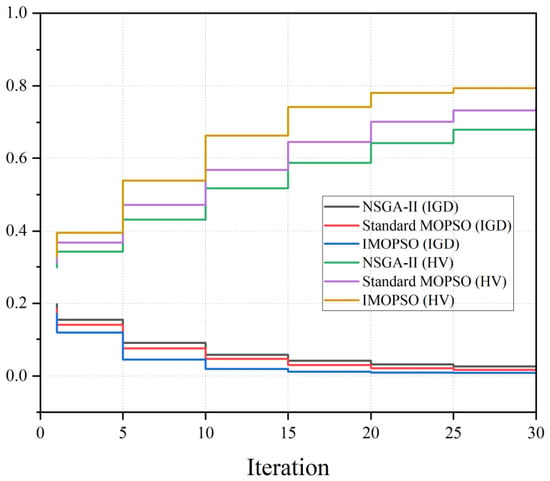
Applied engineering studies that use evolutionary multi-objective optimisation (MOO) rarely report confidence bounds on the Pareto-optimal solutions they recommend. This paper presents a four-stage sensitivity-analysis protocol that supplies them: cross-algorithm benchmarking, Friedman and Bonferroni-corrected Wilcoxon testing, hyperparameter sensitivity analysis, and ISO/IEC GUM-compliant uncertainty propagation. The protocol is first validated on the ZDT1, ZDT3 and DTLZ2 benchmarks (n = 2–12 decision variables), then demonstrated on an enclosed screw-conveyor design using Discrete Element Method (DEM) surrogates built by Response Surface Methodology (RSM). On the benchmarks, it correctly identified both algorithmic equivalence (MOGA and NSGA-II indistinguishable on four of five instances) and MOEA/D’s characteristic weakness on the disconnected ZDT3 front, whose hypervolume degraded most with dimensionality. For the engineering case, MOGA matched NSGA-II (p = 0.47–0.79) and remained within 0.5% hypervolume of SMS-EMOA over 12 runs, while hyperparameter variation stayed below 1% (max CV = 0.962%). DEM achieved 8.2% mean absolute percentage error for mass flow rate across 42 CCD operating conditions. The MOGA-optimised 100 mm pitch (4.86°, 138.86 rpm) delivered 0.416 kg/s at 6.95 N·m, a specific energy consumption of 0.0675 kWh/tonne and a 63.0% reduction against the 75 mm baseline.
Full article
(This article belongs to the Section Machine Design and Theory)
►▼
Show Figures

Figure 1
Open AccessReview
Artificial Intelligence for Autonomous Mobile Robots in IR4.0–IR6.0: A Unified Review from Perception and Visual Servoing to Decision-Making
by
Montaser N. A. Ramadan, Mohammed A. H. Ali and Nik Nazri Nik Ghazali
Machines 2026, 14(8), 950; https://doi.org/10.3390/machines14080950 - 19 Aug 2026
Abstract
Reviews of artificial intelligence (AI) for mobile robots usually cover one competence—perception, SLAM, path planning, control, or reinforcement learning—and rarely show how these combine into a working system. We take the opposite view and treat autonomy as one pipeline: sensing, perception, localization and
[...] Read more.
Reviews of artificial intelligence (AI) for mobile robots usually cover one competence—perception, SLAM, path planning, control, or reinforcement learning—and rarely show how these combine into a working system. We take the opposite view and treat autonomy as one pipeline: sensing, perception, localization and mapping, prediction, planning, visual servoing and control, high-level decision-making, and continual learning. We survey how AI has reshaped each stage for industrial and service robots across Industry 4.0, 5.0, and the emerging Industry 6.0. Using a structured, PRISMA-informed protocol with explicit search strings, inclusion criteria, and cross-embodiment transfer rules, we screen the literature, analyze a corpus drawn mainly from the last five years, and position it against prior surveys with a coverage matrix that exposes their single-block focus. Four findings stand out. Perception and localization approach engineering maturity through multimodal fusion and foundation vision models. Planning and control stay effective but computationally demanding. Decision-making, now driven by large language and vision–language–action models, is powerful yet unverifiable and fails under safety constraints. Lifelong learning is almost absent from deployed systems. The decisive weaknesses sit at the interfaces: at the perception–planning, planning–control, and control–decision handoffs the sim-to-real gap, limited on-robot compute, and scarce industrial data compound. We compare AI families by technology readiness, catalog datasets and benchmarks, examine the safety-certification barrier, and consolidate cross-cutting gaps. We close with a staged roadmap toward Industry 6.0 and a next-generation architecture coupling a foundation perception backbone, a world model and digital twin, a continual-learning memory, and a reasoning core wrapped by a safety monitor. The aim is to move from cataloging algorithms to engineering integrated autonomy.
Full article
(This article belongs to the Special Issue Visual Servoing, Path Planning and Control of Mobile Robots in IR4.0-IR6.0 Applications)
►▼
Show Figures

Figure 1
Open AccessArticle
Fuzzy Adaptive Impedance-Based Force and Position Compliance Control for Industrial Manipulators
by
Fan Yang, Ming Hu, Jinfei Bian, Dandan Liu, Yanjie Yang and Jing Yang
Machines 2026, 14(8), 949; https://doi.org/10.3390/machines14080949 - 19 Aug 2026
Abstract
When a robot performs a grinding operation, the steady-state force/position tracking accuracy of its end-effector is critical to achieving high grinding quality. To solve this problem, a fuzzy adaptive impedance method is incorporated into the robot’s compliant control framework. Firstly, the robot dynamics
[...] Read more.
When a robot performs a grinding operation, the steady-state force/position tracking accuracy of its end-effector is critical to achieving high grinding quality. To solve this problem, a fuzzy adaptive impedance method is incorporated into the robot’s compliant control framework. Firstly, the robot dynamics model is established based on the Newton–Euler method. To describe the robot dynamics more comprehensively, a linear friction compensation model is also introduced. Secondly, a dynamic feedforward trajectory-tracking controller is proposed based on the dynamic model, and its stability is verified using a Lyapunov function. The impedance parameters are adjusted in real time according to the feedback contact force and its rate of change, thereby enabling dynamic equilibrium between the end contact force and end position. This allows the robot end-effector to exhibit compliance during external environmental interactions. Finally, a control platform of a force/position compliance controller was constructed, and two grinding conditions of plane and arc were designed to validate the effectiveness of force/position compliance control based on impedance control. Compared with the fixed impedance approach, the proposed method reduces overshoot by 11.6% (plane) and 12.45% (arc), improves surface roughness from Ra 0.042 μm to Ra 0.021 μm, and achieves faster force tracking with fewer oscillations.
Full article
(This article belongs to the Section Automation and Control Systems)
►▼
Show Figures

Figure 1
Open AccessArticle
A Mamba-Driven Spatiotemporal Graph Neural Network for Fault Location in Low-Observability Active Distribution Networks
by
Zhengying Hou, Jilong Ma and Xuguang Hu
Machines 2026, 14(8), 948; https://doi.org/10.3390/machines14080948 - 19 Aug 2026
Abstract
Accurate fault location in low-observability active distribution networks is hindered by uncertain inter-node relationships, underutilized early transients, and insufficient global context. To address these challenges, this paper proposes an adaptive Mamba-driven spatiotemporal graph neural network (AM-STGNN). It provides a unified task-driven spatiotemporal representation
[...] Read more.
Accurate fault location in low-observability active distribution networks is hindered by uncertain inter-node relationships, underutilized early transients, and insufficient global context. To address these challenges, this paper proposes an adaptive Mamba-driven spatiotemporal graph neural network (AM-STGNN). It provides a unified task-driven spatiotemporal representation framework that progressively integrates fault-propagation modeling, global dependency modeling, transient-state learning, and topology-aware discriminative enhancement. Specifically, a prior-guided adaptive implicit topology is first learned to characterize task-dependent electrical coupling relationships among sparse observation nodes. Based on the resulting topology, topology-conditioned multi-order feature propagation and a dual-axis linear-attention module based on the spatiotemporal graph transformer (STGformer) are employed to capture local and global spatiotemporal dependencies. The resulting global spatiotemporal representation is subsequently processed by a Mamba selective state-space encoder to model input-dependent temporal evolution and emphasize informative fault transients. Finally, element-wise gated fusion, topology-aware differential output, and a margin constraint are employed to integrate the STGformer and Mamba representations and enhance the separability of adjacent faulted line sections with similar response characteristics. Extensive experiments demonstrate the effectiveness of AM-STGNN, while additional evaluations confirm its applicability to larger-scale networks, strongly phase-unbalanced conditions, and field-measured operating backgrounds. Robustness tests under individual and multi-level joint disturbances further demonstrate the practical relevance of the proposed architecture. Compared with the baseline models, AM-STGNN achieves consistent improvements in the macro-averaged F1 score (Macro-F1), exact accuracy, and one-hop accuracy under the clean IEEE 123-node condition. More importantly, it maintains clear performance advantages under identical mild, moderate, and severe joint disturbances, demonstrating improved robustness and practical relevance under simulated non-ideal operating conditions.
Full article
(This article belongs to the Special Issue Advances in Electrical Power System Design and Artificial Intelligence)
►▼
Show Figures

Figure 1
Open AccessArticle
A Novel Sensor Placement Method for High-Aspect-Ratio Unmanned Aerial Vehicle Wings Based on Chaotic Strengthened Aquila Optimizer
by
Pengying Xu, Yu Wang, Shaoyi Liu, Jitang Zhang, Longyang Wang, Chuanmeng Sun, Heming Zhao, Jing Han, Congsi Wang and Yan Wang
Machines 2026, 14(8), 947; https://doi.org/10.3390/machines14080947 - 18 Aug 2026
Abstract
Optimal sensor placement (OSP) is critical to building a full-lifecycle health monitoring network for high-aspect-ratio unmanned aerial vehicle wings, as it directly affects the deformation sensing of the wing shape. To address this challenge, this paper proposes a novel sensor placement method for
[...] Read more.
Optimal sensor placement (OSP) is critical to building a full-lifecycle health monitoring network for high-aspect-ratio unmanned aerial vehicle wings, as it directly affects the deformation sensing of the wing shape. To address this challenge, this paper proposes a novel sensor placement method for wings based on a chaotic strengthened aquila optimizer (CSAO) that integrates chaotic mapping and a nonlinear search strategy. Specifically, the proposed method introduces a uniform initialization strategy based on the piecewise chaotic map and a nonlinear criterion for switching between exploration and exploitation in the basic aquila optimizer (AO). These enhancements increase the diversity of the initial population and raise the probability of global search in later iterations, thereby accelerating convergence and strengthening global optimization capability. First, the performance of the CSAO is compared with that of other popular intelligent algorithms on 10 benchmark functions. The results show that the proposed method exhibits superior convergence speed, higher-quality solutions, stronger global search ability, and better robustness, making it suitable for OSP problems involving tens of thousands of candidate points. Next, the CSAO is applied to sensor placement on a wing-shaped plate. Compared with other OSP methods, the proposed method offers significant advantages in terms of sensor distribution, computational time, and hardware cost. Finally, experimental validation is conducted using a wing test platform equipped with fiber Bragg grating (FBG) strain sensors. The measurement results demonstrate that the reconstructed shape is in excellent agreement with the measured shape. Therefore, the proposed CSAO-based OSP method, combined with the FBG-based structural monitoring system, offers a promising solution for health monitoring of deformable structures in extreme environments.
Full article
(This article belongs to the Section Machine Design and Theory)
►▼
Show Figures

Graphical abstract
Open AccessArticle
Design and Simulation of an Inverted 2RPU–RPS Parallel End Effector for a Compact Maize Seeding Robot
by
Zhe Wang, Yuxian Zhang, Tao Liu, Shuofei Yang and Qingjie Wang
Machines 2026, 14(8), 946; https://doi.org/10.3390/machines14080946 - 18 Aug 2026
Abstract
Terrain-induced chassis motion can disturb the soil-entry attitude and soil engagement of seeding components on compact agricultural robots. This study develops an inverted 2RPU–RPS rallel mechanism for a maize seeding robot to regulate the end effector without levelling the entire chassis. The mechanism
[...] Read more.
Terrain-induced chassis motion can disturb the soil-entry attitude and soil engagement of seeding components on compact agricultural robots. This study develops an inverted 2RPU–RPS rallel mechanism for a maize seeding robot to regulate the end effector without levelling the entire chassis. The mechanism supports the disc opener and terminal seed tube and provides one vertical translation and two rotations. A nonlinear inverse-kinematic model, a unilateral penetration–downforce model, constrained electric-cylinder dynamics, and a coordinated feedforward–PI controller are established. The roll and pitch loops combine chassis-attitude feedforward compensation with end-effector error feedback, while the vertical loop regulates the opener downforce using a stiffness-based penetration reference and force feedback. MATLAB/Simulink simulations are conducted under isolated attitude disturbances, vertical terrain excitation, and multi-row operation. With maximum chassis roll and pitch disturbances of 4.49° and 3.35°, the end-effector RMSE values are 0.109° and 0.114°, respectively. At a prescribed downforce of 400 N, the downforce RMSE is 11.07 N and the mean disc-opener penetration is 34.99 mm. During the 300 s multi-row simulation, the mean penetration remains 34.96 mm and the downforce RMSE is 12.65 N. The results indicate that the strategy can attenuate chassis-induced disturbances and maintain stable soil engagement under the adopted modelling assumptions.
Full article
(This article belongs to the Section Robotics, Mechatronics and Intelligent Machines)
►▼
Show Figures

Figure 1
Open AccessArticle
Channel-Selective BO-Fusion-PINN for Parameter-Generalized Fault Diagnosis of Permanent Magnet Synchronous Motors
by
Xuan Chang, Jingkai Bao, Shaochi Zhang and Ruisheng Diao
Machines 2026, 14(8), 945; https://doi.org/10.3390/machines14080945 - 18 Aug 2026
Abstract
Parameter variation caused by manufacturing tolerances and thermal drift makes PMSM fault-severity estimation difficult, because motor-level offsets and fault effects are coupled in the d–q model. This paper proposes a channel-selective BO-Fusion-PINN for parameter-generalized fault diagnosis. A healthy reference window is first used
[...] Read more.
Parameter variation caused by manufacturing tolerances and thermal drift makes PMSM fault-severity estimation difficult, because motor-level offsets and fault effects are coupled in the d–q model. This paper proposes a channel-selective BO-Fusion-PINN for parameter-generalized fault diagnosis. A healthy reference window is first used to estimate motor-parameter deviations through an integral least-squares observer, avoiding neural extrapolation of these offsets. A diagnostic window is then processed by a physics-informed LSTM branch and a data-driven LSTM branch, and Bayesian optimization assigns separate fusion weights to stator-resistance degradation and permanent-magnet flux weakening. Experiments over parameter out-of-distribution buckets and non-ideal simulation settings show that the fused estimator consistently improves on either branch alone. The method is especially effective in the flux channel and remains competitive with high-capacity data baselines while preserving physical interpretability. The primary scientific contribution is an identifiability-guided fusion rule that assigns physics and data trust to each fault channel according to its statistical observability rather than through a single global weight; in practical terms, this yields a compact and interpretable estimator that transfers across the parameter-tolerance band of a machine class and can, in principle, support controlled end-of-line screening and scheduled diagnostic assessment under a matched-window acquisition protocol.
Full article
(This article belongs to the Section Machines Testing and Maintenance)
►▼
Show Figures

Figure 1
Open AccessArticle
Prediction and Optimization of Freeform Impeller Machining Parameters Using a Hybrid Taguchi-Artificial Neural Network Model with the Levenberg–Marquardt Algorithm
by
Usman Haladu Garba, Taiyong Wang, Ying Tian, Jing Kang and Chong Tian
Machines 2026, 14(8), 944; https://doi.org/10.3390/machines14080944 - 17 Aug 2026
Abstract
Freeform machining of impellers involves extended cycle times, leading to high energy consumption and costs necessitating efficient process optimization. This study develops a CAD/CAM-integrated hybrid Taguchi-Artificial Neural Network (ANN) model to optimize machining parameters for a freeform impeller. Four controllable factors, namely cutting
[...] Read more.
Freeform machining of impellers involves extended cycle times, leading to high energy consumption and costs necessitating efficient process optimization. This study develops a CAD/CAM-integrated hybrid Taguchi-Artificial Neural Network (ANN) model to optimize machining parameters for a freeform impeller. Four controllable factors, namely cutting feed ( ), feed Z ( ), retract feed ( ), and cutter diameter ( ), were investigated at five levels using an L25 orthogonal array, with machining time as the response. Taguchi analysis identified cutting feed as the most dominant factor, while retract feed was insignificant, and a first-order regression model yielded an R2 of 95.88%. A two-layer feedforward neural network with six hidden neurons achieved an R2 of 0.9999 and a mean absolute error of 0.0976 min. To rigorously validate generalization, leave-one-out cross-validation was employed, identifying three hidden neurons as optimal with a cross-validated R2 of 0.9823, RMSE of 0.5350 min, and MAE of 0.3429 min. The final model trained on all samples achieved an R2 of 0.9996. Comparison with a quadratic regression model on the same test set confirmed the superior predictive capability of the ANN ( vs. ). Optimal parameters ( , , , ) were validated through simulation, yielding a machining time of 11.05 min, representing a 52.6% reduction from 23.32 min. The hybrid Taguchi–ANN framework effectively optimizes freeform impeller machining, significantly enhancing productivity while maintaining process reliability.
Full article
(This article belongs to the Special Issue Surface Engineering Techniques in Advanced Manufacturing)
►▼
Show Figures

Figure 1
Open AccessArticle
A Remaining Useful Life Prediction Method for Aero-Engines Based on Degradation-Aware Masked Augmentation and a CNN–Transformer Hybrid Network
by
Xudong Song, Guohua Wu, Mengdan Wang, Jian Liu, Wenlin Wang, Mengchu Song, Hongxing Lu and Yue Shen
Machines 2026, 14(8), 943; https://doi.org/10.3390/machines14080943 - 17 Aug 2026
Abstract
Accurate remaining useful life (RUL) prediction is essential for condition-based maintenance and safe aero-engine operation. To address non-stationary monitoring data, limited informative degradation samples, and the difficulty of jointly modeling local degradation patterns and temporal dependencies, this study proposes a degradation-aware dynamic masking
[...] Read more.
Accurate remaining useful life (RUL) prediction is essential for condition-based maintenance and safe aero-engine operation. To address non-stationary monitoring data, limited informative degradation samples, and the difficulty of jointly modeling local degradation patterns and temporal dependencies, this study proposes a degradation-aware dynamic masking augmentation method combined with a multiscale CNN–Transformer network. The 21 sensor variables in the NASA C-MAPSS dataset are first grouped by physical meaning and reconstructed into four-dimensional state features. A degradation-state score integrating local variance and trend slope is then used to adapt temporal masking probabilities across degradation stages, while feature masking probabilities are assigned according to feature importance. Masked positions are filled with adjacent unmasked observations, and invalid augmented samples are removed through trend consistency verification. A multiscale CNN with channel attention extracts local degradation features, and a Transformer encoder captures temporal dependencies. Bayesian optimization is used to determine key hyperparameters. On FD001, the proposed method achieves an MSE of 348.3970, an MAE of 8.3908, and an R2 of 0.9227, reducing MSE and MAE by 4.27% and 28.42%, respectively, compared with ML-RFR. It also achieves the highest R2 of 0.9369 on FD003. Cross-dataset and multi-seed experiments further confirm its applicability and stability.
Full article
(This article belongs to the Section Machines Testing and Maintenance)
►▼
Show Figures

Figure 1
Open AccessReview
Evolution of No-Till Precision Seeding Equipment: From Contact-Dynamic Reshaping to Cyber–Physical System (CPS) Closed-Loop Control
by
Chirui Zhang, Yuting Dong, Jiahao Shen, Shiguo Wang, Xiaohu Guo and Zhong Tang
Machines 2026, 14(8), 942; https://doi.org/10.3390/machines14080942 - 17 Aug 2026
Abstract
No-till precision seeding is an important component of conservation tillage, but stable operation remains constrained by compacted undisturbed soil, dense crop residues, and uneven field surfaces. This review examines the evolution of no-till precision seeding equipment from mechanical soil–residue interaction to cyber–physical closed-loop
[...] Read more.
No-till precision seeding is an important component of conservation tillage, but stable operation remains constrained by compacted undisturbed soil, dense crop residues, and uneven field surfaces. This review examines the evolution of no-till precision seeding equipment from mechanical soil–residue interaction to cyber–physical closed-loop regulation. It first summarizes how soil resistance and residue interference affect furrow opening, seed placement, and seed–soil contact. It then examines the development of residue-management, furrow-opening, covering, and compaction mechanisms, highlighting the transition from passive structural optimization toward active and adaptive operation. Advances in multi-source sensing, electric-drive metering, downforce control, and vibration suppression are further reviewed as enabling technologies for improving seeding stability under variable and high-speed conditions. Despite these advances, persistent trade-offs remain among residue-removal capacity, soil disturbance, energy demand, component durability, system complexity, and operational stability. Emerging approaches based on digital twins, adaptive damping, and cooperative autonomous systems may support further improvements, but their practical implementation still requires robust field performance and effective system integration. Overall, no-till seeding equipment is progressing toward perception-assisted and closed-loop intelligent regulation while continuing to face important mechanical and implementation challenges.
Full article
(This article belongs to the Section Machine Design and Theory)
►▼
Show Figures

Figure 1
Open AccessArticle
Fault Diagnosis Method Based on Temperature Rise Detection for Switched Reluctance Motor Drive Systems in Electrical Transportation
by
Xiangsu Wang, Zhijie Zhang, Qing Wang and Yongqing Deng
Machines 2026, 14(8), 941; https://doi.org/10.3390/machines14080941 - 15 Aug 2026
Abstract
In this paper, a fault diagnosis method based on temperature rise detection is proposed for power converters in switched reluctance motor drive systems used in electrical transportation equipment. First, the total power losses of all power devices are calculated and recorded under different
[...] Read more.
In this paper, a fault diagnosis method based on temperature rise detection is proposed for power converters in switched reluctance motor drive systems used in electrical transportation equipment. First, the total power losses of all power devices are calculated and recorded under different operating conditions in both healthy and faulty states. A finite-element electrothermal model is then established to characterize the relationship between fault-induced power-loss redistribution and variations in the temperature rise of the converter devices. Based on the power-loss analysis, temperature rise is used as a key characteristic, and a corresponding fault diagnosis method is proposed. To account for the influence of operating conditions on the diagnostic criterion, three independent backpropagation neural network (BPNN) models are developed to predict fault-specific temperature-rise thresholds using rotor speed, load torque, and ambient temperature as inputs. During diagnosis, the real-time temperature evolution of the power diodes is compared with the selected thresholds to detect power converter faults. Finally, experimental results demonstrate the validity of the proposed fault diagnosis method.
Full article
(This article belongs to the Section Machines Testing and Maintenance)
►▼
Show Figures

Figure 1
Open AccessArticle
A Gated Multi-Source Signal Fusion Method for Bearing Fault Diagnosis with a Fusion Negative-Transfer Suppression Mechanism
by
Tianhao Gao, Ke Zhang, Nan Wang, Yang Hong and Shijie Wang
Machines 2026, 14(8), 940; https://doi.org/10.3390/machines14080940 - 14 Aug 2026
Abstract
Multi-source information fusion is regarded as a key approach for improving bearing fault diagnosis. However, due to the heterogeneity of multi-source information, asymmetric information contributions, and imbalanced discriminative features, negative transfer may occur during fusion. To address this issue, this paper proposes a
[...] Read more.
Multi-source information fusion is regarded as a key approach for improving bearing fault diagnosis. However, due to the heterogeneity of multi-source information, asymmetric information contributions, and imbalanced discriminative features, negative transfer may occur during fusion. To address this issue, this paper proposes a negative-transfer-suppression diagnosis framework based on physical-information guidance and adversarially disentangled representation. First, an adaptive preprocessing mechanism guided by acoustic–vibration cross-correlation and mutual information entropy is constructed to extract intrinsic cross-modal correlations, enabling source-end feature reconstruction and commonality enhancement. Second, an attention-based spatial feature extraction operator and an adversarial common-domain representation model are developed to suppress modality-specific interference and disentangle cross-modal shared features. On this basis, sparse coding is employed to fuse common-domain and modality-specific features. Furthermore, a classification effectiveness evaluation index based on fuzzy clustering is introduced into the loss function to dynamically constrain sparse coding weights, thereby reducing interference features and suppressing negative transfer under strong-noise conditions. Experimental results demonstrate that the proposed method effectively achieves the design objective that “fusion outperforms non-fusion,” exhibiting strong noise robustness and high diagnostic accuracy under complex operating conditions.
Full article
(This article belongs to the Special Issue Advanced Modeling, Dynamics and Intelligent Monitoring of Rolling Bearings)
►▼
Show Figures

Figure 1
Open AccessArticle
Design and Experimental Assessment of a Continuous Bending Under Tension (CBT) Test Device for Universal Testing Machines
by
Rafael Oliveira Santos, Abílio M. R. Borges, Humberto Pereira, Marilena C. Vincze, António B. Pereira, Pedro A. Prates and Gabriela Vincze
Machines 2026, 14(8), 939; https://doi.org/10.3390/machines14080939 - 14 Aug 2026
Abstract
Continuous bending under tension (CBT), also known as cyclic bending under tension, is an experimental deformation technique capable of achieving large plastic strains under relatively low tensile loads. However, the broader application of CBT testing remains dependent on the availability of dedicated experimental
[...] Read more.
Continuous bending under tension (CBT), also known as cyclic bending under tension, is an experimental deformation technique capable of achieving large plastic strains under relatively low tensile loads. However, the broader application of CBT testing remains dependent on the availability of dedicated experimental setups and the suitable adaptation of conventional mechanical testing systems. This study presents the design and development of a CBT testing device intended for integration with conventional universal testing machines. The proposed system consists of four main subsystems: specimen grips, a roller train, a motor system, and a supporting structure. The developed device was experimentally assessed using DP600 advanced high-strength steel and AA6022-T4 aluminum alloy sheets with nominal thicknesses of 1.5 and 2.0 mm, respectively, under selected CBT operating conditions. The system successfully performed CBT tests, enabling the acquisition of force–elongation responses, cycles to fracture, and post-test specimen observations. The experimental results reproduced the characteristic CBT response, showing significantly higher total elongation compared with uniaxial tensile testing while requiring substantially lower tensile forces. The developed device demonstrated operational and mechanical stability, providing a practical platform for laboratory-scale investigations of sheet metal deformation behavior under CBT loading conditions.
Full article
(This article belongs to the Special Issue Design and Manufacturing for Lightweight Components and Structures)
►▼
Show Figures

Figure 1
Open AccessArticle
Reinforcement Learning-Based Interactive Control of an Omnidirectional Mobile Lower Limb Rehabilitation Robot
by
Suyang Yu, Yangqing Yu and Changlong Ye
Machines 2026, 14(8), 938; https://doi.org/10.3390/machines14080938 - 14 Aug 2026
Abstract
This paper proposes a hierarchical control architecture that is established at both lower limb joint and platform levels based on a simplified admittance model, where compliance is regulated through virtual mass and damping. At the lower limb joint level, admittance control governs lower
[...] Read more.
This paper proposes a hierarchical control architecture that is established at both lower limb joint and platform levels based on a simplified admittance model, where compliance is regulated through virtual mass and damping. At the lower limb joint level, admittance control governs lower limb motion tracking, while at the platform level it adjusts the omnidirectional mobile platform velocity in response to human interaction forces. Within this framework, a Sarsa-based reinforcement learning agent dynamically optimizes the parameters of a Sigmoid function using dual state inputs. Based on hip joint angle error and human–robot interaction force, the controller dynamically adjusts virtual mass and damping to optimize the trade-off between tracking error and dynamic compliance. The simulation and experimental results on the prototype system demonstrate that, compared with traditional Sigmoid parameter-tuned admittance control, the proposed approach significantly enhances gait smoothness (dimensionless squared jerk reduced by 65.62% and 36.74% for hip and knee joints), and increases human–robot interaction compliance (RMS interaction force was reduced from 3.2502 N to 2.5109 N; EPUD decreased from 12.14 to 9.53). Moreover, the proposed strategy achieves smaller maximum overshoot (0.45° vs. 0.9°) and faster settling time (2.6 s vs. 4.59 s). These findings indicate that integrating reinforcement learning with Sigmoid parameter adaptation provides a systematic and effective solution for adaptive compliance regulation in mobile exoskeleton systems, enhancing adaptability, safety, and functional relevance for stroke patients undergoing lower limb rehabilitation training.
Full article
(This article belongs to the Section Automation and Control Systems)
►▼
Show Figures

Figure 1
Open AccessArticle
Advanced MPPT Optimization for PV Water Pumping with Battery Storage and MPC-Driven BLDC Motor via Swarm and Evolutionary Algorithms
by
Nadia Akkari, Malika Ikhlef, Tarek Berghout, Kamel Srairi, Abderazek Hammoudi and Aissa Laouissi
Machines 2026, 14(8), 937; https://doi.org/10.3390/machines14080937 - 13 Aug 2026
Abstract
Photovoltaic (PV) pumping systems offer a sustainable alternative to diesel solutions, yet their nonlinearity, intermittent irradiation, and complex motor-pump dynamics challenge energy extraction and reliability. Currently, these systems predominantly rely on classical Maximum Power Point Tracking (MPPT) algorithms such as Perturb and Observe
[...] Read more.
Photovoltaic (PV) pumping systems offer a sustainable alternative to diesel solutions, yet their nonlinearity, intermittent irradiation, and complex motor-pump dynamics challenge energy extraction and reliability. Currently, these systems predominantly rely on classical Maximum Power Point Tracking (MPPT) algorithms such as Perturb and Observe (P&O) and Incremental Conductance (INC), which suffer from slow convergence, steady-state oscillations, and an inability to track Global MPP (GMPP) under uniform irradiance variation conditions. Furthermore, existing studies typically address MPPT optimization and motor control in isolation, without considering their coupled interaction, and rarely incorporate economic viability assessments. To address these limitations, this paper proposes an innovative control architecture integrating four advanced metaheuristic MPPT techniques, namely the Genetic Algorithm (GA), Gray Wolf Optimizer (GWO), Cuckoo Search (CS) algorithm, and Horse Herd Optimization Algorithm (HOA), with Model Predictive Control (MPC) for a Brushless DC (BLDC) motor-driven pumping system, supplemented by battery storage. Comprehensive simulations were conducted under both constant and variable irradiance profiles (1000 to 500 to 1000 W/m2) to evaluate dynamic performance, tracking accuracy, and system robustness. The results demonstrate that HOA and GWO significantly outperform GA and CS, achieving superior DC bus voltage stability with ripple values below 2.4 V, faster convergence times, reduced electromagnetic torque oscillations, and enhanced MPPT efficiency exceeding 99%. Under variable irradiance, HOA exhibits the fastest stabilization with minimal overshoot and superior disturbance rejection, while GA suffers from severe oscillations and CS displays sawtooth ripple patterns. A techno-economic analysis further confirms the economic viability of the proposed system, with HOA and GWO strategies yielding lower lifecycle costs, extended converter lifespans from 5 to over 12 years, and improved return on investment compared to conventional approaches. This integrated framework offers a robust, efficient, and economically sustainable solution for autonomous PV water pumping applications.
Full article
(This article belongs to the Section Electrical Machines and Drives)
►▼
Show Figures

Figure 1
Open AccessArticle
A Unified Conditional Policy for Multi-Robot Navigation via LiDAR-to-Vision Distillation
by
Amir Mahdi Amani, Sajjad Amani and AmirHossein MajidiRad
Machines 2026, 14(8), 936; https://doi.org/10.3390/machines14080936 - 13 Aug 2026
Abstract
Mobile-robot navigation policies have typically assumed a fixed sensing input and robot platform. In this work, we investigate a teacher–student policy where teachers learn continuous velocity commands from LiDAR-based Twin Delayed Deep Deterministic Policy Gradient, and the student navigates using either LiDAR or
[...] Read more.
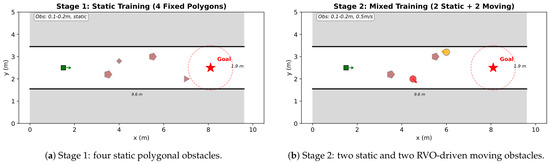
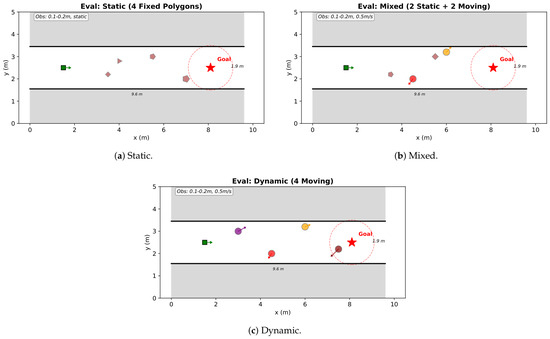
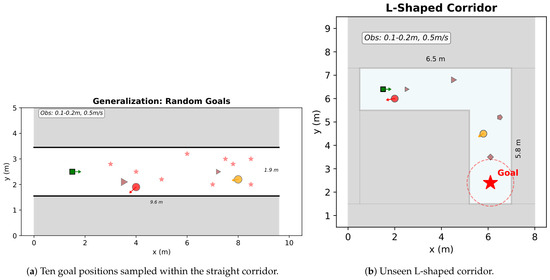
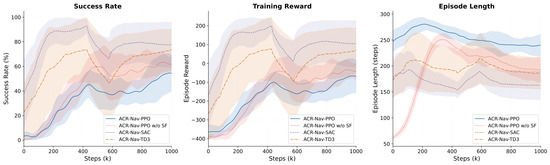
Mobile-robot navigation policies have typically assumed a fixed sensing input and robot platform. In this work, we investigate a teacher–student policy where teachers learn continuous velocity commands from LiDAR-based Twin Delayed Deep Deterministic Policy Gradient, and the student navigates using either LiDAR or camera observations. The student has two modalities with separate feature extractors. The extracted features and robot-state variables are fed into a shared encoder and actor, which map them to linear and angular velocity commands. The generalized two-platform configuration includes a Robot-ID token of scalar type. Training and evaluation were performed in ROS-Gazebo using simulated Pioneer 3-DX and TurtleBot3 Waffle robots. Robot-ID conditioning increased generalized LiDAR success to 90.4% on Pioneer 3-DX and to 91.2% on TurtleBot3 Waffle, up from 71.8% and 79.5%, and camera-based success was 87.3% and 84.0%, respectively. Across four controlled LiDAR-to-vision handover conditions, we achieved an overall success rate of 88.8-90.8%. Overall, 85.2-90.1% of the episodes that were still active at the planned switch were completed without resetting or retraining the policy. The results demonstrate that the conditioning on robot identity is very helpful for cross-platform LiDAR performance and that the shared student policy is able to continue navigation after external scheduling of the active sensing branch. The results provide a controlled, simulation-based feasibility assessment of the proposed policy architecture and establish the basis for subsequent physical robot validation.
Full article
(This article belongs to the Special Issue Rehabilitation and Assistive Robotics: Enhancing Recovery Through Innovative Device Solutions)
►▼
Show Figures

Figure 1
Open AccessArticle
Dominant Trend Identification of Electromagnetic Excitation and Analysis of Vibration and Noise Characteristics for Variable-Speed Scroll Compressors
by
Zhen Wang, Shukai Li, Xichu Wei and Wenguang Fu
Machines 2026, 14(8), 935; https://doi.org/10.3390/machines14080935 - 13 Aug 2026
Abstract
Variable-speed operation of scroll compressors is a prevailing trend for energy saving in refrigeration systems; however, complex electromagnetic excitation induces prominent vibration and noise, yet its dominant timing, spatial distribution, and action mechanism remain unclear. An electromagnetic–structural–acoustic sequential coupling model of a scroll
[...] Read more.
Variable-speed operation of scroll compressors is a prevailing trend for energy saving in refrigeration systems; however, complex electromagnetic excitation induces prominent vibration and noise, yet its dominant timing, spatial distribution, and action mechanism remain unclear. An electromagnetic–structural–acoustic sequential coupling model of a scroll compressor is established and validated at three speeds (3600–6600 rpm), and a dominance identification method integrating harmonic–modal matching, variational mode decomposition, and electromagnetic correlation identification is proposed. Predicted frequencies agree well with experiments; even-order harmonics migrate linearly with speed, with harmonic–modal matching exceeding 80% at low and medium speeds. At 5400 rpm, the 24th-order harmonic (2160 Hz) coincides with mode 2 (2162 Hz), causing resonance and a threefold amplitude increase. At low and medium speeds, vibration dominance indices range between 0.68 and 0.75, while noise dominance indices decrease from 0.55 to 0.48, dropping to 0.35 and 0.28 at 6600 rpm, indicating noise source transition. Vibration at S1 through S4 shows spatial variation, and far-field noise at F1 through F4 is non-uniform. These findings clarify how electromagnetic excitation dominates the vibration and noise of scroll compressors, providing a theoretical basis for speed-segmented and zone-specific noise source identification and control.
Full article
(This article belongs to the Section Electromechanical Energy Conversion Systems)
►▼
Show Figures

Figure 1
Open AccessArticle
A Novel Narrowband Filtering Demodulation Method Based on Adaptive Multi-Level Spectra Segmentation Strategy and Its Application in Bearing Fault Diagnosis
by
Yuxuan Wang, Jinying Huang, Hantao Liu, Siyuan Liu, Zhenfang Fan and Yaxu Niu
Machines 2026, 14(8), 934; https://doi.org/10.3390/machines14080934 - 13 Aug 2026
Abstract
Rolling bearings, as a key component of rotating machinery, require precise fault diagnosis to ensure the safe and reliable operation of industrial systems. Nevertheless, the performance of traditional narrowband filtering demodulation (NFD) methods is constrained by inherent limitations of spectral segmentation frameworks and
[...] Read more.
Rolling bearings, as a key component of rotating machinery, require precise fault diagnosis to ensure the safe and reliable operation of industrial systems. Nevertheless, the performance of traditional narrowband filtering demodulation (NFD) methods is constrained by inherent limitations of spectral segmentation frameworks and insufficient discriminative capability of feature indicators (FIs). To address these limitations, this paper proposes a new NFD method based on an adaptive multi-level spectra segmentation strategy. Firstly, using power spectral density (PSD) as the analysis basis, an iterative framework is constructed to obtain multi-level spectral trend lines (STLs), which achieves multi-perspective characterization of spectral features. Secondly, the local minimum points of the STLs are used as the segmentation boundaries to extract the demodulation frequency band. Subsequently, a robust blind feature indicator, synergistic characterization criterion (SCC), is proposed, which can simultaneously fully evaluate periodicity and impulsiveness, guiding the selection of the optimal demodulation frequency band (ODFB). Finally, based on the enhanced demodulation spectrum, power exponent transformation is introduced to construct a generalized spectral family, and the adaptive determination of the optimal transformation parameter is guided by frequency-domain signal-to-noise ratio (FDSNR), thereby obtaining the generalized enhanced demodulation spectrum (GEDS). Validation experiments on laboratory and public datasets demonstrate that the proposed method outperforms Fast Kurtogram, Autogram, and CFFsgram, with average improvements of 63.86% and 89.06% in mean-peak ratio (MPR) and fault feature coefficient (FFC), respectively, and provides a new perspective for NFD and expands its application potential in bearing fault diagnosis and condition monitoring.
Full article
(This article belongs to the Section Machines Testing and Maintenance)
►▼
Show Figures

Figure 1
Open AccessArticle
CESIgram: A Fault Feature Extraction Method for Rolling Bearings in Wind Turbine Equipment Based on Collaborative Filtering Correlation Spectrum
by
Junjie Zhu, Yang Ding, Hui Li, Bo Wang, Dongbing Su and Yonggang Xu
Machines 2026, 14(8), 933; https://doi.org/10.3390/machines14080933 - 13 Aug 2026
Abstract
To address the difficulty of extracting weak fault features of rolling bearings in wind turbines under strong background noise, a fault feature extraction method based on the collaborative filtering correlation spectrum, named CESIgram, is proposed. The collaborative filtering correlation spectrum (CFCS) based on
[...] Read more.
To address the difficulty of extracting weak fault features of rolling bearings in wind turbines under strong background noise, a fault feature extraction method based on the collaborative filtering correlation spectrum, named CESIgram, is proposed. The collaborative filtering correlation spectrum (CFCS) based on Block Matching 3D is designed to suppress random noise while preserving cyclostationary structures, resulting in a clearer cyclic spectral representation. A projection method along the cyclic frequency axis is proposed to obtain the carrier-based enhanced envelope spectrum. An integrated envelope spectrum index combining harmonic significance and periodic impact is proposed to quantify fault feature enrichment in different enhanced envelope spectra. The method works in three stages: spectral representation via Fast-SC, reformulation of the spectral correlation via CFCS, and adaptive band selection via CESI. The method successfully extracted fault characteristic frequencies and their harmonics in simulation and experimental signals under various strong noise conditions, while Fast Kurtogram, Autogram, Infogram, and Fast Entrogram failed to detect any fault-related peaks. Comparative analysis shows that the proposed method has significant advantages in noise suppression and fault feature extraction. The effectiveness is verified using simulation and experimental signals of rolling bearing faults in wind power equipment.
Full article
(This article belongs to the Special Issue Health Condition Monitoring, Intelligent Operation and Maintenance of Wind Turbines)
►▼
Show Figures

Figure 1
Journal Menu
► ▼ Journal Menu-
- Machines Home
- Aims & Scope
- Editorial Board
- Reviewer Board
- Topical Advisory Panel
- Early Career Editorial Board
- Instructions for Authors
- Special Issues
- Topics
- Sections & Collections
- Article Processing Charge
- Indexing & Archiving
- Editor’s Choice Articles
- Most Cited & Viewed
- Journal Statistics
- Journal History
- Journal Awards
- Society Collaborations
- Conferences
- Editorial Office
Journal Browser
► ▼ Journal BrowserHighly Accessed Articles
Latest Books
E-Mail Alert
News
10 August 2026
Advancing Academic Publishing with MDPI: Gold-Tier Sponsorship of the University of Alberta’s Faculty of Engineering Graduate Research Symposium (FEGRS) and Academic Publishing Workshop, 18 August 2026
Topics
Topic in
Electronics, Fluids, Machines, Micromachines, Applied Sciences
Micro-Mechatronic Engineering, 2nd Edition
Topic Editors: Teng Zhou, Antonio F. MiguelDeadline: 31 October 2026
Topic in
Applied Sciences, Electronics, J. Imaging, JMSE, Machines, Robotics, Sensors, Drones
Applications and Development of Underwater Robotics and Underwater Vision Technology, 2nd Edition
Topic Editors: Jingchun Zhou, Wenqi Ren, Qiuping Jiang, Yan-Tsung PengDeadline: 30 November 2026
Topic in
Alloys, Metals, Machines, Applied Sciences
Welding Experiment and Simulation
Topic Editors: Yuewei Ai, Jiangwei LiuDeadline: 31 December 2026
Topic in
Actuators, Automation, Electronics, Machines, Robotics, Eng, Technologies
New Trends in Robotics: Automation and Autonomous Systems
Topic Editors: Maki Habib, Fusaomi NagataDeadline: 31 January 2027
Conferences
Special Issues
Special Issue in
Machines
Digital Twins and Advanced Fault Modeling in the Condition Monitoring of Electric Machines
Guest Editor: Nur SarmaDeadline: 30 August 2026
Special Issue in
Machines
Smart Manufacturing and Industrial Automation, 2nd Edition
Guest Editor: Nand JhaDeadline: 31 August 2026
Special Issue in
Machines
Flight Control and Path Planning of Unmanned Aerial Vehicles
Guest Editors: Jonatan Alvarez Munoz, Assia BelbachirDeadline: 31 August 2026
Special Issue in
Machines
Recent Advances in 3D Printing in Industry 5.0
Guest Editors: Zbigniew Pilch, César M. A. VasquesDeadline: 31 August 2026
Topical Collections
Topical Collection in
Machines
Machines, Mechanisms and Robots: Theory and Applications
Collection Editor: Raffaele Di Gregorio