
Journal Description
Limnological Review
Limnological Review
is an international, peer-reviewed, open access journal that covers all different subdisciplines of freshwater science, published quarterly online by MDPI (from Volume 22, Issue 1 - 2023). The Polish Limnological Society is affiliated with Limnological Review and its members receive discounts on article processing charges.
- Open Access— free for readers, with article processing charges (APC) paid by authors or their institutions.
- High Visibility: indexed within Scopus, GeoRef, Inspec, CAPlus / SciFinder, and other databases.
- Journal Rank: CiteScore - Q2 (Ecology, Evolution, Behavior and Systematics)
- Rapid Publication: manuscripts are peer-reviewed and a first decision is provided to authors approximately 19.1 days after submission; acceptance to publication is undertaken in 3.2 days (median values for papers published in this journal in the first half of 2026).
- Recognition of Reviewers: APC discount vouchers, optional signed peer review, and reviewer names published annually in the journal.
- Journal Clusters of Water Resources: Water, Journal of Marine Science and Engineering, Hydrology, Resources, Oceans, Limnological Review, Coasts and Hydropower.
Latest Articles
Herbicide Effects on Phytoplankton Community Structure and Function Under Thermal Conditions Representative of the SSP2-4.5 Climate Scenario
Limnol. Rev. 2026, 26(3), 53; https://doi.org/10.3390/limnolrev26030053 - 1 Sep 2026
Abstract
►
Show Figures
The phytoplankton community, which forms the base of aquatic food webs, plays a central role in ecosystem functioning and accounts for most primary production in aquatic systems, particularly in lentic environments. However, climate change and chemical pollution, especially herbicides, pose increasing threats to
[...] Read more.
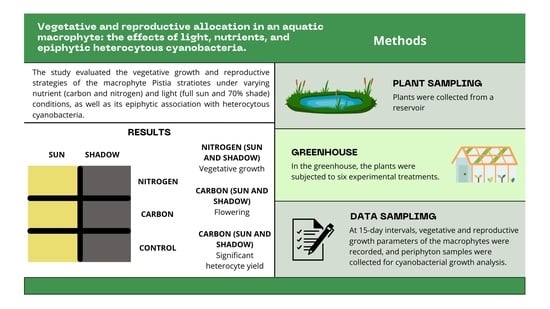
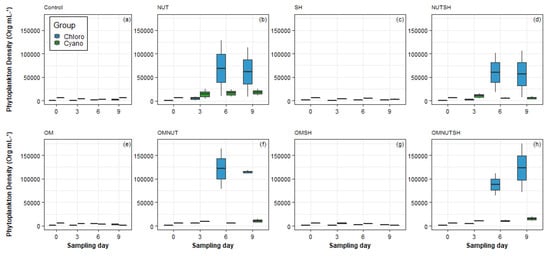
The phytoplankton community, which forms the base of aquatic food webs, plays a central role in ecosystem functioning and accounts for most primary production in aquatic systems, particularly in lentic environments. However, climate change and chemical pollution, especially herbicides, pose increasing threats to its structure and functioning. We hypothesized that herbicide exposure would alter both structural and functional attributes of the phytoplankton community, with primary production responding more strongly than community structure. This experimental study evaluated the effects of two widely used herbicides, atrazine and 2,4-D, applied individually and in combination, on a phytoplankton community maintained at a fixed elevated temperature representative of the Shared Socioeconomic Pathway SSP2-4.5 scenario described in the Sixth Assessment Report of the Intergovernmental Panel on Climate Change. Because temperature was not experimentally varied, the study was designed to assess herbicide responses under this fixed elevated thermal condition rather than warming effects or herbicide–temperature interactions. Phytoplankton samples collected from an artificial urban reservoir were exposed to six treatments, including a control, comprising different nominal concentrations of atrazine (32 and 64 µg L−1) and 2,4-D (150 and 500 µg L−1), applied alone or in mixture, in a completely randomized design with 10 independent replicates per treatment. Throughout the experiment, all samples were maintained under identical experimental conditions: a constant temperature of 31.8 °C, an irradiance of 140 µmol m−2 s−1, and a 12 h light/12 h dark photoperiod. Response variables included density, taxonomic composition, biomass (chlorophyll a), and primary production (net photosynthesis). The results showed that herbicide treatment altered taxonomic composition and was associated with a marginal response in density but had no significant effects on species richness, diversity, evenness, dominance, or biomass. In contrast, net photosynthesis was the only functional variable significantly affected by herbicide treatments, with post hoc comparisons revealing lower values in the Mixture treatment than in the 2,4-D High treatment. Overall, these findings suggest a decoupling between community structure and phytoplankton functional performance following exposure to atrazine and 2,4-D under a thermal condition representative of the SSP2-4.5 climate scenario, with net photosynthesis appearing more sensitive than conventional structural descriptors.
Full article
Open AccessArticle
From Storage to Release: How Depth, Temperature and Sediment Texture Structure Methane Partitioning in a Tropical Lake
by
Nelson Azevedo Santos Teixeira de Mello, Elisa Aguiar Porto Viana and José Fernandes Bezerra-Neto
Limnol. Rev. 2026, 26(3), 52; https://doi.org/10.3390/limnolrev26030052 - 1 Sep 2026
Abstract
►▼
Show Figures
We tested how depth-linked hydrostatic pressure, sediment temperature, and sediment texture, represented here by grain-size distribution, partition methane (CH4) between dissolved storage in sediment porewater and ebullitive release in a tropical monomictic lake. Along a shoreline-to-center transect spanning 1.5–7 m depth,
[...] Read more.
We tested how depth-linked hydrostatic pressure, sediment temperature, and sediment texture, represented here by grain-size distribution, partition methane (CH4) between dissolved storage in sediment porewater and ebullitive release in a tropical monomictic lake. Along a shoreline-to-center transect spanning 1.5–7 m depth, we measured 24-h ebullition with replicated inverted funnels over three consecutive days and quantified porewater methane from short cores while recording depth, sediment temperature, grain size, wind, and barometric pressure. Ebullition was greatest at shallow, warmer, sandier sites, whereas porewater methane accumulated at deeper, cooler sites, yielding an inverse spatial pattern of the two phases. Site-level regressions identified sand content as the strongest spatial correlate of bubbling, while porewater methane increased with depth and declined with sediment temperature. Under weak winds and near-constant barometric pressure, ebullition showed no detectable day-to-day variation over the sampled 72-h interval, indicating that between-site differences exceeded short-term temporal variability. Together, these results describe a spatially resolved storage–release pattern consistent with depth-, temperature-, and texture-related controls on methane retention and bubbling in Lake Carioca.
Full article

Figure 1
Open AccessReview
Artificial Intelligence and Edge Computing for Sustainable Smart Water-Safety Monitoring in Low-Resource Communities: A Critical Review
by
Arinao Murei and Ilunga Kamika
Limnol. Rev. 2026, 26(3), 51; https://doi.org/10.3390/limnolrev26030051 - 1 Sep 2026
Abstract
Poor water quality monitoring and delayed responses to pollution remain major challenges in low-resource areas. Traditional methods of monitoring water and wastewater resources are ineffective because they take a long time to report contamination. Therefore, this critical review aims to examine how a
[...] Read more.
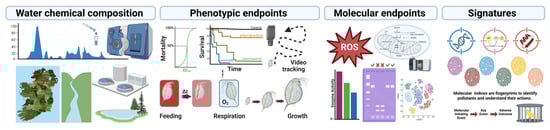
Poor water quality monitoring and delayed responses to pollution remain major challenges in low-resource areas. Traditional methods of monitoring water and wastewater resources are ineffective because they take a long time to report contamination. Therefore, this critical review aims to examine how a combination of artificial intelligence (AI) and edge computing can comprehend decentralised, real-time water quality monitoring, even in areas with limited infrastructure and internet, constrained maintenance capacity, and shortages of skilled personnel. To our knowledge, this study is a first-of-its-kind integrated framework that showcases edge AI architectures and refers to specific operational, societal, and infrastructural limitations in the water, sanitation, and hygiene (WASH) sector. The synthesis clearly shows that the implementation of edge AI techniques has the capability to improve global water quality through immediate pollution detection, disaster forecasting, and automatic filter or alarm response without the need for cloud infrastructure. The examples given from developing countries support this statement by demonstrating that the technologies are low-cost and implementable in the long term. The problem of sensor calibration, data quality, and energy efficiency was identified as the most important implementation challenge. There is enough evidence of pilot-scale tests, but long-term validation of the technology in field trials is needed. The authors also present future research directions, such as the integration of AI, edge computing, machine learning, and IoT, and open-source edge frameworks. Edge AI systems provide promising avenues for decentralised water safety surveillance in low-resource communities in real time and can support the sustainable development goals of the United Nations through the realisation of clean water and sanitation for all.
Full article
(This article belongs to the Special Issue Freshwater Microbiology and Public Health)
►▼
Show Figures

Graphical abstract
Open AccessPerspective
Lake Tourism Concepts and Practices for Tadlac Lake, Gunao Lake, and Tikub Lake
by
Bing Baltazar C. Brillo
Limnol. Rev. 2026, 26(3), 50; https://doi.org/10.3390/limnolrev26030050 - 30 Aug 2026
Abstract
►▼
Show Figures
Tadlac Lake, Gunao Lake, and Tikub Lake have embraced tourism development, but their foundations for initiation and establishment need further exploration and investigation. These small lakes are notable destinations, yet their tourism institutions hinder them. Thus, this article delves into the three small
[...] Read more.
Tadlac Lake, Gunao Lake, and Tikub Lake have embraced tourism development, but their foundations for initiation and establishment need further exploration and investigation. These small lakes are notable destinations, yet their tourism institutions hinder them. Thus, this article delves into the three small lakes in the context of Lake Tourism, defining key concepts and enumerating their fundamental components. Lake Tourism’s central idea is introduced from a politically philosophical-relativist perspective, emphasizing a subjective, qualitative stance. Methodologically, the research relies primarily on the author’s extensive research, supported by other articles, reports, and official documents, to expand tourism development scholarship. The inferences on tourism components’ impediments are: (i) Tadlac Lake has been established and functional but underutilized since it still maintains issues in achieving Lake Tourism. (ii) Gunao Lake has potential but has been dysfunctional and untapped since it intends to institute Lake Tourism but has yet to commence. (iii) Tikub Lake has been developed and is functional, but underutilized, since it is still completing its Lake Tourism. These stumbling blocks must be addressed to unlock the potential for tourism development and contribute to the municipal economy and communities in the long run. The government authorities must spearhead efforts for the three small lakes, as they often have stronger financial capacity and mechanisms. This government’s underpinning is a critical ingredient in enhancing Tadlac Lake, Gunao Lake, and Tikub Lake—to a large extent, progress in Lake Tourism continues to be defined by the actions or inactions of the municipal government. Thus, the government defines and shapes the tourism development in the three small lakes.
Full article

Figure 1
Open AccessArticle
Zooplankton Community Structure in the Paraopeba River Basin After the Brumadinho Dam Collapse
by
Luciana Pena Mello Brandão, Ludmila Silva Brighenti, João Pedro Costa Elias, Diego Guimarães Florencio Pujoni, Laura Martins Gagliardi, Alessandra Giani, Juliana da Silva Martins Pimentel, Mariana Neves Moura, Ricardo Solar, Adriano Paglia, Tiago Teixeira Dornas, Fabio Vieira and Eneida Maria Eskinazi-Sant’Anna
Limnol. Rev. 2026, 26(3), 49; https://doi.org/10.3390/limnolrev26030049 - 28 Aug 2026
Abstract
►▼
Show Figures
The Paraopeba River basin has been exposed to long-term anthropogenic pressures, including urbanization, wastewater discharge, land-use changes, and mining. These impacts were intensified by the Brumadinho tailings dam collapse in 2019, which released approximately 1.6 million m3 of iron-mining tailings into the
[...] Read more.
The Paraopeba River basin has been exposed to long-term anthropogenic pressures, including urbanization, wastewater discharge, land-use changes, and mining. These impacts were intensified by the Brumadinho tailings dam collapse in 2019, which released approximately 1.6 million m3 of iron-mining tailings into the Paraopeba River. This study evaluated spatial and temporal dynamics of zooplankton communities and their relationships with environmental gradients. Eighteen sampling campaigns were conducted at nineteen monitoring sites, integrating physicochemical variables, nutrients, and metals with biological indicators. Sampling began approximately one year after the collapse and therefore does not capture the acute response to the initial tailings pulse. During the monitoring period, zooplankton assemblages showed no marked differences between upstream and downstream areas. Community structure was more strongly associated with hydrological seasonality and ongoing anthropogenic pressures, particularly nutrient enrichment and urban effluents. Turbidity, metals, and nutrients were important environmental correlates of richness, diversity, and density. Rotifers and copepods dominated, while the invasive Kellicottia bostoniensis persisted across sites and seasons. Tributaries supported higher densities and more exclusive species, potentially reflecting differences in nutrient availability, hydrodynamic conditions, and habitat retention. Overall, hydrological dynamics and contemporary anthropogenic stressors were more closely associated with community patterns than the upstream–downstream spatial gradient.
Full article

Figure 1
Open AccessReview
The Use of Thermal and Mineral Waters for Balneological and Recreational Purposes in Poland
by
Anna Szafarczyk and Małgorzata Ulmaniec
Limnol. Rev. 2026, 26(3), 48; https://doi.org/10.3390/limnolrev26030048 - 12 Aug 2026
Abstract
►▼
Show Figures
This article discusses the use of thermal and mineral waters in Poland in balneology, rehabilitation, and recreation. It highlights their importance for health, economy, and tourism, as well as the country’s significant hydrogeothermal potential, particularly in the Carpathians, the Sudetes, and the Polish
[...] Read more.
This article discusses the use of thermal and mineral waters in Poland in balneology, rehabilitation, and recreation. It highlights their importance for health, economy, and tourism, as well as the country’s significant hydrogeothermal potential, particularly in the Carpathians, the Sudetes, and the Polish Lowlands. The authors present a classification of waters, their chemical and thermal properties, and their main applications: therapeutic baths, drinking cures, inhalations, peloidotherapy, and hydrotherapy. A significant portion of the study reviews the latest global research confirming the effectiveness of balneotherapy in the treatment of musculoskeletal and skin disorders, indicating the need for further clinical research. The paper also discusses Polish spas and recreational centers using thermal waters, pointing to their growing role in health care and wellness tourism. Limitations to the development of balneotherapy, such as high drilling costs, geological risks, and the need to maintain therapeutic water parameters, are highlighted.
Full article

Figure 1
Open AccessArticle
Decadal Shifts in Zooplankton Size Structure and Biomass in a Warming Tropical Lake
by
Peter Sanful, Radoslav Smolak, Solomon Amfoh and Asha Damoah
Limnol. Rev. 2026, 26(3), 47; https://doi.org/10.3390/limnolrev26030047 - 10 Aug 2026
Abstract
Climate warming can alter lake zooplankton through changes in thermal structure, oxygen availability, nutrient cycling, and phytoplankton dynamics, but decadal evidence from African lakes remains scarce. We compared zooplankton size structure and biomass in Lake Bosumtwi, Ghana, between 2005–2006 and 2018–2020, using harmonised
[...] Read more.
Climate warming can alter lake zooplankton through changes in thermal structure, oxygen availability, nutrient cycling, and phytoplankton dynamics, but decadal evidence from African lakes remains scarce. We compared zooplankton size structure and biomass in Lake Bosumtwi, Ghana, between 2005–2006 and 2018–2020, using harmonised historical data and recent observations of zooplankton, temperature, dissolved oxygen, nutrients, chlorophyll a, and water transparency. Water temperatures increased across all depth strata, with the largest increase in the epilimnion (+0.30 °C), while dissolved oxygen declined by approximately 27%. Epilimnetic total nitrogen, total phosphorus, and chlorophyll a increased, and water transparency decreased. Chlorophyll a rose by 142% between periods, while mean total zooplankton biomass increased 2.33-fold, mainly because of higher copepod biomass. Mean body length decreased in nauplii but increased in copepodites and adult copepods, indicating contrasting stage-specific shifts in size structure. The median zooplankton biomass-to-chlorophyll a ratio increased from 59.46 to 79.24 (Mann–Whitney U = 210, p = 0.032). Biomass differed significantly among years for copepods, rotifers, and total zooplankton, but not for cladocerans. These findings show that warmer and less oxygenated conditions with higher chlorophyll a concentrations were accompanied by a substantial increase in copepod-dominated biomass and stage-specific changes in zooplankton size structure.
Full article

(This article belongs to the Topic Water Management in the Age of Climate Change)
►▼
Show Figures

Figure 1
Open AccessArticle
Key Physicochemical and Biological Factors Associated with Chlorophyll-a Concentrations: A Machine Learning Approach
by
Mitzi Cubilla-Montilla, Marisela Castillo, Gonzalo Carrasco and Carlos A. Torres-Cubilla
Limnol. Rev. 2026, 26(3), 46; https://doi.org/10.3390/limnolrev26030046 - 9 Aug 2026
Abstract
►▼
Show Figures
Chlorophyll-a is a widely used indicator for assessing the trophic status and water quality of aquatic ecosystems because of its close relationship with phytoplankton biomass. This study aimed to identify the physicochemical, biological, and temporal variables associated with chlorophyll-a concentrations in Lake Gatun
[...] Read more.
Chlorophyll-a is a widely used indicator for assessing the trophic status and water quality of aquatic ecosystems because of its close relationship with phytoplankton biomass. This study aimed to identify the physicochemical, biological, and temporal variables associated with chlorophyll-a concentrations in Lake Gatun during the 2017–2023 period using the Light Gradient Boosting Machine (LightGBM) algorithm and a Generalized Linear Model (GLM). A total of 25 predictor variables describing water quality were analyzed using data collected from 14 monitoring stations distributed throughout Lake Gatun within the Panama Canal watershed. The LightGBM model achieved satisfactory predictive performance, with an RMSE of 4.58, an MAE of 3.26, and a coefficient of determination (R2) of 0.42 on the testing dataset. Variable importance analysis identified turbidity, dissolved oxygen, and water transparency as the most influential predictors of chlorophyll-a concentrations. These findings improve our understanding of the factors associated with chlorophyll-a variability and demonstrate the potential of machine learning models as decision-support tools for monitoring and managing aquatic ecosystems.
Full article

Figure 1
Open AccessArticle
Over Two Decades of MODIS-Derived Chlorophyll-a Phenology and Long-Term Trends in Ancient Tropical Lake Poso, Indonesia
by
I Kade Alfian Kusuma Wirayuda, Abd Rahman As-syakur, Martiwi Diah Setiawati, Tri Atmaja and Herlambang Aulia Rachman
Limnol. Rev. 2026, 26(3), 45; https://doi.org/10.3390/limnolrev26030045 - 3 Aug 2026
Abstract
►▼
Show Figures
Tropical lake ecosystems are vulnerable to degradation due to climate change and anthropogenic pressure. These dual pressures lead to ecological change and alterations in aquatic parameters, including chlorophyll-a (Chl-a). Lake Poso is the third-largest lake in Indonesia; Chl-a variability and phenology in this
[...] Read more.
Tropical lake ecosystems are vulnerable to degradation due to climate change and anthropogenic pressure. These dual pressures lead to ecological change and alterations in aquatic parameters, including chlorophyll-a (Chl-a). Lake Poso is the third-largest lake in Indonesia; Chl-a variability and phenology in this tropical lake remain understudied due to brief observational records. This study characterizes the spatiotemporal variability and phenology of Chl-a in Lake Poso, Indonesia, over two decades (2003–2025) to establish a multi-decadal baseline and detect early indications of increasing phytoplankton biomass. Chl-a was derived from combined Terra and Aqua MODIS observations processed in Google Earth Engine, followed by trend, phenological, and spatial analyses. Results reveal a significant increase in annual Chl-a and a general upward tendency across the study period. Climatological reconstruction identifies a distinct bimodal phenology, with a primary peak in December and a secondary peak in April. Interannual trends show no significant shift in Start of Season timing; however, primary peak magnitudes tend to increase (+0.079 mg m−3 yr−1), largely influenced by extreme episodic anomalies. Spatial analysis reveals heterogeneous increases in Chl-a, particularly in the central and northern zones. These findings suggest a possible early trajectory toward higher phytoplankton biomass and establish the first satellite-derived multi-decadal Chl-a baseline for Lake Poso.
Full article

Figure 1
Open AccessArticle
Floods with Debris and Anthropogenic Waste: Accounted for or Not?
by
Mila Chilikova-Luvomirova
Limnol. Rev. 2026, 26(3), 44; https://doi.org/10.3390/limnolrev26030044 - 3 Aug 2026
Abstract
►▼
Show Figures
Natural floods are unusual extreme events resulting from significant or prolonged rainfall, which sometimes turn into disasters. Trends indicate that these phenomena may become more frequent in the future. Therefore, many solutions are being implemented in practice to deal with the problem. In
[...] Read more.
Natural floods are unusual extreme events resulting from significant or prolonged rainfall, which sometimes turn into disasters. Trends indicate that these phenomena may become more frequent in the future. Therefore, many solutions are being implemented in practice to deal with the problem. In the European Union, enhanced measures have been taken, including the assessment and mapping of flood risks, triggered by the adopted legislation. Despite these solutions, flood disasters continue to occur, even in areas included in Flood Risk Management Plans but outside the territories designated as vulnerable. To investigate the reason, a study was conducted accounting for flood genesis and the role of flood debris and anthropogenic waste as a factor that can worsen the harmful impact of these events. It was considered whether there is a gap in the application of current methods and legislation. A brief review was performed concerning the physical description of the phenomenon and the evaluation methods used, accounting for the role that debris and anthropogenic waste play in them. Some main practices and applicable tools were also discussed in brief. As an illustration of the impact, a case study of a recent significant flood in Bulgaria was also presented. This flood affected an area that is not identified as at risk under the Flood Risk Management Plans developed in accordance with the European and Bulgarian legislation and requirements. The information presented here confirms the significant role that debris and anthropogenic waste play in the process of turning a flood into a disaster and highlights the need for additional work concerning their proper incorporation in both the regulation and assessment processes.
Full article

Figure 1
Open AccessArticle
New Records for the Algal Flora of Türkiye from Blanket Bogs of the Eastern Black Sea Region
by
Bülent Akar and Utku Avci
Limnol. Rev. 2026, 26(3), 43; https://doi.org/10.3390/limnolrev26030043 - 3 Aug 2026
Abstract
►▼
Show Figures
Blanket bogs are ombrotrophic peatlands where water is mainly supplied by precipitation. This study reports new algal records from blanket bogs in Türkiye, contributing to the knowledge of Türkiye’s freshwater algal flora. Algal samples were collected from five different blanket bogs located in
[...] Read more.
Blanket bogs are ombrotrophic peatlands where water is mainly supplied by precipitation. This study reports new algal records from blanket bogs in Türkiye, contributing to the knowledge of Türkiye’s freshwater algal flora. Algal samples were collected from five different blanket bogs located in the Eastern Black Sea Region of Türkiye. Samples were obtained on a monthly basis during selected months, May, July, and September in 2021, May and September in 2022, and July in 2023. A total of 50 taxa belonging to 19 genera were identified: Scytonema (1), Cavinula (1), Kobayasiella (1), Netrium (4), Closterium (3), Actinotaenium (5), Cosmarium (3), Euastrum (3), Micrasterias (2), Spondylosium (1), Staurastrum (15), Staurodesmus (2), Tetmemorus (2), Microspora (1), Characium (1), Desmodesmus (1), Trachelomonas (2), Calycimonas (1), and Opisthoaulax (1). Calycimonas and Opisthoaulax are reported as new genera for the freshwater algal flora of Türkiye. The identified taxa were predominantly observed in acidic, oligotrophic and low-conductivity waters, thereby indicating the distinctive ecological characteristics and conservation value of alpine blanket peat bogs.
Full article

Figure 1
Open AccessArticle
Persistent Eutrophication in a Tropical Endorheic Lake Driven by Sediment–Water Interactions
by
Astried Sunaryani, Prayatni Soewondo, Arianto Budi Santoso, Suharyanto, Diana Rahayuning Wulan, Sulung Nomosatryo and Aldiano Rahmadya
Limnol. Rev. 2026, 26(3), 42; https://doi.org/10.3390/limnolrev26030042 - 23 Jul 2026
Abstract
►▼
Show Figures
Eutrophication in tropical endorheic lakes often persists despite reductions in external nutrient inputs, indicating an important role of internal nutrient loading. However, integrated evidence linking thermal stratification, sediment characteristics, and sediment-derived nutrient release in tropical endorheic lakes remains limited. This study investigated the
[...] Read more.
Eutrophication in tropical endorheic lakes often persists despite reductions in external nutrient inputs, indicating an important role of internal nutrient loading. However, integrated evidence linking thermal stratification, sediment characteristics, and sediment-derived nutrient release in tropical endorheic lakes remains limited. This study investigated the mechanisms contributing to eutrophication in Lake Batur, a tropical endorheic volcanic lake in Indonesia, through seasonal water-column observations, sediment porewater profiling, diffusive nutrient flux analysis, and sediment characterization. Seasonal observations showed thermal stratification accompanied by hypoxic to anoxic bottom waters, while sediment-derived nutrient flux was dominated by ammonium and phosphate under reducing conditions. Sediment characterization at the representative sampling site revealed mineral assemblages dominated by biogenic silica, aluminosilicate clays, carbonates, and iron-bearing phases that may influence nutrient mobility under low-oxygen conditions. The results indicate strong coupling between thermal stratification, hypolimnetic oxygen depletion, and sediment–water interactions, suggesting that internal loading contributes to maintaining eutrophic conditions in Lake Batur. The endorheic nature of the lake likely enhances nutrient retention because of limited hydrological flushing and prolonged nutrient residence times. These findings improve understanding of eutrophication processes in tropical endorheic volcanic lakes and highlight the importance of considering sediment-derived internal loading together with external nutrient reduction in lake restoration strategies.
Full article

Figure 1
Open AccessArticle
Antecedent Topographic and Shoreline-Infrastructure Controls on Urban Beach Geomorphic Response to Lake Michigan Water-Level Rise
by
Christopher R. Mattheus
Limnol. Rev. 2026, 26(3), 41; https://doi.org/10.3390/limnolrev26030041 - 20 Jul 2026
Abstract
►▼
Show Figures
This paper addresses the geomorphic response of an engineered Chicago beach to a >1.5 m rise in Lake Michigan’s base water level, from 2013 to 2020. Topographic monitoring data acquired since 2012 and subsurface geophysical data collected in 2022 are integrated to explore
[...] Read more.
This paper addresses the geomorphic response of an engineered Chicago beach to a >1.5 m rise in Lake Michigan’s base water level, from 2013 to 2020. Topographic monitoring data acquired since 2012 and subsurface geophysical data collected in 2022 are integrated to explore the roles of lakefront infrastructure and beach topographic development on sedimentary dynamics, beach morphologic development, and stratigraphic architecture. While conceptual models of coastal geomorphology infer upward and landward beach-profile translation with lake-level rise, a high degree of along-shore variance occurs within pocket beaches. This stems from infrastructure-related modifications of storm hydrodynamics and scour patterns, close to shore, and backshore terrain physiography. The studied beach evolved contrary to how regional littoral drift patterns would have suggested, with erosion most severe along the embayment’s downdrift end, a product of infrastructure-induced scour and the reduced capacity for sediment retention through overwash accretion. Documented geomorphic patterns with lake-level rise are manifested in subsurface imaging data from the lake-level highstand, accordingly, providing a guide to more regional paleo-reconstruction. Great Lakes urban pocket beaches buffer shoreline infrastructure, offer recreational terrains, and support dune ecosystems of value to migrating shorebirds. Understanding their geomorphology benefits coastal managers looking to mitigate impacts of future climate and lake-level change.
Full article

Figure 1
Open AccessArticle
Sustainable Tourism Valorization of Lakes in Serbia Using the Fuzzy TOPSIS Method
by
Danijela Vukoičić, Dragan Petrović, Ljiljana Mihajlović, Dušan Kićović and Dušan Ristić
Limnol. Rev. 2026, 26(3), 40; https://doi.org/10.3390/limnolrev26030040 - 17 Jul 2026
Abstract
Lakes represent valuable natural resources with significant potential for sustainable tourism development. Their tourism valorization requires a comprehensive assessment framework that integrates environmental, infrastructural, socio-economic, and governance dimensions. This study applies the Fuzzy TOPSIS method to evaluate the sustainable tourism potential of ten
[...] Read more.
Lakes represent valuable natural resources with significant potential for sustainable tourism development. Their tourism valorization requires a comprehensive assessment framework that integrates environmental, infrastructural, socio-economic, and governance dimensions. This study applies the Fuzzy TOPSIS method to evaluate the sustainable tourism potential of ten selected lakes in Serbia. A multi-criteria framework was developed based on ten indicators, including water quality, tourism pressure and carrying capacity, biodiversity, environmental conservation, tourism infrastructure, accessibility, economic effects, and community involvement. Expert evaluations, supported by available evidence, were transformed into triangular fuzzy numbers in order to account for uncertainty and subjectivity in the assessment process. The Fuzzy TOPSIS model was used to calculate the relative closeness of each lake to the ideal solution for sustainable tourism valorization. The results reveal significant differences among the analyzed lakes. Lake Đerdap achieved the highest ranking (Ci = 0.818), followed by Lake Zaovine (Ci = 0.723), Lake Perućac (Ci = 0.644), and Lake Vlasina (Ci = 0.640), reflecting their favorable overall performance across the selected environmental, infrastructural, accessibility, and tourism-related criteria. Lower-ranked lakes were characterized by infrastructural limitations and less favorable performance in selected tourism-related criteria. The study illustrates the applicability of the Fuzzy TOPSIS approach for sustainable tourism evaluation and provides a practical framework for tourism planning, destination management, and policy-making aimed at supporting sustainable lake tourism development in Serbia.
Full article
(This article belongs to the Topic Water Management in the Age of Climate Change)
►▼
Show Figures

Figure 1
Open AccessArticle
Bioturbator Biodiversity Facets Show Differential Sensitivity to Sediment Trophic Status in Their Effects on Cross-Habitat Nutrient Cycling
by
Adriano Caliman, André Luiz dos Santos Fonseca, João José Fonseca Leal, Rafael Dettogni Guariento, Luciana Silva Carneiro and Francisco de Assis Esteves
Limnol. Rev. 2026, 26(3), 39; https://doi.org/10.3390/limnolrev26030039 - 14 Jul 2026
Abstract
►▼
Show Figures
Biodiversity loss in aquatic ecosystems is accelerating, yet whether the effects of different biodiversity facets on biogeochemical processes are consistent or environmentally contingent remains poorly understood. Benthic invertebrate bioturbators drive nutrient exchange at the sediment–water interface of shallow aquatic ecosystems, but how sediment
[...] Read more.
Biodiversity loss in aquatic ecosystems is accelerating, yet whether the effects of different biodiversity facets on biogeochemical processes are consistent or environmentally contingent remains poorly understood. Benthic invertebrate bioturbators drive nutrient exchange at the sediment–water interface of shallow aquatic ecosystems, but how sediment trophic status modulates the effects of their richness, identity, and composition on benthic–pelagic nutrient cycling is unclear. We conducted a factorial microcosm experiment using three functionally and phylogenetically distinct species—Campsurus melanocephalus (Ephemeroptera), Heteromastus similis (Polychaeta), and Heleobia australis (Gastropoda)—assembled as monocultures, bicultures, and tricultures across a gradient of sediment organic matter concentration ([OM]) representative of natural variability in a neotropical coastal lagoon. Species richness produced a consistent, saturating enhancement of NH3 fluxes that was independent of sediment trophic status, while species identity strongly differentiated monoculture effects in a pattern that was likewise stable across the [OM] gradient. In contrast, although biculture compositions did not differ from one another across the [OM] gradient, the overall magnitude of biculture-mediated NH3 fluxes increased with sediment trophic status, suggesting that multispecies assemblage effects are more responsive to environmental context than those of single species. These findings reveal that biodiversity facets diverge not only in how strongly they affect ecosystem functioning, but also in how sensitive their effects are to environmental variation. We therefore conclude that predicting benthic–pelagic nutrient exchange in shallow coastal ecosystems requires considering both the biological structure of bioturbator assemblages and the organic matter context of the sediment.
Full article
Figure 1
Open AccessReview
Ecological Functioning and Environmental Applications of Schoenoplectus californicus in Freshwater Wetlands: A Review
by
Angel Canales-Gutiérrez, Gelvi Canales-Manchuria, Jesús Miranda-Mamani, Alfredo Calatayud-Mendoza and Francely Mullisaca-Torres
Limnol. Rev. 2026, 26(3), 38; https://doi.org/10.3390/limnolrev26030038 - 11 Jul 2026
Abstract
►▼
Show Figures
Schoenoplectus californicus (C.A.Mey.) Soják is a dominant freshwater wetland macrophyte with ecological, technological, and biocultural importance. This multidisciplinary review synthesizes its ecological functioning and environmental applications through a systematized analysis of 66 studies screened by title, abstract, and full text. The literature was
[...] Read more.
Schoenoplectus californicus (C.A.Mey.) Soják is a dominant freshwater wetland macrophyte with ecological, technological, and biocultural importance. This multidisciplinary review synthesizes its ecological functioning and environmental applications through a systematized analysis of 66 studies screened by title, abstract, and full text. The literature was classified into seven thematic categories: water treatment and phytoremediation; wetland ecology, biomass, and ecosystem functioning; functional ecology, growth, and landscape connectivity; morphology, anatomy, and functional adaptation; biocultural dimensions, sustainable construction, and technological applications; nutritional and ethnobotanical uses; and cultural heritage and traditional management. Research was concentrated mainly in water treatment and phytoremediation (19 studies, 28.8%), followed by wetland ecology, biomass, and ecosystem functioning (13 studies, 19.7%) and biocultural dimensions, sustainable construction, and technological applications (13 studies, 19.7%). Functional ecology, growth, and landscape connectivity represented 5 studies (7.6%), morphology, anatomy, and functional adaptation represented 4 studies (6.1%), while nutritional and ethnobotanical uses and cultural heritage and traditional management each represented 6 studies (9.1%). Overall, the evidence shows that S. californicus is a multifunctional wetland species whose value emerges from the interaction among ecological functioning, contaminant retention, biomass production, structural adaptation, technological innovation, traditional knowledge, and biocultural continuity.
Full article
Figure 1
Open AccessCorrection
Correction: Prado et al. Dam Impact on Fish Assemblages Associated with Macrophytes in Natural and Regulated Floodplains of Pandeiros River Basin. Limnol. Rev. 2024, 24, 437–449
by
Ivo Gavião Prado, Marcela Alves de Souza, Flávia Freitas Coelho and Paulo Santos Pompeu
Limnol. Rev. 2026, 26(3), 37; https://doi.org/10.3390/limnolrev26030037 - 10 Jul 2026
Abstract
There was an error in the original publication [...]
Full article
Open AccessArticle
The Impact of Hypoxia and Salinity Regimes on Planktonic Crustaceans
by
Kacper Nowakowski and Łukasz Sługocki
Limnol. Rev. 2026, 26(3), 36; https://doi.org/10.3390/limnolrev26030036 - 7 Jul 2026
Abstract
►▼
Show Figures
Hypoxia and salinization increasingly co-occur in freshwater and estuarine ecosystems, yet their combined effects under fluctuating oxygen regimes remain poorly resolved. We experimentally quantified survival responses of four planktonic crustaceans (Daphnia magna, Daphnia longispina, Eurytemora velox, and Thermocyclops crassus)
[...] Read more.
Hypoxia and salinization increasingly co-occur in freshwater and estuarine ecosystems, yet their combined effects under fluctuating oxygen regimes remain poorly resolved. We experimentally quantified survival responses of four planktonic crustaceans (Daphnia magna, Daphnia longispina, Eurytemora velox, and Thermocyclops crassus) along a salinity gradient expressed as conductivity (0.6–7.7 mS cm−1) under two oxygen regimes: sustained hypoxia and repeated short-term hypoxia over 120 h, under standardized food-deprived conditions to isolate abiotic stress effects. Under sustained hypoxia, survival declined monotonically with decreasing oxygen in all species, with marked interspecific differences at ≤2 mg L−1. Under fluctuating oxygen conditions, survival peaked at low to intermediate salinity and declined sharply at elevated salinity, indicating a strong combined effect of oxygen limitation and salinity-related stress. Multivariate analysis identified a significant salinity × oxygen interaction, indicating that the effect of oxygen depletion on survival depended on salinity. Daphnia magna showed the highest tolerance, whereas D. longispina and E. velox were highly sensitive to elevated salinity; T. crassus showed intermediate tolerance. These results indicate that elevated salinity is associated with negative effects under both sustained and episodic hypoxia and that fluctuating oxygen regimes elicit strong combined stress responses. Our findings highlight the importance of combined abiotic stress effects when predicting zooplankton responses in oxygen-depleted and salinizing aquatic ecosystems.
Full article
Figure 1
Open AccessArticle
Seasonal and Spatial Assessment of Heavy Metal Contamination in Groundwater in the Republic of Kosovo
by
Florjana Zogaj, Tatjana Blazhevska, Fatbardh Sallaku, Rakesh Ranjan Thakur, Hazir Çadraku, Upaka Rathnayake, Debabrata Nandi, Vesna Knights, Gorica Pavlovska, Pajtim Bytyçi, Osman Fetoshi, Erinda Lika, Valentina Velkovski and Bojan Đurin
Limnol. Rev. 2026, 26(3), 35; https://doi.org/10.3390/limnolrev26030035 - 7 Jul 2026
Abstract
►▼
Show Figures
Groundwater is vital to subsurface ecosystems and to maintaining water supplies for human and environmental needs. Heavy metal pollution of water bodies poses a significant threat to environmental health and human well-being. In this paper, a detailed spatiotemporal analysis of heavy metal pollution
[...] Read more.
Groundwater is vital to subsurface ecosystems and to maintaining water supplies for human and environmental needs. Heavy metal pollution of water bodies poses a significant threat to environmental health and human well-being. In this paper, a detailed spatiotemporal analysis of heavy metal pollution at a network of 35 sampling sites is presented for the summer, autumn, and winter seasons. The water samples were analyzed based on the concentration (μg/L) of eight priority metals, such as Lead (Pb), Mercury (Hg), Cadmium (Cd), Arsenic (As), Chromium VI (Cr-VI), Copper (Cu), Zinc (Zn), as well as Iron (Fe). Measuring contamination levels, identifying space hotspots, and explaining seasonal variations were the key tasks. The results show that Fe, Zn, and Cu concentrations are consistently high across seasons, with mean values ranging from 234.3 to 253.2 µg/L (Fe), 163.2 to 175.6 µg/L (Zn), and 107.0 to 109.2 µg/L (Cu), indicating a widespread geogenic or diffuse source. The most significant seasonal deviation was observed in the fall when there were unusually high levels of Cd and Hg, with mean concentrations reaching 0.476 µg/L and 0.312 µg/L, respectively, suggesting a strong seasonal contamination event or mobilization process. The spatial analysis showed that the locations (e.g., L6, L8, L10, L28, L29) exhibited common hotspots for different metals, with maximum concentrations reaching up to 793.3 µg/L (Fe), 602.3 µg/L (Zn), and 508 µg/L (Cu). Principal Component Analysis (PCA) effectively separated seasonal trends and classified metals into anthropogenic (Pb, Cd, Hg, Cr (VI)) and geogenic/diffuse (Fe, Zn, Cu) groups. The health risk assessment indicated no significant non-carcinogenic risk, although children are more vulnerable, while arsenic levels in winter approached the upper acceptable carcinogenic limit (up to 1.1 × 10⁻⁴). Overall, the study highlights the importance of multi-seasonal monitoring by capturing temporally abrupt contamination events and provides a novel integrated framework that combines seasonal analysis, spatial hotspot identification, and multivariate techniques, distinguishing it from conventional single-season or non-integrated studies.
Full article
Figure 1
Open AccessArticle
Spatio-Temporal Patterns of Subsurface Bacterial Carbon Stock in Seven Tropical Reservoirs of Brazil
by
Alessandro Del’Duca, Layla Mayer Fonseca, Amanda Lemos de Melo, Raiza dos Santos Azevedo, Hanna Turetti Cardinot, Fábio Roland and Dionéia Evangelista Cesar
Limnol. Rev. 2026, 26(3), 34; https://doi.org/10.3390/limnolrev26030034 - 3 Jul 2026
Abstract
Bacterial density, cell morphology, and carbon stock (C stock) were quantified in seven Brazilian reservoirs (Serra da Mesa, Manso, Itumbiara, Corumbá, Furnas, Mascarenhas de Moraes, and Luis Carlos Barreto) to evaluate spatial and seasonal patterns in these tropical freshwater systems. Subsurface water samples
[...] Read more.
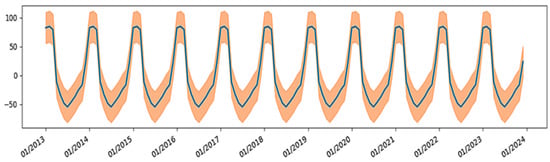
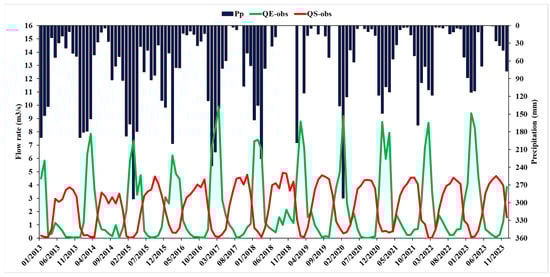
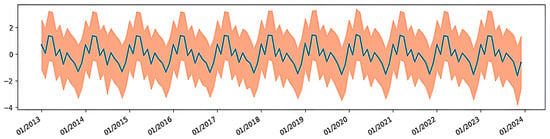
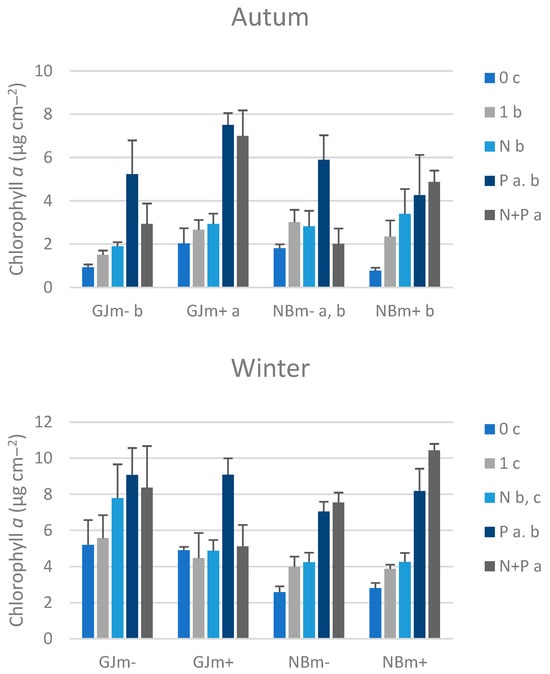
Bacterial density, cell morphology, and carbon stock (C stock) were quantified in seven Brazilian reservoirs (Serra da Mesa, Manso, Itumbiara, Corumbá, Furnas, Mascarenhas de Moraes, and Luis Carlos Barreto) to evaluate spatial and seasonal patterns in these tropical freshwater systems. Subsurface water samples were collected before, during, and after the rainy season. Bacterial density, cell volume, elongation, and biomass were determined using epifluorescence microscopy, and bacterial C stock was estimated from biomass integrated over the 0.5 m sampling depth. C stock varied among reservoirs and sampling periods, with the highest values consistently observed in the largest reservoir (Serra da Mesa, 1.9·10−5 g C). Although bacterial densities showed limited temporal variation, biomass peaked before the rainy season. Density and biomass were negatively correlated with water transparency and positively correlated with turbidity, suggesting that particle-associated organic and inorganic matter influences bacterial biomass accumulation. These findings highlight how environmental conditions shape bacterial biomass and carbon storage in tropical reservoirs, contributing to a broader understanding of microbial carbon pools in these ecosystems.
Full article
(This article belongs to the Special Issue Freshwater Microbiology and Public Health)
►▼
Show Figures

Figure 1
Highly Accessed Articles
Latest Books
E-Mail Alert
News
Topics
Topic in
Energies, Hydrology, JMSE, Remote Sensing, Water, Limnological Review
Application of Smart Technologies in Water Resources Management, 2nd Edition
Topic Editors: Elias Dimitriou, Joaquim SousaDeadline: 30 November 2026
Topic in
Agriculture, Remote Sensing, Sustainability, Water, Hydrology, Limnological Review, Earth
Water Management in the Age of Climate Change
Topic Editors: Yun Yang, Chong Chen, Hao SunDeadline: 31 January 2027
Topic in
Environments, Geosciences, Hydrology, Water, Biosphere, Limnological Review
Geological Processes: A Key to Understand Water Quality Issues
Topic Editors: Weiying Feng, Hao WangDeadline: 20 March 2027
Topic in
Energies, Hydrology, Land, Limnological Review, Water
Research on River Engineering, 2nd Edition
Topic Editors: Vlassios Hrissanthou, Mike Spiliotis, Konstantinos KaffasDeadline: 19 August 2027
Special Issues
Special Issue in
Limnological Review
Wetland Ecology: Plant Adaptations to Changing Wetland Environments
Guest Editors: Hongyu Guo, Yinhua Wang, Petre BrețcanDeadline: 31 October 2026
Special Issue in
Limnological Review
Freshwater Microbiology and Public Health
Guest Editor: Akebe Luther King AbiaDeadline: 30 November 2026