
Journal Description
International Journal of Plant Biology
is an international, peer-reviewed, open access journal on all different subdisciplines of plant biology, published monthly online by MDPI (from Volume 13, Issue 1 - 2022).
- Open Access— free for readers, with article processing charges (APC) paid by authors or their institutions.
- High Visibility: indexed within Scopus, Biological Abstracts and BIOSIS Previews (Web of Science), and other databases.
- Journal Rank: CiteScore - Q2 (Plant Science)
- Rapid Publication: manuscripts are peer-reviewed and a first decision is provided to authors approximately 17.5 days after submission; acceptance to publication is undertaken in 4.9 days (median values for papers published in this journal in the first half of 2026).
- Recognition of Reviewers: Reviewers whose reports are timely and of high quality receive an APC discount voucher for a future publication in an MDPI journal. Become a reviewer.
Latest Articles
Regional Variation in Plant Community Composition and Soil Properties of Alcea nudiflora Habitats Along an Elevational Gradient in the Trans-Ili Alatau, Kazakhstan
Int. J. Plant Biol. 2026, 17(10), 104; https://doi.org/10.3390/ijpb17100104 - 9 Oct 2026
Abstract
Wild plant populations in mountain ecosystems often depend on specific combinations of soil, vegetation and microsite conditions. Alcea nudiflora (Lindl.) Boiss. is a poorly studied Malvaceae species in Central Asia, and its population structure across different soil and vegetation conditions in the Trans-Ili
[...] Read more.
Wild plant populations in mountain ecosystems often depend on specific combinations of soil, vegetation and microsite conditions. Alcea nudiflora (Lindl.) Boiss. is a poorly studied Malvaceae species in Central Asia, and its population structure across different soil and vegetation conditions in the Trans-Ili Alatau remains insufficiently documented. We assessed three natural populations of A. nudiflora along an elevational gradient in the Trans-Ili Alatau, Kazakhstan: P1 at 900 m a.s.l., P2 at 1438 m a.s.l. and P3 at 1620 m a.s.l. Floristic composition, vegetation structure, ontogenetic stages and soil physicochemical properties were analysed using field surveys, 10 × 10 m plots, soil descriptions, laboratory analyses and exploratory ordination. P1 occurred in relatively open meadow–shrub vegetation and showed the strongest coenotic expression of A. nudiflora, with 62 individuals recorded within the 100 m2 vegetation plot and a broad representation of major ontogenetic stages. In P2, A. nudiflora remained a regular component of shrub–meadow and forest-edge vegetation, whereas in P3, the species occurred sparsely and was restricted to meadow openings, forest-edge gaps, and local microsites. Surface soil properties varied among habitats. In the upper horizon, P1 had 3.67% humus, 95.2 mg kg−1 readily hydrolysable N, 36.0 mg kg−1 available P2O5, 610 mg kg−1 available K2O, pH 8.41 and 4.28% CO2; P2 had 3.72% humus, 39.2 mg kg−1 readily hydrolysable N, 44.8 mg kg−1 available P2O5, 450 mg kg−1 available K2O, pH 8.23 and 0.54% CO2. PCA explained 37.1%, 33.8% and 9.4% of variance on PC1–PC3, summarizing gradients of nutrients, texture, carbonates and alkalinity. The results indicate that population status is associated with surface soil conditions, vegetation structure and microsite availability rather than elevation alone.
Full article
(This article belongs to the Section Plant Ecology and Biodiversity)
Open AccessArticle
Comparative Analysis of the Morphological and Anatomical Characteristics of Populus L. (Salicaceae Mirb.) Species in the West Kazakhstan Region of Kazakhstan
by
Anatoliy Raiymbek, Meruyert Kurmanbayeva, Talshen Darbayeva, Bektemir Osmonali, Andrey Klimov, Dina Karabalayeva, Svetlana Bokhorova, Dameli Uteulieva, Adil Kusmangazinov and Bagdagul Alzhanova
Int. J. Plant Biol. 2026, 17(10), 103; https://doi.org/10.3390/ijpb17100103 - 9 Oct 2026
Abstract
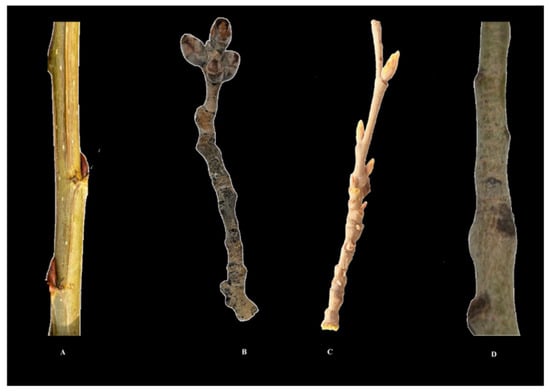
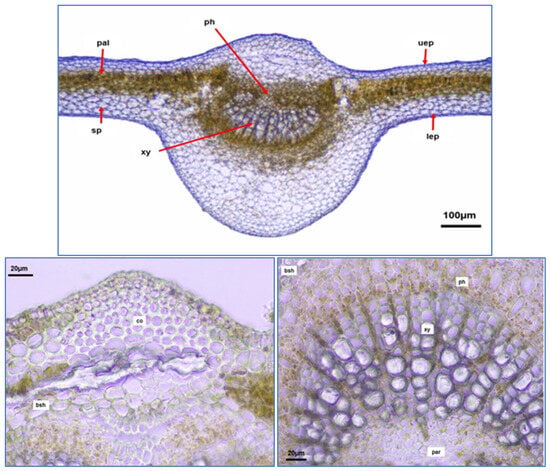
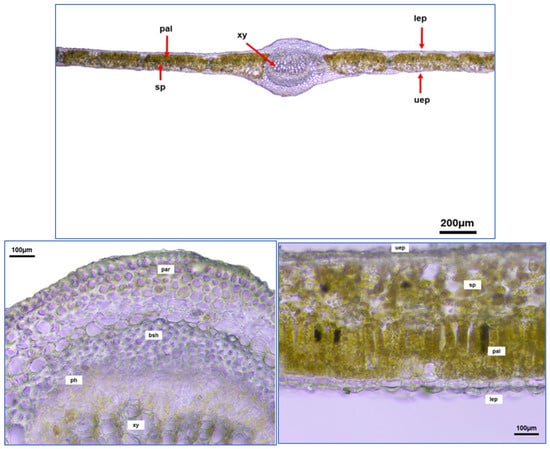
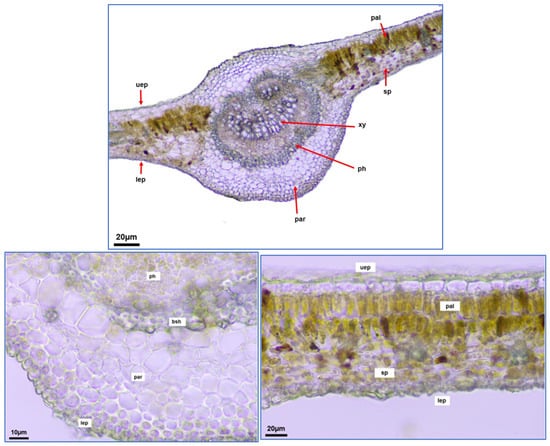
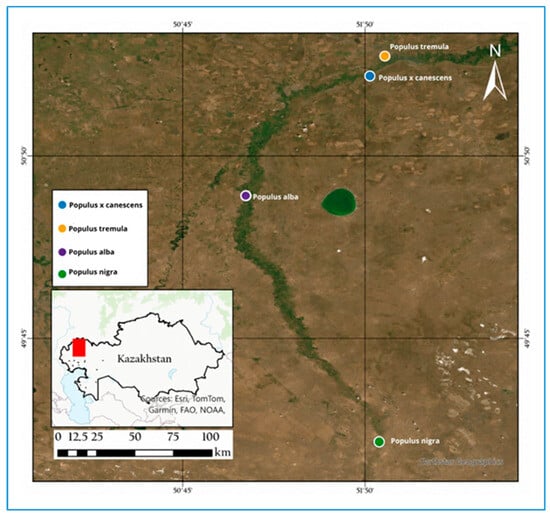
The genus Populus L. includes ecologically important woody species that occupy diverse floodplain habitats and exhibit considerable morphological and anatomical variation. The aim of this study was to comparatively assess the morphological, anatomical, and dendrometric characteristics of four Populus taxa-P. alba
[...] Read more.
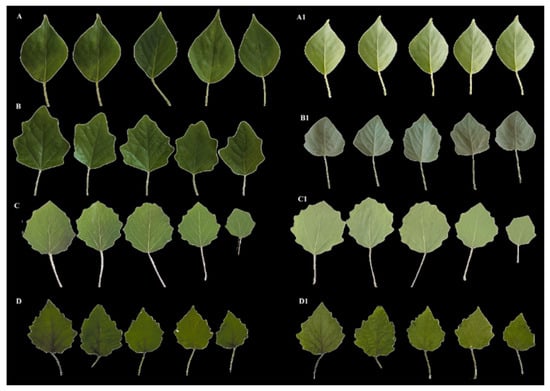
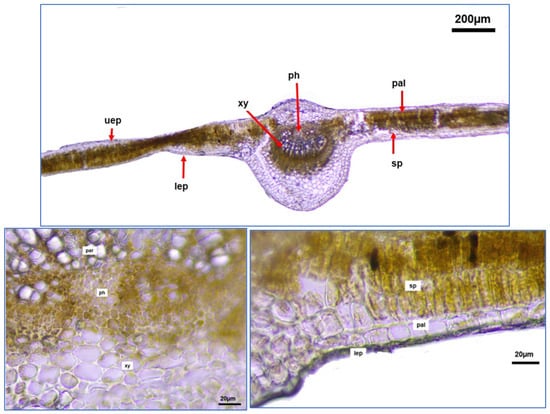
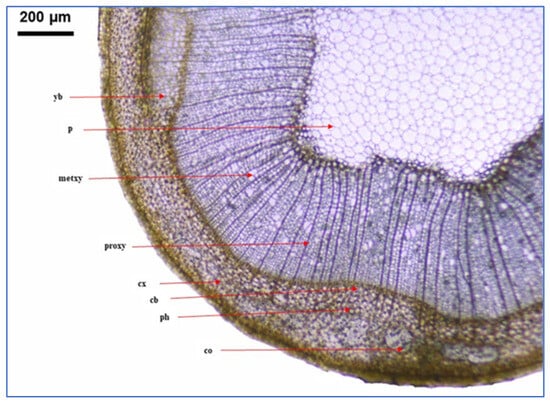
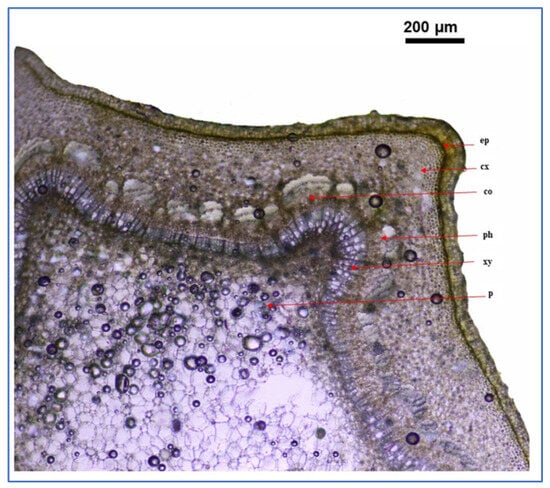
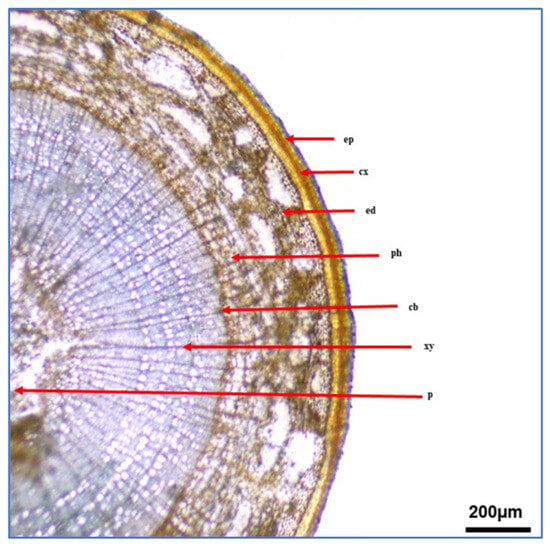
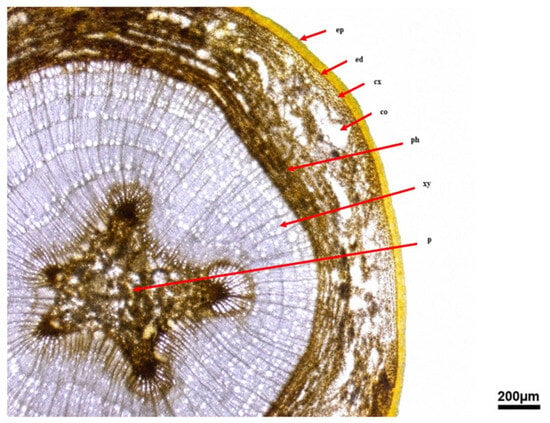
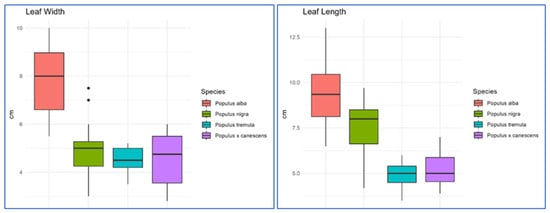
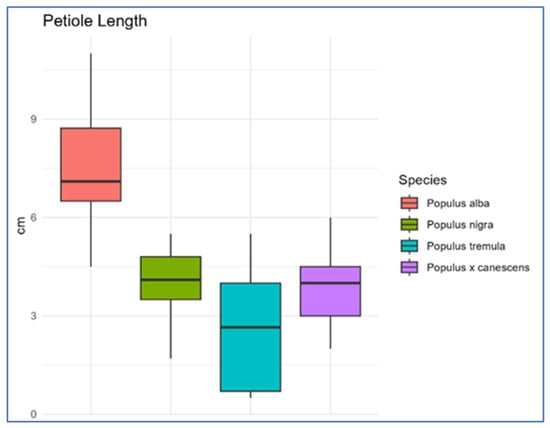
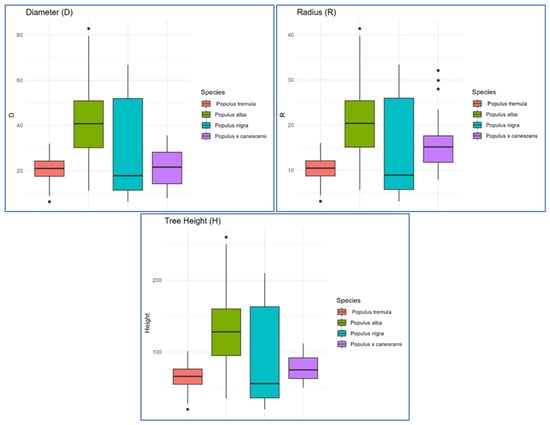
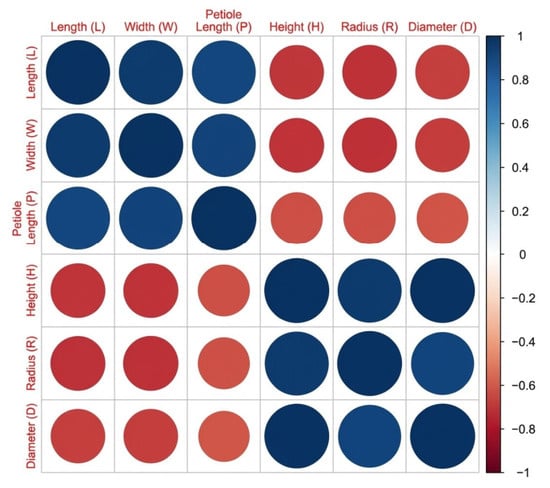
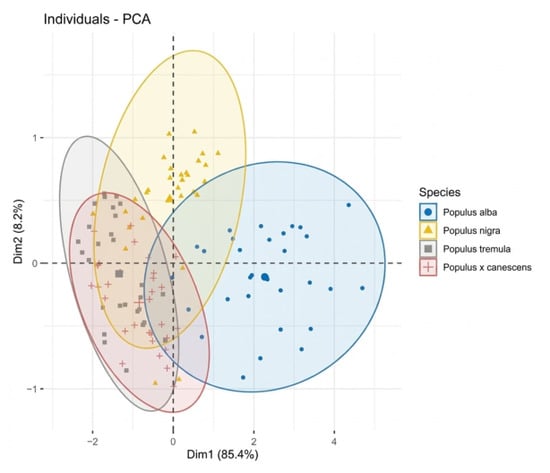
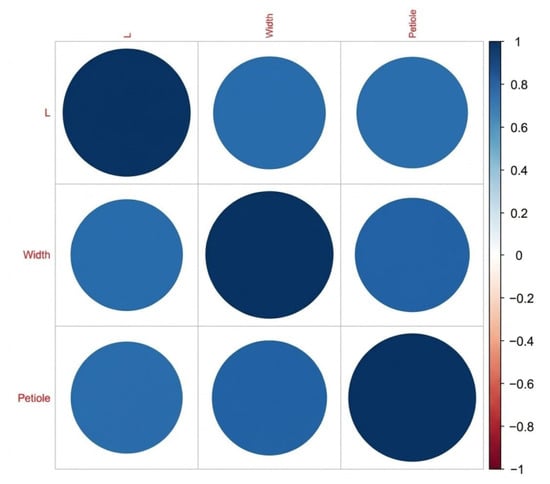
The genus Populus L. includes ecologically important woody species that occupy diverse floodplain habitats and exhibit considerable morphological and anatomical variation. The aim of this study was to comparatively assess the morphological, anatomical, and dendrometric characteristics of four Populus taxa-P. alba, P. nigra, P. tremula, and P. × canescens-growing in different floodplain habitats of the West Kazakhstan region. Leaf and stem samples were collected during 2025–2026 and examined using conventional anatomical techniques. Quantitative measurements were performed for epidermal, cortical, vascular, and mesophyll tissues, as well as for leaf and tree morphological characteristics. Statistical analyses were conducted in R using descriptive statistics, correlation analysis, and principal component analysis (PCA). The results revealed pronounced interspecific differences in both anatomical and morphological traits. P. alba was characterized by the largest leaf dimensions and the highest dendrometric values, with mean leaf length, width, and petiole length of 9.37 ± 1.63, 7.83 ± 1.29, and 7.41 ± 1.56 cm, respectively, while mean tree height, crown radius, and trunk diameter reached 134.41 ± 57.81, 21.38 ± 9.20, and 42.77 ± 18.41, respectively. P. nigra was distinguished by the largest central cylinder diameter (1085.7 ± 123.2 μm), the thickest xylem (50.7 ± 6.9 μm), and the presence of calcium oxalate crystals in the primary cortex and pith. P. tremula showed the thickest primary cortex (307.8 ± 9.7 μm), whereas P. × canescens had the smallest central cylinder (228.0 ± 45.0 μm) and generally lower dimensions of vascular tissues. Correlation analysis demonstrated strong positive relationships among leaf traits and among dendrometric traits, while leaf and dendrometric characteristics showed predominantly negative relationships at the interspecific level. PCA based on leaf traits explained 93.6% of the total variation in the first two components, whereas the integrated PCA of six leaf and dendrometric traits explained 97.0%. P. alba formed the most distinct morphological group, while P. tremula and P. × canescens showed substantial overlap, reflecting their close morphological similarity and the hybrid origin of P. × canescens. The combined application of anatomical, morphometric, dendrometric, and multivariate approaches provides effective diagnostic criteria for differentiating closely related Populus taxa and contributes to a better understanding of their structural diversity and ecological adaptation in the floodplain ecosystems of Western Kazakhstan.
Full article
(This article belongs to the Section Plant Ecology and Biodiversity)
►▼
Show Figures

Figure 1
Open AccessArticle
The Allelopathic Effects of Platycarpha glomerata (Thunb.) Less. on Germination and Growth of Bidens pilosa L. Weed
by
Prince Nhlanhla Sokhela, Zoliswa Mbhele and Nontuthuko Rosemary Ntuli
Int. J. Plant Biol. 2026, 17(10), 102; https://doi.org/10.3390/ijpb17100102 - 8 Oct 2026
Abstract
Bidens pilosa L. is a widespread weed that invades grasslands, agricultural fields, and roadsides, and outcompetes indigenous plant species for resources, posing significant challenges to sustainable agricultural management. The study investigated the allelopathic potential of different P. glomerata plant parts on the germination
[...] Read more.
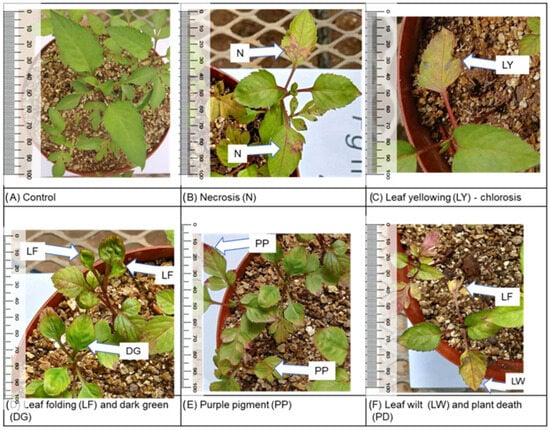
Bidens pilosa L. is a widespread weed that invades grasslands, agricultural fields, and roadsides, and outcompetes indigenous plant species for resources, posing significant challenges to sustainable agricultural management. The study investigated the allelopathic potential of different P. glomerata plant parts on the germination and growth of B. Pilosa and identified secondary metabolites potentially responsible for the herbicidal activity. Rhizome and leaf aqueous extracts were prepared in 0, 1, 2, 3, 4 and 5% (w/v) concentrations, where the control was distilled water. Bidens pilosa seeds were subjected to a germination assay, and seedlings were foliar sprayed with the extracts in a completely randomized design. The phytochemical composition was analyzed by Gas Chromatography–Mass Spectrometry. The results demonstrated that P. glomerata extracts at ≥2% concentrations retarded seed germination and seedling growth of B. pilosa, whereas concentrations of ≥4% inhibited germination. Aqueous foliar application reduced plant height and chlorophyll content and caused leaf morphological deformities including chlorosis, necrosis, leaf folding, and purple and black spots. The phytochemical analysis revealed the presence of alkanes, cyclic alkanes, aromatic hydrocarbons, alkaloids, fatty acids ester, fluorinated esters, and thiols phytochemical groups. These findings highlight the allelopathic potential of P. glomerata aqueous extracts. However, more studies are required to determine their effects in field application as potential candidates for bioherbicide development.
Full article
(This article belongs to the Special Issue Chemical Signatures, Biological Functions, and Valorization Potential of Plant Extracts)
►▼
Show Figures

Figure 1
Open AccessArticle
Drought Resistance of Two Soybean (Glycine max (L.) Merr.) Varieties on Rainfed Soil Inoculated with Biofertilizer and Their Genetic Closeness
by
Suyitno Aloysius, Ixora Sartika Mercuriani and Suhartini
Int. J. Plant Biol. 2026, 17(10), 101; https://doi.org/10.3390/ijpb17100101 - 7 Oct 2026
Abstract
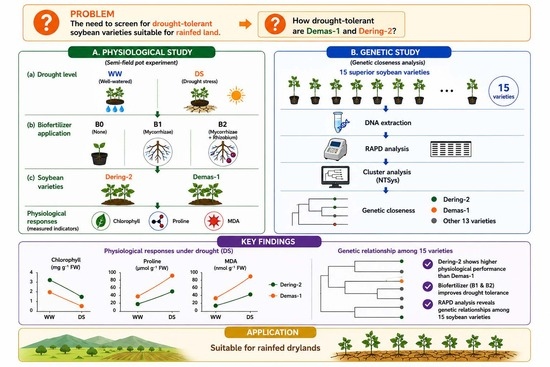
Drought tolerance testing of various soybean varieties under specific regional conditions is important, but it has never been conducted on the rainfed soils of Gunungkidul, Indonesia. This study aims to assess the drought-tolerance responses of Demas 1 and Dering 2 soybeans, evaluate the
[...] Read more.
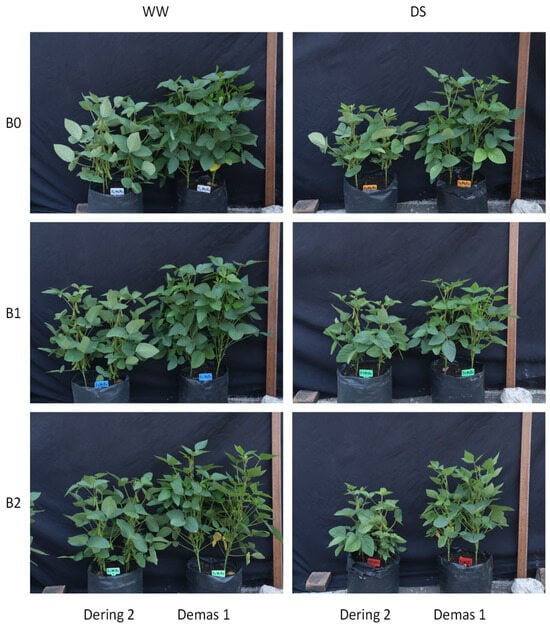
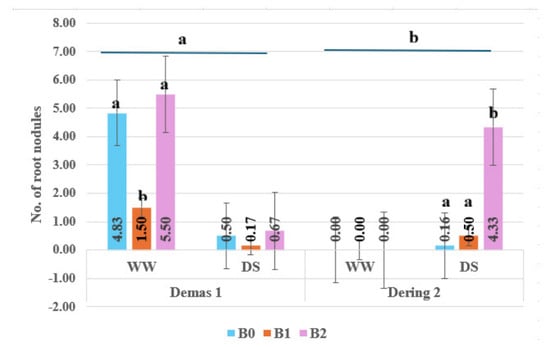
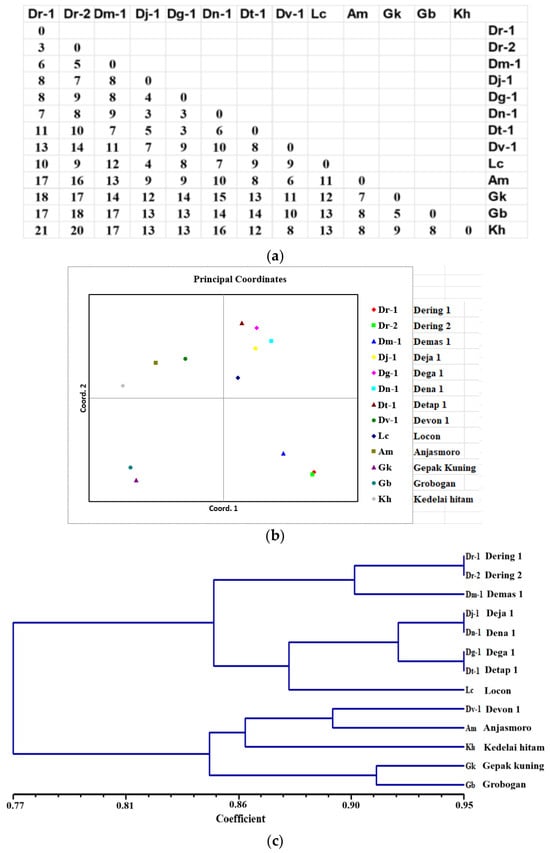
Drought tolerance testing of various soybean varieties under specific regional conditions is important, but it has never been conducted on the rainfed soils of Gunungkidul, Indonesia. This study aims to assess the drought-tolerance responses of Demas 1 and Dering 2 soybeans, evaluate the response of root nodule formation to biofertilizer application, and determine the relationship between genetic closeness and phenotypic responses. The study was conducted using a semi-field pot experiment with a factorial design of 2 (drought levels) × 3 (biofertilizer variations) × 2 (variety types). The response of Demas 1 and Dering 2 was assessed based on growth rate, chlorophyll, proline, malondialdehyde (MDA) content, and the number of root nodules. Genetic closeness was analyzed using NTSys ver. 2.11a based on RAPD profiles. The results showed that drought and variety factors suppressed growth, chlorophyll, and proline content, whereas biofertilizer factors had no effect on most parameters. Both varieties showed drought tolerance, characterized by increased proline and MDA, and a decrease in growth of only 10–30%. Dering 2 is genetically close enough to Demas 1 (similarity >82%) and Dering 1 (similarity >95%). The RAPD-based DNA similarity aligned with physiological phenotypic similarity for Demas 1 and Dering 2, especially in drought tolerance.
Full article
(This article belongs to the Topic Tolerance to Drought and Salt Stress in Plants, 3rd Edition)
►▼
Show Figures

Graphical abstract
Open AccessArticle
Foliar Chitosan, Paraburkholderia tropica and Bacillus infantis Alter Chitinase and β-1,3-Glucanase Activity Independently of Meloidogyne spp. Infection and Reduce Nematode Reproduction in Tomato
by
Carolina González-Cardona, Carlos Ernesto Maldonado-Londoño, Claudia Marcela Quintero, Claudia Nohemy Montoya-Estrada, Juan Jovel, Walter Ricardo López, Alejandro Hurtado-Salazar, Nelson Ceballos-Aguirre and Beatriz Elena Padilla-Hurtado
Int. J. Plant Biol. 2026, 17(10), 100; https://doi.org/10.3390/ijpb17100100 - 7 Oct 2026
Abstract
Root-knot nematodes (Meloidogyne spp.) are the most economically important group of plant-parasitic nematodes worldwide. We tested whether foliar elicitors induce defense enzymes in leaves and reduce nematode reproduction in the roots of the same plants. Tomato cv. Santa Clara, which lacks Mi-1
[...] Read more.
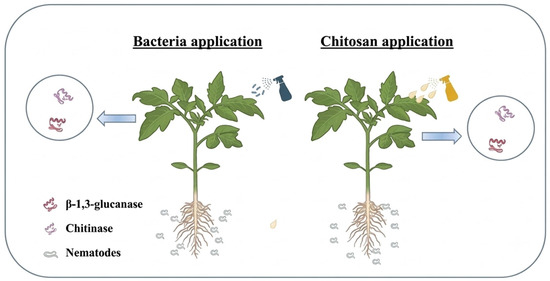
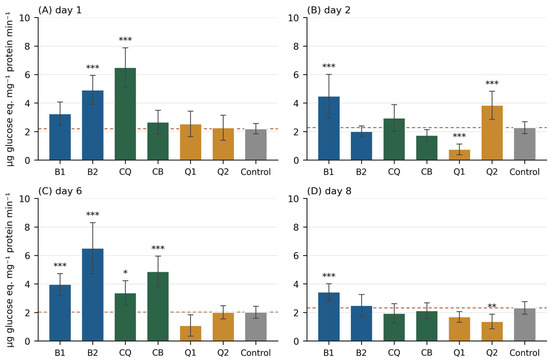
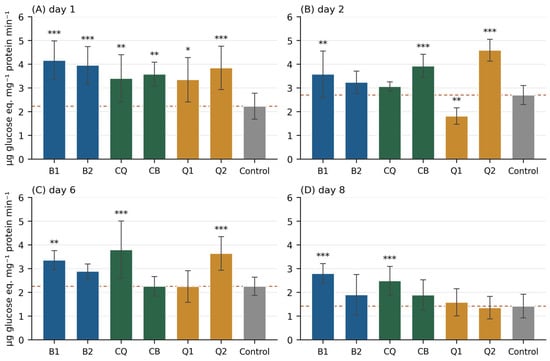
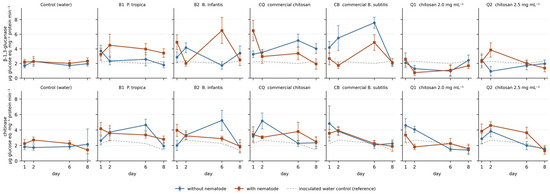
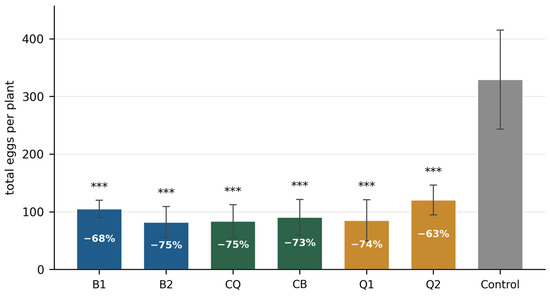
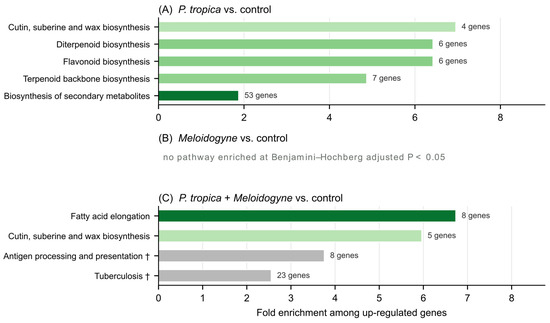
Root-knot nematodes (Meloidogyne spp.) are the most economically important group of plant-parasitic nematodes worldwide. We tested whether foliar elicitors induce defense enzymes in leaves and reduce nematode reproduction in the roots of the same plants. Tomato cv. Santa Clara, which lacks Mi-1 resistance, received 50 mL per plant of one of six treatments: chitosan at 2.0 or 2.5 mg mL−1, Paraburkholderia tropica GIBI_0183 or Bacillus infantis GIBI_0177 at 2.5 × 10⁷ cells per plant, or a commercial chitosan or Bacillus subtilis product. Each treatment was applied with and without 1000 s-stage juveniles in the soil. β-1,3-Glucanase and chitinase activities were measured in leaves 1, 2, 6 and 8 days after application (n = 10), and eggs in whole root systems at 60 days (n = 6). Leaves sampled on days 1 and 2 were sprayed; those sampled on days 6 and 8 expanded afterward. Both enzymes showed a treatment × day interaction (permutation p = 0.0001). Every treatment reduced the egg count by 63–75% (p ≤ 0.0003), with no differences detected among treatments at the sample size used. All six raised chitinase in plants without nematodes, whereas β-1,3-glucanase fell below the control under both laboratory chitosans, which reduced the egg count as much as the treatments that raised it. Enzyme induction and nematode suppression are separate outcomes.
Full article
(This article belongs to the Special Issue Plant Health in the Context of Fungal and Other Microbial Threats: Systematics, Pathogenesis and Integrated Management)
►▼
Show Figures

Figure 1
Open AccessArticle
Chemical Control of ‘Prata Anã’ Banana Suckers by Pseudostem Application: Efficacy and Subsequent Soil Bioassay Responses
by
Juan Antônio Borges Felipe, Carlos Henrique Milagres Ribeiro, Gabriele Padilha Schneider, Monalisa Gomes Barbosa, Denny Oswaldo Paéz Piñango, Daniel Leopoldino Dias, Pedro Henrique Reis Vilela, Paulina Celestino Silva, Ana Gabriela Resende da Silva, Isabel Roque de Oliveira and Leila Aparecida Salles Pio
Int. J. Plant Biol. 2026, 17(10), 99; https://doi.org/10.3390/ijpb17100099 - 6 Oct 2026
Abstract
Effective banana sucker management is essential for plantation renewal because physical removal may allow regrowth from viable rhizome buds. This study compared localized pseudostem application of glyphosate (480 g a.e. L−1; 1.8 mL shoot−1), 2,4-D (720 g a.e. L
[...] Read more.
Effective banana sucker management is essential for plantation renewal because physical removal may allow regrowth from viable rhizome buds. This study compared localized pseudostem application of glyphosate (480 g a.e. L−1; 1.8 mL shoot−1), 2,4-D (720 g a.e. L−1; 1.5 mL shoot−1), and KH2PO4 + paclobutrazol (PBZ; 2.0 g + 1.0 g in 5 mL water shoot−1) with untreated, cutting, and mechanical controls in ‘Prata Anã’ banana. Phytotoxicity, chlorophyll indices, relative water content (RWC), mortality, regrowth, growth, and biomass were evaluated for up to 120 days after application (DAA). Soils collected six months after treatment application were subsequently evaluated using lettuce and tomato as bioindicator species, together with soil chemical characterization. Glyphosate and 2,4-D progressively impaired banana sucker physiology and growth. At 120 DAA, both treatments resulted in 100% sucker mortality, completely suppressed new sucker emergence, and reduced shoot fresh and dry biomass by 100% compared with the untreated control. The response to 2,4-D was faster, reaching 100% mortality as early as 28 DAA. In contrast, KH2PO4 + PBZ caused temporary physiological impairment, with RWC decreasing to 63.83% at 60 DAA and recovering to 85.56% at 120 DAA. Six months after field application, seedling emergence was unaffected by soil origin, ranging from 86.32 to 89.84% in lettuce and from 94.53 to 95.70% in tomato, and chlorophyll indices were also unaffected. However, species-specific differences occurred in growth, biomass, and Dickson quality index, while soil chemical properties differed among field treatments. Overall, localized pseudostem application of glyphosate and 2,4-D provided sustained suppression of banana sucker regrowth, whereas KH2PO4 + PBZ produced only temporary suppression. No consistent biologically detectable effects were observed across the bioindicator responses six months after field treatment application under the conditions of this bioassay. However, these responses cannot be attributed exclusively to chemical residues because the compounds and their metabolites were not directly quantified and soil chemical properties differed among treatments. From a practical standpoint, localized pseudostem application of glyphosate or 2,4-D can provide sustained sucker suppression, but the present bioassay does not establish a safe rotation or replanting interval, which would require direct residue quantification and evaluation at multiple post-application times.
Full article
(This article belongs to the Section Plant Physiology)
Open AccessArticle
Pathotype Analysis of Blumeria graminis f. sp. tritici and Characterization of Some Powdery Mildew Resistance Genes in Egyptian Wheat Genotypes
by
Moustafa M. El-Shamy, Mona E. Mohamed, Doaa A. Hamza and Alaa El-Dein Omara
Int. J. Plant Biol. 2026, 17(10), 98; https://doi.org/10.3390/ijpb17100098 - 29 Sep 2026
Abstract
Ensuring sustainable wheat production is crucial for food security, particularly in regions facing plant diseases and environmental challenges. In the Middle East, wheat powdery mildew, caused by Blumeria graminis f. sp. tritici, significantly threatens yields and quality, making it essential to comprehend
[...] Read more.
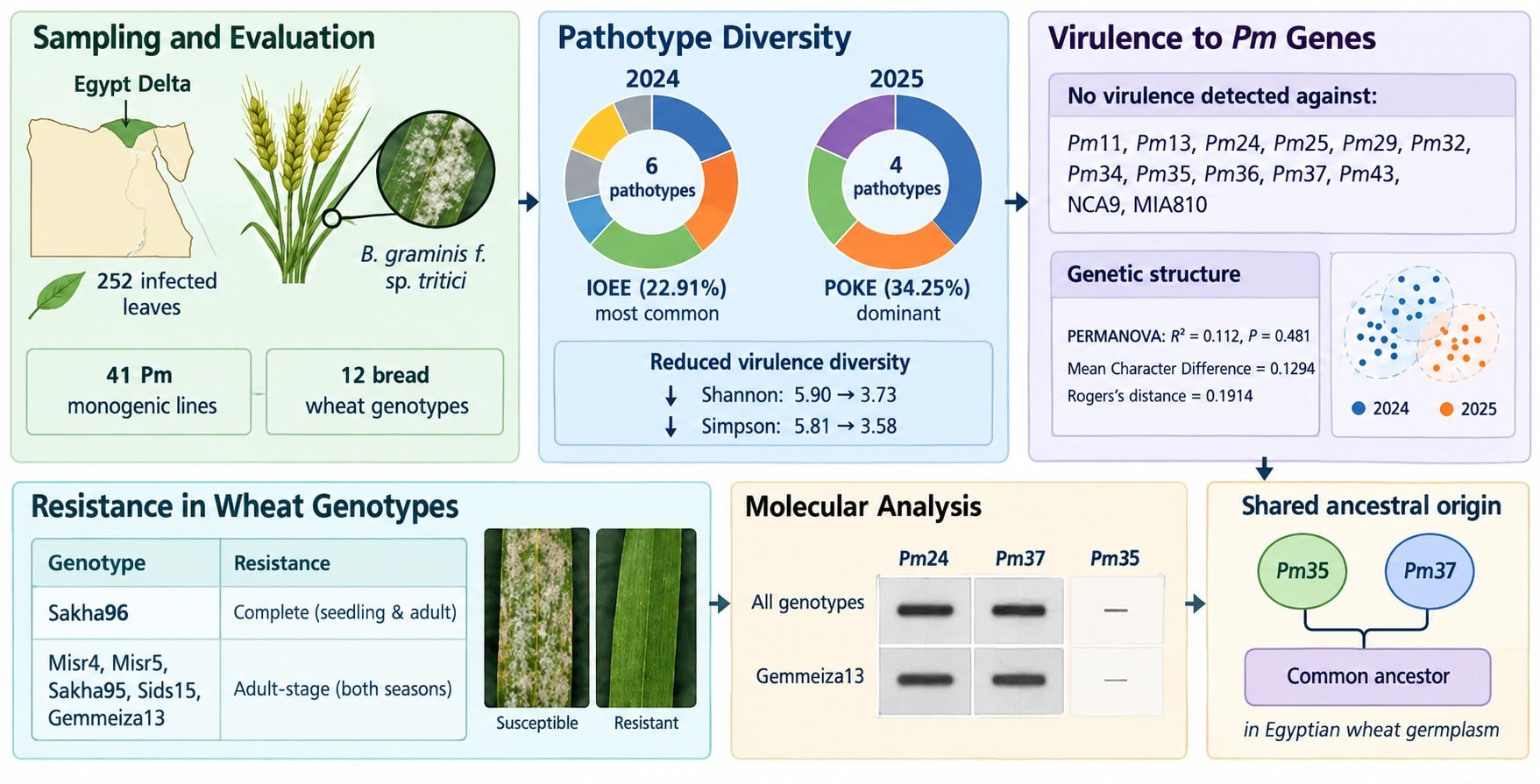
Ensuring sustainable wheat production is crucial for food security, particularly in regions facing plant diseases and environmental challenges. In the Middle East, wheat powdery mildew, caused by Blumeria graminis f. sp. tritici, significantly threatens yields and quality, making it essential to comprehend local pathotype virulence and resistance genes for effective disease management. Therefore, 252 infected leaves were sampled from cultivated bread wheat genotypes in Egypt Delta region during 2024–2025 growing seasons. Forty-one powdery mildew monogenic lines (Pm) and twelve new bread wheat genotypes were evaluated at seedling and adult stages. Pathotype analysis identified six pathotypes in 2024 (IOEE most common, 22.91%) and four in 2025 (POKE dominant, 34.25%). Virulence diversity declined significantly: Shannon diversity decreased from 5.90 to 3.73, and Simpson diversity decreased from 5.81 to 3.58, indicating reduced pathotype complexity. No virulence was detected against Pm11, Pm13, Pm24, Pm25, Pm29, Pm32, Pm34, Pm35, Pm36, Pm37, Pm43, NCA9, and MIAB10 genes. PERMANOVA analysis showed no significant compositional difference between seasons (R2 = 0.112, p = 0.481), with low genetic differentiation (mean character difference = 0.1894; Roger’s distance = 0.1914). Sakha96 wheat genotype displayed complete resistance at both growth stages, while Misr4, Misr5, Sakha95, Sids15, and Gemmeiza13 showed adult-stage resistance only in both seasons. Molecular analysis revealed that Pm24, Pm35 and Pm37 were absent in all genotypes. Pedigree analysis demonstrated Pm35 and Pm37 share common ancestral origins across Egyptian wheat germplasm. So, these resistant genotypes and broadly effective resistance genes provide valuable resources for breeding durable powdery mildew resistance in Egyptian wheat.
Full article
(This article belongs to the Section Plant–Microorganisms Interactions)
►▼
Show Figures

Graphical abstract
Open AccessArticle
Spontaneous Native Urban Plants in Subtropical Jupiter, Florida
by
George K. Rogers
Int. J. Plant Biol. 2026, 17(10), 97; https://doi.org/10.3390/ijpb17100097 - 29 Sep 2026
Abstract
The present study based in Jupiter, Florida, was a near-first look at urban native plant ecology in southern Florida. There were three objectives: 1. produce a ranked tally of native species in the urbanized environment; 2. assess the prevalence of high-occupancy niche-indifferent vs.
[...] Read more.
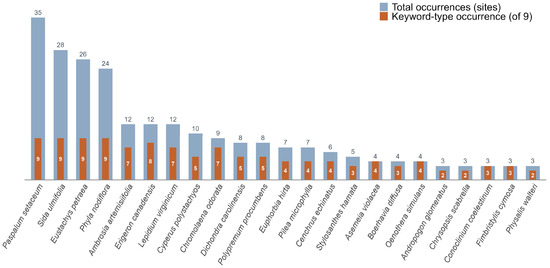
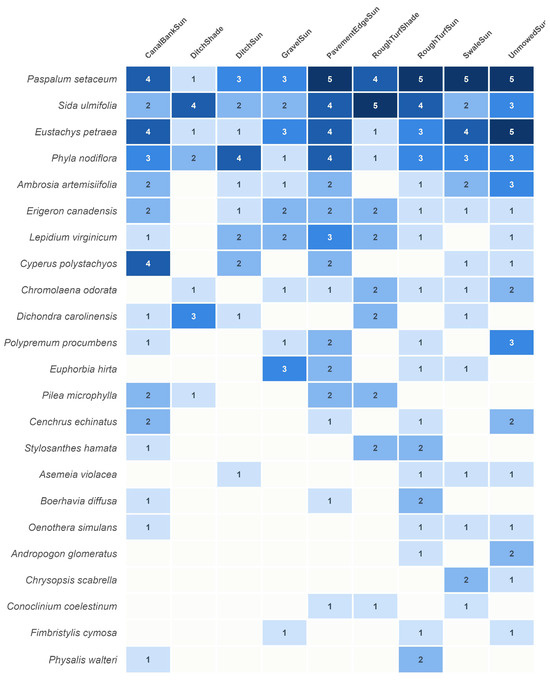
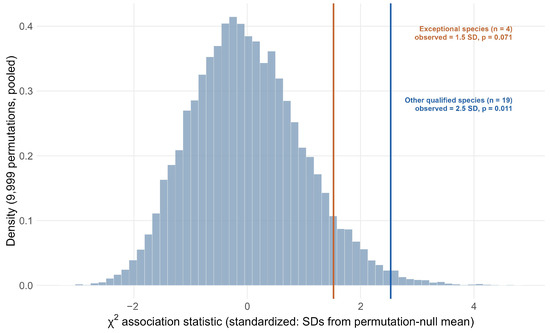
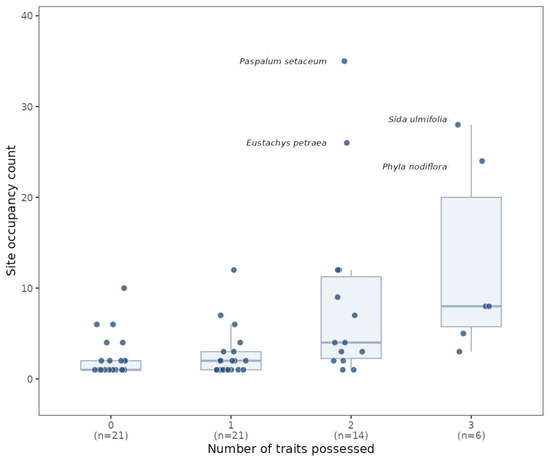
The present study based in Jupiter, Florida, was a near-first look at urban native plant ecology in southern Florida. There were three objectives: 1. produce a ranked tally of native species in the urbanized environment; 2. assess the prevalence of high-occupancy niche-indifferent vs. niche-selective species; and 3. identify traits associated with local urban occupancy and examine their relationship with site occupancy. Forty-five urban sites divided among nine ecologically diverse keyword-types were sampled with species presence or absence recorded. Results were reported as a ranked species list by total site occupancy and as individual site-type occupancies as well as species possession of three featured traits. Four species emerged in high total occupancies and site-type occupancies (Phyla nodiflora (L.) Greene, Sida ulmifolia Mill., Paspalum setaceum Michx., and Eustachys petraea (Sw.) Desv.). The urban flora featured high-occupancy site-indifferent species, although site-type specialization was apparent too. Three traits were significantly associated with high urban site occupancy vs. wild background: facultative prostrate growth (70%/33%), rooted spreading (57%/22%), and reproductive assurance (61%/24%). Species having two or three of the featured traits tended toward higher site occupancy (p < 0.0001) than those with zero or one trait did. The project overall thus targeted a new area and found site occupancy to be largely broad but mixed with selectivity and to be linked to three traits, especially in combination.
Full article
(This article belongs to the Special Issue Plants in Urban Environments)
►▼
Show Figures

Figure 1
Open AccessArticle
Genome-Wide Identification and Analysis of the PHD Family Members in Gossypium tomentosum and Their Potential Roles in Response to Abiotic Stress
by
Yu Lyu and Wenbing Han
Int. J. Plant Biol. 2026, 17(9), 96; https://doi.org/10.3390/ijpb17090096 - 21 Sep 2026
Abstract
Plant homeobox domain (PHD) proteins are a class of zinc-finger proteins that play pivotal regulatory roles in plant responses to environmental stresses. Research on the identification and analysis of PHDs in Gossypium tomentosum (G. tomentosum) remains limited. The present study
[...] Read more.
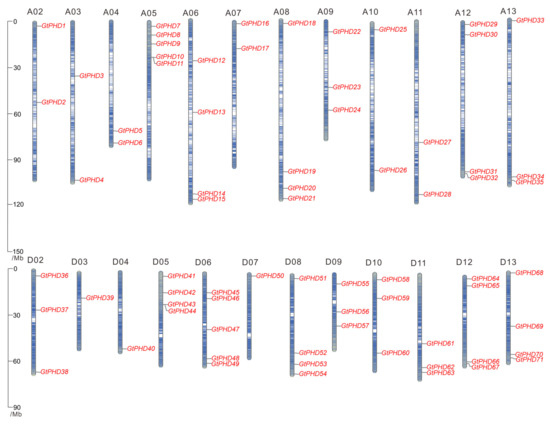
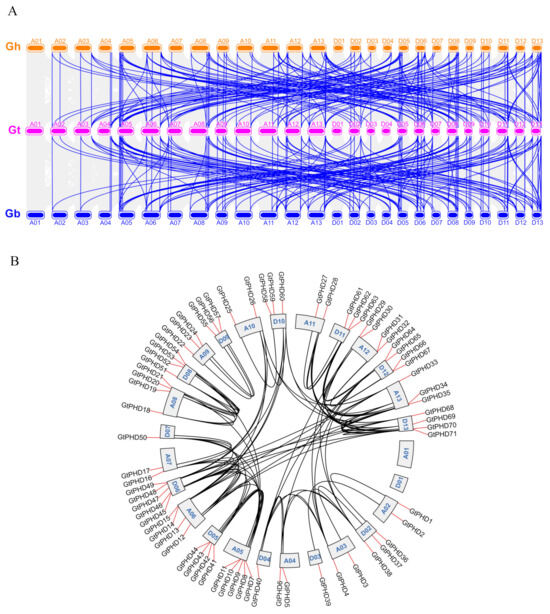
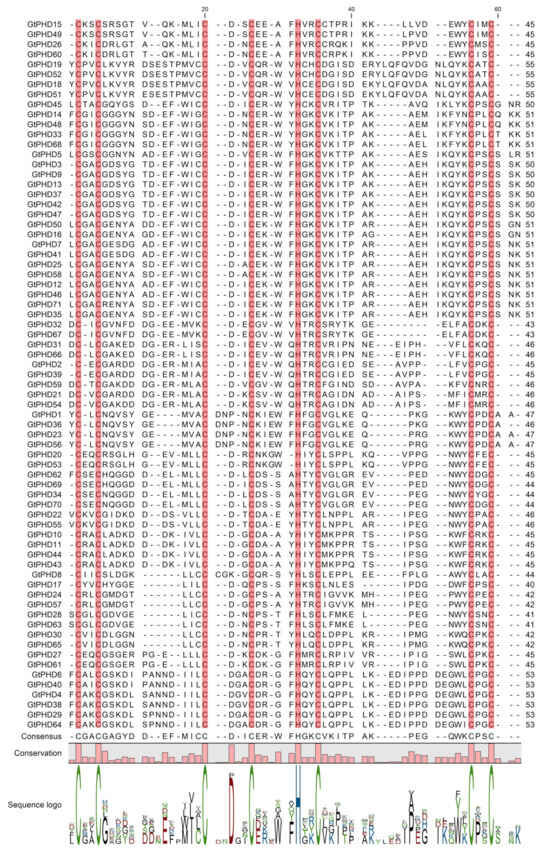
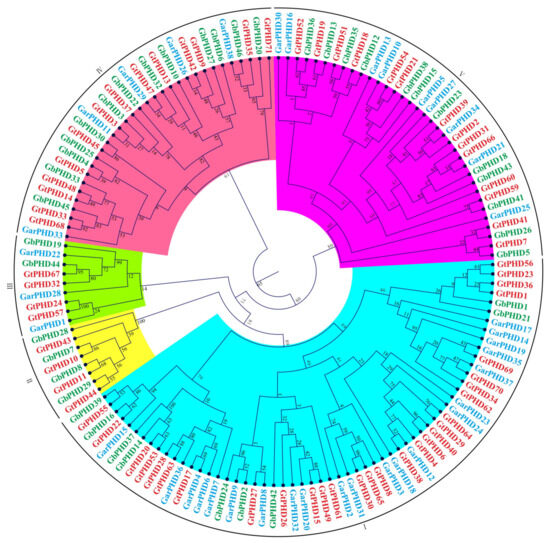
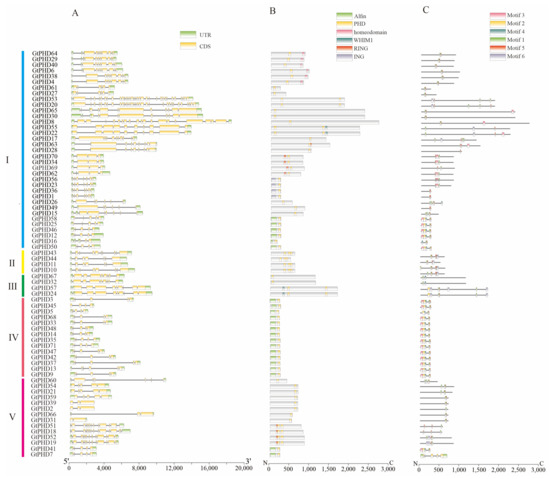
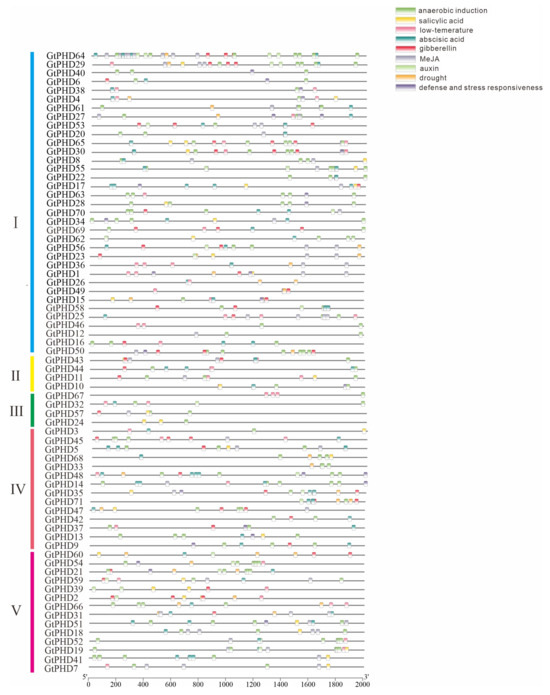
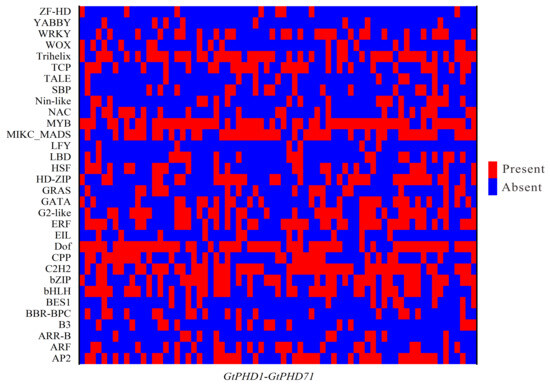
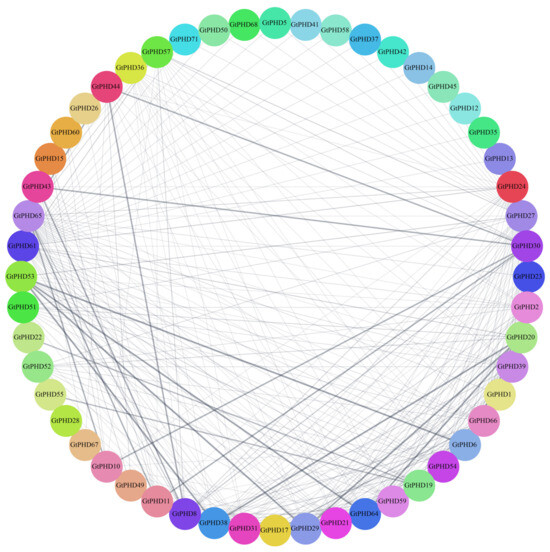
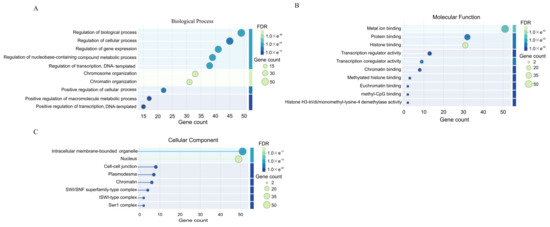
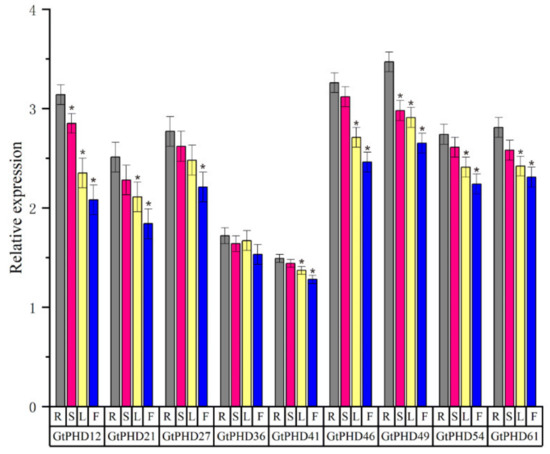
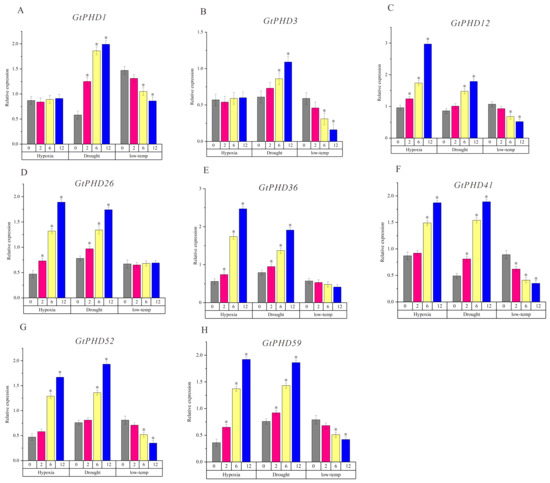
Plant homeobox domain (PHD) proteins are a class of zinc-finger proteins that play pivotal regulatory roles in plant responses to environmental stresses. Research on the identification and analysis of PHDs in Gossypium tomentosum (G. tomentosum) remains limited. The present study conducted a genome-wide analysis of the PHD members in G. tomentosum and examined their properties and functions. A total of 71 PHDs have been identified, designated as GtPHD1–GtPHD71, through a combination of profile HMM-based searches, BLAST searches, and canonical features of PHD domains. Multiple sequence alignment of the G. tomentosum PHD domains revealed a characteristic signature: X(0,1)-C-X(1,2)-C-X(6,12)-[VLI]-X-C-X(0,2)-[DPK]-X(1,2)-C-X(4,5)-H-X2-C-X(9,18)-[YWF]-X-C-X2-C. A comprehensive investigation encompassing RT–qPCR, promoter analysis, and transcription factor analysis concluded that G. tomentosum PHDs likely play critical regulatory roles in response to abiotic stresses, including drought, hypoxia, and low temperature.
Full article
(This article belongs to the Special Issue Hormone and Gene Regulatory Networks in Plant Stress Resistance)
►▼
Show Figures

Figure 1
Open AccessReview
From Lipid Shuttling to Signaling Hubs: The Multifaceted Roles of Non-Specific Lipid Transfer Proteins in Plant Adaptation
by
Mouna Ghorbel, Kamel Jebreen, Abdalmenem I. M. Hawamda and Faiçal Brini
Int. J. Plant Biol. 2026, 17(9), 95; https://doi.org/10.3390/ijpb17090095 - 20 Sep 2026
Abstract
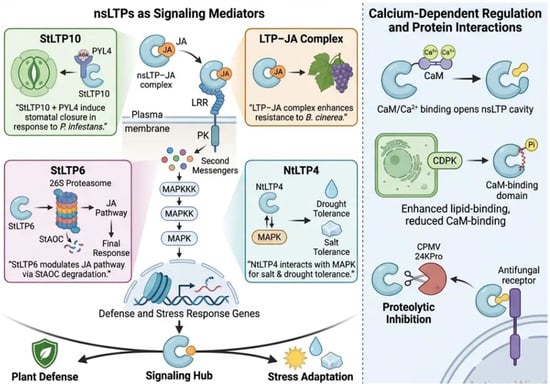
Non-specific lipid transfer proteins (nsLTPs) are small cysteine-rich proteins belonging to the cysteine-rich peptide (CRP) antimicrobial peptide superfamily, widely distributed across land plants and involved in key physiological processes including fertilization, cell wall organization, wax deposition, and responses to biotic and abiotic stresses.
[...] Read more.
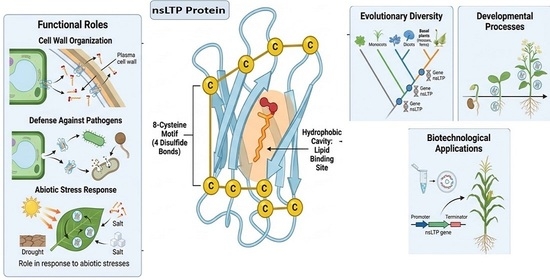
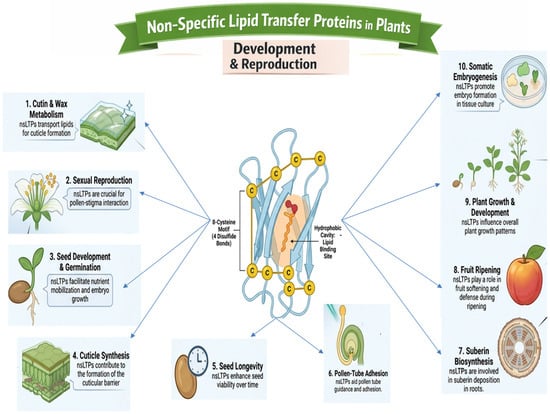
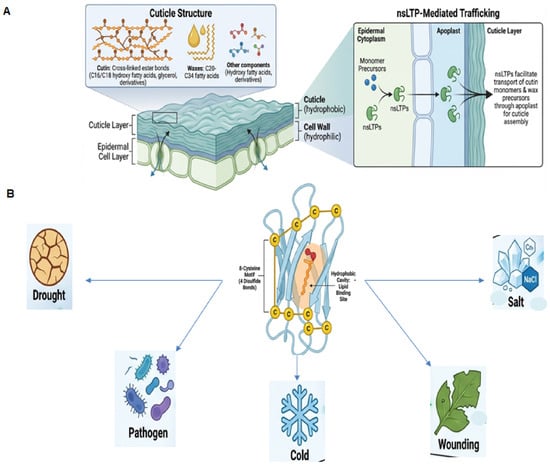
Non-specific lipid transfer proteins (nsLTPs) are small cysteine-rich proteins belonging to the cysteine-rich peptide (CRP) antimicrobial peptide superfamily, widely distributed across land plants and involved in key physiological processes including fertilization, cell wall organization, wax deposition, and responses to biotic and abiotic stresses. Recent genomic and evolutionary analyses have revealed an extensive diversification of nsLTPs across plant lineages, which has led to multiple classification systems based on molecular mass, cysteine spacing, intron structure, and GPI (glycosylphosphatidylinositol-anchored proteins)-anchor motifs. This diversity reflects their adaptive expansion during plant terrestrialization. This review proposes that nsLTPs act as central nodes connecting lipid metabolism, developmental signals, and stress response networks, functioning as integrative signaling hubs rather than simple lipid carriers. Building on this central thesis, we synthesize current knowledge on nsLTP structure, classification, and evolution, and examine their multifaceted roles in plant development and defense. We also highlight emerging biotechnological applications and identify key gaps that warrant further investigation.
Full article
(This article belongs to the Section Plant Response to Stresses)
►▼
Show Figures

Graphical abstract
Open AccessArticle
Combined Biostimulant Treatment Is Associated with PSII Energy Partitioning and Leaf Anatomy in Cucumber Leaves and Fruits
by
Georgia Ouzounidou, Niki-Sophia Antaraki, Antonios Anagnostou, George Daskas and Ioannis-Dimosthenis S. Adamakis
Int. J. Plant Biol. 2026, 17(9), 94; https://doi.org/10.3390/ijpb17090094 - 19 Sep 2026
Abstract
Plant biostimulants may alter photosynthetic energy use and leaf structure, but their effects on complementary PSII energy partitioning in both cucumber leaves and fruits remain insufficiently characterized. Using plant material from a commercial greenhouse trial previously reported for agronomic outcomes, we evaluated a
[...] Read more.
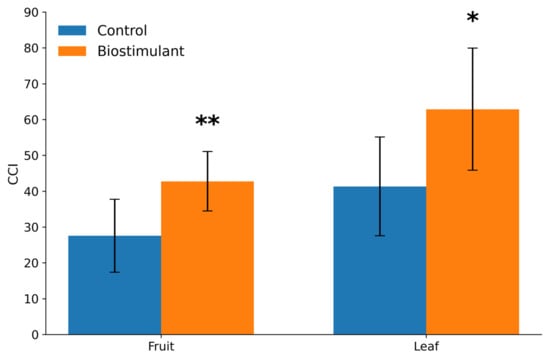
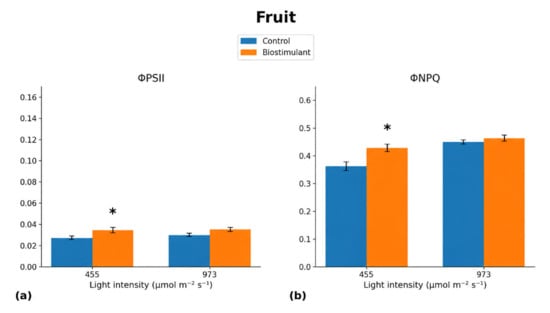
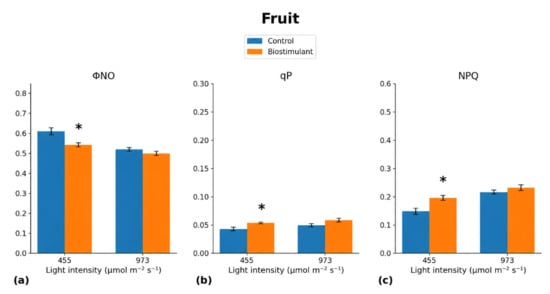
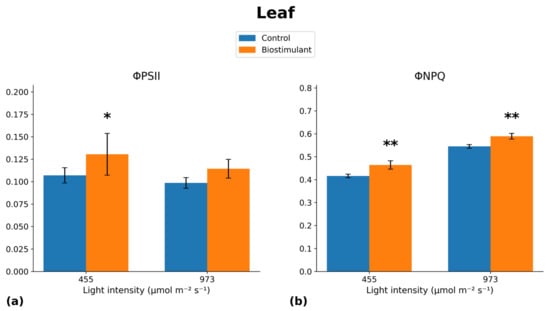
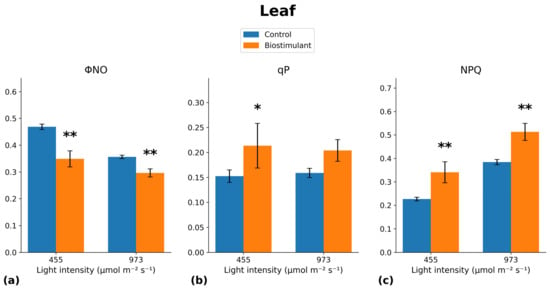
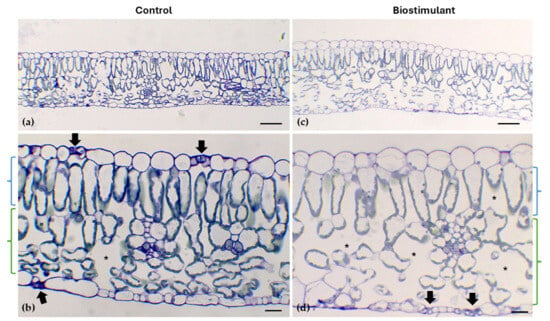
Plant biostimulants may alter photosynthetic energy use and leaf structure, but their effects on complementary PSII energy partitioning in both cucumber leaves and fruits remain insufficiently characterized. Using plant material from a commercial greenhouse trial previously reported for agronomic outcomes, we evaluated a combined CropBioLife®, KeyPlex 120®, and Key Eco Oil® application protocol relative to conventional management. Chlorophyll Content Index (CCI), chlorophyll fluorescence imaging, and leaf anatomical traits were assessed. Under low light (LL; 455 μmol photons m−2 s−1), the combined-treatment greenhouse showed higher ΦPSII than the conventional-control greenhouse by 22% in fruits and 50% in leaves; fruit ΦNPQ was 17% higher, whereas ΦNO was 12% lower in fruits and 26% lower in leaves. Under high light (HL; 973 μmol photons m−2 s−1), differences in ΦPSII were smaller, while leaf ΦNO remained 17% lower. CCI was 38% higher in fruits and 52% higher in leaves. In leaves, spongy parenchyma thickness increased from 110 ± 3.4 to 135 ± 4.1 μm, palisade parenchyma thickness from 75 ± 2.1 to 78 ± 1.8 μm, total leaf thickness from 230 ± 4.6 to 245 ± 5.2 μm, and intercellular air-space area from 420 ± 18 to 610 ± 22 μm2. The parallel physiological and anatomical differences are consistent with a possible functional association, but gas exchange, mesophyll conductance, ROS, and water-use efficiency were not measured in the present dataset. Because the two management regimes occupied separate, non-replicated greenhouses and received different crop-protection inputs, the findings should be interpreted as treatment-associated differences rather than causal effects attributable to individual products.
Full article
(This article belongs to the Section Plant Physiology)
►▼
Show Figures

Figure 1
Open AccessArticle
Integrating Boron and Zinc Foliar Fertilization with Mineral Nutrition Improves Growth, Nutrient Acquisition, and Productivity of Sugar Beets
by
Almagul Malimbayeva, Azamat Khidirov, Erbol Zhusupbekov, Batyrgali Amangaliev, Akerke Soltanayeva, Aigul Raiymbekova, Erbolat Berdibek and Maksat Batyrbek
Int. J. Plant Biol. 2026, 17(9), 93; https://doi.org/10.3390/ijpb17090093 - 18 Sep 2026
Abstract
Sugar beet (Beta vulgaris L.) is an economically important industrial crop, and its productivity and sugar accumulation depend heavily on effective nutrient management. This study investigated how mineral fertilization combined with foliar applications of boron (B) and zinc (Zn) influences plant growth,
[...] Read more.
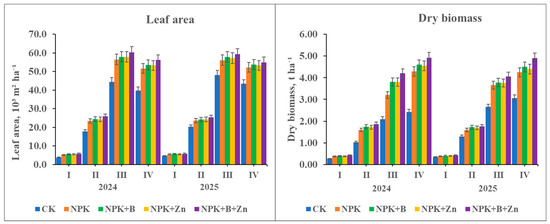
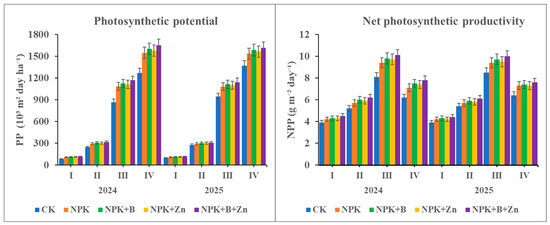
Sugar beet (Beta vulgaris L.) is an economically important industrial crop, and its productivity and sugar accumulation depend heavily on effective nutrient management. This study investigated how mineral fertilization combined with foliar applications of boron (B) and zinc (Zn) influences plant growth, photosynthetic performance, nutrient uptake, yield, and sugar production under irrigated alkaline soil conditions in southeastern Kazakhstan during the 2024 and 2025 growing seasons. The field experiment was conducted using a randomized complete block design with three replications and five treatments: (1) control (CK), (2) N300P150K300 (NPK), (3) NPK + B, (4) NPK + Zn, and (5) NPK + B + Zn. Mineral fertilization substantially enhanced plant growth and productivity compared with the unfertilized control, while foliar supplementation with B and Zn provided further improvements. Across both growing seasons, the combined NPK + B + Zn treatment consistently produced the greatest leaf area (55.6 × 10³ m2 ha−1), dry biomass (4.9 t ha−1), photosynthetic potential (1631.5 × 103 m2 day ha−1), and net photosynthetic productivity (7.7 g m−2 day−1). It also resulted in the highest total uptake of nitrogen, phosphorus, and potassium, reaching 431.5, 64.7, and 761.4 kg ha−1, respectively. Foliar application of the combined micronutrients markedly increased their accumulation in plant tissues, with total B and Zn uptake rising to 874 and 1005 g ha−1, respectively. Sugar content improved from 17.1–17.2% in the control to 17.9–18.1% under the combined micronutrient treatment. As a result, the NPK + B + Zn treatment achieved the highest mean sugar yield (15.12 t ha−1), representing a 76.4% increase over the control and a 12.5% increase compared with NPK fertilization alone. The results demonstrate that foliar application of boron and zinc effectively complements mineral fertilization by enhancing photosynthetic activity, nutrient acquisition, and sugar accumulation. The combined application of NPK with foliar B and Zn can therefore be recommended as an effective nutrient management strategy for improving sugar beet productivity and sugar yield under alkaline soil conditions.
Full article
(This article belongs to the Section Plant Physiology)
►▼
Show Figures

Figure 1
Open AccessCommunication
Hormone Treatments Affect Stem Cutting Propagation Strategies of Four Interspecific Hybrid Southern Grape Cultivars
by
Jenny B. Ryals, Eric T. Stafne, Haley N. Williams and Patricia R. Knight
Int. J. Plant Biol. 2026, 17(9), 92; https://doi.org/10.3390/ijpb17090092 - 18 Sep 2026
Abstract
Improving stem cutting propagation of grapevine species (Vitis sp.) is important for supporting growing interest in southern grapevine production, particularly for lesser-known cultivars. More efficient and reliable propagation techniques can help nurseries increase the availability of grapevine plants for local growers and
[...] Read more.
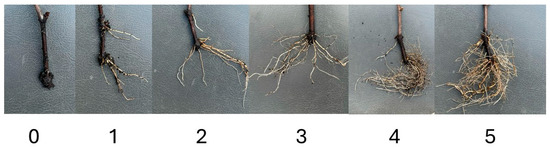
Improving stem cutting propagation of grapevine species (Vitis sp.) is important for supporting growing interest in southern grapevine production, particularly for lesser-known cultivars. More efficient and reliable propagation techniques can help nurseries increase the availability of grapevine plants for local growers and support development of the southern U.S. wine industry. Hardwood and semi-hardwood cuttings of four winegrape cultivars, ‘Mamont Noir’, ‘MidSouth’, ‘Miss Blanc’, and ‘Norton’, were subjected to 10 hormone treatments consisting of indole-3-butyric acid (IBA) alone or in combination with ascorbic acid (ASC). Treatments were applied as a three-second basal quick dip. Sixty days after treatment, total shoot and root number, average shoot and root length, rooting percentage, and cutting and root quality were evaluated. Based on the results, semi-hardwood or hardwood ‘Mamont Noir’ cuttings can be propagated using 50 ppm ASC or 50 ppm ASC + 500 ppm IBA. For nurseries where hardwood cuttings better fit the production schedule, ‘Miss Blanc’ cuttings rooted well regardless of hormone treatment. Additional research is needed to optimize hormone treatments for ‘MidSouth’ and ‘Norton’.
Full article
(This article belongs to the Section Plant Physiology)
►▼
Show Figures

Figure 1
Open AccessArticle
Deciphering Microprotein–TF Regulatory Crosstalk: An Integrative Transcriptomic and Evolutionary Analysis of MIF1–ZHD Interaction in Brassica napus Seed Development
by
Khadijeh Shokri, Naser Farrokhi, Amir Mousavi, Pär K. Ingvarsson and Asadollah Ahmadikhah
Int. J. Plant Biol. 2026, 17(9), 91; https://doi.org/10.3390/ijpb17090091 - 17 Sep 2026
Abstract
Seed development in Brassica napus is tightly regulated at many stages. Microproteins (miPs), small regulatory peptides derived from larger ancestral proteins, have emerged as key post-translational modulators in plants; however, their role in seed development remains poorly understood. Here, a genome-wide screen for
[...] Read more.
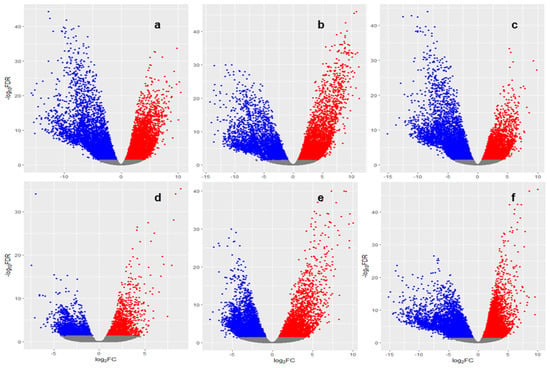
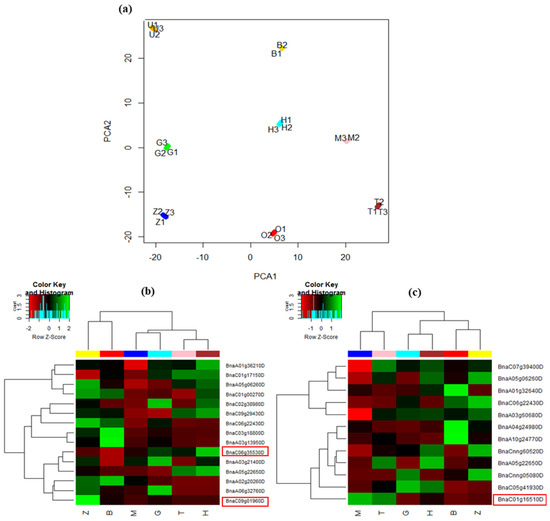
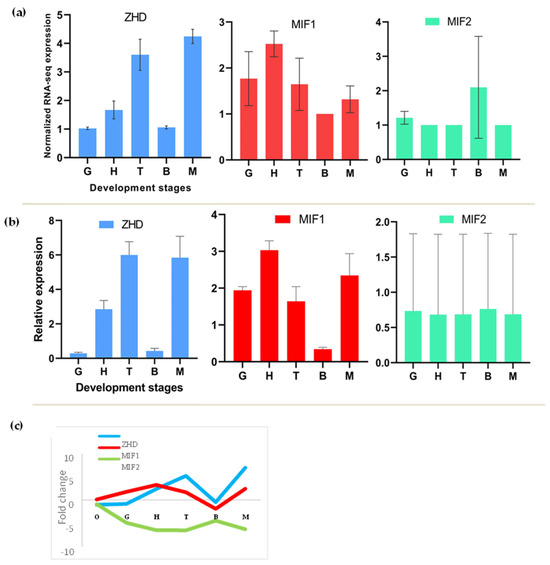
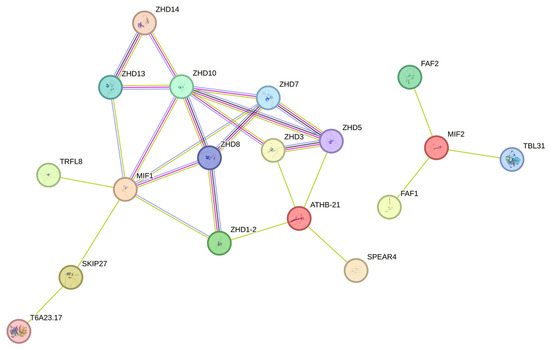
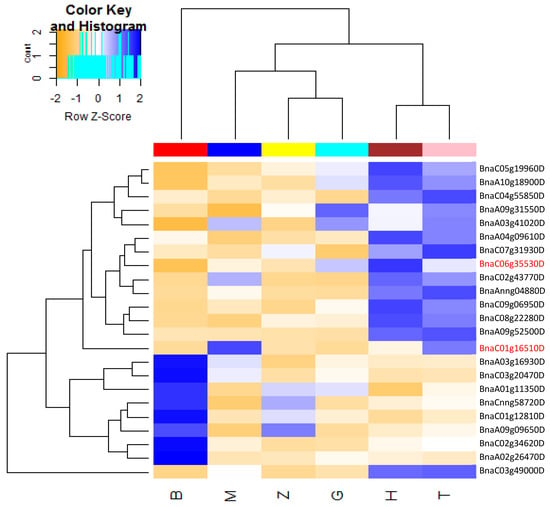
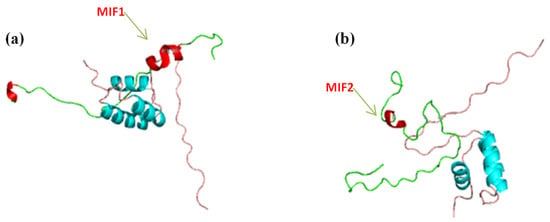
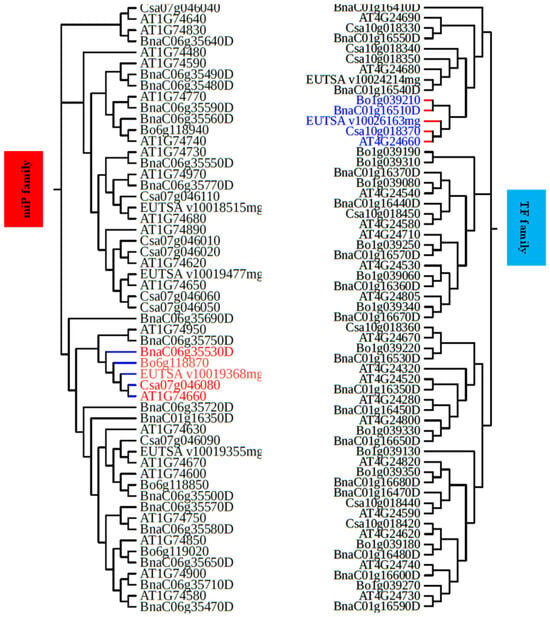
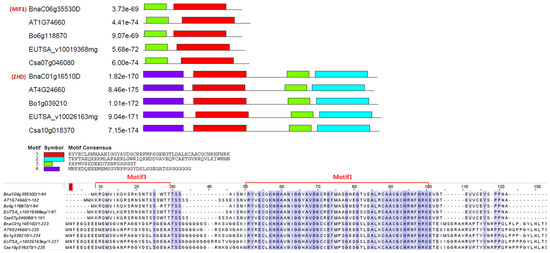
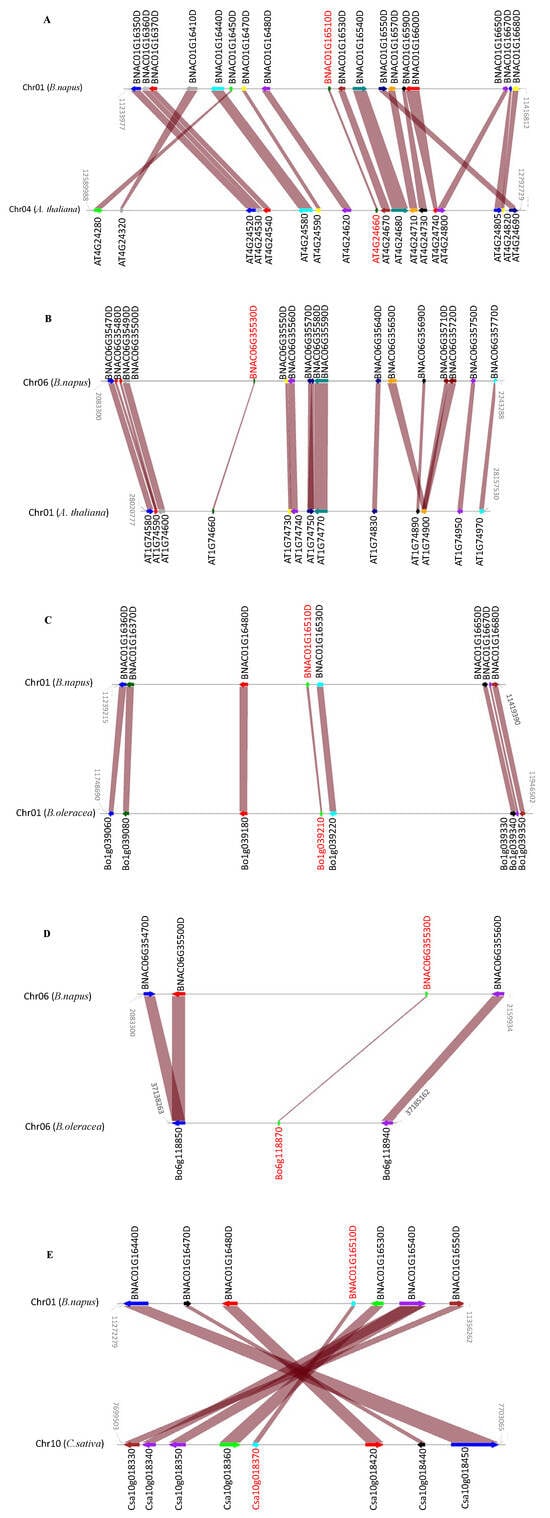
Seed development in Brassica napus is tightly regulated at many stages. Microproteins (miPs), small regulatory peptides derived from larger ancestral proteins, have emerged as key post-translational modulators in plants; however, their role in seed development remains poorly understood. Here, a genome-wide screen for putative miPs in B. napus was performed, identifying 32 candidates. Among these, MIF1 (BnaC06g35530D), with domain similarity to ZF-HD transcription factors (TFs), showed robust expression dynamics. The integration of RNA-seq profiling, qRT-PCR, co-expression network modeling, and protein–protein interaction revealed a strong regulatory association between MIF1 and its predicted TF partner, i.e., ZHD (BnaC01g16510D), particularly at the zygote and bending cotyledon stages. Promoter analysis identified shared cis-elements among co-expressed genes, while structural modeling supported a stable MIF1–ZHD interaction interface. Evolutionary analysis demonstrated the conservation of zinc finger motifs, syntenic neighborhoods, and purifying selection on MIF1 across Brassicaceae species. Collectively, our findings suggest that MIF1 potentially functions as a conserved post-translational repressor of ZHD during seed development, contributing to fine-tuned transcriptional regulation in polyploid oilseed crops. This study provides a testable hypothesis about the interaction between MIF1 and ZHD and also paves the way for the future functional characterization of miP-TF modules in plant development.
Full article
(This article belongs to the Section Plant Biochemistry and Genetics)
►▼
Show Figures

Figure 1
Open AccessArticle
Efficacy of a Calcium Functional Fertiliser with a Calcium Transport Stimulant in Managing Cavity Spot of Carrot (Daucus carota subsp. sativus)
by
Jolyon Dodgson, Nicole Pereira, John Clarkson, Anna K. Marks and David J. Marks
Int. J. Plant Biol. 2026, 17(9), 90; https://doi.org/10.3390/ijpb17090090 - 16 Sep 2026
Abstract
The marketable yield of carrot is reduced by carrot cavity spot disease (Pythium violae and P. sulcatum). In the UK, metalaxyl-M is the only approved fungicide. Good calcium nutrition can manage cavity spot, but calcium is not generally mobilised to the
[...] Read more.
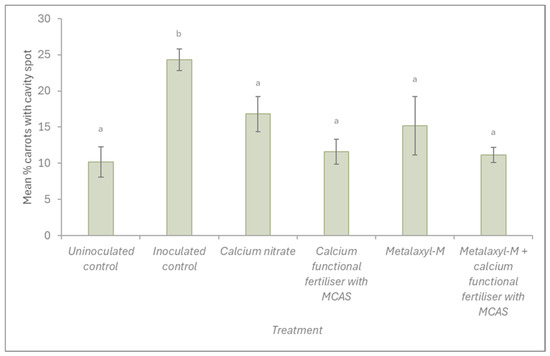
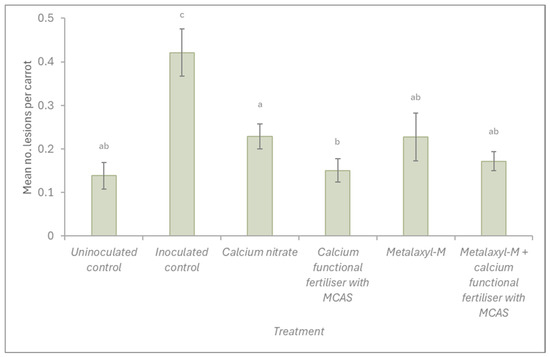
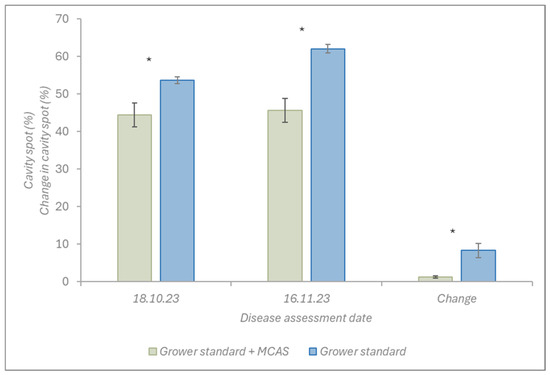
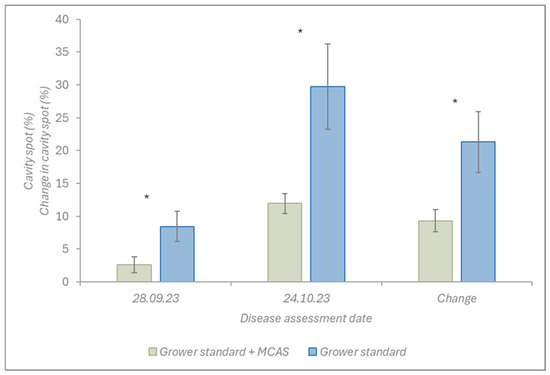
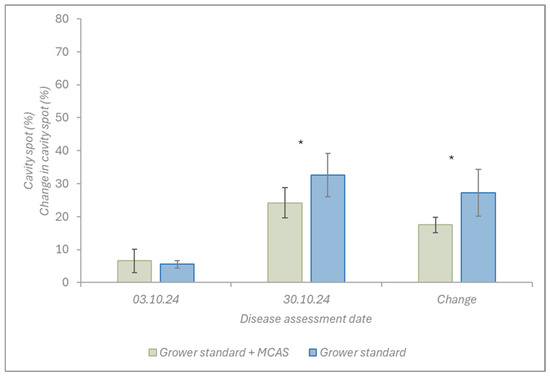
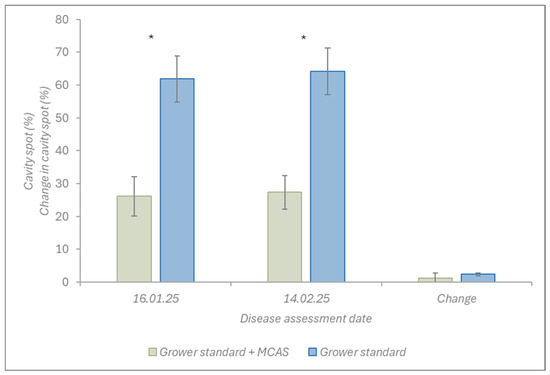
The marketable yield of carrot is reduced by carrot cavity spot disease (Pythium violae and P. sulcatum). In the UK, metalaxyl-M is the only approved fungicide. Good calcium nutrition can manage cavity spot, but calcium is not generally mobilised to the maturing carrot root. We report field-based studies testing the effect of Albina, a novel calcium functional fertiliser, which contains a calcium transport stimulant (MCAS) LoCalTM (Levity Crop Science, UK) that mimics the effect of auxin in relation to the transport of calcium across cell membranes. Its effect on cavity spot was compared with calcium nitrate (calcium fertiliser without MCAS) and metalaxyl-M in an inoculated ‘macrocosm’ plot experiment (cv. Nairobi), and in grower-managed field trials where it was compared with standard fertiliser and fungicide applications over two years (cvs. Nairobi and Octavo). In the macrocosm trial, the functional fertiliser gave significantly reduced cavity spot (12% incidence) compared with the inoculated (untreated) control (24% incidence) and had similar efficacy to the fungicide. In the grower-managed field trials, the functional fertiliser resulted in significantly improved cavity spot control with a mean reduction of 14%. The functional fertiliser could provide a cost-effective and environmentally friendly means for reducing cavity spot in carrots.
Full article
(This article belongs to the Special Issue Plant Health in the Context of Fungal and Other Microbial Threats: Systematics, Pathogenesis and Integrated Management)
►▼
Show Figures

Figure 1
Open AccessArticle
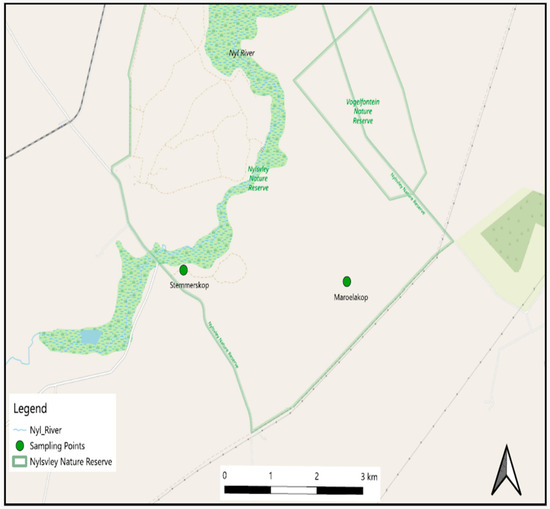
The Response of Juvenile Dichrostachys cinerea and Terminalia sericea Savanna Plants to Cutting Disturbances in the Nylsvley Nature Reserve, South Africa
by
Maanda Ligavha-Mbelengwa, Humbulani Munzhelele, Peter Tshisikhawe, Alphonce Bere and John Ogola
Int. J. Plant Biol. 2026, 17(9), 89; https://doi.org/10.3390/ijpb17090089 - 16 Sep 2026
Abstract
Bush encroachment by woody species threatens biodiversity, ecosystem functioning, and rangeland productivity in savanna ecosystems. Understanding how juvenile woody plants respond to cutting at different times of the year is essential for developing effective management strategies. This study evaluated the seasonal resprouting responses
[...] Read more.
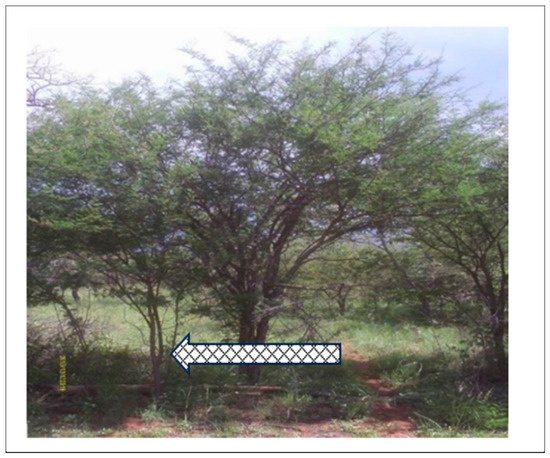
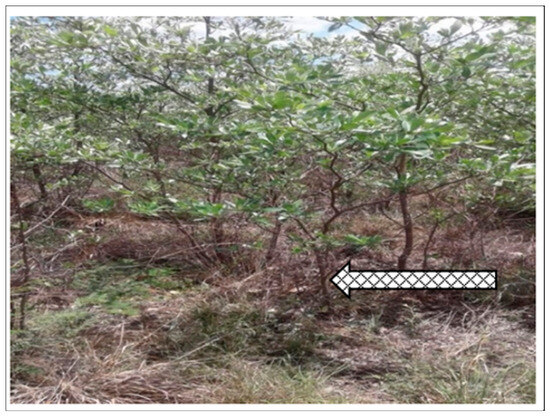
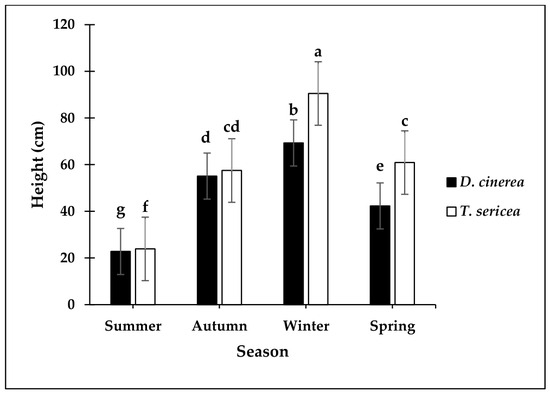
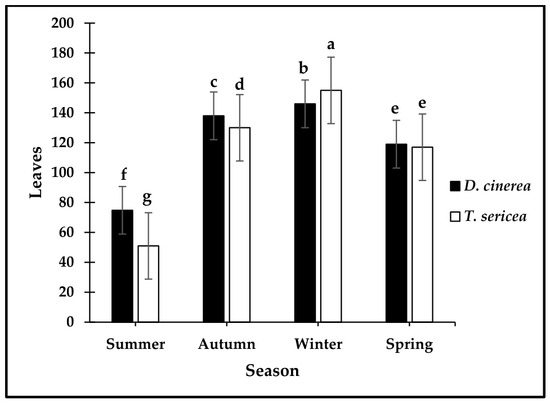
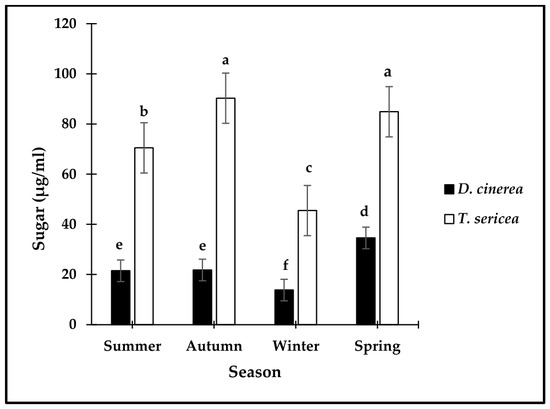
Bush encroachment by woody species threatens biodiversity, ecosystem functioning, and rangeland productivity in savanna ecosystems. Understanding how juvenile woody plants respond to cutting at different times of the year is essential for developing effective management strategies. This study evaluated the seasonal resprouting responses of juvenile individuals of Dichrostachys cinerea and Terminalia sericea following cutting disturbances. The study was conducted in the Nylsvley Nature Reserve using line transects and plot-based sampling because of challenges associated with protecting experimental sites in communal lands. Juvenile plants of each species were allocated into groups comprising thirty-five individuals and subjected to seasonal cutting treatments. Resprout height, leaf production, and root sugar concentrations were measured to assess seasonal recovery patterns. Both species successfully resprouted after cutting regardless of season. T. sericea produced taller resprout heights than D. cinerea, whereas D. cinerea generally produced more leaves. Seasonal differences significantly affected recovery, with winter cutting producing the tallest resprout heights and greatest leaf production, while summer cutting resulted in the shortest resprouts and fewest leaves. Winter-cut plants produced more than twice as many leaves as summer-cut plants. Winter cutting drastically boosts plant regeneration capacity and cannot effectively curb bush expansion, whereas summer cutting achieves better suppression effects. Root sugar concentrations were lower during winter in both species, indicating reduced metabolic activity. Summer is the most effective season for cutting juvenile individuals of D. cinerea and T. sericea to suppress bush encroachment, whereas winter is the least effective. These findings provide evidence to support seasonally informed bush management strategies that promote biodiversity conservation, ecological integrity, and sustainable savanna ecosystem management.
Full article
(This article belongs to the Section Plant Ecology and Biodiversity)
►▼
Show Figures

Figure 1
Open AccessArticle
Genetic Diversity and Population Structure of Sweet Orange (Citrus sinensis) Germplasm in Inhambane Province, Mozambique
by
Milton Sebastião Zavale, Arsénio D. Ndeve, Winfred N. Muteti and Rogério M. Chiulele
Int. J. Plant Biol. 2026, 17(9), 88; https://doi.org/10.3390/ijpb17090088 - 10 Sep 2026
Abstract
Background/Objectives: Sweet orange (Citrus sinensis (L.) Osbeck) is an economically important fruit crop that contributes substantially to food security and smallholder income in Mozambique. Despite this, the genetic diversity of the locally grown germplasm has not been characterized at the molecular level,
[...] Read more.
Background/Objectives: Sweet orange (Citrus sinensis (L.) Osbeck) is an economically important fruit crop that contributes substantially to food security and smallholder income in Mozambique. Despite this, the genetic diversity of the locally grown germplasm has not been characterized at the molecular level, limiting its improvement and conservation programs. This study assessed the genetic diversity and population structure of germplasm from 94 sweet orange trees sampled across four districts of Inhambane Province using DArTSeq single-nucleotide polymorphism (SNP) markers. Methods: After filtering 8111 SNPs for call rate (≥0.80) and minor allele frequency (≥0.01), 1263 markers were retained, of which 1144 were anchored to the nine chromosomes of the reference genome. Results: Sparse non-negative matrix factorization identified K = 1, indicating a single undifferentiated gene pool, supported by a smooth PCA scree with one weak axis. DAPC assigned individuals to their district only 38.3% of the time (random expectation = 25%; maximum a-score = 0.10), and the first two PCoA axes explained 10.33% of variation with complete district overlap, indicating no detectable geographic structure. Diversity was low, with observed heterozygosity (Ho = 0.247) exceeding expected heterozygosity (He = 0.138) and a negative inbreeding coefficient (Fis = −0.222). The pattern indicated a heterozygote excess consistent with the fixation of the heterozygous interspecific-hybrid genome under clonal propagation. A hierarchical analysis of molecular variance showed that differentiation among districts was negligible (0.04%), whereas 4.16% of variation was partitioned among orchards (farms) within districts, indicating that the little of the existing structure resides at the orchard level, confounded with propagation method and cultivar, rather than among districts. Most variation was partitioned within individuals (76.0%), and pairwise FST values (0.0005–0.0035) were uniformly low. Conclusions: These results indicate that the sweet orange orchards stem from a single, highly heterozygous gene pool redistributed through the exchange of seed and vegetative planting material. This underscores the need to introduce diverse external germplasm to broaden the genetic base for sustainable improvement in Mozambique.
Full article
(This article belongs to the Section Plant Ecology and Biodiversity)
►▼
Show Figures

Figure 1
Open AccessArticle
Climacteric and Non-Climacteric Ripening Patterns of Melons with Focus on Carbohydrate Metabolism and Osmotic Potential
by
Maria Raquel Alcantara de Miranda, Luiz Ferreira Coelho Junior, Gabrielle Glayssa Lopes de Oliveira Holanda, Rute Xavier Franca, Elenilson Godoy Alves Filho, Sueli Rodrigues, Izabella Maria Costa Oliveira, Fernando Antônio Souza Aragão and Ricardo Antonio Ayub
Int. J. Plant Biol. 2026, 17(9), 87; https://doi.org/10.3390/ijpb17090087 - 10 Sep 2026
Abstract
This study investigated the differences between ripening patterns of two homozygous lineages of melons, yellow A5, a non-climacteric inodorus, and Charentais C1, a climacteric cantalupensis, regarding the physiological processes related to postharvest quality with a focus on carbohydrate metabolism and osmotic
[...] Read more.
This study investigated the differences between ripening patterns of two homozygous lineages of melons, yellow A5, a non-climacteric inodorus, and Charentais C1, a climacteric cantalupensis, regarding the physiological processes related to postharvest quality with a focus on carbohydrate metabolism and osmotic potential. Melons underwent significant changes as maturation progressed from 24 to 34 days after pollination (DAP) for the non-climacteric A5 lineage and from 18 to 28 DAP for the C1 climacteric lineage. The most discriminant variables for the non-climacteric pattern of A5 melons were the higher activity of cell wall hydrolase PME and lower firmness, the higher activity of enzymes involved in carbohydrate metabolism, and sucrose accumulation. In contrast, climacteric C1 melons reach physiological maturity at 24 DAP, do not accumulate sucrose, and enzyme β-GAL plays a key role in cell wall breakdown, contributing to softening and to soluble solids content. A5 melons exhibited greater TSS and soluble solids content, and even though the osmotic potential did not change significantly, the VIP results highlighted it as an important variable for discriminating between its maturation stages. Meanwhile, in the C1 melon, the increase in soluble solids content influences the more negative values of osmotic potential, not by changes in TSS content, and thus may be associated with fruit growth.
Full article
(This article belongs to the Section Plant Physiology)
►▼
Show Figures

Graphical abstract
Open AccessArticle
Cultivar-Specific Transcriptional and Biochemical Responses of In Vivo-Grown Camellia sinensis Plants to Long-Term Nitrogen Deficiency
by
Karina A. Manakhova, Lidiia S. Samarina, Lyudmila S. Malyukova, Lada V. Zhokhova, Alexey V. Ryndin and Evgeny I. Rogaev
Int. J. Plant Biol. 2026, 17(9), 86; https://doi.org/10.3390/ijpb17090086 - 9 Sep 2026
Abstract
Nitrogen (N) availability strongly influences tea growth and the accumulation of quality-related metabolites, but long-term responses to withdrawal of external N can vary among cultivars. In this study, we characterized phenotypic, spectral, biochemical, and transcriptomic responses of four Camellia sinensis accessions—‘Kolkhida’, ‘Karatum’, and
[...] Read more.
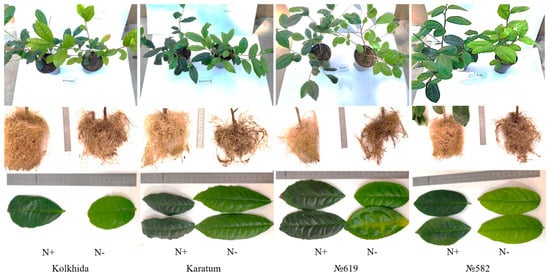
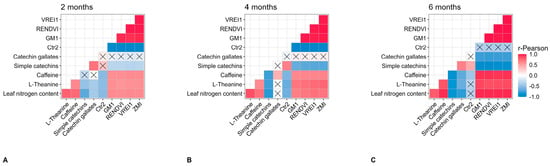
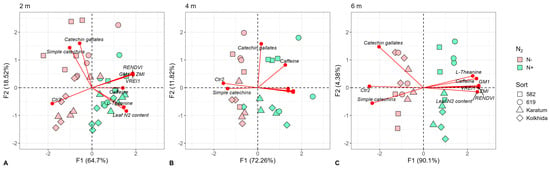
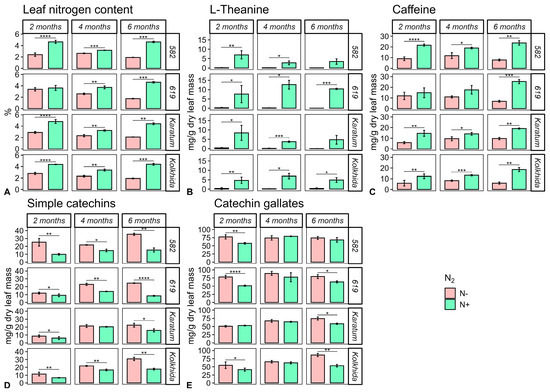
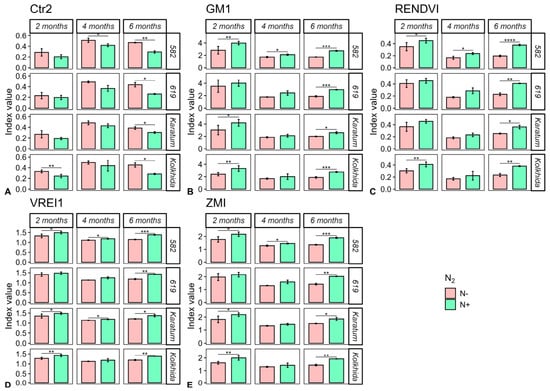
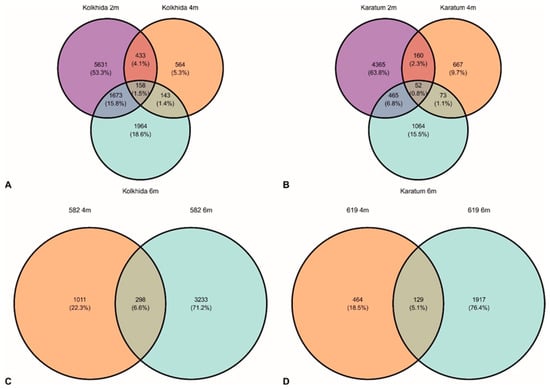
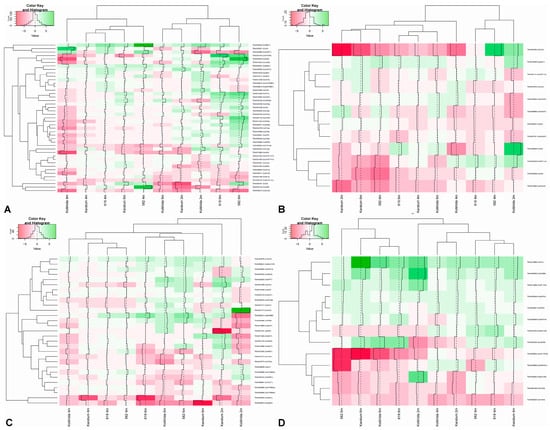
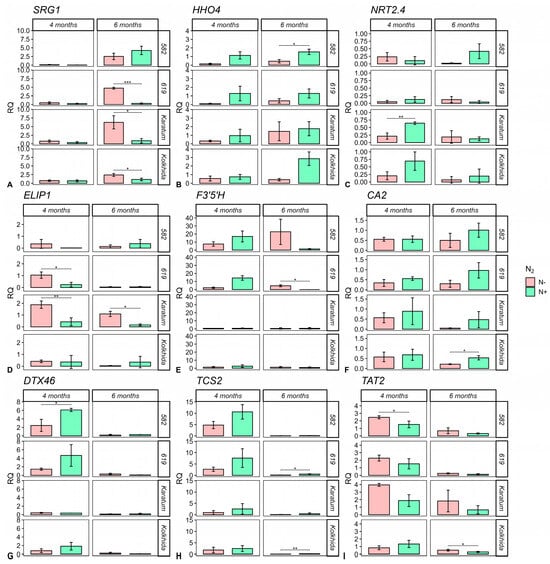
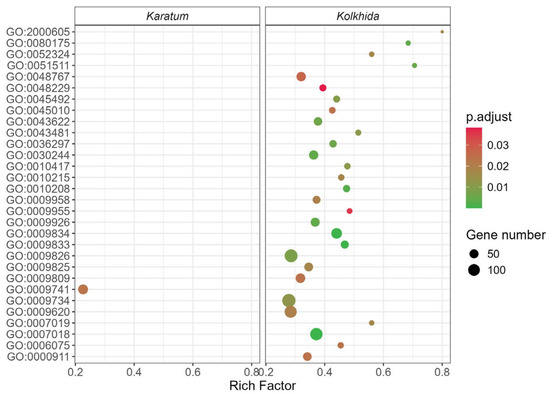
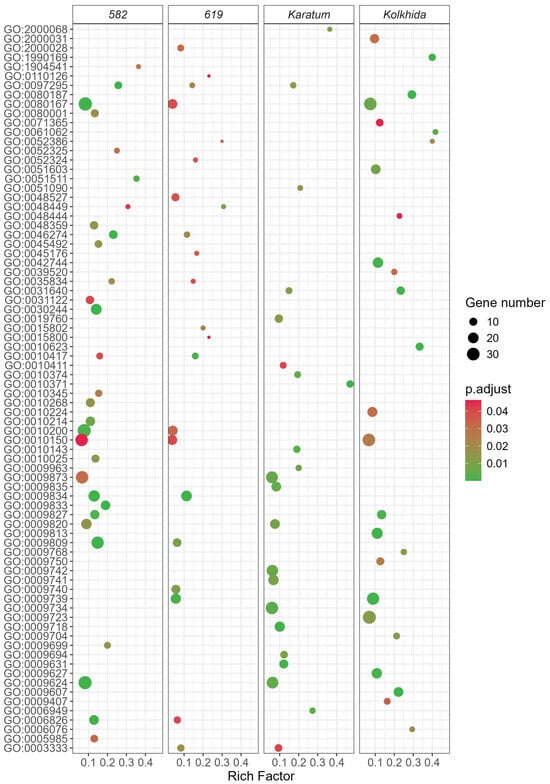
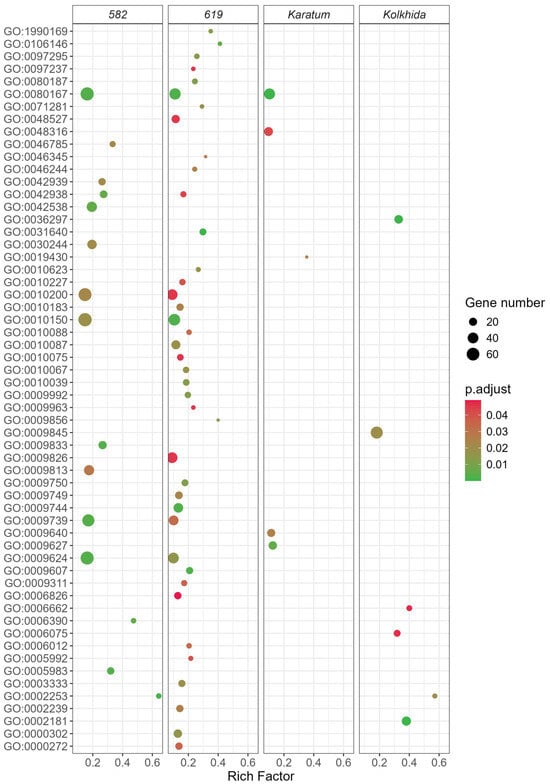
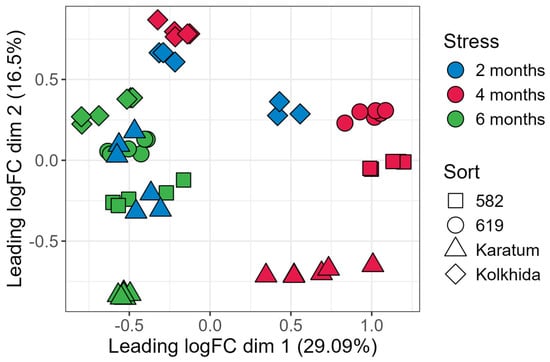
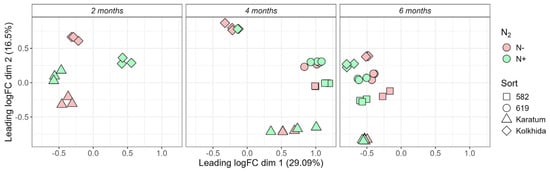
Nitrogen (N) availability strongly influences tea growth and the accumulation of quality-related metabolites, but long-term responses to withdrawal of external N can vary among cultivars. In this study, we characterized phenotypic, spectral, biochemical, and transcriptomic responses of four Camellia sinensis accessions—‘Kolkhida’, ‘Karatum’, and γ-irradiation-derived mutant forms #582 and #619—during two, four, or six months of complete withdrawal of exogenous NH4NO3 in greenhouse sand culture. Phenotypic, spectral, and biochemical measurements included all four accessions at all three time points; RNA-seq data were available for all four accessions were represented at four and six months, whereas two-month point were available only for ‘Kolkhida’ and ‘Karatum’. Nitrogen withdrawal decreased L-theanine and caffeine and generally increased simple and gallated catechins, consistent with a change in carbon/nitrogen balance towards phenolic metabolism. The four cultivars exhibited markedly distinct responses. ‘Karatum’ showed the optimum resilience, with minimal phenotypic alteration and a neutral transcriptional response, while #582 demonstrated a stronger stress-associated phenotype and metabolic response. Within the available RNA-seq comparisons, DEG counts were lower at four months than at six months, while the two-month datasets for ‘Kolkhida’ and ‘Karatum’ contained the largest DEG sets for those two cultivars, suggesting a phased acclimation process. CsELIP1, CsSRG1, CsHHO2/4, CsNRT2.4, and CsTAT2 were identified as potential candidate genes associated with nitrogen limitation, flavonoid regulation, and amino acid metabolism. Our findings show that N-deficiency reactions in tea are highly cultivar- and time-dependent, making single-time-point evaluations insufficient. We propose ‘Karatum’ as a promising candidate for further evaluation in low-nitrogen dose–response and field trials based on our combined biochemical and transcriptional findings.
Full article
(This article belongs to the Section Plant Biochemistry and Genetics)
►▼
Show Figures

Figure 1
Open AccessArticle
Physiological, Biochemical, and Molecular Responses of Potato Cultivars to Osmotic Stress Under In Vitro Shoot Culture
by
Aidana K. Argumbayeva, Balnur R. Kali, Laura S. Abeuova, Beibit N. Nasiyev, Aisulu Orken, Dilnur Tussipkan and Shuga A. Manabayeva
Int. J. Plant Biol. 2026, 17(9), 85; https://doi.org/10.3390/ijpb17090085 - 9 Sep 2026
Abstract
Drought is a major limiting factor for potato productivity. This study examined two Kazakh potato cultivars, Tokhtar and Aksor, under osmotic stress induced by polyethylene glycol (PEG)-6000 using an integrated physiological, biochemical, and molecular approach. We evaluated plant growth, total chlorophyll content, catalase
[...] Read more.
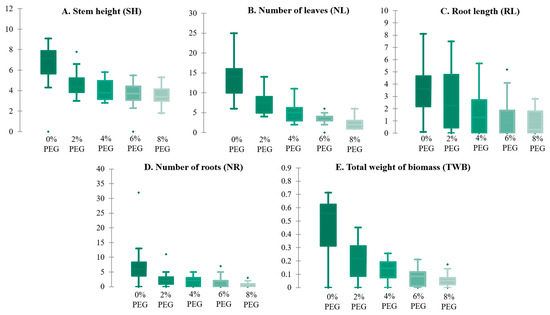
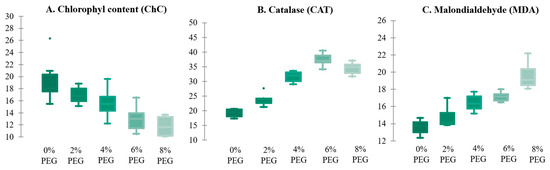
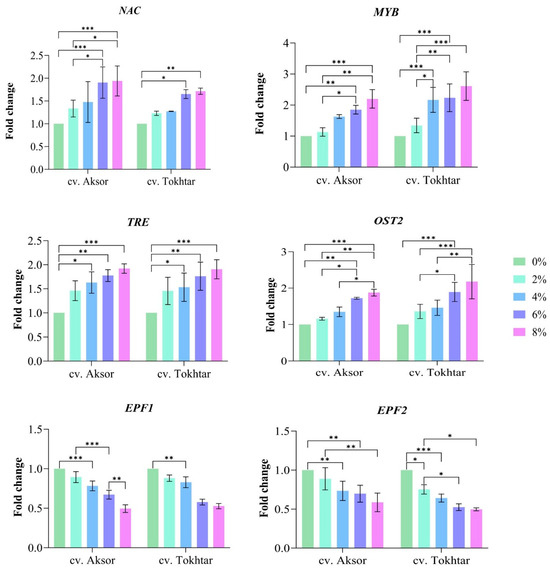
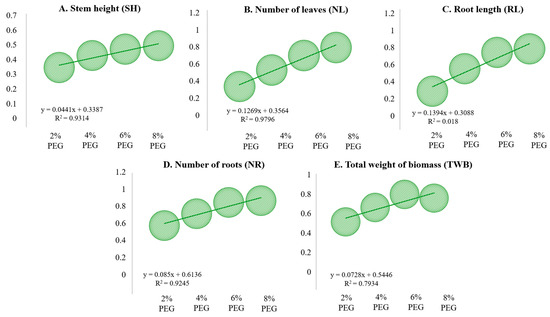
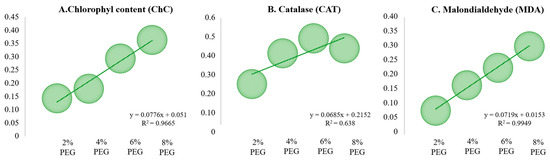
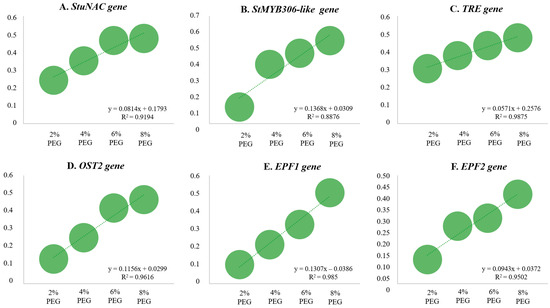
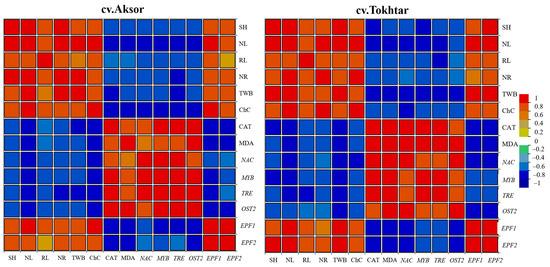
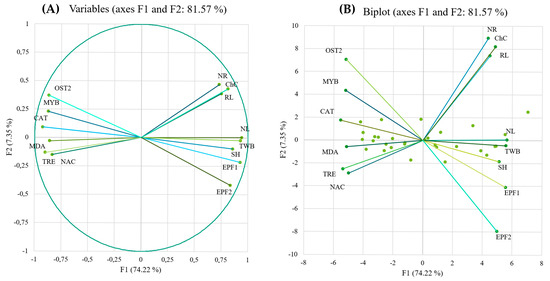
Drought is a major limiting factor for potato productivity. This study examined two Kazakh potato cultivars, Tokhtar and Aksor, under osmotic stress induced by polyethylene glycol (PEG)-6000 using an integrated physiological, biochemical, and molecular approach. We evaluated plant growth, total chlorophyll content, catalase activity, malondialdehyde content, and the transcript levels of six stress-associated genes (StMYB306-like, StuNAC, TRE, OST2, and EPF1, and EPF2) across increasing PEG concentrations. PEG treatment significantly inhibited growth and reduced total chlorophyll content while increasing CAT activity and MDA accumulation. The magnitude and statistical significance of the morphological and biochemical responses varied between cultivars and among PEG concentrations. Transcript levels of StMYB306-like, StuNAC, TRE, and OST2 generally increased with increasing PEG concentration, while EPF1 and EPF2 levels decreased. The absence of significant cultivar × PEG interactions for all six genes indicated that their transcriptional responses to PEG did not differ statistically between Tokhtar and Aksor. Correlation and multivariate analysis revealed contrasting associations between growth and chlorophyll-related traits and CAT activity, MDA accumulation, and stress-responsive gene expression. To our knowledge, the expression patterns of TRE, OST2, and EPF1 and EPF2 in potatoes under PEG-induced osmotic stress have not been characterized previously. Taken together, these findings characterize the coordinated morphological, biochemical, and transcriptional responses of potato plantlets to PEG-induced osmotic stress. They also identify candidate response traits for validation across genetically diverse germplasm and under soil-based and field drought conditions.
Full article
(This article belongs to the Special Issue Hormone and Gene Regulatory Networks in Plant Stress Resistance)
►▼
Show Figures

Figure 1
Highly Accessed Articles
Latest Books
E-Mail Alert
News
Topics
Topic in
Plants, Horticulturae, IJPB, Agronomy, Crops
Recent Progress in Plant Nutrition Research and Plant Physiology: 2nd Edition
Topic Editors: Cid Naudi Silva Campos, Renato De Mello PradoDeadline: 31 December 2026
Topic in
Applied Microbiology, Microbiology Research, Microorganisms, IJMS, IJPB, Plants
New Challenges on Plant–Microbe Interactions
Topic Editors: Wenfeng Chen, Junjie ZhangDeadline: 31 January 2027
Topic in
Agronomy, Microorganisms, Agriculture, Plants, Soil Systems, Crops, IJPB
Microbe-Induced Abiotic Stress Alleviation in Plants, 2nd Edition
Topic Editors: Ying Ma, Christopher RensingDeadline: 28 February 2027
Topic in
Agronomy, Agriculture, Crops, IJPB, Plants
Advances in Cultivation Techniques for Increasing Crop Yield
Topic Editors: Zhi Dou, Weiling Wang, Hui GaoDeadline: 31 March 2027
Special Issues
Special Issue in
IJPB
Wetland Ecology: Plant Adaptations to Changing Wetland Environments
Guest Editors: Hongyu Guo, Yinhua Wang, Petre BrețcanDeadline: 31 October 2026
Special Issue in
IJPB
Plant Health in the Context of Fungal and Other Microbial Threats: Systematics, Pathogenesis and Integrated Management
Guest Editors: Yi Zhou, Jinglong Zhou, Jianwei JiangDeadline: 31 October 2026
Special Issue in
IJPB
Chemical Signatures, Biological Functions, and Valorization Potential of Plant Extracts
Guest Editors: Mohamed Ouknin, Ahmed WifayaDeadline: 30 November 2026
Special Issue in
IJPB
Plants in Urban Environments
Guest Editors: Adriano Sofo, Alba N. MininniDeadline: 31 December 2026