
Journal Description
International Journal of Environmental Research and Public Health
(IJERPH) is a transdisciplinary, peer-reviewed, open access journal that covers global health, healthcare sciences, behavioral and mental health, infectious diseases, chronic diseases and disease prevention, exercise and health related quality of life, environmental health and environmental sciences, and is published monthly online by MDPI. The International Society Doctors for the Environment (ISDE), Italian Society of Environmental Medicine (SIMA) and Environmental Health Association of Québec (ASEQ‑EHAQ) are affiliated with IJERPH and their members receive discounts on the article processing charges.
- Open Access— free for readers, with article processing charges (APC) paid by authors or their institutions.
- High Visibility: indexed within Scopus, PubMed, MEDLINE, PMC, Embase, GEOBASE, CAPlus / SciFinder, and other databases.
- Journal Rank: CiteScore - Q1 (Public Health, Environmental and Occupational Health)
- Rapid Publication: manuscripts are peer-reviewed and a first decision is provided to authors approximately 29.5 days after submission; acceptance to publication is undertaken in 3.9 days (median values for papers published in this journal in the second half of 2025).
- Recognition of Reviewers: reviewers who provide timely, thorough peer-review reports receive vouchers entitling them to a discount on the APC of their next publication in any MDPI journal, in appreciation of the work done.
- Testimonials: See what our editors and authors say about IJERPH.
- Sections: published in 7 topical sections.
- Companion journal: Air.
- Journal Cluster of Healthcare Sciences and Services: Geriatrics, Journal of Ageing and Longevity, Healthcare, Hospitals, Hygiene, International Journal of Environmental Research and Public Health and Nursing Reports.
Latest Articles
Challenges and Practices in Perishable Food Supply Chain Management in Remote Indigenous Communities: A Scoping Review and Conceptual Framework for Enhancing Food Access
Int. J. Environ. Res. Public Health 2026, 23(1), 118; https://doi.org/10.3390/ijerph23010118 (registering DOI) - 17 Jan 2026
Abstract
►
Show Figures
Remote Indigenous communities experience persistent inequities in access to fresh and nutritious foods due to the fragility of perishable food supply chains (PFSCs). Disruptions across procurement, transportation, storage, retail, and limited local production restrict access to perishable foods, contributing to food insecurity and
[...] Read more.
Remote Indigenous communities experience persistent inequities in access to fresh and nutritious foods due to the fragility of perishable food supply chains (PFSCs). Disruptions across procurement, transportation, storage, retail, and limited local production restrict access to perishable foods, contributing to food insecurity and diet-related health risks. This scoping literature review synthesizes evidence from 84 peer-reviewed, grey, and unpublished sources across fourteen countries to map PFSC management (PFSCM) challenges affecting food access in remote Indigenous communities worldwide and to synthesize reported practices implemented to address these challenges. PFSCM challenges were identified across all supply chain levels, and five categories of reported practices emerged: PFSC redesign strategies, forecasting and decision-support models, technological innovations, collaboration and coordination mechanisms, and targeted investments. These findings informed the development of a multi-scalar conceptual framework comprising seven interconnected PFSCM clusters that organize how reported practices are associated with multiple food access dimensions, including quantity, affordability, quality, safety, variety, and cultural acceptability. This review contributes an integrative, system-oriented synthesis of PFSCM research and provides a conceptual basis to support future scholarly inquiry, comparative inquiry, and policy-relevant discussion of food access and health equity in remote Indigenous communities.
Full article
Open AccessArticle
Rethinking Gaming Disorder Prevention: A Socio-Ecological Model Based on Practitioner Insights
by
Maya Geudens, Rozane De Cock, Bieke Zaman and Bruno Dupont
Int. J. Environ. Res. Public Health 2026, 23(1), 117; https://doi.org/10.3390/ijerph23010117 (registering DOI) - 17 Jan 2026
Abstract
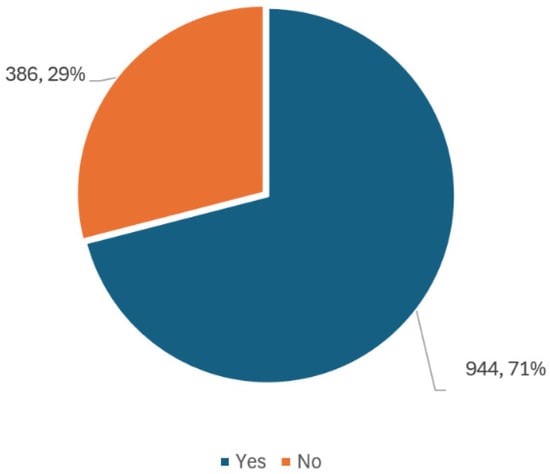
Current approaches to gaming disorder prevention remain comparatively narrow, and prevention efforts are frequently underdeveloped and fragmented. Using the socio-ecological model (SEM), this qualitative study mapped frontline practitioners’ perceived obstacles and opportunities to develop a multi-level, practice-grounded framework for policy and implementation. Semi-structured
[...] Read more.
Current approaches to gaming disorder prevention remain comparatively narrow, and prevention efforts are frequently underdeveloped and fragmented. Using the socio-ecological model (SEM), this qualitative study mapped frontline practitioners’ perceived obstacles and opportunities to develop a multi-level, practice-grounded framework for policy and implementation. Semi-structured interviews were conducted with 18 prevention professionals in Flanders (Dutch-speaking Belgium), recruited via purposive and snowball sampling. A hybrid inductive–deductive analysis—iterative coding guided by Layder’s adaptive theory—organized findings across SEM levels. At the public policy level, participants highlighted insufficient sustainable funding but saw potential in coordinated frameworks moving prevention beyond substance-focused agendas. At the community level, a clear knowledge gap emerged, with opportunities in integrating gaming within broader digital well-being efforts. Institutionally, the absence of practical tools and clear referral pathways was noted, in addition to high participation barriers, whereas accessible programs with targeted outreach were viewed as promising. Interpersonally, parental disengagement was common, but early involvement and pedagogical guidance were seen as key levers. At the intrapersonal level, limited self-insight and emotion regulation impeded change, while resilience, self-confidence, and offline activities were protective. This first empirical application of the SEM to gaming disorder prevention highlights the need for a multi-level, context-sensitive framework that bridges public health and digital media perspectives.
Full article
(This article belongs to the Section Behavioral and Mental Health)
►▼
Show Figures

Figure 1
Open AccessArticle
Training and Recruitment to Implement the CASA Psychosocial Intervention in Cancer Care
by
Normarie Torres-Blasco, Stephanie D. Torres-Marrero, Ninoshka Rivera-Torres, Denise Cortés-Cortés and Sabrina Pérez-De Santiago
Int. J. Environ. Res. Public Health 2026, 23(1), 116; https://doi.org/10.3390/ijerph23010116 (registering DOI) - 17 Jan 2026
Abstract
Practical training and recruitment strategies are critical for the sustainable implementation of psychosocial interventions. However, few studies have examined how to prepare community partners and doctoral students to support culturally adapted psycho-oncology interventions. This pre-pilot study aims first to evaluate two distinct training
[...] Read more.
Practical training and recruitment strategies are critical for the sustainable implementation of psychosocial interventions. However, few studies have examined how to prepare community partners and doctoral students to support culturally adapted psycho-oncology interventions. This pre-pilot study aims first to evaluate two distinct training programs and recruitment procedures, and second to explore preliminary pre-post outcomes of the Caregiver-Patients Support to Cope with Advanced Cancer (CASA) intervention, using the Consolidated Framework for Implementation Research (CFIR). Three clinical psychology graduate students received CASA training, and two community partners completed Recruitment training. We present descriptive pre- and post-assessments, along with qualitative feedback, for both training and institutional (Puerto Rico Biobank) and community-based recruitment outcomes. A related-samples nonparametric analysis examined pre- and post-CASA intervention signals. Results indicated knowledge gains among doctoral students (pre-test M = 3.3; post-test M = 9.3) and community partners (pre-test M = 4.5; post-test M = 9.5). Preliminary outcomes revealed significant improvements in spiritual well-being (Z = −2.618, p = 0.009) and quality of life (Z = −2.957, p = 0.003) and a reduction in depressive (Z = −2.764, p = 0.006), anxiety (Z = −2.667, p = 0.008), and distress (Z = −2.195, p = 0.028) symptoms following CASA. Of 26 recruited dyads, institutional referrals enrolled 16 dyads (61.5%), while community partners referred 10 dyads with a 90.9% success rate. Findings support the feasibility of both training and CASA exploratory outcomes suggest meaningful psychosocial benefits for Latino dyads coping with advanced cancer. Combining institutional infrastructure with community engagement may enhance sustainability and equitable access to psycho-oncology care.
Full article
(This article belongs to the Special Issue Proceedings of the 2024 and 2025 Research Centers in Minority Institutions (RCMI) Consortium National Conferences)
►▼
Show Figures

Figure 1
Open AccessSystematic Review
The Experiences of LGBTQ+ Pre-Service and Qualified Teachers and Their Mental Health: A Systematic Review of International Research
by
Jonathan Glazzard and Scott Thomas
Int. J. Environ. Res. Public Health 2026, 23(1), 115; https://doi.org/10.3390/ijerph23010115 (registering DOI) - 17 Jan 2026
Abstract
Existing research highlights that Lesbian, Gay, Bisexual, Transgender and Queer (LGBTQ+) teachers are often exposed to additional stressors in schools which adversely affect their mental health. Some mitigate the effects of these stressors by separating their personal and professional identities while others choose
[...] Read more.
Existing research highlights that Lesbian, Gay, Bisexual, Transgender and Queer (LGBTQ+) teachers are often exposed to additional stressors in schools which adversely affect their mental health. Some mitigate the effects of these stressors by separating their personal and professional identities while others choose to integrate their identities so that they can be authentic, advance social justice in school contexts or be visible and vocal role models. Less is known about the experiences of pre-service teachers who are undertaking teacher preparation programmes. This systematic literature review presents the results of 20 published papers which represent the global experiences of both pre-service teachers and serving teachers. The findings highlight identity management, experiences of discrimination, agency and lack of confidence of teacher educators. Two new frameworks are presented that lay the foundations for embedding LGBTQ+ inclusion and proposed mandatory elements of curricula for initial teacher training. This systematic literature review has been informed by the following research questions RQ1. What are the experiences of LGBTQ+ pre-service teachers? RQ2. How do LGBTQ+ pre-service teachers negotiate their identities? RQ3. How do LGBTQ+ pre-service teachers disrupt hetero/cis-normative cultures in schools? RQ4: How well does the teacher education programme prepare pre-service teachers for teaching LGBTQ+ inclusive education?
Full article
(This article belongs to the Special Issue Mental Health Challenges Affecting LGBTQ+ Individuals and Communities)
Open AccessArticle
Standardizing Recreational Cannabis Excise Tax Rates in the United States: New Retail Price-Based Measurements by Product Category
by
Bing Han, Michael Cooper, Ce Shang and Yuyan Shi
Int. J. Environ. Res. Public Health 2026, 23(1), 114; https://doi.org/10.3390/ijerph23010114 - 16 Jan 2026
Abstract
►▼
Show Figures
Background: Cannabis excise tax structures vary widely across the states in the United States. Standardizing taxes may improve cross-state comparisons and strengthen evaluations of how taxes and prices influence public health outcomes. This study developed category-specific standardized tax metrics for flower, vaping, and
[...] Read more.
Background: Cannabis excise tax structures vary widely across the states in the United States. Standardizing taxes may improve cross-state comparisons and strengthen evaluations of how taxes and prices influence public health outcomes. This study developed category-specific standardized tax metrics for flower, vaping, and edible products by incorporating price and tax structure variations using retail scanner data. Methods: We analyzed cannabis retail scanner data from dispensary point-of-sale systems for flower, vaping, and edible products in 12 states with legal recreational markets from Q1 2020 to Q4 2024. Using retail prices and excise tax policies, we converted taxes in different forms across the supply chain into standardized measures and estimated tax incidence (ratio of standardized taxes to retail prices) for each category. We also evaluated the association between standardized taxes and retail prices. Results: Mean standardized excise taxes were USD 32.58/ounce for flower, USD 180.21/ounce for vaping, and USD 0.024/milligram THC for edible products. Corresponding tax incidences were 13.03%, 13.59%, and 13.09%. Standardized taxes and tax incidences varied considerably across states. Category-specific standardized taxes strongly predicted retail prices, supporting their use as an instrumental variable candidate. Conclusions: Category-specific standardized measures of cannabis excise taxes derived from retail scanner data may support cross-state comparisons and pricing policy evaluation.
Full article

Figure 1
Open AccessArticle
Impact of Lignite Combustion Air Pollution on Acute Coronary Syndrome and Atrial Fibrillation Incidence in Western Macedonia, Greece
by
Vasileios Vasilakopoulos, Ioannis Kanonidis, Christina-Ioanna Papadopoulou, George Fragulis and Stergios Ganatsios
Int. J. Environ. Res. Public Health 2026, 23(1), 113; https://doi.org/10.3390/ijerph23010113 - 16 Jan 2026
Abstract
►▼
Show Figures
Air pollution from lignite combustion represents a major environmental and public health concern, particularly for cardiovascular disease. This study investigated the relationship between ambient air pollution and hospital admissions for Acute Coronary Syndromes (ACS) and Atrial Fibrillation (AF) in Western Macedonia, Greece—a region
[...] Read more.
Air pollution from lignite combustion represents a major environmental and public health concern, particularly for cardiovascular disease. This study investigated the relationship between ambient air pollution and hospital admissions for Acute Coronary Syndromes (ACS) and Atrial Fibrillation (AF) in Western Macedonia, Greece—a region historically dominated by lignite mining and power generation. Air quality data for PM10, SO2, and NOx from 2011–2014 and 2021 were analyzed alongside hospital admission records from four regional hospitals (Kozani, Ptolemaida, Florina, Grevena). Spatial analyses revealed significantly higher pollutant concentrations and cardiovascular admissions in high-exposure areas near power plants compared with the control area. Temporal analyses demonstrated a pronounced decline in pollutant levels between 2014 and 2021, coinciding with lignite phase-out and accompanied by a marked reduction in ACS and AF hospitalizations, particularly in the high-exposure areas of Ptolemaida and Florina. Correlation analyses indicated modest but significant positive associations between monthly pollutant concentrations and cardiovascular admissions. These findings provide real-world evidence that reductions in air pollution following lignite decommissioning were associated with improved cardiovascular outcomes. The study underscores the medical importance of air quality improvement and highlights emission reduction as a critical strategy for cardiovascular disease prevention in transitioning energy regions.
Full article

Figure 1
Open AccessSystematic Review
Caries and Socioeconomic Factors in Adults (19–60 Years Old): An Updated Systematic Review of Observational Studies
by
Maria Aparecida Gonçalves de Melo Cunha, Alex Junio Silva da Cruz, Carolina Martins-Pfeifer, Simone de Melo Costa and Mauro Henrique Nogueira Guimarães de Abreu
Int. J. Environ. Res. Public Health 2026, 23(1), 112; https://doi.org/10.3390/ijerph23010112 - 16 Jan 2026
Abstract
►▼
Show Figures
Dental caries remains a major global public health problem characterized by pronounced social inequalities. This study aimed to identify, critically appraise, and synthesize the most recent evidence on the relationship between socioeconomic indicators and dental caries among adults aged 19–60 years, providing an
[...] Read more.
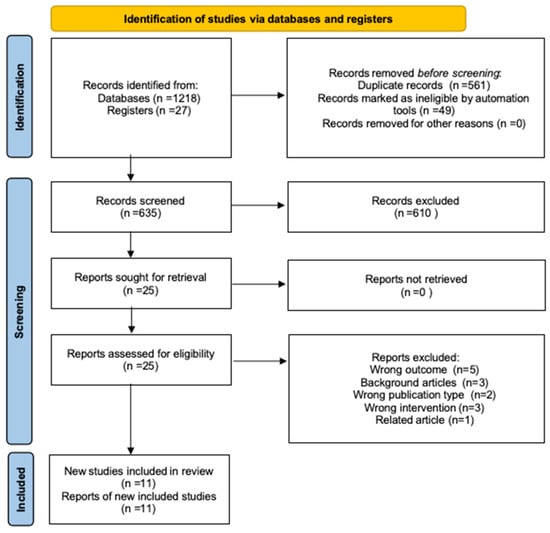
Dental caries remains a major global public health problem characterized by pronounced social inequalities. This study aimed to identify, critically appraise, and synthesize the most recent evidence on the relationship between socioeconomic indicators and dental caries among adults aged 19–60 years, providing an updated systematic review that builds upon our previous reviews from 2012 and 2018. Reported following the PRISMA 2020 guidelines, we conducted a systematic search of eight electronic databases for observational studies published between March 2017 and April 2024 (PROSPERO: CRD42017074434). Two independent reviewers performed study selection, data extraction, and risk of bias assessment using the Newcastle–Ottawa Scale. Due to substantial methodological heterogeneity across the 22 included studies, a narrative synthesis was undertaken. The findings demonstrated a strong inverse association between socioeconomic position and caries experience. Lower income, lower educational attainment, and unemployment or employment in manual/unskilled occupations were associated with a higher overall caries experience. Advanced analytical approaches in recent studies, including life-course, reinforced that education and income are key contributors of these oral health inequalities, with persistent social disadvantage conferring the greatest risk. In conclusion, dental caries in adults aged 19–60 years is a social condition reflecting the cumulative effects of socioeconomic inequality across the life course. Addressing adult dental caries requires integrated approaches that combine clinical prevention with social and public policies aimed at reducing structural inequalities.
Full article

Figure 1
Open AccessArticle
An Integrated Cervical Stabilization Exercise and Thai Self-Massage Approach for Managing Chronic Nonspecific Neck Pain in Young Adults: A Single-Blind Randomized Controlled Trial
by
Vitsarut Buttagat, Warathon Mathong, Metira Kongchana, Kanittha Lowprasert, Sujittra Kluayhomthong and Pattanasin Areeudomwong
Int. J. Environ. Res. Public Health 2026, 23(1), 111; https://doi.org/10.3390/ijerph23010111 - 16 Jan 2026
Abstract
Background: Chronic nonspecific neck pain (CNNP) is a widespread musculoskeletal condition affecting individuals across all age groups. Although cervical stabilization exercises (CSE) and Thai self-massage have each demonstrated therapeutic potential, evidence regarding the effectiveness of the combined applications of CSE and Thai self-massage
[...] Read more.
Background: Chronic nonspecific neck pain (CNNP) is a widespread musculoskeletal condition affecting individuals across all age groups. Although cervical stabilization exercises (CSE) and Thai self-massage have each demonstrated therapeutic potential, evidence regarding the effectiveness of the combined applications of CSE and Thai self-massage remains limited. This study aimed to investigate the effects of a combined program of CSE and Thai self-massage (CSTM) on pain intensity (PI), pressure pain threshold (PPT), and neck disability (ND) in young adults with CNNP. Methods: This single-blind randomized controlled trial was conducted at the Department of Physical Therapy, School of Integrative Medicine, Mae Fah Luang University, Thailand. Fifty young adults with CNNP were randomly assigned into two groups. The CSTM group performed CSE integrated with Thai self-massage, whereas the control group practiced stretching exercises exclusively. Both groups engaged in their respective programs three times per week for a duration of four weeks. PI, PPT, and ND were assessed at baseline, after four weeks (Week 4), and at a two-week follow-up (Week 6). Results: Both groups showed significant improvements in PI, PPT, and ND (p < 0.05), representing within-group comparisons, at Week 4 and Week 6. Furthermore, between-group comparisons at Week 4 and Week 6 indicated that the CSTM group achieved significantly greater improvements in PI and ND than the control group (p < 0.05). Conclusion: A four-week program combining CSE with Thai self-massage was effective in reducing pain intensity and neck disability in young adults with CNNP, with benefits maintained at short-term follow-up. Trial registration: Thai Clinical Trials Registry (TCTR20231102008), registered on 2 November 2023.
Full article
(This article belongs to the Special Issue Physical Therapy Across the Continuum of Care: Integrating Health Promotion, Treatment, and Rehabilitation)
►▼
Show Figures

Figure 1
Open AccessArticle
Psychological Impact of Treatment-Induced Erectile Dysfunction on Masculinity: A Study of a Group of Black Elderly Men Undergoing Prostate Cancer Treatment at a Tertiary Hospital in Limpopo Province, South Africa
by
Shai Nkoana, Tholene Sodi, Antonio Lentoor, Mokoena Maepa and Kgadi Thobejane
Int. J. Environ. Res. Public Health 2026, 23(1), 110; https://doi.org/10.3390/ijerph23010110 - 16 Jan 2026
Abstract
With emerging improvement in screening and treatment, most patients with prostate cancer (PCa) live for a long period beyond their diagnosis. Erectile dysfunction (ED) and bowel and urinary incontinence have been shown to be the most bothersome side-effects of most PCa treatment options
[...] Read more.
With emerging improvement in screening and treatment, most patients with prostate cancer (PCa) live for a long period beyond their diagnosis. Erectile dysfunction (ED) and bowel and urinary incontinence have been shown to be the most bothersome side-effects of most PCa treatment options for patients. With increasing long-term survival, most PCa patients face the prospect of experiencing symptoms, side-effects of available treatment options, and diminished quality of life. The objective of the study was to explore the impact of treatment-induced ED on masculinity among Black South African PCa patients. Twenty (20) prostate cancer patients, selected through purposive sampling and receiving some form of treatment at Pietersburg tertiary Hospital, with ages ranging from 67 to 85 years (mean age = 76 years; SD = 5.3), participated in the study. In-depth, individual semi-structured interviews were used to collect data and analyzed through Interpretative Phenomenological Analysis (IPA). The findings indicate that ED threatens or adversely impacts the participants’ perceptions of their sense of masculinity leading to diminished quality of life. The results demonstrate that loss of masculinity brought about by PCa treatment-induced ED is experienced both physically as well as psychologically. The results highlight a need for collaboration between medical and psychological professionals in the management of PCa patients. This is crucial for improving the overall health related quality of life for patients.
Full article
(This article belongs to the Section Behavioral and Mental Health)
Open AccessArticle
Parental Perceptions of Healthy Eating and Actual Nutrient Intake: Analysis of the Nutritional Status of Children Aged 1–6 Years in Urban Areas of Central Kazakhstan
by
Svetlana Plyassovskaya, Yelena Pozdnyakova and Xeniya Mkhitaryan
Int. J. Environ. Res. Public Health 2026, 23(1), 109; https://doi.org/10.3390/ijerph23010109 - 15 Jan 2026
Abstract
Parental perceptions of healthy eating often diverge from children’s actual diets, but this gap is poorly documented in Central Asia. We examined how parents’ priorities for key food groups relate to nutrient intakes in 390 urban children aged 1–6 years in Central Kazakhstan.
[...] Read more.
Parental perceptions of healthy eating often diverge from children’s actual diets, but this gap is poorly documented in Central Asia. We examined how parents’ priorities for key food groups relate to nutrient intakes in 390 urban children aged 1–6 years in Central Kazakhstan. In a cross-sectional study, parents completed a 24 h multiple-pass dietary recall and rated the importance of fats and sweets, meat and fish, dairy, vegetables and fruits, and bread and potatoes on 5-point scales. Nutrient intakes were calculated using software, compared with national DRIs, and analyzed using rank-based tests and Spearman correlations. Parents reported near-ceiling priority for restricting fats and sweets and consistently high priority for bread and potatoes, whereas vegetables, fruits, meat/fish ,and dairy were rated moderately important, with dairy under-prioritized in 1–2-year-olds. On the recalled day, median intakes of fat, dietary fiber, vitamin C, and calcium were below national recommendations at all ages, and median intakes of iron, thiamine, and niacin were particularly low at 3–4 years, while sodium intake exceeded recommended levels; the 3–4-year group showed the most pronounced clustering of shortfalls. Prevalence estimates indicated that most children had intakes below recommendations for dietary fiber and calcium and above recommendations for sodium, underscoring population-wide nutritional imbalance. Across all scales, parental priorities showed only weak, non-significant associations with nutrient intakes (|r| < 0.11). These findings indicate a perception–intake gap and support interventions that ensure adequate fats, fiber, vitamin C, calcium, and bioavailable iron in preschool diets.
Full article
Open AccessArticle
The Intergenerational Impact of Parental Immigration Status: Educational and Health Outcomes Among Children of Undocumented Immigrants
by
Igor Ryabov
Int. J. Environ. Res. Public Health 2026, 23(1), 108; https://doi.org/10.3390/ijerph23010108 - 14 Jan 2026
Abstract
This study examines how parental legal status operates as a fundamental social determinant of health and educational equity, focusing on long-term outcomes among U.S.-born and foreign-born children of immigrants. We hypothesized that intergenerational stress and institutional exclusion associated with undocumented status would lead
[...] Read more.
This study examines how parental legal status operates as a fundamental social determinant of health and educational equity, focusing on long-term outcomes among U.S.-born and foreign-born children of immigrants. We hypothesized that intergenerational stress and institutional exclusion associated with undocumented status would lead to lower educational attainment and poorer health. Using data from the National Longitudinal Study of Adolescent to Adult Health (Add Health), a nationally representative cohort, participants were classified by inferred parental legal status: native-born, documented immigrant, and undocumented immigrant. Outcomes included high school graduation, college enrollment, depression scores, and chronic health conditions. Children of undocumented parents exhibited the most adverse outcomes—lower graduation (63.8%) and college enrollment rates (39.9%), higher depression, and greater chronic illness. In models controlling for socioeconomic factors, parental undocumented status independently predicted reduced odds of college enrollment (OR = 0.61, p < 0.001) and increased odds of reporting fair/poor health (OR = 2.10, p < 0.001). Findings highlight legal precarity as a potent driver of intergenerational disadvantage and underscore the need for policies addressing the barriers faced by children in undocumented families to promote health and educational equity.
Full article
(This article belongs to the Special Issue Addressing Risk Behavior in Children and Adolescents)
Open AccessArticle
Neuromuscular and Functional Adaptations Promoted by Lower Limb Isometric Training with NMES Conditioning Contractions in Older Adults
by
Jacopo Stafuzza, Federica Gonnelli, Mattia D’Alleva, Maria De Martino, Lara Mari, Simone Zaccaron, Mirco Floreani, Alessio Floreancig, Davide Padovan, Giacomo Ursella, Gabriele Brugnola, Enrico Rejc and Stefano Lazzer
Int. J. Environ. Res. Public Health 2026, 23(1), 107; https://doi.org/10.3390/ijerph23010107 - 13 Jan 2026
Abstract
►▼
Show Figures
Aging induces sarcopenia and reduces bone mineral density, altering body composition. These modifications contribute to physical decline, increase non-communicable disease risk and increase the likelihood of hospitalization, thereby representing a substantial public health burden. In this study, we assessed the effects of isometric
[...] Read more.
Aging induces sarcopenia and reduces bone mineral density, altering body composition. These modifications contribute to physical decline, increase non-communicable disease risk and increase the likelihood of hospitalization, thereby representing a substantial public health burden. In this study, we assessed the effects of isometric training with neuromuscular electrical stimulation conditioning contractions (ISO-NMES) and dynamic resistance training (DRT) on physical and functional capacities. Moreover, we investigated the impact of ISO-NMES training on the force and power of the trained and untrained leg. Eighteen sessions of ISO-NMES training for knee extensors were performed by 10 older adults (age: 70.1 ± 4.9 years; ISO-NMES group). The DRT group (n = 12; age: 70.5 ± 2.8 years) performed 18 sessions of dynamic resistance training at a local fitness center. Maximum voluntary contraction (MVC) and peak power (P) of lower limbs as well as functional capacities assessed with the 5 Sit to Stand, Timed Up and Go and 6 Minutes Walking Tests were examined in both groups before and after the related training protocols. At the end of the training period, only the ISO-NMES group had improved MVC (+30.4%, p < 0.001) and bilateral force (ISO-NMES: +6.3%, p = 0.032). Moreover, both groups had significantly improved functional capacities. Finally, in the ISO-NMES group, MVC, force and power significantly increased in both legs with a greater effect for MVC in the trained than untrained leg (+30.4 vs. +13.5%, p < 0.001). These findings suggest that ISO-NMES training was an effective strategy to improve physical and functional capacities in older adults. Thus, it could be considered as a potential intervention, particularly when the mobility to perform physical training is limited.
Full article

Figure 1
Open AccessArticle
History of Trauma Exposure and Post-Traumatic Stress Spectrum Symptoms in a Sample of Bariatric Surgery Candidates: Clinical Correlates and Association with Maladaptive Eating Behaviours
by
Claudia Carmassi, Sara Fantasia, Andrea Bordacchini, Berenice Rimoldi, Debora Andreoli, Gabriele Massimetti, Marly Simoncini, Lorenzo Conti and Valerio Dell’Oste
Int. J. Environ. Res. Public Health 2026, 23(1), 106; https://doi.org/10.3390/ijerph23010106 - 13 Jan 2026
Abstract
Obesity is a growing health concern in Western countries and the link between obesity and mental disorders has been extensively studied, although less attention has been paid to post-traumatic stress spectrum symptoms (PTSS). This observational study aimed at exploring the correlations between lifetime
[...] Read more.
Obesity is a growing health concern in Western countries and the link between obesity and mental disorders has been extensively studied, although less attention has been paid to post-traumatic stress spectrum symptoms (PTSS). This observational study aimed at exploring the correlations between lifetime trauma exposure and its related PTSS and maladaptive eating behaviours in obese patients who are candidates for bariatric surgery. A total of 189 obese candidates for bariatric surgery were recruited at the Azienda Ospedaliero-Universitaria Pisana (AOUP) and assessed by the Trauma and Loss Spectrum—Self-Report (TALS-SR Lifetime Version), Emotional Eating Scale (EES), Night Eating Questionnaire—Italian Version (I-NEQ), Grazing Questionnaire (GQ), and Eating Disorder Examination (EDE-Q), Eating Disorder Inventory (EDI). Based on the TALS-SR (Lifetime Version) scores, patients were dichotomised as either with low PTSS scores or high PTSS scores. Results showed high PTSS scores in more than a third of the sample (36.5%), with these individuals showing statistically significant higher total and EES domain scores, total and controllability GQ domain scores, I-NEQ mood/sleep domain scores, and EDE-Q shape concern domain score. A logistic regression showed an association between higher burden of emotional eating and greater probability of lifetime PTSS. PTSS appear to be frequent among bariatric surgery candidates and are related with maladaptive eating behaviours, suggesting accurate evaluation to optimise surgical outcomes.
Full article
(This article belongs to the Section Behavioral and Mental Health)
►▼
Show Figures

Figure 1
Open AccessArticle
Symptoms and Diagnoses Prior to Suicide in Children and Young Adults—A Swedish Medical Record Review
by
Anna-Lena Hansson, Per Johnsson, Sophia Eberhard, Erik Bergqvist, Elin Fröding Saric, Linda Karlsson, Sara Lindström, Margda Waern and Åsa Westrin
Int. J. Environ. Res. Public Health 2026, 23(1), 105; https://doi.org/10.3390/ijerph23010105 - 13 Jan 2026
Abstract
Suicide in children and young adults is a leading cause of premature mortality, and there is a need to develop a more profound understanding of the factors that contribute to these deaths. This study is part of the nationwide Retrospective Investigation of Health
[...] Read more.
Suicide in children and young adults is a leading cause of premature mortality, and there is a need to develop a more profound understanding of the factors that contribute to these deaths. This study is part of the nationwide Retrospective Investigation of Health Care Utilization in Individuals who died by Suicide in Sweden 2015, conducted at Lund University, Sweden. The aim was to examine symptoms and diagnoses in children and young adults who died by suicide, as documented in their medical records at their last visits for primary care, somatic specialist care, or psychiatric care 24 months prior to suicide, and to apply contemporary psychological research in youth suicidality to the findings to formulate clinical implications. The proportions of symptoms and diagnoses in children (0–17 years), young adults (18–24 years), males, and females are described. The main symptoms noted in the cohort were depressive symptoms (28%), anxiety symptoms (26%), and pain (25%). The diagnoses predominately covered mental and behavioural disorders, and the most frequent of the mental and behavioural diagnoses were neurotic, stress-related, and somatoform disorders (32%) and mood (affective) disorders (29%). The diagnoses and symptoms were not sufficient to uncover suicidality in children and young adults. The clinical implications for alternative assessments and preventive interventions are discussed.
Full article
(This article belongs to the Special Issue Mental Health and Health Promotion in Young People)
Open AccessSystematic Review
A Review of Dementia Caregiver Interventions: Valuing Psychological Well-Being and Economic Impact Through the State-Preference Method
by
Anna Consiglio, Antonella Lopez and Andrea Bosco
Int. J. Environ. Res. Public Health 2026, 23(1), 104; https://doi.org/10.3390/ijerph23010104 - 12 Jan 2026
Abstract
Objectives. To integrate clinical and economic evidence on the main non-pharmacological interventions aimed to reduce the burden of caregivers of people with dementia, with specific attention to stated preference measures (SPM), Willingness-to-Pay (WTP) and Willingness-to-Accept (WTA), alongside other cost-effectiveness indicators (ICER, QALY). Methods.
[...] Read more.
Objectives. To integrate clinical and economic evidence on the main non-pharmacological interventions aimed to reduce the burden of caregivers of people with dementia, with specific attention to stated preference measures (SPM), Willingness-to-Pay (WTP) and Willingness-to-Accept (WTA), alongside other cost-effectiveness indicators (ICER, QALY). Methods. A systematic review was conducted on randomized and quasi-experimental evaluations, economic models, and preference studies concerning psychoeducational/coping interventions, activity-centered/occupational programs (TAP), technological solutions and tele-support, and goal-oriented cognitive rehabilitation (CR). For each study, the following indexes were extracted: design, sample size, psychological outcomes (anxiety/depression, burden, engagement), utility per QALY, costs per perspective (the health–social and the broader societal perspectives), ICER, WTP/WTA, and sensitivity results. Results. Psychoeducational programs and CR show consistent benefits on distress, anxiety/depression, and caregiver quality of life; TAP reduces caregiver burden and patient behavioral problems, with favorable signs of cost–effectiveness; results on the effects of technologies are heterogeneous, but online modules with telephone support improve psychological morbidity. QALY improvement is generally modest, but the probability of cost-effectiveness remains high when costs do not differ significantly from treatment as usual, or when, from a societal perspective, the unpaid caregiving time of the caregiver is valued. Preference studies indicate positive WTP for additional hours of home care, health–social integration, and facilitated groups; evidence on WTA is scarcer and methodologically variable. Conclusions. Short, structured interventions with a human support component offer good value-for-money; the adoption of societal perspectives and the systematic use of WTP/WTA can better capture the value perceived by caregivers. Heterogeneity issues persist.
Full article
(This article belongs to the Topic Healthy, Safe and Active Aging, 2nd Edition)
►▼
Show Figures

Figure 1
Open AccessReview
Discrimination and Gender: An Umbrella Review of Psychological Evidence
by
Giulia Lausi
Int. J. Environ. Res. Public Health 2026, 23(1), 103; https://doi.org/10.3390/ijerph23010103 - 12 Jan 2026
Abstract
Gender discrimination is a pervasive and multifaceted phenomenon rooted in cognitive, emotional, and social mechanisms that operate across individual, interpersonal, and structural levels. This umbrella review synthesizes systematic reviews and meta-analyses published between 2013 and 2024 examining the relationship between gender, stereotypes, and
[...] Read more.
Gender discrimination is a pervasive and multifaceted phenomenon rooted in cognitive, emotional, and social mechanisms that operate across individual, interpersonal, and structural levels. This umbrella review synthesizes systematic reviews and meta-analyses published between 2013 and 2024 examining the relationship between gender, stereotypes, and discrimination. Following PRISMA 2020 guidelines, searches were conducted across PubMed/MEDLINE, Scopus, and Web of Science, yielding 22 eligible reviews after screening 684 records. Thematic synthesis identified two overarching domains: manifestations of discrimination and health and professional outcomes. Discrimination emerged as structural, interpersonal, and implicit, operating through institutional barriers, microaggressions, and stereotyping mechanisms. These dynamics were found to significantly affect mental health, and particularly anxiety, depression, and psychological distress, as well as physical health, including cardiovascular outcomes and maternal morbidity. Professional and social functioning were also impaired, with gender-based inequalities documented in pay, promotion, and role allocation across multiple occupational contexts. Despite consistent evidence of harm, the literature revealed limited consensus in conceptualization and a lack of longitudinal and intervention research. Collectively, findings underscore that gender discrimination constitutes both a public health concern and a systemic social mechanism that shapes individual cognition, emotion, and behaviour, demanding multi-level psychological and policy responses.
Full article
(This article belongs to the Special Issue Silent Scars: Violence, Trauma and the Health Equity of Women and Children)
►▼
Show Figures

Figure 1
Open AccessArticle
Bridging the Gap: A Mixed-Methods Evaluation of a New Rural Maternity Care Center Amid Nationwide Closures
by
Kathryn Wouk, Ellen Chetwynd, Emily C. Sheffield, Marni Gwyther Holder, Kelly Holder, Isabella C. A. Higgins, Moriah Barker, Tim Smith, Breanna van Heerden, Dana Iglesias, Andrea Dotson and Margaret Helton
Int. J. Environ. Res. Public Health 2026, 23(1), 102; https://doi.org/10.3390/ijerph23010102 - 12 Jan 2026
Abstract
The closure of rural maternity units in hospitals across the United States contributes to health inequities; however, little is known about the effects of reopening maternity services in this context. We conducted a mixed-methods study to characterize labor and delivery outcomes and patient
[...] Read more.
The closure of rural maternity units in hospitals across the United States contributes to health inequities; however, little is known about the effects of reopening maternity services in this context. We conducted a mixed-methods study to characterize labor and delivery outcomes and patient experiences associated with the reopening of a rural Level 1 Maternity Care Center (MCC) at a critical access hospital. We compared clinical outcomes and distance to care for patients who gave birth at the rural MCC in the three years after its opening with outcomes from a similar low-risk and geographically located sample who gave birth at a large suburban academic medical center in the same hospital system in the three years before the MCC reopened. We also conducted in-depth interviews with patients who gave birth at the MCC. Labor and delivery outcomes were similar across both groups, with significantly more care provided by family physicians and midwives and lower neonatal intensive care unit use at the MCC. The opening of the MCC halved the distance patients traveled to give birth, and patients reported high rates of satisfaction. Rural maternity care centers can improve access to quality care closer to home using a resource-appropriate model.
Full article
(This article belongs to the Special Issue Access and Utilization of Maternal Health Services in Rural Areas)
►▼
Show Figures

Figure 1
Open AccessArticle
School Administrator and Food Vendor Perspectives on Stocking and Promoting Healthier Offerings in Indonesian Primary Schools: Findings from a Pilot Study
by
Esther M. Nguyen, Hamam Hadi, Emma C. Lewis, Madelyn Sijangga, Herwinda Kusuma Rahayu, Muhammad Evan Takamitsu Kurniawan and Joel Gittelsohn
Int. J. Environ. Res. Public Health 2026, 23(1), 101; https://doi.org/10.3390/ijerph23010101 - 12 Jan 2026
Abstract
Childhood overweight and obesity is a growing public health challenge in Indonesia, affecting approximately one in five school-aged children. Because children spend substantial time at school and frequently obtain meals and snacks from on-site canteens, these settings represent an important opportunity for nutrition-focused
[...] Read more.
Childhood overweight and obesity is a growing public health challenge in Indonesia, affecting approximately one in five school-aged children. Because children spend substantial time at school and frequently obtain meals and snacks from on-site canteens, these settings represent an important opportunity for nutrition-focused interventions. As an initial step towards understanding factors influencing canteen stocking decisions, we assessed perceived taste, acceptability, and feasibility of healthier local foods and beverages from the perspectives of canteen owners and school administrators (n = 10) across five primary schools (n = 2 urban, n = 3 rural) in Magelang, Indonesia. Participants completed in-person taste tests of selected food and beverage options and participated in in-depth interviews exploring drivers of stocking decisions. IndoMilk (multi-cereal, reduced-sugar dairy beverage) received the most favorable taste ratings and was perceived as the most feasible option to sell, followed by sate telur puyuh (braised quail eggs) and sate buah (fresh fruit skewers). In contrast, gethuk (cassava/coconut cake) and polo pendem (steamed tubers with boiled peanuts) were viewed as less appealing to children and unlikely to be sold. Participants identified children’s taste preferences, affordability, visual appeal, and profitability as key considerations influencing stocking decisions, while perceptions of nutrition varied. Findings from this pilot study highlight contextual factors shaping school canteen food environments and may inform future interventions aimed at introducing healthier options while accounting for children’s preferences and canteen operational constraints.
Full article
(This article belongs to the Special Issue The Role of the Food Environment in the Health of Children and Adolescents)
Open AccessArticle
Women’s Postpartum Experiences of Hypertensive Disorders of Pregnancy: A Qualitative Study of Barriers and Enablers to Healthy Lifestyle Behaviours
by
Lynne Roberts, Chris Rossiter, Elizabeth Denney-Wilson, Megan Gow and Amanda Henry
Int. J. Environ. Res. Public Health 2026, 23(1), 100; https://doi.org/10.3390/ijerph23010100 - 11 Jan 2026
Abstract
Background: Hypertensive disorders of pregnancy (HDP) have significant implications for women’s long-term health, including at least a twofold increased lifetime risk of cardiovascular disease (CVD). The Blood Pressure Postpartum (BP2) Study was a three-arm randomised trial evaluating follow-up and lifestyle behaviour
[...] Read more.
Background: Hypertensive disorders of pregnancy (HDP) have significant implications for women’s long-term health, including at least a twofold increased lifetime risk of cardiovascular disease (CVD). The Blood Pressure Postpartum (BP2) Study was a three-arm randomised trial evaluating follow-up and lifestyle behaviour change strategies during the first year after HDP. Methods: This qualitative sub-study, embedded within the BP2 Study, explored women’s experiences of life in the first year following HDP. Semi-structured telephone interviews were conducted with 34 women, approximately 10–12 months postpartum. Interviews were transcribed verbatim and a thematic analysis was undertaken. Results: Participants reflected on their experiences post-HDP; three major themes were identified: Navigating life with a newborn, The value of support, and Processing and Moving forward. Some women felt informed and empowered to make positive lifestyle changes; others were still processing their HDP experience and/or feeling overwhelmed by the demands of early motherhood. Responses were influenced by their HDP experience, available support, prior experience with healthy behaviours, and financial stability. Conclusions: The findings highlight that postpartum women who experienced HDP face unique challenges, including physical recovery, emotional processing, and intensive infant care. It often takes time for these women to begin prioritising their own health, as they navigate these challenges. The insights generated from women’s experiences suggest that flexible, accessible, and individually tailored support may facilitate postpartum health, promote lifestyle change, and help reduce long-term CVD risk.
Full article
(This article belongs to the Section Behavioral and Mental Health)
►▼
Show Figures

Graphical abstract
Open AccessProtocol
One Health Approach to Nutritional Status and Well-Being in Food Supply Chain Workers: A Study Protocol
by
Mariacristina Siotto, Carola Cocco, Chiara Bertoncini, Alessandro Guerrini, Valeria Habib, Erika Antonacci, Elisabetta Ruco and Irene Giovanna Aprile
Int. J. Environ. Res. Public Health 2026, 23(1), 99; https://doi.org/10.3390/ijerph23010099 - 11 Jan 2026
Abstract
►▼
Show Figures
The agri-food supply chain is a relevant contributor to the Italian economy but shows a high incidence of occupational injuries and musculoskeletal disorders, such as lower back pain. Repetitive manual handling and biomechanical overload highlight the need for a prevention-oriented, system-level assessment. This
[...] Read more.
The agri-food supply chain is a relevant contributor to the Italian economy but shows a high incidence of occupational injuries and musculoskeletal disorders, such as lower back pain. Repetitive manual handling and biomechanical overload highlight the need for a prevention-oriented, system-level assessment. This protocol aims to implement a harmonized One Health approach procedure for the multidimensional evaluation of food supply chain workers in real-world settings. The protocol integrates bioelectrical impedance vector analysis (BIVA), nutritional parameters, quality-of-life and psychological measures, and assessments of systemic oxidative stress and systemic serotonin levels. Data from active workers will be compared with those from sedentary individuals. The study will evaluate whether BIVA profiles differ between these groups and examine how the additional indicators contribute to a multidimensional well-being framework. By operationalizing an integrated One Health approach that bridges nutritional, psychological, and biomarker domains, this protocol is designed to guide targeted preventive and educational strategies and inform evidence-based occupational and public health policies across the food supply chain. Trial registration: NCT06896877 (ClinicalTrials.gov), 26 March 2025.
Full article

Figure 1
Journal Menu
► ▼ Journal Menu-
- IJERPH Home
- Aims & Scope
- Editorial Board
- Reviewer Board
- Topical Advisory Panel
- Instructions for Authors
- Special Issues
- Topics
- Sections & Collections
- Article Processing Charge
- Indexing & Archiving
- Editor’s Choice Articles
- Most Cited & Viewed
- Journal Statistics
- Journal History
- Journal Awards
- Society Collaborations
- Conferences
- Editorial Office
Journal Browser
► ▼ Journal Browser-
arrow_forward_ios
Forthcoming issue
arrow_forward_ios Current issue - Vol. 23 (2026)
- Vol. 22 (2025)
- Vol. 21 (2024)
- Vol. 20 (2023)
- Vol. 19 (2022)
- Vol. 18 (2021)
- Vol. 17 (2020)
- Vol. 16 (2019)
- Vol. 15 (2018)
- Vol. 14 (2017)
- Vol. 13 (2016)
- Vol. 12 (2015)
- Vol. 11 (2014)
- Vol. 10 (2013)
- Vol. 9 (2012)
- Vol. 8 (2011)
- Vol. 7 (2010)
- Vol. 6 (2009)
- Vol. 5 (2008)
- Vol. 4 (2007)
- Vol. 3 (2006)
- Vol. 2 (2005)
- Vol. 1 (2004)
Highly Accessed Articles
Latest Books
E-Mail Alert
News
25 November 2025
Meet Us Virtually at the 1st International Online Conference on Behavioral Sciences (IOCBS2026), 1–3 April 2026
6 November 2025
MDPI Launches the Michele Parrinello Award for Pioneering Contributions in Computational Physical Science
Topics
Topic in
Applied Sciences, IJERPH, JCM, JPM, Technologies, Healthcare
Smart Healthcare: Technologies and Applications, 2nd Edition
Topic Editors: Gang Kou, Shuai Ding, Li Luo, Tian Lu, Yogesan KanagasingamDeadline: 20 January 2026
Topic in
Brain Sciences, IJERPH, JAL, Nursing Reports, Nutrients, Healthcare
Healthy, Safe and Active Aging, 2nd EditionTopic Editors: Antonella Lopez, Andrea Bosco, Alessandro Oronzo Caffò, Elisabetta Ricciardi, Giuseppina Spano, Luigi TinellaDeadline: 28 February 2026
Topic in
Clean Technol., IJERPH, Membranes, Microorganisms, Water, Separations
Sustainable Development of Clean Water and Sanitation
Topic Editors: Rajendra Prasad Singh, Chris Zevenbergen, Dafang FuDeadline: 15 March 2026
Topic in
Applied Sciences, Toxics, IJERPH, Biology, Cancers, Radiation
Disease Risks from Environmental Radiological Exposure
Topic Editors: Valentina Venuti, Francesco CaridiDeadline: 1 April 2026
Conferences
Special Issues
Special Issue in
IJERPH
Occupational Risks, Health Risk Assessments, Social Inclusion and Well-Being of Informal Workers
Guest Editor: Vanessa Resende Nogueira CruvinelDeadline: 30 January 2026
Special Issue in
IJERPH
Smoking and Tobacco Use: A Health Equity Perspective
Guest Editor: Uma S. NairDeadline: 31 January 2026
Special Issue in
IJERPH
Mental Health and Quality of Life Among Farmers
Guest Editors: Jesus Sarol, Jo Anne G. Balanay, Josie M RudolphiDeadline: 31 January 2026
Special Issue in
IJERPH
Mental Health Challenges Affecting LGBTQ+ Individuals and Communities
Guest Editors: Jonathan Glazzard, Mark VicarsDeadline: 31 January 2026
Topical Collections
Topical Collection in
IJERPH
Outbreak of a Novel Coronavirus: A Global Health Threat
Collection Editor: Jianyong Wu
Topical Collection in
IJERPH
Health Behaviors, Risk Factors, NCDs and Health Promotion
Collection Editor: Stefano Campostrini