Postharvest Handling of Horticultural Crops
Printed Edition Available!
A printed edition of this Topical Collection is available
here.
Share This Topical Collection
Editors
 Dr. Custódia Maria Luís Gago
Dr. Custódia Maria Luís Gago
E-Mail
Website
Collection Editor
Instituto Mediterrâneo para a Agricultura, Ambiente e Desenvolvimento, University of Algarve, MED, FCT, Edf. 8, Campus de Gambelas, 8005-139 Faro, Portugal
Interests: postharvest disorders; storage; nanocoatings; fruit quality
Special Issues, Collections and Topics in MDPI journals
 Dr. Adriana Guerreiro
Dr. Adriana Guerreiro
E-Mail
Website
Collection Editor
CEOT, Faculdade de Ciências e Tecnologia, Edf. 8, Campus de Gambelas, 8005-139 Faro, Portugal
Interests: postharvest technologies of horticultural crops; non-destructive prediction of quality parameters; harvest date prediction; microbial analysis in fruits; edible coatings to improve storage and minimally processed foods
Special Issues, Collections and Topics in MDPI journals
Topical Collection Information
Dear Colleagues,
Postharvest food losses are a major issue due to the high perishability of the products. Reducing such losses by improving postharvest handling and the use of new appropriate technologies is of paramount importance for the sustainability of the food chain. Knowledge around the ripening and senescence processes is important to improve the storage and shelf life of horticultural produce.
We are interested in manuscripts dealing with the most recent achievements in the physiology and biochemistry of the ripening and senescence processes in horticultural produce and new, environmentally friendly postharvest treatments and packaging and storage technologies, with the aim of reducing postharvest losses and improving storage ability.
Potential topics include but are not limited to intrusive and non-destructive methods for fresh food quality evaluation; strategies to improve the fresh food supply chain; the physiology and biotechnology of the metabolic processes that occur during ripening and senescence of agricultural commodities; postharvest pathology and physiological disorders; minimally processed foods; packaging and transportation of horticultural products; and pre- and postharvest treatments to improve storage life.
Original research manuscripts, methods, reviews, mini reviews, and opinions are welcome.
Dr. Maria Dulce Carlos Antunes
Dr. Custódia Maria Luís Gago
Dr. Adriana Guerreiro
Collection Editors
Manuscript Submission Information
Manuscripts should be submitted online at www.mdpi.com by registering and logging in to this website. Once you are registered, click here to go to the submission form. All submissions that pass pre-check are peer-reviewed. Accepted papers will be published continuously in the journal (as soon as accepted) and will be listed together on the collection website. Research articles, review articles as well as short communications are invited. For planned papers, a title and short abstract (about 250 words) can be sent to the Editorial Office for assessment.
Submitted manuscripts should not have been published previously, nor be under consideration for publication elsewhere (except conference proceedings papers). All manuscripts are thoroughly refereed through a single-blind peer-review process. A guide for authors and other relevant information for submission of manuscripts is available on the Instructions for Authors page. Horticulturae is an international peer-reviewed open access monthly journal published by MDPI.
Please visit the Instructions for Authors page before submitting a manuscript.
The Article Processing Charge (APC) for publication in this open access journal is 2200 CHF (Swiss Francs).
Submitted papers should be well formatted and use good English. Authors may use MDPI's
English editing service prior to publication or during author revisions.
Keywords
- postharvest
- fruit
- vegetables
- storage
- shelf-life
- quality
Published Papers (16 papers)
Open AccessFeature PaperArticle
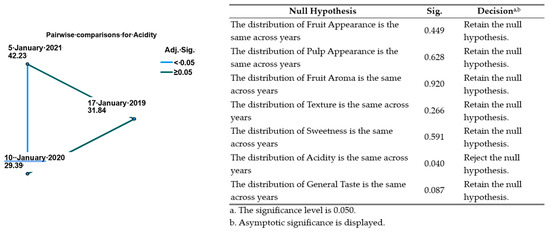
Sensory Evaluation and Spectra Evolution of Two Kiwifruit Cultivars during Cold Storage
by
Andreia M. Afonso, Rui Guerra, Sandra Cruz and Maria D. Antunes
Cited by 7 | Viewed by 2776
Abstract
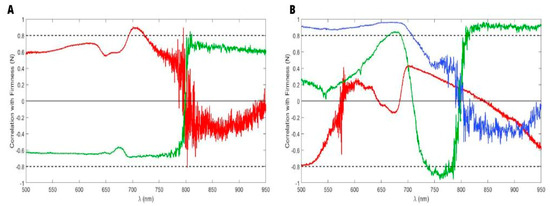
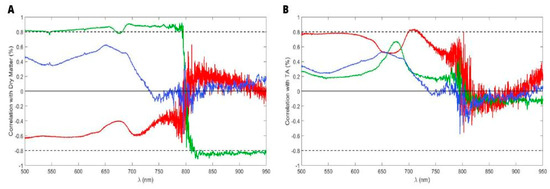
Kiwifruit consumption has increased due to its rich nutritional properties. Although ‘Hayward’ continues to be the main cultivar, others, such as yellow fleshed ‘Jintao’, are of increasing interest. The objective of this research was to evaluate the acceptability and storage performance of these
[...] Read more.
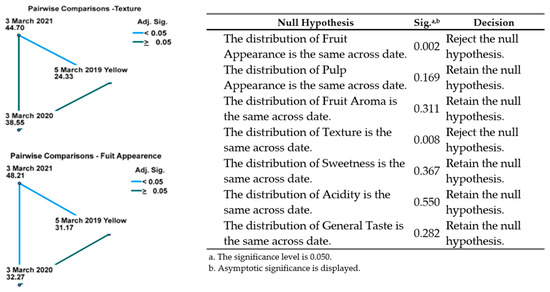
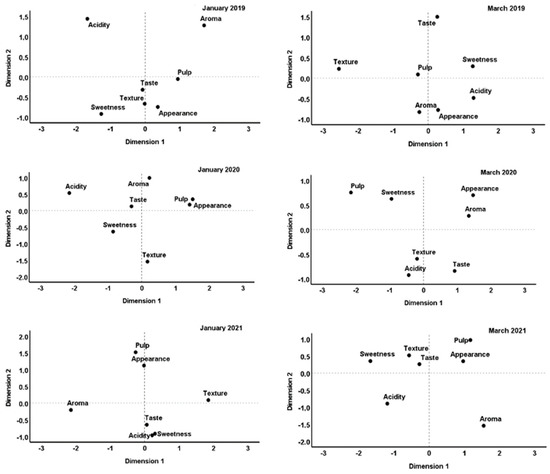
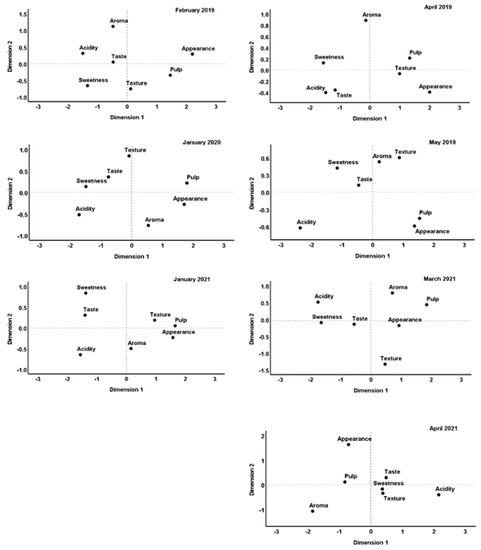
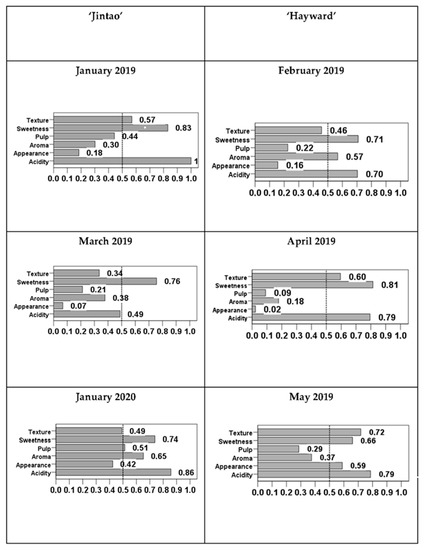
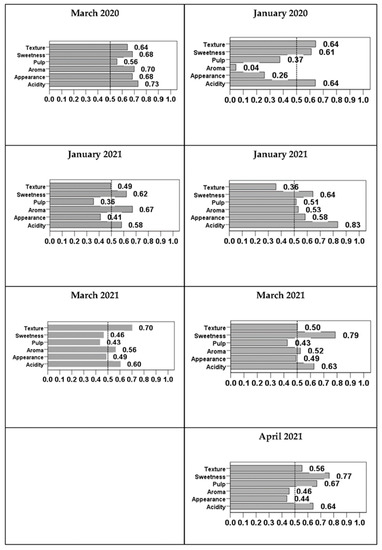
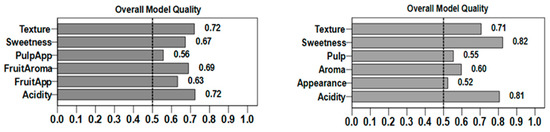
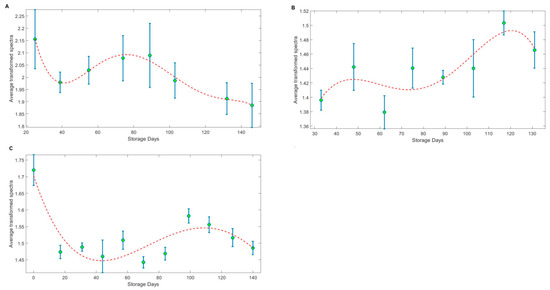
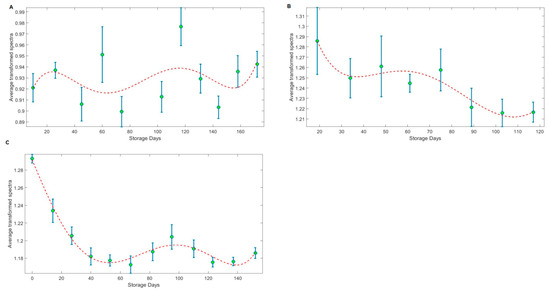
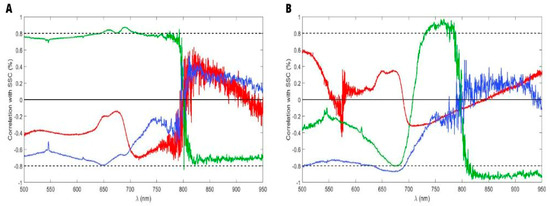
Kiwifruit consumption has increased due to its rich nutritional properties. Although ‘Hayward’ continues to be the main cultivar, others, such as yellow fleshed ‘Jintao’, are of increasing interest. The objective of this research was to evaluate the acceptability and storage performance of these two cultivars. Sensory evaluation of green ‘Hayward’ and yellow ‘Jintao’ kiwifruit were performed along cold storage for three seasons/years to follow the organoleptic characteristics through ripening, as well as the acquisition of their spectra by Vis-NIR. For ‘Jintao’ were performed two sensory evaluations per year at 2.5- and 4.5-months’ storage and for ‘Hayward’ at 2.5-, 4.5- and 5.5-months’ storage. The nonparametric Mann–Whitney test and Kruskal–Wallis ANOVA were performed to test the significant differences between the mean ranks among the storage time. A non-metric multidimensional scaling plot method using the ALSCAL algorithm in a seven-point Likert scale was applied to determine the relationships in the data, and a new approach using the receiver operating characteristic (ROC) analysis was tested. The last revealed that, for both cultivars, sweetness, acidity and texture were the variables with better scores for General flavor. Aroma was also important on ‘Jintao’. A strong correlation between soluble solids content (SSC) and reflectance was found for both cultivars, with the 635–780 nm range being the most important. Regarding firmness, a good correlation with reflectance spectra was observed, particularly in ‘Hayward’ kiwifruit. Based on these results, Vis-NIR can be an objective alternative to explore for determination of the optimum eating-ripe stage.
Full article
►▼
Show Figures
Open AccessEditor’s ChoiceArticle
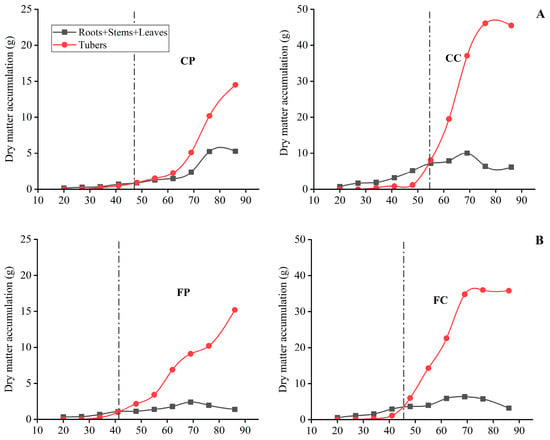
Differences in Dry Matter Accumulation and Distribution Patterns between Pre-Elite Seed and Certified Seed of Virus-Free Potato
by
Chao Wu, Haiyan Ma, Xiaoting Fang, Ruilin Liu, Xinxin Shi, Kaiqin Zhang, Qiang Wang and Shunlin Zheng
Cited by 1 | Viewed by 3654
Abstract
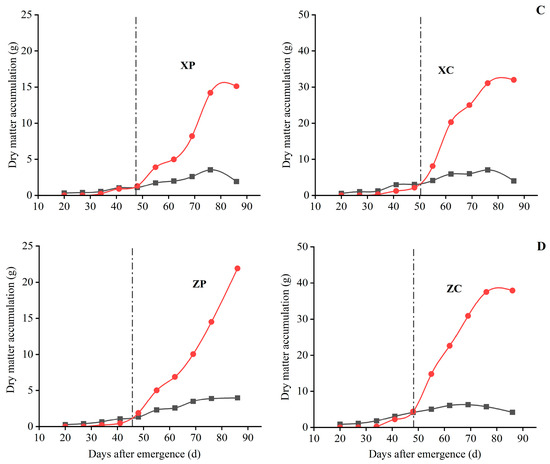
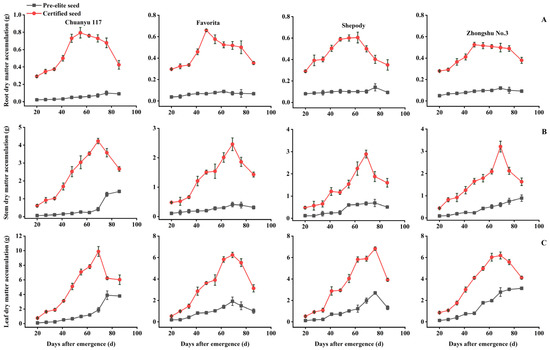
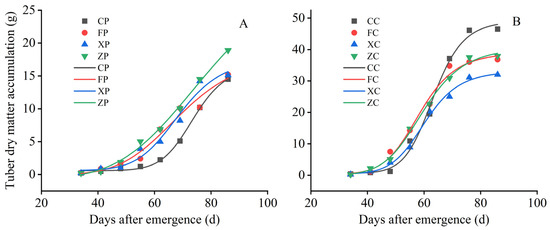
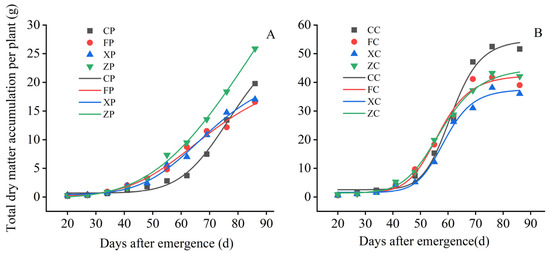
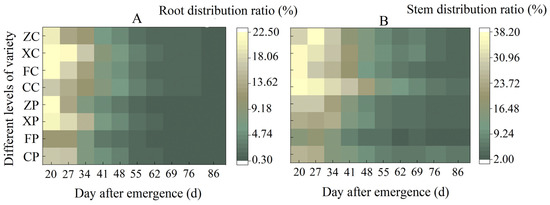
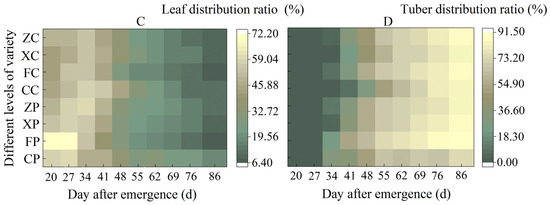
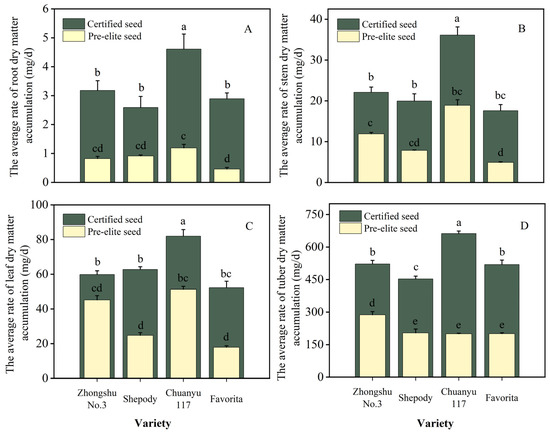
Virus-free seed potatoes are generally divided into pre-elite seeds and certified seeds. To study the differences in dry matter accumulation and distribution between pre-elite seeds and certified seeds through a field randomized block two-factor experiment, pre-elite seeds and certified seeds of four varieties
[...] Read more.
Virus-free seed potatoes are generally divided into pre-elite seeds and certified seeds. To study the differences in dry matter accumulation and distribution between pre-elite seeds and certified seeds through a field randomized block two-factor experiment, pre-elite seeds and certified seeds of four varieties were selected to explore the differences in growth characteristics between the two levels of virus-free potatoes and to find a way to improve potato seed expansion efficiency. The results showed that the growth process of pre-elite seeds was slower and the growth period was longer than certified seeds. The dry matter accumulation of pre-elite seeds in various organs was lower than in certified seeds, and the distribution ratio in the roots and stems of each variety was also lower than the certified seed, while there was no significant difference in the leaf and tuber distribution ratio. The average dry matter accumulation rate in both pre-elite and certified seeds was sorted by size of tubers > leaves > stems > roots; however, it was significantly lower in pre-elite seeds than in certified seeds. Tuber fresh weight, tuber volume, tuber number, and the theoretical yield of certified seeds were higher than those of pre-elite seeds. Experiments have shown that appropriately prolonging the harvest time of virus-free potatoes, especially pre-elite seeds, and increasing the proportion of dry matter allocated to roots and stems by pre-elite seeds in the early growth stages can effectively increase yield.
Full article
►▼
Show Figures
Open AccessEditorial
Postharvest Handling of Horticultural Products
by
Maria Dulce Antunes, Custódia Gago and Adriana Guerreiro
Cited by 1 | Viewed by 3167
Open AccessArticle
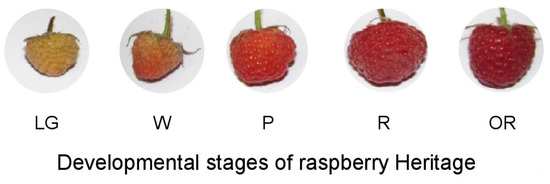
Relationship between Endogenous Ethylene Production and Firmness during the Ripening and Cold Storage of Raspberry (Rubus idaeus ‘Heritage’) Fruit
by
Liliam Monsalve, Maricarmen Bernales, Aníbal Ayala-Raso, Fernanda Álvarez, Mónika Valdenegro, Juan-Eugenio Alvaro, Carlos Rodrigo Figueroa, Bruno Giorgio Defilippi and Lida Fuentes
Cited by 18 | Viewed by 6606
Abstract
The raspberry (
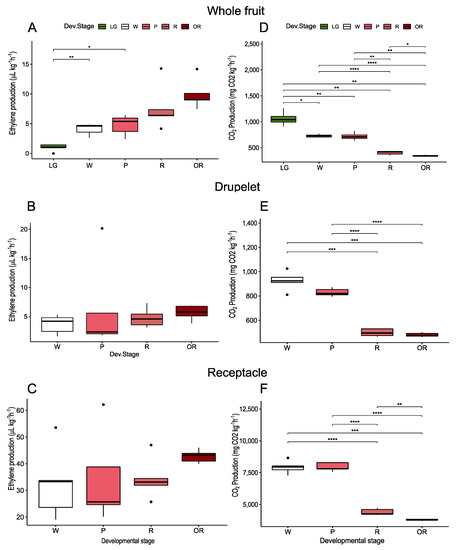
Rubus idaeus) is an important fruit crop; however, its accelerated softening is a critical postharvest problem, even at low temperatures. Its softening has been partially associated with the endogenous production of ethylene from the receptacle during ripening. To understand
[...] Read more.
The raspberry (
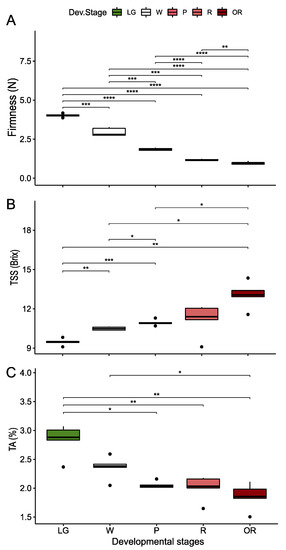
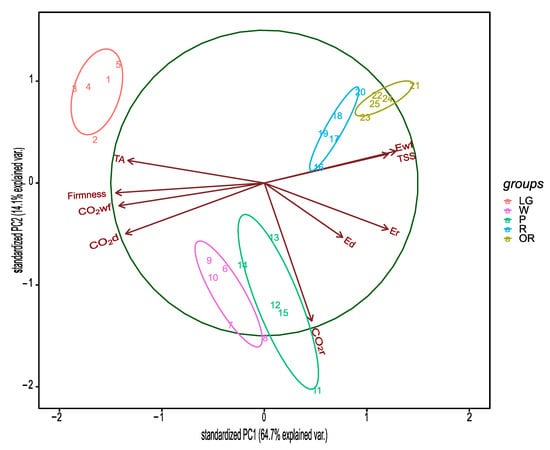
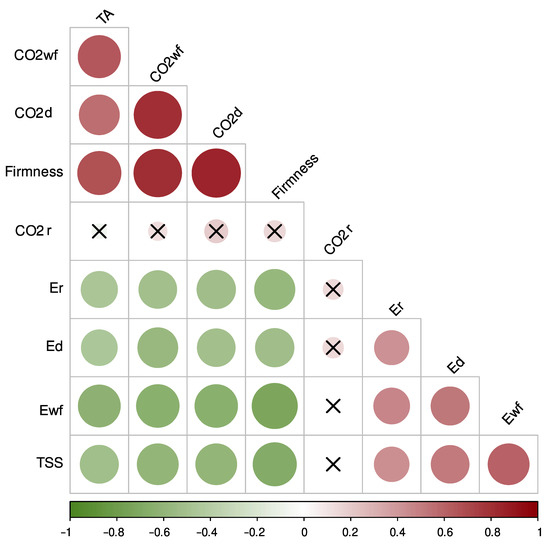
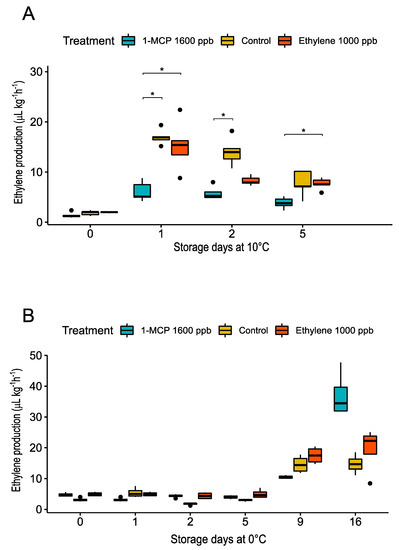
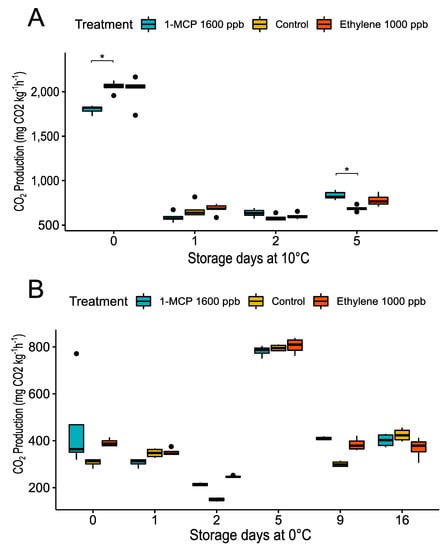
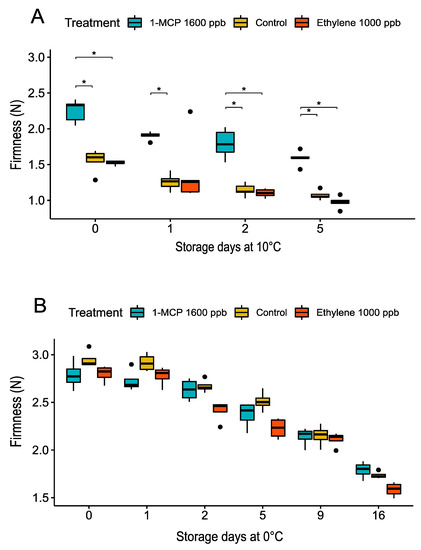
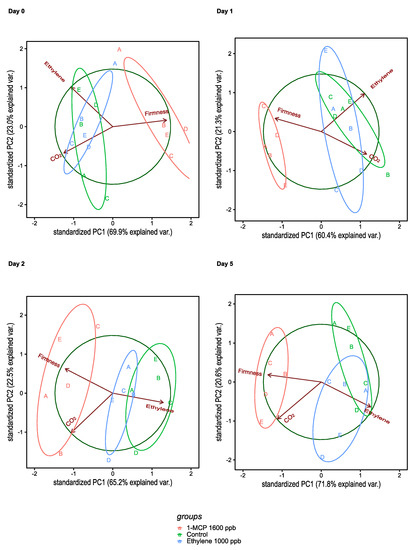
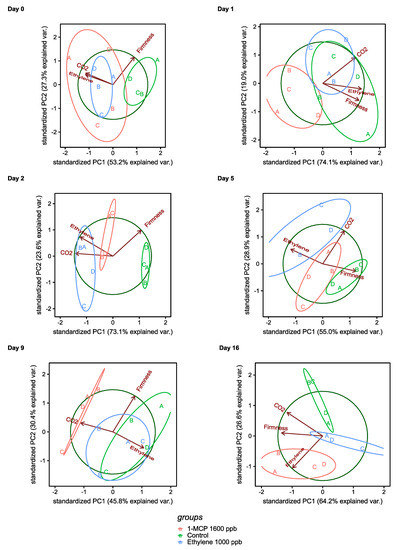
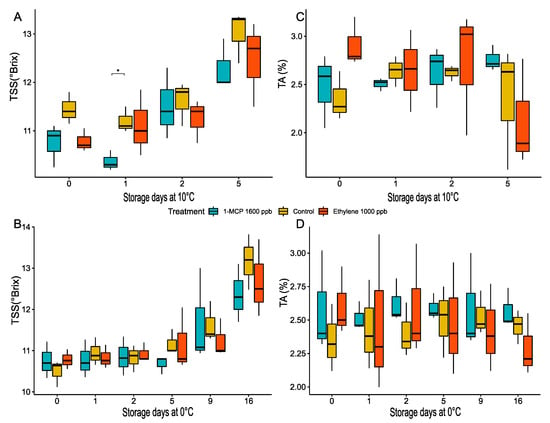
Rubus idaeus) is an important fruit crop; however, its accelerated softening is a critical postharvest problem, even at low temperatures. Its softening has been partially associated with the endogenous production of ethylene from the receptacle during ripening. To understand the relationship between ethylene production and fruit quality at the beginning of the ripening process, the physiological and quality parameters were evaluated during the ripening of the ‘Heritage’ cultivar. Two storage assays, at 0 °C and 10 °C, were carried out with independent groups of fruits attached to their receptacle at the white stage of fruit development. The treatments included fruit treated with ethylene (1000 ppb) and ethylene perception inhibitor 1-methyl cyclopropene (1-MCP, 1600 ppb) and a control treatment. During ripening, the endogenous production of ethylene in whole fruit was negatively correlated with the loss of firmness. During storage at 0 °C, firmness and ethylene production only decreased by the effect of storage time, with a firmness near 1.5 Newtons at 16 days. On the other hand, the storage at 10 °C showed a delay in the firmness loss and lower ethylene production of the fruit treated with 1-MCP, compared to the control and ethylene-treated fruit. In addition, these two last assays showed a firmness close to 1 Newton at 5 days. No significant differences were observed in the total soluble solids content and titratable acidity between the three treatments at the two storage temperatures. The results during ripening and storage at 10 °C indicate that the loss of the fruit’s firmness is positively related to the endogenous ethylene production of the whole fruit from 1 to 5 days of storage. Future assays should be performed to determine the role of ethylene in raspberry ripening.
Full article
►▼
Show Figures
Open AccessArticle
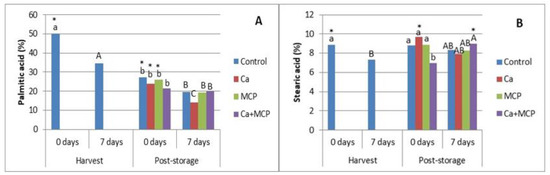
Membrane Fatty Acids and Physiological Disorders in Cold-Stored ‘Golden Delicious’ Apples Treated with 1-MCP and Calcium Chloride
by
Maria Dulce Antunes, Ana Clara Guimarães, Custódia Gago, Adriana Guerreiro, Jorge Panagopoulos, Eduardo Vilas Boas and Maria Graça Miguel
Cited by 10 | Viewed by 3570
Abstract
The present research intents to study skin fatty acids and physiological disorders developed during cold storage in ‘Golden Delicious’ apples treated with 1-MCP and calcium. Harvested fruits were treated with calcium chloride (Ca), 1-MCP (MCP), Ca + MCP or no treatment (control) and
[...] Read more.
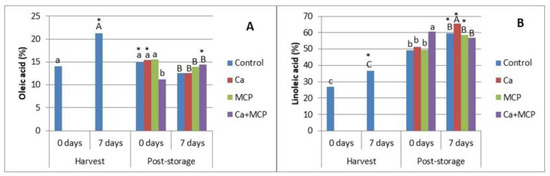
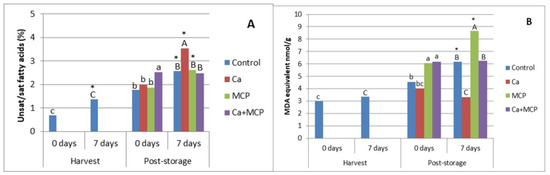
The present research intents to study skin fatty acids and physiological disorders developed during cold storage in ‘Golden Delicious’ apples treated with 1-MCP and calcium. Harvested fruits were treated with calcium chloride (Ca), 1-MCP (MCP), Ca + MCP or no treatment (control) and then subjected to cold storage at 0.5 °C for 6 months. Fatty acids’ composition, malondialdehyde (MDA) and the physiological disorders bitter pit (BP), superficial scald and diffuse skin browning (DSB) were measured at harvest and after storage plus 7 days of shelf-life at room temperature ≈22 °C. Palmitic acid decreased and linoleic acid increased over time, while oleic and stearic acids had few changes. Generally, unsaturated/saturated fatty acids and MDA increased over the storage period. Treatment with Ca showed that, at the end of the experiment, the lowest MDA values and the highest unsaturated/saturated fatty acids ratio were mainly due to higher linoleic and lower palmitic acids concentrations, which are coincident with less severe BP. There was no clear correlation between the measured fatty acids (palmitic, linoleic, oleic and stearic), unsaturated-to-saturated fatty acids ratio or MDA with chilling skin physiological disorders. Further research is needed to clarify the changes in membrane properties and the effect of some treatments in response to chilling injury during storage.
Full article
►▼
Show Figures
Open AccessArticle
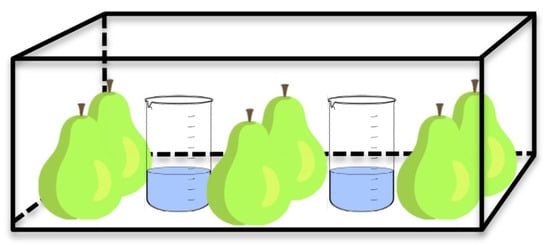
ß-Farnesene Exogenous Application as a Novel Damage Induction Model to Fast Explore the Effectiveness of Postharvest Strategies: The Case Study of the ‘Rocha’ Pear DOP
by
Cindy Dias, Ana Amaro, Alexandre Fonseca, António Ferrante, Armando Silvestre, Sílvia M. Rocha, Nélson Isidoro and Manuela Pintado
Cited by 5 | Viewed by 3859
Abstract
Since the prohibition of diphenylamine, replacement strategies have been needed for long-term disorder prevention, namely superficial scald (SC), in fruit. However, as this disorder only appears after months under cold storage, the assessment of effective strategies to prevent this disorder requires long periods.
[...] Read more.
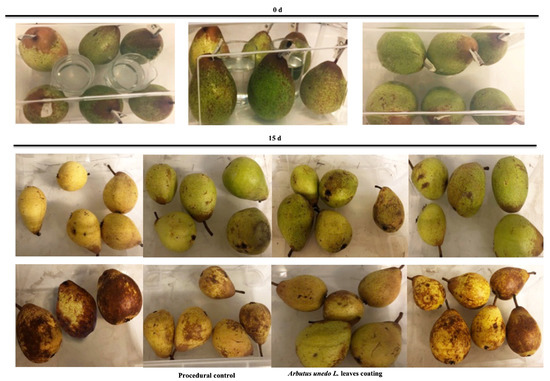
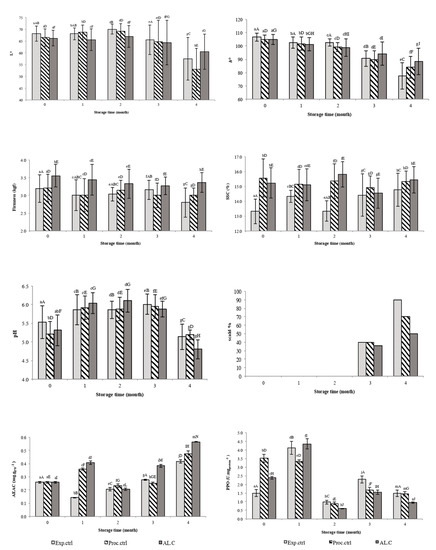
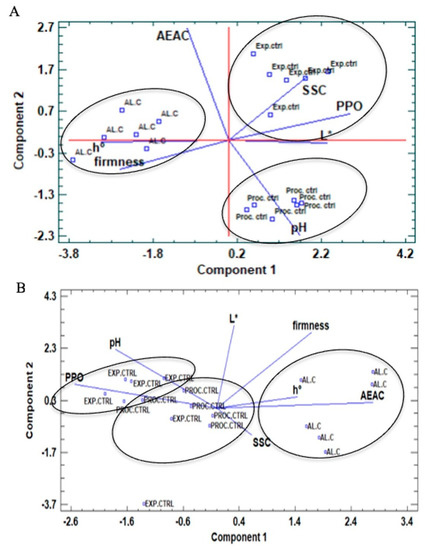
Since the prohibition of diphenylamine, replacement strategies have been needed for long-term disorder prevention, namely superficial scald (SC), in fruit. However, as this disorder only appears after months under cold storage, the assessment of effective strategies to prevent this disorder requires long periods. To tackle this challenge, we report in this paper a rapid and reliable system to induce symptoms, such as SC, based on storage under a β-farnesene-enriched atmosphere. Using this model, SC symptoms in ‘Rocha’ pear were induced after 15 d at 20 °C. As proof of concept, this model system allowed the study of the efficiency of antioxidant natural-based coatings on ‘Rocha’ pear quality maintenance. Pears treated with the coatings were submitted to 4 months of commercial storage under normal atmosphere conditions and the results were compared with those obtained using the induction model system. A PCA of chemical data allowed us to conclude that the model developed simulates the potential of certain strategies to prevent disorders.
Full article
►▼
Show Figures
Open AccessEditor’s ChoiceArticle
Postharvest Treatment of ‘Florida Prince’ Peaches with a Calcium Nanoparticle–Ascorbic Acid Mixture during Cold Storage and Its Effect on Antioxidant Enzyme Activities
by
Lo’ay A. A., Hamed Ismail and Hazem S. Kassem
Cited by 19 | Viewed by 4534
Abstract
Chilling injury (CI) is a physiological disorder resulting from low storage temperatures that affects the fruit quality and marketing of the ‘Florida Prince’ peach. In this study, the exogenous application of a mixture of calcium nanoparticles (CaNPs) and ascorbic acid was found to
[...] Read more.
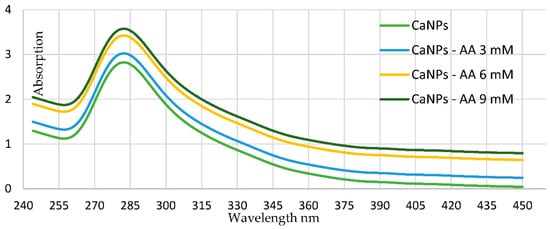
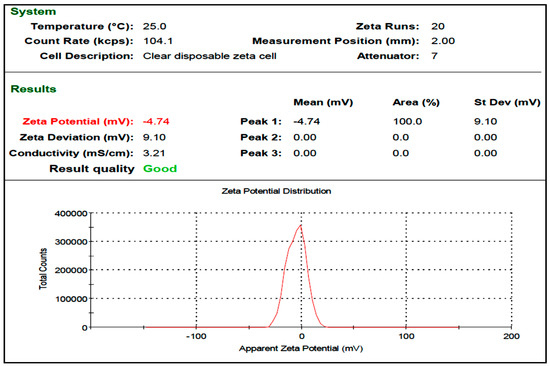
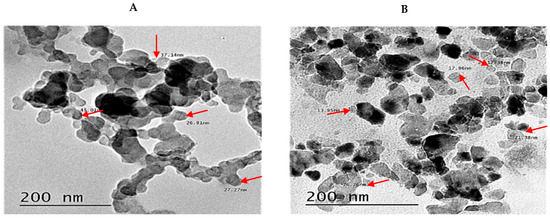
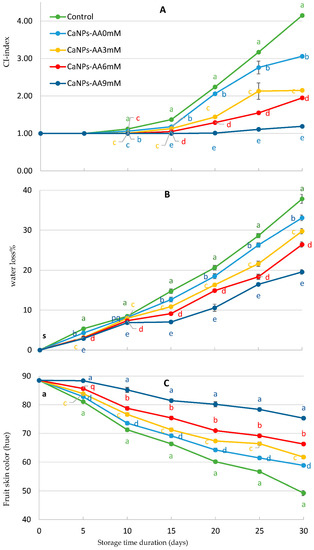
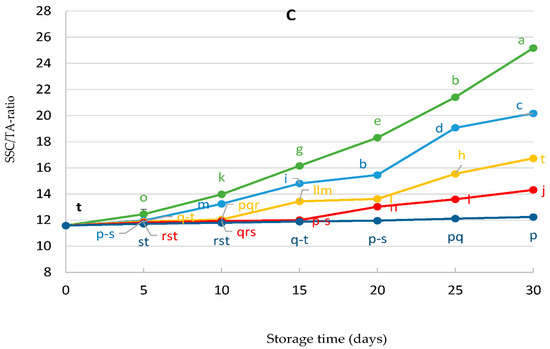
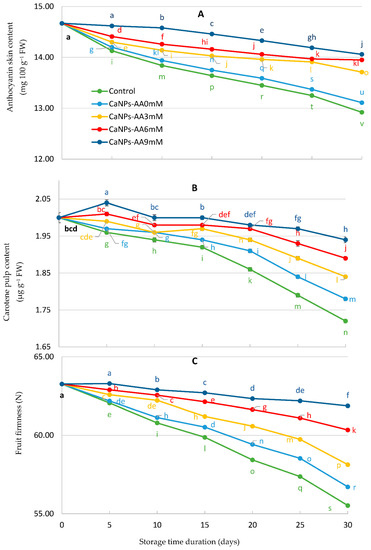
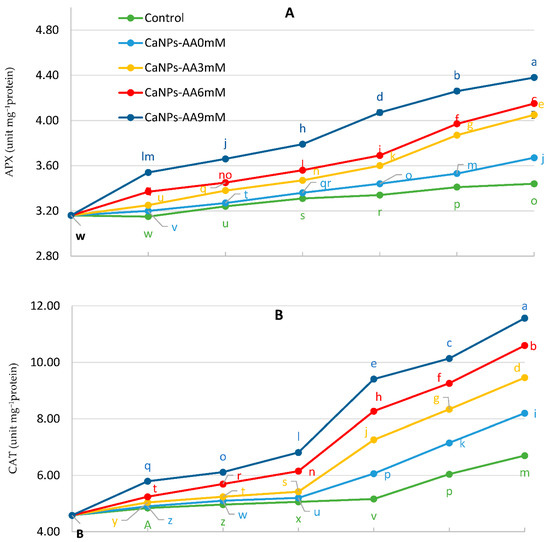
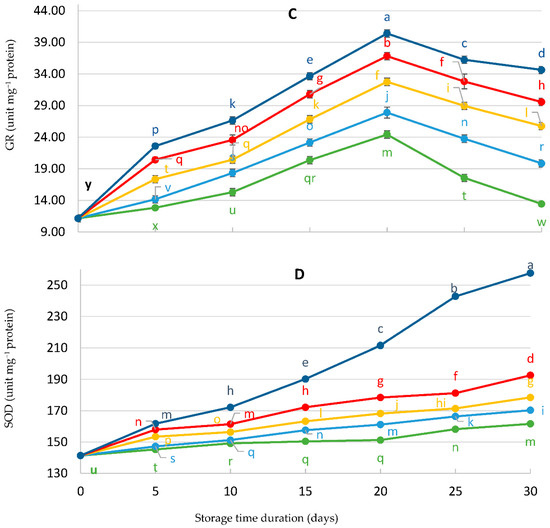
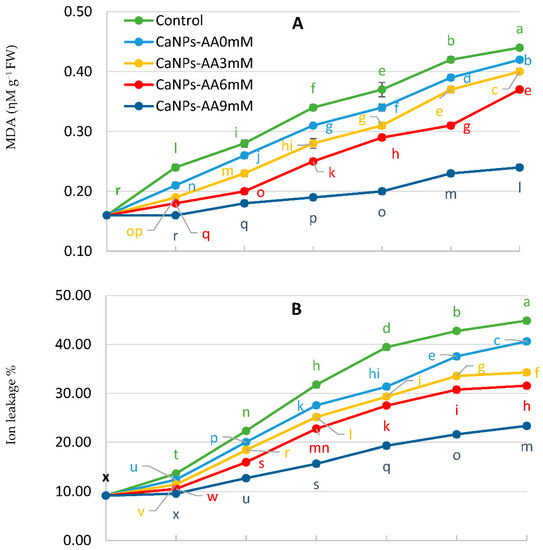
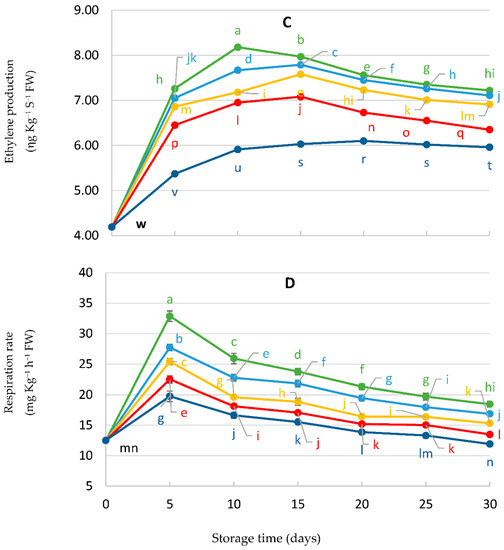
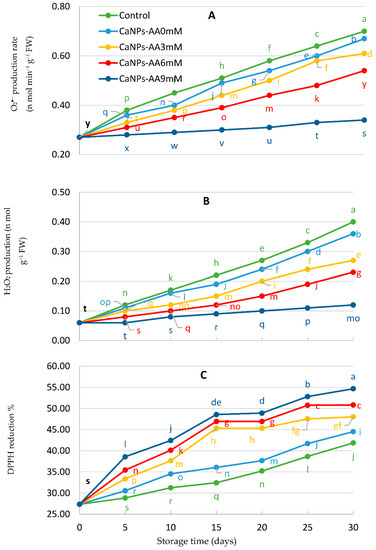
Chilling injury (CI) is a physiological disorder resulting from low storage temperatures that affects the fruit quality and marketing of the ‘Florida Prince’ peach. In this study, the exogenous application of a mixture of calcium nanoparticles (CaNPs) and ascorbic acid was found to significantly alleviate the symptoms of CI in peaches during cold storage. Fruits were treated with CaNPs plus different concentrations of ascorbic acid (AA; 0, 3, 6, and 9 mM). Peaches were immersed in CaNP–AA for 15 min before being stored at 4 ± 1 °C and 95 ± 1% RH for 30 days. We observed that the 9 mM CaNP–AA treatment lowered the values for the CI index, ion leakage, and malondialdehyde (MDA) content and increased antioxidant enzyme activities (AEAs), such as for ascorbate oxidase (APX), catalase (CAT), superoxide dismutase (SOD), and glutathione reductase (GR). Furthermore, the treatment reduced the accumulation of both H
2O
2 and O
2•− and increased the level of DPPH reduction throughout the duration of cold storage. Our results suggest that 9 mM CaNP–AA treatment suppresses the incidence of CI in peach fruit throughout cold storage, possibly because 9 mM CaNP–AA is at least partly involved in enhancing the antioxidant system via its effect on antioxidant substances. The results indicate that applying the 9 mM CaNP–AA treatment afforded peaches with enhanced tolerance against cold storage stress.
Full article
►▼
Show Figures
Open AccessArticle
Effect of Simulated Vibration and Storage on Quality of Tomato
by
Pankaj B. Pathare and Mai Al-Dairi
Cited by 30 | Viewed by 5265
Abstract
The influence of simulated transport vibration and storage conditions for 10 days on tomato fruits quality (color, weight, firmness, total soluble solids, and headspace gases) were investigated. Better kinetic models for color changes, weight loss, and firmness of stored tomato fruits were selected.
[...] Read more.
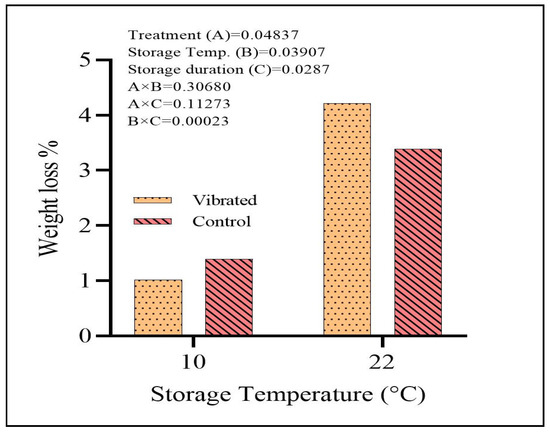
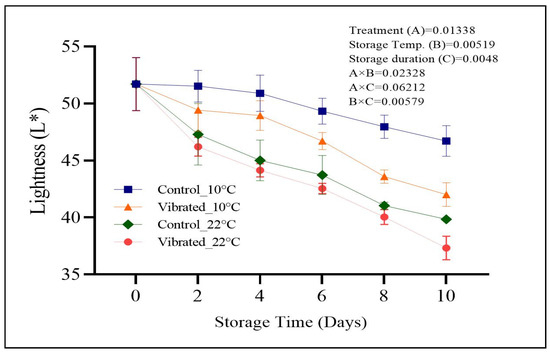
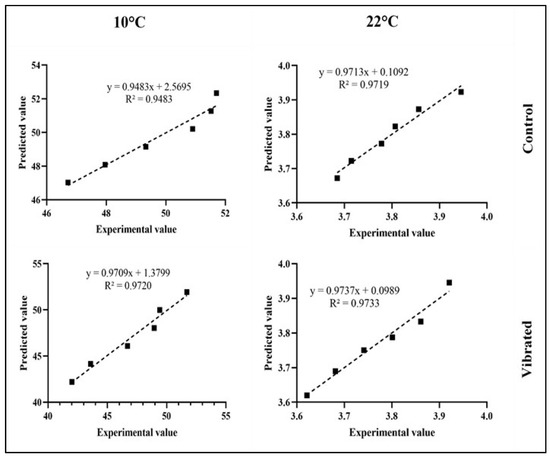
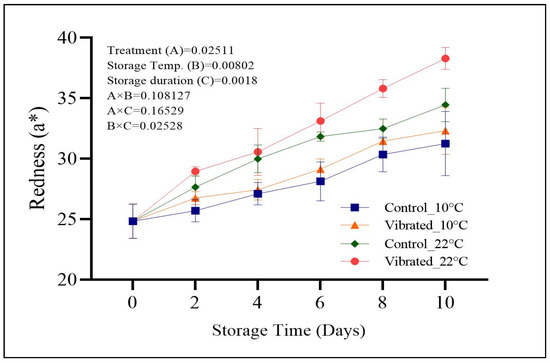
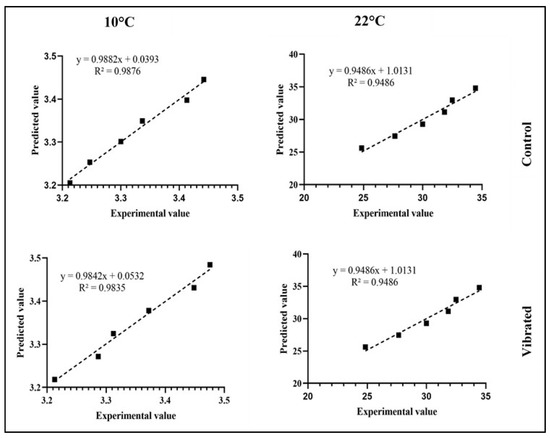
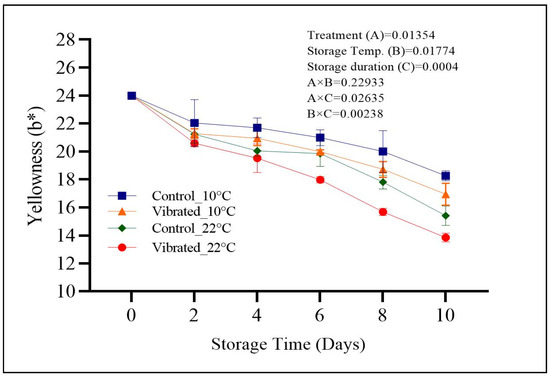
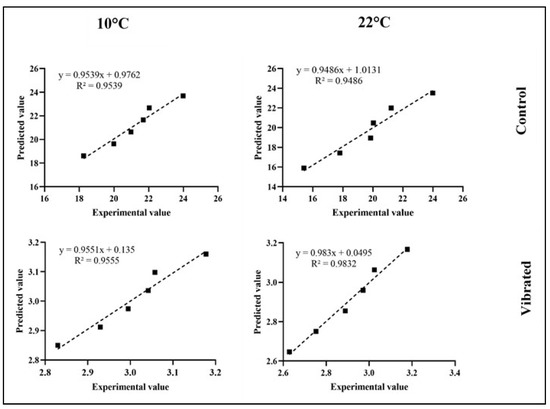
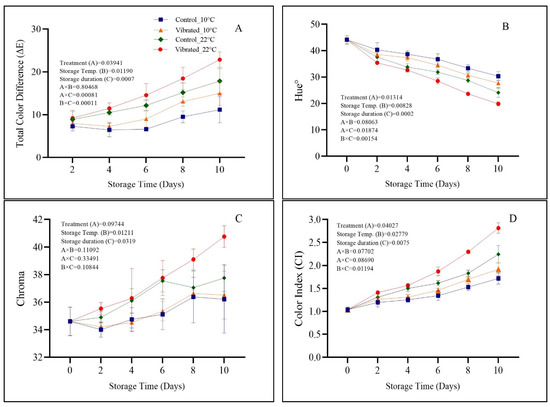
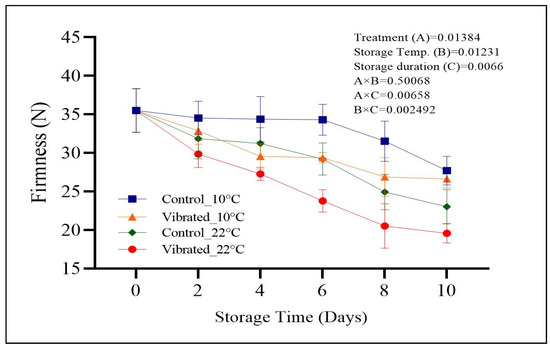
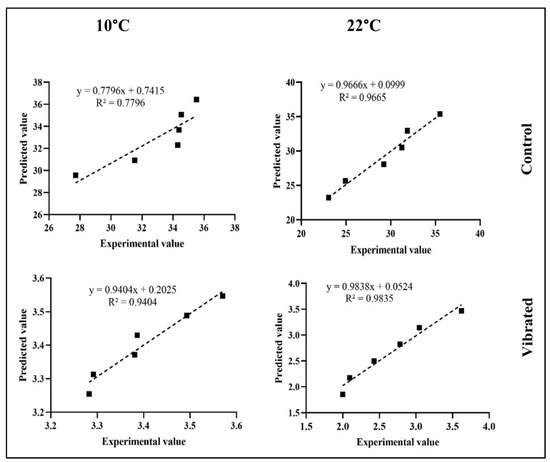
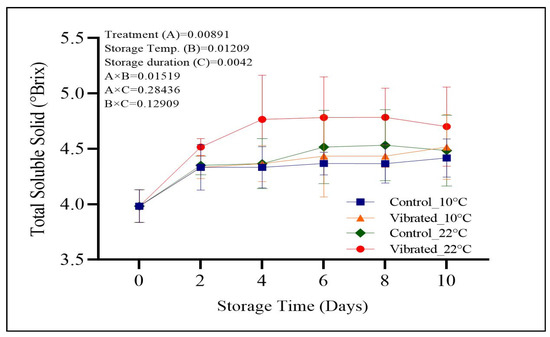
The influence of simulated transport vibration and storage conditions for 10 days on tomato fruits quality (color, weight, firmness, total soluble solids, and headspace gases) were investigated. Better kinetic models for color changes, weight loss, and firmness of stored tomato fruits were selected. Tomato fruits were divided equally into two main groups where the first one was subjected to vibration at a frequency of 2.5 Hz for two hours and the other group was set as a control (with no vibration stress). Both tomato groups were stored for 10 days at 10 °C and 22 °C storage conditions. The results showed a reduction in total soluble solids, yellowness, weight, lightness in the tomato fruits subjected to vibration at 22 °C storage condition. Ethylene and carbon dioxide increased by 124.13% and 83.85% respectively on the same condition (22 °C). However, storage at 10 °C slowed down the investigated quality changes attributes of both tomato groups (vibrated and control) during storage. The weight loss change kinetics of both tomato groups at both storage temperatures were highly fitted with a zero-order kinetic model. Color and firmness kinetic changes of tomato groups stored at both conditions were described well by zero and first order kinetic models. To validate the appropriateness of the selected model, lightness, redness, yellowness, and firmness were taken as an example. The study revealed that the vibration occurrence and increasing storage temperature cause various changes in the quality attributes of tomatoes.
Full article
►▼
Show Figures
Open AccessArticle
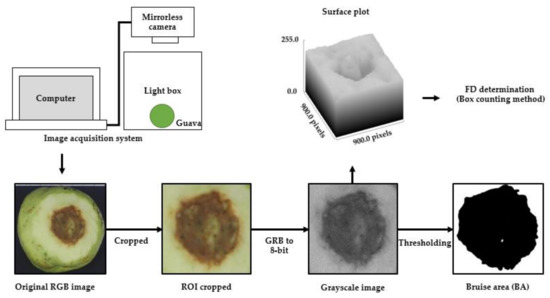
Investigation and Evaluation of Impact Bruising in Guava Using Image Processing and Response Surface Methodology
by
Than Htike, Rattapon Saengrayap, Nattapol Aunsri, Khemapat Tontiwattanakul and Saowapa Chaiwong
Cited by 16 | Viewed by 5323
Abstract
Simulated impact damage testing was investigated by fractal image analysis using response surface methodology (RSM) with a central composite design (CCF) on quality of ‘Glom Sali’ guava for drop heights (0.2, 0.4, and 0.6 m), number of drops (1, 3, and 5) and
[...] Read more.
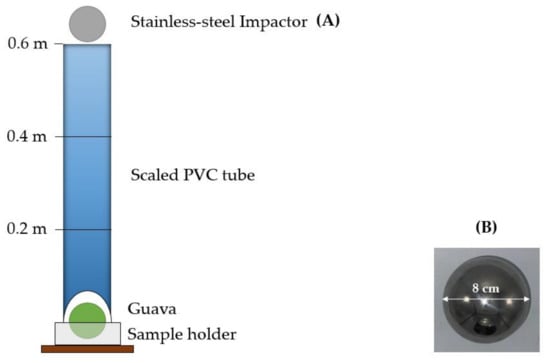
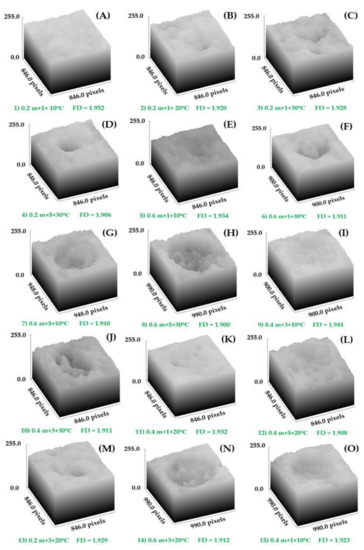
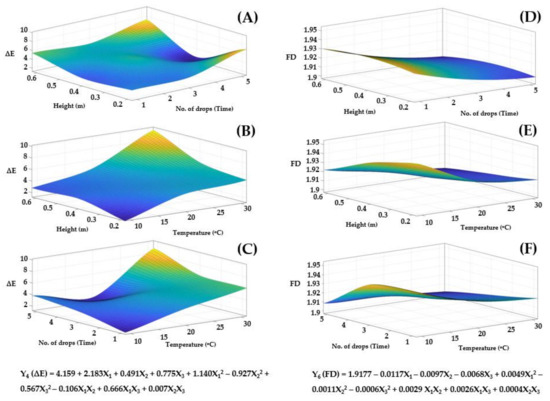
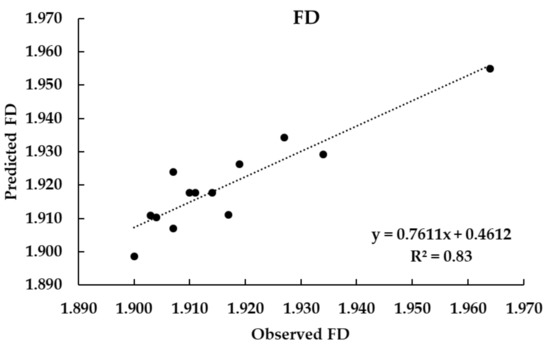
Simulated impact damage testing was investigated by fractal image analysis using response surface methodology (RSM) with a central composite design (CCF) on quality of ‘Glom Sali’ guava for drop heights (0.2, 0.4, and 0.6 m), number of drops (1, 3, and 5) and storage temperature conditions (10, 20, and 30 °C). After 48 h, impacted fruit were determined and analyzed for bruise area (BA), bruise volume (BV), browning index (BI), total color difference (∆E), image analysis for bruise area (BAI), and fractal dimension (FD) at the bruising region on peeled guava. Results showed that the correlation coefficient (
r = −0.6055) between ∆E and FD value was higher than ∆E and either BA (
r = 0.3132) or BV (
r = 0.2095). The FD variable was determined as a better indicator than conventional measurement (BA or BV) for pulp browning and impact bruising susceptibility. The FD variable also exhibited highest R
2adj value (81.69%) among the other five variables, as the highest precision model with high determination coefficient value (R
2adj) (>0.8) for impact bruising prediction. Recommended condition of the FD variable to minimize impact bruising was drop height of 0.53 m for five drops under storage at 30 °C. FD variable assessed by image analysis was shown to be a highly capable measurement to determine impact bruising susceptibility in guava fruit.
Full article
►▼
Show Figures
Open AccessArticle
Influence of Solution Combination for Postharvest Treatment Stage on Vase Life of Cut Hydrangea Flowers (Hydrangea macrophylla cv. ‘Verena’)
by
Haejo Yang, Sooyeon Lim, Ji-Hyun Lee, Ji-Weon Choi and Il-Sheob Shin
Cited by 9 | Viewed by 4559
Abstract
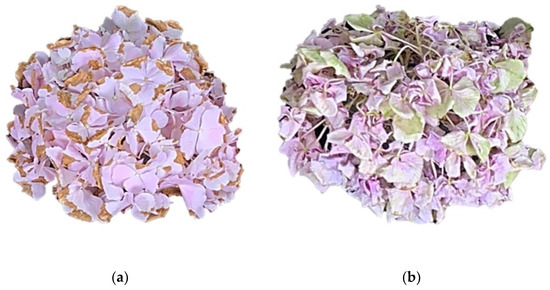
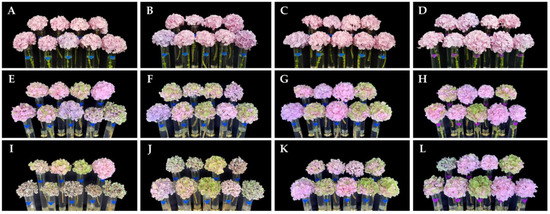
Vase life is one of the most important factors that determines the marketability of cut flowers and is greatly affected by the water balance. The vase life of cut hydrangea flowers varies greatly depending on the postharvest solution management. Therefore, this study investigated
[...] Read more.
Vase life is one of the most important factors that determines the marketability of cut flowers and is greatly affected by the water balance. The vase life of cut hydrangea flowers varies greatly depending on the postharvest solution management. Therefore, this study investigated the vase life of freshly harvested hydrangea (
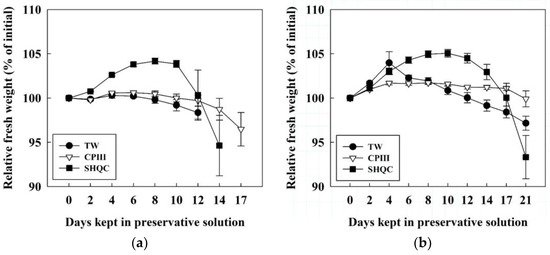
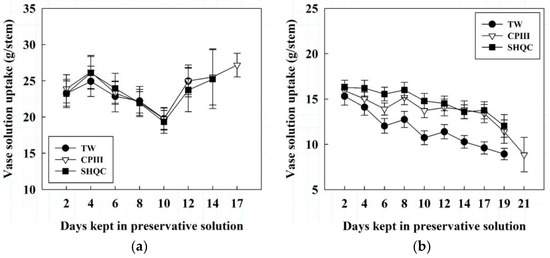
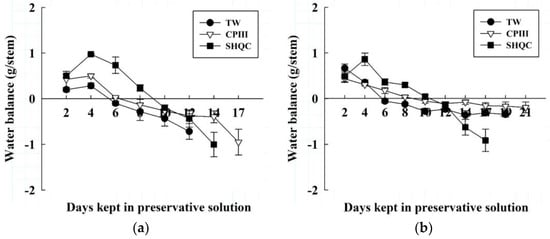
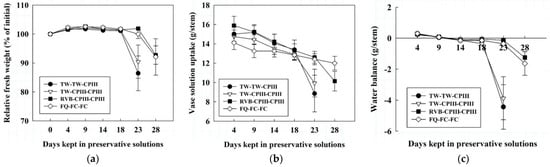
Hydrangea macrophylla ‘Verena’) according to the three types of preservative solutions (tap water (TW), 1% Chrysal Professional Ⅲ (CPⅢ), 2% sucrose + 250 mg/L 8-hydroxquinoline + 100 mg/L citric acid (SHQC)) and the combination solutions (pretreatment; TW, 0.1% Chrysal RVB (RVB), Floralife Quick Dip (FQ), transport; TW, CPⅢ, Floralife Clear (FC), preservative; CPⅢ, FC) for each distribution stage (pretreatment–transport–consumer). In the preservative comparison experiment, compared with the control, SHQC and CPⅢ significantly increased the vase life in 2019 (0.7 days, 3.4 days) and 2020 (1.4 days, 3.1 days), respectively. In the comparative experiment, by solution combination, the group (RVB, FQ) using the pretreatment significantly extended the vase life by 5.9 days and 4.6 days compared with the TW. These results confirm the importance of preservative solutions and pretreatment, suggesting that appropriate pretreatment and preservatives should be used to improve the marketability of cut hydrangea flowers.
Full article
►▼
Show Figures
Open AccessArticle
Ethephon-Induced Abscission of Oil Palm Fruits at Optimal Bunch Ripeness and Retting Period to Improve Commercial Seed Production
by
Jaime Yoke-Sum Low, Po-Yee Fong, Chee-Keng Teh, Ai-Ling Ong, Chin-Ming Lim and David Ross Appleton
Cited by 3 | Viewed by 4588
Abstract
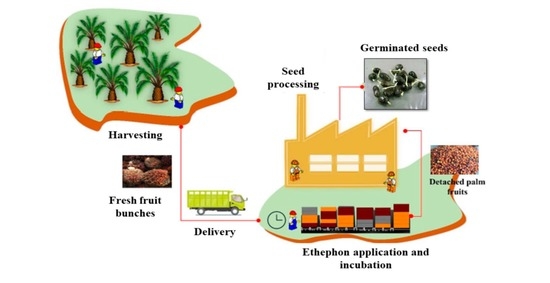
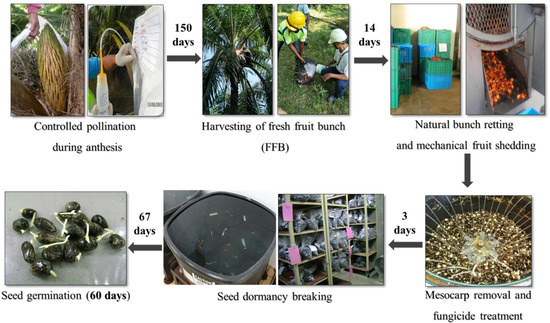
Oil palm seed producers typically require 10 months of various processes from pollination to seed germination to produce commercial
dura ×
pisifera hybrid seeds. Conventional forced fruit shedding from underripe fresh fruit bunches (FFB) usually causes seed damage and an extended retting period
[...] Read more.
Oil palm seed producers typically require 10 months of various processes from pollination to seed germination to produce commercial
dura ×
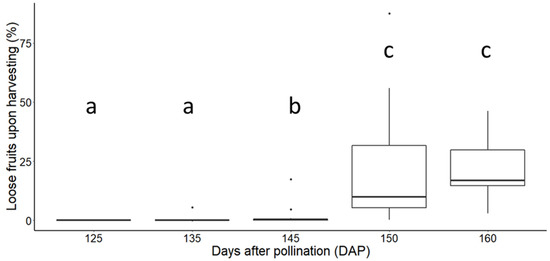
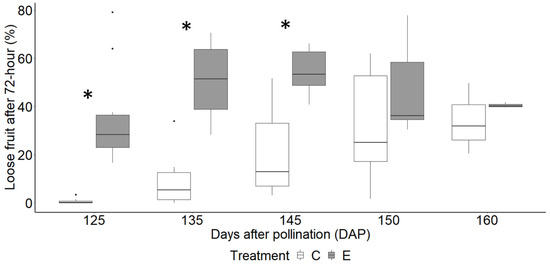
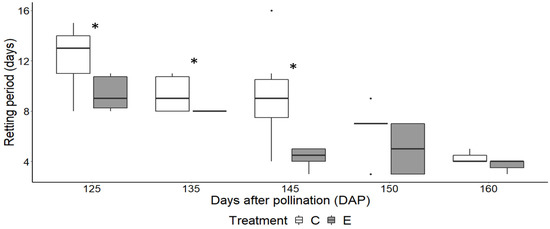
pisifera hybrid seeds. Conventional forced fruit shedding from underripe fresh fruit bunches (FFB) usually causes seed damage and an extended retting period (incubation for natural fruit abscission from spikelets), eventually leading to bunch rot and disease infection. As a fruit ripening agent, ethephon has been explored to hasten fruit abscission in many fruit crops and oil palm. Nevertheless, the previous studies in oil palm only focused on fruit shedding from FFB to improve oil extraction rate in oil mills without considering the actual FFB ripeness and retting period, which are critical for oil palm seed production. In this study, the application of ethephon containing buffer (adjusted to pH 9.0) to underripe FFB at 145 days after pollination (DAP), 135 DAP and 125 DAP resulted in 50% more fruit abscission after a 72-h incubation. Considering the minimal seed loss upon FFB harvest (<1%) and 50% reduction in retting period, underripe FFB at around 145 DAP was found to be optimum for seed production using ethephon treatment. The treatment, however, made negligible improvement in fruit detachment for ripe FFB at 150 DAP and older. Importantly, seed germination and culling rate at nursery stages were not significantly affected by the ethephon treatment. Hence, ethephon application can improve commercial seed production practices for oil palm.
Full article
►▼
Show Figures
Open AccessArticle
Enzymatic Browning in Banana Blossoms and Techniques for Its Reduction
by
Geerada Kaewjumpol, Surasak Srisamlee, Diane M. Beckles and Kietsuda Luengwilai
Cited by 18 | Viewed by 13642
Abstract
Banana blossoms are rich in fiber and nutrients and are a popular plant-based, vegan alternative to fish. However undesirable browning, usually visible at the peduncle cut-end, negatively impacts consumer acceptability of banana blossoms. The aim of this work was to develop safe alternatives
[...] Read more.
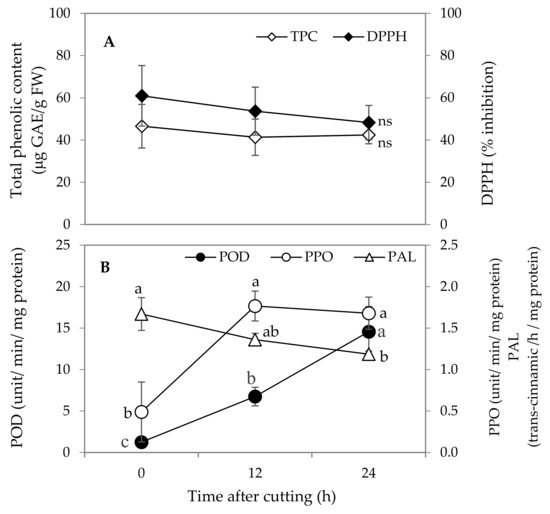
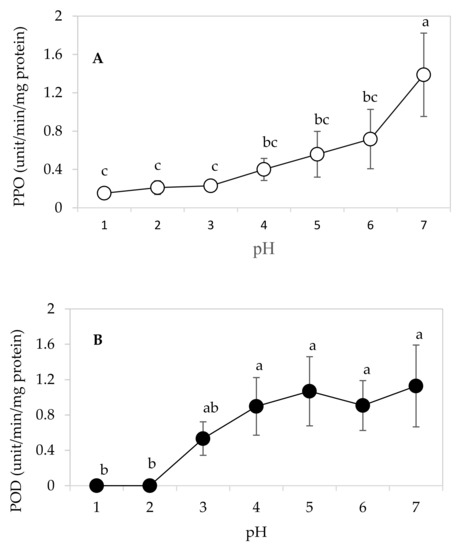
Banana blossoms are rich in fiber and nutrients and are a popular plant-based, vegan alternative to fish. However undesirable browning, usually visible at the peduncle cut-end, negatively impacts consumer acceptability of banana blossoms. The aim of this work was to develop safe alternatives to prevent browning in banana blossoms. First, the activities of primary enzymes associated with tissue browning, i.e., polyphenol oxidase (PPO), peroxidase (POD) and phenylalanine ammonia lyase (PAL), were assayed. Our data showed that PPO and POD were the key enzymes responsible for blossom browning as they increased in activity, reaching a maximum at pH 7, as browning developed. In contrast, PAL activity decreased, and total phenolic content did not change as browning progressed, indicating PAL was not induced by cutting and may not be involved in blossom browning. Second, to find antibrowning agents for banana blossoms that can substitute for the use of sodium metabisulfite (SMS), different organic acids of varying concentrations were tested. Among organic acids studied, treatment with 3% (
w/
v) oxalic acid was the most effective method and thus could be a safe substitution for SMS to prevent browning in banana blossoms.
Full article
►▼
Show Figures
Open AccessArticle
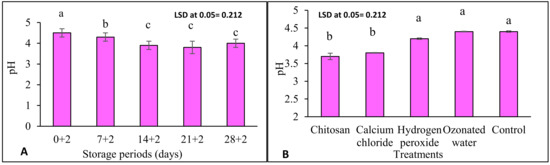
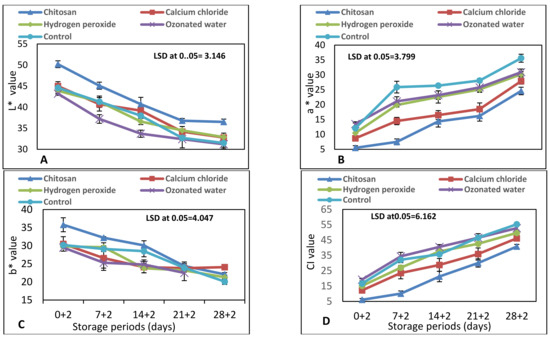
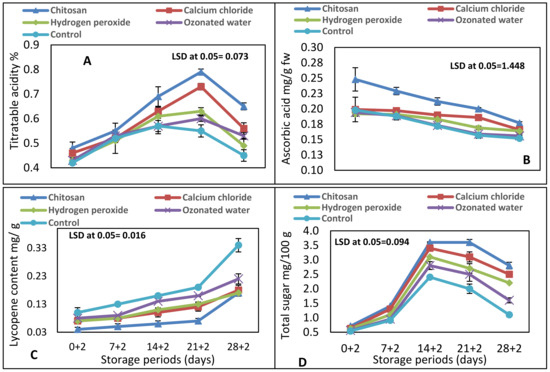
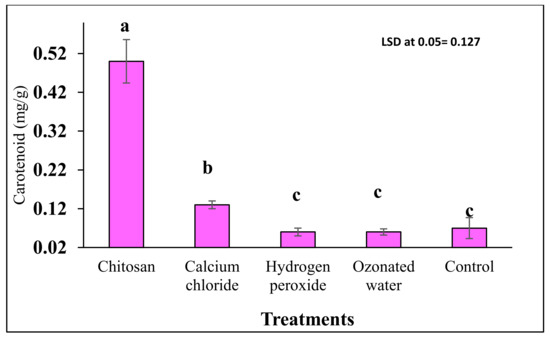
Extending Shelf Life and Maintaining Quality of Tomato Fruit by Calcium Chloride, Hydrogen Peroxide, Chitosan, and Ozonated Water
by
Said A. Shehata, Said Z. Abdelrahman, Mona M. A. Megahed, Emad A. Abdeldaym, Mohamed M. El-Mogy and Karima F. Abdelgawad
Cited by 82 | Viewed by 22467
Abstract
Tomatoes are perishable fruit that makes them deteriorate rapidly during the post-harvest chain. Therefore, the effect of calcium chloride (CaCl
2), chitosan, hydrogen peroxide (H
2O
2), and ozonated water on the storage abil\ity and quality of tomato fruit (
[...] Read more.
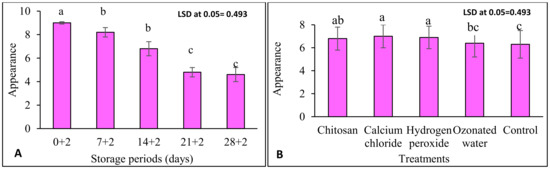
Tomatoes are perishable fruit that makes them deteriorate rapidly during the post-harvest chain. Therefore, the effect of calcium chloride (CaCl
2), chitosan, hydrogen peroxide (H
2O
2), and ozonated water on the storage abil\ity and quality of tomato fruit (
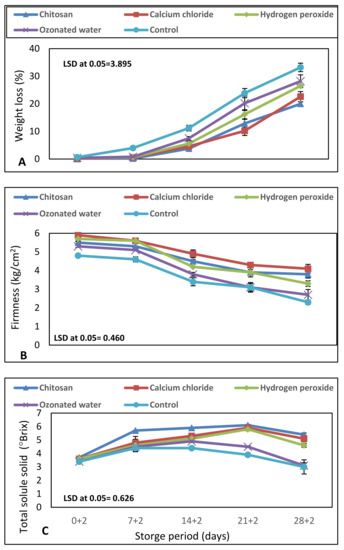
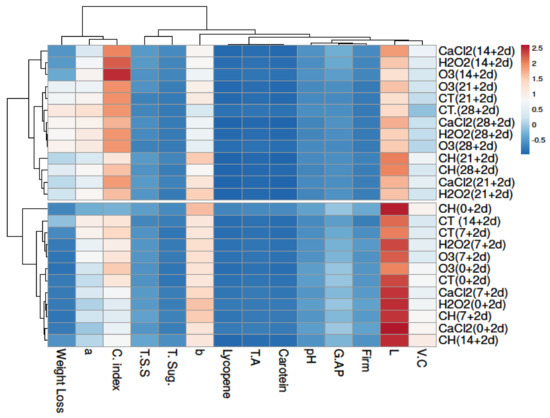
Solanumlycopersicum L. cv. 448) stored at 10 °C for 28 d was studied. Weight loss, firmness, fruit color, total soluble solids (TSS), titratable acidity, total carotenoids, and ascorbic acid content (AsA) of treated tomato fruit were recorded. Our results revealed that all tested treatments significantly extended the shelf-life and maintained quality of tomato fruit compared to the control. Chitosan and CaCl
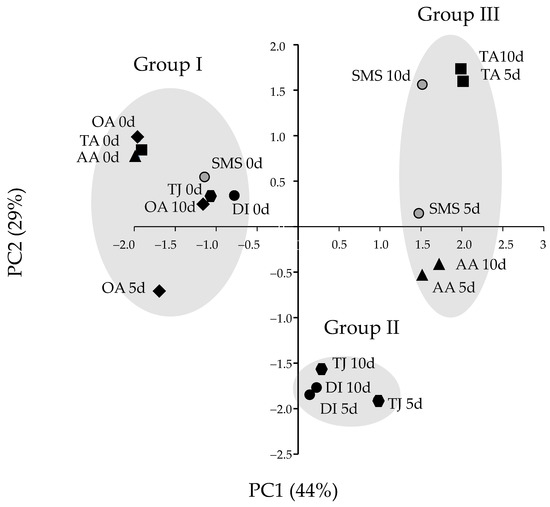
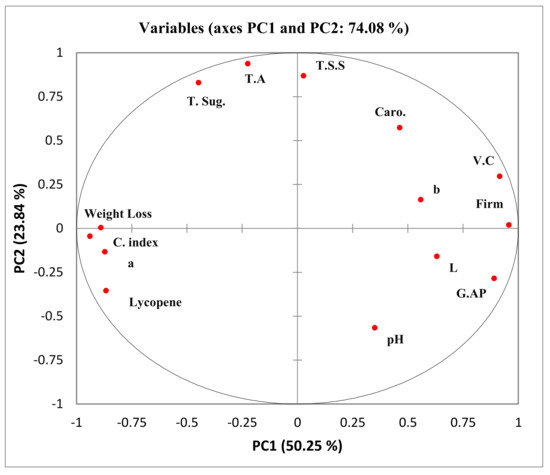
2 were the most effective treatments in maintaining quality attributes. Furthermore, a correlation study suggested that AsA and total carotenoids played a vital role in conserving tomato fruit quality during storage. PC1 had strong positive loading for pH, appearance, firmness, AsA, TSS, carotene, fruit color (L* & b*) and a strong negative loading for lycopene content, color (a), weight loss, and color index. PC2 had high positive loading for total acidity and total sugar content.
Full article
►▼
Show Figures
Open AccessEditor’s ChoiceArticle
Investigating the Molecular Mechanisms of Pepper Fruit Tolerance to Storage via Transcriptomics and Metabolomics
by
Hao Sun, Qing Li, Lian-Zhen Mao, Qiao-Ling Yuan, Yu Huang, Meng Chen, Can-Fang Fu, Xuan-Hua Zhao, Zi-Yu Li, Yun-Hua Dai, Xue-Xiao Zou and Li-Jun Ou
Cited by 8 | Viewed by 4150
Abstract
Pepper is one of the most important vegetable crops in China and has high economic value. However, the pepper fruit is easily softened and spoiled after harvest, which seriously affects its flavor, transportation, and economic value. In this study, we used pepper lines
[...] Read more.
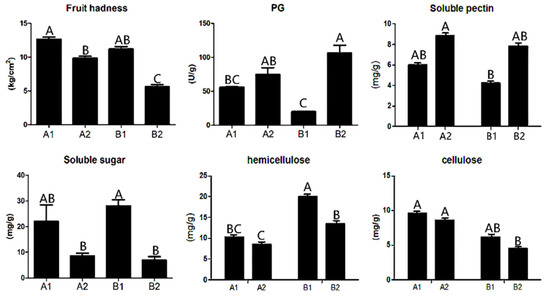
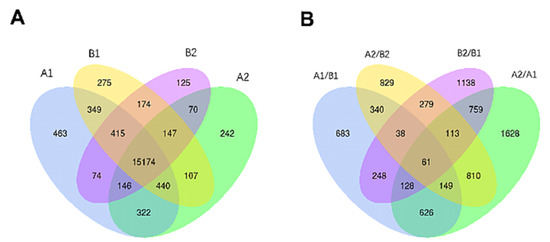
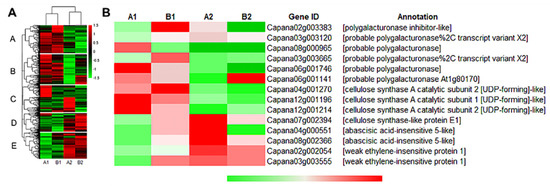
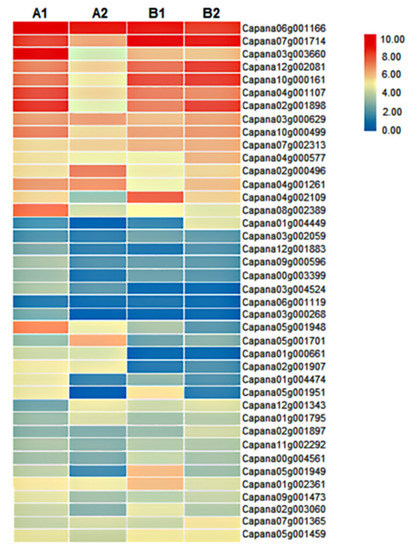
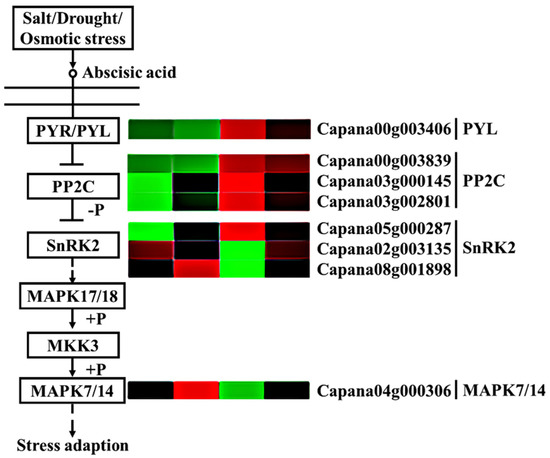
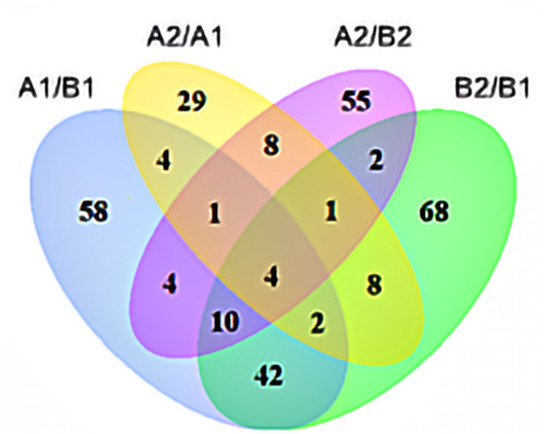
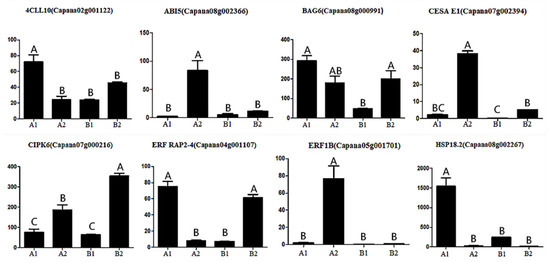
Pepper is one of the most important vegetable crops in China and has high economic value. However, the pepper fruit is easily softened and spoiled after harvest, which seriously affects its flavor, transportation, and economic value. In this study, we used pepper lines with different levels of storage resistance, A144 and A361, and performed physiological examination, transcriptomics, and metabolomics on them at 0 and 3 days after harvest in order to analyze their gene expression patterns and molecular regulatory mechanisms for storage tolerance. A total of 23,477 genes and 985 metabolites were identified. After comparing and analyzing each sample, we identified 7829 differentially expressed genes and 296 differential metabolites. We found that the genes such as ethylene-responsive transcriptional factor (
ERFs), polygalacturonase (
PG), cellulose synthase (
CESA), abscisic acid insensitive (
ABI), protein kinase 2 (
SnRK2), and protein phosphatase 2C (
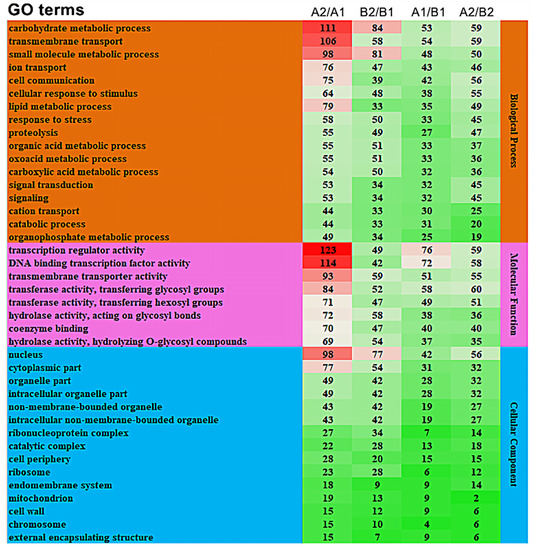
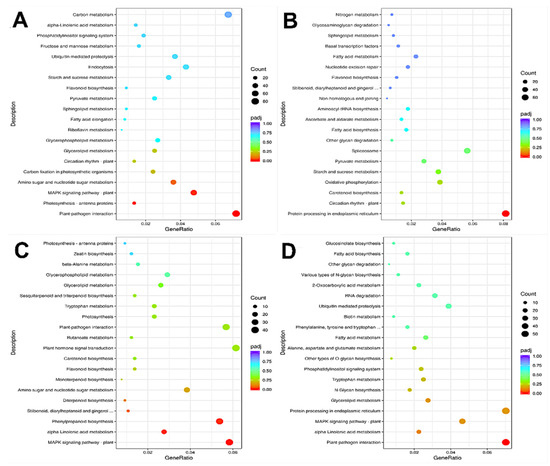
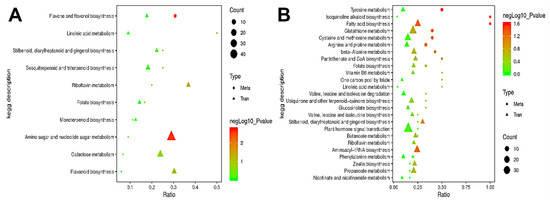
PP2C) and metabolites such as phenylalanine and glycyl-tyrosine were differentially expressed between different storage times in the two materials. Through GO and KEGG enrichment analysis, we found that the differential genes were mainly enriched in carbohydrate metabolism, small molecule metabolism, and plant hormone signal transduction, and the differential metabolites were mainly enriched in flavonoid biosynthesis, glutathione metabolism, and cysteine and methionine metabolism pathways. This study provides a scientific basis for investigating the molecular mechanisms of storage tolerance and developing new pepper varieties with improved storage resistance.
Full article
►▼
Show Figures
Open AccessArticle
Application of Room Cooling and Thermal Insulation Materials to Maintain Quality of Okra during Storage and Transportation
by
Jutarat Rattanakaran, Rattapon Saengrayap, Chureerat Prahsarn, Hiroaki Kitazawa and Saowapa Chaiwong
Cited by 14 | Viewed by 6756
Abstract
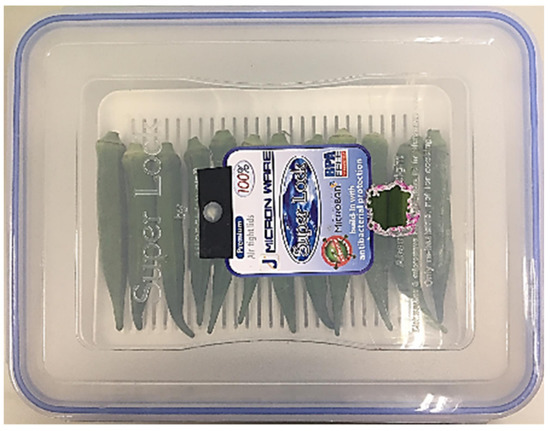
A combination of room cooling and the use of thermal insulation materials to maintain okra quality under simulated storage and transportation was evaluated. Okra pods were packed in plastic baskets and either cooled at 18 °C or not cooled in a room for
[...] Read more.
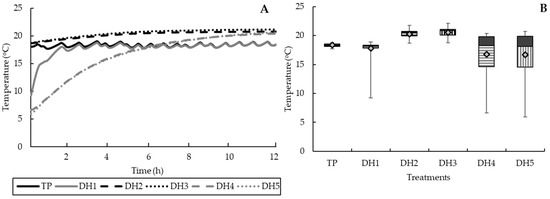
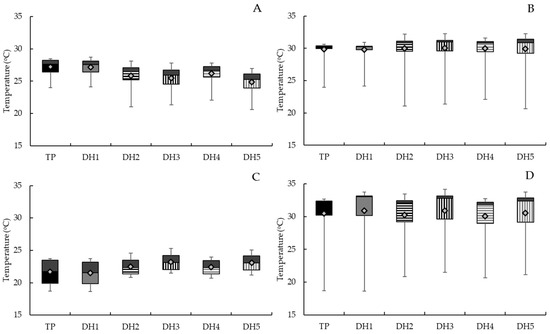
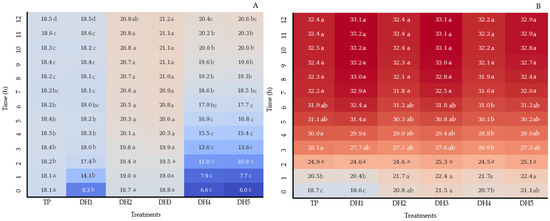
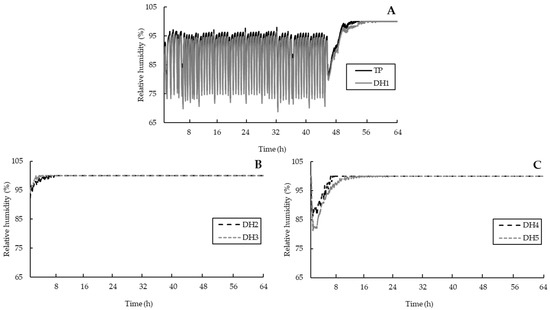
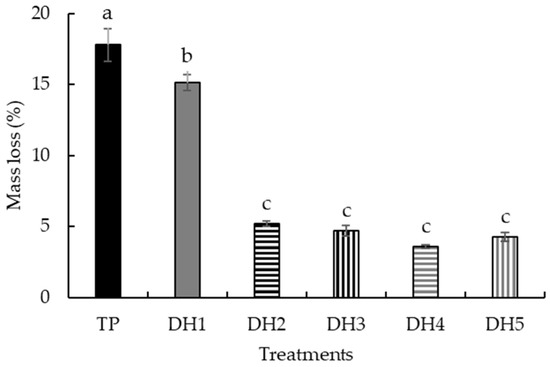
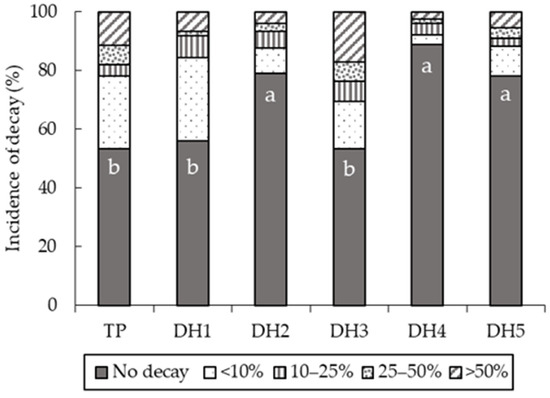
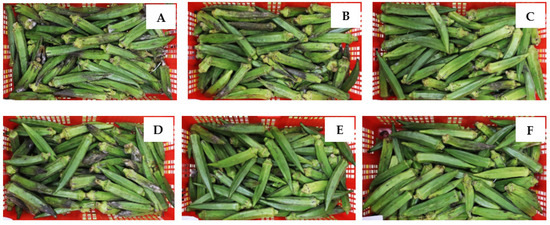
A combination of room cooling and the use of thermal insulation materials to maintain okra quality under simulated storage and transportation was evaluated. Okra pods were packed in plastic baskets and either cooled at 18 °C or not cooled in a room for 2 h. After either room cooling or no cooling, the okra pods were covered with three different materials: (1) perforated linear low-density polyethylene (P-LLDPE), (2) two layers of heat-reflective sheet with thin nonwoven (HRS+TNNW), and (3) metalized foam sheet (MFS). Typical handling (TP) without cooling and covering with P-LLDPE was used as the control. The six treatments were conducted during simulated storage (18 °C for 48 h) and transportation (30 °C for 15 h). Results showed that MFS gave the best insulation properties (Q
x and R-values), followed by HRS and TNNW. After room cooling, both HRS+TNNW and MFS materials delayed the time for pulp temperature to reach 18 °C (10 h), compared to P-LLDPE (2 h). TP presented the highest mass loss (17.8%) throughout simulated conditions, followed by cooling plus P-LLDPE (15.2%) and either of the thermal insulation materials with or without room cooling (3.6% to 5.2%), respectively. TP, cooling plus P-LLDPE, and no cooling plus MFS (44% to 56%) showed the highest percentage of decay, while cooling combined with both HRS+TNNW and MFS gave the lowest decay incidence (11–21%). Findings demonstrated that room cooling combined with HRS+TNNW had the highest efficiency for preserving cool temperature and reducing decay, compared to TP and room cooling plus MFS.
Full article
►▼
Show Figures
Open AccessEditor’s ChoiceArticle
Effect of Postharvest Transport and Storage on Color and Firmness Quality of Tomato
by
Mai Al-Dairi, Pankaj B. Pathare and Rashid Al-Yahyai
Cited by 105 | Viewed by 17338
Abstract
Transport duration affects the vibration level generated which has adverse effects on fresh produce during transportation. Furthermore, temperature affects the quality of fresh commodities during storage. This study evaluated physical changes in tomatoes during transportation and storage. Tomatoes were transported at three distances
[...] Read more.
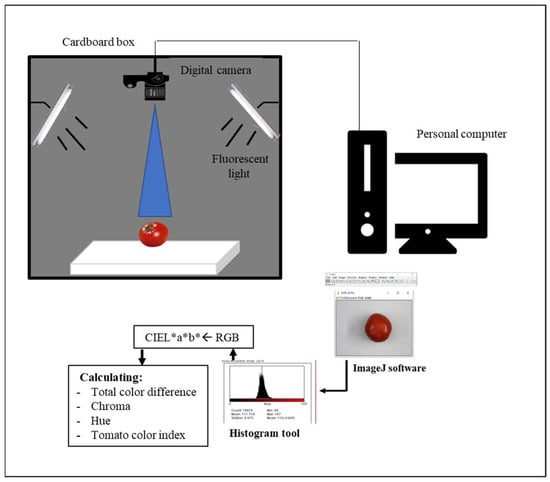
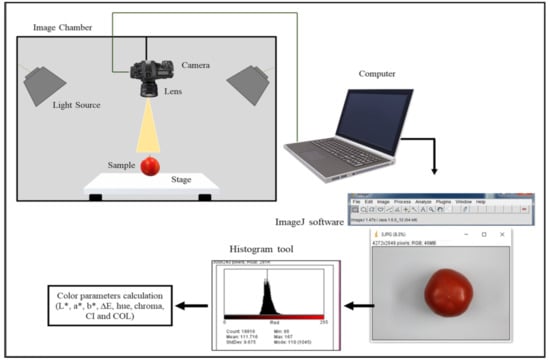
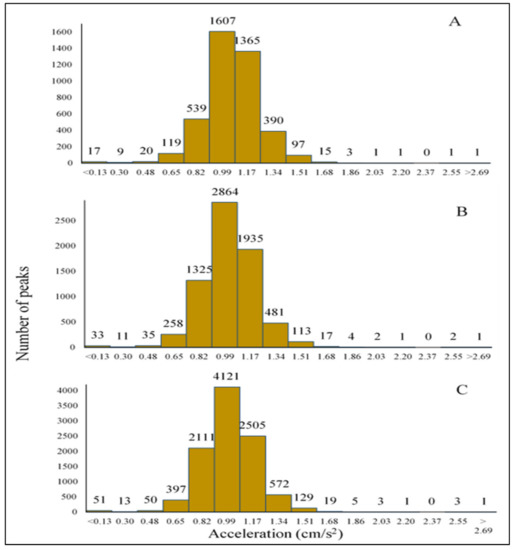
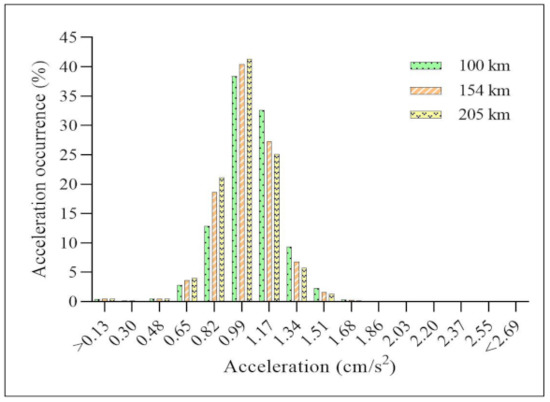
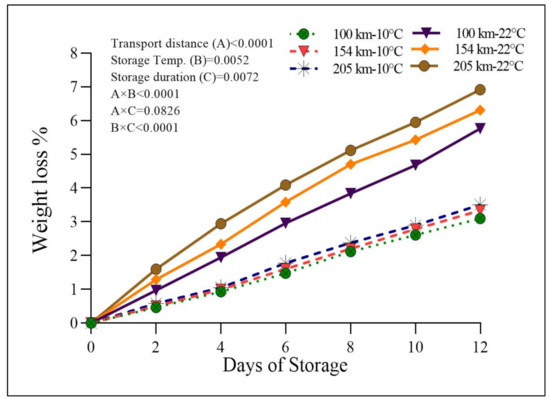
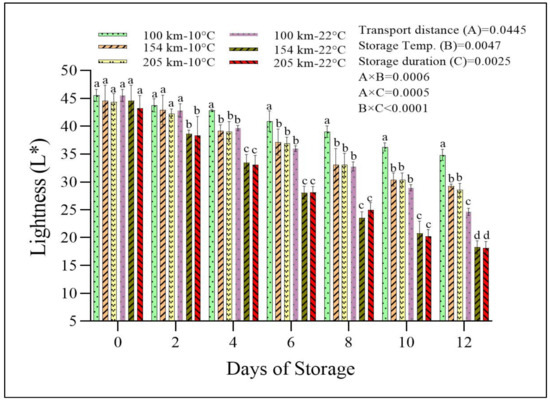
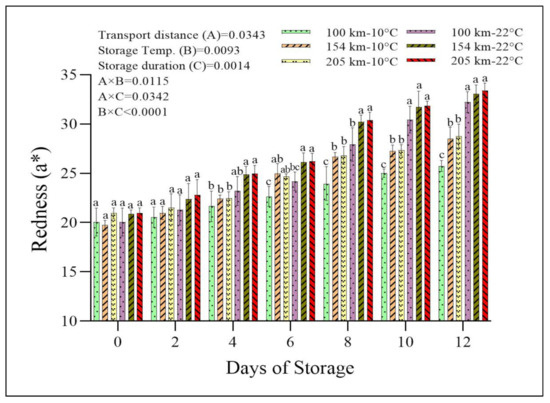
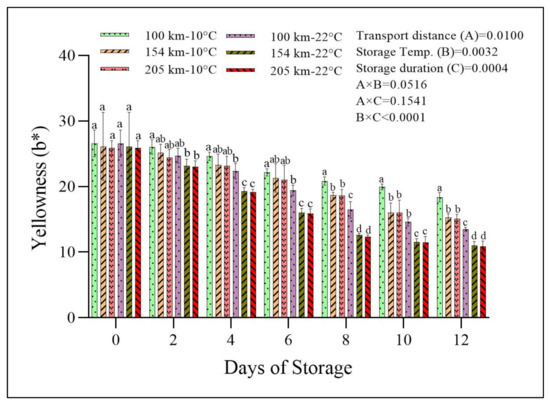
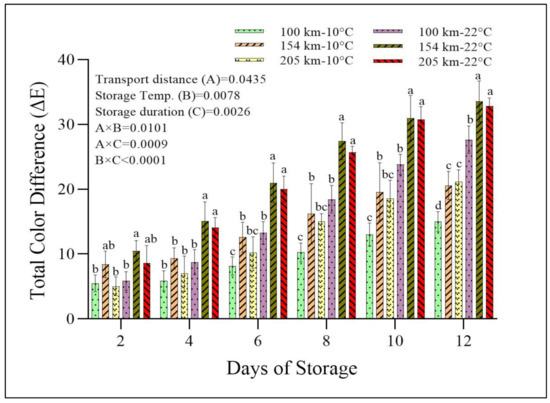
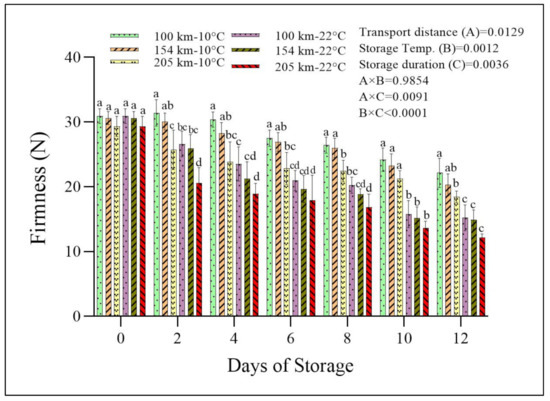
Transport duration affects the vibration level generated which has adverse effects on fresh produce during transportation. Furthermore, temperature affects the quality of fresh commodities during storage. This study evaluated physical changes in tomatoes during transportation and storage. Tomatoes were transported at three distances (100, 154, and 205 km) from a local farm and delivered to the Postharvest Laboratory where vibration acceleration was recorded per distance. Tomato was stored at two different temperatures (10 °C and 22 °C) for 12 days. The physical qualities like weight loss and firmness of all tomato samples were evaluated. RGB image acquisition system was used to assess the color change of tomato. The results of vibration showed that over 40% of accelerations occurred in the range of 0.82–1.31 cm/s
2 of all transport distances. Physical quality analyses like weight loss and firmness were highly affected by transportation distance, storage temperature, and storage period. The reduction in weight loss and firmness was the highest in tomatoes transported from the farthest distance and stored at 22 °C. Lightness, yellowness, and hue values showed a high reduction as transport distance increased particularly in tomatoes stored at 22 °C. Redness, total color difference, and color indices increased significantly on tomatoes transported from 205 km and stored at 10 °C and 22 °C. The study indicated that the increase in transportation distance and storage temperature cause higher changes in the physical qualities of tomatoes.
Full article
►▼
Show Figures