






-
Management of Implantable Cardiovascular Devices in Patients Undergoing Radiotherapy -
Collaborative Robotics, Mobile Platforms, and Total Laboratory Automation in Clinical Diagnostics -
Systemic Sclerosis-Associated ILD: Insights and Limitations of ScleroID -
Cerebello-Pontine Angle Tumors in Children: An Update on Challenging Neoplasms -
AI-Guided Inference of Morphodynamic Attractor-like States in Glioblastoma
Journal Description
Diagnostics
Diagnostics
is an international, peer-reviewed, open access journal on medical diagnosis published semimonthly online by MDPI. The British Neuro-Oncology Society (BNOS), the International Society for Infectious Diseases in Obstetrics and Gynaecology (ISIDOG) and the Swiss Union of Laboratory Medicine (SULM) are affiliated with Diagnostics and their members receive a discount on the article processing charges.
- Open Access— free for readers, with article processing charges (APC) paid by authors or their institutions.
- High Visibility: indexed within Scopus, SCIE (Web of Science), PubMed, PMC, Embase, Inspec, CAPlus / SciFinder, and other databases.
- Journal Rank: JCR - Q1 (Medicine, General and Internal) / CiteScore - Q2 (Internal Medicine)
- Rapid Publication: manuscripts are peer-reviewed and a first decision is provided to authors approximately 21.6 days after submission; acceptance to publication is undertaken in 2.7 days (median values for papers published in this journal in the second half of 2025).
- Recognition of Reviewers: reviewers who provide timely, thorough peer-review reports receive vouchers entitling them to a discount on the APC of their next publication in any MDPI journal, in appreciation of the work done.
- Companion journals for Diagnostics include: LabMed and AI in Medicine.
Impact Factor:
3.3 (2024);
5-Year Impact Factor:
3.3 (2024)
Latest Articles
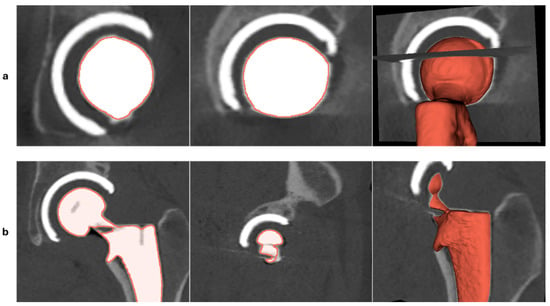
Synthetic Implant Migration Generation for Accuracy and Precision Evaluation of AI-Based CT-RSA in Total Hip Arthroplasty
Diagnostics 2026, 16(10), 1484; https://doi.org/10.3390/diagnostics16101484 (registering DOI) - 14 May 2026
Abstract
Background/Objectives: Radiostereometric analysis (RSA) is the gold standard for measuring implant migration, with CT-RSA increasingly used as an alternative. To evaluate CT-RSA, it is important to assess data that include the surrounding soft tissues, rather than data from simplified phantoms, while also
[...] Read more.
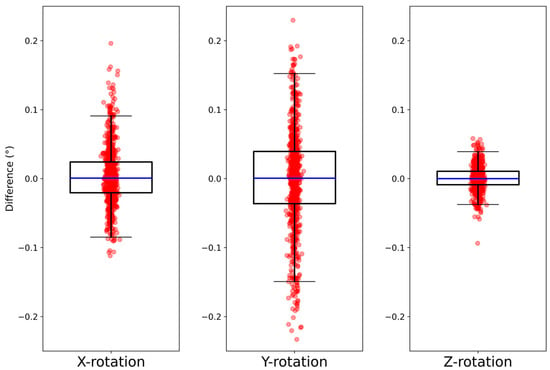
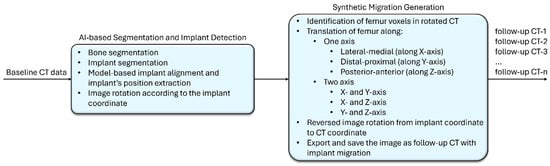
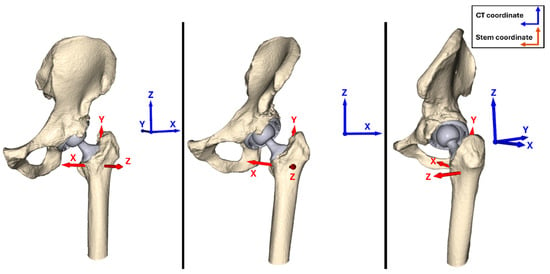
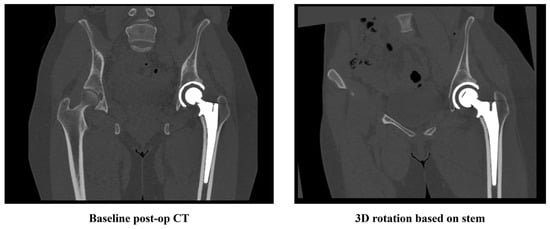
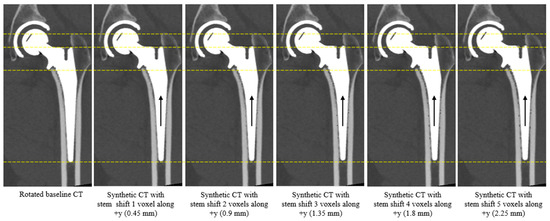
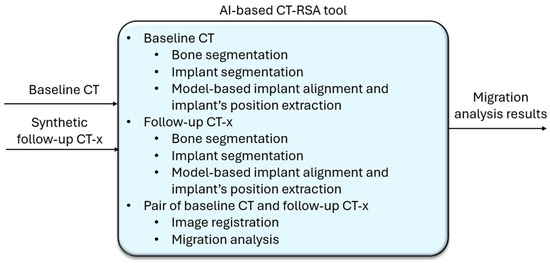
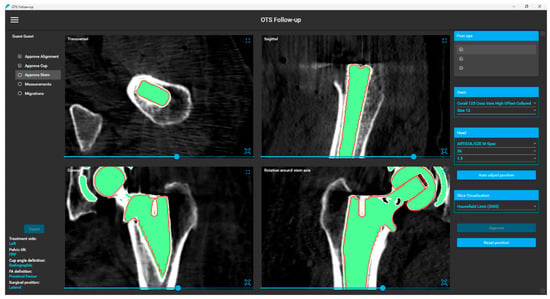
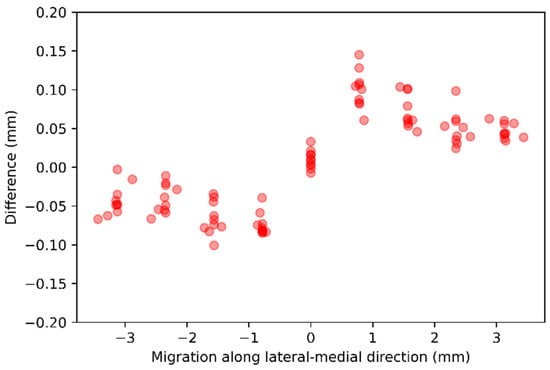
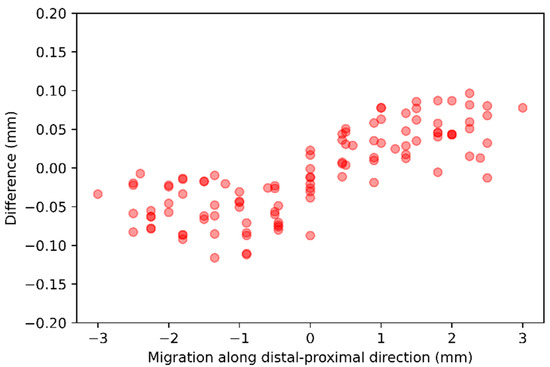
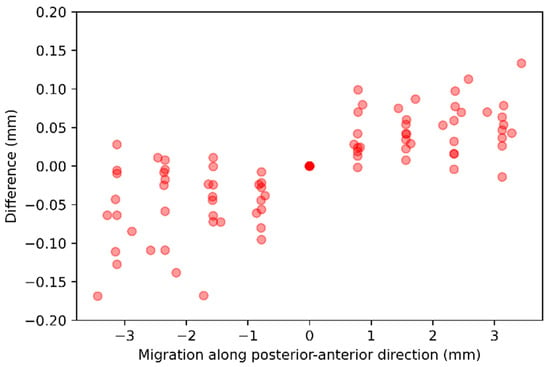
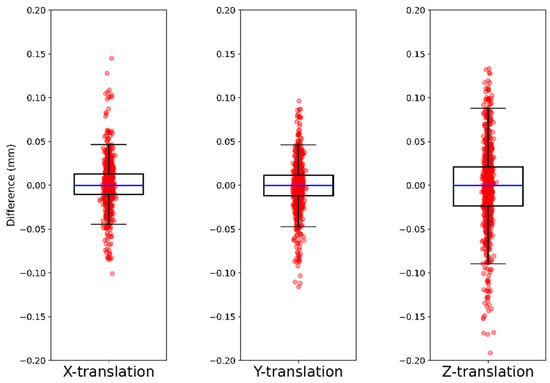
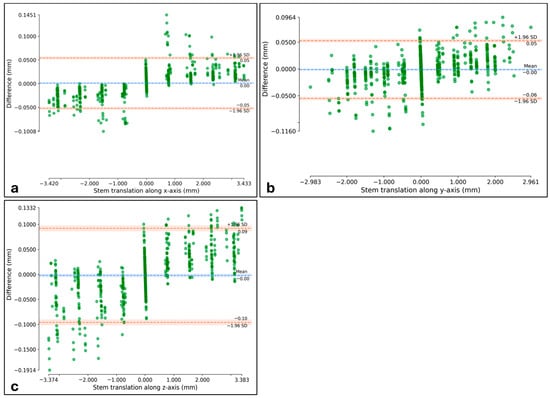
Background/Objectives: Radiostereometric analysis (RSA) is the gold standard for measuring implant migration, with CT-RSA increasingly used as an alternative. To evaluate CT-RSA, it is important to assess data that include the surrounding soft tissues, rather than data from simplified phantoms, while also avoiding unnecessary radiation from multiple scans. This study proposes a method for generating multiple follow-up CTs from a single post-operative CT (baseline CT) by simulating stem migration and uses it to assess an AI-based CT-RSA tool. Methods: The method involves extracting the stem implant voxels from the baseline CT, digitally translating them along the x-, y-, and z-axes, and storing the result as new follow-up CTs. The voxel spacing of the baseline CT is used to define the ground-truth translations, which are then compared with the AI-based CT-RSA results using descriptive statistics and Bland–Altman plots. Results: Using 10 patients’ baseline CTs, 780 follow-up CTs were generated. Bland–Altman analysis showed a mean difference of 0.00 mm, largest LoA −0.10 to 0.09 mm, and translational precision for zero-migration of 0.026 to 0.049 mm. Conclusions: The proposed method offers a practical alternative to phantom-based models, and the AI-based CT-RSA showed high accuracy and precision for stem translation. The study addresses translational migration only.
Full article
(This article belongs to the Special Issue Advances in Medical Image Processing)
►
Show Figures
Open AccessReview
Artificial Intelligence Across the Radiology Workflow: A Nine-Stage Narrative Review
by
Marwa Chendeb El Rai, Aicha Beya Far, Muna Darweesh, Salam Dhou, Nour Aburaed, Salah El Rai, Mohammed ElKhazendar and Samer Ellahham
Diagnostics 2026, 16(10), 1485; https://doi.org/10.3390/diagnostics16101485 - 13 May 2026
Abstract
Radiology services are experiencing increasing operational complexity due to rising imaging volumes and expanding coordination demands across interconnected clinical and administrative processes. This complexity is reflected in variability across workflow stages, driven by fragmented information flows, heterogeneous system integration, and multi-source data dependencies.
[...] Read more.
Radiology services are experiencing increasing operational complexity due to rising imaging volumes and expanding coordination demands across interconnected clinical and administrative processes. This complexity is reflected in variability across workflow stages, driven by fragmented information flows, heterogeneous system integration, and multi-source data dependencies. Artificial intelligence (AI) has therefore emerged as a potential tool to support automation, prioritization, and operational efficiency throughout the radiology pathway. This narrative review examines published applications of AI within a nine-stage representation of the radiology workflow. The review synthesizes how AI methods are being investigated to support both administrative coordination and diagnostic processes in radiology practice. AI approaches aim to reduce repetitive administrative tasks, improve resource utilization, and assist radiologists in managing increasing imaging workloads. However, research activity remains uneven, with a strong concentration on later-stage tasks such as image analysis and reporting, while earlier and administrative stages remain comparatively underexplored. By organizing existing research within a unified workflow-oriented framework, this review highlights areas of concentration and identifies gaps across less-studied stages. The findings suggest that while several AI applications are approaching early clinical deployment, broader workflow-level impact remains limited by challenges related to system integration, interoperability, governance, and real world implementation. Continued progress will depend on developing integrated and clinically validated solutions that extend beyond isolated tasks to support coordinated radiology workflow optimization.
Full article
(This article belongs to the Section Machine Learning and Artificial Intelligence in Diagnostics)
Open AccessCase Report
Think Adnexal Tumor Beyond the Usual Site: Fine-Needle Aspiration Cytology of Trichoblastoma Presenting as a Large Subcutaneous Mass in the Thigh
by
Hidetoshi Satomi, Ayumi Ryu, Azusa Shingetsu, Satoshi Tanada and Keiichiro Honma
Diagnostics 2026, 16(10), 1483; https://doi.org/10.3390/diagnostics16101483 - 13 May 2026
Abstract
Background/Objectives: Trichoblastoma is a benign follicular adnexal tumor that typically arises on the head and neck. Large variants at atypical locations pose considerable diagnostic challenges because their clinical presentation can be indistinguishable from malignant soft tissue neoplasms. Herein, we describe a case
[...] Read more.
Background/Objectives: Trichoblastoma is a benign follicular adnexal tumor that typically arises on the head and neck. Large variants at atypical locations pose considerable diagnostic challenges because their clinical presentation can be indistinguishable from malignant soft tissue neoplasms. Herein, we describe a case of trichoblastoma presenting as a large subcutaneous thigh mass that was correctly diagnosed by fine-needle aspiration cytology. Case Presentation: A 49-year-old male presented with a 7 cm, slowly enlarging, subcutaneous mass in the left thigh of 20 years’ duration. Magnetic resonance imaging raised the possibility of a low-grade sarcoma. Fine-needle aspiration cytology yielded cohesive clusters of basaloid cells with peripheral palisading, delicate spindle-shaped follicular stromal cells intimately admixed with the epithelial component, and orangeophilic keratinous material in the background. The absence of nuclear atypia, mitotic figures, and mucinous stroma supported a preoperative cytological diagnosis of a benign follicular germinative tumor consistent with trichoblastoma, thereby guiding conservative surgical excision. Histopathological examination confirmed the diagnosis. Immunohistochemistry revealed focally positive BerEP4, CD34-positive stroma, negative androgen receptor, and positive bcl-2, consistent with trichoblastoma and distinguishing the tumor from basal cell carcinoma. The patient remained recurrence-free 12 months after surgery. Conclusions: Careful assessment of characteristic cytomorphological features, particularly a dual population of basaloid epithelial cells with peripheral palisading and specialized follicular stromal cells, is vital for the accurate preoperative cytological characterization of trichoblastoma, even at atypical anatomical sites.
Full article
(This article belongs to the Special Issue Skin and Cutaneous Adnexal Tumors: Diagnosis and Management—2nd Edition)
Open AccessArticle
The Effects of Intraocular Pressure-Lowering Drops on the Tear Film Assessed by a Novel High-Resolution Tear Film Imager
by
Alice Verticchio Vercellin, Samuel Potash, Kira Manusis, Paul A. Sidoti, Richard B. Rosen, Brent A. Siesky, Keren Wood, Lily A. Greenberg, Peter D'Amelia, Edan Kenig, Norman J. Kleiman, David J. Brenner, George J. Eckert, Lucia Tanga, Carmela Carnevale, Masako Chen, David Qi, Minwoo Kwon and Gal Antman
Diagnostics 2026, 16(10), 1482; https://doi.org/10.3390/diagnostics16101482 - 13 May 2026
Abstract
Background/Objectives: The aim of this study was to investigate the effects of intraocular pressure (IOP)-lowering drops on the sublayers of the human tear film as assessed by a novel nanometer-resolution Tear Film Imager (TFI, AdOM, Israel). Methods: In a prospective, cross-sectional study, 98
[...] Read more.
Background/Objectives: The aim of this study was to investigate the effects of intraocular pressure (IOP)-lowering drops on the sublayers of the human tear film as assessed by a novel nanometer-resolution Tear Film Imager (TFI, AdOM, Israel). Methods: In a prospective, cross-sectional study, 98 eyes from 56 adult human subjects were imaged using the TFI. The dataset included data from 18 eyes from 12 subjects treated with preserved IOP-lowering drops and 80 eyes from 44 control subjects not under ocular hypotensive therapy. Subjects in the IOP treatment group used a variety of IOP-lowering medications, including prostaglandin analogs, beta-blockers, carbonic anhydrase inhibitors, alpha agonists, and combination drops. A linear mixed effects model was used to assess the association between IOP-lowering therapy and tear film (TF) metrics, controlling for age and intra-individual correlation. The following parameters were measured: muco-aqueous layer thickness (MALT), muco-aqueous layer thinning rate (MALTR), lipid layer thickness (LLT), lipid map uniformity (LMU), inter-blink intervals (IBI), and lipid break-up time (LBUT). Results: Average ages significantly differed (p = 0.013) between the treatment group (66.5 years) and control group (average age 51.5 years), and thus results were adjusted for age accordingly. IOP was 17.1 mmHg in the treatment group and 16.1 mmHg in the control group. When analyzing the sublayers of the TF, MALTR had a significant association with IOP-lowering therapy after adjusting for age, with a difference of −52.68 nm/s; 95% confidence interval [−96.87, −8.48]; p-value = 0.020. Additionally, IBI was significantly associated with IOP-lowering therapy after log transformation (p = 0.049), with shorter IBI in the treatment group. All other metrics (MALT, LLT, LMU, and LBUT) were statistically insignificant (p > 0.05). Conclusions: These pilot results suggest that IOP-lowering drops may accelerate thinning of the TF, specifically the muco-aqueous layer. Longitudinal studies with significantly larger samples are needed to specify the differential impact of various ocular hypotensive therapies on the human TF and the clinical implications of these findings.
Full article
(This article belongs to the Section Medical Imaging and Theranostics)
Open AccessArticle
Diagnostic Performance and Misclassification Patterns of Preoperative MRI in Rectal Cancer: A Real-World Study
by
David Luengo Gómez, Ángel Francisco Ávila Jiménez, Miguel Ángel Araújo-Jiménez, Encarnación González Flores, Consolación Melguizo Alonso, Mercedes Zurita Herrera, Antonio Jesús Láinez Ramos-Bossini and Ángela Salmerón Ruiz
Diagnostics 2026, 16(10), 1481; https://doi.org/10.3390/diagnostics16101481 - 13 May 2026
Abstract
Introduction: Magnetic resonance imaging (MRI) is the reference imaging modality for locoregional staging and restaging of rectal cancer (RC). However, its agreement with surgical pathology in real-world practice is limited. We aimed to assess the agreement and diagnostic performance of preoperative MRI
[...] Read more.
Introduction: Magnetic resonance imaging (MRI) is the reference imaging modality for locoregional staging and restaging of rectal cancer (RC). However, its agreement with surgical pathology in real-world practice is limited. We aimed to assess the agreement and diagnostic performance of preoperative MRI for dichotomized T and N staging in RC. Secondarily, we explored the direction of MRI misclassification and potential preoperative factors associated with discordance. Methods: We conducted a retrospective real-world study on 152 consecutive patients with pathologically confirmed RC who underwent surgery between September 2019 and June 2025 in our institution. Two cohorts were analyzed separately: patients treated without neoadjuvant therapy (non-NAT, n = 70) and patients treated with NAT followed by restaging MRI and surgery (NAT, n = 82). The main staging outcomes were dichotomized into T0-T2 vs. ≥T3 and N0 vs. N+, using final pathology as the reference standard. Agreement, Cohen’s kappa, sensitivity, specificity, predictive values, McNemar’s test, and exploratory regression analyses for misclassification were performed. Results: In the overall cohort, agreement was 72.4% for T staging and 73.0% for N staging, with moderate agreement for T (kappa = 0.452) and fair-to-moderate agreement for N (kappa = 0.349). Sensitivity and specificity were 80.3% and 67.0% for T staging and 54.5% and 80.6% for N staging, respectively. T-stage errors were mainly associated with overstaging. In NAT-treated patients, baseline MRI showed markedly poorer agreement with final pathology than restaging MRI, particularly for T stage (45.1% vs. 72.0%). Exploratory analyses did not identify strong or reproducible predictors of misclassification. Conclusions: This real-world study provides a contemporary estimate of MRI-pathology agreement for dichotomized T and N staging in routine RC care. Agreement was moderate, and performance was more consistent for advanced T-category assessment than for nodal staging. These findings support MRI as a practical tool for multidisciplinary risk stratification and highlight the need for continued monitoring of MRI usage and performance in clinical practice.
Full article
(This article belongs to the Special Issue Diagnostic Imaging in Gastrointestinal and Liver Diseases)
Open AccessArticle
Clinical and Molecular Signatures of Gallbladder Lesions: Insights into Metabolic and Inflammatory Pathways
by
Andrei Bojan, Maria-Cristina Vladeanu, Catalin Pricop, Iris Bararu-Bojan, Cezar Ilie Foia, Simona Eliza Giusca, Dan Iliescu, Oana Viola Badulescu, Codruta Olimpiada Iliescu Halitchi, Maria Alexandra Martu, Amin Bazyani, Manuela Ciocoiu and Liliana Georgeta Foia
Diagnostics 2026, 16(10), 1480; https://doi.org/10.3390/diagnostics16101480 - 13 May 2026
Abstract
Background: Gallbladder carcinoma (GBC) represents one of the most aggressive malignancies of the hepatobiliary system, evolving along a continuum from chronic inflammation to preneoplastic lesions and invasive cancer. This progression is frequently associated with gallstones and chronic cholecystitis and shares common pathogenic mechanisms
[...] Read more.
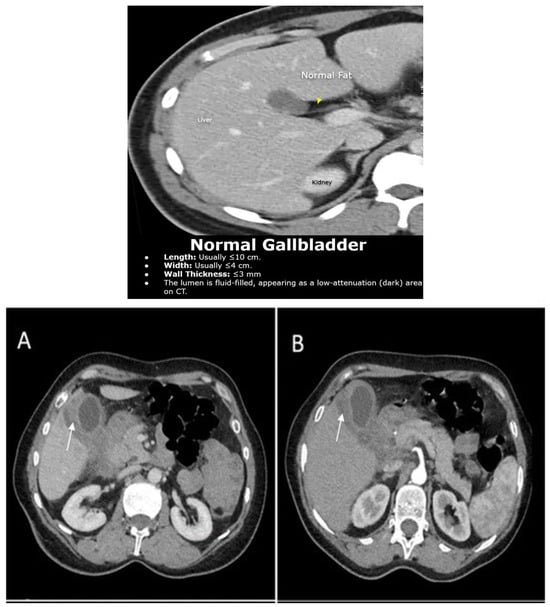
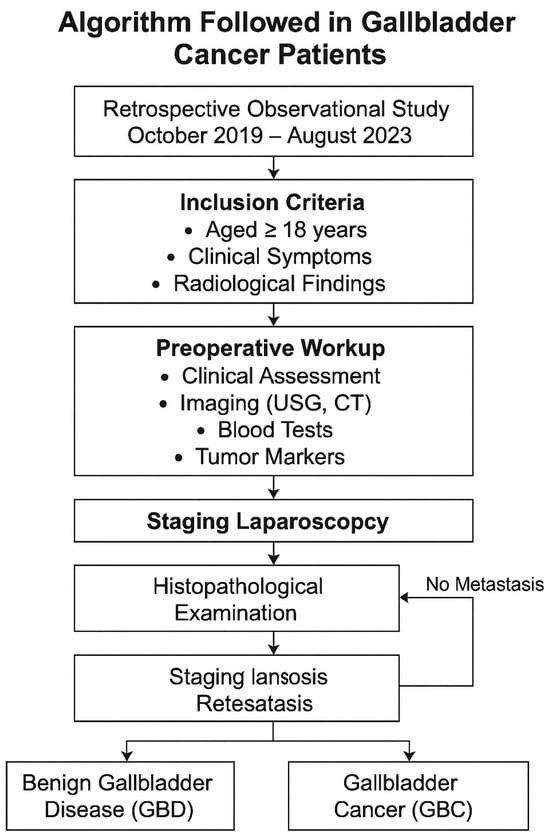
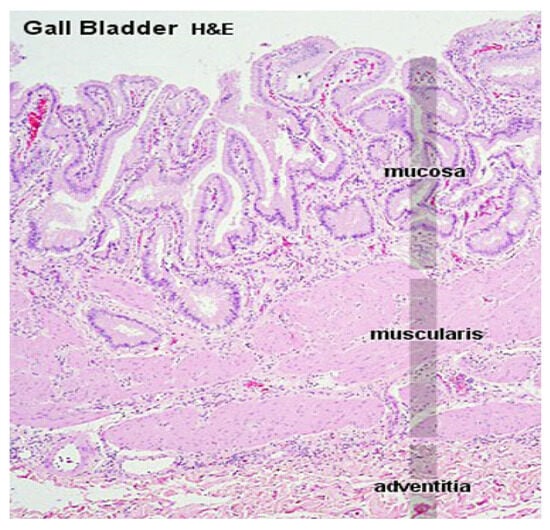
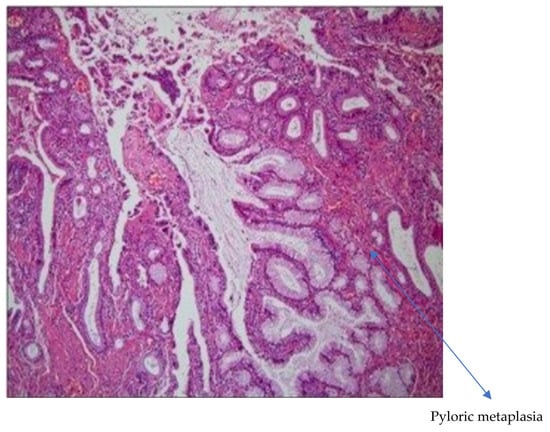
Background: Gallbladder carcinoma (GBC) represents one of the most aggressive malignancies of the hepatobiliary system, evolving along a continuum from chronic inflammation to preneoplastic lesions and invasive cancer. This progression is frequently associated with gallstones and chronic cholecystitis and shares common pathogenic mechanisms with systemic inflammatory and metabolic disorders. Despite its relatively low incidence, GBC is characterized by poor prognosis, largely due to late-stage diagnosis and limited understanding of its molecular underpinnings. Methods: We conducted an observational study including 60 adult patients with radiologically suspected gallbladder cancer (GBC). Patients with disseminated disease, ongoing oncologic treatment, or synchronous malignancies were excluded. Fasting venous blood samples were collected to evaluate tumor markers and biochemical parameters, including carcinoembryonic antigen (CEA) and carbohydrate antigen CA 19-9. Surgical specimens were analyzed histopathologically and staged according to the European Society for Medical Oncology TNM classification system. Statistical analysis was performed using SPSS software (version 26.0), with appropriate parametric or non-parametric tests applied based on data distribution, and a p-value < 0.05 considered statistically significant. Results: Based on histological findings, patients were stratified into benign gallbladder disease (GBD) and GBC groups. CA 19-9 demonstrated higher mean serum levels with lower variability compared to CEA, suggesting superior sensitivity and diagnostic stability for gallbladder adenocarcinoma. In contrast, CEA levels exhibited greater fluctuation, limiting its reliability as a standalone biomarker. Importantly, the combined use of CA 19-9 and CEA improved diagnostic accuracy, supporting a multimarker approach for better clinical stratification. Our findings highlight the diagnostic value of CA 19-9 as a robust biomarker in GBC and support the integration of combined biomarker panels. Beyond tumor markers, the study identified a strong interplay between systemic inflammation and metabolic comorbidities, with obesity and hypertension significantly associated with chronic gallbladder pathology, and diabetes mellitus contributing to increased risk of acute inflammatory episodes. Elevated inflammatory markers, leukocytosis, and cholestatic enzyme alterations further supported the presence of a systemic inflammatory milieu. Multivariate analysis revealed that C-reactive protein (CRP), as a marker of systemic inflammation, was significantly influenced by a combination of clinical and biochemical variables, including age, hemoglobin, hypertension, amylase, CA 19-9, and CEA, explaining over 50% of its variability and up to 85% in advanced fibrotic changes. Additionally, platelet counts were significantly reduced in adenocarcinoma and correlated specifically with CA 19-9 levels, suggesting a potential link between tumor burden, inflammation, and platelet dynamics. Conclusions: Therefore, the observed associations between chronic inflammation, metabolic dysregulation, and tumor marker expression suggest a potential link between gallbladder carcinogenesis and systemic cardiometabolic pathways, opening new perspectives for early detection and targeted therapeutic strategies.
Full article
(This article belongs to the Special Issue Novel Diagnostic Approaches in Cardiovascular and Metabolic Disorders: From Pathophysiology to Clinical Practice)
►▼
Show Figures

Figure 1

Open AccessArticle
Machine Learning-Derived Risk Groups and Clinical Implementation of Survival Prediction in Lung Cancer: Evidence from a Kazakh National Cohort
by
Zeinep Avizova, Ayan O. Myssayev and Yerbolat M. Iztleuov
Diagnostics 2026, 16(10), 1479; https://doi.org/10.3390/diagnostics16101479 - 13 May 2026
Abstract
Background/Objectives: Lung cancer remains a leading cause of cancer-related death, and prognostic assessment relies mainly on TNM staging, which incompletely captures patient heterogeneity. Machine learning (ML) methods may improve survival prediction, but their use in real-world national registries with rigorous validation remains
[...] Read more.
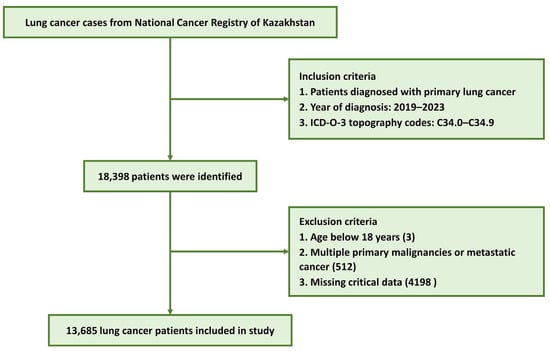
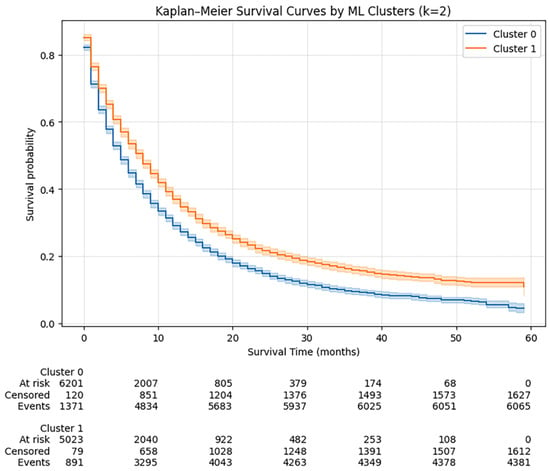
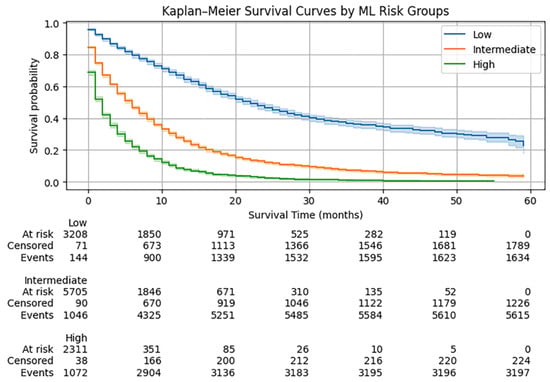
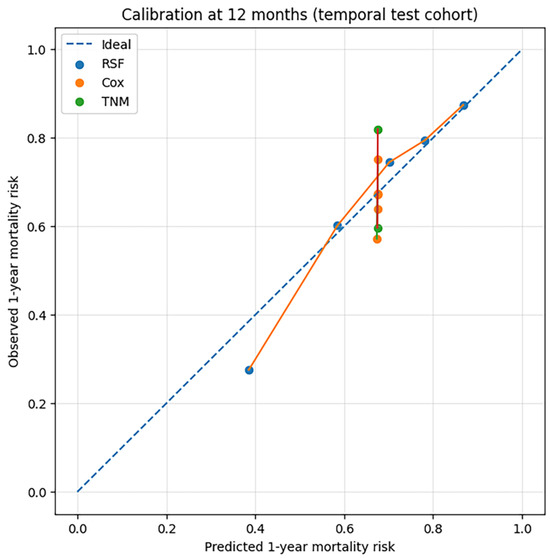
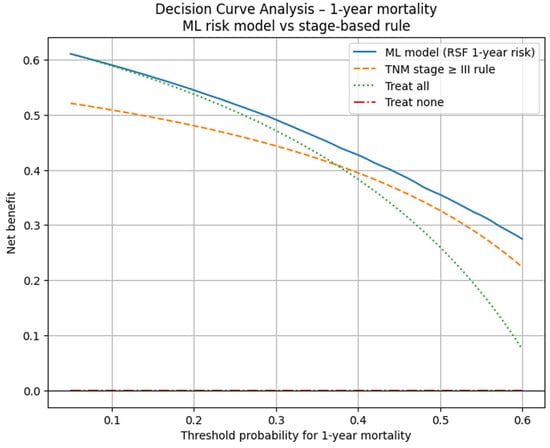
Background/Objectives: Lung cancer remains a leading cause of cancer-related death, and prognostic assessment relies mainly on TNM staging, which incompletely captures patient heterogeneity. Machine learning (ML) methods may improve survival prediction, but their use in real-world national registries with rigorous validation remains limited. This study aimed to develop ML-derived phenotypes and 1-year mortality risk groups and to evaluate their performance and clinical utility in a national lung cancer cohort from Kazakhstan. Methods: We conducted a retrospective study using a national registry including 13,685 patients. Eight routinely collected predictors were analyzed. K-means clustering was used for exploratory phenotyping. A random survival forest (RSF) model estimated 1-year mortality risk and defined low, intermediate, and high risk groups. Performance was evaluated using temporal validation, cross-validation, and bootstrap correction. Discrimination was assessed using the concordance index, prediction accuracy using the Brier score, and calibration using risk group comparisons. Comparator models included penalized Cox and TNM-only models. Clinical utility was assessed using decision-curve analysis. Results: Two phenotypes showed distinct survival outcomes, although cluster separation was modest. The RSF model showed stable performance (C-index 0.679; corrected 0.663). Risk groups demonstrated strong survival separation (high vs. low: HR 5.66). The RSF model outperformed the penalized Cox (C-index 0.544) and TNM (0.606), with improved accuracy (Brier 0.169 vs. 0.212). Calibration was generally good. Decision-curve analysis showed greater net benefit. Conclusions: An RSF-based model using routine registry data provided robust internally validated risk stratification and improved predictive performance. Clustering results were exploratory. External validation is re-quired before clinical implementation.
Full article
(This article belongs to the Section Machine Learning and Artificial Intelligence in Diagnostics)
►▼
Show Figures

Figure 1
Open AccessArticle
Autistic vs. Control Differences in MRI Scan Quality Across ABIDE-II Sites
by
João Pinheiro, Beatriz Afonso, Emanuel Cortesão de Seiça, Rita Gonçalves, Luís Ribeiro and Joana Reis
Diagnostics 2026, 16(10), 1478; https://doi.org/10.3390/diagnostics16101478 - 13 May 2026
Abstract
Background: Head motion and variability in scan quality remain major methodological challenges in autism neuroimaging. Large multi-site datasets such as ABIDE-II provide a unique opportunity to systematically quantify diagnostic differences in MRI data quality and assess the influence of site-level heterogeneity. Methods: Functional
[...] Read more.
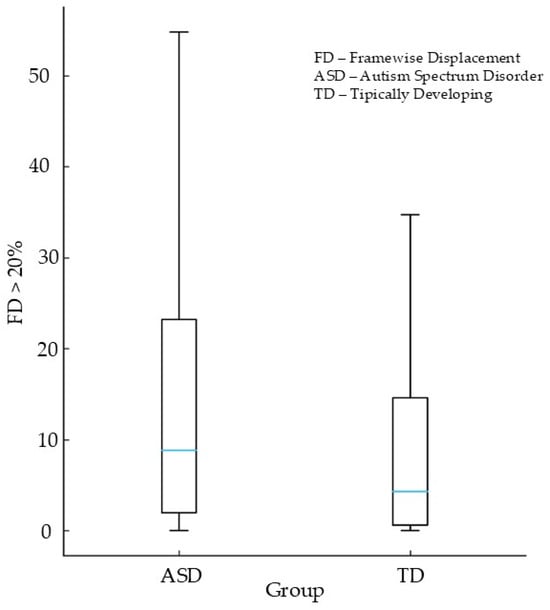
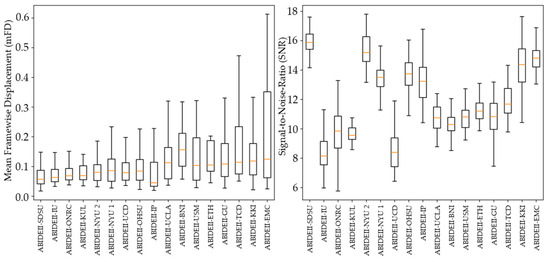
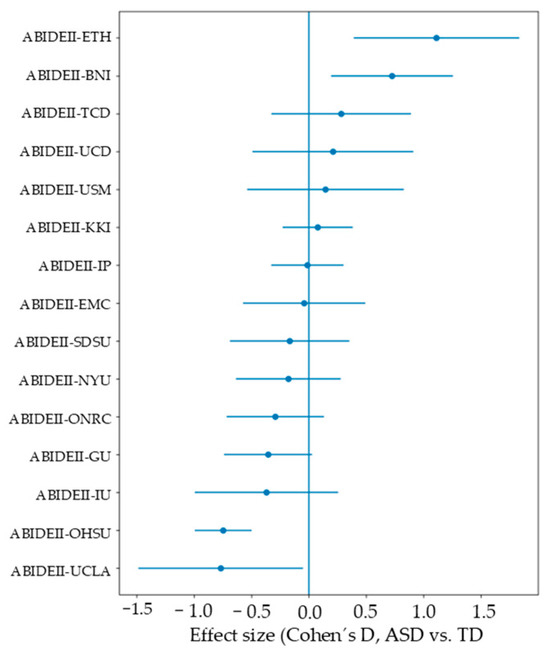
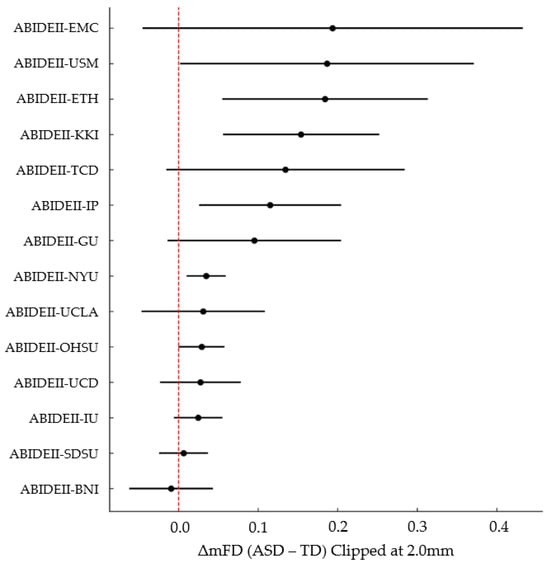
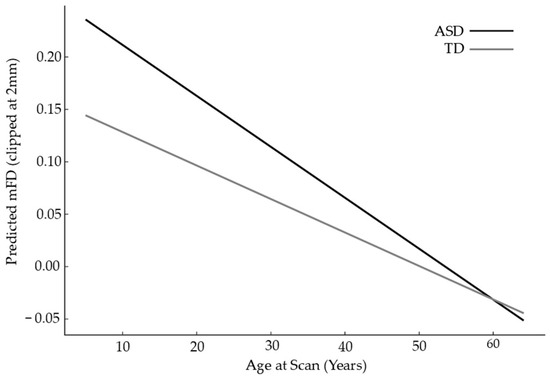
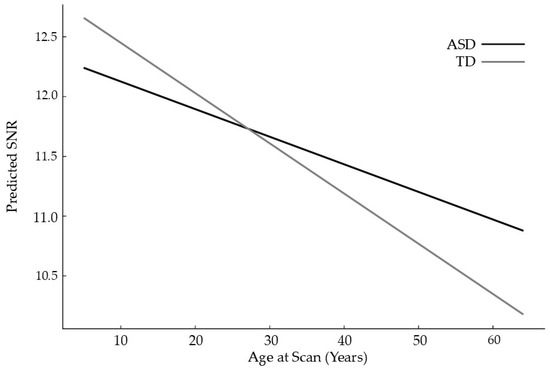
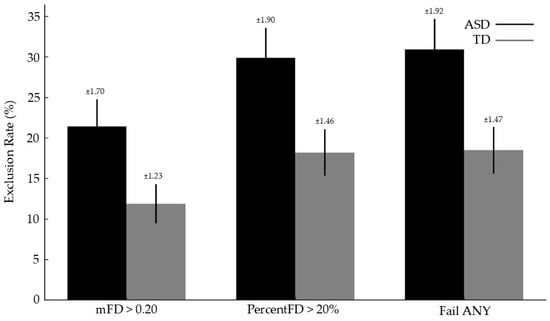
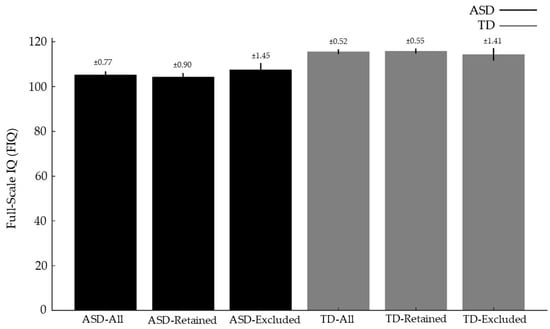
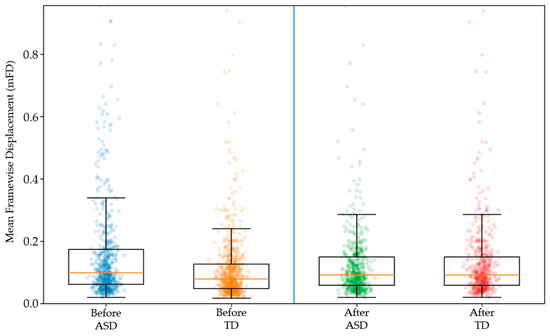
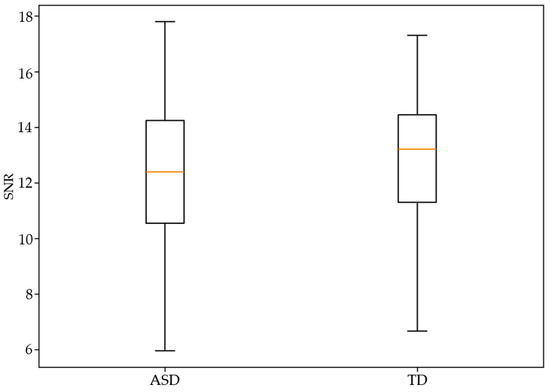
Background: Head motion and variability in scan quality remain major methodological challenges in autism neuroimaging. Large multi-site datasets such as ABIDE-II provide a unique opportunity to systematically quantify diagnostic differences in MRI data quality and assess the influence of site-level heterogeneity. Methods: Functional MRI Quality Assessment Protocol (QAP) metrics were combined with phenotypic data from ABIDE-II. Participants were classified as autistic (ASD) or typically developing (TD). Key quality metrics—including mean framewise displacement (mFD), proportion of volumes exceeding 0.20 mm (FD > 0.20), signal-to-noise ratio (SNR), and entropy focus criterion (EFC)—were analyzed alongside age, sex, IQ, and site. Group differences were evaluated using non-parametric tests and linear mixed-effects models with site as a random factor. Additional analyses examined site-level heterogeneity and the impact of quality-control (QC) thresholds on sample composition. Results: The final sample included 1277 participants (579 ASD; 698 TD) across 14 sites. ASD participants exhibited significantly greater head motion (median mFD = 0.101 vs. 0.081 mm; p < 1 × 10⁻¹⁰) and modest reductions in signal quality (lower SNR, higher EFC). Elevated motion in ASD was observed in 12 of 14 sites, although effect sizes varied substantially. Mixed-effects models confirmed that diagnosis remained a significant predictor of motion after adjusting for covariates. In contrast, signal-quality differences were small and largely explained by site effects. Simulated QC procedures disproportionately excluded ASD participants, with exclusion rates up to 31% compared to 18% in TD. Conclusions: ASD participants show consistently higher head motion, while signal-quality differences are minimal and largely site-driven. Standard QC procedures disproportionately exclude ASD individuals, highlighting the need for improved motion handling and more balanced quality-control strategies in multi-site studies.
Full article
(This article belongs to the Section Medical Imaging and Theranostics)
►▼
Show Figures

Figure 1
Open AccessInteresting Images
When a Pulmonary Nodule Mimics Malignancy: Primary Granular Cell Tumor of the Lung
by
Federica Pezzuto, Martina Maione, Chiara Giraudo, Marta Sbaraglia, Angelo Paolo Dei Tos and Fiorella Calabrese
Diagnostics 2026, 16(10), 1477; https://doi.org/10.3390/diagnostics16101477 - 13 May 2026
Abstract
Pulmonary nodules detected in patients with a history of malignancy are often clinically presumed to represent metastatic disease until proven otherwise. Granular cell tumor (GCT) is an uncommon, usually benign neoplasm of presumed Schwannian origin, which rarely occurs in the lung. Our aim
[...] Read more.
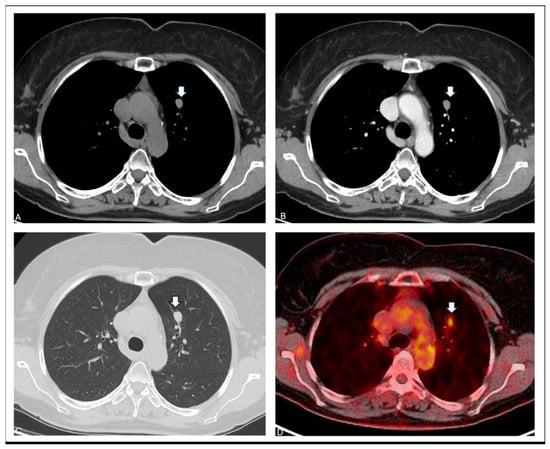
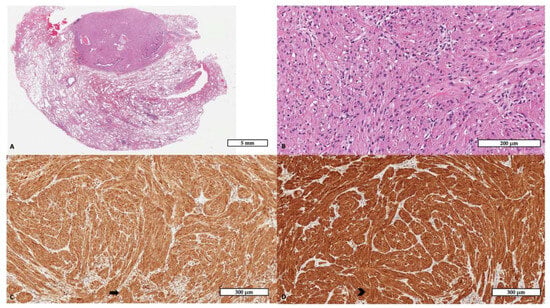
Pulmonary nodules detected in patients with a history of malignancy are often clinically presumed to represent metastatic disease until proven otherwise. Granular cell tumor (GCT) is an uncommon, usually benign neoplasm of presumed Schwannian origin, which rarely occurs in the lung. Our aim is to emphasize the diagnostic challenges and the crucial role of histopathology in preventing overtreatment in oncology patients. Herein, we report the case of a 56-year-old woman with a previous history of papillary renal cell carcinoma diagnosed one year earlier, staged as pT1, WHO/ISUP grade 2, and treated with partial nephrectomy, with no evidence of residual disease or distant metastases at follow-up. During routine surveillance, she developed a solitary pulmonary nodule. Chest computed tomography (CT) showed a 12 mm solid nodule in the left upper lobe which was then further investigated with a positron emission tomography with 2-[18F] fluoro-2-deoxy-D-glucose [(18F)-FDG PET/CT, revealing a low glucidic uptake (SUVmax 4 and SUV mean 1.4). Endobronchial ultrasound-guided biopsy was non-diagnostic. Given the patient’s oncological history, the solid appearance on CT, and the mild FDG uptake, metastatic disease could not be excluded, and a parenchyma-sparing diagnostic wedge resection was performed. Histology showed a well-circumscribed proliferation of epithelioid cells with abundant granular eosinophilic cytoplasm and bland nuclei. Immunohistochemistry demonstrated diffuse S100 and CD68 positivity, supporting the diagnosis of primary pulmonary granular cell tumor. This case underscores the critical role of histopathological evaluation in the assessment of solitary pulmonary nodules, emphasizing that lesions identified during oncologic surveillance are not invariably indicative of malignancy.
Full article
(This article belongs to the Section Pathology and Molecular Diagnostics)
►▼
Show Figures

Figure 1
Open AccessReview
Platelet-to-Lymphocyte Ratio—A Real or Fake Bridge Between Inflammation and Coagulation in COVID-19 Patients: A Scoping Review
by
Maja Aleksandra Oksentowicz, Maria Sztachelska and Violetta Dymicka-Piekarska
Diagnostics 2026, 16(10), 1476; https://doi.org/10.3390/diagnostics16101476 - 13 May 2026
Abstract
Background: Patients with COVID-19 often develop COVID-19-Associated Coagulopathy (CAC)—an imbalance between procoagulant and anticoagulant pathways resulting from the uncontrolled inflammatory response triggered by SARS-CoV-2 infection. This study aims to investigate the impact of a hematological and inflammatory parameter—the platelet-to-lymphocyte ratio (PLR)—on the severity
[...] Read more.
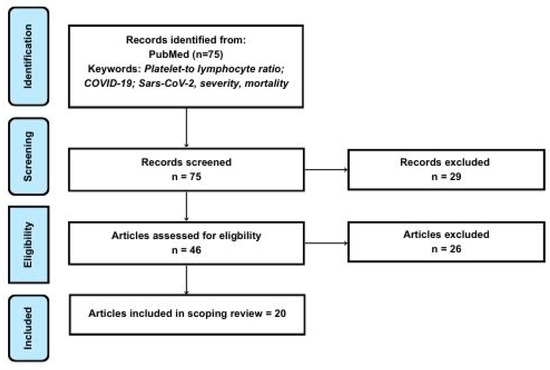
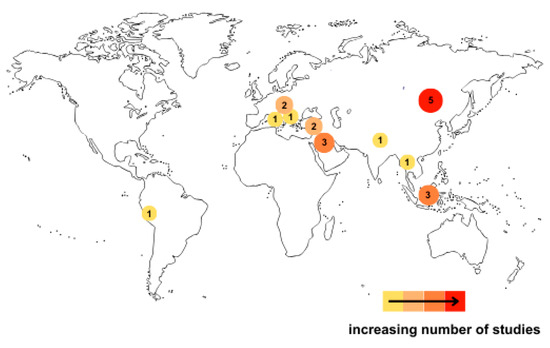
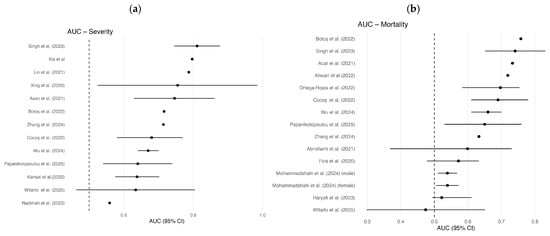
Background: Patients with COVID-19 often develop COVID-19-Associated Coagulopathy (CAC)—an imbalance between procoagulant and anticoagulant pathways resulting from the uncontrolled inflammatory response triggered by SARS-CoV-2 infection. This study aims to investigate the impact of a hematological and inflammatory parameter—the platelet-to-lymphocyte ratio (PLR)—on the severity and mortality of COVID-19. Methods: We conducted a comprehensive search of the PubMed database and yielded 75 articles published in the period of 2020–2025, of which 20 studies that evaluated the prognostic value of PLR on hospital admission in COVID-19 patients were included. The review particularly focuses on ROC analyses and reported AUC values. Results: A total of 20 studies were analyzed, including 13 studies assessing disease severity and 14 studies evaluating mortality. Higher PLR values have been observed in patients with a more severe course of COVID-19 compared to those with milder disease, and in non-survivors compared to survivors. However, the literature shows inconsistency regarding the diagnostic utility of PLR based on ROC curve analysis. The reported AUC values ranged from 0.559 to 0.811 for disease severity differentiation and from 0.474 to 0.758 for mortality, which may be related to the heterogeneity of the study populations included in the analysis. Conclusions: PLR may not serve as a direct bridge between inflammation and coagulation in COVID-19-Associated Coagulopathy, but it is indirectly linked to disease severity and mortality, as it reflects changes in both platelet and lymphocyte counts. It is a complementary marker that may assist clinicians in assessing COVID-19 patients but still requires further investigation.
Full article
(This article belongs to the Special Issue New Diagnostic and Testing Strategies for Infectious Diseases)
►▼
Show Figures

Figure 1
Open AccessArticle
The Role of Kynurenine and 5-Hydroxytryptophan in Modulating Microbiota and Their Implications in Exudative Age-Related Macular Degeneration
by
Alvita Vilkeviciute-Petraite, Akvile Bruzaite, Dzastina Cebatoriene, Dalia Zaliuniene, Rokas Lukosevicius, Jurgita Skieceviciene, Juozas Kupcinskas and Rasa Liutkeviciene
Diagnostics 2026, 16(10), 1475; https://doi.org/10.3390/diagnostics16101475 - 13 May 2026
Abstract
Background/Objectives: This study explores the roles of kynurenine and 5-hydroxytryptophan (5-HTP) in modulating gut microbiota and their potential implications for exudative age-related macular degeneration (AMD). By examining the interplay between these metabolites and the microbiome, we aim to uncover novel pathways that may
[...] Read more.
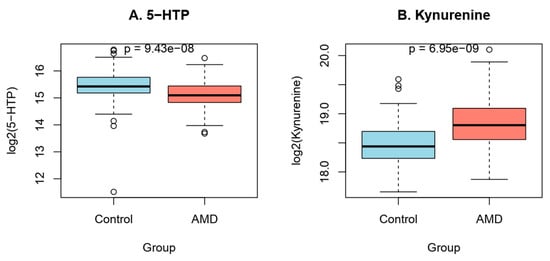
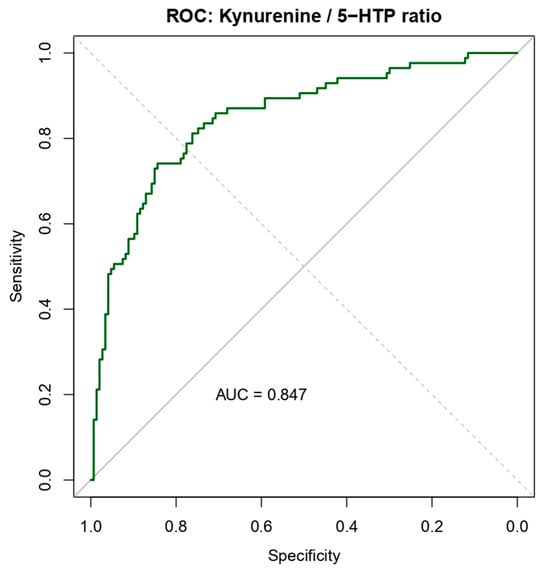
Background/Objectives: This study explores the roles of kynurenine and 5-hydroxytryptophan (5-HTP) in modulating gut microbiota and their potential implications for exudative age-related macular degeneration (AMD). By examining the interplay between these metabolites and the microbiome, we aim to uncover novel pathways that may influence the pathogenesis of AMD. Understanding these associations could lead to innovative therapeutic approaches for managing this leading cause of vision loss in the elderly. To investigate the roles of kynurenine and 5-HTP, alongside the composition of the nasopharyngeal microbiota, in patients with exudative AMD. Methods: Blood metabolite profiling was performed using LC–MS–based metabolomics. Metabolites were extracted with cold methanol/water containing internal standards, filtered through a 10 kDa cutoff filter, separated on a ZIC-HILIC HPLC column, and detected using an Orbitrap mass spectrometer. Metabolites were identified using MZmine 2 software. Results: Patients with exudative AMD exhibited a profound systemic shift in tryptophan metabolism, characterized by significantly lower plasma levels of 5-HTP and higher levels of kynurenine compared to control subjects (p < 0.001 for both). Logistic regression analysis confirmed that both metabolites were independent predictors of AMD status; higher kynurenine levels were associated with increased disease probability, while higher 5-HTP levels demonstrated a protective effect. The kynurenine/5-HTP ratio emerged as a robust biomarker, achieving an area under the curve (AUC) of 0.85 with an optimal threshold of 3.43 (74.1% sensitivity, 84.4% specificity). When integrated with age and gender, the diagnostic performance of the model reached an excellent AUC of 0.92. After adjusting for demographic factors, the kynurenine/5-HTP ratio remained a potent independent risk factor, with each unit increase associated with a 6.30-fold increase in the odds of exudative AMD. Conclusions: Exudative AMD is characterized by a shift in tryptophan metabolism toward the kynurenine pathway, with decreased 5-HTP, increased kynurenine, and an elevated kynurenine/5-HTP ratio. This ratio showed a strong independent association with AMD and excellent diagnostic performance, highlighting its potential as a biomarker and its role in disease pathogenesis.
Full article
(This article belongs to the Special Issue Diagnostics and Therapeutic Explorations in Aging)
►▼
Show Figures

Figure 1
Open AccessArticle
Total Laboratory Automation Versus Manual Processing in Urine Culture Inoculation and Interpretation: A Hospital Experience
by
Nabeel Alzahrani, Atheer Alghamdi, Anmar Yankasar, Nawal Alyami, Hoda Abanmi, Bassam Alwan, Lana Alzamil and Sameera Al Johani
Diagnostics 2026, 16(10), 1474; https://doi.org/10.3390/diagnostics16101474 - 13 May 2026
Abstract
Background/Objectives: Urine culture processing is labor-intensive and prone to operator-dependent variability. This study compared total laboratory automation (TLA; BD Kiestra™) with manual urine culture processing in terms of workflow efficiency, diagnostic performance, and operator variability. Methods: Three hundred midstream urine specimens
[...] Read more.
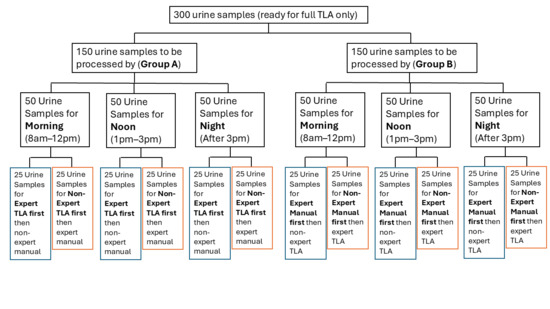
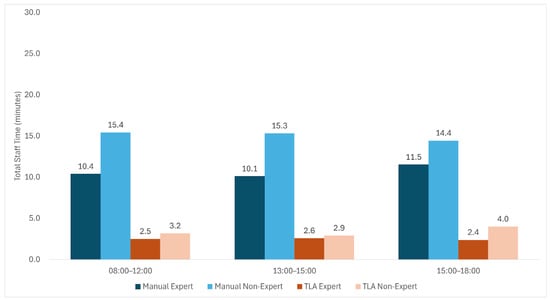
Background/Objectives: Urine culture processing is labor-intensive and prone to operator-dependent variability. This study compared total laboratory automation (TLA; BD Kiestra™) with manual urine culture processing in terms of workflow efficiency, diagnostic performance, and operator variability. Methods: Three hundred midstream urine specimens were processed using manual and automated workflows, stratified by technologist experience (expert ≥10 years; non-expert <2 years) and shift. Metrics included setup time, cleanup time, and total staff time (TST). Colony-forming unit (CFU) recovery using 1 µL manual inoculation, 10 µL manual inoculation, and 10 µL TLA inoculation of 20 known positive specimens was compared. Diagnostic performance was assessed against the 1 µL manual reference using serially diluted specimens at a ≥105 CFU/mL threshold. Results: TLA reduced the setup time from 10 min 10 s to 2 min 05 s for experts and from 13 min 37 s to 2 min 20 s for non-experts (79–83% reduction). TST decreased from 11 min 06 s to 2 min 30 s and from 14 min 37 s to 3 min 15 s, respectively (77–78% reduction). Cleanup time showed smaller reductions that did not reach statistical significance in the paired analysis. Manual processing showed greater operator-dependent variability, which TLA substantially reduced. CFU recovery was concordant in high-burden specimens, with method-dependent differences in routine diagnostic samples. Conclusions: TLA improves urine culture workflow efficiency, reduces operator-dependent variability, and shows concordant semi-quantitative performance compared to the standard manual reference within the limits of a proof-of-concept design, supporting its implementation to enhance consistency and throughput in clinical microbiology laboratories.
Full article
(This article belongs to the Section Clinical Laboratory Medicine)
►▼
Show Figures

Figure 1
Open AccessArticle
Early ΔNLR Outperforms Baseline Inflammatory Markers in Predicting Short-Term Outcomes in Sepsis
by
Madalina-Ianca Suba, Gheorghe-Bogdan Hogea, Varga Norberth-Istvan, Florina Cristiana Lucaciu, Camelia Corina Pescaru, Ovidiu Rosca, Daniela Gurgus, Bogdan Rotea, Andra Rotea, Ahmed Abu-Awwad, Anca Mihaela Bina, Daniel Pop and Simona-Alina Abu-Awwad
Diagnostics 2026, 16(10), 1473; https://doi.org/10.3390/diagnostics16101473 - 12 May 2026
Abstract
Background/Objectives: Sepsis is a dynamic clinical syndrome characterized by a rapidly evolving inflammatory response, where early identification of patients at risk for adverse outcomes remains a major challenge. While inflammatory biomarkers are widely used, their prognostic value at baseline is limited. This
[...] Read more.
Background/Objectives: Sepsis is a dynamic clinical syndrome characterized by a rapidly evolving inflammatory response, where early identification of patients at risk for adverse outcomes remains a major challenge. While inflammatory biomarkers are widely used, their prognostic value at baseline is limited. This study aimed to evaluate whether early changes in inflammatory biomarkers, particularly the neutrophil-to-lymphocyte ratio (ΔNLR), provide additional prognostic value in predicting short-term outcomes in patients with sepsis. Methods: A retrospective longitudinal observational study was conducted, including 168 adult patients admitted with sepsis at a tertiary infectious diseases hospital. Inflammatory biomarkers (CRP, procalcitonin, leukocyte subpopulations, and NLR) were assessed at admission and at 48–72 h. Early changes (Δ values) were calculated and analyzed in relation to a composite adverse outcome, including ICU admission, vasopressor requirement, mechanical ventilation, or in-hospital mortality. Logistic regression and ROC curve analyses were used to evaluate predictive performance. Results: Patients with adverse outcomes had significantly higher baseline inflammatory markers and severity scores. Early reductions in CRP and NLR were more pronounced in survivors, whereas non-survivors showed persistently elevated or minimally decreasing values. In multivariate analysis, ΔNLR remained independently associated with in-hospital mortality (OR 0.91, 95% CI 0.84–0.98, p = 0.015), alongside Sequential Organ Failure Assessment (SOFA) score and septic shock. ΔNLR demonstrated better discriminative performance (AUC 0.74) compared to baseline markers and improved predictive accuracy when combined with SOFA score (AUC 0.81). Higher baseline NLR quartiles were associated with a stepwise increase in adverse outcomes. Conclusions: Early changes in inflammatory biomarkers, particularly ΔNLR, provide clinically relevant prognostic information beyond baseline measurements and severity scores in sepsis. Dynamic assessment of immune response may improve early risk stratification and support more individualized clinical decision-making.
Full article
(This article belongs to the Section Clinical Diagnosis and Prognosis)
Open AccessArticle
Is “Physiological Lysis” in Viscoelastometry a Plasmin-Mediated Process?
by
Anikó Smudla, Herbert Schöchl, Andreas Calatzis, Csikós Richárd Gergely and János Fazakas
Diagnostics 2026, 16(10), 1472; https://doi.org/10.3390/diagnostics16101472 - 12 May 2026
Abstract
Viscoelastic testing (VET) is widely used to guide hemostatic therapy in patients with coagulopathy. One important application is the detection of fibrinolysis, defined as a reduction in clot amplitude after maximum clot firmness (MCF), quantified as maximum lysis (ML). Low ML values have
[...] Read more.
Viscoelastic testing (VET) is widely used to guide hemostatic therapy in patients with coagulopathy. One important application is the detection of fibrinolysis, defined as a reduction in clot amplitude after maximum clot firmness (MCF), quantified as maximum lysis (ML). Low ML values have recently been associated with adverse outcomes in trauma and sepsis. However, the biological basis of low ML remains unclear. Objective: To determine whether low ML values reflect reduced plasmin-mediated fibrinolysis in tissue factor (TF) activated viscoelastic assays (EX-assay). Methods: A total of 120 healthy adults (52.5% female; mean age 38.2 ± 14.1 years) were studied. EX-assay without fibrinolysis inhibition were compared with assays containing the antifibrinolytic agent tranexamic acid (AP-assay). VET parameters obtained with and without fibrinolysis inhibition were compared using paired analyses, Pearson correlation, and Bland–Altman methods. Results: Clot firmness at 10 min (CA10) was similar with or without fibrinolysis inhibition; although MCF differed statistically, the difference was clinically negligible. ML ranged from 1% to 13% in both assays, with nearly identical mean values (5.9 ± 2.6% vs. 6.0 ± 2.6%). Correlation analysis demonstrated strong agreement for CA10, MCF, and ML between assays, and Bland–Altman analysis confirmed minimal bias for ML. Conclusions: Low ML values in TF-triggered viscoelastic assays were unaffected by tranexamic acid, suggesting that they are unlikely to reflect plasmin-mediated fibrinolysis. These findings support the contribution of alternative mechanisms, such as platelet-mediated clot retraction.
Full article
(This article belongs to the Section Point-of-Care Diagnostics and Devices)
Open AccessReview
Somatosensory Mismatch Negativity in Children: A Narrative Review of Current Evidence and Methodological Considerations
by
Adelina Amalia Ardelean, Laura Alexandra Nussbaum and Andrei Brînzeu
Diagnostics 2026, 16(10), 1471; https://doi.org/10.3390/diagnostics16101471 - 12 May 2026
Abstract
Somatosensory mismatch negativity (sMMN) constitutes an electrophysiological marker that initially reflects preattentional processing and subsequently indexes automatic somatosensory deviance detection. While its application in adult populations is gradually expanding, the establishment of a standardized and reproducible methodology for eliciting and analyzing sMMN in
[...] Read more.
Somatosensory mismatch negativity (sMMN) constitutes an electrophysiological marker that initially reflects preattentional processing and subsequently indexes automatic somatosensory deviance detection. While its application in adult populations is gradually expanding, the establishment of a standardized and reproducible methodology for eliciting and analyzing sMMN in pediatric populations remains uncertain. To determine whether the published literature provides a clear, consistent, and standardized methodology for sMMN assessment in individuals under 18 years. A search was conducted in PubMed (11), Scopus (6), Web of Science (6), DOAJ (1), Europe PMC (6), Embase (0), ClinicalKey (0), Cochrane Library (0) and ClinicalTrials.gov (0) database from inception to 18 August 2025. Eligible studies included research assessing sMMN using somatosensory oddball paradigms in participants <18 years. Inclusion criteria (participants younger than 18 years, the use of the oddball paradigm to evaluate somatosensory mismatch negativity, and clinical reports, single-case reports or experimental studies including both typically developing children and children with neurological conditions, published in English), and exclusion criteria (exclusivity for adult participants, and narrative reviews or editorials) were defined a priori, as well as the screening procedures and quality assessment methods. Two reviewers independently performed study selection and data extraction, with a third reviewer resolving disagreements. Risk of bias was assessed using the MMAT (mixed methods appraisal tool). Due to substantial heterogeneity in paradigms and outcome reporting, results were synthesized narratively. Four studies met inclusion criteria. Methodological diversity was pronounced across everything except task type that was passive. There is not a consensus regarding stimulation parameters. Risk of bias assessment revealed frequent concerns related to incomplete reporting and variability in analytic choices. The small number of studies, inconsistent methodological reporting, and absence of harmonized protocols limited comparability. Current evidence does not support the existence of a standardized methodology for assessing sMMN in children. Future studies should adopt harmonized stimulation paradigms and transparent, reproducible reporting standards to enable cross-study comparability and clinical translation.
Full article
(This article belongs to the Section Clinical Diagnosis and Prognosis)
Open AccessArticle
Deep Learning-Based Diagnosis of Epithelial Ovarian Cancer from Whole-Slide Histopathology Images
by
Jihyun Chun, Haeyoun Kang, Heewon Chung, Jae-Myung Jang, Jangwon Seo, Taegyu Kim, Woohyun Lee, Cheolhong Park, Mingi Hong, Han-Mac Brian Kim, Messi H. J. Lee, Kyongseok Jang, Chan Kwon Jung, Sang Wun Kim and Ahwon Lee
Diagnostics 2026, 16(10), 1470; https://doi.org/10.3390/diagnostics16101470 - 12 May 2026
Abstract
Background/Objectives: Ovarian epithelial cancers (EOCs) comprise heterogeneous subtypes with distinct clinical outcomes, making accurate histological subtyping essential for prognosis and treatment planning. Although deep learning using digitized hematoxylin and eosin (H&E) whole-slide images (WSIs) is now widely used, its application to ovarian
[...] Read more.
Background/Objectives: Ovarian epithelial cancers (EOCs) comprise heterogeneous subtypes with distinct clinical outcomes, making accurate histological subtyping essential for prognosis and treatment planning. Although deep learning using digitized hematoxylin and eosin (H&E) whole-slide images (WSIs) is now widely used, its application to ovarian cancer diagnosis remains limited. Methods: In this multicenter study, we analyzed 319 H&E-stained slides from 152 patients with surgically resected EOC. An attention-based multiple instance learning (MIL) framework built on a pathology-specific foundation model (UNI) was used. WSIs were divided into 512 × 512-pixel patches at 40× magnification, and slide-level classification were generated through attention-based aggregation of patch-level feature, followed by patient-level prediction. External validation was performed specifically on the high-grade serous carcinoma (HGSC) cases from The Cancer Genome Atlas (TCGA) dataset. Results: The model achieved strong performance, with slide-level and patient-level accuracies of 0.918 and 0.900, respectively, on the test set. In five-fold cross-validation, the mean slide-level AUC was 0.990 (95% CI: 0.983–0.997), and the patient-level AUC was 0.993 (95% CI: 0.989–0.996), indicating consistent results. External validation on TCGA HGSC cases showed robust generalizability, with slide-level and patient-level accuracies of 0.794 and 0.898. F1-scores ranged from 0.832 to 1.000 at the slide-level and from 0.831 to 0.966 at the patient-level, with particularly strong performance for HGSC and clear-cell carcinoma. Conclusions: These findings demonstrate the feasibility of deep learning-based models for histological subtyping of EOC using H&E-stained WSIs. This approach may help pathologists achieve more accurate and consistent histological diagnoses of EOC.
Full article
(This article belongs to the Section Machine Learning and Artificial Intelligence in Diagnostics)
Open AccessArticle
Predicting Hungry Bone Syndrome with Interpretable Machine Learning: A Single-Center Cohort of Dialysis Patients Undergoing Parathyroidectomy
by
Adelina Baloi, Dorel Sandesc, Talida Georgiana Cut, Radu Caprariu, Dorin Novacescu, Cristina-Stefania Dumitru, Alina Cristina Barb, Raluca Dumache, Pavel Banov, Victoria Birlutiu, Voichita Elena Lazureanu and Flavia Zara
Diagnostics 2026, 16(10), 1469; https://doi.org/10.3390/diagnostics16101469 - 12 May 2026
Abstract
Background/Objectives: Hungry bone syndrome (HBS) is a frequent and potentially life-threatening complication following parathyroidectomy (PTX) for secondary hyperparathyroidism (SHPT) in dialysis patients, yet existing prediction tools offer limited discriminative accuracy. This study aimed to develop and internally validate an interpretable machine learning
[...] Read more.
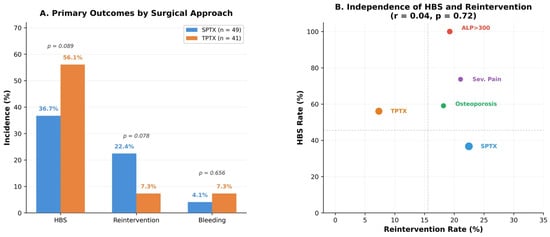
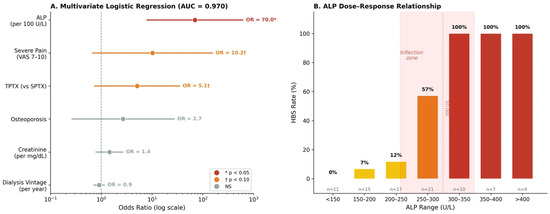
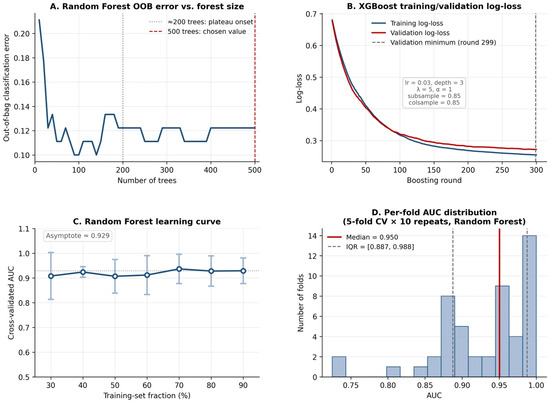
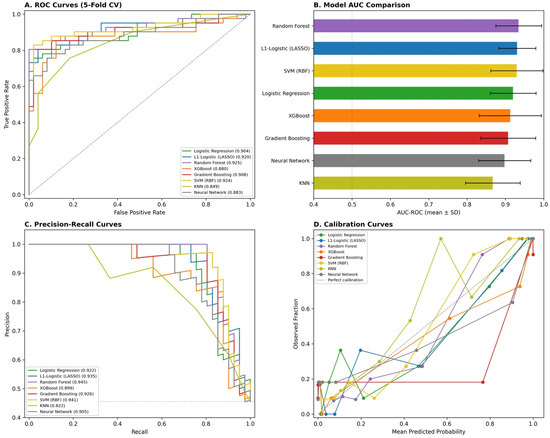
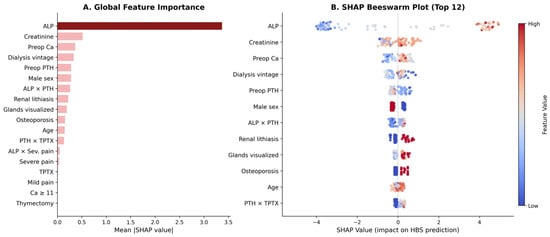
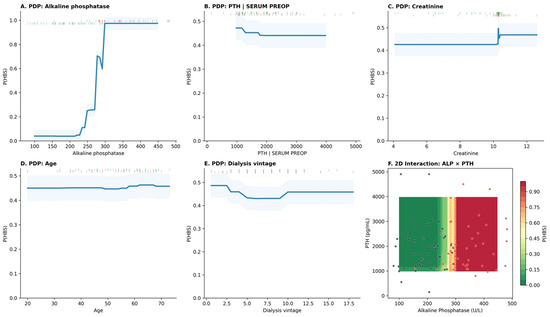
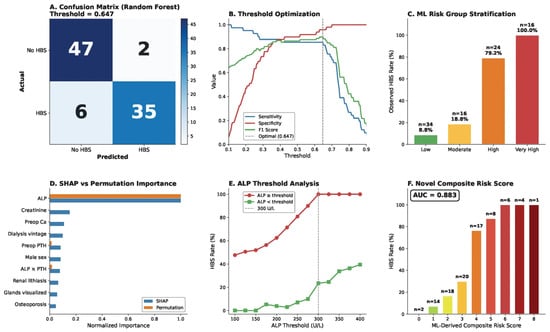
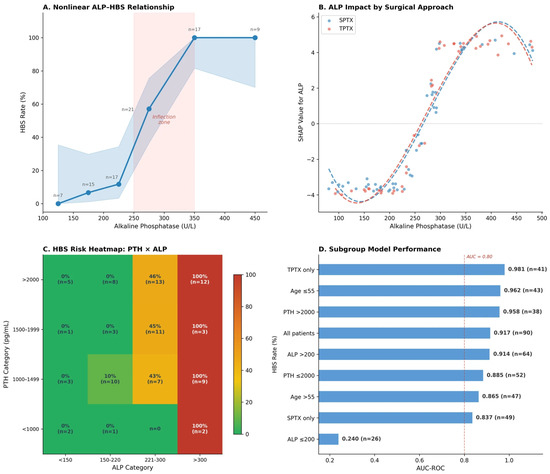
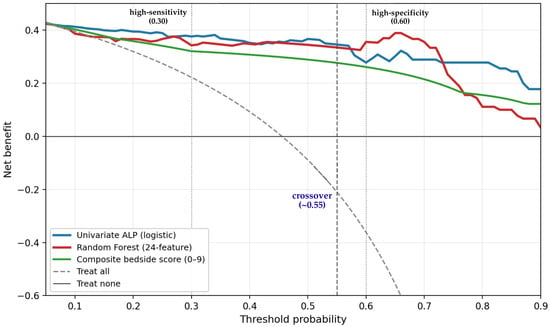
Background/Objectives: Hungry bone syndrome (HBS) is a frequent and potentially life-threatening complication following parathyroidectomy (PTX) for secondary hyperparathyroidism (SHPT) in dialysis patients, yet existing prediction tools offer limited discriminative accuracy. This study aimed to develop and internally validate an interpretable machine learning (ML) framework for preoperative HBS prediction and to derive a pragmatic bedside risk score from ML-derived feature importance. Methods: Ninety end-stage renal disease patients who underwent PTX for drug-refractory SHPT at a single center (2019–2023) were analyzed. Eight supervised ML classifiers were trained on 24 preoperative features (19 raw variables plus 5 engineered features) and evaluated under 5-fold stratified cross-validation repeated 10 times. SHapley Additive exPlanations (SHAP) analysis was applied for model interpretability, and a composite bedside risk score was constructed from SHAP-derived feature rankings. Results: HBS occurred in 41 patients (45.6%). Random forest achieved the numerically highest discrimination among multi-feature models (AUC = 0.933 ± 0.065), outperforming previously published models, though univariate alkaline phosphatase (ALP) alone achieved a comparable cross-validated AUC of 0.958. ALP overwhelmingly dominated all predictors (mean |SHAP| = 3.37, exceeding the next-ranked feature by approximately 6.5-fold). Partial dependence analysis revealed a sigmoid-shaped ALP–HBS relationship with a critical inflection zone between 250–350 U/L, and SHAP dependence plots demonstrated that total parathyroidectomy amplifies ALP-mediated risk. A SHAP-guided composite bedside risk score (range 0–9) achieved an AUC of 0.883, with observed HBS rates rising monotonically from 0% (score 0) to 100% (score ≥ 6). Decision-curve analysis showed that univariate ALP and the multi-feature pipeline yielded comparable net benefit, with ALP preferable in the high-sensitivity regime and the multi-feature model preferable at high-specificity thresholds; net reclassification improvement was negative for the multi-feature model vs. univariate ALP, supporting the framework’s role as an interpretive rather than discriminative advance. Conclusions: An interpretable ML framework substantially improves HBS prediction over conventional models, confirms ALP as the overwhelmingly dominant predictor through a nonlinear dose–response relationship, and yields a clinically interpretable bedside risk score that, pending external validation, may support preoperative risk stratification.
Full article
(This article belongs to the Special Issue Advances in Disease Prediction—2nd Edition)
►▼
Show Figures

Figure 1
Open AccessArticle
Endothelial Cell Loss After Phacoemulsification in a Romanian Cohort: Early Outcomes and Associated Risk Factors
by
Aurelian Mihai Ghiță, Daniela Adriana Iliescu, Larisa Adriana Ilie and Ana Cristina Ghiță
Diagnostics 2026, 16(10), 1468; https://doi.org/10.3390/diagnostics16101468 - 12 May 2026
Abstract
Background/Objectives: Corneal endothelial damage remains a key concern following phacoemulsification. This study aimed to quantify early postoperative changes in endothelial cell density metrics after cataract surgery in a Romanian population and to identify preoperative and intraoperative predictors of endothelial cell loss at
[...] Read more.
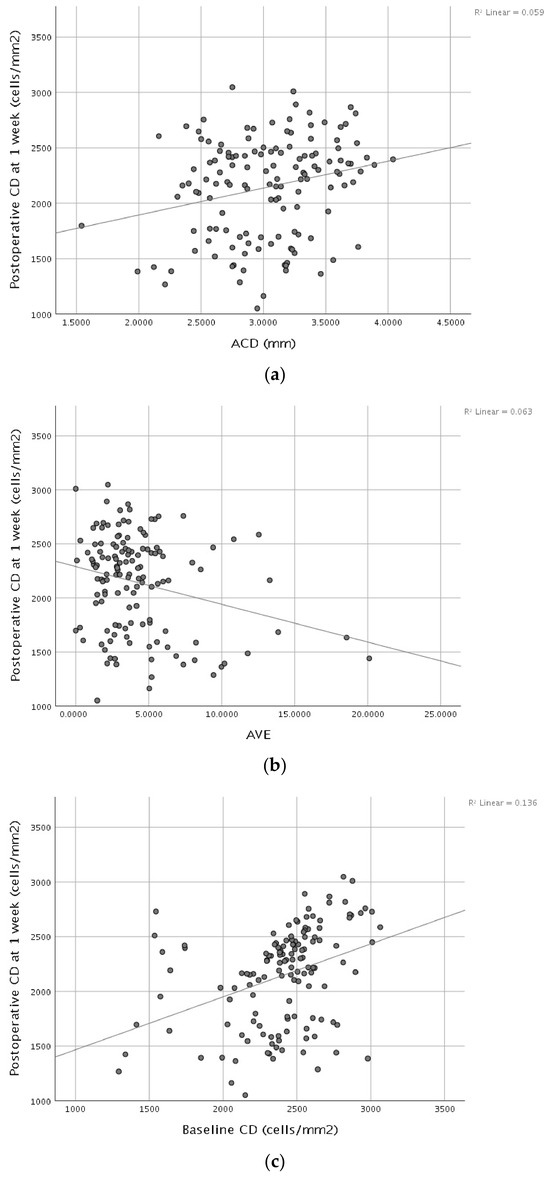
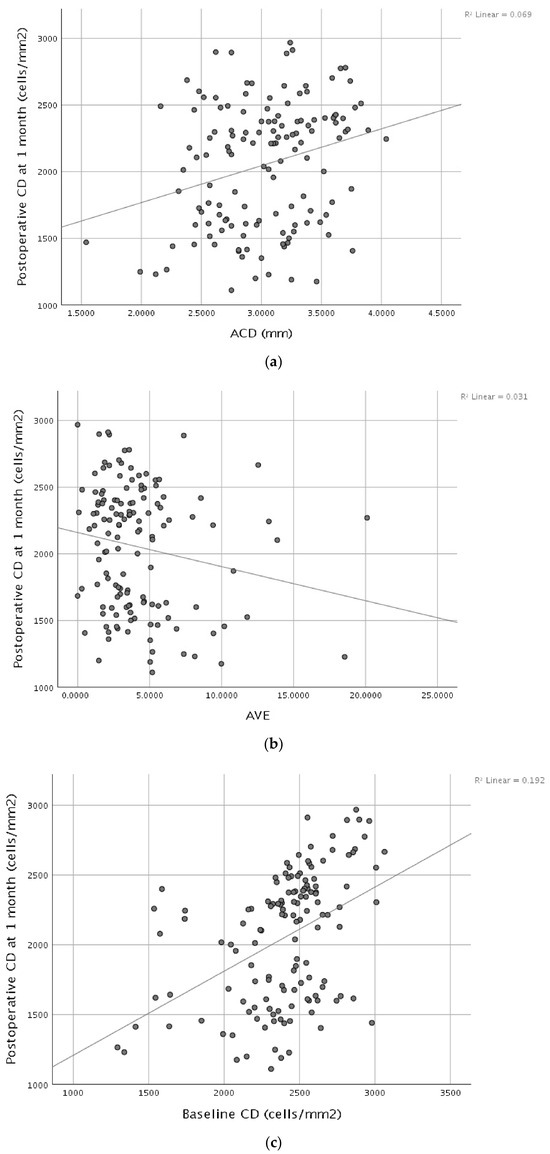
Background/Objectives: Corneal endothelial damage remains a key concern following phacoemulsification. This study aimed to quantify early postoperative changes in endothelial cell density metrics after cataract surgery in a Romanian population and to identify preoperative and intraoperative predictors of endothelial cell loss at 1 week and 1 month postoperatively. Methods: We conducted a retrospective observational study of 137 eyes that underwent standard phacoemulsification with intraocular lens implantation at Ocularcare Ophthalmology Hospital in Bucharest, Romania. Preoperative data included age, sex, and biometric parameters: anterior chamber depth (ACD), axial length (AL), and central corneal thickness (CCT). Corneal endothelium was assessed by specular microscopy preoperatively and at 1 week and 1 month postoperatively, with measurements of endothelial cell density (CD), number of analyzed cells (No), average cell size (ACS), minimum and maximum cell size (MinCS, MaxCS), and cell size variability (SD). Intraoperative parameters included average ultrasound energy (AVE) and actual phacoemulsification time (APT). Associations between demographic, biometric, and surgical variables and postoperative endothelial changes were analyzed using univariable and multivariable regression models. Results: In 137 eyes, mean CD decreased from 2401.99 ± 342.57 cells/mm2 preoperatively to 2144.38 ± 449.92 at 1 week and 2053.15 ± 471.13 at 1 month. CCT increased from 534.64 ± 38.01 µm to 548.70 ± 41.34 µm at 1 week and remained higher than baseline at 1 month (545.67 ± 42.91 µm). Endothelial remodeling was reflected by significant increases in ACS, MaxCS, and SD, while No and MinCS showed no significant change. In adjusted models, lower postoperative CD was independently associated with shallower ACD and lower baseline CD at both timepoints, whereas higher AVE was associated with lower postoperative CD at 1 week but not at 1 month; sex was not independently associated with postoperative CD. Conclusions: In this Romanian cohort, phacoemulsification was associated with significant early endothelial cell loss measurable within the first postoperative month. The magnitude of CD reduction was influenced by both baseline patient ocular characteristics (ACD) and intraoperative phacoemulsification parameters, particularly ultrasound energy (AVE). These findings support the incorporation of preoperative biometric assessment and intraoperative ultrasound minimization strategies to reduce endothelial risk.
Full article
(This article belongs to the Special Issue Eye Disease: Diagnosis, Management, and Prognosis—2nd Edition)
►▼
Show Figures

Figure 1
Open AccessCase Report
Autosomal Dominant Tubulointerstitial Kidney Disease—UMOD: Case Report and Disease Update
by
Mario Bonomini, Valeria Vezzani, Michele Rossini, Lorenzo Di Liberato, Liborio Stuppia and Valentina Gatta
Diagnostics 2026, 16(10), 1467; https://doi.org/10.3390/diagnostics16101467 - 12 May 2026
Abstract
Background and Clinical Significance: Autosomal dominant tubulointerstitial kidney disease caused by a mutation in the uromodulin gene (ADTKD-UMOD) is a rare kidney disorder characterized by progressive tubulointerstitial damage and a slowly progressive loss of renal function. ADTKD is often under-recognized in the
[...] Read more.
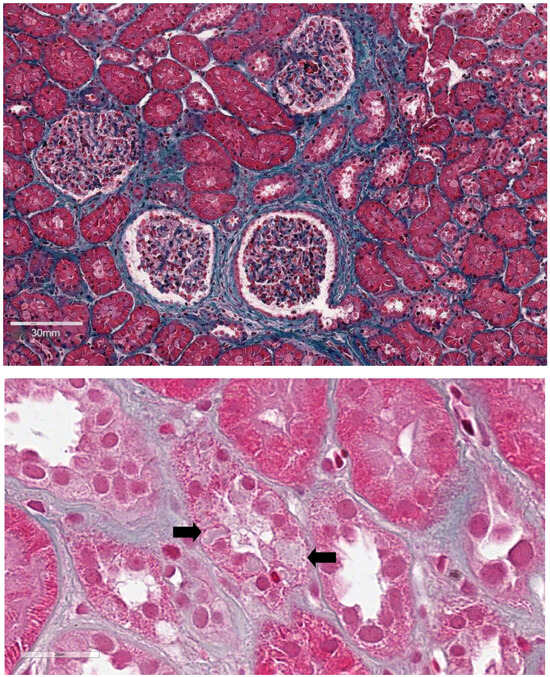
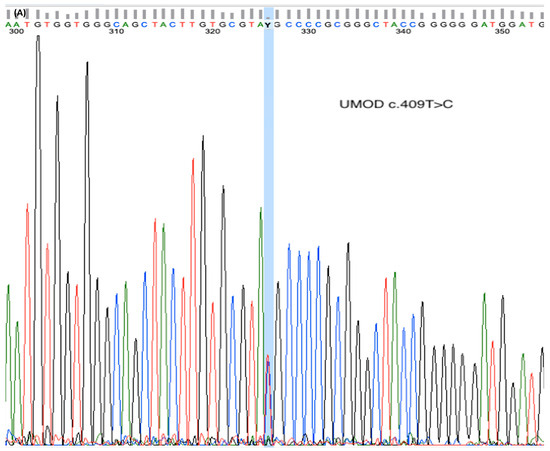
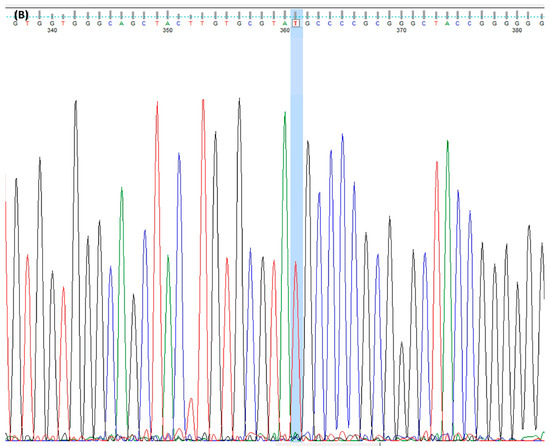
Background and Clinical Significance: Autosomal dominant tubulointerstitial kidney disease caused by a mutation in the uromodulin gene (ADTKD-UMOD) is a rare kidney disorder characterized by progressive tubulointerstitial damage and a slowly progressive loss of renal function. ADTKD is often under-recognized in the clinical setting. Diagnosis of ADTKD-UMOD can be challenging due to its nonspecific symptoms and is confirmed by genetic testing alone. Case presentation: We report the case of a 42-year-old male patient referred for evaluation of renal dysfunction, which was accidentally discovered during routine laboratory checks. He had no significant medical history and no known family history of kidney disease or gout. Physical examination was unremarkable. Renal dysfunction was confirmed, with serum creatinine at 1.44 mg/dL and eGFR at 59.5 mL/min/1.73 m2. Urinalysis was within physiological limits, proteinuria being 75 mg/day. Uric acid was mildly elevated (7.5 mg/dL) without a history of gout. Other laboratory findings, including autoantibodies, were in the normal range. The patient underwent a kidney biopsy, though it was not diagnostic, showing mild focal tubular atrophy and interstitial fibrosis without glomerular involvement. Immunofluorescence staining was negative for complement and immunoglobulins. Given the above nonspecific findings, the patient was suspected of having possible ADTKD. Genetic investigation using a clinical exome next-generation sequencing approach identified a novel heterozygous missense variant in the UMOD gene (c.409T>C; p.Cysteine137Arginine (p.Cys137Arg)) that is likely pathogenic. The patient is under regular clinical-laboratory monitoring. After one year, his overall health is good, renal function is stable with no proteinuria, and uric acid is mildly increased without gout attacks. Conclusions: Increased clinical awareness is crucial for detecting ADTKD-UMOD. Genetic testing can help to resolve clinical diagnostic challenges in patients with unexplained decreased kidney function.
Full article
(This article belongs to the Special Issue Advances in Diagnostics of Chronic Kidney Disease)
►▼
Show Figures

Figure 1
Open AccessArticle
Prevalence of Osteonecrosis of the Femoral Head in High-Risk Male Patients with Severe COVID-19 Treated with High-Dose Corticosteroids: A Prospective Cohort Study Using Screening MRI-How Many Have Been Left Behind?
by
Nicola Guindani, Mario Gaffuri, Pietro Andrea Bonaffini, Clarissa Valle, Alessandro Caruso, Greta Carioli, Francesca Fenili, Rosalia Zangari, Sandro Sironi, Federico Chiodini and Claudio Carlo Castelli
Diagnostics 2026, 16(10), 1466; https://doi.org/10.3390/diagnostics16101466 - 12 May 2026
Abstract
Objectives: The association between osteonecrosis (ON) and Coronavirus Disease of 2019 (COVID-19) was reported early during the pandemic. ON of the femoral head (ONFH) is particularly problematic, as it may destroy the joint and lead to arthroplasty, although early diagnosis and treatment
[...] Read more.
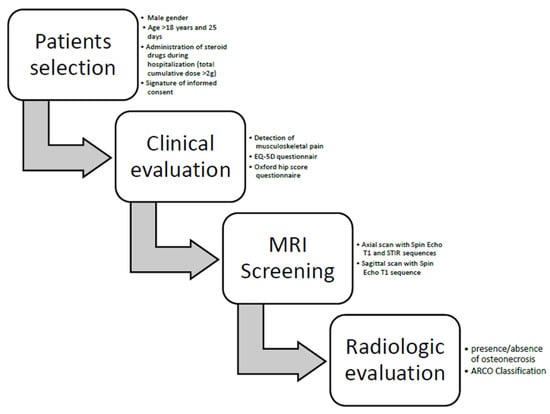
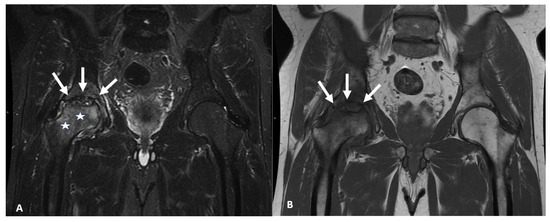
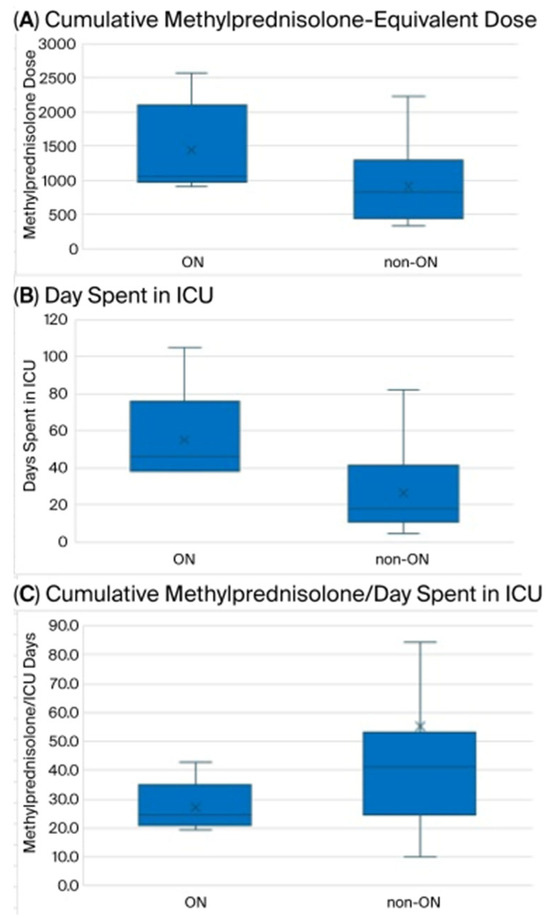
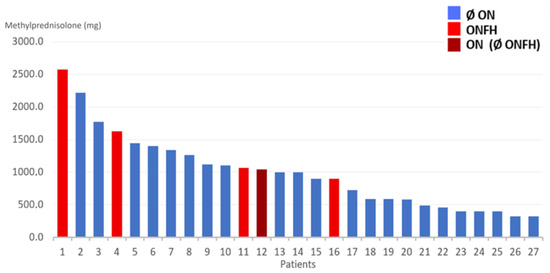
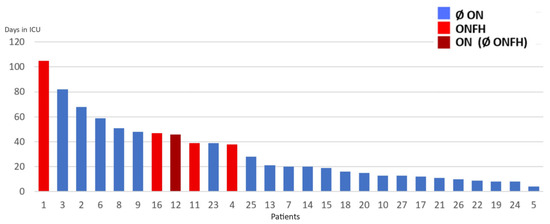
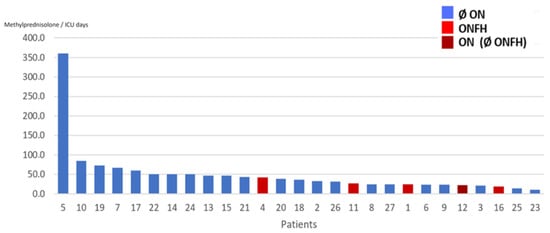
Objectives: The association between osteonecrosis (ON) and Coronavirus Disease of 2019 (COVID-19) was reported early during the pandemic. ON of the femoral head (ONFH) is particularly problematic, as it may destroy the joint and lead to arthroplasty, although early diagnosis and treatment might mitigate its progression. The aim of the present study was to quantify the prevalence of symptomatic and asymptomatic ONFH in patients with severe COVID-19 treated with high doses of corticosteroids during the first pandemic wave. Methods: For this prospective, observational, monocentric cohort study, patients were selected according to the risk factors described for severe acute respiratory syndrome coronavirus in 2002–2004 (SARS-1): young males (<61 years old), high cumulative cortisone doses (≥2 g), severe disease, and followed up clinically and with magnetic resonance imaging. ONFH was classified with the ARCO classification. Results: Out of 1944 patients admitted for COVID-19 from 23 February to 21 May 2020, 856 of 1944 were treated in ICU; 30/1944 were selected according to the inclusion criteria and 27 of 30 were enrolled. The mean age at admission was 54 years (range, 42–60). The mean dose of cumulative cortisone was 6.25 g (range, 2–16). A total of 4/27 (15%) patients had ONFH; only 2 of 4 (50%) were symptomatic, including 1 with multiple ON of major joints. Conclusions: A high-risk cohort of patients with COVID-19 and high doses of corticosteroids had a 15% rate of ONFH, and 2 years after the event, 50% of them were asymptomatic. For those patients, relying solely on clinical evaluation would risk underestimating ONFH, potentially influencing treatment and outcomes. Moreover, other joints might develop ON. The data collected in the present study can be considered for the management of long-COVID. The association between severe COVID-19, high doses of corticosteroids and ONFH suggests the need for focused clinical and magnetic resonance imaging, considering the high rate of asymptomatic patients.
Full article
(This article belongs to the Special Issue Imaging of Long-COVID (Post-Acute Sequelae of COVID, PASC) and Post-Infectious Syndromes)
►▼
Show Figures

Figure 1
Journal Menu
► ▼ Journal Menu-
- Diagnostics Home
- Aims & Scope
- Editorial Board
- Reviewer Board
- Topical Advisory Panel
- Instructions for Authors
- Special Issues
- Topics
- Sections & Collections
- Article Processing Charge
- Indexing & Archiving
- Editor’s Choice Articles
- Most Cited & Viewed
- Journal Statistics
- Journal History
- Journal Awards
- Society Collaborations
- Conferences
- Editorial Office
Journal Browser
► ▼ Journal BrowserHighly Accessed Articles
Latest Books
E-Mail Alert
News
Topics
Topic in
Biology, JCM, Diagnostics, Dentistry Journal
Assessment of Craniofacial Morphology: Traditional Methods and Innovative Approaches
Topic Editors: Nikolaos Gkantidis, Carlalberta VernaDeadline: 1 June 2026
Topic in
Diagnostics, Electronics, Eng, Micro, Micromachines
Micro-Nanoelectronic Systems for Diagnosis and Therapies
Topic Editors: Wubin Bai, Jiho ShinDeadline: 30 June 2026
Topic in
Applied Sciences, Diagnostics, JCM, Clinics and Practice, Therapeutics
Advances in Diagnosis and Treatment of Dental Diseases and Temporomandibular Joints
Topic Editors: Rafał Obuchowicz, Małgorzata Pihut, Karolina Nurzynska, Andrzej UrbanikDeadline: 31 July 2026
Topic in
Cancers, Diagnostics, Gastrointestinal Disorders, JCM, Current Oncology
Metastatic Colorectal Cancer: From Laboratory to Clinical Studies, 2nd Edition
Topic Editors: Ioannis Ntanasis-Stathopoulos, Diamantis I. TsilimigrasDeadline: 20 August 2026
Conferences
Special Issues
Special Issue in
Diagnostics
Thyroid Disorders: New Clinical Diagnosis and Management
Guest Editors: Ioannis P. Iakovou, Rodis D. Paparodis, Nicholaos AngelopoulosDeadline: 15 May 2026
Special Issue in
Diagnostics
Advances in Nephrology
Guest Editor: Marijn M. SpeeckaertDeadline: 30 May 2026
Special Issue in
Diagnostics
Trends and Novelties in Bone Imaging
Guest Editor: Kamyar MoradiDeadline: 31 May 2026
Special Issue in
Diagnostics
Advances in the Diagnosis and Management of Idiopathic Normal Pressure Hydrocephalus
Guest Editors: Elisabeth Kapaki, Efstratios-Stylianos PyrgelisDeadline: 31 May 2026
Topical Collections
Topical Collection in
Diagnostics
Clinical Guidelines/Expert Consensus on Diagnostics
Collection Editor: Zhongheng Zhang
Topical Collection in
Diagnostics
Diagnosis of Endometriosis: Biomarkers and Clinical Methods
Collection Editor: Antonio Simone Laganà
Topical Collection in
Diagnostics
Nuclear Medicine and Molecular Imaging Technology
Collection Editor: Andreas Kjaer