



You are currently viewing a new version of our website. To view the old version click .

Magnetic Fields and Cells

This special issue belongs to the section “Cellular Biophysics“.

Special Issue Information

Dear Colleagues,

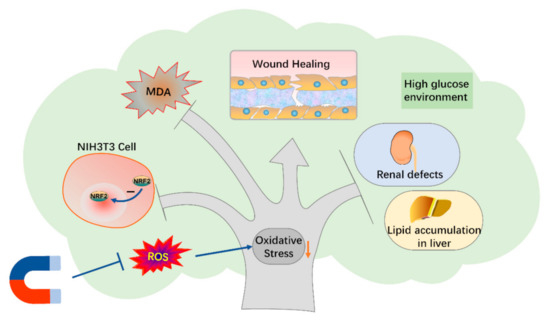
The remote and noninvasive control of living cells using magnetic fields (MFs) is at the top of the wish list of many researchers working in biology and medicine. The physical basis of the idea is that magnetic fields penetrate biological tissue practically without attenuation, but at specific sites in a cell, an MF is capable of triggering a wide spectrum of molecular processes, thereby drastically changing the whole-cell machinery and fate.

Knowledge of interaction mechanisms between living cells and MFs opens avenues for new research and MF applications in the following areas: magnetobiology, magnetogenetics, neuroscience, cell therapy, cell reprogramming, transcriptional responses to MFs, magnetic cryoconservation of cells and organs, cell magnetophoresis, membrane magnetoporation, biotechnologies using MFs, cell levitation and tissue engineering with MFs, magnetic carriers, magnetic nanorobots for applications in medicine, etc.

Therefore, precise knowledge of the specific cellular and molecular mechanisms behind magnetic field–cell interactions is a top priority for the scientific community.

In this Topical Collection of Cells, we invite both review papers discussing the current state of the art regarding the impact of magnetic fields on cells as well as research articles reporting new effects of MFs on the cell machinery, including reports describing novel technologies relevant to the study of biomagnetic effects at the cellular level.

Dr. Vitalii Zablotskii
Dr. Xin Zhang
Collection Editors

Manuscript Submission Information

Manuscripts should be submitted online at www.mdpi.com by registering and logging in to this website. Once you are registered, click here to go to the submission form. Manuscripts can be submitted until the deadline. All submissions that pass pre-check are peer-reviewed. Accepted papers will be published continuously in the journal (as soon as accepted) and will be listed together on the special issue website. Research articles, review articles as well as short communications are invited. For planned papers, a title and short abstract (about 250 words) can be sent to the Editorial Office for assessment.
Submitted manuscripts should not have been published previously, nor be under consideration for publication elsewhere (except conference proceedings papers). All manuscripts are thoroughly refereed through a single-blind peer-review process. A guide for authors and other relevant information for submission of manuscripts is available on the Instructions for Authors page. Cells is an international peer-reviewed open access semimonthly journal published by MDPI.

Please visit the Instructions for Authors page before submitting a manuscript. The Article Processing Charge (APC) for publication in this open access journal is 2700 CHF (Swiss Francs). Submitted papers should be well formatted and use good English. Authors may use MDPI's English editing service prior to publication or during author revisions.

Keywords

  • MF–cell interaction mechanisms
  • magnetic field sensing
  • effects of MFs on cell differentiation and proliferation
  • molecular targets of MFs
  • MFs in treating diseases
  • magnetogenetics
  • cytoskeleton, membrane, and ROS
  • ion channel gating in MFs, Ca++ signaling
  • radical pair mechanism
  • magnetic control of neuronal activity
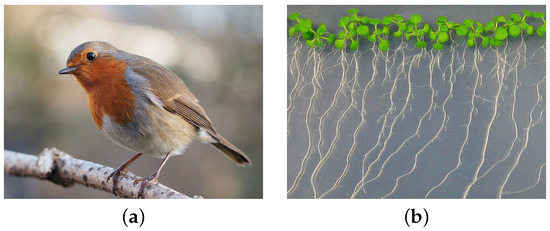
  • plant cells in MFs

Benefits of Publishing in a Special Issue

  • Ease of navigation: Grouping papers by topic helps scholars navigate broad scope journals more efficiently.
  • Greater discoverability: Special Issues support the reach and impact of scientific research. Articles in Special Issues are more discoverable and cited more frequently.
  • Expansion of research network: Special Issues facilitate connections among authors, fostering scientific collaborations.
  • External promotion: Articles in Special Issues are often promoted through the journal's social media, increasing their visibility.
  • e-Book format: Special Issues with more than 10 articles can be published as dedicated e-books, ensuring wide and rapid dissemination.

Published Papers

Get Alerted
Add your email address to receive forthcoming issues of this journal.

XFacebookLinkedIn
Cells - ISSN 2073-4409