Journal Description
Biomedicines
Biomedicines
is an international, peer-reviewed, open access journal on biomedicines published monthly online by MDPI.
- Open Access— free for readers, with article processing charges (APC) paid by authors or their institutions.
- High Visibility: indexed within Scopus, SCIE (Web of Science), PubMed, PMC, CAPlus / SciFinder, and other databases.
- Journal Rank: JCR - Q1 (Pharmacology and Pharmacy) / CiteScore - Q1 (Medicine (miscellaneous))
- Rapid Publication: manuscripts are peer-reviewed and a first decision is provided to authors approximately 21 days after submission; acceptance to publication is undertaken in 2.8 days (median values for papers published in this journal in the second half of 2025).
- Recognition of Reviewers: reviewers who provide timely, thorough peer-review reports receive vouchers entitling them to a discount on the APC of their next publication in any MDPI journal, in appreciation of the work done.
- Companion journals for Biomedicines include: IJTM, BioMed, Anesthesia Research and Emergency Care and Medicine.
Impact Factor:
3.9 (2024);
5-Year Impact Factor:
4.2 (2024)
Latest Articles
Genetic Determinants of Microvascular Complications of Type 1 Diabetes Mellitus: New Data from a Replication Study
Biomedicines 2026, 14(6), 1199; https://doi.org/10.3390/biomedicines14061199 - 26 May 2026
Abstract
Background: Diabetic retinopathy (DR) and chronic kidney disease (CKD) are among the leading causes of disability in individuals with type 1 diabetes mellitus (T1DM). However, the genetic architecture of these complications remains poorly understood. Genome-wide studies demonstrate significant interpopulation heterogeneity, while candidate
[...] Read more.
Background: Diabetic retinopathy (DR) and chronic kidney disease (CKD) are among the leading causes of disability in individuals with type 1 diabetes mellitus (T1DM). However, the genetic architecture of these complications remains poorly understood. Genome-wide studies demonstrate significant interpopulation heterogeneity, while candidate gene studies yield conflicting results due to limited power. Independent replication of previously obtained results in separate cohorts, with appropriate intergroup comparisons, is essential for identifying the most significant biomarkers of microvascular complications in T1DM. Purpose: To search for associations of the most significant polymorphic variants rs55703767, rs72831309, rs118124843, rs9344715, rs183937294, rs4293393, rs12917707, rs77924615, rs11864909, rs9622363, rs73885319, rs2523989, rs3825932, rs763361, rs12708716, rs2292239, and rs4948088 with the risk of developing T1DM and its complications—DR and CKD. Methods: The study involved 618 individuals, including 522 patients with T1DM undergoing inpatient treatment at the Endocrinology Research Centre, as well as 96 control individuals without T1DM. Among the T1DM patients, 232 had concurrent CKD and retinopathy, while 80 were free of both microvascular complications. A comparison of allele and genotype frequencies of 17 single-nucleotide polymorphisms (SNPs) was conducted between the T1DM group and the control group, as well as an intergroup comparison between individuals with and without complications. Results: The rs2292239 (ERBB3) locus is associated with an increased risk (pbonf = 0.001, OR = 2.02), while rs55703767 (COL4A3) is associated with a decreased risk of developing T1DM in general (p = 0.01846, OR = 0.42). rs9344715 (AKIRIN2) is associated with the risk of diabetic nephropathy (p = 0.03996, OR = 1.29), while PDILT variants rs77924615 (OR = 0.57, pbonf = 0.045) and rs11864909 (OR = 0.41, pbonf = 0.0105) with DR. Conclusions: The study identified potential genetic markers for the risk of type 1 diabetes and its microvascular complications. The results require further verification in an independent, expanded cohort. Consideration of genetic factors confirmed the independent contribution of the identified variants, supporting their value as promising biomarkers for risk stratification and personalized prevention of T1DM complications.
Full article
(This article belongs to the Special Issue Unveiling the Genetic Architecture of Complex and Common Diseases)

Open AccessArticle
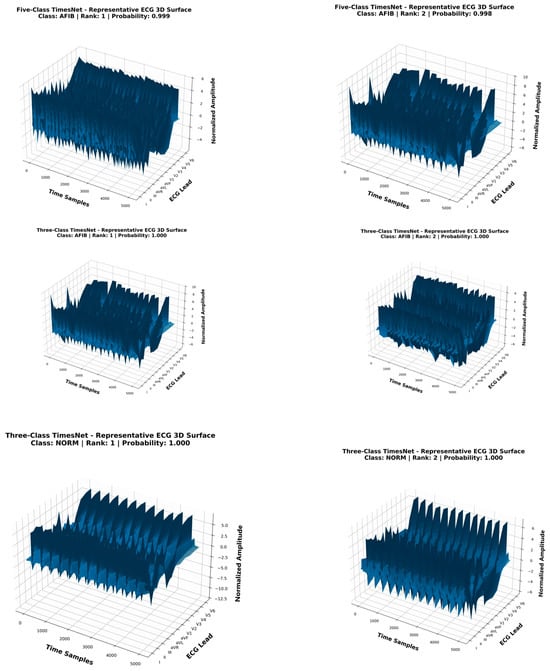
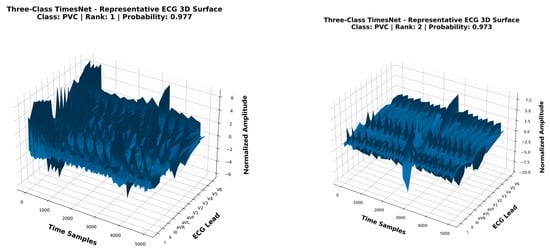
Learning Periodic Patterns in ECG Signals Using TimesNet for Automated Cardiac Classification
by
Manjur Kolhar, Raisa Nazir Ahmed Kazi and Ahmed M. Al Rajeh
Biomedicines 2026, 14(6), 1198; https://doi.org/10.3390/biomedicines14061198 - 26 May 2026
Abstract
Background/Objectives: Although deep learning methods have achieved promising performance in recent years, comparatively less attention has been given to explicitly modeling periodic and multi-scale temporal dynamics for ECG-specific representation learning within TimesNet-based frameworks. In this work, we propose an ECG-specific TimesNet-based framework
[...] Read more.
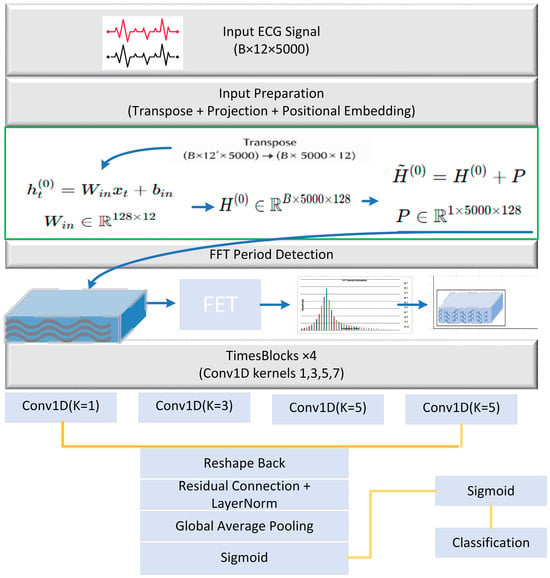
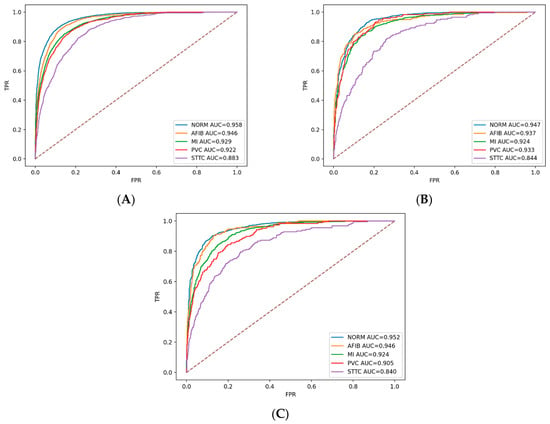
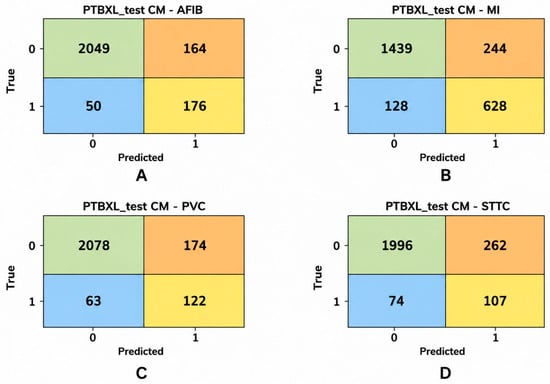
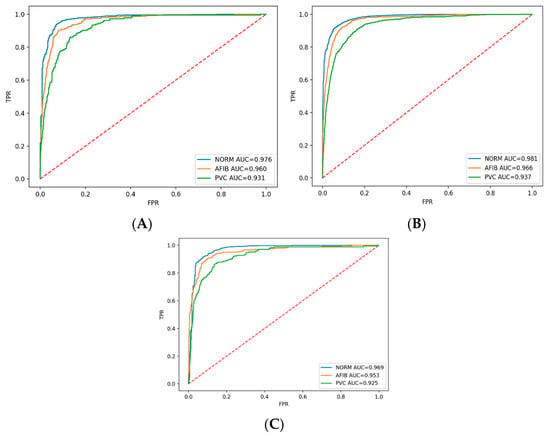
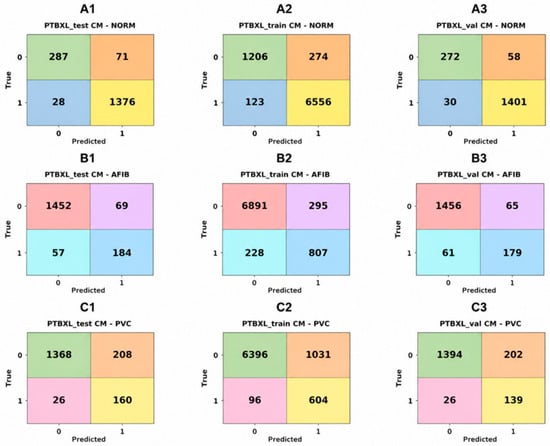
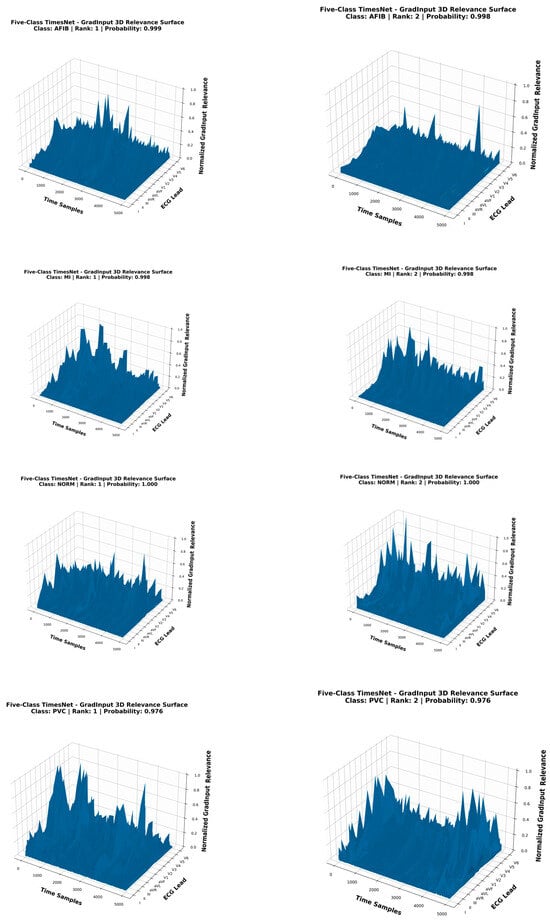
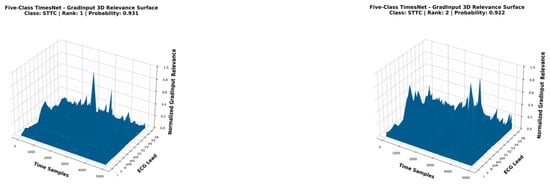
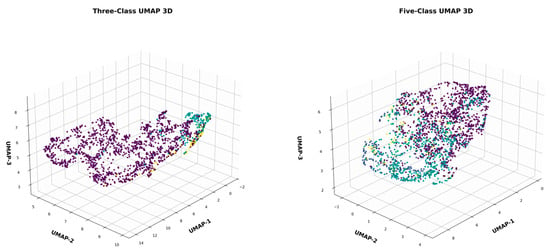
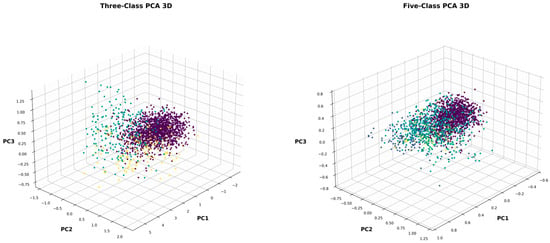
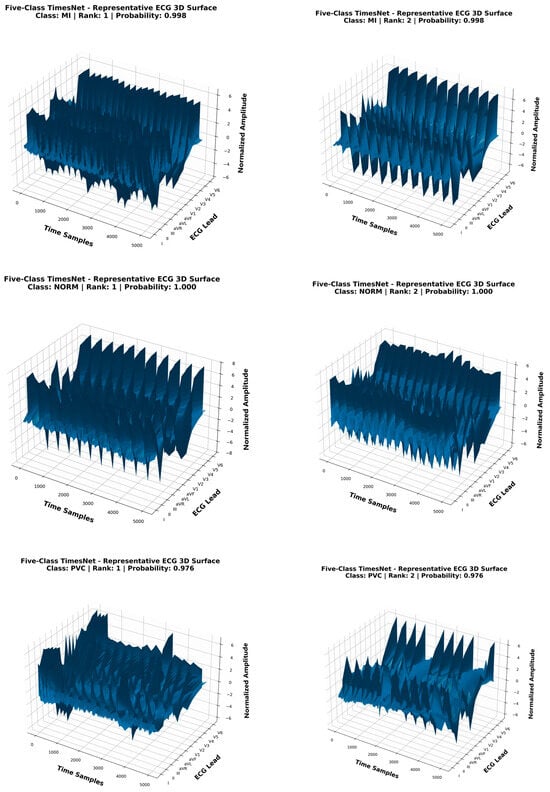
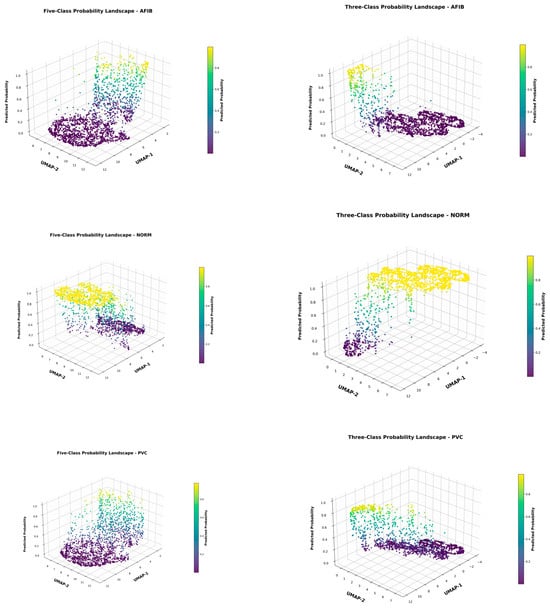
Background/Objectives: Although deep learning methods have achieved promising performance in recent years, comparatively less attention has been given to explicitly modeling periodic and multi-scale temporal dynamics for ECG-specific representation learning within TimesNet-based frameworks. In this work, we propose an ECG-specific TimesNet-based framework for multi-label classification of multi-lead ECG recordings that incorporates periodicity-aware temporal modeling. Methods: The proposed framework utilizes Fast Fourier Transform (FFT)-guided temporal decomposition to identify dominant frequency components and reshapes ECG sequences into period-aligned representations to better capture intra-period morphological patterns and inter-period rhythm dependencies. Multi-scale convolutional TimesBlocks are further employed to learn rhythm-aware and morphology-aware temporal representations. Results: The proposed framework was evaluated on the PTB-XL dataset using two experimental settings: Three-Class classification (NORM, AFIB, PVC) and Five-Class classification (NORM, AFIB, MI, PVC, STTC). Experiments were conducted using a one-vs-rest multi-label learning strategy with independent class probability estimation. The framework achieved mean one-vs-rest test AUC values of 0.956 and 0.913 for the Three-Class and Five-Class settings, respectively. Experimental results indicated that the reduced classification complexity in the Three-Class setting was associated with improved feature separability, more stable decision boundaries, and enhanced discriminative representation learning. Latent-space visualization using UMAP and PCA demonstrated clearer clustering in the Three-Class configuration, while gradient-based interpretability analysis highlighted physiologically relevant ECG waveform regions contributing to model predictions. In addition, computational profiling demonstrated practical feasibility with approximately 1.957 million trainable parameters, 13.14 GFLOPs computational complexity, 5.230 ms average inference latency per ECG recording, and a throughput of approximately 191 ECG recordings per second on GPU hardware. Conclusions: These findings suggest that periodicity-aware temporal modeling can improve ECGF representation learning while demonstrating practical potential for computationally efficient and interpretable automated ECG analysis applications.
Full article
(This article belongs to the Special Issue Imaging Technology for Human Diseases)
►▼
Show Figures

Figure 1
Open AccessArticle
Risk of Mortality and Cardiovascular Events in Patients with Chronic Obstructive Pulmonary Disease Treated with Azithromycin, Roxithromycin, Clarithromycin and Amoxicillin in Primary and Secondary Care
by
Imane Achir Alispahic, Josefin Eklöf, Pradeesh Sivapalan, Alexander Ryder Jordan, Zitta Barrella Harboe, Tor Biering-Sørensen, Katja Biering Leth-Møller, Allan Linneberg and Jens-Ulrik Stæhr Jensen
Biomedicines 2026, 14(6), 1197; https://doi.org/10.3390/biomedicines14061197 (registering DOI) - 25 May 2026
Abstract
Background: Chronic obstructive pulmonary disease (COPD) is a progressive respiratory condition where many patients are given antibiotics like amoxicillin and macrolides (clarithromycin, azithromycin, roxithromycin) for bacterial infections. Recent concerns about clarithromycin’s potential link to cardiovascular events have arisen, despite its effectiveness against respiratory
[...] Read more.
Background: Chronic obstructive pulmonary disease (COPD) is a progressive respiratory condition where many patients are given antibiotics like amoxicillin and macrolides (clarithromycin, azithromycin, roxithromycin) for bacterial infections. Recent concerns about clarithromycin’s potential link to cardiovascular events have arisen, despite its effectiveness against respiratory pathogens. This study aims to compare the cardiovascular risk of macrolide antibiotics versus amoxicillin in suspected COPD patients. Method: We used the Danish National Health Service Prescription Database (DNHSP) to identify COPD patients and their use of antibiotics. The included COPD patients were divided into four groups: amoxicillin users, roxithromycin users, clarithromycin users and azithromycin users. Data from multiple registries were merged to track hospitalizations, causes of death, and major adverse cardiovascular events (MACEs) as the primary endpoint. Patients were followed for a 3-year period. We applied adjusted Cox regression and sensitivity analyses with IPTW and IPCW to address confounders and censoring. Results: Our study involved 45,869 patients who were prescribed a long-acting muscarinic antagonist, over the age of 40 years old and who received one of the following antibiotics: amoxicillin, azithromycin, clarithromycin, or roxithromycin. No increased risk of MACEs was observed in macrolide-treated patients compared to those treated with amoxicillin (azithromycin: HR 0.97: 95% CI 0.83–1.13 p = 0.69, clarithromycin: HR 1.06 95% CI 0.87–1.28 p = 0.57, roxithromycin: HR 1.04 95% CI 0.91–1.18 p = 0.60), as confirmed by the sensitivity analysis (azithromycin: HR 0.95 95% CI 0.82–1.11 p = 0.52, clarithromycin: HR 1.05 95% CI 0.87–1.27 p = 0.60, roxithromycin: HR 1.05 95% CI 0.92–1.19 p = 0.48). Similarly, hazard ratios for all-cause mortality and cardiovascular death among the antibiotic groups showed no significant statistical differences. Conclusions: These findings suggest that there is no difference in the risk of MACEs, all-cause mortality, or cardiovascular death between the amoxicillin group and the macrolide group in a large and unselected population of COPD patients.
Full article
(This article belongs to the Section Molecular and Translational Medicine)
Open AccessArticle
Pan-Cancer Prognostic Analysis of NMDAR Genes Discovered Therapeutic Implications of Neuronal–Cancer Crosstalk Mediator GRIN2A for Small Cell Lung Cancer
by
Jiaxun Zhang, Akezhouli Shahatiaili, Yuhan Hou, Ning Zhou, Ke Huang, Xiaojun Wang, Dongmei Wang, Zhentao Yu, Xiaoli Feng and Yibo Gao
Biomedicines 2026, 14(6), 1196; https://doi.org/10.3390/biomedicines14061196 - 25 May 2026
Abstract
Background: As the most lethal neuroendocrine tumor, small cell lung cancer (SCLC) can drive its progression by hijacking neuronal mechanisms. At the core of this neural integration is the N-methyl-D-aspartate receptor (NMDAR) complex. However, its pan-cancer expression and clinical significance in SCLC remain
[...] Read more.
Background: As the most lethal neuroendocrine tumor, small cell lung cancer (SCLC) can drive its progression by hijacking neuronal mechanisms. At the core of this neural integration is the N-methyl-D-aspartate receptor (NMDAR) complex. However, its pan-cancer expression and clinical significance in SCLC remain poorly understood. Methods: We characterized NMDAR transcriptomic profiles across human cancers to develop the NMDAscore, and analyzed three independent European and Asian SCLC cohorts to identify prognostic biomarkers. Furthermore, we investigated the molecular mechanisms of GRIN2A and evaluated the efficacy of GluN2 inhibitors. Results: The developed NMDAscore exhibited significant prognostic correlations in ACC, COAD, KIRC, UVM, KIRP, OV, PCPG, UCS, THCA, THYM, HNSC, KICH, LGG, and PAAD. Focusing on the SCLC cohorts, we identified GRIN2A (encoding the GluN2A subunit) as a statistically relevant prognostic biomarker associated with poor survival. Mechanistically, GRIN2A upregulation correlates with the activation of neuro-synaptic signaling, metabolic reprogramming, genomic instability, and an immune-cold microenvironment characterized by CD8+ T cell exclusion. Pharmacological inhibition of GluN2 using dizocilpine and the FDA-approved antagonist memantine suppressed SCLC proliferation and tumorigenicity in vitro, in 3D tumor spheroids and in vivo xenograft models. Conclusions: Collectively, these findings establish GRIN2A as a prognostic biomarker, linking synaptic hijacking, metabolic plasticity, immune evasion, and drug resistance, and identify the therapeutic potentials of the GluN2 inhibitors dizocilpine and memantine for SCLC.
Full article
(This article belongs to the Special Issue Advanced Research in Anticancer Inhibitors and Targeted Therapy)
Open AccessArticle
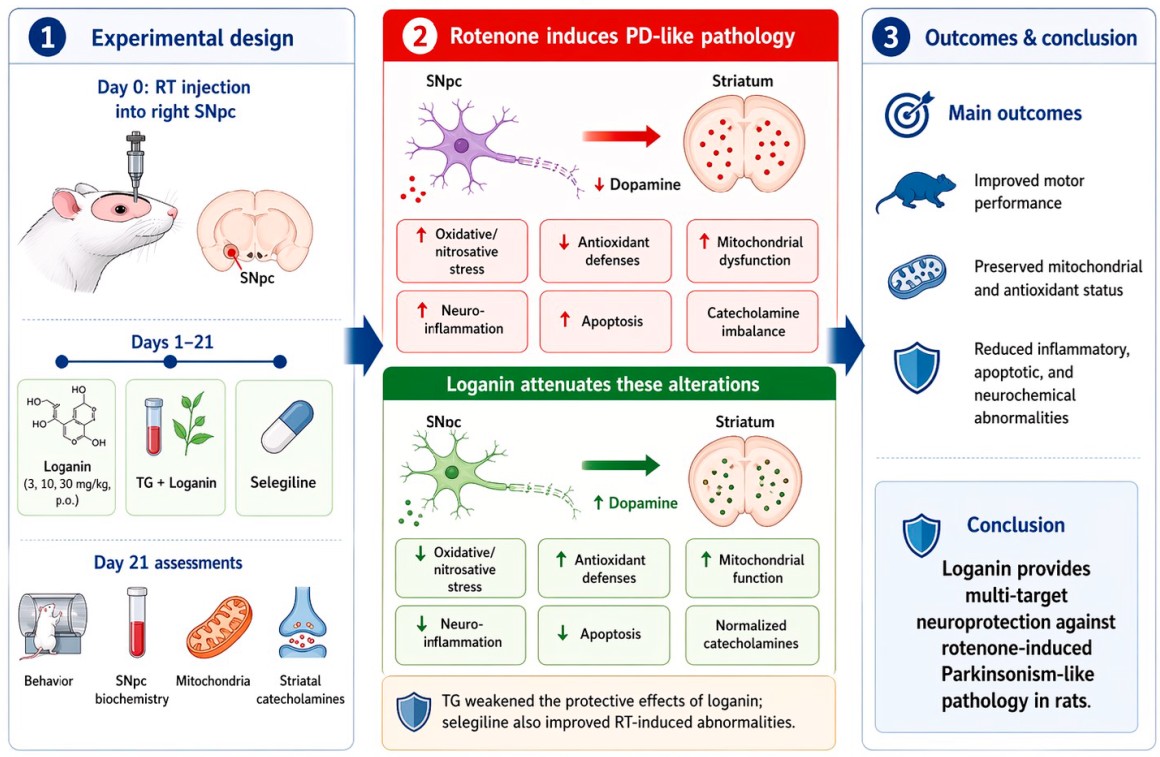
Loganin Attenuates Rotenone-Induced Parkinsonism-like Features in Rats Through Multi-Target Neuroprotective Mechanisms
by
Peng-Yuan Chang, Mao-Hsien Wang, Yu-Ling Yeh, Kuo-Chi Chang and Hung-Sheng Soung
Biomedicines 2026, 14(6), 1195; https://doi.org/10.3390/biomedicines14061195 - 25 May 2026
Abstract
Background/Objectives: Rotenone (RT)-induced neurotoxicity is widely used to model Parkinsonism-like nigrostriatal injury and recapitulates several PD-relevant pathological features, including oxidative stress, mitochondrial dysfunction, neuroinflammation, and dopaminergic neurochemical disturbance. Loganin (LG), an iridoid glycoside isolated from Cornus officinalis, has been reported to possess
[...] Read more.
Background/Objectives: Rotenone (RT)-induced neurotoxicity is widely used to model Parkinsonism-like nigrostriatal injury and recapitulates several PD-relevant pathological features, including oxidative stress, mitochondrial dysfunction, neuroinflammation, and dopaminergic neurochemical disturbance. Loganin (LG), an iridoid glycoside isolated from Cornus officinalis, has been reported to possess antioxidant, anti-inflammatory, anti-apoptotic, and neuroprotective properties. However, its protective effects in a unilateral stereotaxic RT lesion model have not been fully elucidated. This study aimed to investigate the neuroprotective potential of LG against RT-induced Parkinsonism-like pathology in rats and to explore the possible involvement of antioxidant-related signaling mechanisms. Methods: Adult male Wistar rats were randomly assigned to twelve experimental groups (n = 8/group), including control, sham, RT, sham + LG, RT + LG, RT + trigonelline (TG) + LG, and RT + selegiline (SL). RT was stereotaxically injected once into the right substantia nigra pars compacta (SNpc) on Day 0 to induce unilateral nigrostriatal injury. LG was administered orally once daily from Day 1 to Day 21 at doses of 3, 10, and 30 mg/kg. TG was given intraperitoneally 30 min before LG treatment, while SL served as a reference antiparkinsonian drug. Behavioral assessments and biochemical analyses were conducted to evaluate motor dysfunction, oxidative and nitrosative stress, endogenous antioxidant status, mitochondrial dysfunction, inflammatory and apoptotic responses in the SNpc, and striatal catecholamine disturbances. Results: RT lesioning produced significant motor deficits, oxidative and nitrosative stress, depletion of endogenous antioxidant defenses, mitochondrial dysfunction, inflammatory and apoptotic activation in the SNpc, and abnormalities in striatal catecholamine levels. LG treatment significantly attenuated these pathological changes, with more pronounced protective effects observed at 10 and 30 mg/kg. Co-administration of TG partially weakened the beneficial effects of LG, suggesting the possible involvement of antioxidant defense-related signaling while not providing direct proof of a single pathway. SL also ameliorated RT-induced behavioral and biochemical abnormalities. Conclusions: These findings suggest that LG confers multi-target neuroprotective effects against RT-induced Parkinsonism-like features in rats. The protective actions of LG were associated with attenuation of oxidative stress, mitochondrial dysfunction, neuroinflammation, apoptosis, and catecholaminergic disturbances. Because the pathway analysis remains pharmacological and indirect, additional studies using direct molecular validation are warranted before LG can be considered a disease-modifying candidate for PD-related neurodegeneration.
Full article
(This article belongs to the Special Issue Animal Models for Neurological Disease Research)
►▼
Show Figures

Graphical abstract
Open AccessSystematic Review
The Role of Pelvic Reirradiation in the Treatment of Locally Recurrent Rectal Cancer: A Systematic Review
by
Rachael E. Clifford, Sulaimaan Hannan, Hamish W. Clouston, Victoria Lavin, Claire Arthur and Paul A. Sutton
Biomedicines 2026, 14(6), 1194; https://doi.org/10.3390/biomedicines14061194 - 25 May 2026
Abstract
Background: Local recurrence of rectal cancer is a challenging problem for patients and clinicians. Surgical resection is associated with good outcomes if R0 margins are achieved; however, it is often complex, requires suitable patient fitness, and is associated with long term physical and
[...] Read more.
Background: Local recurrence of rectal cancer is a challenging problem for patients and clinicians. Surgical resection is associated with good outcomes if R0 margins are achieved; however, it is often complex, requires suitable patient fitness, and is associated with long term physical and psychological consequences. Meanwhile, continuing technical advances in radiotherapy have enabled the delivery of highly conformal treatment, thereby enabling dose escalation or pelvic reirradiation to be safely considered—either as definitive management or in the neoadjuvant setting—for patients with locally recurrent rectal cancer. Pelvic reirradiation may refer to patients who have received primary rectal radiotherapy with the aim of neoadjuvant downstaging or reducing the risk of locoregional recurrence, versus radiotherapy for a previous unrelated non-rectal pelvic malignancy. Methods: A literature search of pelvic reirradiation for non-metastatic, locally recurrent rectal cancer was conducted for full text articles published over the last 20 years. Additional papers were identified within the references of these papers. Studies focusing on non-rectal cancers, and patients having primary radiotherapy for locally recurrent rectal cancer were excluded. Due to the heterogenicity of the data, no meta-analysis was performed. Results: A total of 15 papers were included, containing a cohort of 840 patients. Several reirradiation modalities were reported, including external beam radiotherapy, brachytherapy, stereotactic ablative radiotherapy and heavy particle therapy (carbon ion). Carbon ion radiotherapy was the most common reirradiation treatment modality utilised with a median cumulative dose of 70.4 Gray (Gy). Treatment response, defined as either complete or partial improvement in tumour size, was only reported in seven studies, and varied from 14 to 88%. Overall 3-year survival was also variable with rates reported between 18 and 85%. These observations may be due to variation in patient selection, treatment intent, and technique. Pelvic reirradiation was associated with acceptable toxicity, low rates of G3+ toxicity, and improved symptom control. Conclusions: Our review describes the multitude of approaches to pelvic reirradiation for locally recurrent rectal cancer. Reviewing the radiobiological and patient outcomes is challenging in view of the degree of heterogeneity in patient selection, treatment approach, and reported outcomes. However, there is consensus that pelvic reirradiation—either for long term control or to downstage prior to definitive surgery—is feasible with potential utility in this setting.
Full article
(This article belongs to the Section Cancer Biology and Oncology)
Open AccessArticle
GelMA Hydrogel Stiffness Modulates IL-6- and BMP-2-Induced Immune Dysregulation in Human Mesenchymal Stem Cells
by
Tony D. Baldini, Soren D. Johnson, Aneesh S. Bhat, Mengyao Liu, Andrea C. Filler, Mark A. Lee, J. Kent Leach, Maryam Rahmati and Augustine M. Saiz
Biomedicines 2026, 14(6), 1193; https://doi.org/10.3390/biomedicines14061193 - 25 May 2026
Abstract
Background: Fracture healing requires a coordinated inflammatory response, and its dysregulation, as seen in polytrauma, can impair bone regeneration. Human mesenchymal stem cells (hMSCs) play a central role in fracture repair through osteogenic differentiation and also via their secretome, which regulates local
[...] Read more.
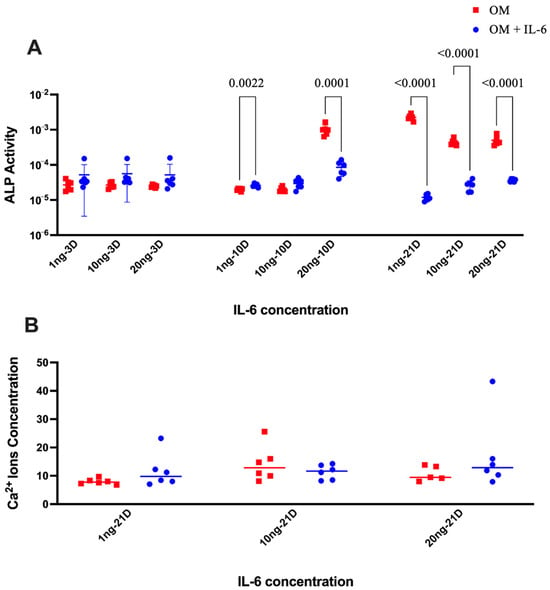
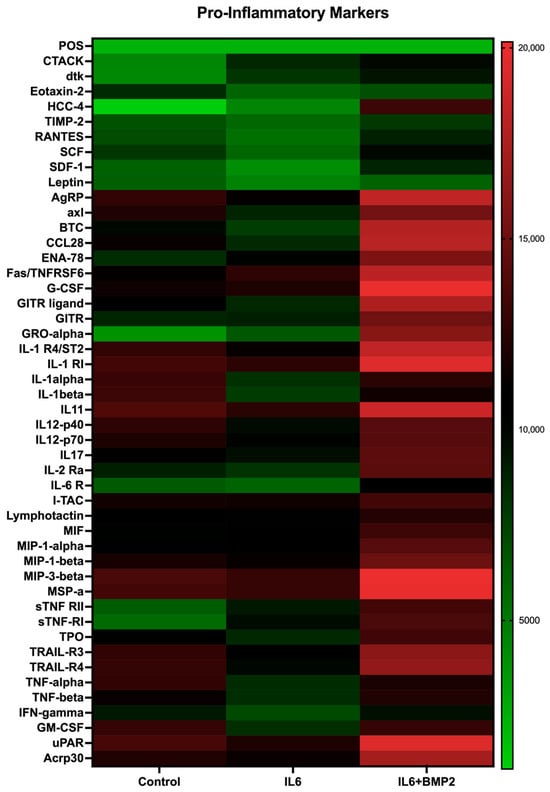
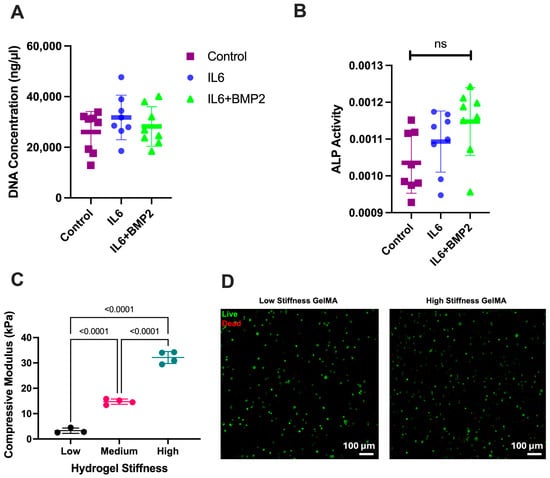
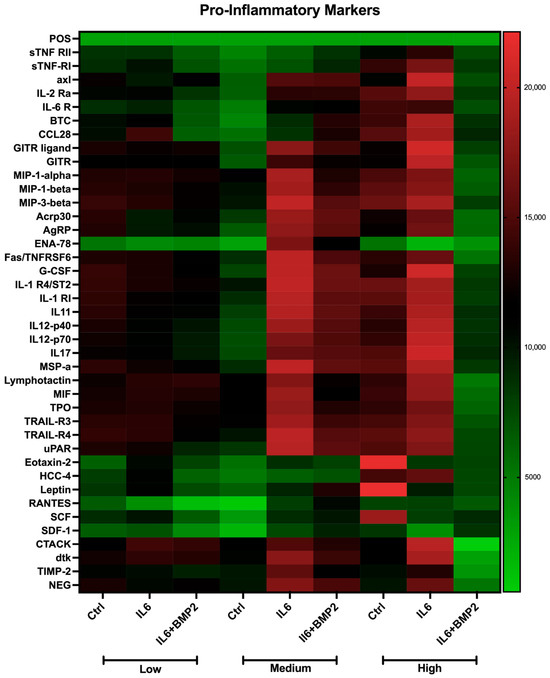
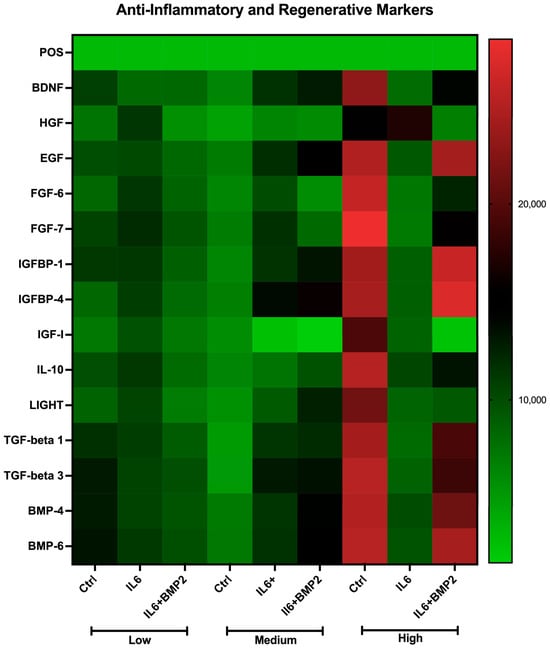
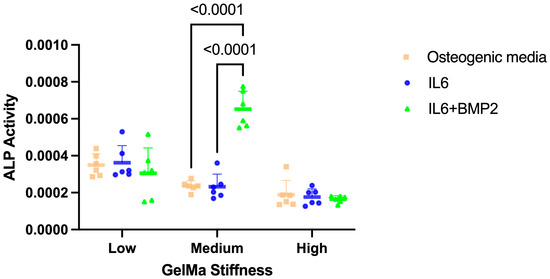
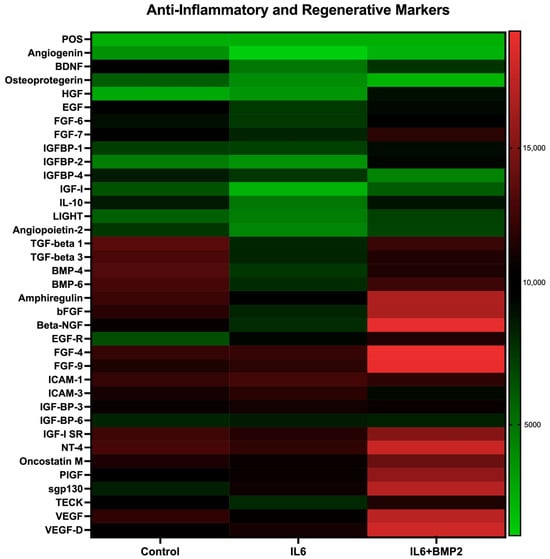
Background: Fracture healing requires a coordinated inflammatory response, and its dysregulation, as seen in polytrauma, can impair bone regeneration. Human mesenchymal stem cells (hMSCs) play a central role in fracture repair through osteogenic differentiation and also via their secretome, which regulates local inflammation, angiogenesis, and tissue regeneration. Interleukin-6 (IL-6), an early pro-inflammatory cytokine, contributes to fracture healing by promoting MSC recruitment and osteogenic differentiation, whereas bone morphogenetic protein-2 (BMP-2) is a key osteoinductive factor that drives bone formation. However, the combined effects of IL-6 and BMP-2 on the hMSC secretome remain poorly understood. Methods: We cultured hMSCs in osteogenic media supplemented with recombinant IL-6 (1–20 ng/mL) alone or combined with recombinant BMP-2 (1 ng/mL) on tissue culture plastic (TCP) and within gelatin methacryloyl (GelMA) hydrogels of low (~3 kPa), medium (~15 kPa), and high (~30 kPa) stiffness. Osteogenic differentiation was assessed by alkaline phosphatase (ALP) activity and calcium deposition; cytokine profiling was performed using a multiplex antibody array. Results: When cultured on TCP, IL-6 suppressed ALP activity by day 21. Co-treatment with IL-6 and BMP-2 induced a dysregulated secretome with concurrent upregulation of pro-inflammatory markers (MIP-1α, TNF-α, and GM-CSF) and anti-inflammatory mediators (IL-10, TGF-β1, and VEGF). This hyperinflammatory response was attenuated when hMSCs were encapsulated in GelMA, with high-stiffness gels most effectively suppressing pro-inflammatory chemokines and medium-stiffness gels yielding the highest ALP activity. Conclusions: These findings suggest that mechanically tuned GelMA hydrogels modulate immune and osteogenic responses of hMSCs in vitro, warranting further investigation in the context of scaffold design for fracture care.
Full article
(This article belongs to the Section Biomedical Engineering and Materials)
►▼
Show Figures

Figure 1
Open AccessBrief Report
Modeling Blood–Brain Barrier Efflux Transport Using a Breast Cancer Resistance Protein Overexpression Cell Line
by
Alexandra E. Meyer, Natalie G. Alexander, Elisa M. Tucker, Hallie E. Knight, Benjamin T. Klemp, Bryan J. Estrada, Sarah F. Hathcock, Henry D. Mauser, Kylie A. Buchanan and Brandon J. Kim
Biomedicines 2026, 14(6), 1192; https://doi.org/10.3390/biomedicines14061192 - 25 May 2026
Abstract
Background: The blood–brain barrier (BBB) separates the circulation from the central nervous system (CNS) and serves to maintain brain homeostasis. The BBB comprises highly specialized brain endothelial cells (BECs) with unique properties that allow the BBB to maintain strict regulation of molecules
[...] Read more.
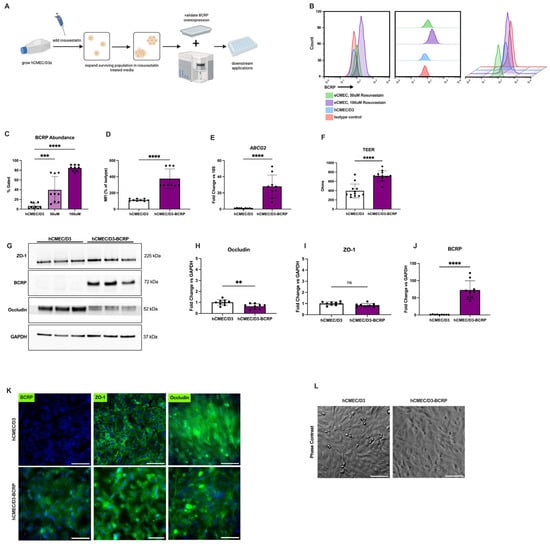
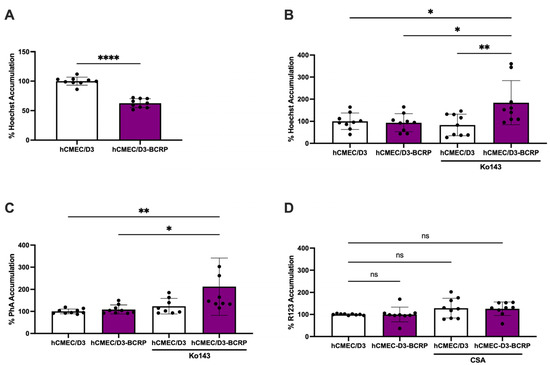
Background: The blood–brain barrier (BBB) separates the circulation from the central nervous system (CNS) and serves to maintain brain homeostasis. The BBB comprises highly specialized brain endothelial cells (BECs) with unique properties that allow the BBB to maintain strict regulation of molecules entering and exiting the CNS. These characteristics include tight junctions, low endocytosis rates, and efflux and nutrient transporters. Breast cancer resistance protein (BCRP) is an efflux transporter found at the BBB that plays a key role in protecting the CNS. Together with other efflux transporters, BCRP contributes to multidrug-resistant cancers and difficulty delivering drugs and therapeutics to the brain and other organs. Methods: Using the hCMEC/D3 line, we utilized BCRP substrate rosuvastatin to effectively select for cells expressing high amounts of BCRP, thus generating hCMEC/D3-BCRP. To assess protein abundance, we utilized flow cytometry and confirmed expression via qPCR. To investigate BCRP efflux function in evolved hCMEC/D3-BCRP, we performed substrate accumulation assays with BCRP and P-gp substrates. Results: We found hCMEC/D3-BCRP had increased BCRP abundance and expression relative to parent hCMEC/D3. We also observed an increase in BCRP function via substrate accumulation of two BCRP substrates compared to parent hCMEC/D3. Conclusions: BCRP serves a protective role within the BBB and is a major hurdle in drug delivery. We generated a BCRP overexpression BEC cell line (hCMEC/D3-BCRP) under the influence of endogenous promoters. This cell line can be used to further investigate the role of BCRP in BECs and utilized in efflux transport studies.
Full article
(This article belongs to the Special Issue Innovative Approaches in In Vitro Models: From Design to Application)
►▼
Show Figures

Figure 1
Open AccessArticle
Serological and Demographic Correlates of HBV DNA Detection Below the Limit of Quantification in Treated Chronic Hepatitis B and HBsAg-Negative Patients
by
Hasan Zeybek and Tugrul Hosbul
Biomedicines 2026, 14(6), 1191; https://doi.org/10.3390/biomedicines14061191 - 25 May 2026
Abstract
Objectives: This study aimed to evaluate very low HBV DNA viral load below the limit of quantification and to identify correlational factors in different patient groups, including individuals with chronic hepatitis B (CHB), occult HBV infection (OBI), and others. Methods: We
[...] Read more.
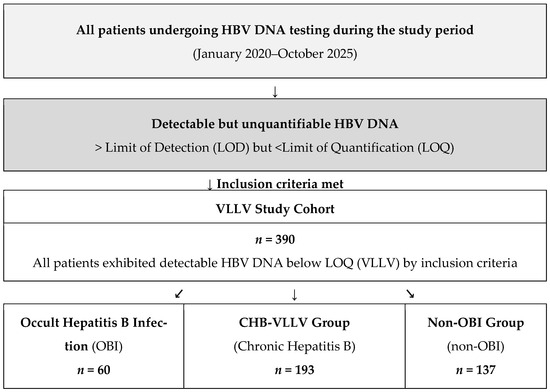
Objectives: This study aimed to evaluate very low HBV DNA viral load below the limit of quantification and to identify correlational factors in different patient groups, including individuals with chronic hepatitis B (CHB), occult HBV infection (OBI), and others. Methods: We retrospectively analyzed 390 patients with very low-level viremia (VLLV). HBV DNA levels were measured in plasma samples using real-time quantitative PCR (qPCR). Serological markers were evaluated in serum samples using chemiluminescence microparticle immunoassay (CMIA). Demographic variables, HBV serological markers (anti-HBs, anti-HBe, anti-HBc), and DNA results were evaluated. Results: The study included 193 CHB patients with maintained virological suppression and 197 patients in the other group; of which, 60 patients had occult hepatitis B infection (HBV DNA positive, HBsAg negative) and 137 had no occult hepatitis B infection. Very low viral load was more common in men (53.3%) and in individuals aged ≥50 years (63.3%). In univariate analysis, OBI was associated with anti-HBe (odds ratio (OR) = 2.874, 95% CI: 1.255–6.579, p = 0.013), and anti-HBc seropositivity (OR = 5.750; 95% CI: 2.626–12.591, p < 0.001). In multivariate analysis, anti-HBe positivity and anti-HBc positivity were independently associated with OBI. Anti-HBs positivity was independently and inversely associated with OBI. Conclusions: In patients with VLLV cohort, anti-HBc and anti-HBe seropositivity were independently associated with detectable but unquantifiable HBV DNA. Although anti-HBe positivity reflects reduced viral replication, it does not indicate complete viral suppression and may be detected at very low viremia levels, especially in occult HBV infection. These findings highlight the complex interplay between viral replication dynamics and host immune responses across the VLLV spectrum, characterize the serological landscape associated with detectable but unquantifiable HBV DNA, and warrant validation in prospective studies.
Full article
(This article belongs to the Section Microbiology in Human Health and Disease)
►▼
Show Figures

Figure 1
Open AccessArticle
Neural Network Interpretation of the Intensity of Damage Processes to Biological Membranes of Human Cells, Depending on the Degree of Polymetallic Contamination of the Territory
by
Yulia A. Tunakova, Svetlana V. Novikova and Vsevolod S. Valiev
Biomedicines 2026, 14(6), 1190; https://doi.org/10.3390/biomedicines14061190 - 25 May 2026
Abstract
Background: Lipid peroxidation is a primary driver of biological membrane damage and mediates the relationship between environmental exposure and adverse health outcomes. Malondialdehyde (MDA) is a widely recognized biomarker for quantifying oxidative stress intensity. Despite numerous studies on oxidative stress and metal exposure,
[...] Read more.
Background: Lipid peroxidation is a primary driver of biological membrane damage and mediates the relationship between environmental exposure and adverse health outcomes. Malondialdehyde (MDA) is a widely recognized biomarker for quantifying oxidative stress intensity. Despite numerous studies on oxidative stress and metal exposure, nonlinear relationships between physiological characteristics, serum metal profiles and MDA levels in pubertal children remain insufficiently studied. Methods: The study included 105 conditionally healthy children aged 12–14 years from urban and rural regions of Tatarstan, Russia. Serum MDA concentrations were determined spectrophotometrically using the thiobarbituric acid assay, while Zn, Cu, Fe, Sr and Pb concentrations were measured by atomic absorption spectrometry. A multilayer perceptron neural network was applied to model nonlinear relationships between MDA levels, environmental exposure indicators and morphophysiological characteristics. Because the original relational dataset contained partially replicated participant-derived relational structures, primary validation was performed using independently reconstructed datasets without repeated observations. Additional repeated cross-validation and SHAP-based feature importance analysis were performed. Results: Urban-residing children demonstrated significantly higher serum MDA levels than rural counterparts, independent of sex, with girls consistently showing higher values. Reduction of predictor dimensionality improved model generalization behaviour. Validation using independently reconstructed datasets without repeated observations demonstrated reproducible exploratory predictive behaviour of the reduced neural network model, with independently reconstructed validation datasets yielding mean R2 values of 0.901 ± 0.052 and 0.914 ± 0.046, respectively. SHAP analysis demonstrated that zinc, copper and iron consistently represented the dominant contributors to the nonlinear model, although substantial variability in the relative ranking of zinc and copper was observed between validation datasets. Conclusions: The proposed neural network model demonstrated the ability to capture reproducible nonlinear relationships between oxidative stress markers and environmental exposure parameters in a limited biomedical dataset. The model should primarily be interpreted as an exploratory explanatory tool rather than an individual clinical prediction instrument. Because of the limited dataset size, partially reconstructed relational structure and exploratory study design, the findings require cautious interpretation and further external validation.
Full article
(This article belongs to the Section Microbiology in Human Health and Disease)
►▼
Show Figures

Figure 1
Open AccessArticle
Incomplete Concordance Between Nominal Eosinophilic Labels and Molecular Burden in Chronic Rhinosinusitis with Nasal Polyps
by
Shiwang Tan, Ju Lai, Heng Zhi, Wei Tang, Ling Jin and Shaoqing Yu
Biomedicines 2026, 14(6), 1189; https://doi.org/10.3390/biomedicines14061189 - 25 May 2026
Abstract
Background/Objectives: Chronic rhinosinusitis with nasal polyps (CRSwNP) is a heterogeneous inflammatory disease in which eosinophilic subclassification is widely used for clinical stratification. However, it remains unclear how closely nominal histologic eosinophilic labels reflect the broader molecular organization of diseased tissue. Methods:
[...] Read more.
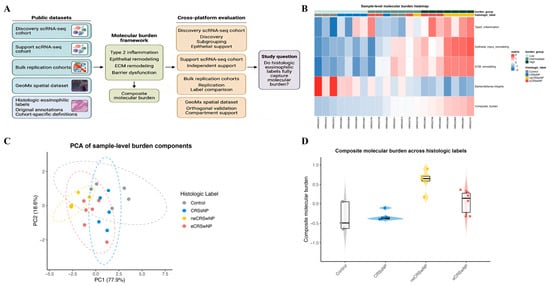
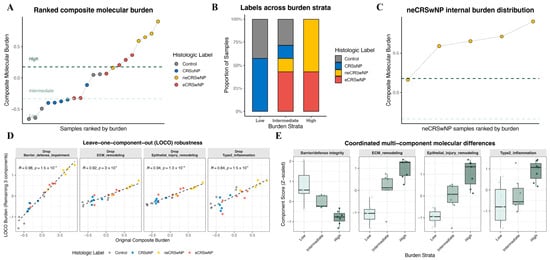
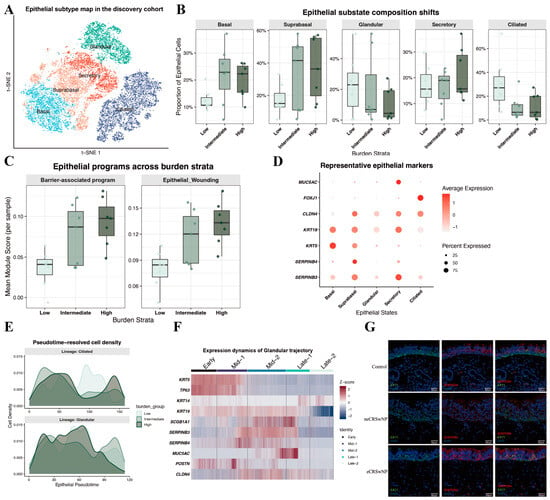
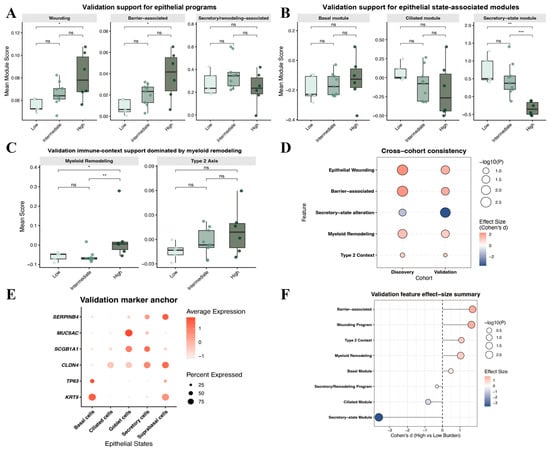
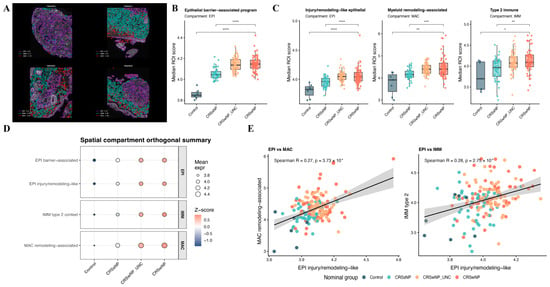
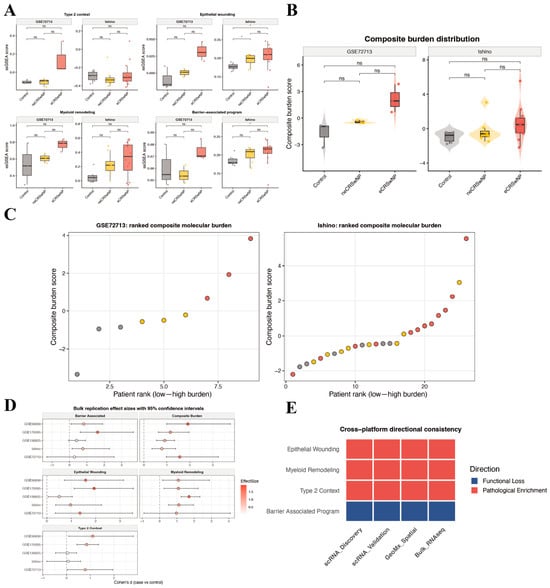
Background/Objectives: Chronic rhinosinusitis with nasal polyps (CRSwNP) is a heterogeneous inflammatory disease in which eosinophilic subclassification is widely used for clinical stratification. However, it remains unclear how closely nominal histologic eosinophilic labels reflect the broader molecular organization of diseased tissue. Methods: We performed an inference-based integrative analysis of public datasets spanning discovery single-cell RNA sequencing (scRNA-seq), independent scRNA-seq validation, GeoMx digital spatial profiling, and bulk transcriptomic replication cohorts. A sample-level molecular burden framework was constructed using four dimensions: type 2 inflammation, epithelial injury/remodeling, extracellular-matrix remodeling, and barrier/defense impairment. Composite burden and component-level features were then examined across nominal eosinophilic categories, epithelial states, spatial compartments, and independent bulk cohorts. Results: Nominal eosinophilic labels were directionally informative but incompletely concordant with molecular burden. In the discovery cohort, eosinophilic CRSwNP samples were enriched toward the higher-burden end, whereas nominally non-eosinophilic CRSwNP samples extended across the intermediate-to-high burden range. Across discovery and validation scRNA-seq datasets, GeoMx spatial profiling, and independent bulk cohorts, the most reproducible burden-associated signals centered on epithelial injury/remodeling-like programs and related remodeling features. In the epithelial compartment, higher burden was associated with epithelial state reorganization, stronger wounding-associated activity, and trajectory-linked glandular/secretory remodeling. Independent validation and spatial analyses further supported epithelial wounding-, barrier-, and myeloid remodeling-related features, whereas type 2 context signals were directionally consistent but less uniform across platforms. In bulk replication, composite burden, epithelial wounding, and myeloid remodeling were more consistent across cohorts than type 2 context alone. Conclusions: Nominal eosinophilic labels in CRSwNP capture clinically relevant but incomplete information about underlying tissue biology. Epithelial injury/remodeling-like programs and remodeling-linked myeloid features emerged as the most stable organizational axes of molecular burden across public multimodal datasets. These findings support a graded, multidimensional view of CRSwNP and may complement, rather than replace, conventional pathology-based eosinophilic subclassification.
Full article
(This article belongs to the Section Immunology and Immunotherapy)
►▼
Show Figures

Figure 1
Open AccessArticle
Single-Cell Transcriptomic and Metabolic Signatures in Exhausted and Classical Memory B Cells—An Exploratory Analysis in Systemic Lupus Erythematosus and Lupus Nephritis
by
Litong Zhu, Taoyan Lin, Lai Yee Cheong, Jason K. H. Sher, Irene Y. L. Yam, Wynn Cheung, Susan Yung, Tak Mao Chan and Desmond Y. H. Yap
Biomedicines 2026, 14(6), 1188; https://doi.org/10.3390/biomedicines14061188 - 25 May 2026
Abstract
Aim: Disturbances in exhausted and classical memory B cells have been implicated in the pathogenesis of systemic lupus erythematosus (SLE) and lupus nephritis (LN), but the genetic regulation of their homeostasis remains poorly understood. Methods: We analyzed the single-cell RNA-seq data of peripheral
[...] Read more.
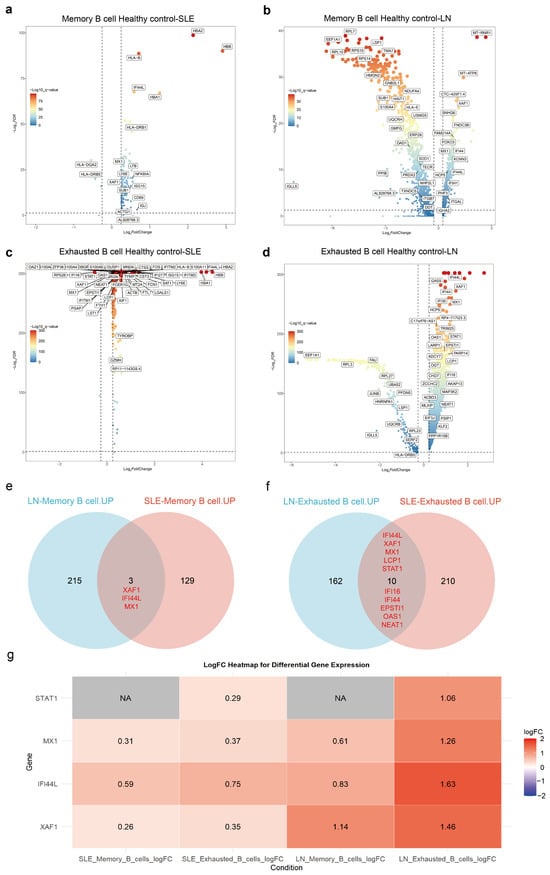
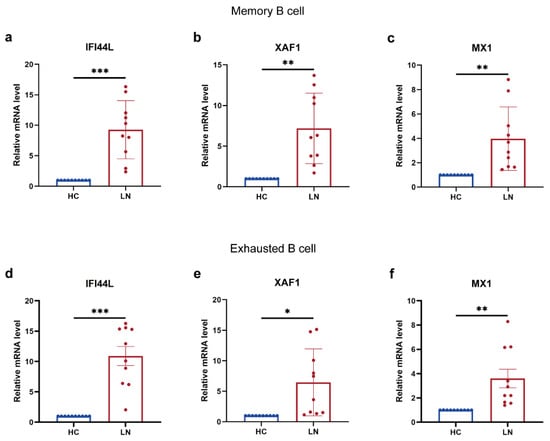
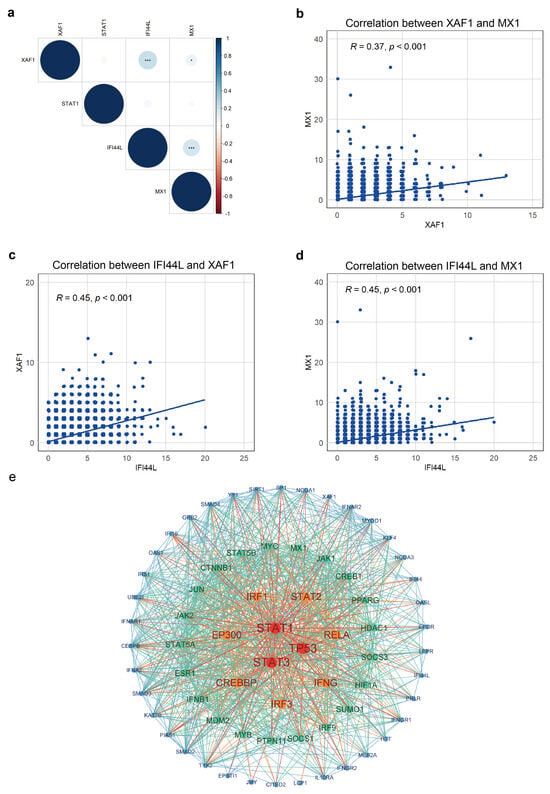
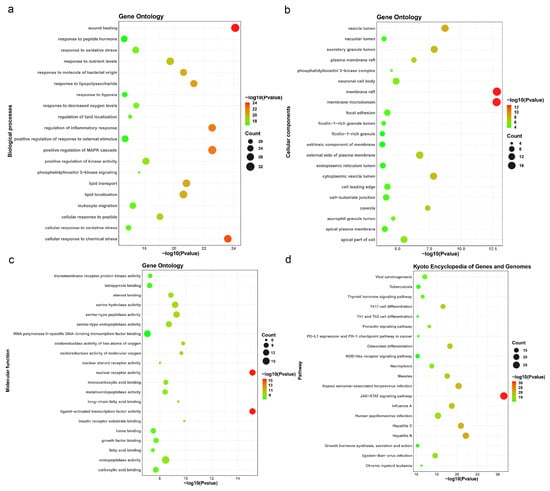
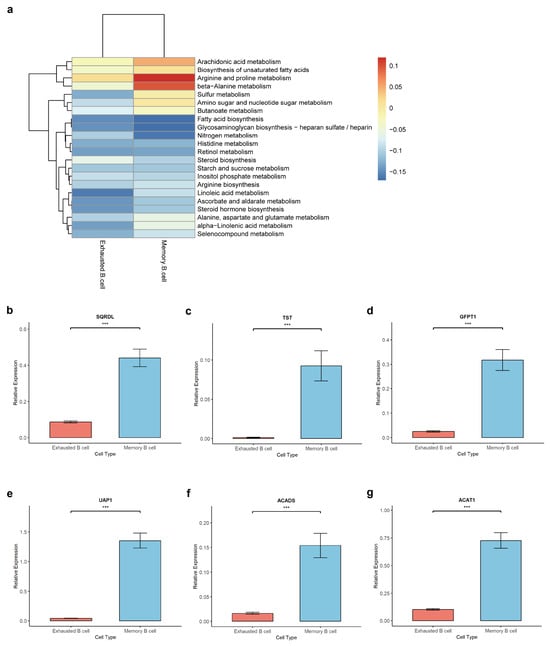
Aim: Disturbances in exhausted and classical memory B cells have been implicated in the pathogenesis of systemic lupus erythematosus (SLE) and lupus nephritis (LN), but the genetic regulation of their homeostasis remains poorly understood. Methods: We analyzed the single-cell RNA-seq data of peripheral blood mononuclear cells (PBMCs) from the NIH SLE dataset (GSE135779) and another published LN single-cell RNA-seq dataset (dbGAP database accession code phs001457.v1.p1). Overlapping differentially expressed genes (DEGs) in exhausted and classical memory B cells from SLE and LN patients were identified, and their altered expression was validated in B cells obtained from LN patients. GO and KEGG analyses were used to analyze associated pathways. The relationships between exhausted and classical memory B cells and cellular metabolic pathways were also assessed. Results: Three DEGs (IFI44L, XAF1, and MX1) were detected in both exhausted and classical memory B cells, and their increased expression was verified in classical and exhausted memory B cells obtained from LN patients during remission. The protein–protein interaction network of the DEGs suggested that STAT1 showed the highest eigenvector centrality for these DEGs. IFI44L, XAF1 and MX1 were involved in distinct biological processes and immune pathways (especially JAK-STAT). Classical memory B cells showed higher expression of genes involved in sulfur metabolism (SQRDL and TST), amino sugar metabolism (GFPT1 and UAP1), and butanoate metabolism (ACADS and ACAT1), while exhausted B cells exhibited inverse relationships with these metabolic pathways. Conclusions: Altered expression of IFI44L, XAF1 and MX1 is associated with distinct metabolic signatures and immune pathways in exhausted and classical memory B cells in SLE and LN.
Full article
(This article belongs to the Special Issue Epigenetic Regulation of Kidney Development)
►▼
Show Figures

Figure 1
Open AccessArticle
Phenotyping of Obstructive Sleep Apnea Syndrome and Association with Cognitive Impairment, a Real-Life Study
by
Filippo Capilupi, Valentino Condoleo, Giandomenico Severini, Giuseppe Armentaro, Corrado Pelaia, Ilaria Gareri, Pasquale Loiacono, Maria Rosangela Scarcelli, Francesco Maruca, Alberto Panza, Marilisa Panza, Sofia Miceli, Raffaele Maio and Angela Sciacqua
Biomedicines 2026, 14(6), 1187; https://doi.org/10.3390/biomedicines14061187 - 24 May 2026
Abstract
Introduction: Obstructive sleep apnea (OSA) is highly prevalent, affecting up to 50% of individuals over 65 years. Elderly patients often present with atypical, fewer and less severe symptoms, suggesting age-specific phenotypes. However, comprehensive clinical phenotyping that incorporates cognitive outcomes remains limited. This study
[...] Read more.
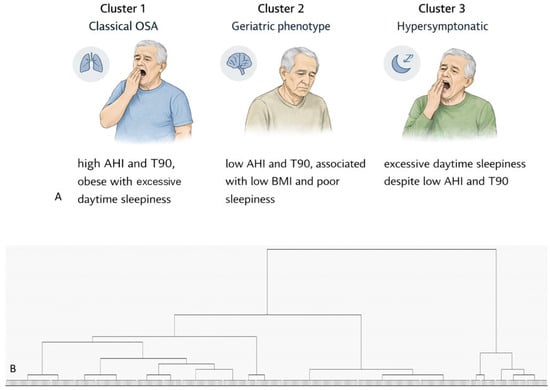
Introduction: Obstructive sleep apnea (OSA) is highly prevalent, affecting up to 50% of individuals over 65 years. Elderly patients often present with atypical, fewer and less severe symptoms, suggesting age-specific phenotypes. However, comprehensive clinical phenotyping that incorporates cognitive outcomes remains limited. This study aimed to characterize OSA phenotypes through cluster analysis and evaluate their association with cognitive impairment, independently of age. Materials and Methods: Between 2020 and 2024, 409 adults with moderate-to-severe OSA were enrolled and stratified into three age groups (<65, 65–74, ≥75 years). All underwent home sleep apnea testing (HSAT), comprehensive symptom assessment, Epworth Sleepiness Scale (ESS), and Montreal Cognitive Assessment (MoCA, pathological ≤ 25 pts). Hierarchical cluster analysis (Ward’s method) used AHI, T90, BMI, and ESS. Logistic regression identified independent predictors of cognitive impairment. Results: Older groups showed lower BMI, higher comorbidity burden, fewer symptoms, and greater cognitive impairment prevalence (4.5% vs. 9.7% vs. 45.9%; p < 0.001), despite comparable polysomnographic severity across age groups. Cluster analysis identified three phenotypes: Cluster 1 (classical OSA: high AHI, BMI, T90, ESS); Cluster 2 (geriatric phenotype: low AHI, BMI, T90, ESS, highest cognitive impairment rate: 27.7%); Cluster 3 (hypersymptomatic: low AHI and T90, high sleepiness and asthenia, prevalent depression). On multivariate regression, age (OR 1.155; p < 0.001), male sex (OR 2.223; p = 0.034), and Cluster 2 (OR 3.131; p < 0.001) were independent predictors of cognitive impairment. Conclusions: Three clinically distinct OSA phenotypes were identified regardless of age and severity. The geriatric phenotype was associated with three-fold increased risk of cognitive impairment, supporting routine cognitive screening and age-adapted diagnostic strategies in elderly OSA patients.
Full article
(This article belongs to the Special Issue Obstructive Sleep Apnea: Mechanisms, Comorbidities, and Optimization of Emerging and Established Therapies)
►▼
Show Figures

Figure 1
Open AccessArticle
Admission Inflammatory Blood Cell Ratios as Prognostic Markers of Functional Outcome After Aneurysmal Subarachnoid Hemorrhage: A Single-Center Retrospective Cohort Study
by
Renata Jabłońska, Robert Ślusarz, Agnieszka Królikowska, Karolina Filipska-Blejder, Magdalena Zając and Paweł Sokal
Biomedicines 2026, 14(6), 1186; https://doi.org/10.3390/biomedicines14061186 - 24 May 2026
Abstract
Background/Objectives: Early functional status at hospital discharge is a clinically relevant outcome after aneurysmal subarachnoid hemorrhage (aSAH), but early prognostic assessment remains challenging. We evaluated whether admission inflammatory blood cell ratios were associated with discharge independence and added prognostic information beyond established
[...] Read more.
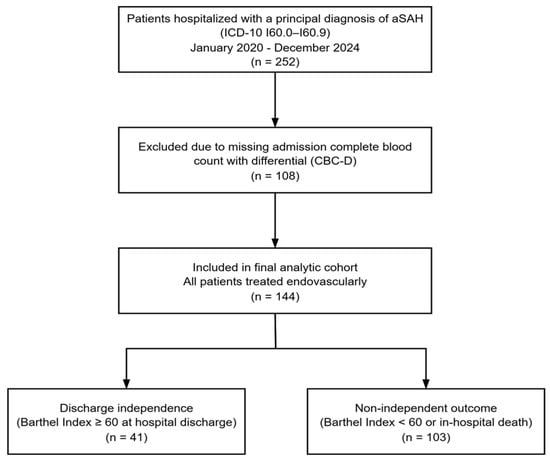
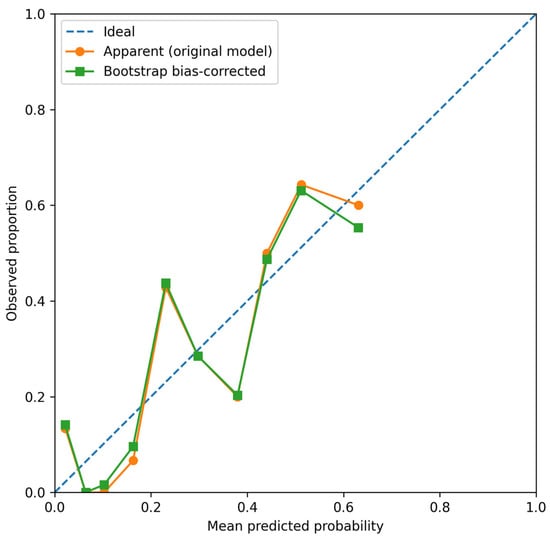
Background/Objectives: Early functional status at hospital discharge is a clinically relevant outcome after aneurysmal subarachnoid hemorrhage (aSAH), but early prognostic assessment remains challenging. We evaluated whether admission inflammatory blood cell ratios were associated with discharge independence and added prognostic information beyond established neurological severity scales. Methods: In this retrospective single-center cohort study, 252 consecutive adults with aSAH were screened, and 144 endovascularly treated patients with available admission complete blood count with differential were included. Discharge independence was defined as a Barthel Index score ≥60 at hospital discharge. A clinical reference model included age, World Federation of Neurosurgical Societies (WFNS) grade, and Hunt–Hess grade. Multivariable logistic regression was used to assess associations between inflammatory ratios and discharge independence. Discrimination was assessed using receiver operating characteristic analysis with DeLong’s test, and the final model was internally validated by bootstrap resampling. Results: Forty-one patients (28.5%) achieved discharge independence. Higher admission neutrophil-to-lymphocyte ratio (NLR) was independently associated with lower odds of discharge independence (adjusted odds ratio 0.47 per interquartile range increase, 95% CI 0.24–0.90; p = 0.022). Adding NLR to the clinical reference model improved discrimination (AUC 0.790 vs. 0.737; p = 0.039), with an optimism-corrected AUC of 0.767 after bootstrap validation. Other inflammatory indices did not significantly improve discrimination. Conclusions: In this single-center retrospective cohort of endovascularly treated patients with aSAH, admission NLR was independently associated with discharge independence and provided modest incremental prognostic information beyond established neurological severity scales.
Full article
(This article belongs to the Section Molecular and Translational Medicine)
►▼
Show Figures

Figure 1
Open AccessReview
Pharmacotherapeutic Options in Drug-Resistant Bipolar Depression: From Molecular Mechanisms to Rational Polypharmacotherapy
by
Dominik Jucha, Michał Klimas, Dominika Wiśniewska, Martyna Winiarska, Mateusz Szczupak, Jacek Kobak and Sabina Krupa-Nurcek
Biomedicines 2026, 14(6), 1185; https://doi.org/10.3390/biomedicines14061185 - 23 May 2026
Abstract
Background/Objectives: Bipolar disorder affects about 40 million people worldwide, and the greatest burden of the disease is associated with depressive episodes. About 25% of patients experience drug-resistant depression, in which standard treatment turns out to be insufficient, and monotherapy often does not
[...] Read more.
Background/Objectives: Bipolar disorder affects about 40 million people worldwide, and the greatest burden of the disease is associated with depressive episodes. About 25% of patients experience drug-resistant depression, in which standard treatment turns out to be insufficient, and monotherapy often does not bring full remission. Despite the use of second-generation antipsychotics, the effectiveness of therapy in TRBD remains limited, which necessitates rational polypharmacotherapy and augmentation strategies. The paper discusses the receptor mechanisms of drug combination, current therapeutic regimens and new interventions such as ketamine acting on the glutamate anergic system. The aim was to synthetically compare the efficacy and safety of available augmentation strategies and polypharmacotherapy. Methods: The material consists of published clinical, observational and randomized trials on pharmacotherapy of drug-resistant bipolar depression, including atypical neuroleptics, ketamine, pramipexole, modafinil, lamotrigine, celecoxib and memantine. The authors analyze receptor mechanisms, neurobiological data and clinical trial results, comparing them with current definitions of TRBD according to ISBD and CINP. Biomarker data, such as the Systemic Immune-Inflammation Index, and the results of neuroimaging and metabolomic studies were also used in the work. Results: The analysis showed that atypical neuroleptics showed limited efficacy and high rates of side effects, while ketamine has the fastest and most pronounced antidepressant effect with a low risk of phase change. Pramipexole has shown promise in terms of long-term efficacy, but its use reduces the high risk of induction of mania and impulse control disorders. Celecoxib as an anti-inflammatory therapy significantly increased response and remission rates compared to escitalopram alone, and memantine showed only an early, short-term antidepressant effect. The results highlight that TRBD requires targeted polypharmacotherapy, with the most promising directions being glutamatergic modulation and anti-inflammatory therapies. Conclusions: Drug-resistant bipolar depression requires a departure from classical monotherapy in favor of rational, mechanistically justified polypharmacotherapy, targeting complex monoaminergic, glutamatergic and neuroinflammatory disorders. Available data indicate that ketamine has the greatest clinical potential among the current strategies, characterized by a rapid onset of action and a favorable safety profile compared to atypical neuroleptics or dopamine agonists. Modulation of inflammatory processes with the use of celecoxib also has promising results, which highlights the importance of biomarkers and personalization of therapy. However, further, large, and well-designed studies are needed to unambiguously determine optimal treatment strategies for TRBD and to verify the effectiveness of new pharmacological interventions.
Full article
(This article belongs to the Section Neurobiology and Clinical Neuroscience)
Open AccessArticle
In Vitro Antiviral Effects of Green-Lipped Mussel Oil and Low-Molecular-Weight Fucoidan on HSV, RSV, and SARS-CoV-2 Pseudovirus
by
Belgheis Ebrahimi, Xu Cindy Yang, Carol Wang, Yiming Yue, Johnson Liu, Jun Lu and John A. Taylor
Biomedicines 2026, 14(6), 1184; https://doi.org/10.3390/biomedicines14061184 - 23 May 2026
Abstract
Background/Objectives: Marine-derived bioactive compounds have attracted increasing interest due to their potential antiviral properties. This study investigated in vitro antiviral activity of oil extracted from the green-lipped mussel (Perna canaliculus, GLM) and low-molecular-weight (LMW) fucoidan from Undaria pinnatifida against three human
[...] Read more.
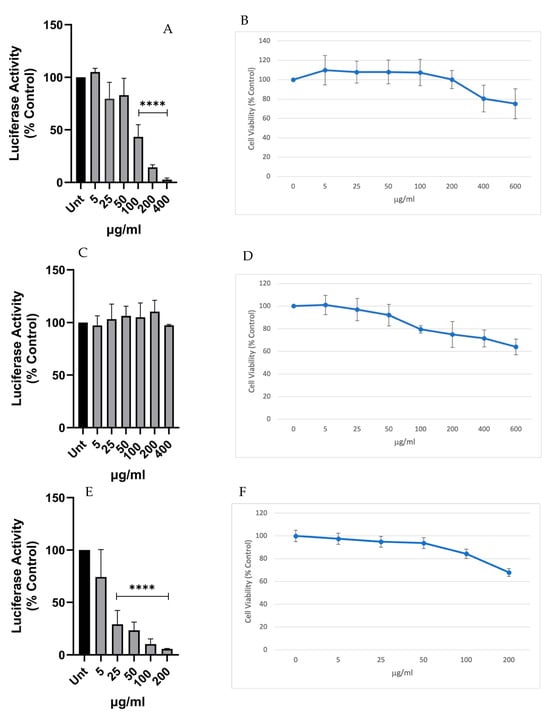
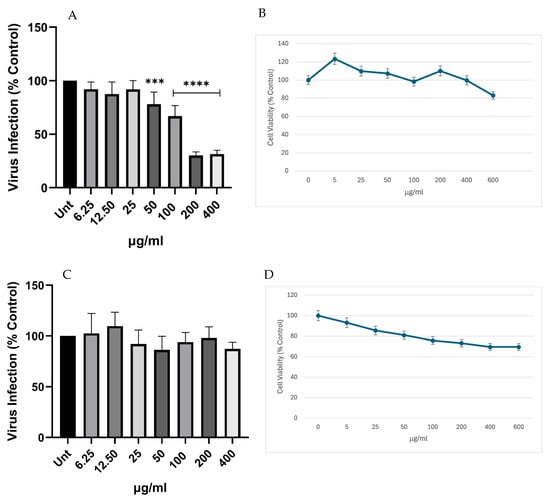
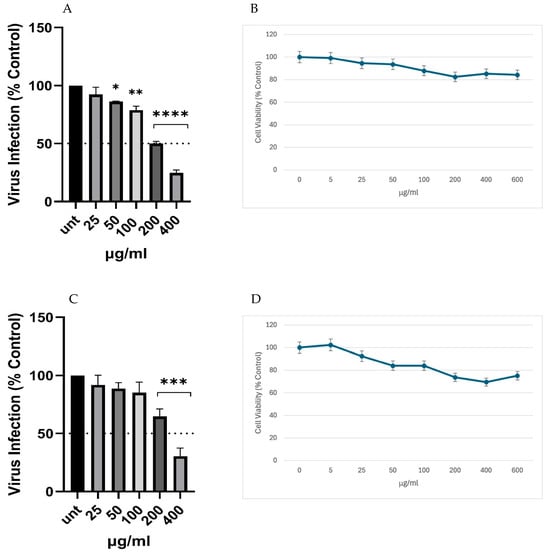
Background/Objectives: Marine-derived bioactive compounds have attracted increasing interest due to their potential antiviral properties. This study investigated in vitro antiviral activity of oil extracted from the green-lipped mussel (Perna canaliculus, GLM) and low-molecular-weight (LMW) fucoidan from Undaria pinnatifida against three human viruses in mammalian cell systems. herpes simplex virus-1 (HSV-1), respiratory syncytial virus (RSV), and SARS-CoV-2. These marine compounds were selected with the longer-term aim of evaluating their combination as a potential synergistic antiviral strategy. Methods: Antiviral efficacy was assessed using complementary assay platforms, including plaque reduction assays in mammalian cell systems and a lentiviral pseudovirus system delivering a bioluminescent reporter gene in HEK293/ACE2 cells pseudotyped with the SARS-CoV-2 spike glycoprotein. Cytotoxicity was assessed in parallel, and the selectivity index (SI) was calculated as the ratio of CC50 to IC50 for each compound and virus tested. Results: GLM oil showed potential antiviral activity against SARS-CoV-2 pseudovirus (SI > 6.20), with limited activity against RSV (SI > 3.48) and HSV-1 (SI > 2.28). In contrast, LMW fucoidan did not demonstrate antiviral activity against any of the tested viruses. Conclusions: These findings support further investigation of GLM-derived bioactive compounds as potential antiviral agents, including studies to elucidate their mechanisms of action and in vivo studies to confirm their antiviral efficacy. Combination studies were not pursued in the present work as both compounds require further optimisation individually; however, future studies should evaluate their combined antiviral potential, as synergistic or additive effects remain plausible.
Full article
(This article belongs to the Section Drug Discovery, Development and Delivery)
►▼
Show Figures

Figure 1
Open AccessArticle
Comparative Gut Microbiome Alterations in Myalgic Encephalomyelitis/Chronic Fatigue Syndrome and Long COVID-19 Syndrome
by
Deyan Donchev, Ralitsa Nikolova, Katya Vaseva, Hristo Taskov, Mariana Murdjeva, Michael Maes and Ivan Nikolaev Ivanov
Biomedicines 2026, 14(6), 1183; https://doi.org/10.3390/biomedicines14061183 - 22 May 2026
Abstract
Background: Myalgic encephalomyelitis/chronic fatigue syndrome (ME/CFS) and long COVID-19 syndrome (LC) show substantial clinical overlap, but direct comparative microbiome studies remain limited. Methods: In this cross-sectional study, we compared the fecal gut microbiome of patients with ME/CFS, LC, and healthy controls (HC) within
[...] Read more.
Background: Myalgic encephalomyelitis/chronic fatigue syndrome (ME/CFS) and long COVID-19 syndrome (LC) show substantial clinical overlap, but direct comparative microbiome studies remain limited. Methods: In this cross-sectional study, we compared the fecal gut microbiome of patients with ME/CFS, LC, and healthy controls (HC) within a unified analytical framework using 16S rRNA profiling, differential abundance testing, and multivariate modeling. We also examined associations between microbiome variation and questionnaire-derived symptom-domain scores. Results: Alpha-diversity did not differ significantly among groups, whereas beta-diversity analyses showed small but significant disease-associated community differences with broad overlap between cohorts. Differential abundance analysis identified stronger signals in disease-versus-control contrasts than in the direct ME/CFS vs. LC contrast. Both ME/CFS and LC shared enrichment of Sutterella and depletion of Terrisporobacter and Lachnospiraceae relative to HC. Predicted functional profiling showed shared disease-versus-control changes in pathways related to anaerobic acetate/H2 carbon flow, inositol/polyol degradation, phosphonate/C1-related metabolism, and lysine-derived fermentation. Regression analyses showed the strongest microbiome associations with fatigue-related and physiosomatic domains, while affective, cognitive, and gastrointestinal outcomes showed weaker signals. Conclusions: Overall, these findings support the presence of overlapping but non-identical gut microbiome alterations in ME/CFS and LC. The results provide a basis for future longitudinal and multi-omics studies aimed at clarifying the stability, functional relevance, and clinical utility of these microbial patterns.
Full article
(This article belongs to the Special Issue The Gut Microbiome in Early Life and Beyond: Implications for Health and Disease)
Open AccessArticle
Antibiotic-Induced Pulmonary Fibrosis: National Database Analysis
by
Olga Butranova, Yury Kustov, Anna Abramova, Sergey Zyryanov, Irina Asetskaya, Elizaveta Terekhina and Vitaly Polivanov
Biomedicines 2026, 14(6), 1182; https://doi.org/10.3390/biomedicines14061182 - 22 May 2026
Abstract
Background: Pulmonary fibrosis (PF) is a major global health issue associated with substantial morbidity across all age groups. One of the important etiological factors contributing to PF is drug-induced lung injury, which can result from both direct and indirect damage to the pulmonary
[...] Read more.
Background: Pulmonary fibrosis (PF) is a major global health issue associated with substantial morbidity across all age groups. One of the important etiological factors contributing to PF is drug-induced lung injury, which can result from both direct and indirect damage to the pulmonary parenchyma caused by various pharmacological agents, including chemotherapeutics, antirheumatic drugs, cardiovascular medications, and certain antimicrobial agents. The aim of our study was to assess the structure of antibacterials involved in drug-induced PF (DIPF) and analyze signals of DIPF, calculating the reporting odds ratio (ROR) and proportional reporting ratio (PRR) using spontaneous reports (SRs) extracted from the Russian National Pharmacovigilance database. Methods: A retrospective, descriptive pharmacoepidemiological analysis of SRs from the AIS database for the period 1 April 2019–31 March 2025 was conducted. Results: A total of 130 SRs with data on DIPF associated with antibacterial agents were identified, with patients’ mean age of 59.1 ± 14.46 years. Death was reported in 65 SRs (50%) with a mean age of 53.0 ± 13.66 years. Next, antibacterials were identified as leaders: sulfamethoxazole (used alone or in combination with trimethoprim, 20.7% (n = 50)), azithromycin (18.2%, n = 44), levofloxacin (12.4%, n = 30), doxycycline (11.6%, n = 28), and cefuroxime (10.7%, n = 26). Disproportionality analysis performed with PRR and ROR calculation revealed the strongest association with DIPF for cefuroxime (PRR = 15.11, 95% confidence interval, CI: 10.25–22.27; ROR = 15.31, 95% confidence interval, CI: 10.33–22.68). Conclusions: Cefuroxime was revealed as a drug with an unexpected but robust safety signal for DIPF, warranting heightened clinical awareness and further investigation. The observed associations between antibacterial agents and DIPF should be interpreted with caution, as they may reflect protopathic bias (antibiotics prescribed for early symptoms of unrecognized pulmonary fibrosis) or context-dependent biological effects rather than true pro-fibrotic drug properties. Our findings do not establish causality but rather generate safety signals that warrant validation through prospective studies with detailed clinical phenotyping and mechanistic investigations using human cell lines.
Full article
(This article belongs to the Special Issue Integrative Insights into Biology, Diagnosis and Treatment of Pulmonary Diseases)
Open AccessReview
Immunotherapy Landscape of Advanced Clear Cell Renal Cell Carcinoma: Targeting the Cancer-Immunity Cycle and Future Perspectives
by
Xuanyu Jin, Junkai Yang, Daojia Miao, Wei Xiong and Zhiyong Xiong
Biomedicines 2026, 14(6), 1181; https://doi.org/10.3390/biomedicines14061181 - 22 May 2026
Abstract
Renal cell carcinoma (RCC) is a predominant malignancy of the urinary system, with clear cell renal cell carcinoma (ccRCC) representing 75–85% of clinical cases. Since the early stages are often asymptomatic, nearly 30% of patients present with metastases at diagnosis, which significantly complicates
[...] Read more.
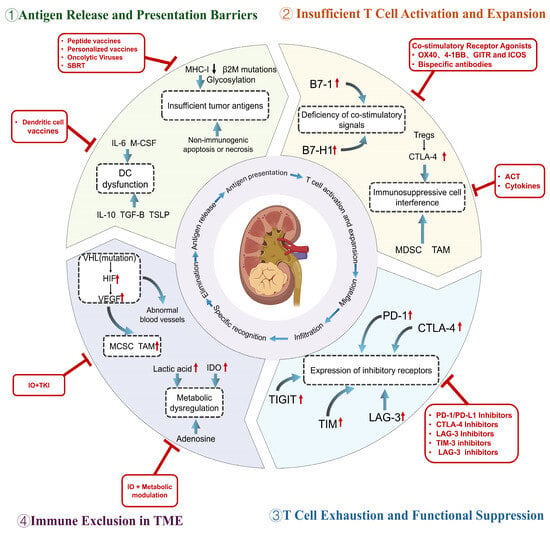
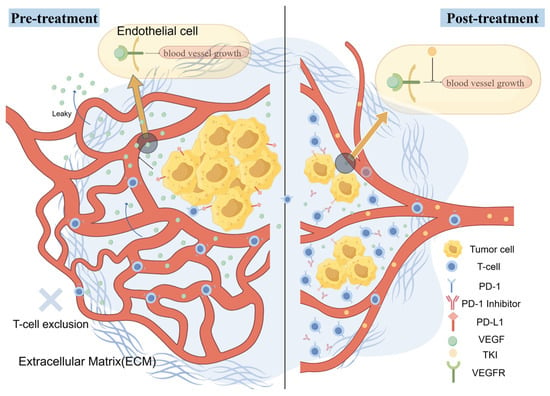
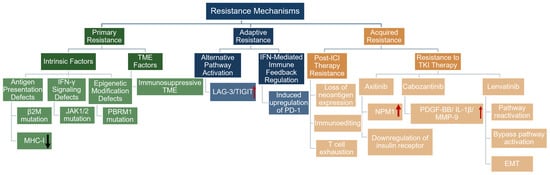
Renal cell carcinoma (RCC) is a predominant malignancy of the urinary system, with clear cell renal cell carcinoma (ccRCC) representing 75–85% of clinical cases. Since the early stages are often asymptomatic, nearly 30% of patients present with metastases at diagnosis, which significantly complicates the prognosis. The diverse mechanisms and clinical indications of current strategies, despite recent breakthroughs in immunotherapy, pose a major challenge for systematic application. This review employs the cancer-immunity cycle as a framework to evaluate four critical steps: antigen presentation, T-cell activation, reversal of exhaustion, and immune evasion in the tumor microenvironment. We introduce the major immunotherapy strategies in RCC in this cycle and summarize their clinical position. Combining immune checkpoint inhibitors (ICIs) with tyrosine kinase inhibitors (TKI) has redefined the first-line standard for advanced RCC by addressing both T-cell infiltration barriers and functional suppression. Standalone approaches such as tumor vaccines and cytokines in contrast have shown limited efficacy in advanced settings. In this context, we further propose emerging research directions, such as individualized immunotherapy and multi-target blockade, and point out the relevant biomarkers, offering an integrated perspective of the RCC immune landscape and providing insights for both clinical practice and future research.
Full article
(This article belongs to the Special Issue Urological Oncology: Advances in Precision Diagnosis and Targeted Therapies)
►▼
Show Figures

Figure 1
Open AccessArticle
Myeloid-Specific Deletion of Lnx2 Attenuates Estrogen-Deficiency-Induced Bone Loss by Inhibiting Osteoclastogenesis via the NUMB/NOTCH2 Axis
by
Wei Wang, Jinhui Zhao, Ang Li, Chen Chen, Weitao Jia and Xiaolin Li
Biomedicines 2026, 14(6), 1180; https://doi.org/10.3390/biomedicines14061180 - 22 May 2026
Abstract
Background: We previously reported that knocking down the ubiquitin E3 ligase LNX2 in bone marrow monocytes by shRNAs attenuated osteoclastogenesis in vitro. However, the role of LNX2 in the regulation of osteoclasts and bone homeostasis in vivo remains unknown. Methods: In this study,
[...] Read more.
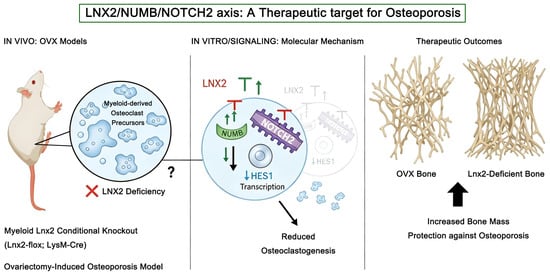
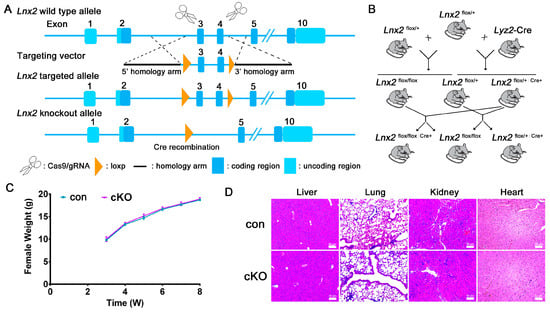
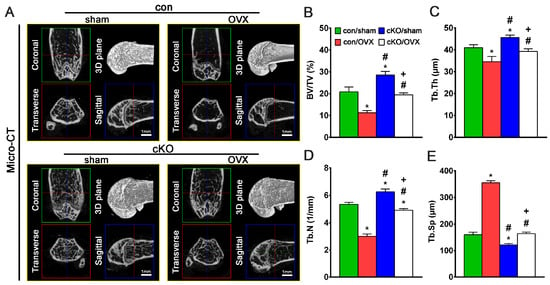
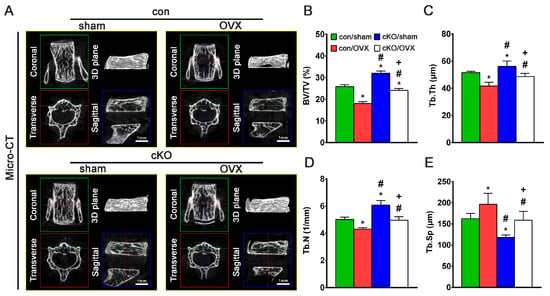
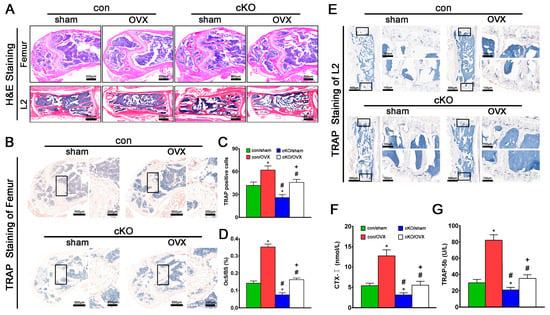
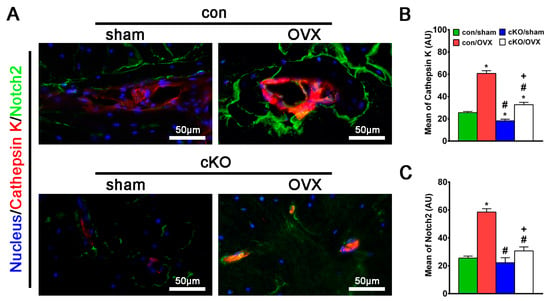
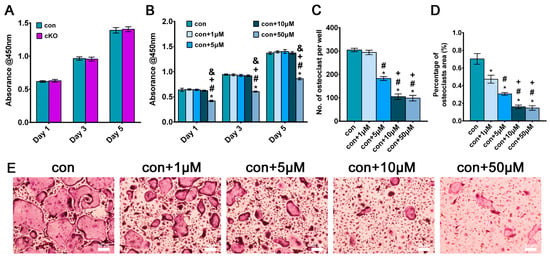
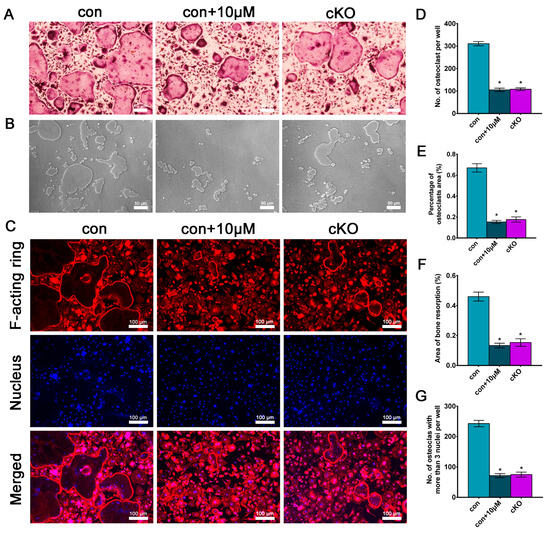
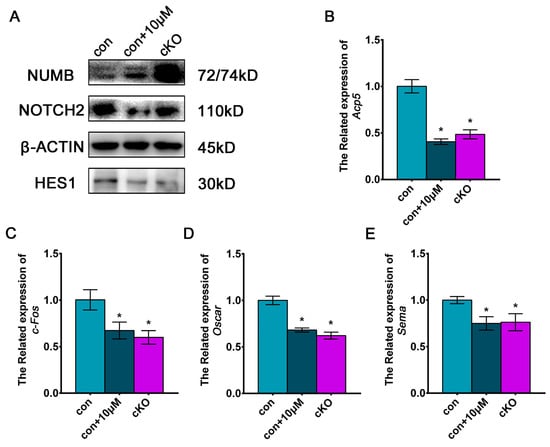
Background: We previously reported that knocking down the ubiquitin E3 ligase LNX2 in bone marrow monocytes by shRNAs attenuated osteoclastogenesis in vitro. However, the role of LNX2 in the regulation of osteoclasts and bone homeostasis in vivo remains unknown. Methods: In this study, we generated myeloid Lnx2 conditional knockout mice by crossing Lnx2-flox mice with LysM-Cre mice. The role of LNX2 was verified through in vitro osteoclast induction experiments using mononuclear macrophages and experiments on estrogen-deficient osteoporosis models. Results: Micro-CT and histological analysis unveiled that loss of Lnx2 in osteoclast precursor cells decreased osteoclast numbers and increased trabecular bone mass in mice. Moreover, Lnx2 deficiency prevented bone loss in an ovariectomized mouse model of postmenopausal osteoporosis. In vitro mechanistic studies identified that the loss of Lnx2 had little effect on cell proliferation but significantly inhibited the formation of osteoclasts and bone resorption. Furthermore, the deletion of Lnx2 decreased the expression of NOTCH2 and its downstream HES1 via enhancing the level of the NOTCH2 inhibitor, NUMB. Conclusions: Our findings elucidate an important role of Lnx2 in the regulation of osteoclasts and bone metabolism and indicate that Lnx2 is a potential therapeutic target for the treatment of osteoporosis.
Full article
(This article belongs to the Topic Bone-Related Diseases: From Molecular Mechanisms to Therapy Development—2nd Edition)
►▼
Show Figures

Graphical abstract
Journal Menu
► ▼ Journal Menu-
- Biomedicines Home
- Aims & Scope
- Editorial Board
- Reviewer Board
- Instructions for Authors
- Special Issues
- Topics
- Sections & Collections
- Article Processing Charge
- Indexing & Archiving
- Editor’s Choice Articles
- Most Cited & Viewed
- Journal Statistics
- Journal History
- Journal Awards
- Conferences
- Editorial Office
Journal Browser
► ▼ Journal BrowserHighly Accessed Articles
Latest Books
E-Mail Alert
News
Topics
Topic in
Biomedicines, Cancers, JCM, Nanomaterials, Pharmaceutics, JNT
Application of Nanomaterials and Nanobiotechnology in Cancer
Topic Editors: Ayan Kumar Barui, Susheel Kumar NethiDeadline: 31 May 2026
Topic in
Biomedicines, IJMS, JCM, Medicina, Neurology International
Advances in Exercise-Induced Neurogenesis, Neuronal and Functional Adaptations in Neurorehabilitation
Topic Editors: Carlos Bernal-Utrera, Cleofas Rodriguez-Blanco, Maria Livia Carrascal MorenoDeadline: 29 June 2026
Topic in
Antioxidants, Biomedicines, IJMS, Life, Oxygen, Cosmetics, Nutraceuticals
Oxidative Stress and Inflammation, 3rd Edition
Topic Editors: Maria Letizia Manca, Amparo Nacher, Matteo Perra, Ines Castangia, Mohamad AllawDeadline: 31 July 2026
Topic in
Biomedicines, Biomolecules, Cancers, Cells, Hematology Reports, IJMS
Advances in Molecular Pathogenesis and Targeted Therapies for Multiple Myeloma
Topic Editors: Chung Hoow Kok, Cindy H. S. Lee, Claudio CerchioneDeadline: 3 August 2026
Conferences
Special Issues
Special Issue in
Biomedicines
Feature Reviews in Gastrointestinal and Liver Diseases
Guest Editor: Agata MichalakDeadline: 30 May 2026
Special Issue in
Biomedicines
State-of-the-Art Endocrine Cancer Biology and Oncology
Guest Editor: Piotr GlinickiDeadline: 31 May 2026
Special Issue in
Biomedicines
Advanced Research in Anticancer Inhibitors and Targeted Therapy
Guest Editors: Changmin Peng, Hassan EbrahimDeadline: 31 May 2026
Special Issue in
Biomedicines
Unveiling the Genetic Architecture of Complex and Common Diseases
Guest Editor: Mahmut Cerkez ErgorenDeadline: 31 May 2026
Topical Collections
Topical Collection in
Biomedicines
Feature Papers in Gene and Cell Therapy
Collection Editor: Bernard Lebleu
Topical Collection in
Biomedicines
Cardiovascular Disease: From the Pathogenesis to Novel Therapeutic Approaches
Collection Editors: Celestino Sardu, Raffaele Marfella
Topical Collection in
Biomedicines
Feature Papers in Biomedical Materials
Collection Editor: Mike Barbeck
Topical Collection in
Biomedicines
Advances in Leukocyte Biology
Collection Editors: Galina F. Sud’ina, Mihnea Zdrenghea