

-
Rationally Designed Dual Kinase Inhibitors for Management of Obstructive Sleep Apnea—A Computational Study -
Therapeutic Exosomes Carrying VEGFA siRNA Inhibit Pathological Corneal Angiogenesis via PI3K–Akt–Caspase-3 Signaling -
Albumin-Bound Fatty Acids Modulate Endogenous Angiotensin-Converting Enzyme (ACE) Inhibition -
Most Promising Emerging Therapies for Pulmonary Fibrosis: Targeting Novel Pathways
Journal Description
Biomedicines
Biomedicines
is an international, peer-reviewed, open access journal on biomedicines published monthly online by MDPI.
- Open Access— free for readers, with article processing charges (APC) paid by authors or their institutions.
- High Visibility: indexed within Scopus, SCIE (Web of Science), PubMed, PMC, CAPlus / SciFinder, and other databases.
- Journal Rank: JCR - Q1 (Pharmacology and Pharmacy) / CiteScore - Q1 (Medicine (miscellaneous))
- Rapid Publication: manuscripts are peer-reviewed and a first decision is provided to authors approximately 21 days after submission; acceptance to publication is undertaken in 2.8 days (median values for papers published in this journal in the second half of 2025).
- Recognition of Reviewers: reviewers who provide timely, thorough peer-review reports receive vouchers entitling them to a discount on the APC of their next publication in any MDPI journal, in appreciation of the work done.
- Companion journals for Biomedicines include: IJTM, BioMed, Anesthesia Research and Emergency Care and Medicine.
Impact Factor:
3.9 (2024);
5-Year Impact Factor:
4.2 (2024)
Latest Articles
Comparative Gut Microbiome Alterations in Myalgic Encephalomyelitis/Chronic Fatigue Syndrome and Long COVID-19 Syndrome
Biomedicines 2026, 14(6), 1183; https://doi.org/10.3390/biomedicines14061183 - 22 May 2026
Abstract
Background: Myalgic encephalomyelitis/chronic fatigue syndrome (ME/CFS) and long COVID-19 syndrome (LC) show substantial clinical overlap, but direct comparative microbiome studies remain limited. Methods: In this cross-sectional study, we compared the fecal gut microbiome of patients with ME/CFS, LC, and healthy controls (HC) within
[...] Read more.
Background: Myalgic encephalomyelitis/chronic fatigue syndrome (ME/CFS) and long COVID-19 syndrome (LC) show substantial clinical overlap, but direct comparative microbiome studies remain limited. Methods: In this cross-sectional study, we compared the fecal gut microbiome of patients with ME/CFS, LC, and healthy controls (HC) within a unified analytical framework using 16S rRNA profiling, differential abundance testing, and multivariate modeling. We also examined associations between microbiome variation and questionnaire-derived symptom-domain scores. Results: Alpha-diversity did not differ significantly among groups, whereas beta-diversity analyses showed small but significant disease-associated community differences with broad overlap between cohorts. Differential abundance analysis identified stronger signals in disease-versus-control contrasts than in the direct ME/CFS vs. LC contrast. Both ME/CFS and LC shared enrichment of Sutterella and depletion of Terrisporobacter and Lachnospiraceae relative to HC. Predicted functional profiling showed shared disease-versus-control changes in pathways related to anaerobic acetate/H2 carbon flow, inositol/polyol degradation, phosphonate/C1-related metabolism, and lysine-derived fermentation. Regression analyses showed the strongest microbiome associations with fatigue-related and physiosomatic domains, while affective, cognitive, and gastrointestinal outcomes showed weaker signals. Conclusions: Overall, these findings support the presence of overlapping but non-identical gut microbiome alterations in ME/CFS and LC. The results provide a basis for future longitudinal and multi-omics studies aimed at clarifying the stability, functional relevance, and clinical utility of these microbial patterns.
Full article
(This article belongs to the Special Issue The Gut Microbiome in Early Life and Beyond: Implications for Health and Disease)
Open AccessArticle
Antibiotic-Induced Pulmonary Fibrosis: National Database Analysis
by
Olga Butranova, Yury Kustov, Anna Abramova, Sergey Zyryanov, Irina Asetskaya, Elizaveta Terekhina and Vitaly Polivanov
Biomedicines 2026, 14(6), 1182; https://doi.org/10.3390/biomedicines14061182 - 22 May 2026
Abstract
Background: Pulmonary fibrosis (PF) is a major global health issue associated with substantial morbidity across all age groups. One of the important etiological factors contributing to PF is drug-induced lung injury, which can result from both direct and indirect damage to the pulmonary
[...] Read more.
Background: Pulmonary fibrosis (PF) is a major global health issue associated with substantial morbidity across all age groups. One of the important etiological factors contributing to PF is drug-induced lung injury, which can result from both direct and indirect damage to the pulmonary parenchyma caused by various pharmacological agents, including chemotherapeutics, antirheumatic drugs, cardiovascular medications, and certain antimicrobial agents. The aim of our study was to assess the structure of antibacterials involved in drug-induced PF (DIPF) and analyze signals of DIPF, calculating the reporting odds ratio (ROR) and proportional reporting ratio (PRR) using spontaneous reports (SRs) extracted from the Russian National Pharmacovigilance database. Methods: A retrospective, descriptive pharmacoepidemiological analysis of SRs from the AIS database for the period 1 April 2019–31 March 2025 was conducted. Results: A total of 130 SRs with data on DIPF associated with antibacterial agents were identified, with patients’ mean age of 59.1 ± 14.46 years. Death was reported in 65 SRs (50%) with a mean age of 53.0 ± 13.66 years. Next, antibacterials were identified as leaders: sulfamethoxazole (used alone or in combination with trimethoprim, 20.7% (n = 50)), azithromycin (18.2%, n = 44), levofloxacin (12.4%, n = 30), doxycycline (11.6%, n = 28), and cefuroxime (10.7%, n = 26). Disproportionality analysis performed with PRR and ROR calculation revealed the strongest association with DIPF for cefuroxime (PRR = 15.11, 95% confidence interval, CI: 10.25–22.27; ROR = 15.31, 95% confidence interval, CI: 10.33–22.68). Conclusions: Cefuroxime was revealed as a drug with an unexpected but robust safety signal for DIPF, warranting heightened clinical awareness and further investigation. The observed associations between antibacterial agents and DIPF should be interpreted with caution, as they may reflect protopathic bias (antibiotics prescribed for early symptoms of unrecognized pulmonary fibrosis) or context-dependent biological effects rather than true pro-fibrotic drug properties. Our findings do not establish causality but rather generate safety signals that warrant validation through prospective studies with detailed clinical phenotyping and mechanistic investigations using human cell lines.
Full article
(This article belongs to the Special Issue Integrative Insights into Biology, Diagnosis and Treatment of Pulmonary Diseases)
Open AccessReview
Immunotherapy Landscape of Advanced Clear Cell Renal Cell Carcinoma: Targeting the Cancer-Immunity Cycle and Future Perspectives
by
Xuanyu Jin, Junkai Yang, Daojia Miao, Wei Xiong and Zhiyong Xiong
Biomedicines 2026, 14(6), 1181; https://doi.org/10.3390/biomedicines14061181 - 22 May 2026
Abstract
Renal cell carcinoma (RCC) is a predominant malignancy of the urinary system, with clear cell renal cell carcinoma (ccRCC) representing 75–85% of clinical cases. Since the early stages are often asymptomatic, nearly 30% of patients present with metastases at diagnosis, which significantly complicates
[...] Read more.
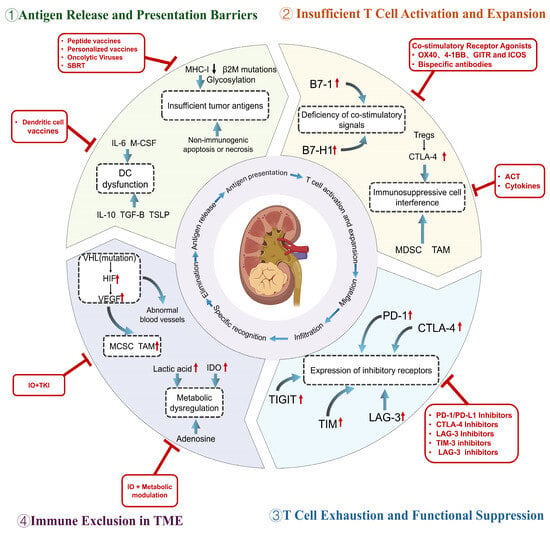
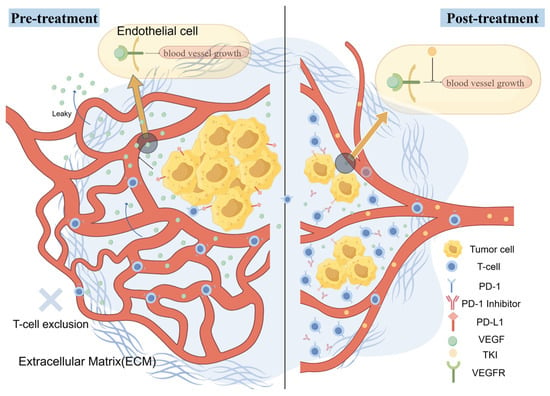
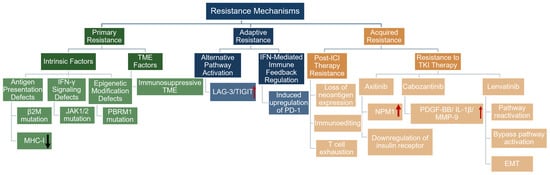
Renal cell carcinoma (RCC) is a predominant malignancy of the urinary system, with clear cell renal cell carcinoma (ccRCC) representing 75–85% of clinical cases. Since the early stages are often asymptomatic, nearly 30% of patients present with metastases at diagnosis, which significantly complicates the prognosis. The diverse mechanisms and clinical indications of current strategies, despite recent breakthroughs in immunotherapy, pose a major challenge for systematic application. This review employs the cancer-immunity cycle as a framework to evaluate four critical steps: antigen presentation, T-cell activation, reversal of exhaustion, and immune evasion in the tumor microenvironment. We introduce the major immunotherapy strategies in RCC in this cycle and summarize their clinical position. Combining immune checkpoint inhibitors (ICIs) with tyrosine kinase inhibitors (TKI) has redefined the first-line standard for advanced RCC by addressing both T-cell infiltration barriers and functional suppression. Standalone approaches such as tumor vaccines and cytokines in contrast have shown limited efficacy in advanced settings. In this context, we further propose emerging research directions, such as individualized immunotherapy and multi-target blockade, and point out the relevant biomarkers, offering an integrated perspective of the RCC immune landscape and providing insights for both clinical practice and future research.
Full article
(This article belongs to the Special Issue Urological Oncology: Advances in Precision Diagnosis and Targeted Therapies)
►▼
Show Figures

Figure 1
Open AccessArticle
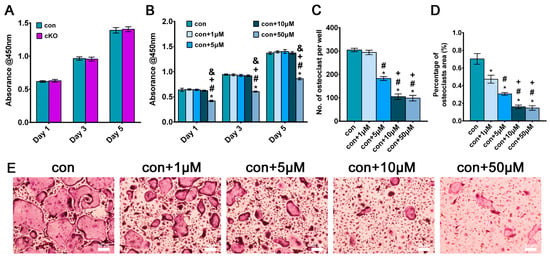
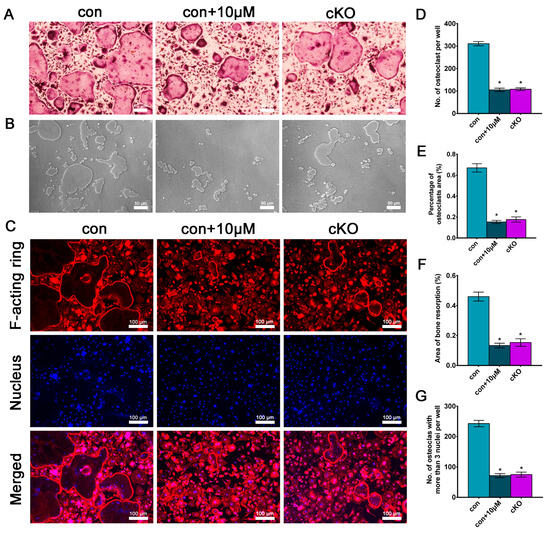
Myeloid-Specific Deletion of Lnx2 Attenuates Estrogen-Deficiency-Induced Bone Loss by Inhibiting Osteoclastogenesis via the NUMB/NOTCH2 Axis
by
Wei Wang, Jinhui Zhao, Ang Li, Chen Chen, Weitao Jia and Xiaolin Li
Biomedicines 2026, 14(6), 1180; https://doi.org/10.3390/biomedicines14061180 - 22 May 2026
Abstract
Background: We previously reported that knocking down the ubiquitin E3 ligase LNX2 in bone marrow monocytes by shRNAs attenuated osteoclastogenesis in vitro. However, the role of LNX2 in the regulation of osteoclasts and bone homeostasis in vivo remains unknown. Methods: In this study,
[...] Read more.
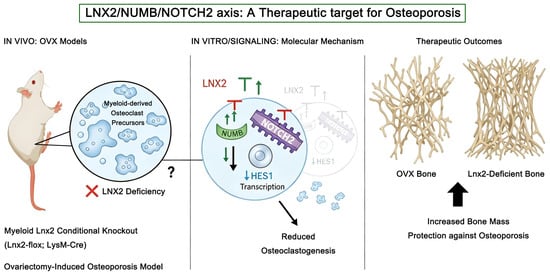
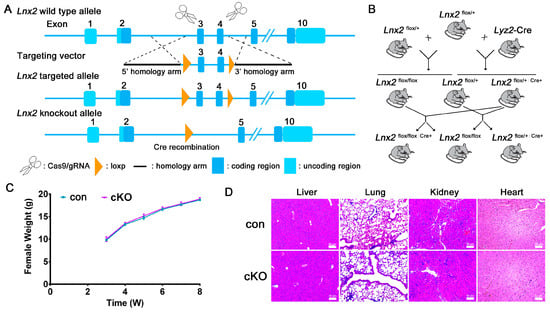
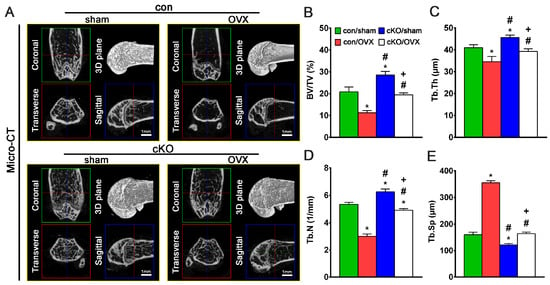
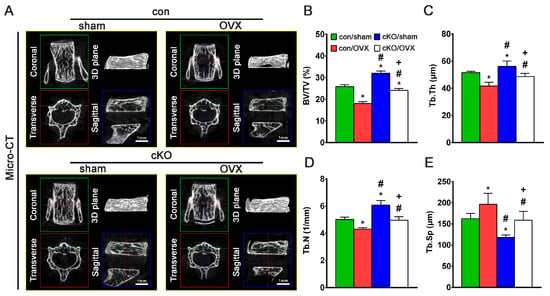
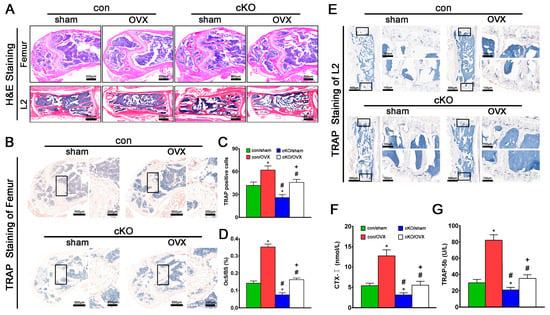
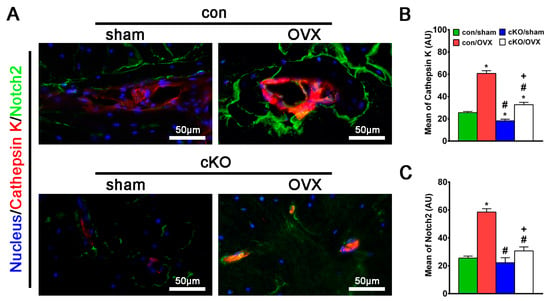
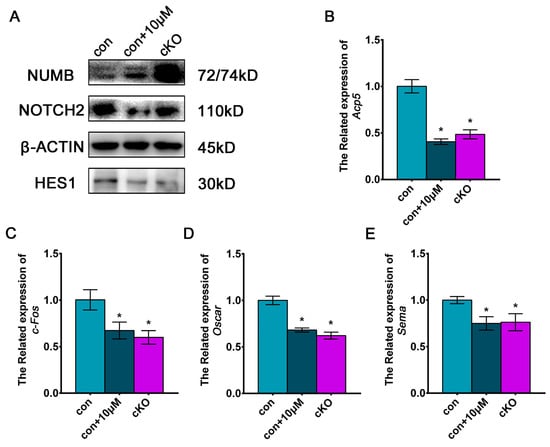
Background: We previously reported that knocking down the ubiquitin E3 ligase LNX2 in bone marrow monocytes by shRNAs attenuated osteoclastogenesis in vitro. However, the role of LNX2 in the regulation of osteoclasts and bone homeostasis in vivo remains unknown. Methods: In this study, we generated myeloid Lnx2 conditional knockout mice by crossing Lnx2-flox mice with LysM-Cre mice. The role of LNX2 was verified through in vitro osteoclast induction experiments using mononuclear macrophages and experiments on estrogen-deficient osteoporosis models. Results: Micro-CT and histological analysis unveiled that loss of Lnx2 in osteoclast precursor cells decreased osteoclast numbers and increased trabecular bone mass in mice. Moreover, Lnx2 deficiency prevented bone loss in an ovariectomized mouse model of postmenopausal osteoporosis. In vitro mechanistic studies identified that the loss of Lnx2 had little effect on cell proliferation but significantly inhibited the formation of osteoclasts and bone resorption. Furthermore, the deletion of Lnx2 decreased the expression of NOTCH2 and its downstream HES1 via enhancing the level of the NOTCH2 inhibitor, NUMB. Conclusions: Our findings elucidate an important role of Lnx2 in the regulation of osteoclasts and bone metabolism and indicate that Lnx2 is a potential therapeutic target for the treatment of osteoporosis.
Full article
(This article belongs to the Topic Bone-Related Diseases: From Molecular Mechanisms to Therapy Development—2nd Edition)
►▼
Show Figures

Graphical abstract
Open AccessArticle
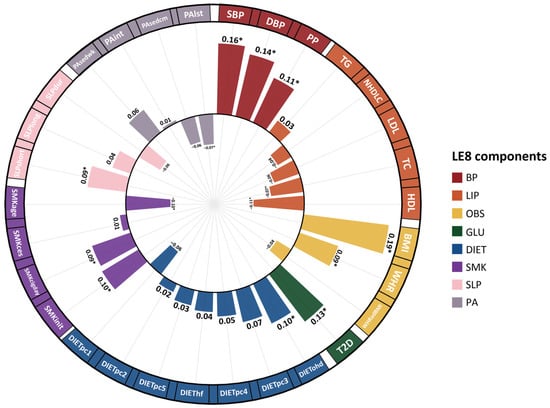
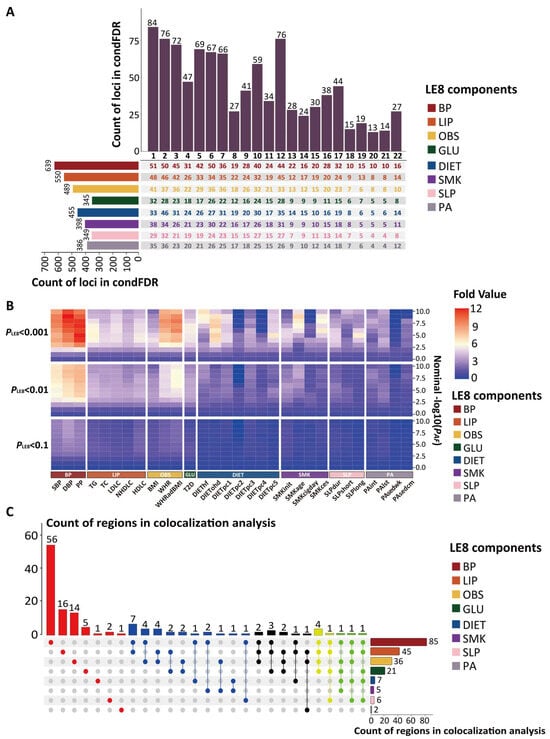
Uncovering Novel Atrial Fibrillation Genetics Through Pleiotropic Overlap with Life’s Essential 8
by
Jingxian Wu, Xueying Qin, Shuting Xie, Liuyan Zheng, Huan Yu, Huairong Wang, Yalin Chen, Teng Li, Tao Wu, Dafang Chen, Yonghua Hu and Yiqun Wu
Biomedicines 2026, 14(6), 1179; https://doi.org/10.3390/biomedicines14061179 - 22 May 2026
Abstract
Background/Objectives: Atrial fibrillation (AF) is a complex polygenic disorder; its genetic architecture remains challenging to fully elucidate. Methods: In this study, we leveraged the extensive genetic overlap between AF and a spectrum of cardiometabolic and behavioral factors—collectively defined by Life’s Essential
[...] Read more.
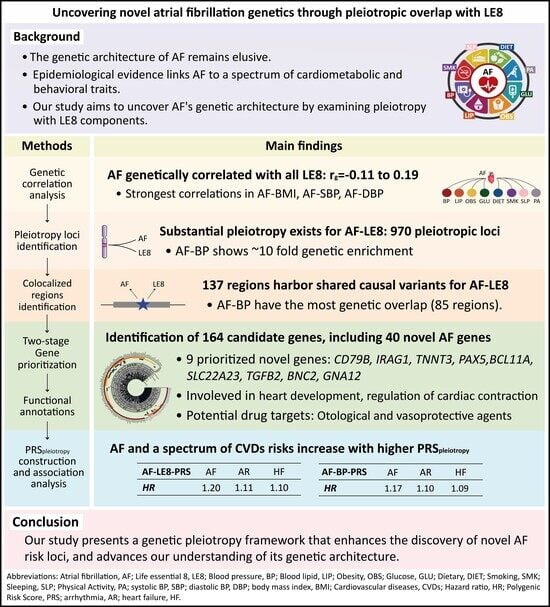
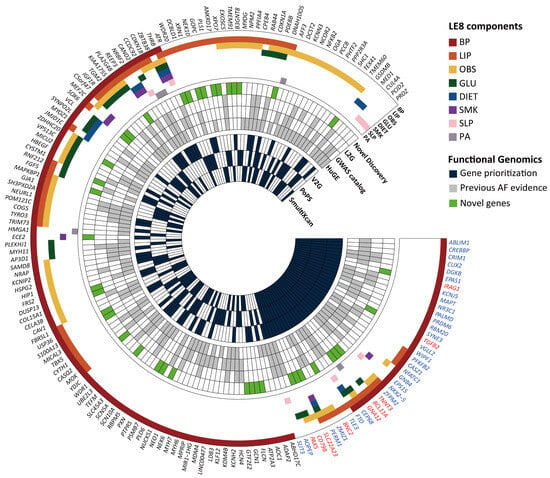
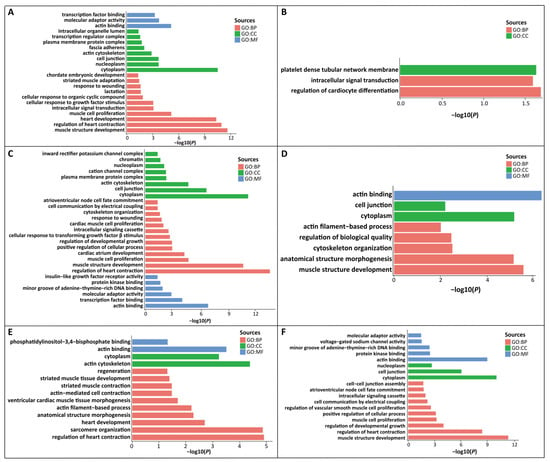
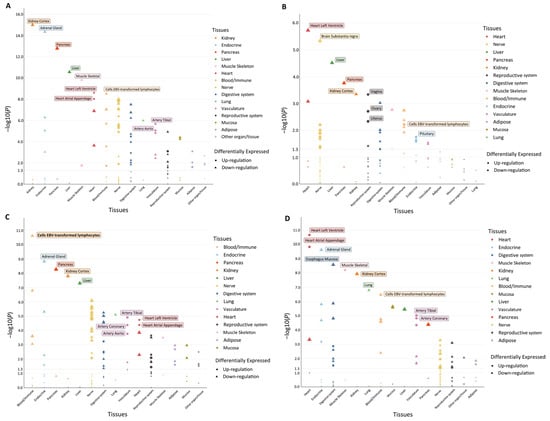
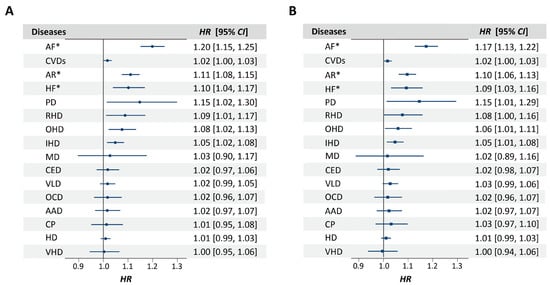
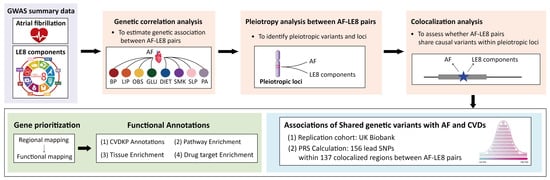
Background/Objectives: Atrial fibrillation (AF) is a complex polygenic disorder; its genetic architecture remains challenging to fully elucidate. Methods: In this study, we leveraged the extensive genetic overlap between AF and a spectrum of cardiometabolic and behavioral factors—collectively defined by Life’s Essential 8 (LE8)—to advance our understanding of its etiology. Results: We first estimated significant genetic correlations between AF and all LE8 components (rg: −0.11 to 0.19) using LD score regression. We then applied conditional false discovery rate analysis and detected 970 pleiotropic loci associated with AF and at least one LE8 trait. Subsequent colocalization analysis identified 179 loci harboring shared causal variants between AF and one or more LE8 components, which were further refined into 137 distinct colocalized regions. Through region-based annotation and functional predictors, we finally prioritized 164 candidate genes from these colocalized loci, including 40 novel genes. These candidate genes were enriched in pathways related to heart development and regulation of cardiac contraction, and were also enriched among molecular targets of otological agents. Among all LE8 components, blood pressure demonstrated the most extensive shared genetic architecture with AF, supported by the strongest genetic correlation, highest pleiotropic enrichment, and the greatest number of colocalized loci with AF. Polygenic risk scores constructed from these colocalized loci demonstrated significant associations not only for AF but also for arrhythmia and heart failure. Conclusions: Our findings establish a genetic pleiotropy-informed framework that enhances the discovery of novel risk loci of AF and advances our understanding of the shared genetic architecture and potential biological mechanisms between AF and LE8 components.
Full article
(This article belongs to the Section Gene and Cell Therapy)
►▼
Show Figures

Graphical abstract
Open AccessArticle
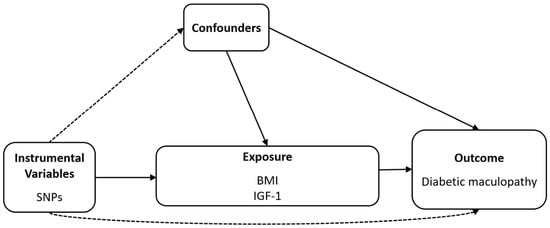
Insulin Resistance-Related Traits and Diabetic Maculopathy: Causal Insights from Mendelian Randomization
by
Young Lee, Je Hyun Seo and Sung Pyo Park
Biomedicines 2026, 14(6), 1178; https://doi.org/10.3390/biomedicines14061178 - 22 May 2026
Abstract
Background/Objectives: To investigate the causal relationships linking body mass index (BMI) and circulating insulin-like growth factor 1 (IGF-1) levels with diabetic maculopathy risk using two-sample Mendelian randomization (MR). Methods: A two-sample MR framework was applied, utilizing genetic instruments for BMI and IGF-1
[...] Read more.
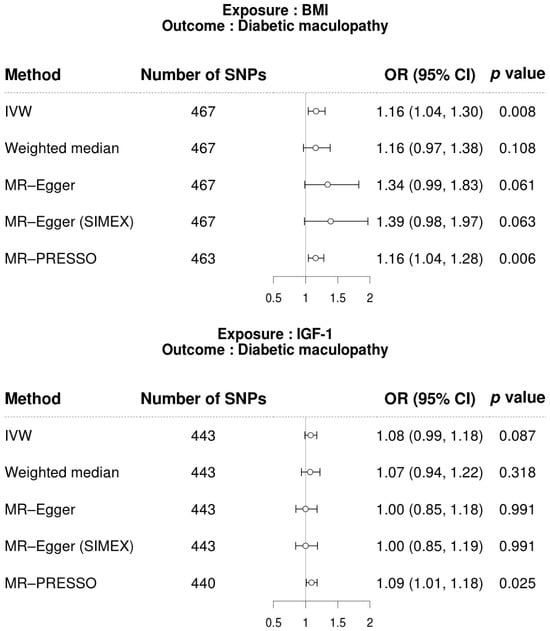
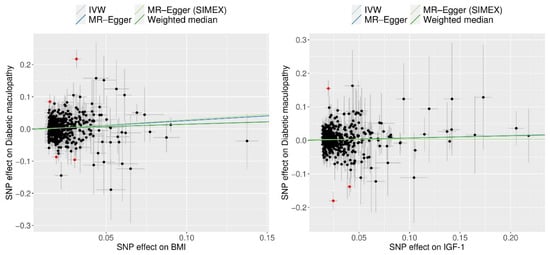
Background/Objectives: To investigate the causal relationships linking body mass index (BMI) and circulating insulin-like growth factor 1 (IGF-1) levels with diabetic maculopathy risk using two-sample Mendelian randomization (MR). Methods: A two-sample MR framework was applied, utilizing genetic instruments for BMI and IGF-1 derived from the UK Biobank. Summary-level diabetic maculopathy data were obtained from the FinnGen consortium. Genome-wide significant single-nucleotide polymorphisms (SNPs, p < 5.0 × 10⁻⁸) independently associated with each exposure were employed as instrumental variables. Primary causal estimates were obtained using the inverse-variance weighted (IVW) method. Sensitivity analyses, including MR-Egger regression, weighted median methods, and the MR-Pleiotropy RESidual Sum and Outlier (MR-PRESSO), were conducted to evaluate robustness and potential pleiotropy. Results: Genetically predicted BMI was positively associated with diabetic maculopathy risk in both the IVW analysis (odds ratio [OR] = 1.16 (95% confidence interval [CI]: 1.04–1.30), p = 0.008) and MR-PRESSO (OR = 1.16 (95% CI: 1.04–1.28), p = 0.006). MR-PRESSO exhibited a significant relationship between higher IGF-1 levels and increased diabetic maculopathy risk (OR = 1.09 (95% CI: 1.01–1.18), p = 0.025), whereas the IVW method indicated only a suggestive association (OR = 1.08 (95% CI: 0.99–1.18), p = 0.087). Conclusions: The genetic evidence supports a causal role of insulin resistance-related traits in diabetic maculopathy development, with higher BMI and IGF-1 levels increasing diabetic maculopathy risk. These results underscore the potential contributory role of IGF-1 in disease pathogenesis and suggest that insulin resistance-related traits may represent preventive therapeutic targets.
Full article
(This article belongs to the Special Issue Molecular Research on Diabetic Retinopathy (DR))
►▼
Show Figures

Figure 1
Open AccessArticle
Non-Criteria Antiphospholipid Antibodies in Women with Recurrent Pregnancy Loss
by
Madina Khalmirzaeva, Gulfiruz Urazbayeva, Almagul Kurmanova, Nagima Mamedalieva, Gaukhar Kurmanova, Damilya Salimbayeva, Ainur Veliyeva, Gaini Anartayeva, Zhanar Kypshakbayeva, Shugyla Amirtayeva and Altynay Nurmakova
Biomedicines 2026, 14(6), 1177; https://doi.org/10.3390/biomedicines14061177 - 22 May 2026
Abstract
Background: Recurrent pregnancy loss (RPL) remains etiologically unexplained in 40–50% of cases following standard diagnostic workup. Non-criteria antiphospholipid antibodies (non-criteria aPL) are increasingly considered potential markers of seronegative obstetric antiphospholipid syndrome (APS); however, their diagnostic value in this clinical setting requires further
[...] Read more.
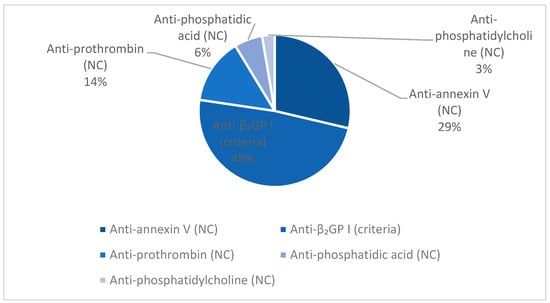
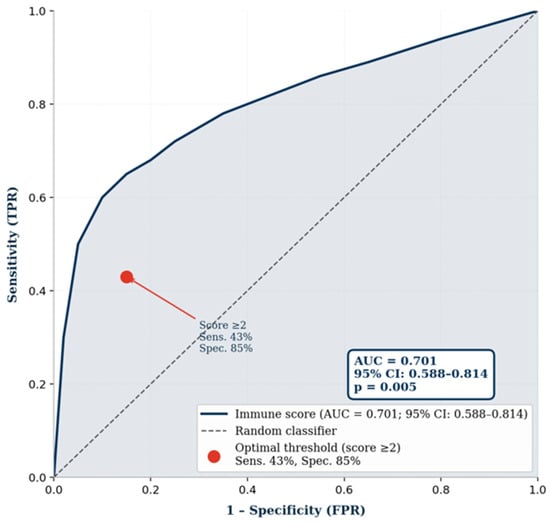
Background: Recurrent pregnancy loss (RPL) remains etiologically unexplained in 40–50% of cases following standard diagnostic workup. Non-criteria antiphospholipid antibodies (non-criteria aPL) are increasingly considered potential markers of seronegative obstetric antiphospholipid syndrome (APS); however, their diagnostic value in this clinical setting requires further investigation. Objective: To assess the diagnostic value of non-criteria aPL in women with RPL and to construct an exploratory immunological scoring model for diagnostic stratification. Methods: Antiphospholipid antibody detection was performed using a single-measurement semi-quantitative line immunoblot assay (Anti-Phospholipid 10 Dot, Generic Assays, Germany). Statistical analysis included χ2, Fisher’s exact test, Mann–Whitney U test, binary logistic regression, and ROC analysis. Results: Statistically significant associations with RPL were observed for anti-prothrombin antibodies (OR = 11.1; 95% CI 1.8–68.0; p = 0.022 [Haldane–Anscombe correction]), anti-annexin V (OR = 4.28; 95% CI 1.18–15.6; p = 0.023), and anti-β2GP I (OR = 3.31; 95% CI 1.18–9.28; p = 0.019). The exploratory composite immunological score demonstrated moderate discriminatory performance (AUC = 0.701; 95% CI 0.588–0.814; p = 0.005). The overall logistic regression model was statistically significant (χ2 = 8.564; p = 0.036), although none of the individual predictors retained independent significance, indicating a contribution of cumulative immunological burden rather than any single marker. Conclusions: In this single-center cross-sectional study, non-criteria aPL were frequently detected in women with RPL and were statistically associated with the condition. The findings should be interpreted as hypothesis-generating only, given the cross-sectional design, single-measurement immunoblot, small control group, and absence of external validation. Confirmation in larger prospective multicenter cohorts using ELISA-based assays with the internationally recommended 12-week repeat measurement is required before any clinical implementation.
Full article
(This article belongs to the Special Issue Immunology in Recurrent Pregnancy Loss, Preeclampsia and Infertility)
►▼
Show Figures

Figure 1
Open AccessArticle
Pulmonary Function in Parkinson’s Disease: A Comparative Study of Spirometry and Impulse Oscillometry
by
Alexandra-Cristiana Gache, Elena Danteș, Ariadna-Petronela Fildan, Andreea-Cristina Postu, Viorica Zamfir, Adina-Milena Man, Nicoleta-Larisa Șerban, Irene Rășanu and Any Axelerad
Biomedicines 2026, 14(5), 1176; https://doi.org/10.3390/biomedicines14051176 - 21 May 2026
Abstract
Background/Objectives: Respiratory dysfunction in Parkinson’s disease (PD) is a clinically relevant but frequently underrecognized manifestation associated with functional impairment and increased risk of respiratory complications. This study compared spirometry and impulse oscillometry (IOS) in the assessment of respiratory function in PD, with particular
[...] Read more.
Background/Objectives: Respiratory dysfunction in Parkinson’s disease (PD) is a clinically relevant but frequently underrecognized manifestation associated with functional impairment and increased risk of respiratory complications. This study compared spirometry and impulse oscillometry (IOS) in the assessment of respiratory function in PD, with particular focus on the detection of subtle or peripheral airway abnormalities. Methods: A prospective, single-center, cross-sectional study was conducted, including 108 participants (55 patients with PD and 53 control subjects). Pulmonary function was evaluated using standardized spirometry and IOS protocols. Group comparisons were performed using non-parametric tests, while multivariable regression analyses adjusted for potential confounding factors, including age, body mass index, smoking status, pollutant exposure, and cardiovascular comorbidities. Results: IOS identified a higher frequency of abnormal categorical findings compared with spirometry, including among subjects with normal spirometric values. Although dyspnea was more frequent in patients with PD in unadjusted analyses, multivariable regression demonstrated that PD was not an independent predictor of respiratory dysfunction. Pollutant exposure was significantly associated with abnormal IOS findings (p = 0.011). No significant differences were observed between PD and control groups regarding continuous spirometric or oscillometric parameters. Only a weak association between disease severity and FEV1 (%) was identified, whereas no significant correlations were observed for oscillometric parameters. Conclusions: IOS may provide complementary information regarding subtle or peripheral respiratory abnormalities in patients with PD. The findings suggest that respiratory alterations in this population are likely multifactorial and not independently determined by PD itself. Incorporating oscillometric assessment into respiratory evaluation may contribute to the identification of subtle respiratory mechanical alterations in patients with PD.
Full article
(This article belongs to the Special Issue Advances in Parkinson’s Disease Research)
Open AccessArticle
Effects of IncobotulinumtoxinA in the Infraorbital Nerve Chronic Constriction Injury Model of Trigeminal Pain in Rats
by
Wojciech Danysz, Paulina Nunez-Badinez, Andreas Gravius, Klaus Fink and Jens Nagel
Biomedicines 2026, 14(5), 1175; https://doi.org/10.3390/biomedicines14051175 - 21 May 2026
Abstract
Background/Objectives: Trigeminal neuralgia (TN) is a debilitating neurological condition characterized by recurrent, severe pain linked to peripheral and central sensitization within trigeminal pathways. Current pharmacologic treatments are limited by inadequate efficacy or dose-limiting side effects, and botulinum neurotoxin type A (BoNT/A) has
[...] Read more.
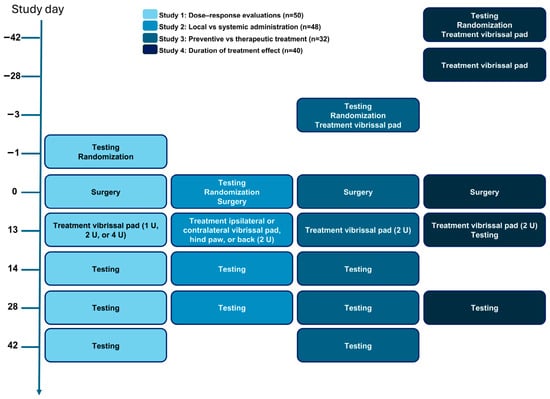
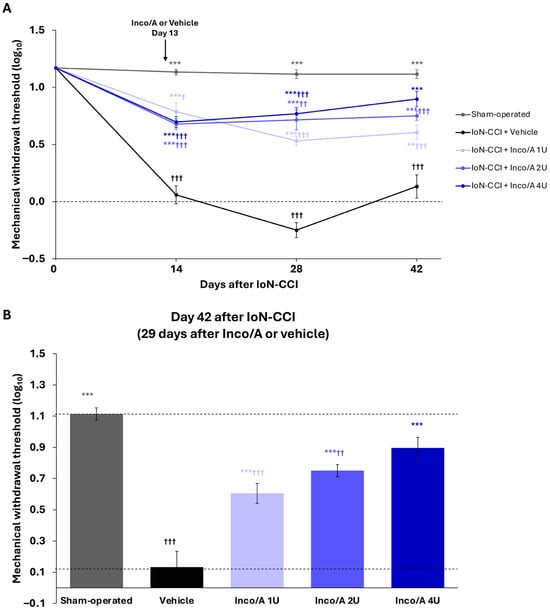
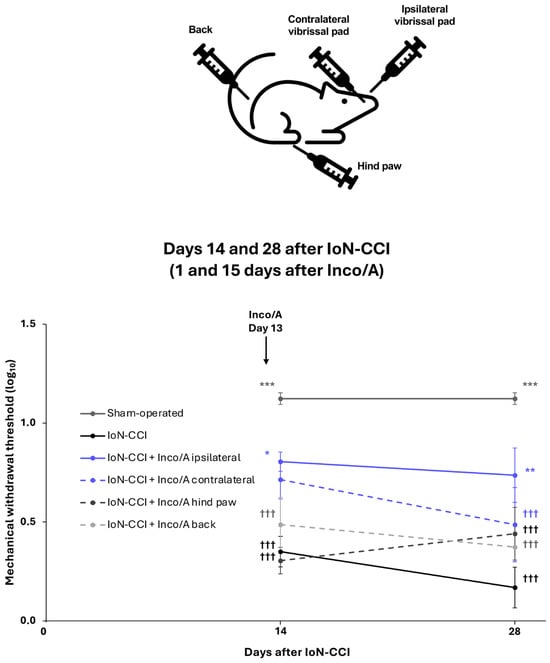
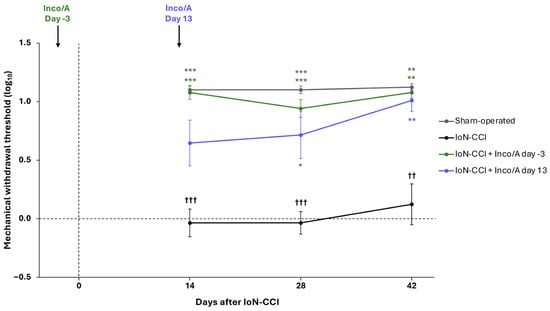
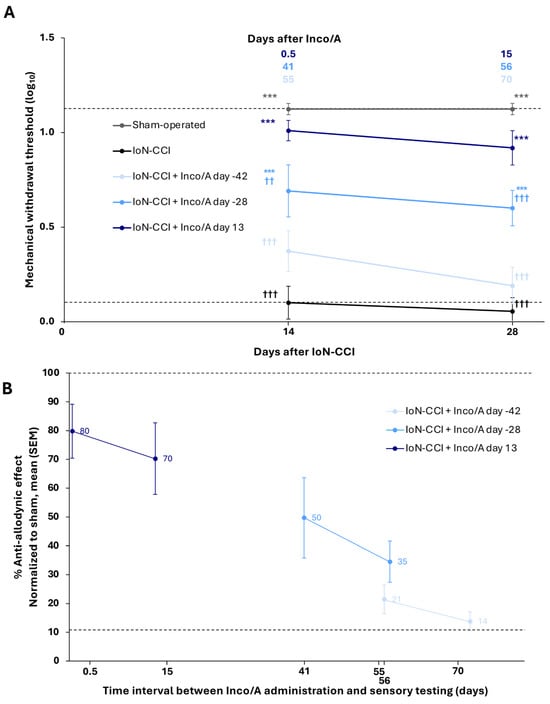
Background/Objectives: Trigeminal neuralgia (TN) is a debilitating neurological condition characterized by recurrent, severe pain linked to peripheral and central sensitization within trigeminal pathways. Current pharmacologic treatments are limited by inadequate efficacy or dose-limiting side effects, and botulinum neurotoxin type A (BoNT/A) has emerged as a viable option. However, its potential use in the management of TN is hampered by methodological limitations in existing studies and a lack of pivotal clinical trials. This study investigated the efficacy, optimal treatment site, preventive utility, and duration of effect of incobotulinumtoxinA (Inco/A), a BoNT/A, in a model of TN. Methods: An infraorbital nerve chronic constriction injury model was used to induce mechanical allodynia in male Sprague–Dawley rats, reproducing the trigeminal sensitization seen in TN. The effects of subcutaneous Inco/A (1, 2, and 4 U) were measured using the mechanical sensitivity (von Frey) test to evaluate the dose response, effect of injection location, potential preventive nature of treatment, and duration of benefit. Results: Inco/A produced a robust, dose-dependent reduction in mechanical allodynia, predominantly via a local mechanism of action. Both preventive and therapeutic administration of Inco/A was efficacious, with significant reduction in allodynia even when administered up to 28 days before nerve injury. The anti-allodynic effect persisted up to 56 days post-injection. Conclusions: Inco/A is highly effective in alleviating mechanical allodynia in a validated rat model of TN. The findings highlight Inco/A as a promising candidate for clinical translation in TN and related neuropathic pain syndromes and support systematic investigation in well-controlled human trials.
Full article
(This article belongs to the Special Issue Advances in Pain Management: Exploring Molecular Mechanisms and Novel Therapies)
►▼
Show Figures

Figure 1
Open AccessArticle
Evaluation of the Anti-Inflammatory Activity of Selected Plant Extracts in an In Vitro Model of Inflammation Using LPS-Stimulated Macrophages
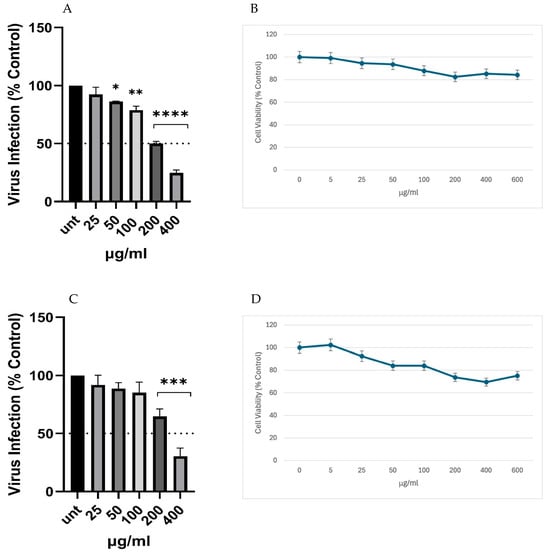
by
Karolina Merecz, Kinga Suska, Olga Biniszewska, Mikołaj Hirsa, Aneta Wojdyło, Aleksandra Tarasiuk-Zawadzka and Jakub Fichna
Biomedicines 2026, 14(5), 1174; https://doi.org/10.3390/biomedicines14051174 - 21 May 2026
Abstract
Background: Inflammatory bowel disease (IBD), including Crohn’s disease (CD) and ulcerative colitis (UC), is a group of chronic gastrointestinal (GI) diseases with complex and multifactorial pathophysiology. The global prevalence of IBD is increasing, highlighting the need to develop new therapeutic approaches. Plant-derived extracts
[...] Read more.
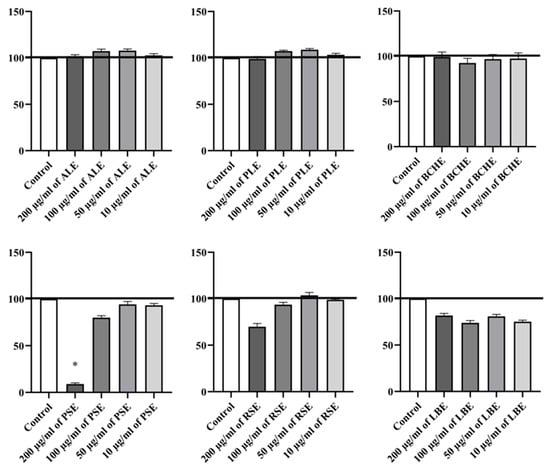
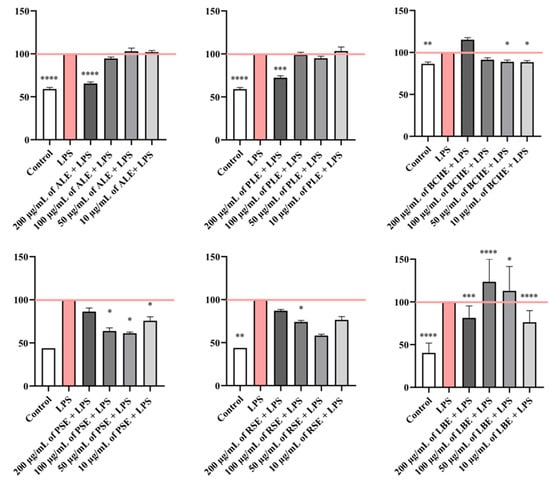
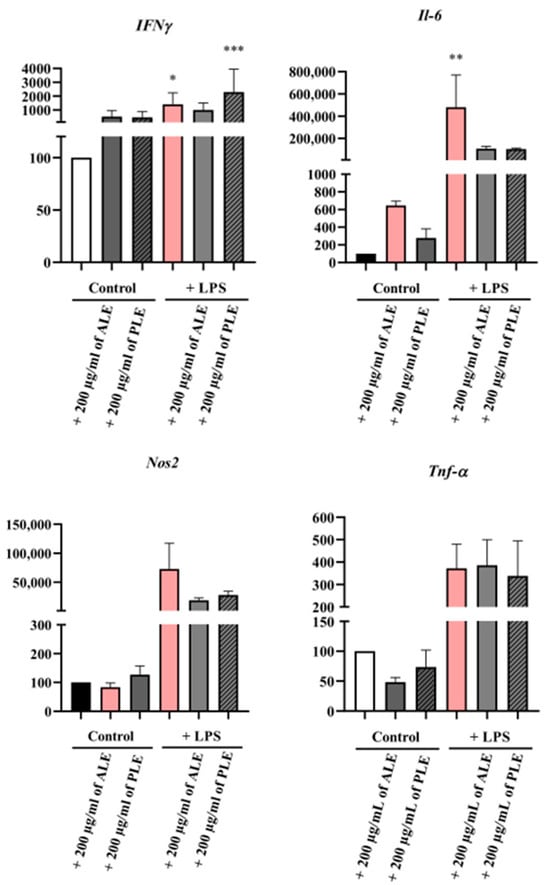
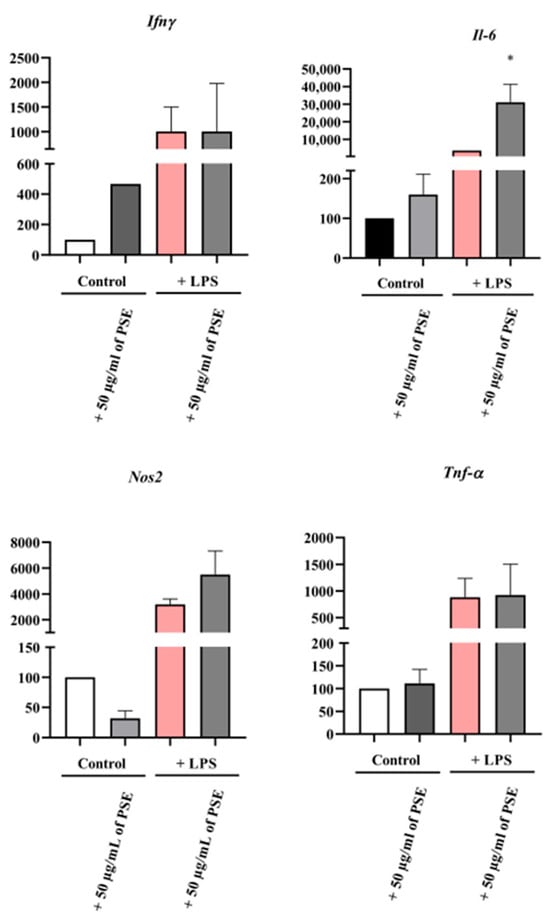
Background: Inflammatory bowel disease (IBD), including Crohn’s disease (CD) and ulcerative colitis (UC), is a group of chronic gastrointestinal (GI) diseases with complex and multifactorial pathophysiology. The global prevalence of IBD is increasing, highlighting the need to develop new therapeutic approaches. Plant-derived extracts have recently gained prominence due to their anti-inflammatory properties. Methods: This study investigated: apricot leaves (ALE), peach leaves (PLE), black chokeberry fruit (BCHE), rosehip seeds (RSE), passion fruit seeds (PSE), and linden blossom (LBE) (all at the concentration 10–200 µg/mL) in RAW 264.7 mouse macrophages. Cytotoxicity was assessed using the neutral red uptake (NRU) assay, and anti-inflammatory activity was assessed using Griess assay in the lipopolysaccharide (LPS)-induced inflammation. Additionally, the mRNA expression levels of key inflammatory genes (interferon-γ (Ifn-γ), interleukin-6 (Il-6), nitric oxide synthase (Nos2), and tumor necrosis factor-α (Tnf-α)) were analyzed. Results: ALE and PLE exhibited minimal cytotoxicity and strong anti-inflammatory activity, reducing the expression of all analyzed genes. PSE demonstrated anti-inflammatory activity in the Griess assay, but did not alter mRNA expression. Conclusions: ALE and PLE exhibit promising anti-inflammatory properties and warrant further preclinical investigation. Comprehensive in vitro and in vivo studies are necessary to confirm these results.
Full article
(This article belongs to the Special Issue Inflammatory Bowel Diseases: New Diagnostic and Therapeutic Approaches—Second Edition)
►▼
Show Figures

Figure 1
Open AccessArticle
Histological Assessment of Plasma-Induced Tissue Sublimation Using the Plasma IQ Device: An Ex Vivo Morphometric Study in a Porcine Model
by
Paweł Kubik, Wojciech Gruszczyński, Aleksandra Pawłowska, Maciej Malinowski, Brygida Baran, Agnieszka Pawłowska-Kubik, Łukasz Kodłubański, Dariusz Grzanka, Paulina Antosik and Bartłomiej Łukasik
Biomedicines 2026, 14(5), 1173; https://doi.org/10.3390/biomedicines14051173 - 21 May 2026
Abstract
Background: Minimally invasive aesthetic procedures using atmospheric plasma devices are increasingly applied to improve skin laxity and age-related loss of firmness. These systems generate a localized plasma arc at the tissue surface, enabling controlled and spatially confined tissue interaction; however, quantitative histological
[...] Read more.
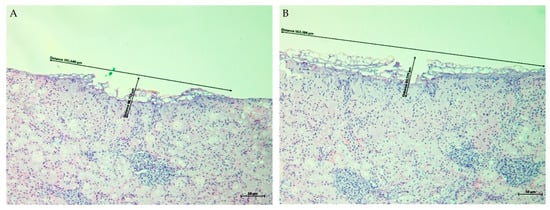
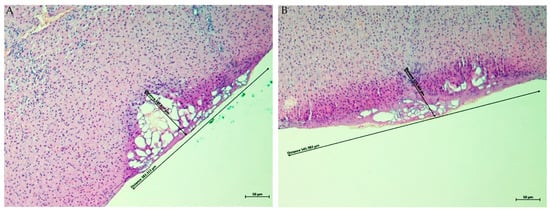
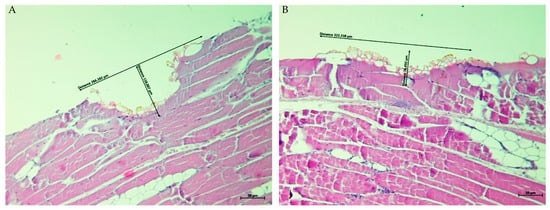
Background: Minimally invasive aesthetic procedures using atmospheric plasma devices are increasingly applied to improve skin laxity and age-related loss of firmness. These systems generate a localized plasma arc at the tissue surface, enabling controlled and spatially confined tissue interaction; however, quantitative histological data on the extent of plasma-induced tissue effects remain limited. Materials and Methods: This ex vivo study evaluated freshly collected porcine kidney, liver, and skeletal muscle tissues (n = 3 per tissue type). Tissue sublimation defects were produced using the Plasma IQ device under conditions representative of standard clinical use, applying two predefined settings (“LOW” and “HIGH”). Immediately after treatment, specimens were fixed in 10% neutral buffered formalin and processed into formalin-fixed paraffin-embedded (FFPE) blocks. Sections were stained with hematoxylin and eosin (H&E), and the diameter and depth of the sublimation zones were measured by light microscopy. Results: Plasma IQ exposure consistently produced well-demarcated superficial sublimation defects in all tissues. The HIGH setting increased the diameter of the sublimation zones compared with the LOW setting across all tissue types, whereas the depth differences were smaller and tissue-dependent. Lesions exhibited a characteristic flattened, cone-shaped morphology, with diameter exceeding depth. No histologically detectable collateral damage was observed beyond the immediate sublimation zone. Conclusions: Atmospheric plasma treatment induces controlled and spatially confined tissue sublimation with clearly defined histological boundaries and limited penetration depth. These findings provide quantitative histological support for the localized tissue effects of plasma-based devices and their rationale in aesthetic procedures.
Full article
(This article belongs to the Section Molecular and Translational Medicine)
►▼
Show Figures

Figure 1
Open AccessArticle
Women with Abdominal Aortic Aneurysms Have a Different Pattern of Genetic Variability, Compared to Men
by
Jonas Wallinder, Anders Wanhainen, Helena Åkerud, Dick Wågsäter and Martin Björck
Biomedicines 2026, 14(5), 1172; https://doi.org/10.3390/biomedicines14051172 - 21 May 2026
Abstract
Background/Objectives: The etiology behind sex differences in the prevalence of abdominal aortic aneurysm (AAA) can only partly be explained by environmental factors such as smoking. Genetic factors are also likely to be part of the explanation since family history is common. We hypothesized
[...] Read more.
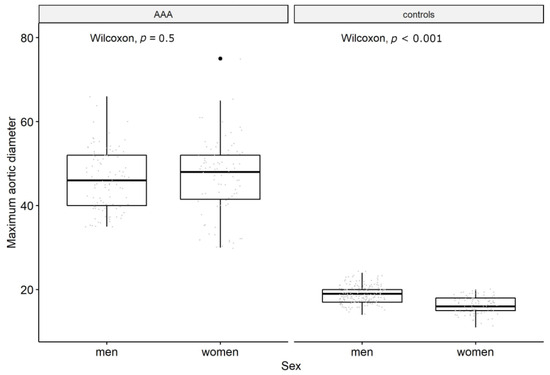
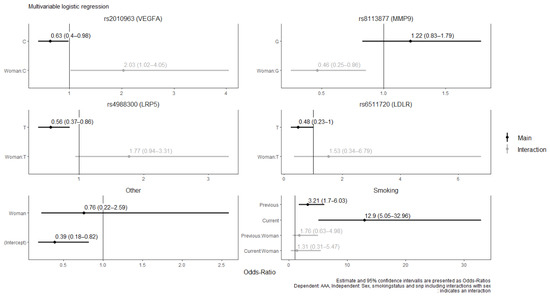
Background/Objectives: The etiology behind sex differences in the prevalence of abdominal aortic aneurysm (AAA) can only partly be explained by environmental factors such as smoking. Genetic factors are also likely to be part of the explanation since family history is common. We hypothesized that genetic factors on AAA prevalence might be different between the sexes. Methods: This study is designed as a case–control study with 83 female AAA patients, 101 female controls, 97 male AAA patients, and 196 male controls. Single nucleotide polymorphism (SNP) analysis was performed comparing 13 different SNPs. The selection of SNPs was based on previous SNP association studies, estrogen receptors, and SNPs important to inflammation and lipid metabolism, as these processes are modulated by estrogen. Results: A multivariable logistic regression resulted in significant differences in SNP association with AAA development between men and women in two SNPs (rs2010963 and rs8113877). Significant differences were found between cases and controls, using univariate analysis, in four SNPs: rs8113877 among women, and in rs6511720, rs2010963 and rs4988300 among men. No SNPs were significantly different compared to controls in both men and women. SNP rs8113877 is located in the promotor of the MMP-9 gene. Levels of circulating MMP-9 were measured in a subgroup of the study participants: an association between MMP-9 and AAA was found, and the association between rs8113877 and MMP-9 was sex-dependent. Conclusions: Genetic variability associated with AAA differs between men and women; these differences should be accounted for in future research.
Full article
(This article belongs to the Special Issue Aortic Aneurysm: Mechanisms, Biomarkers, and Therapeutic Strategy)
►▼
Show Figures

Figure 1
Open AccessArticle
Circulating Lymphocyte Subsets Are Associated with Diabetic Kidney Disease and Overall Survival in Patients with Type 2 Diabetes
by
Guanglan Li, Jiayi Chen, Chenfeng Xu, Ganyuan He, Feng Yu, Wei Liu, Yanhua Wu, Wenke Hao and Wenxue Hu
Biomedicines 2026, 14(5), 1171; https://doi.org/10.3390/biomedicines14051171 - 21 May 2026
Abstract
Background: The immune mechanism of diabetic kidney disease (DKD) has not yet been fully elucidated. This study aimed to characterize circulating lymphocyte subsets in patients with type 2 diabetes mellitus (T2DM), with a particular focus on DKD-related immune alterations and prognosis. Methods: Circulating
[...] Read more.
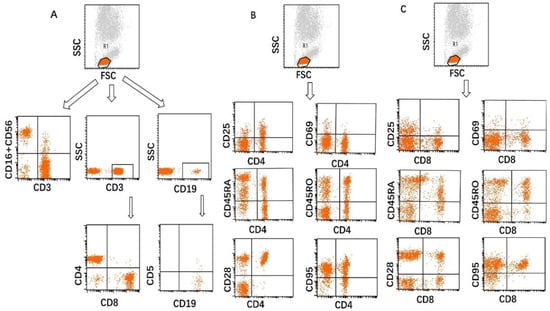
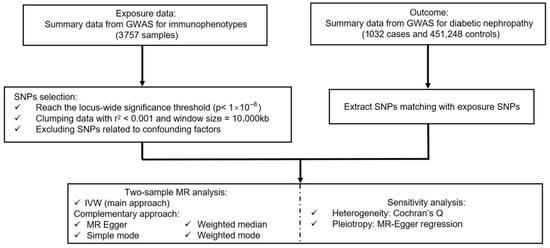
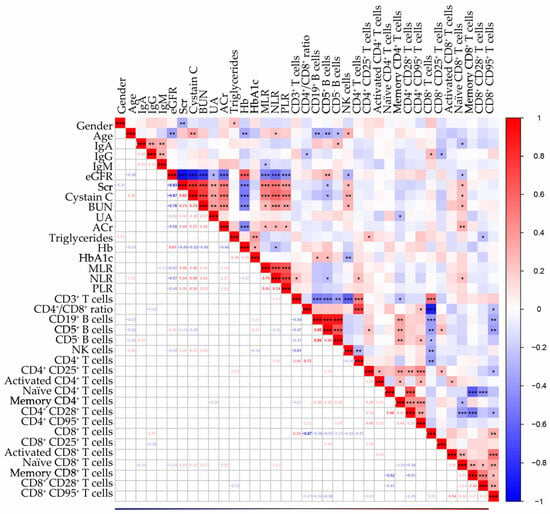
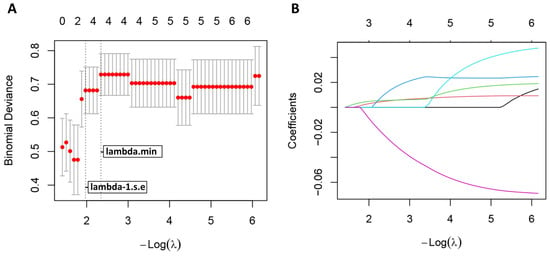
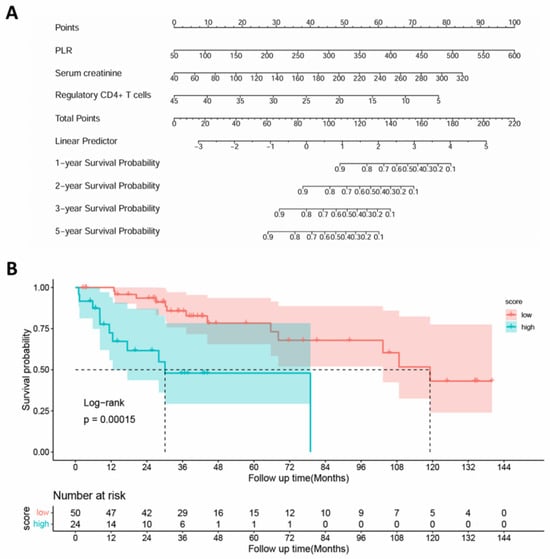
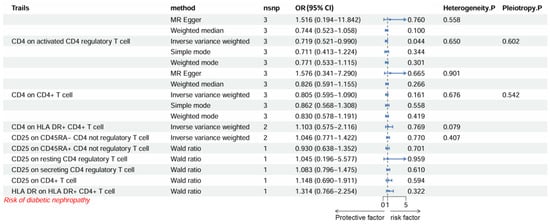
Background: The immune mechanism of diabetic kidney disease (DKD) has not yet been fully elucidated. This study aimed to characterize circulating lymphocyte subsets in patients with type 2 diabetes mellitus (T2DM), with a particular focus on DKD-related immune alterations and prognosis. Methods: Circulating T cells, B cells and NK cells were identified by flow cytometry. The primary endpoint was all-cause mortality, and overall survival was defined as the time from enrollment to death from any cause or last follow-up. Associations between lymphocyte subsets, inflammatory indices and renal function parameters were analyzed. Cox regression was used to identify factors associated with overall survival in patients with DKD and in the whole T2DM cohort. A prognostic nomogram was developed in the whole T2DM cohort to estimate 1-, 2-, 3-, and 5-year overall survival (OS) probabilities. Model performance was evaluated using the concordance index (C-index), calibration curves, receiver operating characteristic (ROC) curves, and decision curve analysis (DCA). Mendelian randomization (MR) was performed as a further exploratory analysis to assess whether immune-related traits were genetically associated with DKD susceptibility, with inverse variance weighting (IVW) as the primary analytical method. Results: In total, 74 T2DM patients were divided into DKD (stage 3–4 of chronic kidney disease) and non-DKD groups. Median follow-up duration was 34.6 months. DKD patients exhibited elevated levels of NK cells, the monocyte-to-lymphocyte ratio (MLR), neutrophil-to-lymphocyte ratio (NLR), and platelet-to-lymphocyte ratio (PLR). In patients with DKD, higher PLR and serum creatinine (SCr) were associated with poorer overall survival, whereas CD4+CD25+ T cell frequency was not significant after adjustment. In the whole T2DM cohort, higher frequency of circulating CD4+CD25+ T cells were associated with improved survival (HR 0.920, 95% CI 0.858–0.986, p = 0.019), whereas elevated PLR and SCr were linked to poorer outcomes. The exploratory nomogram incorporating CD4+CD25+ T cells, PLR, and SCr, showed acceptable internal performance in this cohort. As a separate exploratory analysis, MR suggested that genetically proxied CD4 expression on activated CD4 regulatory T cells was associated with a lower risk of DKD. Conclusions: DKD was associated with higher mortality and elevated MLR-, NLR-, PLR-, and NK cell levels in patients with T2DM. In patients with DKD, PLR and SCr were associated with overall survival, supporting the prognostic relevance of systemic inflammation and renal dysfunction. Individual lymphocyte subsets were not independently associated with survival in the DKD cohort after adjustment, whereas CD4+CD25+ T cell frequency provided additional prognostic information in the whole extended T2DM cohort analysis. Further validation is warranted.
Full article
(This article belongs to the Section Immunology and Immunotherapy)
►▼
Show Figures

Figure 1
Open AccessArticle
Neutrophil–Lymphocyte–Platelet Ratio for Predicting Bacteremia in Immunosuppressed Cancer Patients: A Retrospective Diagnostic Accuracy Study
by
José Manuel Martinez, Ana Espírito Santo, Pedro Leite, Ana Pinho, Ana Rita Carneiro, Ana Maria Oliveira, Diana Ramada and Rui Medeiros
Biomedicines 2026, 14(5), 1170; https://doi.org/10.3390/biomedicines14051170 - 21 May 2026
Abstract
Background: Early identification of bacteremia in immunosuppressed cancer patients remains difficult, especially in neutropenia. This study evaluated the diagnostic accuracy of NLR, PLR, and NLPR for identifying bacteremia and sepsis in patients undergoing blood culture episode. Methods: We conducted a retrospective diagnostic accuracy
[...] Read more.
Background: Early identification of bacteremia in immunosuppressed cancer patients remains difficult, especially in neutropenia. This study evaluated the diagnostic accuracy of NLR, PLR, and NLPR for identifying bacteremia and sepsis in patients undergoing blood culture episode. Methods: We conducted a retrospective diagnostic accuracy study at a tertiary oncology center between January 2023 and December 2024. All bacteremia identified were included as cases. Culture-negative episodes were subsequently sampled as controls using a frequency-matching strategy. Hematological parameters were obtained within ±24 h of first blood culture episode. Diagnostic performance was assessed using ROC curve analysis and multivariable logistic regression. Results: Of 369 screened episodes, 337 from 323 unique patients were included after excluding 31 records. NLPR showed the highest accuracy for bacteremia (AUC 0.730; 95% CI 0.671–0.788). The optimal cut-off was 0.038 (sensitivity 69.2%, specificity 72.3%) and remained consistent after excluding episodes with antibiotic therapy (AUC 0.768), corticosteroids (AUC 0.708), or growth factor use (AUC 0.718). In severe neutropenia, NLPR showed the highest accuracy (AUC 0.887; 95% CI 0.797–0.978). In multivariable analysis (n = 304), NLPR remained independently associated with bacteremia (p < 0.001), with good model discrimination (AUC 0.815; 95% CI 0.763–0.866). Diagnostic performance for sepsis was lower and not statistically significant. Conclusions: These findings suggest that NLPR may represent a simple, inexpensive, widely accessible adjunctive biomarker to support early bacteremia risk stratification in immunosuppressed cancer patients, particularly in patients with severe neutropenia. Although its overall discrimination was comparable to isolated lymphocyte count, NLPR may provide clinically relevant contextual information by integrating multiple dimensions of immune dysregulation. Further prospective multicenter validation is warranted.
Full article
(This article belongs to the Special Issue Emerging Trends in Cancer: Biomarkers, Therapeutic Strategies and Future Directions)
►▼
Show Figures

Figure 1
Open AccessArticle
Tissue microRNA Profiling Identifies Prognostic Signatures in Prostate Cancer and Highlights CPEB3 as a Candidate Biomarker
by
Jae-Heon Kim, Ah-Rim Moon, Miho Song, Kwang-Woo Lee, Soo Min Suh, Hui Ji Kim, Luis Alfonso Pefianco, Kevin Andrean, Seongho Ryu and Yun-Seob Song
Biomedicines 2026, 14(5), 1169; https://doi.org/10.3390/biomedicines14051169 - 21 May 2026
Abstract
Purpose: Prostate cancer is one of the most common malignancies in men, yet current prognostic methods remain suboptimal. Emerging evidence indicates that microRNAs (miRNAs) play critical roles in prostate cancer progression. This study aimed to identify miRNAs associated with adverse clinical outcomes
[...] Read more.
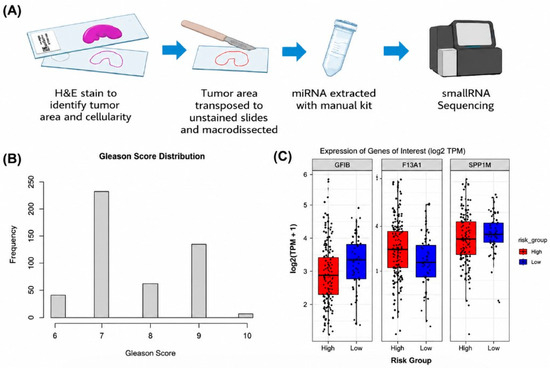
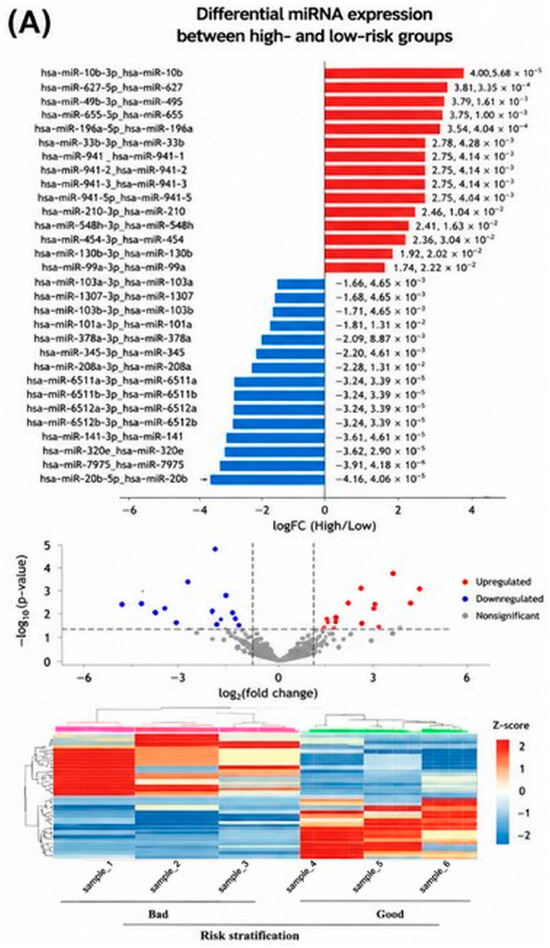
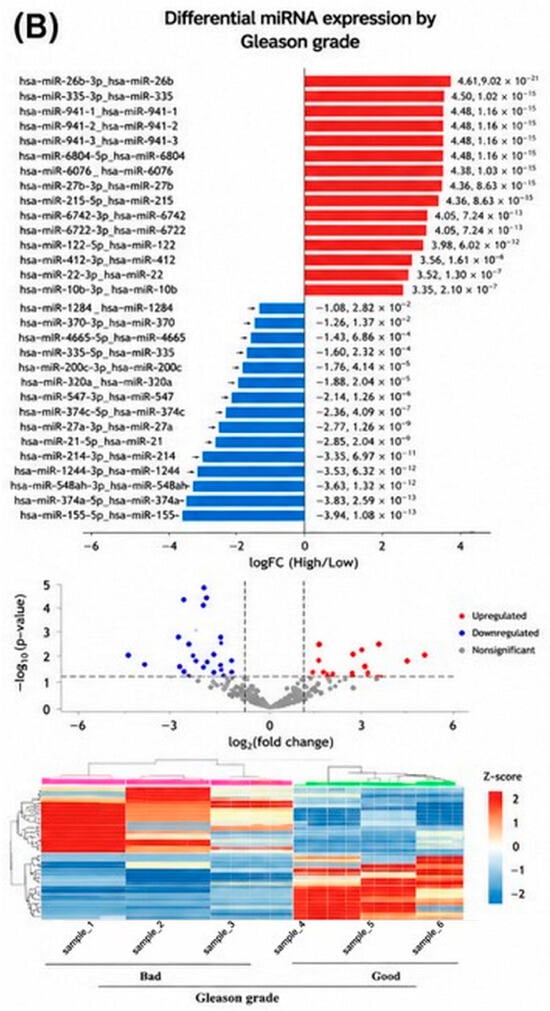
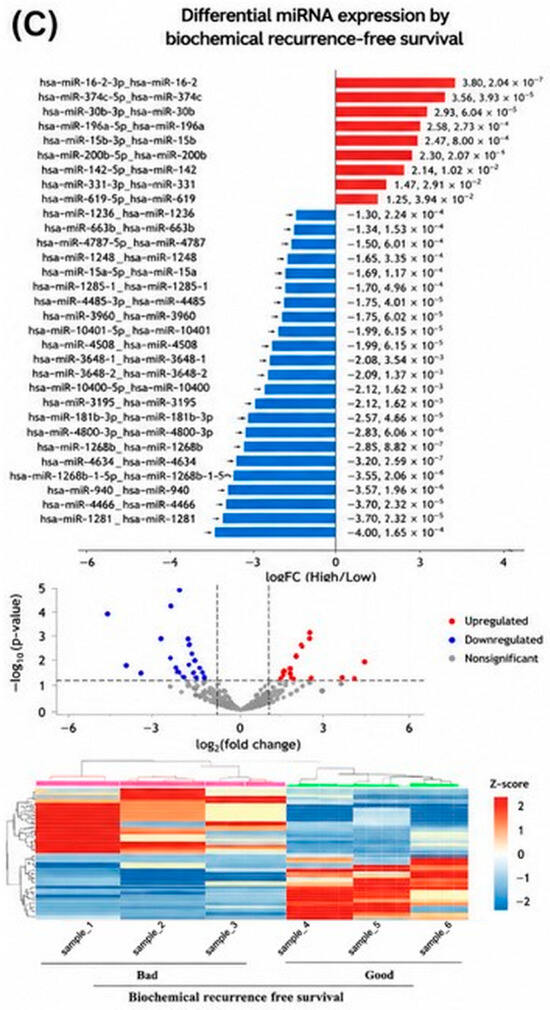
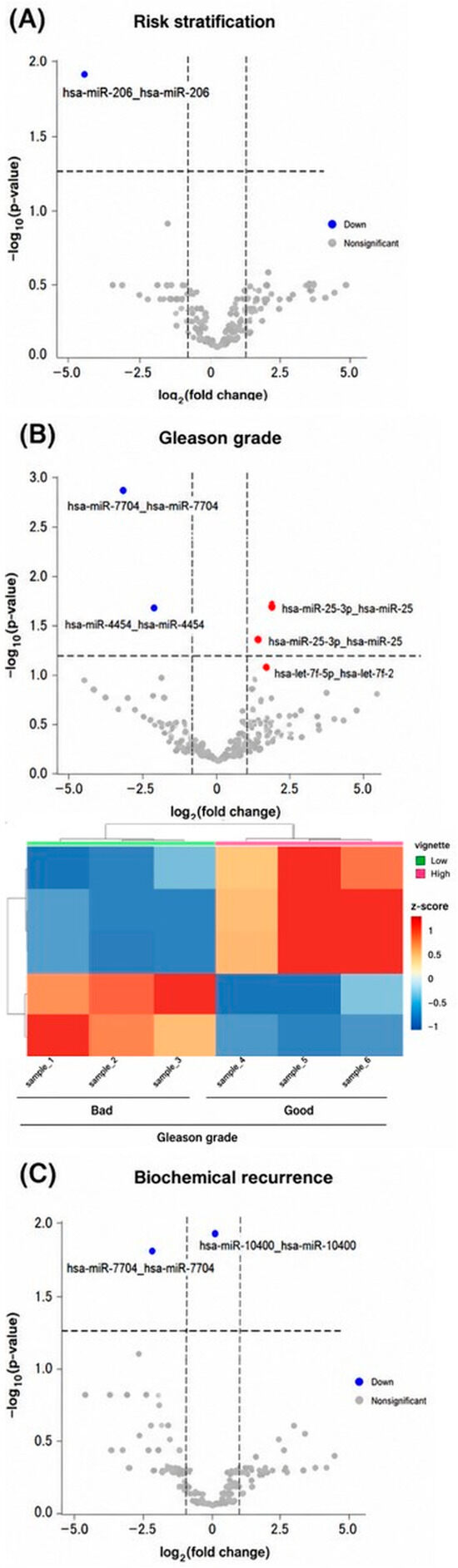
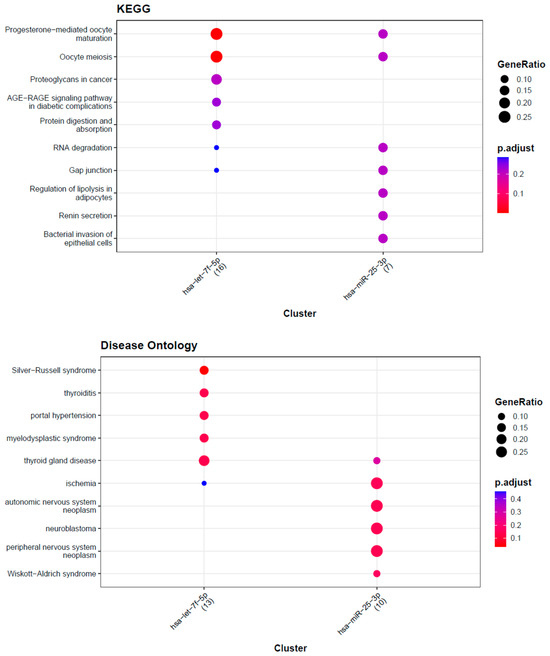
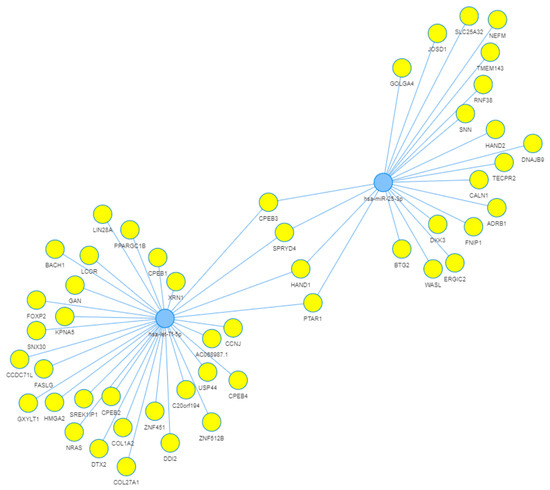
Purpose: Prostate cancer is one of the most common malignancies in men, yet current prognostic methods remain suboptimal. Emerging evidence indicates that microRNAs (miRNAs) play critical roles in prostate cancer progression. This study aimed to identify miRNAs associated with adverse clinical outcomes by comparing miRNA expression profiles between prostate tumors with unfavorable versus favorable prognostic features. Materials and Methods: High-throughput next-generation sequencing (NGS) was used to analyze miRNA expression in formalin-fixed, paraffin-embedded prostate cancer tissue samples. Patients were classified into favorable or unfavorable prognosis groups based on risk stratification scores, Gleason grade group, and biochemical recurrence. Differentially expressed miRNAs were identified using a fold-change threshold ≥2 and a false discovery rate (FDR) <0.05. Predicted target genes and pathway analyses were conducted to generate candidate regulatory hypotheses rather than confirm mechanistic relationships. Results: Several miRNAs were differentially expressed according to prognostic category. miR-206 was significantly downregulated in high-risk tumors compared with low-risk tumors. High-Gleason-grade tumors showed reduced expression of miR-7704 and miR-4454, while miR-25-3p and let-7f-5p were upregulated. In patients with early biochemical recurrence, miR-7704 and miR-10400-5p were downregulated relative to those with prolonged recurrence-free survival. Target prediction analysis identified CPEB3, HAND1, PTAR1, and SPRYD4 as shared candidate targets, with CPEB3 emerging as a prioritized candidate supported by consistency in external datasets rather than a confirmed molecular target. Conclusions: Distinct miRNA expression patterns correlate with prostate cancer aggressiveness and clinical outcomes. miR-206, miR-7704, miR-4454, miR-25-3p, and let-7f-5p represent candidate prognostic biomarkers. Their shared target CPEB3 should be interpreted as a prioritized candidate for future investigation. Given the very small sample size and the lack of qRT-PCR and functional validation, these findings should be considered preliminary and hypothesis-generating, requiring validation in larger independent cohorts and experimental studies.
Full article
(This article belongs to the Special Issue Emerging Trends in Cancer: Biomarkers, Therapeutic Strategies and Future Directions)
►▼
Show Figures

Figure 1
Open AccessSystematic Review
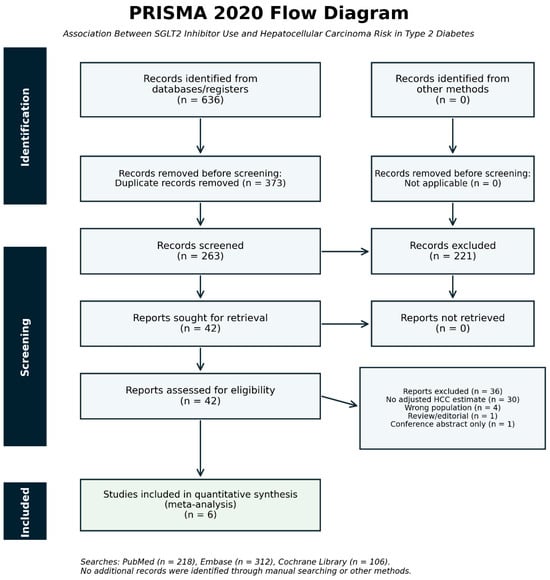
Association Between SGLT2 Inhibitor Use and Hepatocellular Carcinoma Risk in Type 2 Diabetes: A Systematic Review and Meta-Analysis
by
Jing-Hong Hu, Ming-Ling Chang, Tung-Jung Huang, Nai-Jen Liu and Jui-Hsiang Tang
Biomedicines 2026, 14(5), 1168; https://doi.org/10.3390/biomedicines14051168 - 21 May 2026
Abstract
Background and Aims: Type 2 diabetes mellitus is a recognized risk factor for hepatocellular carcinoma (HCC), particularly in the setting of metabolic dysfunction-associated steatotic liver disease (MASLD), chronic viral hepatitis, advanced fibrosis, and cirrhosis. Beyond hyperglycemia and insulin resistance, diabetic hepatocarcinogenesis is
[...] Read more.
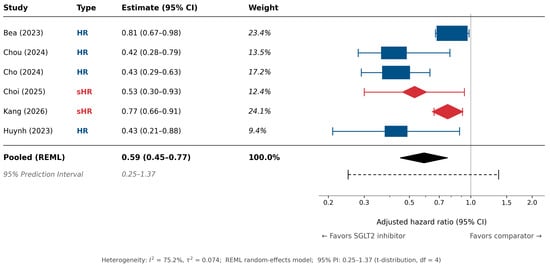
Background and Aims: Type 2 diabetes mellitus is a recognized risk factor for hepatocellular carcinoma (HCC), particularly in the setting of metabolic dysfunction-associated steatotic liver disease (MASLD), chronic viral hepatitis, advanced fibrosis, and cirrhosis. Beyond hyperglycemia and insulin resistance, diabetic hepatocarcinogenesis is shaped by metabolic inflammation, lipotoxicity, oxidative stress, fibrogenic remodeling, and the cirrhosis-dysplasia-HCC continuum. Sodium-glucose cotransporter-2 inhibitors (SGLT2i) may influence several hepatometabolic pathways, but the epidemiologic evidence linking SGLT2i use to HCC risk remains heterogeneous. Methods: We conducted a systematic review and meta-analysis of observational studies evaluating SGLT2i exposure and incident HCC in adults with type 2 diabetes. PubMed, Embase, and the Cochrane Library were searched up to 15 March 2026. Adjusted time-to-event estimates were pooled using a restricted maximum likelihood (REML) random-effects model. The certainty of evidence was assessed using the GRADE framework and judged to be very low. Results: Six observational studies including 526,446 participants were included. SGLT2i exposure was associated with a lower observed risk of incident HCC (pooled HR 0.59, 95% CI 0.45–0.77), but between-study heterogeneity was substantial (I2 = 75.2%, τ2 = 0.074). The association remained directionally similar after exclusion of Huynh et al. (HR 0.61, 95% CI 0.45–0.81) and in a DPP-4 inhibitor-restricted active-comparator analysis (HR 0.60, 95% CI 0.39–0.92). However, the 95% prediction interval crossed the null (0.25–1.37), indicating that future comparable studies may plausibly show no protective association. Conclusions: SGLT2i exposure was associated with a lower observed risk of incident HCC across available observational studies. However, the certainty of evidence was judged to be very low, and substantial heterogeneity, comparator variation, mixed time-to-event estimands, residual confounding, and a prediction interval crossing the null preclude causal interpretation. These findings should be considered hypothesis-generating rather than practice-changing evidence and support further hepatology-oriented validation.
Full article
(This article belongs to the Section Molecular and Translational Medicine)
►▼
Show Figures

Figure 1
Open AccessArticle
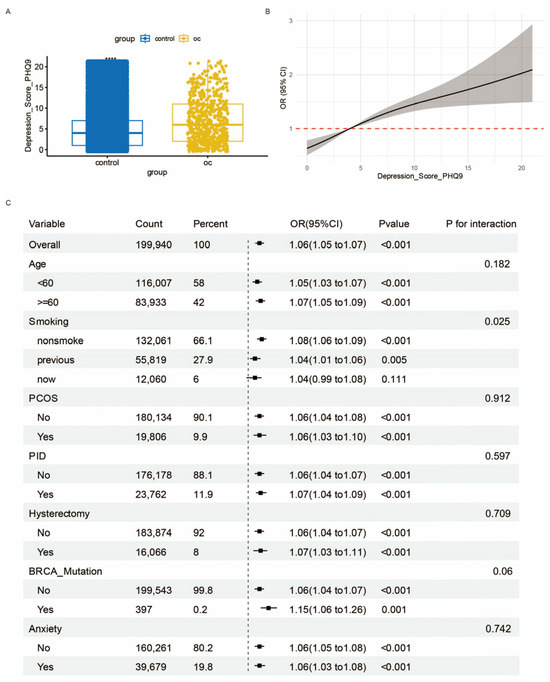
Integrative Analysis of Major Depressive Disorder and Ovarian Cancer: From Genetic Association to Single-Cell Mechanisms
by
Chen Liu, Xueling Wang and Jiaqi Lu
Biomedicines 2026, 14(5), 1167; https://doi.org/10.3390/biomedicines14051167 - 21 May 2026
Abstract
Background: Although emerging evidence indicates that major depressive disorder (MDD) raises the risk of developing ovarian cancer (OC) and worsens survival, the biological mechanisms underlying this relationship remain unclear. This study explores the MDD-OC association using single-cell transcriptomics and genetic approaches. Methods: Using
[...] Read more.
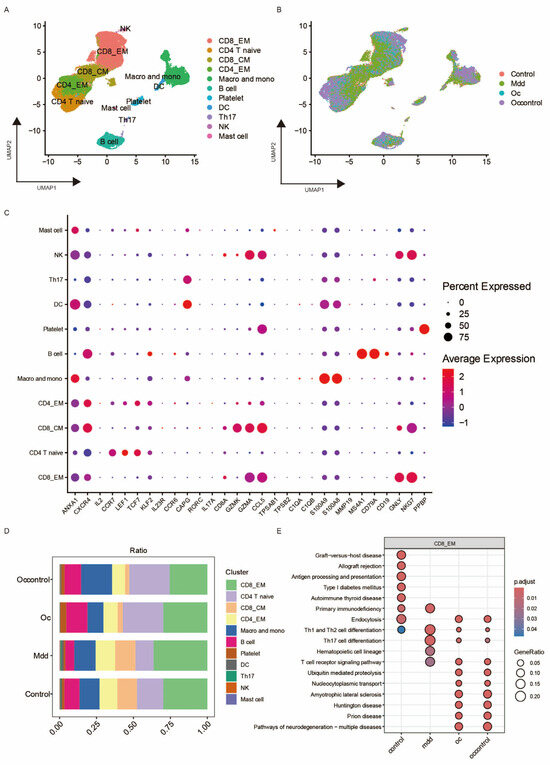
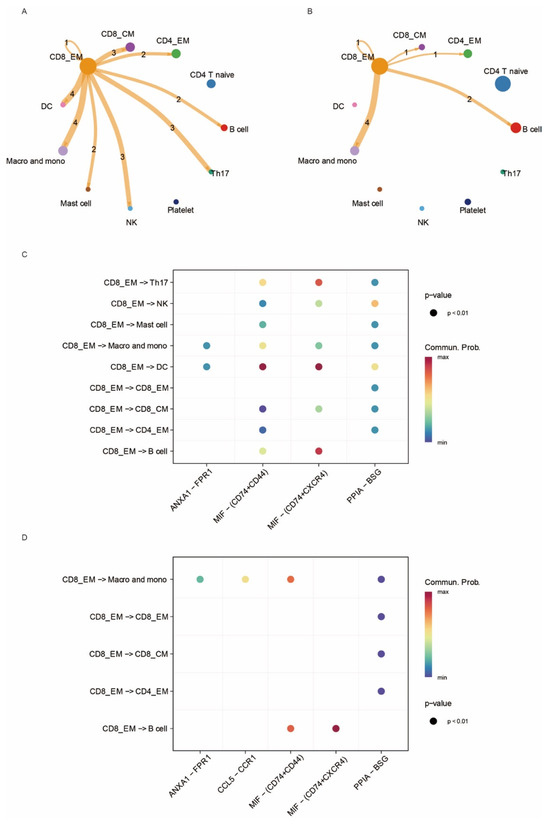
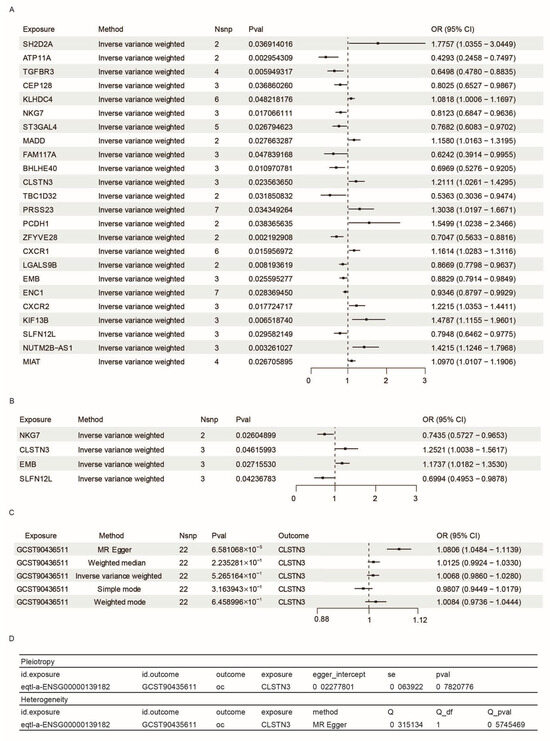
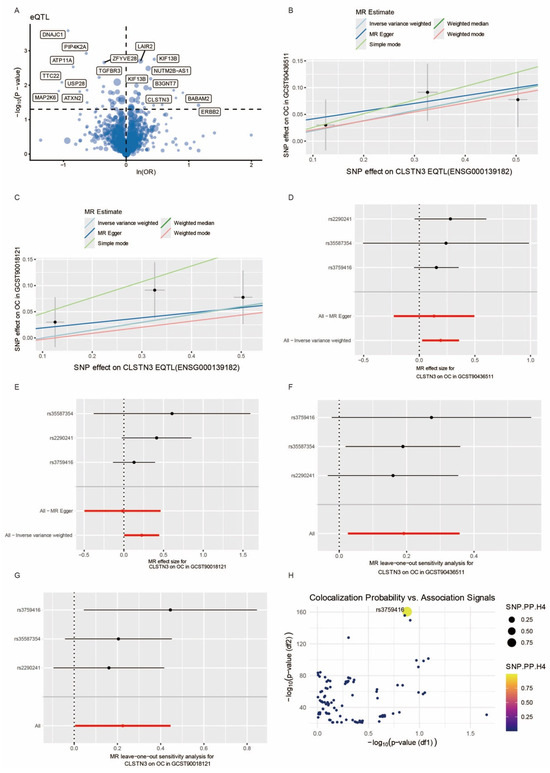
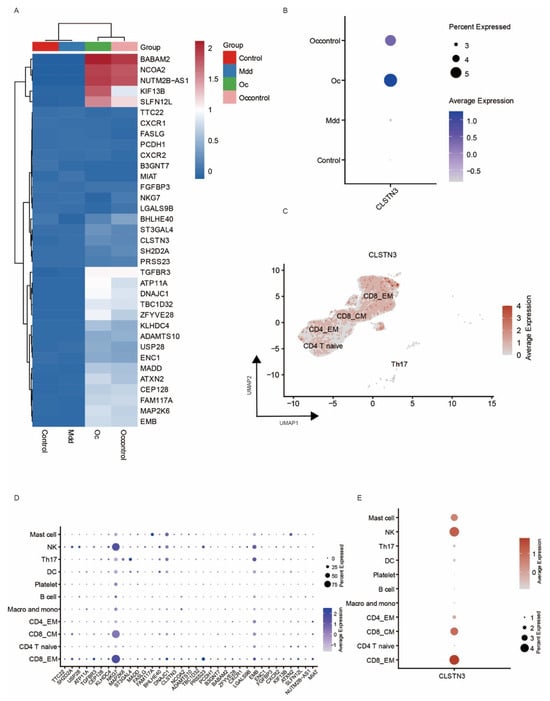
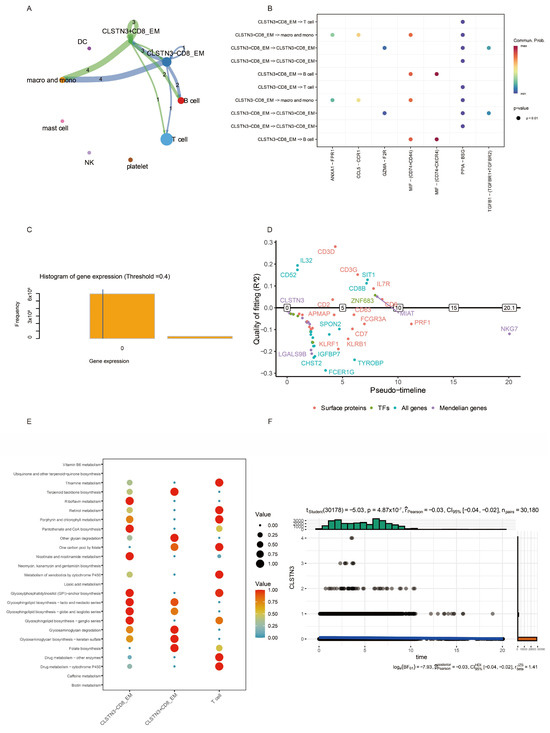
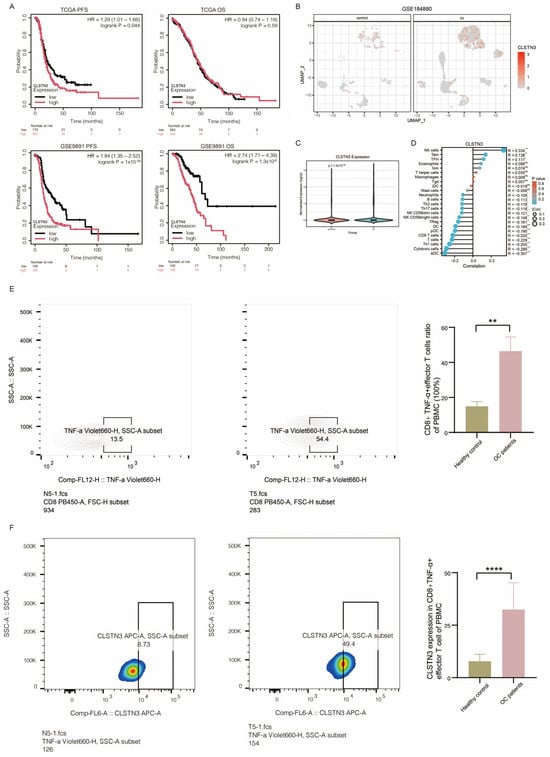
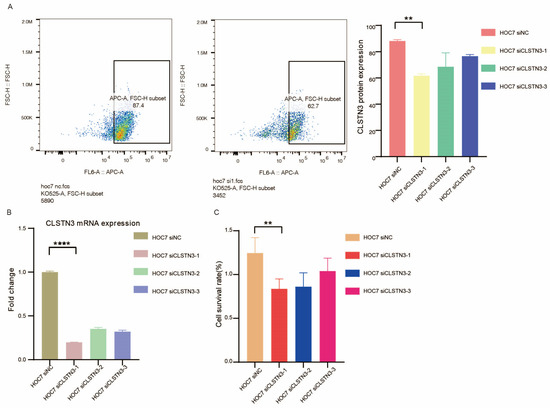
Background: Although emerging evidence indicates that major depressive disorder (MDD) raises the risk of developing ovarian cancer (OC) and worsens survival, the biological mechanisms underlying this relationship remain unclear. This study explores the MDD-OC association using single-cell transcriptomics and genetic approaches. Methods: Using single-cell RNA-seq profiles of peripheral blood from MDD and OC patients, we compared shifts in immune cell subsets and selected the consistently expanded CD8+ effector memory (CD8_EM) T cells population for follow-up, validated using flow cytometry. We integrated expression quantitative trait loci (eQTL) data from CD8_EM T cell-specific genes with OC genome-wide association study (GWAS) summary statistics through two-sample Mendelian randomization (MR). In vitro experiments were additionally conducted to assess CLSTN3’s role in OC cell proliferation. Results: Among the 554 differentially expressed genes (DEGs) identified in CD8_EM T cells, MR showed a nominal association between CLSTN3 and ovarian cancer risk (OR 1.21, 95% CI 1.03–1.43), though this did not withstand correction for multiple comparisons. Colocalization analysis confirmed that CLSTN3 expression, regulated by the genetic variant rs3759416, shares a causal variant with the OC GWAS signal (PPH4 = 99.99%). Functionally, siRNA-mediated CLSTN3 silencing in HOC7 cells significantly reduced cell viability (CCK-8 assay). Conclusions: By focusing on CD8_EM T cells shared by MDD and ovarian cancer, we identified CLSTN3 as a candidate molecule through nominated by the convergence of genetic, transcriptomic, and functional evidence. These findings provide preliminary insights into the connection between depression and OC, though further validation is warranted.
Full article
(This article belongs to the Section Molecular and Translational Medicine)
►▼
Show Figures

Figure 1
Open AccessArticle
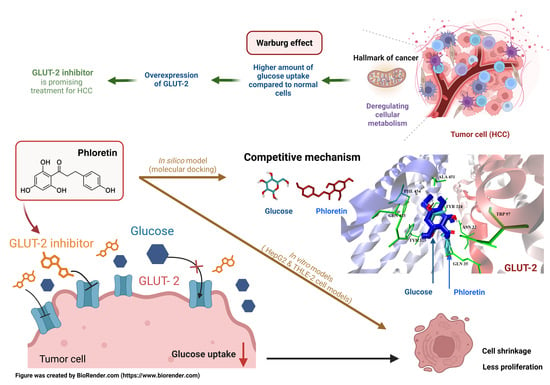
Development of Type II Glucose Transporter Inhibitors: Phloretin as a GLUT-2 Screening Template from In Silico Modeling to In Vitro Assessment
by
Worarat Boonpech, Pemikar Srifa, Dhassida Sooksawat, Praopim Limsakul, Jirakrit Saetang, Varomyalin Tipmanee, Krit Charupanit, Chaitong Churuangsuk and Kantida Juncheed
Biomedicines 2026, 14(5), 1166; https://doi.org/10.3390/biomedicines14051166 - 21 May 2026
Abstract
Background/Objectives: Hepatocellular carcinoma (HCC) exhibits enhanced glycolytic activity, primarily facilitated by Class I glucose transporters (GLUTs), particularly GLUT-2. Phloretin, a natural polyphenol, is known to modulate glucose transport; however, its isoform-specific interactions and functional impact on HCC metabolism remain unclear. This study compared
[...] Read more.
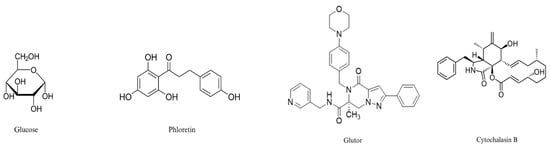
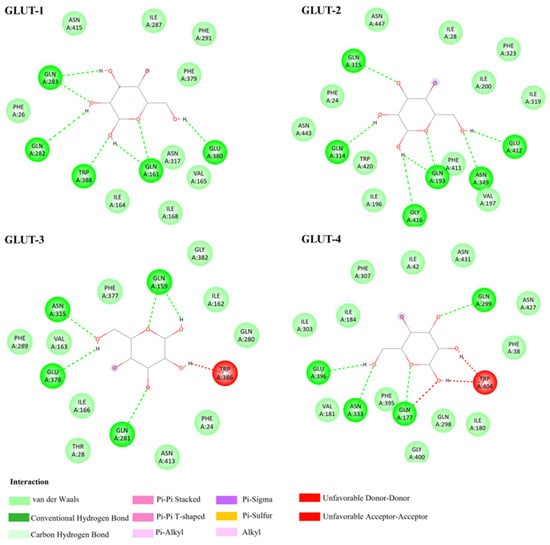
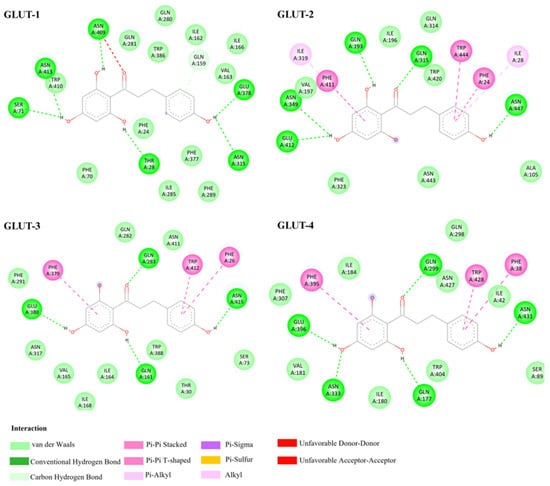
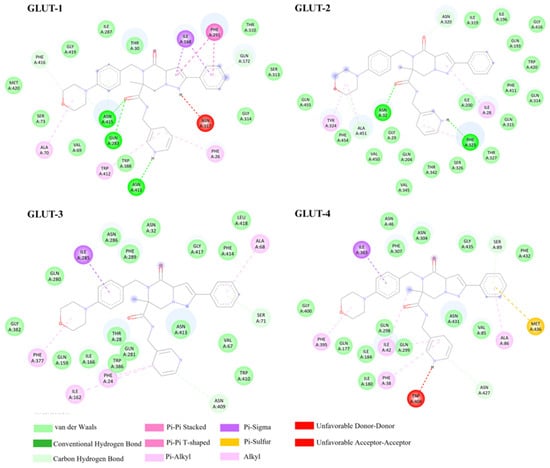
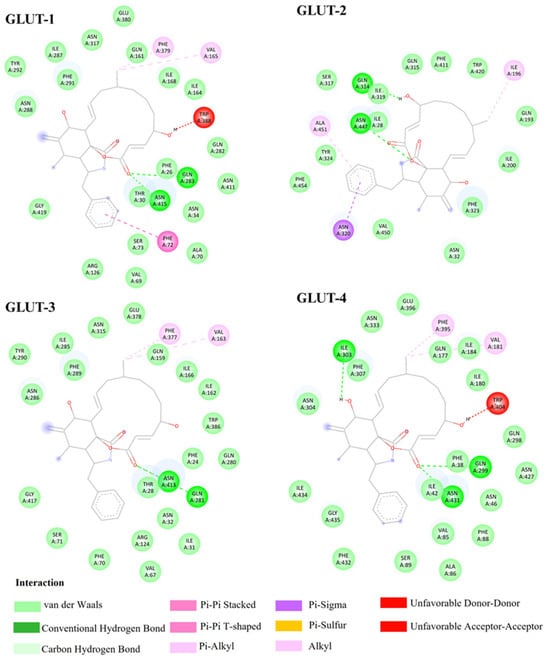
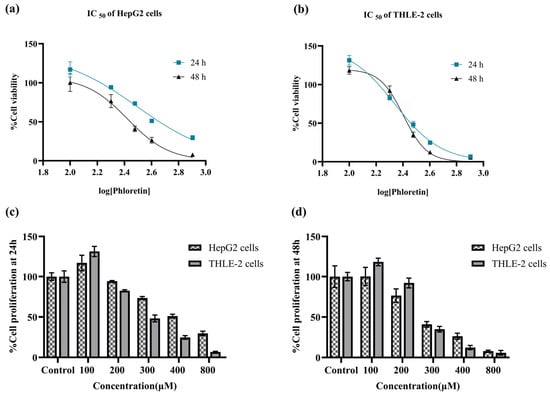
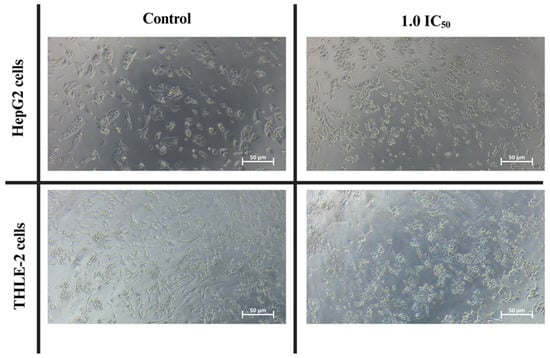
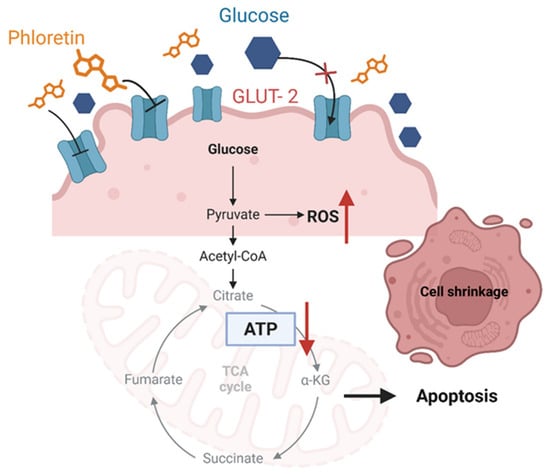
Background/Objectives: Hepatocellular carcinoma (HCC) exhibits enhanced glycolytic activity, primarily facilitated by Class I glucose transporters (GLUTs), particularly GLUT-2. Phloretin, a natural polyphenol, is known to modulate glucose transport; however, its isoform-specific interactions and functional impact on HCC metabolism remain unclear. This study compared phloretin’s inhibitory effects on glucose uptake in HCC cells versus normal liver cell models and assessed its binding affinity across Class I GLUTs using molecular docking. Methods: Cytotoxicity was evaluated in HepG2 (HCC) and THLE-2 (normal hepatocyte) cells using 3-(4,5-Dimethylthiazol-2-yl)-2,5-diphenyltetrazolium bromide assays to determine biologically relevant concentrations. Glucose uptake at sub-cytotoxic levels was quantified using the fluorescent analog 2-(N-(7-Nitrobenz-2-oxa-1,3-diazol-4-yl)Amino)-2-Deoxyglucose. To elucidate the molecular mechanism, in silico docking simulations were performed to compare the binding affinities of phloretin, glucose, and reference inhibitors (glutor and cytochalasin B) with the outward-facing conformations of GLUT-1 through GLUT-4. Results: Phloretin induced dose- and time-dependent cytotoxicity, with HepG2 cells exhibiting significantly higher sensitivity than THLE-2 cells. Functionally, phloretin markedly reduced glucose uptake in HepG2 cells, whereas THLE-2 cells showed minimal inhibition. Molecular docking revealed that phloretin occupies the central substrate-binding cavity of Class I GLUTs, forming its most stable interaction network with GLUT-2. Conclusions: These results demonstrate that phloretin selectively inhibits glucose uptake in liver cancer cells, likely through its high-affinity interaction with GLUT-2. Collectively, these findings highlight phloretin’s potential as a metabolic therapeutic agent and support GLUT-2 as a viable target for HCC intervention.
Full article
(This article belongs to the Special Issue Advanced Research in Anticancer Inhibitors and Targeted Therapy)
►▼
Show Figures

Graphical abstract
Open AccessArticle
NSAID Use Attenuates the Protective Effect of Physical Activity on Chronic Low Back Pain: A Cross-Sectional Analysis of NHANES 2009–2010
by
William Sosa, Lucas Camargo and Felipe Fregni
Biomedicines 2026, 14(5), 1165; https://doi.org/10.3390/biomedicines14051165 - 21 May 2026
Abstract
Background: Chronic low back pain (CLBP) is a leading cause of disability worldwide, with exercise endorsed as first-line treatment and non-steroidal anti-inflammatory drugs (NSAIDs) among the most used pharmacologic options. These interventions are frequently combined in clinical practice, yet their synergistic effects
[...] Read more.
Background: Chronic low back pain (CLBP) is a leading cause of disability worldwide, with exercise endorsed as first-line treatment and non-steroidal anti-inflammatory drugs (NSAIDs) among the most used pharmacologic options. These interventions are frequently combined in clinical practice, yet their synergistic effects remain unclear. To evaluate whether NSAID use modifies the association between physical activity (PA) and CLBP using nationally representative data from NHANES 2009–2010. Methods: We analyzed 988 adults aged ≥20 years with complete data on chronic low back pain, physical activity, medication use, and modeled covariates. Results: Among participants not using NSAIDs, moderate recreational physical activity was associated with lower odds of CLBP (adjusted OR = 0.47, 95% CI 0.25–0.91; p = 0.029). Active transport showed a similar direction but was not statistically significant (OR = 0.38, 95% CI 0.13–1.12; p = 0.074). In interaction models, active transport x aspirin was associated with higher odds of CLBP (OR = 2.24, 95% CI 1.02–4.90; p = 0.044), and moderate recreational PA x any NSAID use was also associated with higher odds of CLBP (OR = 2.26, 95% CI 1.01–5.06; p = 0.047). Subgroup analyses were exploratory and heterogeneous, including a significant potential protective interaction (OR ≈ 0.19, 95% CI 0.06–0.69; p = 0.015). Conclusions: In a nationally representative sample, NSAID use appeared to modify the association between physical activity and chronic low back pain. These findings are exploratory and hypothesis-generating. Therefore, longitudinal studies are needed to clarify the temporal and causal relationships and the potential influence of NSAIDs.
Full article
(This article belongs to the Section Molecular and Translational Medicine)
►▼
Show Figures

Figure 1
Open AccessArticle
Association Between Clinical Signs and CBCT-Confirmed TMJ Involvement in Juvenile Idiopathic Arthritis: The Diagnostic Value of Facial Asymmetry and Mandibular Mobility
by
Tamara Pawlaczyk-Kamieńska and Tomasz Kulczyk
Biomedicines 2026, 14(5), 1164; https://doi.org/10.3390/biomedicines14051164 - 21 May 2026
Abstract
Juvenile idiopathic arthritis (JIA) is the most common systemic chronic inflammatory connective tissue disease in children, characterized by joint inflammation lasting at least six months. Temporomandibular joint (TMJ) involvement can occur in conjunction with other joints and may often be asymptomatic in its
[...] Read more.
Juvenile idiopathic arthritis (JIA) is the most common systemic chronic inflammatory connective tissue disease in children, characterized by joint inflammation lasting at least six months. Temporomandibular joint (TMJ) involvement can occur in conjunction with other joints and may often be asymptomatic in its early stages. Objective: This study aims to evaluate the relationship between clinical symptoms of the stomatognathic system and radiologically confirmed cone beam computed tomography (CBCT)-detected structural TMJ changes in children with JIA. The research hypothesis posits that specific clinical symptoms are more prevalent in patients with CBCT-confirmed structural TMJ changes. Methods: A cohort of children diagnosed with JIA was examined. Clinical symptoms, including facial asymmetry, limited mandibular movement, and joint and masticatory muscle pain upon palpation, were assessed. CBCT imaging was performed to assess osseous TMJ structural changes. Results: The frequency of orofacial clinical symptoms was assessed and compared between patients with and without radiological evidence of TMJ involvement. Children with CBCT-confirmed TMJ changes demonstrated significantly higher rates of facial asymmetry, reduced maximum mouth opening, mandibular deviation during opening, and limitations in lateral or protrusive movements compared with those without TMJ involvement. Pain-related symptoms (TMJ pain, muscle tenderness, and pain during movement) and joint sounds occurred at similar frequencies in both groups. Conclusions: Facial asymmetry, mandibular deviation during opening and reduced mandibular mobility are the clinical signs most strongly associated with structural TMJ involvement in JIA and should prompt targeted imaging. Pain-related symptoms show limited diagnostic value, highlighting the need for focused clinical assessment and future studies integrating CBCT and MRI to refine early screening protocols.
Full article
(This article belongs to the Special Issue Pathogenesis and Novel Diagnostic Techniques in Juvenile Idiopathic Arthritis—Second Edition)
►▼
Show Figures

Figure 1
Journal Menu
► ▼ Journal Menu-
- Biomedicines Home
- Aims & Scope
- Editorial Board
- Reviewer Board
- Instructions for Authors
- Special Issues
- Topics
- Sections & Collections
- Article Processing Charge
- Indexing & Archiving
- Editor’s Choice Articles
- Most Cited & Viewed
- Journal Statistics
- Journal History
- Journal Awards
- Conferences
- Editorial Office
Journal Browser
► ▼ Journal BrowserHighly Accessed Articles
Latest Books
E-Mail Alert
News
Topics
Topic in
Biomedicines, Cancers, JCM, Nanomaterials, Pharmaceutics, JNT
Application of Nanomaterials and Nanobiotechnology in Cancer
Topic Editors: Ayan Kumar Barui, Susheel Kumar NethiDeadline: 31 May 2026
Topic in
Biomedicines, IJMS, JCM, Medicina, Neurology International
Advances in Exercise-Induced Neurogenesis, Neuronal and Functional Adaptations in Neurorehabilitation
Topic Editors: Carlos Bernal-Utrera, Cleofas Rodriguez-Blanco, Maria Livia Carrascal MorenoDeadline: 29 June 2026
Topic in
Antioxidants, Biomedicines, IJMS, Life, Oxygen, Cosmetics, Nutraceuticals
Oxidative Stress and Inflammation, 3rd Edition
Topic Editors: Maria Letizia Manca, Amparo Nacher, Matteo Perra, Ines Castangia, Mohamad AllawDeadline: 31 July 2026
Topic in
Biomedicines, Biomolecules, Cancers, Cells, Hematology Reports, IJMS
Advances in Molecular Pathogenesis and Targeted Therapies for Multiple Myeloma
Topic Editors: Chung Hoow Kok, Cindy H. S. Lee, Claudio CerchioneDeadline: 3 August 2026
Conferences
Special Issues
Special Issue in
Biomedicines
Feature Reviews in Gastrointestinal and Liver Diseases
Guest Editor: Agata MichalakDeadline: 30 May 2026
Special Issue in
Biomedicines
State-of-the-Art Endocrine Cancer Biology and Oncology
Guest Editor: Piotr GlinickiDeadline: 31 May 2026
Special Issue in
Biomedicines
Advanced Research in Anticancer Inhibitors and Targeted Therapy
Guest Editors: Changmin Peng, Hassan EbrahimDeadline: 31 May 2026
Special Issue in
Biomedicines
Unveiling the Genetic Architecture of Complex and Common Diseases
Guest Editor: Mahmut Cerkez ErgorenDeadline: 31 May 2026
Topical Collections
Topical Collection in
Biomedicines
Feature Papers in Gene and Cell Therapy
Collection Editor: Bernard Lebleu
Topical Collection in
Biomedicines
Cardiovascular Disease: From the Pathogenesis to Novel Therapeutic Approaches
Collection Editors: Celestino Sardu, Raffaele Marfella
Topical Collection in
Biomedicines
Feature Papers in Biomedical Materials
Collection Editor: Mike Barbeck
Topical Collection in
Biomedicines
Advances in Leukocyte Biology
Collection Editors: Galina F. Sud’ina, Mihnea Zdrenghea