



You are currently on the new version of our website. Access the old version .

Agronomy

Agronomy is an international, peer-reviewed, open access journal on agronomy and agroecology published semimonthly online by MDPI. 
The Spanish Society of Plant Biology (SEBP) is affiliated with Agronomy and their members receive discounts on the article processing charges.
Quartile Ranking JCR - Q1 (Agronomy | Plant Sciences)
All Articles (18,645)

Aphis gossypii (Glover) (Hemiptera: Aphididae) is a significant pest in cotton fields, and the use of both chemical insecticides and natural enemies is a crucial strategy for its management. Hippodamia variegata (Goeze) (Coleoptera: Coccinellidae), a predominant predatory natural enemy in cotton fields, plays a vital role in controlling A. gossypii populations. In this study, we investigated the toxicity of four insecticides to both A. gossypii and H. variegata larvae, assessed their field efficacy against A. gossypii, and evaluated their effects on the predatory function of H. variegata larvae. The results revealed that afidopyropen and spirotetramat exhibited relatively high toxicity against A. gossypii, with LC50 values of 13.18 mg/L and 22.17 mg/L, respectively. Flonicamid demonstrated the least toxicity to H. variegata larvae, with an LC50 of 512.66 mg/L. The selectivity toxicity ratios for afidopyropen and flonicamid were 5.05 and 4.73, respectively, indicating strong, favourable selectivity towards H. variegata. The maximum field control efficacy against A. gossypii was 96.76% for afidopyropen and 96.92% for flonicamid. The reduction rates of H. variegata larvae in the afidopyropen treatment plots were relatively low. Among the four treatments, the theoretical predation of third-instar H. variegata larvae against A. gossypii was highest with flonicamid, reaching 215.67. Overall, the four insecticides differed substantially in their combined effects on aphid suppression and predator performance. In particular, afidopyropen and flonicamid provided excellent control of A. gossypii while showing comparatively lower toxicity to H. variegata and causing less impairment of its predatory capacity, indicating a more favourable biological trade-off between pest control and natural enemy conservation. However, laboratory toxicity and functional response assays may not fully capture predator–prey dynamics under complex field conditions; therefore, afidopyropen and flonicamid may be considered suitable candidate insecticides for inclusion in integrated pest management (IPM) programs in cotton systems.

18 January 2026

Daily predation rates of third instar Hippodamia variegata larvae under different insecticide treatments. (a–e) Represent the daily predation rates of third instar H. variegata larvae after treatment with afidopyropen 97.3%, imidacloprid 96%, flonicamid 96%, spirotetramat 96%, and the control (CK), respectively; (f) Searching effects of third instar H. variegata larvae against A. gossypii under different insecticide treatments. Error bars represent the standard error for each set of data.

The PIN-LIKES Auxin Transport Genes Involved in Regulating Yield in Soybean

  • Siming Wei,
  • Jiayin Han and
  • Qingshan Chen
  • + 7 authors

PIN-LIKES (PILS) auxin transport genes play key roles in plant development, but their functions and molecular mechanism in soybean yield remain unclear. Here, we characterized the 44-member soybean GmPILS genes via comprehensive analyses. Phylogenetic analysis classified GmPILS into three subfamilies, with most proteins being hydrophobic, stable, and membrane-localized. Chromosomal distribution showed random scattering across 17 chromosomes, with gene duplication driving family expansion. Expression profiling identified GmPILS36 and GmPILS40 as seed-specific and differentially expressed between cultivated Suinong14 (SN14) and wild ZYD00006 (ZYD06) soybeans. Population genetic analyses revealed GmPILS40 experienced a domestication bottleneck without yield-related superior haplotypes, while GmPILS36 underwent selection during landrace-to-improved variety domestication. A coding region CC/TT natural variation in GmPILS36 (S/A substitution) was significantly associated with seed weight per plant and 100-seed weight, with the TT genotype conferring superior traits. This study provides insights into GmPILS genes’ evolution and identifies GmPILS36 as an important candidate gene for further functional study and investigation of the molecular mechanisms regulating soybean yield.

17 January 2026

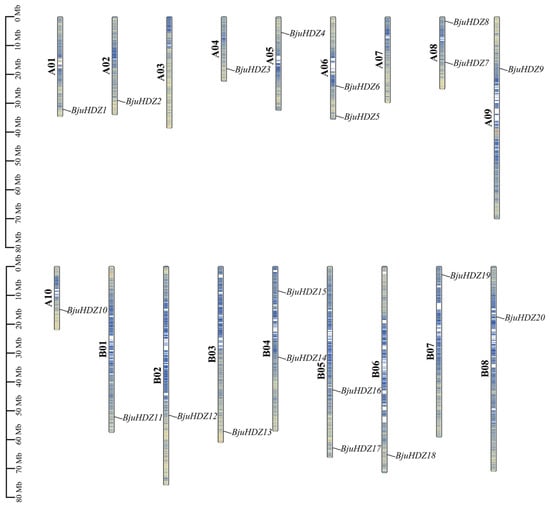
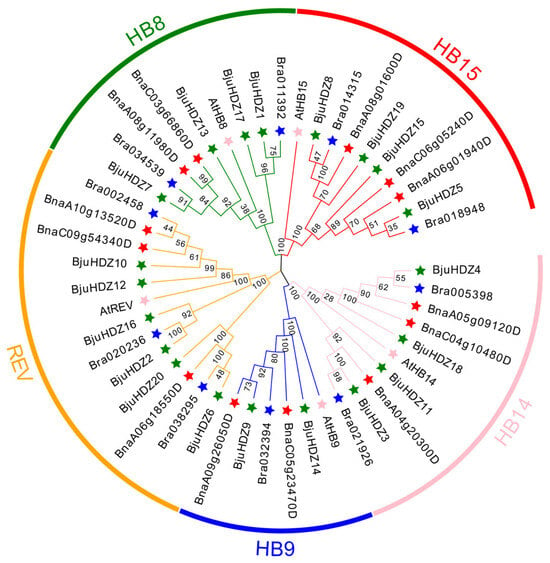
Phylogenetic and conservative motif analyses of PILS genes. (A) Phylogenetic analyses of PILS genes in Glycine max, Glycine soja and Arabidopsis thaliana. The sequence data of PILS genes in Glycine max was used as the reference genome of ‘Williams 82’ (Wm82). The sequence data of PILS genes in Glycine soja was used as the reference genome of ‘PI 483463’. The sequence data of PILS genes in the Glycine max and Glycine soja were downloaded from the Phytozome database, https://phytozome-next.jgi.doe.gov/ (accessed on 21 October 2025). And the PILS genes in Arabidopsis thaliana was download from the TAIR database. https://www.arabidopsis.org/ (accessed on 23 October 2025). (B) Conservative motif analysis of soybean GmPILS genes. The sequence data were downloaded from Phytozome database.
This study investigated the effects of different additives on the fermentation quality and bacterial community of silage prepared from Giant Juncao grass (Cenchrus fungigraminus) grown in saline–alkali soil. Four treatments were compared: a control group (CK), wheat bran (WB), fermented Juncao grass juice (FJGJ), and a combined wheat bran + fermented Juncao grass juice treatment (WB + FJGJ). Dynamic changes in physicochemical characteristics—including dry matter (DM), pH, lactic acid (LA), acetic acid (AA), propionic acid (PA), and total volatile fatty acids (TVFA)—were monitored together with shifts in bacterial community structure. Quantitative results showed that FJGJ and WB + FJGJ significantly improved fermentation performance. Compared with the control, the WB + FJGJ treatment reduced the final pH to 3.61 (p < 0.05) and increased lactic acid concentration to 48 g/kg DM. Concentrations of acetic acid and TVFA were also higher in additive-treated silages than in the control. Redundancy analysis indicated that pH and lactic acid were the main environmental factors associated with changes in bacterial community composition, whereas ether extract and acetic acid showed weaker but detectable effects. Bacterial community profiling revealed that genera such as Secundilactobacillus and Lacticaseibacillus dominated in the additive-treated groups, and that the additives significantly altered microbial community structure compared with the control. Overall, the combined application of wheat bran and fermented Juncao grass juice improved the fermentation quality of Giant Juncao grass silage grown on saline–alkali soil and promoted a bacterial community dominated by beneficial lactic acid–producing taxa.

16 January 2026

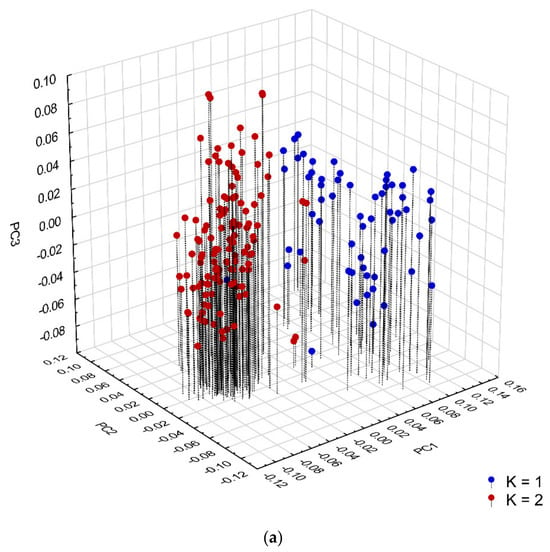
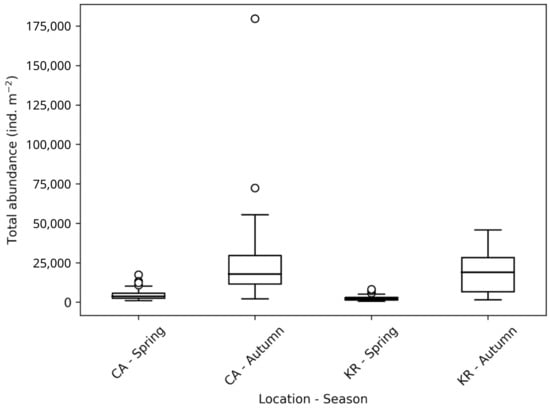
Boxplots of alpha-diversity indices (Chao1 richness, observed species, Shannon diversity, Simpson diversity, and Good’s coverage) of bacterial communities across different silage treatments. CK, control (no additives); WB, wheat bran at 5% (fresh weight basis); FJGJ, fermented Juncao grass juice at 20 mL/kg fresh matter; WB + FJGJ, wheat bran at 5% + FJGJ at 20 mL/kg fresh matter. Data are from 30-day silages (n = 3).

Recycled Phosphorus from Biomass Ash: Fertilizer Performance Across Crops

  • Philipp Koal,
  • Birgitta Putzenlechner and
  • Bettina Eichler-Löbermann

Biomass ashes represent a promising secondary phosphorus (P) source, yet their agronomic performance depends on feedstock origin, processing, and crop-specific interactions. This study evaluated the P fertilizer efficacy of raw and processed biomass ashes derived from cereal straw and paludiculture biomass, compared with triple superphosphate (TSP), using two sequential greenhouse pot experiments with maize, amaranth, and blue lupine. Processed ash products, particularly compacted ashes and ash–straw mixtures, increased plant biomass and P uptake to levels comparable to or exceeding those achieved with TSP. The cumulative P uptake of the three crops reached up to 250–300 mg pot−1 under processed ash treatments, exceeding the uptake under TSP (≈150–180 mg pot−1) and the unfertilized control (≤80 mg pot−1). However, crop-specific differences were observed: amaranth benefited most from the ash products, whereas combinations of ashes with lupine were less favorable. Beside acting as a P source, processed biomass ashes also increased soil pH by about 0.5 units, improved soil aggregation by increasing macroaggregates (>2 mm) to up to 20% compared with only about 7% in TSP and the control, and promoted favorable shifts in Hedley P fractions. Soil enzyme activities were governed primarily by crop species, with amaranth stimulating phosphatase activity the most. Further research should aim to refine crop-specific application strategies for processed biomass ashes and to elucidate their impacts on soil structure and P dynamics.

16 January 2026

Standardized (Z-score) plant phosphorus uptake (shoots + roots) across all crop species in pot experiment I. Positive values indicate above-average and negative values below-average P uptake. CON = control; TSP, triple superphosphate; SA = straw ash; SC = straw compactate; S = raw straw; SM = straw ash-based mixture; PA = paludiculture ash; different letters indicate significant differences between the fertilization treatments within a column; p &lt; 0.05 (Tukey).

News & Conferences

Issues

Open for Submission

Editor's Choice

Reprints of Collections

Plant Invasion
Reprint

Plant Invasion

Editors: Bruce Osborne, Panayiotis G. Dimitrakopoulos
Climate Change Impacts and Adaptation
Reprint

Climate Change Impacts and Adaptation

Interdisciplinary Perspectives—Volume II
Editors: Cheng Li, Fei Zhang, Mou Leong Tan, Kwok Pan Chun

Get Alerted

Add your email address to receive forthcoming issues of this journal.

XFacebookLinkedIn
Agronomy - ISSN 2073-4395