



-
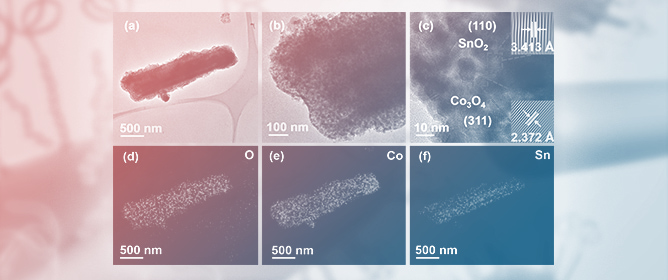
Co3O4/SnO2 Hybrid Nanorods as High-Capacity Anodes for Lithium-Ion Batteries -
Structural Determinants for the Antidepressant Activity of St. John’s Wort (Hypericum perforatum): A Combined Theoretical and Experimental Study -
Computational Biocompatibility and Safety Evaluation of Metal-Doped PET-Carbon Quantum Dots via Multi-Target Molecular Docking and ADMET Analysis on Human Proteins -
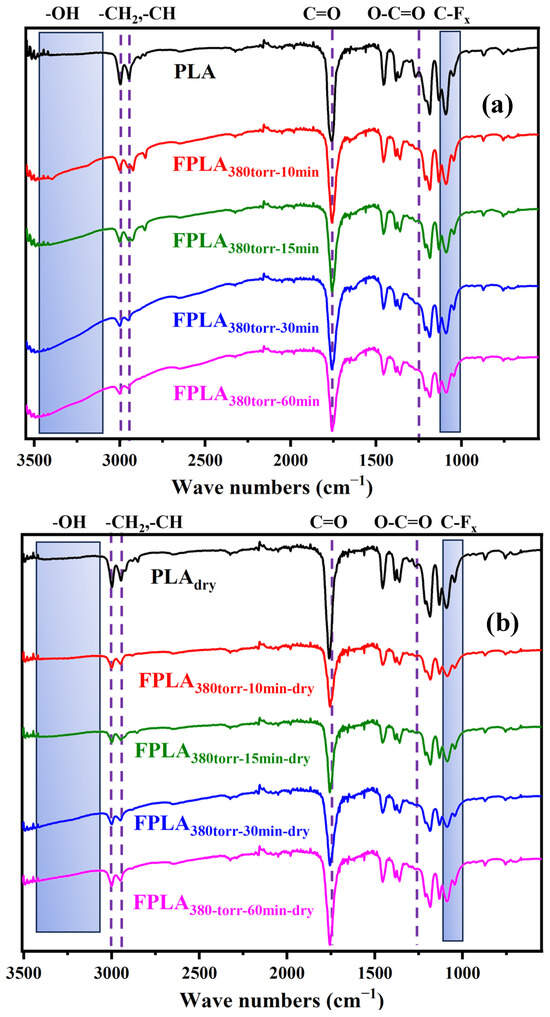
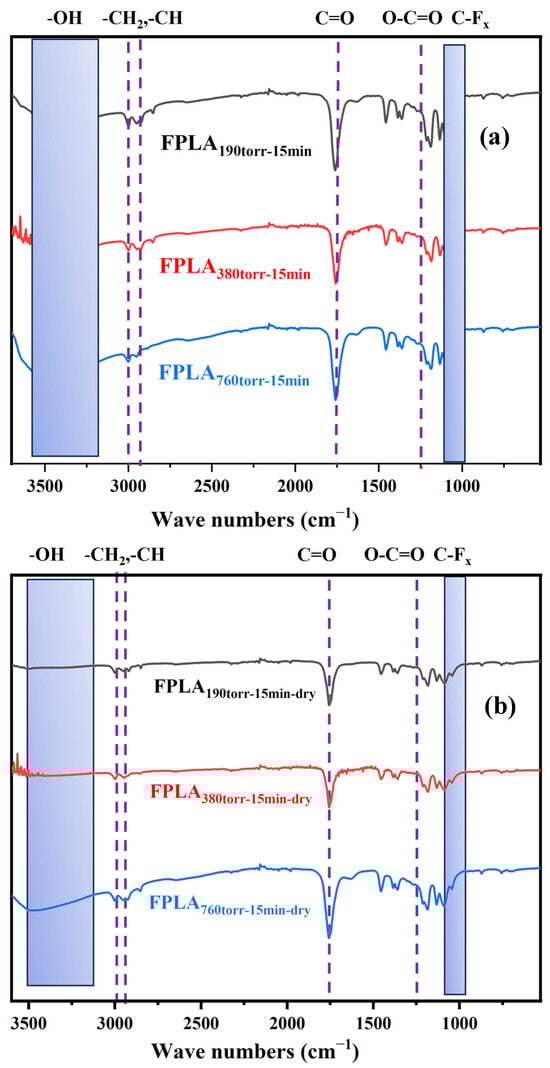
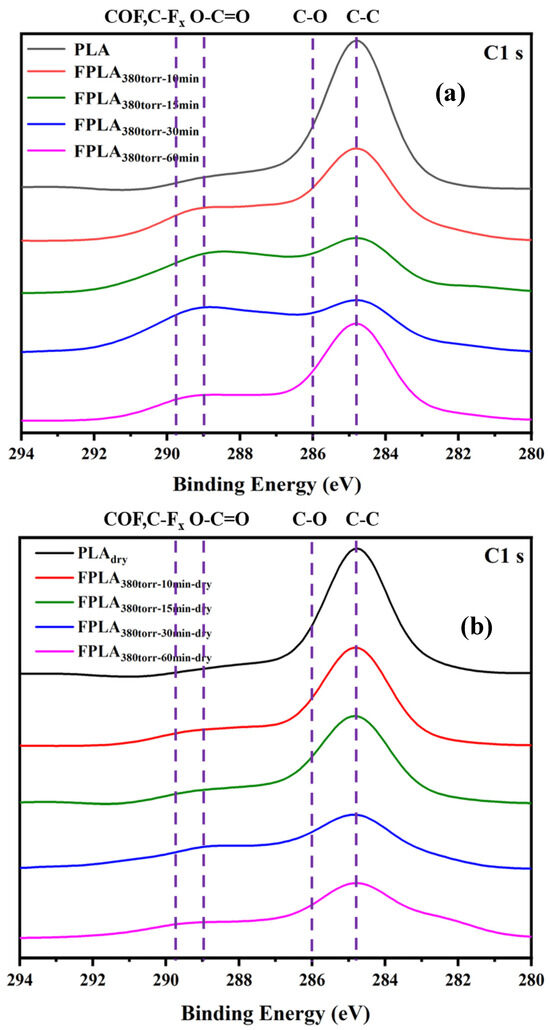
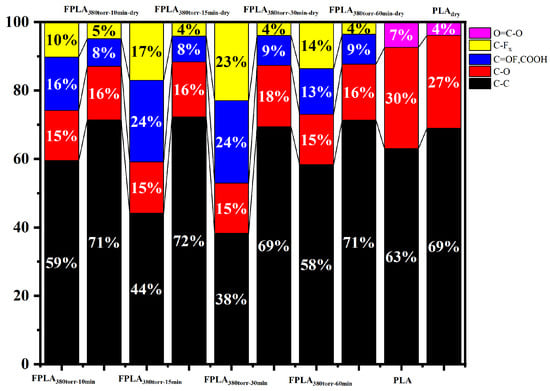
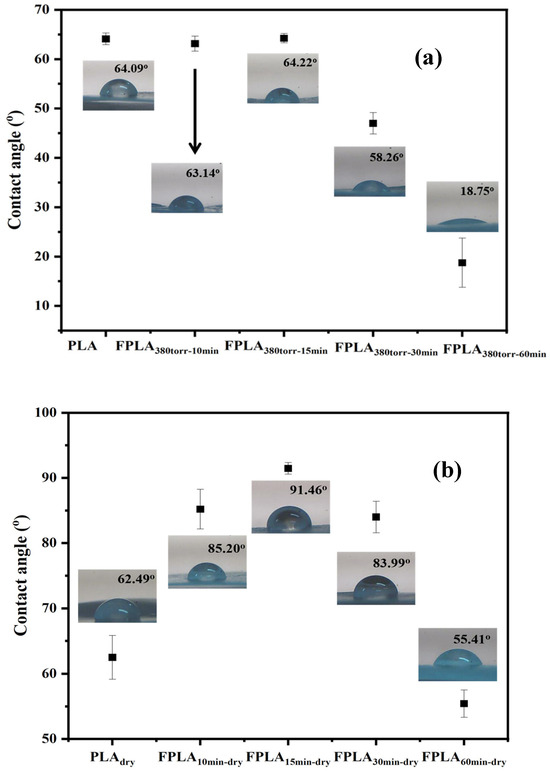
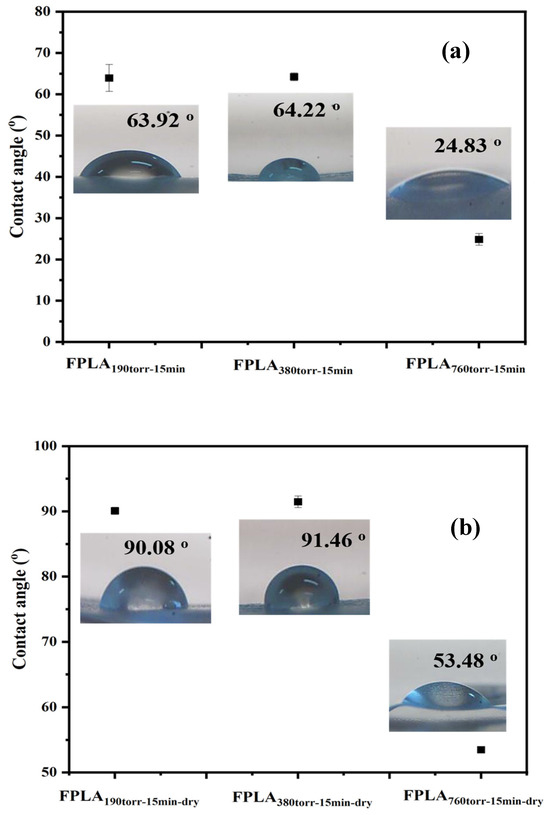
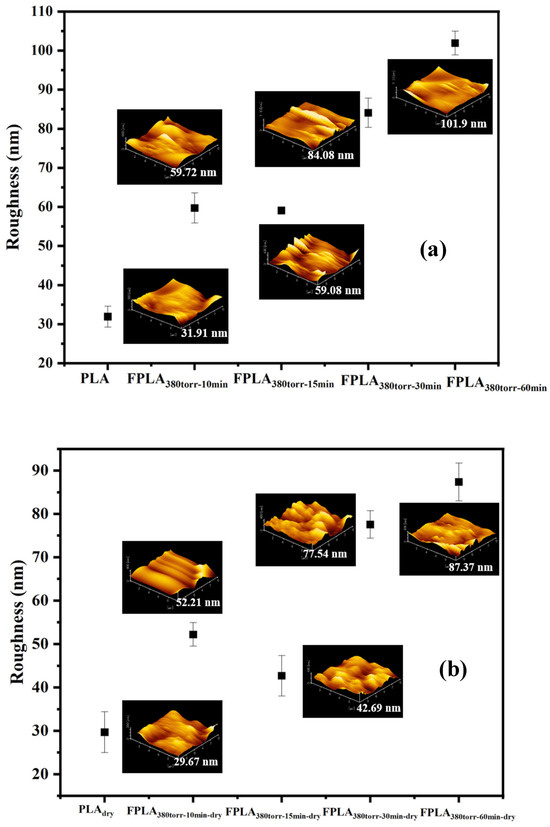
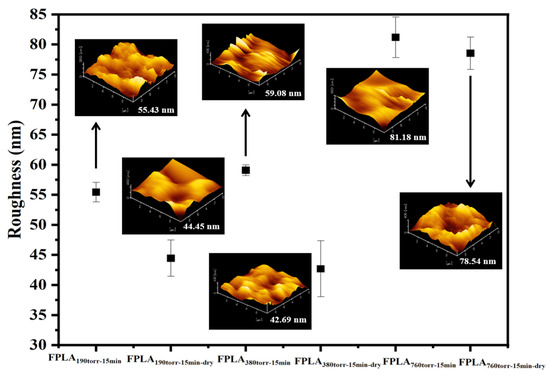
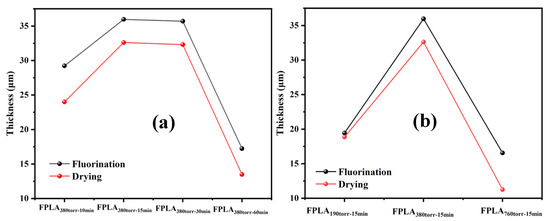
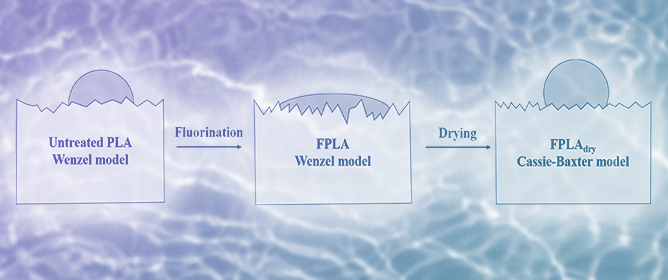
Tuning Hydrophilic–Hydrophobic Properties of PLA Films Through Surface Fluorination and Drying -
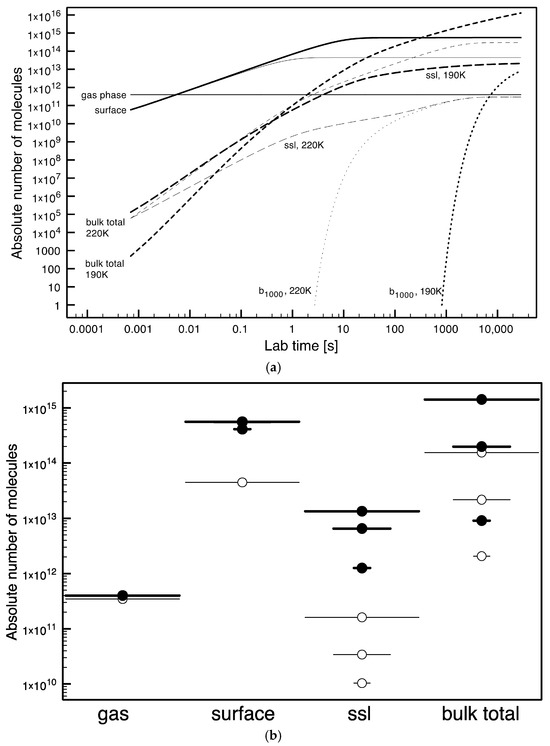
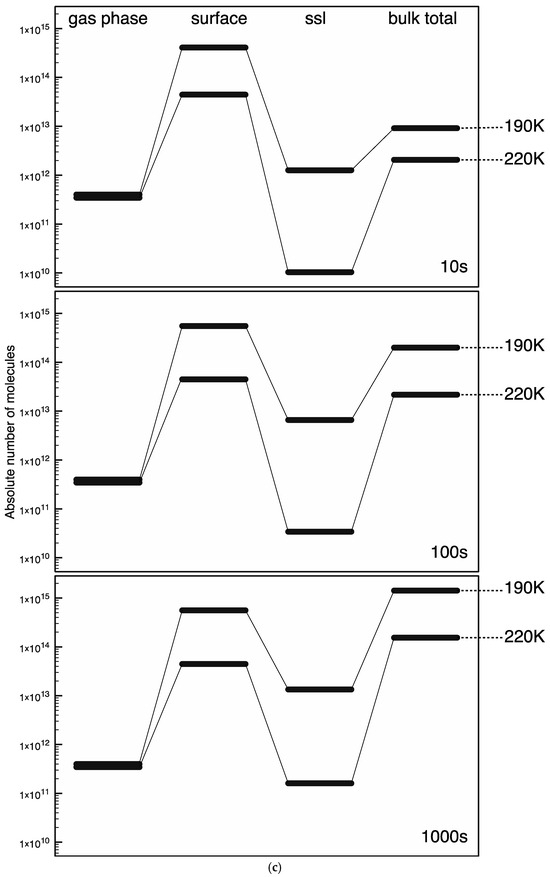
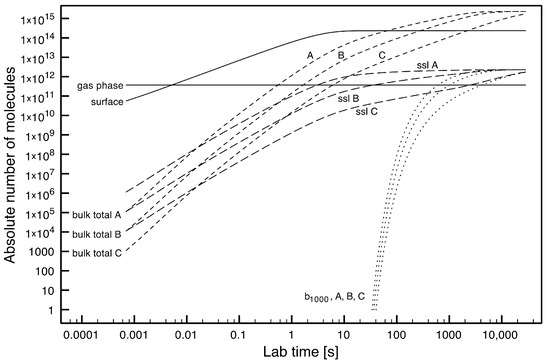
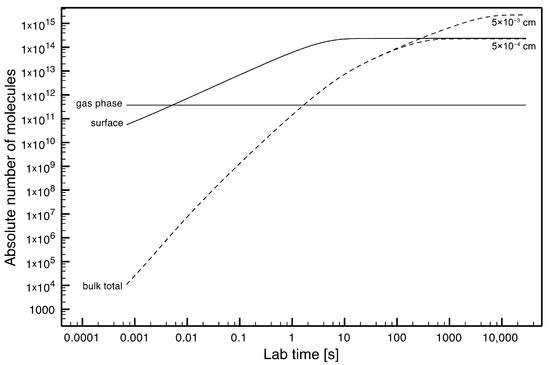
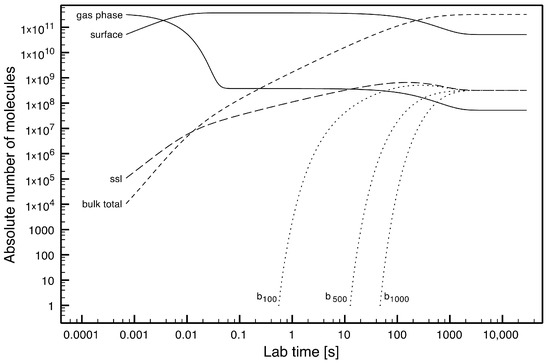
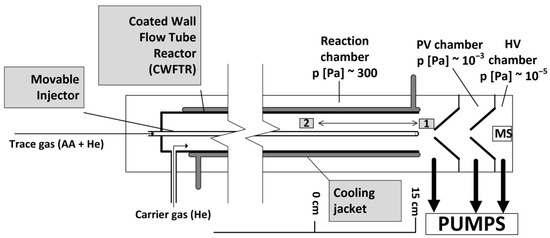
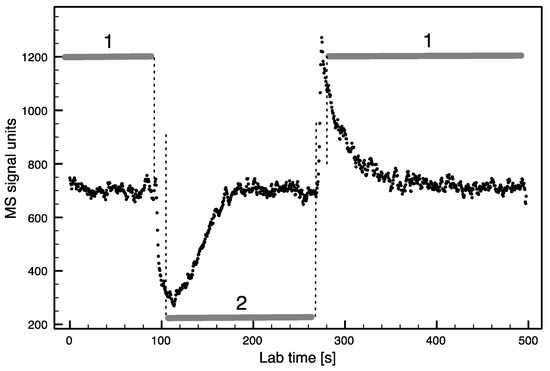
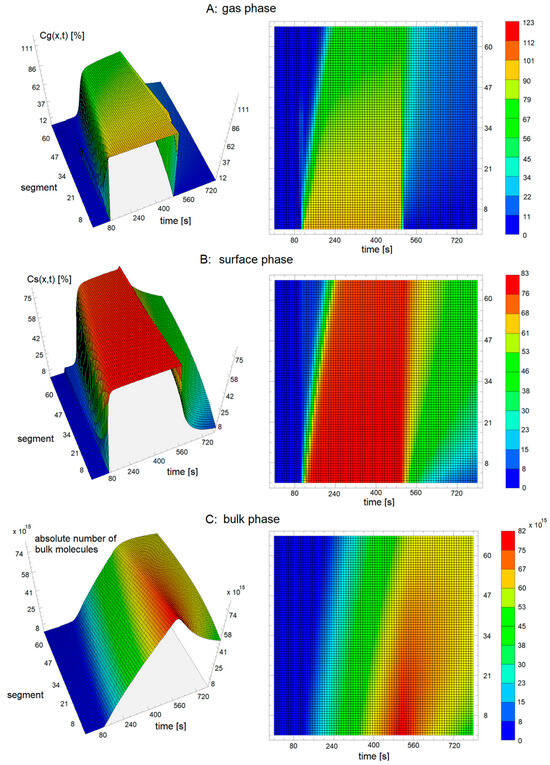
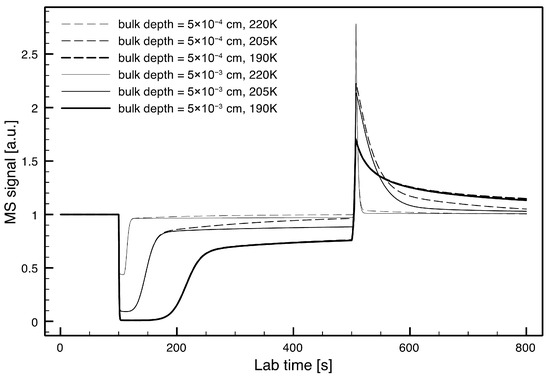
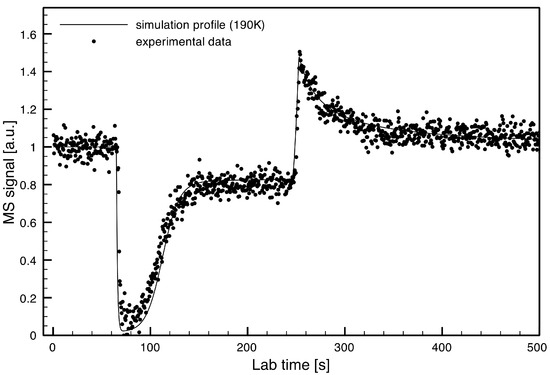
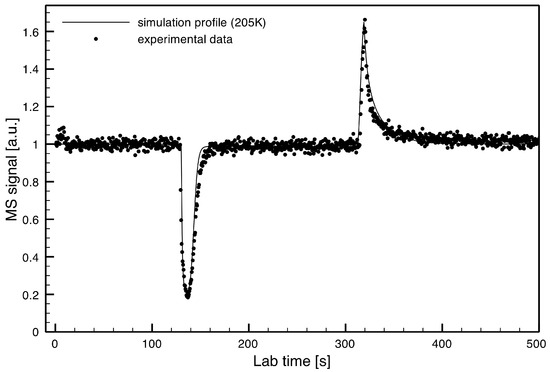
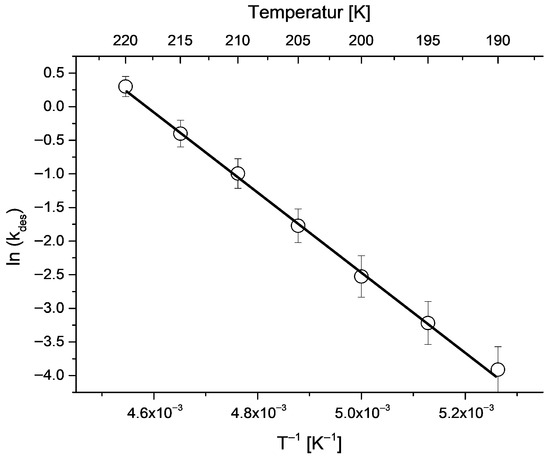
Model Simulations and Experimental Study of Acetic Acid Adsorption on Ice Surfaces with Coupled Ice-Bulk Diffusion at Temperatures Around 200 K
Journal Description
Physchem
Physchem
is an international, peer-reviewed, open access journal on science and technology in physical chemistry published quarterly online by MDPI.
- Open Access— free for readers, with article processing charges (APC) paid by authors or their institutions.
- High Visibility: indexed within Scopus, ESCI (Web of Science) and other databases.
- Rapid Publication: manuscripts are peer-reviewed and a first decision is provided to authors approximately 22.1 days after submission; acceptance to publication is undertaken in 3.7 days (median values for papers published in this journal in the second half of 2025).
- Recognition of Reviewers: APC discount vouchers, optional signed peer review, and reviewer names published annually in the journal.
Impact Factor:
1.7 (2024);
5-Year Impact Factor:
1.6 (2024)
Latest Articles
Repurposing Clotrimazole for Pancreatic Ductal Adenocarcinoma: Comparative In Vitro Evaluation and In Silico ADMET Context
Physchem 2026, 6(1), 17; https://doi.org/10.3390/physchem6010017 - 10 Mar 2026
Abstract
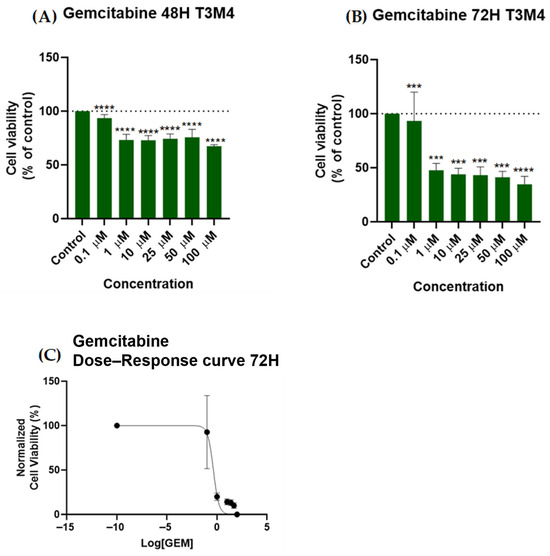
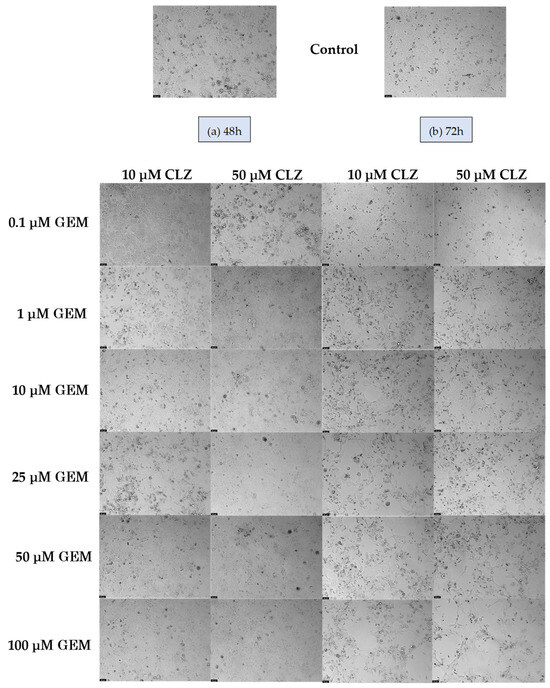
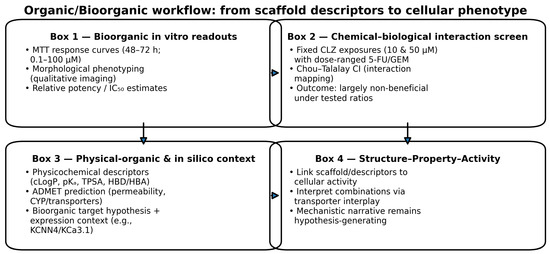
Background: Clotrimazole (CLZ) is an approved antifungal with reported pleiotropic effects. Beyond its antifungal use, CLZ can perturb glycolytic flux and ionic homeostasis, motivating its evaluation as a repurposing candidate in oncology. Objective: We aimed to evaluate CLZ and nitazoxanide (NTZ)
[...] Read more.
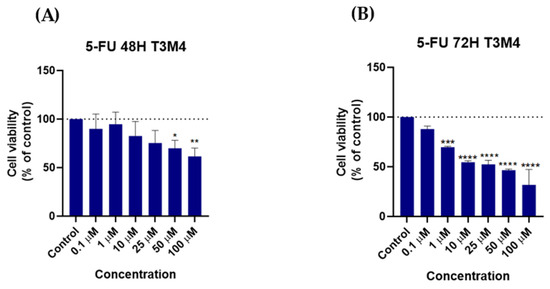
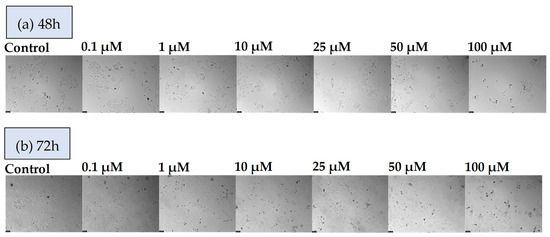
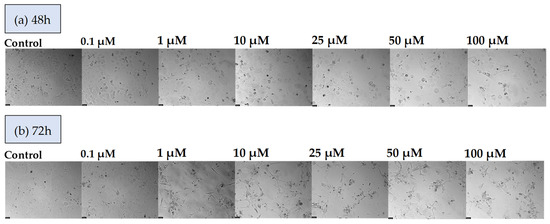
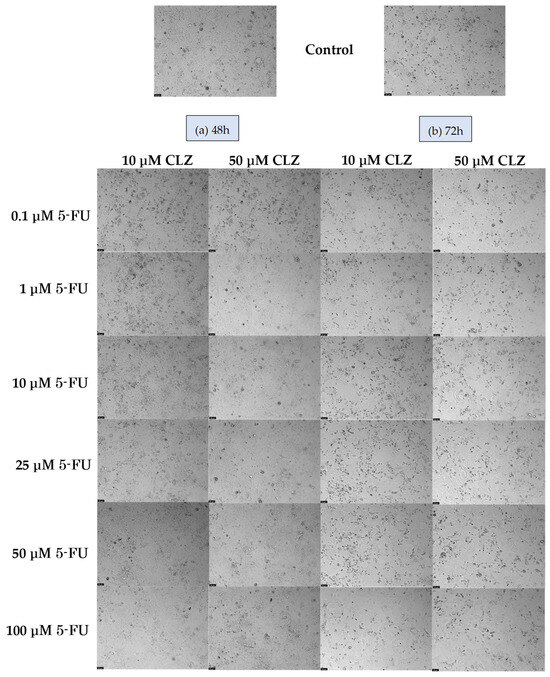
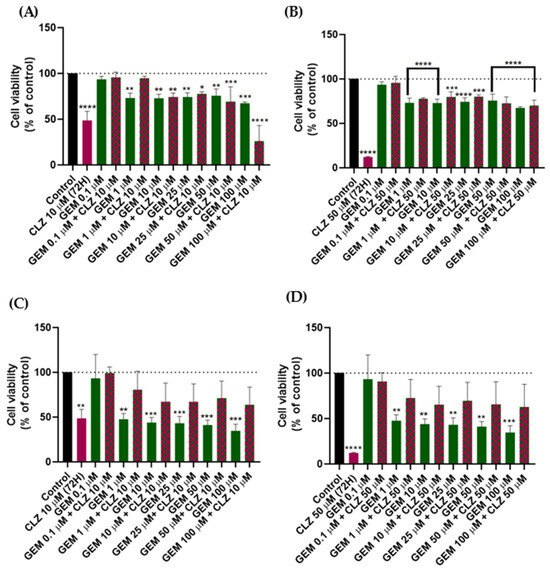
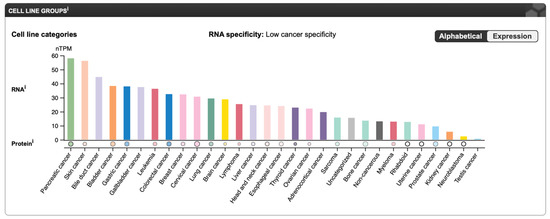
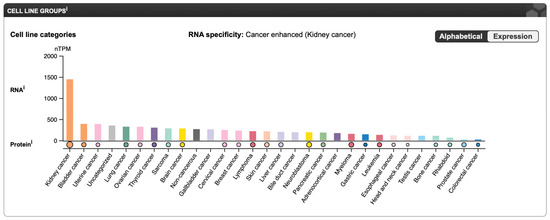
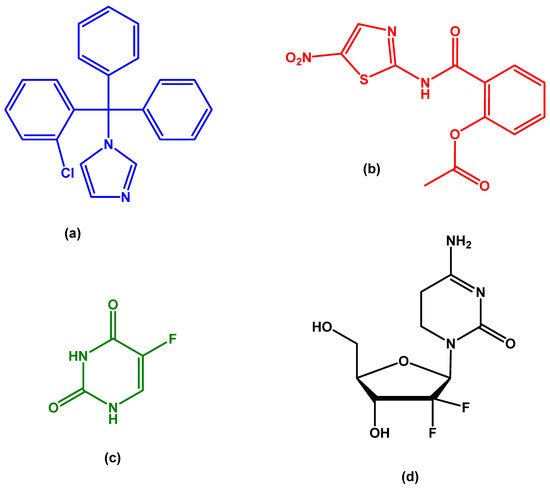
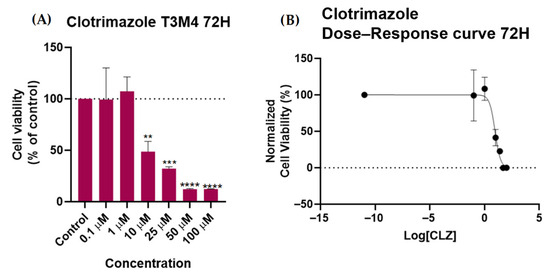
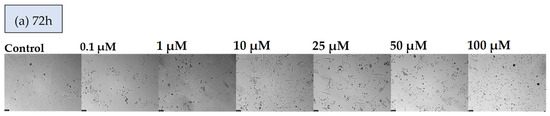
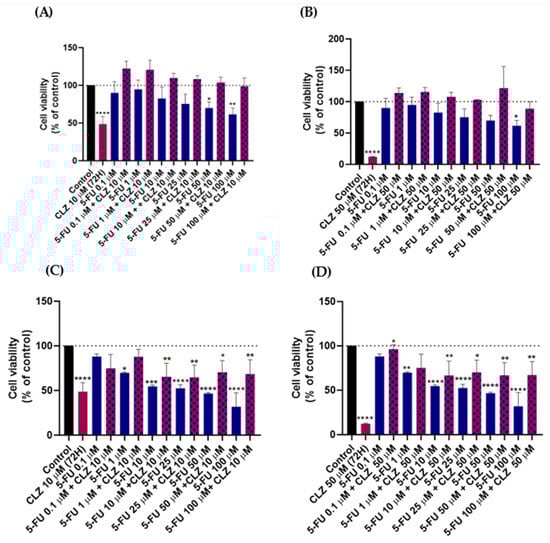
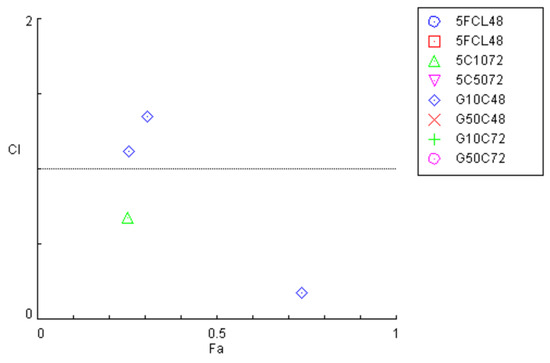
Background: Clotrimazole (CLZ) is an approved antifungal with reported pleiotropic effects. Beyond its antifungal use, CLZ can perturb glycolytic flux and ionic homeostasis, motivating its evaluation as a repurposing candidate in oncology. Objective: We aimed to evaluate CLZ and nitazoxanide (NTZ) as drug repurposing candidates for pancreatic ductal adenocarcinoma (PDAC) in comparison with standard chemotherapeutics gemcitabine (GEM) and 5-fluorouracil (5-FU). Methods: T3M4 PDAC cells were treated (0.1–100 µM; 48–72 h) with 5-FU, GEM, CLZ, and NTZ. Cell viability (MTT) and morphology were assessed, and CLZ-based combinations were analyzed by the Chou–Talalay method. In silico studies provided physicochemical descriptors and ADMET profiles, along with predicted interactions with relevant bioorganic targets (e.g., KCa3.1/KCNN4 ion channels). Results: CLZ produced marked cytotoxicity at 72 h (IC50 ≈ 9 µM) and achieved a greater reduction in cell viability at higher concentrations compared to 5-FU and GEM under identical conditions, whereas NTZ showed modest and inconsistent effects. CLZ combinations with 5-FU or GEM were mainly antagonistic. In silico analyses indicated high membrane permeability and suggested potential interactions with KCa3.1, supporting a hypothesis-generating interpretation of the observed in vitro effects. Conclusions: Within a drug repurposing framework, CLZ exhibited consistent cytotoxic activity as a single agent in a PDAC cell model, whereas NTZ revealed limited effects and CLZ-based combinations were not beneficial under the tested conditions. These findings position CLZ as a monotherapy-oriented repurposing candidate for PDAC and motivate further mechanistic and translational studies to clarify the biological basis of its in vitro activity.
Full article
(This article belongs to the Section Biophysical Chemistry)
►
Show Figures
Open AccessArticle
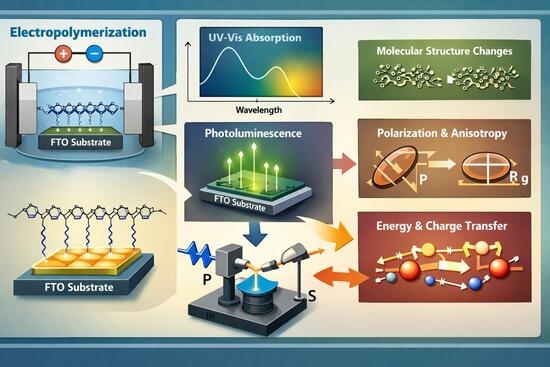
Emission Ellipsometry and Photophysical Pathways in Electropolymerized P3DDT Thin Films
by
Everton Crestani Rambo, Ana Clarissa Kolbow, Sankler Soares de Sá, Romildo Jerônimo Ramos, Alexandre Marletta and Eralci Moreira Therézio
Physchem 2026, 6(1), 16; https://doi.org/10.3390/physchem6010016 - 4 Mar 2026
Abstract
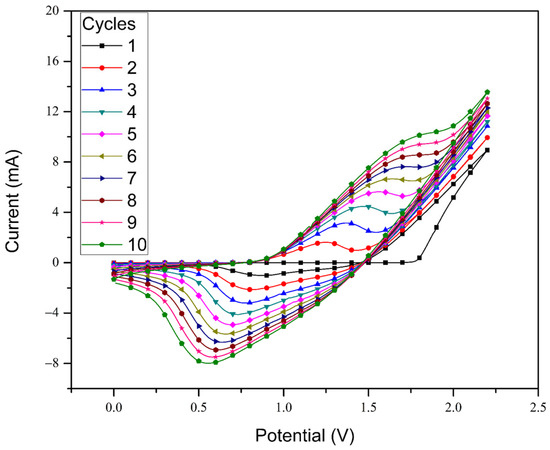
In this work, poly(3-dodecylthiophene) (P3DDT) thin films were electrochemically synthesized onto fluorine-doped tin oxide (FTO) substrates via cyclic voltammetry using tetraethylammonium tetrafluoroborate (Et4NBF4) as the supporting electrolyte. Optical analyses were performed using ultraviolet–visible absorption spectroscopy (UV-Vis), photoluminescence spectroscopy (PL),
[...] Read more.
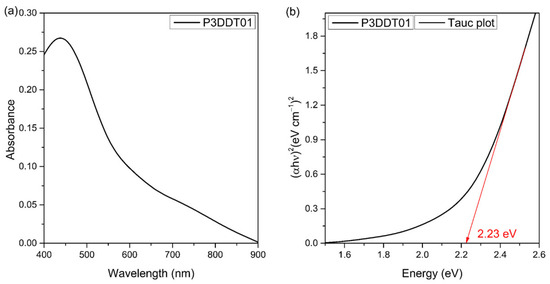
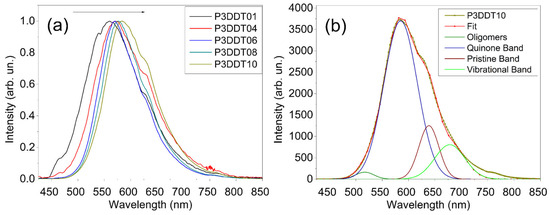
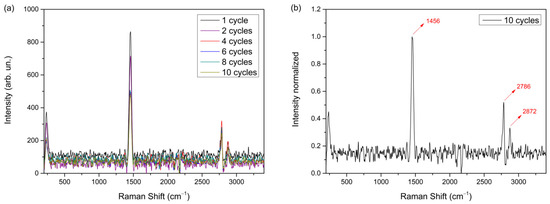
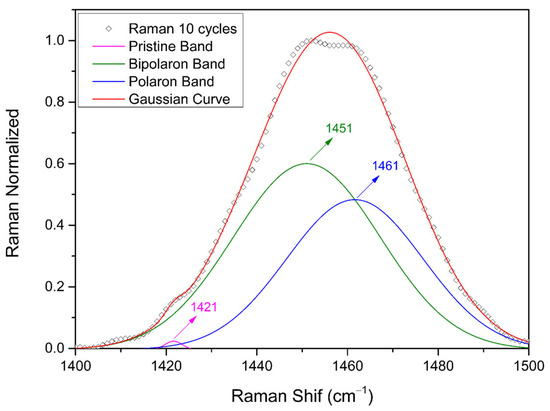
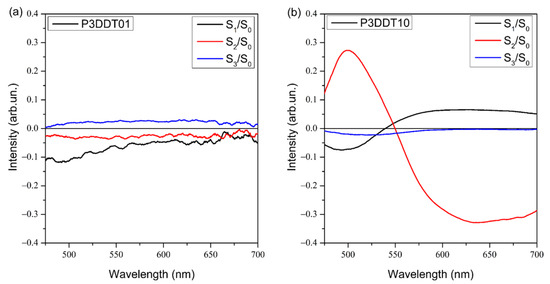
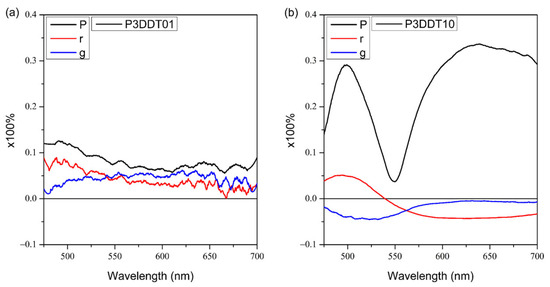
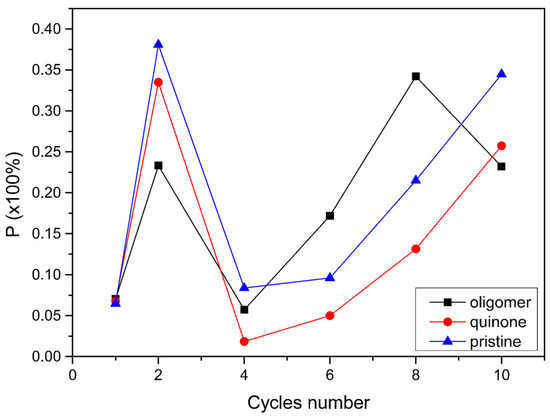
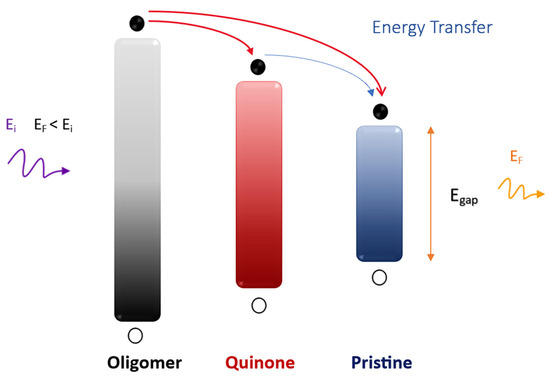
In this work, poly(3-dodecylthiophene) (P3DDT) thin films were electrochemically synthesized onto fluorine-doped tin oxide (FTO) substrates via cyclic voltammetry using tetraethylammonium tetrafluoroborate (Et4NBF4) as the supporting electrolyte. Optical analyses were performed using ultraviolet–visible absorption spectroscopy (UV-Vis), photoluminescence spectroscopy (PL), emission ellipsometry (EE) and Raman spectroscopy. The results revealed the formation of distinct structures during the electropolymerization process, which significantly affected the optical behavior observed in the UV–Vis and PL spectra. Furthermore, the EE measurements provided insights into the impact of these structures on the polarization states of emitted and transmitted light on energy and charge transfer mechanisms and on the photophysical behavior of P3DDT. Variations in the degree of polarization (P), anisotropy factor (r), and asymmetry factor (g) were analyzed as a function of the emission wavelength. The results confirm the potential of P3DDT as an active layer in electroluminescent devices, as the emissive material used in the active layer consisted exclusively of this polymer.
Full article
(This article belongs to the Special Issue Photophysics and Photochemistry in Materials for Advanced Technologies)
►▼
Show Figures

Graphical abstract
Open AccessPerspective
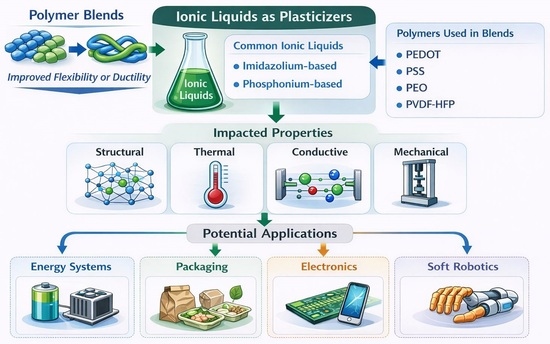
Plasticizing Effects of Ionic Liquids on the Properties and Applications of Polymer Blends
by
Ahmad Adlie Shamsuri and Siti Nurul Ain Md. Jamil
Physchem 2026, 6(1), 15; https://doi.org/10.3390/physchem6010015 - 2 Mar 2026
Abstract
Polymer blends are an essential category of materials formed by physically combining two or more polymers. The plasticizing process is advantageous for brittle or rigid polymer systems that need improved flexibility or ductility. The increasing demand for environmentally friendly and high-performance polymeric materials
[...] Read more.
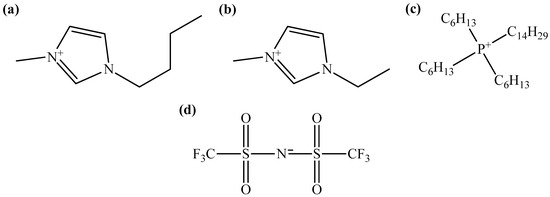
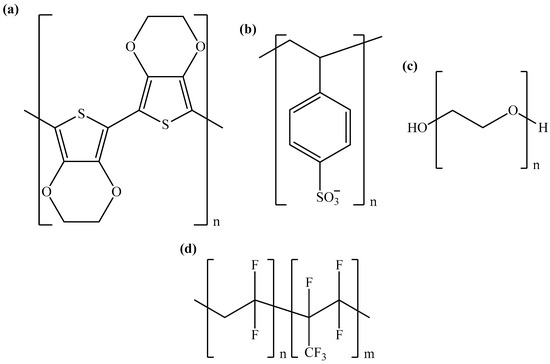
Polymer blends are an essential category of materials formed by physically combining two or more polymers. The plasticizing process is advantageous for brittle or rigid polymer systems that need improved flexibility or ductility. The increasing demand for environmentally friendly and high-performance polymeric materials has spurred research into alternative plasticization methods. The use of ionic liquids as non-volatile plasticizers in polymer blends is owing to their outstanding properties. In this short review, several ionic liquids employed in polymer blends and some polymers used in blends with ionic liquids are listed. Additionally, the plasticizing effects of ionic liquids on the properties of polymer blends are concisely elucidated. This review also provides a brief overview of the potential applications of polymer blends plasticized with ionic liquids. In summary, many studies reveal that ionic liquid-based plasticization impacts the structural, thermal, conductive, and mechanical properties of polymer blends. The potential applications of polymer blends plasticized with ionic liquids cover various fields, including energy systems, packaging, electronics, and soft robotics.
Full article
(This article belongs to the Section Electrochemistry)
►▼
Show Figures

Graphical abstract
Open AccessArticle
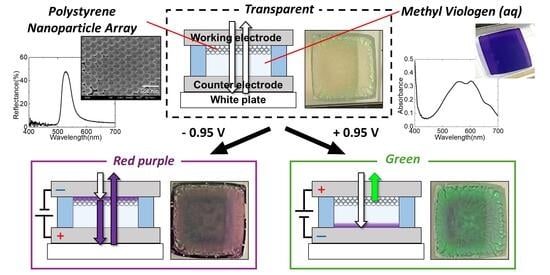
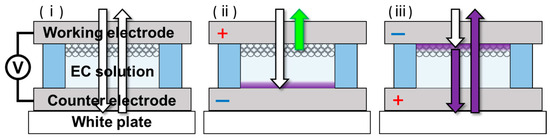
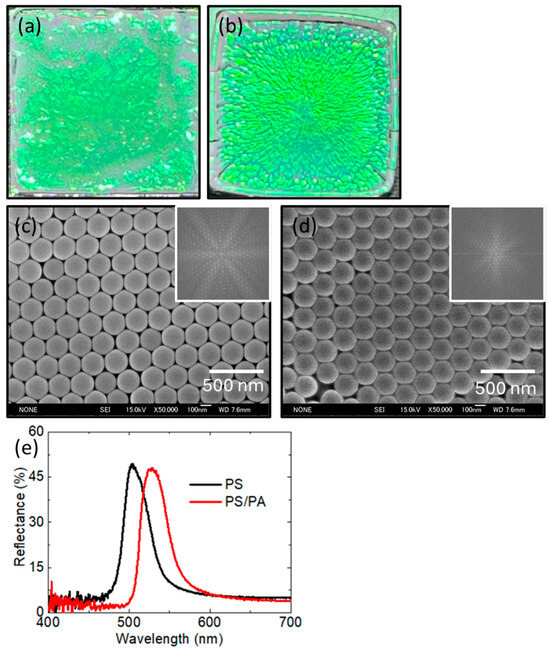
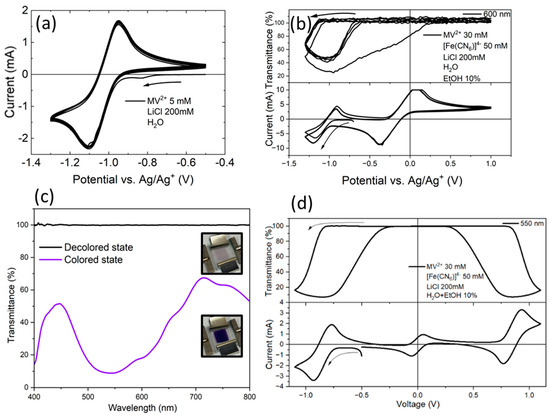
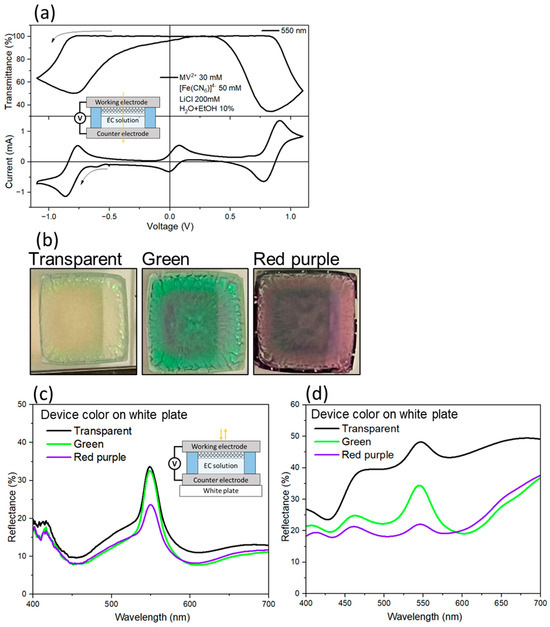
Electrochemically Induced Modulation of Structural Coloration in a Hybrid Photonic System
by
Hayata Shirai, Norihisa Kobayashi and Kazuki Nakamura
Physchem 2026, 6(1), 14; https://doi.org/10.3390/physchem6010014 - 2 Mar 2026
Abstract
Structural coloration has attracted significant attention as a concept for next-generation reflective displays and optical devices. It enables high optical stability and durability, appearing vivid and highly visible compared to conventional light-absorption systems. We present a novel hybrid light-reflecting device that integrates electrochromic
[...] Read more.
Structural coloration has attracted significant attention as a concept for next-generation reflective displays and optical devices. It enables high optical stability and durability, appearing vivid and highly visible compared to conventional light-absorption systems. We present a novel hybrid light-reflecting device that integrates electrochromic materials with structural coloration to dynamically and reversibly modulate the reflected light. Experiments confirm that the electrochromic materials enable color modulation through redox reactions under an applied voltage, whereas photonic structures provide vivid, angle-dependent structural coloration based on interference or diffraction effects. The developed device can achieve multistage visual modulation by integrating structural coloration with electrochromic functionality. Further, by combining these two light-modulating mechanisms, our device offers enhanced functionality compared with conventional reflective systems.
Full article
(This article belongs to the Section Electrochemistry)
►▼
Show Figures

Graphical abstract
Open AccessArticle
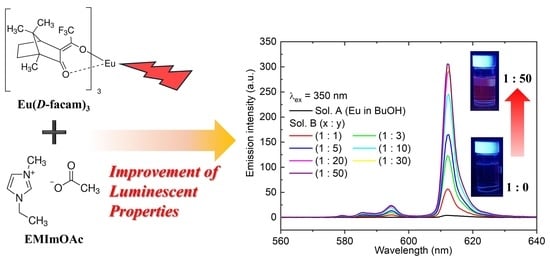
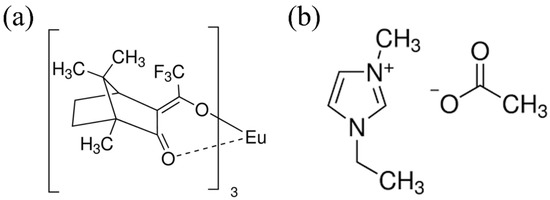
Enhanced Circularly Polarized Luminescence and Thermal Stability of Eu(D-facam)3 in Imidazolium-Based Ionic Liquid EMImOAc
by
Arata Suzuki, Ziying Li, Norihisa Kobayashi and Kazuki Nakamura
Physchem 2026, 6(1), 13; https://doi.org/10.3390/physchem6010013 - 25 Feb 2026
Abstract
The optical and thermal behaviors of a chiral europium(III) β-diketonate complex, Eu(D-facam)3 (facam: 3-(trifluoromethylhydroxymethylene)-(+)-camphorate), were examined in the presence of imidazolium-based ionic liquid 1-ethyl-3-methylimidazolium acetate (EMImOAc). The addition of EMImOAc to Eu(D-facam)3 butanol solutions enhanced their luminescence
[...] Read more.
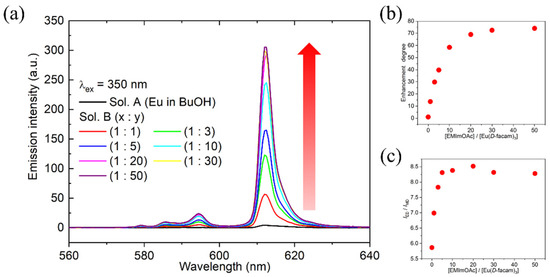
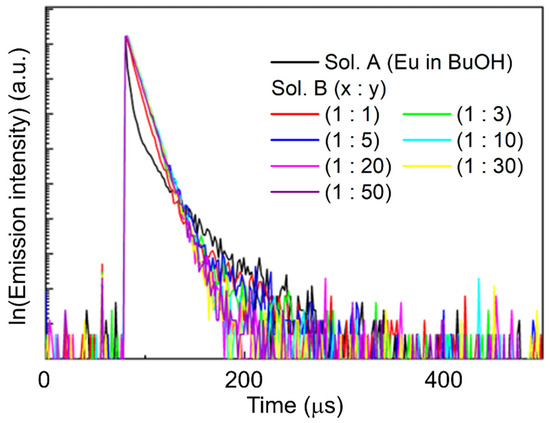
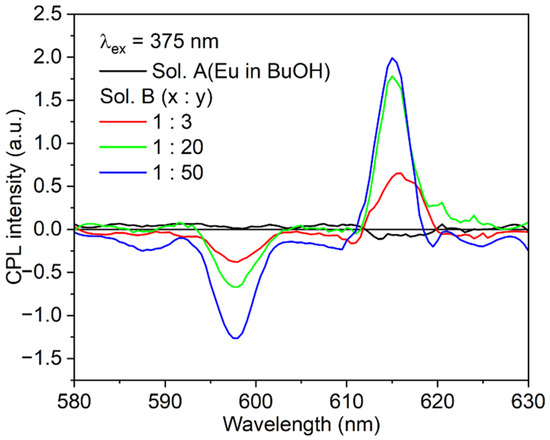
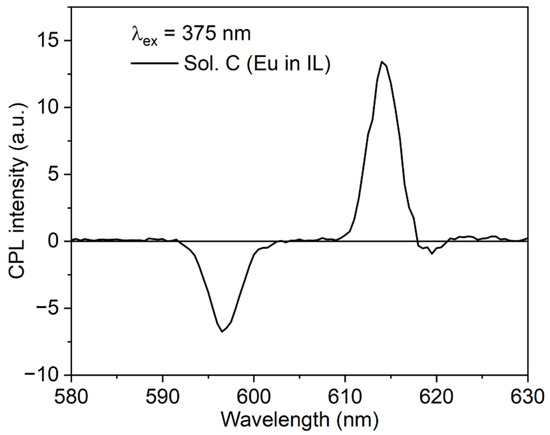
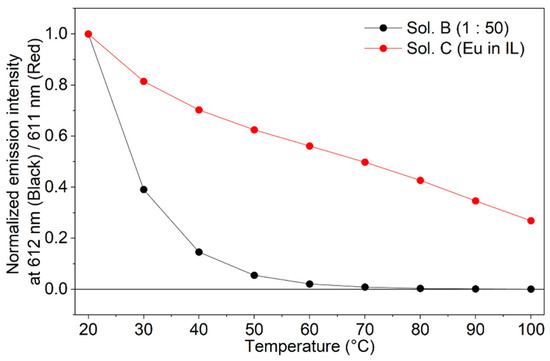
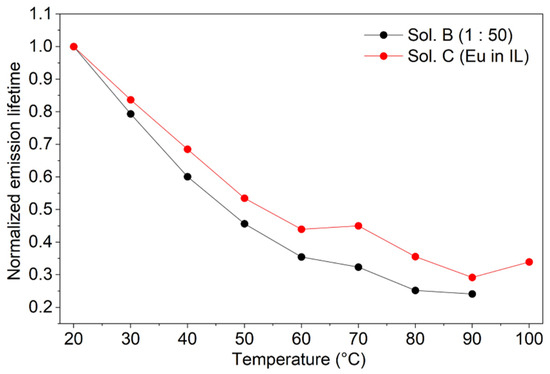
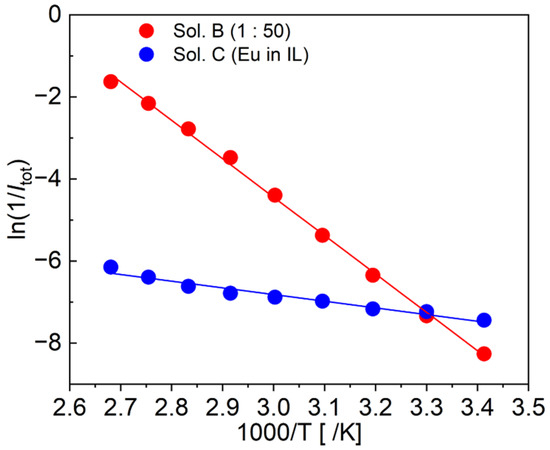
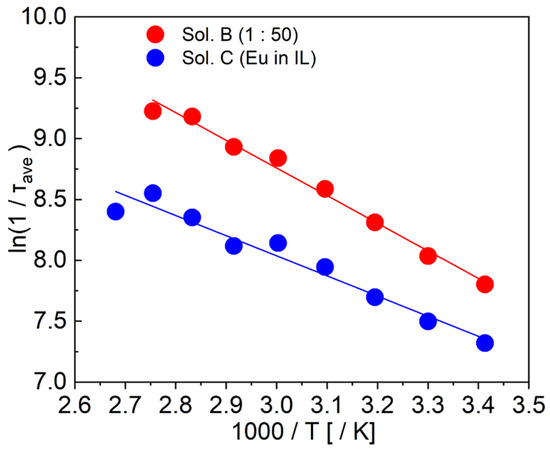
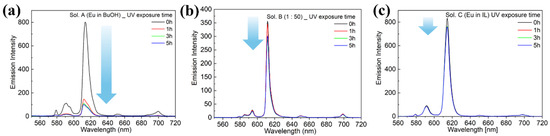
The optical and thermal behaviors of a chiral europium(III) β-diketonate complex, Eu(D-facam)3 (facam: 3-(trifluoromethylhydroxymethylene)-(+)-camphorate), were examined in the presence of imidazolium-based ionic liquid 1-ethyl-3-methylimidazolium acetate (EMImOAc). The addition of EMImOAc to Eu(D-facam)3 butanol solutions enhanced their luminescence intensity by up to 74-fold and induced clear circularly polarized luminescence (gCPL = −0.28 for the 5D0 → 7F1 transition). When Eu(D-facam)3 was dissolved directly in EMImOAc, the Eu(III) complex also exhibited distinct circularly polarized luminescence (gCPL = −0.22). In addition, compared with the thermal stability of luminescence in 1-butanol, the ionic liquid solution exhibited superior thermal robustness, retaining approximately 30% of its room-temperature emission intensity even at 100 °C. Arrhenius analysis of the solutions was performed using their emission intensity and lifetime to evaluate the emission stability at higher-temperature regions near 70–100 °C. In EMImOAc, the thermal acceleration of the nonradiative decay of the ligands was suppressed; thus, the energy transfer from the ligand to the Eu(III) ion was stabilized even at higher temperatures. These results highlight the role of ionic liquids as effective media toward achieving thermally robust and highly emissive chiral Eu(III) systems.
Full article
(This article belongs to the Special Issue Photophysics and Photochemistry in Materials for Advanced Technologies)
►▼
Show Figures

Graphical abstract
Open AccessArticle
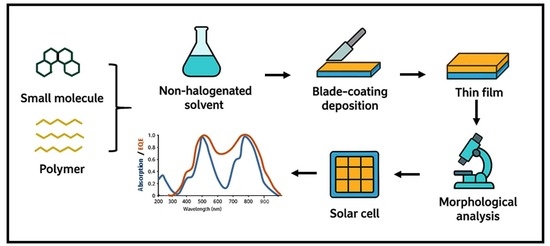
Through Analysis of Thin Films Based on Small-Molecule and Polymer NFA Blends for Photovoltaic Conversion: From Neat Materials to Ternary Systems
by
Mohamed el A. Kramdi, Aral Karahan, Takeshi Watanabe, Hidehiro Sekimoto, Simon Desbief, Gilles Quéléver, Olivier Margeat, Jörg Ackermann, Carmen M. Ruiz Herrero and Christine Videlot-Ackermann
Physchem 2026, 6(1), 12; https://doi.org/10.3390/physchem6010012 - 9 Feb 2026
Abstract
Focusing on PM6 as the electron-donating polymer and the non-fullerene acceptors Y12 and PY-IT, this study investigates their chemical, optical, and morphological properties, as well as their compatibility in bulk heterojunction (BHJ) architectures. All materials were characterized in thin-film form using Fourier transform
[...] Read more.
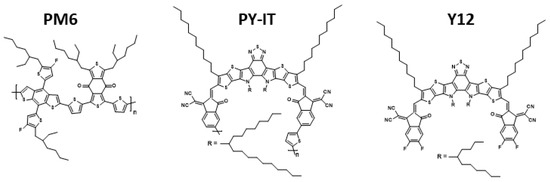
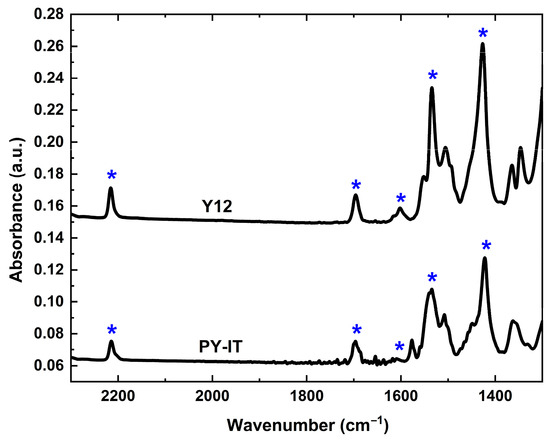
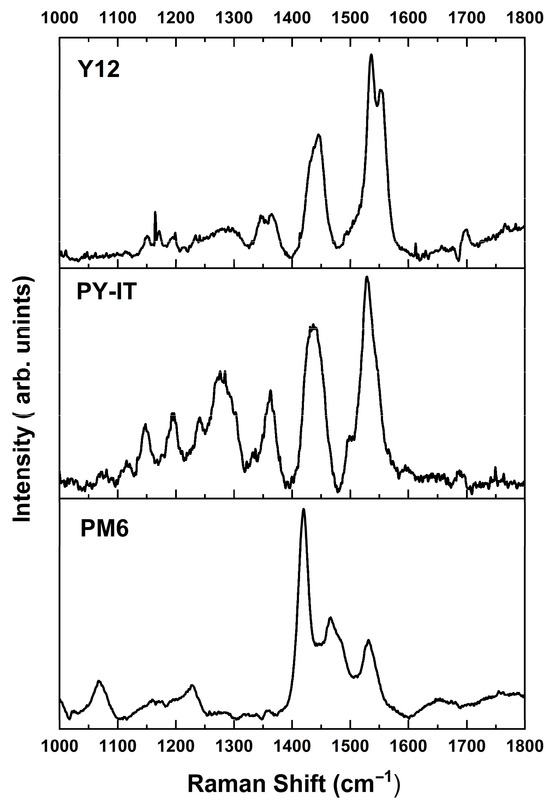
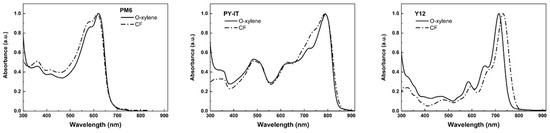
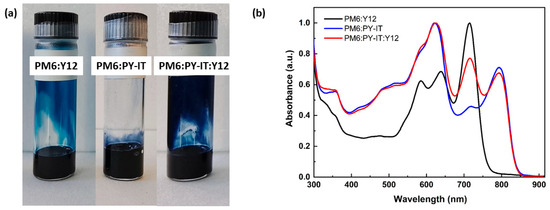
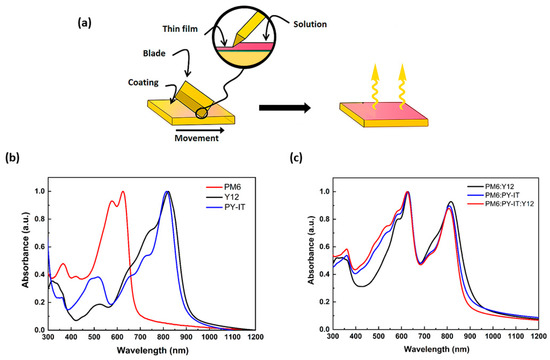
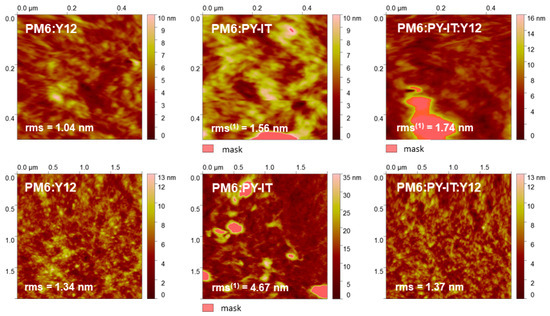
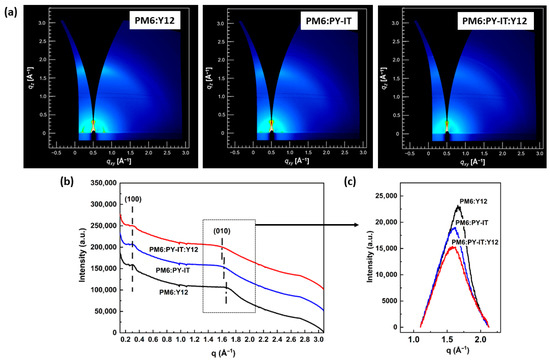
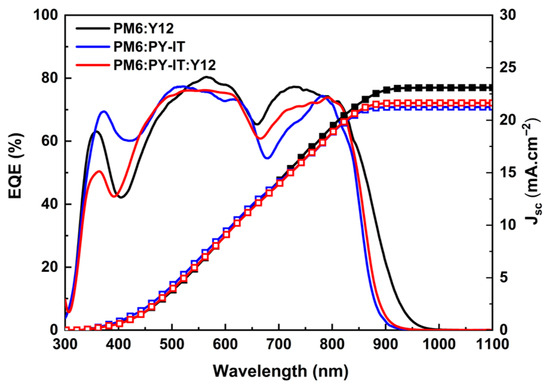
Focusing on PM6 as the electron-donating polymer and the non-fullerene acceptors Y12 and PY-IT, this study investigates their chemical, optical, and morphological properties, as well as their compatibility in bulk heterojunction (BHJ) architectures. All materials were characterized in thin-film form using Fourier transform infrared (FTIR), and Raman spectroscopy. Binary blends of PM6:Y12 and PM6:PY-IT, along with the ternary PM6:PY-IT:Y12 system, were dissolved in o-xylene and processed into active layers by blade coating under ambient conditions. Optical properties were analyzed in solution and in thin films, providing insights into light-absorption efficiency and spectral complementarity. Nanoscale morphology and molecular packing were examined using atomic force microscopy (AFM) and grazing-incidence wide-angle X-ray scattering (GIWAXS), revealing correlations between material organization and device performance. The results highlight the importance of optimizing material selection, ink formulation, and film morphology to maximize charge-generation efficiency. Power-conversion efficiencies (PCEs) of 13.95%, 12.04%, and 12.17% were achieved for PM6:Y12, PM6:PY-IT, and PM6:PY-IT:Y12 devices, respectively. The ternary PM6:PY-IT:Y12 system demonstrated performance comparable to PM6:PY-IT, with improved miscibility and nearly aggregate-free morphologies, suggesting potential for further efficiency gains. These findings offer valuable guidance for designing high-performance, sustainable active layers, contributing to the development of next-generation organic photovoltaic technologies.
Full article
(This article belongs to the Topic Polymer Physics)
►▼
Show Figures

Graphical abstract
Open AccessArticle
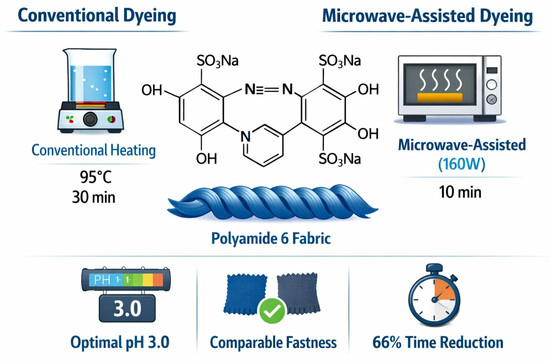
Comparative Study on the Microwave-Assisted and Conventional Dyeing of Polyamide Fabric with Acid Dyes
by
Raşit Dağlı, Murat Teker and Ayşe Usluoğlu
Physchem 2026, 6(1), 11; https://doi.org/10.3390/physchem6010011 - 5 Feb 2026
Abstract
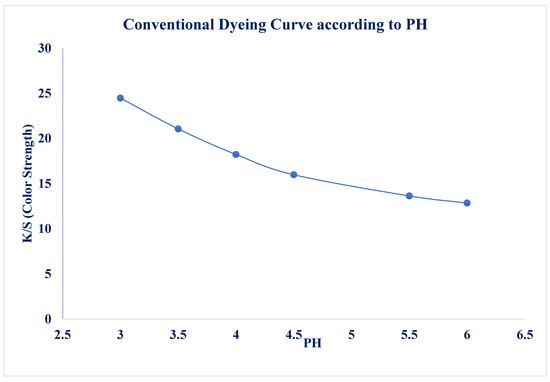
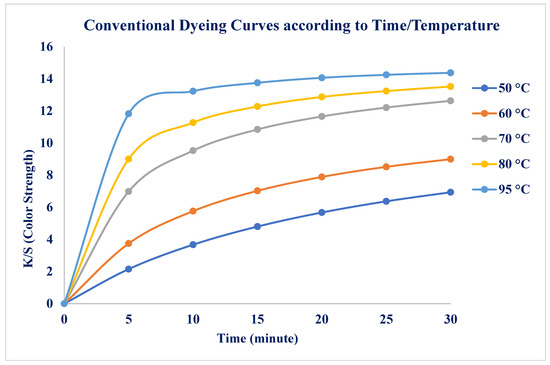
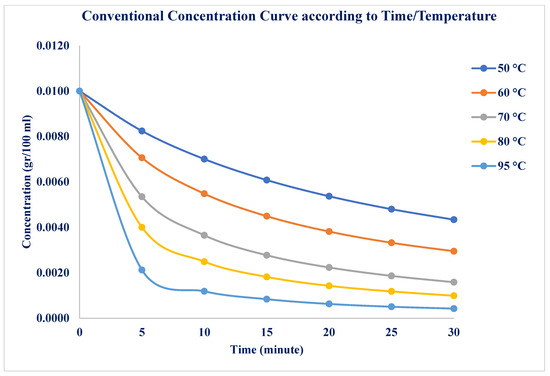
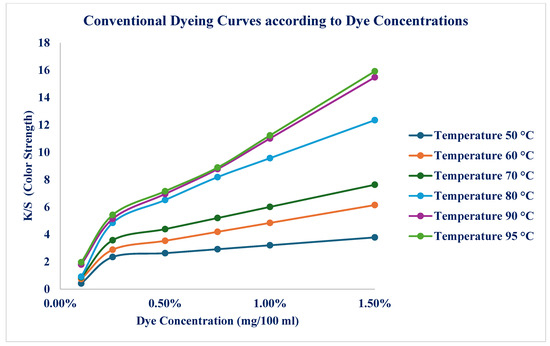
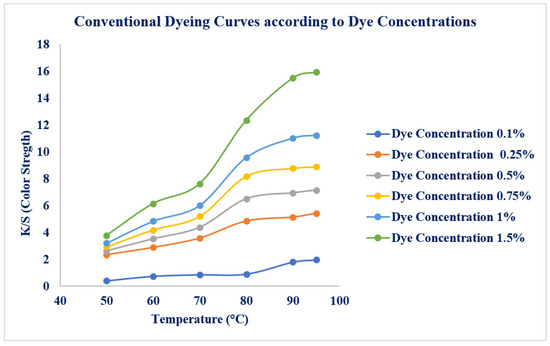
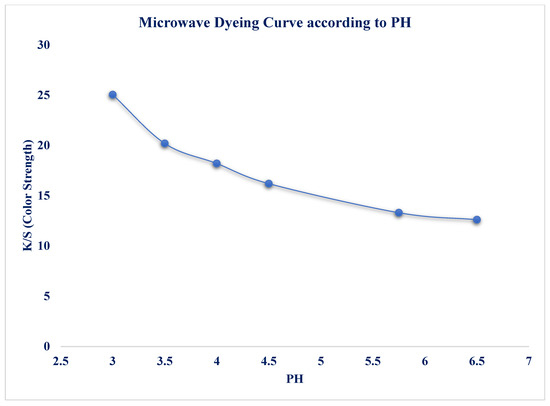
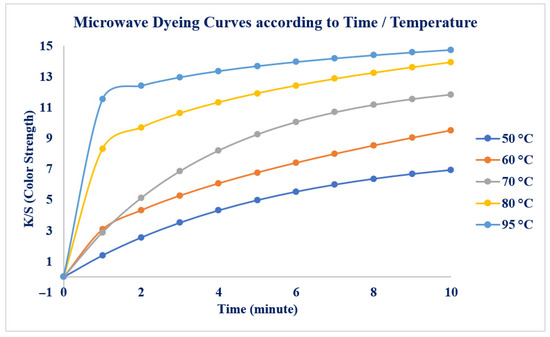
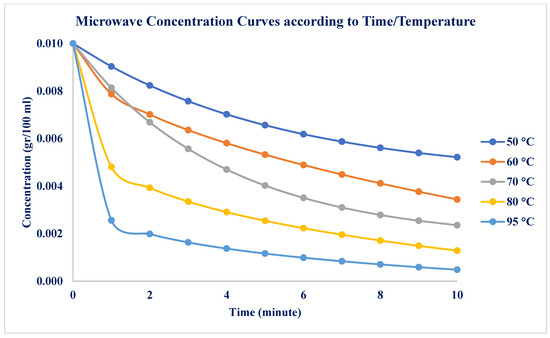
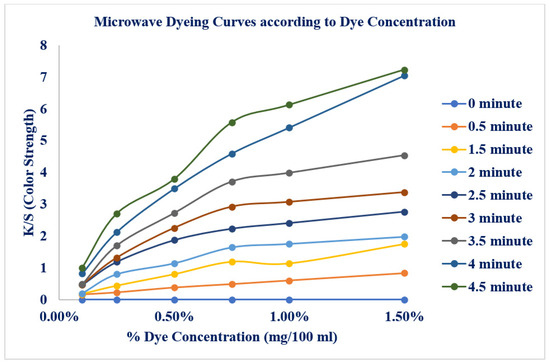
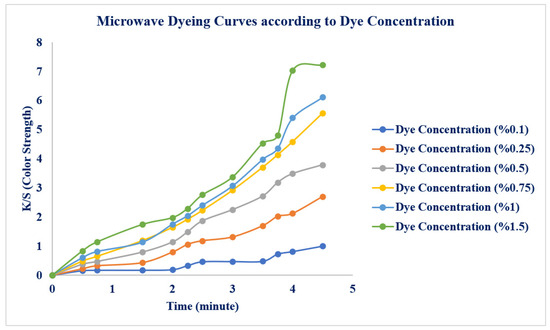
This study investigates the acid dyeing of Polyamide 6 (PA6) fabric by comparing conventional heating and microwave-assisted techniques. The influence of critical process parameters—namely pH, temperature, dyeing time, and dye concentration—on color strength (K/S) was systematically evaluated using C.I. Acid Blue 324. Results
[...] Read more.
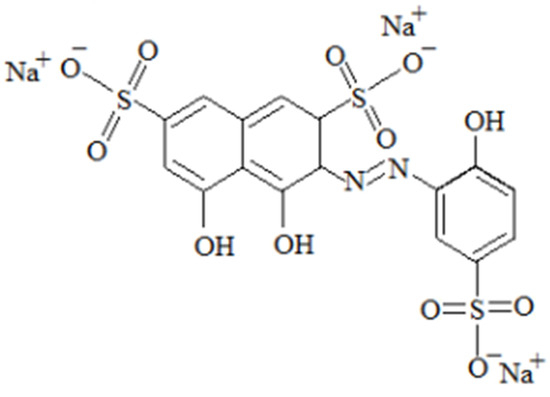
This study investigates the acid dyeing of Polyamide 6 (PA6) fabric by comparing conventional heating and microwave-assisted techniques. The influence of critical process parameters—namely pH, temperature, dyeing time, and dye concentration—on color strength (K/S) was systematically evaluated using C.I. Acid Blue 324. Results indicated an inverse correlation between pH and K/S for both methods, with the maximum color yield achieved at pH 3.0. While dye uptake improved with increasing temperature, time, and concentration in both systems, the microwave-assisted approach (160 W) significantly accelerated the process. Optimal conditions for conventional dyeing were established at pH 3, 95 °C, and a 30 min reaction time with 1.5% dye concentration. In contrast, the microwave-assisted process reached equivalent exhaustion levels in only 10 min under otherwise identical conditions. The findings confirm that microwave-assisted dyeing is a rapid, energy-efficient, and sustainable alternative for PA6 processing, offering substantial reductions in production time.
Full article
(This article belongs to the Section Surface Science)
►▼
Show Figures

Graphical abstract
Open AccessArticle
Critical Review of Cp Calculation Within the Fluidized Bed of Cement Rotary Kilns
by
Evanthia Kostarellou, Evdokia Gkagkari, Michail Mouratidis, Theodoros Damartzis, George Skevis, Alexandros Katsinos, Thomas Kaimakamis, Ananias Tomboulides, Vasileios K. Michalis, Vasileios Stroungaris, Nikolaos Poulianas, Marios S. Katsiotis, Akrivi Asimakopoulou and Ioannis N. Tsimpanogiannis
Physchem 2026, 6(1), 10; https://doi.org/10.3390/physchem6010010 - 4 Feb 2026
Abstract
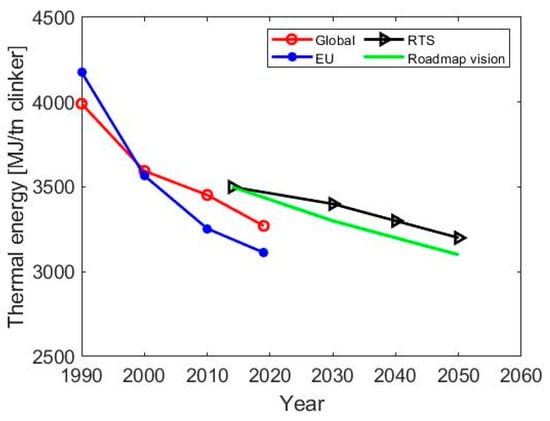
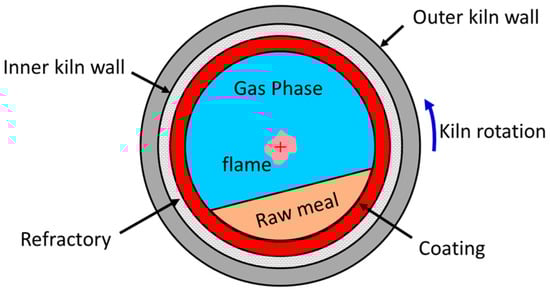
One thermodynamic parameter that is crucial to heat transport within the fluidized bed inside the rotary kiln, during clinker production, is the specific heat capacity. The particular parameter is often considered constant in the open literature, while, in reality, it strongly depends on
[...] Read more.
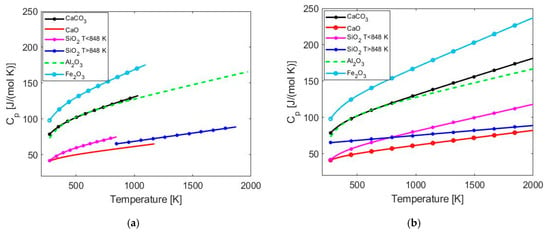
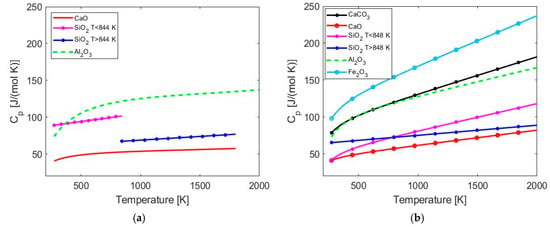
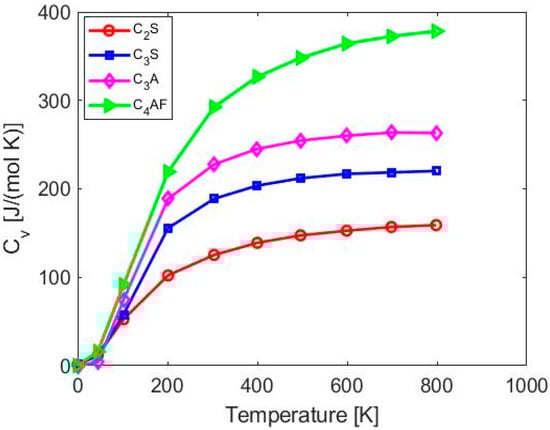
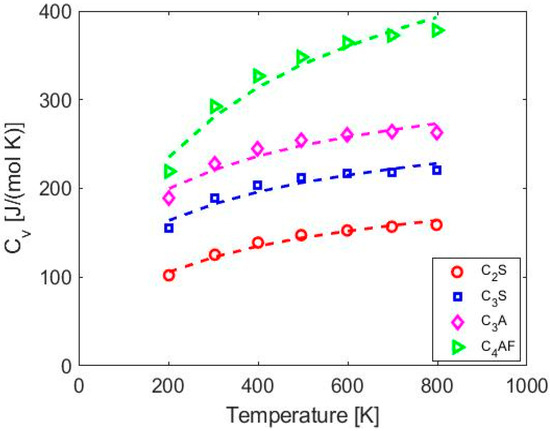
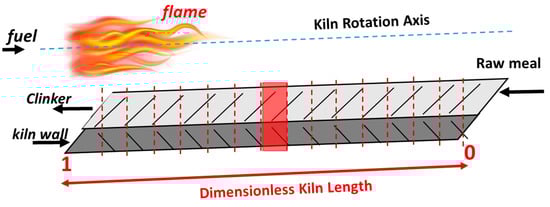
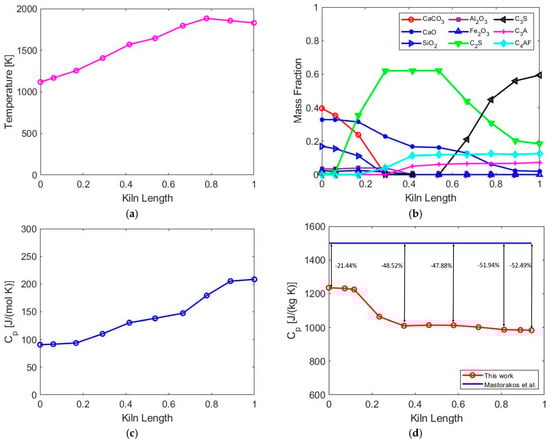
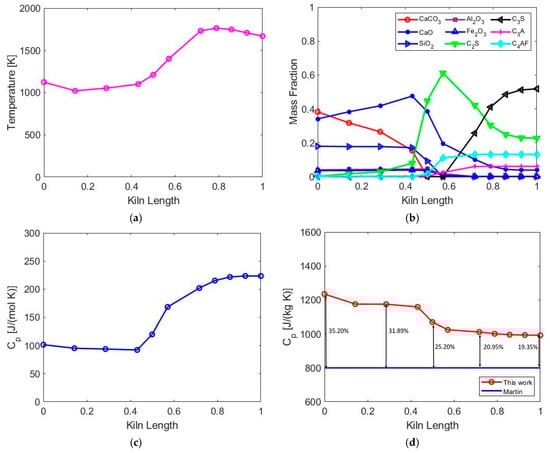
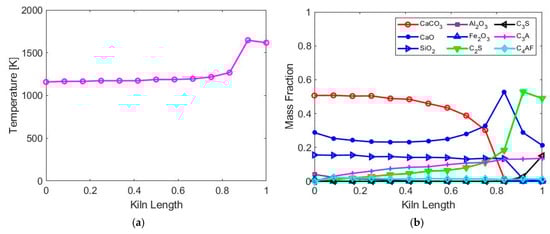
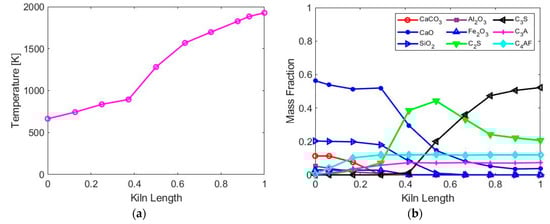
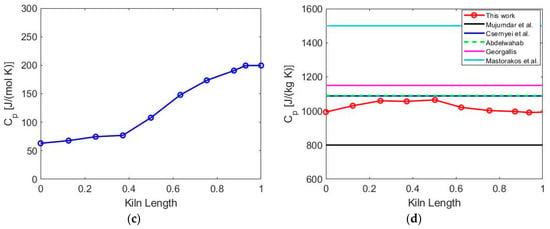
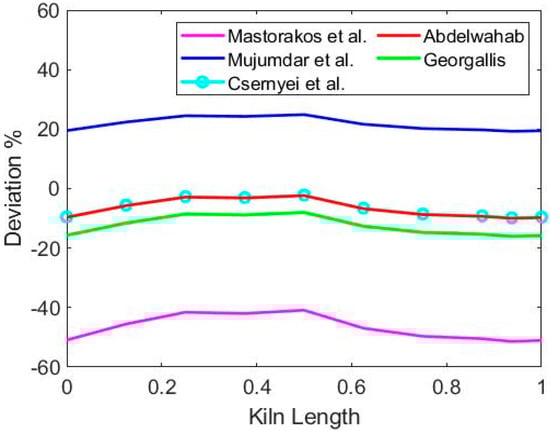
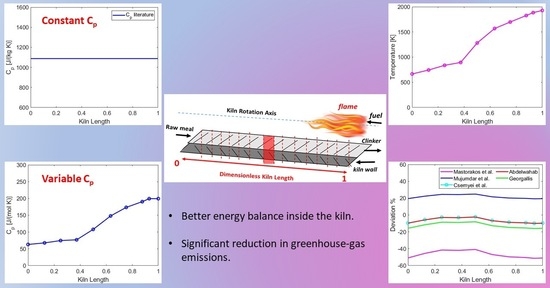
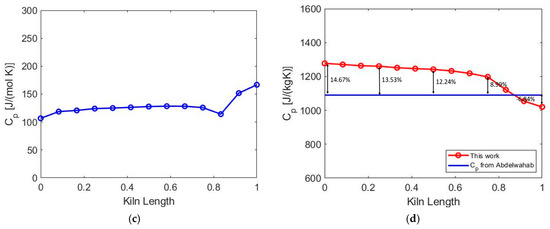
One thermodynamic parameter that is crucial to heat transport within the fluidized bed inside the rotary kiln, during clinker production, is the specific heat capacity. The particular parameter is often considered constant in the open literature, while, in reality, it strongly depends on the fluidized bed’s temperature and composition, considering that the temperature inside the kiln ranges from approx. 800 K up to 2000 K. For the current study, a mixing rule reported in the literature was applied in order to calculate the Cp of the fluidized bed, utilizing temperature and composition profiles available in the literature. An in-house code was developed for the comparison of the literature-reported Cps and those resulting from the mixing rule. It was discovered that the Cp of the fluidized bed had a proportional increase with the increase in the temperature along the length of the kiln. The deviation between the two values (calculated and literature) is relatively small in some cases, whereas, in others, it is quite significant, ranging from 1.56% to 52.49%, thus making the adoption of the temperature-dependence of Cp necessary. Establishing a more accurate relation for the specific heat capacity leads to a better energy balance inside the kiln, which, along with other improvements, can lead to a decrease in the energy consumed and a significant reduction in greenhouse gas emissions.
Full article
(This article belongs to the Section Kinetics and Thermodynamics)
►▼
Show Figures

Graphical abstract
Open AccessArticle
Modeling the Performance of Glass-Cover-Free Parabolic Trough Collector Prototypes for Solar Water Disinfection in Rural Off-Grid Communities
by
Fernando Aricapa, Jorge L. Gallego, Alejandro Silva-Cortés, Claudia Díaz-Mendoza and Jorgelina Pasqualino
Physchem 2026, 6(1), 9; https://doi.org/10.3390/physchem6010009 - 2 Feb 2026
Abstract
In regions with abundant solar energy, solar water disinfection (SODIS) offers a sustainable strategy to improve drinking water access, especially in rural, off-grid communities. This study presents a numerical modeling approach to assess the thermal and microbial disinfection performance of glass-free parabolic trough
[...] Read more.
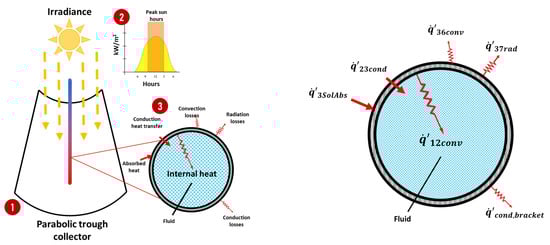
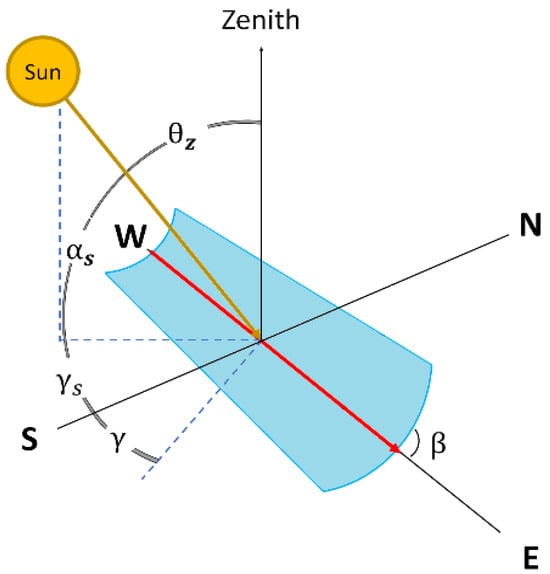
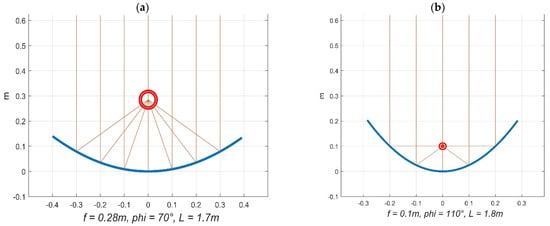
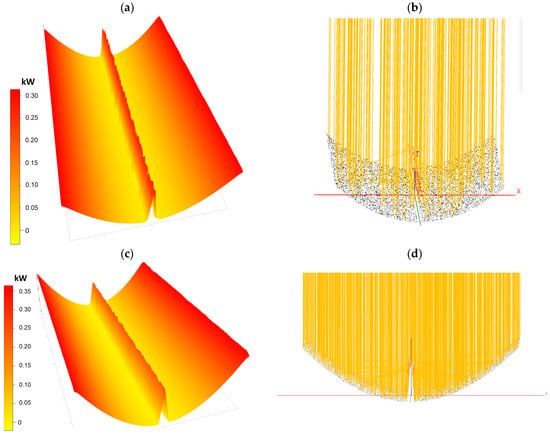
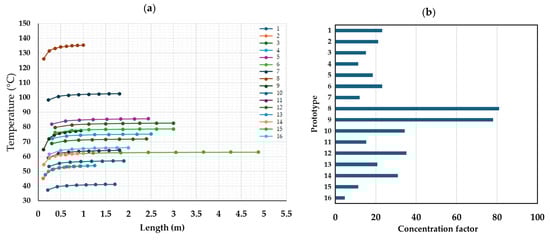
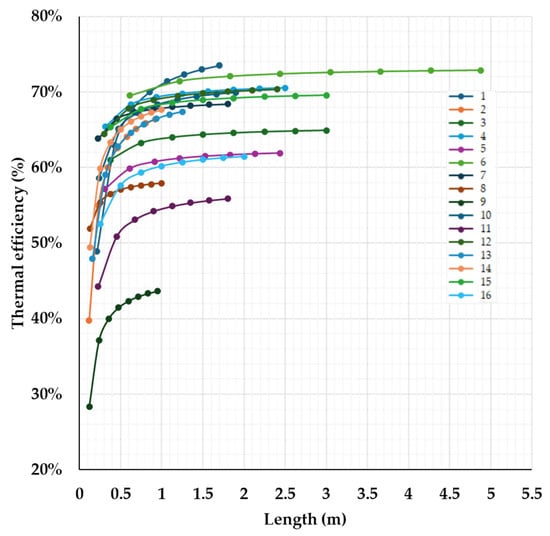
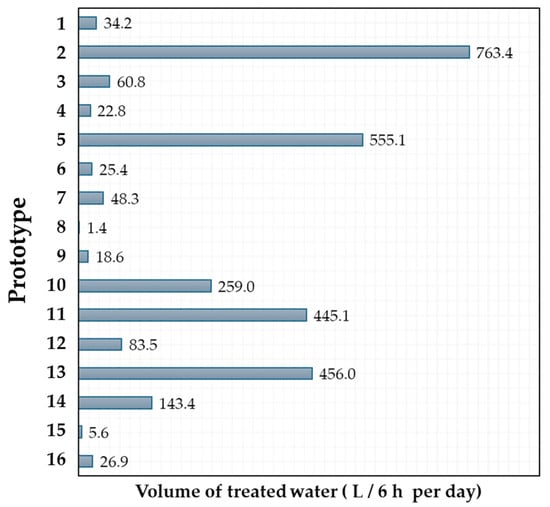
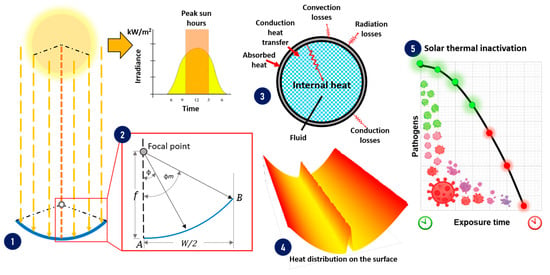
In regions with abundant solar energy, solar water disinfection (SODIS) offers a sustainable strategy to improve drinking water access, especially in rural, off-grid communities. This study presents a numerical modeling approach to assess the thermal and microbial disinfection performance of glass-free parabolic trough collectors (PTCs). The model integrates geometric sizing, one-dimensional thermal energy balance, and first-order microbial inactivation kinetics, supported by optical simulations in SolTRACE 3.0. Simulations applied to a representative case in the Colombian Caribbean (Gambote, Bolívar) highlight the influence of rim angle, focal length, and optical properties on system efficiency. Results show that compact PTCs can achieve fluid temperatures above 70 °C and effective pathogen inactivation within short exposure times. Sensitivity analysis identifies key geometric and environmental factors that optimize performance under variable conditions. The model provides a practical tool for guiding the design and local adaptation of SODIS systems, supporting decentralized, low-cost water treatment solutions aligned with sustainable development goals. Furthermore, it offers a framework for future assessments of PTC implementations in different climatic scenarios.
Full article
(This article belongs to the Section Thermochemistry)
►▼
Show Figures

Graphical abstract
Open AccessArticle
Functionalized Benzoxazole–Pyrimidine Derivatives for Deep Bioimaging: A DFT Study of Molecular Architecture and One- and Two-Photon Absorption
by
Edwin Rivera, Oriana Avila and Ruben Fonseca
Physchem 2026, 6(1), 8; https://doi.org/10.3390/physchem6010008 - 2 Feb 2026
Cited by 1
Abstract
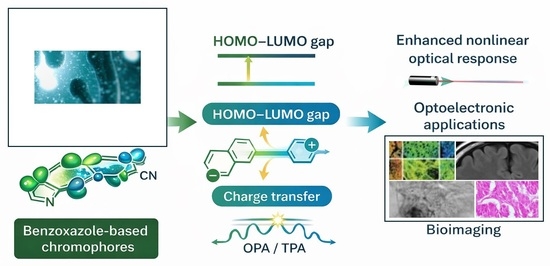
This study investigates how different substituents modulate the electronic structure and optical properties of seven derivatives of Pyrimidine-benzoxazole (FB.01) in DMSO, aiming to optimize their performance as deep bioimaging probes. The π-conjugated FB.01 core was functionalized with methyl, phenyl, N-oxide, exocyclic phenyl, carboxyl,
[...] Read more.
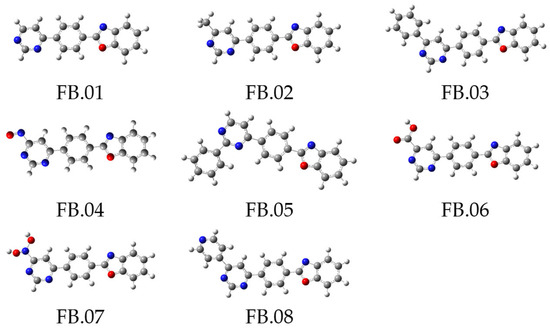
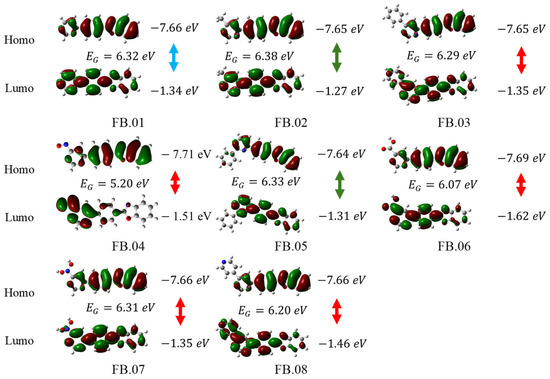
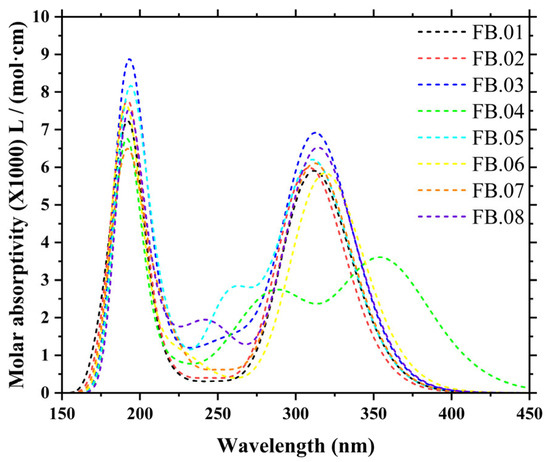
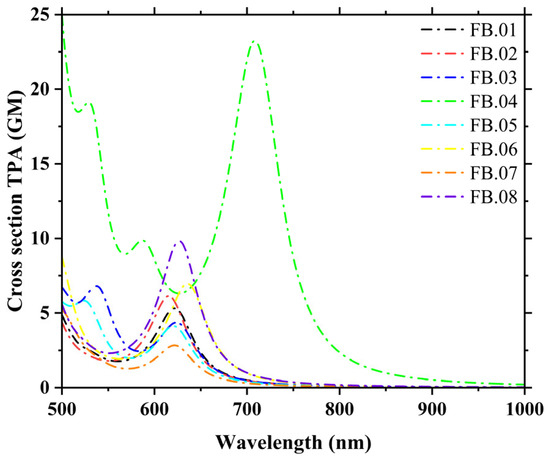
This study investigates how different substituents modulate the electronic structure and optical properties of seven derivatives of Pyrimidine-benzoxazole (FB.01) in DMSO, aiming to optimize their performance as deep bioimaging probes. The π-conjugated FB.01 core was functionalized with methyl, phenyl, N-oxide, exocyclic phenyl, carboxyl, N(OH)2, and pyridine. Geometry optimizations were performed using DFT (B3LYP/6-311+G(d,p) with SMD), followed by analysis of frontier orbitals, electronegativity, hardness, and total energy. TD-DFT and the Sum-Over-States approach simulated molar absorptivity spectra and two-photon absorption cross-sections. Results show that minor torsions influence optical responses: the FB.01 skeleton remains nearly planar, though substituents alter π-overlap and shift the LUMO, while the HOMO stays at −7.65 eV. N-oxide and carboxyl groups stabilize the LUMO, narrowing the energy gap (down to 5.20 eV in FB.04 and 6.07 eV in FB.06), whereas methyl widens it (6.38 eV). All compounds preserve a strong UV-band; conjugation increases absorptivity, and FB.04 exhibits a 31 nm red-shift. TPA grows with conjugation and peaks dramatically in FB.04 (23 GM), surpassing other derivatives. These findings highlight three design principles: strong acceptors like N-oxide effectively lower the LUMO and enhance TPA; additional aromatic rings boost one-photon absorption; and carboxyl or N(OH)2 groups finely tune polarity without disrupting planarity.
Full article
(This article belongs to the Section Theoretical and Computational Chemistry)
►▼
Show Figures

Graphical abstract
Open AccessArticle
Reversed Fabrication Approach for Exfoliated Hybrid Systems Enabling Magnetoresistance and Current-Voltage Characterisation
by
Piotr Kałuziak, Jan Raczyński, Semir El-Ahmar, Katarzyna Kwiecień, Marta Przychodnia, Wiktoria Reddig, Agnieszka Żebrowska and Wojciech Koczorowski
Physchem 2026, 6(1), 7; https://doi.org/10.3390/physchem6010007 - 24 Jan 2026
Cited by 1
Abstract
Studies on two-dimensional materials (such as topological insulators or transition metal dichalcogenides) have shown that they exhibit unique properties, including high charge carrier mobility and tunable bandgaps, making them attractive for next-generation electronics. Some of these materials (e.g., HfSe2) also offer
[...] Read more.
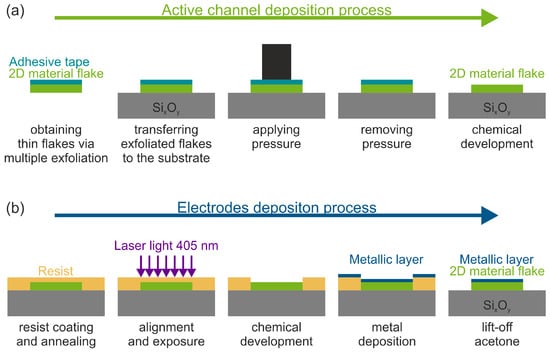
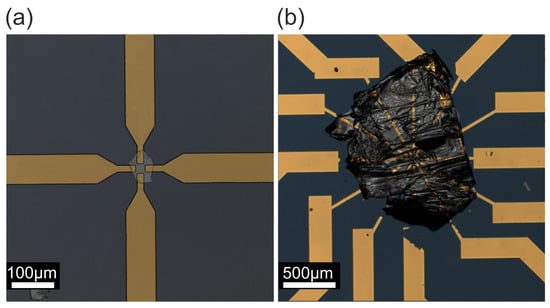
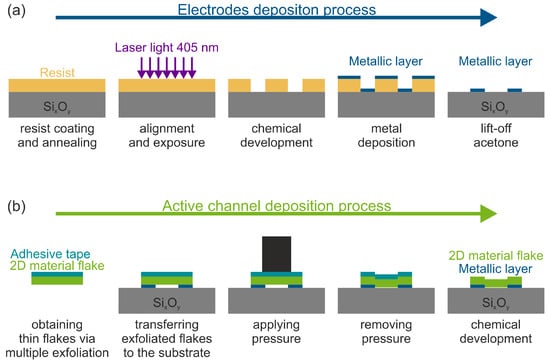
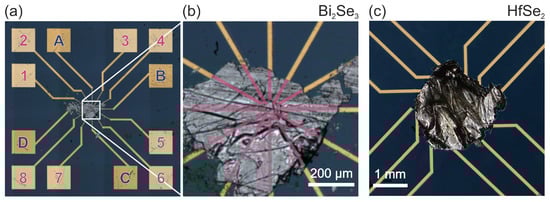
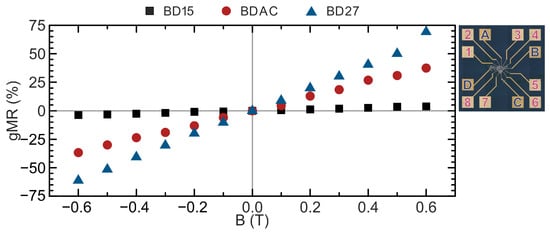
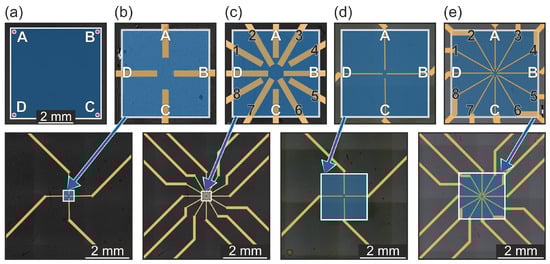
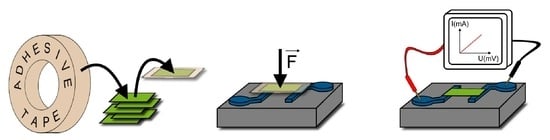
Studies on two-dimensional materials (such as topological insulators or transition metal dichalcogenides) have shown that they exhibit unique properties, including high charge carrier mobility and tunable bandgaps, making them attractive for next-generation electronics. Some of these materials (e.g., HfSe2) also offer thickness-dependent bandgap engineering. However, the standard device fabrication techniques often introduce processing contamination, which reduces device efficiency. In this paper, we present a modified mechanical exfoliation technique, the Reversed Structuring Procedure, which enables the fabrication of hybrid systems based on 2D microflakes with improved interface cleanness and contact quality. Hall effect measurements on Bi2Se3 and HfSe2 devices confirm enhanced electrical performance, including the decrease in the measured total resistance. We also introduce a novel Star-Shaped Electrode Structure, which allows for accurate Hall measurements and the exploration of geometric magnetoresistance effects within the same device. This dual-purpose geometry enhances the flexibility and demonstrates broader functionality of the proposed fabrication method. The presented results validate the Reversed Structuring Procedure method as a robust and versatile approach for laboratory test-platforms for electronic applications of new types of layered materials whose fabrication technology is not yet compatible with CMOS.
Full article
(This article belongs to the Section Surface Science)
►▼
Show Figures

Graphical abstract
Open AccessArticle
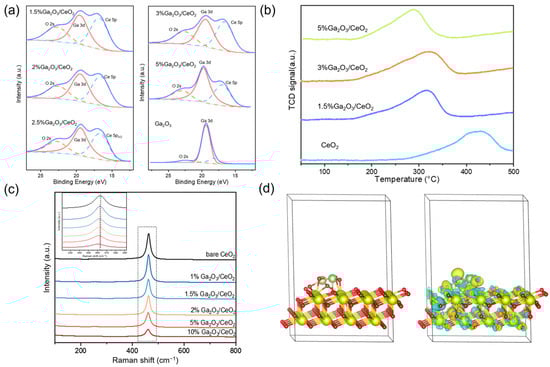
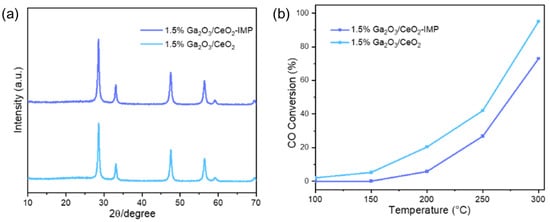
Facile and Environmentally Friendly Synthesis of Ga2O3/CeO2 Catalysts for CO Oxidation
by
Yufei Sha, Yi Zhang and Kangjian Tang
Physchem 2026, 6(1), 6; https://doi.org/10.3390/physchem6010006 - 21 Jan 2026
Abstract
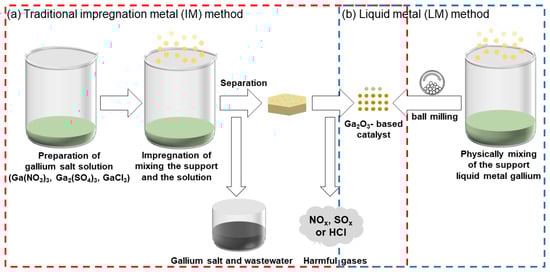
Low-temperature CO oxidation is crucial for applications like gas purification and exhaust treatment, with ceria-based catalysts being highly promising. However, conventional synthesis methods often require energy-intensive calcination, releasing harmful gaseous contaminants. To address this, we demonstrate a facile and environmentally friendly method for
[...] Read more.
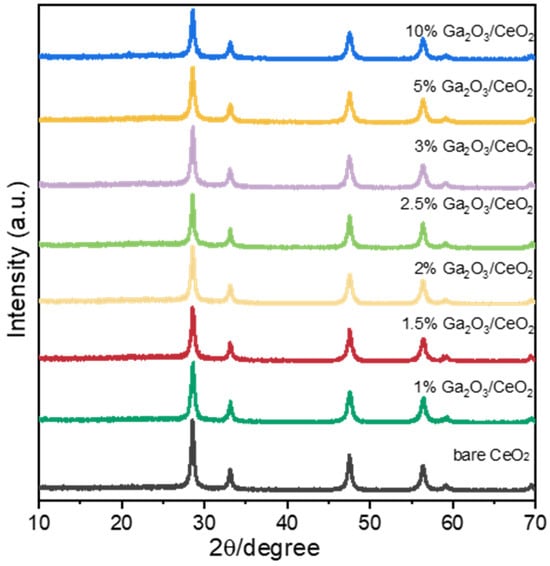
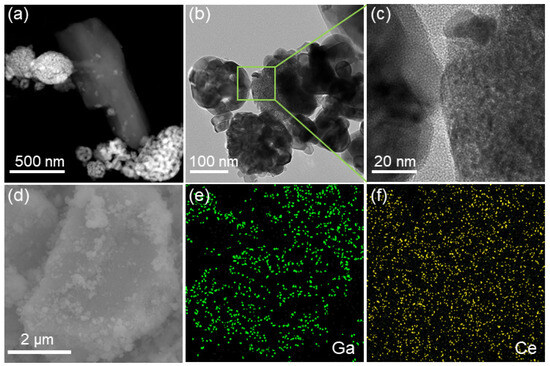
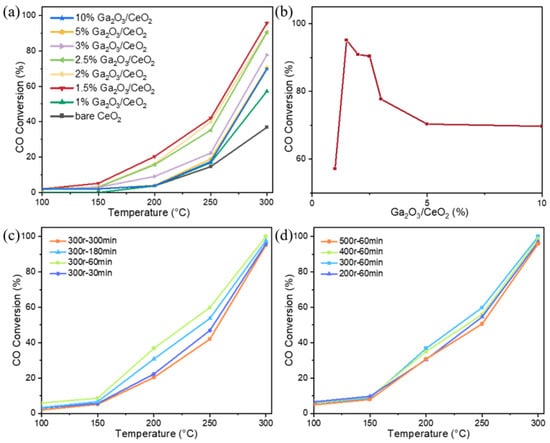
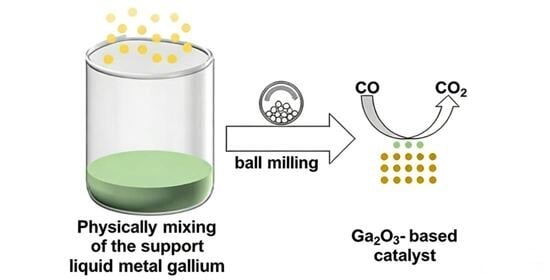
Low-temperature CO oxidation is crucial for applications like gas purification and exhaust treatment, with ceria-based catalysts being highly promising. However, conventional synthesis methods often require energy-intensive calcination, releasing harmful gaseous contaminants. To address this, we demonstrate a facile and environmentally friendly method for preparing Ga2O3/CeO2 catalysts by substituting gallium salt solution with liquid gallium, followed by room-temperature ball milling (BM). The resulting 1.5% Ga2O3-CeO2 catalyst, milled at 300 rpm for 60 min, exhibited catalytic activity starting at 100 °C and achieved complete CO conversion at 300 °C. This work presents an economical and sustainable strategy that utilizes liquid metals to prepare high-performance ceria-based catalysts, offering a green alternative to traditional synthesis routes that rely on metal salts and high-temperature treatments.
Full article
(This article belongs to the Section Catalysis)
►▼
Show Figures

Graphical abstract
Open AccessArticle
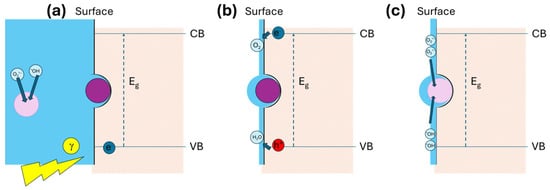
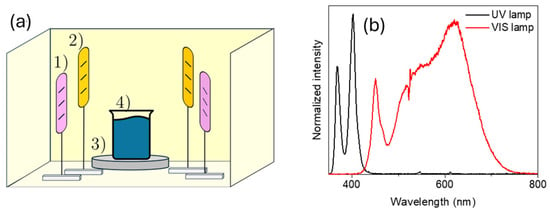
Refined Langmuir–Hinshelwood Kinetics for Heterogeneous Photocatalytic Systems: Analytical Closed-Form Solution, Enhanced Approximations and Experimental Validation
by
Juan Francisco Ramos-Justicia, Ana Urbieta and Paloma Fernández
Physchem 2026, 6(1), 5; https://doi.org/10.3390/physchem6010005 - 14 Jan 2026
Abstract
This study takes a further step forward in the analytical treatment of Langmuir–Hinshelwood (LH) kinetics for heterogeneous catalysis by deriving its closed-form solution. Unlike previous studies, we present a general solution that does not impose severe restrictions on the experimental conditions. This solution
[...] Read more.
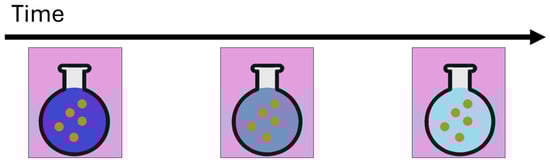
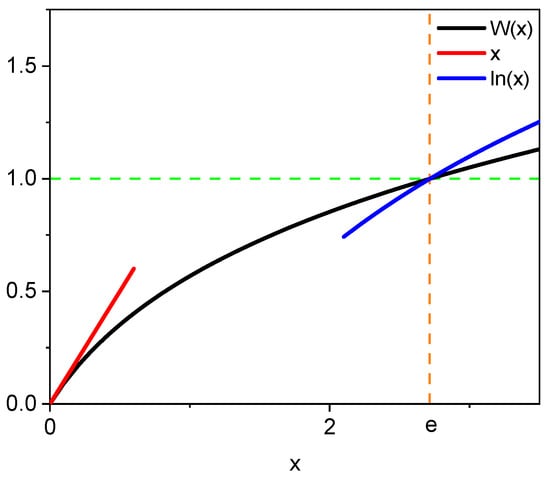
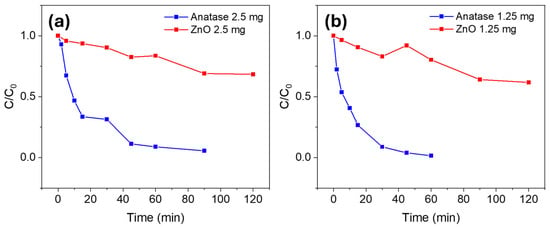
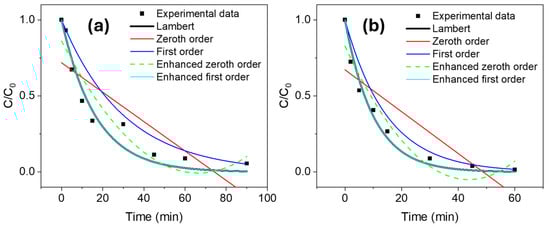
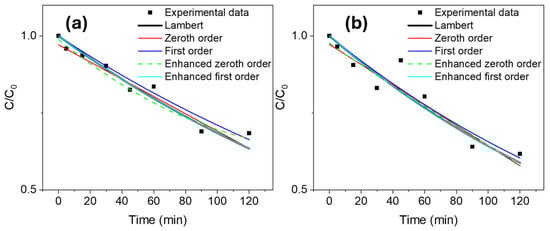
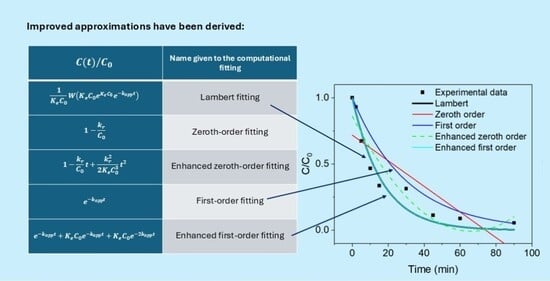
This study takes a further step forward in the analytical treatment of Langmuir–Hinshelwood (LH) kinetics for heterogeneous catalysis by deriving its closed-form solution. Unlike previous studies, we present a general solution that does not impose severe restrictions on the experimental conditions. This solution not only recovers the typical first- and zeroth-order regimes but also enables the simultaneous determination of the reaction rate constant and absorption–desorption equilibrium constant, unlike the traditional approaches to this equation, which needed additional isotherm experiments. The final solution requires a fine mathematical treatment for its numerical implementation, but enhanced approximations of the closed-form solution overcome this problem without losing the main advantage of calculating both constants at the same time. A parameter called “critical time” has been introduced, whose calculation allows us to distinguish quantitatively between kinetic regimes. Finally, the validation of these approximations has been carried out with experiments on zinc oxide and anatase (TiO2) under different conditions. Anatase experiments undoubtedly show a first-order tendency, regardless the quantity of powder. On the other hand, the degradation regime of the ZnO case cannot be easily ascribed to the zeroth or first order by simple inspection, but the model can mathematically rule out the zeroth order and confirm that it undergoes first-order degradation.
Full article
(This article belongs to the Special Issue Photophysics and Photochemistry in Materials for Advanced Technologies)
►▼
Show Figures

Graphical abstract
Open AccessArticle
Effect of Silicon Crystal Size on Electrochemical Properties of Magnesium-Doped SiOx Anode Materials for Lithium-Ion Batteries
by
Junli Li, Chaoke Bulin, Jinling Song, Bangwen Zhang and Xiaolan Li
Physchem 2026, 6(1), 4; https://doi.org/10.3390/physchem6010004 - 13 Jan 2026
Abstract
This study aims to fabricate magnesium-doped SiOx materials through the integrated application of physical vapor deposition and chemical vapor deposition techniques, with the objective of developing high-performance anode materials for lithium-ion batteries. With the macroscopic particle size held constant, this study endeavors to
[...] Read more.
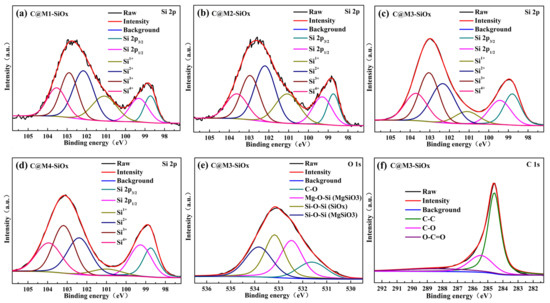
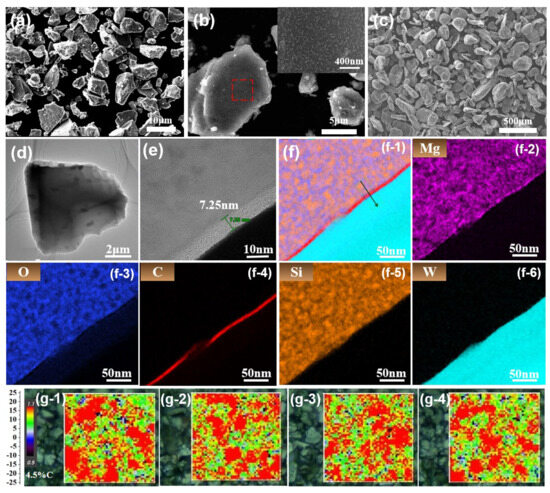
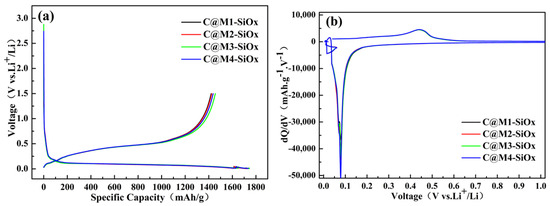
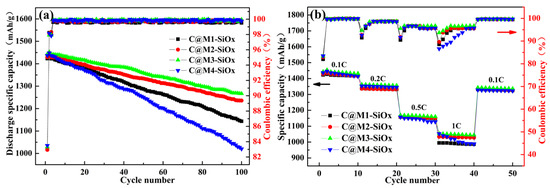
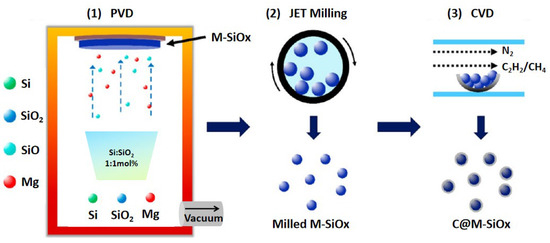
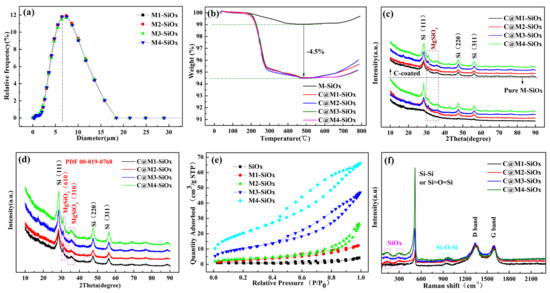
This study aims to fabricate magnesium-doped SiOx materials through the integrated application of physical vapor deposition and chemical vapor deposition techniques, with the objective of developing high-performance anode materials for lithium-ion batteries. With the macroscopic particle size held constant, this study endeavors to explore the impact of variations in the size of microscopic silicon crystals on the properties of the material. Under the effect of magnesium doping, the influence mechanism of different microscopic grain sizes on the reaction kinetics behavior and structural stability of the material was systematically studied. Based on the research findings, a reasonable control range for the size of silicon crystals will be proposed. The research findings indicate that both relatively small and large silicon crystals are disadvantageous for cycling performance. When the silicon crystal grain size is 5.79 nm, the composite material demonstrates a relatively high overall capacity of 1442 mAh/g and excellent cycling stability. After 100 cycles, the capacity retention rate reaches 83.82%. EIS analysis reveals that larger silicon crystals exhibit a higher lithium ion diffusion coefficient. As a result, the silicon electrodes show more remarkable rate performance. Even under a high current density of 1C, the capacity of the material can still be maintained at 1044 mAh/g.
Full article
(This article belongs to the Collection Batteries Beyond Mainstream)
►▼
Show Figures

Figure 1
Open AccessArticle
Model Simulations and Experimental Study of Acetic Acid Adsorption on Ice Surfaces with Coupled Ice-Bulk Diffusion at Temperatures Around 200 K
by
Atanas Terziyski, Peter Behr, Nikolay Kochev, Peer Scheiff and Reinhard Zellner
Physchem 2026, 6(1), 3; https://doi.org/10.3390/physchem6010003 - 9 Jan 2026
Abstract
A kinetic and thermodynamic multi-phase model has been developed to describe the adsorption of gases on ice surfaces and their subsequent diffusional loss into the bulk ice phase. This model comprises a gas phase, a solid surface, a sub-surface layer, and the ice
[...] Read more.
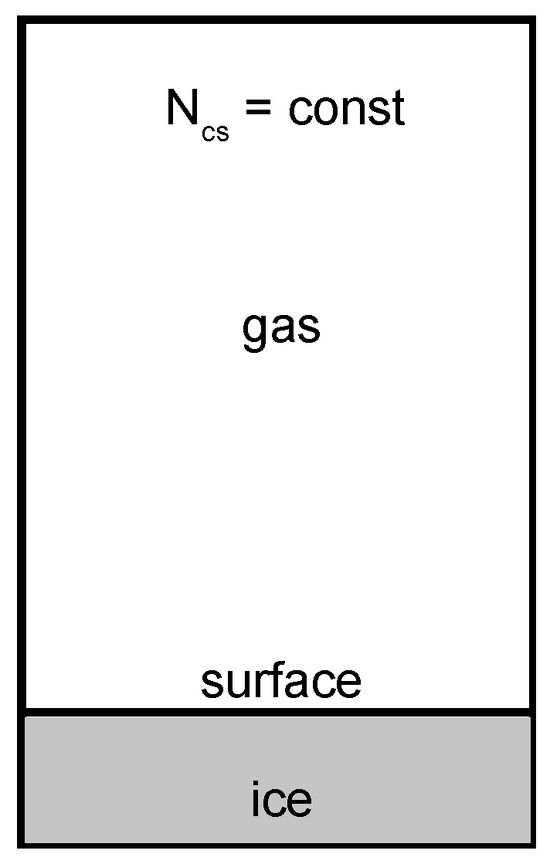
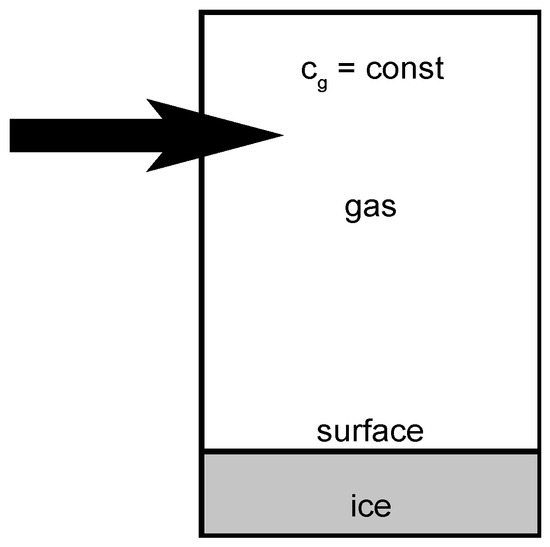
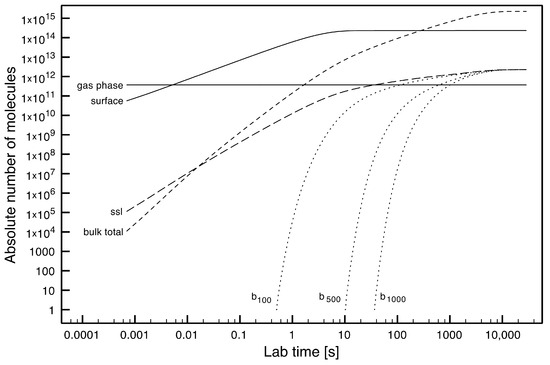
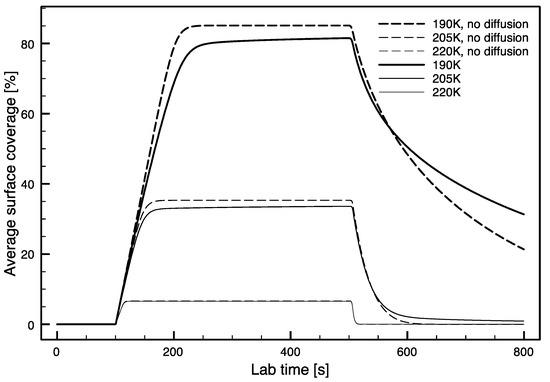
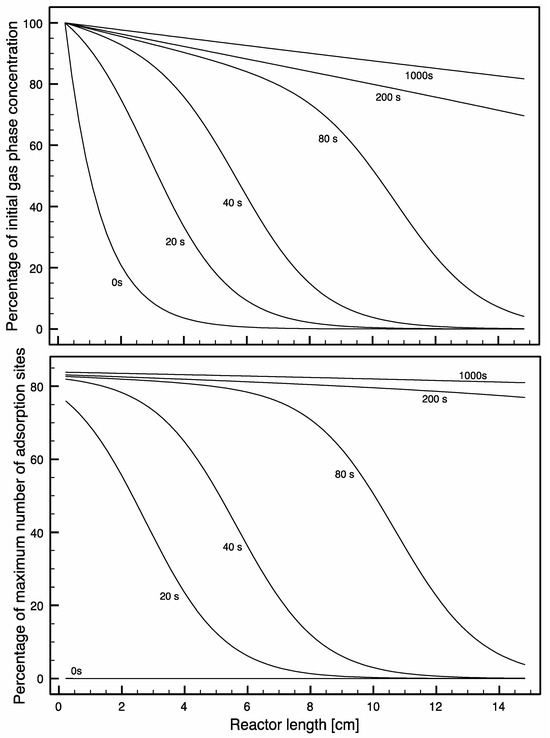
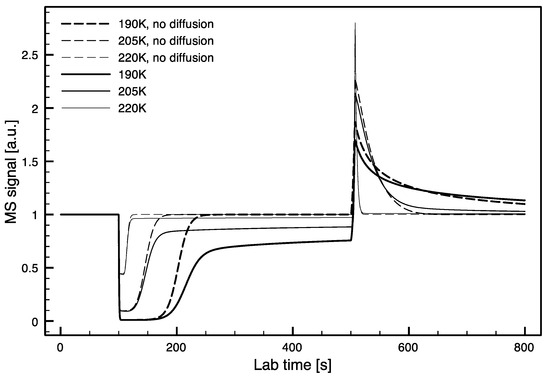
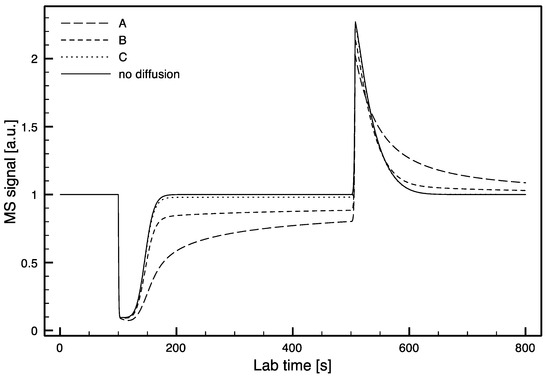
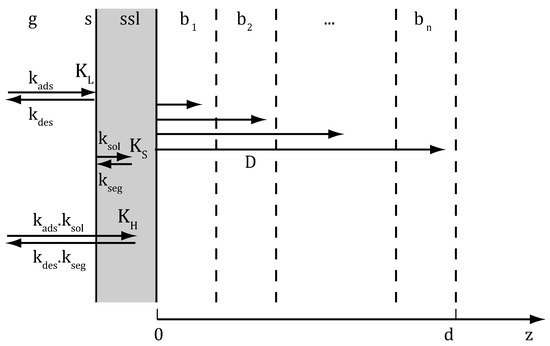
A kinetic and thermodynamic multi-phase model has been developed to describe the adsorption of gases on ice surfaces and their subsequent diffusional loss into the bulk ice phase. This model comprises a gas phase, a solid surface, a sub-surface layer, and the ice bulk. The processes represented include gas adsorption on the surface, solvation into the sub-surface layer, and diffusion in the ice bulk. It is assumed that the gases dissolve according to Henry’s law, while the surface concentration follows the Langmuir adsorption equilibrium. The flux of molecules from the sub-surface layer into the ice bulk is treated according to Fick’s second law. Kinetic and thermodynamic quantities as applicable to the uptake of small carbonyl compounds on ice surfaces at temperatures around 200 K have been used to perform model calculations and corresponding sensitivity tests. The primary application in this study is acetic acid. The model simulations are applied by fitting the experimental data obtained from coated-wall flow-systems (CWFT) measurements, with the best curve-fit solutions providing reliable estimations of kinetic parameters. Over the temperature range from 190 to 220 K, the estimated desorption coefficient, kdes, varies from 0.02 to 1.35 s−1, while adsorption rate coefficient, kads, ranges from 3.92 and 4.17 × 10⁻¹³ cm3 s−1, and the estimated diffusion coefficient, D, changes by more than two orders of magnitude, increasing from 0.03 to 13.0 × 10⁻⁸ cm2 s−1. Sensitivity analyses confirm that this parameter estimation approach is robust and consistent with underlying physicochemical processes. It is shown that for shorter exposure times the loss of molecules from the gas phase is caused exclusively by adsorption onto the surface and solvation into the sub-surface layer. Diffusional loss into the bulk, on the other hand, is only important at longer exposure times. The model is a useful tool for elucidating surface and bulk process kinetic parameters, such as adsorption and desorption rate constants, solution and segregation rates, and diffusion coefficients, as well as the estimation of thermodynamic quantities, such as Langmuir and Henry constants and the ice film thickness.
Full article
(This article belongs to the Section Kinetics and Thermodynamics)
►▼
Show Figures

Figure 1
Open AccessArticle
Tuning Hydrophilic–Hydrophobic Properties of PLA Films Through Surface Fluorination and Drying
by
Zhipeng He, Jae-Ho Kim and Susumu Yonezawa
Physchem 2026, 6(1), 2; https://doi.org/10.3390/physchem6010002 - 8 Jan 2026
Abstract
Polylactic acid (PLA) films were directly fluorinated using fluorine gas at room temperature under varying conditions: fluorine concentrations of 190–760 Torr and reaction times of 10–60 min. Some of the fluorinated samples were subsequently dried at 70 °C for 2 d. Fourier-transform infrared
[...] Read more.
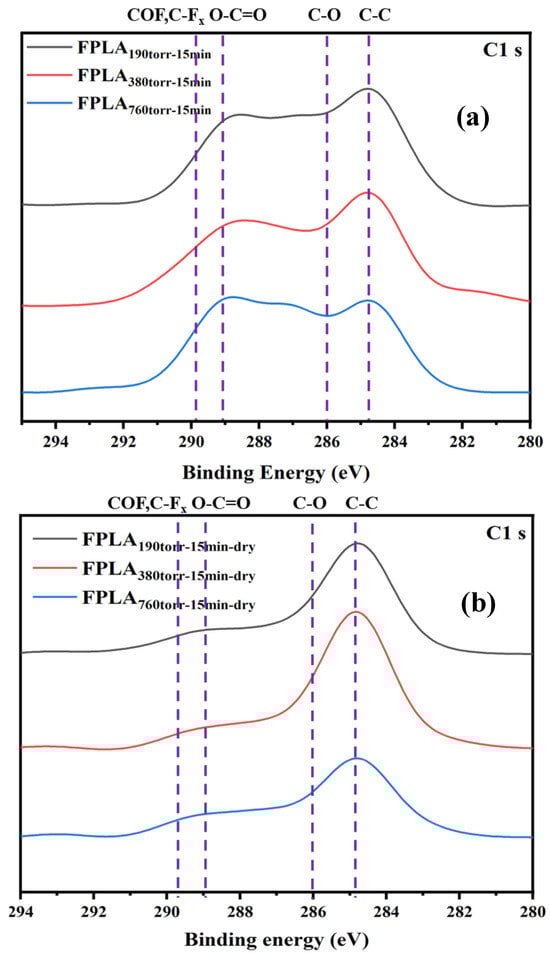
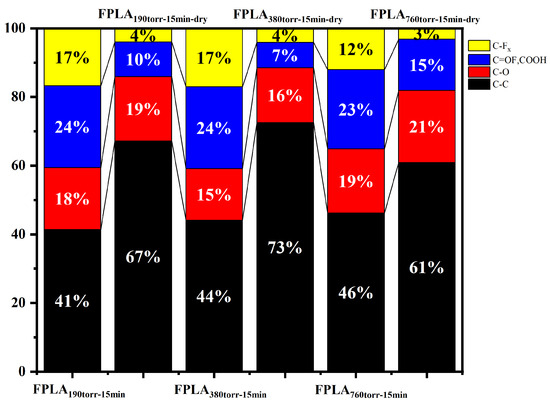
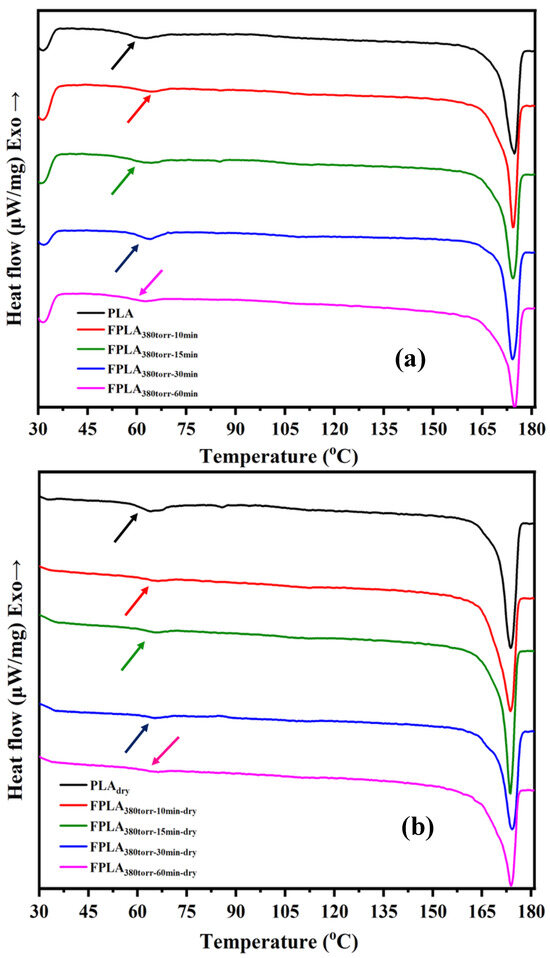
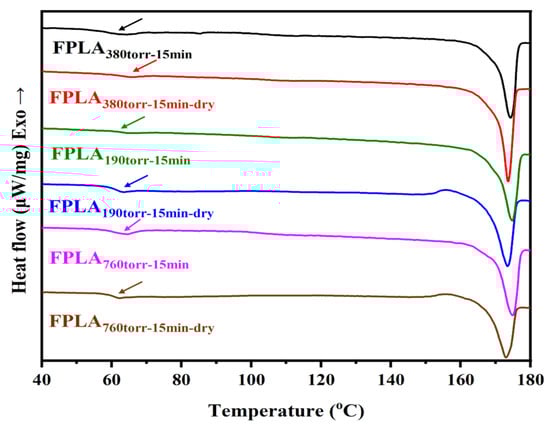
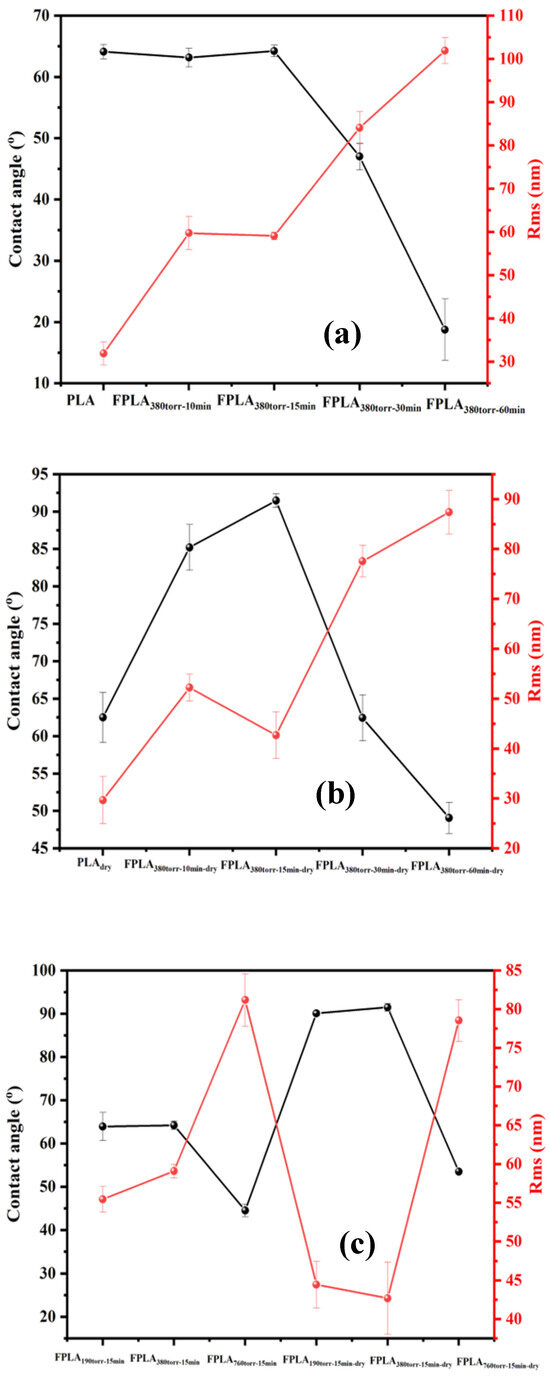
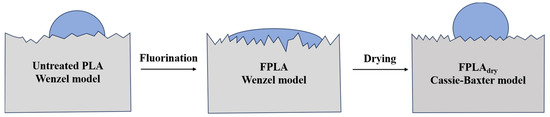
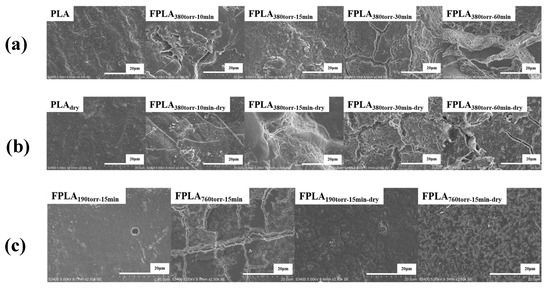
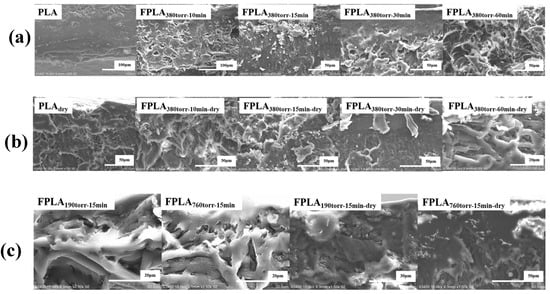
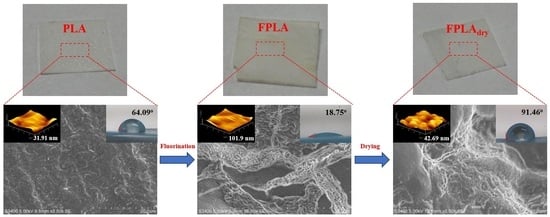
Polylactic acid (PLA) films were directly fluorinated using fluorine gas at room temperature under varying conditions: fluorine concentrations of 190–760 Torr and reaction times of 10–60 min. Some of the fluorinated samples were subsequently dried at 70 °C for 2 d. Fourier-transform infrared (FT-IR) and X-ray photoelectron spectroscopy (XPS) analyses verified the successful introduction of fluorine and the formation of -CFx and C=OF groups on the PLA surface after fluorination. The fluorination level initially increased with increasing reaction time or fluorine concentration but then decreased because of the formation and escape of CF4 gasification. Drying further reduced the surface fluorine content. Both fluorination and drying increased the glass transition temperature of PLA, which was attributed to the increase in surface polarity and crosslinking density of the polymer. Fluorination significantly improved the surface hydrophilicity of PLA, with the water contact angle decreasing from 64.09°to 18.75°. This was due to the formation of a rough, porous surface caused by the introduction of polar fluorine atoms, as observed by atomic force microscopy (AFM) and scanning electron microscopy (SEM). However, drying the fluorinated samples increased the water contact angle to 91.46°, resulting in hydrophobicity owing to increased surface crosslinking. This study demonstrates a simple and effective method for tuning the hydrophilic–hydrophobic properties of PLA surfaces using direct fluorination and thermal treatment.
Full article
(This article belongs to the Topic Polymer Physics)
►▼
Show Figures

Graphical abstract
Open AccessArticle
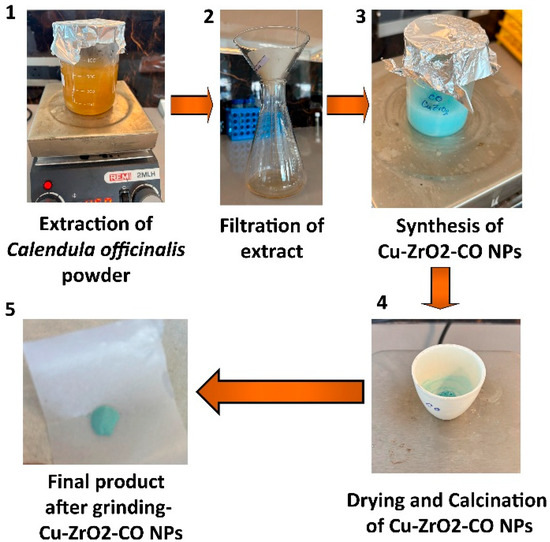
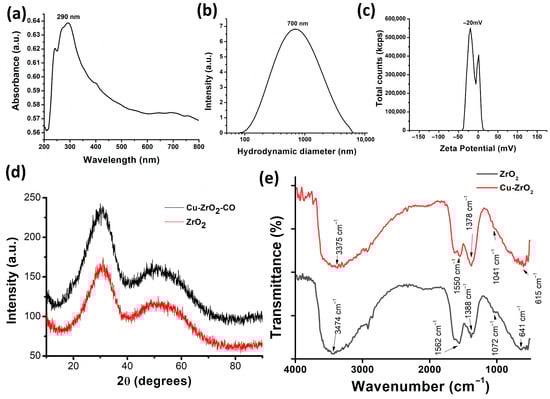
Green Synthesis of Copper-Doped ZrO2 Nanoparticles Using Calendula officinalis Flower Extract: Comprehensive Characterization, Biocompatibility, and Anticancer Evaluation
by
Dhruv Suraneni, Balasubramanian Deepika, Kavinithi Jaganathan Mahadevan, Sanjana Raghupathy, Shangavy Pandiarajan, Devadass Jessy Mercy, Agnishwar Girigoswami, Sanjay Kisan Metkar, Surajit Hansda and Koyeli Girigoswami
Physchem 2026, 6(1), 1; https://doi.org/10.3390/physchem6010001 - 23 Dec 2025
Cited by 1
Abstract
The field of nanotechnology has witnessed a paradigm shift towards eco-friendly and sustainable synthesis methods for nanoparticles due to increasing concerns over environmental toxicity and resource sustainability. Among various metal oxide nanoparticles, zirconium dioxide (ZrO2) nanoparticles have garnered significant attention owing
[...] Read more.
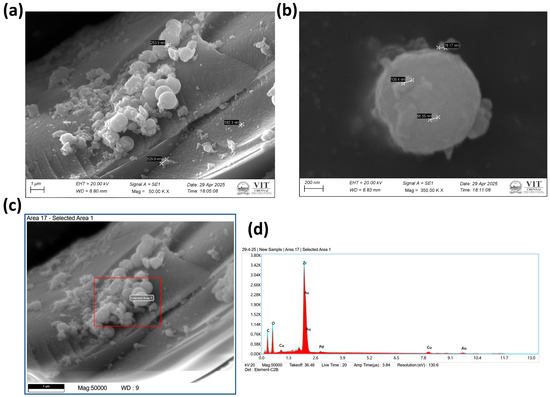
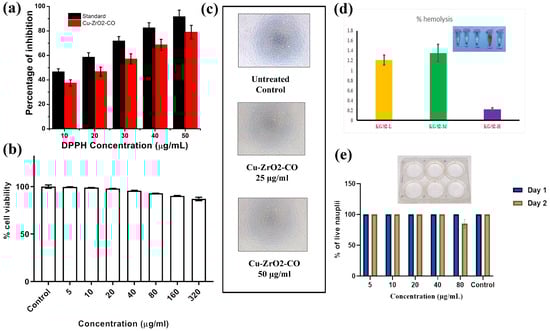
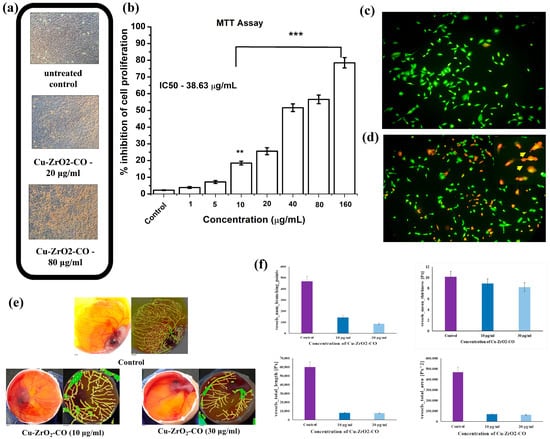
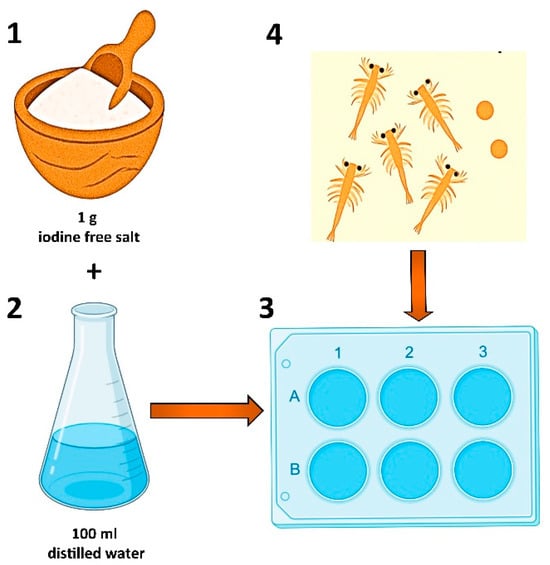
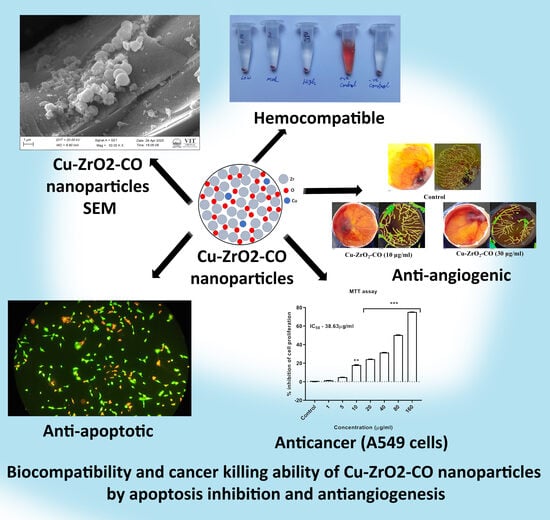
The field of nanotechnology has witnessed a paradigm shift towards eco-friendly and sustainable synthesis methods for nanoparticles due to increasing concerns over environmental toxicity and resource sustainability. Among various metal oxide nanoparticles, zirconium dioxide (ZrO2) nanoparticles have garnered significant attention owing to their exceptional thermal stability, biocompatibility, mechanical strength, and catalytic properties. Doping ZrO2 with transition metals such as copper (Cu) further enhances its physicochemical attributes, including antibacterial activity, redox behaviour, and electronic properties, rendering it suitable for a diverse range of biomedical and industrial applications. In the present study, we report the green synthesis of copper-doped ZrO2 nanoparticles (Cu-ZrO2-CO NPs) using an aqueous extract of Calendula officinalis (marigold) flowers as a natural reducing and stabilizing agent. The complete characterization was performed using UV–vis spectrophotometry, dynamic light scattering (DLS), zeta potential, FTIR, SEM, EDAX, and XRD, revealing its size to be around 20–40 nm and zeta potential as −20 mV, indicating nano size and stability. The biocompatibility of the as-synthesized nanoparticle was analyzed in vitro using fibroblast cell viability and haemolysis assay, and in vivo using brine shrimp assay. The nanoparticles were safe up to a dose of 50 μg/mL, showing more than 95% cell viability and less than 2% haemolysis, which is within an acceptable range. Finally, the anticancer activity was explored for A549 cells by MTT assay and live-dead assay, with an IC50 value of 38.63 μg/mL. The chorioallantoic membrane (CAM) model was used to assess the anti-angiogenesis potential of the Cu-ZrO2-CO NPs. The results showed that the nanoparticles could kill the cancer cells via apoptosis, and one of the reasons for the anticancer effect was angiogenesis inhibition. Further research is needed using other cancer cell lines and animal tumour models.
Full article
(This article belongs to the Section Biophysical Chemistry)
►▼
Show Figures

Graphical abstract

Open AccessArticle
Elaboration of Natural Hydroxyapatite Coating by Plasma Spraying
by
Maya Kebaili, Amina Ghedjemis, Lilia Benchikh, Yazid Aitferhat, Ilyes Abacha, Kamel Hebbache, Cherif Belebchouche and El Hadj Kadri
Physchem 2025, 5(4), 57; https://doi.org/10.3390/physchem5040057 - 17 Dec 2025
Abstract
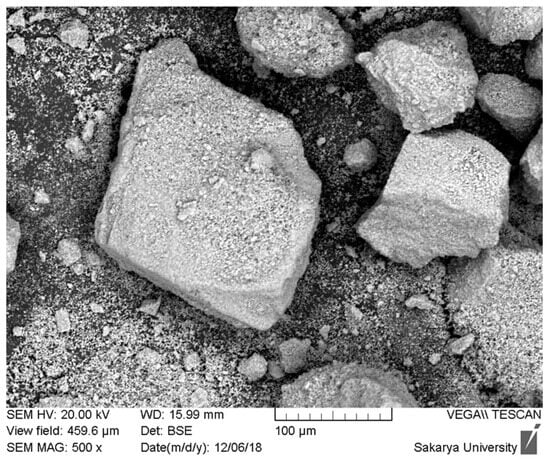
Metallic implants used in orthopedics, such as titanium alloys, possess excellent mechanical strength but suffer from corrosion and poor bio-integration, often necessitating revision surgeries. Bioactive coatings, particularly hydroxyapatite, can enhance implant osteoconductivity, but high-purity synthetic hydroxyapatite is costly. This study investigates the development
[...] Read more.
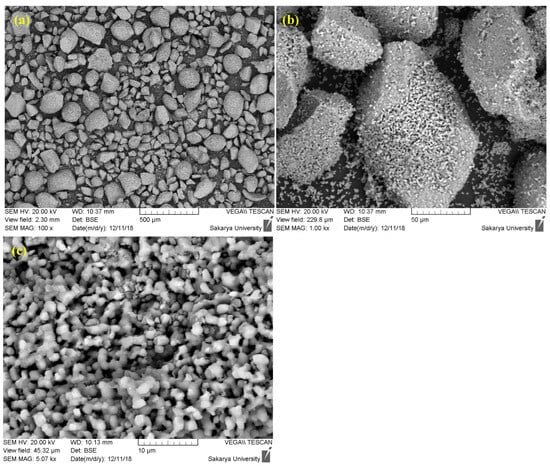
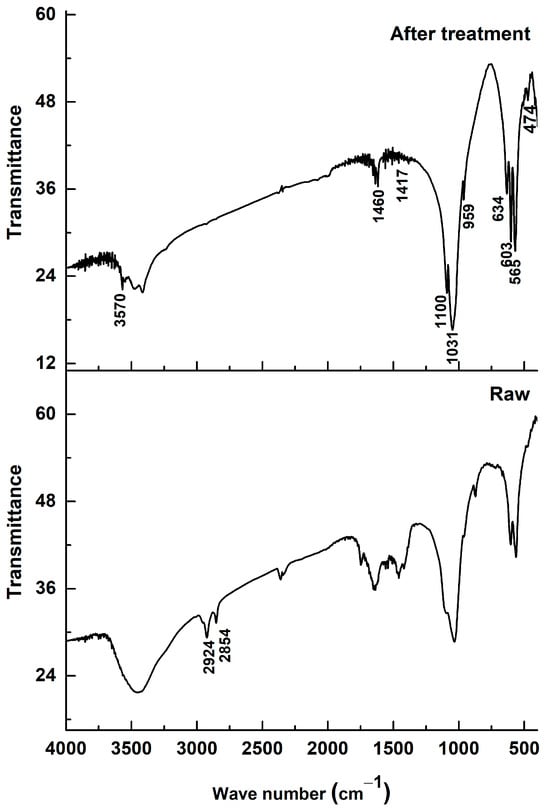
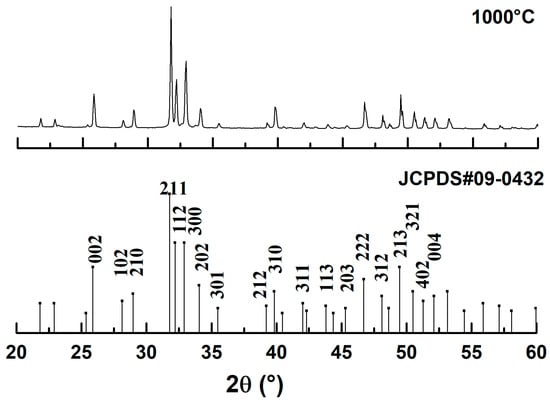
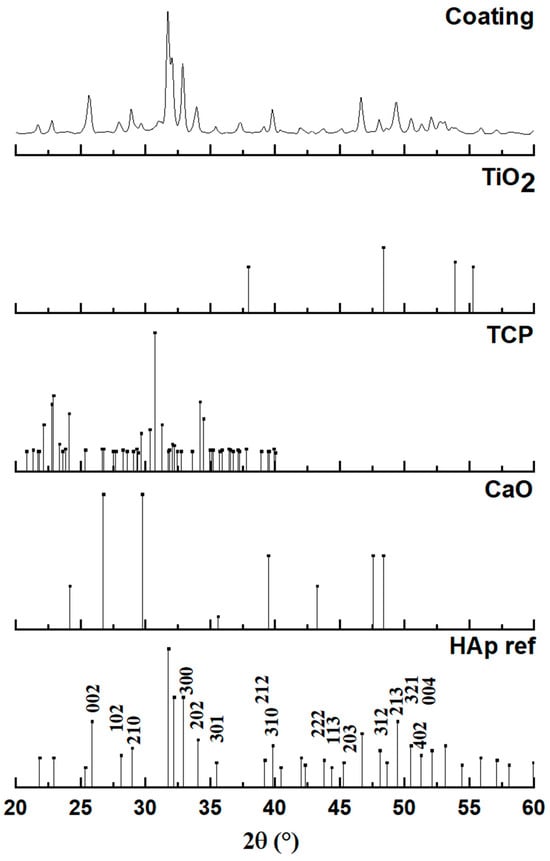
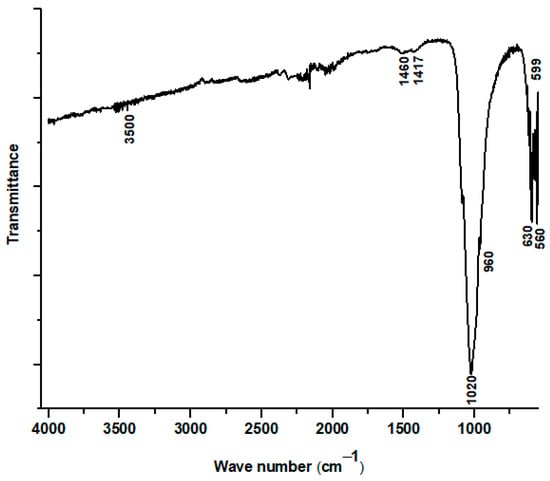
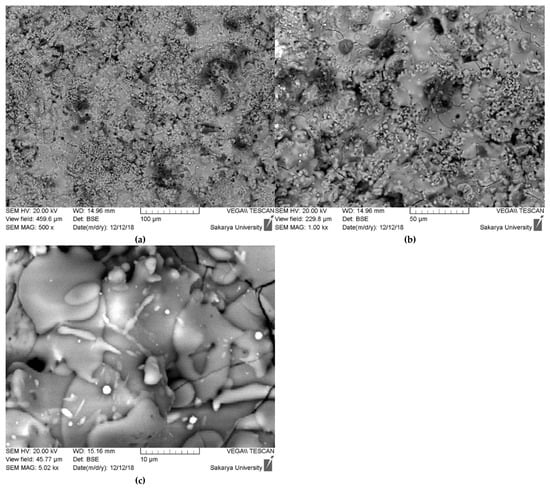
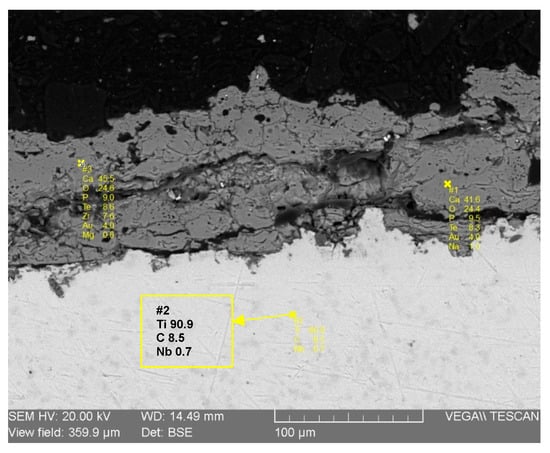
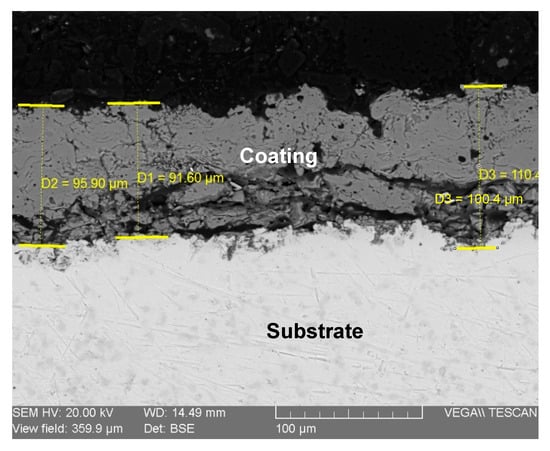
Metallic implants used in orthopedics, such as titanium alloys, possess excellent mechanical strength but suffer from corrosion and poor bio-integration, often necessitating revision surgeries. Bioactive coatings, particularly hydroxyapatite, can enhance implant osteoconductivity, but high-purity synthetic hydroxyapatite is costly. This study investigates the development and characterization of a low-cost, biocompatible coating using hydroxyapatite derived from an unconventional natural source dromedary bone applied onto a titanium substrate via plasma spraying. Hydroxyapatite powder was synthesized from dromedary femurs through a thermal treatment process at 1000 °C. The resulting powder was then deposited onto a sandblasted titanium dioxide substrate using an atmospheric plasma spray technique. The physicochemical, structural, and morphological properties of both the source powder and the final coating were comprehensively analyzed using Scanning Electron Microscopy, Energy Dispersive X-ray Spectroscopy, X-ray Diffraction, and Fourier-Transform Infrared Spectroscopy. Characterization of the powder confirmed the successful synthesis of pure, crystalline hydroxyapatite, with Fourier-Transform Infrared Spectroscopy analysis verifying the complete removal of organic matter. The plasma-sprayed coating exhibited good adhesion and a homogenous, lamellar microstructure typical of thermal spray processes, with an average thickness of approximately 95 μm. X-ray Diffraction analysis of the coating revealed that while hydroxyapatite remained the primary phase, partial decomposition occurred during spraying, leading to the formation of secondary phases, including tricalcium phosphate and calcium oxide. Scanning Electron Microscopy imaging showed a porous surface composed of fully and partially melted particles, a feature potentially beneficial for bone integration. The findings demonstrate that dromedary bone is a viable and low-cost precursor for producing bioactive hydroxyapatite coatings for orthopedic implants. The plasma spray method successfully creates a well-adhered, porous coating, though process-induced phase changes must be considered for biomedical applications.
Full article
(This article belongs to the Section Surface Science)
►▼
Show Figures

Figure 1
Open AccessArticle
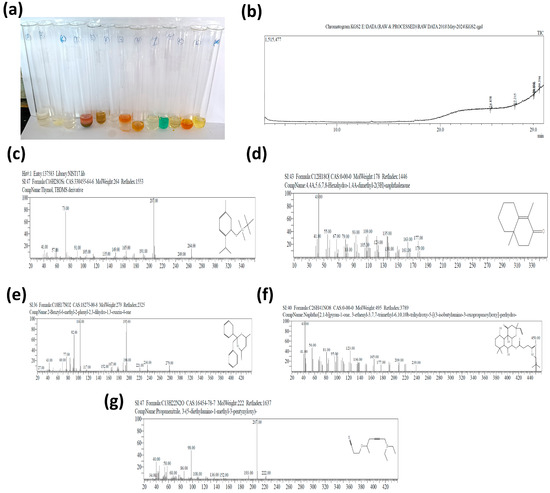
Structural Determinants for the Antidepressant Activity of St. John’s Wort (Hypericum perforatum): A Combined Theoretical and Experimental Study
by
Afrodite Tryfon, George Petsis, Panagiota Siafarika, Evanthia Soubasi and Angelos G. Kalampounias
Physchem 2025, 5(4), 56; https://doi.org/10.3390/physchem5040056 - 14 Dec 2025
Abstract
This study presents a systematic investigation of the dynamic and structural characteristics of St. John’s wort (Hypericum perforatum) in alcoholic solutions using experimental and theoretical techniques. Ultrasonic relaxation spectroscopy was employed to investigate medium-range dynamic processes, while density functional theory (DFT)
[...] Read more.
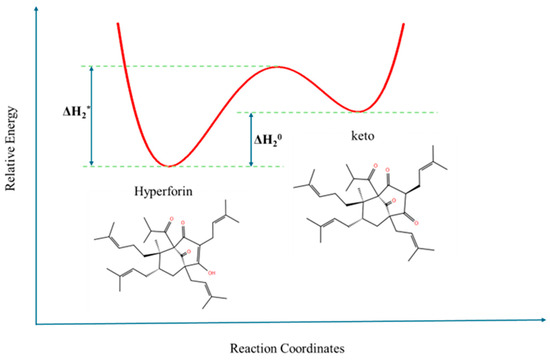
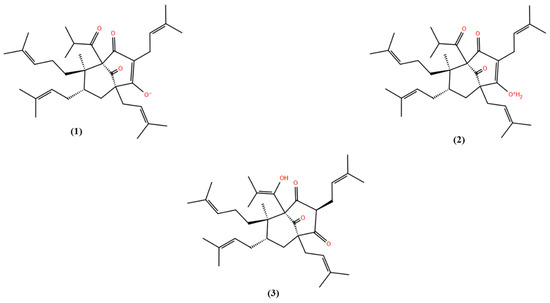
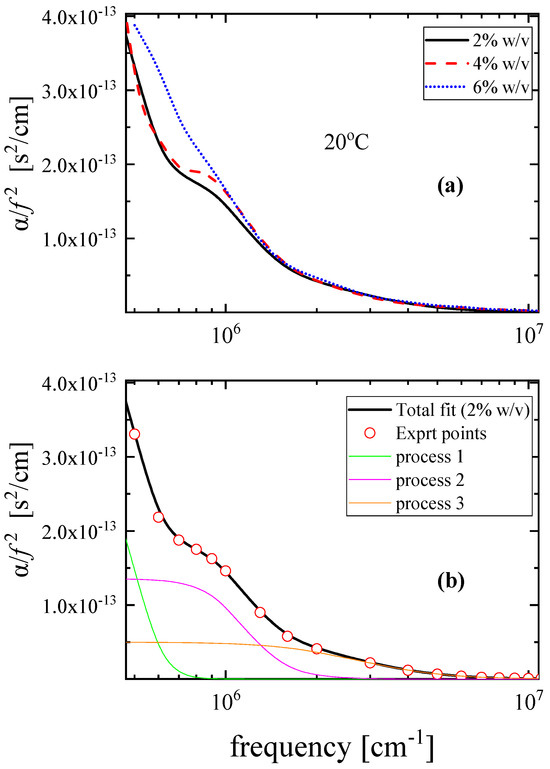
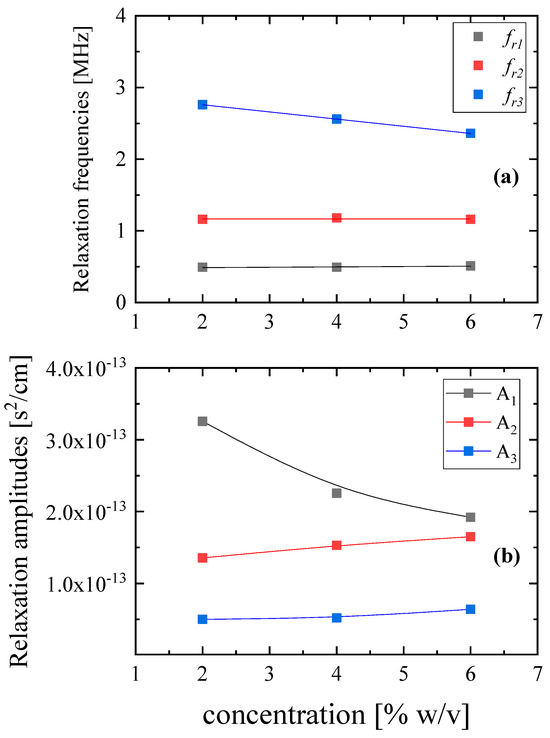
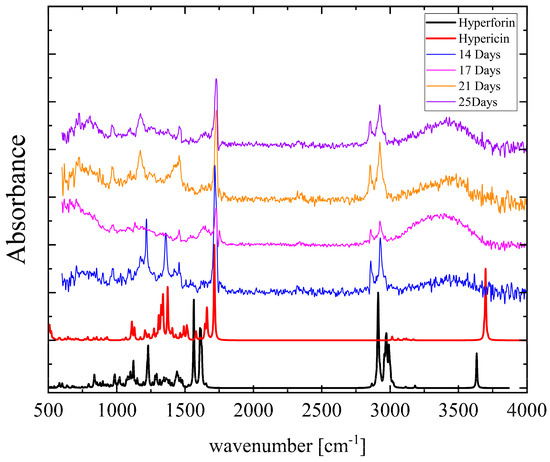
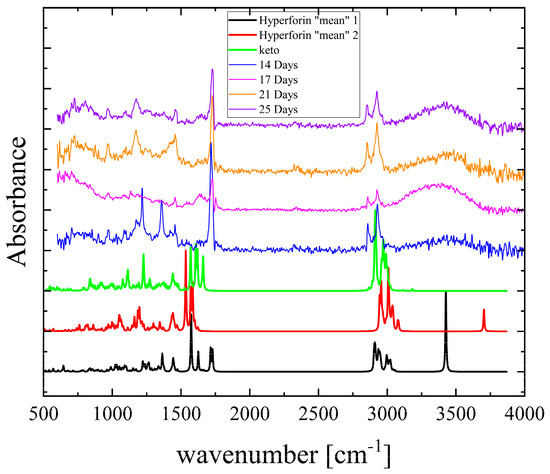
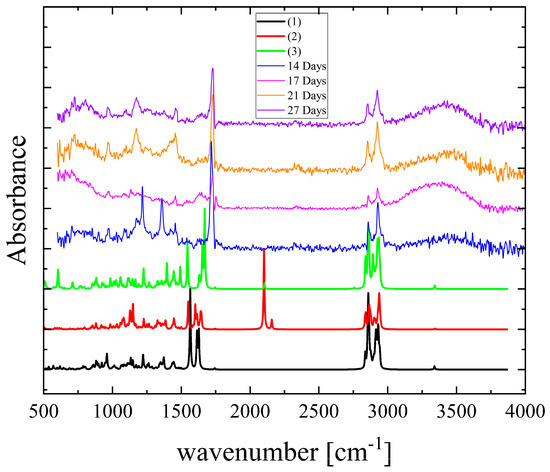
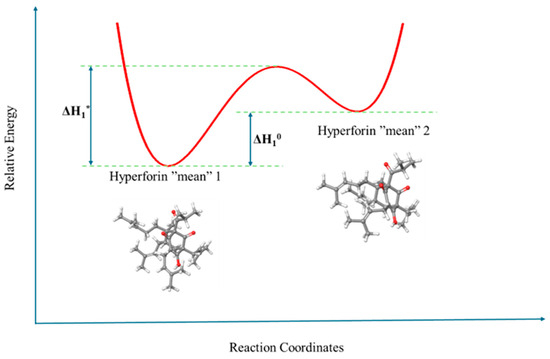
This study presents a systematic investigation of the dynamic and structural characteristics of St. John’s wort (Hypericum perforatum) in alcoholic solutions using experimental and theoretical techniques. Ultrasonic relaxation spectroscopy was employed to investigate medium-range dynamic processes, while density functional theory (DFT) calculations were employed to explore the molecular structure and vibrational properties of the system. Theoretical calculations revealed two Hyperforin conformers, a keto derivative, and three protonated species. Acoustic spectra revealed three distinct Debye-type relaxation processes, corresponding to conformational changes in hyperforin, enol-to-keto tautomerization, and proton transfer mechanisms. In addition, St. John’s wort oil (Oleum Hyperici) was studied, using attenuated total reflection (ATR) infrared spectroscopy for several extraction intervals. These spectra were compared with the theoretical IR spectra of hypericin, hyperforin, and its derivatives, confirming the presence of hyperforin, keto, and two protonated species in the oil. Besides structural and dynamical evaluations, the study assessed the toxicity and biological activity of hyperforin and all species found in the solutions, offering information about potential pharmaceutical uses, suggesting that hyperforin and its keto form have the best antidepressant activity. This comprehensive analysis enhances the understanding of hyperforin’s molecular behavior and strengthens the therapeutic potential of St. John’s wort as a natural antidepressant agent.
Full article
(This article belongs to the Section Experimental and Computational Spectroscopy)
►▼
Show Figures

Figure 1
Open AccessArticle
Computational Biocompatibility and Safety Evaluation of Metal-Doped PET-Carbon Quantum Dots via Multi-Target Molecular Docking and ADMET Analysis on Human Proteins
by
Christian Ebere Enyoh, Tochukwu Oluwatosin Maduka, Qingyue Wang, Miho Suzuki and Ifunanya Scholastica Enyoh
Physchem 2025, 5(4), 55; https://doi.org/10.3390/physchem5040055 - 10 Dec 2025
Abstract
Polyethylene terephthalate-derived fluorescent carbon quantum dots (PET-CQDs) are promising nanomaterials for sensing and biomedical uses, yet their biological interactions after metal doping require careful evaluation. Here, we report an in silico assessment of pristine and dual-site (via graphitic [G] and carbonyl [O]) metal-doped
[...] Read more.
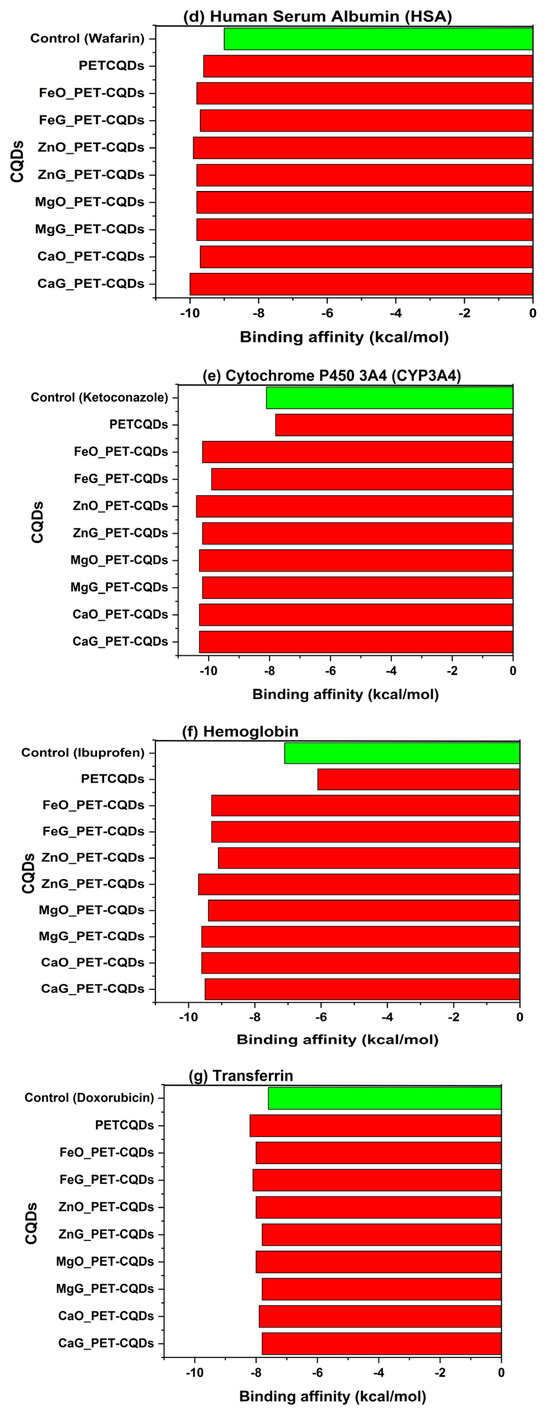
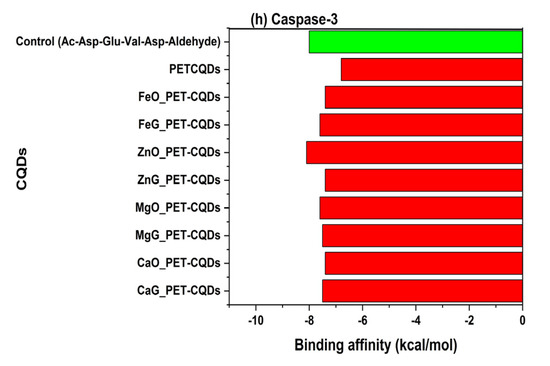
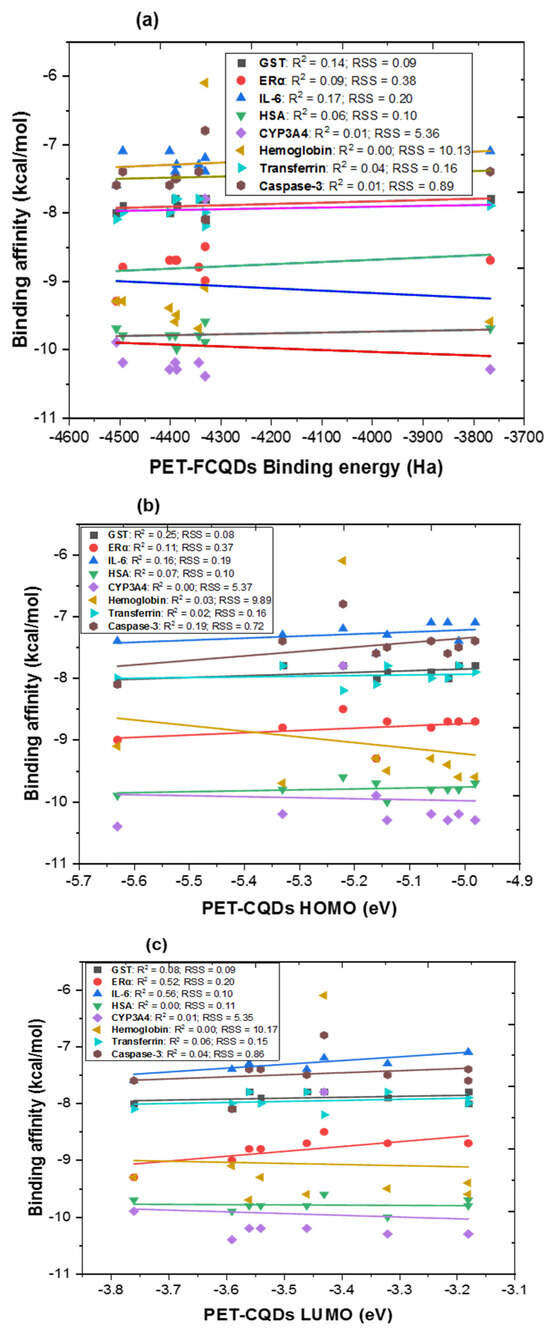
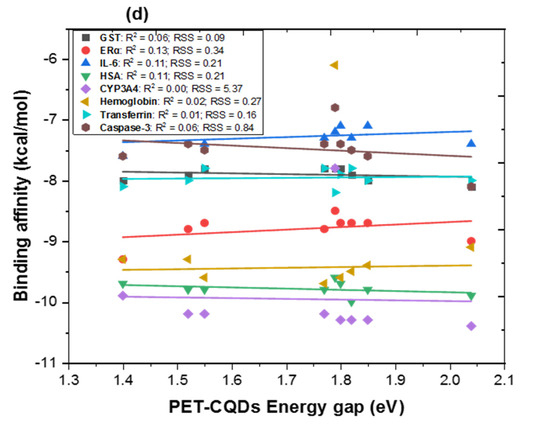
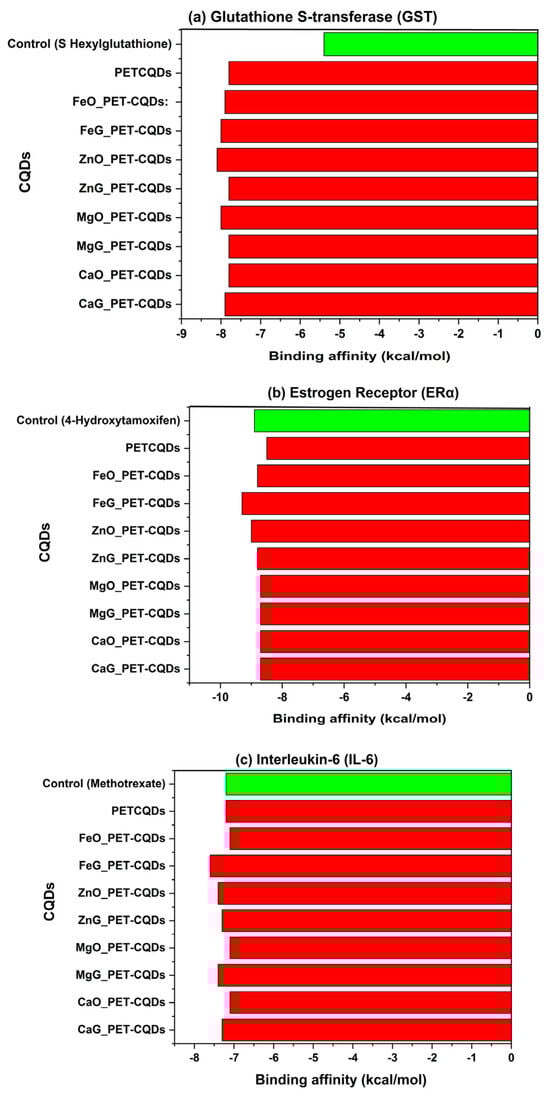
Polyethylene terephthalate-derived fluorescent carbon quantum dots (PET-CQDs) are promising nanomaterials for sensing and biomedical uses, yet their biological interactions after metal doping require careful evaluation. Here, we report an in silico assessment of pristine and dual-site (via graphitic [G] and carbonyl [O]) metal-doped PET-CQDs (Ca, Mg, Fe, Zn) using molecular docking against eight human proteins: HSA (distribution), CYP3A4 (metabolism), hemoglobin (systemic biocompatibility), transferrin (uptake), GST (detoxification), ERα (endocrine regulation), IL-6 (inflammation), and caspase-3 (cytotoxic signaling) together with ADMET profiling and DFT–docking correlation analysis. Docking affinities were compared with controls and ranged from −7.8 to −10.4 kcal·mol−1 across systems, with binding stabilized by π–π stacking, hydrogen bonding and metal–ligand coordination involving residues such as arginine, tyrosine and serine. Importantly, top-performing CQD variants differed by target: PET-CQDs, MgG_PET-CQDs and FeG_PET-CQDs were best for GST; ERα interacted favorably with all doped variants; IL-6 bound best to CaO_PET-CQDs and FeO_PET-CQDs (≈−7.1 kcal·mol−1); HSA favored CaG_PET-CQDs (−10.0 kcal·mol−1) and FeO_PET-CQDs (−9.9 kcal·mol−1); CYP3A4 bound most strongly to pristine PET-CQDs; hemoglobin favored MgG_PET-CQDs (−9.6 kcal·mol−1) and FeO_PET-CQDs (−9.3 kcal·mol−1); transferrin favored FeG_PET-CQDs; caspase-3 showed favored binding overall (pristine −6.8 kcal·mol−1; doped −7.4 to −7.6 kcal·mol−1). ADMET predictions indicated high GI absorption, improved aqueous solubility for some dopants (~18.6 mg·mL−1 for Ca-O/Mg-O), low skin permeability and no mutagenic/carcinogenic flags. Regression analysis showed frontier orbital descriptors (HOMO/LUMO) partially explain selective affinities for ERα and IL-6. These results support a target-guided selection of PET-CQDs for biomedical applications, and they call for experimental validation of selected dopant–target pairs.
Full article
(This article belongs to the Section Theoretical and Computational Chemistry)
►▼
Show Figures

Figure 1
Highly Accessed Articles
Latest Books
E-Mail Alert
News
Topics
Topic in
Materials, Physchem, Polymers, AppliedPhys, Laboratories
Polymer Physics
Topic Editors: Martin Kröger, Ying LiDeadline: 31 March 2026
Topic in
Biosensors, C, Sensors, Foods, Physchem
Development of Photoelectrochemical Sensors
Topic Editors: Reyhan Selin Uysal, Aslı Barla-Demirkoz, Baykal SariogluDeadline: 28 February 2027
Special Issues
Special Issue in
Physchem
Nanocomposites for Catalysis and Environment Applications
Guest Editor: Haradhan KolyaDeadline: 31 March 2026
Special Issue in
Physchem
Photophysics and Photochemistry in Materials for Advanced Technologies
Guest Editors: Eralci Therézio, Paulo Ernesto MarcheziDeadline: 31 May 2026
Special Issue in
Physchem
Metal–Semiconductor Interfaces for Etching, Sensing, Catalysis, and Other Cutting-Edge Technologies
Guest Editor: Enrique Quiroga-GonzálezDeadline: 30 June 2026
Special Issue in
Physchem
Physical Chemistry of Pharmaceutical Nanocrystals: From Nucleation Mechanisms to Drug Delivery
Guest Editors: Luis Castillo Henríquez, José Roberto Vega-BaudritDeadline: 31 July 2026
Topical Collections
Topical Collection in
Physchem
Batteries Beyond Mainstream
Collection Editors: Sergei Manzhos, Masashi Kotobuki