

-
Complication and Endpoint Heterogeneity in Vascular Intervention Research: Lessons from Neurovascular Practice -
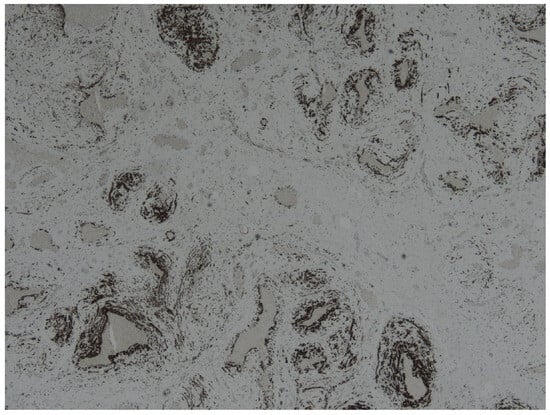
Carotid Intima-Media Thickness (CIMT) and Visceral Adiposity as a Benchmark for Cardiovascular Profile in Rural Versus Urban African Children and Adolescents -
Age and Gender Differences in Blood Viscosity: Clinical Laboratory Insights for Diabetes Management
Journal Description
Journal of Vascular Diseases
is an international, peer-reviewed, open access journal on all aspects of cardiovascular, cerebrovascular, and peripheral vascular diseases, published bimonthly online by MDPI.
- Open Access— free for readers, with article processing charges (APC) paid by authors or their institutions.
- High Visibility: indexed within ESCI (Web of Science), Scopus, EBSCO, and other databases.
- Rapid Publication: manuscripts are peer-reviewed and a first decision is provided to authors approximately 21.2 days after submission; acceptance to publication is undertaken in 2.8 days (median values for papers published in this journal in the first half of 2026).
- Recognition of Reviewers: APC discount vouchers, optional signed peer review, and reviewer names published annually in the journal.
- JVD is a companion journal of Journal of Clinical Medicine.
- Journal Cluster of Cardiology and Cardiovascular Medicine: Journal of Cardiovascular Development and Disease, Cardiogenetics, Hearts, Journal of Vascular Diseases, Cardiovascular Medicine, Kidney and Dialysis and Journal of CardioRenal Medicine.
Impact Factor:
1.1 (2025);
5-Year Impact Factor:
1.0 (2025)
Latest Articles
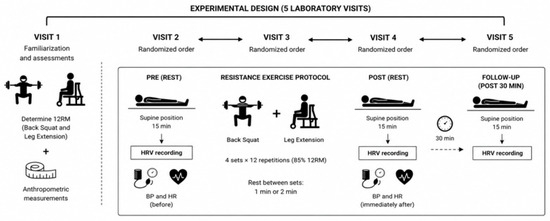
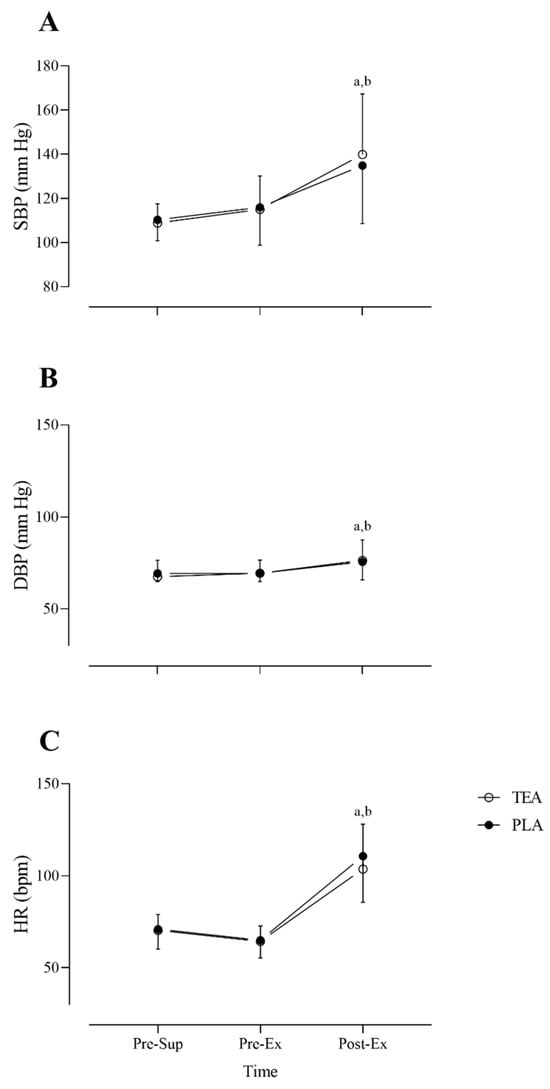
Effects of Theacrine Supplementation on Heart Rate Variability Following a Resistance Exercise Session: A Randomized, Double-Blind, Placebo-Controlled Crossover Pilot Study
J. Vasc. Dis. 2026, 5(5), 33; https://doi.org/10.3390/jvd5050033 - 25 Aug 2026
Abstract
Background/Objectives: Resistance exercise (RE) reduces heart rate variability (HRV) in healthy young individuals, reflecting increased cardiovascular demand and autonomic stress during recovery. Given that theacrine (TEA) acts on the central nervous system and may influence autonomic cardiovascular regulation, its effects on HRV metrics
[...] Read more.
Background/Objectives: Resistance exercise (RE) reduces heart rate variability (HRV) in healthy young individuals, reflecting increased cardiovascular demand and autonomic stress during recovery. Given that theacrine (TEA) acts on the central nervous system and may influence autonomic cardiovascular regulation, its effects on HRV metrics remain unclear and have not yet been investigated. Methods: Seventeen young, healthy resistance-trained participants (8 females) completed two RE sessions under TEA and placebo (PLA) conditions in a randomized, double-blind, crossover design. HRV indices related to vagal modulation (RMSSD and HFnu), systolic blood pressure (SBP), diastolic blood pressure (DBP), and heart rate (HR) were assessed at three time points: pre-supplementation, pre-exercise (90 min after supplementation), and 30 min post-exercise. Results: In the TEA condition, RMSSD increased at pre-exercise compared with pre-supplementation (p = 0.01), with no significant difference between pre-supplementation and post-exercise (p = 0.140). The PLA condition showed significant post-exercise reductions in RMSSD compared to both pre-supplementation and pre-exercise (p < 0.01). Similar patterns were observed for HFnu. SBP, DBP, and HR increased significantly after exercise in both conditions, with no between-condition differences. No significant time × condition interactions or sex effects were observed for any HRV or cardiovascular variable. Conclusions: Acute TEA supplementation did not significantly alter autonomic or cardiovascular responses compared with PLA following a single RE session. Although distinct post-exercise HRV patterns were observed between conditions, the time × condition interaction did not support a significant treatment effect. Larger studies are needed to clarify the potential effects of TEA on post-exercise autonomic recovery.
Full article
(This article belongs to the Section Cardiovascular Diseases)
►
Show Figures
Open AccessSystematic Review
The Fate of Bronchial Artery Aneurysm over the Last 25 Years: A Systematic Review and Pooled Analysis
by
Konstantinos-E. Koumarelas, Platon-M. Dimopoulos, Konstantinos Kotopoulos, Leszek Kukulski, Dimitrios-D. Papazoglou, Vaiva Dabravolskaite, Thomas R. Wyss, Drosos Kotelis and Vladimir Makaloski
J. Vasc. Dis. 2026, 5(4), 32; https://doi.org/10.3390/jvd5040032 - 20 Aug 2026
Abstract
Purpose: Bronchial artery aneurysms (BAA) and pseudoaneurysms (BAP) are uncommon vascular lesions that may present incidentally with hemoptysis or following rupture. This systematic review and pooled analysis examined their clinical presentation, diagnostic assessment, management, and reported outcomes. Materials and Methods: PubMed, Embase, and
[...] Read more.
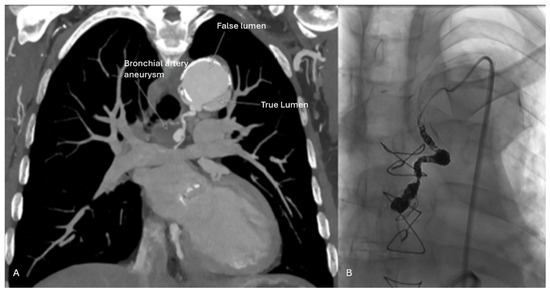
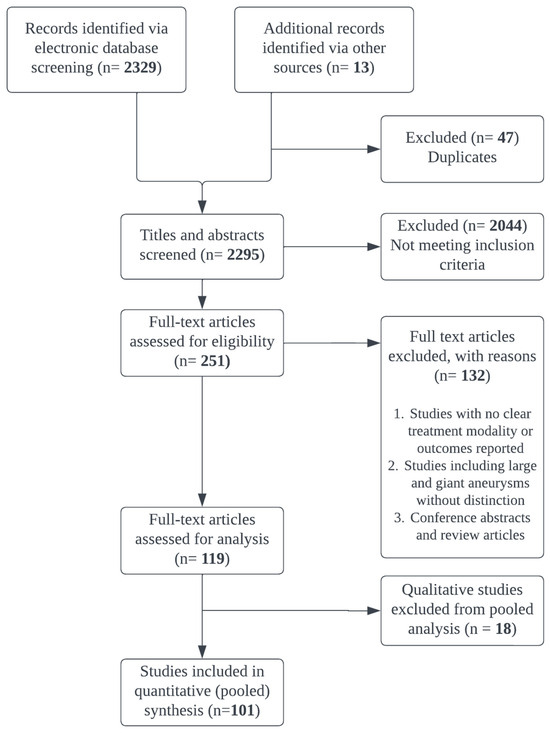
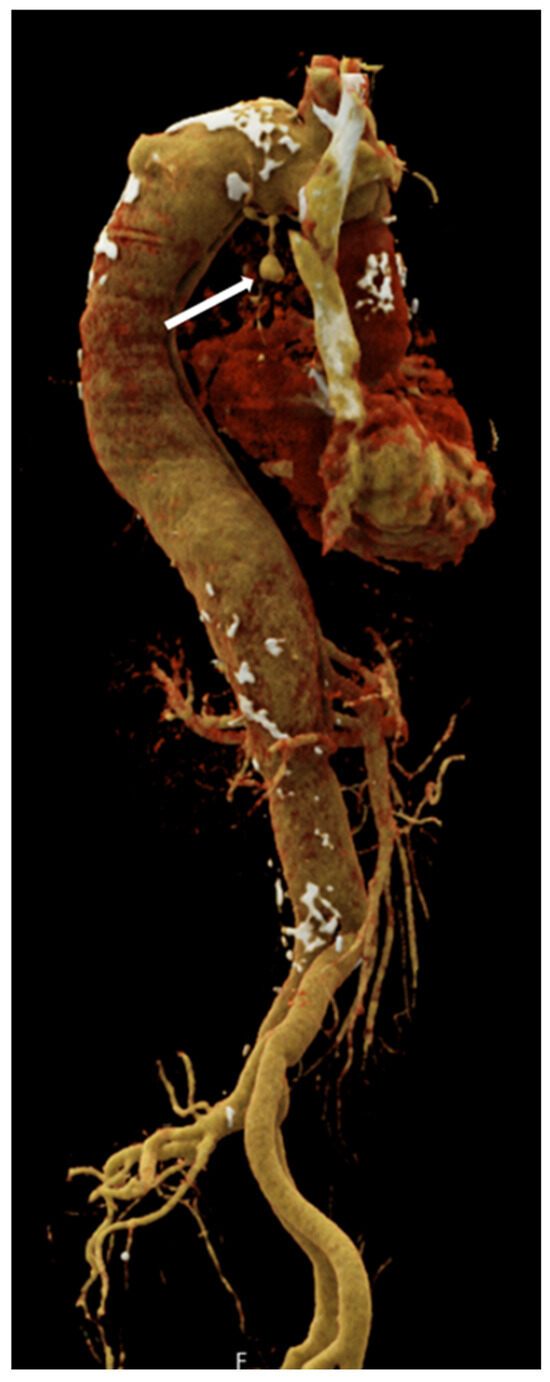
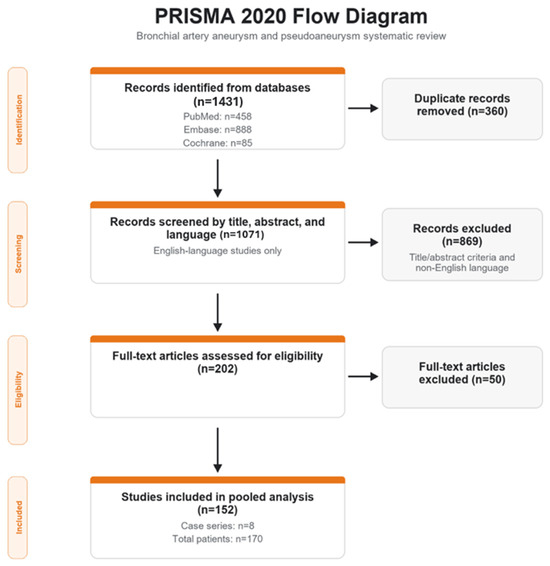
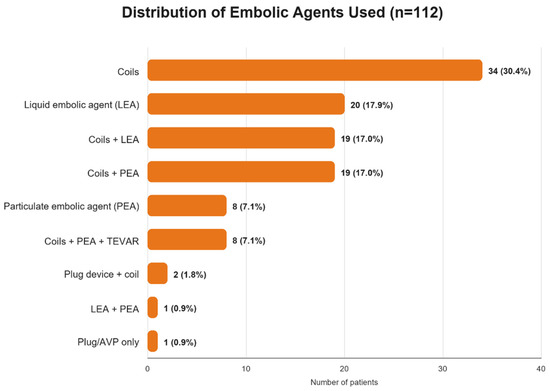
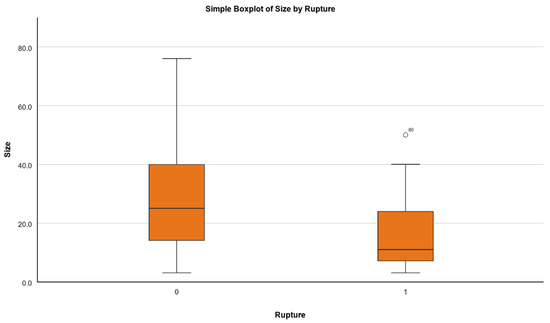
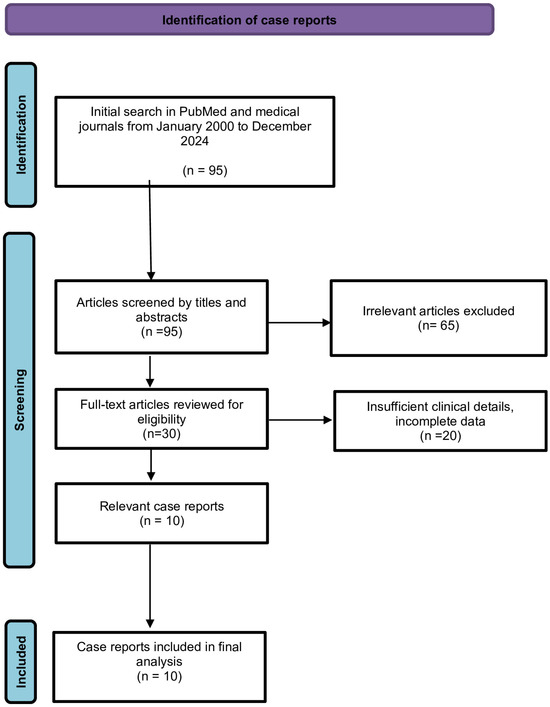
Purpose: Bronchial artery aneurysms (BAA) and pseudoaneurysms (BAP) are uncommon vascular lesions that may present incidentally with hemoptysis or following rupture. This systematic review and pooled analysis examined their clinical presentation, diagnostic assessment, management, and reported outcomes. Materials and Methods: PubMed, Embase, and the Cochrane Library were searched for case reports and case series published between January 2000 and December 2025. Studies reporting patients with BAA or BAP and sufficient clinical information were included, following the modified PRISMA guidelines. Results: Of 1431 identified records, 152 studies comprising 170 patients were included. Overall, 80% of patients were symptomatic, and most aneurysms were solitary and mediastinal. Rupture was reported in 28.4% of published cases. Endovascular treatment was the most frequently reported approach (83.7%). Technical success was achieved in 94.6% of cases overall and in 93.9% of endovascular procedures. Exploratory univariable analyses identified no significant association between technical success and treatment modality (p > 0.05). Reported complication rates were similar following endovascular and open treatment (3.8%, vs. 4.5%, p = 1.000). Conclusions: Rupture was frequently described among published BAA and BAP cases and endovascular treatment was the most commonly reported management strategy, with high observed success and few complications. However, the case-based evidence and associated selection and reporting biases, limit comparative or causal conclusions. Standardized outcome definitions, improved reporting, and multicenter registries are needed to clarify natural history and inform management strategies.
Full article
(This article belongs to the Section Cardiovascular Diseases)
►▼
Show Figures

Figure 1

Open AccessReview
Is Demonstration of ICH Stability by Repeated Cerebral Imaging Useful Enough to Start DVT Chemoprophylaxis After 24–48 Hours?
by
Clayton Rawson, Zane Kashlan, Brandon Lucke-Wold, Michael Karsy and Mehrdad Pahlevani
J. Vasc. Dis. 2026, 5(4), 31; https://doi.org/10.3390/jvd5040031 - 30 Jul 2026
Abstract
Background/Objectives: Venous thromboembolism (VTE) is a common and potentially preventable complication after hemorrhagic stroke, yet the optimal timing of pharmacologic prophylaxis remains uncertain because of concern for hematoma expansion or rebleeding. Repeat neuroimaging is frequently used to assess hemorrhage stability before initiating deep
[...] Read more.
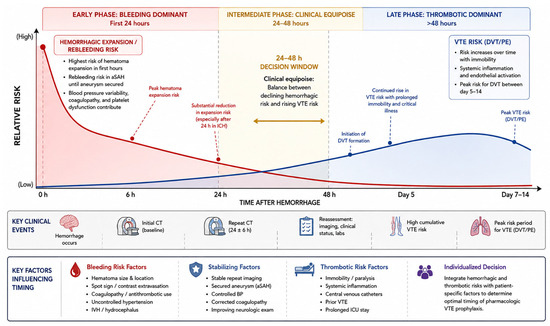
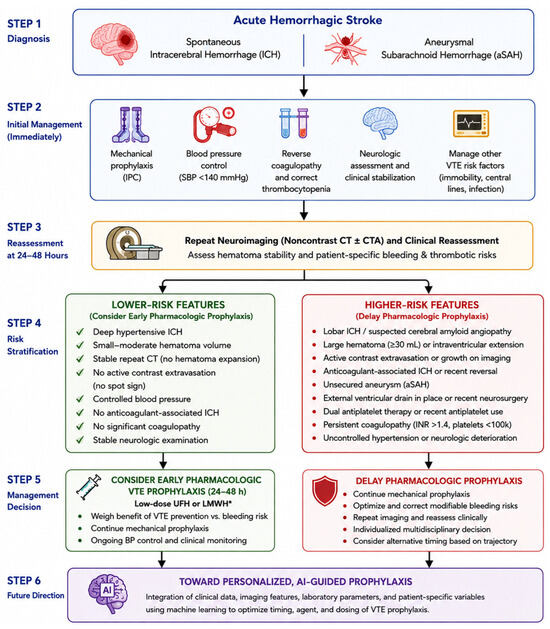
Background/Objectives: Venous thromboembolism (VTE) is a common and potentially preventable complication after hemorrhagic stroke, yet the optimal timing of pharmacologic prophylaxis remains uncertain because of concern for hematoma expansion or rebleeding. Repeat neuroimaging is frequently used to assess hemorrhage stability before initiating deep vein thrombosis (DVT) chemoprophylaxis, although the value of radiographic stability alone remains unclear. This review evaluates the evidence supporting imaging-guided initiation of prophylaxis after intracerebral hemorrhage (ICH) and aneurysmal subarachnoid hemorrhage (aSAH). Methods: A narrative review of the literature was performed focusing on hemorrhage expansion, thrombotic risk, repeat neuroimaging, and timing of pharmacologic prophylaxis in spontaneous ICH and aSAH. Observational studies, limited randomized data, and current guideline recommendations were assessed. Results: In spontaneous ICH, hematoma expansion risk is greatest within the first 24 h, whereas thrombotic risk increases over subsequent days because of immobility and systemic inflammation. Available evidence suggests that early low-dose anticoagulant prophylaxis may be safe in selected patients with stable hemorrhage, although definitions of stability vary and no prospective study has validated repeat imaging as an independent decision trigger. In aSAH, rebleeding risk depends more heavily on aneurysm securement and procedural factors than on imaging appearance alone. Conclusions: Repeat neuroimaging provides important reassurance after hemorrhagic stroke but does not fully capture ongoing biological risks. Current evidence supports a cautious, individualized approach in which radiographic stability informs, but does not independently determine, the timing of pharmacologic VTE prophylaxis.
Full article
(This article belongs to the Section Neurovascular Diseases)
►▼
Show Figures

Figure 1
Open AccessSystematic Review
Current Treatment Paradigms for Giant Thrombotic Intracranial Aneurysms: A Systematic Review
by
Yusor Al-Nuaimy, Denise Baloi, Clayton Rawson, Enes Demir, Farid Qoorchi Moheb Seraj, Dorsa Farahnak, Danyas Sarathy, Zachary Sorrentino, Brandon Lucke-Wold, Michael Karsy and Mehrdad Pahlevani
J. Vasc. Dis. 2026, 5(4), 30; https://doi.org/10.3390/jvd5040030 - 29 Jul 2026
Abstract
Objective: Giant thrombosed intracranial aneurysms (GTIAs) are aneurysmal dilatations containing partial or complete intraluminal thrombus. Representing approximately 2–5% of intracranial aneurysms, GTIAs present diagnostic and therapeutic challenges. Optimal management remains controversial and may involve microsurgical, endovascular, or hybrid strategies. Methods: A systematic review
[...] Read more.
Objective: Giant thrombosed intracranial aneurysms (GTIAs) are aneurysmal dilatations containing partial or complete intraluminal thrombus. Representing approximately 2–5% of intracranial aneurysms, GTIAs present diagnostic and therapeutic challenges. Optimal management remains controversial and may involve microsurgical, endovascular, or hybrid strategies. Methods: A systematic review was performed in accordance with PRISMA guidelines using PubMed and Embase to identify relevant studies published between January 2000 and August 2025. Eligible studies reported clinical, anatomical, or treatment-related data for patients with GTIAs. Extracted variables included patient demographics, aneurysm characteristics, treatment modality, and outcomes. Data were standardized and analyzed using Python. Complication and recurrence rates were pooled in subsets of studies reporting explicit event counts; comparisons between treatment modalities were assessed using chi-square analysis. Results: In total, 101 studies including 536 patients met our criteria. Mean patient age was 50.2 years. Most aneurysms arose from the anterior circulation (88.2%) involving the internal carotid artery (46.6%) and middle cerebral artery (39.9%). The unweighted mean aneurysm diameter was 39.0 mm, with a patient-weighted mean of 24.3 mm. Hybrid treatment strategies were most frequently reported (62.7%), followed by endovascular (23.3%) and microsurgical (14.0%) approaches. Among studies reporting explicit counts, the pooled complication rate was 17.0% and the recurrence rate was 21.0%. Complication rates did not differ significantly between treatment modalities (p = 0.48), whereas recurrence differed significantly (p = 0.00013). Conclusions: Management of GTIAs remains heterogeneous, with increasing reliance on multimodal and hybrid treatment strategies. However, inconsistent outcome reporting and the predominance of retrospective studies limit definitive comparisons between treatment modalities.
Full article
(This article belongs to the Special Issue Current Advances in Intracranial Aneurysms: From Basic to Clinical Research)
►▼
Show Figures

Figure 1

Open AccessArticle
Realistic Synthetic Electronic Health Record Data Generation for Cardiovascular Risk Prediction
by
Kavitha Bai A. S and J. Somasekar
J. Vasc. Dis. 2026, 5(4), 29; https://doi.org/10.3390/jvd5040029 - 25 Jul 2026
Abstract
►▼
Show Figures
Background: Increasing access to Electronic Health Records (EHRs) has enabled the development of Machine Learning (ML) models to predict early cardiovascular disease (CVD) risk. Nevertheless, real EHR data is usually limited in availability and distribution because of confidentiality issues, legal limitations, and insufficient
[...] Read more.
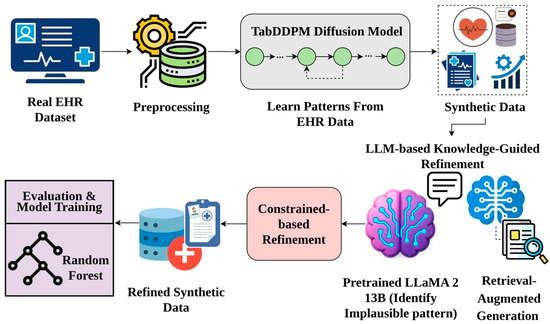
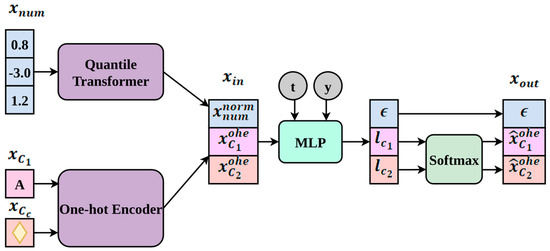
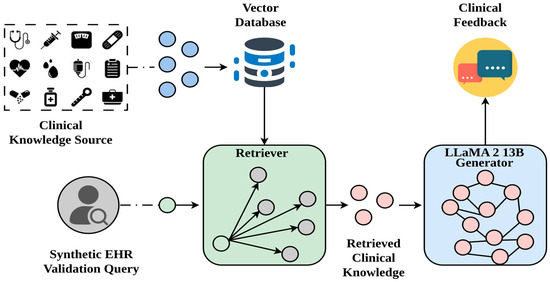
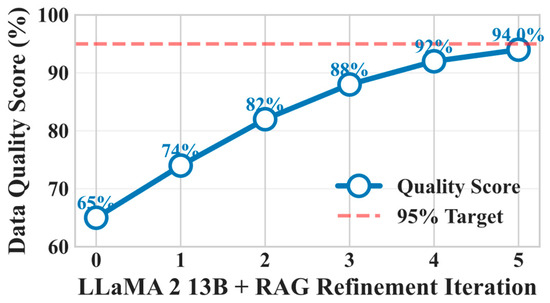
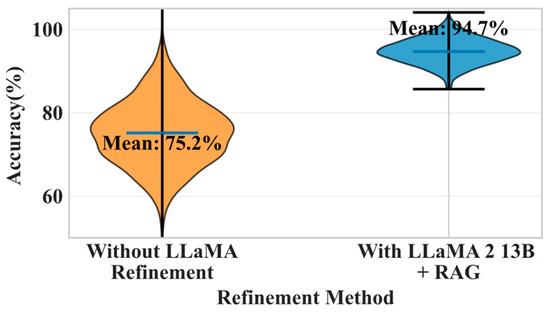
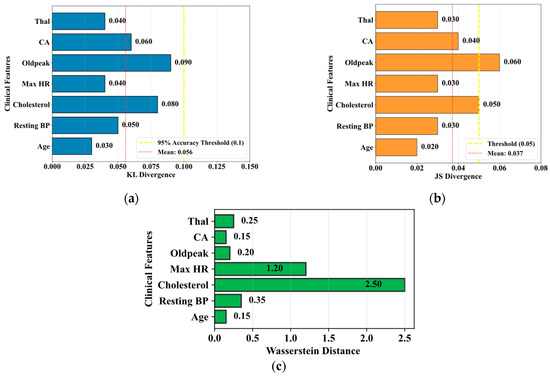
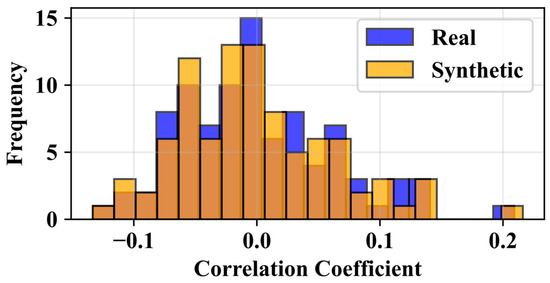
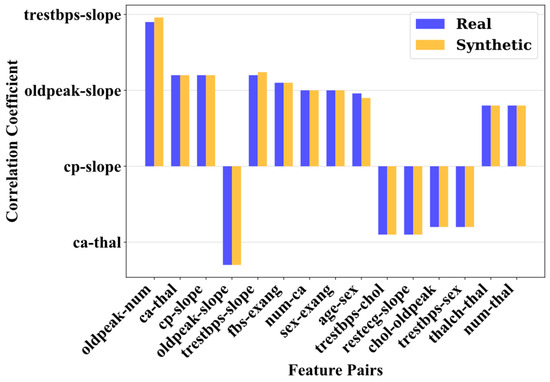
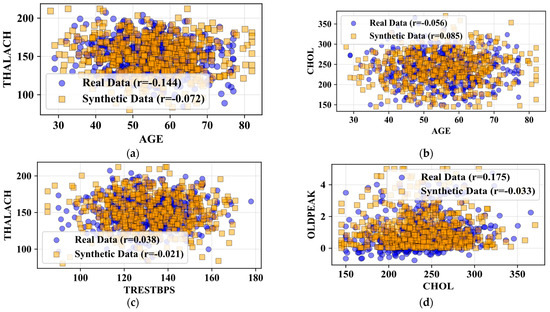
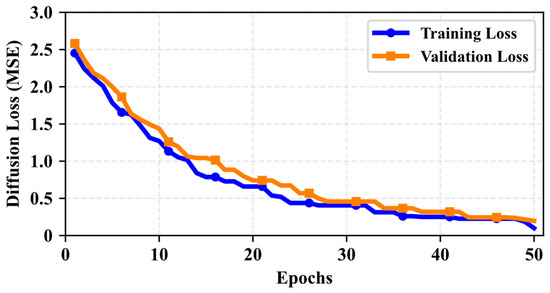
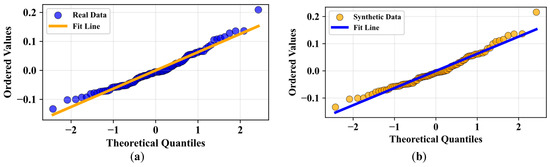
Background: Increasing access to Electronic Health Records (EHRs) has enabled the development of Machine Learning (ML) models to predict early cardiovascular disease (CVD) risk. Nevertheless, real EHR data is usually limited in availability and distribution because of confidentiality issues, legal limitations, and insufficient access. Synthetic data generation has become a promising approach to overcome such difficulties. Objectives: This study proposes a Large Language Model (LLM)-guided retrieval-aware framework for generating realistic synthetic EHR data on a large scale to train ML models to predict cardiovascular risks accurately. Methods: The framework uses a Tabular Denoising Diffusion Probabilistic Model to learn the underlying distribution of the original dataset and generate an initial synthetic dataset. To improve the clinical plausibility of the generated data, a knowledge-guided refinement module with LLaMA 2 13B combined with Retrieval-Augmented Generation (RAG) is introduced. The LLM analyzes statistical trends in real and synthetic data while retrieving relevant medical information to detect and correct clinically implausible correlations. Results: Experimental findings show that the optimized synthetic dataset preserves important statistical features of the original data and achieves high performance in predicting CVD. Conclusions: Thus, the framework offers a scalable, privacy-conservative method for generating realistic synthetic healthcare data suitable for medical research.
Full article

Figure 1
Open AccessArticle
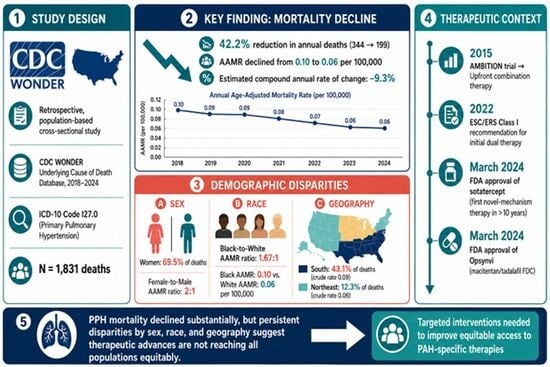
Primary Pulmonary Hypertension Mortality Trends and Demographic Disparities in the United States, 2018–2024
by
Palak Grover, Rahul Jain, Gurleen Kaur, Niroshan Ranjan and Bipneet Singh
J. Vasc. Dis. 2026, 5(4), 28; https://doi.org/10.3390/jvd5040028 - 20 Jul 2026
Abstract
Background/Objectives: Prior U.S. surveillance studies described changes in pulmonary hypertension mortality through 2020, but contemporary national data focused specifically on deaths coded as primary pulmonary hypertension (PPH; ICD-10 I27.0) are limited. We examined temporal, sex, racial, and geographic patterns in I27.0-coded mortality in
[...] Read more.
Background/Objectives: Prior U.S. surveillance studies described changes in pulmonary hypertension mortality through 2020, but contemporary national data focused specifically on deaths coded as primary pulmonary hypertension (PPH; ICD-10 I27.0) are limited. We examined temporal, sex, racial, and geographic patterns in I27.0-coded mortality in the United States from 2018 to 2024. Methods: CDC WONDER Underlying Cause of Death data were analyzed. Annual deaths and mortality rates were examined by year, sex, Single Race 6 category, and U.S. Census region. Results: A total of 1831 deaths were coded as I27.0. Annual deaths declined from 344 in 2018 to 199 in 2024, while the exact crude rate declined from 0.105 to 0.059 per 100,000. Women accounted for 69.5% of deaths. Black individuals had a higher age-adjusted mortality rate than White individuals (0.10 vs. 0.06 per 100,000). The South accounted for the largest share of deaths (43.1%), although the West had a marginally higher exact crude rate. Conclusions: Deaths assigned to I27.0 declined substantially during 2018–2024. This trend occurred during a period of major evolution in PAH care, but the ecological design cannot determine whether therapeutic advances caused the decline. Changes in coding, classification, and assignment of underlying cause may also have contributed. Persistent demographic disparities warrant further investigation.
Full article
(This article belongs to the Section Peripheral Vascular Diseases)
►▼
Show Figures

Graphical abstract
Open AccessArticle
Association Between Self-Reported Faster Walking Pace and Subclinical Hypothyroidism in Relation to the Status of Atherosclerosis
by
Yuji Shimizu, Asuka Oyama, Yuko Noguchi, Mutsumi Matsuu-Matsuyama, Koichiro Hamada, Shin-Ya Kawashiri, Hirotomo Yamanashi, Seiko Nakamichi, Yasuhiro Nagata, Takahiro Maeda and Naomi Hayashida
J. Vasc. Dis. 2026, 5(3), 27; https://doi.org/10.3390/jvd5030027 - 18 Jun 2026
Abstract
Background/Objectives: This study examined the association between self-reported walking pace and subclinical hypothyroidism (SCH) in relation to atherosclerotic status, as both walking pace and SCH have been linked to an increased risk of all-cause mortality and cardiovascular disease. The vascular network underlying
[...] Read more.
Background/Objectives: This study examined the association between self-reported walking pace and subclinical hypothyroidism (SCH) in relation to atherosclerotic status, as both walking pace and SCH have been linked to an increased risk of all-cause mortality and cardiovascular disease. The vascular network underlying atherosclerotic processes may help explain this relationship. Methods: This was a cross-sectional study involving 1719 Japanese with normal thyroid function (free triiodothyronine [T3] and free thyroxine [T4] levels within the normal range). Since all individuals who participated in this study had free T3 and free T4 levels within the normal range, those with elevated TSH levels (>4.01 μIU/mL) were classified as having SCH. Self-reported faster walking pace was identified based on the participants’ responses to whether they perceived themselves as walking faster than their peers of the same age and sex. Logistic regression models were used to calculate the odds ratios (ORs) and 95% confidence intervals (CIs) for SCH. Results: Of the study participants, 166 had atherosclerosis and 98 had SCH. Among individuals without atherosclerosis, a self-reported faster walking pace was significantly inversely associated with SCH but not among those with atherosclerosis. The sex and age-adjusted ORs (95% CIs) of SCH for self-reported faster walking pace were 0.58 (0.37, 0.91) for those without atherosclerosis and 2.35 (0.75, 7.36) for those with atherosclerosis. Atherosclerosis showed a significant interaction with the association between SCH and self-reported faster walking pace, with sex- and age-adjusted p-values of 0.027. These associations persisted, even after adjusting for potential confounding factors. Conclusions: Self-reported faster walking pace is inversely associated with SCH in individuals without atherosclerosis but not in those with atherosclerosis. Atherosclerosis status may influence the association between SCH and self-reported faster walking pace.
Full article
(This article belongs to the Section Peripheral Vascular Diseases)
►▼
Show Figures

Figure 1

Open AccessArticle
Exercise Selection and Rest Interval Duration Differentially Affect Post-Exercise Cardiac Autonomic Responses Following Resistance Training
by
Ryan Cysne Mire Corrêa, Jhonatan Martins de Souza, Giovane Coimbra Nascimento, Pedro Tuma Leonardo and Gustavo Vieira de Oliveira
J. Vasc. Dis. 2026, 5(3), 26; https://doi.org/10.3390/jvd5030026 - 18 Jun 2026
Cited by 1
Abstract
►▼
Show Figures
Objectives: This study investigated the effects of exercise selection and rest interval duration on post-exercise cardiac autonomic modulation following resistance exercise (RE). Methods: Eleven (4 females) resistance-trained individuals performed a single RE session consisting of either a multi-joint exercise (back squat)
[...] Read more.
Objectives: This study investigated the effects of exercise selection and rest interval duration on post-exercise cardiac autonomic modulation following resistance exercise (RE). Methods: Eleven (4 females) resistance-trained individuals performed a single RE session consisting of either a multi-joint exercise (back squat) or a single-joint exercise (leg extension), using rest intervals of 1 or 2 min between sets. Heart rate variability (HRV) was assessed at baseline (pre-exercise) and 30 min following the RE session. RR intervals were recorded for 15 min with participants resting in the supine position on an examination bed in a quiet environment. For HRV analysis, a 5-min artifact-free segment of RR intervals was selected and processed using Kubios HRV software, version 4.3.0 (Kubios Oy, Kuopio, Finland). The HRV metrics analyzed included the root mean square of successive differences (RMSSD), low-frequency normalized (LF), the low-frequency/high-frequency (LF/HF) ratio, and the standard deviation of transverse dispersion (SD1). Results: A significant main effect of time was observed for RMSSD, LF, and the LF/HF ratio. The back squat exercise elicited a significant reduction (p < 0.05) in vagal-related indices (RMSSD and SD1) regardless of interval duration. Longer rest intervals were associated with increased (p < 0.05) sympathetic modulation, as reflected by higher LF and LF/HF values 30 min post-exercise. No significant time × group interactions were observed for most HRV variables. Conclusions: Exercise selection and rest interval duration differentially influence post-exercise cardiac autonomic responses following RE. Multi-joint exercises induce greater vagal withdrawal, whereas longer rest intervals favor sympathetic predominance during recovery. These findings highlight the importance of manipulating RE variables to manage autonomic stress and recovery.
Full article

Figure 1
Open AccessArticle
Age and Gender Differences in Blood Viscosity: Clinical Laboratory Insights for Diabetes Management
by
Jovita I. Mbah, Phillip T. Bwititi, Prajwal Gyawali, Lin Kooi Ong and Ezekiel U. Nwose
J. Vasc. Dis. 2026, 5(3), 25; https://doi.org/10.3390/jvd5030025 - 15 Jun 2026
Cited by 1
Abstract
Introduction: Blood viscosity is elevated in diabetes and is inversely related to blood flow. The pathology evidence base associated with blood stasis, namely hematocrit and serum total protein levels, is negatively correlated with age, but affordable pathology tests for blood stasis remain underutilized
[...] Read more.
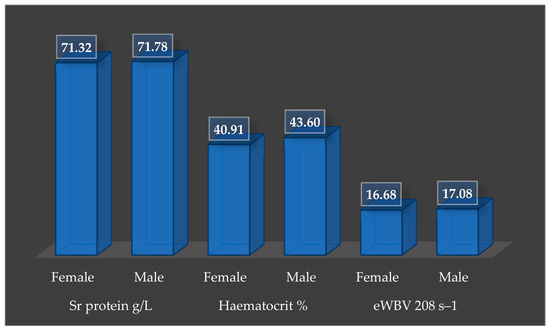
Introduction: Blood viscosity is elevated in diabetes and is inversely related to blood flow. The pathology evidence base associated with blood stasis, namely hematocrit and serum total protein levels, is negatively correlated with age, but affordable pathology tests for blood stasis remain underutilized in clinical medicine practice. This study is intended to evaluate changes in estimated whole blood viscosity (eWBV) with age and gender, as an index of blood stasis and its associated indices of hematocrit and serum total protein levels. Method: This was a clinical laboratory observational retrospective study involving 10 years of pathology data. Three clinical medicine parameters, including eWBV, hematocrit and proteinemia, were compared in stratified age groups. Data were those monitored for HbA1c (N = 21,021). Statistical analysis included univariate (ANOVA) and multivariate (MANOVA) as well as correlation. Results: Average levels of proteinemia, hematocrit and eWBV were different in stratified age groups, and lower in females compared to males. MANOVA analysis shows a significant difference in the three clinical medicine parameters between the younger adults and the elderly (p < 0.001). Age and eWBV are inversely correlated, but this may be negligible with diabetes (r = −0.17). Discussion: There are age-related and gender differences in the pathology evidence base that underpins blood viscosity. The implication of lower blood viscosity in women and the elderly is a higher risk of bleeding. The potentially higher risk of bleeding with increasing age is contrary to the concern for thrombosis, which means that antiplatelet prophylaxis among the elderly may be confounded.
Full article
(This article belongs to the Special Issue Peripheral Arterial Disease (PAD) and Innovative Treatments)
►▼
Show Figures

Figure 1
Open AccessArticle
Carotid Intima-Media Thickness (CIMT) and Visceral Adiposity as a Benchmark for Cardiovascular Profile in Rural Versus Urban African Children and Adolescents
by
Benedict Apaw Agyei, Ijeoma Chinedum Anyitey-Kokor, Andrew Donkor, Fred Stephen Sarfo and Yaw Amo Wiafe
J. Vasc. Dis. 2026, 5(3), 24; https://doi.org/10.3390/jvd5030024 - 31 May 2026
Abstract
Background: While cardiovascular diseases (CVD) manifest in adulthood, vascular changes may begin in childhood. Early markers of CVD, such as carotid intima-media thickness (CIMT), have not been well studied in children in the African setting. The potential influence of environmental and genetic factors
[...] Read more.
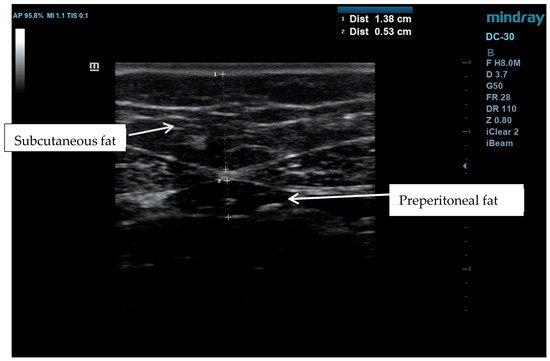
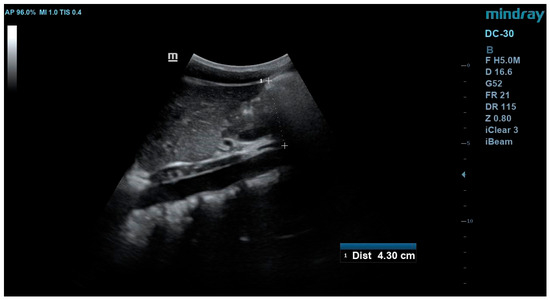
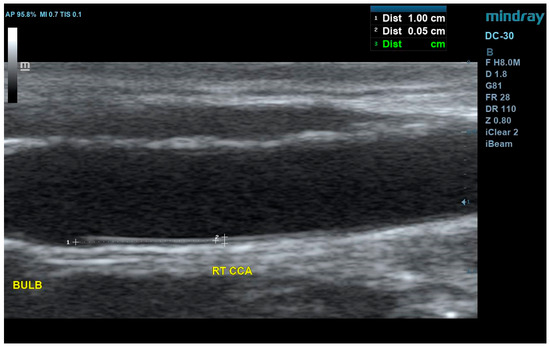
Background: While cardiovascular diseases (CVD) manifest in adulthood, vascular changes may begin in childhood. Early markers of CVD, such as carotid intima-media thickness (CIMT), have not been well studied in children in the African setting. The potential influence of environmental and genetic factors on the CIMT of African children is not well understood. Objective: This study assessed the cardiovascular risk profiles of Ghanaian children and adolescents in rural and urban settings using carotid intima-media thickness (CIMT) and ultrasound-measured adiposity. Methods: A cross-sectional study was conducted involving 343 asymptomatic, healthy school children (10–16 years) from the Ashanti region of Ghana. Participants were recruited from one urban and one rural school. Data collected included height, weight, blood pressure, and ultrasound measurements of CIMT, subcutaneous, preperitoneal, and Visceral fat. Results: The mean CIMT for the cohort was 0.60 ± 0.07 mm. Urban children had significantly higher BMI (p < 0.001), subcutaneous fat (p = 0.005), and preperitoneal fat (p < 0.001) compared to rural children, yet there was no significant difference in CIMT between the two sites (p = 0.497). Multiple linear regression revealed that peritoneal fat thickness (p = 0.029) and male gender (p < 0.001) were significant predictors of CIMT, whereas BMI and blood pressure were not. Conclusions: Ghanaian children exhibit elevated CIMT values compared to Western pediatric cohorts despite having lower BMI and normal blood pressure. The significant correlation between peritoneal (visceral) adiposity and CIMT suggests that fat distribution is a more sensitive indicator of early vascular remodeling than BMI in this population. This highlights the need for population-specific screening strategies that move beyond BMI.
Full article
(This article belongs to the Section Cardiovascular Diseases)
►▼
Show Figures

Figure 1
Open AccessReview
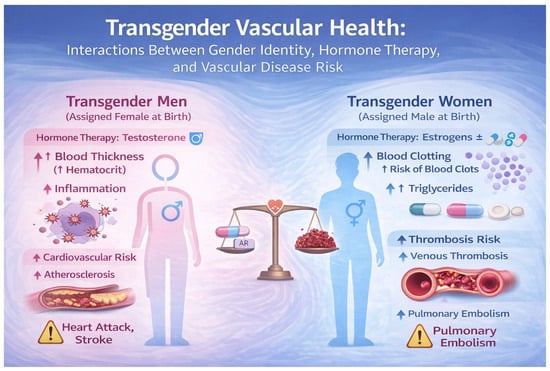
Transgender Vascular Health: Interactions Between Gender Identity, Hormone Therapy, and Vascular Disease Risk
by
Davide Costa, Nicola Ielapi, Alessia Talarico, Antonio Mazza and Raffaele Serra
J. Vasc. Dis. 2026, 5(3), 23; https://doi.org/10.3390/jvd5030023 - 25 May 2026
Abstract
►▼
Show Figures
Transgender individuals face unique challenges in vascular health due to the complex interactions between gender identity, psychosocial determinants of health, and medical interventions such as gender-affirming hormone therapy (GAHT). Growing evidence indicates that transgender populations may exhibit distinct patterns of vascular disease risk
[...] Read more.
Transgender individuals face unique challenges in vascular health due to the complex interactions between gender identity, psychosocial determinants of health, and medical interventions such as gender-affirming hormone therapy (GAHT). Growing evidence indicates that transgender populations may exhibit distinct patterns of vascular disease risk compared with cisgender individuals; however, available data remain limited and heterogeneous. A narrative review of the literature was conducted using major biomedical databases to identify studies examining the vascular and cardiovascular effects of gender-affirming hormone therapy in transgender individuals. This review provides a comprehensive overview of vascular health in transgender people, with particular attention to both venous and arterial disease. We summarize current epidemiological evidence on vascular outcomes and explore biological mechanisms through which exogenous sex hormones, including estrogens, anti-androgens, and testosterone, may influence endothelial function, vascular remodeling, inflammation, and coagulation pathways. Specific emphasis is placed on venous disorders, such as thromboembolic disease and chronic venous disease (CVD), as well as arterial conditions, including chronic peripheral arterial disease (PAD). In addition, we discuss the contribution of traditional vascular risk factors, minority stress, disparities in healthcare access, and social determinants of health in shaping vascular risk profiles. Clinical implications for vascular risk assessment, prevention strategies, and long-term monitoring in transgender individuals receiving GAHT are addressed. Finally, key knowledge gaps and priorities for future research are identified, underscoring the need for robust, longitudinal studies to support personalized and evidence-based vascular care in transgender populations.
Full article

Figure 1
Open AccessSystematic Review
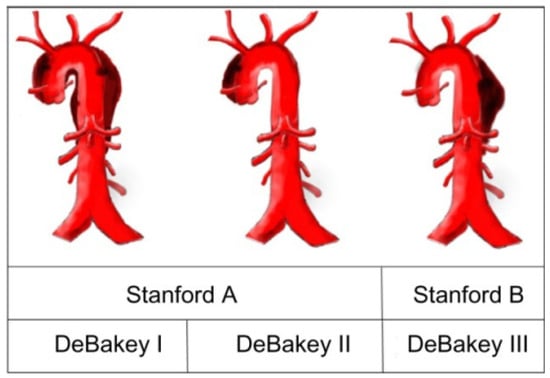
Conceptualizing Aortic Center Potential in Acute Aortic Dissections: A Systematic Review of Volume Thresholds and Outcomes in U.S. Studies
by
Nana Kwadwo Okraku-Yirenkyi, Jeanine Williams, Aimee Sun, Ramya Natarajan, John Crawford and Charles West
J. Vasc. Dis. 2026, 5(3), 22; https://doi.org/10.3390/jvd5030022 - 15 May 2026
Abstract
►▼
Show Figures
Background: Acute aortic dissection compresses diagnosis, transfer, and operative readiness into a narrow time window in which hospital capability may influence survival. Yet U.S. studies define specialized or high-volume care inconsistently, limiting translation of the literature into actionable regionalization criteria. We reviewed U.S.
[...] Read more.
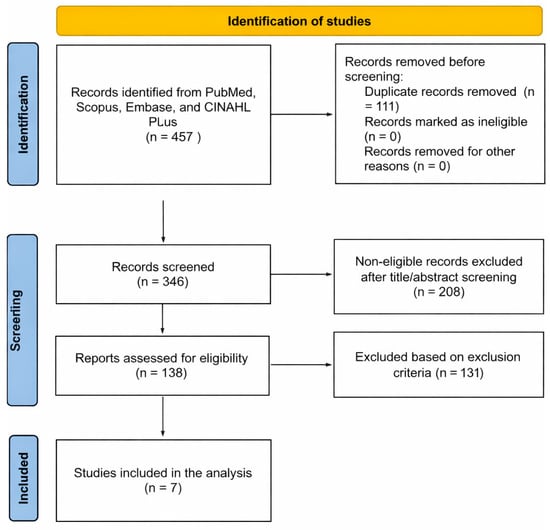
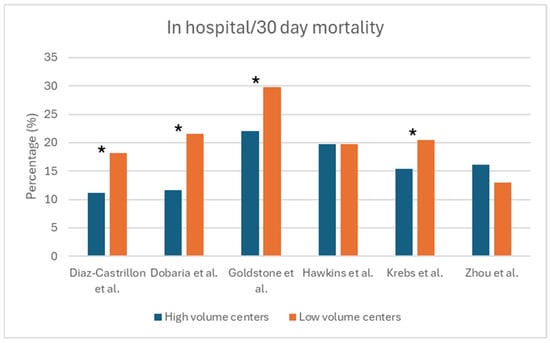
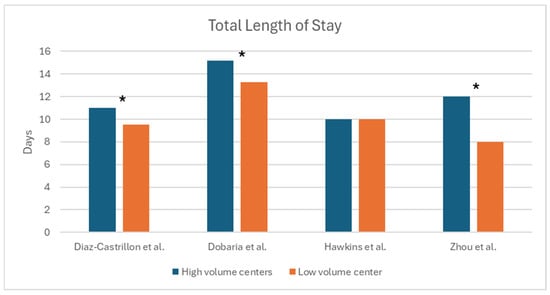
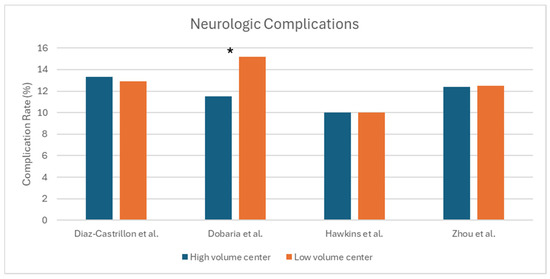
Background: Acute aortic dissection compresses diagnosis, transfer, and operative readiness into a narrow time window in which hospital capability may influence survival. Yet U.S. studies define specialized or high-volume care inconsistently, limiting translation of the literature into actionable regionalization criteria. We reviewed U.S. evidence comparing outcomes for acute aortic dissection across hospitals categorized by procedural volume or center specialization. Methods: We performed a PRISMA-aligned systematic review with narrative synthesis. We searched PubMed, Embase, Scopus, Web of Science, and CINAHL for English-language, peer-reviewed studies published from January 2000 through July 2025. Eligible studies included adult U.S. cohorts with acute aortic dissection and reported outcomes stratified by hospital volume tier or center designation. Two reviewers independently screened studies and extracted study characteristics, exposure definitions, analytic approach, and outcomes. We assessed quality to inform interpretation. Results: Searches identified 457 records, and 7 observational U.S. studies met eligibility criteria. Across most studies, higher-volume or specialized-center care was associated with lower in-hospital or 30-day mortality. Two studies showed no meaningful difference. Hospital length of stay was often longer in higher-volume strata. Neurologic complications were inconsistently associated with the center category. Definitions and thresholds used to denote “high volume” or “aortic center” varied substantially across studies. Conclusions: In U.S. observational data, higher-volume or specialized-center care for acute aortic dissection is most consistently associated with improved short-term survival, whereas secondary outcomes are heterogeneous. A major barrier to implementation is definitional inconsistency. Future work should pair transparent volume thresholds with explicit, measurable system capabilities.
Full article

Figure 1
Open AccessArticle
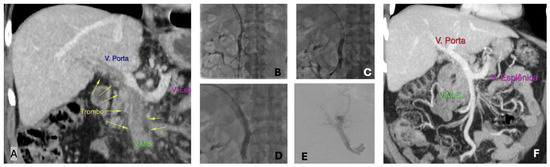
Acute Portal Vein Thrombosis: Endovascular Management in Three Different Scenarios
by
Gustavo Paludetto, Natália de Carvalho Trevizoli, Alexandre Augusto Giovanini, Lethícia Mesquita Valadão, Hícaro do Carmo Moreira, Matheus Santos Cordón and Gustavo Testoni Paludetto
J. Vasc. Dis. 2026, 5(3), 21; https://doi.org/10.3390/jvd5030021 - 6 May 2026
Abstract
Background: Acute portal vein thrombosis (aPVT) is a severe complication of the splanchnic venous system, often associated with portal hypertension, intestinal ischemia, and hepatic dysfunction. Anticoagulation is the first-line therapy but is frequently insufficient in advanced Yerdel grade III–IV cases, where recanalization rates
[...] Read more.
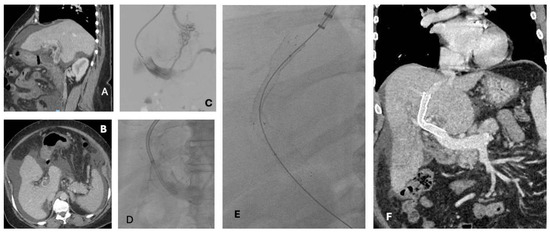
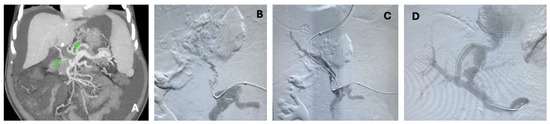
Background: Acute portal vein thrombosis (aPVT) is a severe complication of the splanchnic venous system, often associated with portal hypertension, intestinal ischemia, and hepatic dysfunction. Anticoagulation is the first-line therapy but is frequently insufficient in advanced Yerdel grade III–IV cases, where recanalization rates remain low. Endovascular interventions have emerged as alternative therapeutic strategies in selected patients. Methods: We present three cases of patients with Yerdel grade III–IV aPVT who underwent endovascular management. The techniques included: (1) transhepatic aspiration thrombectomy combined with intra-thrombus thrombolysis using alteplase (Actilyse); (2) combined aspiration thrombectomy, intra-thrombus thrombolysis with alteplase, portal vein stenting, and transjugular intrahepatic portosystemic shunt (TIPS) creation; and (3) transsplenic aspiration thrombectomy followed by angioplasty, stent placement, and TIPS creation in a post-liver transplant patient. Results: All procedures were technically successful, achieving complete or near-complete recanalization of the portal venous system. Restoration of patency in the extrahepatic portal circulation was confirmed, and portal pressures were reduced in the TIPS-assisted case. No major periprocedural complications occurred. Clinical outcomes included preservation of transplant candidacy and graft salvage. Conclusions: Endovascular therapy may be an option in selected patients with acute portal vein thrombosis. Careful patient selection and an individualized technical approach are essential.
Full article
(This article belongs to the Section Peripheral Vascular Diseases)
►▼
Show Figures

Figure 1

Open AccessArticle
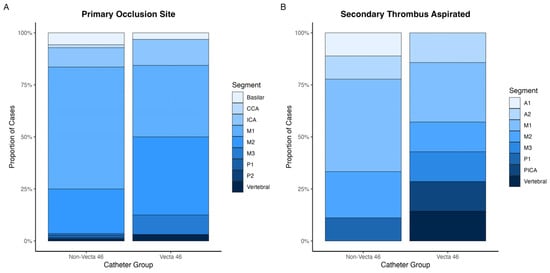
Mechanical Thrombectomy with the Vecta 46 Catheter: A Safety and Outcome Analysis
by
Hunter Hutchinson, Chloe DeYoung, Danyas Sarathy, Grace Hey, Wiley Gillam, Shawna Amini, Muhammad Abdul Baker Chowdhury, Brandon Lucke-Wold, Zachary Sorrentino and Matthew Koch
J. Vasc. Dis. 2026, 5(3), 20; https://doi.org/10.3390/jvd5030020 - 27 Apr 2026
Abstract
►▼
Show Figures
Objective: The AXS Vecta 46 intermediate catheter (Stryker) features a large inner diameter, enabling effective aspiration, combined with a small outer diameter and soft distal-tip flexibility, which allows for safe tracking through more tortuous and smaller arterial segments to target medium vessel
[...] Read more.
Objective: The AXS Vecta 46 intermediate catheter (Stryker) features a large inner diameter, enabling effective aspiration, combined with a small outer diameter and soft distal-tip flexibility, which allows for safe tracking through more tortuous and smaller arterial segments to target medium vessel occlusions non-traumatically. The efficacy of the Vecta 46 in the spectrum of large and medium vessel occlusions has not been well elucidated in the literature. Methods: This retrospective cohort study included patients who underwent MT for acute ischemic stroke at our institution between July 2022 and June 2024. The outcomes of patients treated with Vecta 46 were compared to those of all other catheters used at the institution. Results: The distribution of aspiration and stent retriever attempts in Vecta 46 procedures versus non-Vecta 46 procedures was significantly different (p = 0.00325). Aspiration was attempted 1.66 ± 0.936 times in the Vecta 46 group and 1.12 ± 0.650 times in the non-Vecta 46 group (p = 0.00135). More mechanical thrombectomies with the Vecta 46 included aspiration of a secondary thrombus (p = 0.0314), despite no difference in the distribution of the primary or secondary occlusion location. There were no statistically significant differences in recanalization success (p = 0.800), recanalization time (p = 0.245), procedure duration (p = 0.580), discharge modified Rankin Score (p = 0.875), or intracranial hemorrhage rate (p = 0.720) between non-Vecta 46 and Vecta 46 procedures. Conclusions: Vecta 46 has similar safety and functional outcomes compared to other endovascular treatment options despite procedural differences.
Full article

Figure 1
Open AccessReview
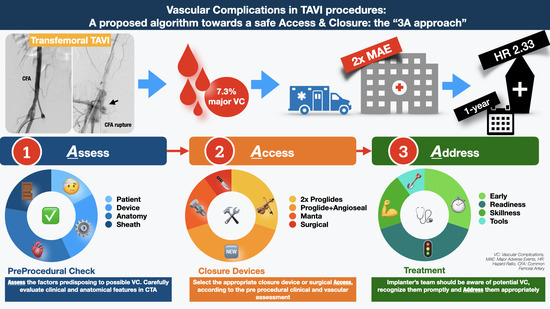
Vascular Complications in Transcatheter Aortic Valve Implantation (TAVI): Incidence, Predictors, Prevention, and Management
by
Dimitrios Nikas, Antonios Halapas, Lampros Lakkas, George Karaolanis, Vaggelis Alexiou, Dimitrios Chatzis, Petros Kalogeras, Christos Floros, Xenofon Sakellariou, Vasileios Bouratzis, Michail Peroulis, Katerina K. Naka and Lampros Michalis
J. Vasc. Dis. 2026, 5(2), 19; https://doi.org/10.3390/jvd5020019 - 21 Apr 2026
Abstract
Transcatheter aortic valve implantation (TAVI) has become the standard of care for patients with severe aortic stenosis. Despite significant procedural refinement, vascular complications (VCs) remain among the most frequent and clinically relevant adverse events associated with TAVI. These complications are closely associated with
[...] Read more.
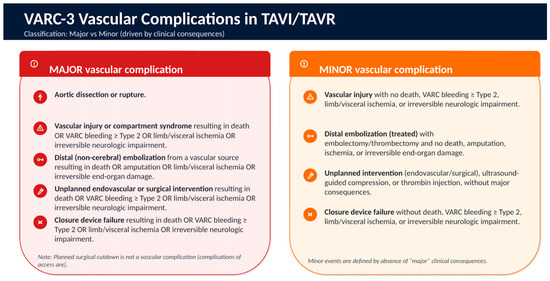
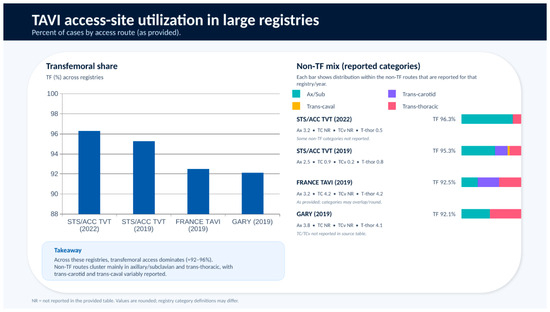
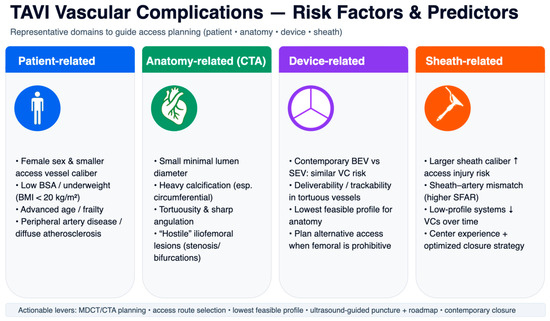
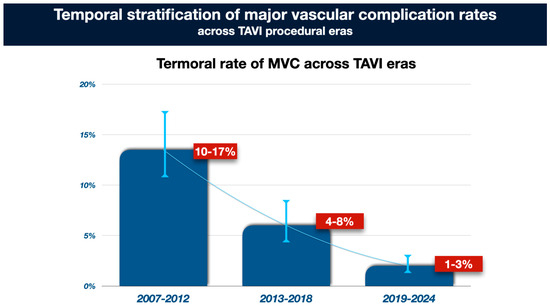
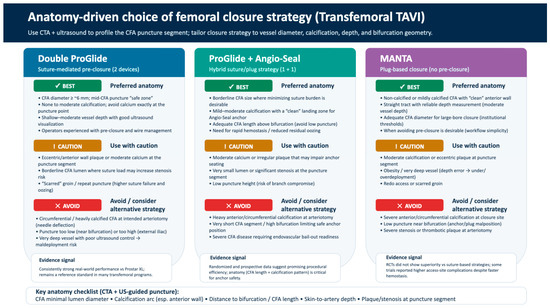
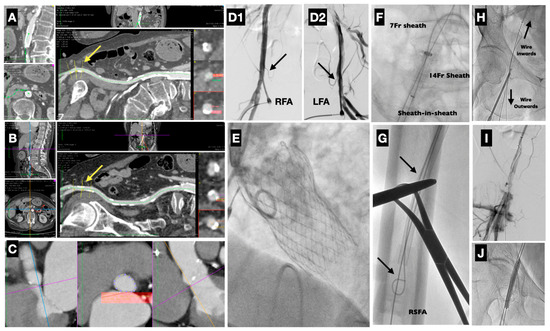
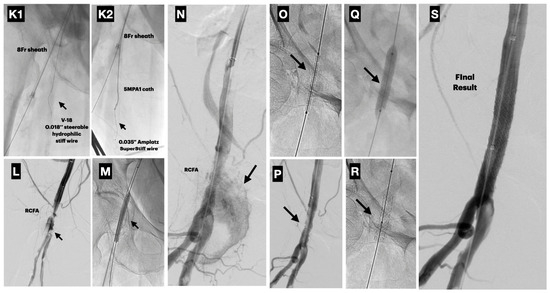
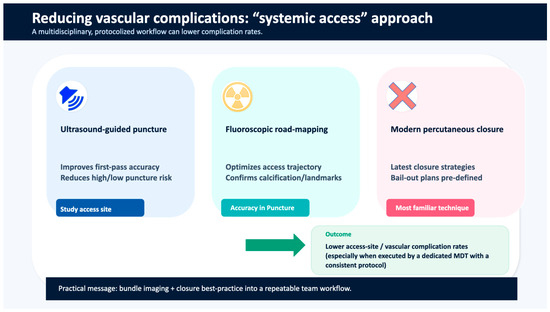
Transcatheter aortic valve implantation (TAVI) has become the standard of care for patients with severe aortic stenosis. Despite significant procedural refinement, vascular complications (VCs) remain among the most frequent and clinically relevant adverse events associated with TAVI. These complications are closely associated with adverse clinical outcomes and continue to represent one of the most significant limiting factors for the broader expansion of TAVI indications to larger patient populations. Over the past decade, their incidence has declined substantially, largely due to device evolution, improved closure techniques, and the widespread adoption of meticulous pre-procedural imaging and planning. This narrative review provides a comprehensive overview of VCs in TAVI, focusing on contemporary incidence rates, underlying mechanisms, and patient as well as procedural-related risk factors. Additionally, the role of alternative access routes is discussed, alongside emerging technologies and future perspectives aimed at further reducing complication rates.
Full article
(This article belongs to the Section Peripheral Vascular Diseases)
►▼
Show Figures

Graphical abstract
Open AccessPerspective
Complication and Endpoint Heterogeneity in Vascular Intervention Research: Lessons from Neurovascular Practice
by
Pablo Albiña-Palmarola, Ali Khanafer and Hans Henkes
J. Vasc. Dis. 2026, 5(2), 18; https://doi.org/10.3390/jvd5020018 - 13 Apr 2026
Abstract
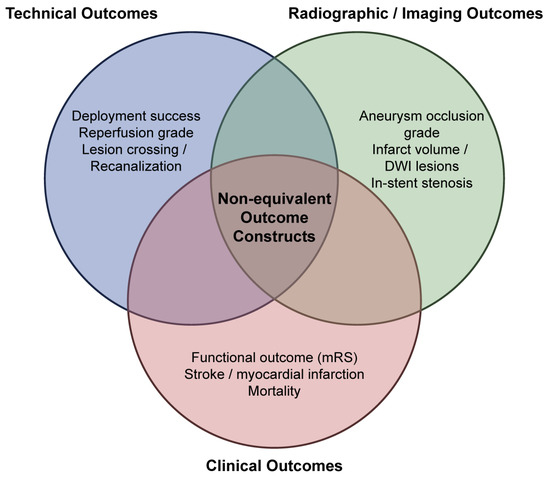
Vascular intervention has advanced technically faster than it has matured methodologically. Across neurovascular, carotid, peripheral, and aortic practice, complications and outcomes are often reported using different definitions, thresholds, surveillance strategies, adjudication methods, follow-up schedules, and units of analysis. As a result, studies that
[...] Read more.
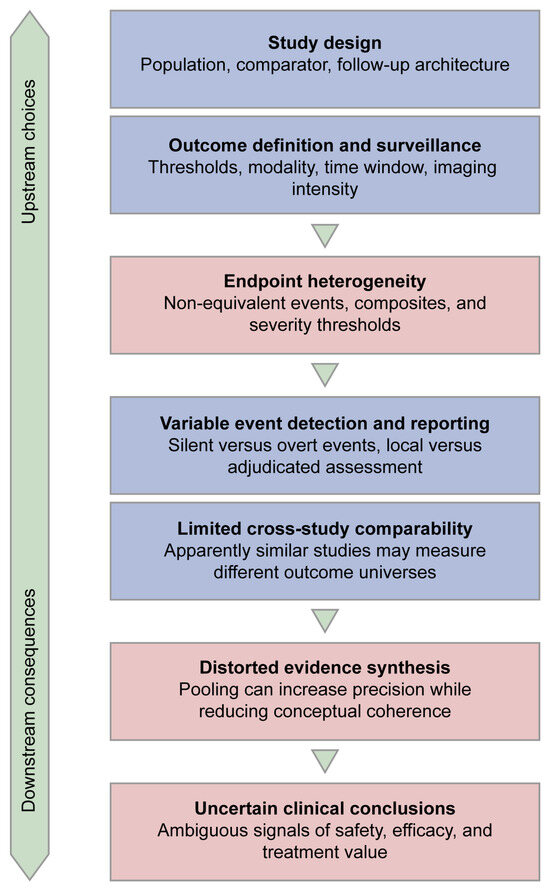
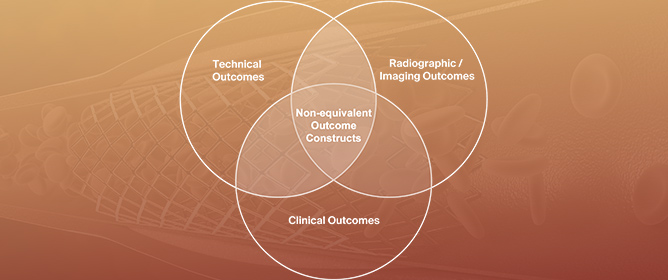
Vascular intervention has advanced technically faster than it has matured methodologically. Across neurovascular, carotid, peripheral, and aortic practice, complications and outcomes are often reported using different definitions, thresholds, surveillance strategies, adjudication methods, follow-up schedules, and units of analysis. As a result, studies that appear to assess the same treatment may in fact be measuring different outcome constructs. This problem is particularly visible in neurovascular intervention, where technical, radiographic, and clinical outcomes are often combined within the same evaluative framework. In acute ischemic stroke thrombectomy, changes in reperfusion thresholds can alter the meaning of procedural success. In intracranial aneurysm treatment, angiographic occlusion, retreatment, delayed stenosis, and neurological morbidity are often reported together despite representing different dimensions of efficacy and safety, while the interpretation of surrogate angiographic outcomes may vary across device classes. Similar issues arise in carotid intervention, peripheral endovascular therapy, and endovascular aneurysm repair, where composite outcomes, imaging-detected complications, and inconsistent surveillance protocols further complicate interpretation. These variations limit cross-study comparability, weaken meta-analytic synthesis, and may distort judgments about treatment effectiveness and safety. Endpoint heterogeneity persists partly through disciplinary silos, device-driven evaluation frameworks, and regulatory pathways that favor surrogate over clinical endpoints; addressing it will require not only better reporting but standardized outcome constructs, coordinated international registries, and broader adoption of core outcome set methodology. Greater discipline in endpoint definition and reporting, together with broader adoption of standardized outcome frameworks and core outcome set methodology, is needed if evidence in vascular intervention is to accumulate coherently.
Full article
(This article belongs to the Section Neurovascular Diseases)
►▼
Show Figures

Figure 1

Open AccessSystematic Review
Anti-TNF-α Signaling and Therapeutic Modulation in Intracranial Fusiform Aneurysms: A Systematic Review of Clinical and Translational Evidence
by
Jacob Alejandro Strouse, Sebastian Verrier Paz, Alexander Gonzalez and Brandon Lucke-Wold
J. Vasc. Dis. 2026, 5(2), 17; https://doi.org/10.3390/jvd5020017 - 1 Apr 2026
Abstract
Background: Intracranial fusiform aneurysms represent a rare but clinically aggressive subtype of cerebrovascular disease, characterized by circumferential arterial dilation and a high risk of growth, ischemic complications, and rupture. Unlike saccular aneurysms, fusiform lesions lack well-established medical therapies to prevent progression or
[...] Read more.
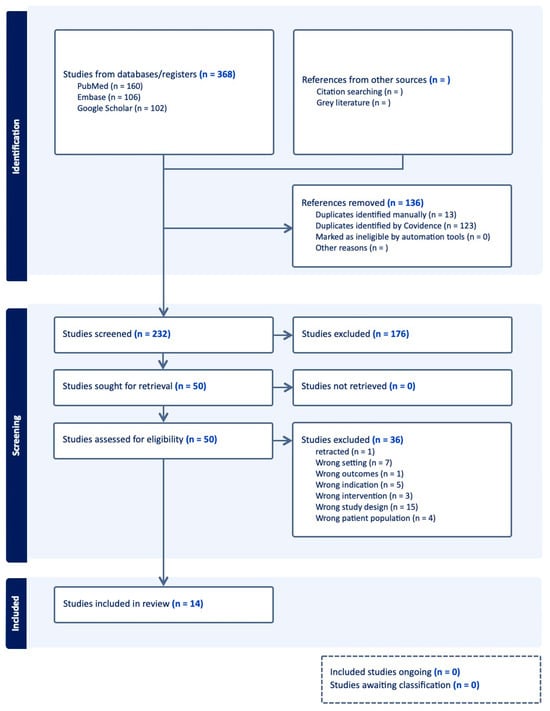
Background: Intracranial fusiform aneurysms represent a rare but clinically aggressive subtype of cerebrovascular disease, characterized by circumferential arterial dilation and a high risk of growth, ischemic complications, and rupture. Unlike saccular aneurysms, fusiform lesions lack well-established medical therapies to prevent progression or stabilize the aneurysm wall. Tumor necrosis factor-alpha (TNF-α) has emerged as a central mediator of aneurysm-associated inflammation and vascular remodeling, raising interest in TNF-α modulation as a potential therapeutic strategy. This study aimed to systematically review and synthesize the available clinical and translational evidence evaluating TNF-α signaling and anti-TNF-α therapies in the context of intracranial fusiform aneurysms. Methods: A systematic literature search was conducted in PubMed/MEDLINE, Embase, and Google Scholar from database inception through February 2026 in accordance with PRISMA guidelines. Eligible studies included human, animal, and translational investigations examining TNF-α biology or anti-TNF-α interventions in relation to intracranial fusiform aneurysms, intracranial dolichoectasia, or vertebrobasilar dolichoectatic aneurysms. Study selection, deduplication, and screening were performed using Covidence systematic review software. Extracted outcomes included aneurysm growth, rupture, ischemic events, imaging characteristics, inflammatory signaling, and vascular remodeling. Given substantial heterogeneity in study design and outcome reporting, findings were synthesized narratively using structured evidence mapping. Results: From the 368 records identified, 14 studies met inclusion criteria following full-text review. Included studies encompassed preclinical models, translational mechanistic investigations, and limited clinical observational data. Across experimental models, TNF-α signaling was consistently associated with macrophage infiltration, matrix metalloproteinase activation, vascular smooth muscle cell phenotypic modulation, and aneurysm wall degeneration. TNF-α inhibition was associated with reduced aneurysm progression and rupture in preclinical settings, including when initiated after aneurysm formation. Clinical evidence remains limited but suggests a potential association between TNF-α modulation and aneurysm stability, although direct therapeutic data in intracranial fusiform aneurysm populations are sparse. Conclusions: The existing translational and preclinical evidence supports a contributory role for TNF-α-mediated inflammation in the progression of intracranial fusiform aneurysms and suggests that TNF-α inhibition may represent a promising disease-modifying strategy. However, clinical data remain insufficient to support routine therapeutic use. Prospective observational studies and early-phase clinical trials are needed to define the safety, timing, and efficacy of anti-TNF-α therapies in patients with intracranial fusiform aneurysms.
Full article
(This article belongs to the Special Issue Current Advances in Intracranial Aneurysms: From Basic to Clinical Research)
►▼
Show Figures

Figure 1
Open AccessReview
Vulvar Vascular Malformations: Diagnosis, Imaging, and Management—A Review with an Illustrative Case
by
Marija Batkoska, Kristina Drusany Starič, Jernej Mlakar and Marina Jakimovska
J. Vasc. Dis. 2026, 5(2), 16; https://doi.org/10.3390/jvd5020016 - 30 Mar 2026
Abstract
Background: Vascular malformations are congenital structural abnormalities of the blood vessels that may present at any age. In the vulvovaginal region, these lesions are uncommon and frequently misdiagnosed because their clinical appearance overlaps with common gynecologic conditions, particularly Bartholin’s gland cyst or abscess.
[...] Read more.
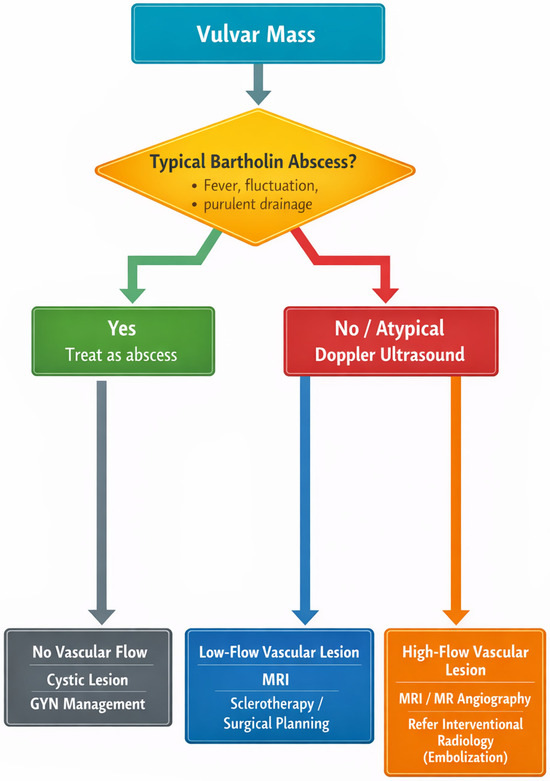
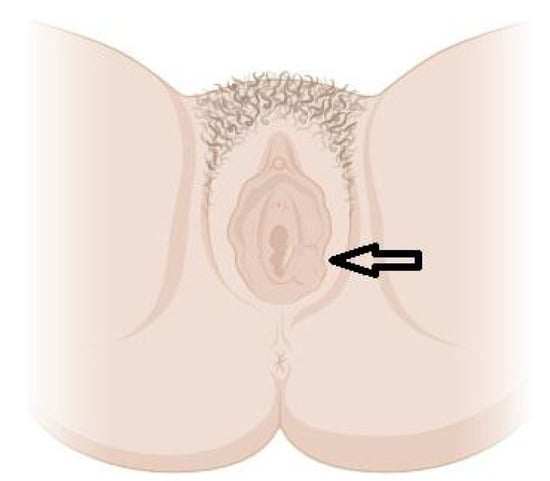
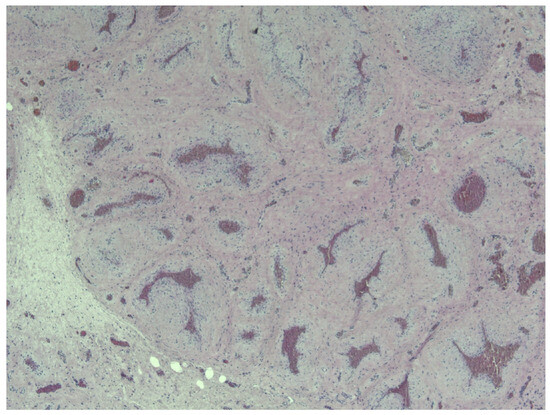
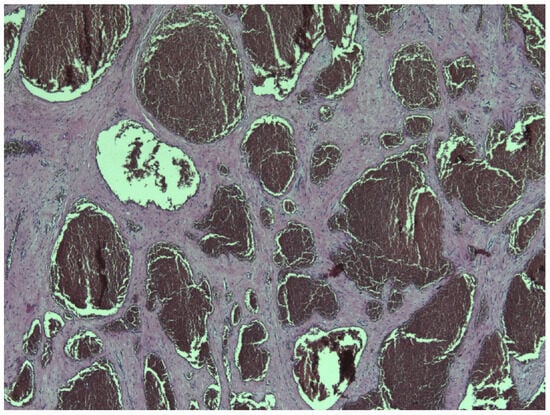
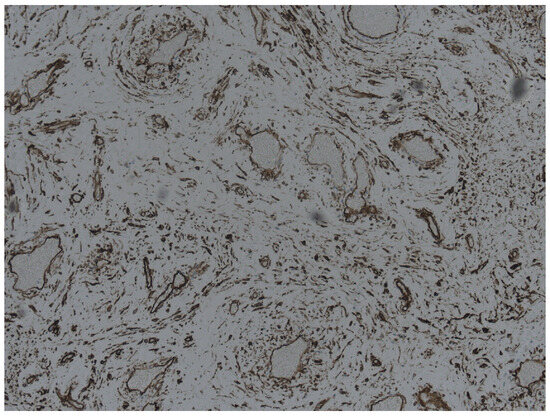
Background: Vascular malformations are congenital structural abnormalities of the blood vessels that may present at any age. In the vulvovaginal region, these lesions are uncommon and frequently misdiagnosed because their clinical appearance overlaps with common gynecologic conditions, particularly Bartholin’s gland cyst or abscess. Inappropriate surgical intervention without prior vascular evaluation may result in hemorrhage, incomplete treatment, and recurrence. Methods: A structured narrative review of the literature was performed using PubMed/MEDLINE and EMBASE databases (January 2000–April 2024) to summarize the classification, pathophysiology, clinical presentation, imaging characteristics, differential diagnosis, and management of vulvovaginal vascular malformations. Publications addressing vascular anomalies in other anatomical locations were also included when clinically relevant. A representative clinical case confirmed by histopathologic and molecular analysis is presented to illustrate the diagnostic pitfalls. Results: Vulvovaginal vascular malformations are predominantly low-flow venous lesions but may include high-flow arteriovenous malformations. A clinical examination alone is insufficient for diagnosis. Doppler ultrasonography is the recommended initial imaging modality, followed by magnetic resonance imaging to define the lesion extent and flow characteristics. Misdiagnosis most commonly occurs when lesions are treated as Bartholin’s gland pathology without prior imaging. Low-flow lesions are generally managed with sclerotherapy or planned surgical excision, whereas high-flow lesions require embolization and multidisciplinary care. Hormonal and hemodynamic changes, including pregnancy, may precipitate enlargement or thrombosis. Conclusions: Vascular malformations should be considered in the differential diagnosis of atypical vulvar masses. Preoperative imaging is essential in order to avoid inappropriate surgical procedures. A structured diagnostic approach combining clinical assessment and imaging enables correct classification and guides treatment. The presented case demonstrates a typical diagnostic pitfall and emphasizes the importance of recognizing vascular lesions in gynecologic practice.
Full article
(This article belongs to the Section Peripheral Vascular Diseases)
►▼
Show Figures

Graphical abstract
Open AccessReview
Basic Molecular and Genetic Pathways Underlying Intracranial Aneurysm Formation in the Era of Molecular and Targeted Therapies: A 10-Year Review
by
Denise Baloi, Henry Freeman, Moneebah Ashraf, Michael Karsy, Brandon Lucke-Wold and Mehrdad Pahlevani
J. Vasc. Dis. 2026, 5(2), 15; https://doi.org/10.3390/jvd5020015 - 24 Mar 2026
Abstract
Introduction: Intracranial aneurysms (IAs) are focal dilatations of cerebral arteries that carry a significant risk of rupture and subarachnoid hemorrhage (aSAH). Advances in basic science have improved understanding of vascular wall biology, hemodynamic stress, inflammation, and genetic contribution to aneurysm rupture. Rapid progress
[...] Read more.
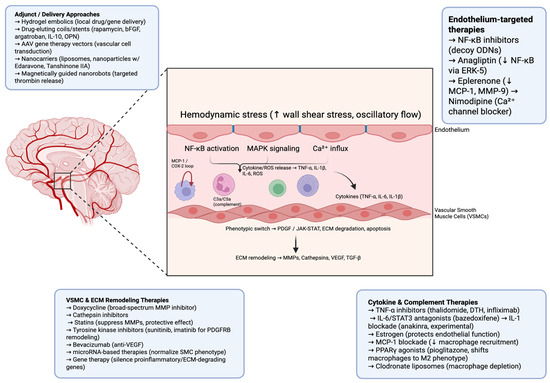
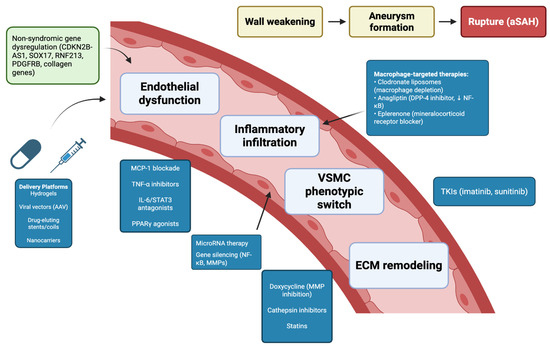
Introduction: Intracranial aneurysms (IAs) are focal dilatations of cerebral arteries that carry a significant risk of rupture and subarachnoid hemorrhage (aSAH). Advances in basic science have improved understanding of vascular wall biology, hemodynamic stress, inflammation, and genetic contribution to aneurysm rupture. Rapid progress in neurovascular therapeutics highlights the need to evaluate emerging molecular and pharmacologic strategies targeting IAs. Methodology: This narrative review synthesizes evidence from 2015 to 2025 on the cellular, molecular, and biomechanical mechanisms underlying IA pathophysiology. A structured search of PubMed, Scopus, and Embase identified studies examining molecular pathways, genetic determinants, and therapeutic approaches. Discussion: Aneurysm initiation involves endothelial responses to abnormal shear stress, activating NF-κB, MAPK, and calcium-dependent pathways that promote inflammation, smooth-muscle cell apoptosis, and extracellular matrix degradation. Pharmacologic candidates including MCP-1 antagonists, PPARγ agonists, and IL-6/STAT3 inhibitors reduce inflammatory remodeling, while doxycycline and cathepsin inhibitors preserve matrix integrity. Emerging strategies like microRNA modulation, tyrosine-kinase inhibition, and gene-based delivery offer potential for localized, durable stabilization with minimal systemic toxicity. Conclusions: Integrating surgical and biologic therapies may shift IA management from reactive repair to rupture prevention.
Full article
(This article belongs to the Special Issue Current Advances in Intracranial Aneurysms: From Basic to Clinical Research)
►▼
Show Figures

Figure 1
Open AccessArticle
Front Load Carriage Has Sex-Specific and Perhaps Occupational Risk Implications for Cardiovascular Health
by
Brianna Wheelock, Kaylyn Ly, Sierra Slepicka, Natalya Tasevski, Amanda Perkins-Ball, Deanna J. Schmidt and Deborah L. Feairheller
J. Vasc. Dis. 2026, 5(2), 14; https://doi.org/10.3390/jvd5020014 - 12 Mar 2026
Abstract
Background: Load carriage is an essential part of the occupational work of many jobs, yet there is little research on the hemodynamic responses to load carriage. It is known that front load carriage elicits larger increases in arterial stiffness than load carried on
[...] Read more.
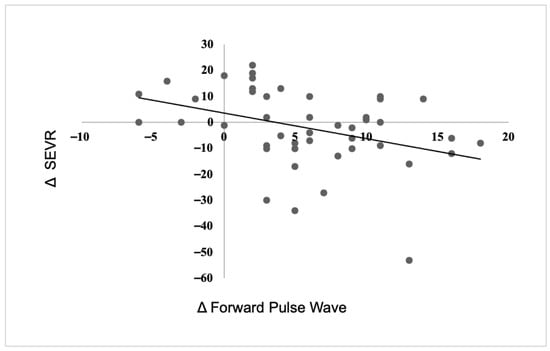
Background: Load carriage is an essential part of the occupational work of many jobs, yet there is little research on the hemodynamic responses to load carriage. It is known that front load carriage elicits larger increases in arterial stiffness than load carried on the side of the body. However, the hemodynamic forward and reflected pulse wave responses to load carriage are unknown and could relate to cardiac risk. Methods: We compared responses to 30 s front load carriage between 45 females and 23 males, with pre- and post-carry hemodynamics assessed using pulse wave analysis. Results: We found increases (p < 0.001) in arterial stiffness (24.8% females; 32.4% males), forward pulse wave (5.8 mmHg females; 5.7 mmHg males), and reflected pulse wave (6.8 mmHg females; 9.9 mmHg males). Pre- and post-carriage forward and reflected pulse waves were lower in females (p < 0.05). Compared to males, females overall had more relationships between the change in vascular measurements and other variables. We found an inverse relationship between changes in myocardial supply–demand (SEVR) and changes in forward pulse wave in females (r = −0.37, p < 0.001) but not males. Also, a direct relationship between changes in SEVR and changes in aortic DBP (r = 0.30, p = 0.04) and changes in resting DBP (r = 0.35, p = 0.02) existed in females. Conclusions: The data suggest that sex-related differences in hemodynamic responses exist. Females may experience a larger drop in estimated myocardial supply–demand balance accompanied by lower diastolic filling. Employers should be aware of these inherent cardiac risks with load carriage in their female employees.
Full article
(This article belongs to the Section Cardiovascular Diseases)
►▼
Show Figures

Figure 1
Highly Accessed Articles
Latest Books
E-Mail Alert
News
Topics
Topic in
Diagnostics, JCM, JCDD, Hearts, JVD
Mechanical Circulatory Support in Heart Failure—Second Edition
Topic Editors: Anton Sabashnikov, Fernando Riesgo Gil, Aron-Frederik Popov, Evgenij V. Potapov, Ihor KrasivskyiDeadline: 31 December 2026
Topic in
Cancers, IJMS, Life, Medical Sciences, Toxics, CIMB, Antioxidants, JVD
Molecular Cardio-Oncology and Exposomics
Topic Editors: Andrea Borghini, Francesca Gorini, Antonio RizzaDeadline: 31 December 2027
Conferences
Special Issues
Special Issue in
JVD
Emerging Mechanisms and Translational Advances in Atherosclerotic Vascular Diseases
Guest Editor: Tomoaki IshigamiDeadline: 11 September 2026
Special Issue in
JVD
Immunologic Aspects of Subarachnoid Hemorrhage: Insights for Improving Treatment
Guest Editor: Brandon Lucke-WoldDeadline: 30 November 2026
Special Issue in
JVD
Social and Environmental Determinants of Vascular Disease: From Molecular Mechanisms to Clinical Translation
Guest Editors: Raffaele Serra, Davide CostaDeadline: 21 May 2027