

Journal Description
Journal of Xenobiotics
is an international, peer-reviewed, open access journal on xenobiotics published bimonthly online by MDPI.
- Open Access— free for readers, with article processing charges (APC) paid by authors or their institutions.
- High Visibility: indexed within Scopus, ESCI (Web of Science), PubMed, PMC, CAPlus / SciFinder, Embase, and other databases
- Journal Rank: JCR - Q1 (Toxicology) / CiteScore - Q2 (Pharmacology)
- Rapid Publication: manuscripts are peer-reviewed and a first decision is provided to authors approximately 27.6 days after submission; acceptance to publication is undertaken in 2.9 days (median values for papers published in this journal in the first half of 2025).
- Recognition of Reviewers: APC discount vouchers, optional signed peer review and reviewer names are published annually in the journal.
Impact Factor:
4.4 (2024);
5-Year Impact Factor:
5.7 (2024)
Latest Articles
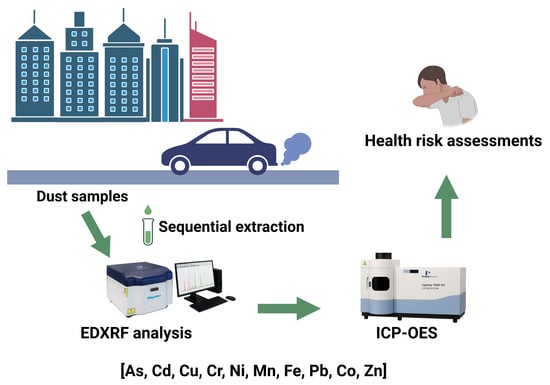
Heavy Metals Environmental Fate in Metallurgical Solid Wastes: Occurrence, Leaching, and Ecological Risk Assessment
J. Xenobiot. 2025, 15(6), 211; https://doi.org/10.3390/jox15060211 - 15 Dec 2025
Abstract
The metallurgical industry generates substantial amounts of heavy metal-containing solid waste, posing significant environmental and health risks. This study systematically evaluates the environmental behavior and ecological risks of heavy metals in four typical metallurgical wastes: jarosite slag (SW1), electric arc furnace ash (SW2),
[...] Read more.
The metallurgical industry generates substantial amounts of heavy metal-containing solid waste, posing significant environmental and health risks. This study systematically evaluates the environmental behavior and ecological risks of heavy metals in four typical metallurgical wastes: jarosite slag (SW1), electric arc furnace ash (SW2), chromium-containing sludge (SW3), and acid-base sludge (SW4). We demonstrate that particle size fundamentally governs heavy metal mobility, with fine-structured SW1 and SW2 (D50 = 4.76 µm and 1.34 µm) exhibiting enhanced metal mobility and bioavailability. In contrast, coarser SW3 and SW4 particles (D50 = 268.83 µm and 133.94 µm) retain heavy metals in more stable forms. Among all metals analyzed, cadmium (Cd) presents the most severe ecological threat, with acid-extractable fractions reaching 52% in SW2 and 45% in SW3—indicating high release potential under changing pH conditions. Risk assessment confirms high to very high ecological risks for Cd in both SW2 and SW3. Moreover, under acidic leaching conditions, SW1 and SW2 show significantly higher cumulative toxicity than SW3 and SW4. These findings highlight the critical role of waste-specific properties in controlling heavy metal fate and provide a scientific basis for targeted risk management and sustainable remediation strategies.
Full article
(This article belongs to the Special Issue Tracking the Environmental Fate of Heavy Metals: Migration, Accumulation, and Detection Techniques)
►
Show Figures
Open AccessArticle
Hazard Assessment of Ag Nanoparticles in Soil Invertebrates—Strong Impact on the Longer-Term Exposure of Folsomia candida
by
Susana I. L. Gomes, Janeck J. Scott-Fordsmand and Mónica J. B. Amorim
J. Xenobiot. 2025, 15(6), 210; https://doi.org/10.3390/jox15060210 - 12 Dec 2025
Abstract
Silver nanomaterials (Ag NMs) are widely used, including in consumer products, and they inevitably enter the environment, with the soil compartment acting as a major sink. However, most available toxicity data focus on the reference Ag NM300K and rely on standard tests, even
[...] Read more.
Silver nanomaterials (Ag NMs) are widely used, including in consumer products, and they inevitably enter the environment, with the soil compartment acting as a major sink. However, most available toxicity data focus on the reference Ag NM300K and rely on standard tests, even though long(er)-term exposure tests are recognized as particularly important for assessing the risks to soil invertebrates. Hence, the aim of the present study was to investigate the toxicity of commercial Ag NPs (Ag-Sigma, NPs < 150 nm) to the soil ecotoxicology model Folsomia candida (Collembola). Effects were assessed based on the standard OECD reproduction test (28 days) and beyond, with exposure prolonged for a second generation (56 days). Results showed that, based on the standard test (50% reproduction effect concentration—EC50 = 988 mg Ag/kg soil), the commercial Ag NPs were less toxic than the reference Ag NM300K and the ionic form AgNO3 (from literature). However, the toxicity dramatically increased (ca. 4 times) during the second-generation exposure (EC50(56d) = 234 mg Ag/kg soil), surpassing the toxicity of Ag NM300K. The decrease in adults’ size indicates that moulting might be affected. Overall, increased toxicity in prolonged exposure was not expected based on the available and standard test results, which highlights the importance of long(er)-term exposures to fully assess the risks of NMs to soil communities.
Full article
(This article belongs to the Special Issue Advances in Environmental Nanotoxicology—from Traditional Standard Toxicity Tests to the Application of New Approach Methodologies)
►▼
Show Figures

Graphical abstract
Open AccessReview
Sweeteners in E-Cigarettes: A Minireview of Flavoring and Biological Action
by
Volodymyr V. Tkach, Tetiana V. Morozova, Isabel Gaivão, Ana Martins-Bessa, Yana G. Ivanushko, José Inácio Ferrão de Paiva Martins and Ana Novo Barros
J. Xenobiot. 2025, 15(6), 209; https://doi.org/10.3390/jox15060209 - 11 Dec 2025
Abstract
The use of sweeteners in e-cigarette liquids has become increasingly common, aiming to enhance the sensory appeal of vaping products. Compounds like aspartame, saccharin, and sucralose are added to provide a sweet taste without any calories, especially in flavored e-liquids popular among younger
[...] Read more.
The use of sweeteners in e-cigarette liquids has become increasingly common, aiming to enhance the sensory appeal of vaping products. Compounds like aspartame, saccharin, and sucralose are added to provide a sweet taste without any calories, especially in flavored e-liquids popular among younger users. However, recent studies suggest that these additives may pose significant health risks when vaporized and inhaled. Sucralose, in particular, can break down into potentially harmful chlorinated by-products at high temperatures typical of vaping devices. Moreover, there is growing concern about the synergistic effects of sweeteners like sucralose, one sweetener with another and when combined with other e-liquid components. It has been observed that the presence of sucralose may amplify oxidative stress; genotoxicity, including mutations; and overall toxicity, along with environmental impact. This is not limited to nicotine- and smoke-related harm, as it may strengthen the toxic effect of the substances used in e-liquids that are not present in traditional cigarettes. The combined exposure to these heated compounds can intensify cytotoxicity, potentially increasing the risk of respiratory, cardiovascular, and neurological effects over time. While marketed as safer alternatives to tobacco, e-cigarettes containing sweeteners like sucralose may introduce new and poorly understood toxicological hazards that deserve urgent regulatory attention.
Full article
(This article belongs to the Topic Disease Risks and Toxic Pathway from Environmental Chemical Exposure)
►▼
Show Figures

Graphical abstract
Open AccessSystematic Review
A Systematic Review on the Toxicology of European Union-Approved Triazole Fungicides in Cell Lines and Mammalian Models
by
Constantina-Bianca Vulpe, Adina-Daniela Iachimov-Datcu, Andrijana Pujicic and Bianca-Vanesa Agachi
J. Xenobiot. 2025, 15(6), 208; https://doi.org/10.3390/jox15060208 - 5 Dec 2025
Abstract
Triazole fungicides are widely used in agriculture but may pose risks to human health through occupational, accidental, or environmental exposure. This systematic review aimed to evaluate the toxicity of ten European Union-approved triazole fungicides in rodent models and cell lines. A total of
[...] Read more.
Triazole fungicides are widely used in agriculture but may pose risks to human health through occupational, accidental, or environmental exposure. This systematic review aimed to evaluate the toxicity of ten European Union-approved triazole fungicides in rodent models and cell lines. A total of 70 studies were included, reporting quantitative in vivo oral, dermal, or inhalation toxicity in mammals or quantitative in vitro cytotoxicity in human or mammalian cell lines; the exclusion criteria comprised publications not in English or not accessible. Literature searches were conducted in Web of Science, Google Scholar, and the Pesticide Properties DataBase (PPDB), and risk of bias in included studies was assessed using ToxRTool. Due to heterogeneity in study designs, reporting formats, and endpoints, data were synthesized descriptively. Quantitative endpoints included LD50/LC50 values for in vivo studies and LOEC, IC50, LC50, and EC50 values for in vitro studies, while mechanistic endpoints highlighted apoptosis, oxidative stress, genotoxicity, and endoplasmic reticulum stress. Difenoconazole and tebuconazole were the most extensively studied compounds, whereas several triazoles had limited data. The limitations included heterogeneity of data and incomplete reporting, which restrict cross-study comparisons. Overall, the findings provide a comprehensive overview of potential human health hazards associated with EU-approved triazole fungicides and highlight critical knowledge gaps. The review was registered in Open Science Framework.
Full article
(This article belongs to the Special Issue New Challenges in the Monitoring, Risk Assessment and Management of Pesticides and Biocides in the “One Health Era”)
►▼
Show Figures

Graphical abstract
Open AccessReview
Bisphenol A (BPA) Modifies Cancer Signaling Pathways: A Neglected Global Health Threat
by
Minatullah Al-Ani, Yassir Al-Ani, Shahad Sabaawi Ibrahim, Raghad Sabaawi Ibrahim, Peter Kubatka and Dietrich Büsselberg
J. Xenobiot. 2025, 15(6), 207; https://doi.org/10.3390/jox15060207 - 4 Dec 2025
Abstract
Bisphenol A (BPA), a synthetic industrial compound widely found in plastics and other materials, has been linked to cancer development. As human exposure increases, BPA may pose potential carcinogenic concerns. Although BPA binds to estrogen receptors with much lower affinity than natural estrogens,
[...] Read more.
Bisphenol A (BPA), a synthetic industrial compound widely found in plastics and other materials, has been linked to cancer development. As human exposure increases, BPA may pose potential carcinogenic concerns. Although BPA binds to estrogen receptors with much lower affinity than natural estrogens, its accumulation in human tissues can cause harmful effects. This review summarizes current evidence on BPA’s role in cancer initiation and progression, with a focus on its effects on cancer signaling pathways. These effects involve modulating pathways involved in cell growth, movement, invasion, survival, and adhesion. BPA acts as an estrogen ligand, binding to estrogen receptors and activating related pathways. The main route of exposure is through dietary intake of canned and plastic-packaged foods, with migration rates increasing at higher temperatures. To raise awareness of BPA’s harmful effects, industries have proposed “BPA-free” alternatives, some of which use derivatives like bisphenol S (BPS) and bisphenol F (BPF), which, unfortunately, may have even worse effects on human health. Given the ongoing challenges of eliminating BPA and similar harmful compounds, future research should focus on identifying safe substitutes, developing more effective removal technologies, and strengthening stringent regulations to mitigate public health risks.
Full article
(This article belongs to the Special Issue Impact of Microplastics on Human Health)
►▼
Show Figures

Graphical abstract
Open AccessReview
Drug-Induced Glucose Metabolism Disorders: Role of Aryl Hydrocarbon Receptor
by
Alevtina Y. Grishanova and Maria L. Perepechaeva
J. Xenobiot. 2025, 15(6), 206; https://doi.org/10.3390/jox15060206 - 2 Dec 2025
Abstract
►▼
Show Figures
Pharmacological compounds can disrupt glucose homeostasis, leading to impaired glucose tolerance, hyperglycemia, or newly diagnosed diabetes, as well as worsening glycemic control in patients with pre-existing diabetes. Traditional risk factors alone cannot explain the rapidly growing global incidence of diabetes. Therefore, prevention of
[...] Read more.
Pharmacological compounds can disrupt glucose homeostasis, leading to impaired glucose tolerance, hyperglycemia, or newly diagnosed diabetes, as well as worsening glycemic control in patients with pre-existing diabetes. Traditional risk factors alone cannot explain the rapidly growing global incidence of diabetes. Therefore, prevention of insulin resistance could represent an effective strategy. Achieving this goal requires a deeper understanding of the mechanisms underlying the development of insulin resistance, with particular attention to the aryl hydrocarbon receptor (AhR). AhR, a transcription factor functioning as a xenobiotic sensor, plays a key role in various molecular pathways regulating normal homeostasis, organogenesis, and immune function. Activated by a range of exogenous and endogenous ligands, AhR is involved in the regulation of glucose and lipid metabolism as well as insulin sensitivity. However, current findings remain contradictory regarding whether AhR activation exerts beneficial or detrimental effects. This narrative review summarizes recent studies exploring the role of the AhR pathway in insulin secretion and glucose homeostasis across different tissues, and discusses molecular mechanisms involved in this process. Considering that several drugs act as AhR ligands, the review also compares how these ligands affect metabolic pathways of glucose and lipid metabolism and insulin sensitivity, producing either positive or negative effects.
Full article

Figure 1
Open AccessReview
From Food to Humans: The Toxicological Effects of Alternaria Mycotoxins in the Liver and Colon
by
Rita Sofia Vilela, Francisco Pina-Martins and Célia Ventura
J. Xenobiot. 2025, 15(6), 205; https://doi.org/10.3390/jox15060205 - 2 Dec 2025
Abstract
►▼
Show Figures
Alternaria mycotoxins represent a significant and emerging concern in the field of food safety due to their widespread occurrence in diverse food and feed commodities, including cereals, tomatoes, oilseeds, and dried fruits. Among these, alternariol (AOH), alternariol monomethyl ether (AME), tenuazonic acid (TeA),
[...] Read more.
Alternaria mycotoxins represent a significant and emerging concern in the field of food safety due to their widespread occurrence in diverse food and feed commodities, including cereals, tomatoes, oilseeds, and dried fruits. Among these, alternariol (AOH), alternariol monomethyl ether (AME), tenuazonic acid (TeA), and altertoxin-I (ATX-I) are the most frequently detected, often co-occurring at varying concentrations, thereby increasing the complexity of exposure and risk assessment. The gastrointestinal tract (GIT) is a crucial target of these toxins, as well as the liver, particularly considering its detoxifying role. Nevertheless, despite being a source of possible gastrointestinal and hepatic toxicity, there is still scarce data on the toxicokinetics of Alternaria toxins, on their mode of action, and respective toxic effects. To date, in vitro studies have shown that different Alternaria mycotoxins exhibit diverse toxicological effects, which may be dependent on their chemical structure. AOH and ATX-I have shown genotoxicity and cytotoxicity, mainly through interaction with the DNA and apoptosis, respectively. Tentoxin (TEN) has displayed hepatotoxic potential via impairment of detoxification pathways, and altenuene (ALT) has revealed lower toxicity. In vivo, AME and ATX-II revealed genotoxicity, while AOH and ATX-I showed context-dependent variability in their effects. Altogether, this review emphasizes that there is still a great lack of knowledge on these mycotoxins and an urgent need for more comprehensive toxicological and occurrence data to support proper risk assessment and, ultimately, regulatory decision-making.
Full article

Graphical abstract
Open AccessReview
Hazards and Health Risks of the Antibacterial Agent Triclosan to Fish: A Review
by
Jiangang Wang, Nannan Ma, Gancong Mo, Xian Qin, Jin Zhang, Xiangping Yao, Jiahua Guo and Zewei Sun
J. Xenobiot. 2025, 15(6), 204; https://doi.org/10.3390/jox15060204 - 2 Dec 2025
Abstract
Triclosan (TCS) is a widely used antimicrobial agent found in personal care products and household cleaners. While valued since the 1960s for its ability to inhibit bacterial fatty acid synthesis, its environmental persistence, ecotoxicity, and bioaccumulative potential have raised significant global concern. The
[...] Read more.
Triclosan (TCS) is a widely used antimicrobial agent found in personal care products and household cleaners. While valued since the 1960s for its ability to inhibit bacterial fatty acid synthesis, its environmental persistence, ecotoxicity, and bioaccumulative potential have raised significant global concern. The increased use of disinfectants during the COVID-19 pandemic has further exacerbated its prevalence as an aquatic pollutant. In the environment, TCS is distributed through water bodies and sediments, undergoing processes such as biodegradation and photochemical degradation. Its bioaccumulation poses a substantial threat to aquatic organisms, particularly fish. A growing body of research indicates that TCS acts as an endocrine disruptor and developmental toxicant, with documented adverse effects encompassing impaired embryonic and larval development, skeletal malformations, and induction of oxidative stress, mitochondrial dysfunction, DNA damage, and inflammatory responses. Furthermore, TCS exposure is linked to reproductive toxicity, including altered sex hormone levels and diminished reproductive capacity. This review consolidates current knowledge on the chemical properties, environmental fate, biodegradation pathways, and ecotoxicological impacts of TCS, with a specific emphasis on its multifaceted health risks to fish. The synthesis aims to provide a foundation for future research, inform environmental risk assessments, and support the development of evidence-based regulatory measures.
Full article
(This article belongs to the Topic Recent Advances in Veterinary Pharmacology and Toxicology)
►▼
Show Figures

Graphical abstract
Open AccessArticle
In Vitro Cytotoxic and Genotoxic Evaluation of Nitazenes, a Potent Class of New Synthetic Opioids
by
Francesca Rombolà, Sara Bartoletti, Sabrine Bilel, Patrizia Hrelia, Matteo Marti and Monia Lenzi
J. Xenobiot. 2025, 15(6), 203; https://doi.org/10.3390/jox15060203 - 2 Dec 2025
Abstract
►▼
Show Figures
In recent years, the expansion of the illicit market for Novel Psychoactive Substances (NPS) has resulted in the emergence of numerous synthetic recreational drugs specifically designed to evade legal control and analytical detection. Among these, nitazenes represent one of the most potent classes
[...] Read more.
In recent years, the expansion of the illicit market for Novel Psychoactive Substances (NPS) has resulted in the emergence of numerous synthetic recreational drugs specifically designed to evade legal control and analytical detection. Among these, nitazenes represent one of the most potent classes of new synthetic opioids, although information regarding their toxicological properties remains limited. The present study aimed to assess the genotoxic potential of four nitazenes: clonitazene, etonitazene, isotonitazene and metonitazene in human lymphoblastoid TK6 cells using a flow cytometric version of the In Vitro Mammalian Cell Micronucleus Test, following OECD Guideline No. 487. Cells were exposed to concentrations ranging from 12.5 to 100 μM, and cytotoxicity, cytostasis, and apoptosis were evaluated to identify appropriate doses for micronucleus frequency assessment. Vinblastine, a well-established mutagen, was included as positive control. Our findings demonstrated that clonitazene and isotonitazene exhibit mutagenic potential, suggesting an increased long-term risk of developing chronic degenerative diseases. Furthermore, the results revealed that structurally related molecules can induce markedly different cellular effects, underscoring the importance of compound-specific toxicological evaluations to achieve a comprehensive understanding of the risks associated with their illicit use—risks often presumed to involve only addiction or acute toxicity.
Full article

Graphical abstract
Open AccessArticle
Investigation of Combined Toxic Metals, PFAS, Volatile Organic Compounds, and Essential Elements in Chronic Kidney Disease
by
Aderonke Gbemi Adetunji and Emmanuel Obeng-Gyasi
J. Xenobiot. 2025, 15(6), 202; https://doi.org/10.3390/jox15060202 - 2 Dec 2025
Abstract
►▼
Show Figures
Exposure to environmental pollutants, including toxic metals, volatile organic compounds (VOCs), and per- and polyfluoroalkyl substances (PFAS), has been increasingly linked to impaired kidney function. However, the combined effects of these exposures, along with essential elements, on kidney health remain poorly understood. This
[...] Read more.
Exposure to environmental pollutants, including toxic metals, volatile organic compounds (VOCs), and per- and polyfluoroalkyl substances (PFAS), has been increasingly linked to impaired kidney function. However, the combined effects of these exposures, along with essential elements, on kidney health remain poorly understood. This study aimed to evaluate the independent and cumulative or mixture effects of toxic metals (cadmium, lead, and mercury), essential elements (iron, manganese, and selenium), PFAS (PFOA and PFOS), and VOCs (m-/p-xylene and o-xylene) on kidney function as measured by estimated glomerular filtration rate (eGFR). Using data from the National Health and Nutrition Examination Survey (NHANES), we applied multiple imputation to address missing data and implemented statistical techniques, including Bayesian Kernel Machine Regression (BKMR), quantile g-computation, and Weighted Quantile Sum Regression (WQSR) to assess complex exposure–response relationships, including non-linear, potential synergistic, and antagonistic effects. The results indicated that several exposures were correlated, particularly o-xylene with m-/p-xylene (r = 0.77), Cd with Pb (r = 0.46), and PFOS with PFOA (r = 0.61). eGFR was negatively associated with Pb, PFOS, PFOA, and Hg. In the BKMR analysis, overall posterior inclusion probabilities (PIPs) highlighted PFOS, Cd, Se, Mn, and Fe as the most influential exposures. Quantile g-computation highlighted Cd and Mn as major contributors, while WQSR modeling confirmed Mn as a key contributor. The findings underscore the importance of considering complex interactions in environmental exposure assessments. While essential elements may offer protective effects, toxic metals, PFAS, and VOCs remain critical contributors to kidney dysfunction. These insights highlight the need for integrative risk assessment approaches and public health strategies aimed at mitigating harmful exposures while promoting optimal nutrient balance.
Full article

Figure 1
Open AccessArticle
Metabolic Profiling and In Vitro Assessment of the Immunomodulatory Effects of Hydrodistillation-Derived Extracts from the Fruticose Lichen Pseudevernia furfuracea (L.) Zopf. on Human Lymphocytes
by
Yasser Essadki, Antonio Casas-Rodríguez, Antonio Cascajosa-Lira, Leticia Diez-Quijada, Alexandre Campos, Vitor Vasconcelos, Fatima El Khalloufi, Brahim Oudra, Ana M. Cameán and Angeles Jos
J. Xenobiot. 2025, 15(6), 201; https://doi.org/10.3390/jox15060201 - 1 Dec 2025
Abstract
►▼
Show Figures
Lichens are complex symbiotic systems known for synthesizing diverse secondary metabolites with documented antimicrobial, antioxidant, and antiproliferative activities. The present study focused on Pseudevernia furfuracea, a species widely distributed across Moroccan habitats. Two hydrodistillation-derived extracts (HE1 and HE2) were analyzed through ultra-high-Performance
[...] Read more.
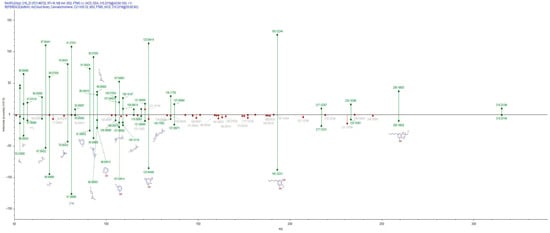
Lichens are complex symbiotic systems known for synthesizing diverse secondary metabolites with documented antimicrobial, antioxidant, and antiproliferative activities. The present study focused on Pseudevernia furfuracea, a species widely distributed across Moroccan habitats. Two hydrodistillation-derived extracts (HE1 and HE2) were analyzed through ultra-high-Performance liquid chromatography coupled with tandem mass spectrometry (UHPLC-MS/MS) to characterize their metabolite composition, and their effects were evaluated on Jurkat cells, a representative human cell line of the immune system. As the results of the characterization, the main compounds identified were Caprolactam, N,N-Diethylaniline, Erucamide, and 4-Isopropylaniline. Cytotoxicity assessment revealed that both HE1 and HE2 decreased the viability of Jurkat cells in a concentration-dependent manner. The mean effective concentrations (EC50) after 24 h of treatment were 53.79 ± 2.92 µg/mL for HE1 and 59.76 ± 2.01 µg/mL for HE2. Cell death mechanisms were further examined by flow cytometry, revealing that apoptosis predominated after 24 h of treatment, progressing mainly to late apoptotic stages after 48 h. In parallel, the expression levels of key cytokine genes, including IL-2, TNF-α, and IFN-γ, were quantified at the mRNA level to evaluate potential immunomodulatory effects. Up-regulation was observed in IL-2 after exposure to both extracts for 24 and 48 h, and in the case of IFN-γ after exposure to HE2 for 24 h; in contrast, HE1 and HE2 produced down-regulation in TNF-α at 24 h. These findings suggest that HE1 and HE2 have immunomodulatory activity in Jurkat cells. Further investigations are needed to elucidate the underlying mechanisms and to clarify how HE1 and HE2 influence immune responses in human systems.
Full article

Graphical abstract
Open AccessPerspective
Advancing the One Health Framework in EU Plant Protection Product Regulation: Challenges and Opportunities
by
Maura Calliera, Ettore Capri, Nicoleta Alina Suciu and Marco Trevisan
J. Xenobiot. 2025, 15(6), 200; https://doi.org/10.3390/jox15060200 - 1 Dec 2025
Abstract
This paper explores the evolving integration of the One Health framework into the European regulatory landscape for plant protection products, focusing on key scientific and procedural challenges. The analysis addresses three fundamental components of risk evaluation—regulatory complexity, hazard identification, and characterisation—and exposure assessment,
[...] Read more.
This paper explores the evolving integration of the One Health framework into the European regulatory landscape for plant protection products, focusing on key scientific and procedural challenges. The analysis addresses three fundamental components of risk evaluation—regulatory complexity, hazard identification, and characterisation—and exposure assessment, while providing an up-to-date overview of emerging policies and challenges affecting the sustainable use of plant protection products in Europe. Addressing these issues requires interdisciplinary collaboration among toxicologists, epidemiologists, ecologists, regulatory authorities, industry stakeholders, and public health experts, working synergistically to tackle complex risks. It emphasises that transitioning to more sustainable and resilient agricultural systems in line with One Health principles requires critically reviewing existing policies. By integrating evolving scientific knowledge with communication and agricultural production needs across diverse European contexts, this approach offers valuable insights to inform future policy development and risk management innovation.
Full article
(This article belongs to the Special Issue New Challenges in the Monitoring, Risk Assessment and Management of Pesticides and Biocides in the “One Health Era”)
►▼
Show Figures

Graphical abstract
Open AccessArticle
Environmental Exposure to Cadmium and Lead Exacerbates Kidney Function in People with Diabetes
by
Soisungwan Satarug, David A. Vesey, Tanaporn Khamphaya, Donrawee Waeyeng and Supabhorn Yimthiang
J. Xenobiot. 2025, 15(6), 199; https://doi.org/10.3390/jox15060199 - 1 Dec 2025
Abstract
This study investigates the relationship between kidney function and exposure to low-level cadmium (Cd) and lead (Pb) in individuals with and without diabetes. Specifically, it tests the hypothesis that the nephrotoxicity of Cd and Pb reduces the tubular degradation of filtered proteins, namely
[...] Read more.
This study investigates the relationship between kidney function and exposure to low-level cadmium (Cd) and lead (Pb) in individuals with and without diabetes. Specifically, it tests the hypothesis that the nephrotoxicity of Cd and Pb reduces the tubular degradation of filtered proteins, namely β2-microglobulin (β2M). Data were obtained from a Thai cohort of 137 people, of which 65 were diagnosed with diabetes. Blood Cd, blood Pb, and urinary excretion of Cd (ECd) were used as exposure indicators, while urinary N-acetylglucosaminidase (ENAG) and fractional tubular degradation of β2M (FrTDβ2M) reflected kidney tubular cell injury and the function of tubular cells, respectively. Spearman’s rank correlation revealed that FrTDβ2M varied directly with the estimated glomerular filtration rate (eGFR; r = 0.434), and inversely with fasting plasma glucose (r = −0.215), ECd (r = −0.527), ENAG (r = −0.536), and Cd/Pb exposure (r = −0.249). In a multiple regression model analysis adjusting for potential confounders, the association between FrTDβ2M and eGFR in those with diabetes was particularly strong (β = 0.476) compared to controls (β = 0.360), whereas an inverse association of FrTDβ2M and ECd (β = −0.295) was found only in those with diabetes, along with a positive association of ENAG with ECd (R2 = 0.071). A mediation analysis has revealed that tubular injury (ENAG) mediated 26% of the FrTDβ2M decrease associated with Cd/Pb exposure. These findings suggested that tubular protein degradation pathways may be compromised under combined metabolic and environmental stressors, Cd, and Pb.
Full article
(This article belongs to the Special Issue Xenobiotics and Kidney Health: Emerging Challenges in Toxicology and Therapeutics)
►▼
Show Figures

Graphical abstract
Open AccessArticle
The Pyruvate–Glyoxalate Pathway as a Toxicity Assessment Tool of Xenobiotics: Lessons from Prebiotic Chemistry
by
François Gagné and Chantale André
J. Xenobiot. 2025, 15(6), 198; https://doi.org/10.3390/jox15060198 - 1 Dec 2025
Abstract
There is an urgent need to evaluate the toxicity of xenobiotics and environmental mixtures for preventing loss in water quality for the sustainability of aquatic ecosystems. A simple prebiotic chemical pathway based on malate formation from pyruvate (pyr) and glyoxalate (glyox) is proposed
[...] Read more.
There is an urgent need to evaluate the toxicity of xenobiotics and environmental mixtures for preventing loss in water quality for the sustainability of aquatic ecosystems. A simple prebiotic chemical pathway based on malate formation from pyruvate (pyr) and glyoxalate (glyox) is proposed as a quick and cheap screening tool for toxicity assessment. The assay is based on the pyr and glyox (aldol) condensation reactions, leading to biologically relevant precursors such as oxaloacetate and malate. Incubation of pyr and glyox at 40–70 °C in the presence of reduced iron Fe(II) led to malate formation following the first 3 h of incubation. The addition of various xenobiotics/contaminants (silver, copper, zinc, cerium IV, samarium III, dibutylphthalate, 1,3-diphenylguanidine, carbon-walled nanotube, nanoFe2O3 and polystyrene nanoparticles) led to inhibitions in malate synthesis at various degrees. Based on the concentration inhibiting malate concentrations by 20% (IC20), the following potencies were observed: silver < copper ~ 1.3-diphenylguanidine ~ carbon-walled nanotube < zinc ~ samarium < dibutylphthalate ~ samarium < Ce(IV) < nFeO3 < polystyrene nanoplastics. The IC20 values were also significantly correlated with the reported trout acute lethality data, suggesting its potential as an alternative toxicity test. The pyr-glyox pathway was also tested on surface water extracts (C18), identifying the most contaminated sites from large cities and municipal wastewater effluents dispersion plume. The inhibition potencies of the selected test compounds revealed that not only pro-oxidants but also chemicals hindering enolate formation, nucleophilic attack of carbonyls and dehydration involved in aldol-condensation reactions were associated with toxicity. The pyr-glyox pathway is based on prebiotic chemical reactions during the emergence of life and represents a unique tool for identifying toxic compounds individually and in complex mixtures.
Full article
(This article belongs to the Topic Aquatic Emerging Contaminants and Their Ecotoxicological Consequences, 2nd Edition)
►▼
Show Figures

Graphical abstract
Open AccessArticle
Indoor Airborne VOCs from Water-Based Coatings: Transfer Dynamics and Health Implications
by
Jana Růžičková, Helena Raclavská, Marek Kucbel, Pavel Kantor, Barbora Švédová and Karolina Slamová
J. Xenobiot. 2025, 15(6), 197; https://doi.org/10.3390/jox15060197 - 1 Dec 2025
Abstract
►▼
Show Figures
Volatile organic compounds (VOCs) emitted from indoor surface coatings can significantly impact indoor air quality and health. This study compared emissions from water-based polyurethane (PUR) and acrylate–polyurethane (ACR–PUR) coatings, identifying 94 VOCs across 16 chemical classes. Time-resolved concentrations were analysed via Principal Component
[...] Read more.
Volatile organic compounds (VOCs) emitted from indoor surface coatings can significantly impact indoor air quality and health. This study compared emissions from water-based polyurethane (PUR) and acrylate–polyurethane (ACR–PUR) coatings, identifying 94 VOCs across 16 chemical classes. Time-resolved concentrations were analysed via Principal Component Analysis (PCA), which revealed distinct temporal emission patterns and chemically coherent clusters. Aromatic hydrocarbons, alcohols, esters, and isocyanates dominated the emission profiles, with ACR–PUR releasing markedly higher concentrations of symptom-relevant compounds. Acute exposure was linked to toluene, styrene, phenol, and methyl butyl ketone (MBK), which decreased sharply within 60 days, while compounds such as 1,3-dioxolane, isopropylbenzene, and ethenyl acetate exhibited persistent emissions, suggesting increased chronic risk. Although total VOC levels remained below the German UBA “excellent” threshold (<200 µg/m3), neurotoxic and carcinogenic compounds remained detectable. The combination of PCA-based temporal insights with toxicological profiling and emission transfer dynamics offers a refined framework for indoor air risk assessment. These results underscore the need to complement total VOC indices with symptom-oriented, time-resolved screening protocols to better evaluate SBS risk in indoor environments using water-based coatings.
Full article

Figure 1
Open AccessArticle
PLA Nanoplastics Accumulate but Do Not Cause Acute Toxicity to Marine Rotifers, Brine Shrimps, and Zebrafish Embryos
by
Doyinsola Suliat Mustapha, Olga Rodríguez-Díaz, Miren P. Cajaraville and Amaia Orbea
J. Xenobiot. 2025, 15(6), 196; https://doi.org/10.3390/jox15060196 - 12 Nov 2025
Abstract
Conventional plastics are widely utilised across industrial sectors and in consumer products. However, the growing use of plastics has led to plastic pollution, including the formation of nanoplastics (NPs), which are harmful to aquatic organisms. Bioplastics are emerging alternatives. They are renewable and/or
[...] Read more.
Conventional plastics are widely utilised across industrial sectors and in consumer products. However, the growing use of plastics has led to plastic pollution, including the formation of nanoplastics (NPs), which are harmful to aquatic organisms. Bioplastics are emerging alternatives. They are renewable and/or biodegradable and are supposed to be more environmentally friendly. However, the toxicity and environmental fate of bioplastics are not yet fully understood. This study evaluated the toxicity and fate of commercially available plain or fluorescent polylactic acid (PLA) NPs (250 nm) on aquatic organisms. Confocal microscopy demonstrated the uptake of fluorescent PLA NPs by the test organisms, marine rotifers (Brachionus plicatilis), brine shrimps (Artemia salina) and zebrafish (Danio rerio) embryos. However, the results of the bioassays indicate that plain PLA NPs did not induce acute toxicity in either of the two zooplankton species and did not cause substantial mortality, malformations, or hatching delays in zebrafish embryos at the tested concentrations (up to 100 mg/L). However, brine shrimp showed a significant decrease in ingestion capability. The biochemical biomarkers, catalase activity induction, as an indicator of oxidative stress, and acetylcholinesterase inhibition, as a marker of neurotoxicity, showed no significant alterations compared to the control of both zooplankton species and that of zebrafish embryos. Overall, the findings suggest a pattern of no acute and low sublethal toxicity for the tested plain PLA NPs in the studied organisms. Nonetheless, further research is imperative to comprehensively assess the environmental fate of bioplastics found in various consumer products, as these may contain harmful chemical additives, as well as the effects of prolonged exposure and their impact on physiological parameters, ensuring informed decisions before their widespread commercialisation and presence in the environment.
Full article
(This article belongs to the Section Ecotoxicology)
►▼
Show Figures

Graphical abstract
Open AccessCommunication
Polybrominated Diphenyl Ethers (PBDEs) in PM1 of Residential Indoor Air: Levels, Seasonal Variability, and Inhalation Exposure Assessment
by
Darija Klinčić, Karla Jagić Nemčić, Ivana Jakovljević, Marija Jelena Lovrić Štefiček and Marija Dvoršćak
J. Xenobiot. 2025, 15(6), 195; https://doi.org/10.3390/jox15060195 - 12 Nov 2025
Abstract
►▼
Show Figures
Indoor exposure to polybrominated diphenyl ethers (PBDEs), particularly those bound to fine particulate matter (PM1, particles < 1 µm), may pose a health concern, especially in light of prolonged indoor occupancy and the capacity of ultrafine particles to reach the lower
[...] Read more.
Indoor exposure to polybrominated diphenyl ethers (PBDEs), particularly those bound to fine particulate matter (PM1, particles < 1 µm), may pose a health concern, especially in light of prolonged indoor occupancy and the capacity of ultrafine particles to reach the lower respiratory tract. This study investigates indoor exposure to PBDEs associated with PM1 in residential homes in Zagreb, Croatia, across warm and cold seasons. BDE-47 was consistently detected in all samples, while BDE-183 was consistently absent. Elevated concentrations and increased detection frequencies of BDE-99 and BDE-100 were observed during the colder season. Consequently, total PBDE (ΣPBDE) levels in the cold season were approximately 2.5 times higher than in the warm season. Although estimated daily inhalation intakes were below established oral reference doses, the potential for deep pulmonary deposition and systemic distribution underscores the need for further investigation. These findings represent the first reported data on indoor PM1-associated PBDEs in Europe, emphasizing the impact of seasonal dynamics on inhalation exposure due to variation on indoor contaminant levels.
Full article

Graphical abstract
Open AccessSystematic Review
A Systematic Review: Migration of Chemical Compounds from Plastic Material Containers in Food and Pharmaceutical Fields
by
Laura Culleré, Estela Sangüesa, Laura Lomba, María Pilar Ribate, Estefanía Zuriaga and Cristina B. García
J. Xenobiot. 2025, 15(6), 194; https://doi.org/10.3390/jox15060194 - 11 Nov 2025
Abstract
►▼
Show Figures
A systematic review was conducted on the migration of compounds from plastic containers in the food and pharmaceutical industries, using Web of Science databases and following PRISMA guidelines (Preferred Reporting Items for Systematic Reviews and Meta-Analyses). The protocol has been registered with the
[...] Read more.
A systematic review was conducted on the migration of compounds from plastic containers in the food and pharmaceutical industries, using Web of Science databases and following PRISMA guidelines (Preferred Reporting Items for Systematic Reviews and Meta-Analyses). The protocol has been registered with the OSF registry, with the DOI 10.17605/OSF.10/UQ3T2. This review included only review articles in English published within the last fifteen years. Four reviewers independently screened titles and abstracts, discussing inclusion criteria. In this comprehensive evaluation of the information present in an Excel spreadsheet, a substantial number of records were discarded because they were not representative of the topic under study. Following the review process, a total of twenty-eight key records were selected, primarily focusing on migration in the food and pharmaceutical sectors. Of these, twenty-four addressed only food, just two addressed only pharmaceutical sector, and two covered both fields, highlighting limited information on migration in pharmaceuticals, cosmetics, and related products. The analysis emphasized the types of compounds studied, the analytical methods employed, the migration tests conducted, and the toxicity assessments undertaken. The most frequently assessed compounds included phthalates, endocrine disruptors like bisphenol A, and non-intentionally added substances (NIAS). Analytical methods used typically involved pre-treatment steps, such as liquid–liquid or solid-phase extraction, followed by gas or liquid chromatography, depending on compound volatility.
Full article

Graphical abstract
Open AccessArticle
Bioaccumulation and Transfer of Potentially Toxic Elements in the Yam-Soil System and Associated Health Risks in Kampala’s Luzira Industrial Area
by
Gabson Baguma, Gadson Bamanya, Hannington Twinomuhwezi, Allan Gonzaga, Timothy Omara, Patrick Onen, Simon Ocakacon, Christopher Angiro, Wilber Waibale and Ronald Ntuwa
J. Xenobiot. 2025, 15(6), 193; https://doi.org/10.3390/jox15060193 - 11 Nov 2025
Abstract
►▼
Show Figures
Rapid industrialization in peri-urban centers has accelerated the accumulation of potentially toxic elements (PTEs) in agricultural soils, with implications for food safety and public health concerns. This study quantified PTEs (Cu, Cd, Cr, Pb, and Zn) in soils and yam (Colocasia esculenta
[...] Read more.
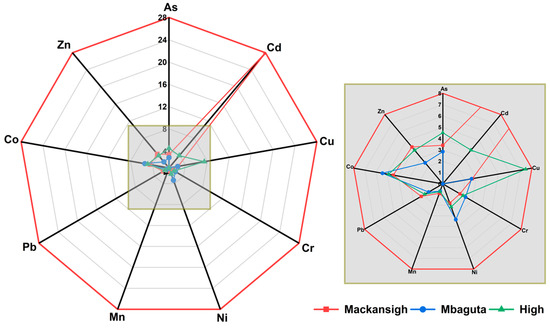
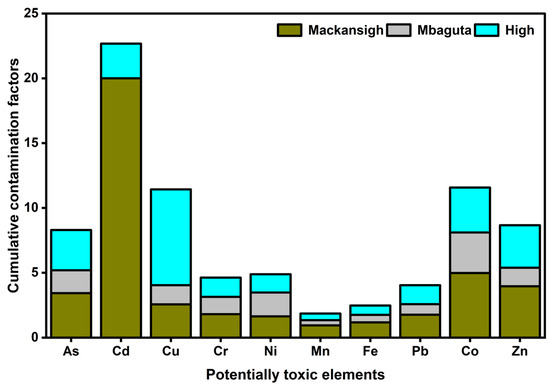
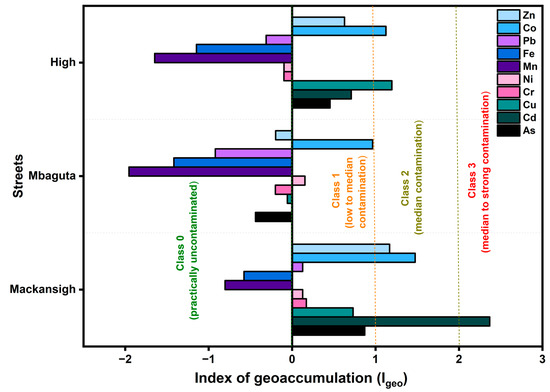
Rapid industrialization in peri-urban centers has accelerated the accumulation of potentially toxic elements (PTEs) in agricultural soils, with implications for food safety and public health concerns. This study quantified PTEs (Cu, Cd, Cr, Pb, and Zn) in soils and yam (Colocasia esculenta) tubers from Kampala’s Luzira Industrial Area. Soil contamination levels were evaluated using the geoaccumulation index (Igeo), contamination factor (CF), and pollution load index (PLI), while soil-to-crop transfer of the PTEs was assessed using the biological accumulation factor (BAF). Statistical analyses (One Way Analysis of Variance, Pearson bivariate correlation, and Principal Component Analysis) were applied to identify relationships among PTEs and sampling sites. Soils exhibited marked industrial influence, with PTE concentrations in the order Zn > Pb > Cu > Cr > Cd. The PLI values above unity confirmed cumulative pollution, with hotspots dominated by Zn, Pb, and Cu. Yam tubers contained lower PTE concentrations but reflected a similar contamination pattern as in the soils. The BAF values were <1 for all the PTEs except Zn, pointing to its greater solubility and mobility in the area’s acidic soils. Health risk assessment indicated that yam consumption was the dominant exposure pathway, with hazard indices (HI) for children exceeding the safe threshold at all industrial sites (HI = 1.14–2.06), and total cancer risks (TCR) ranging from 1.27 × 10⁻⁴ to 5.83 × 10⁻⁴, well above the US EPA limit. For adults, the TCR also surpassed 1 × 10⁻⁴ at sampling points SP3 and SP4. These results found potential transfer of the PTEs from soils into yam tubers, with Cd and Cr being the key drivers of dietary risk.
Full article

Graphical abstract
Open AccessArticle
Temporal Trends, Multiple Residue Incidence, and Chronic Health Risk of Pesticides in Egyptian Onions: A Four-Year Market Surveillance
by
Farag Malhat, Shokr Shokr, Sara Heikal and Nour El-Hoda Zidan
J. Xenobiot. 2025, 15(6), 192; https://doi.org/10.3390/jox15060192 - 10 Nov 2025
Abstract
This study analyzed 5731 Egyptian onion samples collected from 2021 to 2024 to detect 430 pesticide residues and evaluate occurrence patterns, EU Maximum Residue Limits (MRLs) compliance, multiple residue prevalence, and consumer health implications. The analysis revealed temporal fluctuations in contamination, with residue-free
[...] Read more.
This study analyzed 5731 Egyptian onion samples collected from 2021 to 2024 to detect 430 pesticide residues and evaluate occurrence patterns, EU Maximum Residue Limits (MRLs) compliance, multiple residue prevalence, and consumer health implications. The analysis revealed temporal fluctuations in contamination, with residue-free samples ranging from 51.19% (2023) to 75.59% (2022) and MRL exceedances varying from 1.34% (2022) to 8.33% (2023). Throughout 2021–2024, fungicides dominated pesticide residues, declining from 70% to 50%, while insecticides increased from 30% to 40%. Pesticide detection patterns shifted significantly over the study period, with carbendazim decreasing from 20.99% to 2.35%, azoxystrobin fluctuating between 3.86% and 18.78%, and dimethomorph rising to 16.67%, reflecting evolving agricultural practices. Multiple residue occurrence fluctuated dramatically, from 9.76% (2022) to a peak of 30.82% (2023), while single residue occurrence remained more stable, ranging between 14.06% and 22.90%. Several pesticides exceeded EU MRLs, including imazalil, chlorpropham, chlorpyrifos, imidacloprid, and profenofos. Despite these violations, the EFSA PRIMo 3.1 model’s chronic risk assessment showed that exposure levels for all population groups remained well below Acceptable Daily Intake (ADI) thresholds, with a maximum %ADI of 2.27% for chlorpyrifos in high-consumption regions.
Full article
(This article belongs to the Special Issue New Challenges in the Monitoring, Risk Assessment and Management of Pesticides and Biocides in the “One Health Era”)
►▼
Show Figures

Graphical abstract
Highly Accessed Articles
Latest Books
E-Mail Alert
News
Topics
Topic in
BioChem, Biomolecules, JoX, Pharmaceuticals
Phase I and Phase II Xenobiotic-Metabolizing Enzymes: Structure, Function, and Regulation
Topic Editors: Nikolaos Labrou, Anastassios C. PapageorgiouDeadline: 31 December 2025
Topic in
Environments, IJMS, JoX, Pollutants, Toxics, Toxins
Disease Risks and Toxic Pathway from Environmental Chemical Exposure
Topic Editors: Zhenglu Wang, Chuang Liu, Jiana LiDeadline: 31 March 2026
Topic in
IJERPH, JoX, Toxics, Children, Metabolites, Sustainability
Environmental Exposure and Health Risks for Vulnerable Populations
Topic Editors: Mingyang Wu, Yanling DengDeadline: 31 October 2026
Topic in
JMSE, JoX, Pollutants, Toxics, Water, Environments, Limnological Review
Aquatic Emerging Contaminants and Their Ecotoxicological Consequences, 2nd Edition
Topic Editors: Valerio Matozzo, François Gagné, Stefano MagniDeadline: 30 November 2026
Conferences
Special Issues
Special Issue in
JoX
Advances in Environmental Nanotoxicology—from Traditional Standard Toxicity Tests to the Application of New Approach Methodologies
Guest Editors: Susana Gomes, Mónica J. B. AmorimDeadline: 30 December 2025
Special Issue in
JoX
New Challenges in the Monitoring, Risk Assessment and Management of Pesticides and Biocides in the “One Health Era”
Guest Editor: Teresa D’AmoreDeadline: 31 December 2025
Special Issue in
JoX
Microplastics in the Environment: Intake Through the Food Chain and Cosmeceuticals, Human Exposure, and Health Concerns
Guest Editors: Raluca Maria Ştirbescu, Cristiana RadulescuDeadline: 31 January 2026
Special Issue in
JoX
Tracking the Environmental Fate of Heavy Metals: Migration, Accumulation, and Detection Techniques
Guest Editor: Liugen ZhengDeadline: 31 January 2026