
-
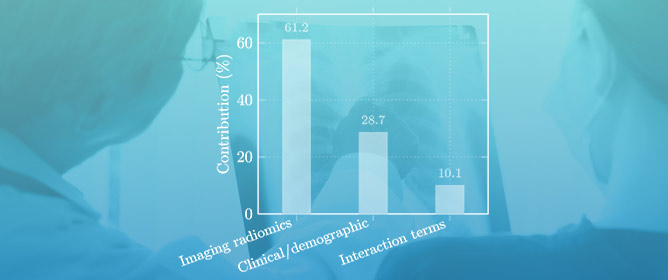
AI-Driven Bayesian Deep Learning for Lung Cancer Prediction: Precision Decision Support in Big Data Health Informatics -
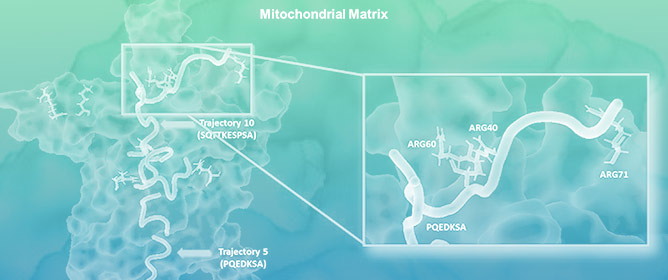
Anticancer Effects of Pleurotus salmoneostramineus Protein Hydrolysate on HepG2 Cells and In Silico Characterization of Structural Effects of Chromoprotein-Derived Peptides on the Mitochondrial Uncoupling Protein 2 (UCP2)
Journal Description
BioMedInformatics
BioMedInformatics
is an international, peer-reviewed, open access journal on all areas of biomedical informatics, as well as computational biology and medicine, published bimonthly online by MDPI.
- Open Access— free for readers, with article processing charges (APC) paid by authors or their institutions.
- High Visibility: indexed within ESCI (Web of Science), Scopus, EBSCO, and other databases.
- Rapid Publication: manuscripts are peer-reviewed and a first decision is provided to authors approximately 22.9 days after submission; acceptance to publication is undertaken in 5.3 days (median values for papers published in this journal in the first half of 2025).
- Journal Rank: CiteScore - Q1 (Health Professions (miscellaneous))
- Recognition of Reviewers: APC discount vouchers, optional signed peer review, and reviewer names published annually in the journal.
Latest Articles
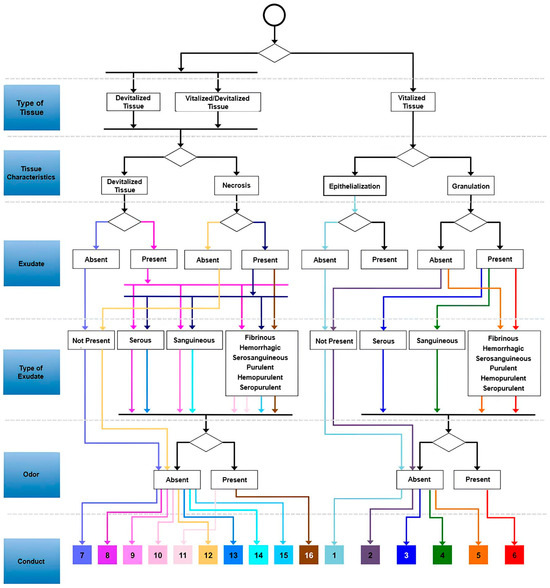
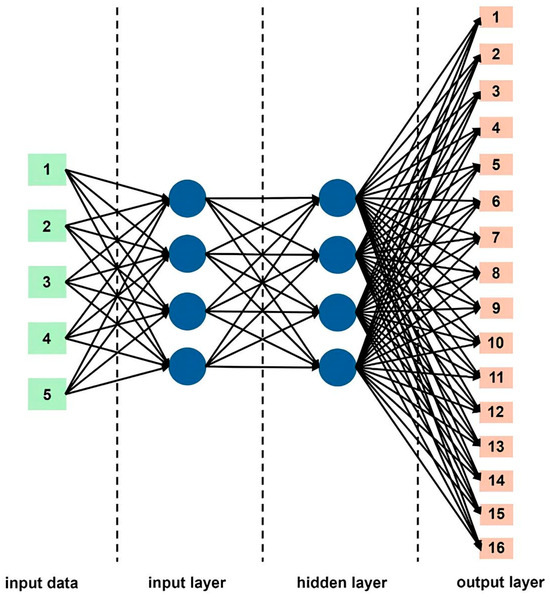
Multilayer Perceptron Artificial Neural Network to Support Nurses’ Decision-Making on Topical Therapies for Venous Ulcers: Construction, Validation, and Evaluation
BioMedInformatics 2025, 5(4), 72; https://doi.org/10.3390/biomedinformatics5040072 - 17 Dec 2025
Abstract
►
Show Figures
Background: Due to the complexity of venous ulcer treatment, the role of nurses is critical, and artificial intelligence, particularly artificial neural networks of the Multilayer Perceptron type, can be effective tools that support professionals with objective, real-time evaluation. Thus, the present study aims
[...] Read more.
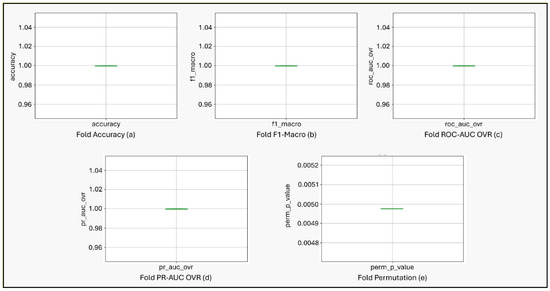
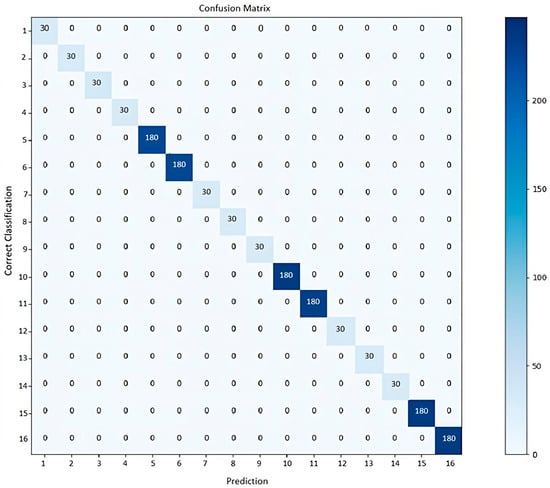
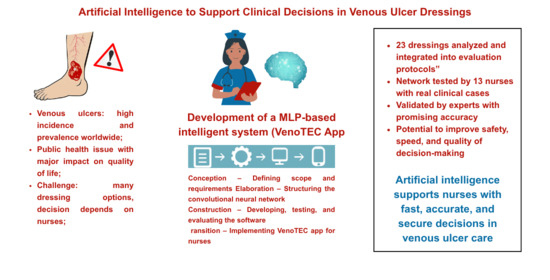
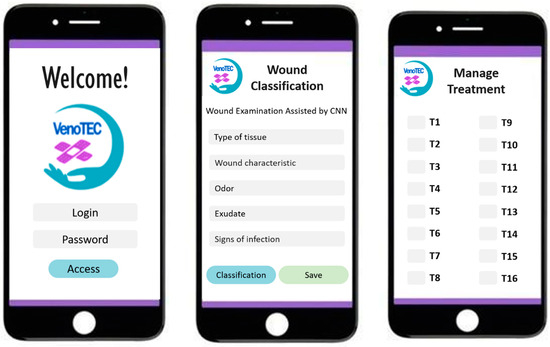
Background: Due to the complexity of venous ulcer treatment, the role of nurses is critical, and artificial intelligence, particularly artificial neural networks of the Multilayer Perceptron type, can be effective tools that support professionals with objective, real-time evaluation. Thus, the present study aims to develop a network to assist in nurse decision-making regarding topical therapies for the treatment of venous ulcers. Methods: A methodological study with a technological focus and quantitative approach was conducted. The Unified Process methodology model was used, based on the Rational Unified Process strategy, following four phases: conception, elaboration, construction, and transition. Results: The development of the artificial neural network involved the collaboration of three specialists who evaluated clinical cases and images of venous ulcers to identify the topical therapies used in their clinical practice. A total of 23 dressings were selected, studied, and grouped into evaluation protocols to create the neural network flowchart, which defined the structure of the network. This network was then used by 13 nurses through the VenoTEC app (version 1.2, developed by the authors, Natal, Brazil). Conclusions: The software developed showed promising results in the initial evaluations conducted. The network achieved the highest accuracy in the initial tests and received a very good usability rating from the nurses who participated in the evaluation. The small dataset limits the generalization capability of the findings. Further studies are needed with additional datasets and populations.
Full article
Open AccessArticle
Development and Validation of a CatBoost-Based Model for Predicting Significant Creatinine Elevation in ICU Patients Receiving Vancomycin Therapy
by
Junyi Fan, Li Sun, Shuheng Chen, Yong Si, Minoo Ahmadi and Maryam Pishgar
BioMedInformatics 2025, 5(4), 71; https://doi.org/10.3390/biomedinformatics5040071 - 10 Dec 2025
Abstract
Vancomycin remains a cornerstone for severe Gram-positive infections in the ICU, yet creatinine elevation—a sensitive marker of early renal stress—occurs frequently and complicates therapy. We developed a machine learning model to predict vancomycin-associated creatinine elevation using routinely available clinical data, enabling preemptive risk
[...] Read more.
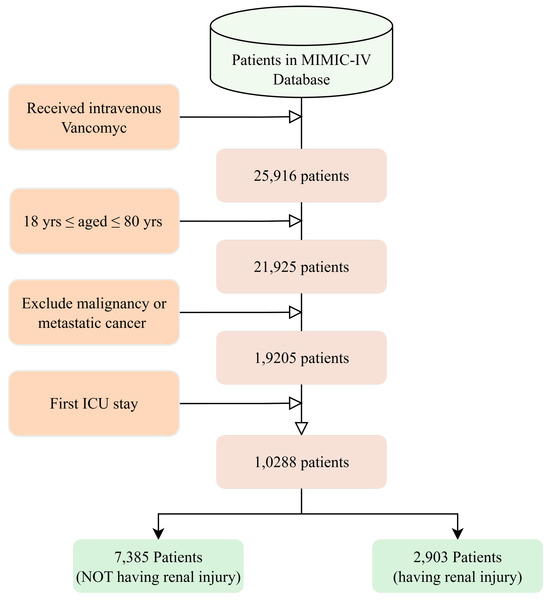
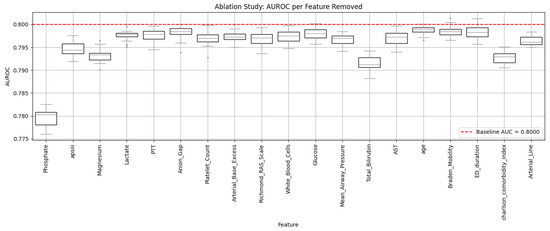
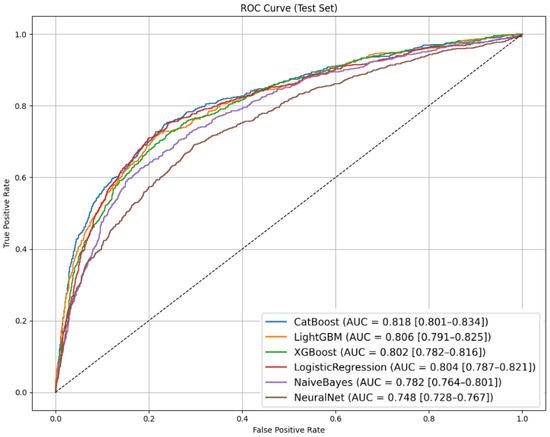
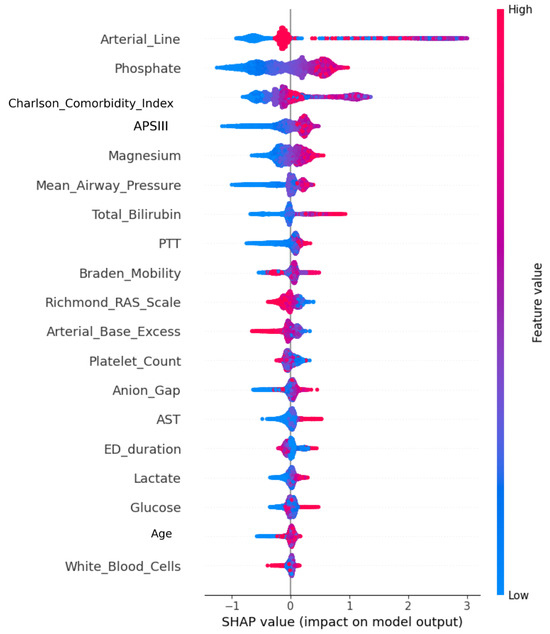
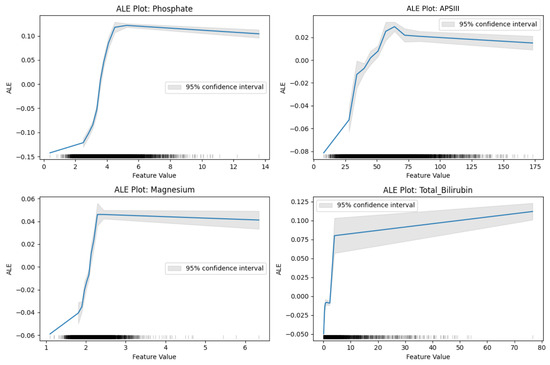
Vancomycin remains a cornerstone for severe Gram-positive infections in the ICU, yet creatinine elevation—a sensitive marker of early renal stress—occurs frequently and complicates therapy. We developed a machine learning model to predict vancomycin-associated creatinine elevation using routinely available clinical data, enabling preemptive risk stratification. In this retrospective MIMIC-IV cohort study ( ICU adults aged 18–80 receiving vancomycin), the primary outcome was creatinine elevation per KDIGO criteria (≥0.3 mg/dL within 48 h or ≥50% within 7 d). A two-stage feature selection (SelectKBest + Random Forest) identified 15 predictors from 30 candidates. Six algorithms were compared via 5-fold cross-validation. CatBoost was selected for final modeling; interpretability was assessed using SHAP values and Accumulated Local Effects (ALE) plots. Creatinine elevation occurred in 2903 patients (28.2%). CatBoost achieved AUROC 0.818 (95% CI: 0.801–0.834), sensitivity 0.800, specificity 0.681, and NPV 0.900. Top predictors were serum phosphate, total bilirubin, magnesium, Charlson Comorbidity Index, and APSIII score. SHAP analysis confirmed hyperphosphatemia as the strongest driver; ALE plots revealed non-linear, clinically plausible thresholds (e.g., phosphate >4.5 mg/dL sharply increased risk). This interpretable model accurately predicts vancomycin-associated creatinine elevation using standard ICU monitoring data. With high negative predictive value, it supports early exclusion of low-risk patients and targeted interventions (e.g., intensified TDM, nephrotoxin avoidance) in high-risk cases—facilitating precision antimicrobial stewardship in critical care.
Full article
(This article belongs to the Special Issue Feature Papers on Methods in Biomedical Informatics)
►▼
Show Figures

Figure 1
Open AccessArticle
Combining LLMs and Knowledge Graphs to Reduce Hallucinations in Biomedical Question Answering
by
Larissa Pusch and Tim O. F. Conrad
BioMedInformatics 2025, 5(4), 70; https://doi.org/10.3390/biomedinformatics5040070 - 9 Dec 2025
Abstract
►▼
Show Figures
Advancements in natural language processing (NLP), particularly Large Language Models (LLMs), have greatly improved how we access knowledge. However, in critical domains like biomedicine, challenges like hallucinations—where language models generate information not grounded in data—can lead to dangerous misinformation. This paper presents a
[...] Read more.
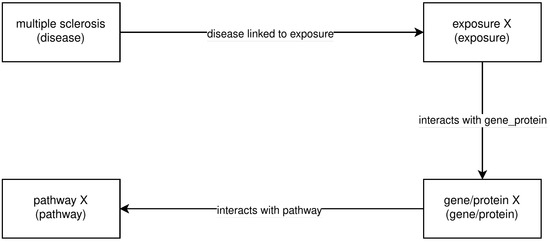
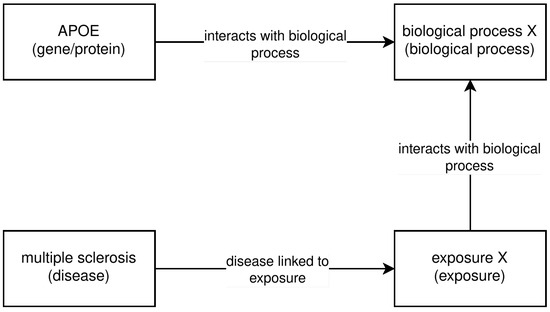
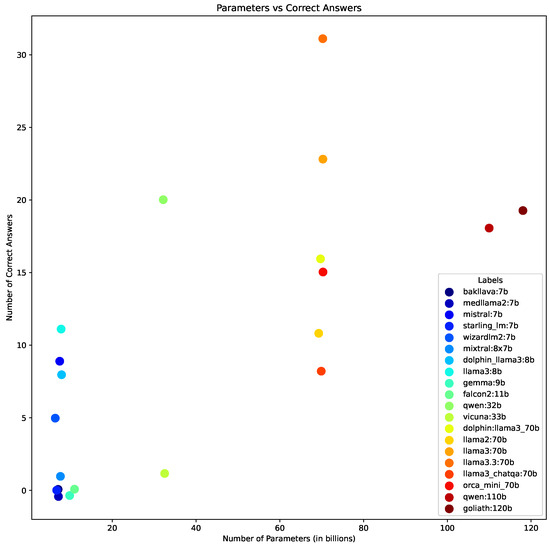
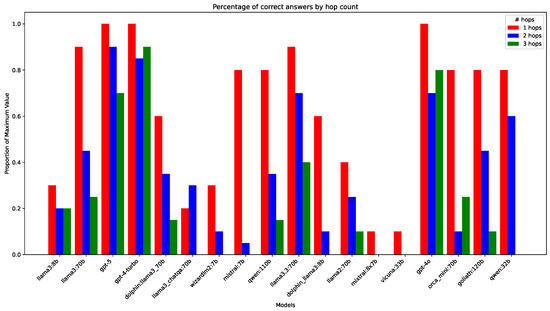
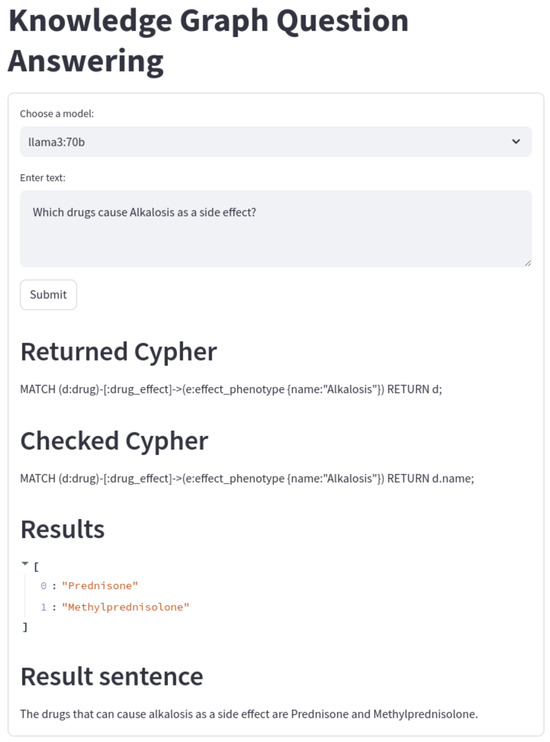
Advancements in natural language processing (NLP), particularly Large Language Models (LLMs), have greatly improved how we access knowledge. However, in critical domains like biomedicine, challenges like hallucinations—where language models generate information not grounded in data—can lead to dangerous misinformation. This paper presents a hybrid approach that combines LLMs with Knowledge Graphs (KGs) to improve the accuracy and reliability of question-answering systems in the biomedical field. Our method, implemented using the LangChain framework, includes a query-checking algorithm that checks and, where possible, corrects LLM-generated Cypher queries, which are then executed on the Knowledge Graph, grounding answers in the KG and reducing hallucinations in the evaluated cases. We evaluated several LLMs, including several GPT models and Llama 3.3:70b, on a custom benchmark dataset of 50 biomedical questions. GPT-4 Turbo achieved 90% query accuracy, outperforming most other models. We also evaluated prompt engineering, but found little statistically significant improvement compared to the standard prompt, except for Llama 3:70b, which improved with few-shot prompting. To enhance usability, we developed a web-based interface that allows users to input natural language queries, view generated and corrected Cypher queries, and inspect results for accuracy. This framework improves reliability and accessibility by accepting natural language questions and returning verifiable answers directly from the knowledge graph, enabling inspection and reproducibility. The source code for generating the results of this paper and for the user-interface can be found in our Git repository: https://git.zib.de/lpusch/cyphergenkg-gui, accessed on 1 November 2025.
Full article

Figure 1
Open AccessReview
The Application of Artificial Intelligence (AI) in Regenerative Medicine: Current Insights and Challenges
by
Duaa Abuarqoub and Mahdi Mutahar
BioMedInformatics 2025, 5(4), 69; https://doi.org/10.3390/biomedinformatics5040069 - 9 Dec 2025
Abstract
►▼
Show Figures
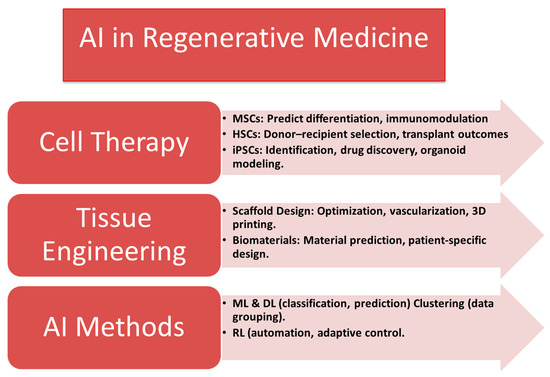
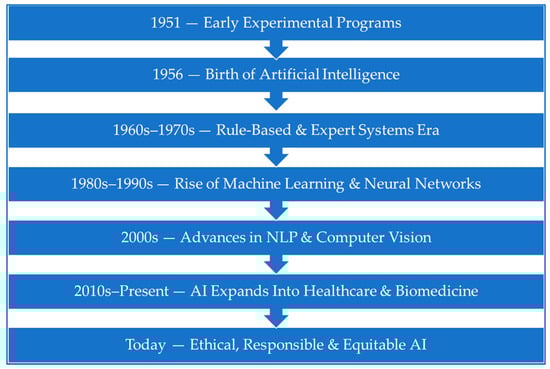
Artificial intelligence (AI) is rapidly emerging as a transformative tool capable of addressing critical challenges and improving outcomes in tissue engineering and regenerative medicine. This paper demonstrates how machine learning and data fusion predict stem cell activity and potency, improve cellular characterization, and
[...] Read more.
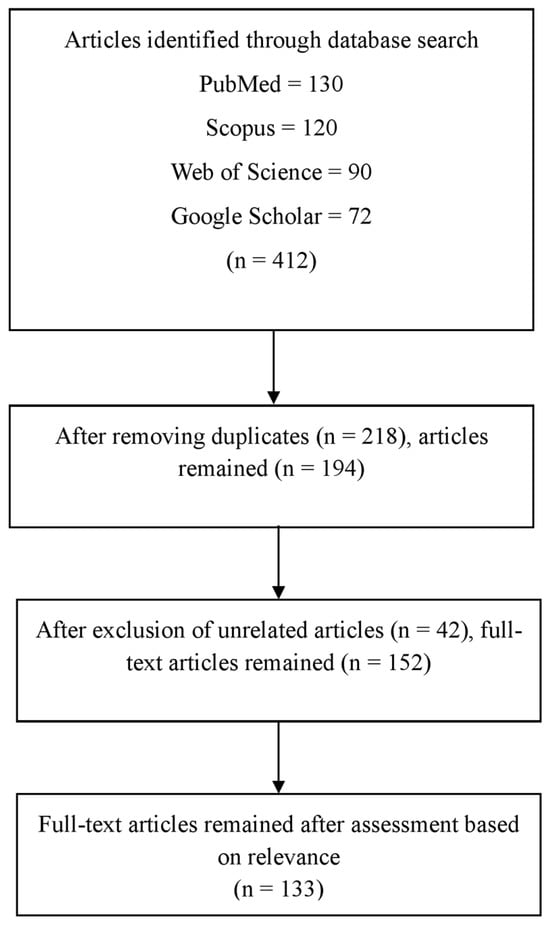
Artificial intelligence (AI) is rapidly emerging as a transformative tool capable of addressing critical challenges and improving outcomes in tissue engineering and regenerative medicine. This paper demonstrates how machine learning and data fusion predict stem cell activity and potency, improve cellular characterization, and optimize therapeutic design. It also highlights important uses of AI in tissue engineering and cell-based therapeutics. By enabling accurate, non-invasive, and quantitative examination of living cells, AI also advances microscopy and imaging, facilitating better decision-making and real-time monitoring. Using search criteria including artificial intelligence, machine learning, deep learning, regenerative medicine, stem cells, and tissue engineering, the review was carried out using PubMed, Scopus, Web of Science, and Google Scholar. A total of 71 articles were screened; 8 non-peer-reviewed sources, 5 conference abstracts, and 4 duplicates were excluded. The final dataset included 7 clinical studies, 6 preclinical investigations, 18 original research articles, and 23 review papers. AI techniques, datasets, performance indicators, and regeneration results were compiled in the extracted data. To summarize, AI speeds up the development of tissue engineering, minimizes trial-and-error experimentation, lowers research expenses, forecasts tissue interactions, and enhances scaffold and biomaterial design. Consequently, AI integration enhances stem cell-based treatments and regenerative approaches, underscoring the necessity of interdisciplinary cooperation and ongoing technical development.
Full article

Figure 1
Open AccessArticle
From Exponential to Efficient: A Novel Matrix-Based Framework for Scalable Medical Diagnosis
by
Mohammed Addou, El Bekkaye Mermri and Mohammed Gabli
BioMedInformatics 2025, 5(4), 68; https://doi.org/10.3390/biomedinformatics5040068 - 2 Dec 2025
Abstract
►▼
Show Figures
Modern diagnostic systems face computational challenges when processing exponential disease-symptom combinations, with traditional approaches requiring up to evaluations for n symptoms. This paper presents MARS (Matrix-Accelerated Reasoning System), a diagnostic framework combining Case-Based Reasoning with matrix representations and intelligent filtering to
[...] Read more.
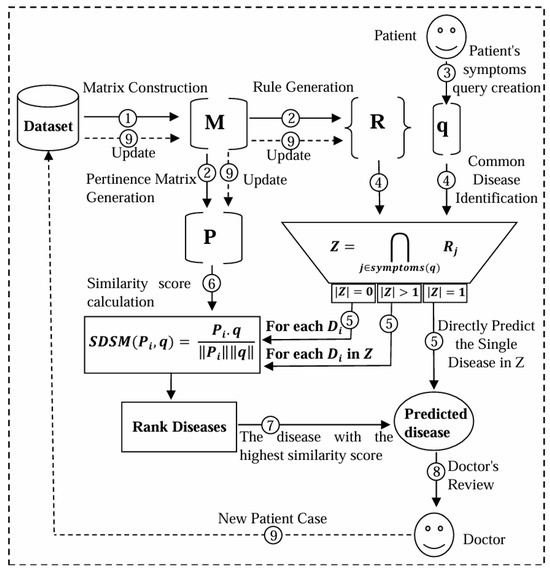
Modern diagnostic systems face computational challenges when processing exponential disease-symptom combinations, with traditional approaches requiring up to evaluations for n symptoms. This paper presents MARS (Matrix-Accelerated Reasoning System), a diagnostic framework combining Case-Based Reasoning with matrix representations and intelligent filtering to address these limitations. The approach encodes disease-symptom relationships as matrices enabling parallel processing, implements adaptive rule-based filtering to prioritize relevant cases, and features automatic rule generation with continuous learning through a dynamically updated Pertinence Matrix. MARS was evaluated on four diverse medical datasets (41 to 721 diseases) and compared against Decision Tree, Random Forest, k-Nearest Neighbors, Support Vector Classifier, Bayesian classifiers, and Neural Networks. On the most challenging dataset (721 diseases, 49,365 test cases), MARS achieved the highest accuracy (87.34%) with substantially reduced processing time. When considering differential diagnosis, accuracy reached 98.33% for top-5 suggestions. These results demonstrate that MARS effectively balances diagnostic accuracy, computational efficiency, and interpretability, three requirements critical for clinical deployment. The framework’s ability to provide ranked differential diagnoses and update incrementally positions it as a practical solution for diverse clinical settings.
Full article

Figure 1
Open AccessSystematic Review
Personalized Prediction in Nephrology: A Comprehensive Review of Artificial Intelligence Models Using Biomarker Data
by
Tasnim Abbasi and Lubna Pinky
BioMedInformatics 2025, 5(4), 67; https://doi.org/10.3390/biomedinformatics5040067 - 27 Nov 2025
Abstract
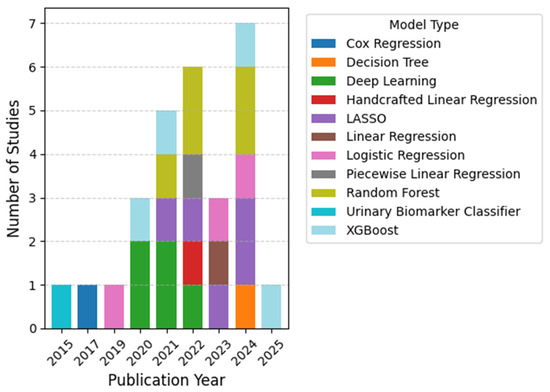
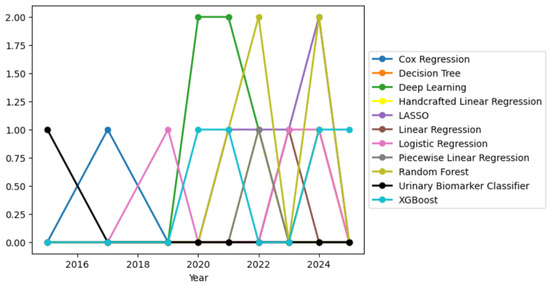
Background/Objectives: This review paper summarizes and critically analyzes different Machine Learning (ML) and Artificial Intelligence (AI)-based predictive modeling techniques in early detection and personalized treatment for Kidney diseases, specifically diabetic kidney disease (DKD), chronic kidney disease (CKD), and end-stage renal disease (ESRD). This
[...] Read more.
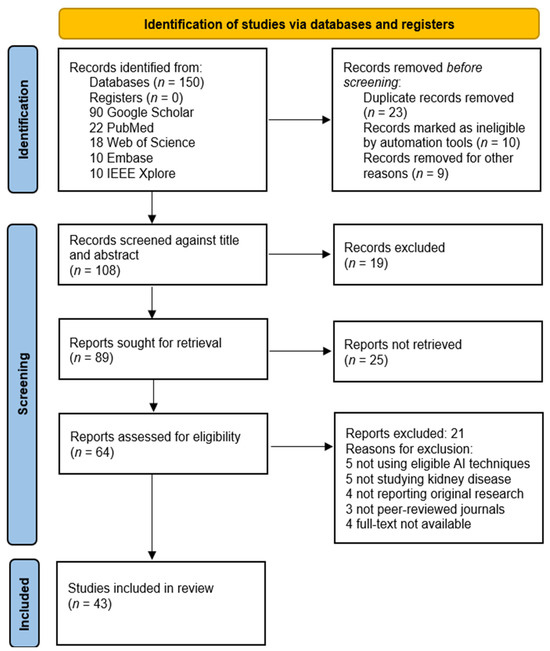
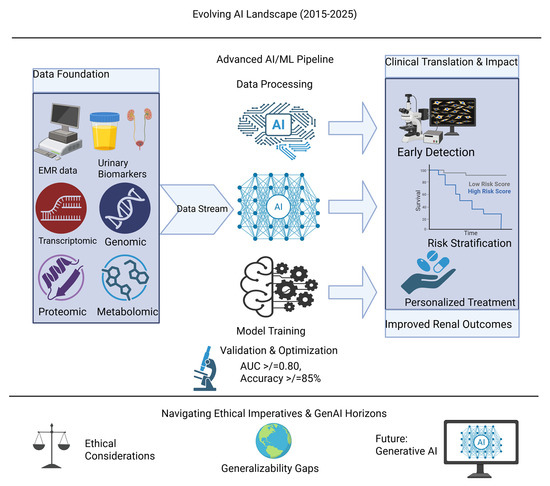
Background/Objectives: This review paper summarizes and critically analyzes different Machine Learning (ML) and Artificial Intelligence (AI)-based predictive modeling techniques in early detection and personalized treatment for Kidney diseases, specifically diabetic kidney disease (DKD), chronic kidney disease (CKD), and end-stage renal disease (ESRD). This manuscript focuses on integrating electronic medical record (EMR) data with multi-omics biomarkers to enhance clinical decision-making. Method: A systematic database search retrieved 43 peer-reviewed articles from PubMed, Google Scholar, and ScienceDirect. These works were critically analyzed based on methodological rigor, model interpretability, and translational potential. Review: This paper examined a series of advanced AI and ML models, including but not limited to Random Forests (RF), Extreme Gradient Boosting (XGBoost), deep neural networks, and artificial neural networks, among others. Additionally, this paper explicitly explored validated approaches for fibrosis staging, dialysis prediction, and mortality risk assessment. Conclusions: The paper shows how leveraging AI models for patient-specific biomarker and EMR data presents substantial promise for facilitating preventative interventions, guiding timely nephrology referrals, and optimizing individualized treatment regimens. These state-of-the-art tools will ultimately improve long-term renal outcomes and reduce healthcare burdens. The study further addresses ethical challenges and potential adverse implications associated with the use of AI in clinical settings.
Full article
(This article belongs to the Special Issue Integrating Health Informatics and Artificial Intelligence for Advanced Medicine)
►▼
Show Figures

Graphical abstract
Open AccessArticle
Assessment of ChatGPT in Recommending Immunohistochemistry Panels for Salivary Gland Tumors
by
Maria Cuevas-Nunez, Cosimo Galletti, Luca Fiorillo, Aida Meto, Wilmer Rodrigo Díaz-Castañeda, Shokoufeh Shahrabi Farahani, Guido Fadda, Valeria Zuccalà, Victor Gil Manich, Javier Bara-Casaus and Maria-Teresa Fernández-Figueras
BioMedInformatics 2025, 5(4), 66; https://doi.org/10.3390/biomedinformatics5040066 - 26 Nov 2025
Abstract
Background: Salivary gland tumors pose a diagnostic challenge due to their histological heterogeneity and overlapping features. While immunohistochemistry (IHC) is critical for accurate classification, selecting appropriate markers can be subjective and influenced by resource availability. Artificial intelligence (AI), particularly large language models (LLMs),
[...] Read more.
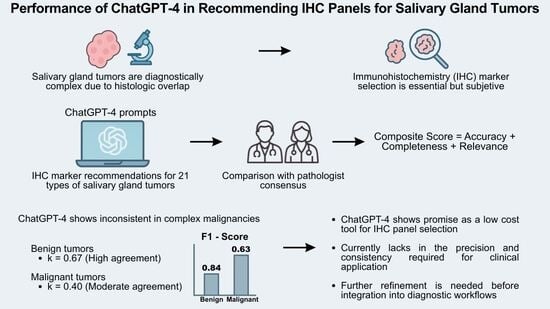
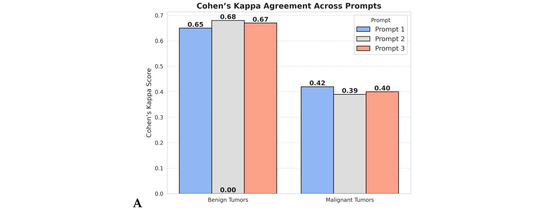
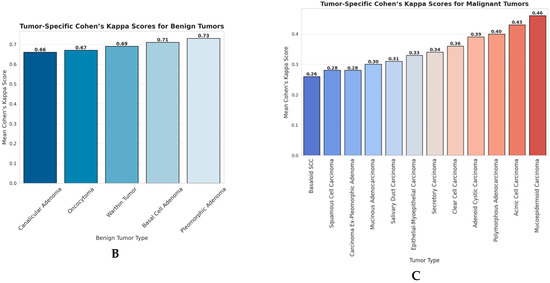
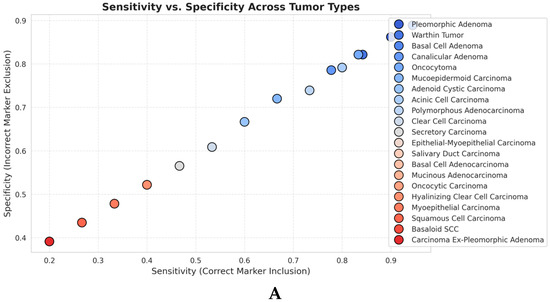
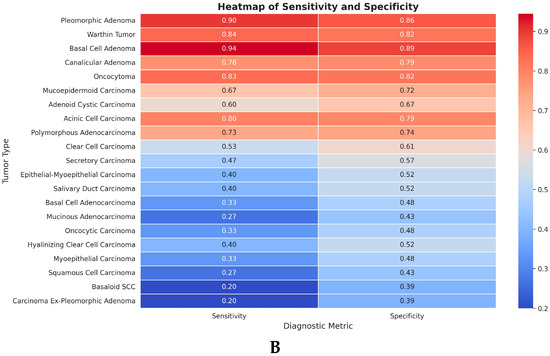
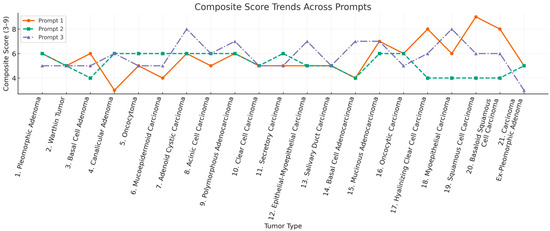
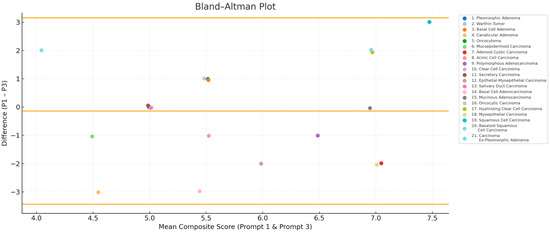
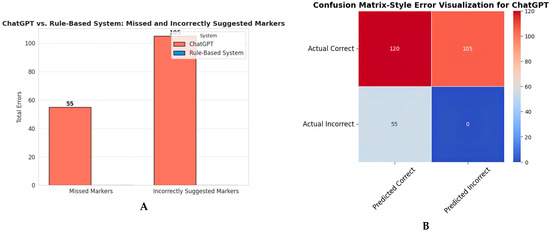
Background: Salivary gland tumors pose a diagnostic challenge due to their histological heterogeneity and overlapping features. While immunohistochemistry (IHC) is critical for accurate classification, selecting appropriate markers can be subjective and influenced by resource availability. Artificial intelligence (AI), particularly large language models (LLMs), may support diagnostic decisions by recommending IHC panels. This study evaluated the performance of ChatGPT-4, a free and widely accessible general-purpose LLM, in recommending IHC markers for salivary gland tumors. Methods: ChatGPT-4 was prompted to generate IHC recommendations for 21 types of salivary gland tumors. A consensus of expert pathologists established reference panels. Each tumor type was queried using a standardized prompt designed to elicit IHC marker recommendations (“What IHC markers are recommended to confirm a diagnosis of [tumor type]?”). Outputs were assessed using a structured scoring rubric measuring accuracy, completeness, and relevance. Agreement was measured using Cohen’s Kappa, and diagnostic performance was evaluated via sensitivity, specificity, and F1-scores. Repeated-measures ANOVA and Bland–Altman analysis assessed consistency across three prompts. Results were compared to a rule-based system aligned with expert protocols. Results: ChatGPT-4 demonstrated moderate overall agreement with the pathologist panel (κ = 0.53). Agreement was higher for benign tumors (κ = 0.67) than for malignant ones (κ = 0.40), with pleomorphic adenoma showing the strongest concordance (κ = 0.74). Sensitivity values across tumor types ranged from 0.25 to 0.96, with benign tumors showing higher sensitivity (>0.80) and lower specificity (<0.50) observed in complex malignancies. The overall F1-score was 0.84 for benign and 0.63 for malignant tumors. Repeated prompts produced moderate variability without significant differences (p > 0.05). Compared with the rule-based system, ChatGPT included more incorrect and missed markers, indicating lower diagnostic precision. Conclusions: ChatGPT-4 shows promise as a low-cost tool for IHC panel selection but currently lacks the precision and consistency required for clinical application. Further refinement is needed before integration into diagnostic workflows.
Full article
(This article belongs to the Special Issue The Application of Large Language Models in Clinical Practice)
►▼
Show Figures

Graphical abstract
Open AccessReview
The Role of Artificial Intelligence in Pharmacy Practice and Patient Care: Innovations and Implications
by
Aftab Alam, Syed Sikandar Shah, Syed Arman Rabbani and Mohamed El-Tanani
BioMedInformatics 2025, 5(4), 65; https://doi.org/10.3390/biomedinformatics5040065 - 26 Nov 2025
Abstract
►▼
Show Figures
Artificial Intelligence (AI) is reshaping pharmacy practice by enhancing decision-making, personalizing therapy, and improving medication safety. AI applications now span drug discovery, clinical decision support, and adherence monitoring. This narrative review explores key innovations, practical applications, and the implications of AI integration in
[...] Read more.
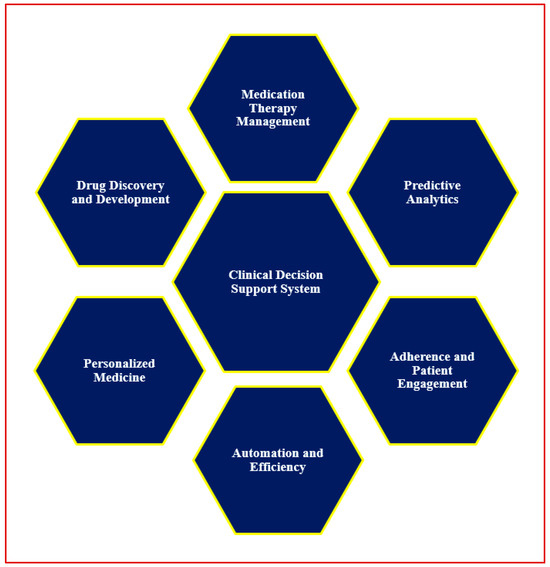
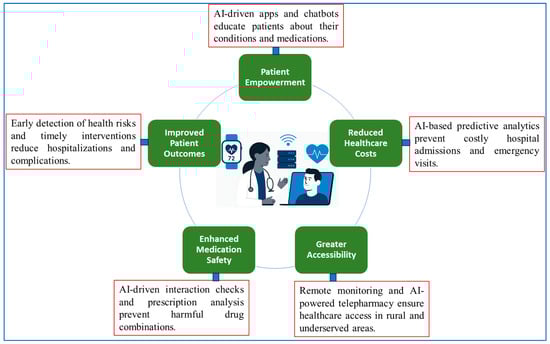
Artificial Intelligence (AI) is reshaping pharmacy practice by enhancing decision-making, personalizing therapy, and improving medication safety. AI applications now span drug discovery, clinical decision support, and adherence monitoring. This narrative review explores key innovations, practical applications, and the implications of AI integration in pharmacy practice, with a focus on emerging tools, pharmacist roles, and ethical considerations. The review was conducted using literature from PubMed/MEDLINE, Scopus, Web of Science, and Google Scholar. Thematic synthesis included AI-based drug interaction checkers, Clinical Decision Support Systems (CDSS), telepharmacy, pharmacogenomics, and predictive analytics. AI enhances clinical decision-making, reduces medication errors, and supports precision medicine. AI tools support pharmacists and healthcare professionals in optimizing care. However, data privacy, algorithmic bias, and workflow integration continue to pose challenges. AI holds transformative potential in pharmacy, though its integration requires overcoming ethical and workflow-related challenges. Ethical and regulatory vigilance, coupled with pharmacist training and interdisciplinary collaboration, is essential to realize the full potential of AI.
Full article

Figure 1
Open AccessArticle
Simultaneous Detection and Quantification of Age-Dependent Dopamine Release
by
Ibrahim Moubarak Nchouwat Ndumgouo, Mohammad Zahir Uddin Chowdhury and Stephanie Schuckers
BioMedInformatics 2025, 5(4), 64; https://doi.org/10.3390/biomedinformatics5040064 - 21 Nov 2025
Abstract
►▼
Show Figures
Background: Dopamine (DA) is a key biomarker for neurodegenerative diseases such as Parkinson’s. However, detailed insights into how DA release in the brain changes with aging remain challenging. Integrating machine learning with DA sensing platforms has proven more effective in tracking age-dependent
[...] Read more.
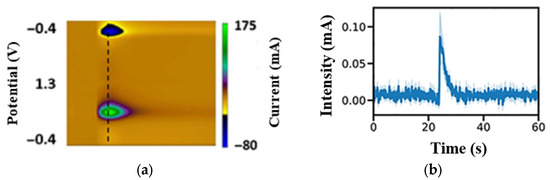
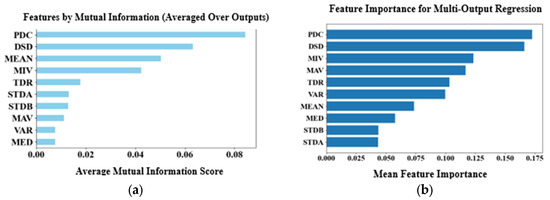
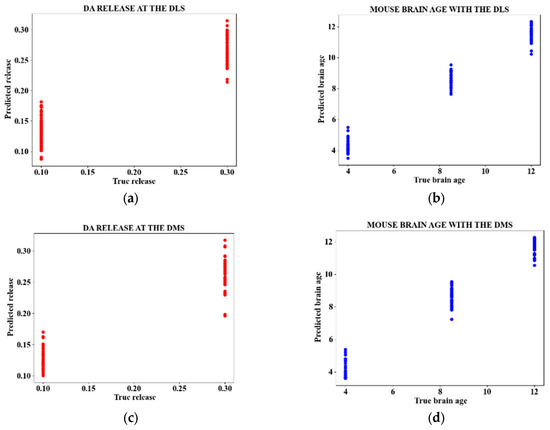
Background: Dopamine (DA) is a key biomarker for neurodegenerative diseases such as Parkinson’s. However, detailed insights into how DA release in the brain changes with aging remain challenging. Integrating machine learning with DA sensing platforms has proven more effective in tracking age-dependent DA dynamics than using the sensing platforms alone. Method: This study presents a machine learning framework to automatically detect and quantify dopamine (DA) release using the near-infrared catecholamine nanosensors (nIRCats) dataset of acute mouse brain tissue across three age groups (4, 8.5, and 12 weeks), focusing on the dorsolateral (DLS) and dorsomedial striatum (DMS). 251 image frames from the dataset were analyzed to extract features for training a CatBoost regression model. To enhance speed while maintaining much of the predictive accuracy, the model was distilled into a kernelized Ridge regression model. Results: The model achieved validation Mean Squared Error (MSE) of 0.004 and R2 value of 0.79. When the acceptable prediction range was expanded to include values within ±10% of the actual DA release and mouse age, model performance improved to a validation MSE of 0.001 and R2 value of 0.97. Conclusions: These results demonstrate that the proposed approach can accurately and automatically predict spatial and age-dependent dopamine dynamics; a crucial requirement for optimizing deep brain stimulation therapies for neurodegenerative disorders such as Parkinson’s disease (PD) and depression.
Full article

Figure 1
Open AccessArticle
Explainable Deep Learning for Endometriosis Classification in Laparoscopic Images
by
Yixuan Zhu and Mahmoud Elbattah
BioMedInformatics 2025, 5(4), 63; https://doi.org/10.3390/biomedinformatics5040063 - 12 Nov 2025
Abstract
Background/Objectives: Endometriosis is a chronic inflammatory condition that often requires laparoscopic examination for definitive diagnosis. Automated analysis of laparoscopic images using Deep Learning (DL) may support clinicians by improving diagnostic consistency and efficiency. This study aimed to develop and evaluate explainable DL models
[...] Read more.
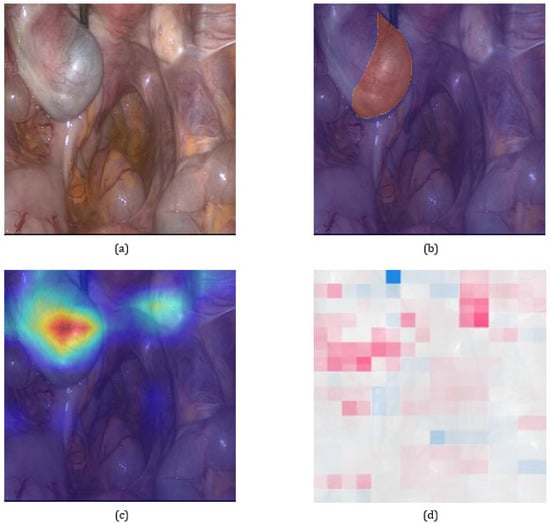
Background/Objectives: Endometriosis is a chronic inflammatory condition that often requires laparoscopic examination for definitive diagnosis. Automated analysis of laparoscopic images using Deep Learning (DL) may support clinicians by improving diagnostic consistency and efficiency. This study aimed to develop and evaluate explainable DL models for the binary classification of endometriosis using laparoscopic images from the publicly available GLENDA (Gynecologic Laparoscopic ENdometriosis DAtaset). Methods: Four representative architectures—ResNet50, EfficientNet-B2, EdgeNeXt_Small, and Vision Transformer (ViT-Small/16)—were systematically compared under class-imbalanced conditions using five-fold cross-validation. To enhance interpretability, Gradient-weighted Class Activation Mapping (Grad-CAM) and SHapley Additive exPlanations (SHAP) were applied for visual explanation, and their quantitative alignment with expert-annotated lesion masks was assessed using Intersection over Union (IoU), Dice coefficient, and Recall. Results: Among the evaluated models, EdgeNeXt_Small achieved the best trade-off between classification performance and computational efficiency. Grad-CAM produced spatially coherent visualizations that corresponded well with clinically relevant lesion regions. Conclusions: The study shows that lightweight convolutional neural network (CNN)–Transformer architectures, combined with quantitative explainability assessment, can identify endometriosis in laparoscopic images with reasonable accuracy and interpretability. These findings indicate that explainable AI methods may help improve diagnostic consistency by offering transparent visual cues that align with clinically relevant regions. Further validation in broader clinical settings is warranted to confirm their practical utility.
Full article
(This article belongs to the Section Imaging Informatics)
►▼
Show Figures

Figure 1
Open AccessSystematic Review
Mobile Applications for Assessment and Monitoring of Breast Cancer-Related Lymphedema: A Systematic Review
by
Naiany Tenório, Maria Gabriela Amaral Lima, Herbert Albérico de Sá Leitão and Diego Dantas
BioMedInformatics 2025, 5(4), 62; https://doi.org/10.3390/biomedinformatics5040062 - 10 Nov 2025
Abstract
►▼
Show Figures
Introduction: The digital era has provided the development of innovative health devices that enable the precise characterization of health and disease, facilitating diagnoses and interventions. This study aimed to systematically review and verify the quality of mobile applications (apps) available for the monitoring
[...] Read more.
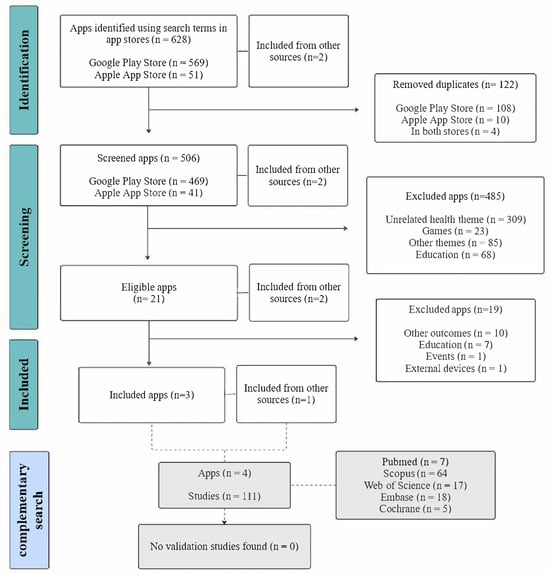
Introduction: The digital era has provided the development of innovative health devices that enable the precise characterization of health and disease, facilitating diagnoses and interventions. This study aimed to systematically review and verify the quality of mobile applications (apps) available for the monitoring and assessment of breast cancer-related lymphedema (BCRL). Methods: A systematic search was conducted in the Apple App Store and Google Play Store for apps related to BCRL monitoring and assessment. Two independent reviewers extracted descriptive data and evaluated app quality using the validated User Mobile App Rating Scale (uMARS). Results: Out of 630 apps screened, four met the inclusion criteria and were analyzed. Two Korean apps targeted patients, providing educational content, self-assessment tools, and bilingual interfaces. Two British apps, LymVol and LymphaTech Lite, focused on volumetric measurement and clinical use, although LymVol lacked compatibility with recent Android versions. Quality assessment using the uMARS indicated that the included applications performed consistently across the evaluated domains, despite low download numbers and the absence of user ratings. Conclusions: Although mobile apps have the potential to enhance lymphedema monitoring and assessment, more accessible and scientifically validated tools are needed to ensure effective use by healthcare professionals and patients. Developers are encouraged to create accessible, linguistically inclusive smartphone apps that incorporate standardized assessment protocols and regular updates to ensure usability and accuracy. Rigorous validation studies covering reproducibility, diagnostic accuracy, and real-world clinical outcomes should be conducted by researchers to guarantee safety and reliability.
Full article

Figure 1
Open AccessArticle
Comprehensive Assessment of CNN Sensitivity in Automated Microorganism Classification: Effects of Compression, Non-Uniform Scaling, and Data Augmentation
by
Dimitria Theophanis Boukouvalas, Márcia Aparecida Silva Bissaco, Humberto Dellê, Alessandro Melo Deana, Peterson Adriano Belan and Sidnei Alves de Araújo
BioMedInformatics 2025, 5(4), 61; https://doi.org/10.3390/biomedinformatics5040061 - 31 Oct 2025
Abstract
►▼
Show Figures
Background: The growing demand for automated microorganism classification in the context of Laboratory 4.0 highlights the potential of convolutional neural networks (CNNs) for accurate and efficient image analysis. However, their effectiveness remains limited by the scarcity of large, labeled datasets. This study
[...] Read more.
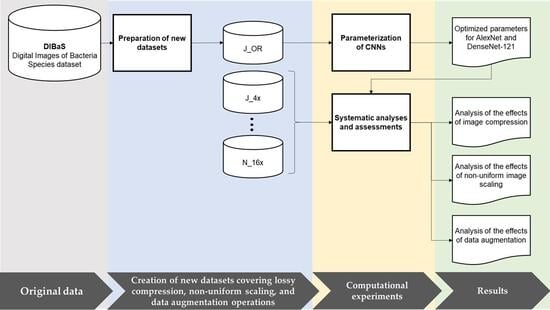
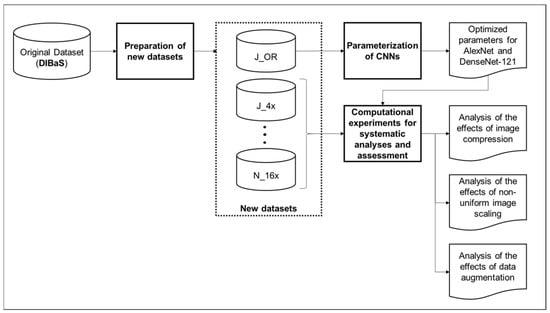
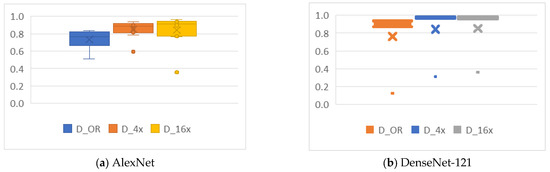
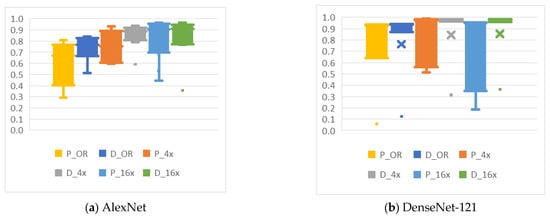
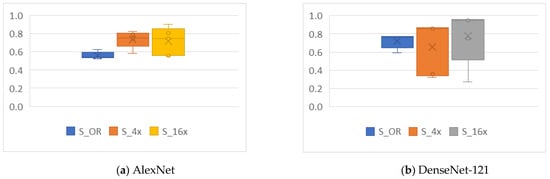
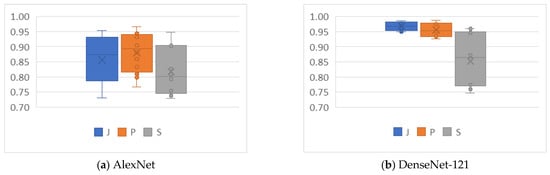
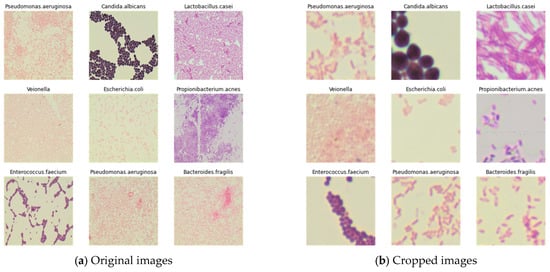
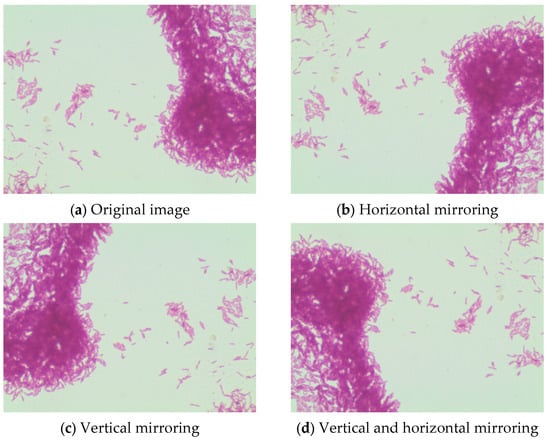
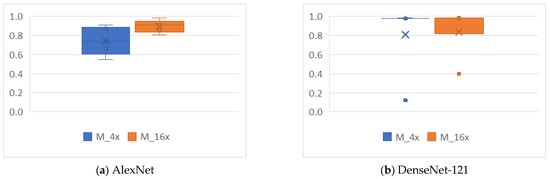
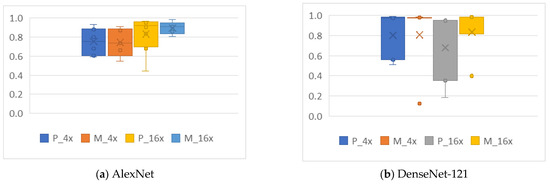
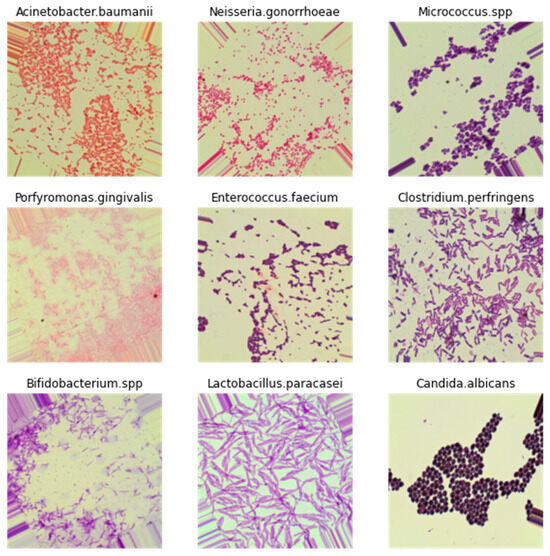
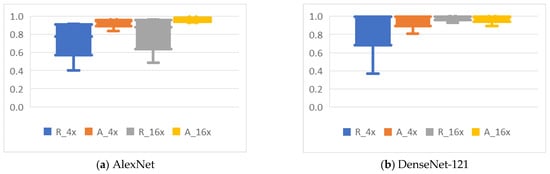
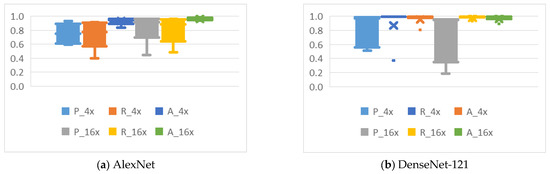
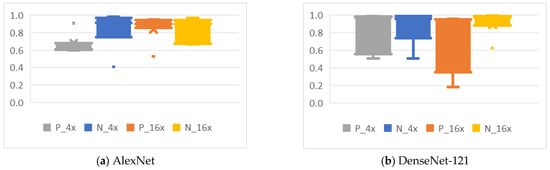
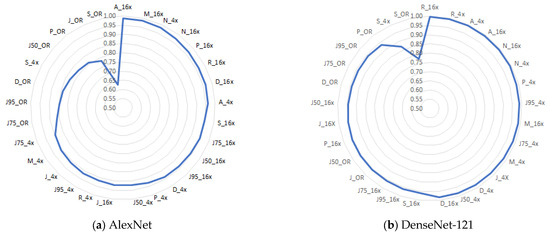
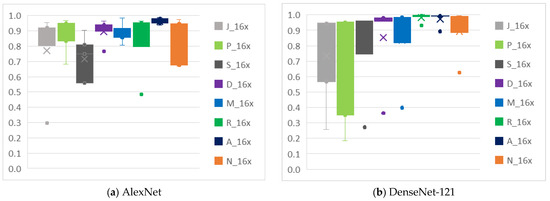
Background: The growing demand for automated microorganism classification in the context of Laboratory 4.0 highlights the potential of convolutional neural networks (CNNs) for accurate and efficient image analysis. However, their effectiveness remains limited by the scarcity of large, labeled datasets. This study addresses a key gap in the literature by investigating how commonly used image preprocessing techniques, such as lossy compression, non-uniform scaling (typically applied to fit input images to CNN input layers), and data augmentation, affect the performance of CNNs in automated microorganism classification. Methods: Using two well-established CNN architectures, AlexNet and DenseNet-121, both frequently applied in biomedical image analysis, we conducted a series of computational experiments on a standardized dataset of high-resolution bacterial images. Results: Our results demonstrate under which conditions these preprocessing strategies degrade or improve CNN performance. Using the findings from this research to optimize hyperparameters and train the CNNs, we achieved classification accuracies of 98.61% with AlexNet and 99.82% with DenseNet-121, surpassing the performance reported in current state-of-the-art studies. Conclusions: This study advances laboratory digitalization by reducing data preparation effort, training time, and computational costs, while improving the accuracy of microorganism classification with deep learning. Its contributions also benefit broader biomedical fields such as automated diagnostics, digital pathology, clinical decision support, and point-of-care imaging.
Full article

Graphical abstract
Open AccessArticle
A Study of Gene Expression Levels of Parkinson’s Disease Using Machine Learning
by
Sonia Lilia Mestizo-Gutiérrez, Joan Arturo Jácome-Delgado, Nicandro Cruz-Ramírez, Alejandro Guerra-Hernández, Jesús Alberto Torres-Sosa, Viviana Yarel Rosales-Morales and Gonzalo Emiliano Aranda-Abreu
BioMedInformatics 2025, 5(4), 60; https://doi.org/10.3390/biomedinformatics5040060 - 29 Oct 2025
Abstract
►▼
Show Figures
Parkinson’s disease (PD) is the second most common neurodegenerative disorder, characterized primarily by motor impairments due to the loss of dopaminergic neurons. Despite extensive research, the precise causes of PD remain unknown, and reliable non-invasive biomarkers are still lacking. This study aimed to
[...] Read more.
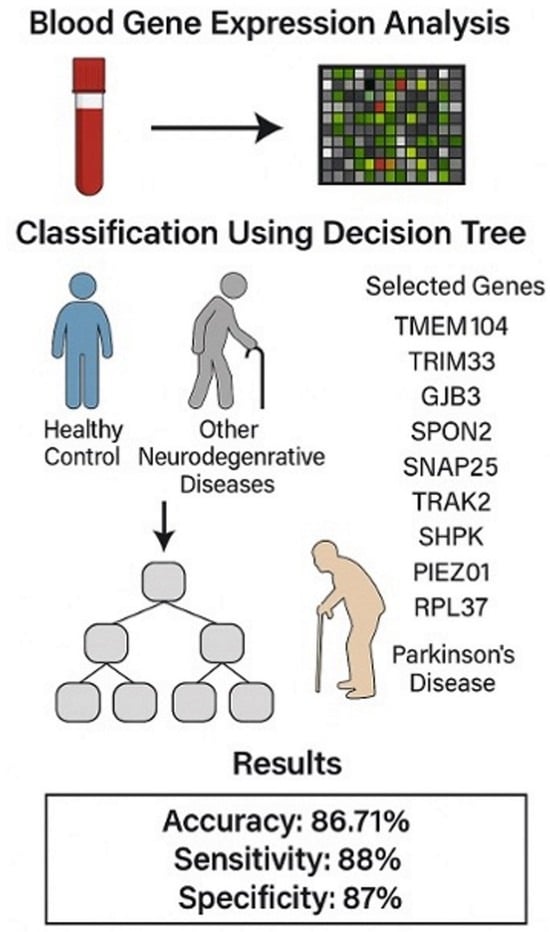
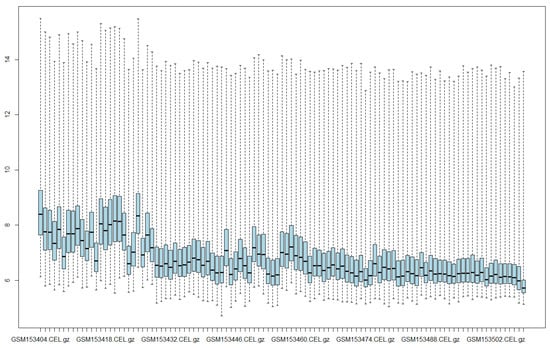
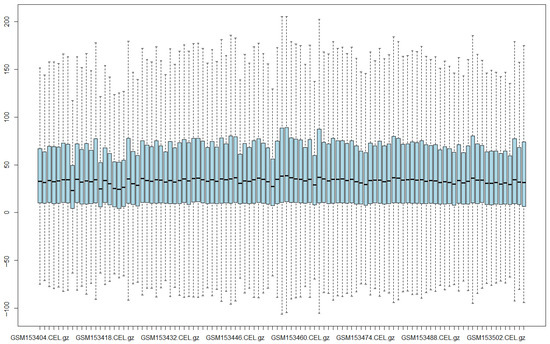
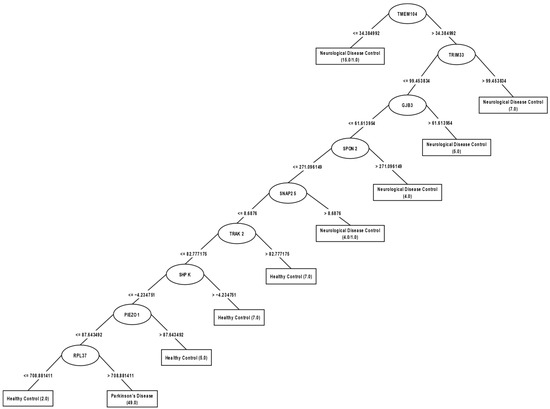
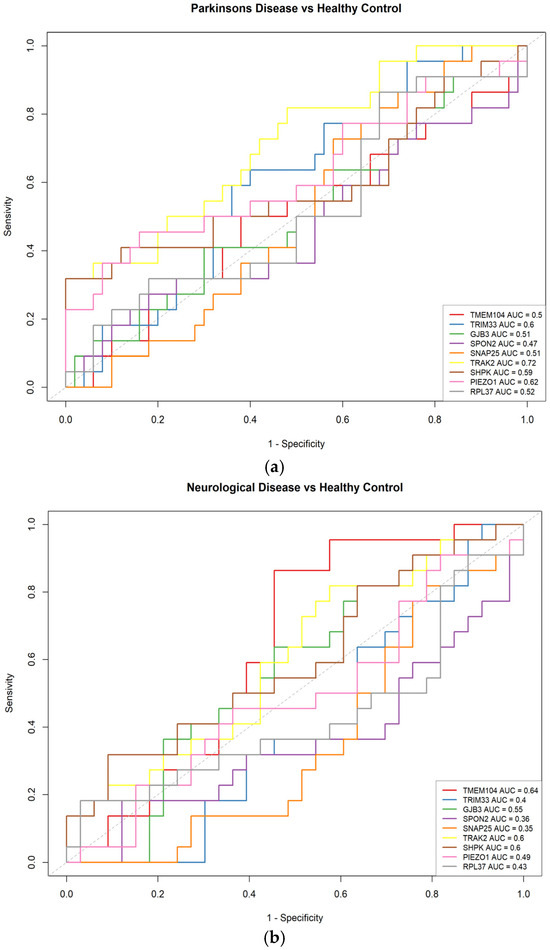
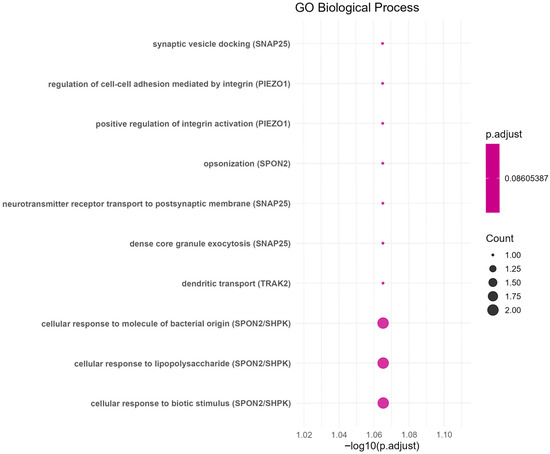
Parkinson’s disease (PD) is the second most common neurodegenerative disorder, characterized primarily by motor impairments due to the loss of dopaminergic neurons. Despite extensive research, the precise causes of PD remain unknown, and reliable non-invasive biomarkers are still lacking. This study aimed to explore gene expression profiles in peripheral blood to identify potential biomarkers for PD using machine learning approaches. We analyzed microarray-based gene expression data from 105 individuals (50 PD patients, 33 with other neurodegenerative diseases, and 22 healthy controls) obtained from the GEO database (GSE6613). Preprocessing was performed using the “affy” package in R with Expresso normalization. Feature selection and classification were conducted using a decision tree approach (C4.5/J48 algorithm in WEKA), and model performance was evaluated with 10-fold cross-validation. Additional classifiers such as Support Vector Machine (SVM), the Naive Bayes classifier and Multilayer Perceptron Neural Network (MLP) were used for comparison. ROC curve analysis and Gene Ontology (GO) enrichment analysis were applied to the selected genes. A nine-gene decision tree model (TMEM104, TRIM33, GJB3, SPON2, SNAP25, TRAK2, SHPK, PIEZO1, RPL37) achieved 86.71% accuracy, 88% sensitivity, and 87% specificity. The model significantly outperformed other classifiers (SVM, Naive Bayes, MLP) in terms of overall predictive accuracy. ROC analysis showed moderate discrimination for some genes (e.g., TRAK2, TRIM33, PIEZO1), and GO enrichment revealed associations with synaptic processes, inflammation, mitochondrial transport, and stress response pathways. Our decision tree model based on blood gene expression profiles effectively discriminates between PD, other neurodegenerative conditions, and healthy controls, offering a non-invasive method for potential early diagnosis. Notably, TMEM104, TRIM33, and SNAP25 emerged as promising candidate biomarkers, warranting further investigation in larger and synthetic datasets to validate their clinical relevance.
Full article

Graphical abstract
Open AccessArticle
EvoFuzzy: Evolutionary Fuzzy Approach for Ensembling Reconstructed Genetic Networks
by
Hasini Nakulugamuwa Gamage, Jaskaran Gill, Madhu Chetty, Suryani Lim and Jennifer Hallinan
BioMedInformatics 2025, 5(4), 59; https://doi.org/10.3390/biomedinformatics5040059 - 20 Oct 2025
Abstract
Background: Reconstructing gene regulatory networks (GRNs) from gene expression data remains a major challenge in systems biology due to the inherent complexity of biological systems and the limitations of existing reconstruction methods, which often yield high false-positive rates. This study aims to
[...] Read more.
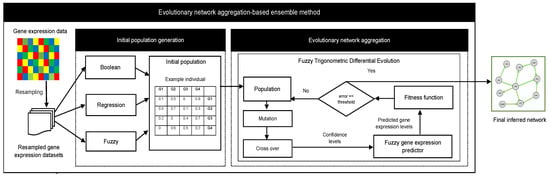
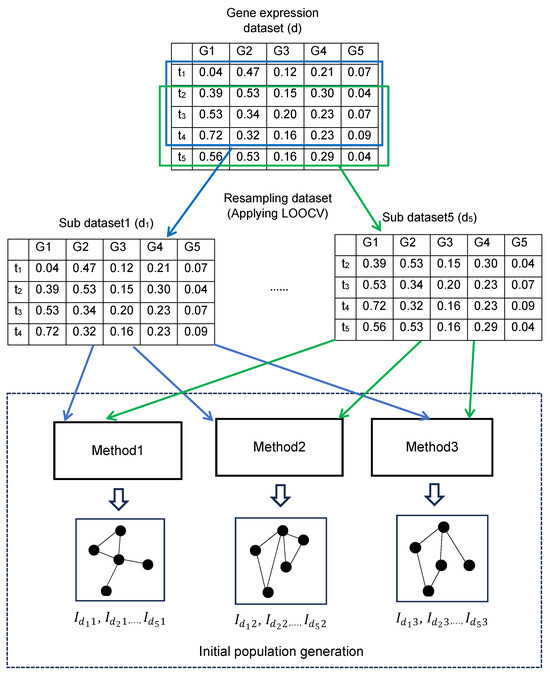
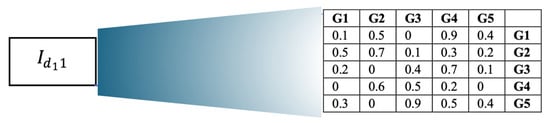
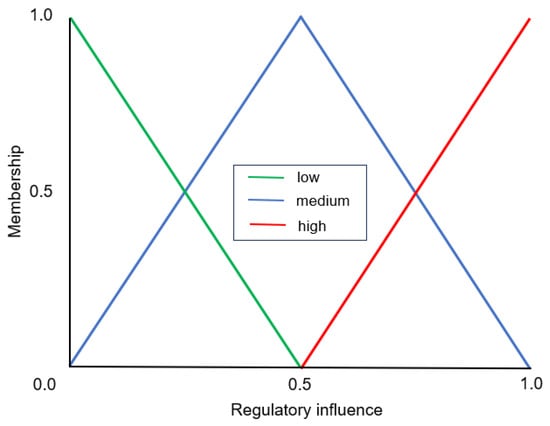
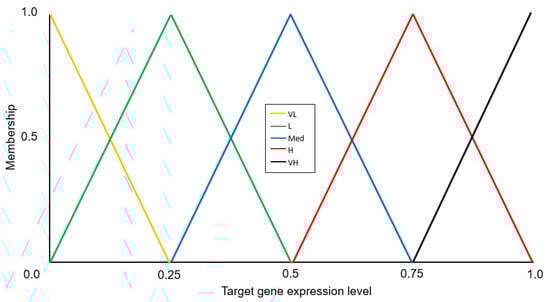
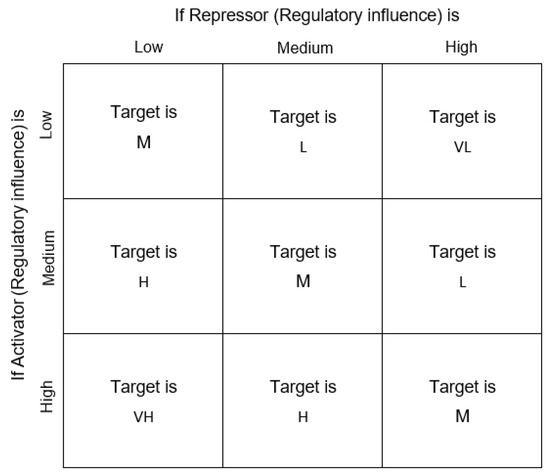
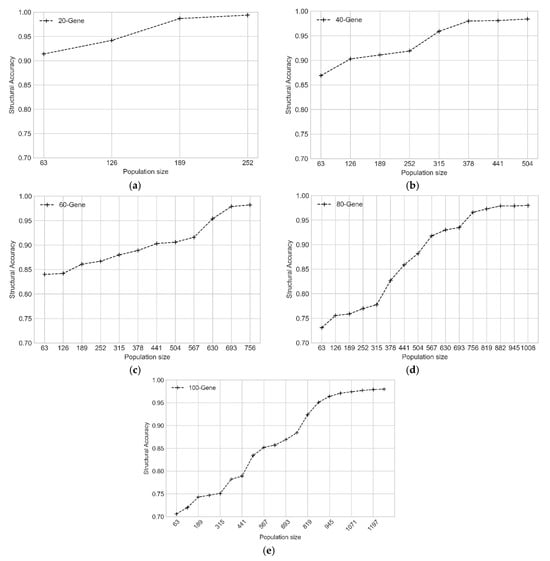
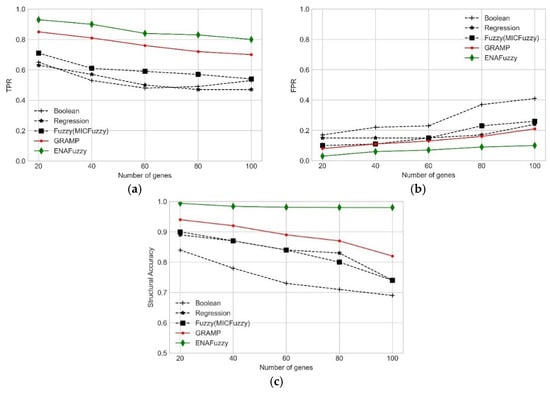
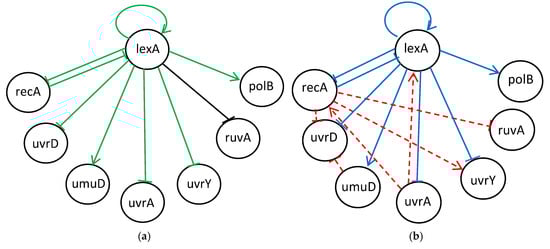
Background: Reconstructing gene regulatory networks (GRNs) from gene expression data remains a major challenge in systems biology due to the inherent complexity of biological systems and the limitations of existing reconstruction methods, which often yield high false-positive rates. This study aims to develop a robust and adaptive approach to enhance the accuracy of inferred GRNs by integrating multiple modelling paradigms. Methods: We introduce EvoFuzzy, a novel algorithm that integrates evolutionary computation and fuzzy logic to aggregate GRNs reconstructed using Boolean, regression, and fuzzy modelling techniques. The algorithm initializes an equal number of individuals from each modelling method to form a diverse population, which evolves through fuzzy trigonometric differential evolution. Gene expression values are predicted using a fuzzy logic-based predictor with confidence levels, and a fitness function is applied to identify the optimal consensus network. Results: The proposed method was evaluated using simulated benchmark datasets and a real-world SOS gene repair dataset. Experimental results demonstrated that EvoFuzzy consistently outperformed existing state-of-the-art GRN reconstruction methods in terms of accuracy and robustness. Conclusions: The fuzzy trigonometric differential evolution approach plays a pivotal role in refining and aggregating multiple network outputs into a single, optimal consensus network, making EvoFuzzy a powerful and reliable framework for reconstructing biologically meaningful gene regulatory networks.
Full article
(This article belongs to the Topic Computational Intelligence and Bioinformatics (CIB))
►▼
Show Figures

Figure 1
Open AccessArticle
AlphaGlue: A Novel Conceptual Delivery Method for α Therapy
by
Lujin Abu Sabah, Laura Ballisat, Chiara De Sio, Magdalena Dobrowolska, Adam Chambers, Jinyan Duan, Susanna Guatelli, Dousatsu Sakata, Yuyao Shi, Jaap Velthuis and Anatoly Rosenfeld
BioMedInformatics 2025, 5(4), 58; https://doi.org/10.3390/biomedinformatics5040058 - 13 Oct 2025
Abstract
►▼
Show Figures
Extensive research is being carried out on the application of particles for cancer treatment. A key challenge in therapy is how to deliver the emitters to the tumour. In AlphaGlue, a novel treatment delivery concept, the emitters are suspended
[...] Read more.
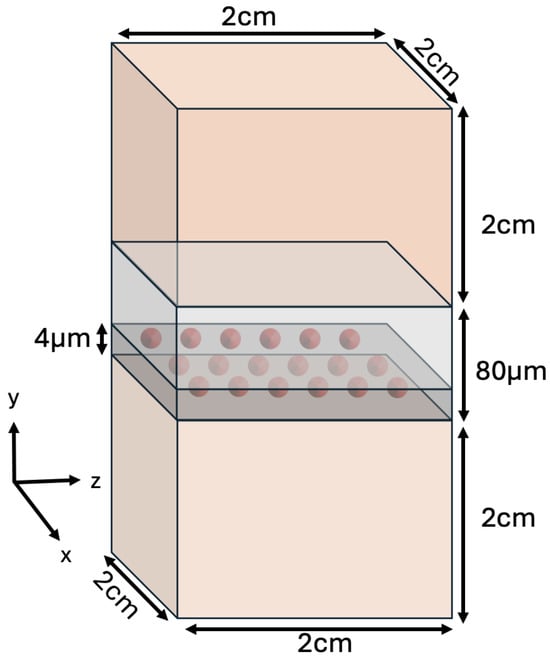
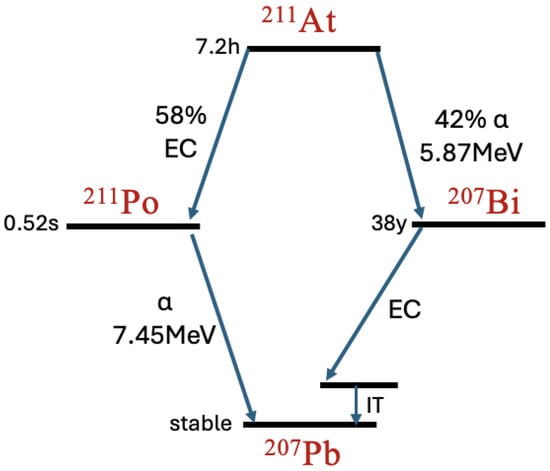
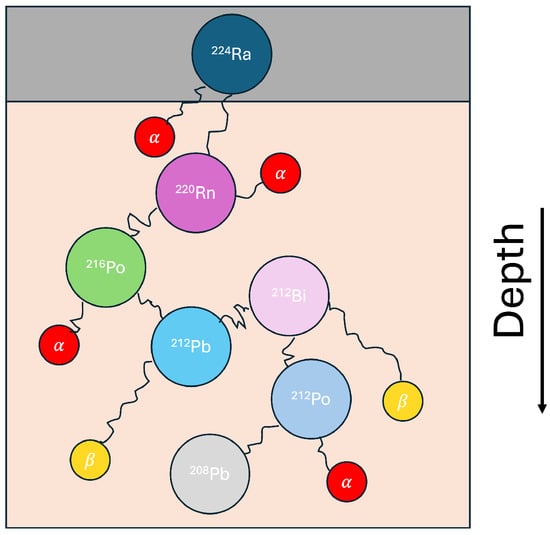
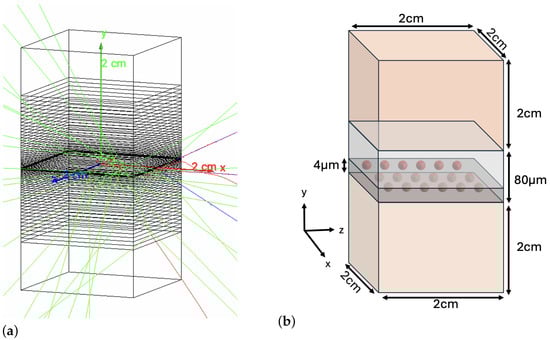
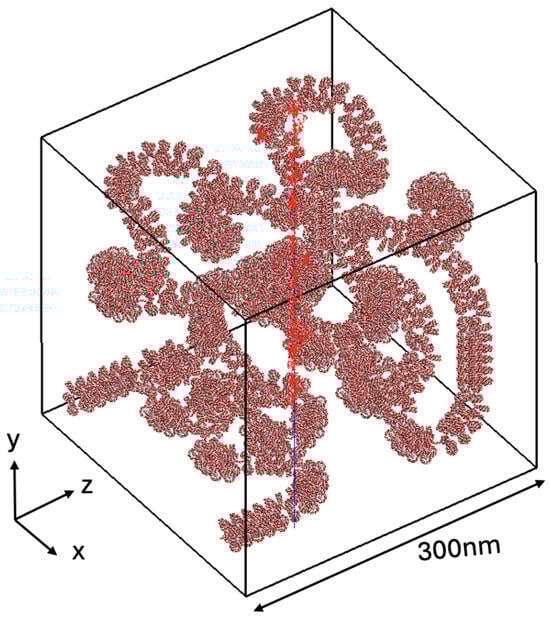
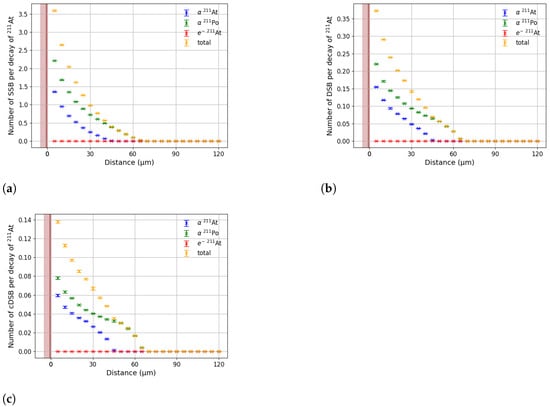
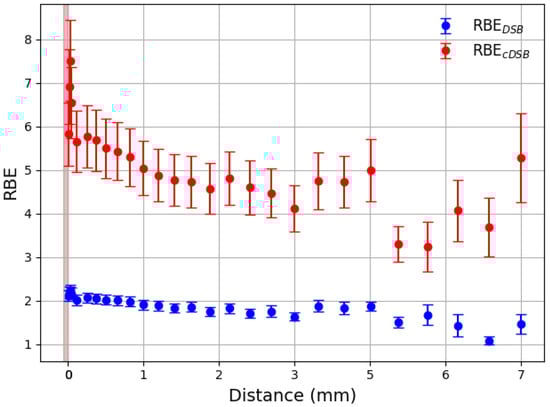
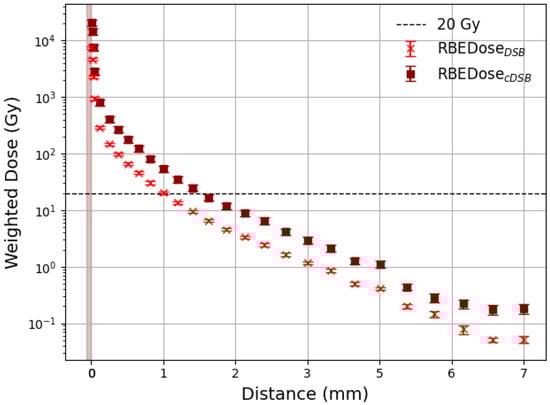
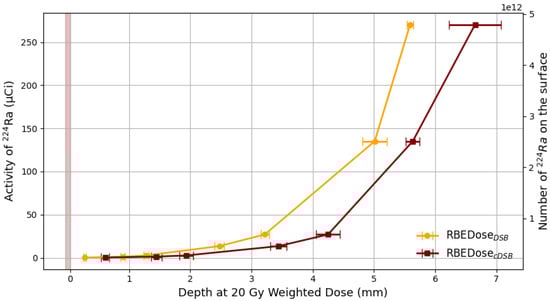
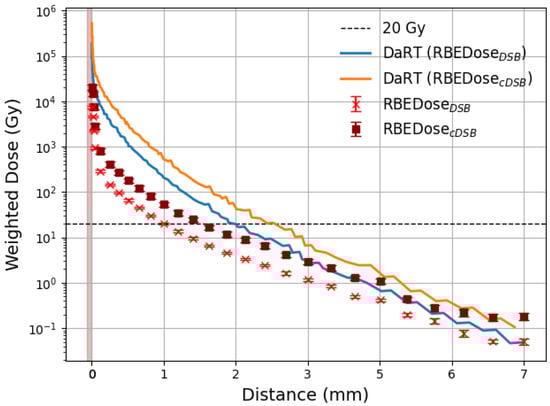
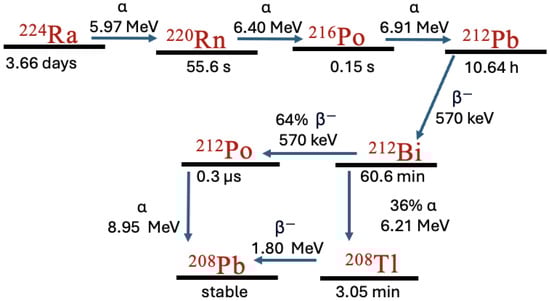
Extensive research is being carried out on the application of particles for cancer treatment. A key challenge in therapy is how to deliver the emitters to the tumour. In AlphaGlue, a novel treatment delivery concept, the emitters are suspended in a thin layer of glue that is put on top of the tumour. In principle, this should be an easy and safe way to apply therapy. In this study, the effectiveness of AlphaGlue is evaluated using GEANT4 and GEANT4-DNA simulations to calculate the DNA damage as a function of depth. Two radionuclides are considered in this work, 211At and 224Ra. The results indicate that, as a concept, the method offers a promising hypothesis for treating superficial tumours, such as skin cancer, when 224Ra is applied directly on the tissue and stabilized with a glue layer. This results in 2 complex double strand breaks and 5 double strand breaks at 5 mm depth per applied 224Ra atom. When applying a 224Ra atom concentration of cm2 corresponding to an activity of Ci/cm2 on the skin surface, the RBE weighted dose exceeds 20 Gy at 5 mm depth. Hence, there is significant cell death at 5 mm into the tissue; a depth matching clinical requirements for skin cancer treatment. Given the rapidly falling weighted dose versus depth curve, the treatment depth can be tuned with good precision. The results of this study show that AlphaGlue is a promosing treatment and open the pathway towards the next stage of the research, which includes in-vitro studies.
Full article

Figure 1
Open AccessArticle
Development of a Machine Learning-Based Predictive Model for Urinary Tract Infection Risk in Patients with Vitamin D Deficiency: A Multidimensional Clinical Data Analysis
by
Krittin Naravejsakul, Watcharaporn Cholamjiak, Watcharapon Yajai, Jakkaphong Inpun and Waragunt Waratamrongpatai
BioMedInformatics 2025, 5(4), 57; https://doi.org/10.3390/biomedinformatics5040057 - 10 Oct 2025
Abstract
Background: Urinary tract infections (UTIs) remain among the most common bacterial infections, yet reliable risk stratification remains challenging. Serum vitamin D has been linked to immune regulation, but its predictive role in UTI subtypes is unclear. Methods: We analyzed 332 de-identified clinical records
[...] Read more.
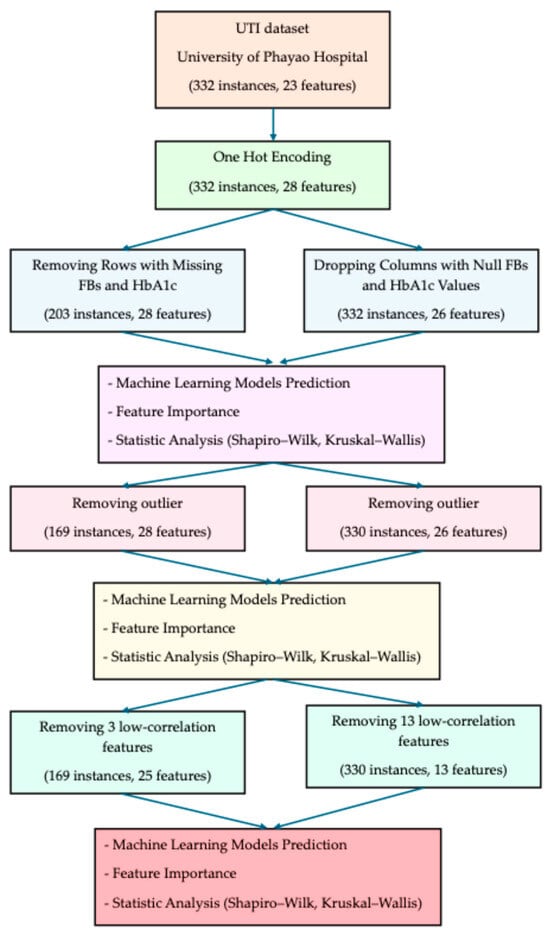
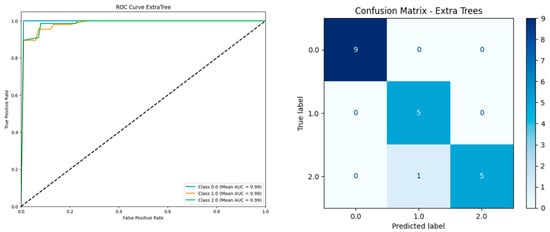
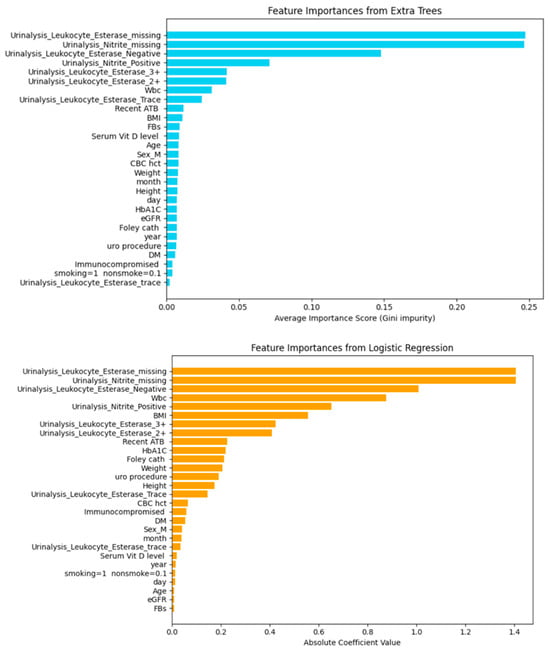
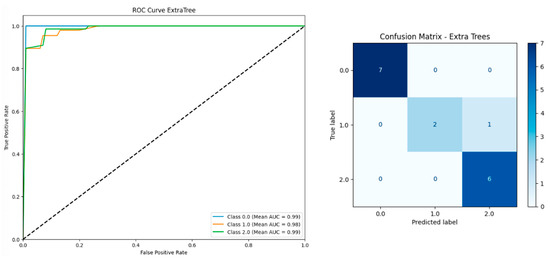
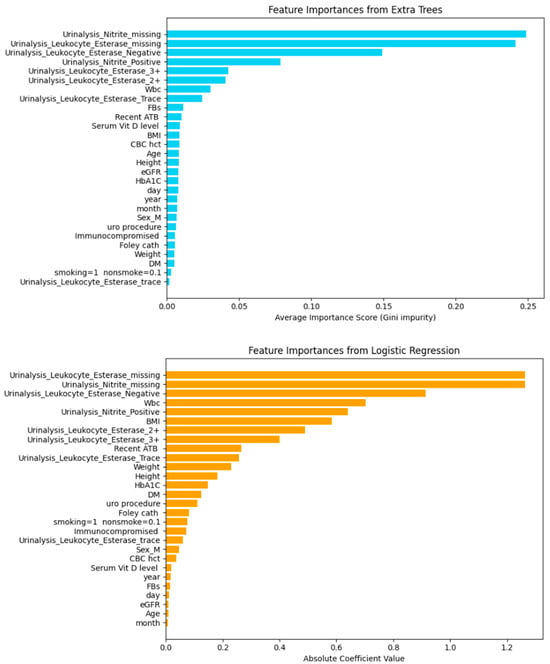
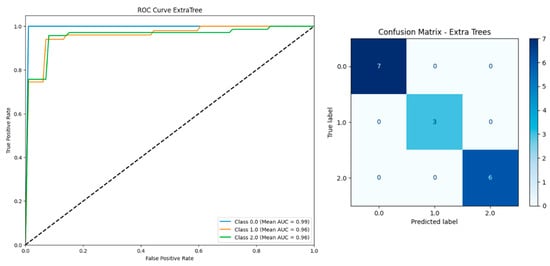
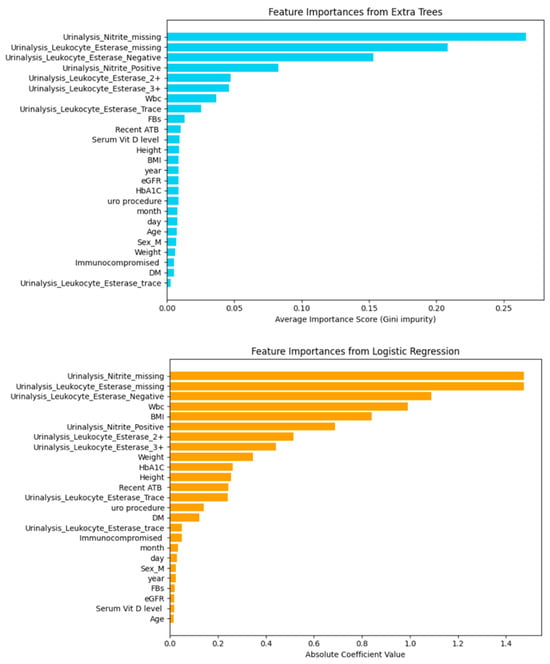
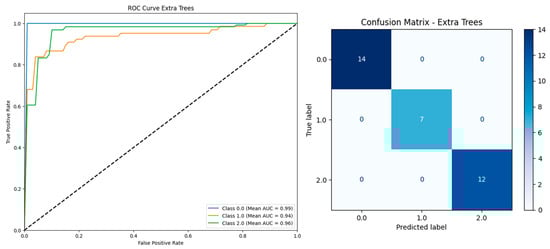
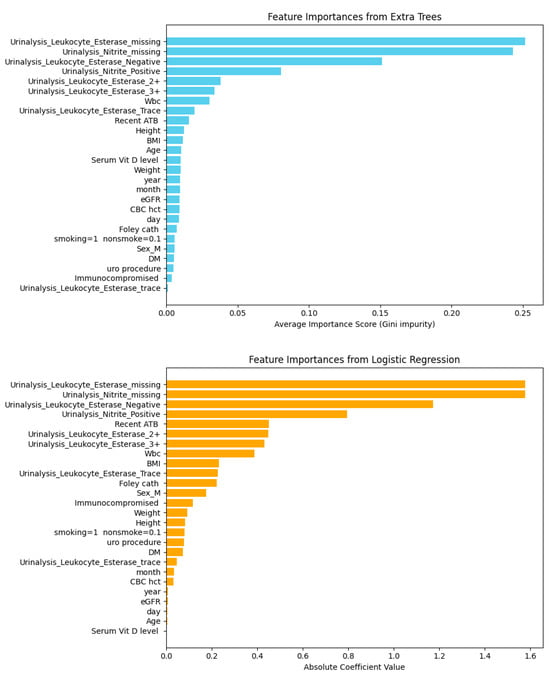
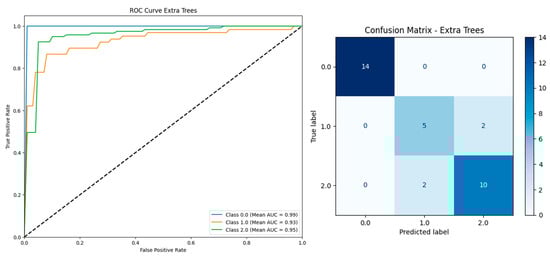
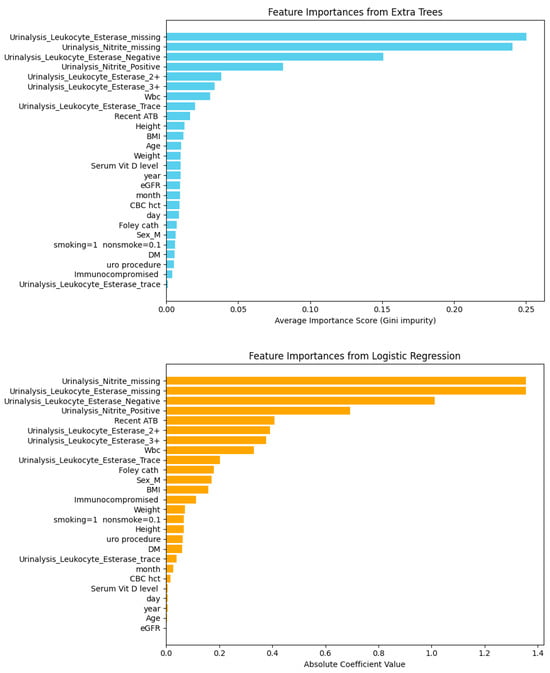
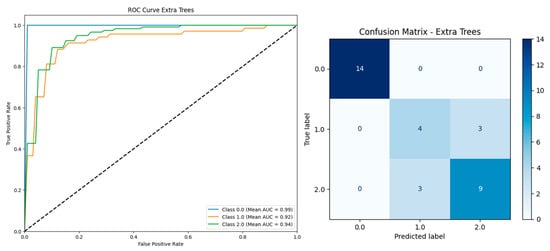
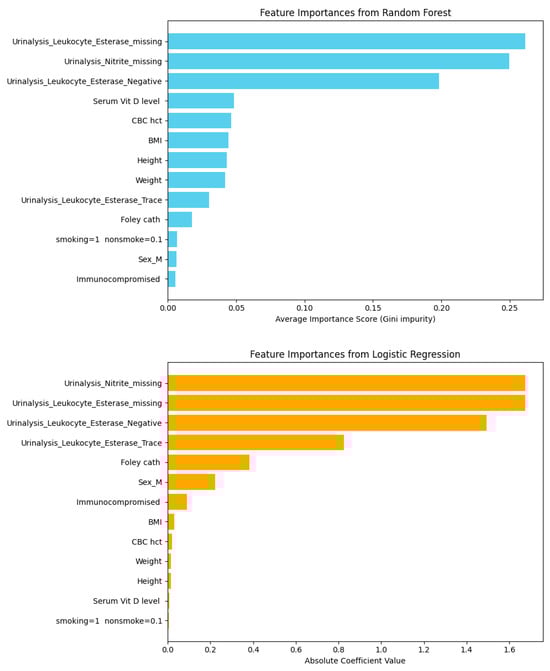
Background: Urinary tract infections (UTIs) remain among the most common bacterial infections, yet reliable risk stratification remains challenging. Serum vitamin D has been linked to immune regulation, but its predictive role in UTI subtypes is unclear. Methods: We analyzed 332 de-identified clinical records using six machine learning algorithms: Extra Trees, Gradient Boosting, XGBoost, Logistic Regression, Random Forest, and LightGBM. Two preprocessing strategies were applied: (i) removing rows with missing fasting blood sugar (FBs) and HbA1c, and (ii) dropping columns with Null FBs and HbA1c values. Model performance was evaluated using 10-fold cross-validation. Results: Serum vitamin D showed weak correlations with UTI subtypes but modest importance in tree-based models. The highest predictive accuracy was obtained with Extra Trees (0.9510) under the row-removal strategy and Random Forest (0.9525) under the column-dropping strategy. Models excluding vitamin D maintained comparable accuracy, suggesting minimal impact on overall predictive performance. Conclusions: Machine learning models demonstrated high accuracy and robustness in predicting UTI subtypes across preprocessing strategies. While vitamin D contributes as a supportive feature, it is not essential for reliable prediction. These findings highlight the adaptability and clinical utility of both vitamin D-inclusive and vitamin D-exclusive models, supporting deployment in diverse healthcare settings.
Full article
(This article belongs to the Special Issue Editor's Choices Series for Clinical Informatics Section)
►▼
Show Figures

Figure 1
Open AccessArticle
Enhanced U-Net for Spleen Segmentation in CT Scans: Integrating Multi-Slice Context and Grad-CAM Interpretability
by
Sowad Rahman, Md Azad Hossain Raju, Abdullah Evna Jafar, Muslima Akter, Israt Jahan Suma and Jia Uddin
BioMedInformatics 2025, 5(4), 56; https://doi.org/10.3390/biomedinformatics5040056 - 8 Oct 2025
Abstract
►▼
Show Figures
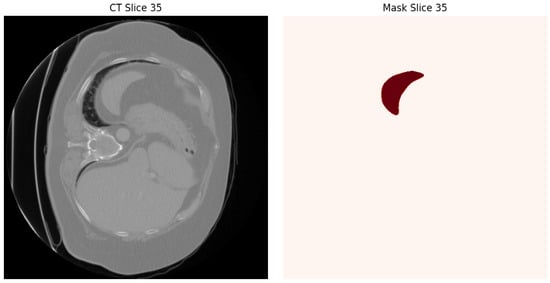
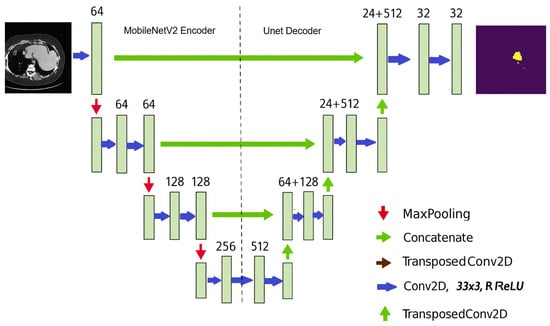
Accurate spleen segmentation in abdominal CT scans remains a critical challenge in medical image analysis due to variable morphology, low tissue contrast, and proximity to similar anatomical structures. This paper presents an enhanced U-Net architecture that addresses these challenges through multi-slice contextual integration
[...] Read more.
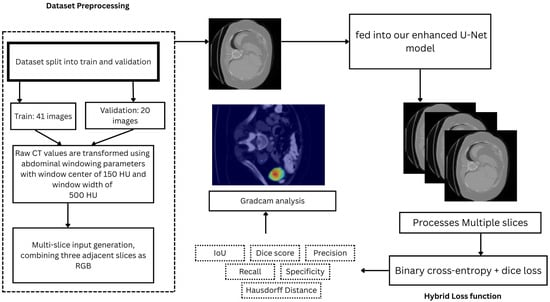
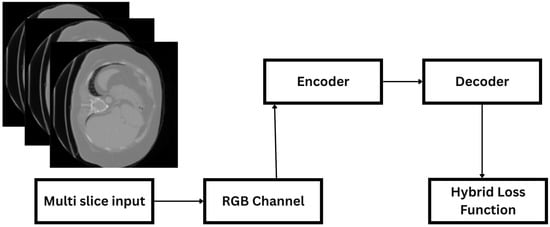
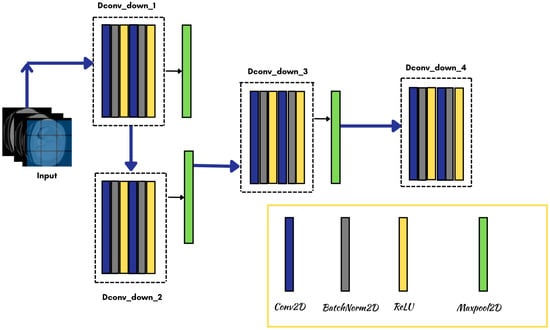
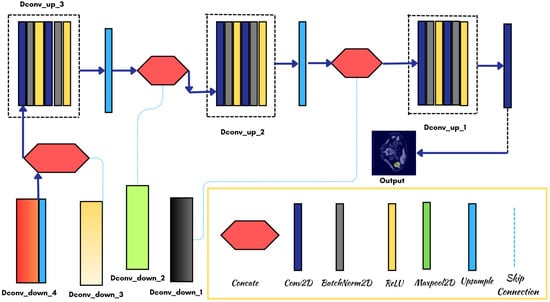
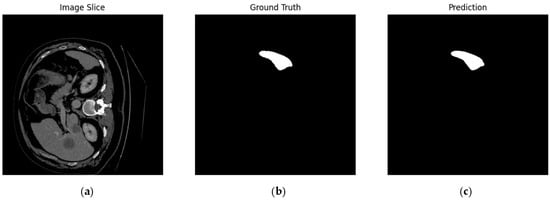
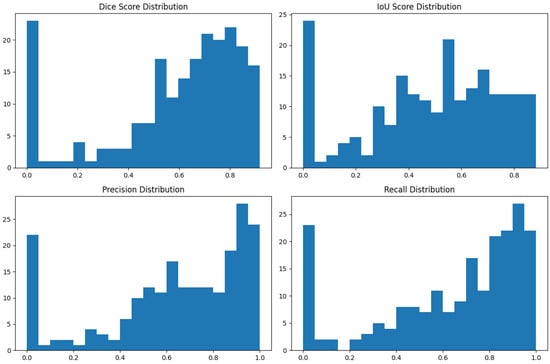
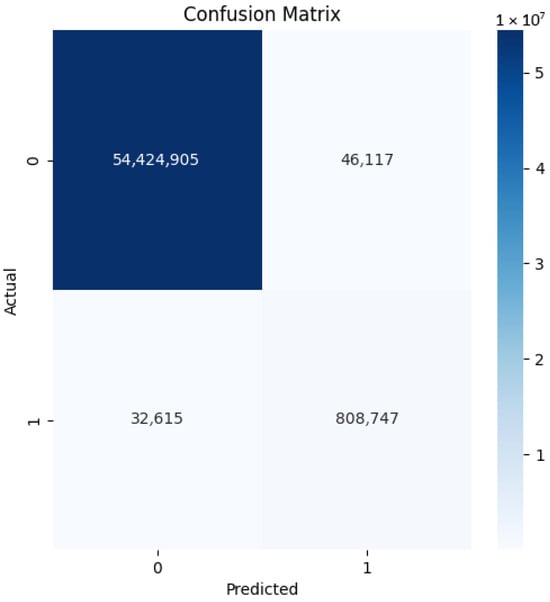
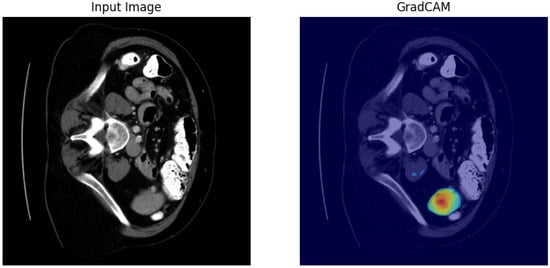
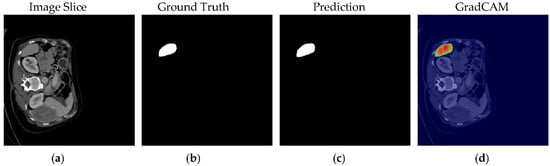
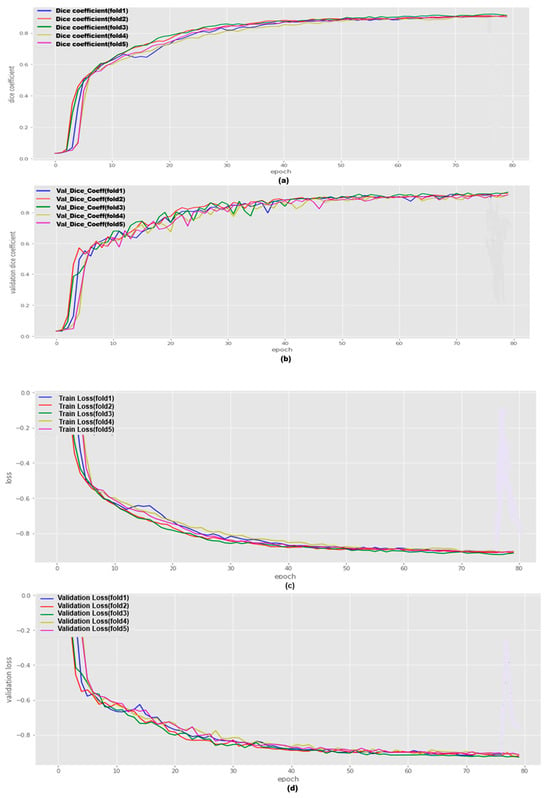
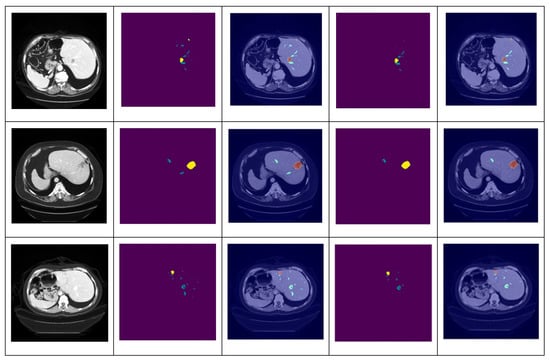
Accurate spleen segmentation in abdominal CT scans remains a critical challenge in medical image analysis due to variable morphology, low tissue contrast, and proximity to similar anatomical structures. This paper presents an enhanced U-Net architecture that addresses these challenges through multi-slice contextual integration and interpretable deep learning. Our approach incorporates three-channel inputs from adjacent CT slices, implements a hybrid loss function combining Dice and binary cross-entropy terms, and integrates Grad-CAM visualization for enhanced model interpretability. Comprehensive evaluation on the Medical Decathlon dataset demonstrates superior performance, with a Dice similarity coefficient of 0.923 ± 0.04, outperforming standard 2D approaches by 3.2%. The model exhibits robust performance across varying slice thicknesses, contrast phases, and pathological conditions. Grad-CAM analysis reveals focused attention on spleen–tissue interfaces and internal vascular structures, providing clinical insight into model decision-making. The system demonstrates practical applicability for automated splenic volumetry, trauma assessment, and surgical planning, with processing times suitable for clinical workflow integration.
Full article

Figure 1
Open AccessArticle
Visualising the Truth: A Composite Evaluation Framework for Score-Based Predictive Model Selection
by
Uraquitan Lima Filho, Tiago Alexandre Pais and Ricardo Jorge Pais
BioMedInformatics 2025, 5(3), 55; https://doi.org/10.3390/biomedinformatics5030055 - 17 Sep 2025
Abstract
►▼
Show Figures
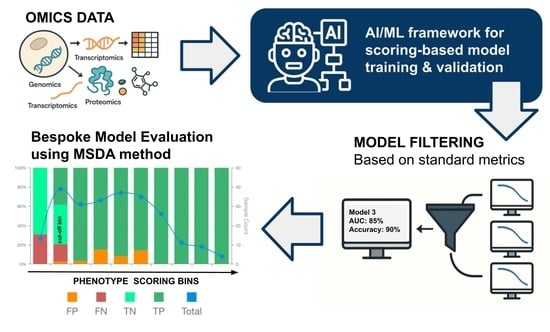
Background: The selection of machine learning (ML) models in the biomedical sciences often relies on global performance metrics. When these metrics are closely clustered among candidate models, identifying the most suitable model for real-world deployment becomes challenging. Methods: We developed a novel composite
[...] Read more.
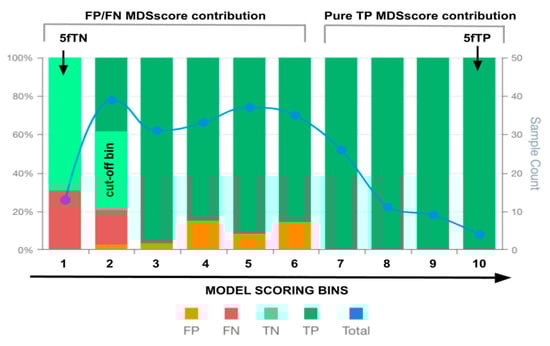
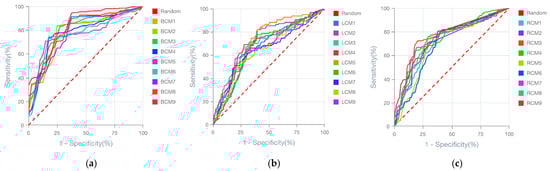
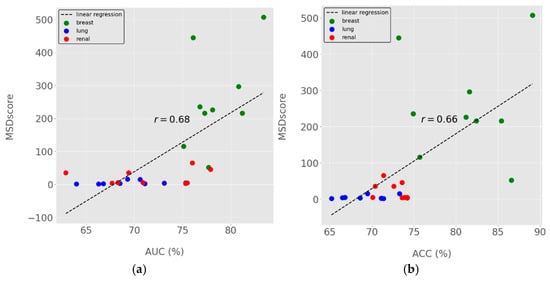
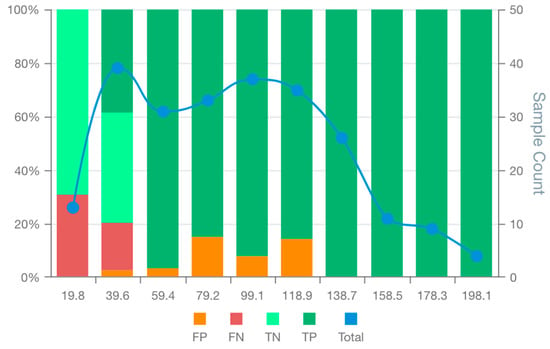
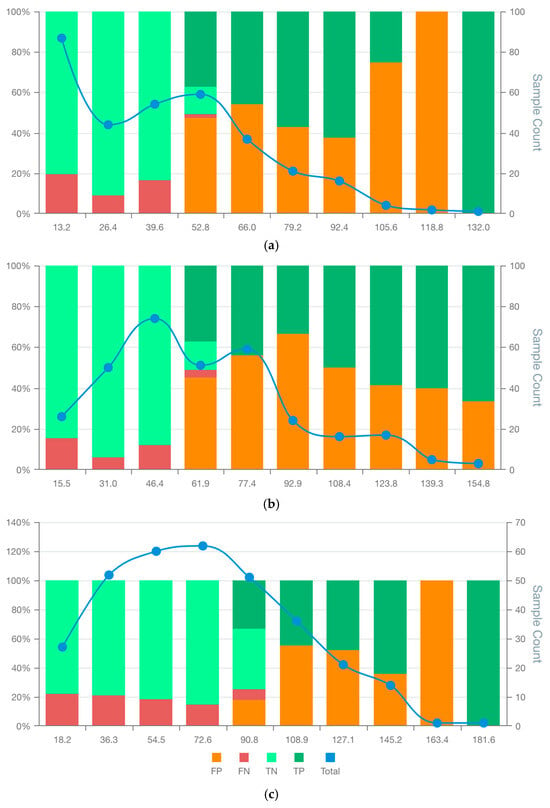
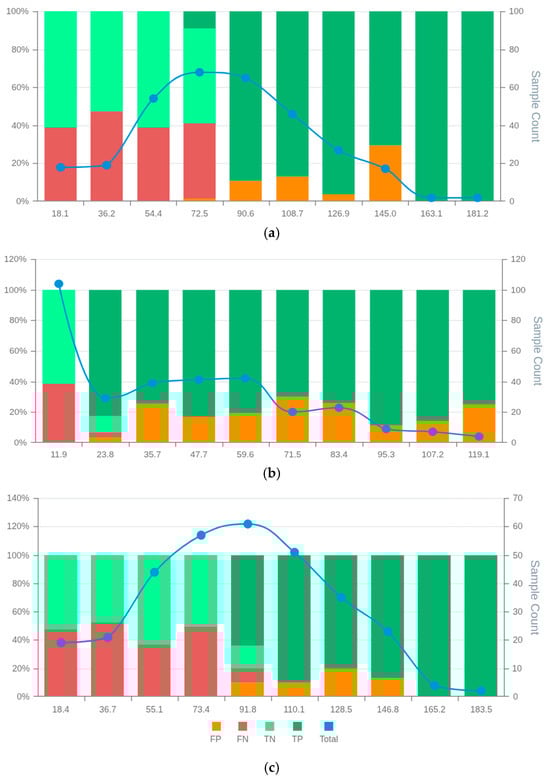
Background: The selection of machine learning (ML) models in the biomedical sciences often relies on global performance metrics. When these metrics are closely clustered among candidate models, identifying the most suitable model for real-world deployment becomes challenging. Methods: We developed a novel composite framework that integrates visual inspection of Model Scoring Distribution Analysis (MSDA) with a new scoring metric (MSDscore). The methodology was implemented within the Digital Phenomics platform as the MSDanalyser tool and tested by generating and evaluating 27 predictive models developed for breast, lung, and renal cancer prognosis. Results: Our approach enabled a detailed inspection of true-positive, false-positive, true-negative, and false-negative distributions across the scoring space, capturing local performance patterns overlooked by conventional metrics. In contrast with the minimal variation between models obtained by global metrics, the MSDA methodology revealed substantial differences in score region behaviour, allowing better discrimination between models. Conclusions: Integrating our composite framework alongside traditional performance metrics provides a complementary and more nuanced approach to model selection in clinical and biomedical settings.
Full article

Graphical abstract
Open AccessArticle
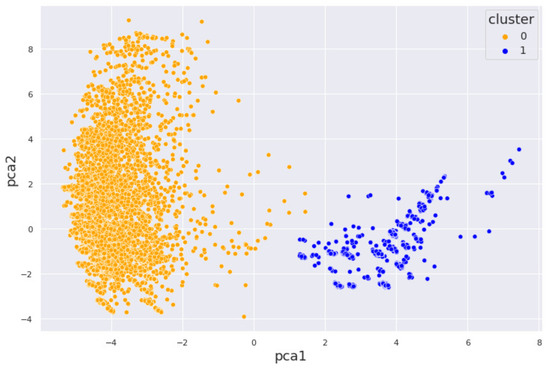
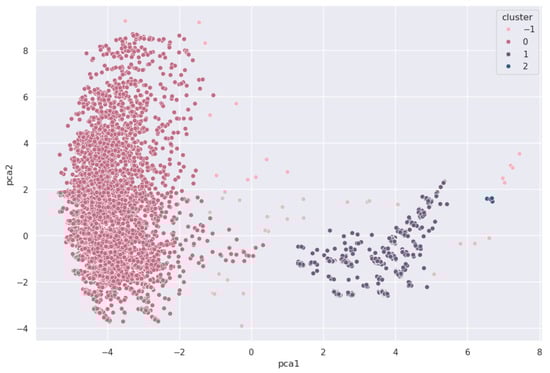
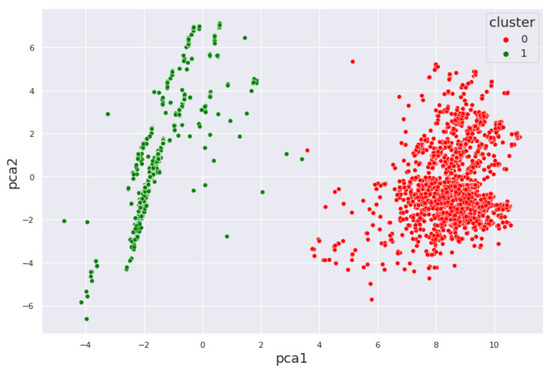
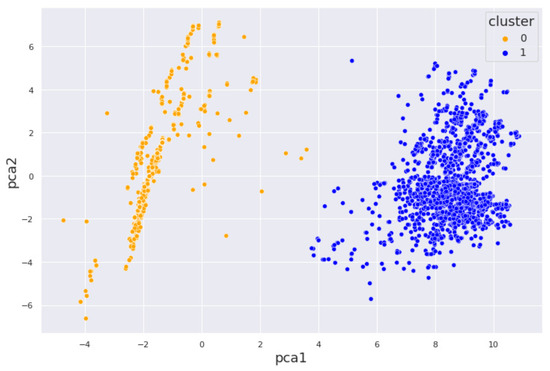
Correlating Clinical Assessments for Substance Use Disorder Using Unsupervised Machine Learning
by
Kaloso M. Tlotleng, Rodrigo S. Jamisola, Jr. and Jeniffer L. Brown
BioMedInformatics 2025, 5(3), 54; https://doi.org/10.3390/biomedinformatics5030054 - 11 Sep 2025
Abstract
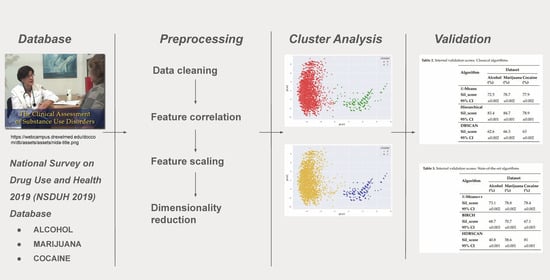
This paper investigates the state of substance use disorder (SUD) and the frequency of substance use by utilizing three unsupervised machine learning techniques, based on the Diagnostic and Statistical Manual 5 (DSM-5) of mental health disorders. We used data obtained from the National
[...] Read more.
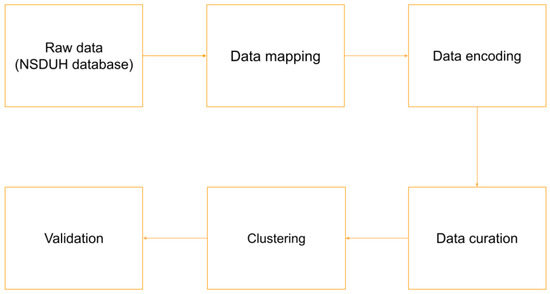
This paper investigates the state of substance use disorder (SUD) and the frequency of substance use by utilizing three unsupervised machine learning techniques, based on the Diagnostic and Statistical Manual 5 (DSM-5) of mental health disorders. We used data obtained from the National Survey on Drug Use and Health (NSDUH) 2019 database with random participants who had undergone clinical assessments by mental health professionals and whose clinical diagnoses were not known. This approach classifies SUD status by discovering patterns or correlations from the trained model. Our results were analyzed and validated by a mental health professional. The three unsupervised machine learning techniques that we used comprised k-means clustering, hierarchical clustering, and density-based spatial clustering of applications with noise (DBSCAN), which were applied to alcohol, marijuana, and cocaine datasets. The clustering results were validated using the silhouette score and the 95% confidence interval (CI). The results from this study may be used to supplement psychiatric evaluations.
Full article
(This article belongs to the Topic Machine Learning Empowered Drug Screen)
►▼
Show Figures

Graphical abstract

Open AccessArticle
High-Precision, Automatic, and Fast Segmentation Method of Hepatic Vessels and Liver Tumors from CT Images Using a Fusion Decision-Based Stacking Deep Learning Model
by
Mamoun Qjidaa, Anass Benfares, Mohammed Amine El Azami El Hassani, Amine Benkabbou, Amine Souadka, Anass Majbar, Zakaria El Moatassim, Maroua Oumlaz, Oumayma Lahnaoui, Raouf Mouhcine, Ahmed Lakhssassi and Abdeljabbar Cherkaoui
BioMedInformatics 2025, 5(3), 53; https://doi.org/10.3390/biomedinformatics5030053 - 9 Sep 2025
Abstract
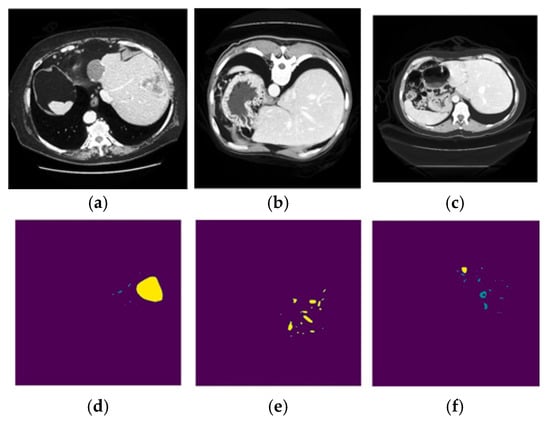
Background: To propose an automatic liver and hepatic vessel segmentation solution based on a stacking model and decision fusion. This model combines the decisions of multiple models to achieve increased accuracy. It exhibits improved robustness due to the reduction of individual errors. Flexibility
[...] Read more.
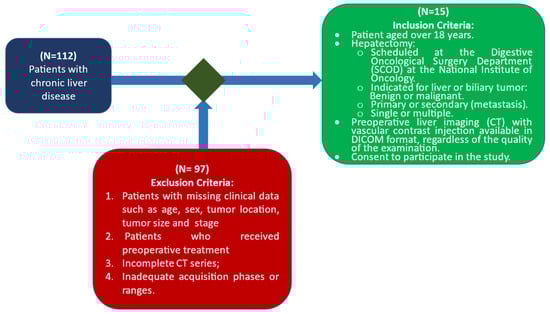
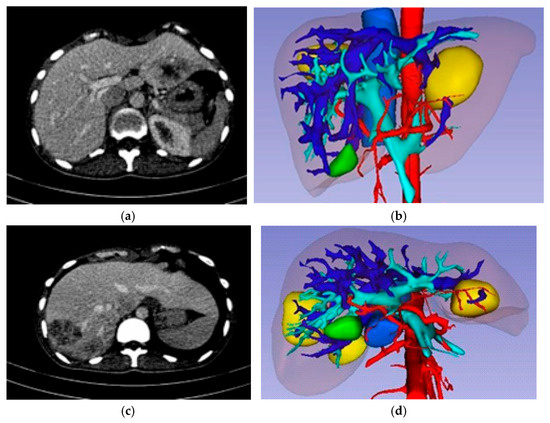
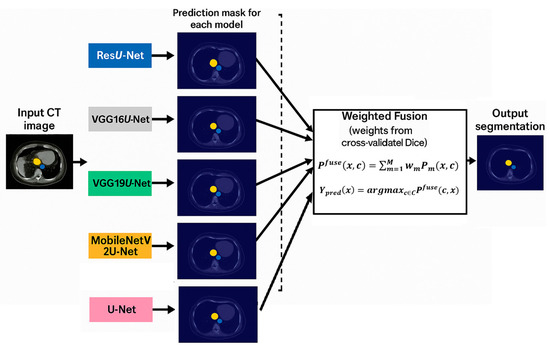
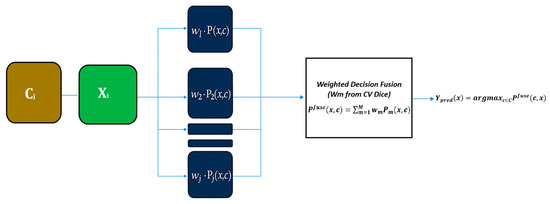
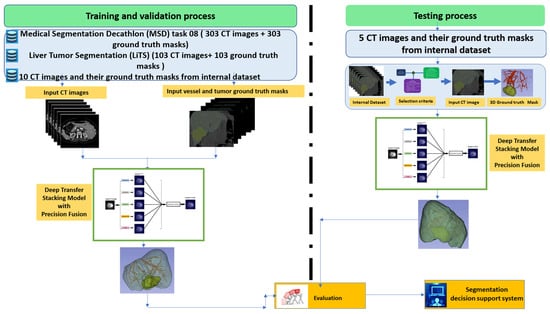
Background: To propose an automatic liver and hepatic vessel segmentation solution based on a stacking model and decision fusion. This model combines the decisions of multiple models to achieve increased accuracy. It exhibits improved robustness due to the reduction of individual errors. Flexibility is also a key asset, with combination methods such as majority voting or weighted averaging. The model enables managing the uncertainty associated with individual decisions to obtain a more reliable final decision. The combination of decisions improves the overall accuracy of the system. Methods: This research introduces a new deep learning-based architecture for automatically segmenting hepatic vessels and tumors from CT scans, utilizing stacking, decision fusion, and deep transfer learning to achieve high-accuracy and rapid segmentation. This study employed two distinct datasets: the external “Medical Segmentation Decathlon (MSD) task 08” dataset and an internal dataset procured from Ibn Sina University Hospital encompassing a cohort of 112 patients with chronic liver disease who underwent contrast-enhanced abdominal CT scans. Results: The proposed segmentation model reached a DSC of 83.21 and an IoU of 72.76 for hepatic vasculature and tumor segmentation, thereby exceeding the performance benchmarks established by the majority of antecedent studies. Conclusions: This study introduces an automated method for liver vessels and liver tumor segmentation, combining precision and stability to bridge the clinical gap. Furthermore, decision fusion-based stacking models have a significant impact on clinical applications by enhancing diagnostic accuracy, enabling personalized care through the integration of genetic, environmental, and clinical data, optimizing clinical trials, and facilitating the development of personalized medicines and therapies.

Full article
(This article belongs to the Section Methods in Biomedical Informatics)
►▼
Show Figures

Figure 1
Highly Accessed Articles
Latest Books
E-Mail Alert
News
Topics
Topic in
AI, Algorithms, Applied Sciences, BioMedInformatics, Computers, Electronics, BDCC
Theoretical Foundations and Applications of Deep Learning Techniques
Topic Editors: Juan Ernesto Solanes Galbis, Adolfo Muñoz GarcíaDeadline: 31 March 2026
Topic in
Electronics, AgriEngineering, AI Sensors, Healthcare, AI, BioMedInformatics, BDCC, Information
Generative AI and Interdisciplinary Applications
Topic Editors: Jisheng Dang, Wenjie Wang, Yongqi Li, Juncheng LiDeadline: 31 August 2026
Topic in
Applied Sciences, Bioengineering, BioMedInformatics, J. Imaging, Diagnostics
Artificial Intelligence and Big Data in Biomedical Engineering
Topic Editors: Kwang-Sig Lee, Hyuntae ParkDeadline: 31 December 2026
Special Issues
Special Issue in
BioMedInformatics
Advances in Structural Bioinformatics and Next-Generation Sequence Analysis for Drug Design
Guest Editor: Alexandre G. De BrevernDeadline: 31 December 2025
Special Issue in
BioMedInformatics
Editor-in-Chief's Choices in Biomedical Informatics
Guest Editor: Alexandre G. De BrevernDeadline: 30 January 2026
Special Issue in
BioMedInformatics
The Application of Large Language Models in Clinical Practice
Guest Editor: Susan McRoyDeadline: 28 April 2026
Special Issue in
BioMedInformatics
Integrating Health Informatics and Artificial Intelligence for Advanced Medicine
Guest Editor: Joaquim CarrerasDeadline: 30 August 2026