-
Individual Growth Parameterization Models Using the Observed Variance in Organisms Subject to Aquaculture -
Evaluation of the Effects of Different Dietary Doses of an Anti-Mycotoxin Additive for Pacific White Shrimp (Litopenaeus vannamei) -
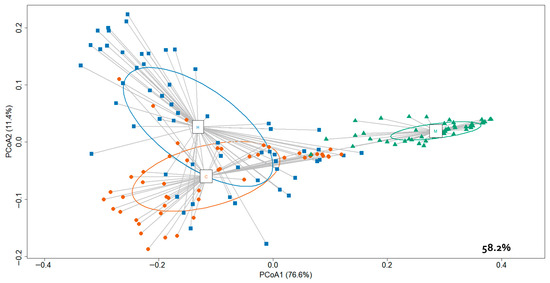
Impact of Global Warming on the Management of Mussel Fouling: Can the Use of Different Air Exposure Facilities Mitigate the Effects of Temperature? A Preliminary Experimental Trial in the Mar Piccolo of Taranto (Mediterranean, Ionian Sea) -
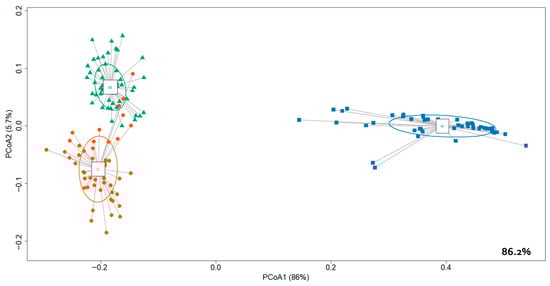
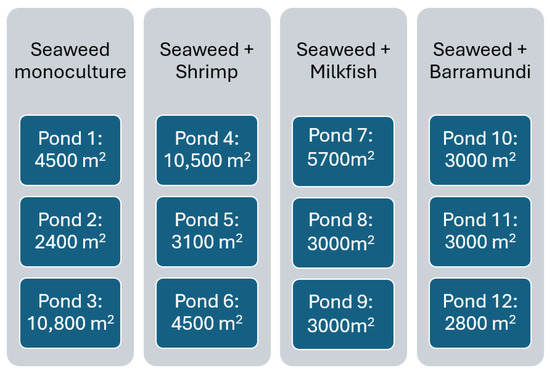
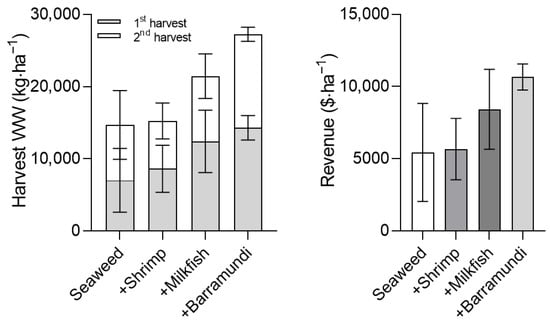
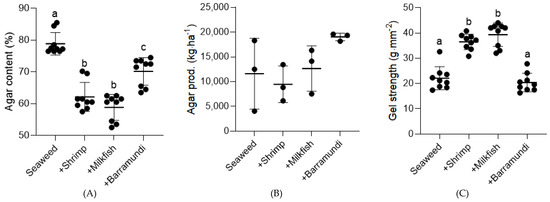
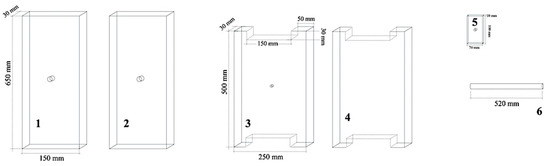
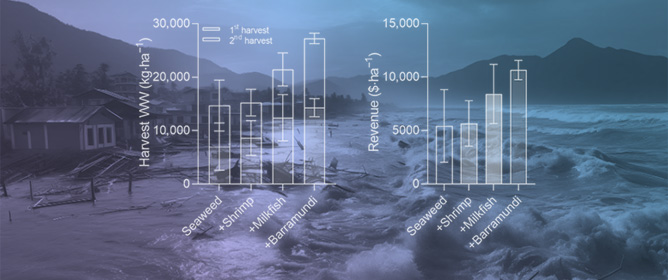
Assessing Productivity and Economic Returns of Integrated Aquaculture of Red Seaweed with Shrimp and Fish During Extensive Floodings in Central Java, Indonesia
Journal Description
Aquaculture Journal
Aquaculture Journal
is an international, peer-reviewed, open access journal on aquaculture-related aquatic science published quarterly online by MDPI.
- Open Access— free for readers, with article processing charges (APC) paid by authors or their institutions.
- High Visibility: indexed within Scopus and other databases.
- Rapid Publication: manuscripts are peer-reviewed and a first decision is provided to authors approximately 20.1 days after submission; acceptance to publication is undertaken in 5.8 days (median values for papers published in this journal in the second half of 2025).
- Recognition of Reviewers: APC discount vouchers, optional signed peer review, and reviewer names published annually in the journal.
- Aquaculture Journal is a companion journal of Fishes.
Latest Articles
Effects of Lyophilized Dietary Yeast Rhodotorula mucilaginosa on Skin and Fillet Pigmentation of Gilthead Seabream (Sparus aurata): A Computer-Based Image Analysis Assessment
Aquac. J. 2026, 6(1), 10; https://doi.org/10.3390/aquacj6010010 - 23 Mar 2026
Abstract
►
Show Figures
Skin pigmentation is a crucial factor influencing the market value of gilthead seabream. A three-month feeding trial evaluated the effects of dietary inclusion of Rhodotorula mucilaginosa on skin and fillet pigmentation of gilthead seabream (Sparus aurata). Four diets containing yeast were
[...] Read more.
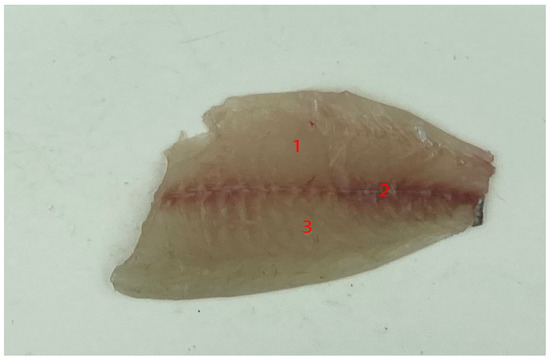
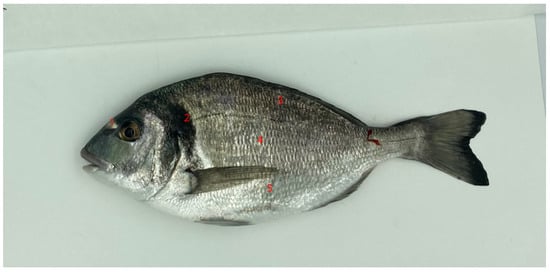
Skin pigmentation is a crucial factor influencing the market value of gilthead seabream. A three-month feeding trial evaluated the effects of dietary inclusion of Rhodotorula mucilaginosa on skin and fillet pigmentation of gilthead seabream (Sparus aurata). Four diets containing yeast were tested in triplicate tanks using 120 fish in total. Skin and fillet colours were assessed via computer-based image analysis in CIELAB, RGB and HSB spaces. Analysis of total carotenoids was also performed. Yeast inclusion increased L* and Whiteness values in the operculum and enhanced lightness in ventral skin regions. In the abdominal area, RGB values decreased, particularly in the 3% diet. Fillet responses were limited to the red muscle, where the 3% diet significantly increased a* and Chroma values. Overall, inclusion of R. mucilaginosa exceeding 2% influenced seabream skin brightness and total carotenoid content, while 3% inclusion enhanced red muscle pigmentation, suggesting potential as a natural pigment source in seabream feeds.
Full article
Open AccessArticle
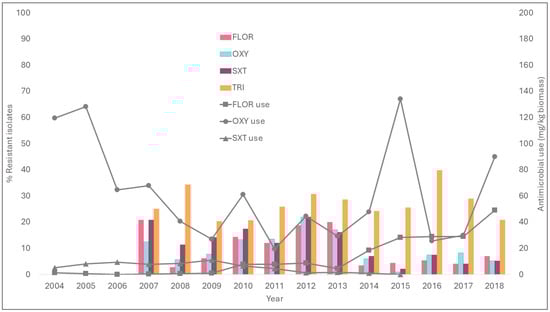
Antimicrobial Use and Antimicrobial Resistance in the British Columbia, Canada, Finfish Aquaculture Industry (2007–2018)
by
Etienne J. de Jongh, Kelsey Robertson, Jacob A. Narbonne, F. Carl Uhland, Richard J. Reid-Smith and Simon J. G. Otto
Aquac. J. 2026, 6(1), 9; https://doi.org/10.3390/aquacj6010009 - 10 Mar 2026
Abstract
►▼
Show Figures
The objective of this study was to evaluate relationships between antimicrobial use (AMU) and antimicrobial resistance (AMR) in isolates from farmed Atlantic salmon that could represent finfish pathogens in the British Columbia (BC) aquaculture industry using historical surveillance data. Antimicrobial susceptibility data were
[...] Read more.
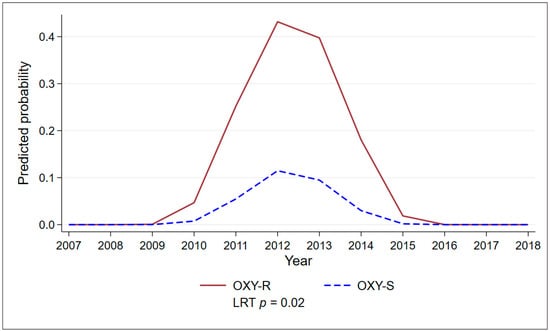
The objective of this study was to evaluate relationships between antimicrobial use (AMU) and antimicrobial resistance (AMR) in isolates from farmed Atlantic salmon that could represent finfish pathogens in the British Columbia (BC) aquaculture industry using historical surveillance data. Antimicrobial susceptibility data were obtained for 1040 bacterial isolates from farmed Atlantic salmon submissions to the BC Animal Health Centre for 2007–2018. Antimicrobial use data were provided by the BC Ministry of Agriculture and Food from feed mill prescriptions for BC farmed Atlantic salmon for 2007–2018. Multivariable logistic regression models for all bacterial isolates with a random intercept for species were developed to determine associations with outcomes of resistance to trimethoprim-sulfadiazine (SXT), oxytetracycline (OXY), and florfenicol (FLOR). Resistance to SXT, FLOR, and/or OXY were all significantly associated with each resistance outcome in their respective models. Only the SXT resistance model was significantly associated with AMU, specifically potentiated sulfonamide use, but use was not significantly associated with AMR for any other resistance outcome. The results of this study contribute to the rapidly growing and increasingly pertinent body of literature on AMU and AMR in the unique marine aquaculture environment. Future research at the farm level linking pen-specific AMU to AMR outcomes will provide more understanding of selection pressure for AMR at the local level and provide more guidance for antimicrobial stewardship in finfish aquaculture.
Full article

Figure 1
Open AccessArticle
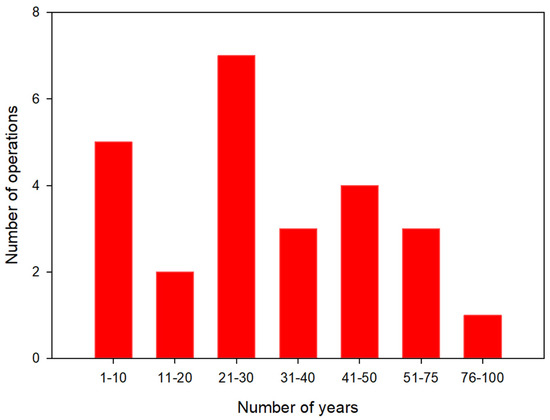
Understanding Aquaculture and Aquaponics General Operational Parameters and Attitudes Towards Value-Added and Value-Recovered Products—Surveying Current and Former United States Midwest Cold Climate Producers
by
Marissa Breitenstein, Elisabeth Bautista, Alexis Daniels and Andrea Hicks
Aquac. J. 2026, 6(1), 8; https://doi.org/10.3390/aquacj6010008 - 4 Mar 2026
Abstract
►▼
Show Figures
With the global population projected to continue to increase, the necessity for food security (i.e., a region’s ability to reliably provide food to its residents) becomes ever-present. Aquaculture is currently one of the most prevalent methods for propagating aquatic species, though aquaponics (i.e.,
[...] Read more.
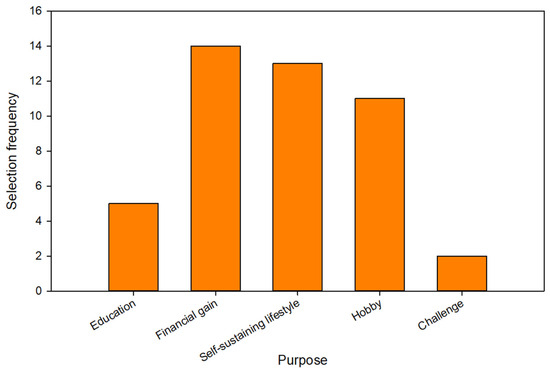
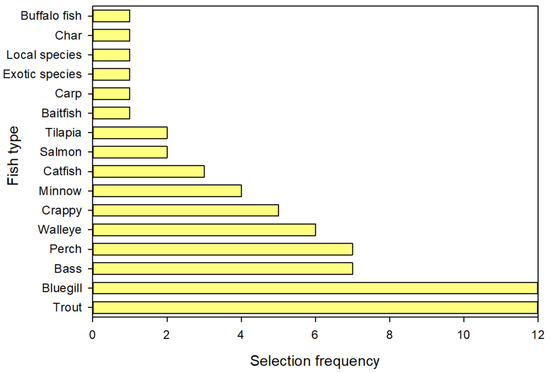
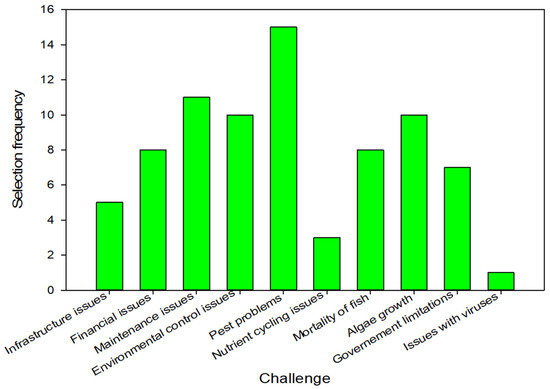
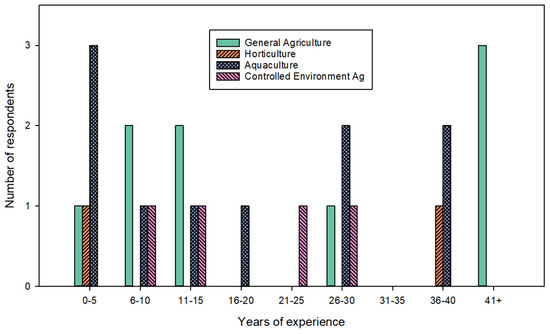
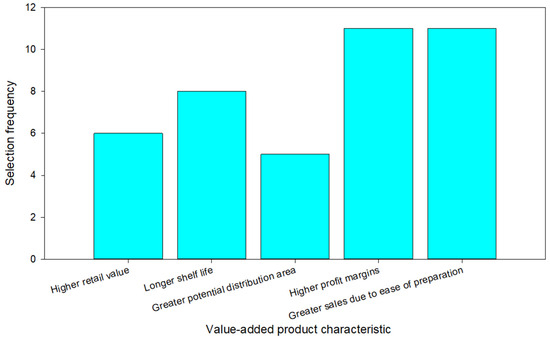
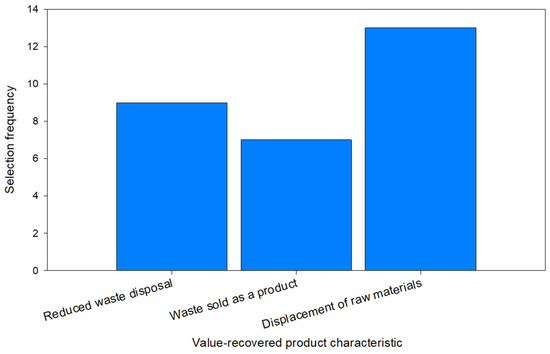
With the global population projected to continue to increase, the necessity for food security (i.e., a region’s ability to reliably provide food to its residents) becomes ever-present. Aquaculture is currently one of the most prevalent methods for propagating aquatic species, though aquaponics (i.e., combining aquaculture and hydroponics to artificially propagate aquatic species and plants) is often considered a more sustainable food production method in comparison. Though aquaponics is promising both environmentally and socially, the general aquaponics business model is failing to generate proper revenue in many instances. The addition of value-added and value-recovered processes is one option for producers to increase the value of their final products without major capital investment. A paper survey was deployed for this study for both aquaculture and aquaponics operations, given the current prevalence of aquaculture and infancy of aquaponics in the United States. The survey aims to understand the basic parameters of their operation while also gauging interest in the addition of value-added and value-recovered products for their operations. Less than half of the respondents were interested in value-added and value-recovered products for several different reasons. The survey also provides useful information related to operation, prior experiences, and potential future directions for aquaponics in the United States, though investigation into consumer preferences is required for optimized success of the aquaponics industry.
Full article

Figure 1
Open AccessArticle
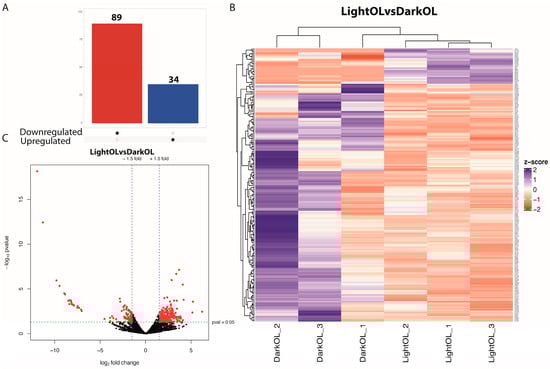
Photoperiod-Mediated Transcriptomic Regulation of Spawning in Octopus mimus
by
Calixto Quispe-Pilco, Inês Ferreira, Diogo Oliveira, Rui Resende-Pinto, André Gomes dos Santos, Freddy Walter Delgado-Cabrera, Khiara Aliyah Bet Moreno-Salazar-Calderon, Cintia P. Fernández-Cárdenas, Fredy Esfrayn Tapia-Alave, L. Filipe C. Castro and Manuel Nande
Aquac. J. 2026, 6(1), 7; https://doi.org/10.3390/aquacj6010007 - 3 Mar 2026
Abstract
►▼
Show Figures
Background: The reproductive cycle of Octopus mimus is regulated by environmental and hormonal factors, with photoperiod playing a key role in spawning induction and reproductive maturation. Understanding its underlying molecular mechanisms is essential for developing strategies to enhance controlled reproduction in aquaculture. Methods:
[...] Read more.
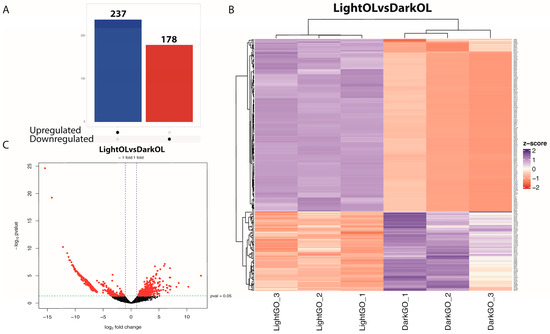
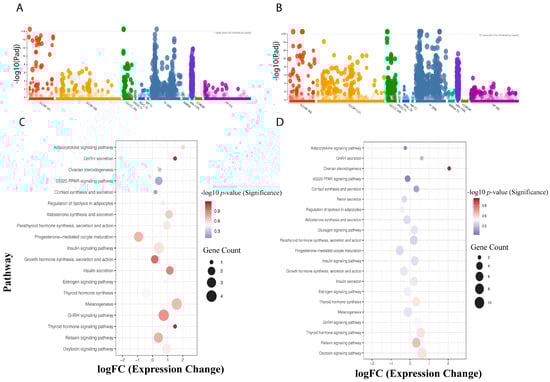
Background: The reproductive cycle of Octopus mimus is regulated by environmental and hormonal factors, with photoperiod playing a key role in spawning induction and reproductive maturation. Understanding its underlying molecular mechanisms is essential for developing strategies to enhance controlled reproduction in aquaculture. Methods: We analyzed the expression of genes involved in the photoperiod-activated spawning induction cascade in the optic lobe and its downstream effects on the oviducal gland by performing transcriptomic analyses on females exposed to continuous light (24:0), which inhibits reproductive development, and a natural photoperiod, which induces spawning. The mRNA sequencing (RNA-Seq), quality control, gene annotation, and differential expression analyses were conducted using edgeR. Results: Spawning was completely inhibited under constant light, while 80% of control females spawned. Expression profiling revealed 89 downregulated and 34 upregulated genes in the optic lobe, and 178 downregulated and 237 upregulated genes in the oviducal gland (FDR < 0.05, |log2FC| ≥ 2), including key orthologs such as FMRFamide and myomodulin. Conclusions: These results show that the optic lobe integrates photoperiodic cues that modulate reproductive activation via a neuroendocrine cascade and coordinates spawning regulation through the oviducal gland, providing insights for improving reproductive control in aquaculture systems.
Full article

Figure 1
Open AccessEditor’s ChoiceArticle
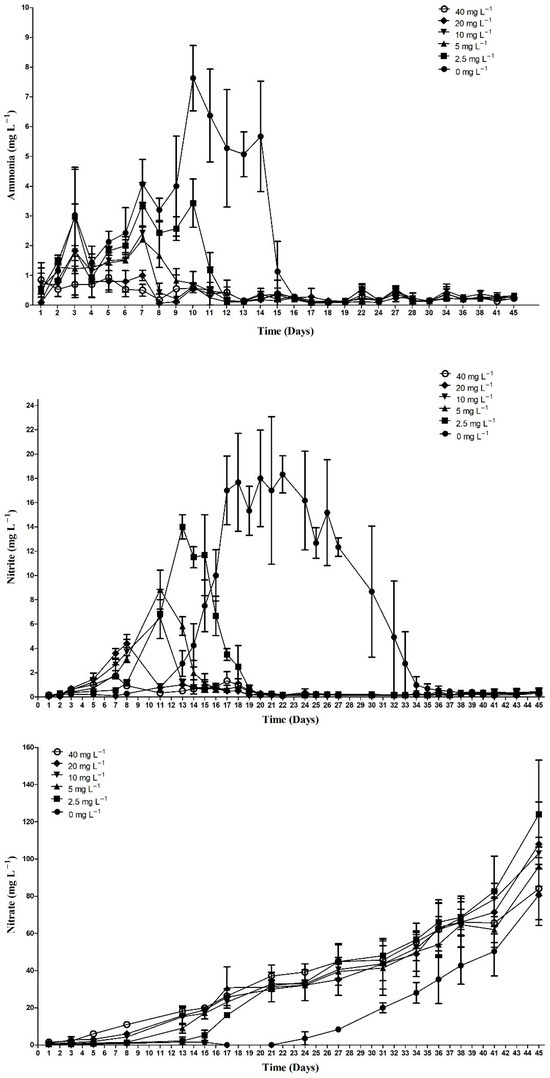
Determining the Minimum Mature Inoculum Requirement for Nitrification Efficiency and Enhanced Zootechnical Performance of Penaeus vannamei in BFT System
by
Wilson Wasielesky, Lucélia Borges, Kiefer Menestrino, Mariana Holanda, Geraldo Fóes, Luís Poersch and Dariano Krummenauer
Aquac. J. 2026, 6(1), 6; https://doi.org/10.3390/aquacj6010006 - 28 Feb 2026
Abstract
►▼
Show Figures
The biofloc technology (BFT) system is widely used in aquaculture for the cultivation of Pacific white shrimp (Penaeus vannamei). While the practice of reusing percentages of water from previous crops to initiate the system is common, this study aimed to determine
[...] Read more.
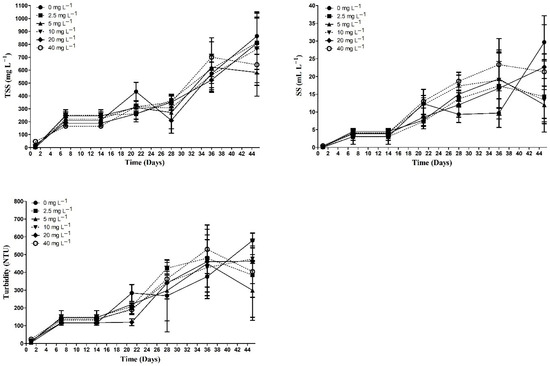
The biofloc technology (BFT) system is widely used in aquaculture for the cultivation of Pacific white shrimp (Penaeus vannamei). While the practice of reusing percentages of water from previous crops to initiate the system is common, this study aimed to determine the minimum inoculum of total suspended solids (TSS) required for the rapid stabilization of nitrogen compounds and the bacterial community. The experiment was conducted in 400 L experimental units stocked with juvenile P. vannamei. We compared six treatments with different initial inoculum concentrations: control (0 mg/L), 2.5 mg/L, 5 mg/L, 10 mg/L, 20 mg/L, and 40 mg/L. These concentrations corresponded to inoculations of 0%, 0.625%, 1.25%, 2.5%, 5%, and 10% of mature biofloc water with an initial TSS concentration of 400 mg/L. Treatments with an inoculum showed a more effective oxidation of ammonia and nitrite compared to the control. However, the 2.5 mg/L treatment differed significantly (p < 0.05) from the other inoculated treatments, exhibiting persistently high ammonia concentrations and a slower stabilization time. Survival rates in the 5, 10, 20, and 40 mg/L treatments were significantly higher (p < 0.05) than in the control and 2.5 mg/L treatments, remaining around 95%, while the latter had survival rates of 48.75% and 65.83%, respectively. The final biomass were as follows: control: 479.7 ± 30 g; 2.5 mg 628.1 ± 93.3 g; 5 mg 976.5 ± 128.1 g; 10 mg 850.3 ± 158.1 g; 20 mg 789.6 ± 122.7 g; 40 mg 856 ± 96.9 g. Final biomass and productivity were highest in the 5 mg/L treatment and did not differ significantly among the 10, 20, and 40 mg/L treatments. The results suggest that in a BFT system for P. vannamei, a minimum inoculum of 5 mg/L of TSS is sufficient to achieve high water quality and superior zootechnical performance.
Full article

Figure 1
Open AccessEditor’s ChoiceArticle
Antimicrobial and Antibiofilm Activities of Pseudoalteromonas Bacterial Strains Isolated from Marine Environment Against Potential Fish Pathogen Tenacibaculum discolor Strain FMCC B487
by
Eirini Schoina, Christine Delbarre-Ladrat, Laetitia Kolypczuk, Françoise Leroi, Delphine Passerini and George-John Nychas
Aquac. J. 2026, 6(1), 5; https://doi.org/10.3390/aquacj6010005 - 5 Feb 2026
Abstract
►▼
Show Figures
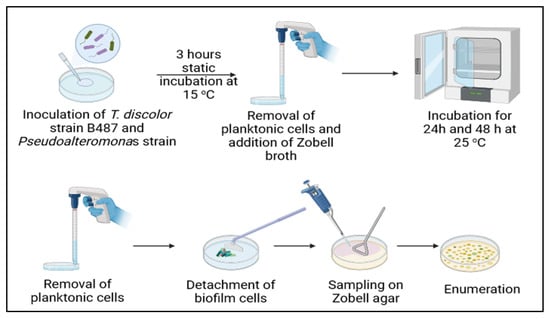
Tenacibaculosis is a major bacterial disease in aquaculture, with Tenacibaculum discolor being characterized as one of the causative agents. This study evaluated the antimicrobial and antibiofilm potential of three isolated Pseudoalteromonas strains—Pseudoalteromonas sp. GY795-2 (deep-sea), Pseudoalteromonas spongiae MB2 (aquaculture installation), and Pseudoalteromonas
[...] Read more.
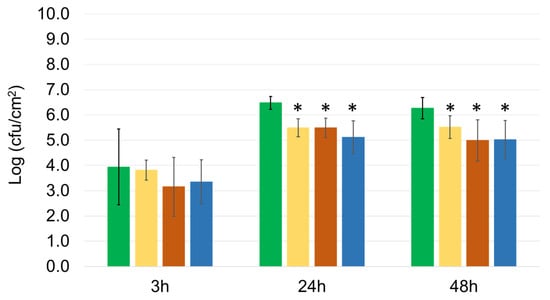
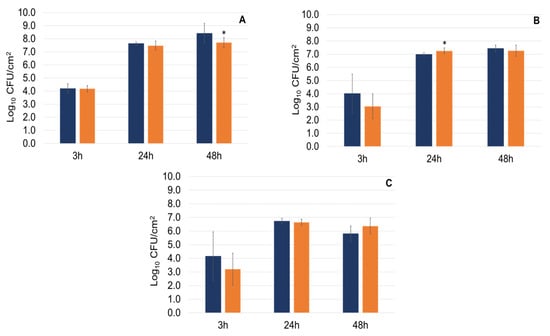
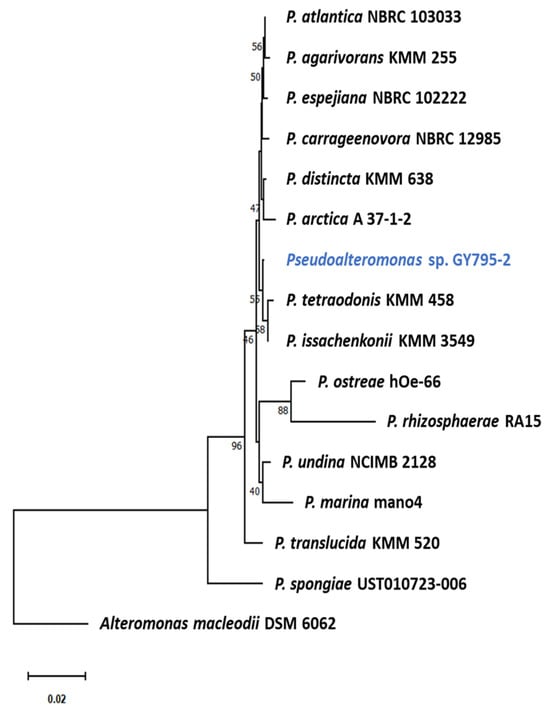
Tenacibaculosis is a major bacterial disease in aquaculture, with Tenacibaculum discolor being characterized as one of the causative agents. This study evaluated the antimicrobial and antibiofilm potential of three isolated Pseudoalteromonas strains—Pseudoalteromonas sp. GY795-2 (deep-sea), Pseudoalteromonas spongiae MB2 (aquaculture installation), and Pseudoalteromonas tetraodonis SAE 20 (kelps)—against T. discolor strain FMCC B487. Cell-free supernatants (SNs) from each Pseudoalteromonas culture were tested in microtiter assays, assessing planktonic growth measured by OD600 and biofilm biomass quantified by crystal violet (CV) staining. The addition of the Pseudoalteromonas SNs affected both growth and biofilm development of T. discolor strain FMCC B487. A significant decrease in T. discolor strain FMCC B487 growth and biofilm was observed in the presence of P. spongiae MB2 SN, whereas the SN of Pseudoalteromonas sp. GY795-2 promoted both growth and biofilm development of T. discolor strain FMCC B487. To assess whole-cell activity, dual-species biofilms were formed on plastic surfaces. After 24 h, all three Pseudoalteromonas strains reduced the viable T. discolor strain FMCC B487 population while maintaining their own cell numbers comparable to single-culture controls, suggesting an inhibitory interaction. These results demonstrate that these Pseudoalteromonas strains’ metabolites and cells can modulate T. discolor growth and biofilm development, highlighting their potential as biocontrol agents in aquaculture.
Full article

Figure 1
Open AccessArticle
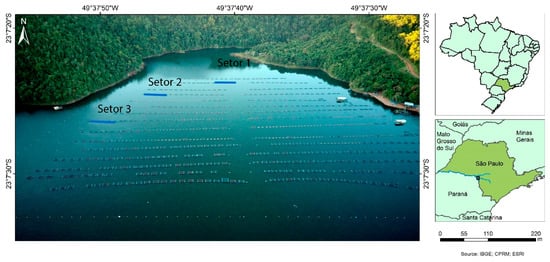
Antimicrobial Resistance in the British Columbia, Canada, Finfish Aquaculture Industry (2007–2018): A Historical Provincial Collection of Reported Isolates
by
Etienne J. de Jongh, Kelsey Robertson, F. Carl Uhland, Richard J. Reid-Smith, Kazal Ghosh and Simon J. G. Otto
Aquac. J. 2026, 6(1), 4; https://doi.org/10.3390/aquacj6010004 - 4 Feb 2026
Cited by 1
Abstract
Antimicrobial use (AMU) in finfish aquaculture production raises concerns about the link between AMU and the development of antimicrobial resistance (AMR) in bacteria found in aquatic organisms and potential transmission to humans and the environment. The objective of this study was to describe
[...] Read more.
Antimicrobial use (AMU) in finfish aquaculture production raises concerns about the link between AMU and the development of antimicrobial resistance (AMR) in bacteria found in aquatic organisms and potential transmission to humans and the environment. The objective of this study was to describe the antimicrobial susceptibilities of a historical collection of bacterial isolates from diagnostic submissions from farmed finfish in British Columbia (BC), Canada. Antimicrobial susceptibility data were obtained from the BC Ministry of Agriculture via submissions to the Animal Health Centre for 2007 to 2018 for florfenicol (FLOR), oxytetracycline (OXY), trimethoprim-sulfadiazine (SXT), and triple-sulfa compound (TRI). There were 1237 unique isolates from all finfish species (68 unique bacterial species), of which 1042 were from Atlantic salmon. For all fish species, the most common bacterial species isolated were Aeromonas salmonicida (n = 174), Aliivibrio wodanis (n = 84), and Yersinia ruckeri (n = 79). Resistance was detected to most antimicrobials tested, but levels were generally low. Resistance to FLOR was only detected in A. salmonicida. Low annual isolate numbers precluded genera-specific annual comparisons for all pathogens. Multi-drug resistance was detected, but at low levels. These results provide an important baseline for antimicrobial susceptibility data from bacterial isolates that may cause disease in finfish aquaculture in BC, Canada that will support future Canadian AMR surveillance in farmed aquaculture.
Full article
Open AccessReview
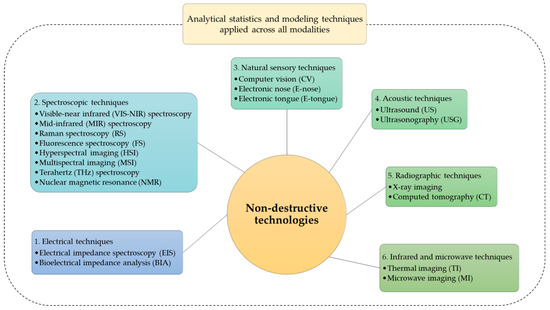
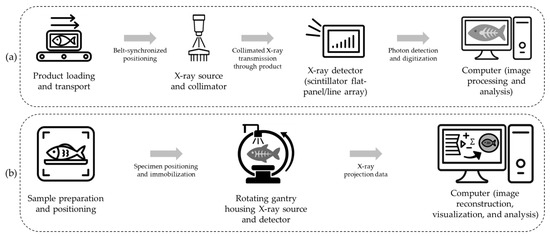
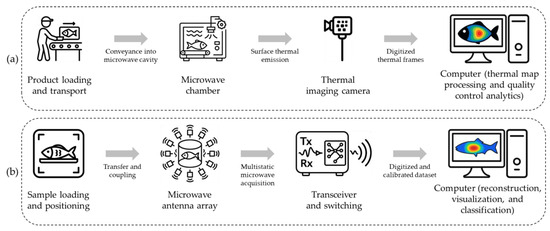
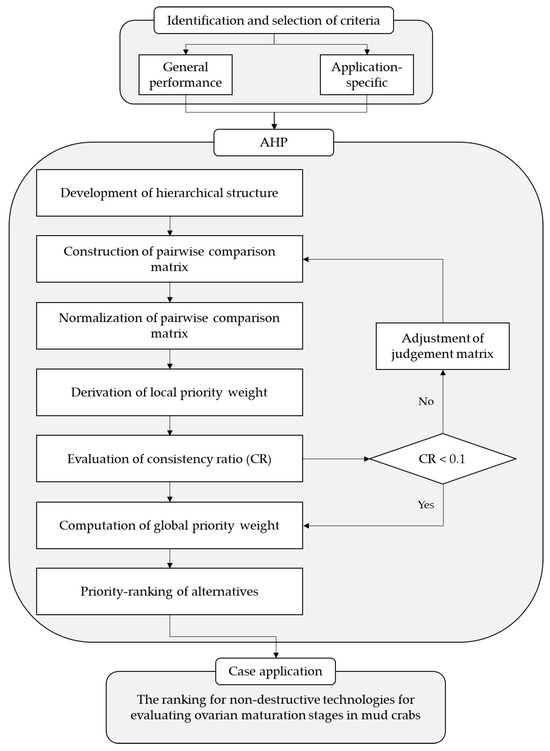
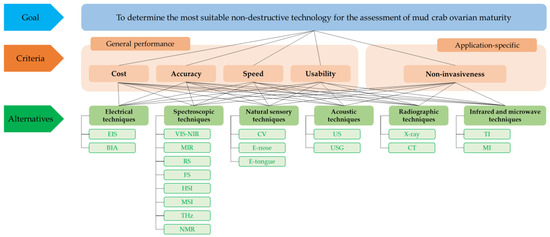
A Review of Non-Destructive Technologies for Quality Assessment in Aquaculture
by
Guoxiang Huang, Kunlapat Thongkaew and Supapan Chaiprapat
Aquac. J. 2026, 6(1), 3; https://doi.org/10.3390/aquacj6010003 - 30 Jan 2026
Abstract
►▼
Show Figures
Aquatic animal products are vital to global food security and nutrition, necessitating accurate, scalable, and non-destructive methods for quality assessment in aquaculture. Conventional techniques such as dissection and biochemical analysis are invasive, labor-intensive, and unsuitable for real-time or high-throughput decision-making. This review synthesizes
[...] Read more.
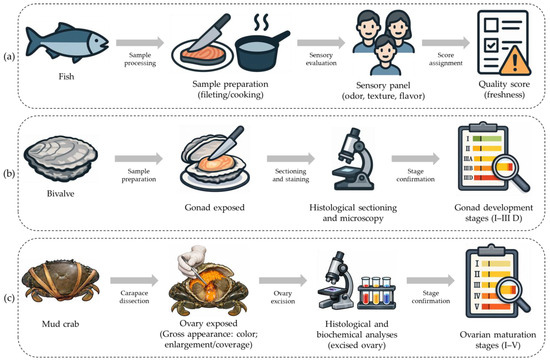
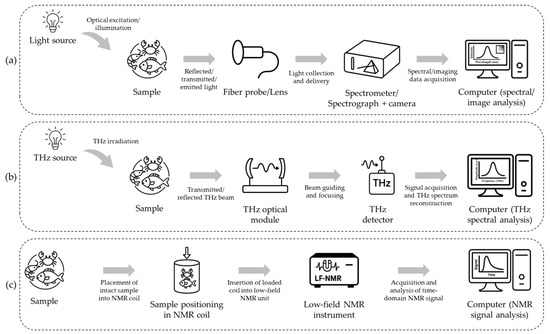
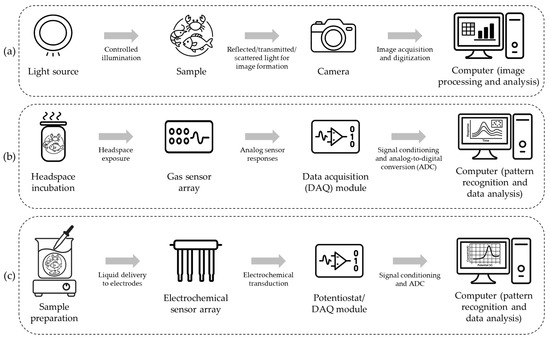
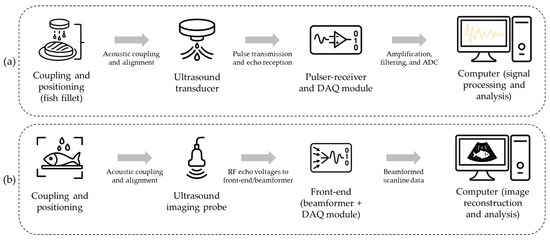
Aquatic animal products are vital to global food security and nutrition, necessitating accurate, scalable, and non-destructive methods for quality assessment in aquaculture. Conventional techniques such as dissection and biochemical analysis are invasive, labor-intensive, and unsuitable for real-time or high-throughput decision-making. This review synthesizes six major categories of non-destructive technologies—electrical, spectroscopic, natural sensory, acoustic, radiographic, and infrared and microwave—classified by their underlying sensing mechanisms and therefore differing measurement capabilities and deployment feasibilities. To support objective technology selection, an Analytic Hierarchy Process (AHP) framework was developed using general performance criteria (cost, accuracy, speed, usability) and one decision-critical application-specific criterion (non-invasiveness), and was demonstrated for ovarian maturation staging in mud crabs by ranking 19 candidate techniques. Accuracy had the highest weight (0.416), but non-invasiveness (0.224) and usability (0.197) substantially influenced the final ranking, illustrating how operational and welfare constraints could shift preferred solutions despite differences in analytical accuracy. Based on the global priority weights (GA), computer vision (CV) was identified as the most suitable option (GA = 0.076), balancing affordability, throughput, ease of deployment, and animal welfare compatibility, whereas high-end modalities such as nuclear magnetic resonance (NMR; GA = 0.073) and computed tomography (CT; GA = 0.070) were constrained by cost and operational complexity. Overall, this review–AHP–case study pipeline provides a transparent and reproducible decision-support basis for selecting non-destructive technologies across aquaculture species and quality targets.
Full article

Figure 1
Open AccessEditor’s ChoiceArticle
Seawater Temperature at Harvest Shapes Fillet Proteolytic Activity at Chilled Storage in Three Mediterranean-Farmed Fish
by
Rafael Angelakopoulos, Alexia E. Fytsili, Arkadios Dimitroglou, Leonidas Papaharisis and Katerina A. Moutou
Aquac. J. 2026, 6(1), 2; https://doi.org/10.3390/aquacj6010002 - 28 Jan 2026
Abstract
►▼
Show Figures
Fish is highly prone to spoilage due to a combination of intrinsic biochemical processes and microbial proliferation, which together drive rapid quality deterioration during post-harvest handling and storage. These processes are further accelerated by factors such as elevated temperatures, mechanical damage, and suboptimal
[...] Read more.
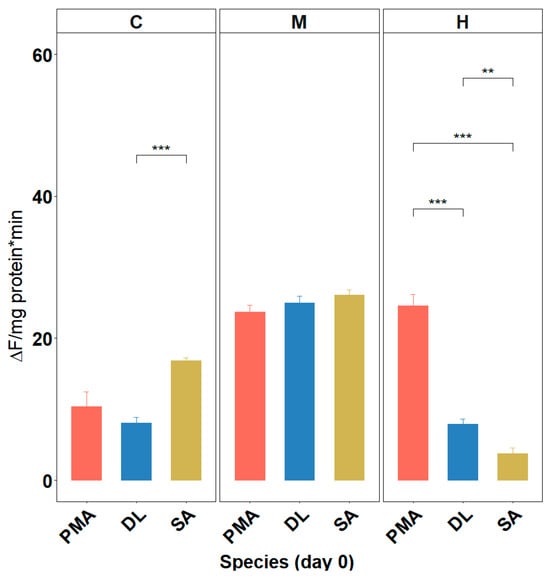
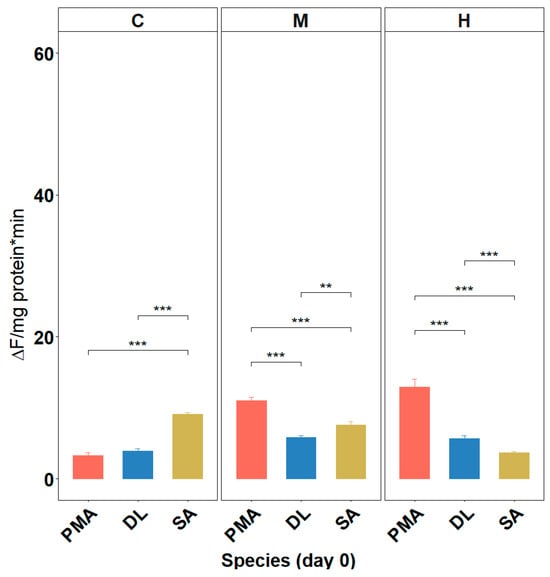
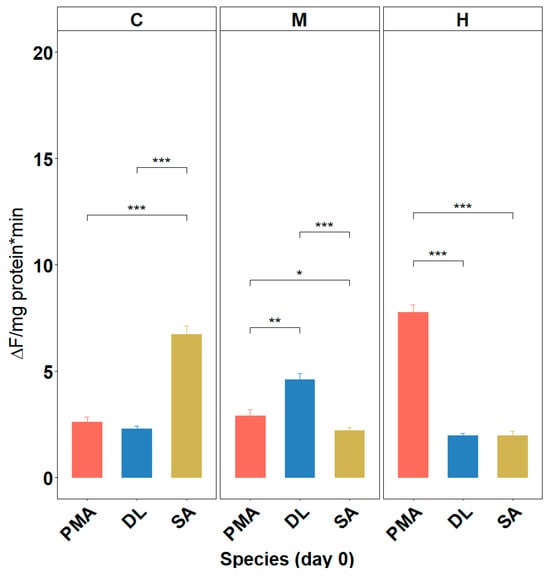
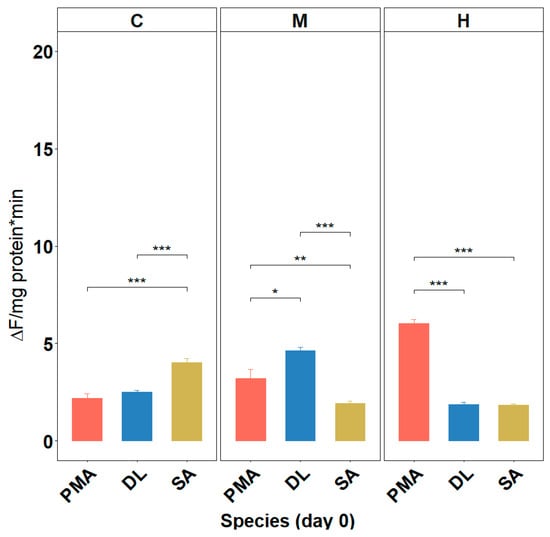
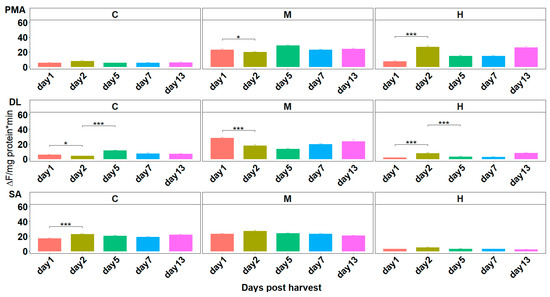
Fish is highly prone to spoilage due to a combination of intrinsic biochemical processes and microbial proliferation, which together drive rapid quality deterioration during post-harvest handling and storage. These processes are further accelerated by factors such as elevated temperatures, mechanical damage, and suboptimal handling. In Mediterranean aquaculture, ice slurry is the standard harvesting method. This study aimed to characterize the initial post-harvest enzymatic activity of key proteolytic enzymes, calpain, collagenase, cathepsin B (CTSB), and cathepsin L (CTSL), in the white muscle of three commercially important species (Sparus aurata, Dicentrarchus labrax, and Pagrus major) harvested under standard practices across three seawater harvest temperatures (low, medium, and high). Muscle samples were collected over a 13-day chilled storage period post-harvest, and enzymatic activity was assessed using standardized fluorometric assays. Our findings establish the basal post-mortem proteolytic profiles for each species and reveal marked species-specific differences in enzyme activity patterns. Calpain and collagenase exhibited early and parallel activation, while CTSB and CTSL showed a coordinated increase during storage. Harvest temperature emerged as a critical factor, with the highest enzymatic activities consistently observed during the moderate temperature period. These results underscore the importance of species-specific physiology and seasonal conditions in shaping post-harvest filet degradation, offering a basis for refining harvest strategies to enhance quality management in Mediterranean aquaculture.
Full article

Figure 1

Open AccessArticle
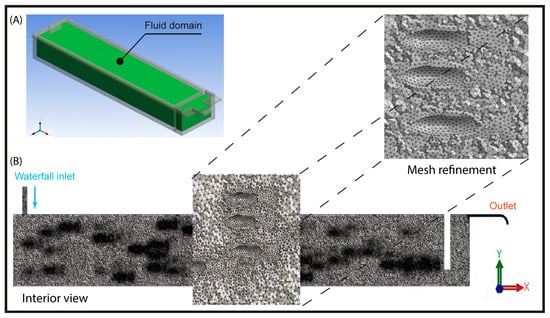
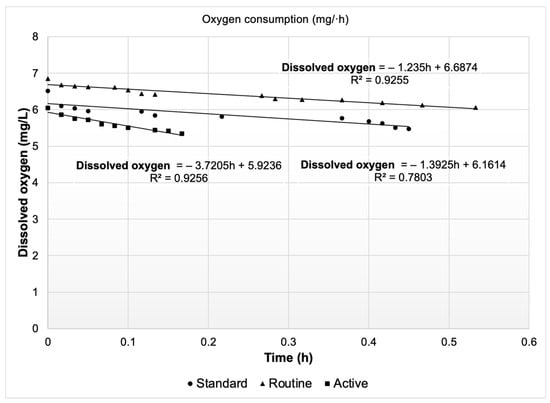
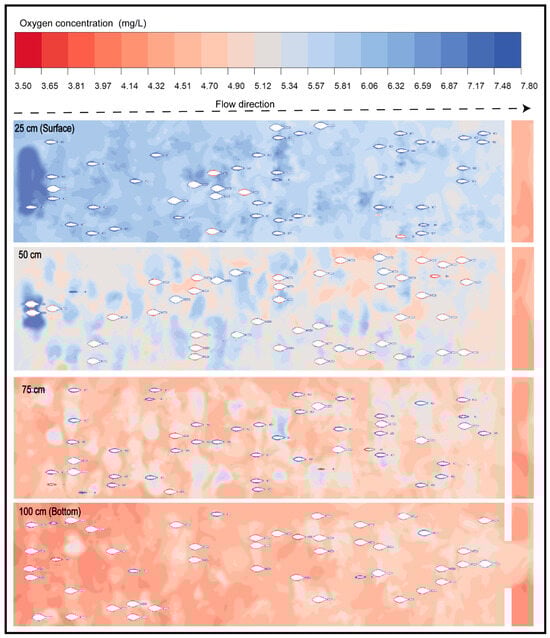
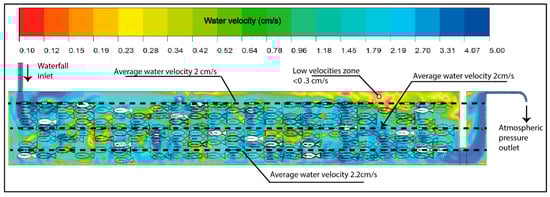
A Methodology for Evaluating the Distribution of Dissolved Oxygen in Aquaculture Ponds: An Approach Based on In Situ Respirometry and Computational Fluid Dynamics
by
Aylin Trujillo-Rogel, Iván Gallego-Alarcón, Boris Miguel López-Rebollar, David García-Mondragón, Iván Cervantes-Zepeda, Ricardo Arévalo-Mejía and Jesús Ramiro Félix-Félix
Aquac. J. 2026, 6(1), 1; https://doi.org/10.3390/aquacj6010001 - 19 Dec 2025
Abstract
►▼
Show Figures
Inefficient management of dissolved oxygen (DO) in intensive aquaculture systems limits fish welfare and productivity by creating oxygen-deficient zones and promoting hydrodynamic conditions that hinder their dispersion. Because water movement directly influences how oxygen is transported and mixed within the culture unit, inadequate
[...] Read more.
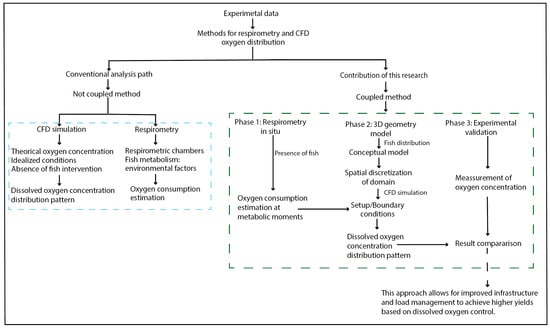
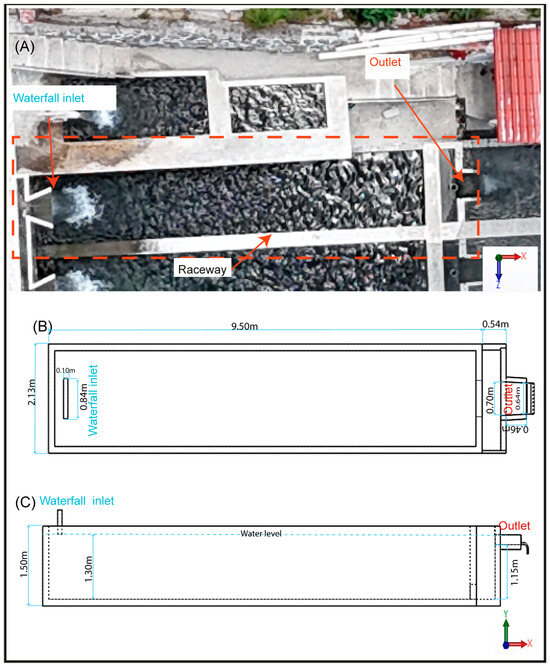
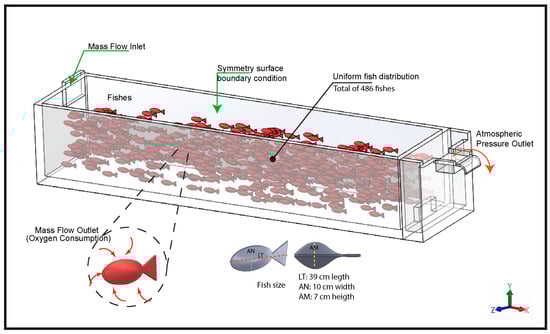
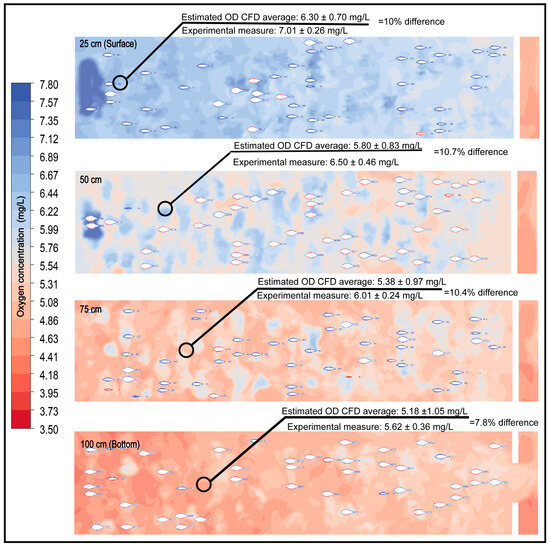
Inefficient management of dissolved oxygen (DO) in intensive aquaculture systems limits fish welfare and productivity by creating oxygen-deficient zones and promoting hydrodynamic conditions that hinder their dispersion. Because water movement directly influences how oxygen is transported and mixed within the culture unit, inadequate flow management can allow localized hypoxia to persist even when total oxygen input appears sufficient. To address this issue, this study proposes an integrated methodology that combines in situ respirometry measurements with Computational Fluid Dynamics (CFD) simulations to evaluate the spatial distribution of DO and diagnose the operational performance of aquaculture systems. The methodology quantifies oxygen consumption using intermittent-flow respirometry, applies a three-dimensional two-phase CFD model (water–oxygen) incorporating experimental oxygen consumption rates as boundary conditions, and validates the model under real operating conditions, focusing on active metabolism as the most demanding physiological state. The model generates a spatial distribution of DO patterns that are significantly modified by pond geometry, water flow characteristics, the metabolism of the fish and fish positioning. The differences between experimental and simulated values ranged from 7.8% to 10.7%, confirming the accuracy of the proposed method. The integration of in situ metabolic measurements with CFD modeling provides a realistic representation of DO dynamics, enabling system optimization and promoting more efficient and sustainable aquaculture.
Full article

Figure 1
Open AccessArticle
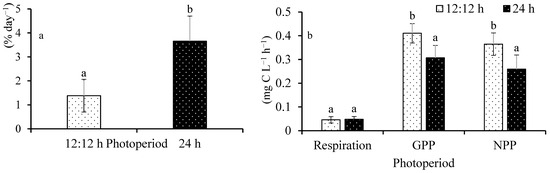
Continuous Exposure to Light Modulates Biochemical Responses in Ulva ohnoi: Implication for Feedstock Production
by
Jasmine V. Rajai, Mukesh Baraiya, Bhavik Kantilal Bhagiya, Jigar A. Sutariya, Payal A. Bodar, Mujeer Habsi, Digvijay Singh Yadav, Ramalingam Dineshkumar, Harshad Brahmbhatt, Santlal Jaiswar, Rajendra Singh Thakur, Mangal S. Rathore, Khanjan Trivedi and Vaibhav A. Mantri
Aquac. J. 2025, 5(4), 28; https://doi.org/10.3390/aquacj5040028 - 15 Dec 2025
Abstract
►▼
Show Figures
Controlled environment agriculture technologies are traditionally applied to higher plants to enhance growth and cultivation periods, but such a concept has seldom been applied to seaweed aquaculture. A new dimension has been opened, wherein preliminary investigations in Ulva ohnoi revealed that continuous exposure
[...] Read more.
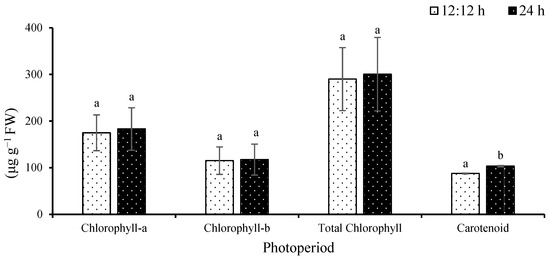
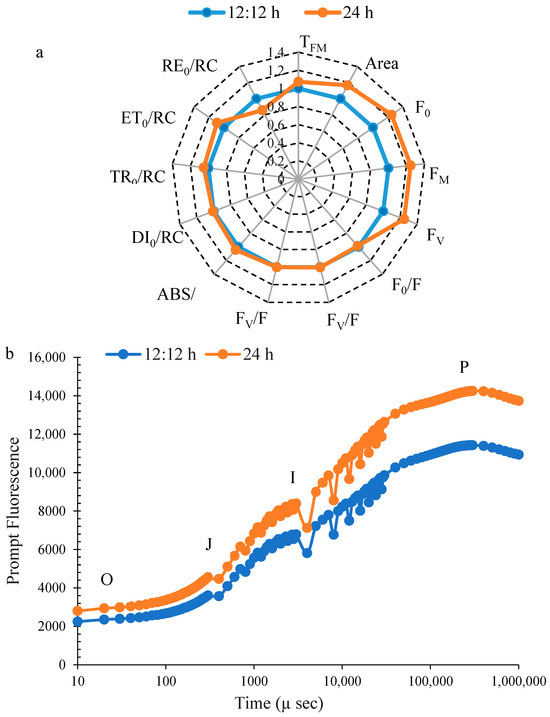
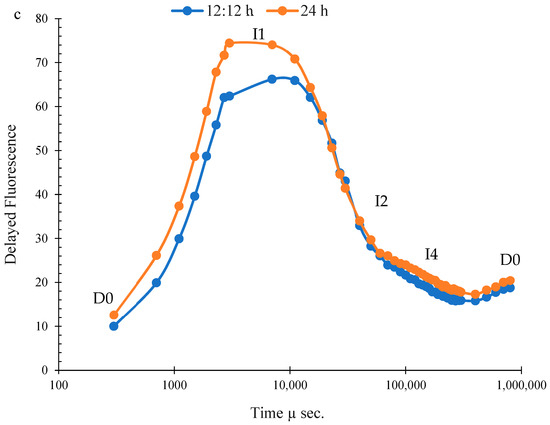
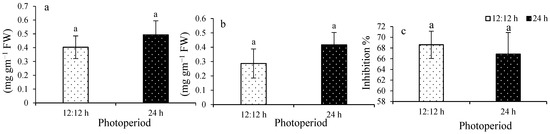
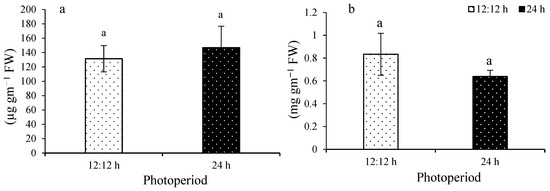
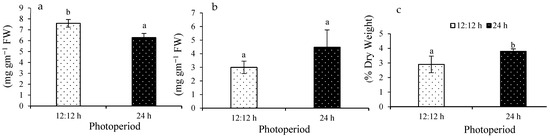
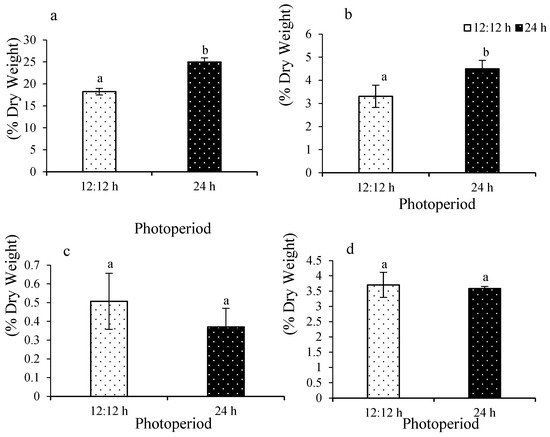
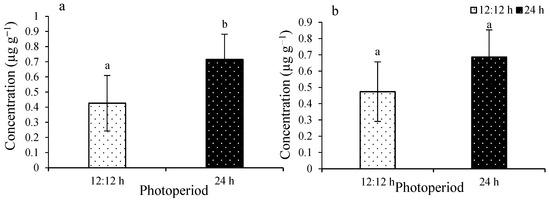
Controlled environment agriculture technologies are traditionally applied to higher plants to enhance growth and cultivation periods, but such a concept has seldom been applied to seaweed aquaculture. A new dimension has been opened, wherein preliminary investigations in Ulva ohnoi revealed that continuous exposure (24 h) of light modulates chlorophyll-a fluorescence, carbohydrate content, and biochemical composition affecting the daily growth rate. DGR (daily growth rate) increased 2.6 times under continuous illumination for 24 h compared to the 12 h L/D photoperiod. Mg and carbohydrate contents were raised by 1.1 and 1.2 times, respectively, under continuous illumination. DGR formed a strong positive correlation with carbohydrate, protein, carotenoid, chlorophyll-a fluorescence, C, H, and Mg levels. A short cultivation cycle (15 days) was proposed to enable a consistent, continuous high growth and to avoid the induction of reproduction. The feedstock demand for bio-products, aquaculture feed, biomaterials, functional food, and food additives is registering unprecedented feedstock demand for Ulva. However, further detailed studies are desired to understand the seasonality and economic viability of scaling up this technique for commercial implementation.
Full article

Figure 1

Open AccessArticle
Prediction of Shrimp Growth by Machine Learning: The Use of Actual Data of Industrial-Scale Outdoor White Shrimp (Litopenaeus vannamei) Aquaculture in Indonesia
by
Muhammad Abdul Aziz Al Mujahid, Fahma Fiqhiyyah Nur Azizah, Gun Gun Indrayana, Nina Rachminiwati, Yutaro Sakai and Nobuyuki Yagi
Aquac. J. 2025, 5(4), 27; https://doi.org/10.3390/aquacj5040027 - 5 Dec 2025
Abstract
►▼
Show Figures
Accurate prediction of shrimp body weight is critical for optimizing harvest timing, feed management, and stocking density decisions in intensive aquaculture. While prior studies emphasize environmental factors, operational management variables—particularly harvesting metrics—remain understudied. This study quantified the predictive importance of harvesting-related variables using
[...] Read more.
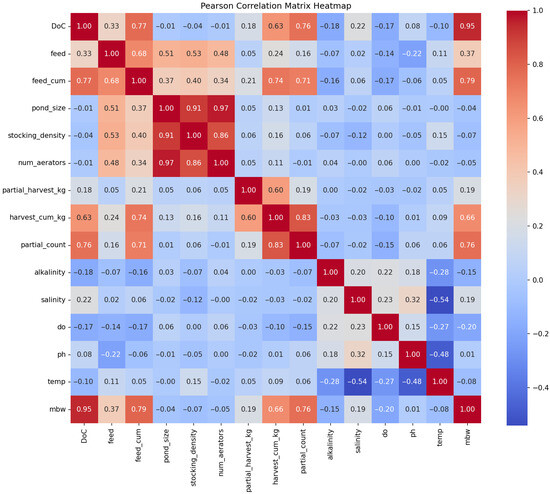
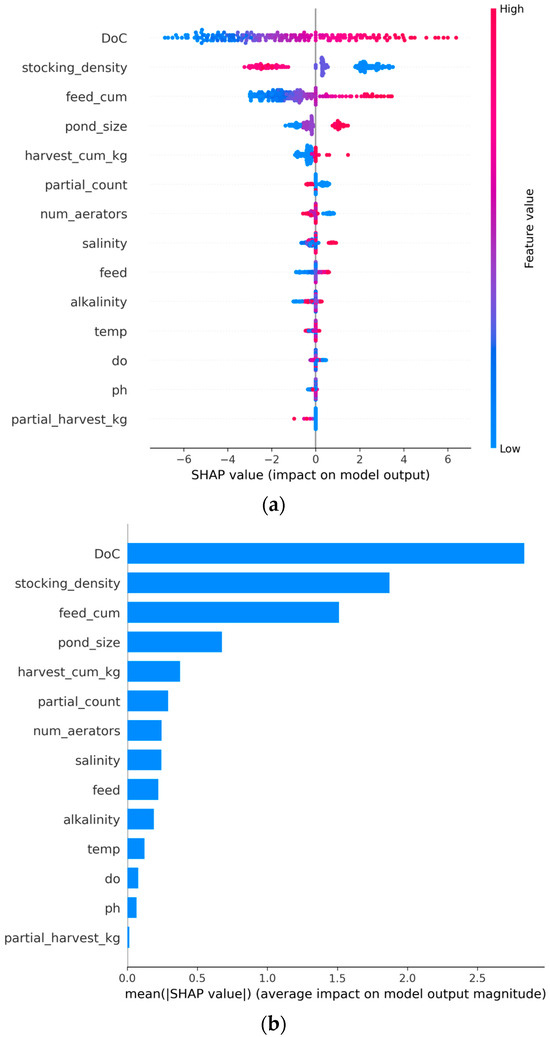
Accurate prediction of shrimp body weight is critical for optimizing harvest timing, feed management, and stocking density decisions in intensive aquaculture. While prior studies emphasize environmental factors, operational management variables—particularly harvesting metrics—remain understudied. This study quantified the predictive importance of harvesting-related variables using 5 years of industrial-scale operational data from 12 ponds (5479 cleaned records, 34.94% retention rate). We trained seven machine learning models and applied three independent feature importance methods: consensus importance ranking, SHAP explainability analysis, and Pearson correlations. Main findings: Operational variables (days of culture: 2.833 SHAP, stocking density: 1.871, cumulative feed: 1.510) ranked substantially above environmental variables (temperature: 0.123, pH: 0.065, dissolved oxygen: 0.077). Partial harvest frequency showed bimodal clustering, indicating two distinct viable operational strategies. The Weighted Ensemble model achieved the highest performance (R2 = 0.829, RMSE = 4.23 g, MAE = 3.12 g). Model stability analysis via 10-fold GroupKFold cross-validation showed that the Artificial Neural Network (ANN) exhibited the tightest confidence bounds (0.708 g width, 27.7% coefficient of variation), indicating exceptional consistency. This is the first study to systematically analyze the importance of harvesting variables using SHAP explainability, revealing that operational management decisions may yield greater returns than marginal environmental control investments. Our findings suggest that operational optimization may be more impactful than environmental fine-tuning in well-managed systems.
Full article

Figure 1

Open AccessArticle
Assessing Productivity and Economic Returns of Integrated Aquaculture of Red Seaweed with Shrimp and Fish During Extensive Floodings in Central Java, Indonesia
by
Reindert Wieger Nauta, Lestari Lakhsmi Widowati, Restiana Wisnu Ariyati, Sri Rejeki and Adolphe Oscar Debrot
Aquac. J. 2025, 5(4), 26; https://doi.org/10.3390/aquacj5040026 - 5 Dec 2025
Abstract
►▼
Show Figures
The Indonesian coastline holds significant potential for aquaculture but is increasingly vulnerable to climate change impacts such as land subsidence, salinization, and floodings. Ensuring stable income for local communities is essential, especially during extreme events like King Tides, which cause extensive floodings. This
[...] Read more.
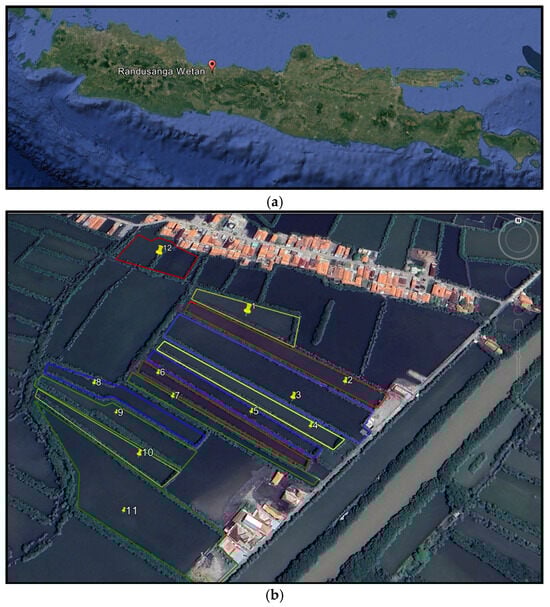
The Indonesian coastline holds significant potential for aquaculture but is increasingly vulnerable to climate change impacts such as land subsidence, salinization, and floodings. Ensuring stable income for local communities is essential, especially during extreme events like King Tides, which cause extensive floodings. This study assessed the productivity and economic returns of an agaroid seaweed monoculture compared to co-cultivation with Giant tiger prawn, Milkfish, and Barramundi during a King Tide. The experiment was conducted in conventional ponds with seaweed monoculture or combined with one of the three other commodities. The experiment ran from May until October in 2022 and was performed in triplicate. Floodings equalized water parameters. The results demonstrated that all systems provided stable income, with co-cultivation increasing profitability. Average revenues per hectare were USD 777 (seaweed monoculture), USD 832 (with shrimp), USD 1622 (with Milkfish), and USD 2014 (with Barramundi). Agar content was significantly higher in the seaweed monoculture, and gel strength was found to be significantly higher in the seaweeds co-cultivated with shrimp and Milkfish. Total agar production did not differ between the treatments. These findings suggest that integrated aquaculture systems can enhance income resilience while supporting food security in climate-impacted coastal zones. The approach offers a promising strategy for combining livelihood stability with adaptive coastal management and reduced environmental impact but needs to be tailored to local conditions.
Full article

Figure 1
Open AccessArticle
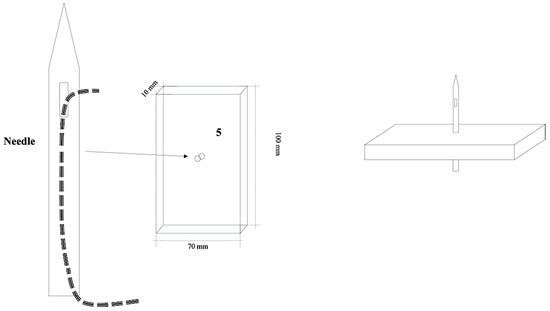
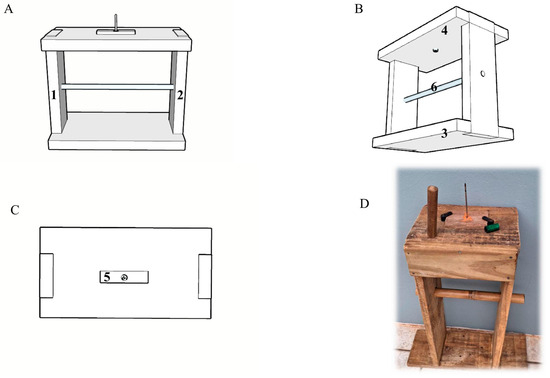
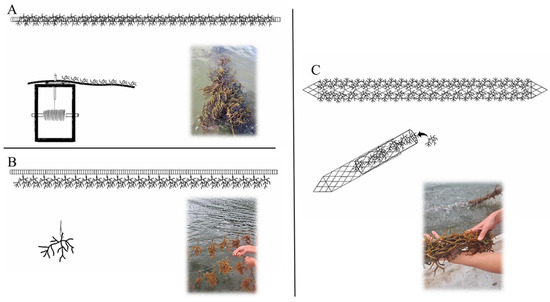
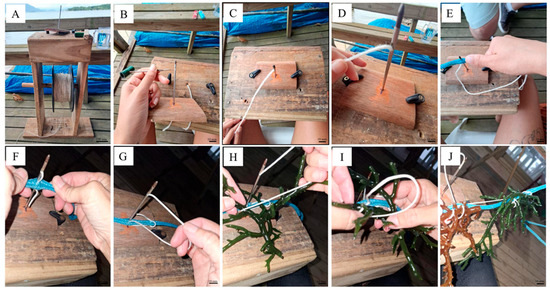
Semi-Mechanized Sewing Technique Engineered for Small-Scale Planting of the Red Seaweed Kappaphycus alvarezii (Doty)
by
Larissa Aparecida Moreira de Castro, Tatiana da Gama Cunha and Marco Shizuo Owatari
Aquac. J. 2025, 5(4), 25; https://doi.org/10.3390/aquacj5040025 - 29 Nov 2025
Abstract
►▼
Show Figures
This study introduced a new small-scale semi-mechanized planting method for Kappaphycus alvarezii (Doty) and compared its efficiency to traditional methods. A semi-mechanized sewing (S-MS) device was designed to speed up the planting process using affordable materials. To validate the S-MS model, three different
[...] Read more.
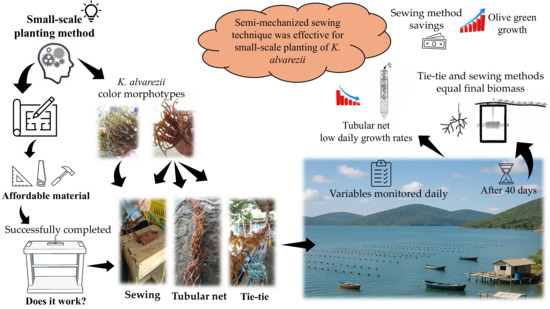
This study introduced a new small-scale semi-mechanized planting method for Kappaphycus alvarezii (Doty) and compared its efficiency to traditional methods. A semi-mechanized sewing (S-MS) device was designed to speed up the planting process using affordable materials. To validate the S-MS model, three different cultivation systems (S-MS method, tie-tie, and tube-net systems) using two color morphotypes of K. alvarezii were implemented, each in triplicate. The experiment spanned 40 days. Water quality and technical indicators were monitored, and data on material consumption and productivity were analyzed. The exclusive S-MS mechanism was successfully completed. The S-MS significantly reduced rope usage by 4.3 times per each propagule sewn to the main cable and planting time (S-MS = 1 min 12 s per meter) compared to the traditional method (tie-tie = 1 min 48 s per meter). Final biomass varied among treatments (p < 0.05), with the S-MS method showing a higher final biomass (15.26 ± 0.88 kg) with olive green K. alvarezii. The average daily growth rates (6.38%) were higher for the S-MS method with olive green K. alvarezii. The S-MS technique offers cost and time savings for seaweed farmers, making it a viable alternative to traditional methods, showed comparable productivity to tie-tie but superior efficiency and resource economy.
Full article

Graphical abstract
Open AccessEditor’s ChoiceArticle
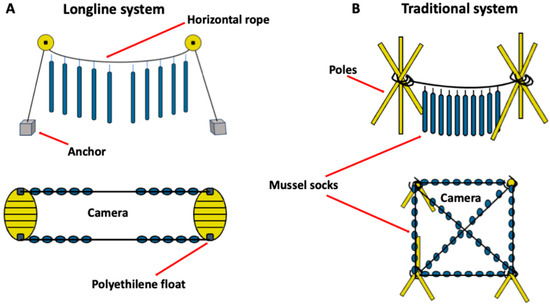
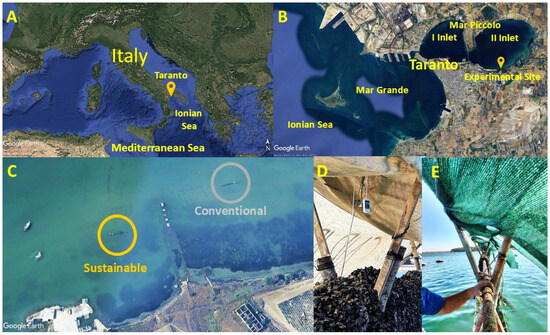
Impact of Global Warming on the Management of Mussel Fouling: Can the Use of Different Air Exposure Facilities Mitigate the Effects of Temperature? A Preliminary Experimental Trial in the Mar Piccolo of Taranto (Mediterranean, Ionian Sea)
by
Giuseppe Portacci, Isabella Parlapiano, Marcella Narracci and Antonella Di Leo
Aquac. J. 2025, 5(4), 24; https://doi.org/10.3390/aquacj5040024 - 17 Nov 2025
Abstract
►▼
Show Figures
The management of fouling through exposure of mussels to air has become risky due to rising temperatures, as it can negatively impact product quality and farm productivity. Since the early 2000s, during air exposure, mussel farmers of the Mar Piccolo have been using
[...] Read more.
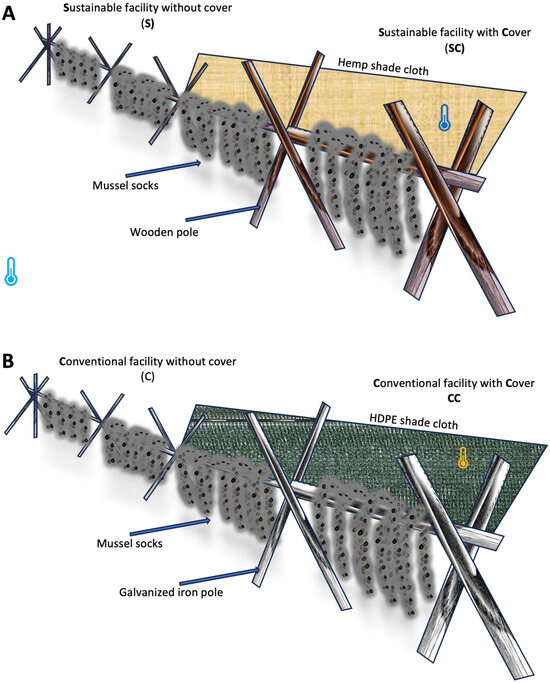
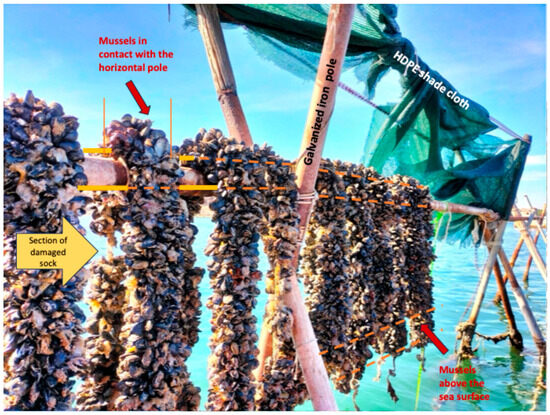
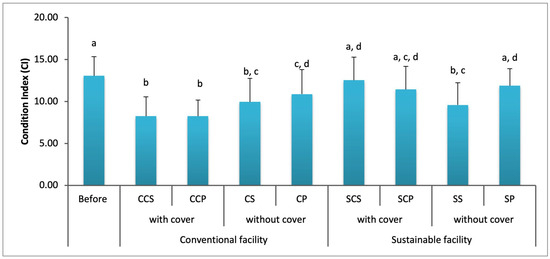
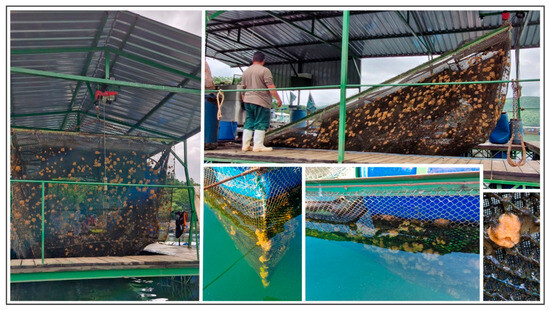
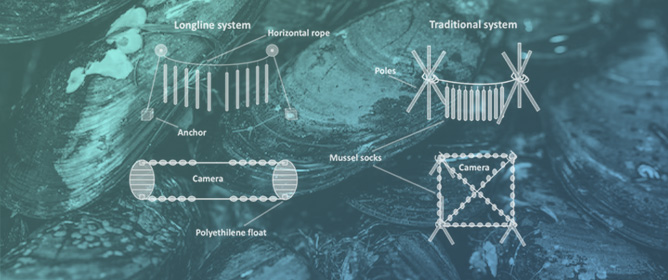
The management of fouling through exposure of mussels to air has become risky due to rising temperatures, as it can negatively impact product quality and farm productivity. Since the early 2000s, during air exposure, mussel farmers of the Mar Piccolo have been using high-density polyethylene (HDPE) cloths to cover mussels and prevent their overheating, thus contributing to marine litter from husbandry practices. In this context the aim of the present study was to evaluate whether the use of alternative types of air exposure facilities (wooden, without and with hemp cloth vs. galvanized iron, without and with HDPE cloth) can impact mussel condition index (CI). Since the most damaged mussels during exposure to air are those in contact with galvanized iron structures, for each facility, it was evaluated if there were differences between the mussels in contact with galvanized iron/wood racks and those near the sea surface. Overall, the results showed that the CI of mussels cleaned on wooden racks, ranging from 11.4 ± 2.7 to 12.5 ± 2.7, did not differ significantly from that of mussels before air exposure (CI = 13.1 ± 2.3), except for those near the sea surface without cover (CI = 9.6 ± 2.6). In contrast, a significant decrease in CI was observed in mussels cleaned on galvanized iron racks, with the lowest values observed in covered mussels (CI = 8.2 ± 2.3).
Full article

Figure 1
Open AccessArticle
Land-Based Tank Cultivation of Ulva spp. (Chlorophyta) from Charleston, South Carolina: A Pilot Aquaculture Study for Seasonal Biomass Production and Potential Anthropogenic Bioremediation
by
Menny M. Benjamin, Christopher J. Carbon, Heather L. Spalding, Aaron Watson, George S. Hanna and Laura M. Kasman
Aquac. J. 2025, 5(4), 23; https://doi.org/10.3390/aquacj5040023 - 4 Nov 2025
Abstract
►▼
Show Figures
The lack of an established seaweed aquaculture industry in the Atlantic Southeast reflects the persistent challenges in identifying macroalgal species that can consistently produce year-round under regional environmental conditions. As a result, in this study, locally abundant Charlestonian Ulva spp. were selected as
[...] Read more.
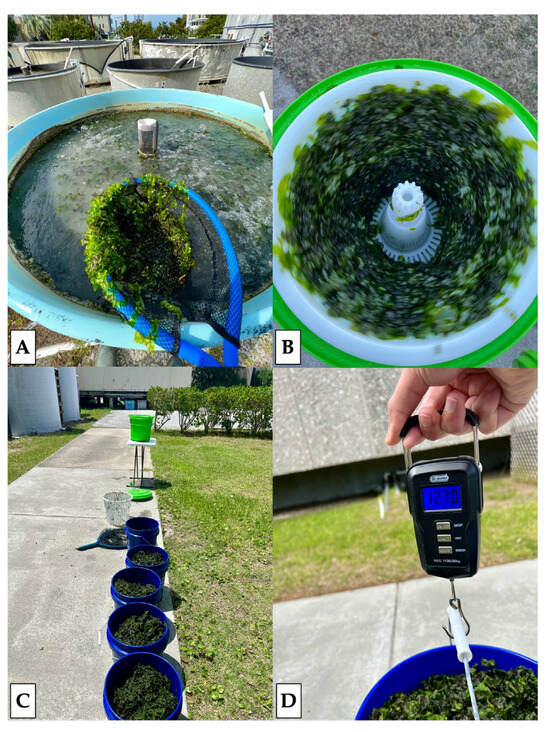
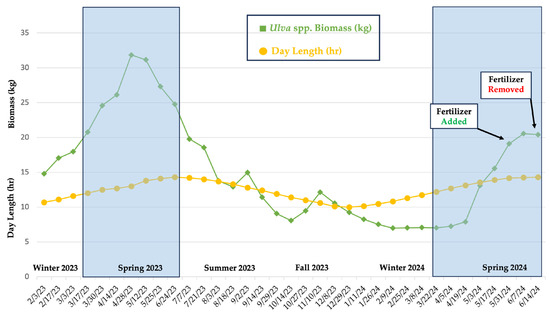
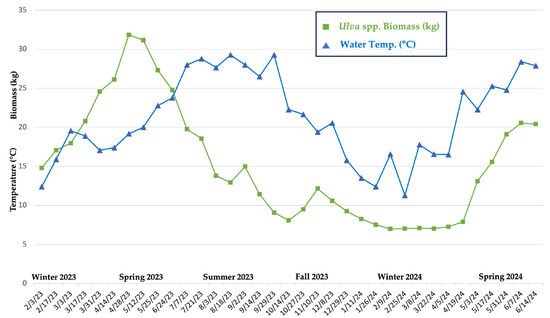
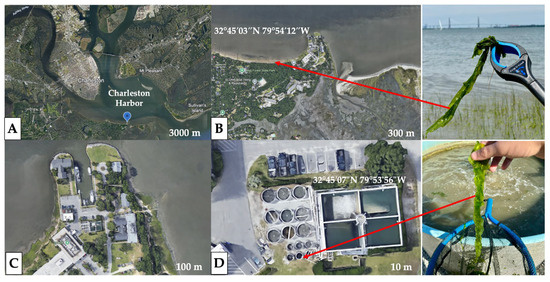
The lack of an established seaweed aquaculture industry in the Atlantic Southeast reflects the persistent challenges in identifying macroalgal species that can consistently produce year-round under regional environmental conditions. As a result, in this study, locally abundant Charlestonian Ulva spp. were selected as sustainable algal candidates for a pilot investigation, due to their resilience to abiotic (e.g., seasonal changes in temperature and nutrients) and biotic (e.g., predation and epiphytes) factors, thus allowing for practical land-based aquaculture. Ulva spp. were analyzed for their seasonal biomass and potential bioremediation applications using the existing land-based aquaculture infrastructure of the SCDNR in Charleston, South Carolina. The biomass of tank-cultivated Ulva spp. was monitored on a biweekly basis for 16 months and was found to be highest (31.8 kg) in the spring, increasing by 22% in just two weeks as water temperatures rose. A synthetic nutrient fertilizer was incorporated into aquaculture at the latter stages of this study to observe the effects on algal biomass while simulating an anthropogenic event. Interestingly, inorganic supplementation did not induce growth but was absorbed by the algal tissue, significantly lowering the δ15N to <7‰. Additionally, Vibrio spp. bacteria proliferated following the inorganic nutrient spike, while coliform populations decreased. Biochemical composition analyses comparing tank-cultivated and wild in situ Ulva spp. revealed variations in essential trace element (e.g., potassium: tank—19,530; wild—5520 mg/kg) concentrations, yet shared similar trace metal (e.g., arsenic: tank—4.47; wild—4.52 mg/kg) and pesticide (e.g., DEET: tank—0.048; wild—0.040 mg/kg) concentrations. This is the first reported macroalgal aquaculture research in South Carolina and serves as a pilot study for future research or commercialization in the Lowcountry and the greater southeastern coastal communities of the United States.
Full article

Figure 1
Open AccessReview
Patent Landscape Analysis of Bivalve Mollusc Decontamination Technologies: A Review
by
Marcel Afonso Provenzi, Gislaine Fongaro, Juliano De Dea Lindner, Itaciara Larroza Nunes, Beatriz Pereira Savi, Lucas Zanchetta, Svetoslav Dimitrov Todorov, Michael Leonidas Chikindas and Marilia Miotto
Aquac. J. 2025, 5(4), 22; https://doi.org/10.3390/aquacj5040022 - 4 Nov 2025
Abstract
►▼
Show Figures
Bivalve molluscs represent an important food source and have a significant economic impact through their commercialization in many countries. As high-capacity filter feeders, they can bioaccumulate contaminants and pathogens, creating tangible consumer health risks. This study presents the first comprehensive patent landscape of
[...] Read more.
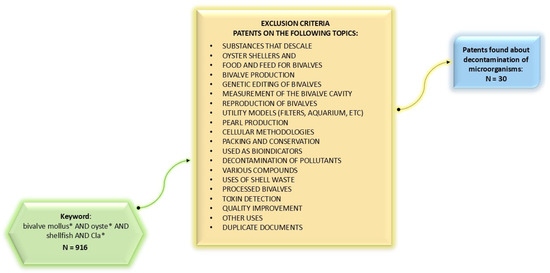
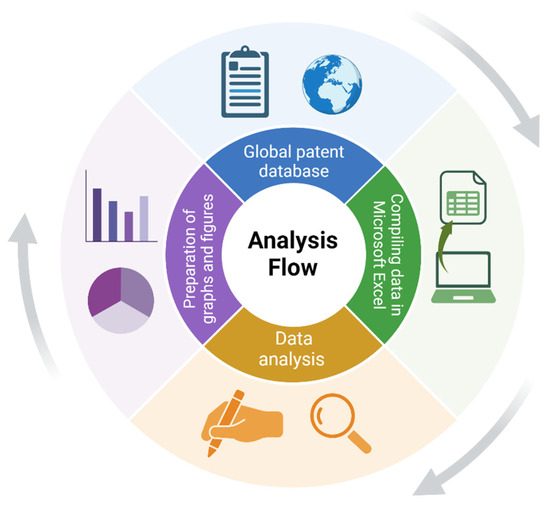
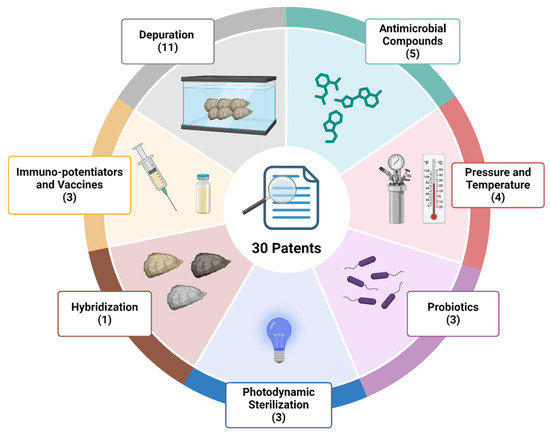
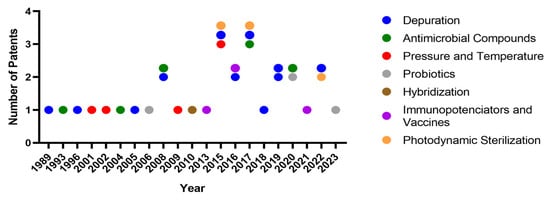
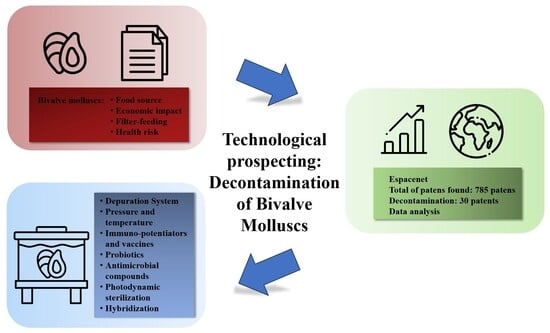
Bivalve molluscs represent an important food source and have a significant economic impact through their commercialization in many countries. As high-capacity filter feeders, they can bioaccumulate contaminants and pathogens, creating tangible consumer health risks. This study presents the first comprehensive patent landscape of bivalve mollusc decontamination technologies indexed in international patent databases (Espacenet). The survey identified 30 patents filed between 1989 and 2025. Unlike reviews based solely on scientific literature, this work provides, for the first time, a global mapping of technological developments aimed at enhancing the safety of bivalves-derived foods. The analysis highlights depuration as the predominant technology, which continues to be refined and optimized. It also reveals the emergence of disruptive approaches—such as photodynamic sterilization, the use of probiotics, immunopotentiators, natural antimicrobial compounds, and genetic hybridization—developed to preserve the viability and sensory quality of the organisms. The novelty of this study lies in providing a technological overview of innovation within the aquaculture sector, emphasizing the transition from conventional methods to cleaner, integrated, and sustainable technologies. Furthermore, the research identifies the advancement of hybrid decontamination systems that combine microbiological efficiency, environmental preservation, and commercial value, contributing to safer and more technologically advanced shellfish production.
Full article

Graphical abstract
Open AccessEditor’s ChoiceArticle
Individual Growth Parameterization Models Using the Observed Variance in Organisms Subject to Aquaculture
by
Eugenio Alberto Aragón-Noriega, Edgar Alcántara-Razo, José Adán Félix-Ortiz and Samuel Angiee Ayón-Jiménez
Aquac. J. 2025, 5(4), 21; https://doi.org/10.3390/aquacj5040021 - 29 Oct 2025
Abstract
►▼
Show Figures
Parameterizing nonlinear models presents an ongoing challenge in fisheries and aquaculture research. While additive and multiplicative error structures have been traditionally applied, a more recent alternative—the observed error structure—is gaining increasing acceptance. This study aimed to analyze the variability of individual growth during
[...] Read more.
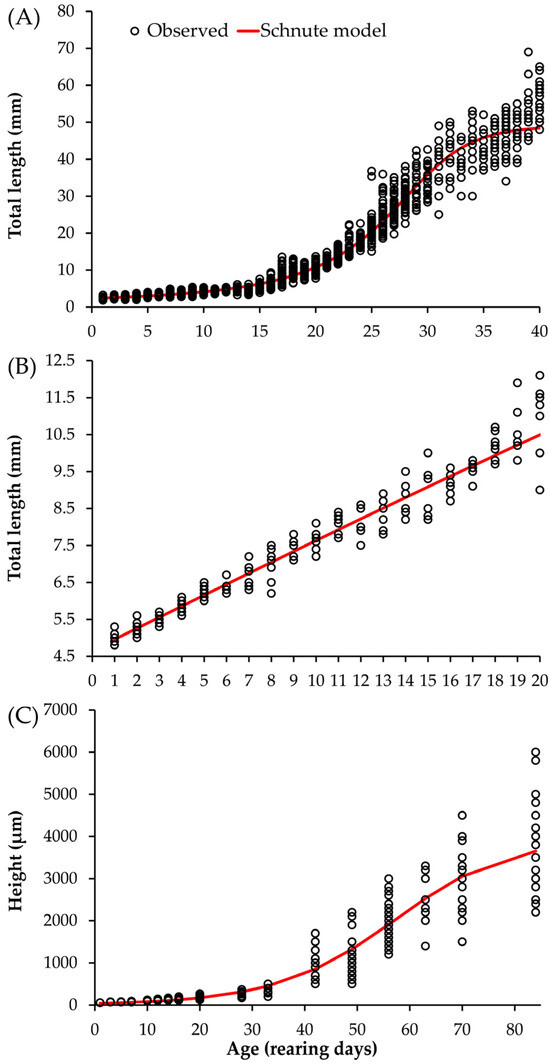
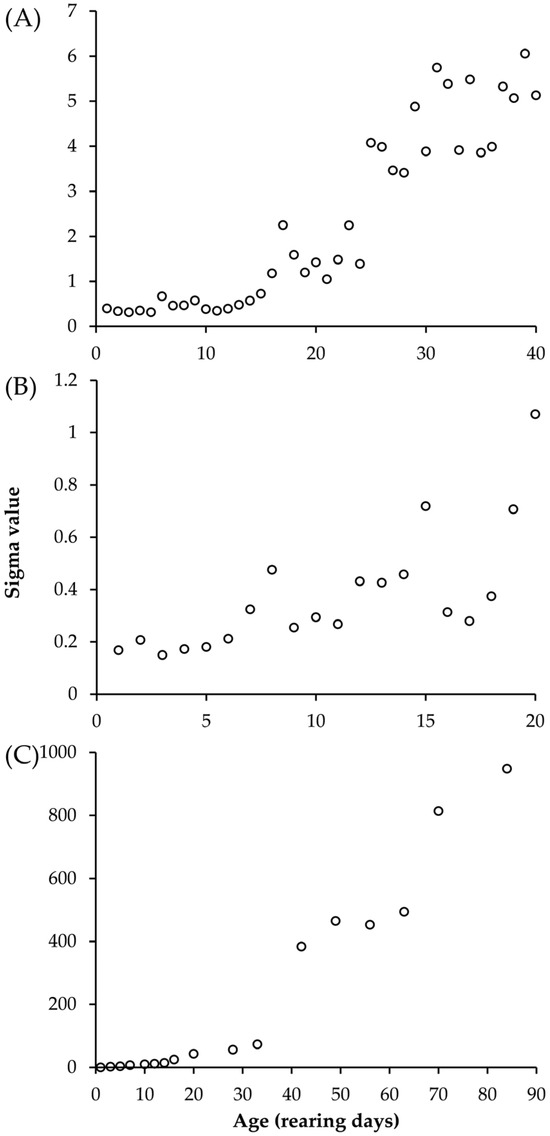
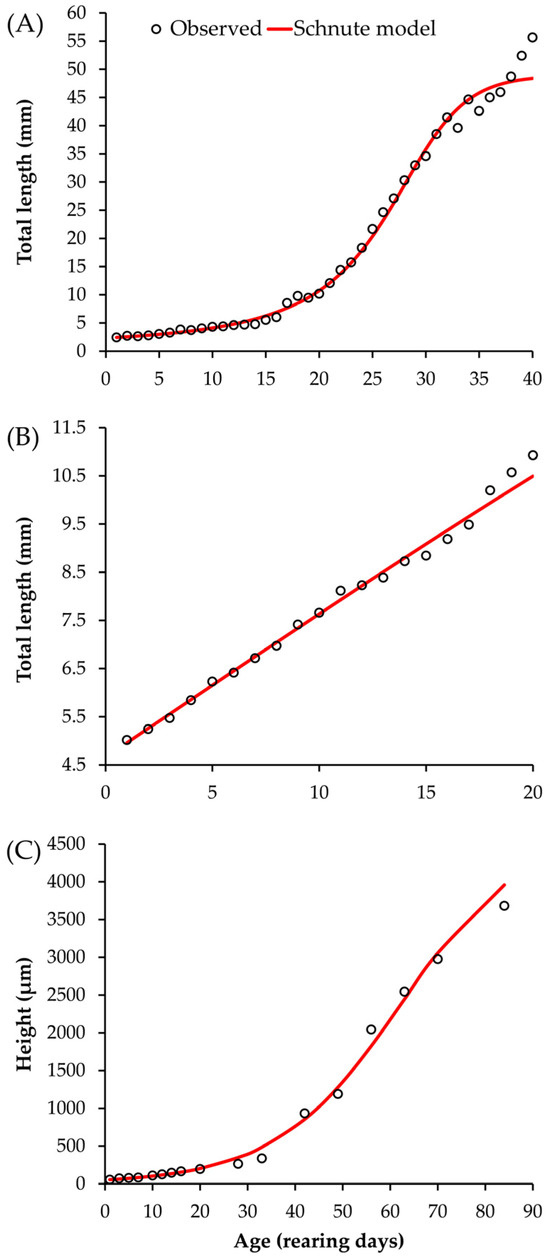
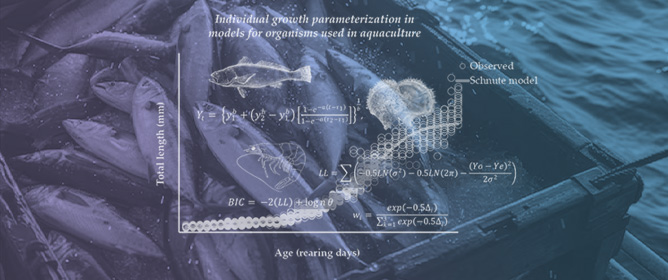
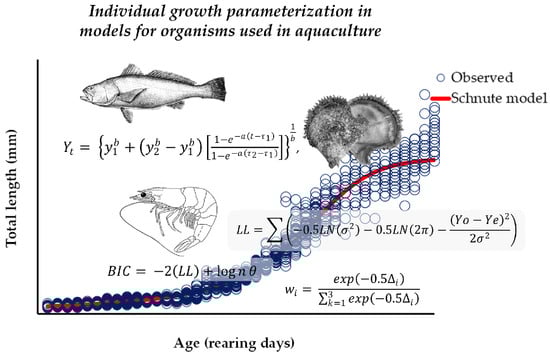
Parameterizing nonlinear models presents an ongoing challenge in fisheries and aquaculture research. While additive and multiplicative error structures have been traditionally applied, a more recent alternative—the observed error structure—is gaining increasing acceptance. This study aimed to analyze the variability of individual growth during the early developmental stages of totoaba (Totoaba macdonaldi), shrimp (Penaeus vannamei), and pearl oyster (Pteria sterna). The observed variance was incorporated as a central component for parameterizing individual growth models. All three datasets were derived from controlled laboratory conditions. Information theory was applied to identify the most appropriate variance criterion (observed, additive, or multiplicative). The Schnute model, case 1, was utilized to estimate the growth curve for each species. Distinct growth patterns were observed: sigmoid in totoaba, rectilinear in shrimp, and exponential in pearl oyster. These findings indicate that incorporating observed variability at each age enhances the parameterization of individual growth models across diverse taxonomic groups, including fish, crustaceans, and mollusks.
Full article

Graphical abstract
Open AccessBrief Report
New Evidence of the Freshwater Sponge Radiospongilla inesi (Nicacio & Pinheiro, 2011) in Net Cage Aquaculture Systems: A Case Study from Southeastern Brazil
by
Daercy Maria Monteiro de Rezende Ayroza, Mauro Parolin, Bruna Larissa Maganhe and Eduardo Gomes Sanches
Aquac. J. 2025, 5(4), 20; https://doi.org/10.3390/aquacj5040020 - 21 Oct 2025
Abstract
►▼
Show Figures
We investigated the occurrence of Radiospongilla inesi in a tilapia aquaculture facility located at the Chavantes Reservoir, Paranapanema River, Brazil. Specimens were collected from both artificial (net cages) and natural substrates along the reservoir margins in October and November 2024. Morphological analyses of
[...] Read more.
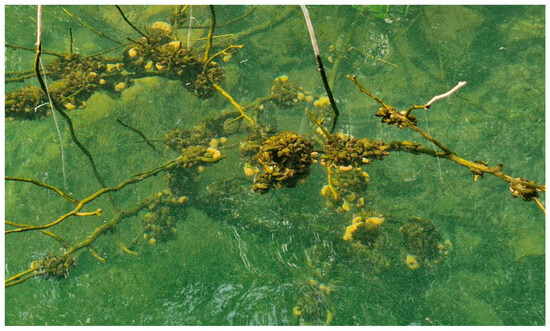
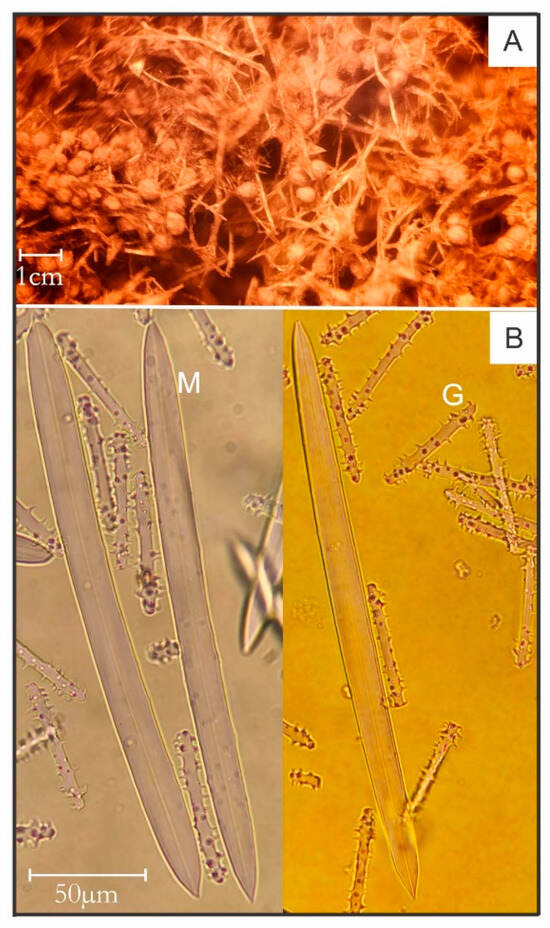
We investigated the occurrence of Radiospongilla inesi in a tilapia aquaculture facility located at the Chavantes Reservoir, Paranapanema River, Brazil. Specimens were collected from both artificial (net cages) and natural substrates along the reservoir margins in October and November 2024. Morphological analyses of 8 sponge samples, including 20 structures per sample (gemmules, megascleres, microscleres and spicules), identified the species as Radiospongilla inesi (Spongillidae). This is the third documented record of R. inesi in Brazil, and the first within the Paraná River Basin and in aquaculture net cage systems. Morphological features were consistent between individuals from natural and artificial substrates, although gemmules were absent in specimens colonizing the cages. The proliferation of R. inesi poses biofouling challenges by obstructing cage mesh openings, reducing water flow and dissolved oxygen levels, and potentially compromising fish welfare and production efficiency. These impacts increase operational costs and highlight the need for sustainable management strategies in freshwater aquaculture. Additionally, this study raises questions regarding the species’ native status in the Paraná Basin versus potential invasive dispersal, emphasizing the need for further ecological and distributional investigations. Potential dispersal mechanisms and possible biofouling impacts are discussed, with recommendations for future quantitative and molecular studies.
Full article

Figure 1

Open AccessArticle
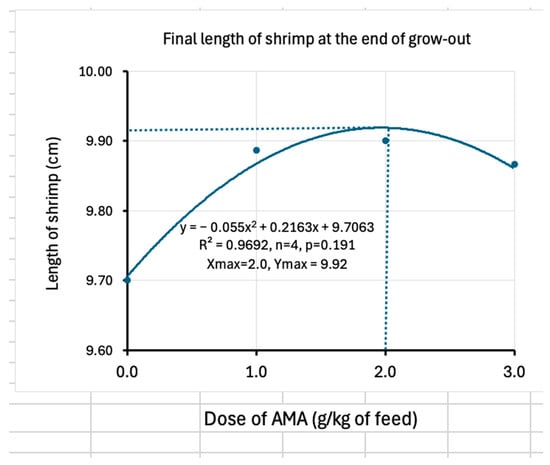
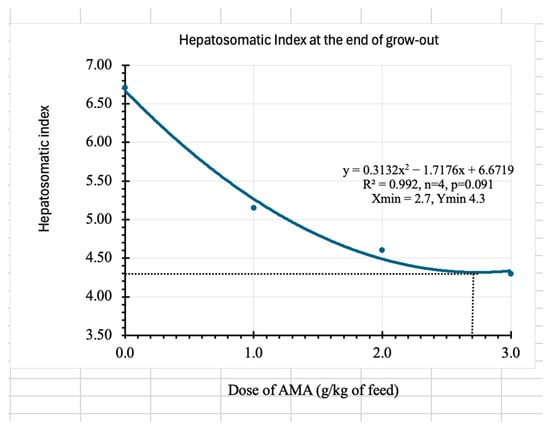
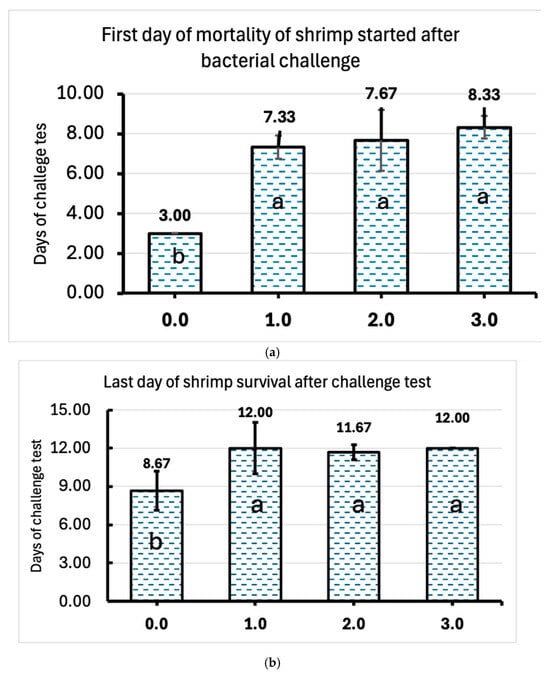
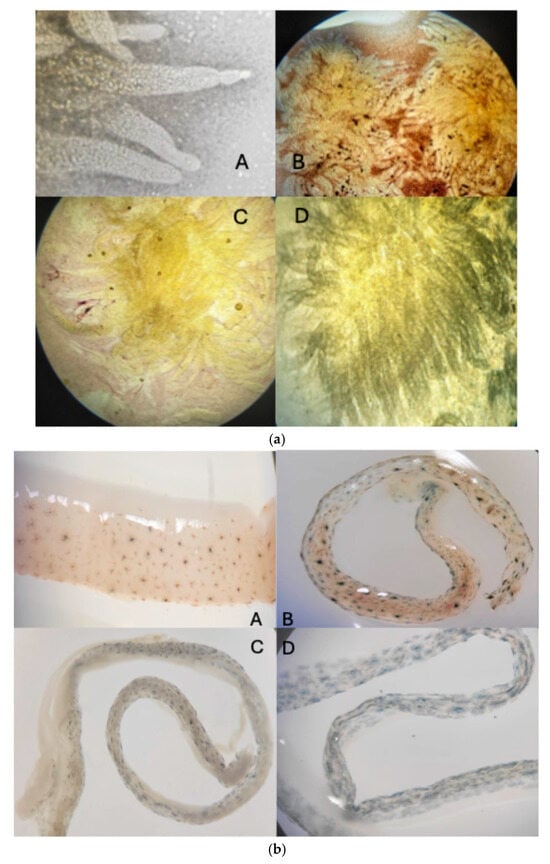
Evaluation of the Effects of Different Dietary Doses of an Anti-Mycotoxin Additive for Pacific White Shrimp (Litopenaeus vannamei)
by
Ram C. Bhujel, Patcharee Kaeoprakan, Raquel Codina Moreno, Óscar Castro, Eva León Alvira and Insaf Riahi
Aquac. J. 2025, 5(4), 19; https://doi.org/10.3390/aquacj5040019 - 9 Oct 2025
Abstract
►▼
Show Figures
Shrimp farming often suffers due to high mortalities and poor growth. Mycotoxins can be one of the causes but often underestimated. BIŌNTE® QUIMITŌX® AQUA PLUS, an anti-mycotoxin additive (AMA) was tested to assess its efficacy and determine the best dose for
[...] Read more.
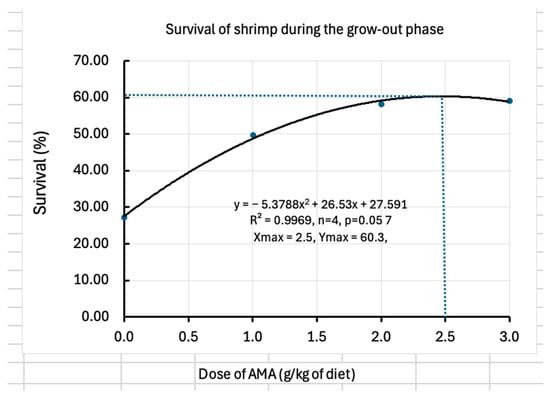
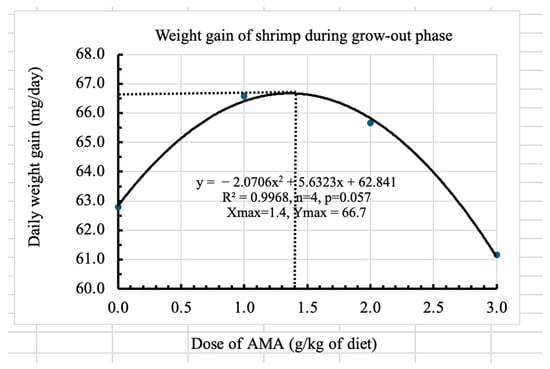
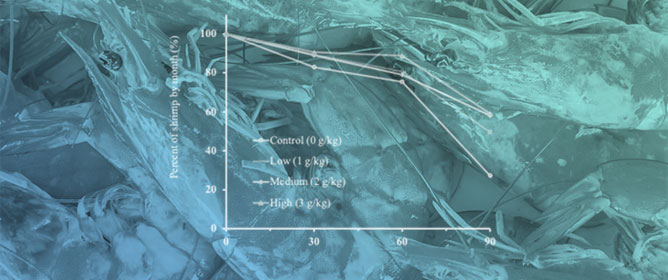
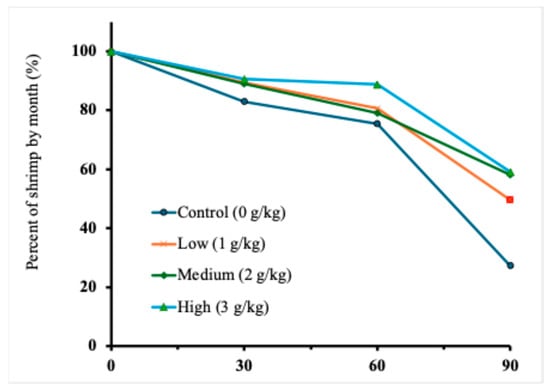
Shrimp farming often suffers due to high mortalities and poor growth. Mycotoxins can be one of the causes but often underestimated. BIŌNTE® QUIMITŌX® AQUA PLUS, an anti-mycotoxin additive (AMA) was tested to assess its efficacy and determine the best dose for Pacific white shrimp (Litopenaeus vannamei). Four treatments (0, 1, 2, and 3 g/kg of diet) were randomly allocated in 12 aquaria during larval rearing (day 1–20) and 12 fiberglass tanks during subsequent grow-out (day 21–111). Results showed positive impacts on feed conversion, protein efficiency, survival, and growth. A decreasing trend in FCR and increasing trend in PER with the increase in AMA dose. The higher the dose, the better was the immunity as indicated by the survival of shrimp against bacterial challenge. However, the survival and growth showed significant quadratic relationships indicating that the dose of 1.4 g/kg can have the highest daily weight gain (66.7 mg) and the dose of 2.5 g/kg results in the highest survival (60.3%) which is more than double the survival of the control group (27.3%). Therefore, the doses between 1.4 and 2.5 g/kg of feed are recommended for the grow-out phase to enhance growth and survival of shrimp. However, further studies should be conducted in outdoor pond conditions for varying feeding regimes, contamination levels and stocking densities.
Full article

Figure 1

Highly Accessed Articles
Latest Books
E-Mail Alert
News
Topics
Topic in
Animals, Aquaculture Journal, Biology, Fishes, Life
Sex Differentiation Mechanisms in Aquatic Species
Topic Editors: Mingyou Li, Zhihui Sun, Jun ZhangDeadline: 31 January 2027
Topic in
Animals, Aquaculture Journal, Biology, Fishes, Pathogens, Vaccines, IJMS
Novel Insights and Advanced Research in Aquatic Animal Diseases and Immunology
Topic Editors: Erlong Wang, Zihao YuanDeadline: 30 July 2027
Conferences
Special Issues
Special Issue in
Aquaculture Journal
Aquaculture in Central and Eastern Europe
Guest Editors: László Váradi, Béla UrbányiDeadline: 31 August 2026
Special Issue in
Aquaculture Journal
Recent Advances in Sustainable Aquaculture
Guest Editors: Mirza Masum Beg, Yari VecchioDeadline: 30 September 2026
Special Issue in
Aquaculture Journal
Feature Papers in Aquaculture 2026
Guest Editor: Aires Oliva-TelesDeadline: 31 December 2026